The Morning After- next day storm waves

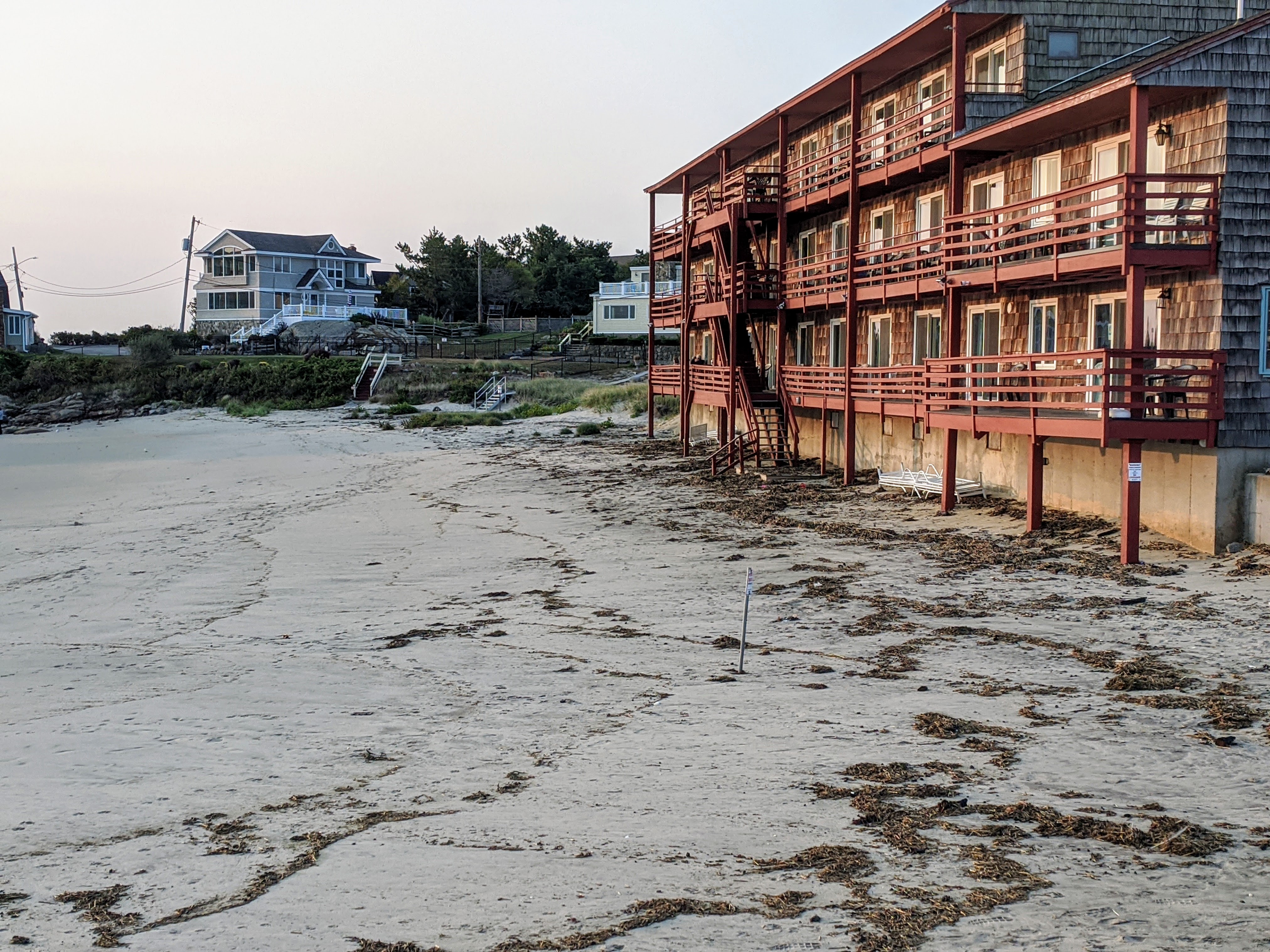
The Long Beach walkway was dry this morning: Storm Teddy did not surge up and over the seawall. Light debris was deposited on nearly spotless Long Beach. Beautiful rollers were distant as the tide was heading out.

photos 9/23/2020- click to enlarge to full size



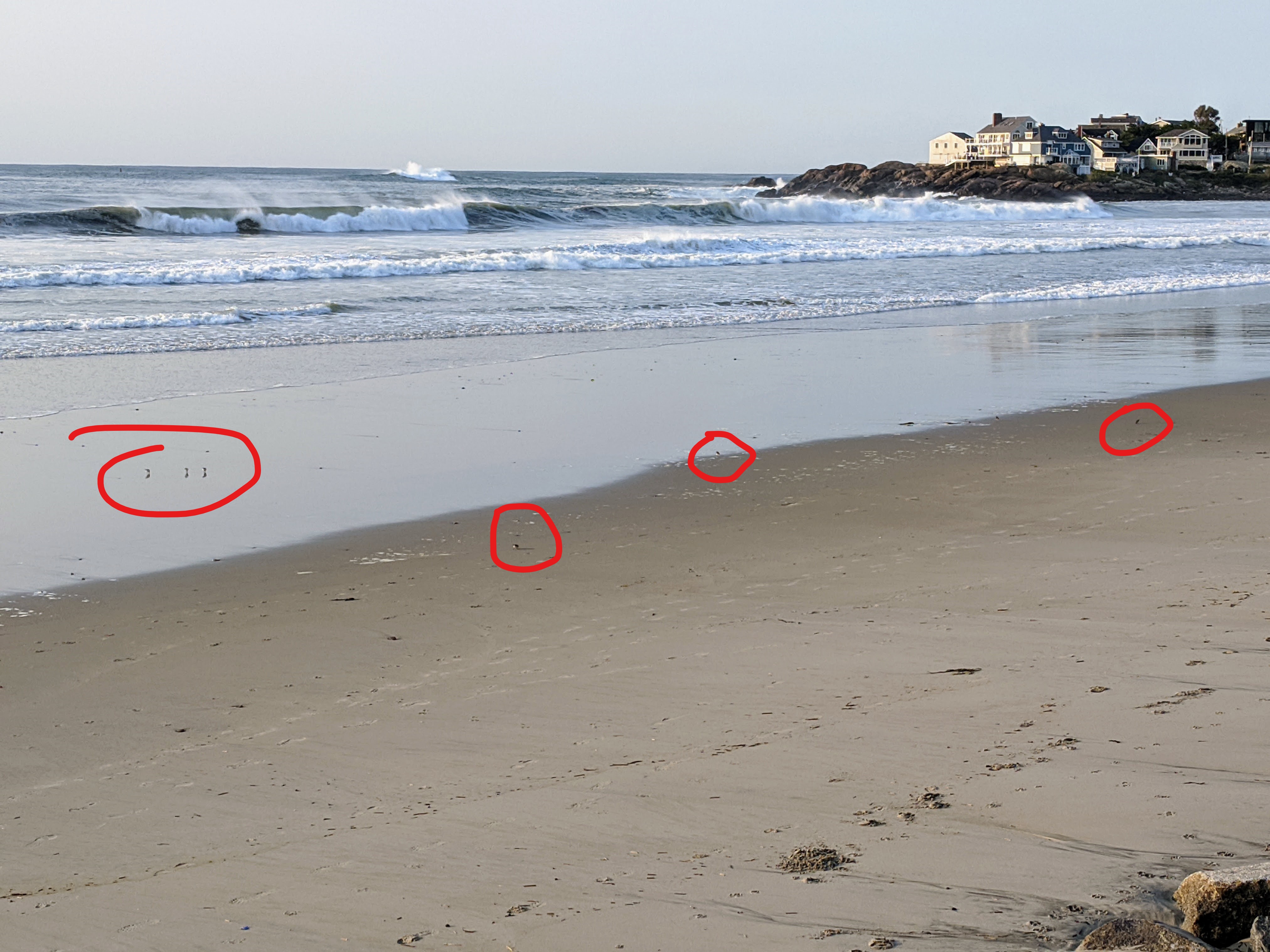
Spotted less than ten shorebirds, three species. These tiny birds are migrating from the arctic and landing to rest and refuel. Give them space if you see them! The few I spotted were flushed off.

A smile path helps wildlife. Walk around (or pause if you have the time)
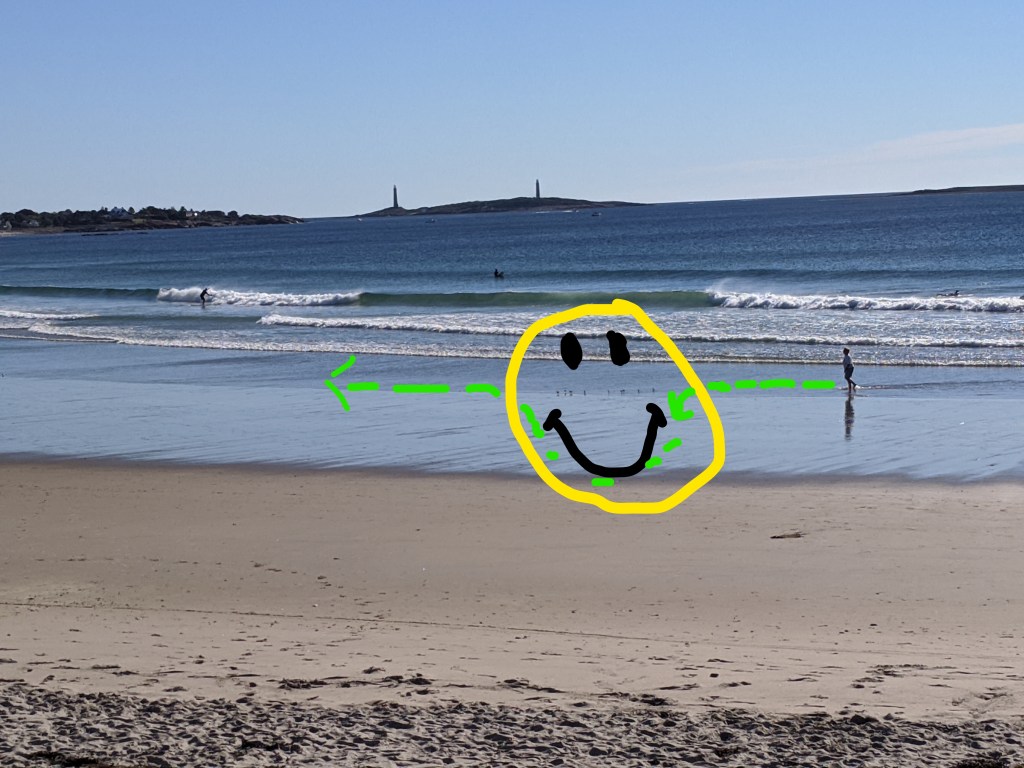
 

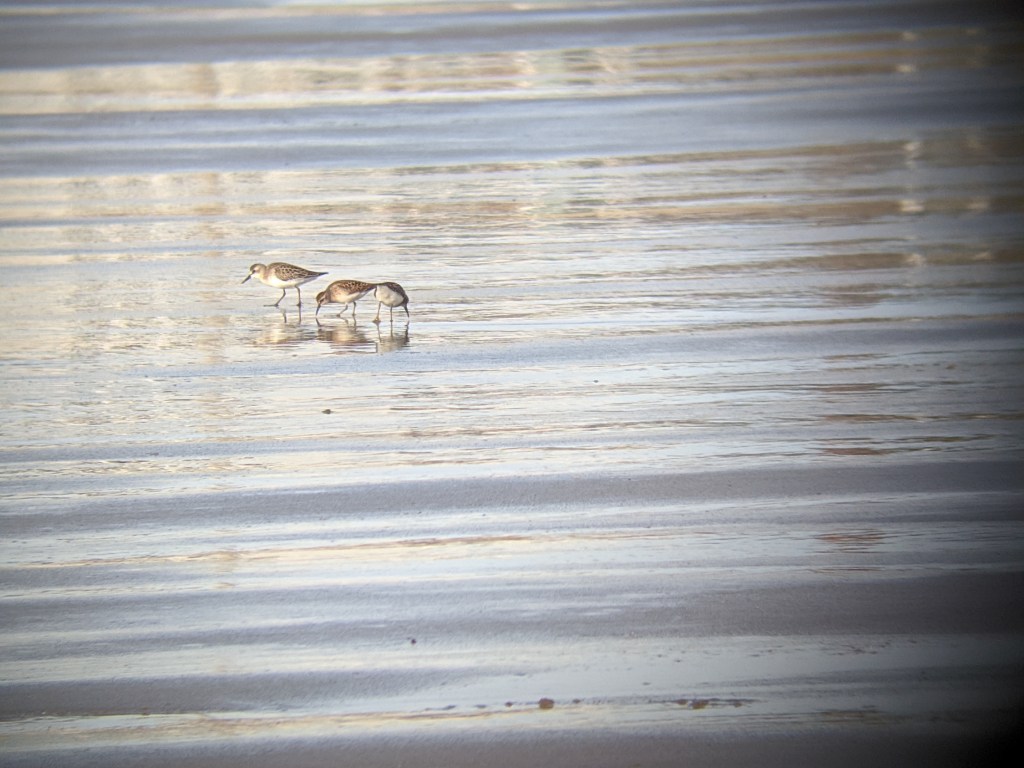
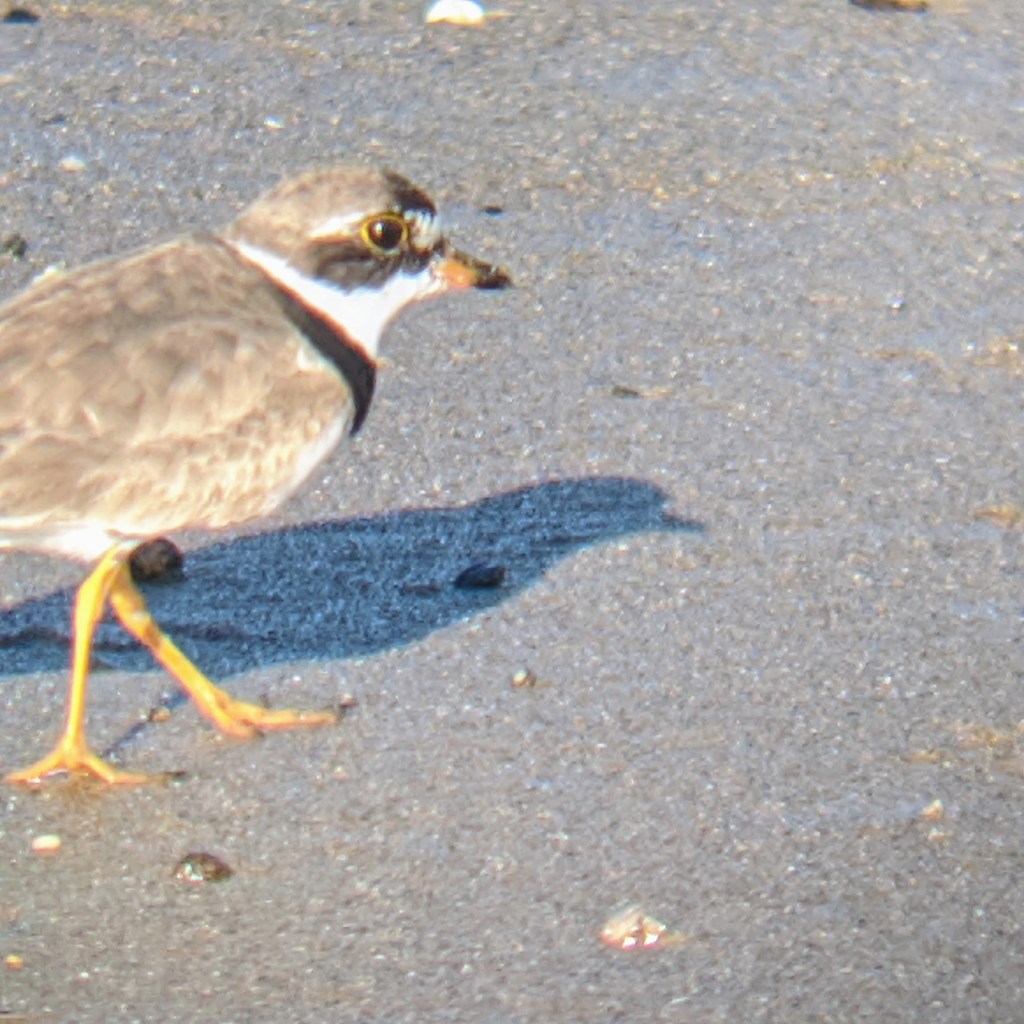
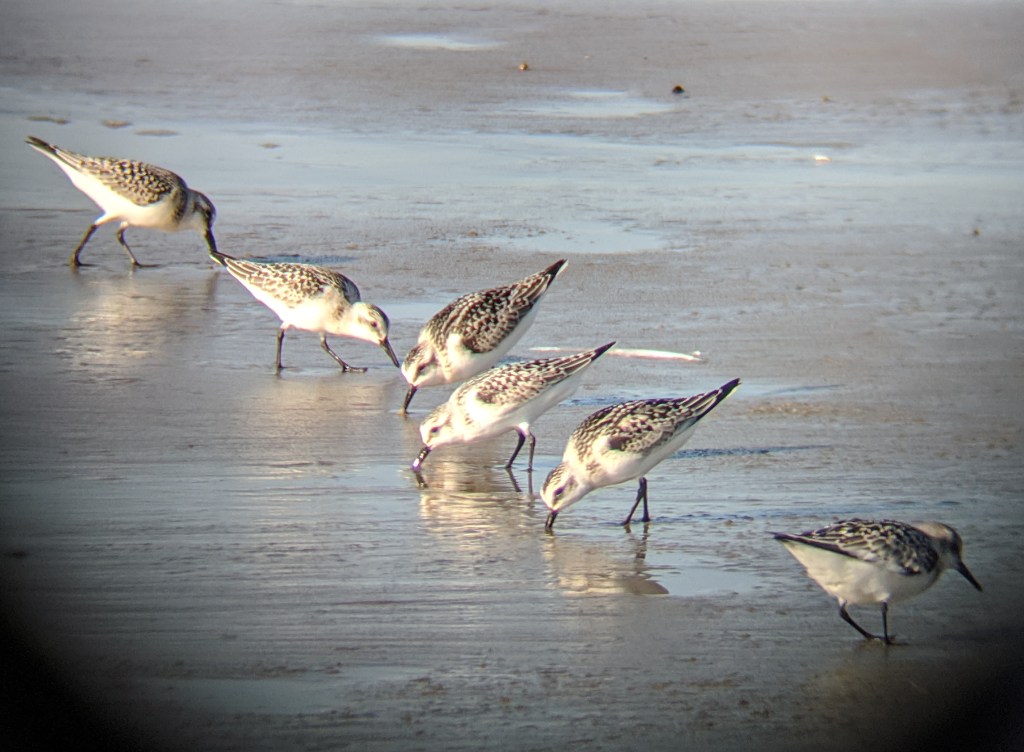
Shorebird visitors hanging out together today (sanderlings, semipalmated sandpipers and semipalmated plovs). Easy to add a smile path when you spot them.
 

Below L-R: Sanderlings, semipalmated sandpipers, and semipalmated plover visiting 2020
 

Scenes of waves from Storm Teddy yesterday 9/22/2020 here

TEETERING SPOTTED SANDPIPER

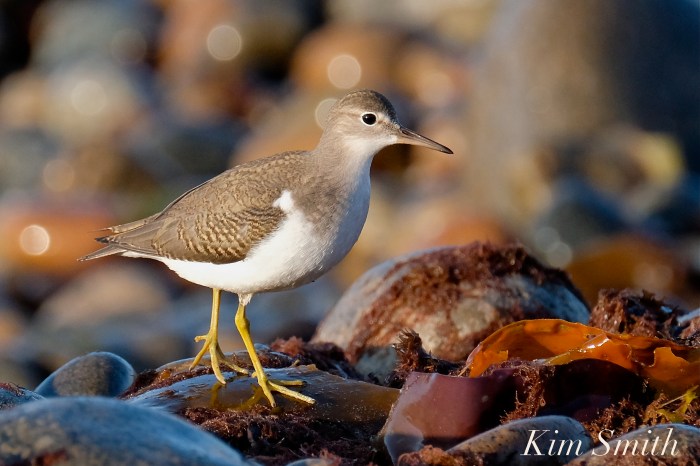
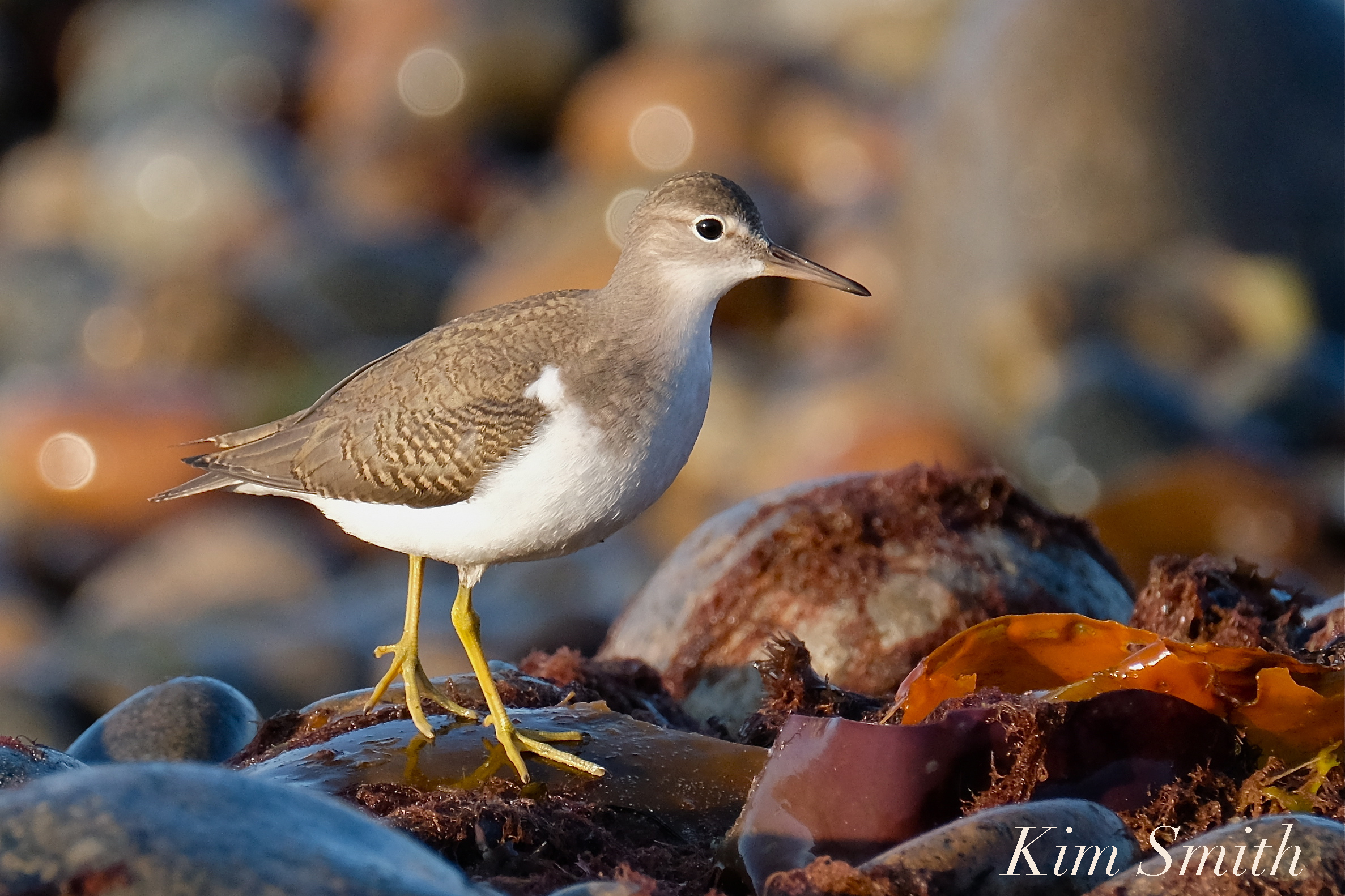
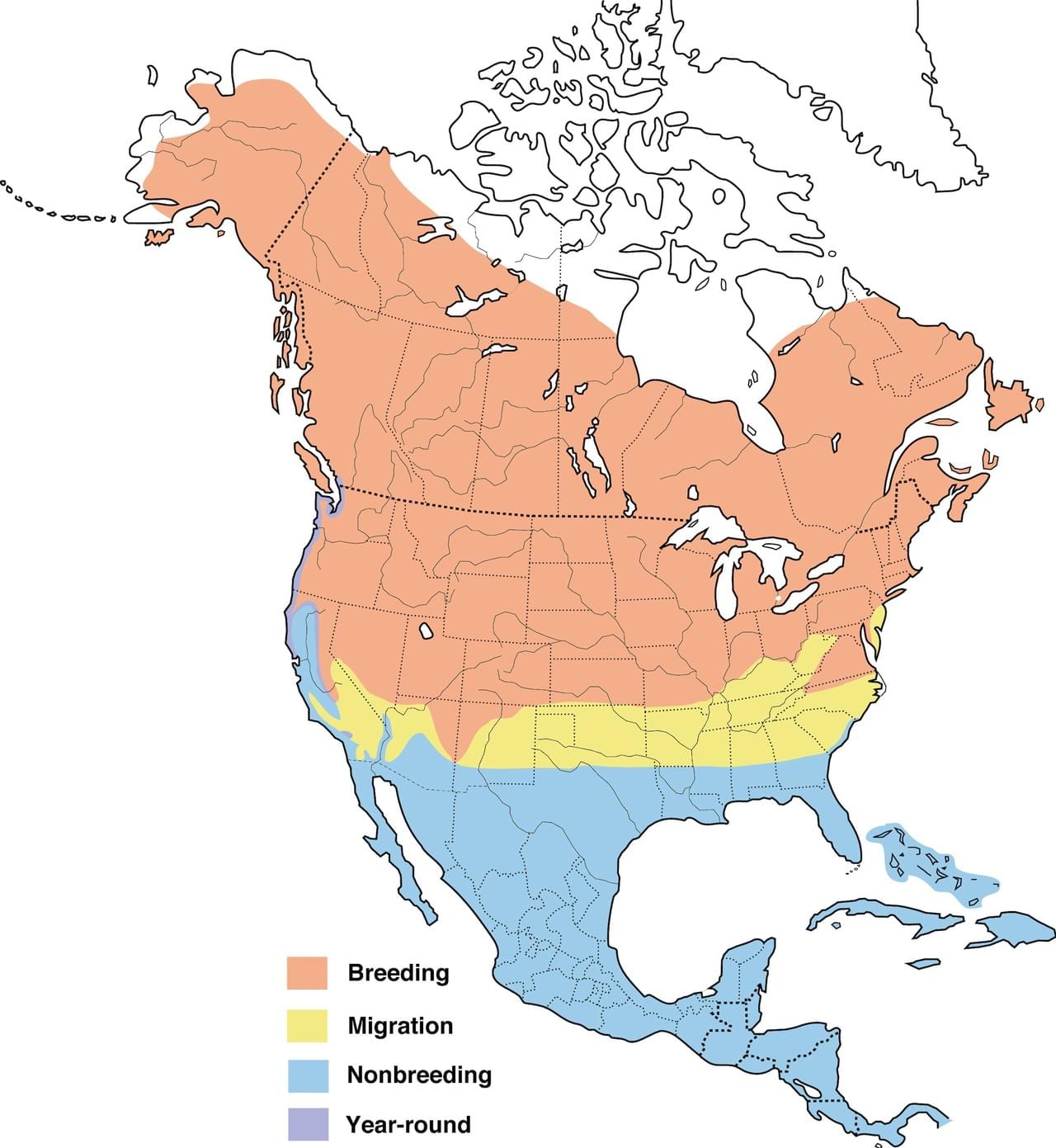
On our shores today you may find the charming teetering tip-tailed Spotted Sandpiper. They are a medium sized-shorebird, larger than the Semipalmated Sandpiper you see in the photos, but not as large as the Ruddy Turnstones they are currently migrating alongside. Spotted Sandpipers have a characteristic bobbing-teetering movement when foraging, which has earned the bird its many common names including including Tip-tail, Teeter-bob, Teeter-peep,and Perk Bird.

Fun fact: During breeding season the females may be monogamous, or they may also lay up to four different clutches of eggs, with a different male assigned to each nest. Remarkable!

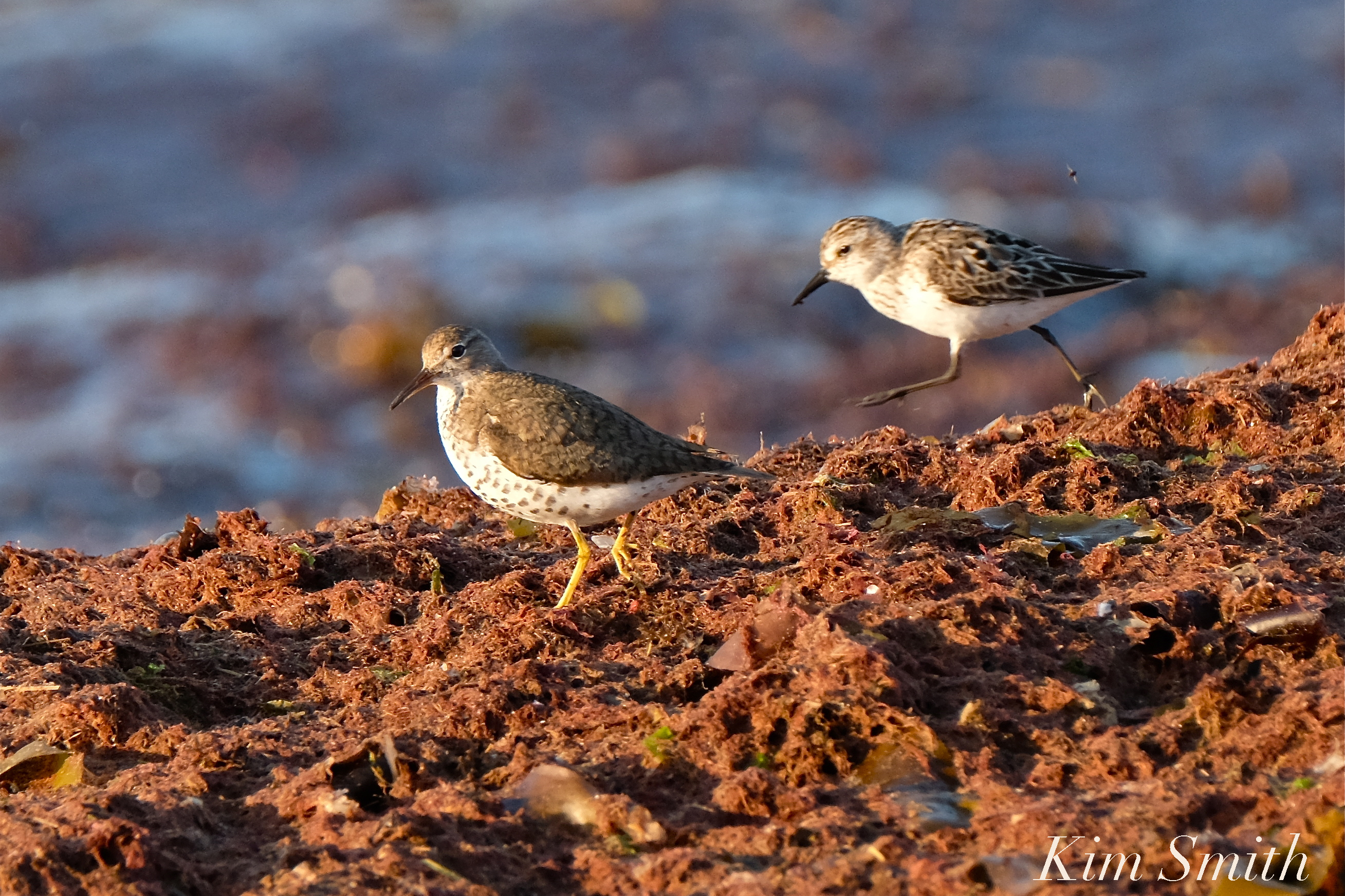
Although considered common, I don’t often see the Tip-tail on our locaL beaches so it was a joy to spot several this past week, in vary stages of fading breeding plumage.


The Spotted Sandpiper in the above photo has retained some of its spots. The spots give way to a pure white breast during the winter months.

Spotted Sandpiper in non-breeding plumage.


The Spotted Sandpiper often forages in a crouched manner.