RESCUED MINKE WHALE PHOTOS FROM AL BEZANSON AND IMPORTANT MARINE STRANDING MESSAGE FROM NOAA

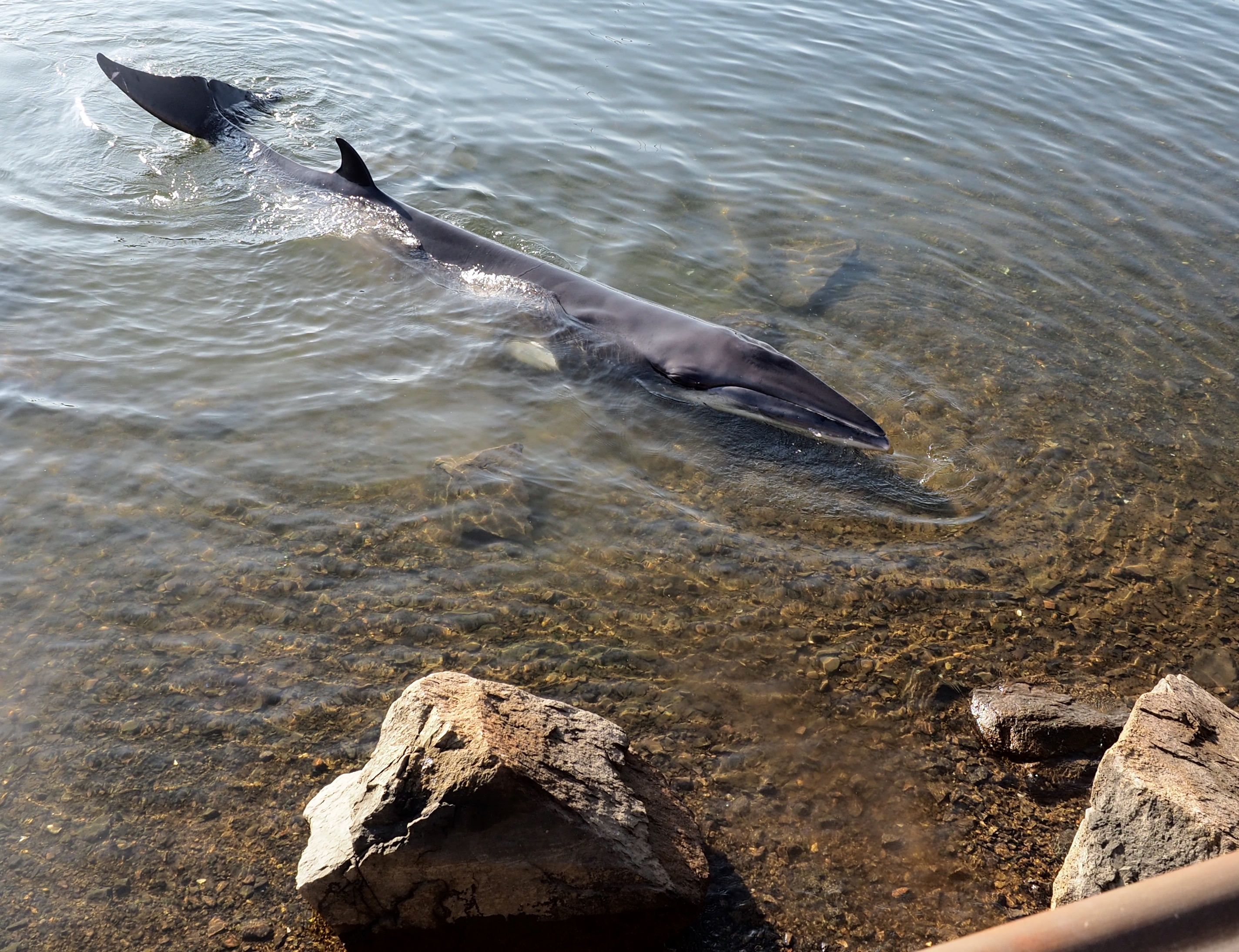
Minke Whale Smith’s Cove Gloucester Harbor

Green Dragon Schooner Captain Al Bezanson, who first alerted GMG to the Minke Whale temporarily grounded at Gloucester Harbor, shares his photos and observations. Ainsley Smith, NOAA’s Marine Animal Response Coordinator, shares information on what to do if you see a whale, dolphin, or seal stranded or in distress. With so many whales currently feeding off our shores, as well as the extreme number of seal deaths, we appreciate Ainsley’s advice.

Al writes, “The whale looked to be a juvenile about ten feet long, I thought. Perhaps confused by running aground and kept trying to forge ahead. I did not see the rescue but turning him or her was probably the key to freedom, and moving a rock would provide the space.”
Ainsley writes, “Yesterday morning, a small minke whale got stuck in less than 2 feet of water in Smith Cove, Gloucester. The beaching was reported to us at around 8 a.m., and our Stranding Coordinator immediately left for the scene. The situation was also reported to the harbormaster, the animal control officer, and NOAA’s Office of Law Enforcement.

By the time our Stranding Coordinator arrived at 8:30, we are told that a local resident had moved a large boulder that appeared to be preventing the whale from returning to deeper water. Our Stranding Coordinator, along with the harbormaster, Gloucester animal control officer, and NOAA OLE agent, then searched for the whale throughout the harbor, but were unable to find it again, which is good news! We are hoping the whale made it back to deep water safely.
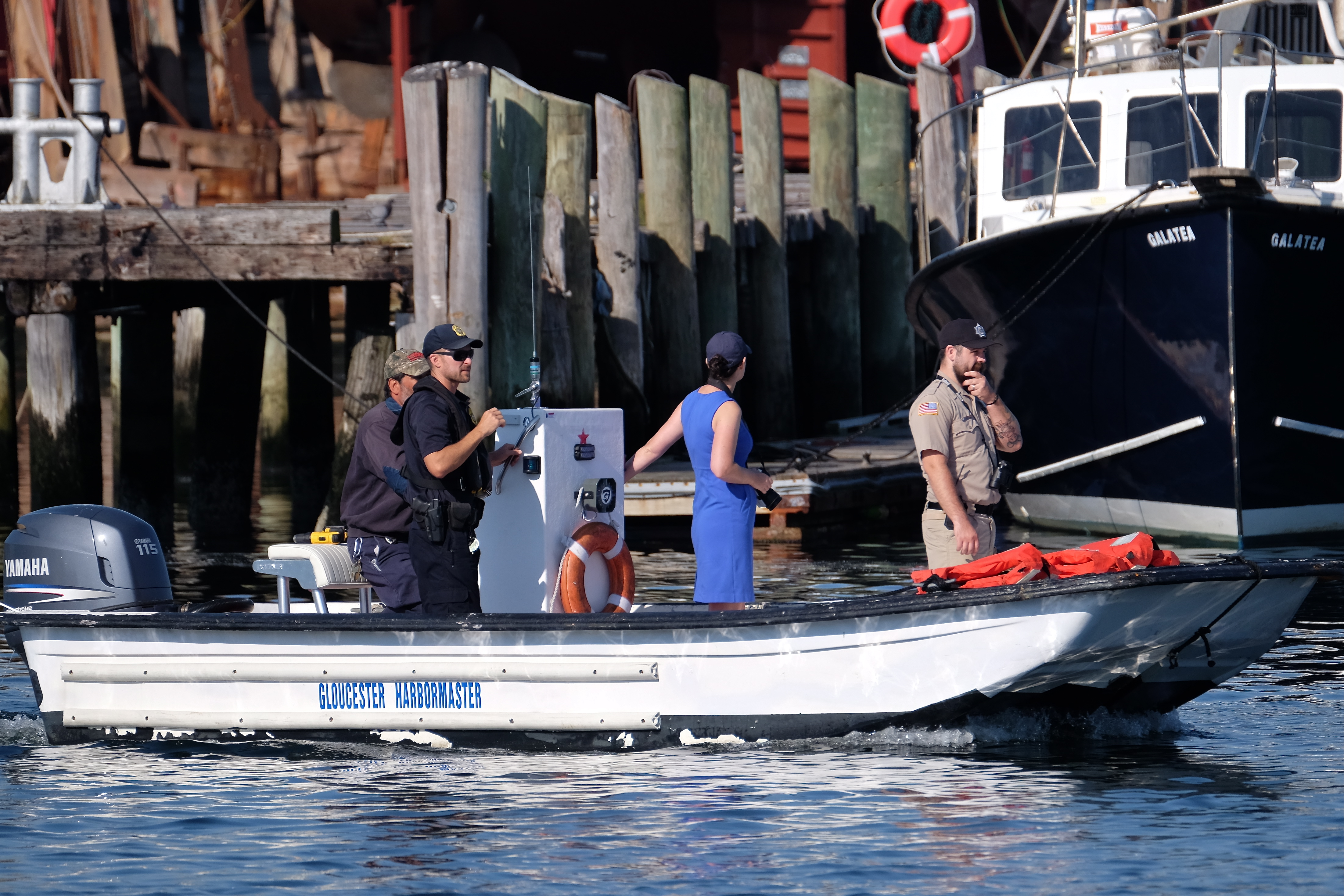
We appreciate the outpouring of concern for this whale, and understand that it is very hard to watch a whale struggle. We feel the same way, which is why we are in this line of work!

This is a good opportunity to remind everyone that, under federal law, specifically the Marine Mammal Protection Act, only authorized responders are allowed to interact with stranded marine mammals. Often, marine mammals strand because they are in distress, and a trained responder will best know how to evaluate and help the animal. Pushing an animal back into the water may delay treatment or response, and also limits our ability to gather important information to be able to best help. For example, an entangled minke whale was reported near Gloucester last week, so it would have been valuable to examine this whale for injuries and see if it may have been the same one.

Whales in distress can also be dangerous, as they are unpredictable and very powerful. People have been seriously injured or killed trying to help, which is another reason we ask that people wait for trained responders.

The best thing you can do to help a marine mammal in distress is call the NOAA hotline (866-755-6622) or your local stranding response partner, and stand by the animal until help arrives.

Additionally, if people see a marine mammal in an unusual place (like a busy harbor or shallow water), please report it to the hotline so it can be monitored and we can alert people in the area to help keep it safe. We heard several reports yesterday after the stranding that a whale had been seen in the harbor earlier the week, but no one had reported it to us.” 
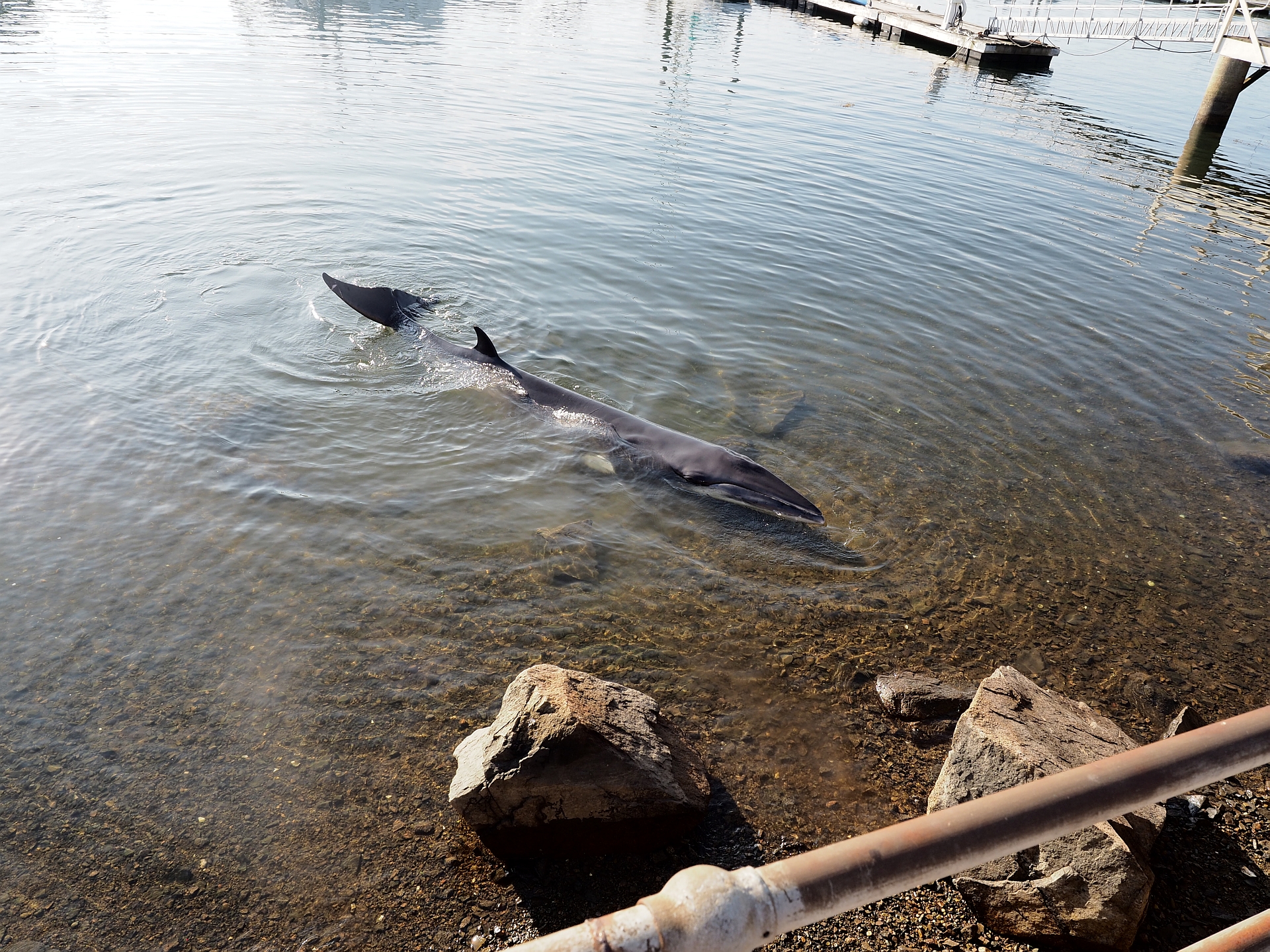
Minke Whale Smith’s Cove Goucester Harbor Al Bezanson Photo

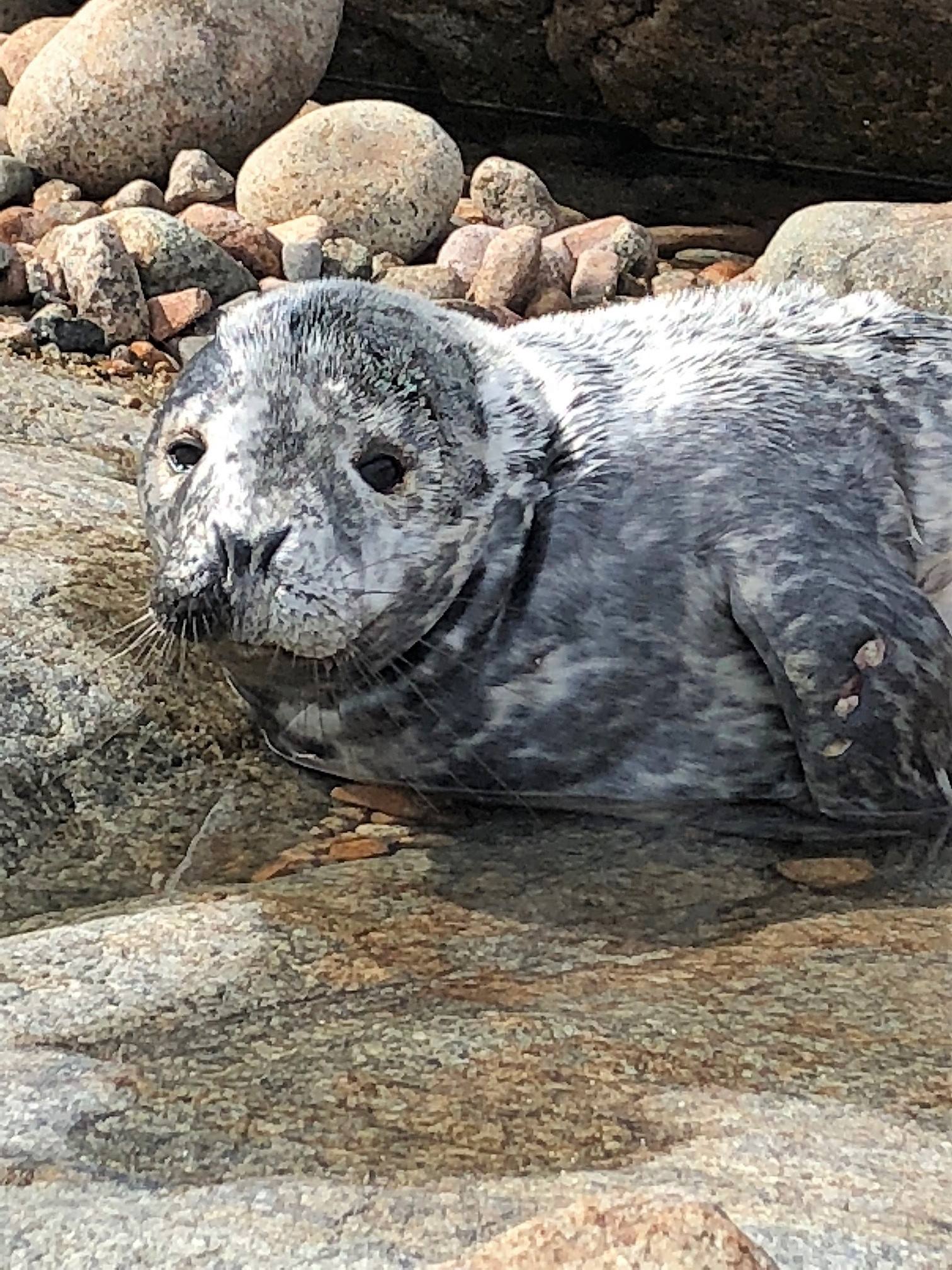
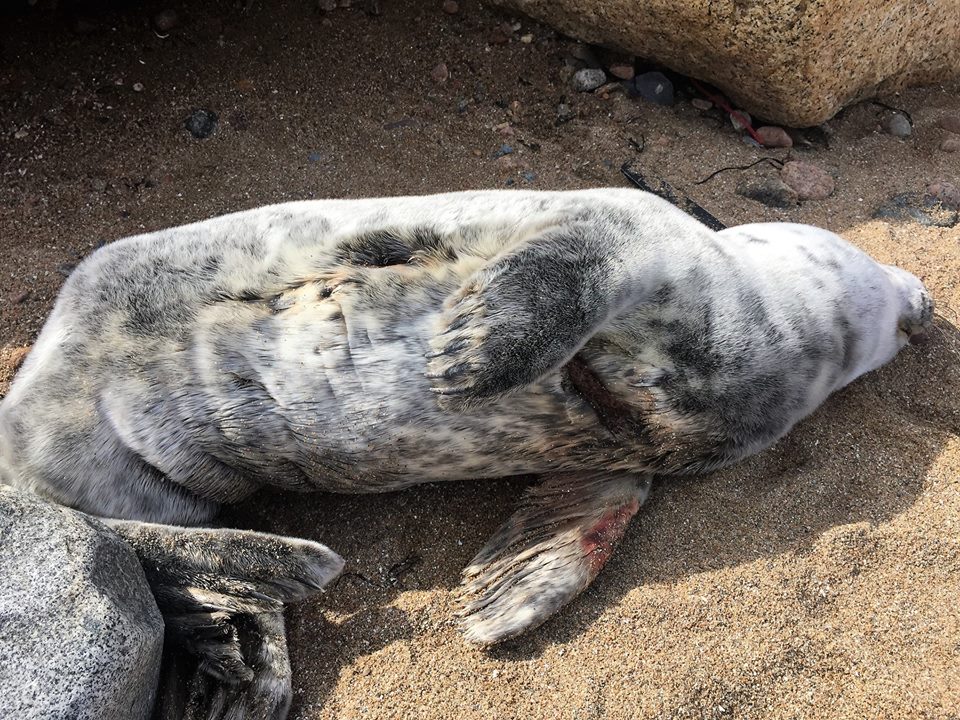
INJURED GRAY SEAL PUP UPDATE -By Kim Smith

The following is from the Seacoast Science Center. Although located in Rye, New Hampshire, they were permitted to help the injured Gray Seal in Gloucester.

Yesterday, we assisted NOAA Fisheries with a Gray Seal weanling in Gloucester, MA that has extremely serious wounds, likely from a predation attempt, and needed help. Despite the extensive and deep infected wounds, the young seal did exhibit fight and aggression when collected, so we administered fluids with electrolytes and transported her to rehabilitation. She is now receiving antibiotics to combat the infection that has already begun and pain medication to control the discomfort level, but the prognosis is still grim at this time. We will continue to update as we have any news.

SSC Marine Mammal Rescue has a 24 hour reporting hotline: 603-997-9448 or call 866-755-6622.


*   *   *

This seal would have been a great candidate to be able to get a full blood panel in real time, in the field, to determine what she needed and how extensive infection, dehydration, etc were. These readings also help determine whether an animal in question is a viable rehabilitation candidate. We have just reached the halfway point of being able to purchase the i-STAT handheld blood analyzer, thanks to generous donations of $3,445 so far. Will you help us get even closer? We hope to be able to purchase this equipment by mid-June, before harbor seal pup and weanling season is in full force. Photos courtesy SSC.

About the Seacoast Science Center 

Founded in 1992, the Seacoast Science Center is a non-profit marine science education organization located on the New Hampshire coast. Through programs, exhibits and rescuing marine mammals, we inform people, from toddlers to grandparents, about why a healthy ocean is important.

The Seacoast Science Center was granted authorization by the National Marine Fisheries Service to lead New Hampshire’s marine mammal rescue effort, effective January 1, 2014. The Center’s Marine Mammal Recue Team rescues stranded, injured and diseased seals, whales, porpoises, and dolphins in NH’s coastal region.

To learn more and to donate to their fundraiser to purchase the i-STAT handheld blood analyze visit the Seacoast Science Center website here.

Thank you to Ainsley Smith for directing our readers to the Seacoast Science Center!