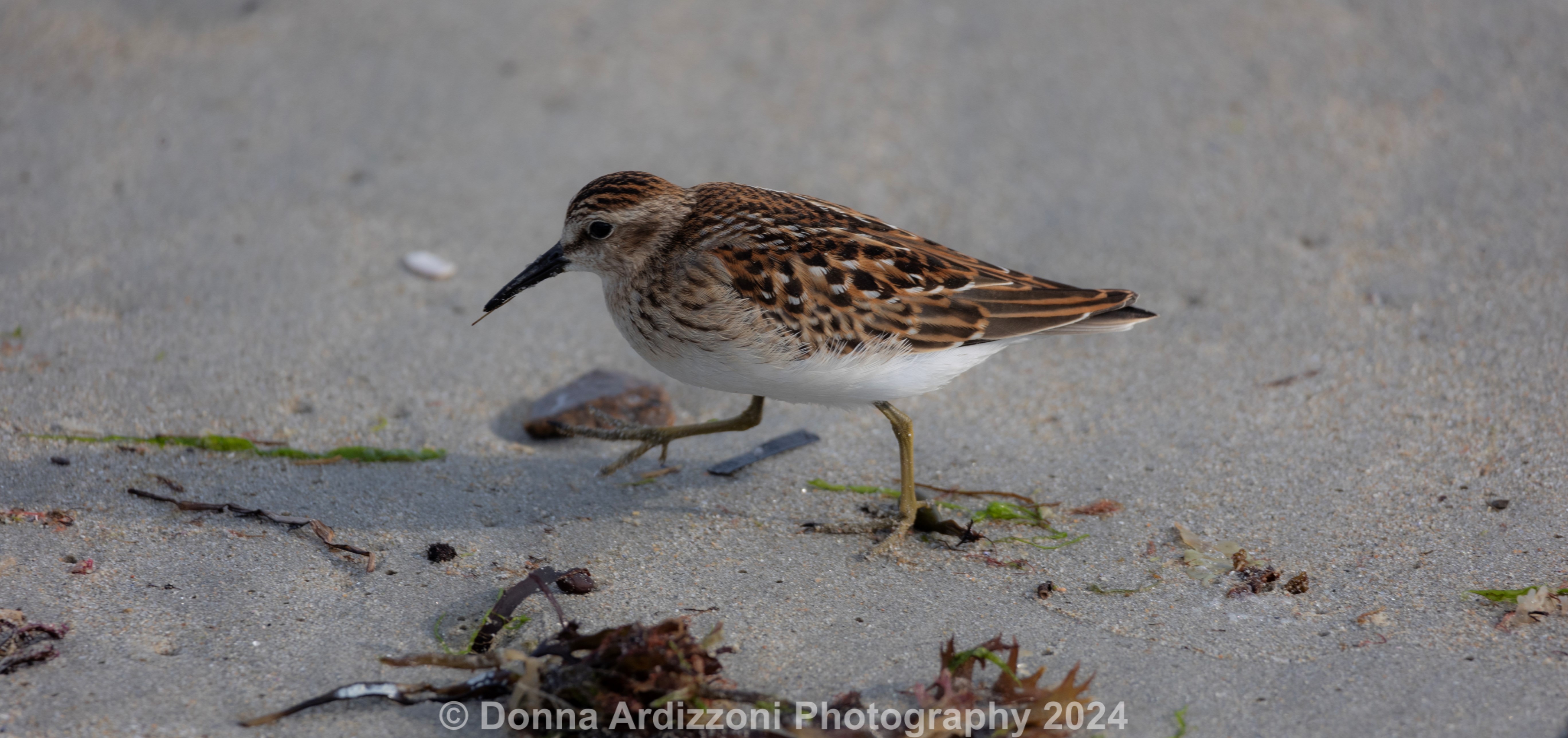
These little birds are so cute skipping around the beach. They are so fast.
My View of Life on the Dock
These little birds are so cute skipping around the beach. They are so fast.

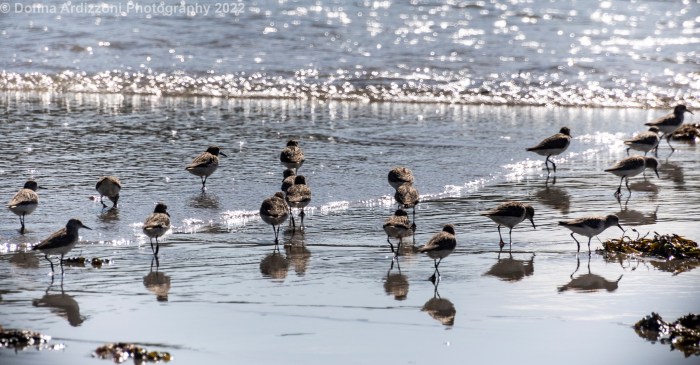
These little birds are so fast and cute on the beach. Love how they travel in groups.

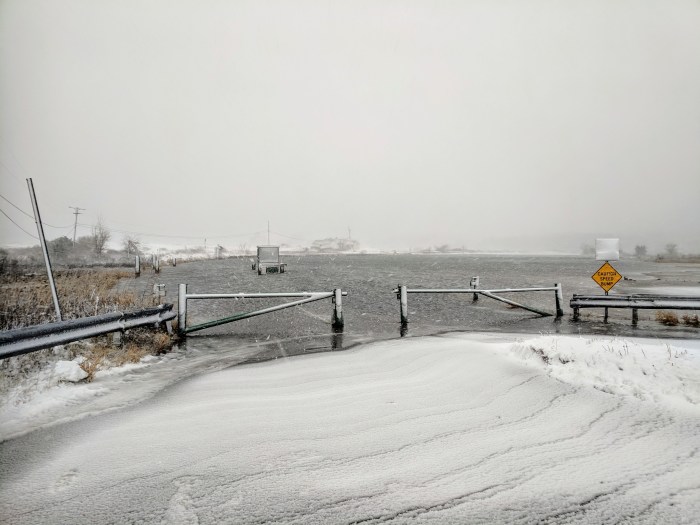
2:15PM slush pond roads and closed by Witham and Thacher and Good Harbor Beach parking lot. Power outages this way.


GOOD HARBOR BEACH
Ocean is up on the deck outside the Good Harbor Beach Inn snack bar, though not to the street
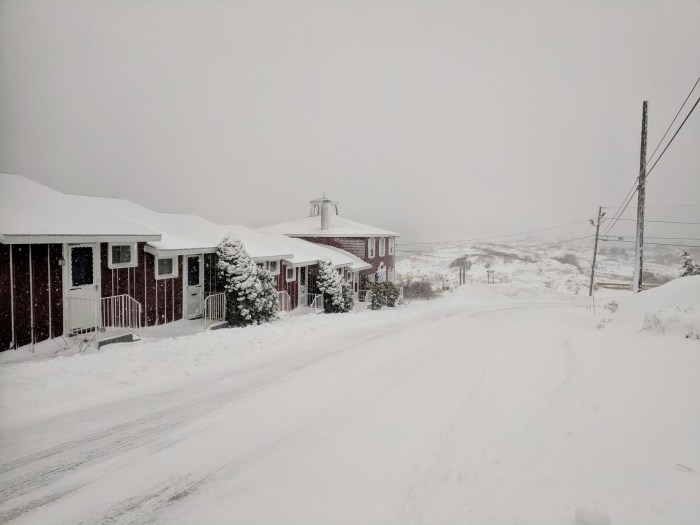
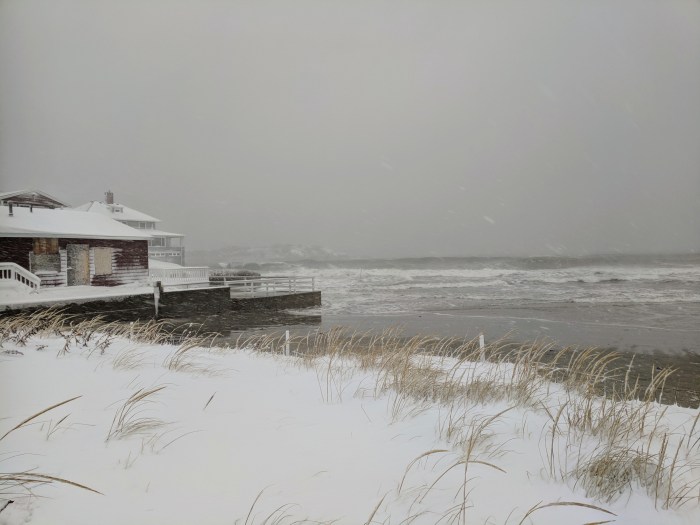
LONG BEACH
There go the staircases
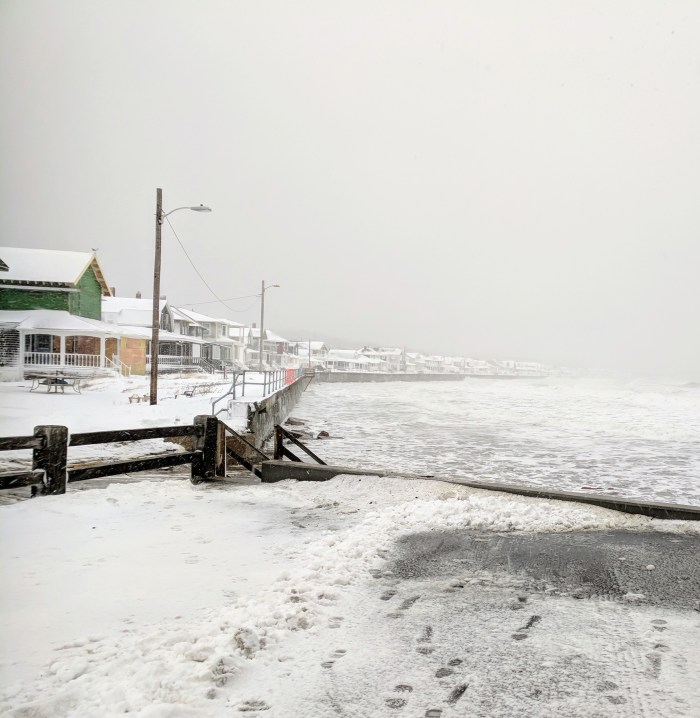
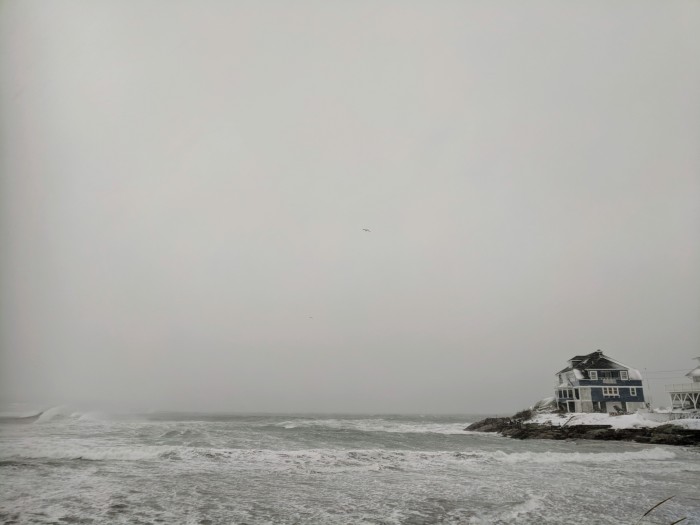
**Video coming when power-wifi back**

Follow this link to listen in to big interview with renowned 30 year + radio host, Leonard Lopate. WNYC New York public radio reaches 20 million people a month.
I’ll add the audio when it’s there.

Leonard Lopate welcomes poets, painters, politicians, novelists, dancers, Nobel and Pulitzer winners, filmmakers and actors to talk about their work each afternoon on WNYC’s acclaimed arts and culture interview program. The Leonard Lopate Show has been the proud recipient of three James Beard Awards and three Associated Press Awards.

Deborah Cramer thanks Good Morning Gloucester for mentioning her book and asks for photographs and stories about horseshoe crabs, otherwise known as the nearly scene stealing co-stars from her inspiring book on red knots (sandpiper shorebirds), The Narrow Edge.
We do. Please send in photos or stories if you have them about horseshoe crabs in Gloucester or the North Shore for Deborah Cramer’s project. Write in comments below and/or email cryan225@gmail.com
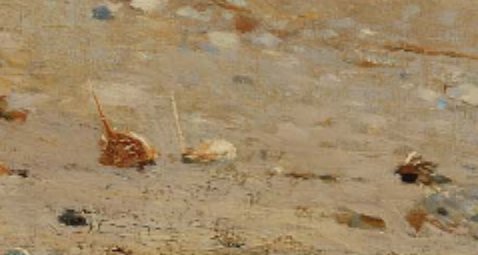
Here’s one data point. Look closely at this 1869 Winslow Homer painting. Can you spot the horseshoe crabs? Can you identify the rocks and beach?


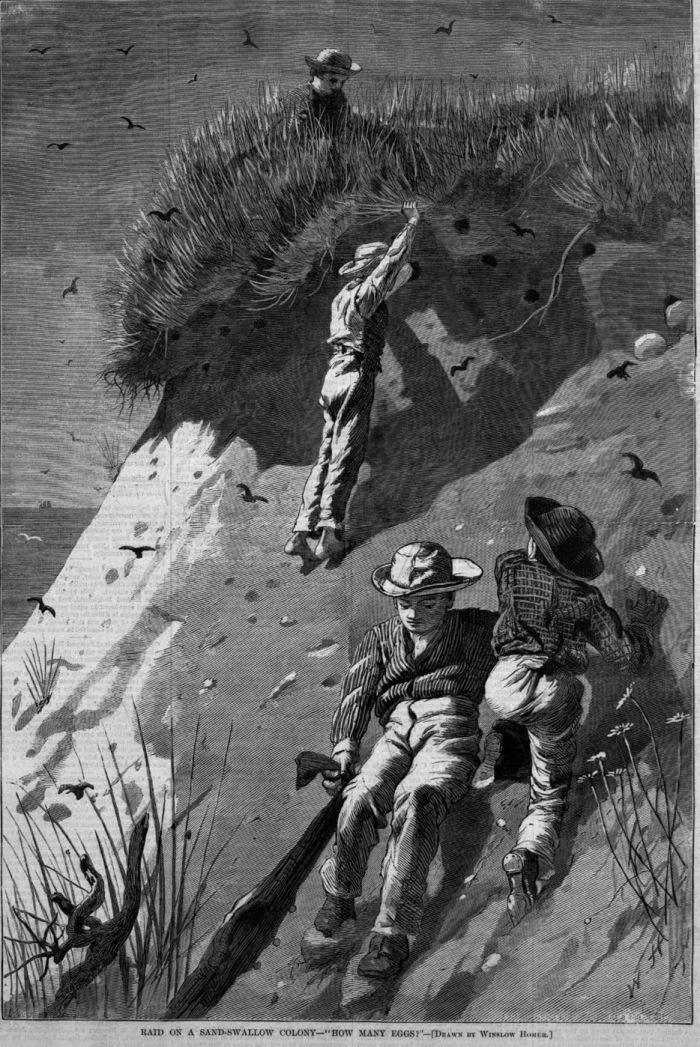
While reading The Narrow Edge, and looking at Kim Smith’s Piping Plover photographs, I thought about Raid on a Sand Swallow Colony (How Many Eggs?) 1873 by Homer and how some things change while much remains the same.When my sons were little, they were thrilled with the first 1/3 or so of Swiss Family Robinson. As taken as they were with the family’s ingenuity, adventure, and tree house–they recoiled as page after page described a gorgeous new bird, promptly shot. They wouldn’t go for disturbing eggs in a wild habitat. The title ascribed to this Homer, perhaps the eager query from the clambering youngest boy, feels timeless. Was the boys’ precarious gathering sport, study, or food? What was common practice with swallows’ eggs in the 1860s and 70s? Homer’s birds are diminutive and active, but imprecise. Homer sometimes combined place, figures, subject and themes. One thing is clear: the composition, line and shadow are primed and effective for an engraving.

Harper’s Weekly published the image on June 13, 1875. Artists often drew directly on the edge grain of boxwood and a master engraver (Lagrade in this case) removed the wood from pencil and wash lines.
2016. Wingaersheek dunes and nests 140+ years later.


 Good Morning Gloucester