MORE SNAPSHOTS OF THE BEAUTIFUL SHORT-EARED OWL, SNOWY OWL, TENDERCROP FARM, AND IPSWICH CLAMBAKE

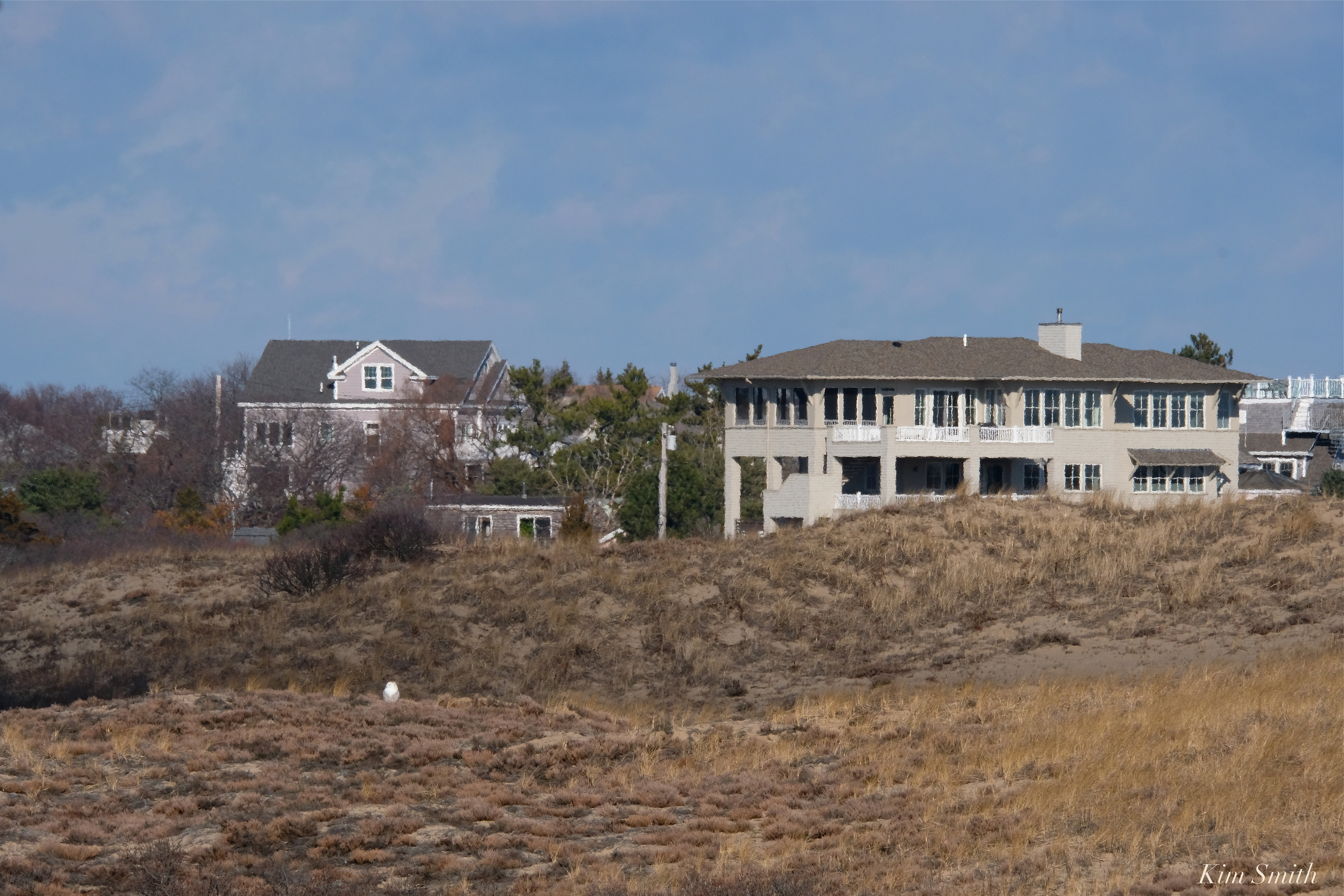
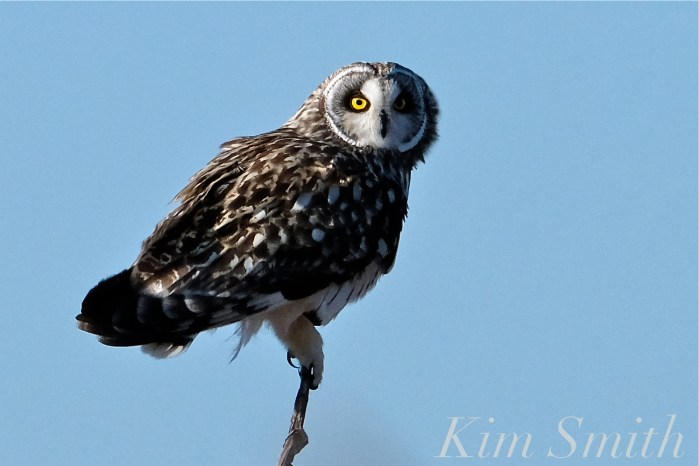
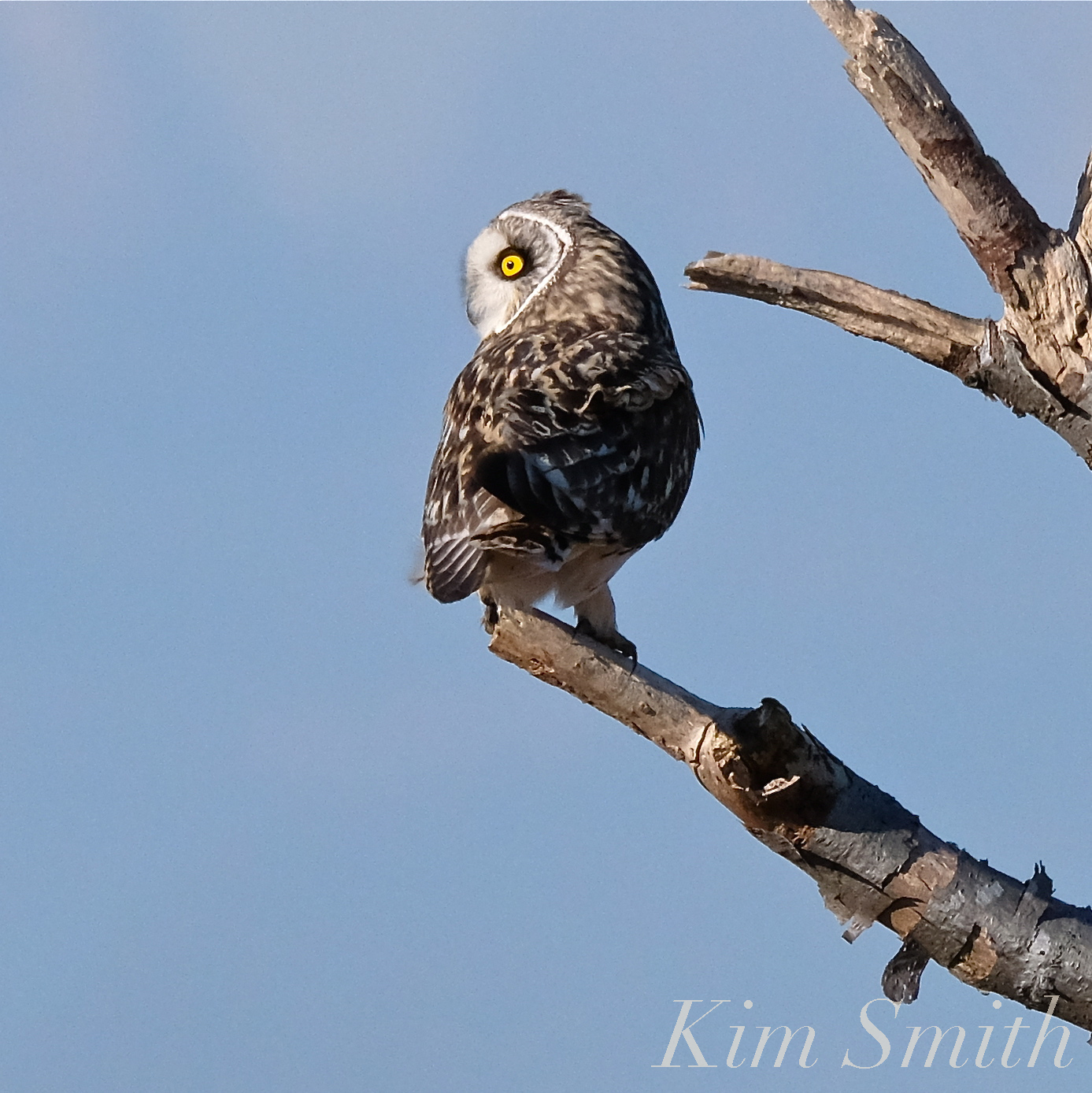
Charlotte and I had a wonderful adventure morning checking on the owls at Plum Island. We observed several Harrier Hawks flying low over the marsh grass hunting for prey, a Short-eared Owl perched on a craggy tree, and a Snowy parked for the morning far out in the dunes. We played on the beach and she had a blast zooming up and down the boardwalk at lot no.2.

Tiny white wedge in the distance

We next stopped at the refuge headquarters to play in the marsh boat that is part of the exhibit about the Great Salt Marsh. She brought along her own stuffed Snowy to join on the boat ride.
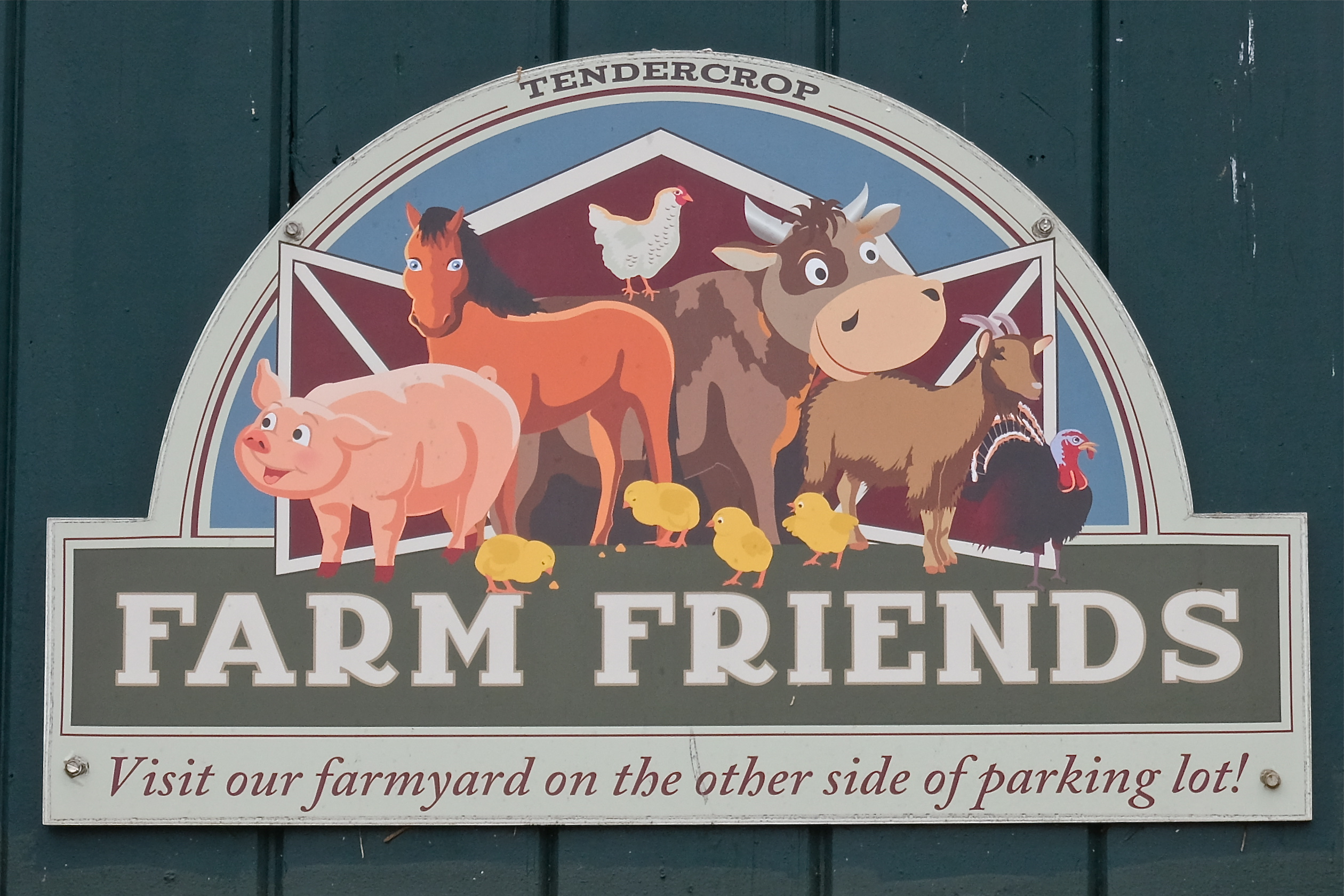
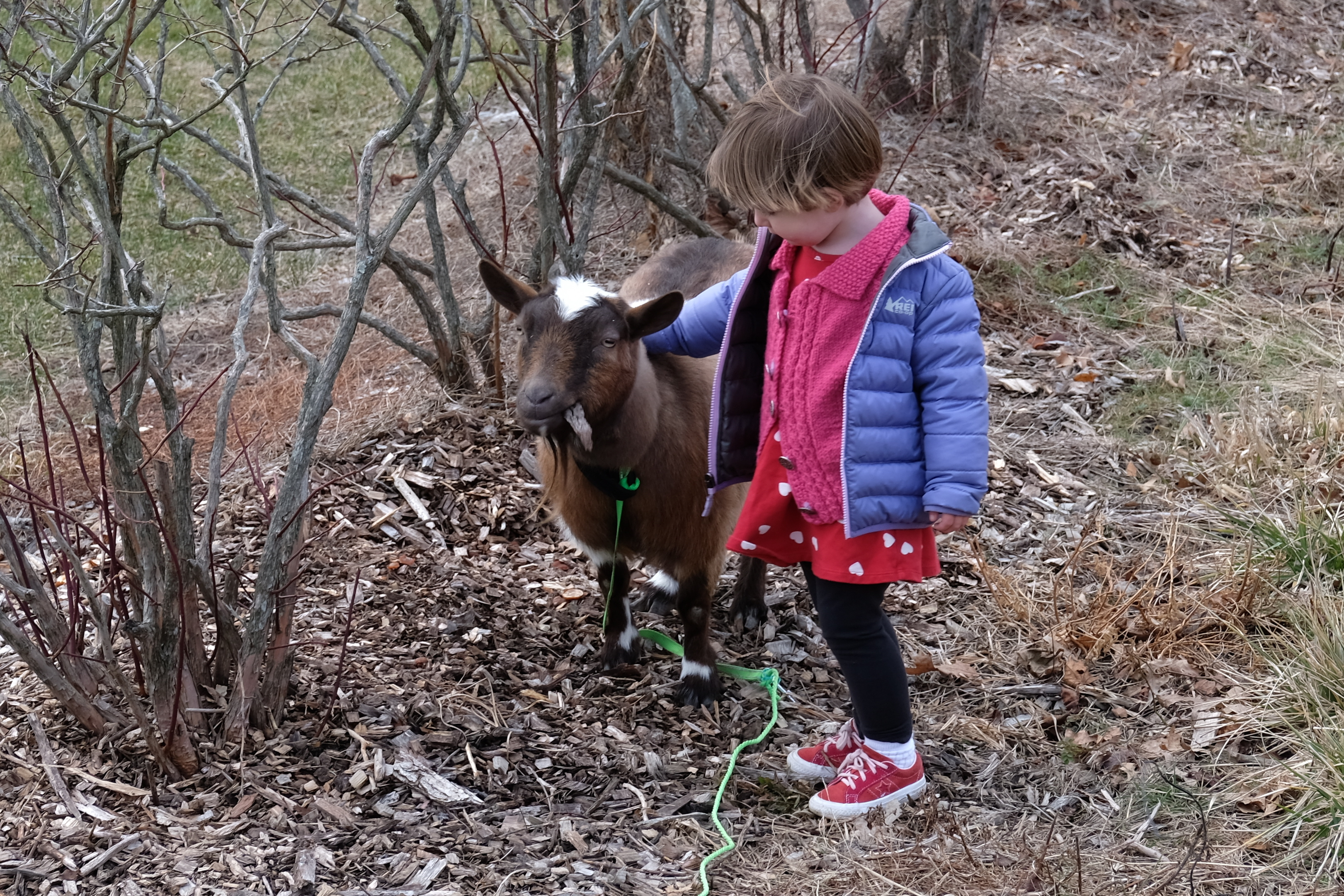
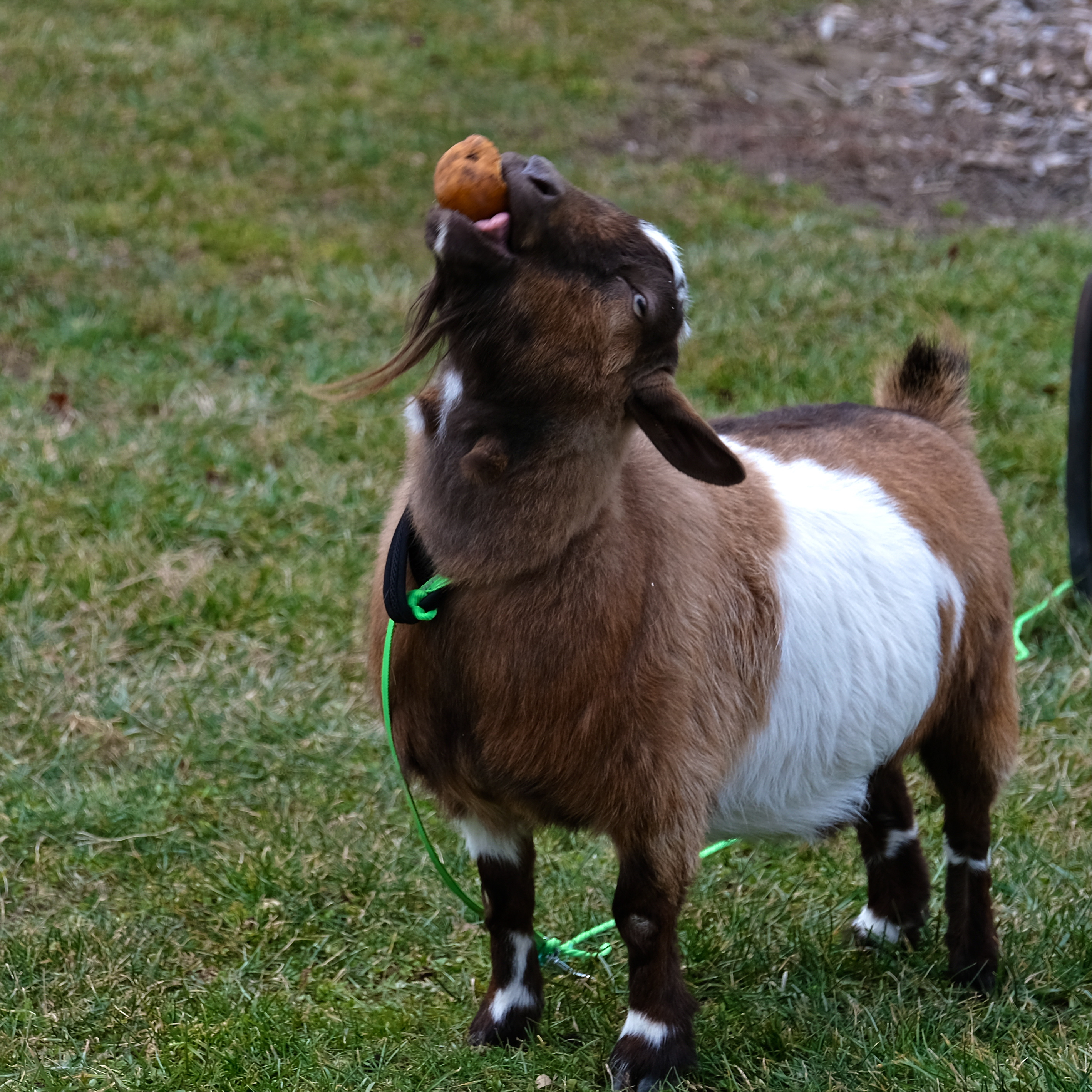
Next destination was a visit to see the farm friends at Tendercrop Farm. Currently in residence are a turkey, ginormous steer, pony, chickens, ducks, llama, and the sweetest miniature goat who is just wonderful with toddlers.

I purchased the best steaks we have ever had, Tendercrop’s own grass fed rib-eye, made even more magnificent cooked to perfection by Alex, with a beautiful red wine demi-glace.

Everything at Tendercrop Farm is always amazingly delicious. They have the freshest and best selection of fruits and vegetables during the winter months, bar none.
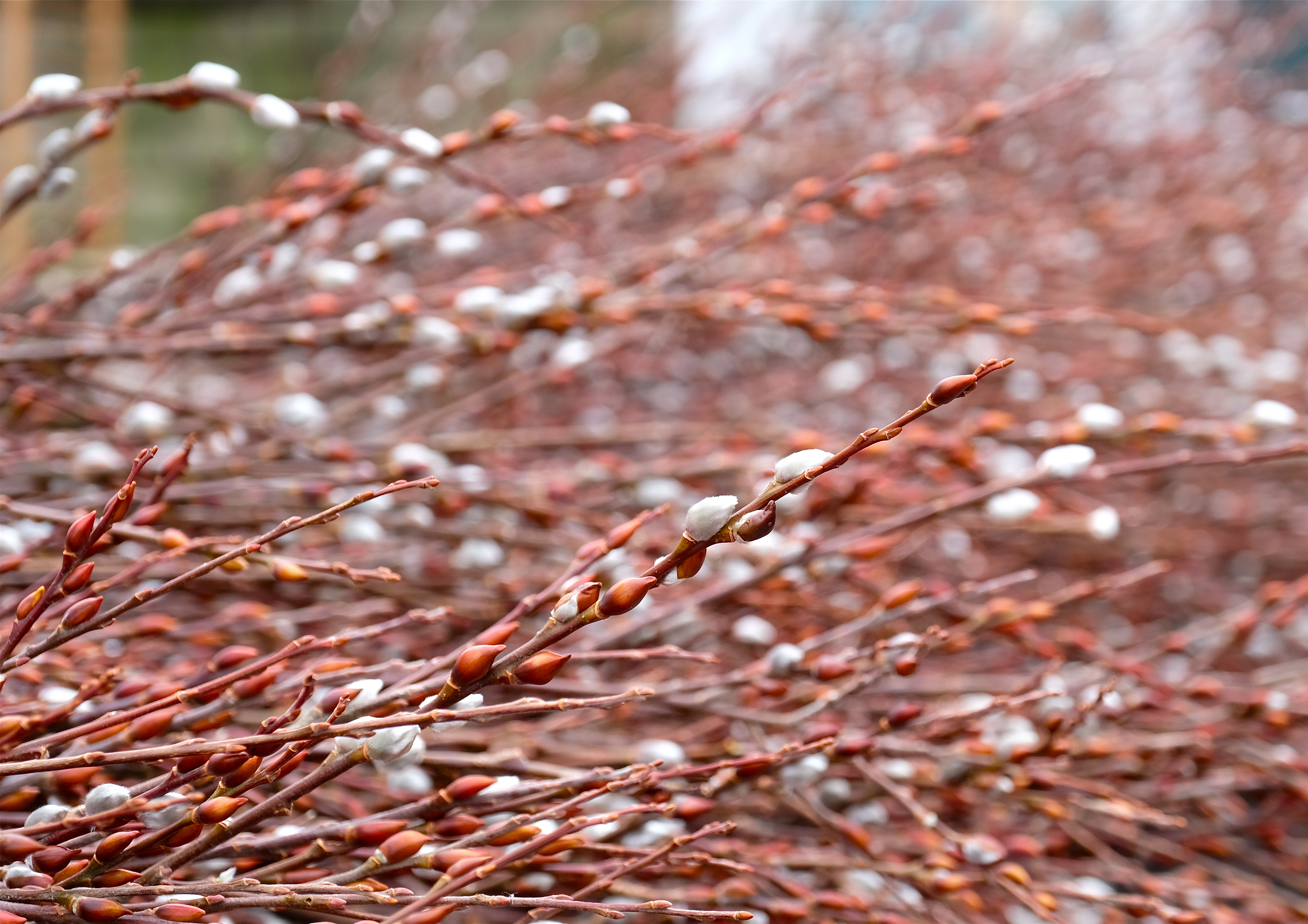
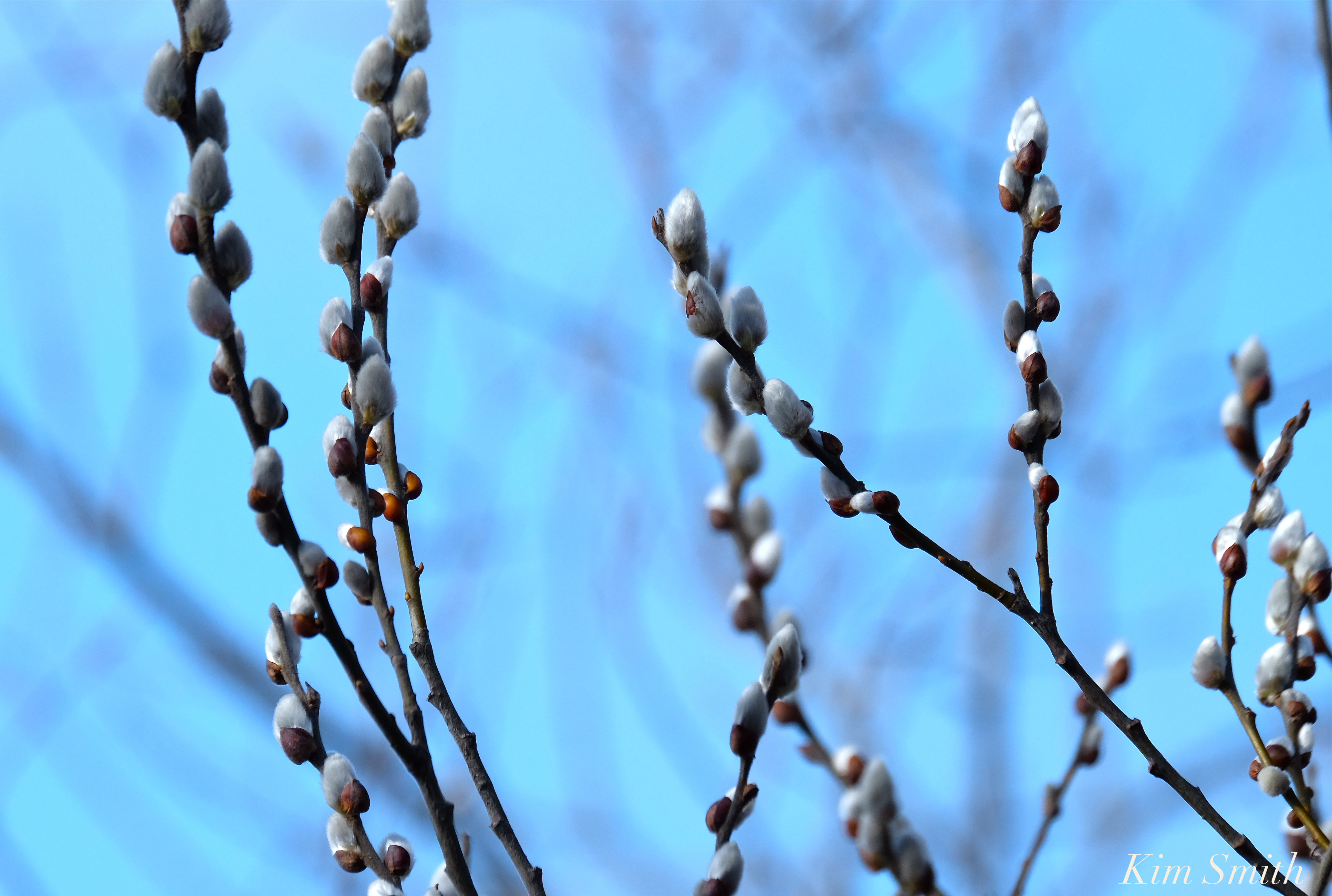
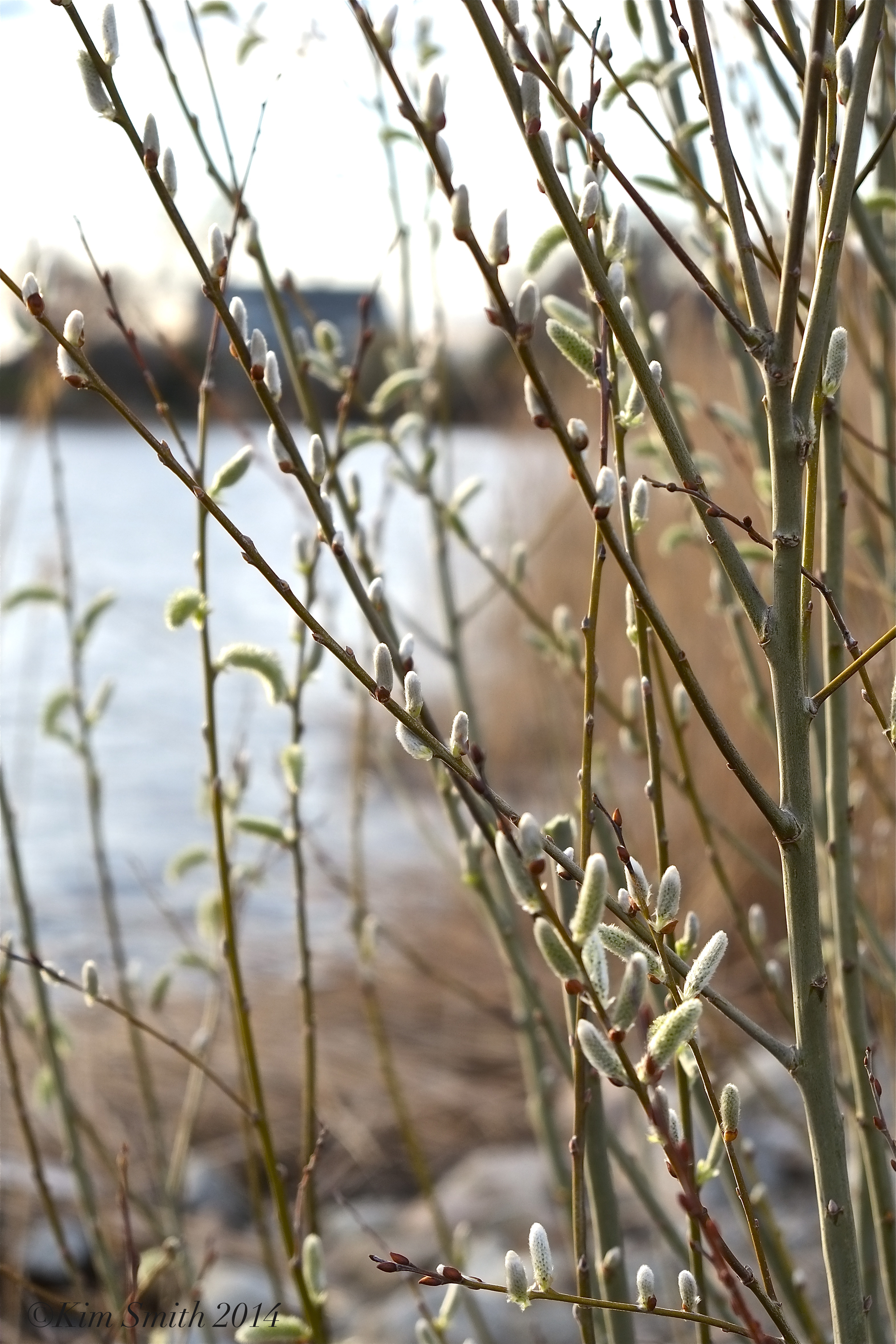
Great bunches of freshly cut pussy willows are for sale at Tendercrop

Last stop was lunch at the Ipswich Clambake. The owners and staff are just the most friendly. The clam chowder at the Clambake is perfection. Charlotte and I shared a mini super fresh fried clam appetizer and that, along with the chowder, made the best sort of lunch to top off our fun adventure morning.

Tendercrop Farm is located at 108 High Road, 1A, in Newbury.

Ipswich Clambake is located at 196 High Street, 1A, in Ipswich.


SPRING IS JUST AROUND THE CORNER!

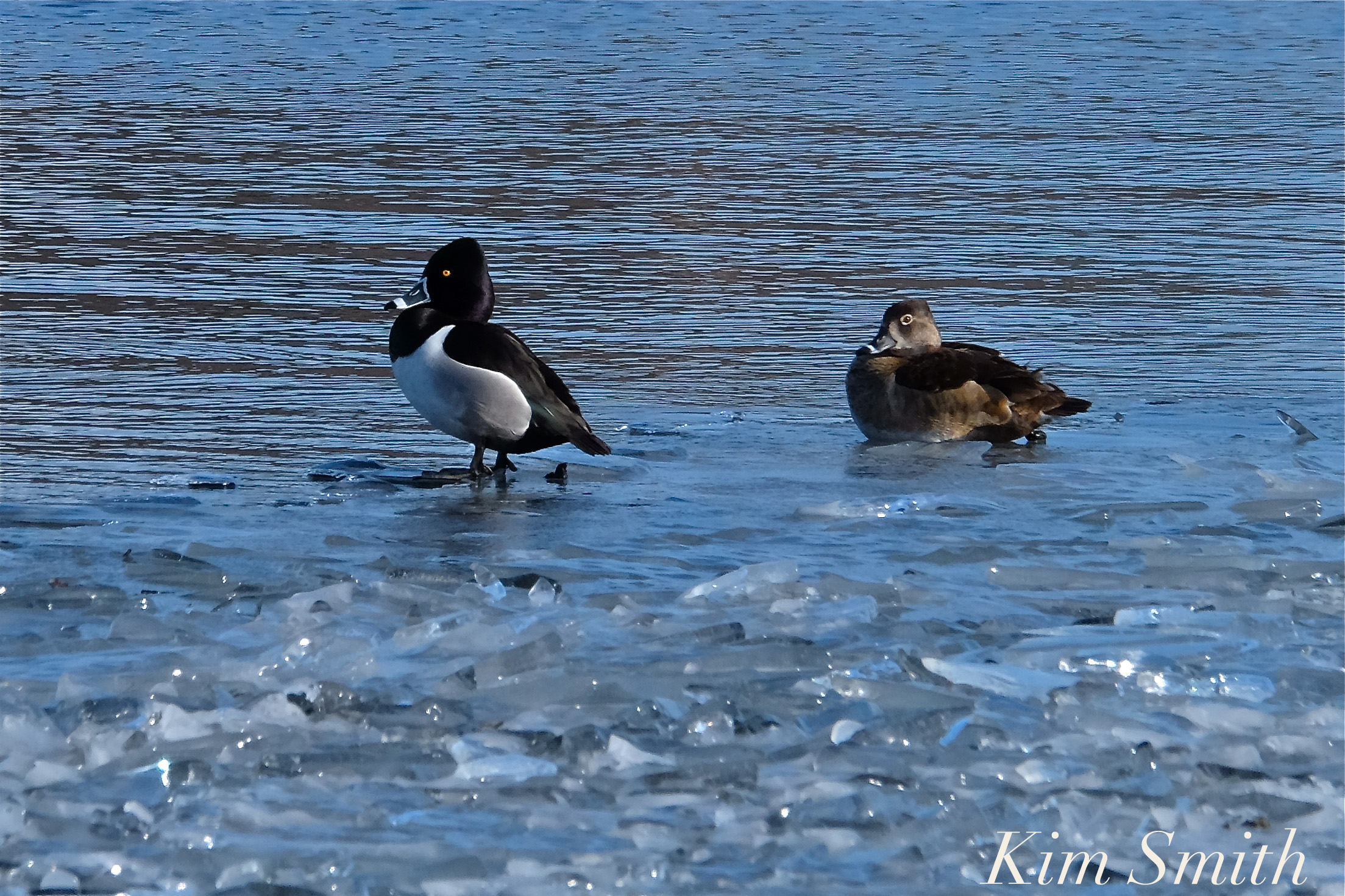
Under the weather with a two-boxes-of-tissues-a-day head cold, I haven’t been out walking as much as usual. This afternoon I popped over to Niles to take our Rosie out for a very short walk, just in time to see off in the distance a male and female Ring-necked Duck resting at the icy water’s edge, along with freshly opened branches of pussy willows. Spring is surely on her way!

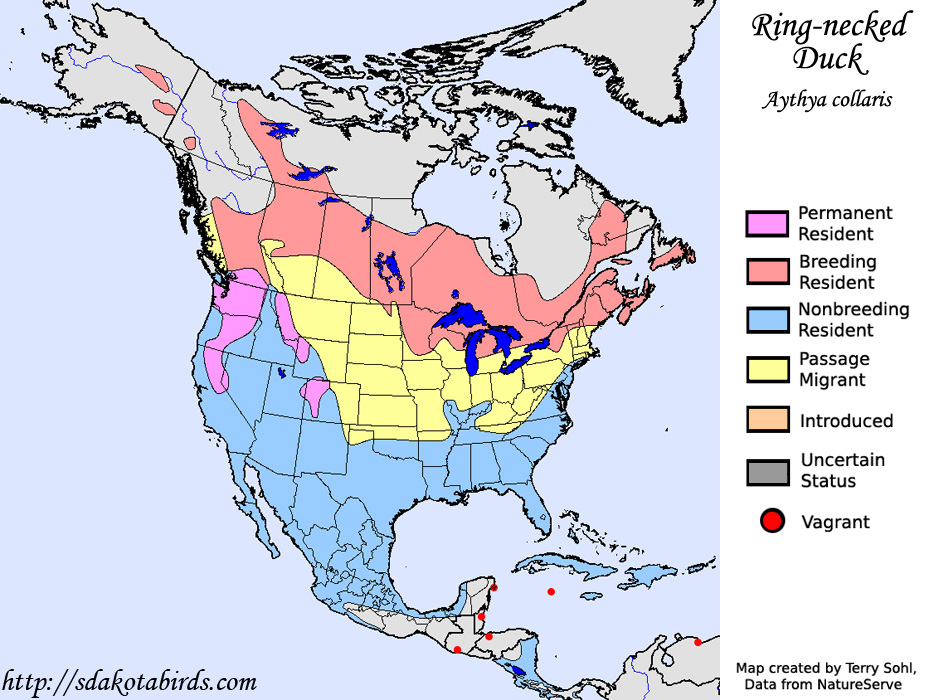
Ring-necked Ducks for the most part breed further north. I imagine the little flock that is at Niles is only here for a brief period of time.

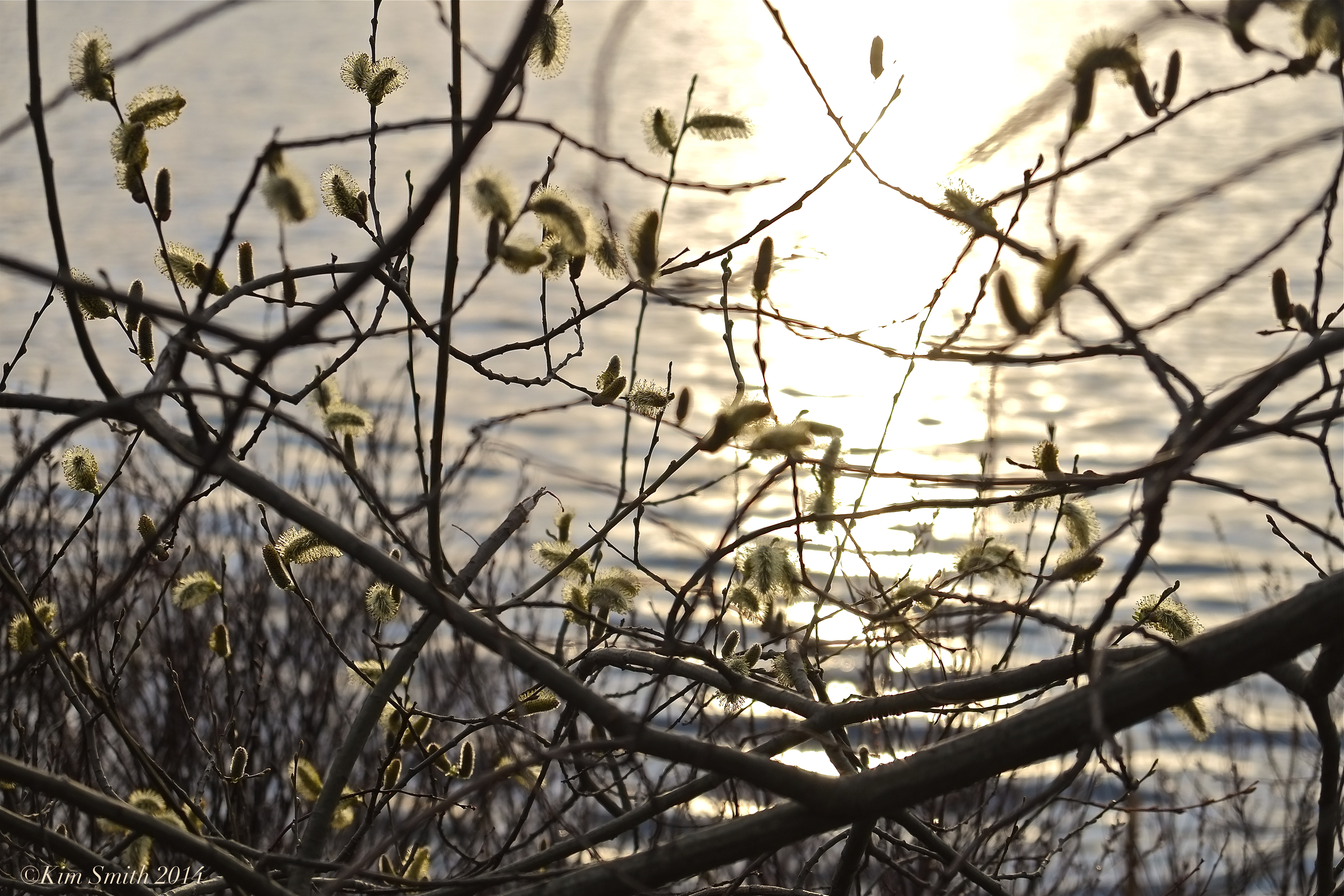
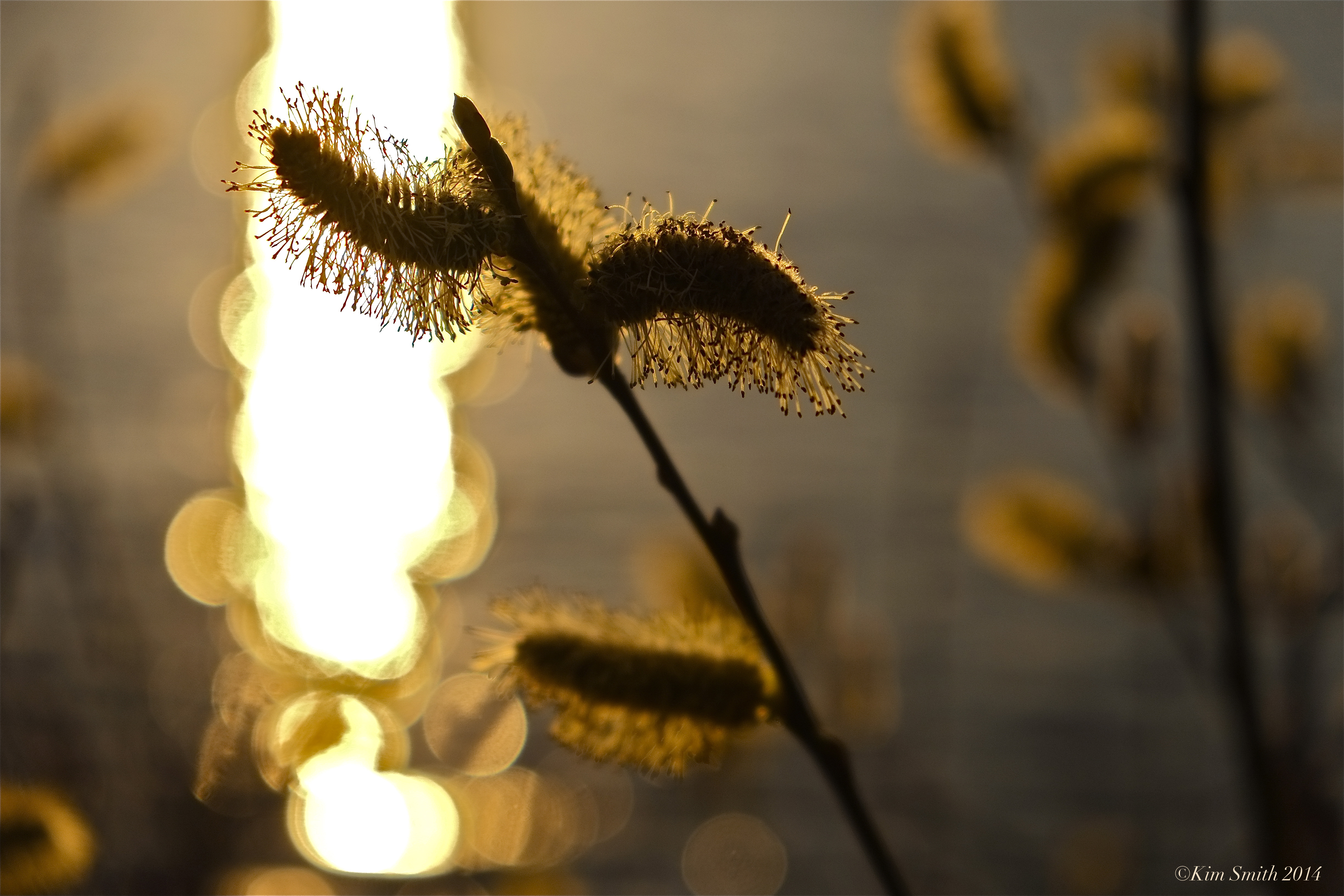
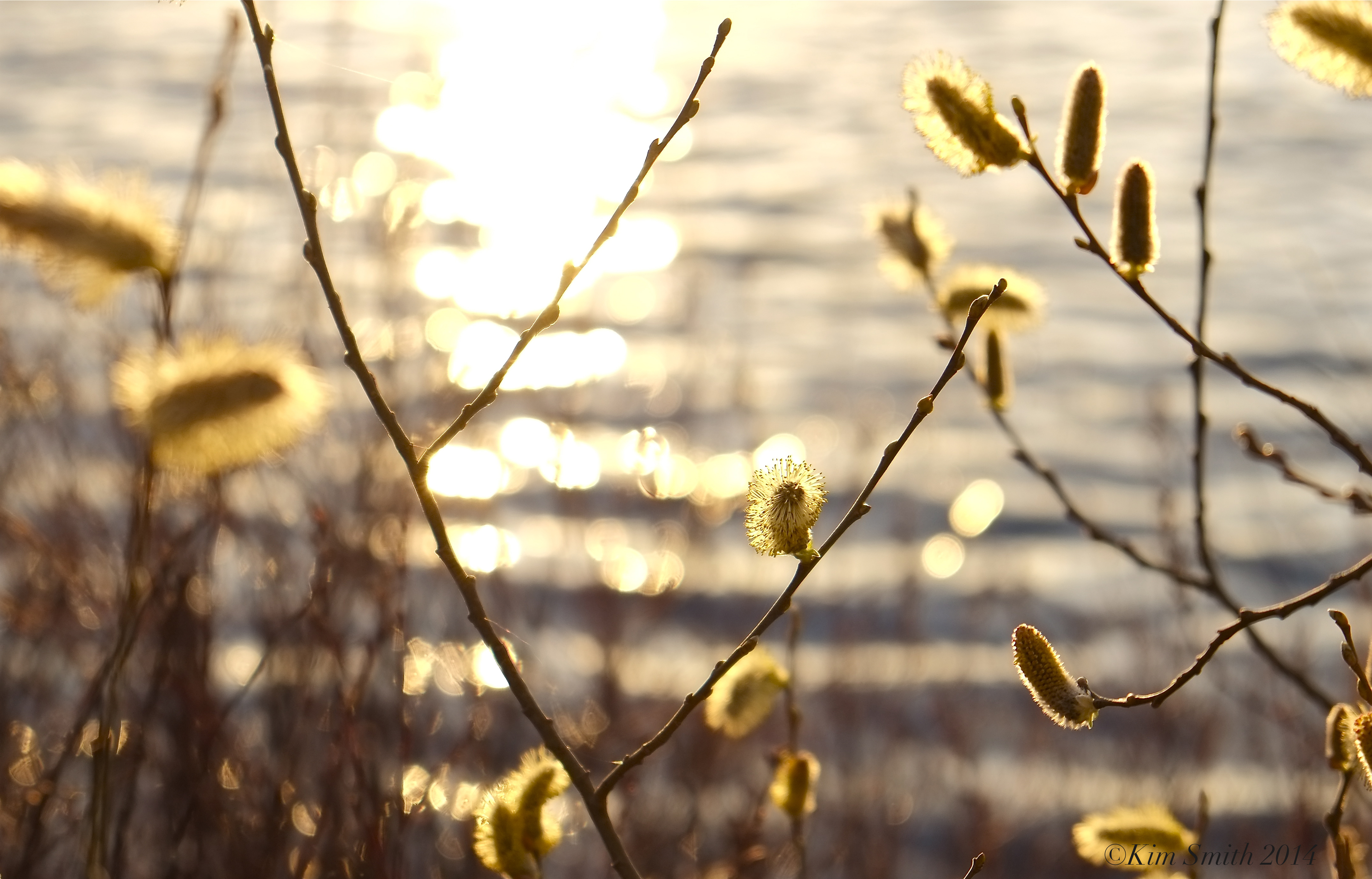
Pussy Willows Along the Water’s Edge

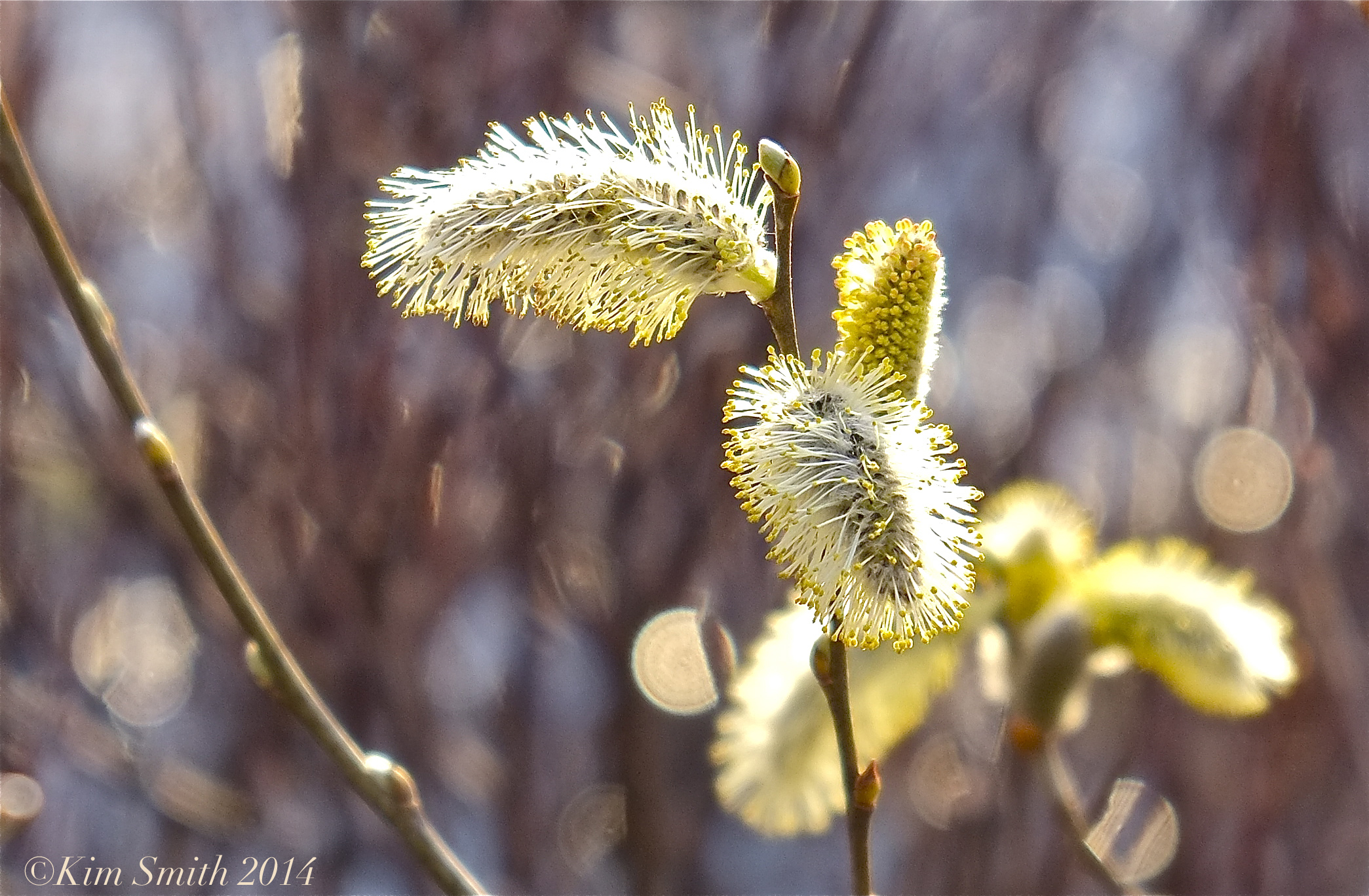
Pussy Willows Eastern Point ©Kim Smith 2014Pussy Willow Reflections Eastern Point ©Kim Smith 2014.JPGPussy Willows Eastern Point Gloucester ©Kim Smith 2014.JPGPussy Willows Salix discolor Gloucester MA -2 ©Kim Smith 2014Read more about the beautiful, and healthy beneficent properties of, Pussy Willows Here: Looking for Pussy Willows.

Rain Forest Publications and Mourning Cloaks

Posting hurriedly today. My darling daughter is arriving Friday for a wedding dress fitting, and I am sooo behind in wedding dress making that I am sure I will be up half the next two nights!

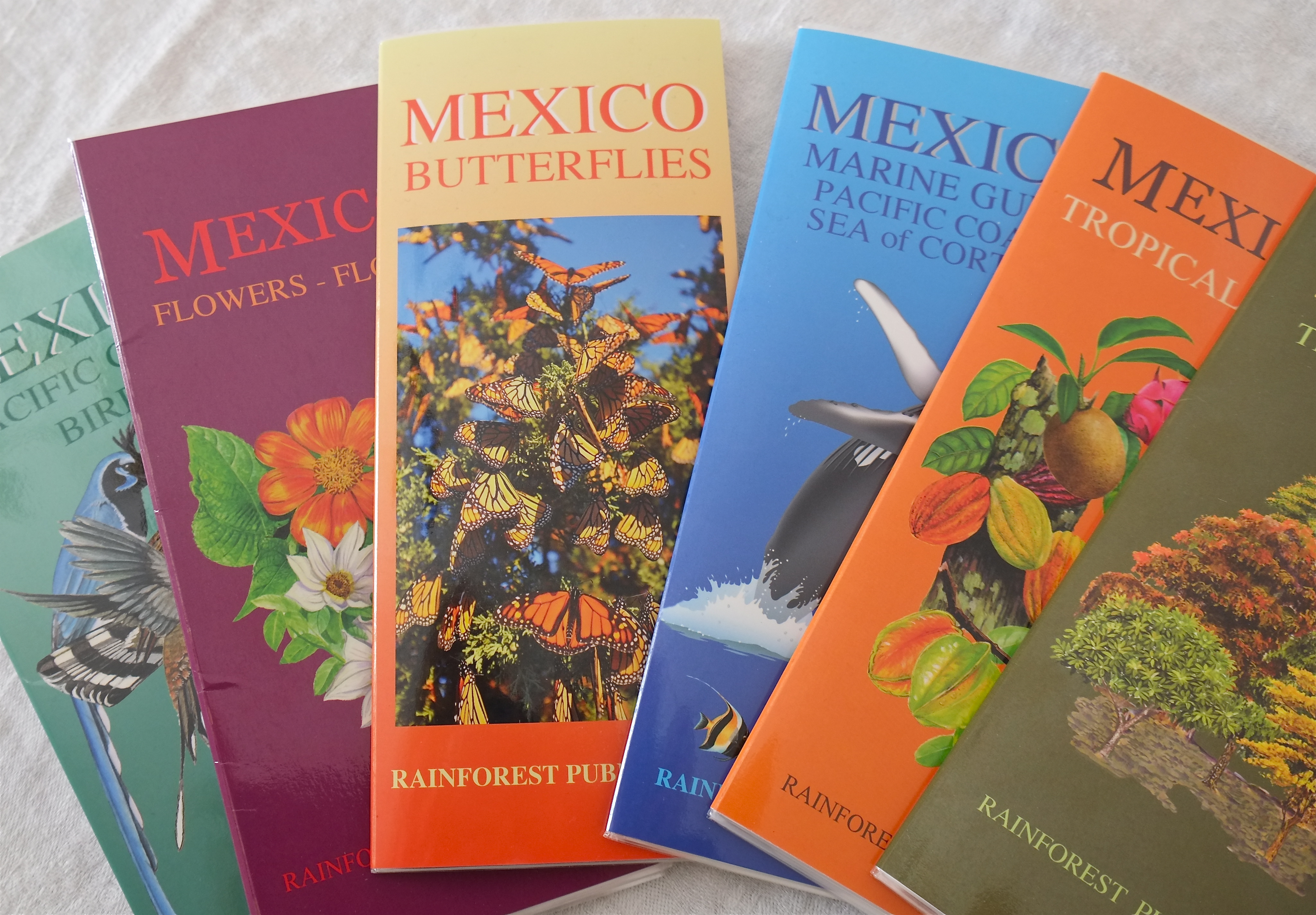
Recently brochures from Rain Forest Publications arrived. Don’t you love pocket guides, for the very reason the name infers–so easy to tuck along when traveling and hiking. That’s my photo on the cover of “Mexico Butterflies.” The photo was taken not in Mexico, but in Gloucester!

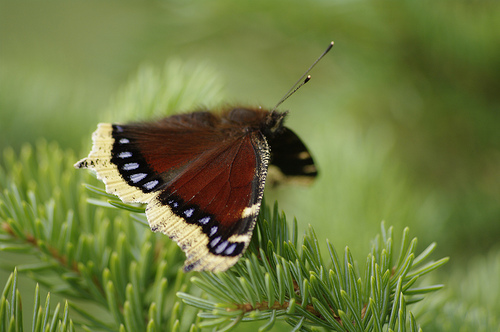
Rain Forest Publications Butterfies of Mexico Guide Kim Smith cover photo ©Kim Smith 2015Be on the lookout for the first butterfly of spring, which will most likely be the Mourning Cloak Butterfly. Mourning Cloaks do not spend the winter in the cool volcanic mountains of Mexico as do the Monarchs, or as a chrysalis in our gardens, like the Black Swallowtail, or as a caterpillar rolled up in a tight little ball under a leaf, as does the Wooly Bear, but as an adult butterfly!

Pussy Willows, Salix discolor ©Kim Smith 2014Pussy Willow (Salix discolor)

During the winter months Mourning Cloaks live tucked away in cracks and crevices, between chinks of tree bark, for example. At the first warm breath of spring they begin to take flight, searching for a mate. You’ll often see them on the wing around Pussy Willows, one of the Mourning Cloak caterpillar’s food plants.

Mourning_Cloak_Butterfly_in_South_Central_AlaskaMourning Cloak image courtesy wiki commons media


Furry Catkins

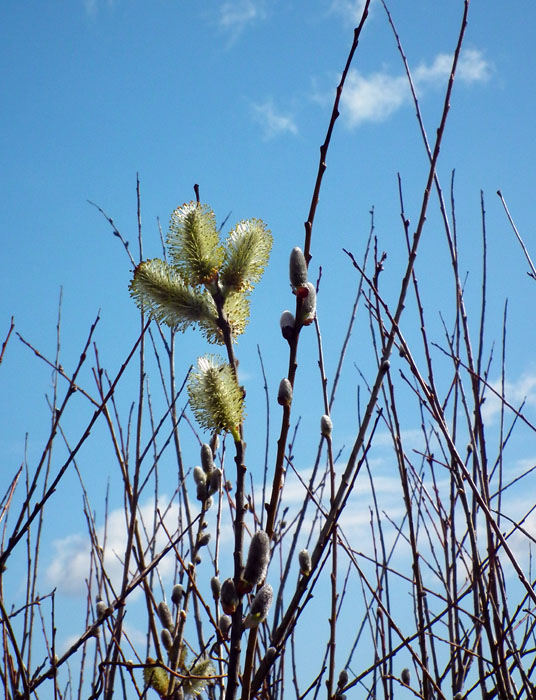
pussywillow blooms

My favorite botanical sign of spring.

Pussy willow is a name given to many of the smaller species of the genus Salix (willows and sallows) when their furry catkins are young in early spring.

Before the male catkins of these species come into full flower they are covered in fine, greyish fur, leading to a fancied likeness to tiny cats, also known as “pussies”. The catkins appear long before the leaves, and are one of the earliest signs of spring. At other times of year trees of most of these species are usually known by their ordinary names. (Wikipedia)

E.J. Lefavour

http://www.hobbithousestudio.com

Sing Your Heart Out Fella!

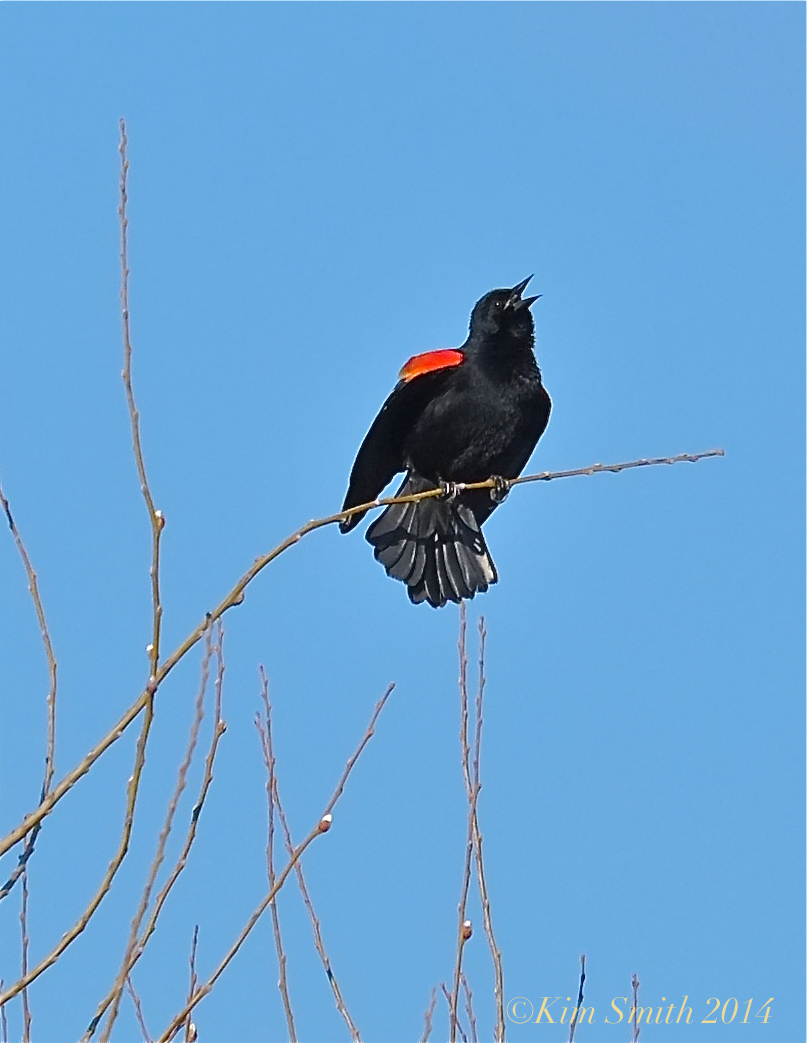
Male Red-winged Blackbird Singing ©Kim Smith 2014Male Red-Winged Blackbird

Although Red-winged Blackbirds are spied around Niles Pond during the winter months, spring brings flocks, and the males are an especially welcome sight chortling atop the pussy willow branches along the water’s edge. Red-winged Blackbirds are one of North America’s most abundant birds. If you were a male of the kind, you might be singing your heart out, too. The species is highly polygynous and some males have been known to have as many as 15 mates during a single season!

Female_Red-winged_Blackbird manijith KainickaraFemale Red-winged Blackbird Image Courtesy Wiki Commons Media

The males are glossy black with distinctive red epaulettes and yellow wing bars, which they often puff out confidently when singing from their perches. The females have a streaky brown song sparrow-like wing patterning and stay close to the ground feeding and building their intricately woven nests at the base of cattails and reeds, along the marsh’s edge.

If you have a spare moment, send us a photo of your favorite signs welcoming spring and we’ll post them under a group ‘welcome spring’ post. Send photos to me at kimsmithdesigns@hotmail.com (thanks Lenny).

*    *    *

I am presenting 2 lectures this coming week, Monday on Butterfly Gardening in Shrewsbury and Wednesday evening on The Pollinator Garden at the Flint Library in North Reading. Please visit the events page of my website for more information.