GloucesterCast 333 Chris McCarthy, Kim Smith and Joey Ciaramitaro Taped 4/28/19

GloucesterCast 333 Chris McCarthy, Kim Smith and Joey Ciaramitaro Taped 4/28/19

podcasticon1

When you subscribe you need to verify your email address so they know we’re not sending you spam and that you want to receive the podcast or GMG in your email. So once you subscribe check your email for that verification. If you don’t see it, check your spam folder in your email acct so you can verify that you’d like to get them via email subscription.

subscribe1-picsay (2)1473522843911012199..jpg

subscribe1-picsay2259157744436385962.jpg

subscribe1-picsay (3)579008106437437025..jpg

Topics Include:

Mexico- Two weddings explained

Studio open

Lat 43 is now Minglewood Harborside- Try The Roasted Cauliflower 

Mom’s Kitchen Coffee Rolls Are Must Try

Male Pattern Baldness

Dead house finch

Hummingbird feeder

Plover Update

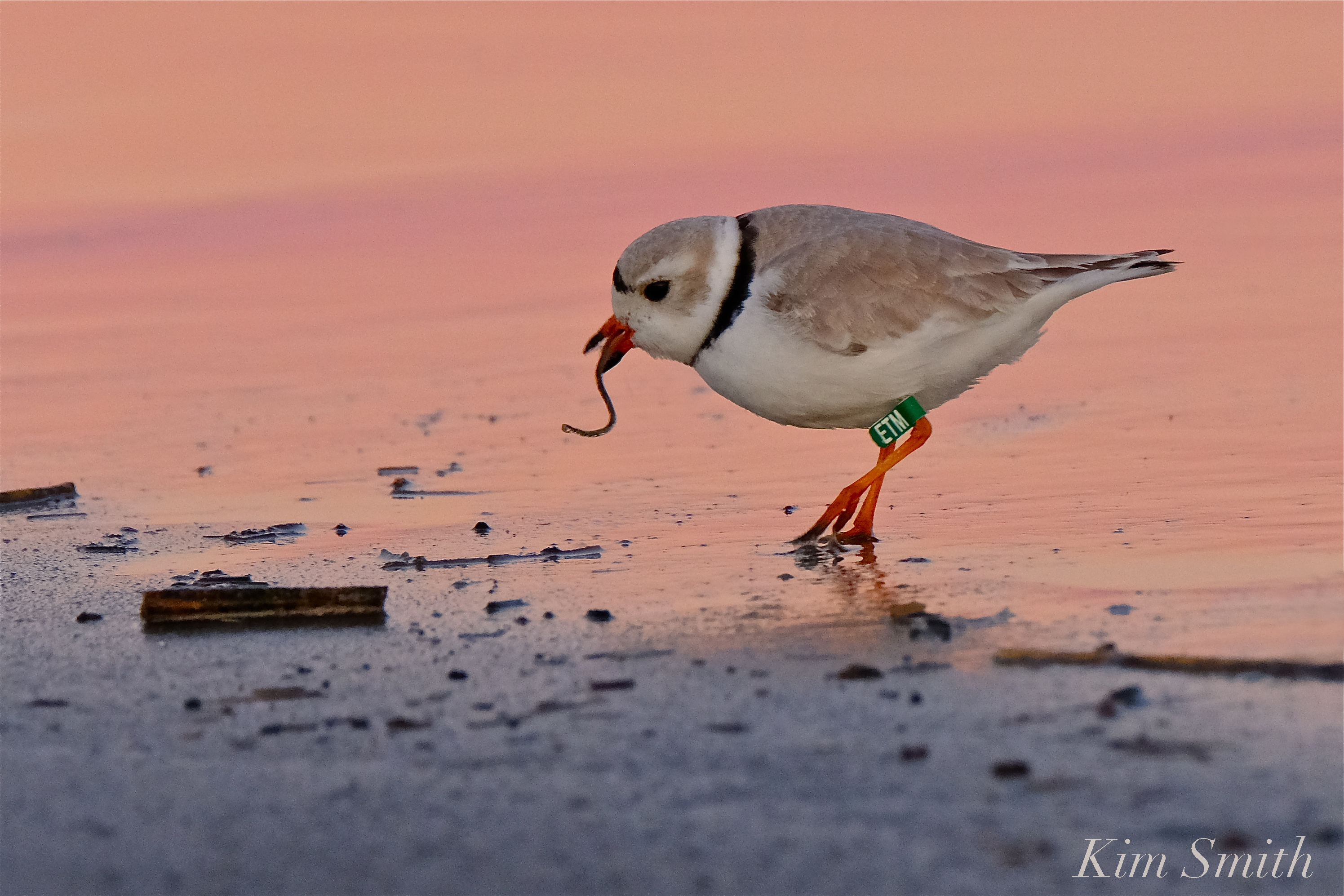
FUN 411 UPDATE ON ETM, THE CUMBERLAND ISLAND BANDED PLOVER

As you may have read, a banded male Piping Plover was spotted by Piping Plover volunteer monitor Heather Hall late afternoon on April 16th. He was banded on October 7th, 2018, at Cumberland Island, Georgia. (Read more here). ETM has been spotted daily and often at Good Harbor Beach since the 16th.

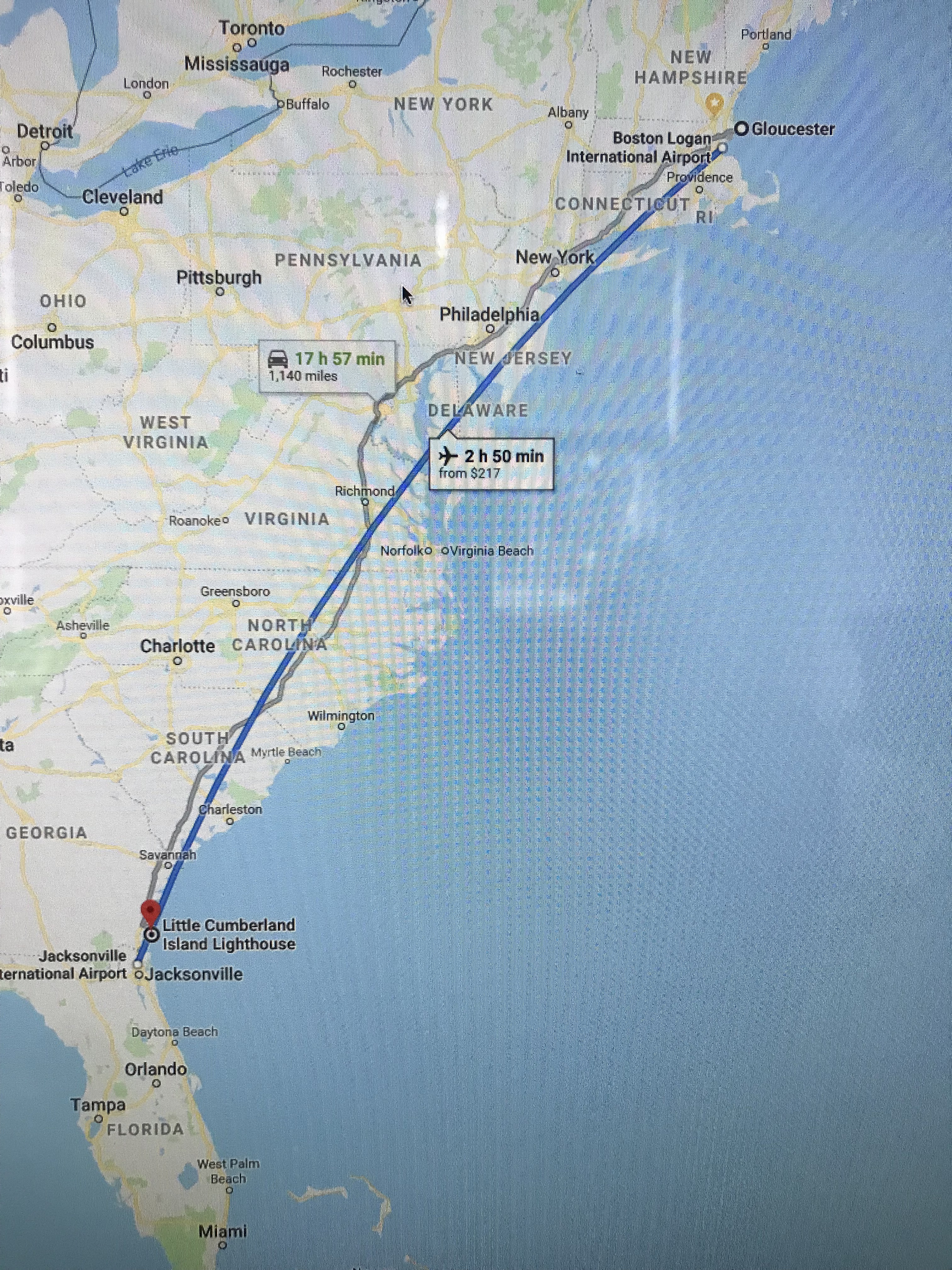
We’ve heard more from the Virginia Tech Shorebird Program biologists. ETM was last seen at Cumberland Island on April 11th, which means that in five days, or less, he traveled all the way from Georgia to Gloucester, approximately 1,140 miles, if traveling by airplane and overland. If he were traveling along the coastline, that would greatly increase the mileage. It’s no wonder that when we see shorebirds newly arrived at Good Harbor Beach in the spring, they appear weary and ravenous!

Reader Kevin McCarthy from Amelia River Cruises left a comment on our first post about ETM – “I was born and raised in Gloucester and grew up at Brier Neck but moved to Amelia Island Florida in 1968. Amelia Island is just south of Cumberland Island and for 20 years I have been operating Amelia River Cruises with narrative sighting boat tours along Cumberland Island. My wife’s family are among the very first English settlers on the island in 1740. Your plover may have been part of my Tours this winter.”

REMINDER – The Piping Plover volunteer monitor information meeting with conservation agent Adreinne Lennon is this Wednesday, April 24th, from 5:00 to 6:00pm at City Hall at the Kyrouz Auditorium

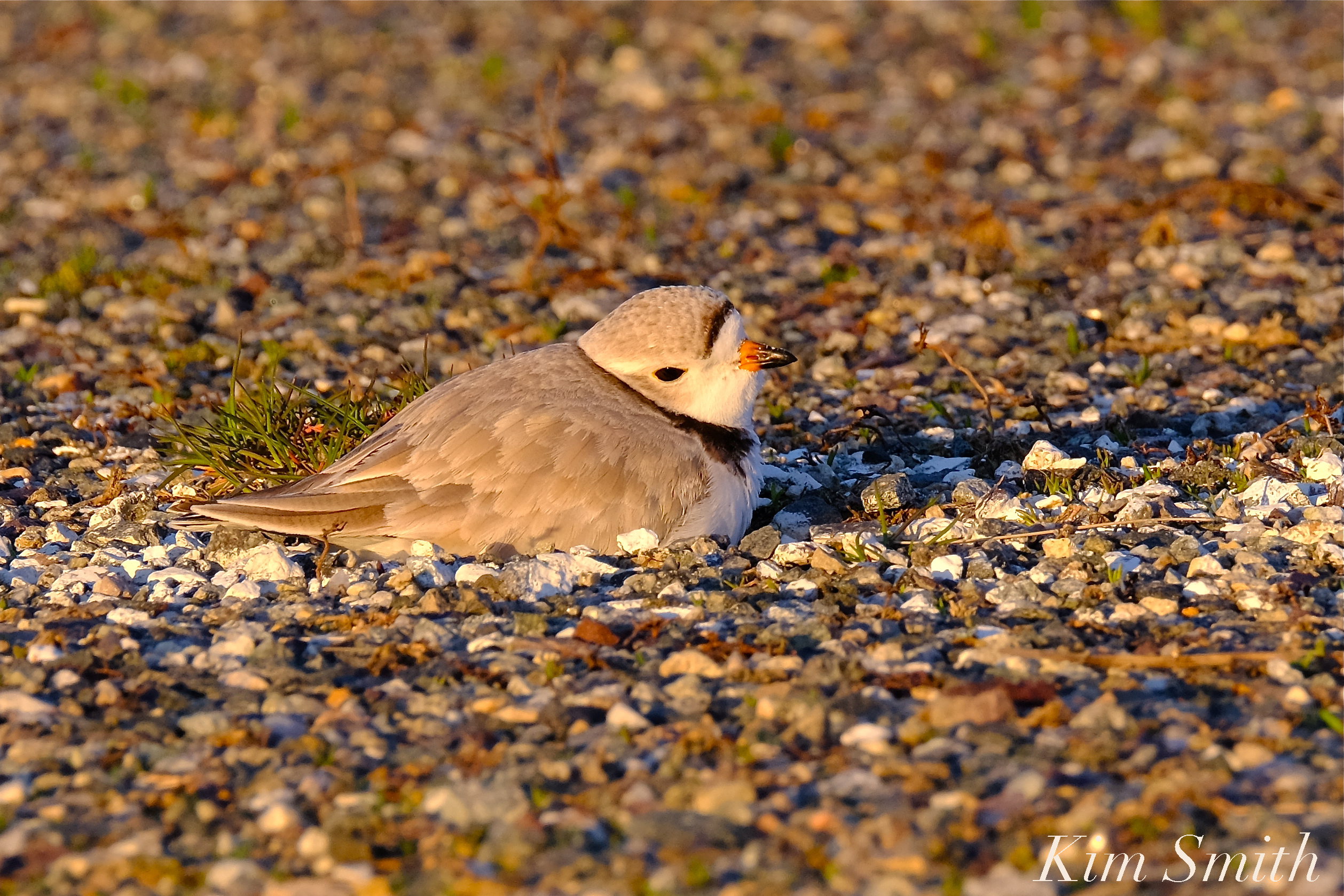
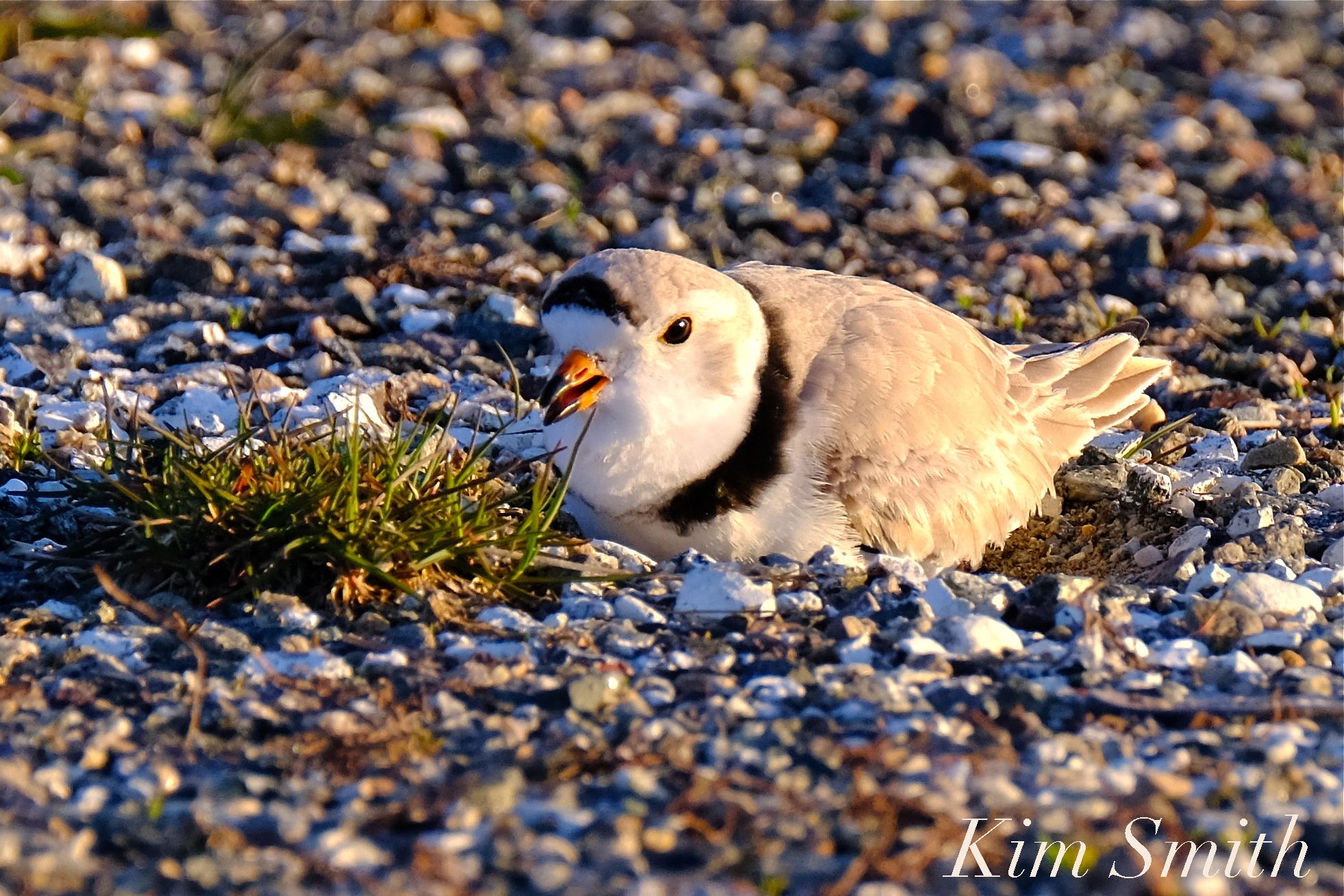
PIPING PLOVERS – PARKING LOT NEST OR BEACH NEST?

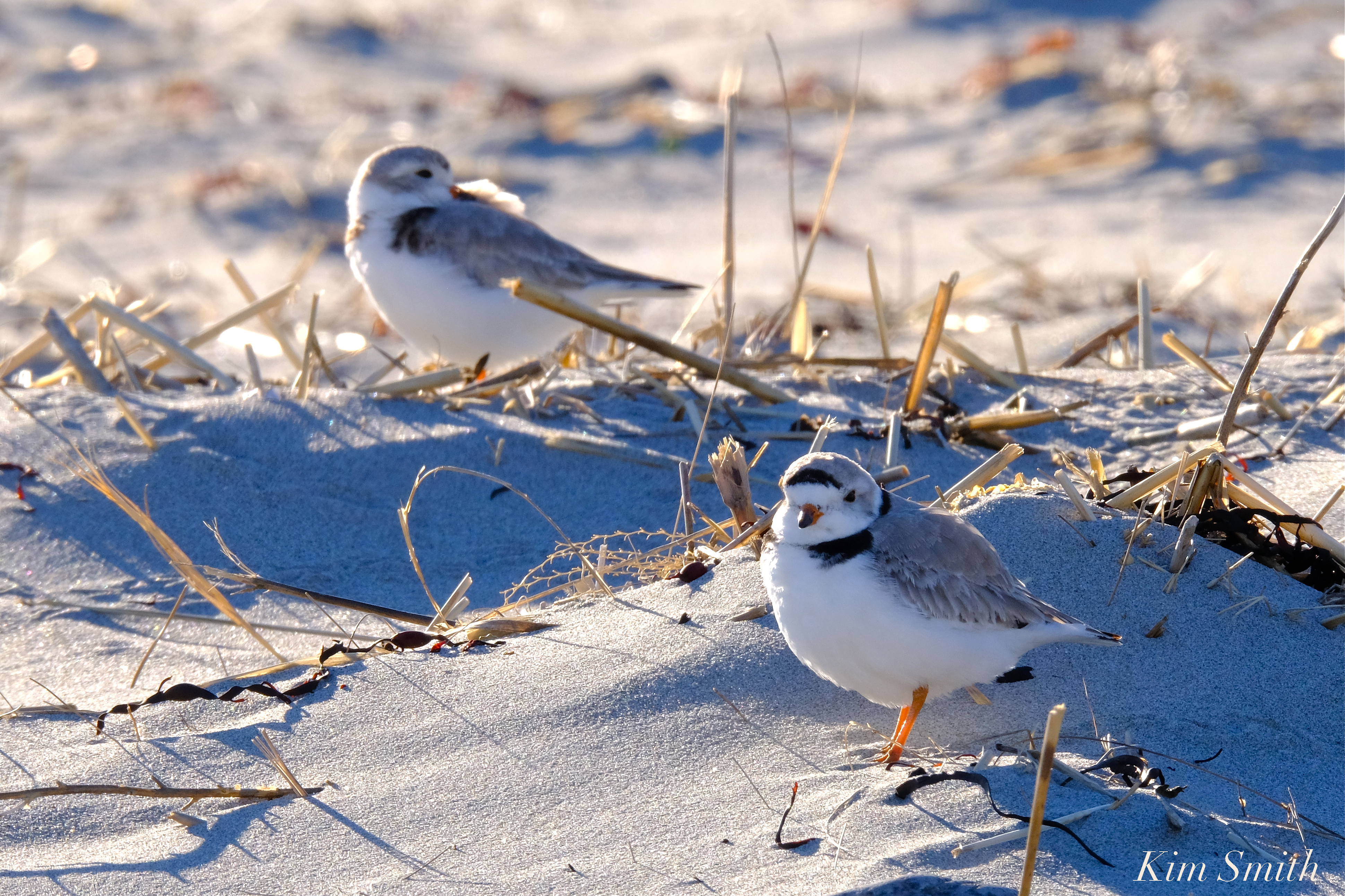
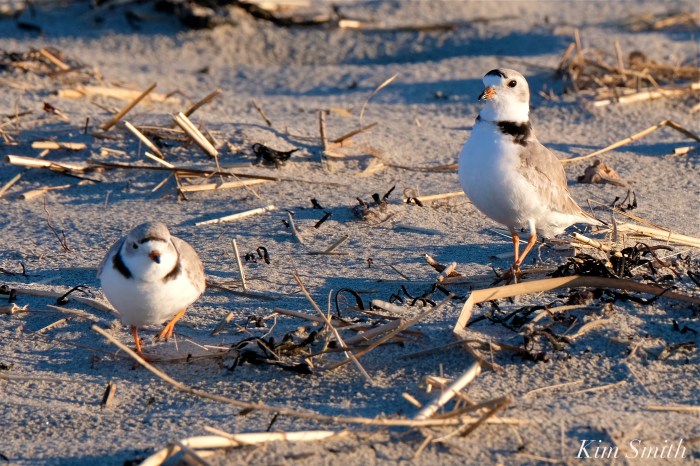
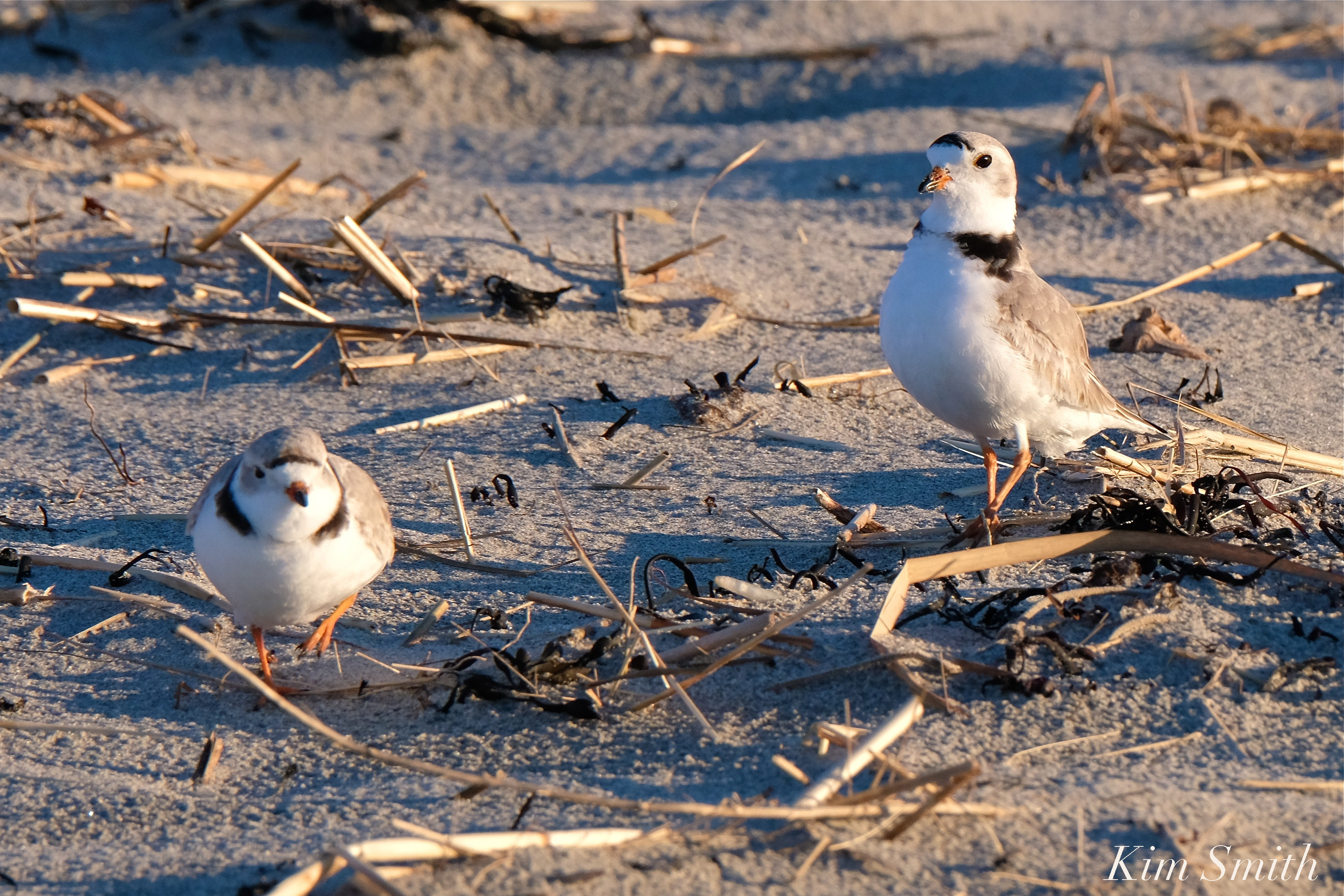
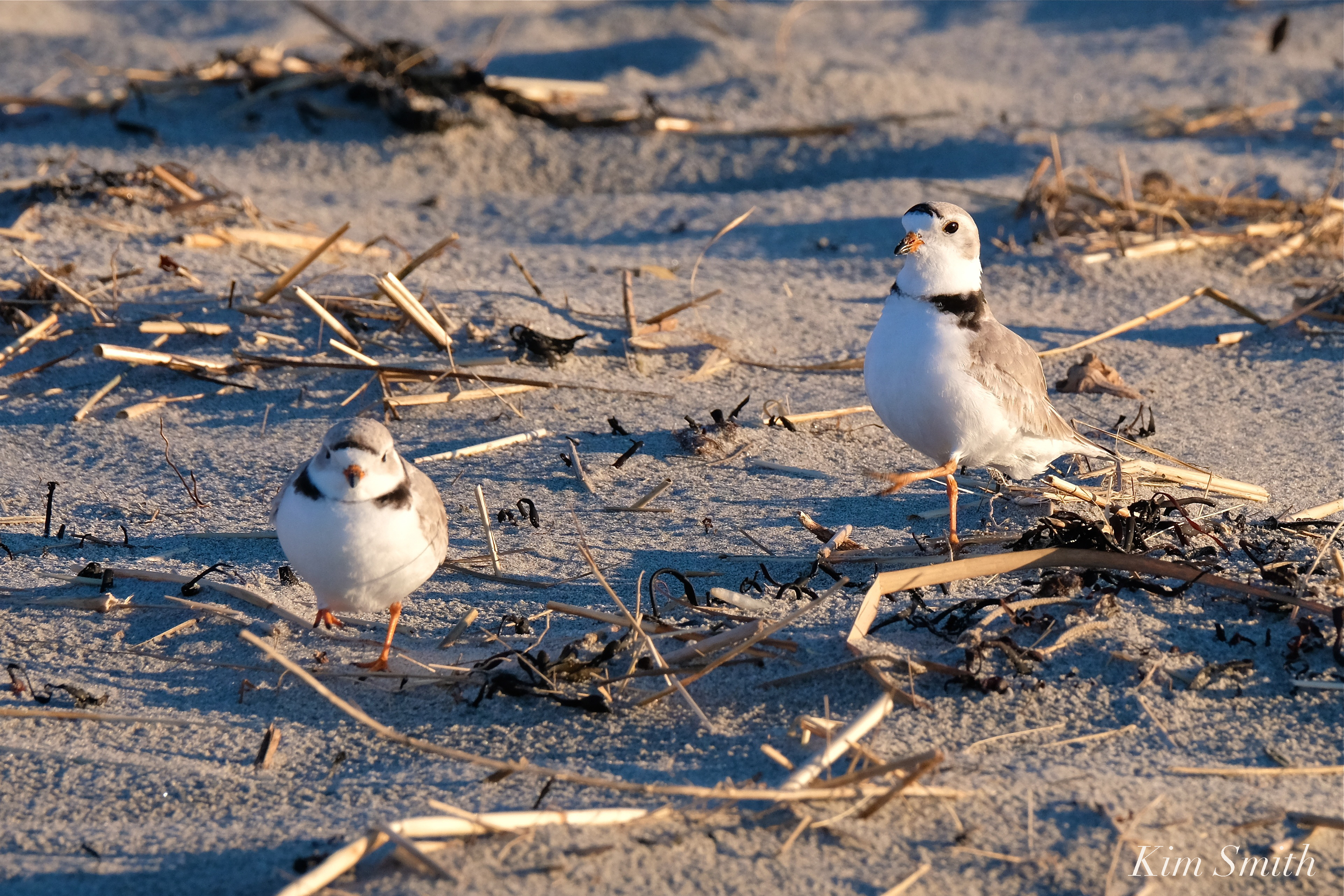
Our Good Harbor Beach PiPls are waffling between the parking lot and the beach.

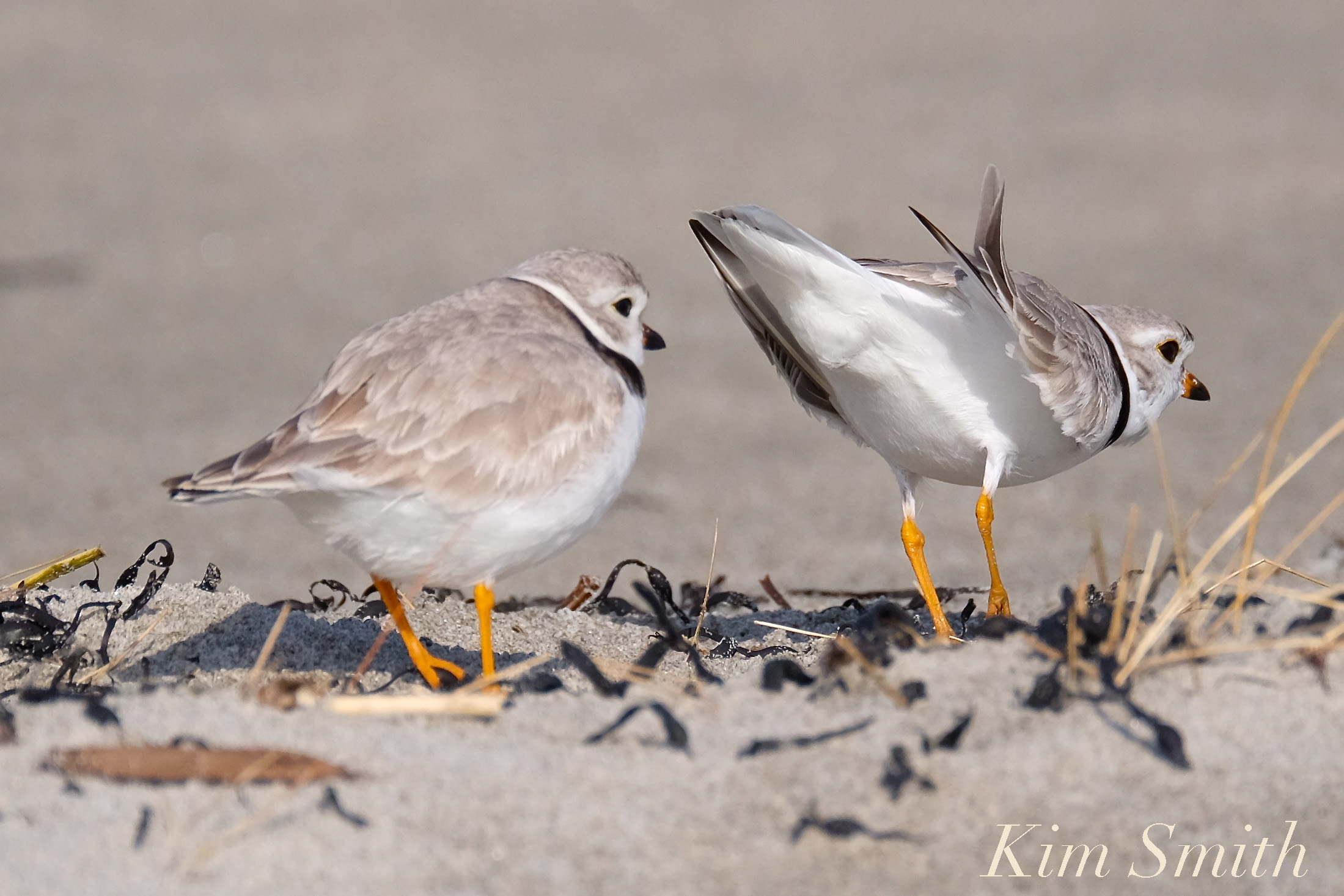
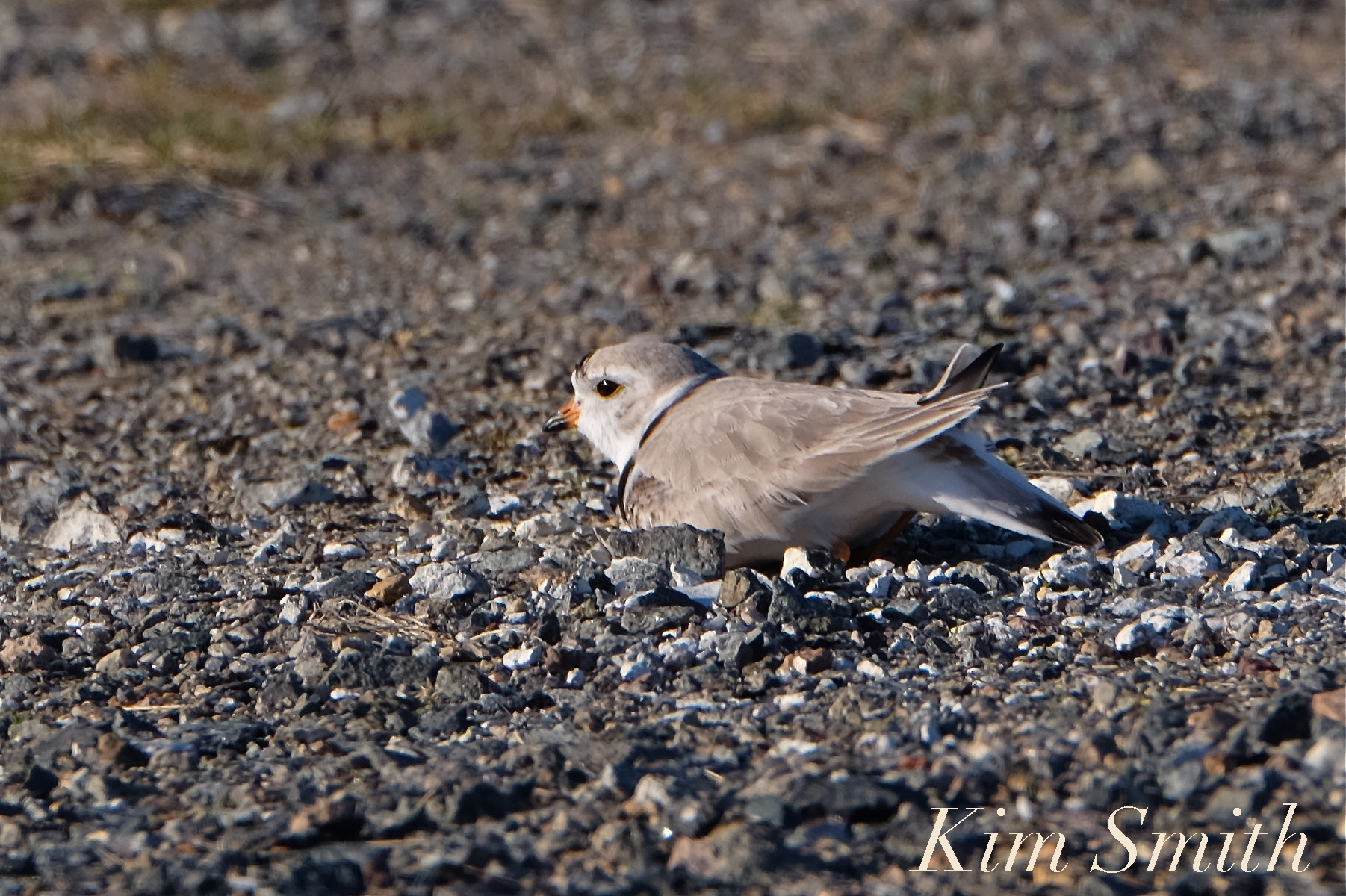
Tuesday at daybreak I found them mating and sitting in the nest in the parking lot.

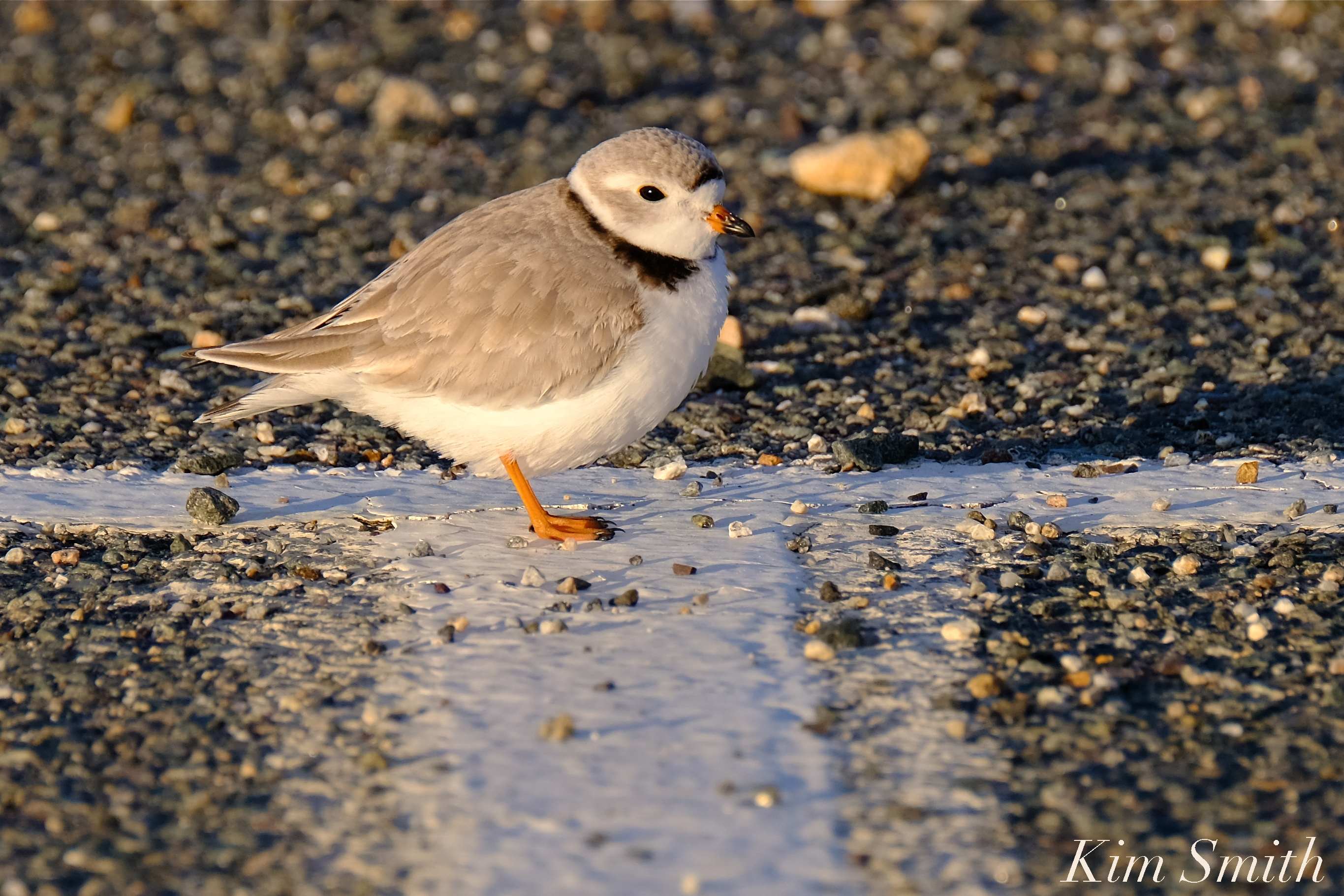
Standing at the crossroads- parking lot nest or beach nest?

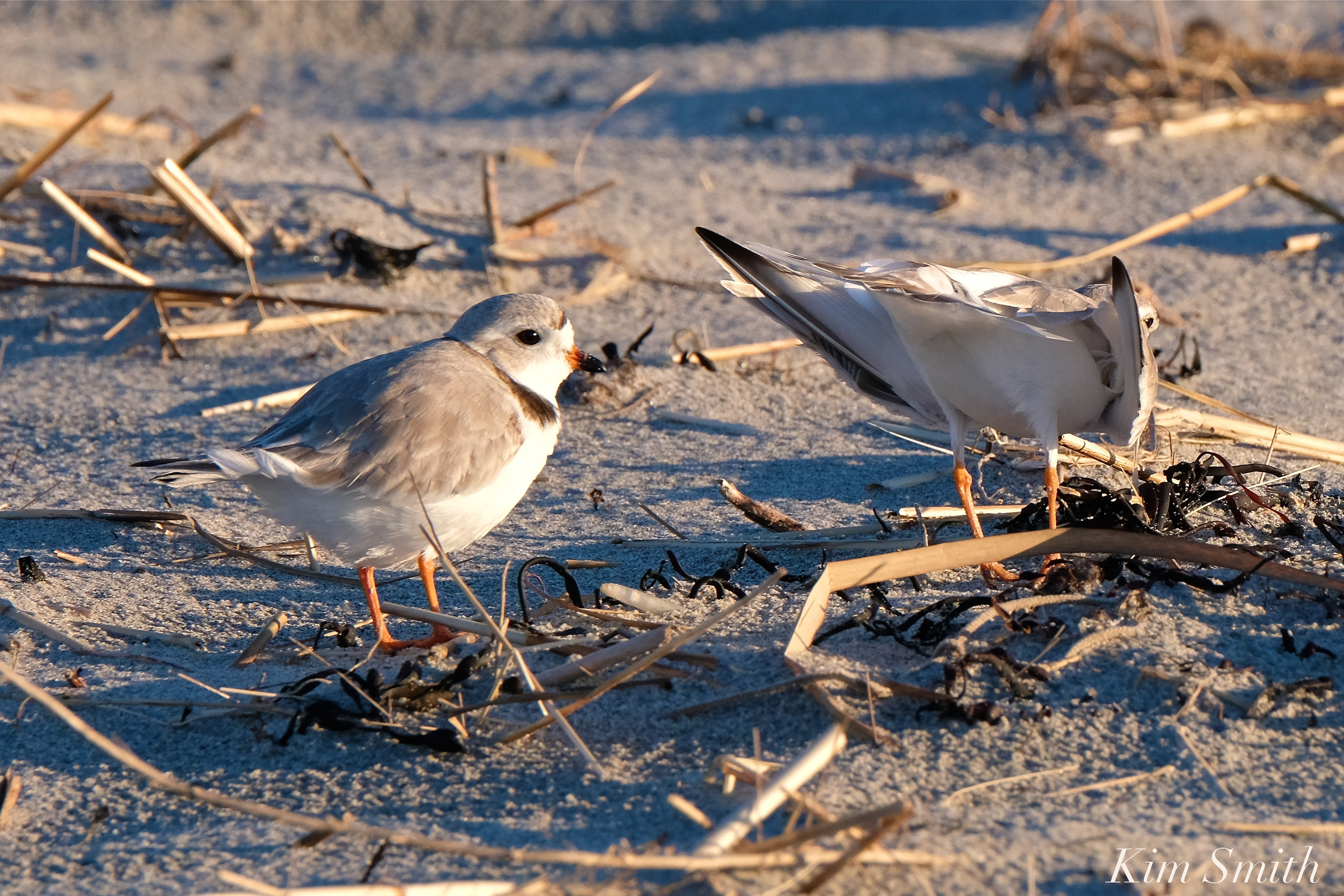
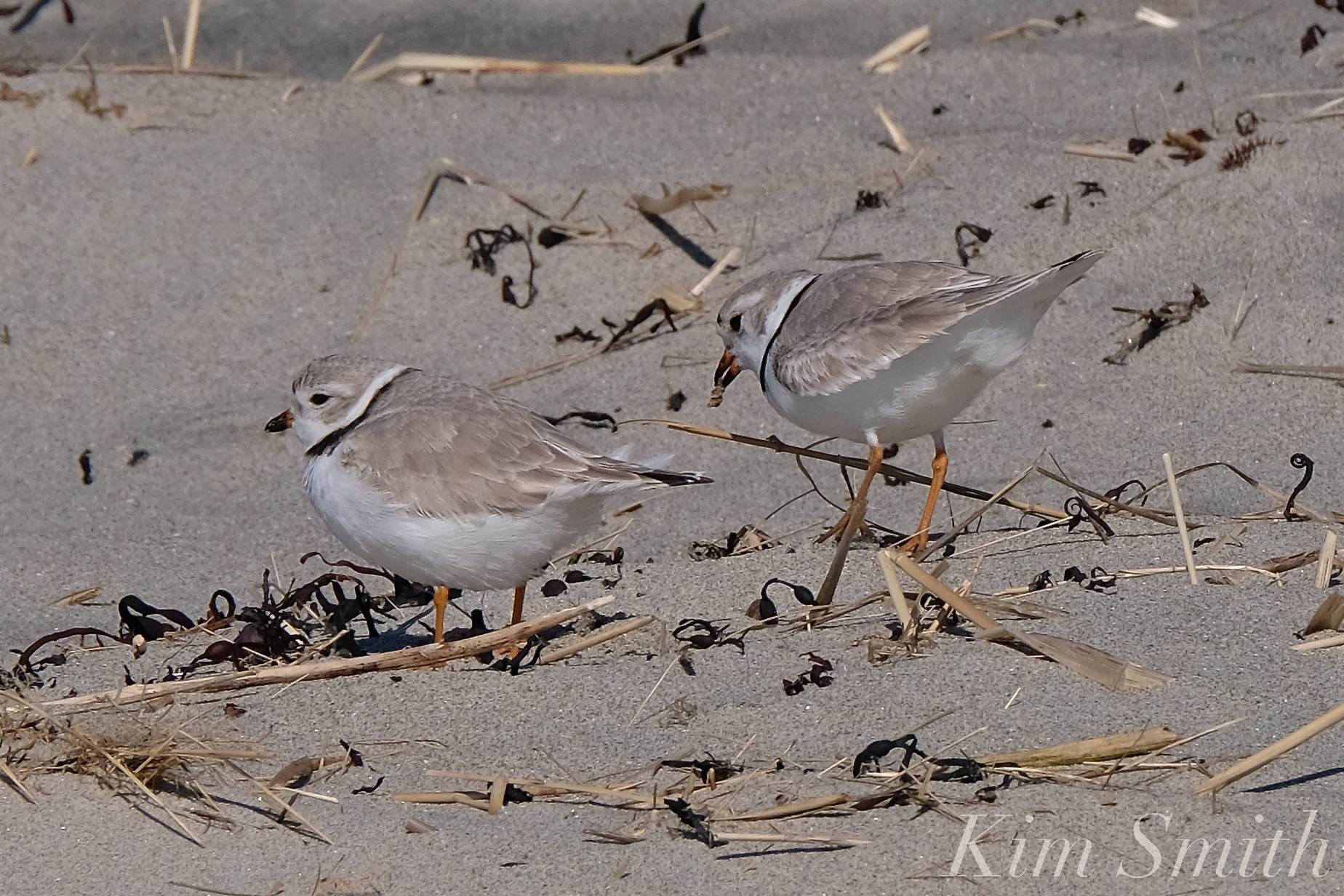
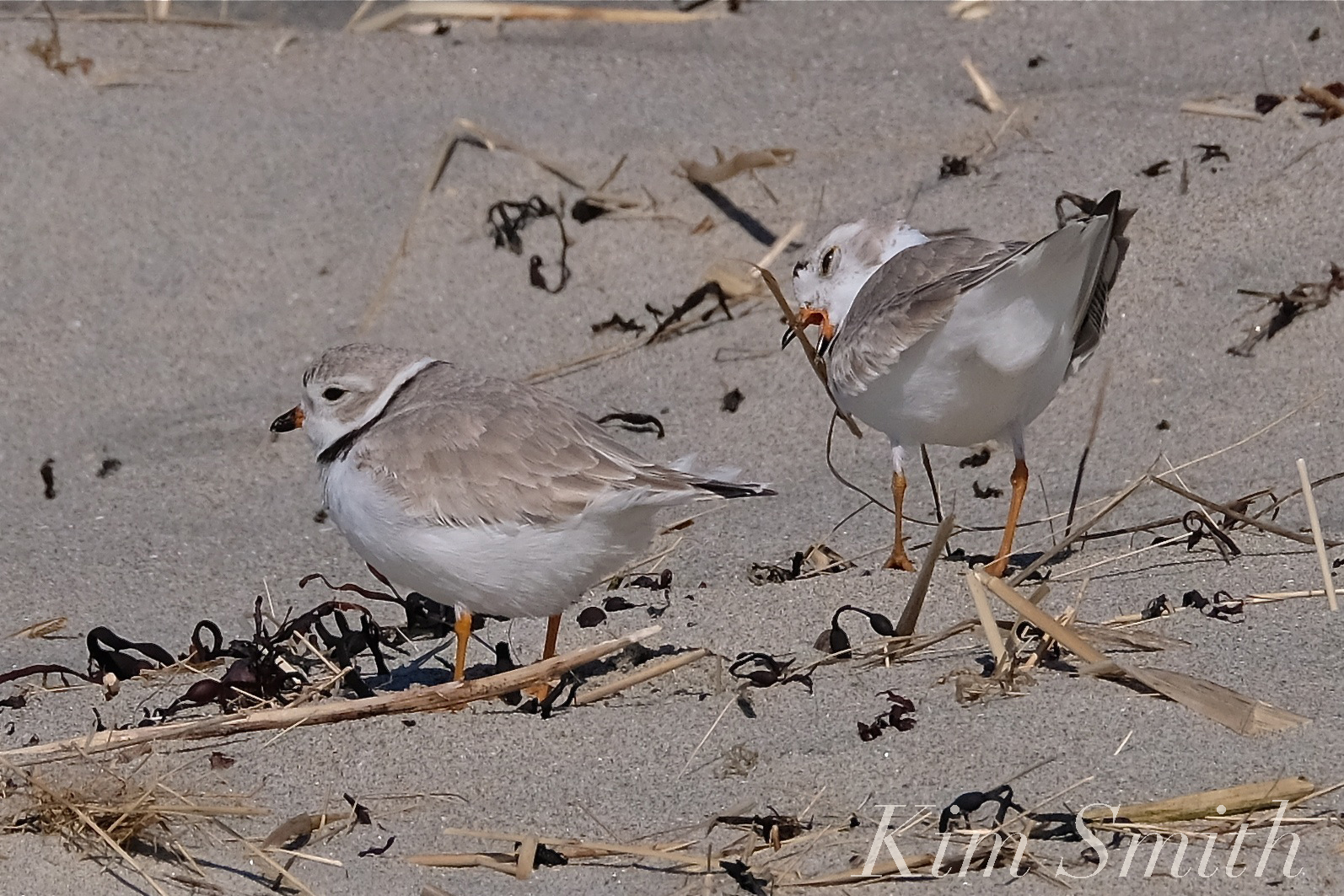
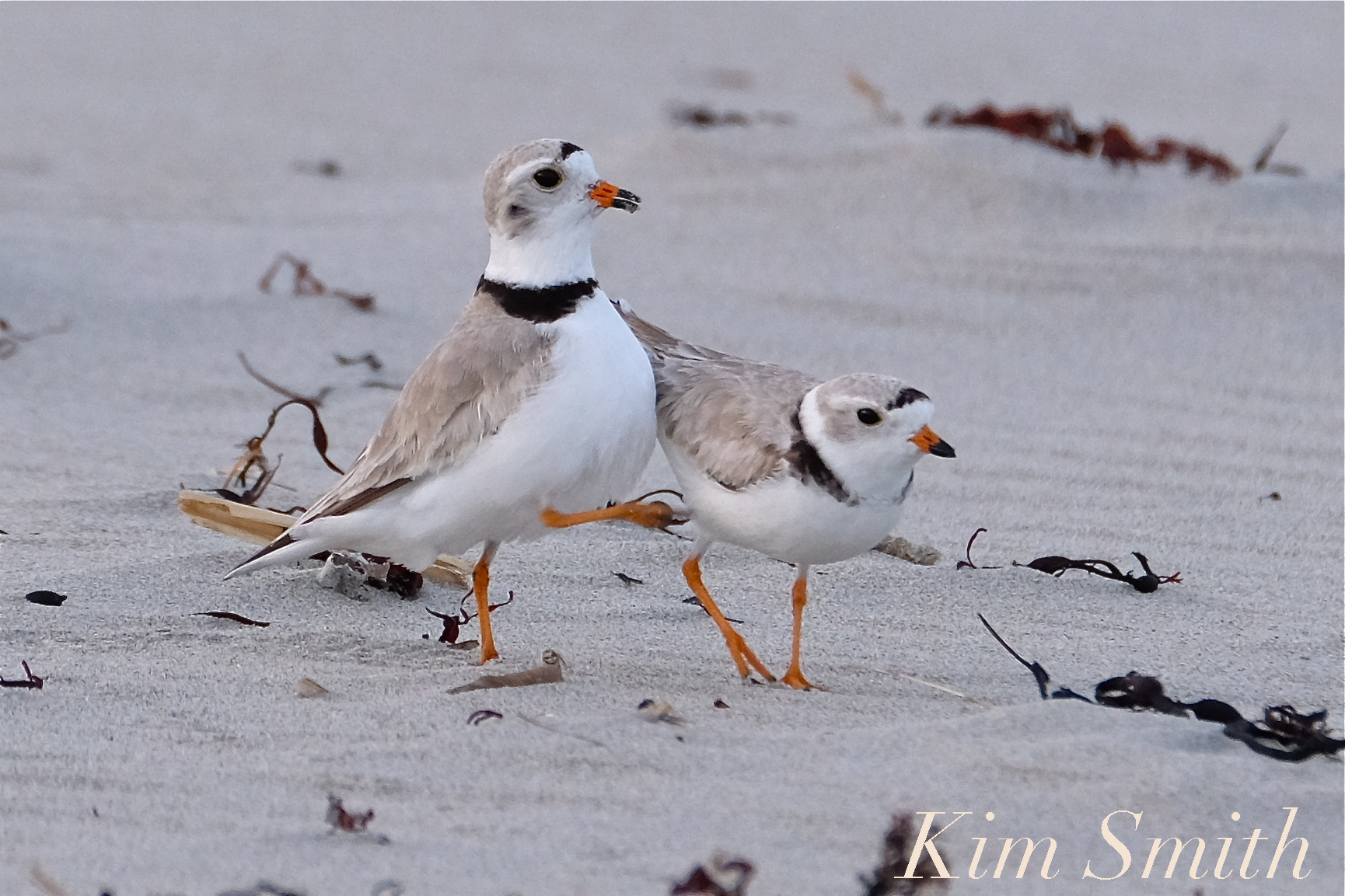
Papa and Mama courting at the parking lot nest scrape Tuesday.

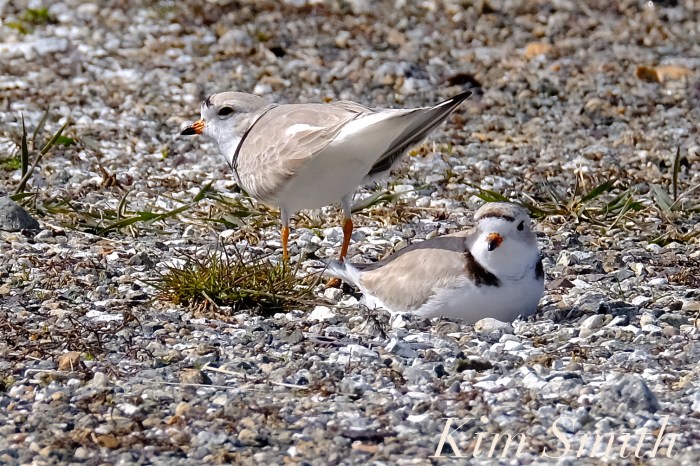
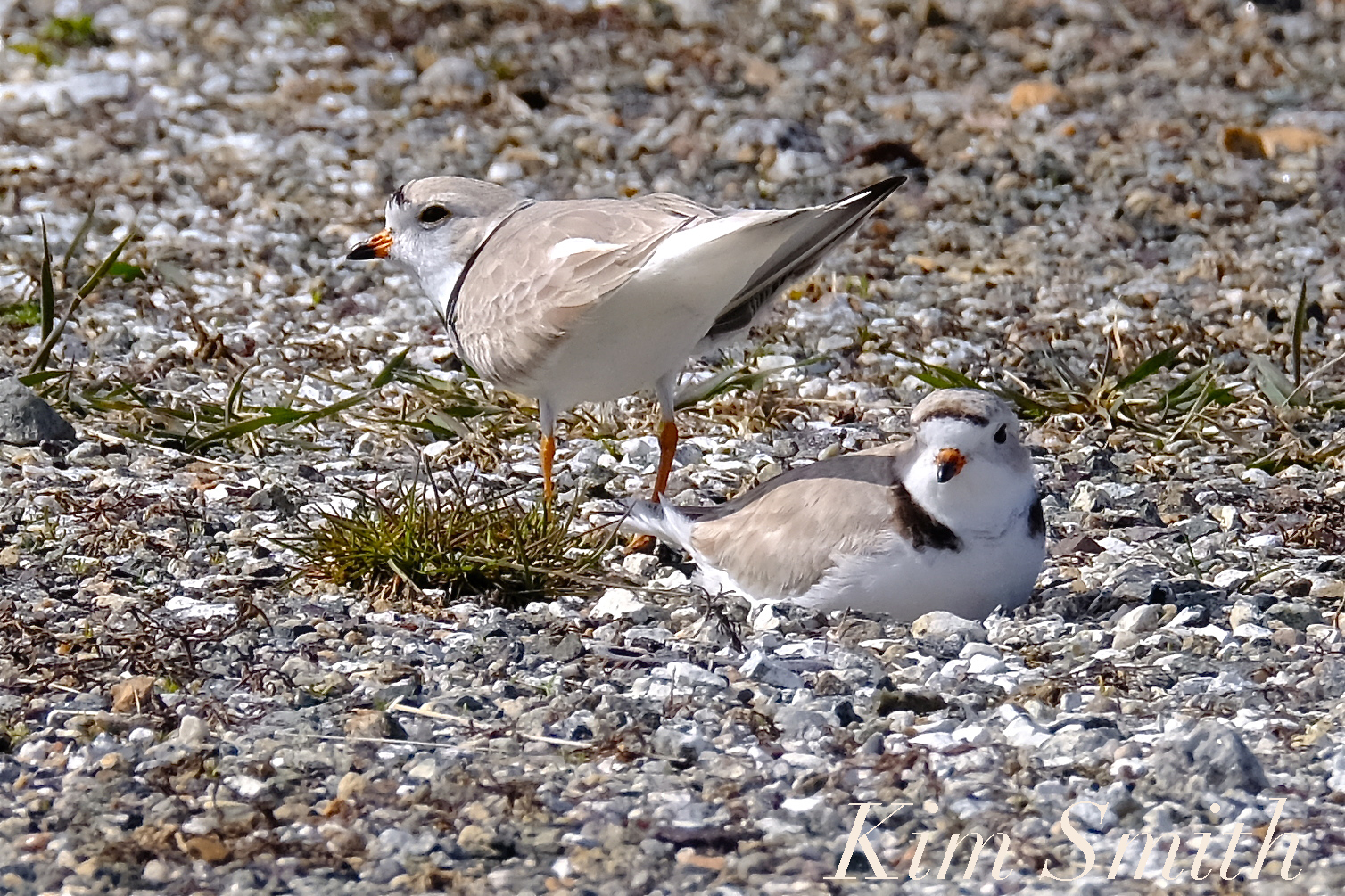
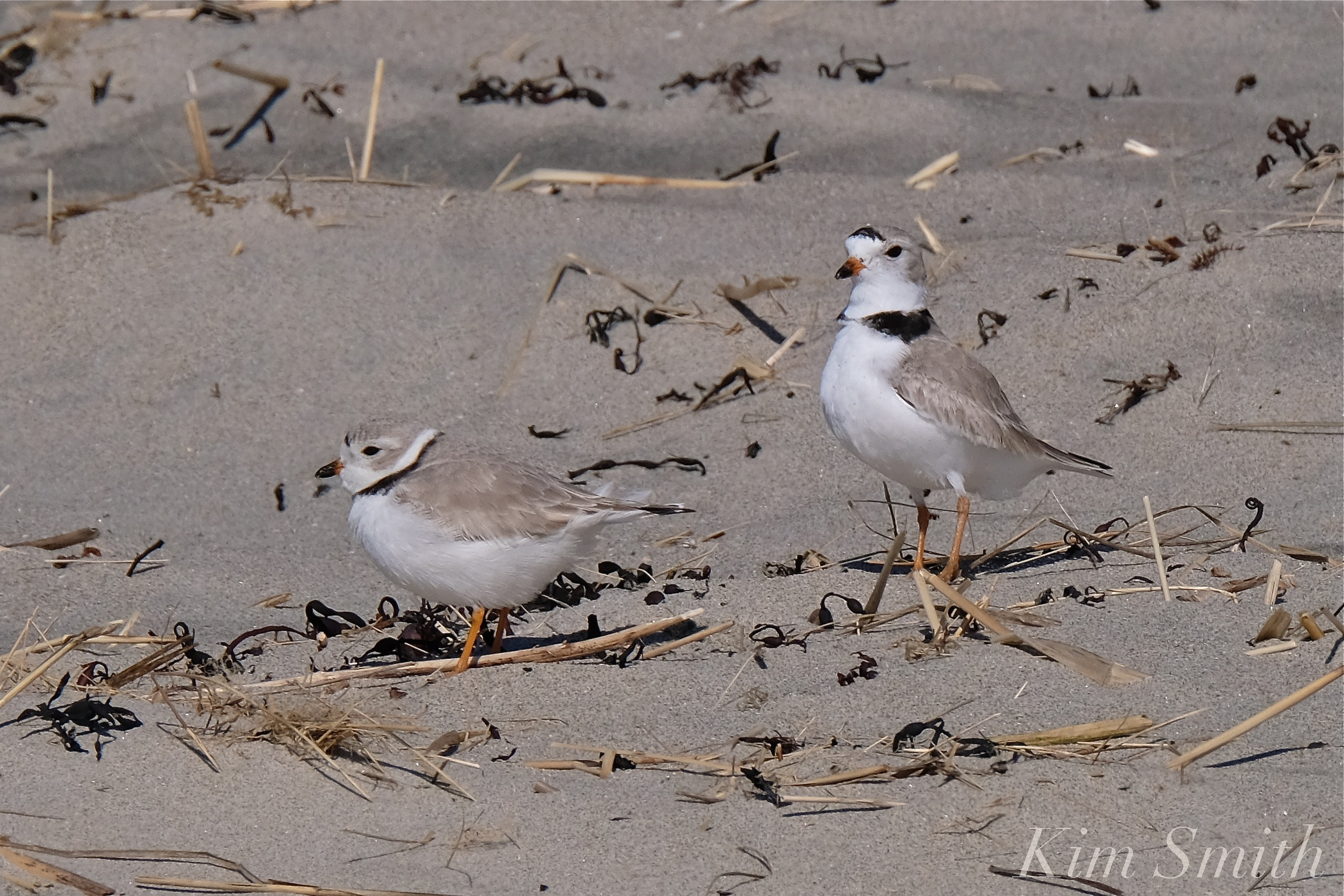
Mama (left) and Papa( right) in the parking lot nest scrape.

The painted white lines provide camouflage.

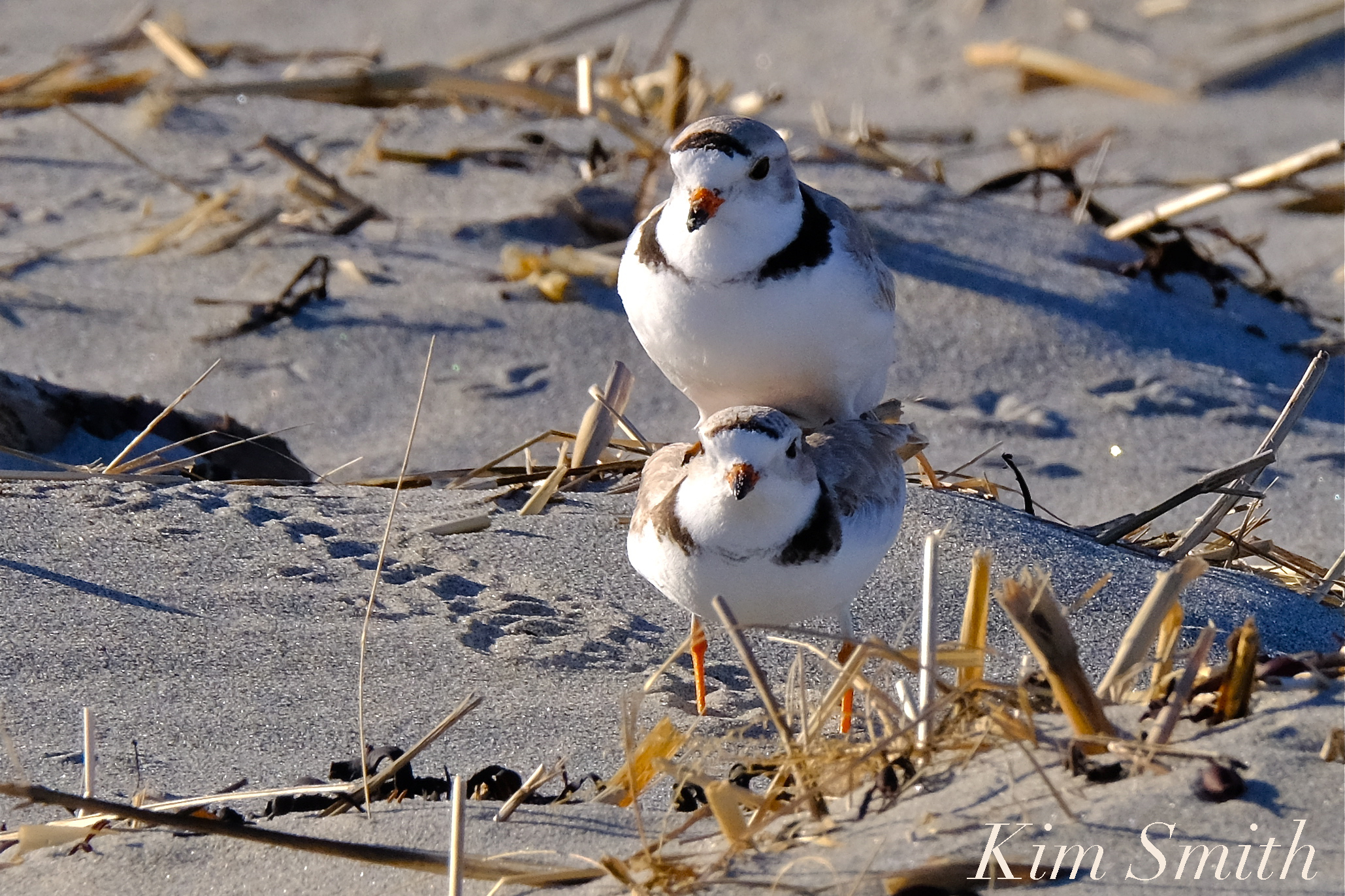
Late Wednesday afternoon, the two were this time mating at their beach nest scrape. Throughout most of the day they were seen on the beach!

Mama and Papa mating on the beach Wednesday afternoon.

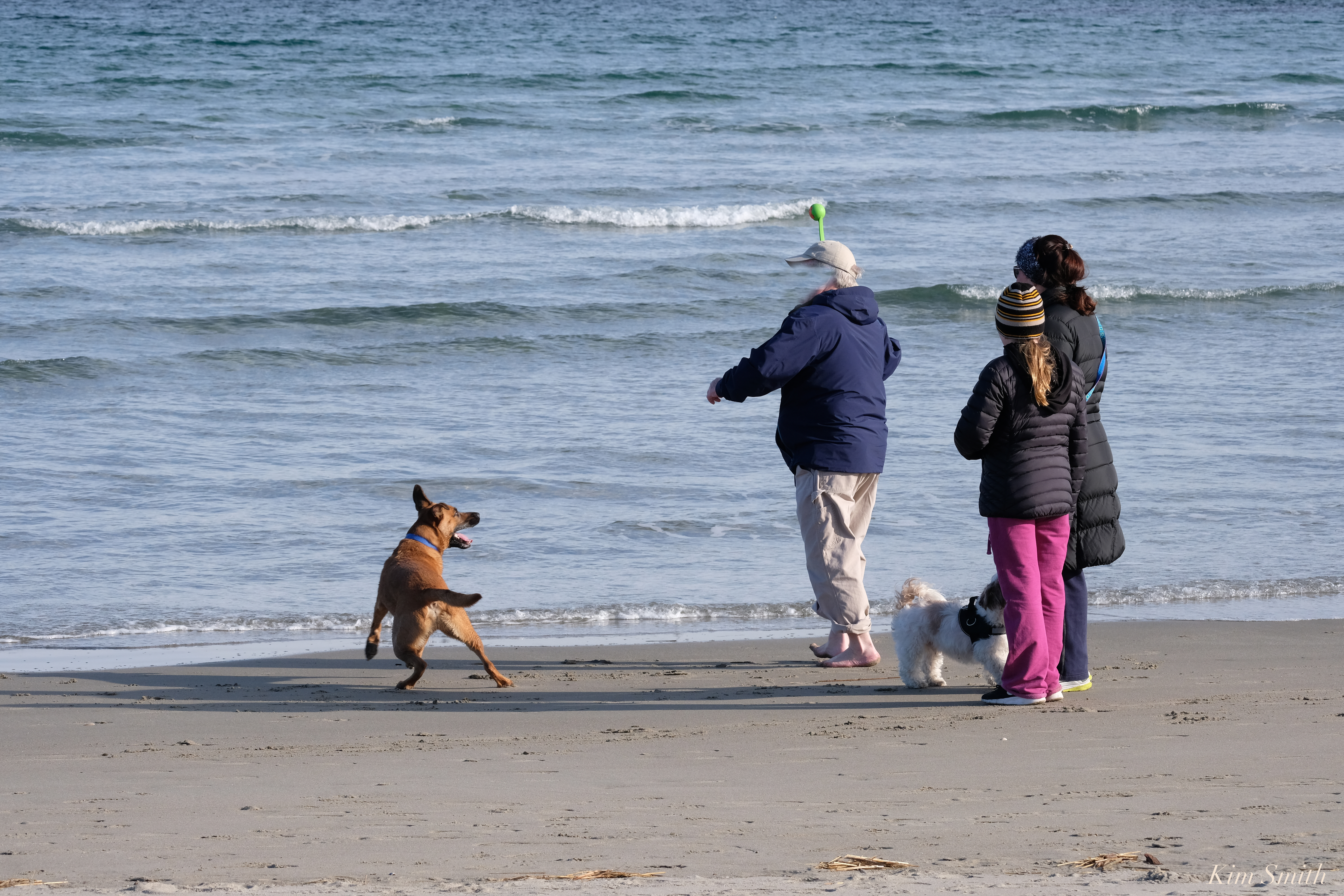
Aside from some pre- and early dawn scofflaws, along with the occasional visits by dogs off and on leash during the day, the beach appears to becoming less frequented by pets. Perhaps the beach will become the safer of the two locations and our little pair will decide to return for the duration of the season.

HEADS UP – This Sunday is Easter. If the weather is nice there is the strong possibility we will get people from out of town, as well as some locals, who are not yet aware of the ordinance change. The monitors will be on the beach, but we need help from the community in letting people know about the  new policy, no dogs on the beach at any time of day or night from April 1st to October 1st. Thank you for any help given!

Thank you again to dog Officers Jamie and Teagan for their continued stepped up presence, and to Mayor Sefatia, Mike Hale and the DPW for the fantastic, clear simple signs. The past few days, the signs appear to really be having an effect!

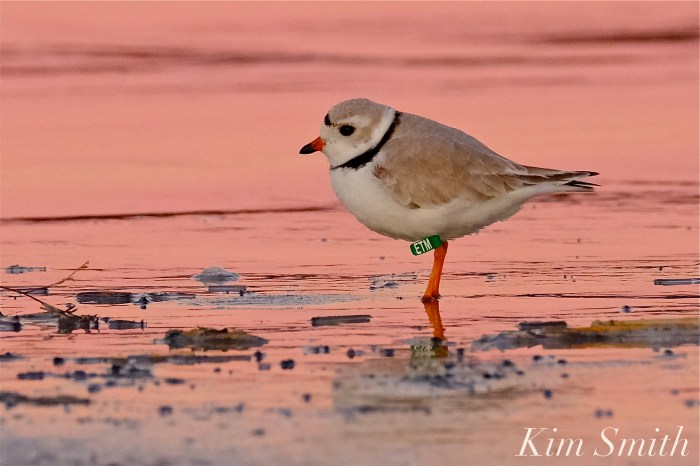
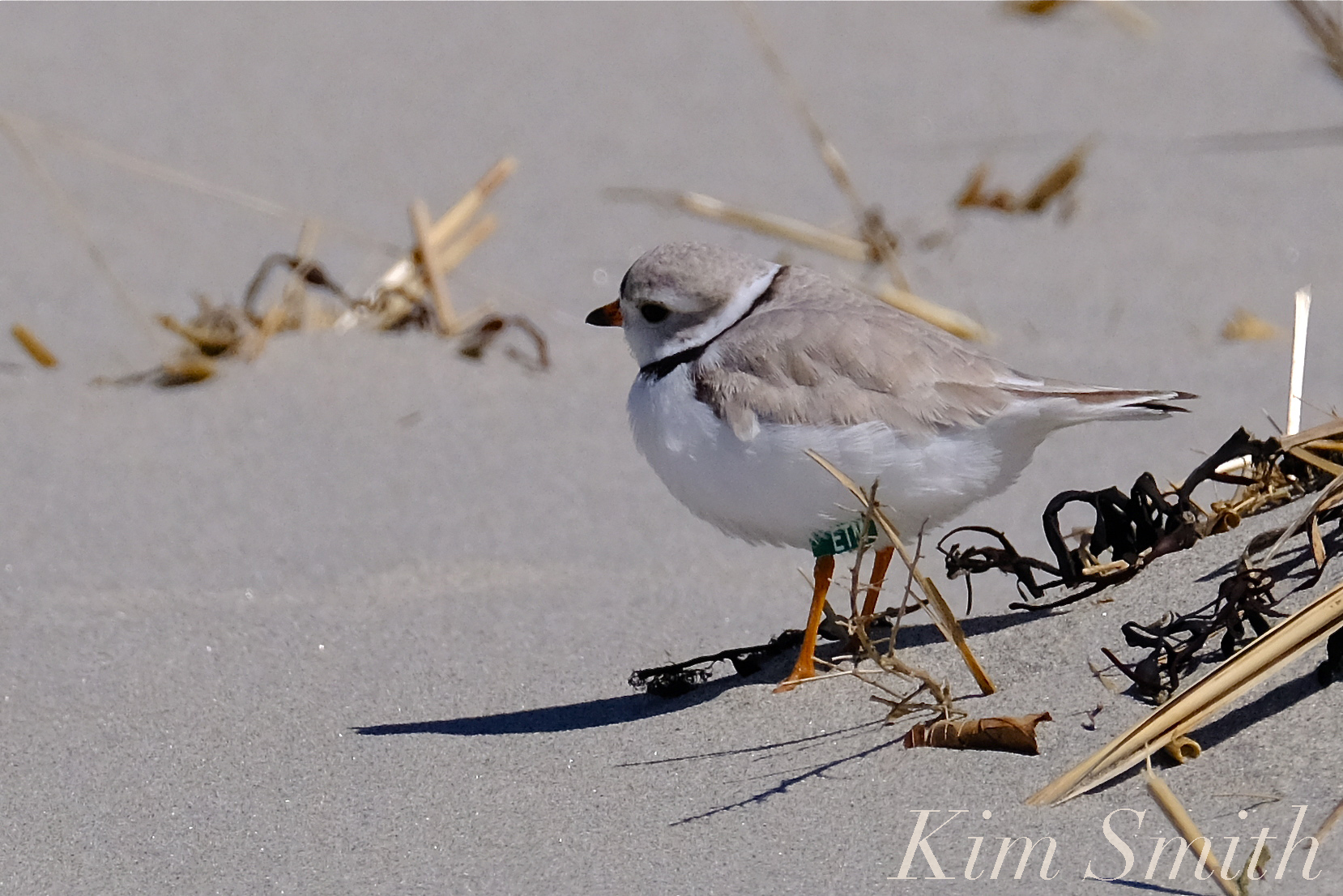
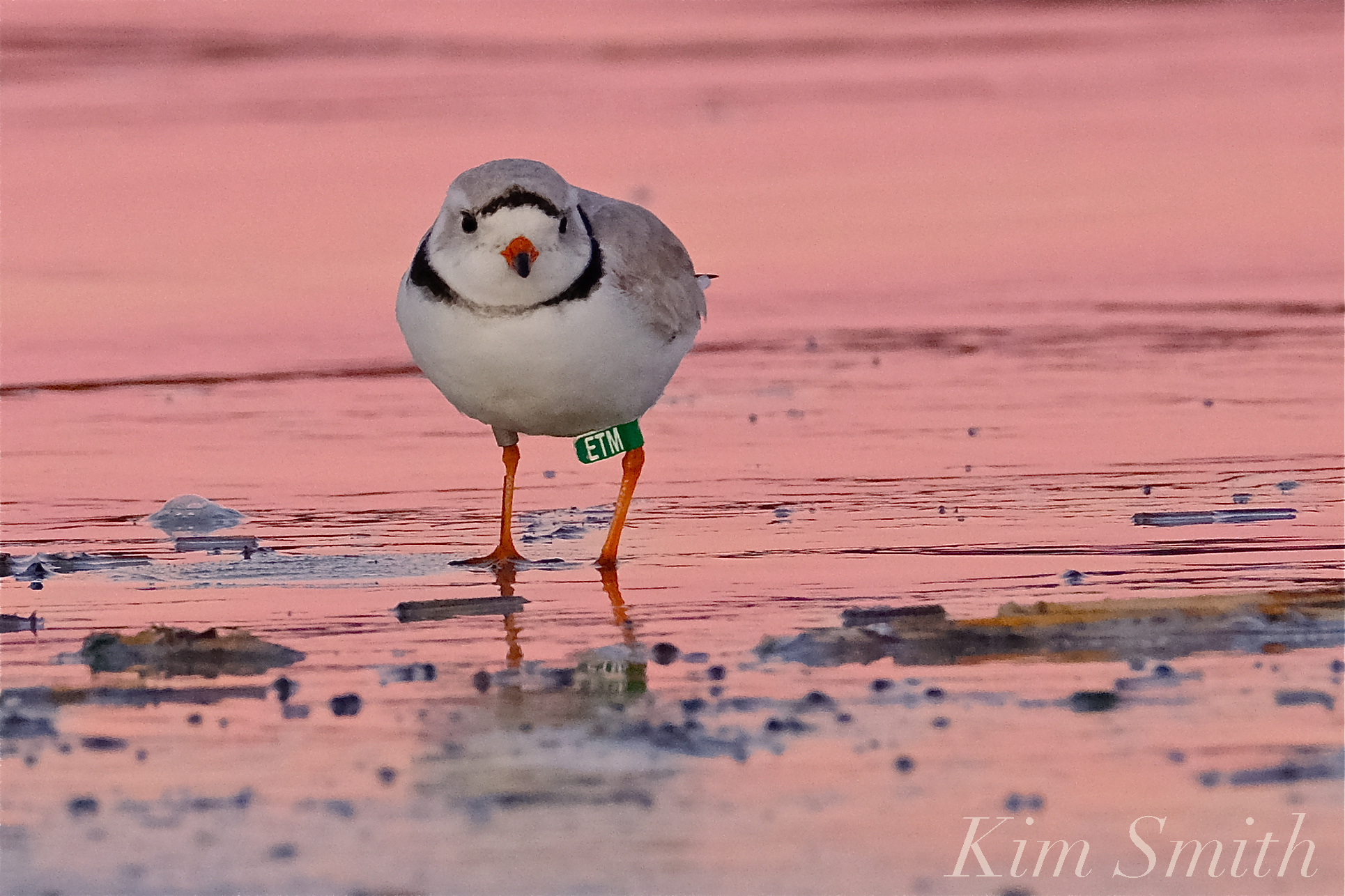
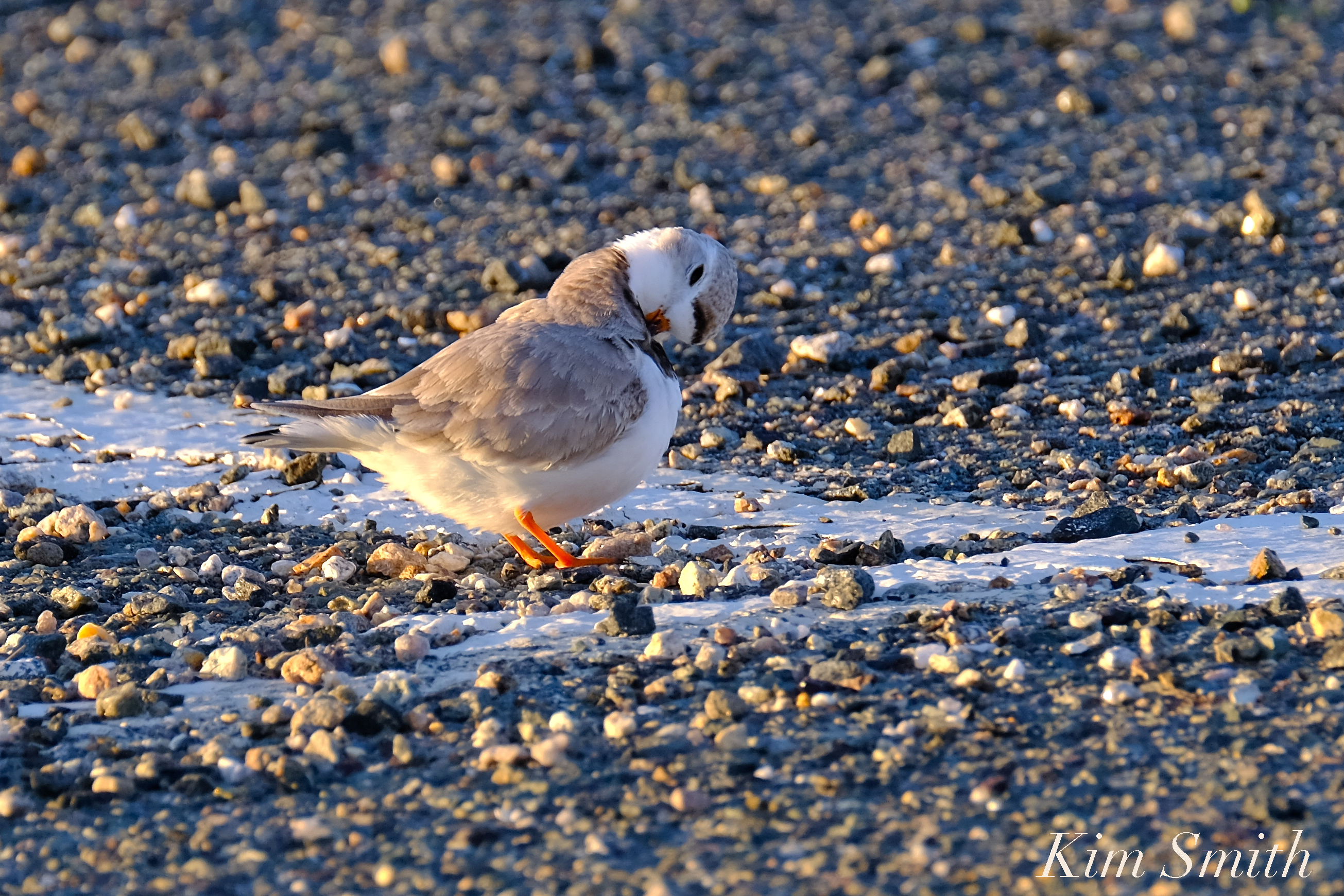
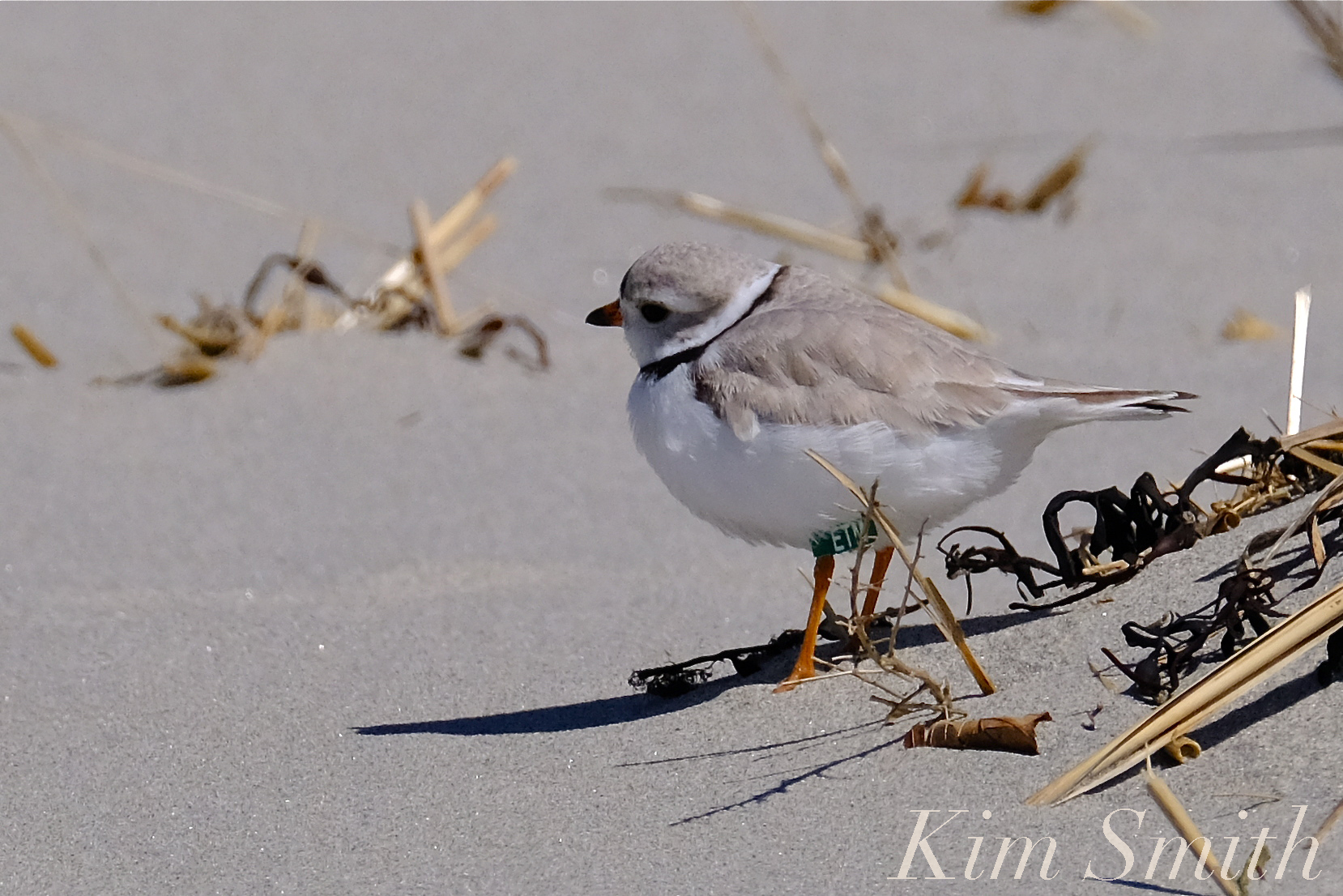
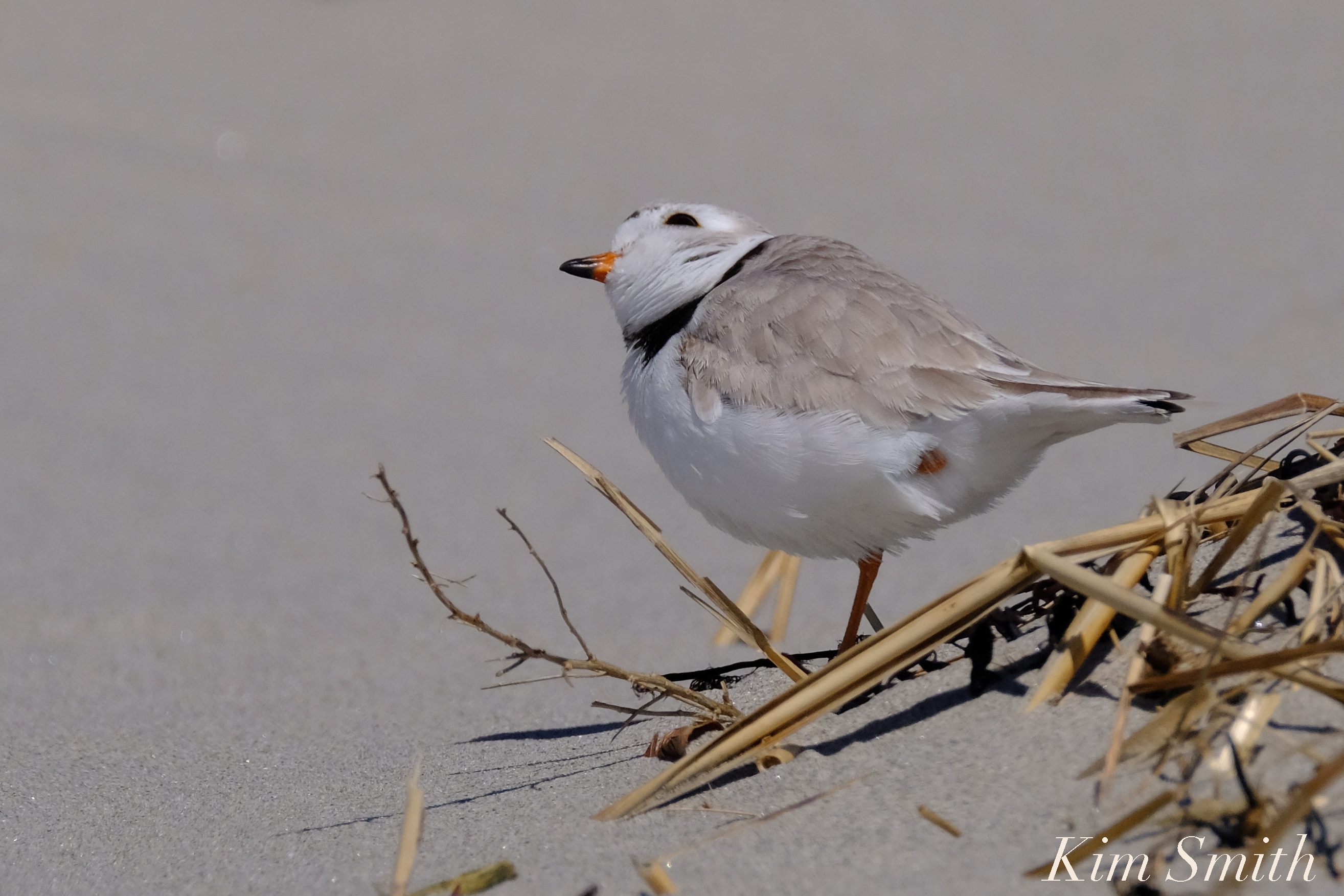
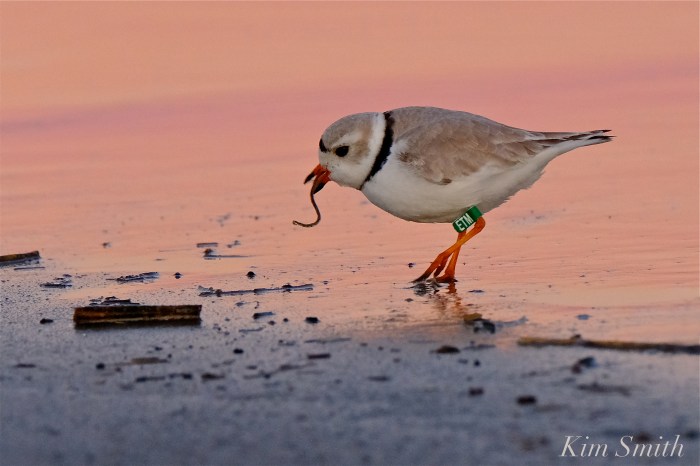
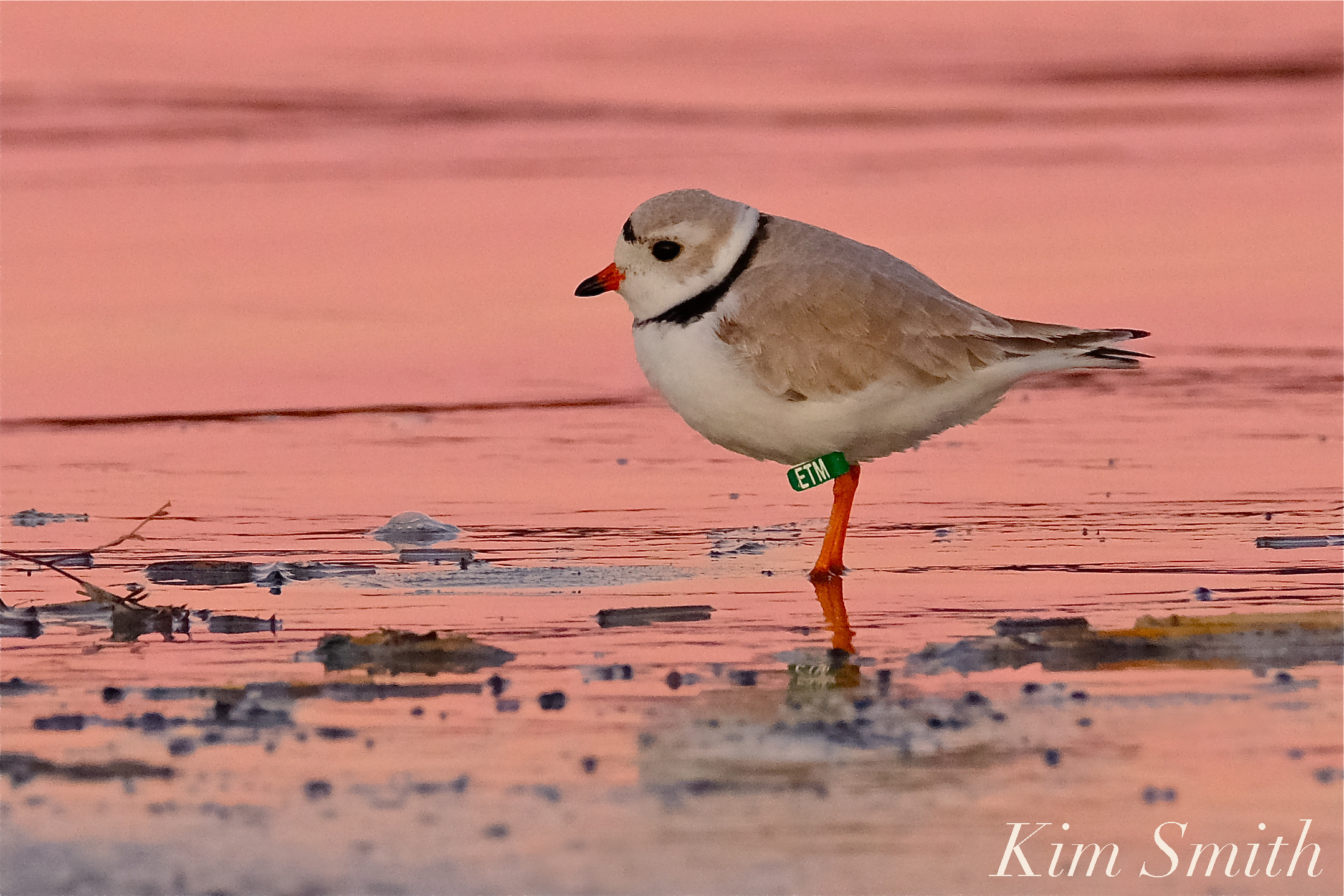
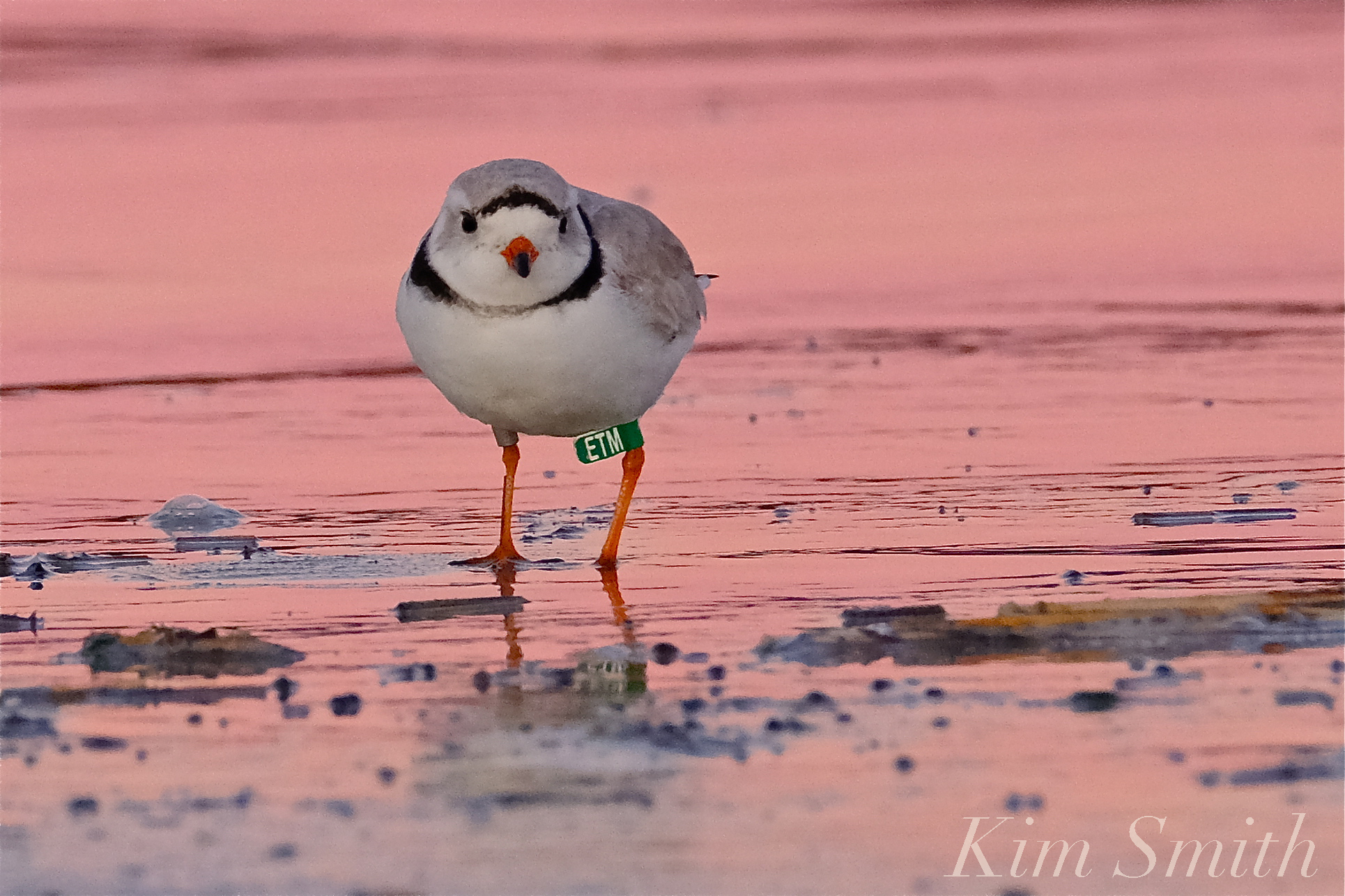
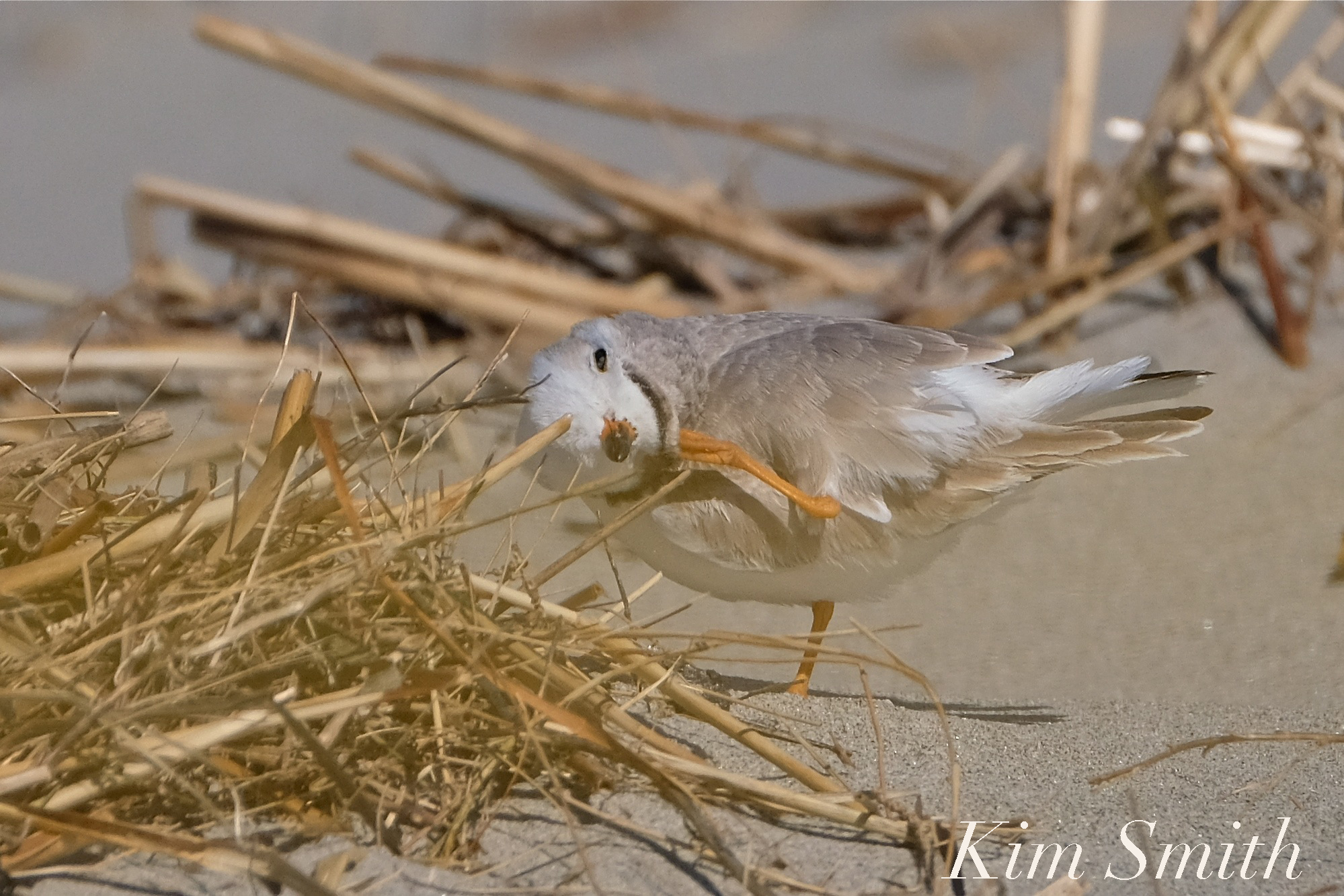
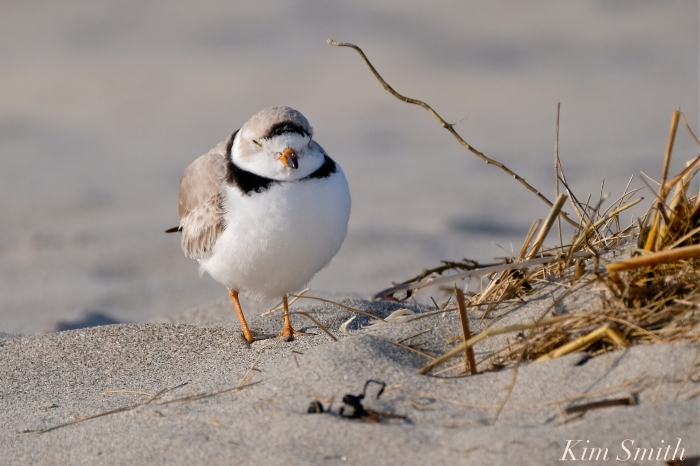
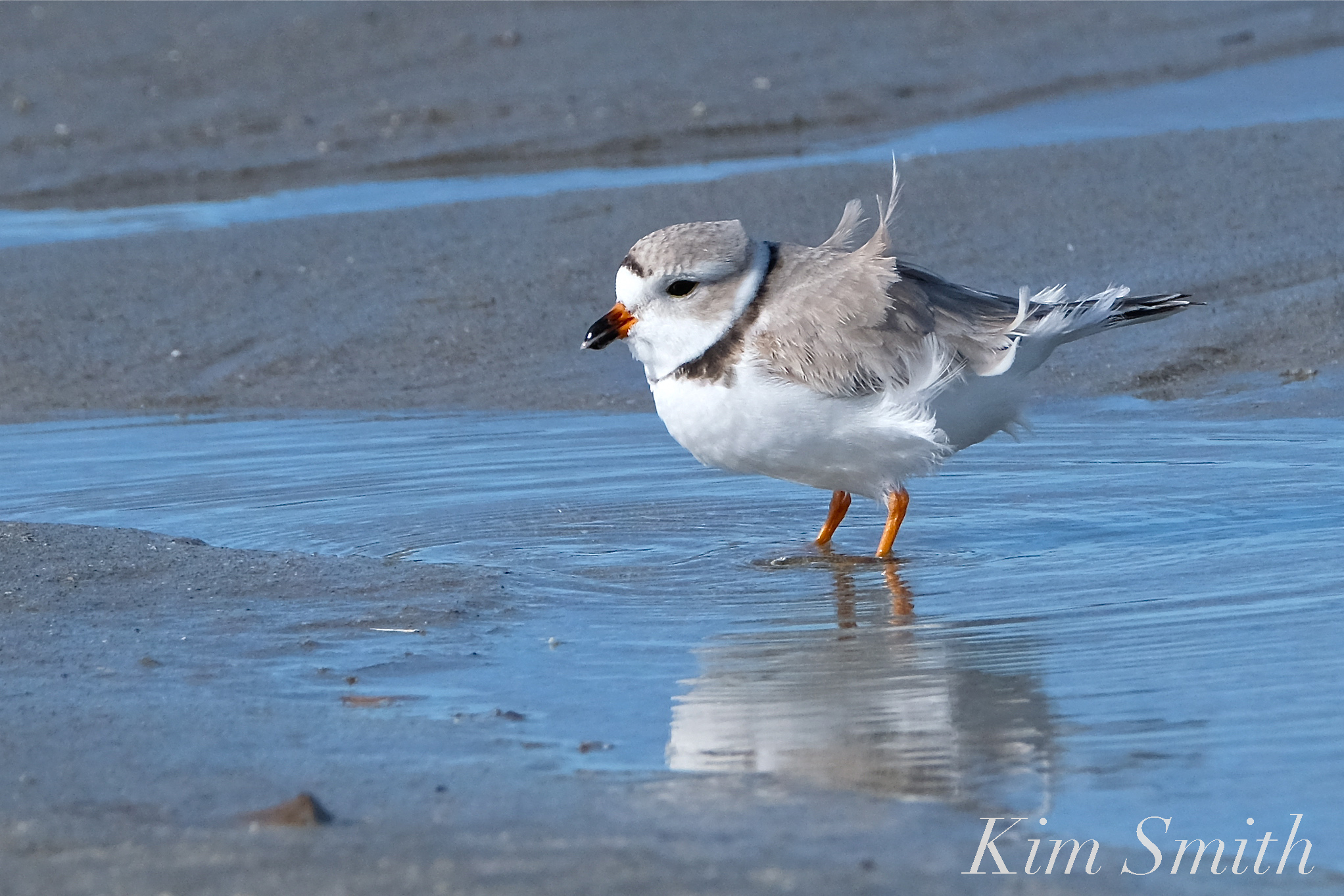
Banded Piping Plover ETM was observed again Wednesday. You can see his ETM leg band in the photo on the left, but not when he is standing with his left leg tucked up under his belly.

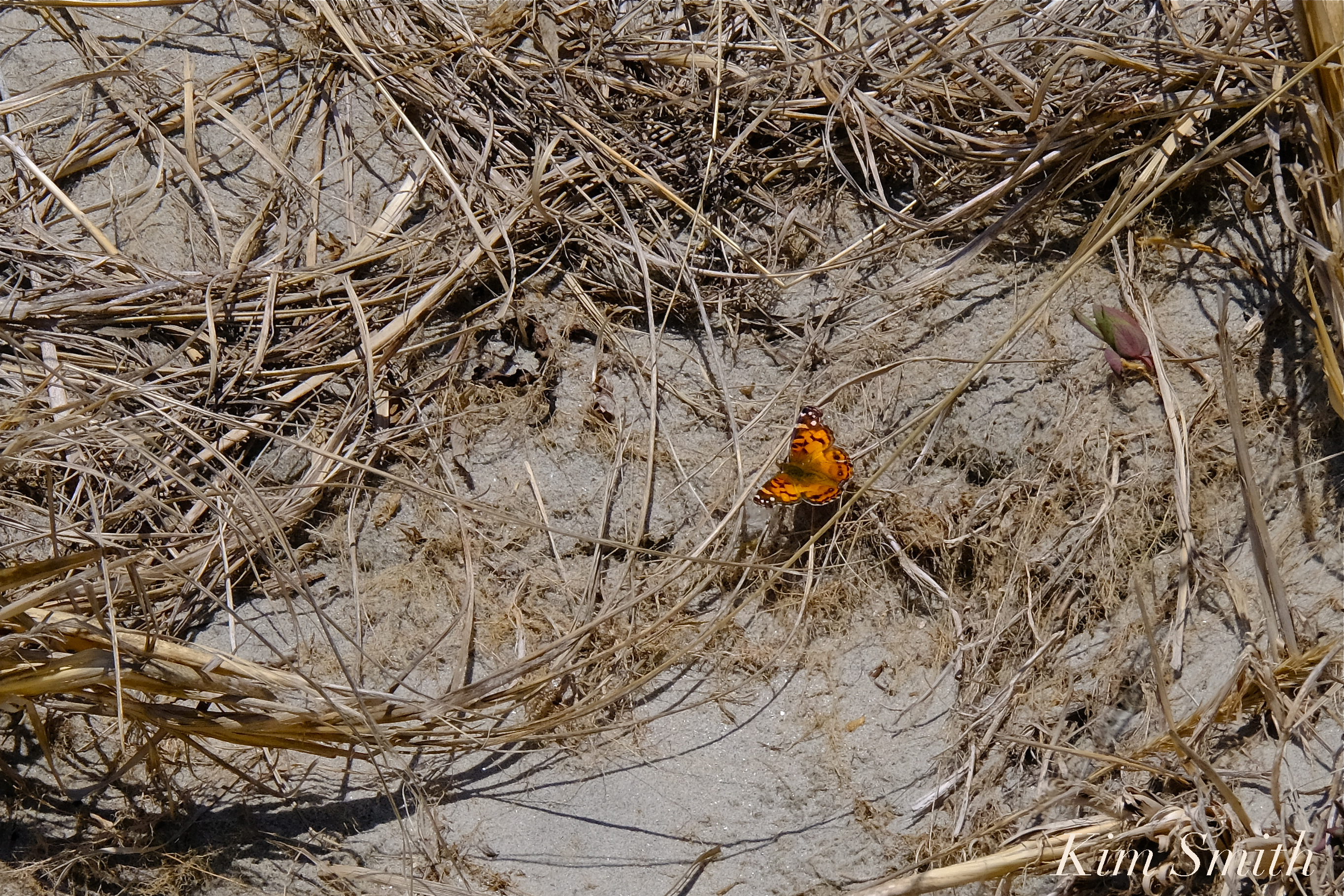
Painted Lady flying in off the water into the dunes.

EXCITING NEWS FOR OUR GOOD HARBOR BEACH PLOVER FANS!

Late yesterday afternoon, our Piping Plover volunteer monitor Heather Hall identified a new addition to the three Piping Plovers currently residing at Good harbor Beach. She observed that he was super hungry and that he was wearing not one, but two identifying bands! The green band is located on his upper left leg and is etched in white with the letters ETM. On his upper right leg is a nondescript aluminum band most likely placed there by USFW.

The little guy was tagged on October 7th of this past year at Cumberland Island, Georgia, by the Virginia Tech Shorebird Program. He is a first hatch year, which means he is not quite yet a year old. ETM was spotted several more times at Cumberland Island indicating that he spent the winter there.

Cumberland Island is a barrier island and is the largest and most furthest south of the “Sea Islands” of the southeastern United States. You may have heard of Sea Island cotton, a very luxurious type of cotton. The fibers of the cotton that are planted on the Sea Islands grow extra long. In spinning and weaving cotton, the longer the fibers, the smoother and more luxurious the cotton feels. The word long-staple is used to describe very fine cotton threads.

Cumberland Island National Seashore sounds like a stunning and fascinating place to visit and I hope to do just that someday soon 🙂

To learn more about the Virginia Tech Shorebird Program:

The Virginia Tech Shorebird Program is a consortium of conservation biologists in the Virginia Tech Department of Fish and Wildlife Conservation. Although our biologists have a variety of interests, we share a common goal of conservation of coastal wildlife resources through transformational research. We work closely with managers and stakeholders to provide research that is timely and pertinent to management. The VT Shorebird Program began in 1985 with a study of piping plovers on the coasts of Virginia and Maryland. Since that time, our biologists have worked up and down the Atlantic and Gulf coasts, along the shores of prairie rivers and lakes, and internationally in the Bahamas, Canada, and China, promoting the conservation of seabirds and shorebirds through research. We have worked with a variety of species, including piping plovers, least terns, snowy plovers, killdeer, spotted sandpipers, red knots, common terns, gull-billed terns, roseate terns, and black skimmers in an effort to conserve our coastlines and the animals that depend on it. Read More Here

And here’s more from Audubon –

Cumberland Island is Georgia’s largest and southernmost barrier island. It is also one of the oldest barrier islands in Georgia, with rich soils capable of supporting a diversity of plants. It is bordered by the Cumberland River, Cumberland Sound, and the Atlantic Ocean. Three main natural communities are found on the island: extensive salt marshes on the western side comprise almost 17,000 acres; an ancient, mid-island maritime forest of live oak, pine, cedar and saw palmetto covers 15,100 acres; and a narrow strip of dune/beach stretches along the Atlantic Ocean side of the island. Parts of the island have regenerated from use as plantations, when clear-cutting for sea island cotton farming and timber harvests for ship building were profitable. It has several noteworthy features, including 50 miles of shoreline, freshwater marshes and ponds, high bluffs, interdune meadows, tidal mudflats and creeks, and a large, freshwater lake. It is accessible only by ferry, a concession arrangement with the national park service.

Ornithological Summary

As a United Nations-sanctioned International Biosphere Reserve, the wilderness on Cumberland Island protects many threatened and endangered species, including six species of migratory and shore birds and four species of sea turtles. It is clearly a place of global significance.

Cumberland Island is a major stopping point on the transatlantic migratory flyway, with over 335 species of birds recorded. Threatened and endangered species include Least Tern, Wilson’s Plover, and American Oystercatcher. The southernmost point of the island, known as Pelican Banks, is a favorite place for Black Skimmers, oystercatchers, pelicans, and numerous ducks and shore birds. The fresh water ponds provide excellent rookeries for Wood storks, white ibis, herons and egrets. In the forest canopy, warblers, buntings, wrens and woodpeckers abound. On the shores, osprey, peregrine falcons, and the occasional Bald Eagle and Golden Eagle can be seen. CI is a breeding site for endangered/threatened/high priority species such as Wood Stork, GAEA, Least Tern, Painted Bunting. Extensive, regular use by migrants and winter residents (warblers, shorebirds, PE, FA). The habitat is largely undisturbed and the island is one of GA’s largest. Area attracts several rare/accidental species (LBCU, GLGU, WEK). Northern edge for some species (i.e., WIPE winters) = seasonal use and range. Contains steadily increasing population of TUTI (uncommon to rare on many barrier islands). AMWP (winter and a few summer), REEG, etc.

Black Rail, Piping Plover, Saltmarsh sharp-tail Sparrow, Nelson’s sharp-tail Sparrow, Painted Bunting, Cerulean Warbler, Golden-winged Warbler, Red-cockcaded Woodpecker (Source: Shelia Willis checklist) Read More Here

WHERE DO PIPING PLOVERS GO IN BAD WEATHER?

A question often asked is “where do the birds go when the weather is inclement?”

The answer depends on what type of bird. Some birds, like perching birds, have it a bit easier than seabirds and shorebirds because their little toes reflexively cling tightly to a branch or limb. But many, many birds lose their lives in hurricanes and super storms.

Extreme weather events are especially harmful to threatened and endangered shorebirds. Wave action, high winds, and storm surges destroys coastal habitats and flooding decreases water salinity. Birds, especially young birds, are blown far off course away from their home habitats. A great deal of energy is expended battling the winds and trying to return home.

In the case of Piping Plovers, for the most part, business continues as usual during average inclement weather. You won’t see them sit in a tree or dune shrub because they will lose their primary advantage against predators, that of the safety afforded them by the camouflage of their sandy beach coloring.

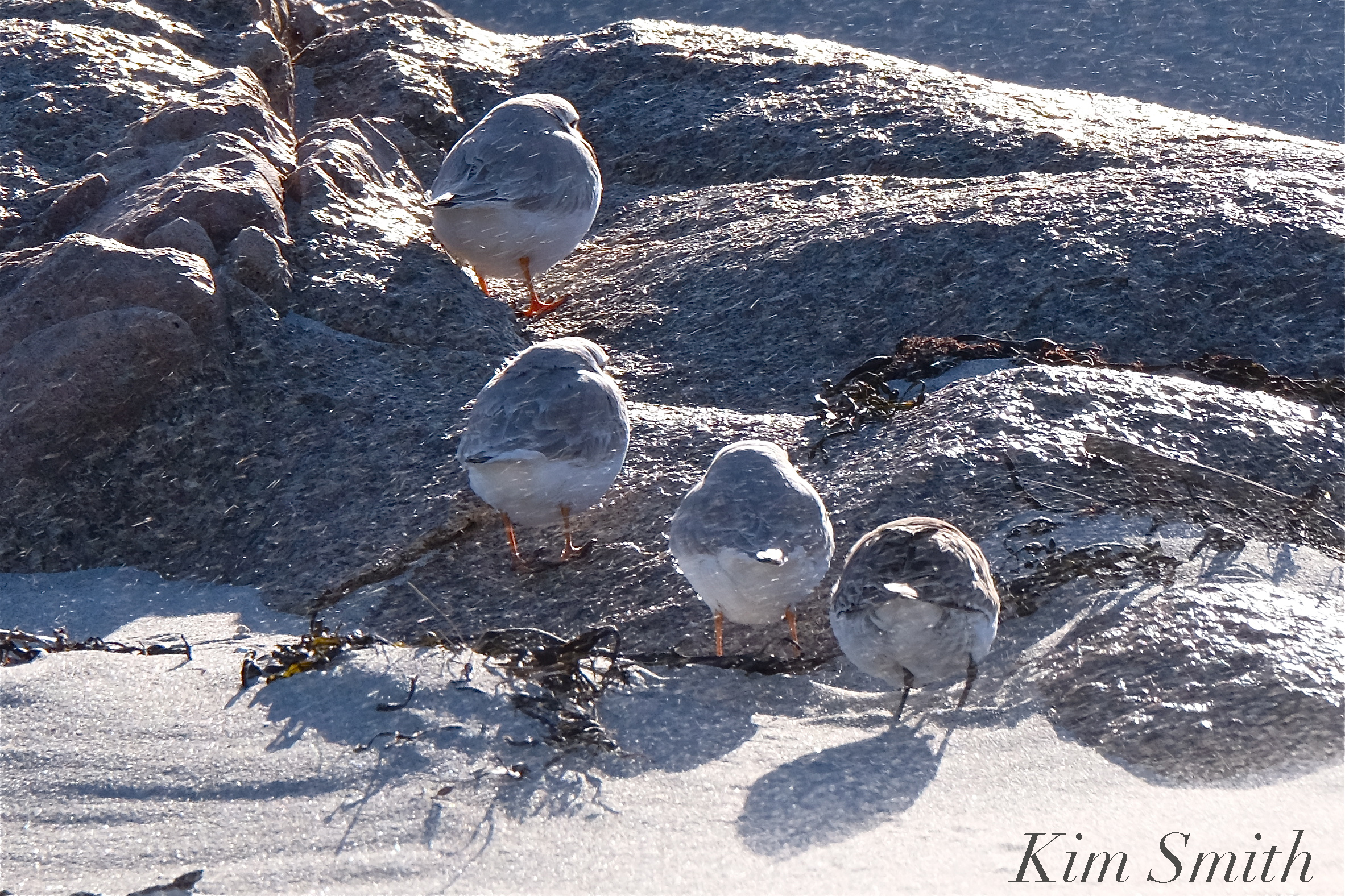
Piping Plovers and Dunlin taking shelter behind the landmark rock at Good Harbor

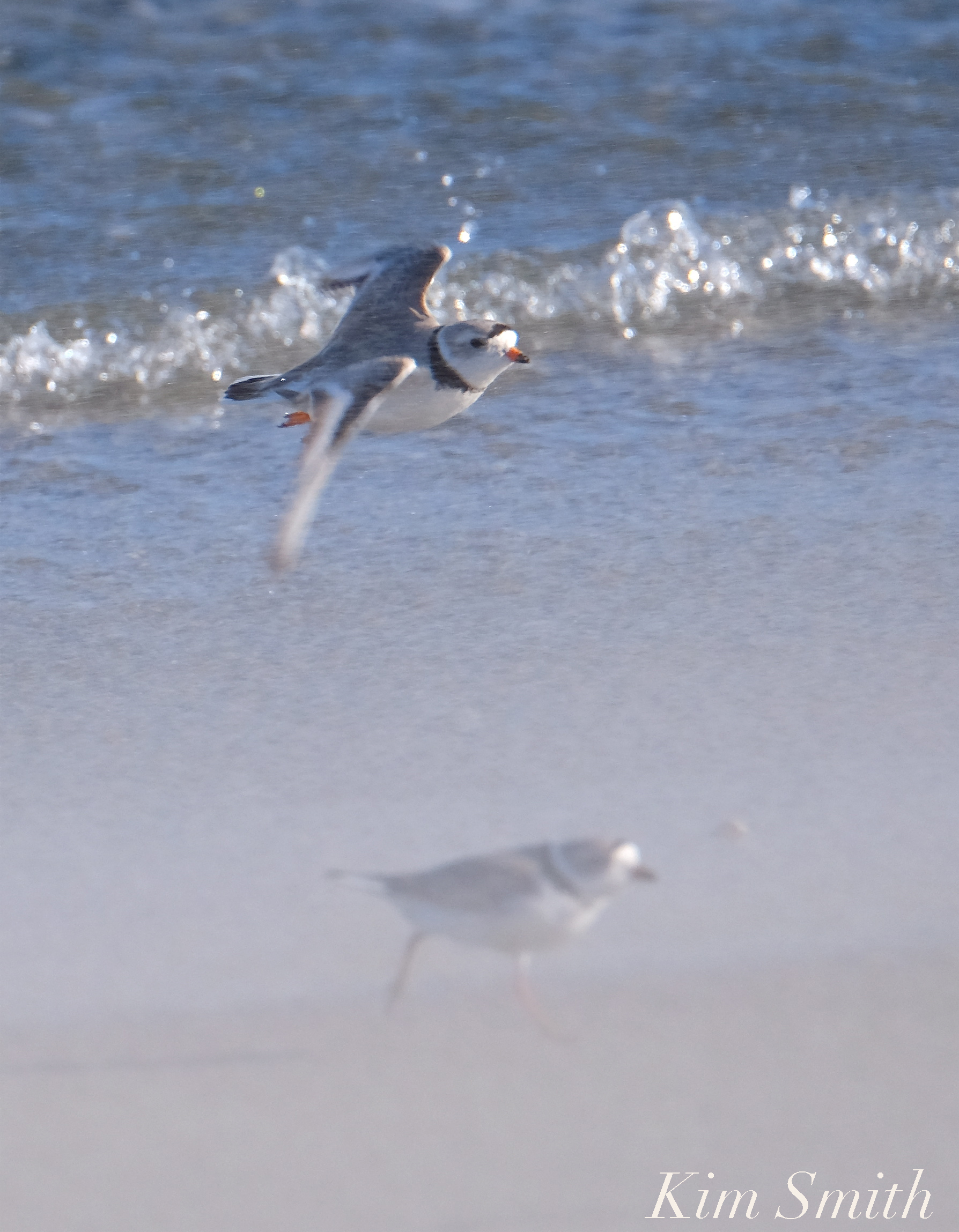
Perhaps they’ll find a rock on the beach, or ridge in the sand, to crouch behind and out of the path of the wind. Piping Plovers are much harder to find in inclement weather because their feathers mirror shades of rain and snow and fog. Drenching rain, spring snow squalls, and biting summer sand storms won’t stop these indefatigable creatures, we see them foraging during every type of weather event.

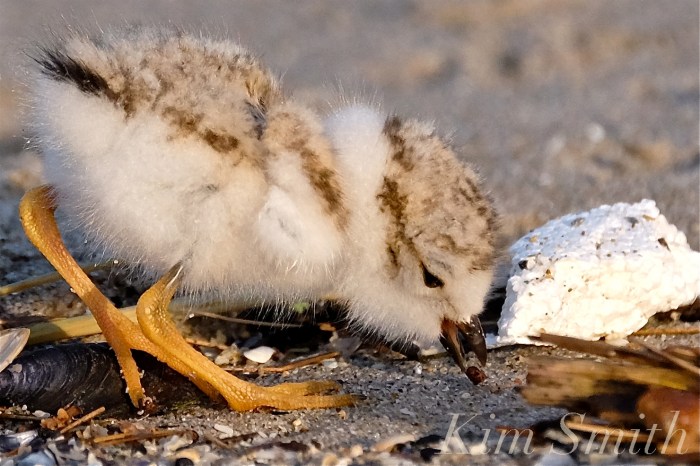
Even Piping Plover chicks, weighing not much more than nickel, have the ability to withstand harsh summer sandstorms.

Nearly freezing and made worse by whipping wind.


GloucesterCast 332 With Patriots Safety Obi Melifonwu, Sean Stellato,Ralph DiGiorgio, Chris McCarthy, Pat Dalpiaz, Craig Kimberley, and Joey Ciaramitaro Taped 4/7/19

GloucesterCast 332 With Patriots Safety Obi Melifonwu, Sean Stellato, Ralph DiGiorgio, Chris McCarthy, Pat Dalpiaz, Craig Kimberley, and Joey Ciaramitaro Taped 4/7/19

podcasticon1

When you subscribe you need to verify your email address so they know we’re not sending you spam and that you want to receive the podcast or GMG in your email. So once you subscribe check your email for that verification. If you don’t see it, check your spam folder in your email acct so you can verify that you’d like to get them via email subscription.

subscribe1-picsay (2)1473522843911012199..jpg

subscribe1-picsay2259157744436385962.jpg

subscribe1-picsay (3)579008106437437025..jpg

Topics Include:

Interview With Patriots Safety Obi Melifonwu

Draft Party Information Here

www.seanstellato.com

I Pazzi

12th Annual Pizza Taste Off sponsored by the Rotary to be held Thurs April 11 at Cruiseport. Limited number of tickets available for $10 to benefit American Cancer Society: Link here
Registering Boats on the State Fish Pier
Craig Kimberley’s Latest Adventure
f5d7ea40-1cbe-486a-90eb-1a2291023a13-picsay2494581977118693400.jpeg

GloucesterCast 331 With Ralph DiGiorgio, Kim Smith and Joey Ciaramitaro Taped 4/5/19

GloucesterCast 331 With Ralph DiGiorgio, Kim Smith and Joey Ciaramitaro Taped 4/5/19

podcasticon1

When you subscribe you need to verify your email address so they know we’re not sending you spam and that you want to receive the podcast or GMG in your email. So once you subscribe check your email for that verification. If you don’t see it, check your spam folder in your email acct so you can verify that you’d like to get them via email subscription.

subscribe1-picsay (2)1473522843911012199..jpg

subscribe1-picsay2259157744436385962.jpg


subscribe1-picsay (3)579008106437437025..jpg

Topics Include:

Lat 43 Complete renovation video here

Cape Ann Bowling Champ Ralph DiGiorgio

Dogtown compost facility

Red Finch Nesting Again

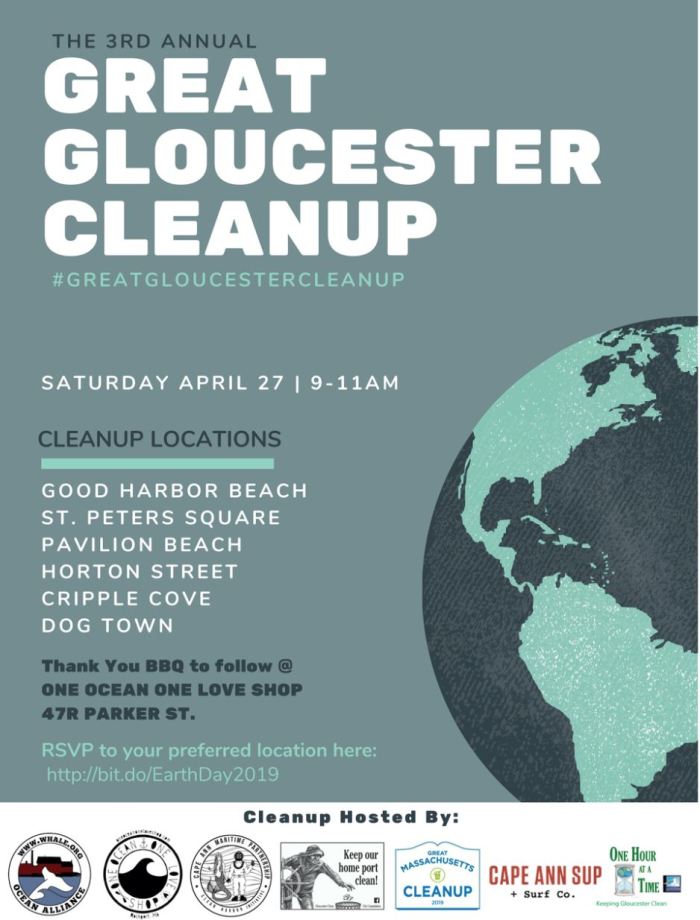
Earth Day -April 27th 2019

Cape Ann Reads Opens Tomorrow At Manchester Historical Museum Info Here

Mama Mia At Gloucester High School

Liv moving to LA

Piping Plover Update

Fox sightings uptick coyote


NOT ONE, NOT TWO, BUT THREE PIPING PLOVERS TODAY AT GOOD HARBOR BEACH!

Throughout the day, a threesome has been actively feeding, battling for territory, and two of the three, displaying courtship behavior.

Often times I have read that Piping Plovers in Massachusetts do not begin to actively court until mid-April. That has simply not been the case with our Good Harbor Beach pair. As soon as they arrive to their northern breeding grounds, they don’t waste any time and get right down to the business of reproducing! Last year, the PiPls were courting within a week of arriving, and this year, on the first day.

I only had brief periods of time to visit the beach this morning, but within that window, FOUR separate times the male built a little scrape, called Mama over to come investigate, while adding bits of dried seaweed and sticks, and fanning his tail feathers.

Papa scraping a nest in the sand.

Fanning his tail and inviting Mama to come inspect the nest scrape.

Tossing sticks and beach debris into the scrape.

Papa high-stepping for Mama.

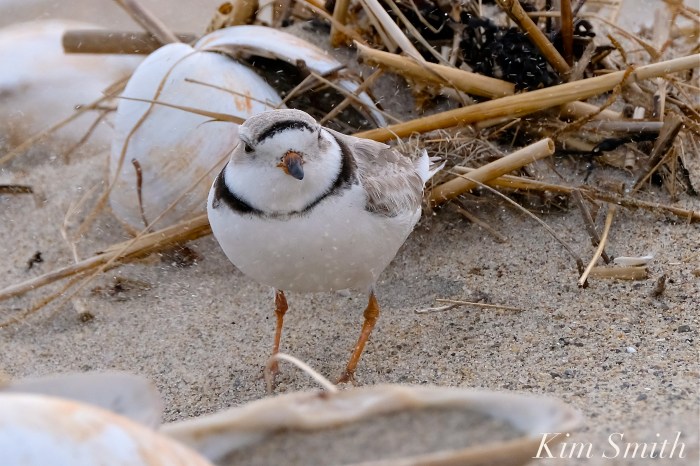
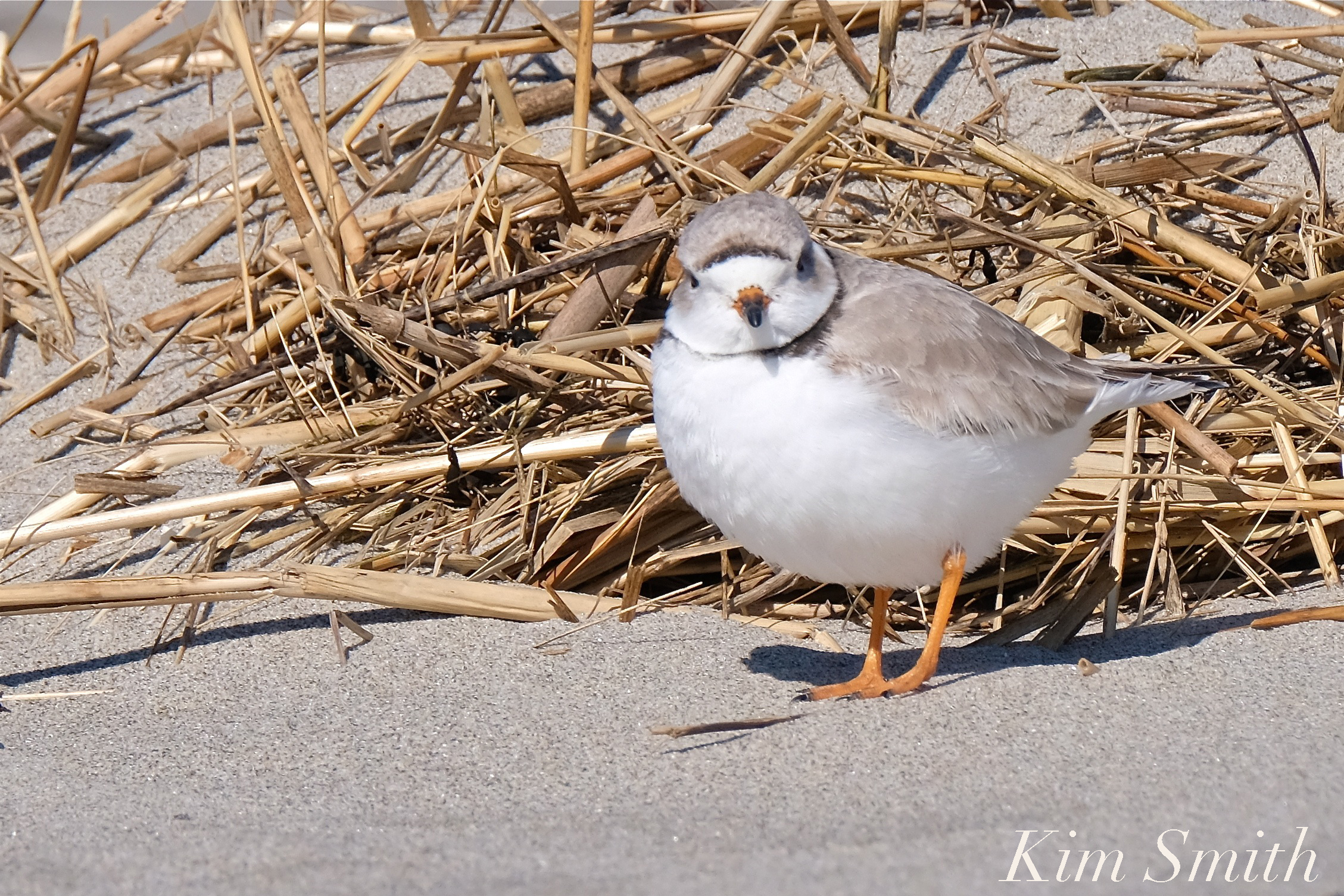
It was VERY cold and windy both times I stopped by GHB and the PiPls were equally as interested in snuggling down behind a clump of dried beach grass as they were in courting.

Mama and Papa finding shelter from the cold and wind in the wrack line.

Good Harbor Beach was blessedly quiet all day. Our awesome dog officer Teagan Dolan was at the beach bright and early and there wasn’t a single dog in sight, I think greatly due to his vigilance and presence educating beach goers this past week.

Heather Hall, Katharine Parsons, Alicia Pensarosa, Laurie Sawin

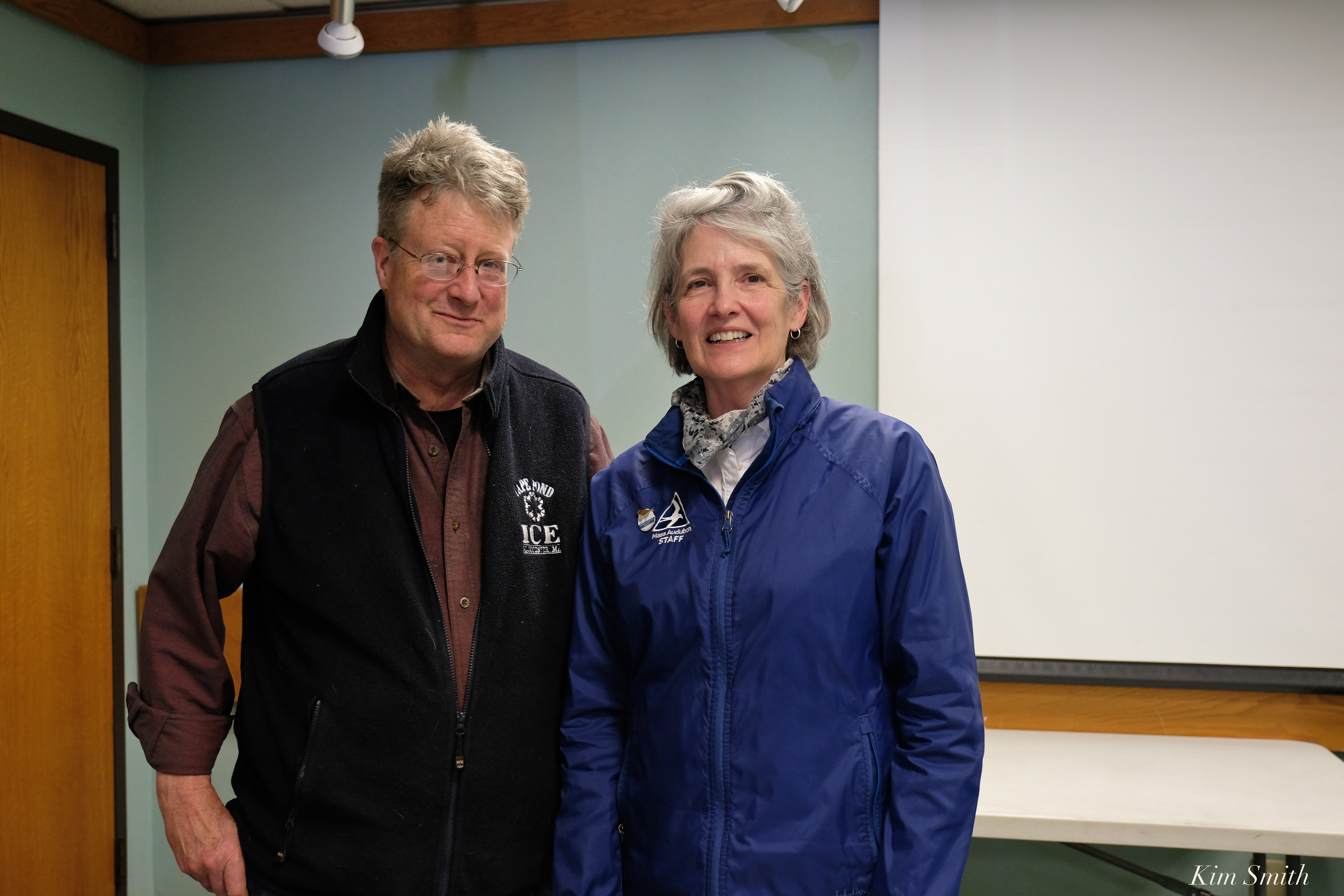
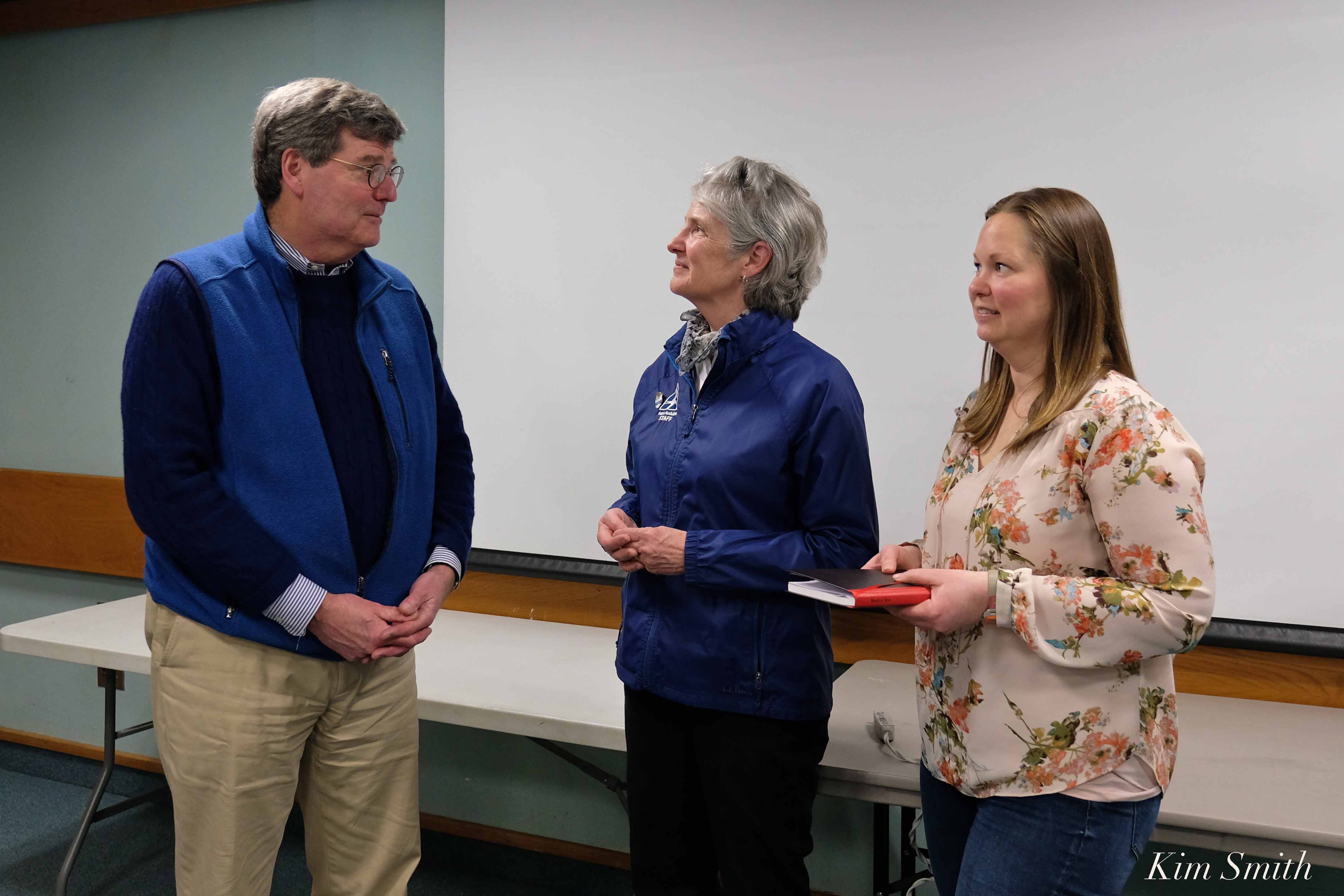
Saturday we had the pleasure of meeting Katharine Parsons, Director of the Mass Audubon Coastal Waterbird Program. She gave an outstanding program to a crowd of Piping Plover advocates and interested parties, which was held at the Sawyer Free Library. Katharine covered everything from life cycle, management strategies and tools, habitat conservation, and the fantastic role Massachusetts is playing in the recovery of Piping Plovers, Least Terns, Roseate Terns, and Oystercatchers. We are so appreciative of Alicia Pensarosa and Gloucester’s Animal Advisory Committee for sponsoring Katharine!

Ward One Councilor Scott Memhard and Katharine

City Council President Paul Lundberg, Katharine, and Alicia

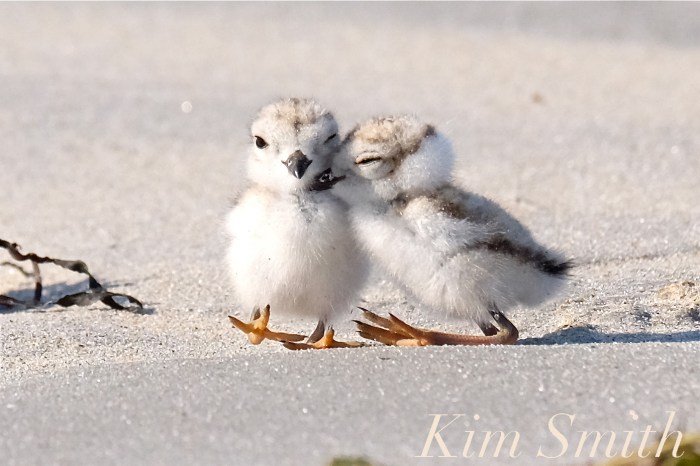
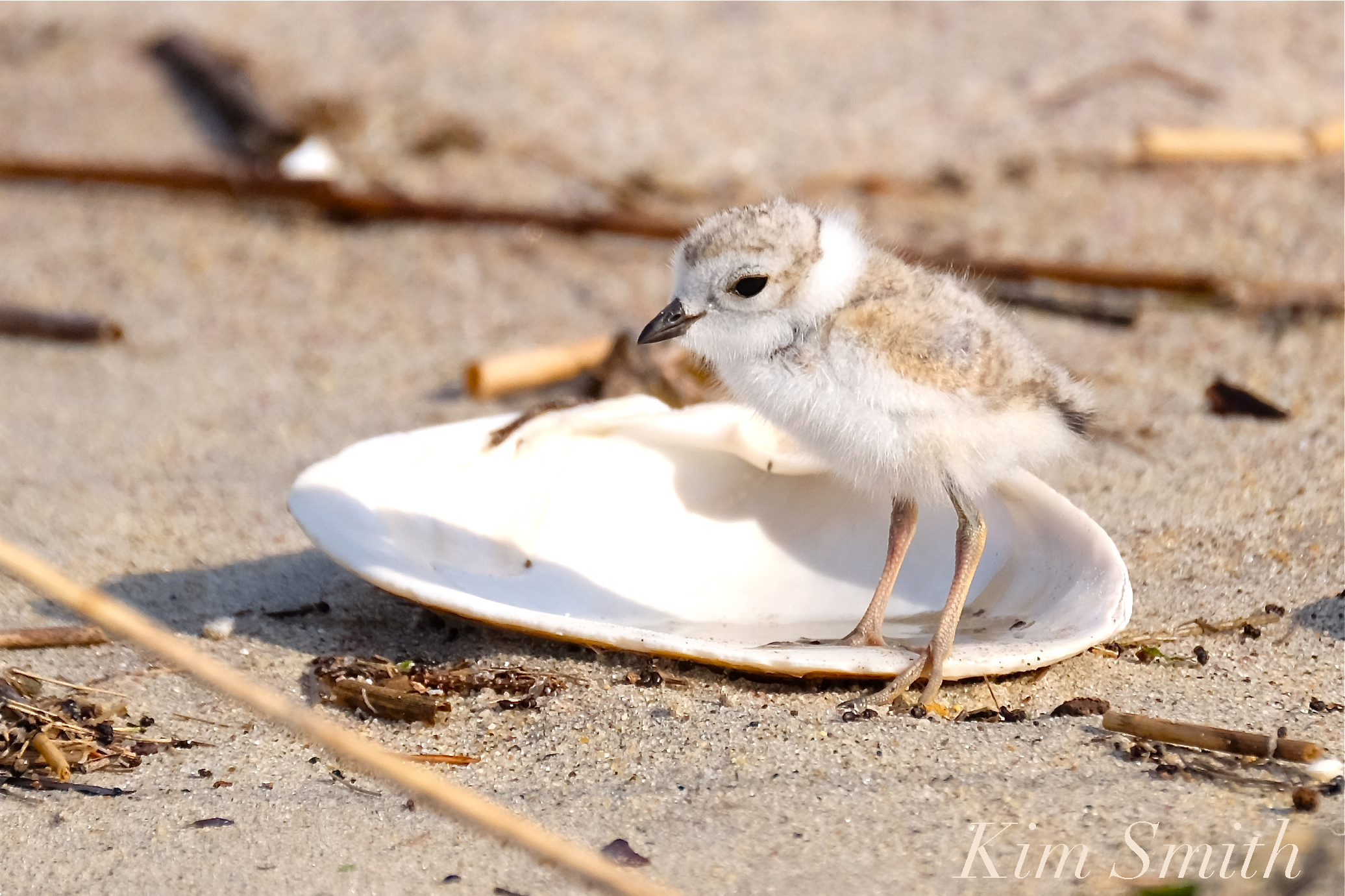
Fun Fact we learned from Katharine’s presentation–a Piping Plover chick weighs six grams at birth. In comparison, and after consulting Google, a US nickel weighs a close 5.5 grams.

GloucesterCast 330 With Kate Allen, Jamie Mathison, Sarah Steward,Ralph DiGiorgio, Catherine Ryan and Joey Ciaramitaro Taped 3/31/19

GloucesterCast 330 With Kate Allen, Jamie Mathison, Sarah Steward,Ralph DiGiorgio, Catherine Ryan and  Joey Ciaramitaro Taped 3/31/19

podcasticon1

When you subscribe you need to verify your email address so they know we’re not sending you spam and that you want to receive the podcast or GMG in your email. So once you subscribe check your email for that verification. If you don’t see it, check your spam folder in your email acct so you can verify that you’d like to get them via email subscription.

subscribe1-picsay (2)1473522843911012199..jpg

subscribe1-picsay2259157744436385962.jpg


subscribe1-picsay (3)579008106437437025..jpg

Topics Include:

Adventureman Update

Adventuredad went to Nichole’s Son’s Hockey Game

Walk No More

Dogtown compost facility

Red Finch Nesting Again

Beyond Beef

Walking with kids

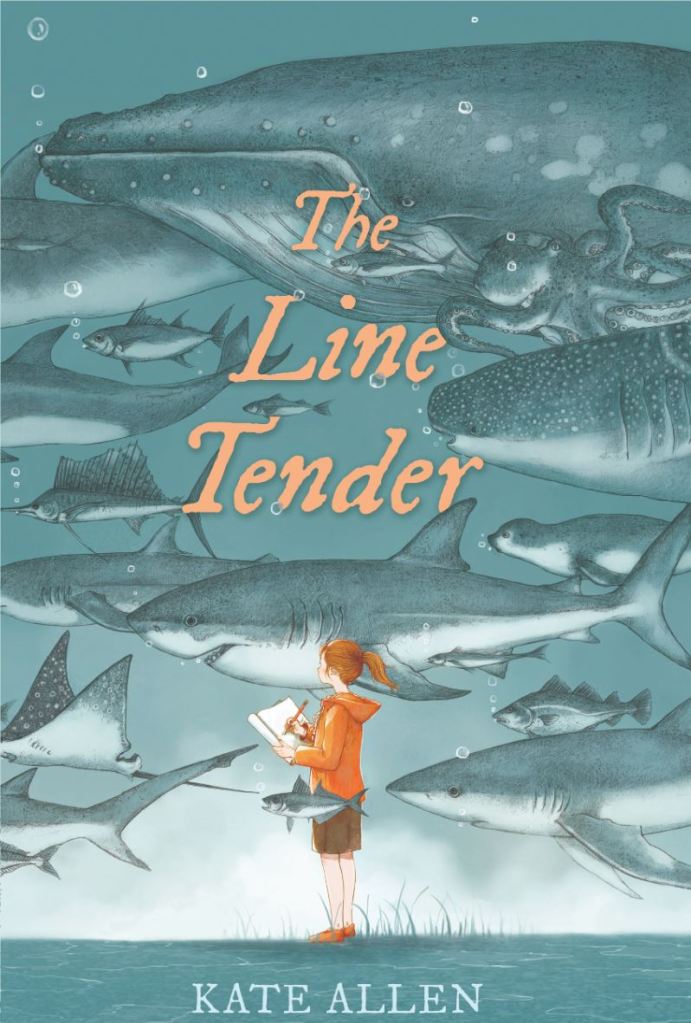
The Line Tender – Kate Allen

Earth Day -April 27th 2019

Aardvark Straws

Beyond Beef

Cape Ann Reads


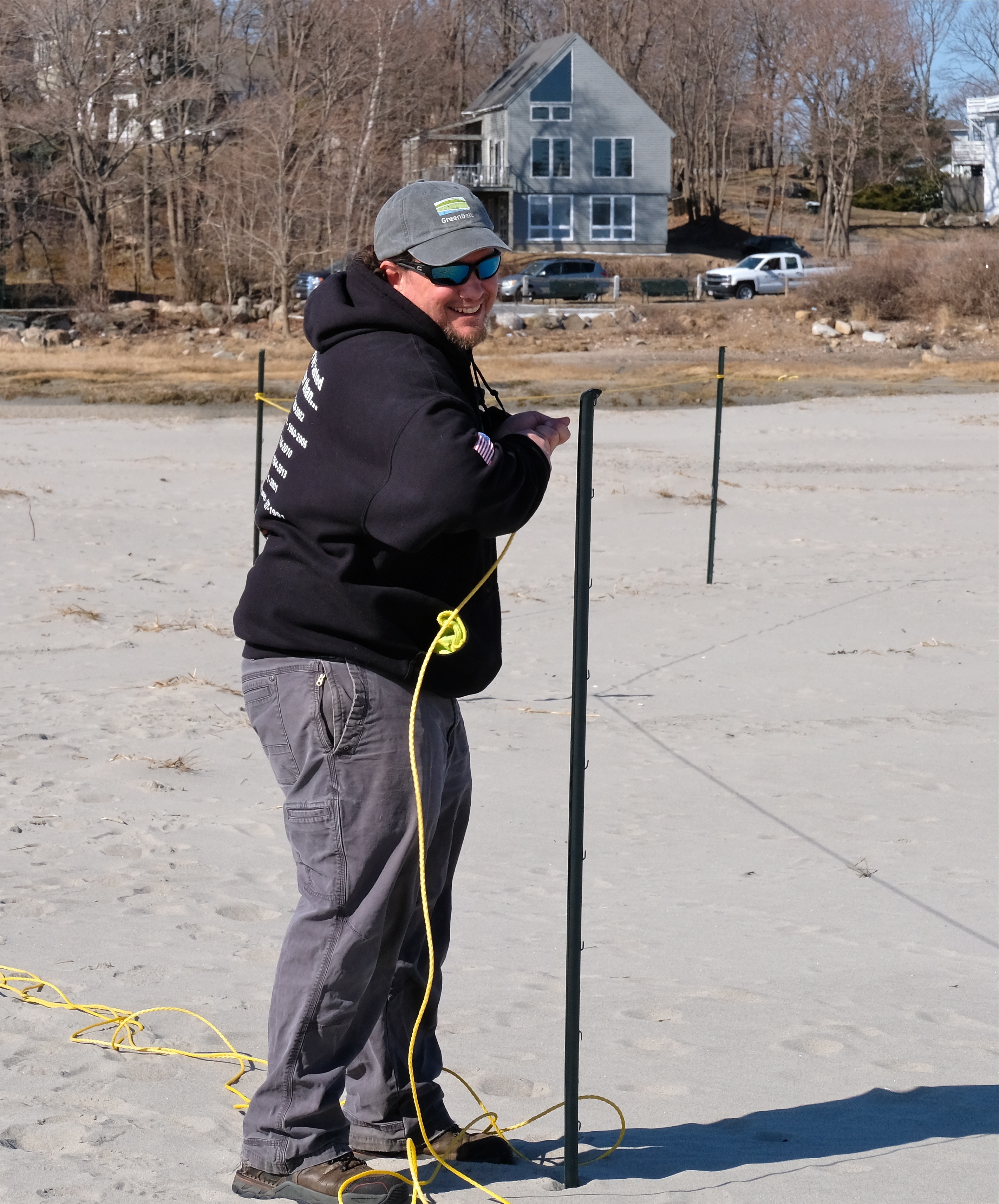
AWESOME MORNING INSTALLING PIPL FENCING AT GOOD HARBOR BEACH WITH GREENBELT’S DAVE RIMMER, DAVE MCKINNON, MIKE, DPW’S JOE LUCIDO, VOLUNTEER MARY, DOG OFFICER TEAGAN DOLAN, GLOUCESTER’S CONSERVATION AGENT, AND ADORABLE RAINBOW GIRL FREYA!

I checked on the PiPls early this morning, or more accurately should write, one Piping Plover. We haven’t seen the second PiPl since Monday afternoon. The beach was quiet, with only two dogs, and they were both on leash. Officer Teagan was also present, walking the length of the beach and keeping an eye out on our singular PiPl.

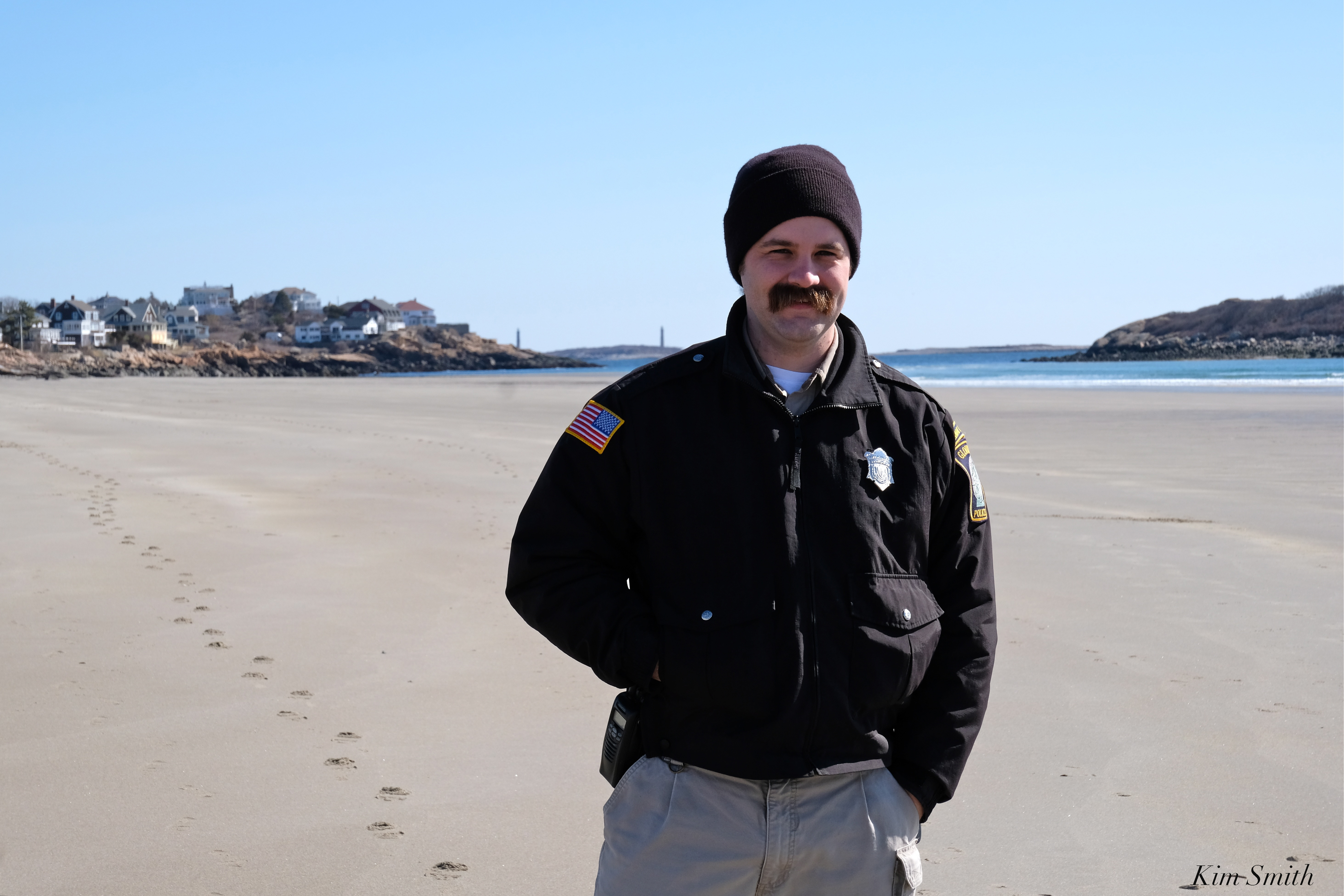
Officer Teagan Dolan

Dave McKinnon

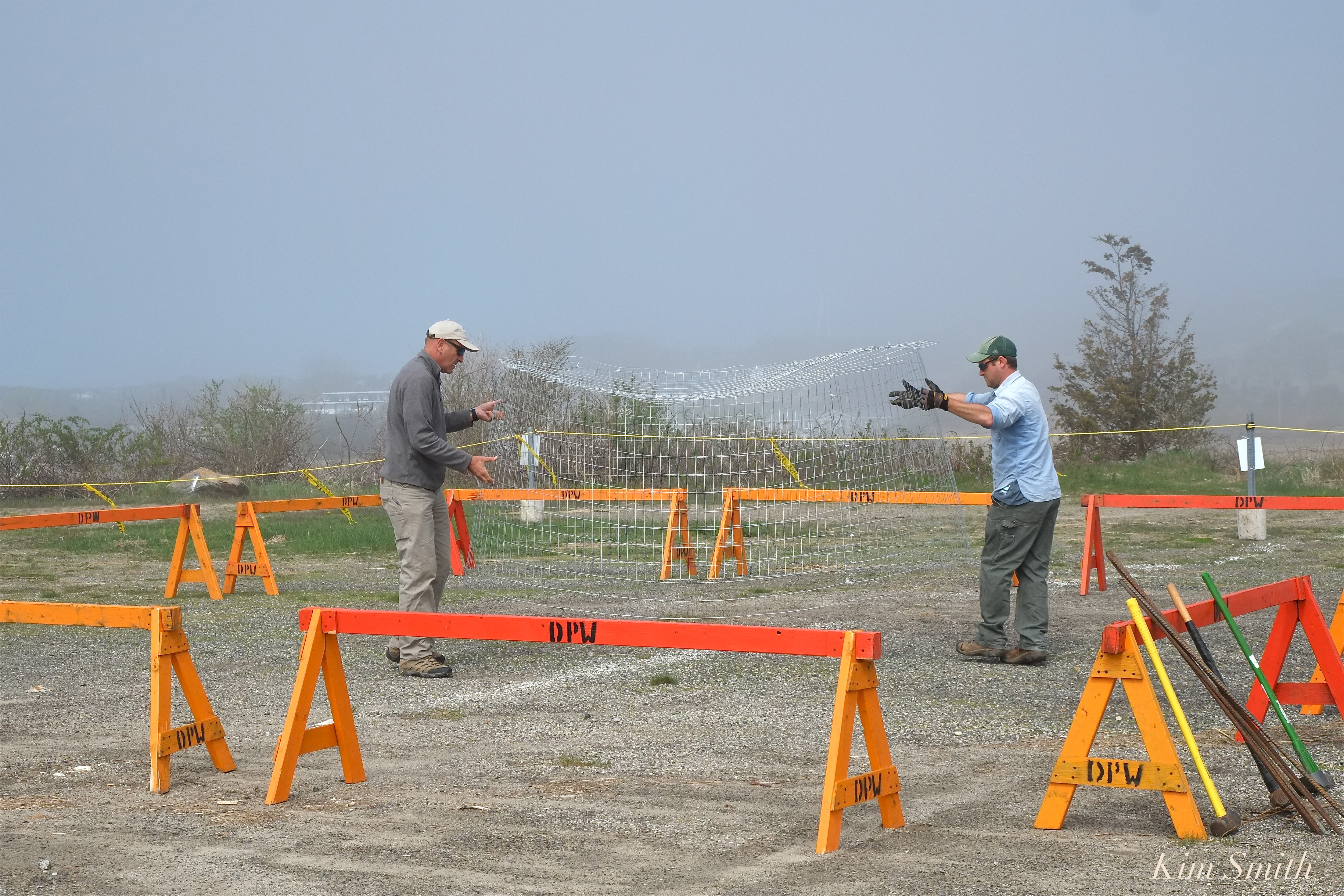
Mid-morning I returned and the beach was bustling with activity. Dave Rimmer and his crew, Dave McKinnon (the above photo is for Dave’s Mom!), and Mike were installing the symbolic fencing. Gloucester’s Conservation Agent was present as well as volunteer monitor Mary. The group was soon joined by Joe Lucido. Joe was there to check on the signs, which are a work in progress, and a DPW crew was present cleaning up all the winter trash that accumulates and blows into the marsh. Joe has been posting about the PiPls on the Gloucester Beaches facebook page and he mentioned the Plover posts get tons of likes!

Joe Lucido

Shout out and thank you to Mayor Sefatia and her administration, all our City Councilors, Joe Lucido and the entire DPW, Heather Hall, Mary, and all our volunteers, Greenbelt’s Dave Rimmer, Dave McKinnon, and Mike, Gloucester’s Conservation Agent, and everyone who is helping our Good Harbor Beach Piping Plovers get off to a great start!


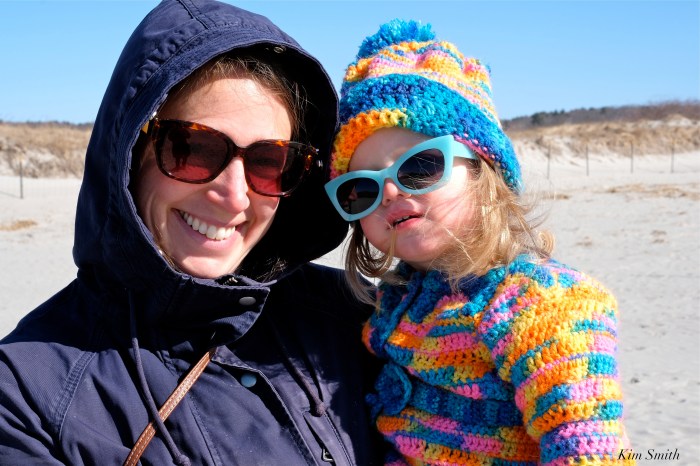
High-stylin’ Freya, in her hand crocheted rainbow sweater and hat (with matching rainbow shoes), and her Mom were at GHB enjoying the sunshine.

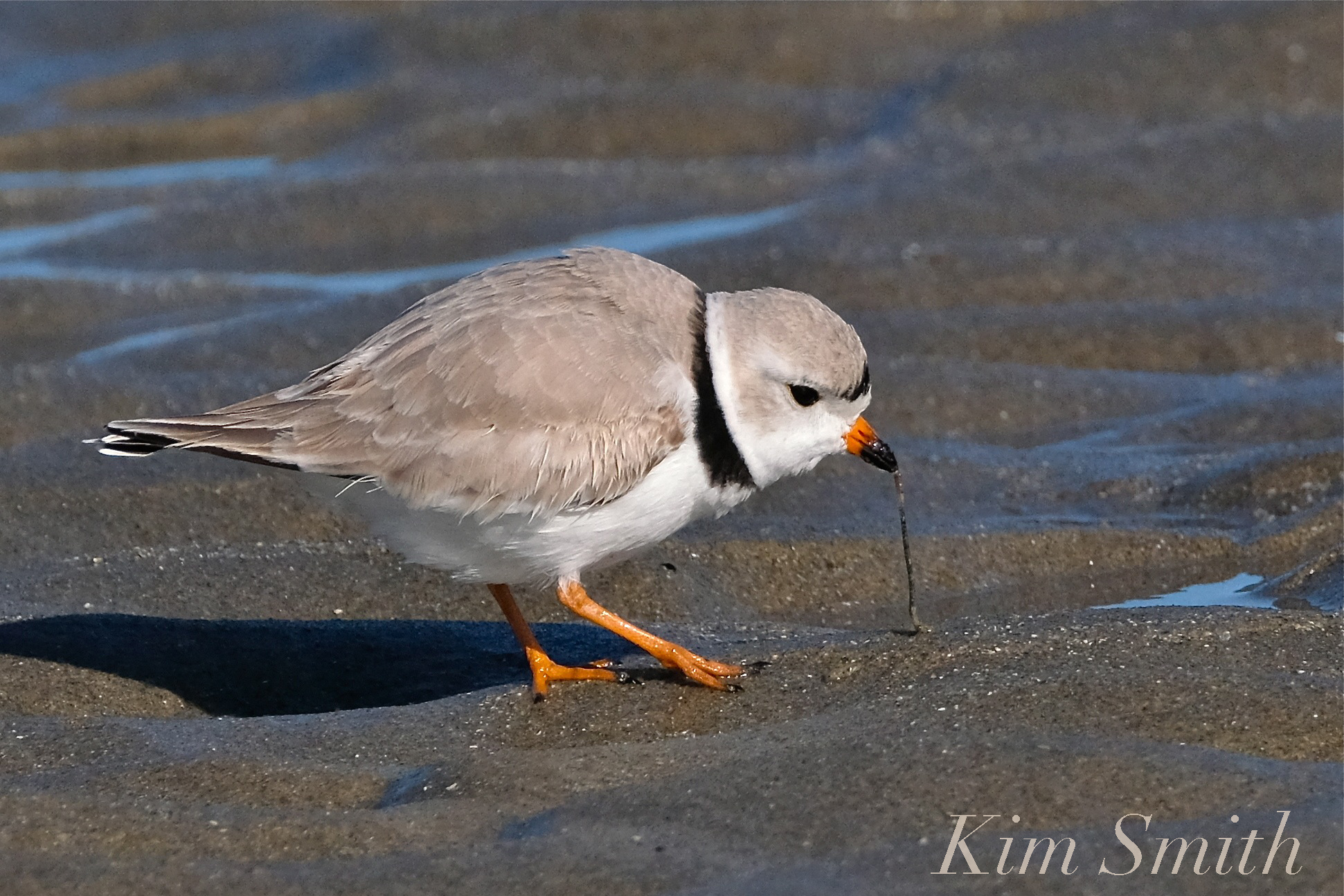
Great foraging in the tide flats for our PiPl. Notice in the super copped photo, a tiny little shrimp!

SEVEN WAYS IN WHICH WE CAN ALL HELP THE PIPING PLOVERS RIGHT NOW!

1) Volunteer to be a Piping Plover monitor. Please contact Alicia Pensarosa at gloucesteraac@gmail.com. Heather Hall is currently working on a temporary schedule until one is provided by Alicia. Heather can be reached at gonesouth5@gmail.com.

2) Please let your friends know the PiPls have returned and please share this post.

3) If you have a dog, and I know this is a great deal to ask, please avoid Good Harbor Beach. There are many other great places that folks can walk their dog. Beginning April 1st, all dogs are prohibited from Good Harbor Beach at anytime of day or night, including early morning and after the life guards leave for the day.

4) If you feel you must bring your dog to GHB, please avoid the No. 3 boardwalk area (their preferred courting and nesting area) and please walk your dog along the shoreline.

5) Join our Facebook page Piping Plover Partners.

6) Come to the Piping Plover Ecology, Management, and Conservation program at the Sawyer Free Library this Saturday from 10am to 12pm. This program is sponsored by the City of Gloucester’s Animal Advisory Committee.

7) Please report anyone harassing the PiPls to the police at 978-283-1212 and any dog harassing the PiPls to Gloucester’s Animal Control officers Jamie and Teagan at 978-281-9746.

THANK YOU FOR ANY AND ALL HELP GIVEN!

TWO GOOD NEWS UPDATES:

A note from Mayor Sefatia – A thirty day waiting period after the new dog ordinance was passed was required prior to any new signs being installed. The thirty days has passed and we will be seeing the new signs shortly!

Dave Rimmer from Greenbelt will be installing the protective symbolic fencing tomorrow, Wednesday!

Look for the Papa doing a fancy goose step during courtship. This is our Good Harbor Beach Mama and Papa courting last spring.

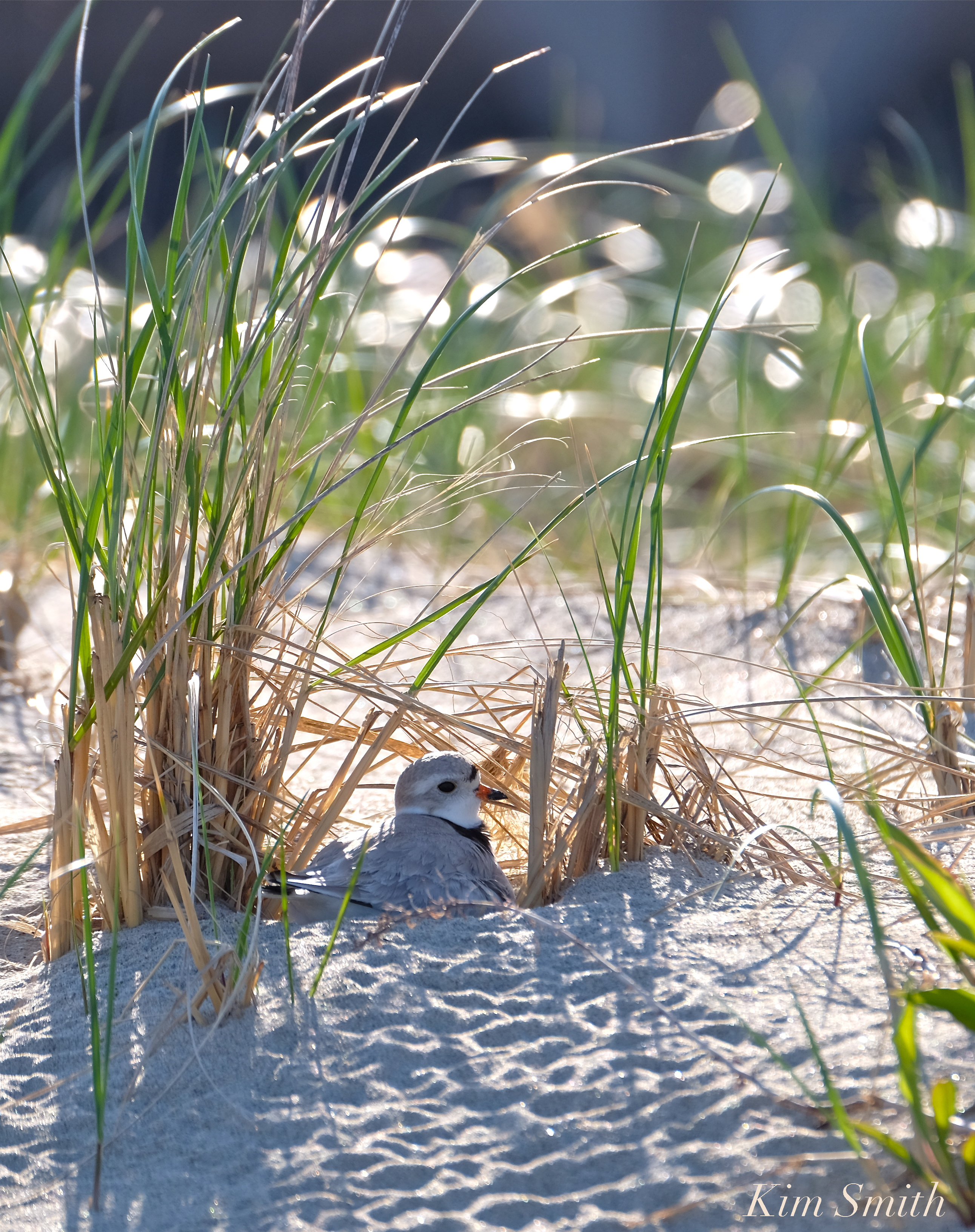
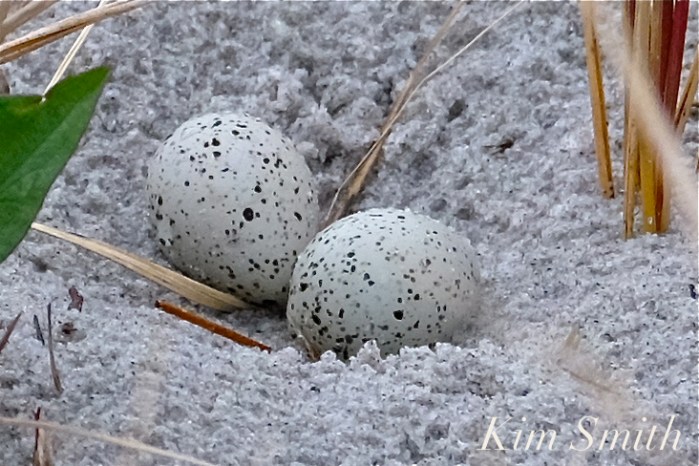
Plover Dad brooding eggs

A tell-tale sign of PiPls present are these sweet petite fleur de lis tracks in the sand.

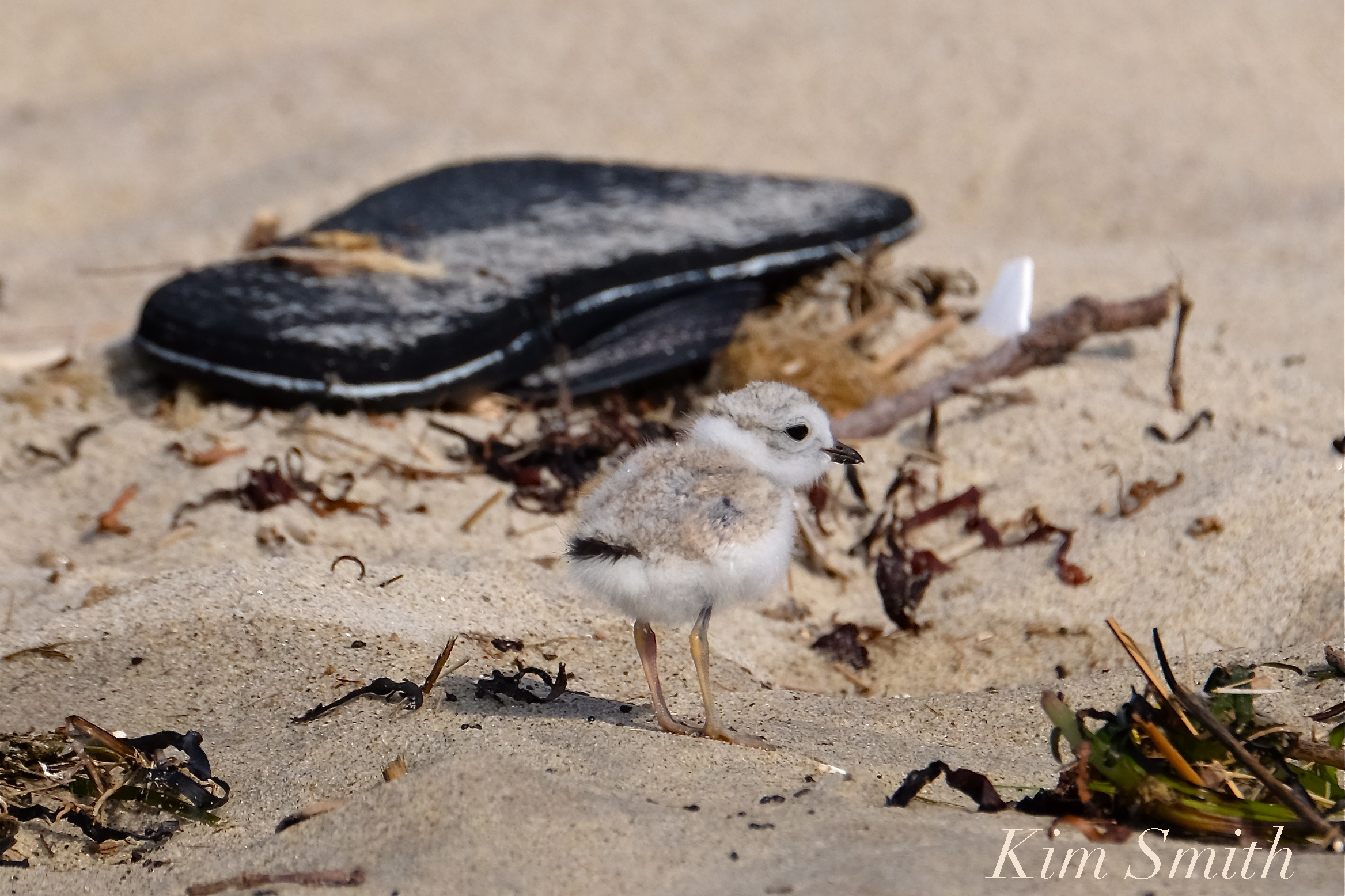
A tiny chick, the fraction of the size of a child’s flip flop.

Essex Greenbelt’s Dave Rimmer and assistant installing the wire exclosure last year after the PiPls were driven off the beach by dogs–we don’t ever want to see this happen again.

BREAKING NEWS: OUR PIPING PLOVERS HAVE ARRIVED AT GOOD HARBOR BEACH!!!!!!

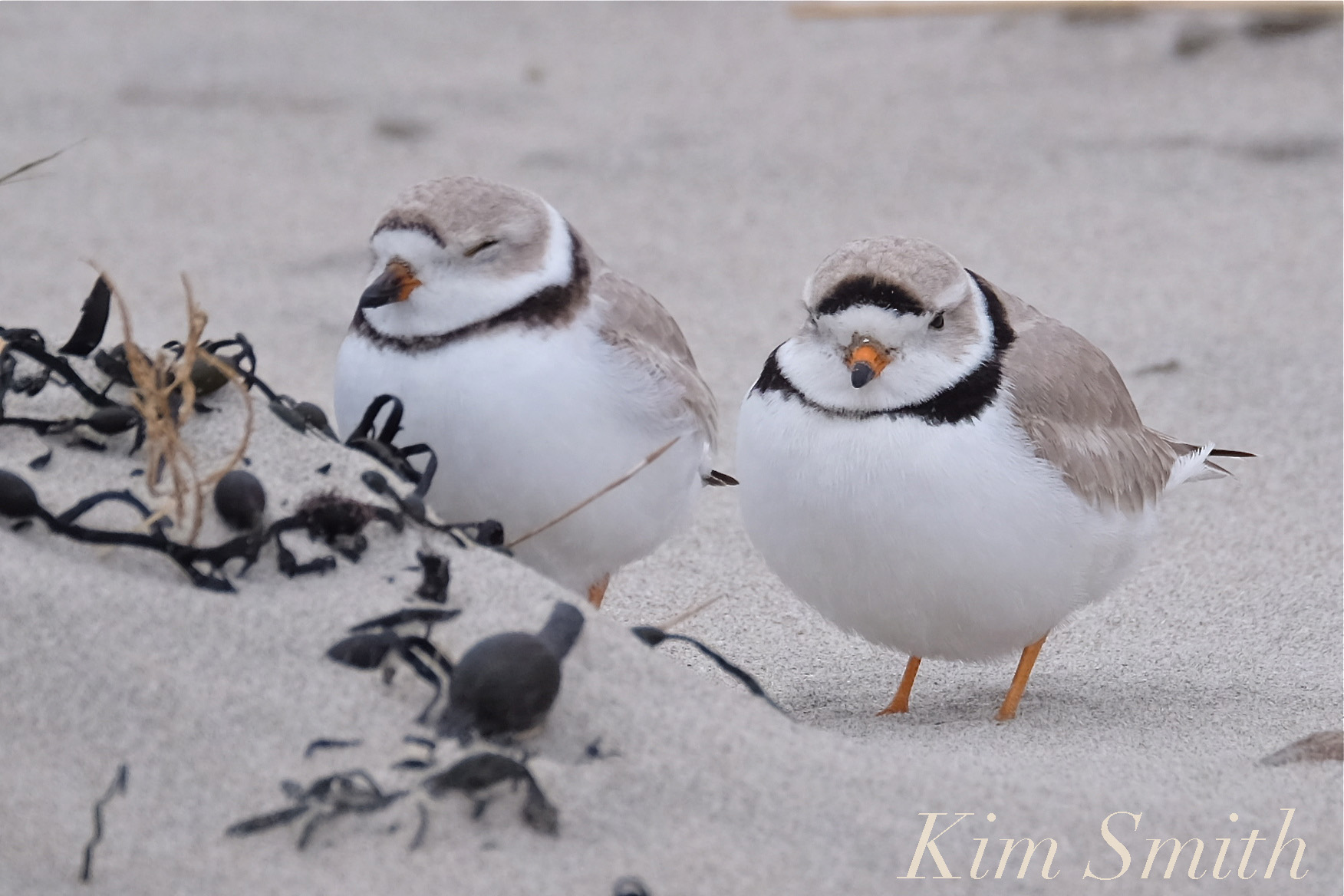
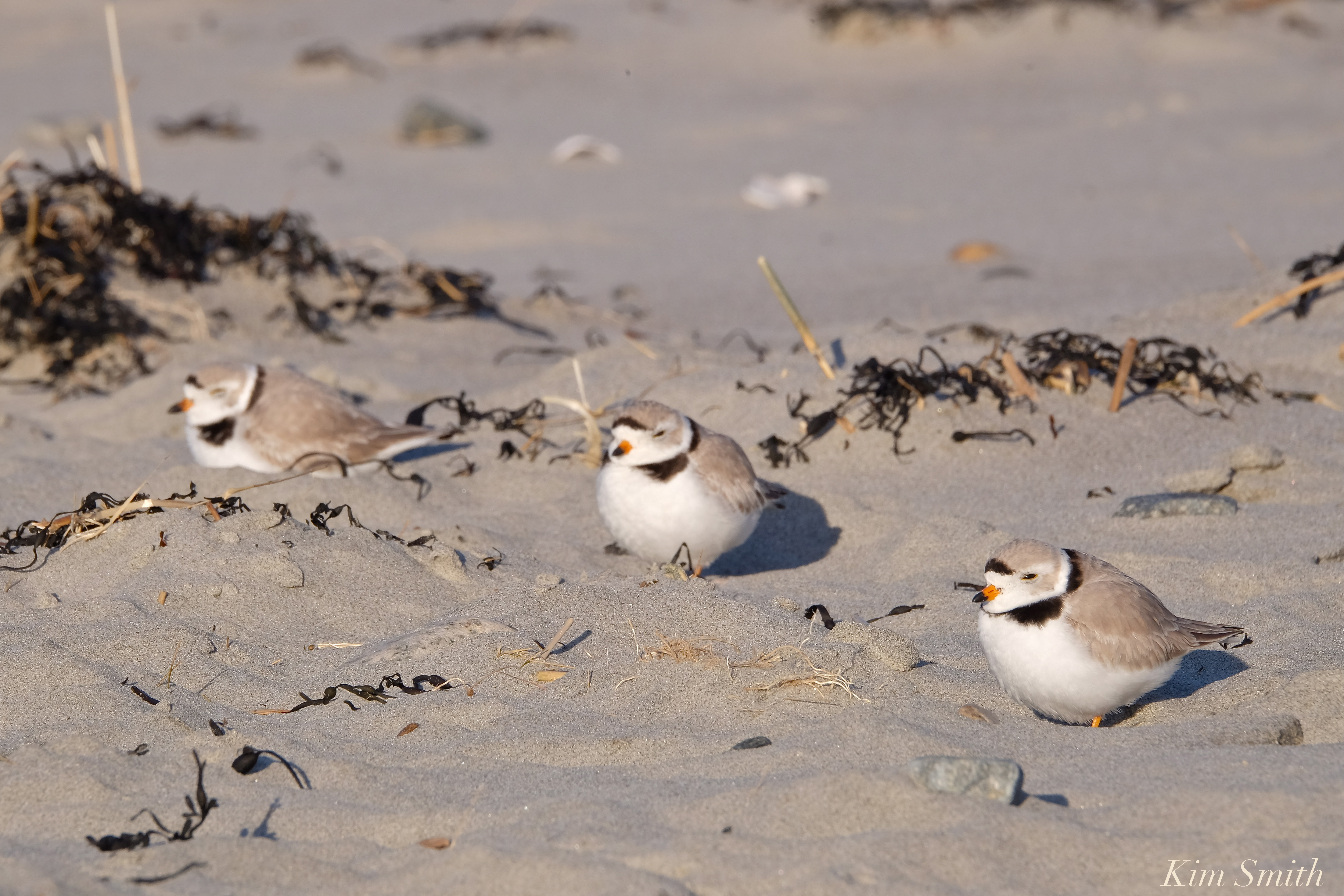
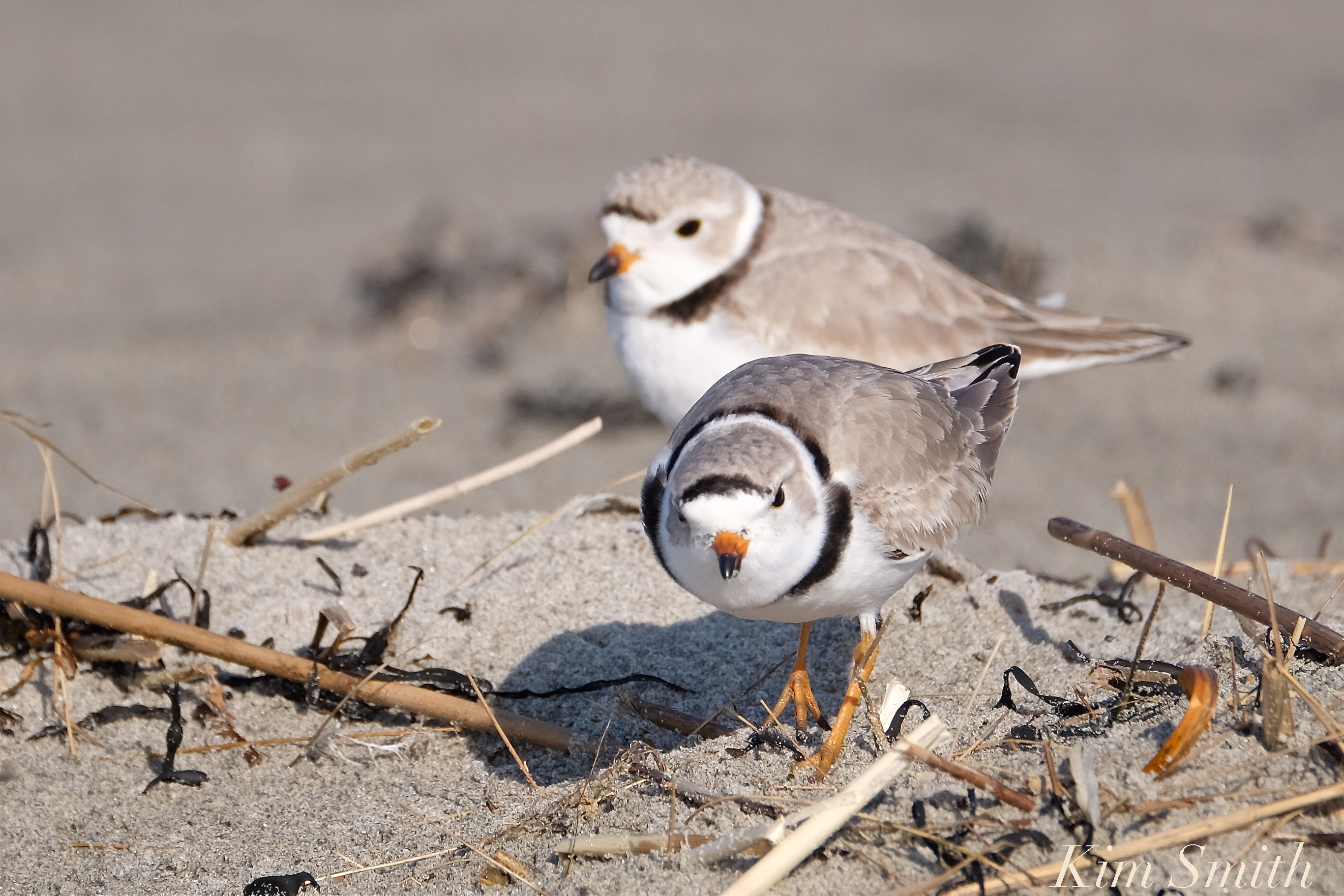
Our beautiful Piping Plovers have returned! This afternoon we observed them foraging at the shoreline, then chased up to the wrack line by a bounding off-leash dog. After the dog departed the area, the two PiPls dozed off in the drifts of sand and dry beach grass.

The pair look plump and vigorous, not nearly as weary looking as the PiPls that arrived last year on April 3rd, after the four March nor’easters.

Unbelievably, the male is already displaying courtship behavior! And even more amazingly so, he was doing it within mere feet of where they have nested for the past three years.

I know I sound like a broken record, but today was an on-leash day. There were at least a half a dozen dogs off-leash in the forty-five minutes Charlotte, Tom, and I were there. I purposefully bring Charlotte to the beach on on-leash days because of the out of control dogs. A forty to fifty pound off-leash Golden Retriever puppy came bounding up to Charlotte, while its owner stood back shouting he’ll slobber all over her. I was more concerned with the oversized pup knocking her over and used considerable force to hold the puppy back, while Tom scooped up Charlotte. Everyone I spoke with was not aware of the dog laws, old laws and the new laws, and the new 300.00 fines. All the ordinances on the books are not going to do a thing, unless they are enforced.


GloucesterCast 329 Second Adventureman Call-In With Pat Dalpiaz, Kim Smith and Joey Ciaramitaro Taped 3/24/19


GloucesterCastSquare

GloucesterCast 329 Second Adventureman Call-In With Pat Dalpiaz, Kim Smith and Joey Ciaramitaro Taped 3/24/19

podcasticon1

When you subscribe you need to verify your email address so they know we’re not sending you spam and that you want to receive the podcast or GMG in your email. So once you subscribe check your email for that verification. If you don’t see it, check your spam folder in your email acct so you can verify that you’d like to get them via email subscription.

subscribe1-picsay (2)1473522843911012199..jpg

subscribe1-picsay2259157744436385962.jpg


subscribe1-picsay (3)579008106437437025..jpg

Topics Include:

Adventureman Interview!

HERE IS THE INFO WITH TIMES TO RUN!! JOIN IN AS ADVENTUREMAN FINISHES HIS 5,500 MILE US RUN IN GLOUCESTER- PLEASE SHARE!!!!

Adventureman arrival is getting real! Runners can meet Wednesday afternoon at Robert Sweeney Park in Manchester for 6 mile run in, or at Hammond Castle for 2.25 run, or at Stage Fort Park for last .7 miles. All are welcome to run or welcome Adventureman to Gloucester. He hopes to finish at Fisherman’s Memorial right about 4 PM. Shout outs to:
Mayor and police (Gloucester and Manchester)
Ringo Tarr
Beauport Hotel and Ray Johnston
Rosa family
James and Anna Eves/Cape Ann Giclee
Chamber of Commerce/Kerry

Sefathia and Cape Ann Brewing Speak Easy Scandal

Pastaio Vis Corta Sardines

Pat and Jim tried out Goombadis … a relaxed, friendly spot! Good luck to them.
https://www.facebook.com/Goombadis

Foxes being Killed At Duxbury Beach To Protect Piping Plovers and Other Shorebirds

Jonah Crab Industry

New Police Chief Ed Conley

Our live video interview with Adventureman from this morning 3/24/19


FACTS ABOUT FOX KILLING AT DUXBURY BEACH AND DEBUNKING PIPING PLOVER MYTH #6

Let’s talk about the petition circulating in Duxbury to prevent wildlife officials from taking foxes and coyotes that are eating Piping Plover eggs. Many friends have sent links to the story and I apologize for taking over a week to respond.

Local persons are re-posting the story on their social media platforms unintentionally, and in the case of one, intentionally, inciting outrage at the Piping Plovers. This story has become sensationalized and taken out of context. I experienced a similar situation, that of a story about Piping Plovers being misrepresented, when last summer a Boston news channel interviewed me at Good Harbor Beach about our PiPls nesting in the parking lot. Instead of a feature about what a great job our DPW, Mayor’s administration, and community were doing in helping protect the nesting Piping Plovers that had been driven into the parking lot by dogs, it was edited as a story about GHB loosing income from lost parking spaces. In reality, our PiPl family had returned to the beach by the time all the parking spaces were needed.

Readers should know that fox and coyote hunting is permitted in Massachusetts. The 2019 hunting season dates are January 1st through February 28th, resuming November 1st and continuing through February 29th, 2020. Read More Here. Hunting is part of our culture. To be very clear, I love all animals, I LOVE foxes, and especially Red Fox. When one made a midnight visit to our backyard several weeks ago and snooped around the base of our Blue Princess holly, my husband and I were beyond excited about the prospect of them possibly denning in our garden.
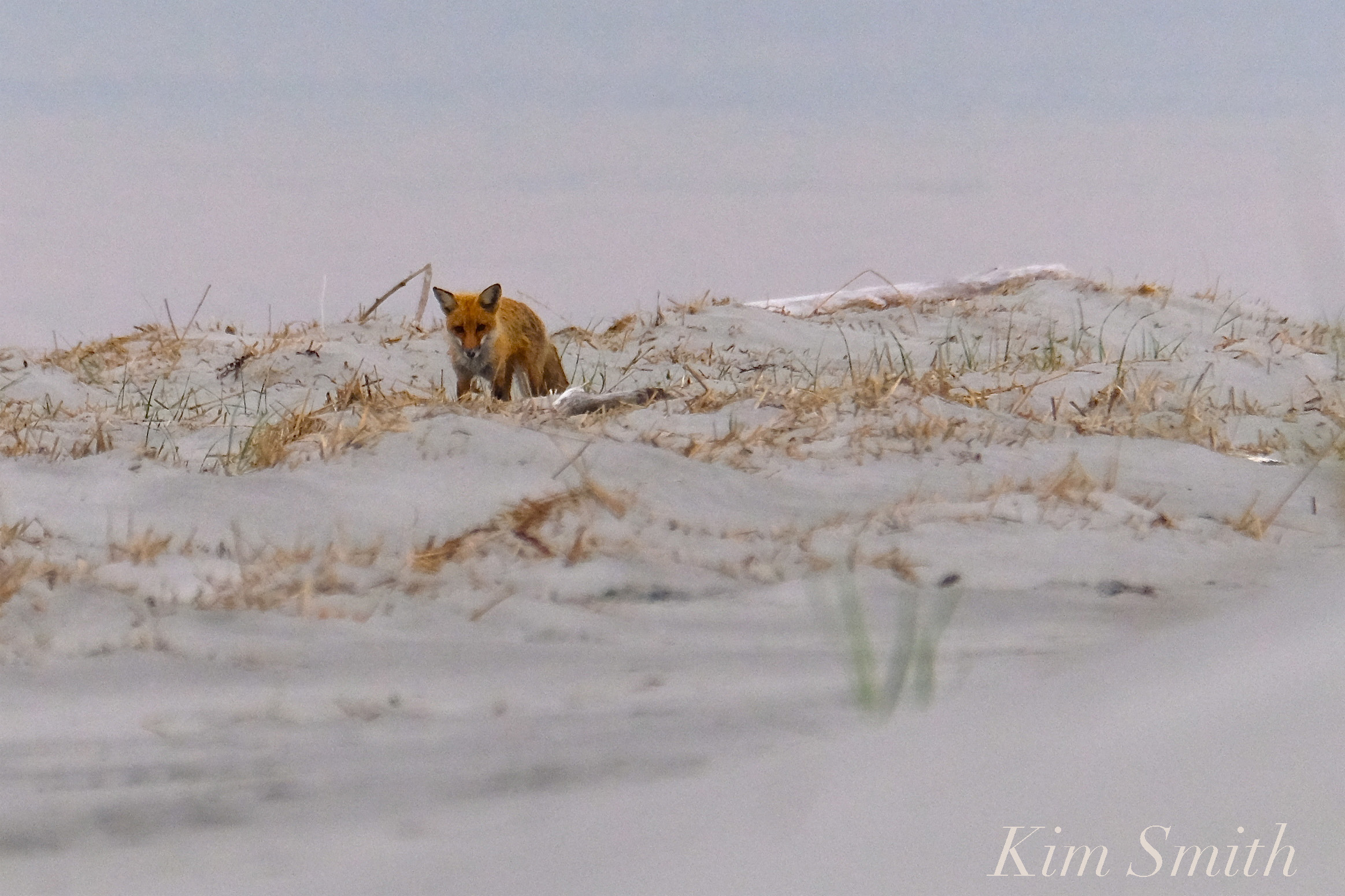
Red Fox Coffins Beach

All that being said, it is sadly understandable why a number of beaches along the Northeastern Seaboard, beside Duxbury beach (including Crane Beach, Parker River National Wildlife Refuge, other Massachusetts beaches, Rhode Island beaches, and New Jersey beaches) have had to resort to predator management programs. This is the course of last resort. Please bear in mind that Eastern Coyotes, Herring Gulls, Great Black-backed Gulls, Crows, and Red Foxes are not endangered, rare, or even threatened species, as are many of the region’s nesting shorebirds.

I have seen first hand at Coffins Beach a Red Fox mom and her kit digging in the sand and coming very close to where there was a Piping Plover nest. Last year, the only nest that was at Coffins Beach was believed by Greenbelt to have been predated by fox. In 2018, at Winthrop Beach, dogs off leash, and a skunk, caused the entire colony of 150 pairs of endangered Least Terns to abandon the established nesting area and move elsewhere. The year before that, again at Winthrop Beach, a Peregrine Falcon had killed numerous chicks, both Least Tern and Piping Plover.


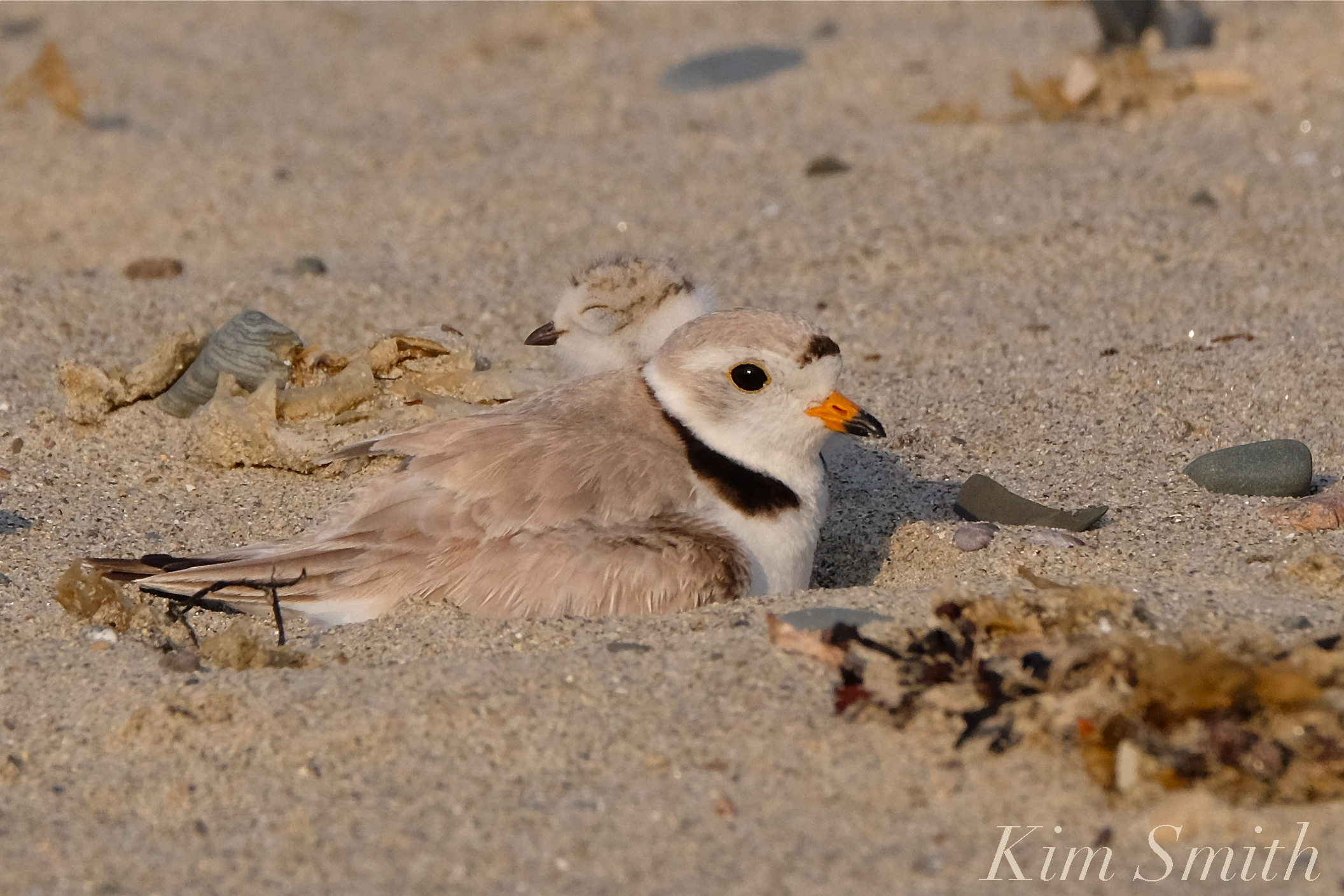
Least Tern eggs are exposed in the sand, just as are the eggs of Piping Plovers, and many other species of shorebirds.

At Crane Beach, electric fencing is used during the night to keep fox and coyote away from the PiPl and Least Tern nests. The wire exclosures that we use at Good Harbor Beach to protect the nests will only be used for as long as avian predators do not realize they can perch on the edge of the wire and eat the adults as they move in and out of the exclosure to brood the eggs.
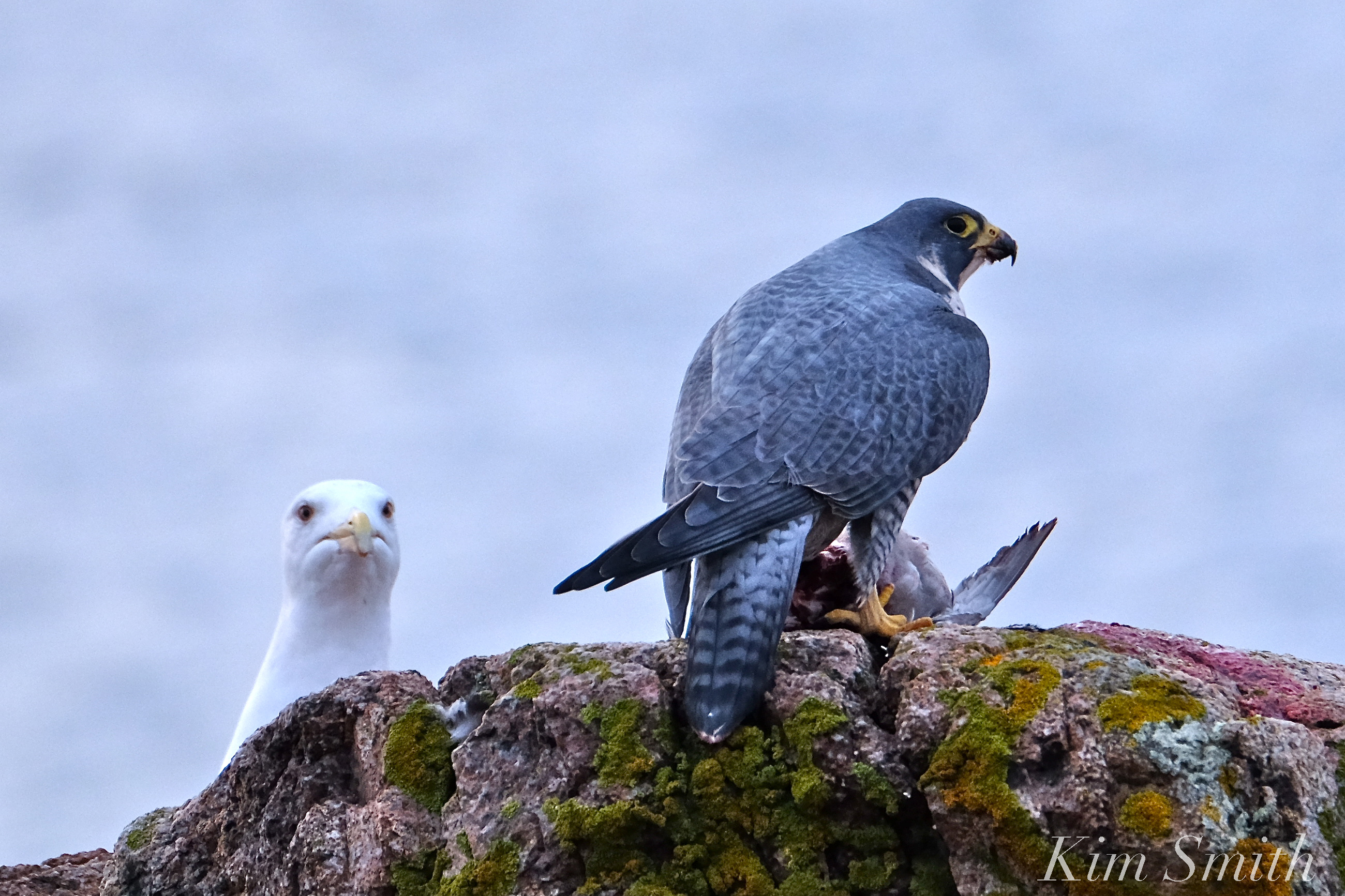
Peregrine Falcon eating a bird and a gull waiting to snatch a few morsels. 

In the case of the Peregrine Falcon, it was relocated to the western part of the state. However, relocating mammals is not a legal option in Massachusetts. Electric fencing is not possible at all beaches. Wire exclosures are no longer used at Crane Beach because Great Horned Owls learned they could prey upon the adult Piping Plovers as they were entering and exiting the exclosure.

Killing wildlife to protect other species of wildlife is a very sensitive topic and again, is the action of last resort taken.

People often say, why not let nature takes its course. But there is really very little that is natural about beaches that were once shorebird habitat that have now become public. The reason why we have predation by Red and Gray Fox, Eastern Coyotes, Skunks, Crows, and a variety of gull species at public beaches is because they are attracted to the garbage left behind by people and there is nothing natural about that!

I urge everyone to read the following to gain a better understanding of why some beaches have had to to turn to predator management programs:

Duxbury Beach and Predator Management

Recently questions have come up regarding the predator management program on Duxbury Beach.  This is a controversial and oftentimes upsetting topic but is one of the challenges that the Duxbury Beach Reservation faces when trying to balance the many uses of the beach.

As landowners and stewards of Duxbury Beach for over 100 years, the Reservation strives to maintain a balance between protecting the natural resources of the beach, including habitat for wildlife, preserving the barrier which shelters the communities behind it, and providing use of the beach for recreational purposes including over-sand vehicles.   In order to provide use of the beach for recreation, habitat and species conservation regulations must be adhered to including predator management mandates by the United States Fish and Wildlife Service.

Many residents of the South Shore have visited Duxbury Beach since childhood and have likely seen big changes to the beach – both through dune and infrastructure projects and in how the beach must be managed under local, state, and federal law.

Duxbury Beach is unique is many ways, including the nesting habitat it affords to rare and protected shorebirds.  Unfortunately, Piping Plover conservation, which is regulated under the state and federal Endangered Species Acts, can come in to conflict with human interests, including development and recreation.  In order to provide greater options for beach managers working to adhere to state and federal guidelines for plover protection while providing recreational opportunities, the state of Massachusetts has a Habitat Conservation Plan under the US Fish and Wildlife Service.  The Plan allows certain “risky” activities while providing mitigation to ensure the plover population is better protected overall.  The Duxbury Beach Reservation received a sub-permit under this statewide plan to allow recreational driving on the back road and front beach in closer proximity to young plover chicks.

Under this permit allowing recreational driving, the Duxbury Beach Reservation is responsible for continuing an intensive monitoring program and providing mitigation.  As stated by Mass Wildlife, the only form of mitigation acceptable under the US Fish and Wildlife permit is lethal predator control, because it has the highest likelihood of offsetting the potential loss.

Predator management is not the Reservation’s first option and is carefully considered each year and on a case by case basis.  The predator management program has been in place on Duxbury Beach for 8 years.  For comparison, predator management has occurred on beaches in the state of Massachusetts for over 13 years.  The plan on Duxbury Beach has undergone continuance debate and study throughout its tenure, with examination by multiple agencies and several opportunities for public comment.

The Duxbury Beach predator management program design was and continues to be based on extensive data collected on the beach on predator presence and egg and chick loss to ensure the program targets those species that are responsible for heavy losses.  Fox have been removed 3 of the past 8 years that a predator management program has been in place, and every year the number removed has been far, far fewer than the numbers suggested on social media.  This targeted removal during a limited time of year has been successful in providing two rare and protected species, the Piping Plover and Least Tern, a window of opportunity to nest and raise young on some of the little remaining nesting habitat on the east coast.  It has also afforded thousands of visitors the chance to come and enjoy the beach.

Instituting a predator management program is controversial, challenging, often upsetting, and may even seem counter-intuitive to many.  Why remove one species so that another may succeed?  Aren’t there other options?

While it may seem simple to “let nature take its course” we do not operate in an entirely “natural” system.  With the removal of large predators, such as wolves, from this area by the mid-20th century, mid-sized predators, including fox, coyote, and raccoons, were able to extend their ranges and increase in population in these areas.  There are communities of hundreds of homes flanking Duxbury Beach that provide ample habitat for species like red fox that can do very well in suburban and even urban areas while other species, like the plovers and terns, have had habitat regularly destroyed by development.

Today, the largest cause of plover and tern egg and chick loss on Duxbury Beach, and many other beaches statewide, is predation by species whose populations are not in jeopardy.  Unfortunately, the common predators on Duxbury Beach, including the larger mammals (fox and coyote) and avian predators (crow and gull) are more likely to be attracted to the beach due to trash. There are staff on Duxbury Beach in the summer to pick up trash on the beach, road, and parking lots in the hopes of making the beach less attractive to animals like fox.  With communities at the far end of the beach it is impossible to limit the attractiveness of Duxbury Beach to predators with large ranges. There are very few suitable denning spots on the beach and most of the large mammals come to the beach from mainland Duxbury and Marshfield where they find ample denning spots under houses, sheds, etc.

Unfortunately, relocation of individual predators is not an option for multiple reasons:
  • It is illegal under Massachusetts law to capture and relocate wildlife off your property
  • Conflict, stress, or death caused due to intrusion into an existing individual’s territory
  • Harm to the individuals removed from their territory and a struggle to find food and shelter. Humans do not always recognize appropriate habitats for wildlife and put them in bad locations.
  • Spread of disease
  • Disruption of ecological processes by introducing a new species or more individuals to an area
  • The problem is not solved, but moved to a new location

Many have questioned why Duxbury Beach does not use “wire cages” around plover nests as are sometimes seen on other beaches.  These cages are predator exclosures and are oftentimes an unsuccessful and harmful tool. Unfortunately, predators (including fox, raptors, crow, and others) can target exclosures and kill adults when they switch off the nest. This is more detrimental to plover conservation than losing eggs or chicks because of the loss of future reproductive potential of the breeding adult. Predator exclosure use is highly dependent on beach, nesting site, and predator suite.   On Duxbury Beach it is not typically feasible to use exclosures, however, it is carefully considered. In addition, exclosures do not work for Least Tern nests as they are colonial nesters and fly to and from the nest.

In some cases, electric fencing can be used around plover and/or tern nesting areas. While this is only helpful in detracting large, mammalian predators, it does work on some beaches. Unfortunately, given the span, configuration, and location (dynamic beach), electric fencing is not feasible on Duxbury Beach.

This is not an easy topic and one that is discussed and voted on annually by the Reservation’s board. The Reservation will continue to collect and analyze data and assess all possible options for conservation and site management in order to protect the natural resources of the beach and maintain the protective barrier, while providing access for recreation where possible.  The Reservation will also continue to work with state and federal regulators to find the best options for protection on Duxbury Beach in order to adhere to the laws we must operate under.  We appreciate everyone who has taken the time to learn more about the work and understand that we are doing our upmost to strike a balance between the many uses of Duxbury Beach.

If you are interested in learning more about statewide shorebird conservation efforts or predator management work, we recommend reaching out to the Massachusetts Division of Fisheries and Wildlife.

GLOUCESTER’S “PIPING PLOVER PLAN” REVIEWED BY KEN WHITTAKER AND MEET ADRIENNE LENNON, GLOUCESTER’S NEW CONSERVATION AGENT!

Last evening at the City Council meeting, former Gloucester conservation agent Ken Whittaker reviewed the City’s 3PPlan (Piping Plover Plan) with the Councilors.

We Piping Plover volunteer monitors are grateful for the time and effort Ken has put forth in helping to protect our threatened Piping Plovers. We’re especially appreciative of the time he spent coordinating the volunteer monitors–not an easy task! We wish Ken all the best in his retirement.

Ken and PiPl Volunteer Monitors, Good Harbor Beach

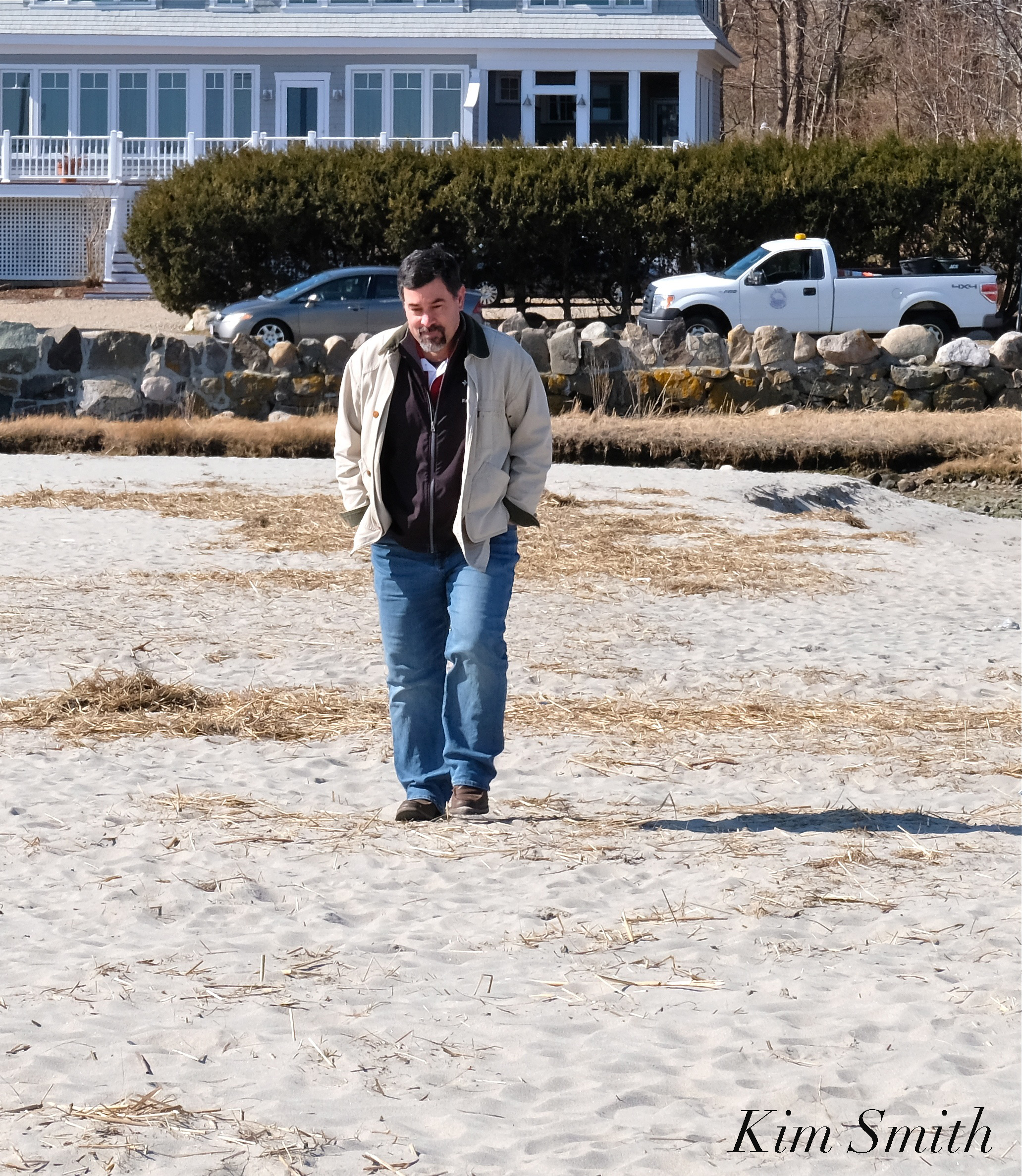
Ken and Jim Destino introduced Adrienne Lennon, Gloucester’s new conservation agent. We had a few minutes after the introduction to speak with Adrienne. Her experience includes working for seven years at Mass Audubon’s Joppa Flats Education Center, located in Ipswich on the Plum Island causeway, adjacent to the infamous Pink House. While there, Adrienne gained extensive knowledge in Piping Plover conservation. She is especially interested in preserving and protecting our beach dunes. Adrienne can be reached at alennon@gloucester-ma.gov.

Best of success to Adrienne in her new position as Gloucester’s Conservation Agent!

Photos of Ken and Adrienne at City Hall courtesy of City Council Vice President Steve LeBlanc

During Piping Plover nesting season, I have visited the public beach at the northern end of Plum Island, Newbury Beach. I believe the PiPl nesting areas at Newbury Beach are monitored by Mass Audubon’s Joppa Flats Education Center. Newbury Beach is similar in several ways to Good Harbor Beach in that it is a popular town beach in a residential area with many access points and nearby hotels. Last year the beach and dunes were extremely hard hit by late winter storms, just as was Good Harbor Beach.

About Joppa Flats Education Center: Overlooking the Merrimack River and near the entrance to Parker River National Wildlife Refuge, the Joppa Flats Education Center offers unique educational opportunities for people of all ages. Here, you can explore the region’s wildlife-rich habitats (salt marshes, mudflats, rivers, bays, and coastal waters) through guided tours, marine touch tanks, art exhibits, drop-in programs, and interpretive displays.

Scenes from behind the Joppa Flats Education Center and Plum Island causeway.

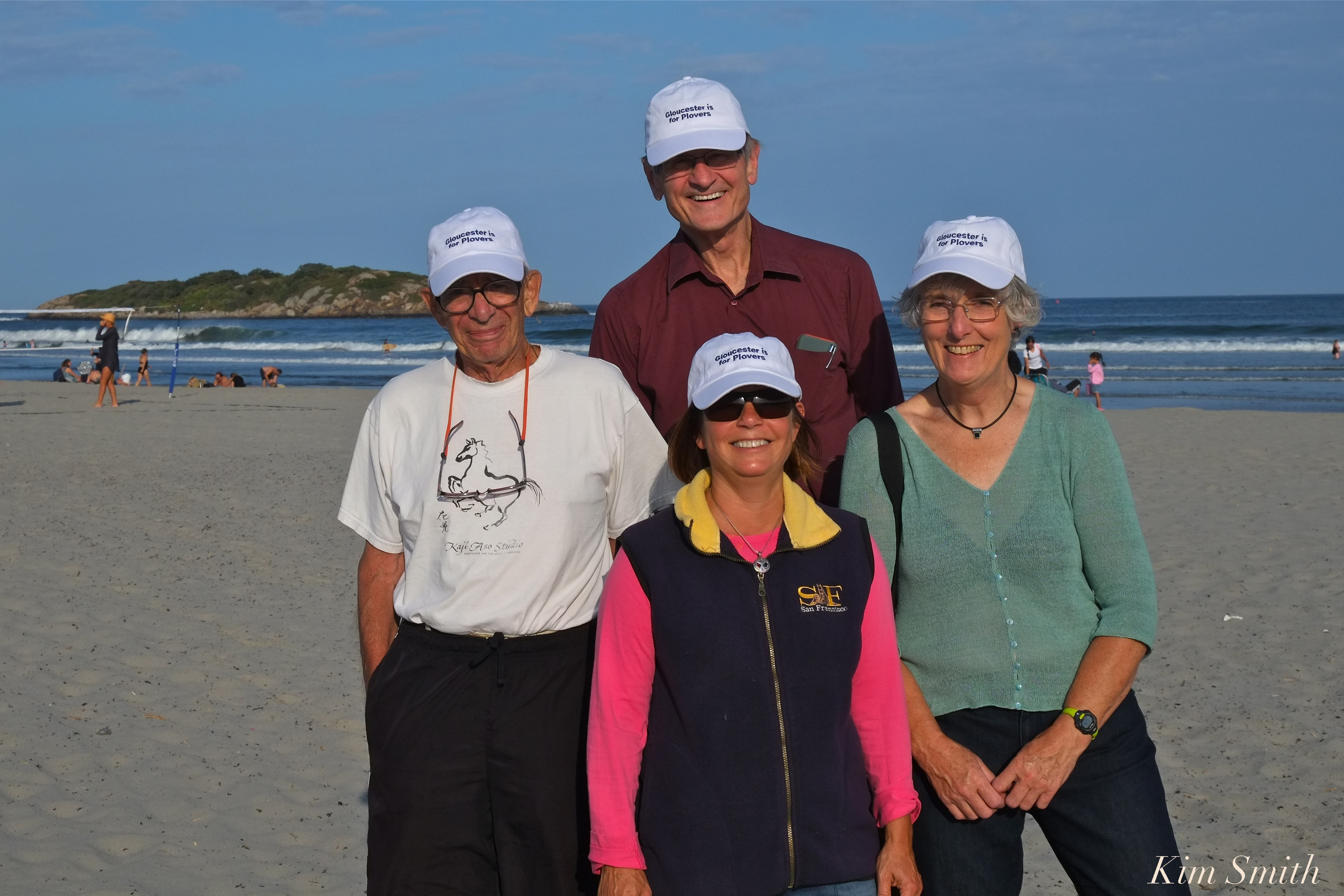
Councilors Steve LeBlanc and Melissa Cox wearing Piping Plover monitor hats provided by Ken Whittaker.

Coffins Beach and Wingaersheek Beach are going to be more closely monitored this year for Piping Plovers. The above photo is from 2016 when NINE chicks fledged at Coffins Beach!

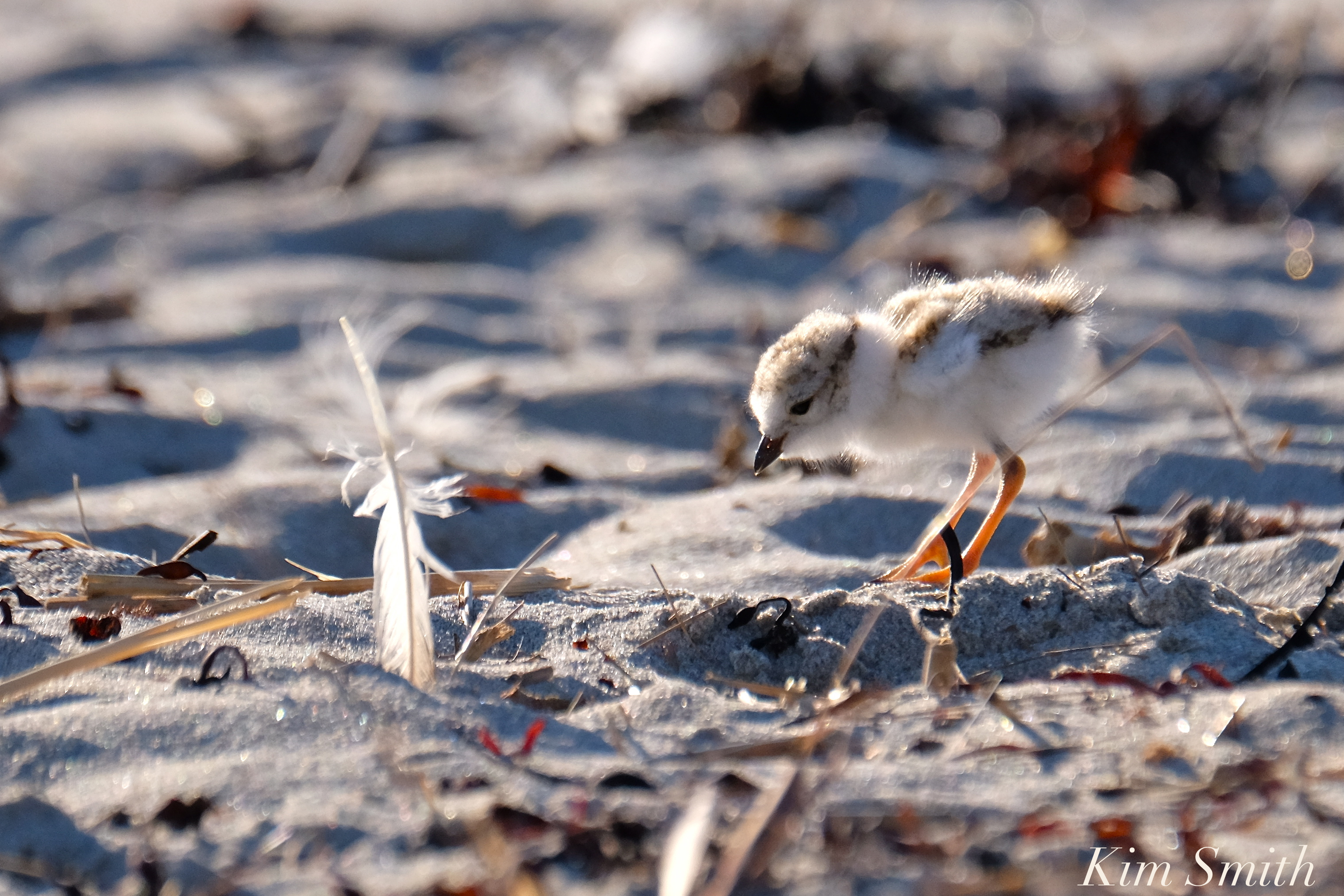
Three-day-old Piping Plover Chick, Good Harbor Beach


SAVE THE DATE! Piping Plover Ecology, Management, and Conservation

Sponsored by the City of Gloucester Animal Advisory Committee

Nine Piping Plover Fledglings, Coffins Beach, Gloucester

On Saturday March 30, 2019 Dr. Katharine Parsons, Director, Coastal Waterbird Program for Mass Audubon will be giving a presentation on Piping Plovers. The talk will be held at the Library, downstairs in the Friend room.

Dr. Katharine Parsons received her Bachelor’s degree from Smith College and Ph.D. in Ecology from Rutgers University. She has 35 years of experience in coastal waterbird research, management and policy in the northeast. Since 2011, Dr. Parsons has directed Mass Audubon’s Coastal Waterbird Program which works with coastal communities throughout Massachusetts to protect rare birds and their habitats. In addition, she has taught courses in coastal ecology and natural systems at Harvard’s Graduate School of Design since 2008. Her presentation at the Gloucester Public Library will cover Piping Plover ecology, management and conservation.

Gloucester’s Coffins Beach fledglings

CAPE ANN WILDLIFE 2018: A YEAR IN PICTURES AND STORIES Part Three: Summer

Go here to read Part One: Winter

Go here to read Part Two: Spring

PART THREE: SUMMER

The most joyous story about Cape Ann wildlife during the summer months of 2018 is the story of the high number of Monarch butterflies and caterpillars in gardens and meadows, seen not only in strong numbers along the Massachusetts coastline, but throughout the butterfly’s breeding range–all around New England, the Great Lakes region, Midwest, and Southern Canada.

Three days after celebrating the two week milestone of our one remaining Piping Plover chick, Little Pip, he disappeared from Good Harbor Beach. It was clear there had been a bonfire in the Plover’s nesting area, and the area was overrun with dog and human tracks. The chick’s death was heartbreaking to all who had cared so tenderly, and so vigilantly, for all those many weeks.

Our Mama and Papa were driven off the beach and forced to build a nest in the parking lot because of dogs running through the nesting area. Despite these terrible odds, the Good Harbor Beach Piping Plover pair hatched four adorable, healthy chicks, in the parking lot. Without the help of Gloucester’s DPW, the Piping Plover volunteer monitors, Ken Whittaker, Greenbelt’s Dave Rimmer, and the AAC, the parking lot nest would have been destroyed.

These brave little birds are incredibly resilient, but as we have learned over the past three years, they need our help to survive. It has been shown time and time again throughout the Commonwealth (and wherever chicks are fledging), that when communities come together to monitor the Piping Plovers, educate beach goers, put in place common sense pet ordinances, and reduce trash, the PiPl have at least a fighting chance to survive.

Little Pip at twelve- through seventeen-days-old

All four chicks were killed either by crows, gulls, dogs, or uneducated beach goers, and in each instance, these human-created issues can be remedied. Ignoring, disregarding, dismissing, or diminishing the following Piping Plover volunteer monitor recommendations for the upcoming 2019 shorebird season at Good Harbor Beach will most assuredly result in the deaths of more Piping Plover chicks.

FOUR WAYS IN WHICH WE CAN HELP THE GOOD HARBOR BEACH PIPING PLOVERS SUCCESSFULLY FLEDGE CHICKS: OUR RECOMMENDATIONS TO THE MAYOR


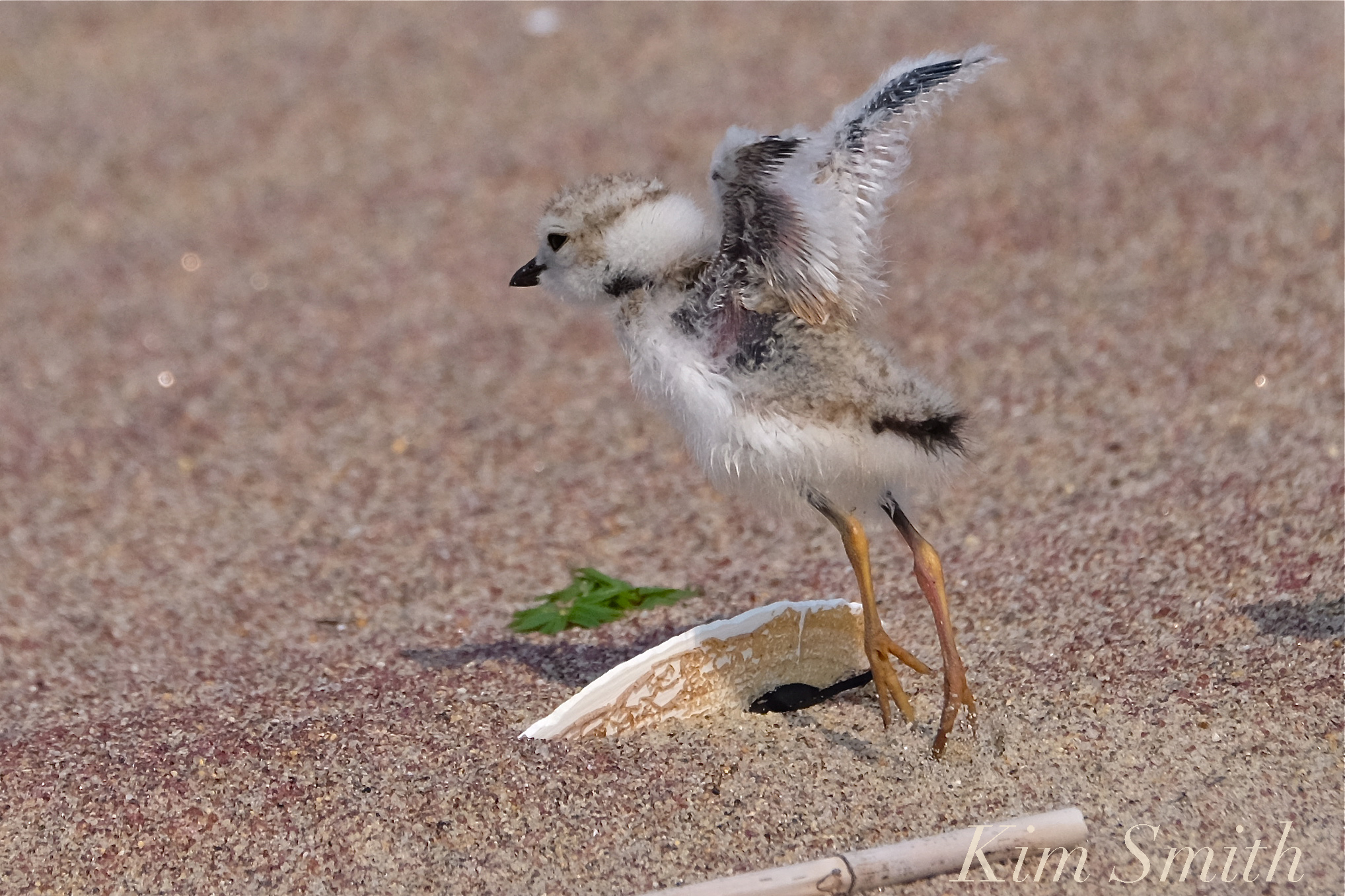
Piping Plover chick testing its wings.

Not one, but at least two, healthy and very hungry North American River Otters families are dwelling at local ponds, with a total of seven kits spotted. We can thank the fact that our waterways are much cleaner, which has led to the re-establishment of Beavers, and they in turn have created ideal habitat in which these beautiful, social mammals can thrive.

Several species of herons are breeding on our fresh water ponds and the smaller islands off the Cape Ann coastline. By midsummer, the adults and juveniles are seen wading and feeding heartily at nearly every body of water of the main island.

In order to better understand and learn how and why other Massachusetts coastal communities are so much more successful at fledging chicks than is Gloucester, I spent many hours studying and following Piping Plover families with chicks at several north of Boston beaches.

In my travels, I watched Least Terns (also a threatened species) mating and courting, then a week later, discovered a singular nest with two Least Tern eggs and began following this little family, too.

Least Tern Family Life Cycle

Maine had a banner year fledging chicks, as did Cranes Beach, locally. Most exciting of all, we learned at the Massachusetts Coastal Waterbird meeting that Massachusetts is at the fore of Piping Plover recovery, and our state has had the greatest success of all in fledging chicks! This is a wonderful testament to Massachusetts Piping Plover conservation programs and the partnerships between volunteers, DCR, Mass Wildlife, the Trustees, Greenbelt, Audubon, and US Fish and Wildlife.

Fledged chick

Cape Ann Museum

Monarch Madness

Friends Jan Crandall and Patti Papows allowed me to raid their gardens for caterpillars for our Cape Ann Museum Kids Saturday. The Museum staff was tremendously helpful and we had a wonderfully interested audience of both kids and adults!

In August I was contacted by the BBC and asked to help write the story about Monarchs in New England for the TV show “Autumnwatch: New England,. Through the course of writing, the producers asked if I would like to be interviewed and if footage from my forthcoming film, Beauty on the Wing, could be borrowed for the show. We filmed the episode at my friend Patti’s beautiful habitat garden in East Gloucester on the drizzliest of days, which was also the last  day of summer.


Happy Two-week Birthday to Our Little Pip

Common Eider Ducklings at Captain Joes

Little Pip Zing Zanging Around the Beach

Our Little Pip is Missing

Piping Plover Update – Where Are They Now?

FOUR WAYS IN WHICH WE CAN HELP THE GOOD HARBOR BEACH PIPING PLOVERS SUCCESSFULLY FLEDGE CHICKS: OUR RECOMMENDATIONS TO THE MAYOR

What’s For Breakfast Mama?

42 Pairs of Piping Plovers Nesting at Cranes Beach!

Fishing for Sex

Welcome to Good Harbor Beach Mama Hummingbird!

Least Tern One Day Old Chicks!

Welcome to the Mary Prentiss Inn Pollinator Paradise

Piping Plover Symbolic Fencing Recomendations

Good Morning! Brought to You By Great Blue Herons Strolling on the Beach

Two-day Old Least Tern Chicks

OUTSTANDING COASTAL WATERBIRD CONSERVATION COOPERATORS MEETING!

Stuck Between a Rock and a Hard Place

Grow Native Buttonbush for the Pollinators

A Fine Froggy Lunch for a Little Blue Heron

Snowy Owls in Massachusetts in August!?!

Monarch Butterfly Eggs and Caterpillars Alert

Learning to Fly!

Snapshots from Patti Papows Magical Butterfly Garden

Keep Those Monarch Babies Coming!

A Chittering, Chattering, Chetamnon Chipmunk Good Morning to You, Too!

Butterflies and Bird Pooh, Say What?

Caterpillar Condo

Monarch Madness!

Thank You To Courtney Richardson and the Cape Ann Museum Kids

A Banner Year for Maine’s Piping Plovers

Snowy Egret Synchronized Bathing

Good Harbor Beach Super High Tide

Otter Kit Steals Frog From Mom

Monarch Butterfly Ovipositing Egg on Marsh Milkweed: NINETEEN SIBLINGS READYING TO EMERGE

Monarch Butterfly Rescue

FILMING WITH THE BBC FOR THE MONARCHS!

CAPE ANN WILDLIFE 2018: A YEAR IN PICTURES AND STORIES Part Two: Spring

Go Here For Part One

Mama (left) and Papa (right) return to Good Harbor Beach on a bitterly cold day, April 3, 2018. 

Part Two: Spring

By Kim Smith

The return of Mama and Papa Piping Plover to Good Harbor Beach filled our hearts with hope and heartache. Although not tagged with a definitive id, we can be fairly certain they are the same because the pair attempt to build their nest each year within feet of the previous year’s nest. Not only did our returning pair try to nest on Good Harbor Beach, there were two additional pairs of Piping Plovers, and several free-wheeling bachelors.

The GHB Bachelors

Papa guarding all-things-Mama

Papa and Mama courting, building a nest scrape, and establishing their territory on the beach.

The PiPls are forced off the beach by dogs running through the nesting area. They begin building a second nest in the Good Harbor Beach parking lot.

Each spring the Good Harbor PiPl have returned earlier than the previous, which show us that the pair is gaining in maturity, and in familiarity with the area. Tragically, at the time of their arrival in April, dogs are permitted on the beach. Dog traffic running through the Piping Plover nesting area was unrelenting, despite signs and roping. The Plover family never caught a break, and were soon making overtures at nesting in the parking lot.

Even with desperate calls for help and repeated warnings from the Piping Plover volunteer monitors, owners continued to allow off leash and on leash dogs to run freely through the PiPl’s nesting area, daily forcing the PiPl off the beach. They were at first torn between maintaining the territory they had established on the beach or establishing a new territory on the white lines in the parking lot. After one particularly warm sunny Sunday in April, they gave up completely on their beach nest scrape.

We learned that during the month of April, dogs at Massachusetts barrier beaches, such as Good Harbor Beach, not only endangers the lives of threatened Piping Plovers, but many species of migrating and nesting shorebirds.

On May 5th, the first egg was laid in the parking lot. Thanks to Gloucester’s amazing DPW crew, a barricade around the nest was installed within hours of the first egg laid. Greenbelt’s Dave Rimmer soon followed to install a wire exclosure around the parking lot nest.

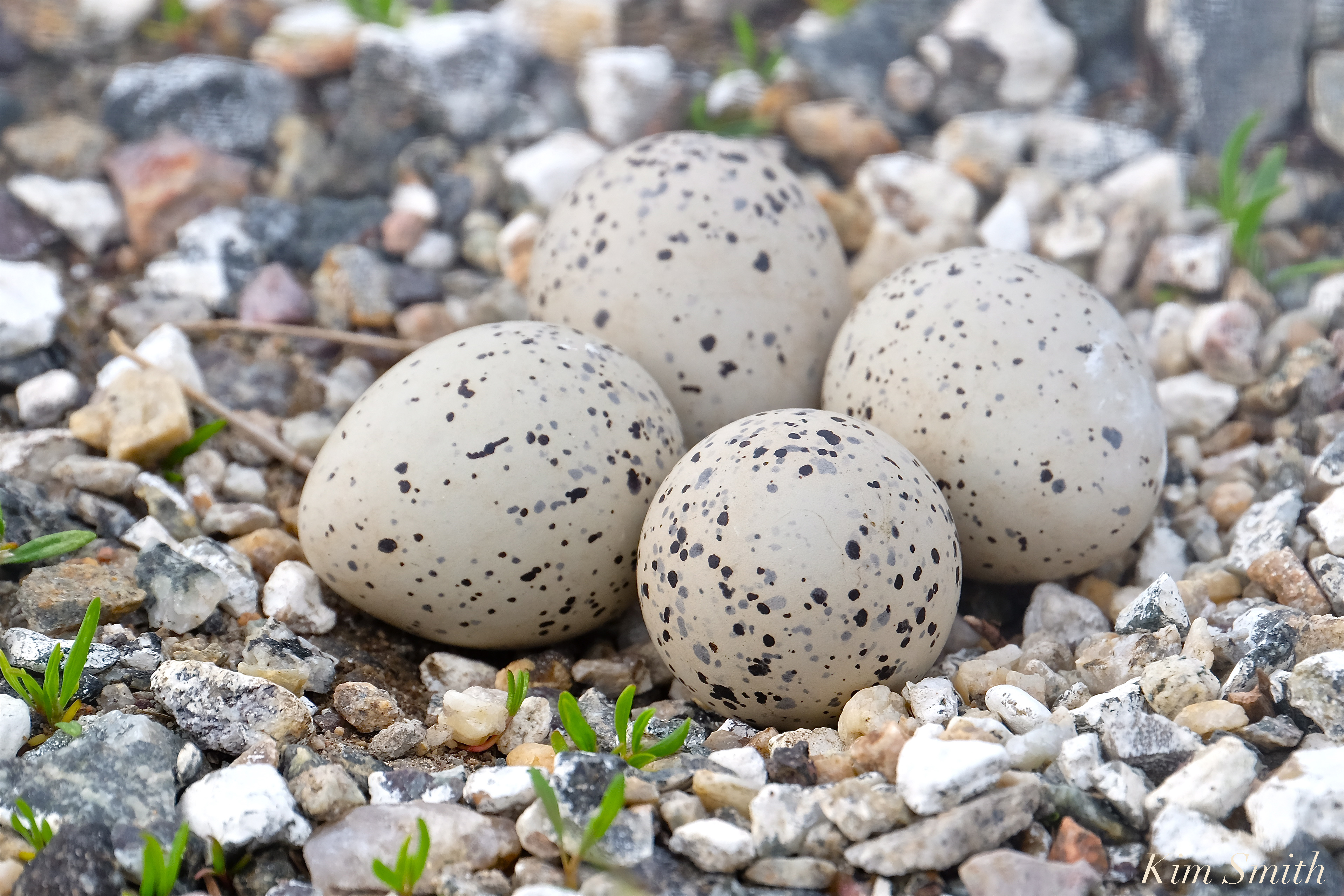
Four!

No shortage of vandals.

Garbage left on the beach brings predatory gulls and crows and they, too, became a serious threat to our Piping Plover family after the chicks hatched. The lack of a common sense ordinance to keep dogs off Good Harbor Beach during the month of April, the unaware dog owners, the garbage scavenging gulls and crows, and the vicious vandals are absolutely our responsibility to better manage and to control. For these reasons, and despite the kindness and care of dozens of PiPl volunteer monitors, as well as good people from around the community (and beyond), the Piping Plovers face terrible odds nesting at Good Harbor. 

Scroll down to the end of the post to find links to some of the dozens of stories that I have written about the Good Harbor Beach Piping Plovers. Many communities throughout Massachusetts and coastal New England have in place common sense management rules and are successfully fledging chicks. I wrote about that extensively during the summer months and you will find a list of the posts regarding that topic in Part Three: Summer.

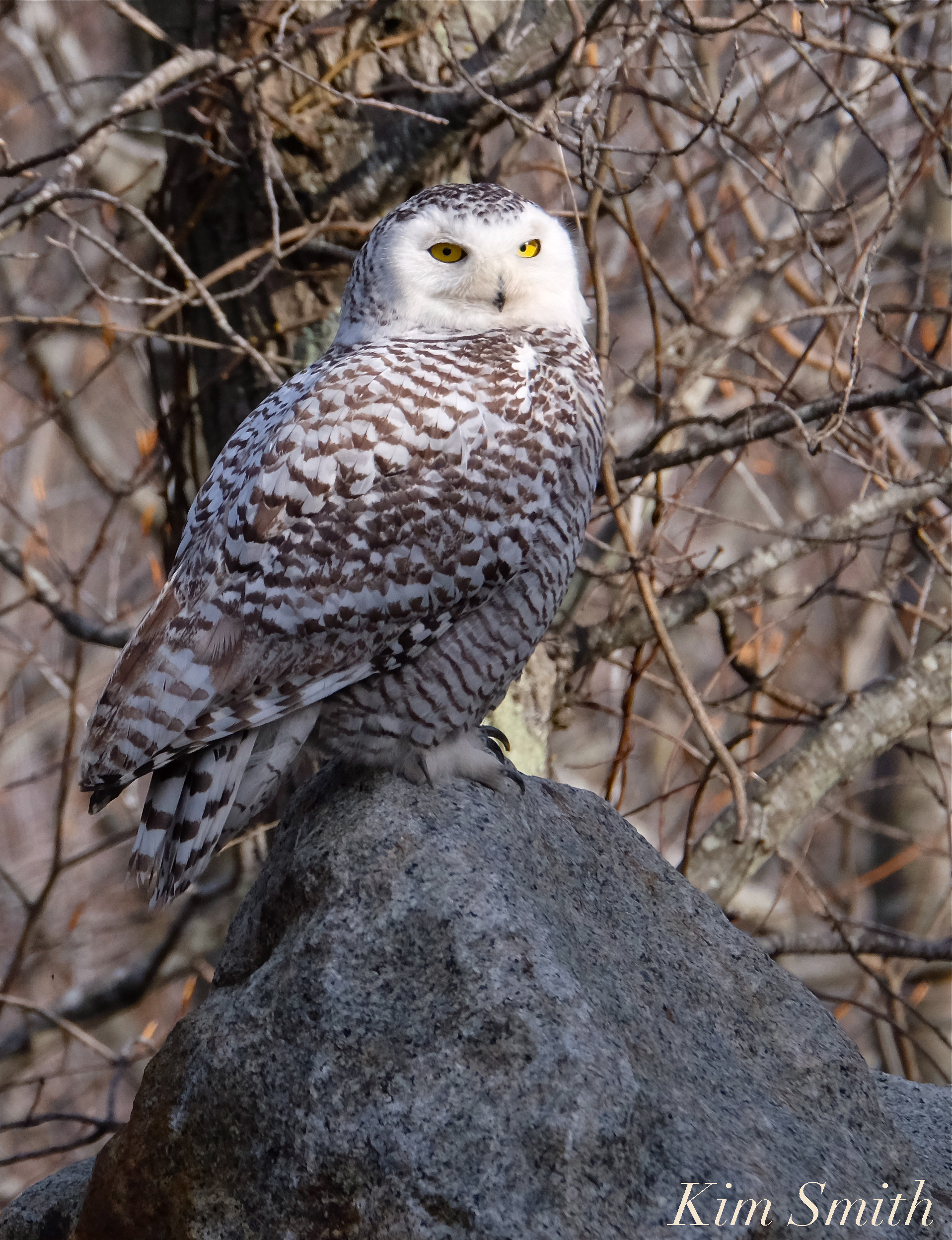
Most of the Snowies from the great Snowy Owl irruption of 2017-2018 had departed for their Arctic breeding grounds by the time the Piping Plovers arrived to Cape Ann beaches. This was a relief as I imagined that the Piping Plovers might make a tasty meal in the mind of a Snowy Owl. Thinking we’d seen the last of Hedwig and all Snowies, Bob Ryan called to let us know there was a Snowy Owl hanging around the distillery. I jumped in my car and raced right over. She appeared in good health and stayed for a day.

We did learn weeks later that during July and August there were still a few Snowies remaining on Massachusetts beaches and, from examining their pellets, it was clear they had been eating Piping Plover adults.

I was deeply honored to receive Salem State University’s Friend of the Earth Award.

and to give my conservation program about the Monarch Butterflies as their keynote speaker.

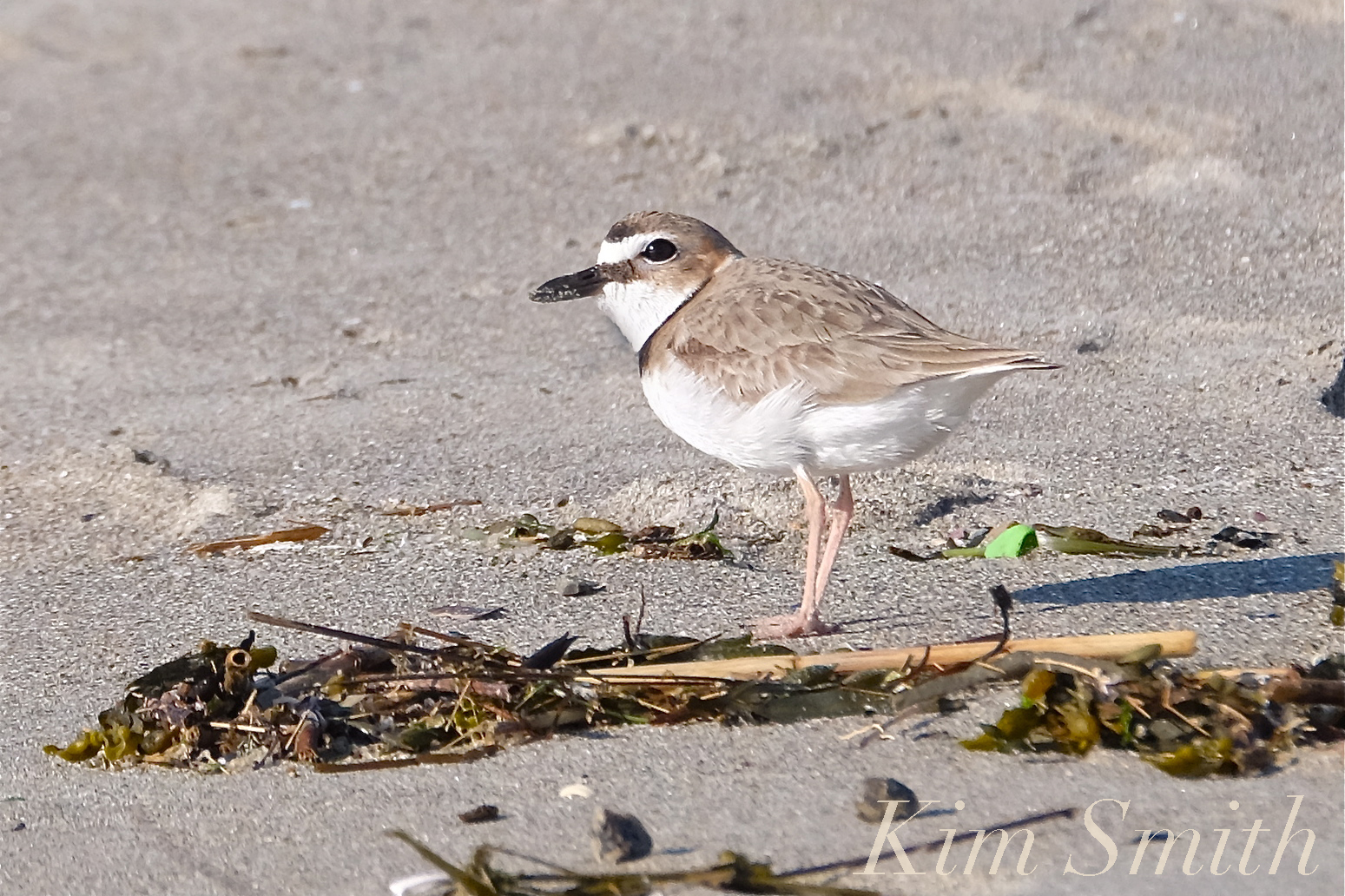
In May, three Wilson’s Plovers were spotted briefly on Good Harbor Beach. This was a very, very rare northern sighting, especially so as there were three.

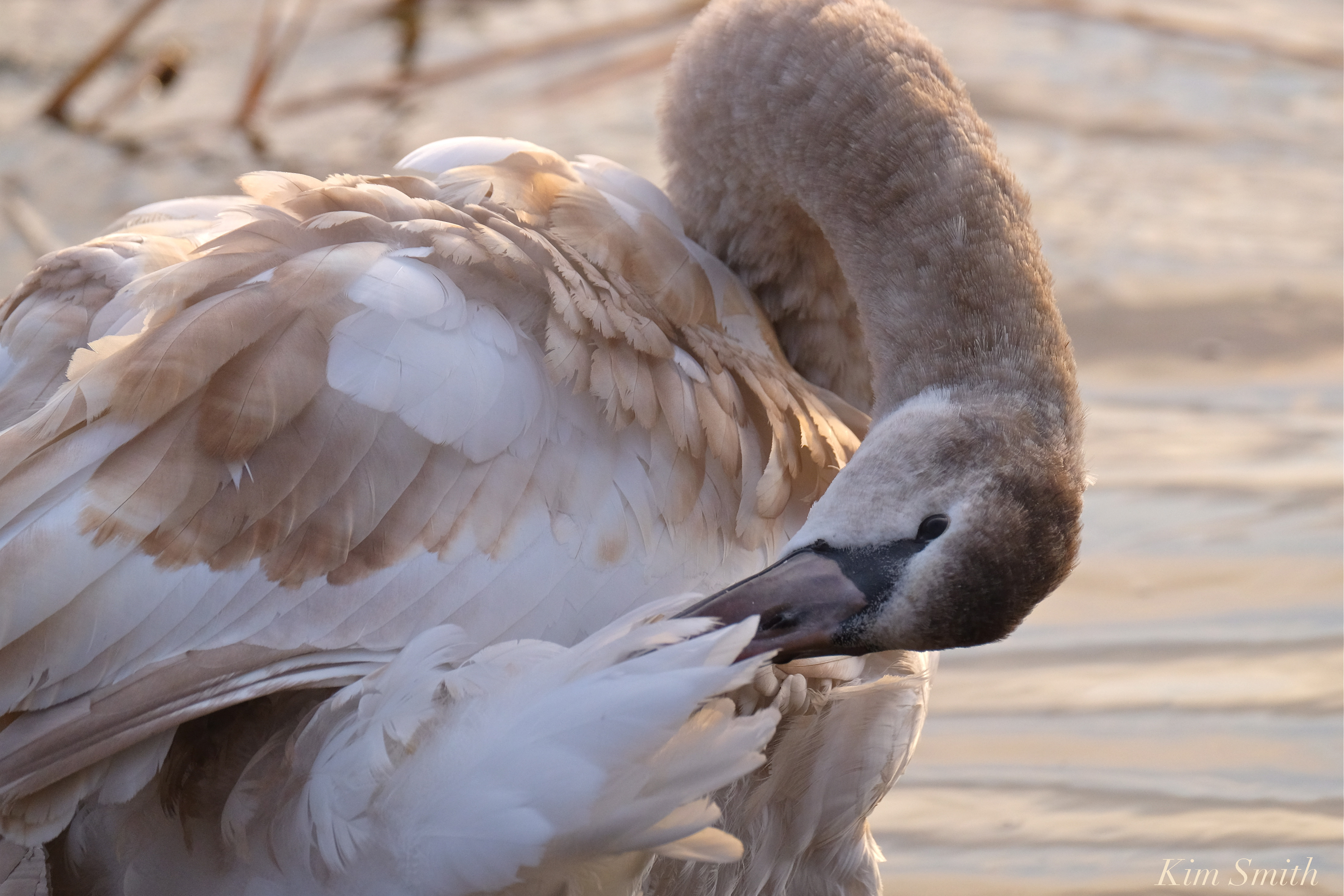
The Young Swan of Niles Pond was released by Lyn and Dan, only to lose his life later in the spring.

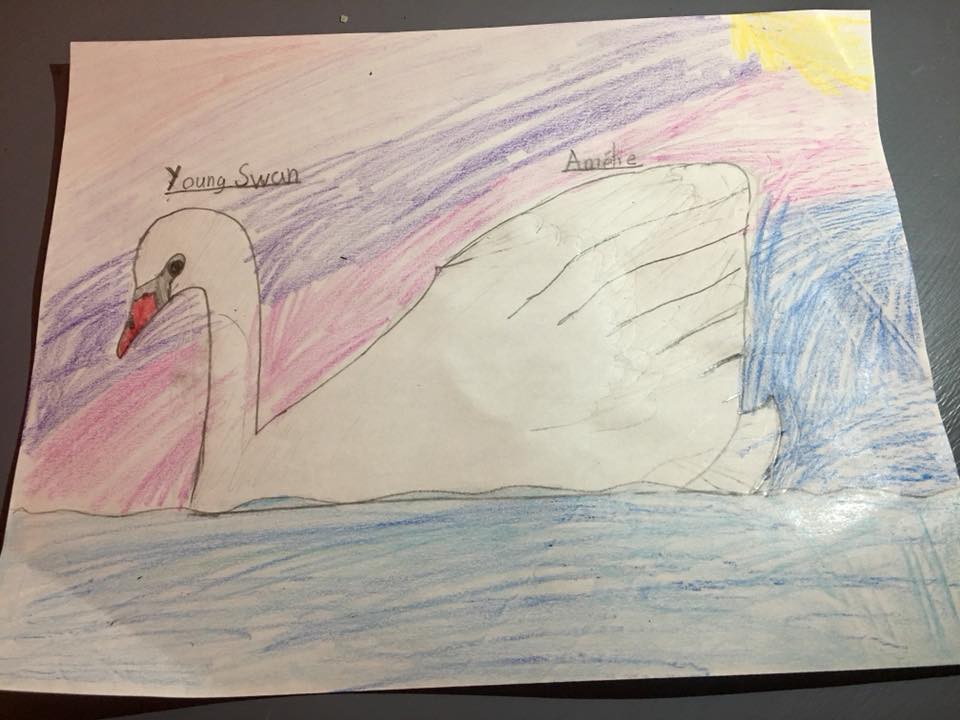
Amelie Severance sent us a lovely and detailed drawing of the Young Swan.

A fabulous Green Heron was photographed and filmed on an area pond–signs of a great summer season for all species of herons, yet to come.

For the past several years, at least, Killdeers, which is another species of plover (although not endangered) have been nesting in the dunes at Good Harbor Beach. This year we had, at a minimum, two successful nests!

All four chicks hatched and, at only one-day-old, made the epic journey to the beach. Miraculously, four teeny tiny mini marshmallow-sized baby birds, led by Papa and Mama, zig zagged across the parking lot, trekked through the dunes, and landed within feet of the parent’s original nest scrape.

Only one chic, the one PiPl volunteer monitor Heather names Little Pip, survives into summer.


Piping Plovers Return to Good Harbor Beach!

Kim Smith to Receive “Friend of the Earth Award” and Keynote Speaker Salem State earth Days Week

Piping Plovers Driven Off the Beach

Monarch Butterflies at Salem State University

Fencing is Urgently Needed for the Piping Plovers

Check Out Gloucester’s DPW Phil Cucuru Showing Extensive Storm Erosion

How You Can Help the Piping Plovers

Gloucester Celebrates Earth Day With Great News: Lyn and Dan Release the Young Swan Back to the Wild

Piping Plovers Forced off the Beach By Dogs for the Second Weekend in a Row

Piping Plovers and Thoughts About Signs, Dogs, and Why We are in This Predicament

We Need Volunteer Piping Plover Monitors Saturday at the PiPl Nesting Area #3

Heartbreaking to See the Piping Plovers Nesting in the Parking Lot

Snowy Owl at Ryan and Woods Distillery

Breaking: Plover Egg in the Parking Lot at Good Harbor Beach

Breaking: Two Eggs in the Nest: Shout Out to Greenbelt for Installing the PiPl Wire Enclosure

PiPl Egg #3

Swan Crisis

Rarest of Rare Visits from Wilson’s Plovers

Vandals Harming the Piping Plovers

Four!

Tonight on Fox See Our GHB Piping Plovers

Debunking Piping Plover Myth #1

Amelie Severance’s Lovely Drawing of the Young Swan

Debunking Piping Plover Myths #2 and #3

More Shorebirds Nesting at Good Harbor Beach!

Angie’s Alpacas

So Sorry to Write Our Young Swan Passed Away this Morning

Beautiful Shorebirds Passing Through

Debunking Piping Plover Myth #4, Winthrop Beach is Amazing, and Lots of Sex on the Beach

Our Good Harbor Beach Killdeer Chicks

Breaking News: Our Piping Plover Good Harbor Beach Chicks Have Hatched

Piping Plover Makes the Epic Journey to the Beach

Good Harbor Beach Two-Day Old PiPl Chicks

Good Morning! Brought to You By the Fiercely Patient Green Heron

We Lost Two Chicks Today

Shout Out to Gloucester’s Animal Control Officers Teagan and Jamie!

Our Third Piping Plover Chick was Killed This Morning

Debunking Piping Plover Myth #5: Piping Plover Volunteers Are NOT Calling for and Outright Ban of Dogs on the Beach

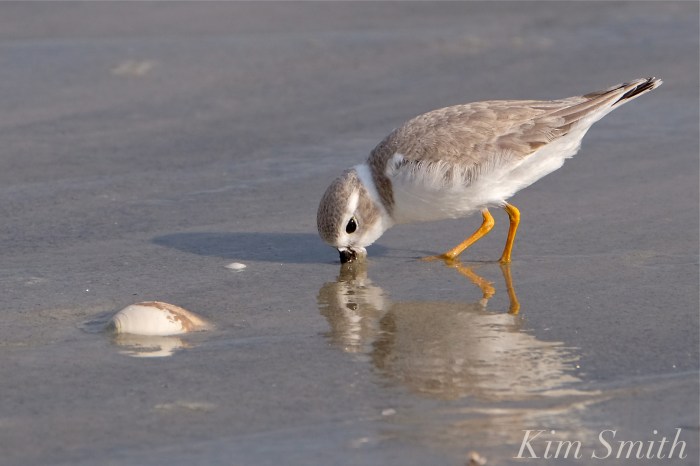
What Do Piping Plovers Eat?

Happy Father’s Day, Brought to You By Papa Plover

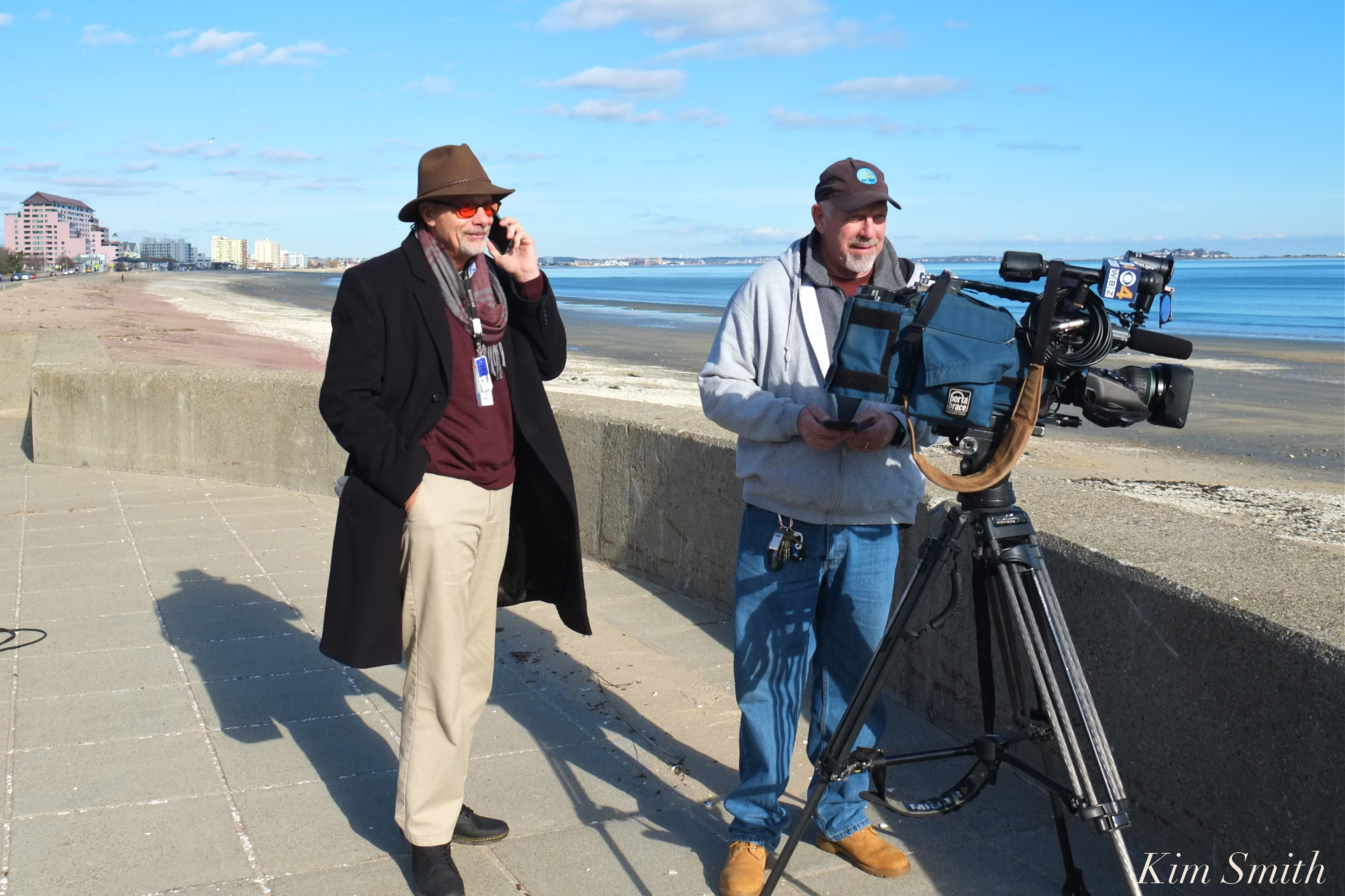
SNAPSHOTS OF WBZ CARL STEVENS AND POSSIBLE HUMAN REMAINS FOUND

As part of my Piping Plover project, I often stop by Revere and Winthrop beaches when heading to and from job sites in Boston and Cambridge. While at Revere Beach yesterday, several TV news trucks pulled up in front of the police station and cameramen set up their cameras. I imagined perhaps another whale had washed ashore but bones of what are believed to be human have been collected by police.

I briefly met WBZ’s Carl Stevens and cameraman (both super nice). So sorry I didn’t get the cameraman’s name for the photo caption. If anyone knows, please write.

I didn’t have time to stick around and learn more although not much else is know at this time. 

WBZ’s Carl Stevens and cameraman on the scene

Point of Pines loster boat heading in

PIPING PLOVERS ON THE AGENDA AT TONIGHT’S AAC MEETING

ANIMAL ADVISORY COMMITTEE

OCTOBER MEETING TODAY AT 6:30

CITY HALL, 3RD FLOOR

1. Approval of meeting minutes from 9/12/2018
2. Education/Outreach Plans
3. Piping plover awareness and education
4. Off leash beach days
5. Rodenticides
6. Dogs in Cemetery
7. Materials
8. Shirts/Sweatshirts/Hats
9. Brochures
10. Public comment
11. New Business