Travel: From Gloucester to Concord Shared Points of Interest. Little Women, Authors, Architecture, History, and Hikes

image: ยฉ Catherine Ryan. Concord, Mass. Points of Interest: Concord Museum. Home of Ralph Waldo Emerson. Lousia May Alcott home of Little Women Orchard House. Thoreau Walden Pond. Gropius House. Marcel Breuer House 1. Moon Hill Road. Decordova. Drumlin Farm.

From Gloucester visit Concord

Heading from Gloucester & Cape Ann to Concord makes for easy nature hikes and must see visits year round. Winter walks on mild days offer unobstructed views. It’s remarkable how many points of interest and preservation are within walking distance — or brief drives– from each other in Concord and that share connections with Gloucester.

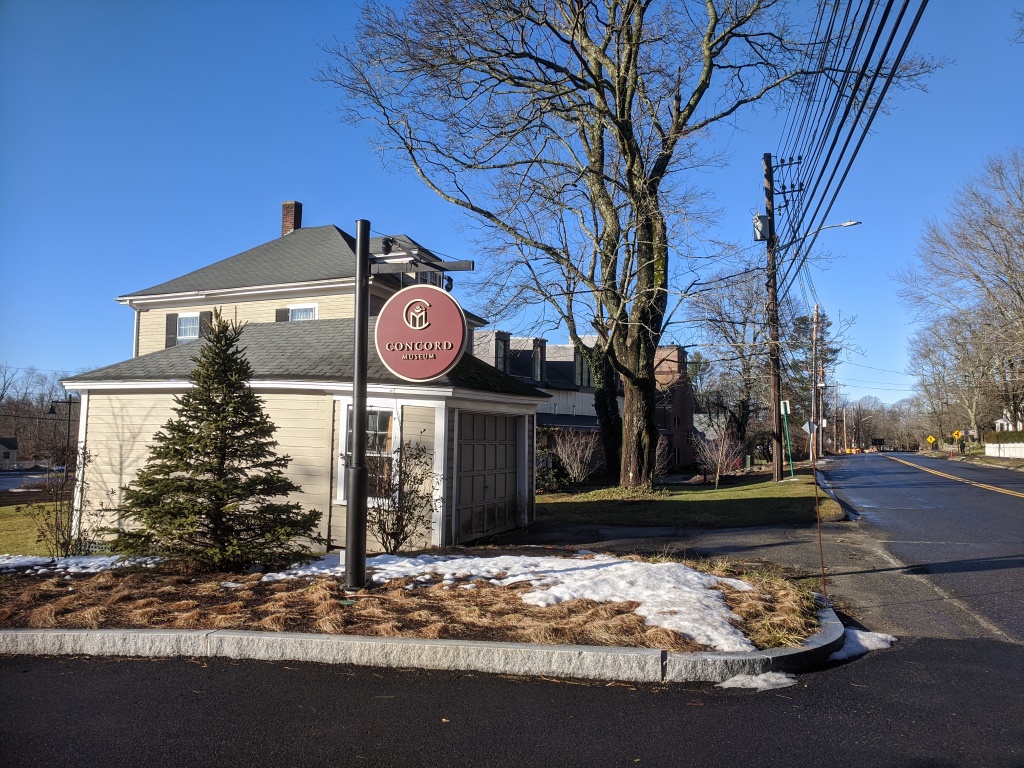
Concord Art Museum expansion 2020

The Concord Museum’s expansion, the impact of Little Women film release, and Carol Thistle are featured in the Massachusetts Office of Travel & Tourism Industry Update from January 2020 (MOTT). Read the full January 2020 news and stats here for inspiration. Nice to see North Shore highlighted.

Plan ahead because there’s so much in close proximity you’d be sorry to miss any. It’s easy to park at these Concord sites and walk to the others. A few require a drive.

Home of Ralph Waldo Emerson

Concord, Mass. Emerson’s home of 50 years is situated across from the Concord Museum and a two minute walk from Alcott’s family home. The house belonged to his wife, Ellen Tucker who died of TB at twenty in 1831, just two years into their young marriage. Emerson supported Thoreau, Alcott’s father (Bronson Alcott) and Hawthorne because of spousal inheritance. He married Lydian in 1835 in Plymouth, Mass. They raised a family in the Concord home.

“Emerson itemized “Gloucester” in his pocket journal entries because he came here for work and pleasure: as a  Gloucester Lyceum invited speaker; with friends, most notably a famous walk here with Thoreau; visited Rockport in August 1855 and Pigeon Cove with family in 1856 (where he is remembered as the Inn in Rockport Mass most famous guest). Art fans aside: his ancestor, Thomas Emerson, built Arthur Wesley Dow’s house in Ipswich.”

Catherine Ryan

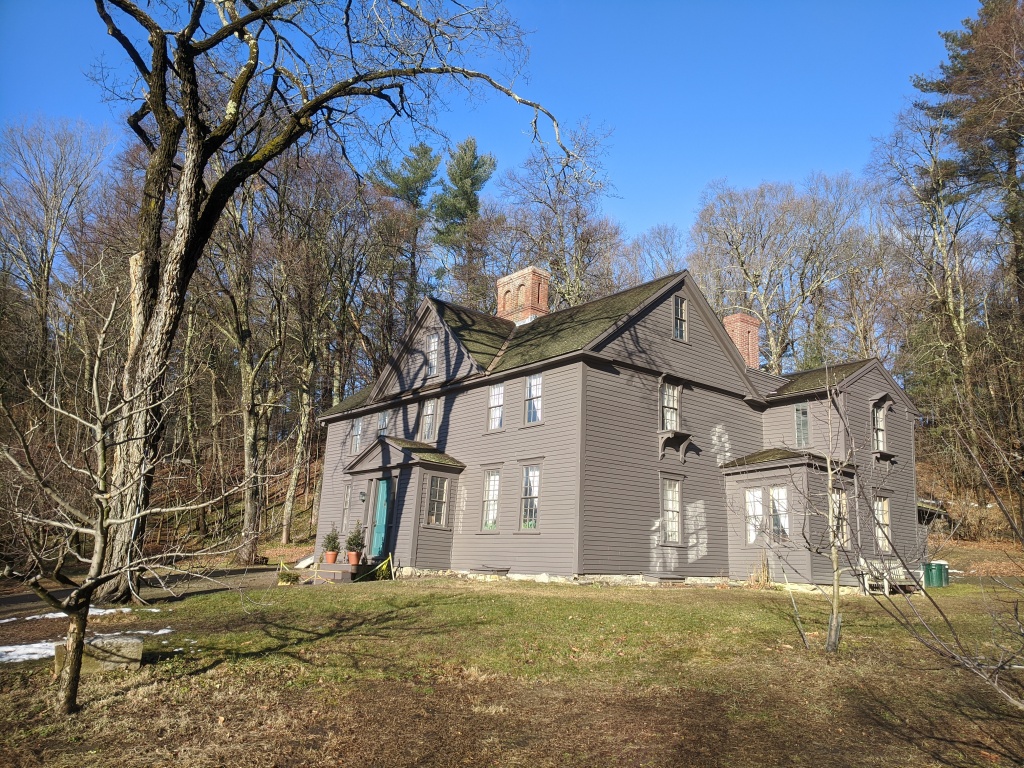
Lousia May Alcott home of Little Women Orchard House

Founded in 1912 (!), the museum is the long time family home where Alcott wrote and set Little Women website  Ralph Waldo Emerson backed her father’s work. Thoreau was her schoolteacher.

“When she was about seven her father enrolled her in a school taught by Thoreau, then 23. Thoreau often took his students out of the classroom into the woods. He  taught them about birds and flowers, gathering lichens, showing them a fox den and deer tracks, feeding a chipmunk from his hand.

Sometimes he took the children on his boat, the Musketaquid, and gave them lessons as they floated down the Sudbury and Assabet rivers. As they passed the battlefield where the American Revolution started, he explained how the farmers had defended themselves against the redcoats. Louisa recorded her vivid memories of those field trips in Moods.”

excerpt New England Historical Society

Gloucester – Concord connections: Alcott stayed in a few neighborhoods when she visited Gloucester whether traveling alone, with family, or friends including Rocky Neck, Magnolia and West Gloucester. Extended stays at Braewood, 531 Essex Avenue, the home of Maria H. Bray in West Gloucester, were effectively a writer’s retreat and inspired Jack and Jill (published in 1880) set in โ€œHarmony Villageโ€ which looks like Gloucester in the book’s illustrations. Louisa May Alcott was one of the notable repeat summer guests at Braewood (and perhaps at the ones Bray managed before in Magnolia including Willow Cottage).
Walden Pond

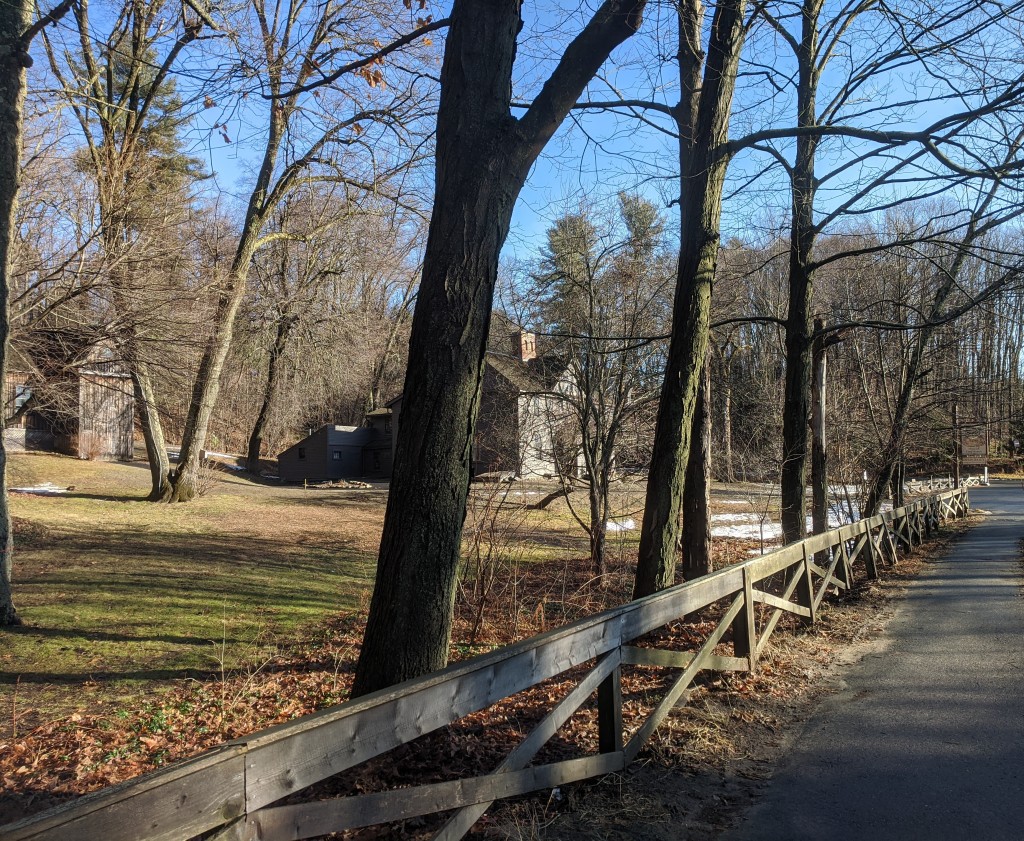
Concord, Mass. Don’t forget that Walden Pond is right here, too! Hike to the site of the Henry David Thoreau cabin which he built on Emerson’s land and stayed 2-2-2 (as in two years, two months, two days) over  1845-47.

“When I wrote the following pages, or rather the bulk of them, I lived alone, in the woods, a mile from any neighbor, in a house which I had built myself, on the shore of Walden Pond, in Concord, Massachusetts, and earned my living by the labor of my hands only.” Henry David Thoreau, Walden Pond, published 1854. 

Combining this stop with downtown Concord underscores the scalability of his solitude and deep nature study, and how it was made possible with support from cherished family and friends. (Since it’s pretty much his back yard, no wonder he could walk home!)

Thoreau lived at 255 Main Street in downtown Concord from 1850 until his death in 1862. His former student, Louisa May Alcott, bought the historic house for her sister. She and her father lived there, too.

Gloucester – Concord connections: Walden Pond NPS Visitor Center designed by architect MaryAnn Thompson, same firm that built Temple Ahavat Achim in Gloucester, Mass. Thoreau came to Gloucester at least twice that we know of- in 1848 as an invited speaker by Gloucester Lyceum hosted in the town hall; and in 1854 as the penultimate stop of his north shore trek. Dogtown.
Temple Ahavat Achim Gloucester Mass. designed by Mary Ann Thompson architect. photograph ยฉc ryan Jun 2017
Temple Ahavat Achim Gloucester Ma designed by MaryAnn Thompson 2012 (photo July 2017)

Gropius House

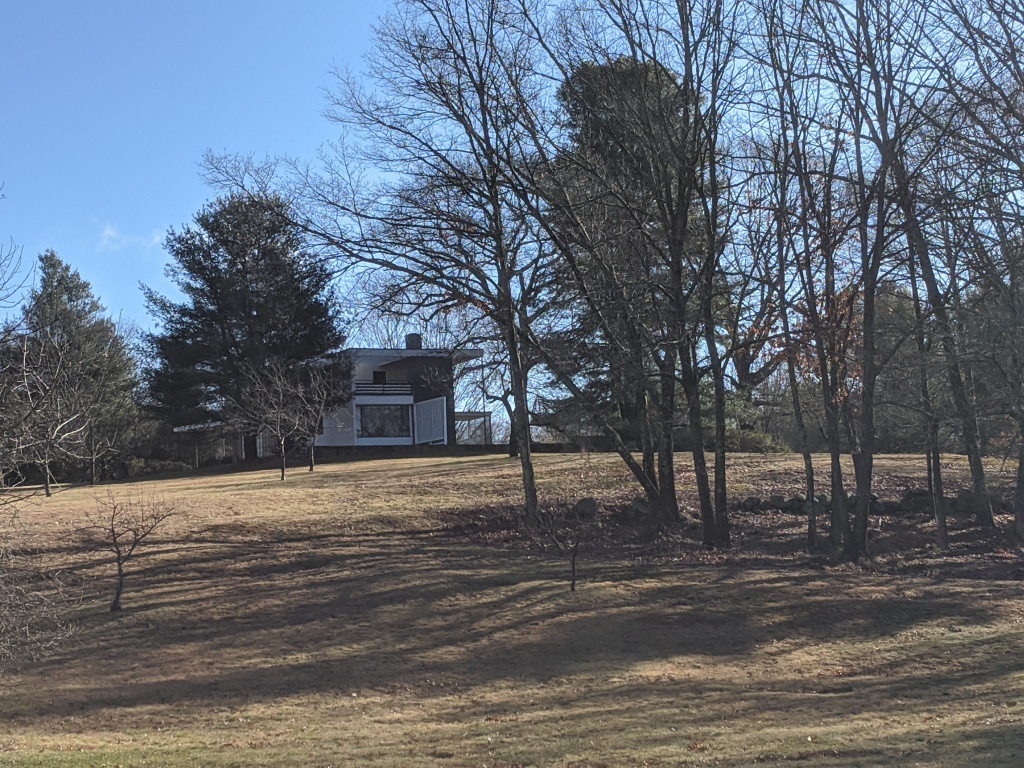
Lincoln, Mass. (Walden Pond/Concord line). A Historic New England property, Gropius House  is a landmark Bauhaus residence now museum built in 1938, the same year as MoMa’s legendary Bauhaus exhibition. Marcel Breuer’s house 1 is down the hill.

Gloucester – Concord connections: Mass Modern trail and great buildings. Don Monell and other modern inspiration can be found on Cape Ann. The Graduate school at Harvard designed by Gropius was a TAC (The Architects Collaborative) build in 1950. TAC was founded in 1945 with the clout addition of Gropius who continued with the firm until his death in 1969. Original 7 founders were Norman FletcherLouis McMillenRobert McMillanBenjamin C. Thompson*,  Jean FletcherSarah Harkness and John Harkness. Twenty years later, Monellโ€™s Plum Cove elementary school design in 1967 in Glocuester Mass was leveraged by partnering with The Architects Collaborative. Gloucesterโ€™s Plum Cove school is a TAC build. (Wikipedia lists several commissions. The school could be added.) This early 20th century history in Concord and Gloucester could inspire other movies.

*Jane (Fiske McCullough) Thompson and Deb Allen were co-founding editors of Industrial Design; Thomson had worked at MoMa for Philip Johnson. She married Ben Thompson in 1969. To my knowledge, there is no relation to architect MaryAnn Thompson who designed the Walden Pond visitor center. 

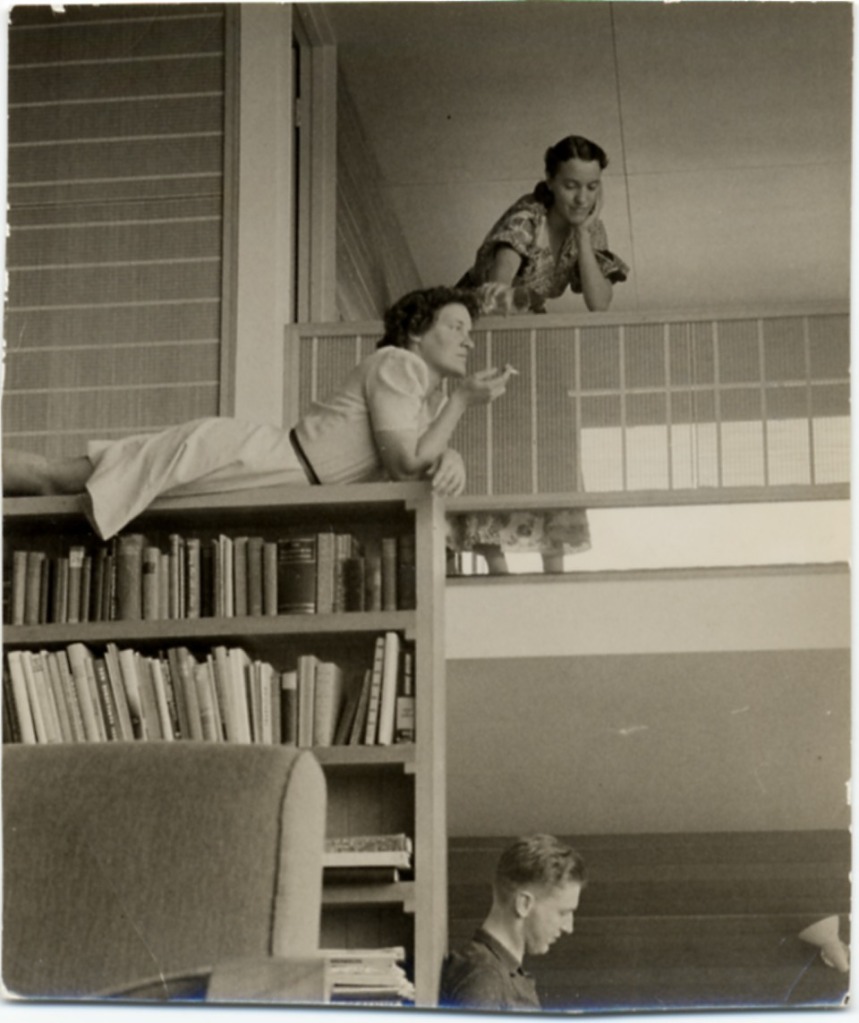
The Marcel Breuer House 1 (1939) at 5 Woods End Road is essentially nestled into the Gropius hill property. Floor plans and interior photo published here are from the Marcel Breuer papers in the Archives of American Art, Smithsonian Institution collection. It was added to the National Historic Register in 1988. Minutes away conservation land was set aside thanks to 20th Century modernist architect, Quincy Adams. He served on the town’s conservation committee and donated hundreds of acres of his family’s land for green space.

Marcel Breuer house 1 lincoln mass_floorplans Smithsonian archives

Marcel Breur papers Smithsonian

Six Moon Hill

Lexington, Mass. One could drive to Six Moon Hill after stops mentioned above, on the way back to Gloucester. It’s about 15 minutes from the Gropius House. Six Moon Hill is the nick name for an enclave of neighborhood homes in Lexington, Massachusetts, designed by the modernist architects of The Architects’ Collaborative (TAC) between 1948 and 1950.

The Gropius home was already optimally sited within the Walden Pond/Thoreau orbit. I’d wager intentionally so, a poetic and multidimensional nod to the natural and built environment and how to live. This dialogue among masters across centuries is another reason I believe Maryann Thompson’s visitor center is ideal.

Art historian Simon Schama resided on Moon Hill between 1981 and 1993.

“Six Moon Hill is a community of twenty-nine Mid-Century Modern houses designed by members of The Architects Collaborative (TAC), beginning in 1948… The property was purchased by the TAC architects in 1947 so they could build inexpensive homes for themselves, their growing families and their friends, and express Modernist socially progressive ideals. A corporation was formed, creating by-laws affecting future development, maintenance and communal responsibilities. The parcel was originally part of a farm, and while the land was initially used for grazing, the steeper areas had reverted to forest at the time of the purchase. Most of Moon Hill is on a ridge with rocky outcrops, wooded with oak and conifers. The impact of construction has been minimized, leaving the site as natural and undisturbed as possible” read more from the historical survey here

Don’t miss what’s nearby!

Mass Audubon’s Drumlin Farm is a five minute or so drive from the Gropius house. Moon Hill Road is more like 15-20 minutes. Minute Man National Park and Decordova are here, too. There are ample and varied scenic treks to mix it up for repeat visits


Mass Film map Little Women

Massachusetts Mass Film Map Little Women

“On behalf of the Massachusetts Office of Travel & Tourism, Happy New Year to our tourism colleagues around the world, as we embark on an exciting new year and a new decade here in Massachusetts. We are looking forward to a busy and productive year.  
In-state initiatives on our horizon include Plymouth 400, the Restaurant Promotion Commission, a new Historic Women Trailblazers of Massachusetts initiative in honor of the 100th anniversary of the right to vote for women, and a major exhibit on King Tut coming to Boston in June. On MOTTโ€™s international front, we have trade opportunities in Germany, Japan and South Korea in the coming months, as well as two of our most important tourism conferences, DNE and IPW. In this monthโ€™s MA Spotlight, we profile Concord Museumโ€™s Marketing & PR Director Carol Thistle, who shares details about exciting new exhibits coming up in 2020 here.” 

“…we are so excited about the Little Women film and we have already seen an increase in visitation to Concord because of it. Louisa May Alcottโ€™s copper tea kettle that she used as a nurse during the Civil War is showcased in the Museum. Louisa almost died during the endeavor and was inspired to write her first published work, Hospital Sketches, which helped launch her remarkable and prolific career as one of Americaโ€™s favorite writers.” – excerpt from Carol Thistle interview for MOTT spotlight Jan 2020

On exhibit at the Concord Museum through June 7, 2020 Beyond Midnight: Paul Revere

Special events featured here– save the dates!

The $13 million capital campaign supported construction of the new Anna and Neil Rasmussen Education Center, which opened in fall 2018. What are some of the educational features? With this state-of-the-art Center, we host Forums on womenโ€™s suffrage, the abolition movement, revolutionary history, decorative arts and other topics connected to our collection. Since the opening of the Rasmussen Education Center, the Museum has served 14,000+ students through a variety of curriculum-based educational programs. Kids can explore the world of Henry David Thoreau, cook over an open hearth, and learn about Native culture through archaeology and so much more. In 2019, the Paul Revereโ€™s Fund provided free bus transportation to the Museum and underwrote all program fees for nearly 4,000 students from Lowell, Lawrence, and Everett.”

“One of the greatest joys in my marketing and public relations career has been promoting so many incredible destinations in our state. Massachusetts has so much to offer local, national and international visitors with its natural beauty, seacoast and of course its history.  In the past 25 years, through branding campaigns and strategic marketing, I have promoted some of Bostonโ€™s key icons, including Faneuil Hall Marketplace, the Boston Harbor Islands and the Museum of Science โ€“ as well as the cities of Gloucester and Salem.  For the past 3 ยฝ years, I have been the Marketing Director for the Concord Museum as it has undergone an exciting $13 million dollar capital campaign, expansion and renovation. Iโ€™m also currently serving on the Board of the Concordโ€™s Chamber of Commerce as well as the Advisory Board for both Discover Concord and the Town of Concordโ€™s new Tourism initiative.”

– excerpt from Carol Thistle interview for MOTT spotlight Jan 2020

Before Dogtown was Dogtown: Archaeological Survey project to be presented at City Hall. Maybe hello blueberries bye bye Lyme Disease

Sharing press release from Mary Ellen Lepionka and Bill Remsen followed by a selection of visual arts, maps, and writing spotlighting Dogtown (1633-1961) by Catherine Ryan.

Nov 29th, 7PM, Public Meeting

Come to a special public presentation November 29th in Kyrouz Auditorium in Gloucester City Hall, 9 Dale Avenue, at 7pm.

Week of Nov 13

“During the week of November 13 a team of archaeologists from the Public Archaeology Laboratory (PAL) in Providence will be conducting fieldwork in Dogtown. They will begin mapping and describing an area to be nominated to the National Register of Historic Places, a National Park Service program to honor historically significant buildings and landscapes.   

What do you think?

“Presenters at City Hall on Nov 29th will include Betsy Friedberg from the Massachusetts Historical Commission, who will explain how the National Register program works and what it does and does not do, and Kristen Heitert from the PAL, who will present an initial plan for defining the boundaries of Dogtown as a National Register District. People attending the meeting will be asked to respond to that plan and to express their views about what makes Dogtown special. What should be the boundaries of the proposed National Register District, and what cultural features should be included in it? What would be the benefits of National Register status, and are there any drawbacks?

Who all is involved?

“The Dogtown archaeological survey is funded through a matching grant from the Massachusetts Historical Commission and the Dusky Foundation and is financed by the City of Gloucester. The Gloucester Historical Commission applied for the grant and is coordinating the project in collaboration with the Rockport Historical Commission. The PAL team will also have the assistance of members of the Dogtown Advisory Committee, the Rockport Rights of Way Committee, the Cape Ann Trail Stewards, and the Friends of Dogtown.”

– Dogtown is eligible for the National Register. Will Gloucester earn another major district designation? Above excerpts from the press release for the Nov 29th event shared by Bill Remsen, local project coordinator, and Mary Ellen Lepionka, co-chair Gloucester Historical Commission, and some Dogtown maps and memorabilia 1633-1961

Dogtown Maps and memorabilia 1633-1961 selected by Catherine Ryan

Prior 2017 Dogtown public forums, lectures and meetings mentioned consideration of controlled burns to clear brush and return some land to a former moors state, with various potential benefits.

  • โ€œNature takes a lot of courses.โ€ Chris Leahy said. He focused on Dogtown, โ€œa very special placeโ€, and possible merits of land stewardship geared at fostering greater biodiversity. Perhaps some of the core acres could be coaxed to grasslands as when parts of Gloucester were described as moors? Characteristic wildlife, butterflies, and birds no longer present may swing back.” March 4 2017 Dogtown Forum at Cape Ann Museum in collaboration with Essex County Greenbelt, Mass Audubon, and Friends of Dogtown group
  • February 23, 2017 Chris Leahy also gave a talk at Sawyer Free Library Dogtown- the Biography of a Landscape:750 Million Years Ago to the Present
    A photographic history through slides presented by the Gloucester Lyceum and the Friends of the Library
  • March 6, 2017: NPR report “Forbidding Forecast for Lyme Disease in the Northeast” excerpt and article  https://www.npr.org/player/embed/518219485/518743106
  • “Today the Hudson River Valley in upstate New York is gorgeous. The hills are covered with oak forests, and the valleys are patchworks of hayfields and farms. But Ostfeld says the area didn’t always look like this. When the Europeans came here hundreds of years ago, they clear-cut nearly all of the forests to plant crops and raise livestock. “They also cut down trees for commercial use,” Ostfeld says, “to make masts for ships, and for firewood.” Since then a lot of the forest has come back โ€” but it’s not the same forest as before, he says. Today it’s all broken up into little pieces, with roads, farms and housing developments. For mice, this has been great news. “They tend to thrive in these degraded, fragmented landscapes,” Ostfeld says, because their predators need big forests to survive. Without as many foxes, hawks and owls to eat them, mice crank out babies. And we end up with forests packed with mice โ€” mice that are chronically infected with Lyme and covered with ticks.”

Selection of maps

from books, and memorabilia I’ve pulled on Dogtown (1634-1961):

1961

From Gloucester 1961 Cape Ann Festival of the Arts booklet

reprinted within Gloucester 1961 Cape Ann Festival of the Arts booklet.jpg

1954

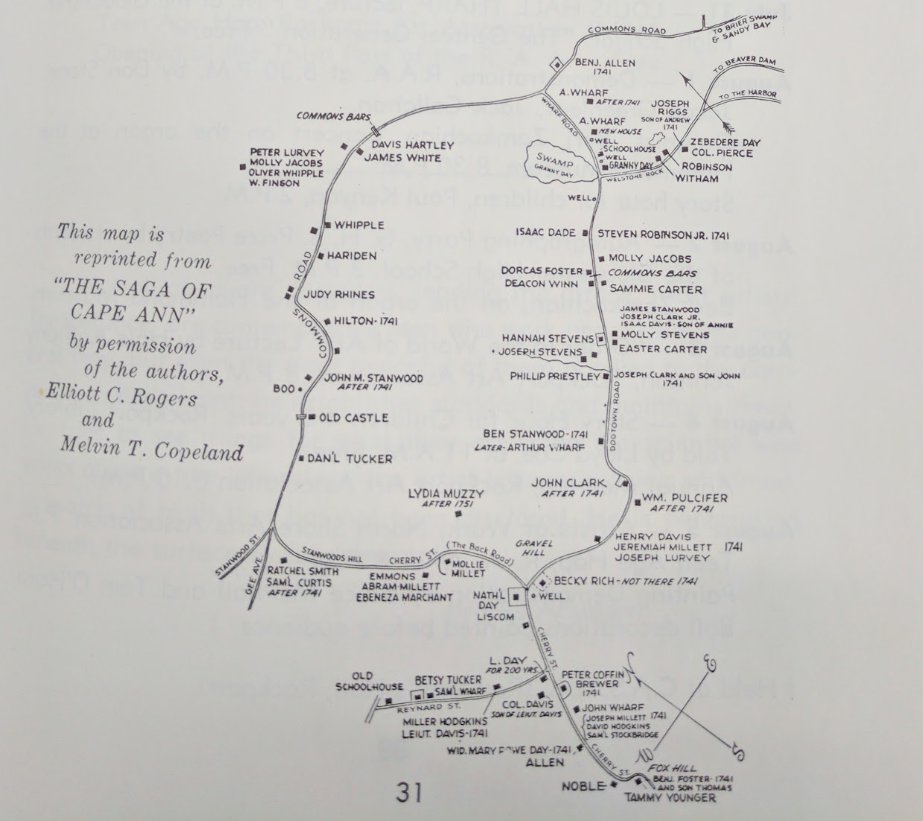
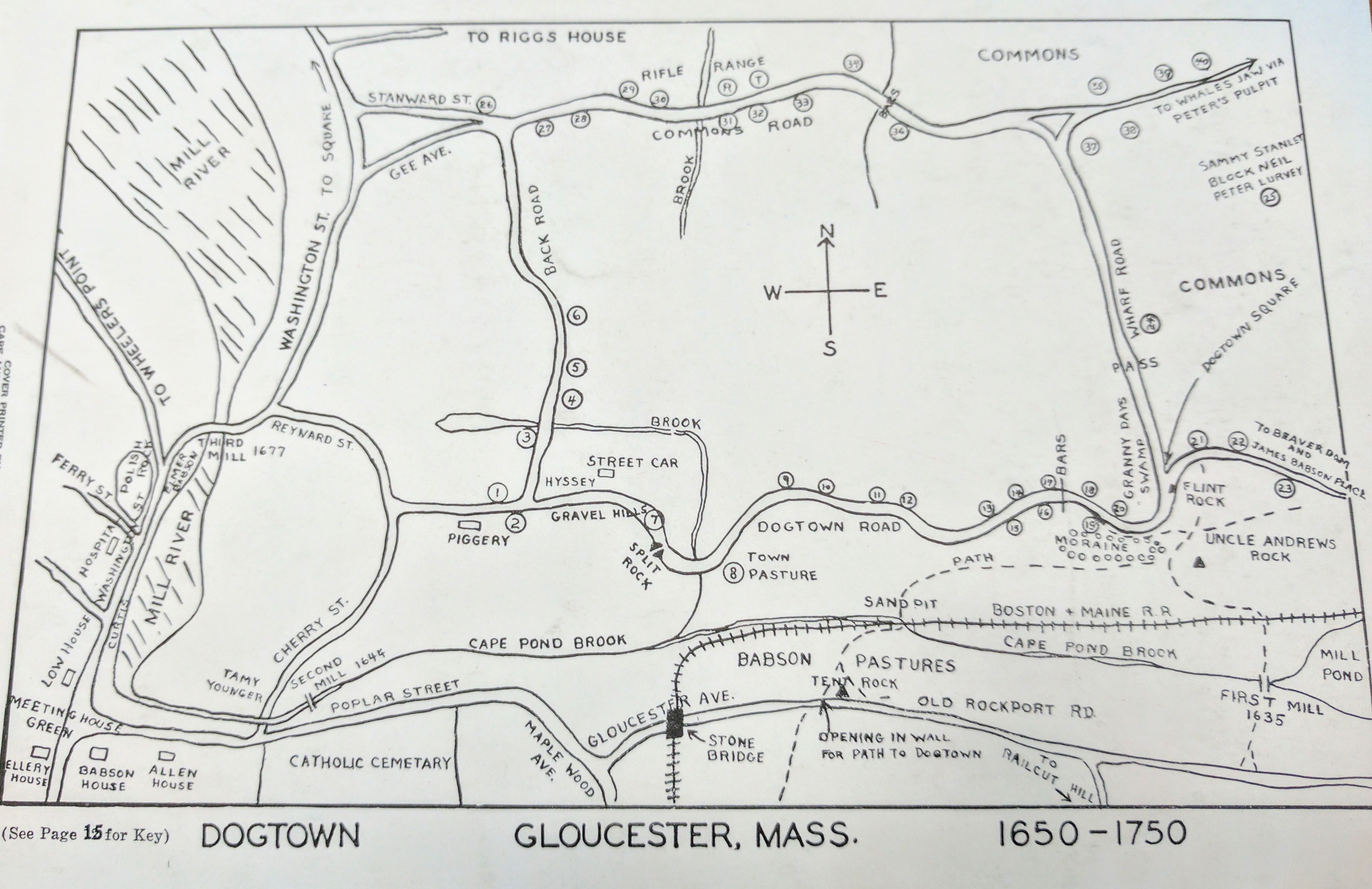
From Gloucester 1954 Festival of the Arts booklet, prepared for the second of the Russel Crouse Prize Play, the Witch of Dogtown, by S. Foster Damon. “Each year it is hoped new plays dealing with the Gloucester or Cape Ann theme will be produced.”

Gloucester 3rd annual 1954 Cape Ann Festival of the Arts - Dogtown map for back cover
Joshua Batchelder 1741 survey map of “a good part of Dogtown common” printed and annotated for Gloucester’s 3rd Annual Cape Ann Festival of the Arts in 1954
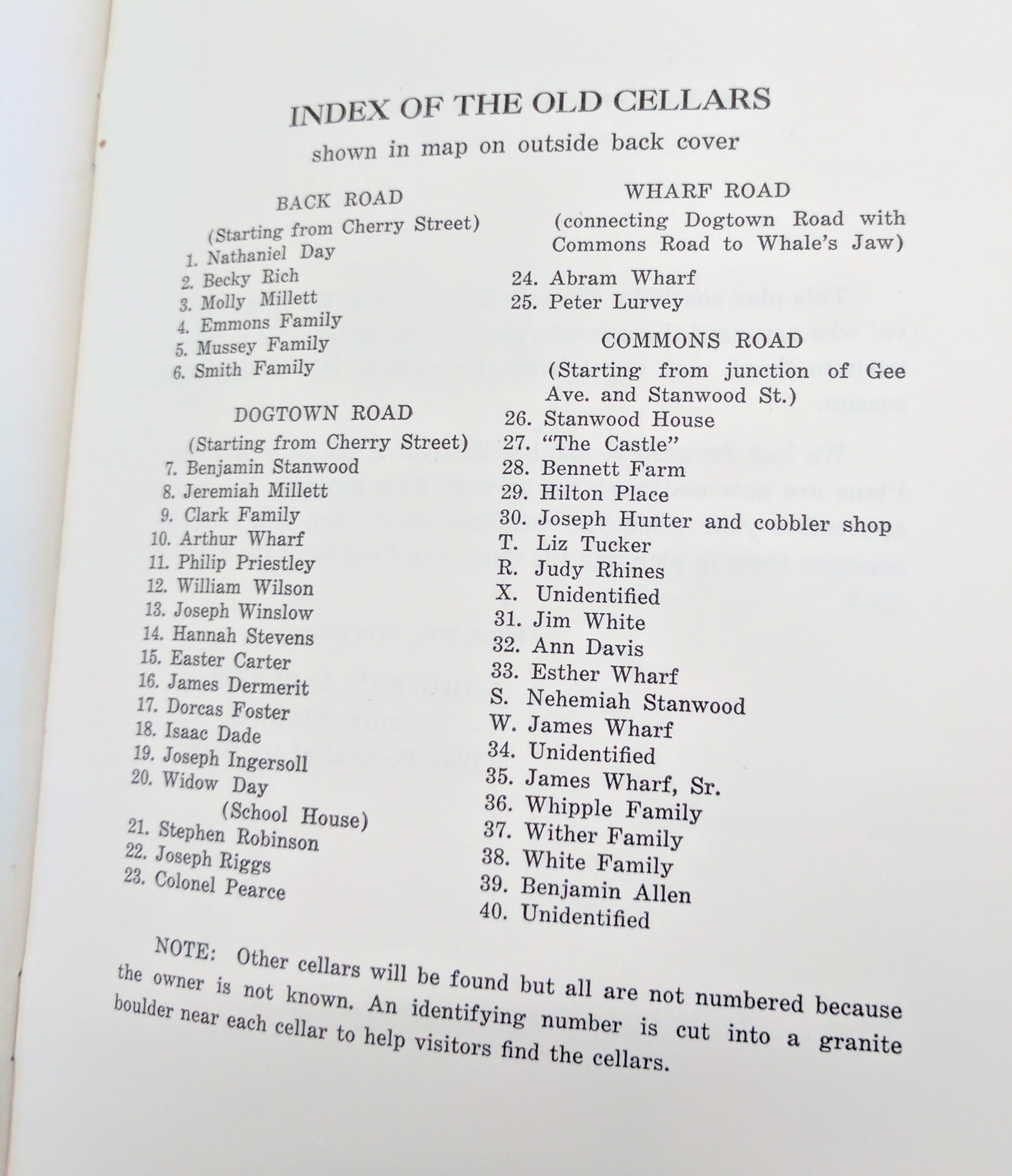
index of Dogtown old cellars for map in Gloucester 3rd annual 1954 Cape Ann Festival of the Arts - Dogtown
1954 Index to annotated map

1923 Christian Science Monitor art review for Gloucester Society of Artists

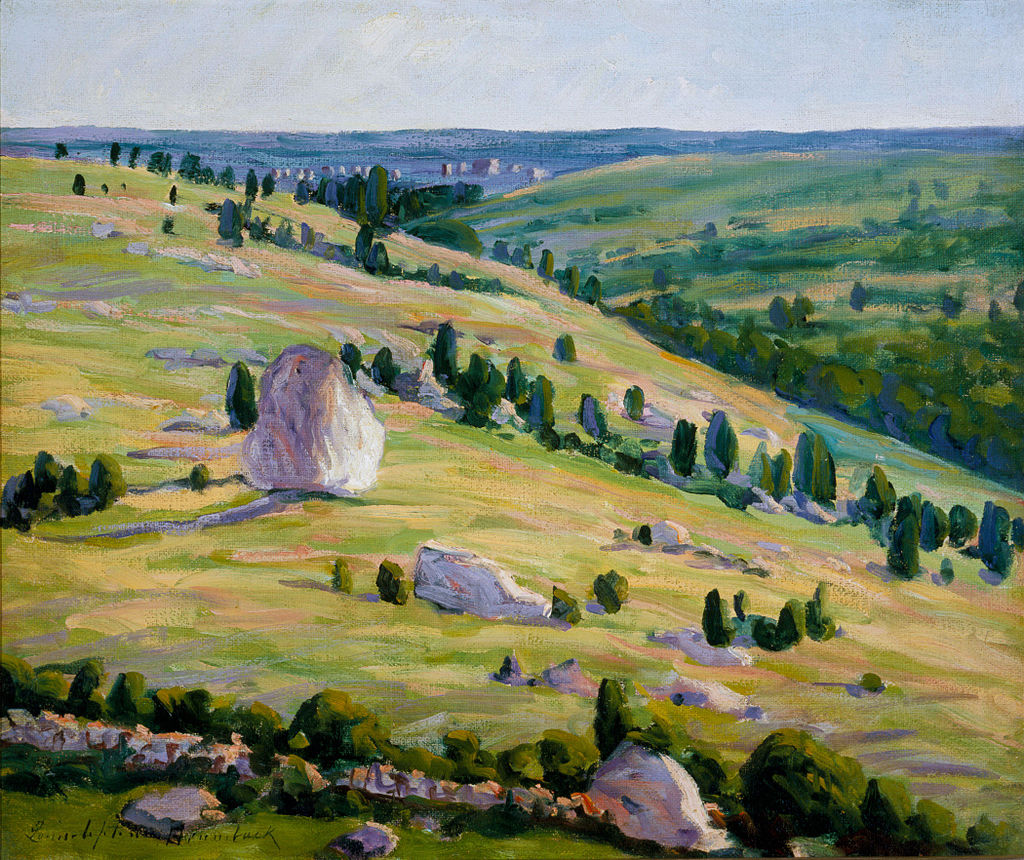
Dogtown Common, the now deserted hill home of the first settlers who 300 years ago braved the dangers of a hostile and Indian Annisquam, offers both romance and reality. It has remained for Louise Upton Brumback to interpret its clear contrasts, its far spaces, blue skies, white clouds and stiff green pointed cedars. Although the draftsmanship is crude in the extreme, the effect is rare and genuine. The old resident who passes through the gallery will shake his head dubiously at the false color creations of harbor and rock, but accepts this striking and bold visualization of Dogtown Common as the true spirit of Cape Ann…”

1920_Brumback_Dogtown.jpg

1921 Percy MacKaye Dogtown poem, 110+ pp

Inland among the lonely cedar dells
Of Old Cape Ann, near Gloucester by the Sea,
Still live the Dead–in homes that used to be.
     All day in dreamy spells
They tattle low with sounds of tinkling cattle
          bells
Or spirit tappings of some hollow tree
And there, all night–out of the
          dark–
They bark–and bark…

“Note: From a little volume, by Charles E. Mann, entitled โ€œIn the Heart of Cape Annโ€ Gloucester, Mass., The Proctor Bros. Co), the curious reader may learn more strange, half forgotten facts concerning the old Puritan life of that region. Among its singular New England characters, certain authentic and legendary figures have entered the theme of this poem.
P.M-K. Miami University, Oxford, Ohio. March, 1921

Percy MacKaye (1875โ€“1956) was an American dramatist and poet.

Harvard MacKaye papers:History note: Percy Wallace MacKaye, author and dramatist, graduated from Harvard in 1897, wrote poetic dramas, operatic libretti, modern masques and spectacles, and was active in promoting community theatre. The collection includes his papers and those of his wife, Marion Homer Morse MacKaye, as well as material relating to the career of his father Steele MacKaye (1842-1894), an American theatrical designer, actor, dramatist, and inventor. The bulk of the collection consists of material pertaining to community drama; correspondence with literary and theatrical figures including Edgar Lee Masters, Edwin Arlington Robinson, George Pierce Baker, Theodore Dreiser, Amy Lowell, Upton Sinclair, Edward Gordon Craig, Louis Untermeyer and Thornton Wilder.”

Dartmouth: The MacKaye Family Papers “contain materials documenting the life and career of four generations of the family. They include a large amount of personal and professional correspondence as well as original manuscripts and typescripts of plays, prose, masques, pageants, poetry, essays and articles. Of note are manuscript materials for Benton MacKaye’s works on geotechnics entitled “Geotechnics of North America,” and “From Geography to Geotechnics,” as well as Percy MacKaye’s biography and works on his father Steele MacKaye and the MacKaye family, entitled respectively, “Epoch,” and “Annals of an Era.”

(Gloucester, Dogtown Common, is not on the MacKaye Wikipedia page)

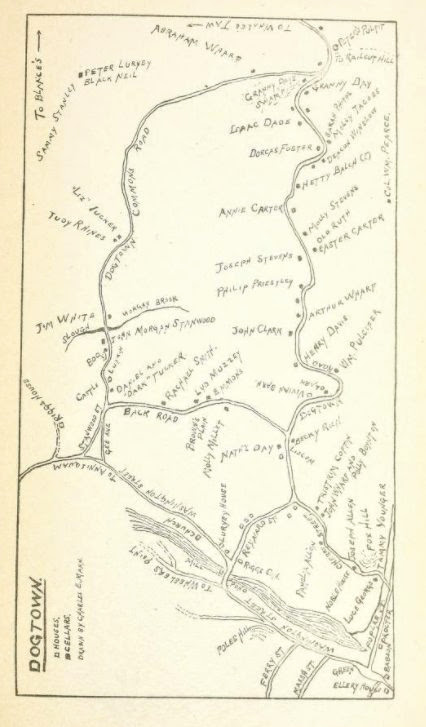
1921 Frank L Cox  The Gloucester Book

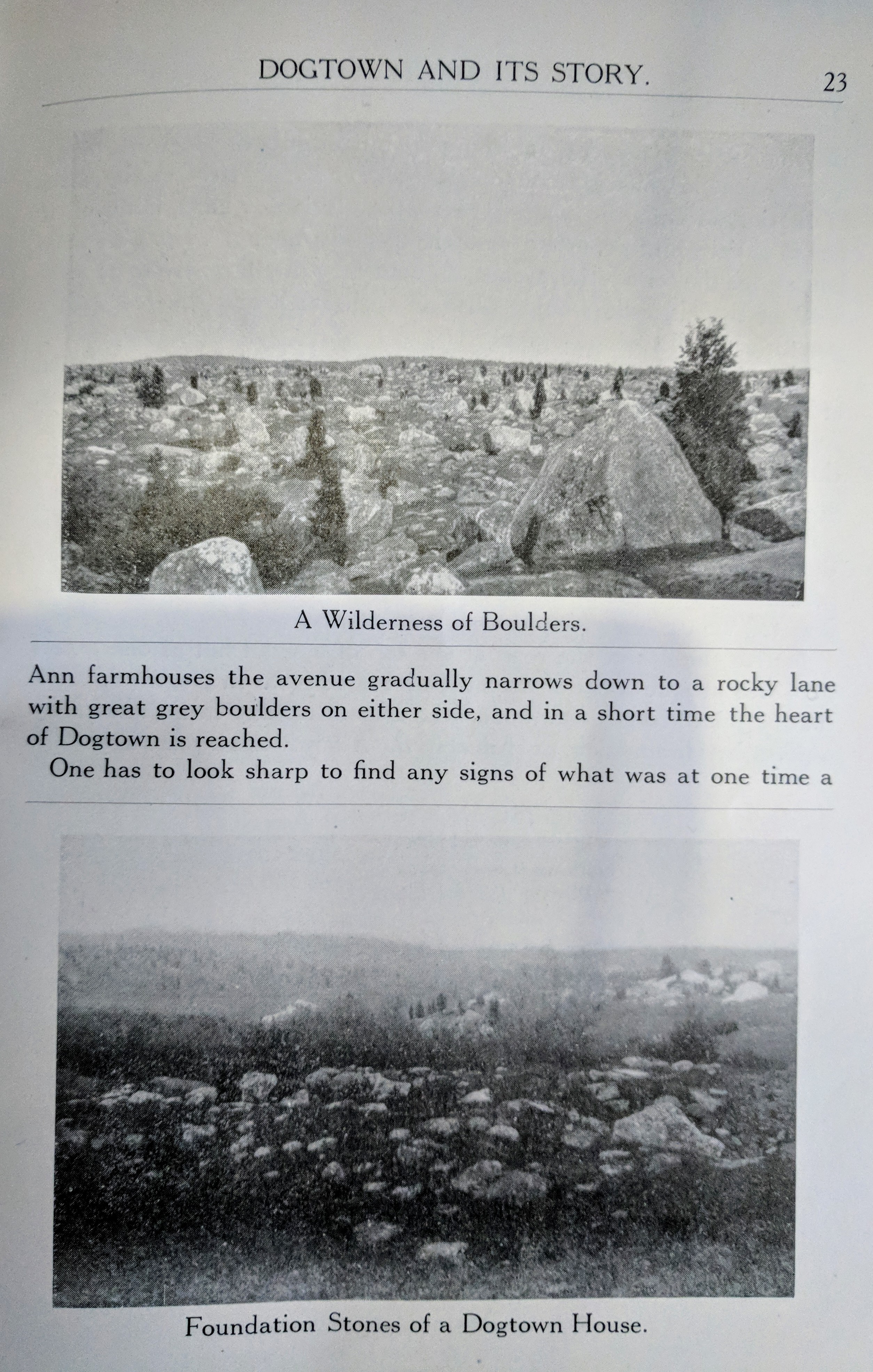
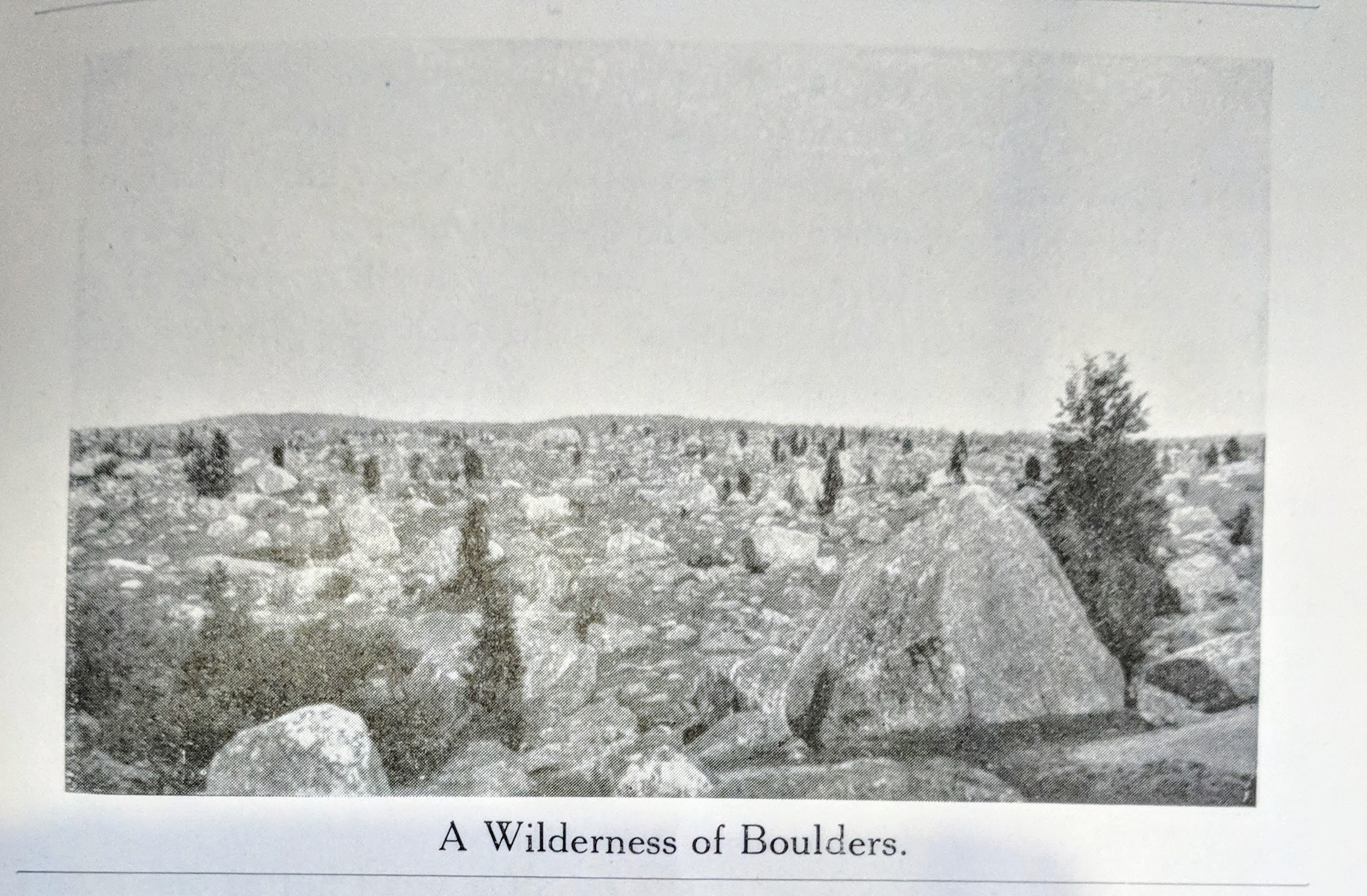
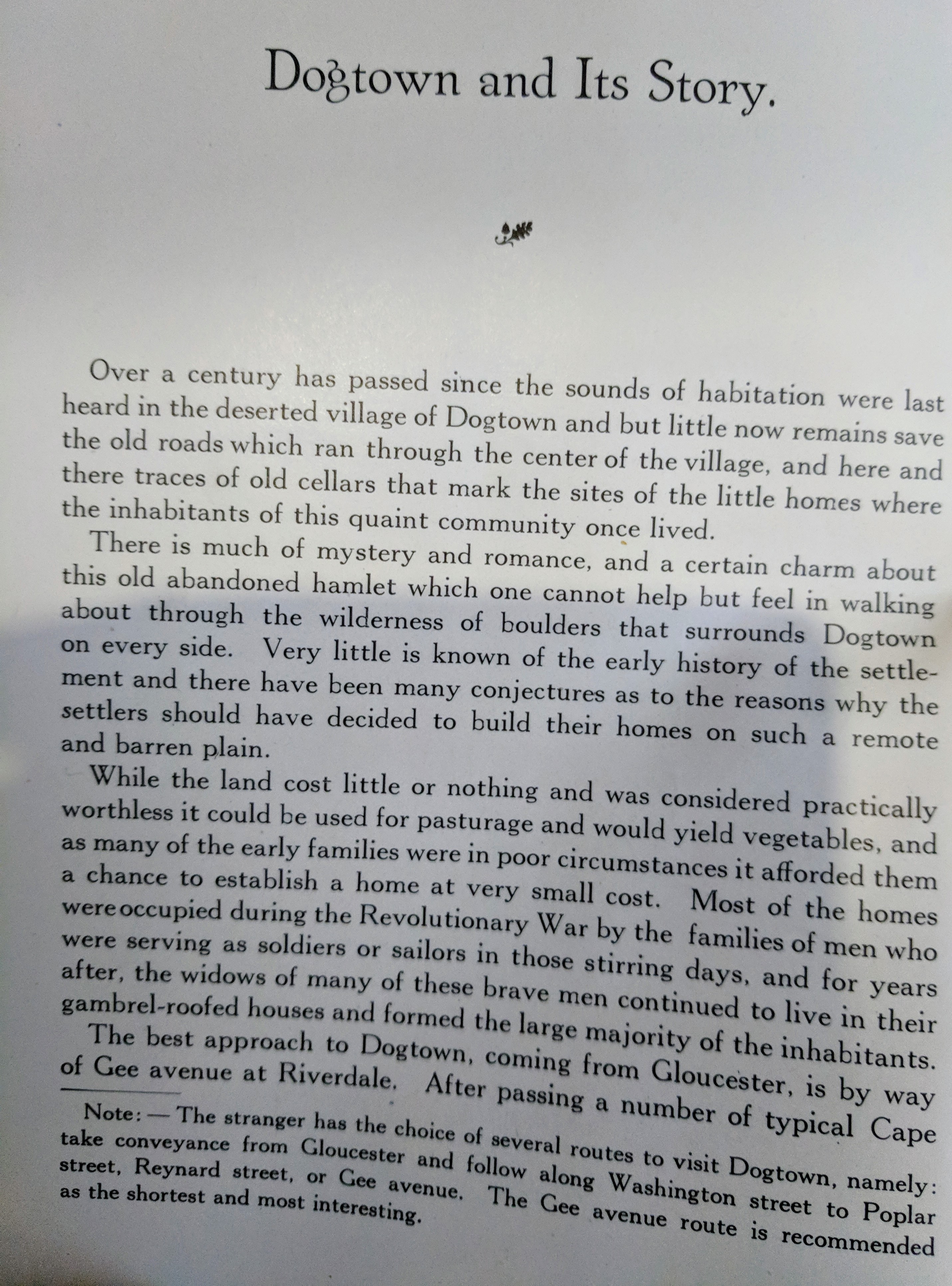
Business owner, photographer, author Frank L Cox devoted 7 pages and 4 photographs to illustrate the Dogtown and Its Story chapter

Dogtown chapter 1921 from The Gloucester Book written, illustrated and and photography by Frank L Cox
Great read p.23  from the Dogtown and Its Story chapter, in The Gloucester Book, written and illustrated by Frank L. Cox, 1921
Dogtown chapter 1921 from The Gloucester Book written, illustrated and photography by Frank L Cox.jpg

Just to the left of the road at the top of Gee Avenue is one of the most celebrated ceallar in Dogtown. It is that of John Morgan Stanwood, who was mistakenly made famous by a poem by Hiram Rich, published in the Atlantic…” 

Dogtown chapter 1921 from The Gloucester Book written, illustrated and and photography by Frank L Cox page 22.jpg
Great read p.22 from the Dogtown and Its Story chapter, in The Gloucester Book, by Frank L. Cox, 1921

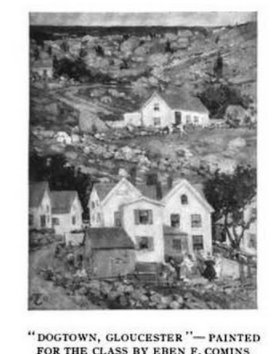
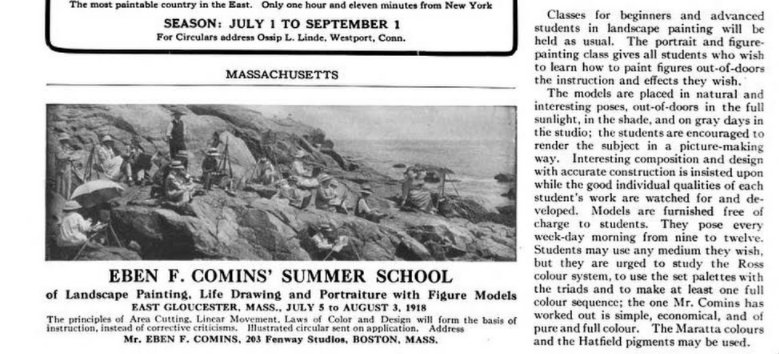
1918 Eben Comins painting

Eben Comins Dogtown, Gloucester
Eben Comins 1918

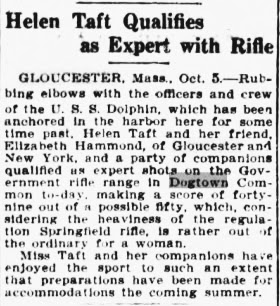
1912 government rifle range Dogtown

1912 Government rifle range in Dogtown Common

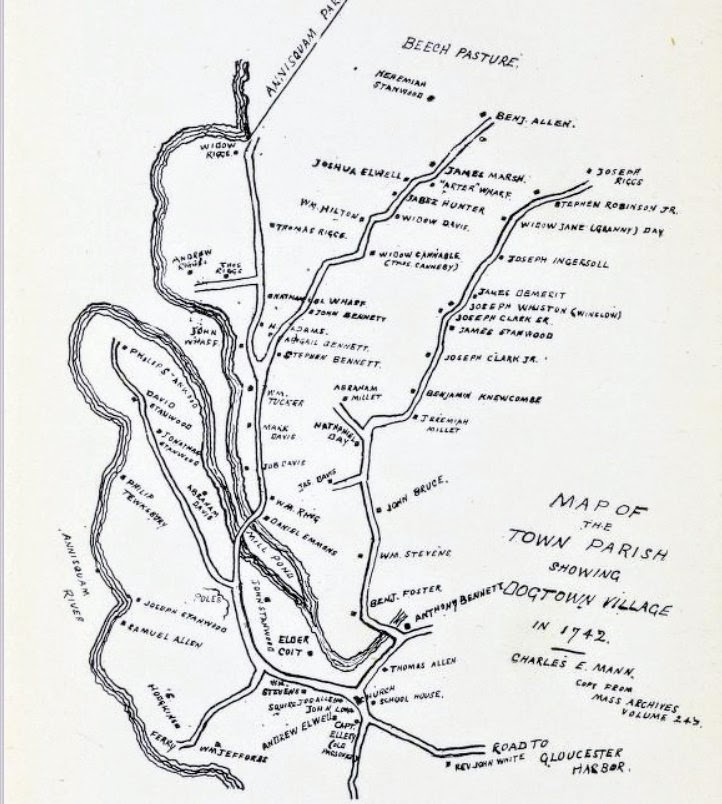
1904 (1742)

Mann copy from MA archives ca.1906 after 1742
ca.1904 Charles E. Mann map copied from 1742 map in MA archives collection
Story of Dogtown Charles Mann 1906.jpg
Mann

1877 Higginson

โ€œThree miles inland, as I remember, we found the hearthstones of a vanished settlement; then we passed a swamp with cardinal flowers; then a cathedral of noble pines, topped with crowโ€™s-nests. If we had not gone astray by this time, we presently emerged on Dogtown Common, an elevated table-land, over spread with great boulders as with houses, and encircled with a girdle of green woods and an outer girdle of blue sea. I know of nothing more wild than that gray waste of boulders..โ€

Dogtown, Cape Ann, described in Footpaths chapter Oldport Days 

1855 Thoreau / 1634 William Wood

on clearing land…

In 1855, Henry David Thoreau wrote in his journal: “I am [reading] William Woodโ€™s โ€œNew Englandโ€™s Prospectโ€โ€ฆ William Wood New Englands Prospect was originally published in 1634 in London. Here is a Wood excerpt concerning burning brush to clear land, a historical antecedent (and apt surname) to keep in mind when considering stewardship 2017 and beyond.

โ€ฆThe next commodity the land affords is good store of woods, and that not only such as may be needful for fuel but likewise for the building of ships and houses and mills and all manner of water-work about which wood is needful. The timber of the country grows straight and tall, some trees being twenty, some thirty foot high, before they spread forth their branches; generally the trees be not very thick, though there may be many that will serve for mill posts, some being three foot and a half over. And whereas it is generally conceived that the woods grow so thick that there is no more clear ground than is hewed out by labor of man, it is nothing so, in many places diverse acres being clear so that one may ride a hunting in most places of the land if he will venture himself for being lost. There is no underwood saving in swamps and low grounds that are wet, in which the English get Osiers and Hasles and such small wood as is for their use. Of these swamps, some be ten, some twenty, some thirty miles long, being preserved by the wetness of the soil wherein they grow; for it being the custom of the Indians to burn the wood in November when the grass is withered and leaves dried, it consumes all the underwood and rubbish which otherwise would overgrow the country, making it unpassable, and spoil their much affected hunting; so that by this means in those places where the Indians inhabit there is scarce a bush or bramble or any cumbersome underwood to be seen in the more champion ground. Small wood, growing in these places where the fire could not come, is preserved. In some places, where the Indians died of the plague some fourteen years ago, is much underwood, as in the midway betwixt Wessaguscus and Plimouth, because it hath not been burned. Certain rivers stopping the fire from coming to clear that place of the country hath made it unuseful and troublesome to travel thorow, in so much that it is called ragged plaine, because it teares and rents the cloathes of them that pass. Now because it may be necessary for mechanical Artificers to know what timber and wood of use is in the Country, I will recite the most useful as followeth*…”  *see photos for Wood’s trees list

Thoreau was thinking along these lines, finding god in berries.

“From William Wood’s New England’s Prospect, printed about 1633, it would appear that strawberries were much more abundant and large here before they were impoverished or cornered up by cultivation. “Some,” as he says, “being two inches about, one may gather half a bushel in a forenoon.” They are the first blush of a country, its morning red, a sort of ambrosial food which grows only on Olympian soil.” -Thoreau’s Wild Fruit

“If you look closely you will find blueberry and huckleberry bushes under your feet, though they may be feeble and barren, throughout all our woods, the most persevering Native Americans, ready to shoot up into place and power at the next election among the plants, ready to reclothe the hills when man has laid them bare and feed all kinds of pensioners.”

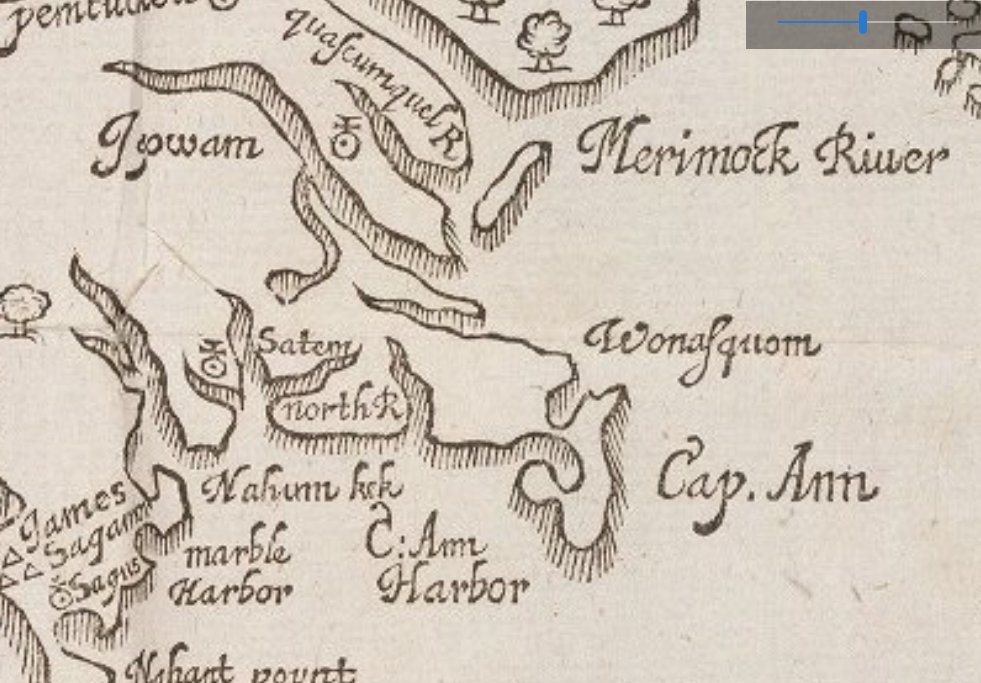
photos: William Wood’s New Englands Prospect scanned from book in the University of CA collection. “Wonasquam” on map at Cape Ann

Thomas Morton 1637 

“Of their Custom in burning the Country, and the reason thereof”
The Salvages are accustomed to set fire of the Country in all places where they come, and to burne it twice a year: at the Spring, and the fall of the leaf. The reason that moves them to do so, is because it would other wise be so overgrown with underweeds that it would be all a coppice wood, and the people would not be able in any wise to pass through the Country out of a beaten path…
And this custom of firing the Country is the meanes to make it passable; and by that meanes the trees growe here and there as in our parks: and makes the Country very beautiful and commodious.”

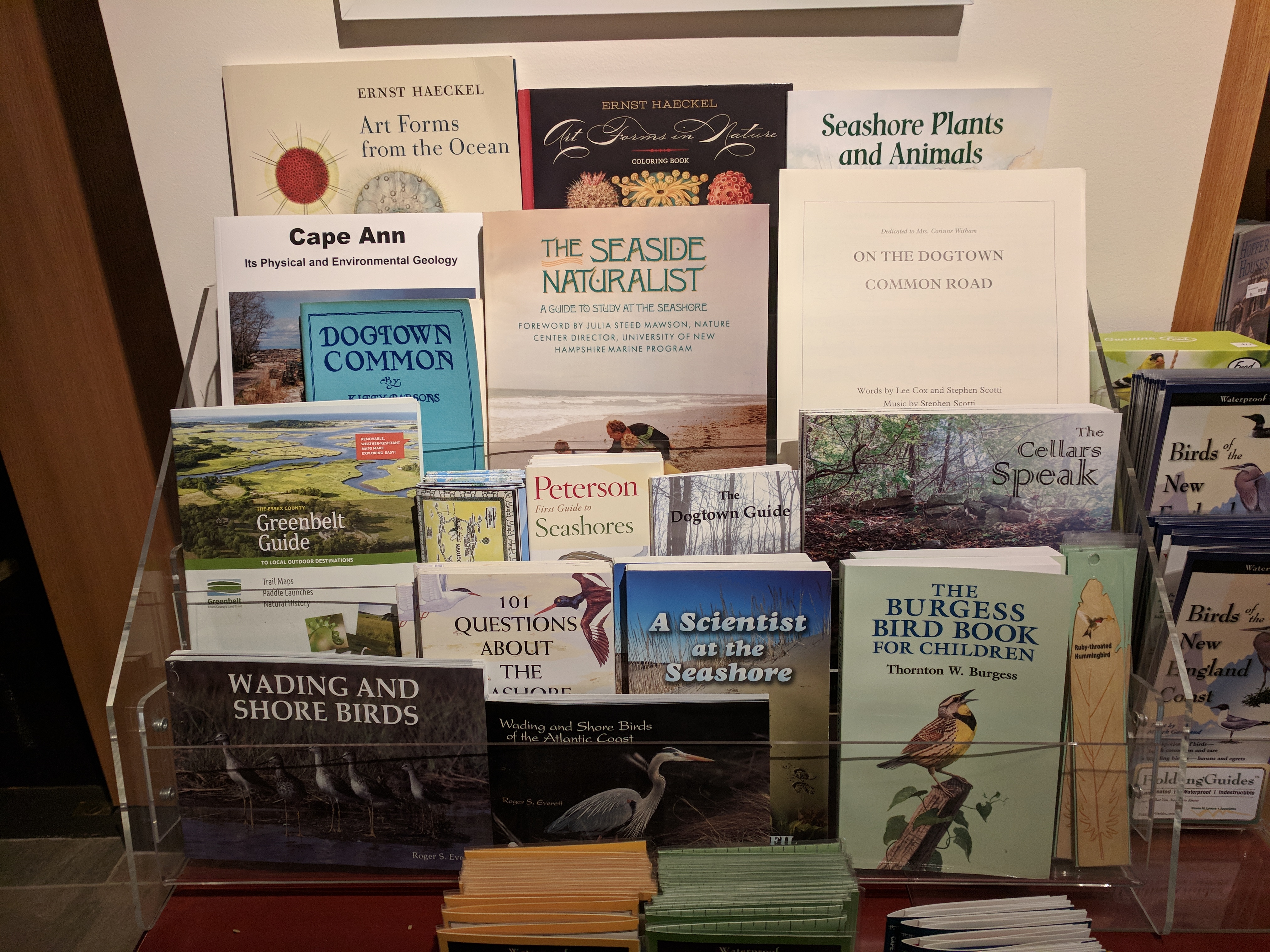
Cape Ann Museum book shop display October 2017

IMG_20171028_093844.jpg