GOOD HARBOR BEACH STORM SKY DRAMA AND PIPING PLOVER UPDATE

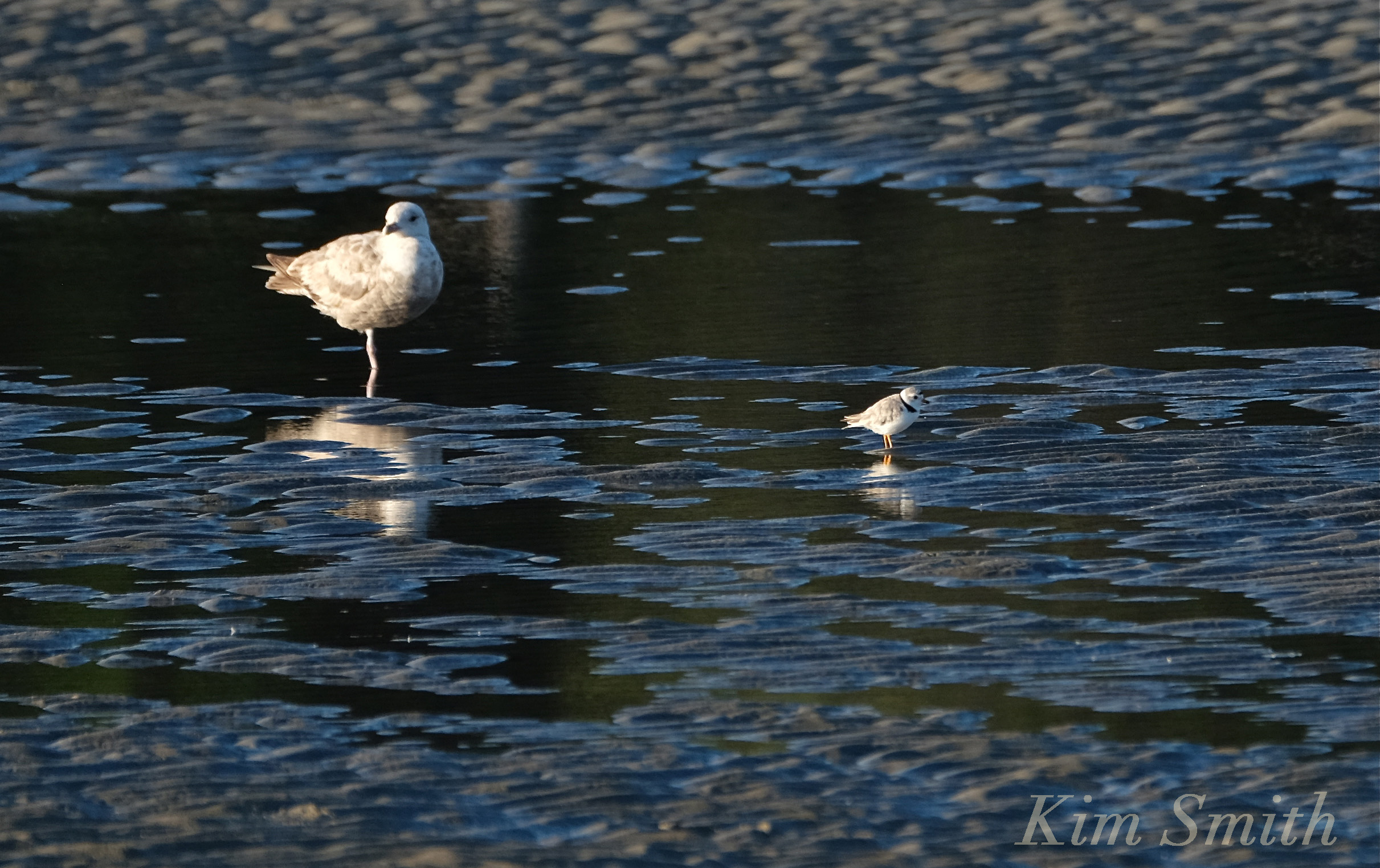
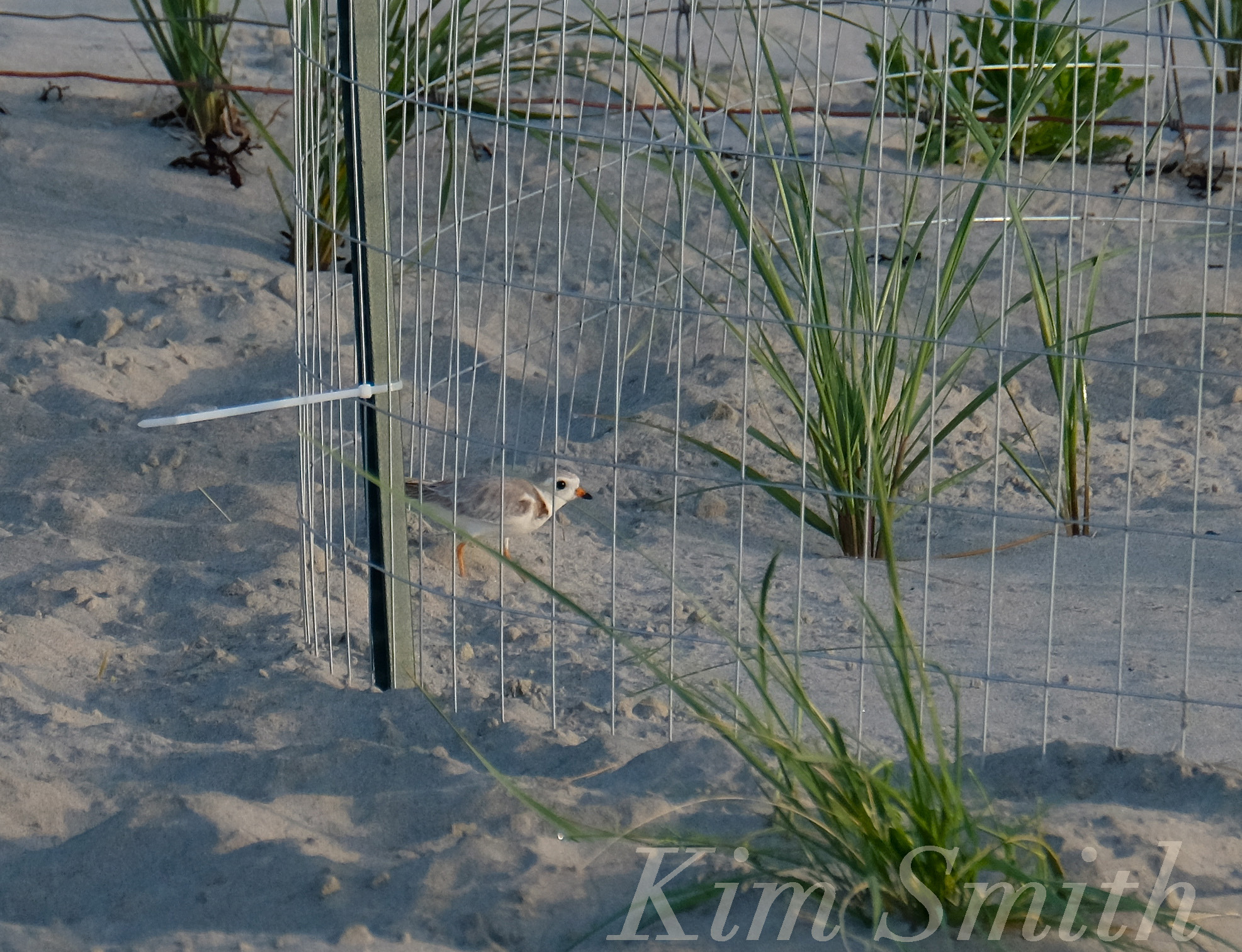
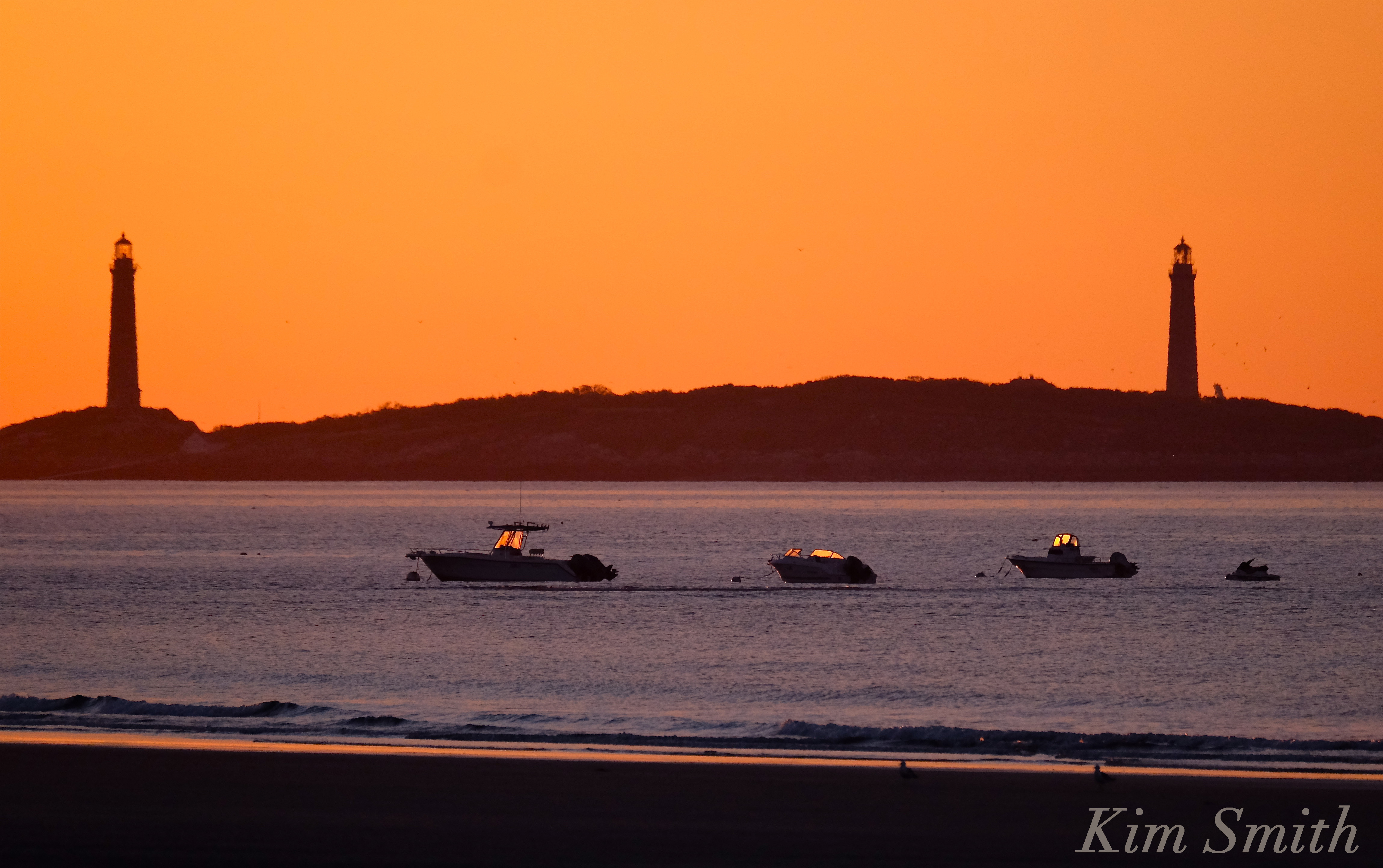
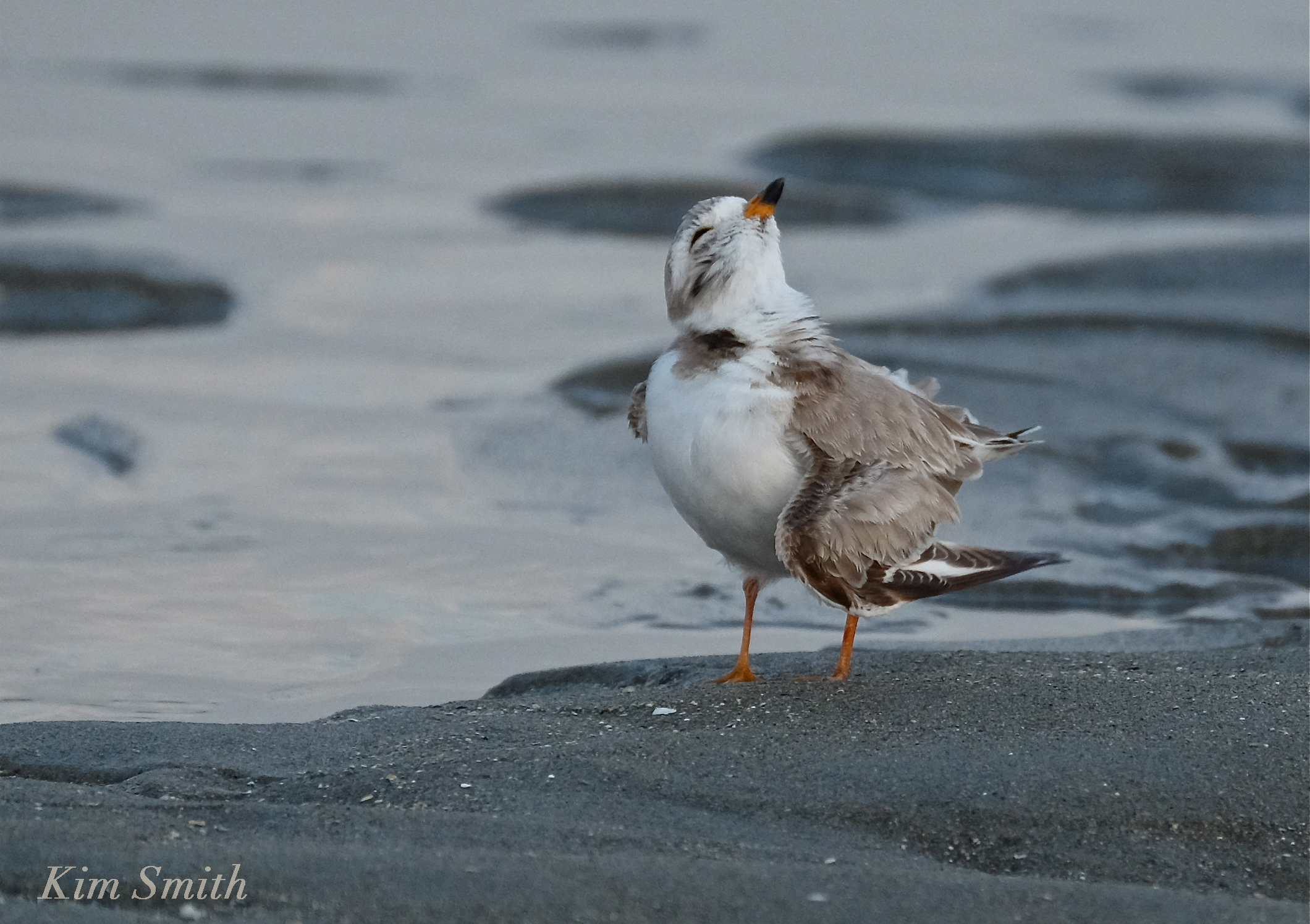
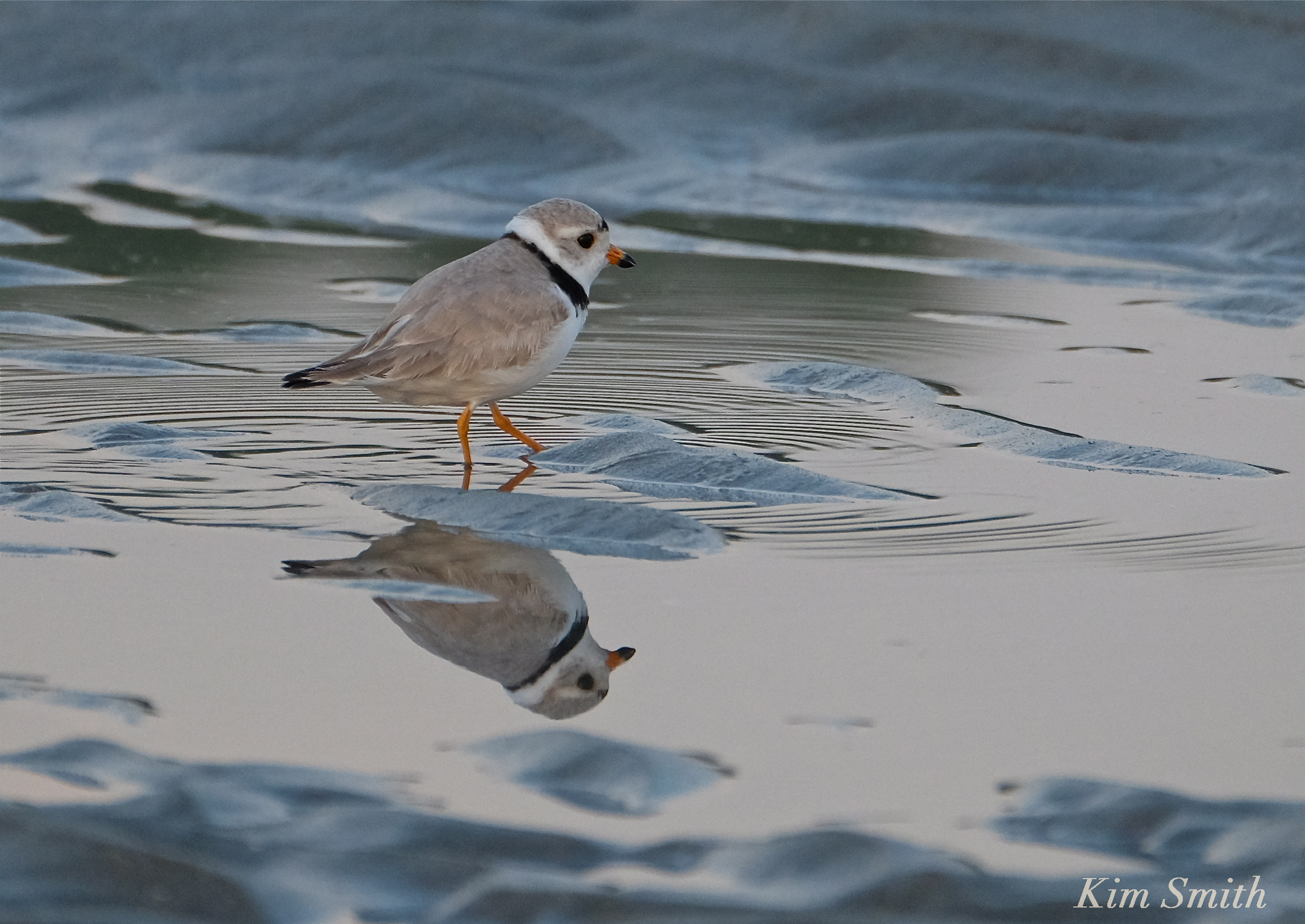
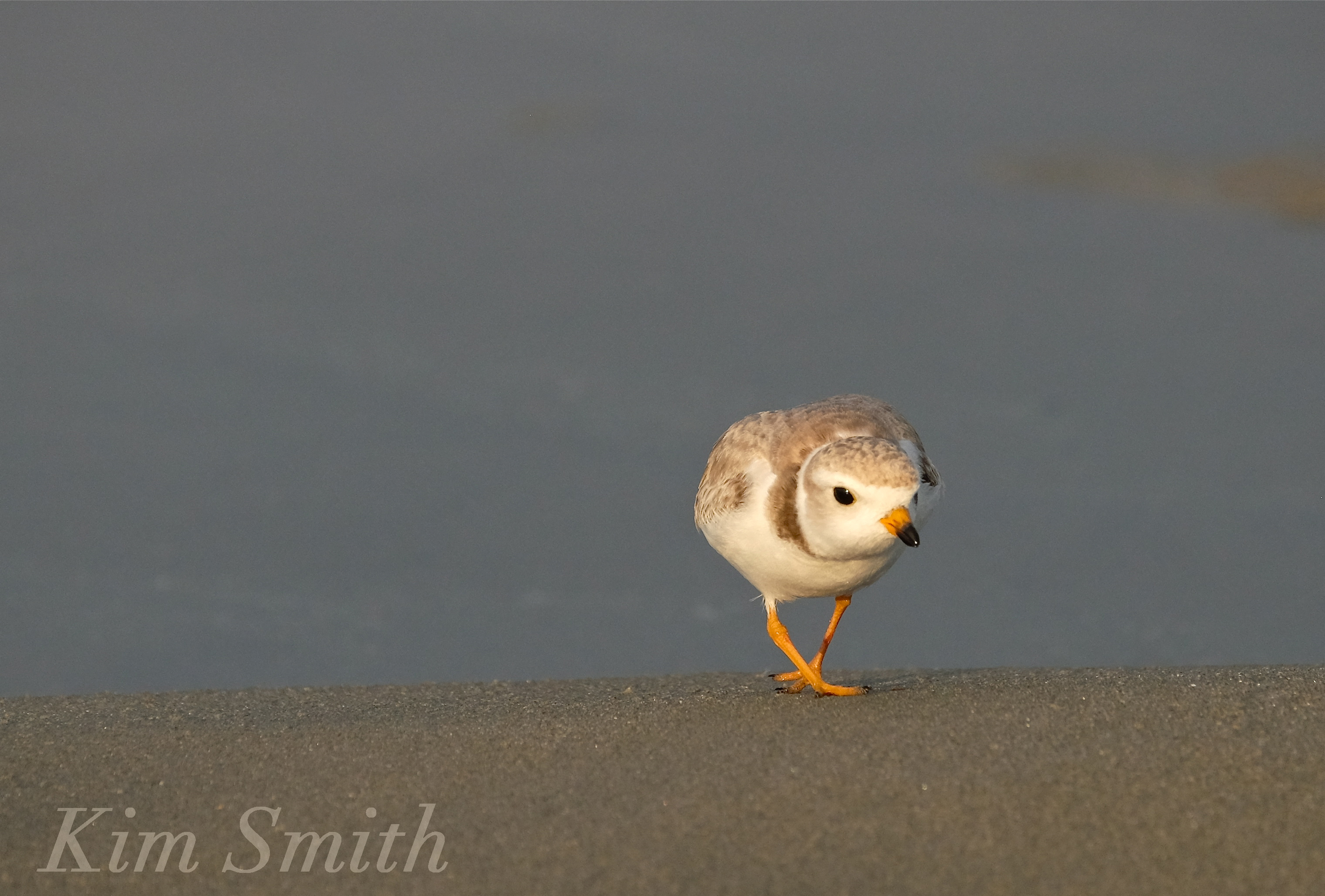
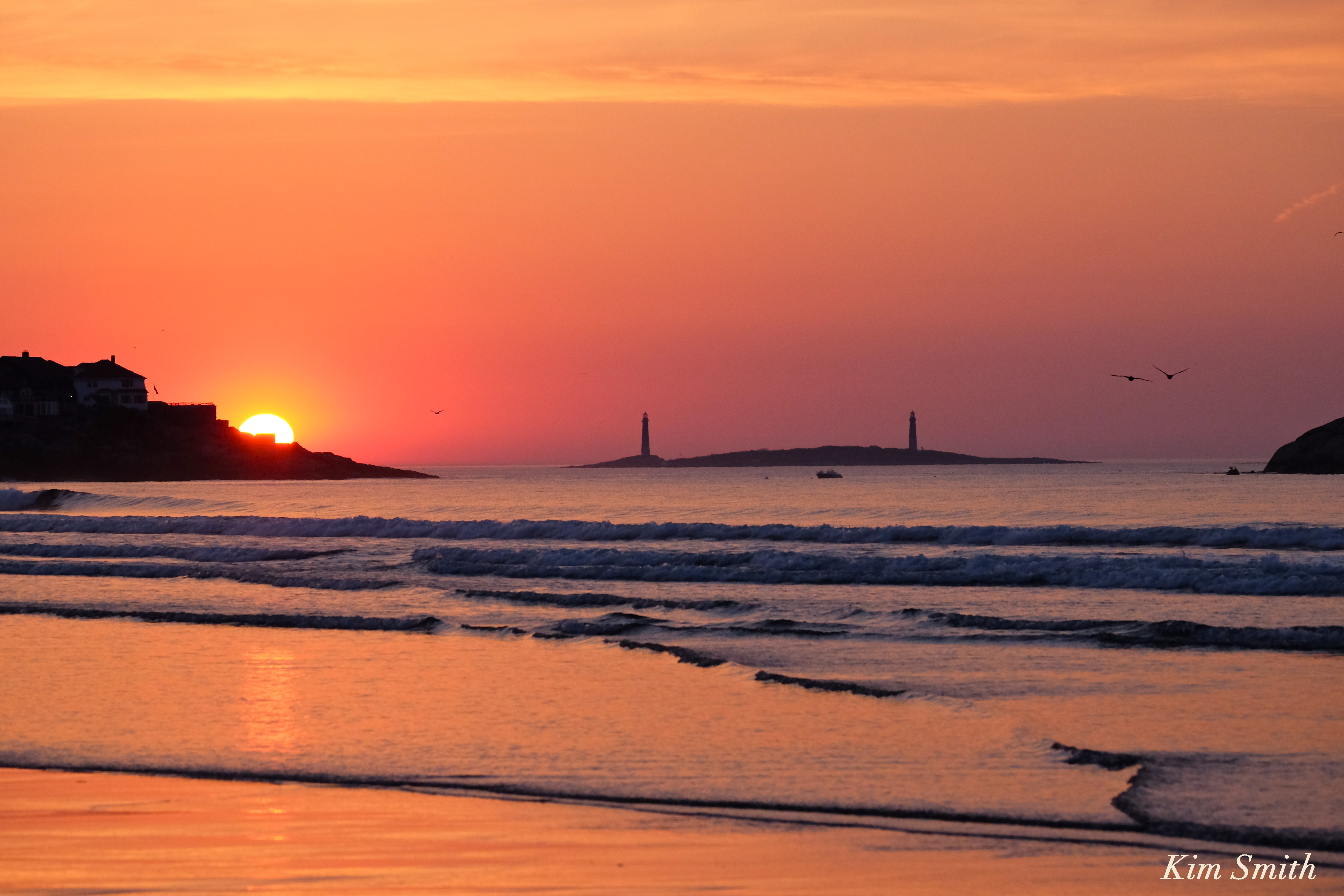
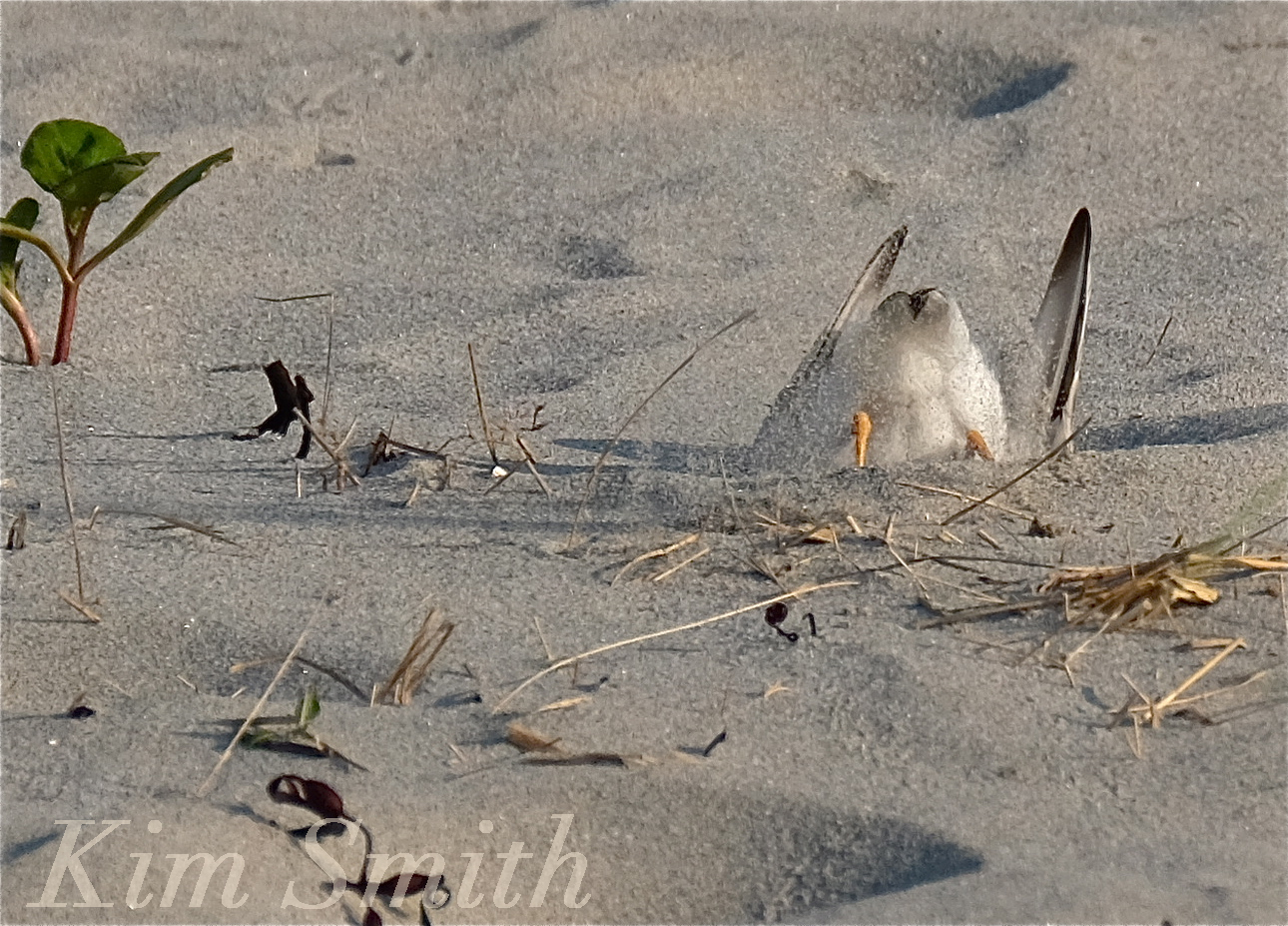
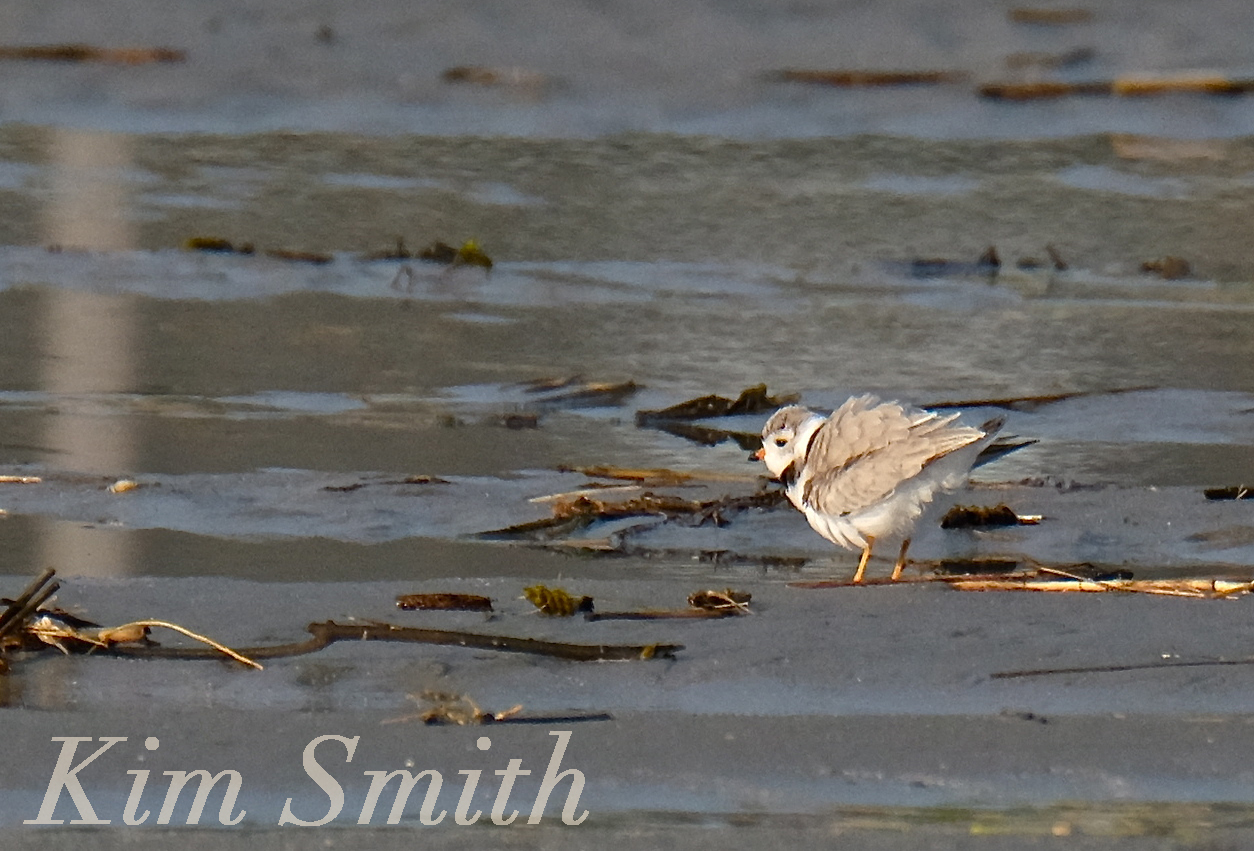
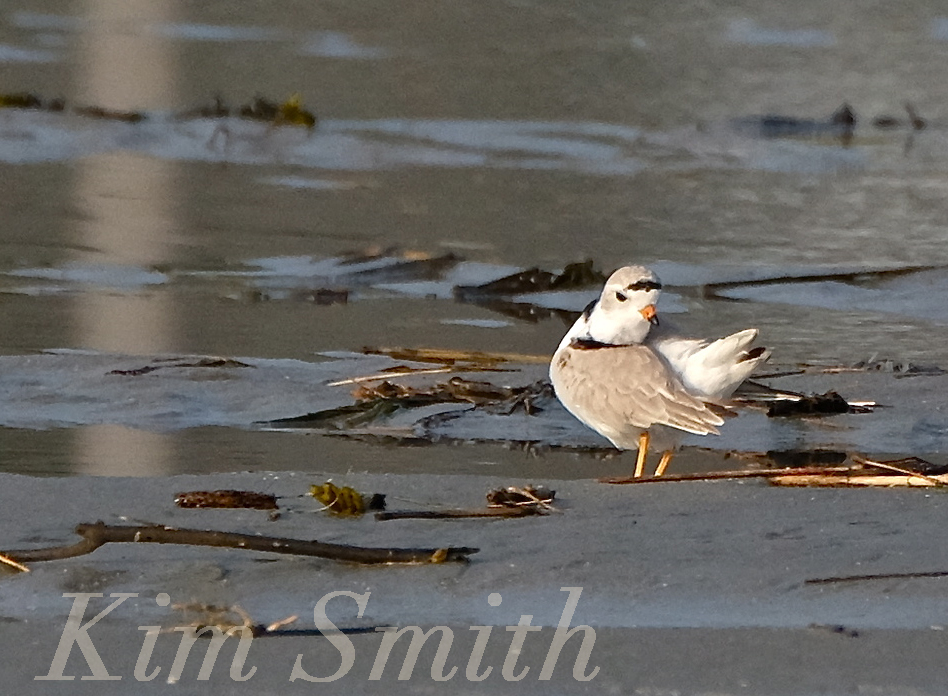
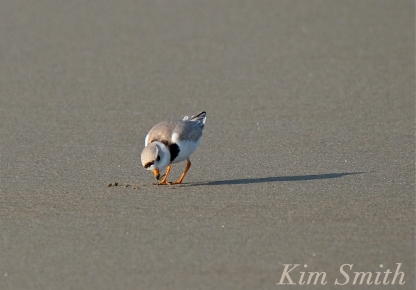
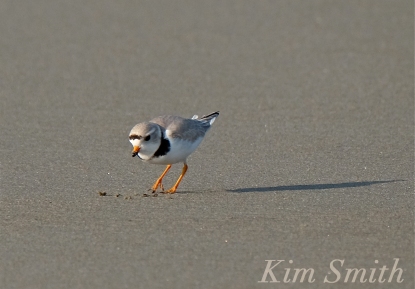
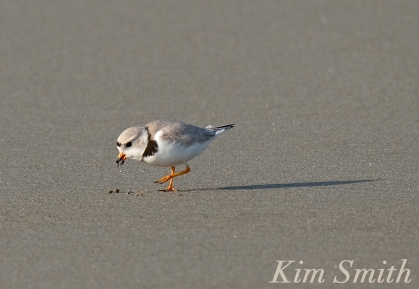
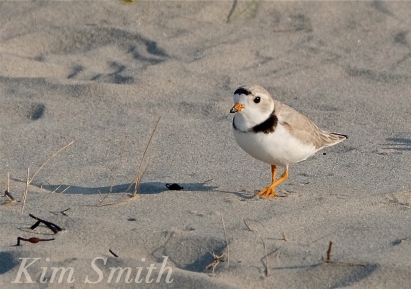
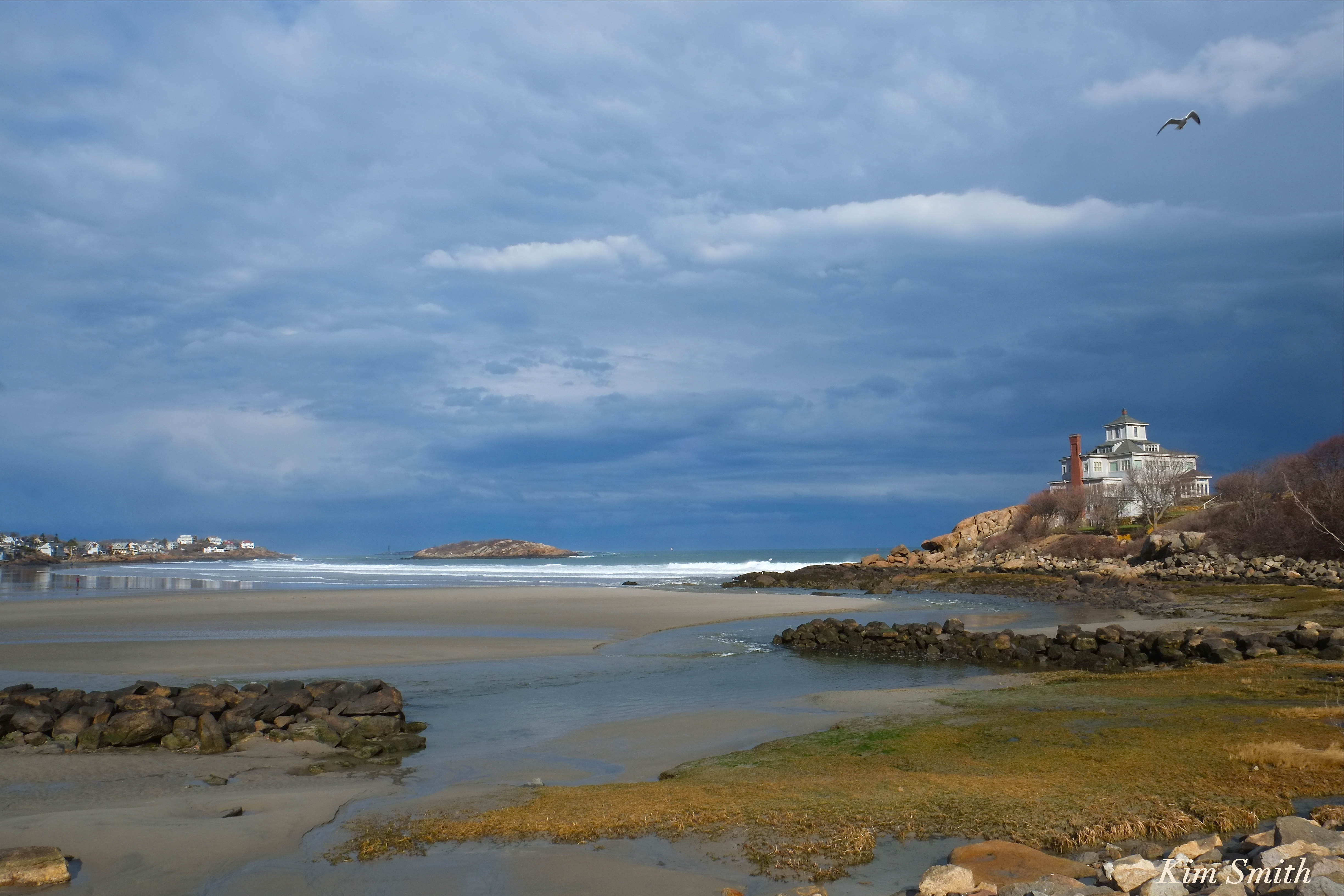
Good Harbor Beach storm sky copyright Kim SmithJPGStopped at Good Harbor to check on the Piping Plovers on my way into work this morning. No babies yet. I spotted three adults, feeding in the tidal flats, grooming, and giving every bird of another species besides their own the business, in no uncertain terms. Big raindrops began to fall, I don’t trust the manufacturer’s claim that my cameras are waterproof, and work was waiting. First light at Good Harbor is always different, depending on what is happening in the sky above, and it is always beautiful.

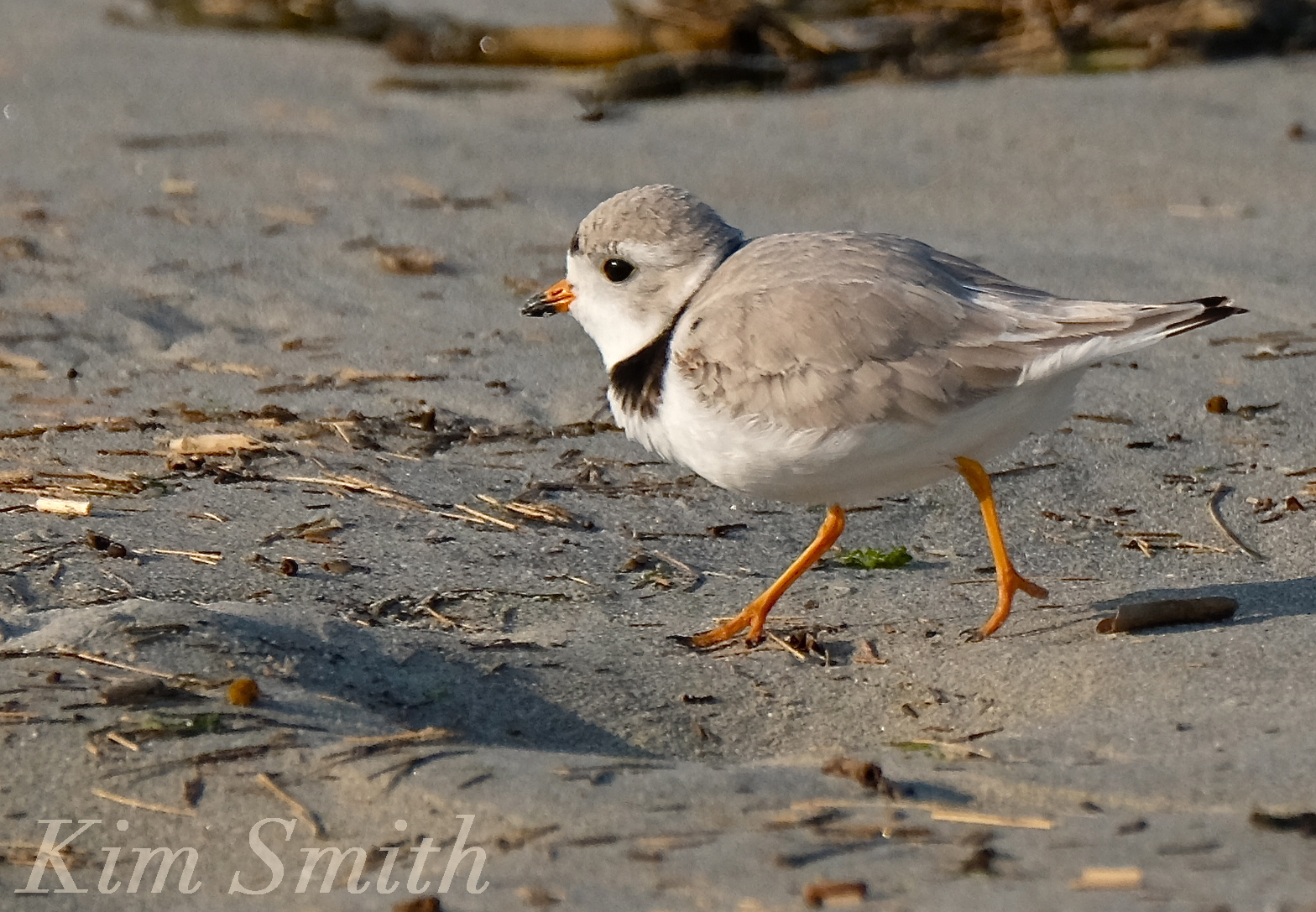
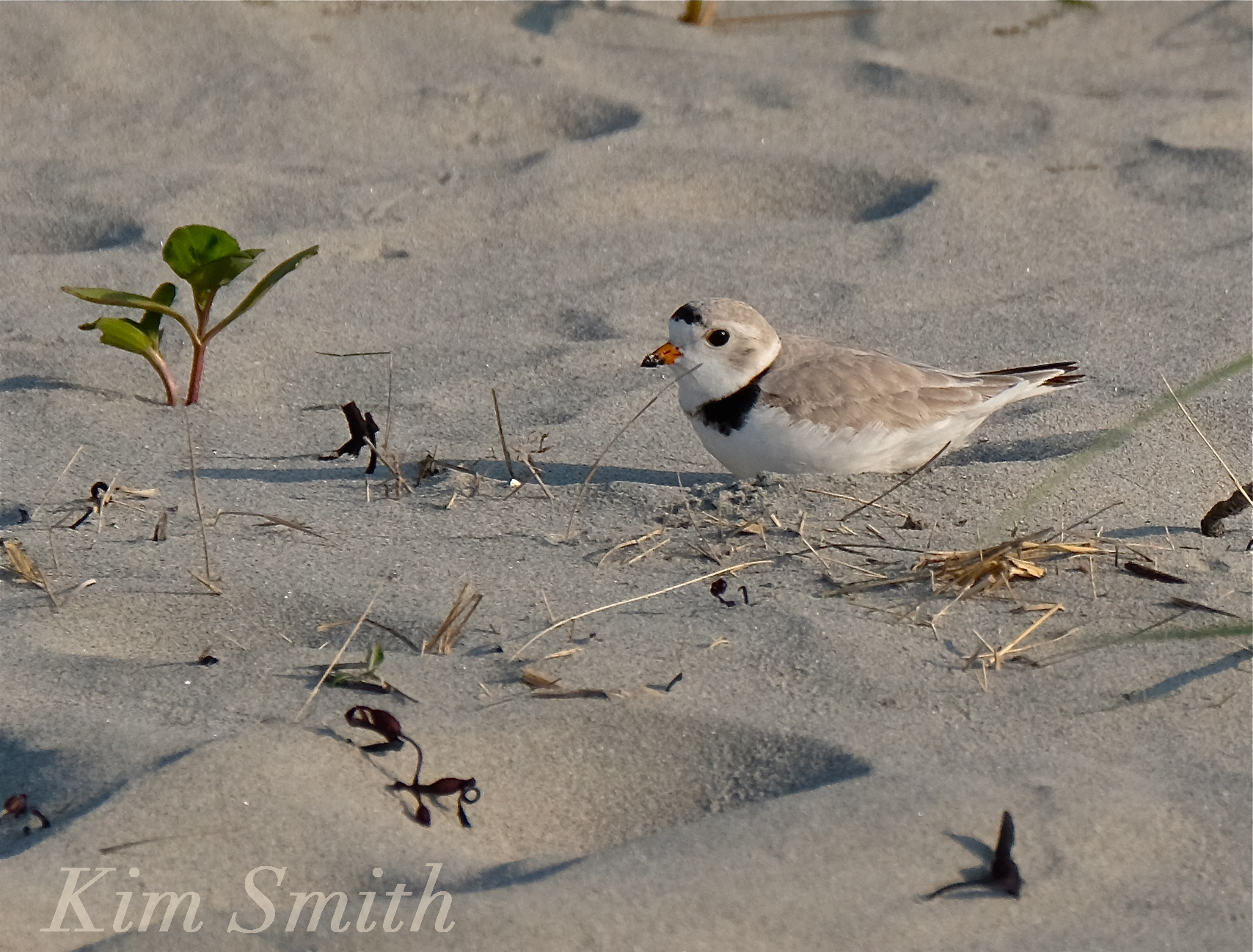
Piping Plover good Harbor Beach Gloucester MA copyright Kim Smith

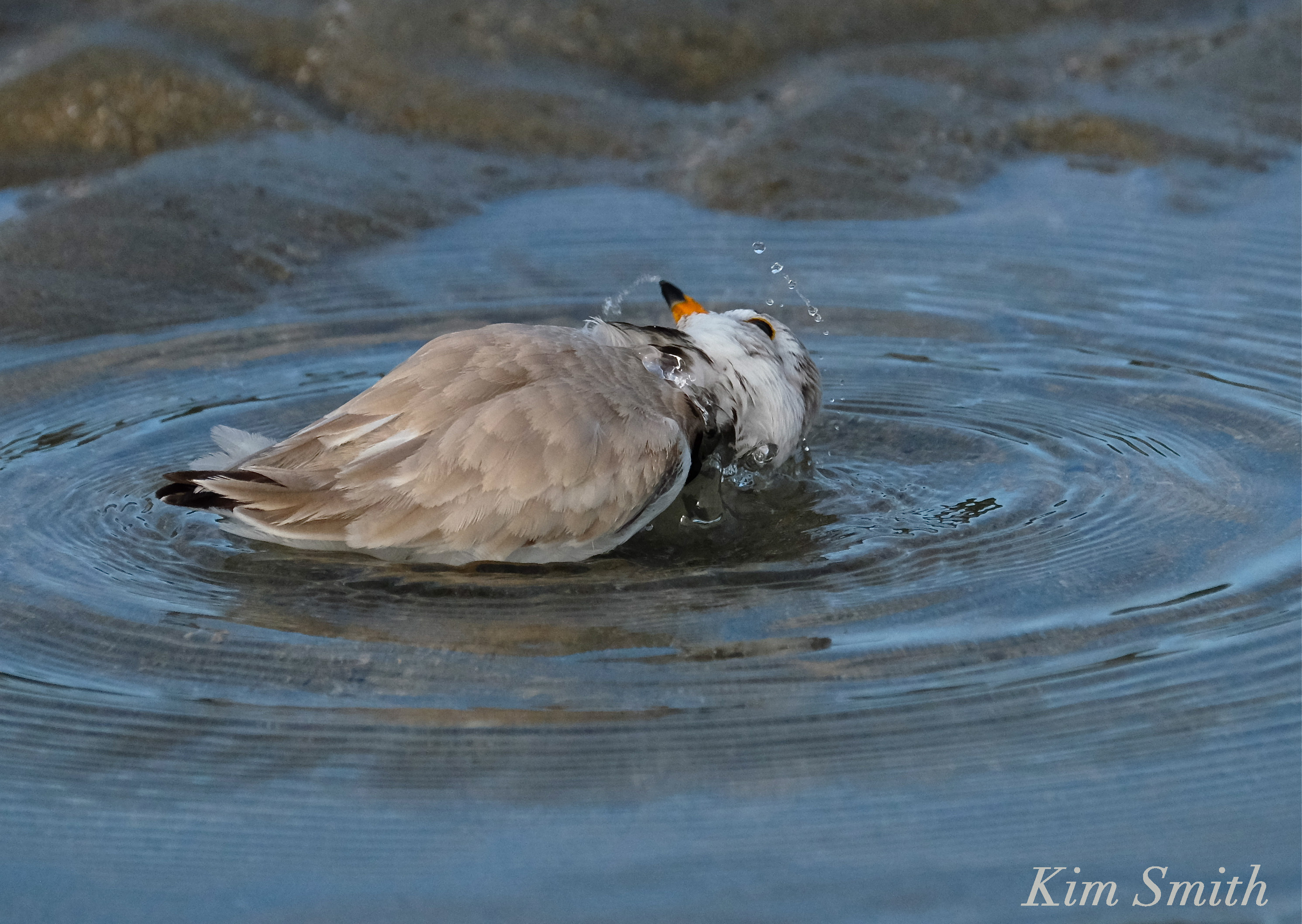
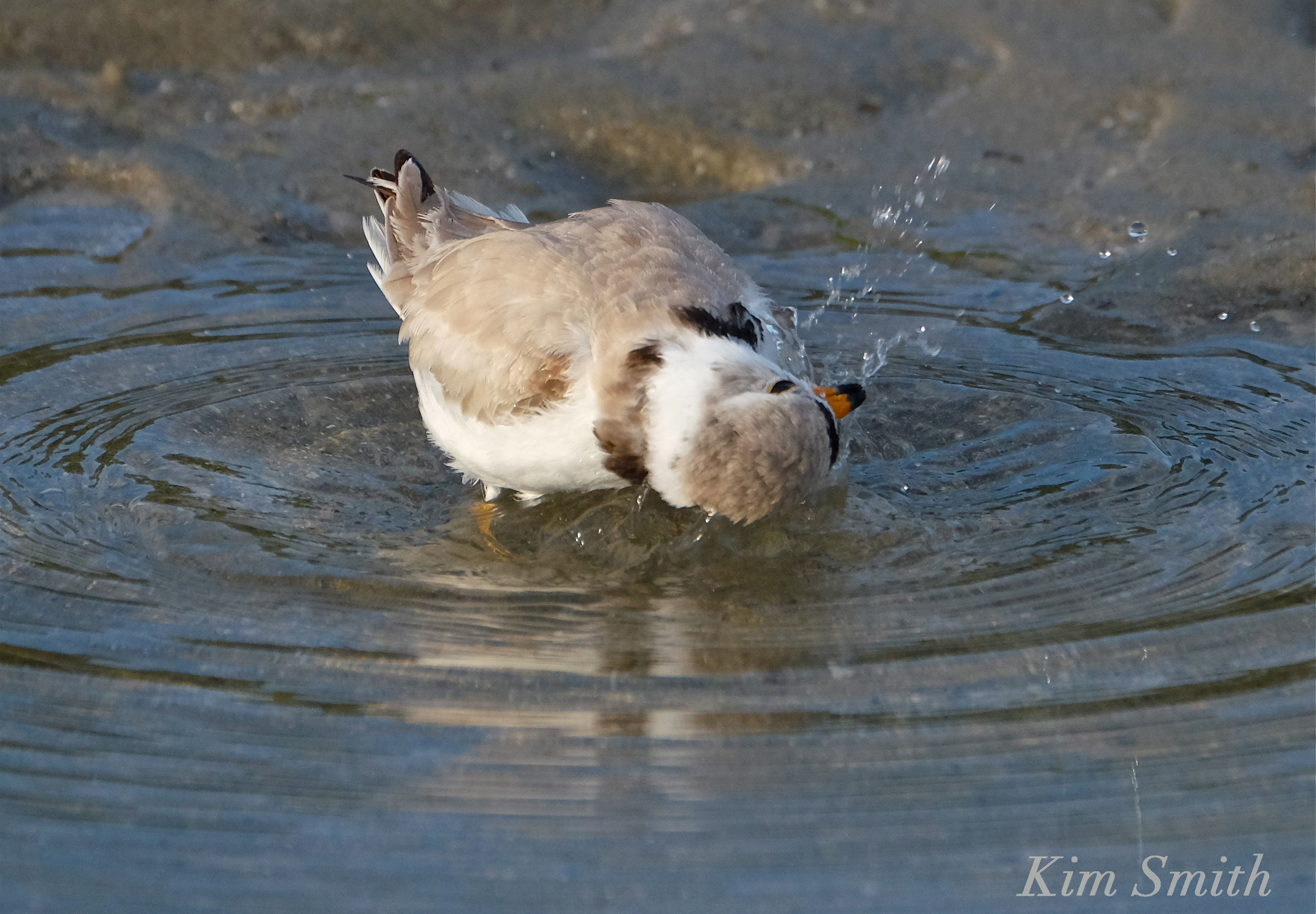
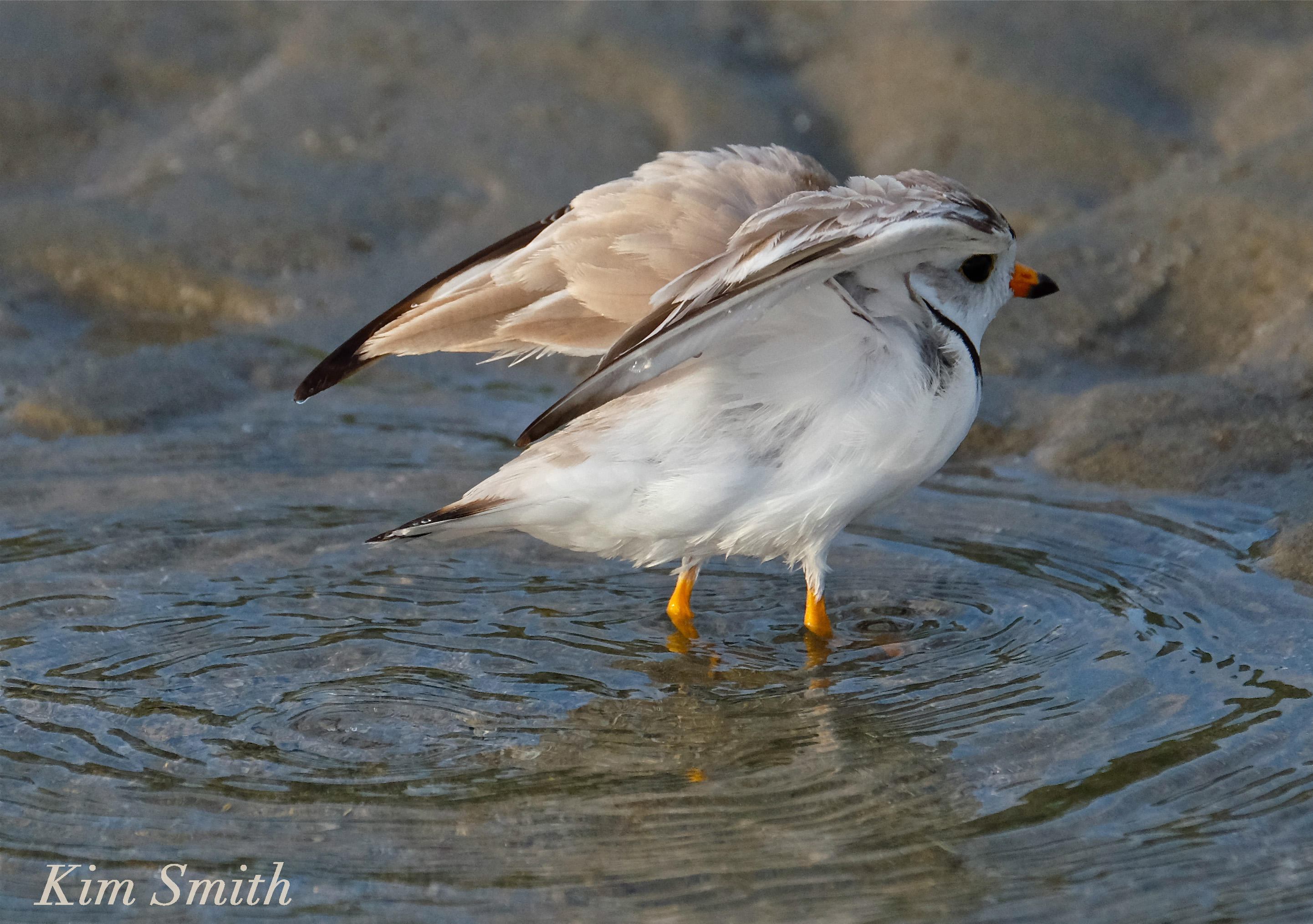
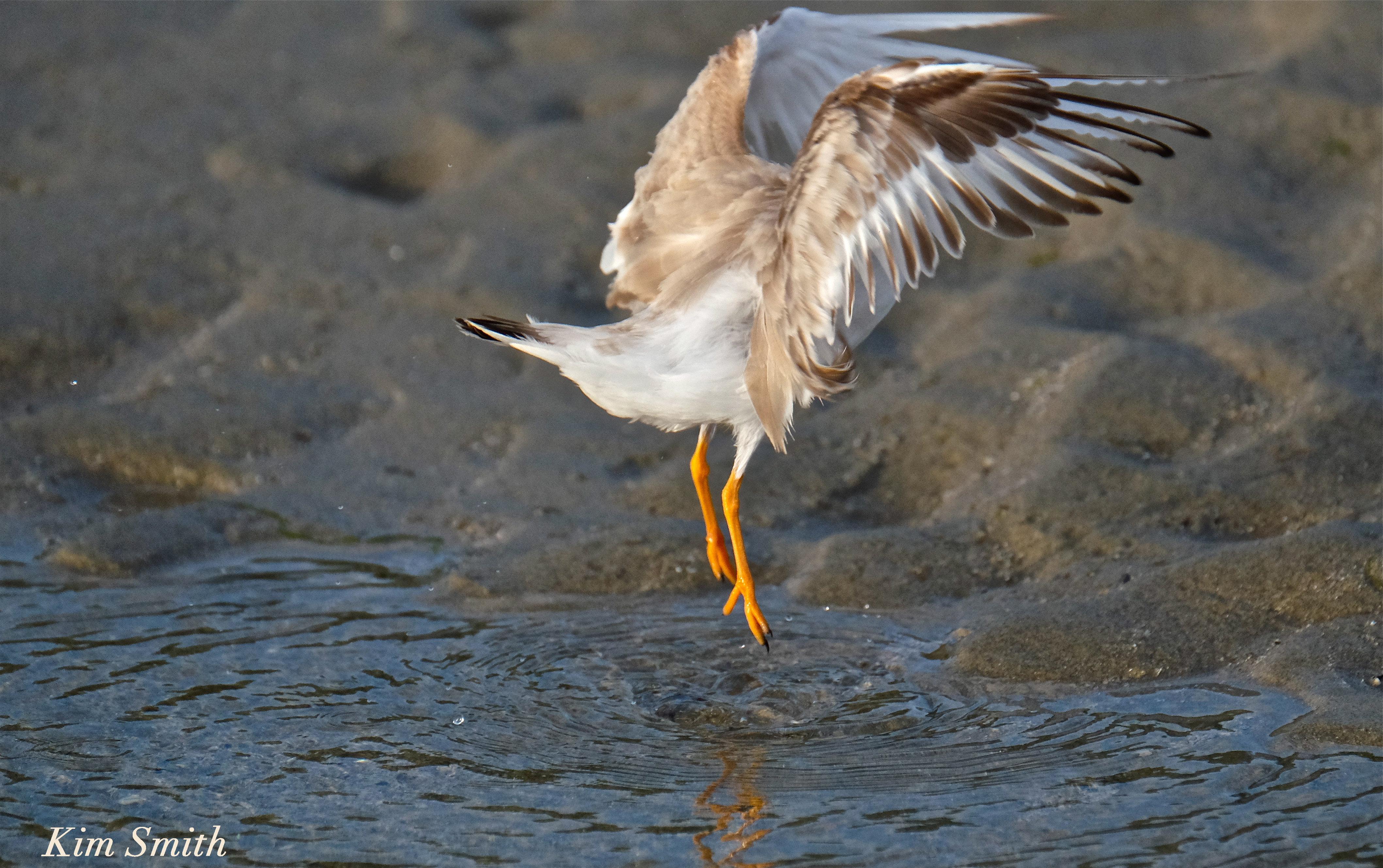
Bath time

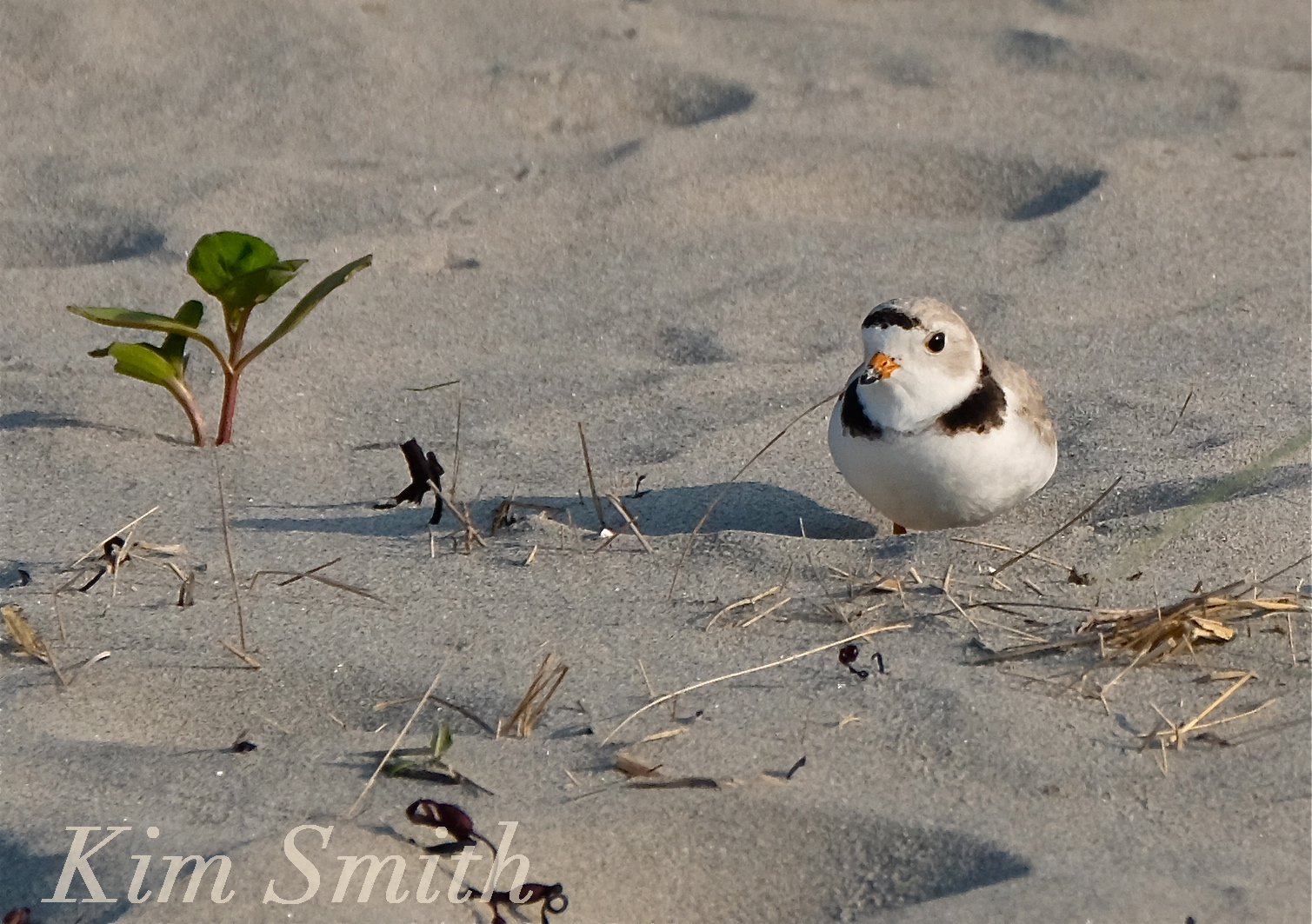
Piping Plover good Harbor Beach Gloucester MA -2 copyright Kim Smith

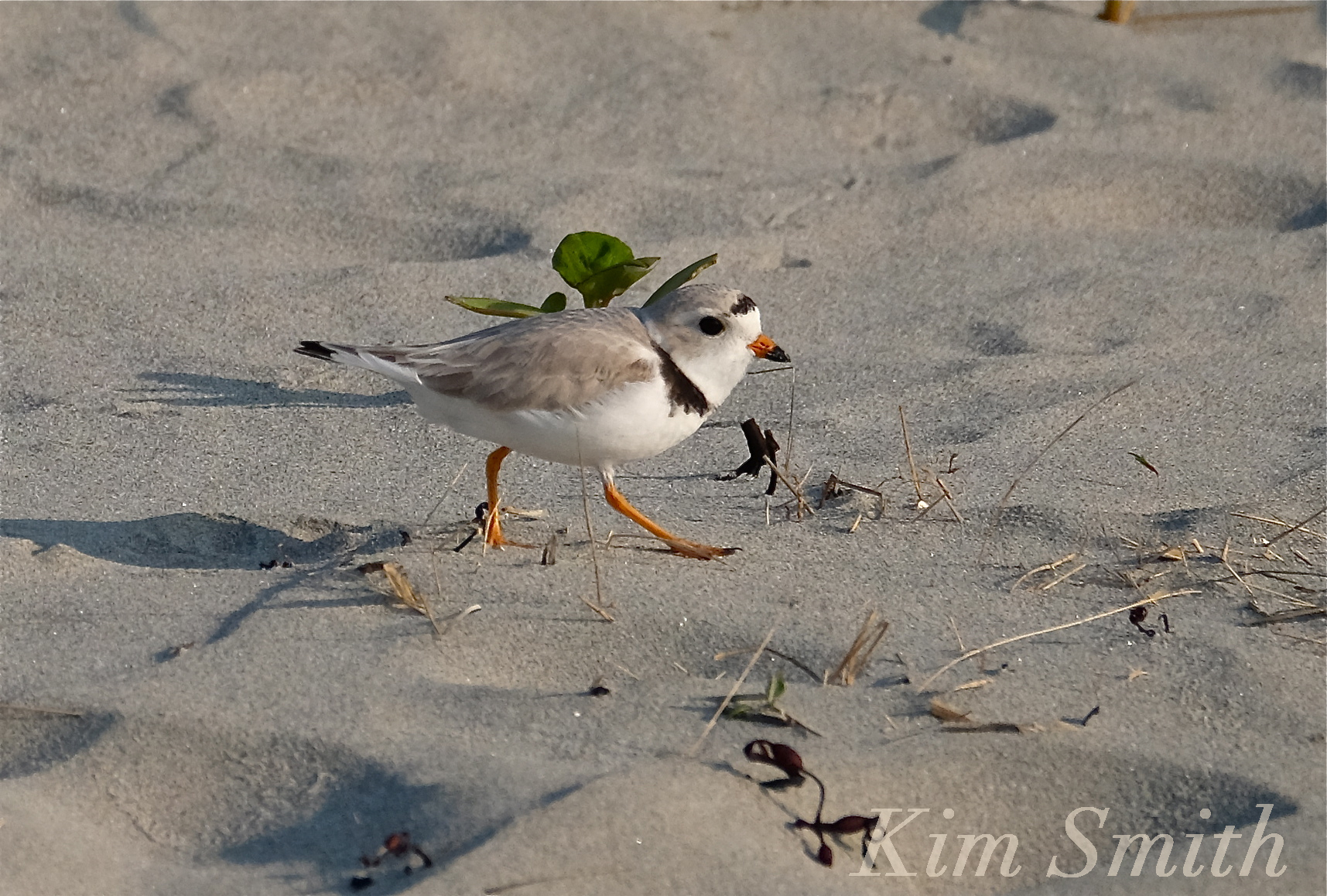
Piping Plover good Harbor Beach Gloucester MA -1 copyright Kim Smith

GROSS!

Not really gross, but actually quite beneficial!

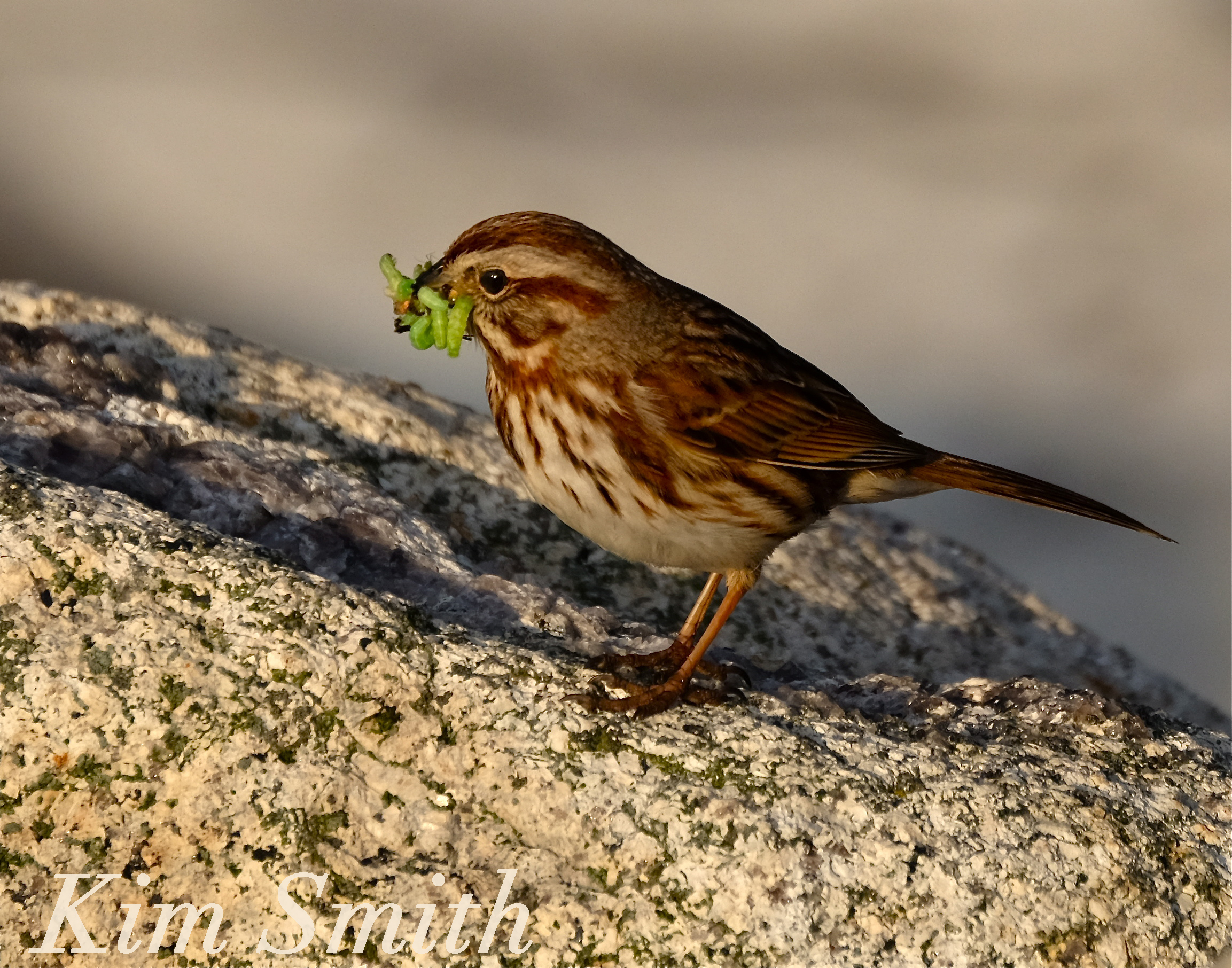
Song Sparrow eating caterpillars copyright Kim Smith

Through my camera’s lens, I thought this sweet little Song Sparrow was hopping around with a breakfast of leaves until downloading the photos. Rather, his mouth is stuffed with what appears to be the larvae of the Winter Moth, those annoying little green caterpillars that dangle from trees, which pupate into the dreaded adult Winter Moths, which are destroying trees and shrubs throughout the region. So, thank you Song Sparrow!

The Song Sparrow was most likely bringing the caterpillars to its nestlings. Although adult Song Sparrows prefer seeds, to a newly hatched bird a plump juicy green caterpillar is easy to digest and rich in nutrients. As a matter of fact, most songbirds rear their young on insects. The Song Sparrow photo illustrates yet another reason why it is so important not to spray trees with pesticides and herbicides. When a landscape is pesticide free, a natural balance returns. Insects are bird food!

SWAN, DUCKLING, AND PLOVER UPDATE AND HUGE SHOUT OUT TO THE GLOUCESTER DPW UNDER THE DIRECTION OF JOE LUCIDO FOR DOING A TREMENDOUS JOB CLEANING OUR BEACHES

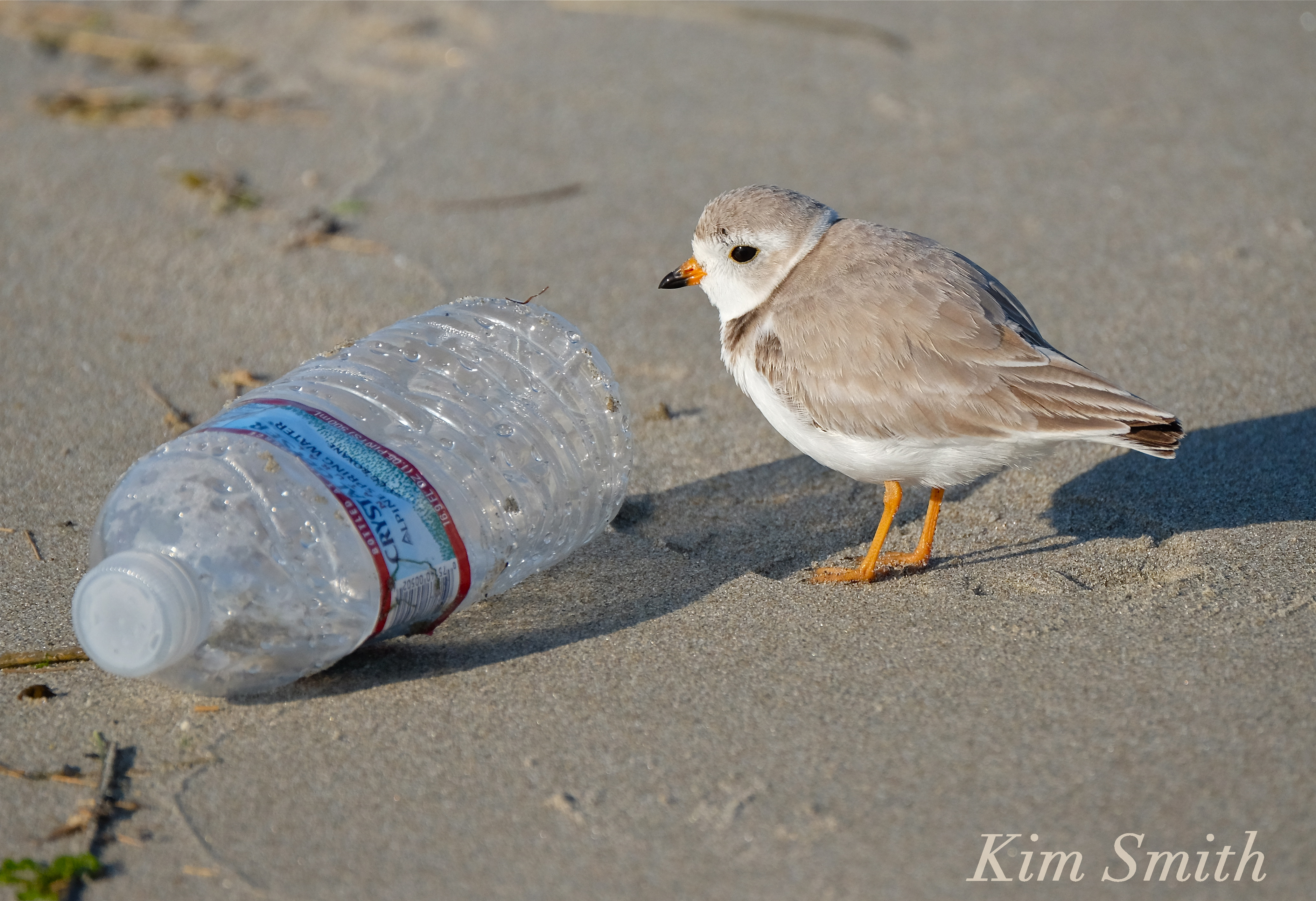
Piping Plover with garbage plastic bottle pollution copyright Kim SmithLandscape design work is keeping me away from beloved film projects (although I do love my work no doubts). I did mange this morning to go to Good Harbor Beach to check on the Piping Plovers, to Henry’s to see Mr. Swan, and to the marsh for the ducklings. There were two plovers awakening in the little GHB cordoned off sanctuary, feeding and chasing away intruders. Mr. Swan was chilling at Henry’s, and the three sweet duckling families I have been filming don’t appear to have lost any additional members.

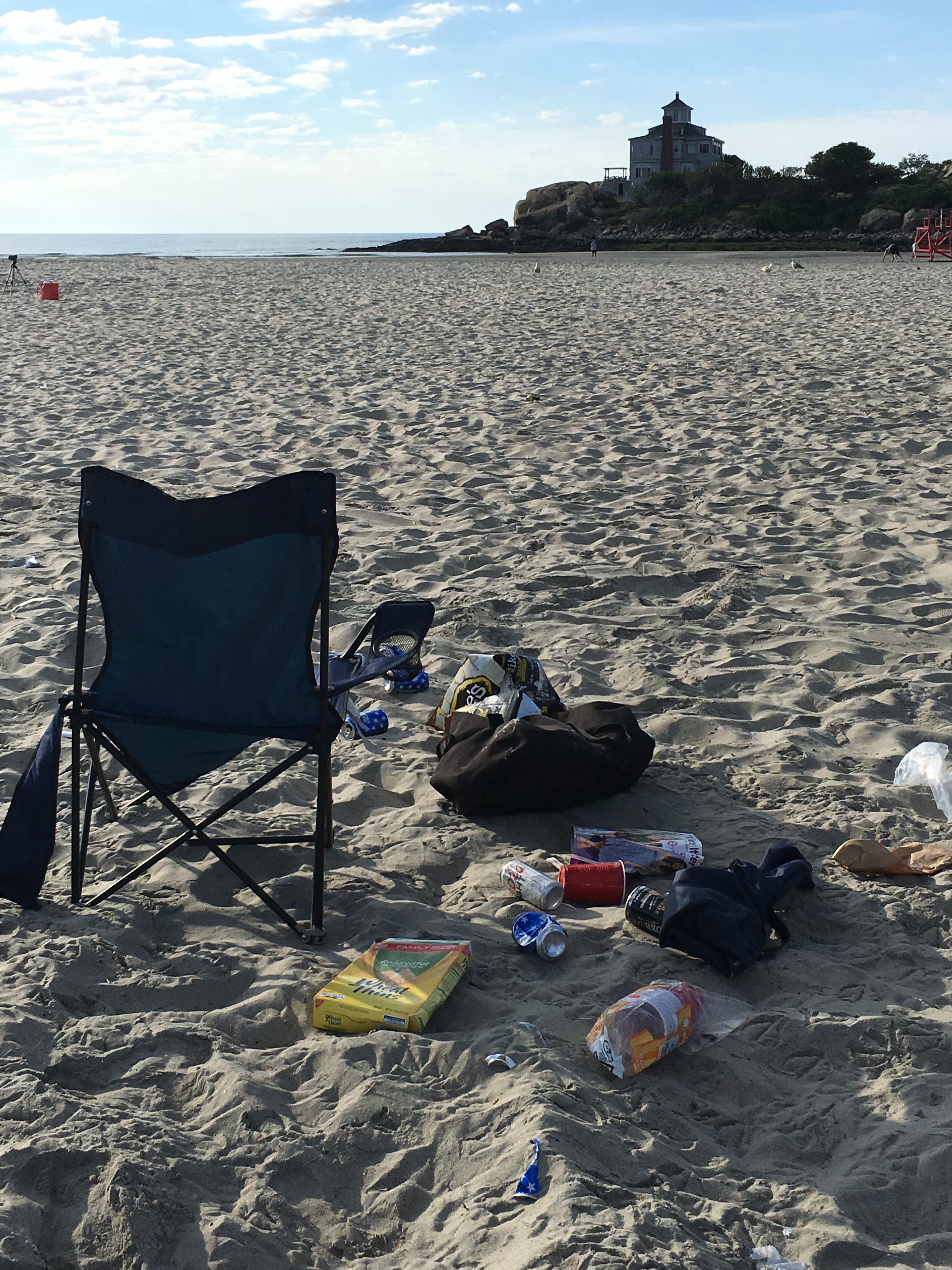
Spending time at Good Harbor Beach filming the plovers before the beach has been cleaned has certainly been an eye opener. Although not even officially summer yet, every morning at daybreak I find the beach littered with an astonishing amount of plastic bottles, trash, food, and plastic bags. According to Rose Piccolo at the DPW, the cleanup crew arrives around 7am and typically has the beaches cleaned by 8:30am. They do a really truly phenomenal job of making our beaches look pristine and attractive before the 9am opening.

A most sincere thank you to Joe Lucido and the Gloucester DPW for a job well done.

https://www.instagram.com/p/BGKMouyDynW/

https://www.instagram.com/p/BGKHcb1DypO/

SUNRISE SUBLIME GOOD HARBOR BEACH

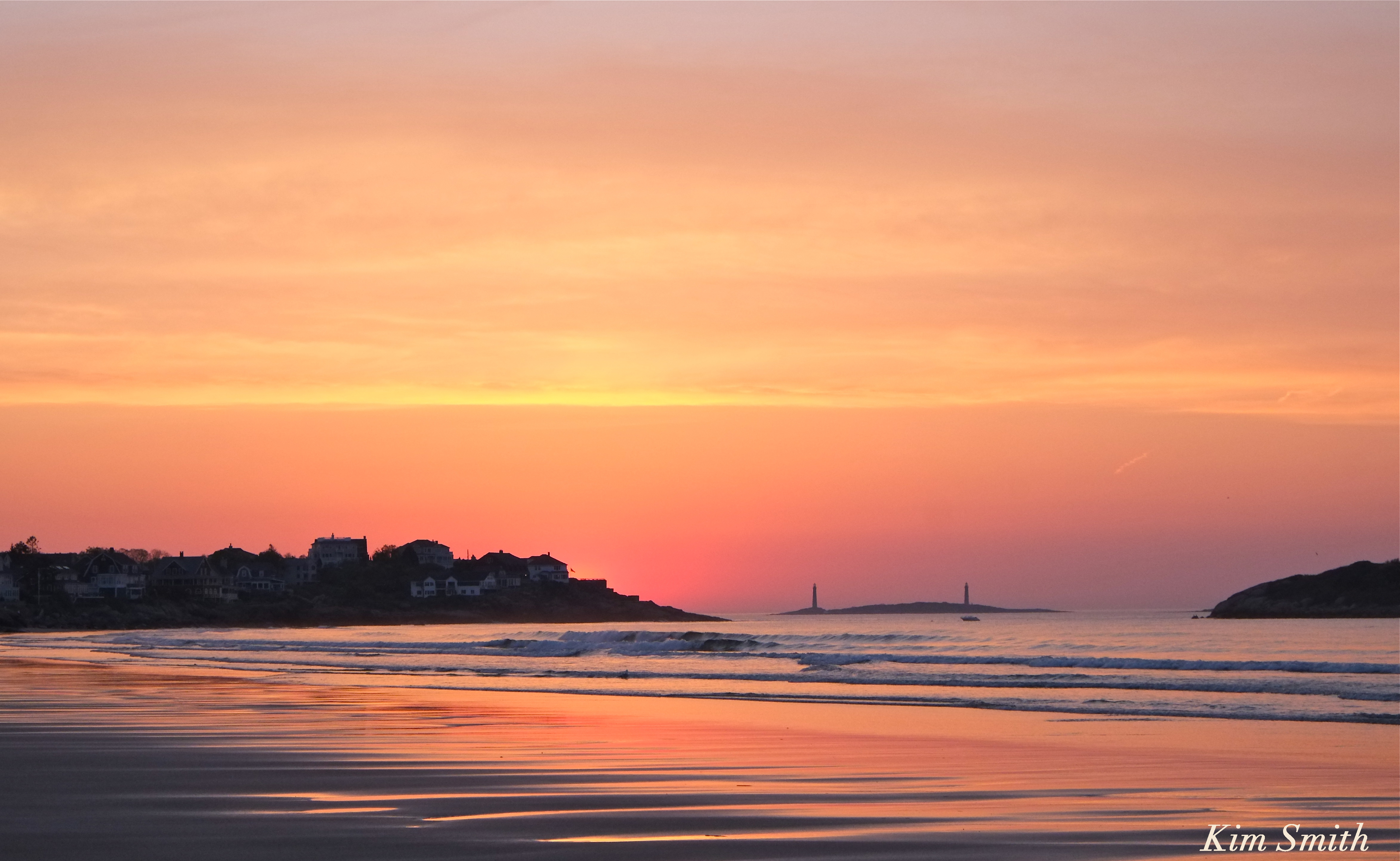
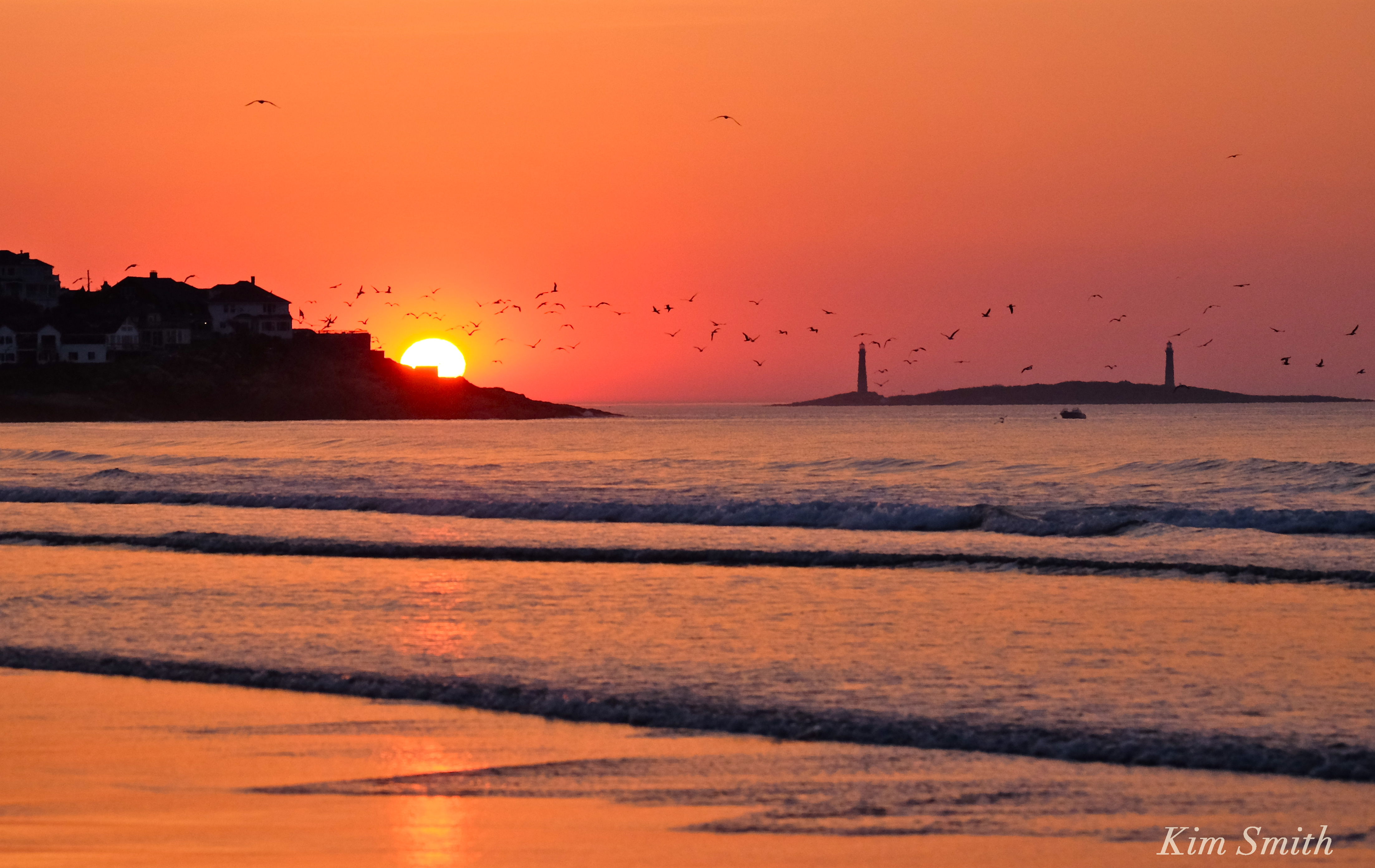
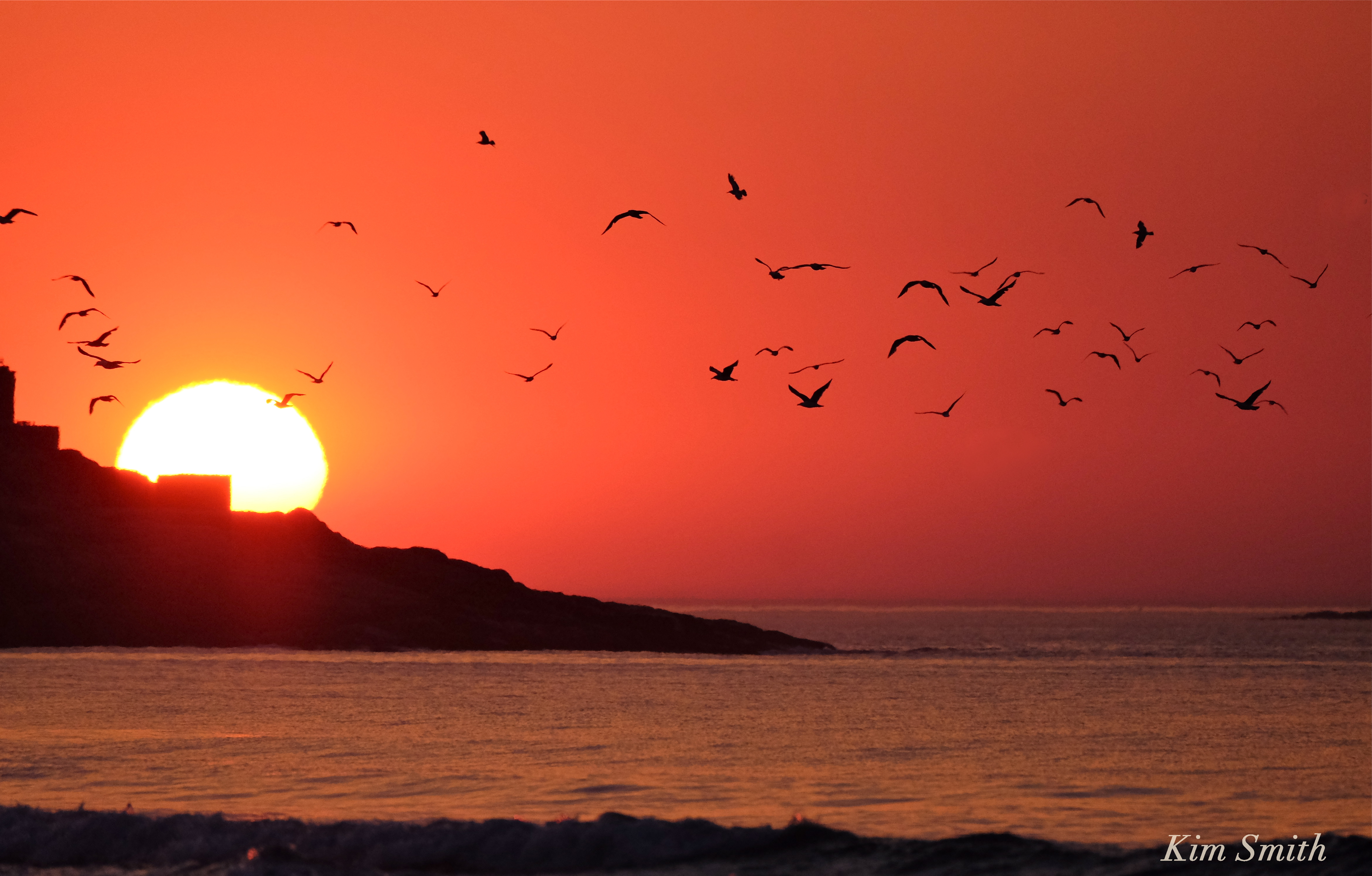
This morning’s luxuriously barefoot warm Good Harbor Beach sunrise!Good Harbor Beach Sunrise Gloucester -1 copyright Kim Smith

Good Harbor Beach Sunrise Gloucester -2 copyright Kim SmithGood Harbor Beach Sunrise Gloucester copyright Kim SmithGood Harbor Beach Sunrise Gloucester seagulls copyright Kim SmithGood Harbor Beach Sunrise Gloucester -3 copyright Kim Smith

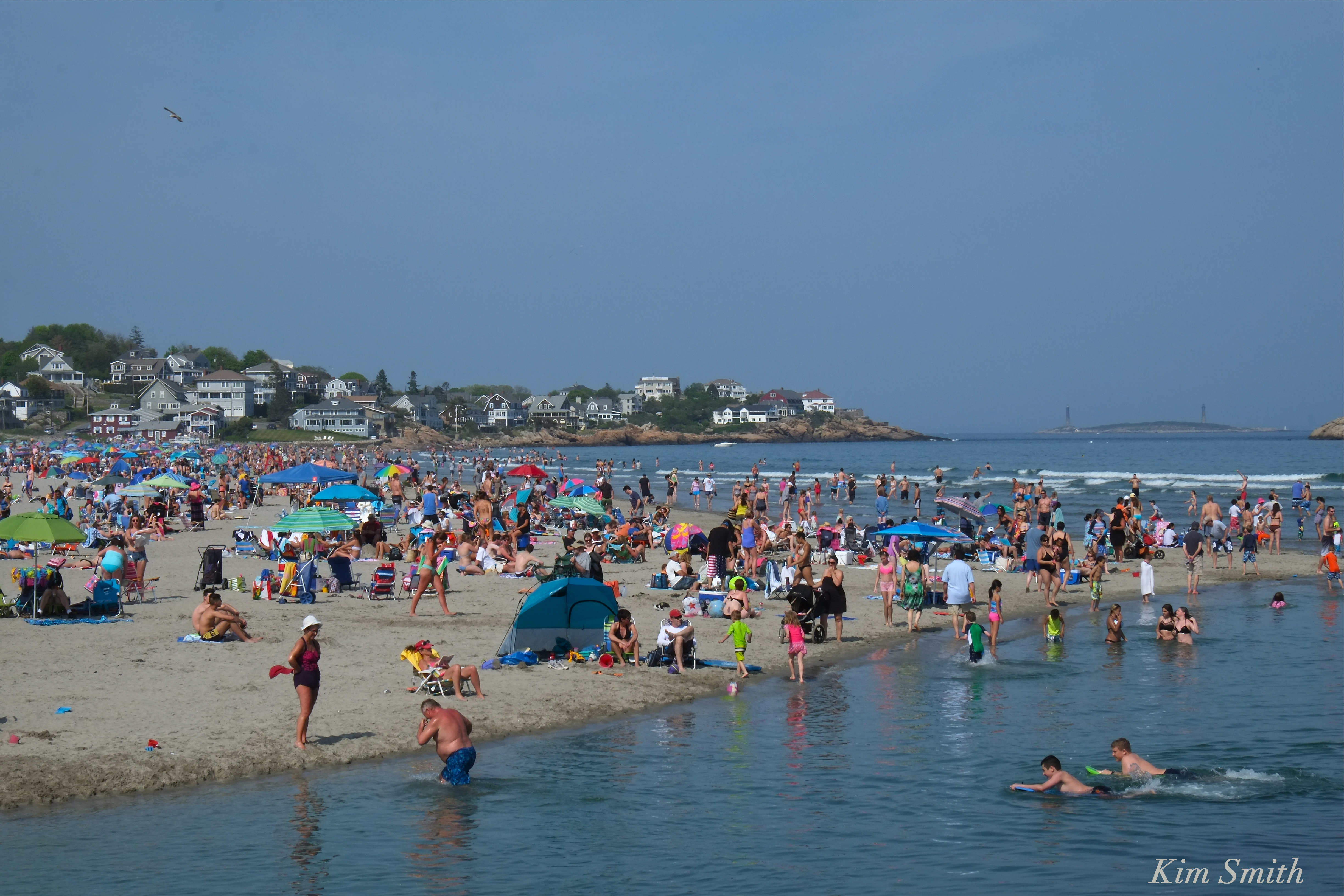
Visitors from Lynnfield, Scituate, and Salem Mass

_2016_05_23_085048

Photographing her son Surfing at Good Harbor Beach

IMG_7699

Collecting sea glass at Pavilion Beach

IMG_7805

Bicycling from Salem to have lunch at Sugar Magnolias

FIRST LOOK BEAUTIFUL GOOD HARBOR BEACH PIPING PLOVERS!

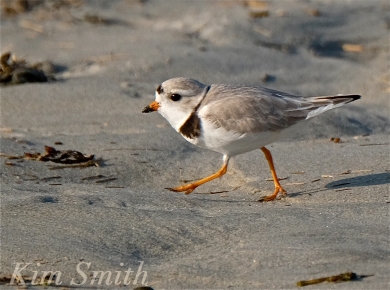
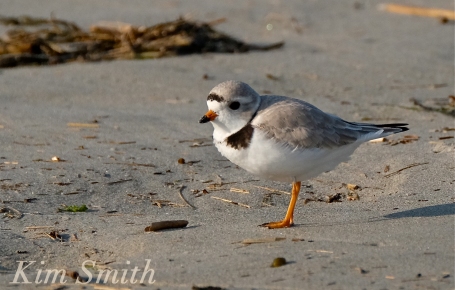
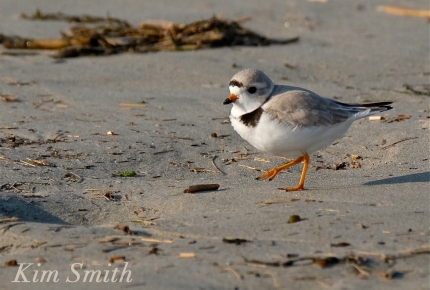
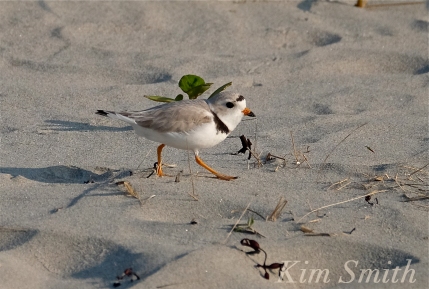
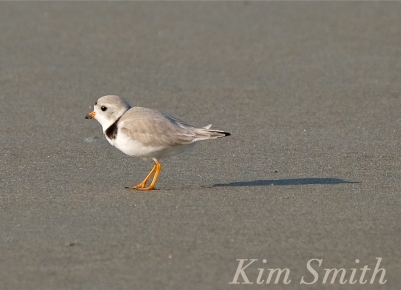
PIPING PLOVERS RUNNING 2 GOOD HARBOR BEACH GLOUCESTER COPYRIGHT KIM SMITHNot shy in the least, the four Good Harbor Beach Piping Plovers spent the early part of the morning running and feeding along the shoreline, bathing in the tidal flats, and ferociously defending their territory against other avian intruders. A jogger ran past the one preening at the water’s edge–he was quite close–but that did not seem to alarm the Plover. They are diminutive little creatures, about six to seven inches in length, and show mostly white feathers when flying overhead.

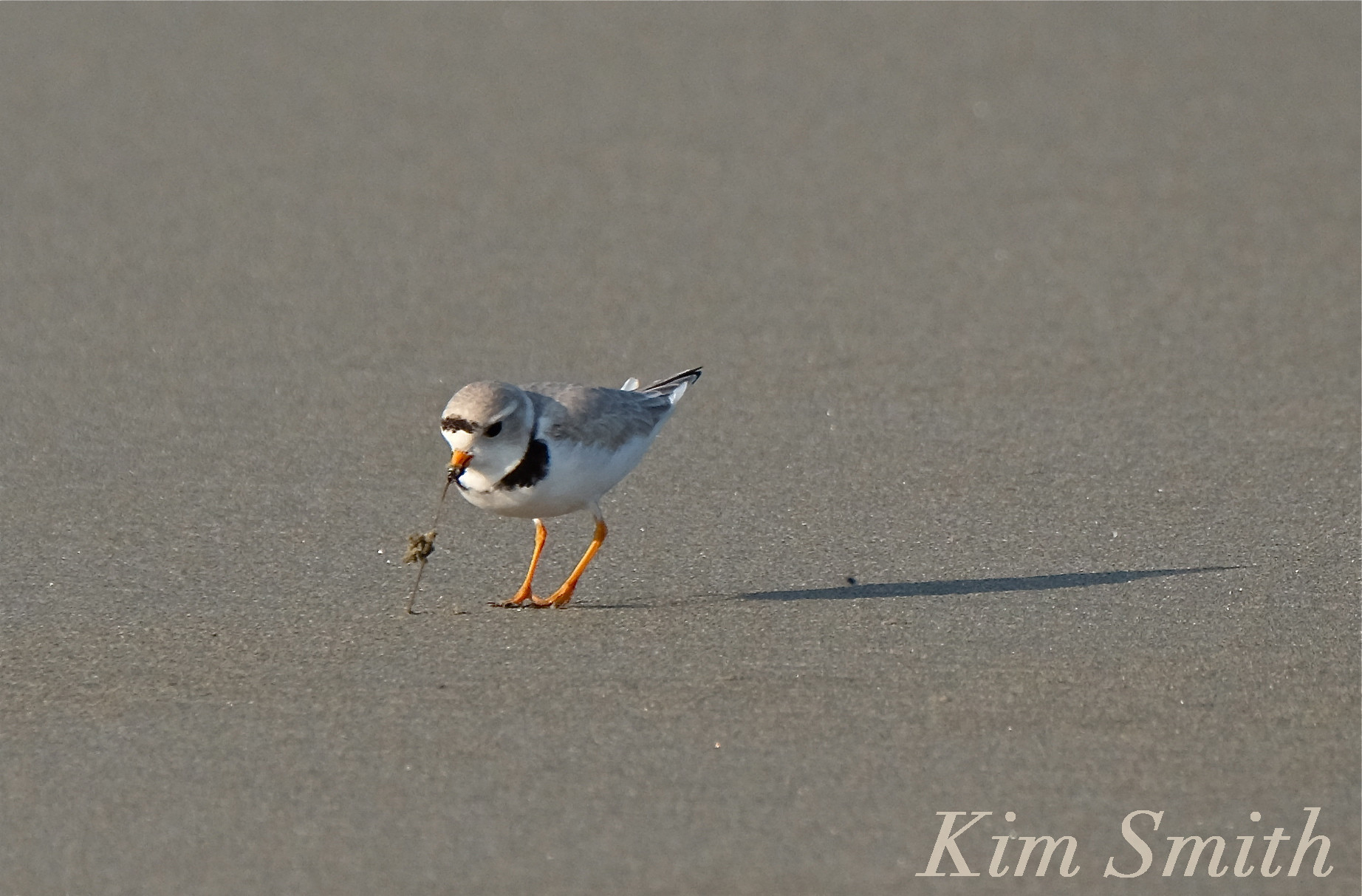
PIPING PLOVERS -Eating 4 GOOD HARBOR BEACH GLOUCESTER COPYRIGHT KIM SMITH

Breakfast – Piping Plovers eat insects and small invertebrates

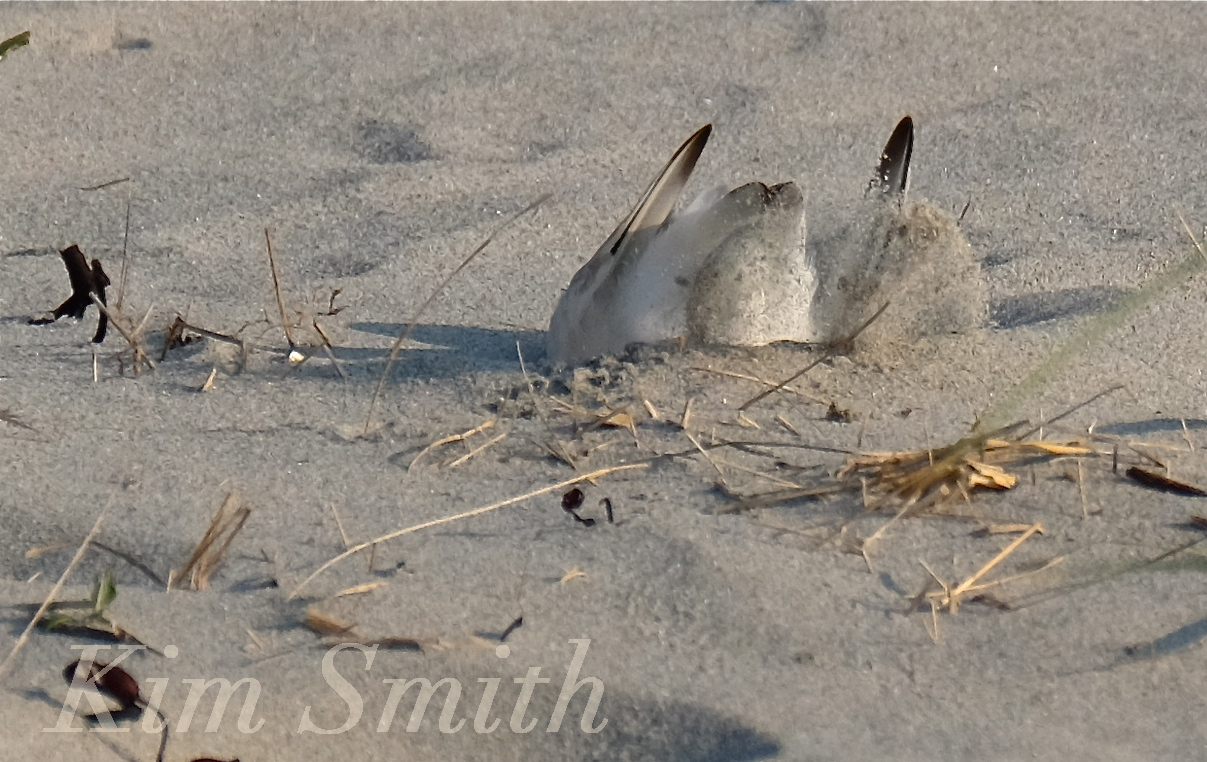
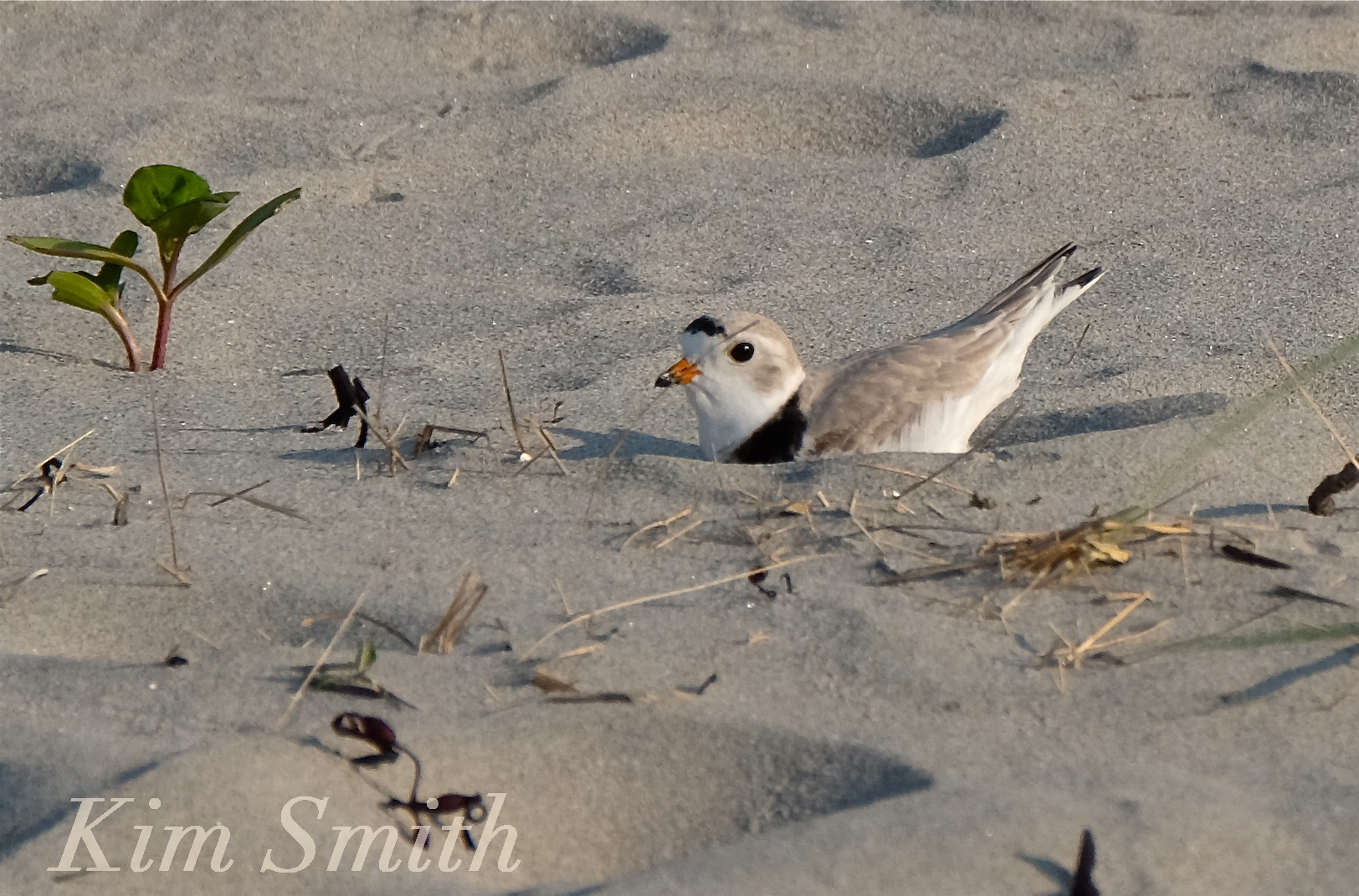
One Piping Plover seemed to be testing different sites to nest, momentarily hunkering down, then leaving the spot, and then returning a few moments later to vigorously dig a deeper depression in the sand, before then flying away.

PIPING PLOVERS NESTING -5 GOOD HARBOR BEACH GLOUCESTER COPYRIGHT KIM SMITHTesting the depression

PIPING PLOVERS NESTING 2 GOOD HARBOR BEACH GLOUCESTER COPYRIGHT KIM SMITH

Leaving the possible nesting site

PIPING PLOVERS -5 GOOD HARBOR BEACH GLOUCESTER COPYRIGHT KIM SMITH

Returning to the depression

PIPING PLOVERS NESTING -3 GOOD HARBOR BEACH GLOUCESTER COPYRIGHT KIM SMITH

PIPING PLOVERS NESTING -4 GOOD HARBOR BEACH GLOUCESTER COPYRIGHT KIM SMITH

Digging in!

PIPING PLOVERS NESTING GOOD HARBOR BEACH GLOUCESTER COPYRIGHT KIM SMITH

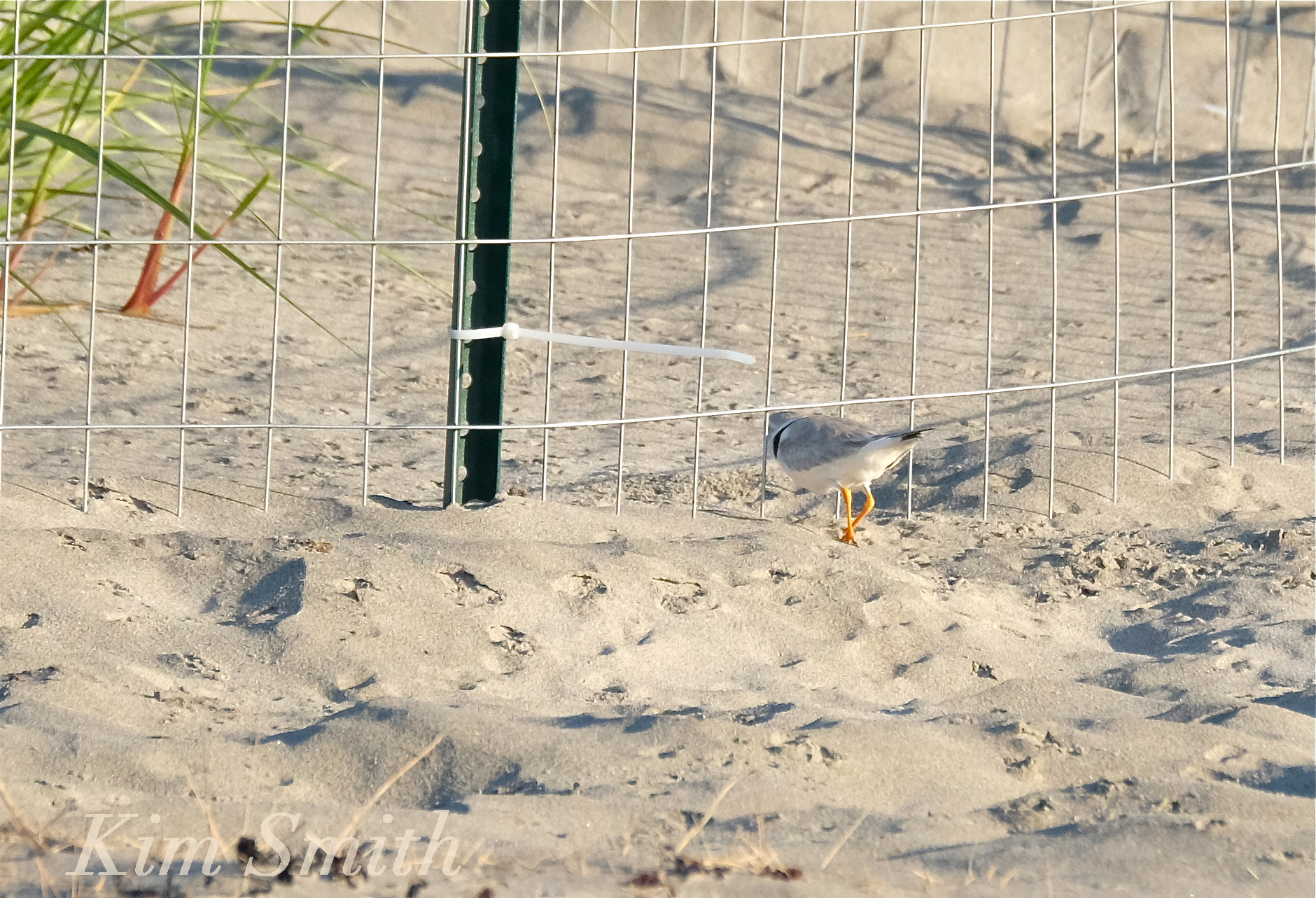
The roped off area appears to be a terrific solution in helping to protect the possible nesting sites. Visitors to Good Harbor Beach this morning were very mindful about respecting the boundary. And there was not a single dog in sight, off leash or otherwise. The Plovers flew in and out of the restricted area, as did Killdeers and several other species of shore birds.

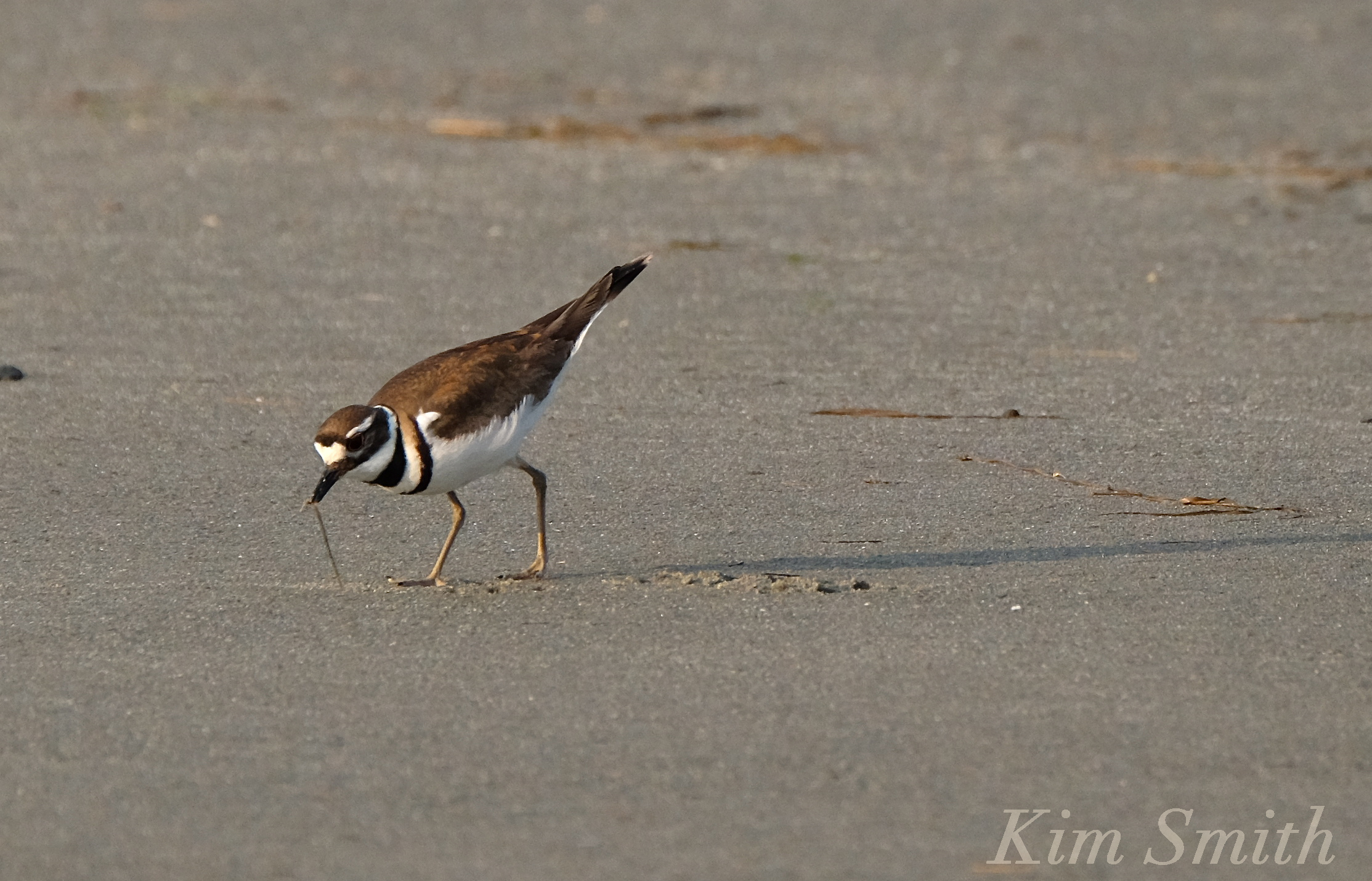
KILLDEER GOOD HARBOR BEACH GLOUCESTER COPYRIGHT KIM SMITHA Killdeer feeding near the Piping Plovers. The Killdeers, also members of the Charadadriidae, are slightly larger and a much darker brown than the Piping Plovers.

PIPING PLOVERS GOOD HARBOR BEACH GLOUCESTER -1 COPYRIGHT KIM SMITHPIPING PLOVERS PREENING GOOD HARBOR BEACH GLOUCESTER COPYRIGHT KIM SMITHPreening

Piping Plovers at Good Harbor Beach – Fenced Off Area

For Immediate Release from Mayor Sefatia Romeo Theken

Public Works in conjunction with our local Conservation Commission, MA Dept of Wildlife and Fisheries and Mass Audubon have been following the activities of Piping Plovers on Good Harbor Beach for the past 4 weeks. The birds have shown signs of nesting activities in this area.

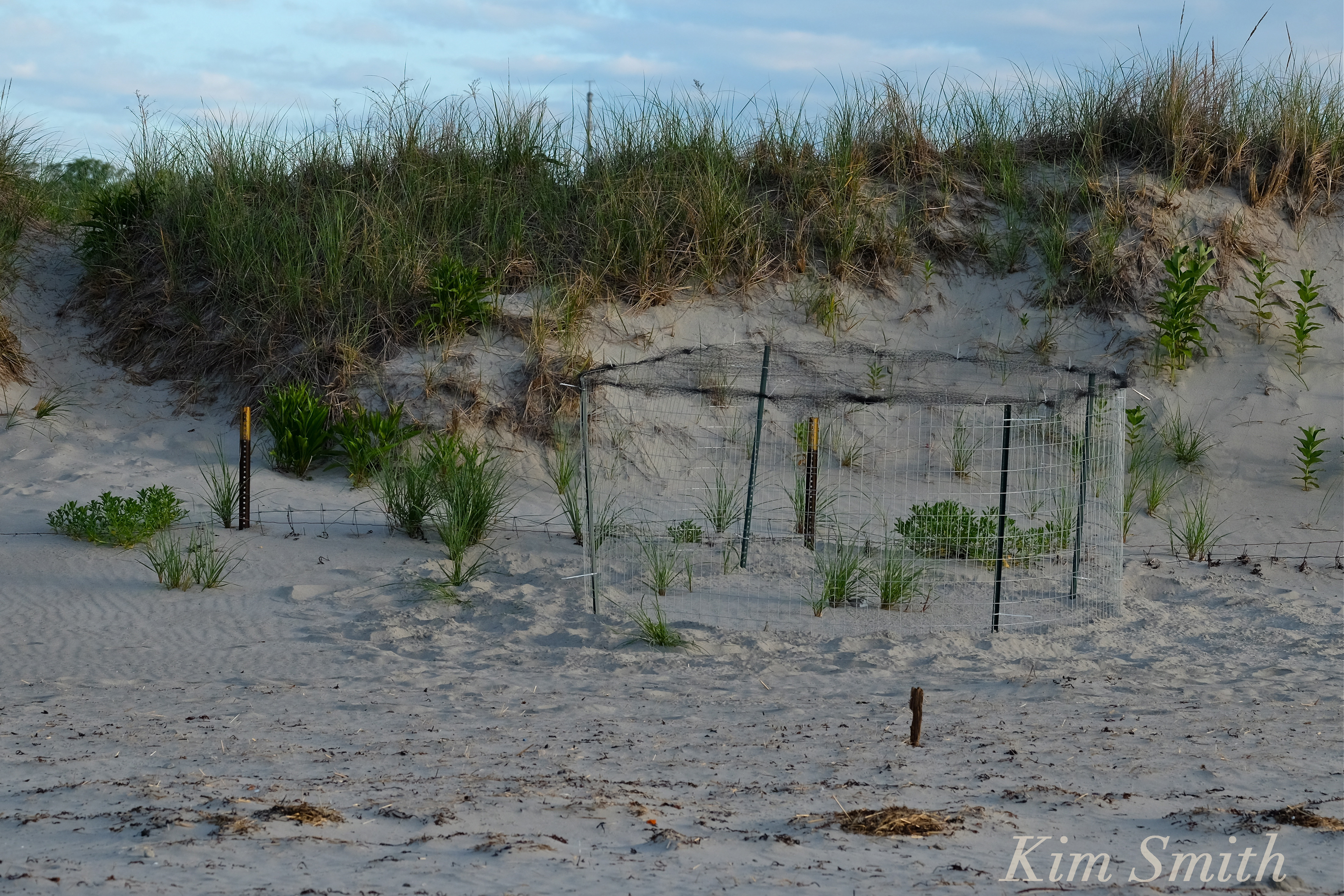
On a recommendation of the state we have fenced off an area approximately 200 feet by 200 feet – southwest of board walk number 3. This area starts at the base of the dunes and extends to the high tide rack or water line. This area is to be off llimits to all humans as well as any domestic pets. These birds are listed under the State and Federal Endangered Species Acts and are granted special protection.

We will continue to work with all agencies to provide the support they need to let nature take its course. We ask for the support of the general public to adhere to the regulations set forth. Any questions should be directed to the Department of Recreation and Conservation (DCR) and/or Mass Audubon.

Thank you in advance for your cooperation.


*   *   *


A little background information from Dave Rimmer, Director of Land Stewardship Greenbelt

There are clearly at least 2 pairs of Piping Plovers scoping out the upper beach for nesting. But no nests with eggs yet. Someone will get back to check the site Mon/Tue next week. If we find a nest that will trigger the following:
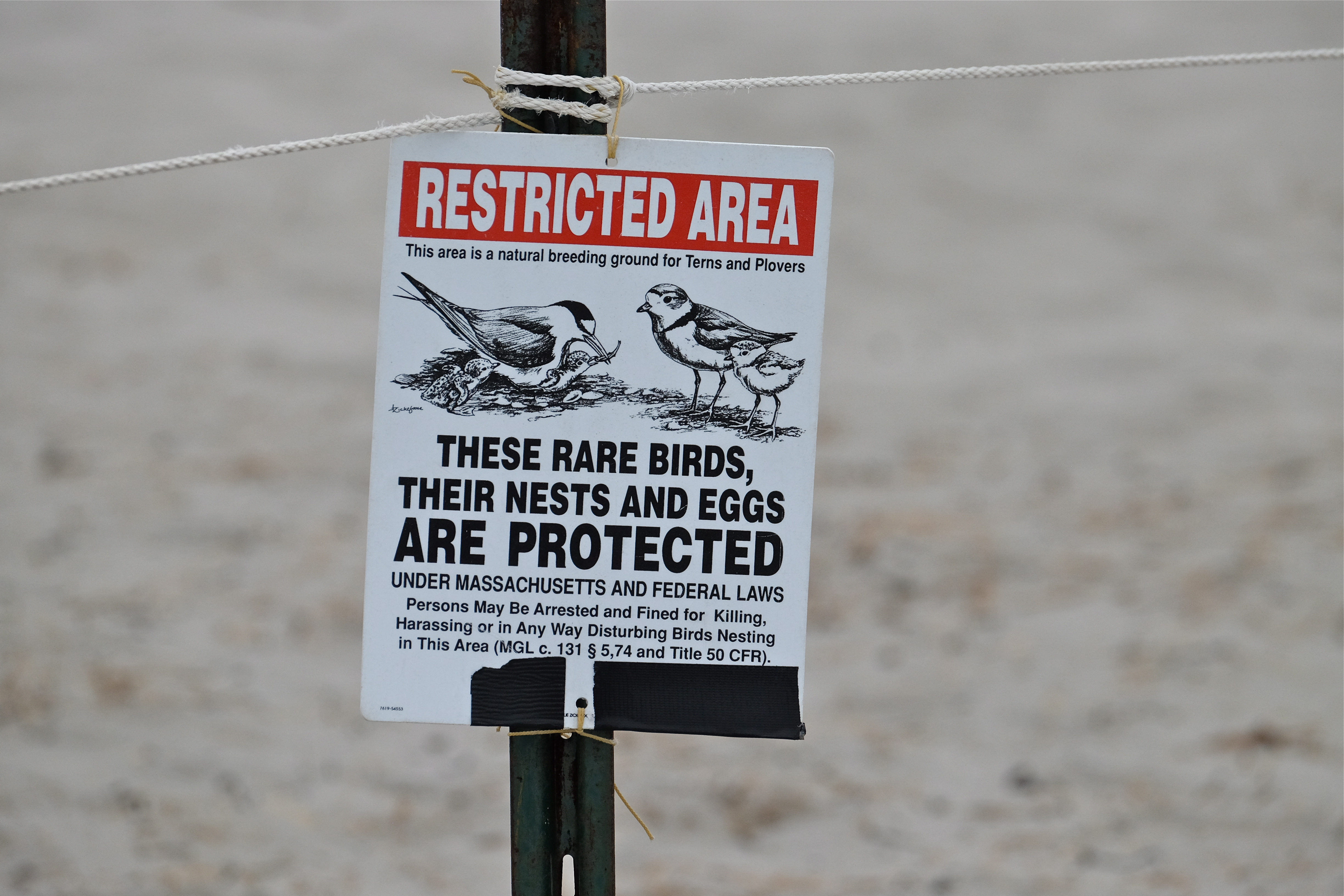
  • The nest site will be surrounded by a single strand fence with a few signs staying it is a RESTRICTED AREA. Usually on beaches like GHB, we try to keep this fencing to a minimum, but if it appears the birds are still being disturbed after the fence is in place, it may need to be expanded to provide an additional buffer.

  • Information will be provided to help beach staff understand Piping Plovers so they can communicate on some level why the area has restricted access.
Piping Plover Quick Facts:
  • they are a shorebird that is on the US Endangers Species List as a threatened species
  • they nest right on the sand, laying 4 light brown speckled eggs.
  • it takes them about 4 weeks to incubate and hatch the eggs.
  • Chicks are precocious and leave the nest immediately to begin foraging on the own for food. They may stay within fenced area for first day or so but eventually they will wander beyond the fence either along the high beach or down to the waters edge. They are extremely vulnerable during this time, so beach scraping may need to be curtailed. In addition, ATVs driving on the beach will need to be extremely careful.
  • chick fledge (fly) in about 25 days
  • So total time from egg laying to chicks fledging is about 8 weeks.
As I mentioned, the US Fish and Wildlife Service administers the US Endangered Species Act and enforce laws related to the “take” of listed species, inadvertent or deliberate. So during the chick phase, a high level of sensitivity it required.
It means you have a healthy well managed beach if you are attracting Piping Plovers. That’s the good news. Having Piping Plovers nesting on any beach requires some change, which I can be challenging. Drew and I (and Erik Amati from MADFW) stand at the ready to help in any way we can to make this work. If we find a nest next week we will let you know immediately. And from there, we just need to figure it out. Every beach is different.
Ken – Let’s coordinate your efforts. It will be a big help for you to go to the site from time to time to monitor Piping Plover activity.
Thanks all,
Dave
Dave Rimmer
Director of Land Stewardship
Greenbelt | Essex County’s Land Trust
82 Eastern Avenue
Essex, MA 01929
dwr@ecga.org
(978) 768-7241 x14


RARE AND ENDANGERED PIPING PLOVERS AT GOOD HARBOR BEACH

Yet another bird that was nearly hunted to extinction for its beautiful feathers, as of 2012 when the most recent study was concluded, there were only 3,600 breeding Piping Plovers along the Atlantic Coast.

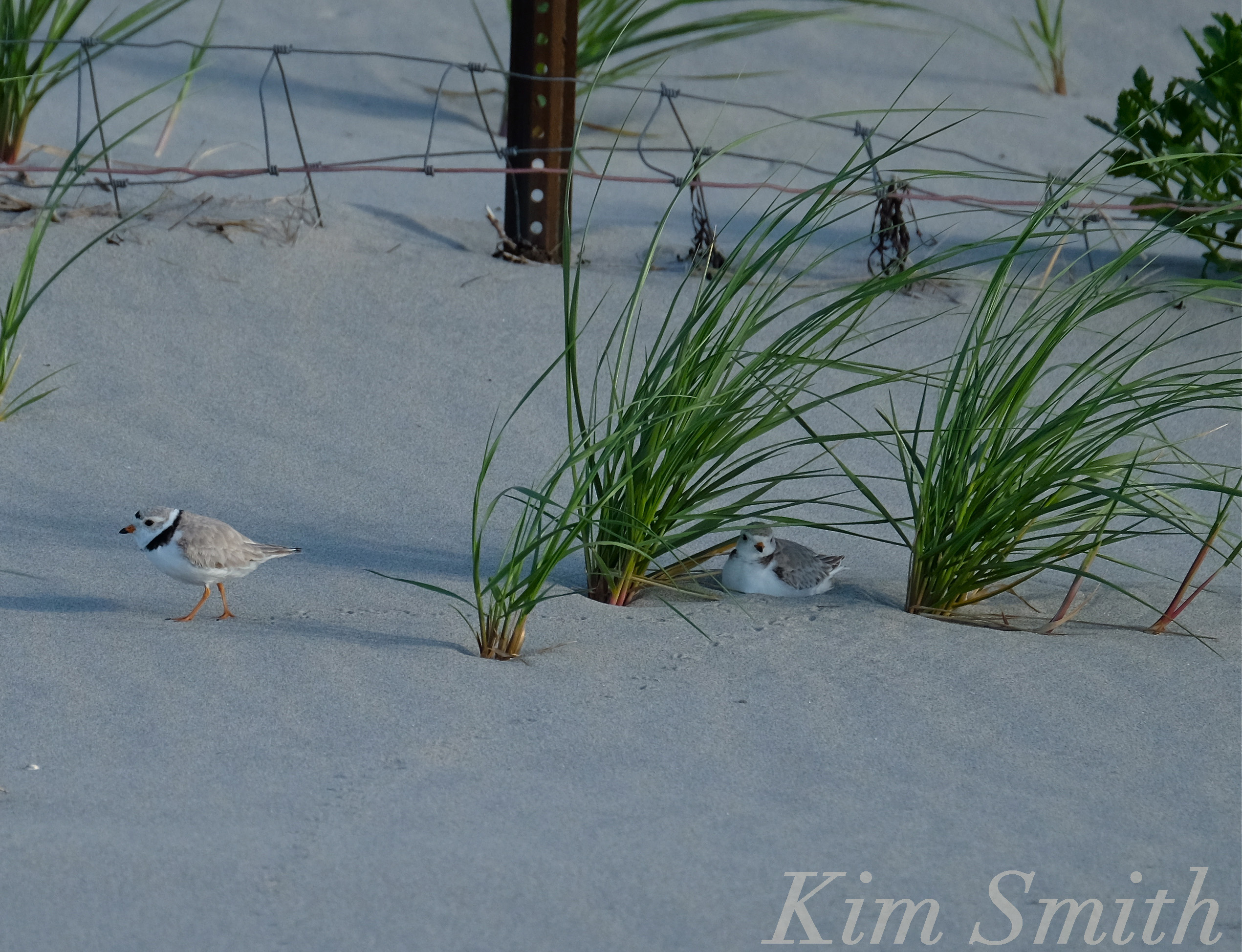
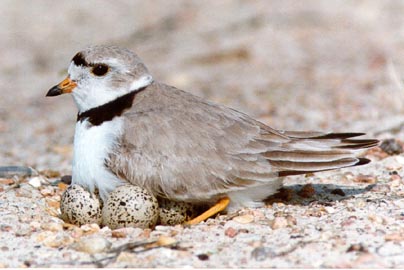
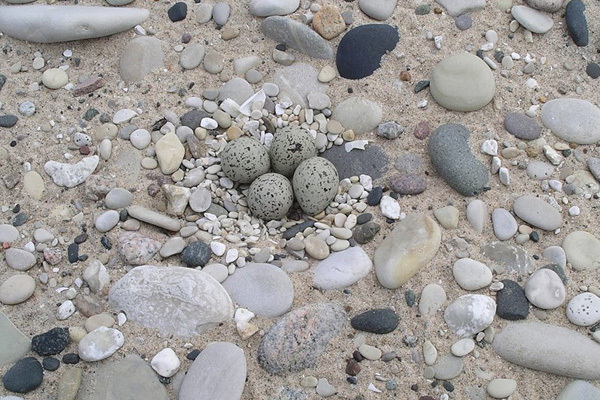
piping-plover-on-nestPiping Plover’s are a softy colored, mostly tan and white, pint-sized shorebird and like their nests and eggs, exquisitely camouflage with colors of sand and pebbles. This also makes them highly vulnerable to disturbances by humans; even if when people are trying to avoid their nesting sites, it is very easy to unwittingly crush eggs and chicks.

Piping Plovers have been observed on Good Harbor Beach this spring and could quite possibly nest here. The Gloucester DPW, working in conjunction with the Conservation Commission, MA Department of Wildlife, and Mass Audubon have cordoned off a roughly 200 feet by 200 feet area between the GHB bridge and boardwalk number three (the large rock that was exposed several storms ago lies within the area).

This area of the beach may be closed off for as long as eight weeks, possibly longer. If the nest is disturbed, the Piping Plovers will abandon the first and create a new nest, which will extend the time of beach closure.

It is to everyone’s benefit, plover and people alike, to heed the signs and to please keep dogs on leash at all times.

Are dogs allowed on the beach at this time of year?

prd_037300

OLYMPUS DIGITAL CAMERA

PIPL_nest_002

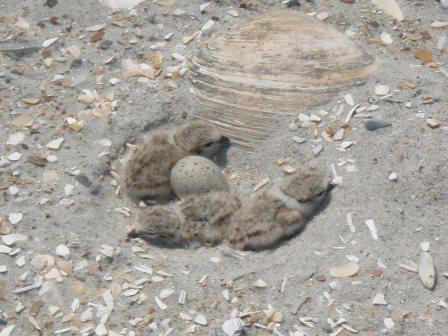
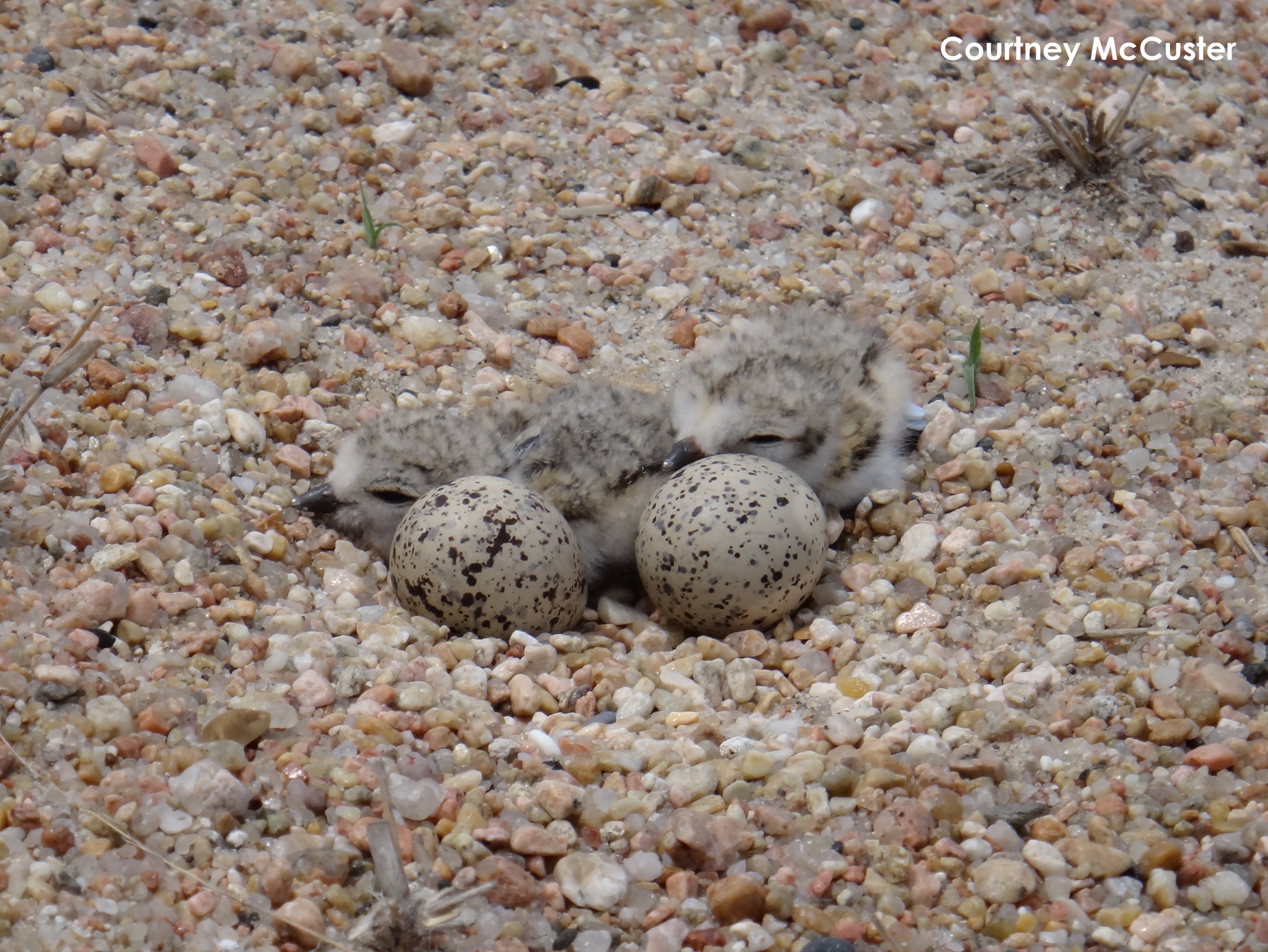
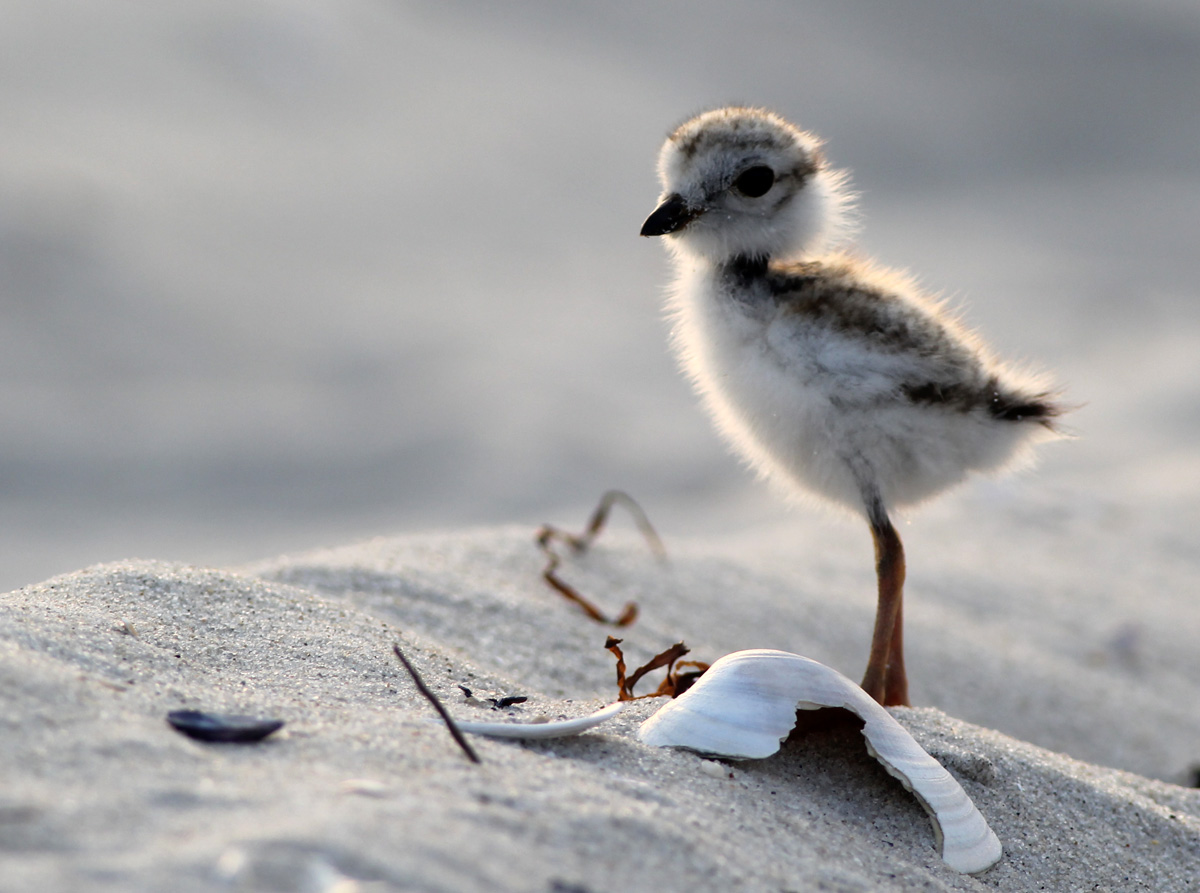
You can see from the photos of different Piping Plover nests from several regions of the country how perfectly the pebble-lined nests and babies meld with their surroundings–a good thing to keep them safe from predators, but not such a good plan for nests in well-trafficked areas.

The male selects the nesting site, defending it from other males. He scrapes a nest in the sand and both the male and female toss stones and bits of shell into the depression. Both the male and female incubate the eggs. It takes about 25 days to incubate the eggs and another three to four weeks for the chicks to fledge.

20130716_0151

Like the Killdeer, Piping Plovers cleverly display a broken wing, a trick designed to distract predators from their nests and babies. Both Killdeers and Piping Plovers are in the same family, Charadriidae. The Piping Plover’s scientific name, Charadrius melodus, and common name, comes from its lovely melodic piping bird song.

PIPL_Defense_001

https://www.instagram.com/p/BFrn9KYjyma/

DSCF3628

ALL IMAGES EXCEPT THE LAST TWO, COURTESY GOOGLE IMAGE SEARCH

GOOD HARBOR BEACH AFTER THE STORM

Good Harbor as the storm was departing yesterday afternoon. There is often a moment or two when a storm is ending when the colors of the landscape take on brilliant hues.Good Harbor beach Kim Smith

Where’s your favorite Sunrise spot?

My first post to GMG had me wondering what on earth I could possibly contribute to an already amazingly talented group of contributors. My daughter Abbey made it pretty simple for me by saying just start with what you know…photography! I picked up a camera about 7 years ago after my kids went to college thinking it would be something to pass the time and an outlet for my creativity, but as it turns out, the camera is evil! It makes you do evil things! It makes you learn stuff about what you are photographing. Like when the sun rises and sets (seriously…I had no idea that the best part of sunrise was actually before the sun rose!) So since this is a new beginning for me, and spring is in the air I thought I’d start this day off with a sunrise! You can visit lots of areas and see many sunrises, but I honestly can say that Cape Ann has THE MOST spectacular sunrises and sunsets. No…I’m not a morning person, in fact, I love sleep, but remember I told you the camera is evil? It makes you do evil things??   Well it makes you get up early too! So here you go….pick a day….get up early… bring your camera or just bring a blanket and a cup of coffee and treat yourself with the peacefulness and beauty of the early morning! My favorite place to go is Good Harbor Beach and on any given day there are a half dozen cars parked there and a handful of people on the beach walking and waiting.  This morning’s sunrise was hindered by the clouds, so I’m sharing one of my favorites from GHB.   I’d love to hear where everyone’s favorite places for sunrises are (on or off Cape Ann)!

(Nikon D610, 1/15 sec, F8, ISO 200 – shot in Raw with Lightroom edits) 

GHB Sunrise http://shutterbythesea.artstorefronts.com/

Winter Surfing Coming to an End

IMG_1825

Keith from Twin Lights Glassing Company

FEBRUARY SNOW MOON

Snow Moon February Niles Pond Birch Tree kimsmithdesigns.com 2016

Niles Pond Birch Tree in the Rising Snow Moon
Snow Moon February Good Harbor Beach kimsmithdesigns.com 2016

And hand in hand, on the edge of the sand,

They danced by the light of the moon. – Edward Lear

Snow Moon February Niles Pond Birch Tree kimsmithdesigns.com 2016 -4

See more Moon Glow photos here Continue reading “FEBRUARY SNOW MOON”

Not Exactly a Beach Day

While freezing, it was too pretty to not stop at Good Harbor Beach last night to snap this photo.  There was something about the juxtaposition of the snow and the sand at sunset that made us sit for a longer while than planned.

I’d rather it be July, but pretty nonetheless.

IMG_3591