Juli McDonald WBZ-TV Boston CBS channel 4 news Interview with Friday night’s champion, Frank Taormina

https://wp.me/pgc8v-3SmG?anvt=3
My View of Life on the Dock
Juli McDonald WBZ-TV Boston CBS channel 4 news Interview with Friday night’s champion, Frank Taormina
https://wp.me/pgc8v-3SmG?anvt=3

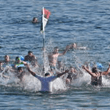
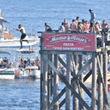
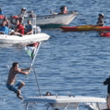
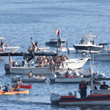
A few photos of the greasy pole and seine boat races..

Dear Readers,
So sorry this PiPl update is so terribly brief but I am leaving shortly to go film Fiesta.
On the evening of the day our GHB Piping Plover Family were terrorized off Good Harbor Beach (between Tuesday 9:30 pm and Wednesday 4:40am), two were seen at Cape Hedge Beach by Rockport resident Gail Borgman.
The following morning, Thursday, I met Boston PiPl monitor Laurie Sawin at GHB. She had come all the way from Boston to check on the Cape Hedge report. We headed over to Cape Hedge to check on the sighting and met Gail and her husband there. Sure enough, a PiPl was going back and forth between the sandy beach and rocks at Cape Hedge! We didn’t stay long because of the downpour.
This morning, I met Essex Greenbelt Dave Rimmer’s assistant, Dave McKinnon. We were contemplating removing the symbolic fencing, when one, and then two PiPl entered the roped off nesting area. At first we thought it was the Mama and Papa, but it could also have been two males.
The symbolic fencing will remain at least for another few days. Although it is late in the season for nesting there is the possibility that the PiPl will re-nest. I guess we will all just stay tuned as to what our remarkable PiPls will do next!
We don’t know what terrorized the PiPl Tuesday night. There has been a great deal of dog tracks around the nesting area , as seen by all the morning volunteers, over the past week, as well as evidence of a party Tuesday night. A hypodermic needle was found on the beach by one of Coach Latoffs players early Wednesday morning. Friends, it is going to take a village if the PiPl re-nest. Please, please, if you see anything suspicious at GHB–bonfires, dogs, heavy drinking, and anything else along those lines, please, please call the police. Thank you!
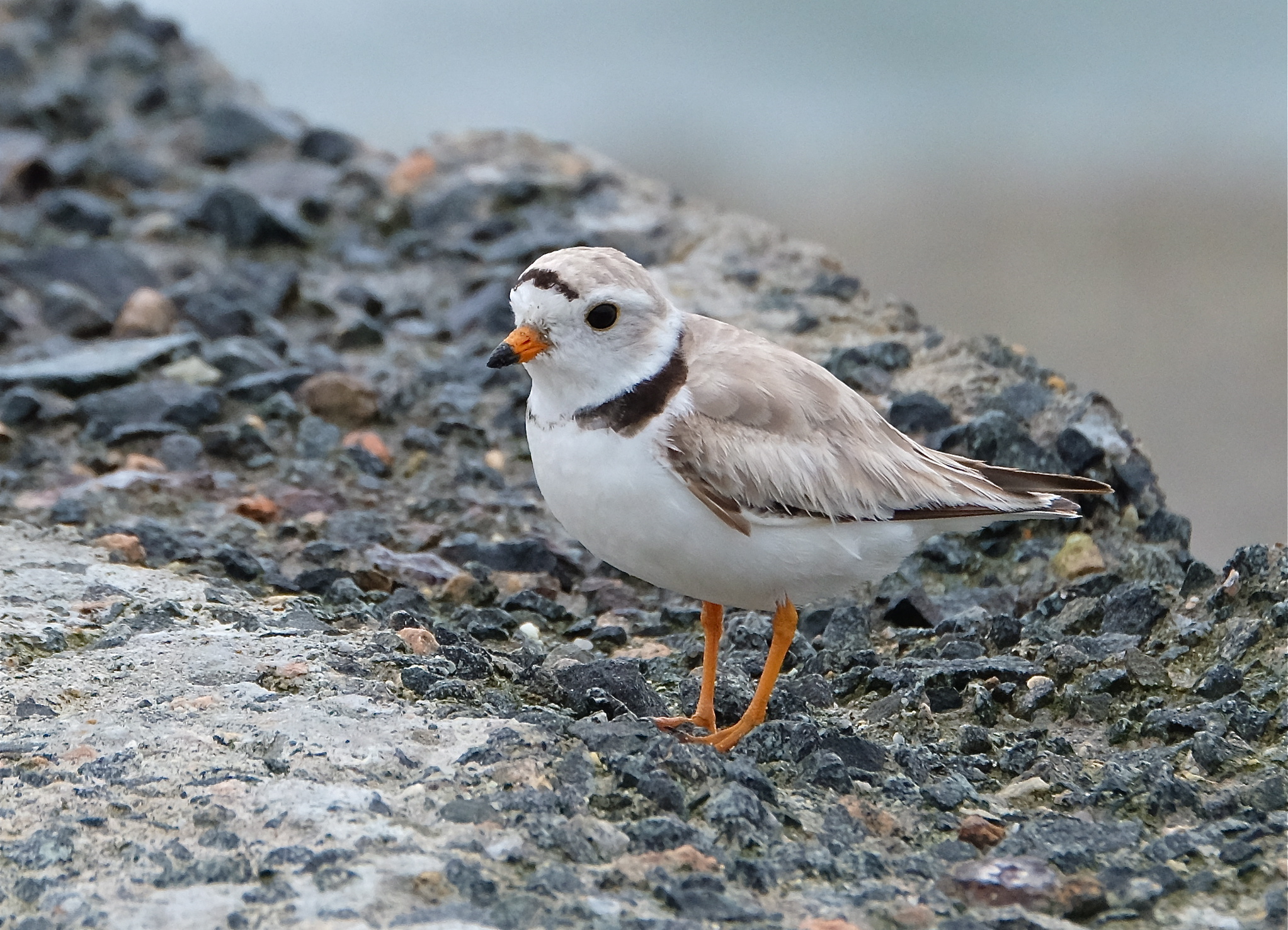 Piping Plover Cape Hedge Beach June 28, 2018

Great fun for a whole bunch of people…a great turnout!










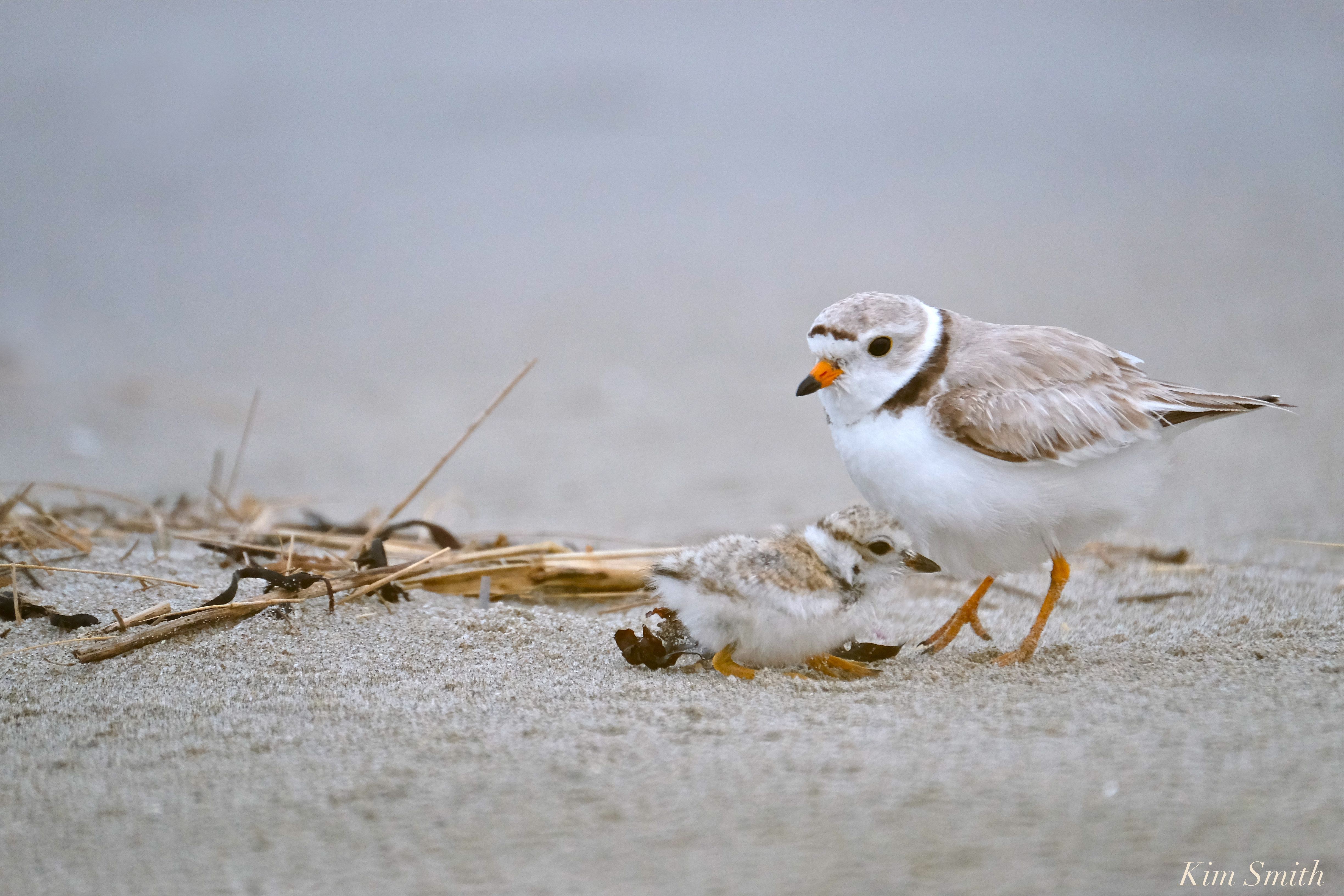 I am so very sorry to write that Little Pip and Mama went missing overnight.
When super PiPl volunteer monitor Heather Hall left last night at 9:30 the beach was quiet and peaceful. The Plover Family had a good evening, despite the fact that a Burmese Mountain dog was off leash on the beach and the owners weren’t too happy about being asked to leave.
When I arrived at 4:50am, the beach was eerily quiet. Except for the gulls and crows, there were only the singular calls from Papa Plover. Back and forth he went, from feeding in the tide pools to running into the nesting area and piping for Mama and Pip.
A most heartfelt thank you to all our wonderful PiPl monitors, who are just the kindest people you will ever want to meet. Sunburns, neglected families, missing appointments, late for work–thank you for guarding our little PiPl family from sunrise to sunset. These dedicated volunteers fully understand what it means for a species to be threatened and on the brink of extinction. We all fell in love with our PiPls, it’s hard not to. If you see a volunteer, please stop and thank them for their good work. Please know too, that without their tireless dedication, we would not have known for sure how the other three chicks perished.
By understanding that the chick’s deaths are human-caused, whether it be garbage-attracting gulls and crows or dogs on the beach, we will be much, much better equipped next year to better help nesting shorebirds. It is my understanding that there was a bonfire and party at the rock last night, which I can imagine how terrified that must have made our PiPl family. We can only learn from these past incidents and are determined to make positive steps for the future. For example, imagine if Mama and Papa had been allowed to nest when and where originally intended. The chick would have been a full week older, with just that much more critical development to better adapt to situations such as warm weather night time beach partygoers.
Thank you and a huge shout out to Joe Lucido, Phil, Mike, Tommy, Kenny, Newt, Cindy, and the entire DPW crew. We know you were rooting for the PiPl family and your kind assistance made a difference at every turn.
Thank you to Gloucester’s conservation agent Ken Whittaker and to Essex Greenbelt’s Dave Rimmer. These two have been working together and behind the scenes since the PiPl first arrived on April 3rd, consulting with wildlife agencies, installing roping, installing the wire exclosure, coordinating the crazy monitor scheduling, and much more.
Big Hug and thank you to all our PiPl monitors and friends of the Piping Plovers who I know are just heartbroken tonight.

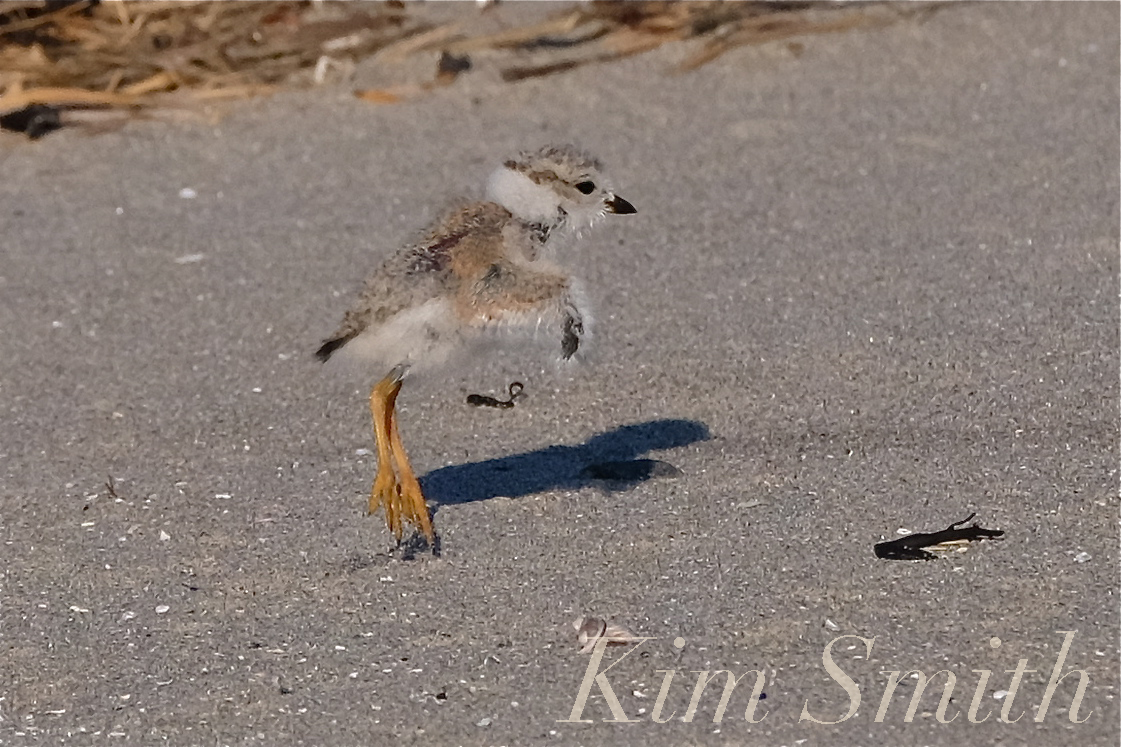 What are these things called wings?
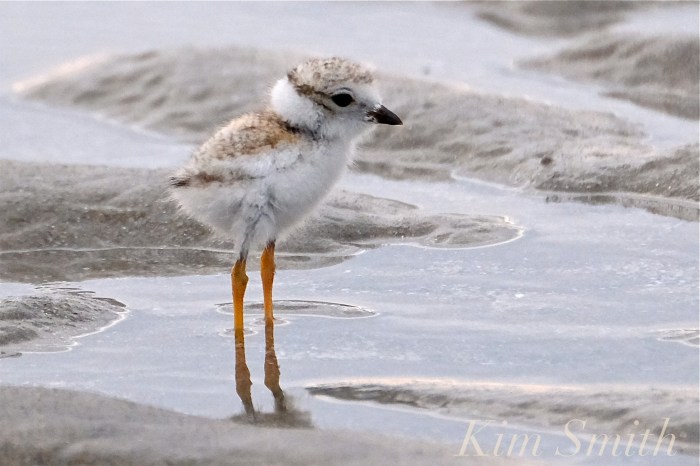
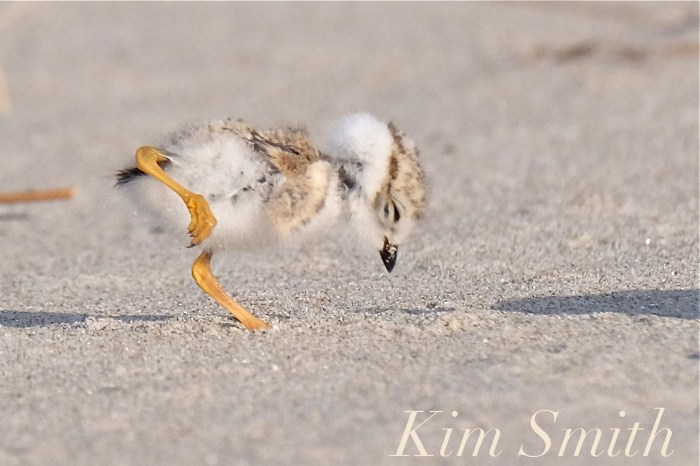
Pip grows rounder, stronger, and more capable of catching tiny sea creatures daily. We love watching the development of his wings especially. Soon his flying feathers will begin to grow. In the meanwhile, periodically throughout the day he does wonderfully zany-looking zing-zang-up-down-sideways-zig-zag mini flight tests throughout the day.
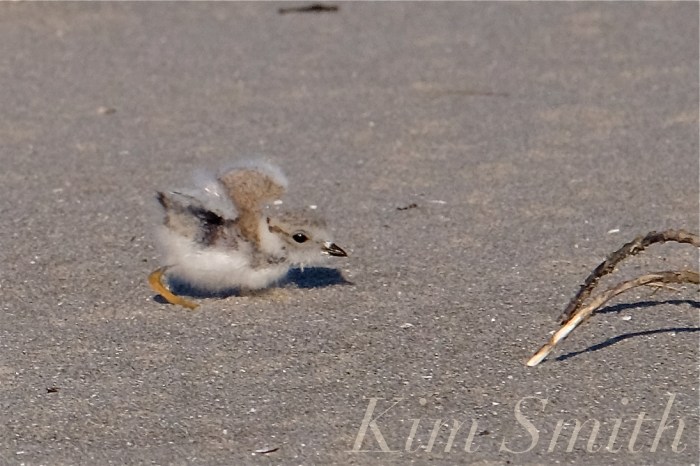
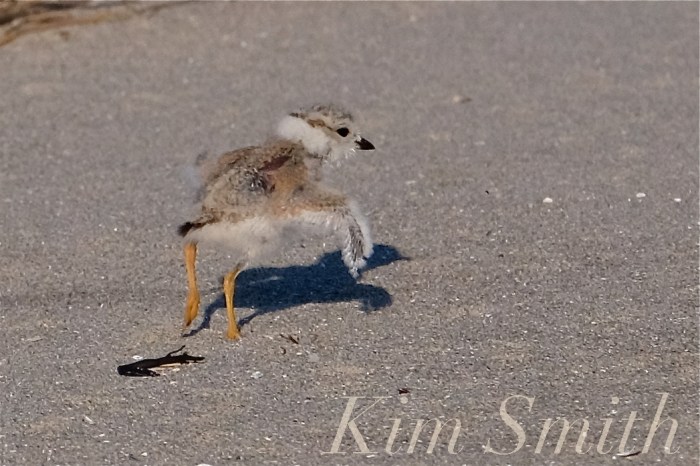
The Piping Plover’s soft sandy feather colors and patterns blend seamlessly with the surrounding beach habitat, but camouflage alone is not enough to keep the birds safe. The ability to fly to escape predatory danger is equally as important to Piping Plovers.
Massachusetts state wildlife biologists consider a Piping Plover fully fledged at 24 to 28 days, whereas federal wildlife biologists have determined a Piping Plover chick to be fully fledged at about 35 days. Judging from our observations of Little Chick last year, he did not fully fledge until five weeks old (35 days). He could manage brief sustained flight up to that time, but until he reached that five week milestone he was still at risk from predators, including and especially dogs and raptors.
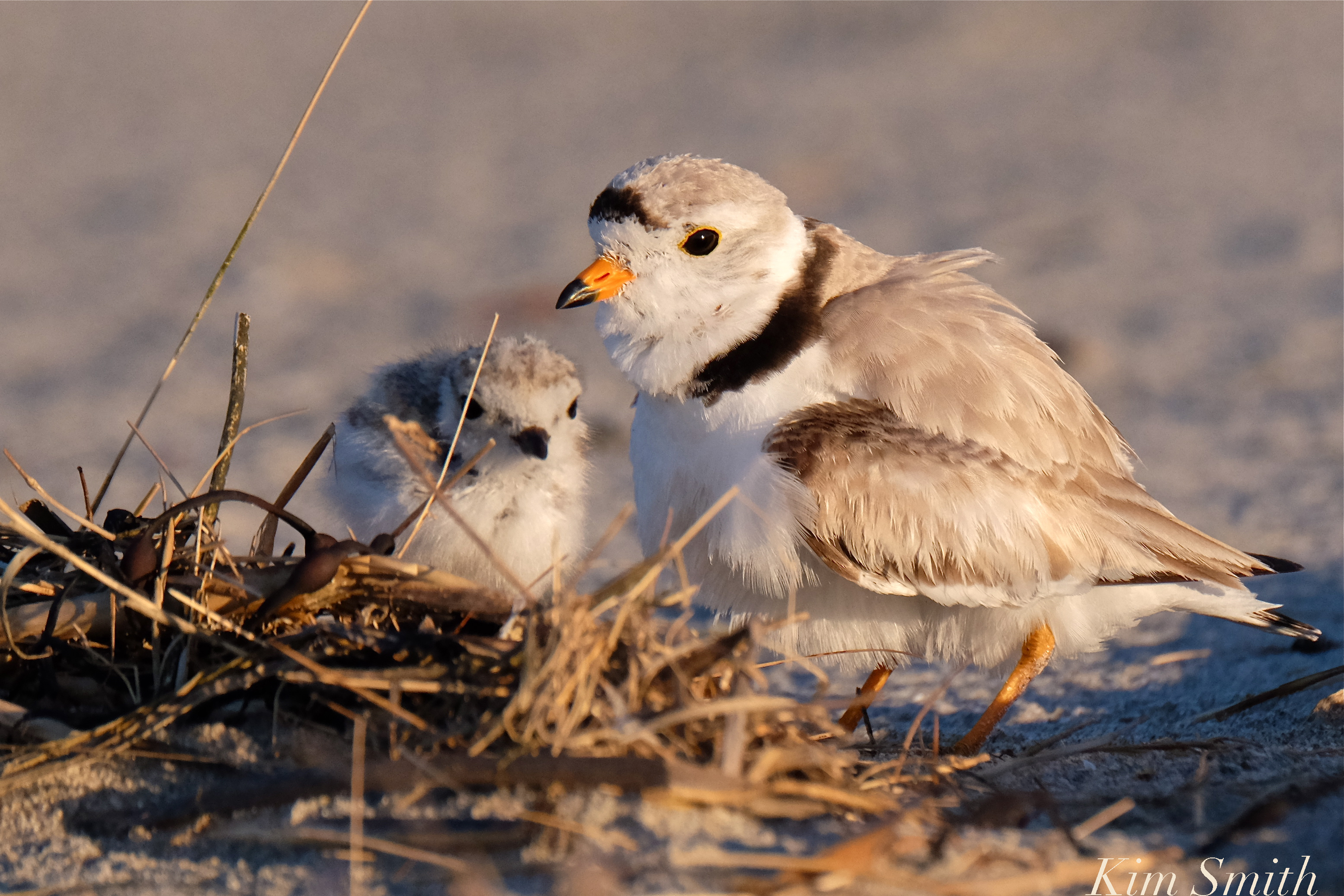
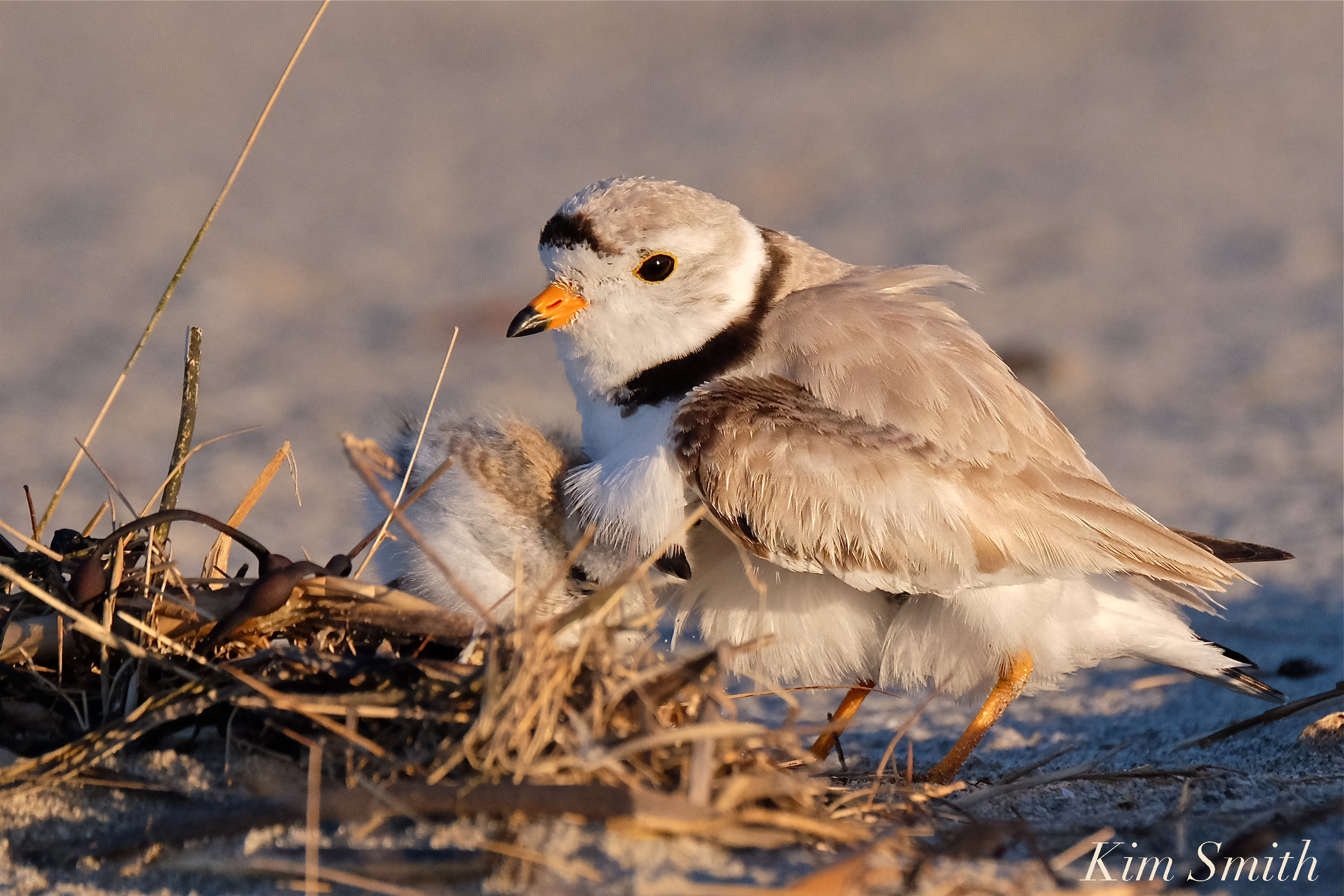 Seventeen-day-old Pip needed lots of warming snuggles on this chilly Tuesday morning.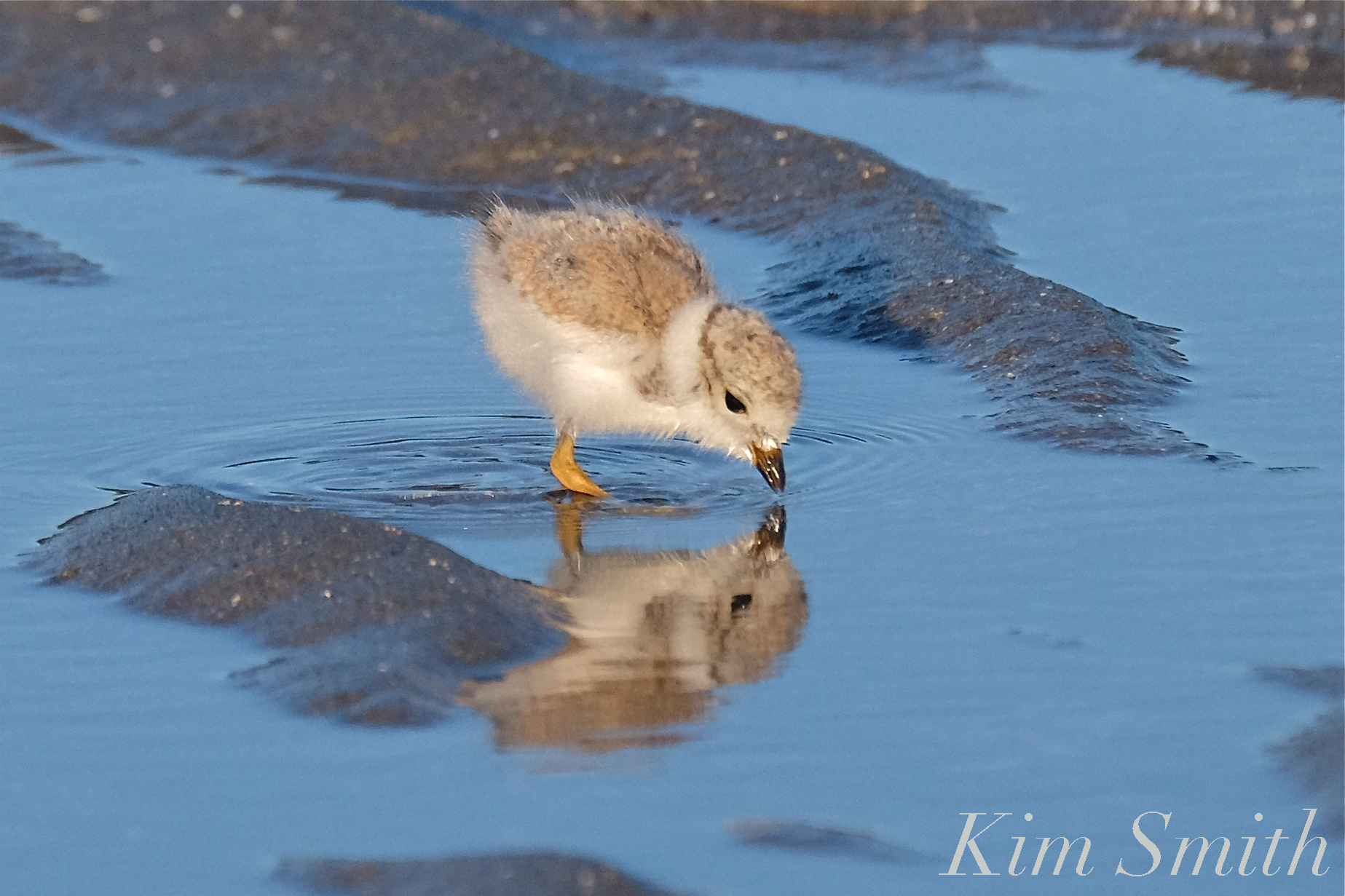









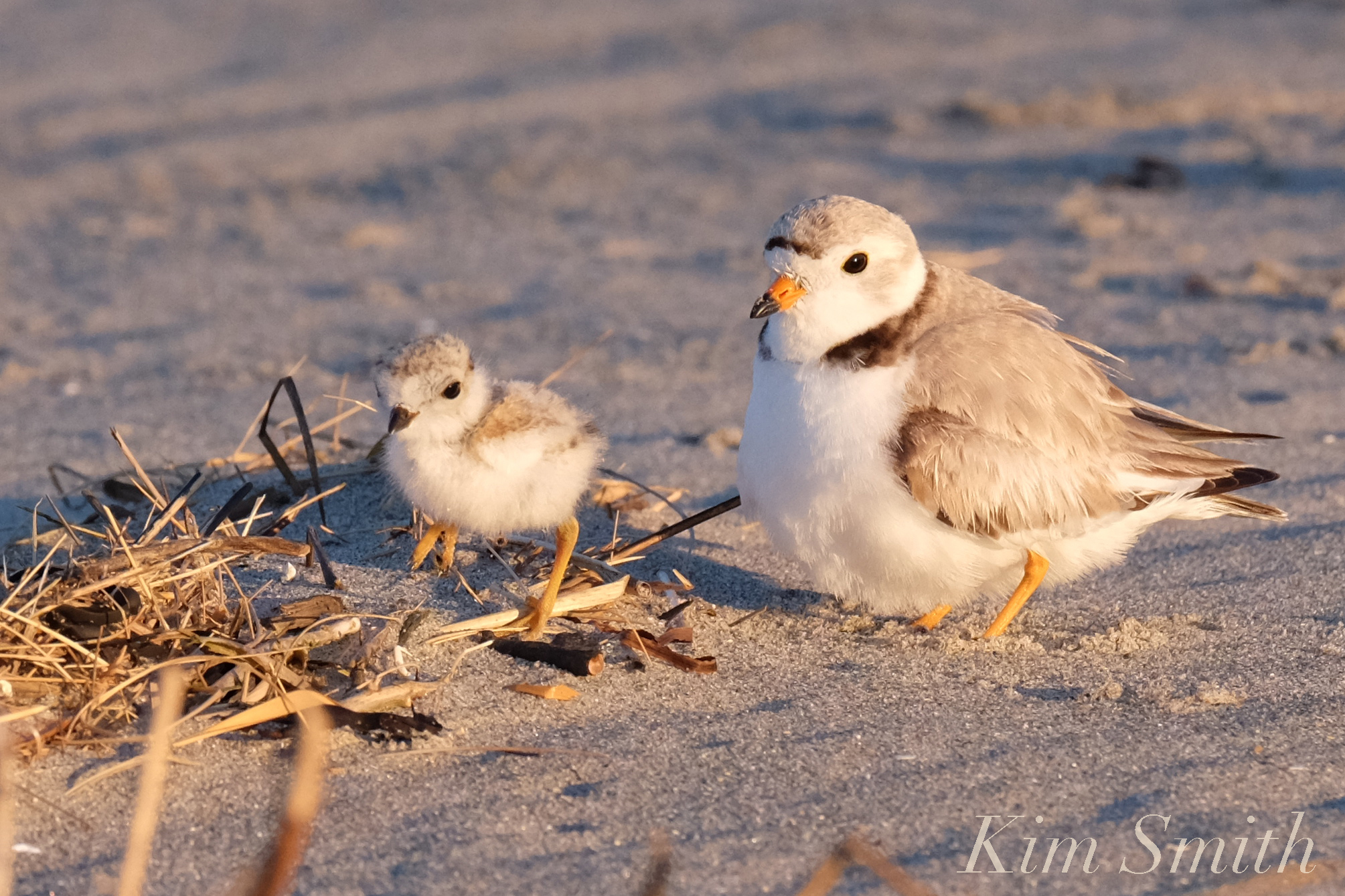 Our Good Harbor Beach Piping Plover Little Pip made the two-week-old milestone on Saturday!!!
To survive two whole weeks is an important date for a Piping Plover chick. Pip’s chance of fledging has improved exponentially.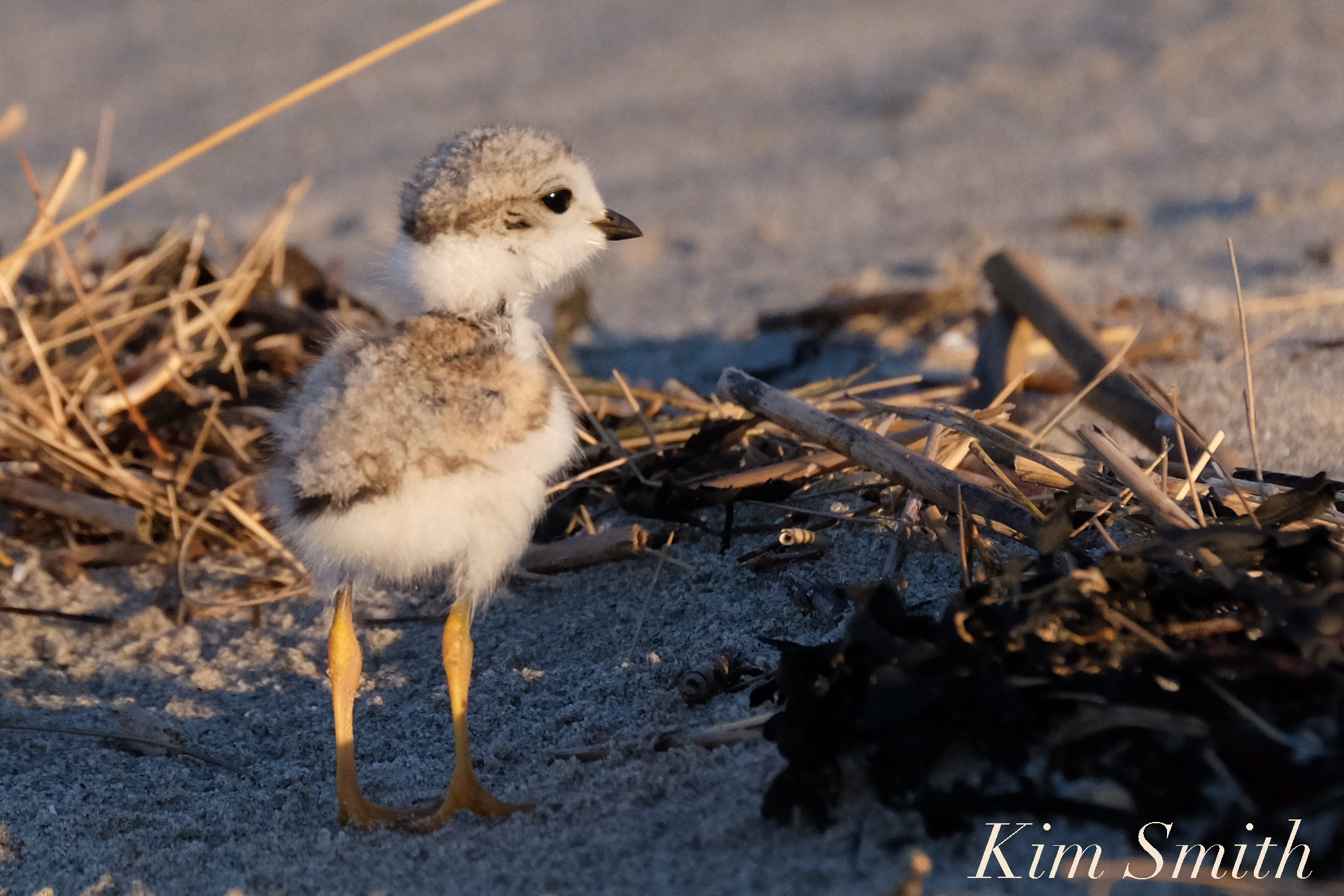
Every day he grows a little stronger, a bit taller and rounder, and noticeably faster. Less sleepy-eyed when waking up from snuggling under Mom or Dad, out he zooms from the warm wing of the parents like a jet-propelled rocket. And now he does this fascinating thing with his wings. Just as did Little Chick last year, at top speed, he zings and zangs with wings aflutter and aflap, seeming airborne for a few seconds. He won’t be able to sustain flight for another several weeks, but won’t it be marvelous when he does!
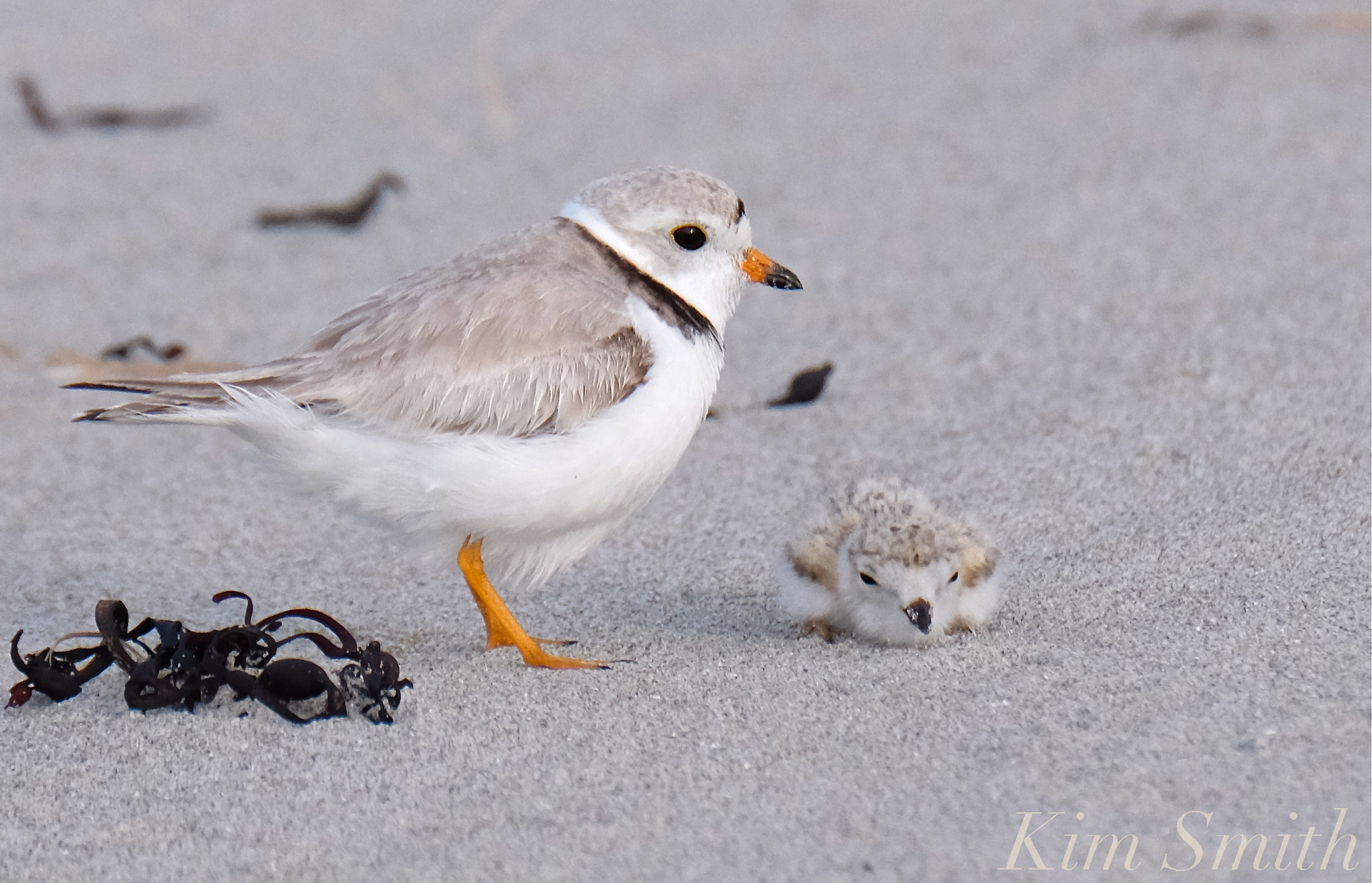 Piping Plover chicks and parents communicate with a wide range of piping calls. We are more likely to hear Mama and Papa’s shrill, urgent notes warning of pending danger. But more often, both chicks and parents communicate in soft, barely audible gentle notes. At about twelve days old, our Little Pip appeared to understand, and respond more quickly, to the piping calls of the parent’s commands. He now flattens level with the sand when Mama and Papa pipe danger notes, or when a predatory bird flies overhead.
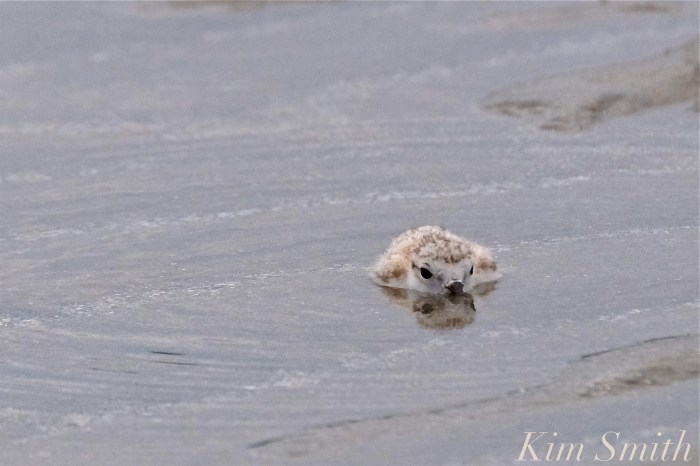
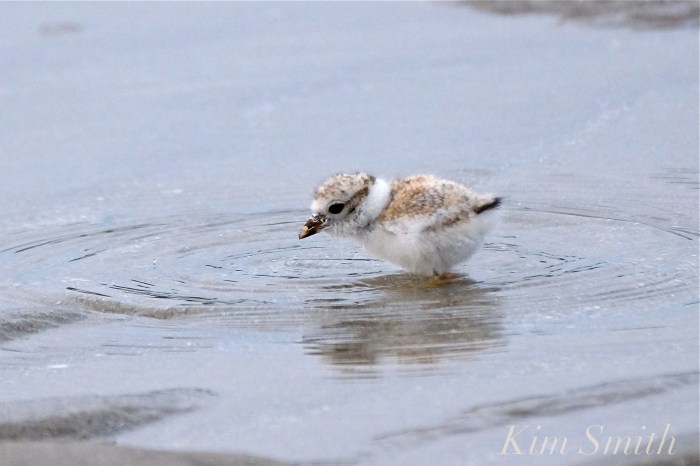
Dip-diving in the tide pools for breakfast!
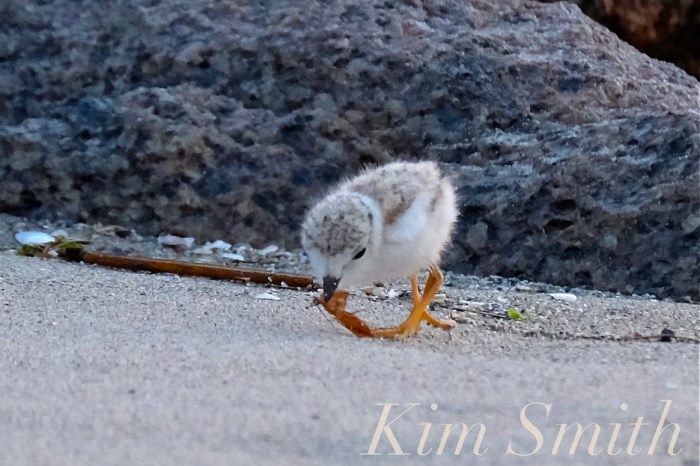
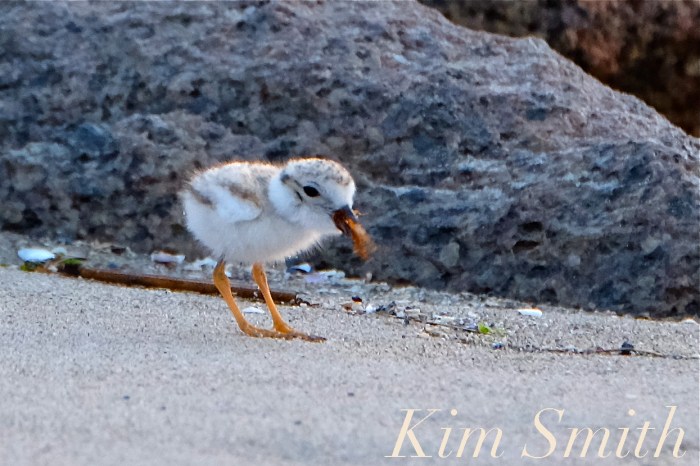
This insect was so large, from a distance I at first thought Pip was eating seaweed. He swallowed the bug in one gulp!
Pip continues to snuggle under wing, but will do so less and less frequently as he develops and is better able to thermoregulate. I recall our Little Chick last summer attempting to snuggle under Papa Plover even at thirty-days-old, which by the way, looked terribly silly, but sweet, to see a chick nearly as large as the parent try to snuggle under its wing.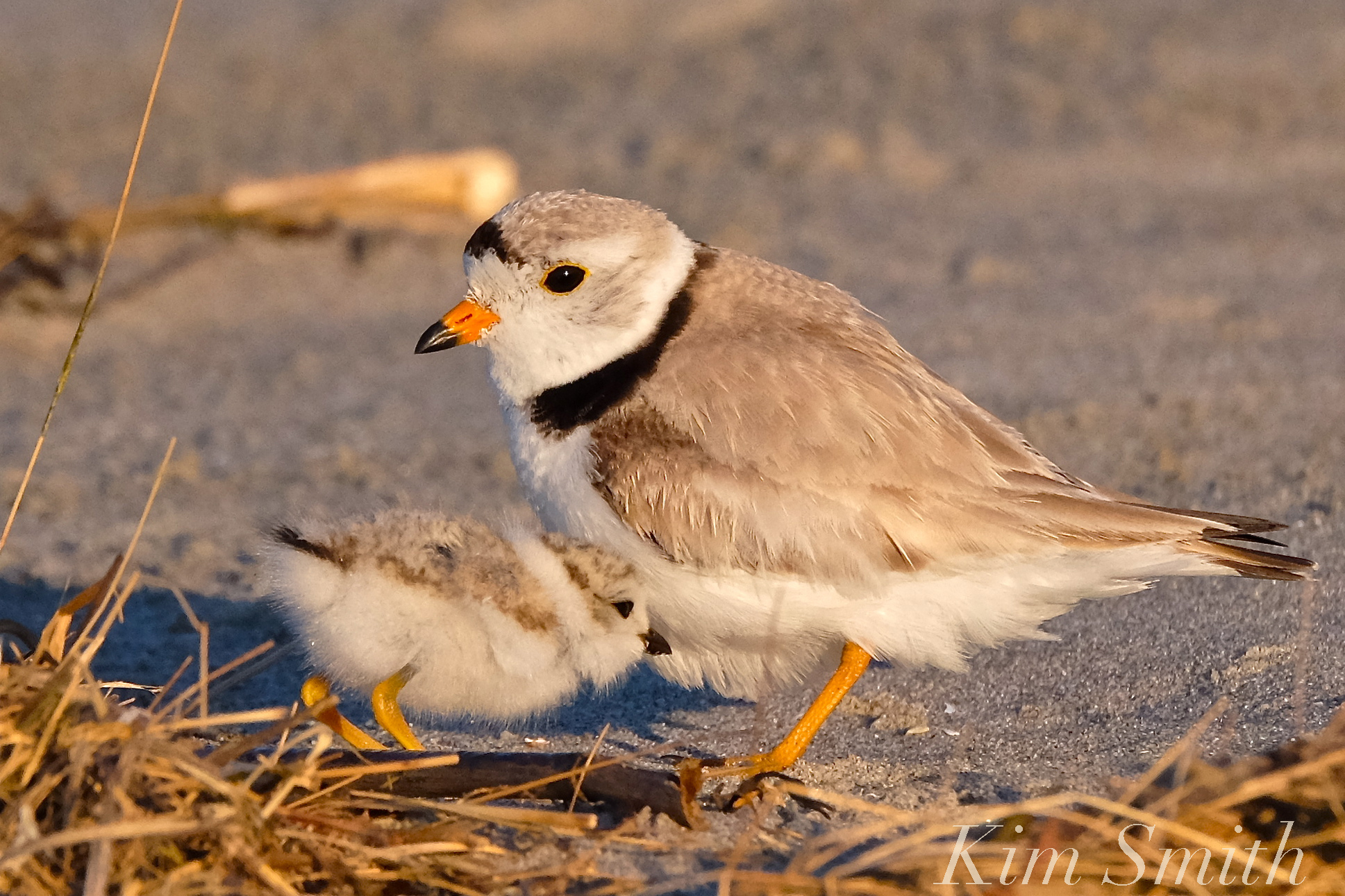
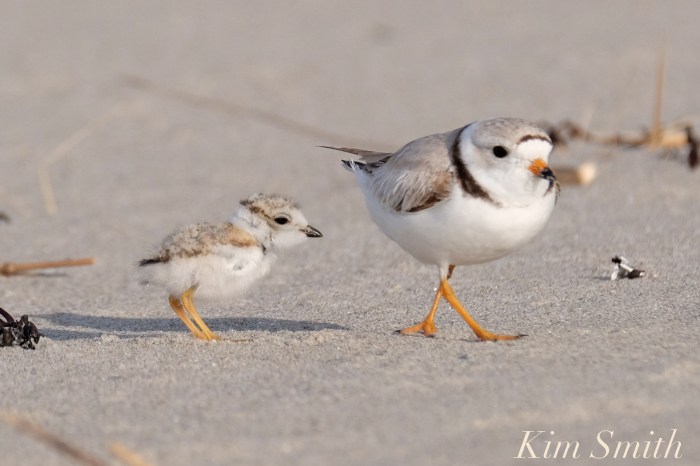
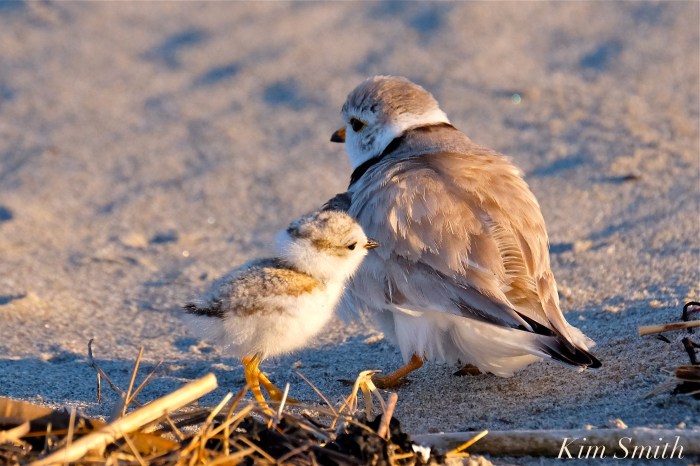
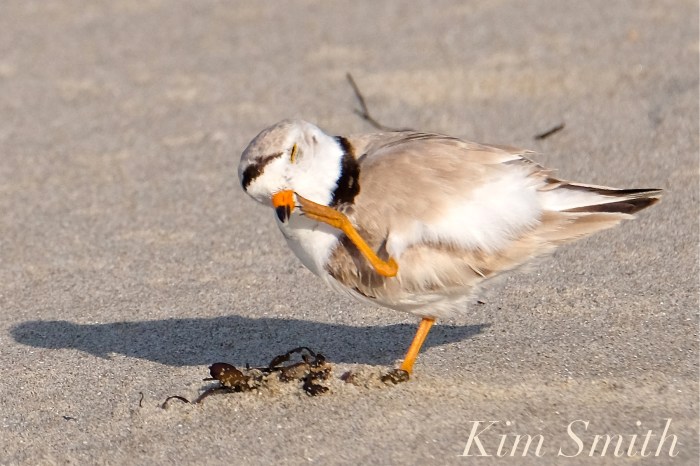
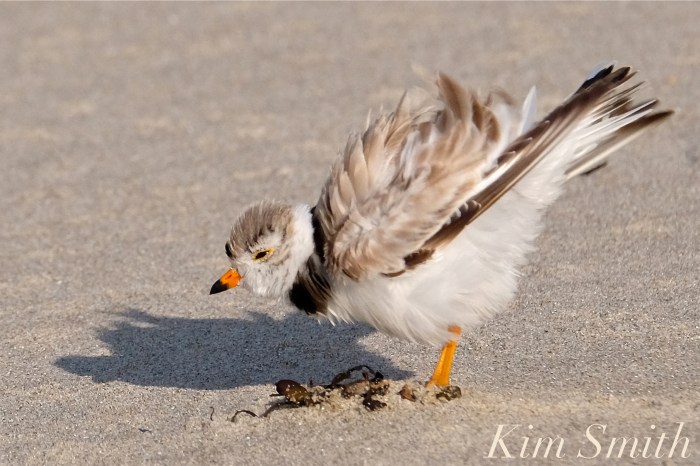
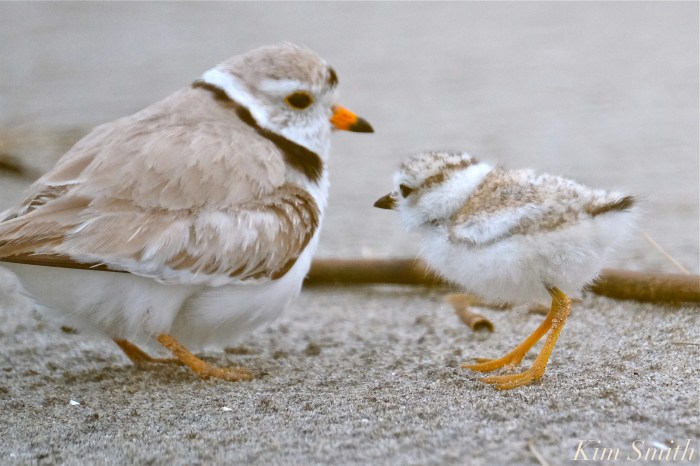
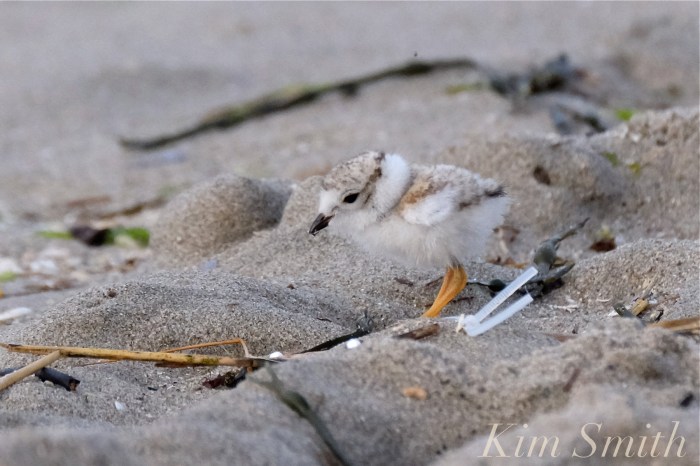
Two weeks ago Saturday, our lone surviving chick hatched in the parking lot at Good Harbor Beach. Despite being driven off the beach by dogs running through the nesting area (sadly finding the lot to be the least dangerous place to nest), Mama and Papa PiPl successfully hatched four chicks from four eggs. This would not have been possible without a whole lot of help from Gloucester’s DPW, Essex County Greenbelt’s Dave Rimmer, Gloucester’s conservation agent Ken Whittaker, and a core group of super dedicated volunteers.
After spending the first day in the parking lot, the family of six–Mama, Papa, and four one-day-old chicks made the epic journey across the width of the parking lot, through the landscape of tall dune grass, tumbling down the steep slope of the dune, and into the roped off nesting area. Had Papa and Mama pre-planned this route? I think yes.
Life for a Piping Plover chick, especially at Gloucester’s most well-loved and highly trafficked of beaches, is impossibly tough. The first chick to perish was eaten by a gull, the second was taken out by a dog off leash in the nesting area, and the third, by a crow. In one way or another, the trail as to why these tender little shorebirds perished leads to the heavy footprint left by people.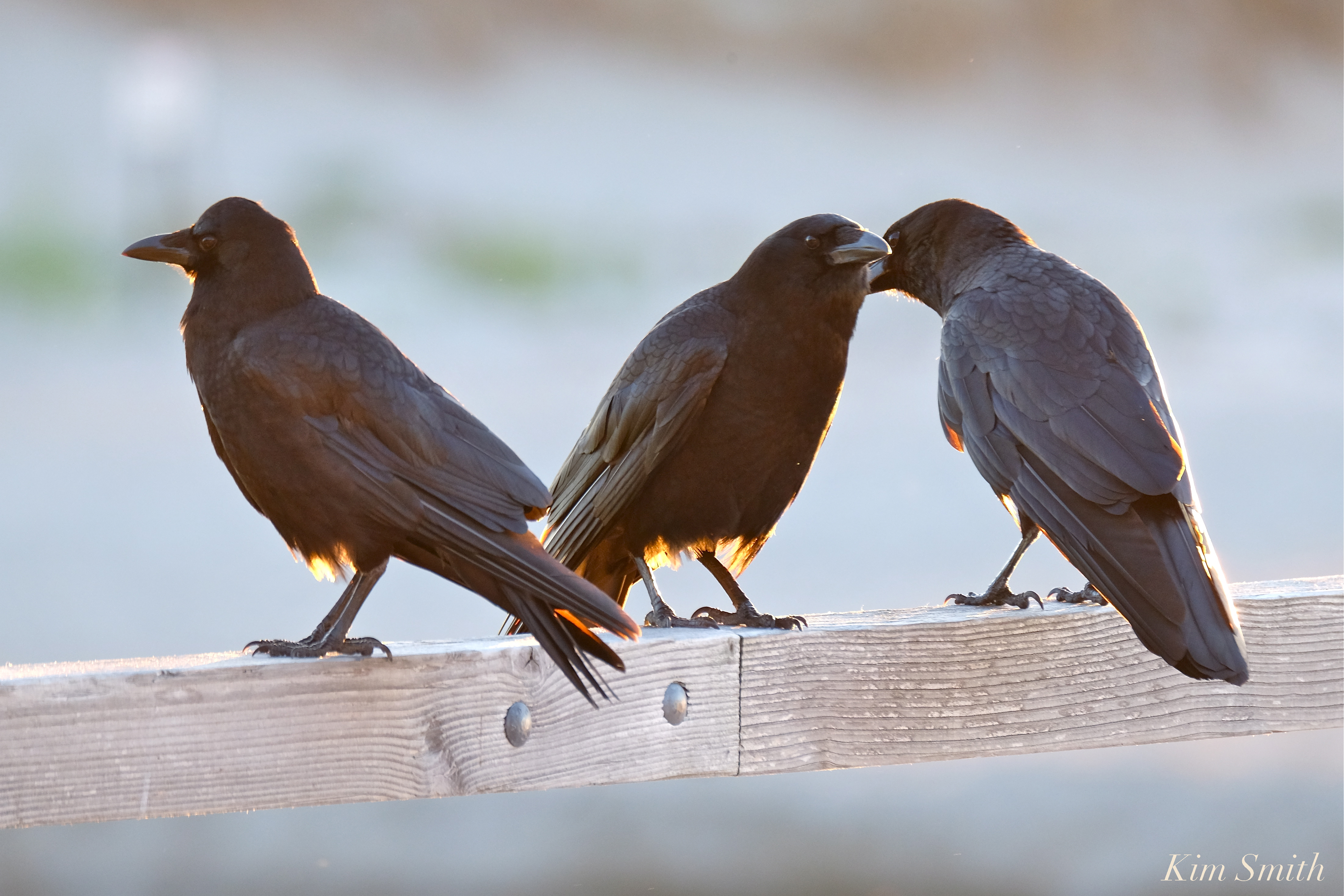


Morning meet and greet of the Crow Breakfast Club, held every day on Nautilus Road following a warm sunny beach day.


Same for the Seagull Breakfast Club
Gloucester does not have a seagull and crow problem, but we do have a littering, as well as a lack of trash barrels problem. If the crows and gulls were not finding the mounds of trash littering the beach, and piled at the entryways to the beach, each and every single morning, they would simply find somewhere else to forage. Bright and early, every morning the DPW crews arrive to clean the beach, but what happens before they arrive? For the first three hours of daylight, the crows and gulls devour a smorgasbord of tantalizing treats, feasting on loose garbage strewn the entire length of the beach, in the parking lot, and at all the entrances to the beach. Forget placing the garbage in bags if the bags are not contained in barrels; the birds, rats, and coyotes knowingly rip right through them. The plastic cups, bottles, to-go containers, and accoutrements blow freely through the dunes and marsh and eventually, all is carried into the ocean.
The trash problem holds true throughout the city. If folks stopped feeding the crows and gulls, and we solve the garbage problem, we will rid ourselves of ninety percent of the issues surrounding gulls, crows, coyotes, and rats. Carry in, carry out works to a degree, but barrels are sorely needed at locations such as the entrance to the footbridge. Additionally, residents would ideally place their garbage, in barrels, the morning of trash collection (as opposed the the night before), dumpsters always kept tightly covered, and littering laws strictly enforced.
A friend from North Carolina shared that the beaches in her community are pristine. How do you do it I asked? Two simple solutions. Number one is barrels and number two is enforcing littering laws. Every few weeks, police patrol the beaches and hand out fines for littering. After a few weeks or so, people become lax about littering, and out come the police handing out another round of fines. Would this be a money-maker for the City of Gloucester I wonder?
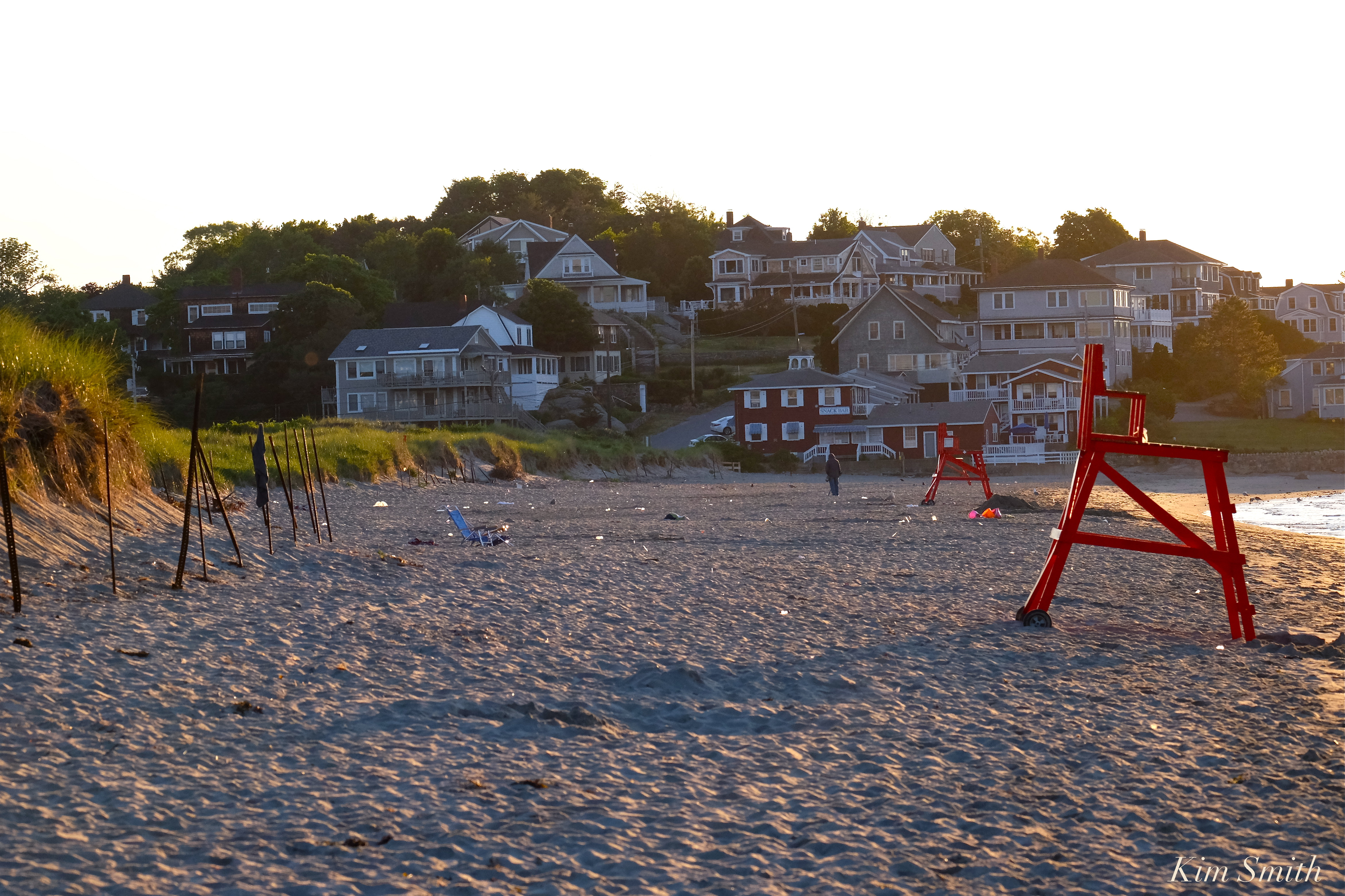 Plastic glistening in the morning sun – Good Harbor Beach, before the DPW arrives.
Dogs off leash at Good Harbor Beach continue to frustrate us all. Despite stepped up enforcement, local residents and out-of-towners continue to flaunt the rules and the No Dogs signs. Every single day, we monitors see dog owners with their dogs, and dog tracks, at Good Harbor Beach.
Dune fencing, which is slated to be replaced after the Piping Plovers leave, is going to help to keep the dogs (and people) out of the dunes. I hope well placed signs that speak to the fragility of the dunes will also accompany the new fencing. If you can imagine, people allow their dogs to run freely through the dunes and also use the dunes as their personal bathroom. Sometimes the scofflaws don’t even bother to climb the dunes, but run right through the nesting area and stand in broad daylight at the base of the dunes, in full view of all, to relieve themselves.
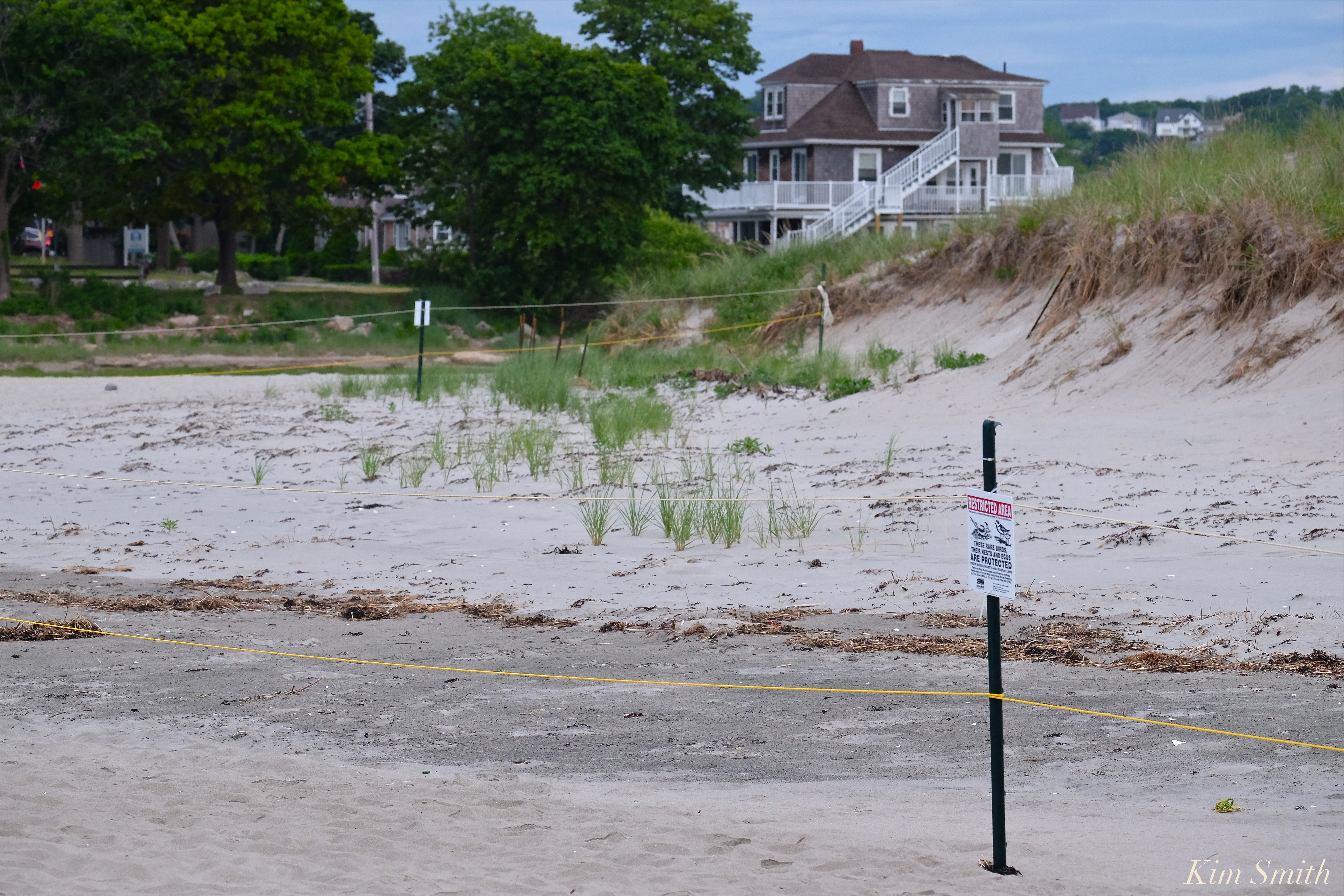 Note the beach grass growing at the base of the dunes where the roping has been in place since mid-April. I hope this area continues to be roped off, even after the PiPls depart. Growing sturdy patches of dune grass will help tremendously with the ever increasing problem of beach erosion.
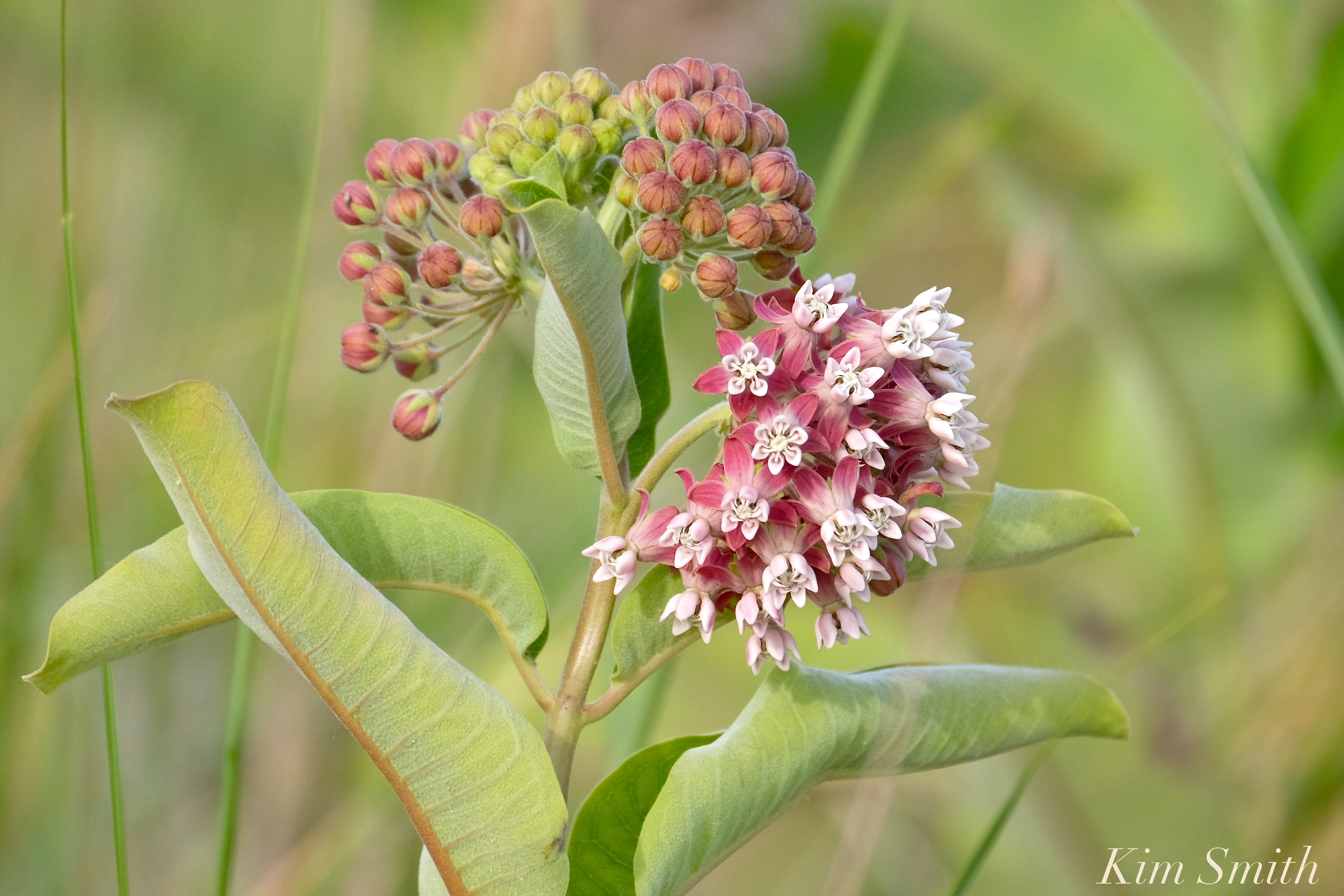 Common Milkweed (Asclepias syriaca) is coming into bloom at the Good Harbor Beach dunes. The many species of wildflowers found growing in the dunes provides myriad species of wildlife with both food and shelter.
 Why?
Why?
Fifteen-Day-Old Piping Plover Chick and Mama




































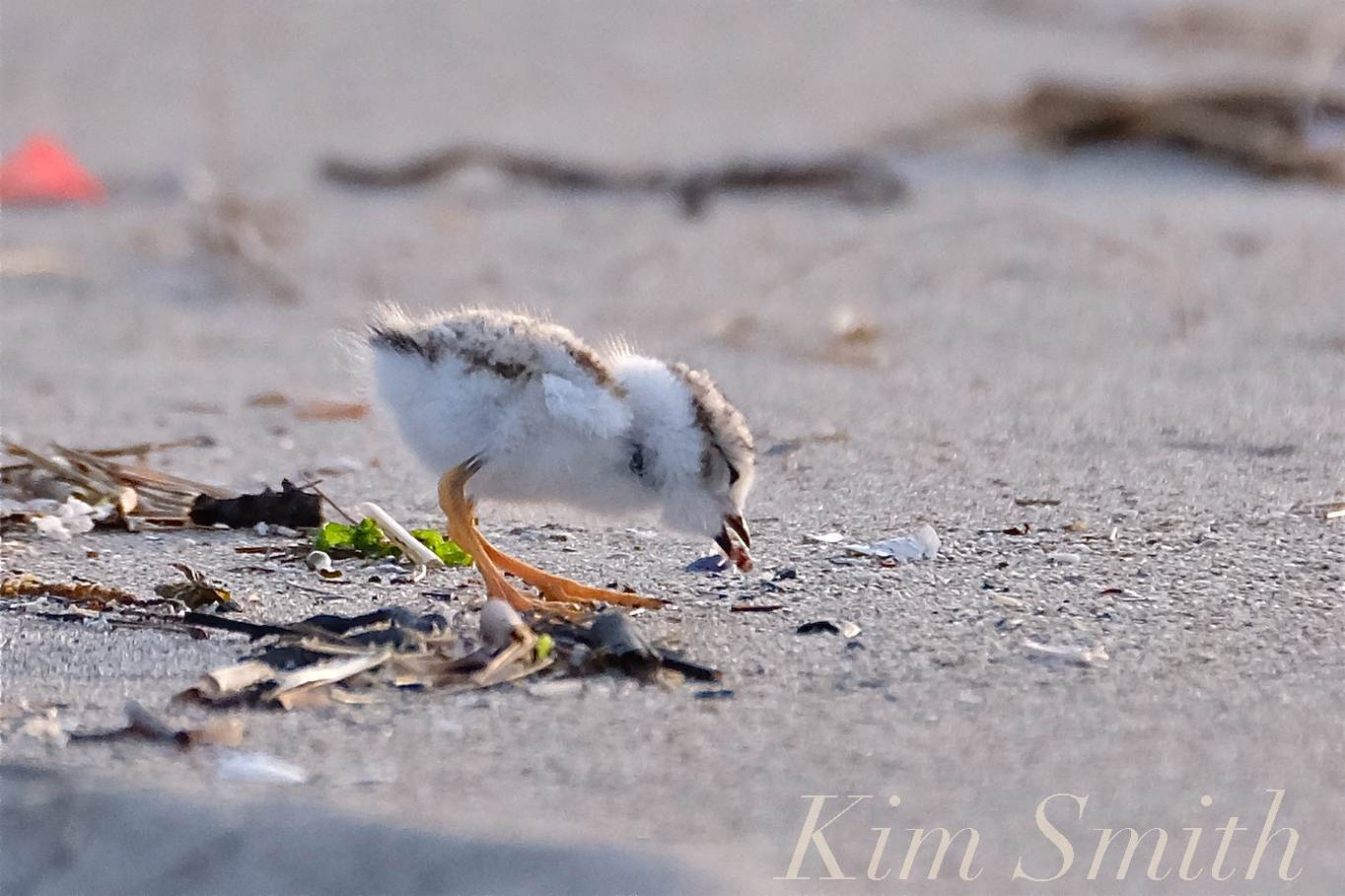
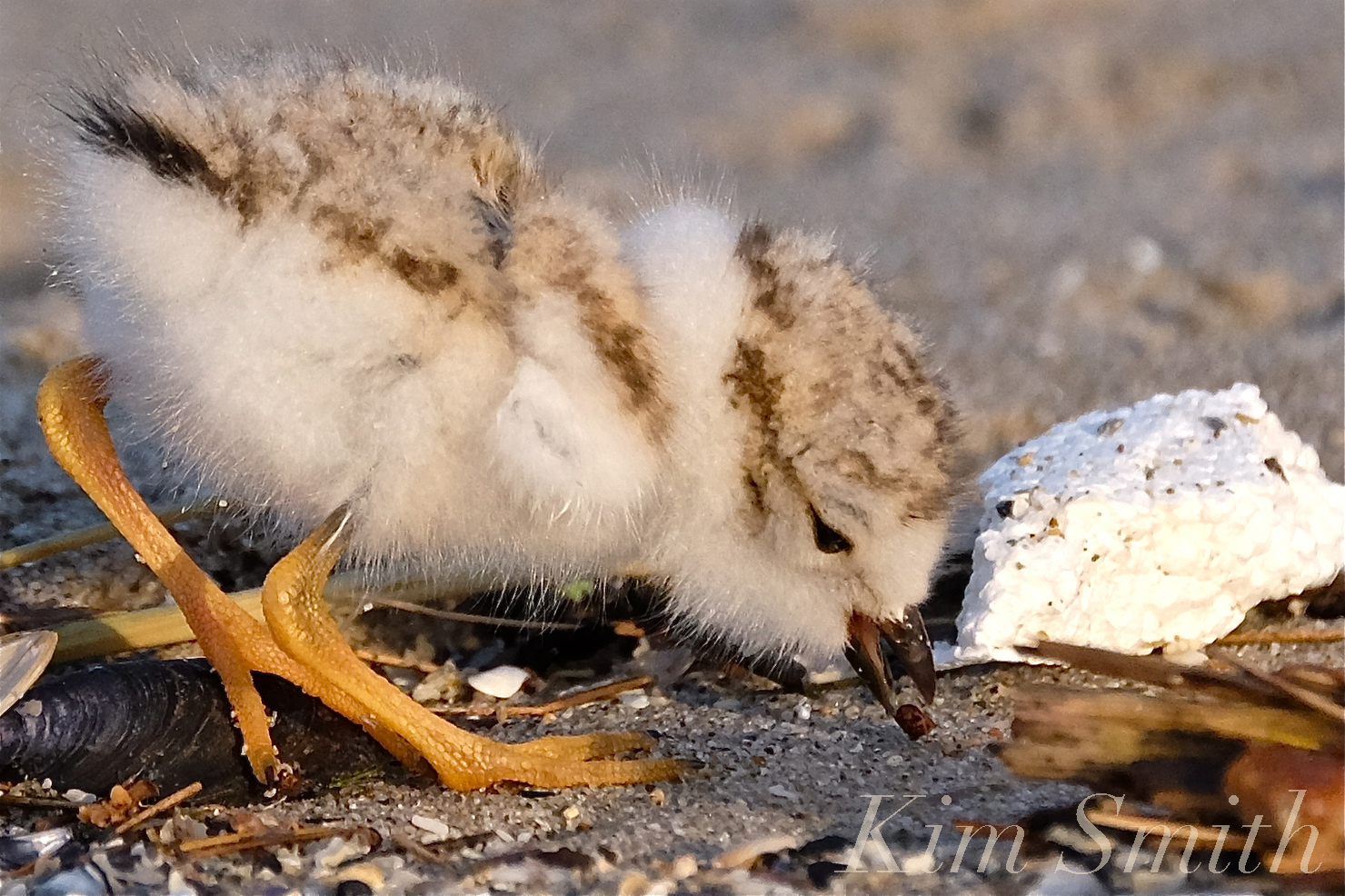 “What do Piping Plovers eat, especially the chicks?” is one of the questions most frequently asked of our volunteer monitors.
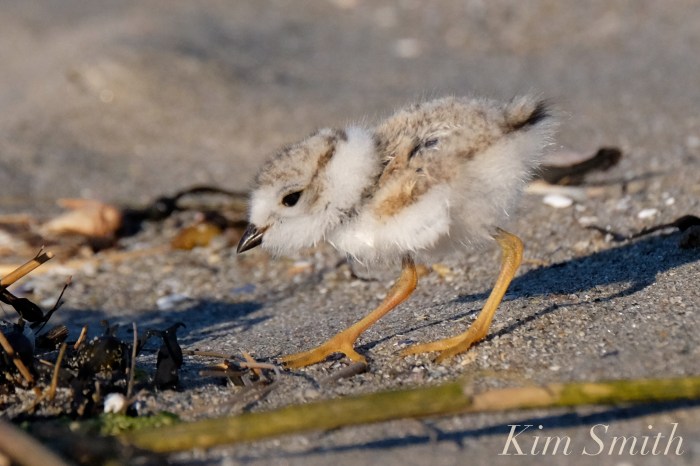
 Piping Plover chicks eat everything the adults eat, only in smaller bites, and pretty much anything they can catch. We’ll often see the chicks pecking repeatedly in one spot. Unlike Mama and Papa PiPl, they don’t always eat the insect in one swallow. The chick will chase after the insect and eat it in several beakfulls.
Piping Plovers forage at the shoreline, in the intertidal zone, and at mud and sand flats. While running, they scan the immediate area, and then peck at the prey it locates. When by the water’s edge and in the sand flats, they eat sea worms, tiny crustaceans, and mollusks. When around the wrack line, they find teeny insects including spiders, beetles, ants, and insect larvae.
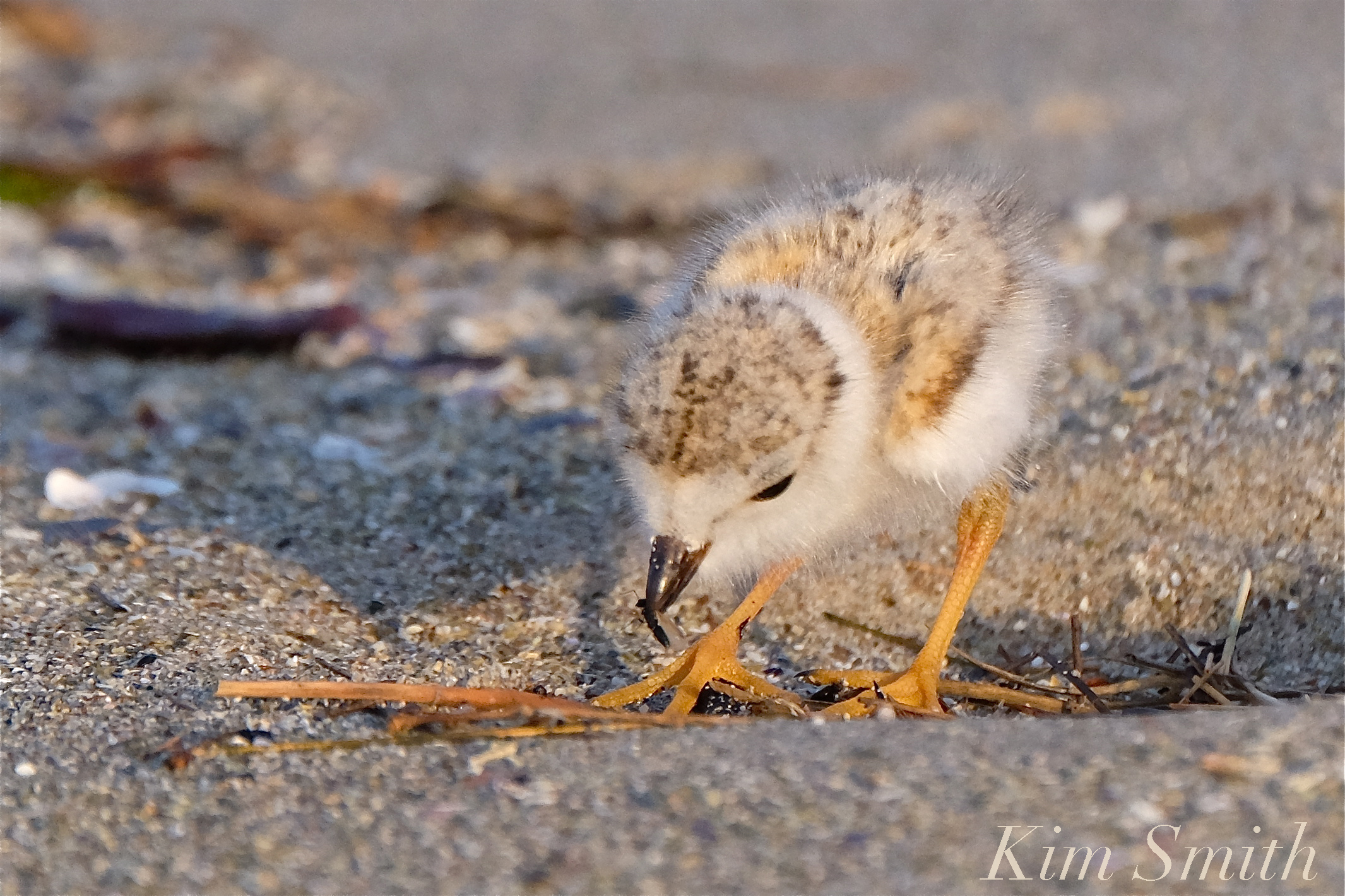 Here’s our little Pip at eight days old feeding on a winged insect. Piping Plover chicks begin pecking and looking for food within hours after hatching.

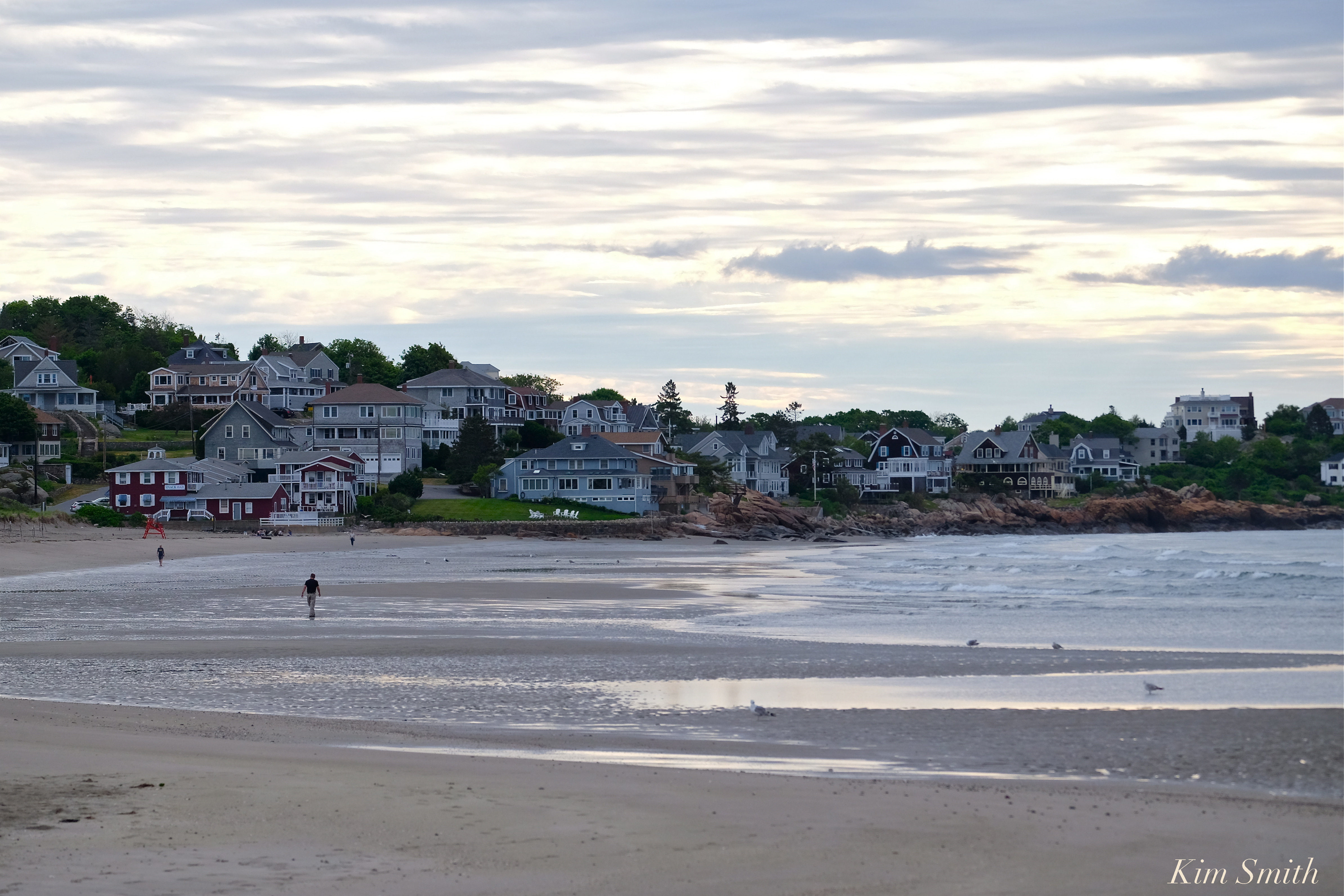 How terrific to see Officer Jamie Levie at Good Harbor Beach bright and early this morning- and a quiet peaceful morning it was. Officer Teagan Dolan was at GHB yesterday morning, too. Our sincerest thanks to ACOs Jamie and Teagan, and to Chief John McCarthy for the stepped up patrols at Good Harbor Beach and for all their kind assistance with our GHB PiPl family.

Currently, dogs are not allowed on the beach from May 1st to September 30th. The PiPl volunteer monitor core group, Dave Rimmer from Greenbelt, Ken Whittaker, who is Gloucester’s conservation agent, and Mass Wildlife’s John Regosin all agree that dogs should not be allowed on Good Harbor Beach beginning April 1st, but that it would be safe for Piping Plover fledglings and other migrating shorebirds for dogs to return after September 15th.
This new suggested time frame will allow birds to nest with far less interruption, shorebirds will nest earlier in the season (which will help with the chicks survival rate), and the chicks will be stronger by the time Good Harbor fills with summer crowds. This is a very logical and simple solution. Disallowing dogs on Massachusetts coastal beaches where shorebirds are nesting, beginning April 1st, is quite common. Allowing them to return after September 15, and in many cases after September 30th, is also very common. For Piping Plovers and other nesting shorebirds, protecting their habitat and sharing the shore is a matter of life and death.
Mayor Sefatia Romeo Theken: sromeotheken@gloucester-ma.gov, 978-281-9700
Councillors At Large
Paul Lundberg, President: plundberg@gloucester-ma.gov, 978-282-8871
Melissa Cox: mcox@gloucester-ma.gov, 978-631-9015
Jamie O’Hara: johara@gloucester-ma.gov, 978-979-7533
Jen Holmgren: jholmgren@gloucester-ma.gov, 978-335-4748
Ward 1 Councilor Scott Memhard: smemhard@gloucester-ma.gov, 978-283-1955
Ward II Councillor Ken Hecht: khecht@gloucester-ma.gov, 617,755-9400
Ward III Councillor and Vice-president Steven LeBlanc: sleblanc@gloucester-ma.gov, 978-283-3360
Ward IV Valerie Gilman: vgilman@gloucester-ma.gov, 978-621-4682
Ward V Councillor Sean Nolan: snolan@gloucester-ma.gov, 978-375-8381
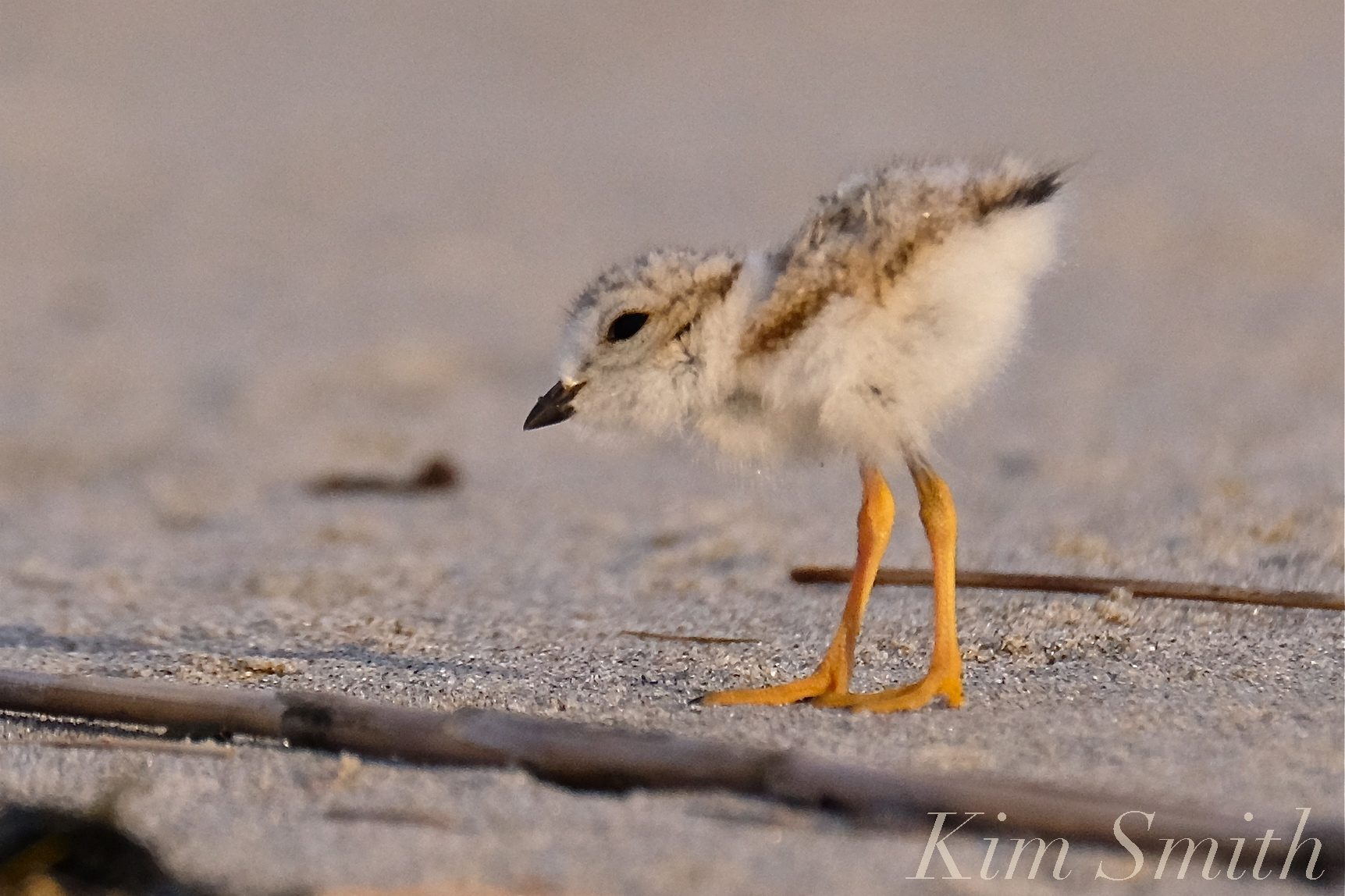
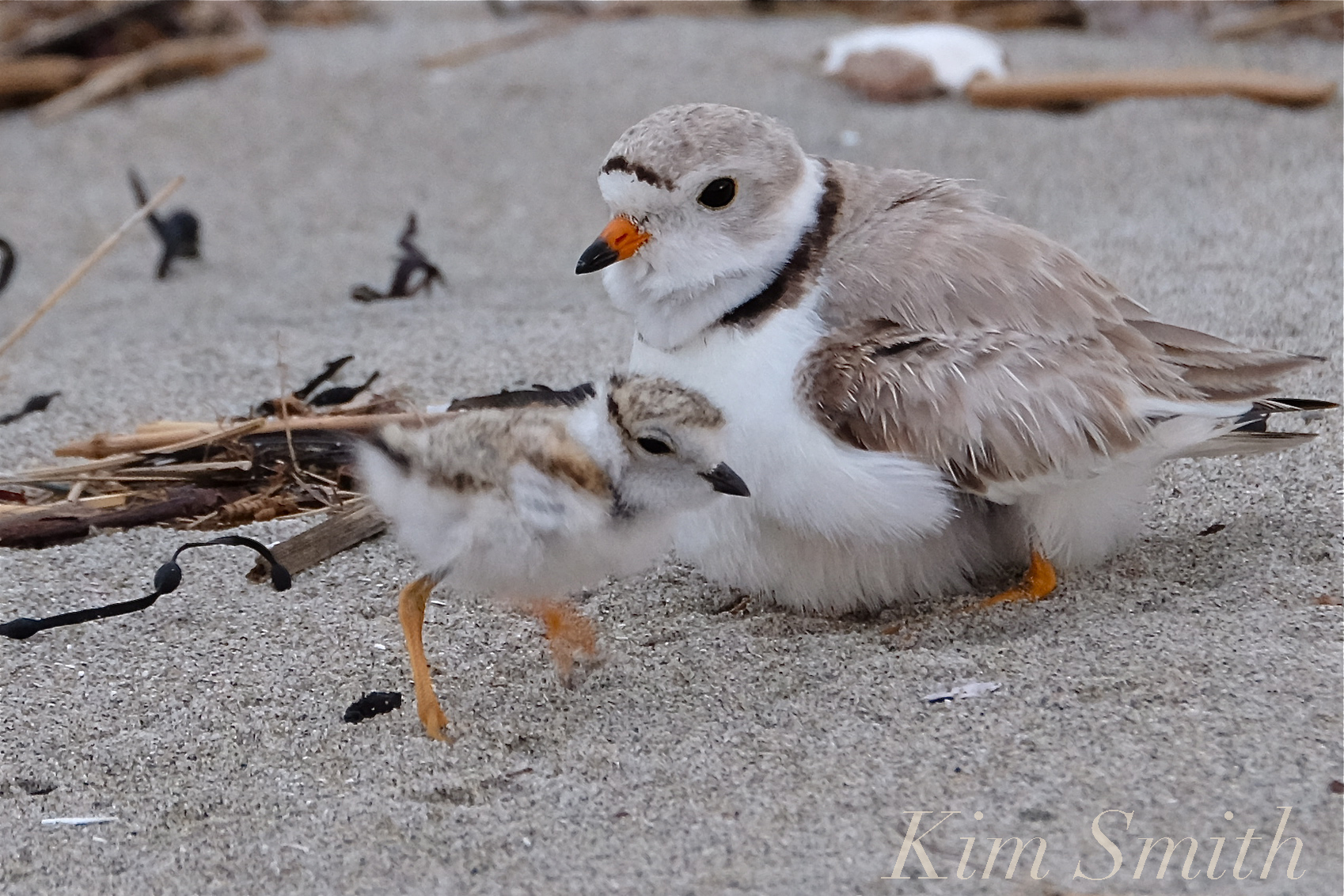 Our Nine-day-old Piping Plover Little Pip and Mama

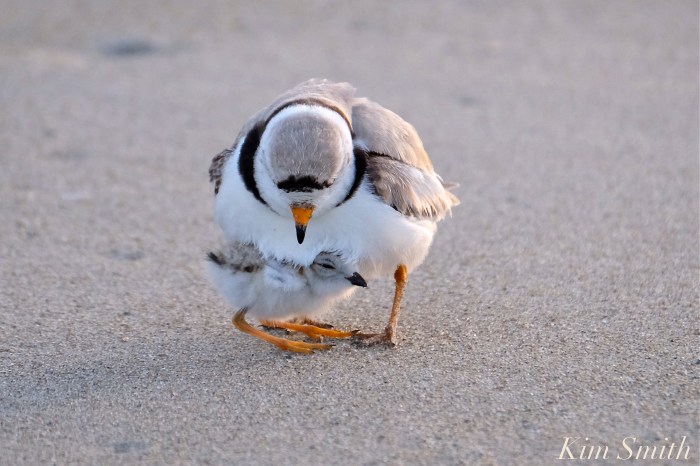 Papa and Pip snuggling today
Whenever folks stop by to ask questions at the nesting area and they see the little chicks snuggling under the adult PiPl, they almost automatically assume it is the Mama Plover. Half the time it is the female, and the other half, the male. Mom and Dad share equally in caring for the chicks, generally in twenty minute to half hour intervals. They are always within ear shot and while one is minding the chicks, the other is either feeding itself, grooming, or patrolling for predators. Last year, as is often the case, the Mama Plover departed Good Harbor Beach several weeks before the chick fledged, leaving Little Chick entirely under Papa’s care.
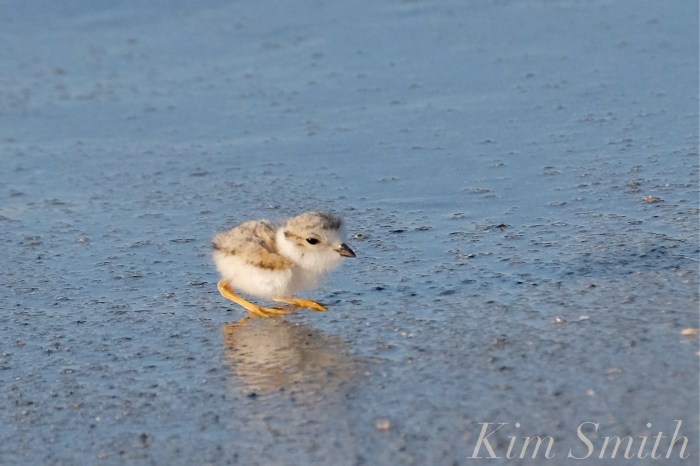
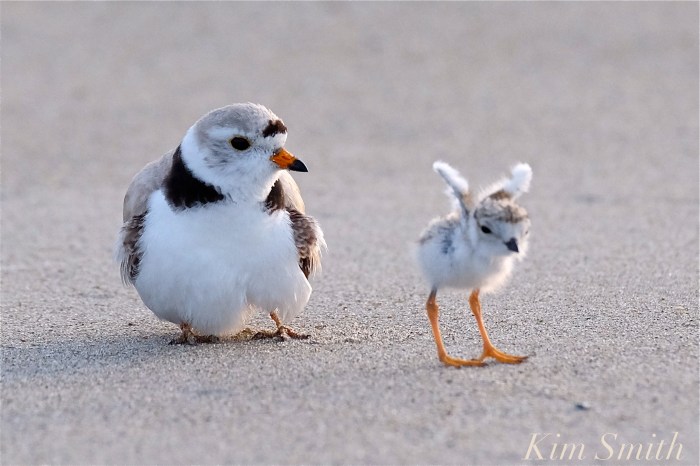
Eight-Day-Old Little Pip
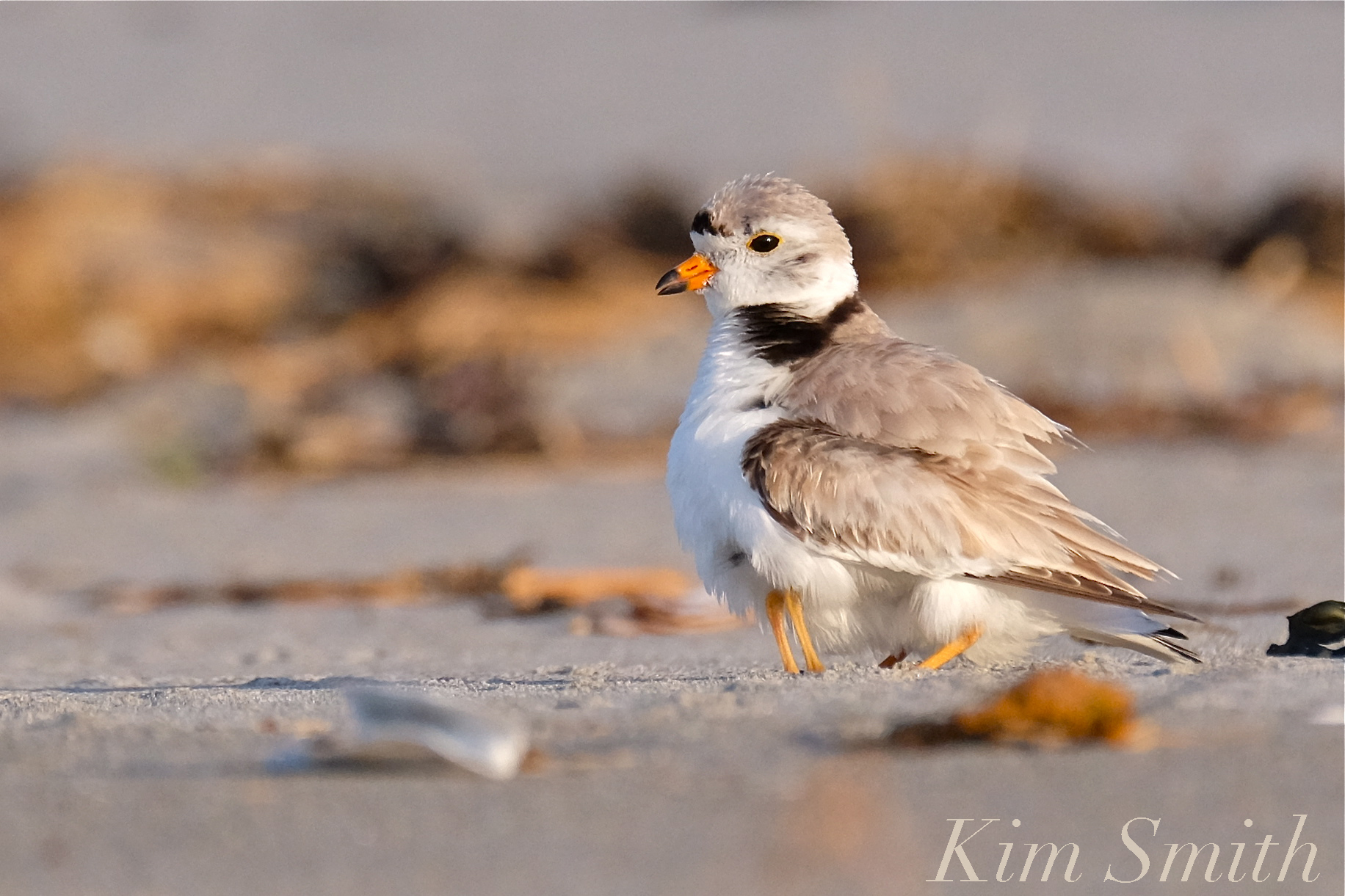 Papa piping a warning call to Mama, while snuggling Pip

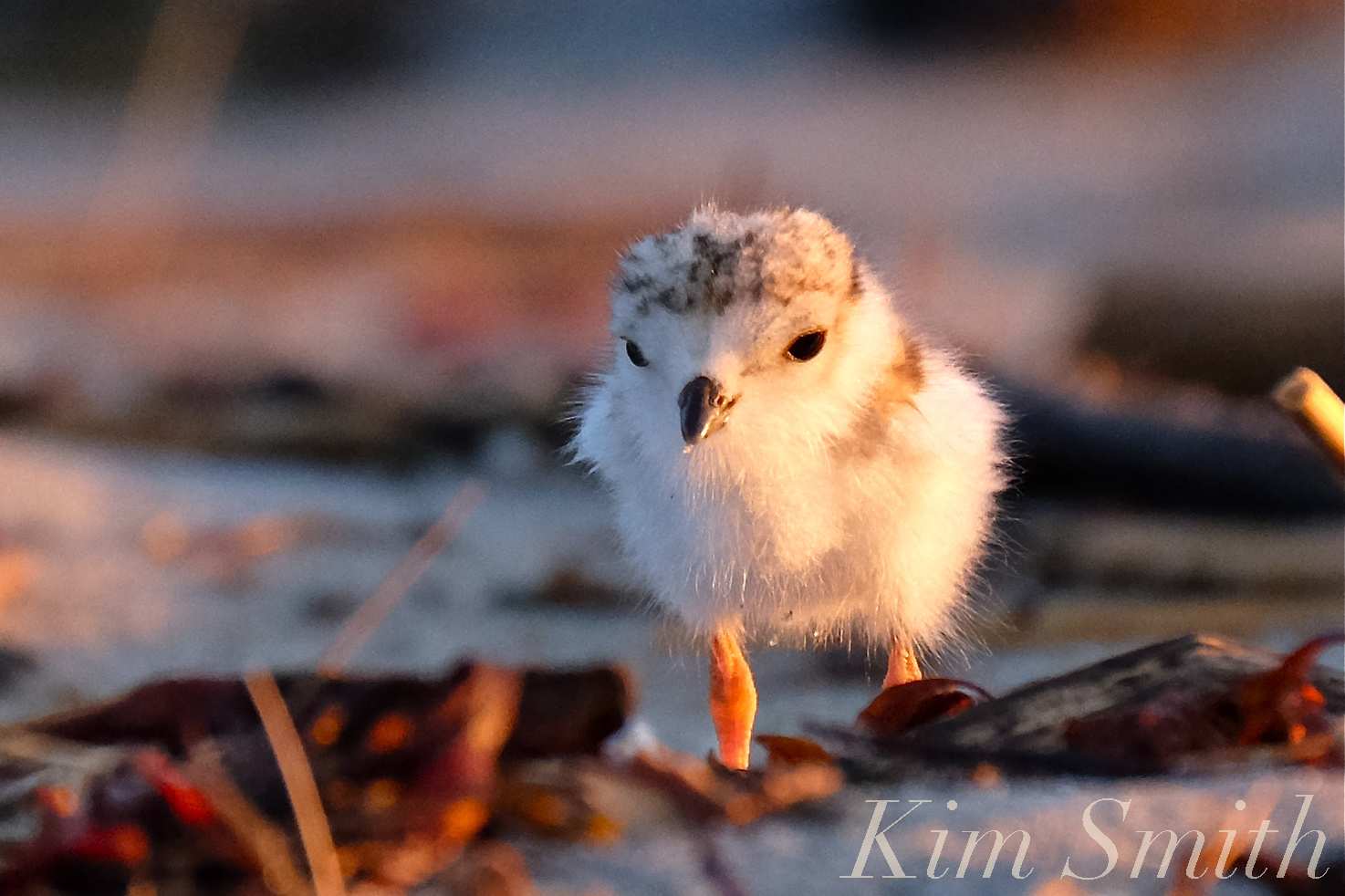 We are so very sorry to share that the third chick was killed this morning. The seven-day-old chick was taken and eaten by a very large crow that swooped in unexpectedly, as witnessed by the volunteer monitors.
One week ago today all four Good Harbor Beach Piping Plovers hatched in the parking lot. We celebrated, but also knew that the really hard part was yet to come. Monitoring tiny marshmallow sized fluff balls, made the color of their surroundings, is like looking for sand upon sand. To do this several hours at a time is no small feat, made even more challenging on Gloucester’s busiest of beaches.
I would like to give a huge shout out and thank you to all our super dedicated PiPl monitors. Know that they are doing the very best they can to fend off predators of every kind, ill mannered people, astronomically high tides, diminished beach, people who have been drinking in the hot sun all day, garbage left behind on the beach (which attracts crows and gulls), and every other creepy thing you can think of. The core group is putting in many hours, are sunburnt, and neglecting their families.
A terrible mishap of death or injury to a chick could happen on anyone of our shifts. When you see a PiPl monitor at GHB, stop and feel free to ask questions about the plovers, and please thank them for their dedication. I honestly hope I don’t see one more facebook post/comment blaming the monitors about how we are not doing enough to keep the chicks safe and not reporting enough about the scofflaws. It is just plain cruel. Thank you.
Our one remaining chick, the one volunteer monitor Heather Hall calls Pip, is the smallest of the hatchlings and the one we think hatched last. This afternoon Mom was keeping watchful eye while Pip was foraging between the foot of the dunes and line of folks at the rope’s edge.
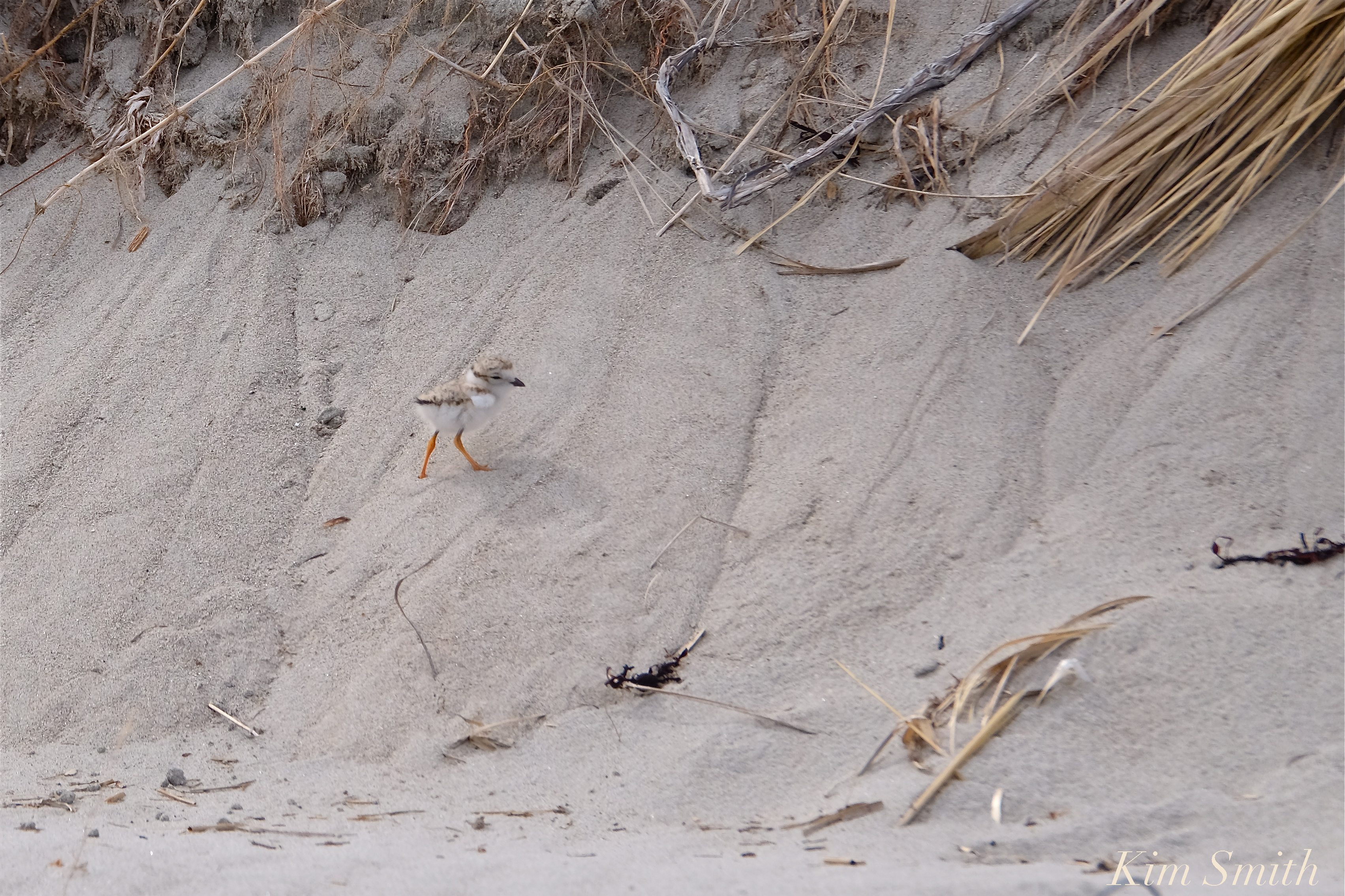 Climbing Mount Washington
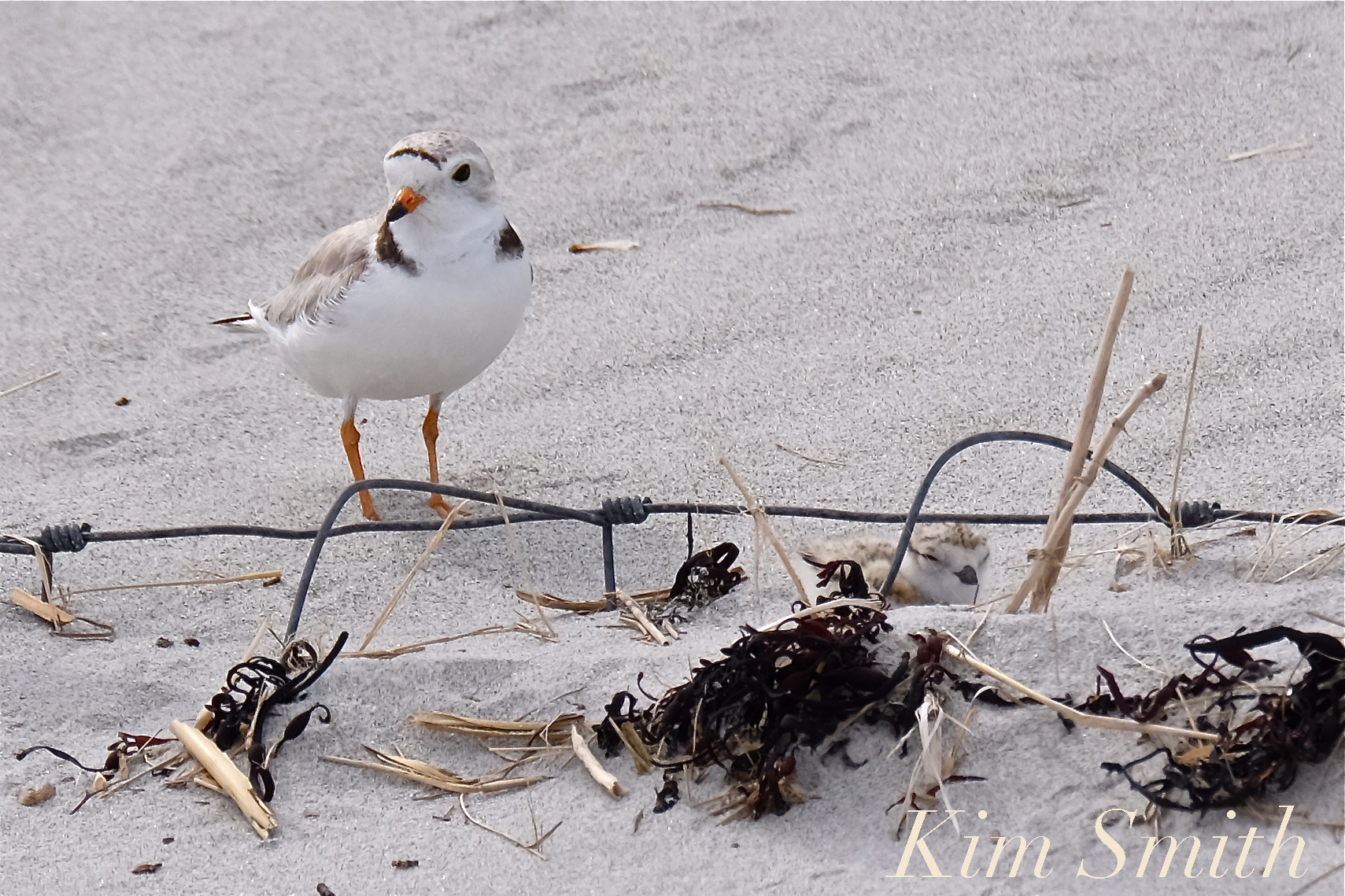 Mama Plover and Pip


Early this morning when we still had both chicks.

































































 Good Morning Gloucester