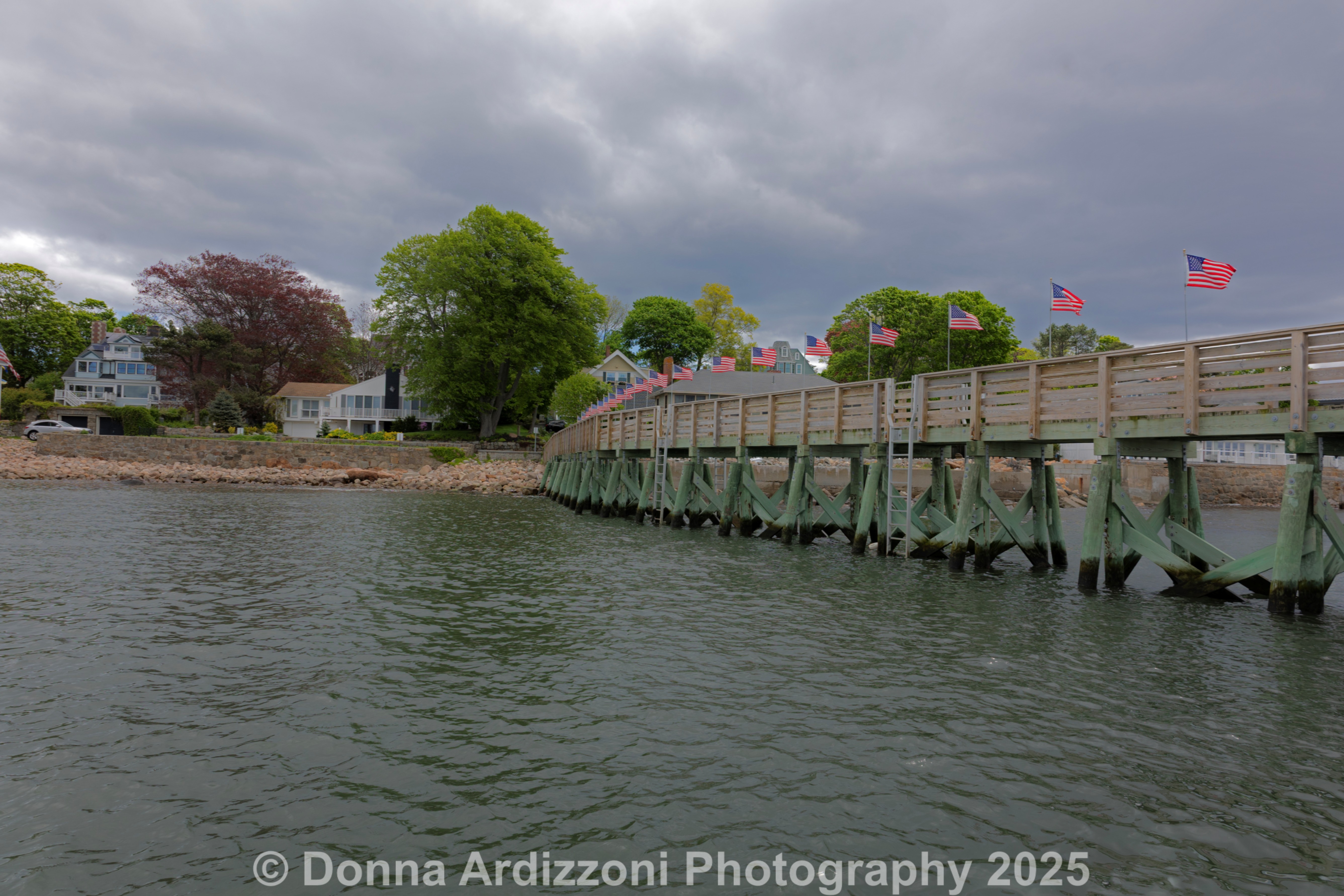
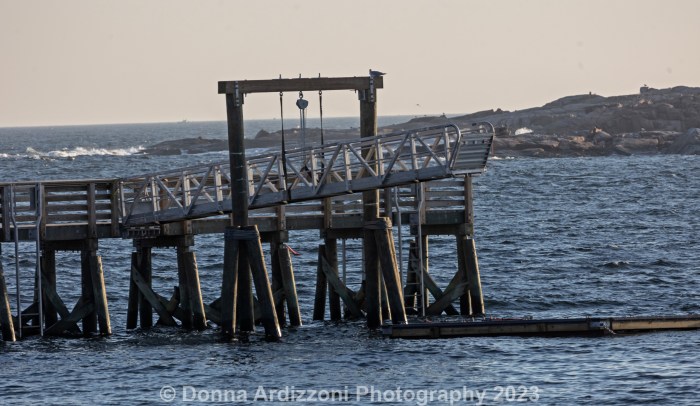
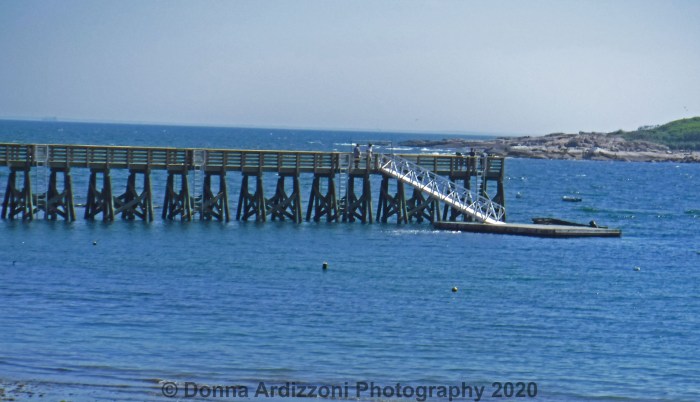
Now that the ramp is in and the float, walking to float shows different perspectives.
My View of Life on the Dock
Now that the ramp is in and the float, walking to float shows different perspectives.

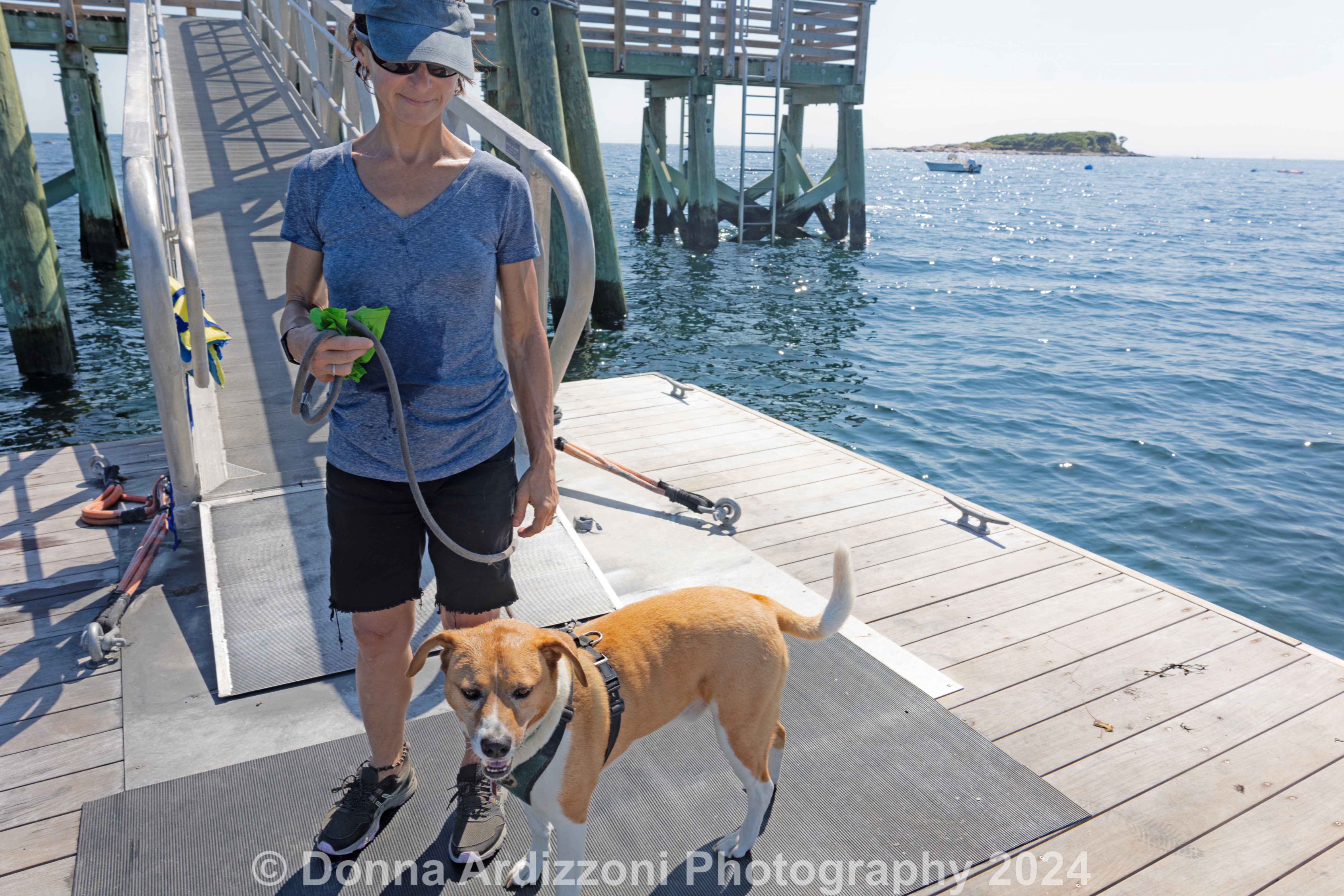
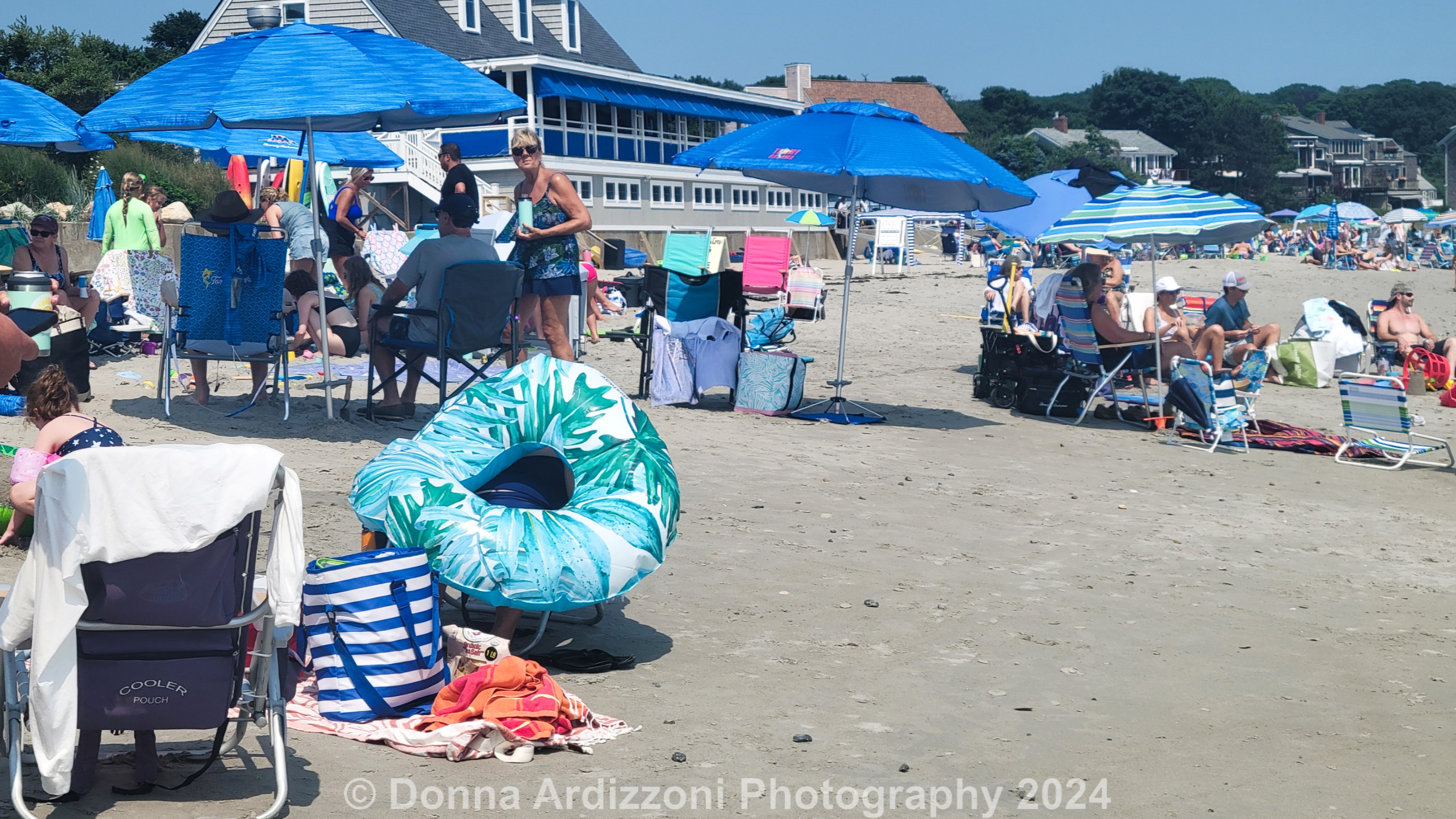
Went walking with my daughter Ericka and my grand dog Freddy to Magnolia Pier. He really likes the float. Grateful for the wonderful weather.
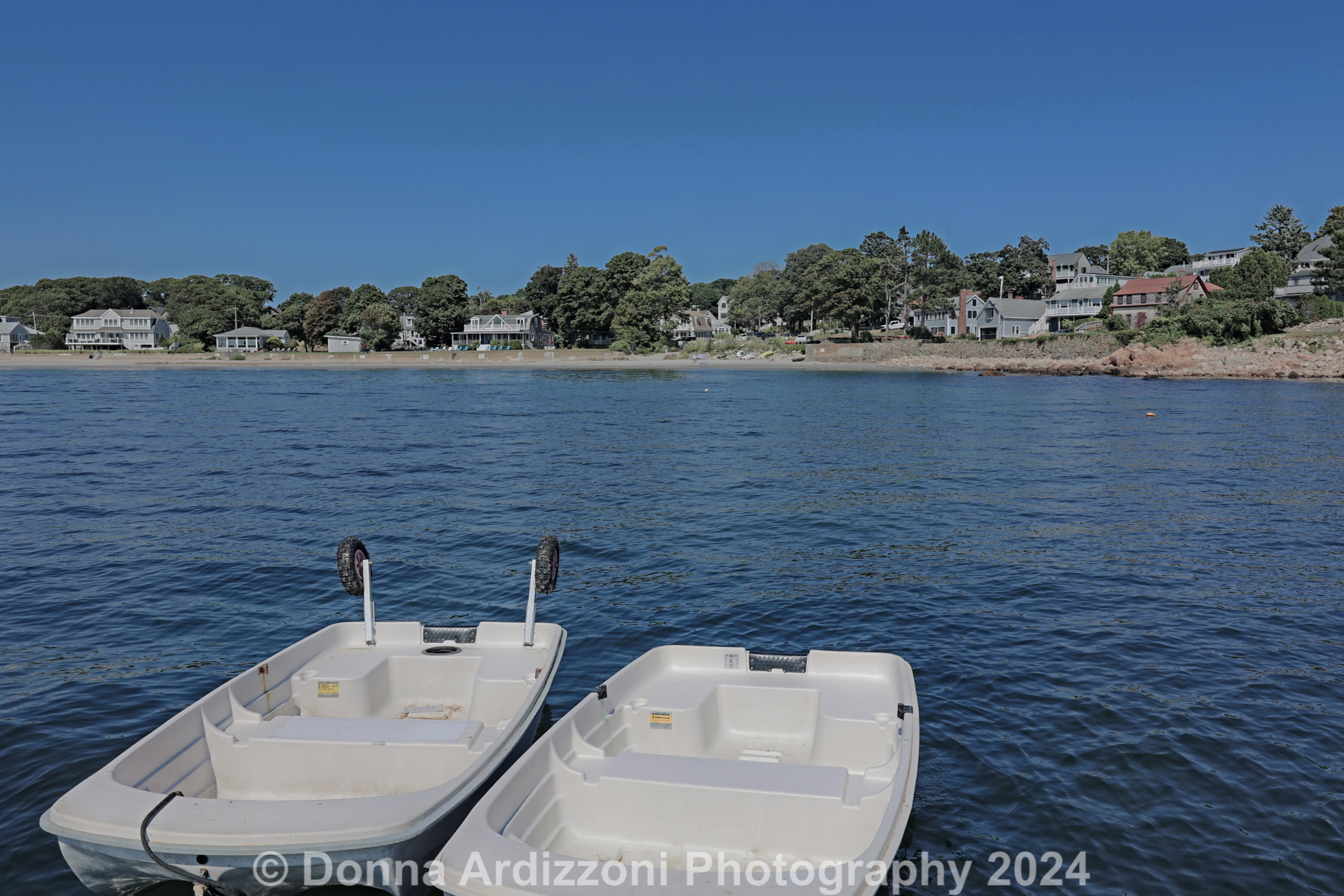

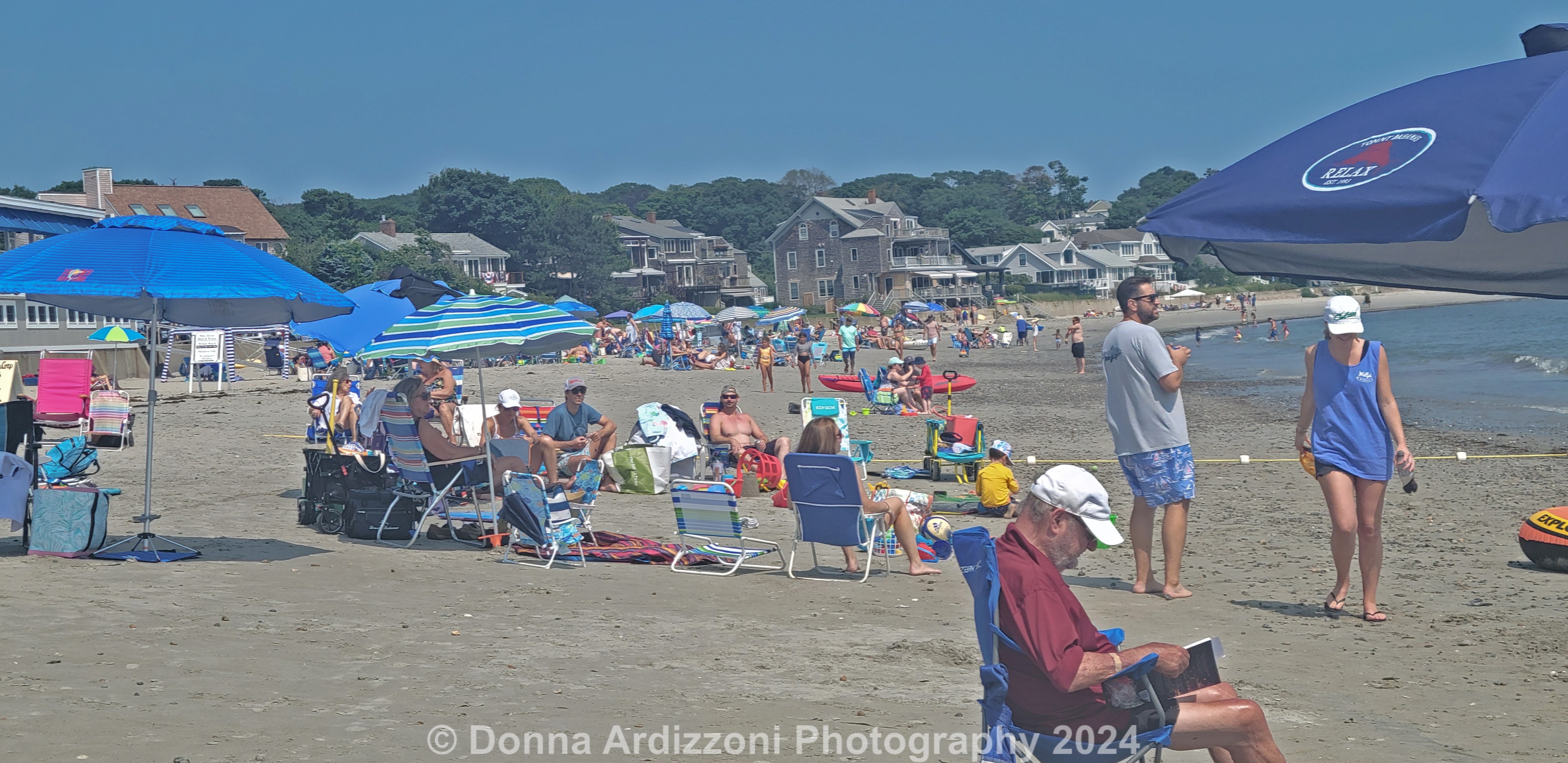
So lucky and blessed to be able to walk to a beach and enjoy. If you look at the photo with the float, there is a woman, whom by the way is a very funny person, she is blowing up the float. She told me it takes her almost an hour. Love the beach.

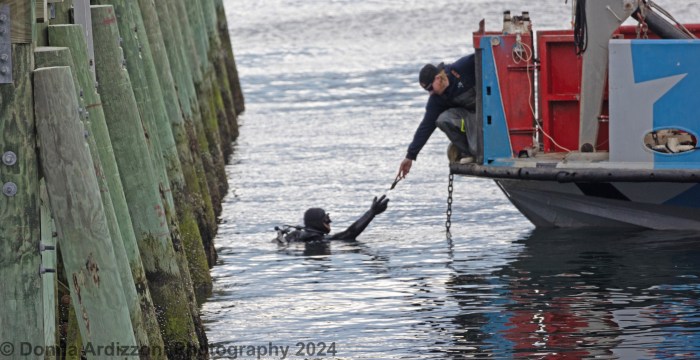
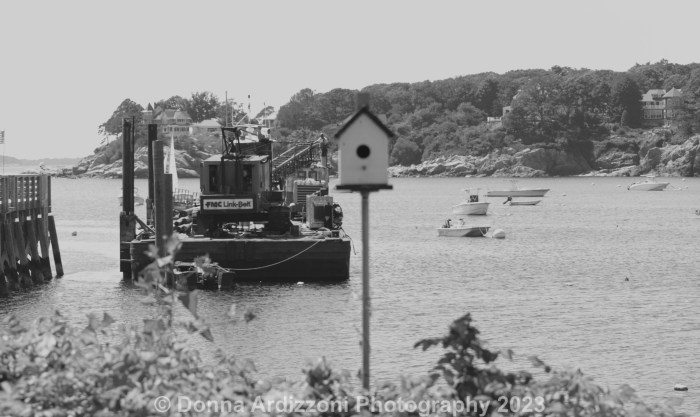
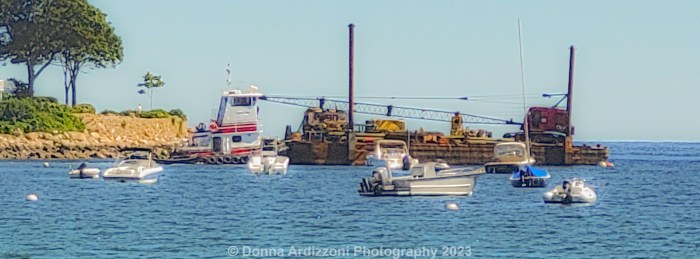
On Thursday the workers on Magnolia Pier were putting the cement blocks to hold down the float.
There were divers to attach the cement blocks.
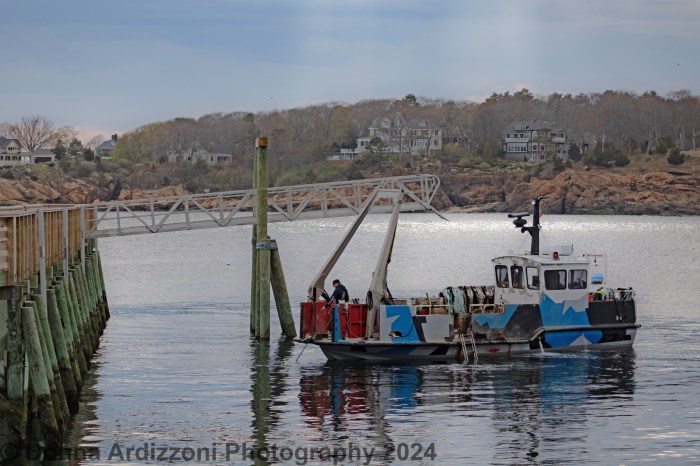

The ramp and float, almost ready


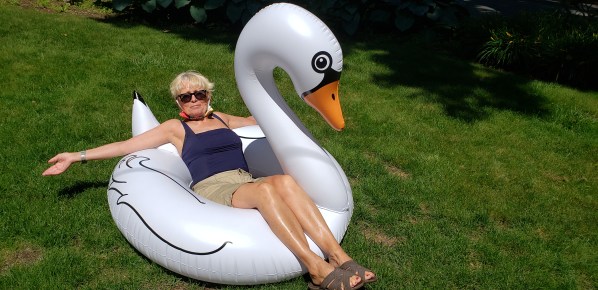
Love my swan from Toodeloos , as Rick says, he can find me in the water.
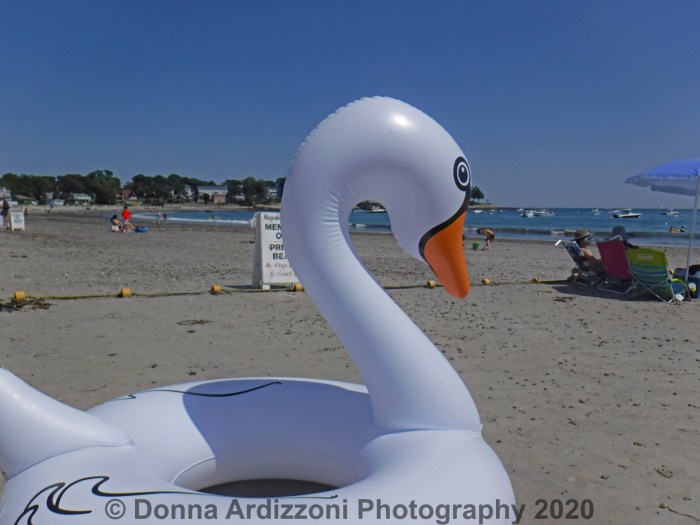

Went to Tooledoos, 142 Main Street, Gloucester, MA, 978-281-2011, the other day and had to get this great flat. So much fun.

Looking great, the ramp and float are in.


On Sunday Charlotte and I took a trip in her little red wagon over to visit Kathy Archer’s and Barbara Moody’s beautiful new gallery, Float, on Rocky Neck. The gallery is located at 77 Rocky Neck Avenue, #3, on Madfish Wharf. On exhibit are Barbara’s gorgeous paintings and Kathy’s stunning photos, and the two make for a wonderful nature inspired pairing.
Currently the gallery is open on weekends from 12 to 6pm. As of June 15th, Float will be open Tuesday through Sunday from 12 to 6pm.

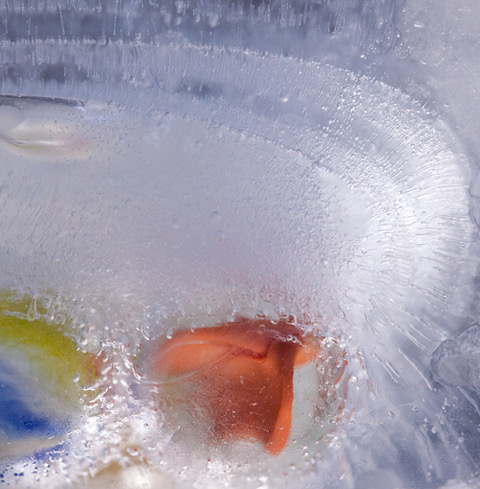 See more works by Kathy here.


 Shana Garr and Barbara Moody
While at Float, Barbara introduced me to Shana Garr, curator at Fruitlands Museum. Fruitlands is located in Harvard, Massachusetts, and fairly recently joined the Trustees group of properties (2016). Shana and Barbara thought our readers would like to know of an upcoming exhibit featuring milkweed and hummingbird feeders by artist Esther Solondz titled “Floating Between Two Worlds.”
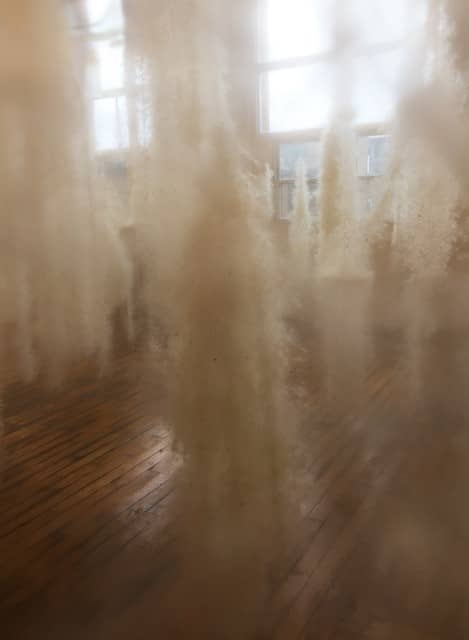
Esther Solondz, Milkweed Towers, 2019
Esther Solondz’s new art installation is an open, translucent structure filled with fragile milkweed sculptures and crystalline hummingbird feeders that create a give and take between what is outside and what is inside. The sculpture is situated in the field beside the Fruitlands Farmhouse, and the artist is inspired by its Transcendentalist associations. This work explores the overlapping relationship between the natural world and the art world.

Dear Cape Ann Friends,
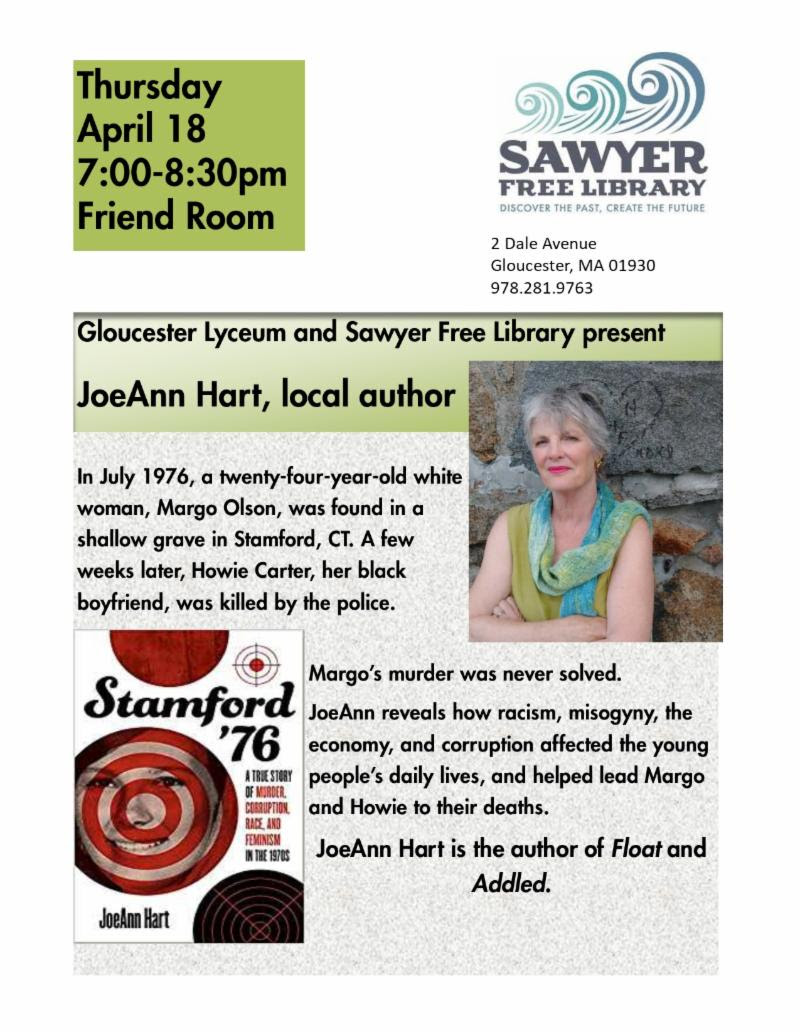
Today is the official release of Stamford ’76, A True Story of Murder, Corruption, Race, and Feminism in the 1970s. Woo hoo. And only 20 years in the making.
I have a reading at the library at 7 this Thursday, April 18th, and I will be doing a Gloucester Writers Center event at the Rocky Neck Cultural Center on May 22nd. Other regional readings are on my website, http://www.joeannhart.com. Come join me when you can. Love you all.
JoeAnn

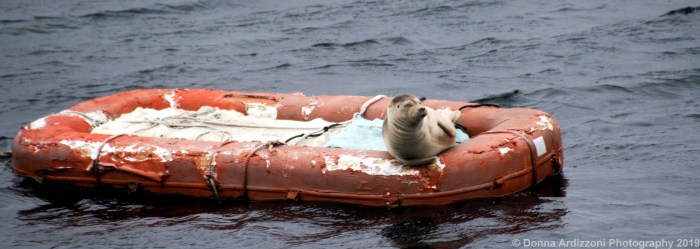
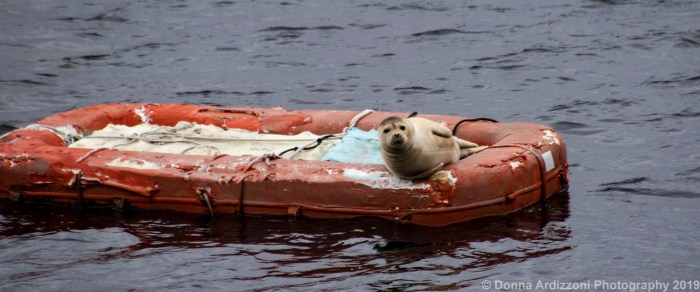
As I was going over the bridge saw this little guy floating on the float. What a cutie

Nicky Avelis with Hannah and Craig Kimberly, with Michael Toby on steel drums.
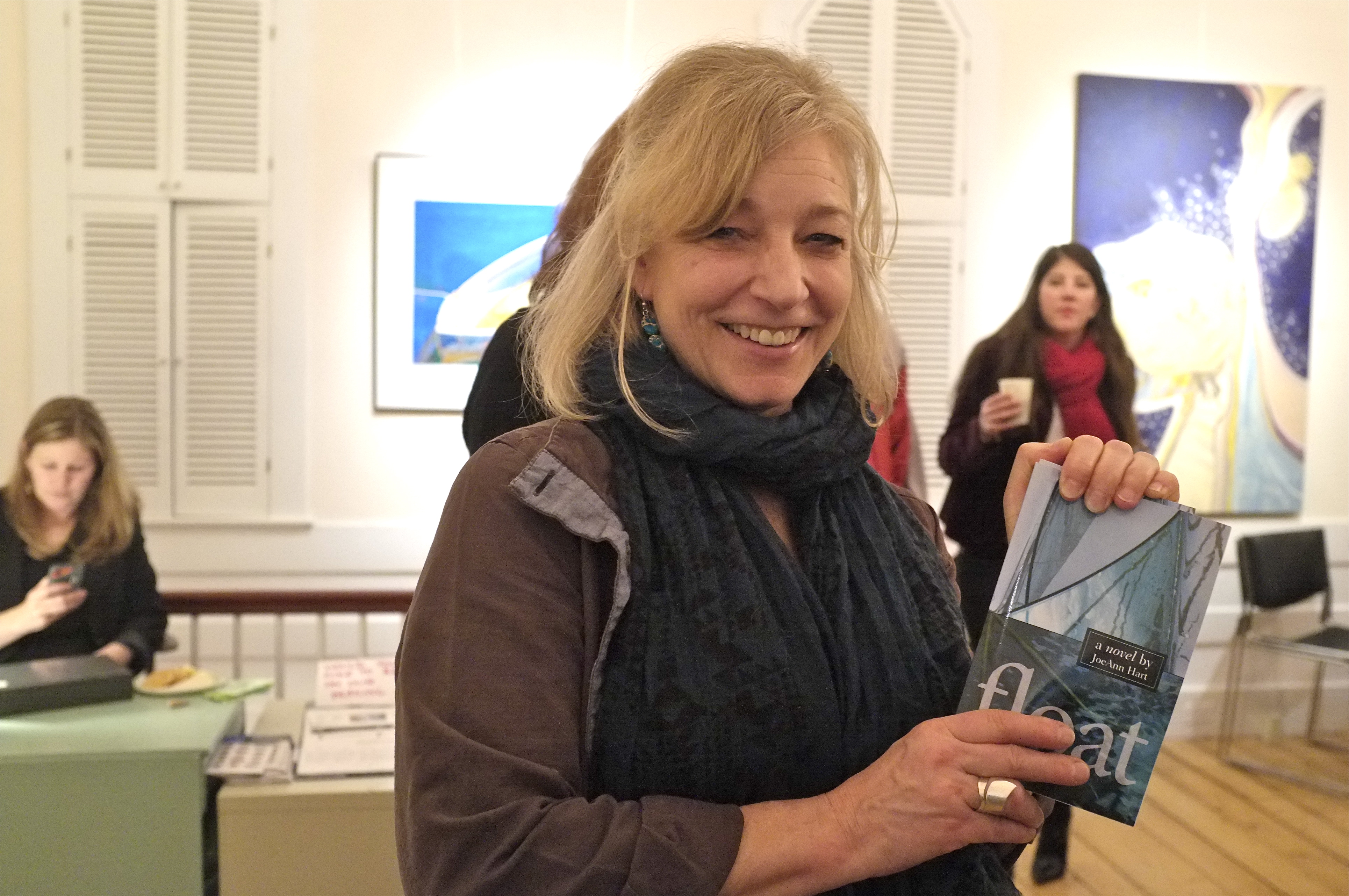
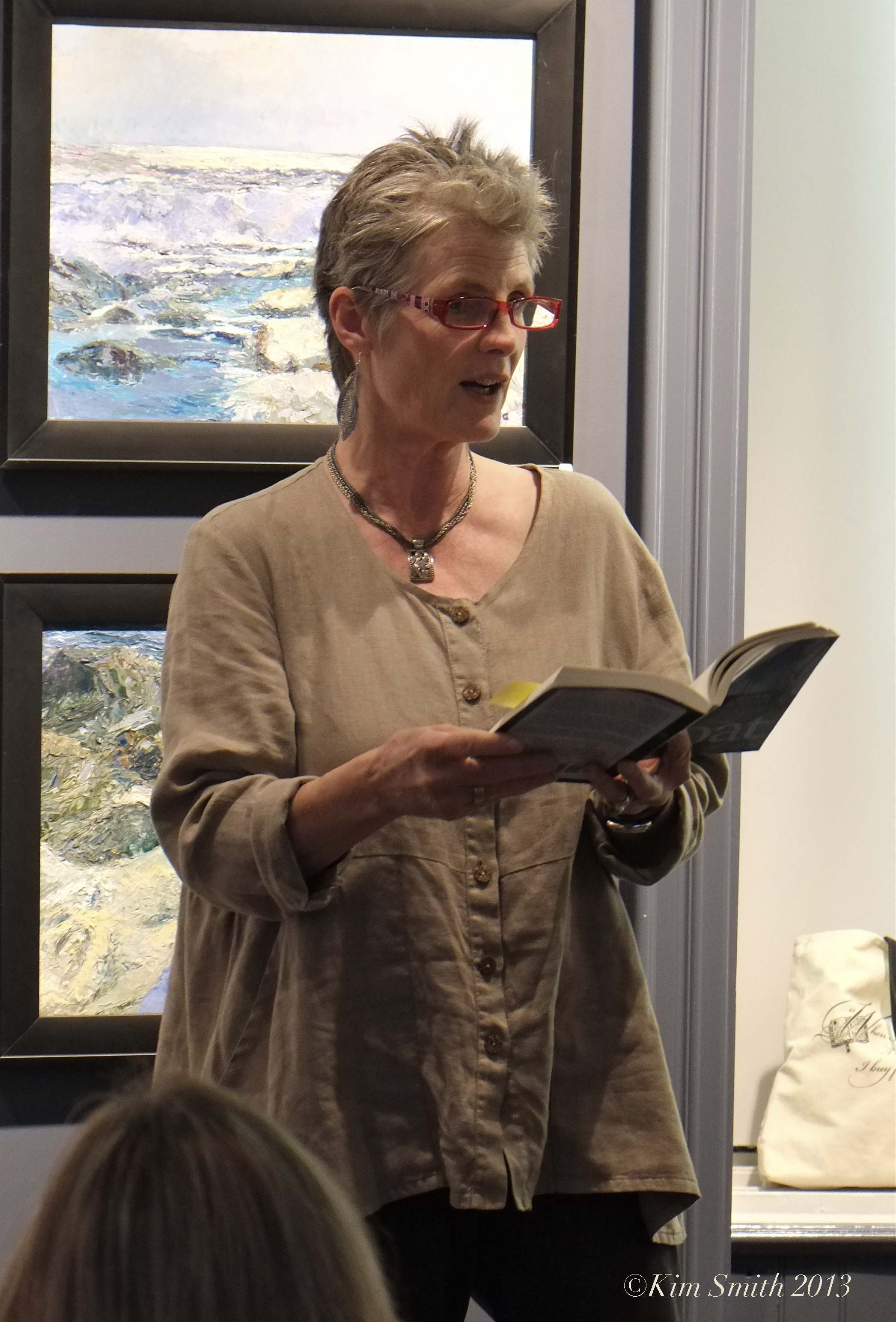 JoeAnn Hart reading an excerpt from her recently published novel Float.
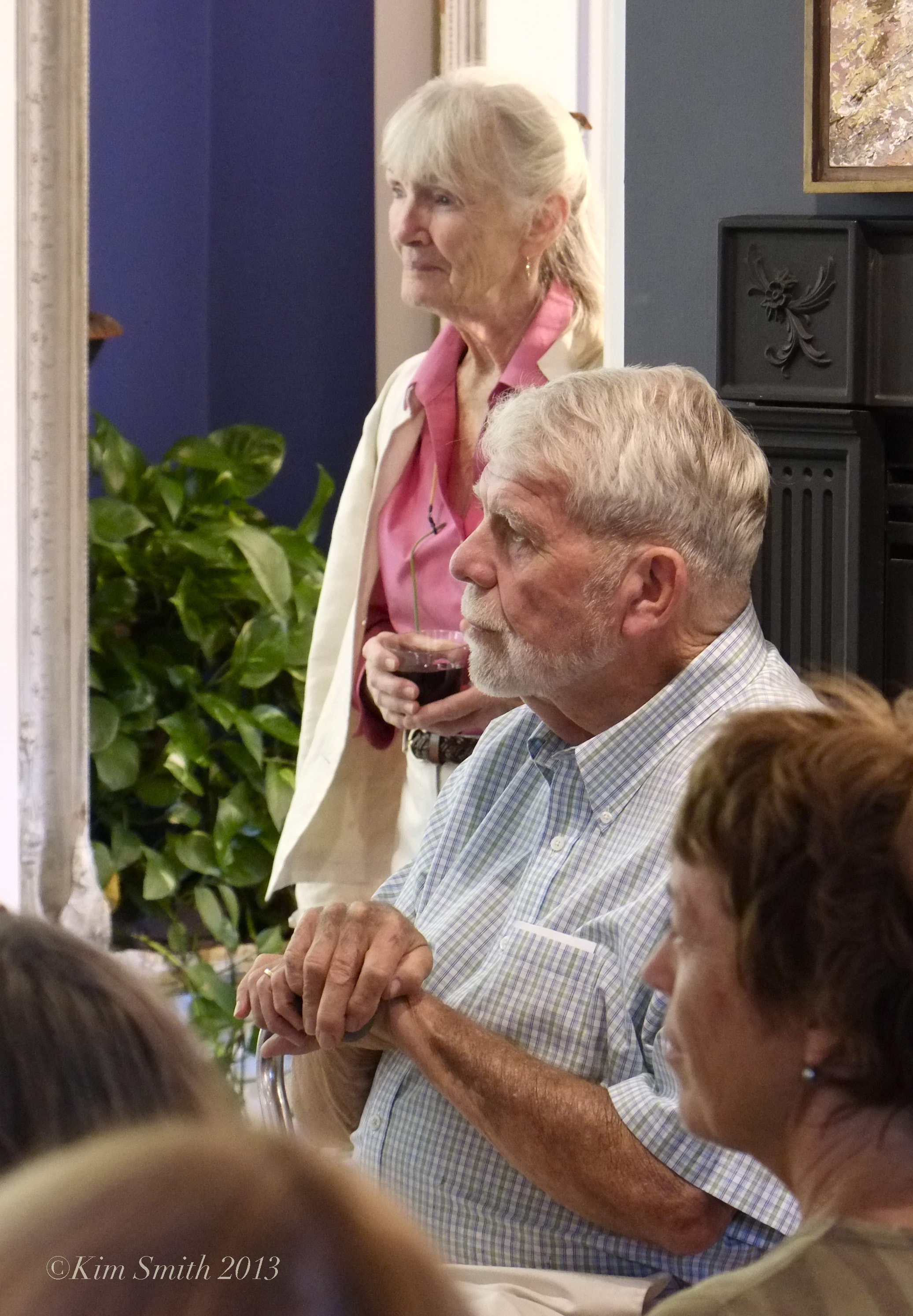 Judith and Gordon Goetemann listening to JoeAnn’s reading held at the Goetemann Gallery, Rocky Neck.


Written by Guest Author JoeAnn Hart ~ First Published on April 13, at Coffee with Canine.
Who is in the photo?

This is a photo of me and my dog Daisy. I’m JoeAnn Hart, author of the novels Addled and Float, both of which have all sorts of animals in them, including dogs. We live in Gloucester, Massachusetts, although Daisy is from West Virginia, where she was picked up off the streets when she was around nine months old. I adopted her from Save A Dog in Sudbury, Ma. in 2010, so she’s still young. She’s a messy Cock-a-poo, with a miniature poodle dad, and a Cocker Spaniel grandmother, who slept around, so Daisy’s mom was only half Cocker Spaniel. We only know this because my sister is a vet and had Daisy’s DNA tested.
What’s the occasion for Coffee with a Canine?
I had to drop my husband’s car off to be repaired, and in exchange, he bought me a coffee at Lone Gull. Daisy came along for the ride. She loves the car and all the smells on Main Street, but she has to wear a harness when she goes anywhere with me. Her head is smaller than her neck, so a collar is just a place to hang her license.
What’s brewing?
I’m having a large light roast with milk. Hot, because it’s not ice coffee season quite yet.
Any treats for you or Daisy on this occasion?
I was tempted, because I love Lone Gull’s almond cookies, but resisted. No goodies for either of us. Daisy loves sweets but she puts on weight too easily to indulge her. She finds ways to indulge herself as it is. We think she was raised in a dumpster in the back of a bakery, because she cannot resist frosting. At Christmas we found her on the dining room table with her face in the whipped cream and gingerbread, but that was nothing compared to last summer, when the day after my son’s wedding we found her with all fours in the leftover cake. She is a very well-behaved dog except for this one strange obsession.
How did Daisy get her name? Any nicknames?
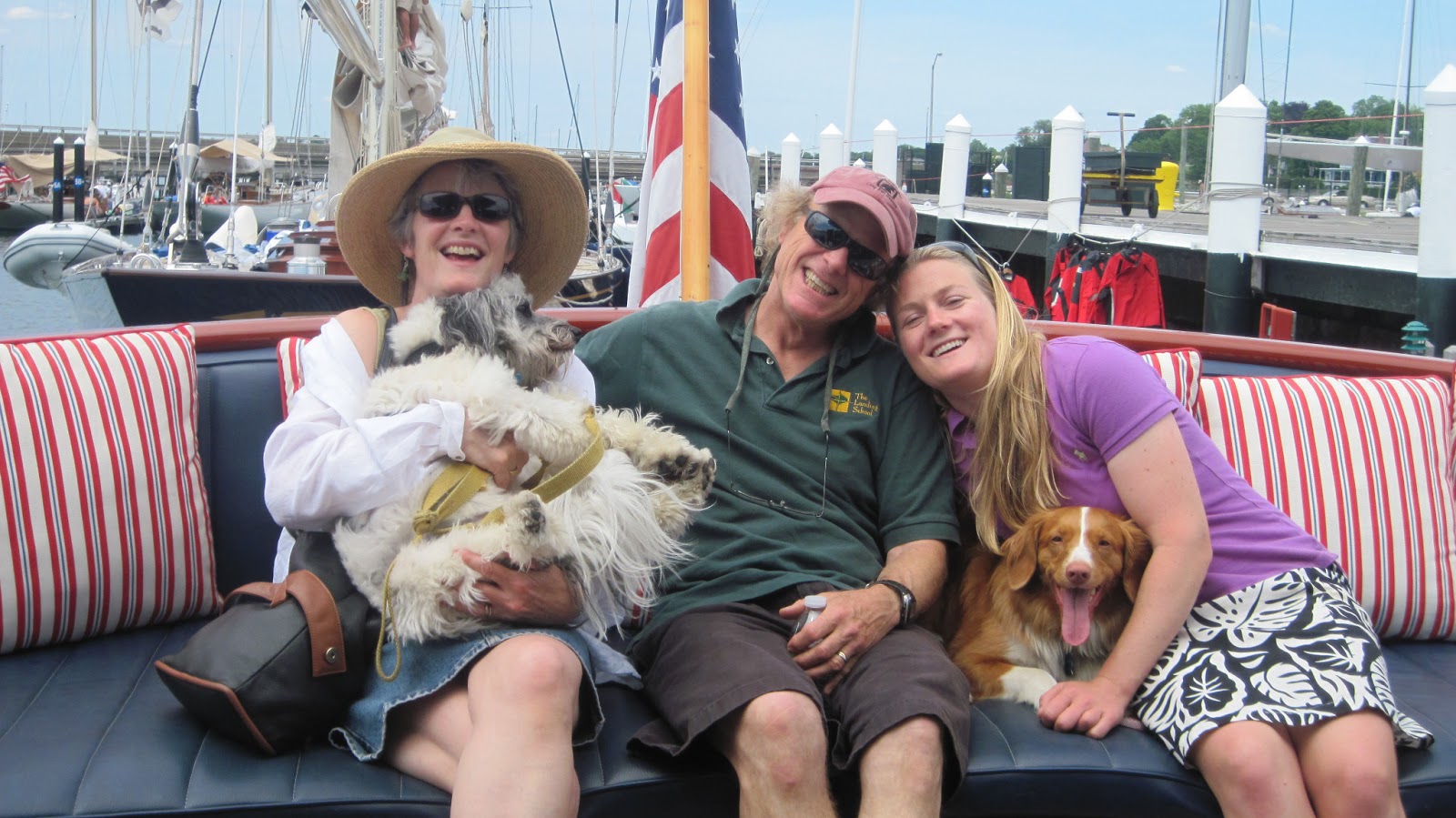
Daisy was the name that came with her from Save A Dog. For weeks we played around with other names and none of them fit quite as well. So Daisy she stayed. Sometimes we call her Sausage because of that weight issue. We don’t consider that an insult, and neither does she. It is simply her shape.
How were you and Daisy united?
I had lost my standard poodle, Annie, in 2009. She was 16 years old when she died and I was just too heartbroken to get another right away. When I was ready in the fall of 2010, I started looking at shelters across New England. I knew I wanted a rescue, but I needed a hair breed or mix because of allergies, and I wanted a medium-sized dog this time. It turns out that most dogs at shelters tend to be either very small or very large. I spent a lot of time searching near and far, but every time a candidate popped up, it was already taken by the time I contacted them. In December I decided to wait until late winter, when, unfortunately, many puppies given as Christmas presents are surrendered for adoption. Then, three days before Christmas, I got an email saying Daisy had just arrived at Save A Dog. I drove down there and I fell in love. She was exactly the dog I was looking for. We took her home the day before Christmas. 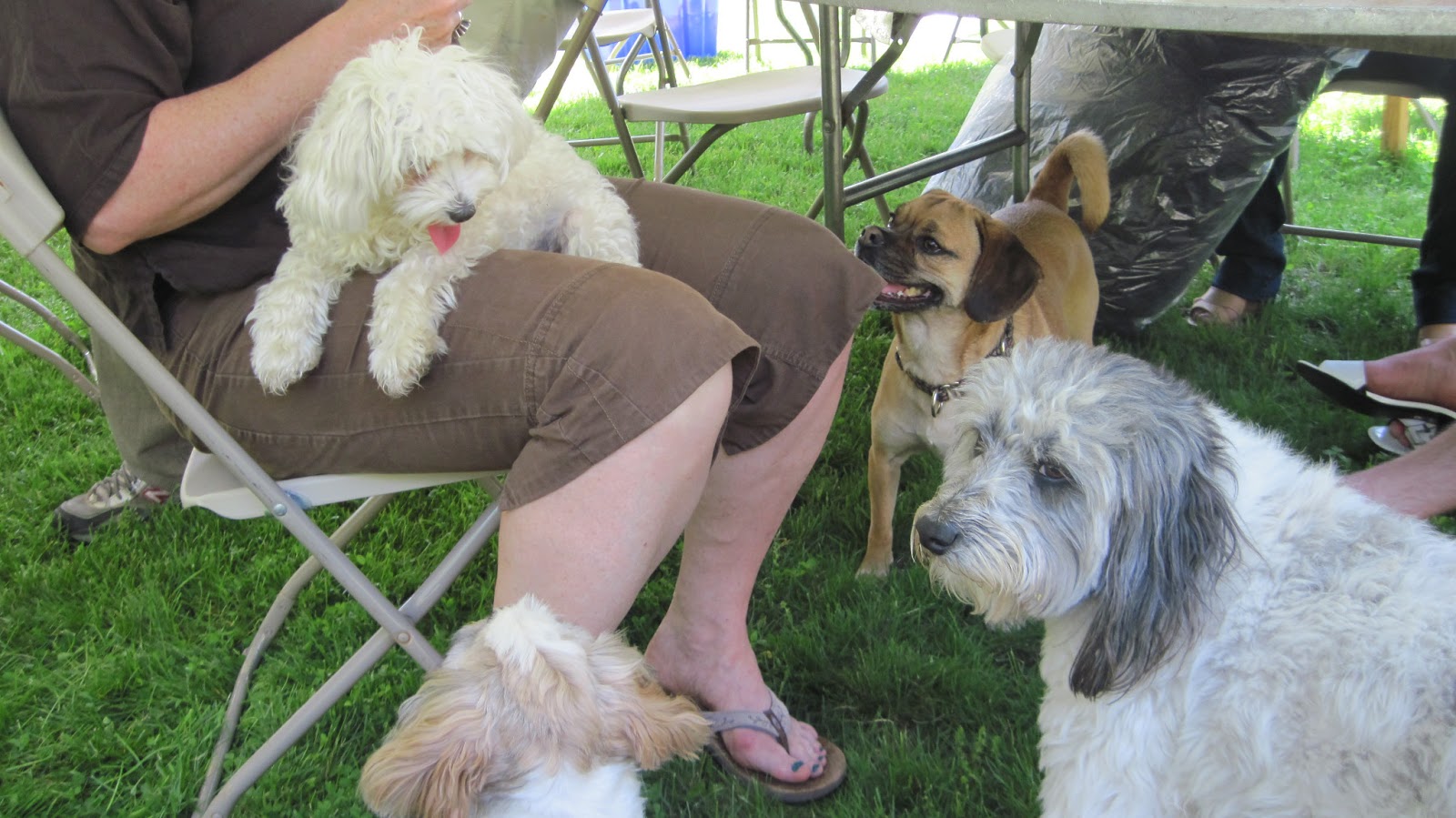
Who are your dog’s best pet-pals?
She loves other dogs. She adores Gussie, my daughter’s Nova Scotia Duck Tolling Retriever, but Gussie doesn’t even look at her when she visits so we can’t call her a pal. Daisy was an only dog until this summer, when my husband got a Golden Doodle puppy, Happy. It was then we realized that Daisy loved dogs, not puppies. Happy hung on her ear all day, like a large fuzzy earring. Now Happy is older and calmer, not an annoying puppy, so they are best friends. They especially like to chase squirrels around the yard together.
What is Daisy’s best quality?
Daisy has amazingly soulful eyes. She always looks as if she’s in deep sympathy with my feelings. Then again, she looks as if she is in deep sympathy with everyone’s feelings.
If Daisy could change one thing about New Englanders, what would it be?
Daisy wishes New Englanders would make more cakes with frosting and leave them unattended. She has very powerful little thighs, so leaving them on tables is just fine with her. She’ll get there.
If Hollywood made a movie about your life in which Daisy could speak, which actors should do her voice?
Jennifer Aniston. Daisy is that sweet.
If Daisy could answer only one question in English, what would you ask her?
I’d ask her what her life was like before we met. What was she doing wandering the streets of West Virginia? I know there are a lot of puppy mills there, so I sometimes think she was tossed in a dumpster when she didn’t turn out to be a perfect Cock-a-Poo. A dumpster behind a bakery.

Written by guest author JoeAnn Hart. Originally posted on her blog Float
It’s so hopeless,” a young friend said, tossing a plastic water bottle in the trash. “I don’t believe in recycling.”
“Don’t believe?” I said, reaching into the garbage. “I didn’t know it was a religion.”
“It’s a faith. A faith that you’re doing the right thing. A feel-good gesture that masks a larger problem.”

As I dropped the bottle into the recycling receptacle, I felt that familiar spike of serotonin from having done my bit for the environment, and I knew she was right. Self-satisfaction with our little actions can keep us from taking up the larger, more difficult, actions. Recycling is grossly inefficient. Every year, Americans throw away three-hundred pounds of plastic per person, only ten percent of which gets recycled, and poorly recycled at that. Not only is it down-cycled into something like decking material, it uses an inordinate amount of energy in the process, as we truck empty water bottles all over the country. All this so we can re-use a toxic material? When we die, our bodies will decompose into a bit of carbon and methane. Plastic never disappears. It breaks down into smaller bits of polymer, releasing pseudo-estrogens and other hazardous chemicals in the process, until it is the size of a single molecule. This is where the waste stream meets the food chain. The molecules enter the water table under the landfills where they make their way to the sea, to be devoured by fish fooled into thinking it’s plankton. Then we eat the fish.
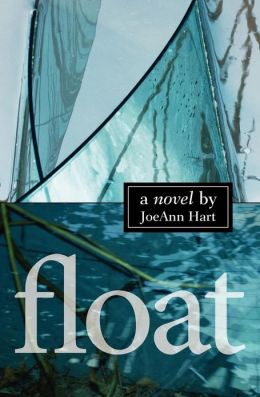
Read more: See JoeAnn’s blog Float for the rest of the story. JoeAnn is the author of the recently published novel Float.

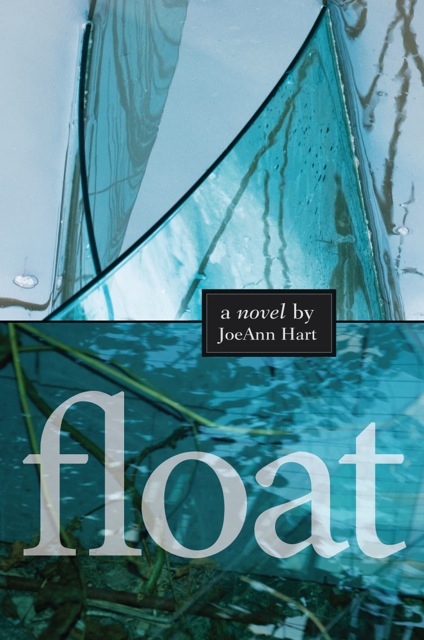
Cover Artist Karen Ristuben

Guest writer JoeAnn Hart’s recent post at Float Blog
During my son’s newborn assessment years ago, the pediatrician turned my rosy baby around in his hands like an experienced fruit vendor with a melon. “Look,” he said, as he placed the baby down on his side. “My favorite anomaly.”
Favorite anomaly? Anomaly, anomaly, anomaly. I couldn’t remember what it meant, and certainly not in relation to my baby boy. Atypical? Abnormal? That couldn’t be right. A mother wants a pediatrician to say it is the most normal baby he has even seen in the history of babies.
He tugged on my son’s ear. “There,” he said, “a gill.”
Dear god. A gill. It was only a small pinprick, as if he’d been born with a pierced ear, but this evolutionary tic was too high up on the ear rim for me to pass him off as a very hip baby. To make matters worse, in my family, the distinctive marker of infant beauty is related to how small and flat the ears are, so everyone looks at them first. I kept a tight little cap on him for months.

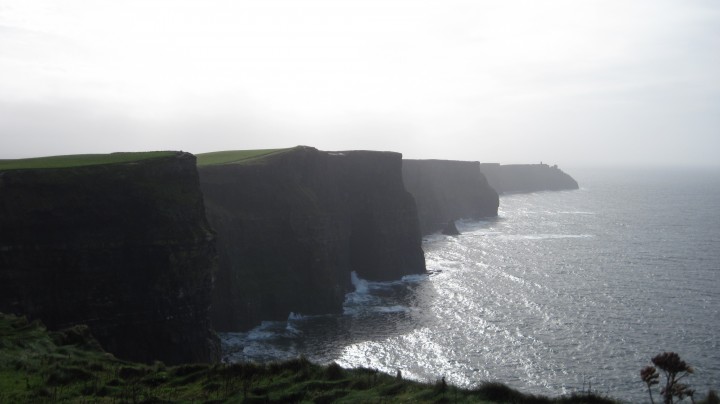
Scoot on up to the winter of 2013. Super Storm Sandy. Flooding. Powerful ocean surges. One extreme weather event after another, and the Atlantic succeeds in changing the coastline yet again. Adapting to drastic change may mean more than just picking up one’s shell and moving inland, for when a landscape changes, so do we. For most of the past 150 years, since Darwin first laid out the ground rules for natural selection, scientists assumed that humans had stopped evolving. They believed that with technology, medical advances, and culture, humans had become immune to evolutionary pressures. But no. Like all other living things on Earth, humans undergo genetic changes in response to conditions around them, passing beneficial adaptations down to their offspring. We are not exempt from the laws of nature. And the more extreme the pressures, the faster we will latch on to any mutation that might give an extra edge to our survival.
To continue reading, visit Float Blog
 Charles Darwin

There’s a Maine town in Float that is suspiciously like Gloucester, Ma. Is Gloucester your model?
JAH: Gloucester is the inspiration for Port Ellery, Maine, but not the model. Float is fiction, so I needed more leeway with geography and temperament than a real city could offer. As I was writing Float I had an wholly imagined city in my head, but I was not above borrowing bits and pieces from Gloucester on an as-needed basis.
Such as the fish dehydration plant? Seacrest Ocean Products in Float has more than a passing resemblance to a company in Gloucester.
JAH: When I first came to Cape Ann in 1979, the old dehyde plant was still in East Gloucester, and the smell as you drove up over the hill from the intersection at 128 and Bass Avenue … well, it was quite the pungent introduction to my new home. Now Neptune’s Harvest in the Fort transforms fish waste — the 70% of a fish that remains after filleting — into amazing fertilizer and there’s barely a smell. Who could not be inspired by that?
Parts of Float have to do with the relationship individuals have with the sea. What is yours?
JAH: For a long time I wasn’t a water person. I took my kids to the beach, but other than that, I didn’t like to get wet, and I really didn’t like being on a sailboat, what with people yelling and booms swinging. Then, after watching the International Dory races off Niles Beach, I fell in love with wooden rowing dories. I bought one of the Committee’s old practice boats, named her “Doreen,” and after a rather brutal learning curve with my rowing partner, managed to get the boat to move across the water. It was both exercise and relaxation, and I learned to appreciate the wonders of the sea. The best is when a seal pops up to see what we’re up to, like a visitor from another world. “Doreen” finally died a couple of years ago, but as a dues-paying member of the Dory Committee, I’ll take one of their practice dories out for a spin around the harbor now and then. Gloucester Maritime usually has one or two for members to take out as well.
What’s with all the animals? The ferret, for instance. What is a ferret doing in Float?
JAH: There are always animals in my work, because there are always animals in my life. We have the usual cats and dogs, but we take in rescue livestock too, so we have donkeys (from Save Your Ass Rescue), chickens, a goat and a pig. Over the years, the children have brought home more animals than I can list, including finches, hamsters, and rabbits. Many rabbits. One year, my son brought home a pair of ferrets, and they turned out to be both smart and personable. They pretty much ran free in my son’s room, so I’d open up a sock drawer and there they’d be, curled up in a ball. They loved people and were as clever as chimps, but they smelled terrible. Worse than any dehyde plant. So when my son went off to college, they went too. I placed them with another male teenager, a species apparently immune to smells, but I missed them. So I brought a ferret back in Float, and named him Fingers.
When you sit down at your desk to write, what do you look out at?
JAH: I used to work in the guest bedroom where the family couldn’t find me. It was quiet, but it looked out onto a messy woodpile. Now that the kids have left the nest, I’ve moved my office into one of their bedrooms, with a distant view of the harbor. It’s beautiful, but I have to keep the curtains closed most of the time or else I’d never get any work done. I’d just be daydreaming all day, watching the boats go by.

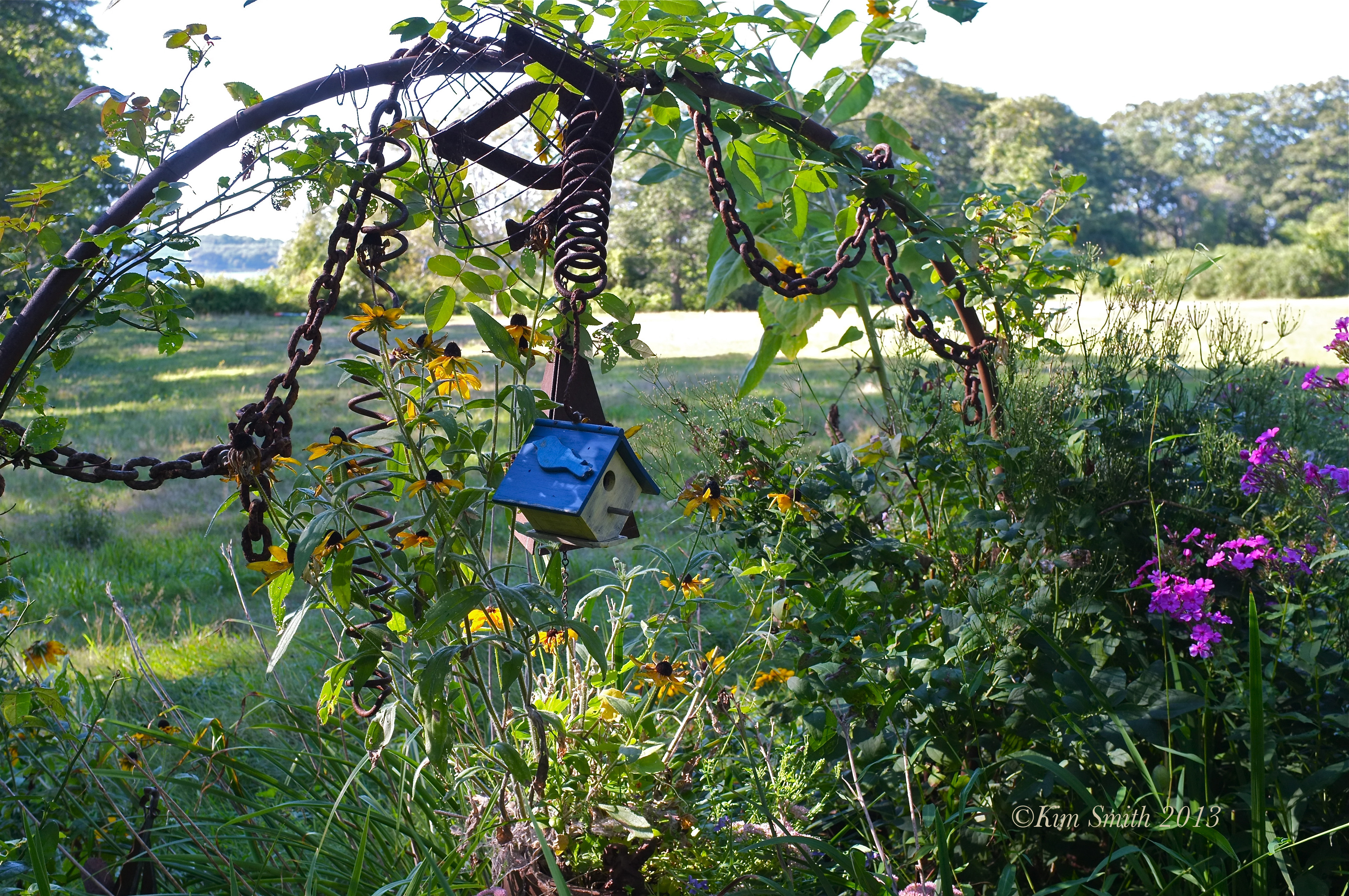
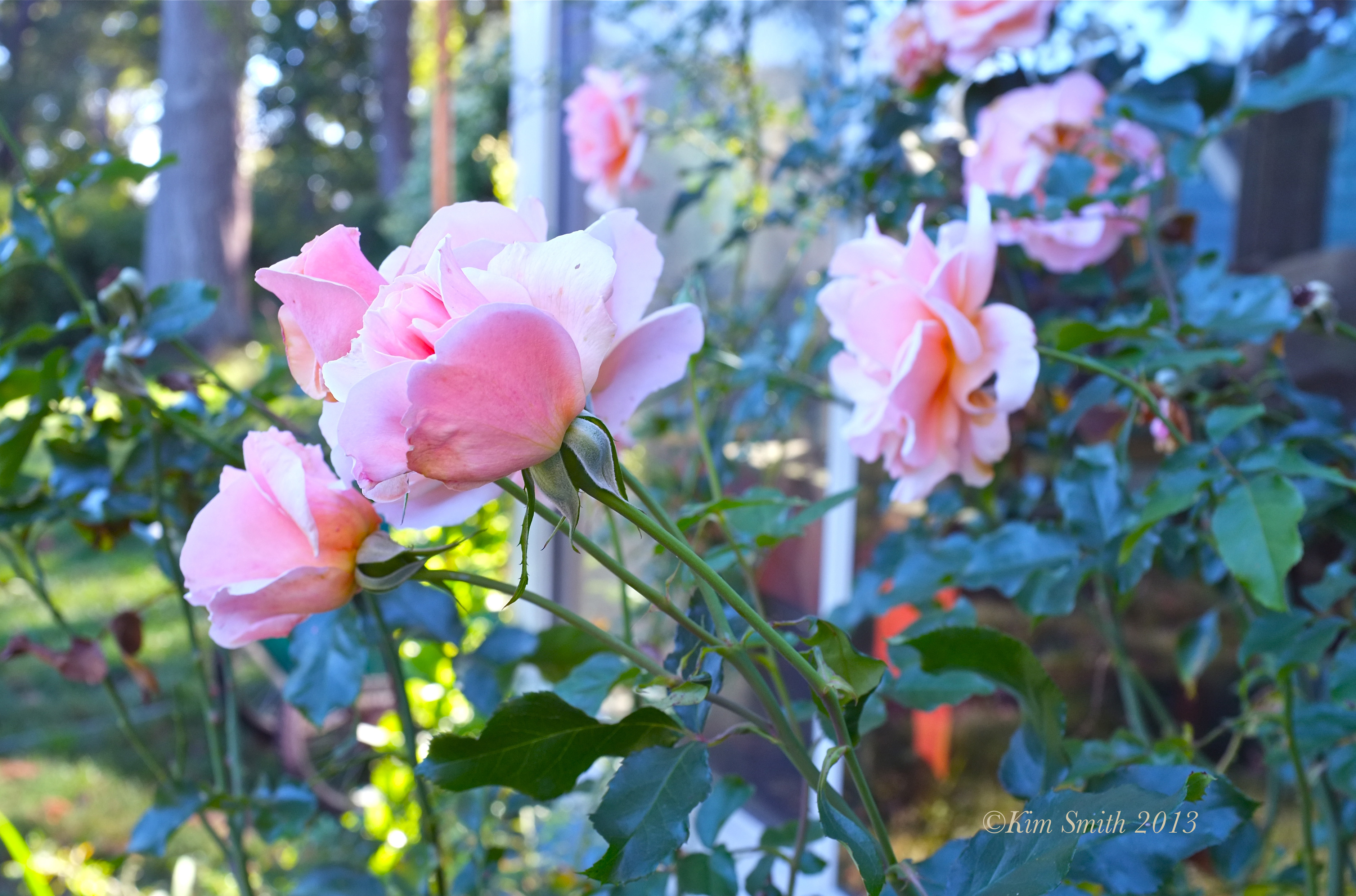
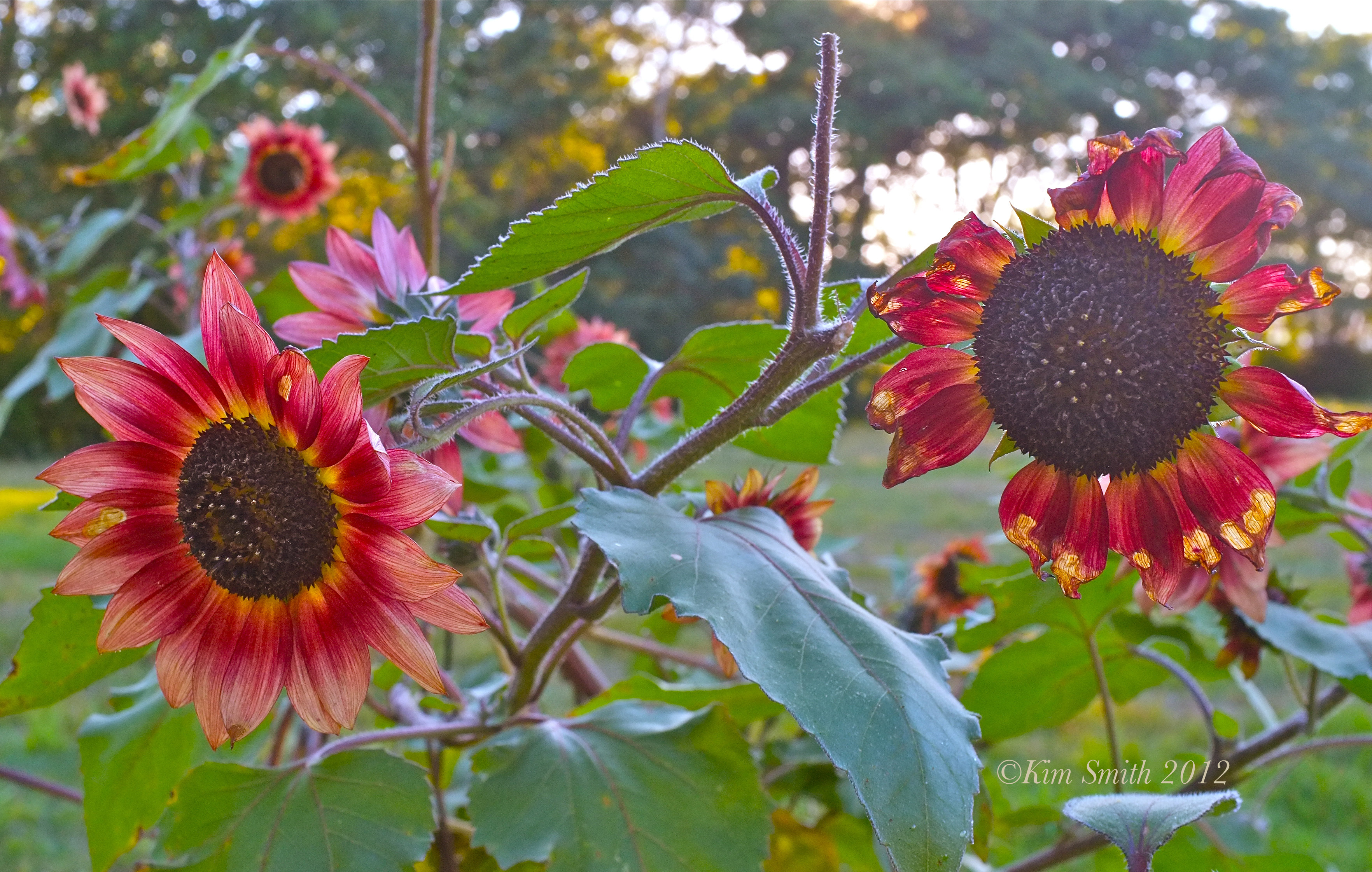
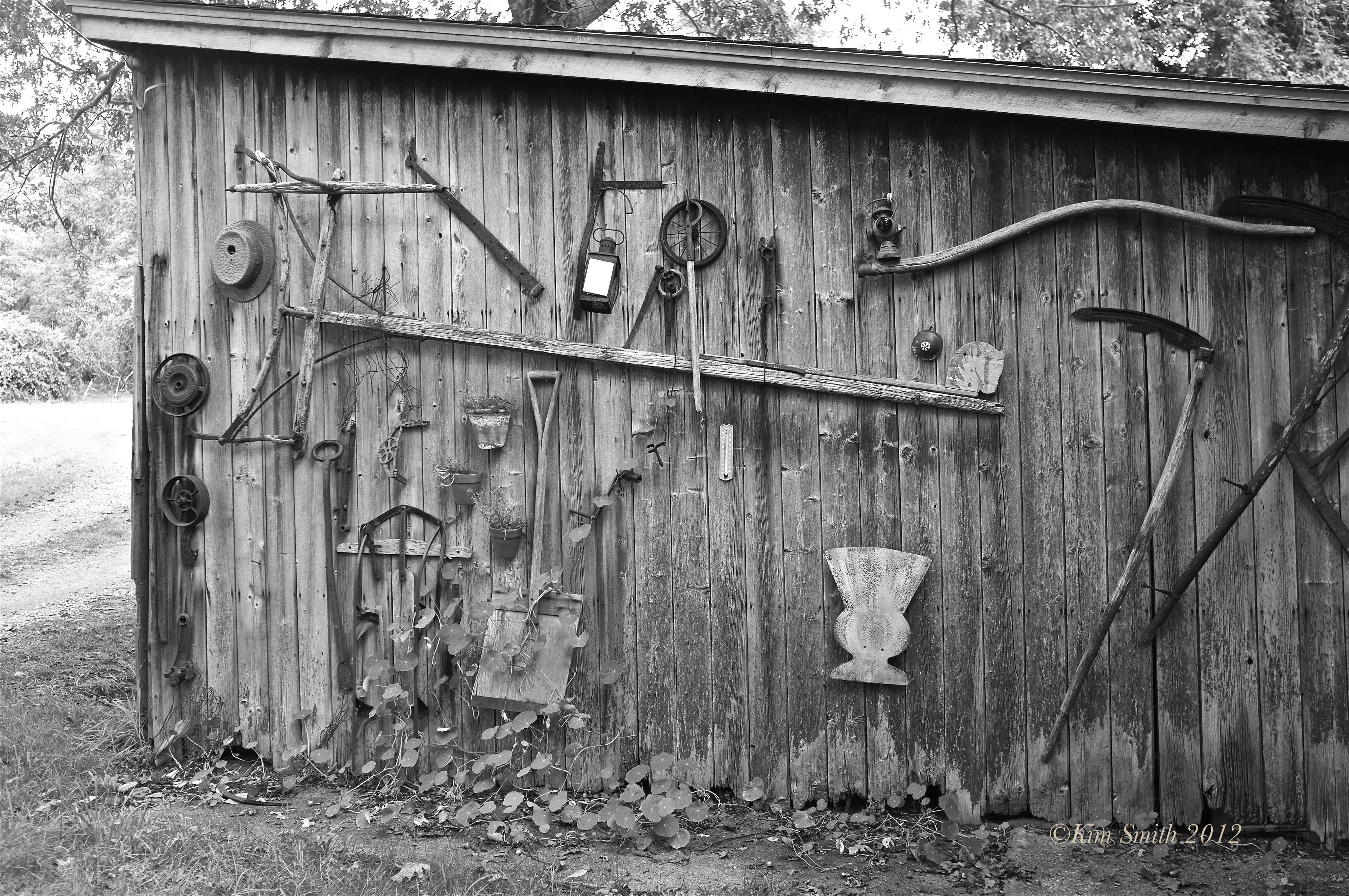
Snapshots from JoeAnn’s magical garden–just to get us in the mood for delicious warm weather. Throughout the summer JoeAnn and Gordon welcome me to their gorgeous gardens – sometimes I am there filming for hours. Thank you JoeAnn and Gordon for your always gracious hospitality.

 Ten Bells’ doors opened at 5:30 a.m. so that dock workers could get a quick snort before work, or to offer amber consolation if there was none. In the past, and perhaps even into the present, the bar was known as a place where captains, short of men for some dangerous journey or another, would troll for crew, make them paralytic with drink, then carry them on board on stretchers and lay them out like corpses in the hold. And that was exactly how Duncan felt the next morning.
“Sassafras,” he croaked, without opening his eyes. Thanks to several more oyster shooters after dinner, Duncan had already reached his waterline by the time they left Slocum’s apartment, then he took more onboard at Ten Bells. Bottom shelf bourbon, $3.05 a shot. He’d ended up, somehow, fully clothed on the sofa in his office and woke to the sound of a rally outside his window. Annuncia’s basso profundo voice blared through a loudspeaker. “A clean sea is a profitable sea!” she shouted. It was 10 a.m.
He curled tighter into the ball he was already in and pulled his windbreaker over his head. He’d forgotten that he’d told her that she could launch her Boat Garbage Project from Seacrest’s loading dock today, but it was coming back to him loud and clear now. He had assumed she meant at the end of the workday, but of course, she would want to do it early enough to catch that evening’s news cycle.
The crowd started to chant, and the steady noise bore through his eardrums like seaworms. “Bring the garbage back to shore! Bring the garbage back to shore!”
Annuncia quieted them down and continued speaking. “We complain about the crap from outfall pipes and pollution on our fish, and then we throw our own garbage overboard. What’s up with that?”
The crowd emitted a low boo, and he could hear Wade’s voice leading the pack. Even though Annuncia was at the microphone, this project was really his baby. On Earth Day that spring, instead of cleaning beaches with the other volunteers, he decided to motor from boat to boat asking for garbage. When they saw how successful he’d been, a group of kids started making the rounds every weekend in a pedal-driven barge built from plastic water bottles, and it wasn’t long before some of the fishermen and pleasure boaters started to bring it in on their own. The problem was, as always, that there was no place to put it. Often the bags were just left on the docks at the mercy of the gulls and crows, and that meant debris scattered everywhere, on land and water. Annuncia hadn’t realized the extent to which everyone had been throwing their trash overboard before that. It was against the law, but they had to catch you first, and the ocean was a mighty big place.
Visit JoeAnn’s website to purchase your copy of Float.


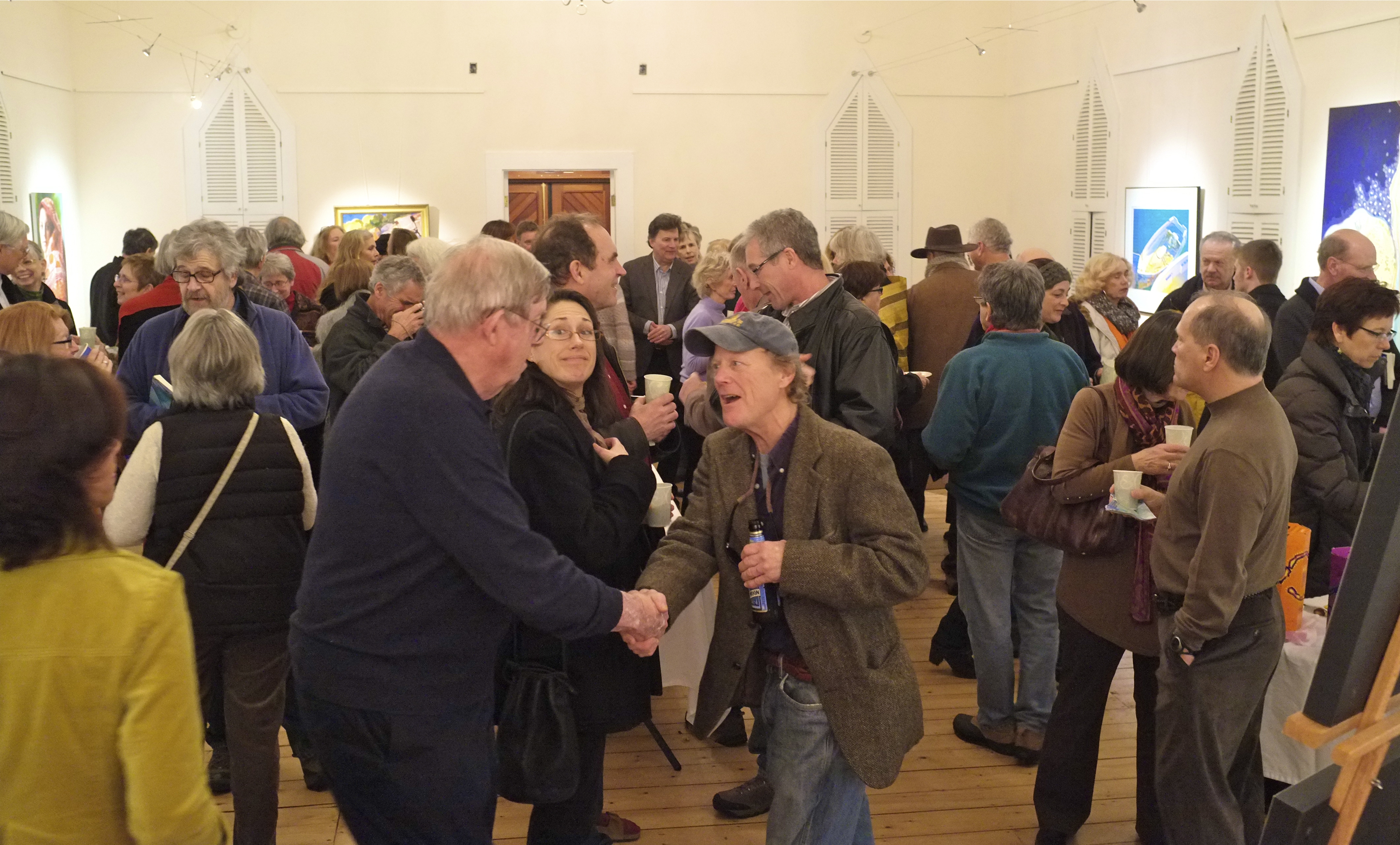
JoeAnn Hart’s book release party at the Rocky Neck Cultural Center was a whopping success. So many congratulations JoeAnn!!! There are few things more monumental than publishing a book with a publishing house, especially in light of the ease in which books are self-published today. I purchased my copy of Float Friday night and haven’t put it down. See GMG tomorrow for an excerpt from Float.


Cover Artist Karen Ristuben and Author JoeAnn Hart
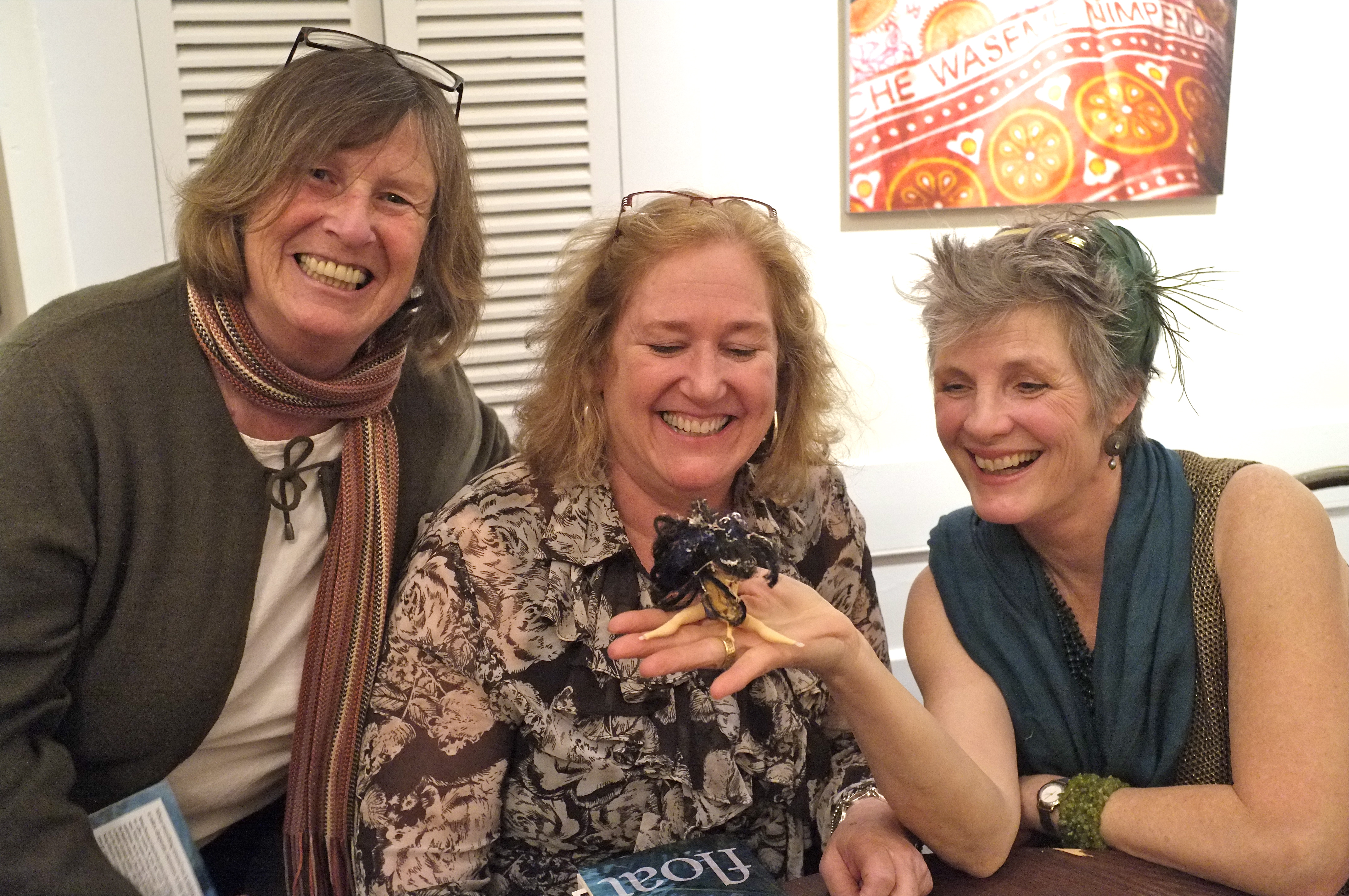
Jen Fahey, Christie Powell, JoeAnn Hart

Tom Hauck, Lois and Philip Budrose
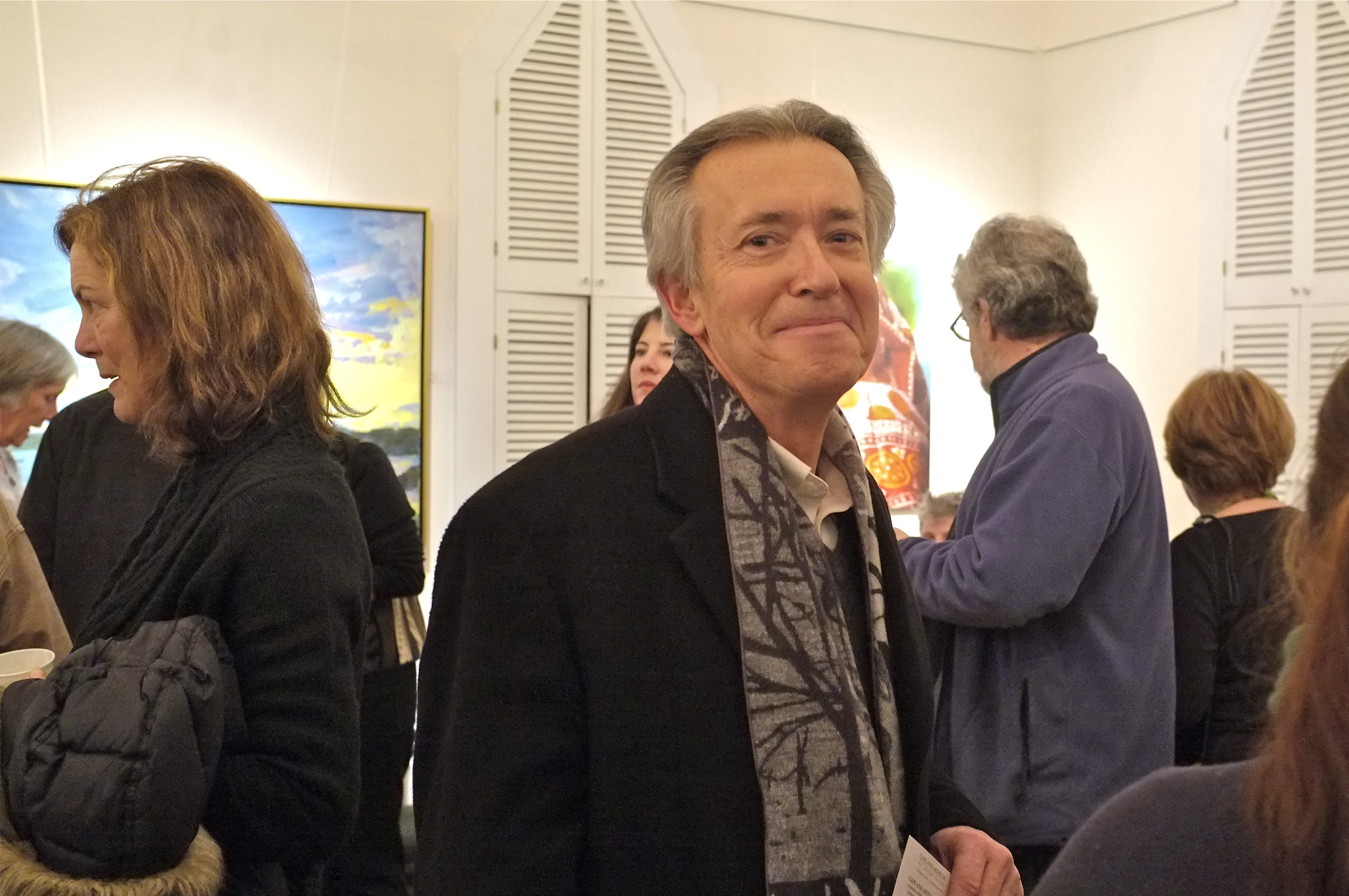
Greg Bover
Karen Ristuben
Visit JoeAnn’s website to purchase your copy of Float.

 Good Morning Gloucester