The 2025 Holiday Lights and Cocoa Drives Gloucester map is LIVE! Wishing you and yours the magic and joys of the season! And to all those who share their festive gifts of creativity and illumination: merry, merry thanks!
2025 MAD MERRY HIGHLIGHTS TOUR
Top twinkling list as in deck the halls, doors, windows, roofs and yards with boughs of holly-holidays!
6 Abbott Road (Annual whimsy)
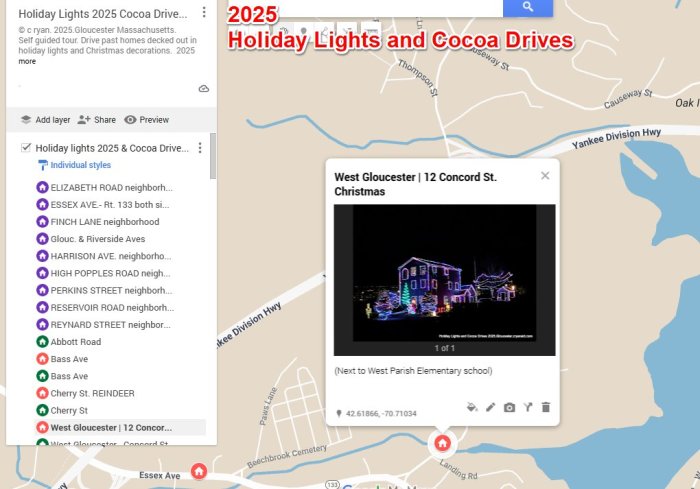
12 Concord St (Dazzler next to West Parish)
2 Crestview Terrace (Ho Ho Ho. off Harrison)
12 Elizabeth Road (Festive Storyland)
326 Essex Ave (Have yourself a merry)
71 Friendship Ct. (Cheery two way vista)
8 Green Street (Jolly jingle off Perkins)
29 High Popples (Santa Village)
8 Lendall Street (Gem off Harrison Ave)
79 Perkins Street (Magic of the season)
15 Reservoir Road (Sparkling Blue)
11 Reservoir Road (Magical Trees)
22 Reynard (Dreaming of White Christmas)
42 Reynard (Enchanting Blue)
37 Reynard (Shimmering Red)
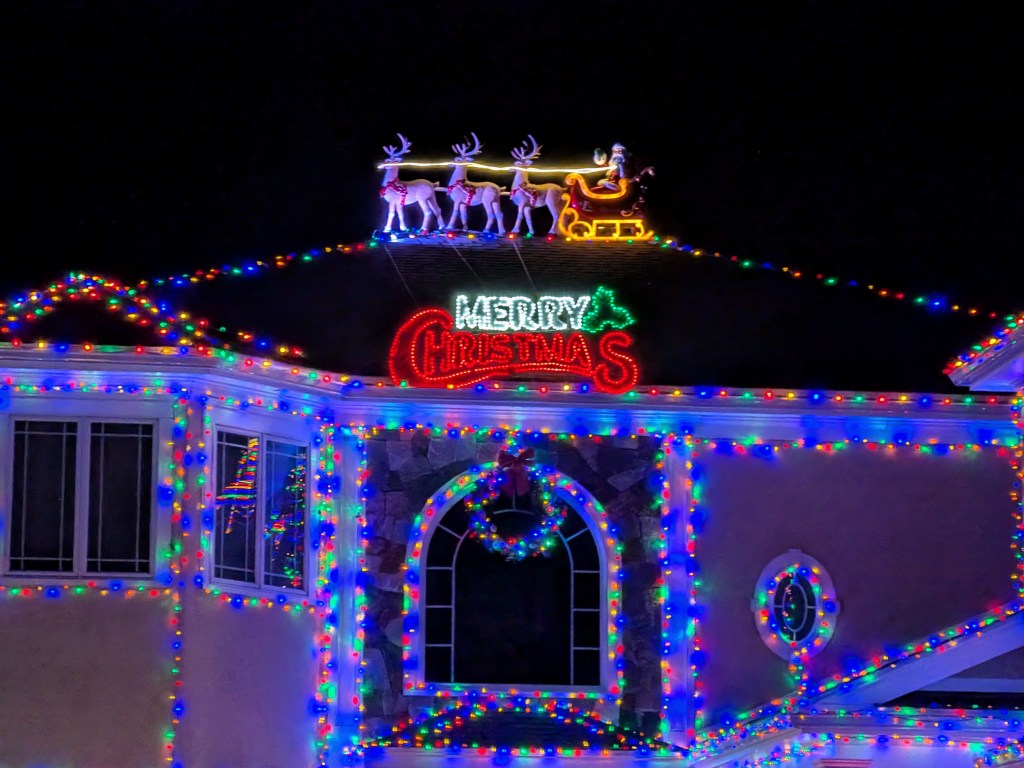
12 Starknaught Road (Up on the Rooftop)
2025 Bedecked Neighborhood Blocks: Crestview Ter.-Skywood Ter. (Head Up Harrison–hill across from Jeff’s Variety); Elizabeth Road (walk); Essex Ave-Rt. 133; Finch Lane; Glouc. Ave &Riverside Ave (can view from Washington, too); Hartz; High Popples Road; Marina Dr.; Perkins St; Reservoir Road; Reynard Street
Prior year annual favorites now dim: Frosty House 8 Elizabeth; 8 Spruce Road; 2 Edgewood Road; 18 Reynard Street
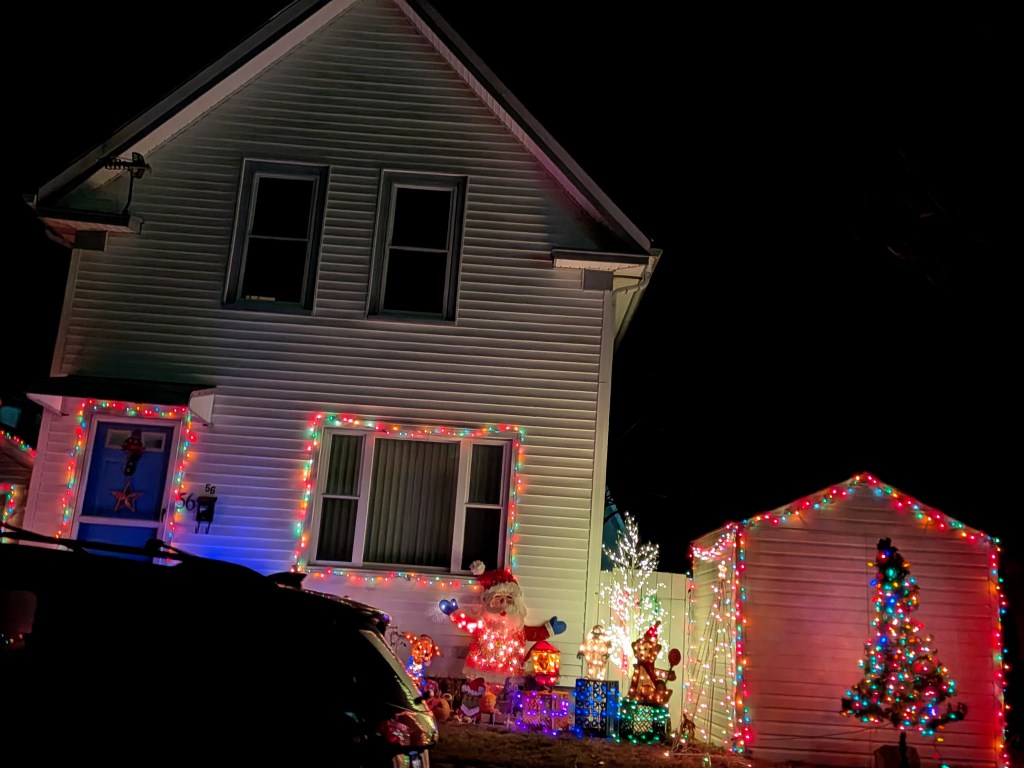
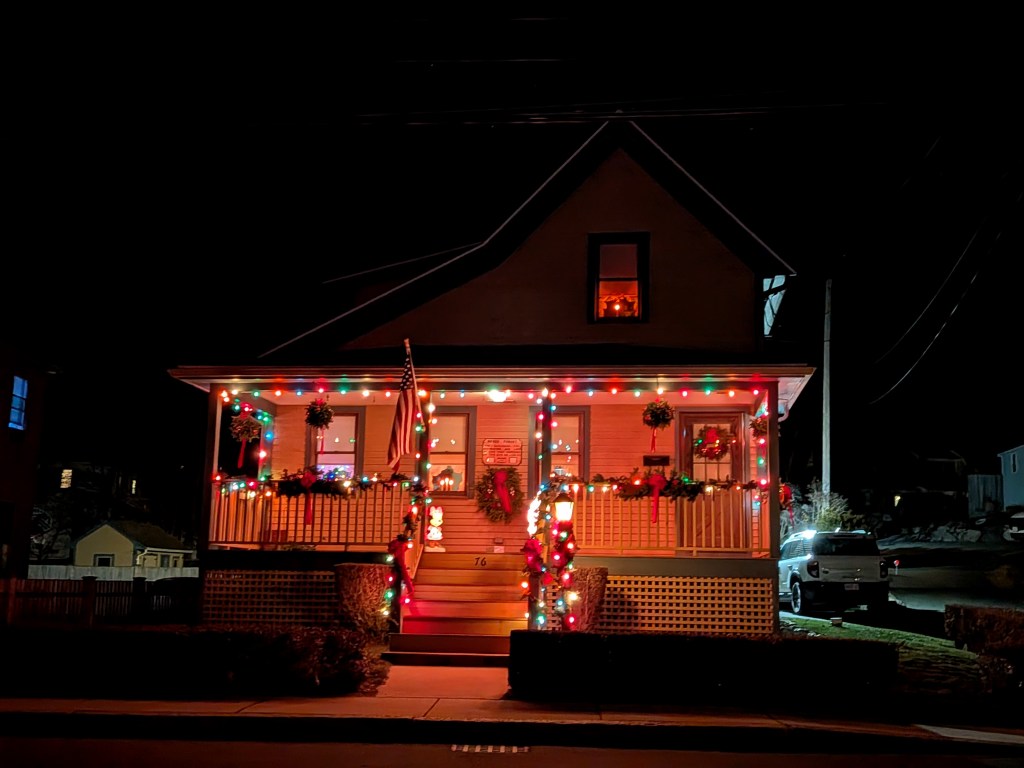
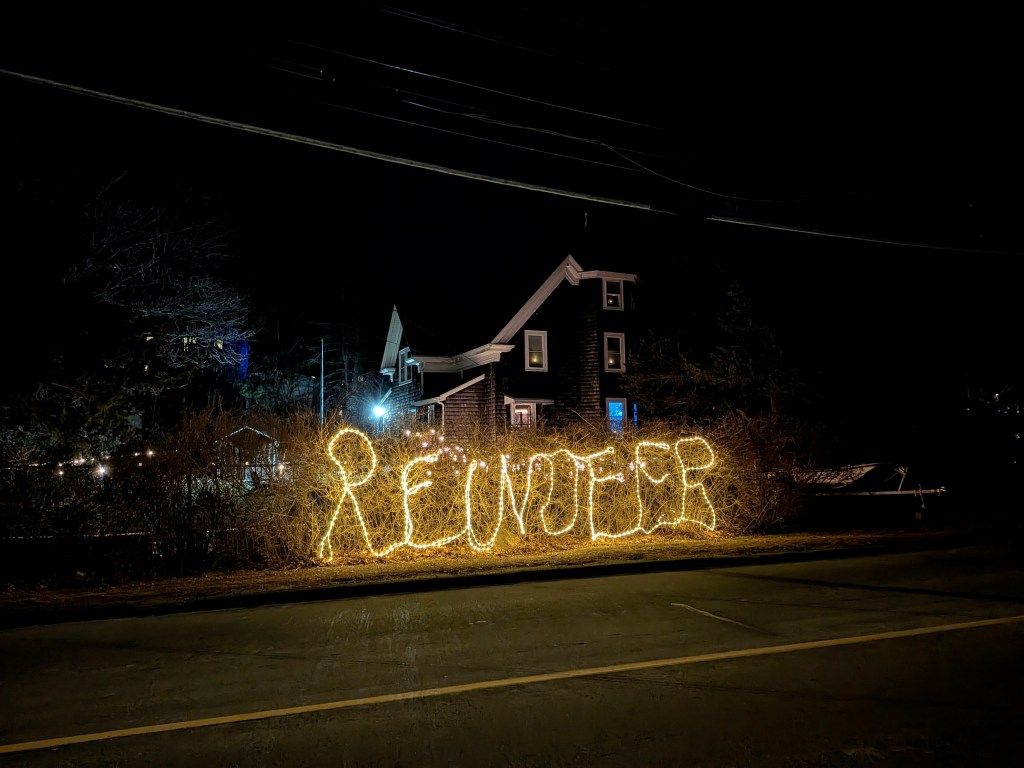
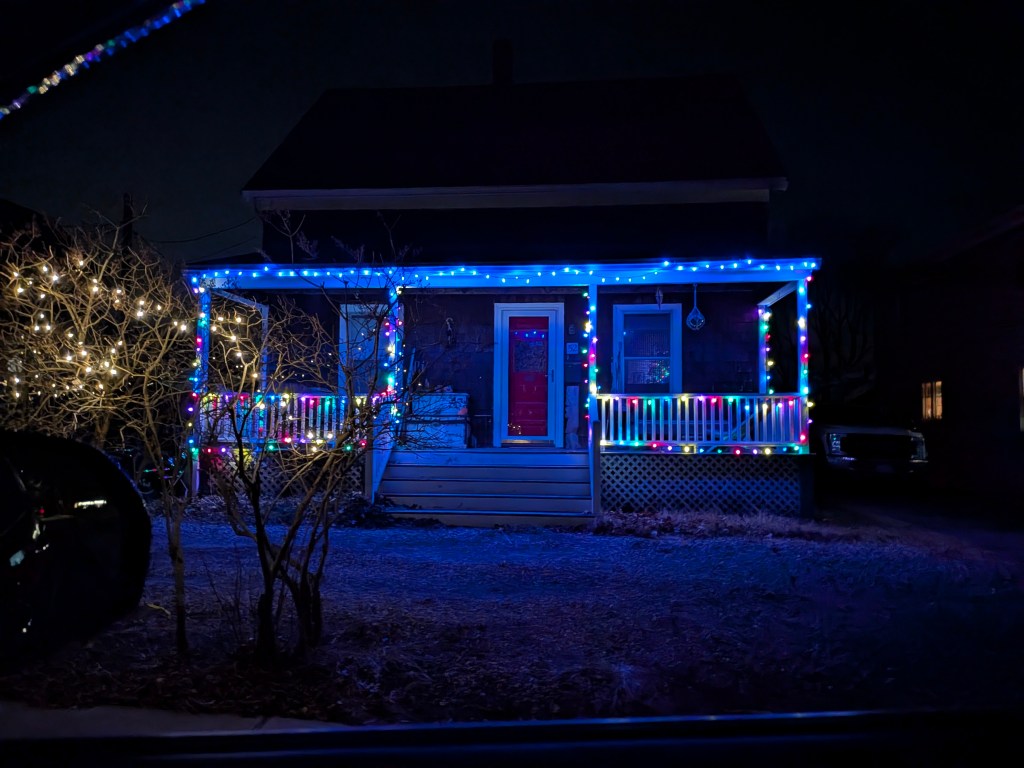
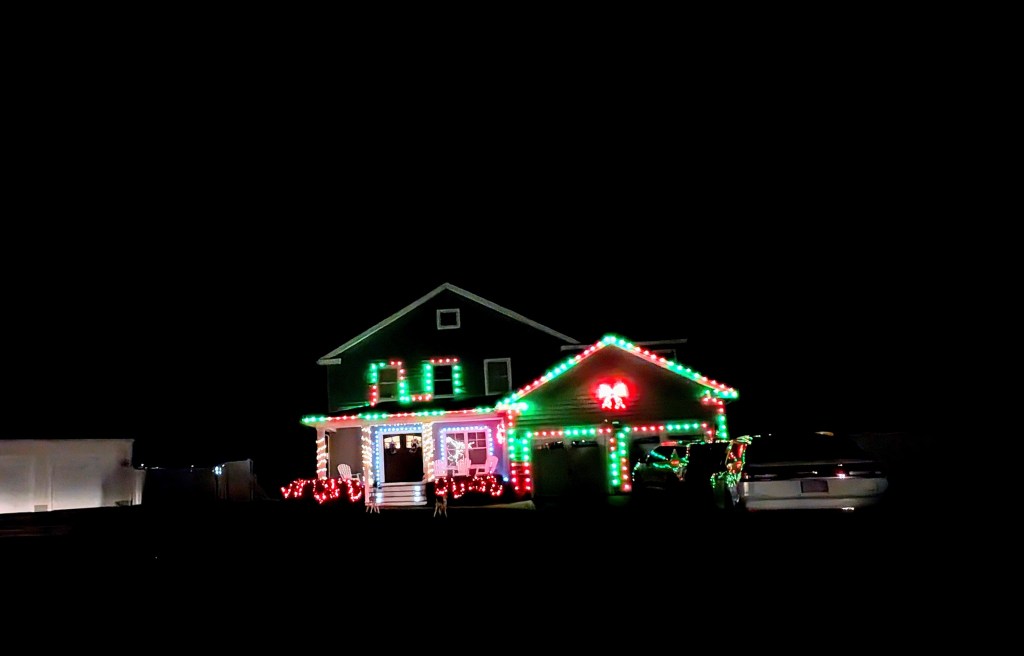
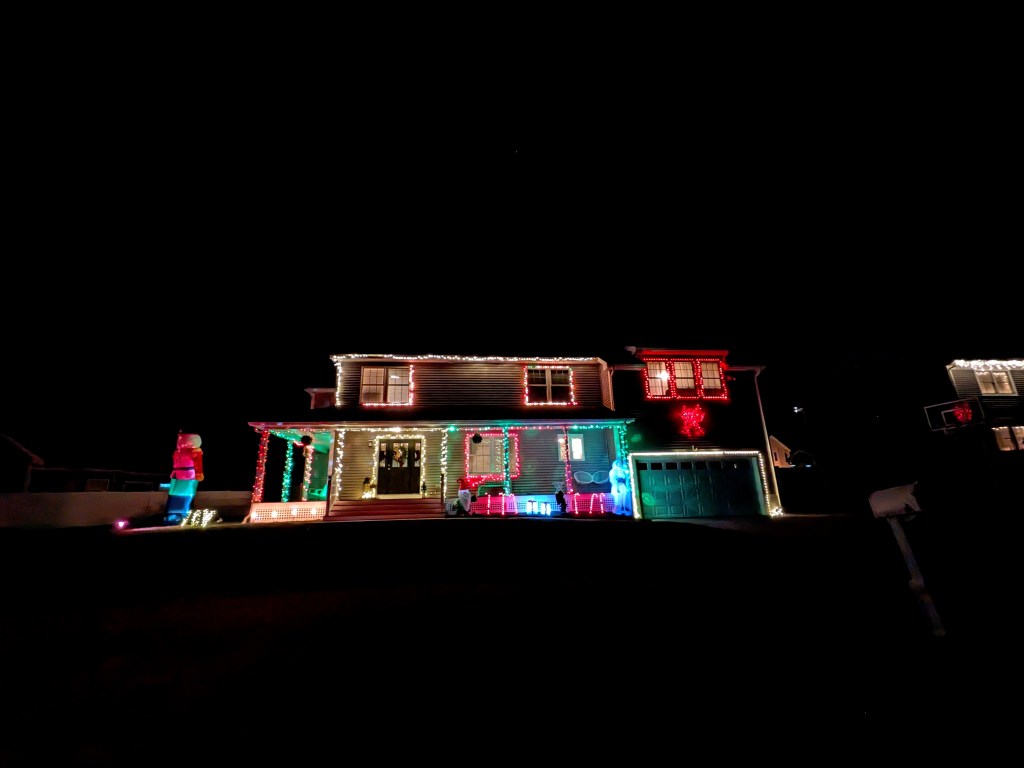
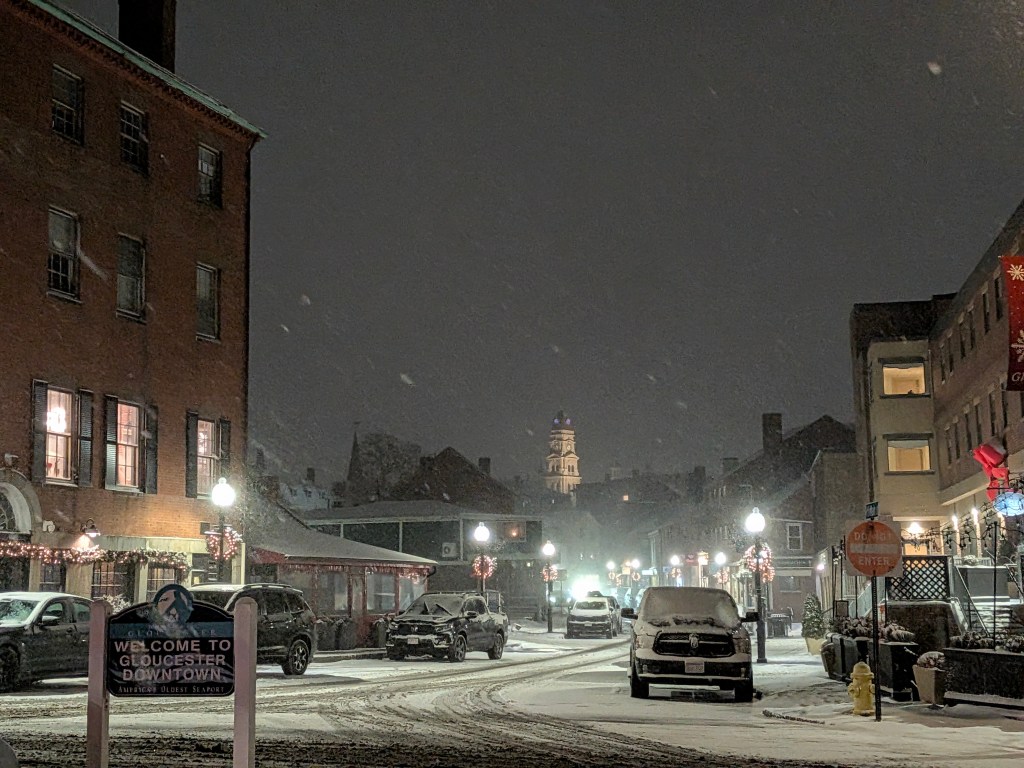
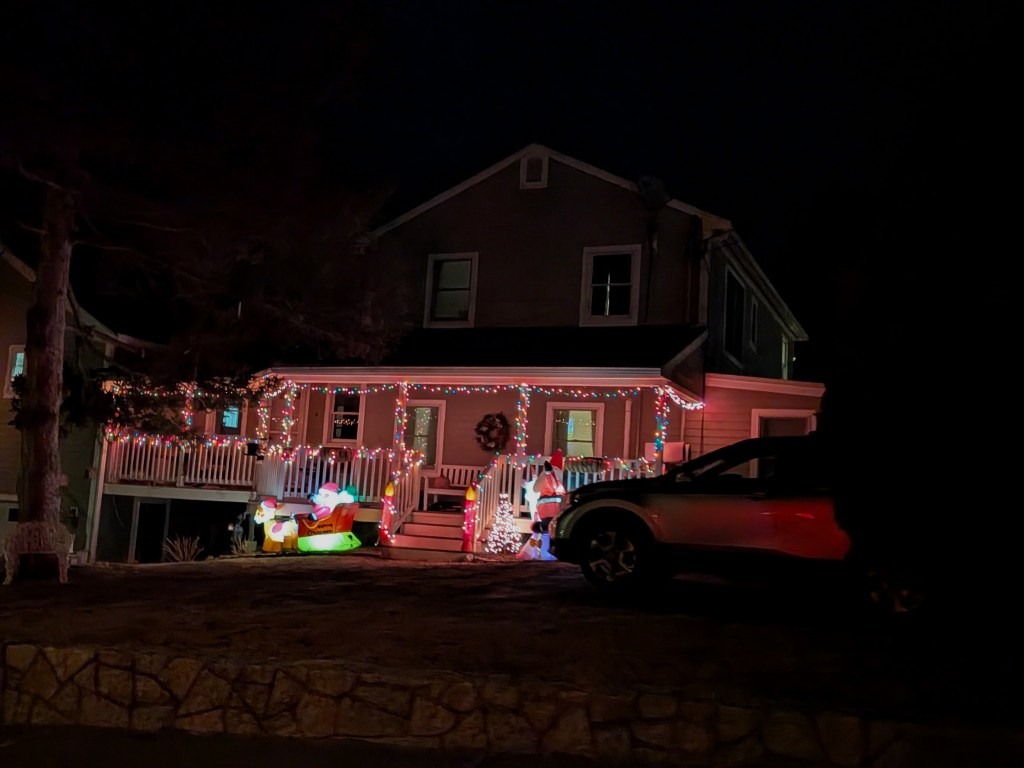
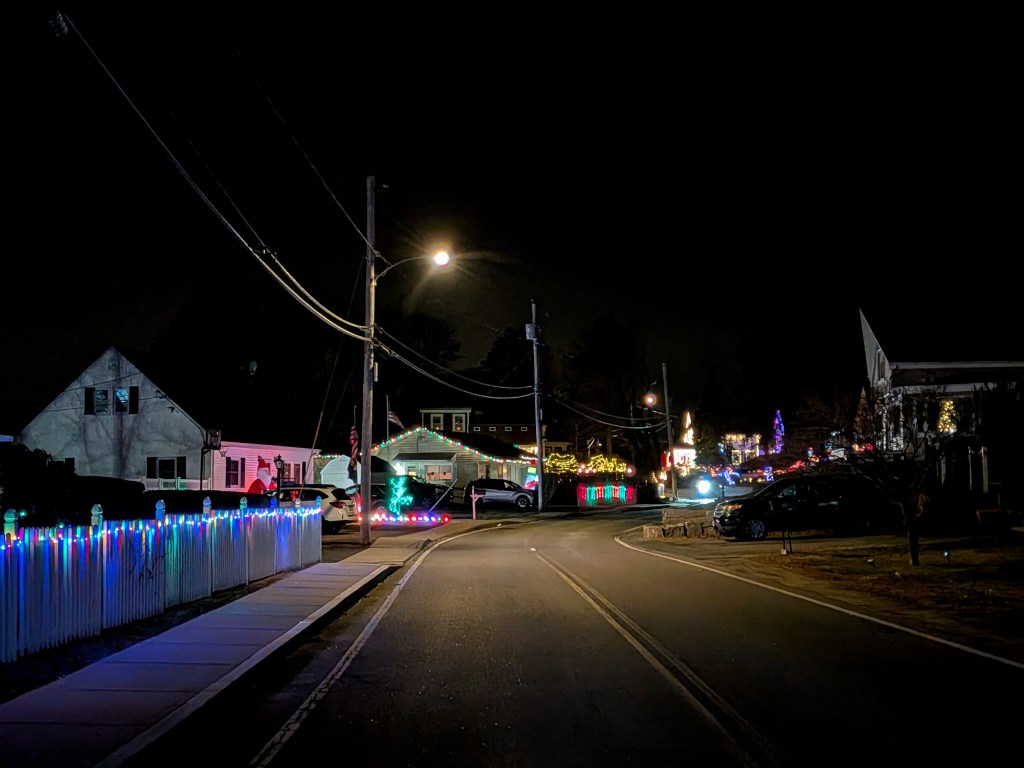
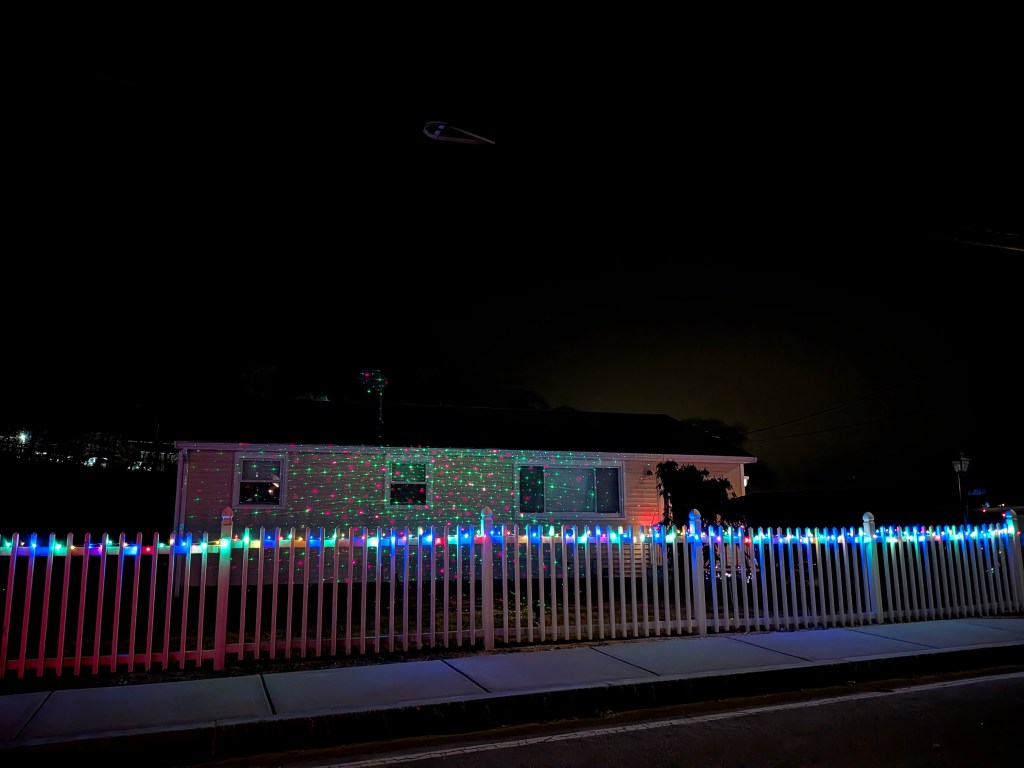
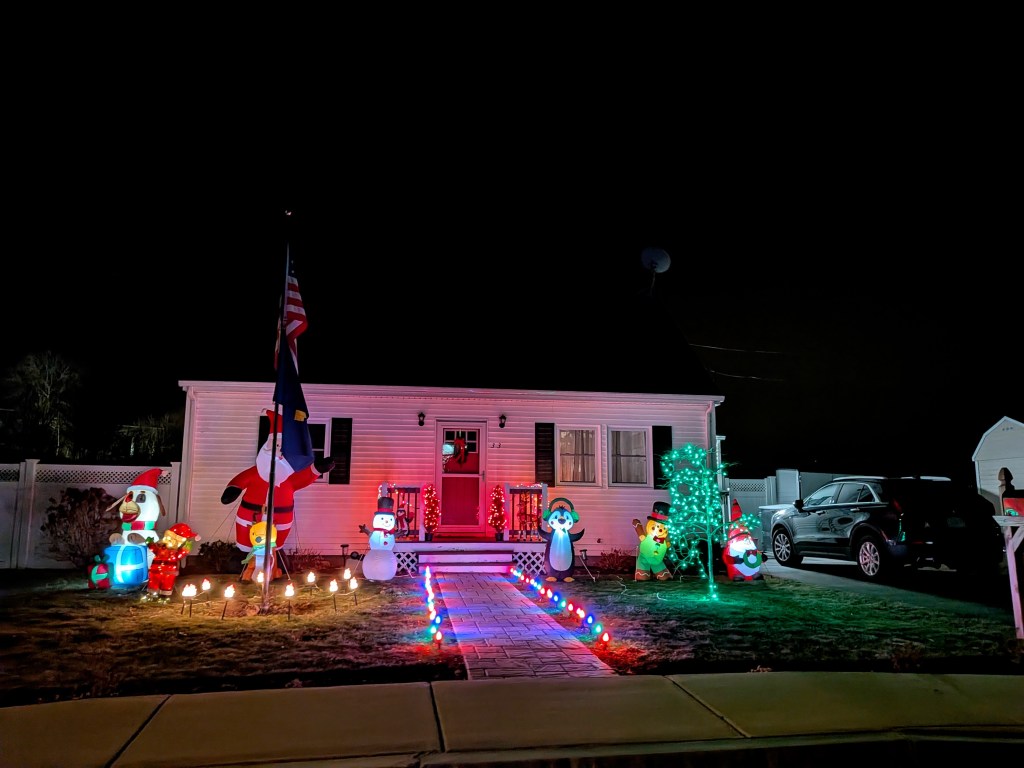
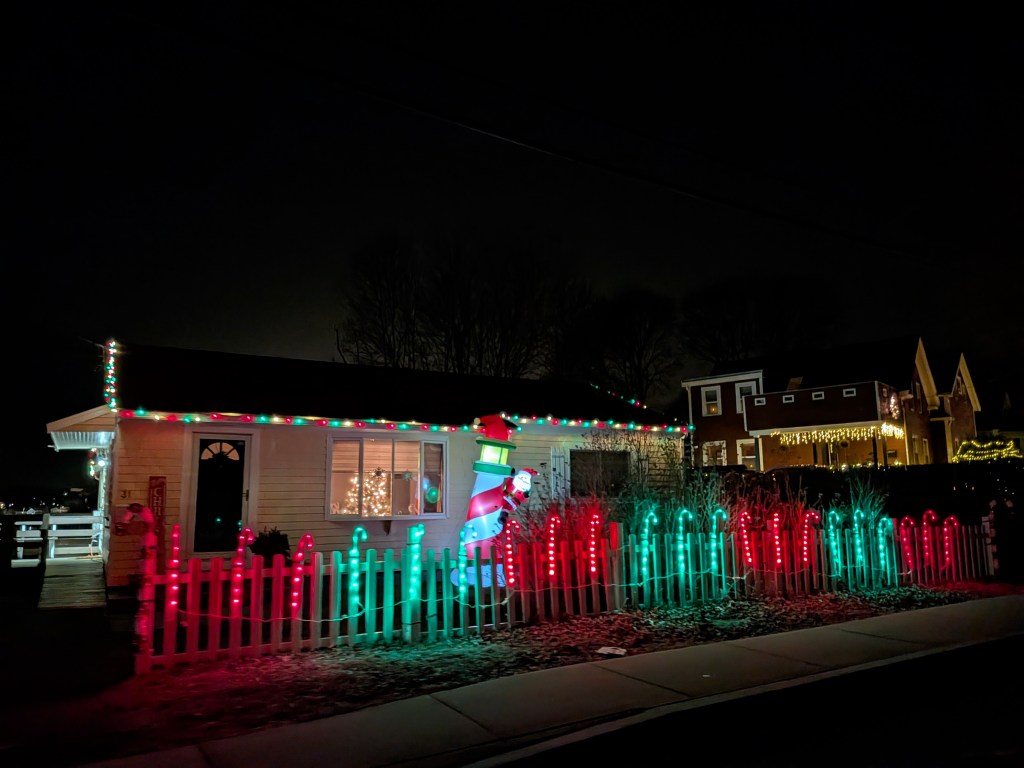
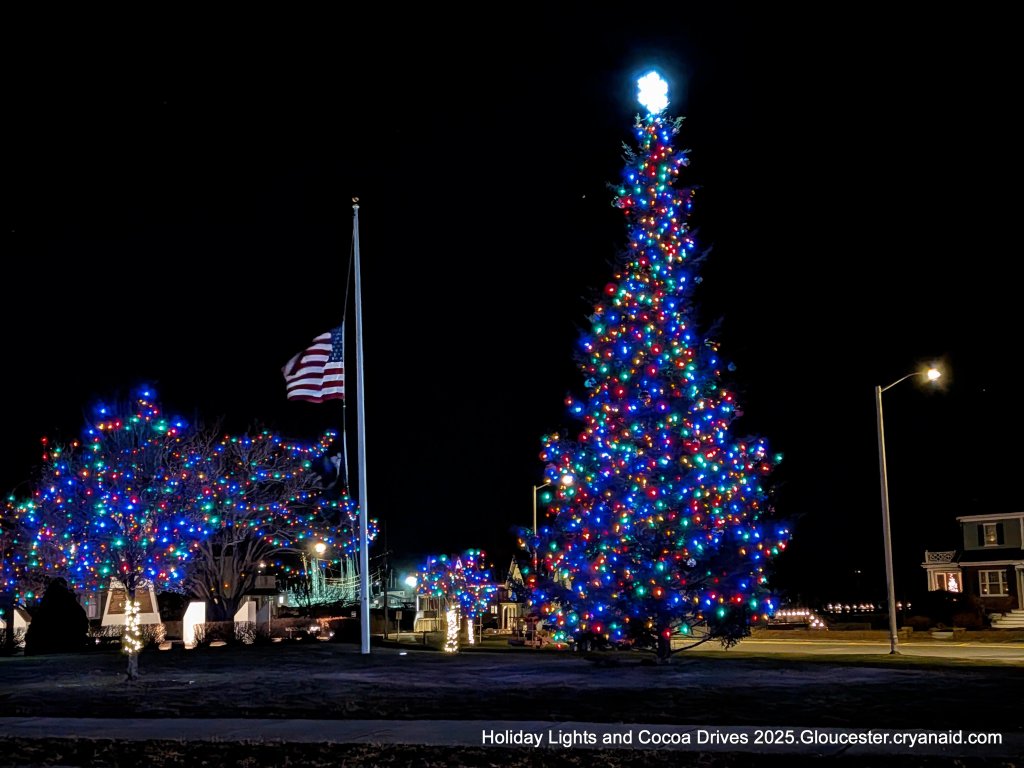
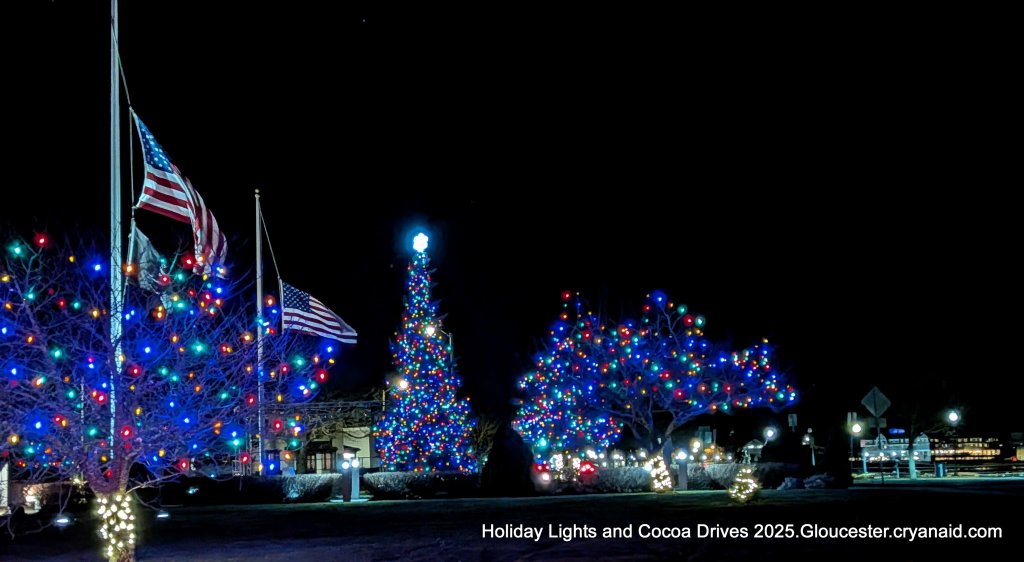
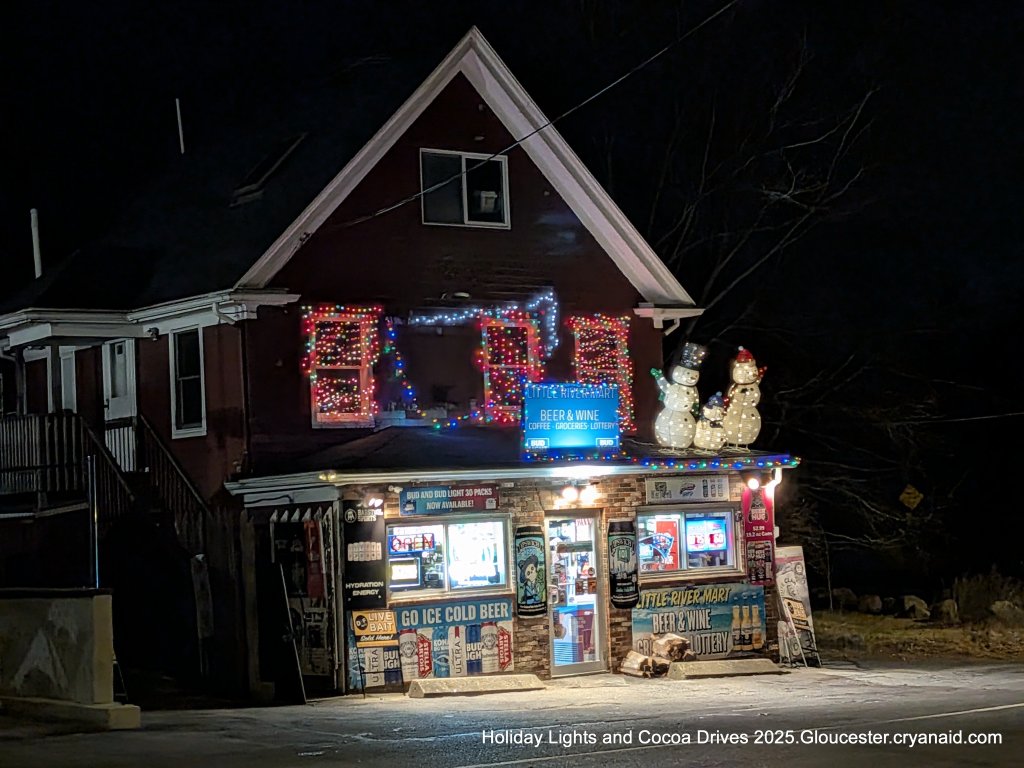
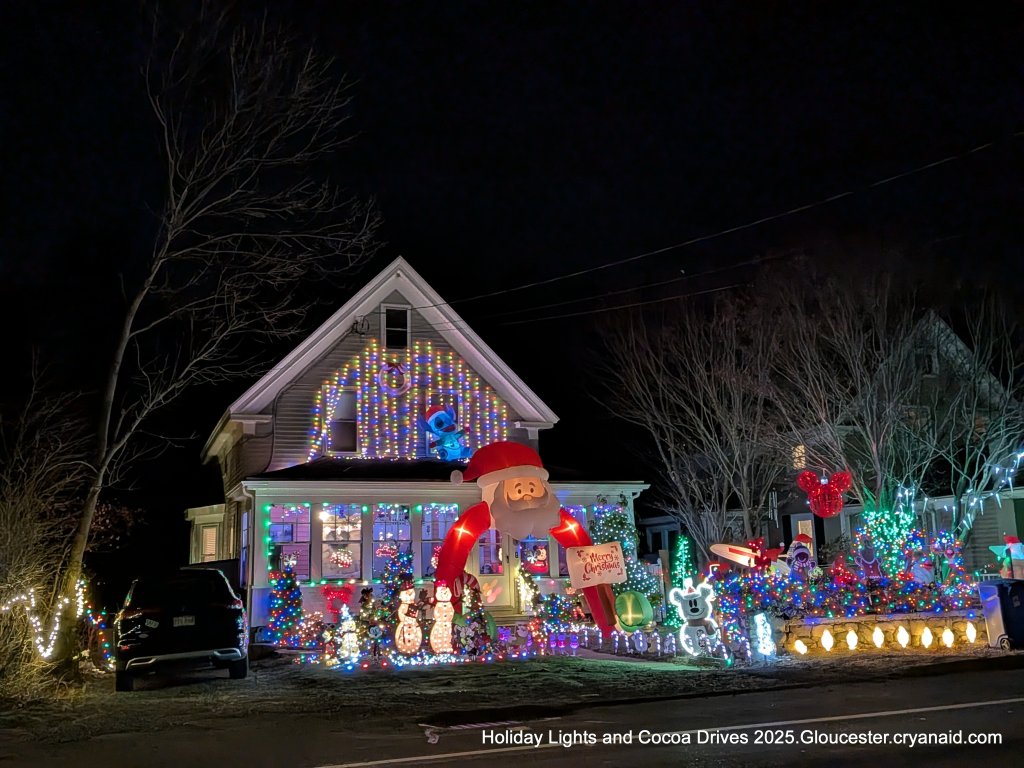
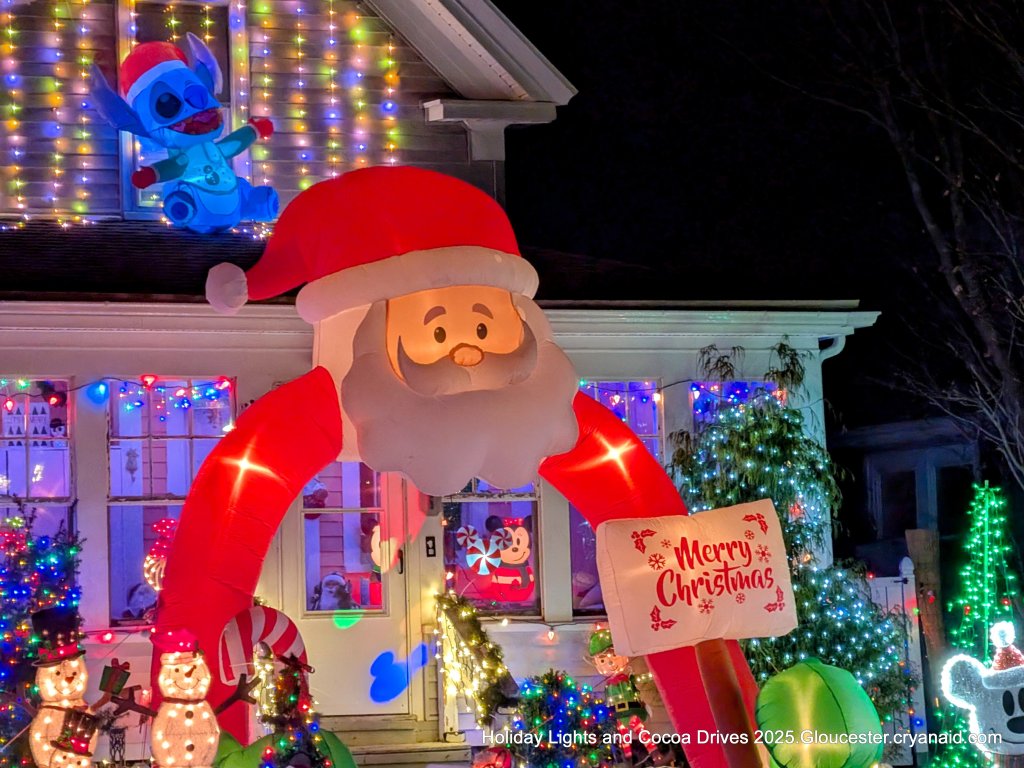
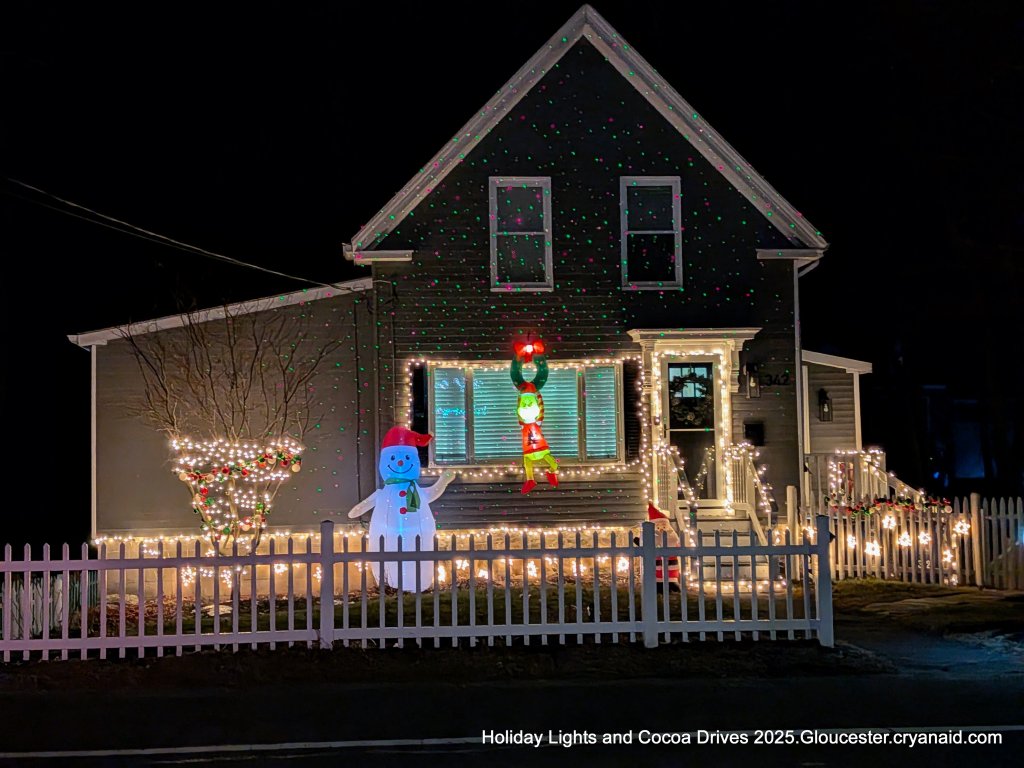
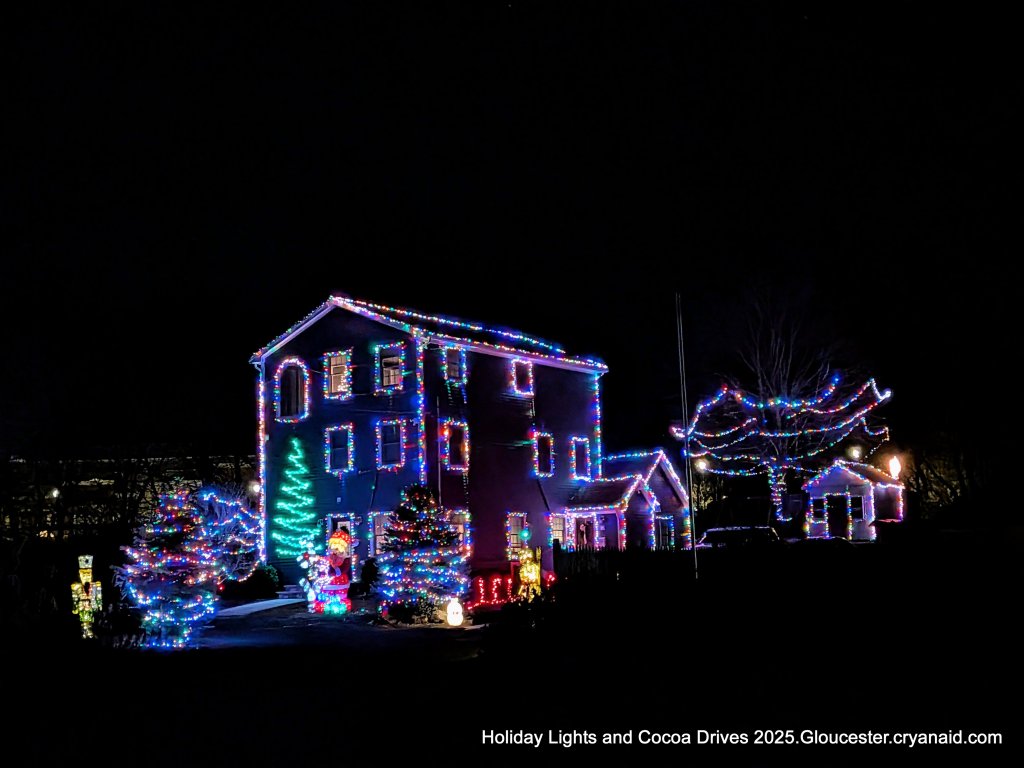
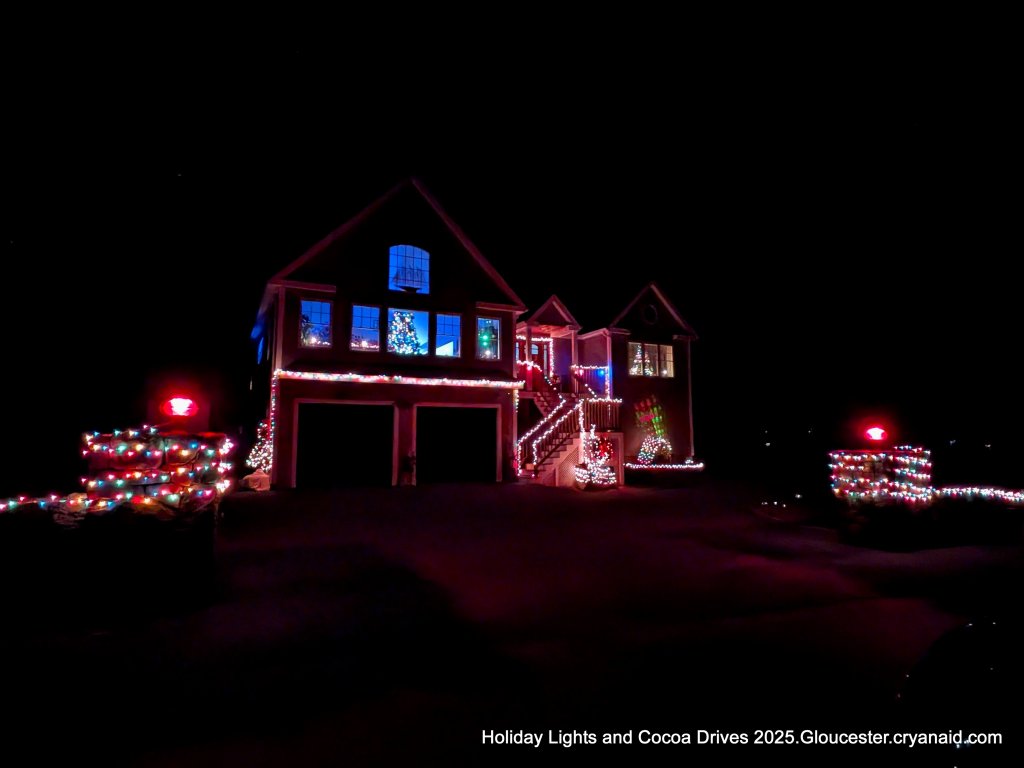
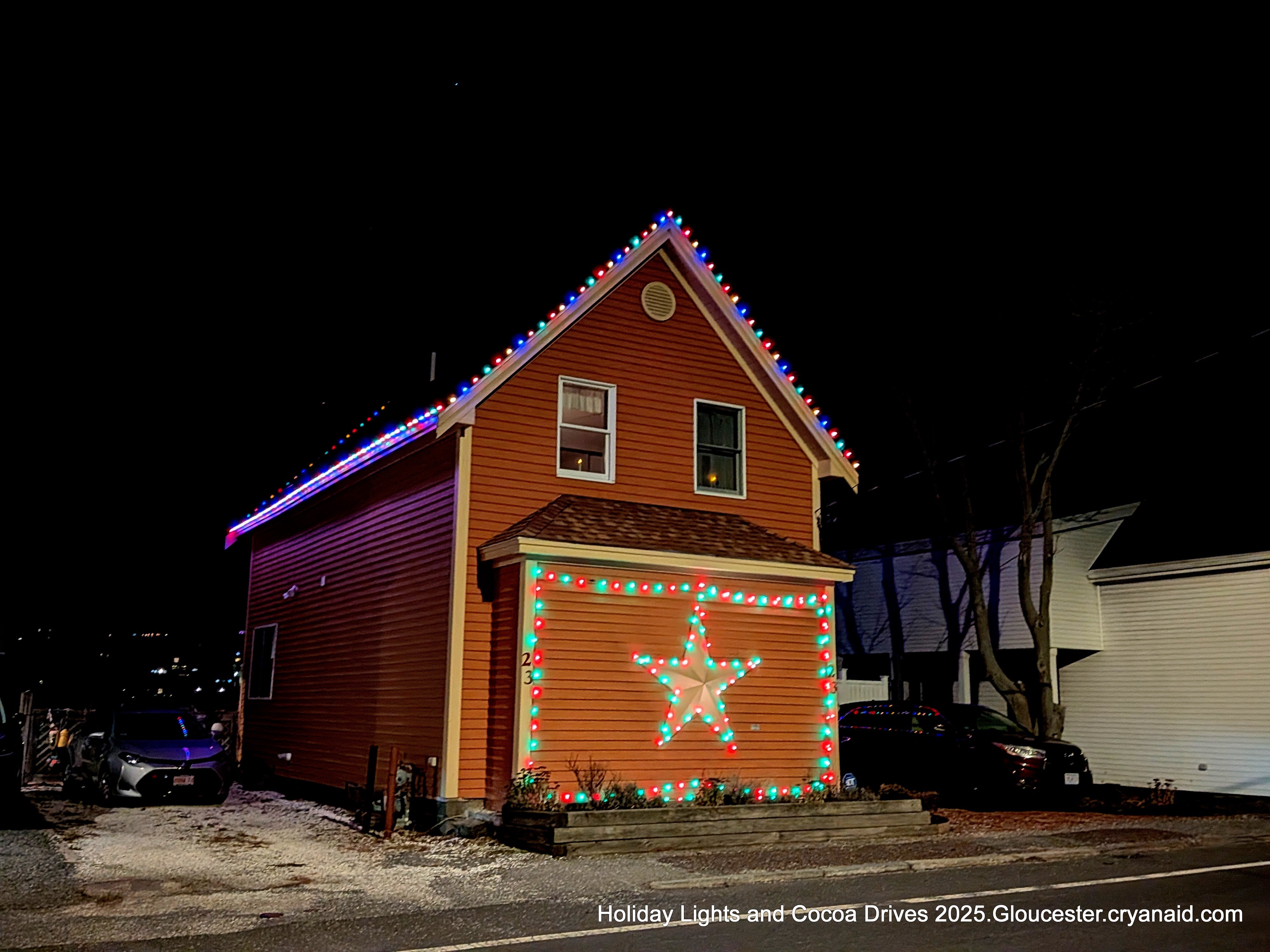
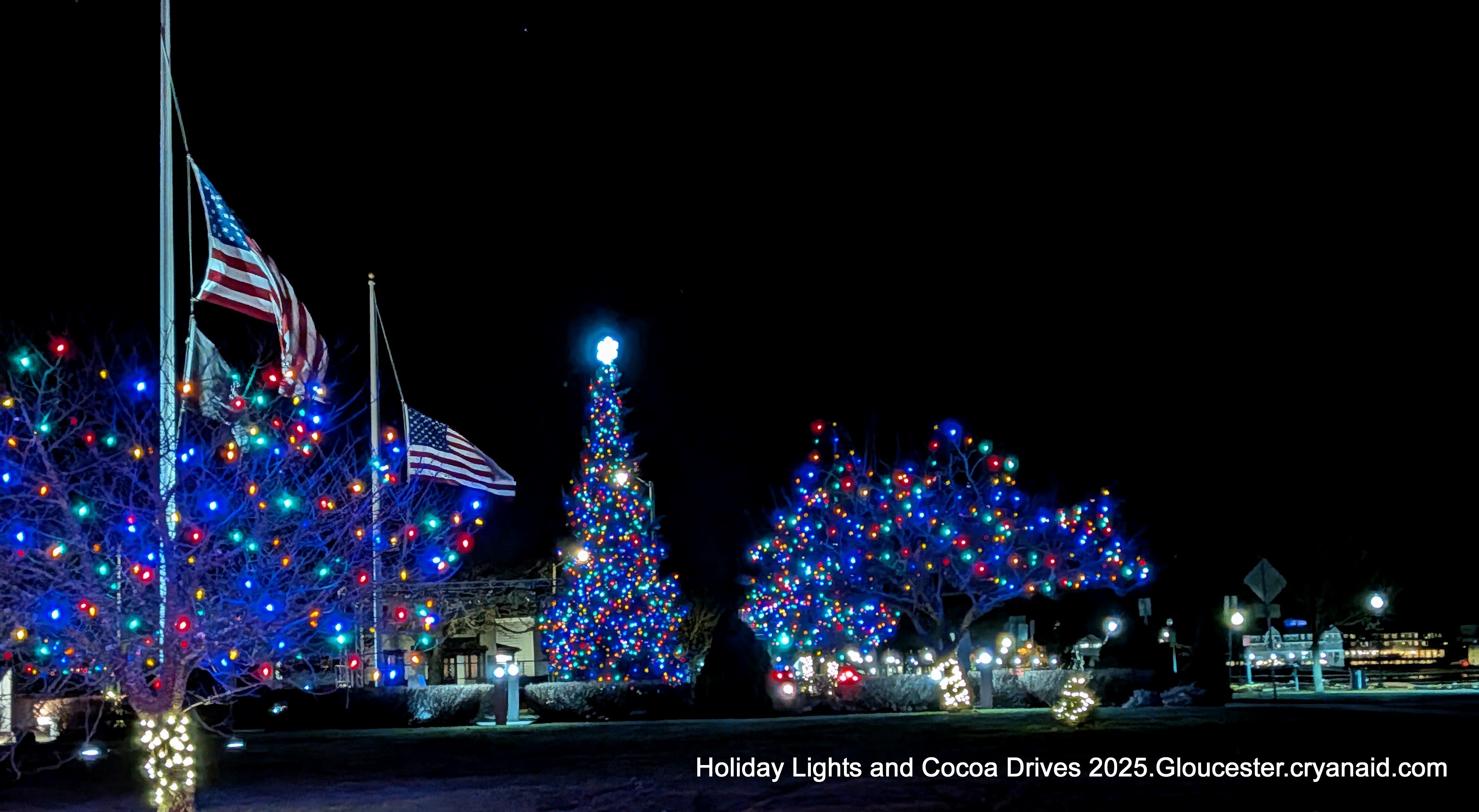
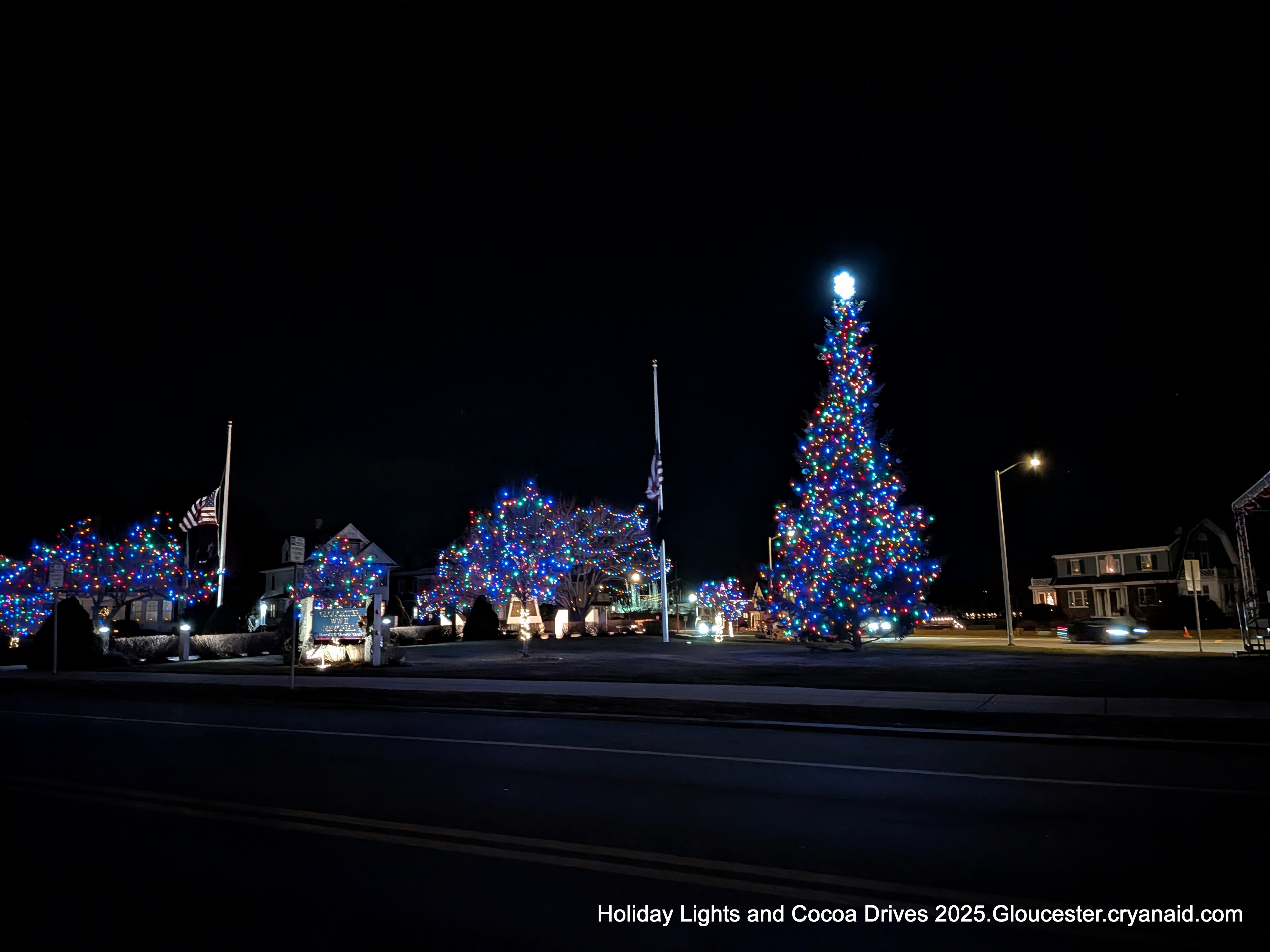
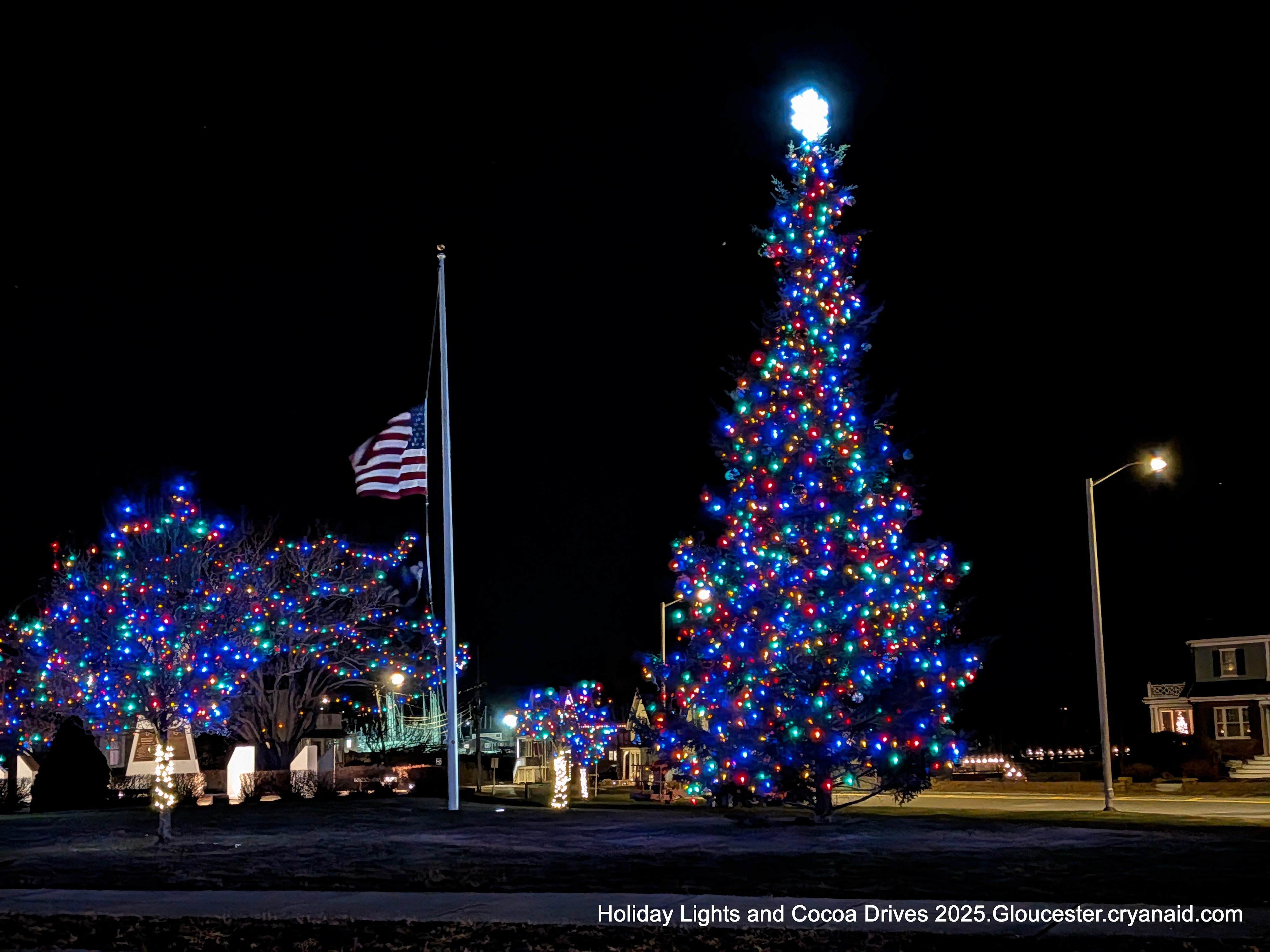
It is beginning to look a lot like Christmas! If you’re looking for holiday cheer, the 2025 Holiday Lights and Cocoa Drives map–celebrating homes spreading cheer with Christmas lights and holiday yard displays–is just starting to twinkle.
From rookie illuminations to mad merry marvels and every spirit of the season, look for more glistening additions in the days to come here on GMG and a printable map (2025 is not live, yet. Peruse past years here.) What creative magic have some favorites dreamed up for this year? Before December 1, I noticed angels were trending, so that’s an early “I spy” for 2025 drives. Maybe add one to your window 🙂
Shout out to Margaret Harvey and Central Grammar for a welcome request and deadline!
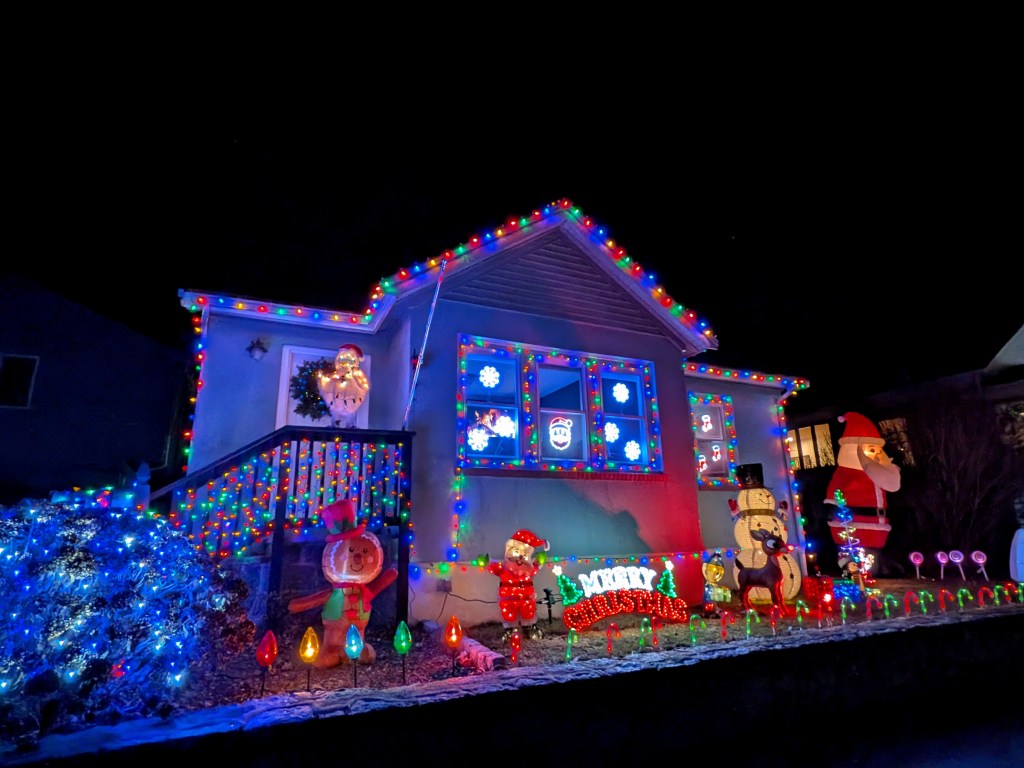
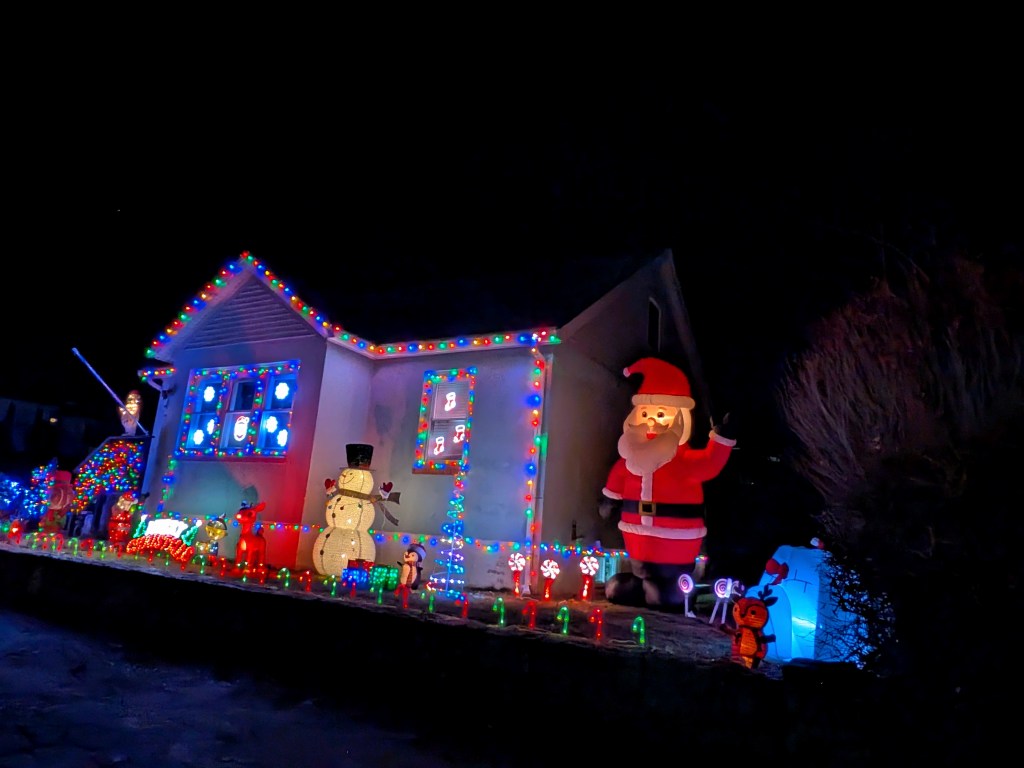
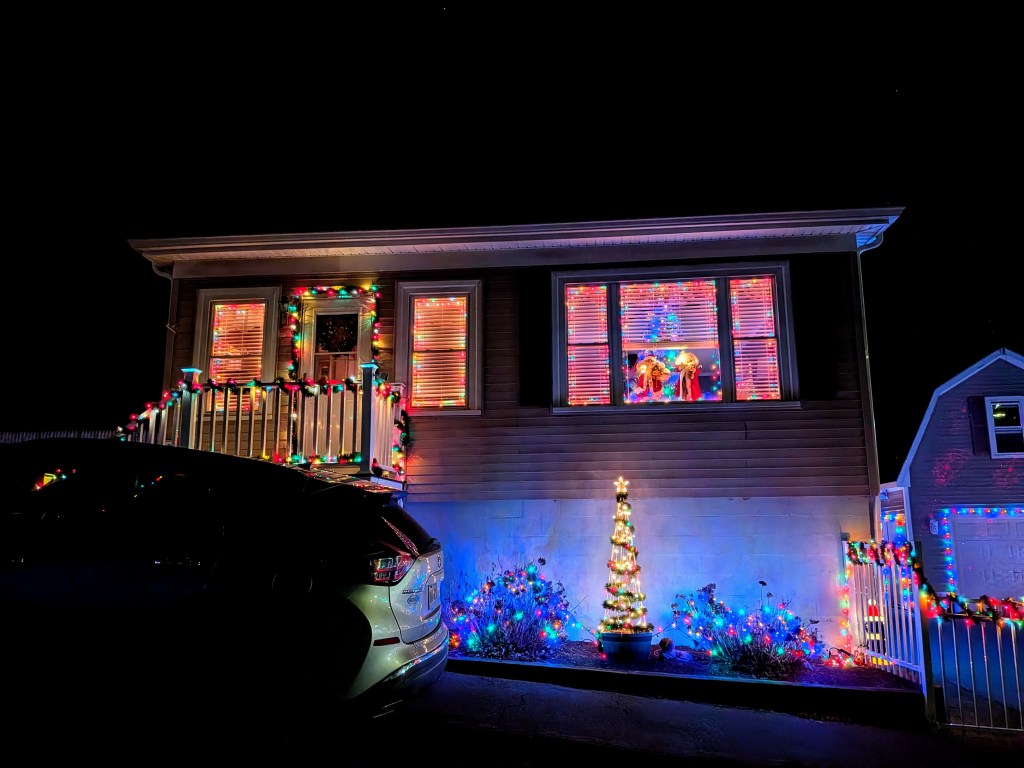
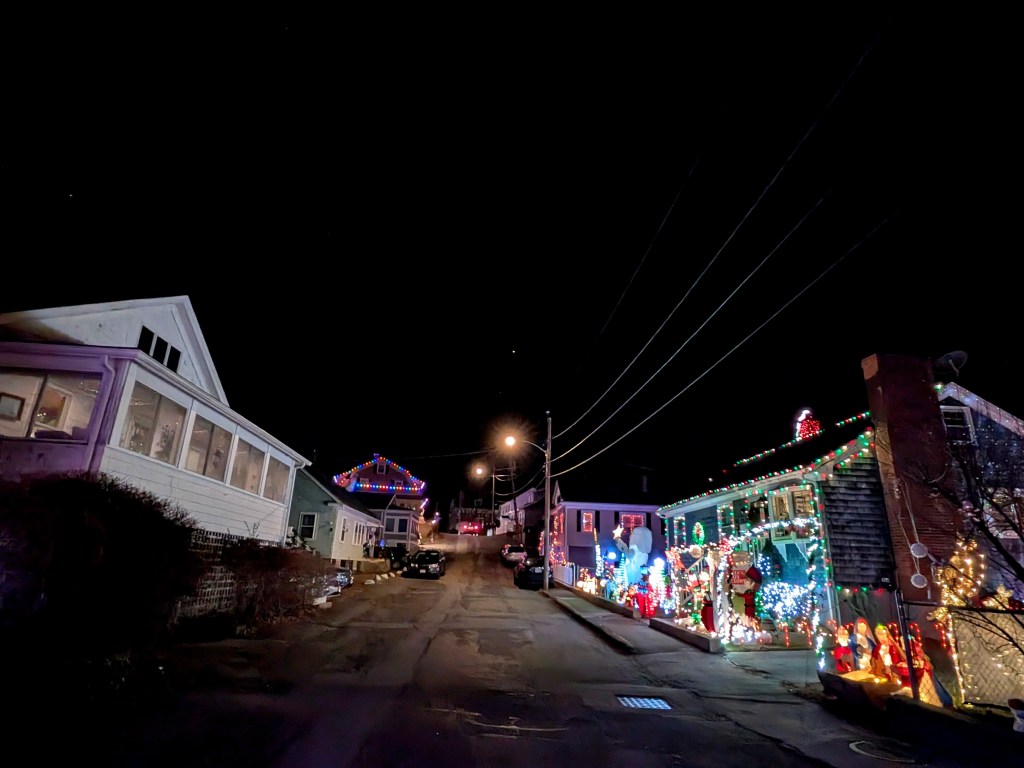
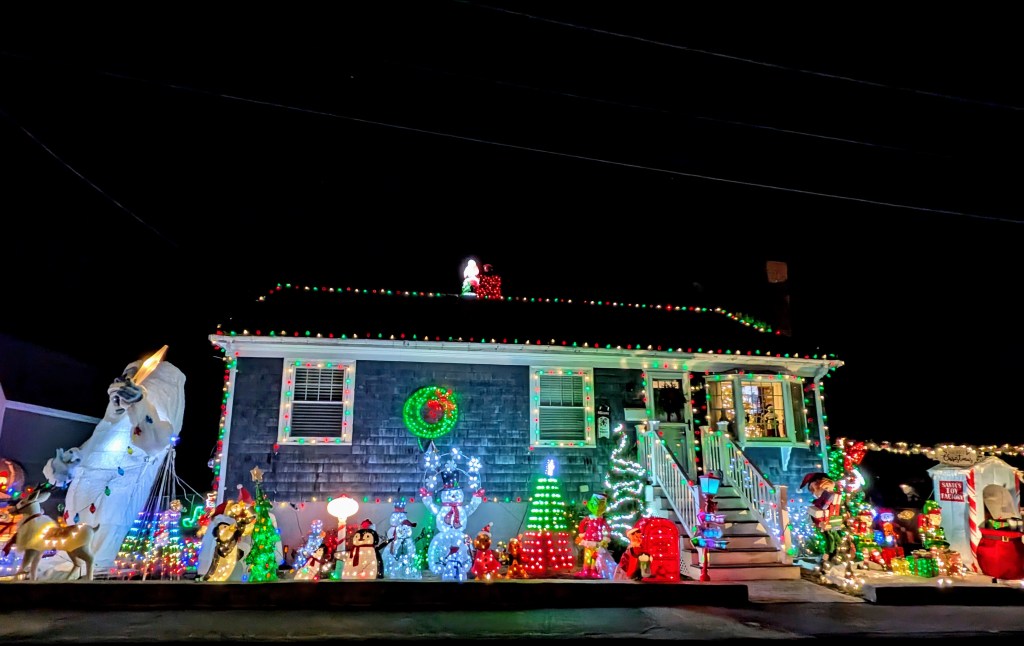
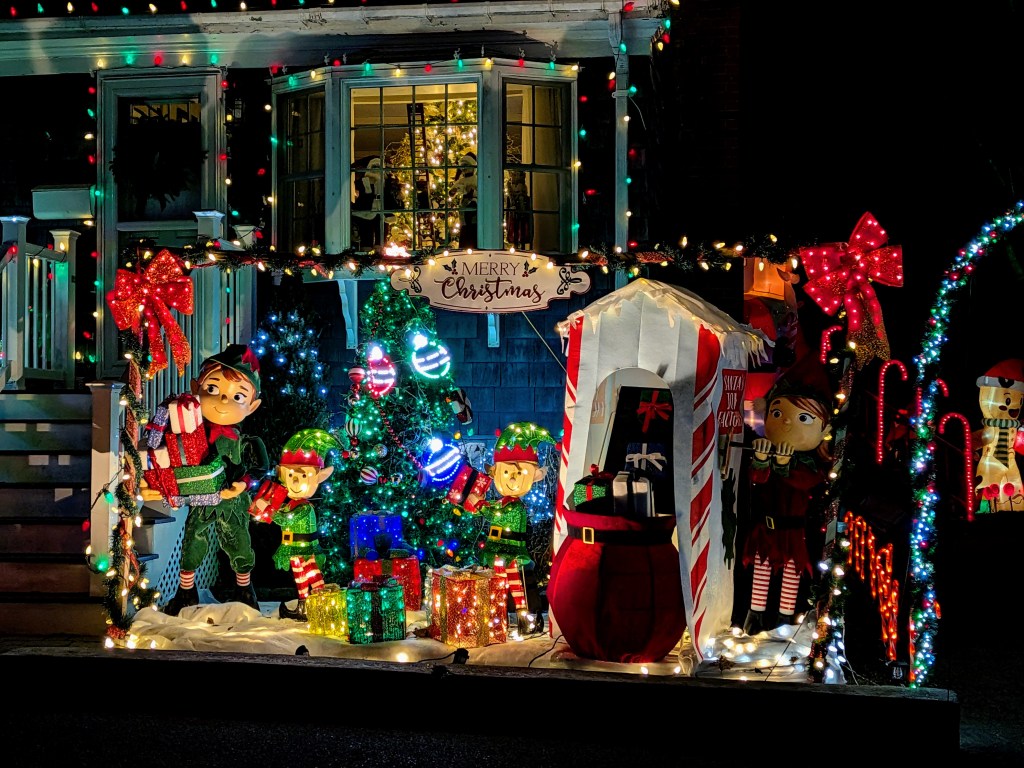
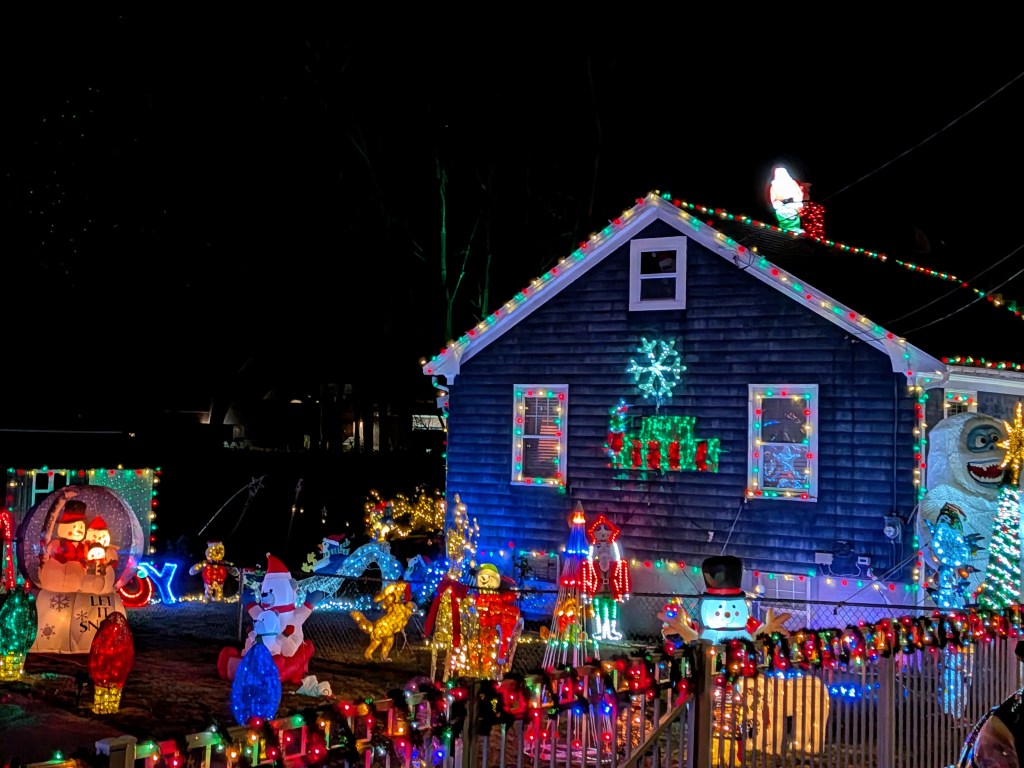
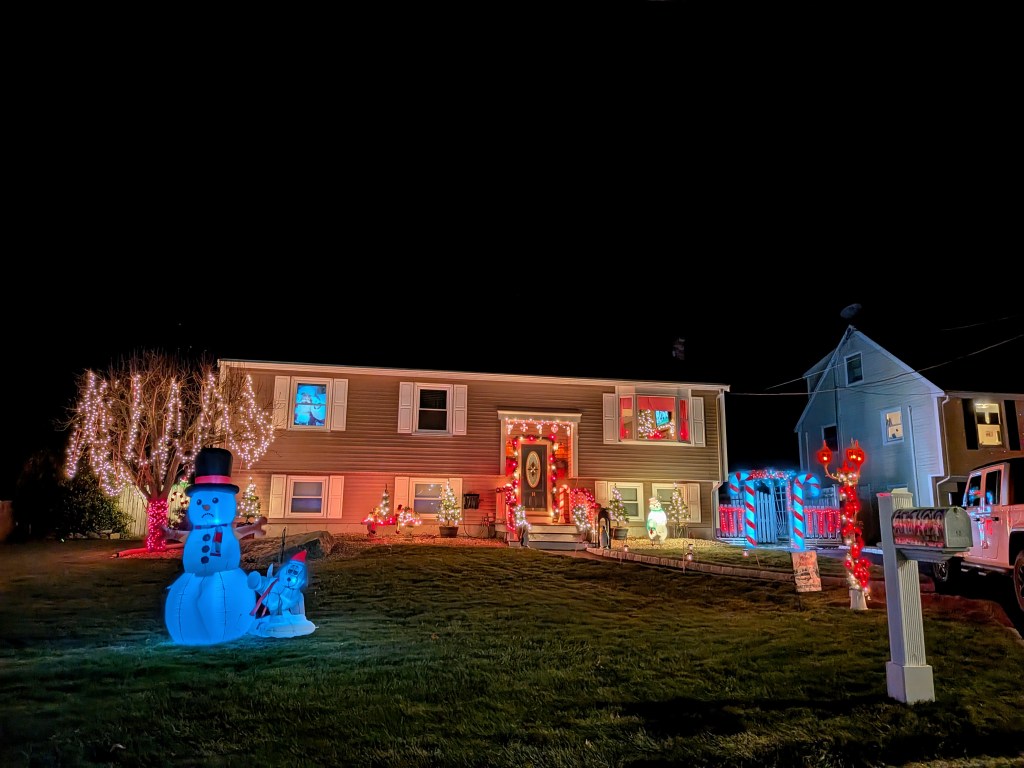
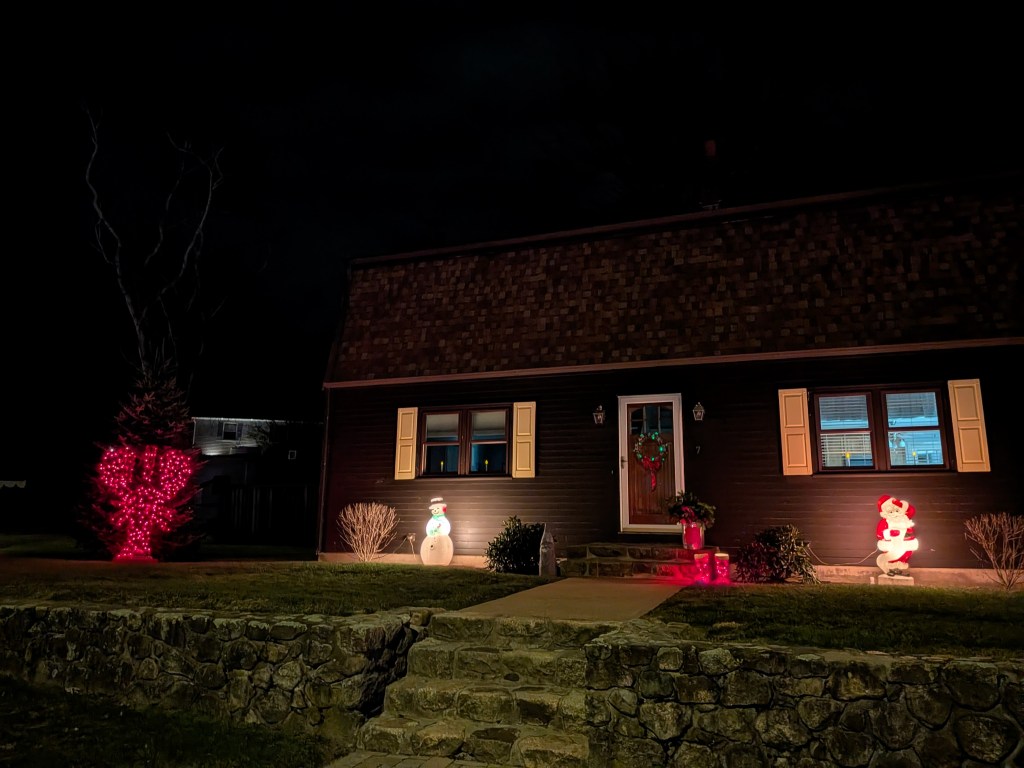
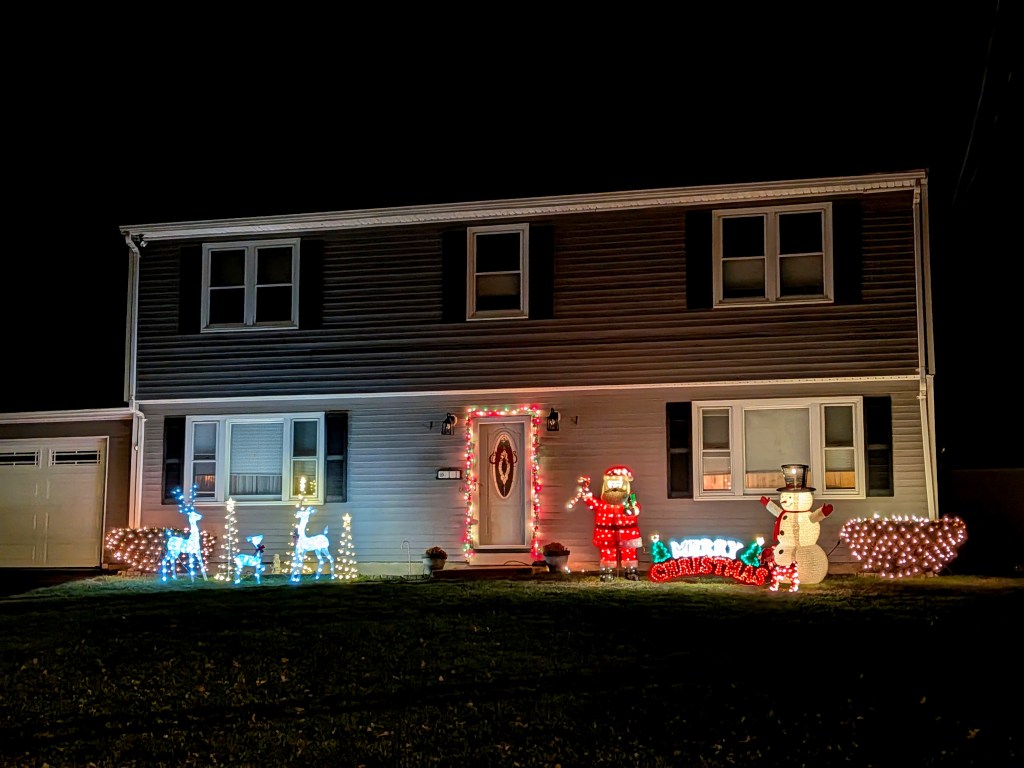
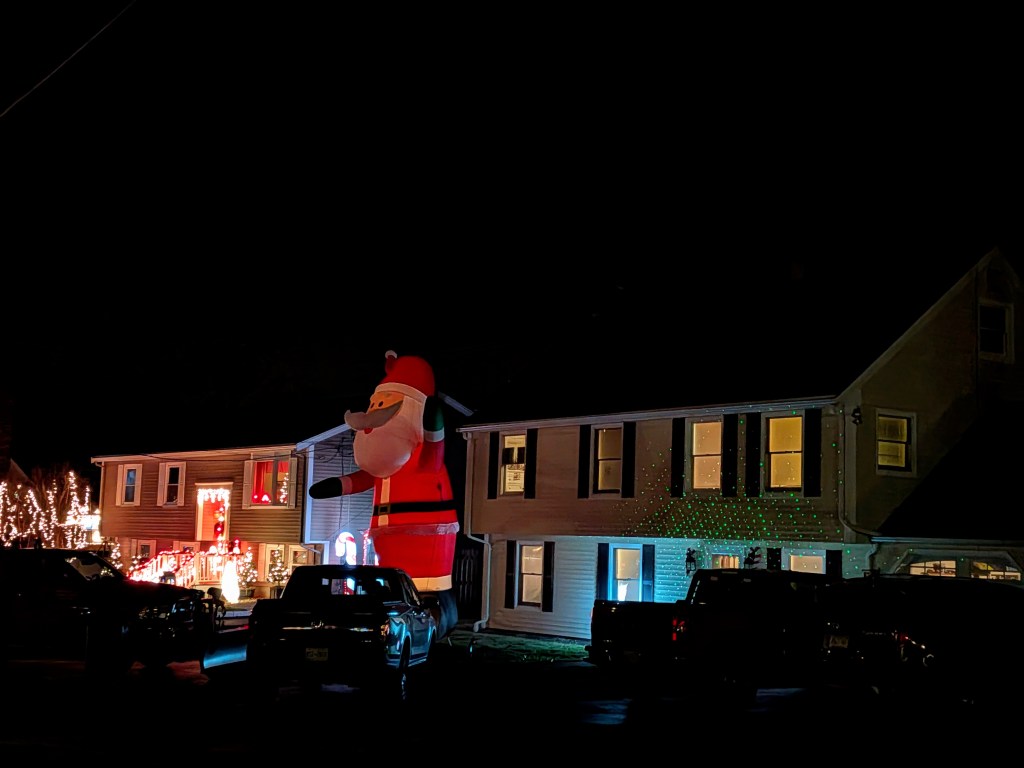
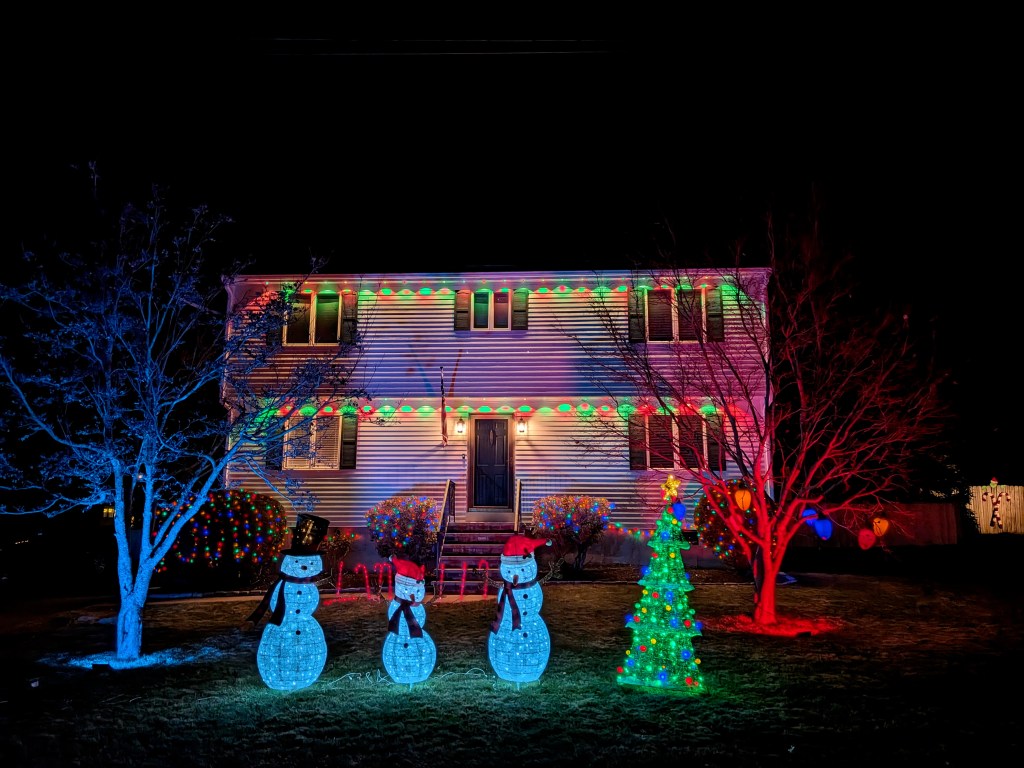
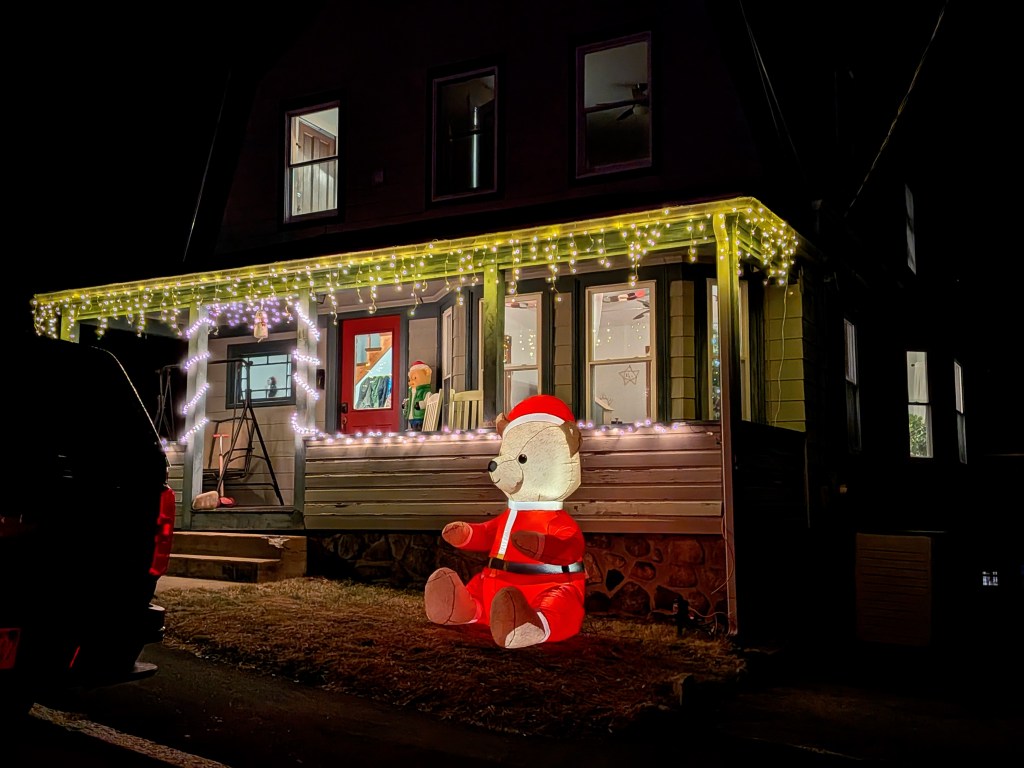
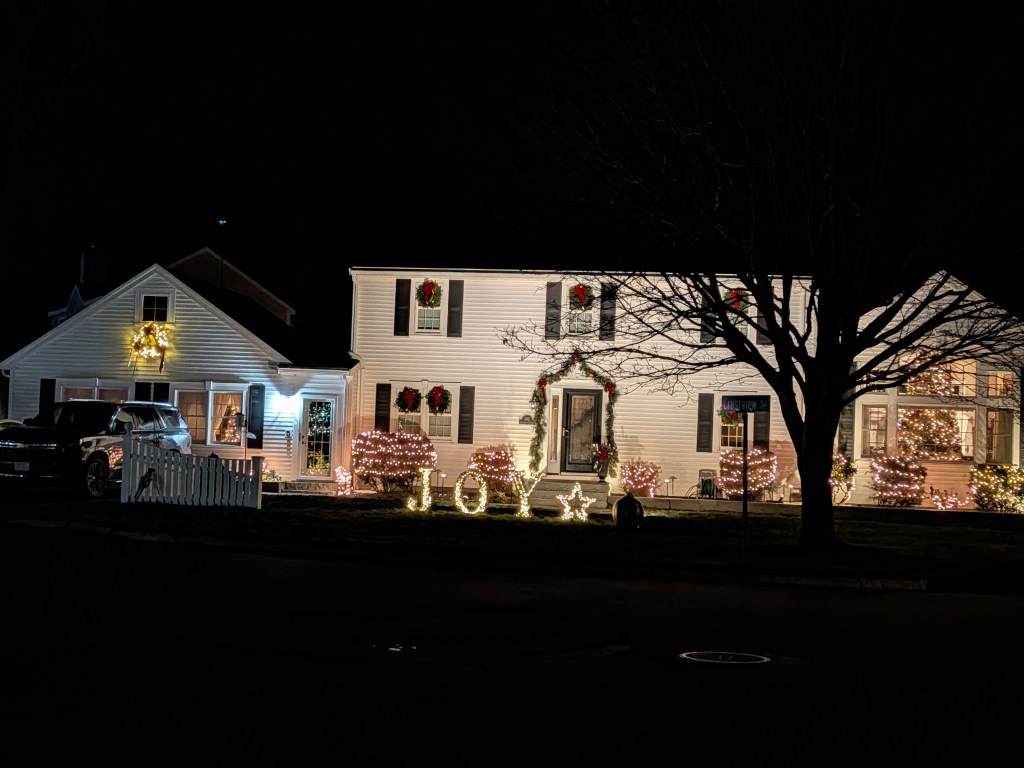
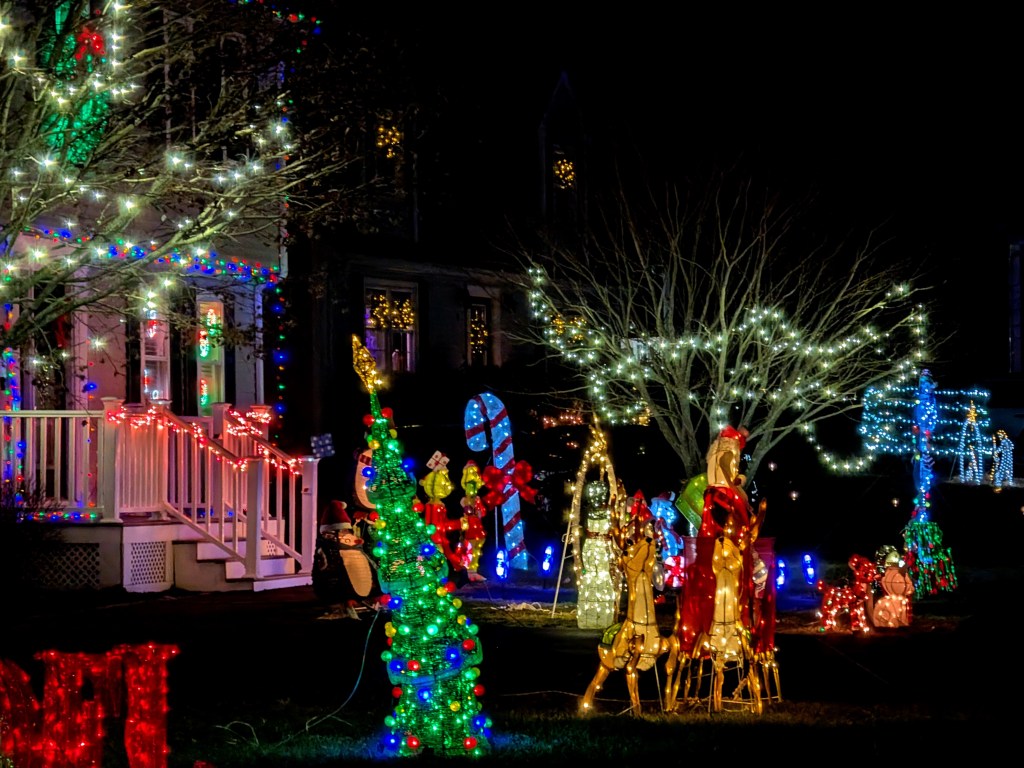
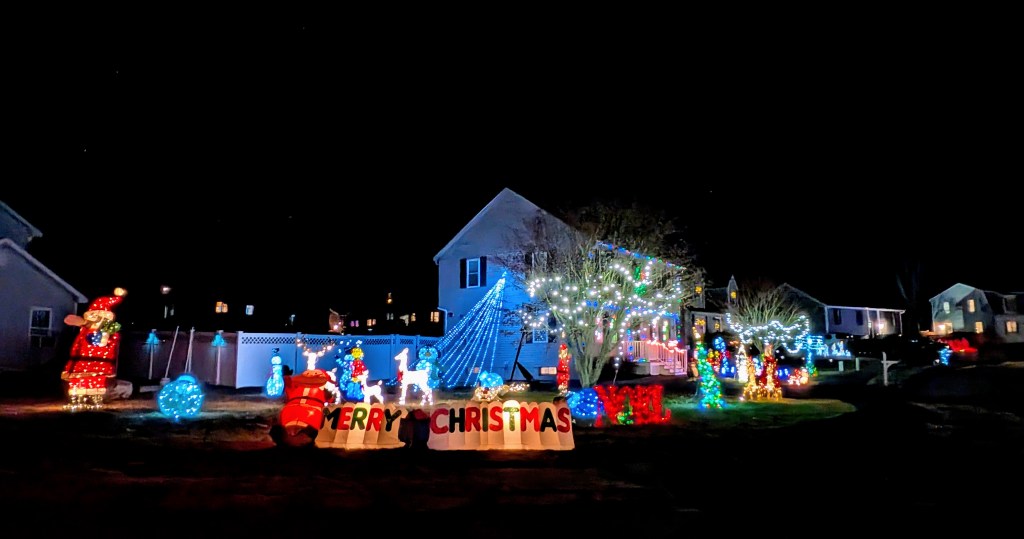
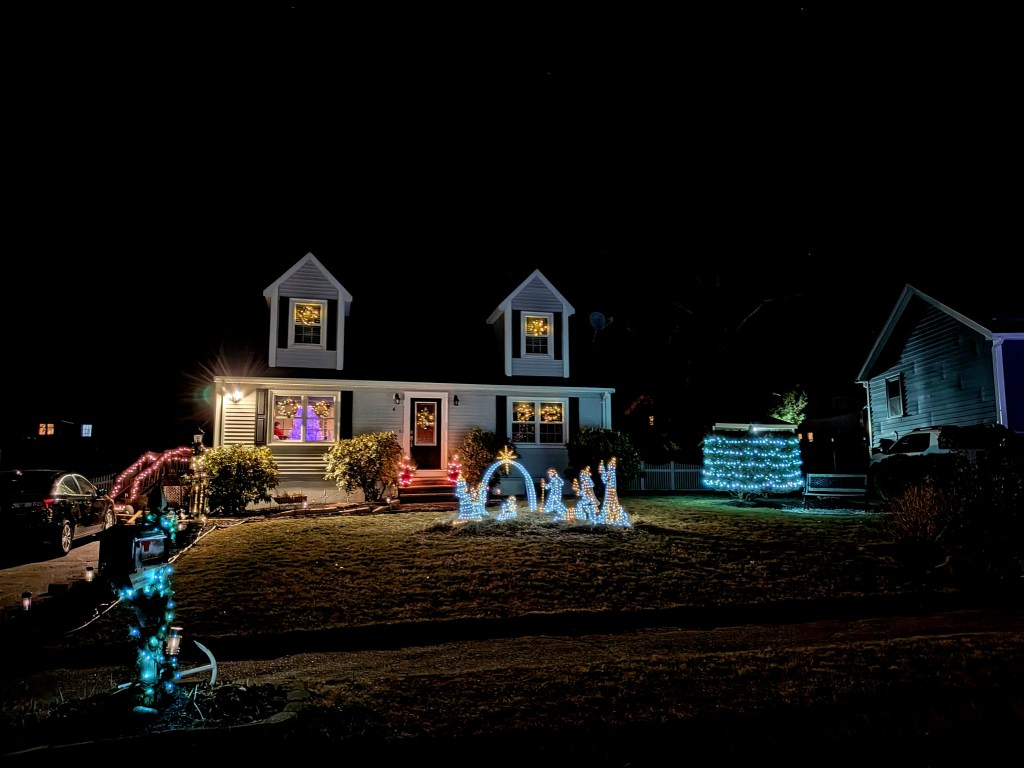
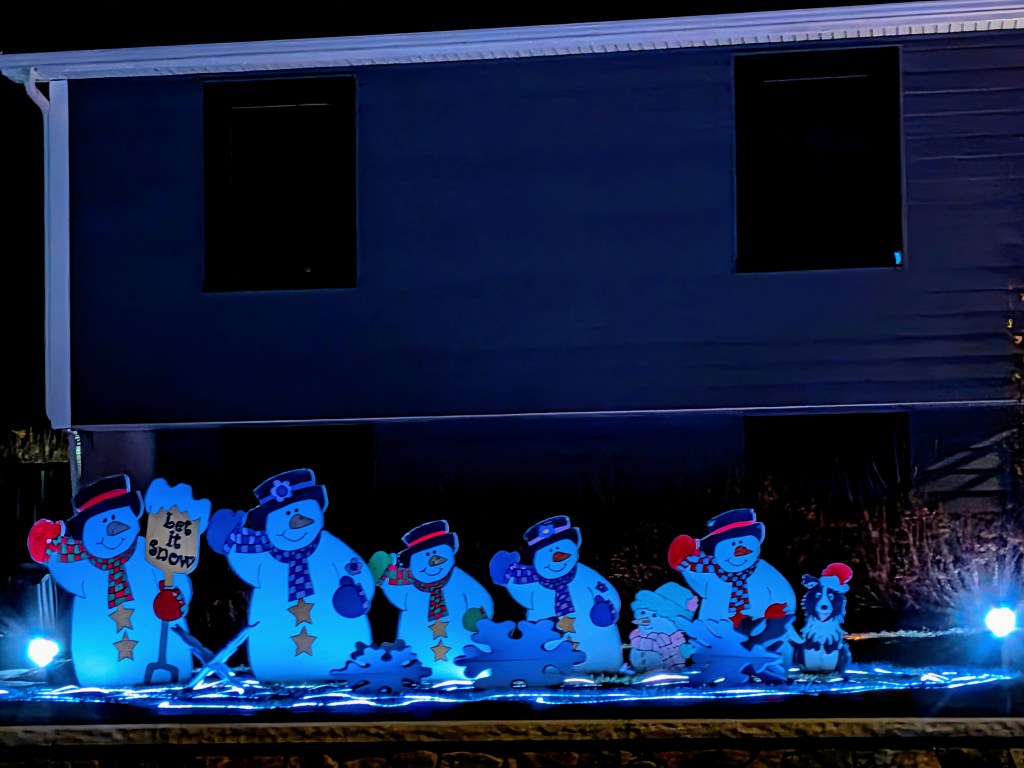
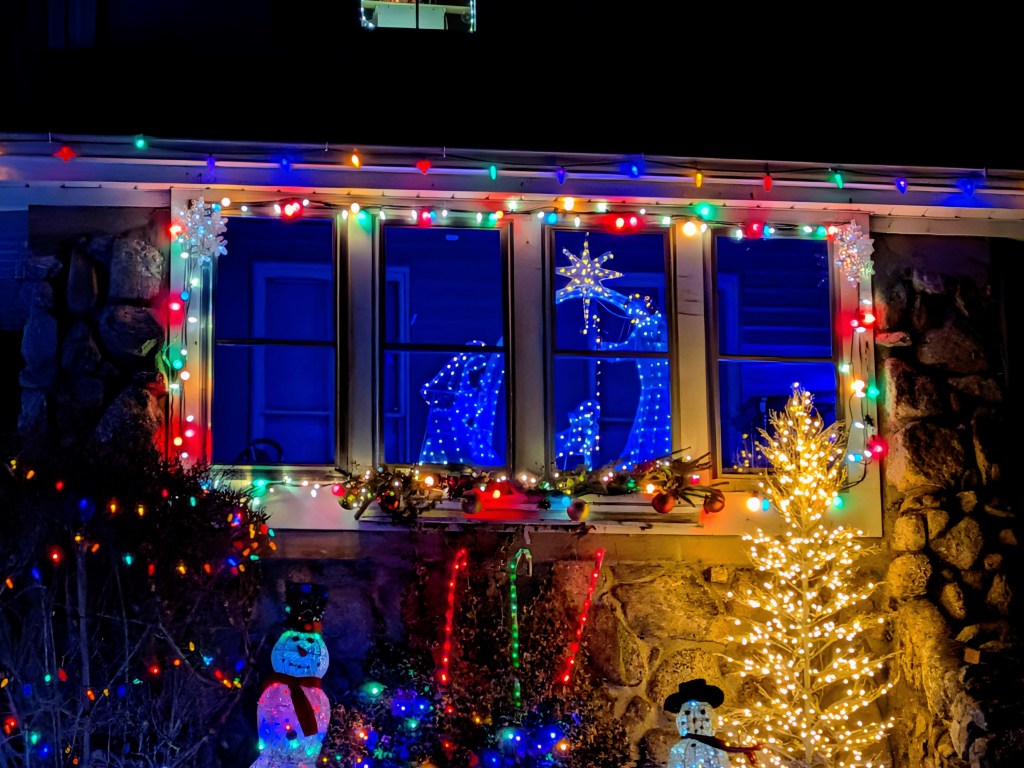
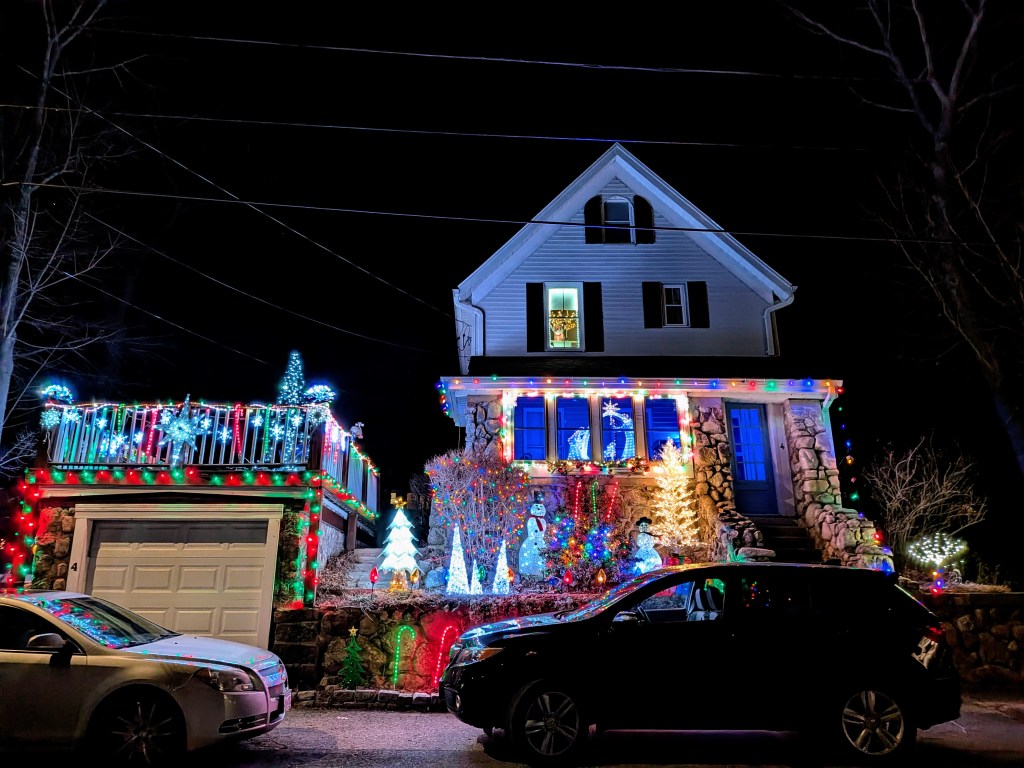
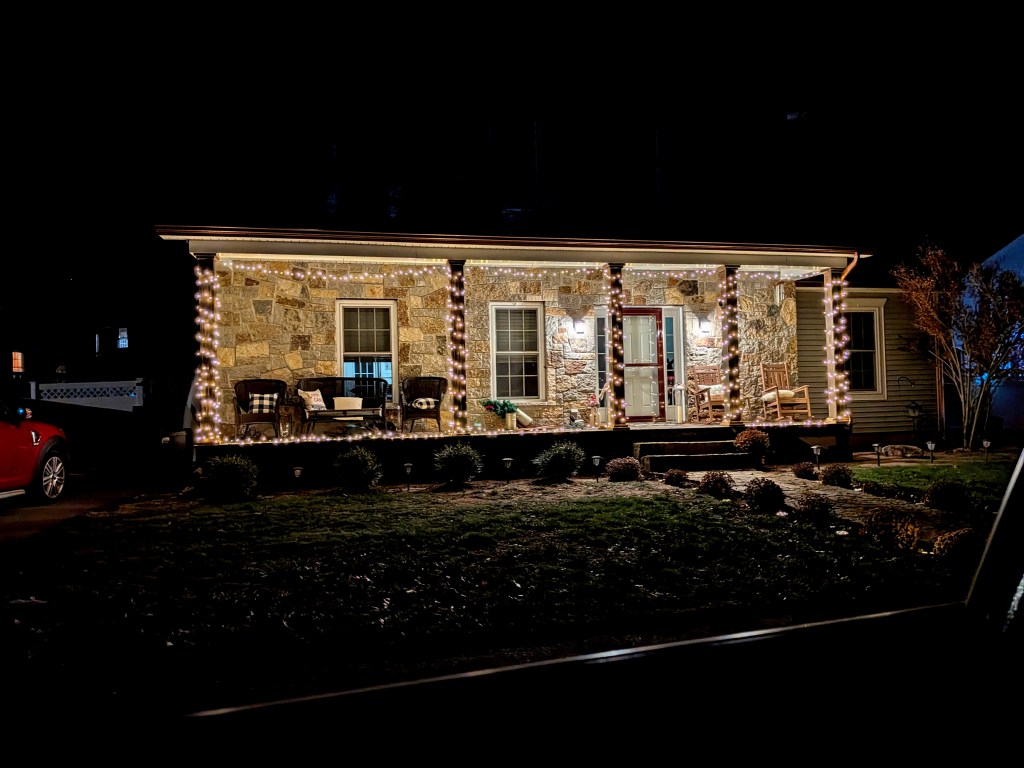
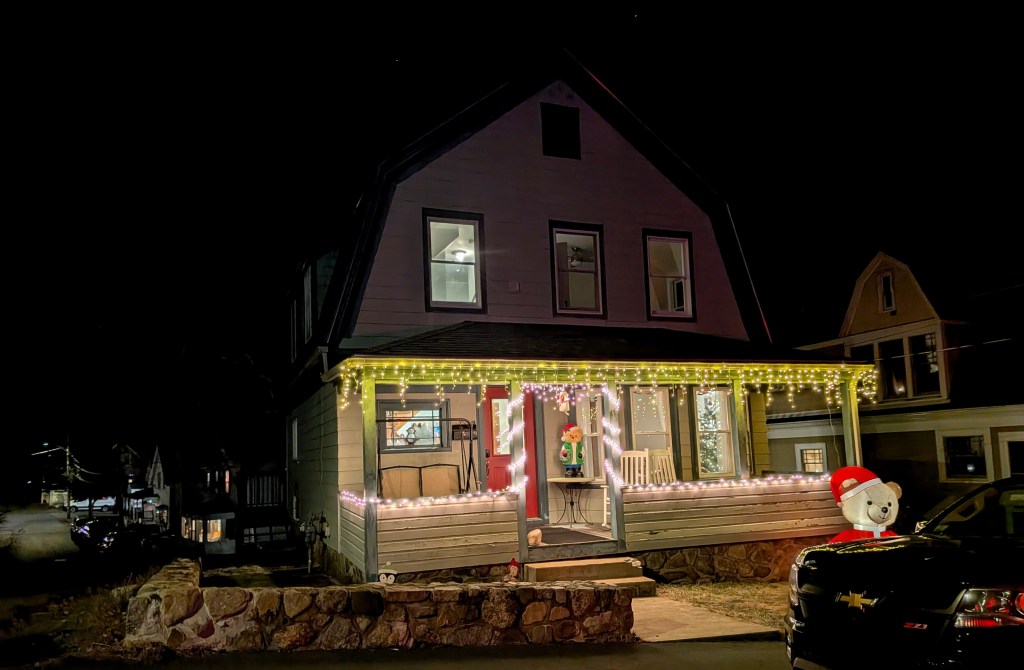
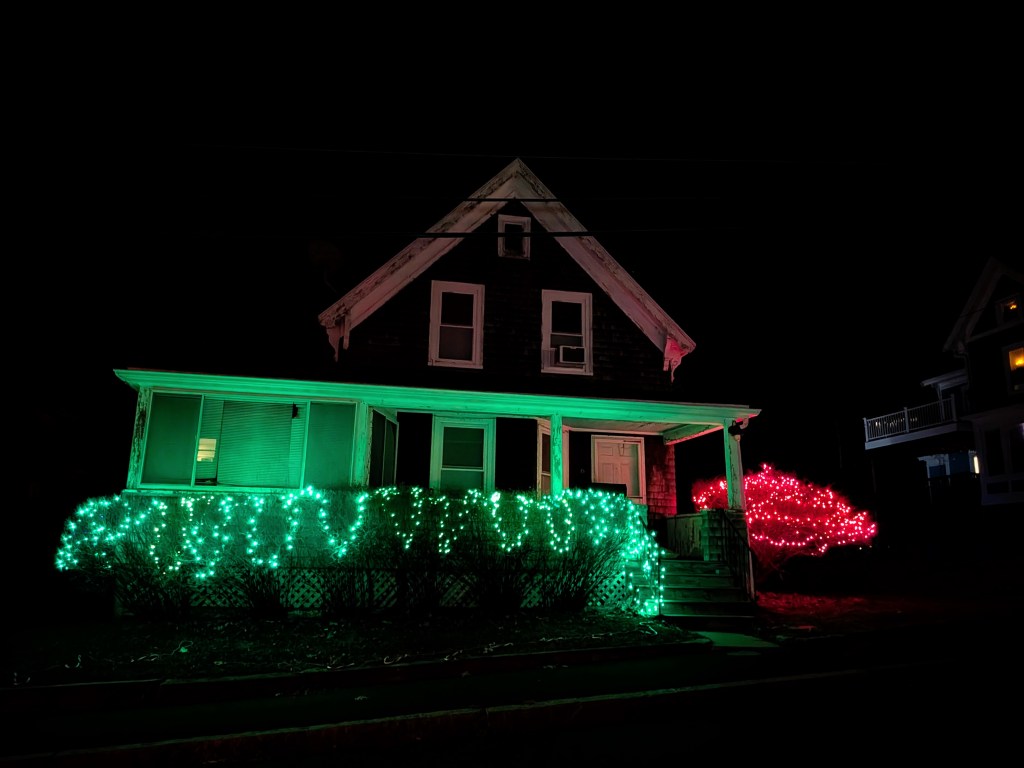
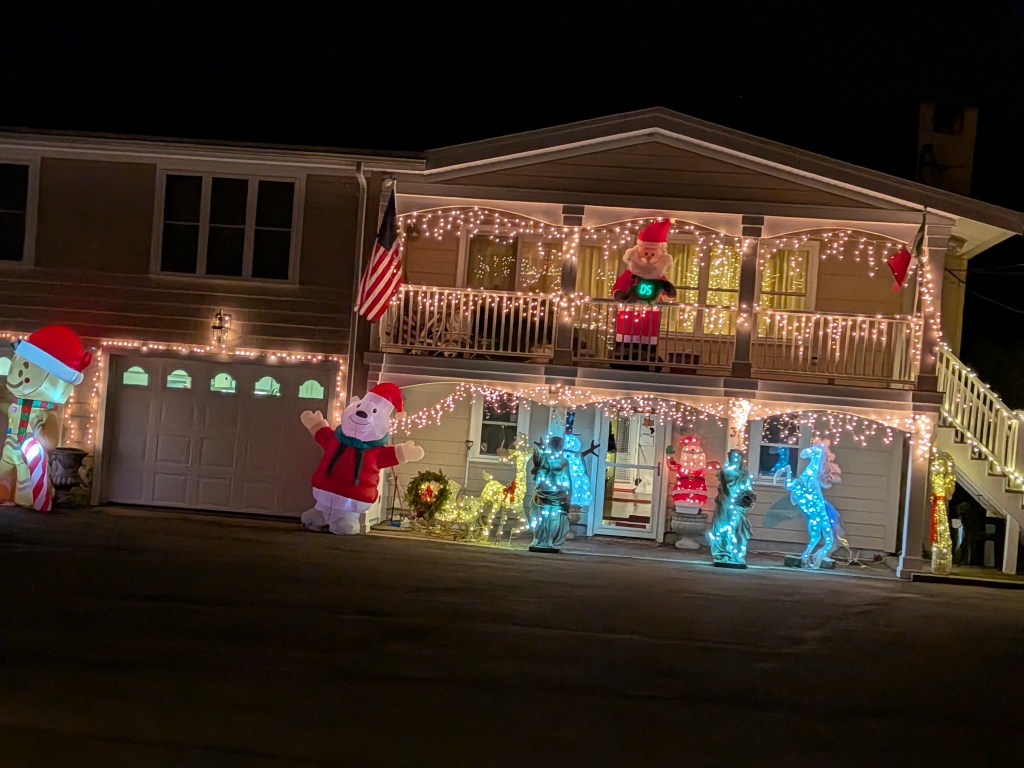
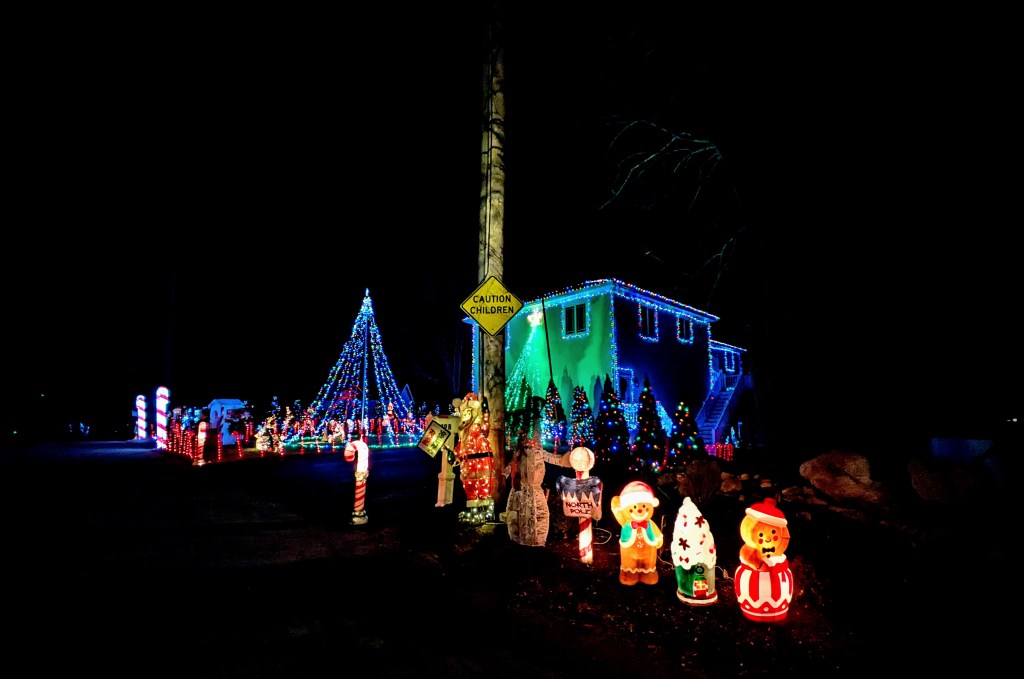
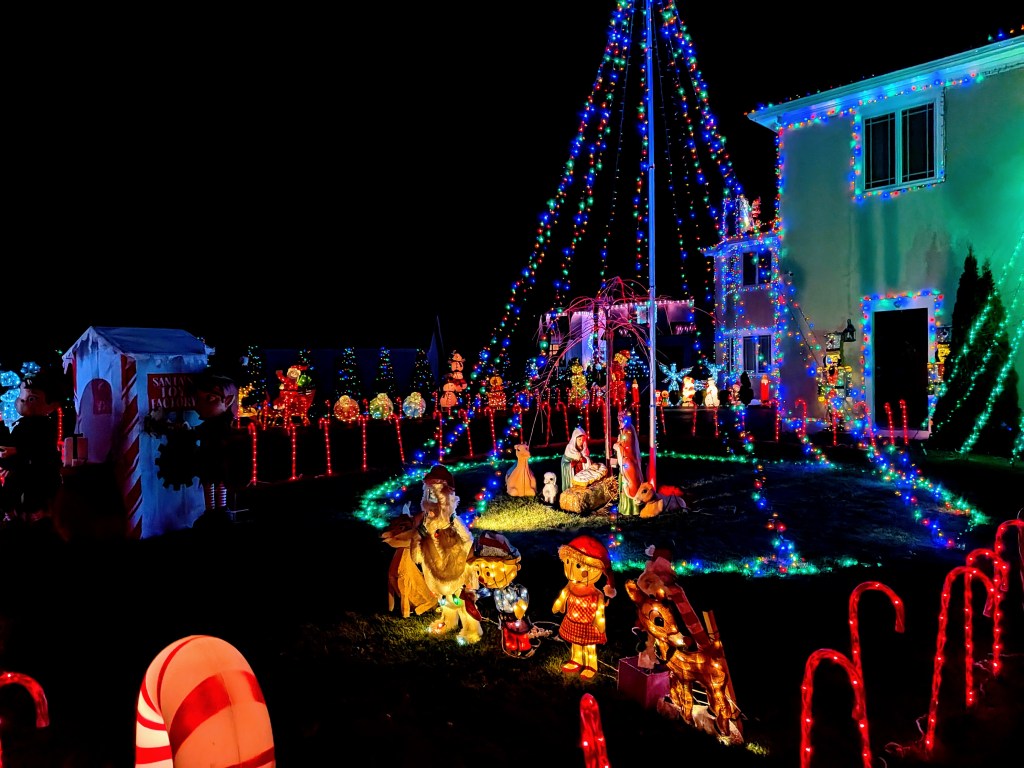
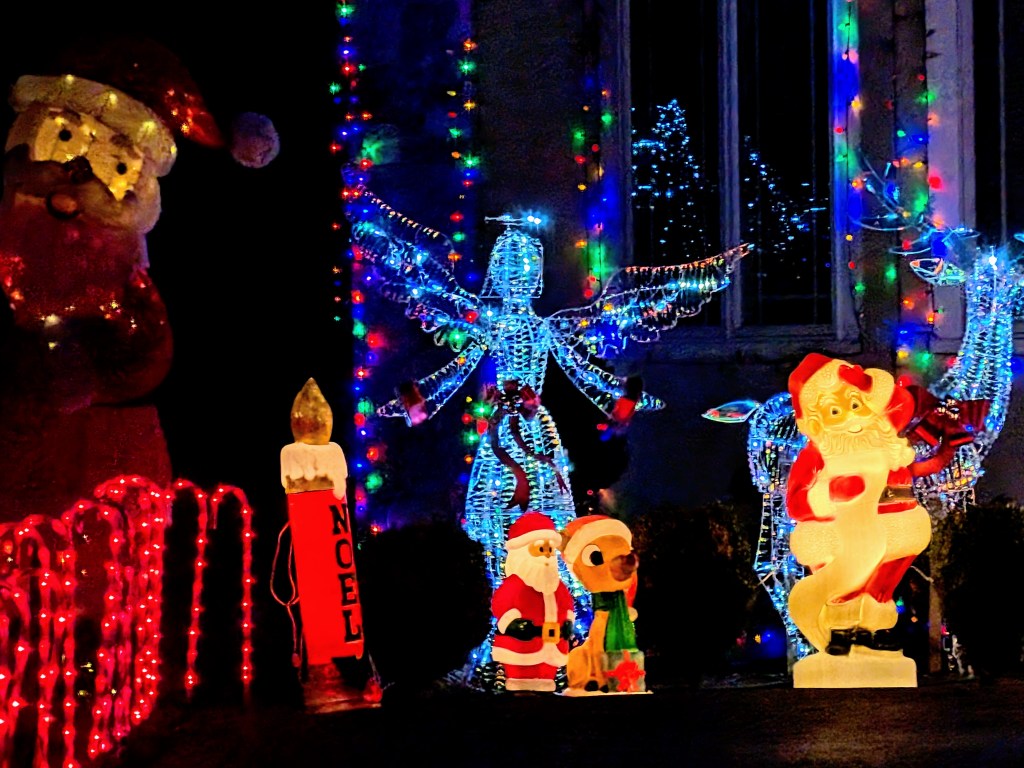
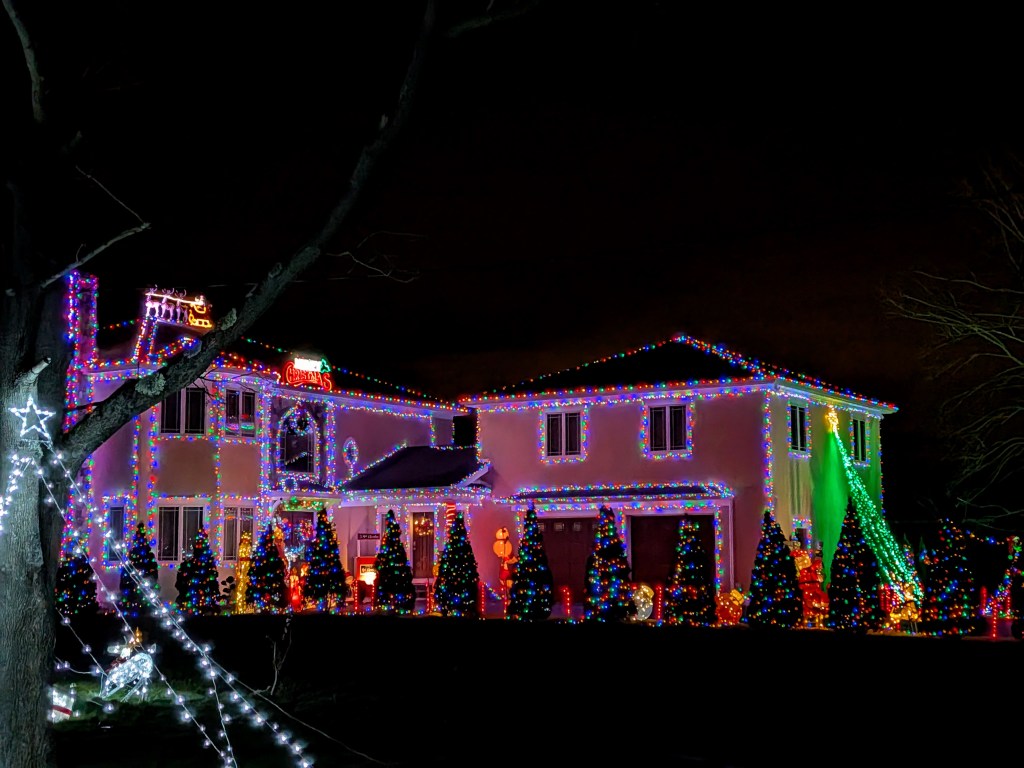
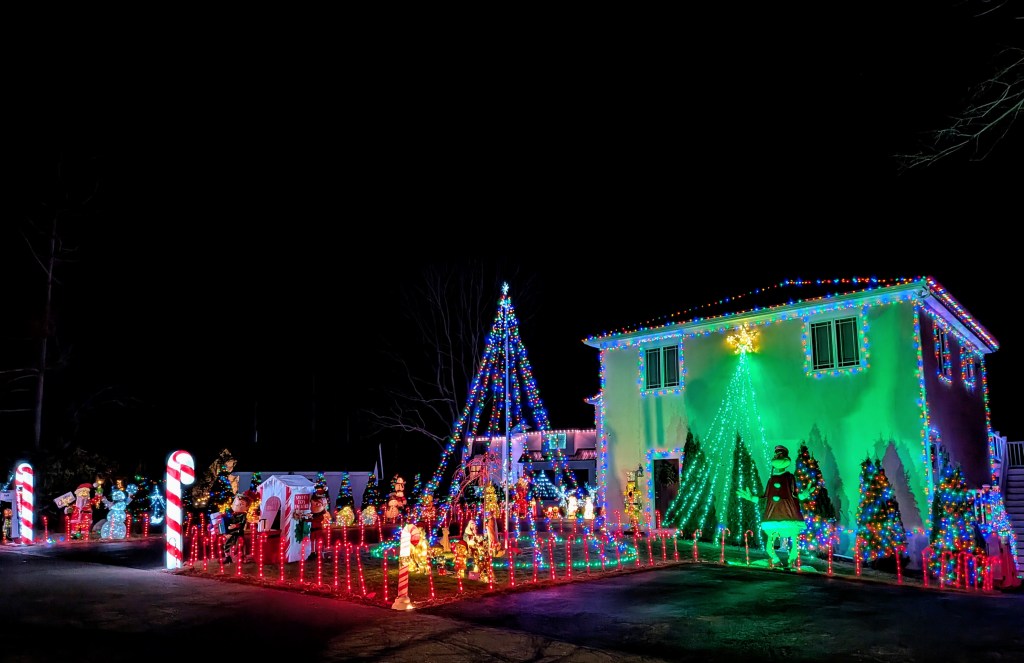
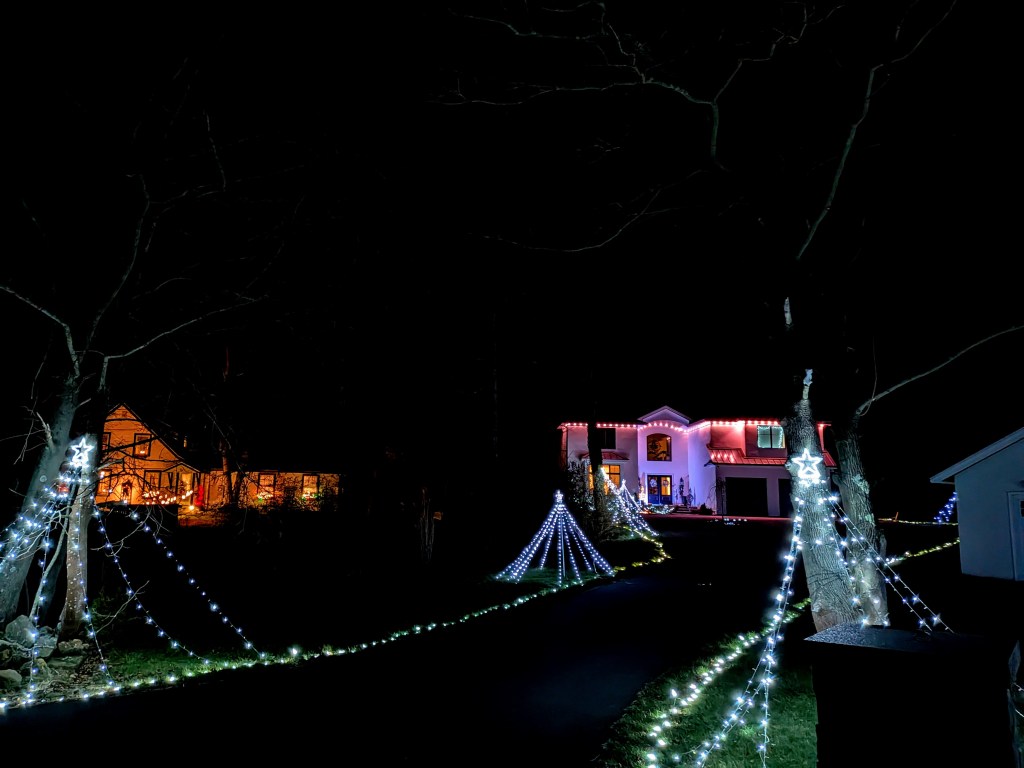
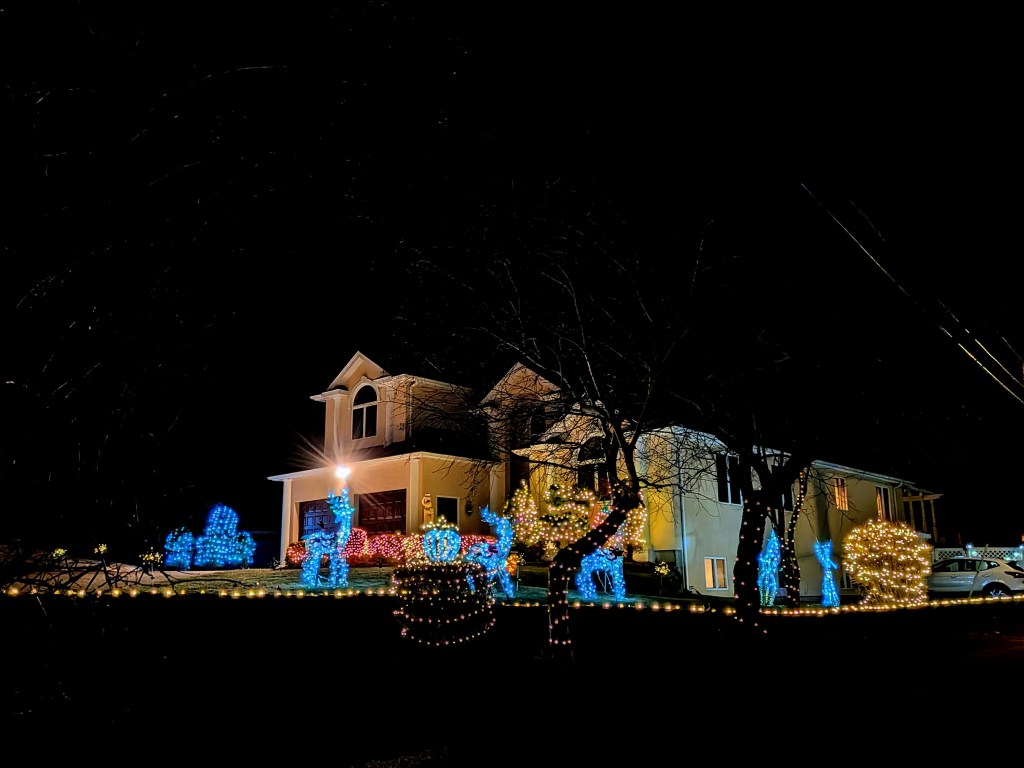
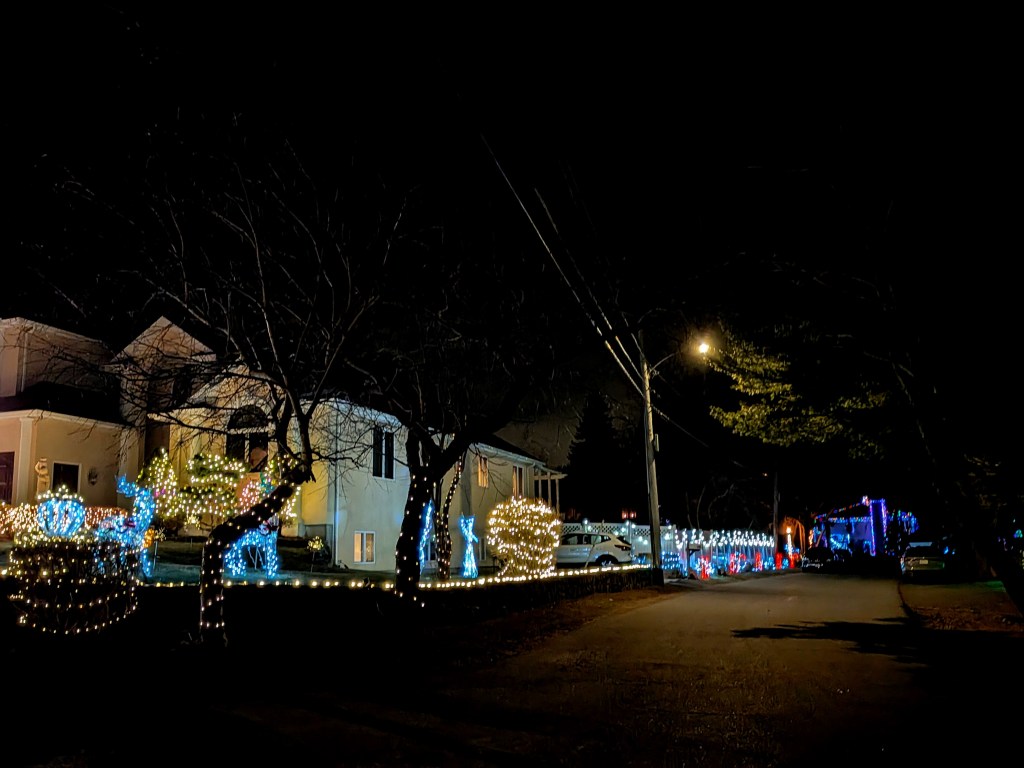
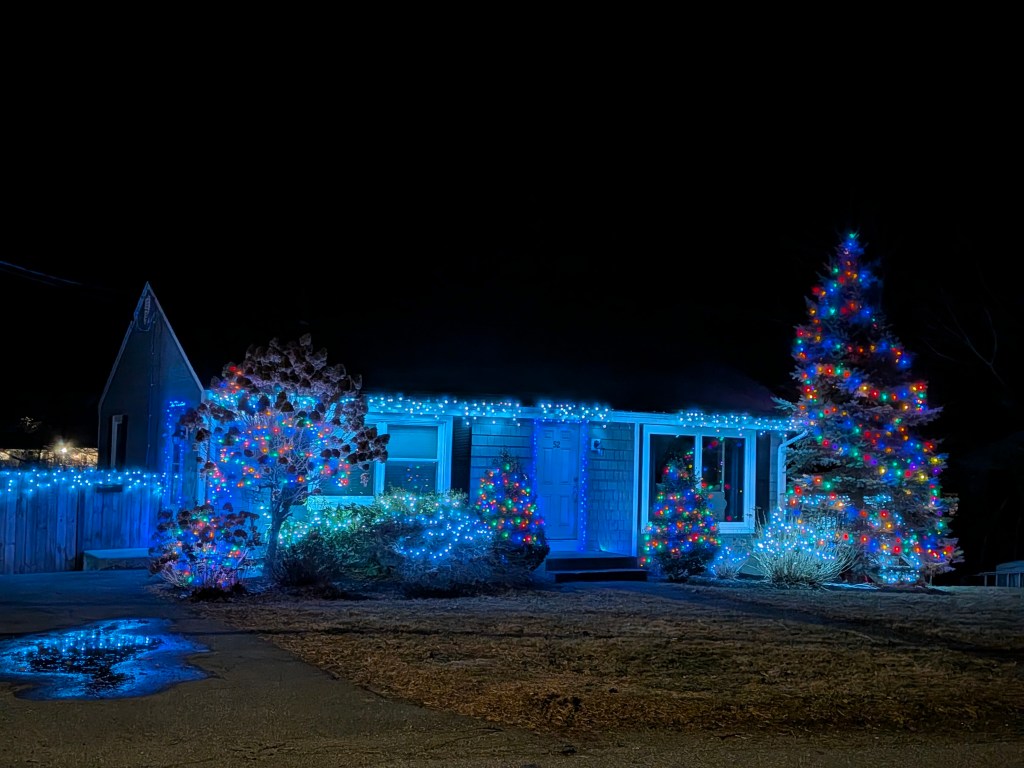
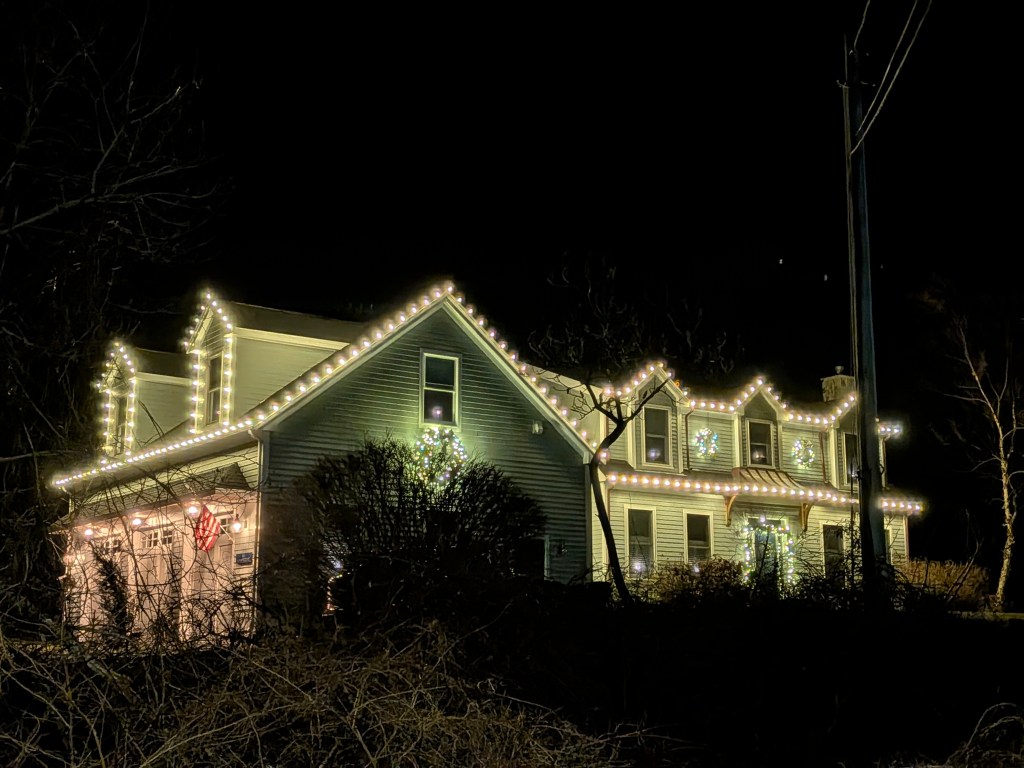
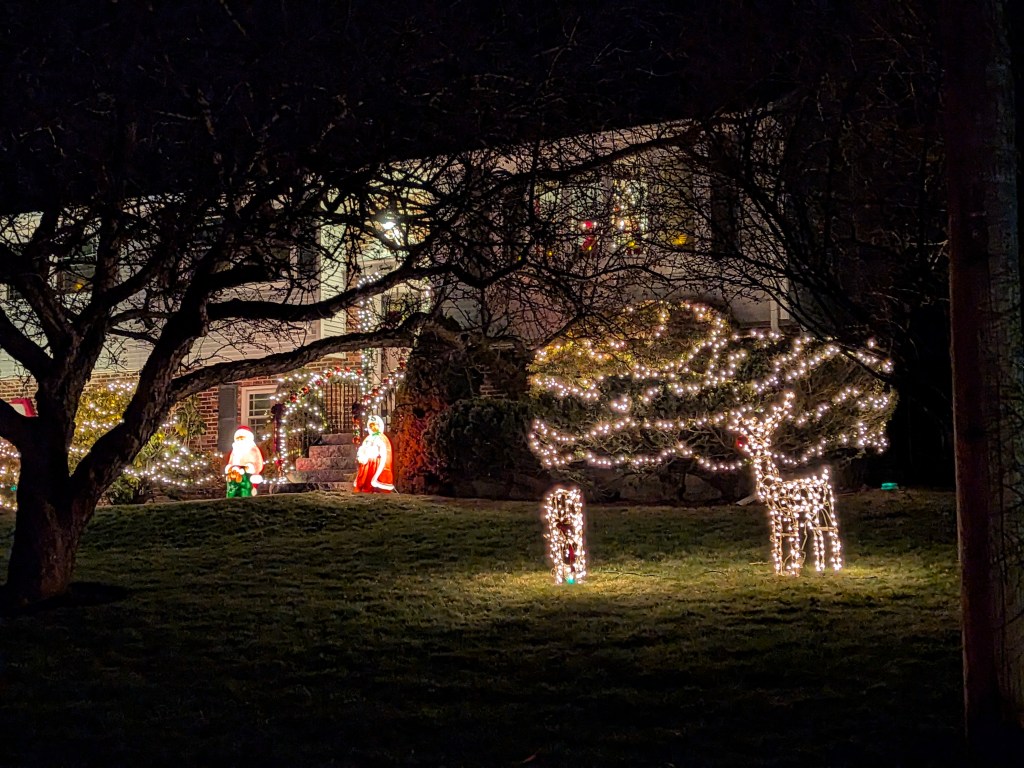
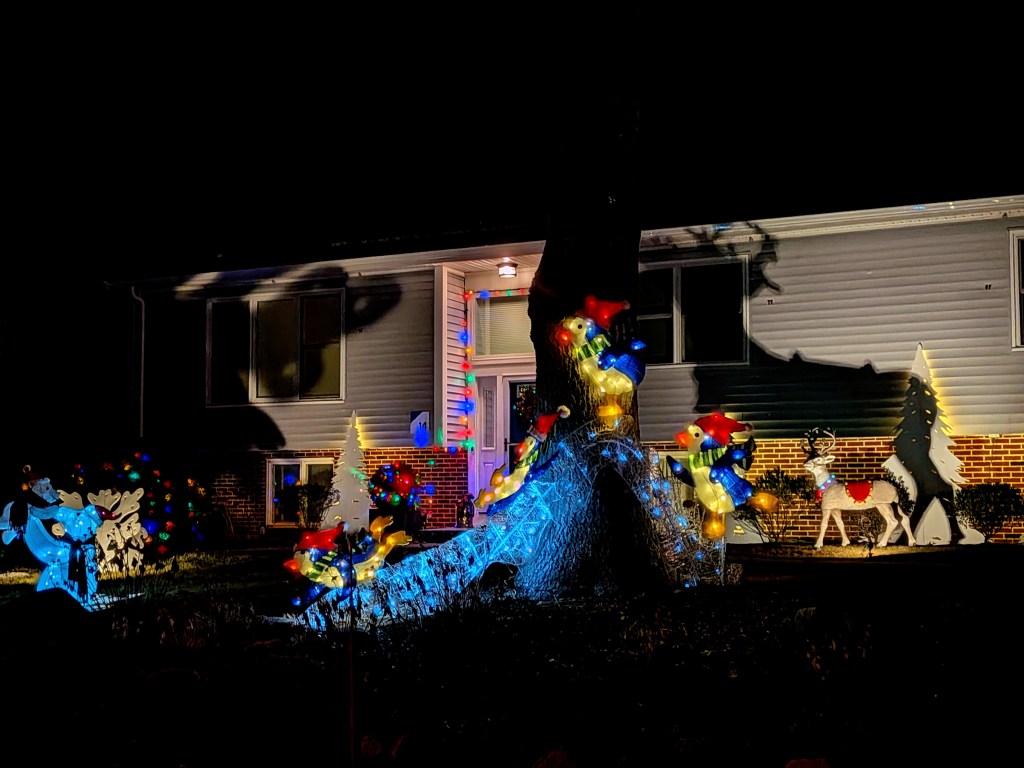
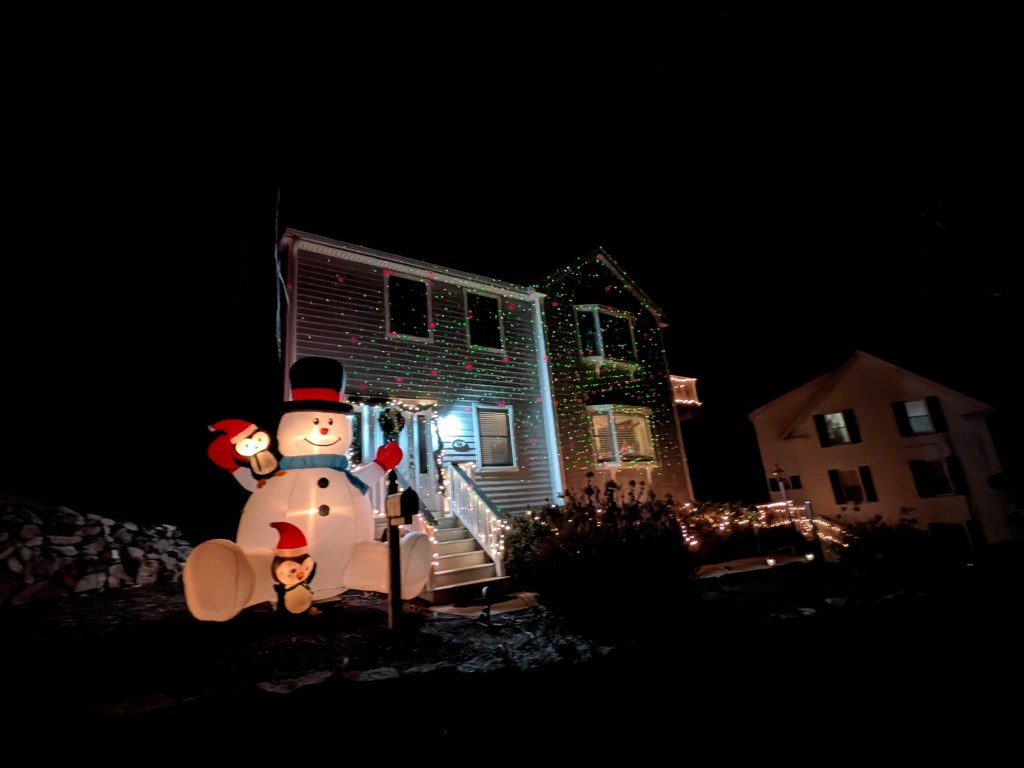
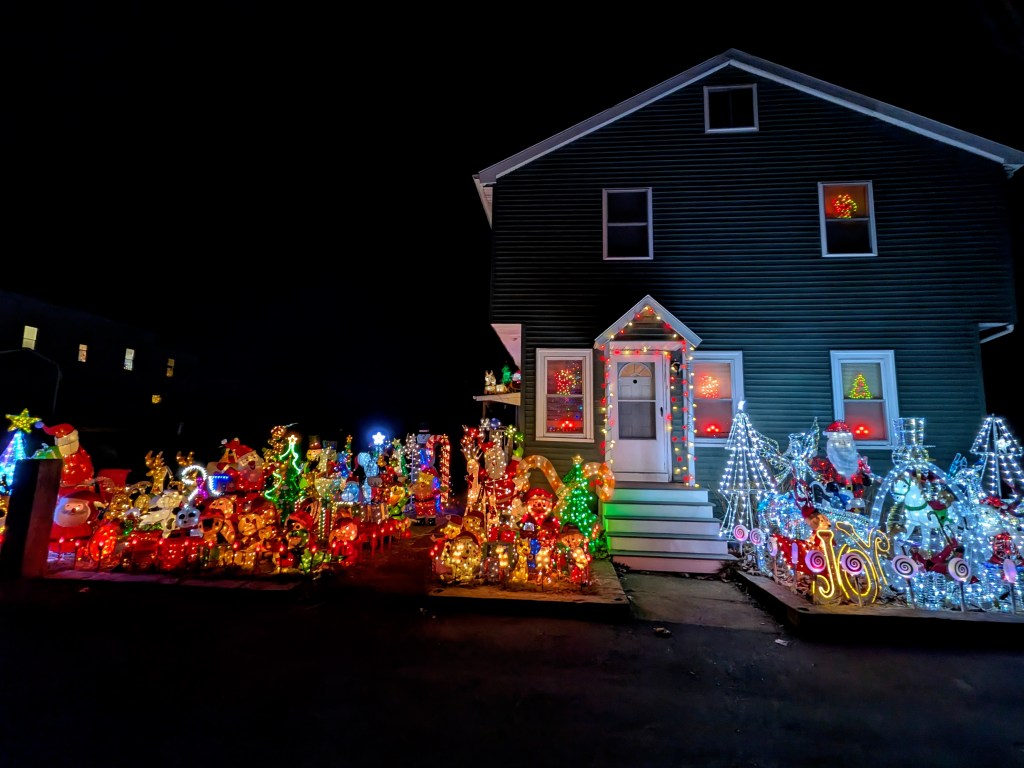
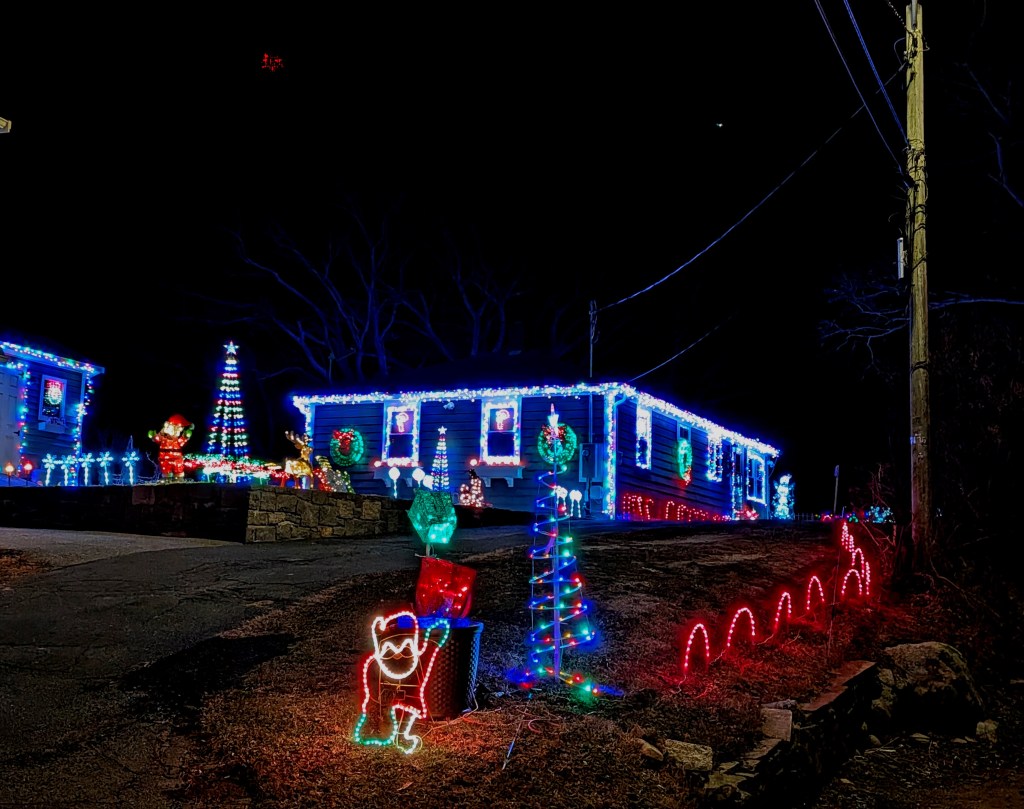
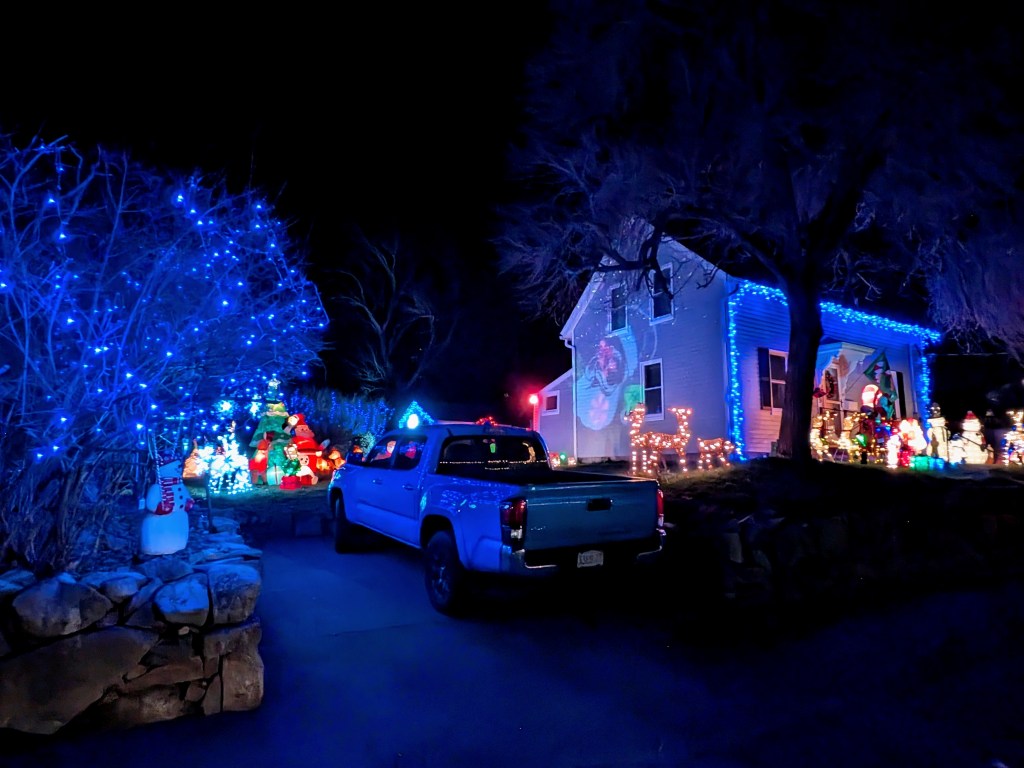
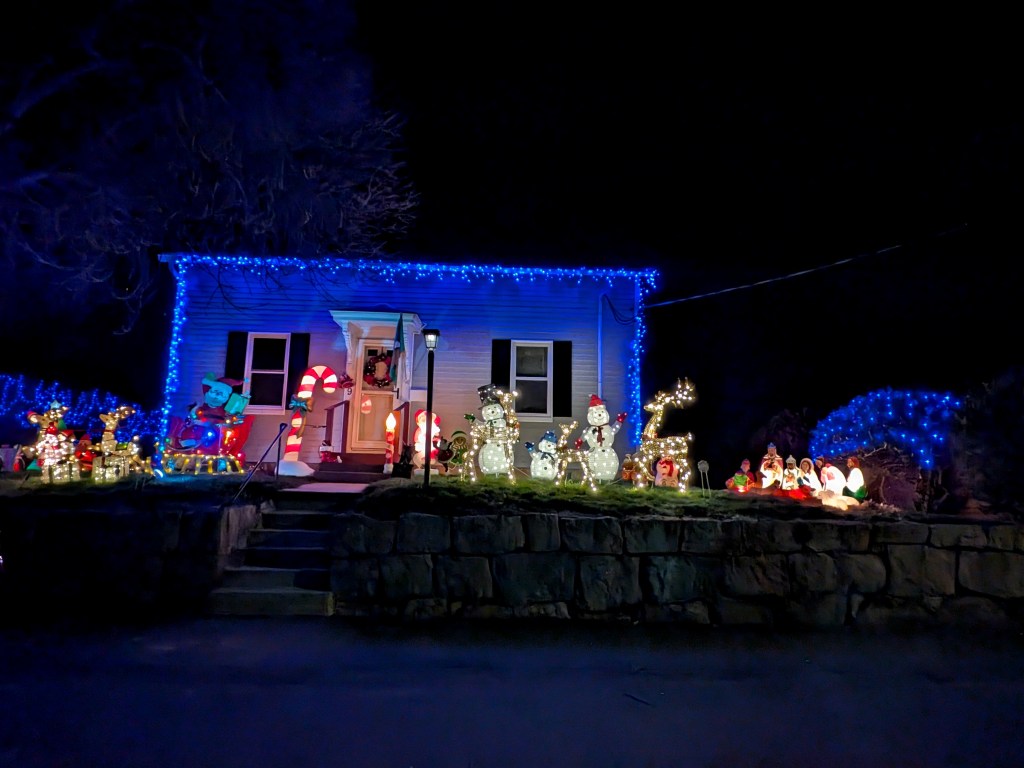
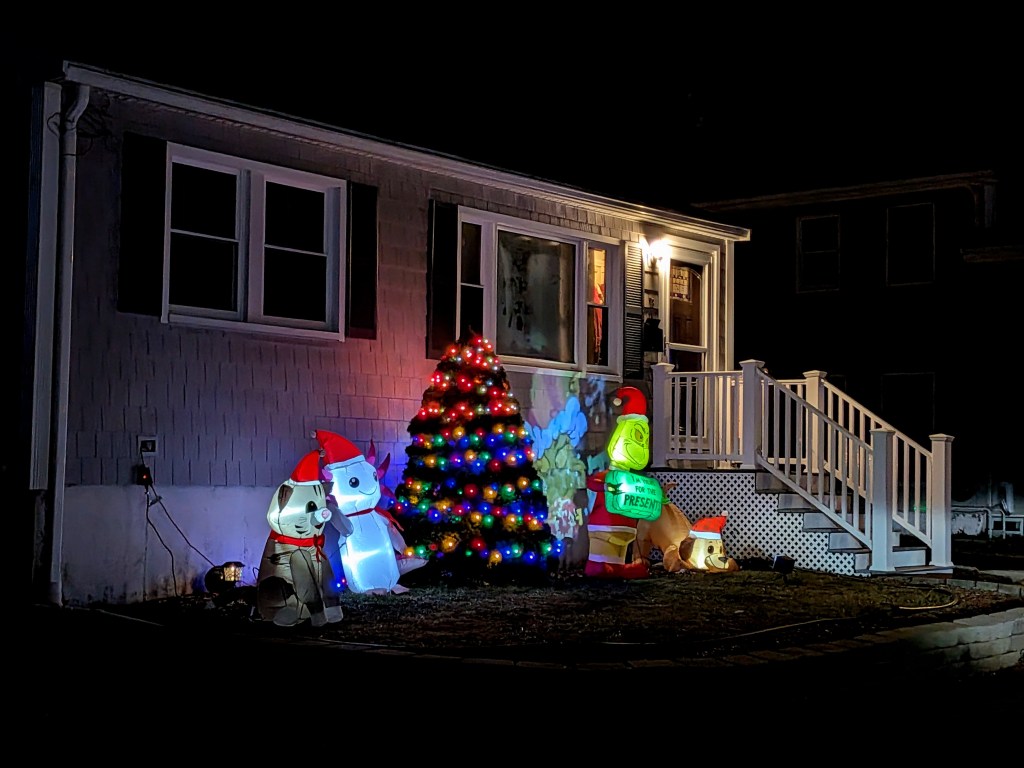
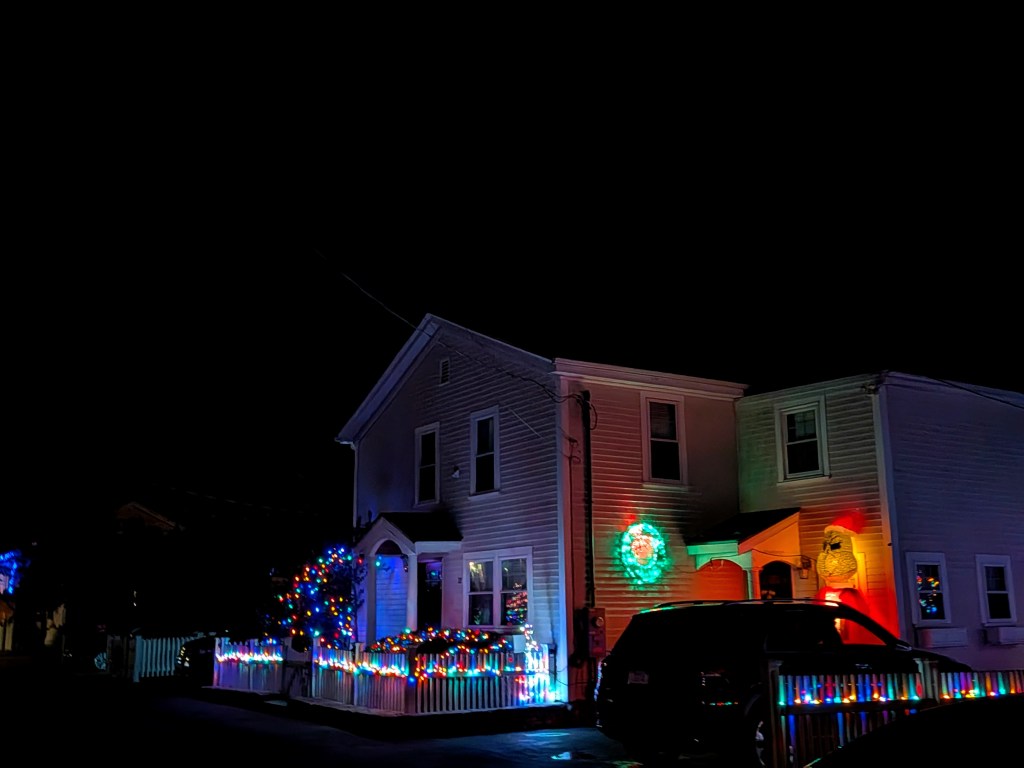
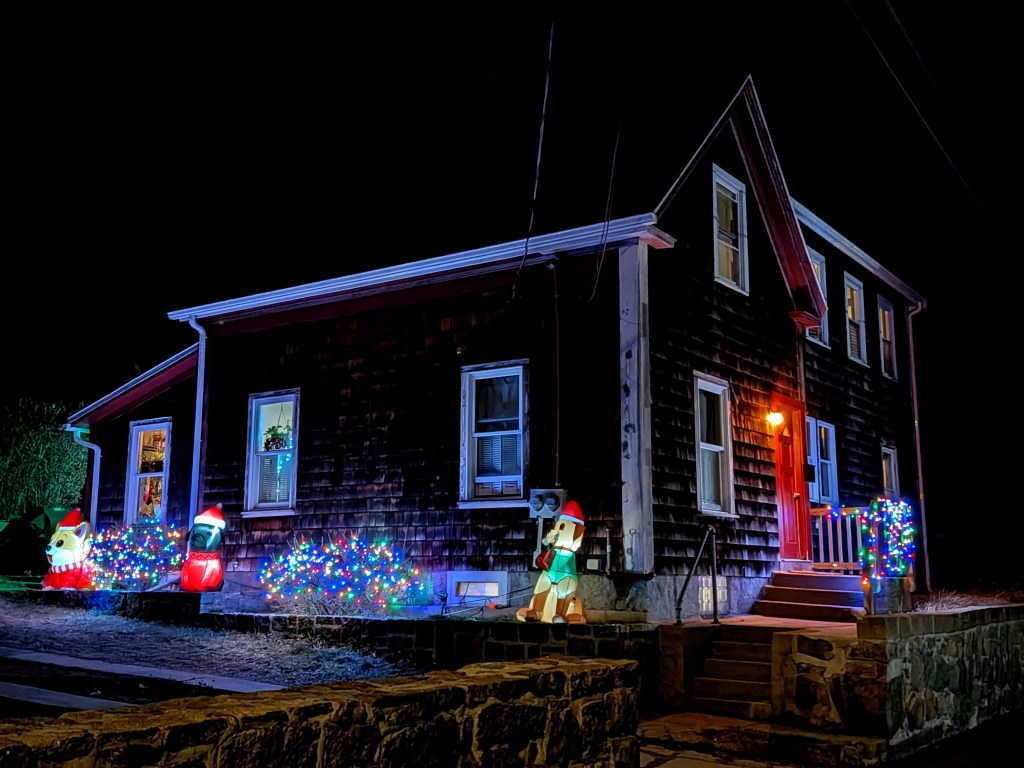
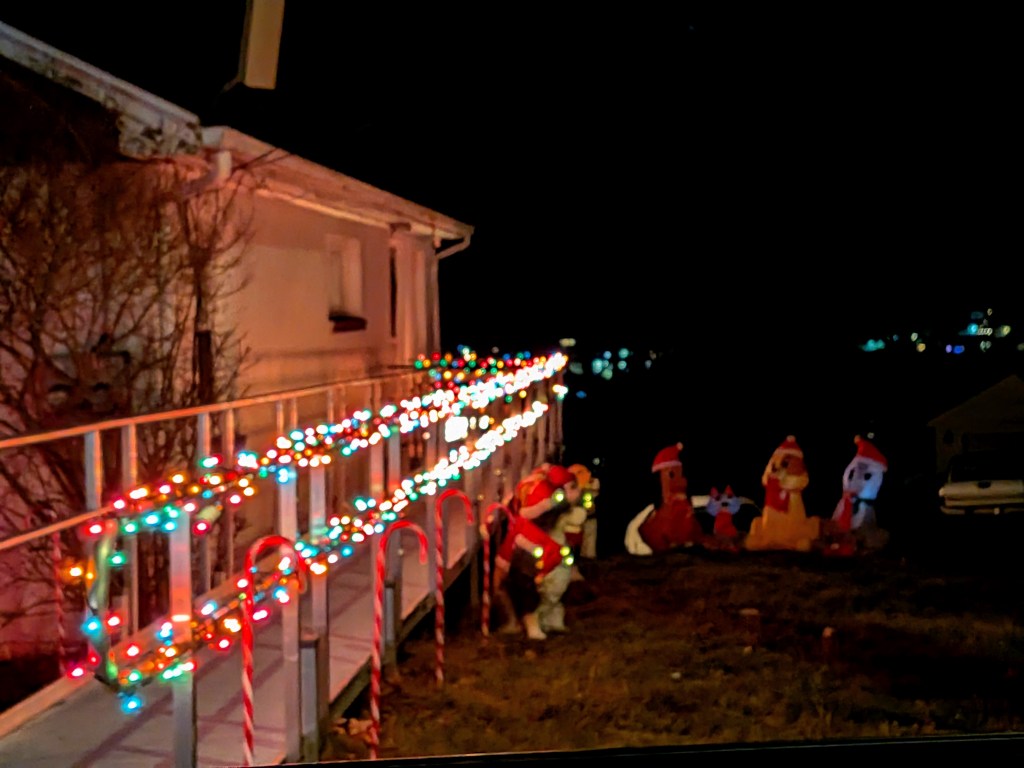
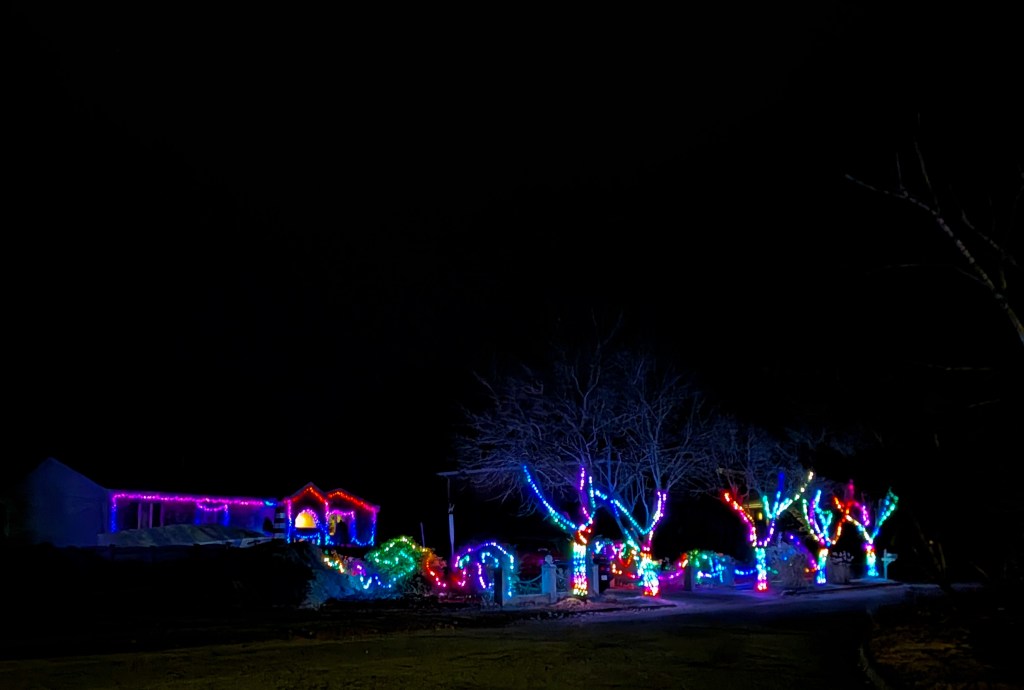
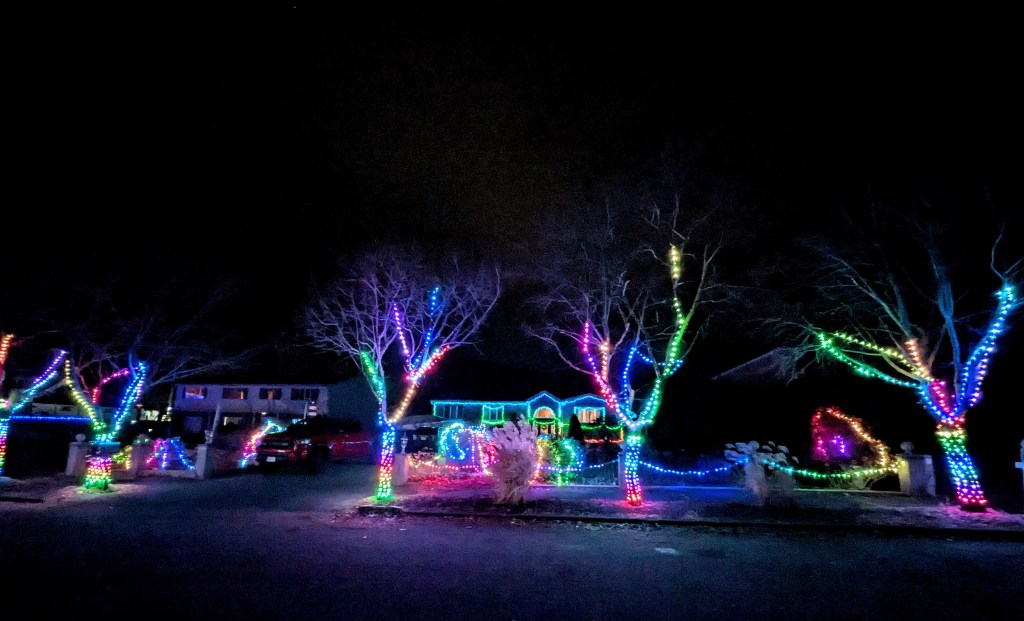
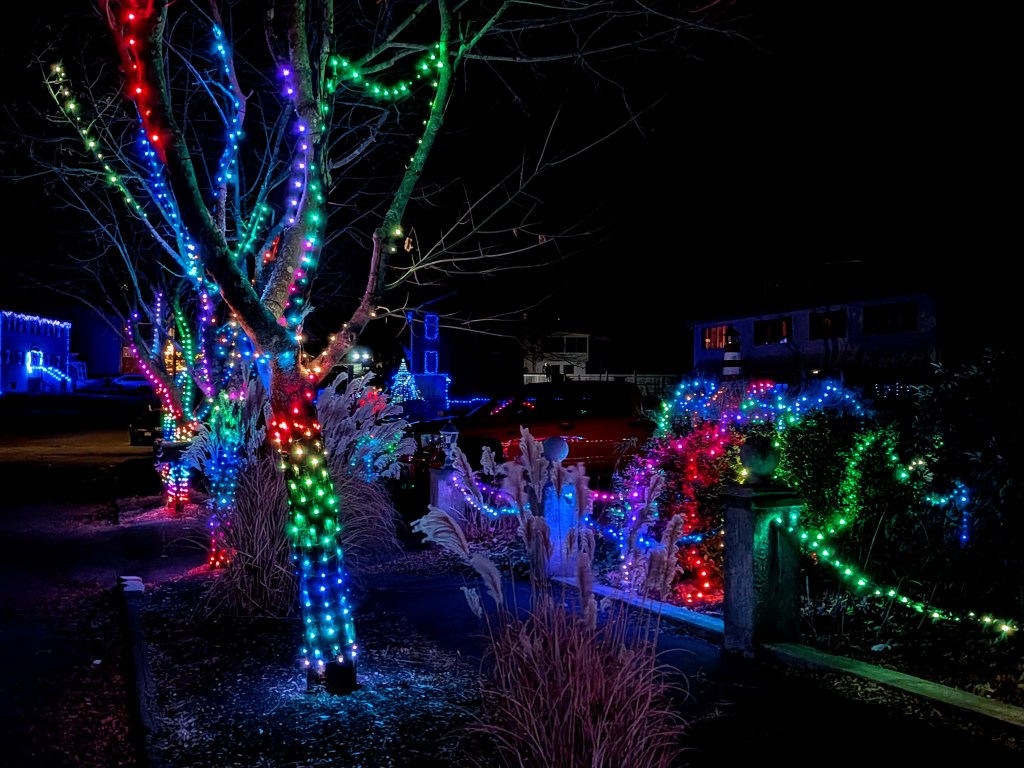
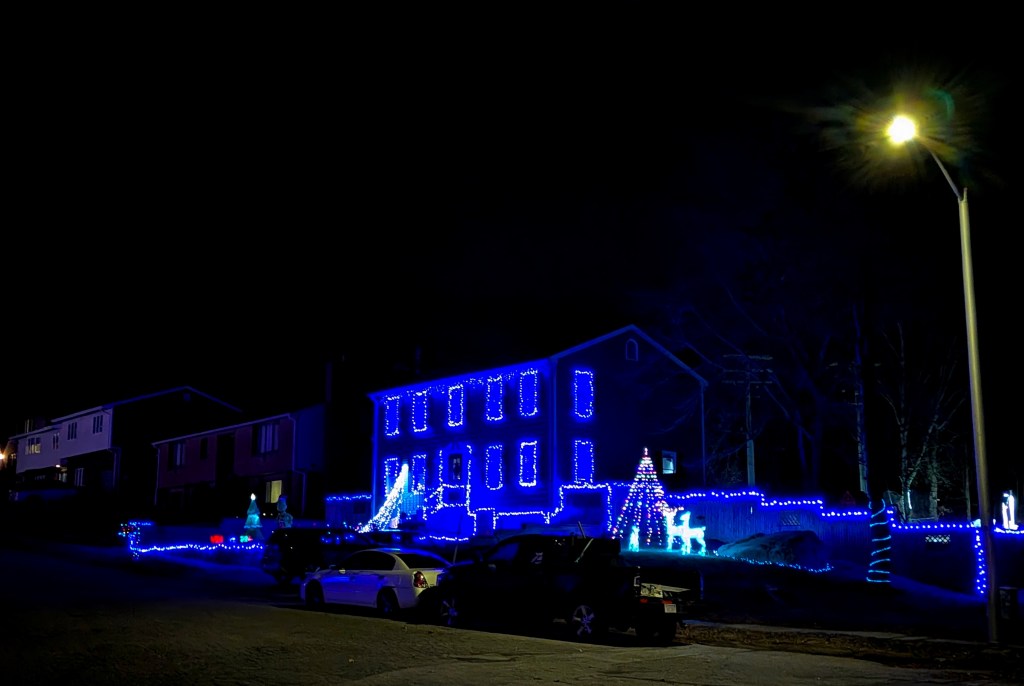
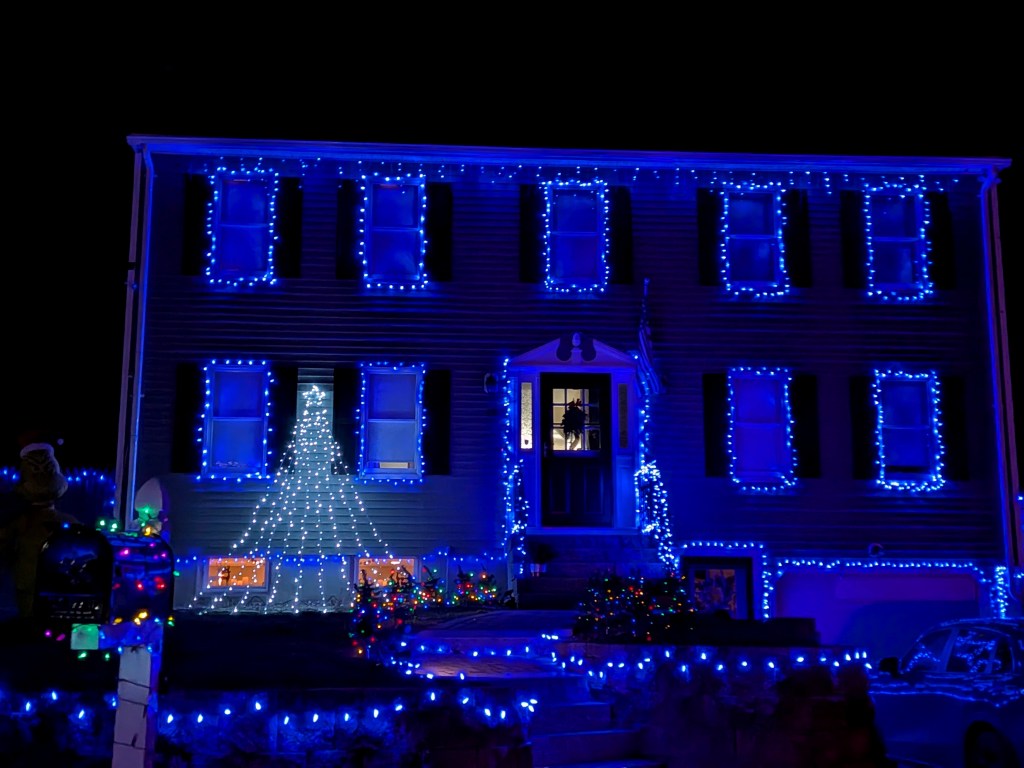
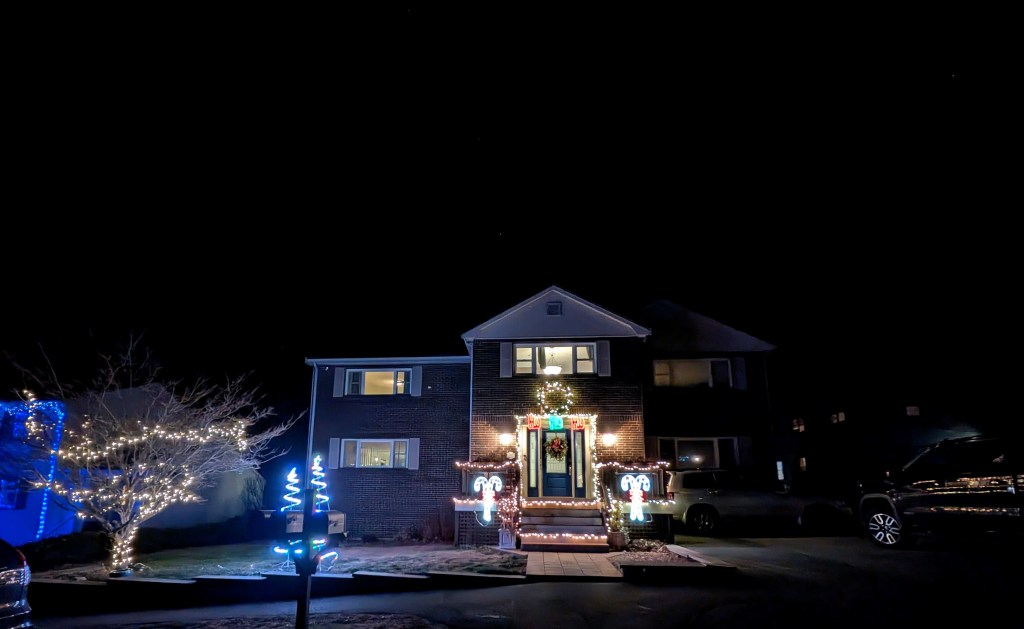
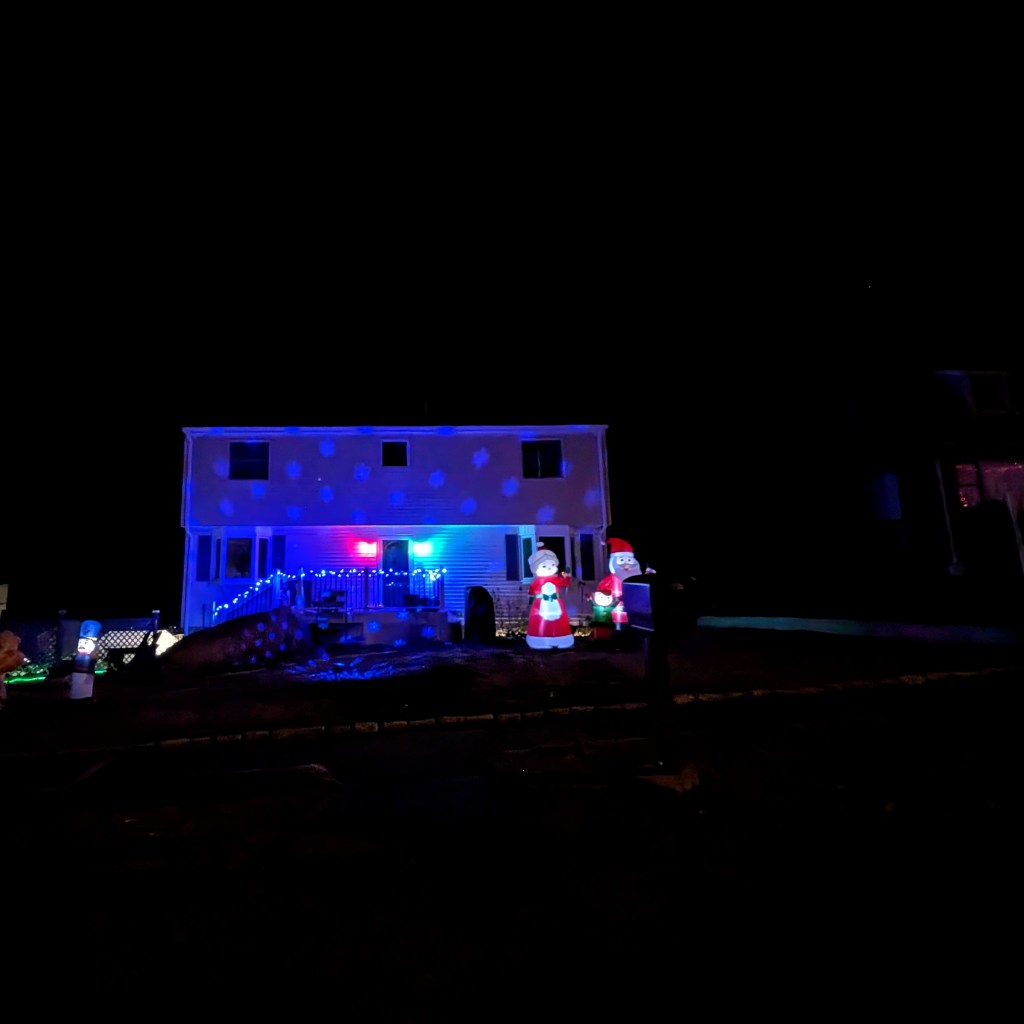
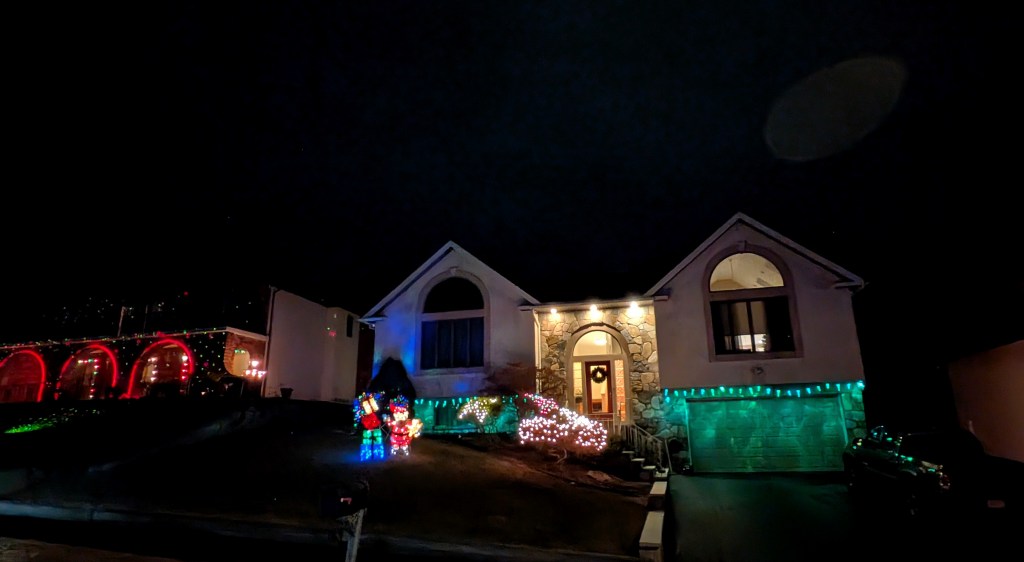
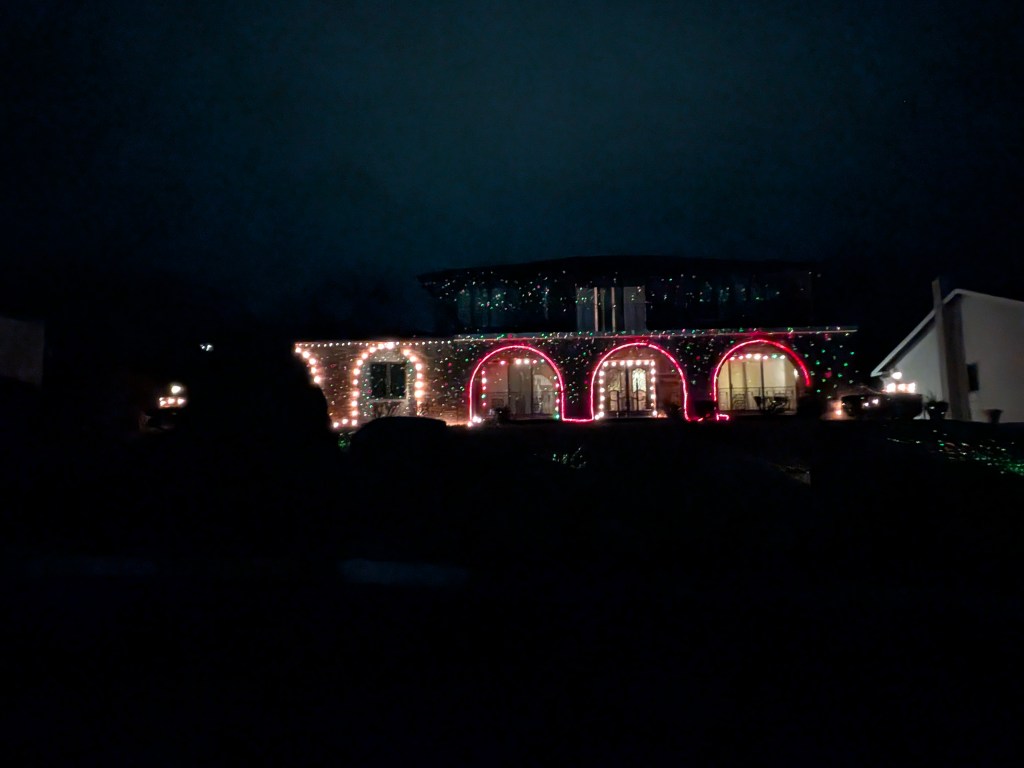
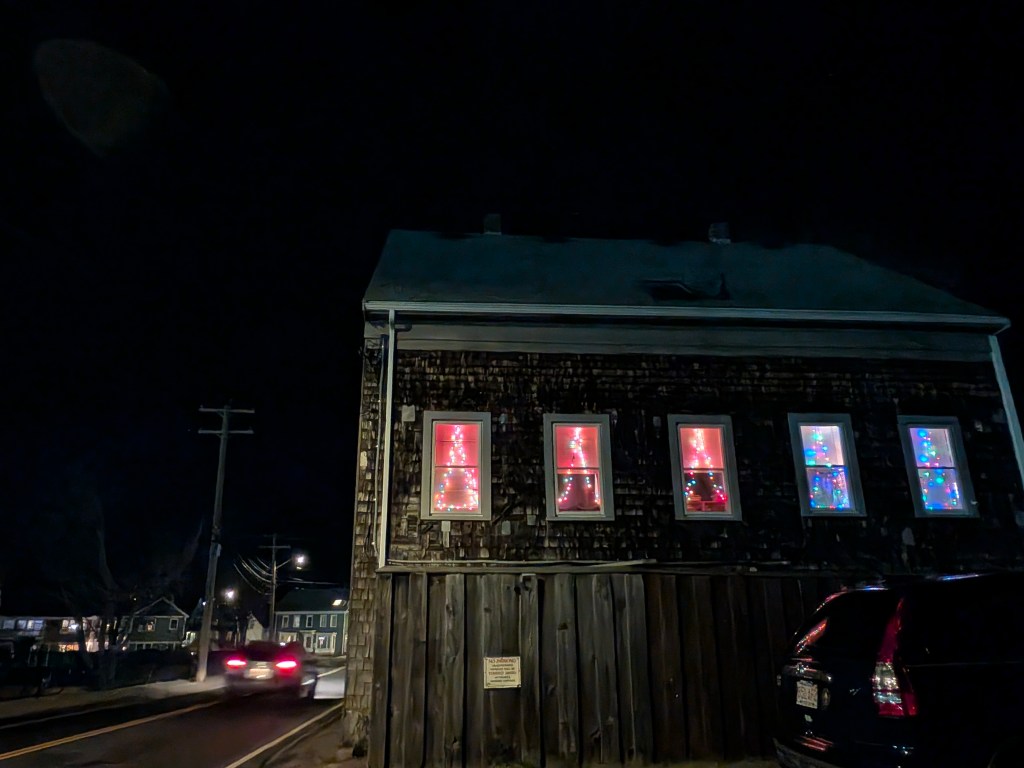
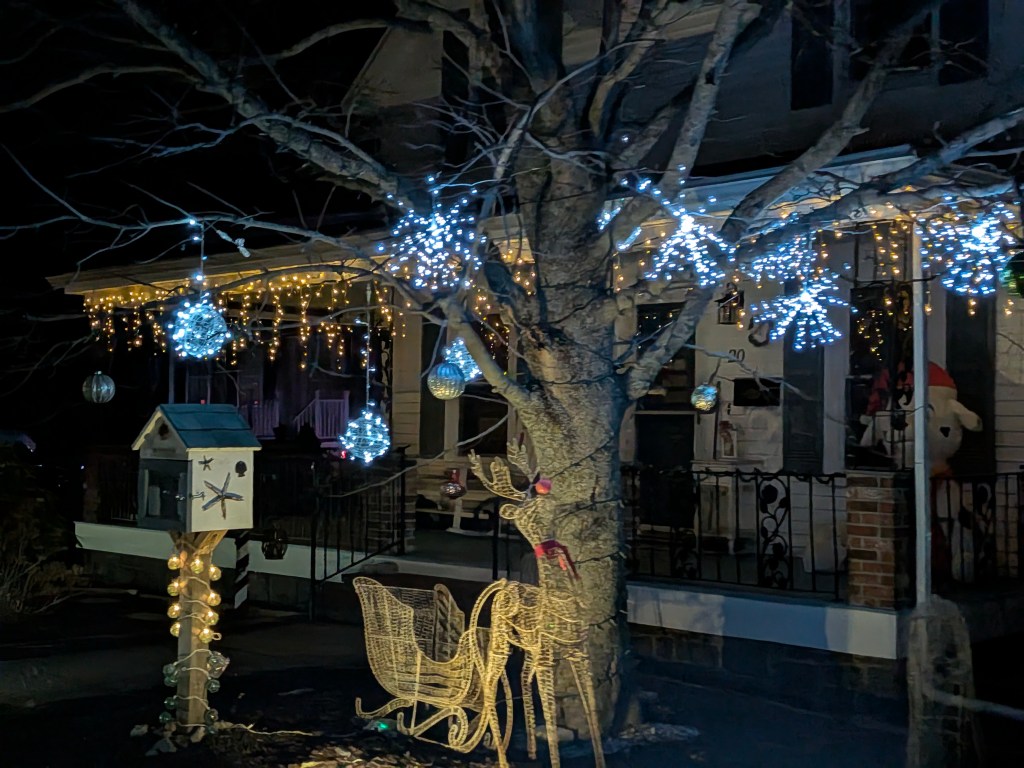
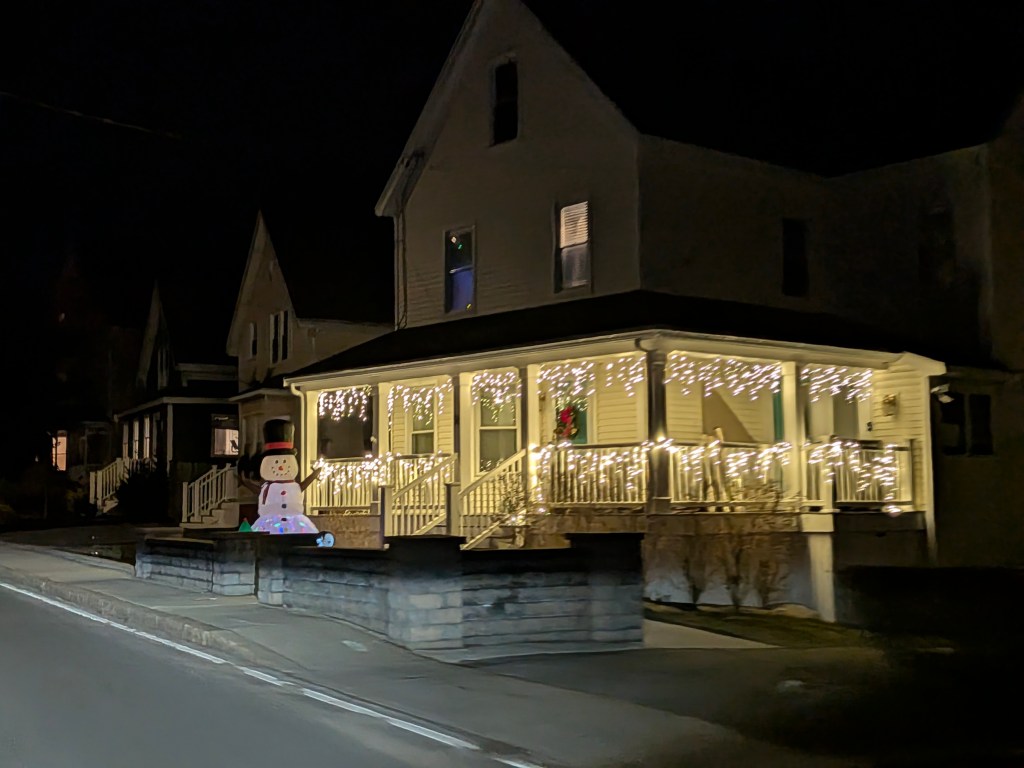
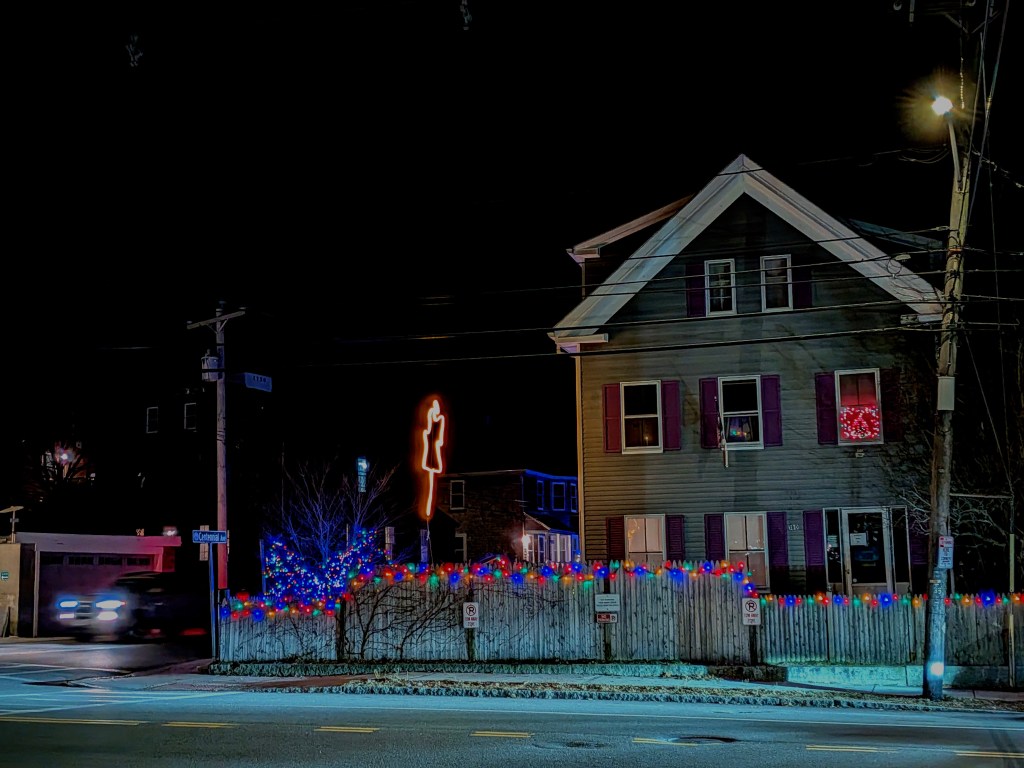
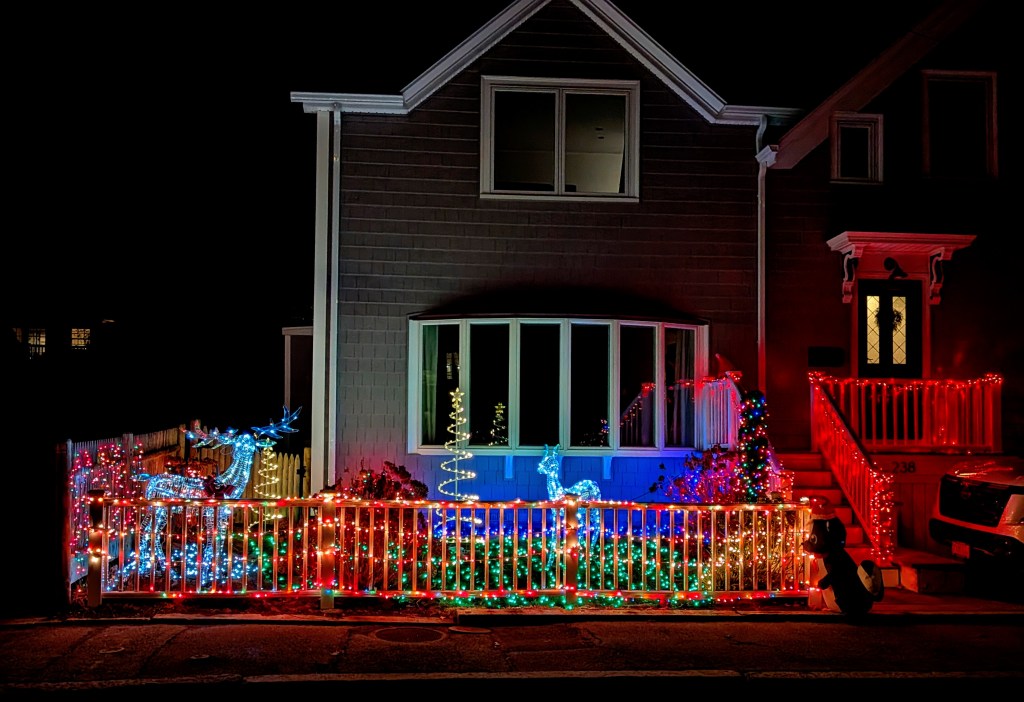
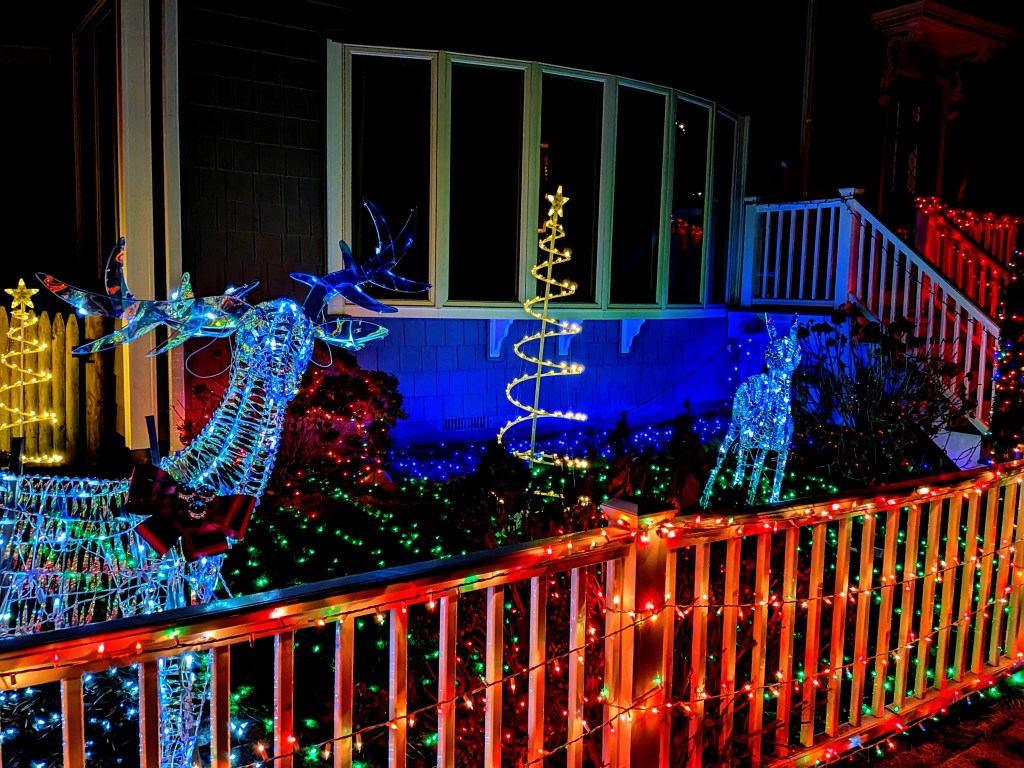
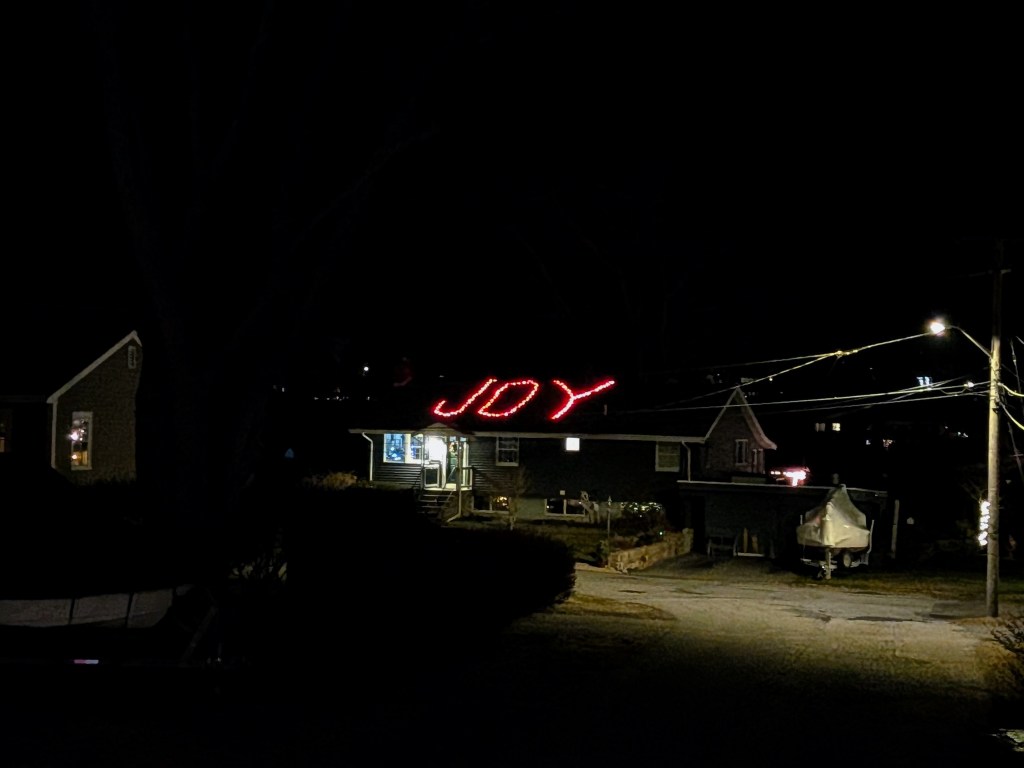
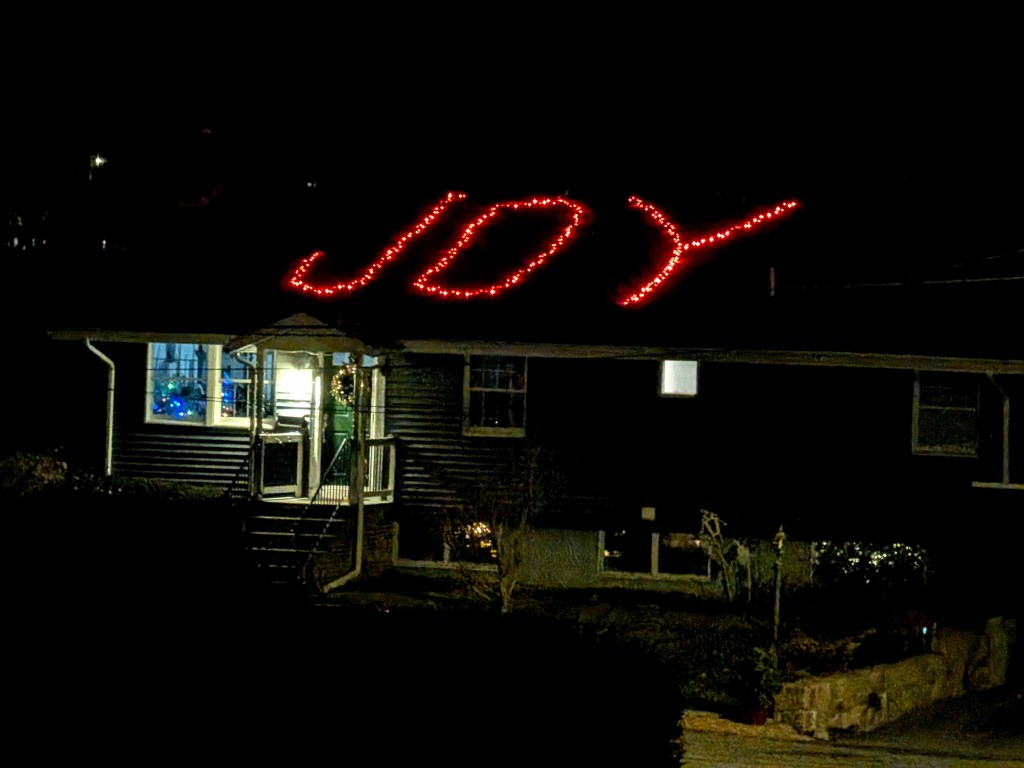
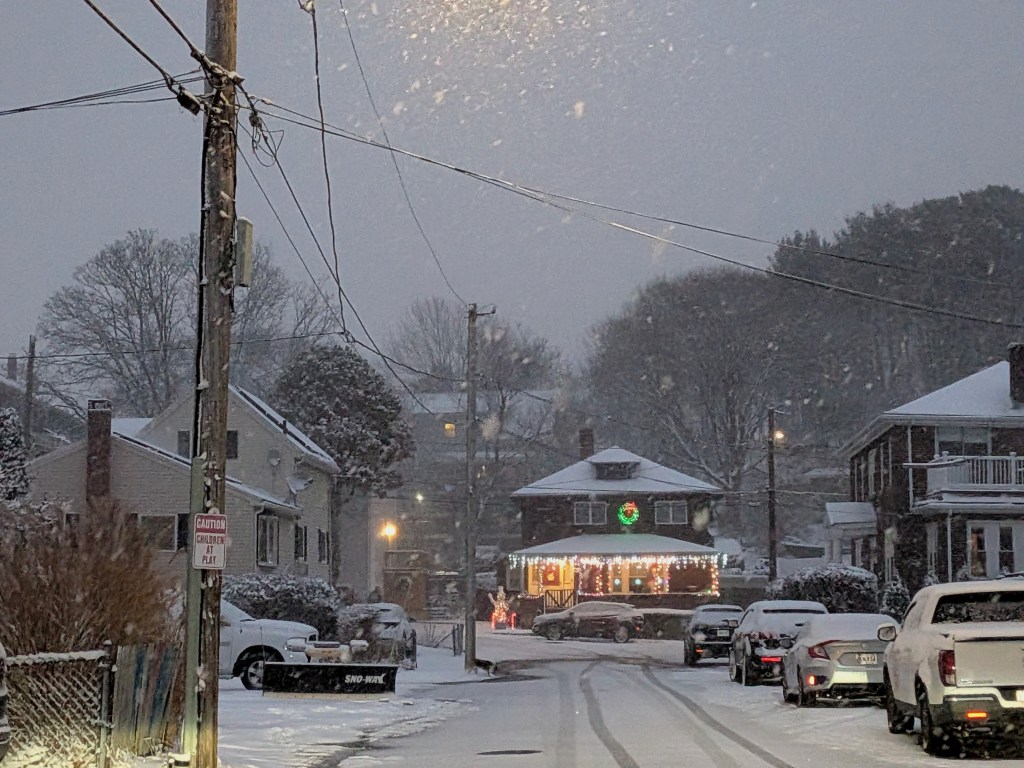
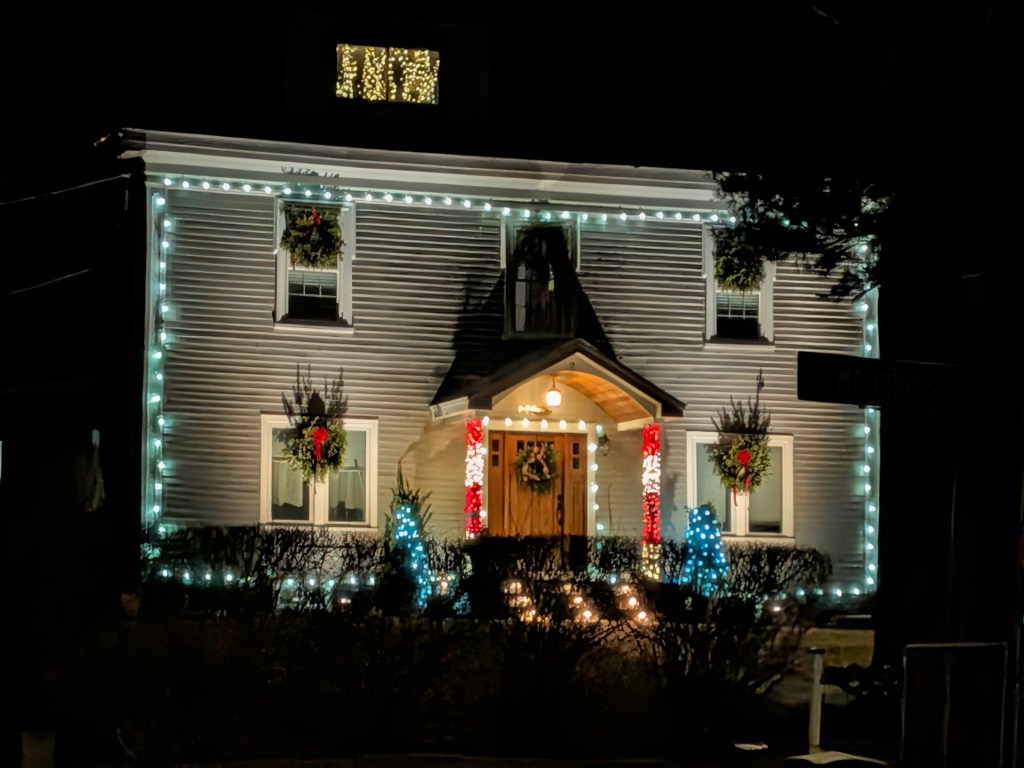
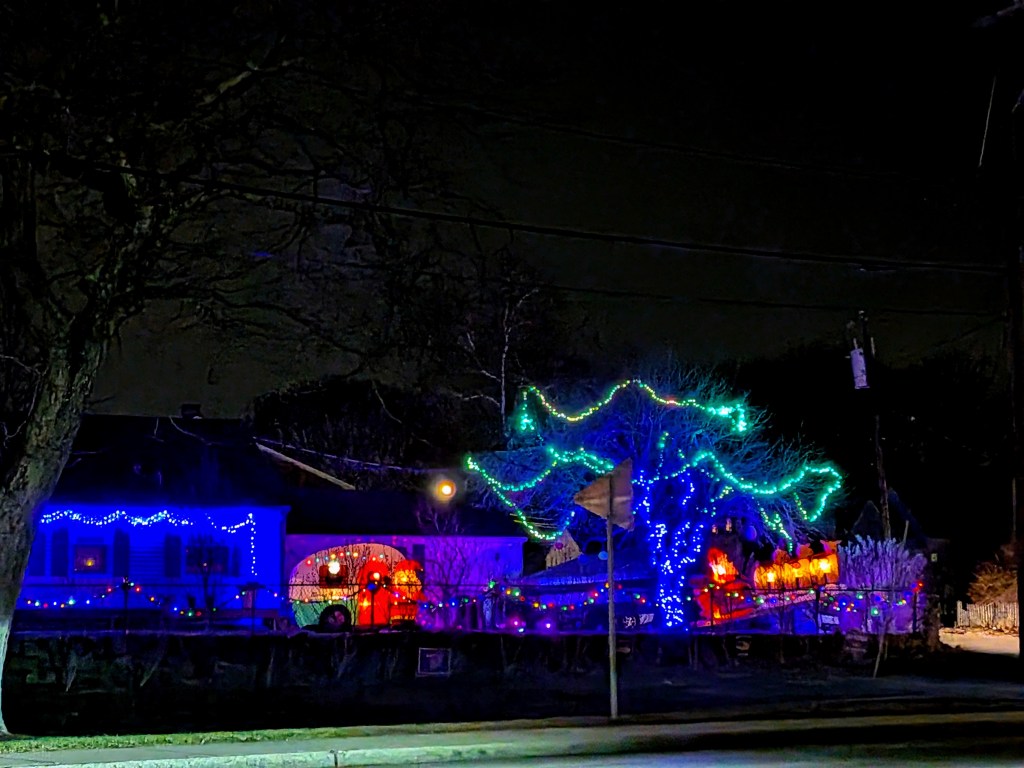
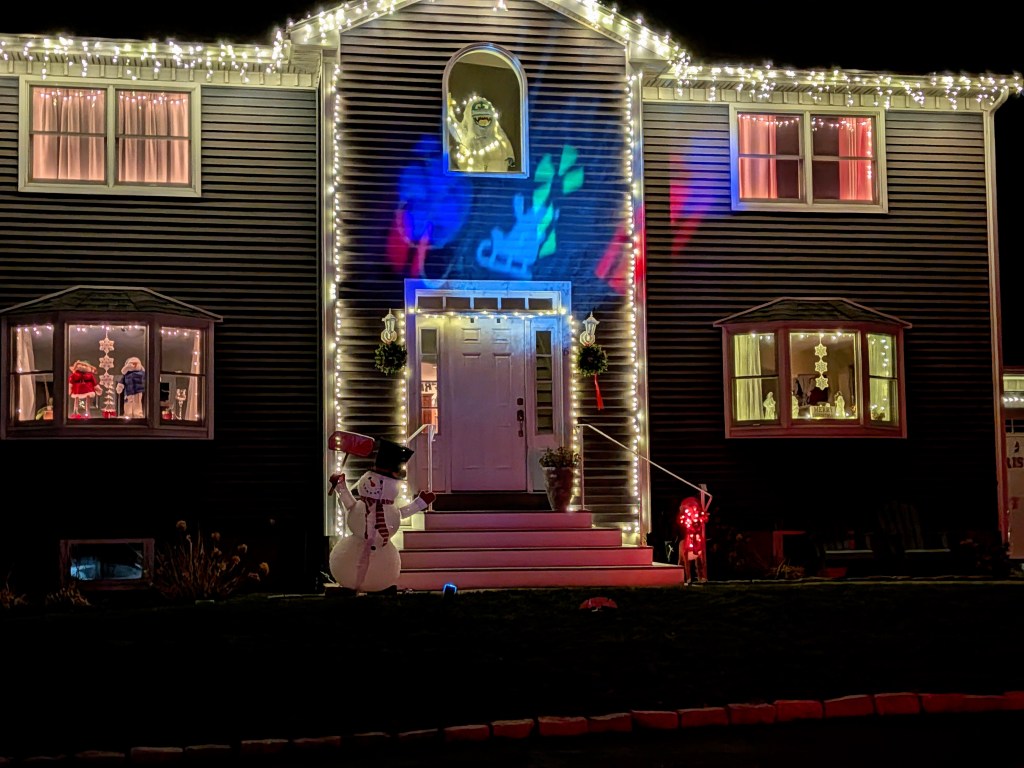
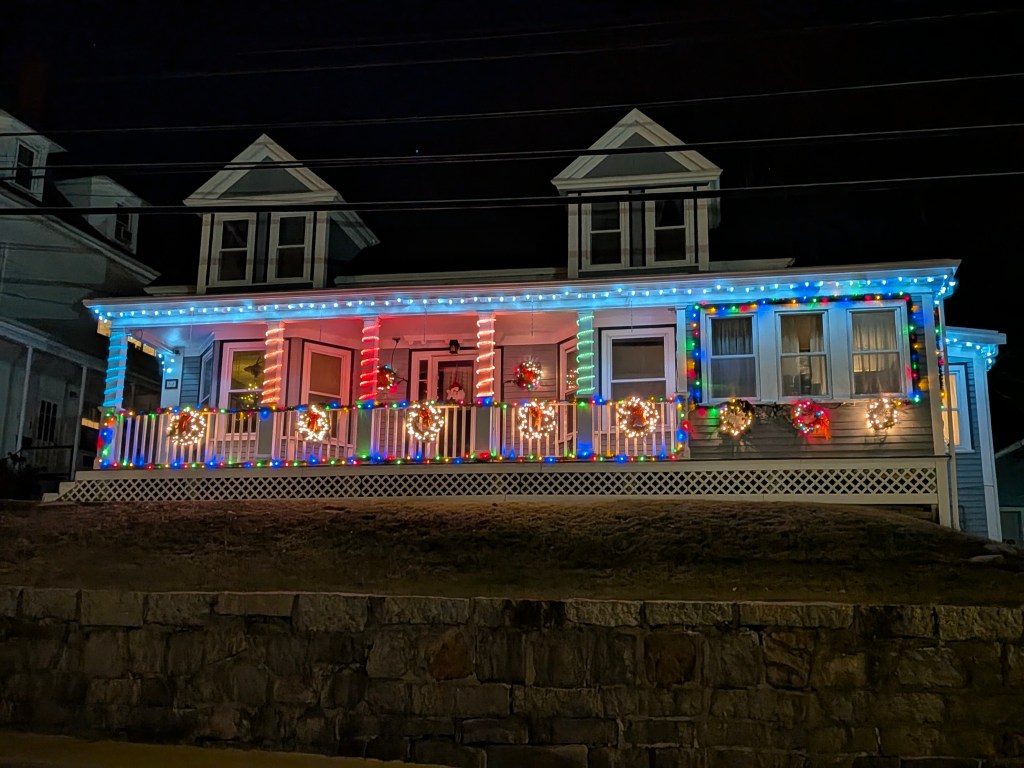
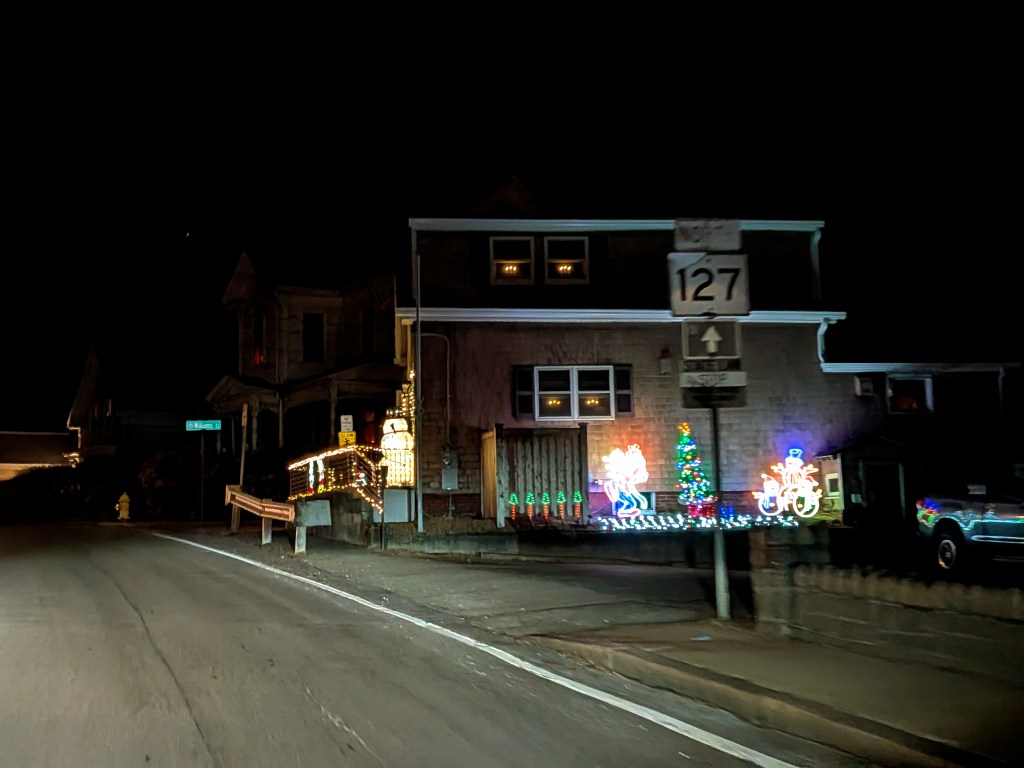
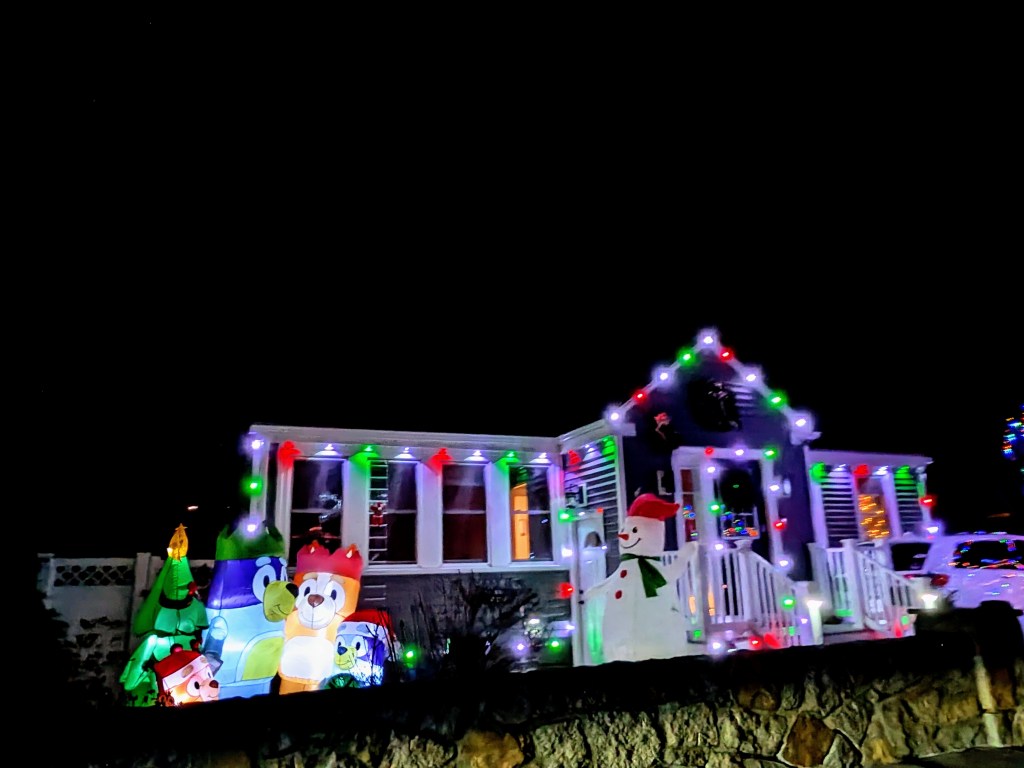
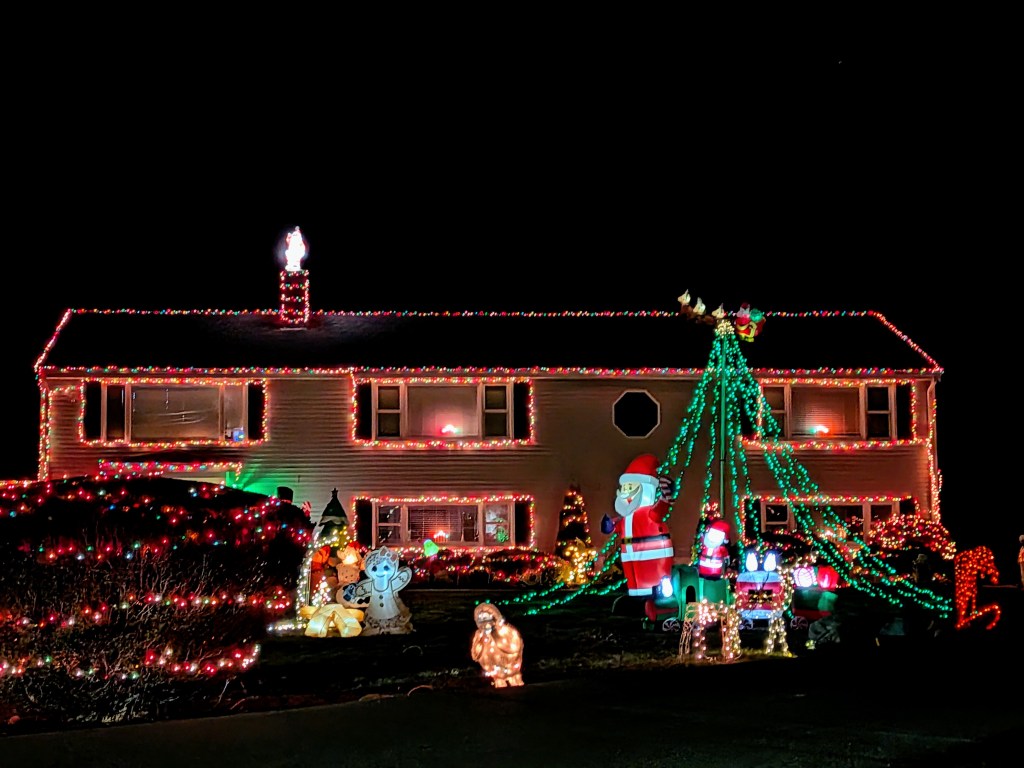
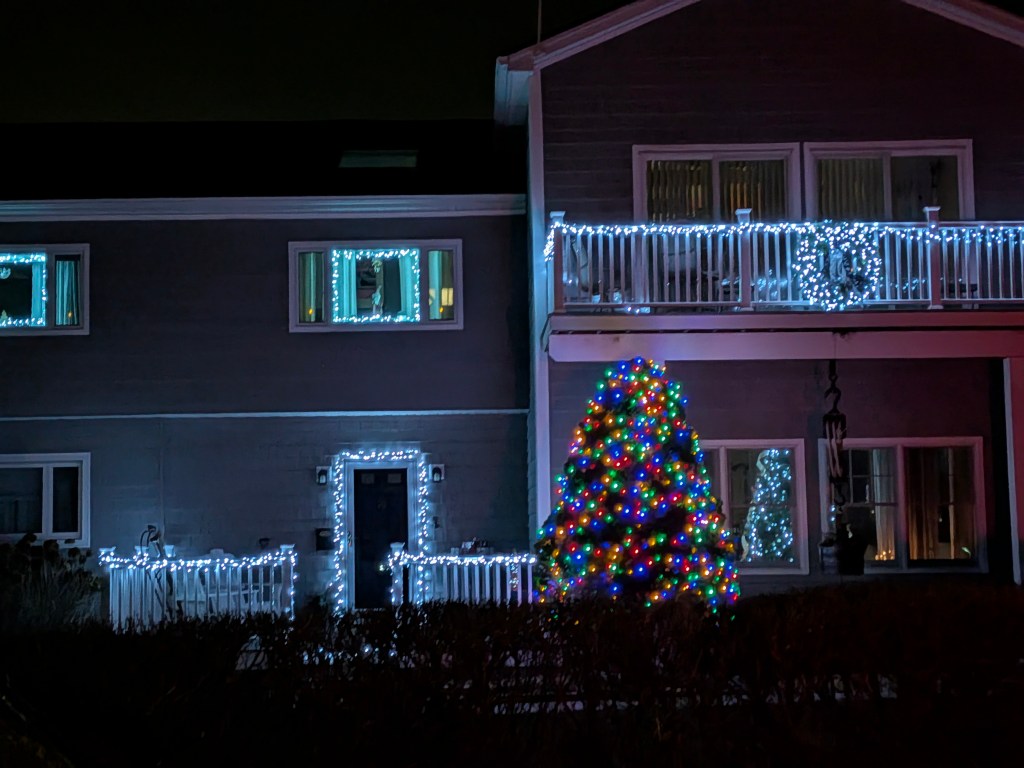
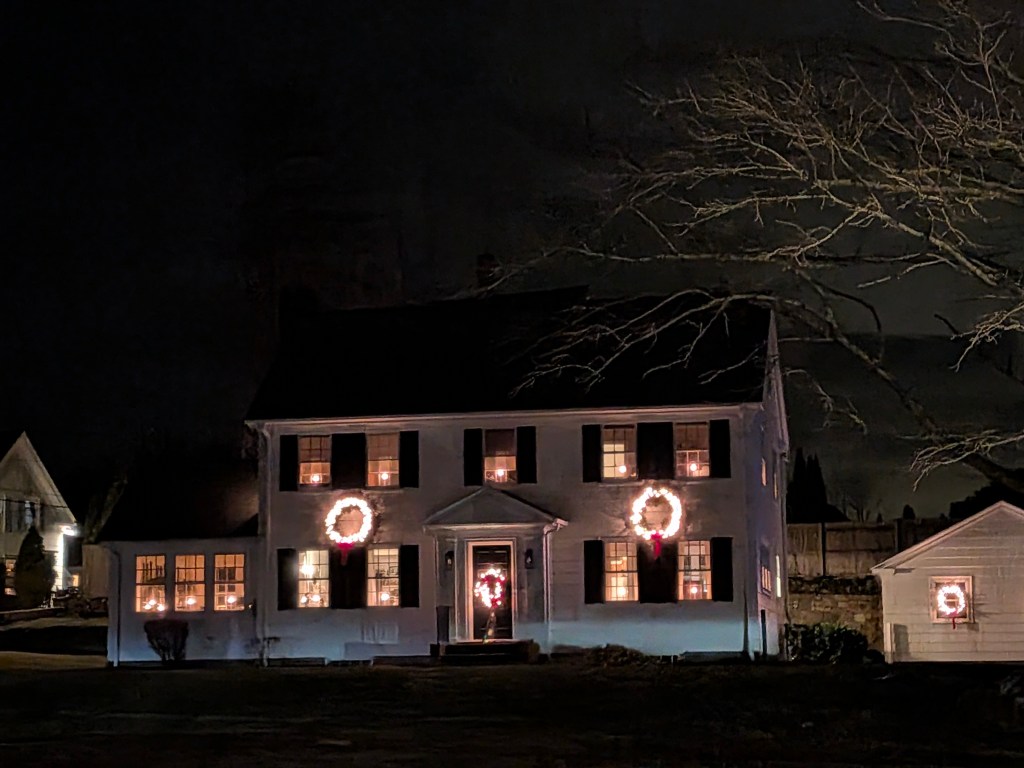
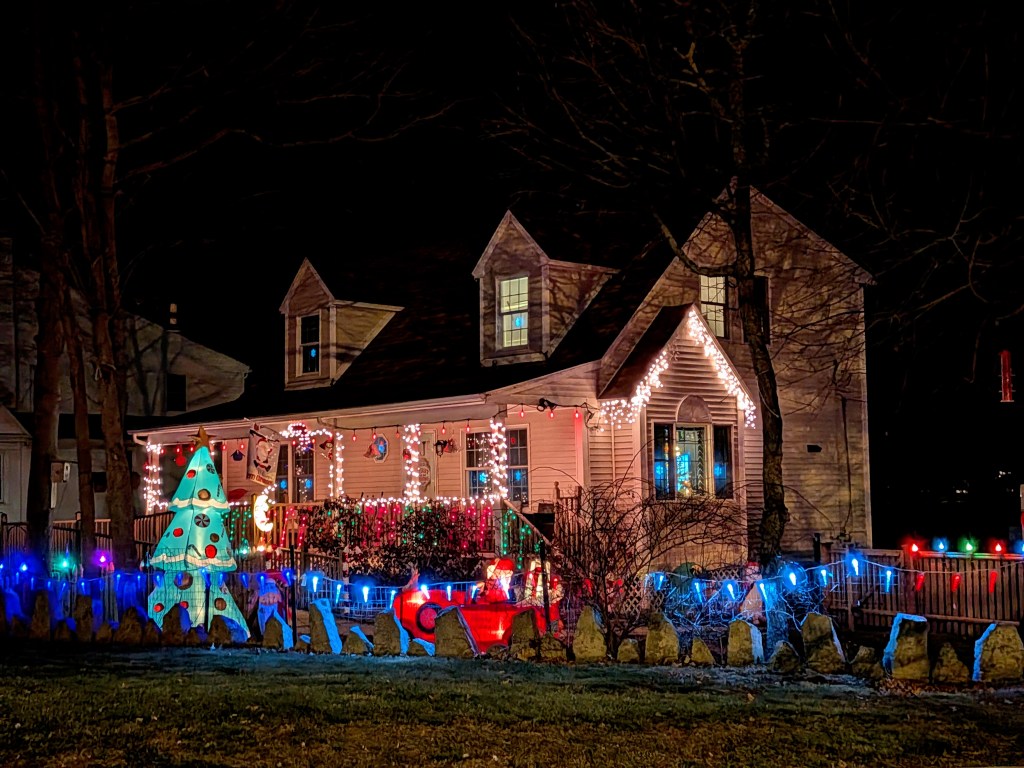
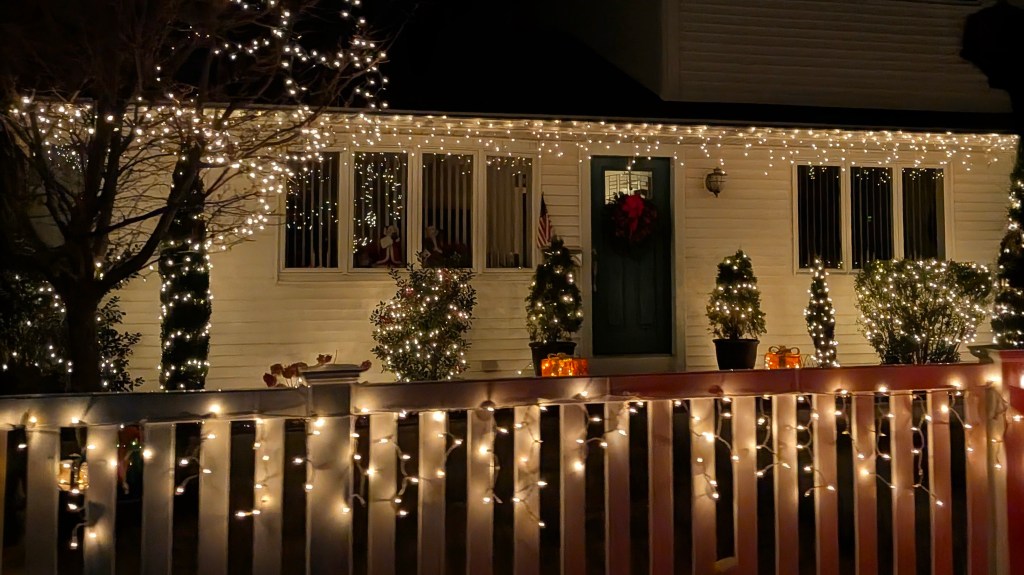
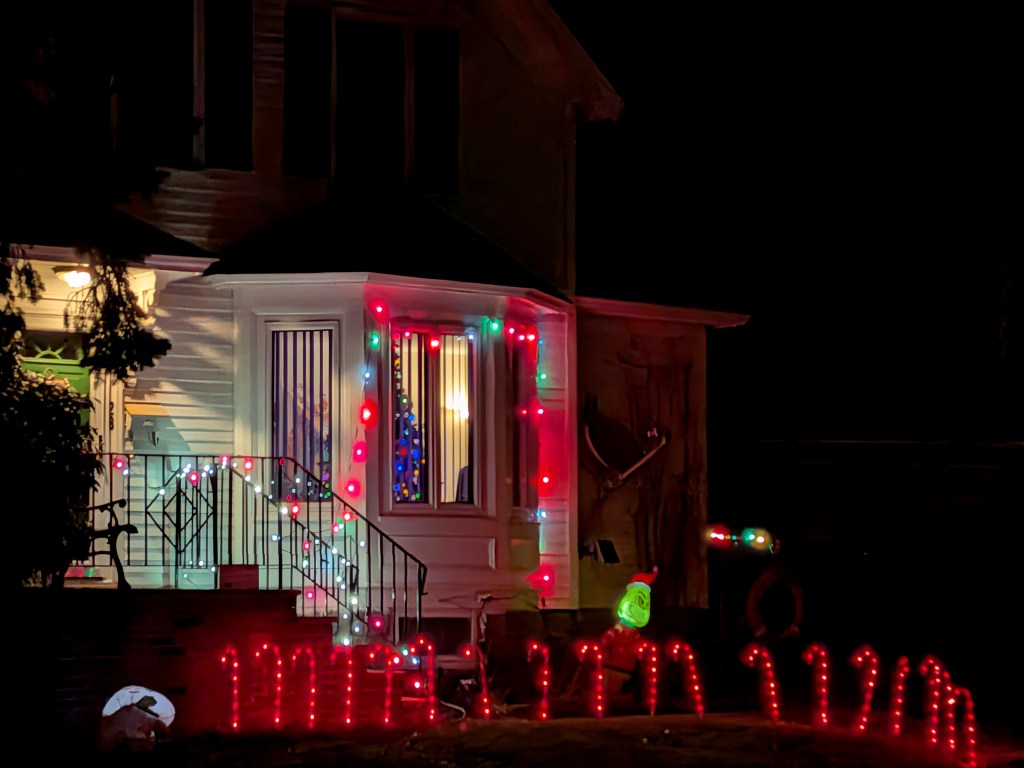
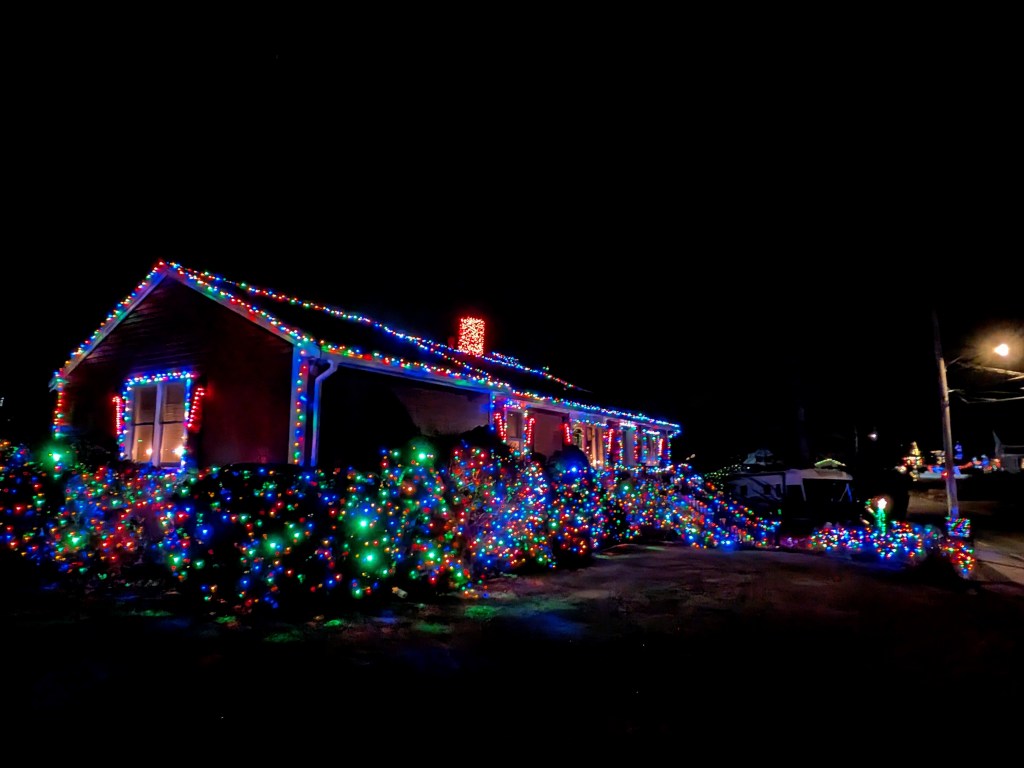
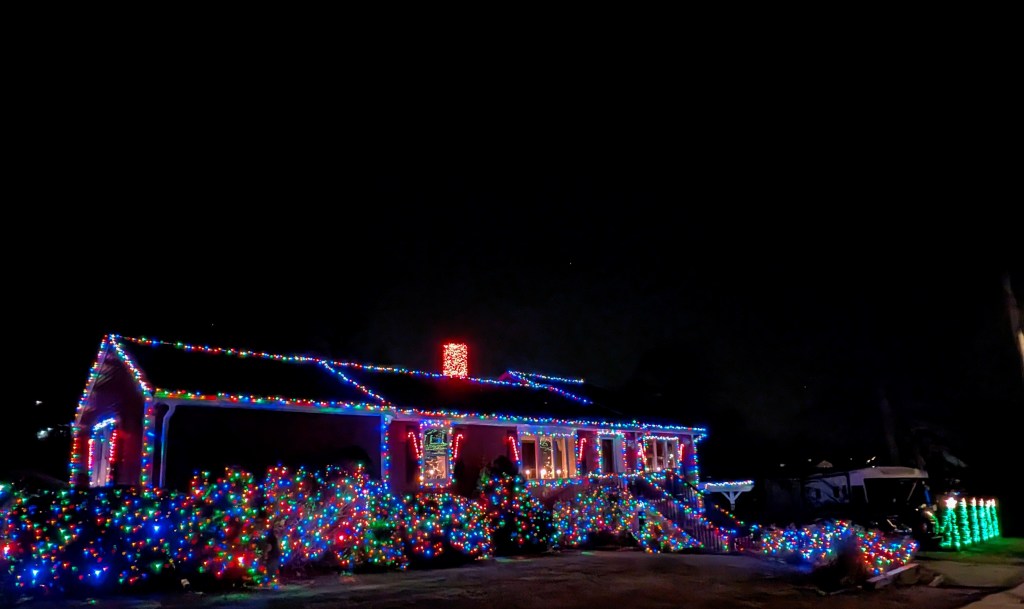
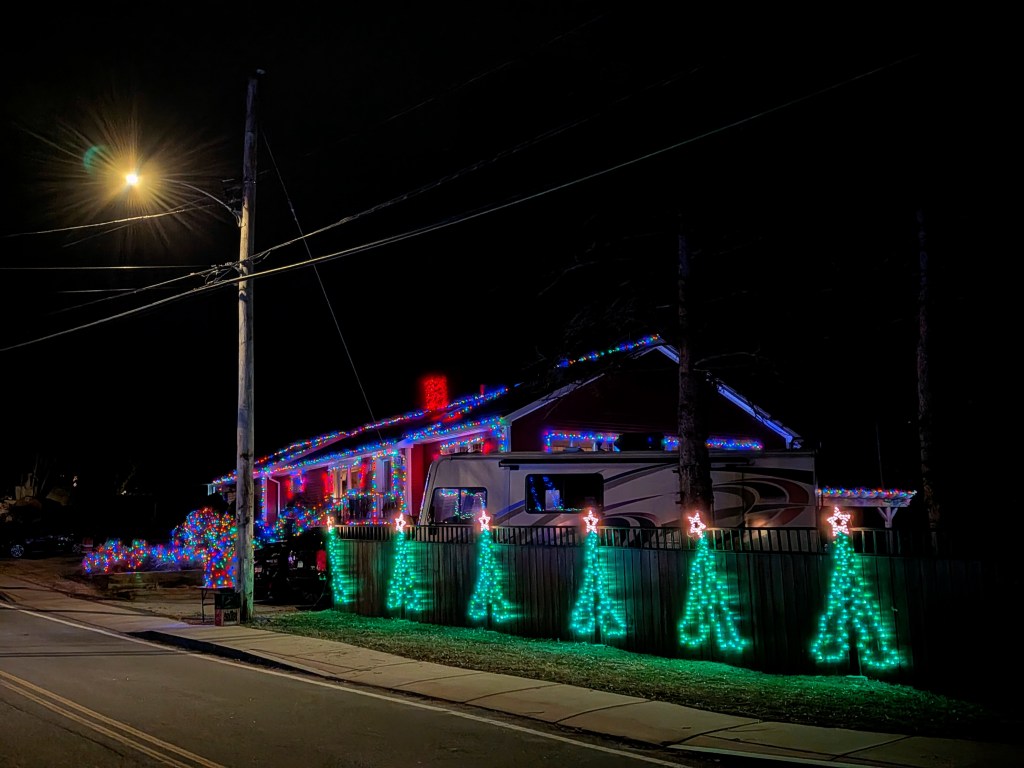
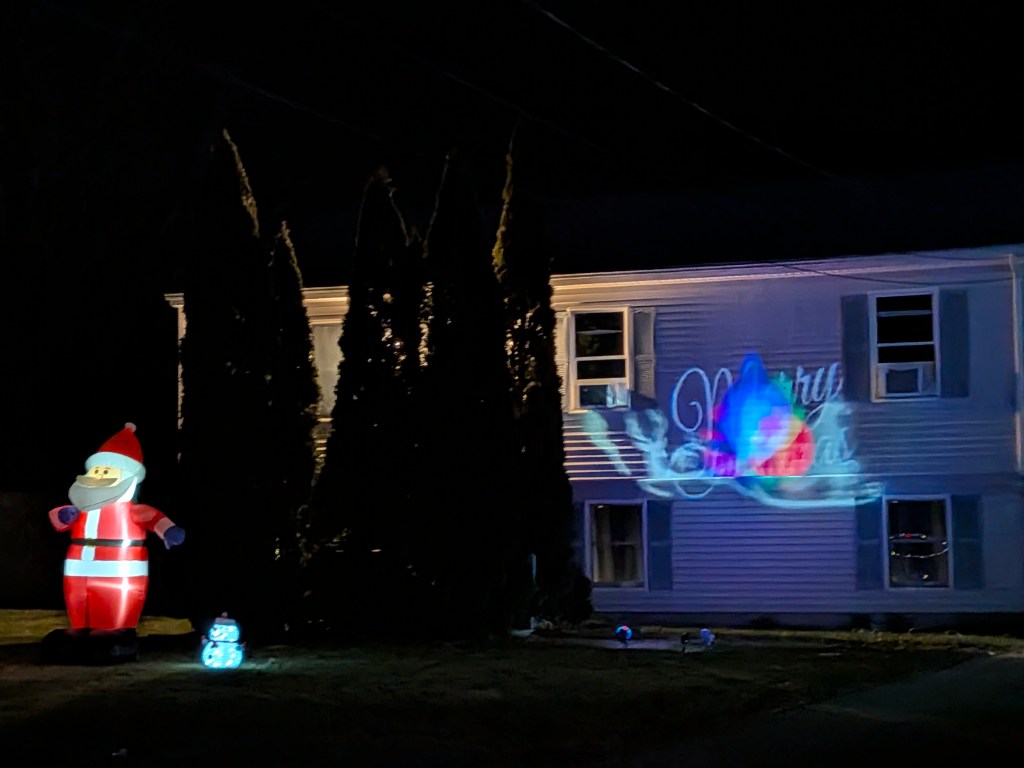
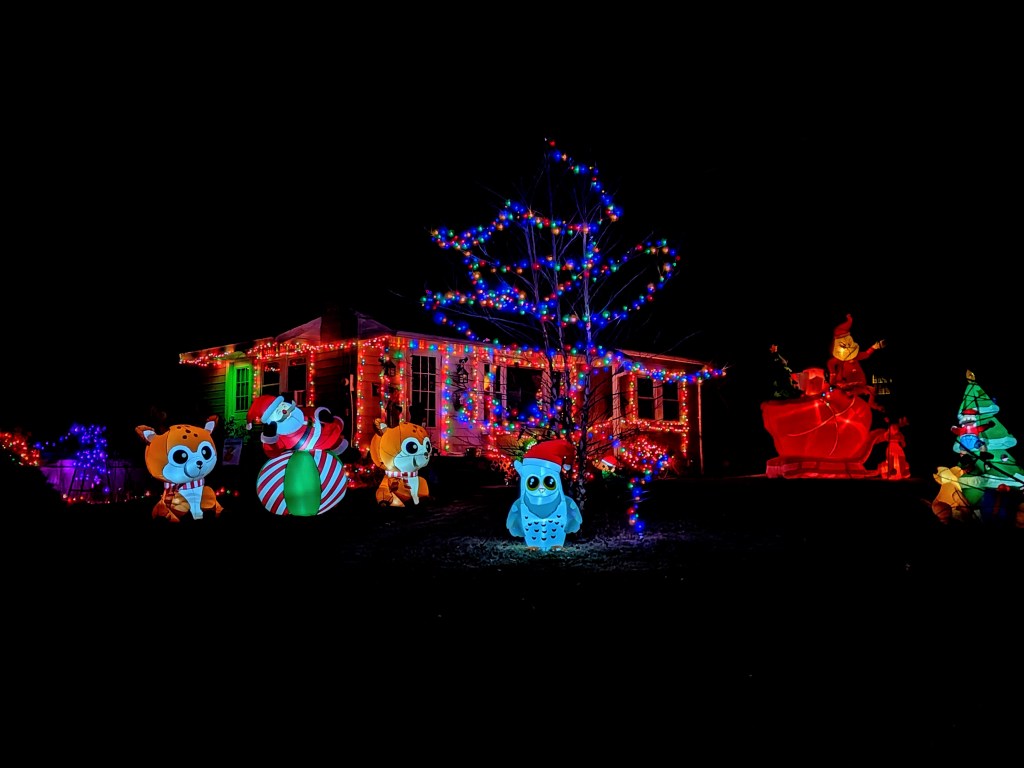
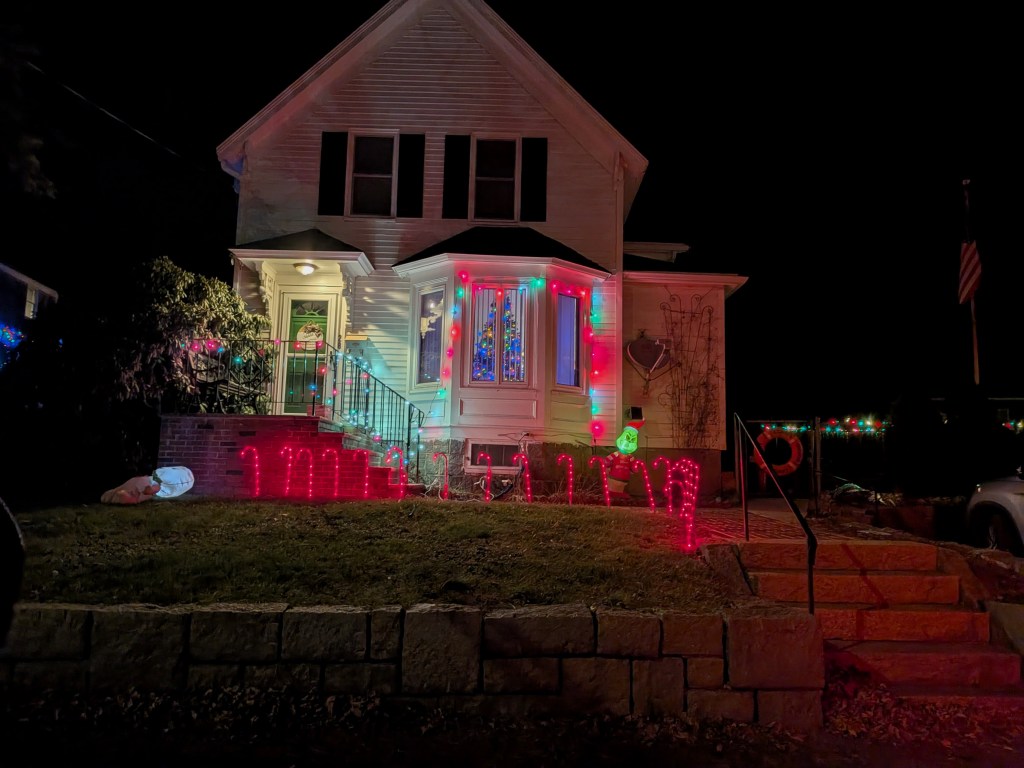
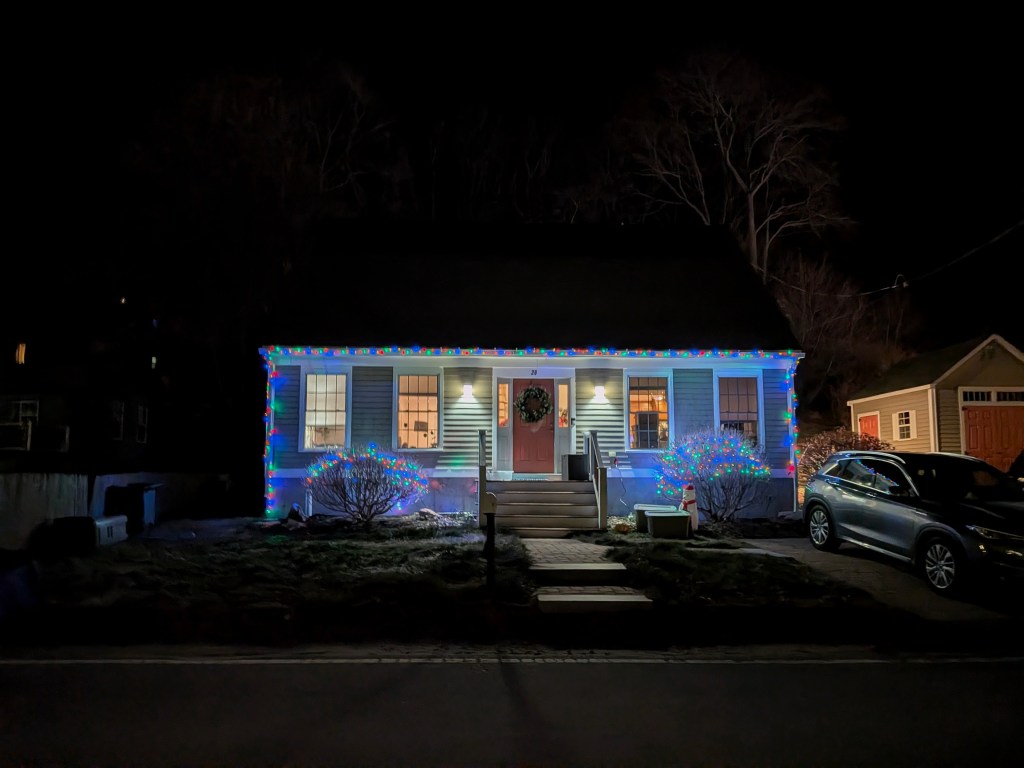
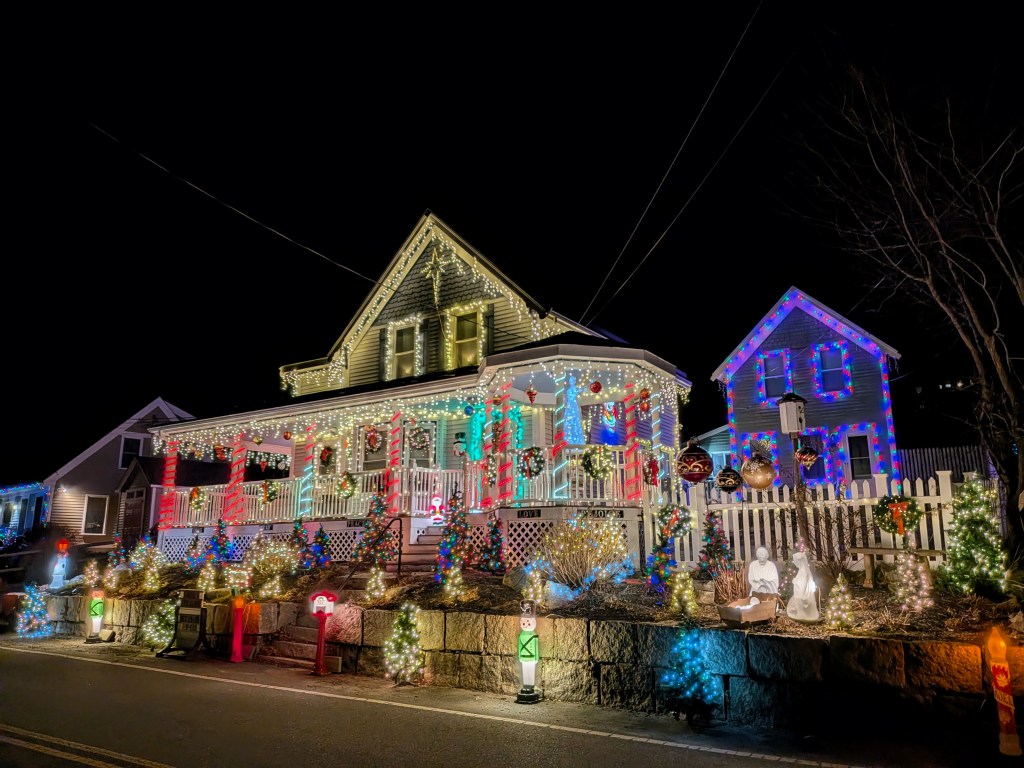
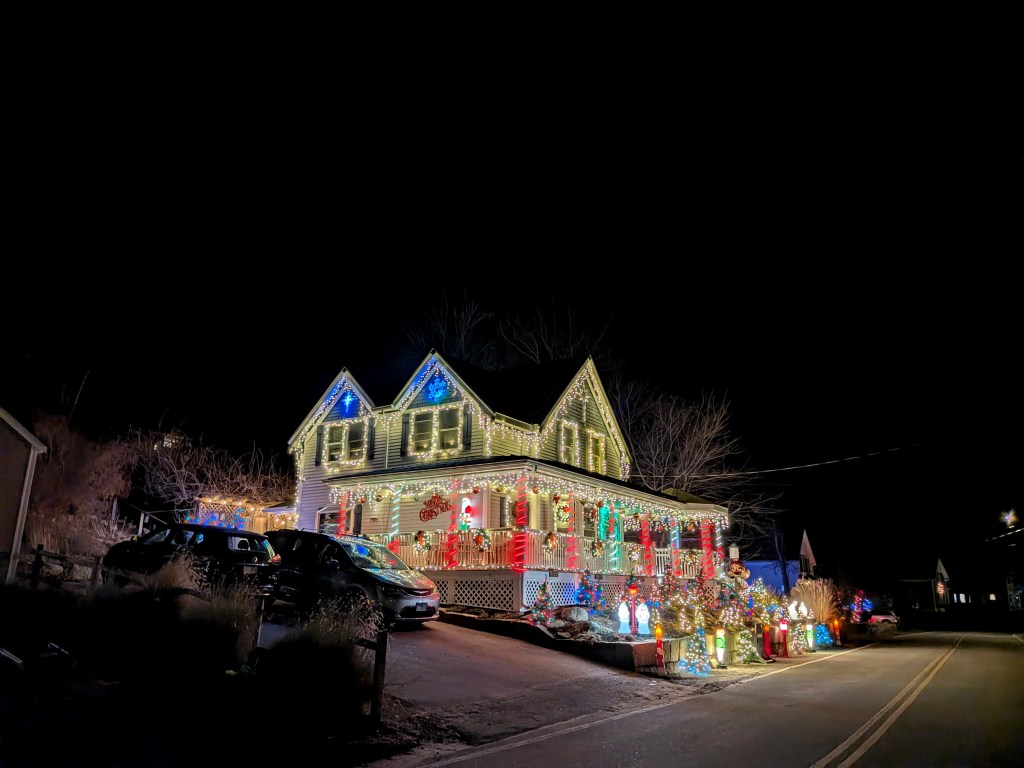
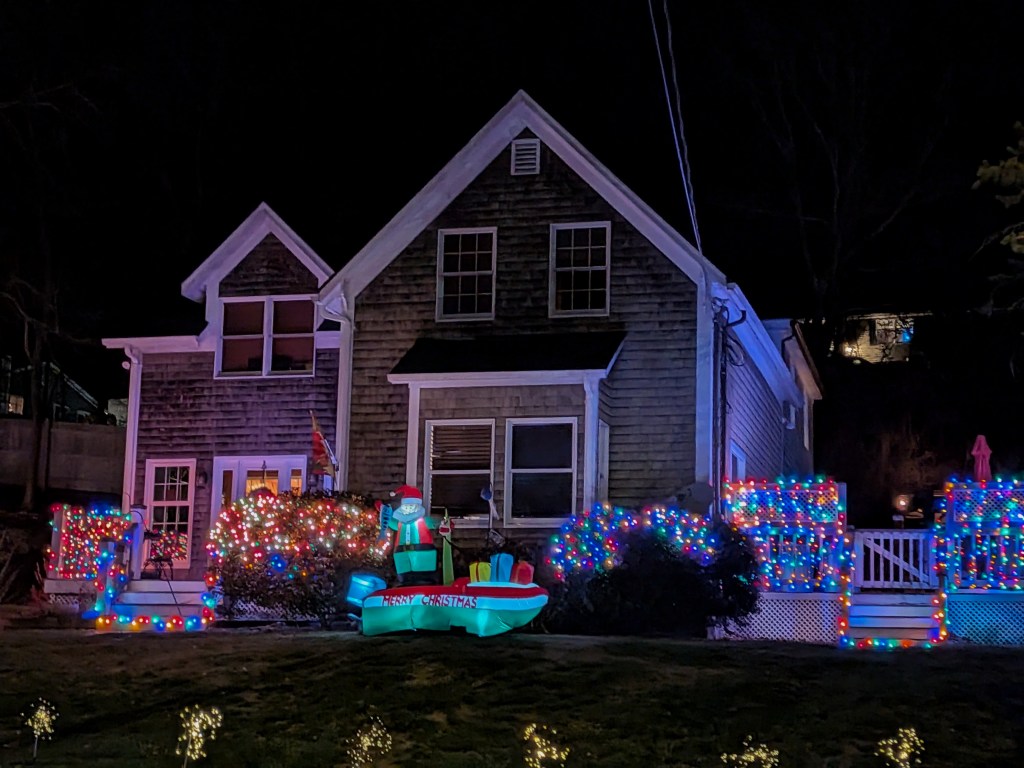
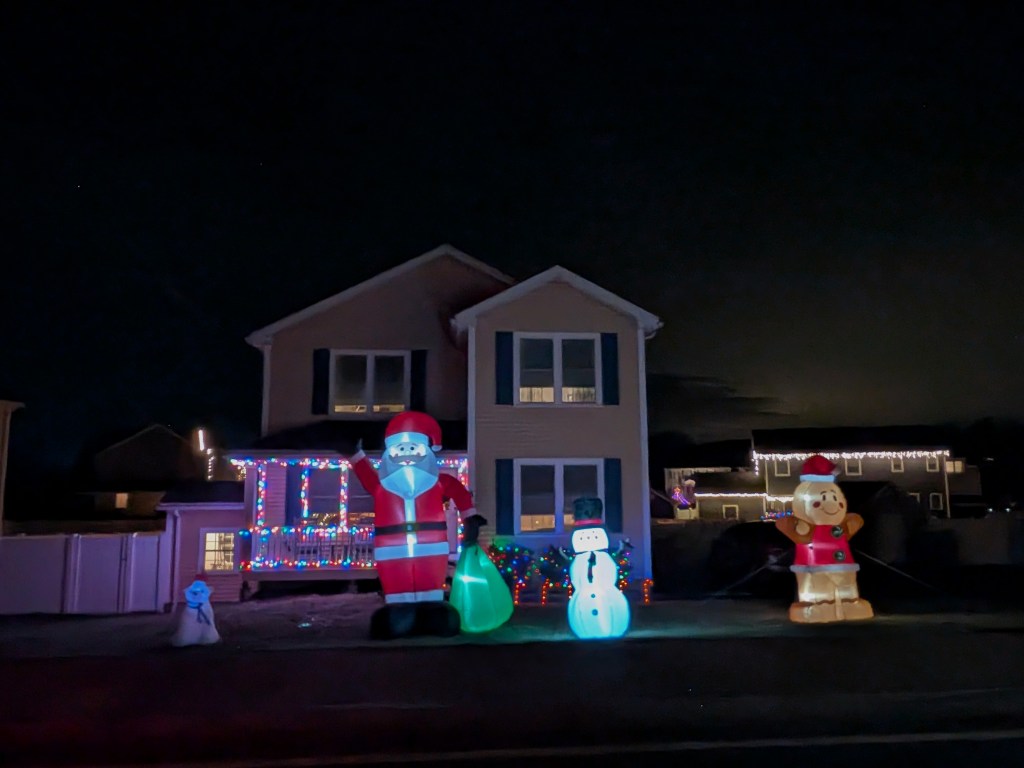
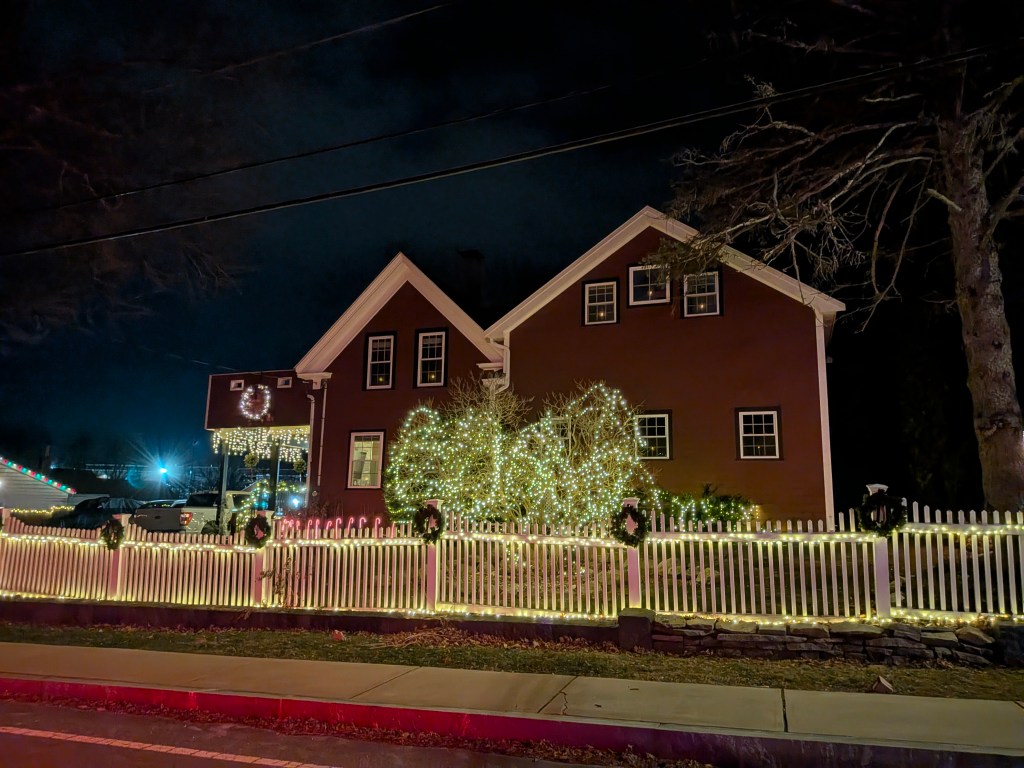
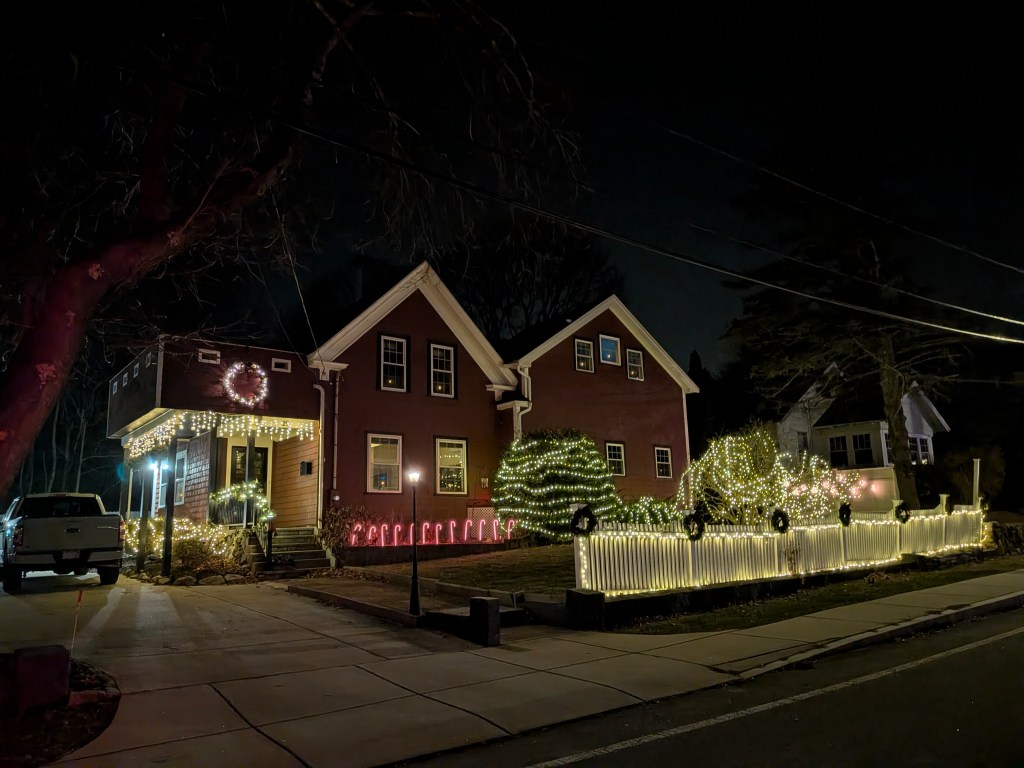
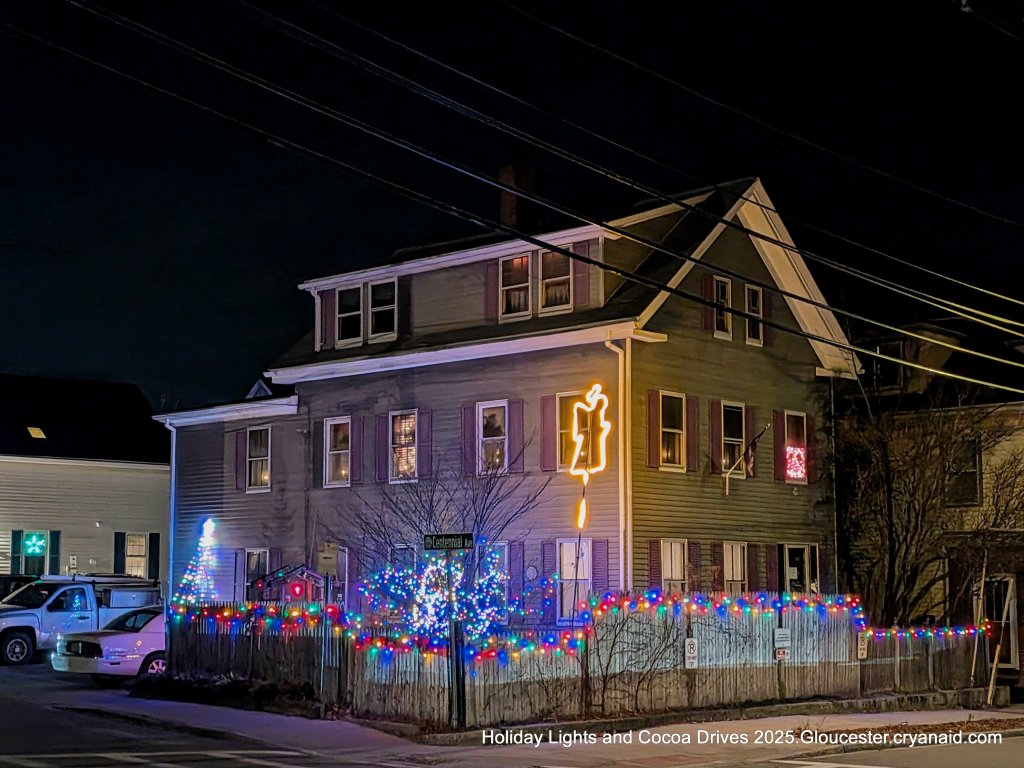
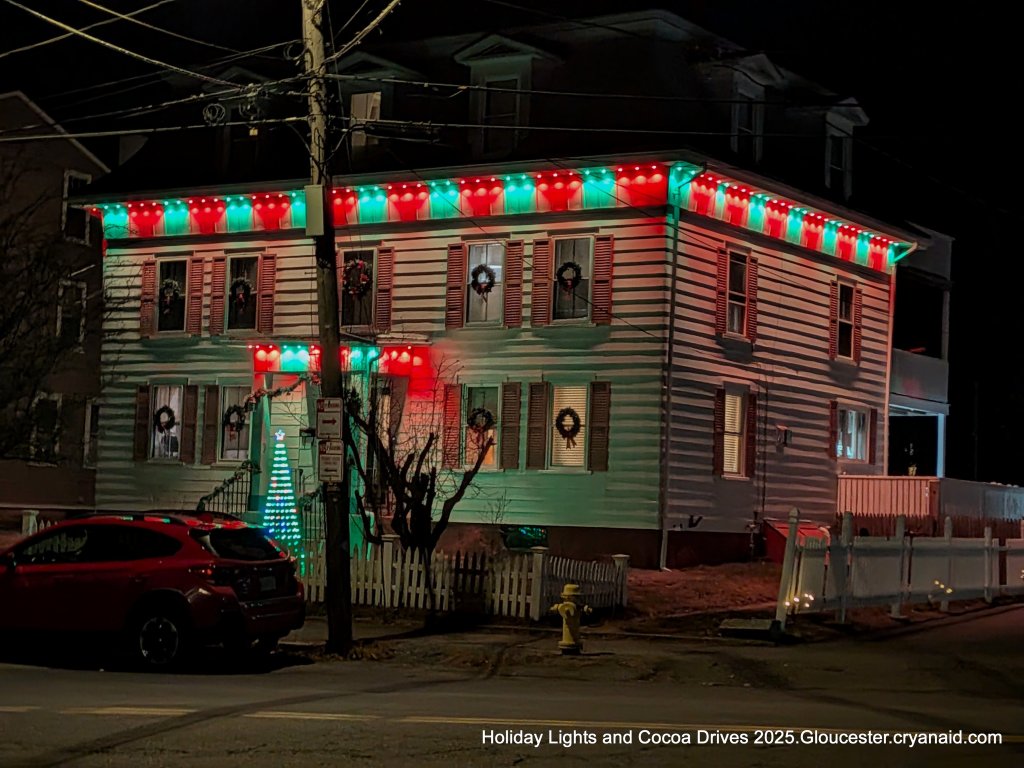
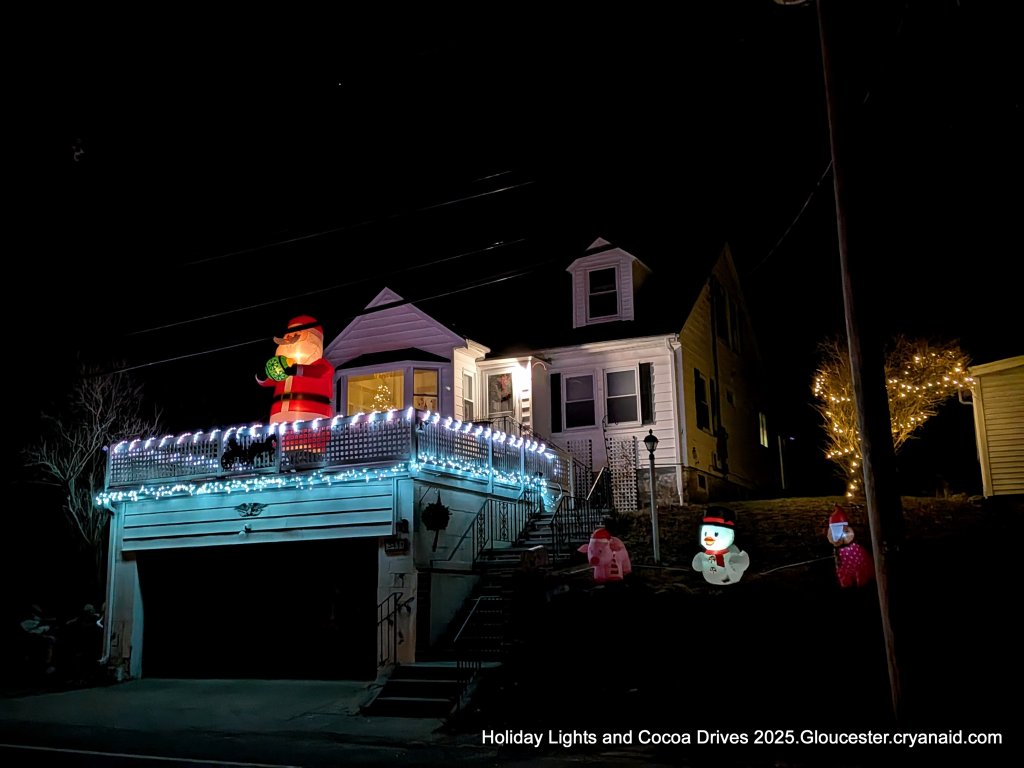
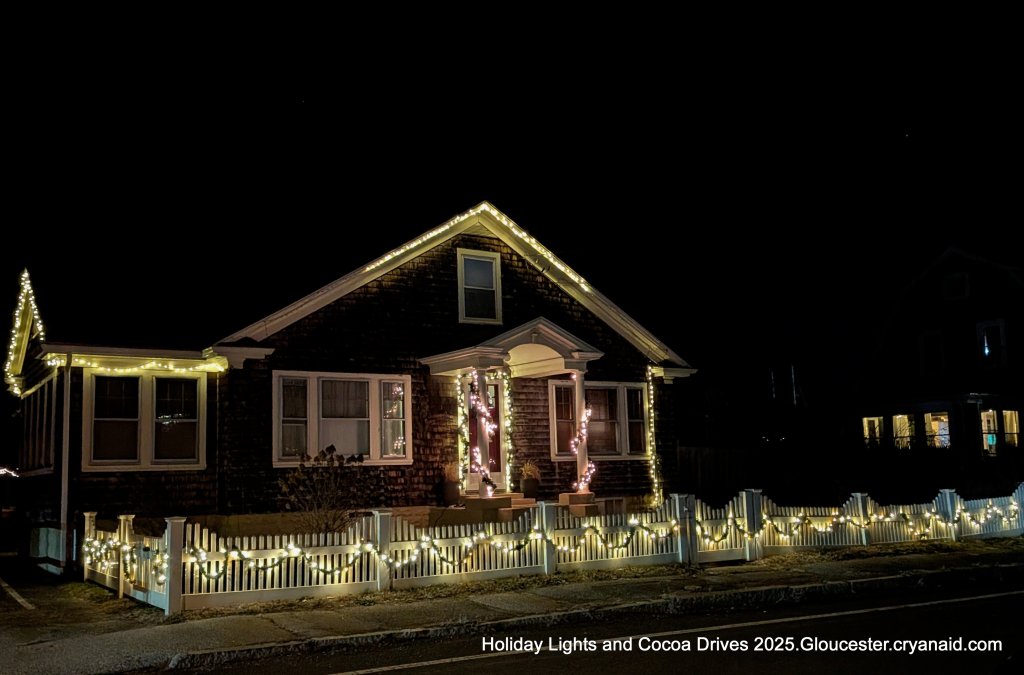
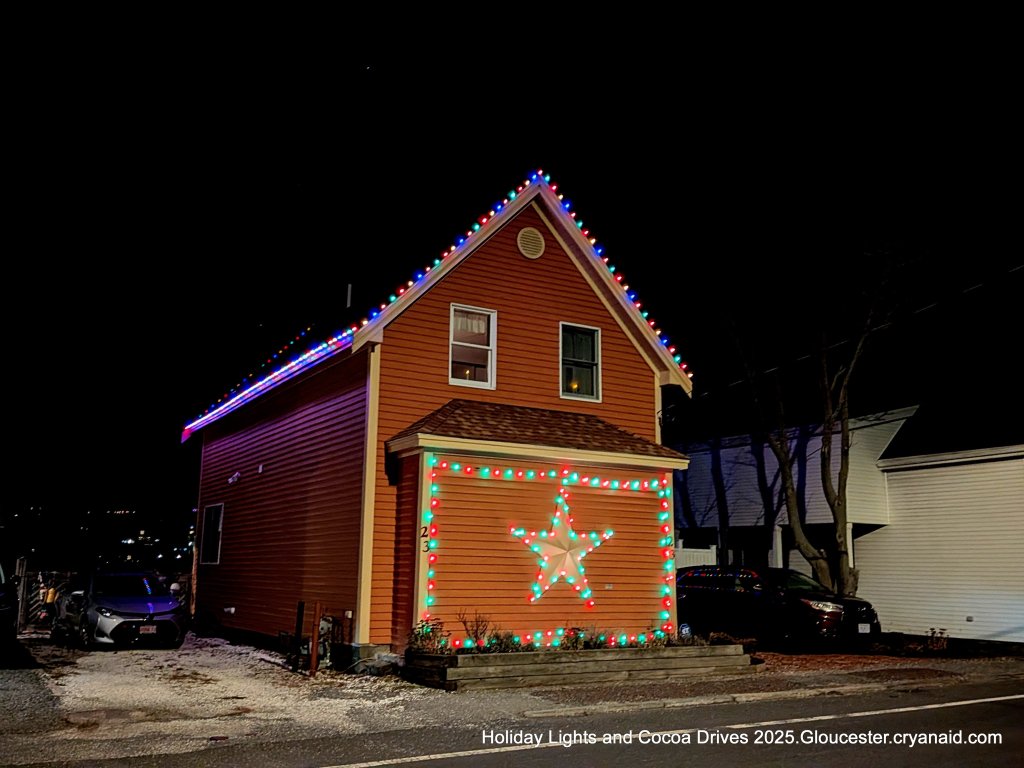
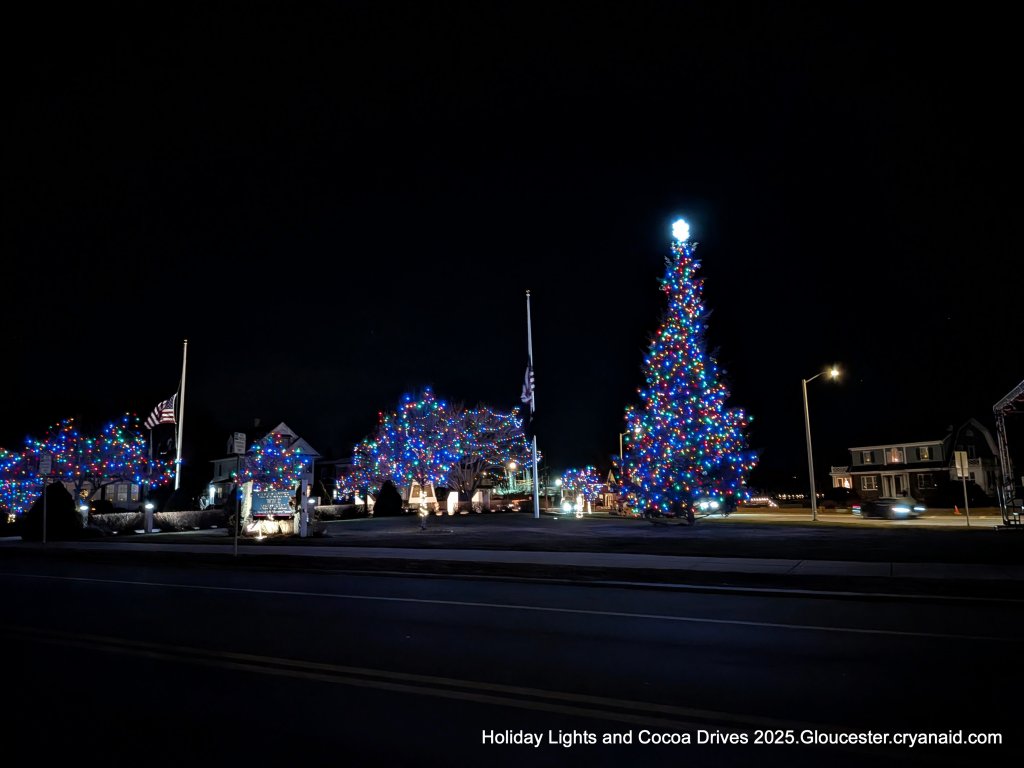
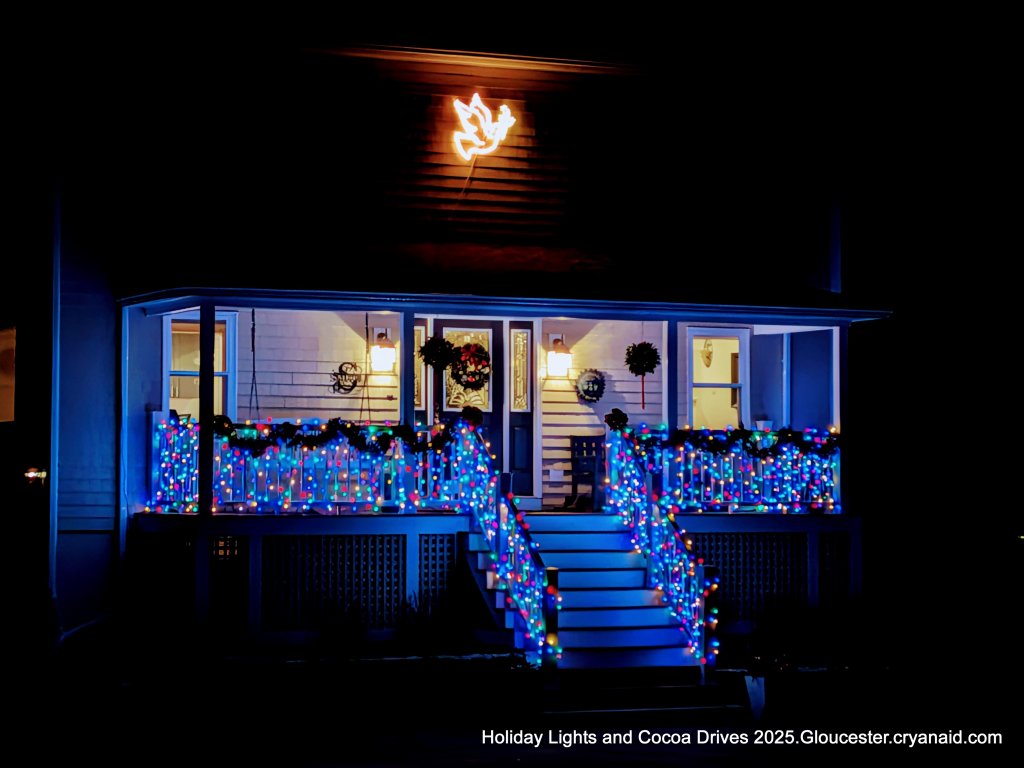
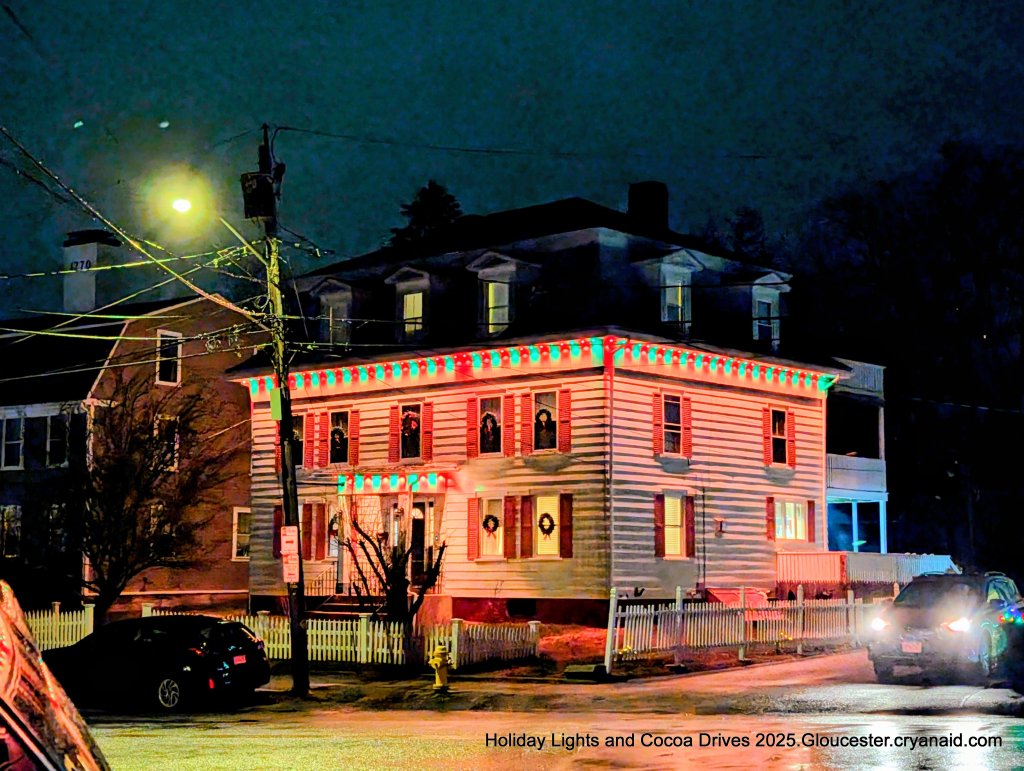
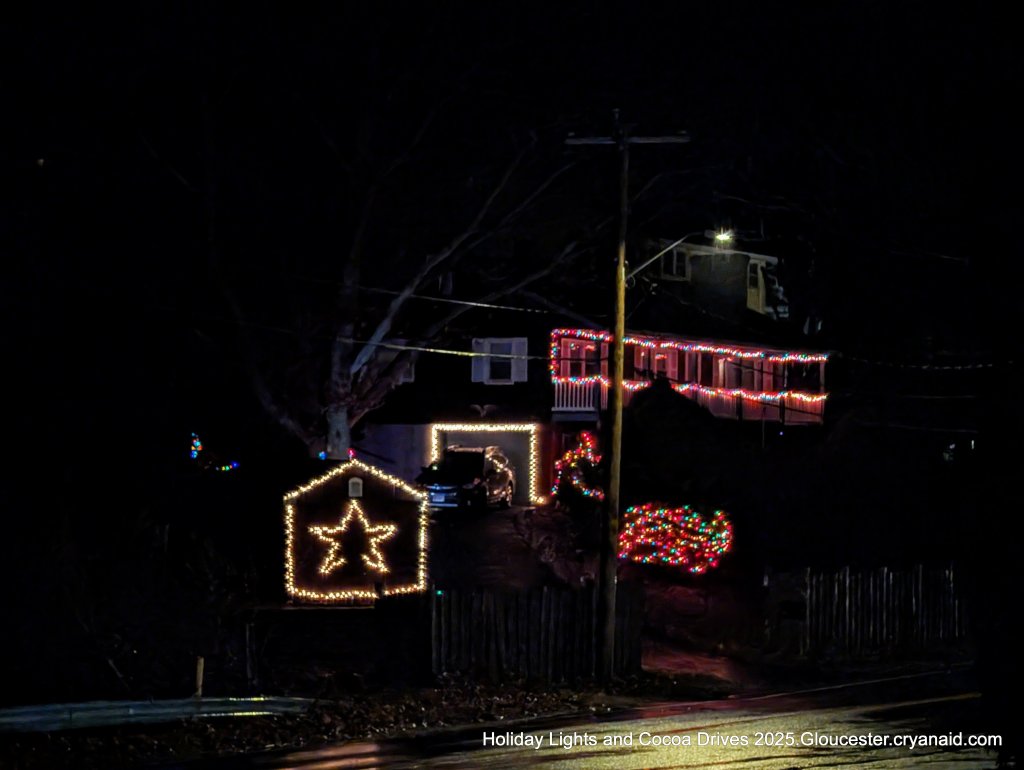
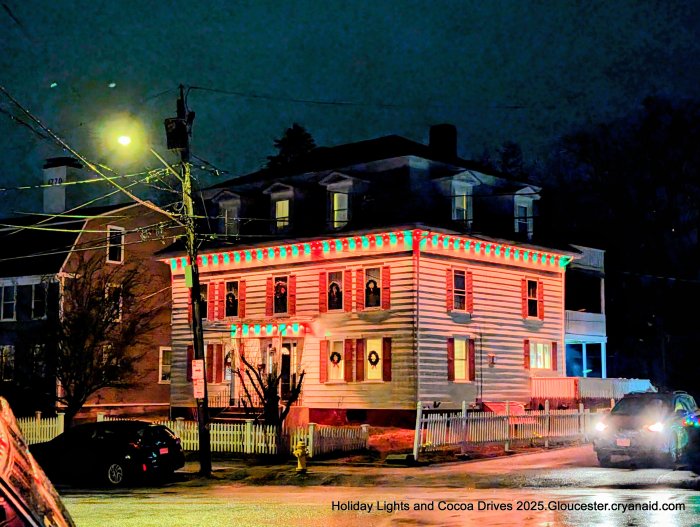
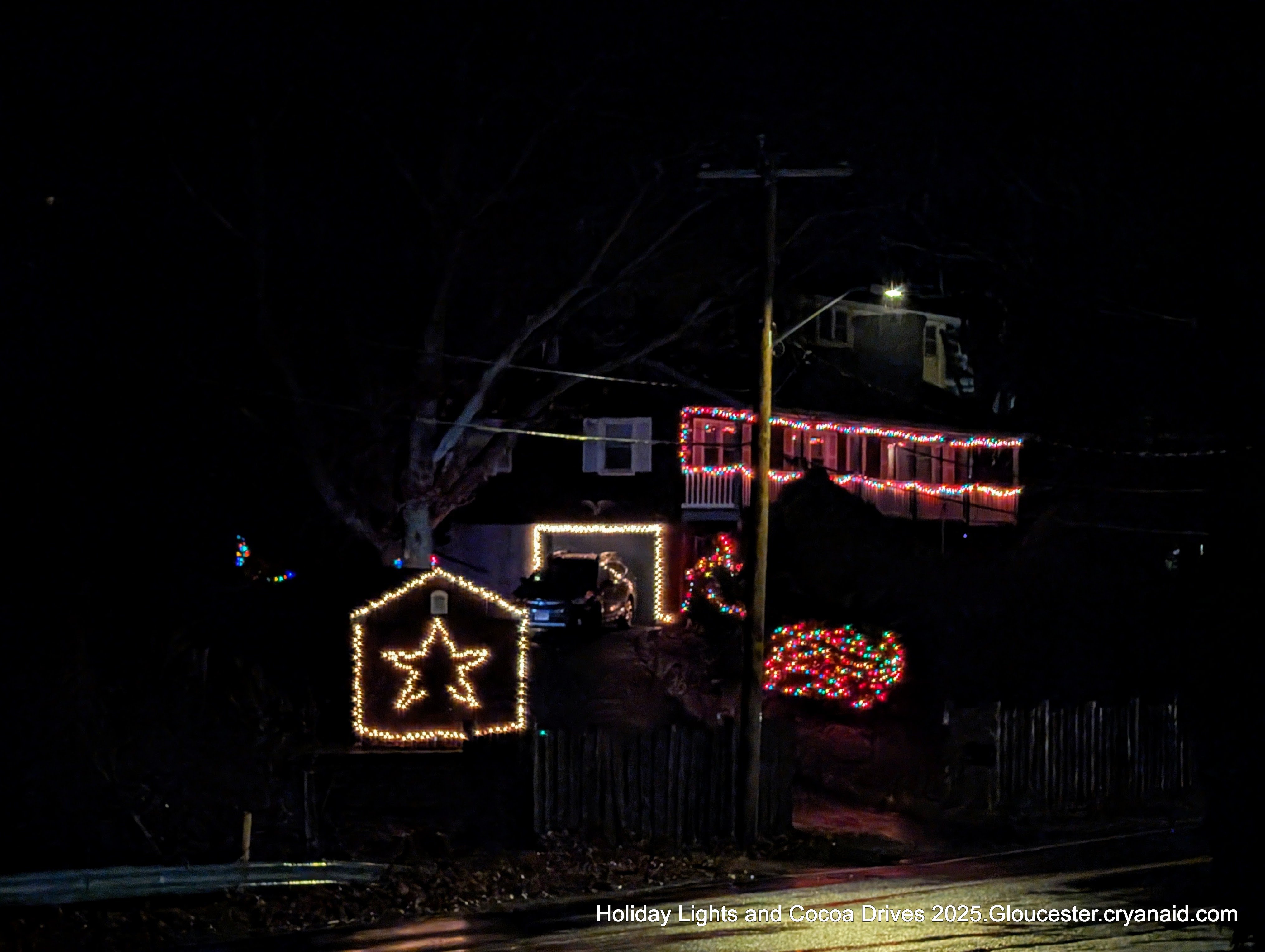
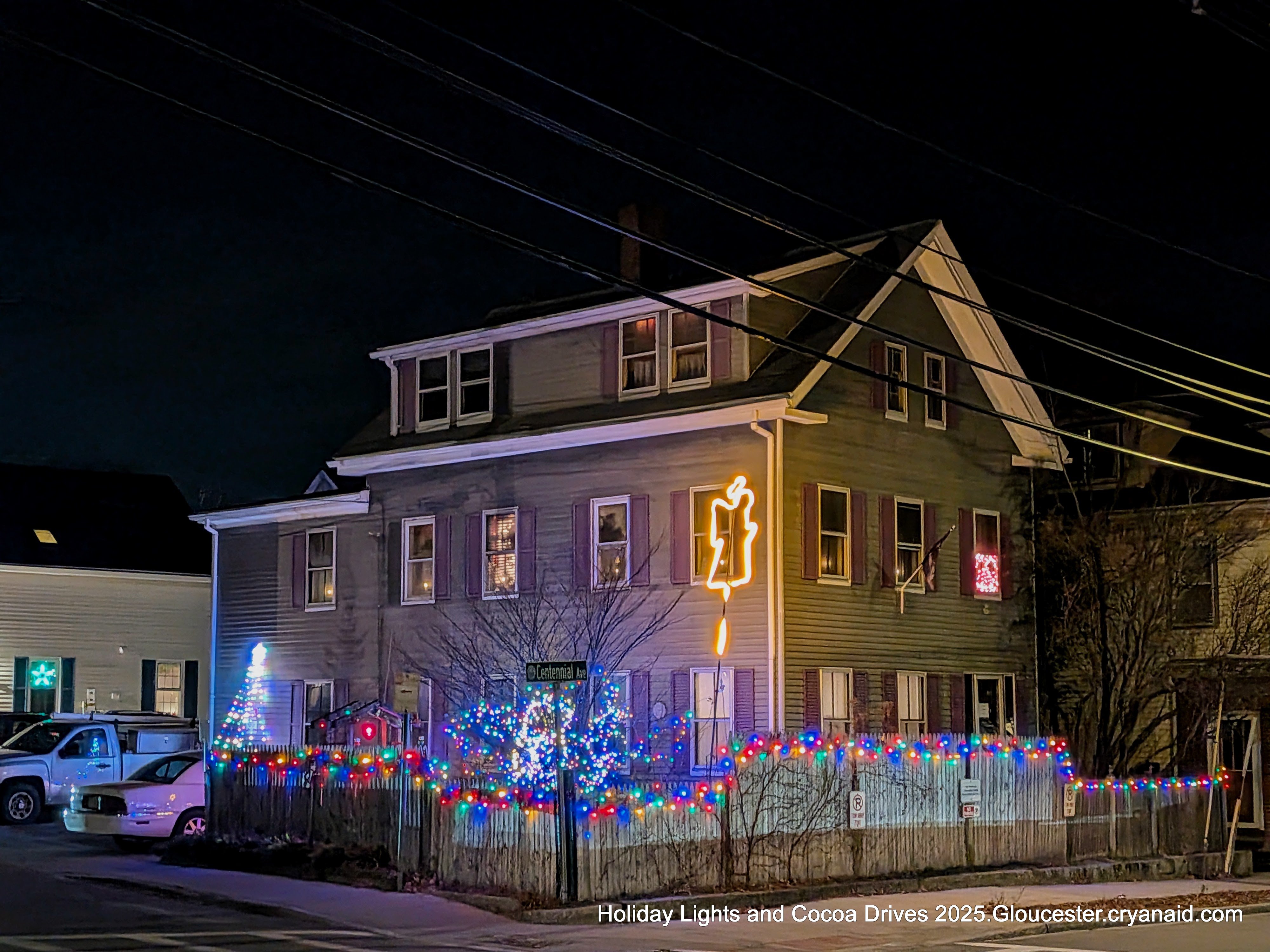
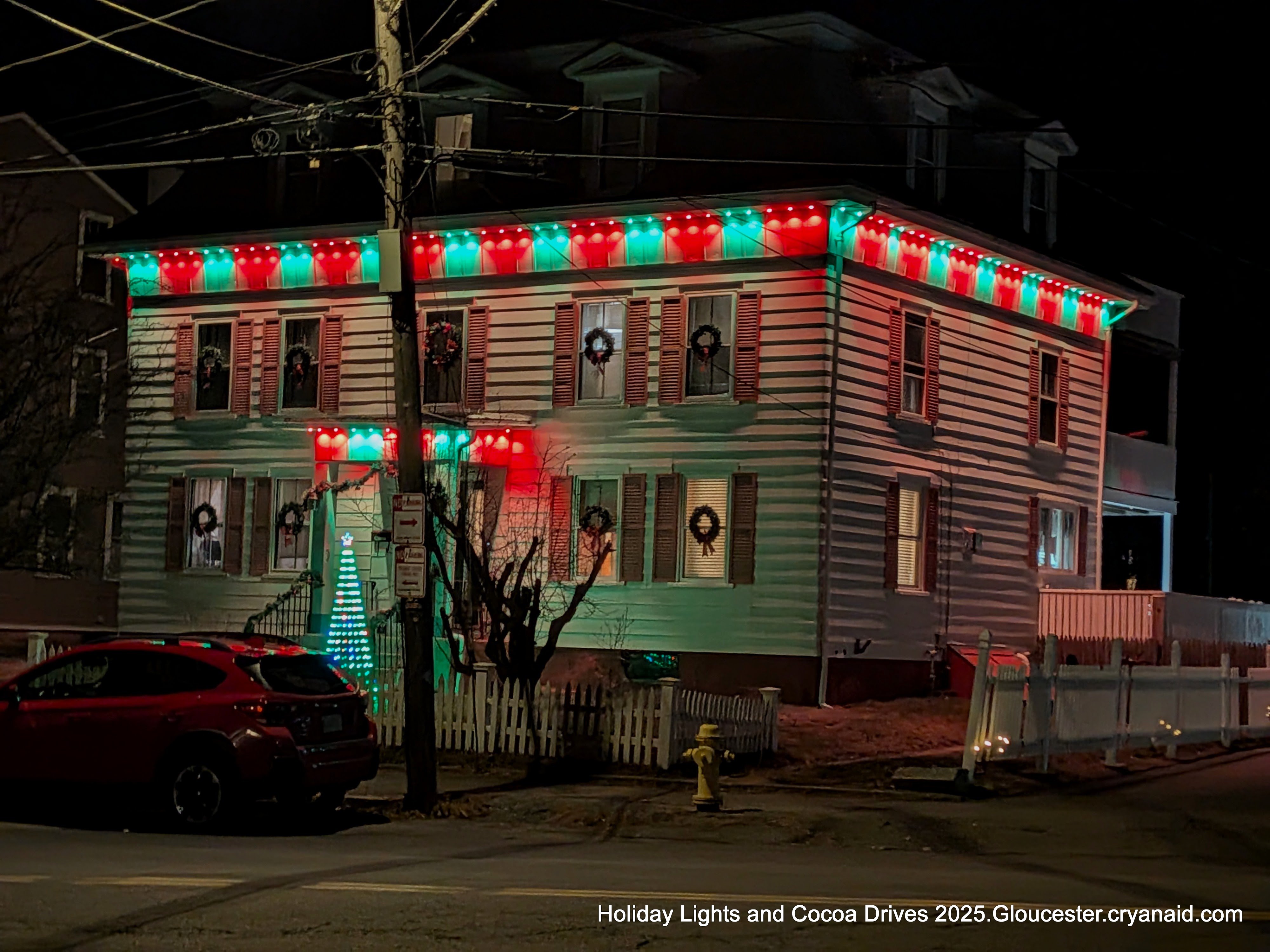
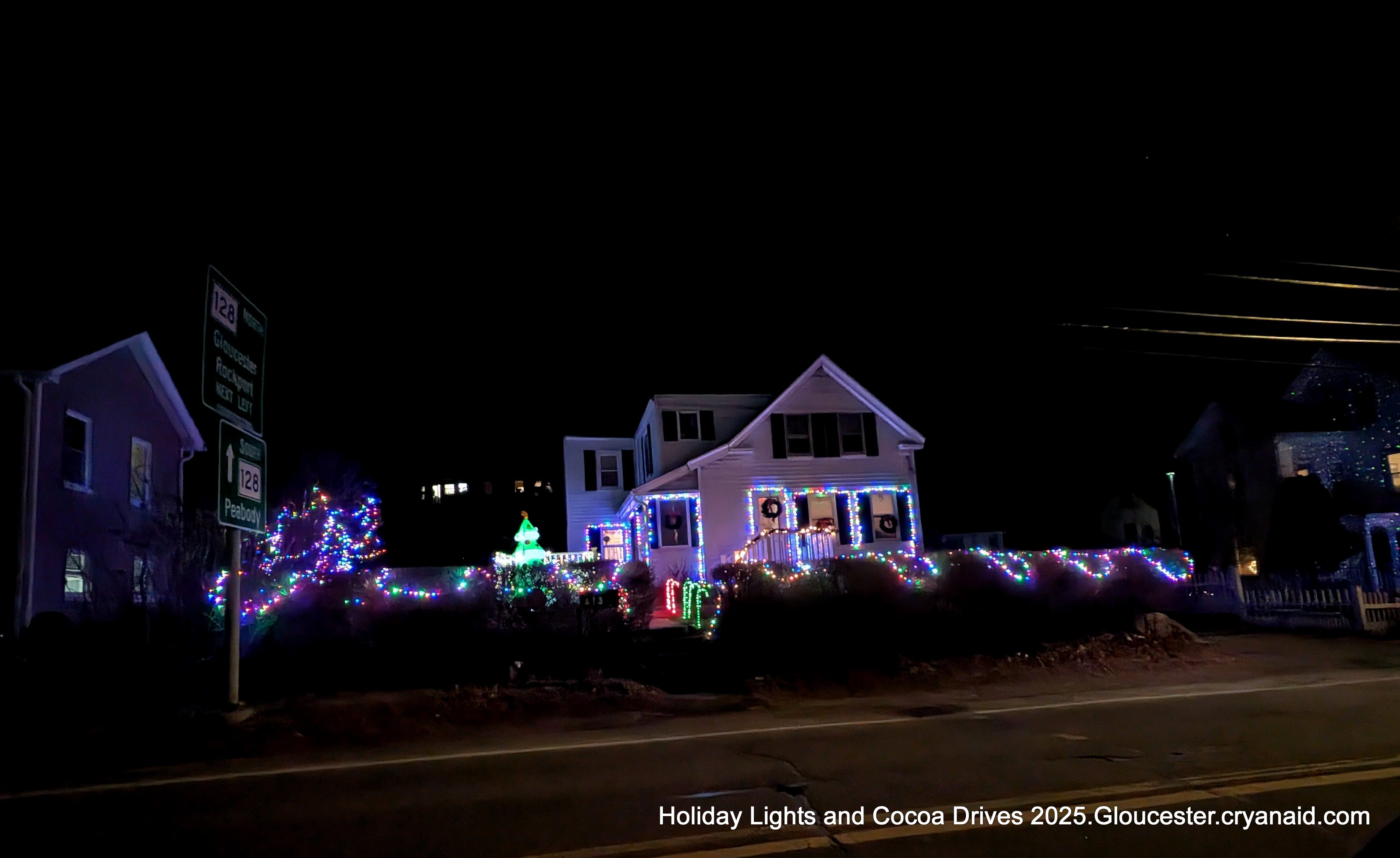
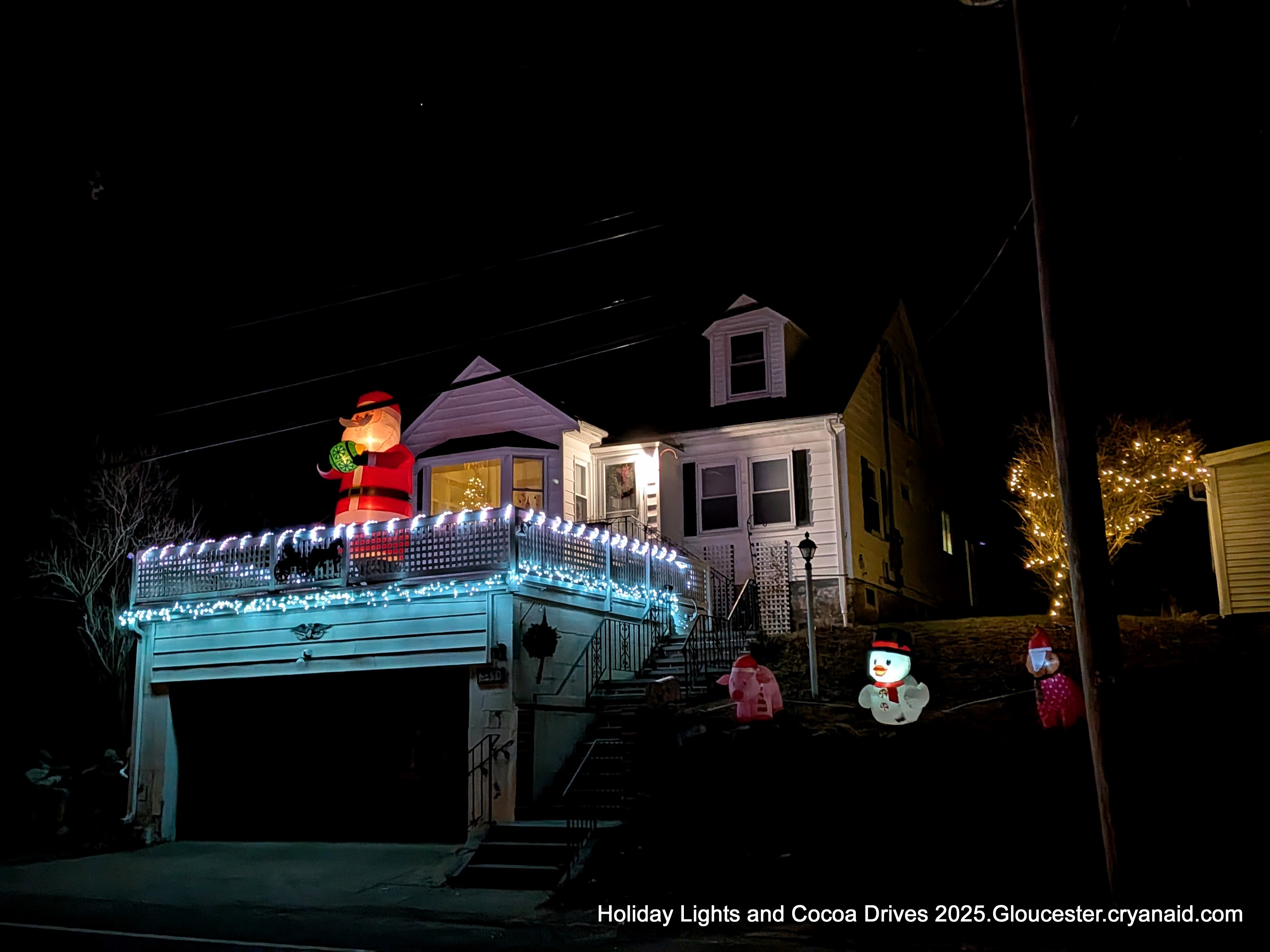
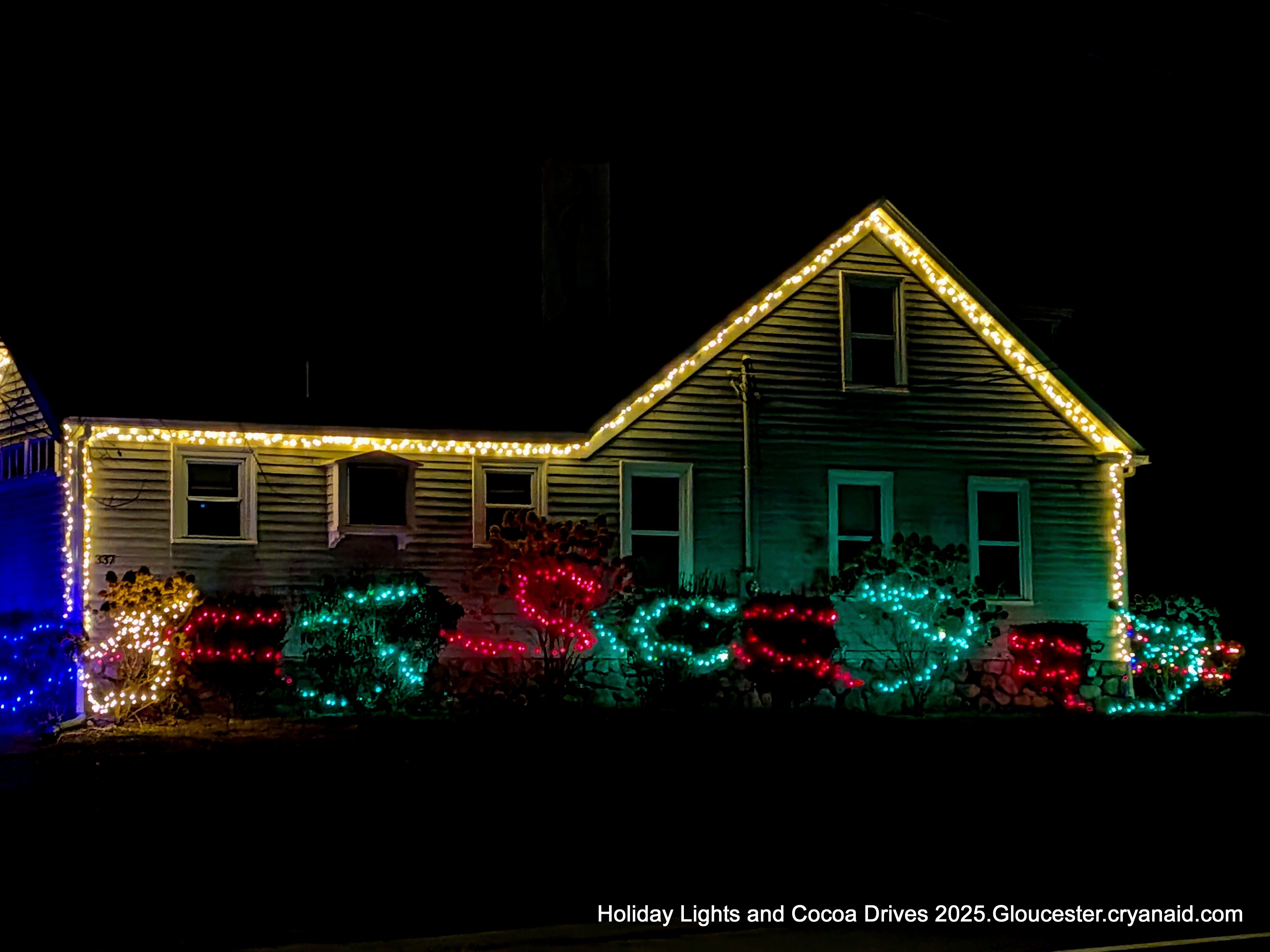
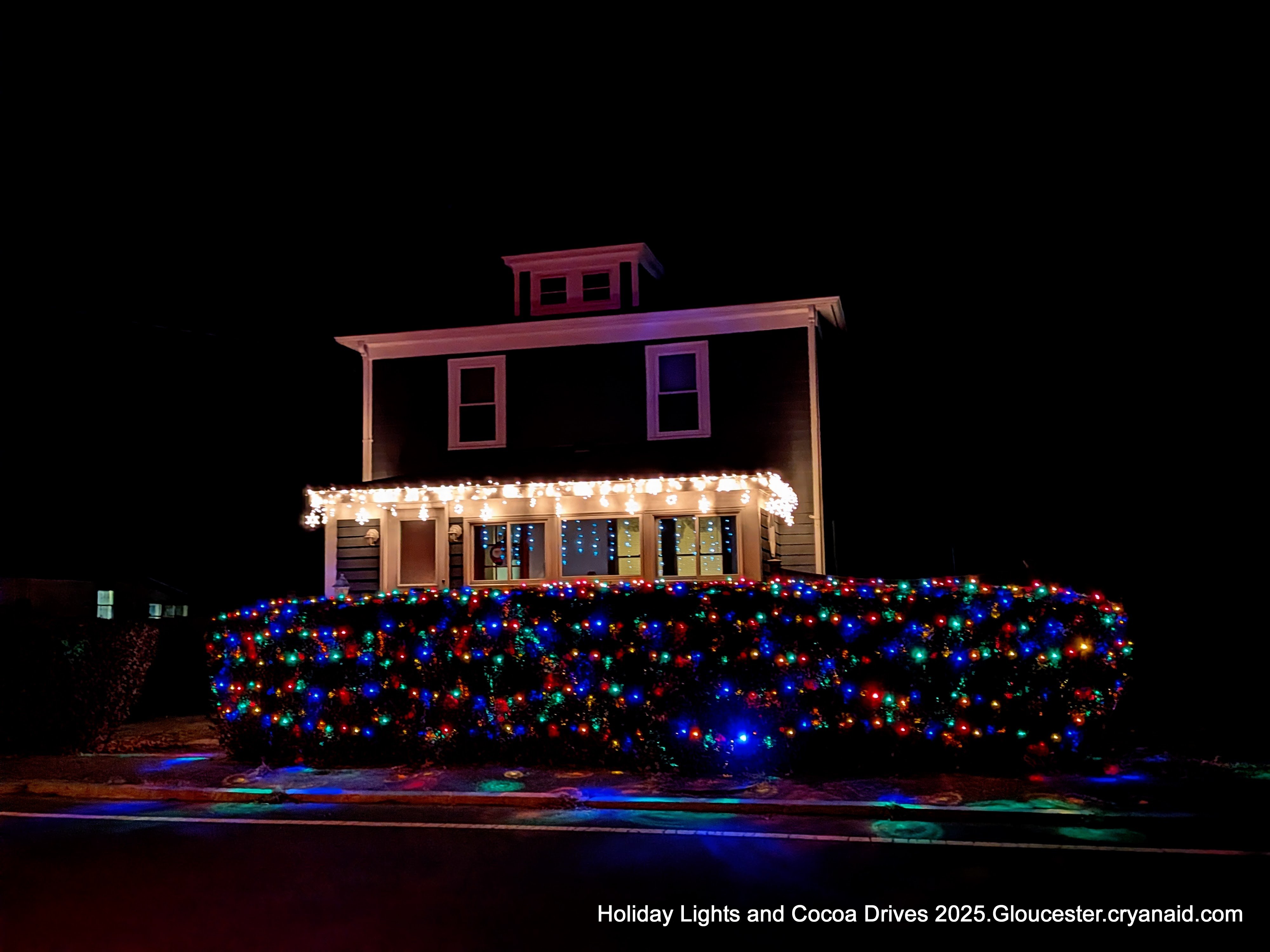
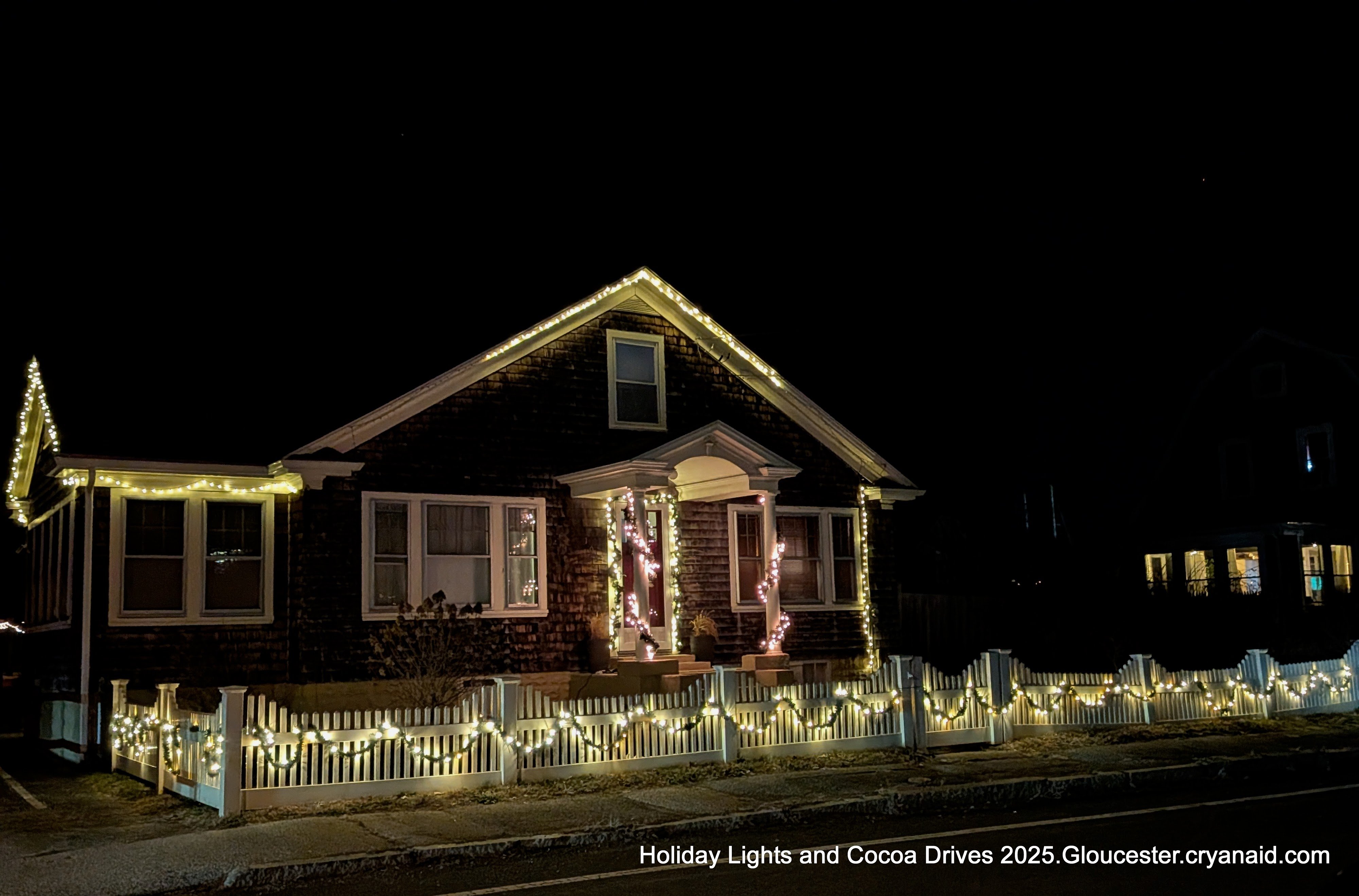
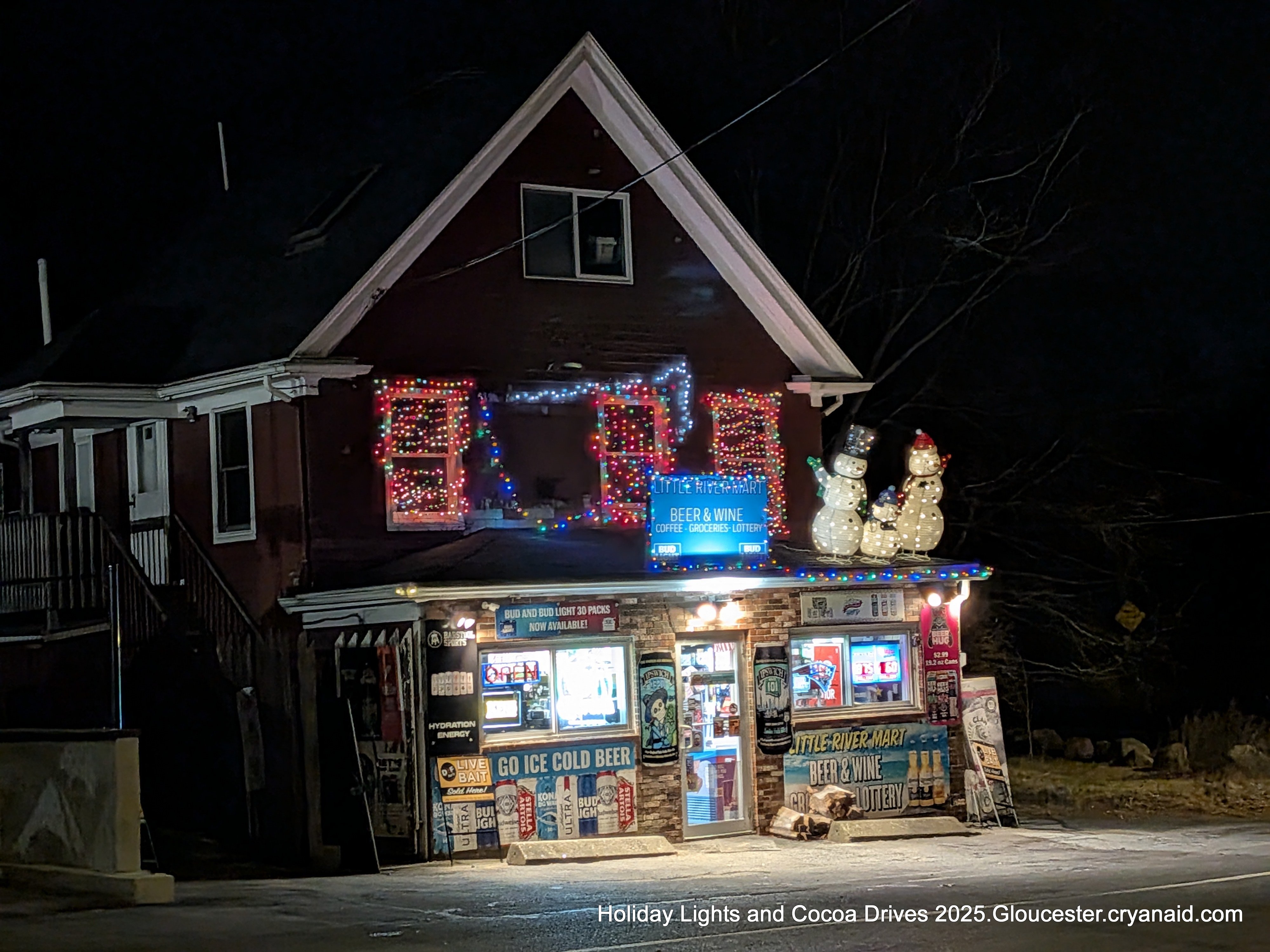
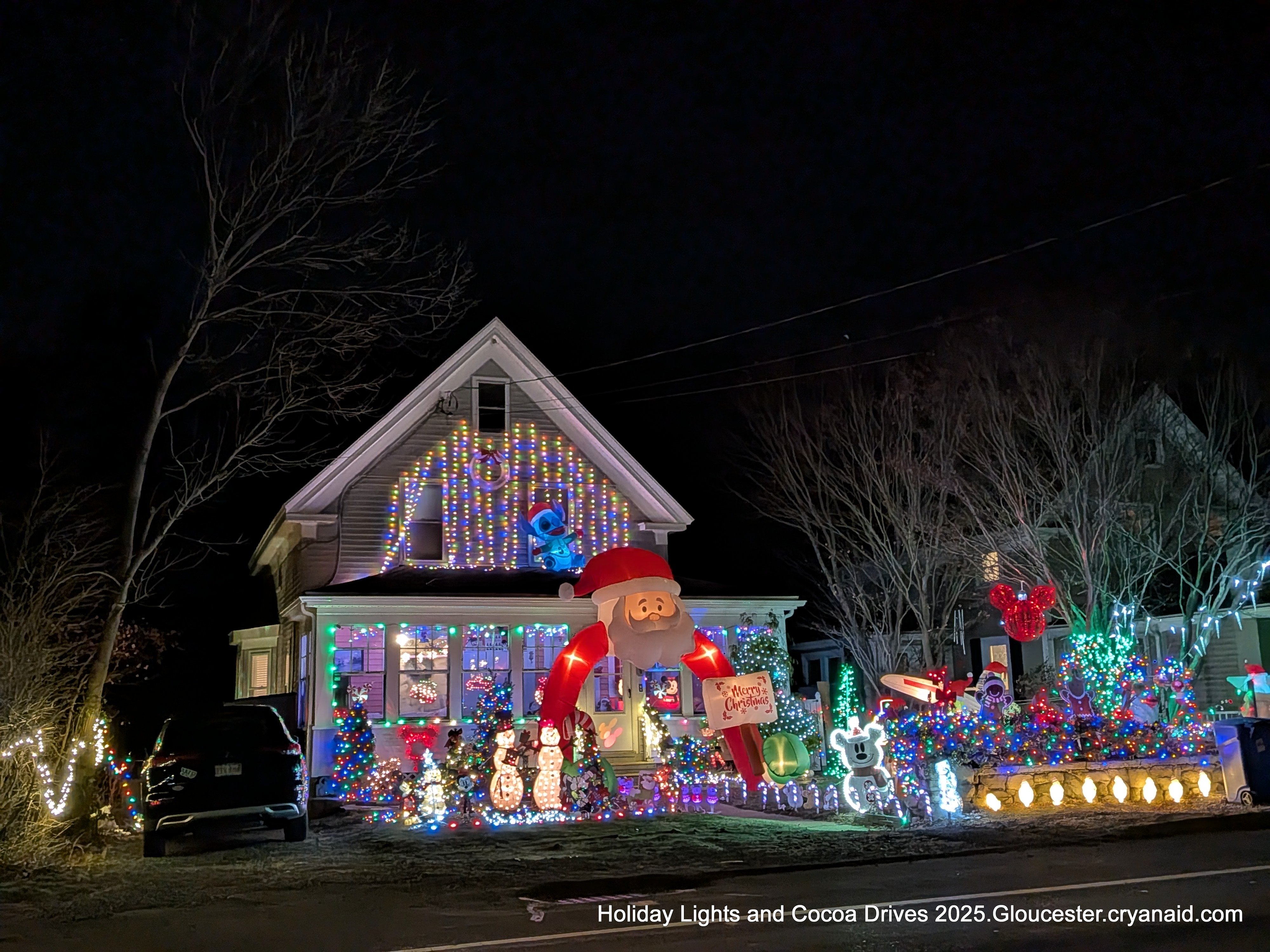
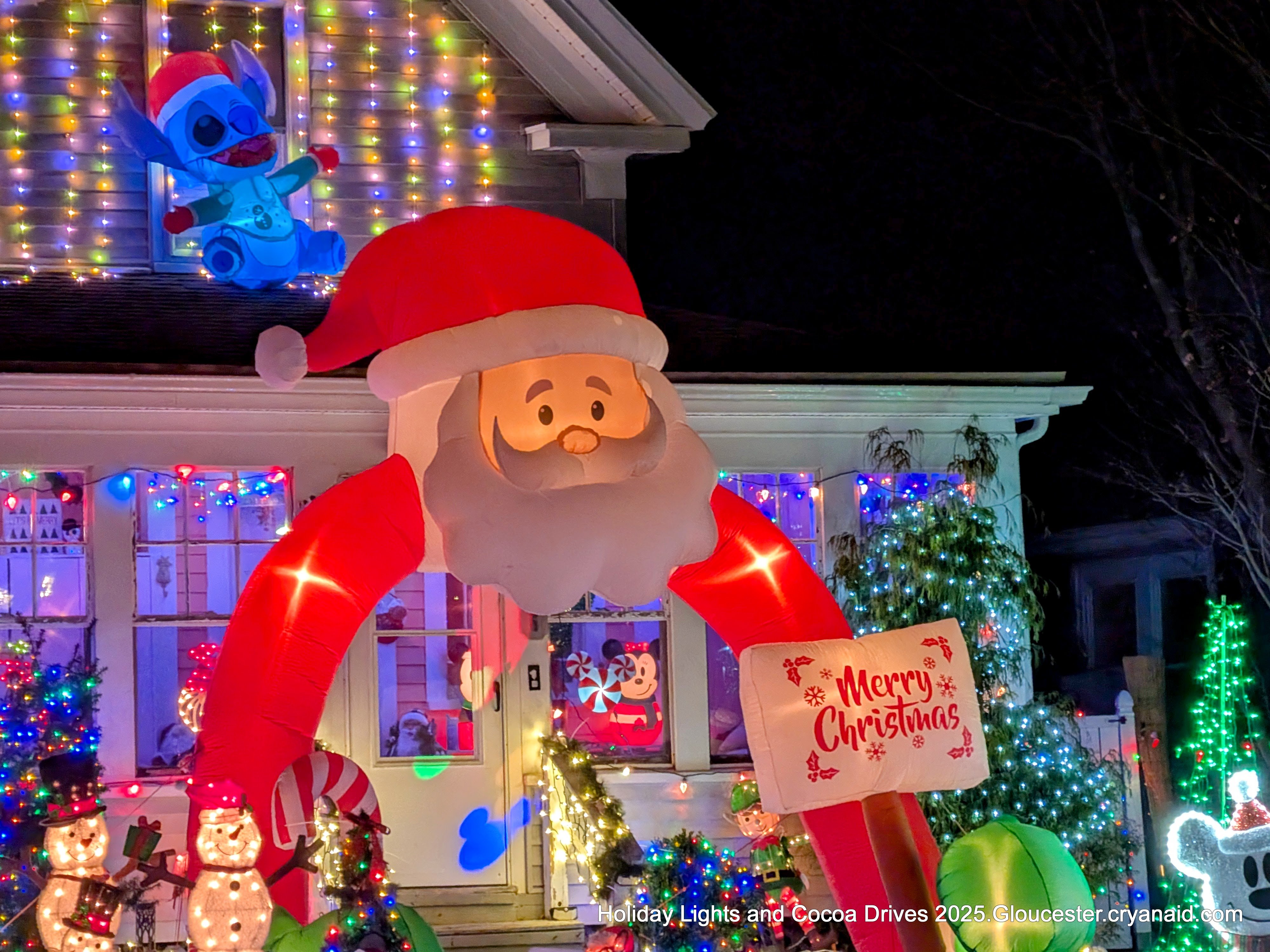
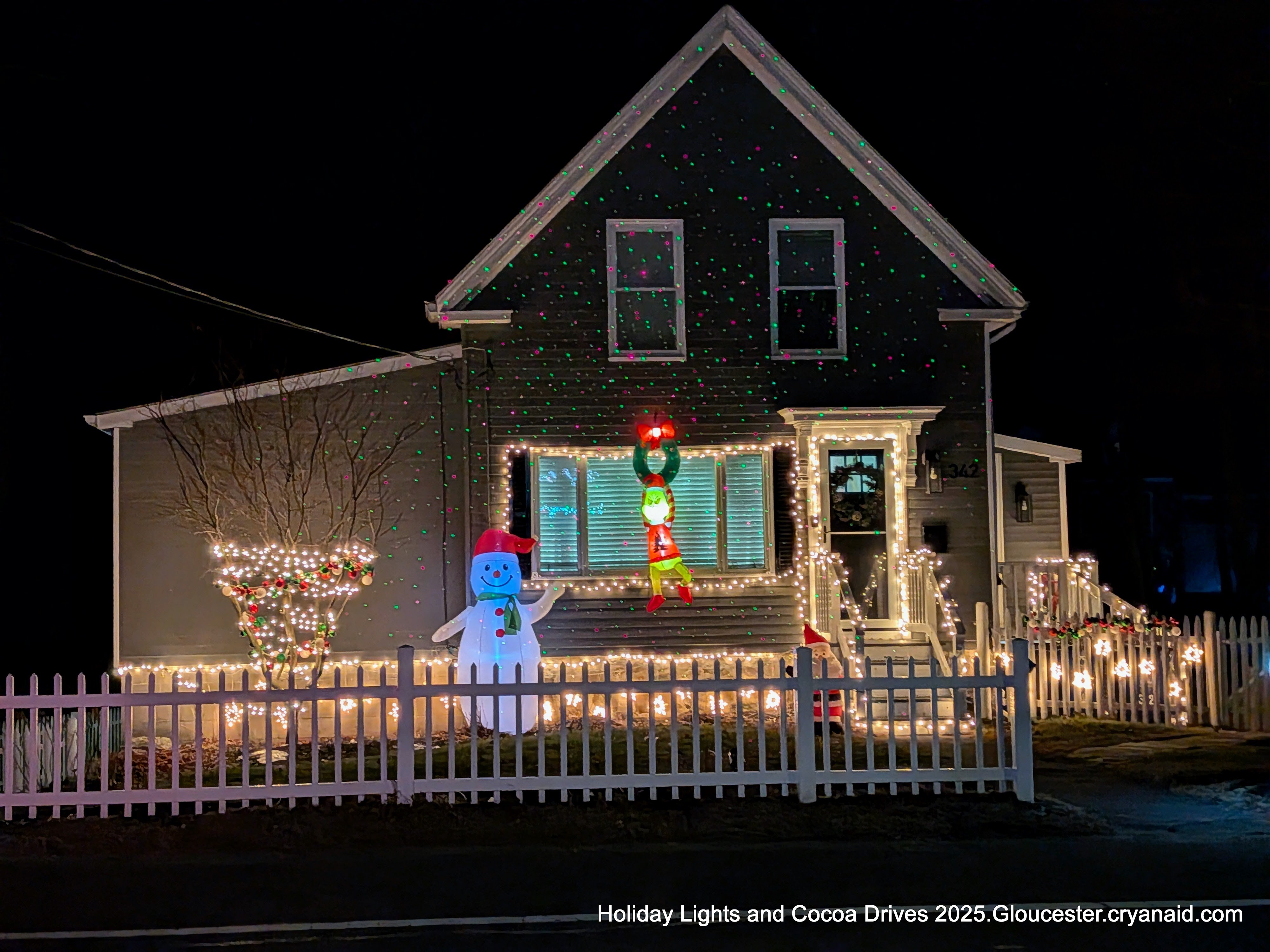
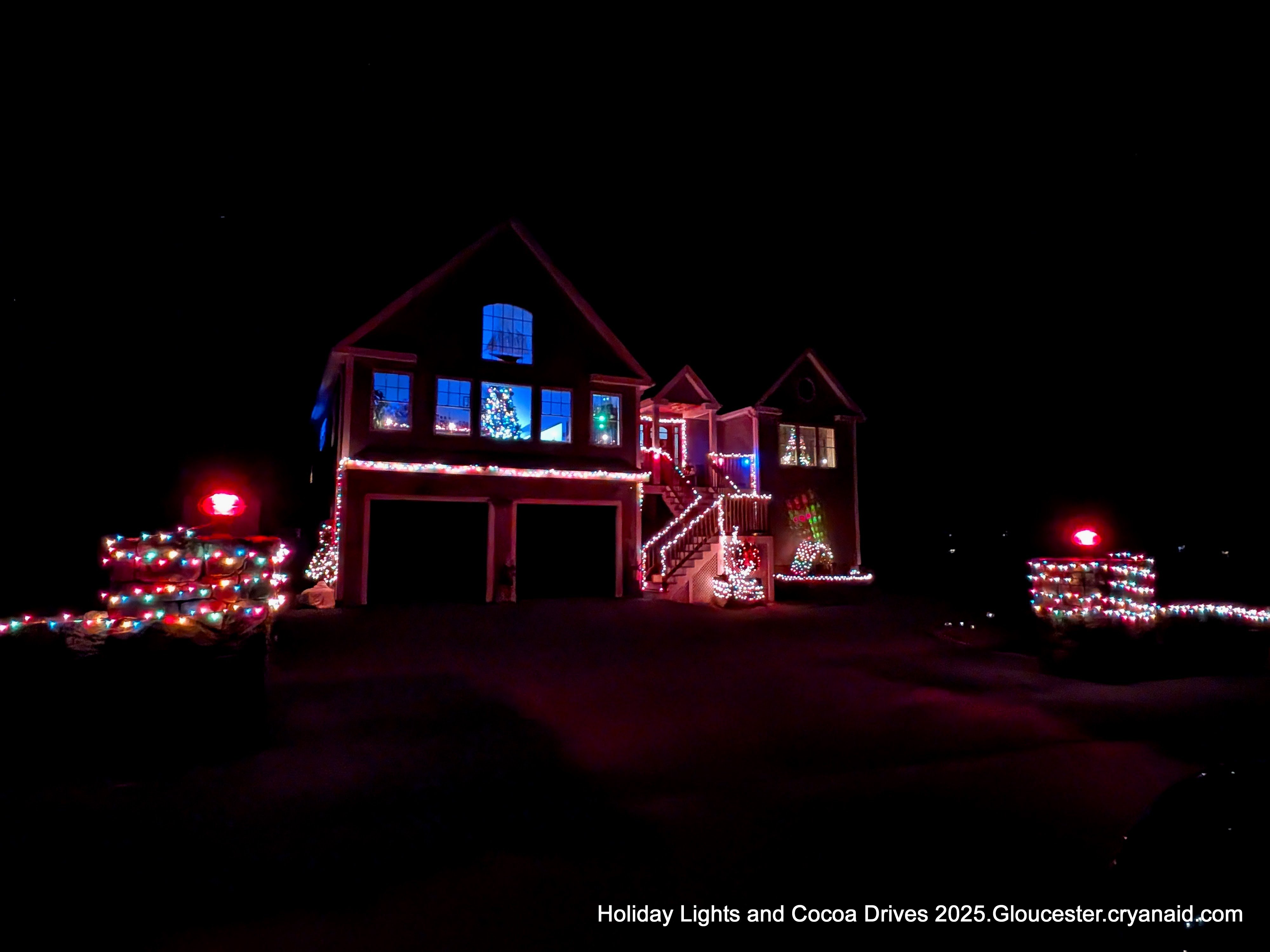
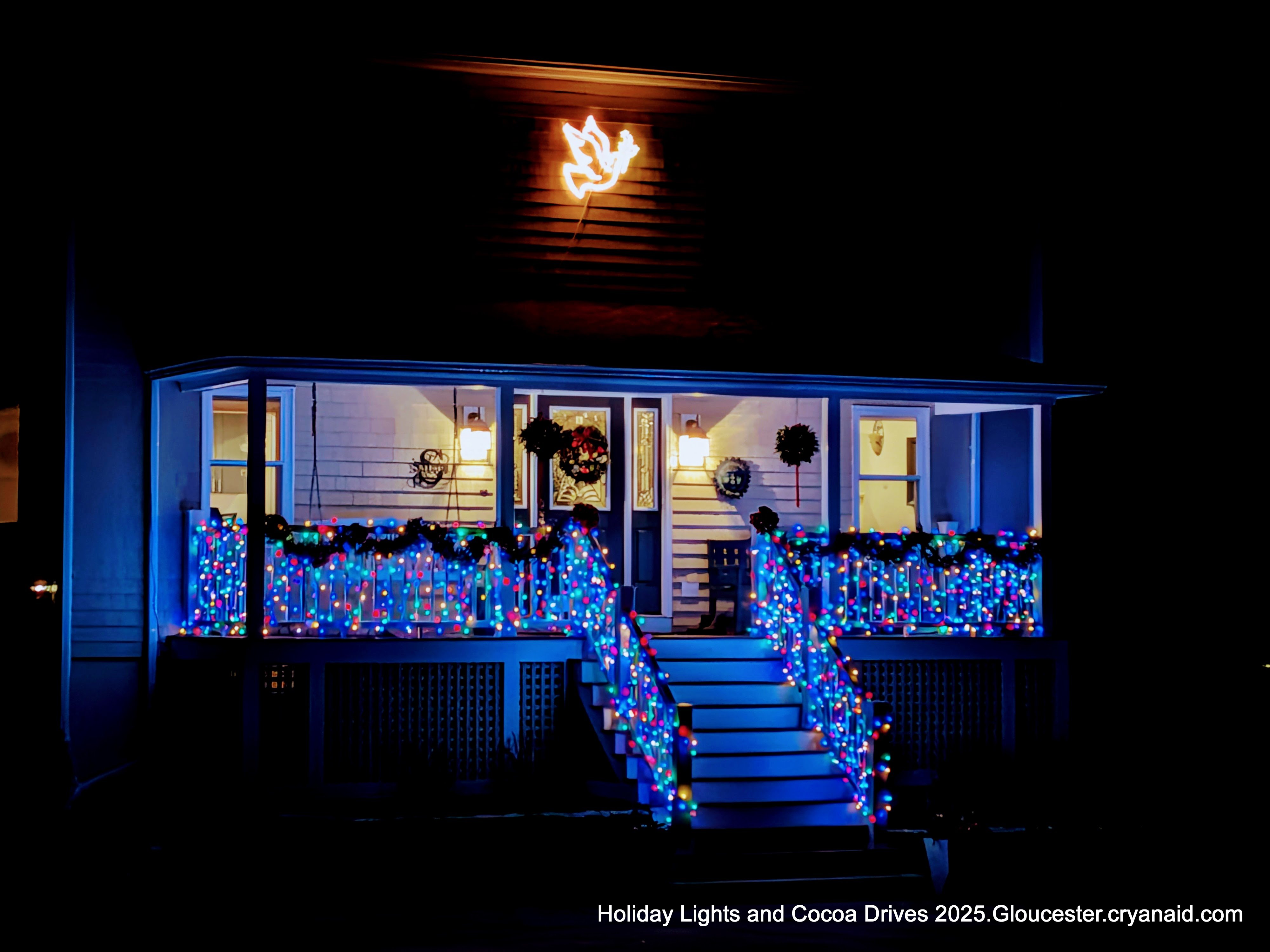
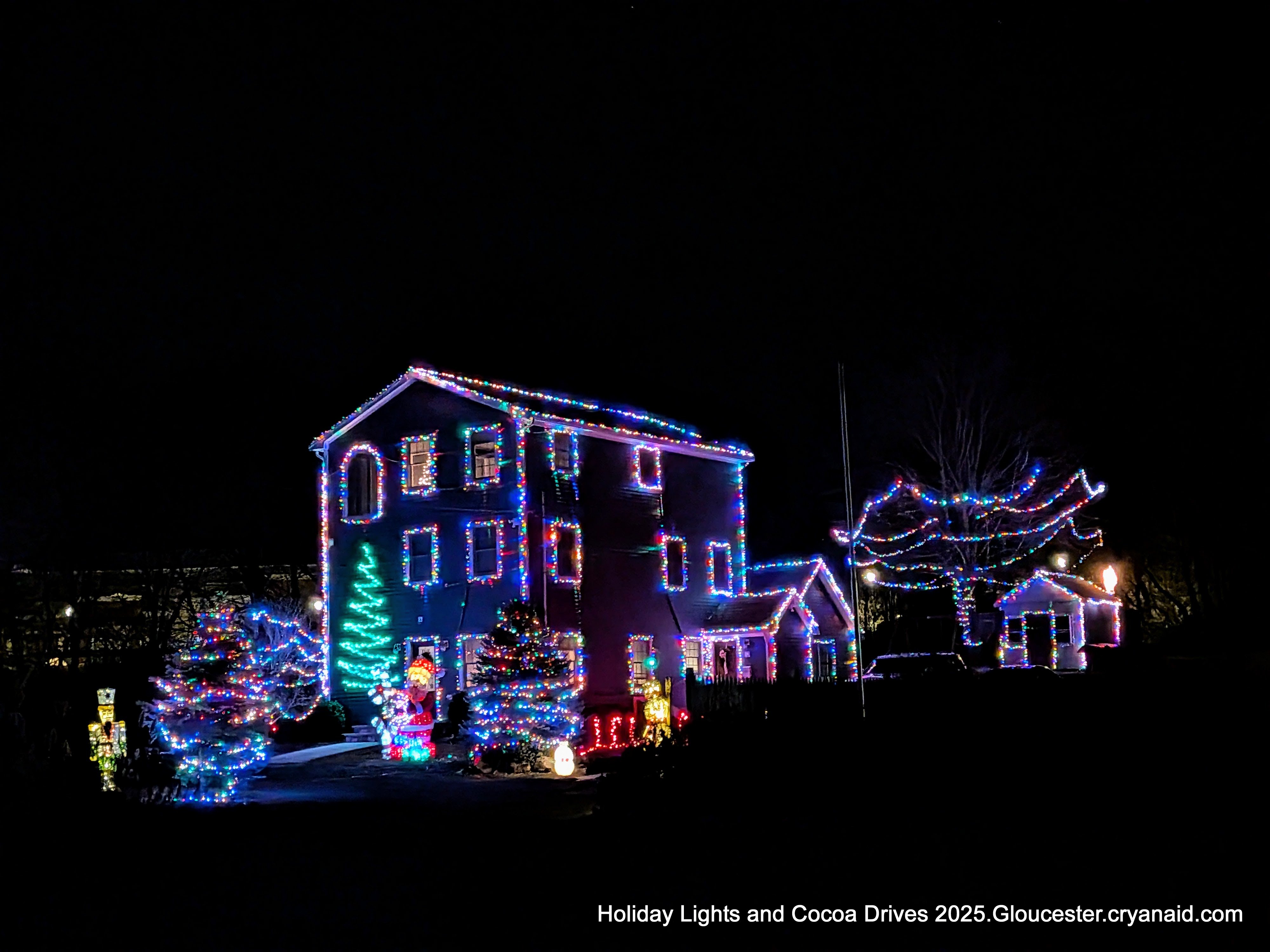
photo block: Here are a few of the decorated Gloucester houses twinkling everywhere you go. With every passing year, a faithful regular may dim, while a new home joins the enchantment. It never gets old. Thanks to all who share their festive gifts of light on winter nights.
Spread The GMG Love By Sharing With These Buttons:
June 5, 2024. Movie tip for this upcoming weekend!
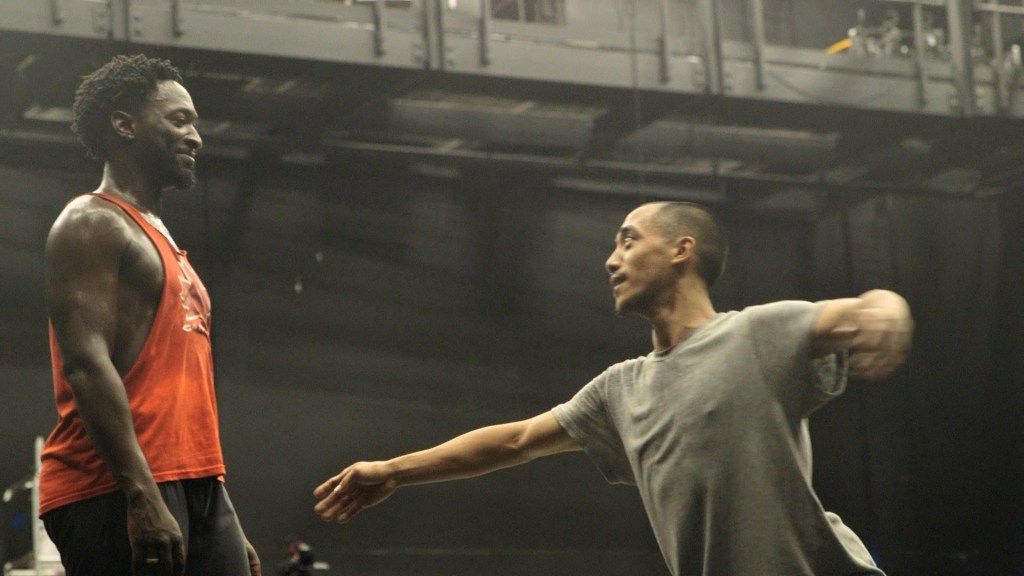
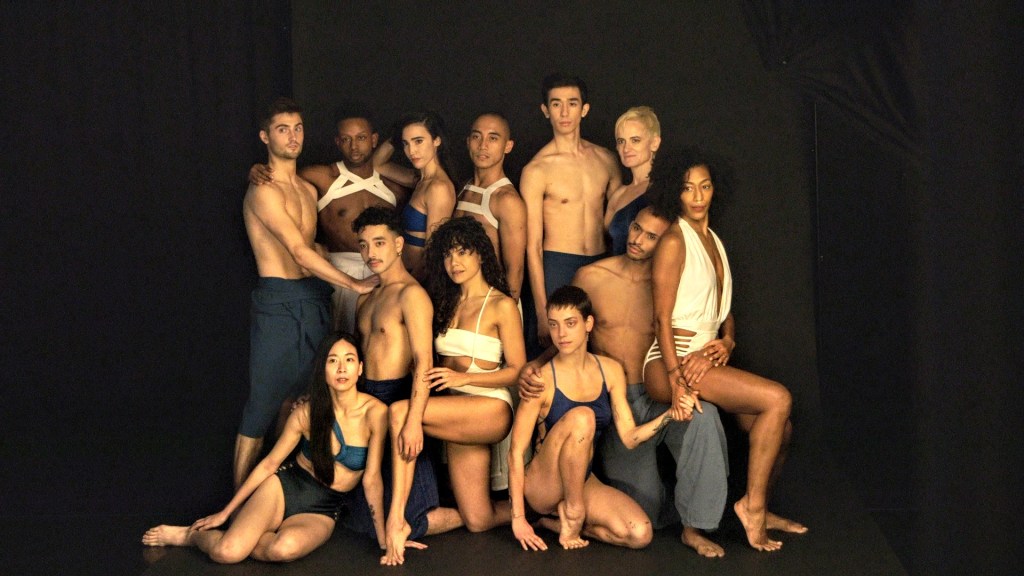
I’m sharing news about a project I’ve been working on that I think GMG readers, film buffs and dance fans would be keen to know. My dear friend’s remarkable movie is building momentum at film festivals. The next screening is virtual thanks to the Seattle Film Festival and its partner EOFlix. This special pre-release screening opportunity for SHAKE THESE BONES is available all weekend at your convenience wherever you may be.
**Friday 5 p.m. (EST) June 7th, 2024 until Monday at midnight (PT) / 3 a.m. (EST)**
ANY SEAT, ANY SCREEN
Viewers select the time and device that works for them anytime June 7 – June 10, 2024! Plus there’s a fun bonus perk: With the All Access Pass ticket ($15), you can enjoy SHAKE THESE BONES plus dip in to curate your very own weekend film festival from the full slate of ‘Official Selection’ films accepted into the Seattle Film Festival 2024!
Seattle Film FestivalFull program can be found online: here
GMG readers may recognize producer Amy Sewell’s award winning film MAD HOT BALLROOM. Gloucester residents may be familiar with it as well, because the Gloucester Public School district like others across the country were inspired to program the 5th grade Ballroom dancing initiative district wide.
Gloucester DPW rehung art throughout City Hall following the 2023 fire & smoke damage. Frames were rewired.
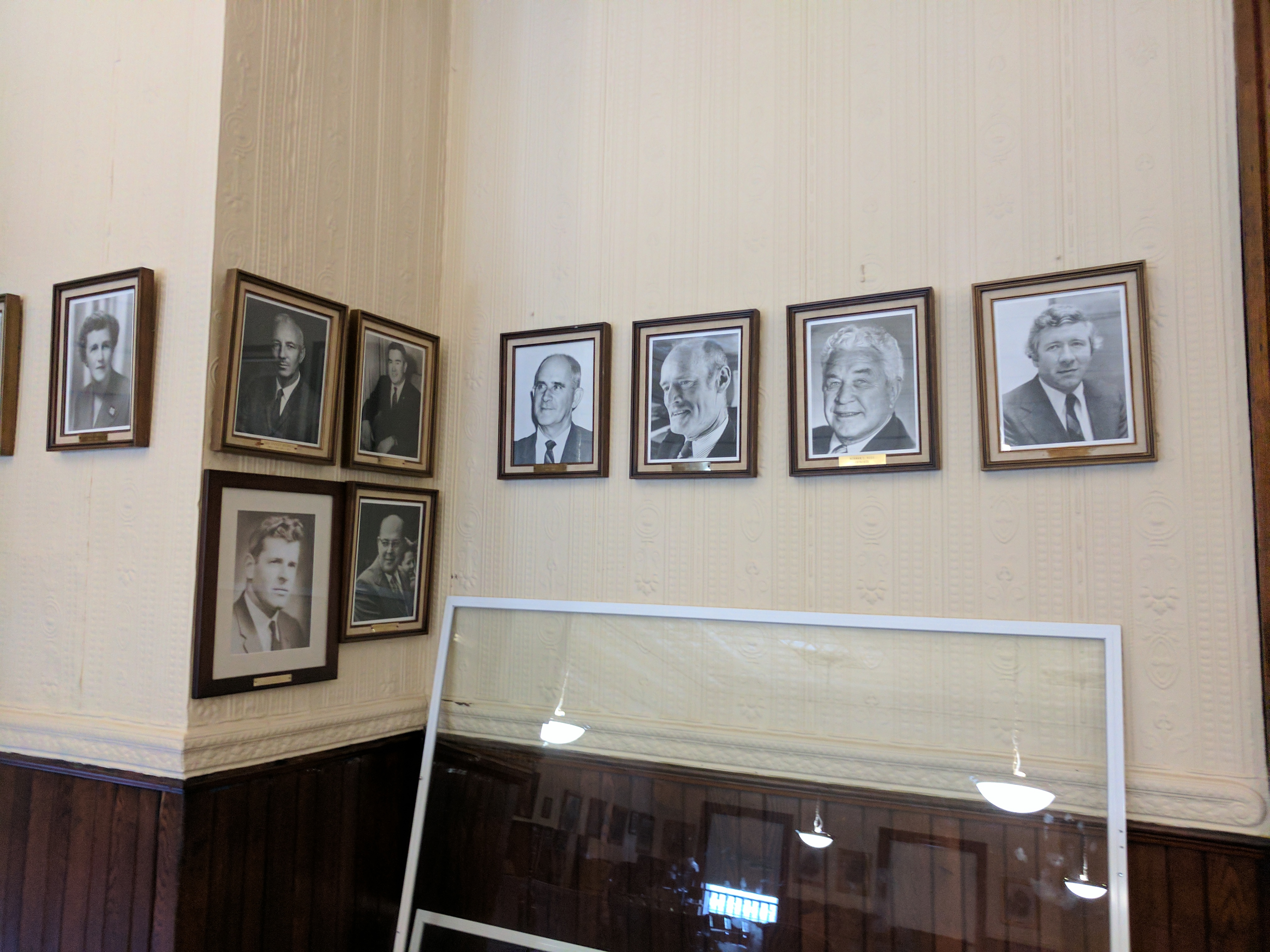
In Kyrouz Auditorium, the Mayors Portrait Gallery installation was shuffled and reordered to incorporate portraits past and future with more to come. Two large Howard Curtis paintings recently donated to the city’s art collection are featured in the main hall.
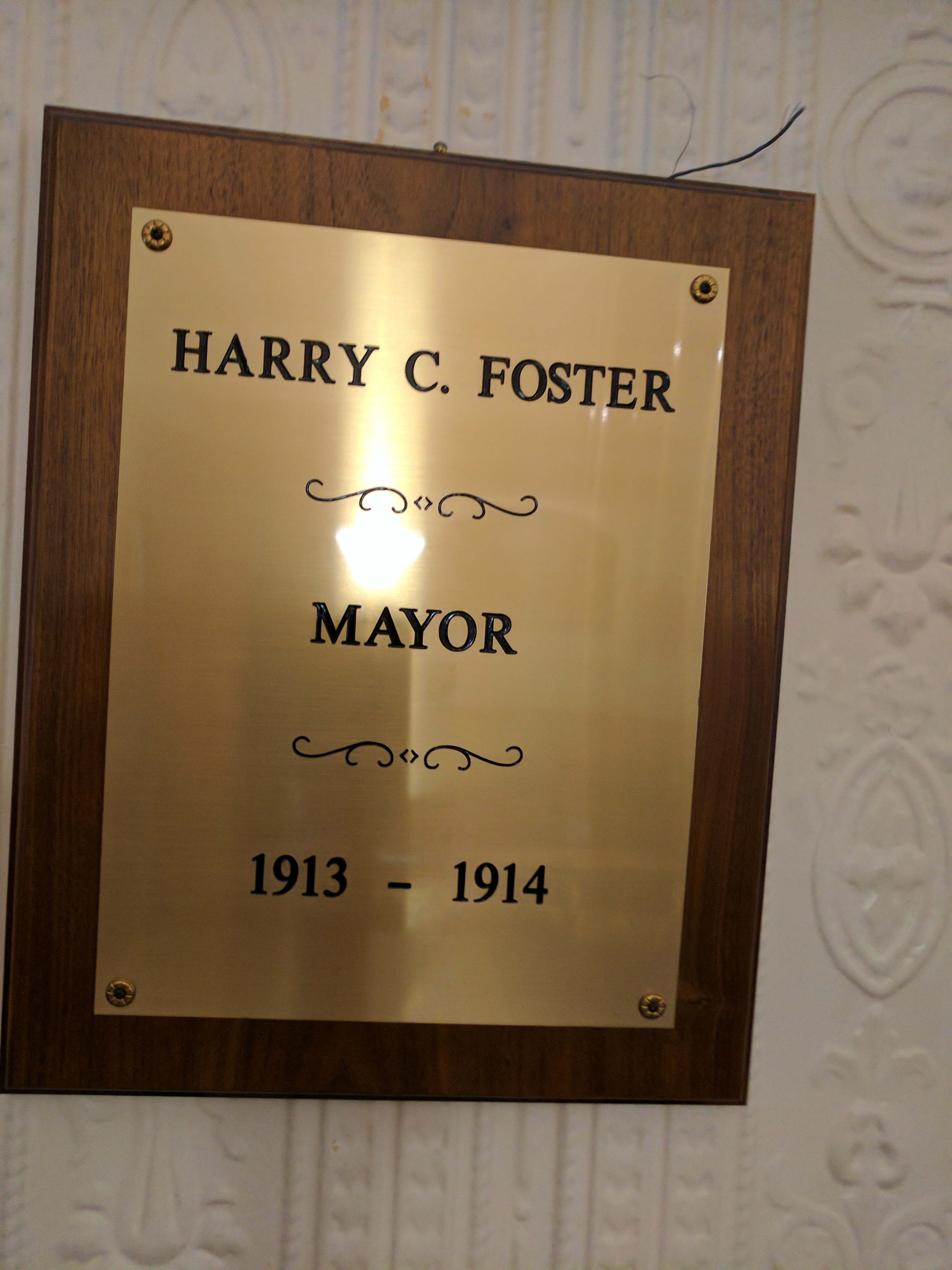
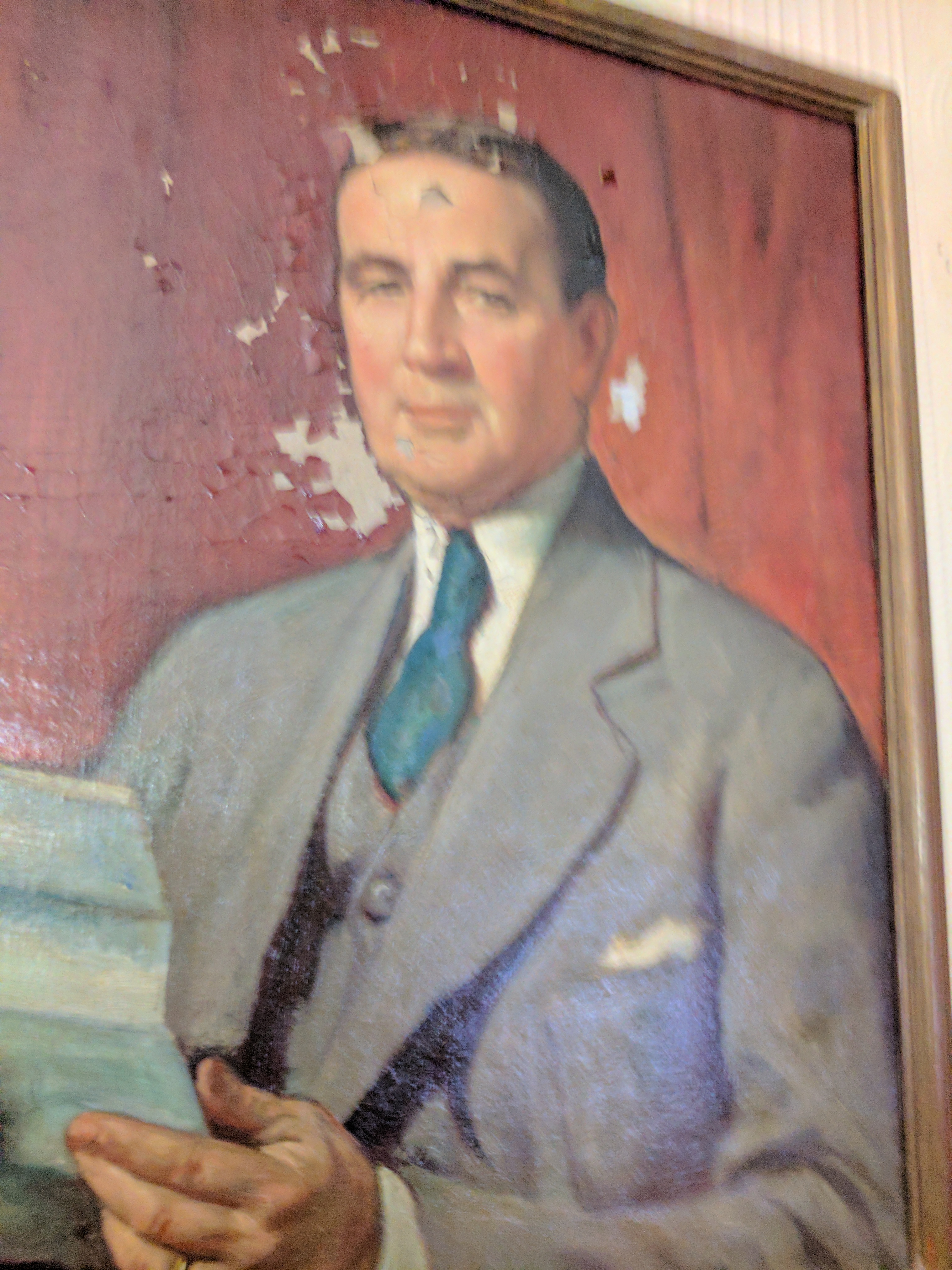
The Mayor Portraits Gallery is extensive, nearly complete, and a work in progress. Mayor portraits are installed following service: A portrait of Mayor Romeo Theken will be added. A poster of the Mayor Barrett portrait will come, the third in a series of poster reproductions for the trio of Mayor portraits painted by Charles Allan Winter (quick, not from life, unprimed, and flaking). I recommended the portrait of Mayor Dyer (A.H. Bicknell, 1879) be brought upstairs in sequence with the others, and that Mayor Merchant be represented (he wasn’t), so it’s great to see those two included. I also recommended that the portrait of Mayor O’Maley be brought back from O’Maley school and one future day a portrait of Mayor Foster (rather than a plaque) and perhaps a larger portrait of Mayor Beatrice Corliss be commissioned.
As is common with Gloucester DPW, the staff admires the architectural details and history of the building. Here, Joe and Jim take in the ‘scenic overlook’ from the balcony. Jim talks about the Kyrouz ceiling lights: the original engineering mechanism that drops the fixtures so that the bulbs can be changed remains operational.
2023 custom scaffolding set up CLEANING CITY HALL CEILING AFTER THE BASEMENT FIRE/SMOKE DAMAGE
The ceiling is sparkling because workers could reach it from atop a specialty scaffolding platform (a la Michelangelo :)). Images: Kyrouz Auditorium, City Hall, 2023. Courtesy photos, Joe Lucido, Asst. Dir. DPW
Look up!
On the Dale Avenue entrance side of City Hall, above the fire & smoke incident, the stairwell walls and ceiling received attention, too. The facilities remediation project was smartly directed by DPW.
City Hall 1867 1869 1871
photo: 2013, C. Ryan
City Archives is open and as ever ready to help!
Spread The GMG Love By Sharing With These Buttons:
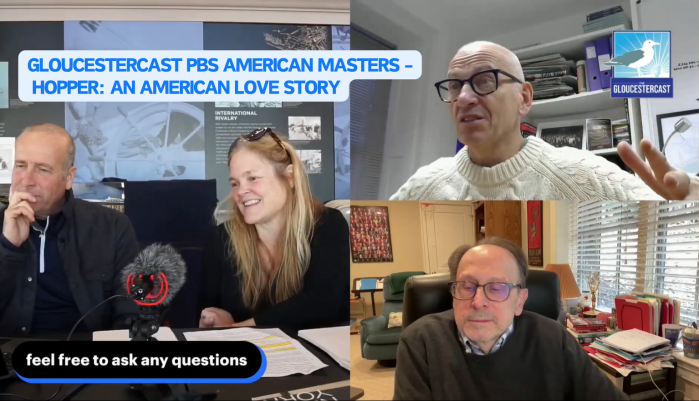
Interview hosted by Joey Ciaramitaro with Michael Cascio and Phil Grabsky, award-winning filmmakers who collaborated as co-writers and directors on PBS American Masters | Hopper: An American Love Story , a documentary that premieres nationally on PBS January 2, 2024 at 9pm.
Despite being one of America’s most iconic 20th century artists, Edward Hopper has not been the subject of an American Masters biopic until this feature.
Press play to listen (audio)-
Press play to watch and listen (video)-
This interview was broadcast from the Maritime Gloucester museum in Gloucester, Massachusetts on December 21, 2023. Host: Joey Ciaramitaro and Catherine Ryan with support from Pat Dalpiaz.
TOPICS INCLUDE
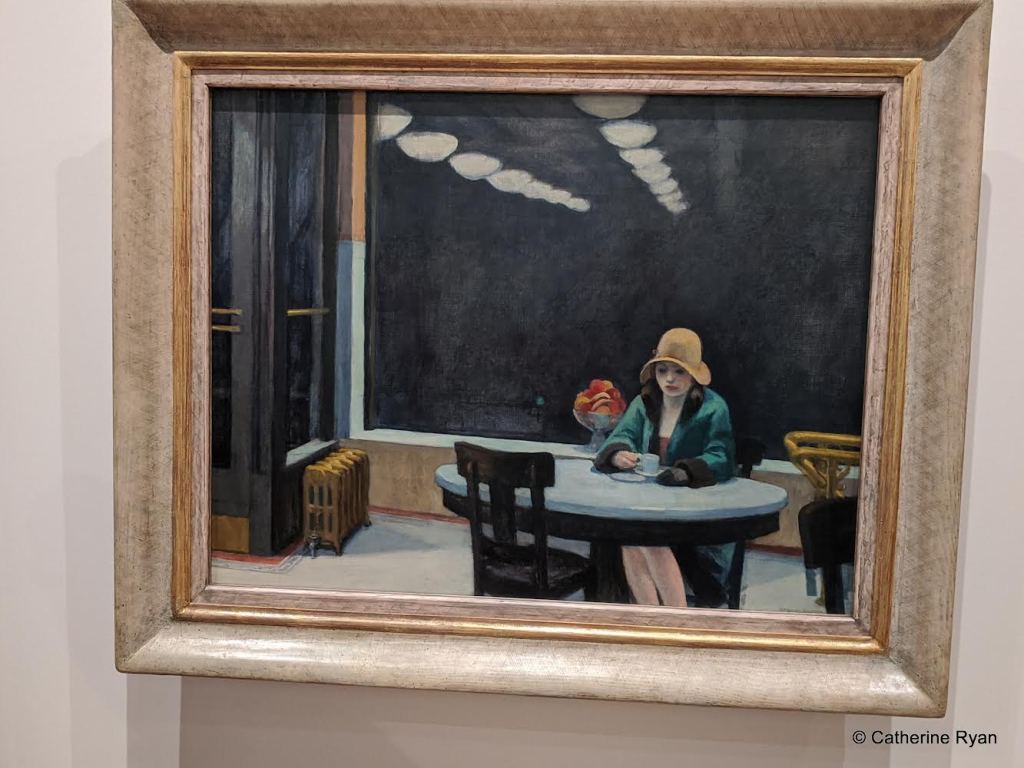
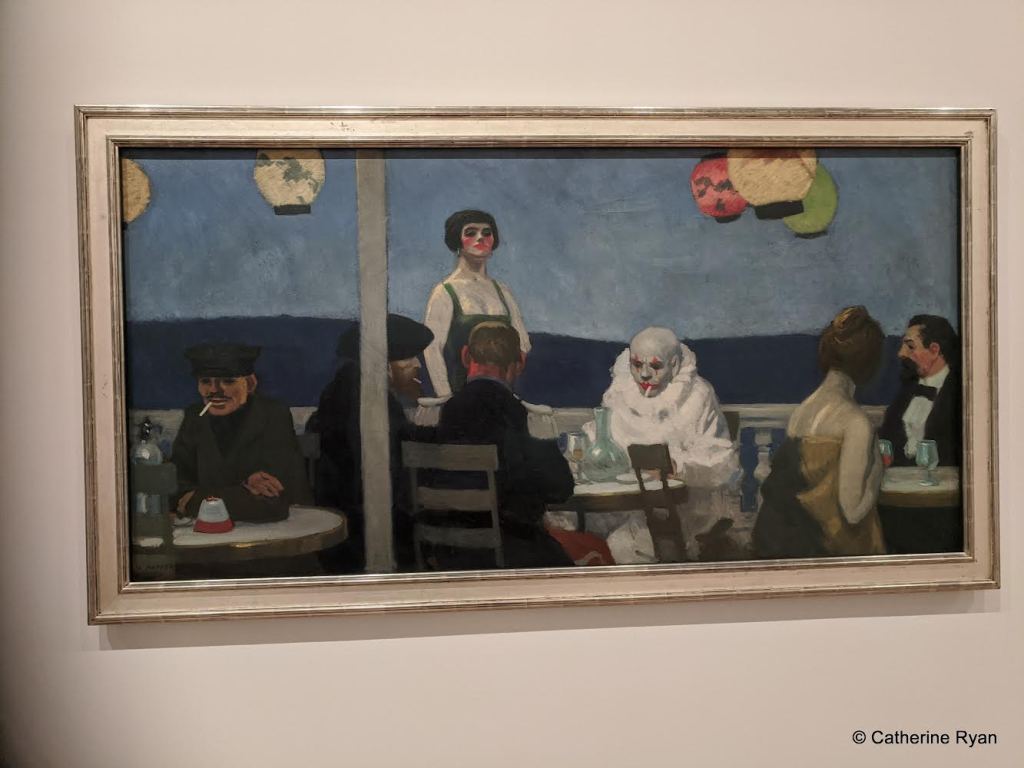
Michael Cascio (filmmaker); Phil Grabsky (filmmaker); the choice of the title (at 8:00min); Edward Hopper; Josephine Nivison Hopper (spouse & fine artist); the origins of Edward Hopper’s and Jo Nivison Hopper’s collaboration; the filmmakers’ access to locations of significance that inspired Hopper’s art (his formative years in Nyack where he was born and raised, Paris (33 min), Gloucester (15:22 min), Truro (Cape Cod), and Washington Sq. North in NYC; more Gloucester, Sebastian Junger & The Perfect Storm; Hopper artworks Nighthawks, 1942 (23 min and lengthier dive at 26:40 min), Soir Bleu, Automat 1927, and The Mansard Roof (18:14 min); showcasing archives rare color footage of Edward Hopper interviews (21:00 min) and Jo’s diaries (23:00 min); Hopper’s cinematic qualities (26 min); solitude; luminaries mentioned in passing such as Mozart, Vermeer, Rembrandt; recent Edward Hopper exhibitions at the Whitney Museum (Hopper’s New York), Cape Ann Museum, and the Hopper House Museum (which featured work by Jo Nivison)
Michael Cascio (2:58): Mentions Cape Ann Museum and Whitney: “The most important thing was the art.”
Phil Grabsky (3:21): The first Hopper exhibit I saw as part of this project was in Nyack which is fantastic, a wonderful place where Hopper was born and lived…fortunate that they had an exhibit of Josephine Nivison’s work…hadn’t happened very often since she met Edward Hopper in Gloucester…One of the great revelations of the film of course is you can’t understand him without understanding her and that is all cemented in Gloucester…
Michael: Film is done for American Masters on PBS that specifically looks at person and relationship to what they do. When I realized that American Masters had not done one on Hopper, which was a big surprise because they had done Wyeth and Rothko and others,…”
Joey Ciaramitaro (8:00 min.): How did the title Hopper An “American Love Story” come about?
Michael (13:00): Jo picked up the thread. She was the opposite…Story of modern day, of a wife giving up a very promising career to promote his…”
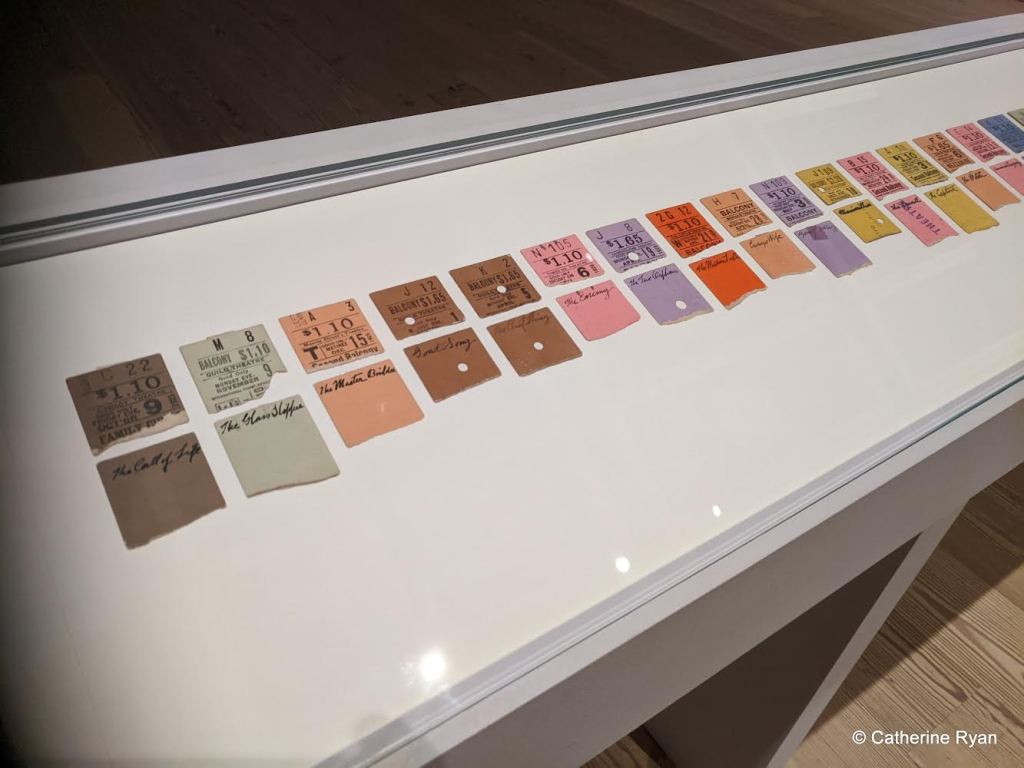
Phil (13:50): Also have to look at the evidence…The Whitney exhibition, Hopper’s New York…featured (theater) ticket stubs–multi-color torn in half, and they’d write on them what they’d seen–in a fantastic display case. You cannot understand the paintings which are iconic without understanding his biography, and you can’t understand his biography without understanding their relationship…
Joey (15:22): Edward Hopper and Jo Hopper clearly painted side by side in Gloucester. St. Ann’s steeple, if you’re from Gloucester, you know that site right away…
Michael: It’s amazing. Visual proof right there.
Phil (16:30): Surely you know in your community, what’s so attractive in Gloucester to artists and so many artists would come and paint (Joey: the light) boats, and fishermen. Hopper paints the front of buildings. What’s so great in Gloucester, and the film has these dissolves, these buildings are still there…You can see exactly what Hopper was painting. It’s fascinating to see how he transforms the 2-dimensional canvas into a painting. It really kicks off his career. Without Gloucester…
Michael (17:50): You can make the case without Jo there wouldn’t necessarily have been Edward Hopper. Without Gloucester there wouldn’t have been the two of them. It was a meeting point for both of their lives…
Joey (18:14): Was Mansard Roof the painting?
Catherine Ryan (CR) (18:30): You kick into Gloucester about 14 minutes into the documentary and the music changes. And it’s a light piano…
Michael (18:43): It’s a love story at that point. They’re falling in love. It’s a great moment. It’s essential to the story. It’s the pivot point for the entire story. And I think that’s part of what’s different in this particular documentary…Jo’s influence and the beginnings of which are in Gloucester are central to the story…
CR1(19:50): Can you tell us about the voice overs, the process working with them and getting such big notables (JK Simmons reading Ed and Christine Baranski reading Jo)
Michael (20:06): Our friends over at PBS (and the pandemic and the actors’ strike)…Christine Baranski was the perfect voice…They’re all wonderful. Christine Baranski was Jo personified.
Phil (21:00): Adds the first thing you do when you’re making a documentary film is try to find correspondence…letters, for more recent artists filmed interviews, video interviews. Because then you get their actual voice…Our fear with Hopper…can you imagine a very successful artist basically not interviewed (on the cover of Time magazine), he was almost like a recluse at times, but really what’s the reality?…when he does speak, when he writes a newspaper, when he does give an interview, he is extremely…What are the pictures telling me?
Joey (24:30): I found the interviews that you include fascinating and show that he cared about his legacy. He was not aloof.
Michael : You can see he’s thoughtful in the black and white earlier interview. And the color one which we dug up in the NBC archives which no one as far as I know had done anything of substance with it. He’s reflective. Back on his career and shows humor. He’s extremely observant about his career and his own work. There are no accidents. He’s very aware.
Phil (25:41): There’s an interesting point you raise there which is the extent to which he cared about what he thought after he died. (26:05 segues to cinematic qualities in Hopper’s work.)
Michael (27:25): And why am I, are we, so attracted to it…people bring their own views…Maybe the solitary aspect of it or communal…
Phil (28:26): What we do in the film is provide a chance to look at it again…
CR (29:00): I admired how you let the curators/experts’ personalities come through. They’re all seated. They’re almost all like Hopper (paintings)…I thought the film structure mirrors the artist’s process in that way. You let the art speak and the people interpreting.
Michael (30:00): The art is the star. The art tells the story. We’re not going to mess with it…As a result there are 30 or 40 images there that help tell the story. We didn’t skimp!
Phil (30:50): You want to have the audience have the questions in their minds before you give them, or some of the answers…
Continue listening! Find and/or download the Gloucestercast podcast 701 here
Images: Edward Hopper artwork discussed in the interview
Spread The GMG Love By Sharing With These Buttons:
When you subscribe you need to verify your email address so they know we’re not sending you spam and that you want to receive the podcast or GMG in your email. So once you subscribe check your email for that verification. If you don’t see it, check your spam folder in your email acct so you can verify that you’d like to get them via email subscription.
Topics Include:
Please share the podcast! If you share the podcast while we are taping we will write down your name and you will be entered into a drawing to win a prize that we will choose about 2/3 the way through the podcast.
Join the livechat here: www.facebook.com/goodmorninggloucester share the podcast while we are live and type “shared” in comments to be entered to win prizes we draw at the end of the podcast.
Spread The GMG Love By Sharing With These Buttons:
Happy New Year’s day! While thinking about 2021, I was looking back. 1900 seemed as good as any to share a fresh new chapter “then” story.
Bumpy Ride
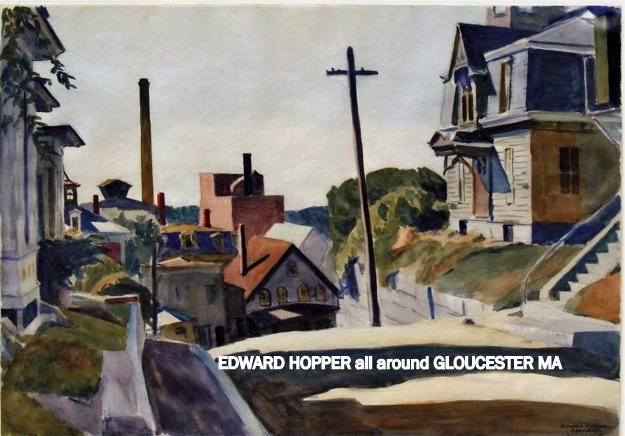
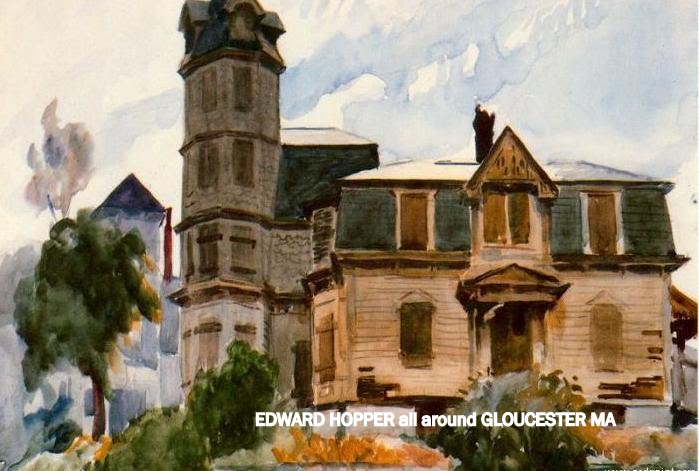
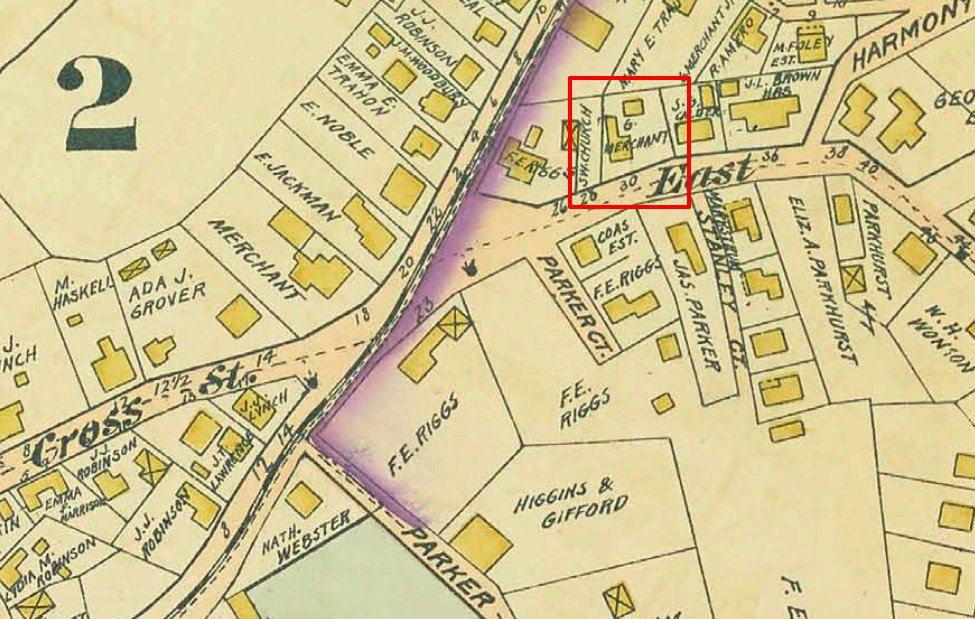
Let’s just say fasten your seat belts; reading about Mayor Merchant’s term is a bumpy ride for the entire year as reported in the Boston Globe. Heated exchanges dominate. Smaller items about conservation and deed issues related to Dogtown, Good Harbor Beach, and Briar Neck real estate development are detailed. I knew some details about Mayor French’s terms but did not run into Mayor Merchant before. I recognize the surname Merchant/Marchant as Gloucester history. Prior to this post I mostly associated Merchant with the street that was one of so many in Gloucester to inspire work by American artist, Edward Hopper.
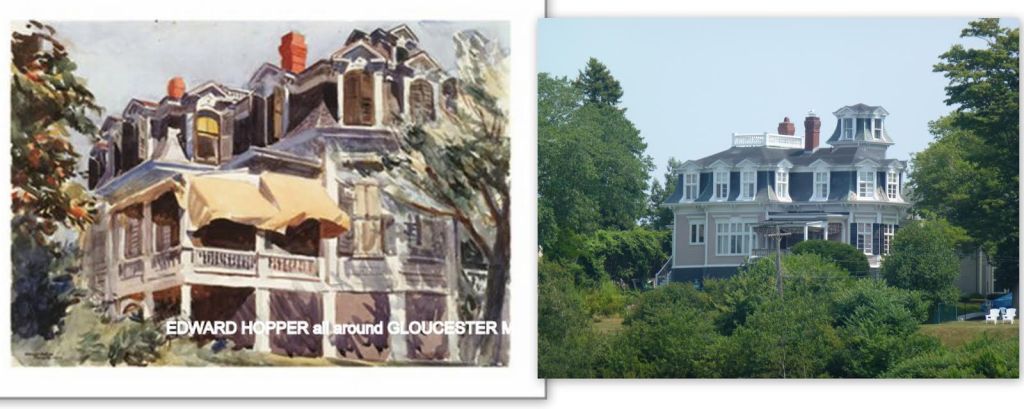
photo caption (see Edward Hopper all Around Gloucester): Marchant St. Hoppers. On left Edward Hopper. The Hill. 1926. Watercolor over graphite on paper. (Note the Victorian House on the right.) | on right Edward Hopper. Victorian House. 1923. Watercolor on paper. Whitney Museum of American Art, New York. Josephine N. Hopper Bequest.
On some lists of Gloucester Mayors, he’s (conspicuously) not there. (Biographical details unroll at the end. Also, photographs of all the Mayor portraits.)
No Mayor Merchant
All heads south immediately following the swearing in, and I mean immediately. The Mayor address advanced to the paper is standard, rosy and prickly, not uncommon.
New Year’s Day, 1900 – Mayor Merchant of Gloucester
Gloucester, Jan. 1- Establishment of a City Workhouse, and Investigation of Assessing and Fire Alarm Systems Urged
The inauguration exercises of the city government for 1900 took place this morning in city hall. As usual, a large number were in attendance, the especial point of interest being the reading of the inaugural. Those who expected to hear a plain and straightforward statement of certain facts were not disappointed, as the inaugural certainly treated certain matters in a trenchant manner.
The chapters in relation to the administration of highways, the debt of the city, revaluation, the need of better discipline in the police force, recommendations in regard to an equitable reduction of water rates were received with especial favor. The inaugural made a distinctly favorable impression.
In considering the finances, he said that the city’s liabilities were $829,243.72. The net debt is $368,211.04, an increase of $77,713.72. The reserve amount which the city now can borrow is $22,496.78.
The following recommendations were made: The appointment of a special committee to investigate and report to the city council as to the present system of valuation of the city by the assessors, and what action, if any, is needed to secure more equitable taxation; an investigation and report by the committee on fire department as to the needs of an improved fire alarm service and the probable cost; the abolishment of the public library fund, a special committee to consider carefully the question of the scale of the poor farm property, and what may be done toward the establishment of a city workhouse, which would be such in fact as well as in name; the appointment of a joint special committee upon water, to act with the water commissioners upon all matters relating to the purchase of the work, the improvement of sources of supply, and to suggest in what manner an equitable adjustment of the rates may be made; that no claim made against the city be paid without first having had a reference to the proper department and report thereon in accordance with the advice of the law department, and the appointment of a special committee of the city council to investigate all matters relating to the collection of taxes, and to suggest how best a way may be found for better service in this connection.
The mayor advocated a gradual revaluation of the city, saying he believed it to be the duties of the assessors to look carefully into the matter. Under the subject of highways, the mayor took occasion to criticize adversely those having them in charge the past year, while those officials who were brought in close contact with the work performed were roundly scored. The schools, fire department and trust funds were kindly criticized in the interest of advanced ideas and business judgement. Regarding the police and the matter of license, the mayor emphasized the statement that while not looking for any difficulty in this line the police must do as they were bidden and observe discipline.
City clerk Somes administered the oath to the Mayor elect Merchant, after which the keys of office were delivered to him by Mayor French. Mayor Merchant administered the oath to the following aldermen: Ward 1 Alphonso Davis; ward 2 Osborne Knowles; ward 3 Levi J. Hotchkiss; ward 4 Edward H. Quigley; ward 5 Albert H. McKenzie; ward 6, William J. Sleep; ward 7, William L. Allen; ward 8, James W. Ingersoll.
The following members of the common council were also sworn in: Ward 1, Austin F. Coombs, Addison W. Bailey, John W. Gaskell; ward 2, John F. Riley, Samuel J. Somers, Melvin Parsons; ward 3, John J. Cunningham, Frank W. Lothrop, John A. Stoddart; ward 4, Ernest S. Parsons, John J. Sullivan, Ray S. Friend; ward 5, James E. Tolman, Samuel W. McQuinn, Thomas Hodge; ward 6, Addison G. Stanwood, Samuel P. Favor, James A. Lawrence; ward 7, William Stephens, Charles C. Smith, Thomas F. Wherty; ward 8, Ephraim R. Andrews, James M. Chadbourne, Howard T. Bray.
After the reading of the inaugural the boards proceeded to their respective chambers for organization.”
– From “For Year 1900: Recommendations Made by Bay State Mayors. How Government of Cities Can Be Improved. Necessity of Practicing Economy Where It Can be Done Without Detriment to the Public Good. Questions of Finances, Schools, Water. Lighting and Sewage in Various Municipalities of the Commonwealth.” , Boston Globe, New Year’s Day, 1900
MUNICIPALITIES INCLUDED IN THE ARTICLE: SOMERVILLE. HAVERHILL. LAWRENCE. EVERETT. MEDFORD. SALEM. GLOUCESTER. FITCHBURG. BROCKTON. LYNN. BEVERLY. MARLBORO. WOBURN. NORTHAMPTON. SPRINGFIELD. NORTH ADAMS. NEW BEDFORD. QUINCY. WALTHAM. HOLYOKE. PITTSFIELD. TAUNTON. MALDEN. WORCESTER. BEVERLY CITY FATHERS. FOR THE SECOND TIME.
Jan 1 Day one whiplash- Council upends Mayor’s first day.
At the organization of the government today there were two unusual incidents.
“Mayor Merchant read a communication from ——-, protesting against administering the oath of office to Councilman elect Thomas Whearty, announcing that Chairman should contest the election. Mayor Merchant decided that there was nothing for him to do but take the returns of the election as they were rendered to him, and accordingly swore Mr. Whearty in.
“This had an important bearing on the contest of the presidency of the common council. When that body proceeded to elect as president James E. Tolman, who was a candidate for re-election offered an order that Mr. Whearty be not allowed to take part in the deliberations of the board until his case was finally settled. After several points of order had been made it was decided, to sustain chairman Lawrence, in adding Mr. Tolman’s order out of order. Councilman William Stephens was elected president of the council…In the afternoon Mayor Merchant announced his committees…
“Immediately on their announcement Alderman Sleep moved that the communication of the mayor be laid on the table. Mayor Merchant made no reply. Alderman Sleep insisted that his motion be put. Mayor Merchant contended that the committed announcement was simply a communication from the Mayor.
“Alderman Sleep produced the rules that urged that the aldermen by the rules could elect their own committees. Alderman Hotchkiss offered and order, if the mayor would entertain it, that the whole matter be referred to the city solicitor for his opinion as to the right of the aldermen to appoint the committees.
“Alderman McKenzie said there were committees to which he was appointed on which he did not care to serve.
“Mayor Merchant, after asking for further business, stated that he did not care to appear in the light of bulldozing the aldermen and should give them every opportunity to act except in the illegal expenditure of money, and then he should interfere. He therefore withdrew his nominations, and an order previously introduced by Alderman Hotchkiss that the aldermen reassemble at 7:30 in the evening and ballot for committees was passed.
“The mayor stated that the appointment of the committees had always been a prerogative of the mayor and he had proceeded in the matter as did former mayors.
“This is the first time in the history of the city that a mayor’s committee appointments have been protested or withdrawn. The incident caused somewhat of a sensation, and resulted in some animated conversation after the board adjourned.
“At 7:30 all the aldermen but Allen were in their seats. Mayor Merchant not putting in an appearance, President Sleep presided.
After the adjournment a conference was held, and a committee list satisfactory to the aldermen was arranged. The aldermen then, for the first time in the history of the city, proceeded to elect their own committees…Alderman Knowles offered an order that the city solicitor give his opinion in regard to the legality of the action of the aldermen in electing committees after the mayor had announced the appointment of committees. This was not seconded.”
Apparently this balking at Mayoral appointments was trending as Haverhill was in the same boat. Unsurprisingly, by the ides of March the Mayor and council are
by March 17 At Loggerheads
Gloucester Aldermen on their Mettle. Render Useless Several Vetoes of Mayor Merchant. Mr. Sleep Proves a Sharp Critic of His Honor.
“The session of the board of aldermen this evening was one of the most sensational for some time. The old feud between Mayor Merchant and Alderman Sleep again broke out.
The mayor when “communications from the mayor” was reached, resigned the position of presiding officer to chairman Sleep and departed from the chamber. The chairman then proceeded to read the three vetoes to the aldermen and two presented in the council, which came up for action.”
Boston Globe March 17, 1900 excerpt
VETO TOPIC 1- conflicts of interest and spite
“The order adopted in relation to the payment to Sleep Bros. for certain services on Beacon Street was vetoed by the mayor on the ground of illegality and that it was work done on private land…Mr .Sleep said that despite the veto, the mayor had paid the bill of W.R. Cheves for stone and E.H. Griffin for cement, but objected to that of Sleep Bros. for labor ($97.50) on the same job because the members of the firm were unfortunate enough to bear the same name as the speaker…the action of the mayor was simply a matter of spite against him for certain matters which had occurred on inauguration day…The order to pay the money was carried…”
Boston Globe March 16, 1900 excerpt
Veto topic 2- PROTECTING GOOD HARBOR BEACH
“Some sharpshooting occurred on the veto of the mayor of the order that signs be placed at Good Harbor Beach by the committee on police and that all persons be prohibited from taking sand and ballast from the beach. The mayor informed the board that the proper way to proceed in this matter was for the committee on public property…Sleep denied there was any politics in this measure, and said the committee on public property attended to its work, but as it received no pay it was not its duty to lay around Good Harbor beach all the time and protect the property.”
Boston Globe March 16, 1900 excerpt
VETO TOPIC 3 – Protecting Dogtown
The order that the mayor and city register the land known as Dogtown commons, under the provision s of the Torrens law, was vetoed by the mayor on the ground that it was not the duty of the mayor but of the committee on public property.
Boston Globe March 16, 1900 excerpt
Veto topic 4- pay Raise for Firemen
“…The mayor vetoed the order for an increase in the salaries of firemen because he said that the city was not in a financial condition to make the raise…Sleep stated that some of the business men are raising money to put through the defeated charter which the mayor favors and which provides for salaried commissioners and clerks. Money for their friends was all right, but when it came down to the firemen it was a decidedly different matter…”
Governor Crane named ex-Mayor French to Gloucester Police Court
september 1900 Briar’s neck free for all origin story continues
And the Mayor is in the story.
“Gloucester has had a little Oklahoma boom. The place in question where this excitement has occurred is at Briar neck. The strip of land has for many years been vacant, with the exception of one (shack)…although it is claimed by two capitalists, who assert that they have deeds…
“It is a strip of about 200 acres of shore land, which is undoubtedly one of the sightliest and most desirable places for a summer home along the North Atlantic.
Briar’s Neck development
“Early in the season an attorney inserted a small item in a local paper to the effect that there was no valid title, and that anyone who settled down on the property could hold it. Mayor Merchant was the first one to squat down on the property and his example was followed by others, and there was a veritable rush for the place for several days. All the available sites were staked out and the names of those who had located claims were written on the stakes. There was a rumor circulated that the mere staking of the land was unavailing and that nothing less than the erection of a building of some sort would hold the land. A nondescript settlement immediately sprung up, and the sound of the hammer and saw was loud for several days…”Seashore Boomers“
“There has been a great hunting up of old deeds and a revamping of family genealogies, …The Parsons of Joppa do not believe that the present squatters can hold the land, but eventually will be ousted. Mayor Merchant, by the way, claims descent from the Parsons.” Two capitalists of the city, George R. Bradford and George J. Tarr assert ownership of the tract, and have taken measures to protect their property…”
-excerpts from wild story about Briar Neck origins in the Boston Globe (Thacher is spelled Thatcher’s Island in this one)
Assuming its veracity, how did this Briar Neck business sort out? Two years earlier, a Boston Globe report stated Mayor Davis had plans for Briar:
Long standing Briar Neck controversy –
The controversy as to the ownership of Briar Neck property, between the street railway company and Mayor Davis, resulting in the company acknowledging the city’s rights in an old road there, has become further complicated. Today two of Gloucester’s wealthiest capitalists, George R. Bradford and George J. Tarr, entered the fight, and served papers on the street railway company. The plaintiffs claim that they own 36 acres of land at Briar Neck, which extends from the stone wall to the beach, including the fresh water pond, lowlands and uplands traversed by the street railway company. Meanwhile Mayor Davis has something up his sleeve in regard to ownership of the property which will be developed later.
The Mayor was limiting the amount of the council’s loan request.
“A long and tedious period of silence, lasting over 40 minutes, followed. Mayor Marchant holding his chair through fear that his seat might be usurped by Alderman Sleep, who is president of the board. In the meantime two of the aldermen had gone out in search of legal advice…”
“…Alderman McKenzie: “Since the mayor refuses to entertain my appeal, I appeal to you.” Mr. Sleep put the motion and Mr. McKenzie was sustained by the unanimous vote of the board…the portion of the loan not approved by the mayor was then passed over his veto by a unanimous vote…Having accomplished their purpose the board adjourned.”
Boston Globe October 24, 1900
January 1901
Mayor French is back in the saddle. (The prior November, ex-Mayors Cook and French, Alderman Hotchkiss and ex-Alderman Barrett vied for the nomination.)
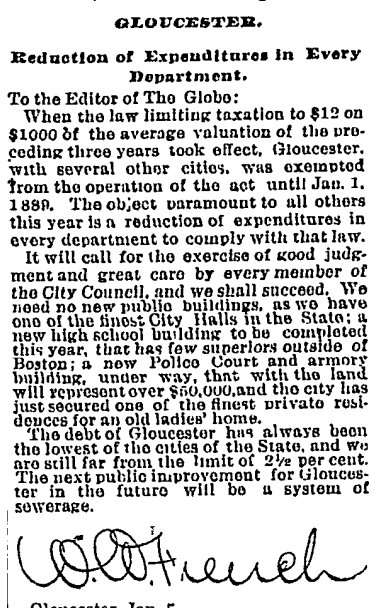
1899 New Year’s message for the Boston Globe by Mayor William French — who was back in as Mayor for 1901.
1899 New Year’s msg from Mayor French
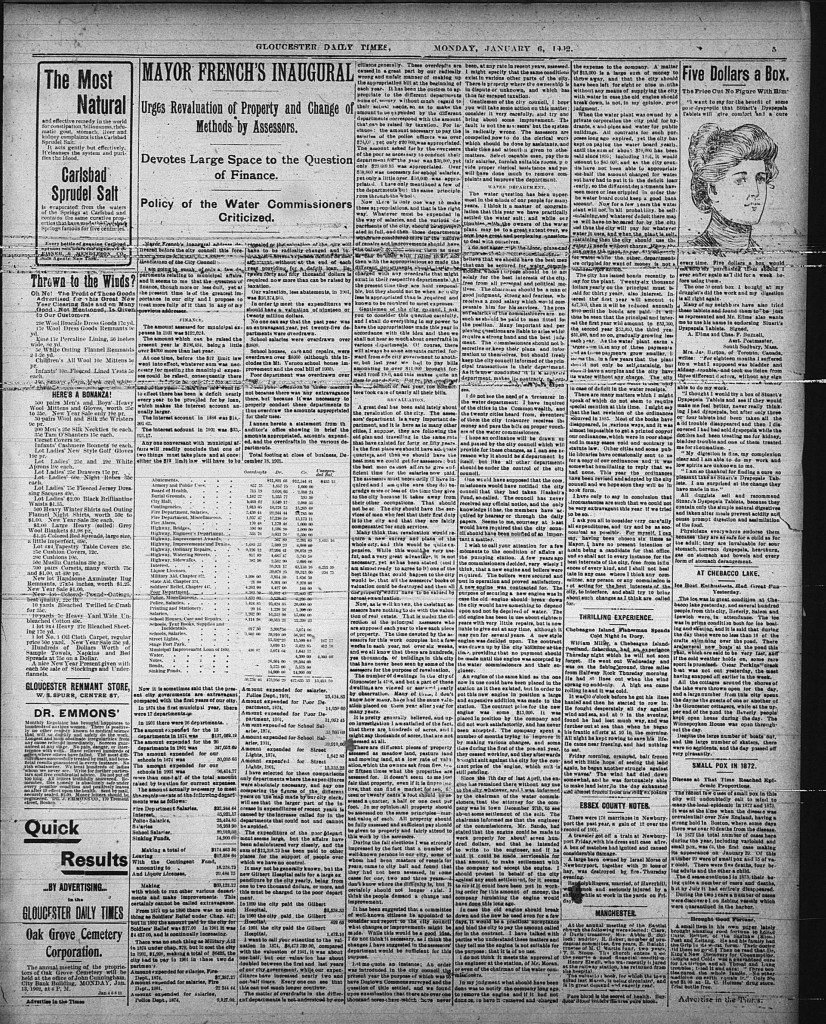
and his 1902 address published in the Gloucester Daily Times. I had read about French before.
photo caption: Gloucester Daily Times archives retrieved at Sawyer Free November 2018. Read more about 1902 and Haskell Dam in my prior post here on GMG, .
Honorable George E. Merchant Fast Facts
He was described as a modest man from a well known and well regarded “old Cape Ann family”, and endearing accounts about his enthusiasm at reaching his 50th wedding anniversary milestone suggest a loving one, too. (Gloucester Daily Times obit)
Prior to serving as Mayor, he served a term as an alderman 1886-87 (and many appointments/commissions before. Waterways after Mayor).
Born
1853, Gloucester
Occupation
Adult – Printer/printing since 1870 when he began his career at John S.E. Rogers, owner and printer Gloucester Telegraph, various newspaper jobs. And printing press from his home at advanced age after retirement. Boyhood 1870 census- 16 years old, working as a fisherman (family lore he was the cook on father’s boat; father in business with his sons) giving it a go for 8 years like generations of his family. Education unknown, presumed self-taught. Prior to Mayor-1886-87 served as city councilor (overlapping with his father) and more since 1870s. After Mayor, appointments, too. Master gardener. Family historian-writer. Photography.
Father
George Merchant Master mariner, fisherman, owner; founded seine net repair business 1873; fisheries advisor; served years as city councilor Ward 1 Affinity & skill for art- studied painting with FH Lane; fisheries display models, etc. (And his father was an incredible violinist.) Full & busy life, family man. 31 Main Street family residence See Shute & Merchant
Mother
Mary Douglass Merchant (1832-1923) Oak Grove Cemetery
Siblings Parents had 9 kids
Mary Jane 1851 – 1944 George Edward 1853 – 1929 Orlando 1856 – 1930 Flora Estelle died at 2 1858 – 1860 Eugene Howard died at 2 1861 – 1863 Robert Clifford 1864 – 1936 Joseph Carleton 1867 – 1961 unnamed son 1870 – 1870 Percy Washburn
Wife
Charlotte E. Lufkin (1857-1945)
Children
twins died at 8 days and 9 days Ernest H (16 years old when his father was Mayor; GHS 1904) –buried in Santa Barbara– George E. Jr. (14 years old when his father was Mayor; GHS)
Residences
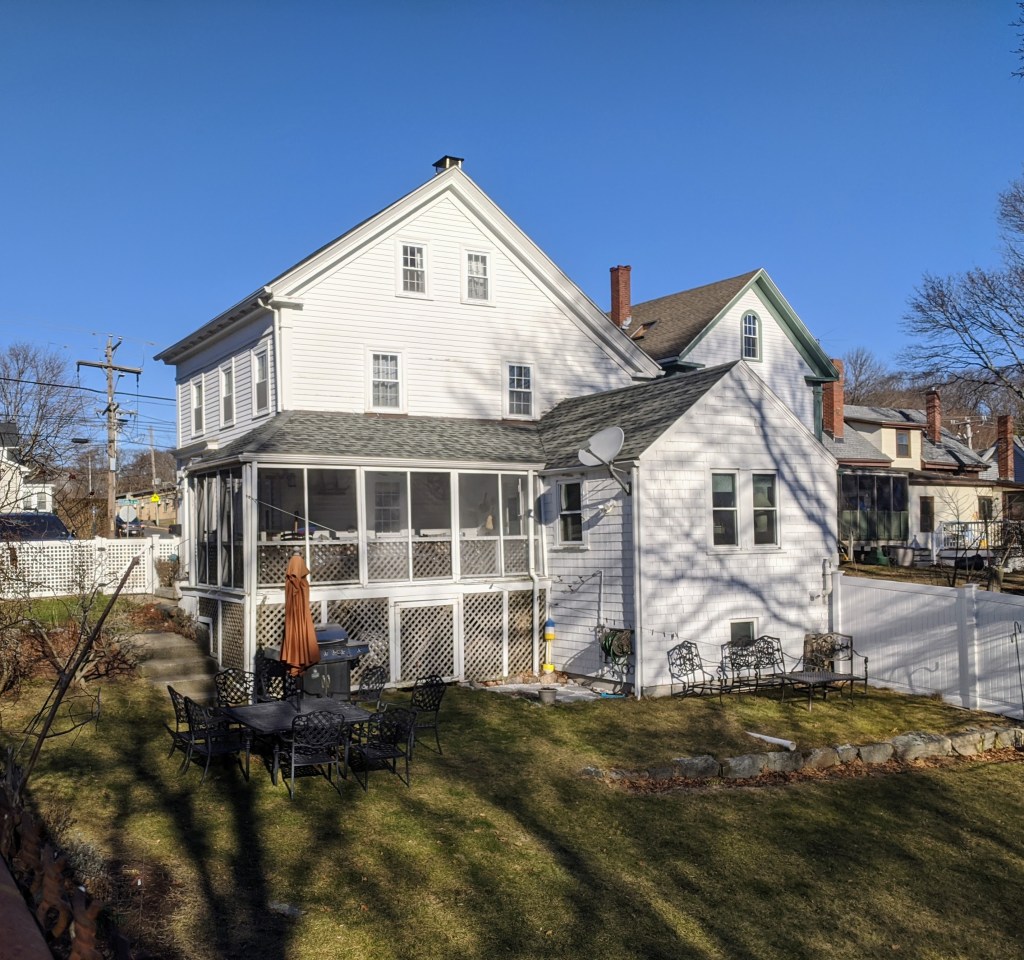
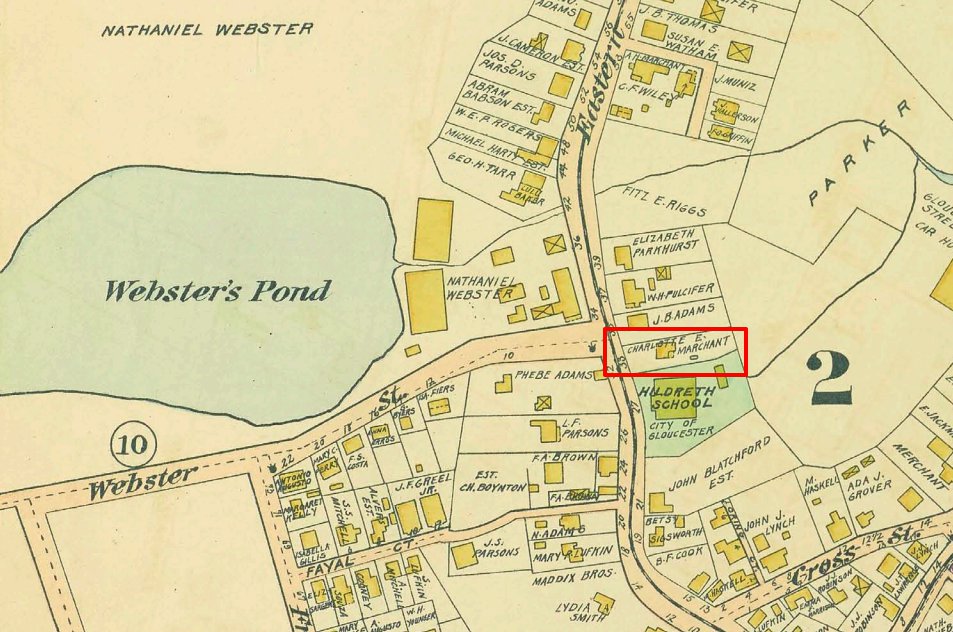
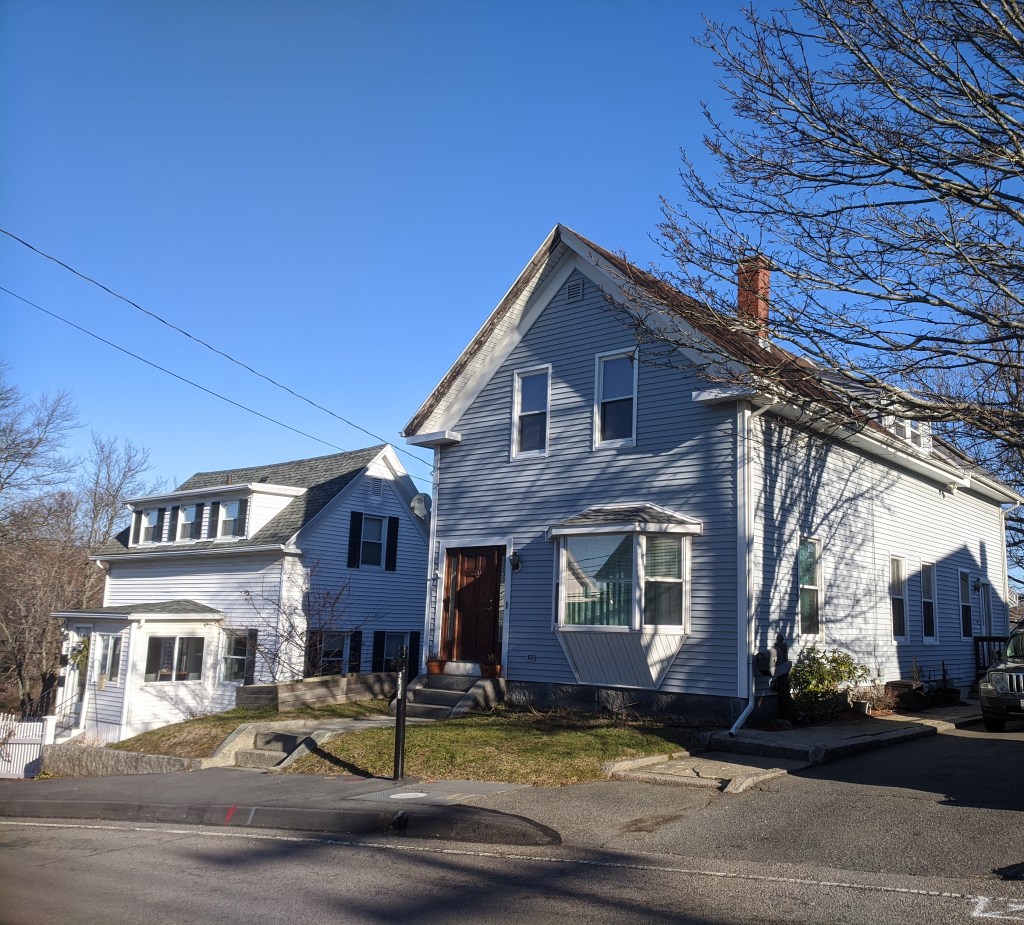
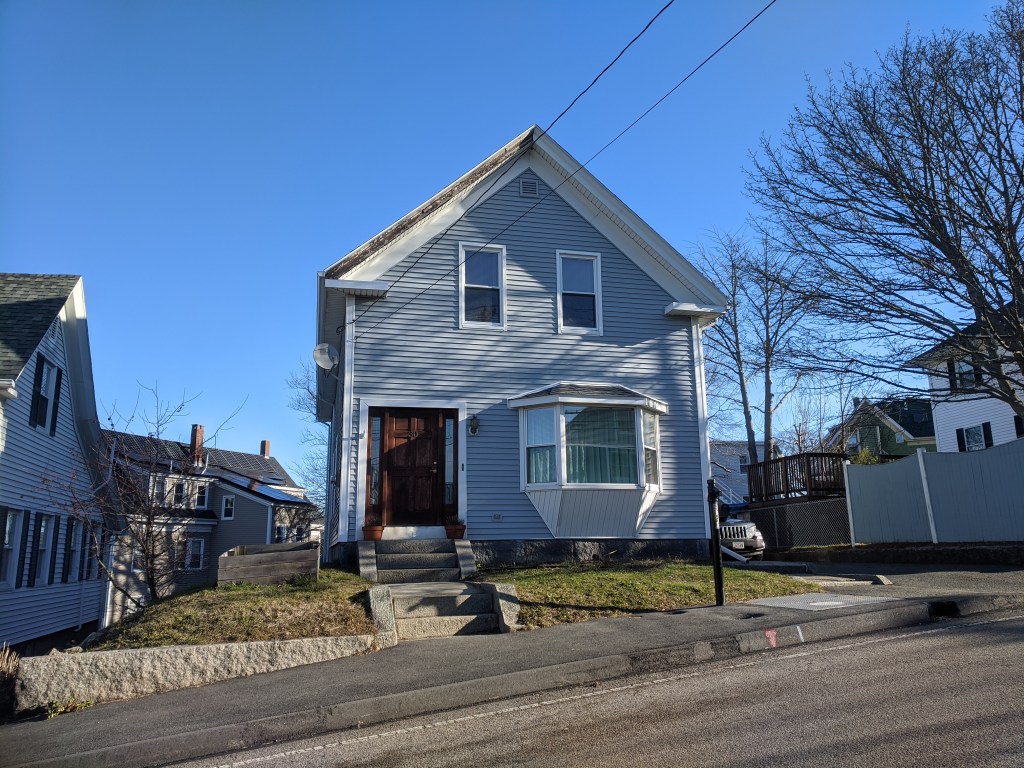
1900 33 Eastern Avenue family compounded variously split up before/after eventually 31 Eastern Ave where Charlotte remains
Obit both “well known member of old Cape Ann family”
George E. Merchant, Gloucester, Mass.
31-33 Eastern Avenue George E. and Charlotte E. Merchant31-33 Eastern Avenue George E. and Charlotte E. Merchant
George Merchant, Gloucester, Mass.
1900 census- 30 East Main – George and Mary Merchant 1900 census- 30 East Main – George and Mary Merchant (and son Robert)
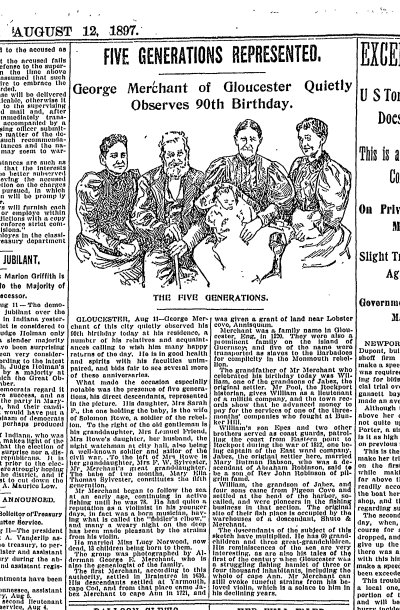
George Merchant, grandfather, fisherman and accomplished violinist
Such creative, multi-talented family members! George E.’s photograph and family historian piece on the occasion of his grandfather’s 90th birthday was published in the Boston Globe
“He had quite a reputation as a violinist in his younger days, in fact was a born musician, having what is called “fiddler’s elbow,” and many a weary night on the deep has been made pleasant by the strains from his violin.”
About George Merchant (George E.’s grandfather)
Mayor Portraits
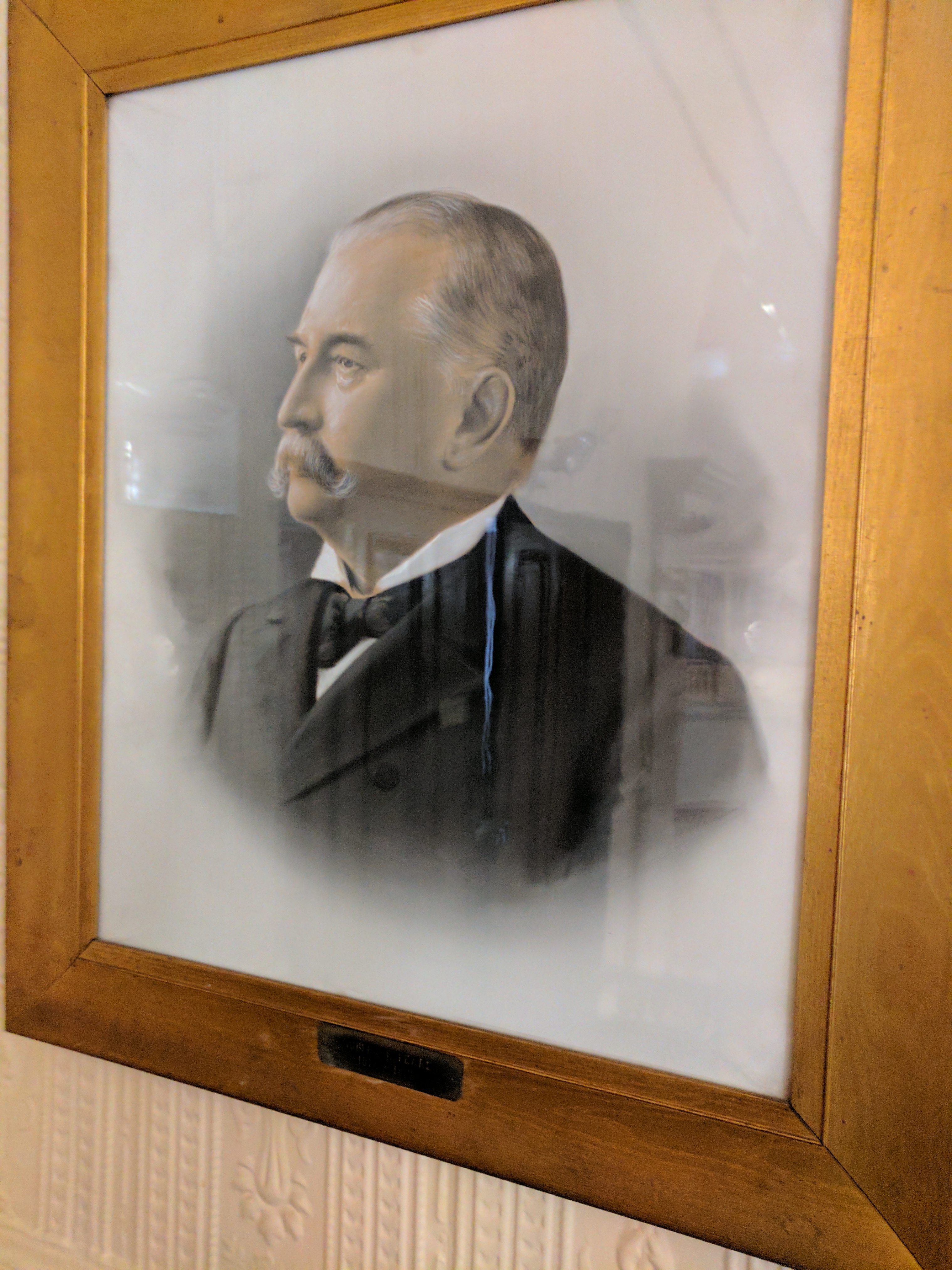
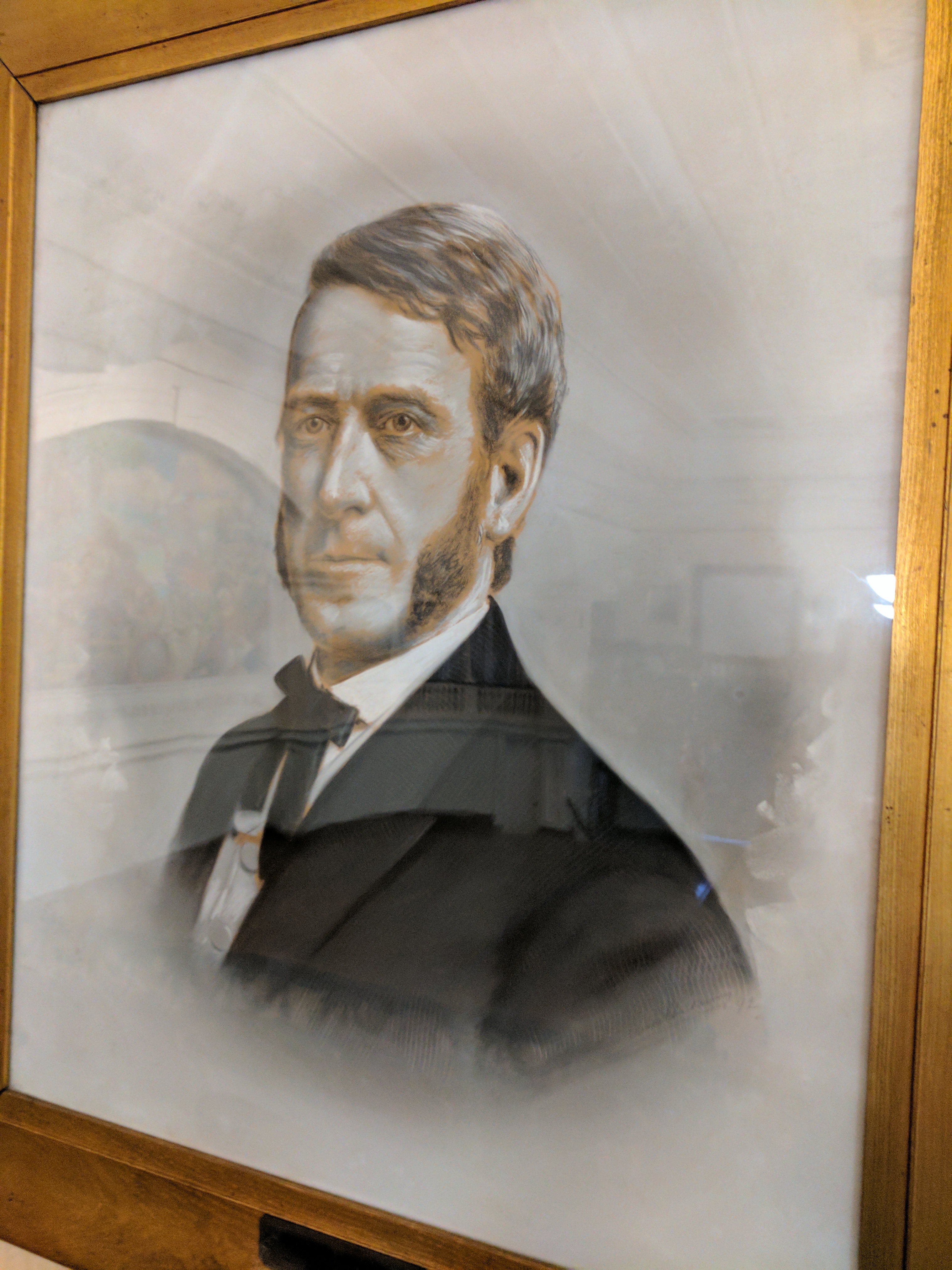
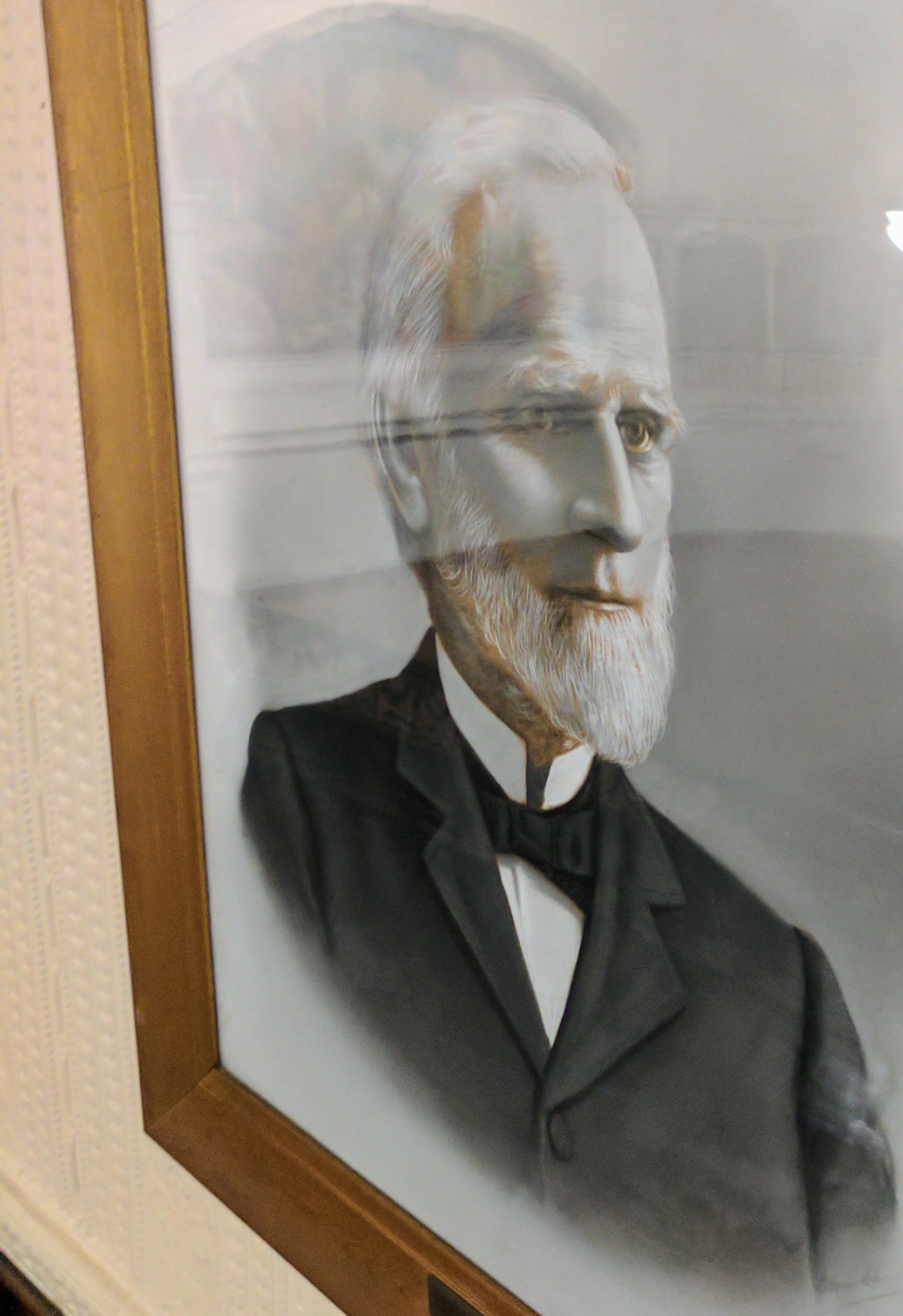
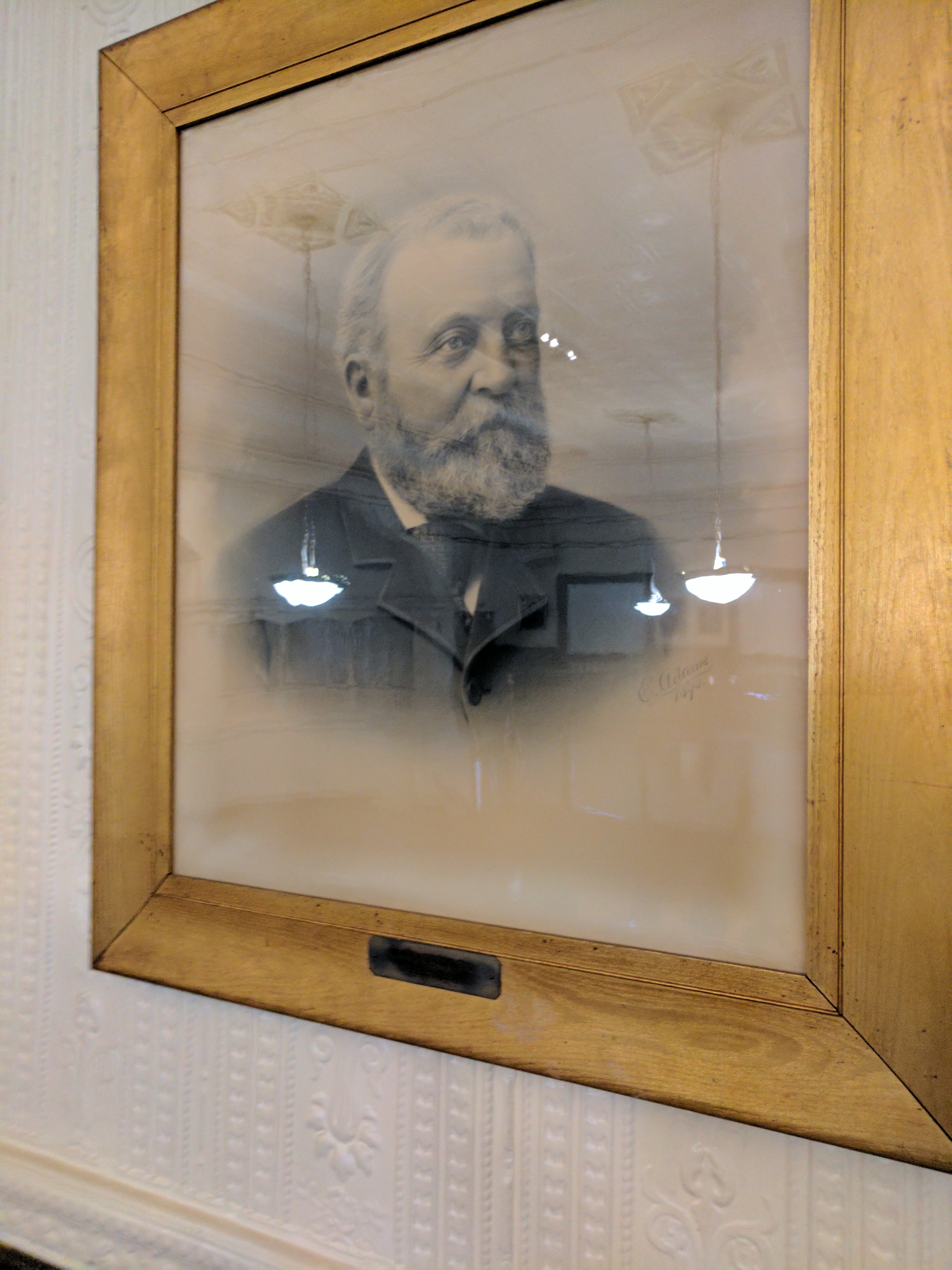
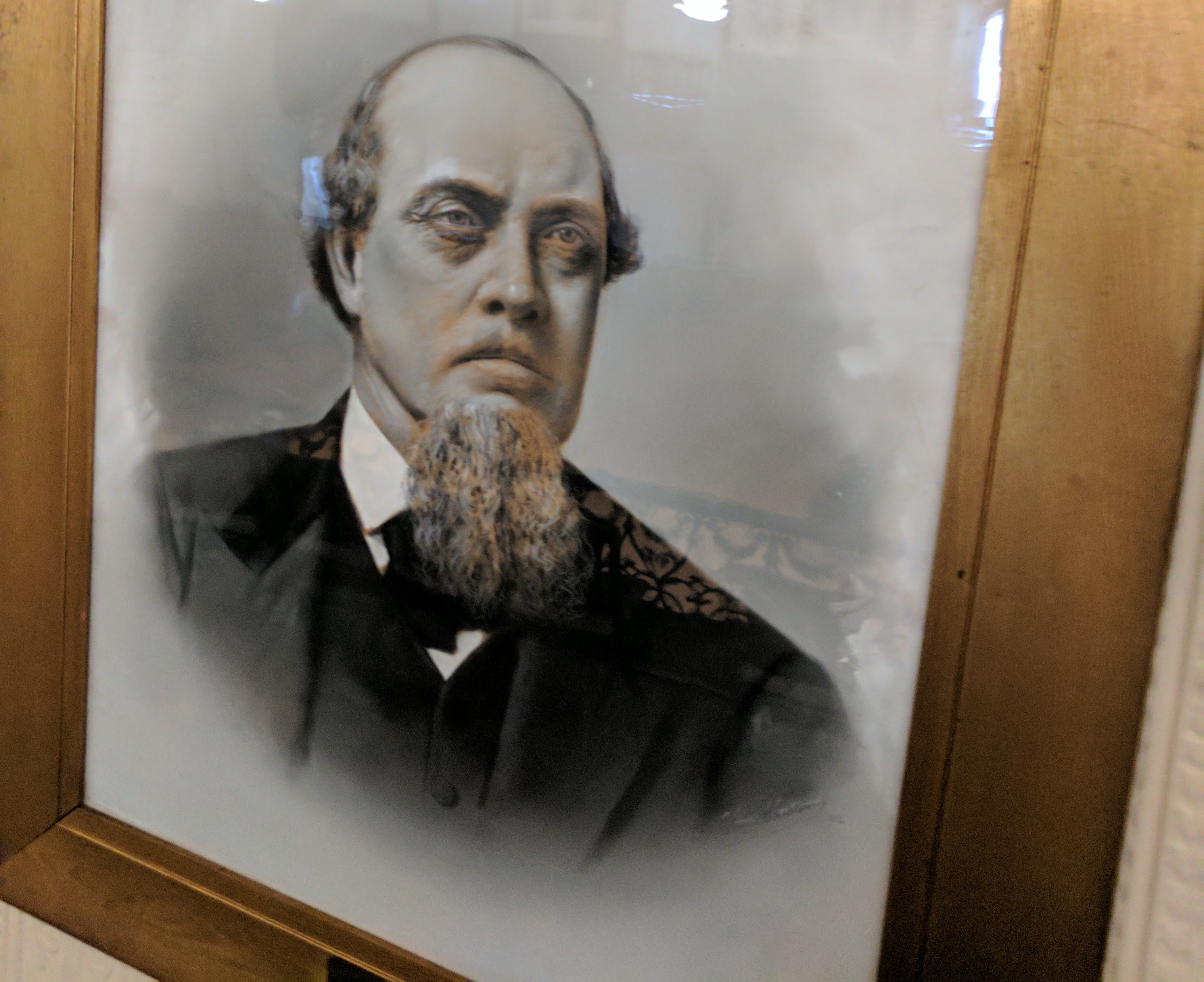
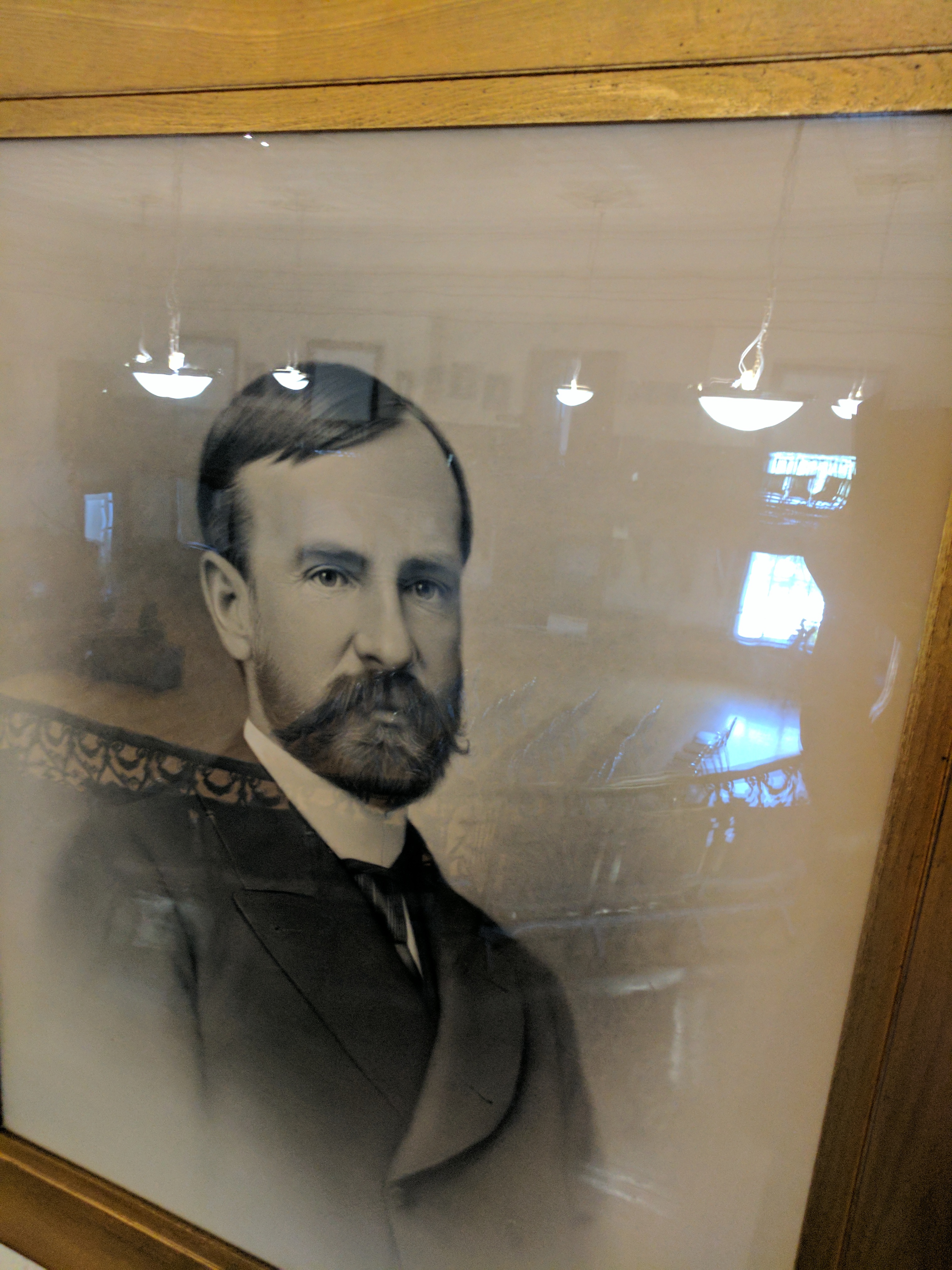
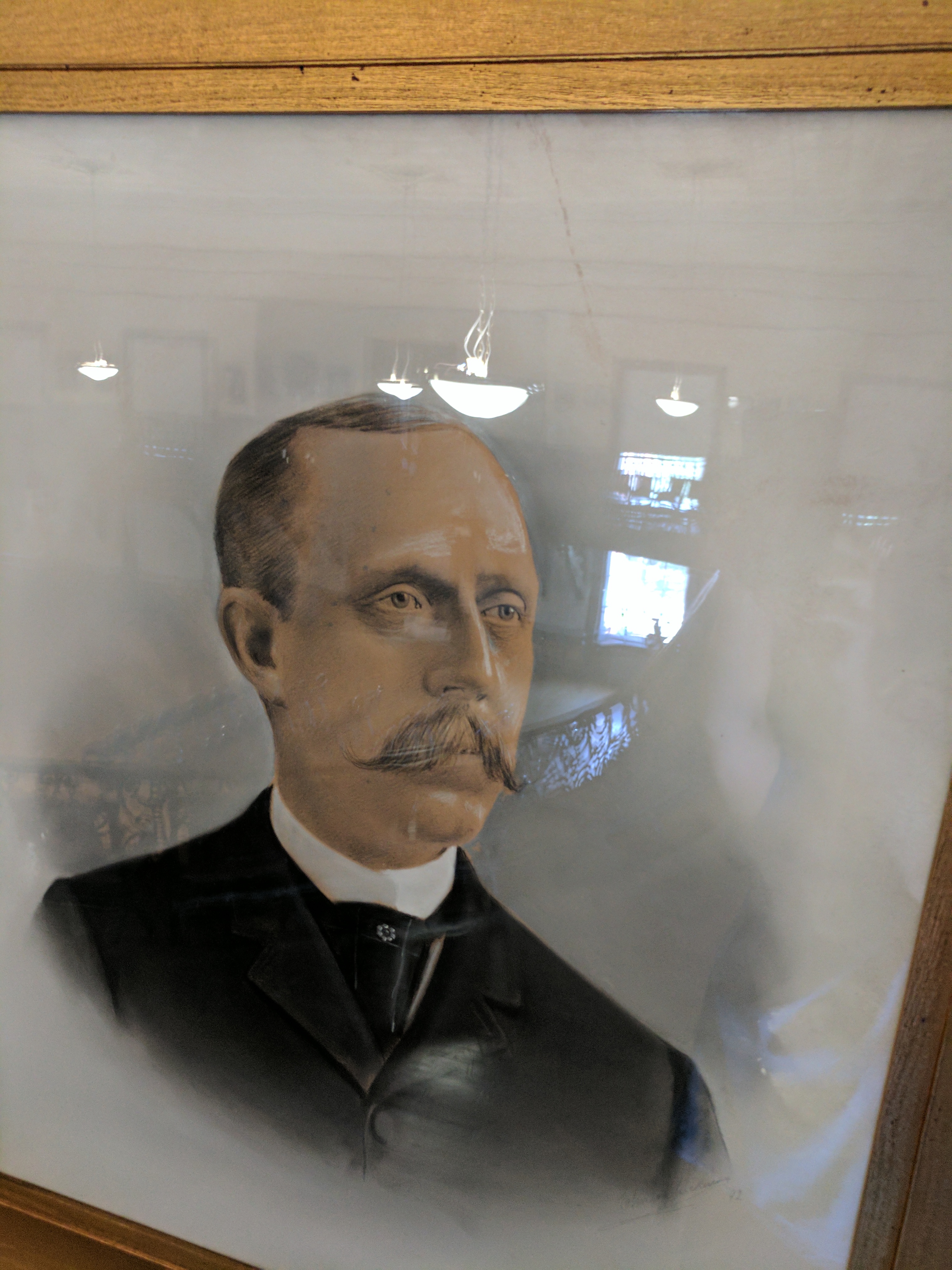
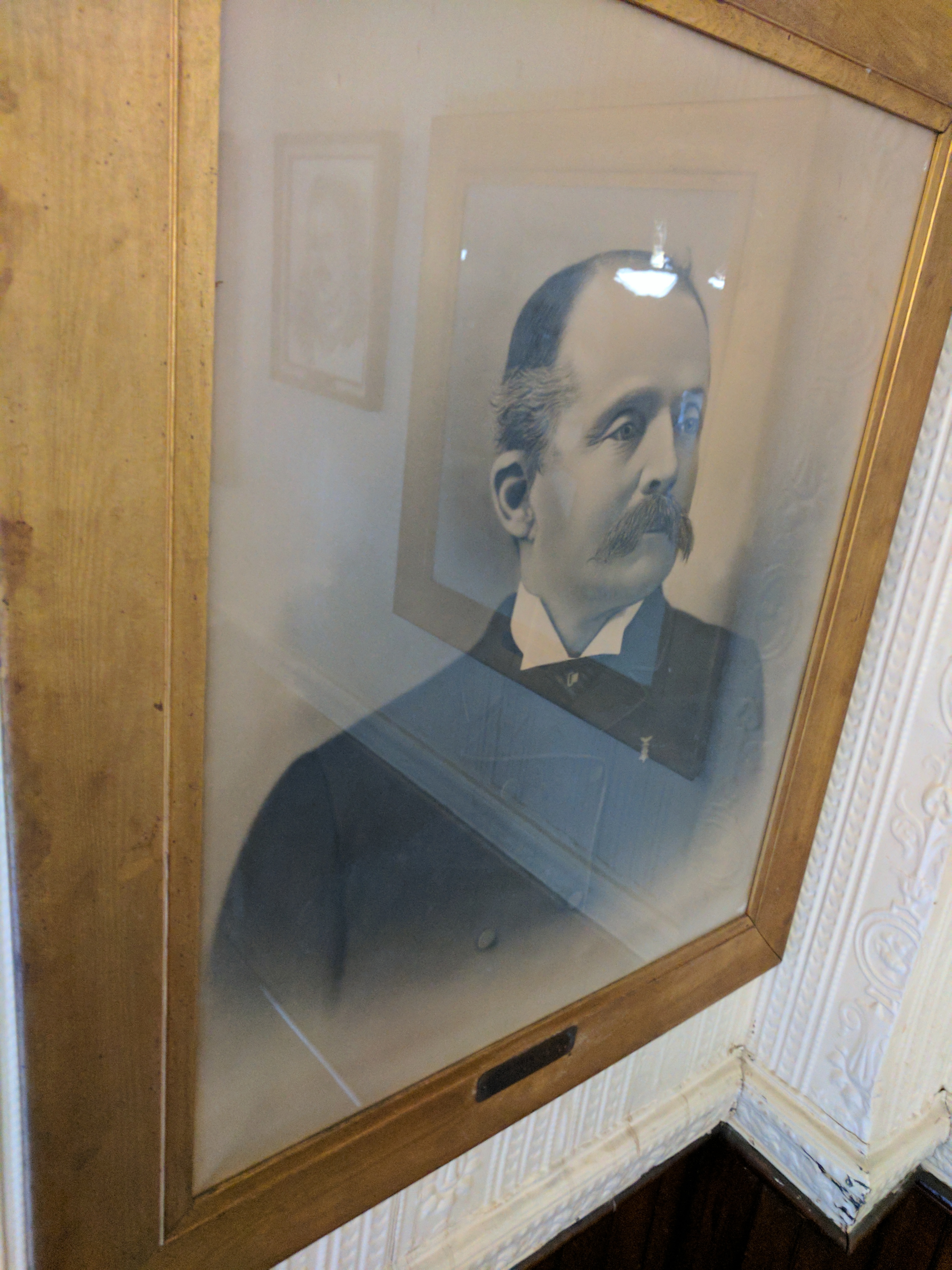
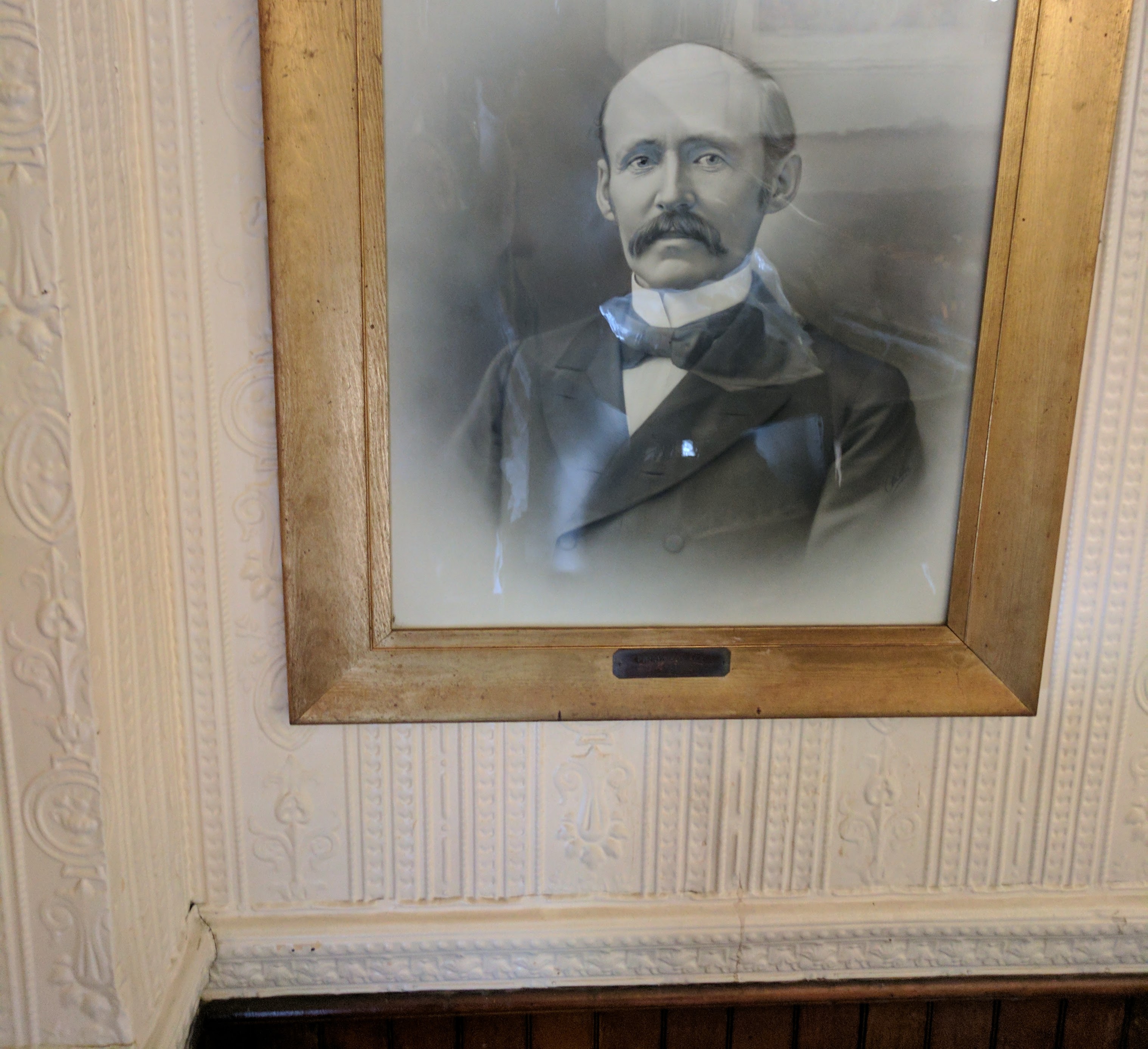
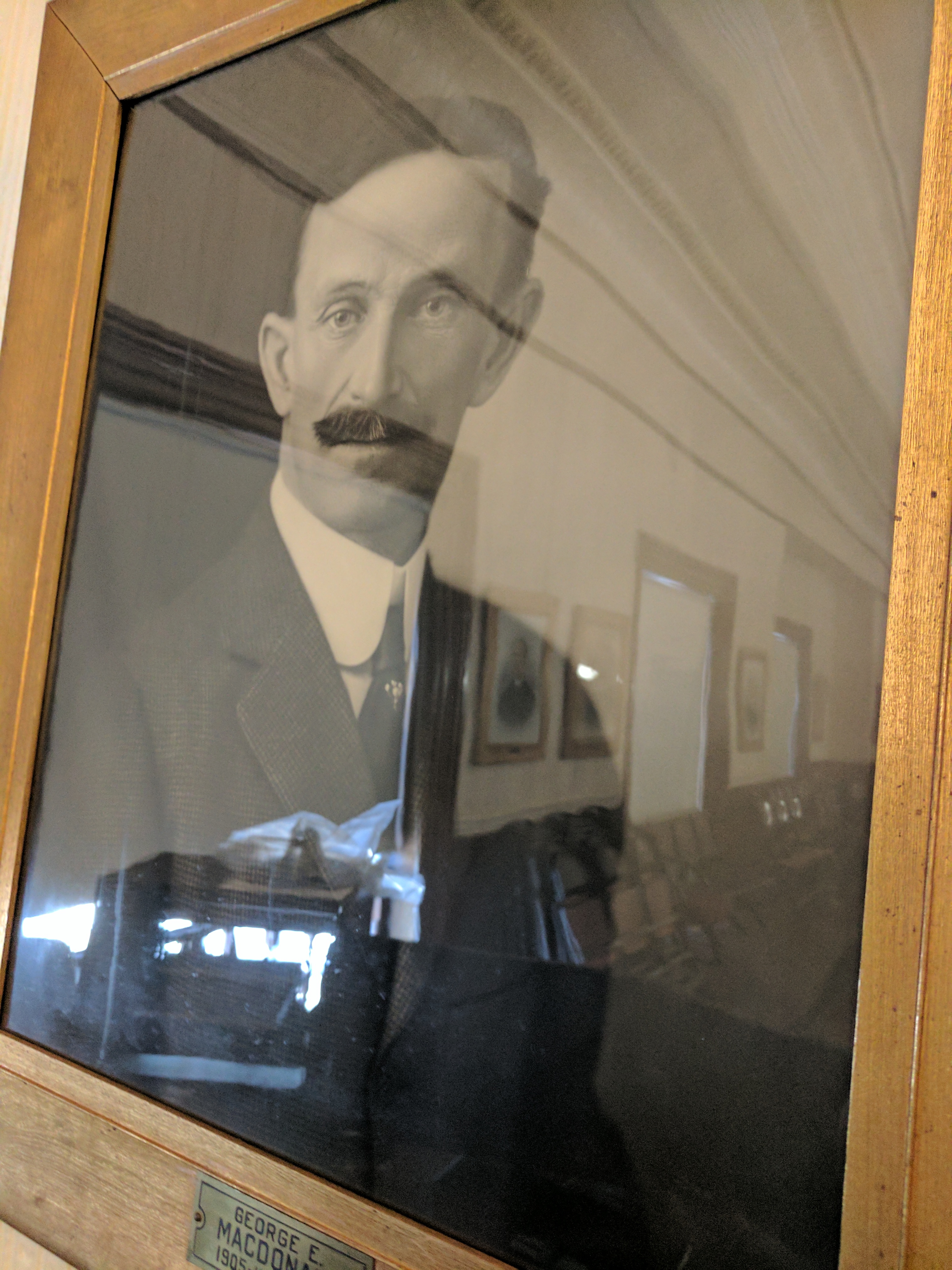
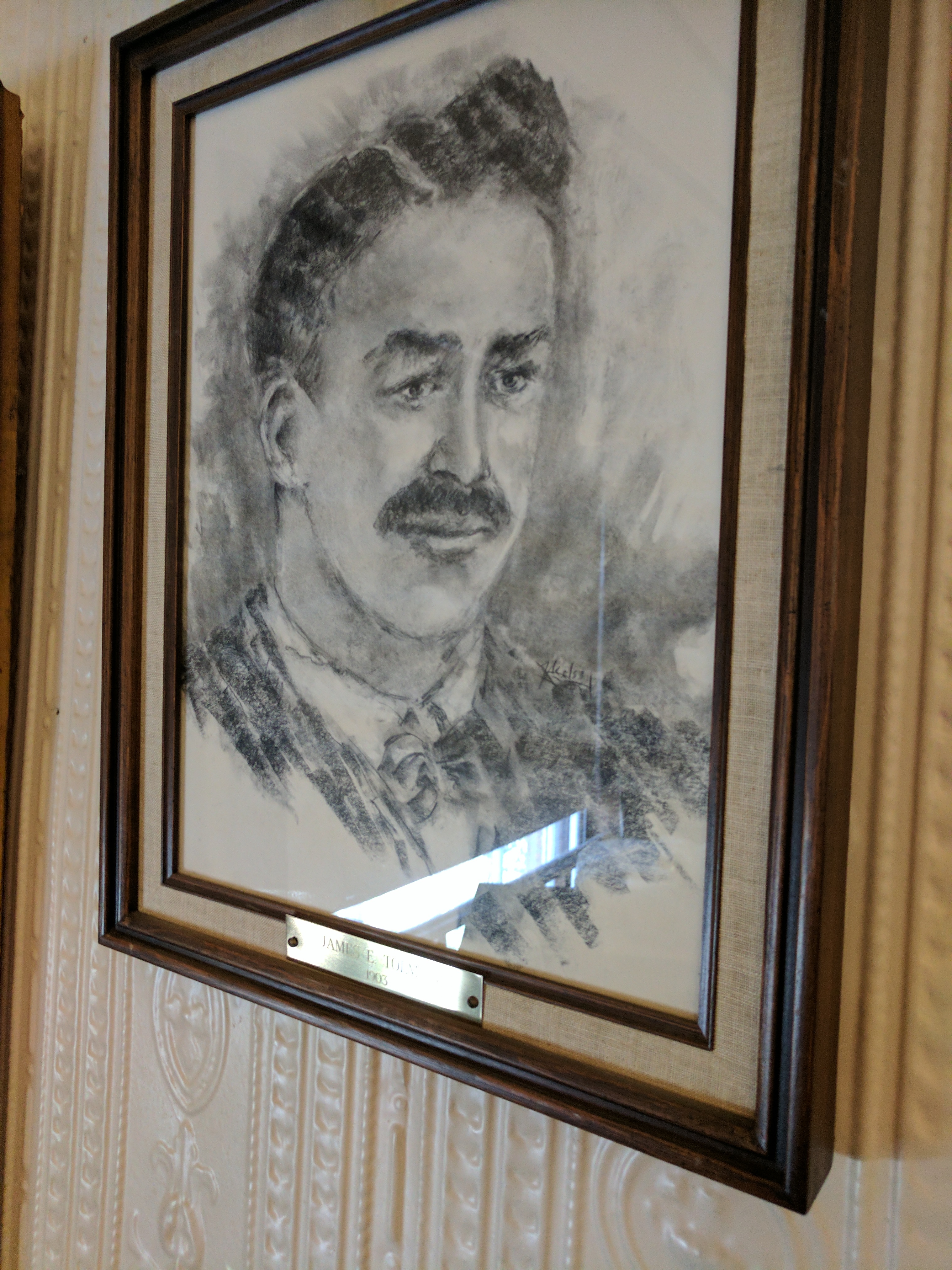
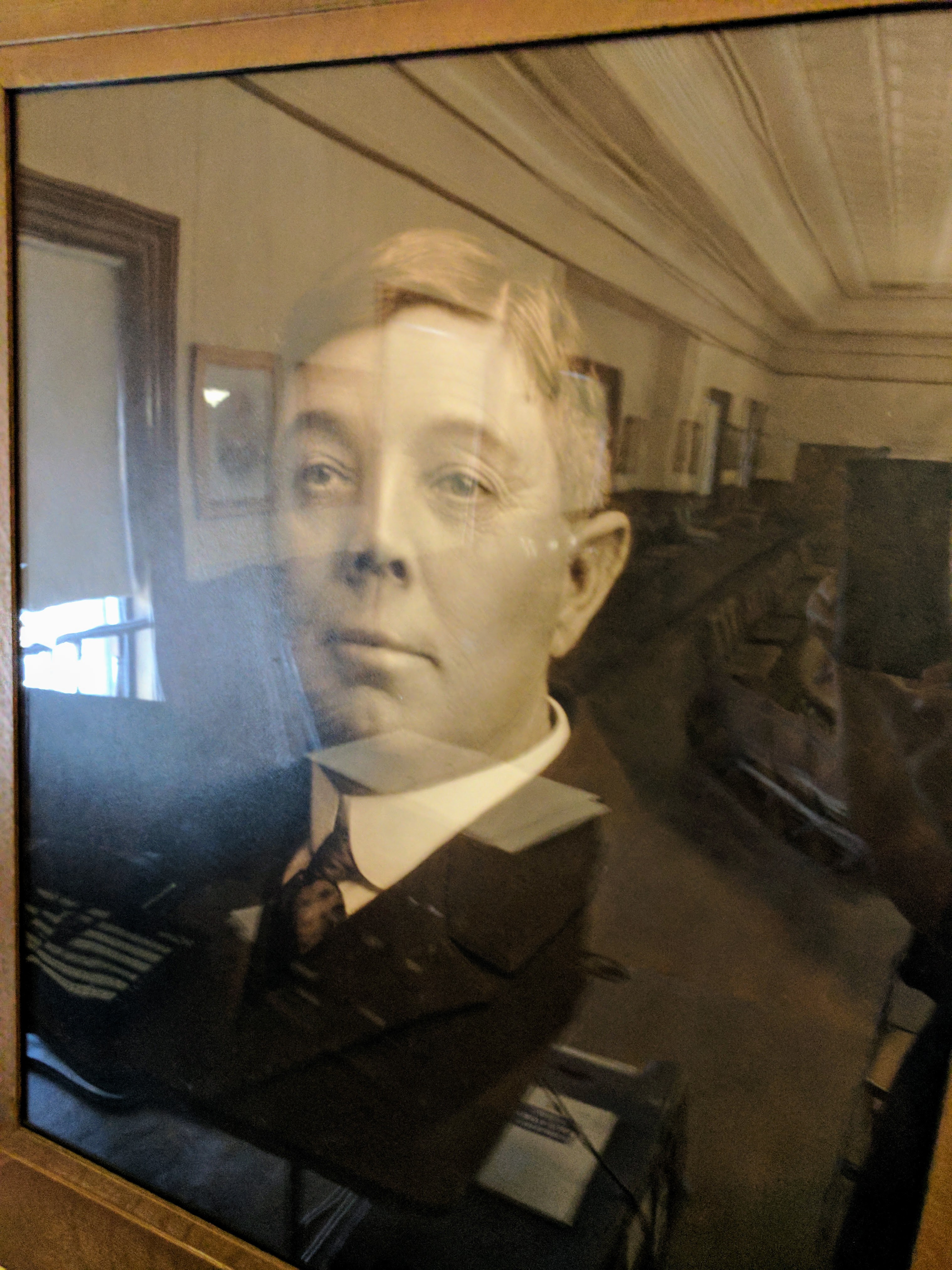
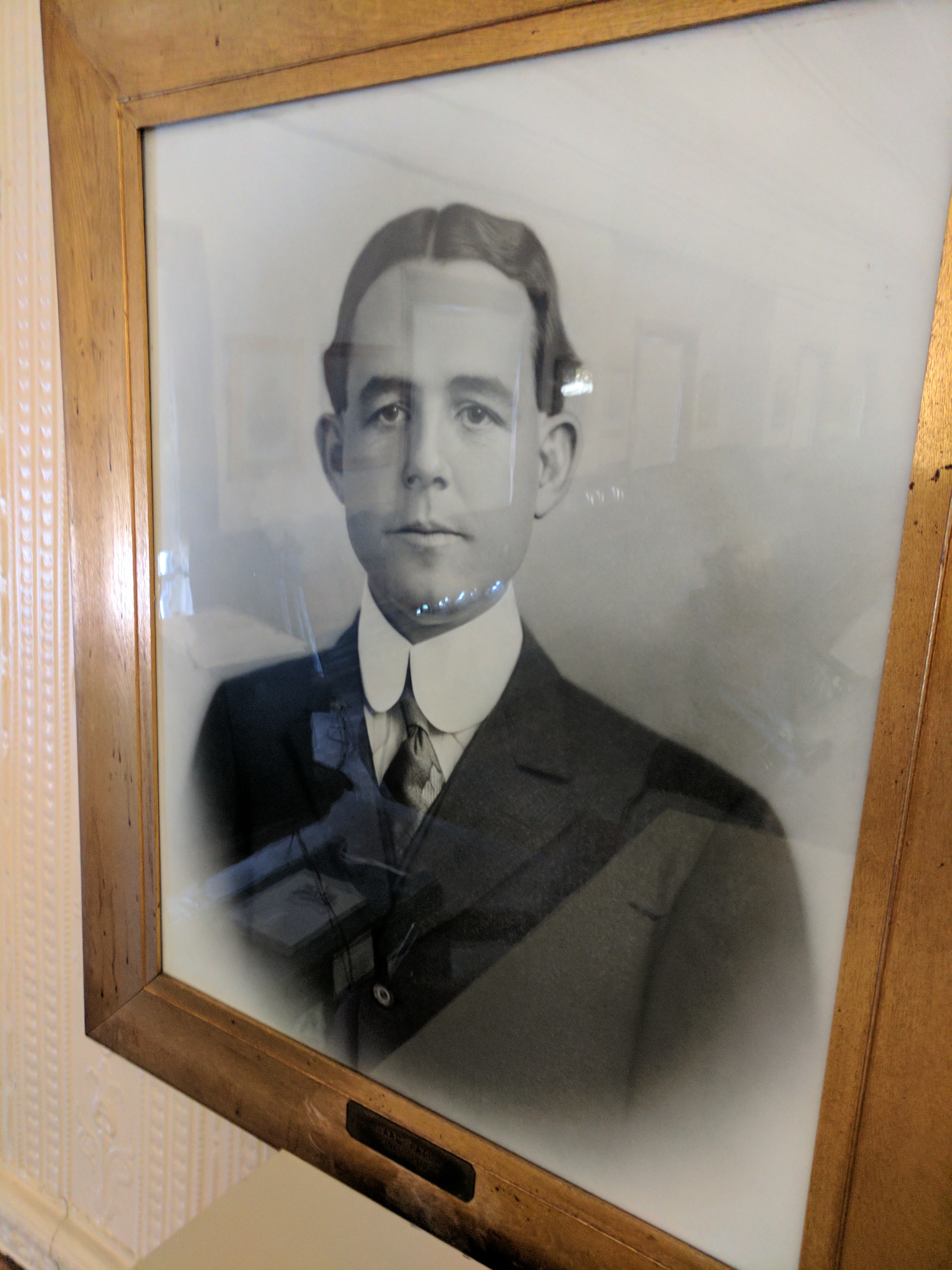
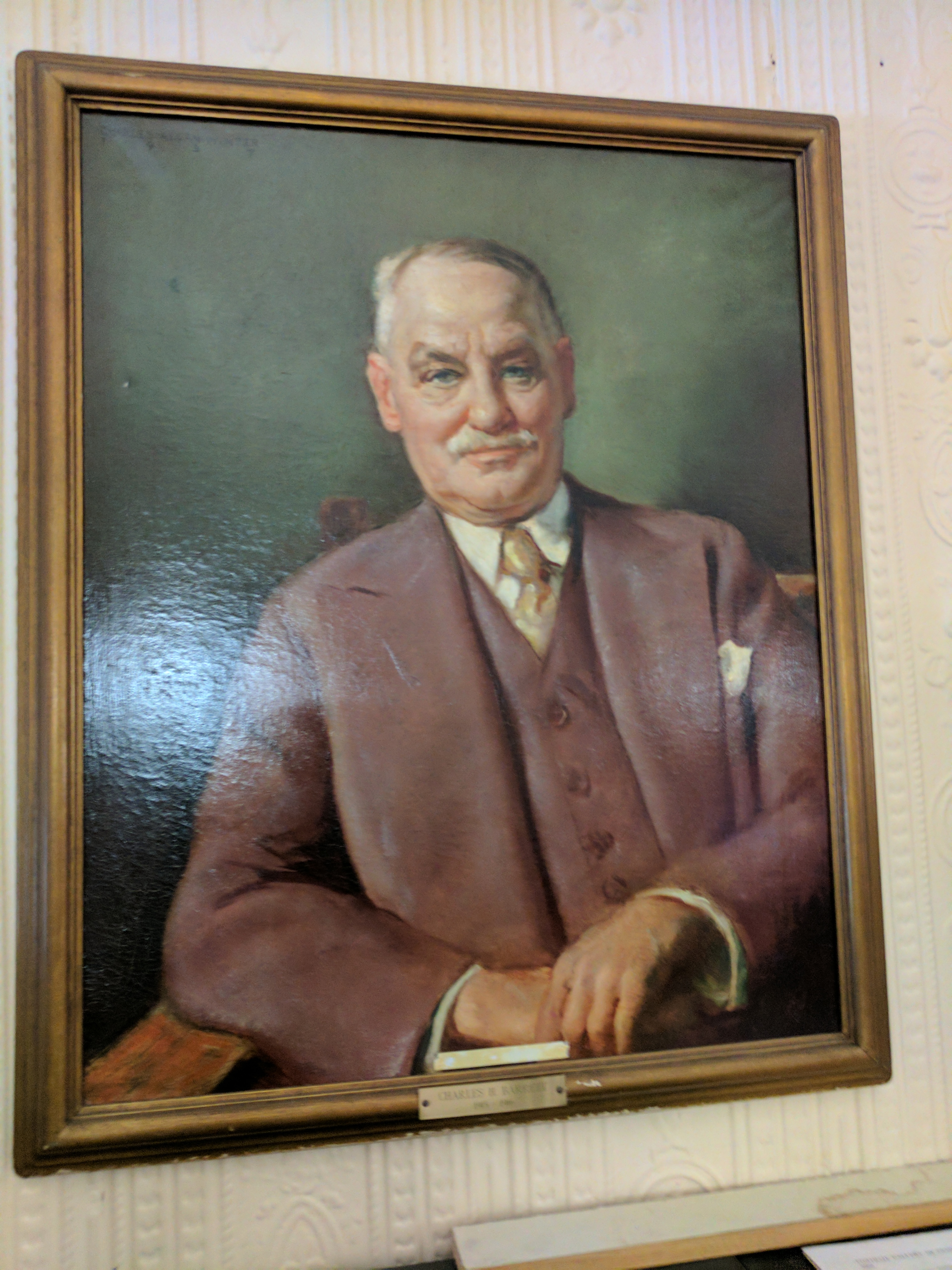
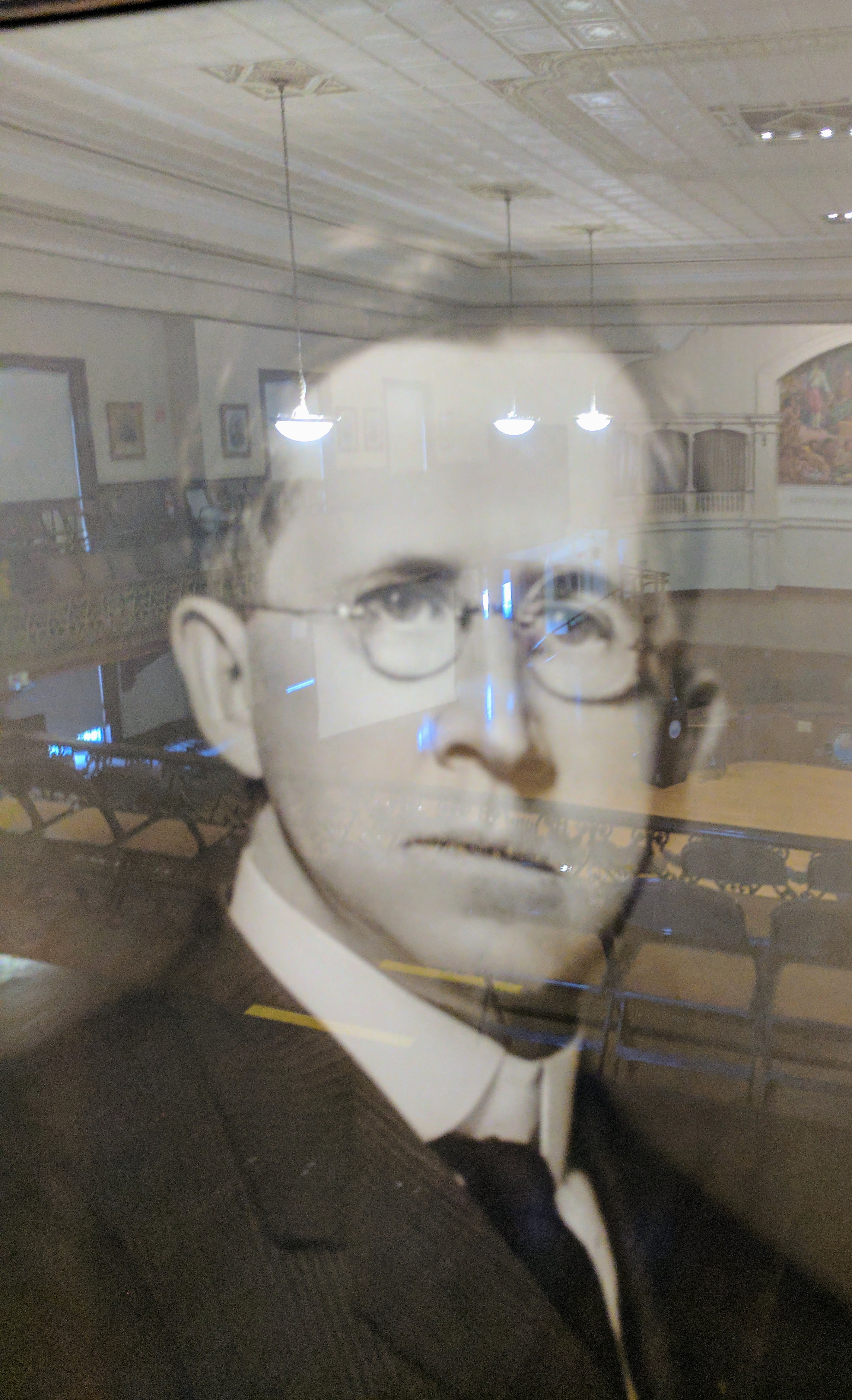
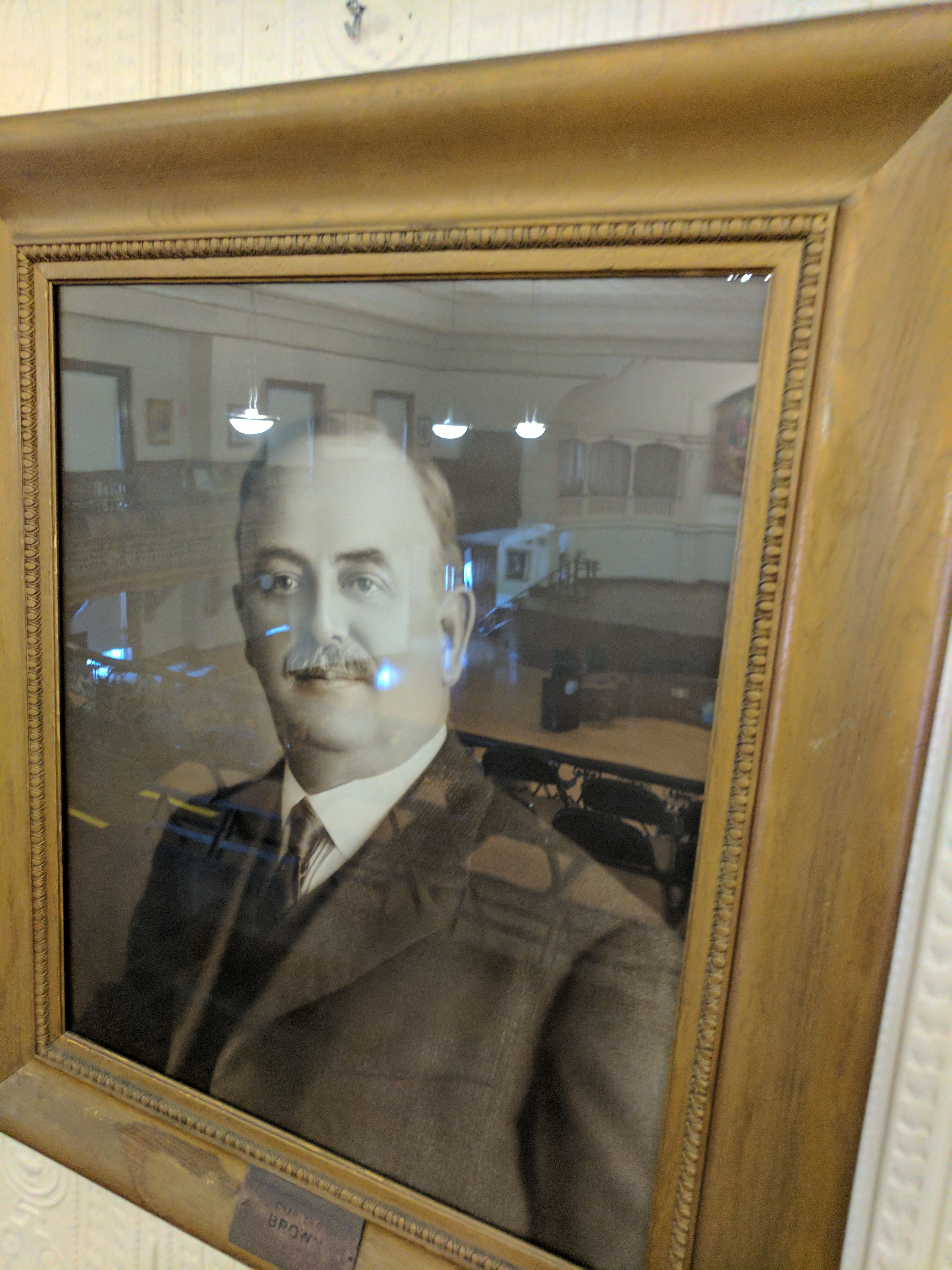
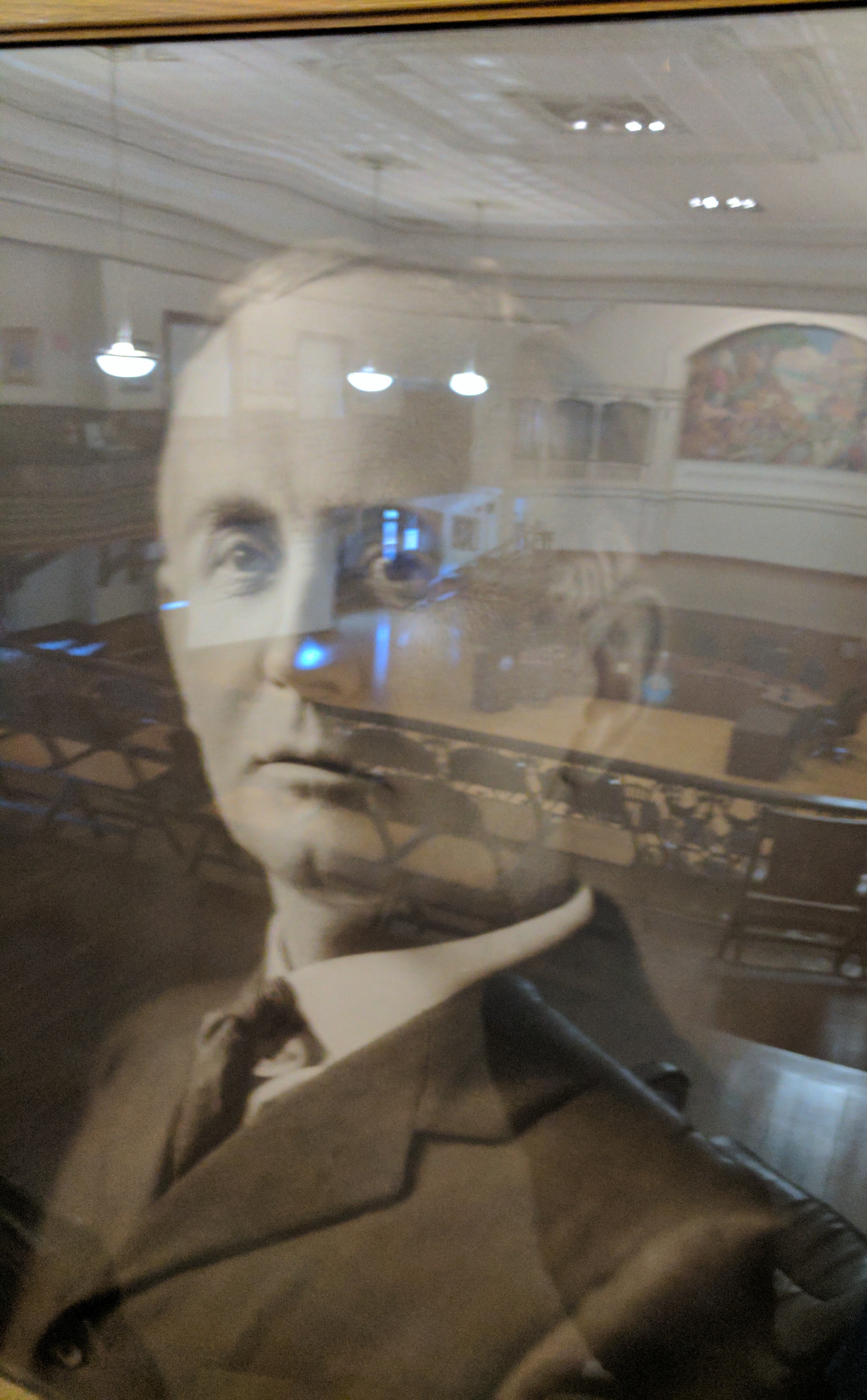
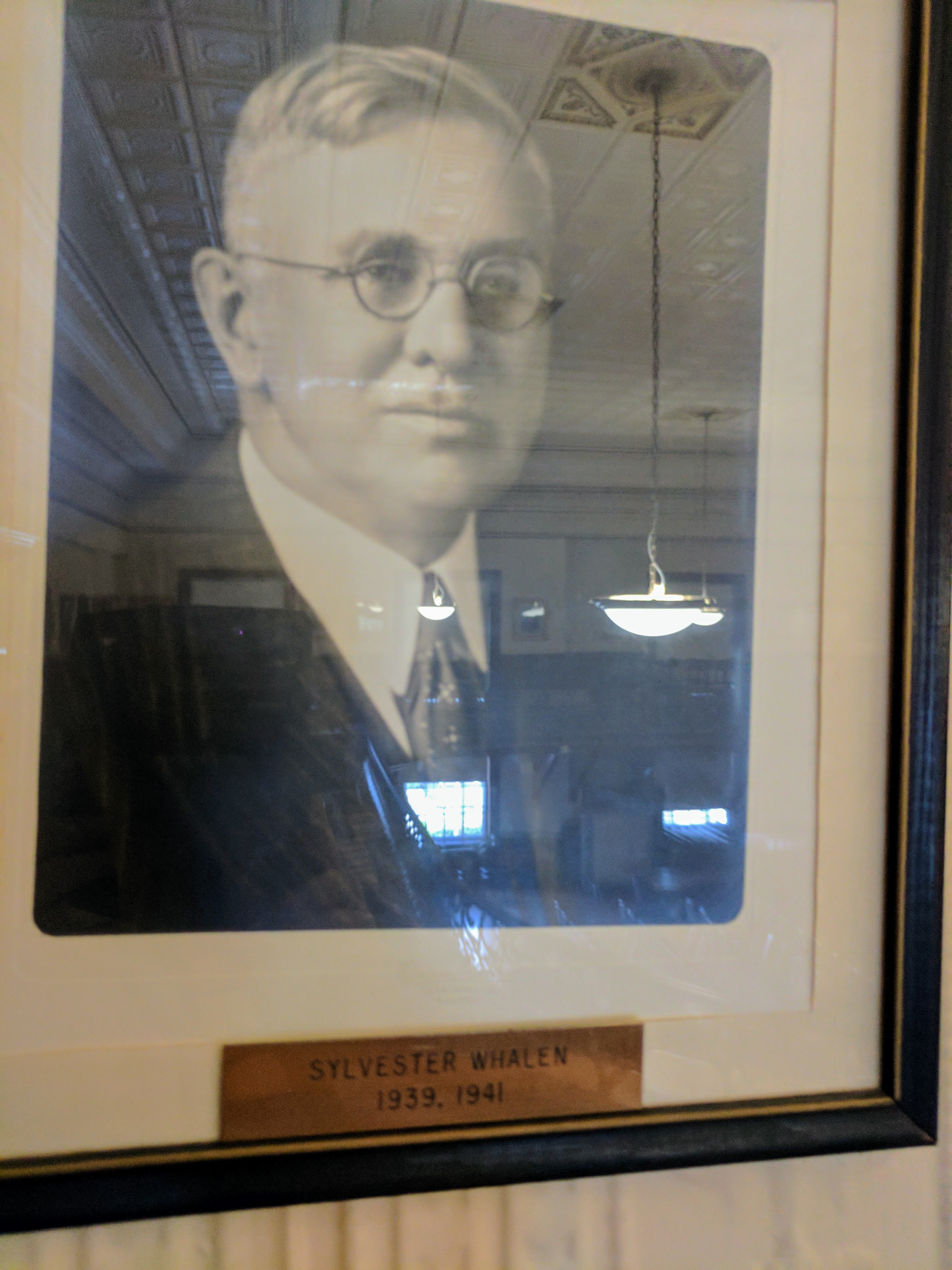
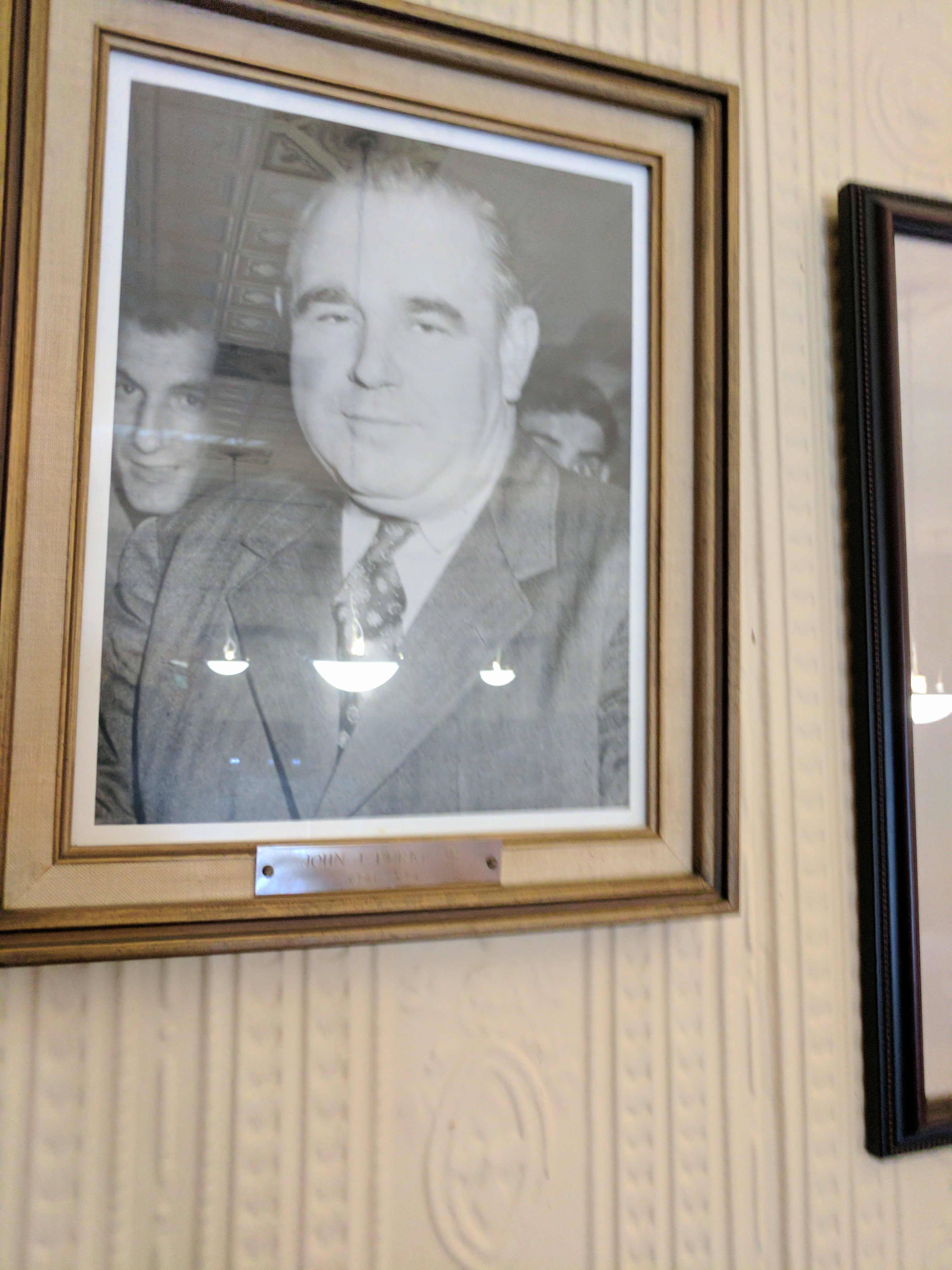
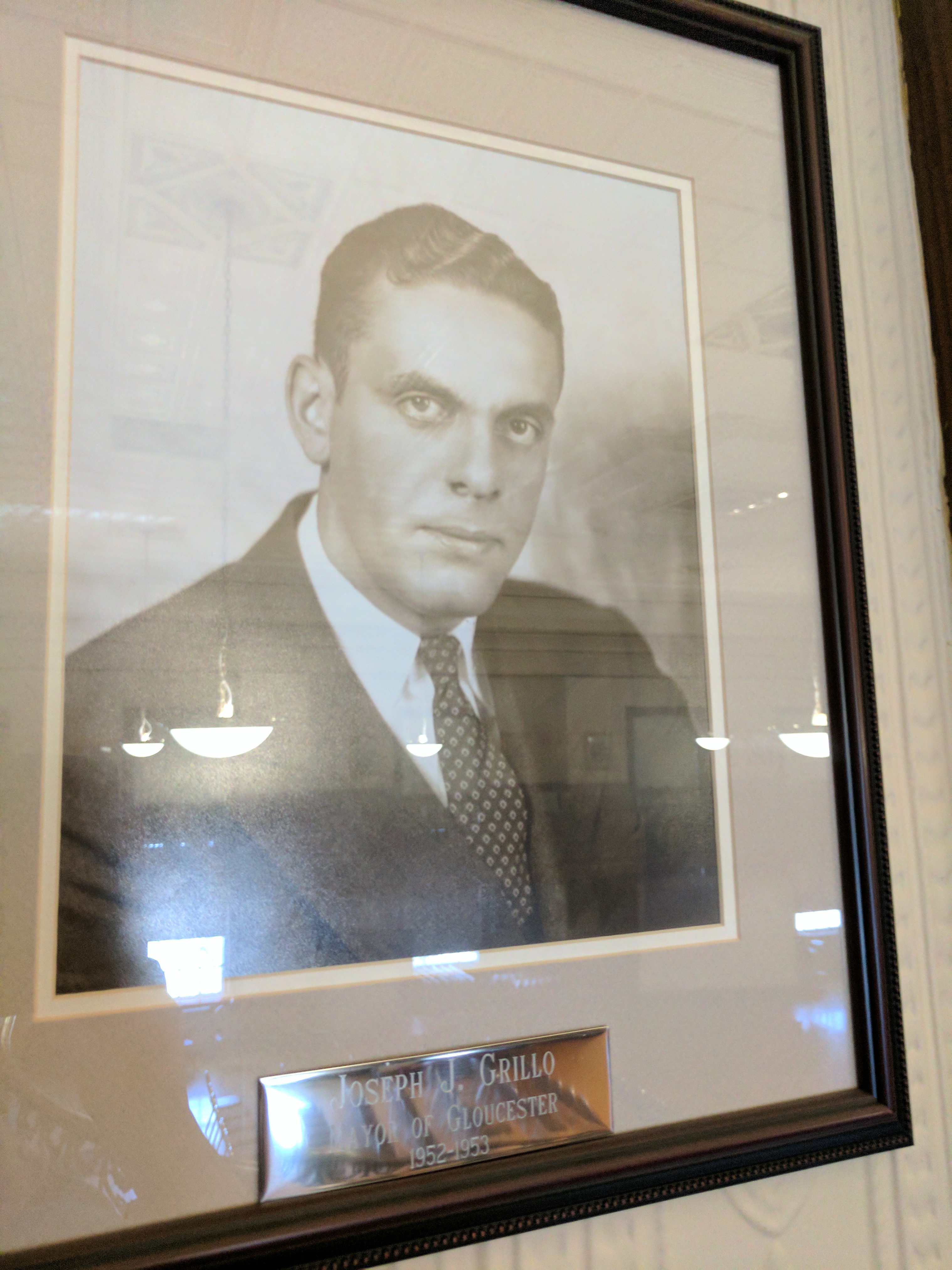
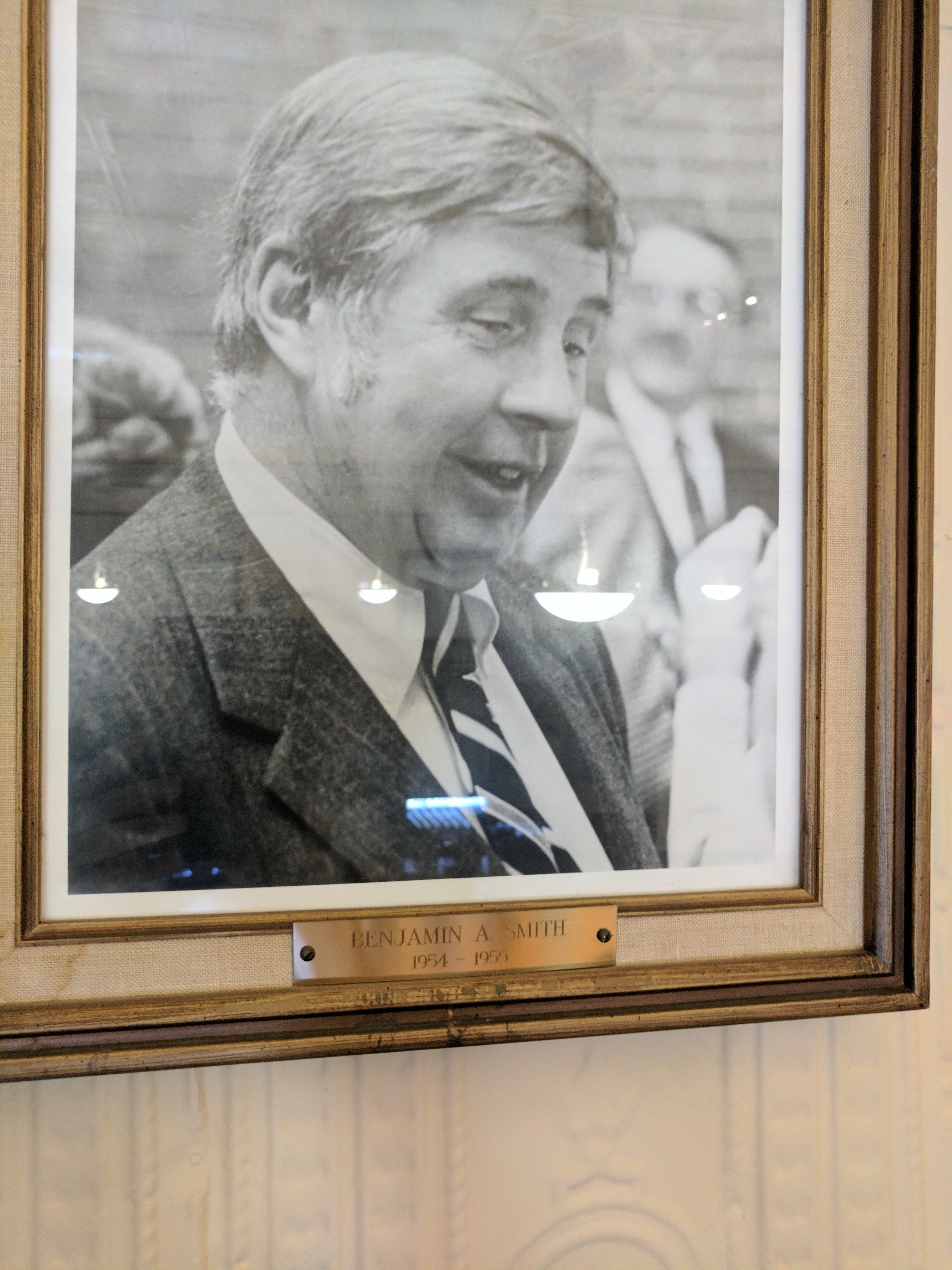
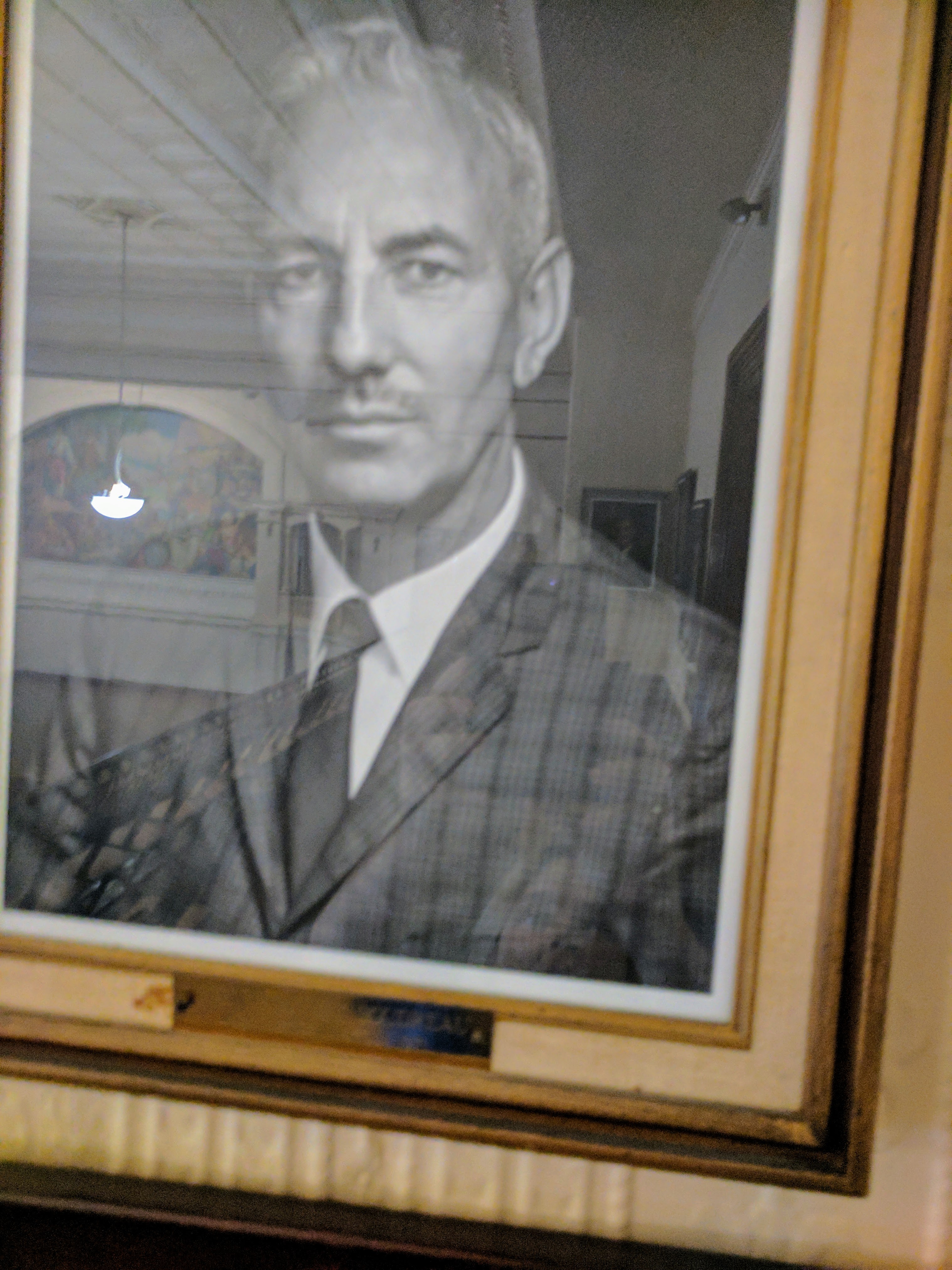
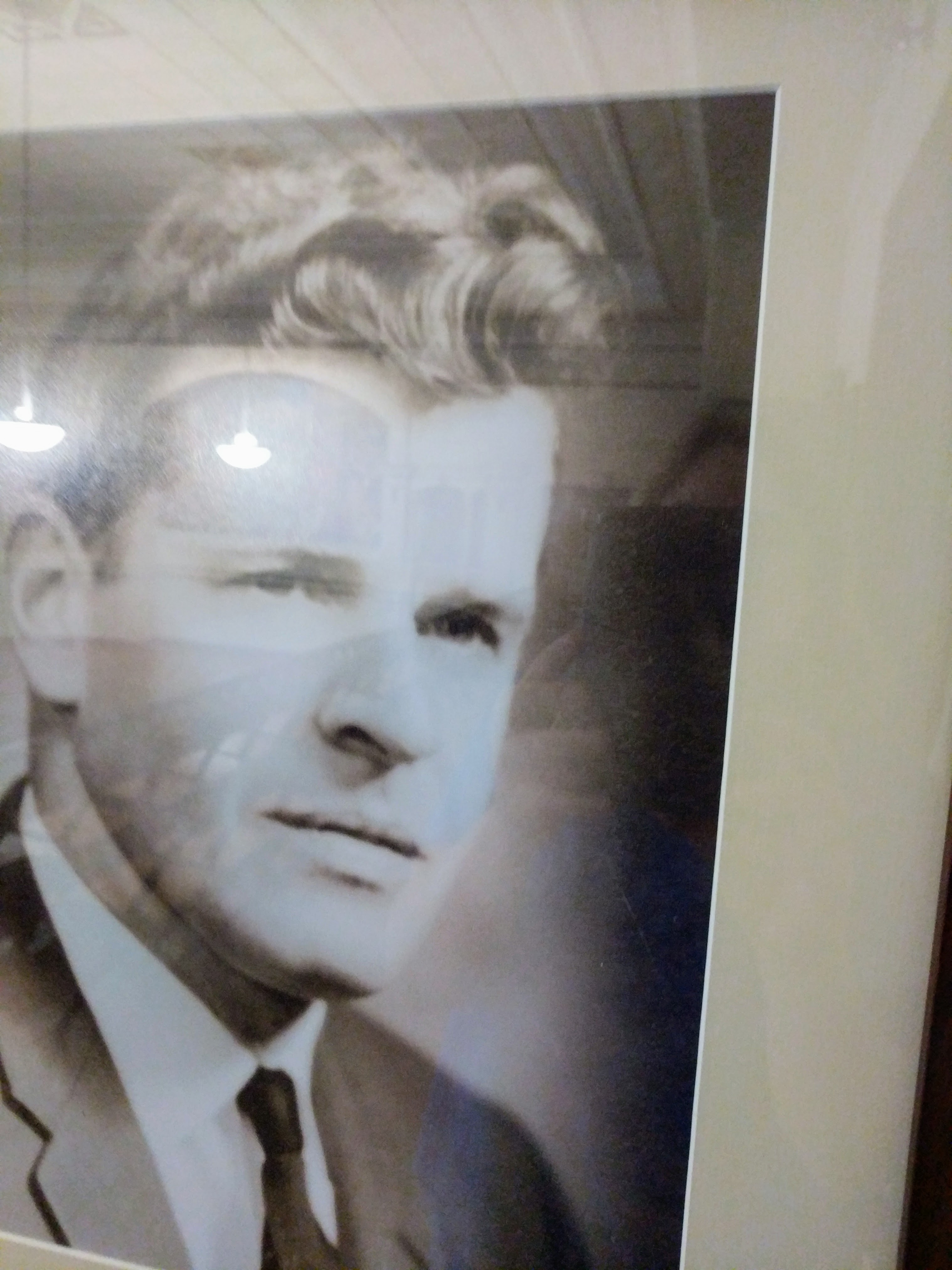
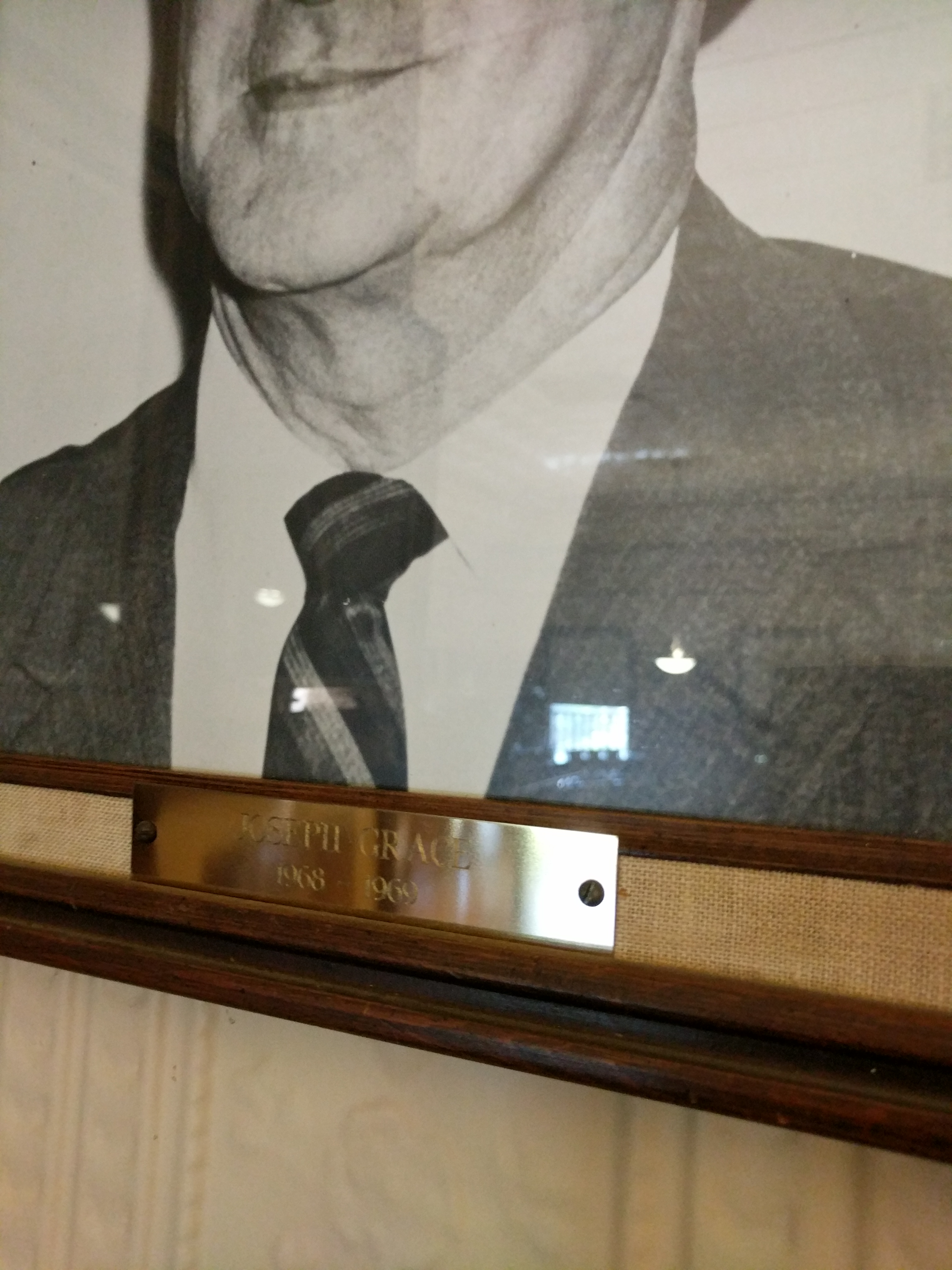
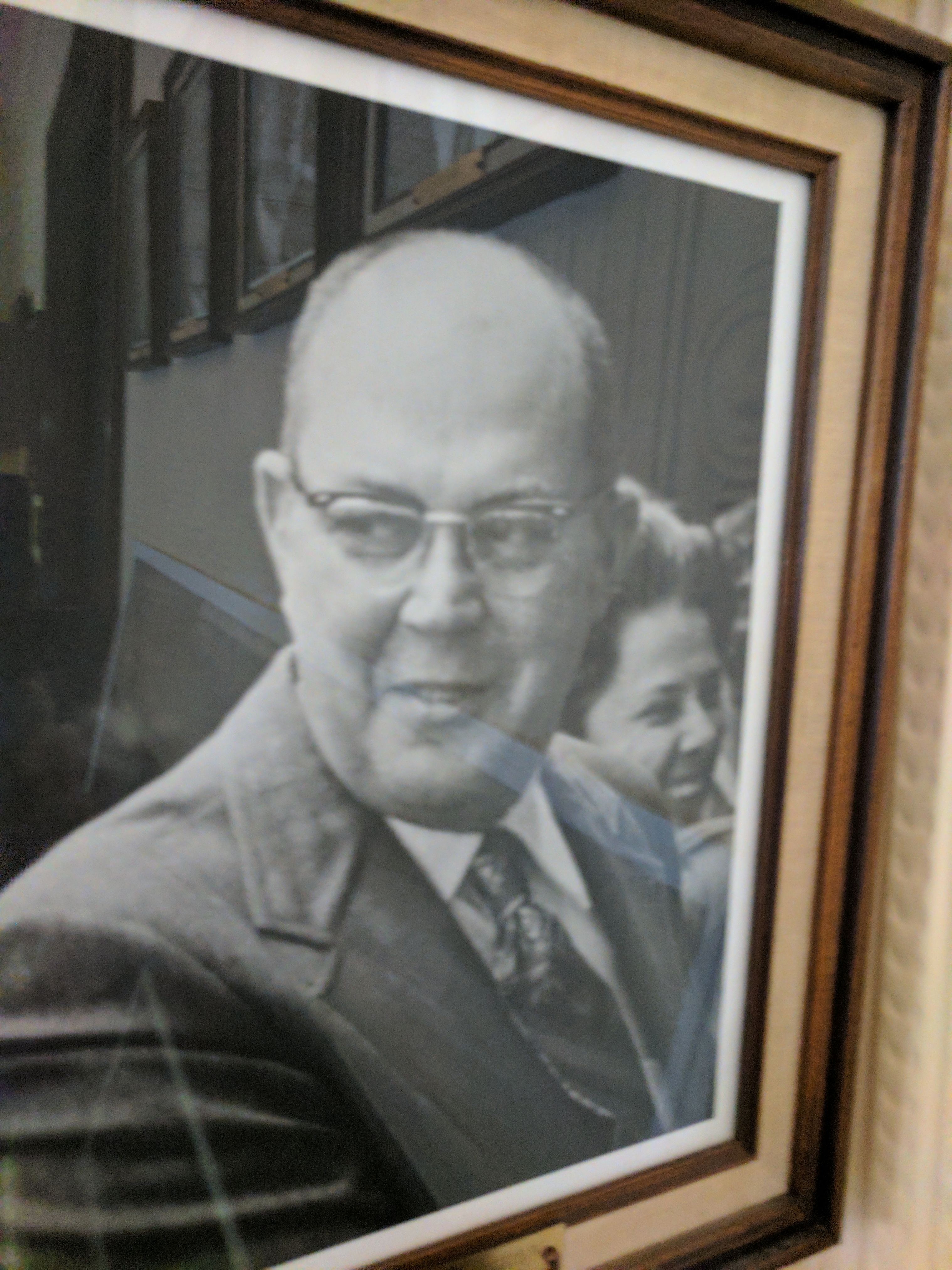
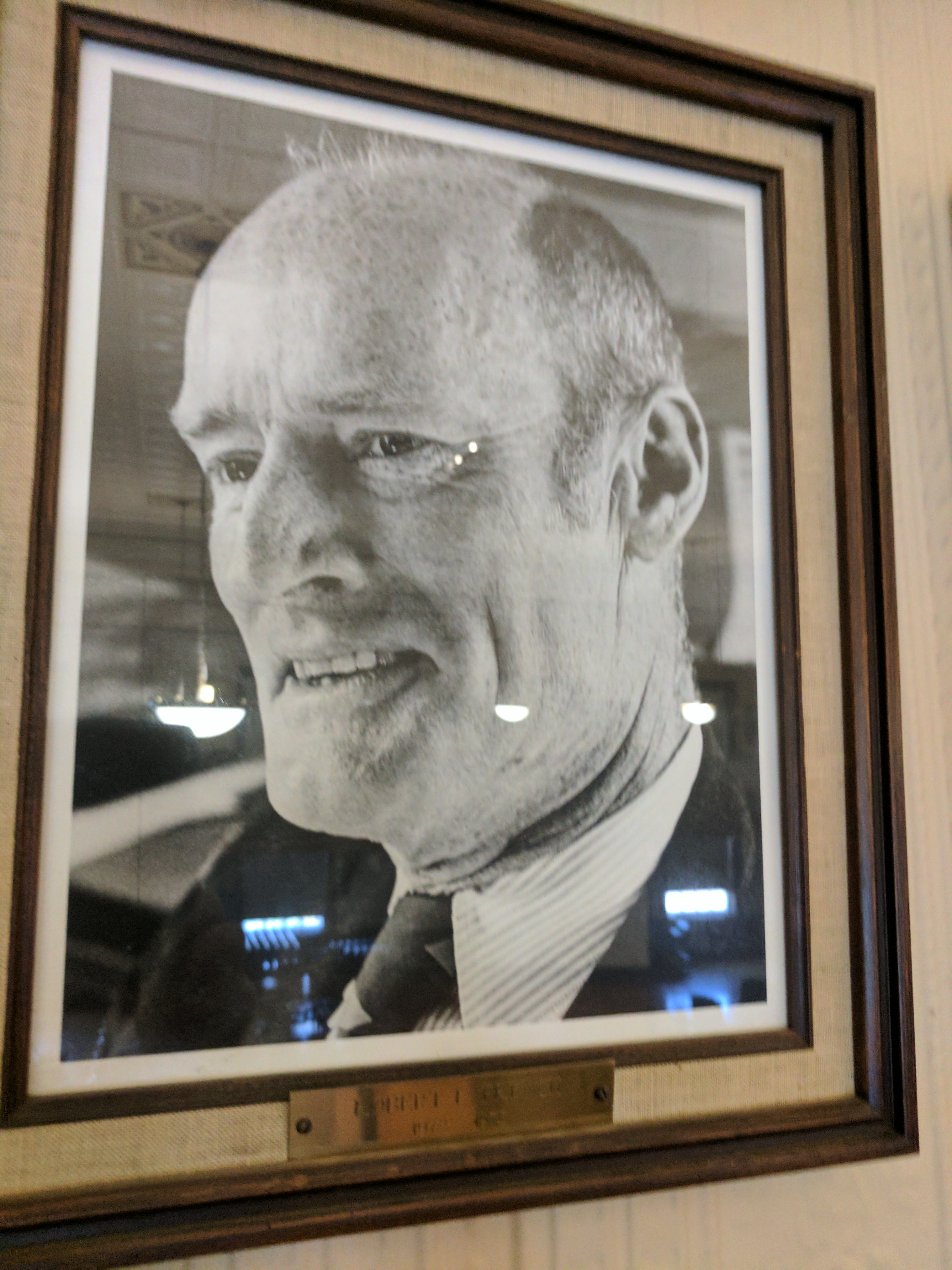
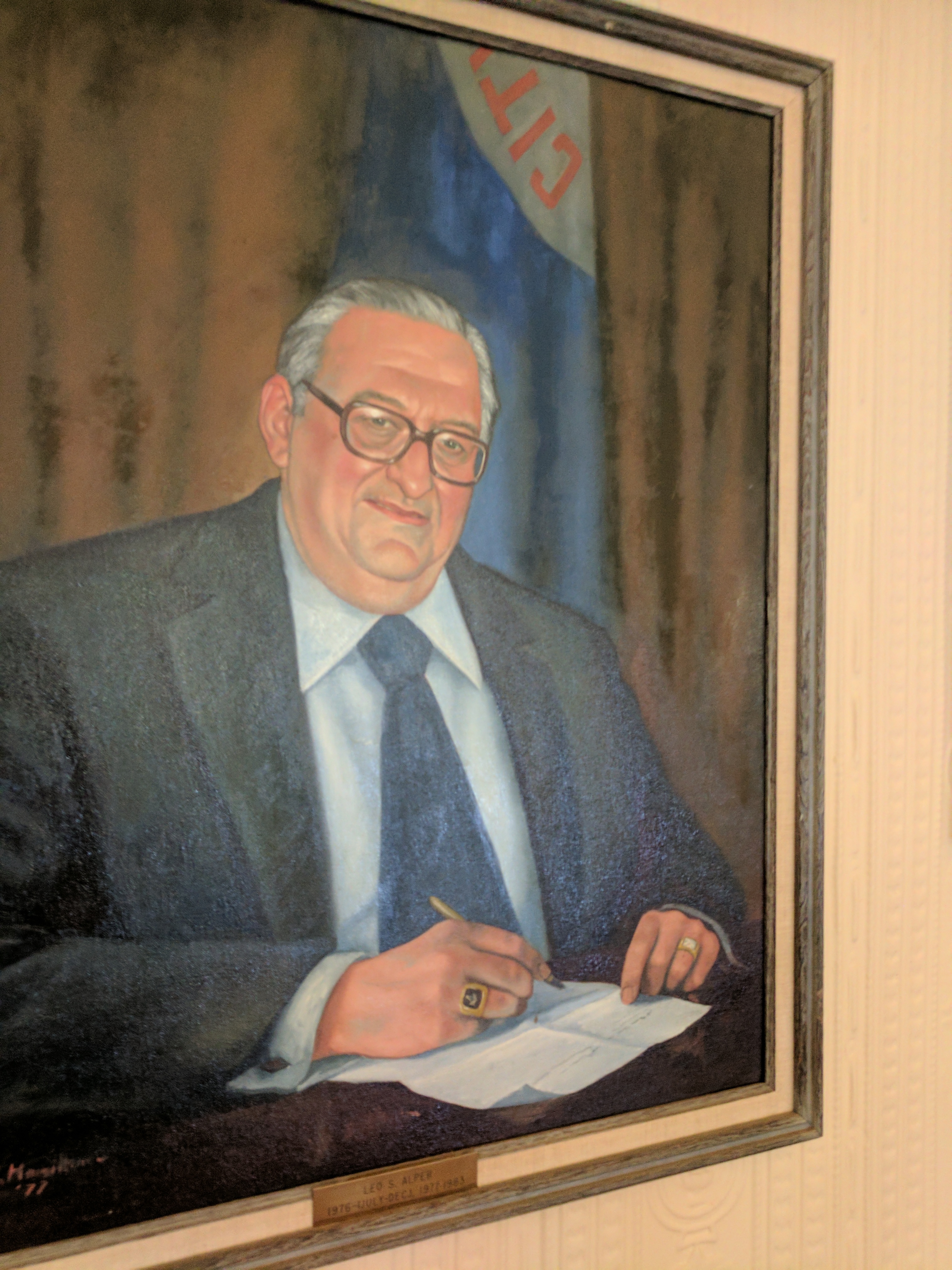
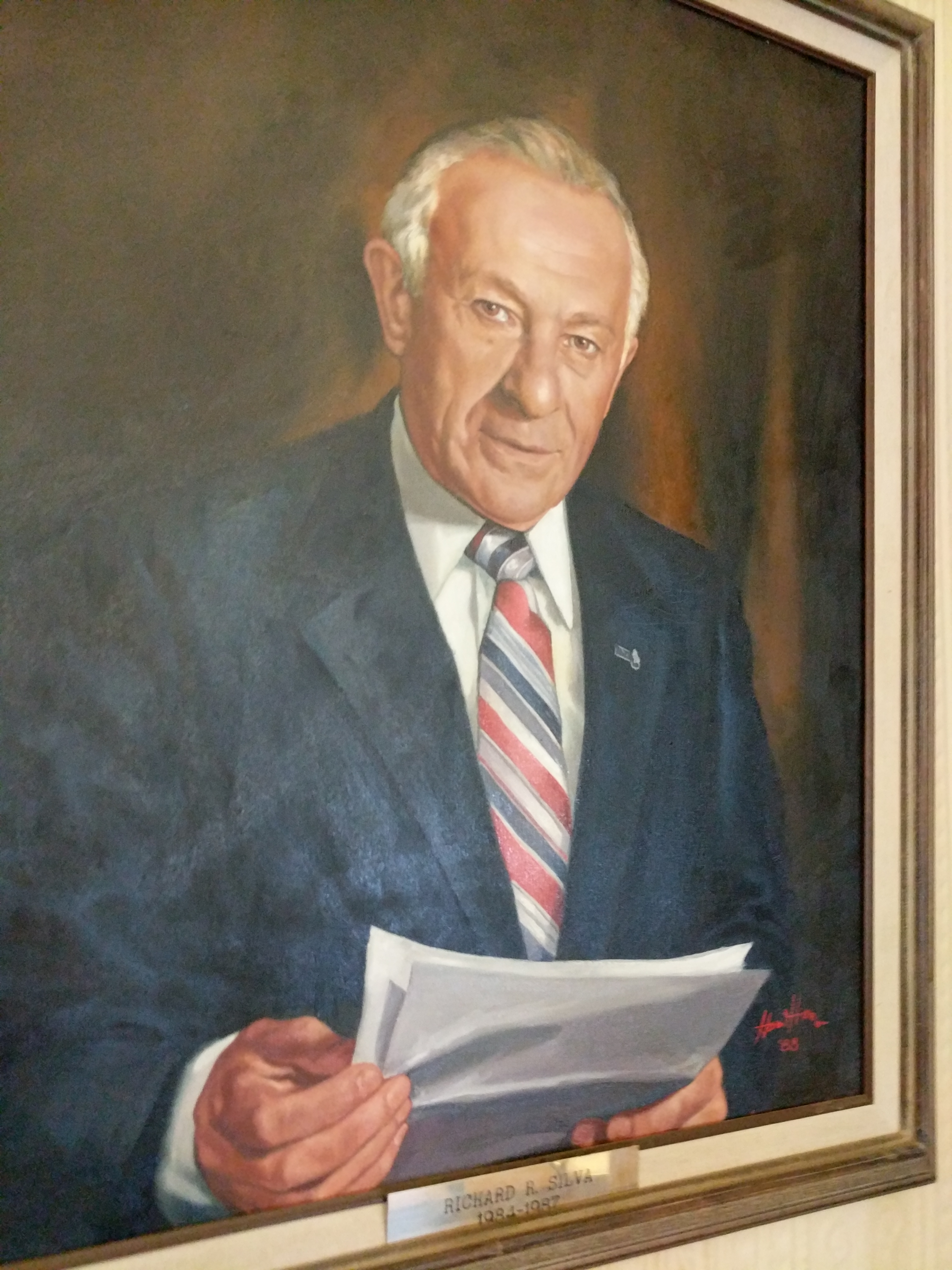
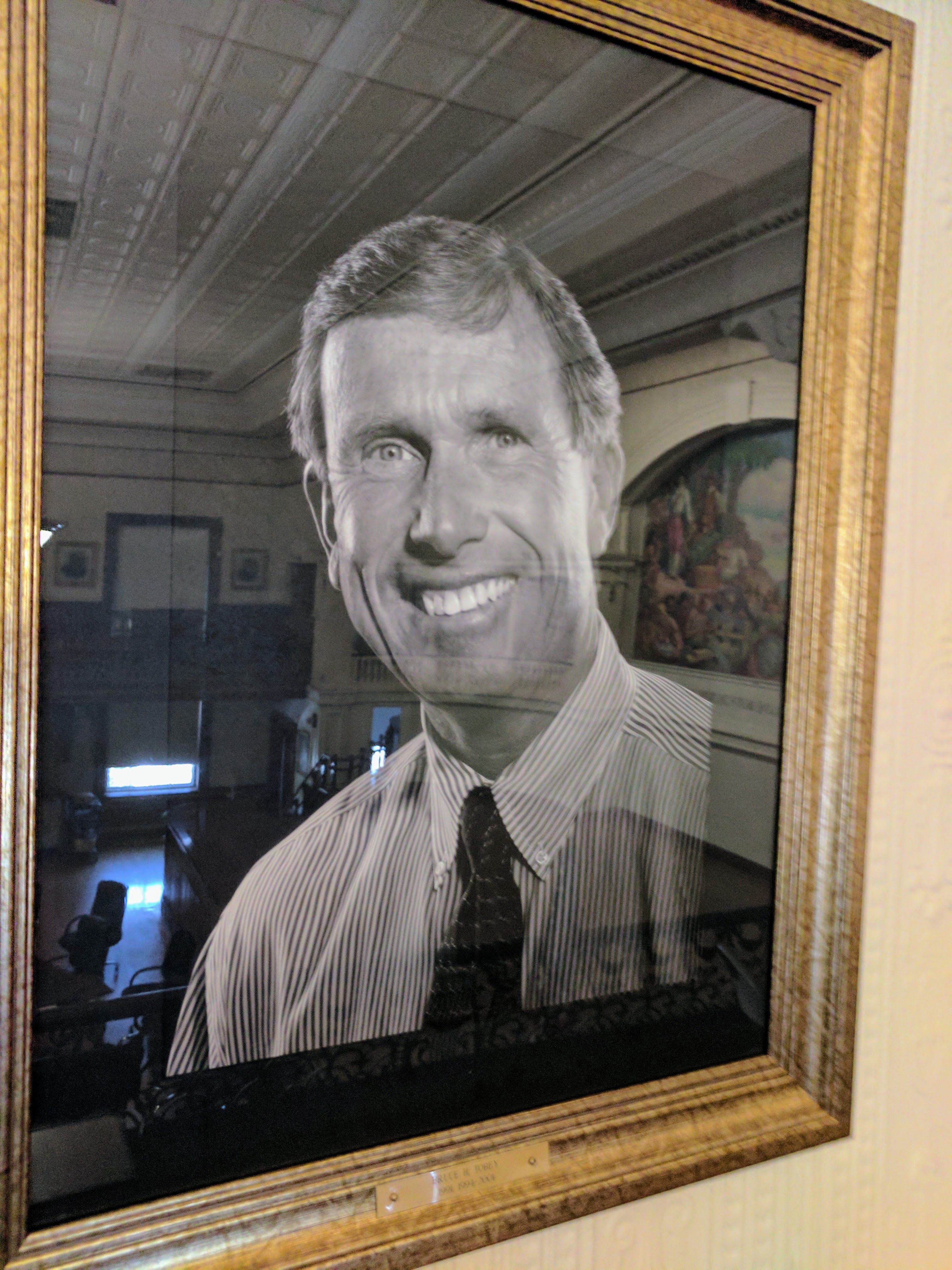
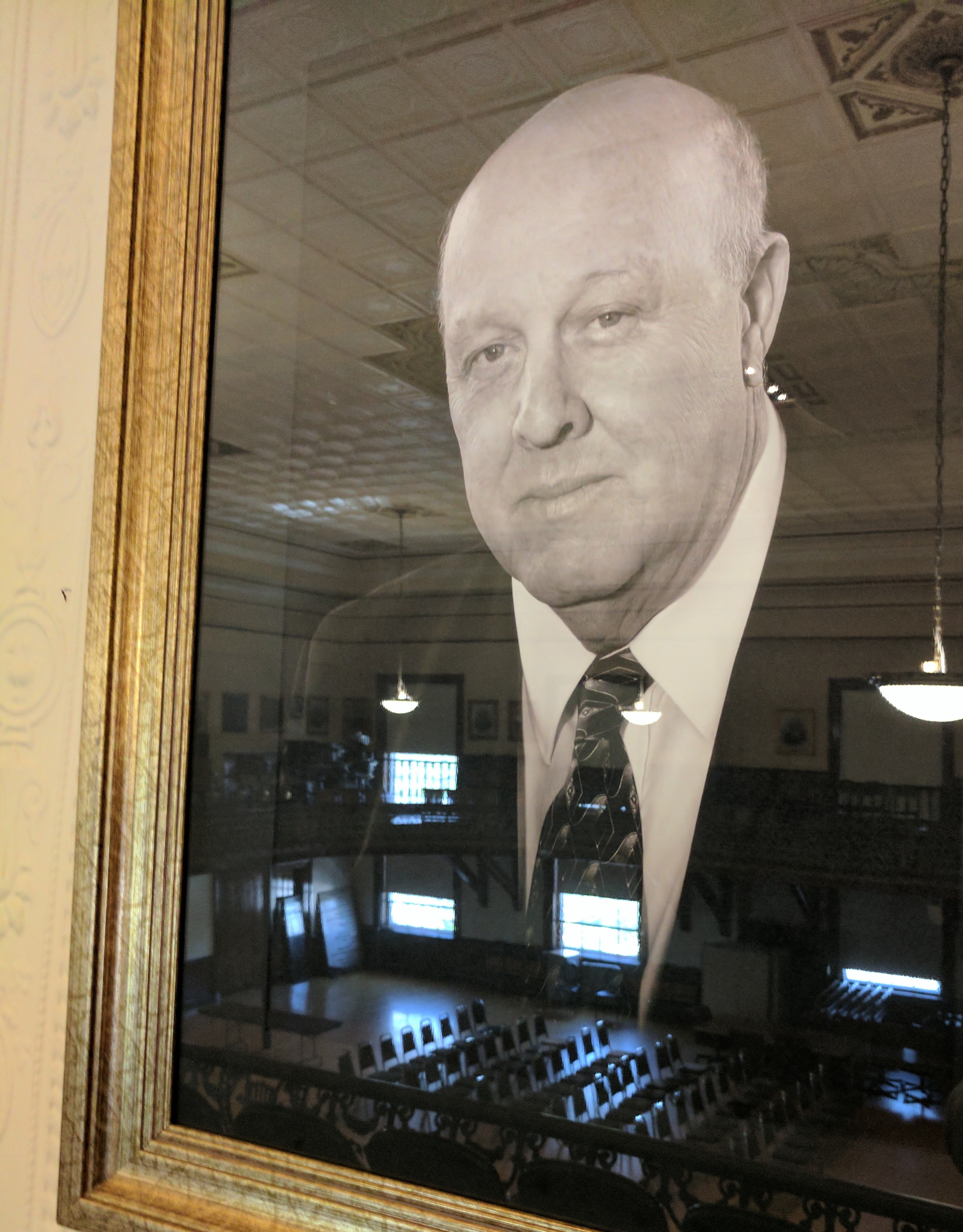
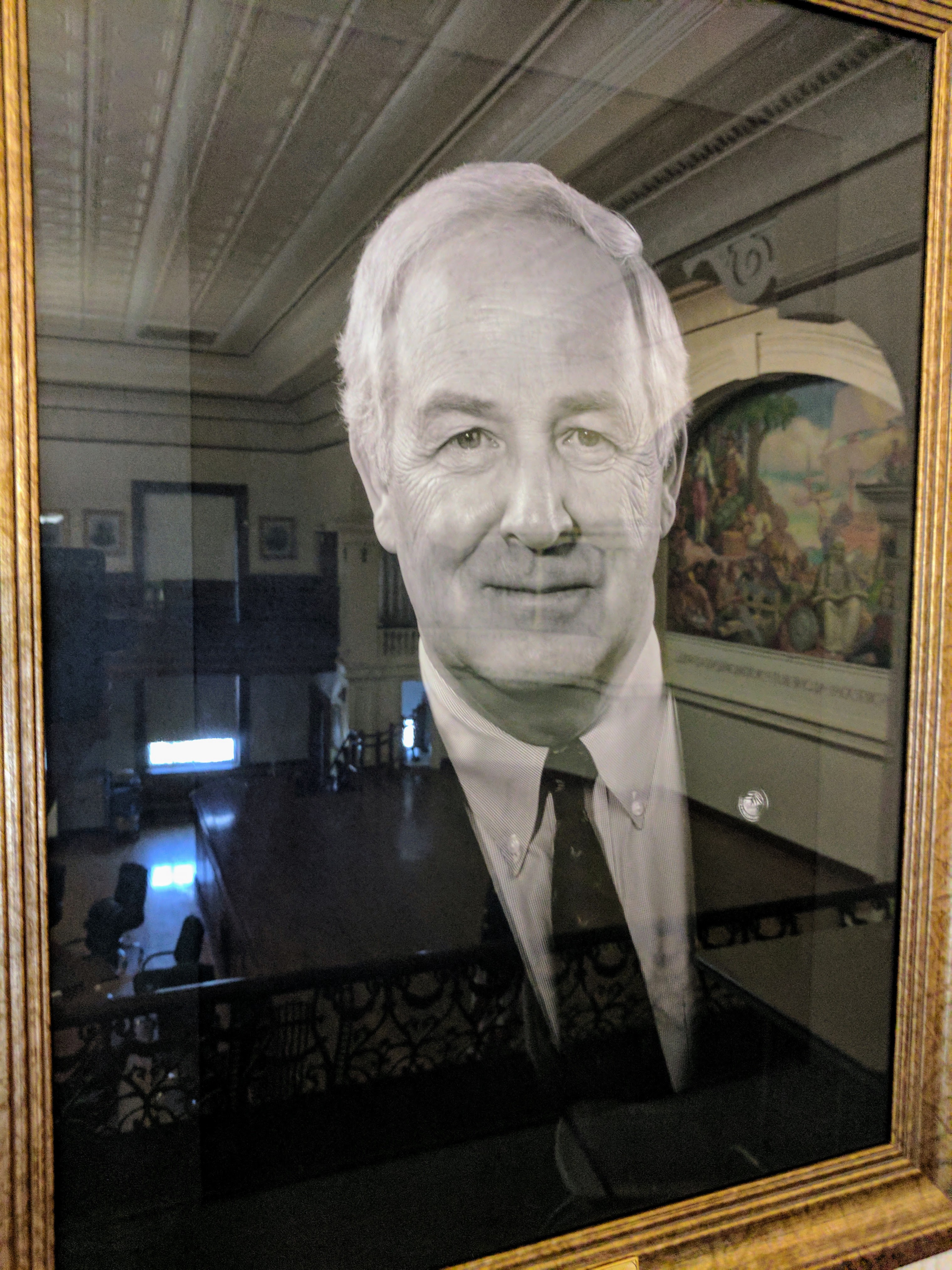
Portraits of many Gloucester Mayors are exhibited in Gloucester City Hall. These are photographs of (most of the) Mayor portraits I took back in 2017, after another inauguration. Paintings, photographs and drawings of Mayors have been commissioned or gifted then installed after the term(s) years of service.
Robert R. Fears 1874-76 first mayor
Allen Rogers 1876-78
J. Franklin Dyer 1878-79
William Williams 1879-80; 1882-83
Joseph Garland 1880-82
William H. Wonson 1883-85
John S. Parsons 1885-87
David I. Robinson 1887-88; 1896-97
William W. French 1888-91; 1899-1900; 1901-03
Asa Andrews 1891-1894
Benjamin Cook 1894-96
Frank E. Davis 1898-99
George E. Merchant 1900-1901
George E. Macdonald 1905-08
James Tolman 1903-05
Henry H. Parsons 1908-11
Isaac Patch 1911-12
Henry C. Foster 1912-15
Charles H. Barrett 1915-17
John Stoddart 1917-19
John J. Burke 1919-20
Charles D. Brown 1920-21
Percy Wheeler 1921-23
William J. MacInnis 1923-25
John E. Parker 1930-34
George H. Newell 1934-36
Weston U. Friend 1936-38
Elmer Babson 1938-39
Sylvester Whalen 1939-42
Donald Ross 1942-43
John J. Burke Jr. 1950-51
Joseph J. Grillo 1951-54
Benjamin A. Smith 1954-55
Beatrice Corliss 1955-59
John Stanley Boudreau 1960-61; 1970-72
Ralph B. O’Maley (at school)
Donald H. Lowe 1966-68
placeholder snap – Joseph Grace 1968-70
BuckKenneth K. “Bucky” Landergren city council 1960s
Robert French 1972-74
Norman C. Ross 1974-75
Stephen A. Moynahan, Jr. 1976
Lee Alper 1976-84
Richard Silva 1984-88
William Squillace 1988-91
Bruce Tobey 1991-92; 1994-2002
William Rafter 1992-94
John Bell 2002-2008
Carolyn Kirk 2008-15
Sefatia Romeo-Theken current Mayor since 2015
Spread The GMG Love By Sharing With These Buttons:



























































 Good Morning Gloucester