Big CAS news at UU Oct 3rd| Cape Ann Symphony Musicians Unleashed: Autumn Awakening concert at #GloucesterMA Unitarian Universalist Church 

Heidi Dallin shares happy news:

Cape Ann Symphony Musicians Unleashed Concert Series Returns LIVE On Sunday, October 3, 2021

AUTUMN AWAKENING at The Gloucester Unitarian Universalist Church

Cape Ann Symphony proudly announces Autumn Awakening, Musicians Unleashed Concert, at 3:00 pm on Sunday, October 3, 2021 at the Gloucester Unitarian Universalist Church, 10 Church Street, Gloucester, MA. Musicians Unleashed is a series of musical events featuring Cape Ann Symphony musicians performing in a variety of intimate settings on Cape Ann and beyond. CAS launched the popular series to an overwhelmingly enthusiastic audience response in 2019. The ticket price for Autumn Awakening is $40.  Call CAS at 978-281-0543 or go to www.capeannsymphony.org to purchase tickets. In accordance with the CAS Covid Safety Policy, all concert attendees will be required to show proof of Covid 19 vaccination or to present documentation of a negative test within 72 hours prior to the event and will be required to wear a mask during the performance.
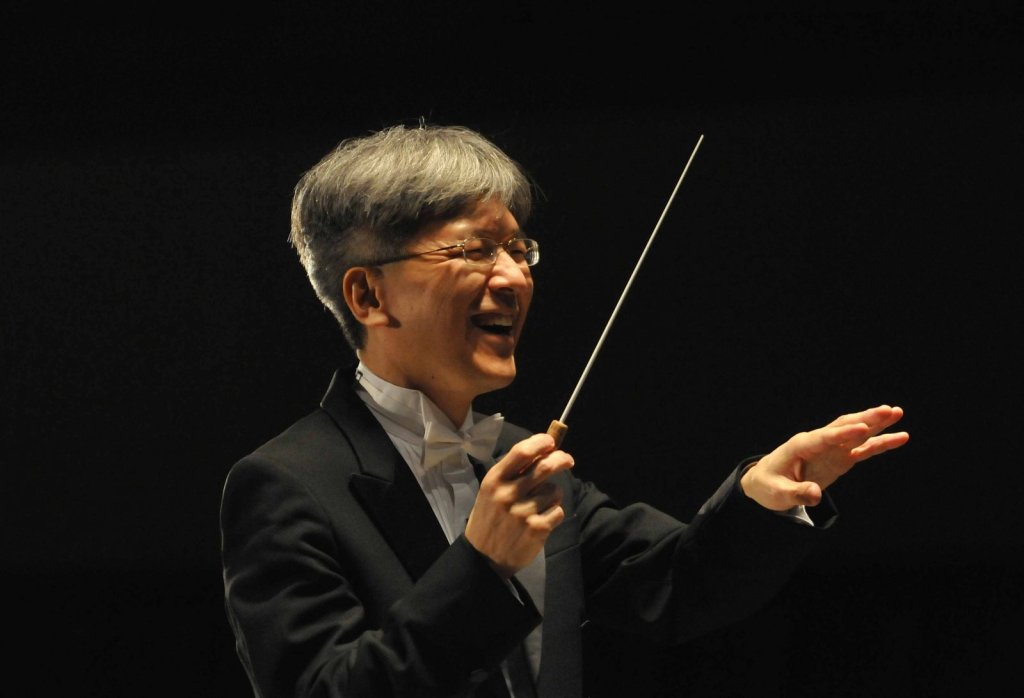
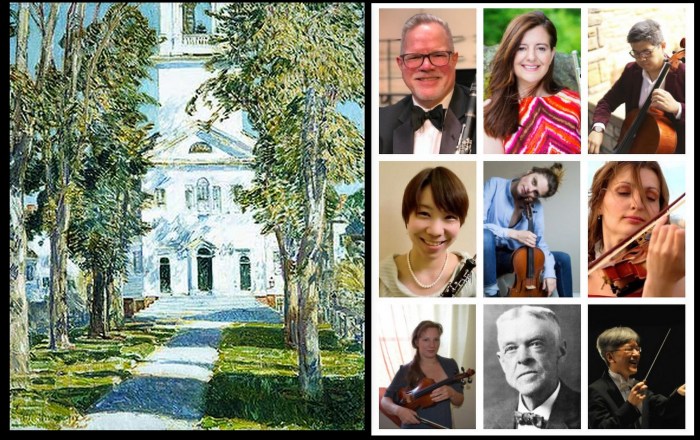
Autumn Awakening is a chamber music concert featuring music written for flute, oboe, clarinet and strings in various combinations and performed by seven CAS musicians at the Gloucester Unitarian Universalist Church. An historic meetinghouse founded in 1779, the church was the first Universalist congregation in the United States. Built in 1806, the building was created in a perfect “shoe box” design which gives it ideal acoustics. CAS Music Director Yoichi Udagawa programmed a varied selection of music written by a mix of well known and lesser known composers from all over the world.  Maestro Udagawa and the musicians will introduce each piece of music to offer audiences insight and little known facts about the composers and their music.  

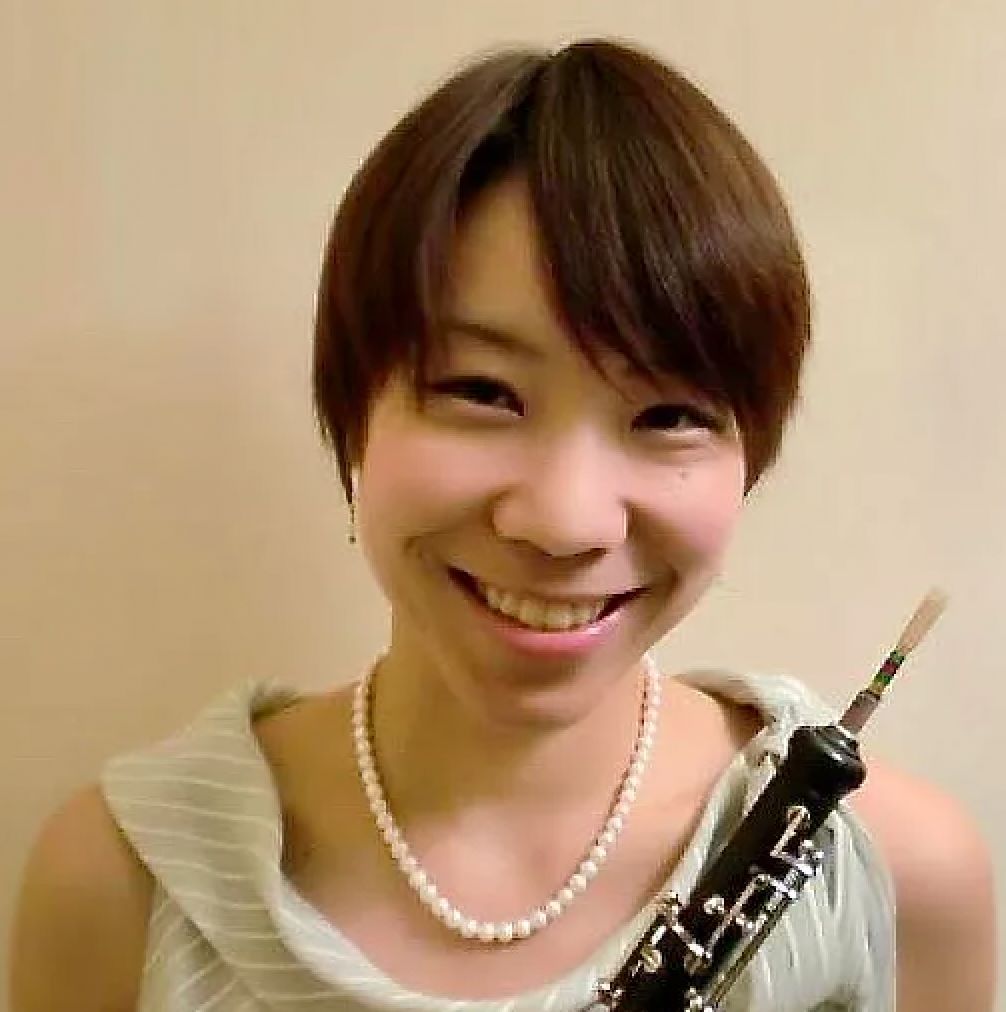
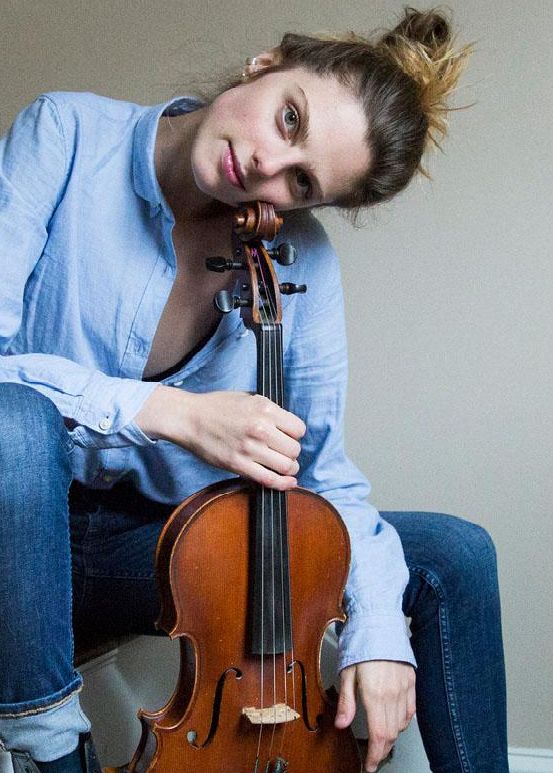
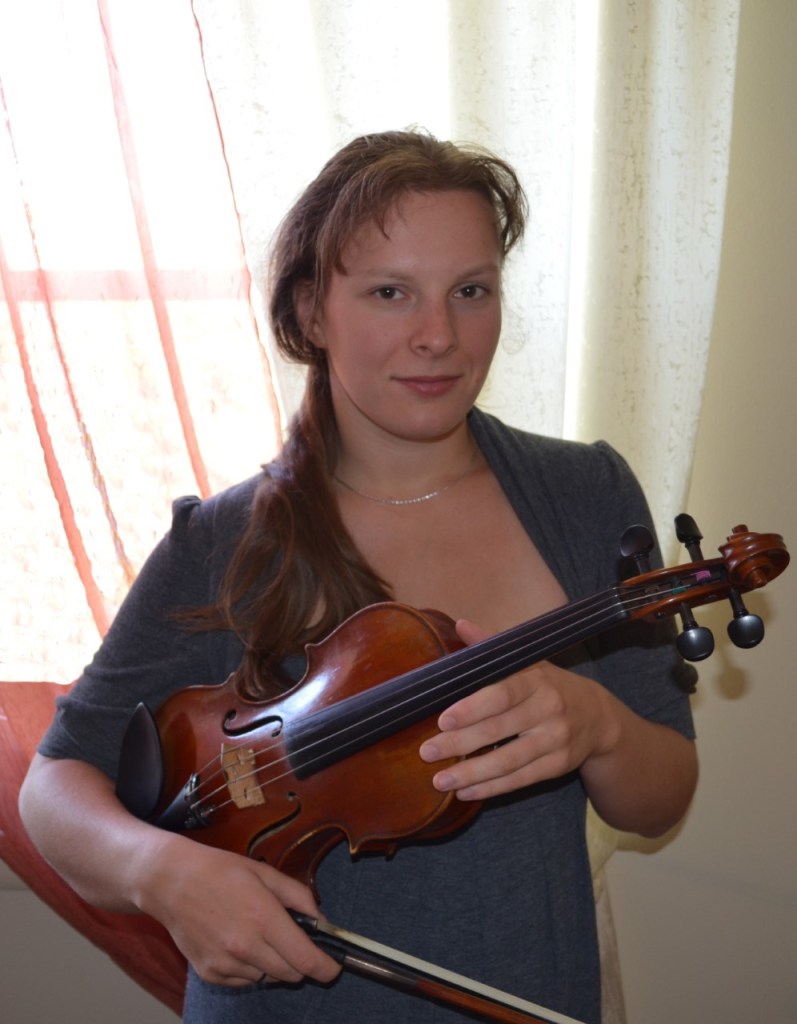
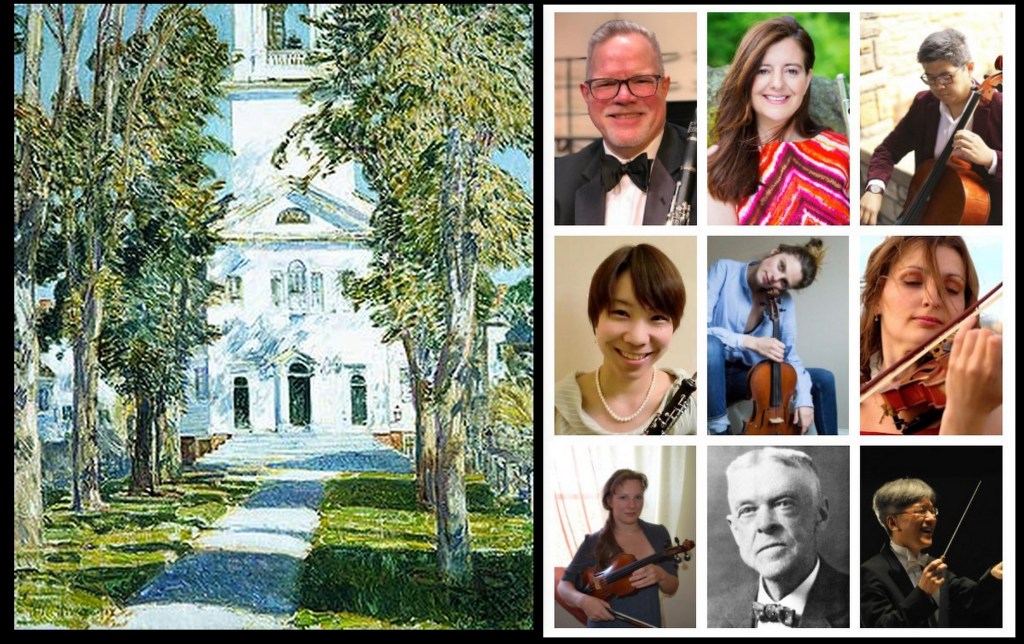
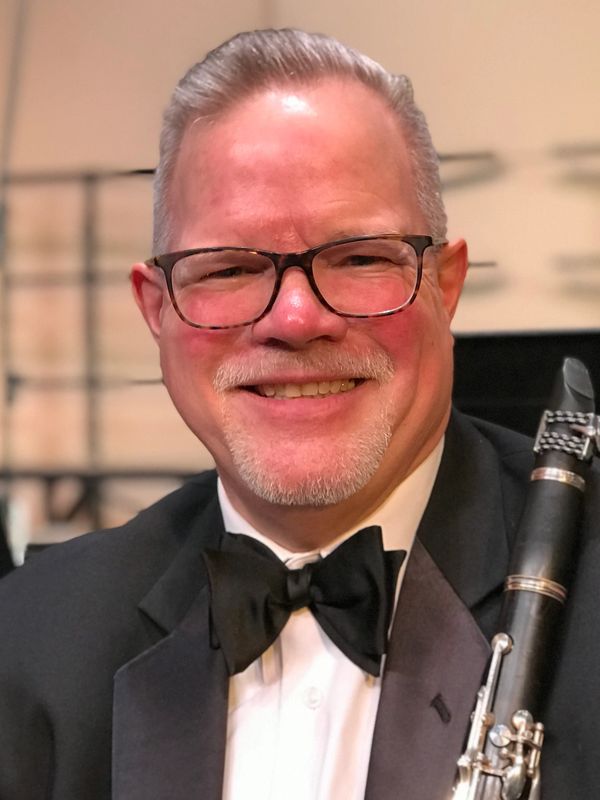
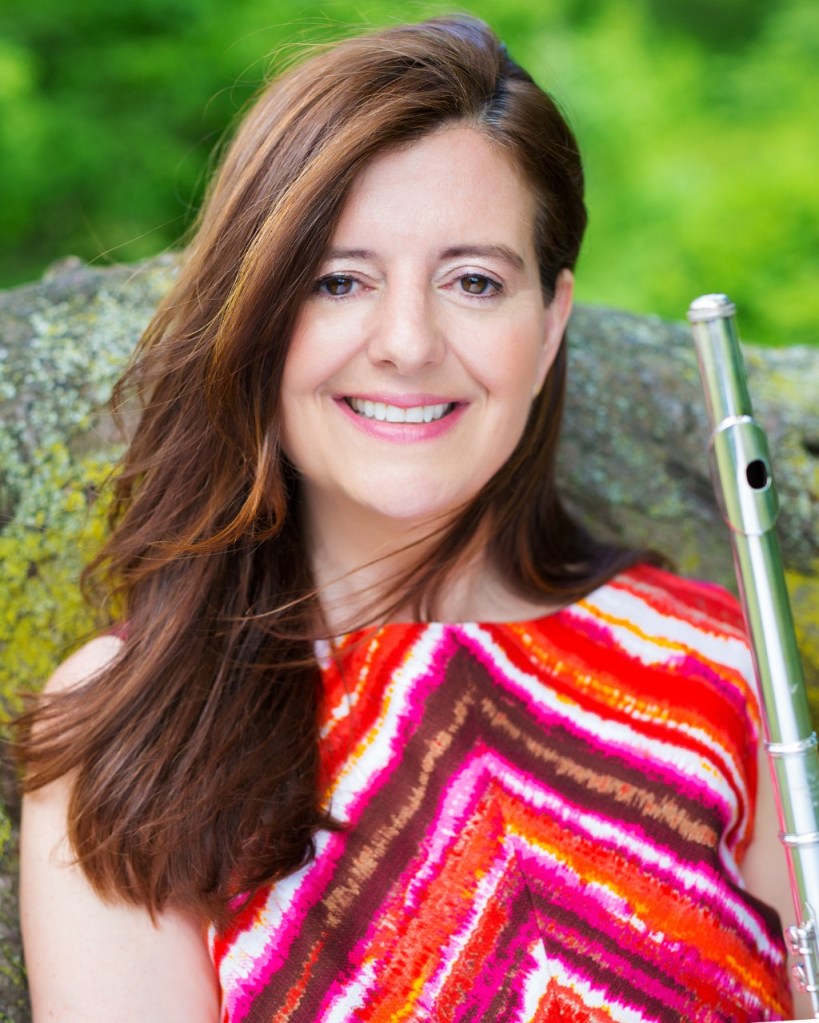
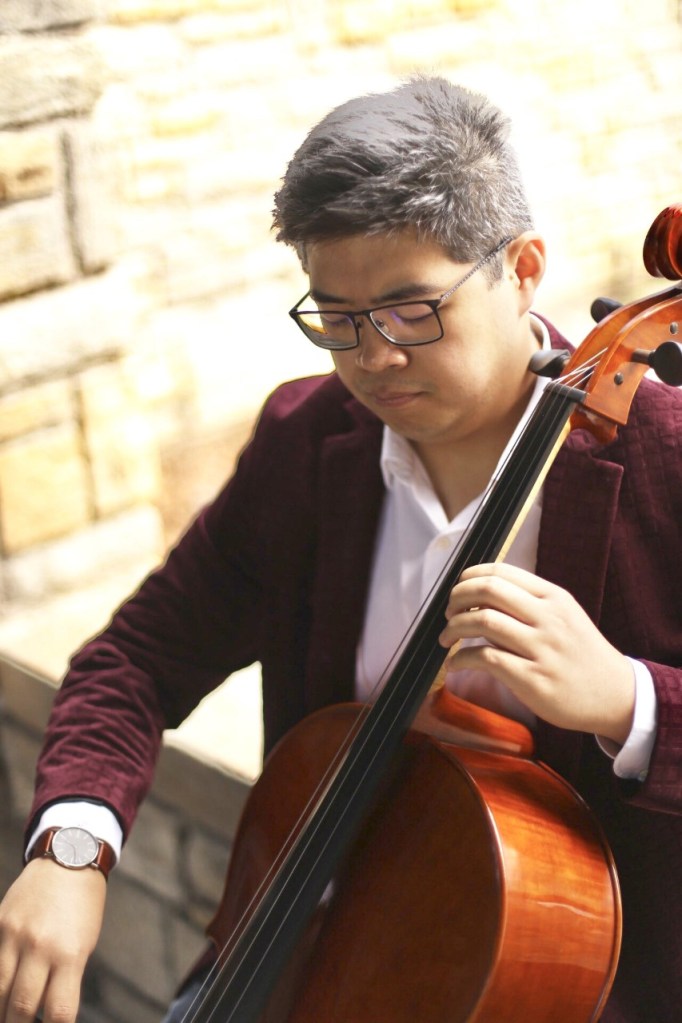
Maestro Udagawa looks forward to these intimate Musicians Unleashed concerts, “ The Cape Ann Symphony is made up of extraordinary musicians, and we are thrilled to be able to highlight them! This concert will feature our principal flute, oboe and clarinet as well as some of our outstanding string players. We tried to make this concert a mixture of different composers as well as combination of instruments, and I’m sure the audience will enjoy this concert very much.” The musicians performing in Autumn Awakening are Stephanie Stathos, flute; Izumi Sakamoto, oboe; Bill Kirkley, clarinet; Oksana Gorokhovskiy, violin; Olga Kradenova, violin; Anna Stromer, viola, and Johnny Mok, cello. The concert program includes Salem, MA  born and raised composer Arthur Foote’s Scherzo for Flute and String Quartet; British composer Malcolm Arnold’s Divertimento for Flute, Oboe and Clarinet; Austrian composer Wolfgang Amadeus Mozart’s Oboe Quartet; German composer Johannes Brahms’ Clarinet Quintet, 1st Movement; and Czech composer Antonin Dvorak’s American String Quartet, 4th Movement.

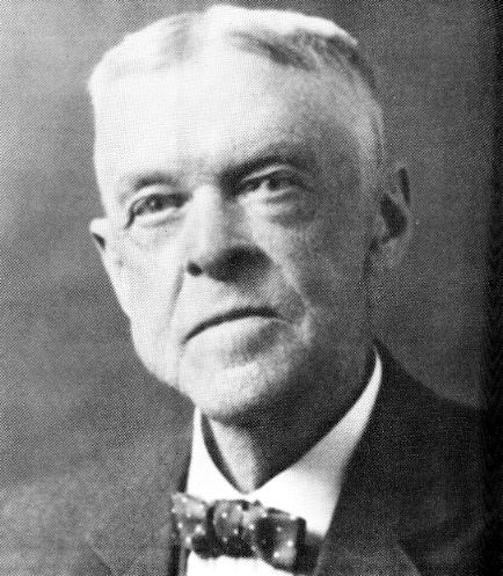
Salem native composer Arthur Foote, known for his chamber music, art music and choral music, was also a musician and a teacher.  “When thinking about the program for the concert, we wanted to include music by a ”local”,” explains Udagawa, “and this charming piece by Arthur Foote fit the bill perfectly! We have an amazing tradition of musicians, writers and artists who worked right here in our area, and left great works for all of us to enjoy. And Gloucester’s Unitarian Universalist Church is a perfect venue for Foote’s music with his strong ties to the Unitarian Church.” Foote’s father, Caleb Foote, was the owner and editor of the Salem Gazette and his mother, Mary Wilder Foote, was a devout Unitarian. Arthur Foote began composing while studying harmony at the newly formed New England Conservatory in 1867. He then went on to study music at Harvard University where he received a Bachelor of Arts and the very first Master of Arts degree in Music awarded by an American university according to Foote’s Faculty Papers at New England Conservatory .

Arthur Foote was a leading member of a group of composers known as the Boston Six or the Second New England School. Together, the Six: John Knowles Paine, Horatio Parker, George Chadwick, Edward MacDowell, Amy Beach, and Arthur Foote wrote the first substantial body of “American” classical music. “In his time Foote was considered to be the ‘Dean of American Composers'” points out Maestro Udagawa.

 Arthur Foote was the organist and Choirmaster at the First Unitarian Church in Boston for 32 years, taught piano in his own studio for over 50 years and served on the faculty of New England Conservatory for 16 years, teaching piano and piano pedagogy. Foote helped edit Hymns of the Church Universal in 1890, and collaborated in the writing of Hymns for Church and Home, prepared for the American Unitarian Association in 1896 according to Unitarian Universalist History & Heritage Society

Ticket prices for Autumn Awakening are $40. Call Cape Ann Symphony at 978-281-0543 or go to www.capeannsymphony.org for tickets. In accordance with the CAS Covid Safety Policy, all concert attendees will be required to show proof of Covid 19 vaccination or to present documentation of a negative test within 72 hours prior to the event and will be required to wear a mask during the performance.
REVIEW: Art at Peabody Essex Museum | Hasten to Hassam

CHARLES HASSAM SURVEY AT PEM 2016

20161007_130922

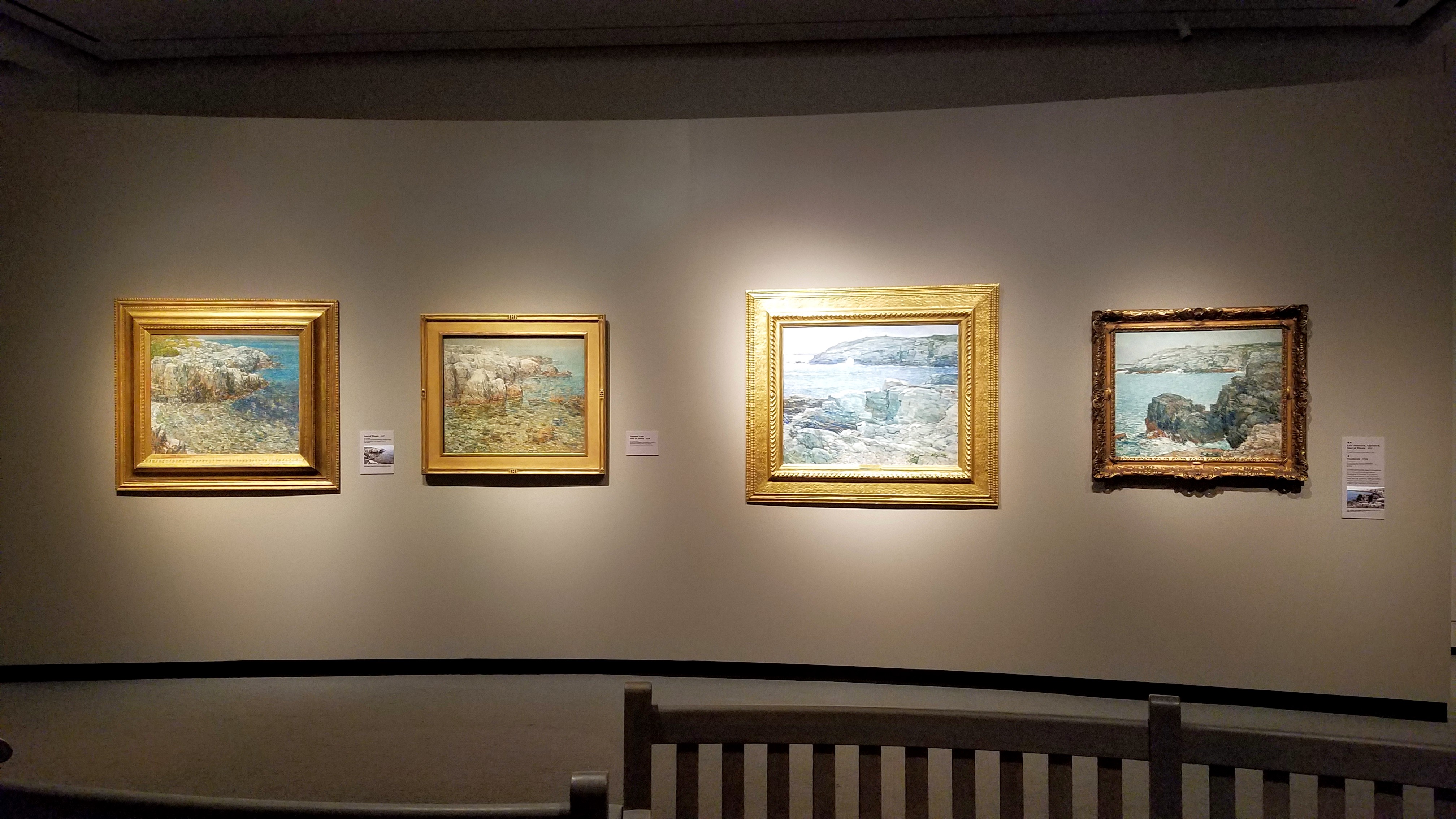
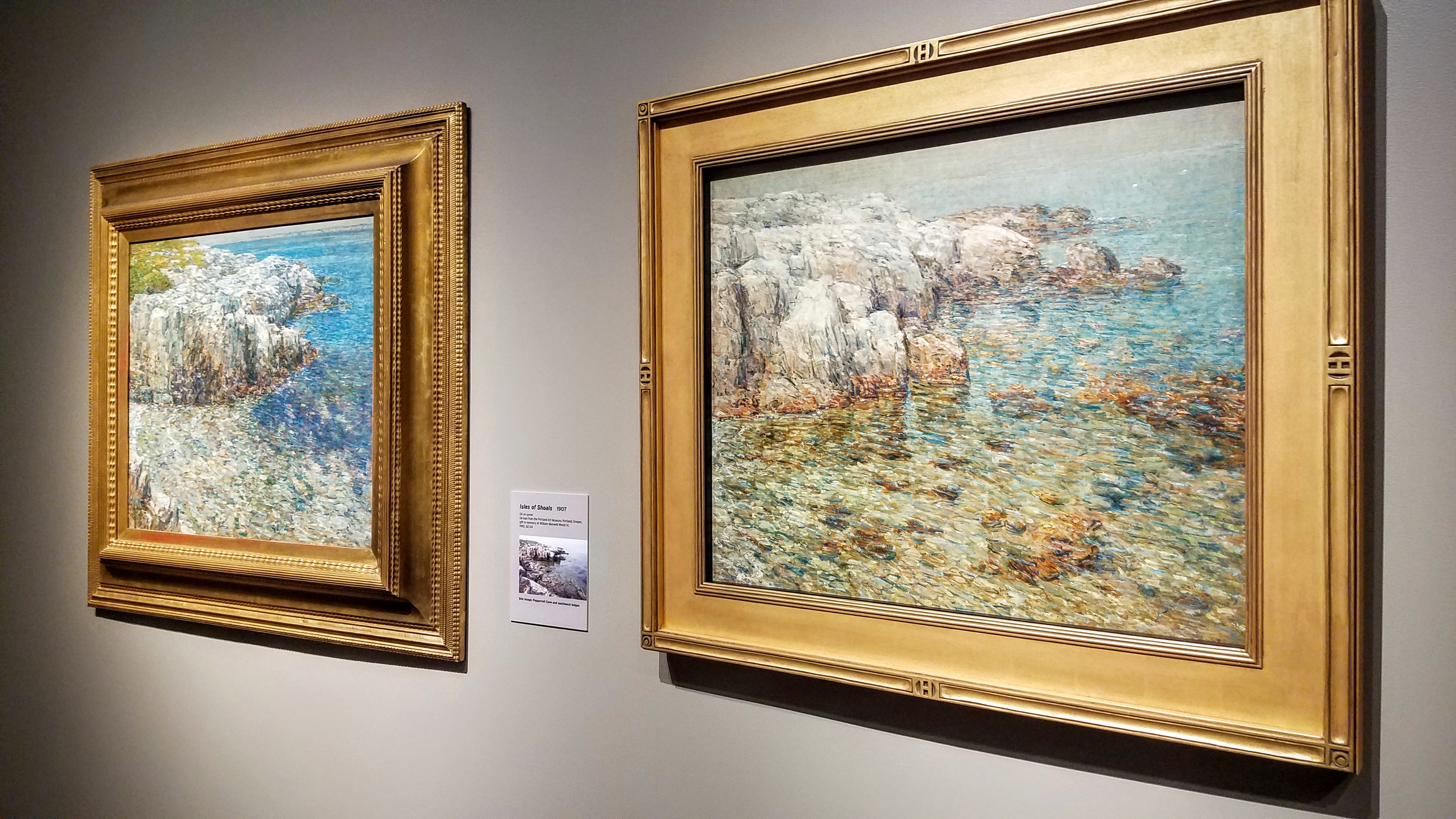
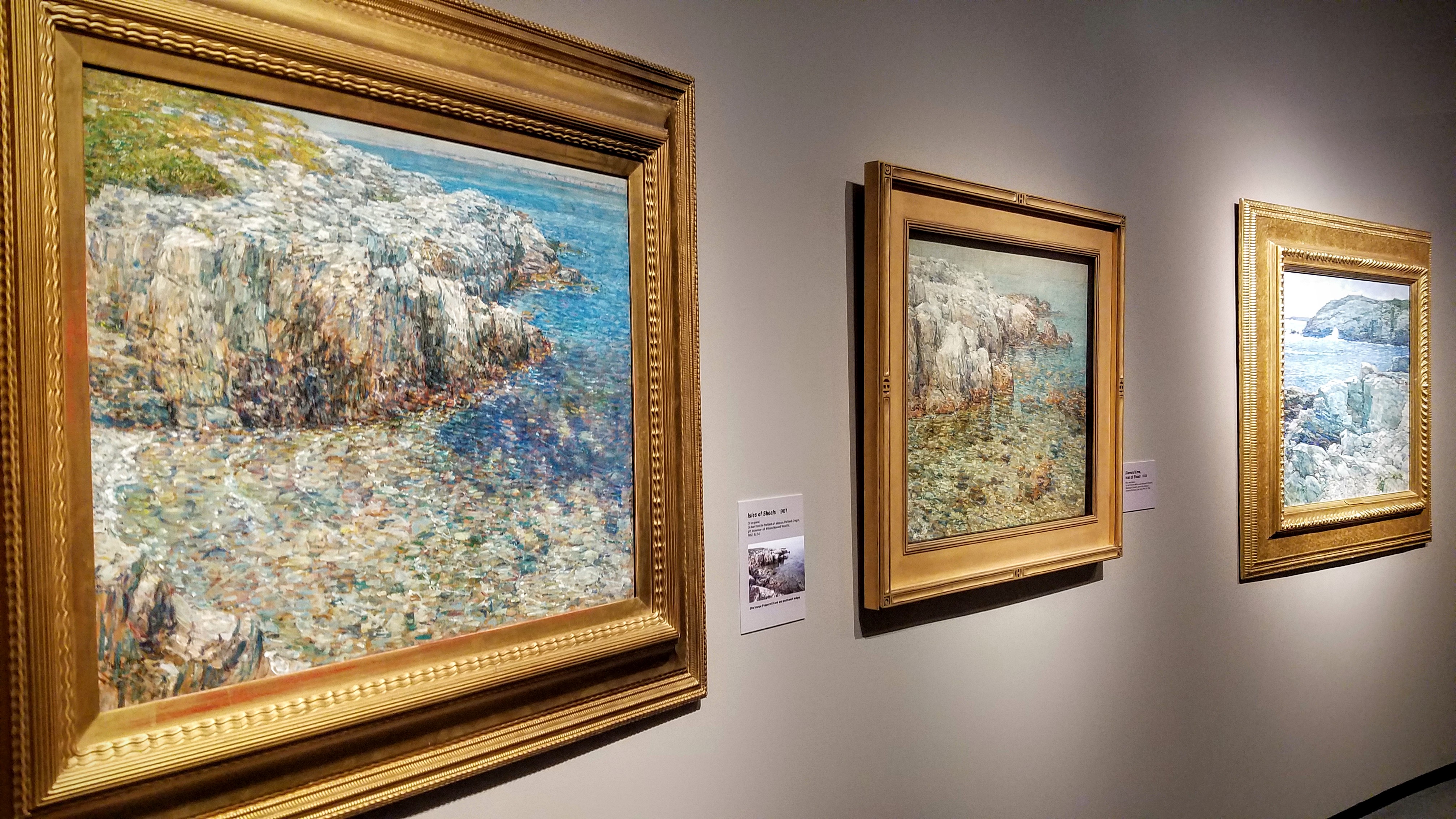
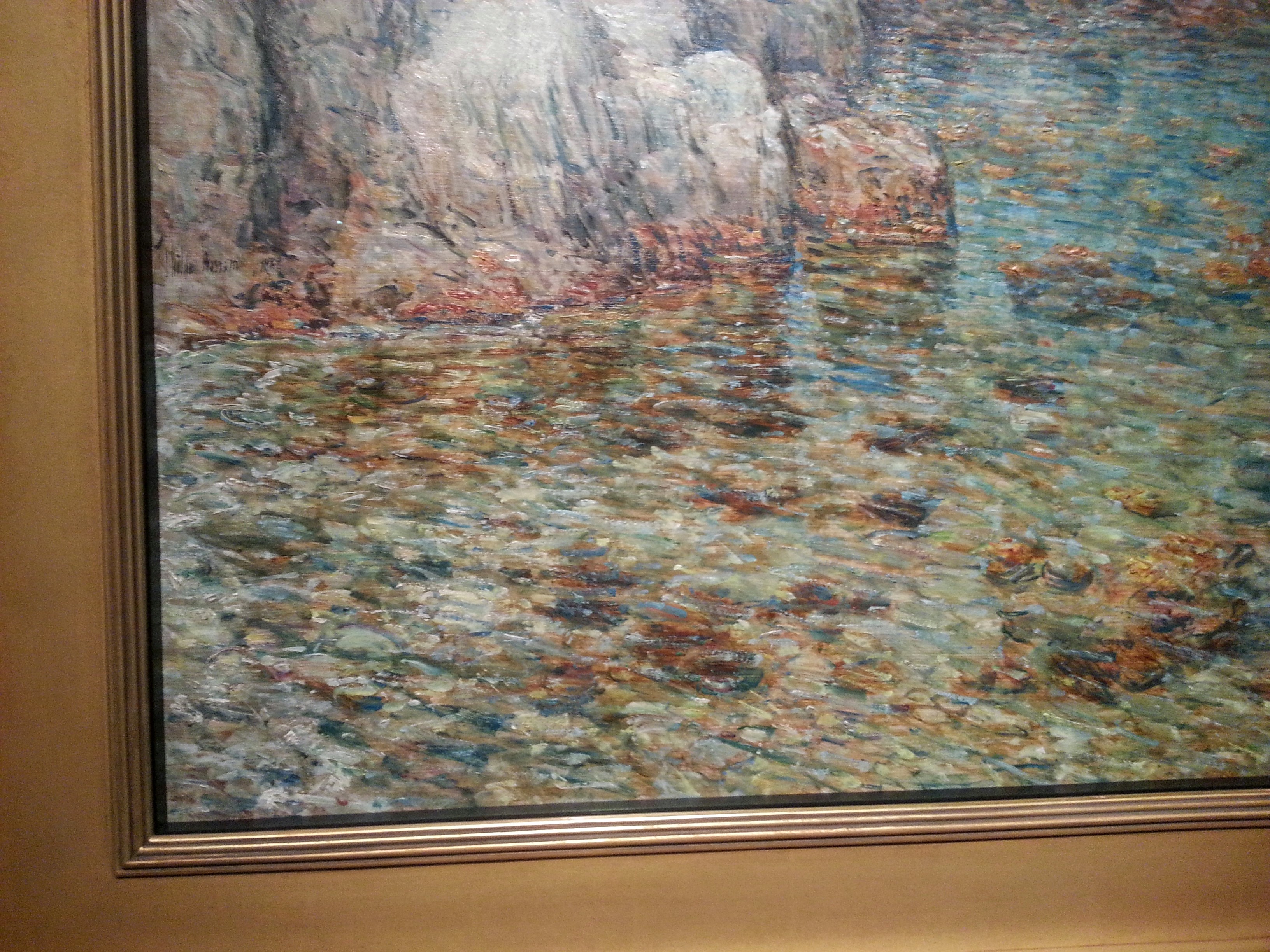
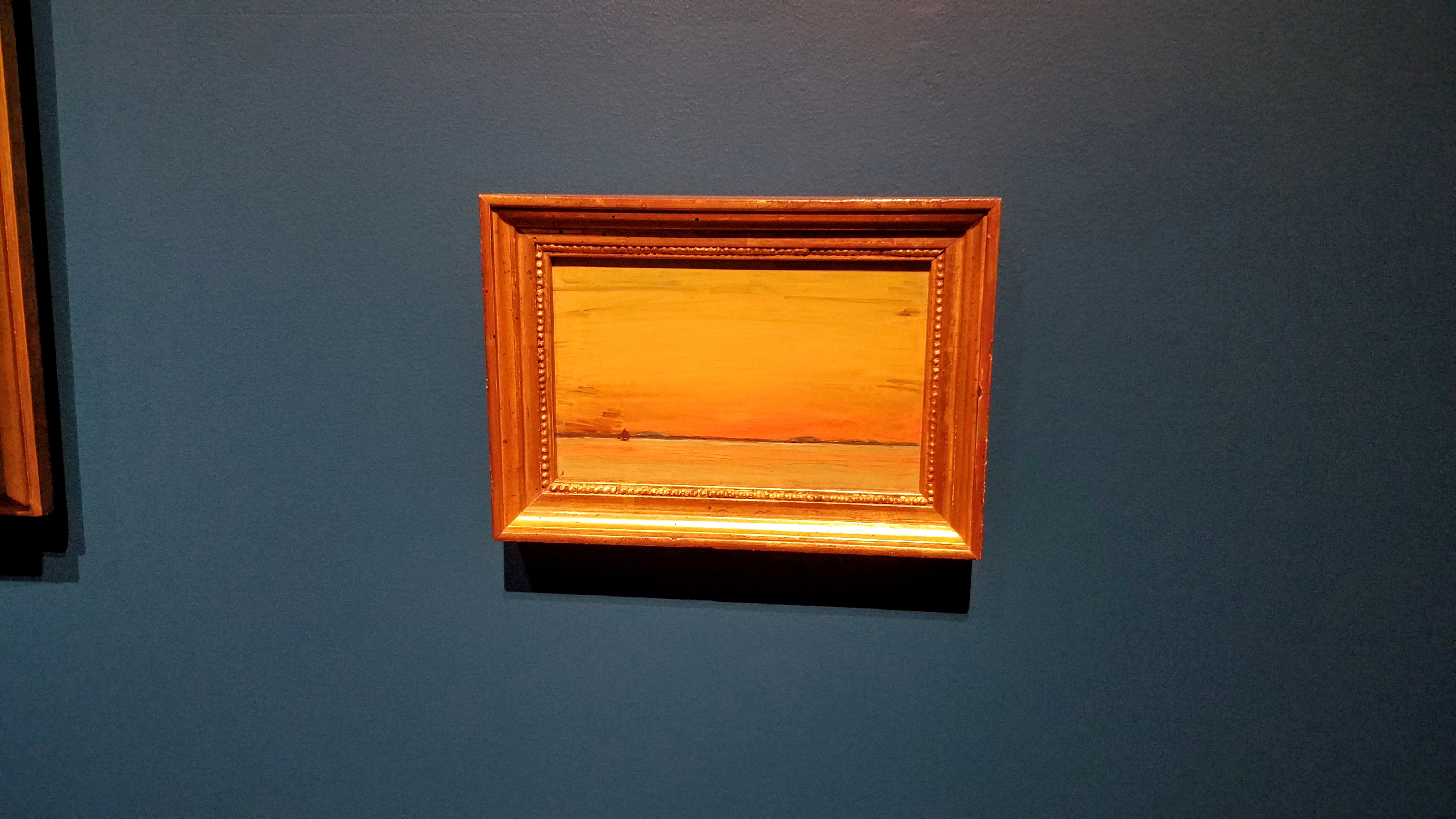
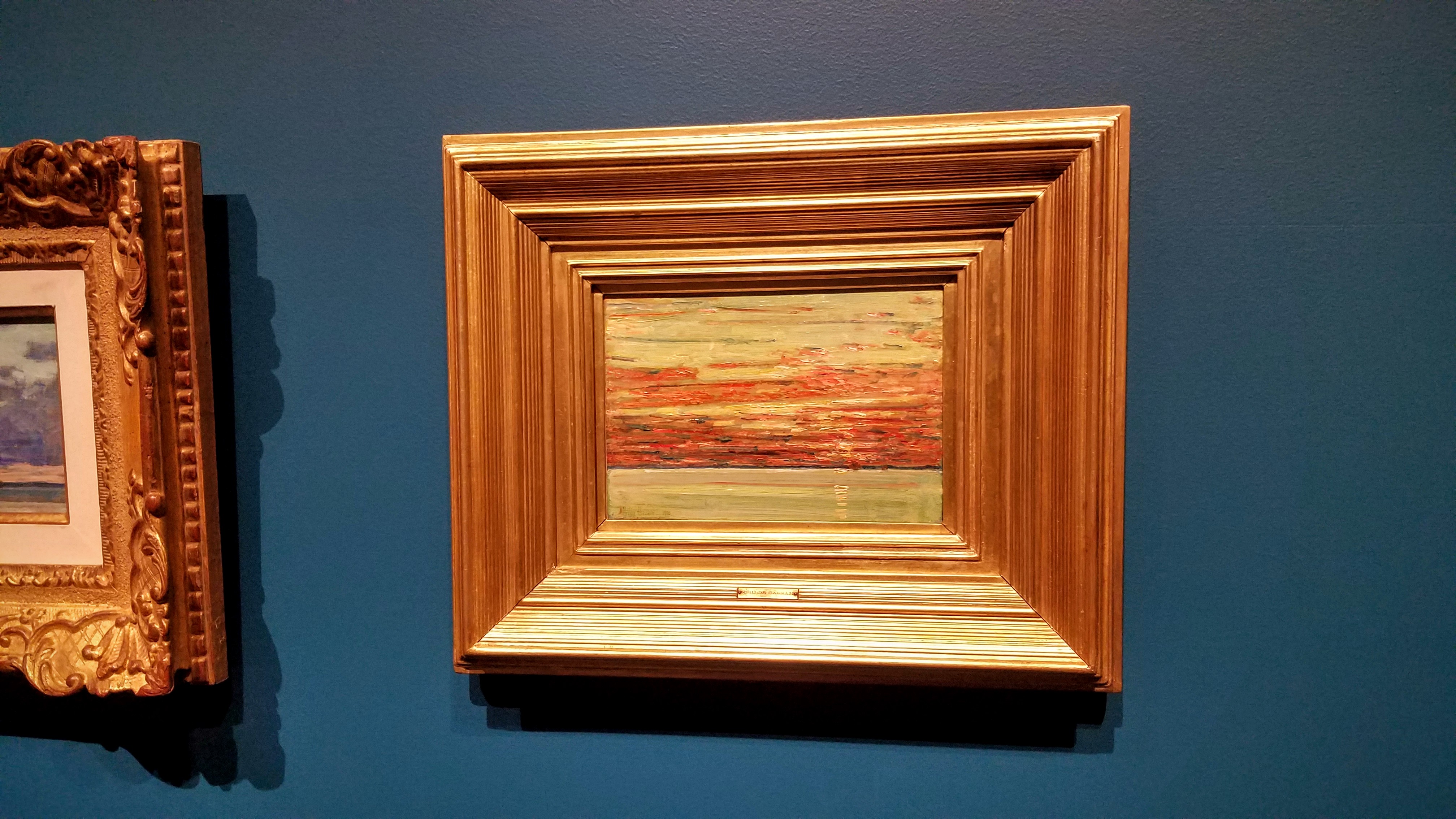
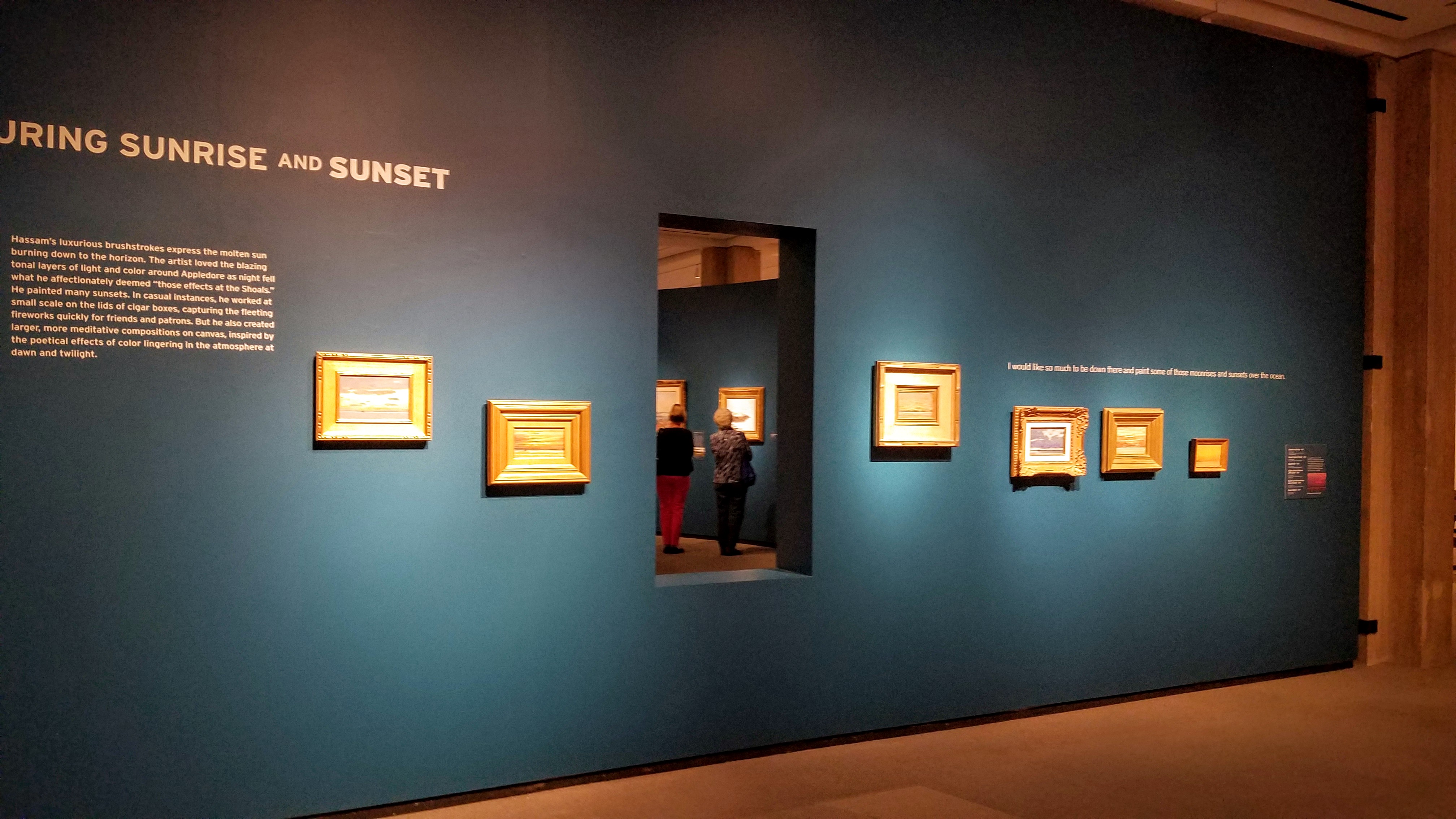
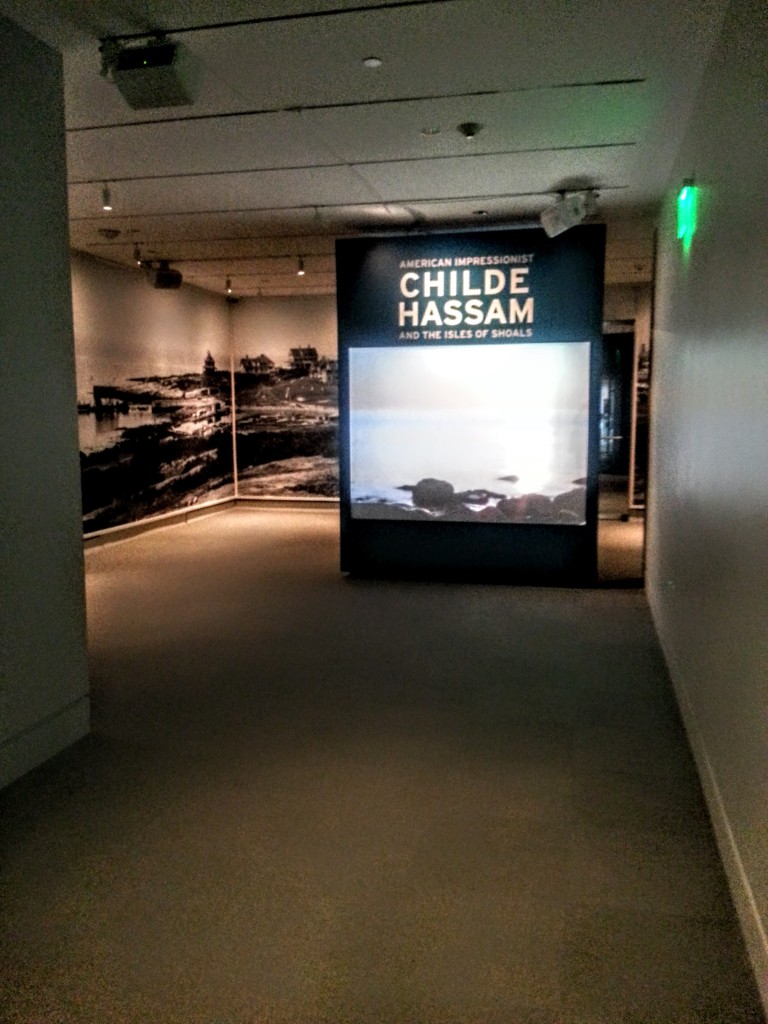
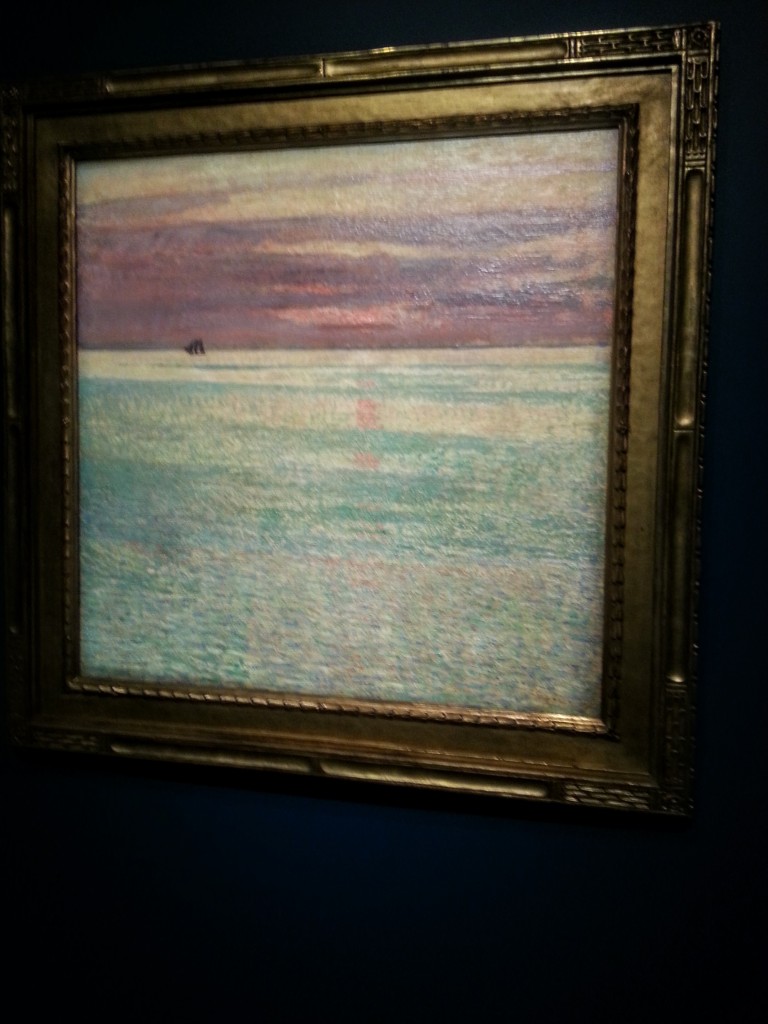
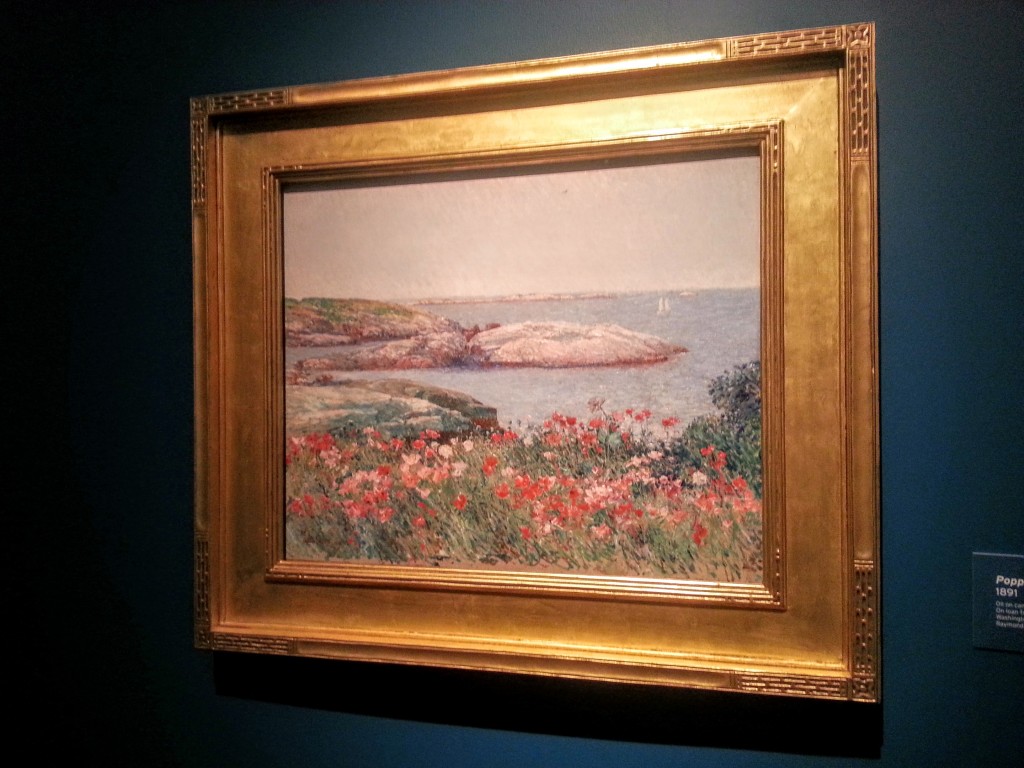
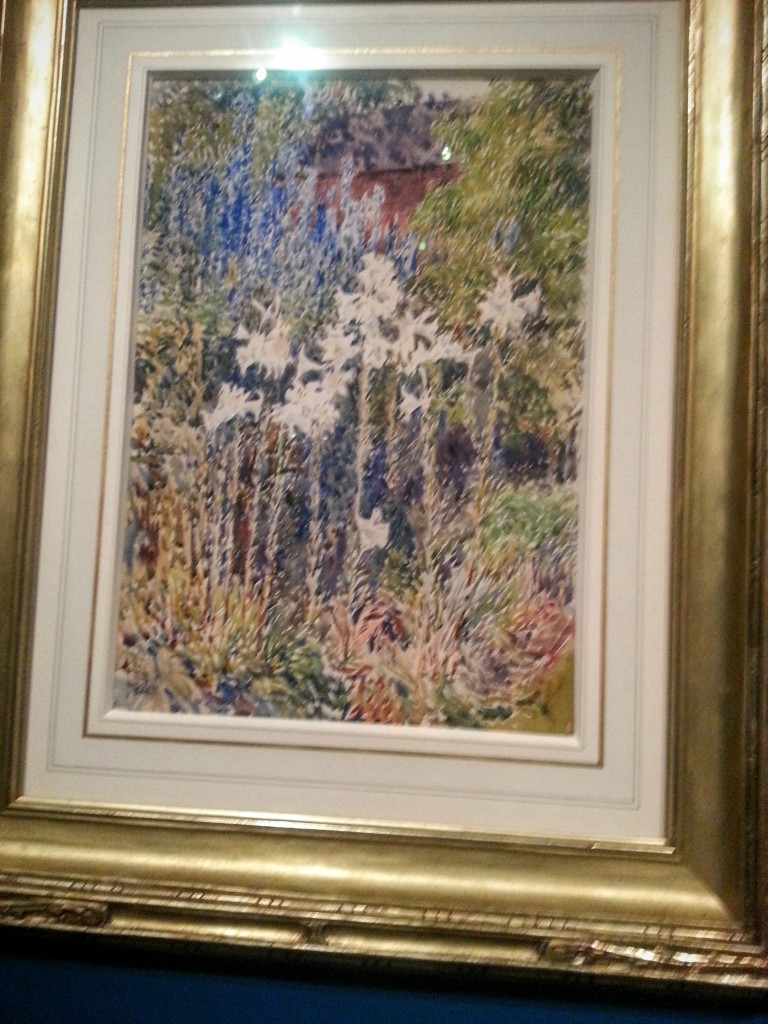
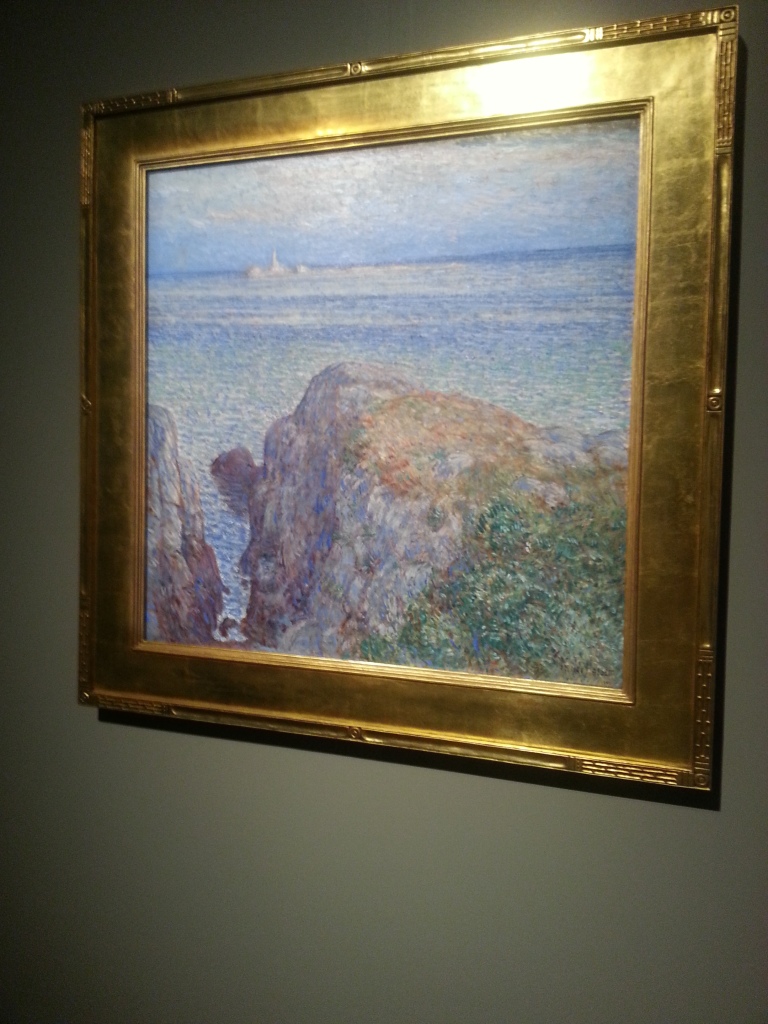
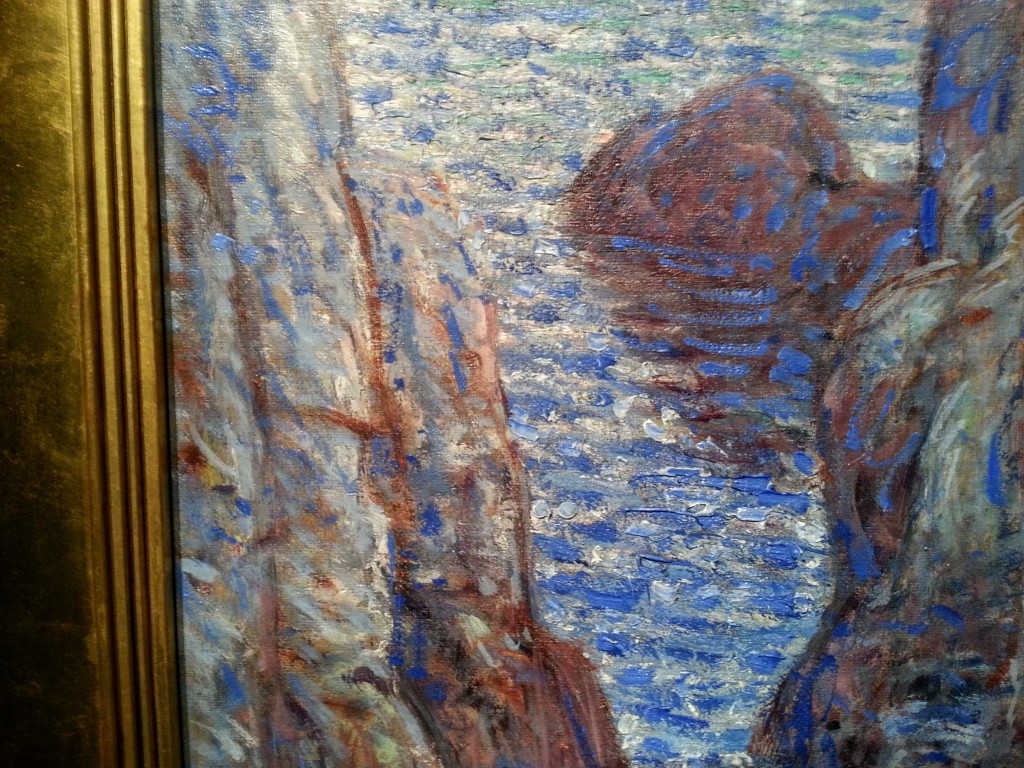
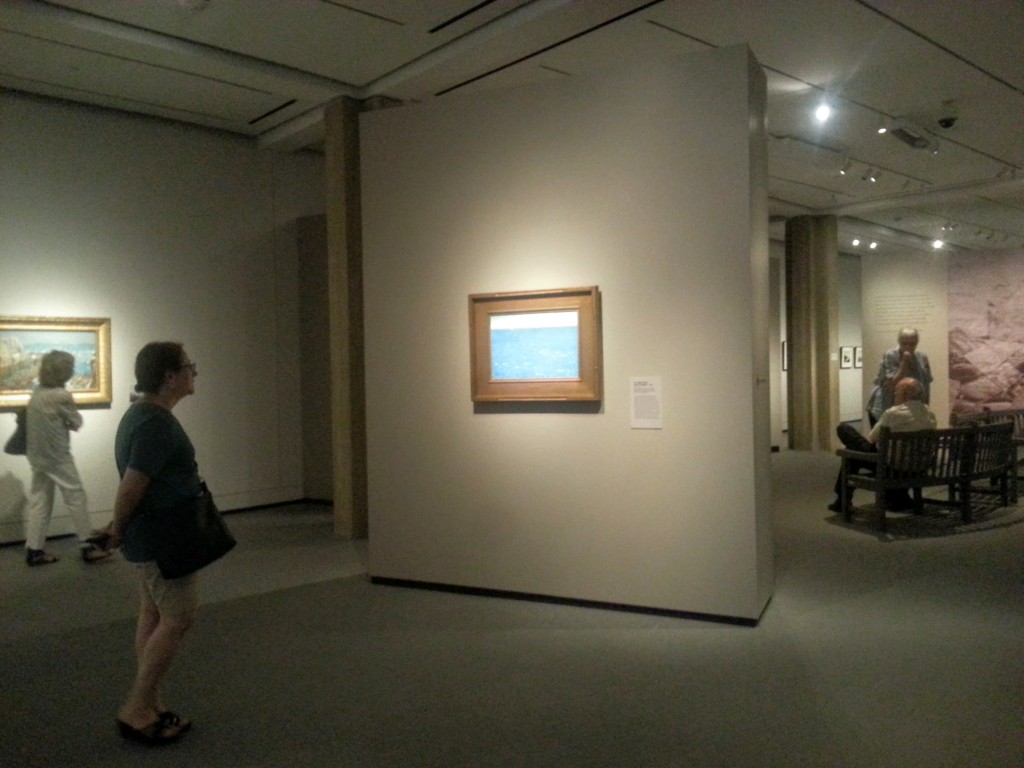
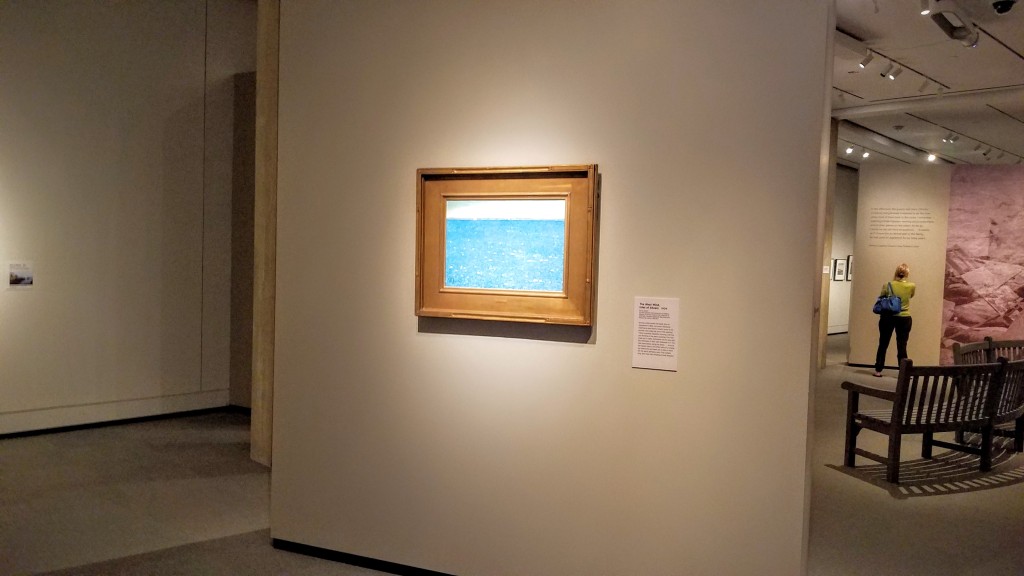
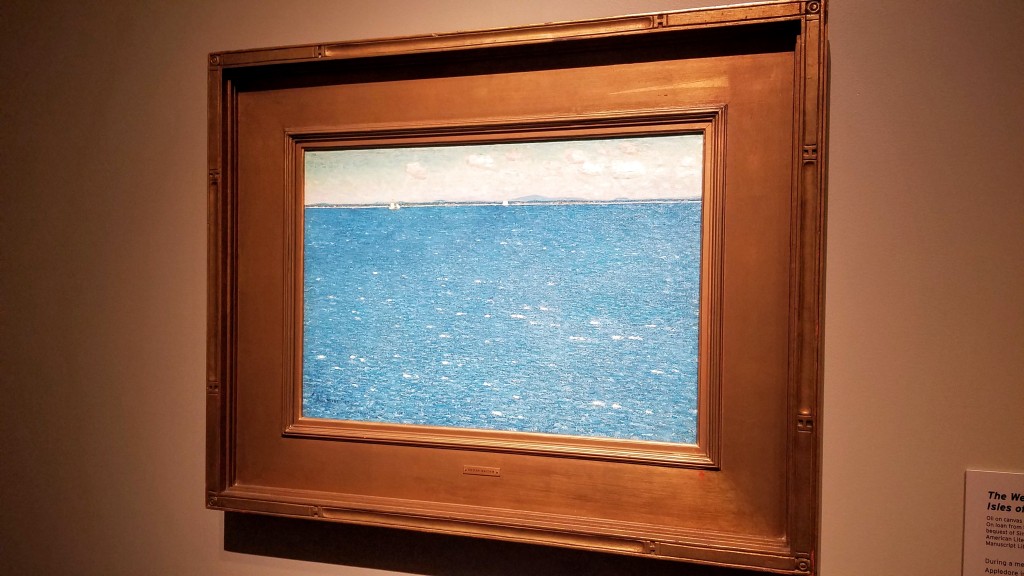
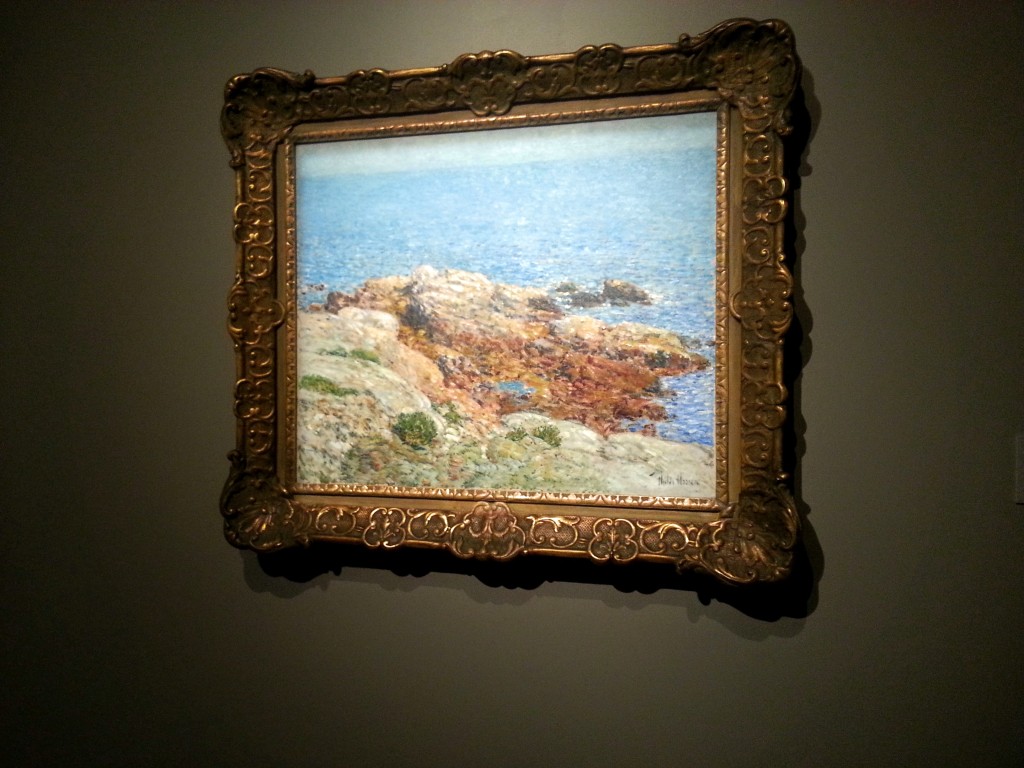
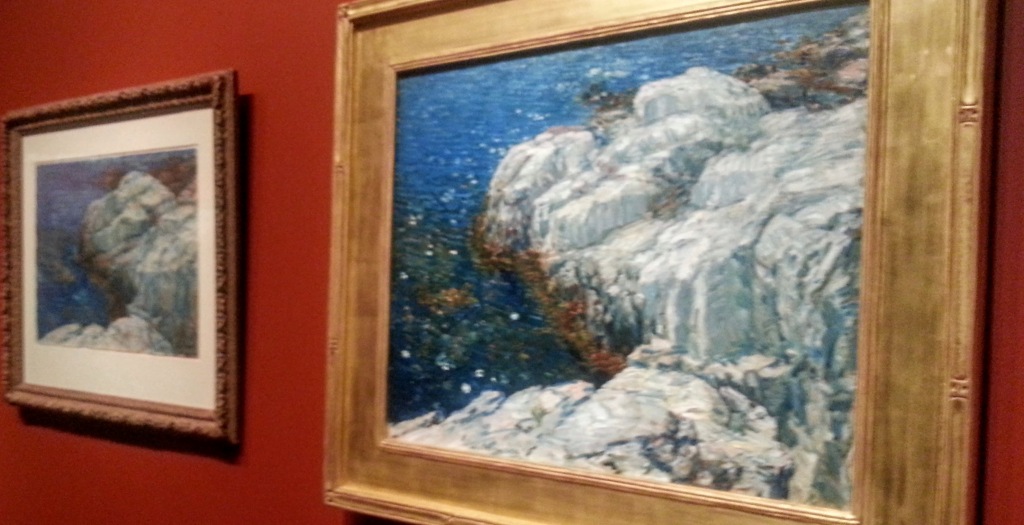
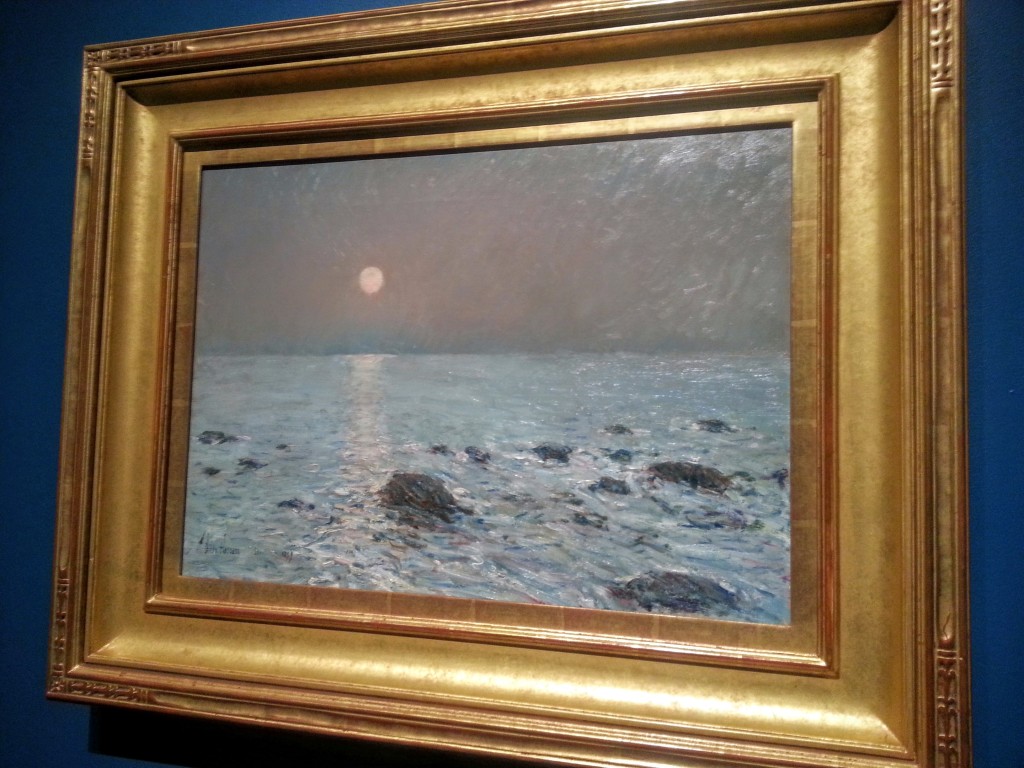
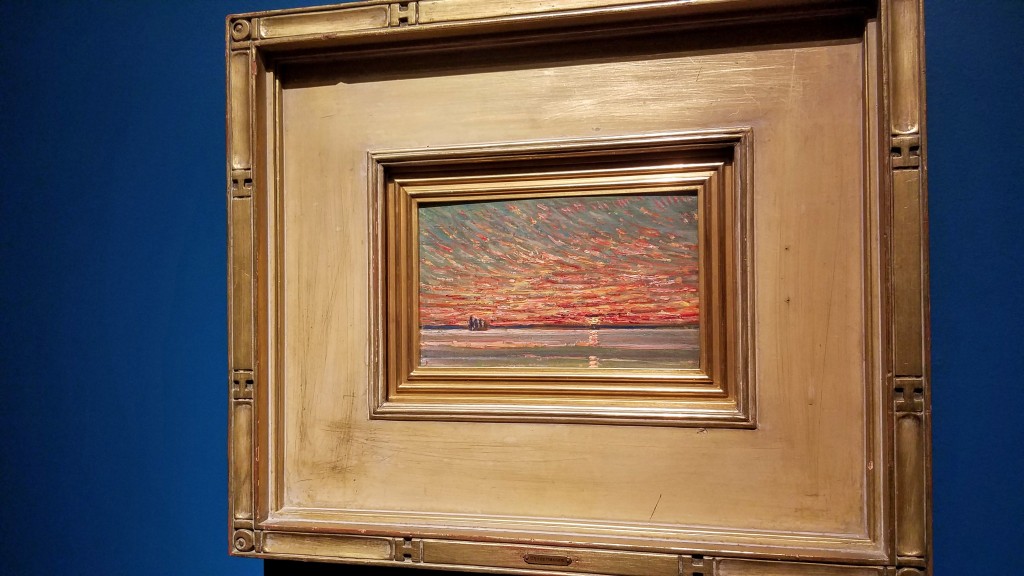
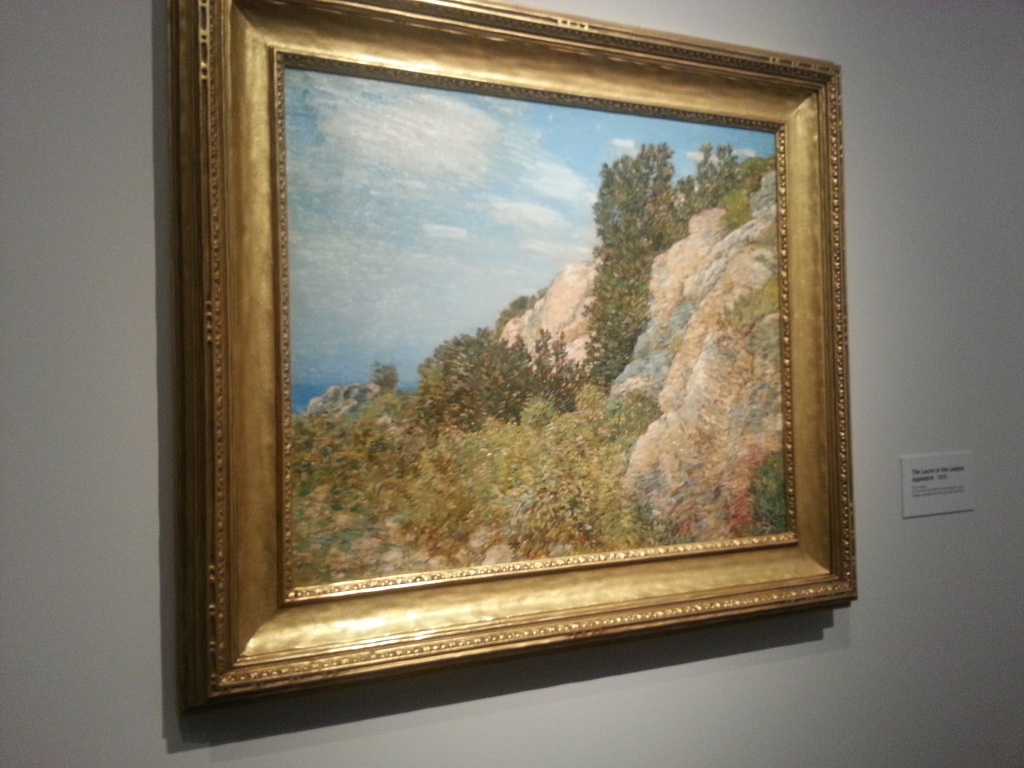
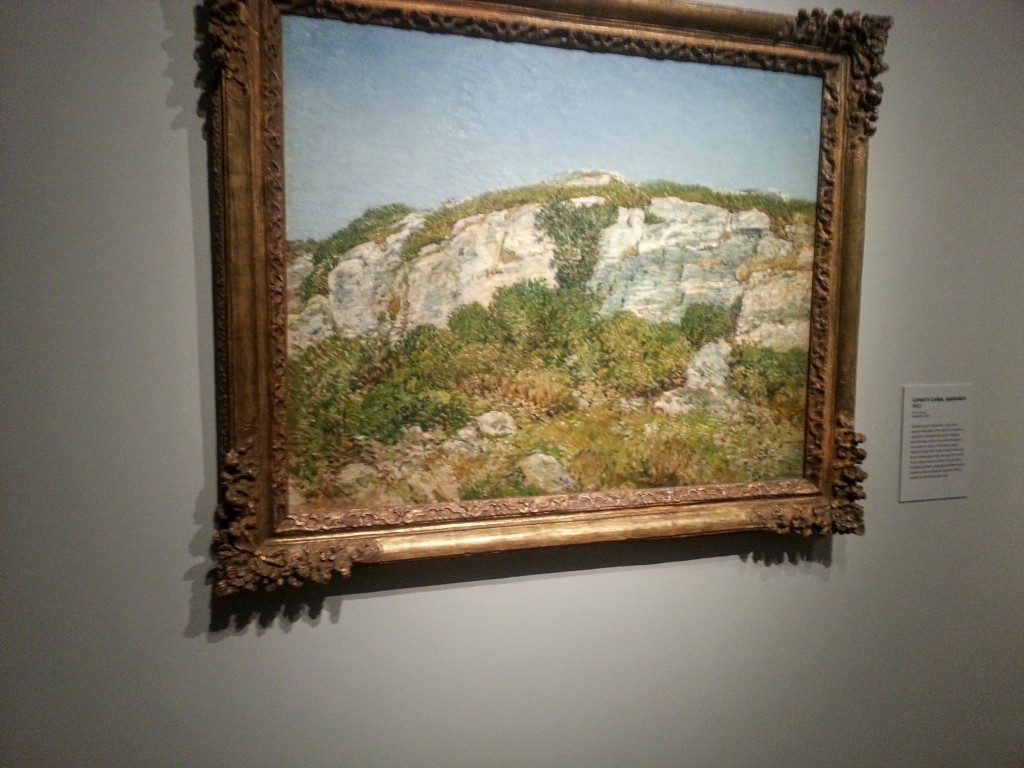
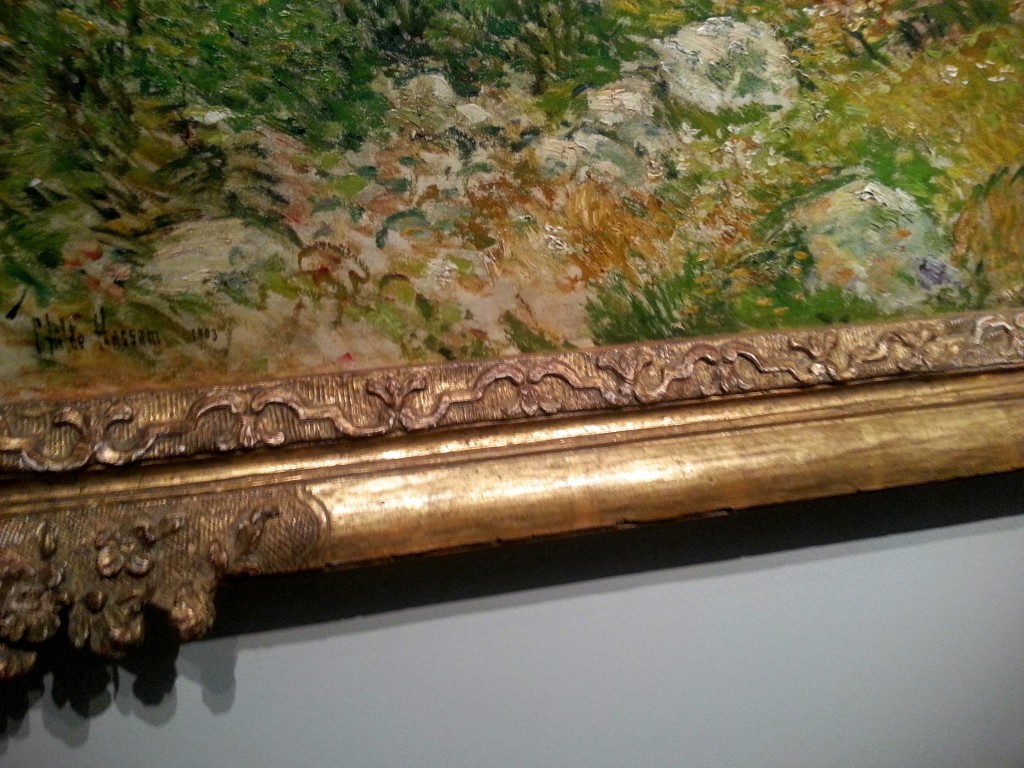
American Impressionist: Childe Hassam and the Isle of Shoals at the Peabody Essex Museum is one of the best exhibitions I saw this year. Go. You will come nearly as close as any observer can to feeling the rapturous meeting of an artist’s take with the shimmering world.

Hassam’s paintings don’t reproduce well in books, or photography. They need to be addressed– sized up, walked towards. Inhaled.

20161007_130700
20161007_130642
20160719_135036-1

This approach is beneficial even if you study just one. But my, what luxury seeing so many in one place at one time.  Again and again, the show brought forth connections and insight.”Funny, I hadn’t seen that before,” I found myself thinking, “Artists Howard Hodgkin and Lucian Freud are coming to mind.”

20161007_130745
20161007_130751
20161007_130835

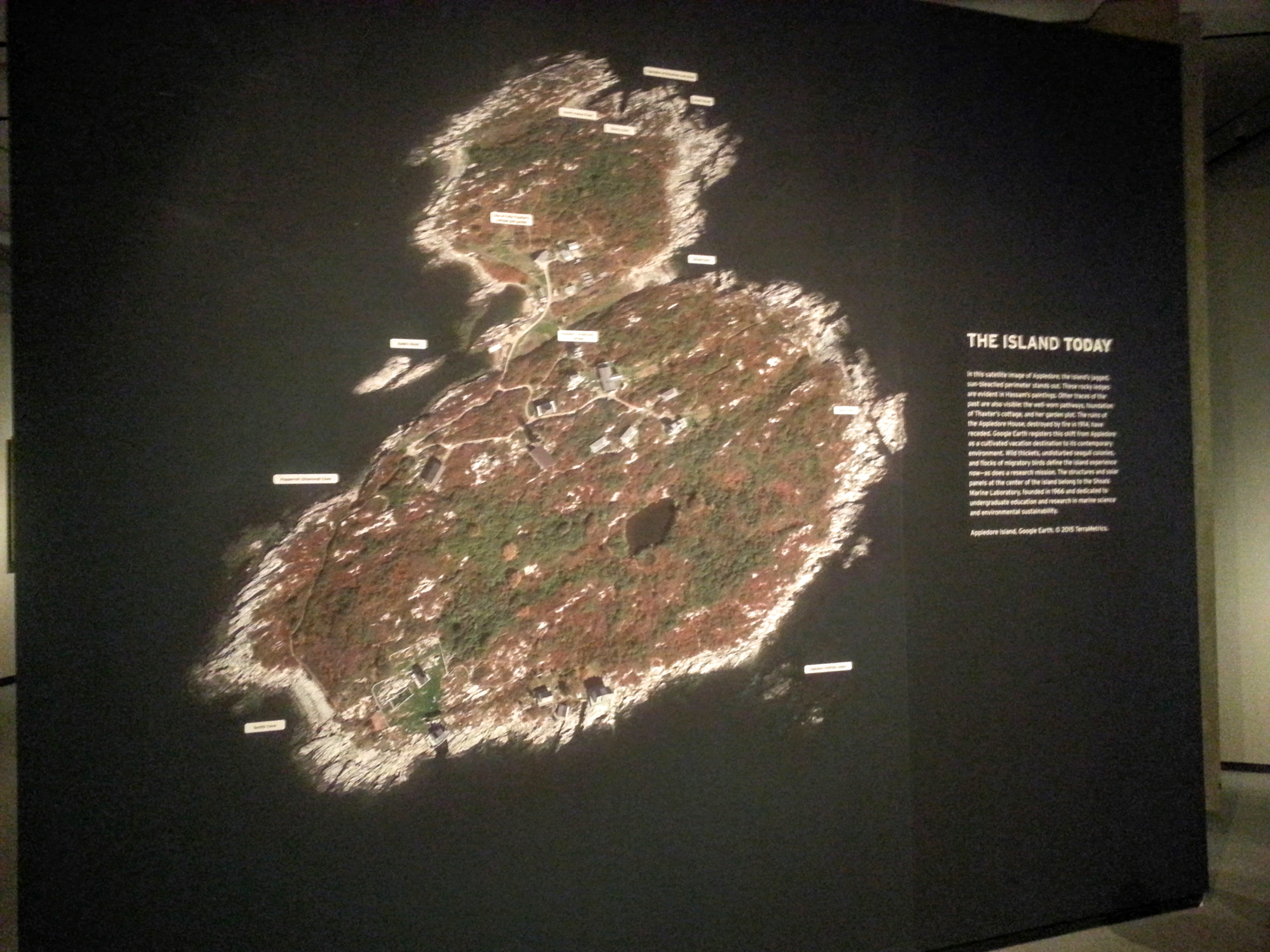
The exhibition features more than 40 Hassam oil paintings and watercolors of the eastern seaboard dating from the late 1880s to 1912–an Isle of Shoals painting reunion, with secrets revealed. 

The Peabody Essex Museum and the North Carolina Museum of Art co-organized and partnered with marine scientists at Shoals Marine Laboratory, Cornell University, and the University of New Hampshire. Their new research examined all the sites on the island, and Hassam’s painting process. I liked the research, the pacing of the installation, and the thoughtful viewshed. Besides the two museums, loans came from near and mostly far such as: private collections from coast to coast (which I’d never see);  the Portland Museum of Art; Kemper Art Museum at Washington University in St. Louis; Yale (Sinclair Lewis gifted that one to Yale!); Wichita Art Museum; Toledo Museum of Art; Smith; Smithsonian; and the National Gallery of Art.

Basically all painting is abstraction: I relished the chance to study so many in one spot.

I was not a fan of the piped in sound, nor all the wall paint choices as my senses were already acutely challenged by observation. My disdain for the canned ambient sound was so distracting, I had to take a break. On my second visit, the scent of coconut wafted out the entrance. My goodness, have they piped in fake scent like a boutique hotel or experiential attraction, too? They hadn’t. It was my overreaction in the wake of another visitor’s adornment, a lingering fragrance, perhaps sunscreen on a summer day.

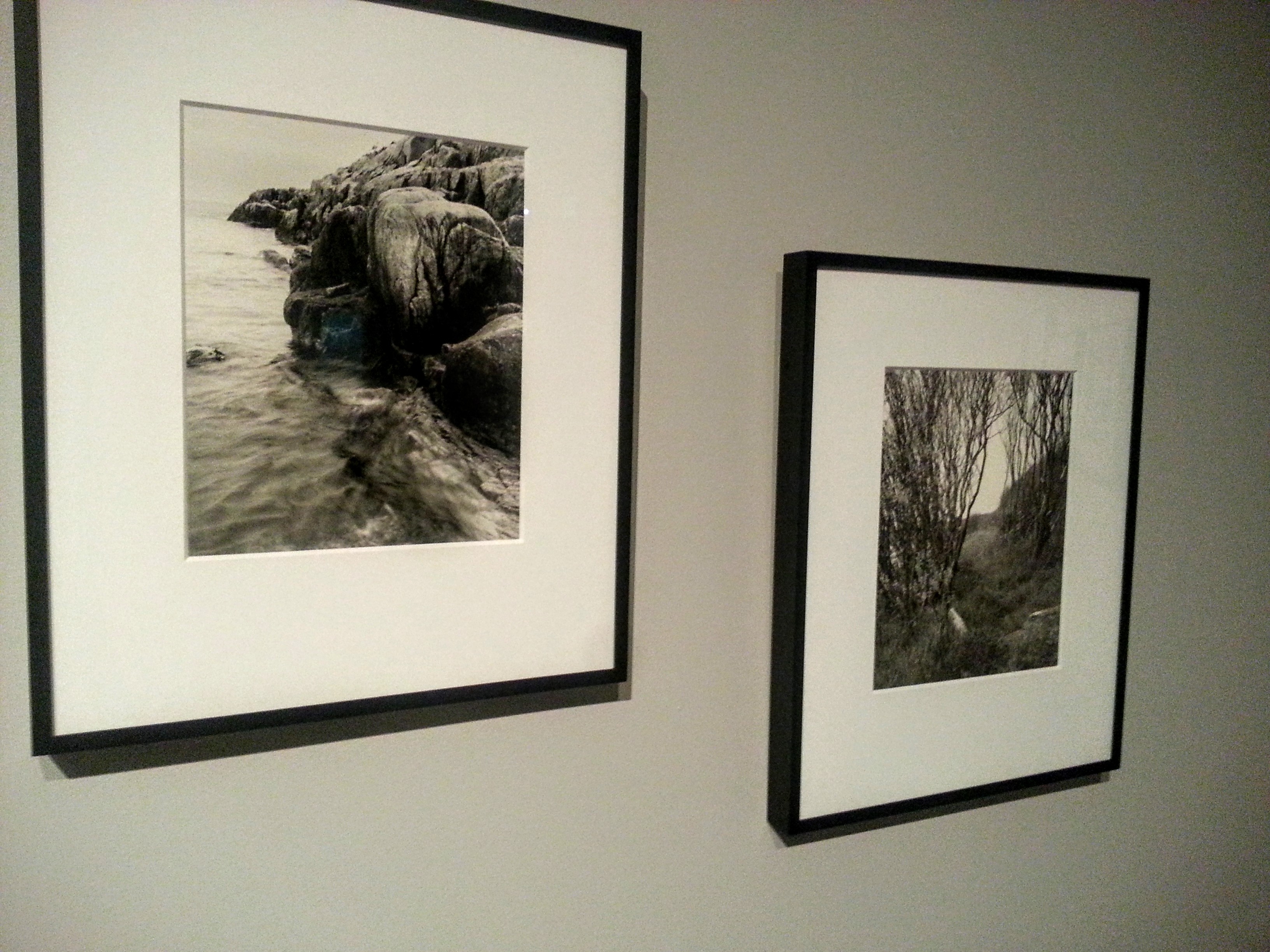
Tucked away within the Hassam exhibit was a good photo installation of Alexandra de Steiguer’s work as the Isles winter keeper– for 19 years! For anyone who wondered more about life as a keeper after reading The Light Between Oceans, de Steiguer wrote about her real experiences here, http://connected.pem.org/alone-on-an-island/. It’s beautiful!

20160719_135400

More photos of the Hassam installation at the Peabody Essex Museum:

20160719_135324

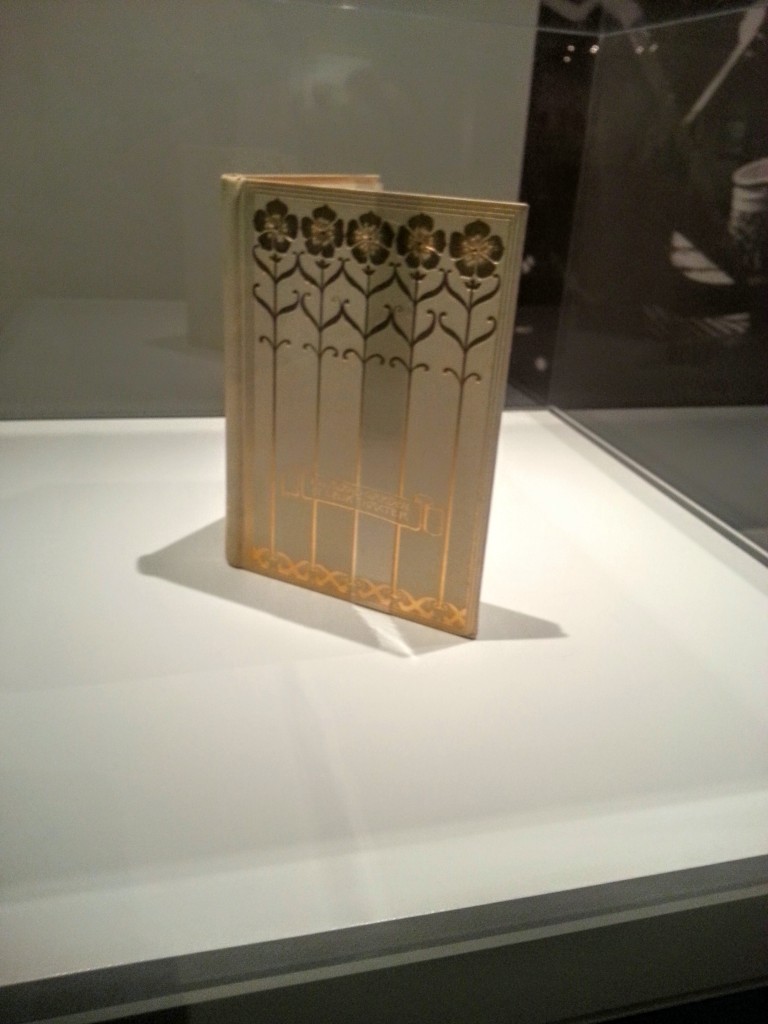
“During his first summers on Appledore, Hassam stayed near to the places favored by his close friend, Celia Thaxter (1834-1894).”

http://celiathaxtergarden.com/

Edward Hopper and Gloucester Featured at North Carolina Museum of Art. Marks of Genius from the Minneapolis institute of Art Travel Show.

A rare Edward Hopper drawing of East Main Street, Gloucester, is part of a comprehensive exhibit, “Marks of Genius”, masterpieces from the Minneapolis Institute of Art (MIA) on view at the North Carolina Museum of Art (NCMA) through June 19th. These wonders of process traveled to the Grand Rapids Art Museum in Michigan before Raleigh. The next stop will be the Joslyn Art Museum in Omaha, Nebraska.  The Hopper is featured at every venue, and so is Gloucester. 

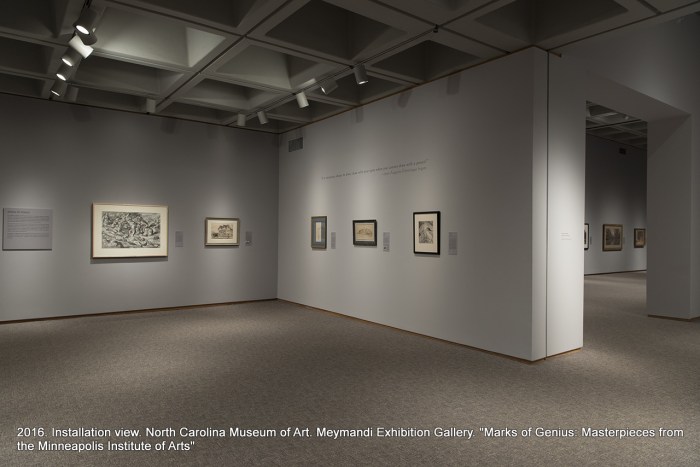
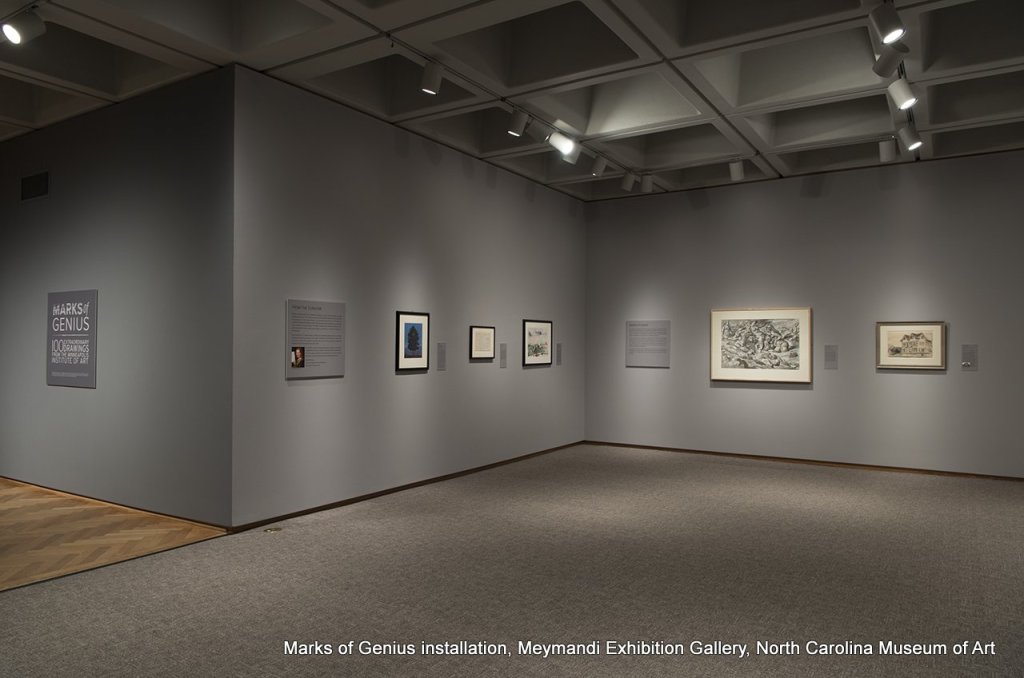
The NCMA installed the drawings in their largest special exhibition space by subject rather than chronologically, the design choice of other venues.

How do I know? Exhibitions Assistant, Margaret Gaines, was kind enough to share details and photographs of the museum and its beautiful Meymandi Exhibition Gallery in the East Building so that we could all armchair art gawk. (I smiled when I read that East Main Street is in the East building of this East coast museum.) “Gloucester” is written on the museum label along with my research and color photograph.

Installation view courtesy North Carolina Museum of Art. Marks of Genius: Masterpieces from the Minneapolis Institute of Art. exhibition 2016. DI25547-08
DI25547-08
my photo
Hopper detail2

Here’s another photograph pulled back to compare the house with the Hopper sketch and choices.

IMG_5960
Exh entrances
North Carolina Mus of Art
NCMA_Pond-001

“American Impressionist: Childe Hassam and the Isle of Shoals” is up at the same time.  Childe Hassam has Gloucester and Massachusetts ties, but I didn’t ask to see pictures of that exhibit. Though “Marks of Genius”  won’t be coming any closer to Massachusetts than North Carolina, the Hassam show is coming to the Peabody Essex Museum on July 16th, 2016. The North Carolina Museum of Art partnered with PEM. I wouldn’t miss it.

NC Museum of Art raleigh estab 1924

Motif Monday: Memorial Day, Gordon Parks, Poppies

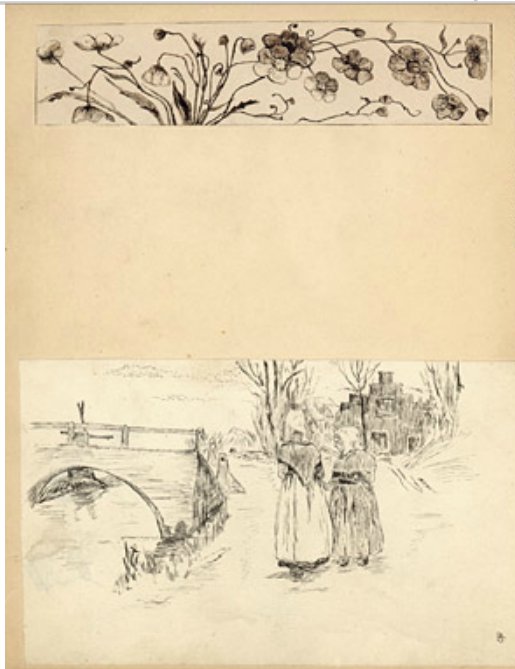
John McCrae sketch book 1896, Maryland
John McCrea sketchbook, ca.1896, Maryland

Veteran of the Boer War and WWI, a teacher, and doctor, Canadian John McCrae wrote In Flanders Fields in the spring of 1915 while still at the bloody battlefront in Ypres, Belgium, in an area known as Flanders.

The Germans had already used deadly gas.

Dr. McCrae had been tending to hundreds of wounded daily. He described the nightmare slaughter: “behind it all was the constant background of the sights of the dead, the wounded, the maimed.” By this time he had already devoted his life to art and healing. He couldn’t save his friends. How could anyone?  Twenty years prior, he sketched poppies during his medical residency in Maryland. He published poems and stories by the time he was 16.  I’m not surprised he noticed the brilliant fragile petals and horror. He wrote for those who couldn’t speak and those who had to see. Meningitis and pneumonia killed him January 1918 after several months battling asthma and bronchitis. His poem and the emblematic poppy continue to inspire and comfort.

In Flanders fields the poppies blow
between the crosses, row on row,
That mark our place, and in the sky,
The larks, still bravely singing, fly,
Scarce heard amid the guns below.
We are the dead; short days ago
We lived, felt  dawn, saw sunset glow,
Loved and were loved, and now we lie
in Flanders fields.
Take up our quarrel with the foe!
To you from failing hands we throw
The torch; be yours to hold it high!
If ye break faith with us who die
We shall not sleep, though poppies grow
In Flanders fields. 

John McCrae, 18721918

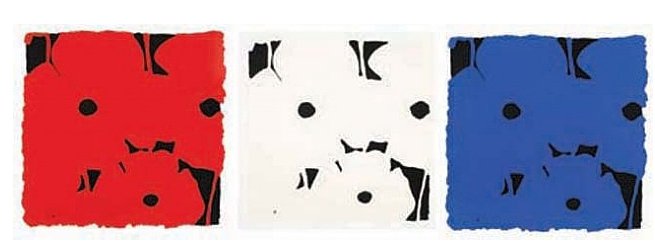
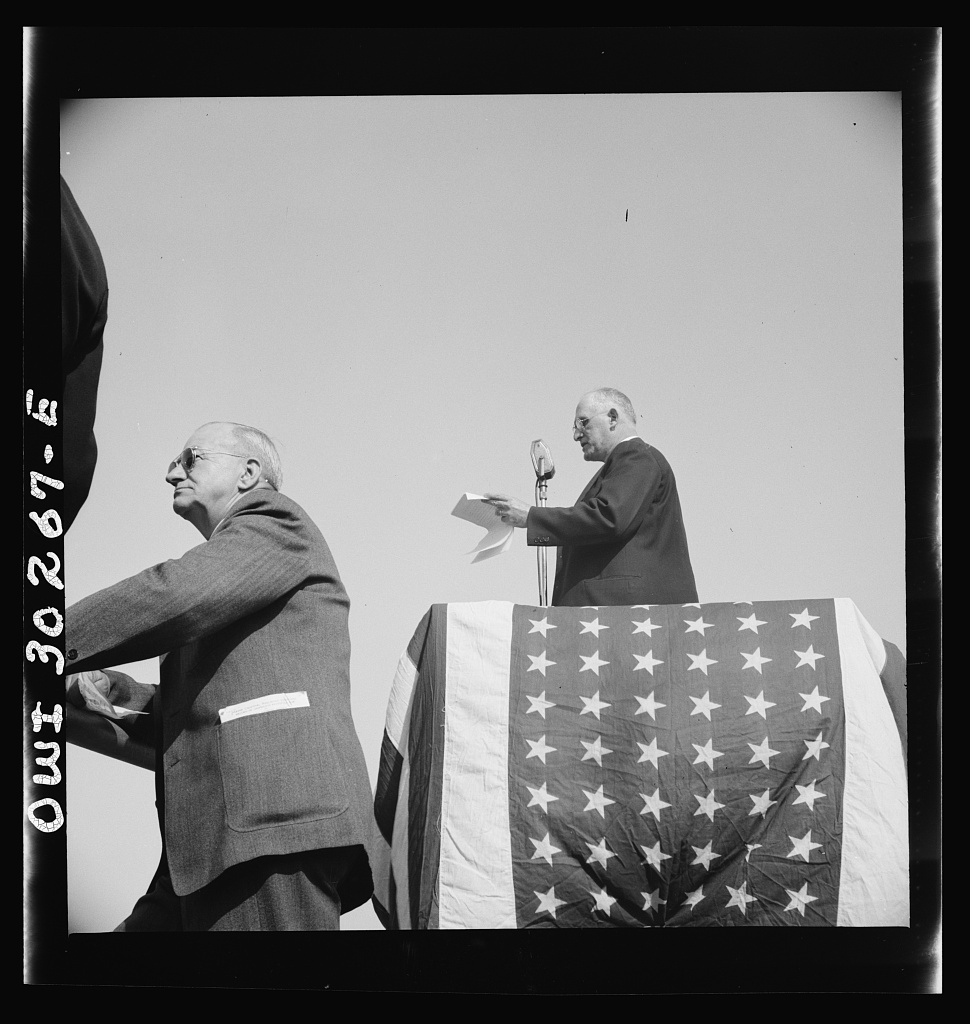
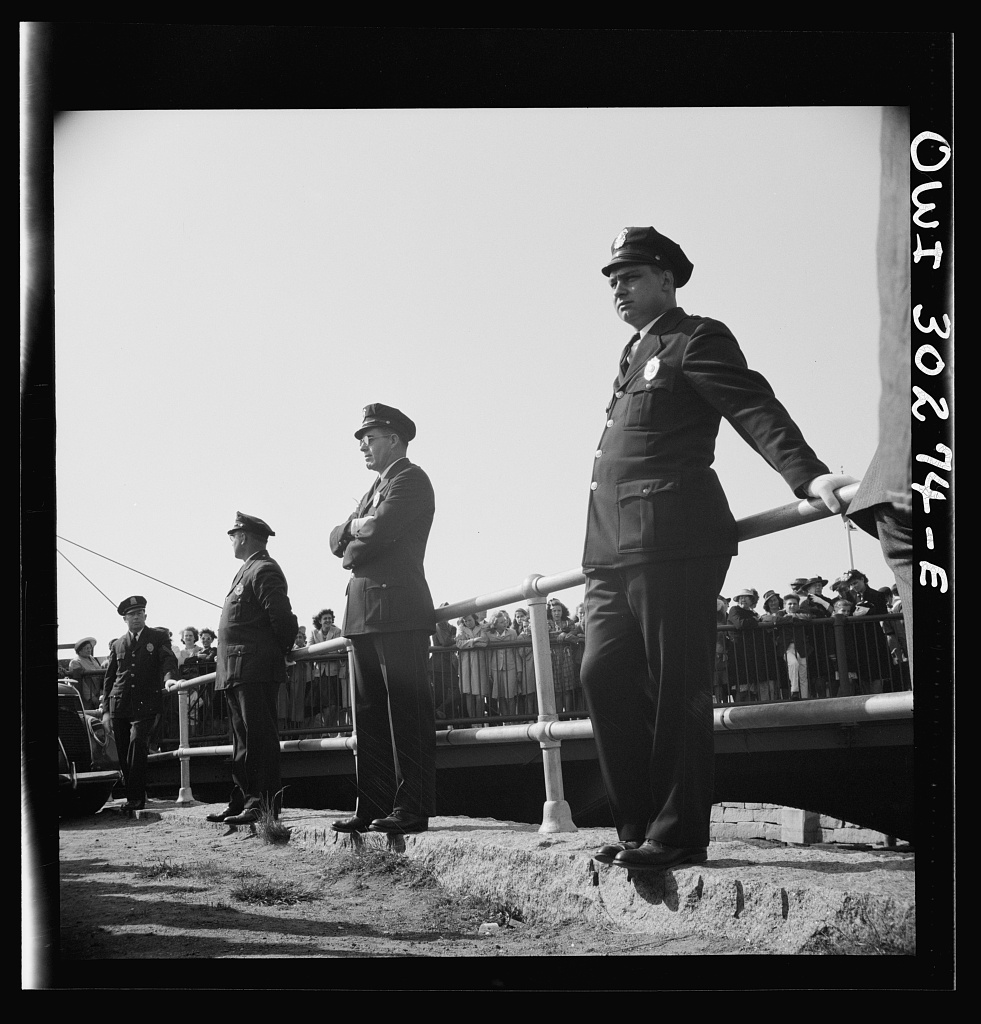
Images: Respectfully thinking about art that helps us celebrate, remember, remind and reflect every family who has suffered a loss in service.

Five reds five  whites five blues
Donald Sultan Five Reds, Five Whites, Five Blues, 2008 color silkscreen with enamel, flocking and tar like texture
8d30295v
8d30292v
8d30299v.jpg
Gordon Parks, Library of Congress, 1943 photograph, Gloucester policemen, Memorial Day Ceremonies

A few poppy images follow. I was thinking about their poetic illumination before and after WW1 and layers of meaning and beauty.

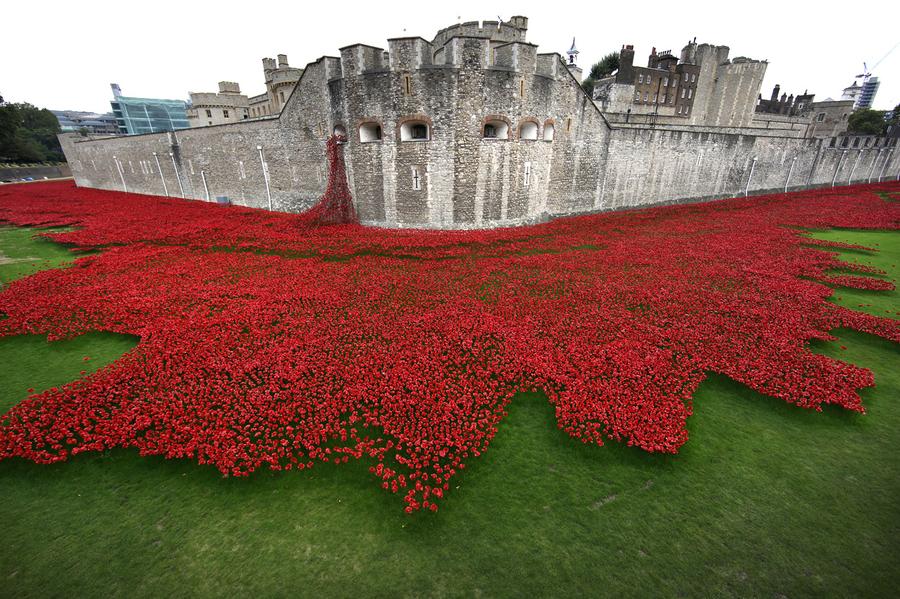
Paul Cummins blood swept lands and seas of red tower of london 2014 ceramic poppy
Paul Cummins, Blood Swept Lands and Seas of Red, 2014, Tower of London, individual cast ceramic poppies fill the moat  (photo during installation in progress) commission to mark 100 years since the first full day of Britain’s involvement in WWI
Monet poppy field in a hollow near giverny 1888 mfa
Monet, Poppy Field in a Hollow near Giverny, 1888,  Museum of Fine Arts, Boston

More representations of poppies in art

Continue reading “Motif Monday: Memorial Day, Gordon Parks, Poppies”

This is what Gloucester looks like at the WHITE HOUSE and CITY HALL: it’s all local!

Cat Ryan submits-

There’s a magnificent permanent art collection displayed throughout Gloucester’s City Hall, its public buildings and many outdoor locations. In an effort to promote, encourage and share current local art and artists with the public, Mayor Romeo Theken showcases a wide variety of media on temporary loan throughout the Mayor’s office. I took some photos back in February. She requested that buoys painted by our local youth at Art Haven be featured in Kyrouz Auditorium, along with the ‘Downtown Quilt’, the 13th panel from the Gloucester Neighborhood Quilt Project. These quilts are made by residents creating art with Juni Van Dyke, the Art Program Director Gloucester Council on Aging at Rose Baker Senior Center. (Twelve panels were prominently displayed for the 2014 Inauguration for former Mayor, Honorable Carolyn Kirk.)


Donna Ardizzoni, business owner, GMG contributor https://ardizzoniphotography.wordpress.com/about-2/


Ana Connoli, photograph, Gloucester from Port. Hill


Phil Cusumano, painting, http://www.philcusumanoart.com/


Tina Greel, statue, https://www.facebook.com/tina.greel


Jennifer Johnson, photograph


Ken Knowles, painting, http://www.kenknowlesfineart.com/ken_final/home.html


Marty Luster, photograph, GMG contributor


Bridget Matthews, photograph


Sam Nigro, painted oar, http://www.gloucestertimes.com/news/local_news/talk-of-the-times-gloucester-man-grows-a-squash-for/article_76b0f29b-1e05-527f-b676-889ee7768aa9.html


Shelly Nugent, photograph


Eileen Patten Oliver, painting, http://eileenpattenoliver.com/ and here https://goodmorninggloucester.wordpress.com/2015/03/03/14-works-by-eileen-patten-oliver-at-island-art-and-hobby/


Premier Imprints, tea tray, http://www.premier-imprints.com/


Louise Welch, photograph City Hall


The local art on display had me thinking about the collection at the ‘People’s House’ for our Nation: what’s the best art inside the White House? No matter what is your artistic preference, Gloucester and the Commonwealth of Massachusetts could top the charts as the City and state with the best and most art ties featured at the White House. Let’s break down a selection of that Massachusetts list currently on display at the White House room-by-room, shall we?


In the Oval Office:

Not one, but two Edward Hopper paintings, lent by the Whitney Museum of American Art, are installed one over the other, Cobb’s Barns, South Truro and Burly Cobb’s House, South Truro.  There are more than 100 Edward Hopper works inspired by Gloucester, MA. The Childe Hassam’s painting, Avenue in the Rain, and Norman Rockwell’s painting, Statue of Liberty, remain on view.


In the Blue Room:

Fitz Hugh Lane’s Boston Harbor gifted by Lew Wasserman


In the East Room:

Gilbert Stuart’s Washington, John Singer Sargent’s Roosevelt


In the Green Room:

Sargent’s Mosquito Net, John Marin’s Circus, George Peter Alexander Healy’s painting of Adams and Polk and Louisa Adams by Stuart


In the Red room:

Martin Johnson Heade’s Sunrise, Bricher’s Castle Rock Nahant, more portraits by Stuart and Healy


In the State Dining room:

Healy’s portrait of Lincoln


In the Ground floor corridor:

Healy’s Millard Fillmore portrait, Thomas Ball Daniel Webster sculpture, a craftsman chair attributed to Samuel MacIntire, and Charles Hopkinson’s portrait of Calvin Coolidge


In the private quarters:

William Glackens Pavilion at Gloucester, and two Maurice Prendergast’s paintings, Boston Harbor and Revere Beach


More examples in the collection and in storage such as: Augustus Saint-Gaudens bronze bust of Lincoln, John Henry Twachtman’s oil painting, Captain Bickford’s Float; Henry Hobart Nichols painting, Gloucester Dock; and Worthington Whittredge oil painting, Thatcher’s Island off Rockport, MA.


Several artists are represented by more than one piece. How does the White House collection work? It is unusual for the White House to accept art by living artists. There are more than 450 works of art in the permanent collection. New art enters the collection after its vetted and is restricted to works created at least 25 years prior to the date of acquisition. For the public rooms, the Office of the Curator works with the White House advisory committee, the First Lady serves as the Honorary Chair, and the White House Historical Association. The private rooms are the domain of the First Family. Works of art from collectors, museums, and galleries can be requested for temporary loans and are returned at the end of the President’s final term. The Obamas have selected contemporary art, including abstract art, from the permanent collection, and borrowed work for their private quarters. Besides the Hopper paintings and John Alston’s Martin Luther King sculpture, they’ve selected art by *Anni Albers, *Josef Albers, Edgar Degas, Jasper Johns, Louise Nevelson, *Robert Rauschenberg, Edward Ruscha, and *Alma Thomas. * indicates works that have been donated to the permanent collection. The Obama Administration upgraded the website so that anyone unable to visit in person can have open access. I encourage visits to the website https://www.whitehouse.gov/about/inside-white-house/art. I love the diverse rooms and all the interconnected doors such as the splendid Green Room installation with the Marin and the Jacob Lawrence activating the threshold.


My gratitude to Chris Pantano, Office of the Mayor, Gloucester, MA,  and the Office of the First Lady and the White House Office of the Curator for various courtesies shown to me while I prepared this entry.