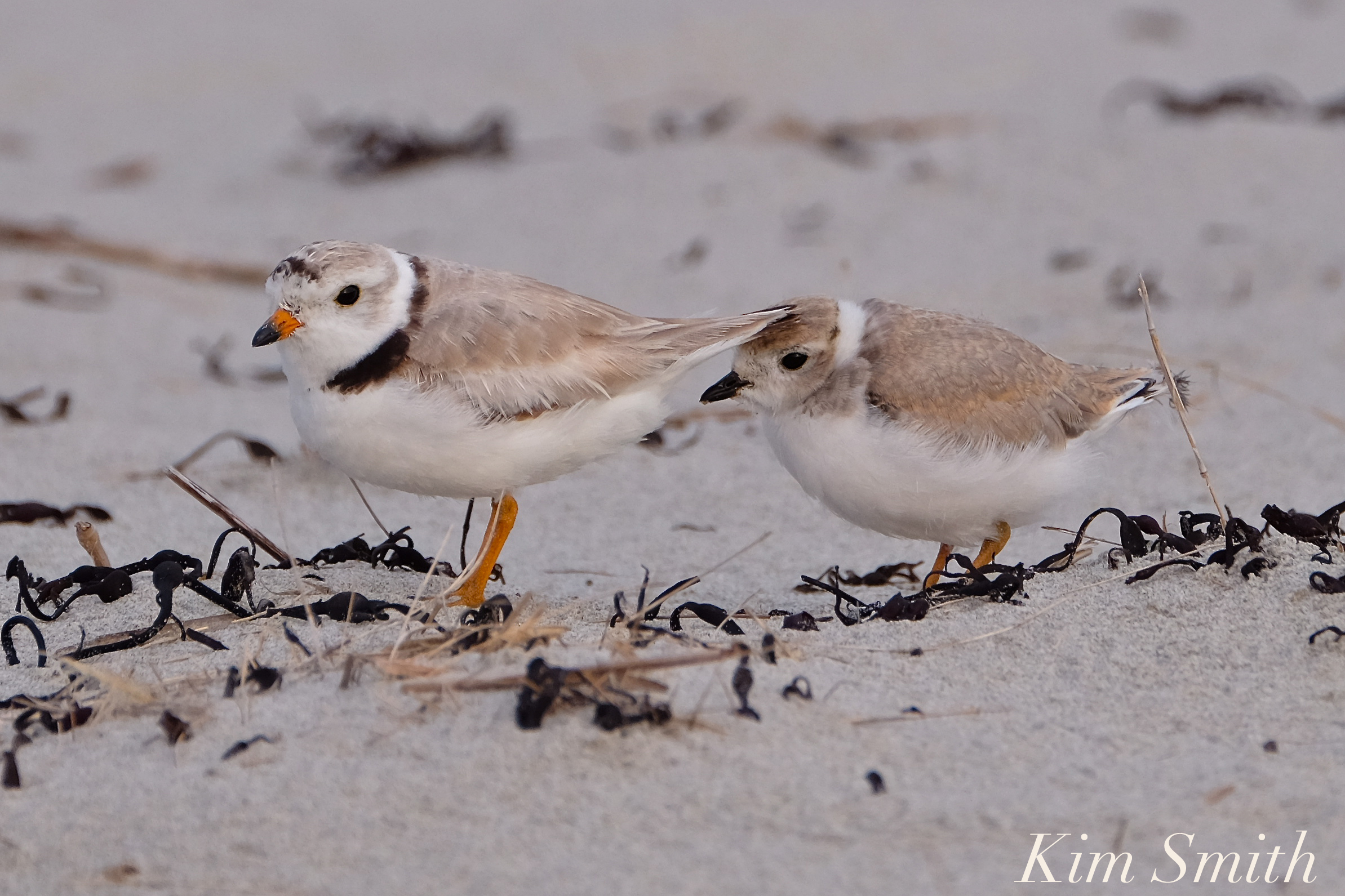
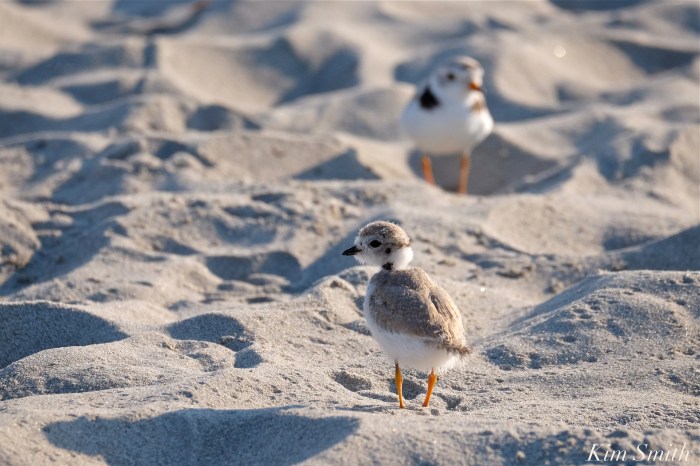
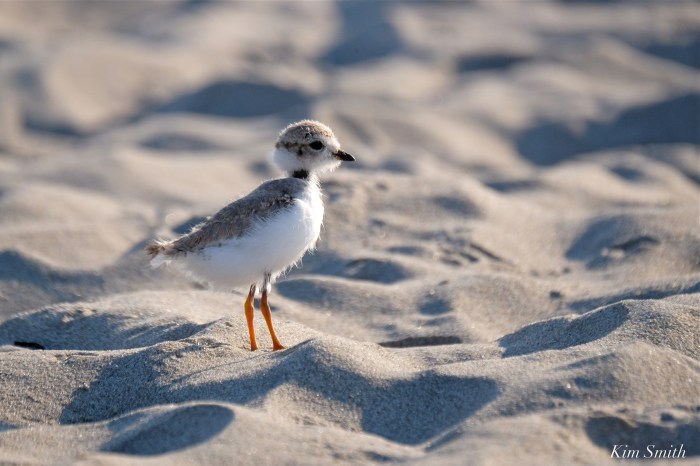
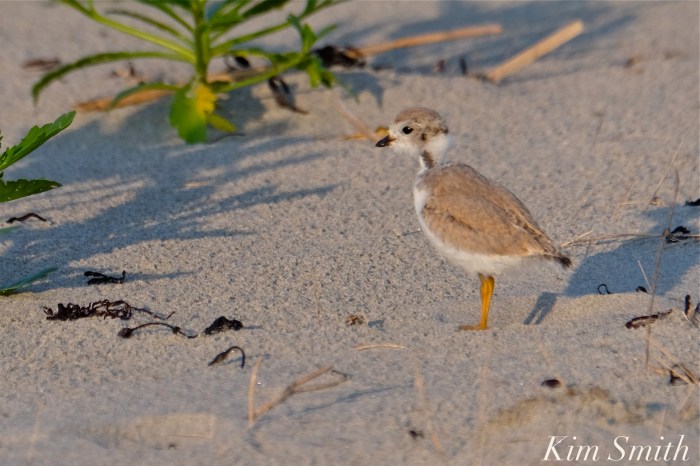
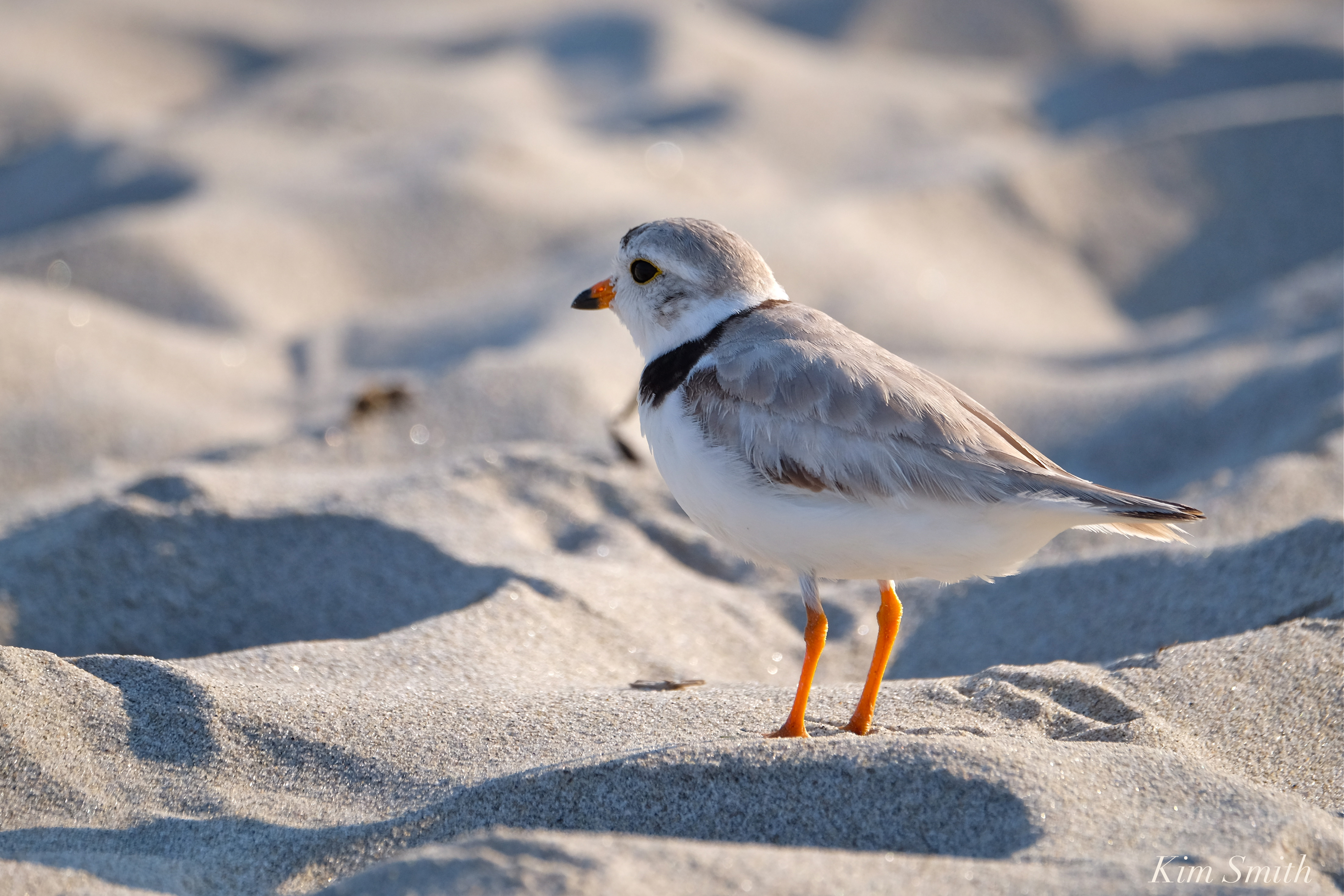
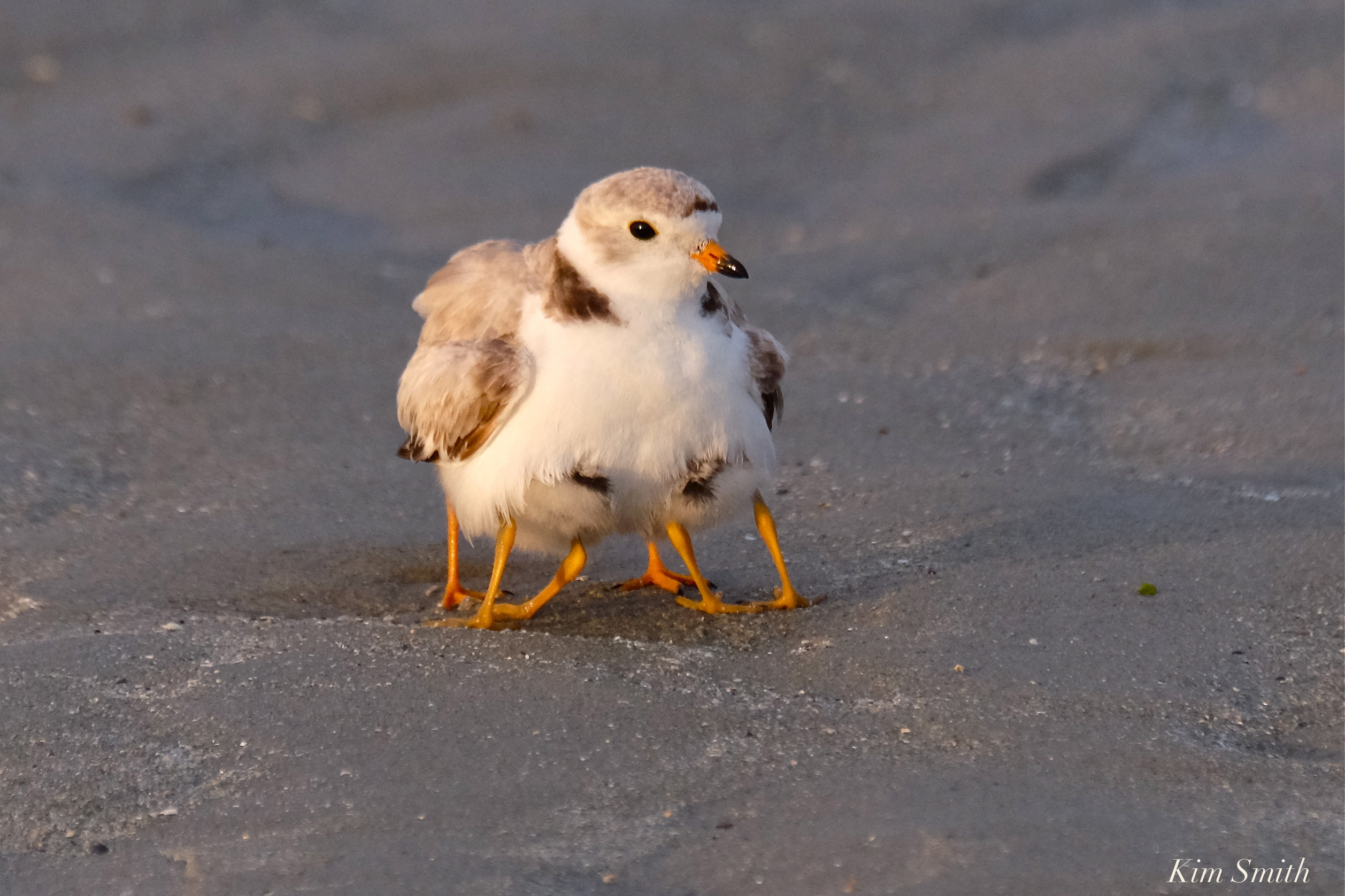
LITTLE CHICK CELEBRATING FIFTH WEEK MILESTONE! AND CURRENT STATUS UPDATE

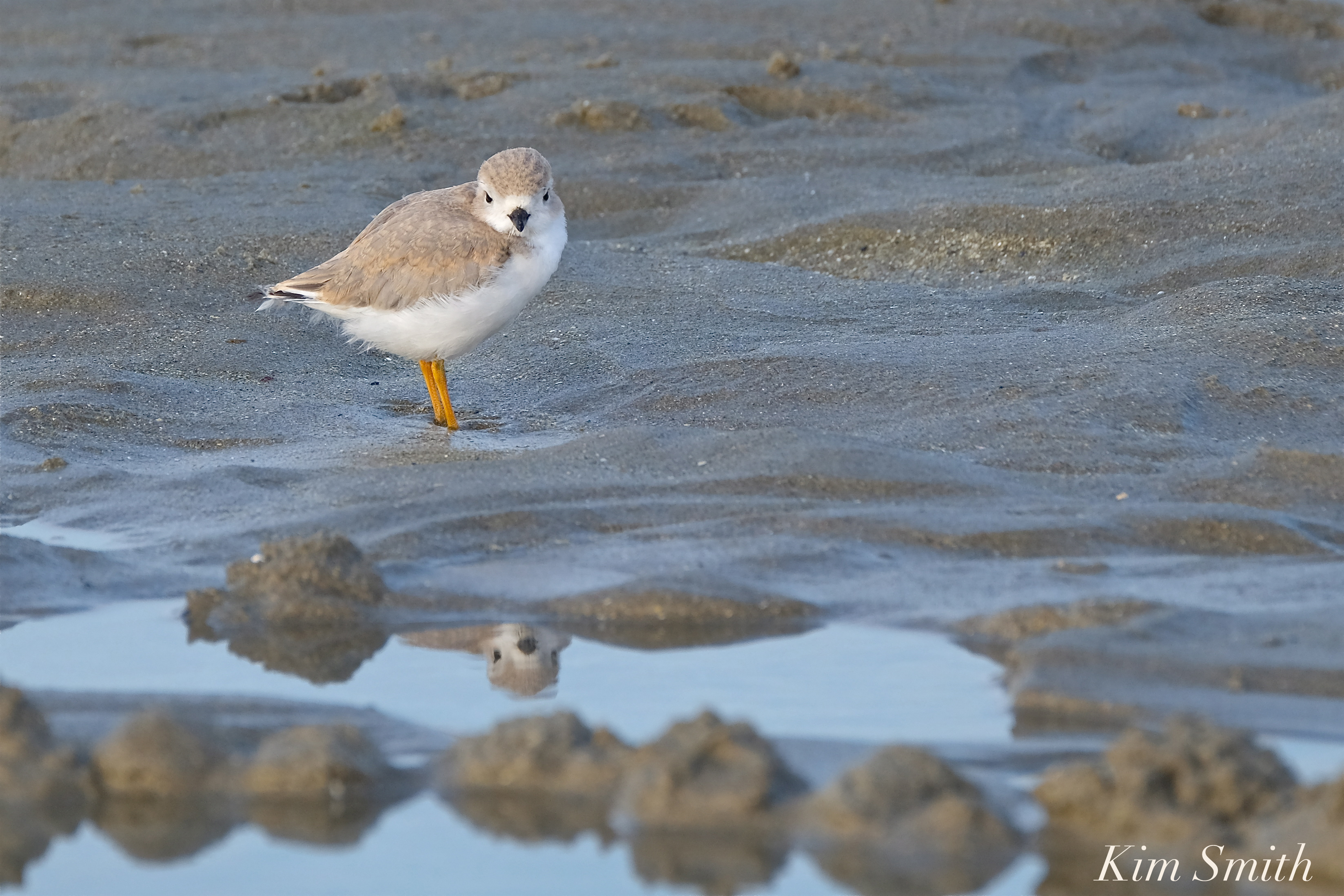
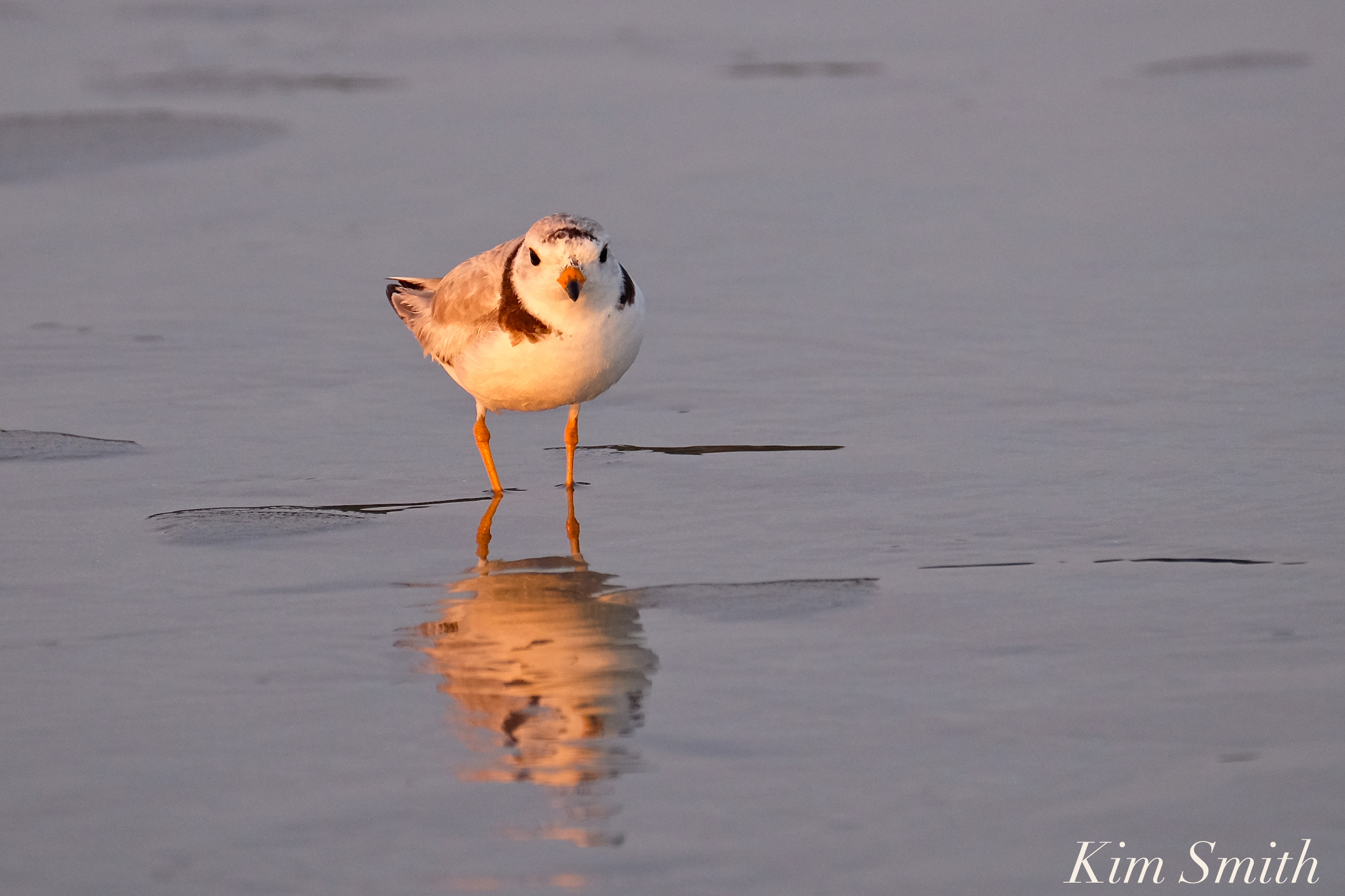
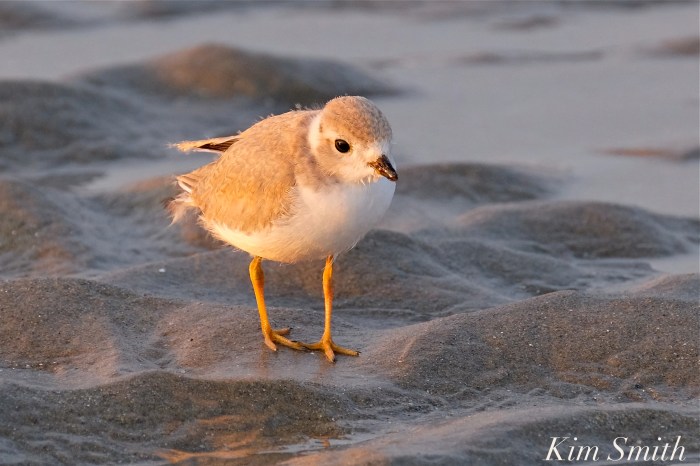
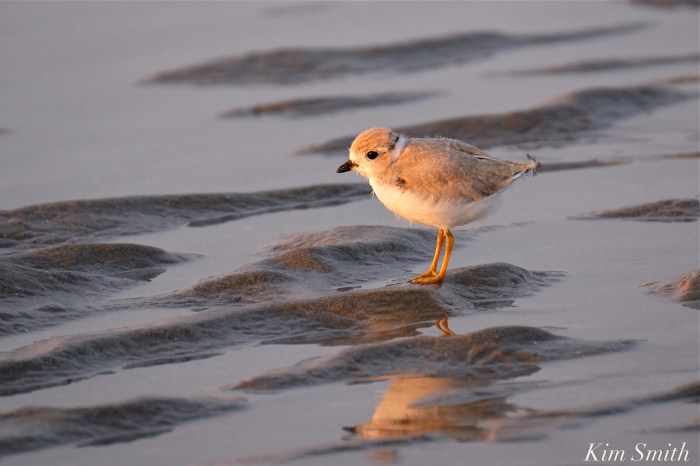
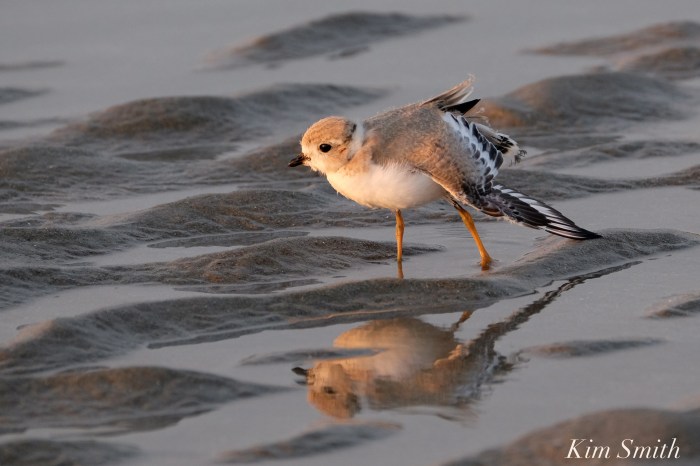
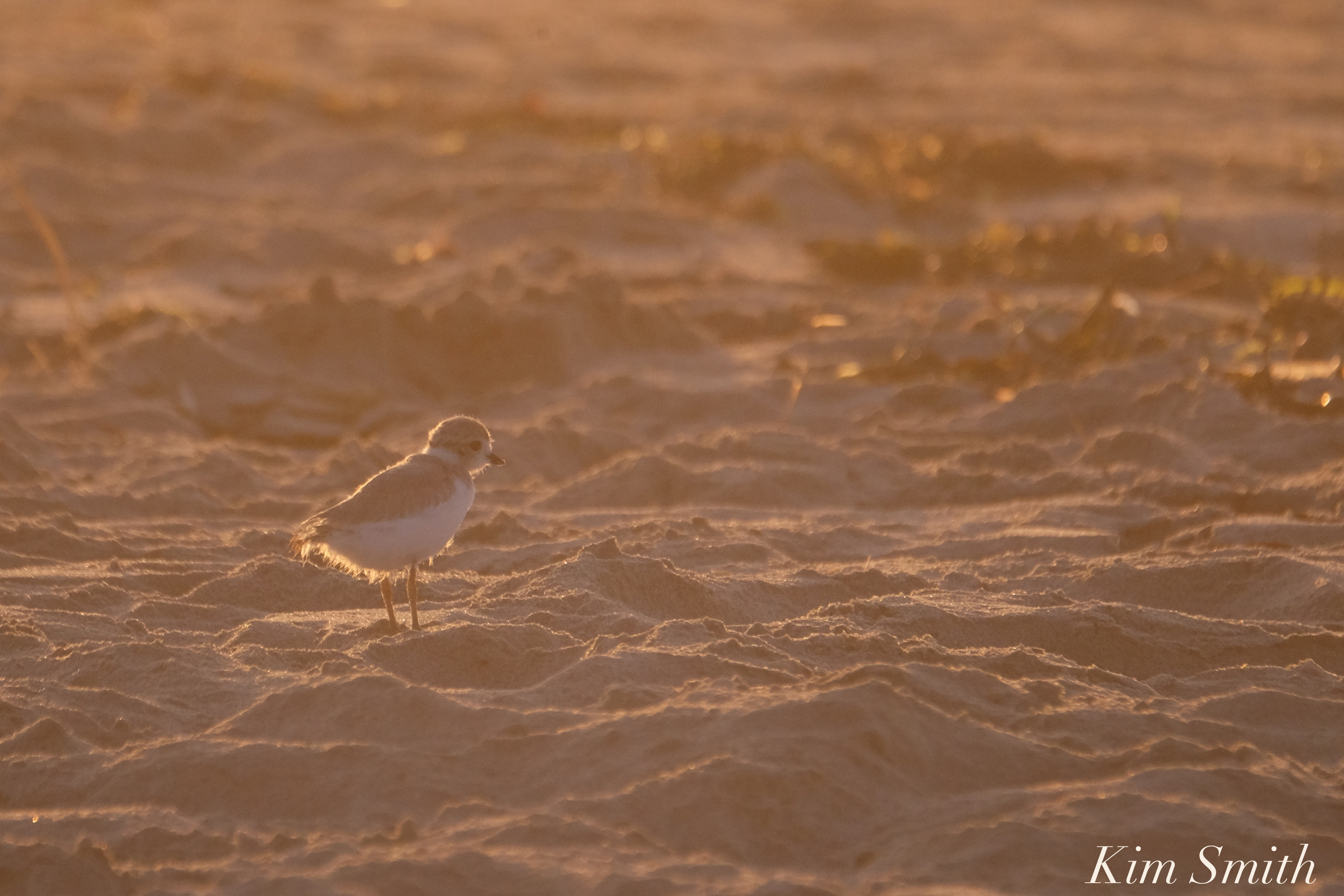
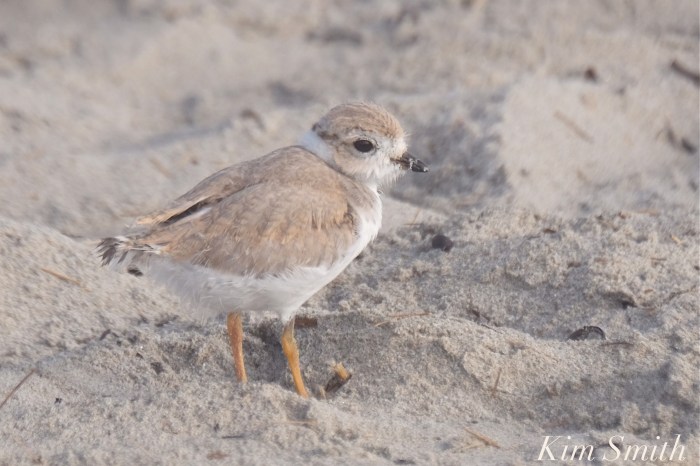
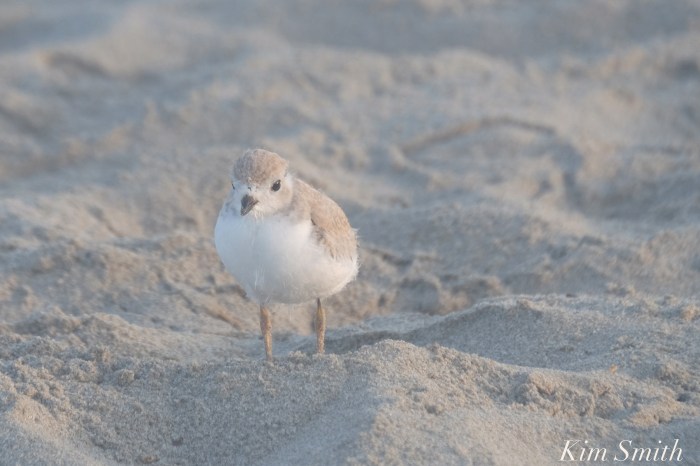
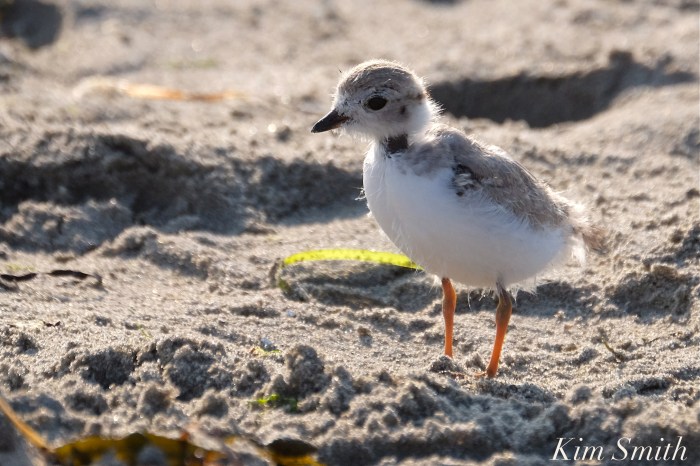
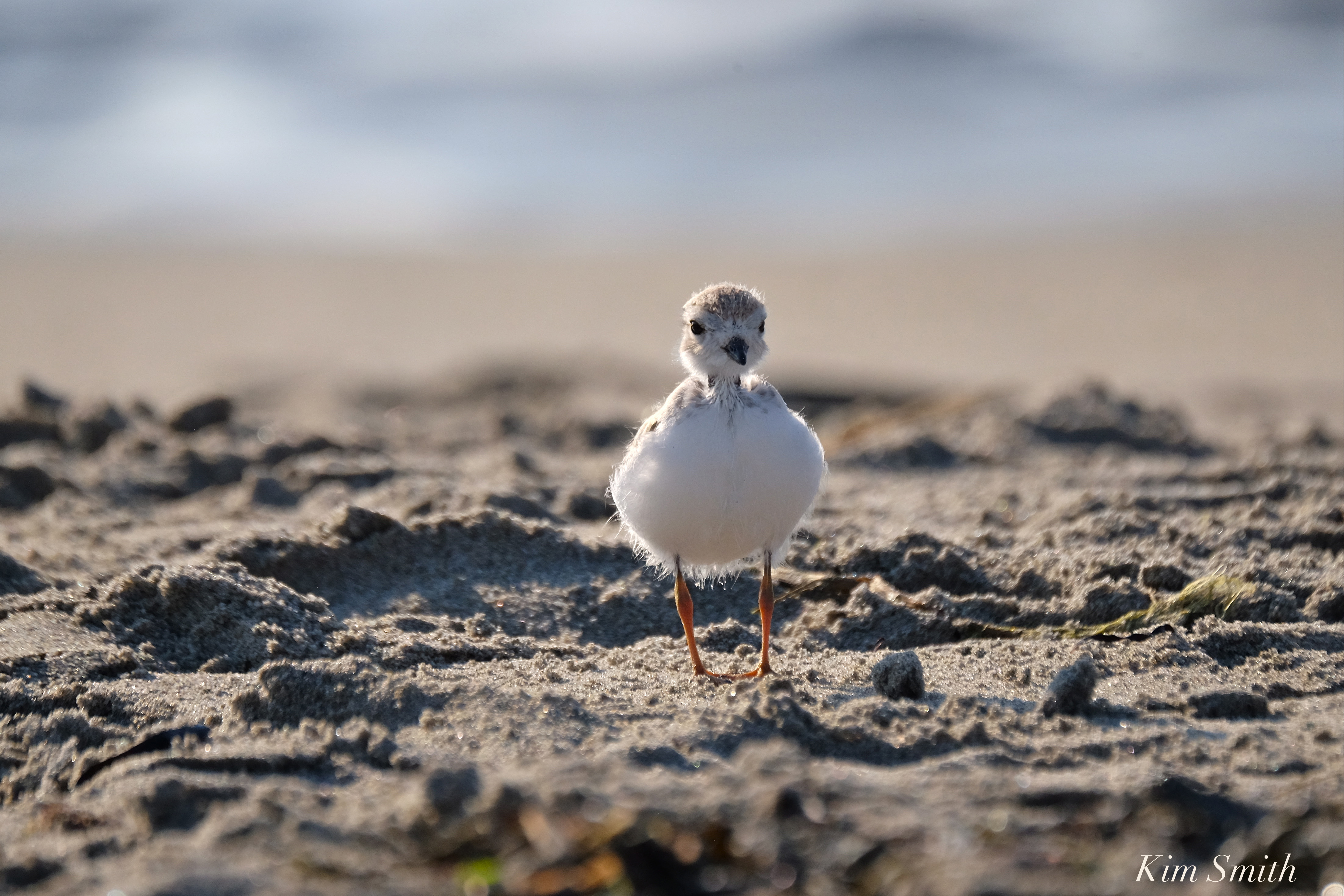
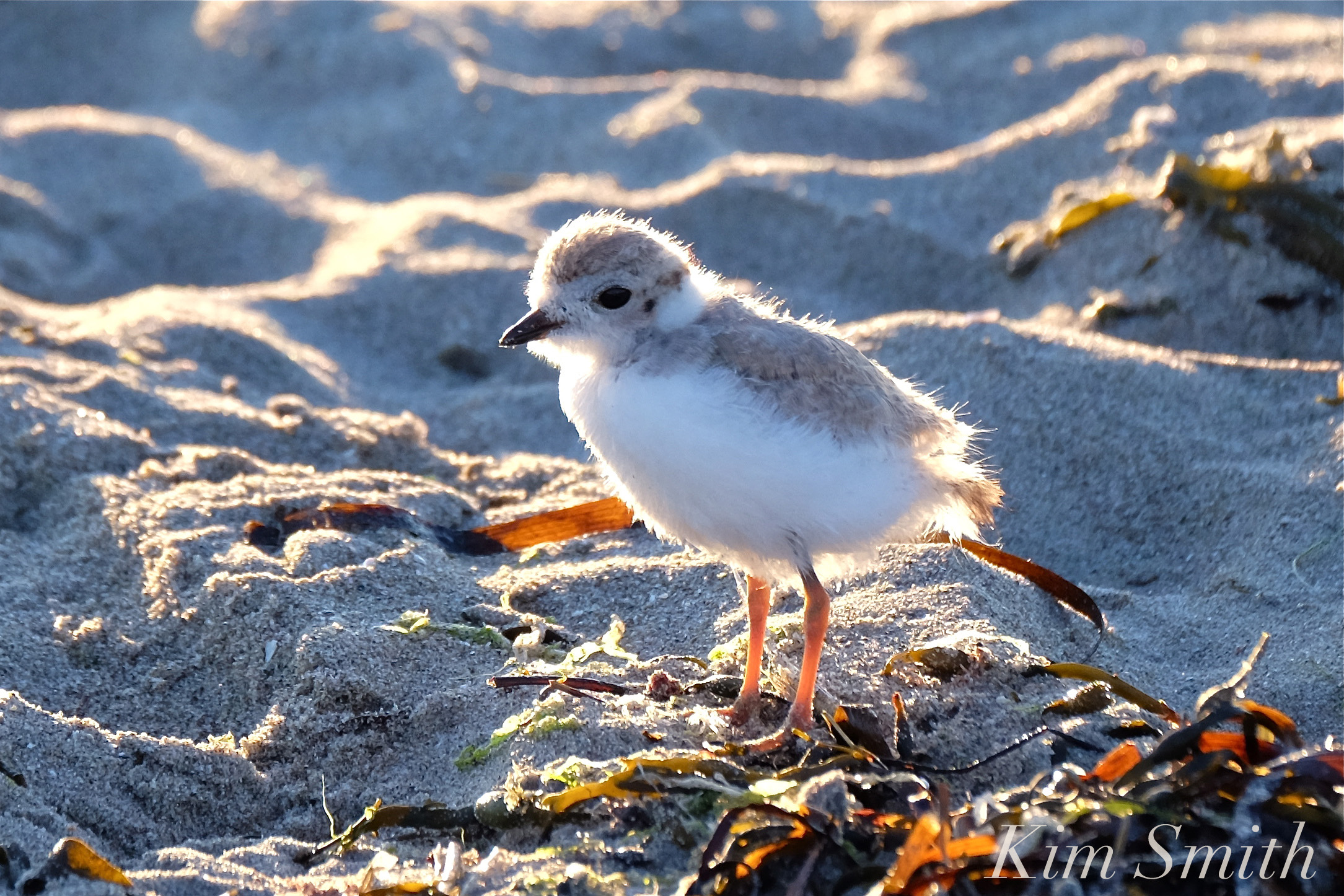
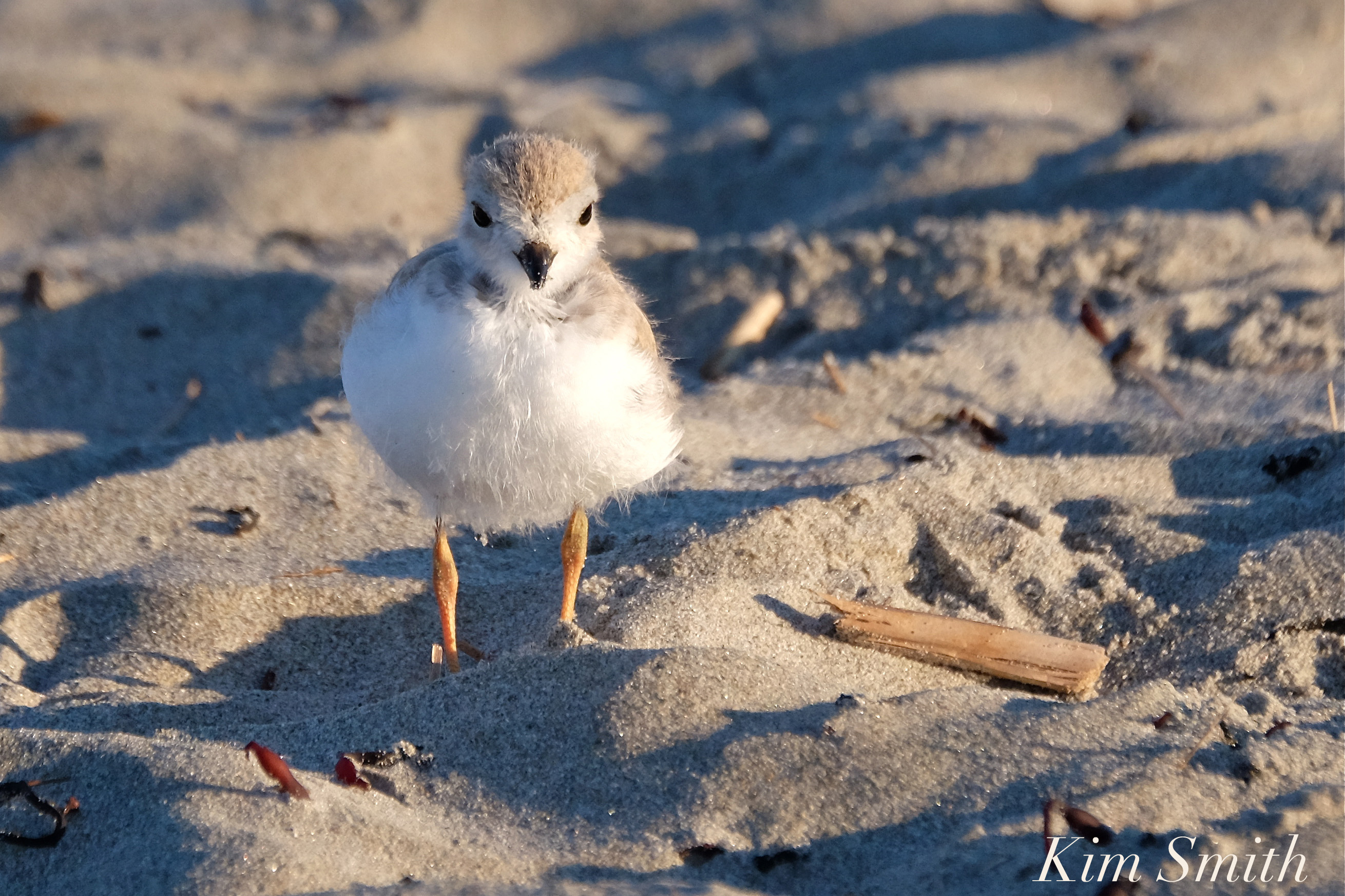
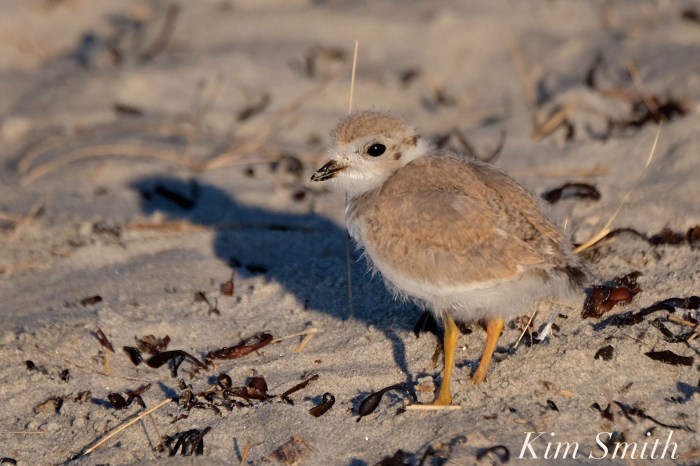
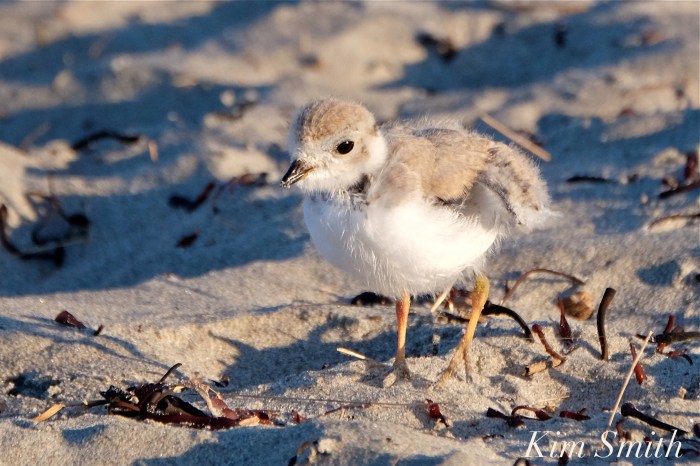
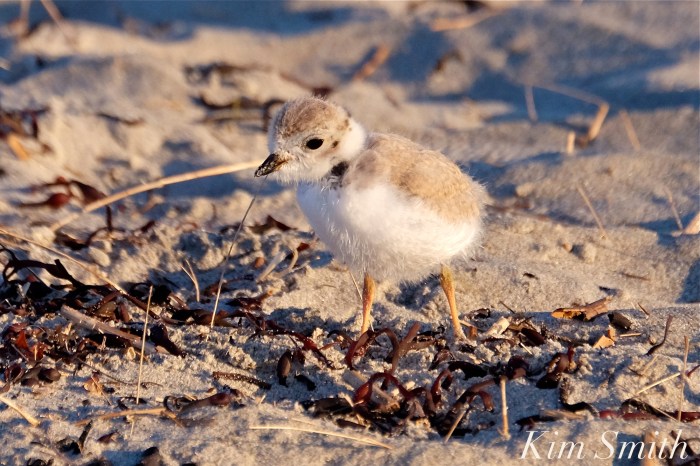
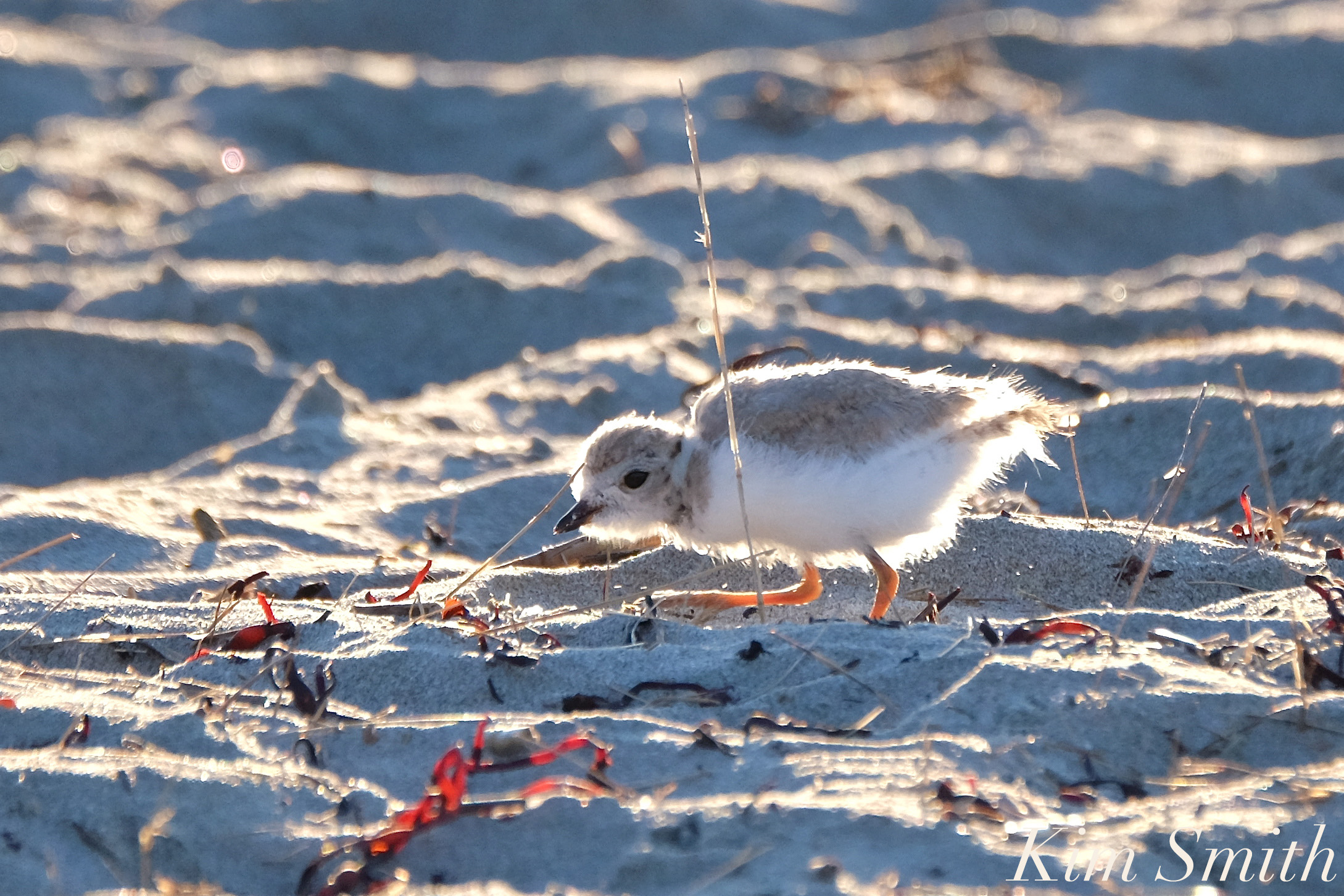
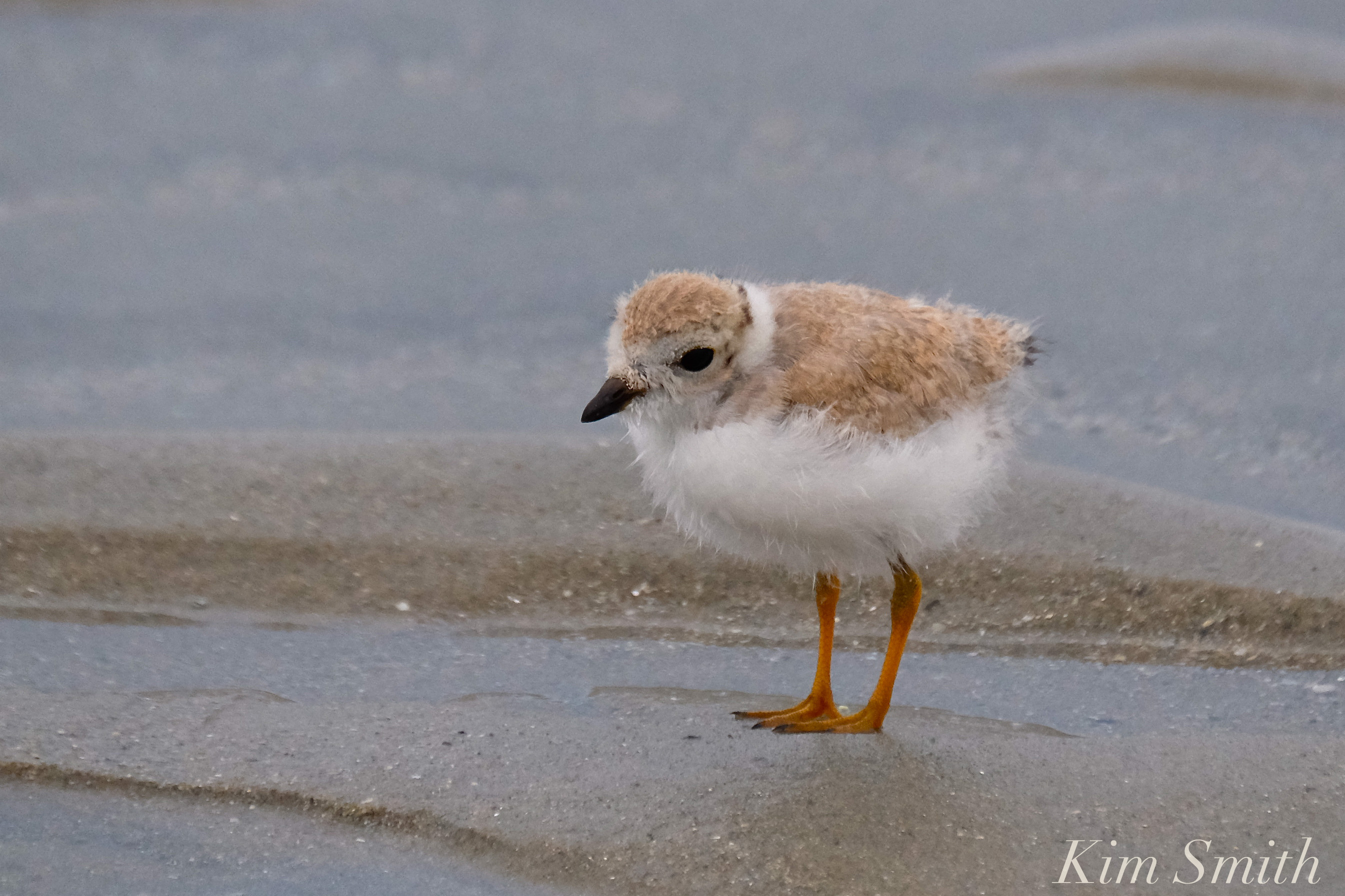
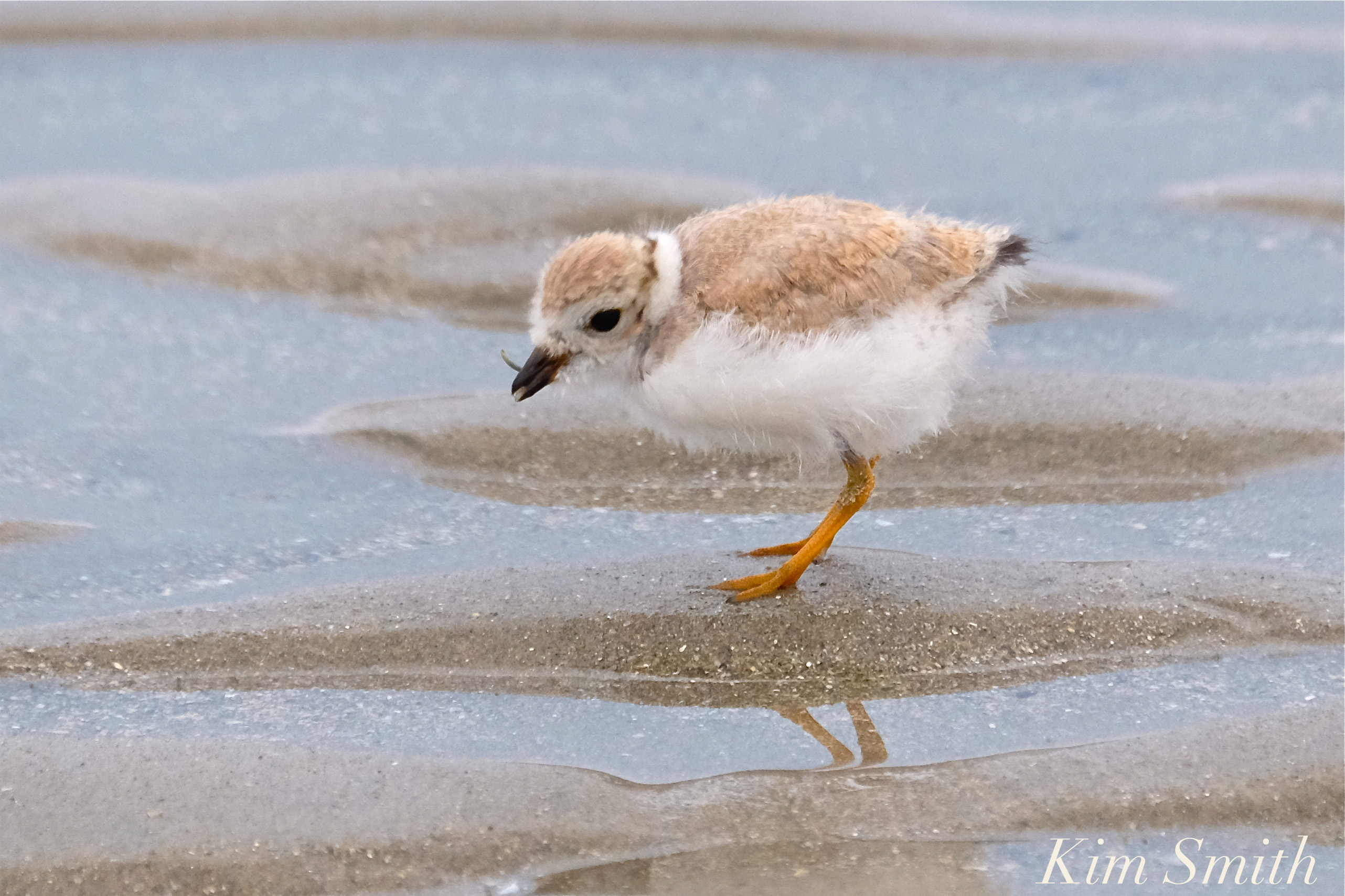
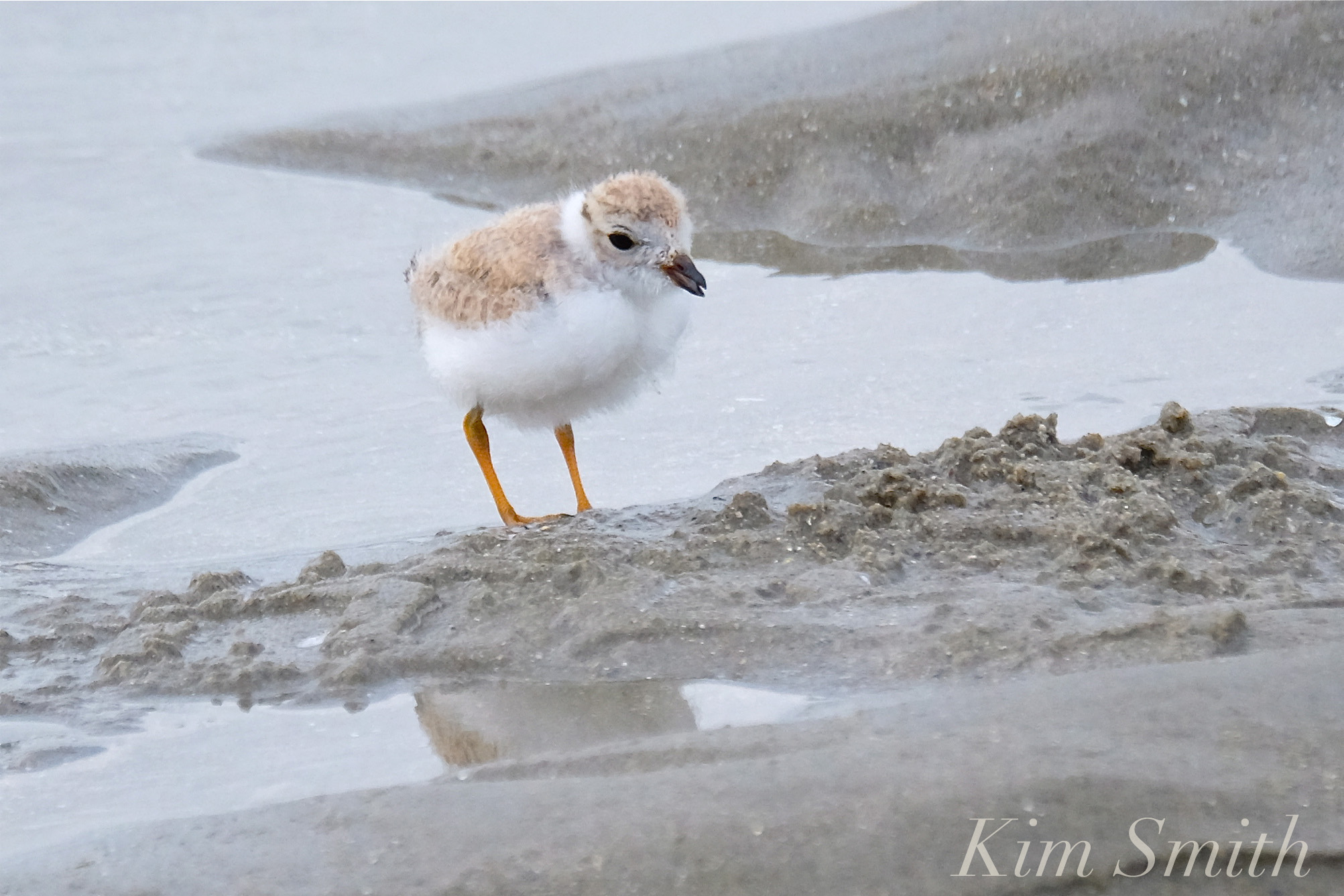
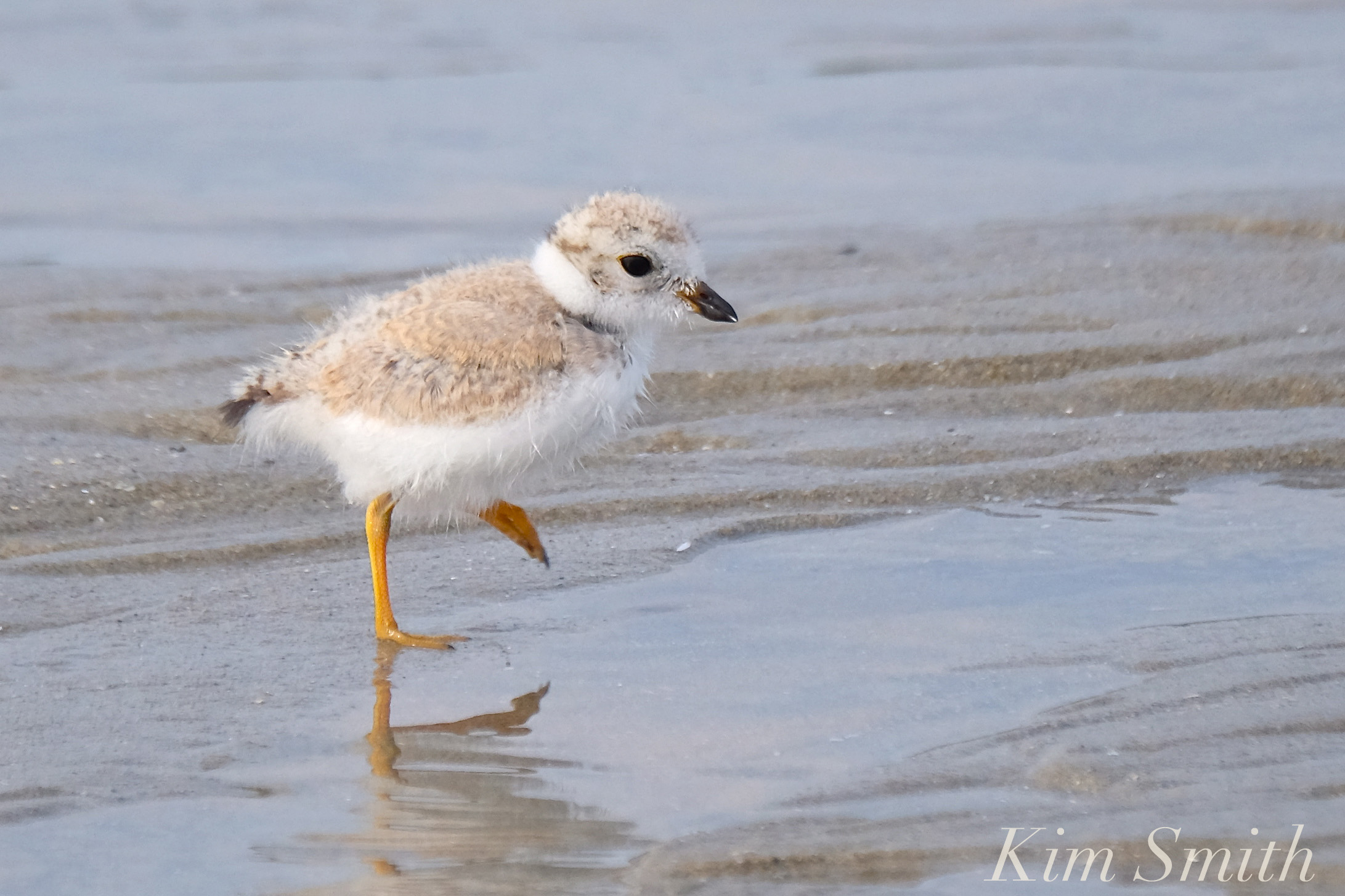
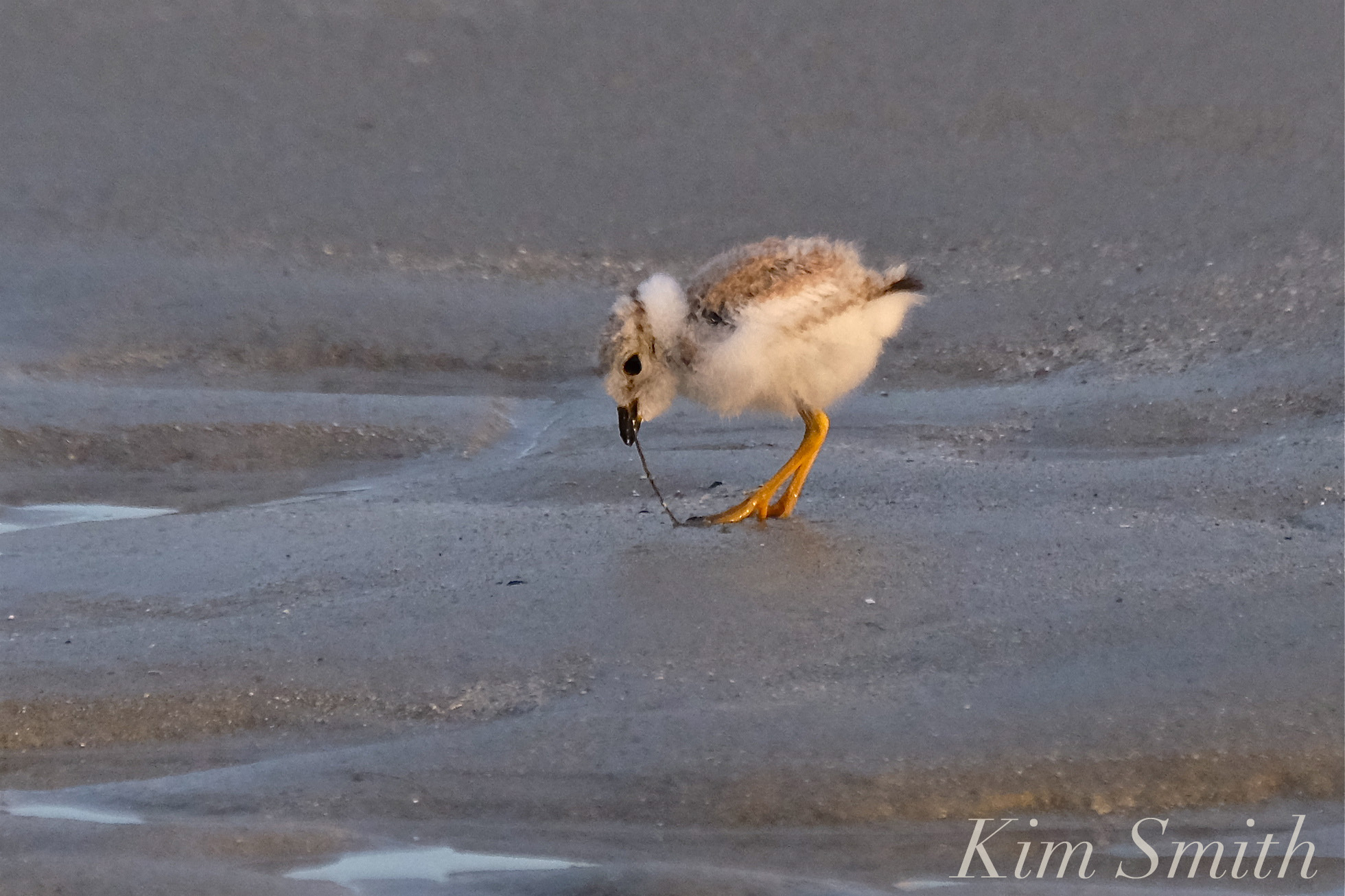
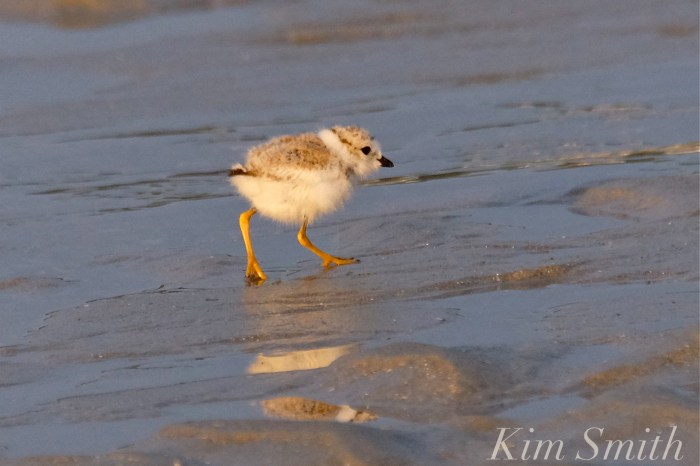
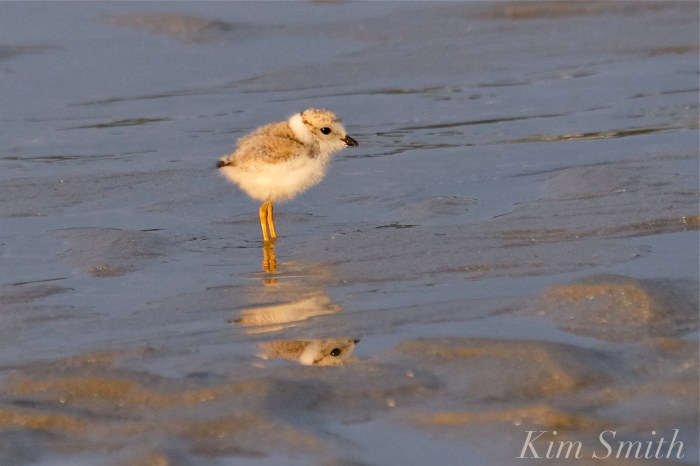
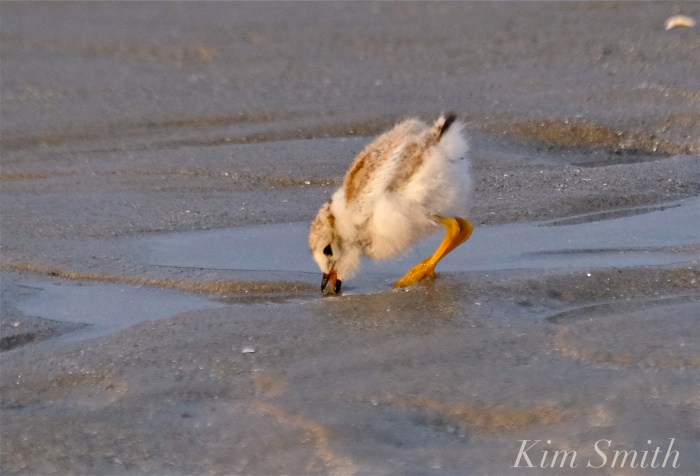
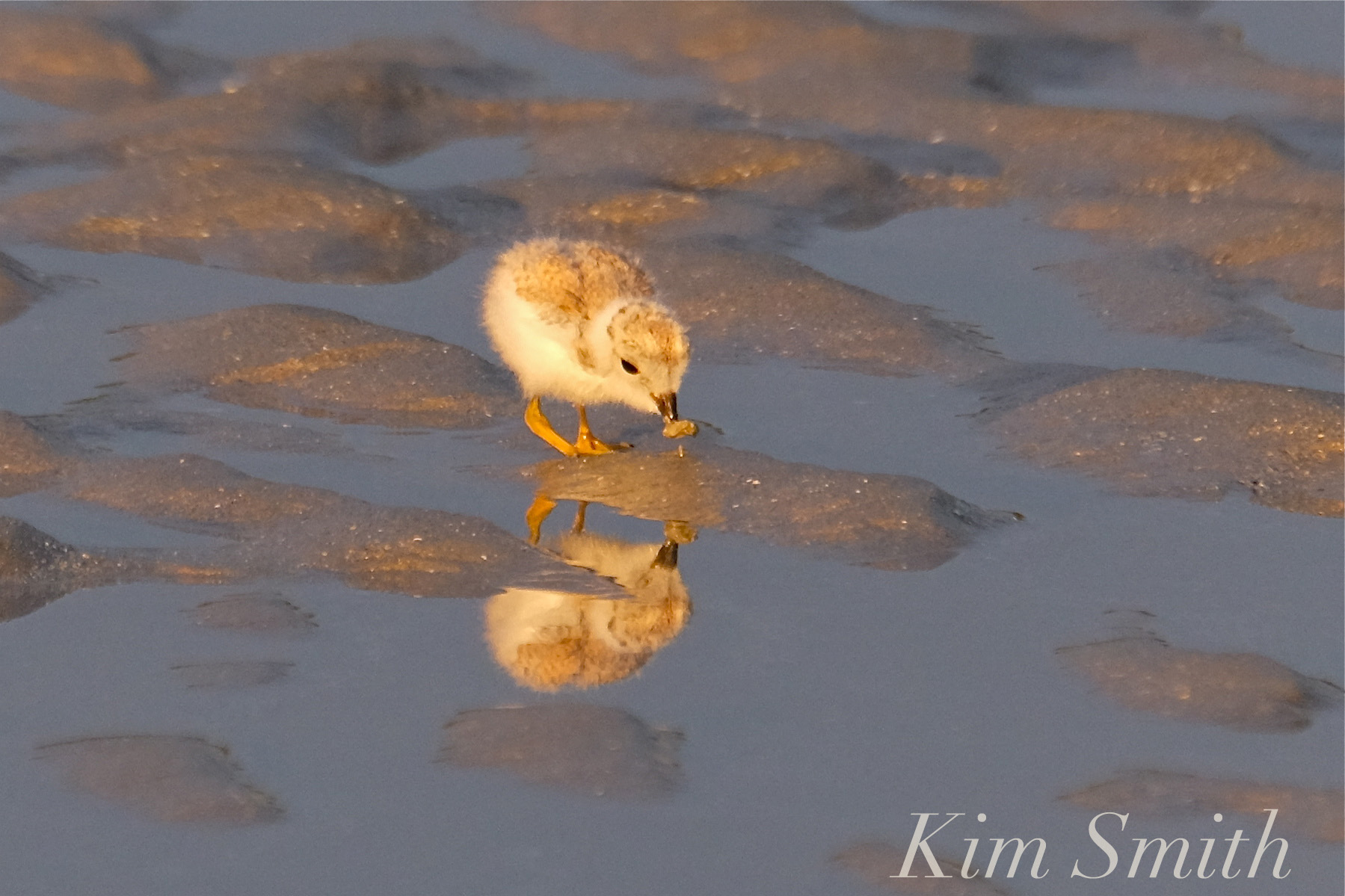
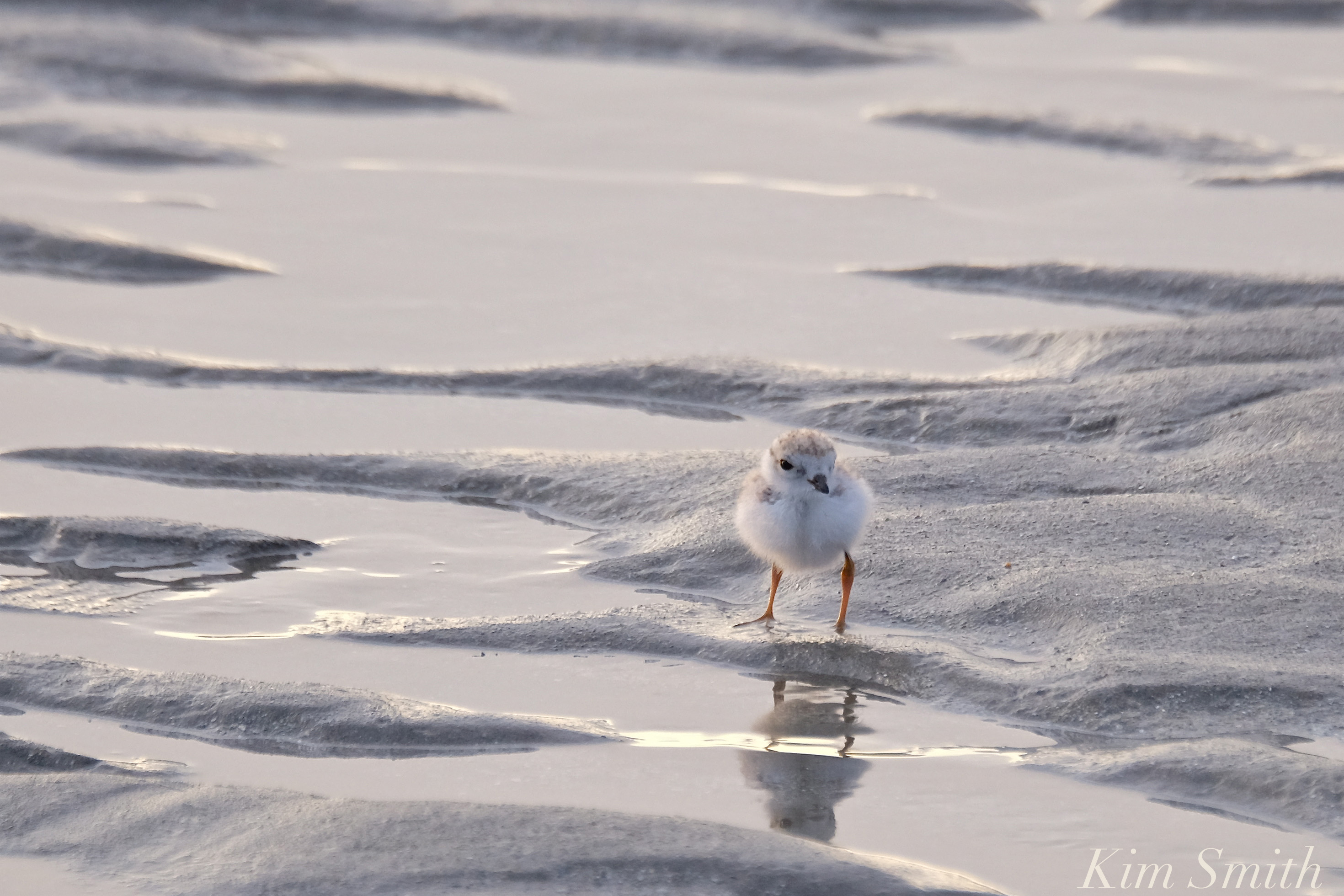
Little Chick is spending greater amounts of time in the deeper tide pools.

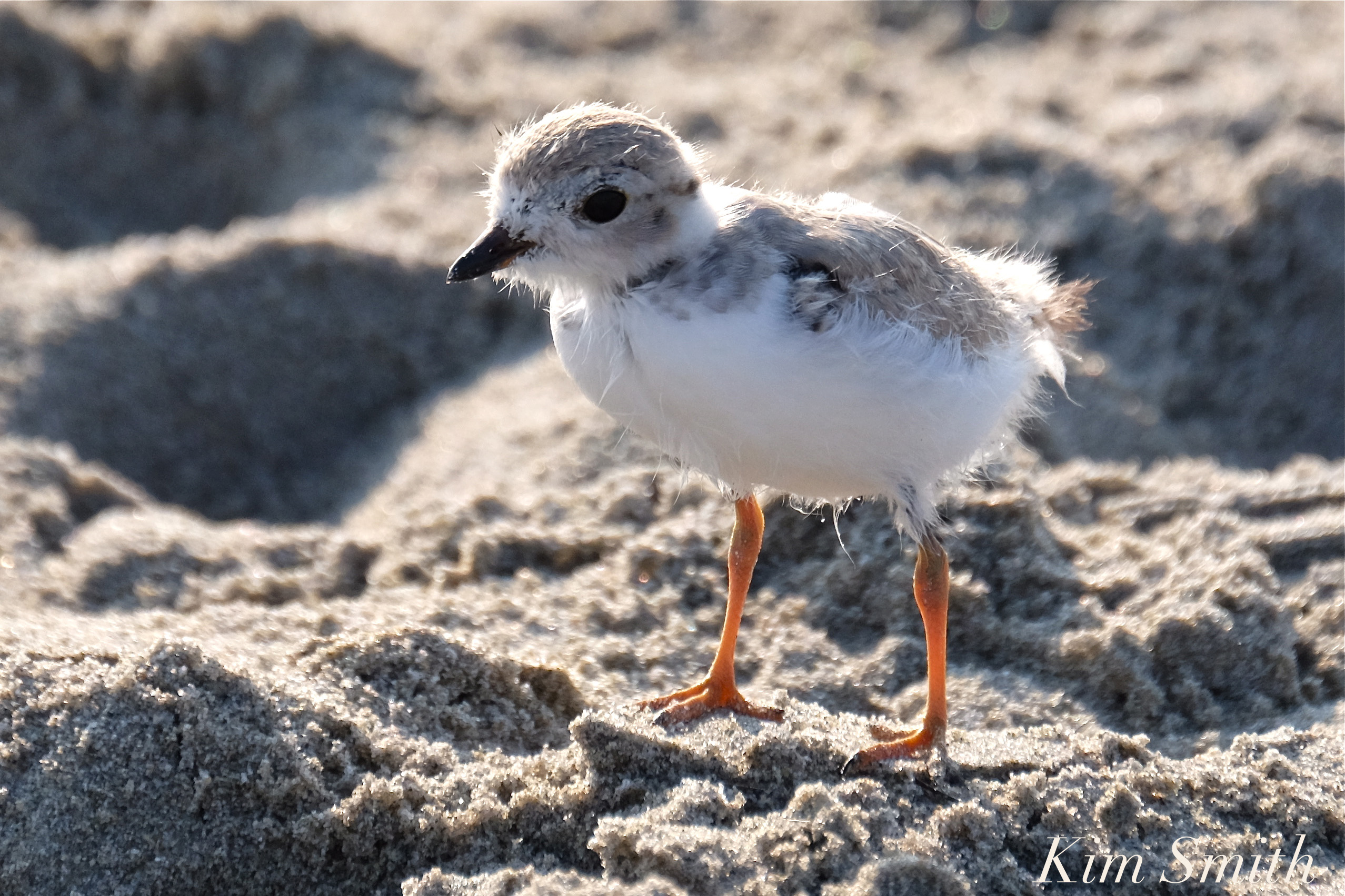
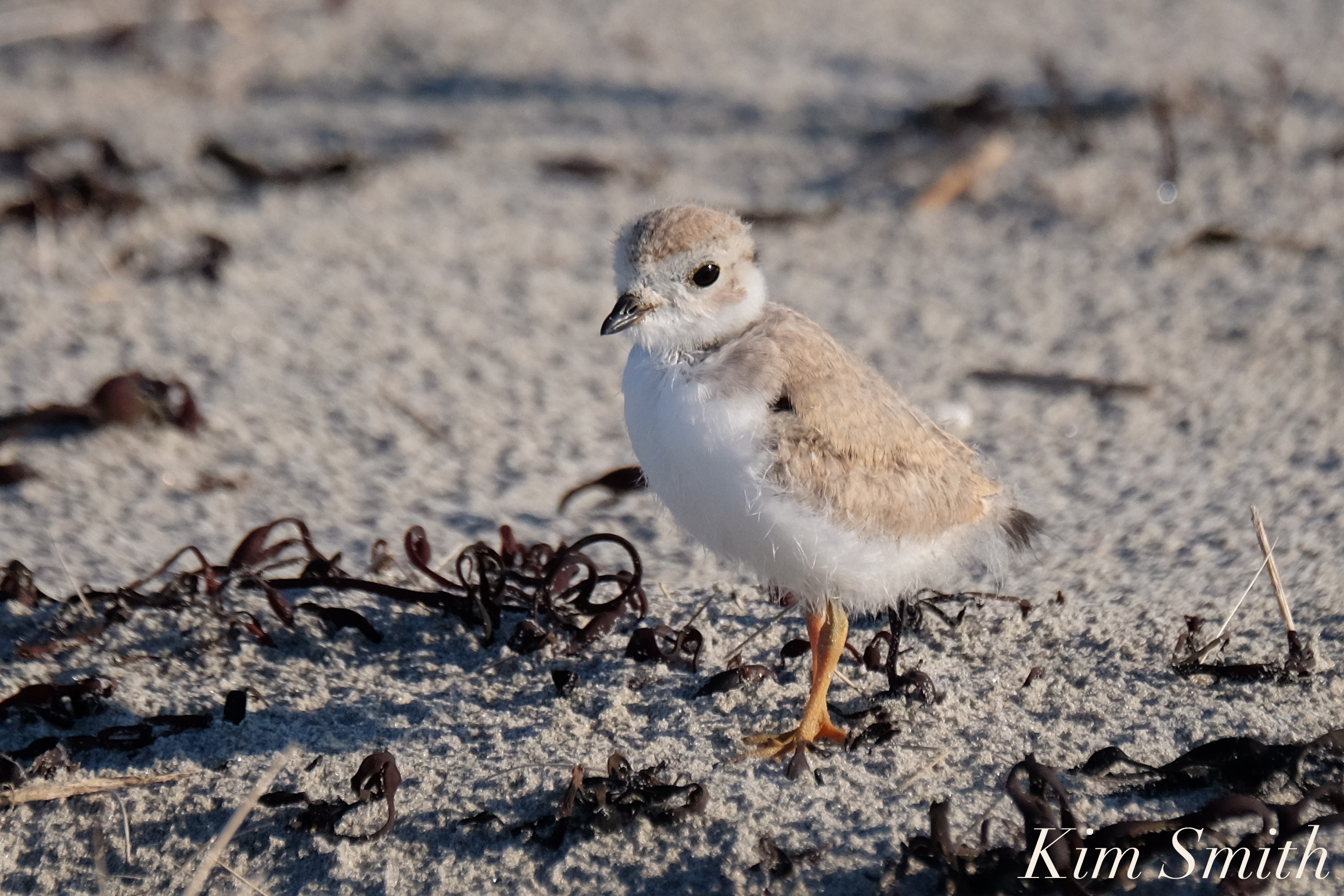
On Gloucester’s busiest of beaches, a tiny Piping Plover chick has survived five whole weeks. His survival is in large part due to the tremendous effort and kind caring of our community.  My most heartfelt thanks to everyone who has helped this resilient little guy come so far. Thank you especially to all the PiPl monitors, the crews of the DPW, especially the gentlemen who clean the beach and who drive the beach rake, beach picker uppers such as Patti Amaral, Patti and Kerry Sullivan, Gloucester conservation agent Ken Whittaker, Police Chief McCarthy, Animal Control Officer Dianne Corliss, the Volleyball Players, Coach Latoff and the GHS sports teams, the GHS cheerleaders, and countless others who have made allowances for the Piping Plovers to successfully nest at Good Harbor Beach.
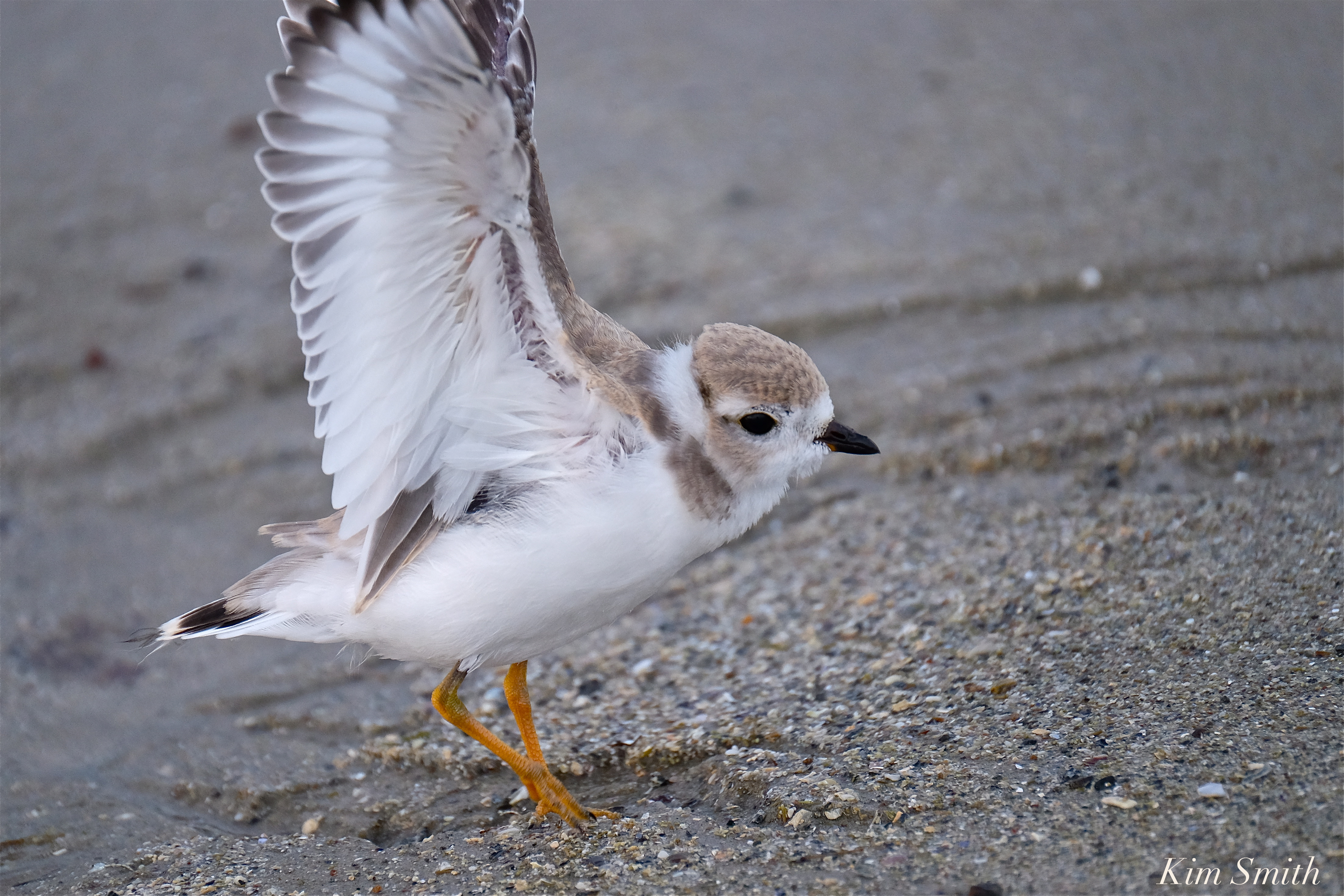
All who are monitoring Little Chick have seen him fly fairly low to the ground in approximately ten foot distances. Within days he will have fully fledged, but it will still be several weeks more I think before he can undertake his first migration to the lower Atlantic states, Bahamas, or West Indies. He and Papa have adapted well to Good Harbor Beach and they very possibly could stay several weeks into August, feeding to build reserves for the long migration south. Or, they could leave GHB and join the Piping Plovers starting to gather at other barrier beaches such as Cranes and Plum Island. Young birds travel with old birds, who show them the way.

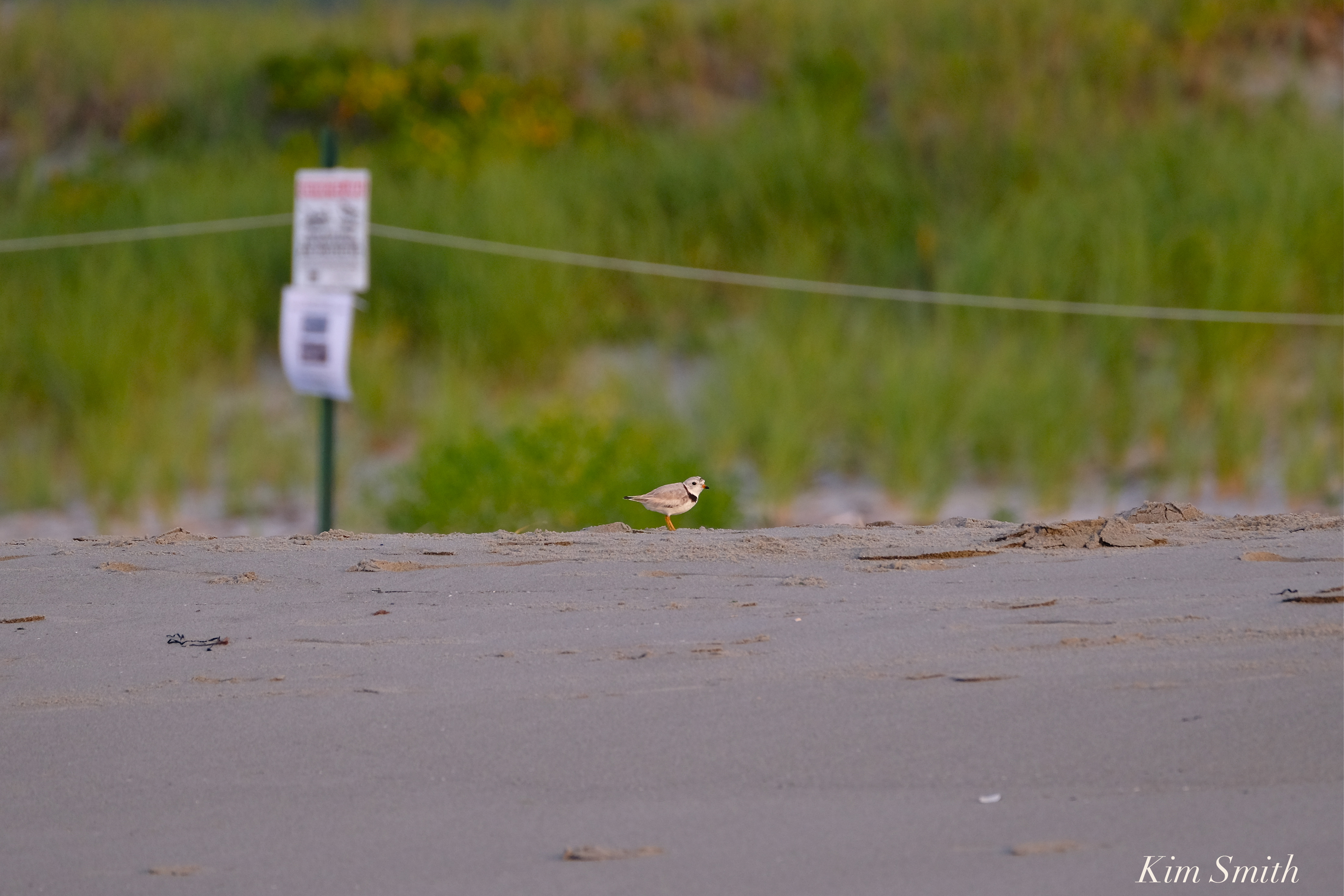
Hourly monitoring may no longer be needed, but it doesn’t hurt either to check in with the little guy and Papa regularly. It’s super important for the roping to stay in place as the family continue to use the cordoned off area as a “safe zone.” I will continue to film and update as long as they are at Good Harbor Beach, because that is part of the documentary, too.

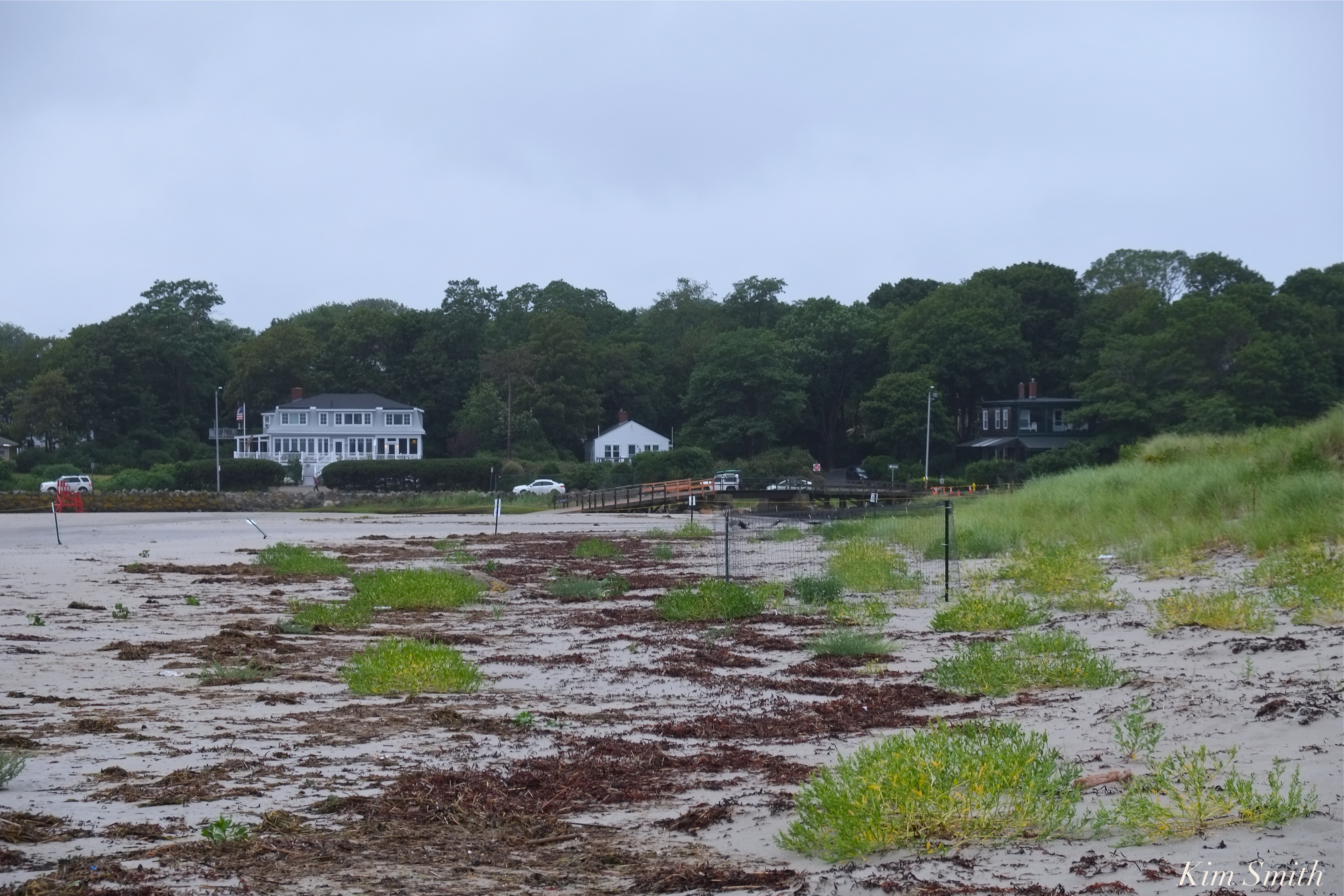
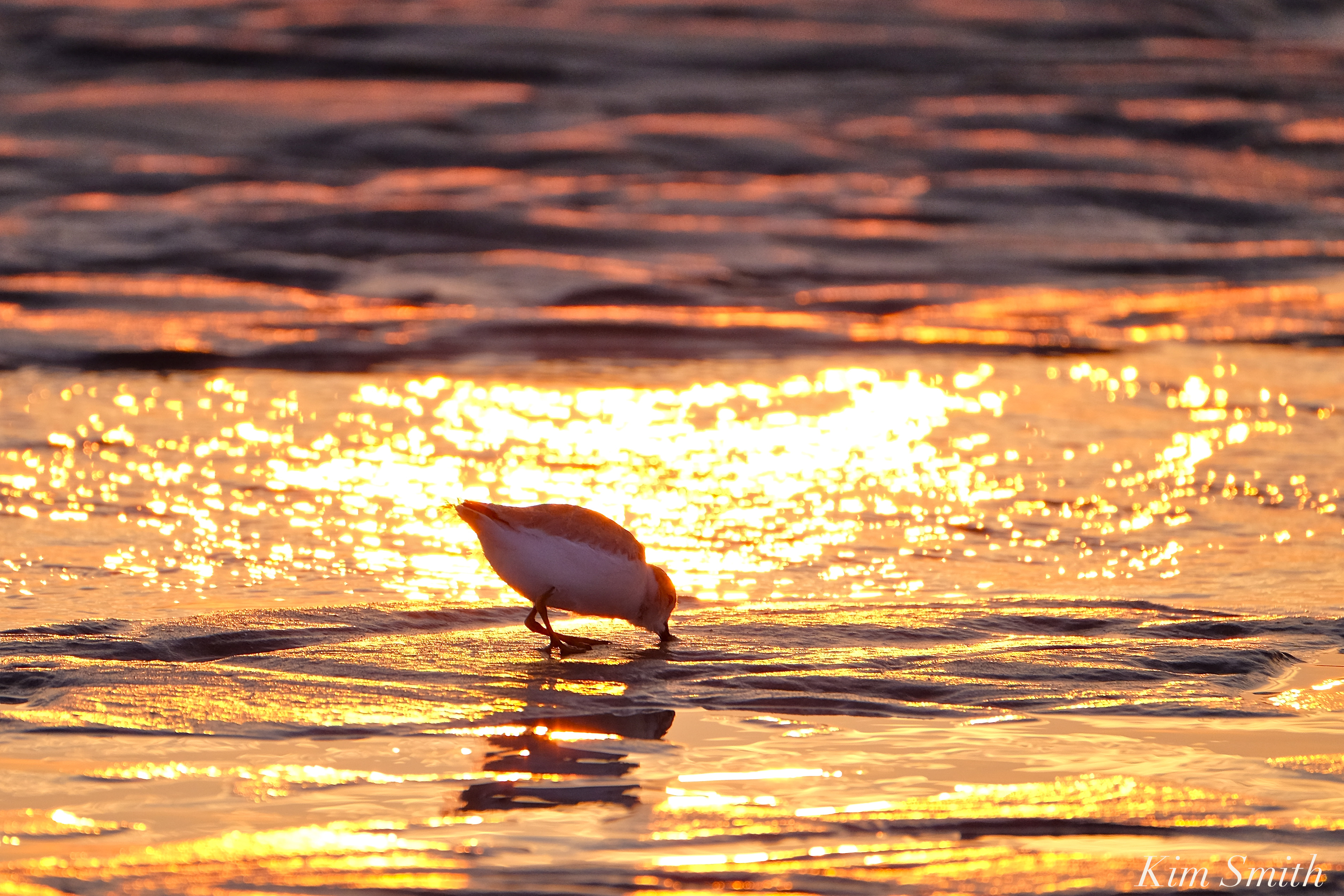
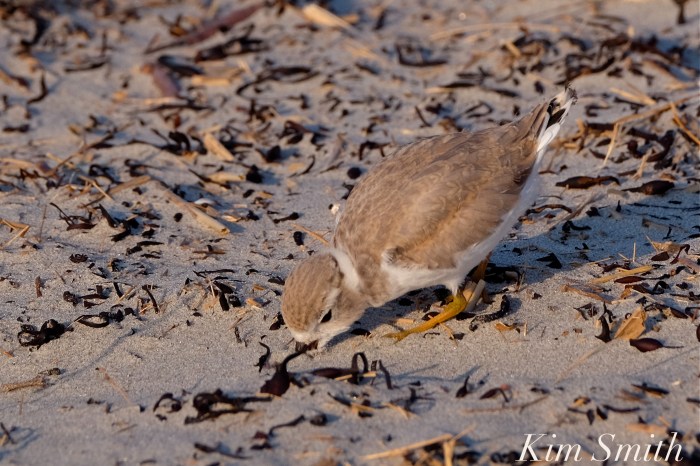
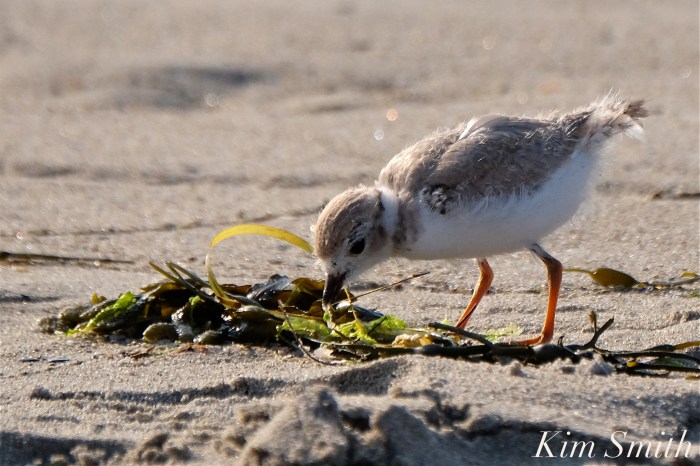
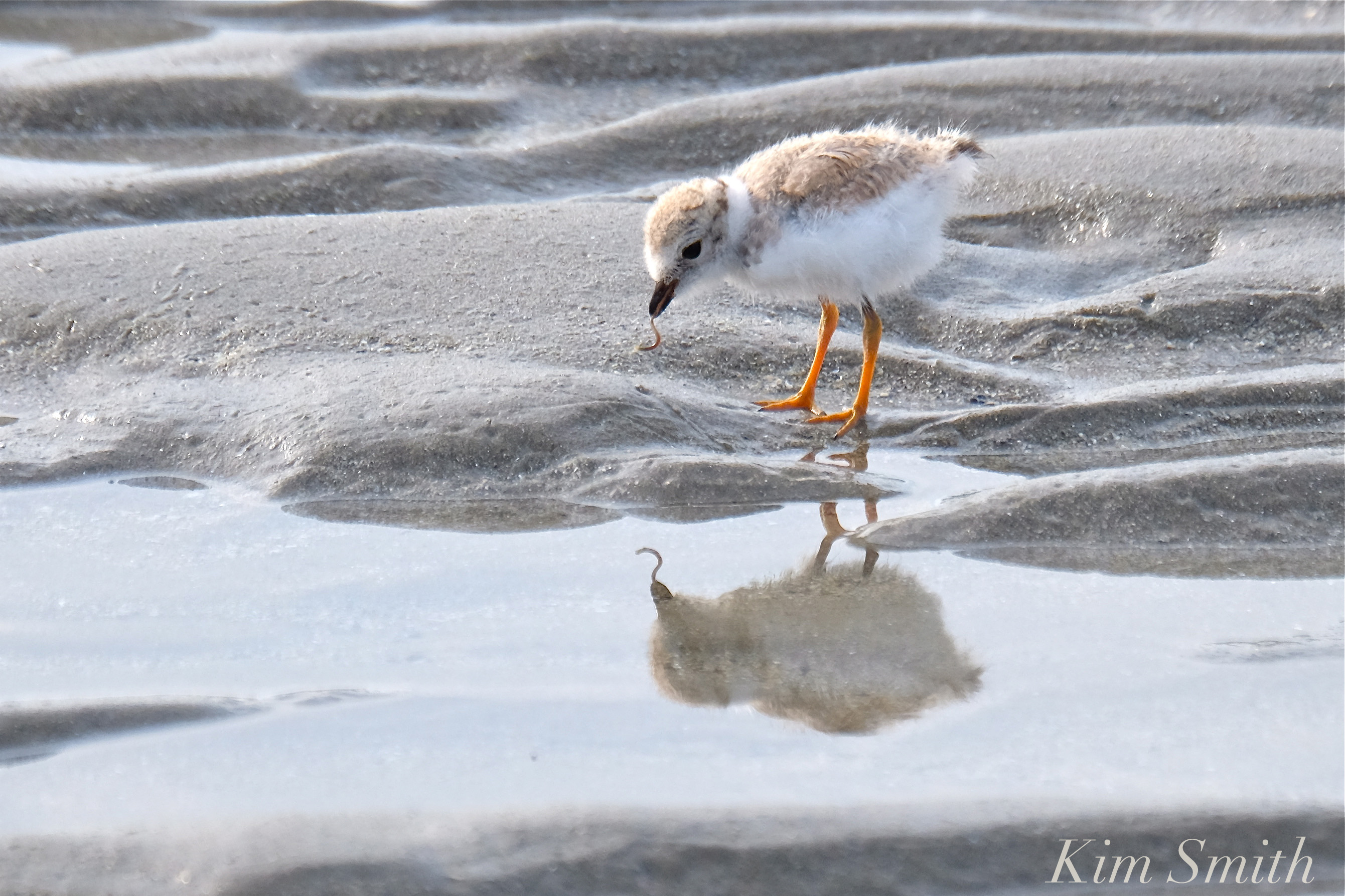
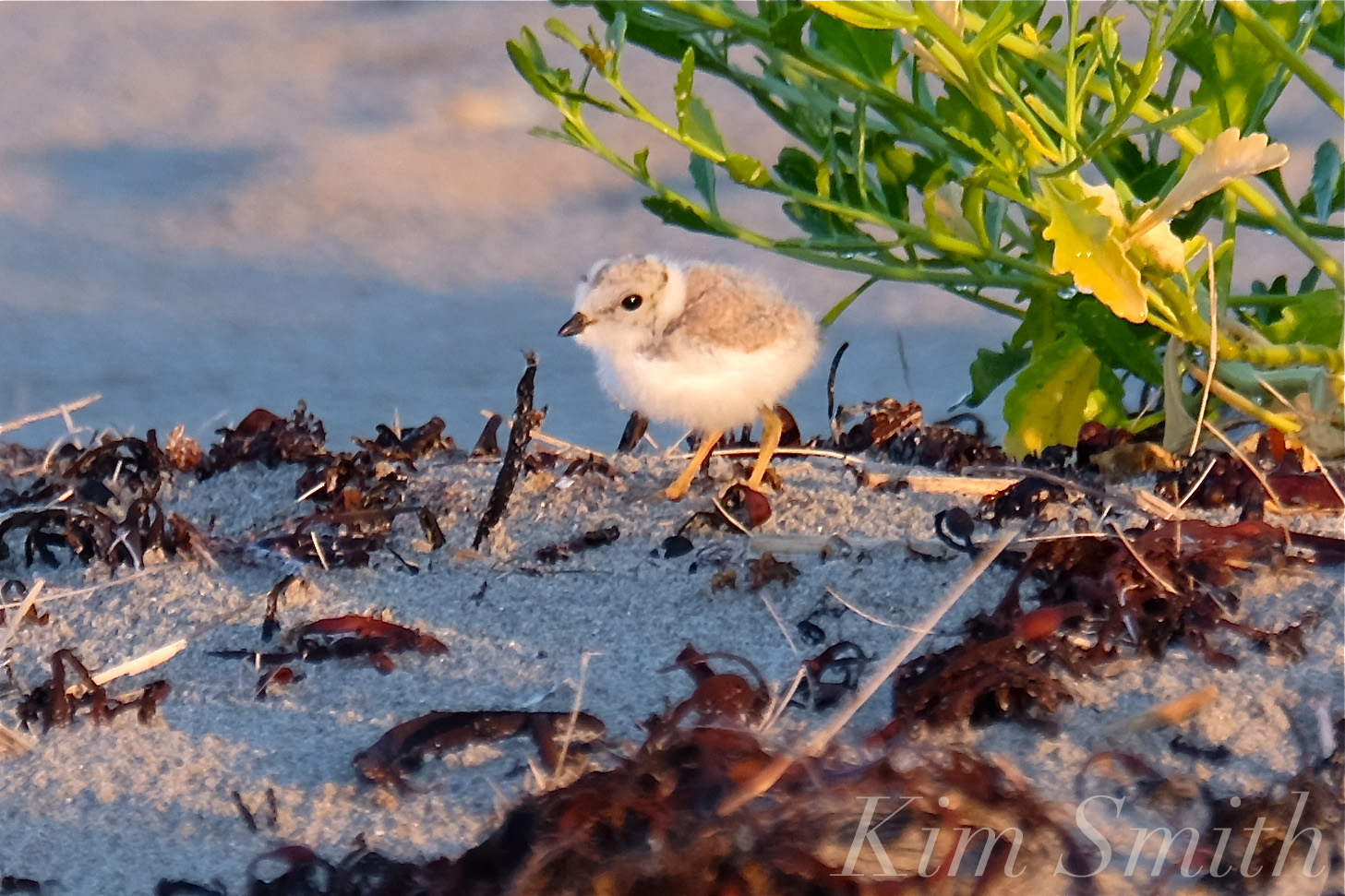
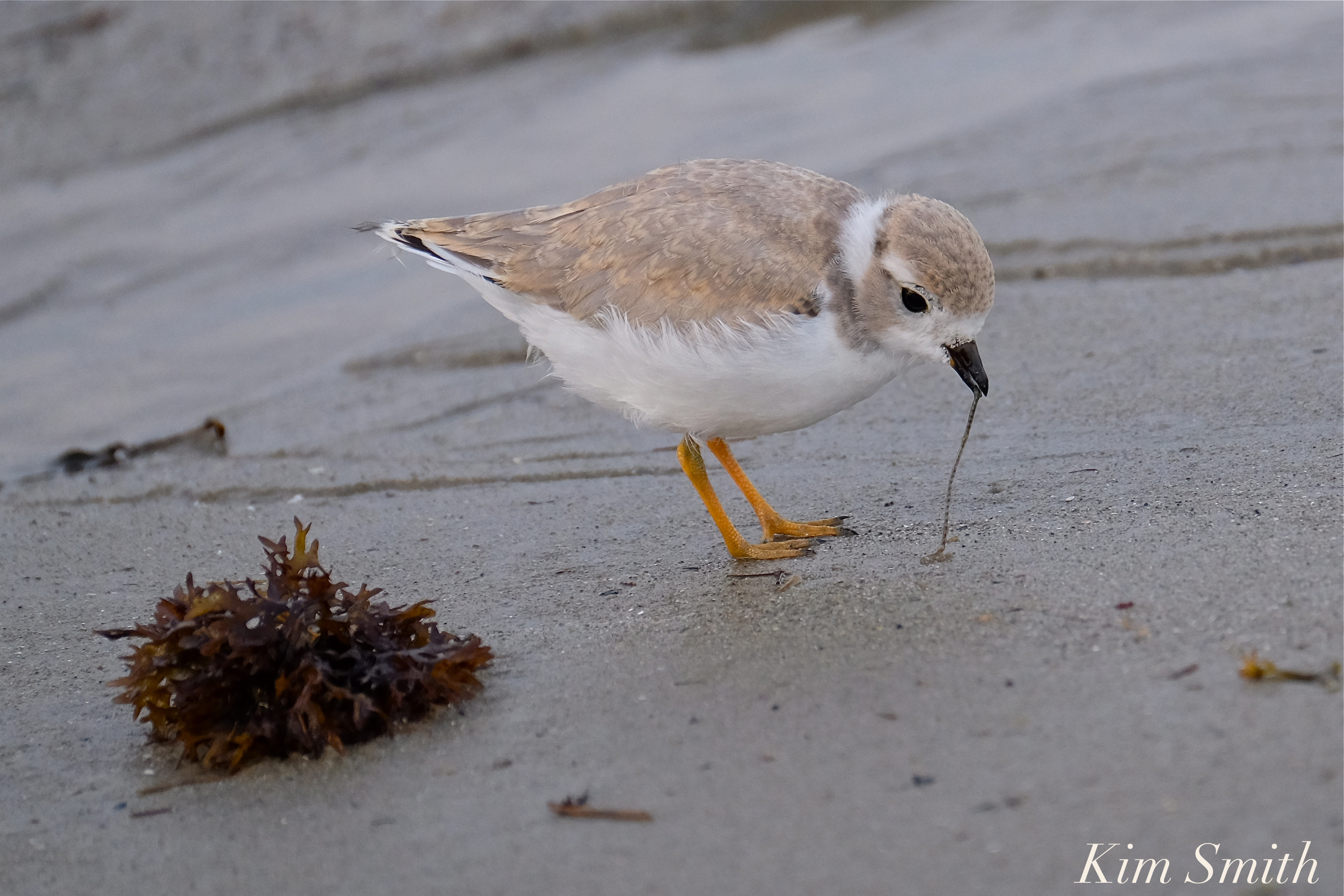
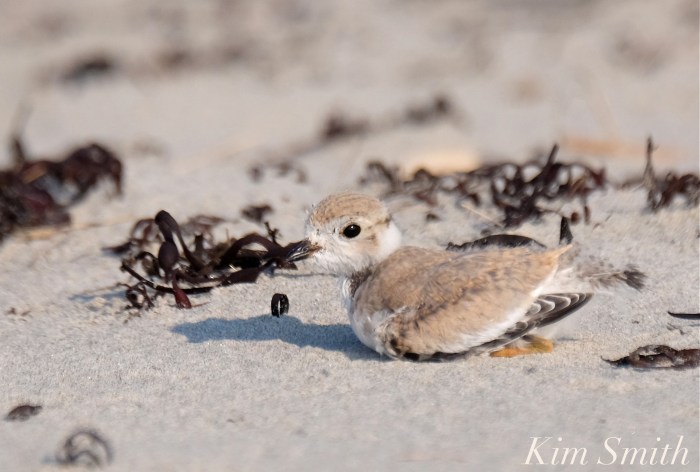
The most rewarding moments are meeting on the beach fans of our Little Superstar. They are full of delighted interest and concern for the chick. Just this morning, I met mom Amy and her daughter Emma. They live in Southborough and have been daily following along with the adventures of Little Chick on Good Morning Gloucester. Amy thanked us for sharing Little Chick’s story.The beach was awash in seaweed, perhaps brought ashore by the storm of several nights ago. Extra wormy and mini-sea creature breakfast deliciousness today.
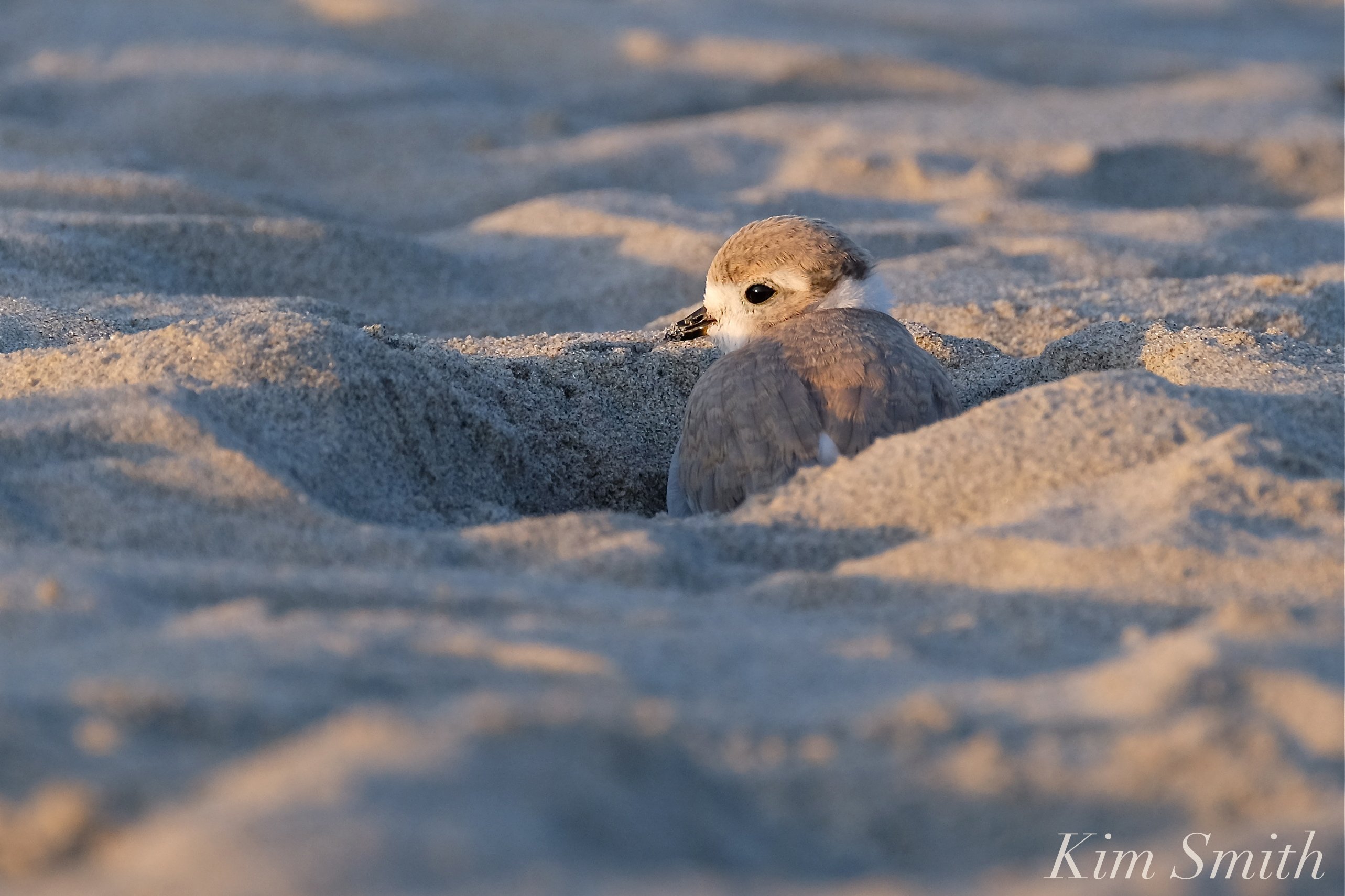
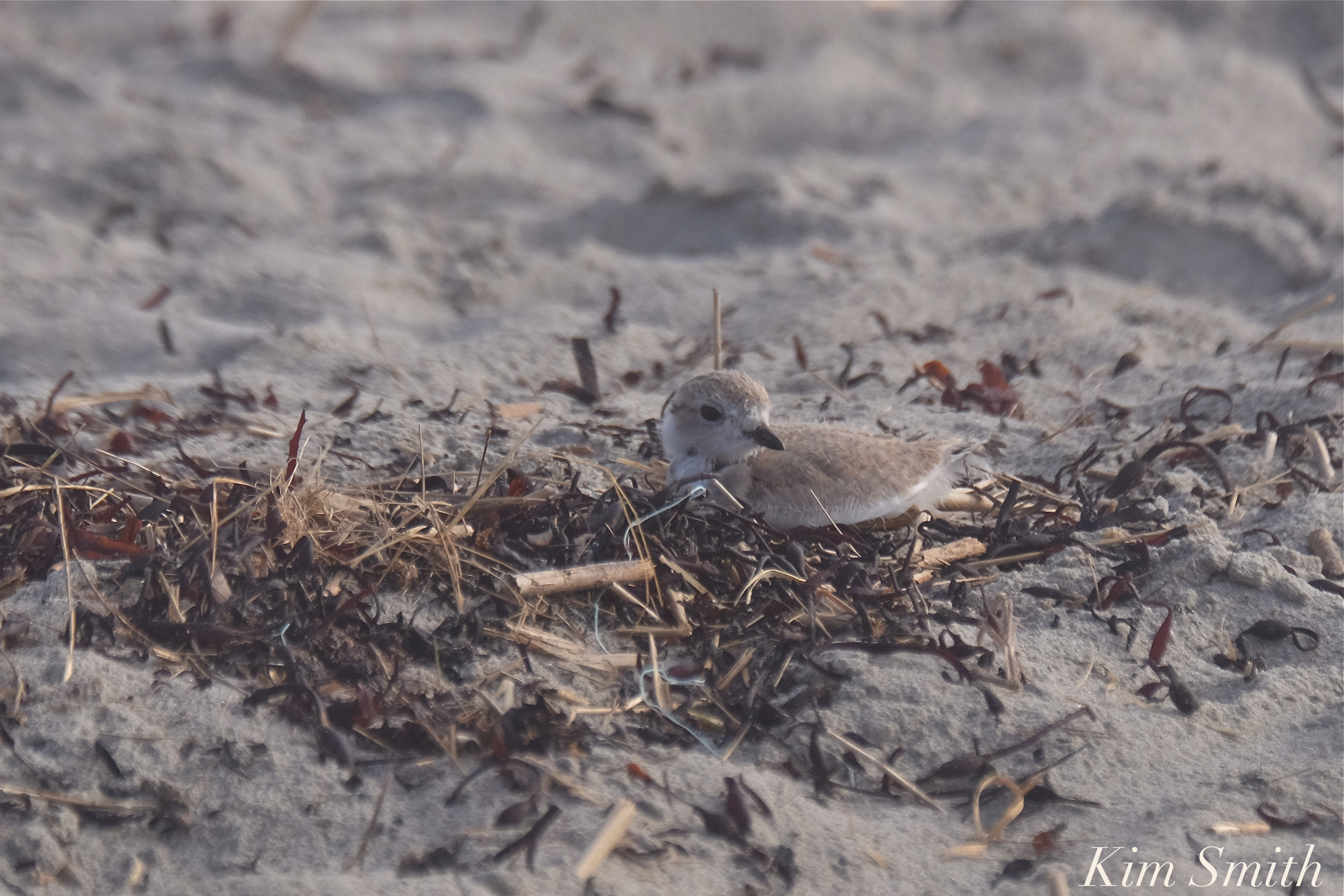
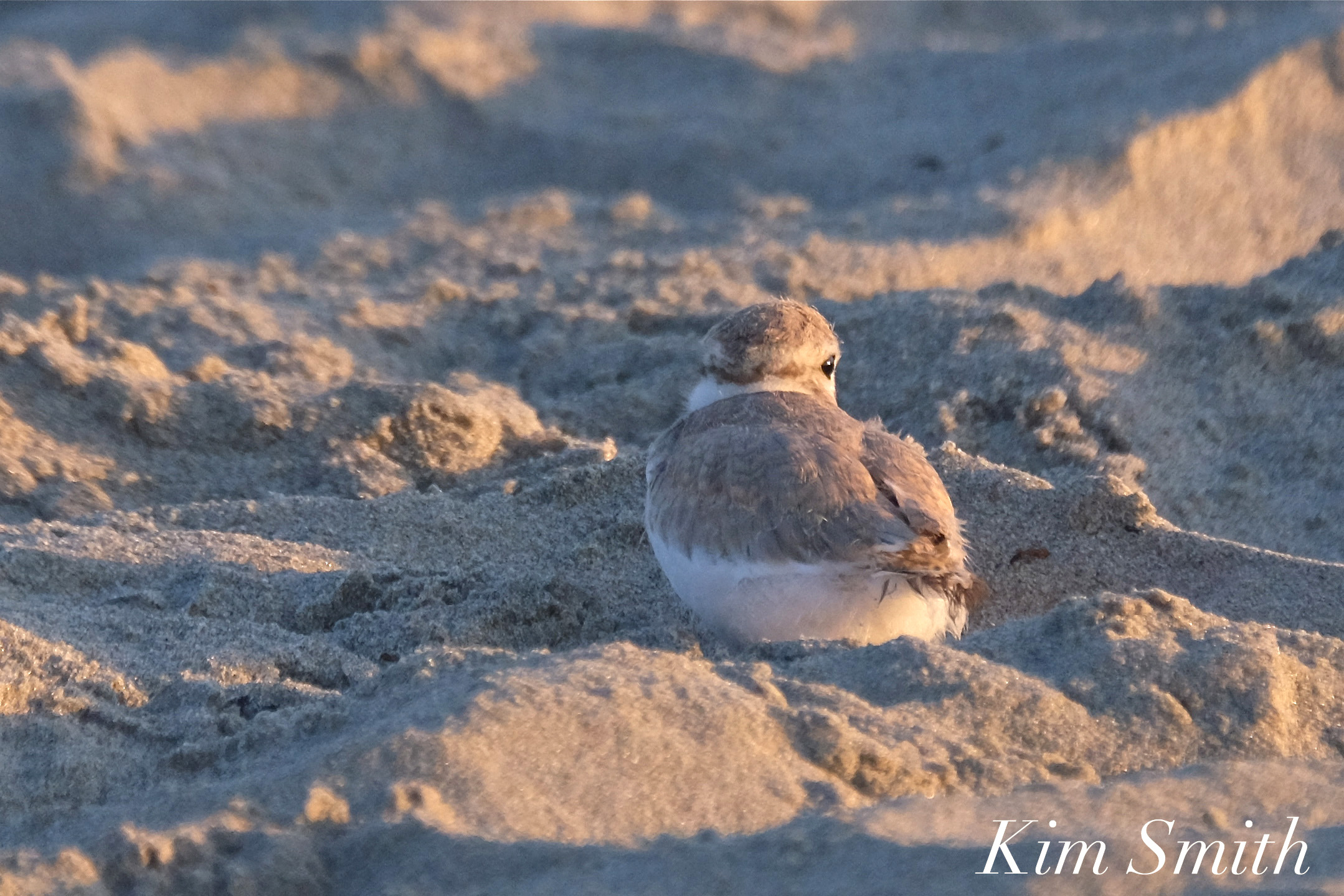
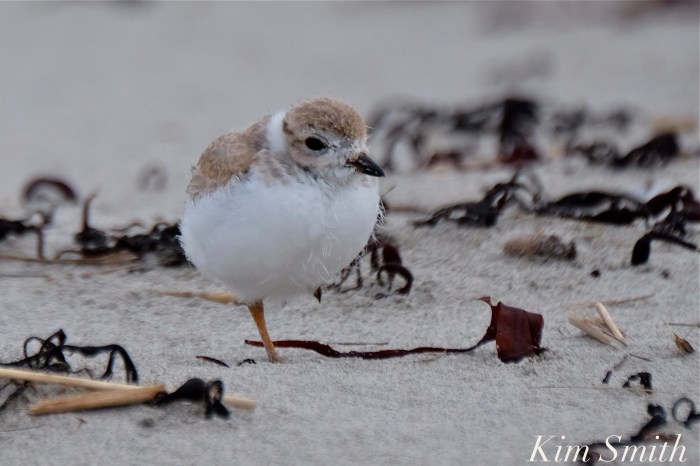
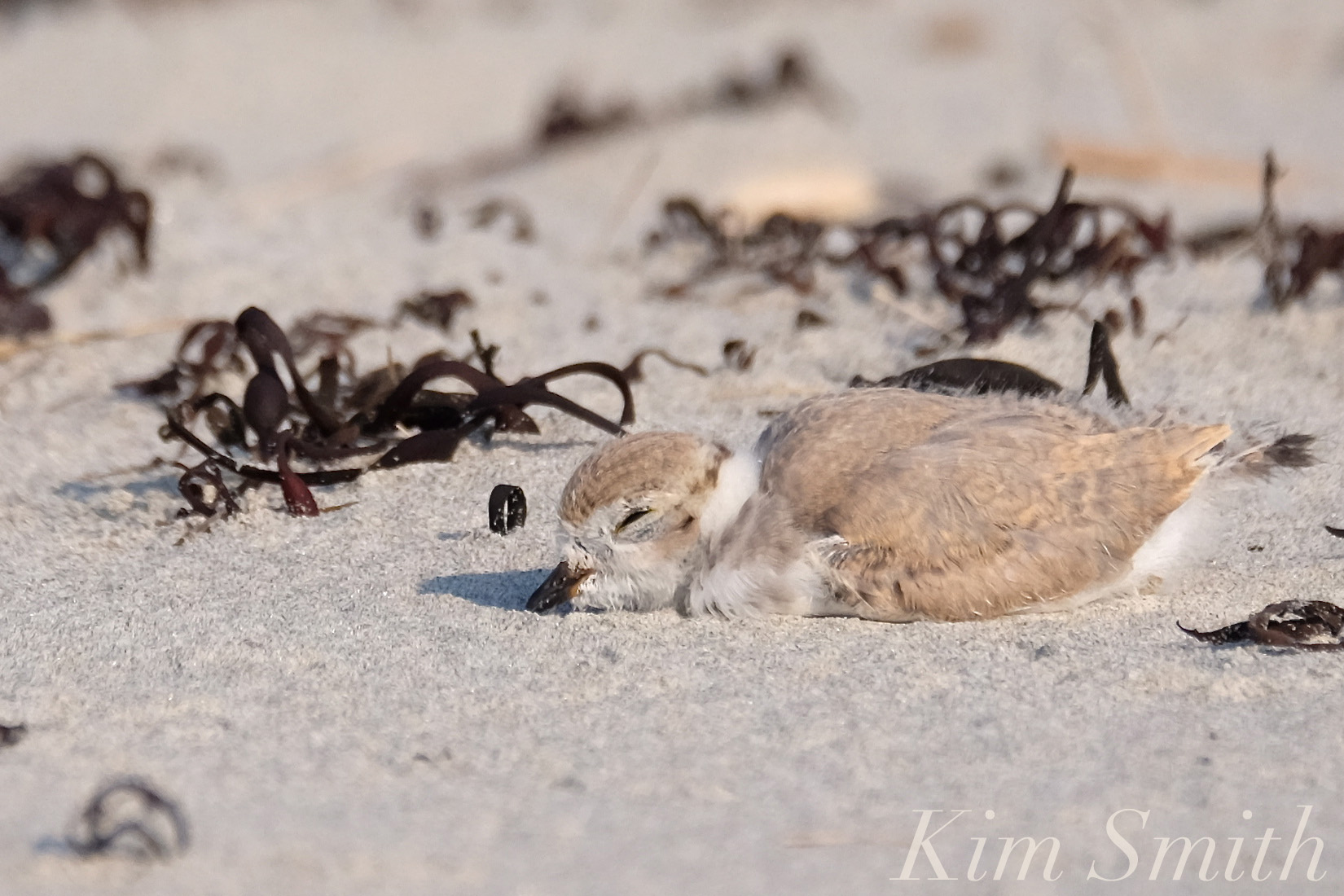
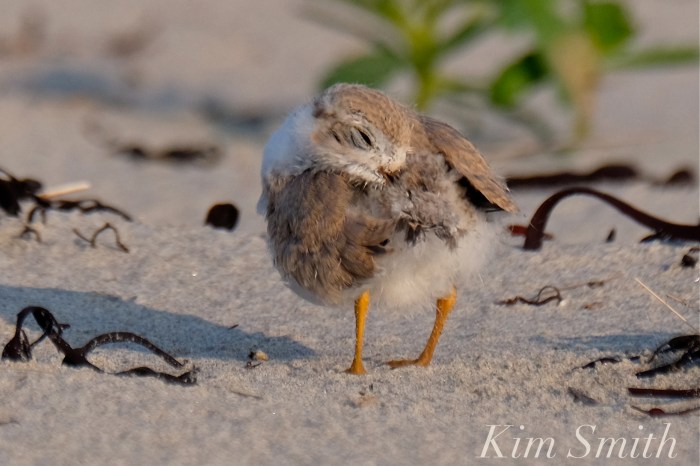
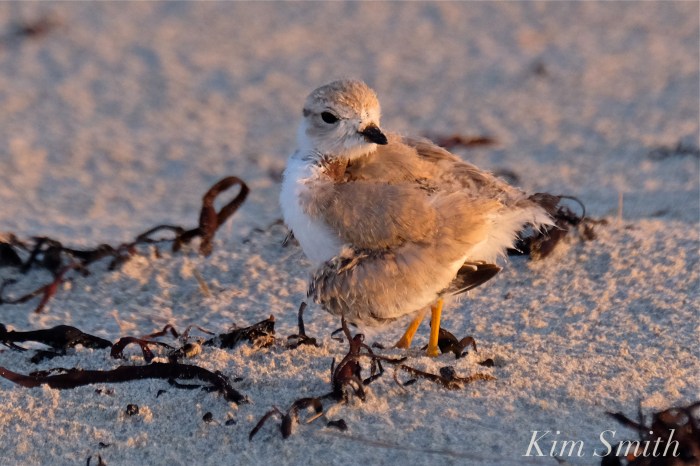
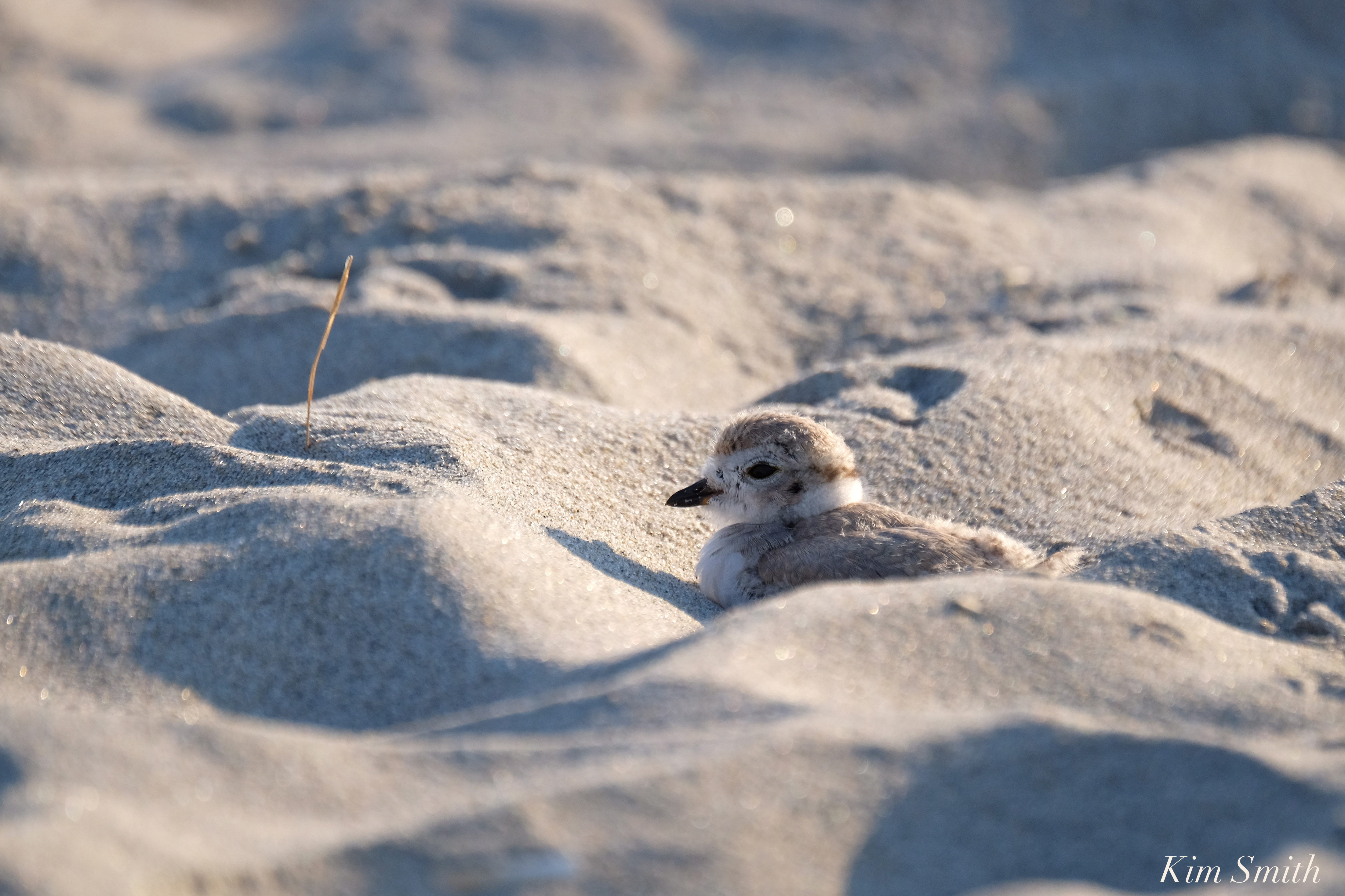
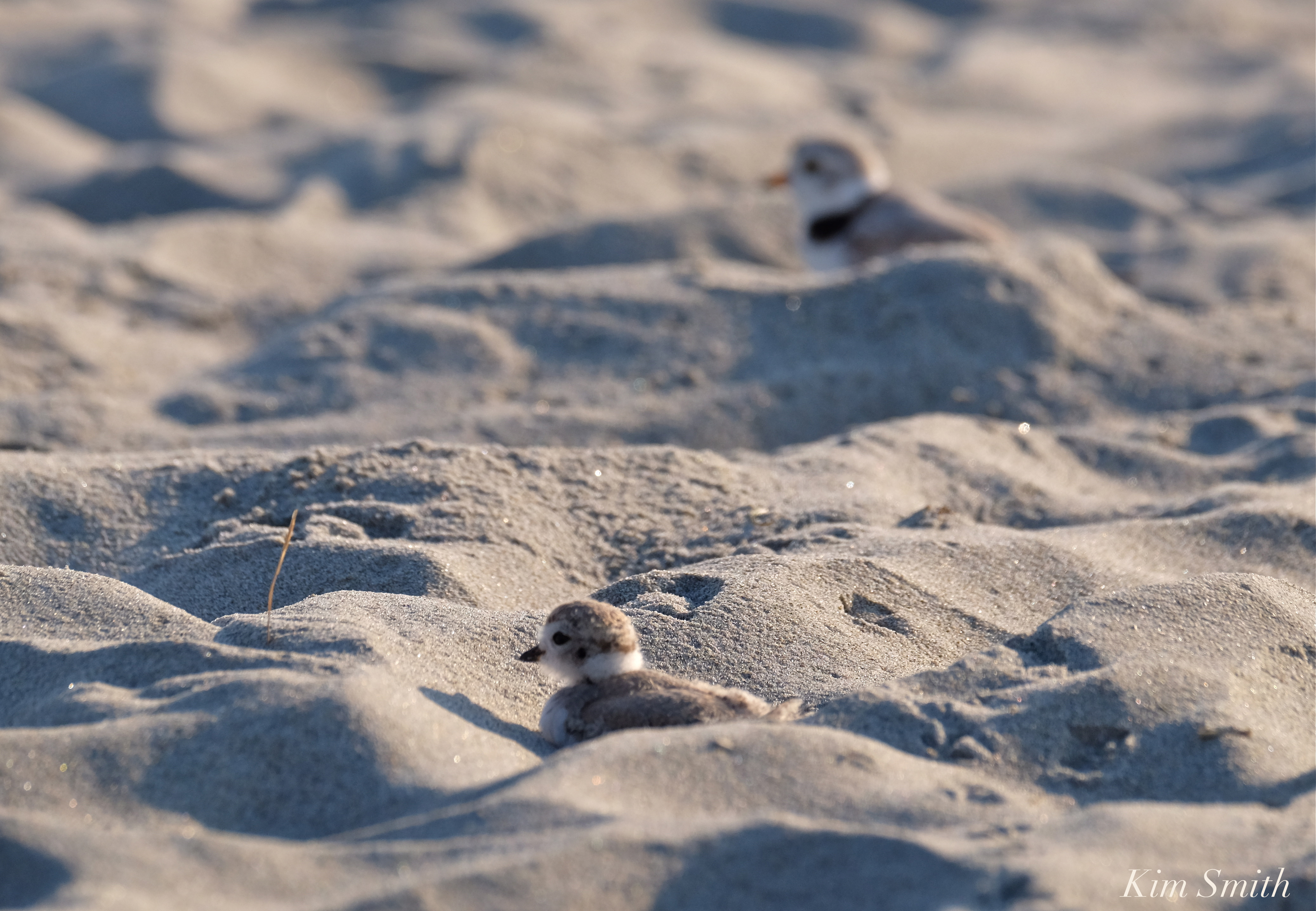
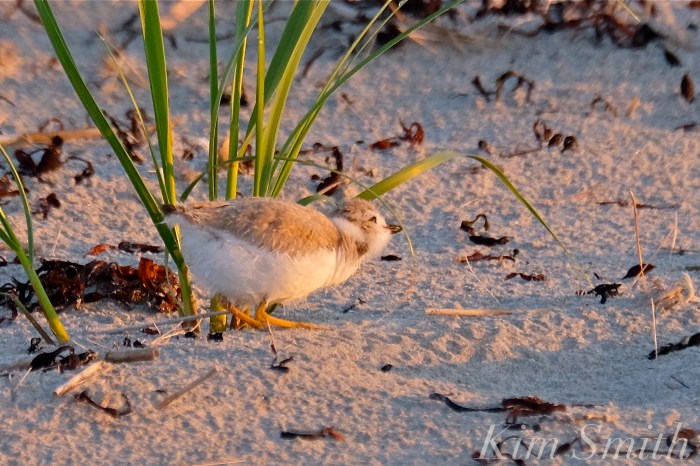
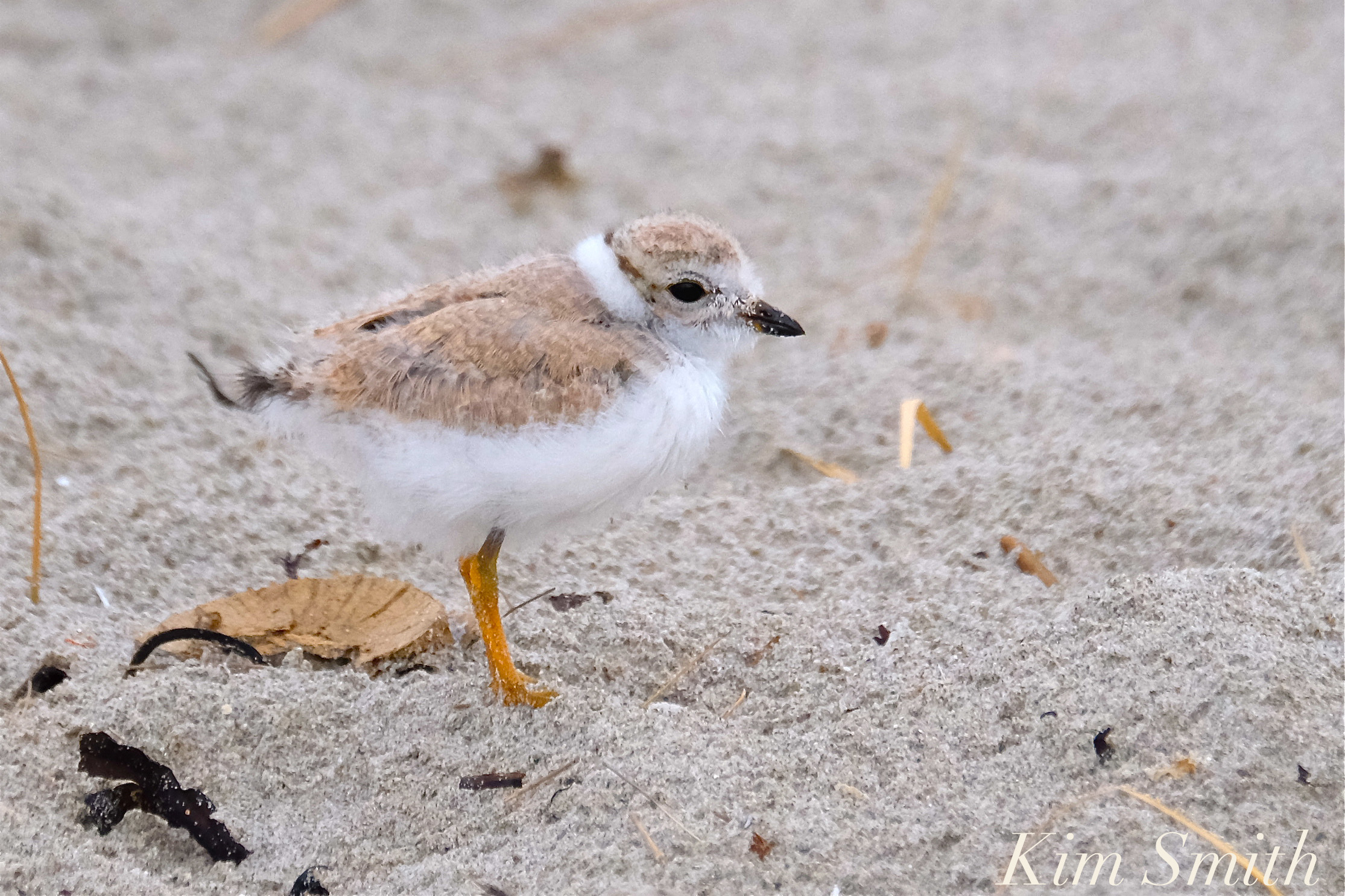
Well camouflaged in the sand and taking a brief rest before returning to the tide pools.
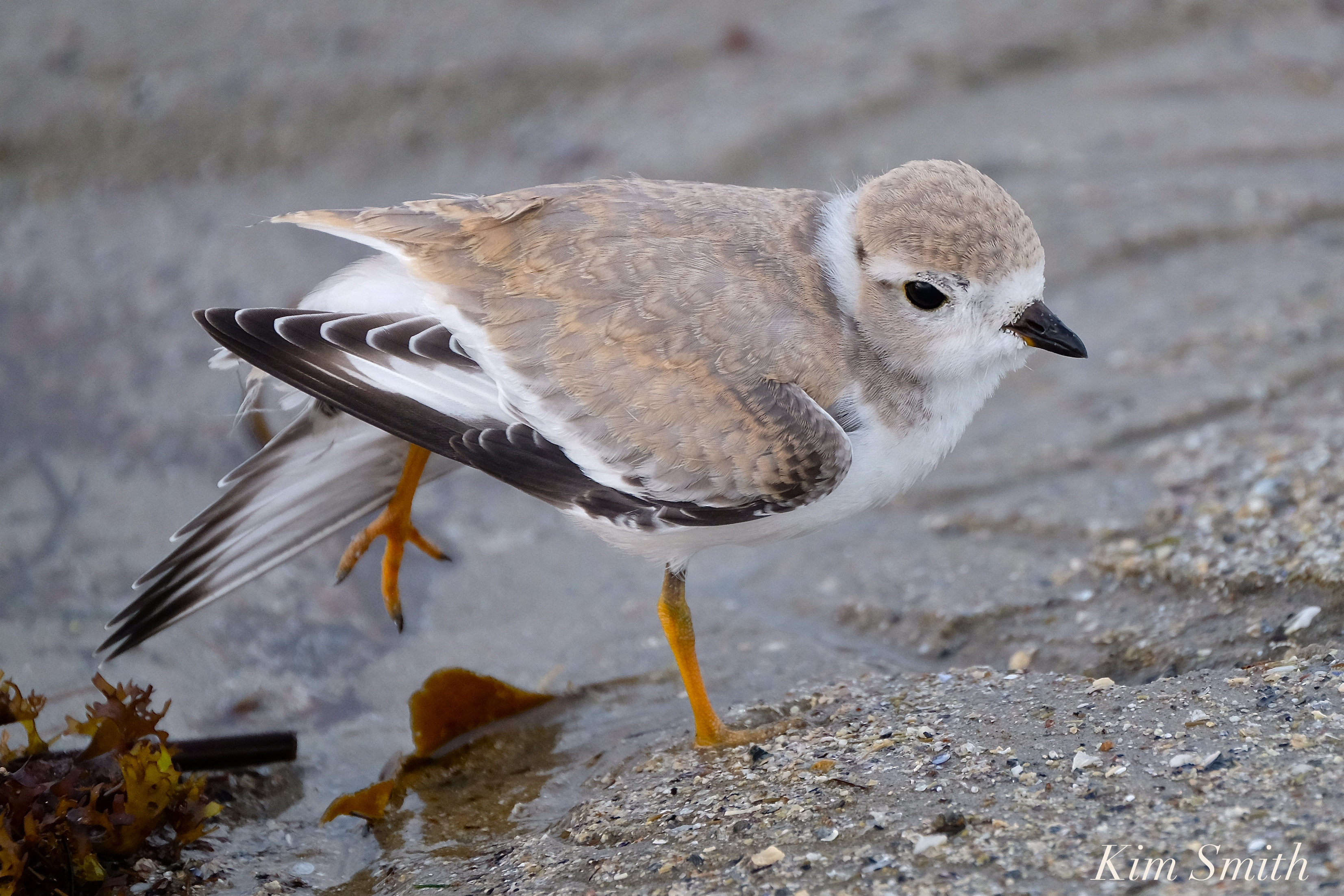
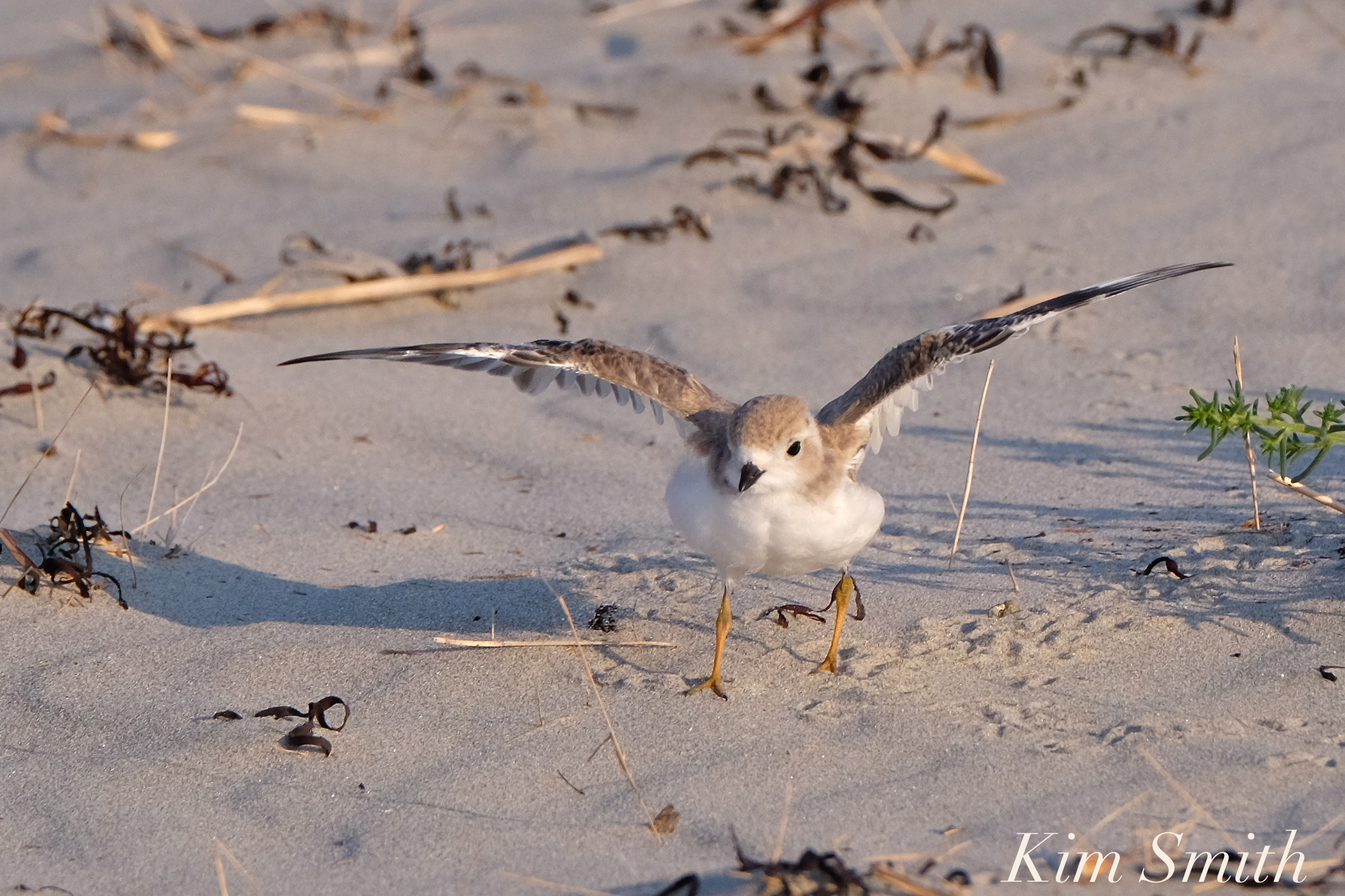
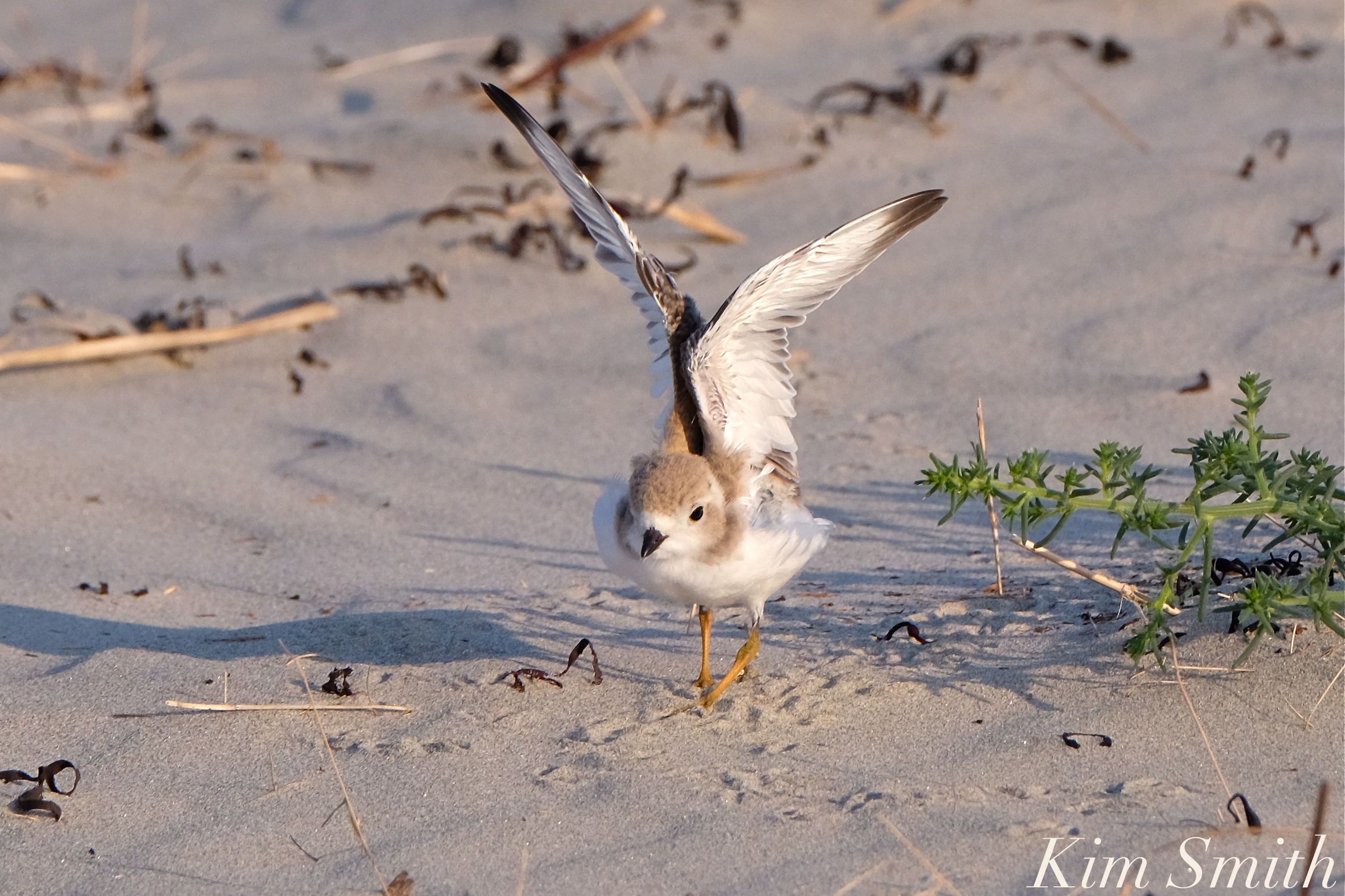
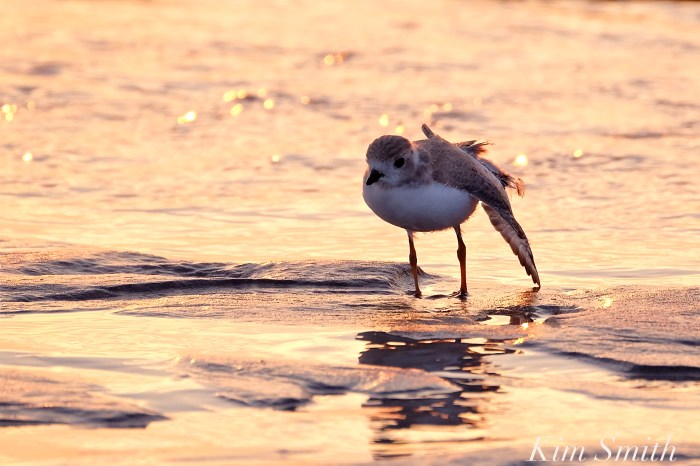
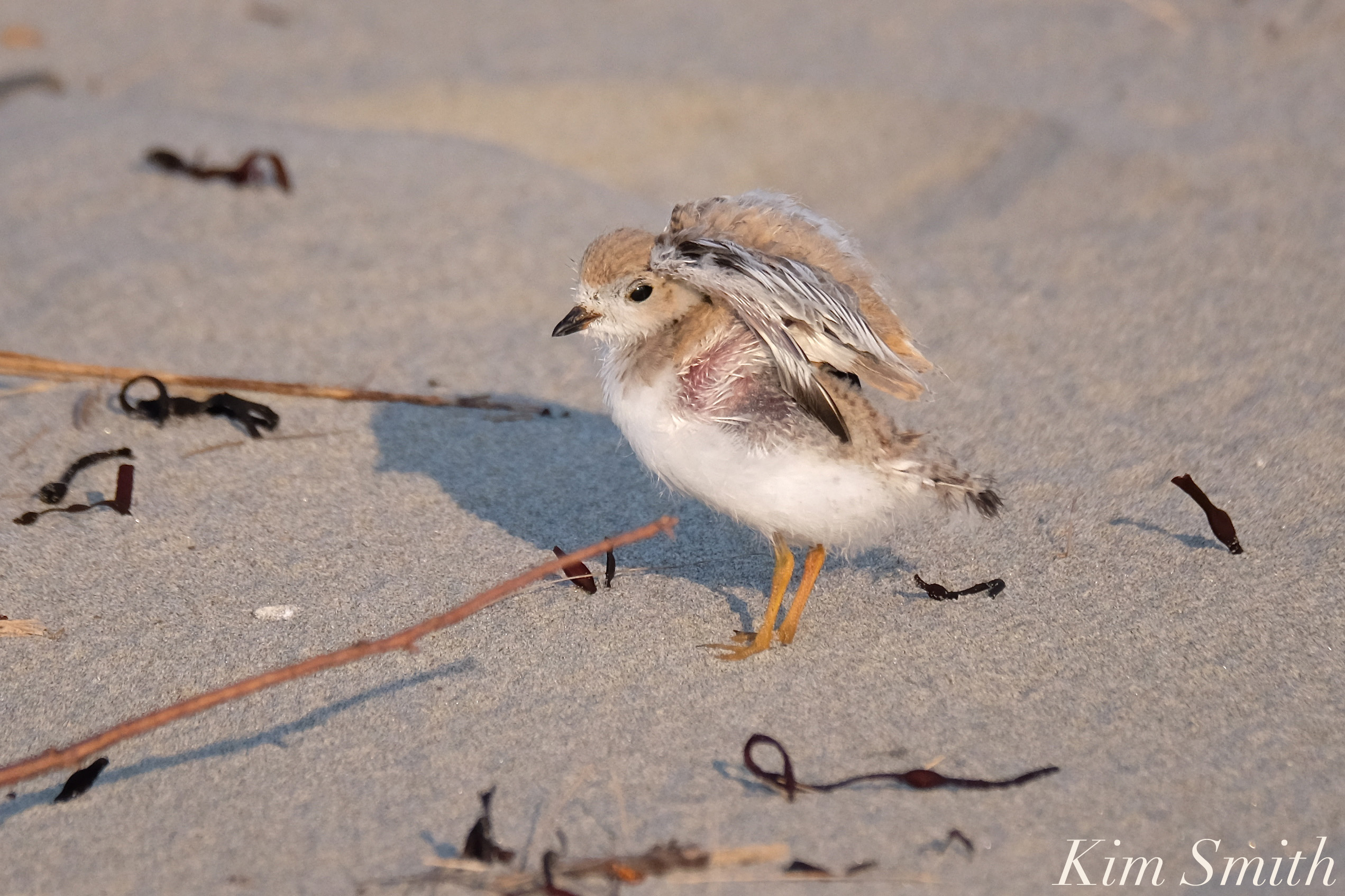
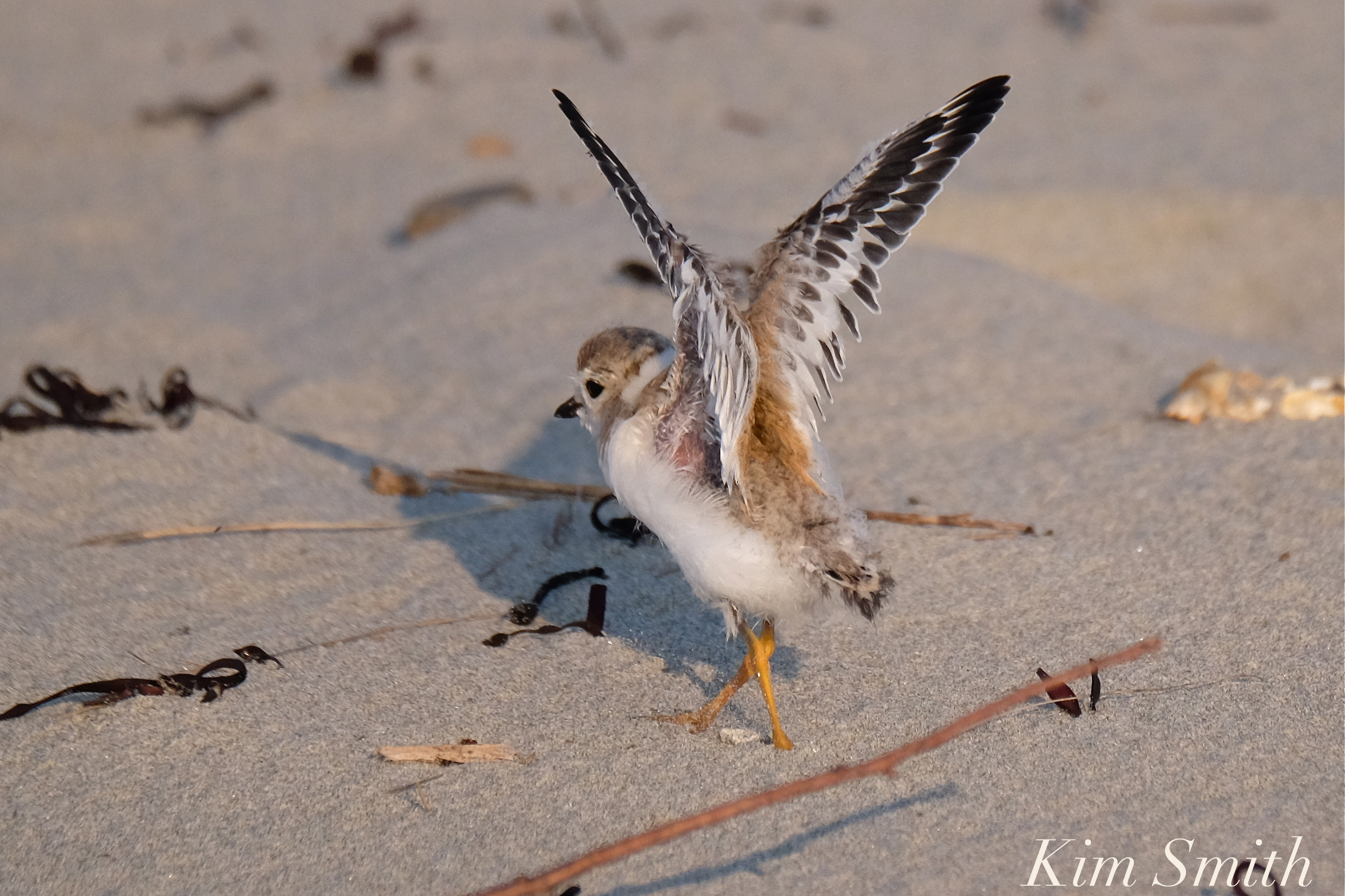
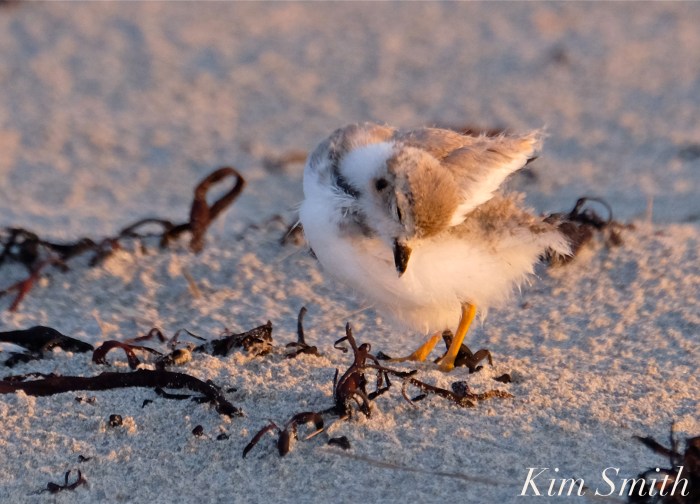
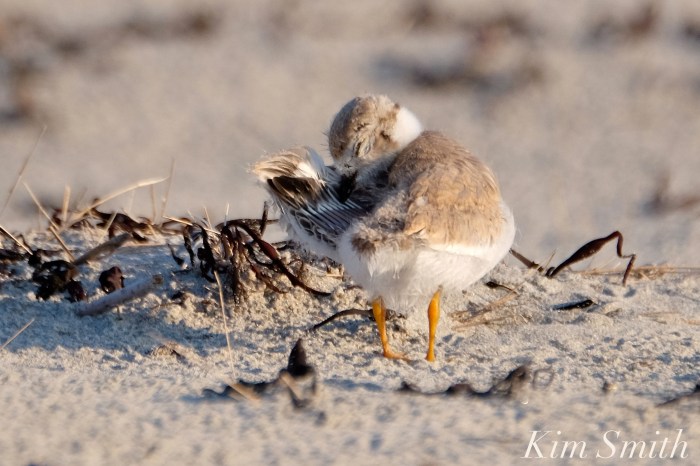
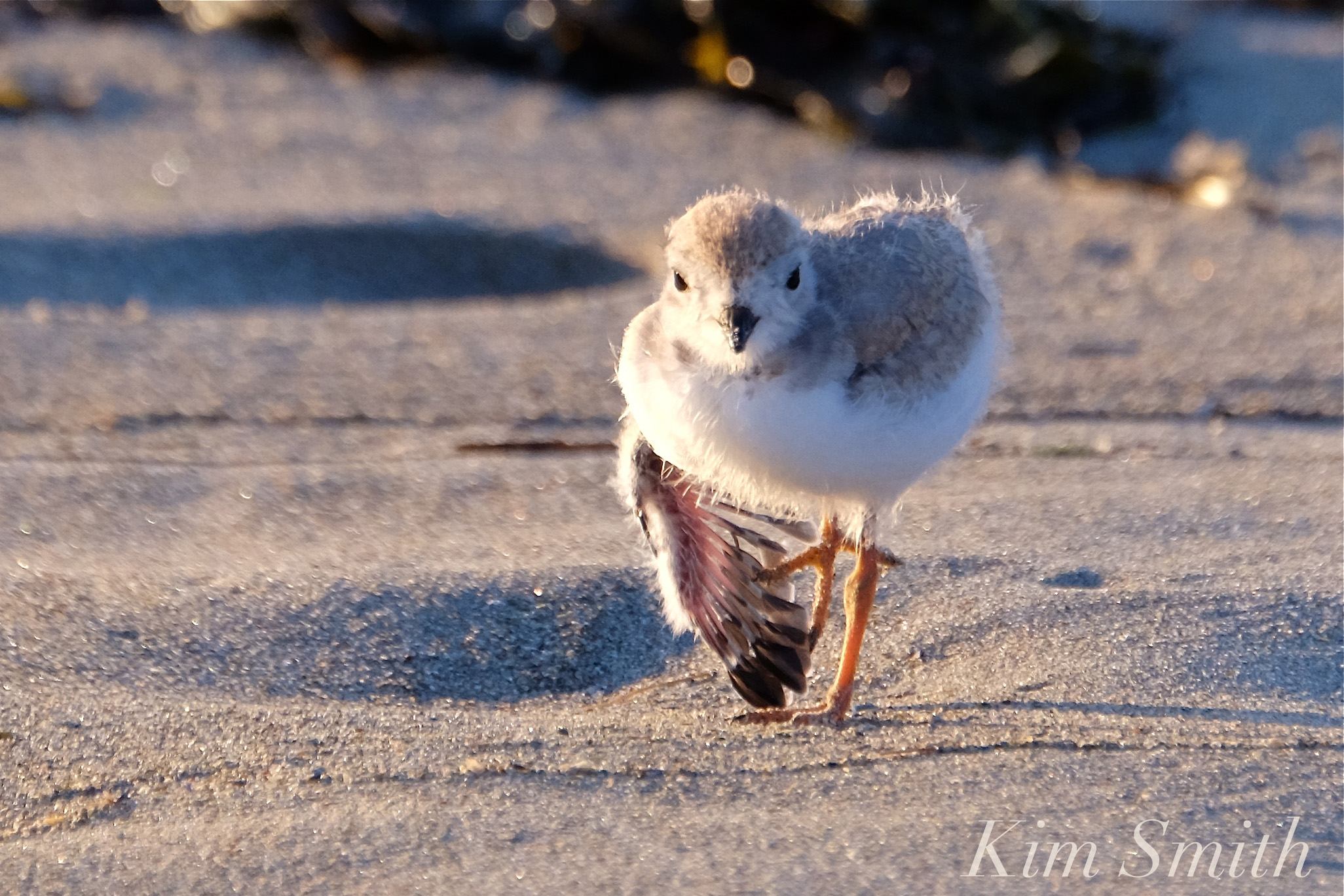
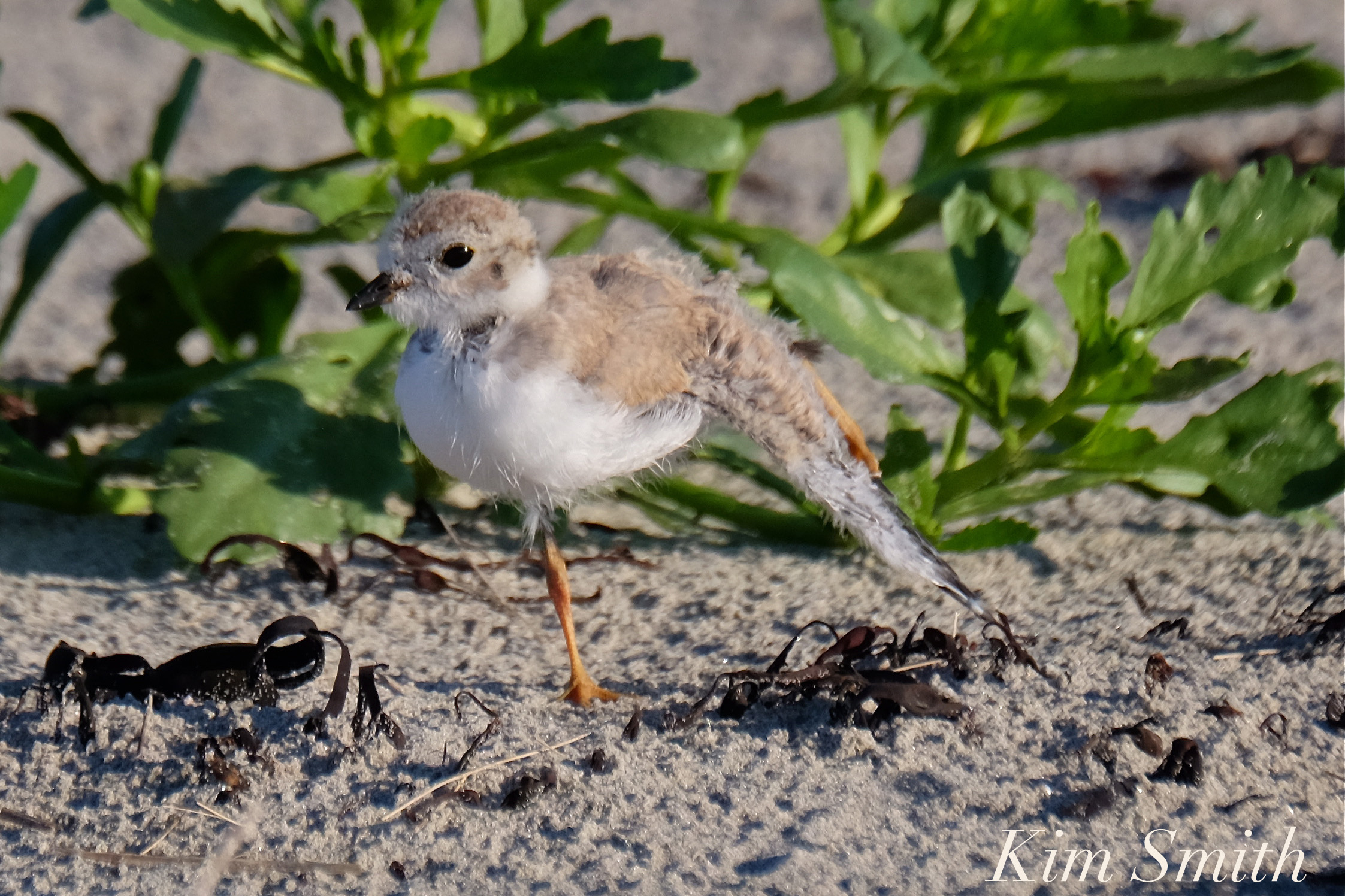
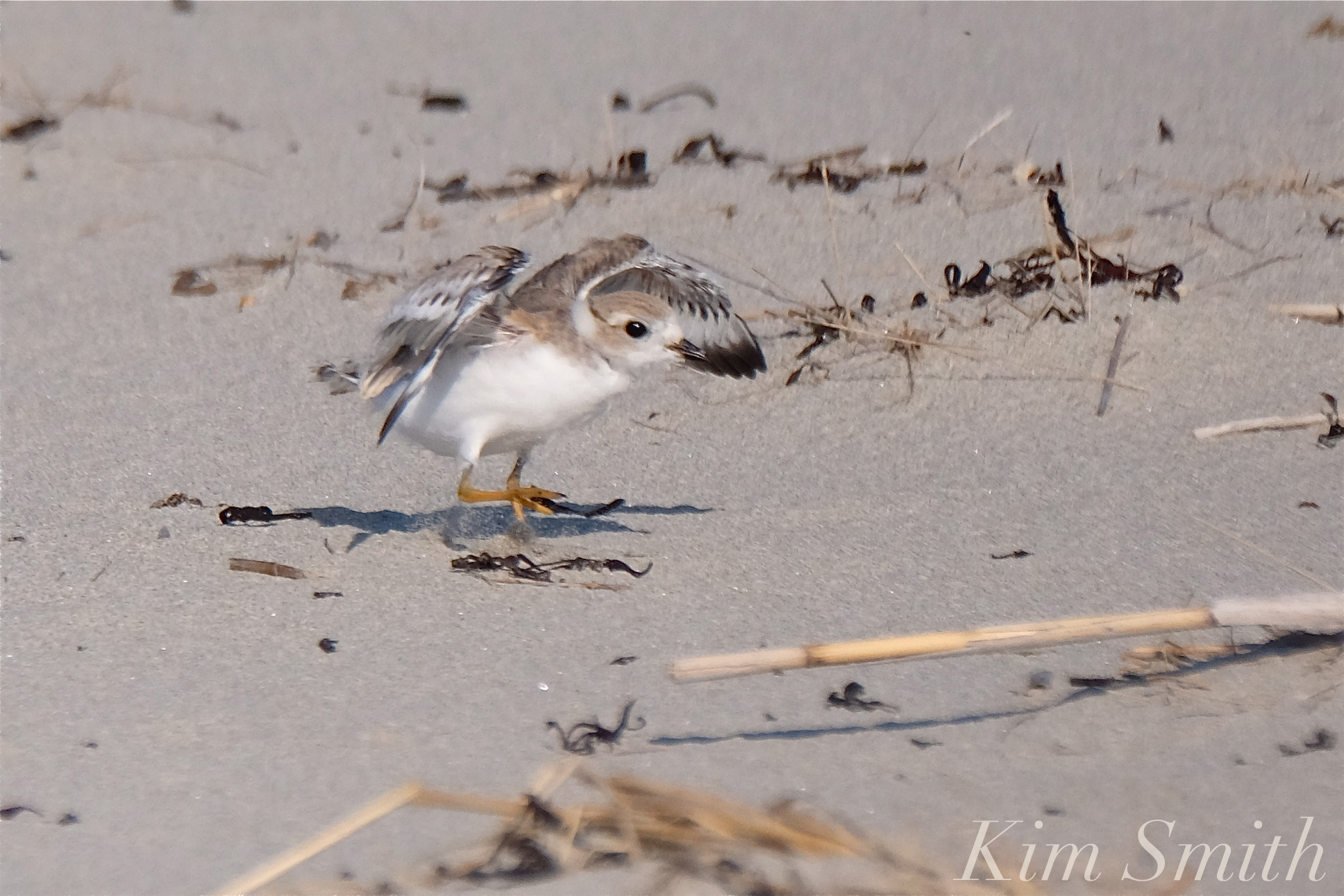
Warrior Three mastered, and don’t you love the beautiful patterning of the Piping Plover feathers.
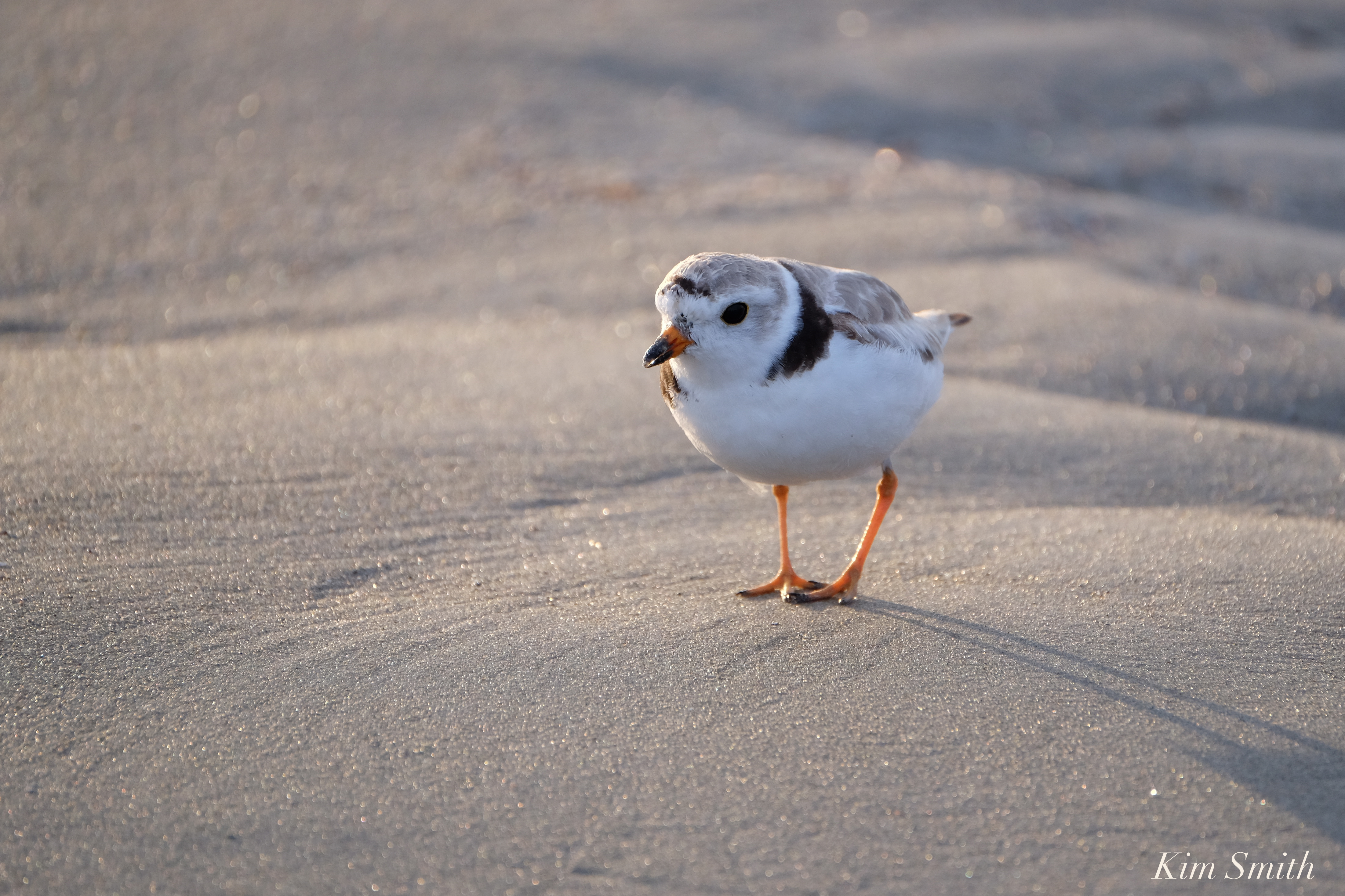
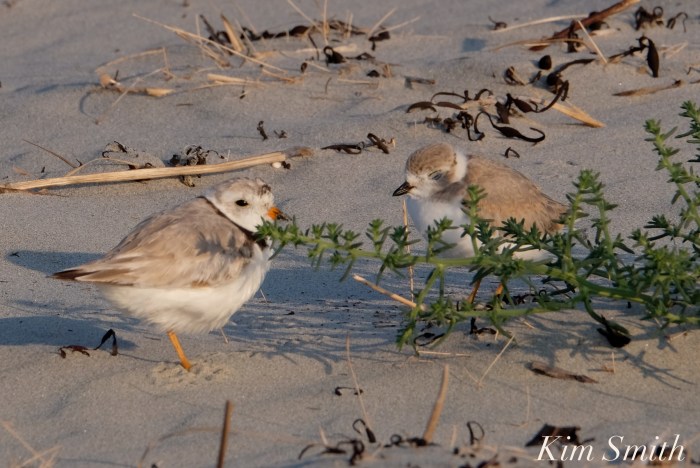
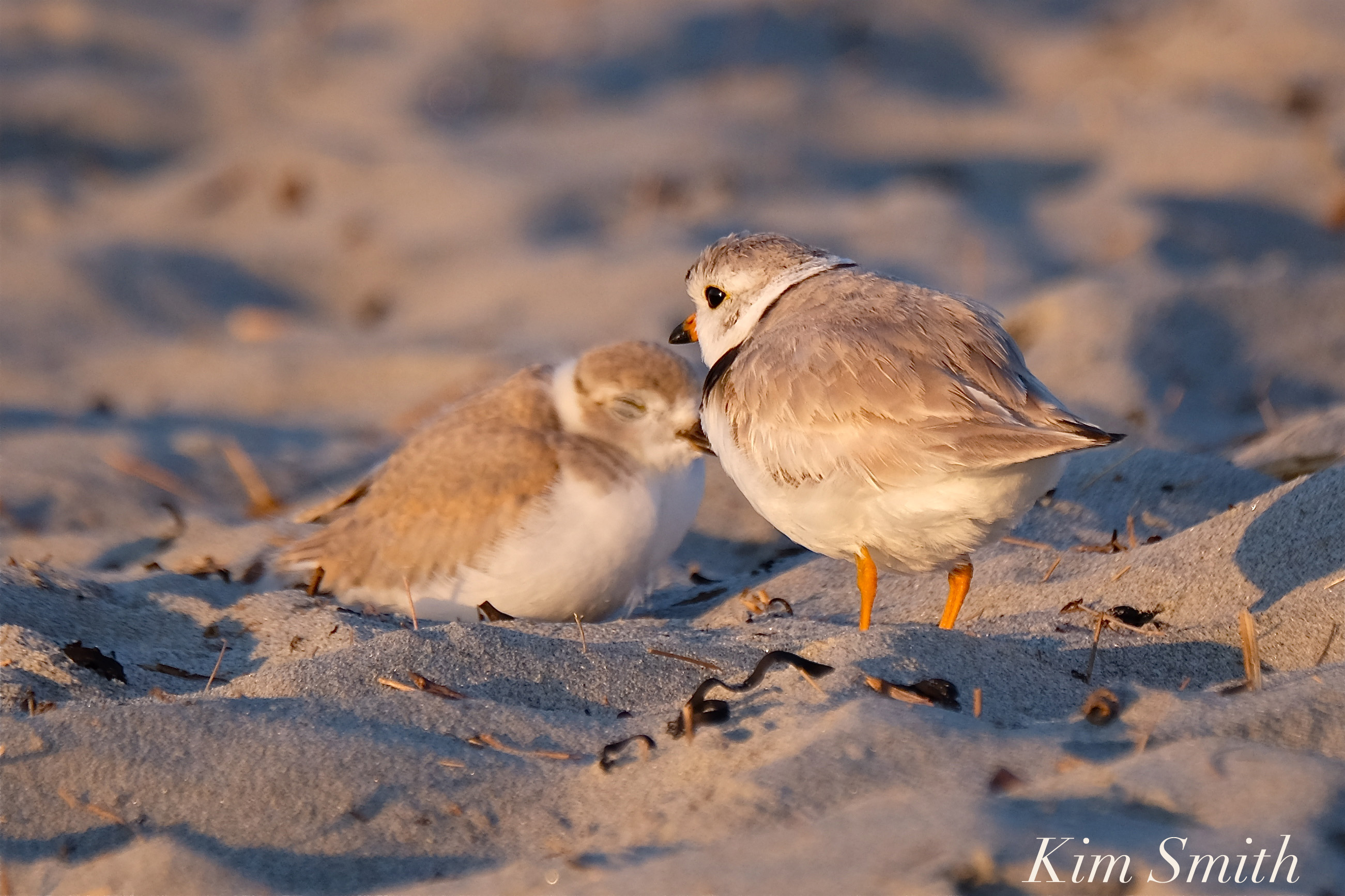
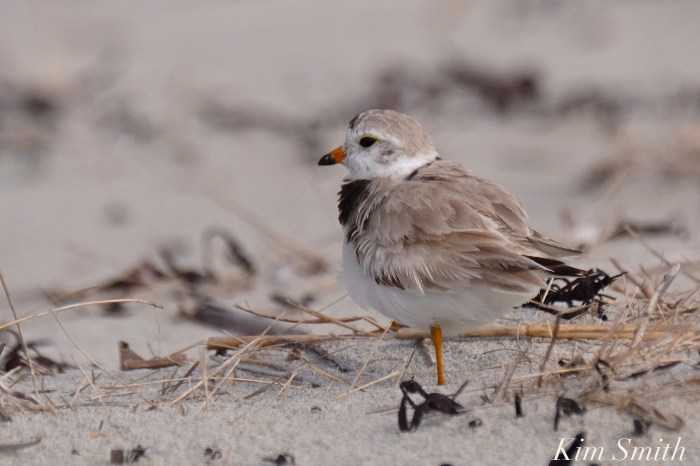
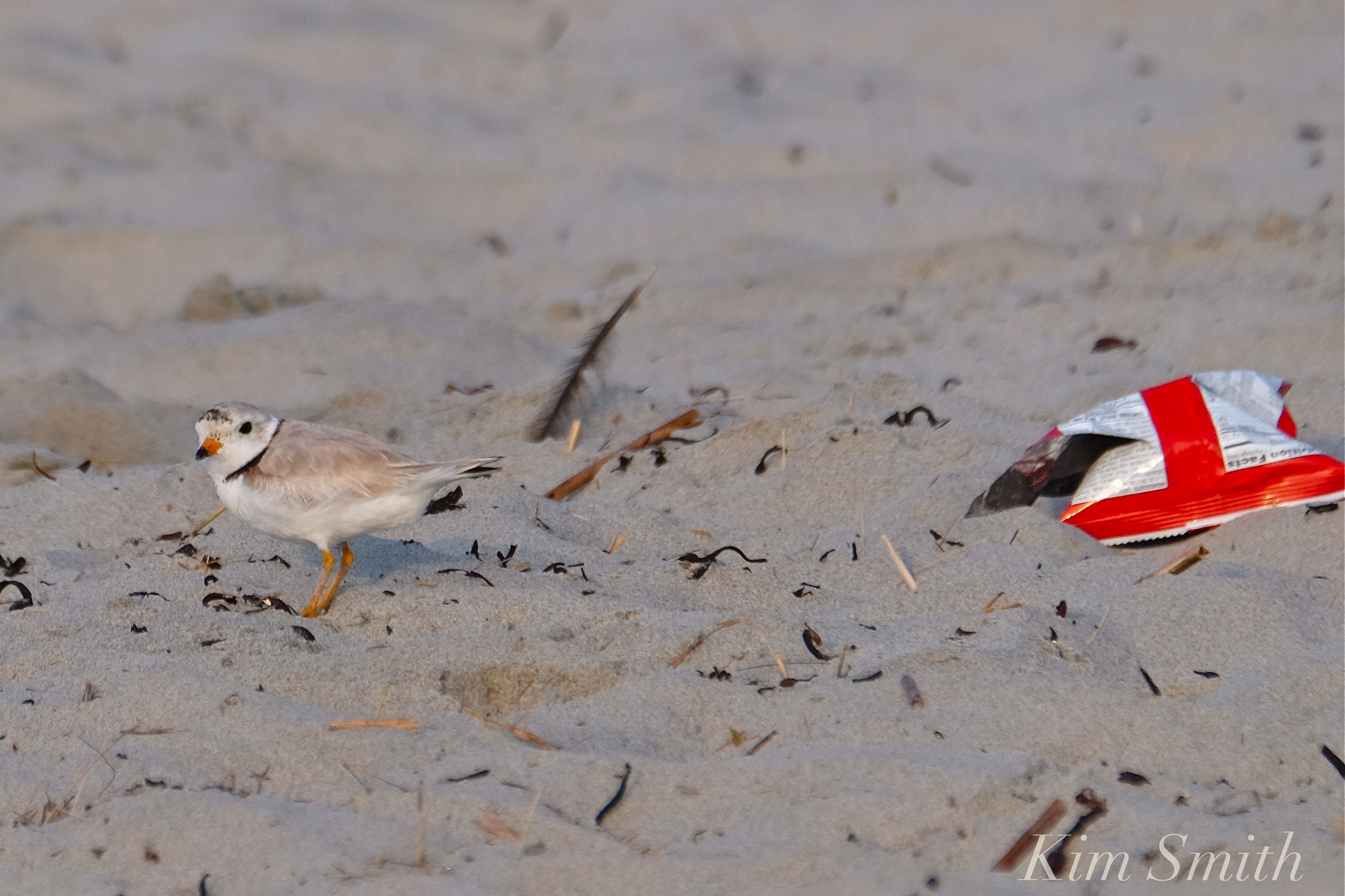
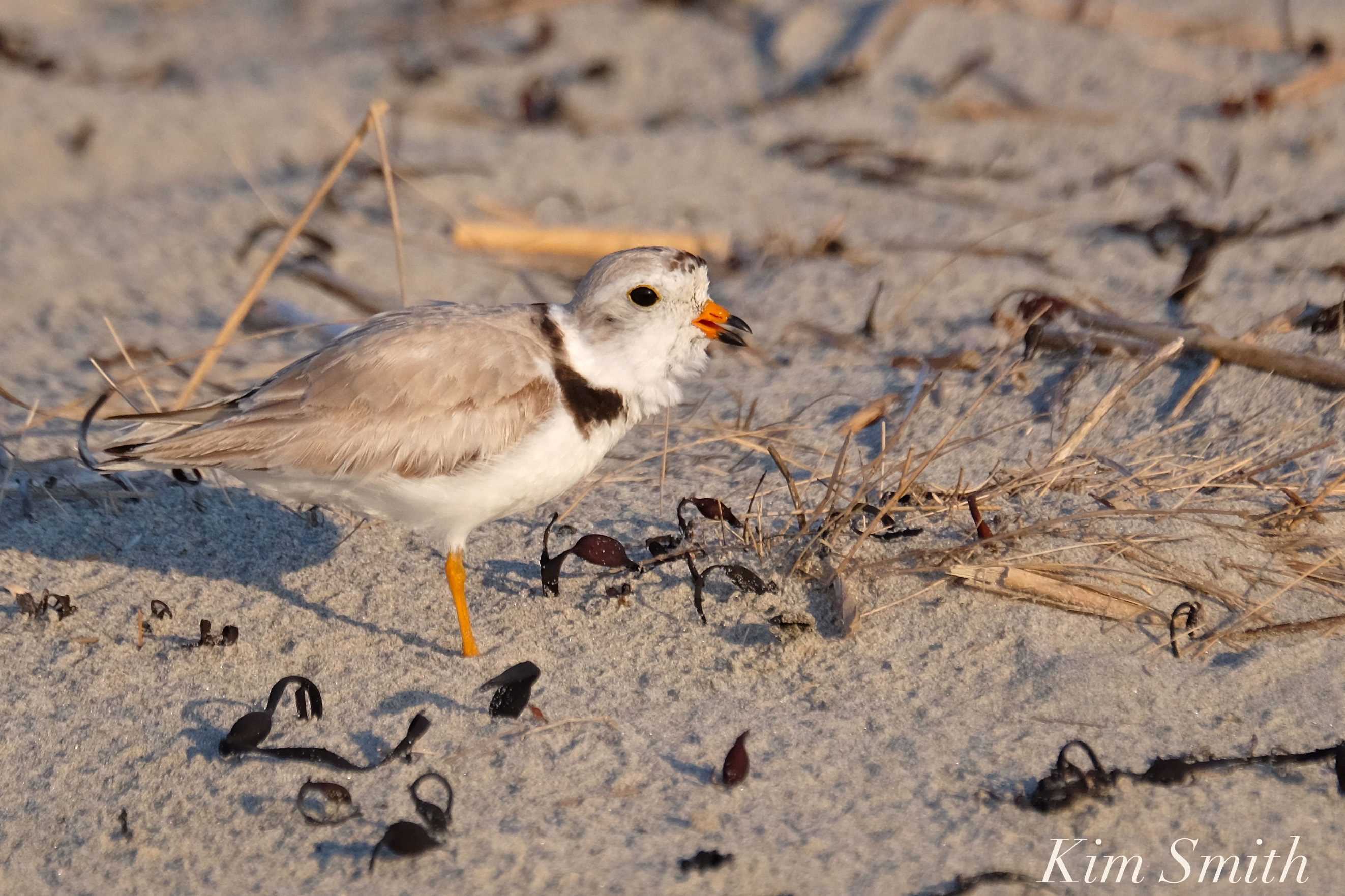
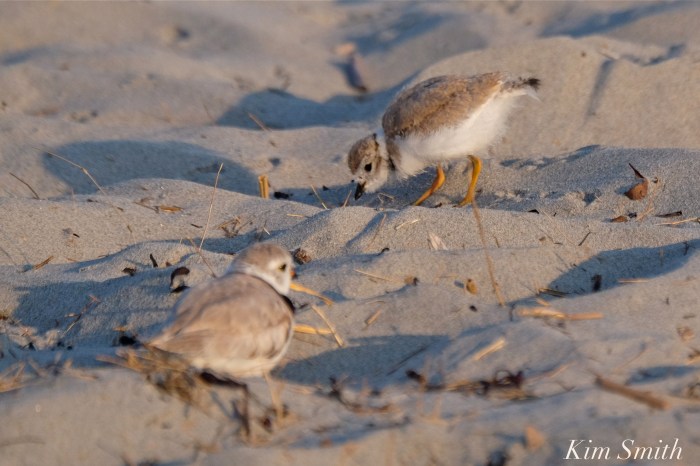
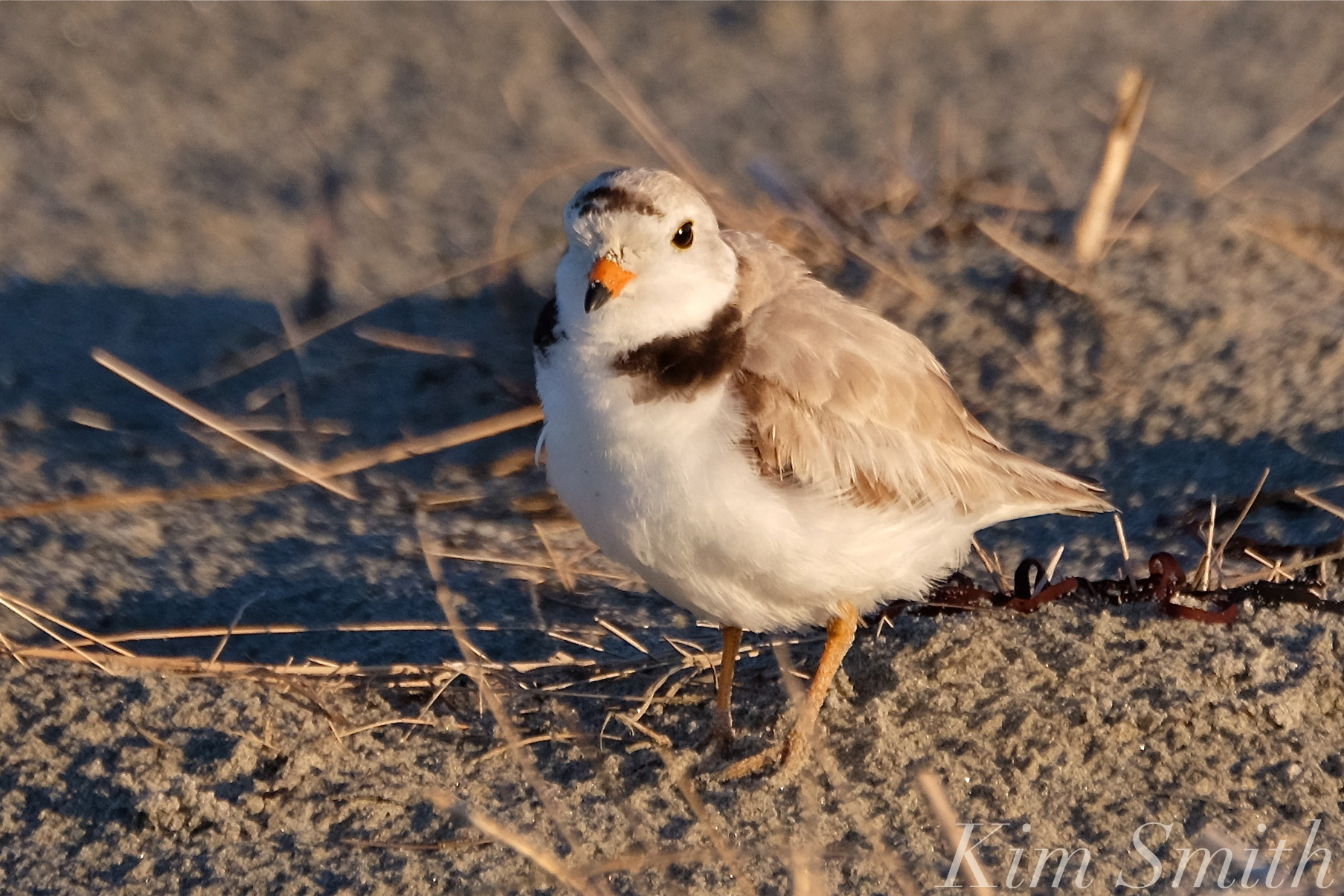
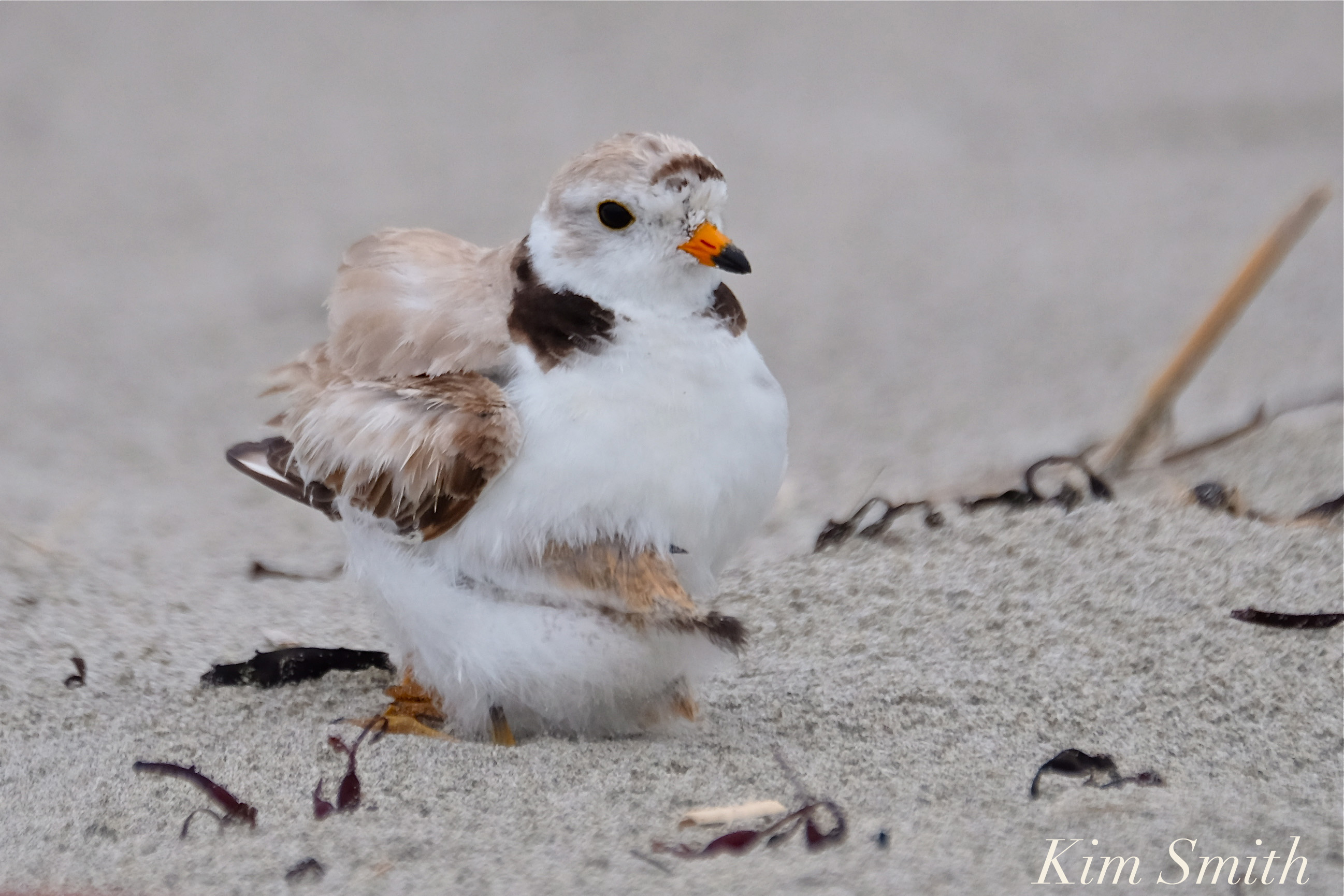
Papa never to far off and always, always watching.
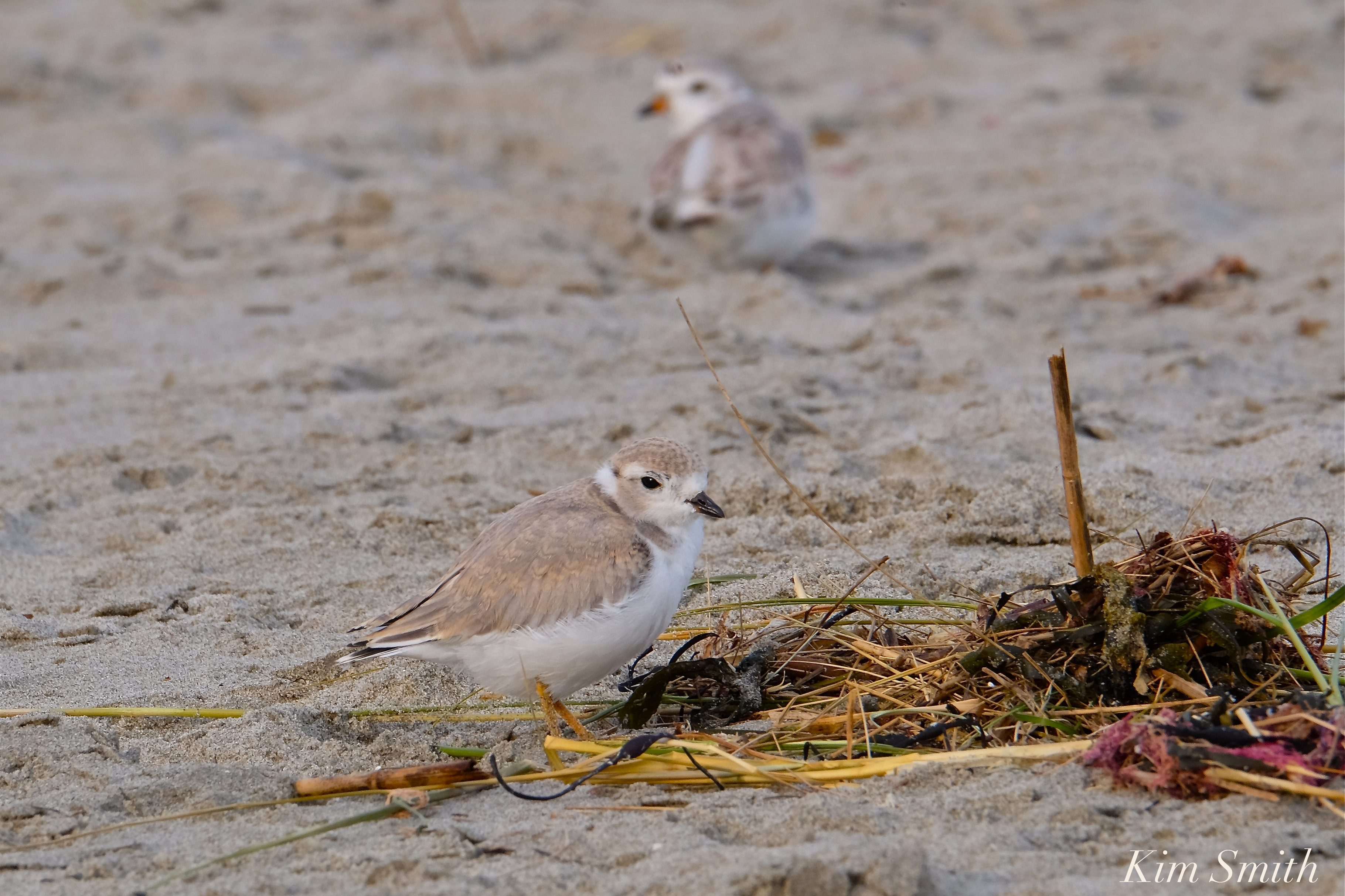
LITTLE CHICK SUPERSTAR

https://www.instagram.com/p/BXAtYouF4aJ

 Hooray for day thirty-four Little Chick!

SUPER HIGH TIDES AND LITTLE CHICK IN SLO MO

Arriving at the beach at 5:30 this morning, Little Chick and Papa Plover were found quickly, both feeding in the the intertidal zone, and both doing beautifully, despite the previous day’s cold, wet, and windy weather.

What first caught my attention though was the fact that the high tide line was up to the edge of the dunes, so high that if a similar super high tide had happened in June, the PiPl nest would have been flooded. Are we experiencing a King Tide I wonder? I have been filming daily at GHB since April and have not previously seen the high water mark quite so high this season. Meteorologists reading this post, please let us know what you think. Google wasn’t much help. Thank you!

The seaweed deposited from last night’s tide shows that the high tide was up to the edge of the dunes in some areas.

With the tide so high, Papa and the chick were not feeding in the wrack line, no insects I imagine. We’ve all seen short little flights, but no sustained flights as of yet. I am not surprised as this coincides with what was recorded last summer filming Plovers.    

Yesterday morning and today were too wet and drizzly to use the good cameras, especially my new (and this time, insured) lens, but I did have my cell phone with. The first shows Little Chick running in average speed, not the top speed in which he is capable. The second, in slo mo. He really is the cutest, a small little bird with a big huge personality 🙂

https://www.instagram.com/p/BW-BpGAlxPe/

https://www.instagram.com/p/BW-CxytFHjG/

HAPPY ONE-MONTH-OLD BIRTHDAY MILESTONE TO OUR PIPING PLOVER LITTLE CHICK!


A simply glorious Good Harbor Beach morning on this weekend’s one-month-old Piping Plover milestone! Hatched on the morning of June 22nd, he is officially thirty-one-days old today.

Yesterday morning at daybreak it was warm and windless, and today, very chilly and windy. The chick’s foraging and resting habits reflected the weather. During the warmer morning he spent a great deal of time at the water’s edge feeding hungrily.

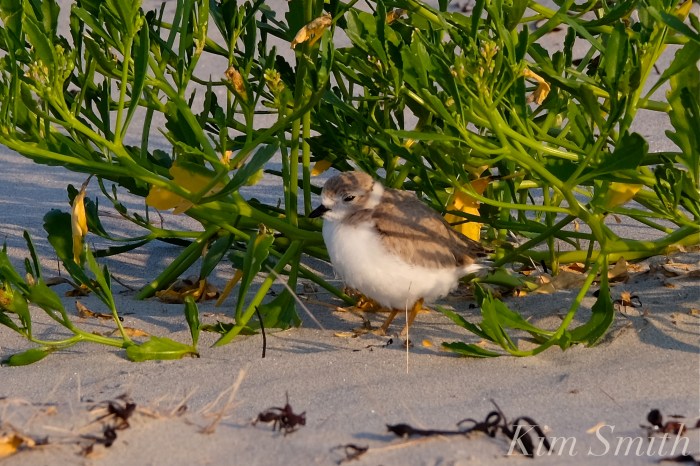
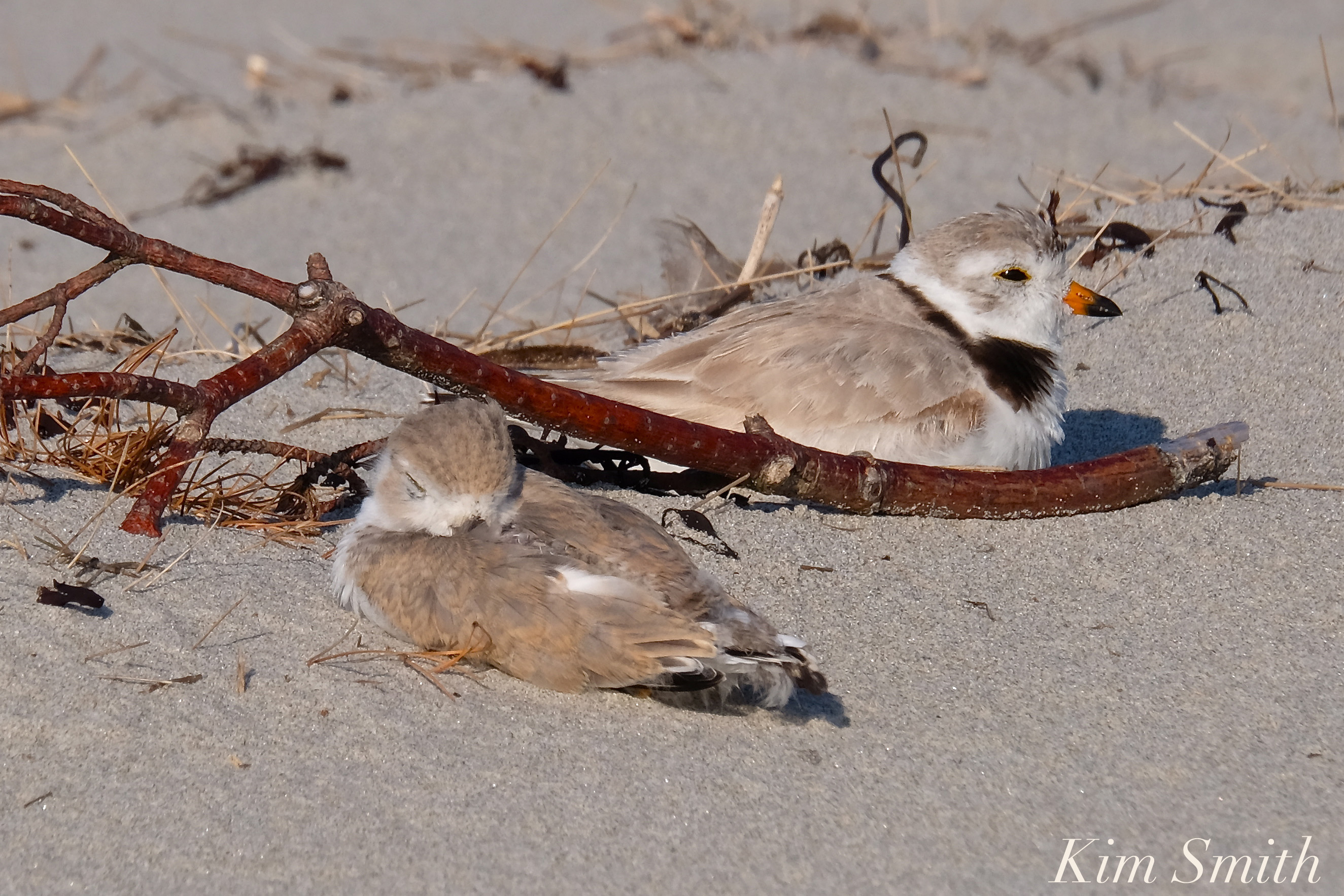
Today he was chilled and, within the roped off sanctuary, he tried several times to nestle under Papa. It looked super silly because Little Chick is nearly as big as Papa Plover. Papa rebuffed him and Little Chick found a clump of vegetation to warm under.

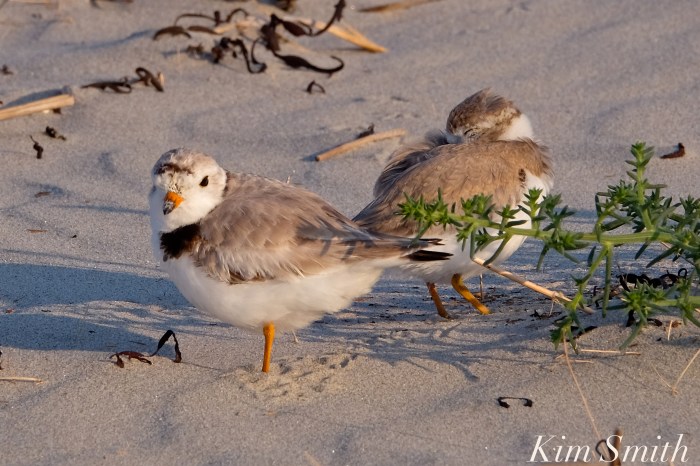
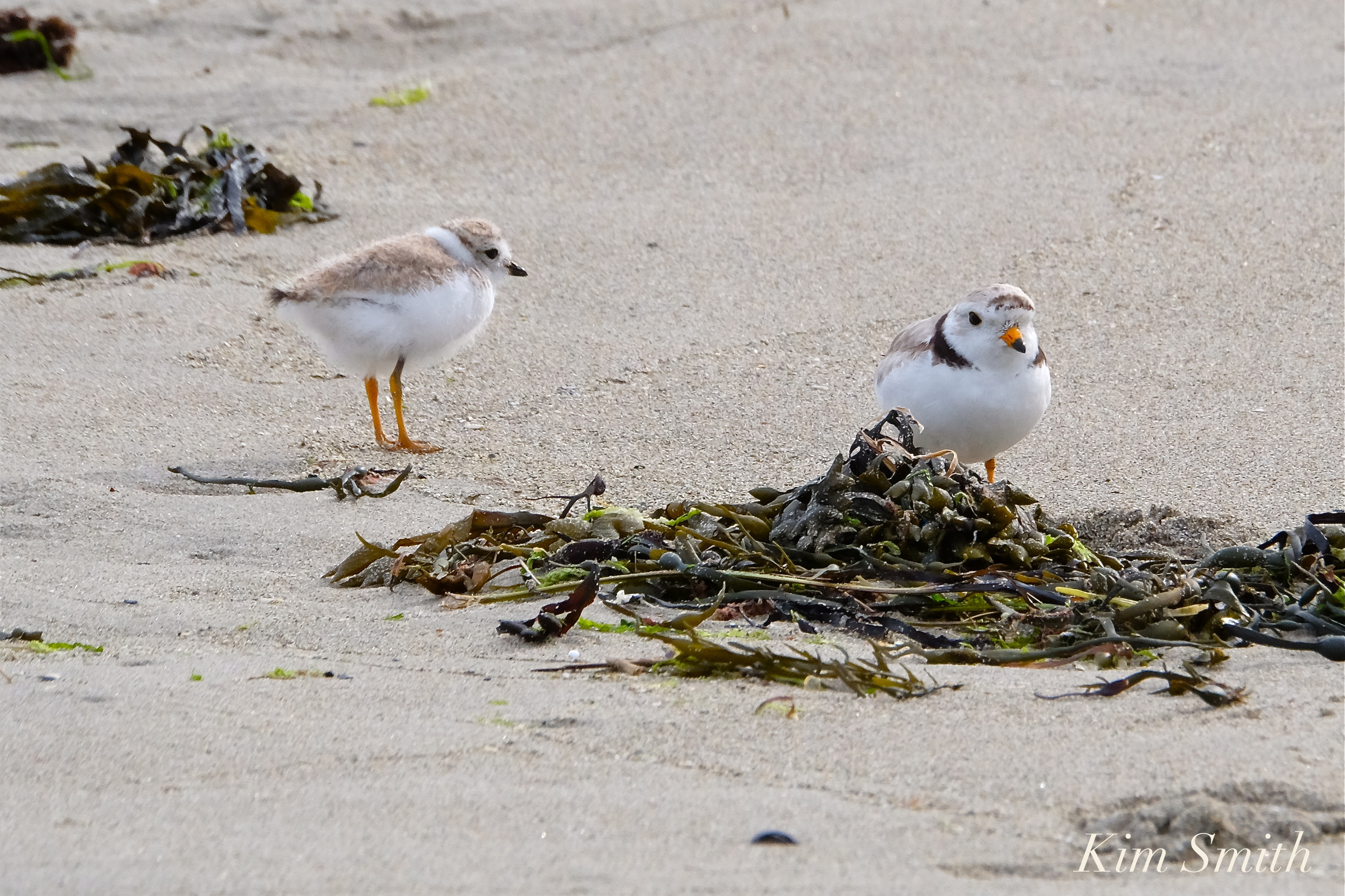
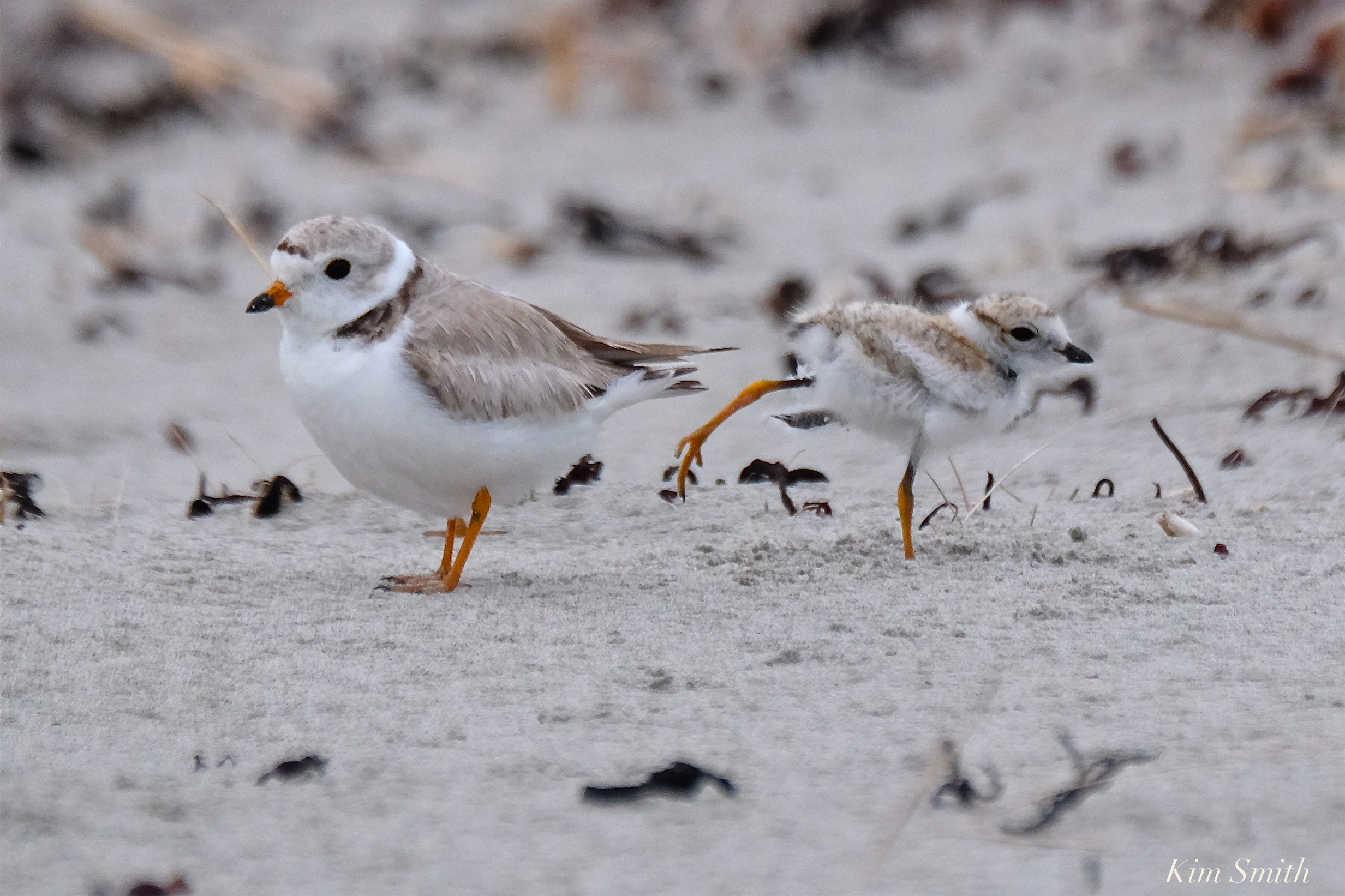
Little Chick on the left, looking not so little. Papa standing on one leg to conserve heat.

Papa Plover is an outstanding dad, never too far away, and always keeping a protective eye on Little Chick.

Folks are asking, where is Mama? With some Plovers, the female will leave the family to begin the southward migration, departing earlier than the male and fledglings. The GHB Mama has not been seen in over a week. This was not the case with the PiPl family that I filmed last year; they maintained a family bond through the end of the summer.

The Piping Plovers that migrate along the Atlantic Coast winter primarily from North Carolina to Florida, as well as the Bahamas and West Indies.

A sighting of Little Chick flying about ten feet across the beach has been reported!

Thirty-day-old Piping Plover Chick

 Thirty-one-day old Piping Plover

Good Harbor Beach weekend sunrises

LITTLE CHICK LEARNING TO FLY AND OTHER SCARY HAPPENINGS

Day twenty-nine, or I suppose we could say four weeks and one day, and our Little Chick is growing gangbusters!

It’s always a relief to see our one surviving Piping Plover chick at first light.

Foraging in the seaweed at daybreak.

Little Chick seemed a little less independent today and spent a good amount of time with Papa Plover. I wonder if something frightened the Plovers?

Chief McCarthy, who now takes his morning run at Good Harbor Beach, has noticed tracks from folks that are still walking their dogs in and around (and through) the sanctuary. Not to disparage dog owners (I love dogs), a drunk guy also insisted on walking through the sanctuary. A super, super scary thing happened this morning where a small group had gathered around the enclosure. Two Great Blue Herons came flying low and slow over the roped off area, where both baby and Papa were resting. A conservationist told me awhile back to try to discourage folks from gathering round near the Plovers because it could alert predatory birds. I didn’t quite believe it, but after seeing the GBHerons flying so low, and seemingly fearless of the humans, I believe it now. Great Blue Herons are super predators and although their primary food is fish, they eat practically every small living creature, including birds, small mammals, reptiles, amphibians, shrimp, crab, insects, and rodents.

Staying close to Papa Plover this morning.

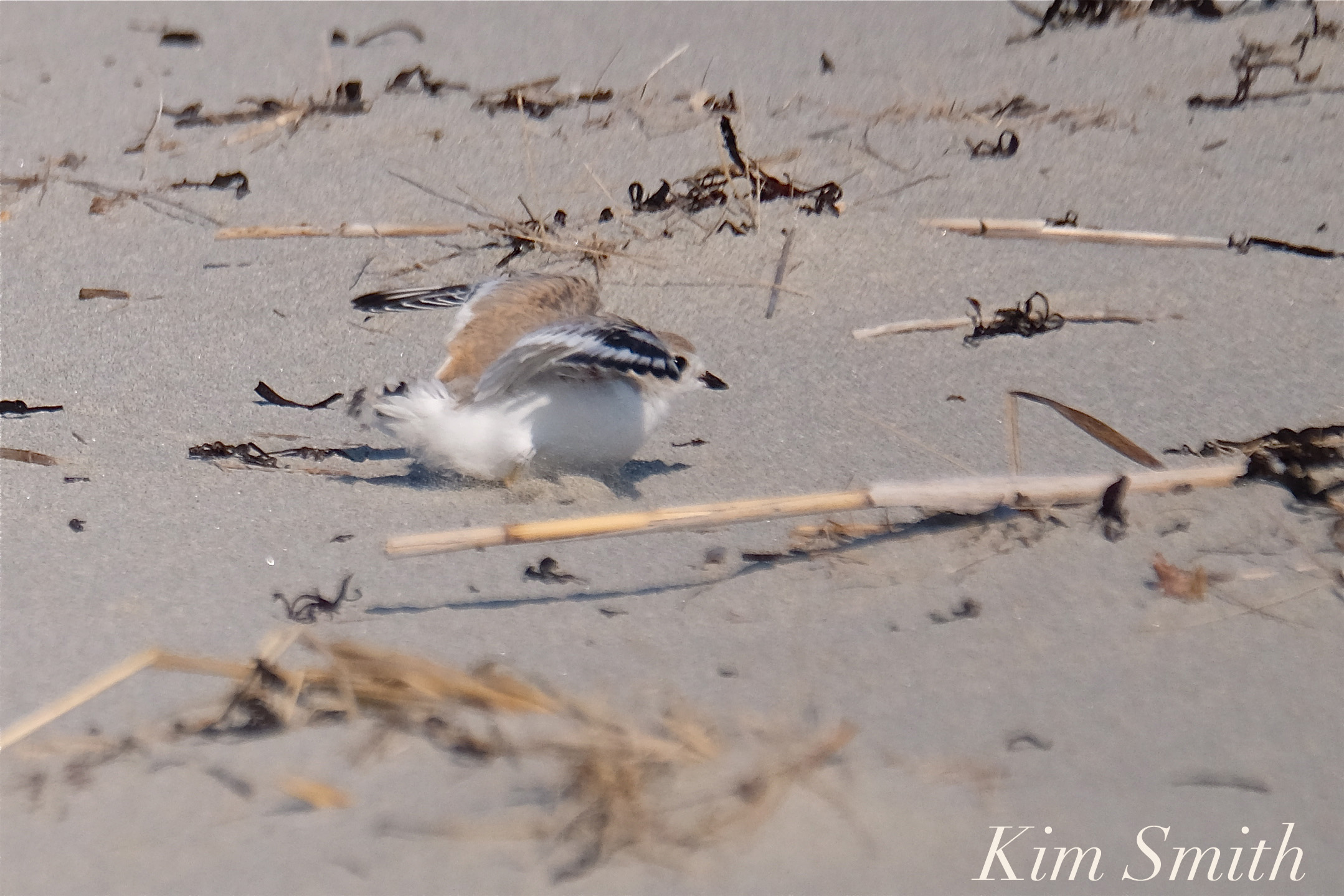
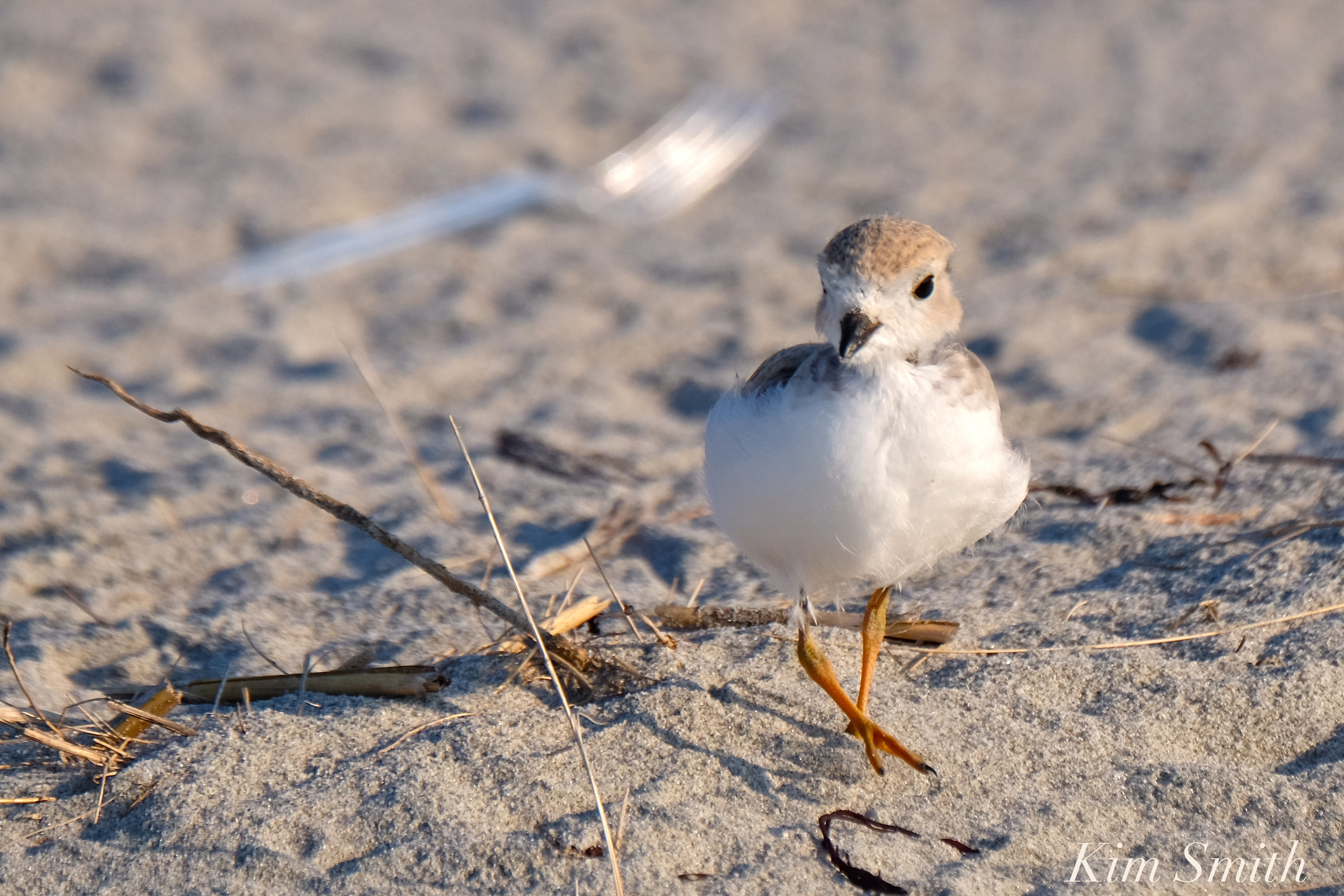
Hmm, I think I’ll give flying another whirl.

Running to take off.

Hop Up?

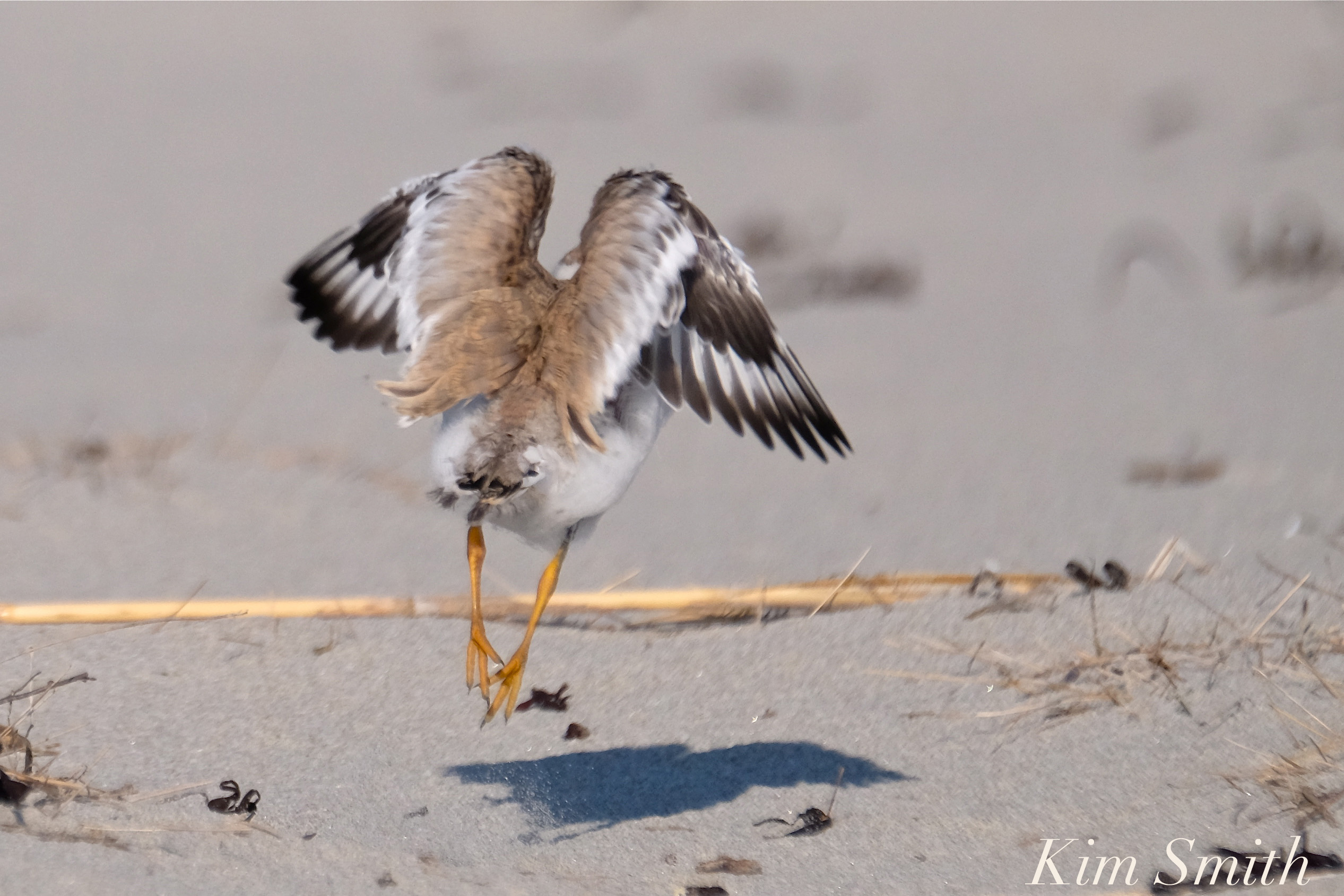
Airborne for half a moment!

Landing, with a not-so-graceful skidding thud.


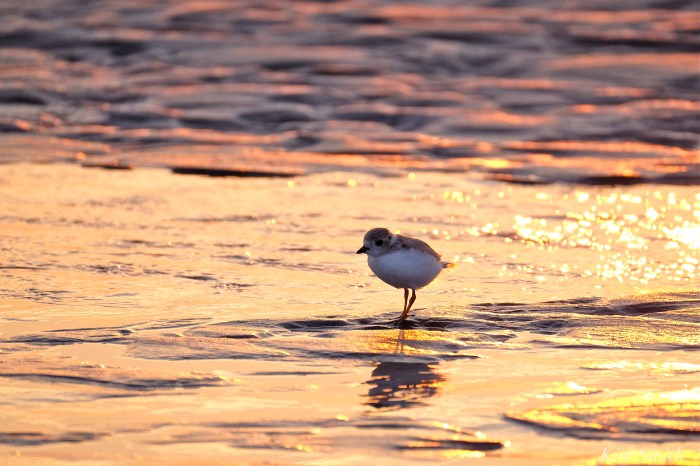
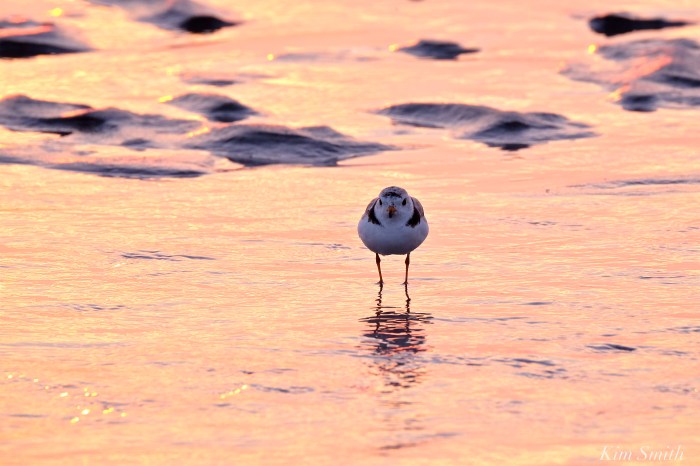
In the Pink

THE GREAT AUK AT THE PAINT FACTORY! AND PIPING PLOVER DAY 28 UPDATE

The Great Auk was an extraordinary seabird that was driven to extinction in the mid- 19th century. What made it so extraordinary was its ability to dive great depths and swim as fast as the fish it caught. The Auk’s amazing abilities were also its downfall. The same wings and webbed feet that propelled it through water with tremendous speed and agility evolved so that over time, the wings shrank. The bird became flightless and its feet unable to navigate well on land. Ten months out of the year when the Auk lived entirely on the sea this was not a problem but during the breeding season, the Great Auk would return to the rocky shore of its birth to find its life mate and deposit a single egg. Both male and female took turns incubating the egg with their large feet. During the two month period on land, the birds were slaughtered by the tens of thousands. The oily skin of the Great Auk that allowed it to float on the surface of the water and live on the sea was used for oil lamps, the warm downy feathers for quilts and pillows, and its meat eaten by hungry settlers and fishermen.

The Great Auk and very tragic story of its long, painful extinction has captured the imagination of Nathan Thomas Wilson, the first Goetemann Artist Residency Fellowship award recipient. Working on the grounds of the Paint Factory and in partnership with Ocean Alliance, Nathan is creating a twice-life size interpretation of the Great Auk (the Great Auk ranged in height from approximately 27 to 35 inches). Nathan’s Auk is made from plastic pollution and debris scavenged along the shore, created with the goal of highlighting the devastating effect pollution is having on all living creatures.

Great Auk in progress. Head to arrive soon–Nathan is casting the head off site as it will have a lighting component.

Nathan is giving a talk on the 25th of July. Go to his facebook page for details about the talk and for more about Nathan.

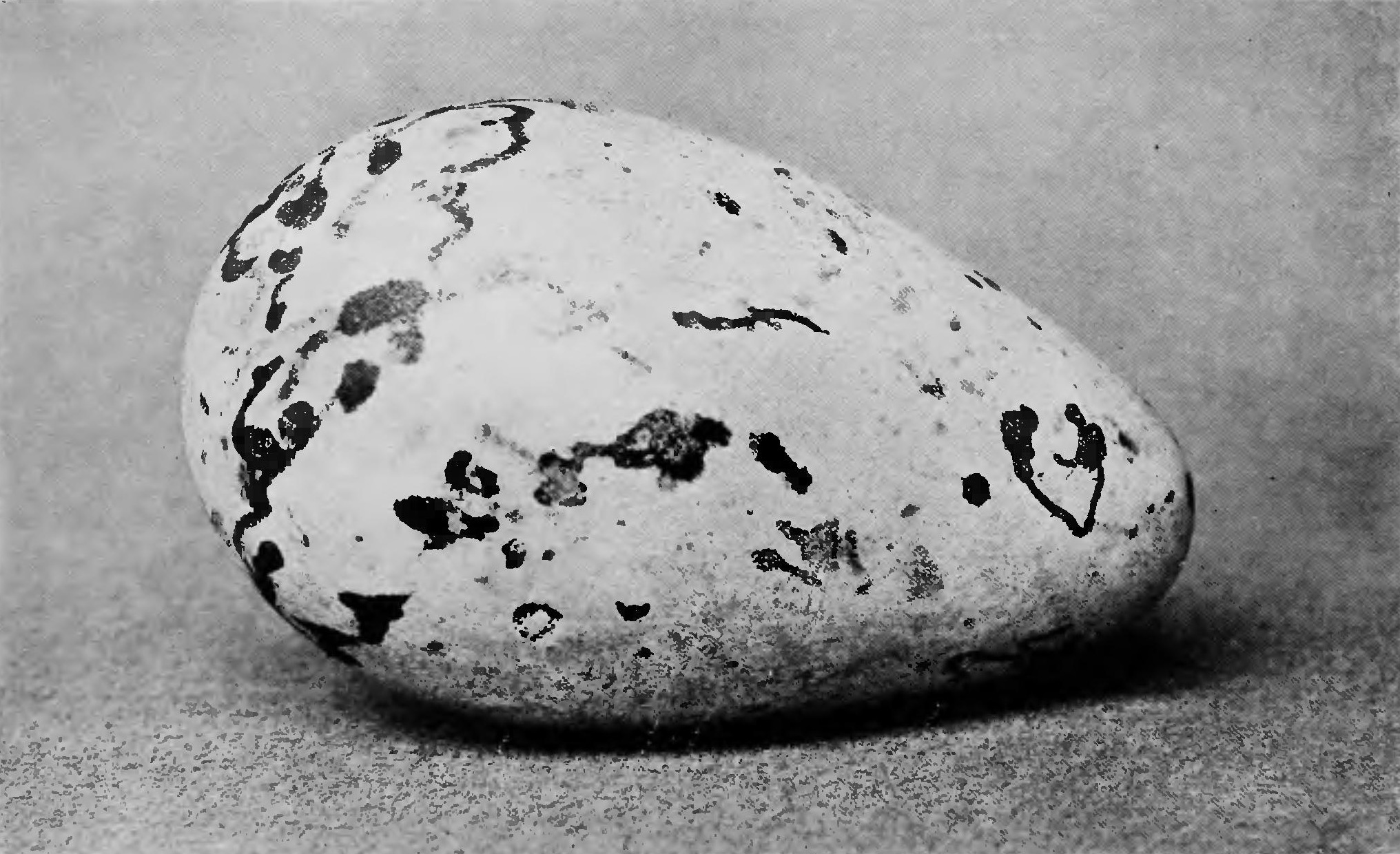
No two eggs alike – Great Auk eggs were unusual in that each egg was uniquely patterned to allow easy identification by the brooding parents.

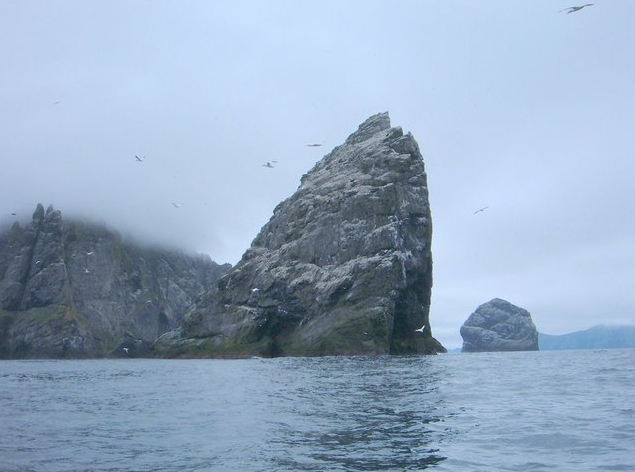
Great Auk nesting habitat.

Day 28: Little Chick is growing beautifully, developing and honing a range of defensive skills. With each passing day, he can feed longer, run faster, and stay in a position of perfect stillness for greater and greater periods of time. Still though, only very short little five- to six-foot run-hop-airbore flutters have been observed by the PiPl monitors.

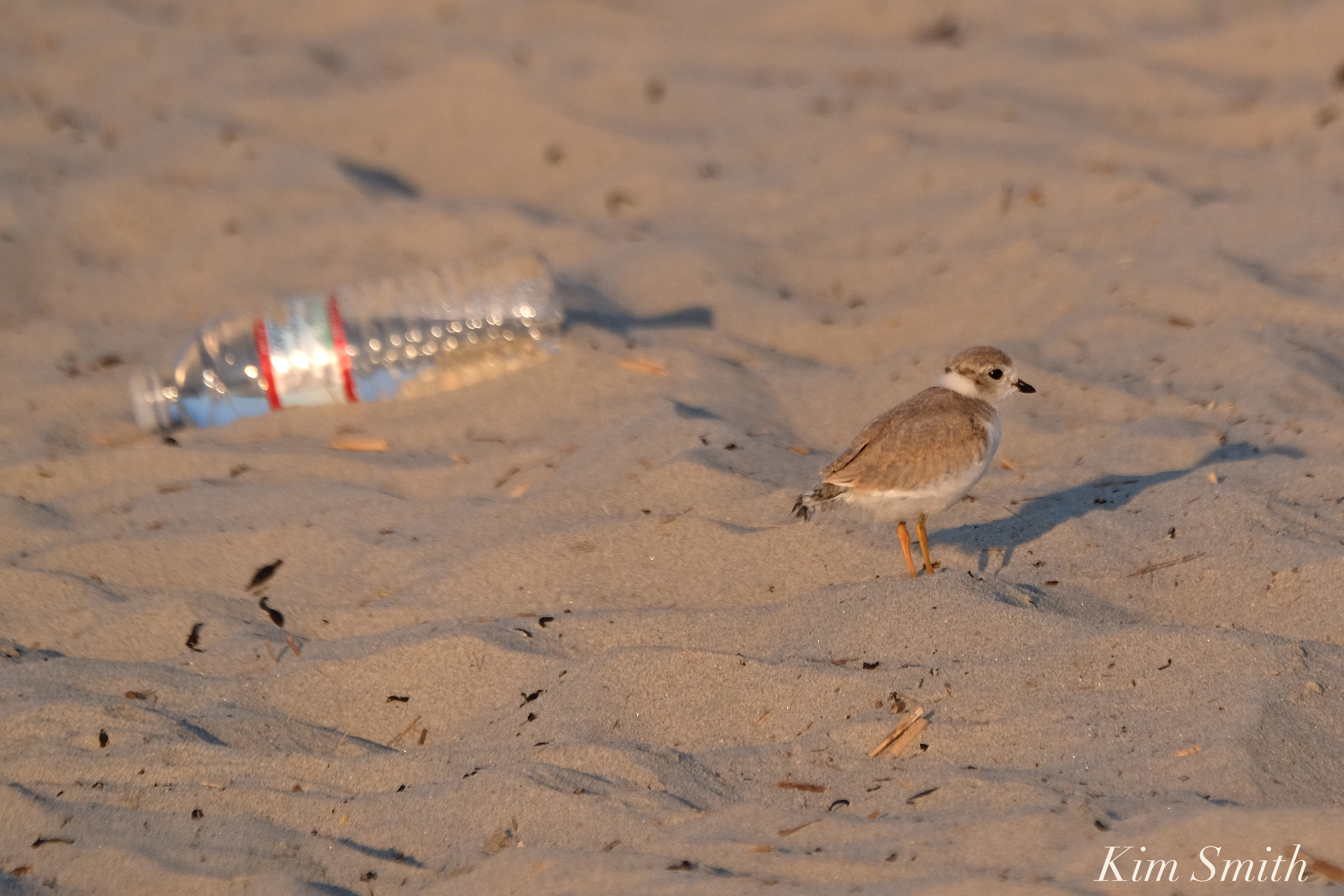
Twenty-eight-day old Piping Plover shown with a small sample of the plastic pollution found daily on Good harbor Beach. The plastic debris litters GHB every morning before Gloucester’s hard working DPW and trash-piker-uppers arrive to clean up the mess left by beach goers the day before.


GOOD HARBOR BEACH MAGICAL MORNING SUNRISE, FOGBOW, LAUGHING GULL, AND HOW VOLUNTEER PAUL SAVED LITTLE CHICK’S LIFE

Captivatingly beautiful was this morning’s ever-changing light as the rising sun was greeted by waves of fog.  

https://www.instagram.com/p/BWursnWlN0V/

A fogbow mysteriously appeared and lasted for a good while.

Our Little Chick was nearly impossible to spot on his twenty-seventh day during the early shift and I was super happy to see the sun reappearing when Paul arrived at 8am.

Yesterday morning Little Chick had an extremely close encounter with the beach rake. He’s learned how to crouch and flatten low into the sand when people or predators are approaching. The thing is, yesterday he hunkered down in the path of the oncoming beach rake. Paul had to stop the driver to allow our chick to escape. I think this is an excellent example of why, for the time being, we still need monitors for a bit longer. Thank you Paul for being so attentive.Camouflaged!

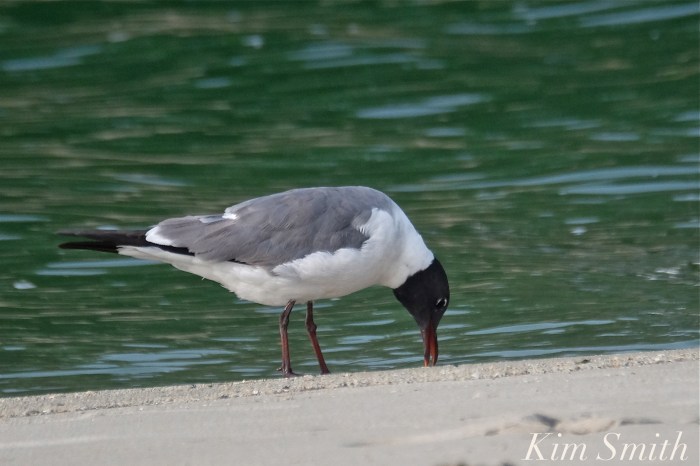
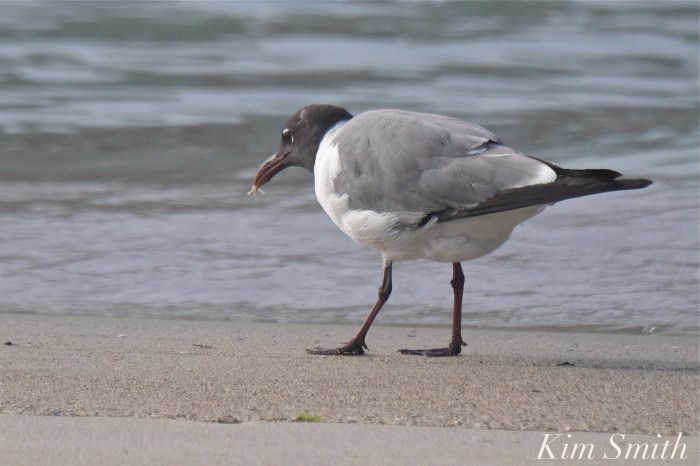
A Laughing Gull arrived briefly on the scene and stayed just long enough to catch a crustacean. Laughing Gulls eat baby birds too, so we’ll be keeping a watchful eye on this fellow.

Blue Shutters Inn with Fogbow

https://www.instagram.com/p/BWutA4WllMO/

GRATEFUL SHOUT OUT TO GLOUCESTER POLICE CHIEF JOHN MCCARTHY AND ANIMAL CONTROL OFFICER DIANNE CORLISS

Thanks so much to Chief McCarthy and Dianne Corliss for their continued help with monitoring Good Harbor Beach. We so appreciate your interest in seeing to the survival of our Little Chick. We can’t thank you enough!

https://www.instagram.com/p/BWsPEZzFYFU/

PIPING PLOVER PATROL UPDATE FROM DAY TWENTY SIX!

Good Morning from the Good Harbor Beach Piping Plover patrol brigade! Today we were joined by Gloucester Chief of Police John McCarthy and animal control officer Dianne Corliss. Thank you to both for their continued help in monitoring the dog owner situation. They got to see our Little Chick and parents and it was awesome!

Day by day we see our Little Chick developing new skills. Today he stood on one leg while resting, just as do adult Piping Plovers. When birds stand on one leg, it is a way to conserve heat and energy. For the second day in a row, Little Chick has not needed his parents to regulate his body temperature. He now takes naps on his own in the sand.

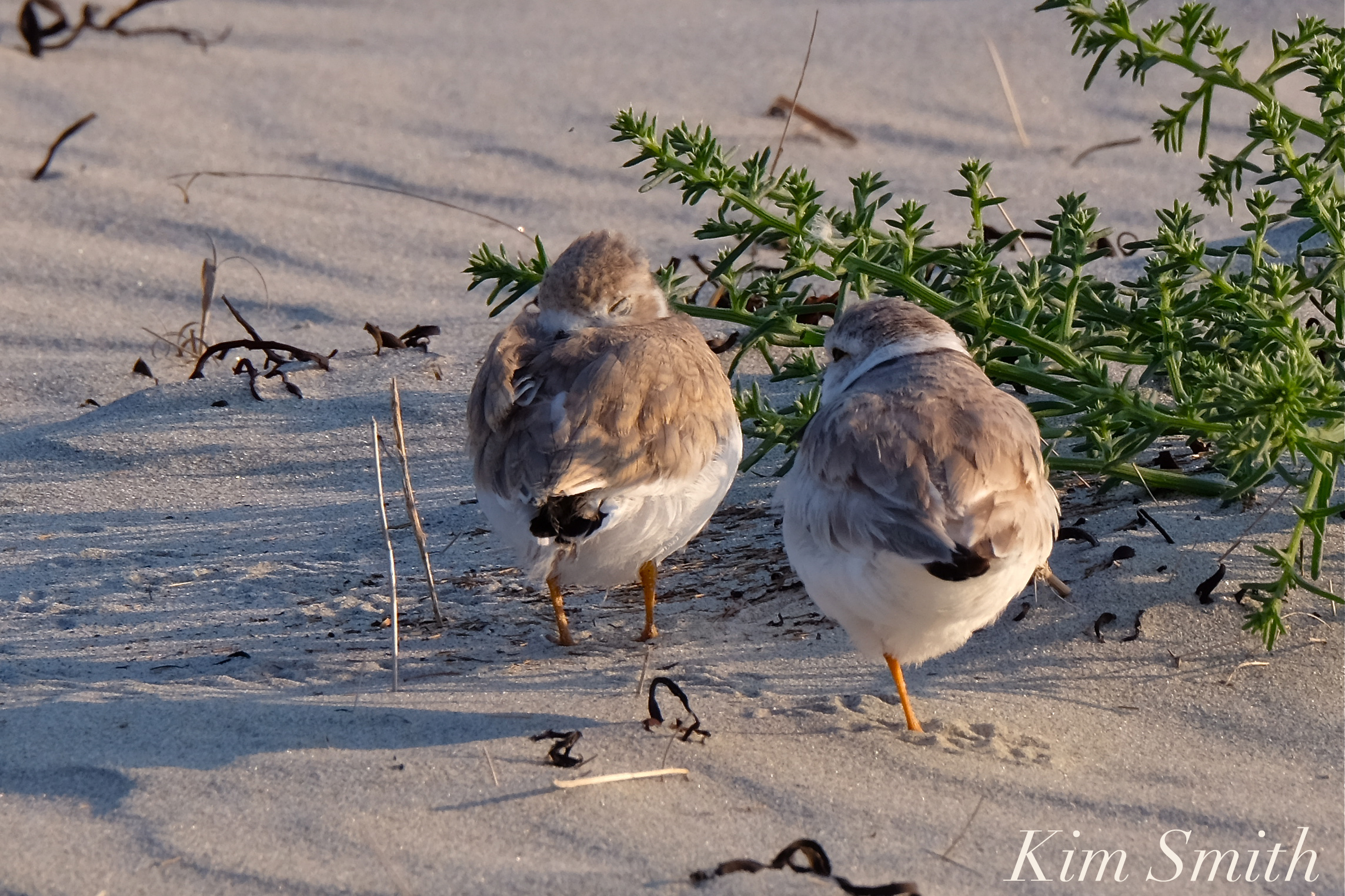
Papa Plover and Little Chick standing on one leg.

Napping in the sand.

Regarding flying, there is misinformation circulating about the chicks flying ability. As of this morning, July 18th, our chick has only been seen by the PIPl monitors doing a run-hop-low-airborne thing for a distance of about five to six feet, not fifty to sixty feet. It’s important to clarify so folks don’t think that the chick can easily fly away from an approaching beach goer or four legged creature.


Twenty-six-day-old Piping Plover spreading its wings

Compare the size of the wings of the fifteen-day-old PiPl to the wings of the twenty-six day old chick.

What will happen to the chick after it becomes a fledgling and can sustain flight? From observing and filming nesting PiPl last year, one family that I can attest to stayed together as a unit, in the area of their nest, well into August, until joined at the end of the summer by more PiPl adults and fledglings. The answer is not easily predicted, but it is going to be exciting to learn as much as we can. One thing is certain is that the chick is not yet ready to make the long migration southward and must remain in this region to grow strong and fat. The fledglings that I filmed last year were so tubby by the end of the summer, you wouldn’t believe that they could fly at all!

Always a tasty morsel to be found in the dried seaweed on an unraked beach.

VOLUNTEERS NEEDED

The last several mornings I have been covering my usual 5:00 to 6:30am time plus the Ryan/King shift, from 6:30 to 8am, when super volunteer Paul Korn arrives (he’s very punctual). We need volunteer monitors this week to cover that 7:00 to 8am shift and several other times as well. If you would like to volunteer, please email Gloucester’s conservation agent Ken Whittaker at: kwhittaker@gloucester-ma.gov. Thank you!

CELEBRATING DAY TWENTY FIVE WITH OUR PIPING PLOVER CHICK, AND WHAT’S WITH THE PENCIL NECK LOOK?

Flapping, hopping, jumping, preening–everything but flying yet with his gorgeous growing wings. Soon little chick, soon!

Little Chick Morning Preen

Papa Plover Piping Commands

Our chick is developing excellent communication skills. Papa Plover commanded him to stay low and still while several crows eating garbage invaded the enclosure. Perfectly camouflaged, he did just that, and for approximately fifteen minutes.

More Pencil Neck Poses

Kicking It Up!

THANK YOU JOE LUCIDO!

Huge shout out to Joe Lucido, Mike Hale, and the entire crew that make up the departments of public works and services for the City of Gloucester. Please thank these gentlemen next time you see them. Hard working guys that they are, they have added plover helpers to their long list of responsibilities, and all have lent a hand in helping Gloucester’s Piping Plovers succeed.

Joe heard about the dog owner trouble yesterday and stopped by early, early this morning to help monitor the situation, as well as check on the new weekend trash barrels.

Thanks so much to Joe and Mike and their crews for all that they are doing to help keep our city looking its best, mostly for people, but their efforts tremendously help the Plovers, too.

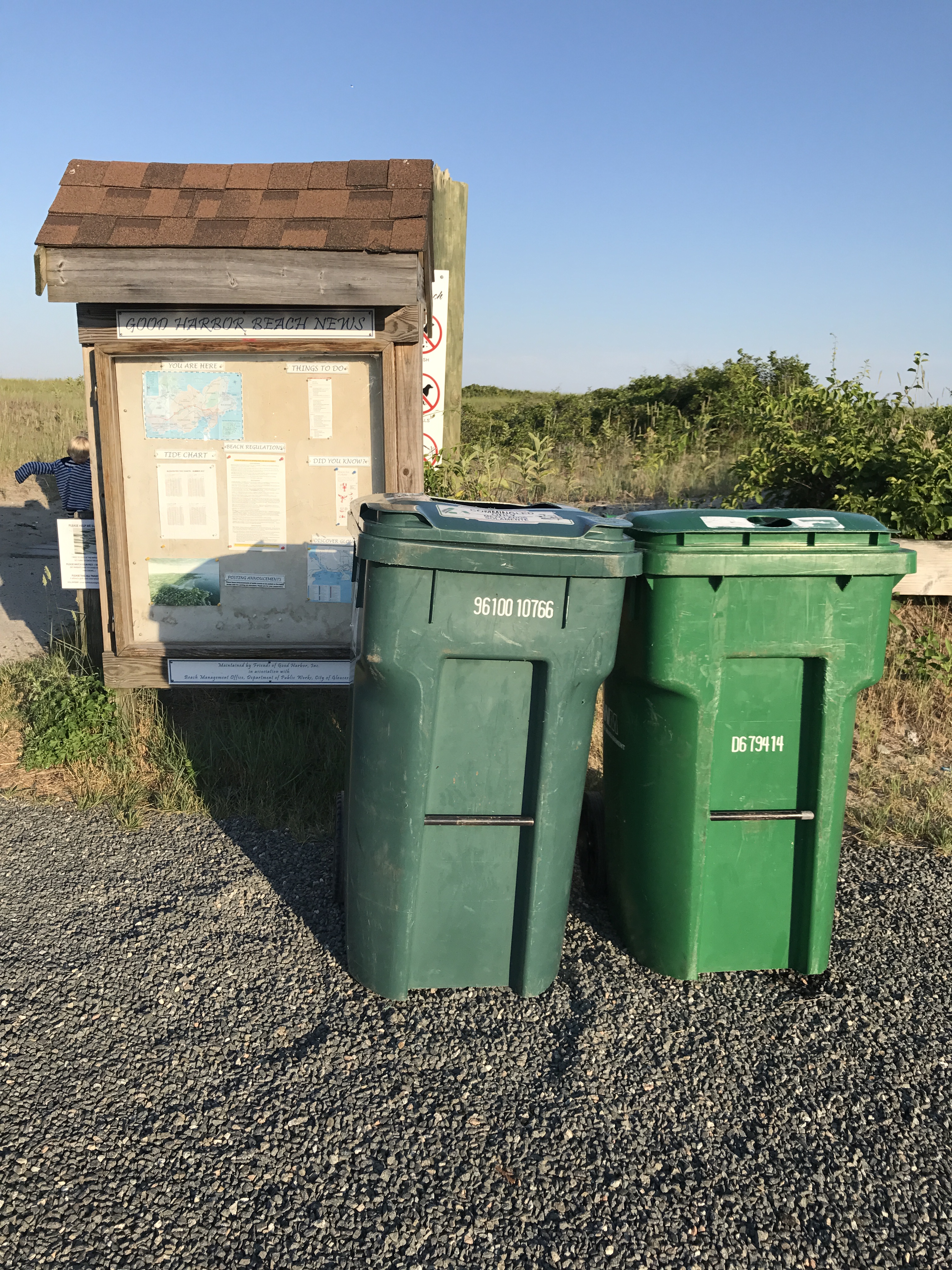
I took this snapshot of the trash barrels late yesterday afternoon, Sunday, after one of the busiest beach days of the summer. No trash spilling out! So far so good with the updated Carry In/Carry Out-Trash Barrel Plan.

https://www.instagram.com/p/BWqYidIFX4Y/

DAY TWENTY FOUR WITH OUR PIPING PLOVER CHICK/ALMOST FLEDGLING AND WHY MORE DOGS???

Beginning early this morning and continuing throughout the day, our Little Chick has almost fledged. He does a tiny run, then sort of hops into the air, flapping his wings for short distances, several feet perhaps. We can’t quite yet call it flying, but he is getting very, very close.

Every little clump of seaweed, dried or fresh, holds the promise of a tasty treat, insect treat that is.

The PiPlover volunteer monitors are amazing. I would like to again thank the following people, the Ryan-King family–Catherine, Cliff, Charles, and George–who divide their morning shift between all four family members, Caroline Haines, Hazel Hewitt, Paul Korn, Chris Martin, Diana Peck, Lucy Merrill-Hills, Cristina Hildebrand, Carol Ferrant, Jeanine Harris, Ruth Peron, Karen Shah, Annie Spike, and conservation agent Ken Whittaker.
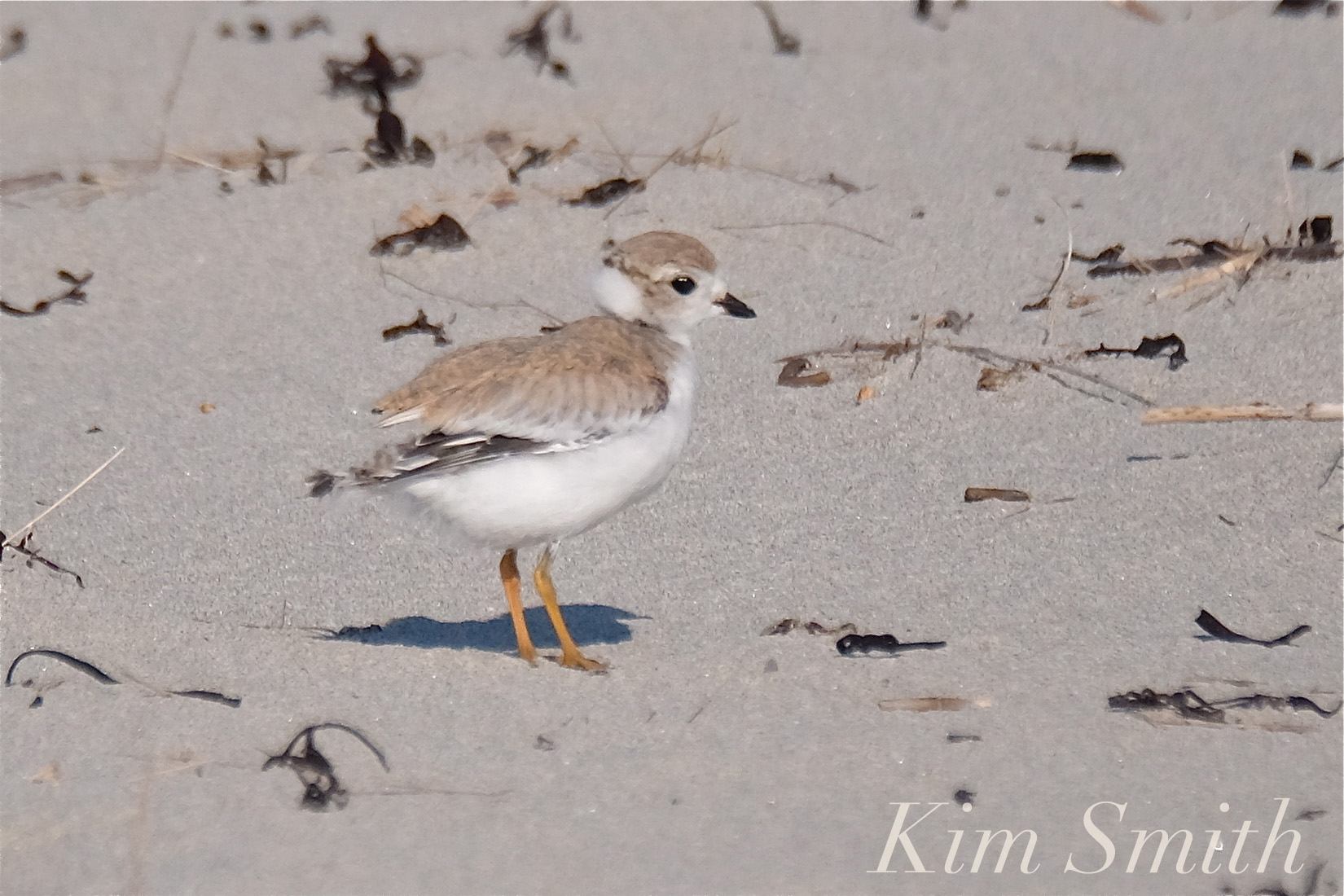
Morning Wing Stretches ~ We hope you can fly soon Little Chick!

Papa on the job and in full on protective mode this morning.

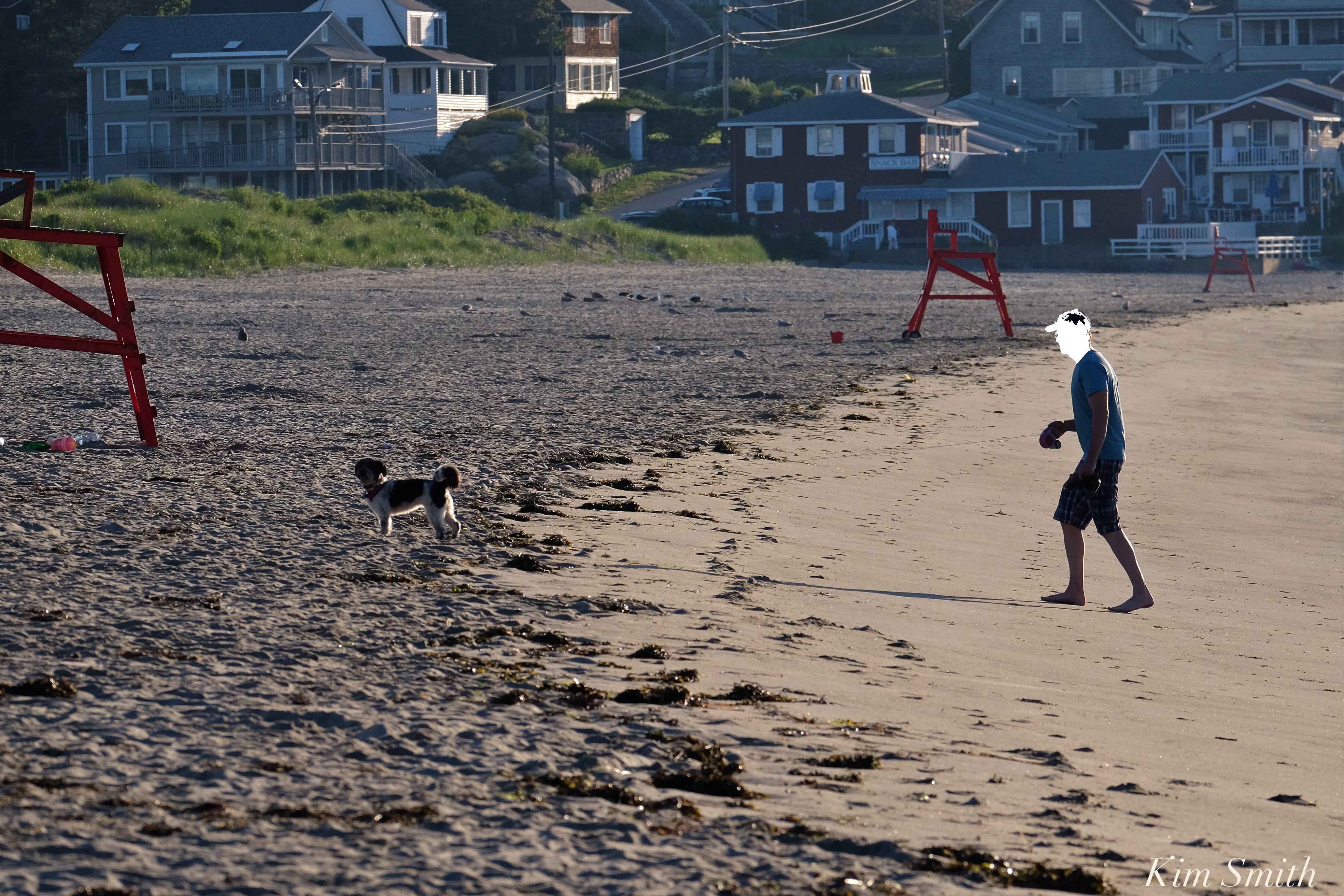
We are pleading with folks to please, please keep your dogs off Good Harbor Beach. This morning I observed a dog owner purposefully and actively encourage his dog to chase Papa Plover. The owner had one of those retractable leashes and over and over again gave the dog more leash and encouragement to go after Papa. I stood between the dog, owner, and Papa with Little Chick on the other side in hopes of keeping him safe. As the owner and pooch came closer and closer, I tried to wave them away but they kept coming. Meanwhile Papa Plover was having a complete meltdown, employing every plover distraction trick imaginable. When I tried to speak with the man he cut me right off and barked that his was a SERVICE DOG and that service dogs are allowed. I again tried to explain but he was having none of it and said that if his dog caught the Plover, he wouldn’t hurt him.
Even if that were true, which it is not, I think the scofflaw dog owners are missing a huge point. To the PiPl, any four legged creature is a threat. It is very unlikely that the Piping Plover parent can ascertain the difference between a coyote, fox, or dog. I hope the following explanation helps people who don’t quite get it, better understand what all the fuss is about.

Your cute pooch is trotting down the beach. Even from a distance of several hundred feet away, your activity messages a ten alarm fire bell in the PiPl brain. The PiPl parent has no idea that your dog is the sweetest and most harmless dog that ever lived. Instead of staying nearby to where the chick is foraging or resting, the adult immediately goes on the defense, racing down the beach, flying after the dog/coyote/fox creature, alternating between dive bombing you and your dog and limping along the beach, pretending he has a broken wing.

Meanwhile, back where the chick is foraging, the crafty crows and ravenous gulls sense the golden opportunity they have been awaiting. Crows/Gulls don’t like the nasty defensive bites and pecks the adult Plovers inflict upon them when they get to close to the chicks, especially when tag teamed by both parents. But now there is no Plover parent anywhere within hundreds of feet of the baby because they are too busy defending the chick from the sweetest dog that ever lived. Time to swoop in and carry off the pleasingly plump chick, ripe for a wonderfully satisfying Gull/Crow breakfast.
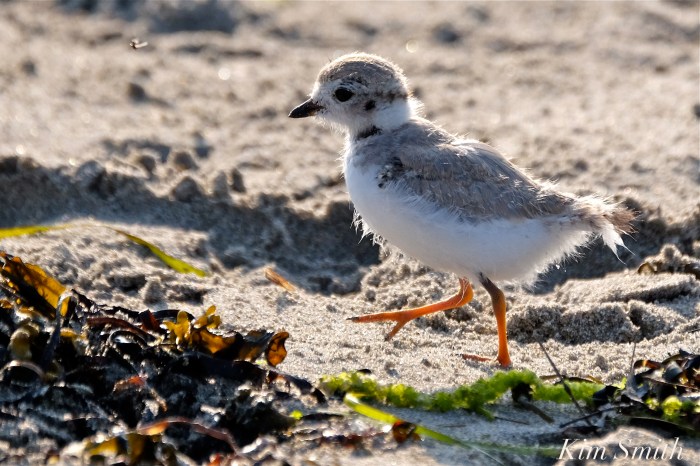
A Tender, Tasty Plumpling

Shortly after the dog owner/service dog departed, and just as Catherine was arriving to take over my shift, coming from the footbridge end was an elderly woman and her adorable husky puppy. They were were walking the beach at the high tide mark, exactly where the chick was feeding. Simultaneously, coming from the private end of the beach were a Mom and her son, and their beautiful golden retriever. After a good deal of explaining to both parties, they all turned and headed toward the direction from where they had come and away from the boardwalk #3 area.
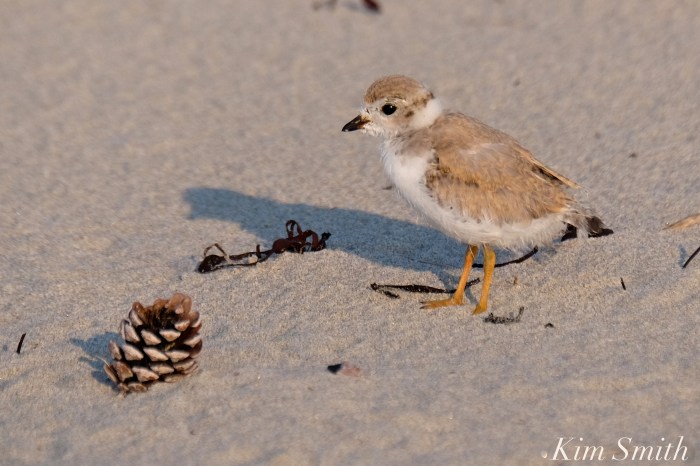
Three dogs in the span of twenty minutes.

Catherine’s photo of me approaching Golden Retriever family.

Please don’t write and tell us to call animal control at 6:00am. We have called and left messages, but their shifts do not begin until later in the morning. I think if we are serious about controlling the dog owner problem on Good Harbor Beach, possibly we could hire a part time person to ticket early in the morning and after the lifeguards leave in the late day. The tickets collected would easily pay the cost, and then some. It wouldn’t be long until the word got out.

I plan to find out if service dogs are allowed on beaches with shorebirds that are listed as a federally threatened or endangered species. If the dog was really a service dog, and service dogs are permitted, perhaps the owner could choose a different beach. And too, hopefully rentors in the area are letting their renters know that dogs are not allowed on the beach, leashed or unleashed, and at all hours of the day and night during the summer months.

Twenty-four-day-old Piping Plover

Piping Plover chick assuming the crouch defense posture.

“Alright Mr. DeMille, I’m ready for my closeup.”

HOORAY FOR OUR TWENTY-THREE-DAY-OLD PIPING PLOVER CHICK!

Bravo to our little chick, who this evening, we are celebrating day twenty-three! Thank you to all our volunteers who are working so conscientiously to help the GHB PiPl survive Gloucester’s busiest beach.

Despite the fact that he can’t exactly still fit under Papa and Mama, at twenty-three-days-old, Little Chick still needs snuggles to thermoregulate.

Note how large Little Chick’s beak is growing.

Twenty-three-day-old Piping Plover: Of the four Piping Plover chicks that hatched on the morning of June 22nd (the first hatched at about 6am, and all had hatched by noontime), our little chick is the sole survivor.

At 6:30 this morning another fight with the interloper took place. I was able to capture some of it on film and, surprisingly, a very similar battle took place later this morning between the Coffin’s Beach Piping Plovers.

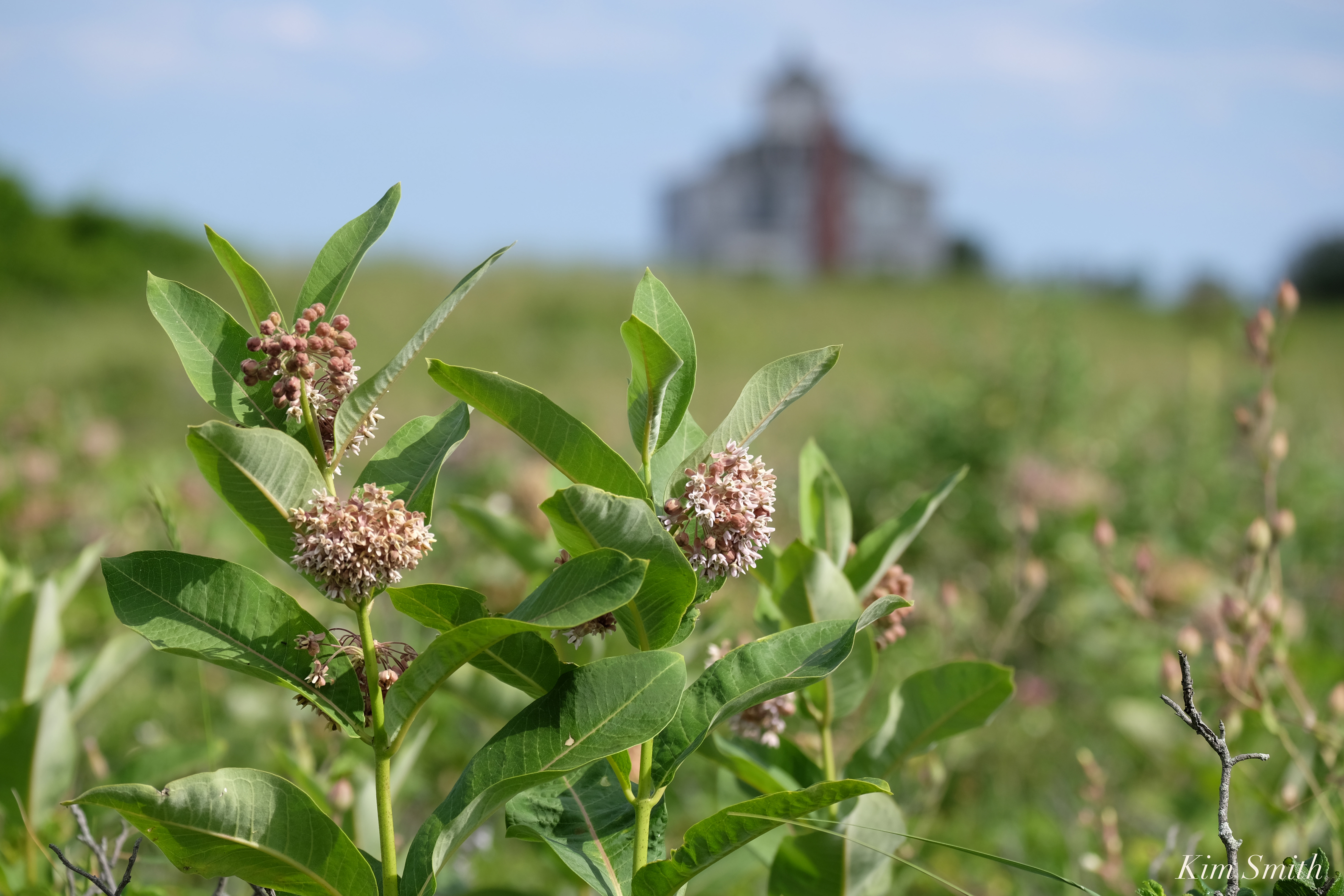
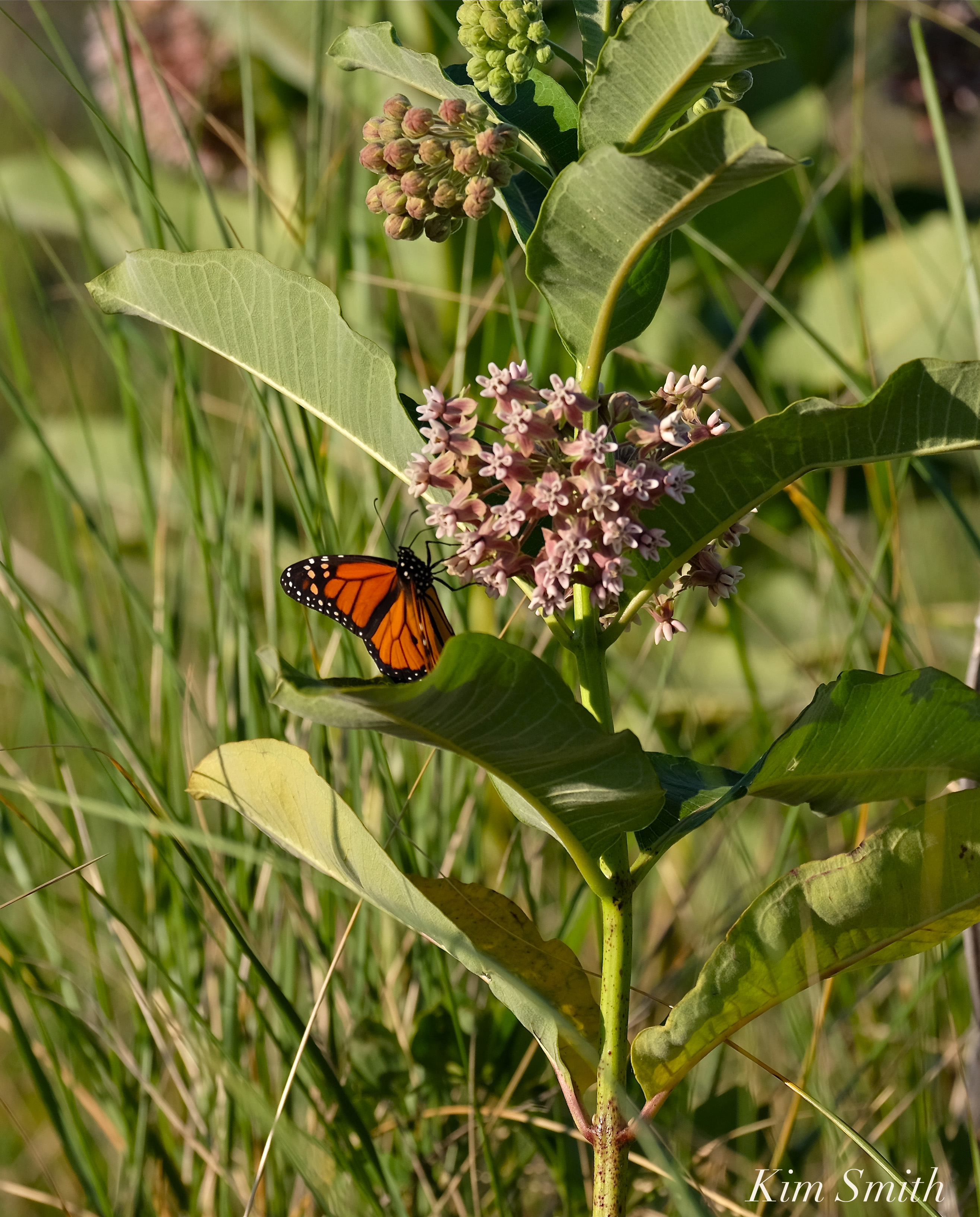
The Good Harbor Beach dunes are teeming with life. I spied five Monarch Butterflies on the Common Milkweed this afternoon, with many reports shared by readers of Monarch sightings all around Cape Ann and Massachusetts. We’ll do a post about Monarchs this coming week, and in the meantime, please share your Monarch sightings.

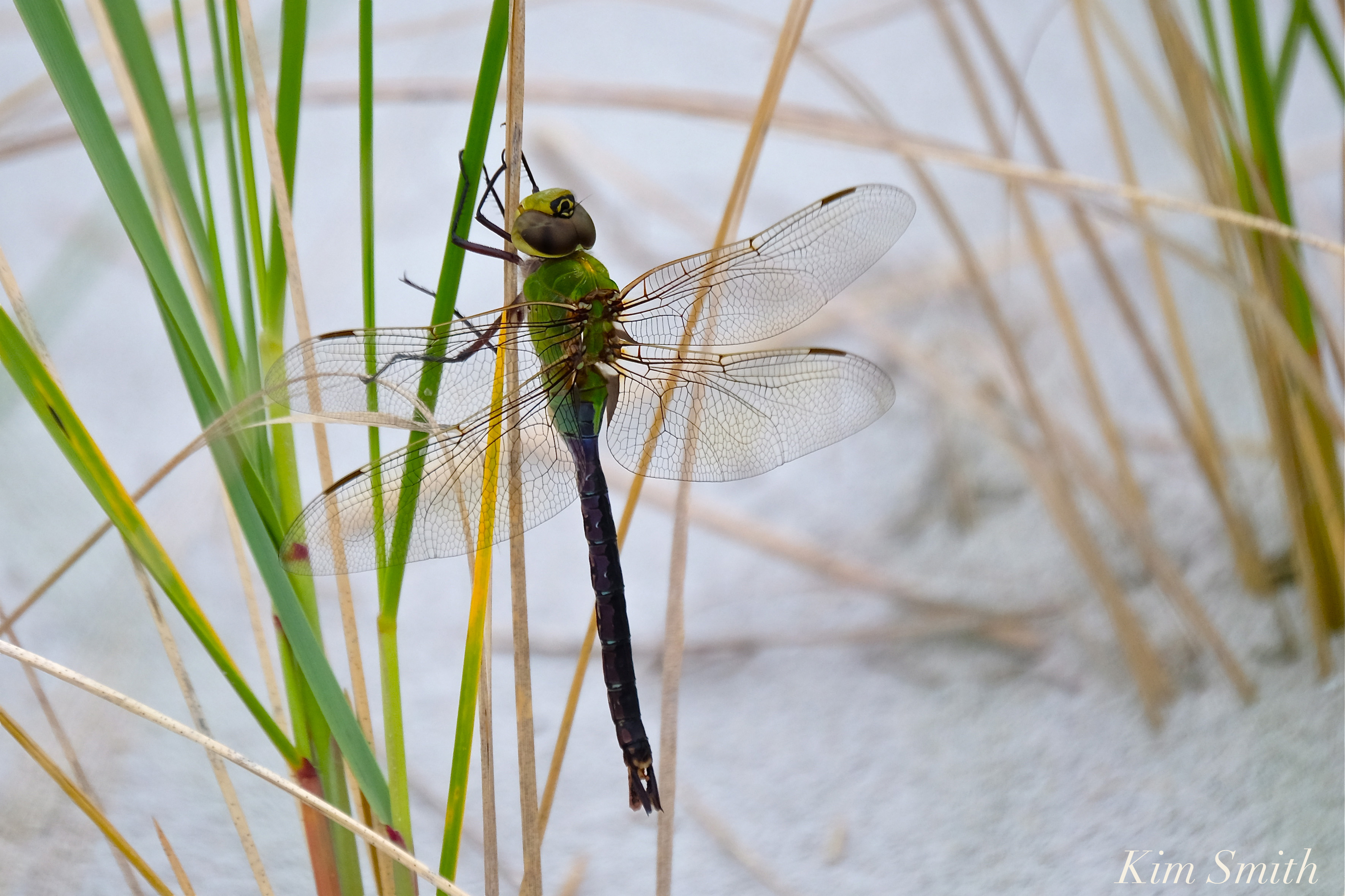
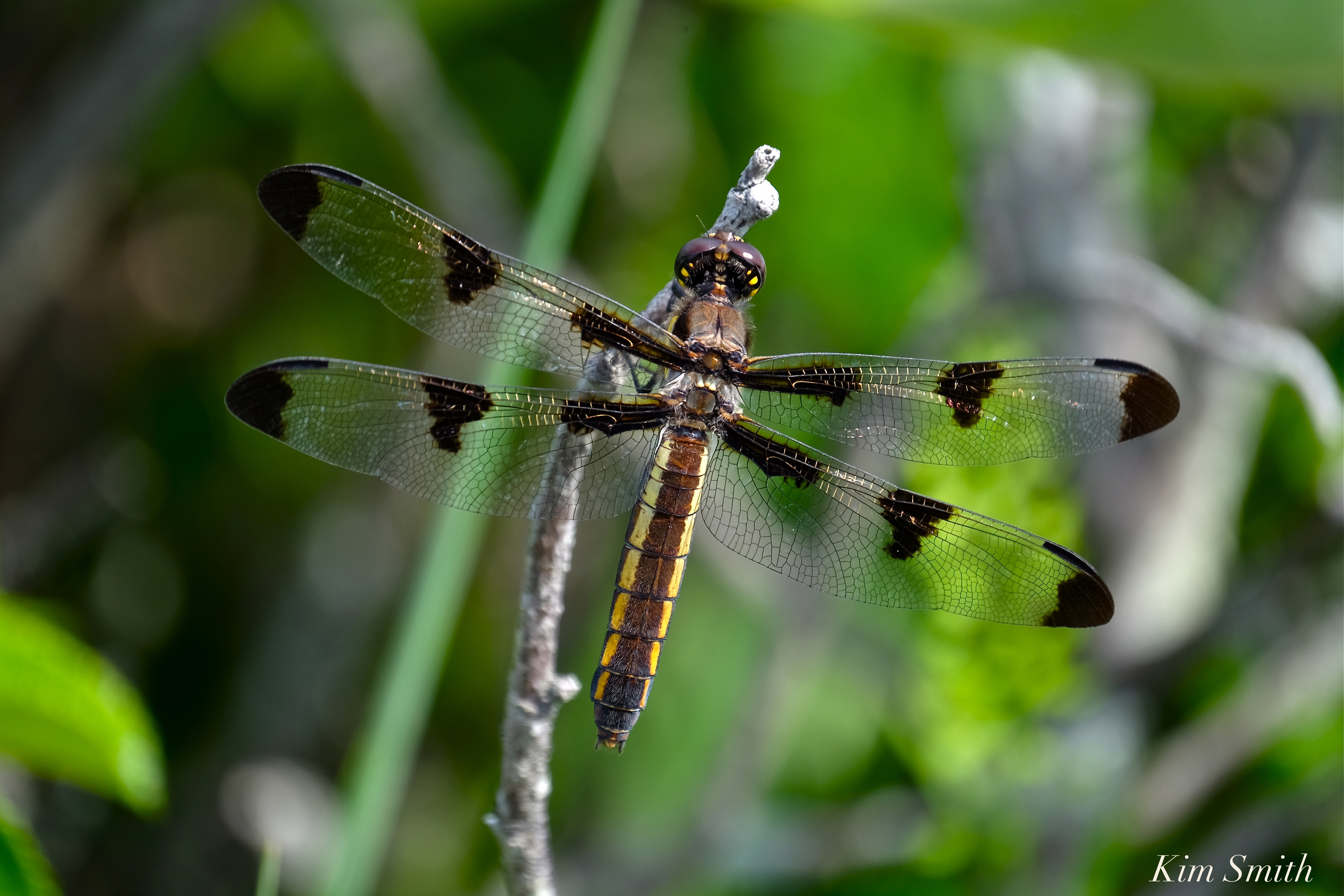
Dragonflies are predacious, and like our Piping Plover chick eat tiny invertebrates.

Green Darner Dragonfly and Twelve-spotted Skimmer lying in wait for insects.

Beach bunny munching wild salad greens for breakfast.

Monarch Butterfly and Common Milkweed, Good Harbor Beach

OUR TWENTY-TWO-DAY-OLD PIPING PLOVER IS AS PLUMP AND PERKY AS A PICKLE

Running pell mell, pecking in the tide pools for tasty morsels, and softly peeping, our perky twenty-two-day-old Piping Plover is becoming quite the little plumpling.

We observed an exciting self-defense development today. While foraging in the sand at the high tide line, Little Chick suddenly crouched down, completely flattening himself level with the sand. Seconds later, a seagull swooshed over him, flying, very, very low. It was tremendous to see this defense mode kick in and wonder whether instinctual, or learned from the parents.Piping Plover chick and Mom foraging at the high water line. Our chick is growing so quickly. Even though he is nearly as large as Mom, he still needs snuggles in the morning to thermoregulate.

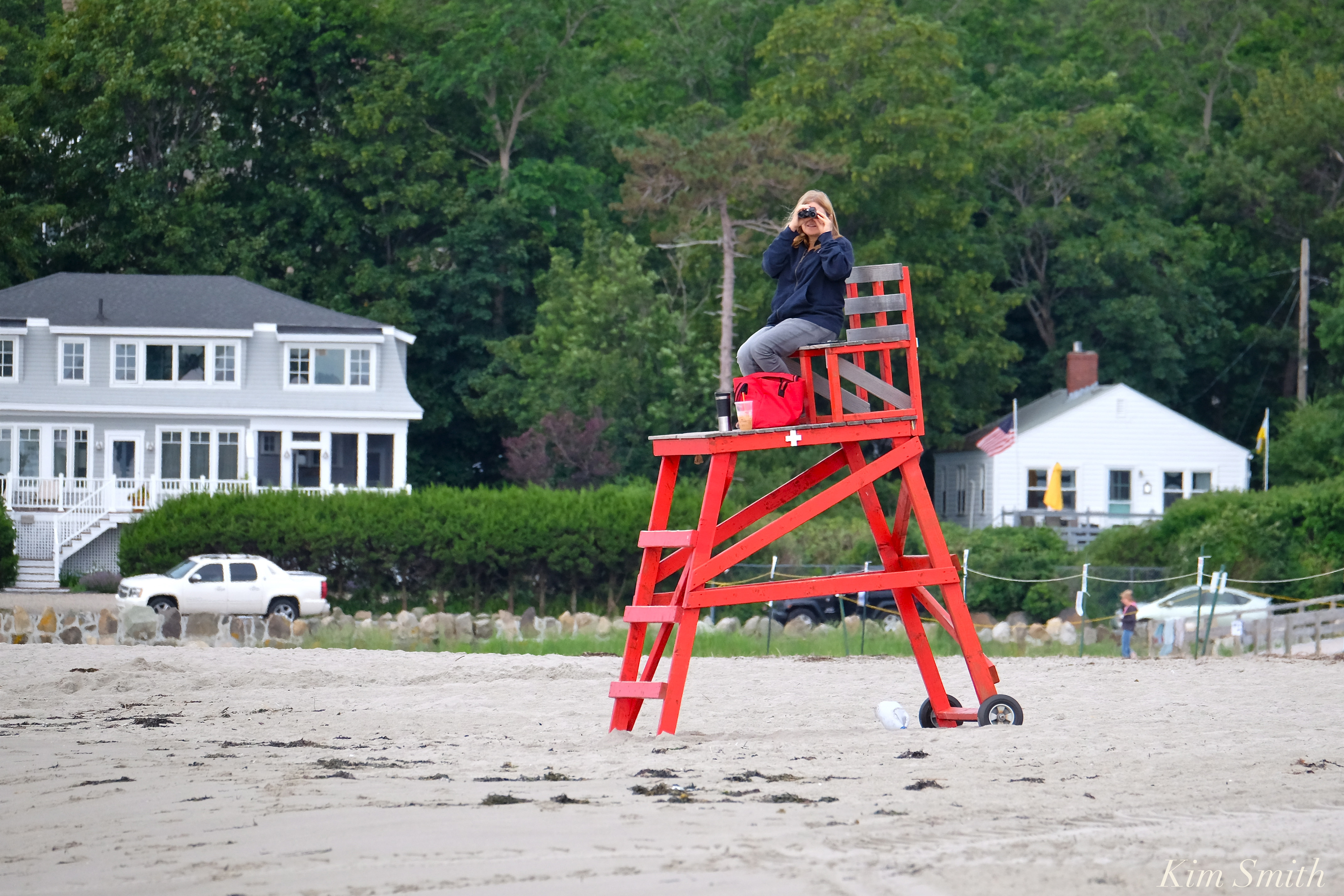
Piping Plover super volunteer Catherine Ryan keeping an eye on the PiPl from her favorite perch.

The cold weather may be dampening beach goers fun, but we lovers of the Piping Plovers like it because GHB has been much quieter than usual.

 Twenty-two-day-old Piping Plover

PIPING PLOVER BIRD BANDING DISORDERS

Although bird banding is tremendously helpful to researchers, after seeing the following video, I understand why conservationists have decided not to band in our area. I am puzzled as to why the Plover in this video has to have sooooo many bands.


CELEBRATING DAY TWENTY WITH OUR PIPING PLOVER CHICK–ALMOST FLEDGLING

Confident Little Chick

With each passing day, our Little Chick looks less and less like a chick and more and more like a fledgling. As with all Piping Plover new fledglings, the pretty stripe of brown feathers across the back of the head is becoming less pronounced, while flight feathers are rapidly growing and replacing the baby’s downy fluff. It won’t be long before we see sustained flying.

Little Chick spent a good part of the morning at the intertidal zone finding lots of yummy worms and mini crustaceans.

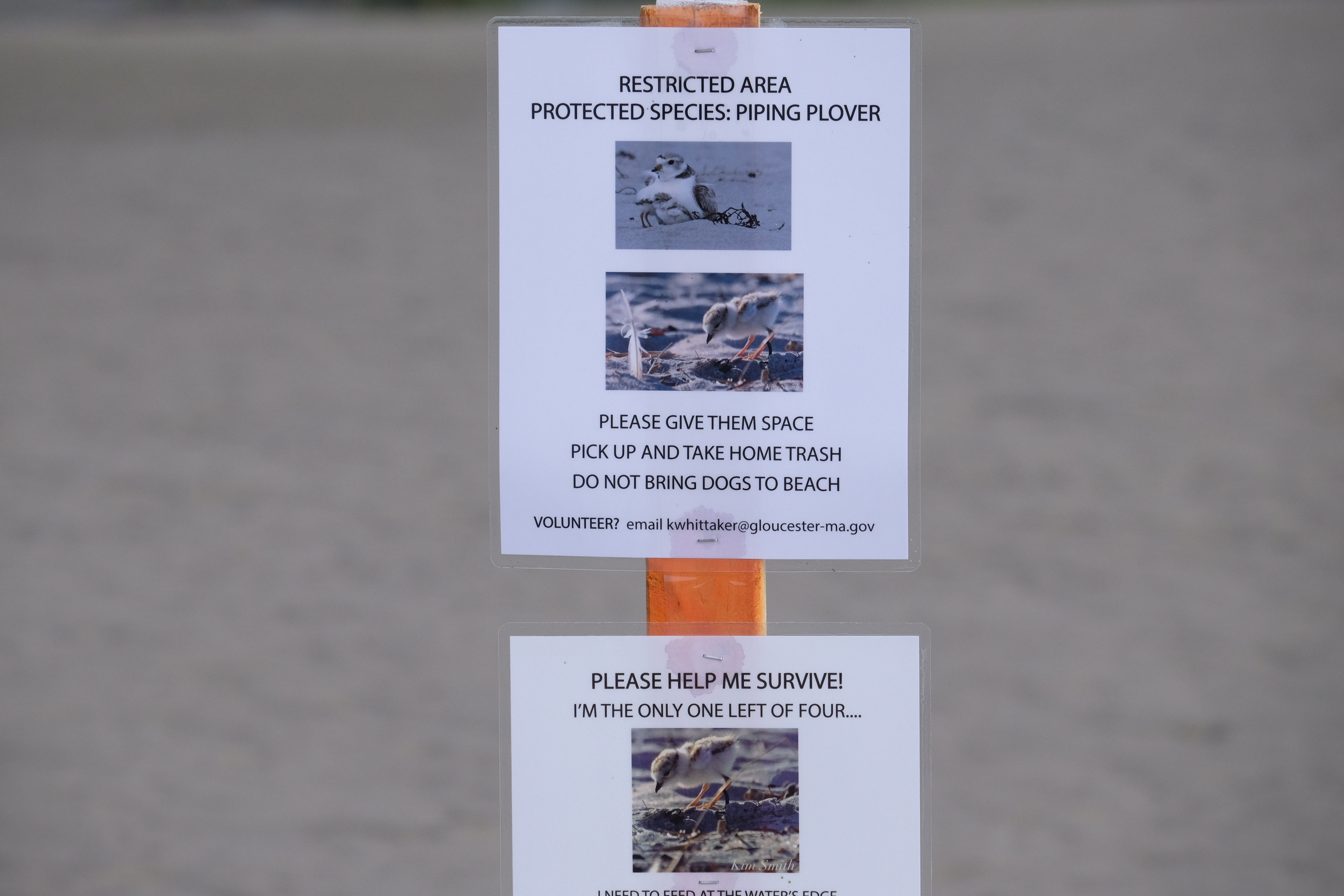
Thanks to all our volunteers for their continued work in monitoring the Good Harbor Beach Piping Plovers. Volunteer Hazel Hewitt has created a series of informative signs, placing them all around the beach and at every entrance. 

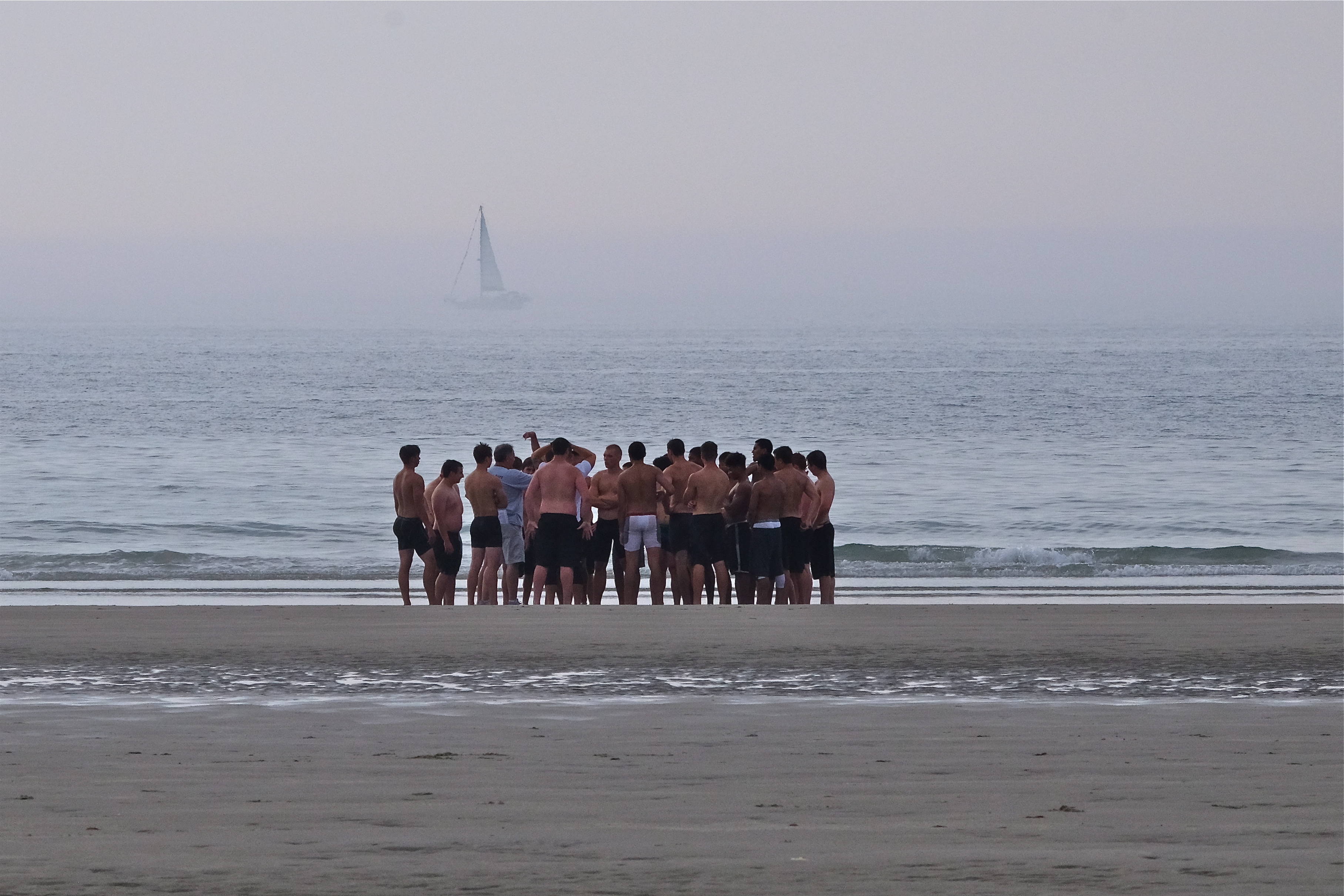
Thanks to GLoucester High School Coach Mike Latoff and the players for keeping an eye on the Plovers.

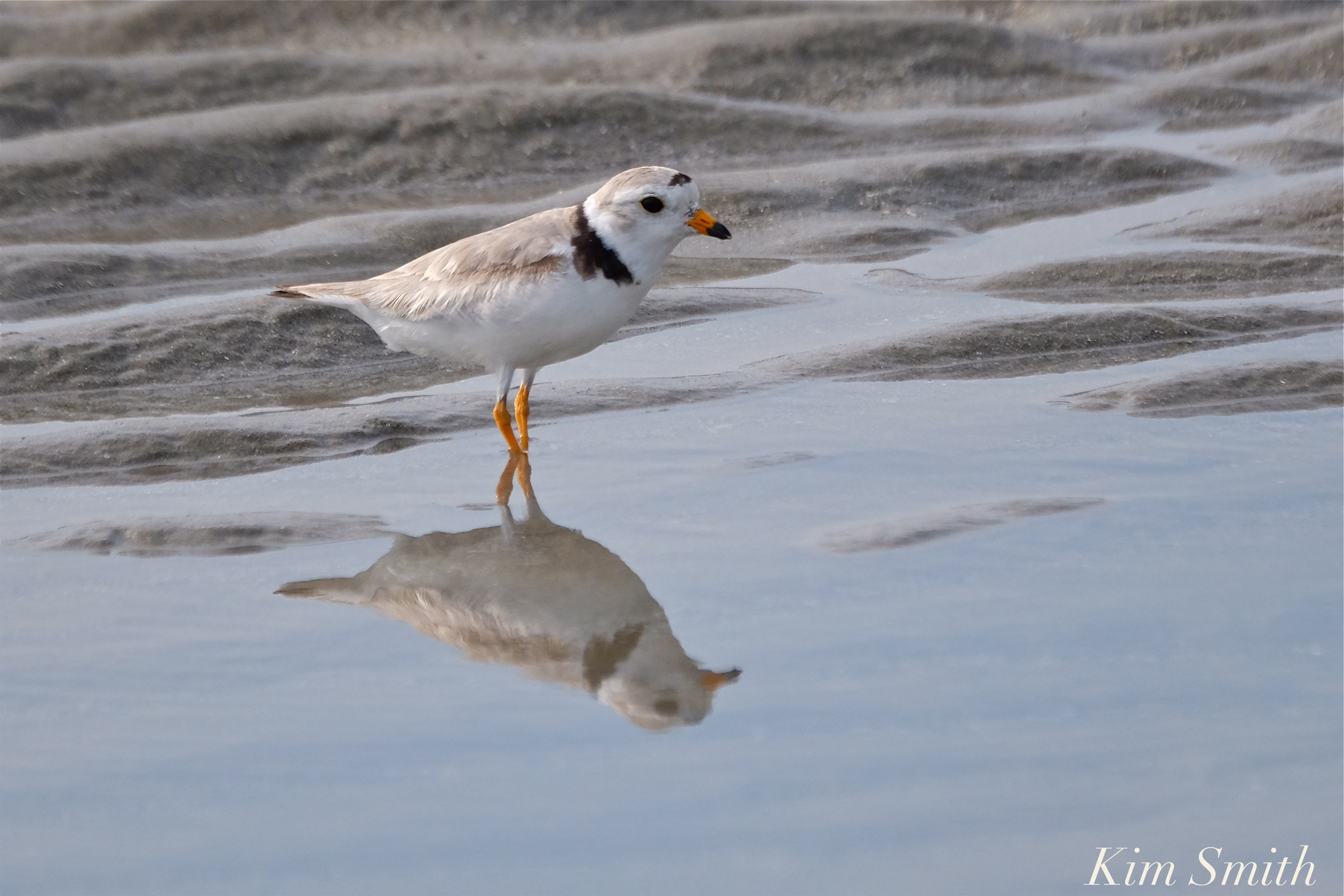
Papa Plover, sometimes feeding in close proximity to Little Chick, but more often, now watching from a distance. Twenty-day-old Piping Plover Chick

CHICK YOGA

Piping Plover chick yoga that is, mastering Warrior Three.

A funny little morning stretch the PiPl chicks do often.

WHAT DO PIPING PLOVERS EAT?

The question should really be what don’t they eat in the world of insects and diminutive sea creatures. Over the past two summers I have filmed PiPl eating every kind of beach dwelling crawly insect and marine life imaginable.

Piping Plovers eat freshwater, land, and marine invertebrates. Their general fashion of foraging is to run, stop, peck, repeat, all the day long, and during the night as well.

Run, Stop, Peck

When foraging along the wrack line and up to the dune edge Piping Plovers eat insects, both alive and dead, including ants, spiders, grasshoppers, crickets, and beetles, along with insect larvae such as fly larvae. Foraging at the intertidal zone, Piping Plovers find sea worms, tiny mollusks, and crustaceans, as well as crustacean eggs.

When the chicks get a little older they will learn how to do a sort of foot tamping technique where they rapidly shake their feet in the sand to stir up crustaceans. I have yet to see our chicks do this, but soon enough.

The purpose of discontinuing to rake the beach to help the Piping Plovers is twofold. Not raking in the nesting site creates a habitat rich in dry seaweed and dry grasses, which attracts insects, the PiPl food on dry land. Secondly, raking in the vicinity of the Plovers after they hatch can be deadly dangerous to the chicks. Not only is there danger of being squished, but also, they can easily become stuck in the impression in the sand made by the tires of heavy machinery.

This morning I had a disagreeable conversation with a woman about her unleashed puppy. She feigned lack of knowledge about the dog ordinances, but aside from that, she informed me that her large puppy would be “afraid” of a chick. And there seems to be a frustrating lack of understanding about where the chicks forage. We can only share again that the Piping Plovers, both adults and chicks, feed from the dunes’s edge to the water’s edge, and everywhere in between. Sunrise and sunset are not safe times to walk dogs on the beach because Piping Plovers forage at all times of the day, and into the night. Adult birds can fly away from a person or dog walking and running on the beach, but a shorebird chick cannot.

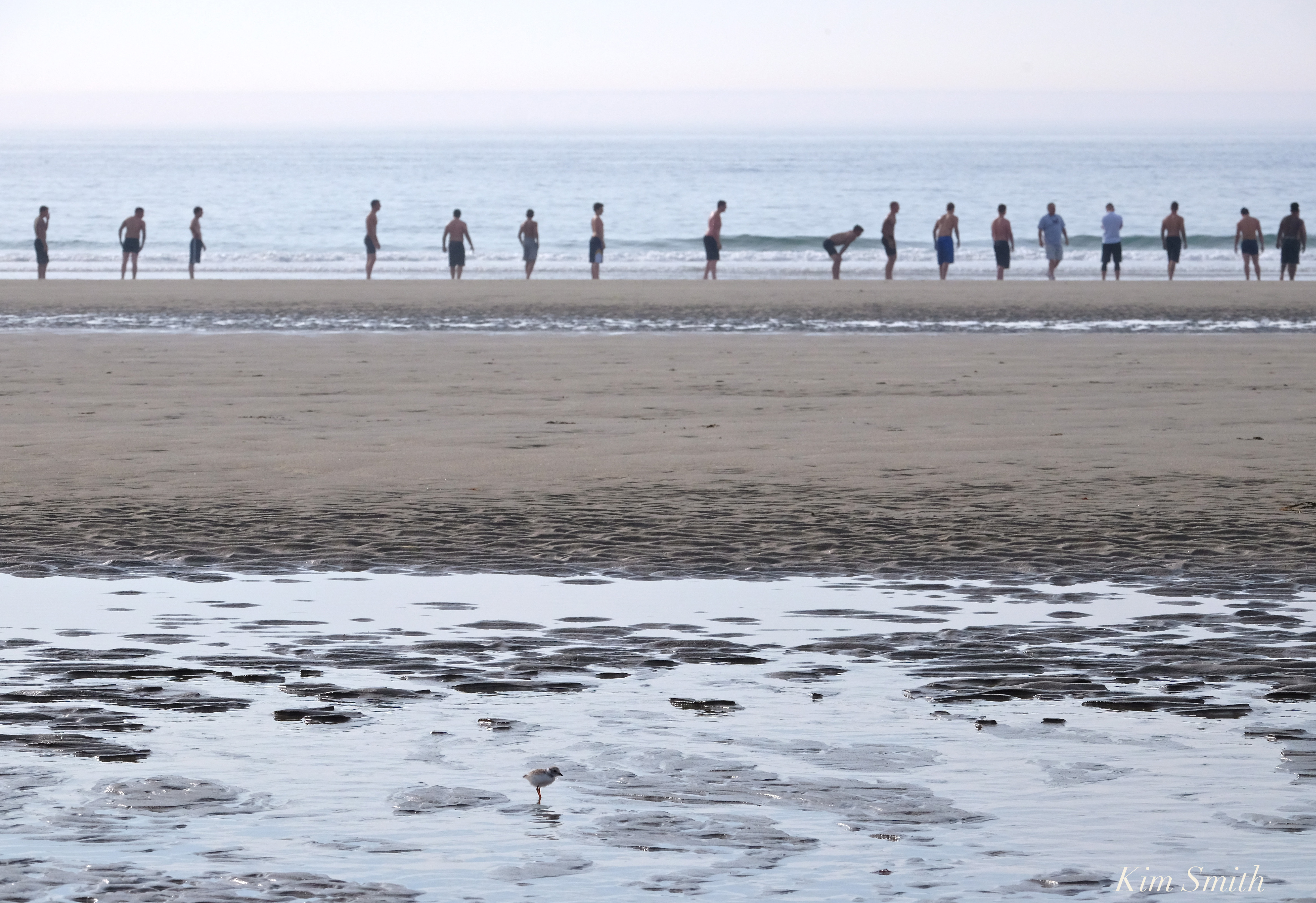
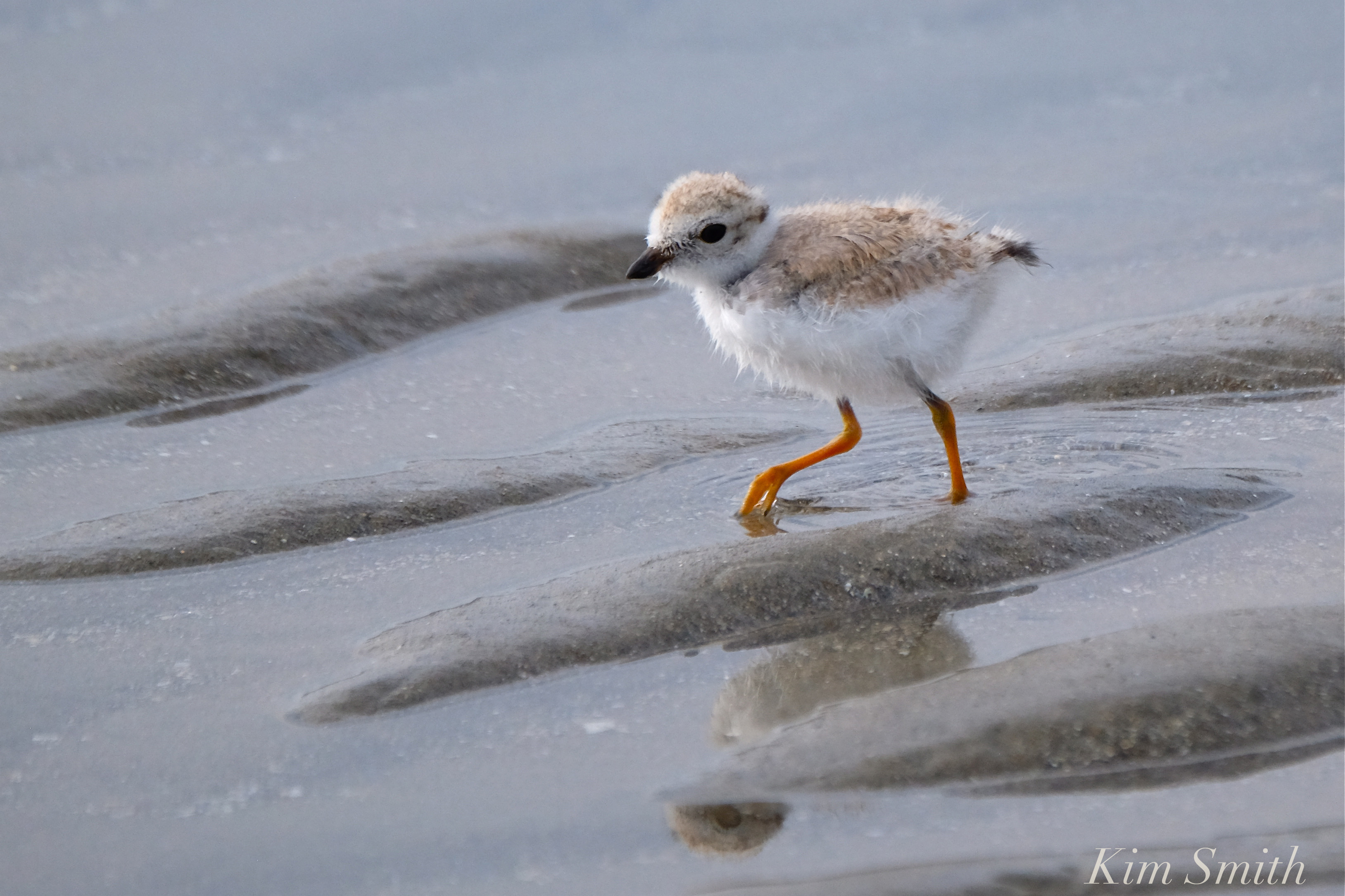
Big Beach, Tiny Chick ~ Sixteen-day-old Piping Plover Chick Foraging at the Ocean Edge

ONLY ONE CHICK SEEN THIS MORNING (*EDITED RE DOGS ON THE BEACH)

Our one remaining Piping Plover chick spent the early morning in the vegetation at the edge of the dune.

Perhaps we lost the third chick to the tremendous deluge late yesterday that happened not once, but twice. Or perhaps to the crows. When I arrived at the sanctuary this morning there was a tremendous kerfuffle underway between two crows and both adults. As the crows were departing, after being vigorously chased away by the PiPl parents, I couldn’t see clearly whether or not they were carrying off a chick. Or perhaps, none of the above. There was an unleashed puppy on the beach, but after speaking with the woman, she and her dog departed. The PiPl were up by the sanctuary at that time so I am sure it wasn’t because of the puppy. I hope with all my heart we can don’t loose the one remaining chick.

*Comment added from my Facebook friend Susanne: Thank you to all for your kindness re the baby plovers. Yesterday after the downpour, I went to Good Harbor. No life guards and it was relatively quiet. There were three groups of people with dogs and two dogs were unleashed, One unleashed dog was near the piping plovers and too far from me to catch easily. I talked to two of the other dog owners. One said they didn’t know the rules and thanked me. The other said her dog is very old and this may be the last time she ever gets to walk on a beach. I love dogs and hope people have a lovely time on our beautiful beaches. I also wish they cared more about following our beach rules, which are common sense and about caring for others

The adults and chick were acting oddly this morning, not wanting to venture too far from the symbolically roped off area. Papa Plover spent a great deal of time perched on the party rock and surveying the family’s territory (not usual behavior), and got into several times with the Interloper.

Thank you so much to all our volunteers who are trying their best to help keep these beautiful protected birds safe.

Today’s Good Harbor Beach sunrise

OUR LITTLE PIPING PLOVER CHICK PASSED AWAY LAST NIGHT

Avery from the Tufts Wildlife Clinic at the Cummings Veterinary Medical Center phoned this morning to let us know that our Piping Plover chick passed away in the night. Although he was showing some positive signs yesterday, after a traumatic brain injury such as his, bleeding on the brain and other complications can occur. Know that he was well cared for by the incredible team at Tufts and that they did their very utmost best to save him.

I spoke with Avery about what would have happened had he survived. Little chick would have been re-habituated with other Piping Plovers. As Piping Plovers are a protected species, U.S. Fish and Wildlife dictate where his recovery were to take place.

Although it was very unusual for the clinic to have a Piping Plover, they have helped even smaller animals recover from injury. Most recently, a wounded hummingbird in their care was healed and released back in the wild.

Thank you to everyone for your kind concern.

Thank you to Jodi Swenson from Cape Ann Wildlife for meeting us at the beach at nine in the evening and caring for our little injured chick until the following morning when Catherine, George, and Charles delivered him to Tufts veterinary school. We should all thank our volunteers, Catherine, Caroline Haines, Hazel Hewitt, George King, Charles King, Paul Korn, Cliff King, Chris Martin, Diana Peck, Lucy Merrill-Hills, Cristina Hildebrand, Carol Ferrant, Jeanine Harris, Ruth Peron, Karen Shah, Annie Spike, and conservation agent Ken Whittaker for their diligent and continued monitoring of our two remaining chicks.

Please let’s everyone be mindful of the chicks afoot, help keep the beach clean, and please, please dog owners, please leave your sweet pooches off Good Harbor Beach. Thank you.

If you find orphaned or injured wildlife, the clinic has pages to guide you in appropriate procedures for birds, squirrels, mammals, and more, as well as a list of links to wildlife organizations. Go here for more information: Useful Links from the Tufts Wildlife Clinic

Two sixteen-day-old chicks snuggling under Papa Plover this morning at daybreak.