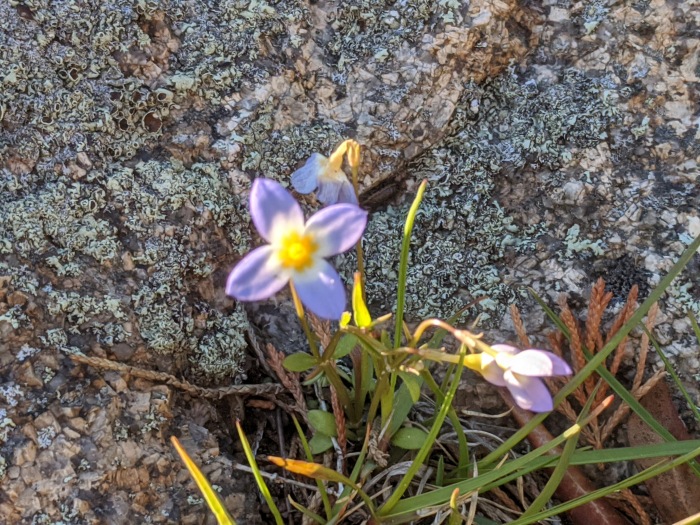
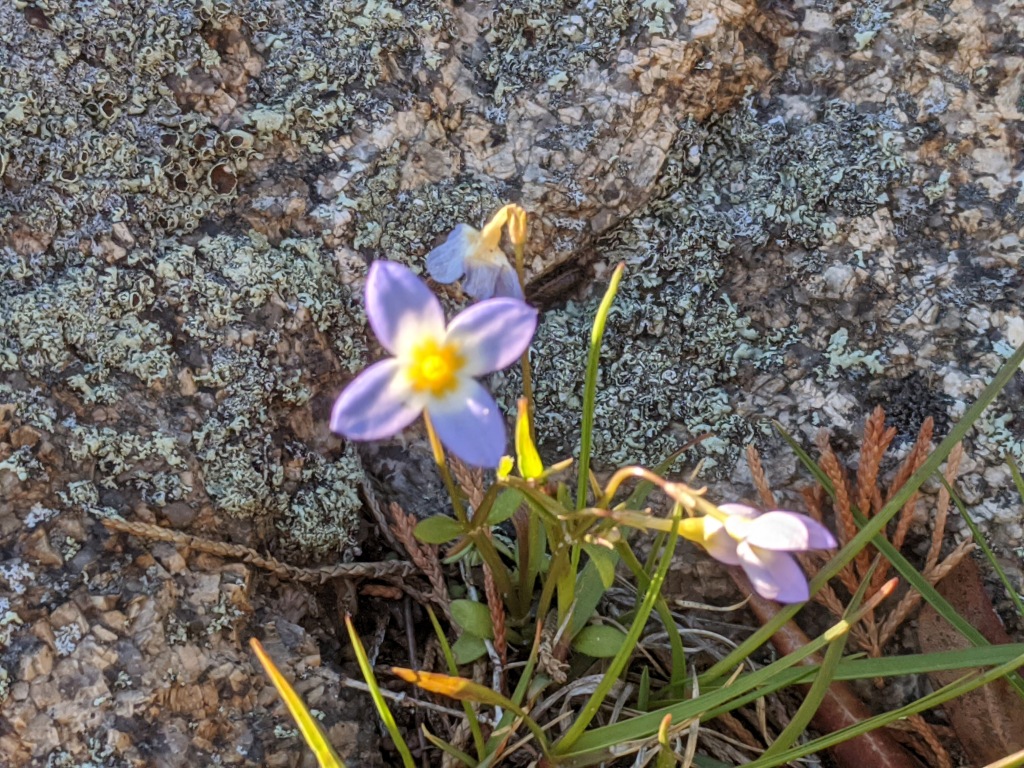
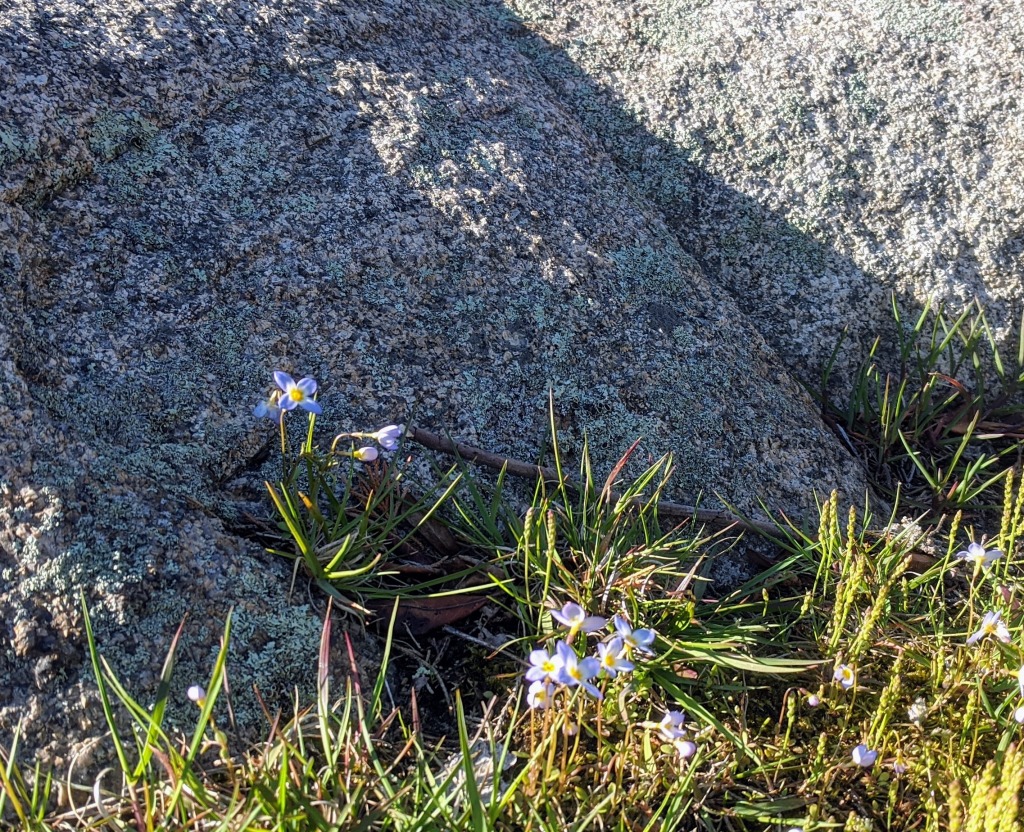
Thoreau observed bluets “about” May 20th. More than a week already this 2021 spring.
Mouse-Ear
“About the twentieth of May I see the first mouse-ear going to seed and beginning to be blown about the pastures and whiten the grass, together with bluets, and float on the surface of water. They have now lifted themselves much higher above the earth than when we sought for their first flowers. As Gerarde says of the allied English species, “These plants do grow upon sandy banks and untoiled places that lie open to the sun.”
Thoreau Wild Fruits
-Clarence Manning Falt, 1894, Gloucester, Ma.
THE BLUETS
In mosses green
A charming scene,
To me a sweet surprise,
In bright array
This fair spring day
The bluets greet my eyes.
Each dainty cup,
Is lifted up
With tints of heaven’s hue;
Each budding gem
A diadem
Bespangled with the dew.
Like tiny shields
Amid the fields,
On bodies, slim and frail,
They wave and bend
And sweetly send
The Welcome Spring’s All hail!
Where bright sunshine
By one divine
Can reach each fragile heart,
They lovely gleam
Like some sweet dream
And Joy’s sweet pulses start.
My better self
(The heart’s stored wealth)
Enraptured at the sight
On each sweet face
See’s Heaven’s grace
And life, immortal, bright.
On, tiny blooms,
When waking tombs
Lie buried ‘neath the snow,
And Death doth keep
Guard o’er thy sleep
And blust’ring winds they blow,
Backward apace
My heart will trace,
And bring, begemmed with dew,
‘Mid mosses green
The charming scene
Of you, sweet buds of blue.
One smell-
Amy Lowell
(do you have favorite lines?)
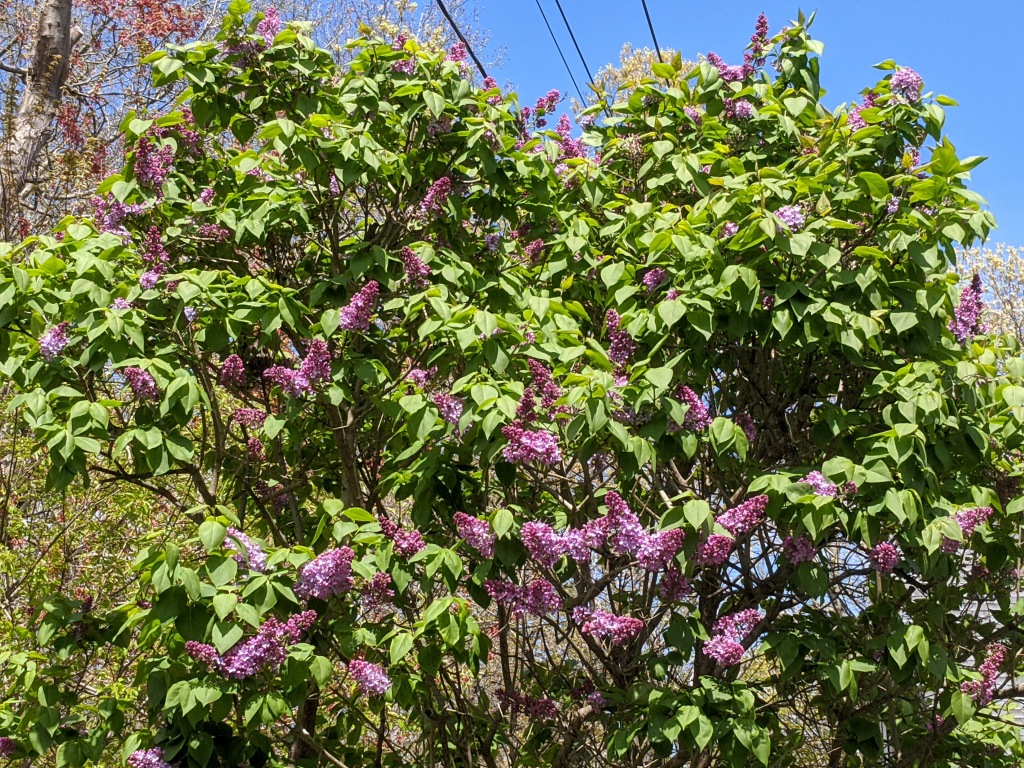
Lilacs, False blue, White, Purple, Color of lilac, Your great puffs of flowers Are everywhere in this my New England. Among your heart-shaped leaves Orange orioles hop like music-box birds and sing Their little weak soft songs; In the crooks of your branches The bright eyes of song sparrows sitting on spotted eggs Peer restlessly through the light and shadow Of all Springs. Lilacs in dooryards Holding quiet conversations with an early moon; Lilacs watching a deserted house Settling sideways into the grass of an old road; Lilacs, wind-beaten, staggering under a lopsided shock of bloom Above a cellar dug into a hill. You are everywhere. You were everywhere. You tapped the window when the preacher preached his sermon, And ran along the road beside the boy going to school. You stood by the pasture-bars to give the cows good milking, You persuaded the housewife that her dishpan was of silver. And her husband an image of pure gold. You flaunted the fragrance of your blossoms Through the wide doors of Custom Houses— You, and sandal-wood, and tea, Charging the noses of quill-driving clerks When a ship was in from China. You called to them: “Goose-quill men, goose-quill men, May is a month for flitting.” Until they writhed on their high stools And wrote poetry on their letter-sheets behind the propped-up ledgers. Paradoxical New England clerks, Writing inventories in ledgers, reading the “Song of Solomon” at night, So many verses before bed-time, Because it was the Bible. The dead fed you Amid the slant stones of graveyards. Pale ghosts who planted you Came in the nighttime And let their thin hair blow through your clustered stems. You are of the green sea, And of the stone hills which reach a long distance. You are of elm-shaded streets with little shops where they sell kites and marbles, You are of great parks where every one walks and nobody is at home. You cover the blind sides of greenhouses And lean over the top to say a hurry-word through the glass To your friends, the grapes, inside.
Now you are a very decent flower, A reticent flower, A curiously clear-cut, candid flower, Standing beside clean doorways, Friendly to a house-cat and a pair of spectacles, Making poetry out of a bit of moonlight And a hundred or two sharp blossoms. Maine knows you, Has for years and years; New Hampshire knows you, And Massachusetts And Vermont. Cape Cod starts you along the beaches to Rhode Island; Connecticut takes you from a river to the sea. You are brighter than apples, Sweeter than tulips, You are the great flood of our souls Bursting above the leaf-shapes of our hearts, You are the smell of all Summers, The love of wives and children, The recollection of gardens of little children, You are State Houses and Charters And the familiar treading of the foot to and fro on a road it knows. May is lilac here in New England, May is a thrush singing “Sun up!” on a tip-top ash tree, May is white clouds behind pine-trees Puffed out and marching upon a blue sky. May is a green as no other, May is much sun through small leaves, May is soft earth, And apple-blossoms, And windows open to a South Wind. May is full light wind of lilac From Canada to Narragansett Bay.
Lilacs, False blue, White, Purple, Color of lilac. Heart-leaves of lilac all over New England, Roots of lilac under all the soil of New England, Lilac in me because I am New England, Because my roots are in it, Because my leaves are of it, Because my flowers are for it, Because it is my country And I speak to it of itself And sing of it with my own voice Since certainly it is mine.
Amy Lowell (1874-1925) first published September 18, 1920 NY Evening Post; modernist compilation 1922 and numerous volumes thereafter
T. S. Eliot
call and response-
April is the cruellest month, breeding Lilacs out of the dead land, mixing Memory and desire, stirring Dull roots with spring rain.
T.S. Eliot New England opener The Waste Land, 1922
Clarence Manning Falt (1861-1912) by Catherine Ryan
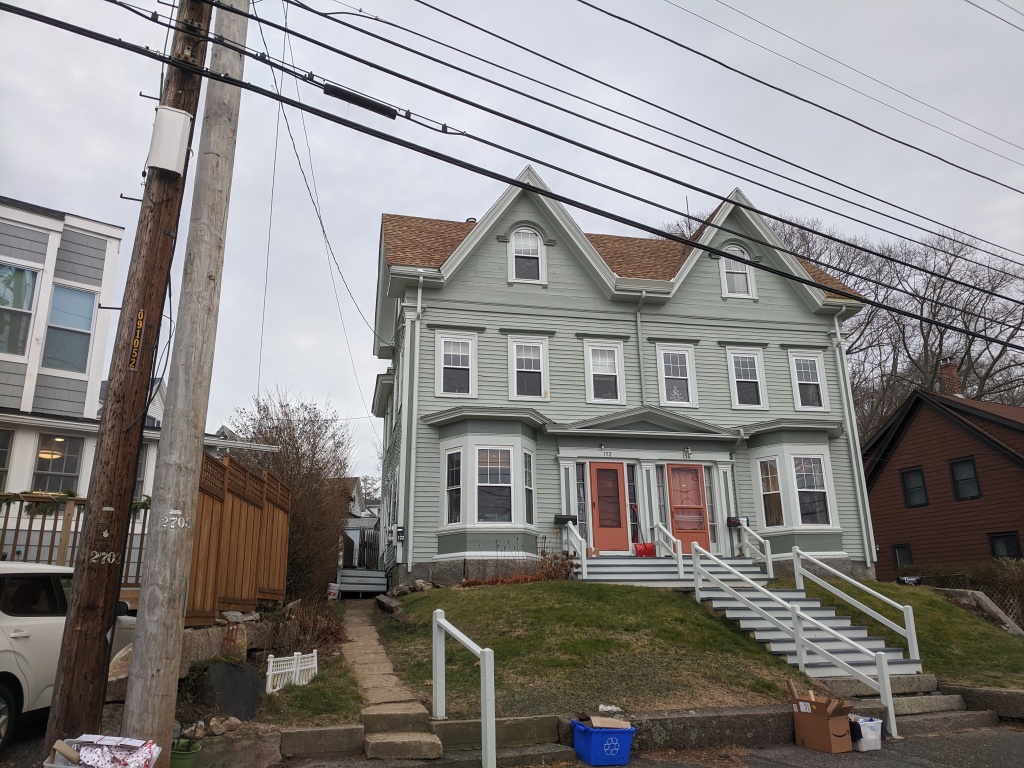
Clarence Manning Falt was a Gloucester poet and photographer, a son of a Canadian immigrant & fisherman and a Gloucester mother & homemaker (born and raised in a fisherman generations family herself). They had seven children. The Falt family eventually purchased 172 East Main Street; Clarence and his surviving siblings continued to live there as adults. It’s a huge home.
photo caption: 172 East Main Street, Gloucester, Mass. An Edward Hopper drawing of this Gloucester house, which I identified, was gifted to the Minneapolis Art Institute and included in a travel exhibition highlighting major drawings from this famous repository.
Clarence Manning Falt clerked for various businesses on Main Street to support his art practice.
By the 1900 census, clerk was dropped from the “occupation” category, “Author” stood alone.
Falt photographed and wrote about Gloucester, where he was born and raised during the late 1800s. His work reflects his own personal experiences including the fishing industry of his parents’ world. The best ones connect readers to this world because of his talents and an insider’s careful observations. Some of the writing relies too much on tropes and can be a chore, though never as difficult as the jobs he portrays, and may stick with you just the same because he is successful in providing such accurate and detailed examples of the business of fishing and the beauty of Gloucester. Some poems rise to evoke a full and cinematic day at the docks and ideas to mull over.
POINTS OF INTEREST: GLOUCESTER IN SONG
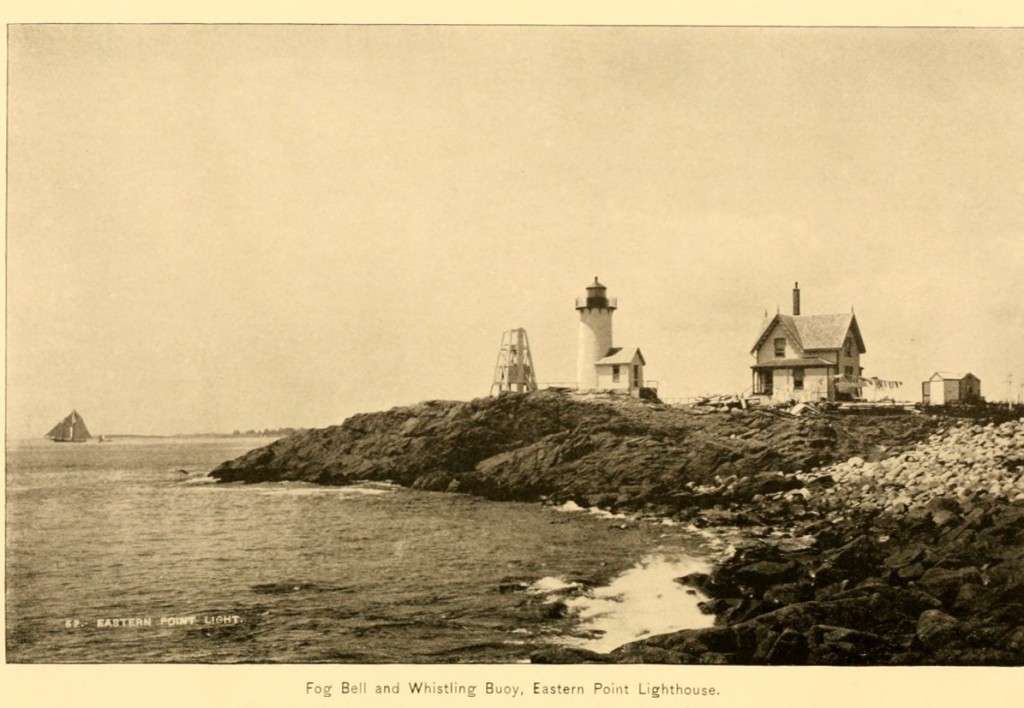
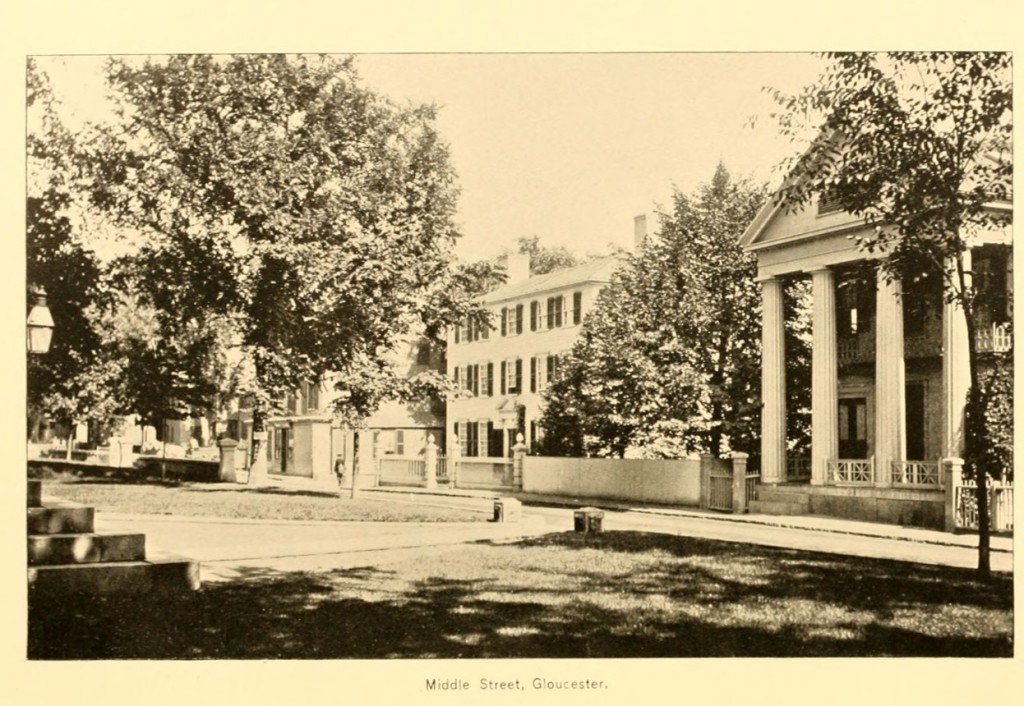
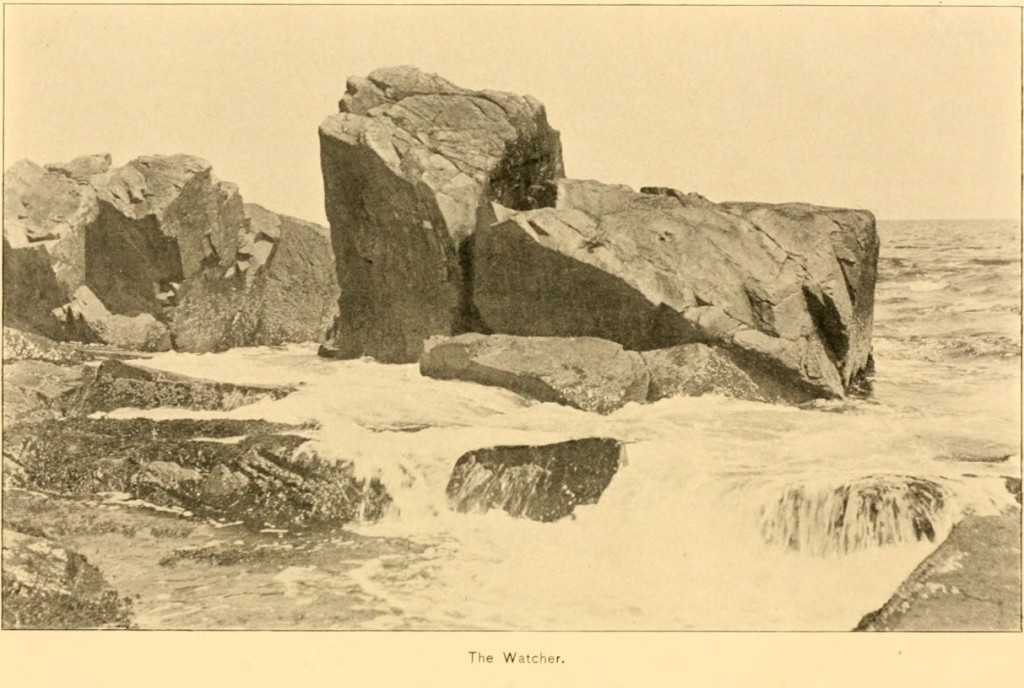
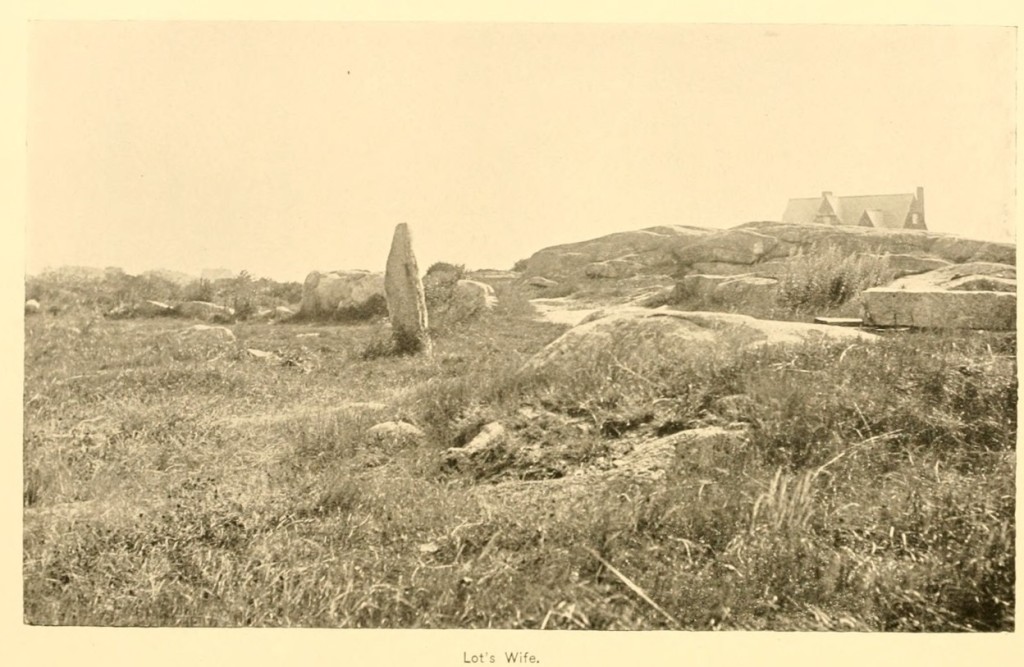
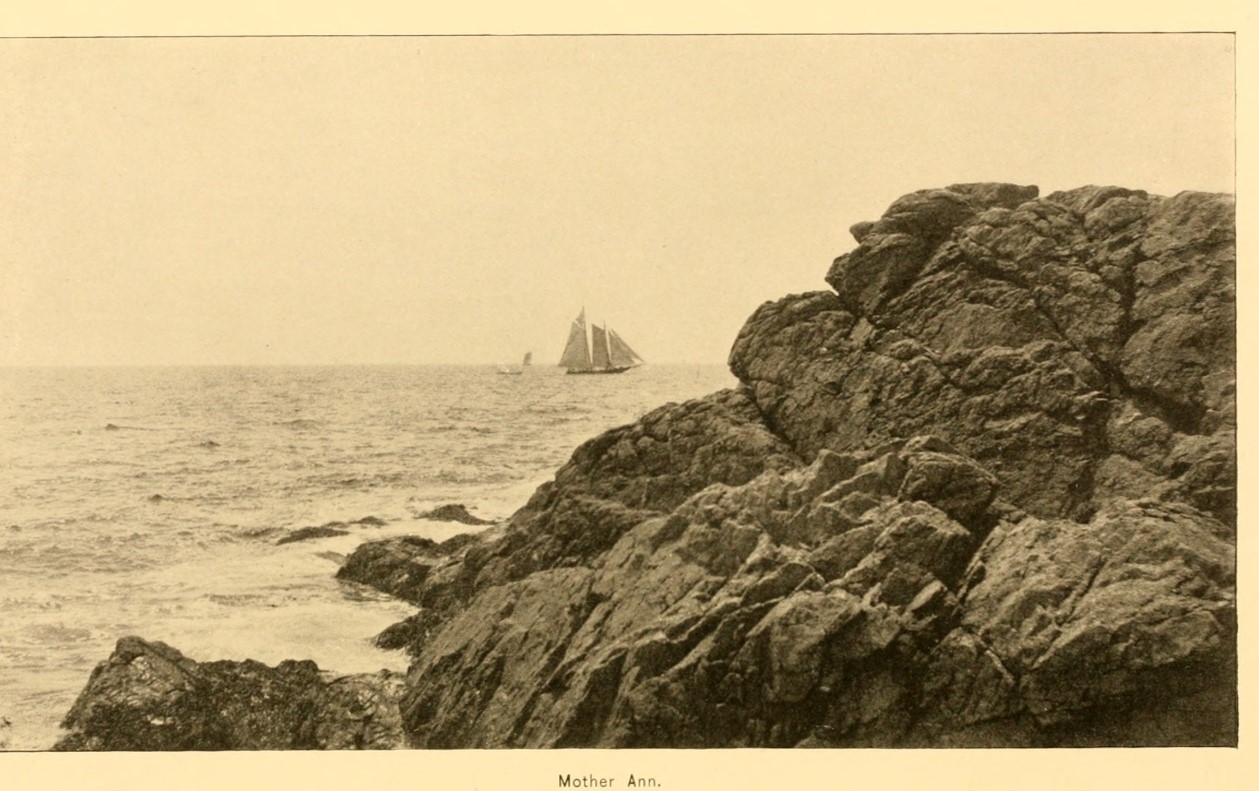
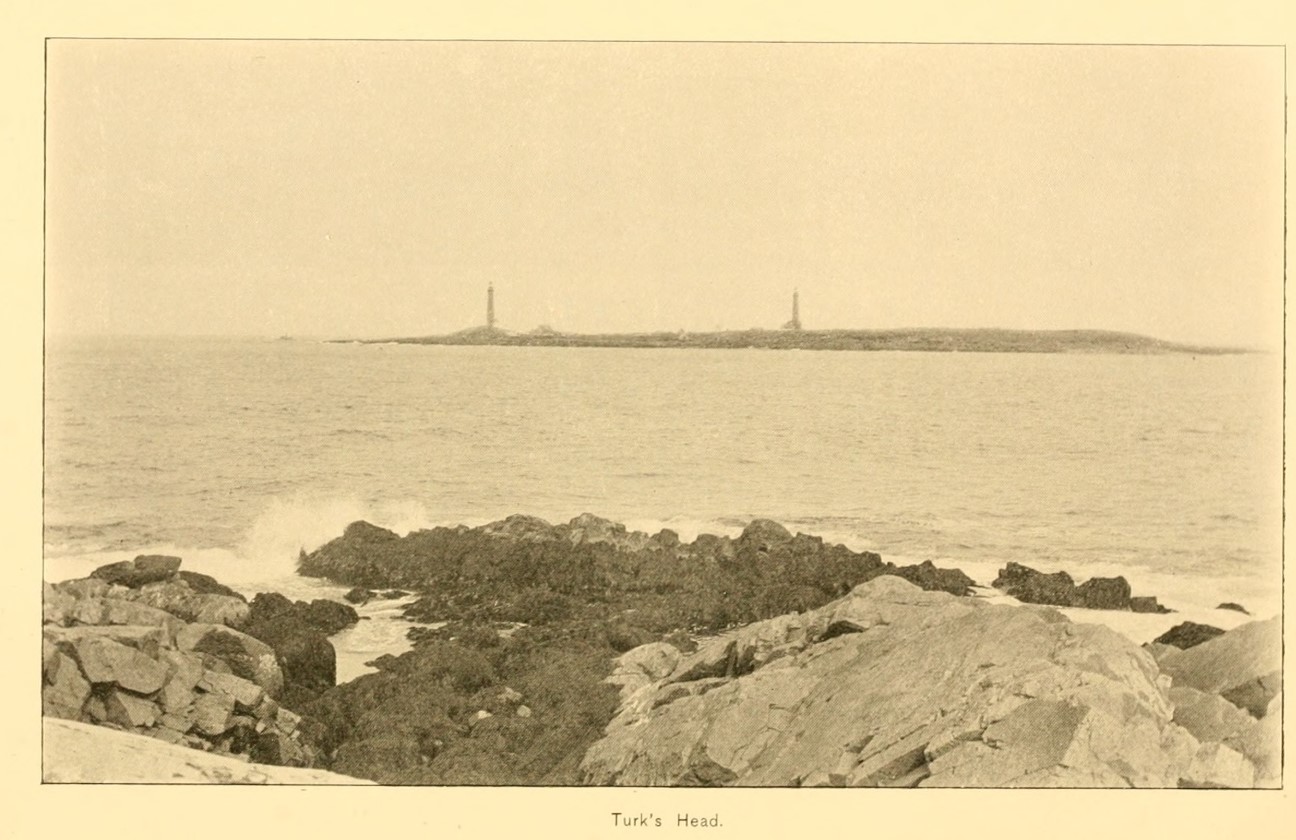
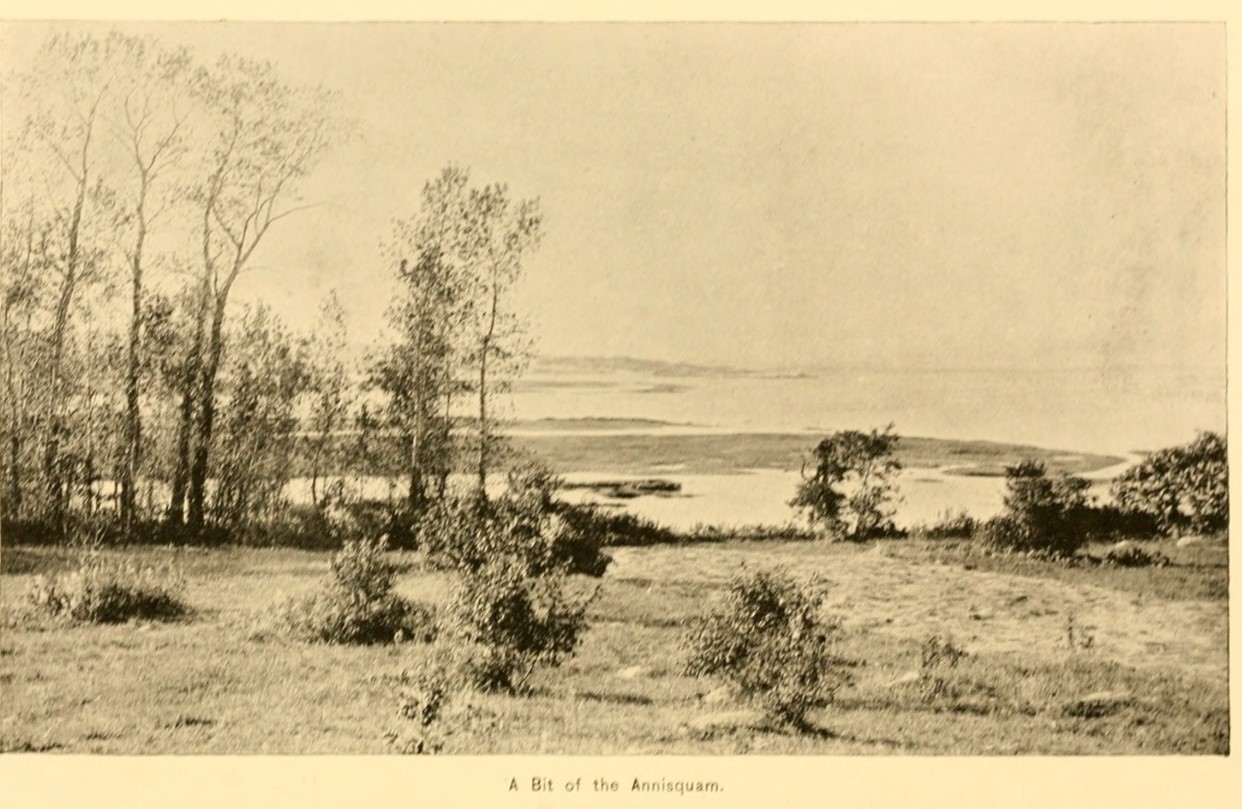
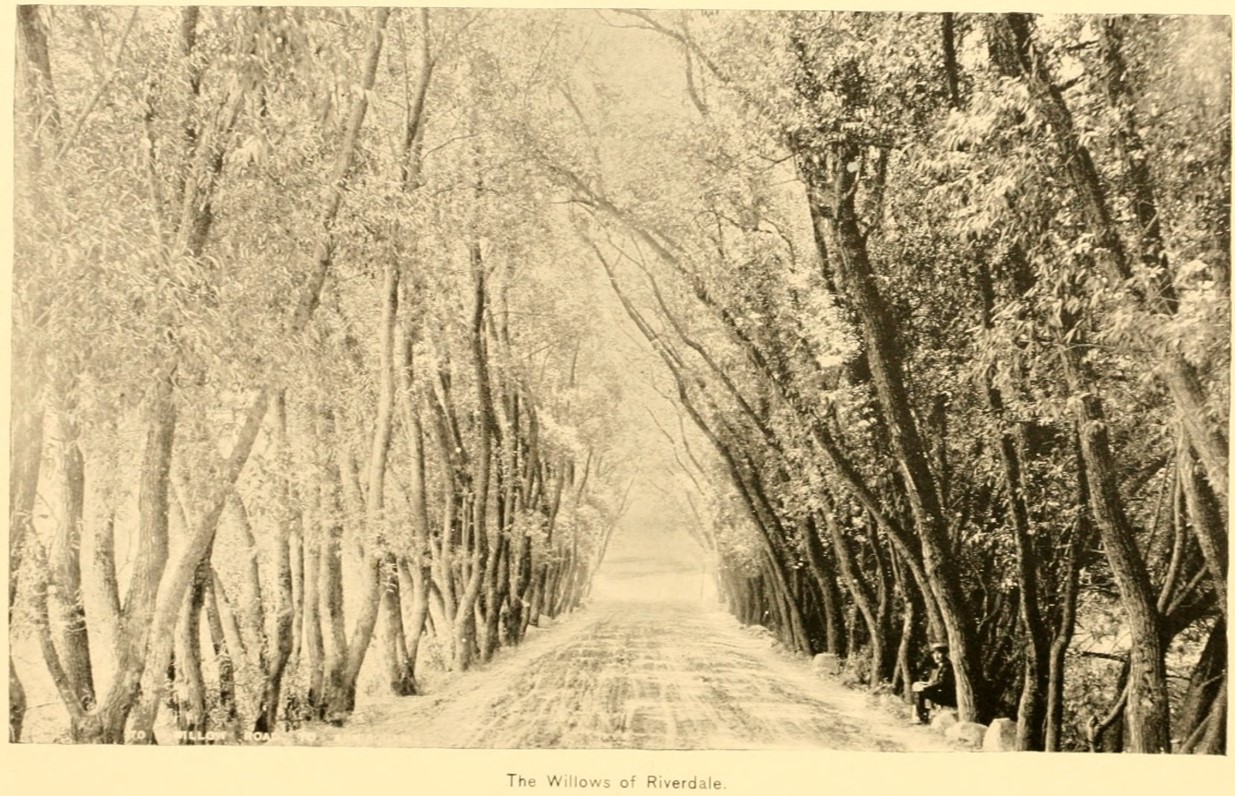
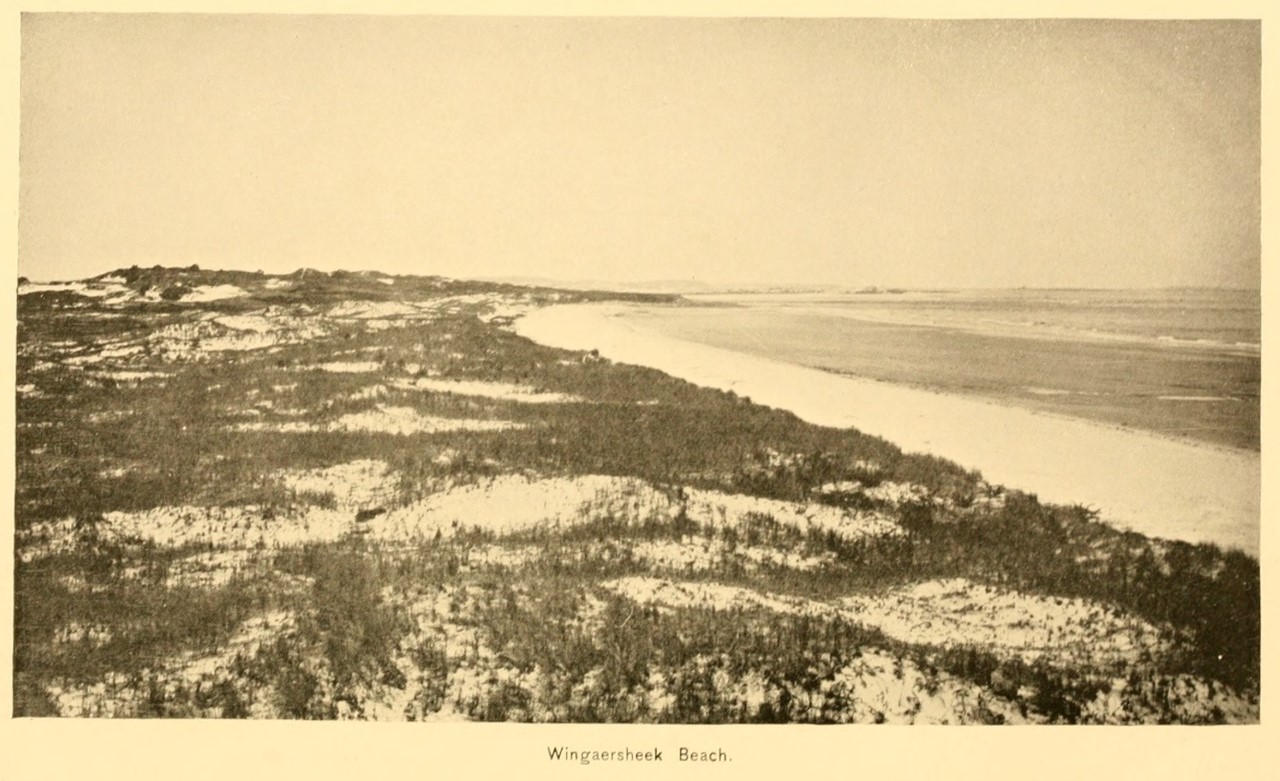
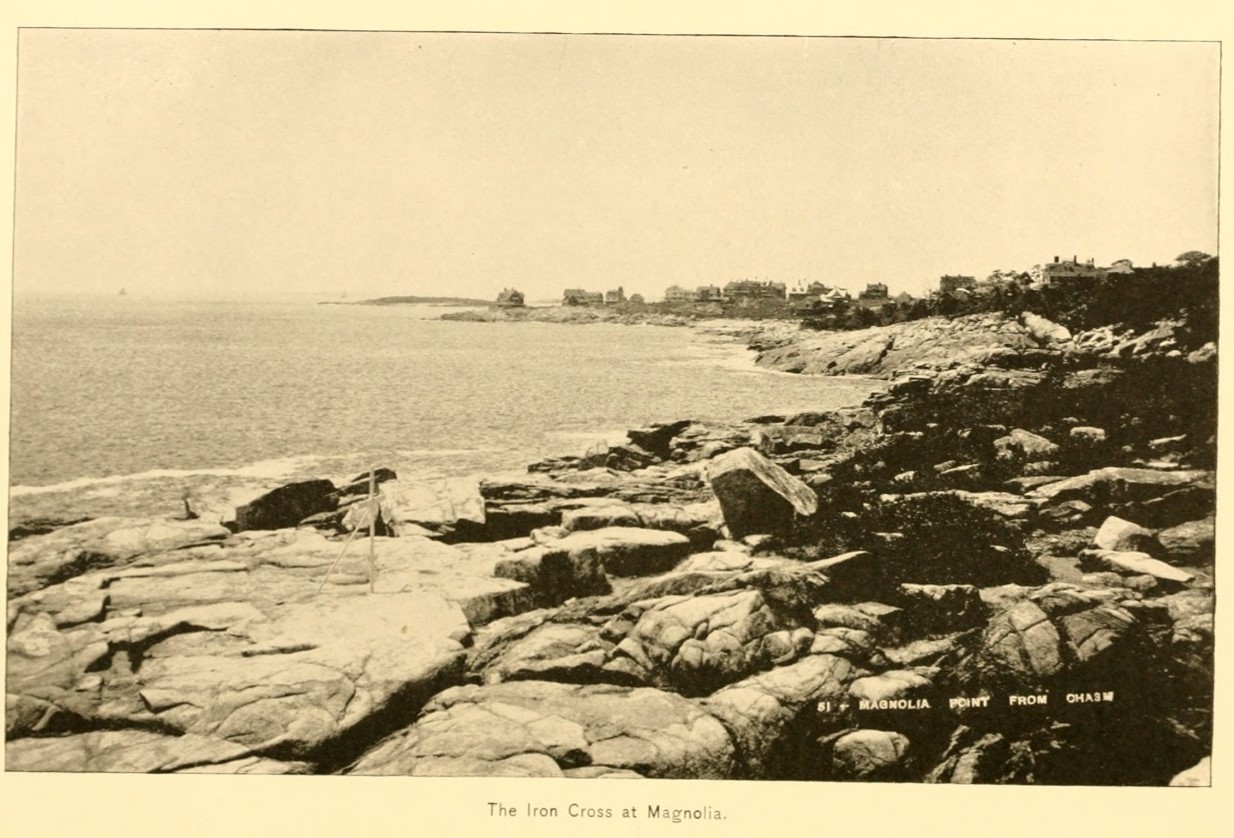
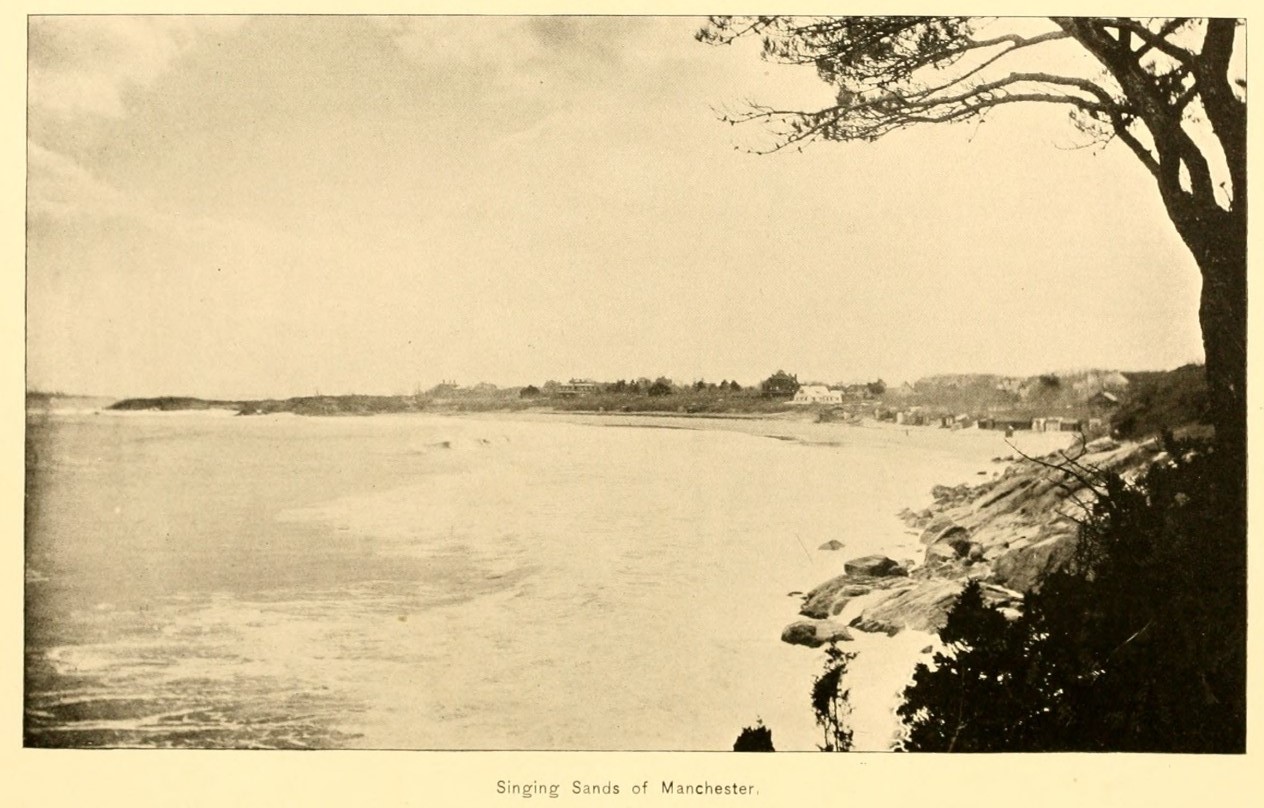
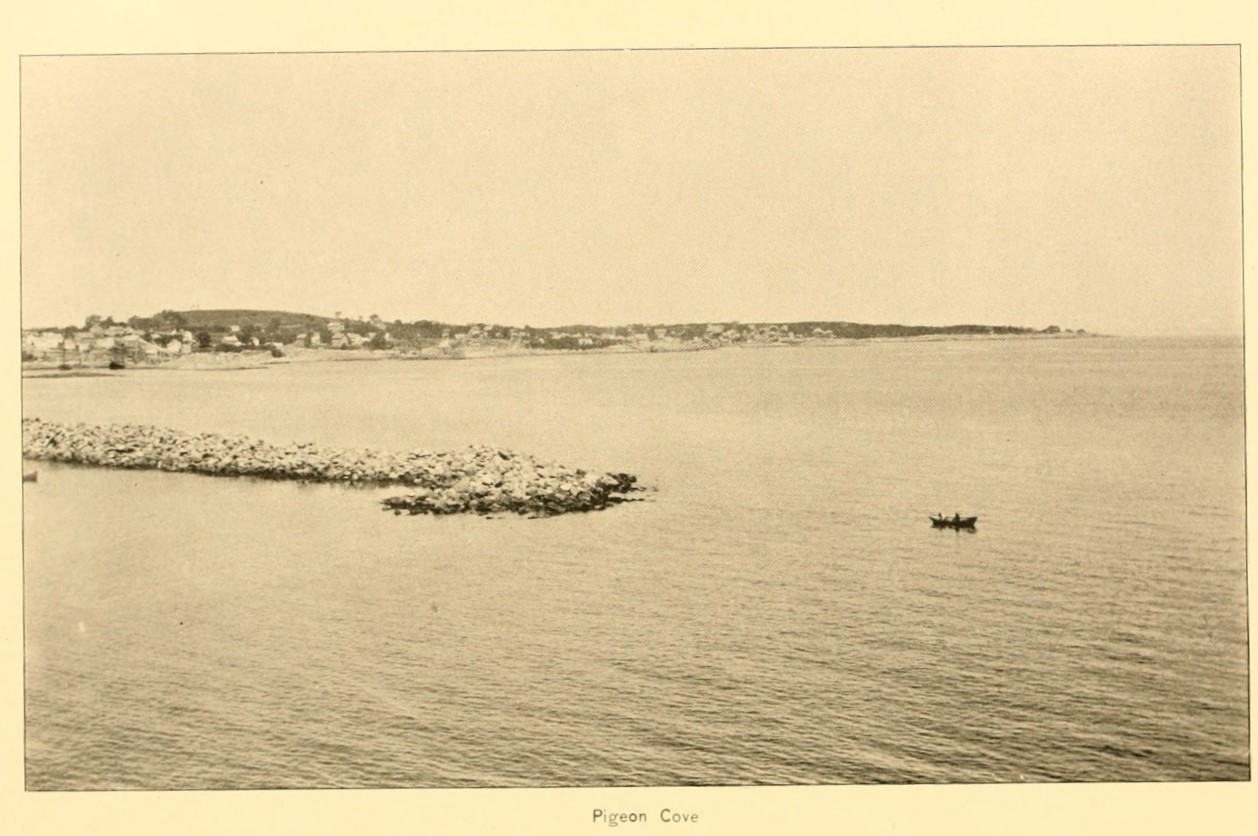
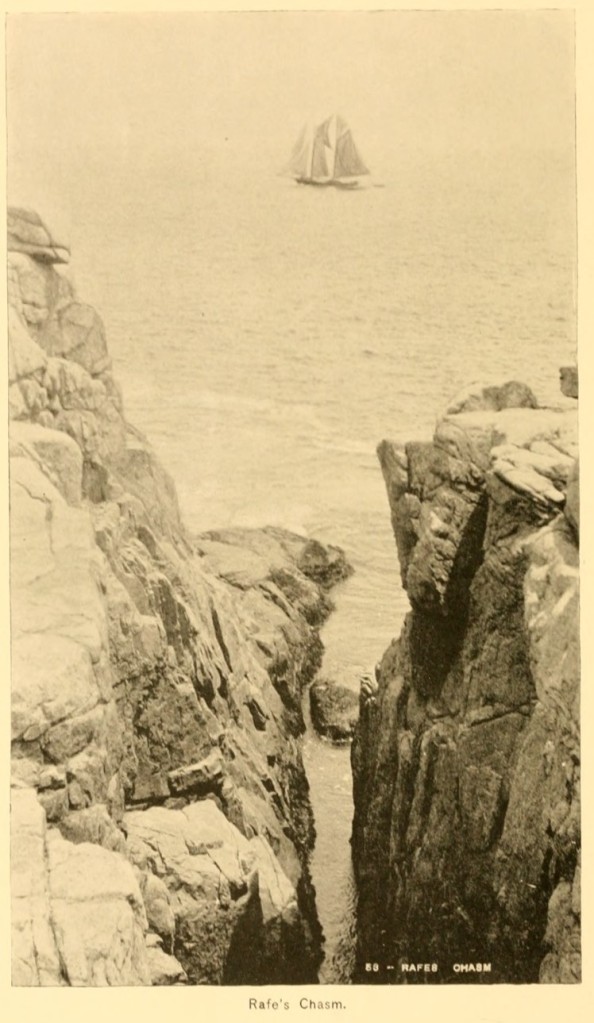
Falt’s book of poems and photographs, Points of Interest Gloucester in Song, was published in 1894, the year after his mother died. He dedicated the volume to her. Examples of his original and stunning photographs are from the copy held in the collection of the Library of Congress which was digitized. The pairings aren’t always successful and one might long for more photos, as I have. A few appear to be source photos for vintage postcards.
“To those who have grown up from childhood amid the grandeur and solemnity of these scenes, to the stranger who has become familiar with them, may their hearts be quickened with a keener appreciation for, and a deeper sympathy with, all that has made Gloucester and its suburbs charming and historic.”
THE BLUETSIN mosses greenA charming scene,To me a sweet surprise,In bright arrayThis fair spring dayThe bluets greet my eyes.Each dainty cup,Is lifted upWith tints of heaven’s hue; Each budding gemA diademBespangled with the dew.Like tiny shieldsAmid the fields,On bodies, slim and frail,,They wave and bendAnd sweetly sendThe Welcome Spring’s All hail!Where bright sunshineBy one divineCan reach each fragile heart,They lovely gleamLike some sweet dreamAnd Joy’s sweet pulses start.My better self(The heart’s stored wealth)Enraptured at the sightOn each sweet faceSee’s Heaven’s graceAnd life, immortal, bright.On, tiny blooms,When waking tombsLie buried ‘neath the snow,And Death doth keepGuard o’er thy sleepAnd blust’ring winds they blow,Backward apaceMy heart will trace,And bring, begemmed with dew,‘Mid mosses green The charming sceneOf you, sweet buds of blue.-Clarence Manning Falt, 1894, in Gloucester, Ma.
Bluets, photo courtesy Justine Vitale
WHARF AND FLEET
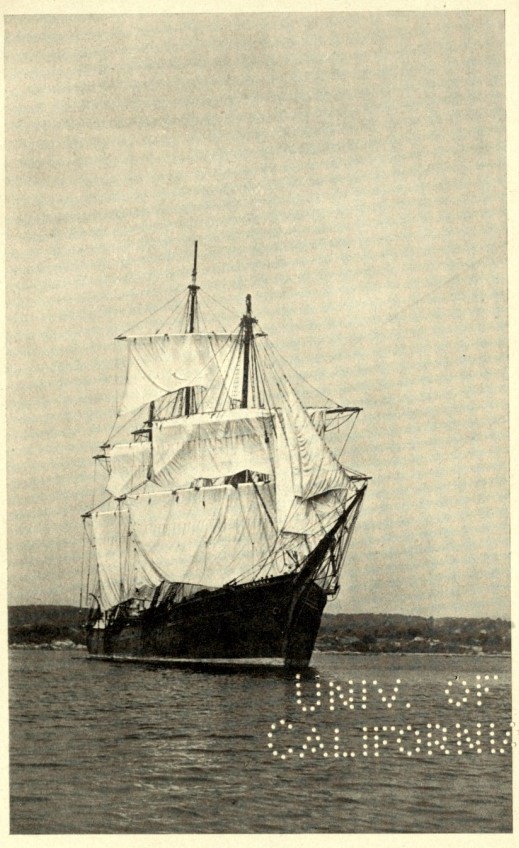
Falt’s volume of poems and photographs, Wharf and Fleet: Ballads of the fishermen of Gloucester, was published in 1902. A copy of the book held at the University of California was digitized and uploaded in 2006.
“…Ever since 1713 Gloucester has been the peculiar home of the schooner, and this is now and long has been the unvarying rig of her unrivalled fleet of deep-sea fishermen. The first entry of a schooner in Boston’s commerce occurs in 1716, — “Mayflower,” Captain James Manson, from North Carolina. As Captain Andrew Robinson was a direct descendant of John Robinson who preached to the Pilgrims at Leyden, it is conjectured that this “Mayflower” was the fist schooner, the original Gloucester craft. Be this as it may, her useful successors are numbered by the thousands,…”
and re: the 100 days War with Spain:
“At the Gloucester recruiting station, in the early summer of 1898 , 76.5% of the men examined were accepted. At Boston the percent accepted was 14.5; at New York only 6. This means that in physique and intelligence the fishermen of New England are very much superior to the merchant sailors of the great seaports. So valuable a national resource as the deep-sea fisheries cannot be suffered to decline.”
*Winthrop Lippitt Marvin – U.S. journalist, and author; Civil Service Commissioner of Massachusetts; secretary of the Merchant Marine Commission
Back to Falt
Clarence Manning Falt was clearly proud of his parents and hometown and had a linguist’s ear and aptitude for the music of words. He studied public speaking and drama in Boston and New York. This book incorporates strongly stylized dialect deliberately, heavily.
“There is no distinct vernacular used, for the nationalities represented in this fishing port are so complex as to render that impossible, but there are many phrases in general use which I have endeavored to bring forth in these ballads. Born in this seaport city, with blood of seafaring people in my veins, the grandeur and pathos of this variable life have ever enthralled me.”
Clarence Manning Falt
More From his intro
Gloucester’s “population at the writing of this work is about 29,000. As a fishing-port, it is the largest in the world. Here can marine life be studied in all its phases. Here, lying at their moorings, will be found the up-to-date Gloucester fishing vessels, for the modern type of fishing vessel is t he pride and delight of a Gloucester skipper’s heart. He considers his stanch craft his ocean home. Indeed, these handsome vessels are as fine as the stately yachts that daily grace the harbor, for one would immediately note their fine sheer, perfectly fitting sails, clean decks, trim rig, and crews of able-bodied seamen, marking a wonderful and almost magical development from the primitive types of the quaint shallops, pinnaces, and pinkies of the olden days.
Gloucester harbor, like some might arena of old, is terraced with impregnable bastions of rugged hills and seared and time-furrowed cliffs…At night its beauty is unrivalled. Seaward its light-towers flash and gleam…the fleets glowing to port and windward, vying landward with the city’s brilliant reflections, sparkling with the shimmering glows of the wharf lights, the anchored fleets, and the inverted spangles of the stars of heaven… The wharf life has also developed marvelously. Every up-to-date method of prosecuting this industry is employed. This development has brought many new occupations and newer characteristics of the life. ”
Clarence Manning Falt, 1902 excerpt from his introduction Wharves and Fleet
A Matter of the Ear
“Packin’ Mack’r’l” — that does sound musical, and easily missed! How it makes me smile imagining Falt enlivened by the sights and sounds all about, fishing for just the right words and photographs; all the while diligently preserving a specificity of Gloucester’s fishermen’s dialect; a language all its own, encompassing many nationalities; one in which he was fluent and could translate and that he felt through his art. I wish that there was an audio recording of his reading aloud (or under his direction).
reminder comparable- post Civil War there was an uptick of slang dialects expressed in American writing, notably Tom Sawyer published 1876 and Huck Finn 1885(US)
Falt poem & photos- Gloucester sound and “see”scapes
SELECTION OF FALT’S POEMS
Many of the poems from Wharves and Fleet include vivid definitions tagged beneath which are delightful, personal and informative.
In building a wharf, the piles are first inserted into holes made in the dock, then after being carefully inserted and put in shape, they are driven down to a certain point by a heavy iron weight suspended from the top of the scow.
“Fly an’ spider”: figuratively used when the heavy iron weight (“th’ spider”) strikes the top of the pile (“th’ fly”). An old saying, long handed down by the fisher-folk**.
Notes from – Clarence Manning Falt
**have you heard this expression?
Ride stilts- “reflections of the piles at low tide. As the hawser lifts and drips and the crew hauls upon it, the phosper at night gleams most beautifully.
Notes from – Clarence Manning Falt
Dryin’ time after a heavy rain or spell of easterly weather, one of the most picturesque scenes of the harbor is the hanging of hoisted and half-hoisted sails from all sorts of crafts to dry in the coming forth of the sun.
Note about “Drying Time” – Clarence Manning Falt
Some of the poems I like most helped me learn about ancillary jobs and a bigger , tender portrait of this port.
GITTIN’ UNDERWAY
GITTIN’ UNDERWAYIn th’ early dawn ere th’ doors unlock,Then it’s crick, crick, crick, an’ it’s crock, crock, crockAn’ it’s ho an’ hi fer th’ blocks ter talkIn th’ early dawn e’er th’ doors unlock.Then it’s ho na’ hi fer th’ dreams ter die,Fer th’ crews an’ th’ bunks ter say good-by,Fer th’ yawn an gape, fer th’ stretch an’ sigh,In th’ early dawn ere th’ cocks crow highThen it’s ho fer doublin’ th’ Woolsey smocks,An’ twicein’ th’ toes in th’ home-knit socks,An cuddlin’ th’ ears up under th’ locks,An’ haulin’ down tighter th’ souwes’ chocks.Then it’s ho fer housin’ th’ rubber boots,An’ firmin’ th’ heart in th’ stiff oil suits,W’ile the cuddies blaxe, an’ th’ coffee goots,An’ th’ windlass creaks, an’ th’ horn it hoots.Then it’s ho fer grubbin’ an’ hi fer drink,Then shadder th’ gangway an’ meet th’ brinkTer shape out th’ course an ter careful thinkIn th’ early dawn w’ile th’ stars still blink.
“Block ter talk”: the hoisting of the sails.
“Woolsey smocks”: flannel shirts.
“Souwes’ chocks”: the flannel-line lappets
that are attached to the sou’westers.
“Housin’ th’ rubber boots”: pulling them on.
“Cuddies”: forecastle.
“Windlass”: it is located forward the foremast,
and is used in weighing up the anchor.
“Horn”: the hand foghorn.
“Shape out th’ course”: making the grounds
by chart and compass.
“Sou’wester”: a broad-brimmed oil-cloth hat
with ear-lappets lined with flannel.
-------
Clarence Manning Falt, Wharf and Fleet, 1902, Gittin’ Underway, p. 37-38
TH’ NIPPERWOMANI SEE her black shawl mid th’ buttsClutched tight erpon her breast,I see her black cloud full uv rutsEr shamin’ off its best,I see her pinched an’ wrinkled faceEr quizzing uv th’ crew,An’ this ter-nigh is ole Mart Place,
That once wuz Marthay True.I see her lookin’ down th’ deckTer git some welcome nod,Or still perchance th’ courage beckTer put her feet erboard.I know her arms are tired outEr holdin’ uv th’ string,Fer ev’ry one is knitted stoughtTer pace th’ haddickin’. Oh, Marthay True uv long ergo,Could you have looked ter seeYer rosy cheeks an’ eyes erglow Come cryin’ back ter thee,Could you have looked ter see each braid Thin twisted stran’s uv snow,I know yer would ter God have prayed Fer ankrige long ergo.Oh, Marthay True that bird-like sang,An’ twined th’ red rose high,An bade my boyhood’s heart ter hang Er love-light in thine eye,Could you have known th’ years would flingYer, stranded wreck uv Time, Ter sell with ev’ry knitted ringEr dead heart’s silent chime,Er Nipper woman in th’ cold,Unnoticed an’ forlorn,Mid fisher faces sad an’ bold, With hearts bruised like yer own,I know yer would ter God have prayedFer ankrige long ere this,Than rather been by Fate errayed Er thing fer chance ter kiss.O, Marthay True, we laugh an’ woo, An’ twine th’ red rose high,
An prate, an’ tell what we will do, With laughter in our eye;But way down in our hearts we know Time’s but er fickle thing,An’ ere life’s winds begin ter blow Come grief an’ sufferein’.Oh, Marthay True, we laugh an’ woo,An’ twine th’ red rose high,An prate, an’ tell what we will do,With laughter in our eye;But soon, too soon, our castles fall,Our gay ships drink th’ sea,An’ what should been joy’s merry callJest tears fer memory.Oh, Marthay True, God wot that thouMeet luck with all th’ fleet,An if er kind word will endowI’ll speak it quick an’ neat.I know er fisher’s tender spotIs ankered in his heart,Fer once with Christ they threw th’ lot,An’ hauled er goodly part.Oh, Marthay True, yer tale is told.Th’ hearts are tried an’ staunch,An, they have trawled er sum uv goldTer speed yer in joy’s launch.God wot that thou mayst happy be.Jest keep yer sad heart bright,An’ He will steer yer down Life’s seaTer find Hope’s port erlight.
Nipper woman: one of a class of women who knit
and sell to the crews of the fleet the woolen
nippers worn to prevent chafing of the fishing lines.
It is an industry pursued in the winter
and sold to the firms and the crews in the
early spring, at the fitting out or in the fall
at the “shifting of voyages.”
Nippers: when the trawl gets caught,
--“hung up,” in fishing vernacular,
--mittens are removed and the trawls
are hauled in with a pair of nippers,
bracelets of knitted wool or
cloth held in the palm of the hand,
creased to allow of a better hold of the line.
------Clarence Manning Falt, Wharf and Fleet, 1902 Th’ Nipper woman, p. 37-38
Woolen nippers from Gloucester on view at the Smithsonian were exhibited in the 1883 International Fisheries Exhibition in London. I think of Falt’s poem, Th’ Nipper Woman, above, when I see this display, and find it all the more poignant now picturing the women & men working the dock and sea and seasons at port. Intimate and full. Gentle and rough.
photo caption: Nippers. ca. 1880s. US Fish Commission. National Museum of American History, Smithsonian, Washington, DC
GAFFIN’ FISH
GAFFIN' FISHW’EN th’ tide is out er flirtin’,An’ fergits ter shut its door,An’ th’ happy clams are squirtin,Playin’ injine with the shore, An th’ kids are ripe fer junkin’,An’ fer skippin’ rocks an’ shells,An fer woodin’ an’ fer punkin’Bobbin’ bottles in th’ swells,An’ yer hear th’ rats er squalin’Frum th’ black cracks in th’ walls,An’ yer quiz th’ tomcats stealin’ Nearer, nearer ter th’ calls, An’ yer mark some ole trap histid,Like er giddy thing on cogs,With its body kind uv listidT’ward th’ black spiles an th’ logs,All togged up in robes uv coal tar,Yaller oaker, sash’s an’ bo’s,P’r’aps er crimson-pintid five-starSunburs’in’ its puggy nose,Like some poor, ole primay donnay Thet has wobbled all her say,Now shoved further ter th’ corner W’ile th’ daybute works her lay,P’r’aps er ole T.D. er puffin’ Frum er drollin’ mouth er stern, Use ter bluffin’, use ter cussin’, Use ter words I know yer’v hern,Then yer know time’s ripe fer gaffin’An’ fer puntin’ roun’ th’ docks,Fer it’s then th’ crews git chaffin’An’ er rattlin’ th’ pitchforks,Fer it’s then th’ strays go slippin’Frum th’ ole caps with er thud,An’ th’ guick gaffs raise ‘em drippin’Ter th’ sly punts frum th’ mud.Oh, it’s art ter watch th’ sneakin’Uv th’ puntin’ through th’ spiles,Oh, it’s art ter watch th’ peekin’Uv th’ gaffers an’ th’ wiles,Fer it’s thievin’ pure an simpleAn’ it’s skittish work at bes’,Though th’ cheek may wear th’ dimple,An th’ eye stan’ heaven’s tes’.Oh, it’s risky work er gaffin’, Full uv duckin’s, fights, an’ jaws,Full uv skuddin’, full uv chaffin’,Full uv haul-ups, full uv laws.Fer if caught, as sure as Moses,Yer’ll be chucked deep in th’ dump,W’ile th’ smells uv sweet June roses Won’t c’logne up th’ homeward slump.
When the trips are being taken out,
often many fish slip from the pitchforks
and sink to the docks. A class of young
men and boys then row around in little boats,
called punts, and gaff up the fish beneath
the wharves and sell them. It is an illegal
business, and if caught, they are subjected
to a fine and imprisonment.
It is operated at low tide.
“Ole trap histid”: the old-fashioned shore
boats that haul up on the dock flats for repairs.
"Pintid five-star”: an old-fashioned emblem
For decorating ends of bowsprits.
------Clarence Manning Falt, Wharf and Fleet: ballads of the Gloucester Fishermen, 1902
Gaffin’ Fish, p.39-41
For me, this one is a compelling balance: he carries water for the skippers and (less) for the gray market hustlers. It’s messy. His dad’s guiding hand on this one. Scroll back up and look at the “Th’ spider an’ th’ fly” photograph, the pilings and surface of the water. The images and words flow and force, back and forth. The pairings aren’t so cut and dry.
Cpt. Walter M. Falt (b. Canada April 18, 1823- d. Glouc. 1904) emigrated in 1845; fish dealer aka fish merchant 1870 census; skipper; master fisherman 1880 census; day laborer 1900 census misspelled as “Fault”, Cpt and Master Sea Foam 1878
Mother
Mary Carlisle Robinson (b. Glouc. 1826 – d. Glouc. 1893) parents married Nov. 30, 1847 “keeping house”
Resided family home
172 East Main Street, he and his siblings with their parents Edward Hopper drawing of this house in the collection of the Minneapolis Art Inst.
Day job
clerk for downtown businesses (drugstores on Main)
University
studied oration and acting
Occupation
“clerk” and “apothecary clerk” on earlier census “author” on 1900 census
6 siblings
dates on family headstone Marion, (1849 -1931) 1848? Walter P. (1851-1877) laborer 1870 census Julia Procter (1852-1924) Clarence M. (1861-1912) author 1900 census Austin C. (1866-1915) stevedore 1900 census Roland H. (1868-1870) Mary Taylor (1876-1917) 1874?
Published works
1894- Points of Interest: Gloucester in Song 1902- Wharf and Fleet: ballads of the Fishermen of Gloucester
Died
1912
Grave
family plot, Mt. Pleasant Cemetery
Under a Banner of Many Nations
Note from the author: Over the past week, I’ve shared Boston Globe Gloucester stories about immigrants: Swedish, Canadian, Italian, Sicilian, Portuguese , Irish, Scotch and so on. I thought of Falt’s books with each post.
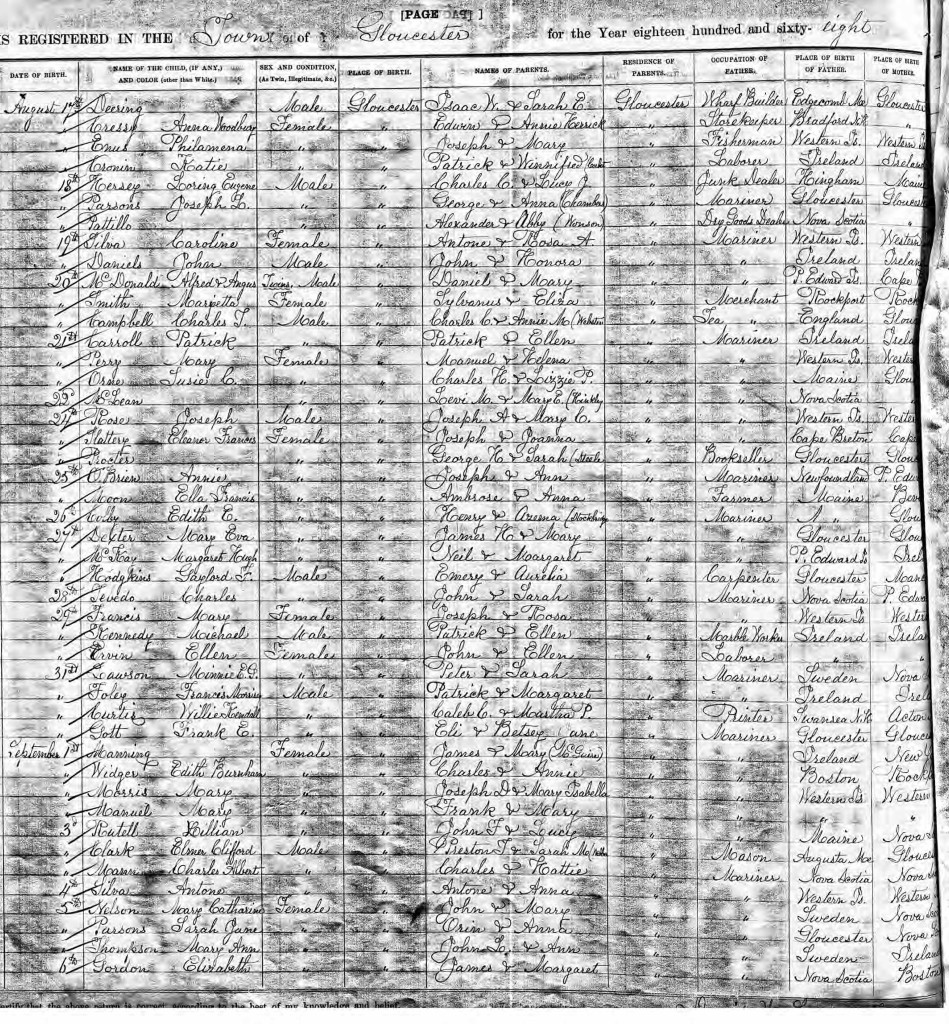
Nations jump from the page when scanning vital stats documents, too- like this one from Gloucester birth registry 1868 – scroll over to the right through Occupation / place of Birth of Father/ place of Birth of Mother.
(To get the full experience, go big! The wordpress format reduces the size, however all photos in this post can be clicked, double clicked through, or pinch & zoomed to enlarge)
Captain Thomas Bohlin #3 “king pin among the halibut fishermen” (born in Sweden)
Captain Charles Harty tie for #2 mackerel “as a seiner his reputation has been made.”
Captain Solomon Jacobs #1 OG “widest known fisherman this country has ever produced…having started out as record beater, has had to live up to his reputation and has succeeded…” codfishery then mackerel seining – global expansion, lost everything & came back again “at the foot of the ladder. His old time luck had not forsaken him…” (born in England, brought to Newfoundland when a baby)
Captain Alex McEachern #7 high lines, particularly Grand bank codfisheries beat all records in 1897 (born Cape Breton)
Captain John W. McFarland tied for #2 “the only one to make two newfoundland herring trips, and marketed them in New York, on one season” (born in Maine)
Captain Andrew McKenzie #8 Iceland halibut and Newfoundland herring (born in PEI)
Captain Lemuel F. Spinney #5 “high line halibut catcher who is in the first flight of the “killers.” (born in Yarmouth, N.S.)
Captain Charles Young #6 halibut fleet -1895 record for most trips in one year (born in Copenhagen)
Captain Richard Wadding #4 halibut (born in England)
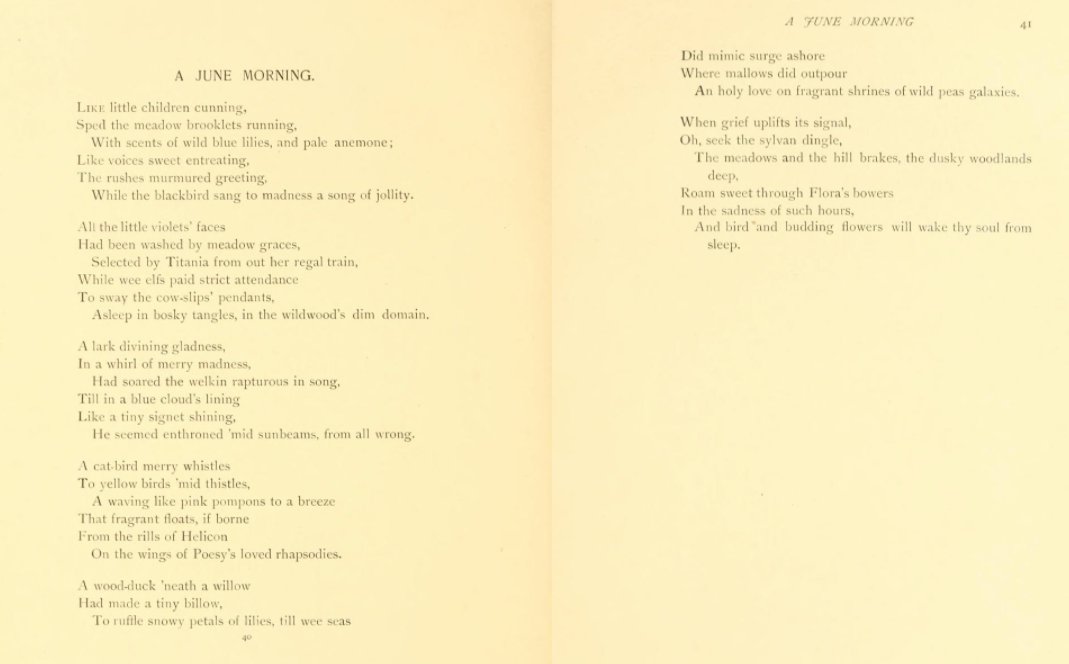
A June Morning – arch yes to my ear, and interesting catalogue of flora and fauna then
One of the teeniest butterflies you’ll see at this time of year is the Spring Azure, with a wing to wing span of less than one inch. Found in meadows, fields, gardens, and along the forest edge, the celestial blue flakes pause to drink nectar from clover, Quaker Ladies, crabapples, dandelions, and whatever tiny floret strikes her fancy.
You can find the Azures flitting about Crabapple blossoms.
Native wildflowers Quaker Ladies, also called Bluets, are an early season source of nectar for Azures.
If you’d like to attract these spring beauties to your garden, plant native flowering dogwood * (Cornus florida), blueberries, and viburnums; all three are caterpillar food plants of the beautiful Spring Azure Butterfly.
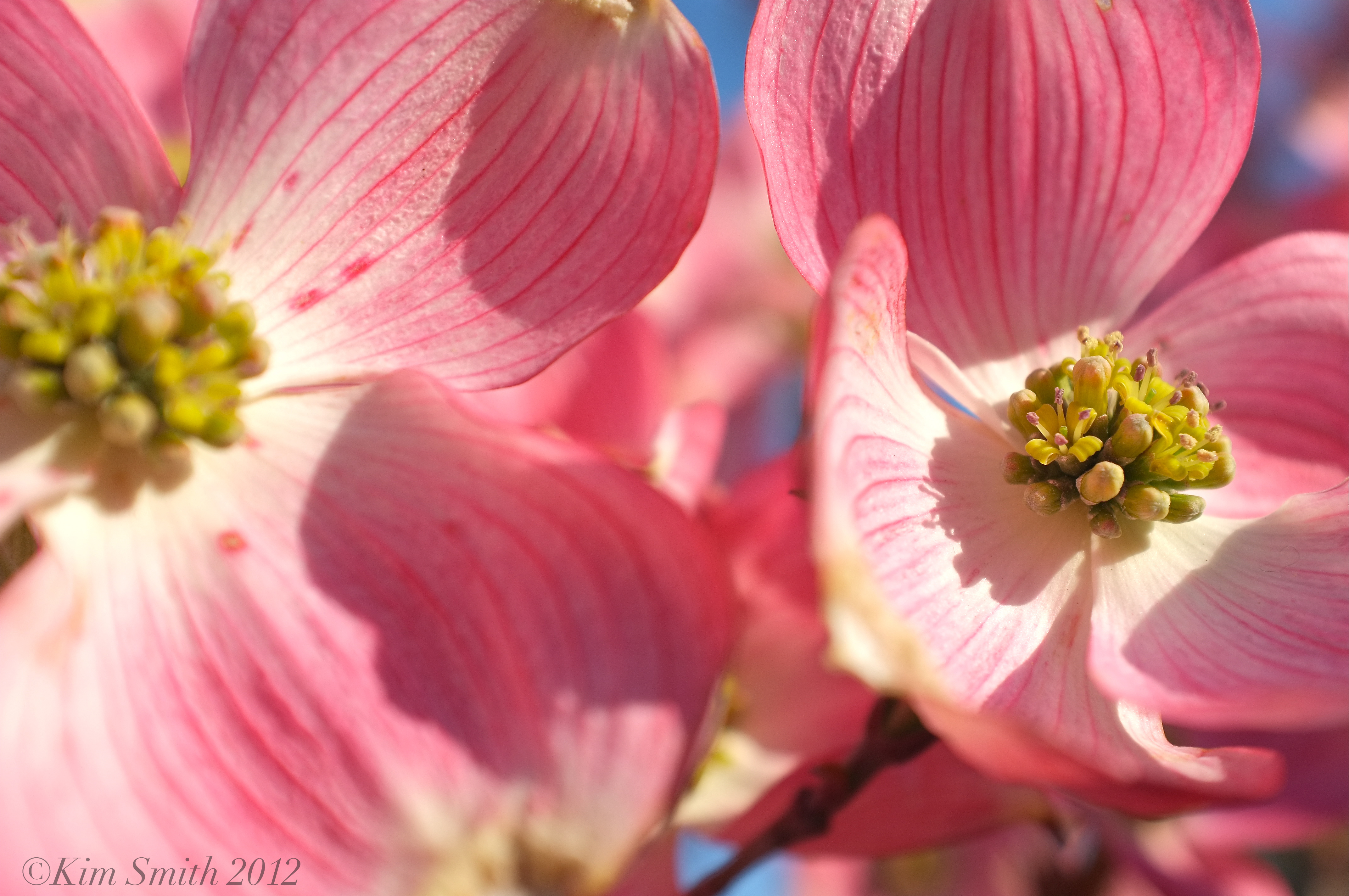
The female butterfly curls her abdomen around in a C-shape and deposits eggs amongst the yellow florets of the flowering dogwood. Pink or white, both are equally attractive to the Spring Azure.
Cornus florida ‘rubra’
*Only our native flowering dogwood, Cornus florida, is a caterpillar food plant for Azure butterflies. Don’t bother substituting the non-native Korean Dogwood, it won’t help the pollinators.
Native Flowering Dogwood (Cornus florida) at Willowdale Estate Butterfly Garden
Spread The GMG Love By Sharing With These Buttons:
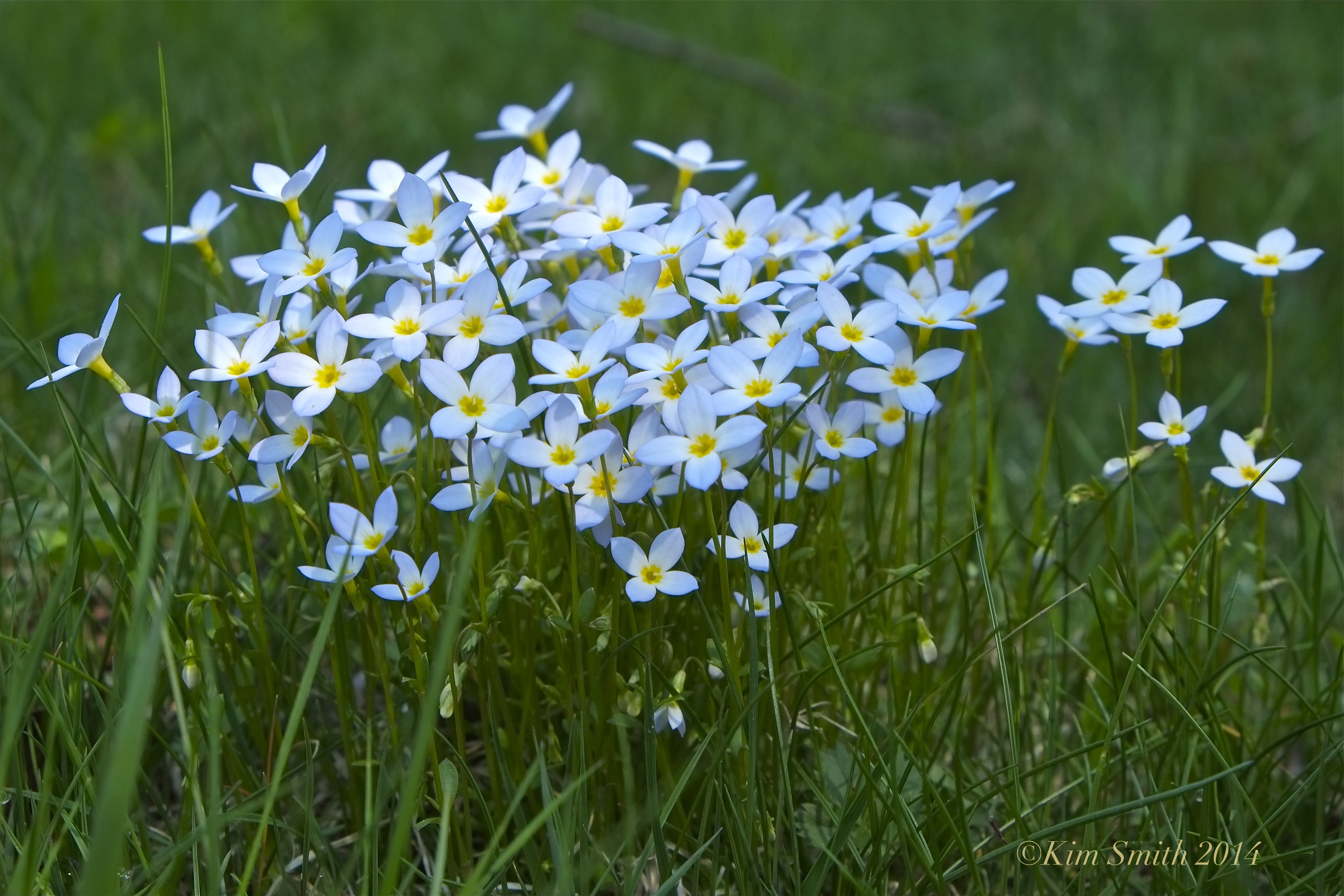
Bluets, also known by the charming name Quaker Ladies
The first day of spring! It’s official although, with temperatures hovering in the twenties, its hard to believe. Close your eyes and imagine along with me pink and orange tulips, spring dresses, (stick with me here–just don’t look out your window at the still high drifts of snow) fields of bluets, sailboats in the harbor, windows open, the music of buzzing bees, shoots of new green grass, blue skies, robin bird songs, the smell of freshly tilled earth, fog horns in the distance, baby birds, misty warm April showers, the sweet scent of jonquils, bird’s nests along the meadow’s edge, the song of the Baltimore orioles returning, walking along the beach (without bundling up), friendly Red Admiral butterflies, lilacs, plum blossoms, magnolias in bloom, dogwoods in bloom, orange poppies, sweet pea tendrils, and sweet alyssum (see there, its not that hard).
Hurry Up Spring!
Tulips at The Mary Prentiss Inn
Cornus florida rubra
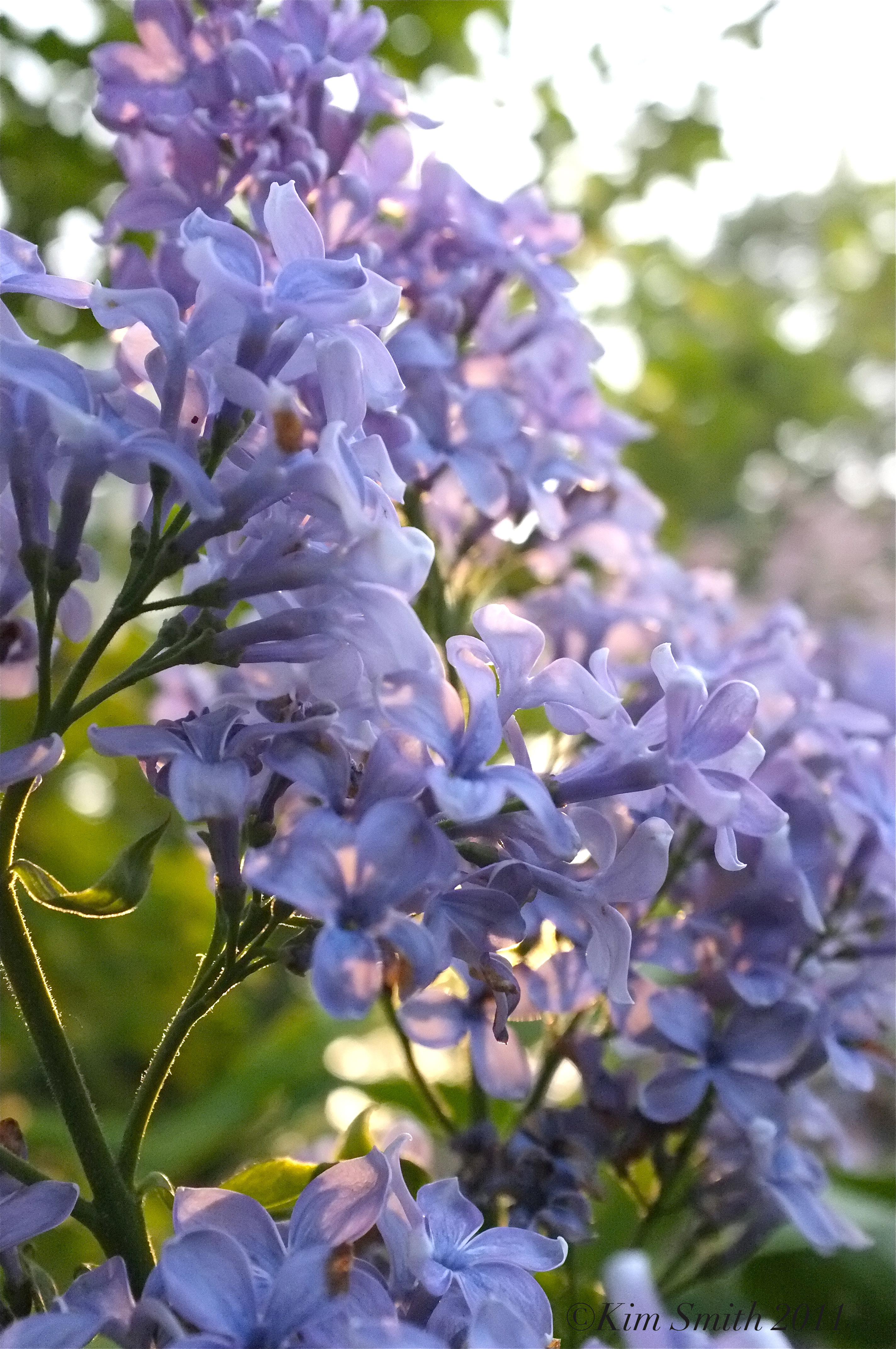
Blue Lilac ‘President Grevy’
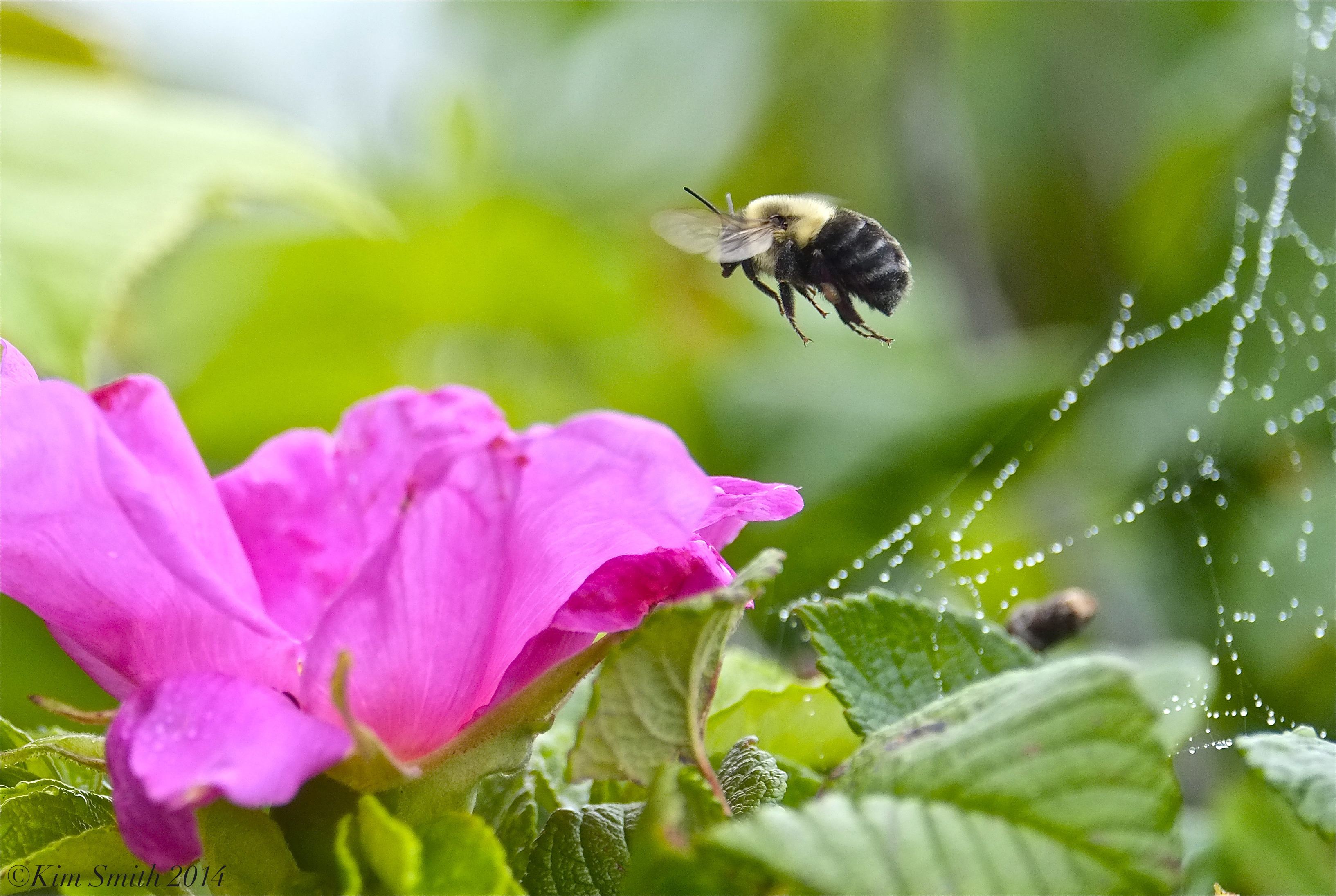
Rosa rugosa and Bee
Lilacs flower in an array of beautiful hues
Spread The GMG Love By Sharing With These Buttons:
At this time of year, when you pass by a field with patches of white, stop and have a closer look. The Bluet’s tiny florets are actually a dreamy azure blue; the little bunches also “quake” in the seasonal breeze! Also called Quaker Ladies, the sweet petite blossoms attract Little Carpenter bees, Green Metallic bees, small butterflies, and the Meadow Fritillary Butterfly (Boloria bellona). Both nectar and pollen are the pollinator’s floral reward!
Azure Bluets (Houstonia caerulea)
Ipswich River Canoers and Bluets at Willowdale Estate
Spread The GMG Love By Sharing With These Buttons:

















 Good Morning Gloucester