On line last night and coming to the paper soon…
The Gull Next Door: Some Glouceser residents can’t stand all the seabirds, Boston Globe


curious if this “disco” treatment works 🙂
My View of Life on the Dock
On line last night and coming to the paper soon…
The Gull Next Door: Some Glouceser residents can’t stand all the seabirds, Boston Globe
curious if this “disco” treatment works 🙂

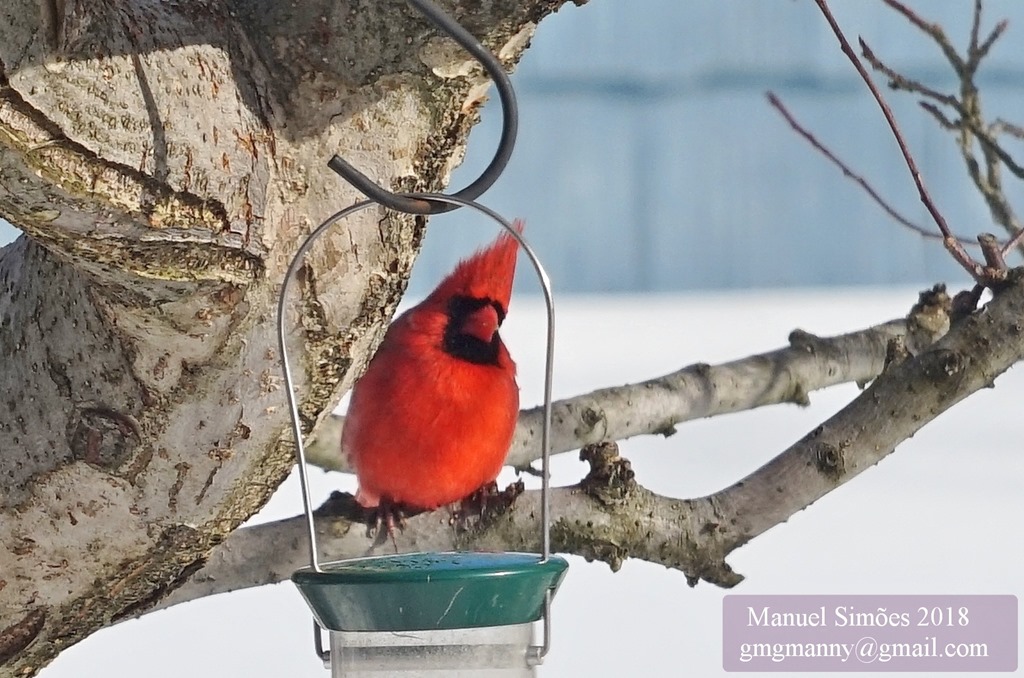
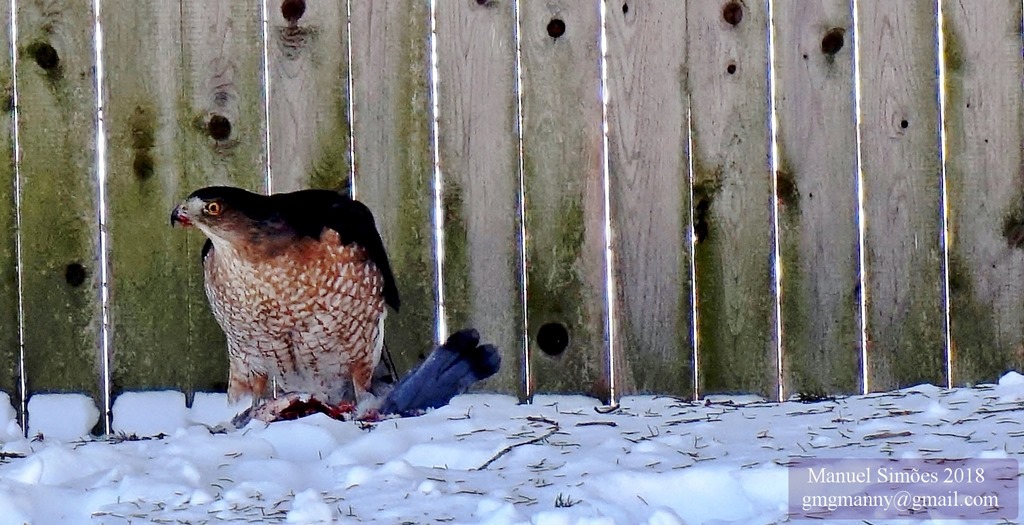

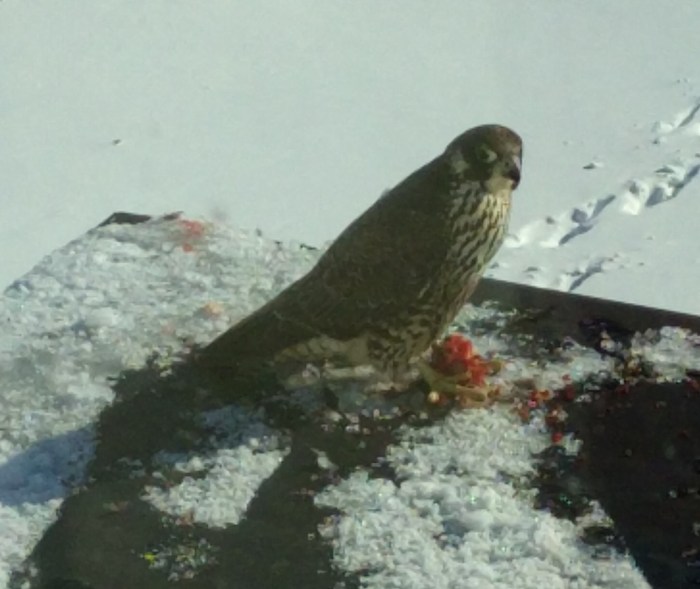
Post storm wildlife
How would you caption this scene outside your window? My friend shared this photograph of a hawk eating an unfortunate bird on a small roof at her house by the boulevard, Gloucester, MA, January 6 2018.

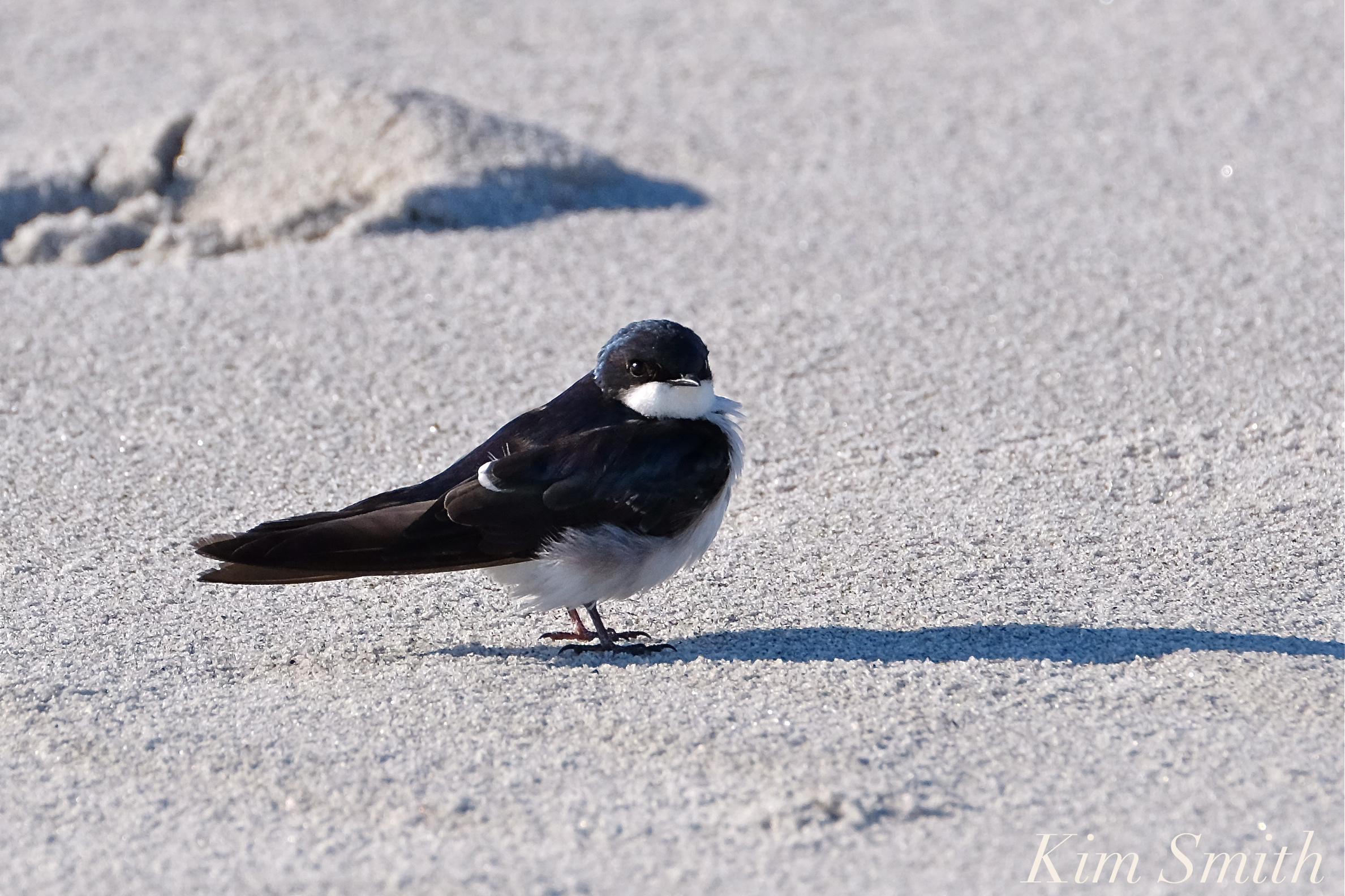 Male Tree Swallow
You may have noticed the pretty swallows perching in clusters on telephone lines and flying low over the sand. Both Barn and Tree Swallows can be found at the beach throughout the warmer months, but the birds that are beginning to gather on Cape Ann en masse are the Tree Swallows. The following is a short film from last year’s migration that explains what is happening at this time of year with the Tree Swallows here on our beaches and dunes, and in our neighborhoods.
M is For Migration Through Massachusetts
Responding to Reader’s Questions About Tree Swallows
New Short Film: Tree Swallows Massing

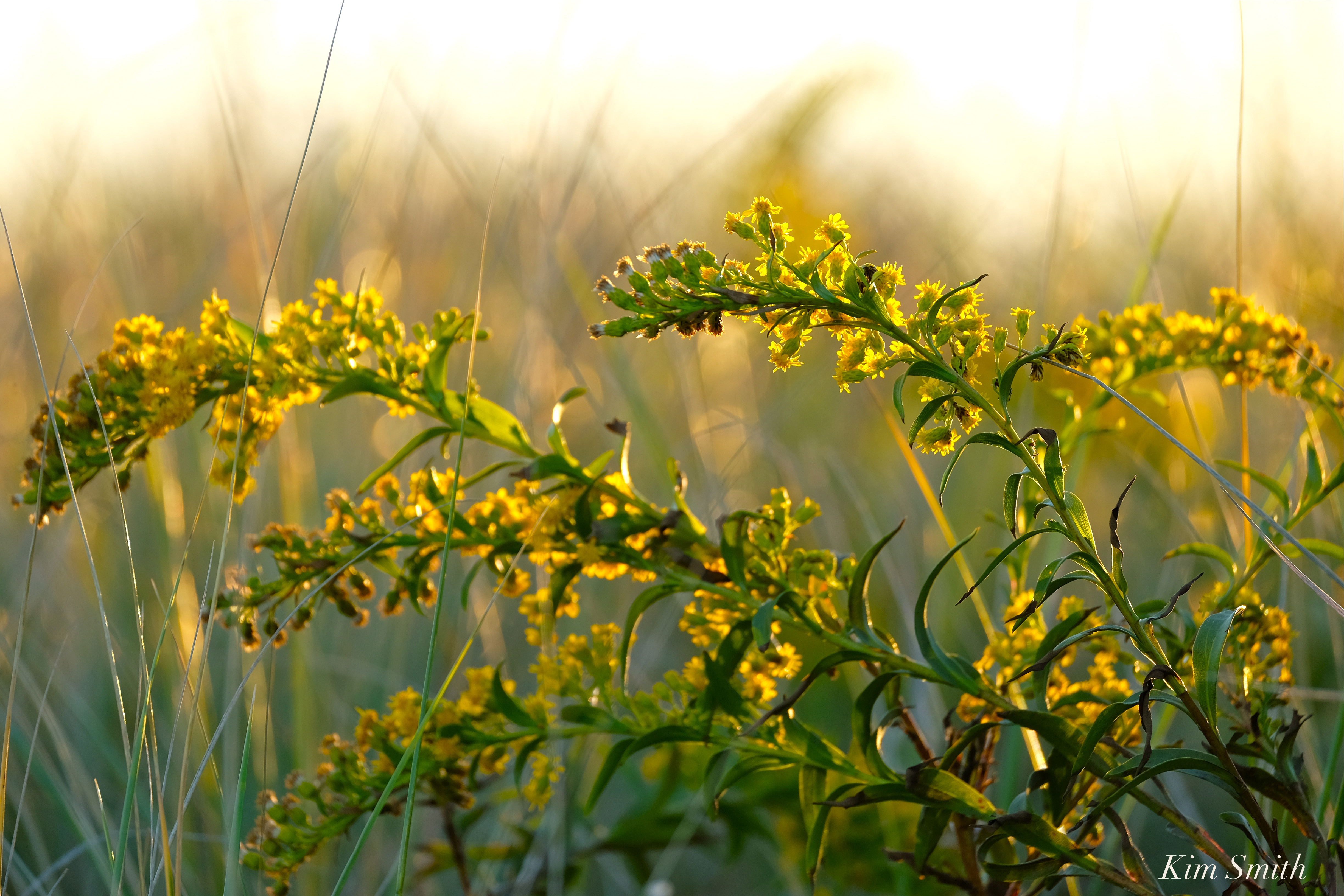 Seaside Goldenrod for Bees and Butterflies
Come on over to the Sawyer Free Library Thursday night and learn how you can create a welcoming haven for birds, bees, and butterflies!
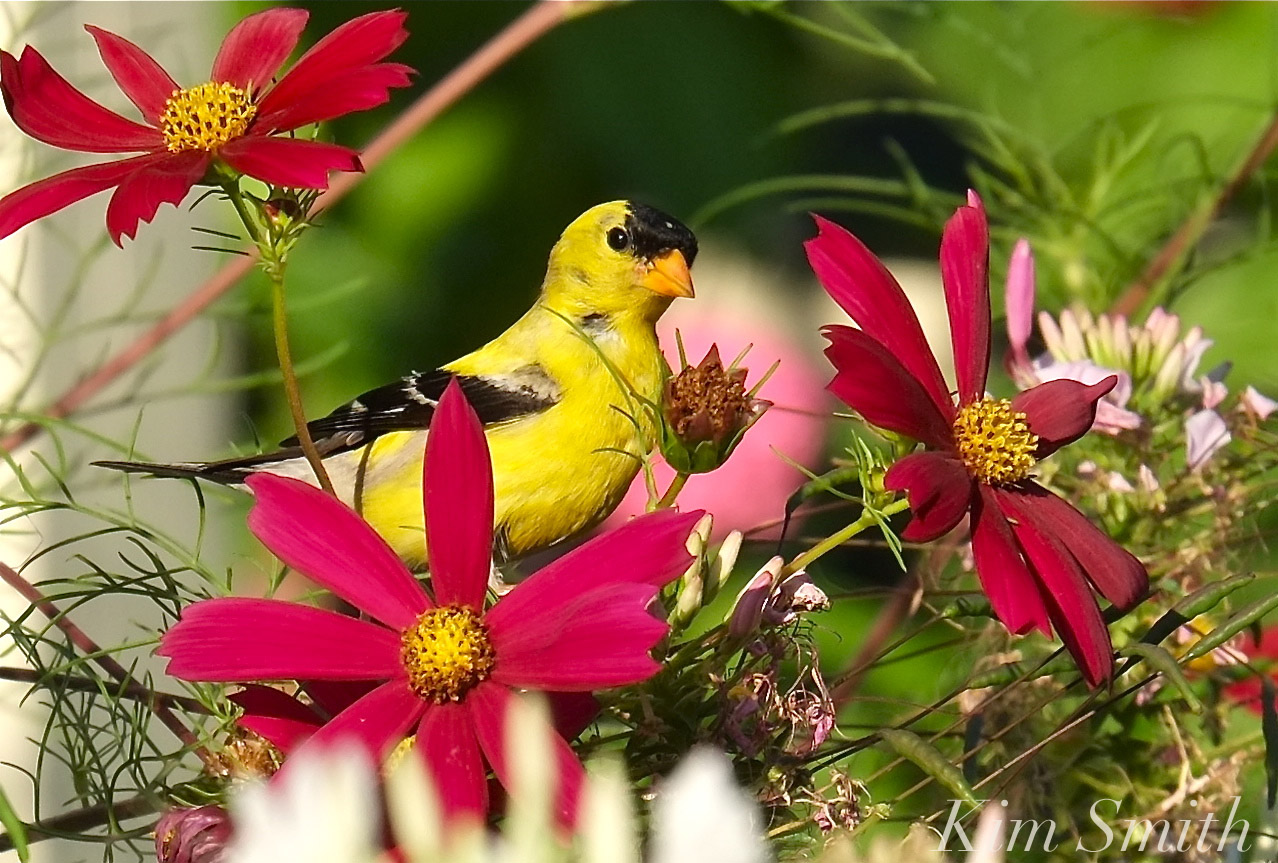
Plant Cosmos for the Birds, Bees, and Butterflies
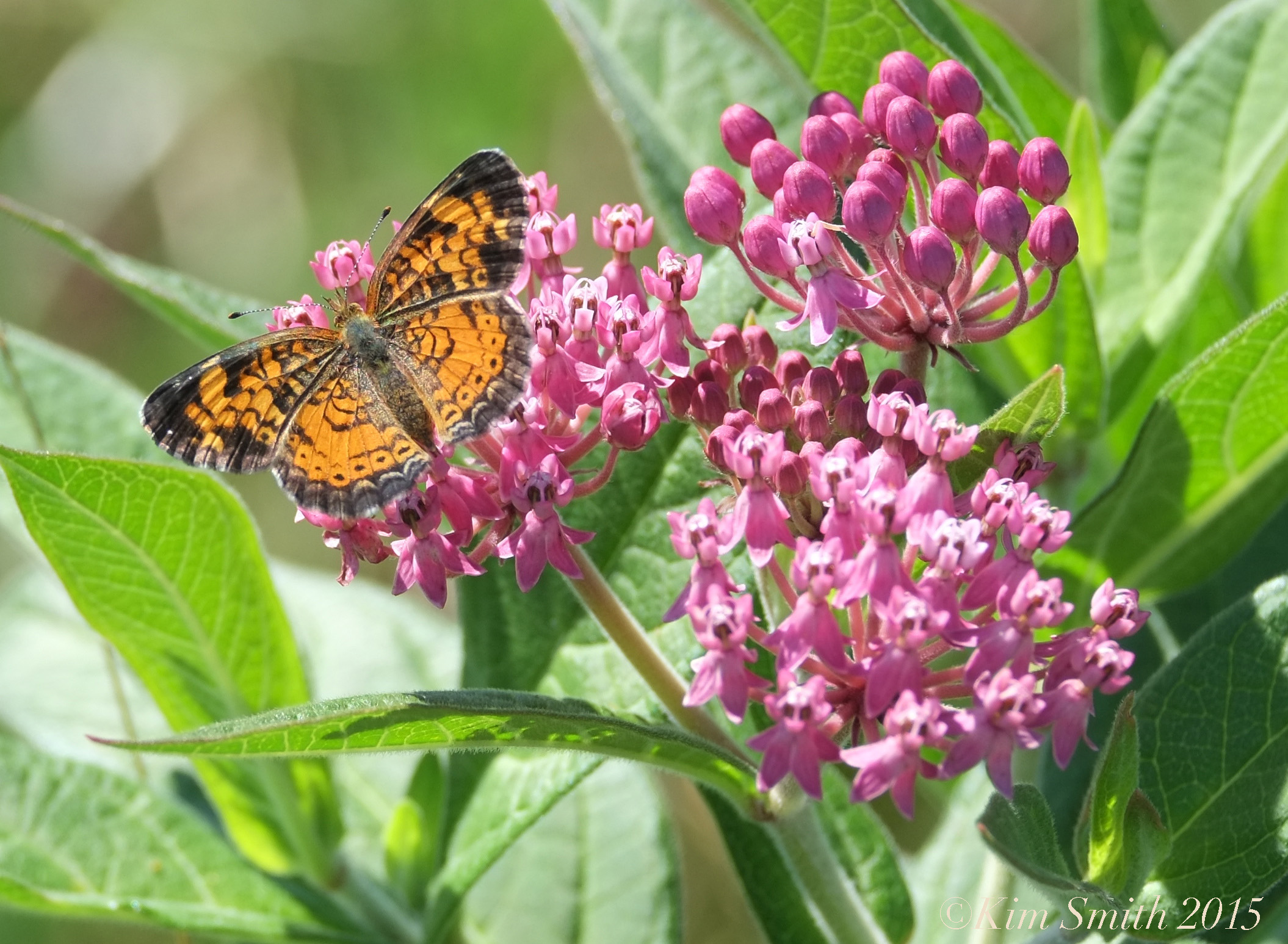 Marsh Milkweed for the Butterflies and Bees
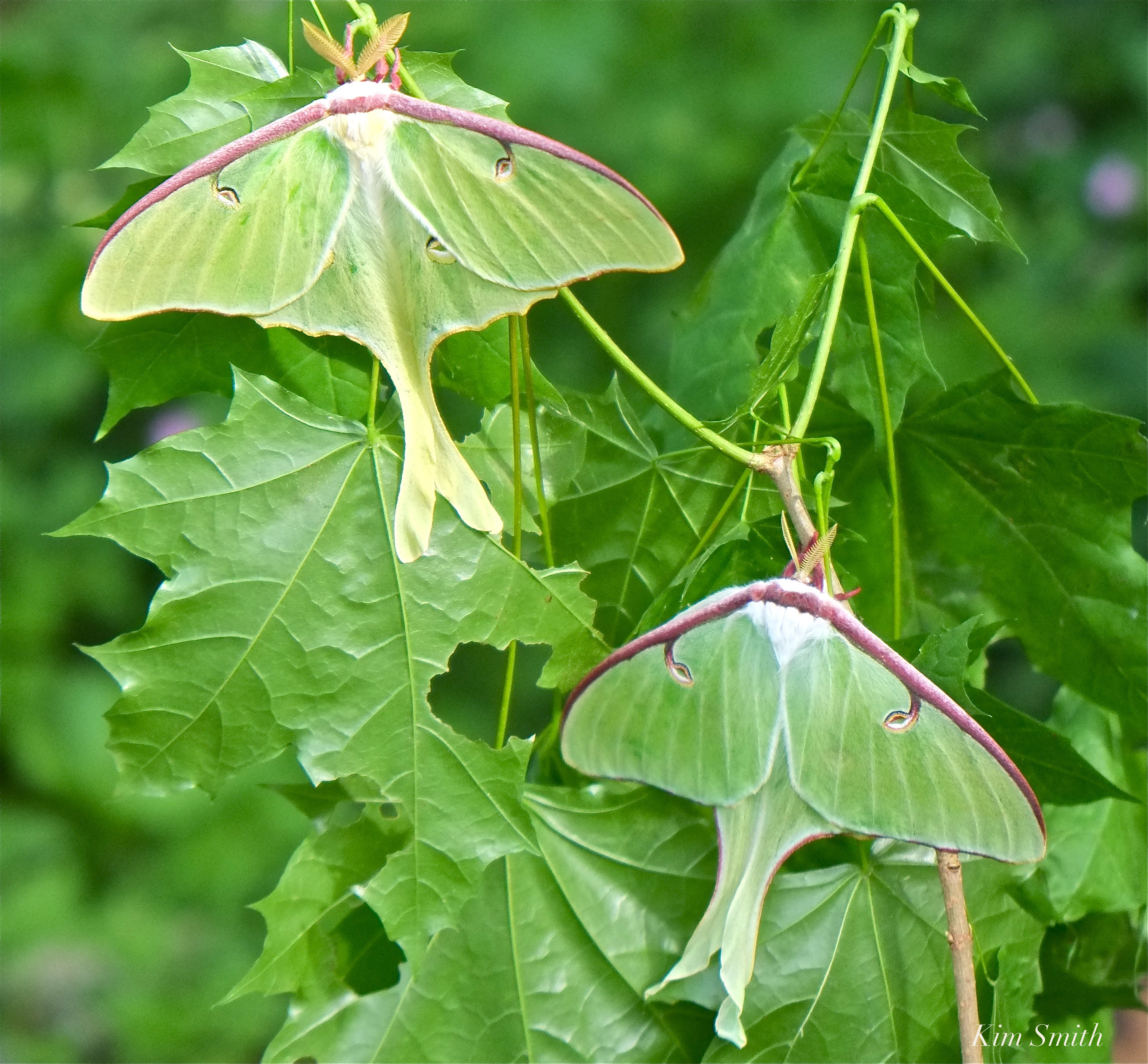 Male and Female Luna Moths
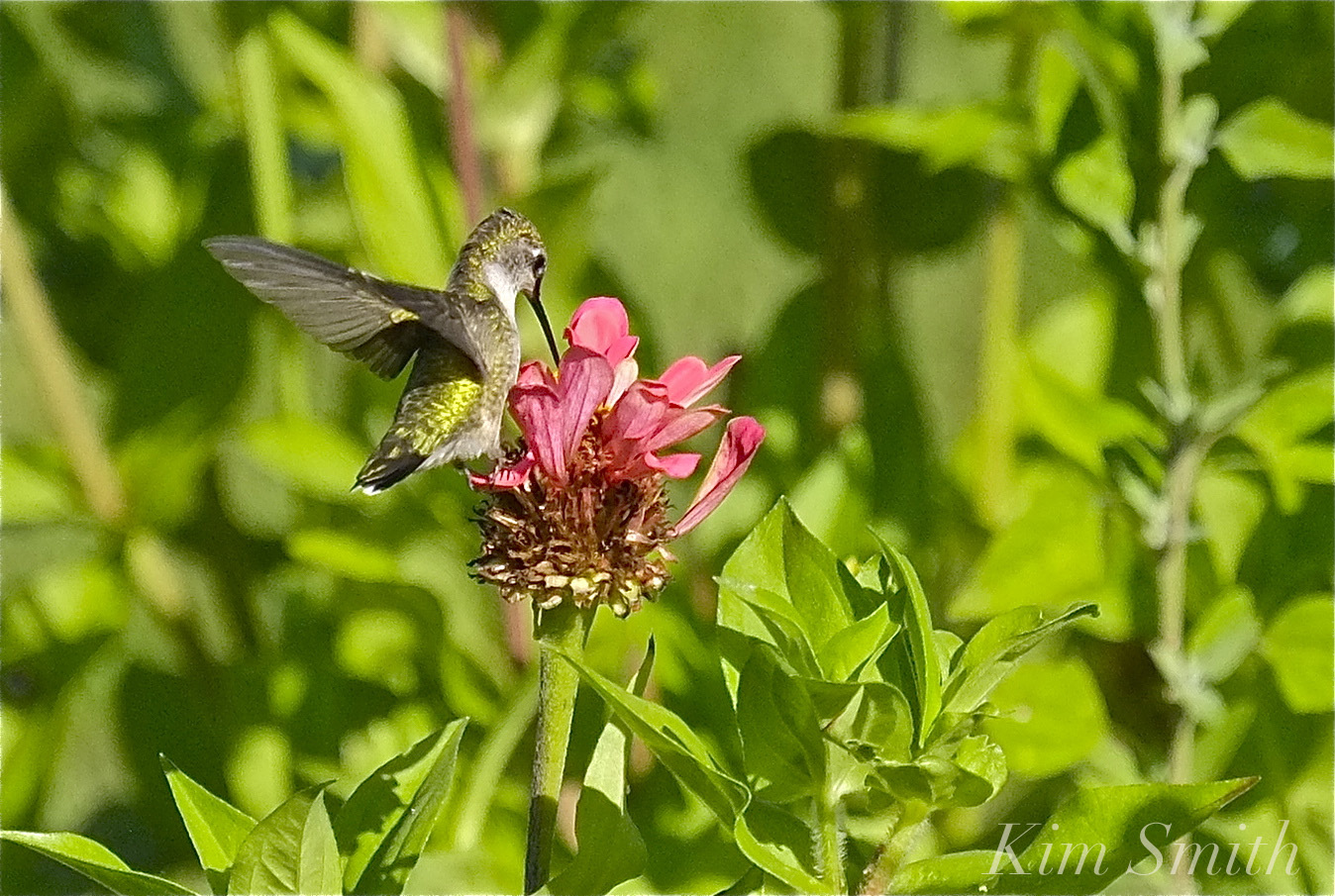 Zinnias for Ruby-throated Hummingbirds, Bees, and Butterflies
 Mexican Sunflower and Bee
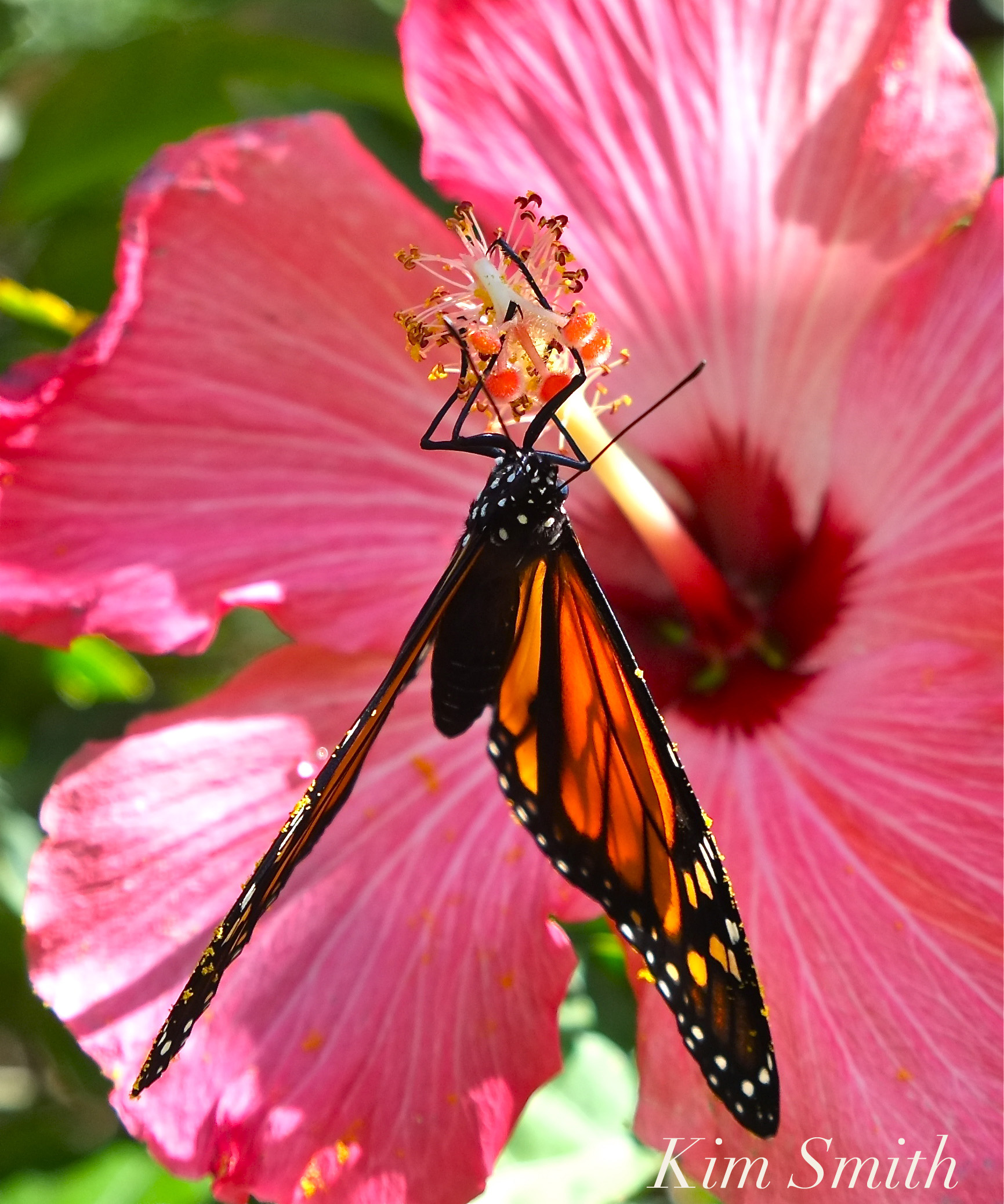 Monarch and Hibiscus

This short film is dedicated a dear friend who recently lost a beloved family member. Along with the tender melody by Jules Massenet, especially the last bits of footage (before the credits) made me think of angels and of hope.
* * *
Over the course of the summer while filming the Piping Plover Family at Wingaersheek Beach, Tree Swallows began flocking in ever increasing numbers. They became part of the Piping Plover story not only because a Tree Swallow will occasionally dive bomb a Piping Plover, for whatever reason I am not entirely sure, but also because they are beautiful to observe, and occasionally, seemingly playful, too.
Songbirds that they are, Tree Swallows make a cheery chirping chatter. They have long narrow forked tails, all the better for gliding and for their signature aerial acrobatics. The male’s upper parts are a brilliant iridescent blue-green, the female’s somewhat duller, and both female and male have white underparts. The migrating juveniles are almost entirely brown with either white or pale grayish underparts.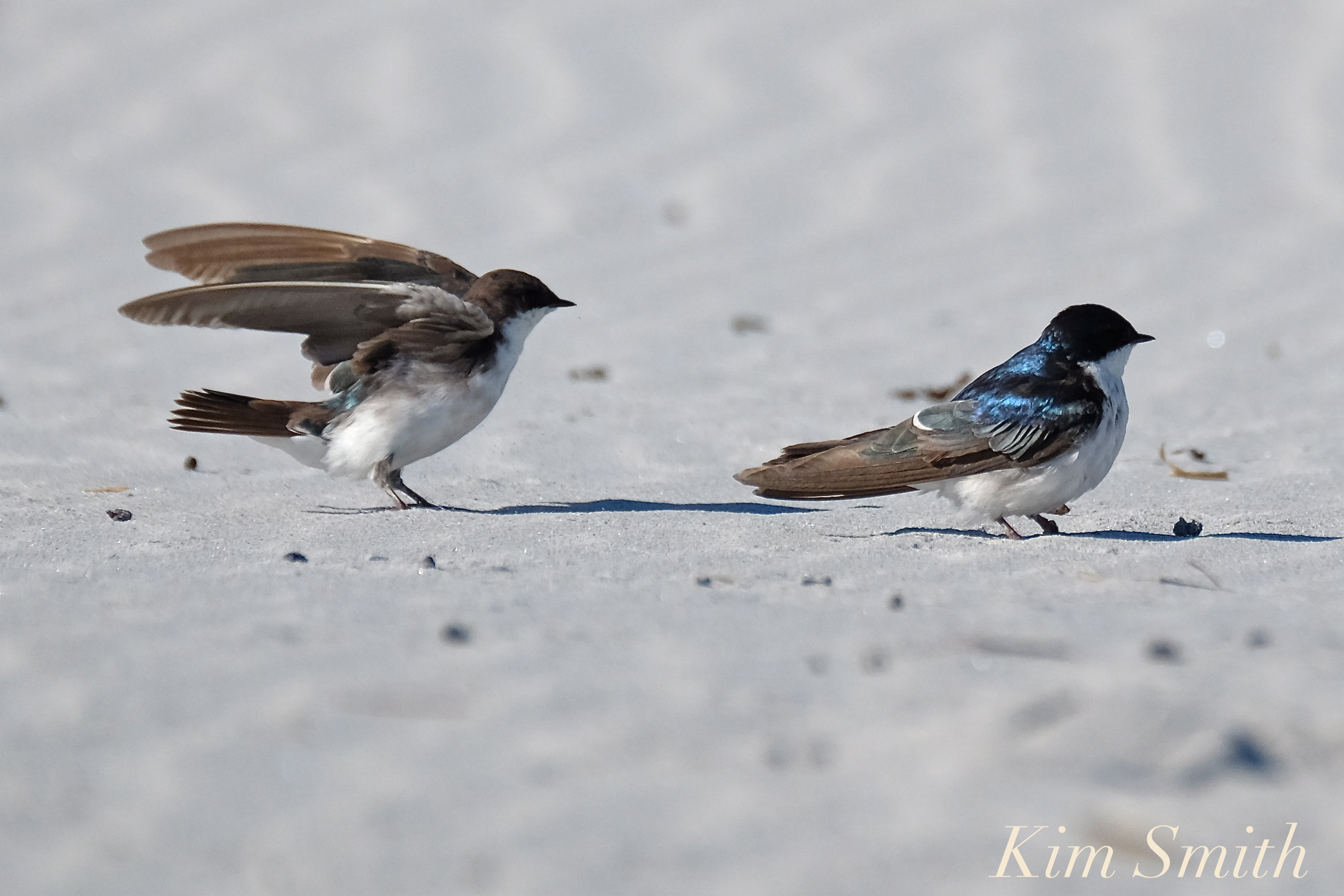
Tree Swallows breed in the wetlands and fields of Cape Ann. Their name comes from the species habit of nesting in tree cavities. Tree Swallows have benefited tremendously from efforts to help save the Eastern Bluebird because they also nest in the nest boxes built specifically for the Bluebirds.
Acrobatic aerialists, they twist and turn mid-flight to capture a wide variety of insects including butterflies, dragonflies, greenheads, bees, beetles, and wasps.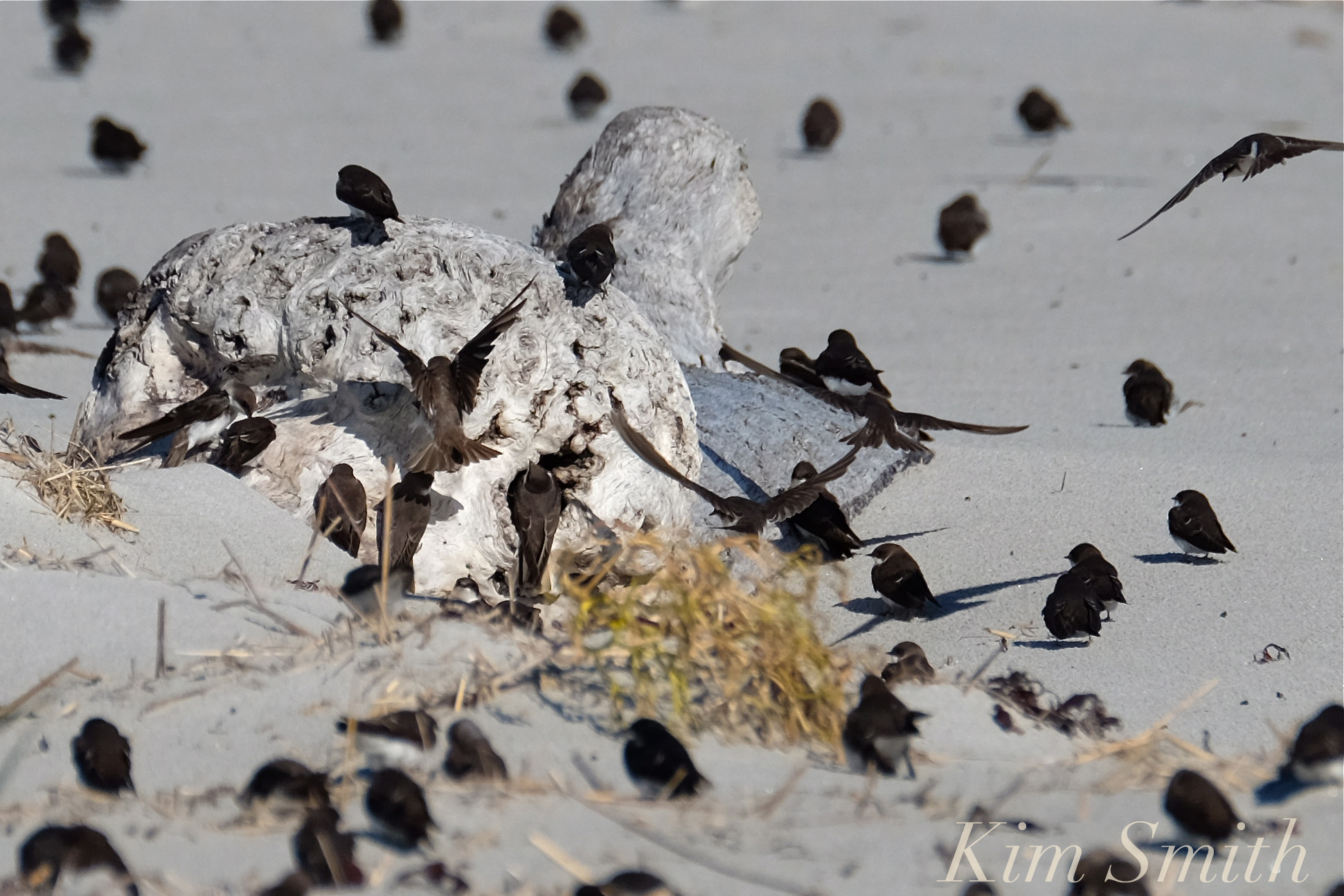
Tree Swallows eating insects on the beach and from the crevasses in the driftwood.
Utilizing both fresh and saltwater to bathe, Tree Swallows have a unique habit of quickly dipping and then shaking off the excess water while flying straight upwards.
Tree Swallows begin migrating southward in July and August. The flocks that we see gathering on Cape Ann migrate along the Atlantic Flyway. They overwinter in the southern states of the U.S., Mexico, the Caribbean, and Central America. Unlike migrating species of butterflies, several generations of Tree Swallows migrate together, the older birds showing the younger birds the way.
Music composed by Jules Massenet: “Méditation” from Thaïs

The online database collaboration of Cornell Lab of Ornithology and National Audubon Society compiles aggregate data from engaged birders. What a staggering quantity of volunteers taking the time to share and record data!
it’s fun to sift through the information and peek at some public competition. The top 100 birders in MA are predominantly male. (We know Cape Ann is a birding hot spot though it may not be a recording hot spot.) There are plenty of reports from scenic North Shore sites: Cranes Beach, Plum Island, Chewbacco Woods, Coolidge Reservation, Eastern Point, and Halibut Point. Less traveled spots such as ‘Lanesville Community garden’ and local cemeteries have a diary entry feel to them and fun to peruse. Checklists indicate the distance and effort taken for any given outing, and the duration, often significant.
There are scores of reports from Gloucester whale watch trips –customers and staff. Look for ‘Stellwagen Bank’ as a listed location. I think I’d like the location column added to one default screen, and a category for whale watching.
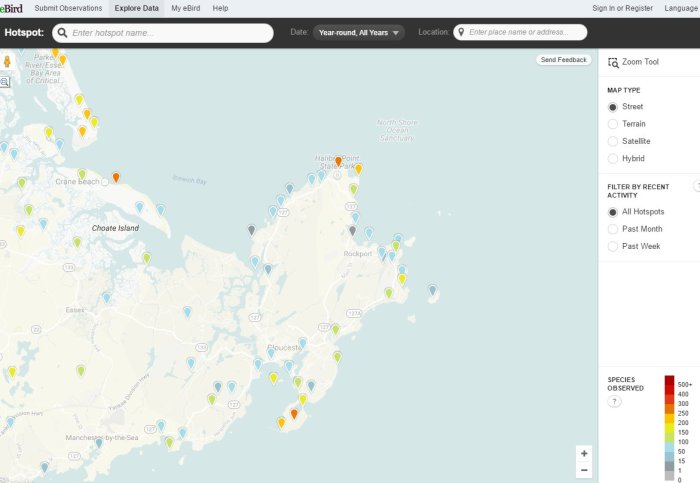

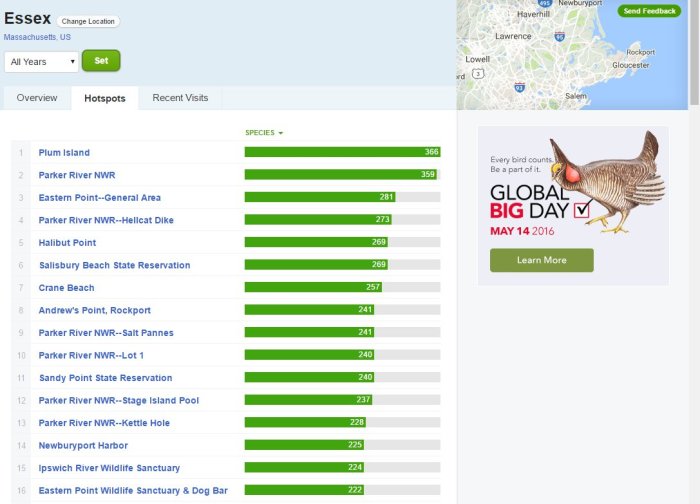
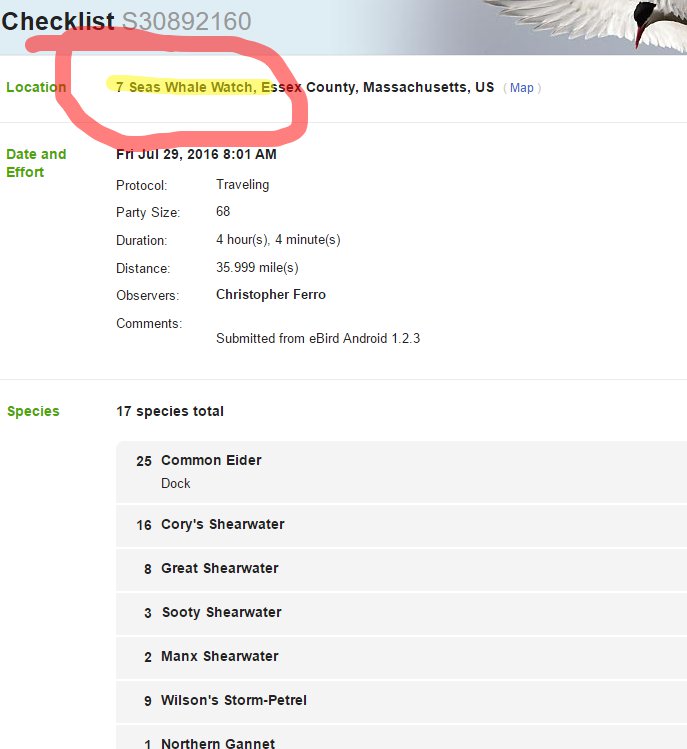
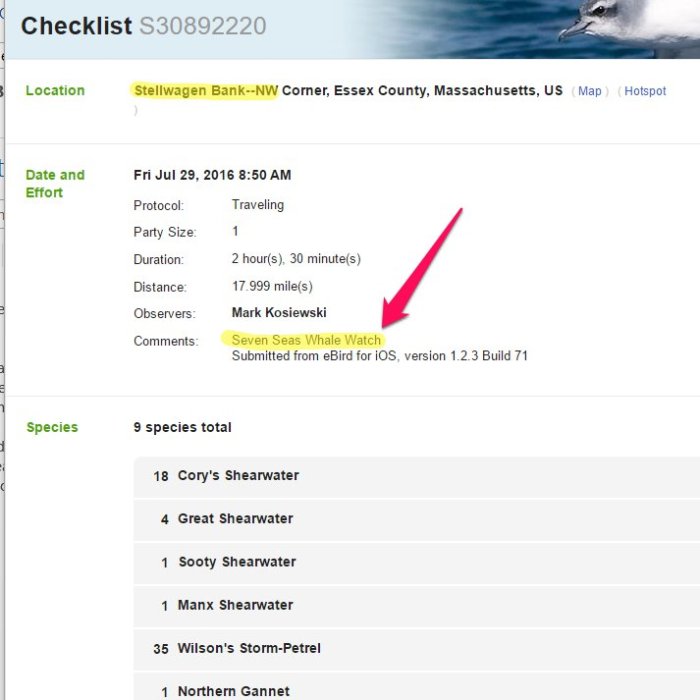
eBird: An online database of bird distribution and abundance. eBird, Cornell Lab of Ornithology, Ithaca, New York. Available: http://www.ebird.org. (Accessed: Date [July 30, 2016]).
Gloucester HarborWalk marker for birds/birding is located along the walkway by Gloucester House, I4C2, and Topside Grill.
Gloucester HarborWalk marker for whales is located just outside Tonno.

July 2016
Piping plovers have quite a story. In Massachusetts, the vast majority are south, Cape Cod and the islands. By the close of the 19th century, these birds were near extinction. They rebounded successfully by the 1950’s.
I spoke with Dave Rimmer of Essex County Greenbelt, Marion Larson with Ma Wildlife, Deborah Cramer and Chris Leahy. All of them have updates for GMG which I’ll add next. First,
Read on to find out.
Mass Audubon grabbed on and worked closely with many to solve the problem early. It turns out the population plummet correlated highly to a steep increase in vehicles driving on beaches. The baby fledglings could not climb out of wheel ruts and perished, or were squished by the next roaring set of wheels.
Not the only vehicles, but I do recall dune buggys everywhere,especially down the Cape. They were cool and celebrated in TV and film: Steve McQueen driving on Crane’s Beach (just past Coffins) in the Thomas Crown Affair, Elvis through waves, Adam 12, Monkees, Bionic Woman, Speed Buggy /Scooby Doo, the list goes on and on.
“That was big!” said Leahy. “Once that connection was figured out, the goal was how to restrict vehicles.” Massachusetts is far and away a leader in piping plover conservation and decades later a nesting pair on Good Harbor Beach is a major insight into just how well Massachusetts has done. Piping plovers have nested on Coffins Beach before; Good Harbor, Lynn and Revere are relatively new.

Photos Gloucester, Mass.:
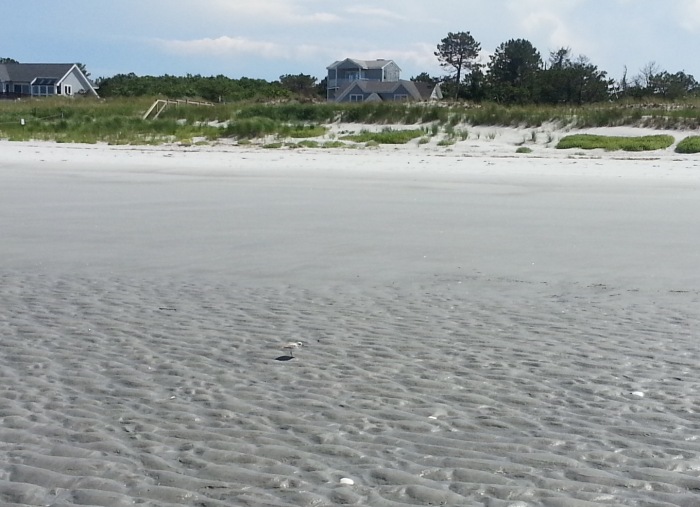
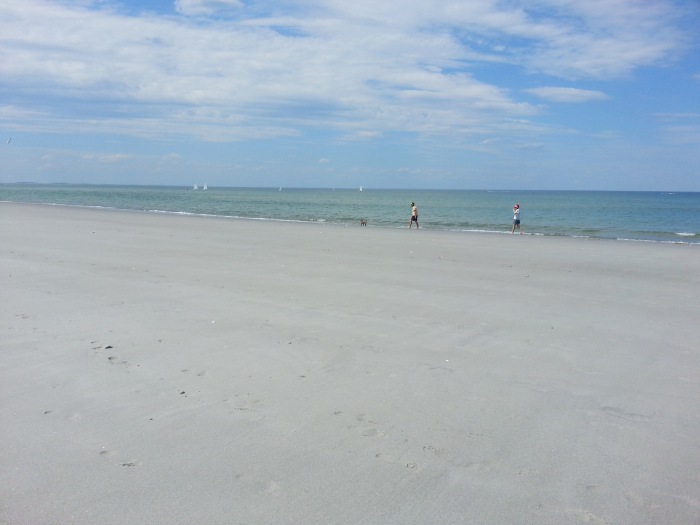
Coffins Beach is a long, long stretch of wide open sandy seashore framed by dunes, sea and sky. Growing up, we called it the private side of Wingaersheek. I could hear piping plovers and saw two ‘in the zone’– the intertidal bit that is still wet at low tide and well under water at high tide. I didn’t see birds in the safe retreats by the upper part of the beach, but heard the melodious chirps that inspired their nickname.
Listen to the piping plover



news from Greenbelt: 2016: 9 piping plover chicks on coffins beach

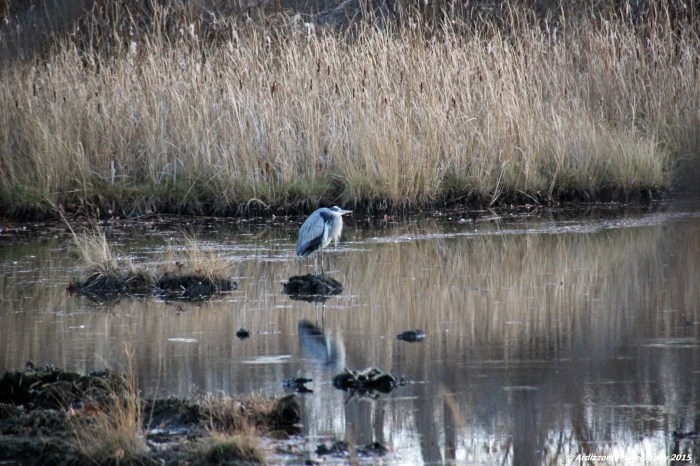

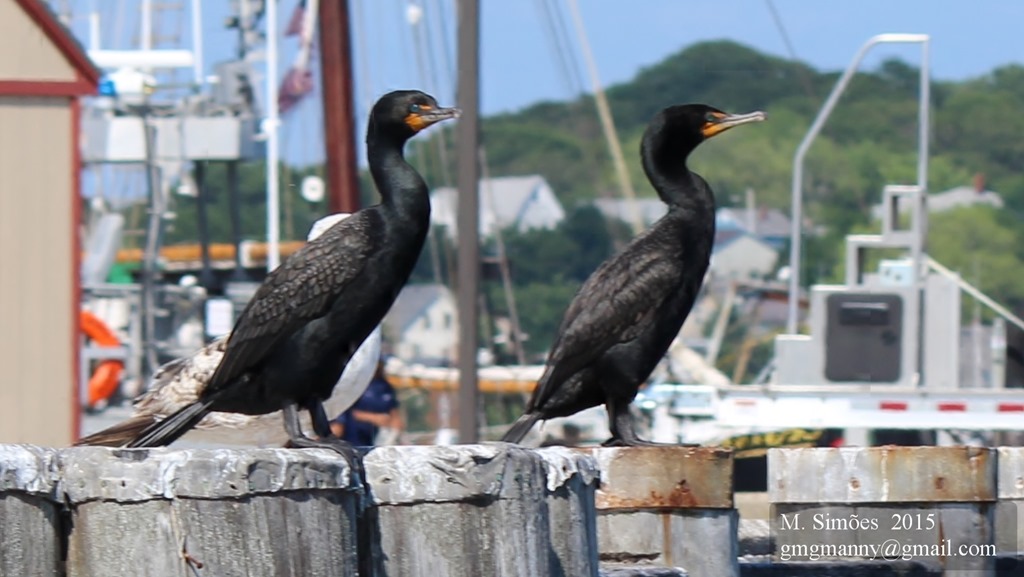


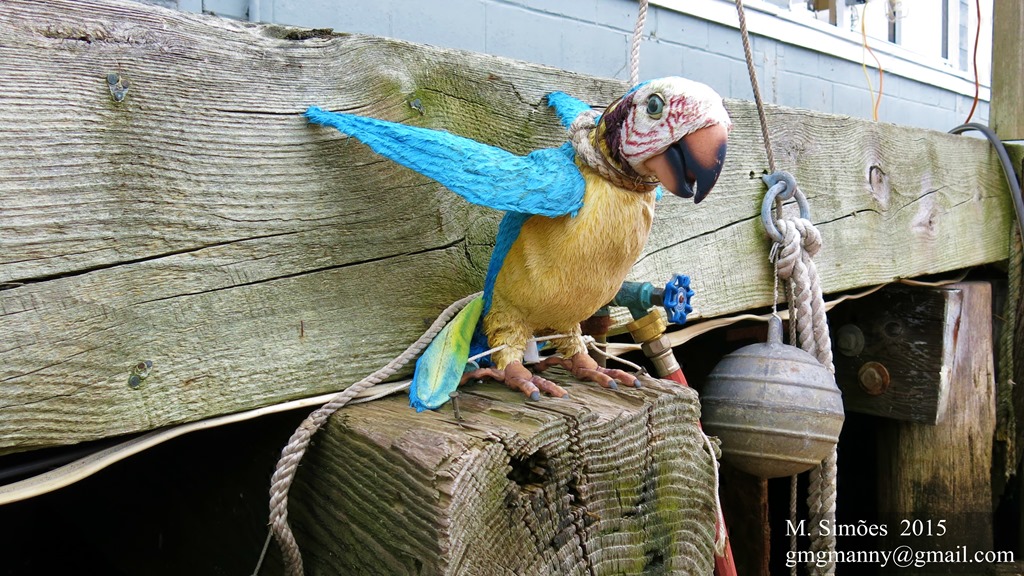

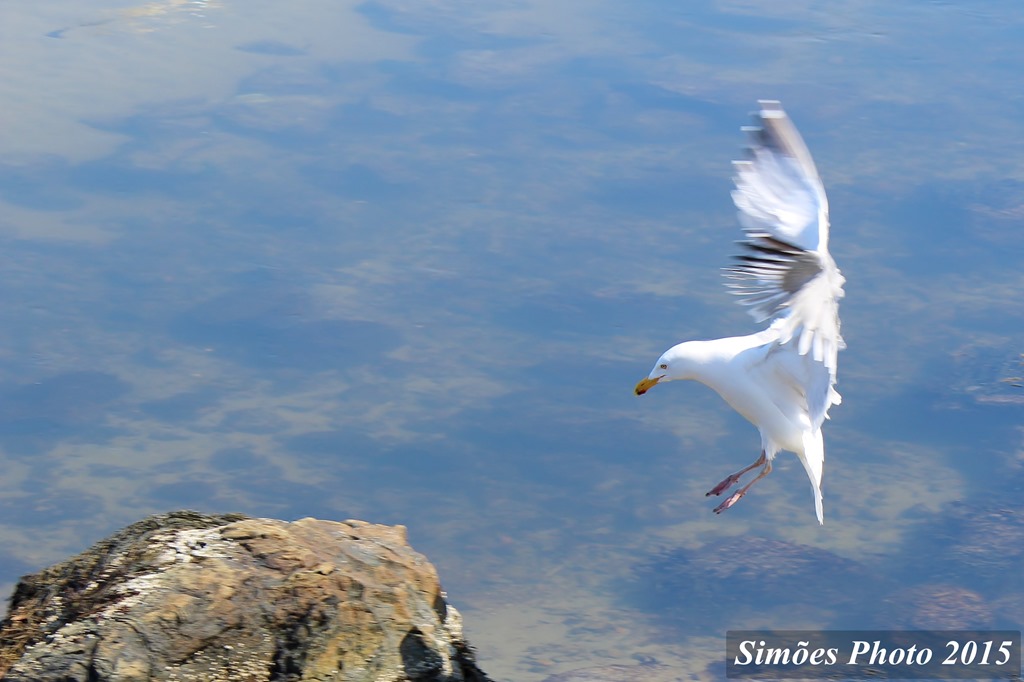
As I was driving Route 127 from Rockport yesterday came across this interesting bird. Not sure what kind of water fowl this is.
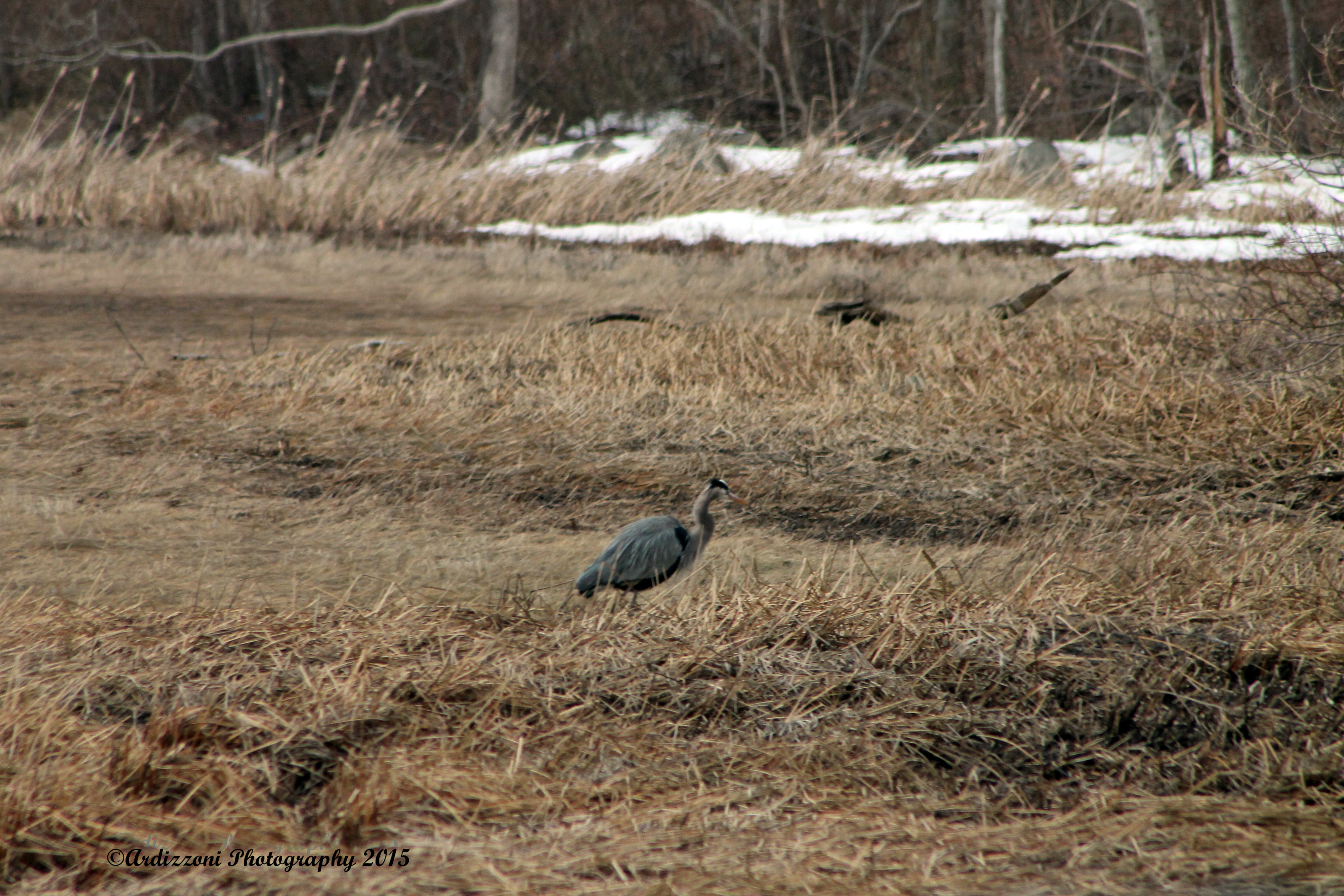


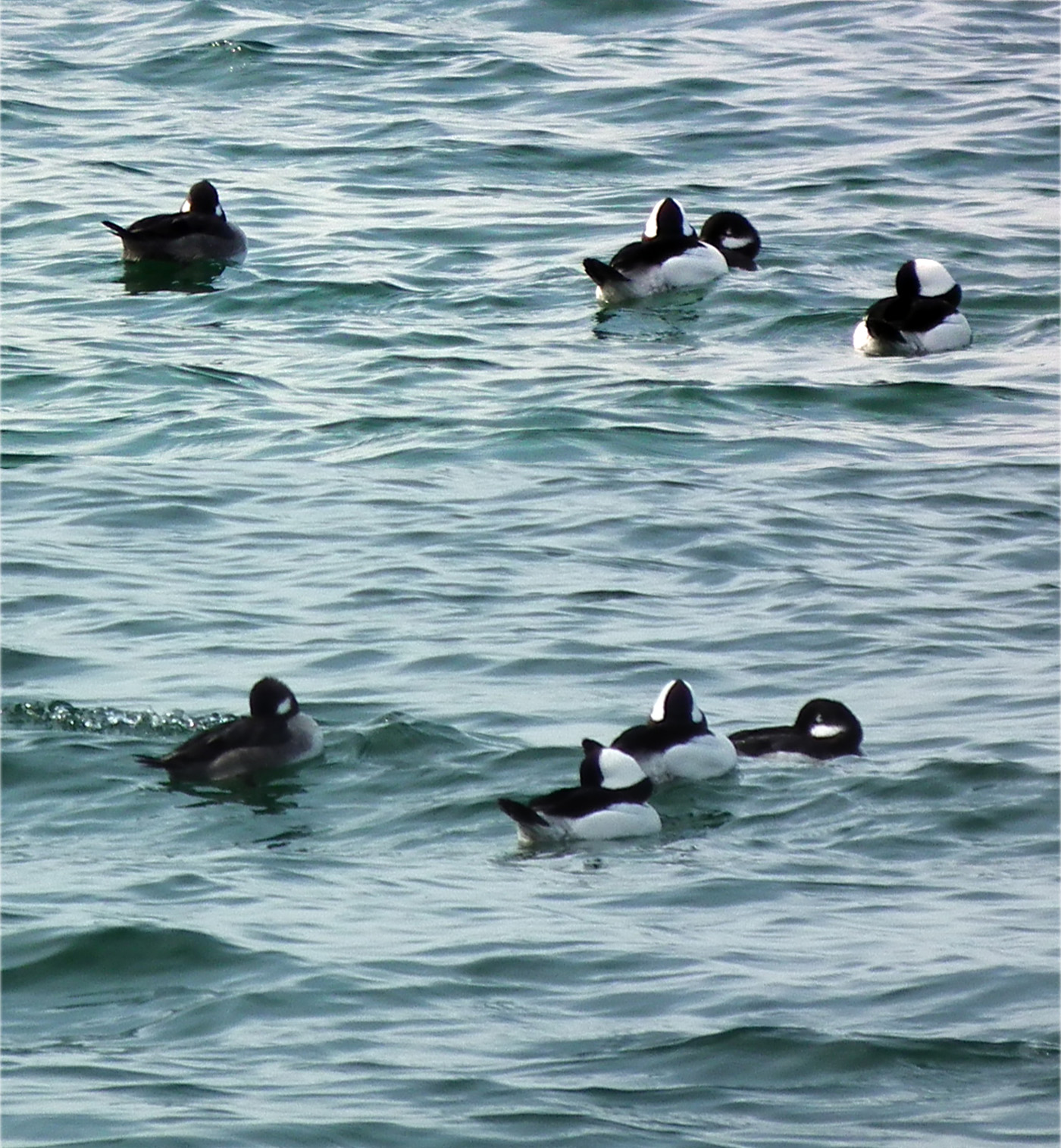
I thought they were buffleheads when I first saw them, but they appeared a little too large and weren’t diving constantly the way buffleheads usually do. They were way off shore, so the photos aren’t great. I think they are goldeneyes, but not sure. Who knows?
E.J. Lefavour

This magnificent bird cast a shadow as it flew by my office on Friday. I believe it was having some lunch.


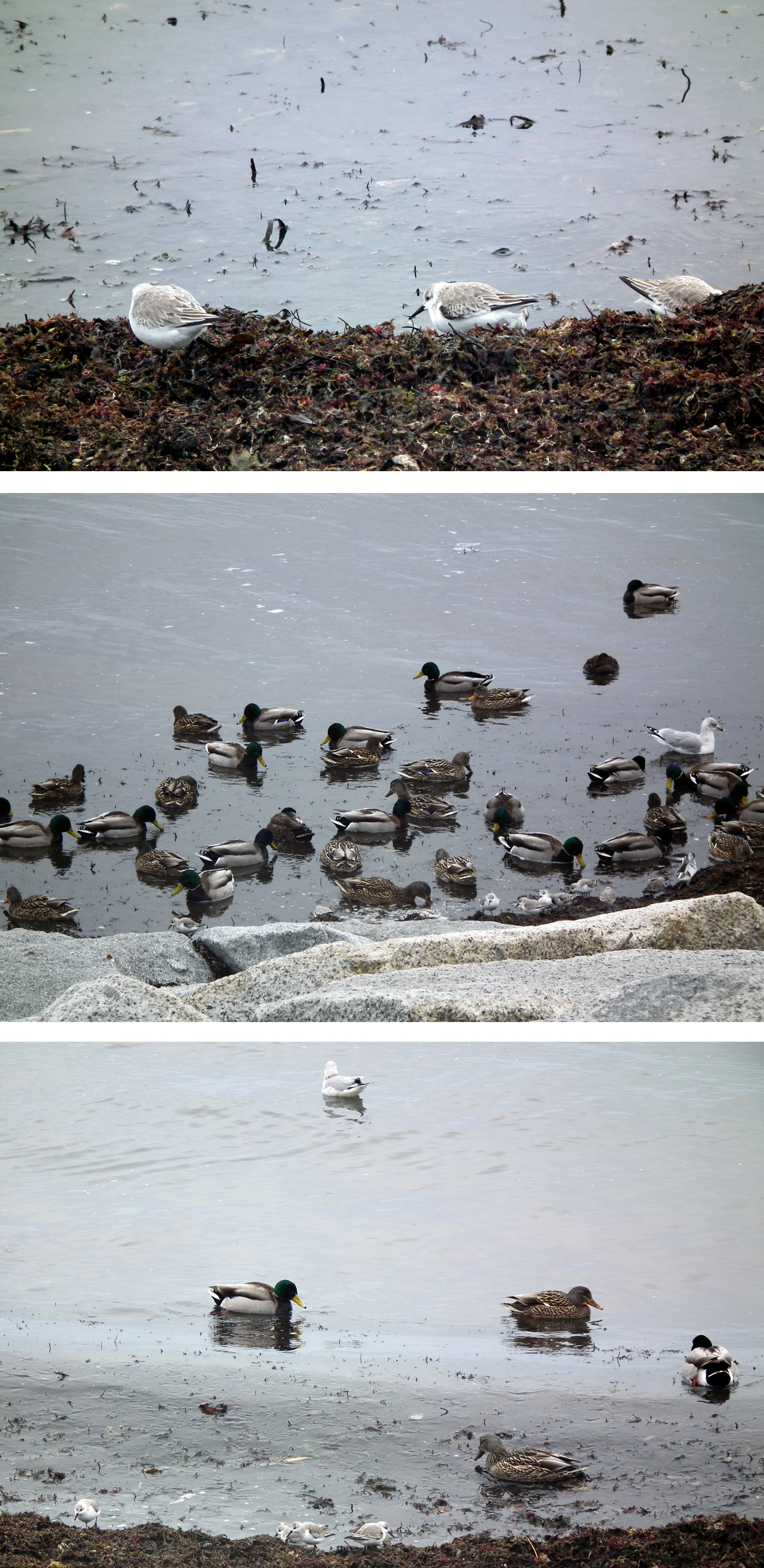
There was a time when I would have known what these were, but they are cute and there were a bunch of them on the shore at Brace Cove. Anyone know what they are?
E.J. Lefavour

 Todays cold weather brought a steady flow of visitors to our backyard buffet…

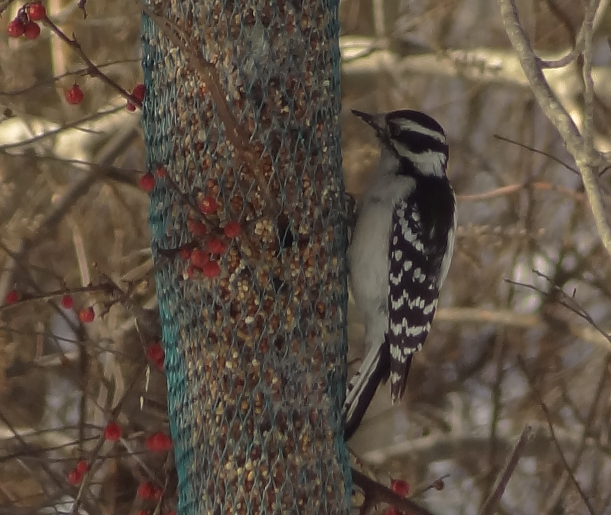
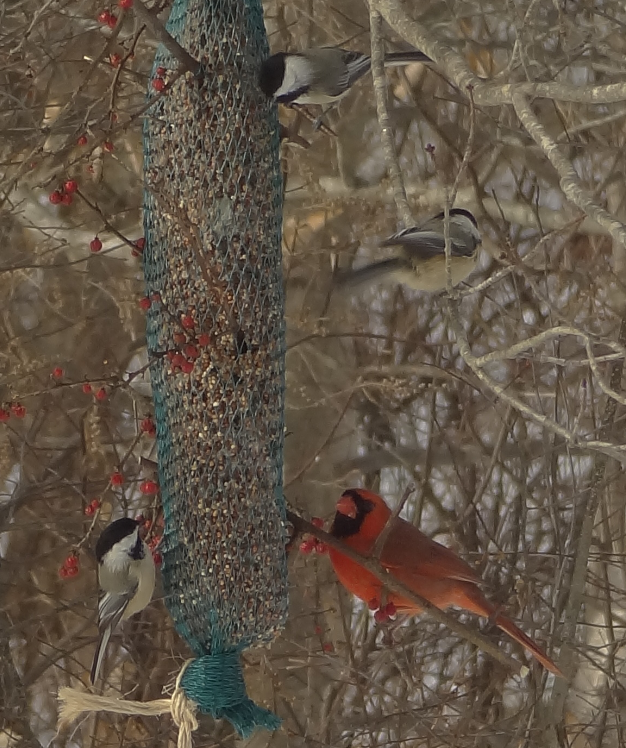

I am so pleased with the success of this bird feeder click link below to see how it was made
Posted on January 8, 2014 by Sista Felicia



 Good Morning Gloucester