Lobsterman Tuffy Explains Why the Biggest Lobsters Go Back

Local lobsterman Tuffy sent over these photos — and a quick education in how the lobster fishery keeps itself healthy, strong and sustainable.
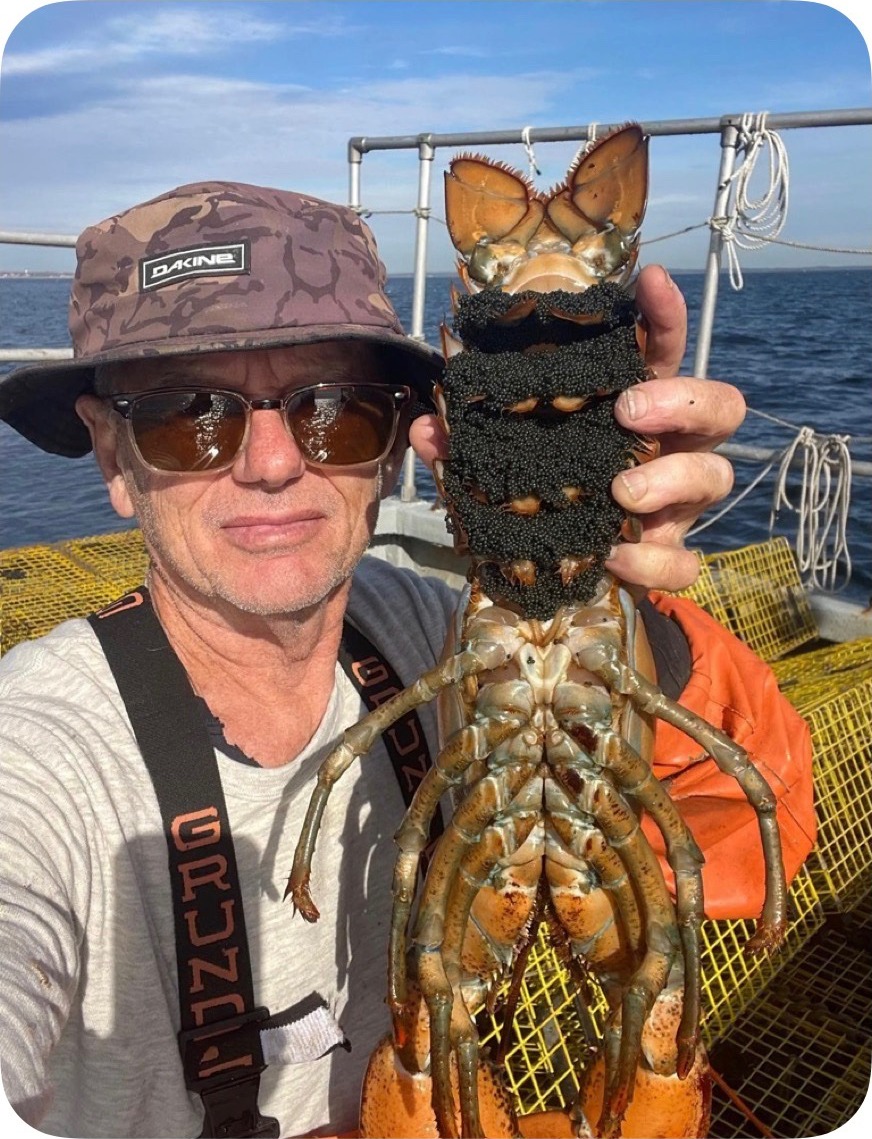
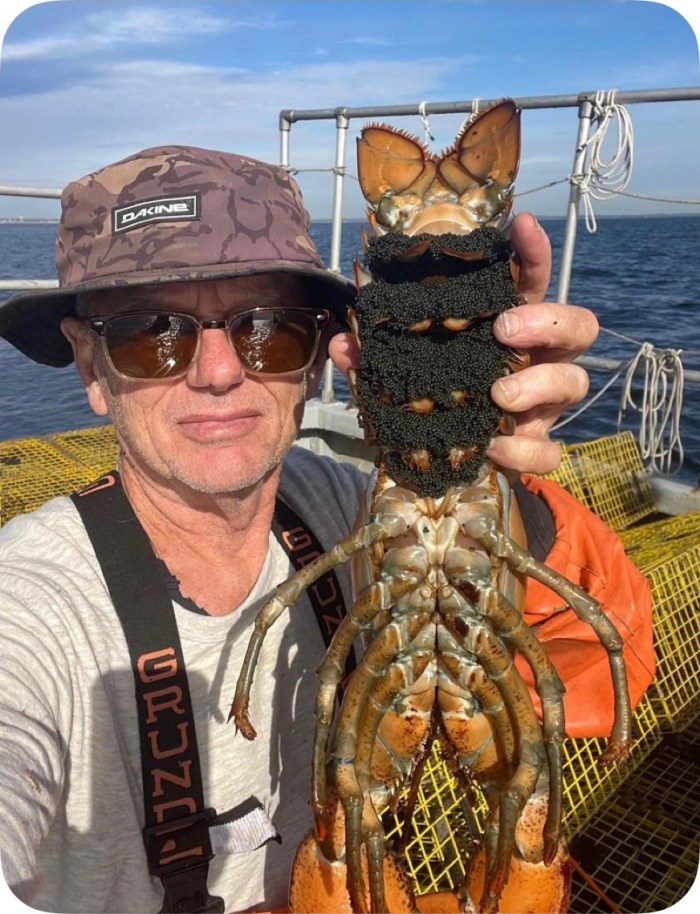
Oversized female. Thousands of eggs.
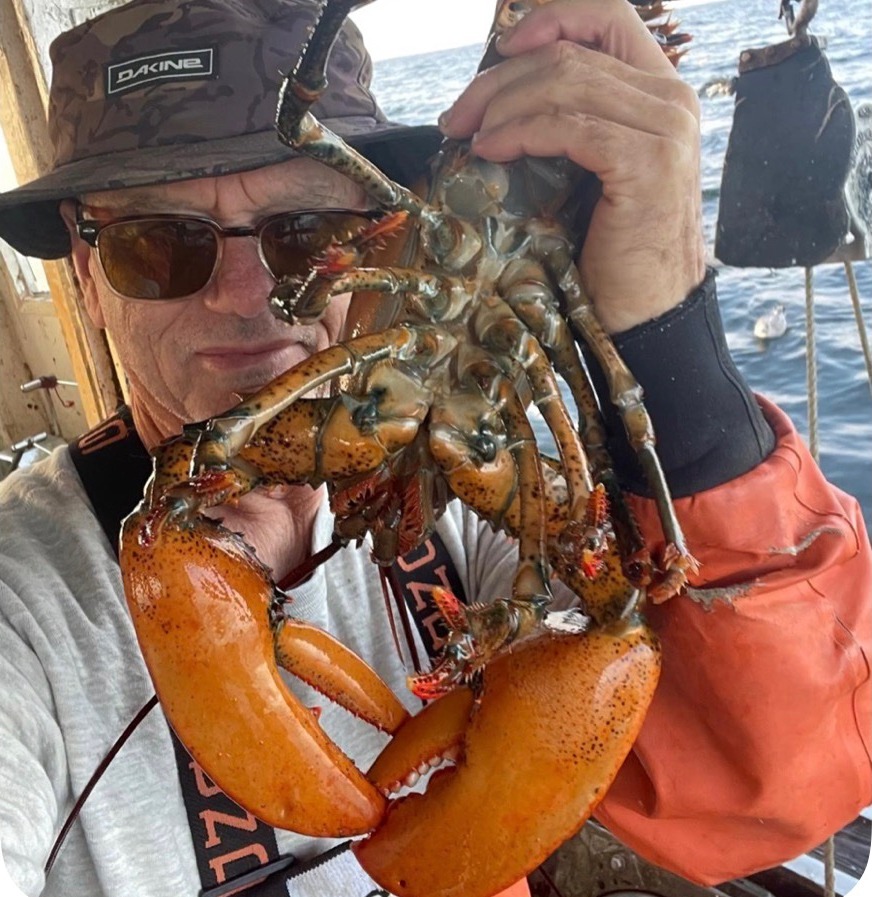
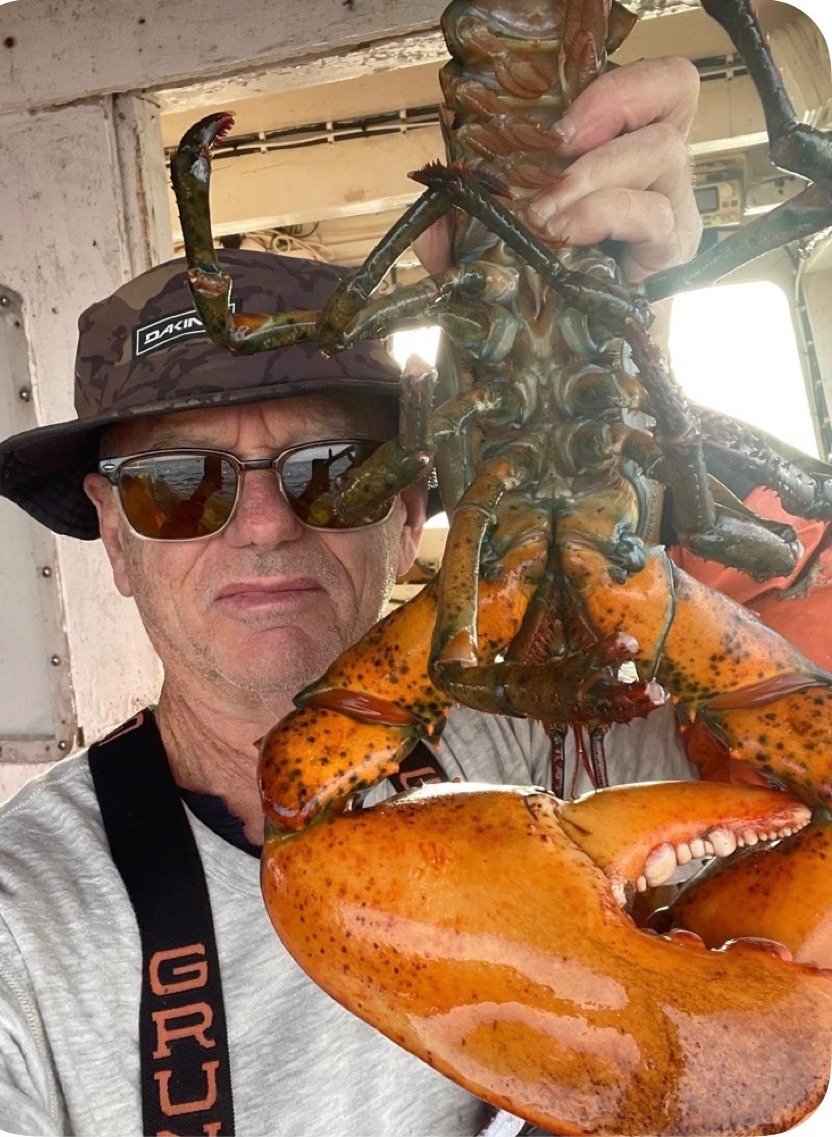
Oversized male. Males always have a bigger crusher claw than the females — as you can see here.
Oversized female: no eggs.

These and many other oversized lobsters are caught daily. They are illegal to keep and all are gently released. They are huge breeding stock and keep the industry healthy, strong and sustainable. All the small lobsters are released also. A specific and tight range of legal lobsters are kept for landing.

The Lobster Trap. The trap is essentially like a bird feeder. Lobsters learn at a very young age to feed and grow because of the trap. It also provides shelter from predators such as fish, etc. Most are released and continue to gravitate to the traps. Much work, dedication and money is spent on the baiting system.

I hope you enjoyed that. Peace. — Tuffy

Tuffy runs his own boat, ties up here at Captain Joe and Sons, and sells us his lobsters.

THANK YOU TO ASHLEY DESTINO FOR THE FANTASTIC TOUR OF GLOUCESTER MARINE GENOMICS INSTITUTE!

GMGI conference ‘room with a view.’

Friday morning, ahead of the first of many public open houses to be held at the Gloucester Marine Genomics Institute, we taped our weekly podcast in the conference room at the stunning new science center. Ashley Destino, development and communications director, gave us a grand tour of the labs, as well as a tour of the second floor.

Tim Sullivan

It was all very exciting to learn more about this stellar institution and my favorite parts were interviewing one of GMGI’s lead scientists, Tim Sullivan, and learning about Red Sea Urchins (Mesocentrotus franciscanus). This fascinating species can live for two hundred years, regenerate damaged appendages, and reproduce throughout their life span. The Red Sea Urchin is just one of many species the institute is sequencing. GMGI is also studying blue American Lobsters, one donated by Captain Joe and Sons!

At GMGI, Red Sea Urchins are housed in aquariums and fed weekly. Here’s one ‘chowing down’ on iceberg lettuce (just kidding; it was eating so slowly, you could barely tell it was eating at all). In the wild, Red Sea Urchins eat kelp.

The second floor is available to rent and the build out possibilities are limitless, with a huge amount of floor space, sun pouring through the windows, and an expansive outdoor deck, including a spectacular view.

Host Joey, with Ashley, Ron Gilson and Chris McCarthy

The Gloucester Marine Genomics Institute is located at 417 Main Street in Gloucester. Listen to our podcast and visit the GMGI website to learn more about the Institute’s research and education programs.

Hand painted oar gifted to GMGI by Sam Nigro

Video: Beautiful Blue Lobster

Beautiful Blue Lobster Landed at Captain Joe and Sons by Captain Dave Jewell of the Lady J, October 11, 2013.

Dave Jewell lands a blue lobster, Joey drives the forklift, and shows us how to tell the difference between a male and female lobster–set to a trio of Bruce Springsteen songs from the Seeger Sessions–just another day at Captain Joe and Sons!

In order of appearance ~

Joey Ciaramitaro
Ryan
Frankie Ciaramitaro
Captain Dave Jewell

For information about the Lady J fishing charters visit their website at Lady J Fishing Charters.

~ Songs ~

American Land
Bruce Springsteen

Pay Me My Money Down
Bruce Springsteen

Working On A Dream
Bruce Springsteen

American Lobster, Homarus americanusSee GMG links to posts about the beautiful blue lobster:

Blue Lobster Landed At Captain Joe and Sons

Come Down To Captain Joe and Sons Through The Weekend To Take Your Picture With The Blue Lobster

Do You Know Your Lobsters?- Different One’s That Is.

I have no idea if the title for this post is grammatically correct but if it isn’t- you get the drift.

Do you know the difference between American, Eauropean and Norway Lobsters?

Here’s an article that tells you the difference-

written by John B.

American, European, and Norway Lobsters

Commercial fishermen of the North Atlantic harvest a variety of lobsters, all of which are highly sought after by seafood lovers. These include American, European, and Norway lobsters.

The largest and most valuable is the American lobster, also known as Maine or northern lobster. This species is found off the east coast of North America from Newfoundland southward to North Carolina. The species is extremely important to the Canada seafood industry and is a staple New England seafood.

for the rest of the article click here