
Click photo for music info
My View of Life on the Dock
Click photo for music info










As I watched the Golden Globes last night….sponsored by Passat….I kind of fell in love with this commercial. Good job, Volkswagen.
Who is Eric Carle? Why he created one of the most wonderful and whimsical children’s picture books, The Very Hungry Caterpillar! On Saturday, January 30th, the Cape Ann Museum, in collaboration with Cape Ann Reads and the Eric Carle Museum of Picture Book Art, is holding a series of workshops for all age groups, “The Art of Picture Books.”
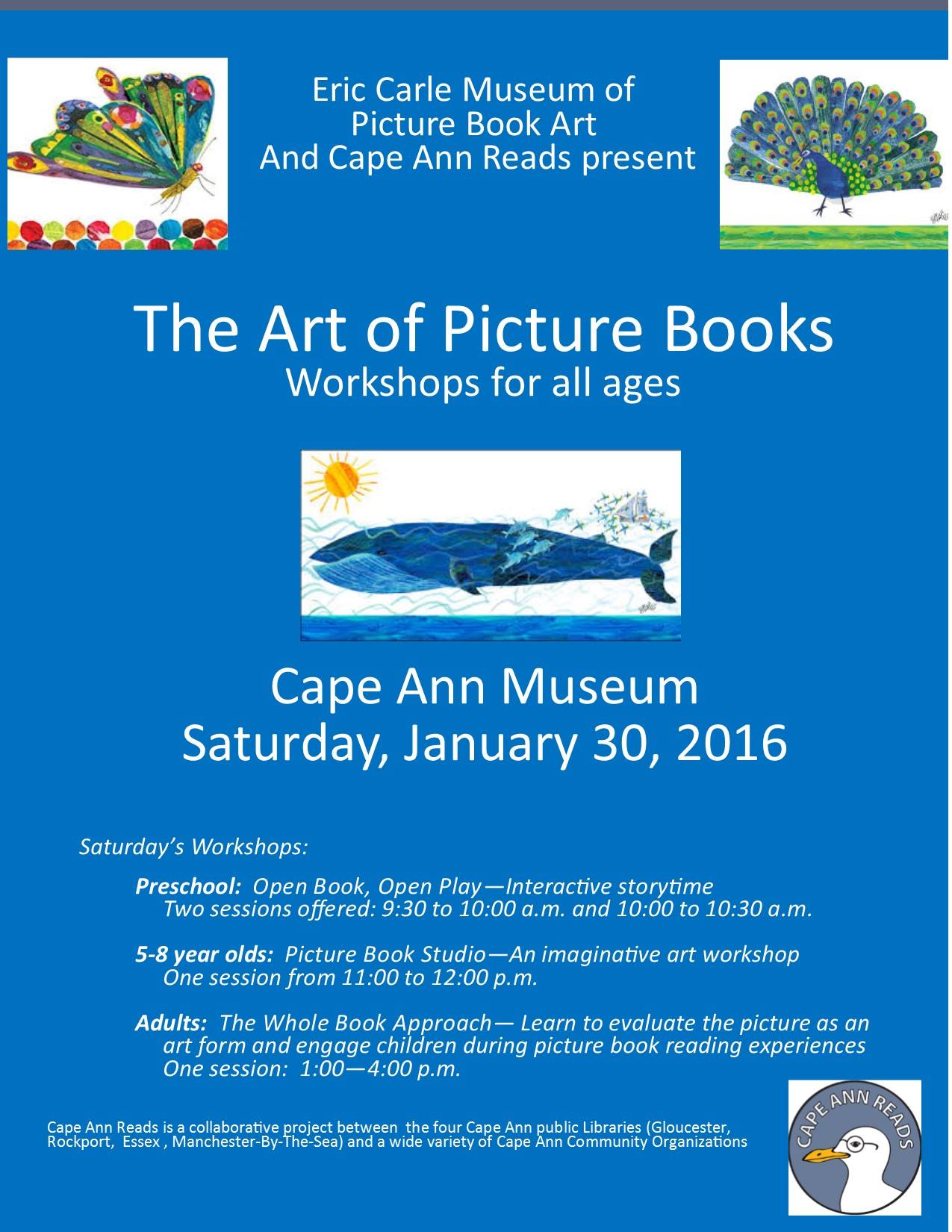
The Eric Carle Museum of Picture Book Art, located in Amherst, Massachusetts, is a museum devoted to the art of the picture book and especially the children’s book. Read more about the Museum here.
Eric Carle is acclaimed and beloved as the creator of brilliantly illustrated and innovatively designed picture books for very young children. His best-known work, The Very Hungry Caterpillar, has eaten its way into the hearts of literally millions of children all over the world and has been translated into 62 languages and sold over 41 million copies. Since the Caterpillar was published in 1969, Eric Carle has illustrated more than seventy books, many best sellers, most of which he also wrote, and more than 132 million copies of his books have sold around the world.
Born in Syracuse, New York, in 1929, Eric Carle moved with his parents to Germany when he was six years old; he was educated there, and graduated from the prestigious art school, the Akademie der bildenden Künste, in Stuttgart. But his dream was always to return to America, the land of his happiest childhood memories. So, in 1952, with a fine portfolio in hand and forty dollars in his pocket, he arrived in New York. Soon he found a job as a graphic designer in the promotion department of The New York Times. Later, he was the art director of an advertising agency for many years.
One day, respected educator and author, Bill Martin Jr, called to ask Carle to illustrate a story he had written. Martin’s eye had been caught by a striking picture of a red lobster that Carle had created for an advertisement. Brown Bear, Brown Bear, What Do You See? was the result of their collaboration. It is still a favorite with children everywhere. This was the beginning of Eric Carle’s true career. Soon Carle was writing his own stories, too. His first wholly original book was 1,2,3 to the Zoo, followed soon afterward by the celebrated classic, The Very Hungry Caterpillar.



Check Out The EnergySage Website for a stupid crazy amount of resources. The video below will show you just how much is available at your fingertips without having to give much information at all.
Some screenshots of tools that are available to you to educate yourself about Solar-
You enter your address and then a google map shows up of your neighborhood. you drag the pin onto your roof and then submit for an estimate with three different scenarios of payback. Then if you’re interested you can enter the EnergySage Solar Marketplace where all the treasure trove of info exists. Really just play the video for the entire rundown of all the features available to you. The very best part is that EnergySage isn’t trying to sell you anything, there’s no one you have to talk to, there’s no hard sell. It’s all information right there for you to educate yourself with and if you do wan to talk to someone they have a chat feature on each page where you CAN talk to Solar experts that are passionate about it and can answer our questions. I’ll include some screenshots so you can get an idea of all the info available-





Check it out for yourself At The EnergySage Website Here- www.energysage.com


January Ritual: Make Mondays Your Favorite Day

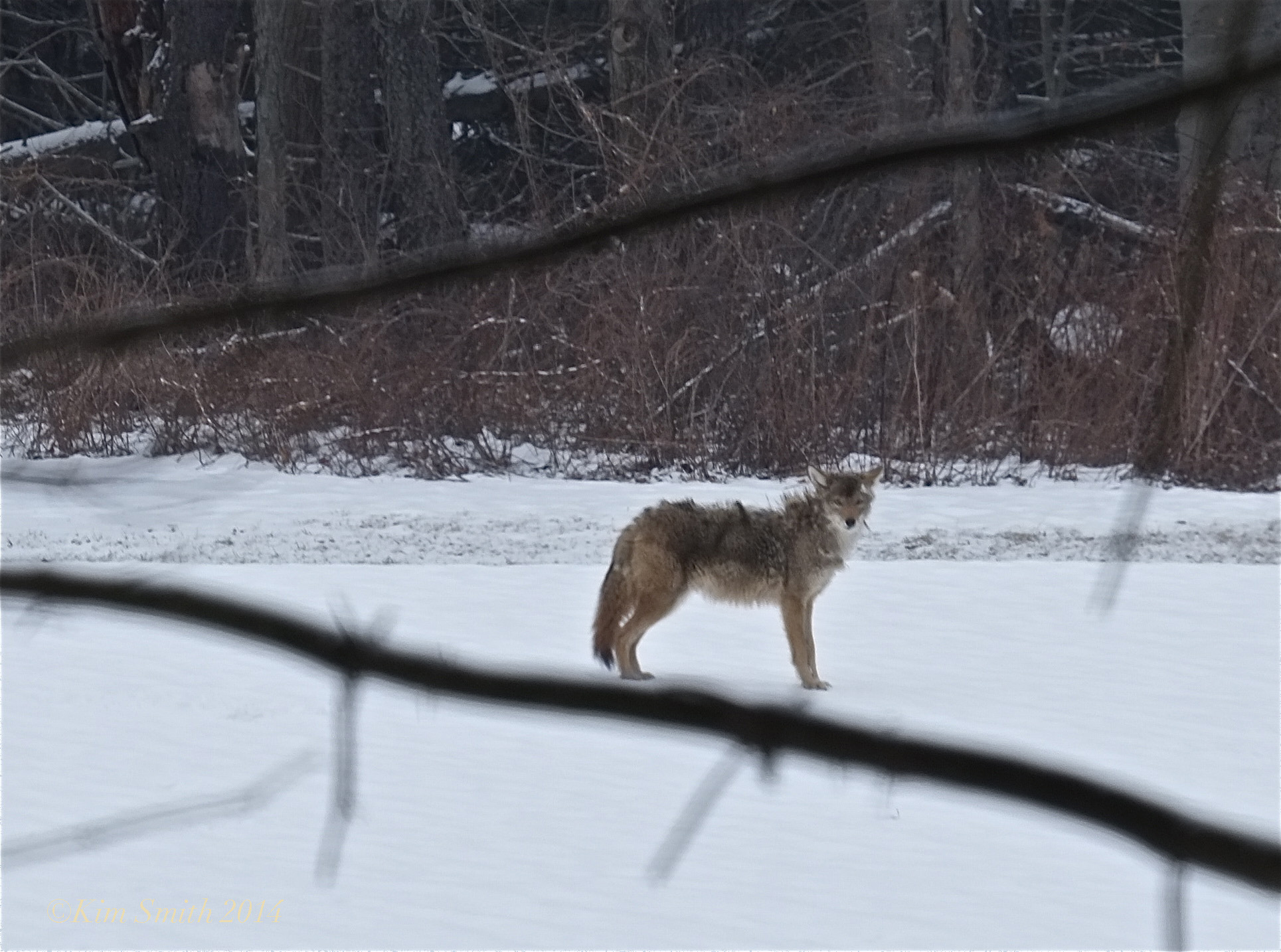
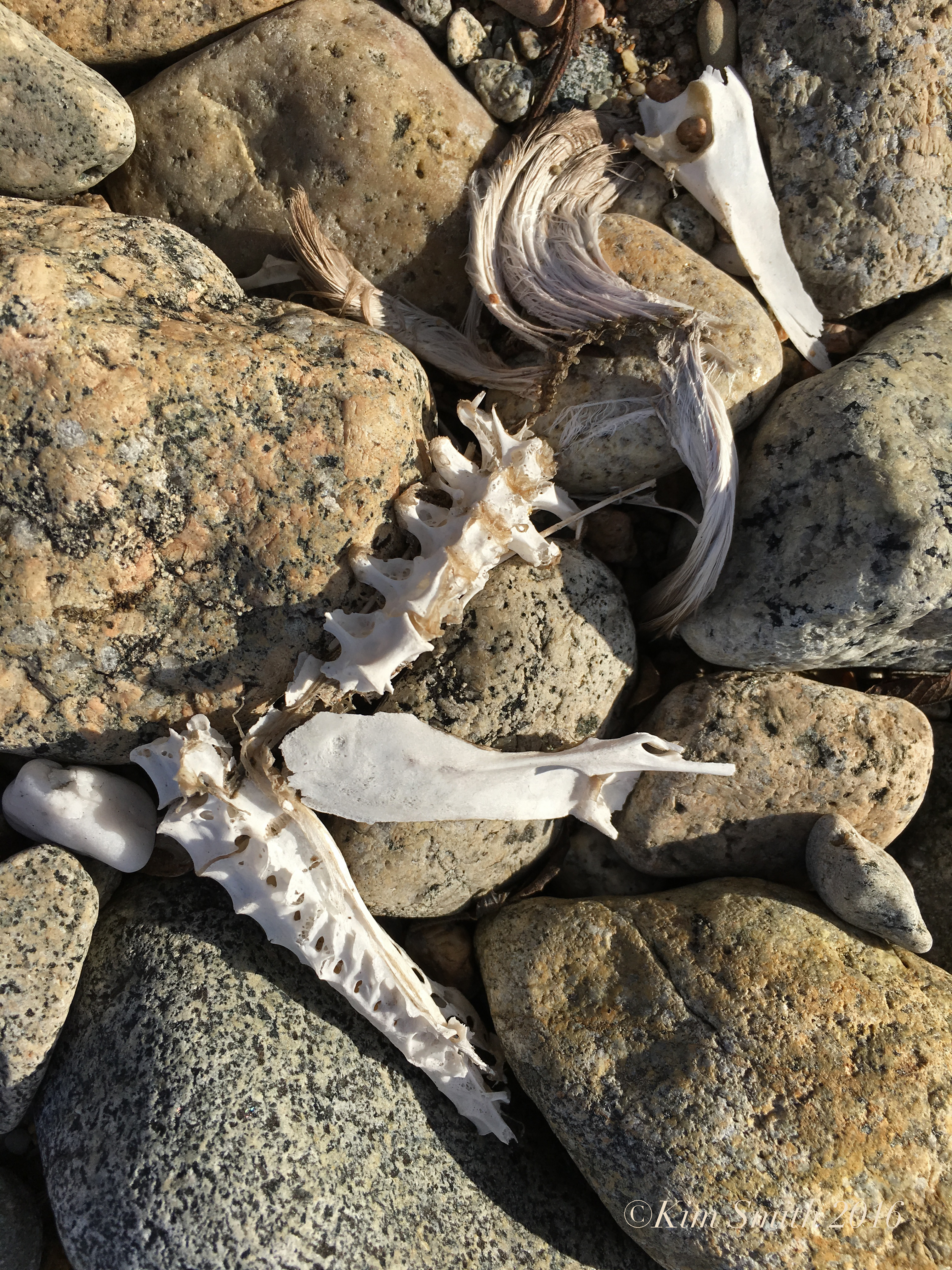 Evidence of a second coyote lair, found at Brace Cove. There were 5 piles of fresh coyote scat along with neat piles of bones scattered throughout the rocky clearing. Coyotes mostly sleep above ground in an open clearing, unless it is pup season.
Reminder also about Monday night’s informational meeting about living with wildlife, City Hall, at 7pm. More information here.


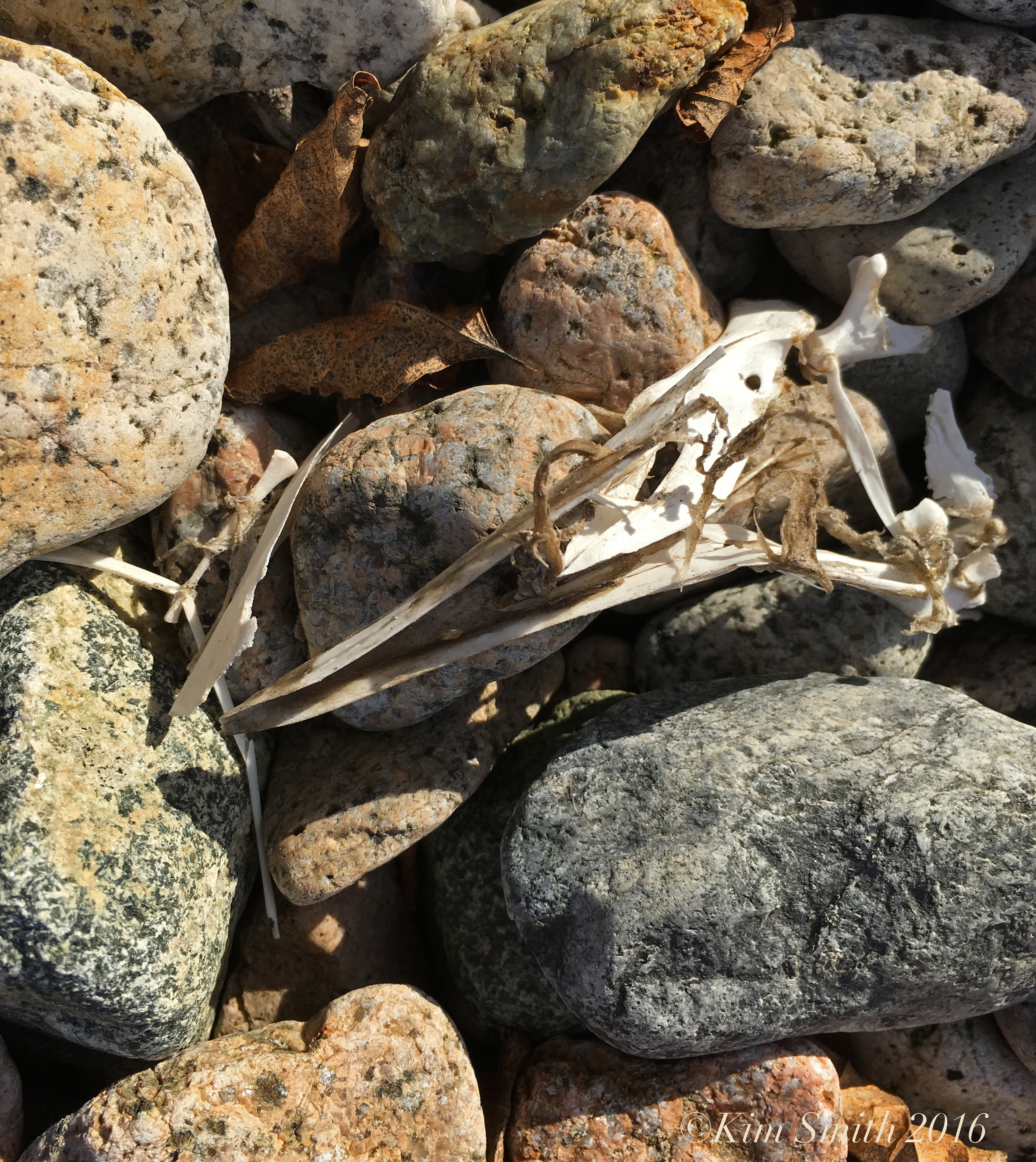
East Gloucester Coyote Lair #1

GHS coming back in last two minutes in a hard fought win to defeat Beverly.

Uhmmm, $10 massages? For reals?
More Cape Ann Wellness News –
http://www.capeannwellness.com

This winter, we’re trying something new and debuting our “Community Night” on Monday, January 11 from 4pm – 7pm. Drop in for $10 mini massages* focusing on either neck/shoulders or calves/feet.
It’s a great way to get a little “spot treatment” or sample our services. Come see what we’re all about!
And don’t forget about our January Special: $65 60 minute on Mondays.
Call to reserve your spot! (978)390-7600
65 Pleasant Street. Gloucester, MA
info@saltwatermassage.com
*Massages will last for approx. 10 minutes and will be done clothed while lying on a massage table. Wear a t-shirt/tank and either loose fitting or yoga pants for leg/foot focus.
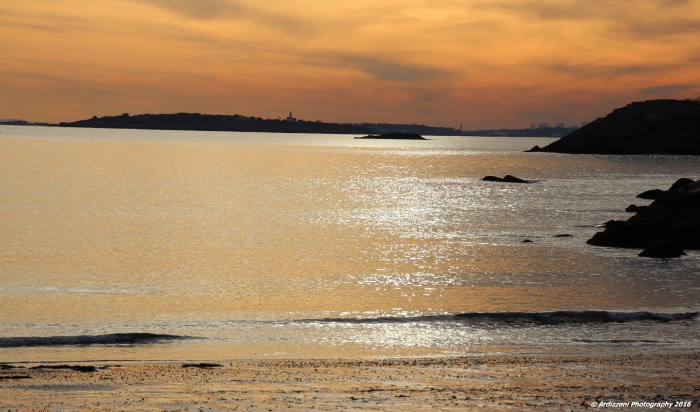




“If you are idle, be not solitary. If you are solitary, be not idle.”
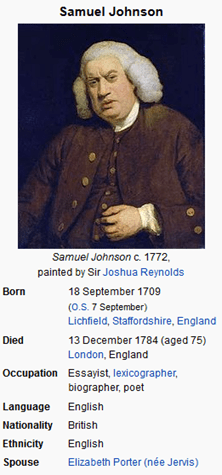
Samuel Johnson (1709-1784)
Dr. Johnson was the most important English literary figure of his age. He wrote plays, essays and poems including the deeply perceptive “Vanity of Human Wishes,” but he was best known for his Dictionary of the English Language (1755), an almost incomprehensible feat of solo scholarship, written in just nine years, and the first to feature examples, largely from Shakespeare, Dryden, and Milton, of 114,000 words in a literary context. Johnson was also the subject of one of the most famous biographies ever written, the minutely detailed Life of Samuel Johnson, by James Boswell. It is from this biography and other descriptions of the tics and outbursts of the good Doctor that it is now thought that he suffered from Tourette’s syndrome, a condition not yet defined in his time. Johnson is also credited with the observation that “Patriotism is the last refuge of scoundrels.”

More Cape Ann Health, Fitness and Wellness News-
http://www.capeannwellness.com
 Living with Wildlife in Suburban Areas
In light of the numerous coyote sightings in Gloucester, there will be an informational meeting on January 11, 7pm at Kyrouz Auditorium, City Hall, hosted by the Office of the Mayor, Gloucester Police Department, the Massachusetts Environmental Police and conducted by Div of Fisheries and Wildlife
Speakers: Mayor Sefatia Romeo-Theken and Chief of Police Leonard Campanello.
Guest Speakers: Patricia Huckery, Fisheries & Wildlife N.E. District Manager, Laura Connelley, Fishers & Wildlife Fur Bearing Biologist, and Environmental Police Officers.
The Division of Fisheries and Wildlife has put together this document named Living with Wildlife: Suburban Wildlife in Massachusetts for Massachusetts residents.


Not really, although it is wonderful to see a flock of so many. Red-breasted Mergansers are a diving duck found readily on our shores. They are funny to watch as they seem to get into spats and chase each other around. I read that a group can sometimes appear to be cooperatively hunting. They will line up and drive schools of small fish into shallow water and scoop the fish up without having to dive, which seems precisely what they were doing when I took these photos.
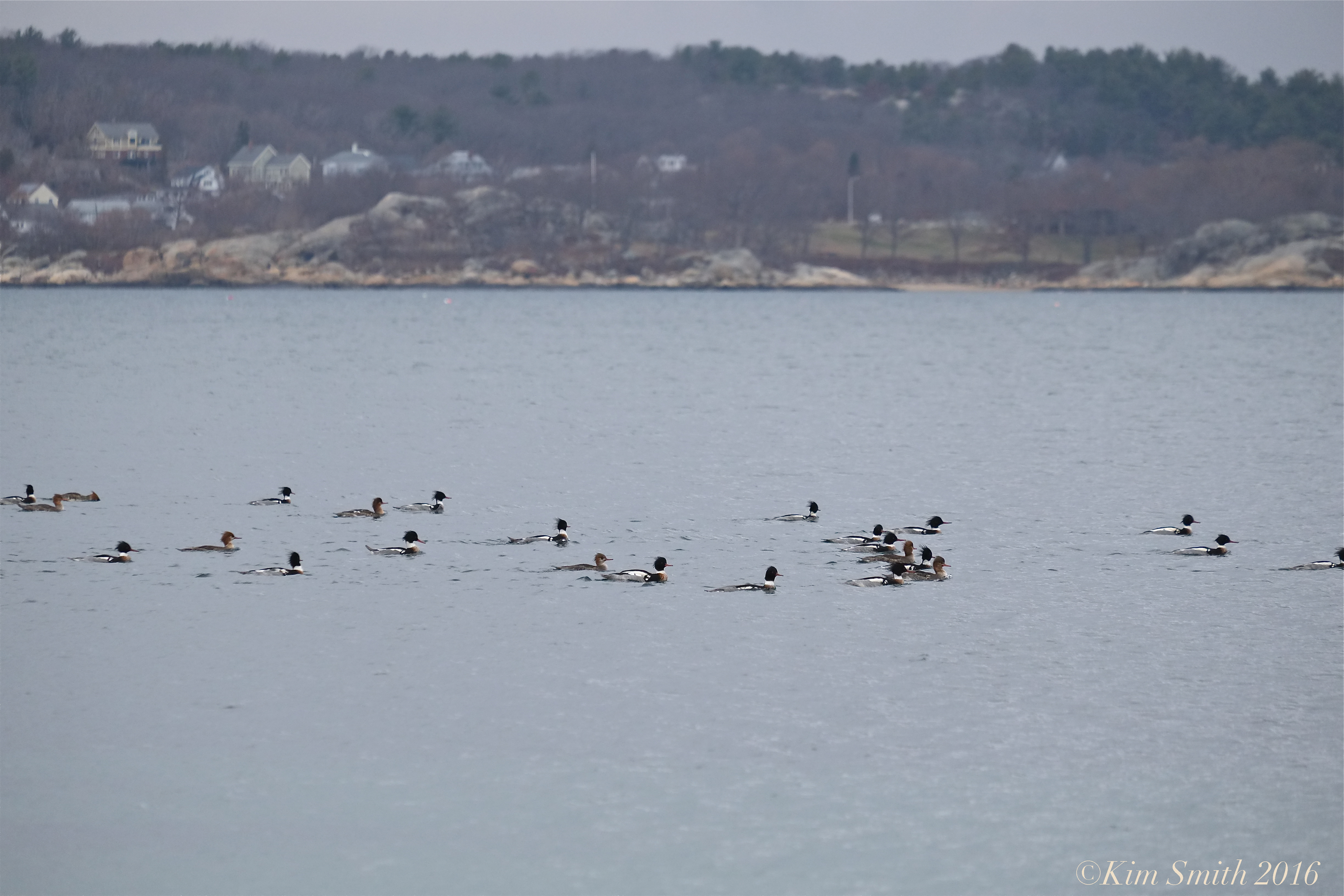
 Red-breasted Mergansers on a sunnier day
Feeding amongst the mergansers, a pair of Horned Grebes, a Common Loon, and a Common Goldeneye can all be seen, although both these “commoners” don’t seem at all common to me.
SEE PHOTOS OF COMMON GOLDENEYE, HORNED GREBE, AND COMMON LOON HERE
Continue reading “INVASION OF THE RED-BREASTED MERGANSERS!”

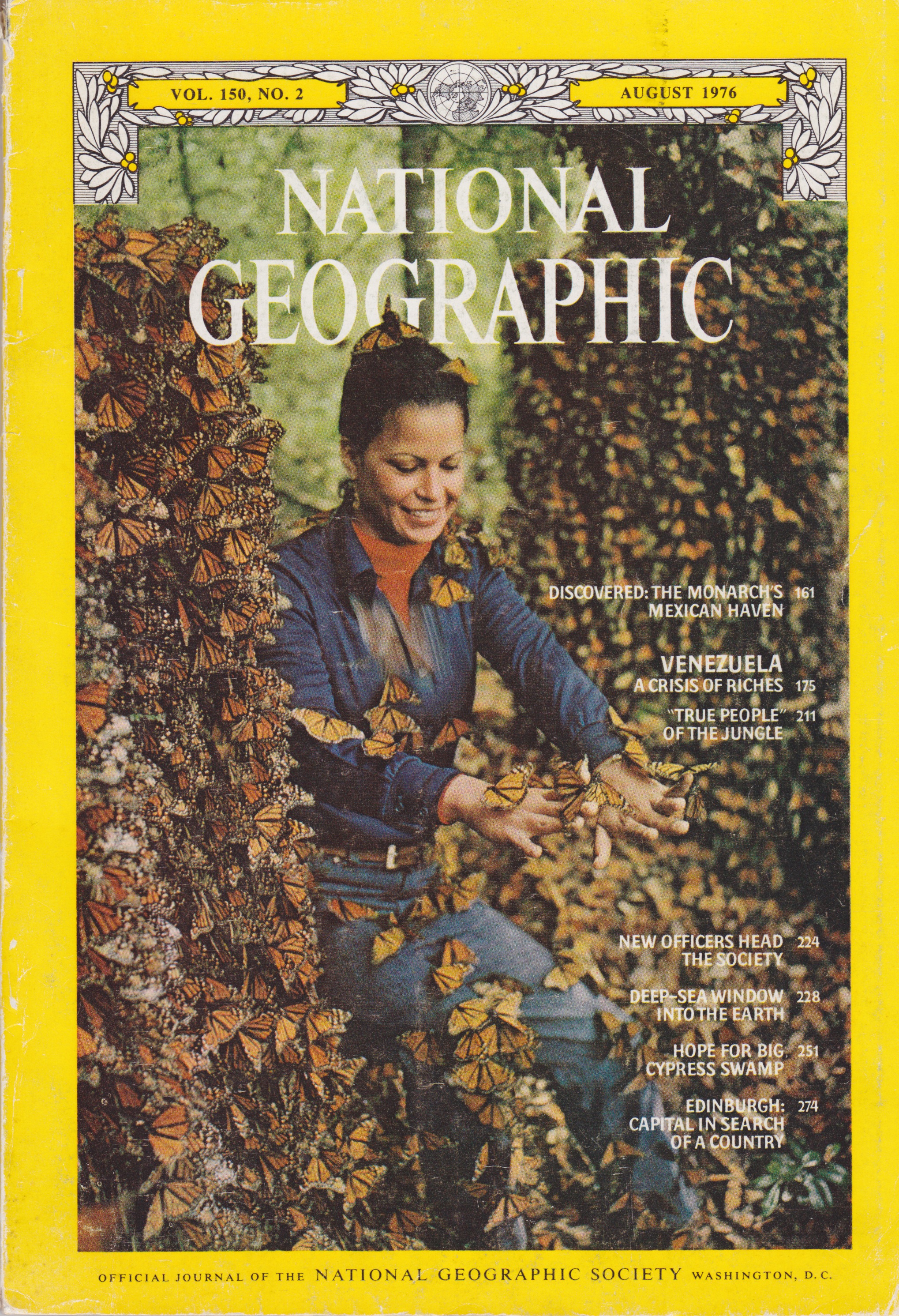
Forty one years ago today, January 9th is celebrated as the day the Monarchs winter habitat was “discovered.” The woman who led the discovery, Catalina Aguado, was born in Michoacán, the Mexican state that is home to the butterflies wintering grounds. Catalina is the only living member of the original team featured in the following 1976 National Geographic article.
Excerpt from “Discovered: The Monarchs Mexican Haven”
Doctor Fred Urquhart, the Canadian zoologist who had been studying and tracking the butterflies since 1937 writes the following:
“In our search for the overwintering place, years passed, years of frustration. Norah, late in 1972, wrote to newspapers in Mexico about our project, asking for volunteers to report sightings and to help with tagging.
In response came a letter, dated February 26, 1973, from Kenneth C. Brugger in Mexico City. “I read with interest,” he wrote, “your article on the monarch. It occurred to me that I might be of some help. . . .”
Ken Brugger proved the key that finally unlocked the mystery.
Traveling in his motor home with his dog, Kola, he crisscrossed the Mexican countryside. He searched especially in areas where tagged monarchs had been recaptured, and places where other visitors had reported numerous butterflies. “Go out in the evening,” we instructed him. “That’s when you’ll see the monarchs moving about looking for a place to roost.”
In a letter written in April 1974, Ken reported seeing many monarch butterflies in the Sierra Madre flying at random as if dispersing from a congregating site.
“Your data and observations are exciting,” I replied. “We feel that you have zeroed in on the right area.”
Ken Brugger doubled his field capability by marrying a bright and delightful Mexican, Cathy. Late in 1974 he wrote of finding many dead and tattered butterflies along the roads in a certain area. “You must be getting really close,” we responded. These butterfly remains suggested that birds had been feeding on large flocks of monarchs.
Swiftly came the dramatic conclusion. On the evening of January 9, 1975, Ken telephoned us from Mexico. “We have located the colony!” he said, unable to control the excitement in his voice. “We have found them—millions of monarchs—in evergreens beside a mountain clearing.”
Mexican woodcutters, prodding laden donkeys, had seen swarming butterflies and had helped point the way.”
The complete article is available to read online here.




 Good Morning Gloucester
