Looks like the Nathaniel Bowditch swallowed up the Tom Slaughter down in the boat yard.

My View of Life on the Dock
Looks like the Nathaniel Bowditch swallowed up the Tom Slaughter down in the boat yard.

It was a lovely sunny afternoon that hinted of summer fun so I decided to have my first lunch of the season at the Cupboard. 55 years this year….great milestone! Delicious sandwich but ice cream only available on the weekends for now.




Boys and Girls Grades 1-8- non contact clinic
Join Superbowl MVP Julian Edelman for a day long experience this summer. Sign up and use promo code “coachoconnor” to receive 10% off


Black Earth Compost not only makes a great product, they provide residential, commercial, and municipal compost pickup. Go here to learn more about their excellent services.


Visiting Marshall’s Farmstand on Sunday, of course I had to go visit the Alpacas, Perry the Peacock, goats and great flowers.

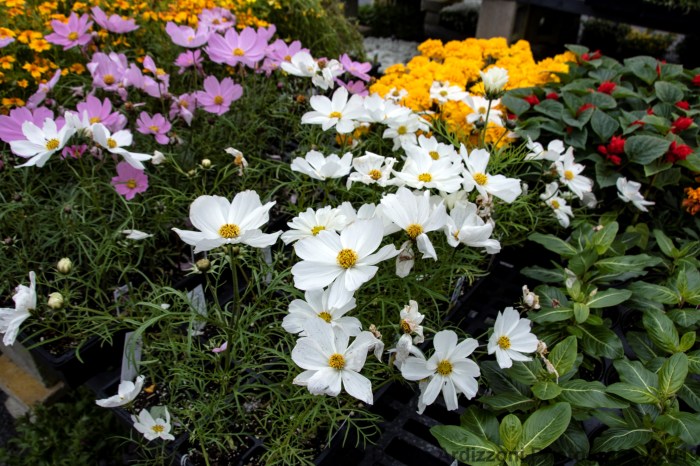

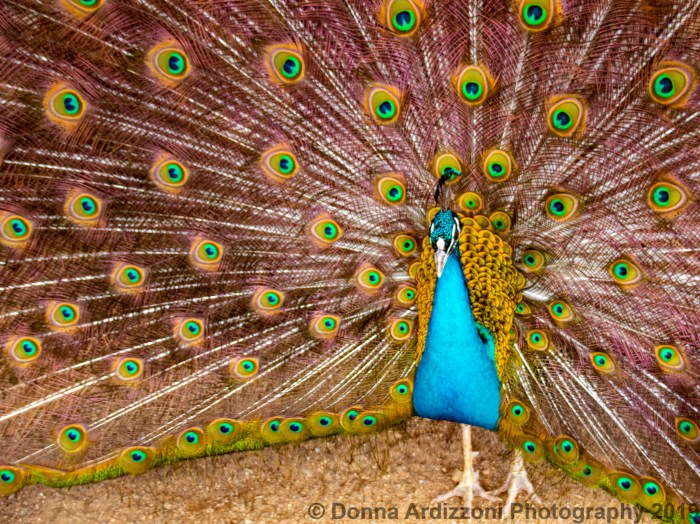
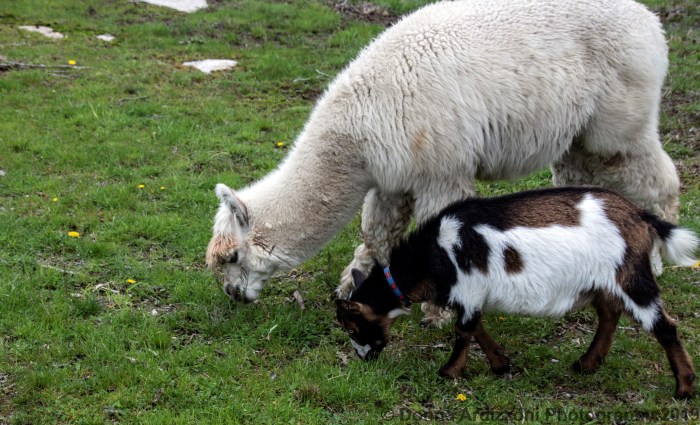


click photo for music info

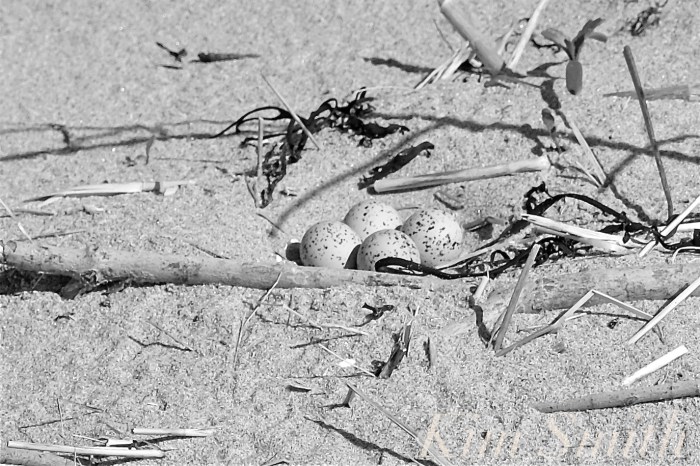
The Piping Plovers have a nest and it is not in the parking lot! Four beautiful, perfect eggs are now being tended to by both Mama and Papa Plover on the beach, in the same general location as the 2016 and 2017 nest locations.
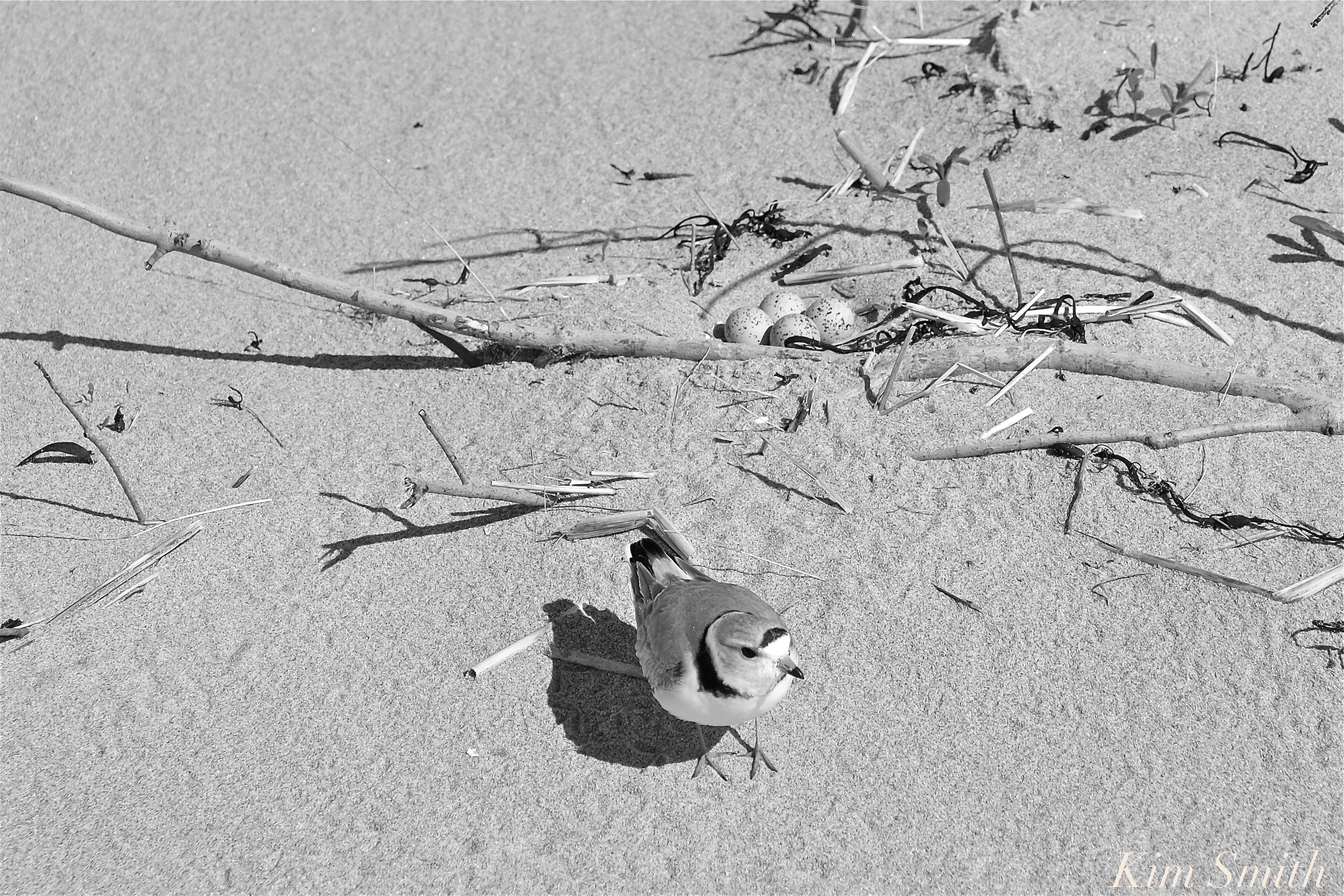
Early this morning, Essex Greenbelt’s Dave Rimmer, assisted by intern Fionna Hill, installed the wire exclosure that helps protect the Piping Plover eggs from canid, avian, and human disturbance and destruction.
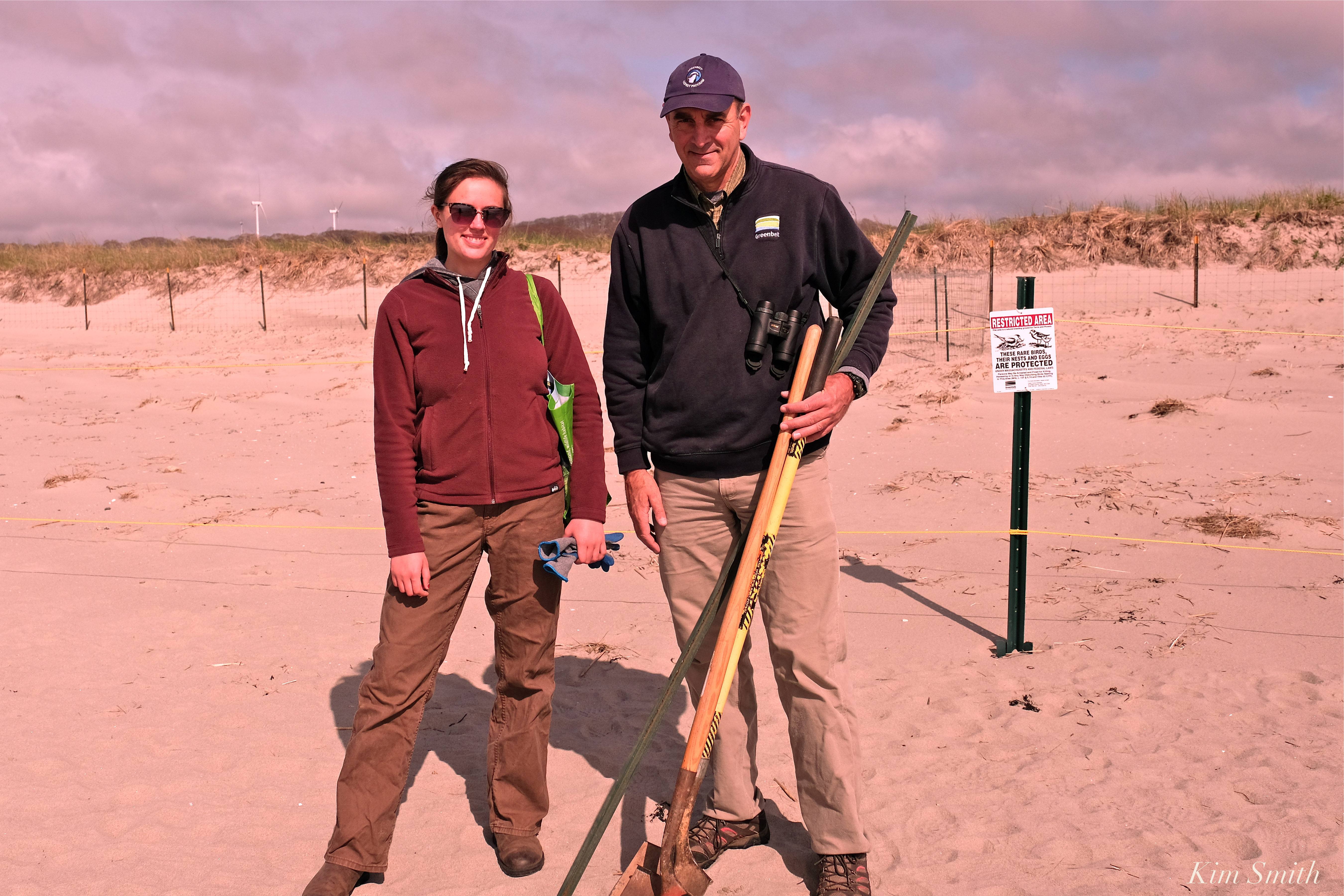


Dave is permitted by Mass Wildlife, and is an expert in, building and installing PiPl wire exclosures. Dave and Fionna constructed the exclosure together outside the nesting area so that when they actually had to step into the nesting area to place the exclosure there was minimal disturbance to the nest. Dave noted that it only took the two of them about fifteen minutes to install the wire structure around the nest, and Papa Plover was back sitting on the nest within one minute of completion.
Gloucester’s conservation agent Adrienne Lennon was present at the onset, but had to tend to issues related to the dyke construction at Goose Cove. Dave’s new assistant, Fiona Hill, will be helping to monitor the Plovers for the summer. She grew up in Newburyport and is a a junior at UMass Amherst. Welcome to Good Harbor Beach Fiona and we look forward to working with you!
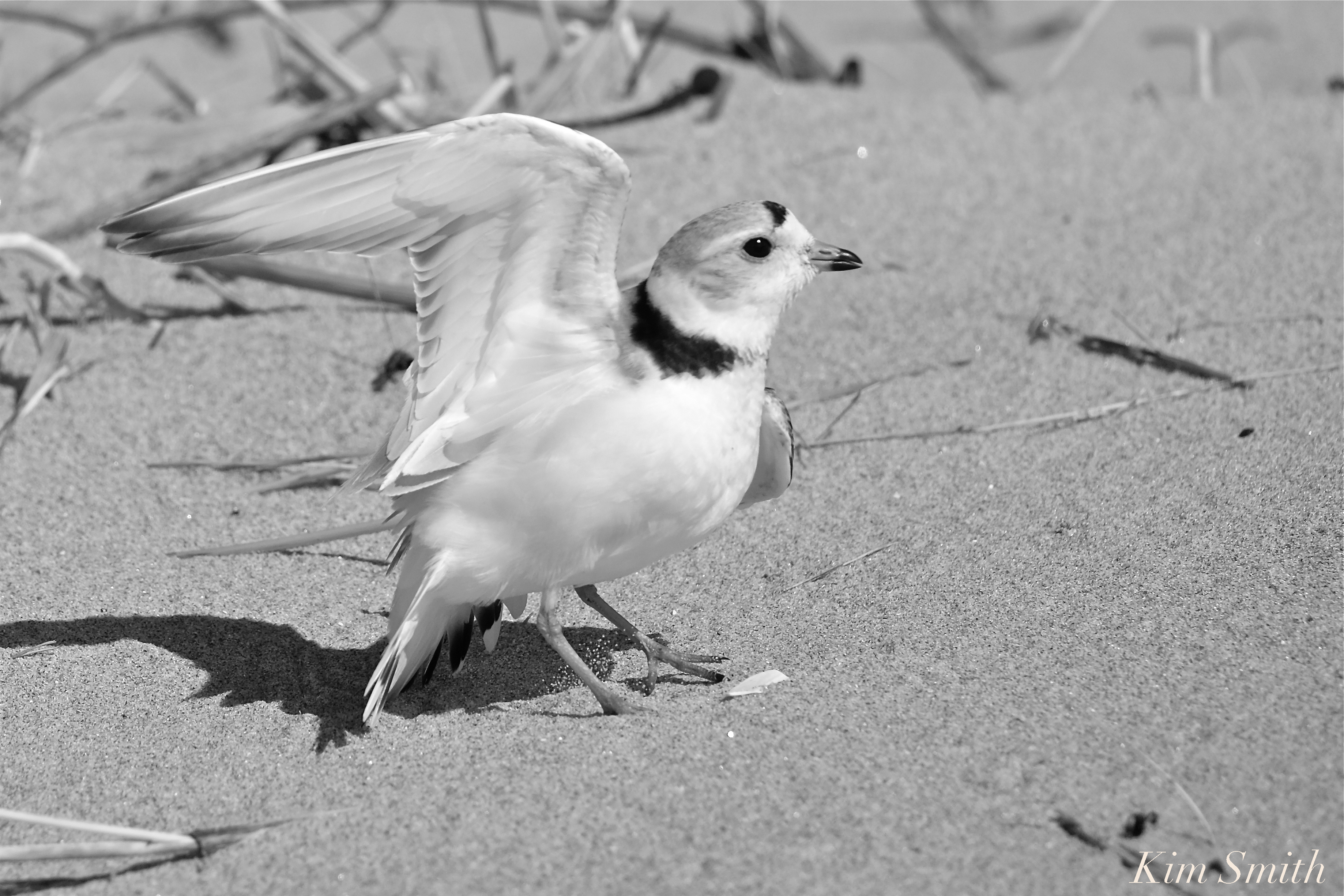
Papa feigning a broken wing in a classic diversionary display to distract predators.
So sorry the photos are very much on the pink side. I should convert the whole batch to black and white. My darling granddaughter was playing with my camera over the weekend and all the settings were messed up–the photos from the Cape Ann Museum were taken with the white balance set to underwater, and the beach photos this morning set to nine on the red scale! At least now I know how to fix it if it happens again 🙂
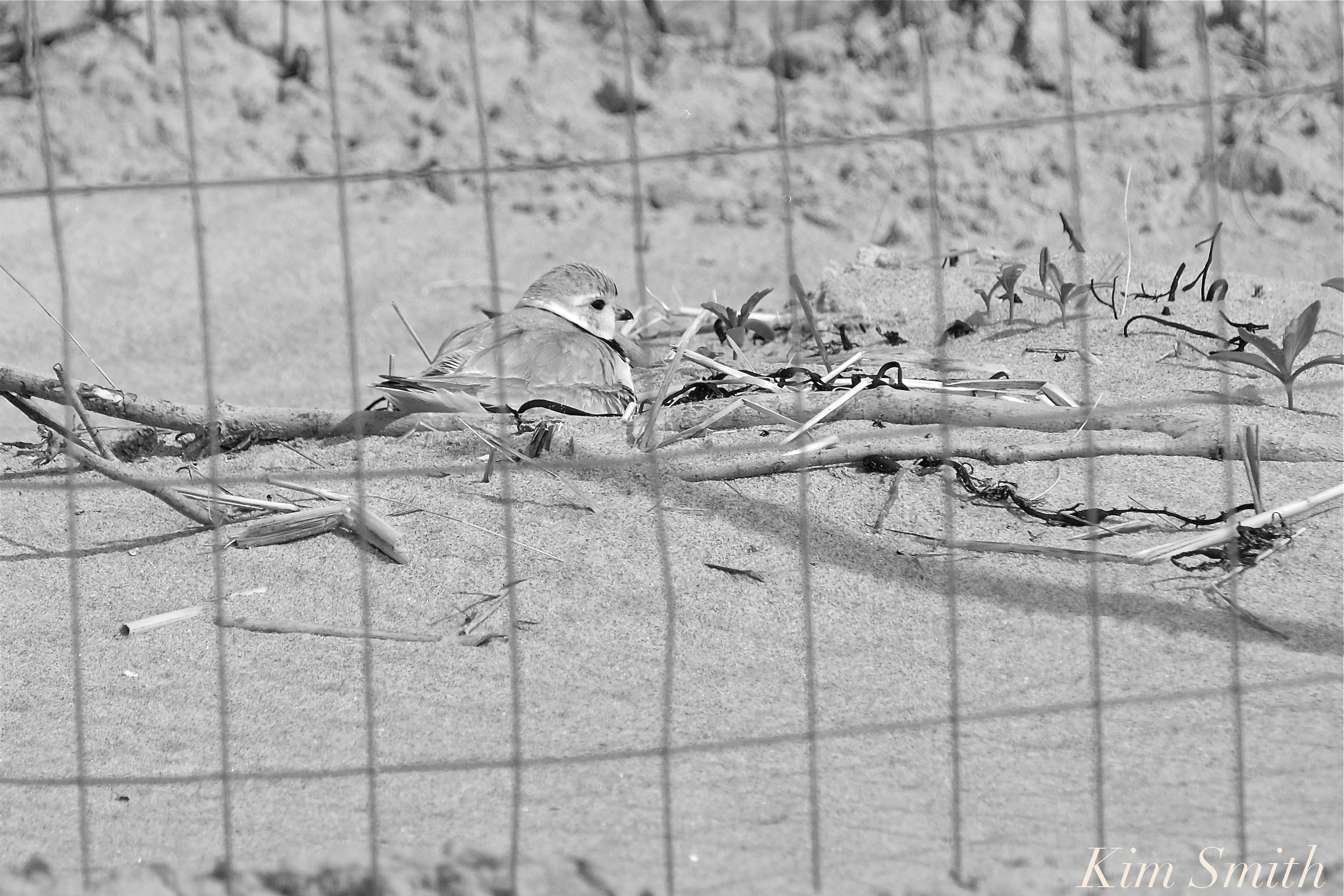
Papa back on the nest within a minute of exclosure installation completion.
https://instagram.com/p/BxIJsEBnOariOcakySGMutT2XKm8aFVEpLTtfY0/
https://www.instagram.com/p/BxIKWF6nl9mmOn3msQlnck_XQpIWs5TEMwHsMo0/


Family from Boston area visit Eastern Point

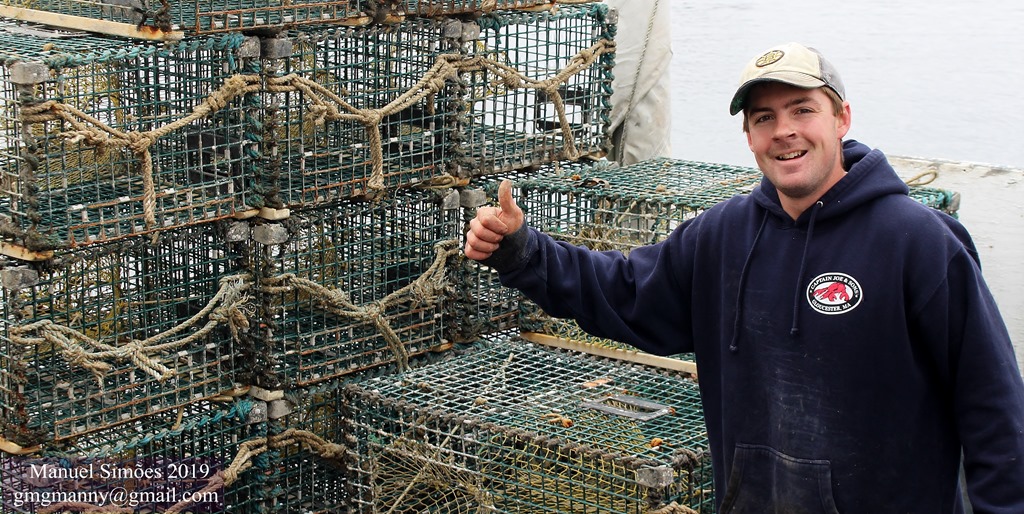

Our friend East Gloucester great guy Stu Lehr received the USPTA (United States Professional Tennis Association) Massachusetts Tennis Pro of the Year award at the USPTA New England Conference in Portland, ME.

Way to go Stu!


Gloucester, Ma’s newest best friend from Gloucester, England just finished breaking the World Record for distance gone on a treadmill in a 7 Day stretch. Congratulations, Jamie McDonald….Adventureman.
See caption from Jamie’s Facebook Page below:
He’s done it!!!Jamie is now the (unofficial, until verified) world record holder of the @guinnessworldrecords record for the greatest distance covered in 7 days on a treadmill 💪💪💪
As Jamie said when he equalled the record though… records aren’t just there to be broken, they’re there to be SMASHED!!!
We had a crowd of 500+ here to watch him break the record – let’s have the same here for the finish at 1pm!
Please do keep donating atwww.superherofoundation.org/donate
For anyone who might imagine that the opportunity to run a bit, walk a bit, run a bit, and walk a bit in an enclosed area, protected by the elements, for 7 days is anything less of a monumental task than was running 210 marathons in the USA for 11.5 months ….. I can assure you… it was not.
Thanks to a YouTube live streaming feed and the social media prowess of the amazing Superhero Foundation team, every second of the past 7 days was available for viewing, cheering, supporting, and worrying. As they predicted in the beginning, it was a week that was full of very high highs….and very low lows.
With an average of 2-4 hours of sleep late each night….and a faster pace during the day to make up for slightly more sleep than originally estimated… Jamie nailed it. The end was not always easily visible though. In the wee hours of Wednesday morning, I dare say that Jamie was incredibly close to quitting. The pain he was in was palpable and it was hard to imagine he could recover from it. With an amazing amount of support from his physical therapist, Sylvia, and the one and only AdventureDAD (Don McDonald), Jamie somehow found the strength to persevere and plow ahead. He later said that the pain and inability to walk early that morning took him back to his childhood. With his mobility stolen at a young age and a long fight to get it back….he knew that this week, despite it all, he needed to find the strength to just keep moving.
And keep moving he did. Right past the old World Record and on to a new one.
At about 10:45 this morning, London time….and 5:45 our time, Jamie matched the previous record to much fanfare gathered in the plaza of the Cineworld Gloucester Quays
With a live band, a crowd of about 500 supporters, his dad, his mum, his amazing Anna McNuff (read all about how cool she is here), Sylvia, Ian, his phenomenal Superhero Foundation team, and many, many others…. Jamie just kept moving.
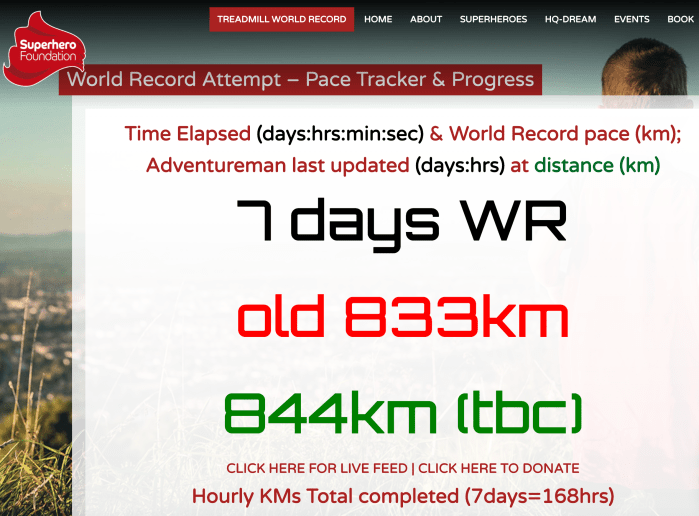
The old World Record stood at 517 miles….or about 833 kilometers. This morning Adventureman sealed the deal with a new record of 844 kilometers (still being made official).
To watch video highlights of this past week, or parts of his US Super Run (that recently ended in our very own Gloucester, Ma), or his run across Canada, or his 12 day marathon static cycling ride, OR his bicycle ride from Bangkok to Gloucester, England….. check out Adventureman’s YouTube channel HERE!
And….while you’re at it, please consider donating HERE
For starters, I highly recommend that you watch an oldie, but goodie….one of Jamie’s original trailers….here:

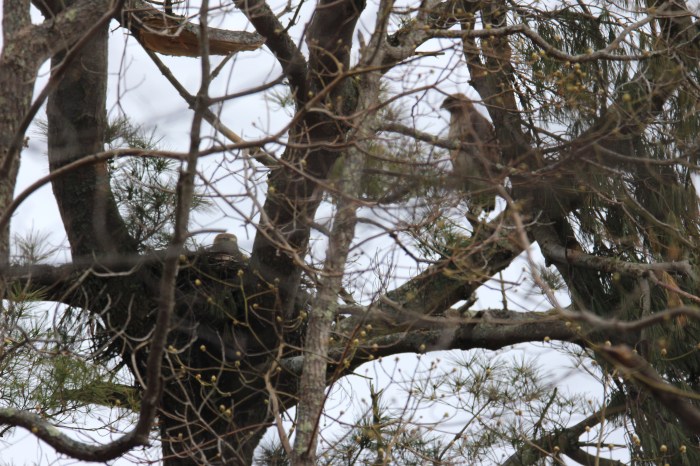
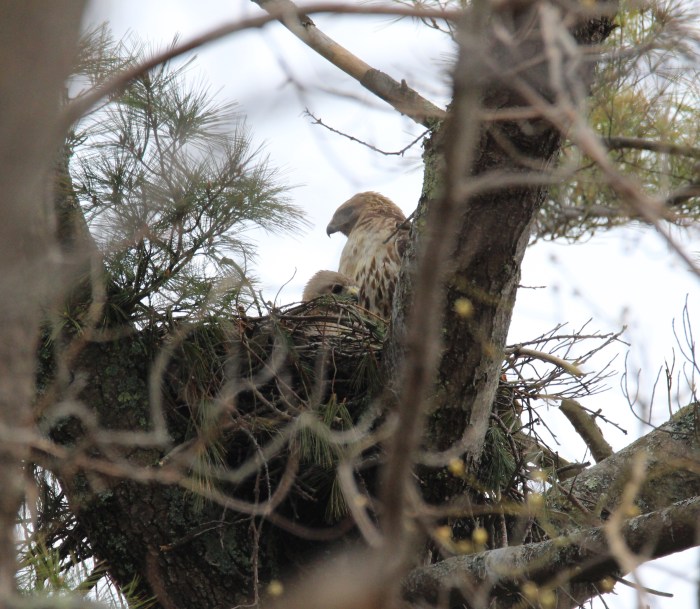
As if returning to Gloucester wasn’t rewarding enough, I returned to find our hawk couple together at their nest. I will keep sharp eyes open for chicks but I was happy enough to find the hawks together.
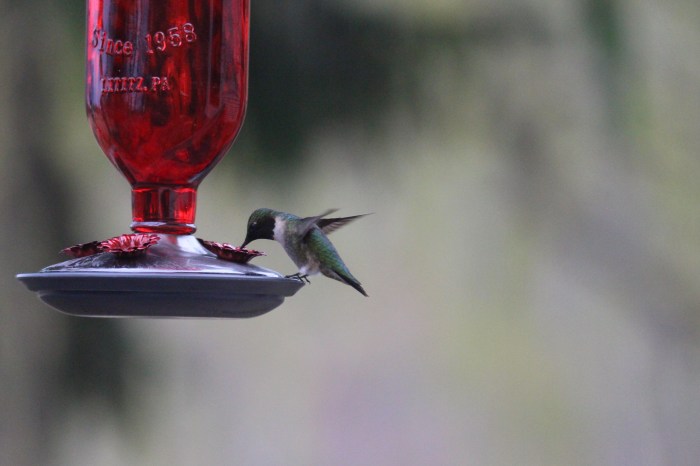
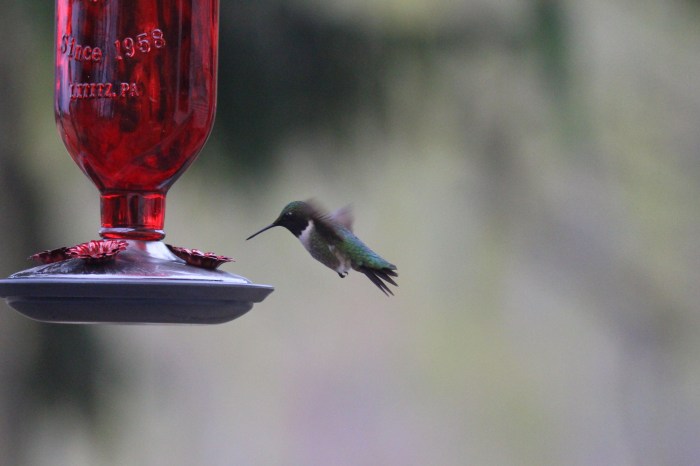
And, thanks t9 a heads up from Paul Morrison in a recent post, I put the hummingbird feeder out with some sugar water and was rewarded within 30 minutes with this welcome visitor:

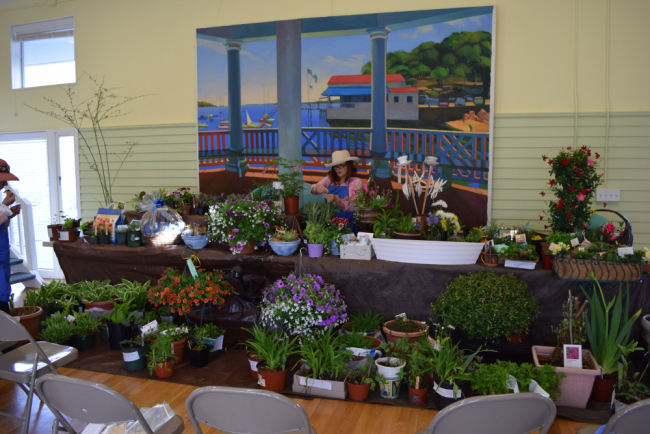
Seaside Garden Club’s annual auction will feature donations
from area nurseries, hanging baskets, garden supplies, annuals and perennials
from our members’ gardens, and garden accessories. Doors open at 6:30pm at the
Manchester Community Center, auction starts at 7pm. Free admission. Cash or
checks, no credit cards. Light refreshments. Our annual auction supports our
club’s operations, programs, scholarships, and community service. Pick up a new
addition for you garden or a gift for a friend.
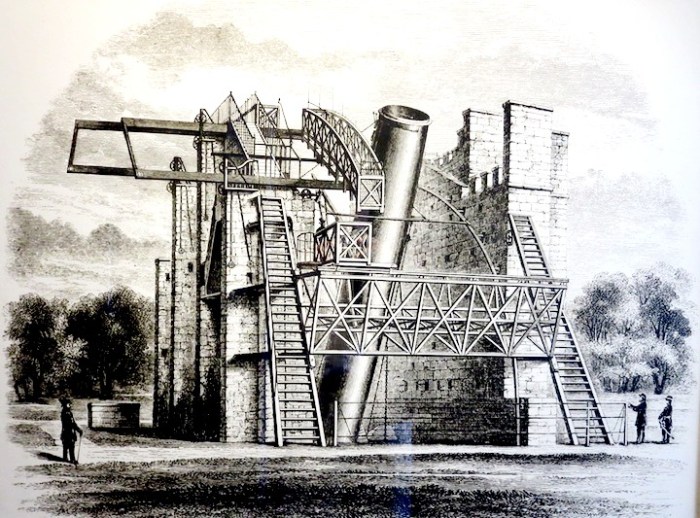
At our May 10 meeting, Amateur astronomer and perennial GAAC favorite Dwight Lanpher will speak about his visit last September to Birr Castle, County Offaly, Ireland to examine “the Great Telescope.” Any review of the history of astronomy will likely discover this large telescope called the “Leviathan of Parsonsonstown.” Built in Ireland in 1845 by the 3rd Earl of Rosse, it was the largest telescope in the world for 70 years. Each of two 72″ speculum-metal mirrors were alternately mounted in a 54′ long tube, suspended between two purpose built castle walls.
Dwight’s dynamic presentation will show details of how the telescope was operated and the modifications that were made during a $1,200,000 renovation in 1995. Images will also include the last remaining of the two, 3-ton, speculum mirrors examined during the return trip at its current location at the Museum of Science in London.
When not visiting ancient telescopes…
View original post 115 more words
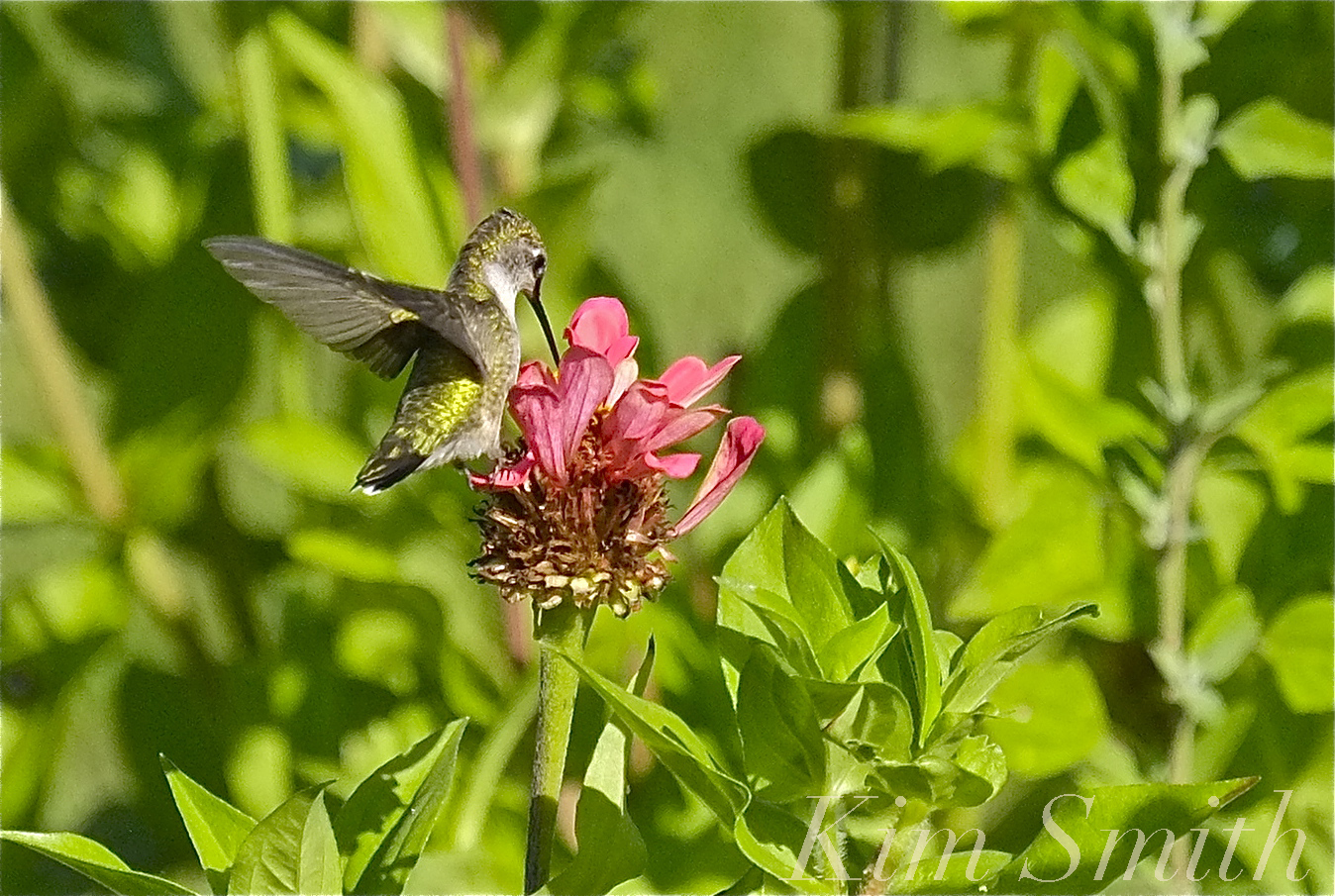
A Ruby-throated Hummingbird’s diet is comprised of nectar and insects. In early spring there isn’t much to offer in the way of flowering sustenance or insects. Around the first of April, we take our feeders out of storage, give them a good wash with vinegar, soap, and water, fill with a sugar/water mixture, and hang them throughout the garden.
Sugar water recipe: 4 parts water to 1 part sugar. Stir to dissolve thoroughly. Never add red dye or replace the sugar with honey. Provide fresh sugar/water every 4 – 5 days. The water will need to be changed more frequently in hot humid weather. Discard water that has black mold and clean feeders throughly.
You can keep hummingbirds coming to your garden throughout the growing season by providing nectar-rich tubular-shaped flora in shades of primarily red, orange, and yellow (although I see them drinking nectar from a rainbow of hues), along with flowers comprised of small florets that attract small insects (the florets at the center of a zinnia plant, for example).
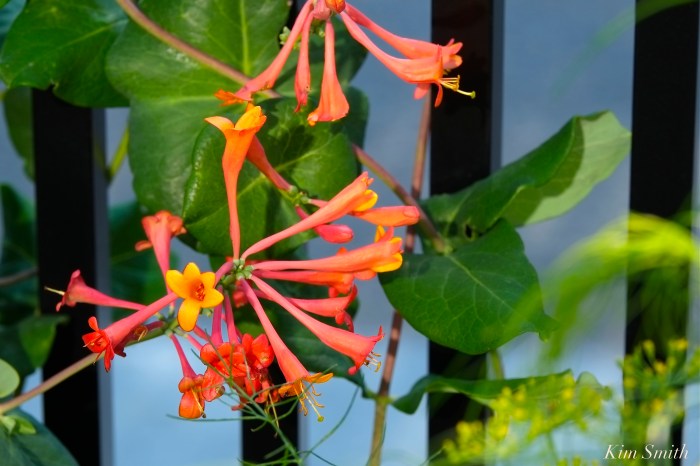
If I could only grow one plant to attract the Ruby-throats, it would be honeysuckle. Not the wonderfully fragrant, but highly invasive Japanese honeysuckle, but our beautiful native Trumpet Honeysuckle (Lonicera sempervirens) that flowers in an array of warm-hued shades of Spanish orange (‘John Clayton’), deep ruby red (‘Major Wheeler’), and my very favorite, the two-toned orange and red ‘Dropmore Scarlet.’
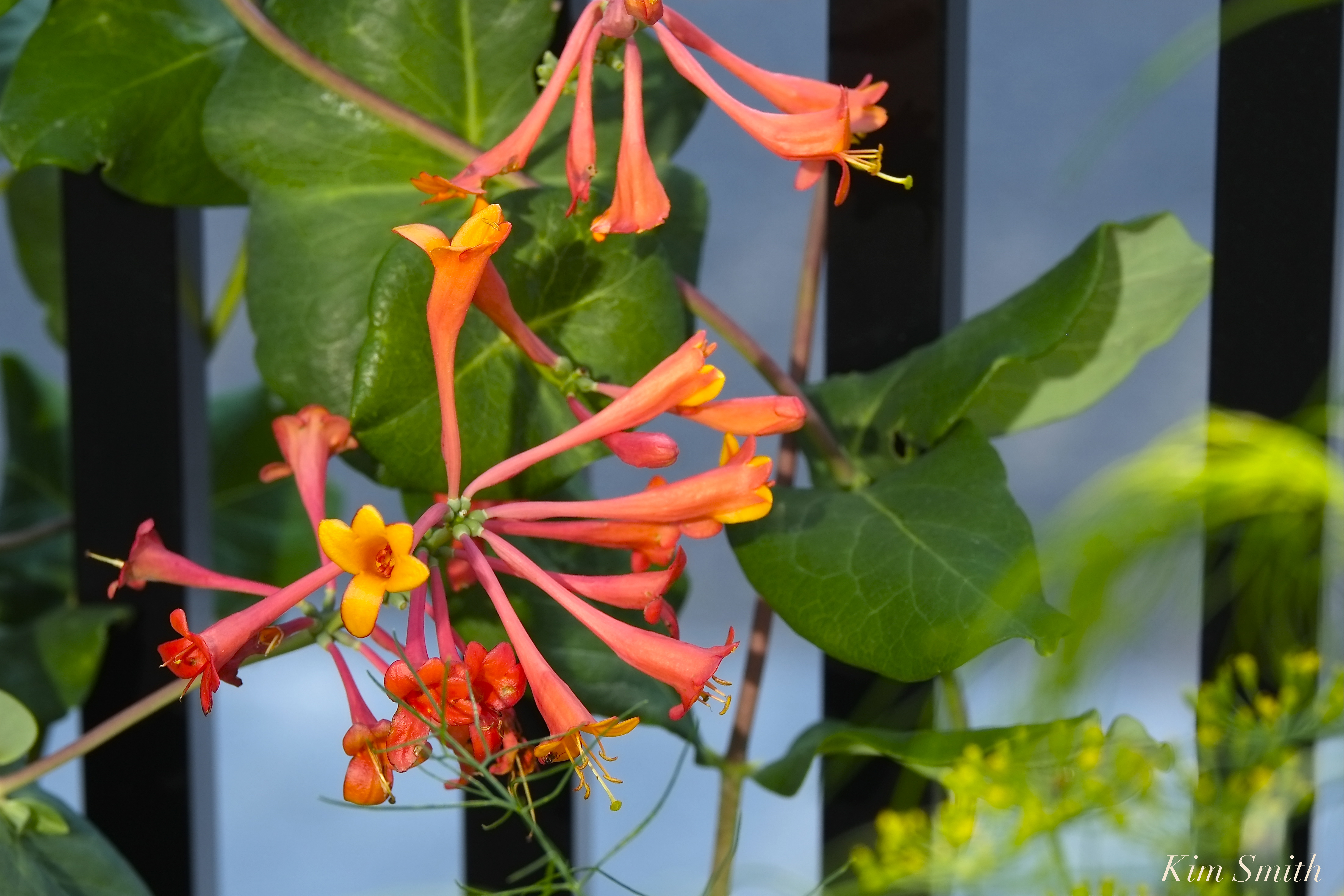
Lonicera sempervirens ‘Dropmore Scarlet’
Trumpet Honeysuckle has myriad uses in the landscape. Cultivate to create vertical layers, in a small garden especially. Plant Lonicera sempervirens to cover an arbor, alongside a porch pillar or to weave through trelliage. Allow it to clamber over an eyesore or down an embankment. Plant at least one near the primary paths of the garden so that you can enjoy the hummingbirds that are drawn to the nectar-rich blossoms. We practically bump into our hummingbirds as they are making their daily rounds through the garden flora.


Did you know Ruby-throated Hummingbirds make a funny squeaky sound? I began to take notice of their presence in our garden, when at my office desk one afternoon in late summer, with windows open wide, I heard very faint, mouse-like squeaks. Glancing up from my work, fully expecting to see a mouse, and was instead delighted to discover a female Ruby-throated Hummingbird outside my office window, nectaring at the vines. Trumpet Honeysuckle not only provides nectar for the hummingbirds, it also offers shelter and succulent berries for a host of birds.
The following are several posts written over the years to help readers attract Ruby-throated Hummingbirds to their homes and gardens.
Where to Place Your Hummingbird Feeders
A question written awhile back from my friend Kate:
Where do you place the feeders? Are they okay out in the open and, if so, do the hummingbirds become too nervous to feed if they can be seen by birds of prey?
Ruby-throated Hummingbirds prefer feeding at a station where they perch and observe the landscape, and then zoom in. Hang feeders on the lower limbs of trees and on shepherd’s hooks close to shrubs and above perennial wildflowers, about five to six feet off the ground. I haven’t read or heard too much about birds of prey in regard to hummingbirds; they move too fast, however, bluejays are said to attack nestlings. House cats and praying mantis pose a more serious threat to hummingbirds.
Eye-catching Red Riding Hood tulips, although not a good source of nectar, will attract by the sheer brilliance of their color, are a wonderful species tulip that reliably returns year after year, and multiplies. We plant Red Riding Hood tulips beneath the boughs of flowering and fruiting trees and shrubs, in hopes, that they too will lure the hummingbirds to our garden during their northward migration. And then, again with high hopes, that the hummingbirds will nest in our garden. For the past nine years, it has been our great good fortune to host throughout the nesting season female Ruby-throated Hummingbirds and then later in the summer, their fledglings!


Mallows provide nectar in later summer and Red Riding Hood tulips attracts by their color. Both are perennial.
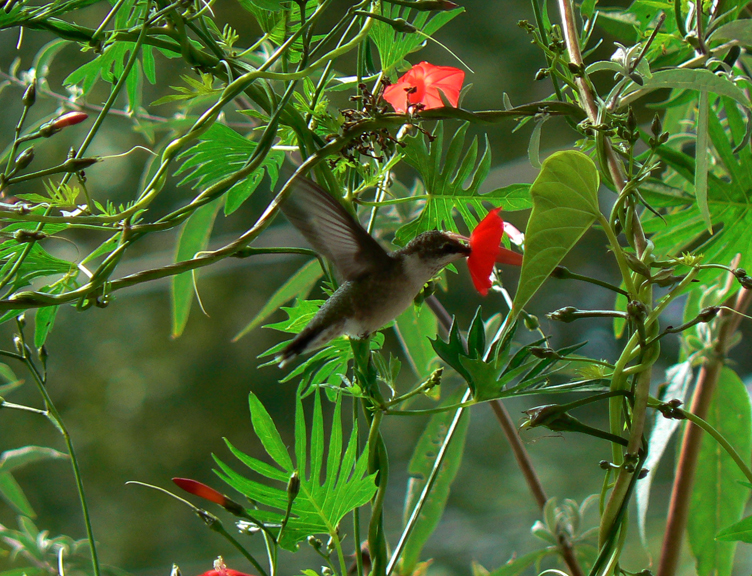 The later blooming annual vine, Cardinal Climber, provides nectar for southward migrating RT Hummingbirds.
A chance encounter with the brilliant emerald green feathered female Ruby-throated Hummingbird, drinking nectar from the Wild Sweet William growing in the sand at the base of the Welcome Good Harbor Beach sign.
She is drinking nectar from the wildflower Saponaria officinalis. The plant’s many common names include Soapwort, Bouncing-bet, and Wild Sweet William. The name Soapwort stems from its old fashioned use in soap making. The leaves contain saponin, which was used to make a mild liquid soap, gentle enough for washing fine textiles.
Saponaria blooms during the summertime. Although introduced from Eurasia, you can find this wildflower growing in every state of the continental US.
The hummingbird in the clip is a female. She lacks the brilliant red-feathered throat patch, or gorget, of the male. Ruby-throated Hummingbirds are all around us, you just have to know what to plant to bring them to your garden. Mostly they eat tiny insects but if you plant their favorite nectar-providing plants, they will come!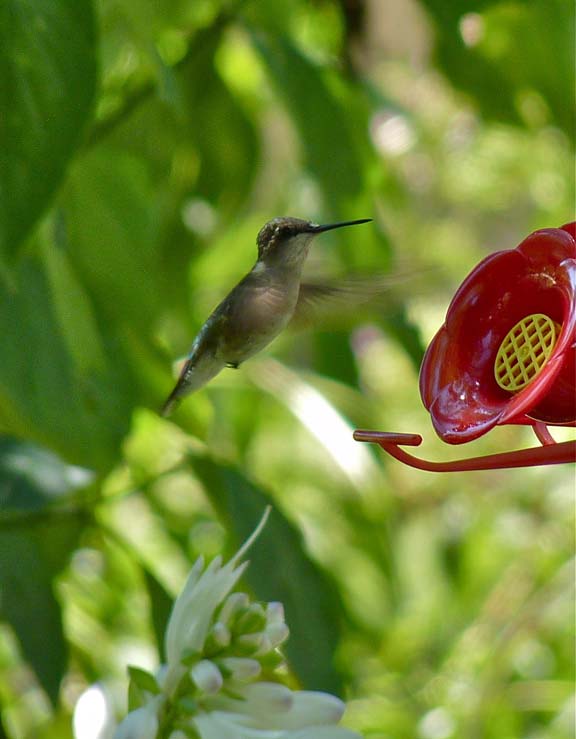

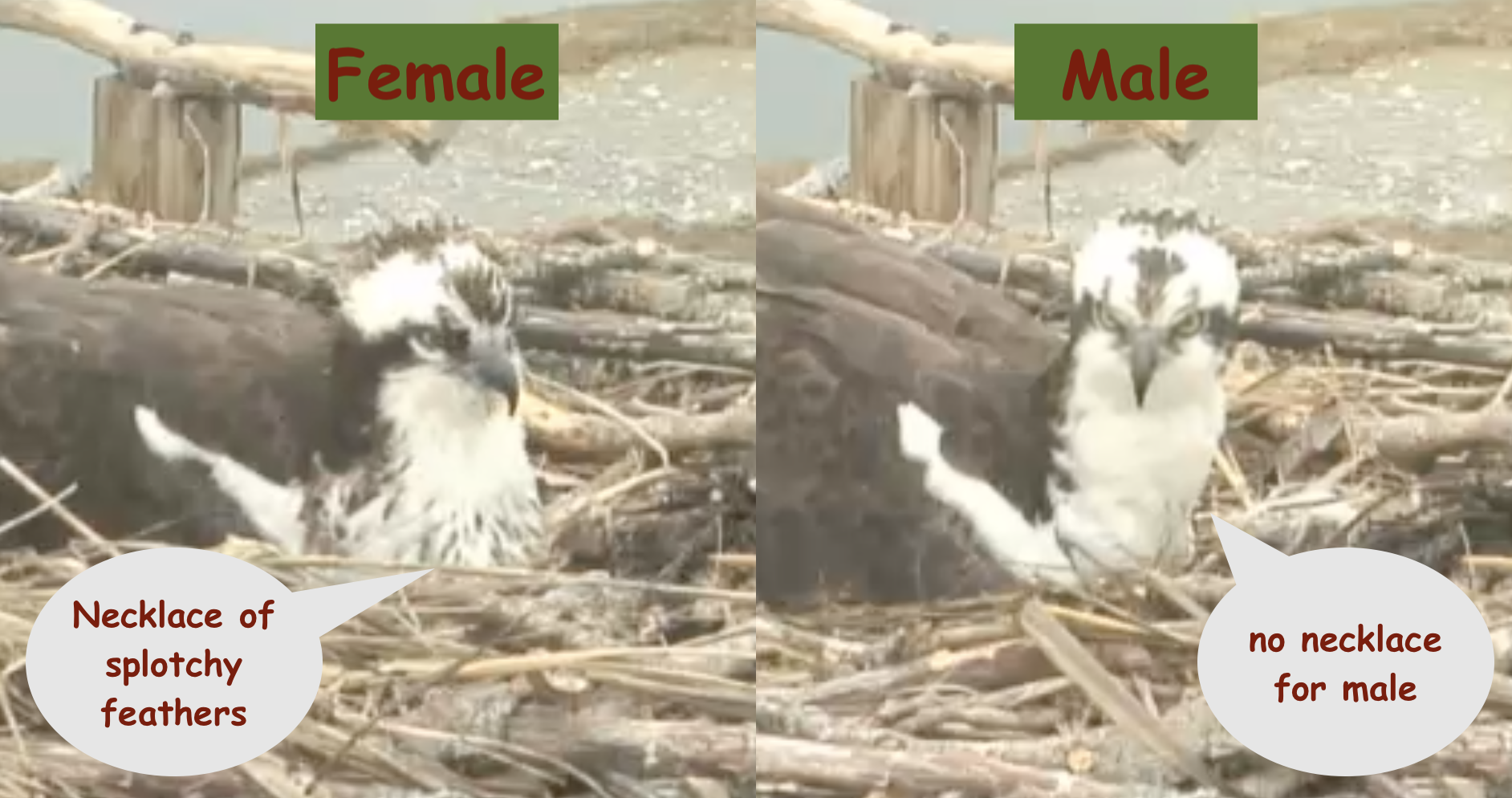
If you are Osprey watching here and wondering if it is the future mom or dad, here is my cheat sheet. There are a ton of differences none of which I can pick up except for the splotchy necklace on her while the dude is clean white down the neck.
If the dude is on the nest then there is a zero chance of egg laying. She is on the nest right now getting all scrunchy. It will be hard to make out the two eggs since they have squished #1 out of sight.




 Good Morning Gloucester