BEAUTIFUL SNOW MOON ILLUMINATING SAINT ANN CHURCH CROSS

According to the Farmer’s Almanac, the full moon of February is most usually called the Snow Moon, named by Native Americans in honor of February’s often heavy snow; some other names include No Snow in the Trails Moon, Bone Moon, and Shoulder to Shoulder Moon. 2020 will bring three Super Moons and one Blue Moon

Moonset over Saint Ann’s steeple

GREAT THINGS HAPPENING WITH THE GLOUCESTER WRITERS CENTER – ANDRE DUBUS III AT THE AZOREAN!!

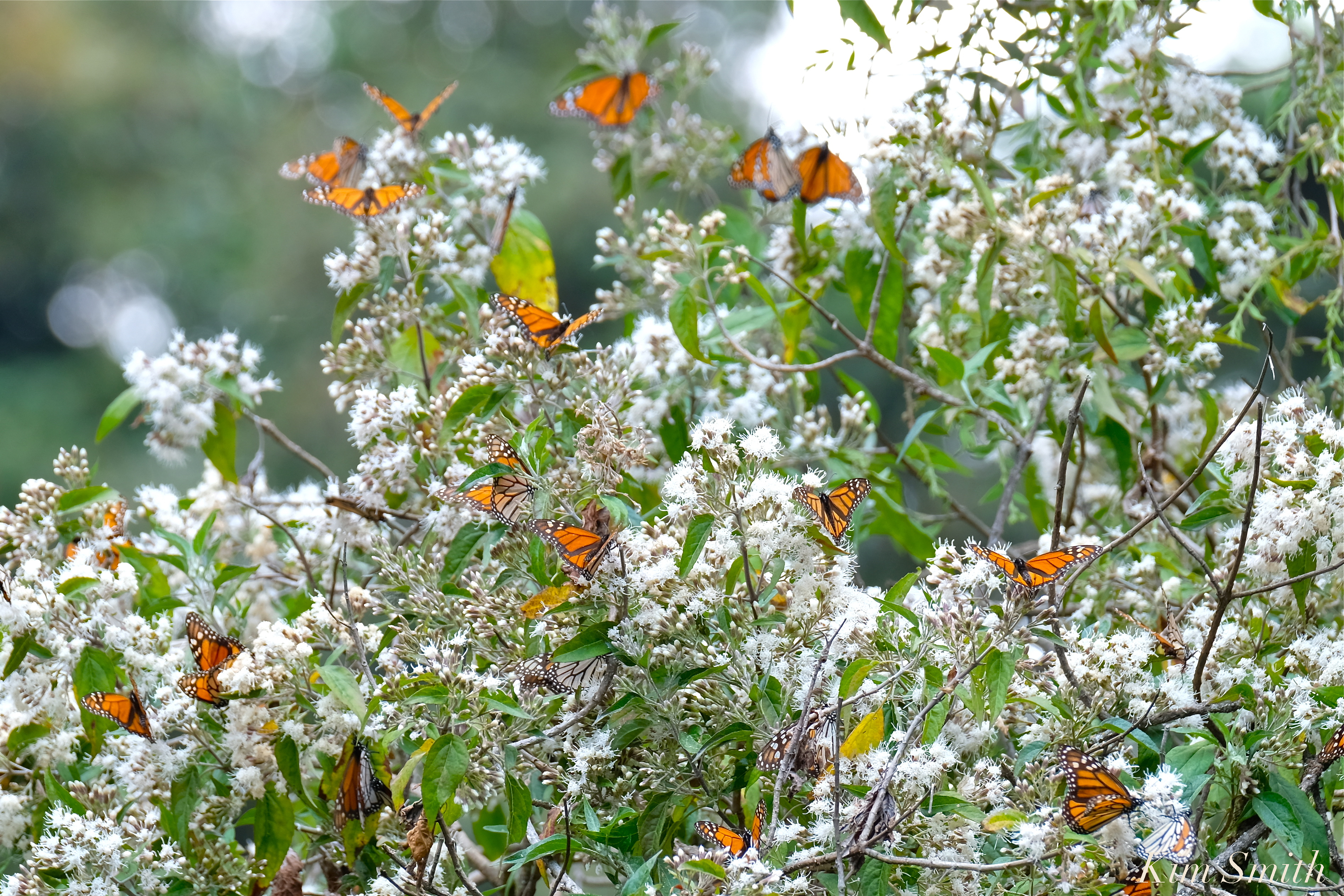
MONARCH BUTTERFLY PROTECTORS MURDERED

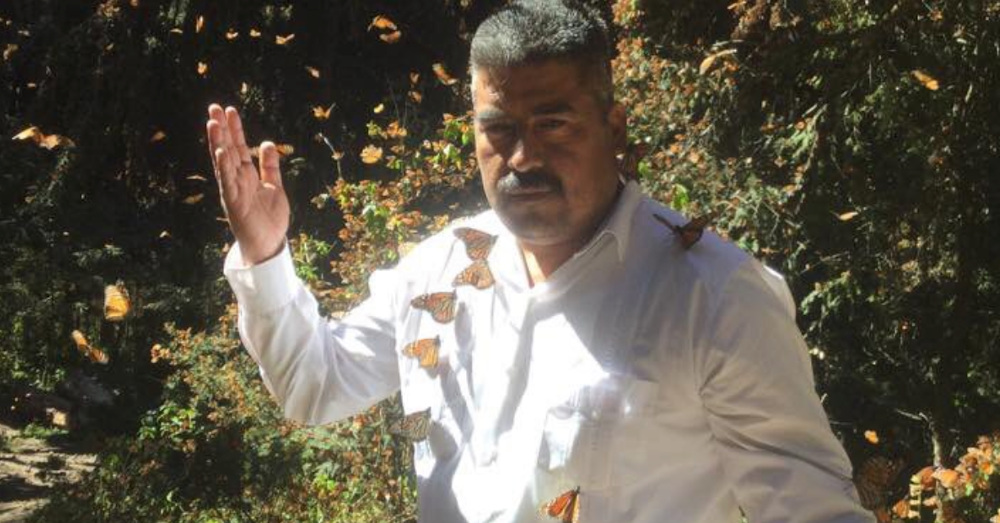
Many friends have written with questions about the death of Homero Gómez González, and now a second Monarch Butterfly environmentalist, Raúl Hernández Romero, has also been found murdered. The deaths have been widely reported by the BBC, NYTimes, Washington Post, and many other news media. These are tragic events taking place in the desperately poor state of Michoacán, where the people who commit these crimes have nothing much to lose. The problems in these districts are many-layered and complex.

Homero Gómez González

I can only speak to our own experience traveling to the Monarch Butterfly Biosphere Reserves in Michoacán and the State of Mexico. On our trip last March, Tom and I stayed at the beautiful inn, JM Monarch Butterfly Bed and Breakfast, located in sleepy Macheros. JM Butterfly is owned and operated by husband and wife team Joel Rojas Moreno and Ellen Sharp. Macheros is a rural hamlet, called a ‘ranchita,’ with a population of more horses to people. Macheros is sited at the base of an old volcanic mountain, Cerro Pelon, which is located in the State of Mexico.

Cerro Pelon is the mountain where the butterflies were first located by outsiders. The villagers knew of the Monarchs annual return, but it was a mystery to the rest of the world where the Monarchs wintered over.

We felt safe every moment of our time at Cerro Pelon and JM Butterfly B and B. So safe that I went for long walks through the town filming and taking photos, on my own, and often left my handbag unattended  when socializing with fellow guests at dinner and in the common areas of the Inn .

Later this month I am posting a video interview with Ellen and Joel where we discuss safety issues, but it is well worth noting the following at this point in time when so much attention has been drawn to the region. Some states, cities, and towns in Mexico are more  prone to violence than other areas, just as we find in different regions of the US. Basing a decision to travel to Cerro Pelon on what happens in Michoacán is like saying I am not going to travel to Beverly Hills because of the gang violence that takes place in Emeryville.

I absolutely love Cerro Pelon and JM Butterfly B and B and hope to return very soon. We also can’t wait until our granddaughter is just a wee bit older so we can take a family trip there. I write older only for the reason that she will remember how memorable an experience.

Conversely, the Monarch Butterfly Biosphere Reserve at El Rosario is located in the state of Michoacán, where gang violence poses a greater threat. Homero Gómez González was a manager at El Rosario,  a former logger himself, and champion of the Monarchs and Reserve. Raúl Hernández Romero was also an environmentalist and tour guide. It is tragic that the defense of the exquisite and productive forest habitats of the Monarch Biosphere Reserves turns activists into victims of threats and persecution and that Monarch protectors González and Romero have paid the ultimate price for their bravery.

I traveled to El Rosario, in 2014, and again in March of 2019. This last trip we were with a small group sponsored by JM Butterfly and both trips, the one taken in 2014 and the one in 2019, we were perfectly safe and well looked after by our guides. The majority of the visitors to El Rosario are international tourists and Mexican families, respectively, making first time visits and annual pilgrimages. You will see the very youngest babies being strolled along the paths to the very oldest grannies hobbling along with walking sticks, and everyone in between.

El Rosario Monarch Butterfly Biosphere

Rural communities throughout Mexico are developing, some more rapidly than others.  We can do a great deal to help the local economy by continuing to visit these beautiful but impoverished areas and the wonderful people you will meet there, to treasure the unspoiled habitats and wildlife you will find there, and to spend our tourist dollars generously.  We live in a time with growing environmental awareness, but also a time with increasing anti-environment animus, largely generated by the current US federal government’s devastating anti-environment policies.

González was missing for two weeks before his body was recovered at the bottom of a holding pond in an agricultural area. Prosecutors in Michoacán say an autopsy found that the cause of death was “mechanical asphyxiation by drowning of a person with head trauma.”

Raúl Hernández Romero, who had worked as a tour guide in the preserve went missing last Monday. His body was found bruised, his head showing trauma from a sharp object.

Mourners lower the coffin of community activist Homero Gómez González into a grave at a hillside cemetery in Ocampo, Mexico, on Friday. PHOTO: Rebecca Blackwell/AP

WELCOMING BACK GLOUCESTER’S PIPING PLOVERS AND WHY BANDING OUR GOOD HARBOR BEACH NESTING PAIR IS NOT A GOOD IDEA

Hello dear Piping Plover Friends and Partners,

As are you, I am looking forward to the return of our Gloucester Plovers. With the relatively mild winter we are experiencing, and the fact they have been arriving earlier and earlier each spring, we could be seeing our tiny shorebird friends in little over a month.

About this time of year I imagine well wishers and monitors are becoming anxious, wondering if our PiPls survived all the challenges winter brings to migrating birds.
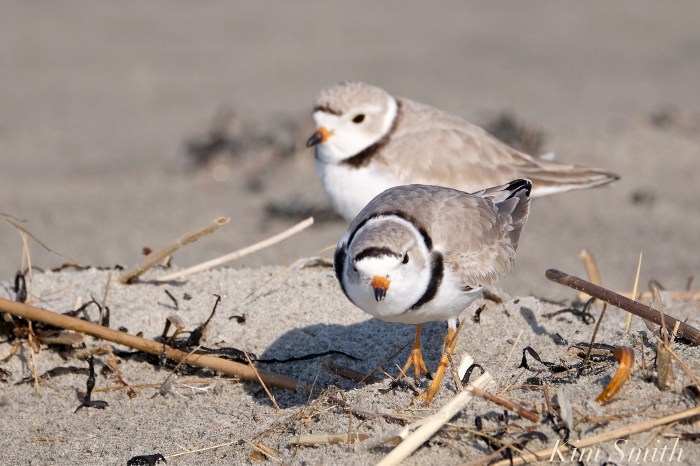
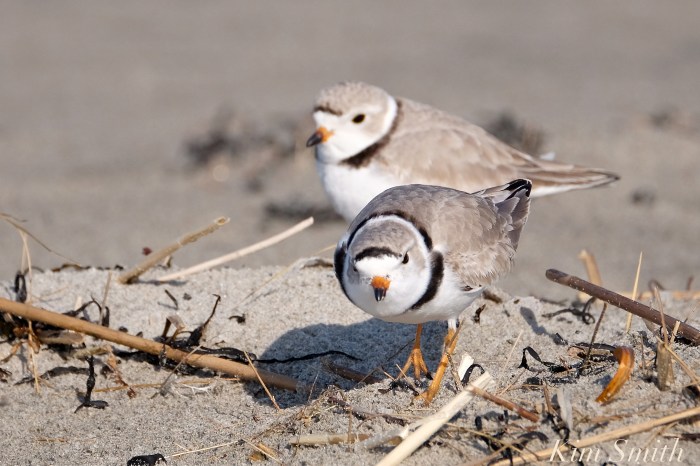
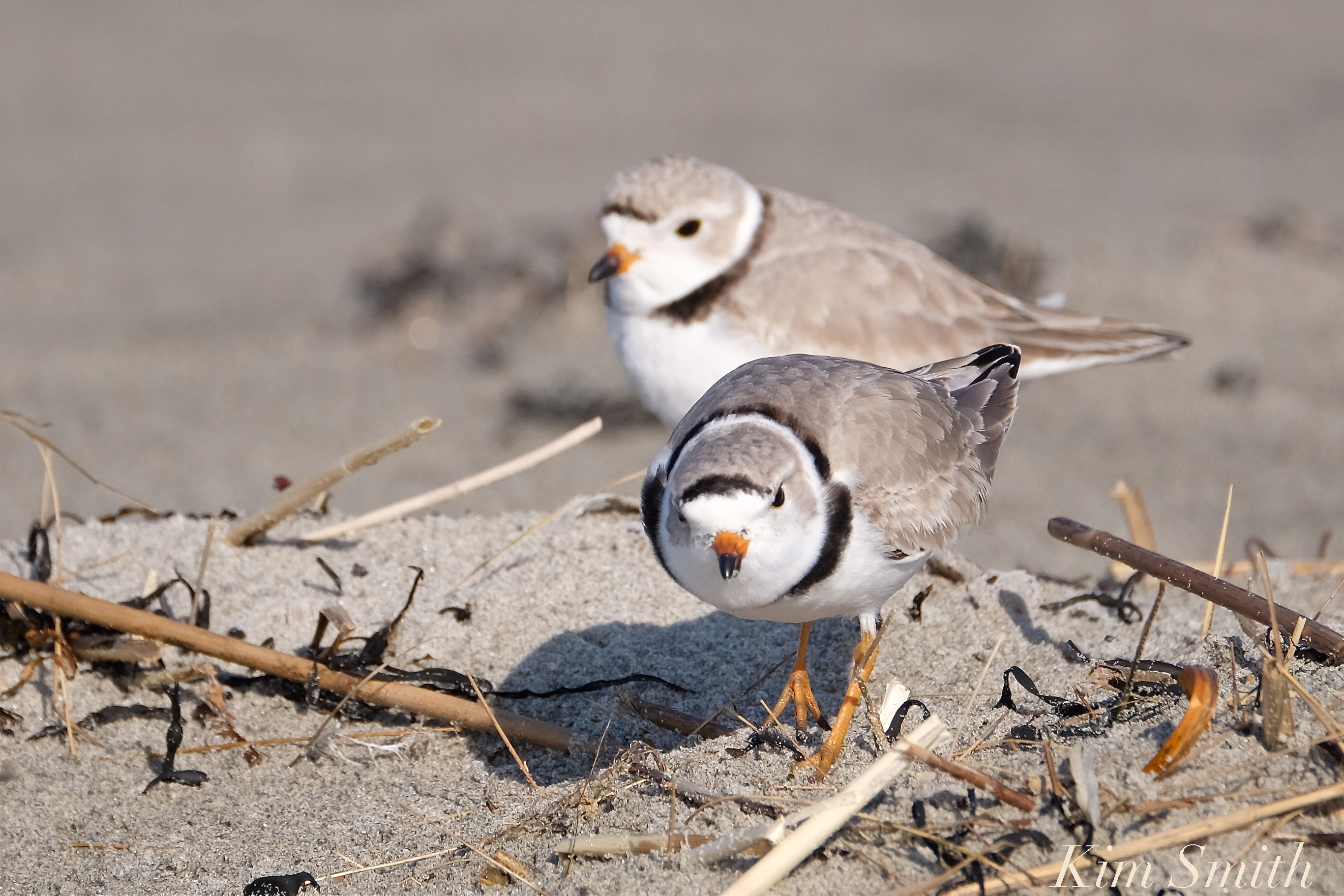
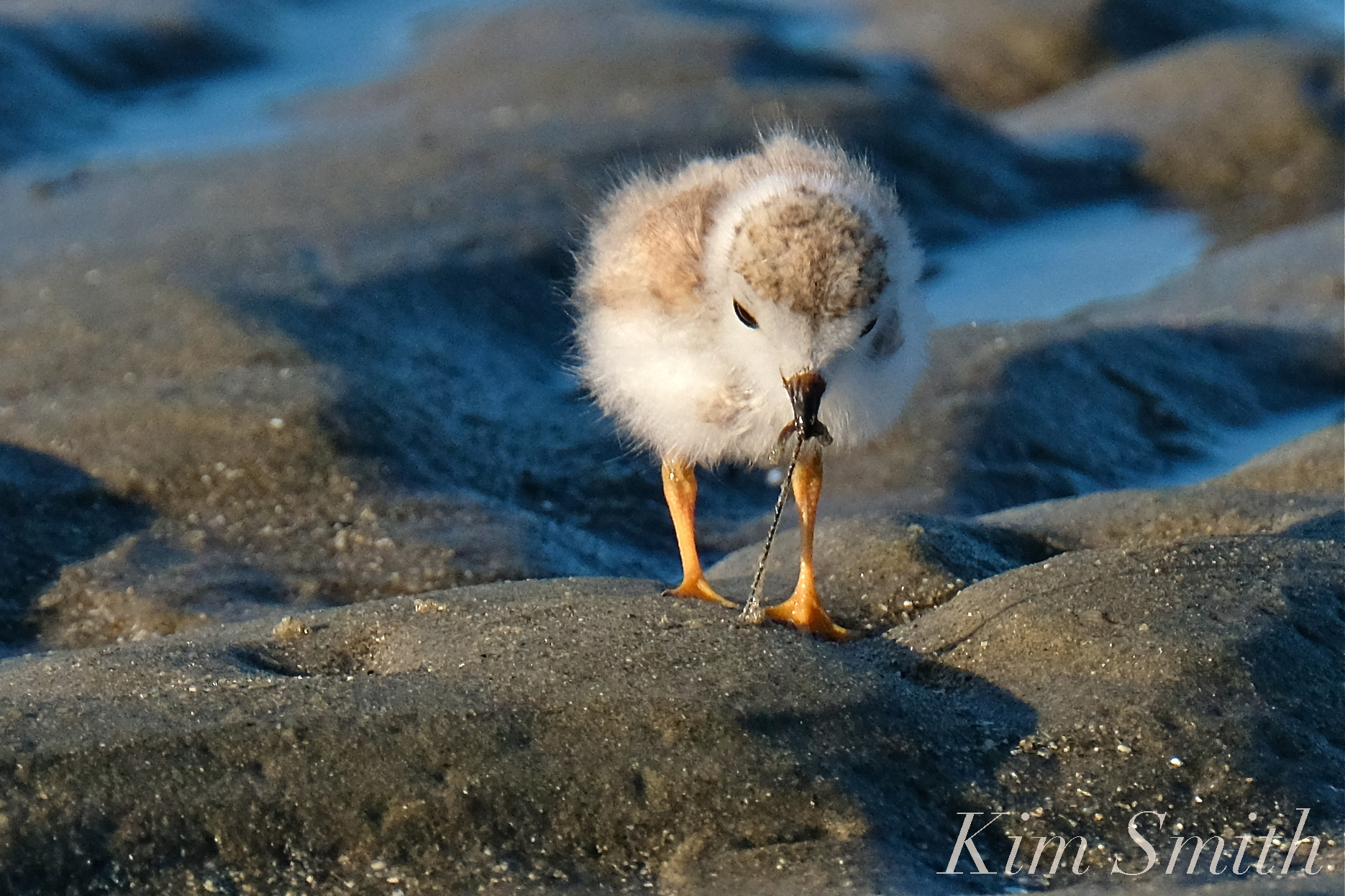
Gloucester’s Mated Piping Plover Pair, Mama in the background, Dad in the fore.

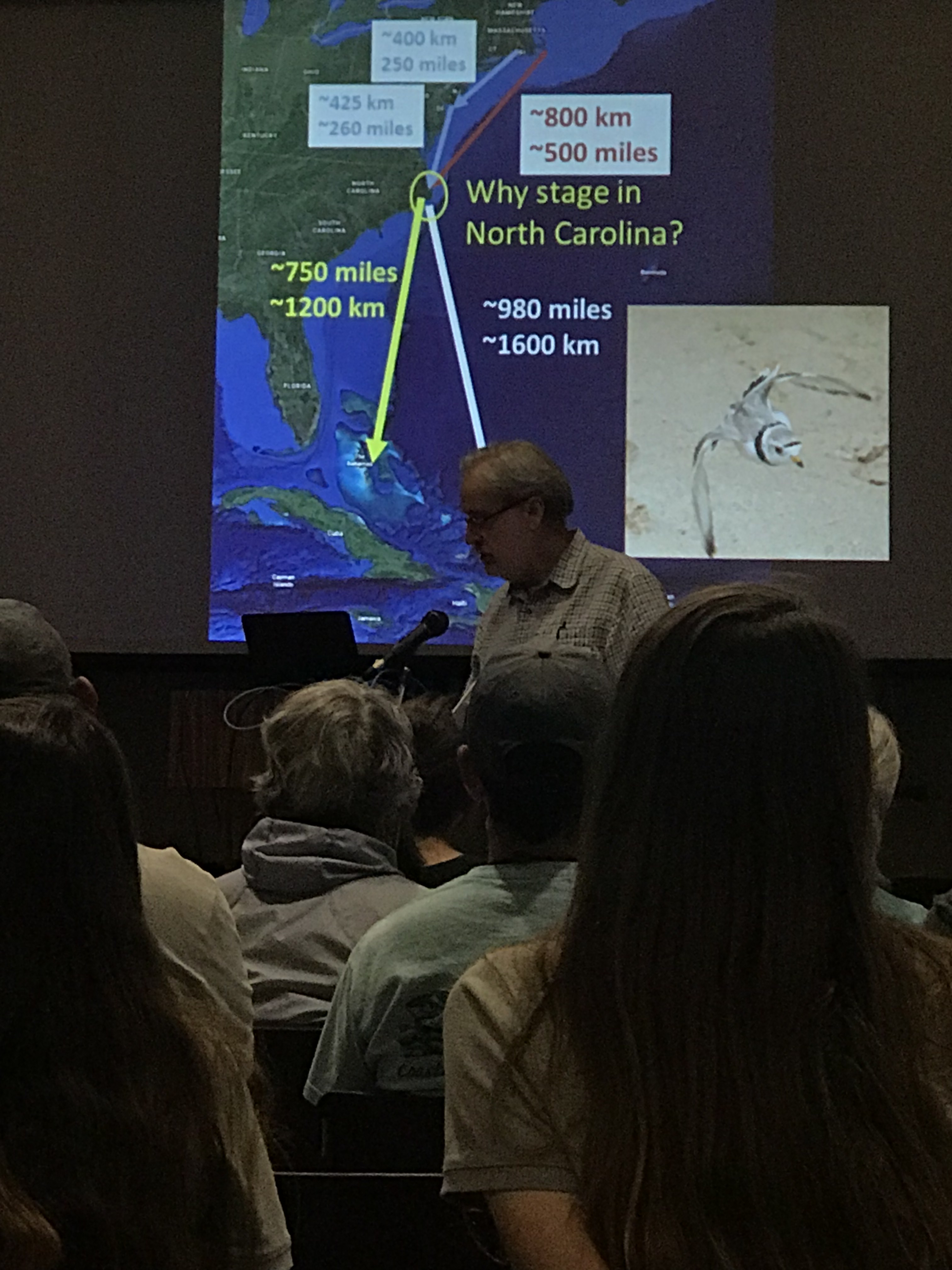
Last August at the Coastal Waterbird Conservation Cooperators meeting, I met Professor Paton. He is involved with a program that bands and nanotags birds at Southern New England beaches, mostly Rhode Island beaches. He provided some terrific maps based on the data collected from the banding program.

After departing Massachusetts and Rhode Island, the majority of the program’s tagged PiPls are soon found foraging on the shores of Cape Hatteras National Seashore, Cape Lookout National Seashore, and Cumberland Island National Seashore, GA. Data suggests that the Outer Banks are a priority stopover site for Piping Plovers well into the late summer. After leaving our shores, southern New England Piping Plovers spend on average 45 days at NC barrier beaches before then heading to the Bahamas and Turks and Caicos.

Although our Good Harbor Beach Piping plovers are not tagged, there is no reason to believe that they too are not traveling this route.
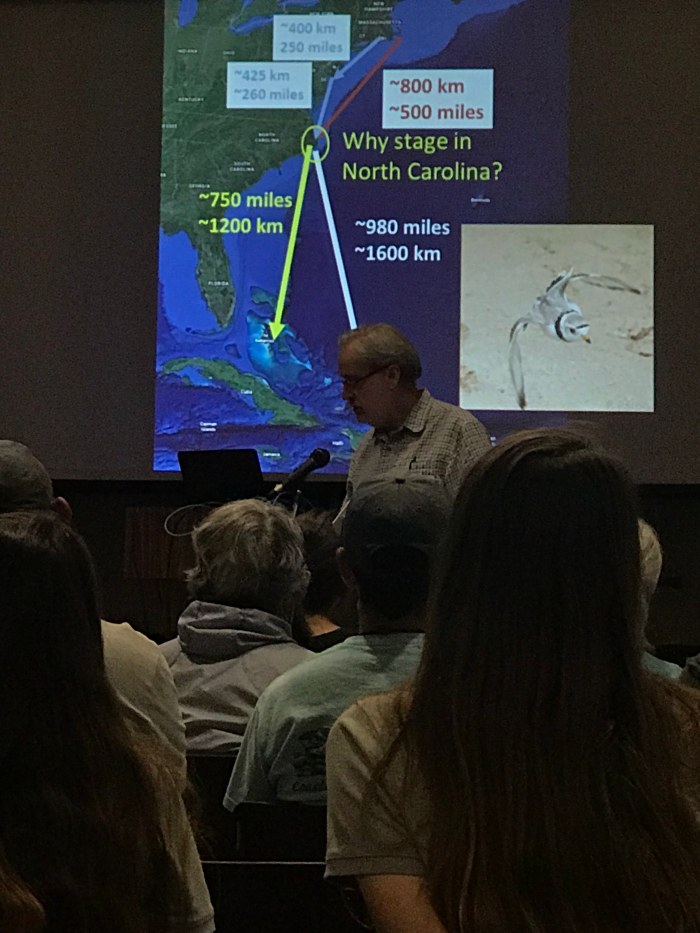
As you can see in the map above, it’s easy to understand why the majority of Southern New England PiPls stage in North Carolina.

Why wouldn’t we want to tag out GHB family? Not often publicized is the down side of tagging. Some species of birds adapt well to tagging and some, like Piping Plovers, develop life threatening problems like leg movement disorder. But most troubling of all is that small sticks and other debris can become lodged between the skin and the tag, which causes the area to become infected, which has lead to loss of leg. Tiny shorebirds like Piping Plovers use their legs to propel them all over the beach, to both forage and escape danger. Left crippled by the loss of a leg, the birds will barely survive another year. At one point several years back there was even a moratorium placed on banding plovers.

Perhaps if we had dozens of pairs of Piping Plovers nesting all over around Cape Ann it would be worth the risk of banding a bird or two. But with only one nesting pair, coupled with the typical survival rate of Piping Plovers at less than five years, why not let our one pair nest in peace? Plovers at popular city beaches need all the help they can get from their human stewards. I for one am happy to simply imagine where our GHB PiPls spend the winter.

If you have ever been to a New Jersey beach, you might be sickened as was I to see birds with no less than eight tags, four on each leg. It doesn’t make sense to me in this day and age why one band wouldn’t suffice. Each time the bird was spotted the one set of data  provided by one tag could be recorded in a national database.

According to coastal ecologist with The Trustees of Reservations, Jeff Denoncour, this past year (2019), 49 pairs of plovers raised 96 chicks at Crane Beach. They do not band birds at Crane Beach, nor are birds banded at other beaches where the PiPl has been successfully increasing in population, including Winthrop Shore Reservations and Revere Beach.

The species existence is precarious. In 2000 at Crane Beach just 12 fledglings survived 49 pairs and that was because of a major storm. Considering all that a Piping Plover pair has to face at the city’s most popular beach, we don’t need to decrease their chances of survival.

It’s wonderful and reassuring to see updated reports of banded birds we have observed at Good Harbor Beach however, because of data collected in the past, we can fairly accurately imagine where our little family resides during the winter. Banding a single pair will only serve to satisfy our own curiosity, and will do nothing to increase the bird’s chance of survival.
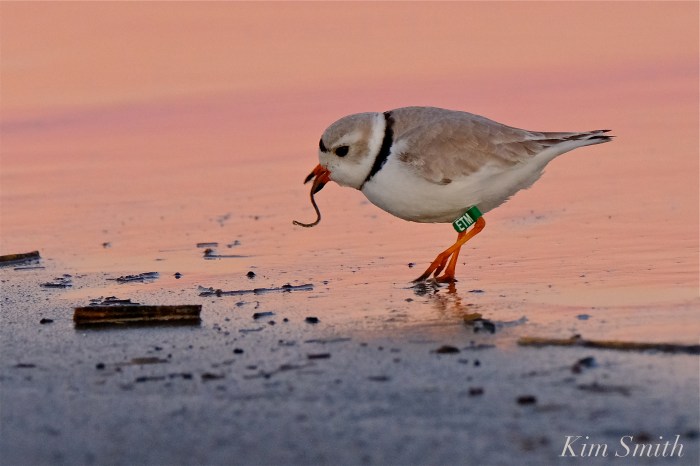
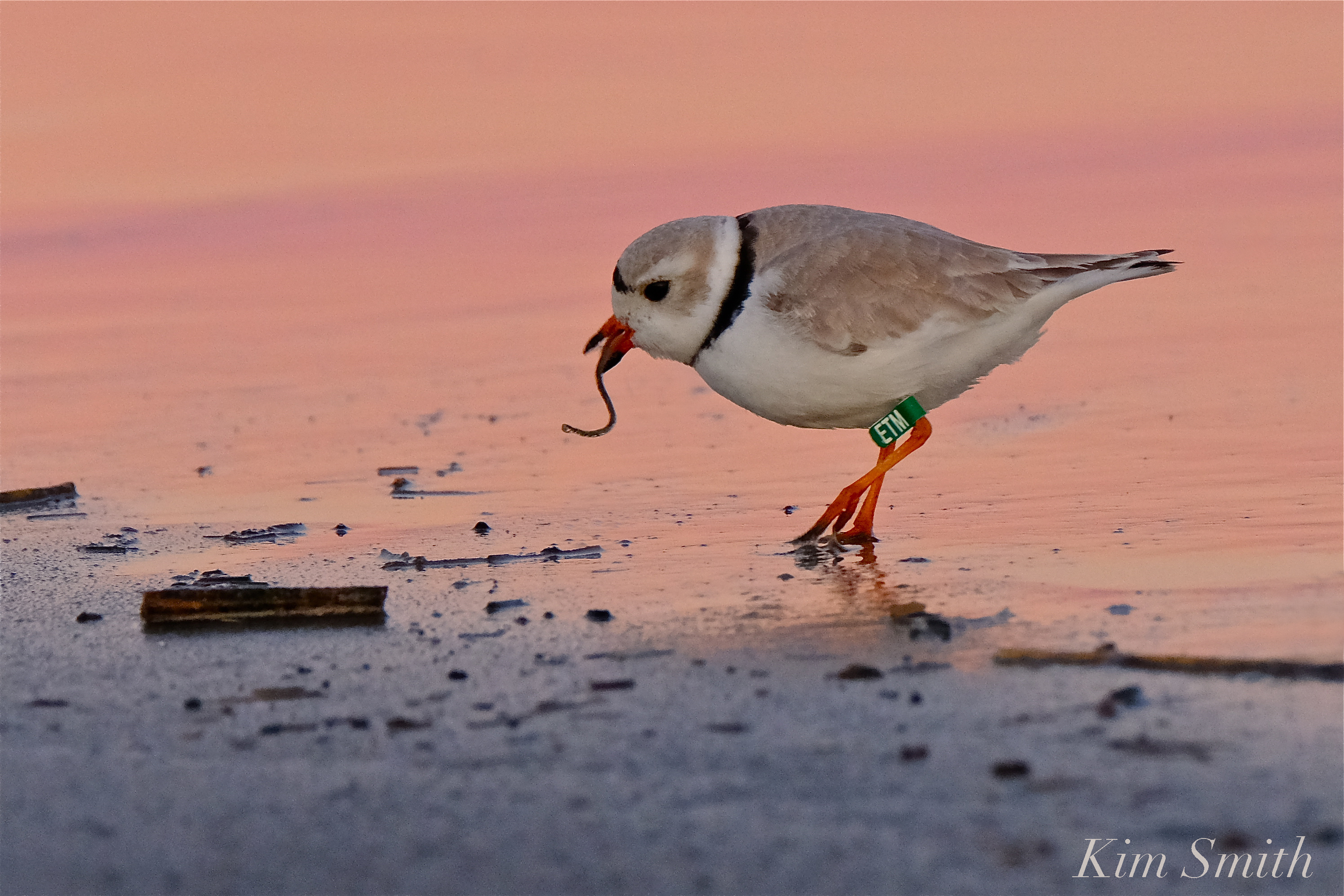
ETM, spotted last year by PiPl monitor Heather Hall at Good Harbor Beach, is currently spending the winter on Cumberland Island, Georgia.
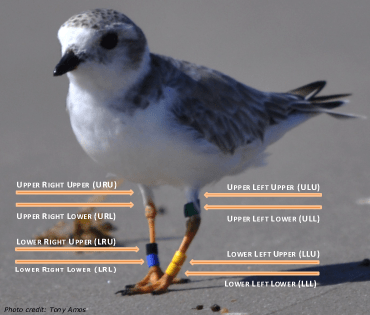
Seven too many bands on this bird!!! Bands are placed both above and below the tibiotarsal joint on plovers (terns are given bands below the tibiotarsal joint only). There are eight possible band locations on a bird’s leg according to banding schemes: The Upper Left Upper, Upper Left Lower (left leg, above the tibiotarsal joint), Lower Left Upper, Lower Left Lower (left leg, below the tibiotarsal joint), Upper Right Upper, Upper Right Lower (right leg, above the tibiotarsal joint), Lower Right Upper, and Lower Right Lower (right leg below the tibiotarsal joint).
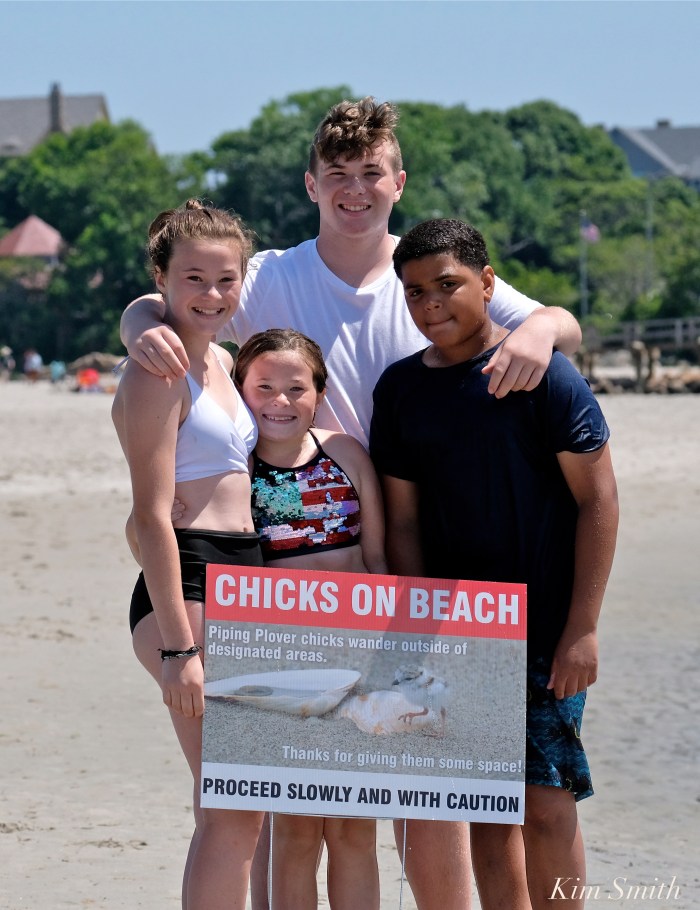

Looking forward to the upcoming Piping Plover season!

DUCKWORTH’S REOPENS FOR THE SEASON WITH A BEAUTIFUL NEW LOOK

Our cherished and favorite neighborhood gathering place, Chef Ken and Nicole Duckworth’s, has reopened for the season and it looks stunning. Inspired by the surrounding coastal hues of deep marine blue, Cape Ann’s rugged granite outcroppings, and the soft gray green of fog and mist, you will love the new look.

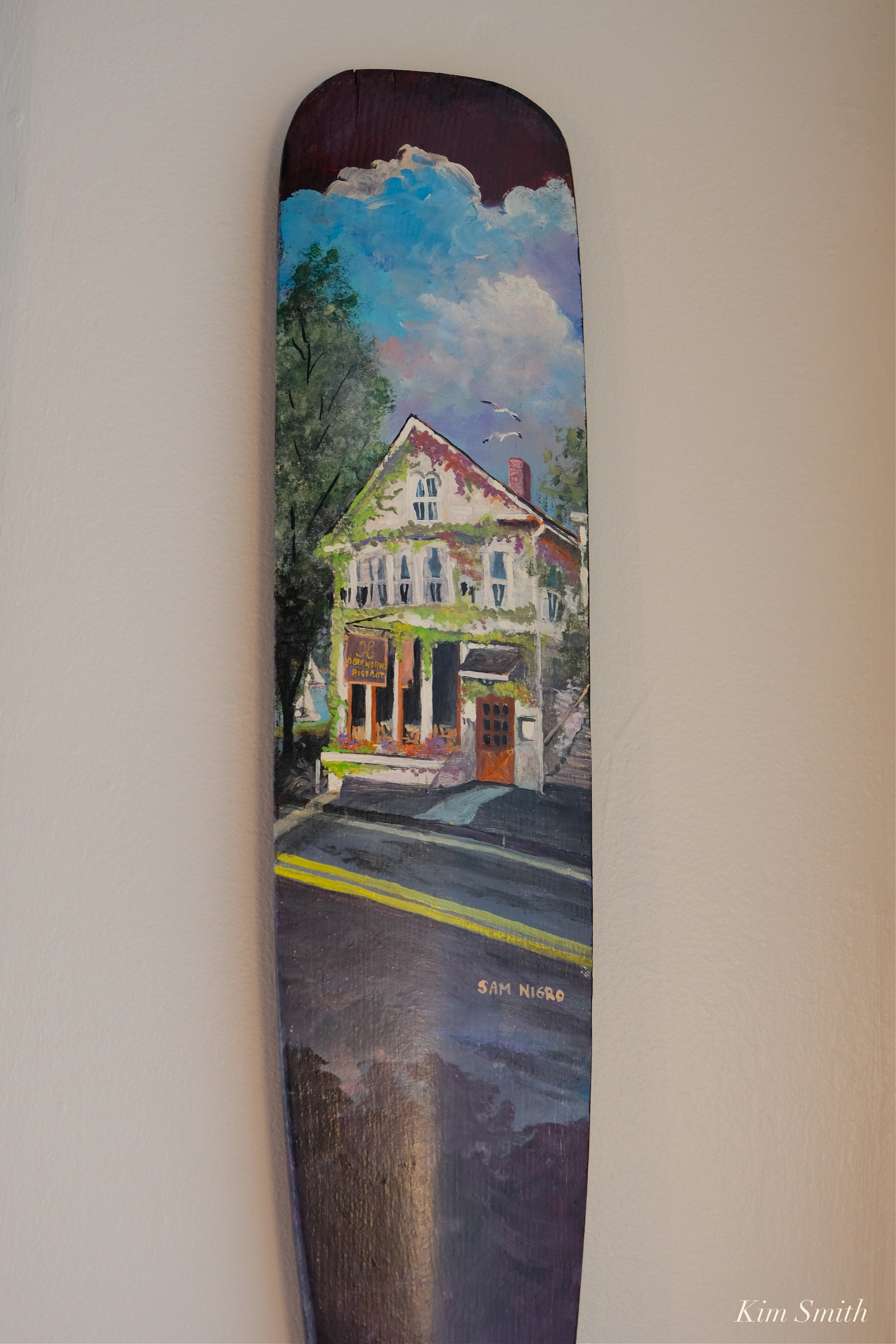
The new lighting beautifully illuminates the artwork.

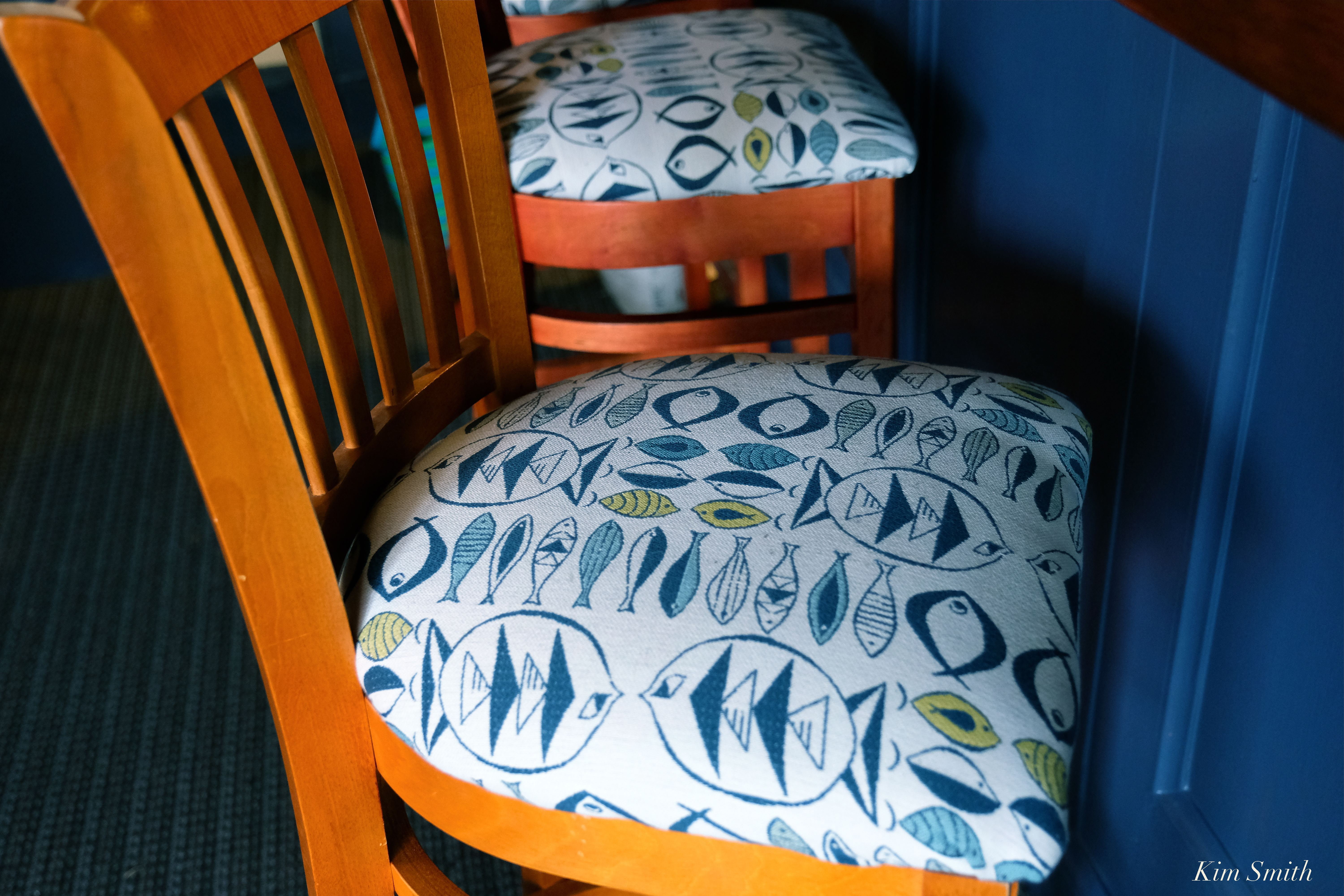
The familiar, warm French cherrywood chairs makes for a lovely counterpoint to the new seaside colors and are a refreshing change.

Many of Ken’s classic dishes remain on the menu, but there are some wonderful new additions coming. And Ken has a fantastic new cooktop and oven!!!

New carpeting, fresh paint, new chair covers, lovely new bathroom. AND SAME WONDERFUL STAFF! Come see and enjoy a most fabulous dining experience at the always fun and elegant Duckworth’s. 

Duckworth’s

197 East Main Street

Gloucester, MA

Call 978-282-4426 for reservations and gatherings

A fresh new sign to accompany the new interior look. Note the sign no longer says Bistrot and that is because Ken and Nicole are planning to hold more intimate gatherings and parties.

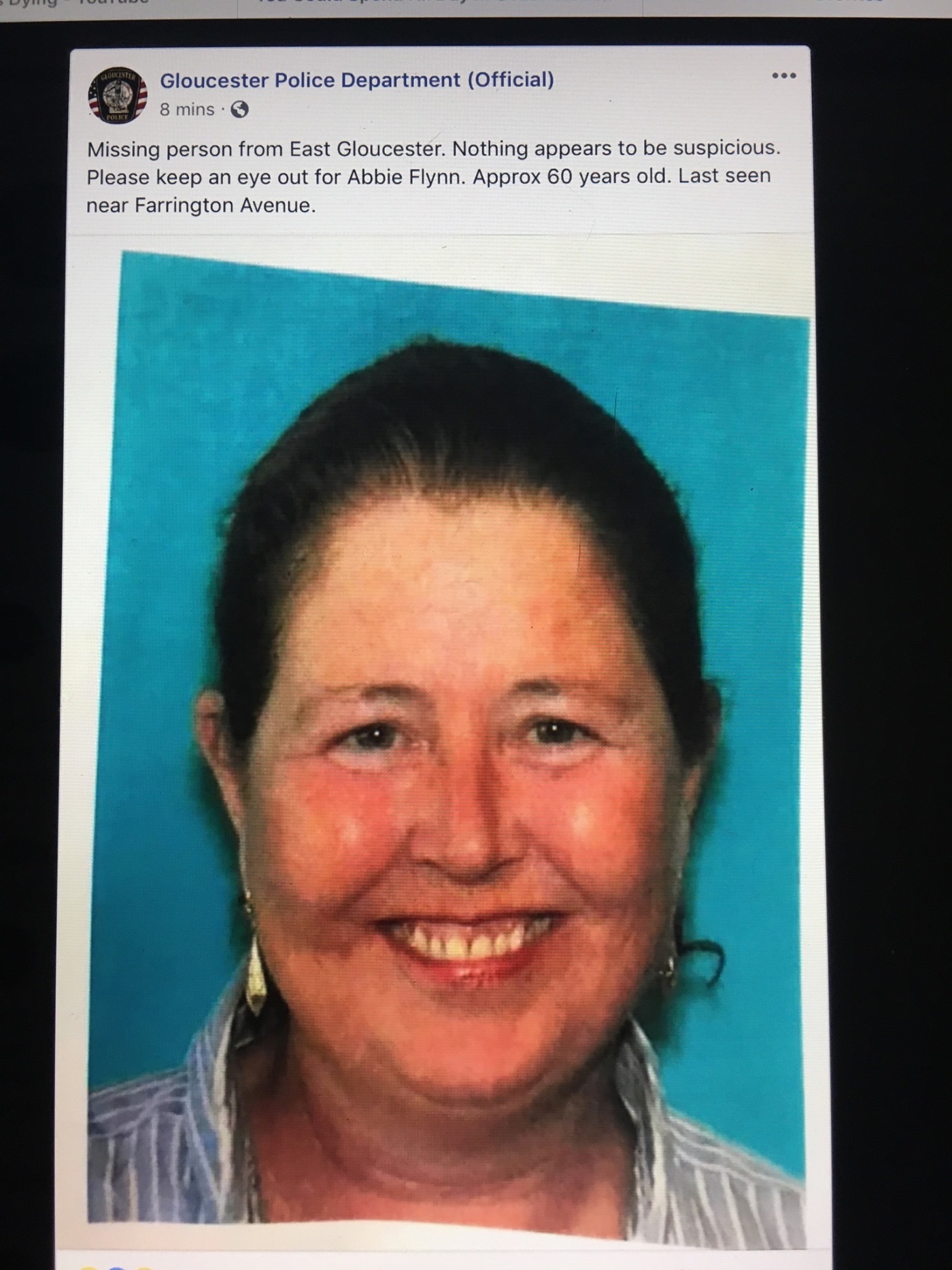
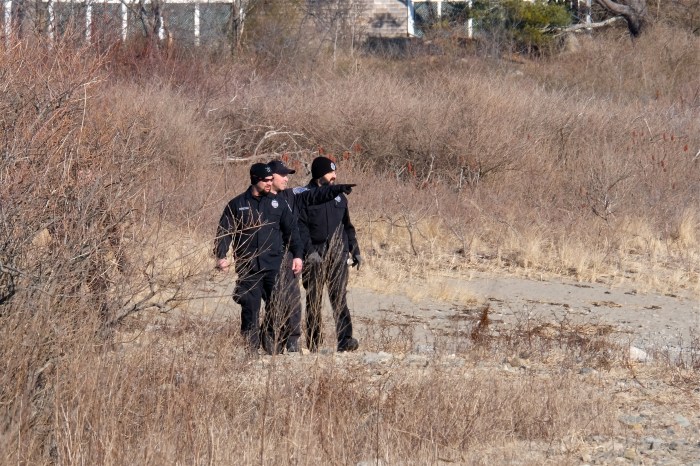
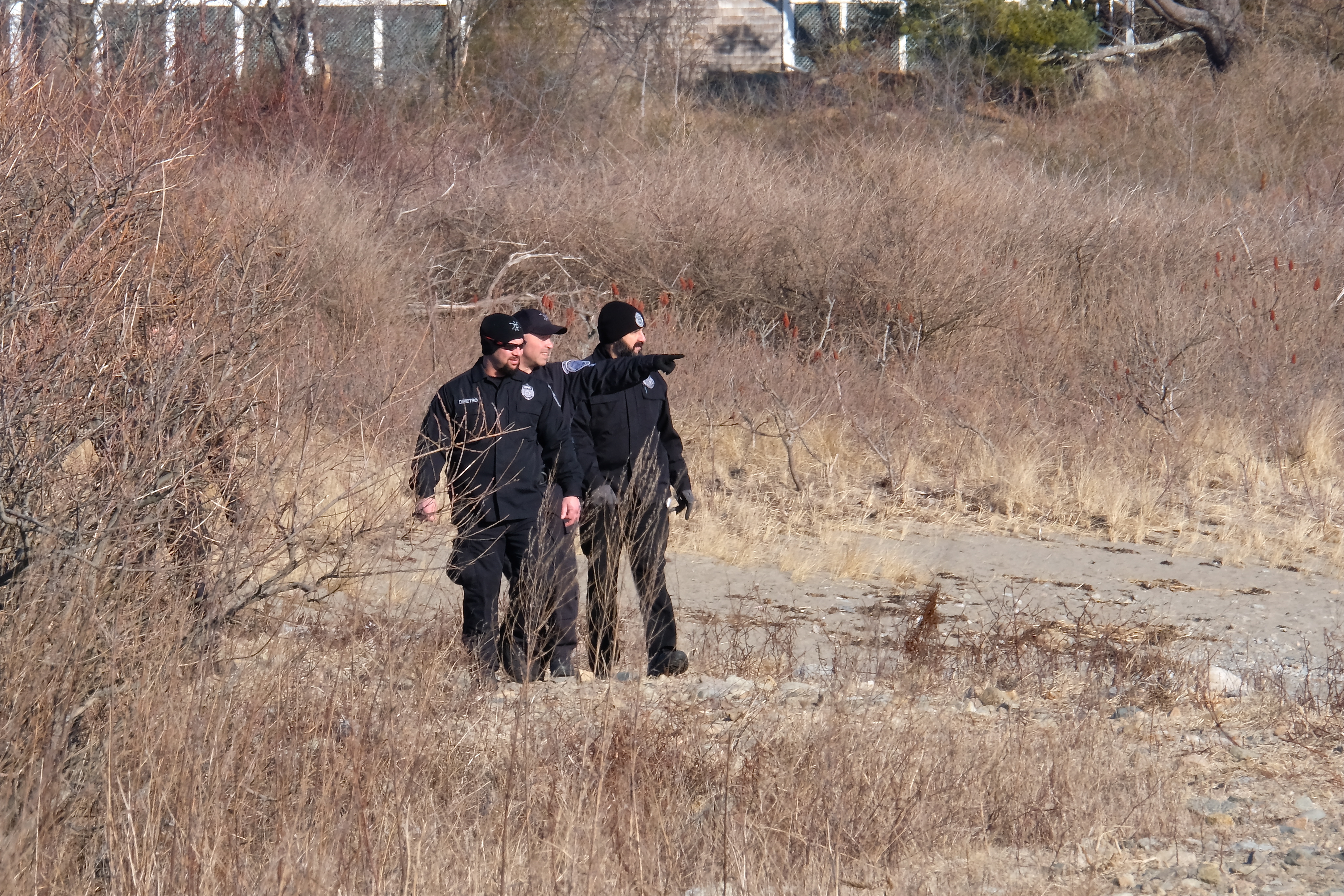
UPDATE ON GLOUCESTER MISSING PERSON ABBIE FLYNN DAY 2

No good news to report. Early this morning there was some activity with a GFD rescue boat searching at Niles Pond but nothing was found.

For the remainder of the day, the area around Niles and Brace Cove was eerily quiet. Gloucester detectives are continuing to follow up on any leads. Residents are checking sheds and outbuildings and neighbors are continuing to walk the paths around the Point in hopes of some sign of Abbie. Our thoughts and prayers go out to Abbie’s family.

Abbie’s disappearance seemed tragically similar to that of Theresa Coen, who went missing from Penzance Road, Rockport, in March of 2018. However, that they both disappeared after heading out for a walk ends the similarity. Theresa’s death was determined to be a suicide.

UPDATE ON GLOUCESTER MISSING PERSON ABBIE FLYNN -2

As of 4:30pm, Abbie Flynn has not yet been found. There were over one hundred detectives and officers out searching today, along with police dogs, and land and sea aerial patrols. Detectives are deeply concerned and plan to resume searching tomorrow morning. Let’s hope and pray tomorrow’s daybreak brings happier news

Fox News helicopter circled around Niles Pond earlier today dozens and dozens of times.

WARD ONE COMMUNITY MEETING FEBRUARY 10

Monday, February 10, 6:30 – 8:30 pm

East Gloucester School auditorium, Davis St. Ext.


WARD 1 Community Meeting


An opportunity for residents to express concerns –

about any issues impacting you & our neighborhoods – including schools, traffic, private road Betterment paving, development & open space…


City Councilors, School Committee & Administration are invited to attend & listen to residents’ concerns.


Note: Ward 1 includes precincts Ward 1-1 and Ward 1-2… from Eastern Point to the Main Street Domino’s Pizza area, and all surrounding streets, including Webster Street, Eastern Avenue, Harrison Avenue, extending to the Rockport boundary on Thatcher’s Road and Long Beach.


All voting at East Gloucester Elementary School &

Veterans’ Memorial School are a part of Ward 1.


If you would like to submit questions in advance, or concerns you would like raised but cannot attend that evening, please contact me:


CITY COUNCILOR FOR WARD 1: smemhard@gloucester-ma.gov

http://www.facebook.com/ScottMemhardWard1/

UPDATE ON GLOUCESTER MISSING PERSON ABBIE FLYNN

This morning I went out at daybreak to walk where fellow photographer Abbie is known to have walked. I didn’t see any search activity and was hoping for the best, but unfortunately she is still missing. As I was leaving Eastern Point at 7:00am, the police began arriving to resume searching.

Yesterday afternoon I was walking at Niles Pond around the time Abbie went missing. At 8:30 this morning I met with Gloucester Detective Mizzoni to report some suspicious activity that I had observed on my walk yesterday. Our citizens should know that the detectives and officers are deeply concerned and are doing an outstanding job. If you saw any suspicious activity yesterday afternoon, anything, please report to Detective Mizzoni. The command station is located at Saint Anthony’s chapel parking lot at the corner of Farrington Street and Saint Louis Avenue.

There are a number of search teams combing Eastern Point, with officers and detectives from all around the Boston area including Lexington, Andover, Salem, and Newbury.

Thanks to Iain Kerr from Ocean Alliance for lending his drone cameras to the search effort.

Abbie is still missing as of 1:00pm.

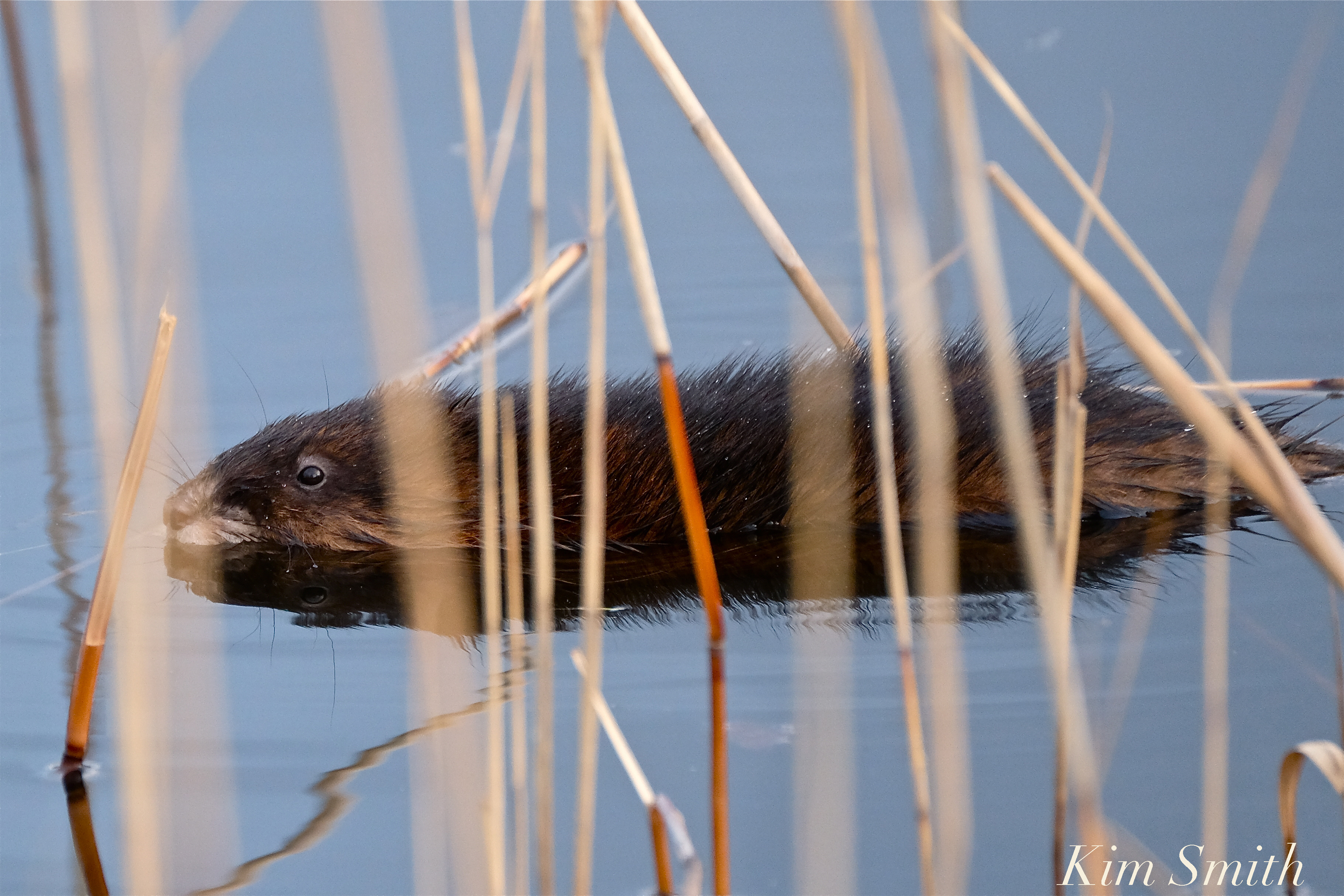
MUSKRAT LOVE!

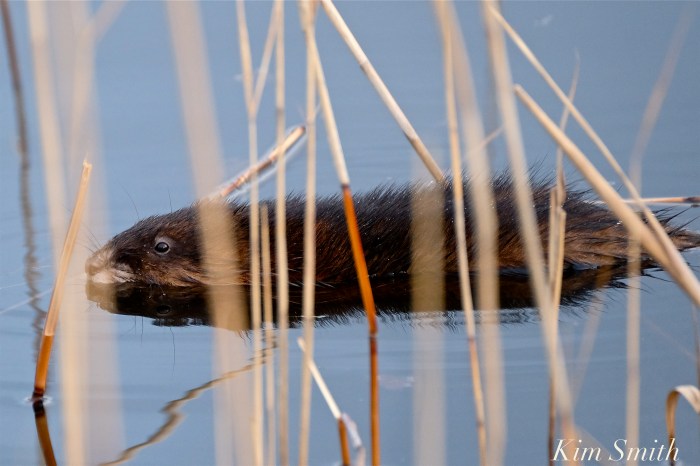
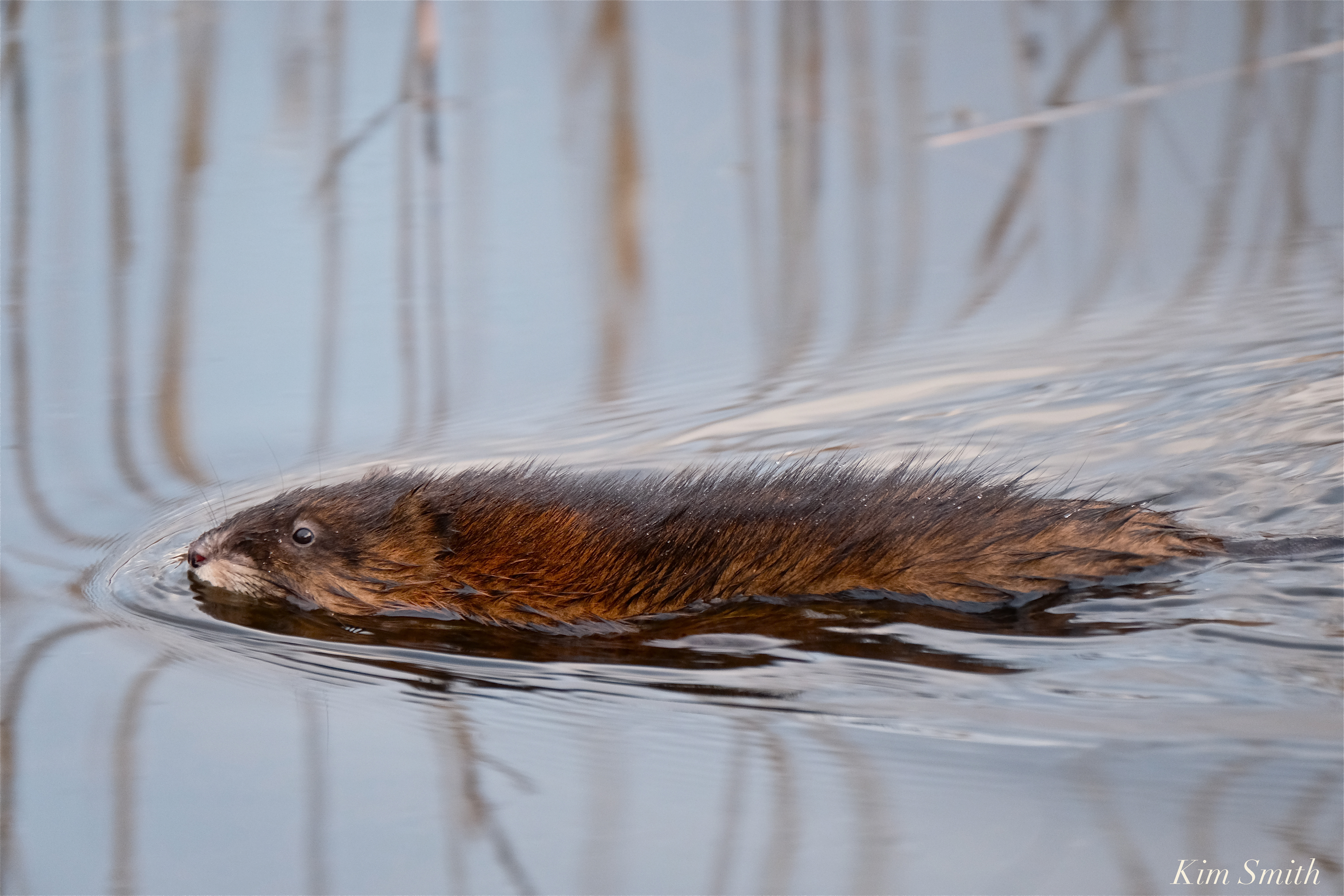
This little guy gave me a start while out for a walk this afternoon. I was expecting to see a few cute ducks, not an adorable member of the rodent order.

Muskrats do not hibernate in winter. In a year with the more usual colder temperatures, when waterways are frozen over, the muskrat’s activity typically happens underwater and in their shacks, dens, and ice houses, where we are less likely to catch a glimpse.

Muskrats don’t store food in their lodges like Beavers do; they must forage everyday. A Muskrat dives for aquatic plants and can hold its breath for fifteen minutes underwater. Its feet work like paddles and its long tail propels and steers. They also eat fish, frogs, clams, and snails. Muskrats are eaten by minks, weasels, foxes, and hawks.

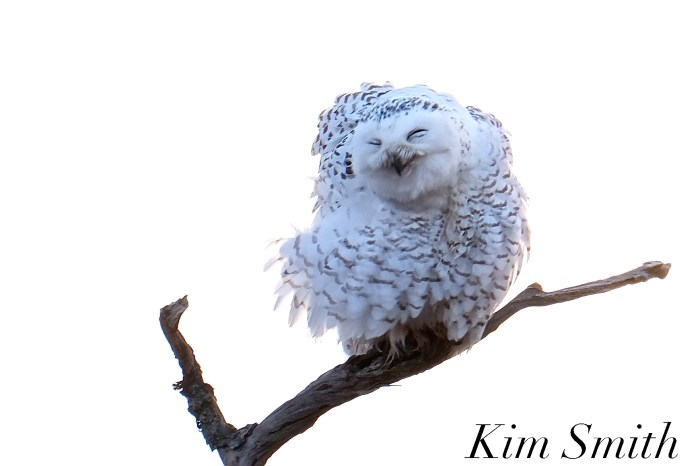
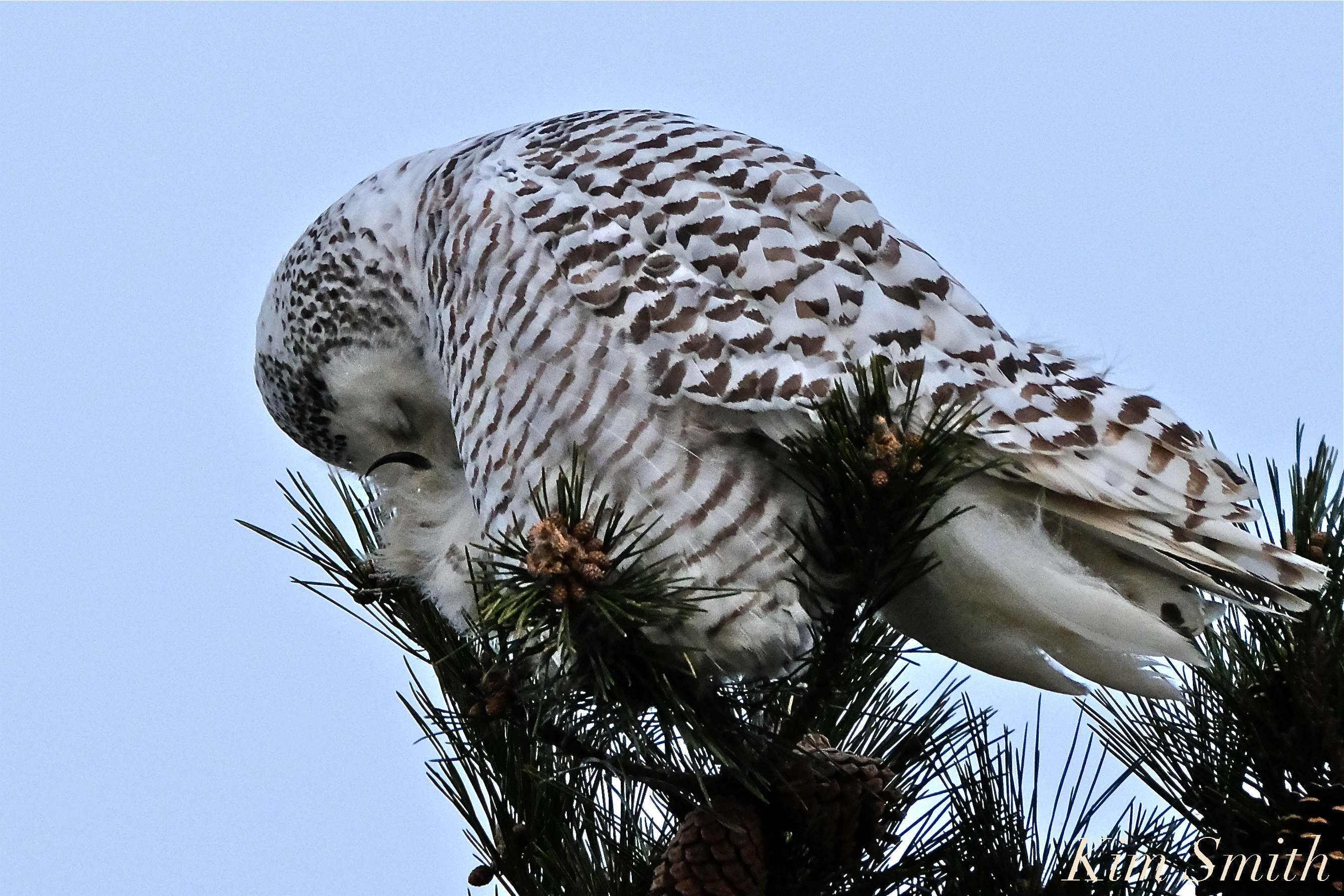
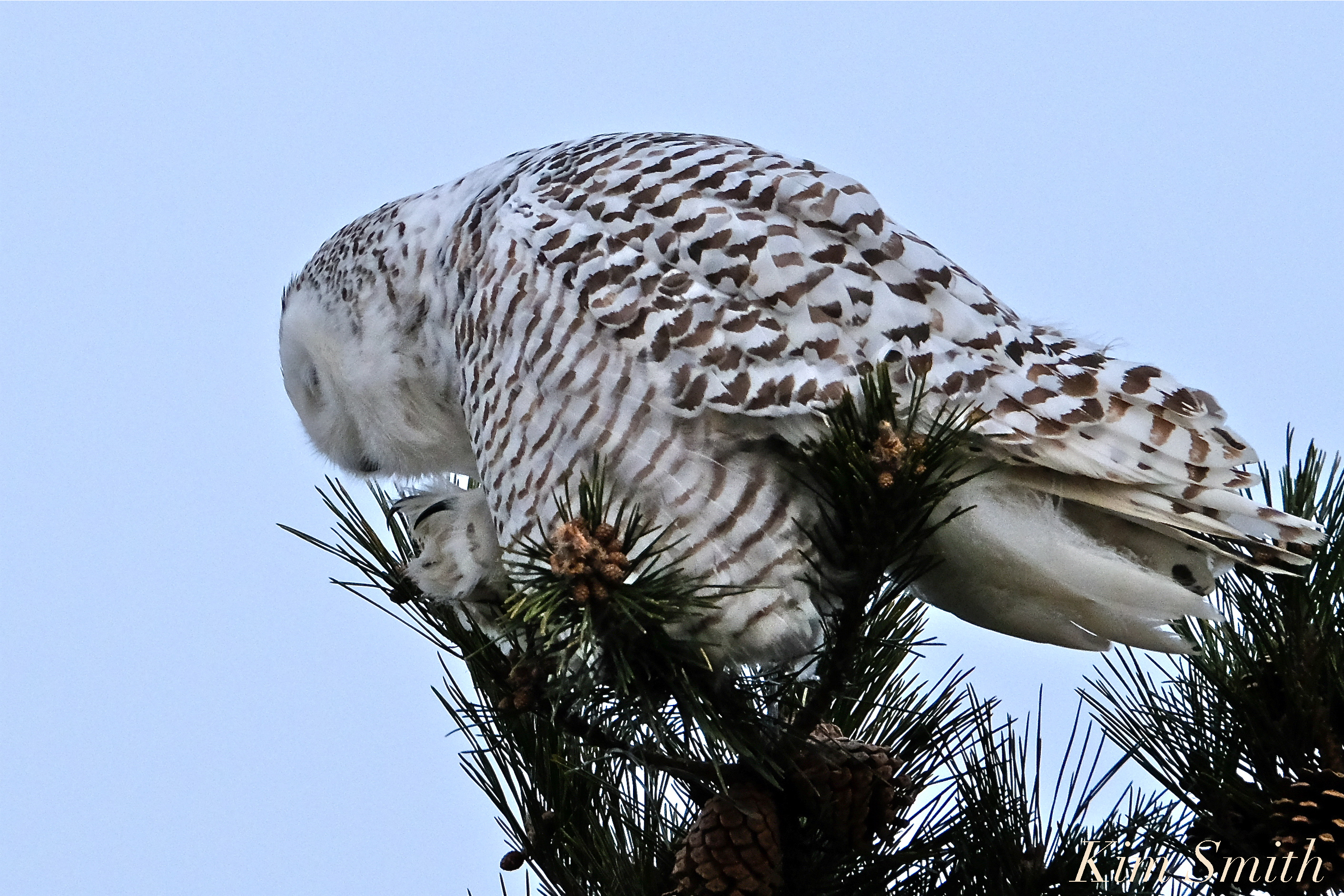
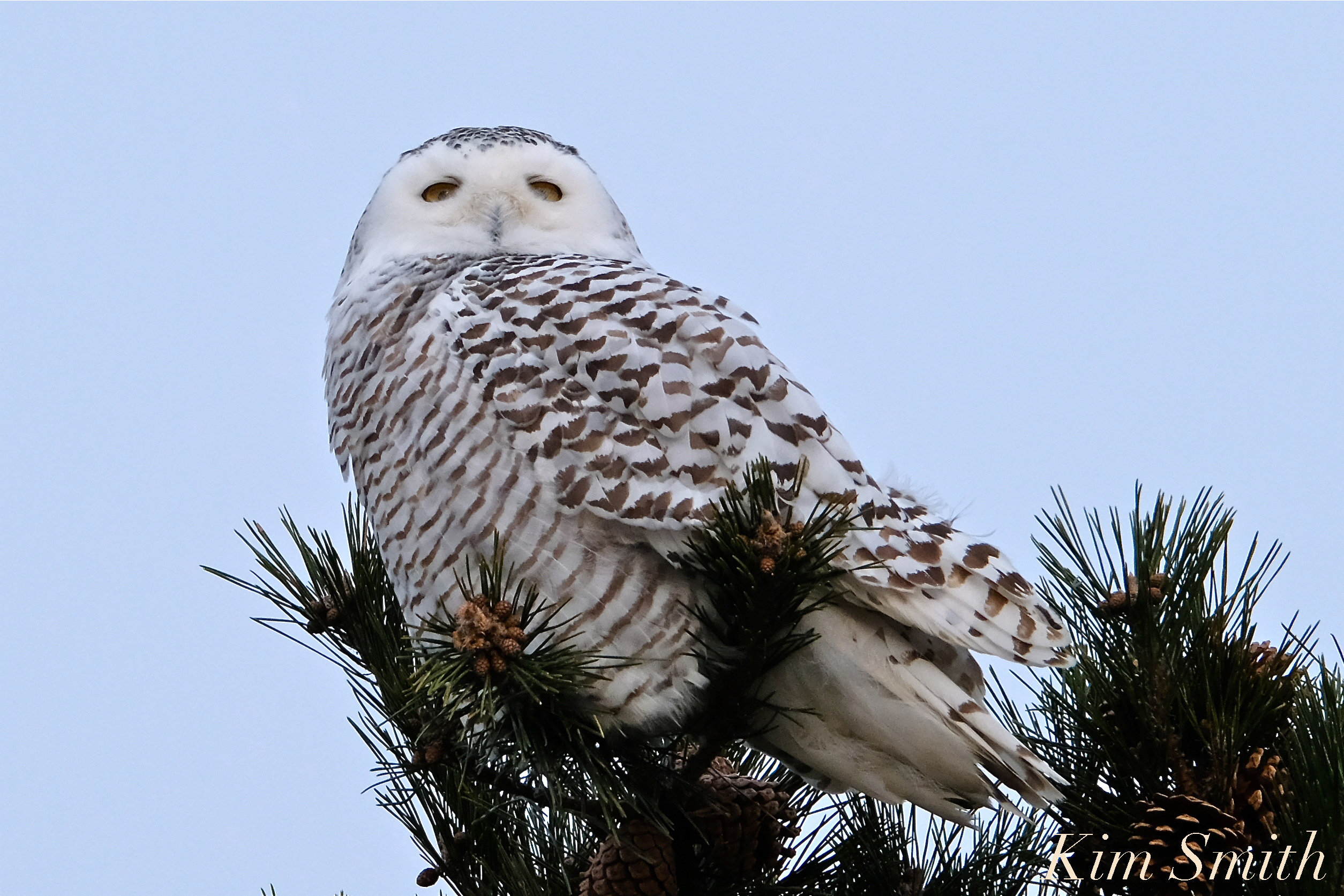
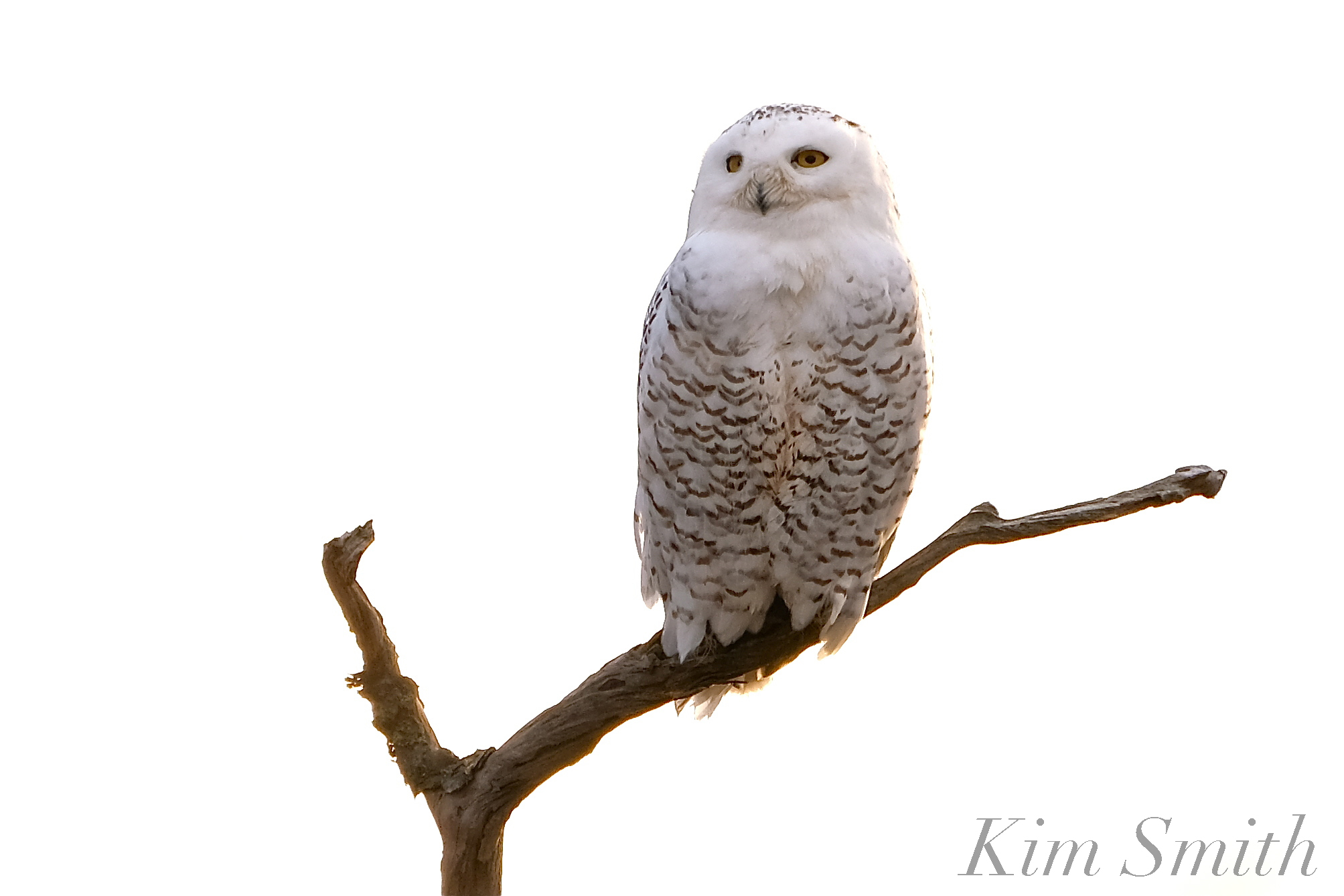
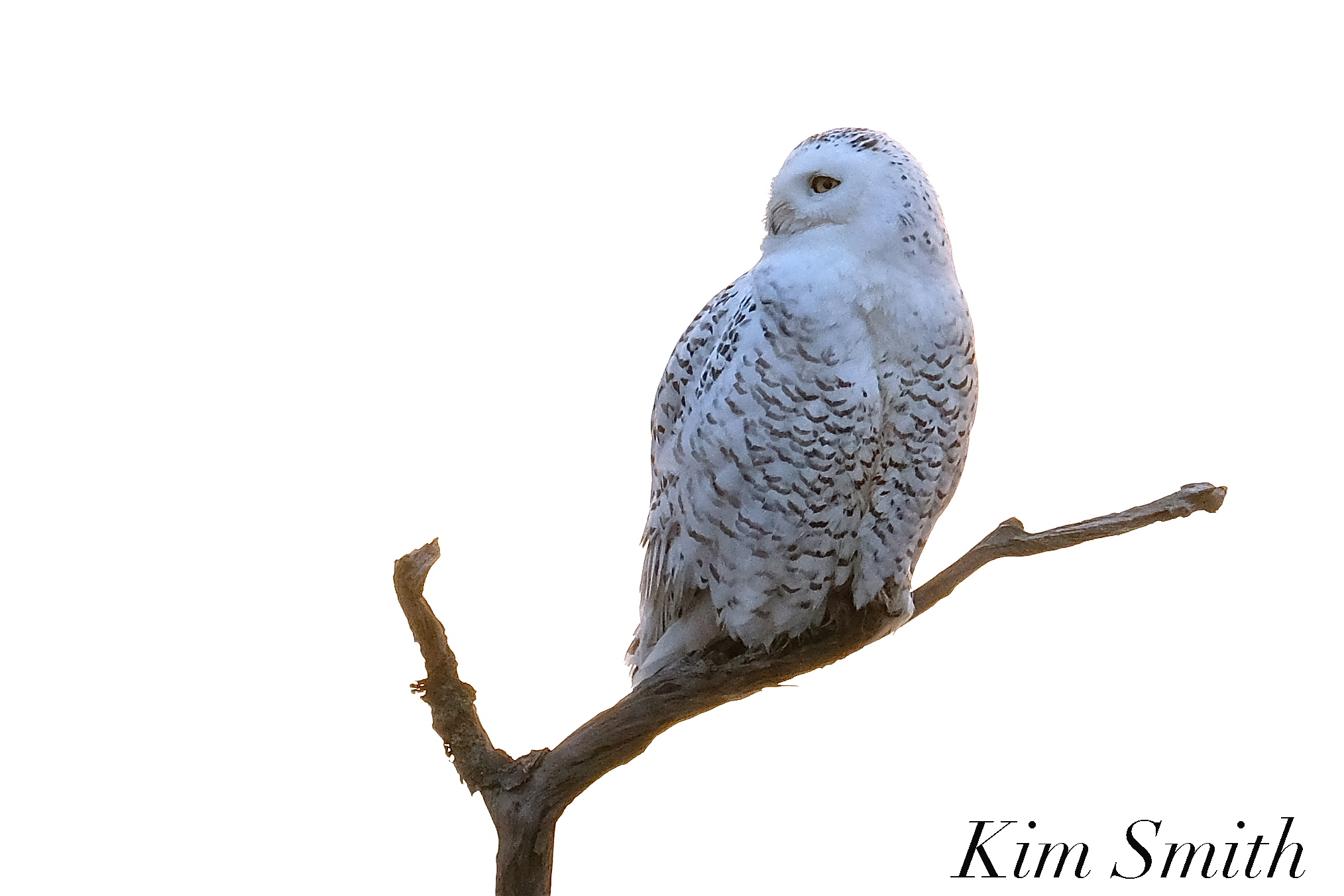
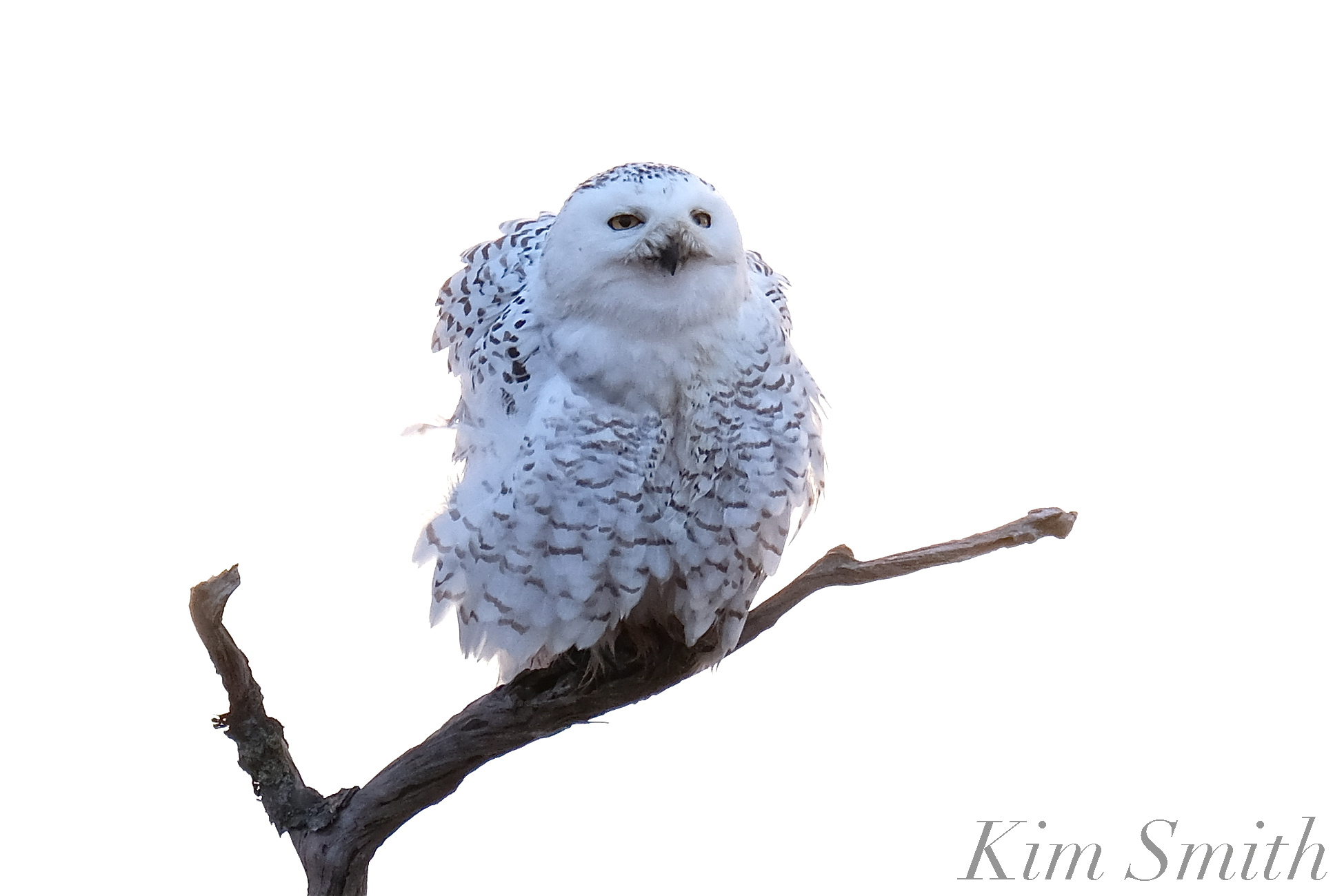
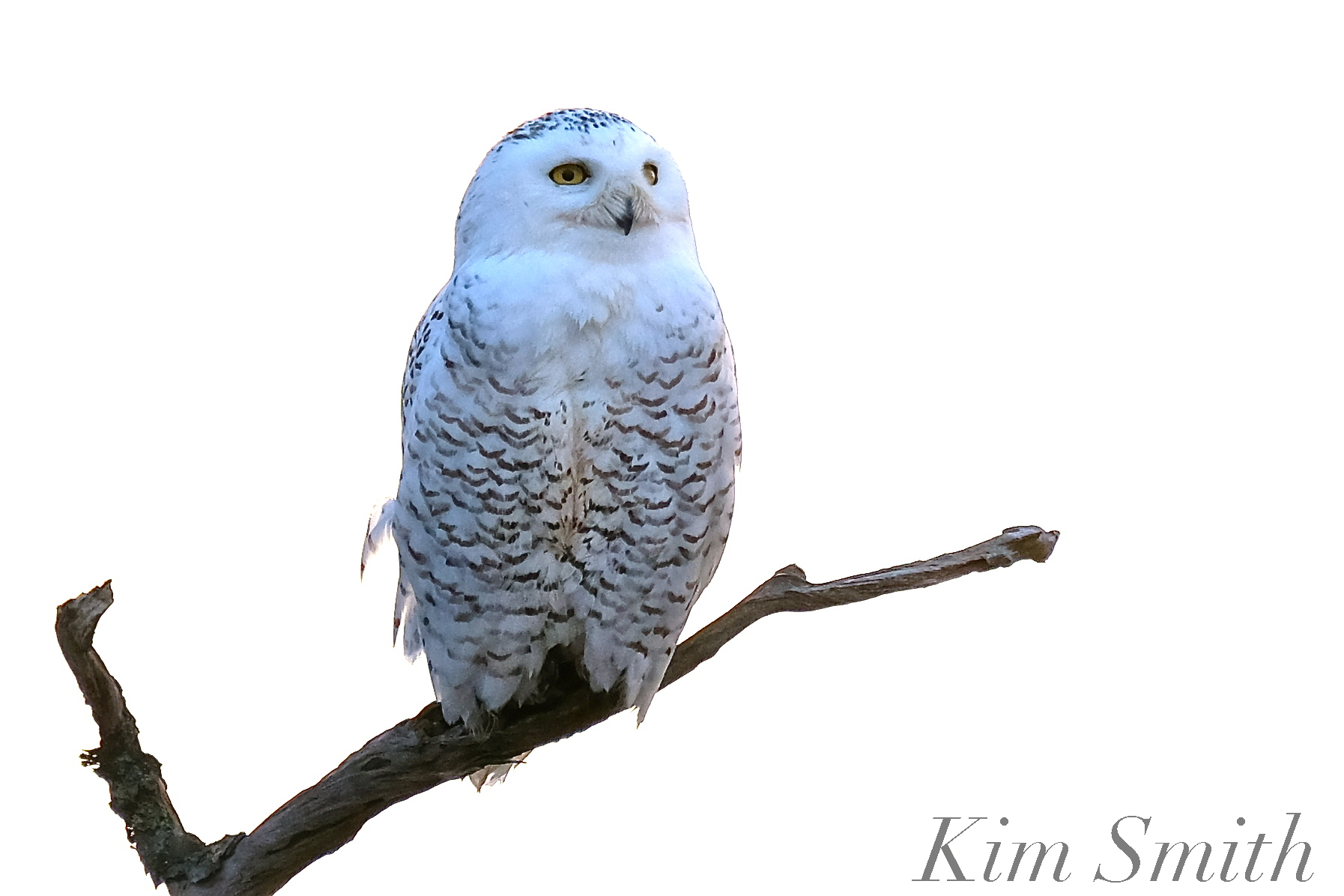
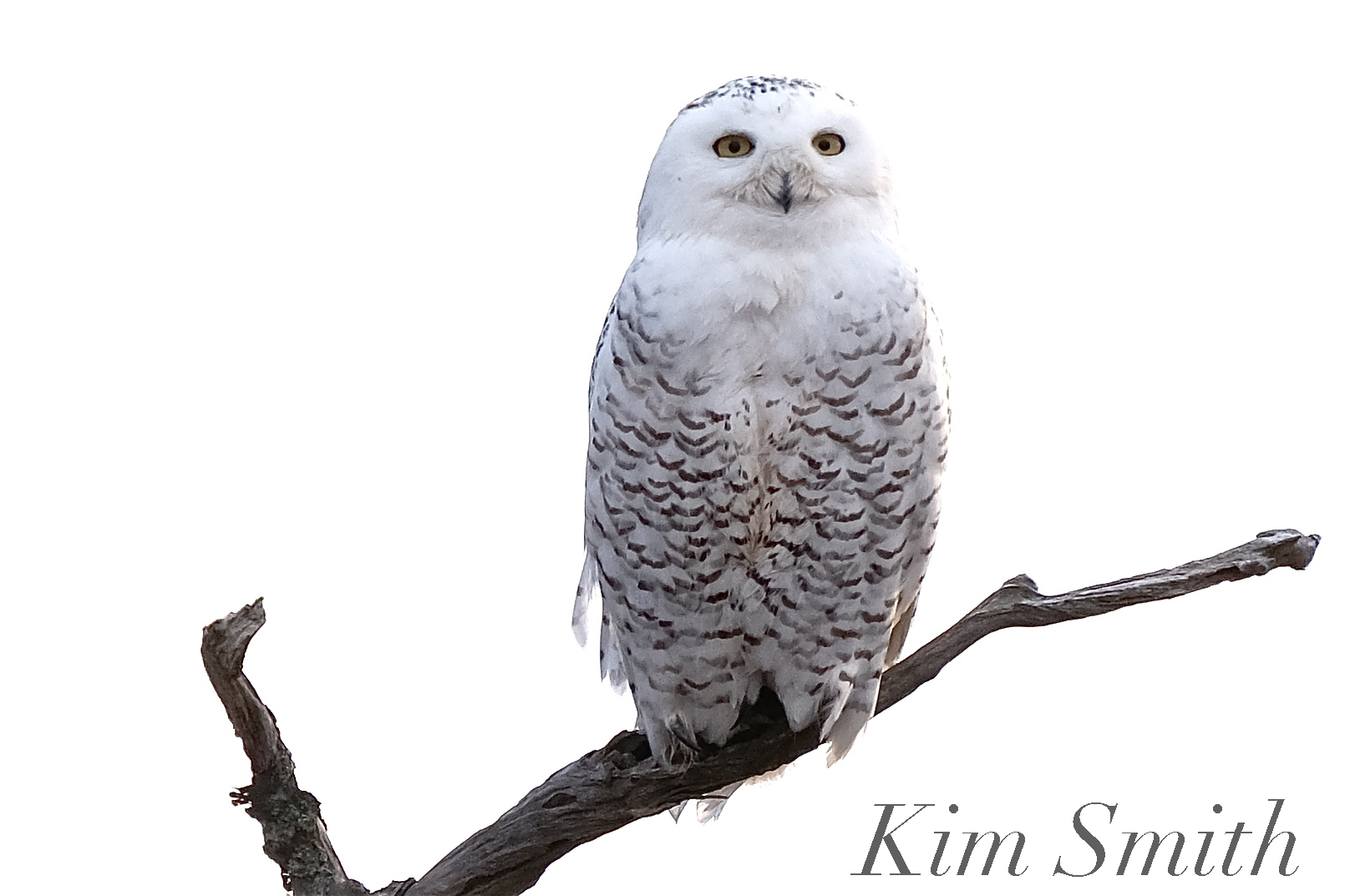
BEAUTIFUL, BEAUTIFUL SNOWY OWLS

I haven’t seen any Snowies yet this winter on Cape Ann; there simply seem to be fewer that migrated to our region than there were several years ago when Hedwig was the star of the backshore.

These Snowy Owl photos were taken earlier in the month at Parker River. The dirt road, the one that begins after the Hellcat Trail, has reopened, although I wouldn’t recommend going there on the weekends, much better to go during the week. There are so many photographers and owl lovers on the weekends, especially in the afternoon, that it has become really disruptive to the owls, both the Snowies and Short-eared. Even though folks are very respectful and (most) stay on the road, the Short-eared Owls aren’t catching much food, as far as I can observe, when there are great crowds chasing them up and down the road.

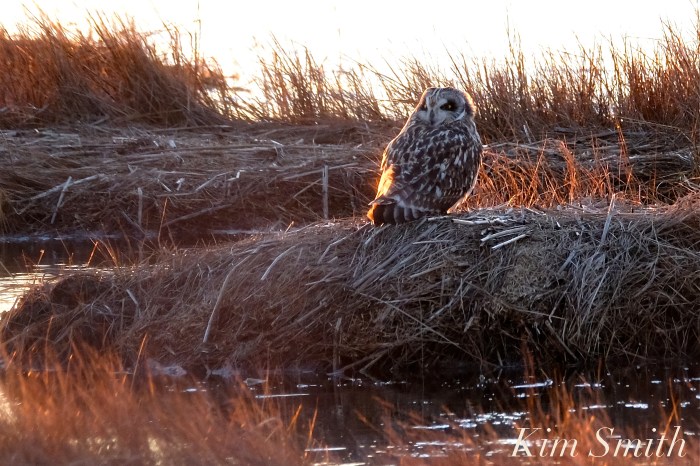
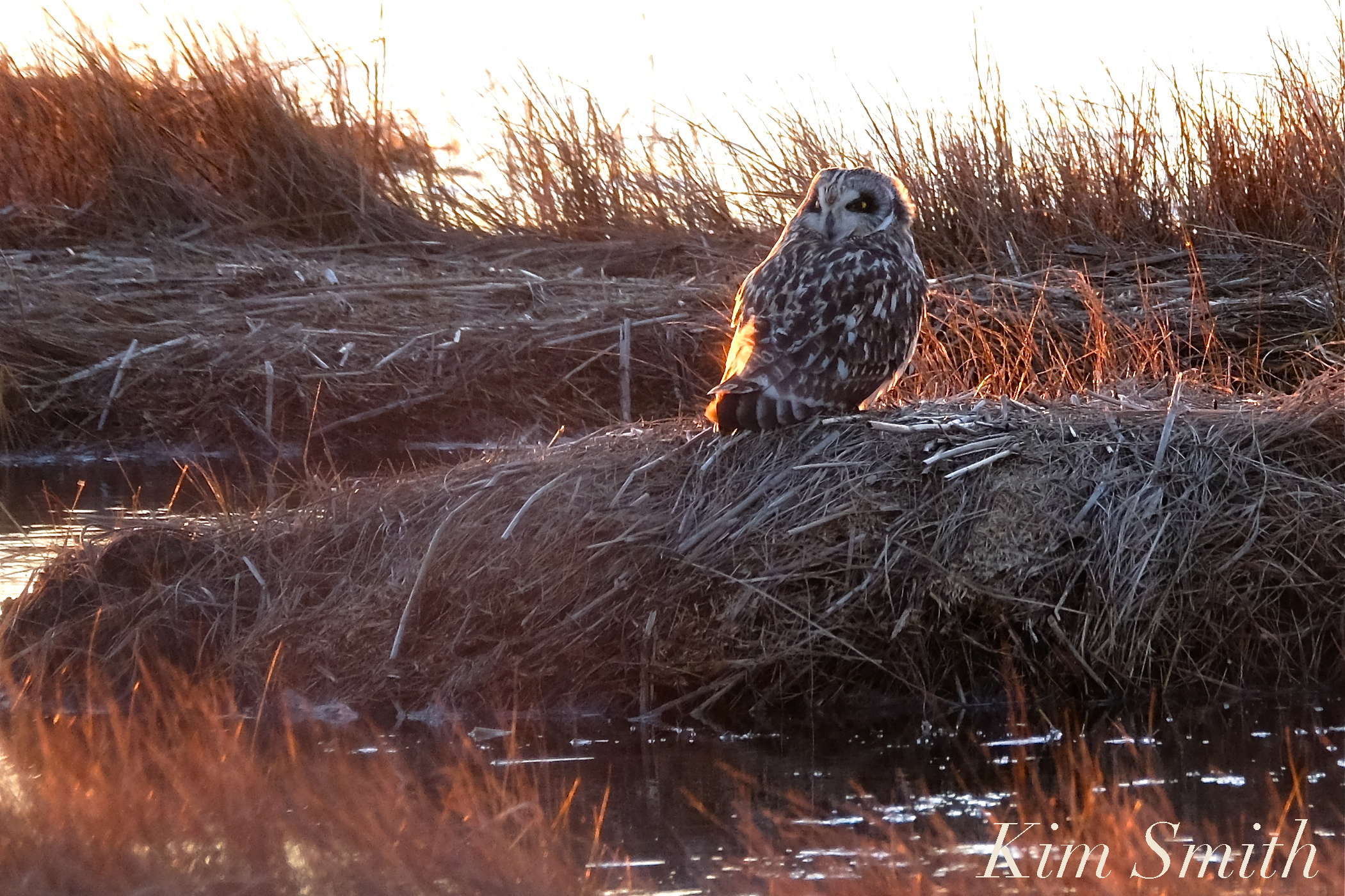
BEAUTIFUL, BEAUTIFUL SHORT-EARED OWLS!

A backlog of owl, and other wildlife pictures. Trying to find the time to sort through and will try to post a bunch this weekend. Here is a recent photo of a Short-eared Owl as the sun was setting. Beautiful creature, beautifully camouflaged.

VETERANS AND EAST GLOUCESTER ELEMENTARY SCHOOL PARENTS PLEASE NOTE THAT THERE IS A WARD ONE COMMUNITY MEETING FEBRUARY 10

PLEASE JOIN US  –  Monday, February 10, 6:30 – 8:30 pm at the East Gloucester School auditorium, Davis St. Ext., for a WARD 1 Community Meeting.

This is an opportunity for residents to express their concerns – about any issues impacting you and our neighborhoods – including schools, traffic, private road Betterment paving, development and open space…
City Councilors, the School Committee & Administration will be invited to attend & listen.

Please note: Ward 1 includes precincts of Ward 1-1 and Ward 1-2…  from Eastern Point to the Main Street Domino’s Pizza area and all surrounding streets, including Webster Street, Eastern Avenue, Harrison Avenue, extending to the Rockport boundary on Thatcher’s Road.

All registered voters who vote at either East Gloucester Elementary School OR Veterans’ Memorial School are a part of Ward 1.

If you would like to submit questions in advance, or have concerns you would like raised but cannot attend that evening, please email me:  smemhard@gloucester-ma.gov

WHAT TO DO IF YOU FIND A DOVEKIE OR MURRE STRANDED ON THE BEACH

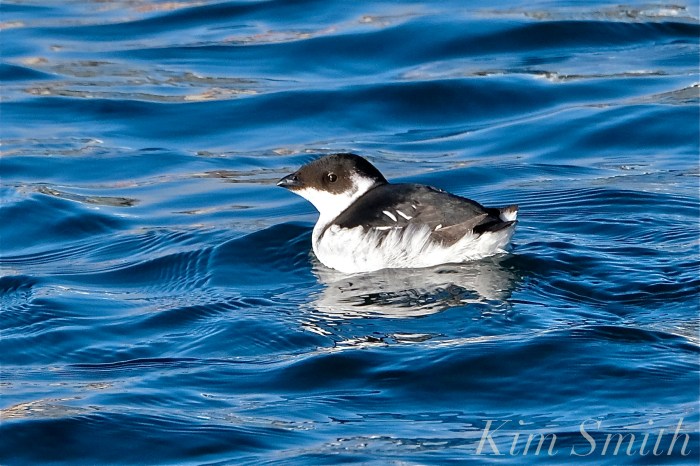
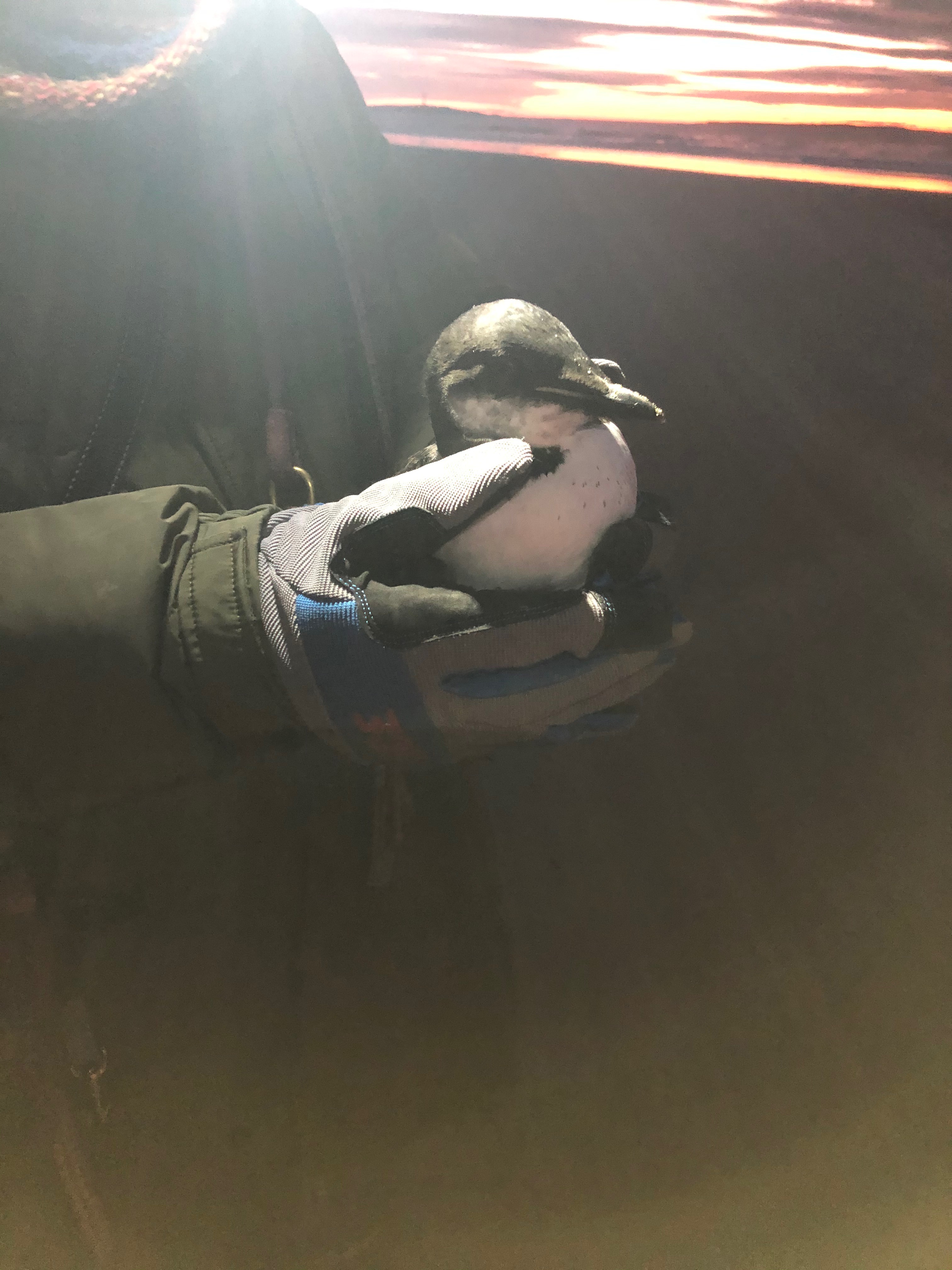
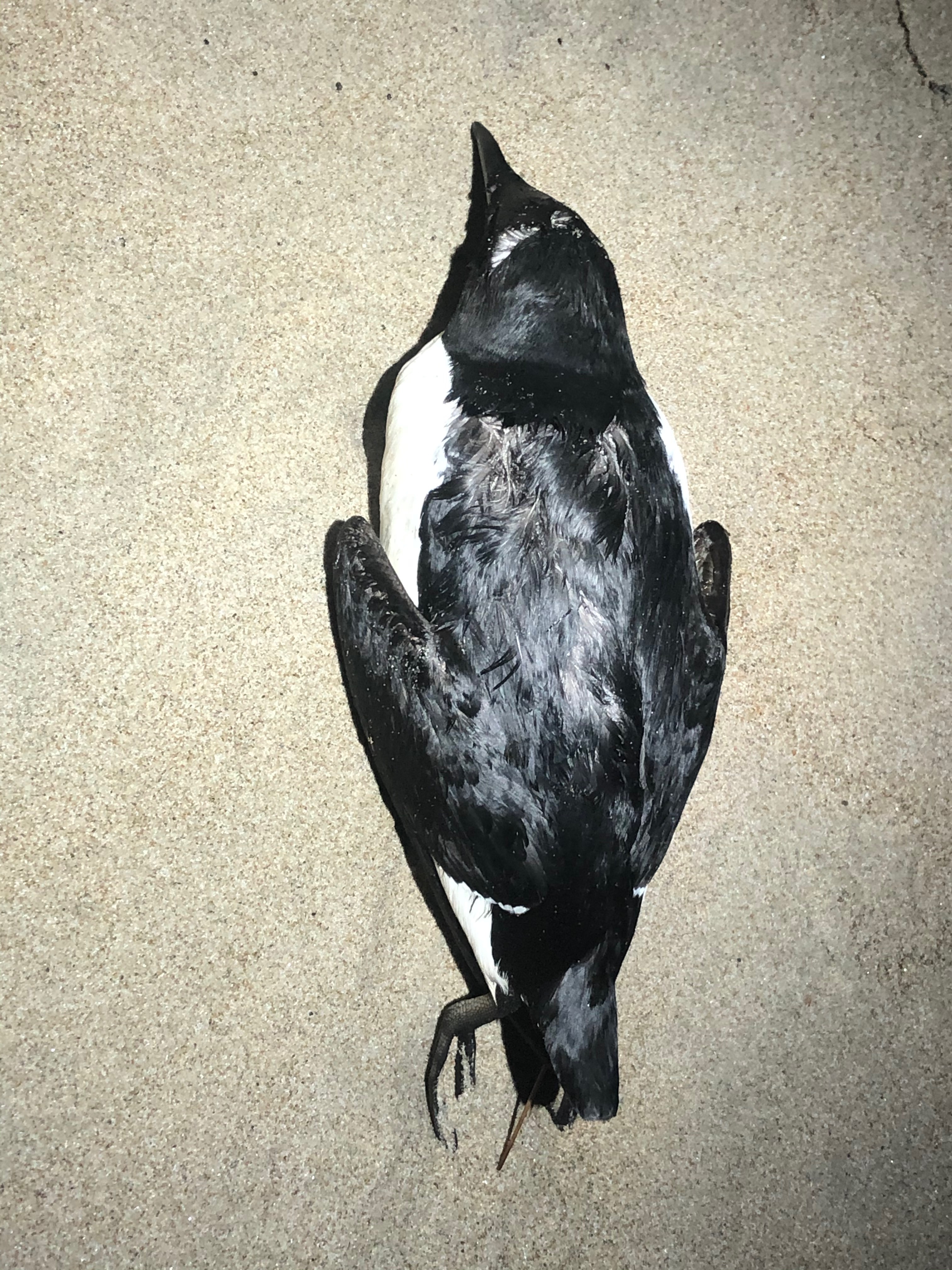
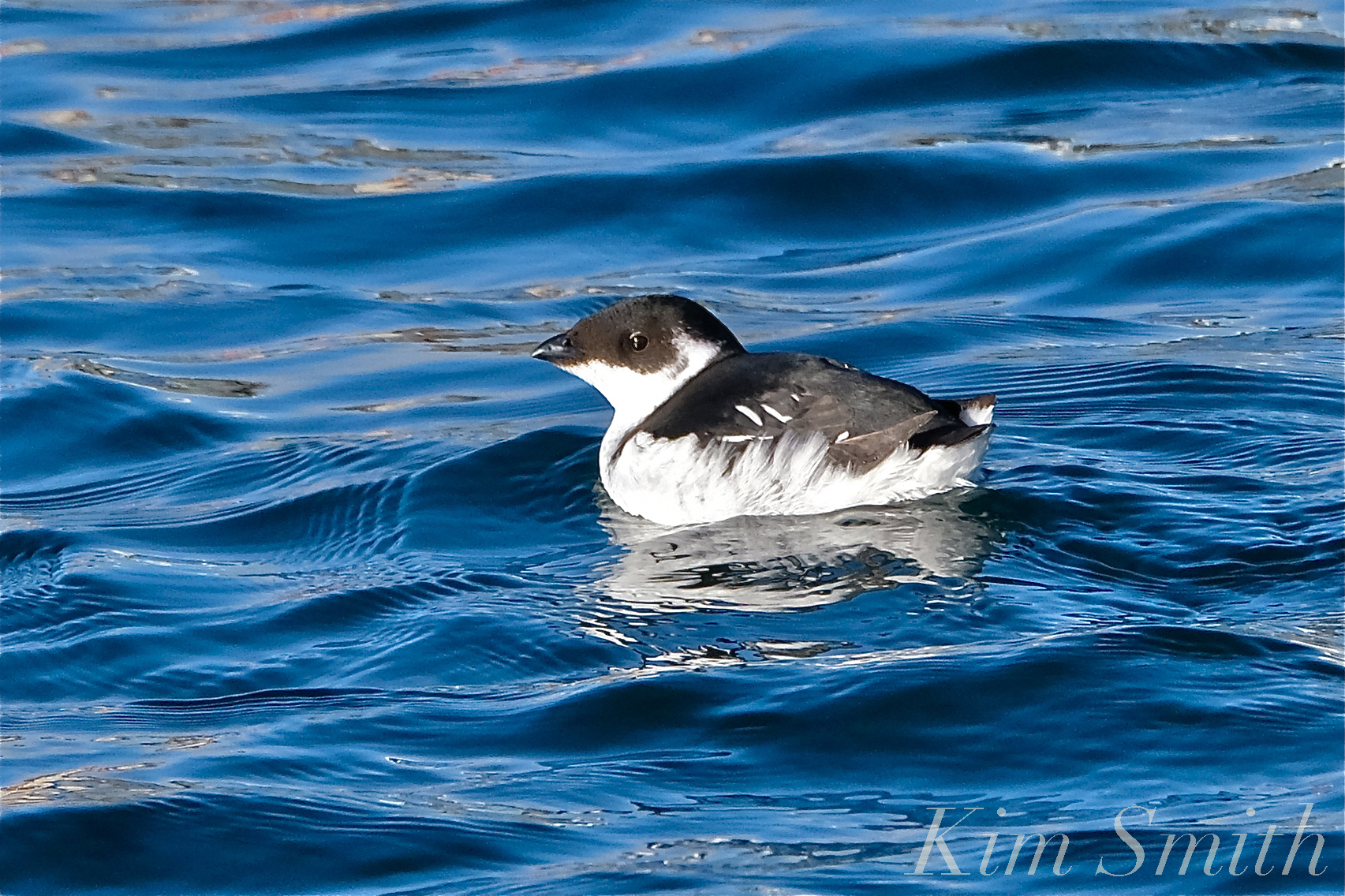
In recent weeks, there have been more than a few reports of Dovekies and other seabirds found on our local beaches, both alive and dead. Friend Jeff Papows has found several dead birds and has returned one live Dovekie and one Common Murre.

Jeff knew just what to do with the stranded birds, which is to return them to the water. Jodi Swenson, from Cape Ann Wildlife, recommends this is best. She shares that seabirds do not do well in rehab. If on the other hand the bird appears sick or emaciated, then please call Tufts at (508) 839-7918.

Dovekies, like many seabirds, are clumsy on land, however they do nest on land, so we know they are able to walk. Then why are they stranding? It most commonly happens to young, inexperienced birds. But stranding can also happen in great numbers to exhausted adults after large storms. This influx is known as a wreck. One of the most tragic and dramatic wrecks occurred along the East Coast in 1932, when thousands of Dovekies literally “rained” from the sky.

Photos Jeff Papows

We’d like to get an understanding of how many seabirds are washing ashore. If you have seen a Dovekie, or other species of seabird, dead or alive on the beach this winter, please write and let us know when and where. Thank you so much.

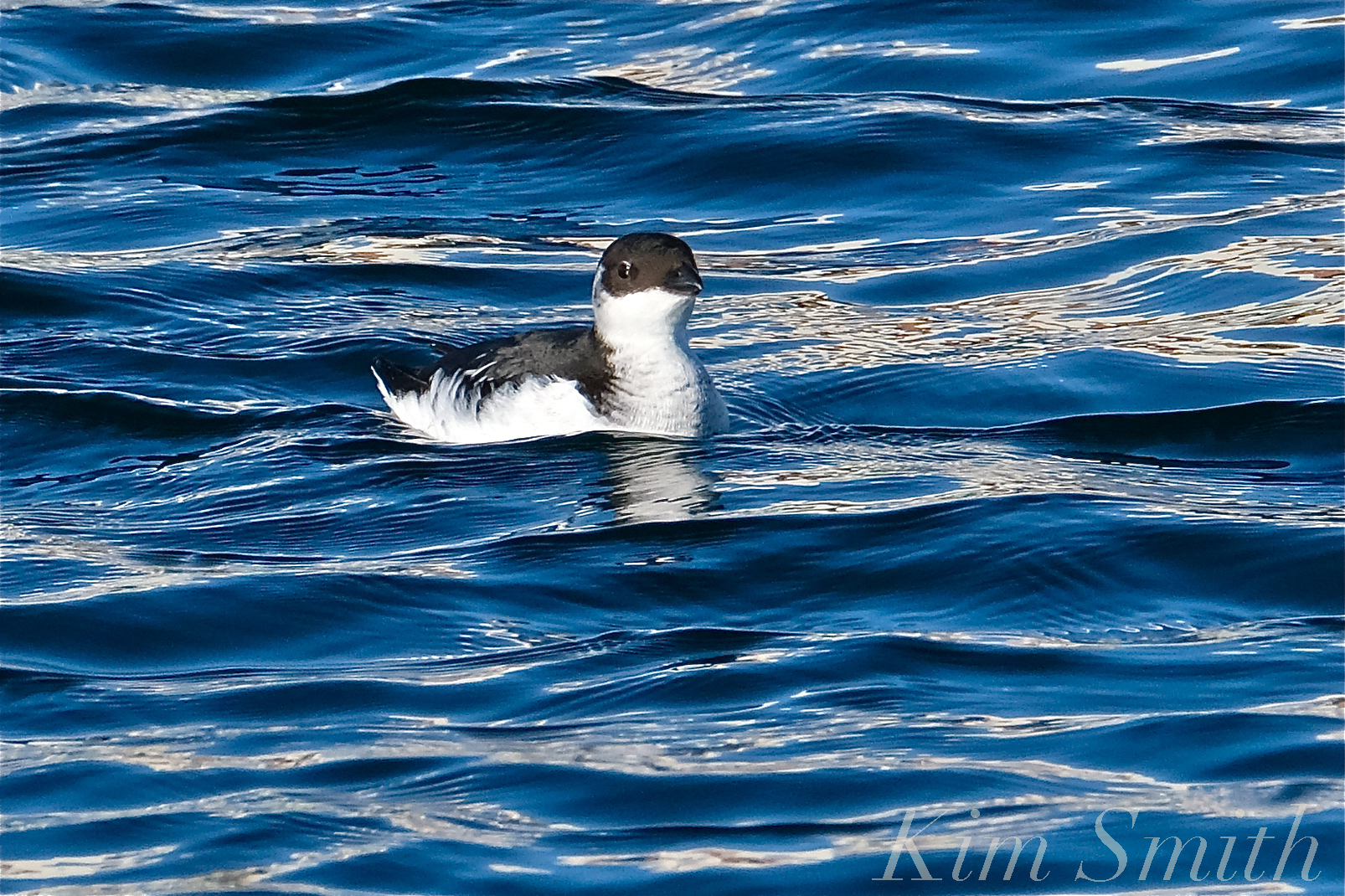
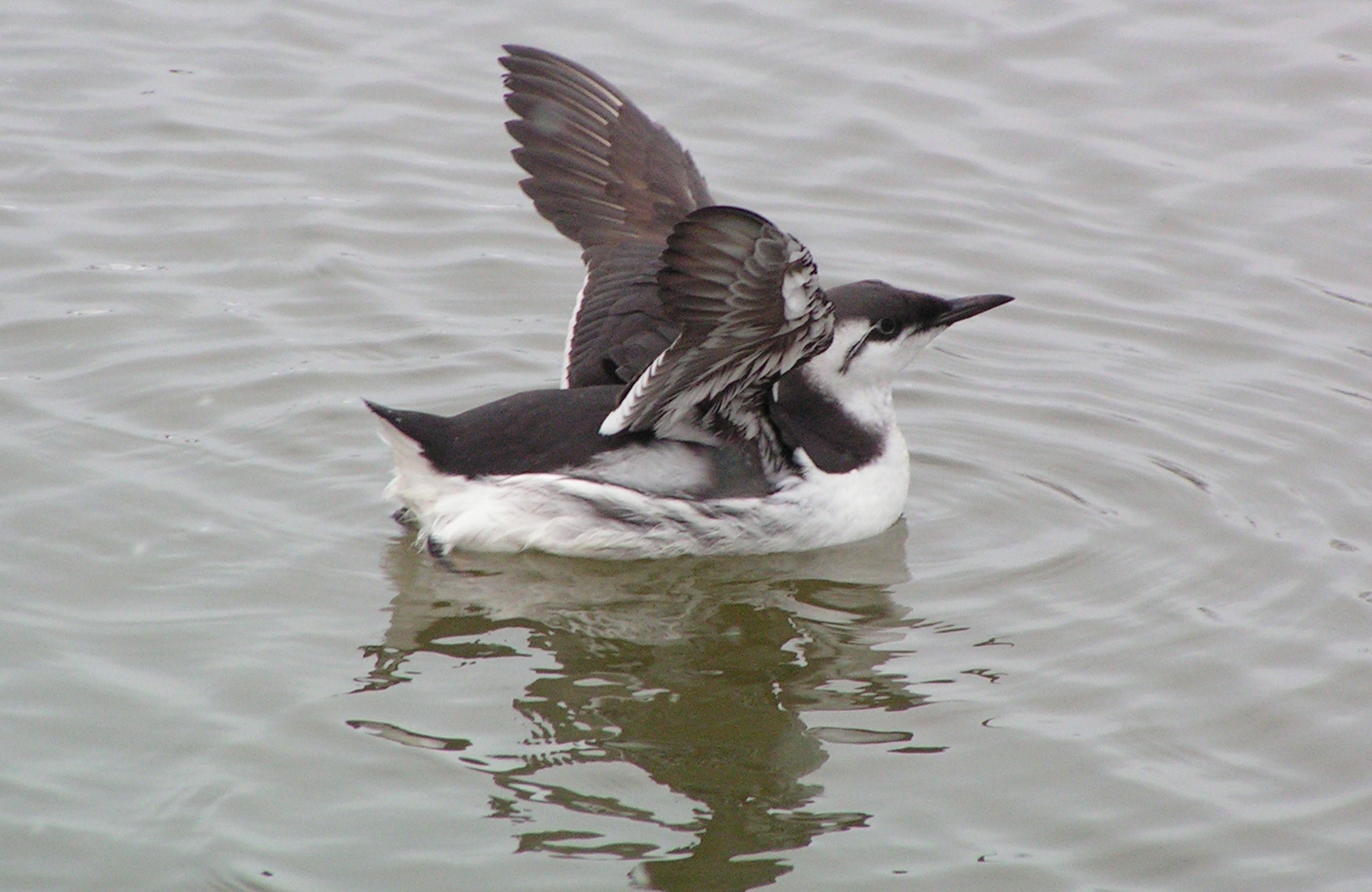
Common Murres are more crow-sized whereas Dovekies are more similar in size to an American Robin

Dovekie front view

Dovekie side view


Common Murre, winter plumage. Photo courtesy wikicommons media

SIMPLY AMAZED- HERON ICE FISHING

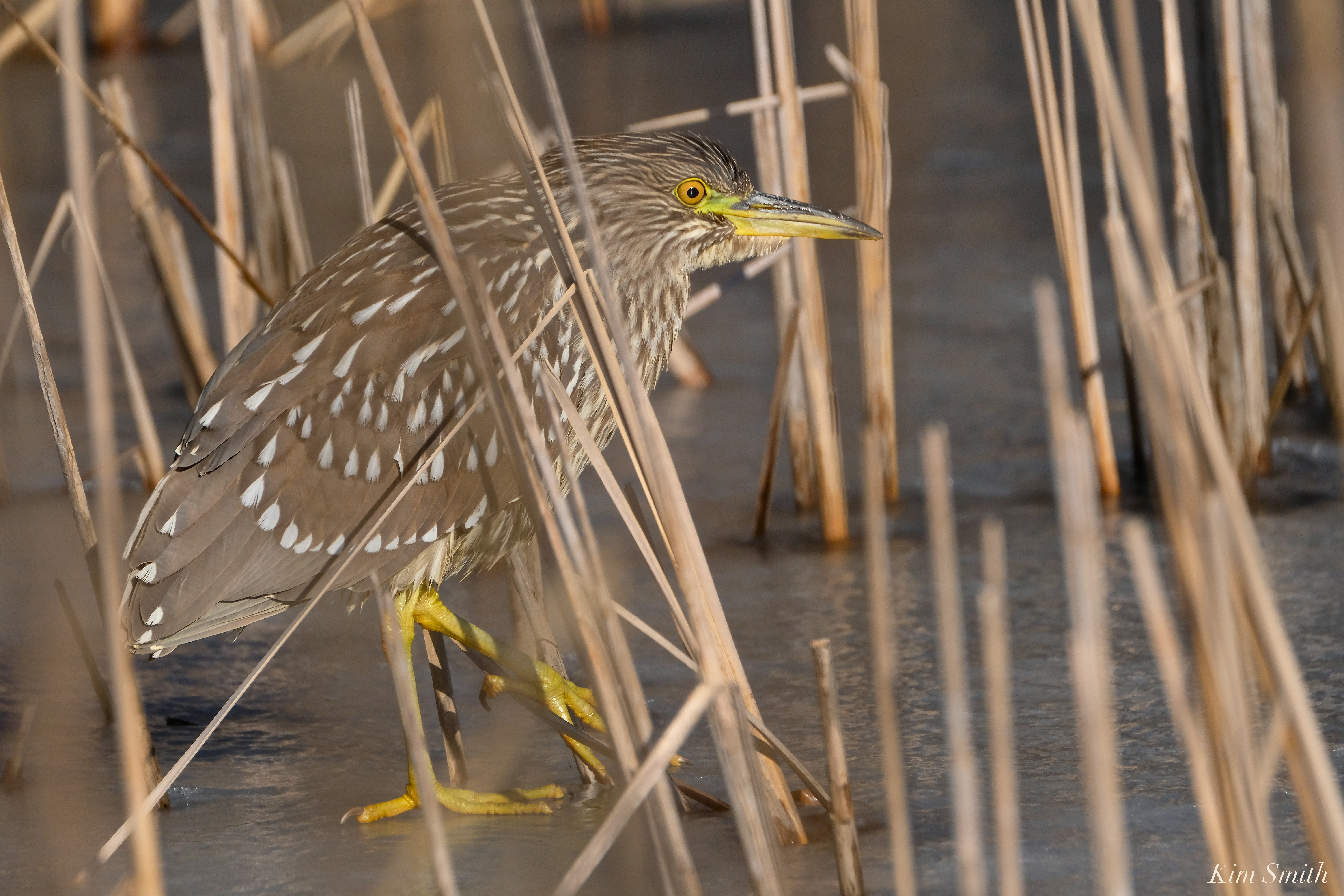
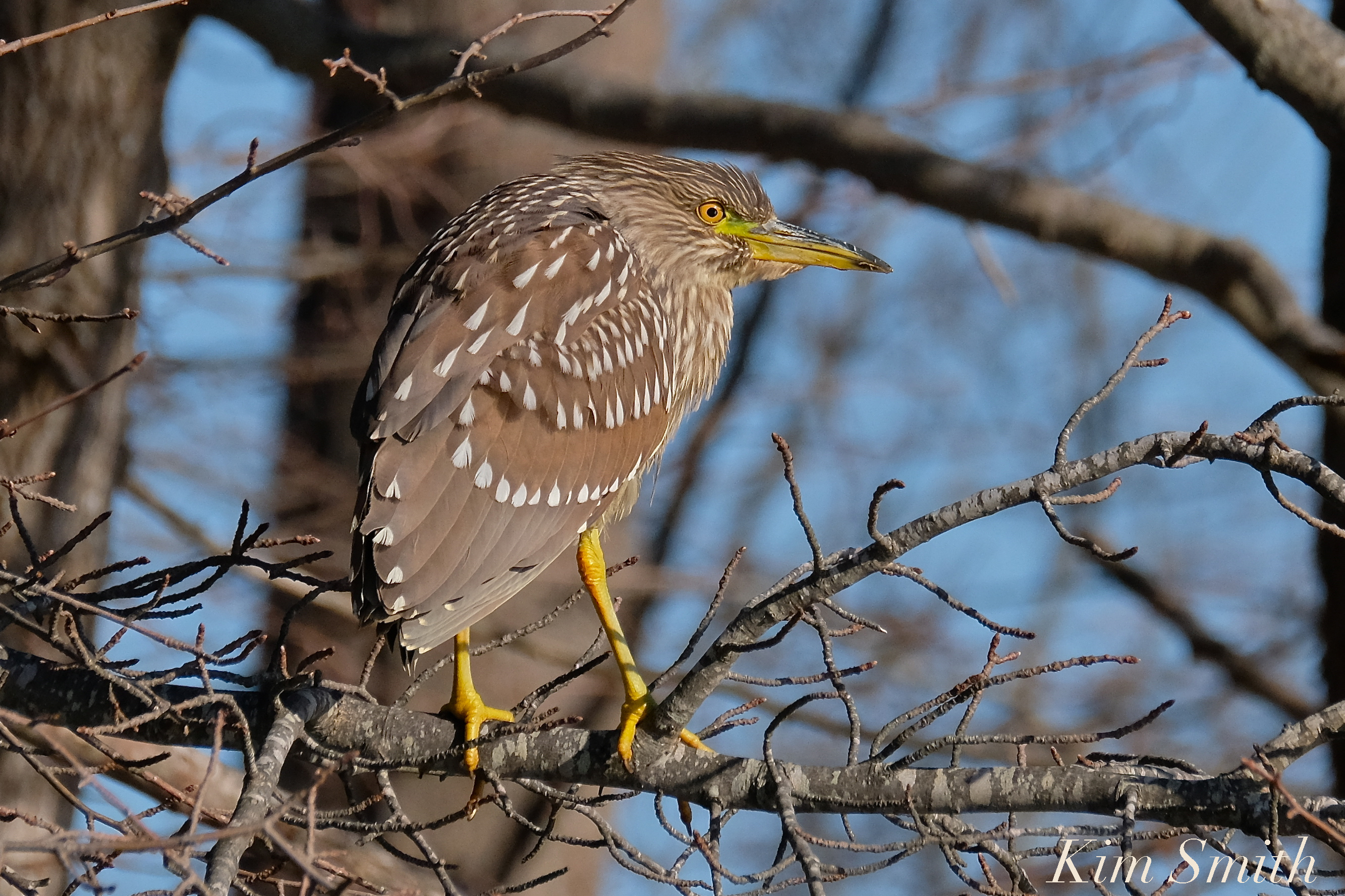
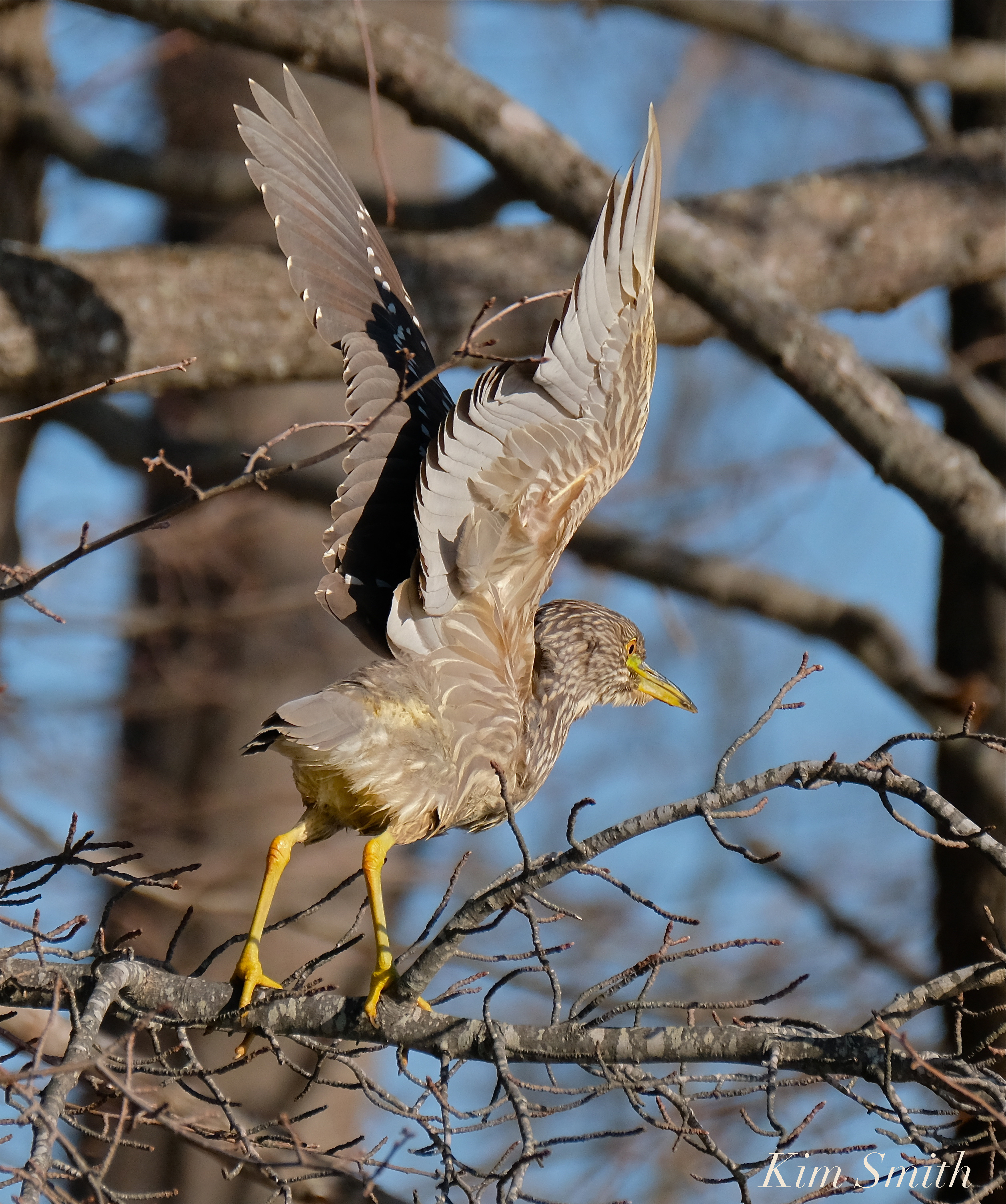
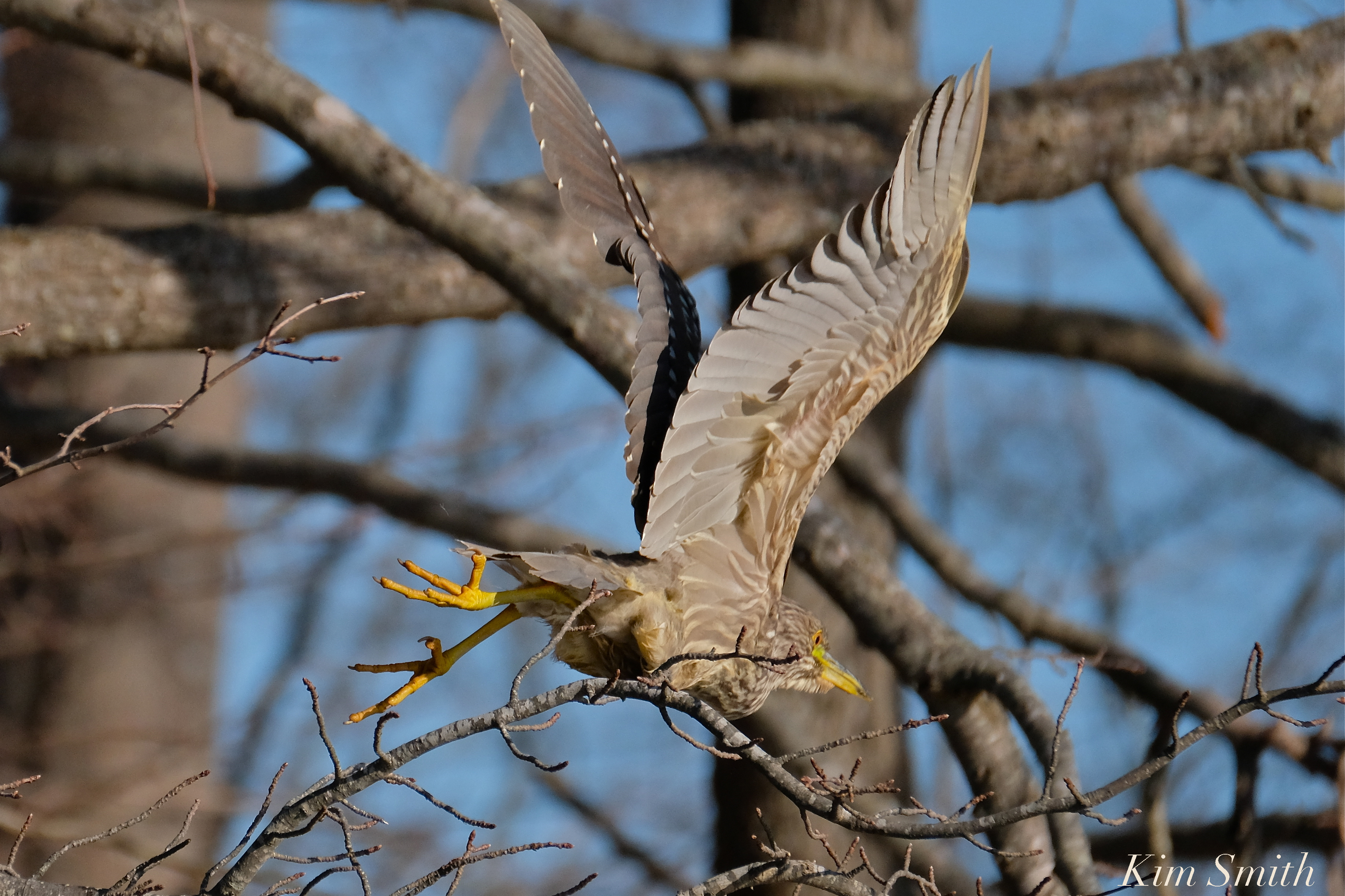
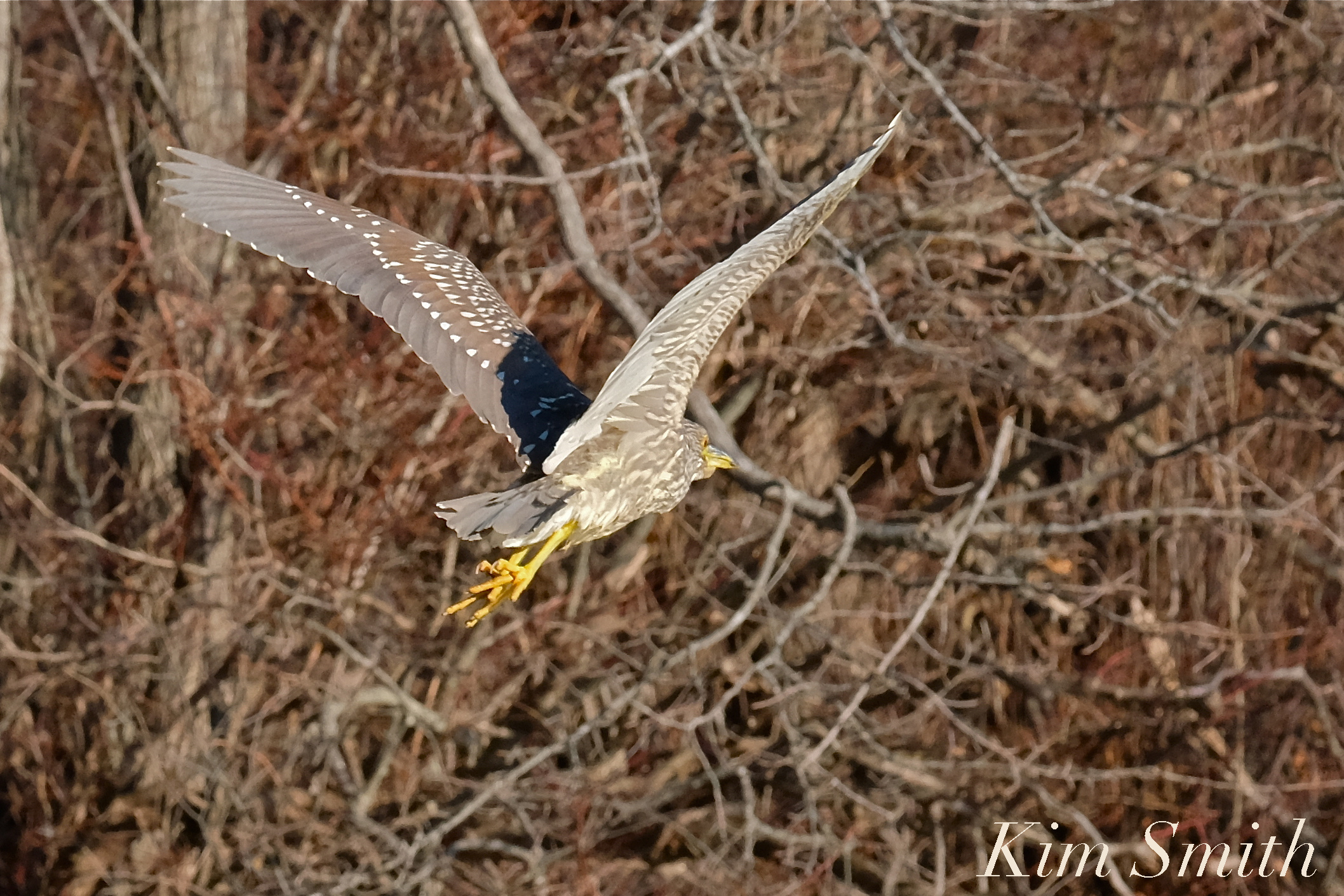
Could it be that our winter resident juvenile Black-crowned Night Heron is surviving by ice fishing??

I was concerned and did not not think the young heron could possibly find enough food after Niles Pond froze solidly over. The pond was thick with a heavy layer of ice, so thick people had been skating.

Several days ago when out for a walk, I heard a krickly sound coming from the reeds along the pond’s edge. A beautiful Red Squirrel ran across my path. A few moments later, the same krickly krickly sound, only this time when I peered in, there was the juvenile BCNH, sleepy-eyed and shifting on the cold ice.

Off he flew into the trees to warm in the sun.

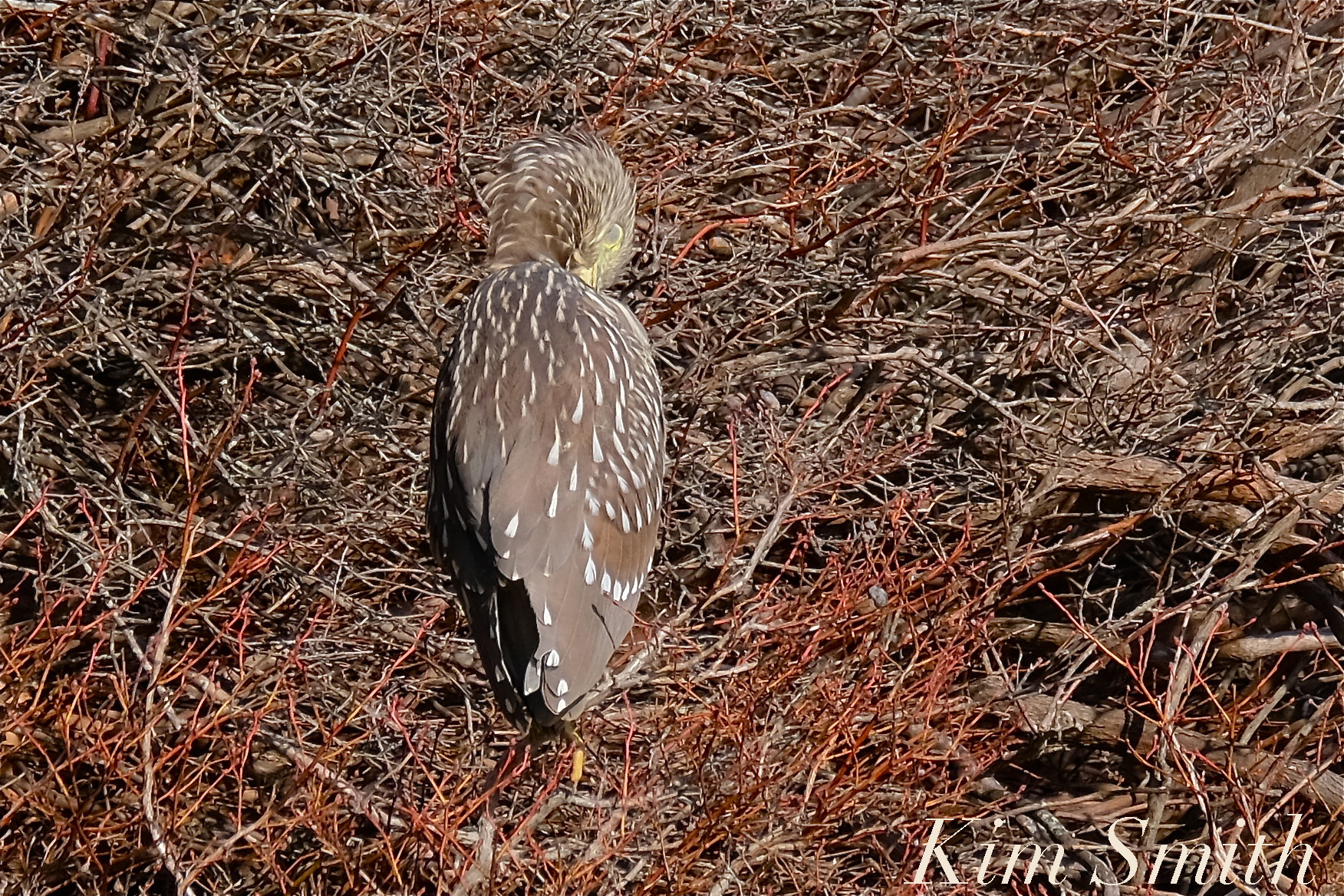
Sleeping in the morning sun

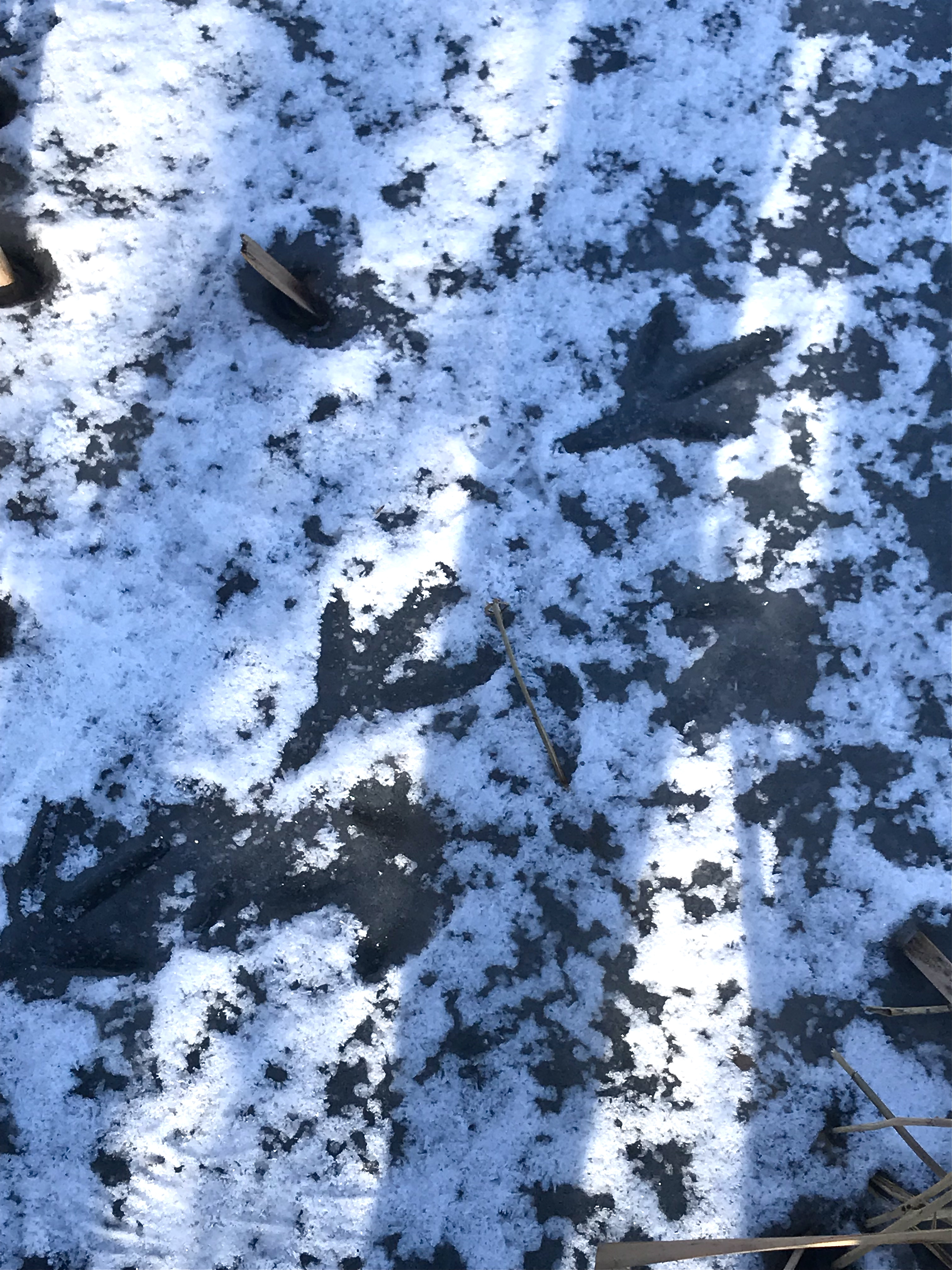
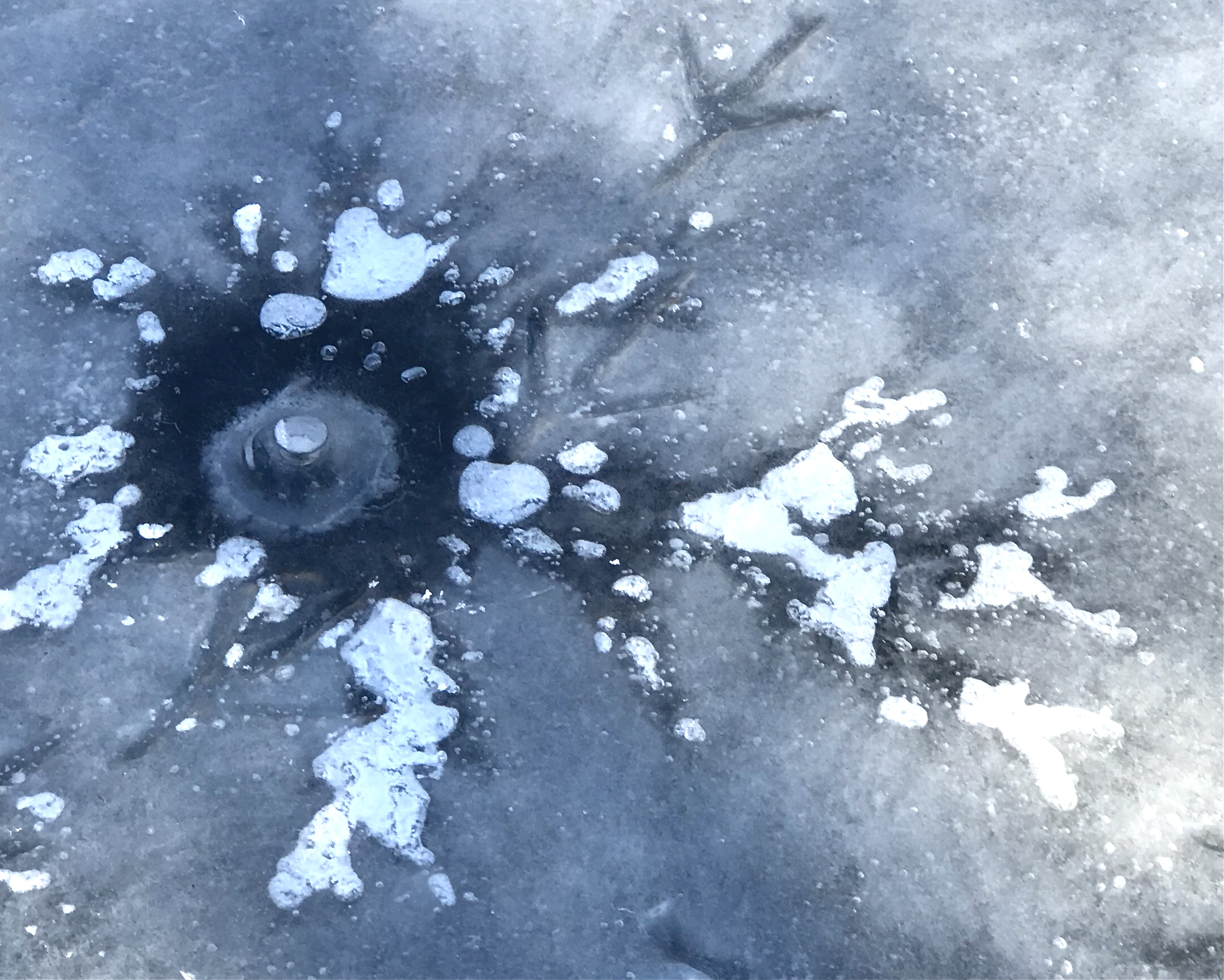
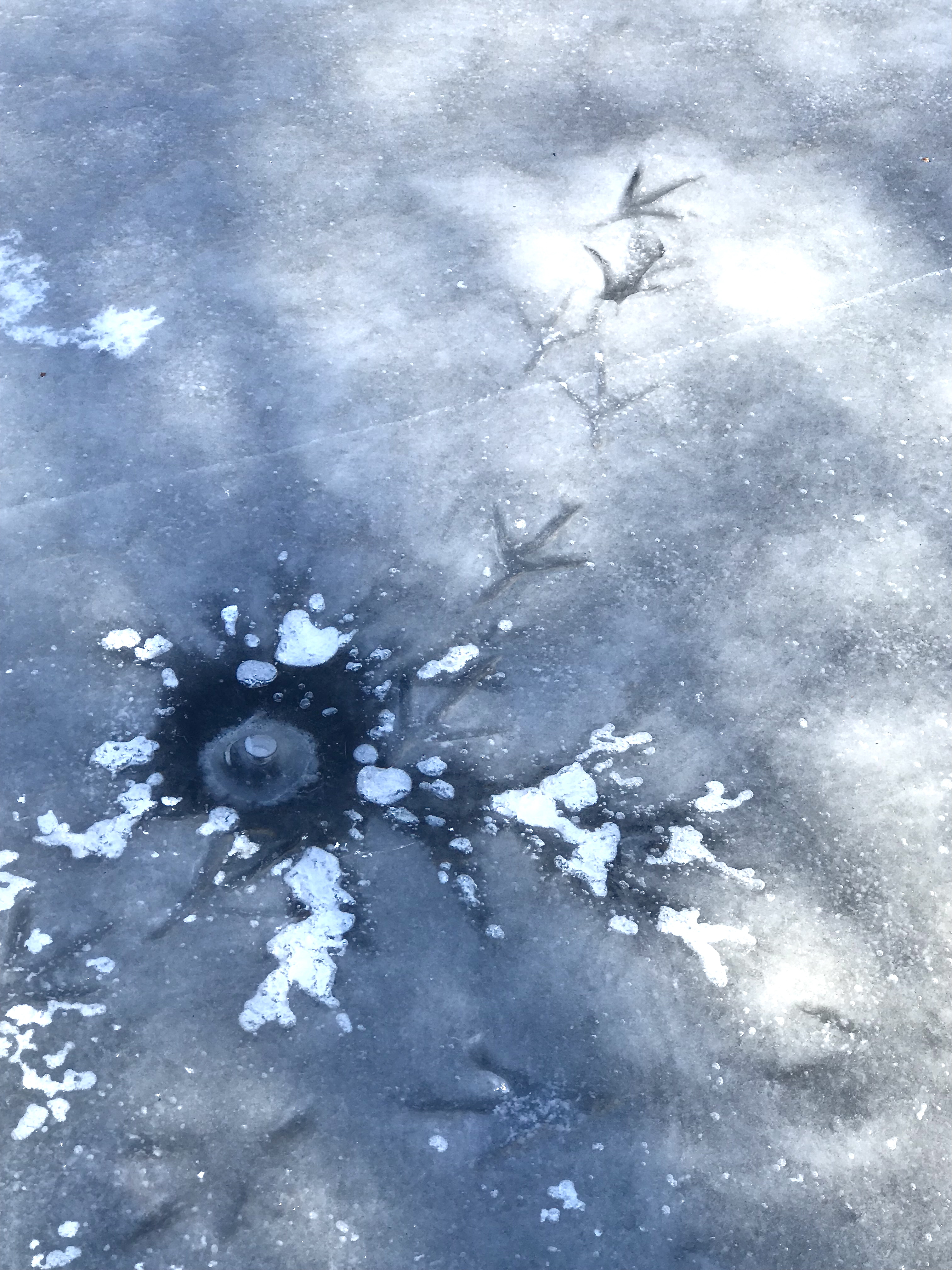
I walked out onto the ice adjacent to where he had been standing and there, very clearly, was a trail of his perfectly delineated tracks. Not only that, but there was a hole in the ice, surrounded by several sets of his tracks. Having observed BCNH during the summer months standing stock still in one place for hours on end, I can just imagine that he must have stood over that hole for hours waiting for his dinner to swim by. Simply amazed!

If you are having difficulty viewing the photos large, double click and you should be able to see full size.

My camera lens was too long to get a close up of the tracks. I was only able to take these cell phone pics, but you can still see very clearly the heron’s tracks in the snowy ice, and the ice hole.

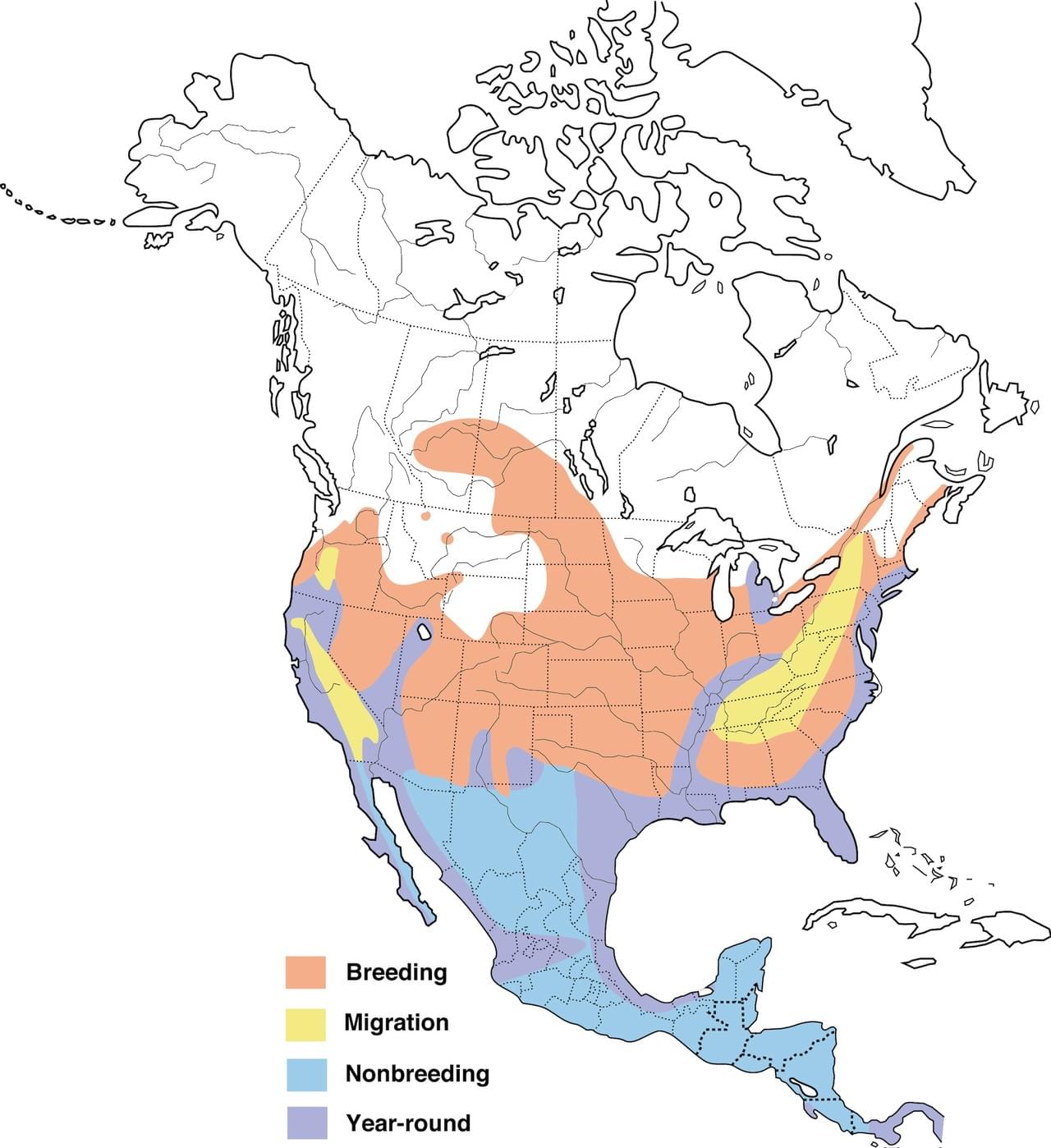
Cape Ann is located at the tippy northern end of their year round Atlantic coastal range.

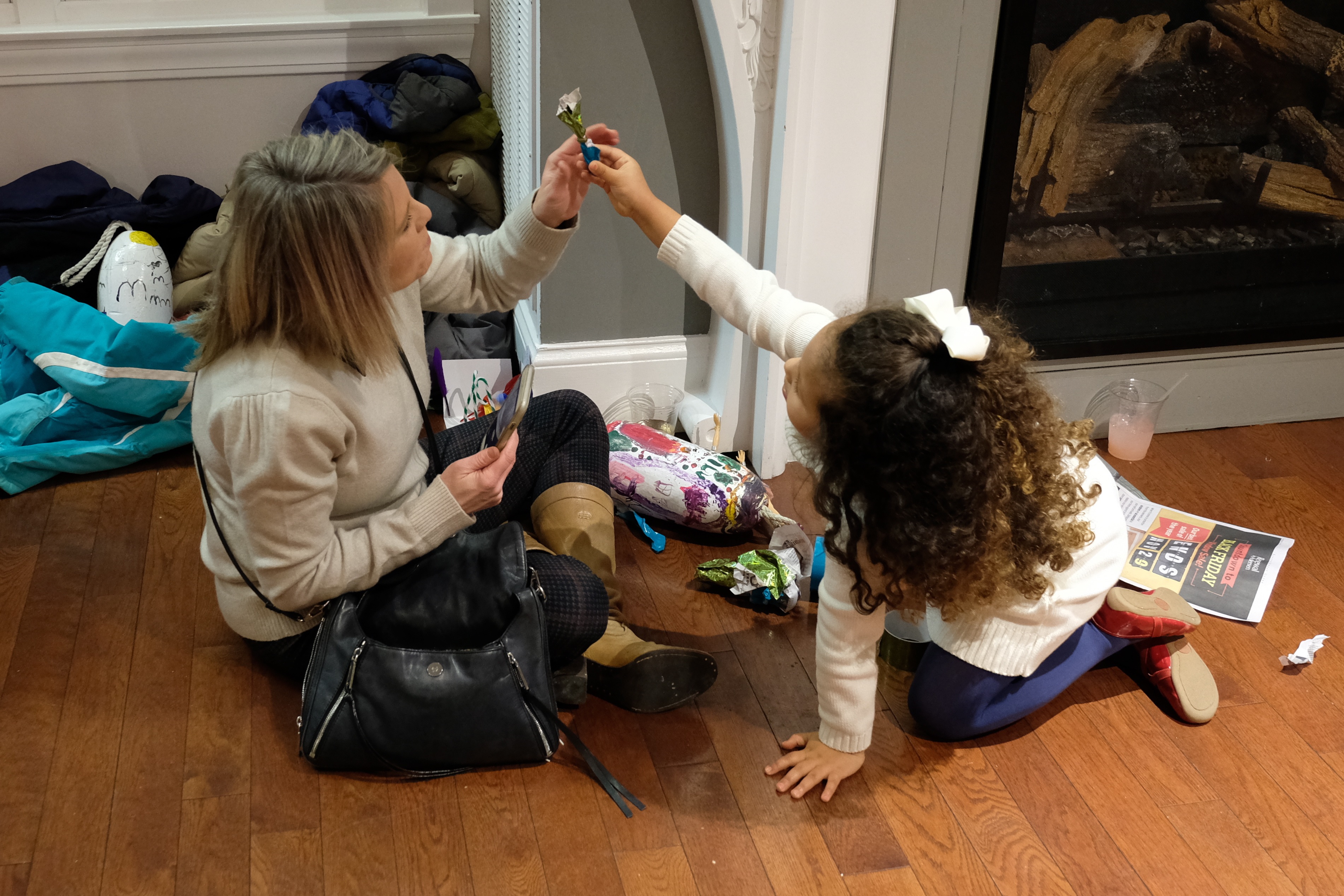
TREMENDOUS TURNOUT FOR CAPE ANN ART HAVEN FAMILY FUN BIG BUOY PARTY AT CRUISEPORT!

CONGRATULATIONS! to Cape Ann Art Haven for the wonderfully successful Big Buoy Party. Great turnout, welcoming venue (Cruiseport), delicious refreshments, a multitude of art activities, live music, and a super fun vibe made for a great family night. Thank you Traci Thayne Corbett and Crew for all that you do for the kids!


BLACK-CROWNED NIGHT HERON IN JANUARY??

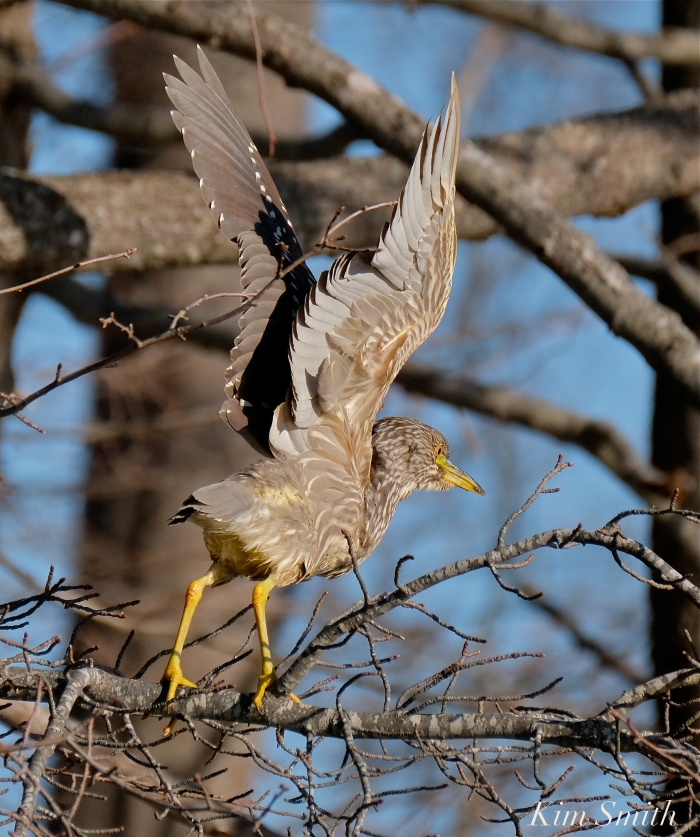
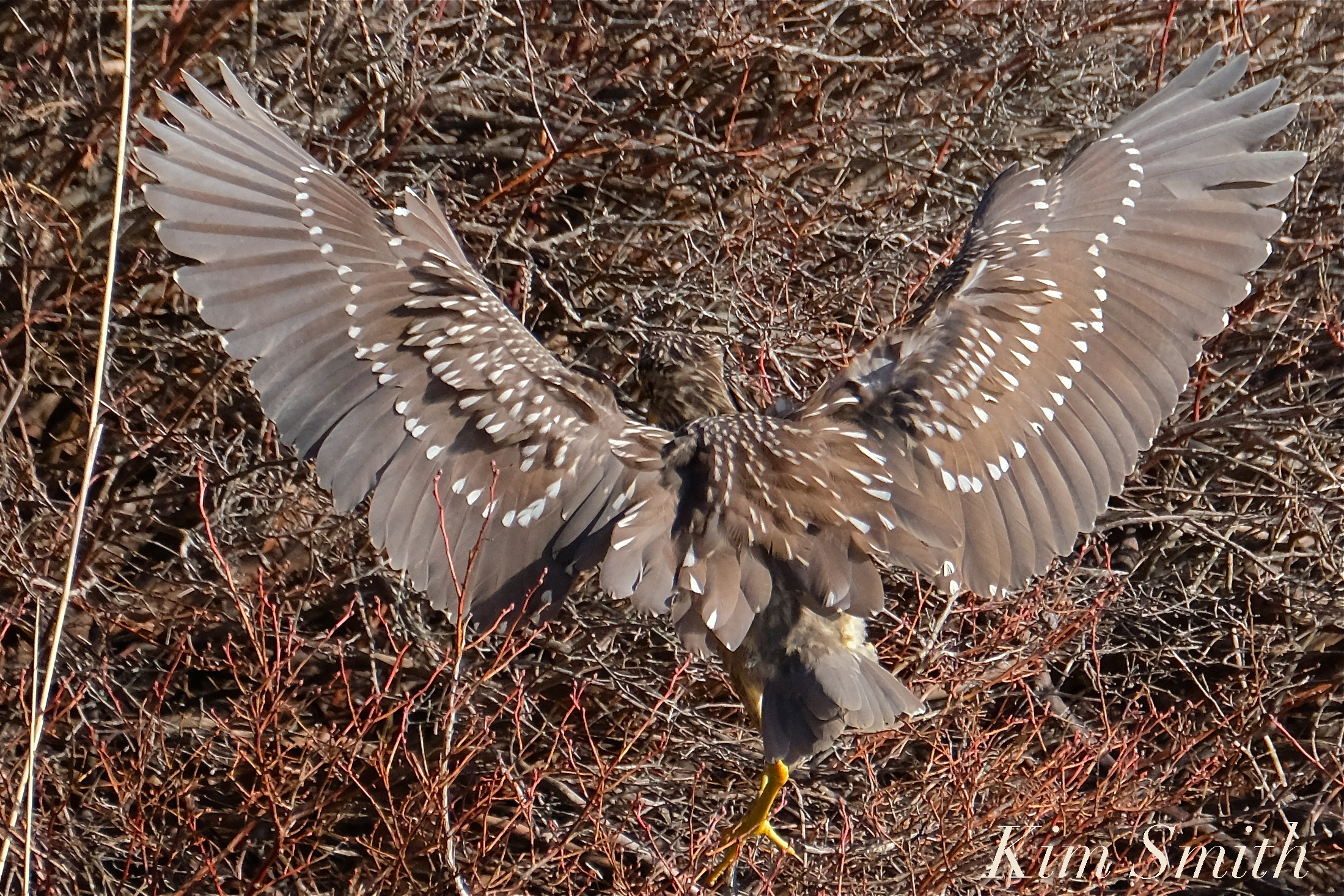
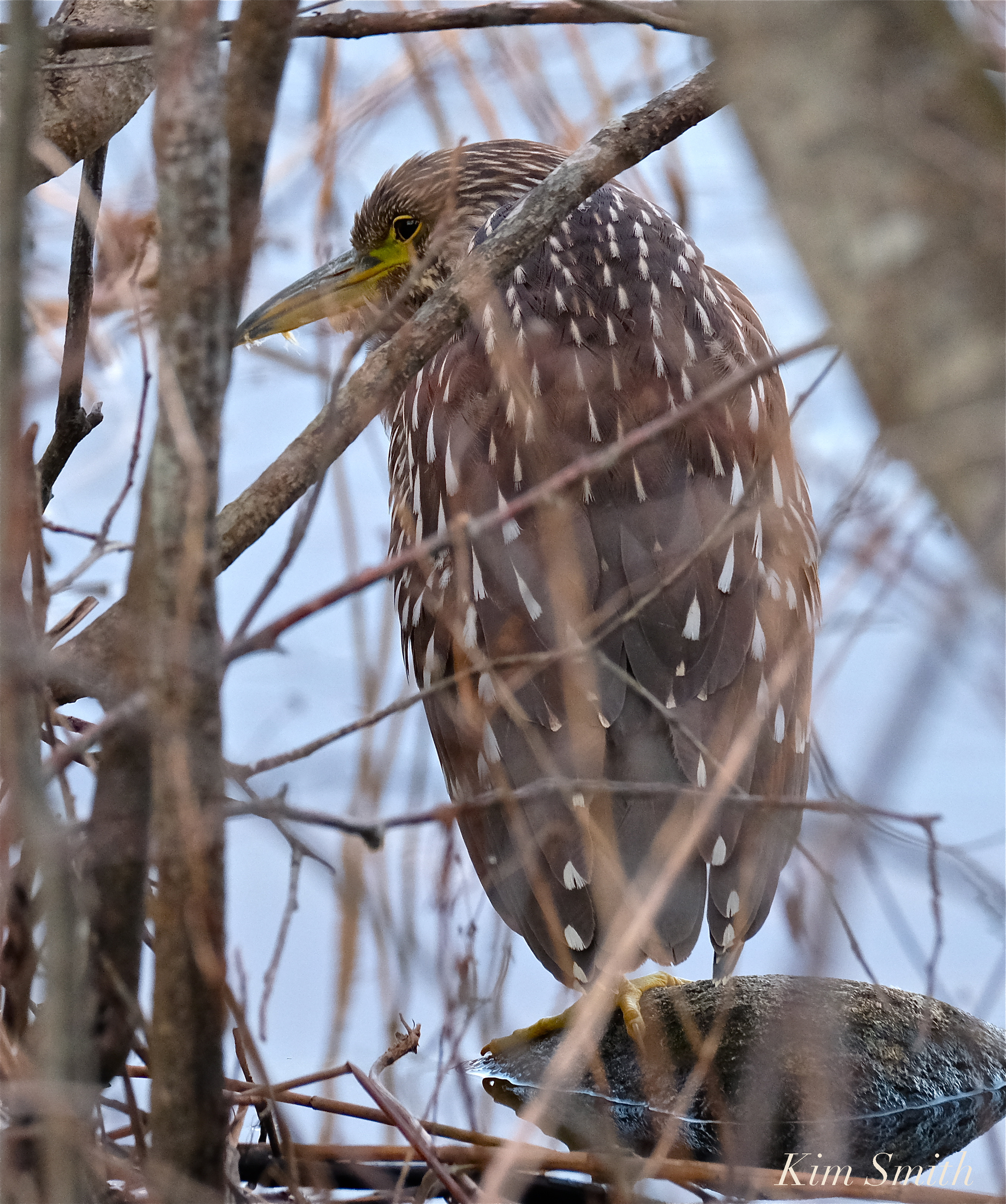
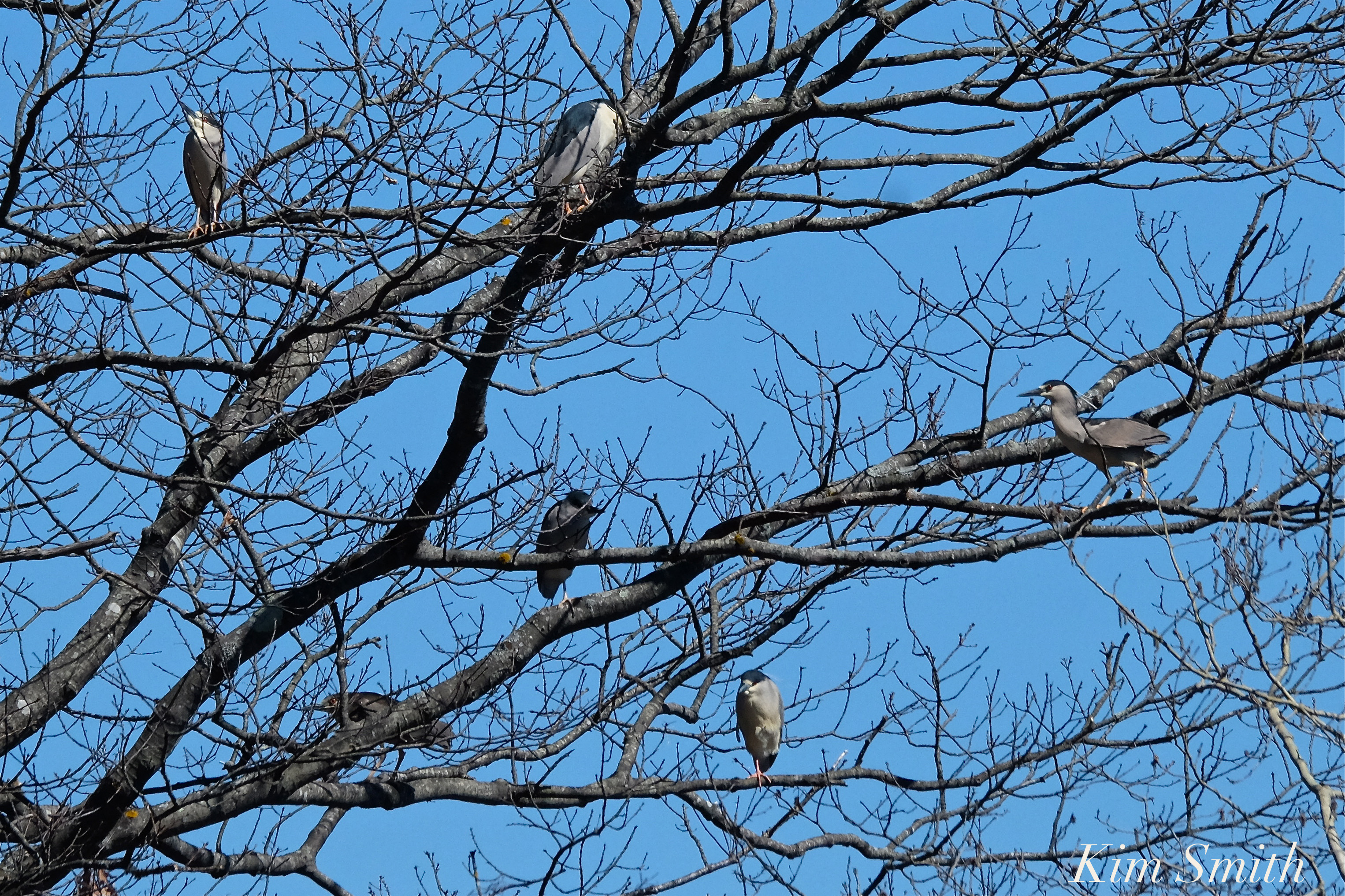
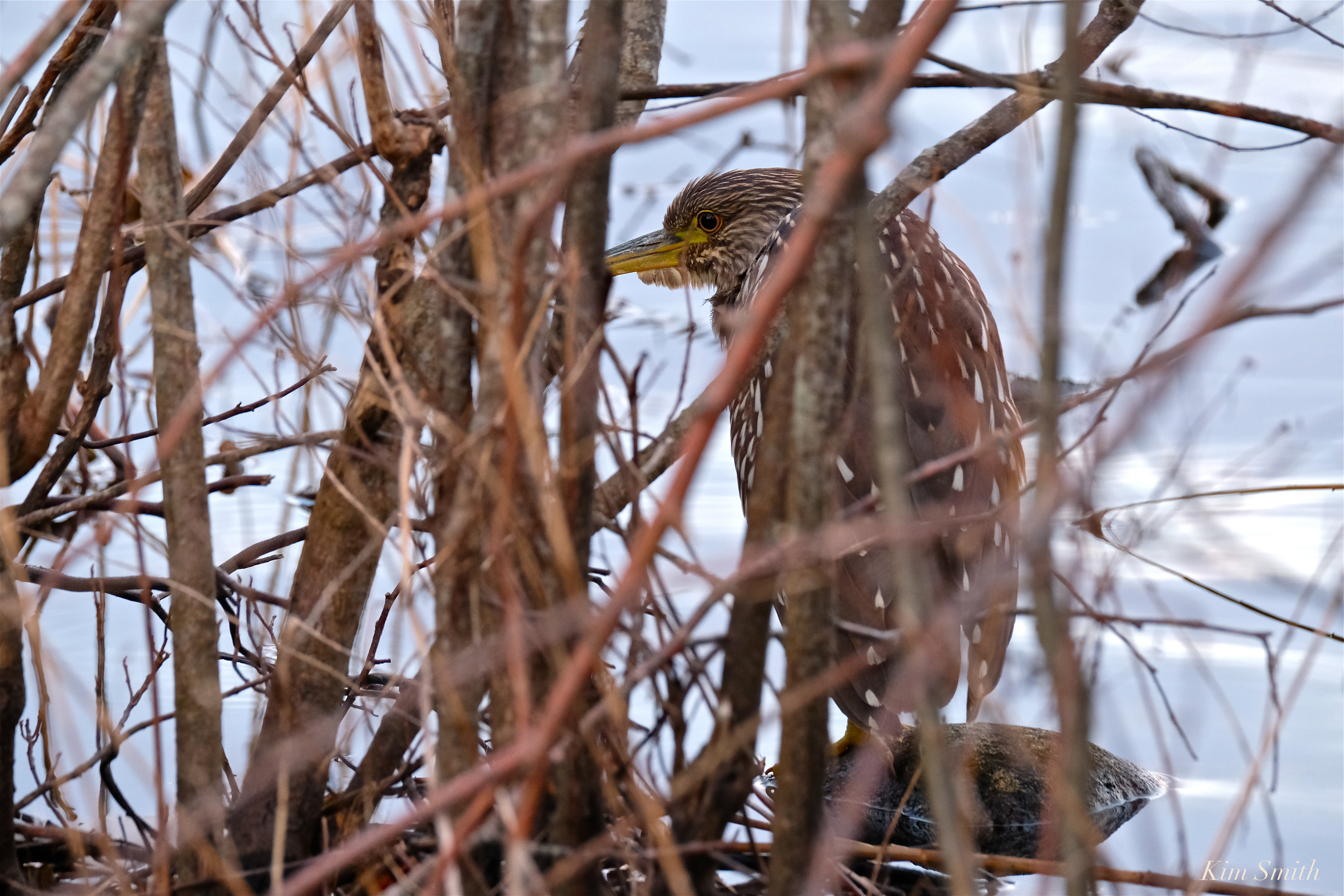
It’s been a remarkable month for beautiful winter wild creatures in our midst. The photos of a juvenile Black-crowned Night Heron were taken in mid-January,

He mostly stays well-hidden in the dense thickets at water’s edge. I’ve read that Night Herons occasionally spend the entire winter in northern regions. Cape Ann is at the tippy edge of their year round coastal range. Let’s hope this youngster will survive the next several months.

Black-crowned Night Herons, adults, Gloucester, in early spring and summer

Juvenile Black-crowned Night Heron, January 2020

GIANT SEALS SCARED THE BEEJEEZUS OUT OF ME!

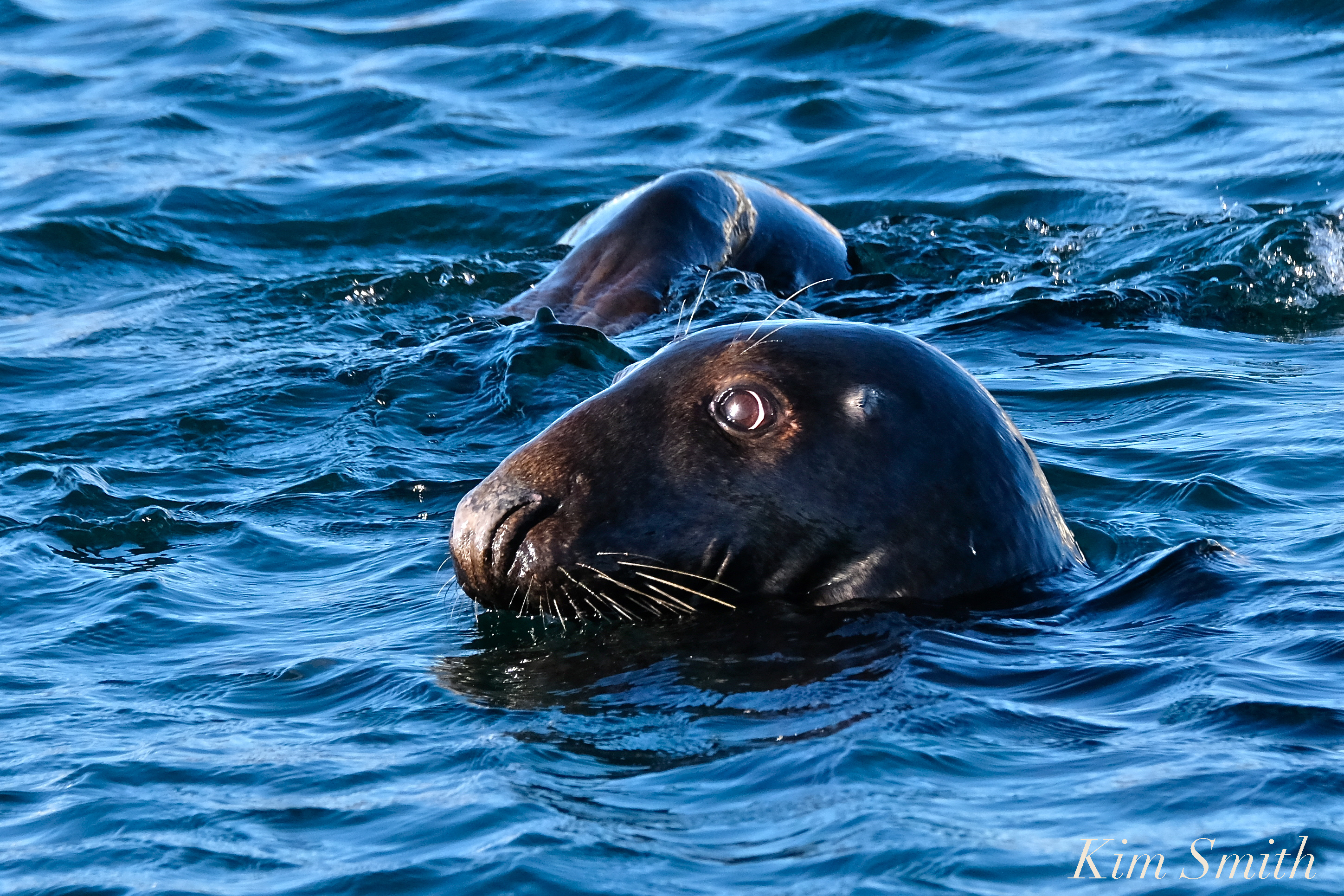
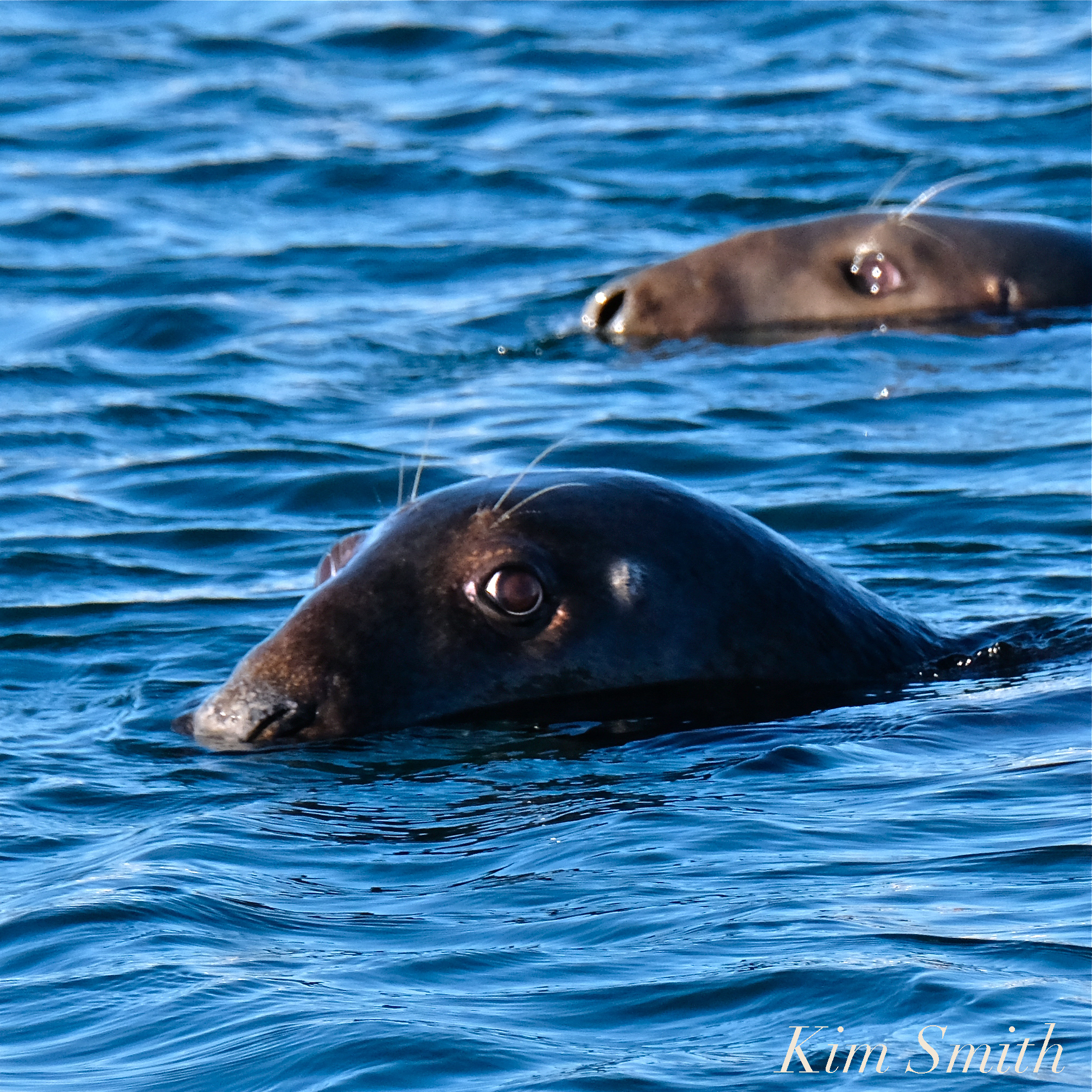
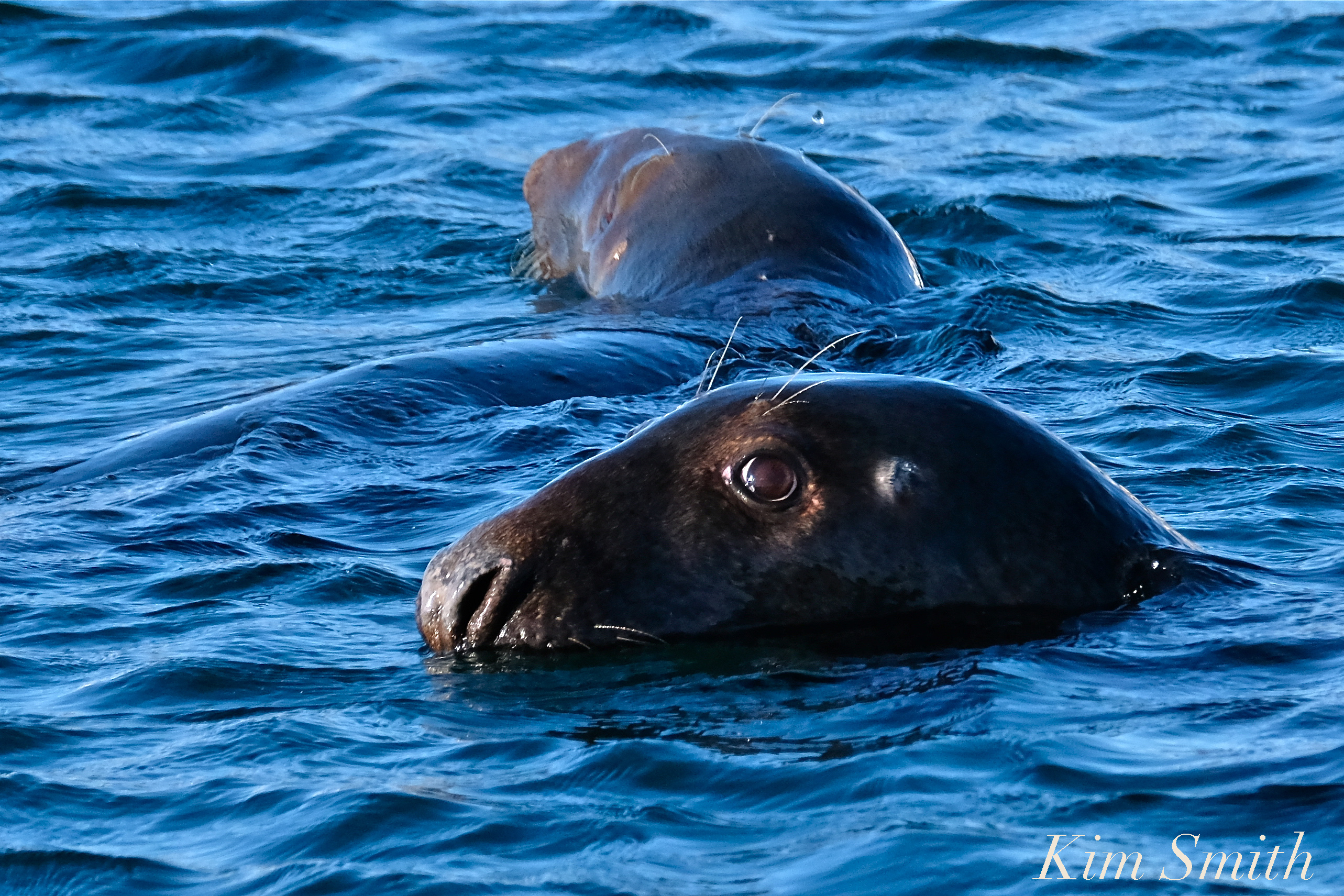
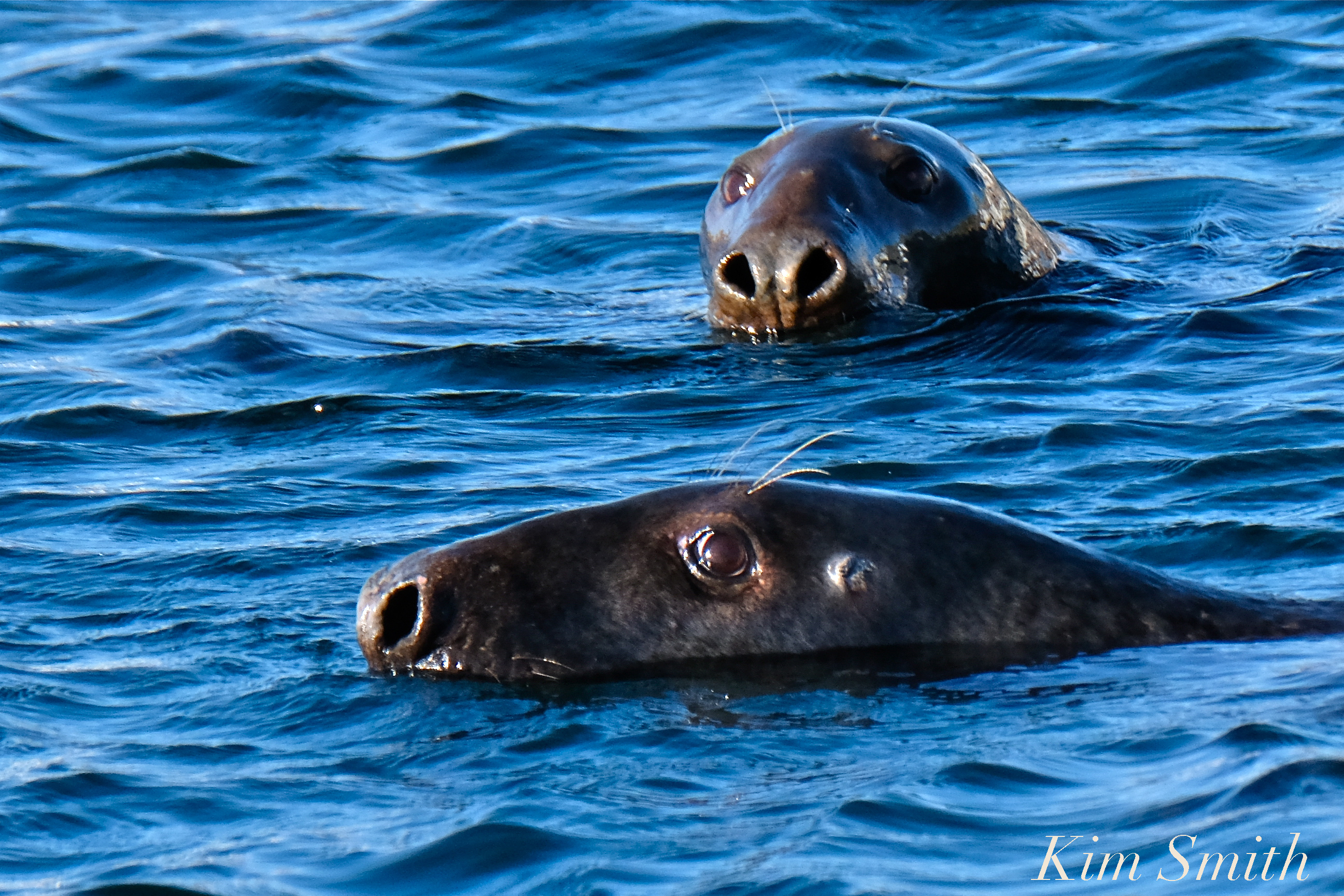
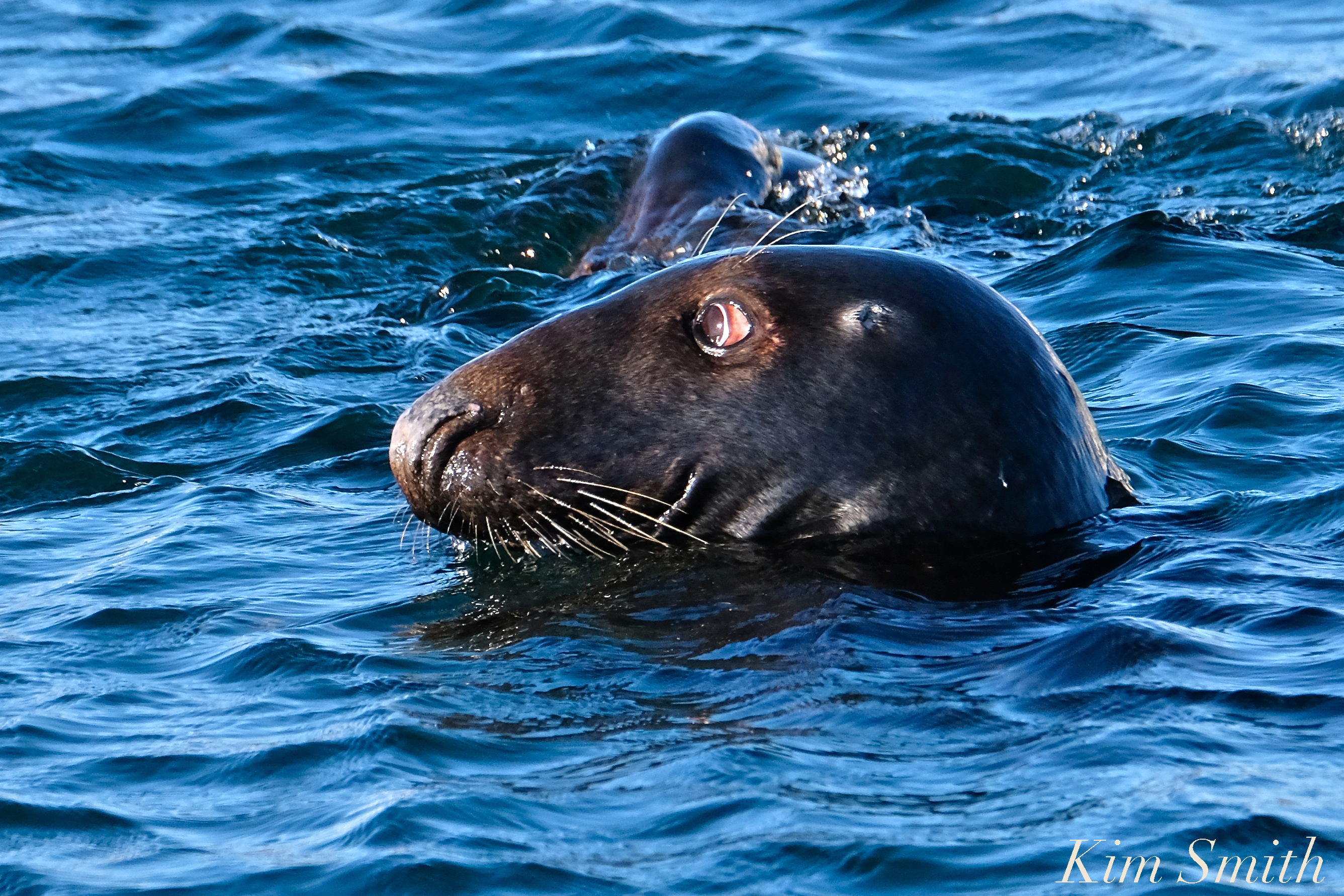
While filming the tiny Dovekie as he was blithely bopping along in the inner Harbor, dip diving for breakfast and seeming to find plenty to eat, suddenly from directly beneath the Dovekie, two ginromous chocolate brown heads popped up. Almost sea serpent-like and so completely unexpected! I leapt up and totally ruined the shot, and the little Dovekie was even more startled. He didn’t fly away but ran pell mell across the water about fifteen feet before giving a furtive look back, and then submerging himself.

So there we were face to face, only about twenty feet apart. We spent a good deal of time eyeing each other, several minutes at least, both trying to figure out the other’s next move. Their eyes are so large and expressively beautiful. Down they dove and search as I might, could not spot them again.

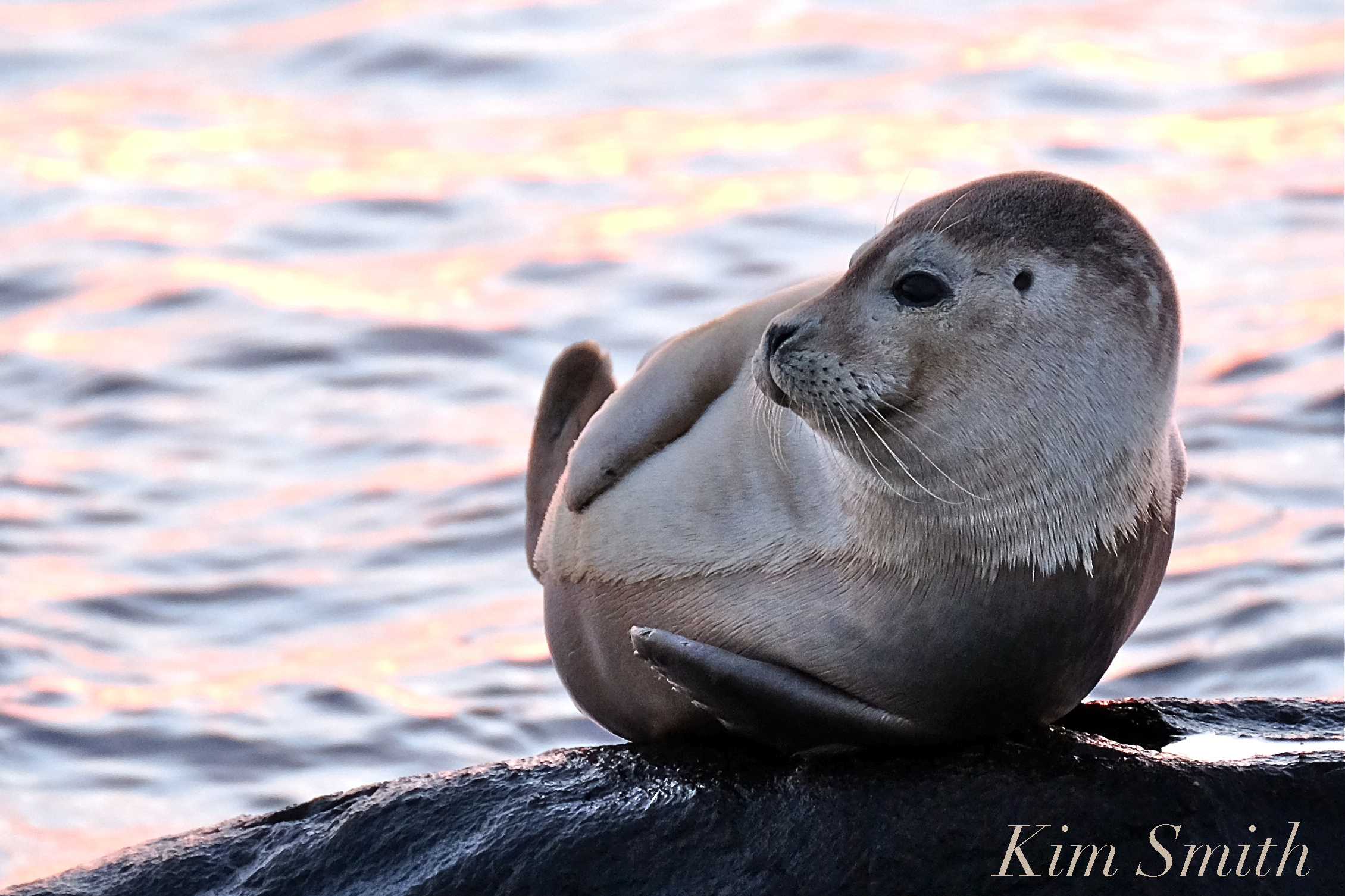
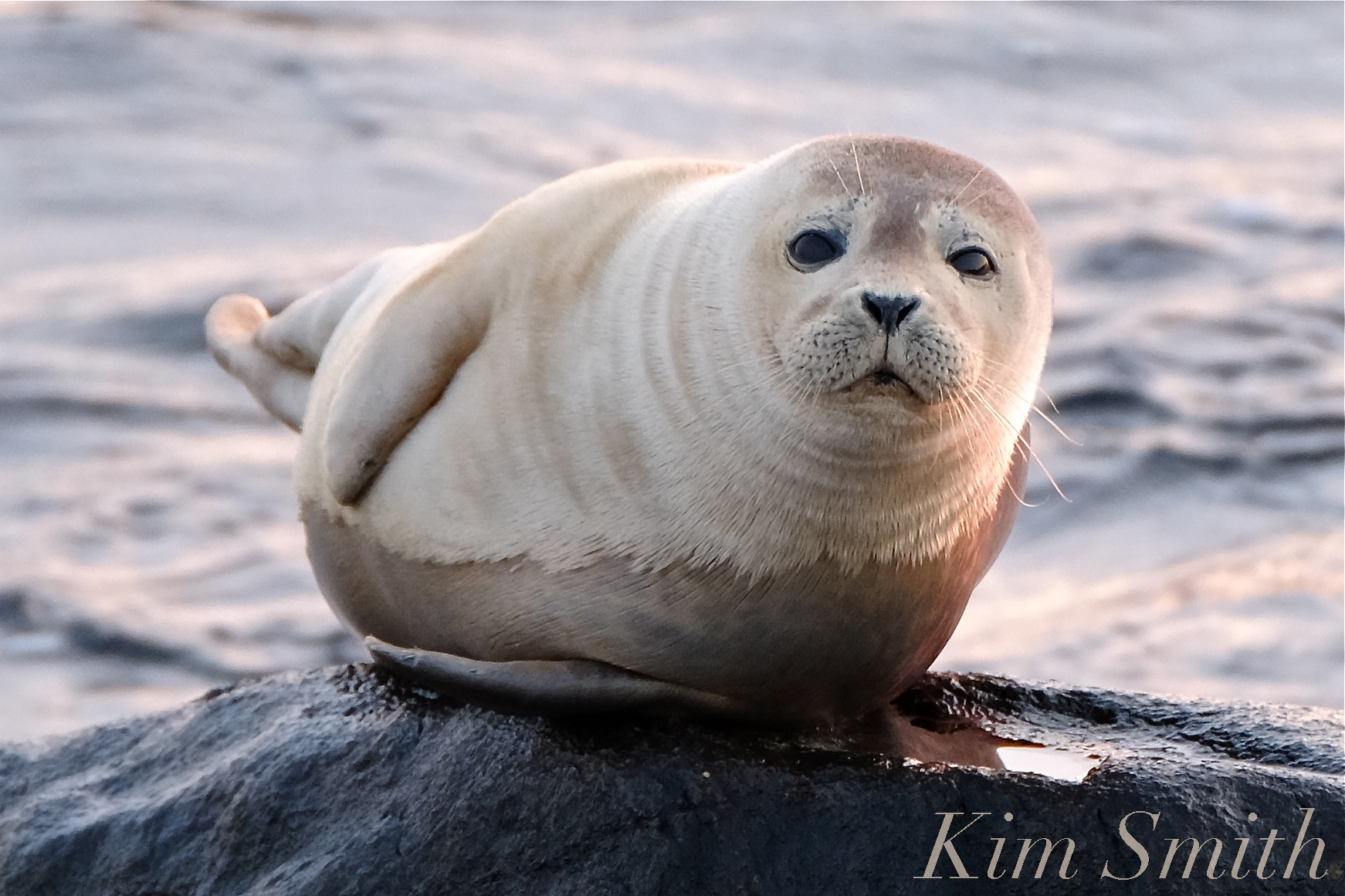
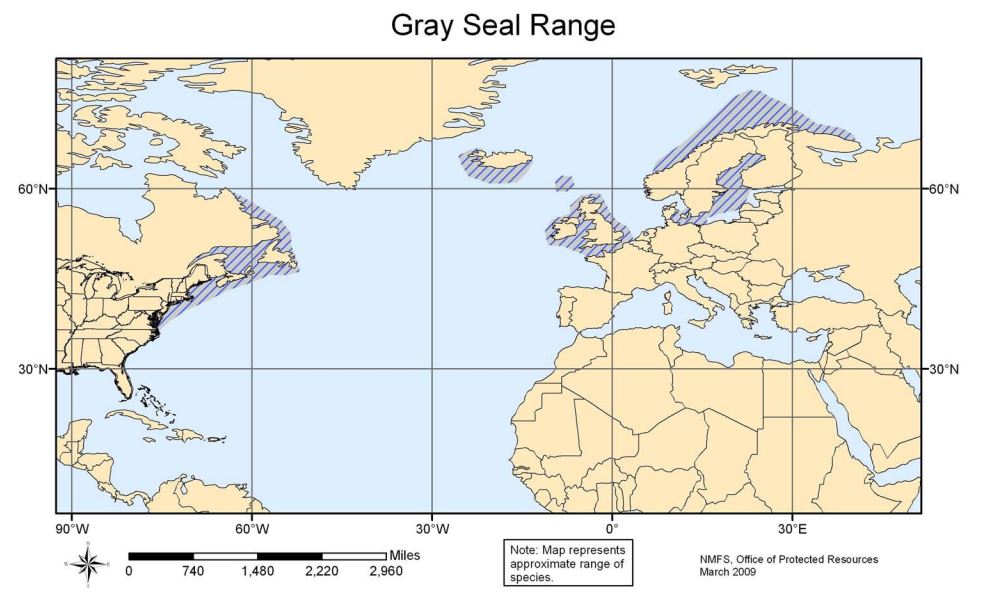
There have been plenty of Harbor Seals seen in Gloucester Harbor, but I have never been so close to a Grey Seal, and so delighted to see not one, but two!

The following are a number of ways to tell the difference between a Harbor Seal and a Grey Seal.

Harbor Seals are smaller (5 to 6 feet) than average Grey Seals (6 feet 9 inches long to 8 feet 10 inches long). Bull Grey Seals have been recorded measuring 10 feet 10 inches long!

Harbor Seals have a concave shaped forehead, with a dog-like snout. The head of a Grey Seal is elongated, with a flatter forehead and nose.

Harbor Seal head shape left, Grey Seal head right

Harbor Seals have a heart or V-shaped nostrils. The nostrils of Grey Seals do not meet at the bottom and create more of a W-shape.

Harbor Seal heart, or V-shaped, nostrils

Grey Seal W-shaped nostrils

Grey Seals are not necessarily gray. They are also black and brown. Their spots are more irregular than the spots of a Harbor Seal.

Grey Seals and Harbor Seals are true “earless seals,” which does not mean that they cannot hear but are without external ear flaps.

Dovekie Gloucester Harbor