New compostable lunch trays increase cost

Terrific article by 10th grade Gloucester High School student Willa Brosnihan

The Gillnetter

WILLA BROSNIHAN, Staff Writer

On January 1st, a ban on plastic bags and polystyrene serving-containers proposed by Councilor at Large Melissa Cox took effect in restaurants, supermarkets, and businesses across Gloucester. Because the trays used in Gloucester public school cafeterias are made of polystyrene and used to serve food, they will not be exempt from the ban, and will be eliminated from use by the end of February.

Food Service Director Martha Jo Fleming expects to see an increase in lunch tray costs. “The cost of the actual trays was 3 cents each for the polystyrene, and the compostable are nine, so a six cent difference,” said Fleming. “The total cost of the compostable trays we figure will come in at $25,563. The cost of the foam was $9,973.” That is a $15,590 increase this year.

According to Superintendent of Schools Dr. Richard Safier, any deficit incurred due to the change will be picked up by the school committee. “What the school committee usually does with its budget is create what I consider to be a relatively small contingency account. Usually the contingency account has about $200,000,” said Safier. “If the food service account can’t afford to pay for all of the compostable tray increase, we would take money from the contingency.”

The Gloucester High School cafeteria has already switched to the biodegradable trays, which are made of recycled paper. Head of Cafeteria Staff Patty Thibodeau says that the budget strain is affecting other aspects of her job. “Our silverware– knives, forks, spoons– when people bring their home lunch they want to use them, but the trays are so expensive that we can’t just give out silverware.”

Councilor at Large Melissa Cox believes that the benefits from the ban outweigh its financial effects. “Protecting the environment and the ocean from debris that is not recyclable or biodegradable is definitely the motivation,” said Cox. “The more cities and towns that pass the ban, the more companies will start producing alternative products, and I think once more people start buying alternative products, the cost is going to go down.”

Dr. Safier is similarly convinced that balancing environmental and economic concerns is the key to pushing environmentally friendly products into the mainstream. “We’ve got an administration that denies there’s climate change,” said Dr. Safier. “Now I imagine that they believe that there is climate change, but for political reasons they’re not willing to admit it. What ultimately needs to happen is to find ways that the environmentally friendly can be reasonably profitable at the same time, so companies that need to make money are making the money, but they are doing it in the ways that are environmentally safe and sound.”

Currently the trays are being disposed of in the trash. The trays will eventually be composted by a private company, but first the city has to weigh the price of the service, and evaluate how a switch to composting will impact janitorial staff. “The custodians may suggest that this is a change in working conditions,” said Safier. “In all likelihood it will involve negotiations between the city and the custodians, with respect to what exactly is expected of them in the process of taking the compostable trays and preparing them so that an outside agency can pick them up.”

West Parish Elementary School already has a composting program organized by parents in partnership with the local composting company Black Earth Compost. Composting will not be implemented district wide until next year.

Willa Brosnihan, Staff Writer

Willa Brosnihan is a 10th grade student at Gloucester High school. She has placed in top three of her category in the Sawyer Free Library’s “Poetry…


Cape Ann Symphony: Musicians Unleashed Concert: BACH To The Future

Cape Ann Symphony Chamber Concert Series MUSICIANS UNLEASHED  Continues February 24 with BACH TO THE FUTURE 
at St. John’s Episcopal Church in Gloucester
ALL BACH PROGRAM SET FOR FEBRUARY 24
Musicians Unleashed is a program of 3 concerts to be performed in small venues.  The concert series features CAS musicians and special guests.  The Musicians Unleashed concerts are fund raisers for Cape Ann Symphony  and all musicians are volunteering their time to perform.  The next concert in the series is BACH to the Future on February 24 at 2 pm at St. John’s Episcopal Church, 48 Middle Street in Gloucester. Ticket prices for the concert are:  $35 for adults and $15 for Youth. Call Cape Ann Symphony at 978-281-0543 or go to www.capeannsymphony.org for tickets. 
 
Purely Baroque and absolutely modern, hear how Bach’s genius leaps the centuries in a concert matching the Fisk organ and modern instruments.The concert will give audience members an insight into Bach, and his music as well as the many famous compositions that were inspired by Bach.  Musicians include: Lincoln’s Stephanie Stathos playing the Flute; Samuel Nelson playing the Fisk Organ; Rockport’s Wendy Betts and local music educator Patty Clark playing the Brandenburg Concerto for Piano Four-Hands; and  Oksana Gorokhovskiy and Ipswich’s Susanne Powers playing the Bach Double Concerto
 
Lincoln’s Stephanie Stathos currently holds the Principal Flute position with the Cape Ann Symphony where she was featured soloist in 2015 and in 2018. In BACH to the Future Ms. Stathos will play the Bach Flute Sonata BWV 1031 in E flat Major. Ms. Stathos looks forward to playing in this unique and intimate concert , “I am thrilled that the symphony is offering a chamber series this year and am rooting for its success! I hope it will present an opportunity for the players to meet and thank our supporters, fans and community members in person as well as further enrich the music scene on Cape Ann. “Stephanie Stathosearned her Bachelor of Music degree in flute performance from Boston University’s School for the Arts where she was a student of Doriot Anthony Dwyer.  Since that time she has she continued her flute studies with Irena Grafenauer and Michael Faust in Germany and with Jacques Zoon in Boston.  In addition to CAS, she plays piccolo with the Lexington Symphony. From 2003-2013 she served as the piccolo and second flute with the touring orchestra of the National Lyric Opera of New York.  As a soloist Stephanie has performed throughout the United States and Europe,recently performing Cimarosa’s Concerto for Two Flutes with the Orchestra Del Concentus Musicus Patavinus in Padua, Italy (2016). An active freelancer and chamber musician appearances include performances with many of New England’s ensembles including Boston Landmarks Orchestra, Rhode Island Philharmonic, Symphony New Hampshire, Atlantic Symphony Orchestra, Symphony By the Sea, Concord Chorale (NH), Newburyport Choral Society, Northshore Choral Society, North Shore Chamber Music, Reagle Players and with vocalist Catherine Hammond, with whom she has done two recordings.  Stephanie especially enjoys performing with the Festival Trio with her husband, cellist Stephen Smith and her mother, pianist Margaret Moreland Stathos.Also passionate about jazz, New Music and ethnic music of all kinds, she has toured and recorded for the Green Linnet label with Argentinean vocalist Mili Bermejo and jazz ensemble Orange Then Blue.
 
CAS President Fran White was thrilled with audience reaction to the first MusiciansUnleashedConcert in January, “The first Musicians Unleashed concert in January, Dance of the Instruments, was a resounding success!  This series is something very different for the CAS and we are hoping that the remainder of the concerts in the series will be well received.”
The schedule for the remaining concerts is :
·        February 24 2:00 PM – Bach to the Future – St. John’s Episcopal Church – 48 Middle Street Gloucester
·        April 28th 2:00 PM – Spring into Strings   – Crowell Chapel – Manchester -by-the Sea
 

Ticket prices for each concert in the Musicians Unleashed Series:  $35 for adults and $15 for Youth. 
Call CAS at 978-281-0543 or go to www.capeannsymphony.org for tickets. 

Samuel Nelson, Organ; Courtesy Photo

Stephanie Stathos, Flute; Courtesy Photo
Wendy Betts, Piano; Photo Credit: David Stotzer

STUNNING BALD EAGLE IN THE HOOD!

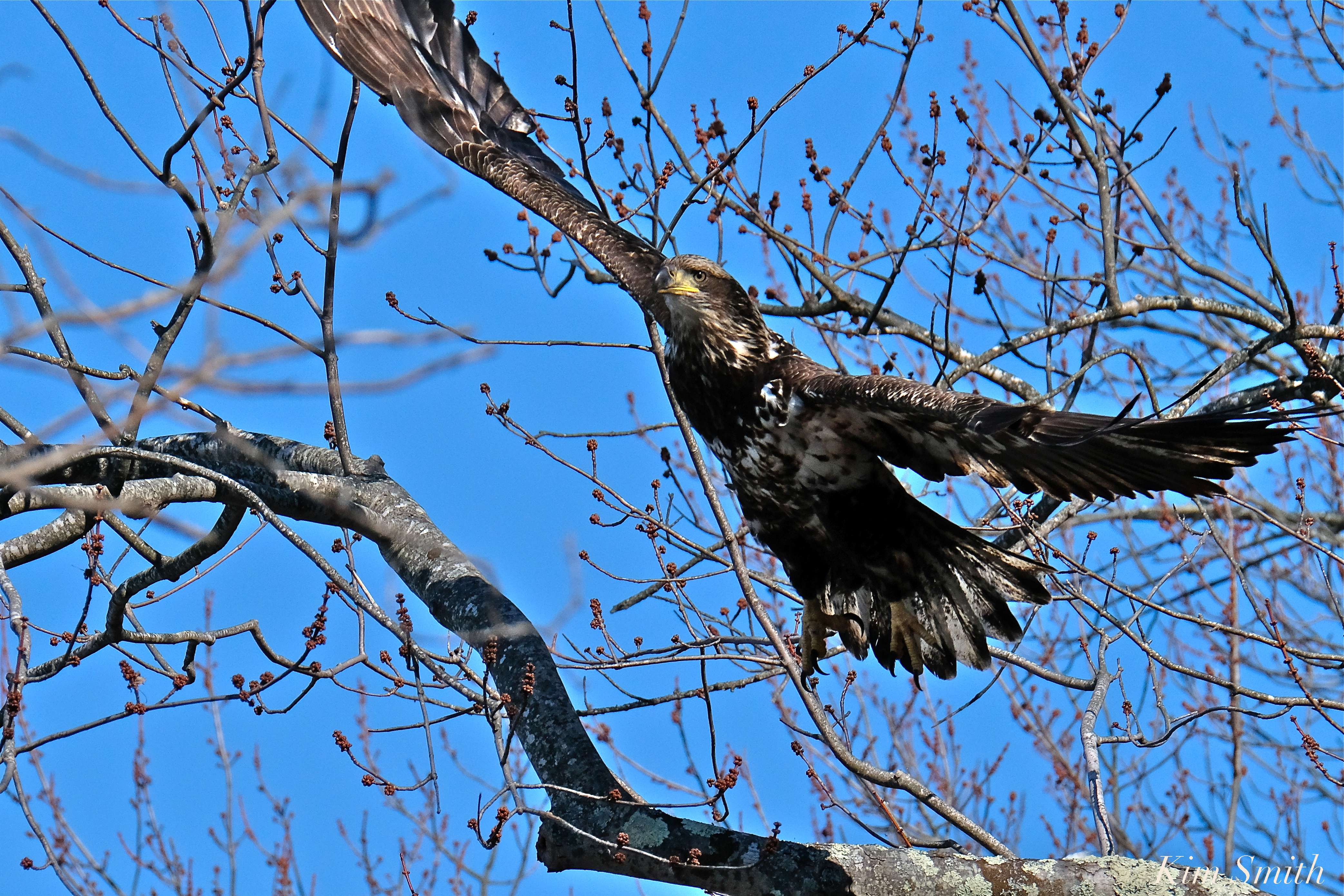
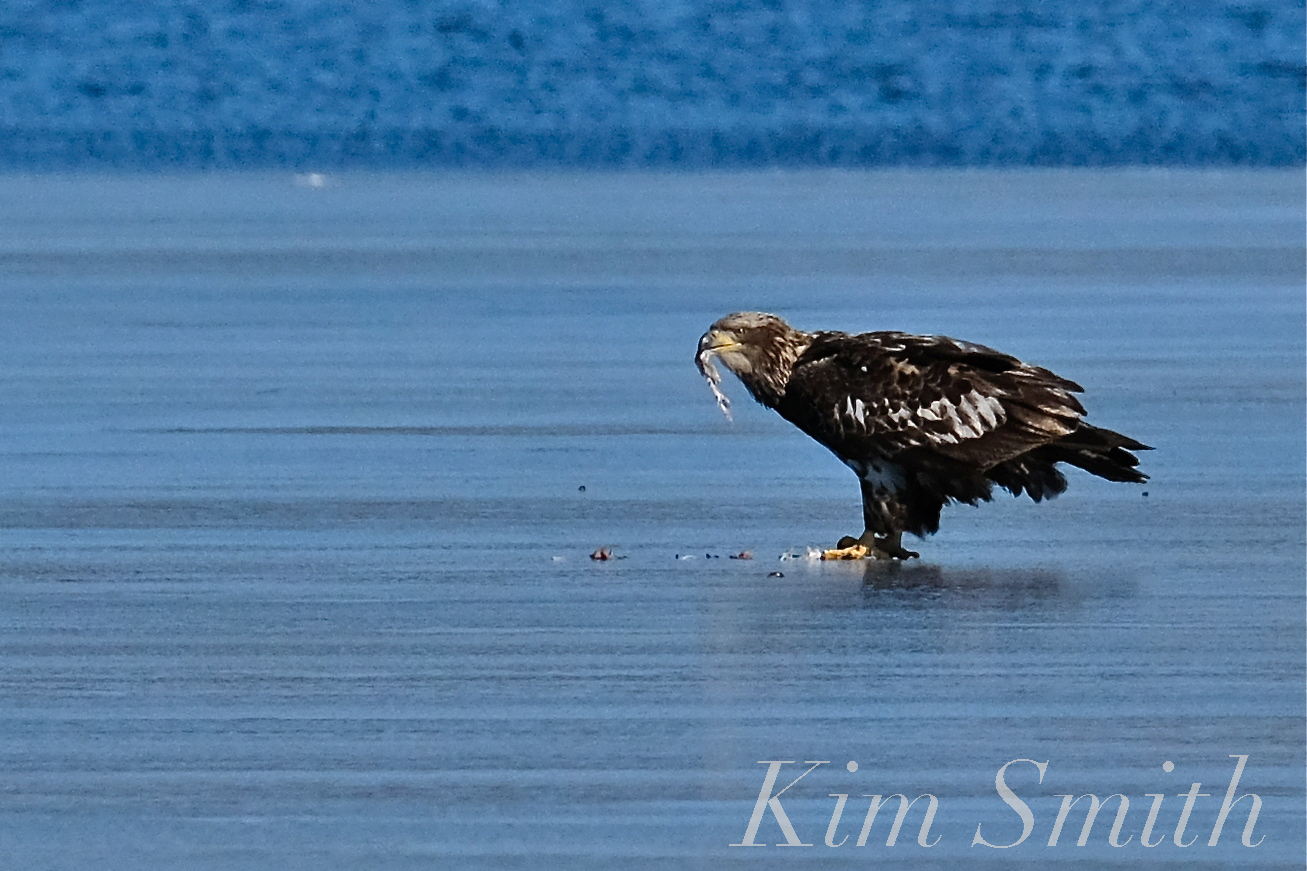
Saturday afternoon a captivating young Bald Eagle swooped onto the scene with a fresh catch held tightly in its talons. He was fairly far off in the distance and I couldn’t quite capture what exactly he was eating.

It didn’t take long for the eagle to devour the little creature and after dining, he circled around the pond several times before landing in a nearby tree. I’ve never been so close to an eagle and it was a gift to see, really just gorgeous. It’s feathers were richly mottled in shades of chocolate brown, with contrasting white tips. Despite its youth, you could see the majesty and strength in its wings when soaring overhead.

The eagle perched in the branches for a few moments, completely ignoring the squwacky crows that were gathering, before heading out towards sea.

There have been numerous reports of Bald Eagles in the area. Earlier in the day, a passerby told me she had seen a juvenile Bald Eagle with a crow in its clutches. Although I don’t have a side-by-side comparison, the young Bald Eagle’s talons appeared enormous, even larger than a Snowy or Great Horned Owl’s talons.

Bald Eagles have repopulated the 48 contiguous states, Alaska, Canada, and northern Mexico. Their recovery over the past several decades is largely due to the ban on DDT (yet another deadly dangerous poisonous insecticide manufactured by Monsanto). Bald Eagles mate for life and they are breeding in the area. Wouldn’t it be fantastic to see a nest on Cape Ann!

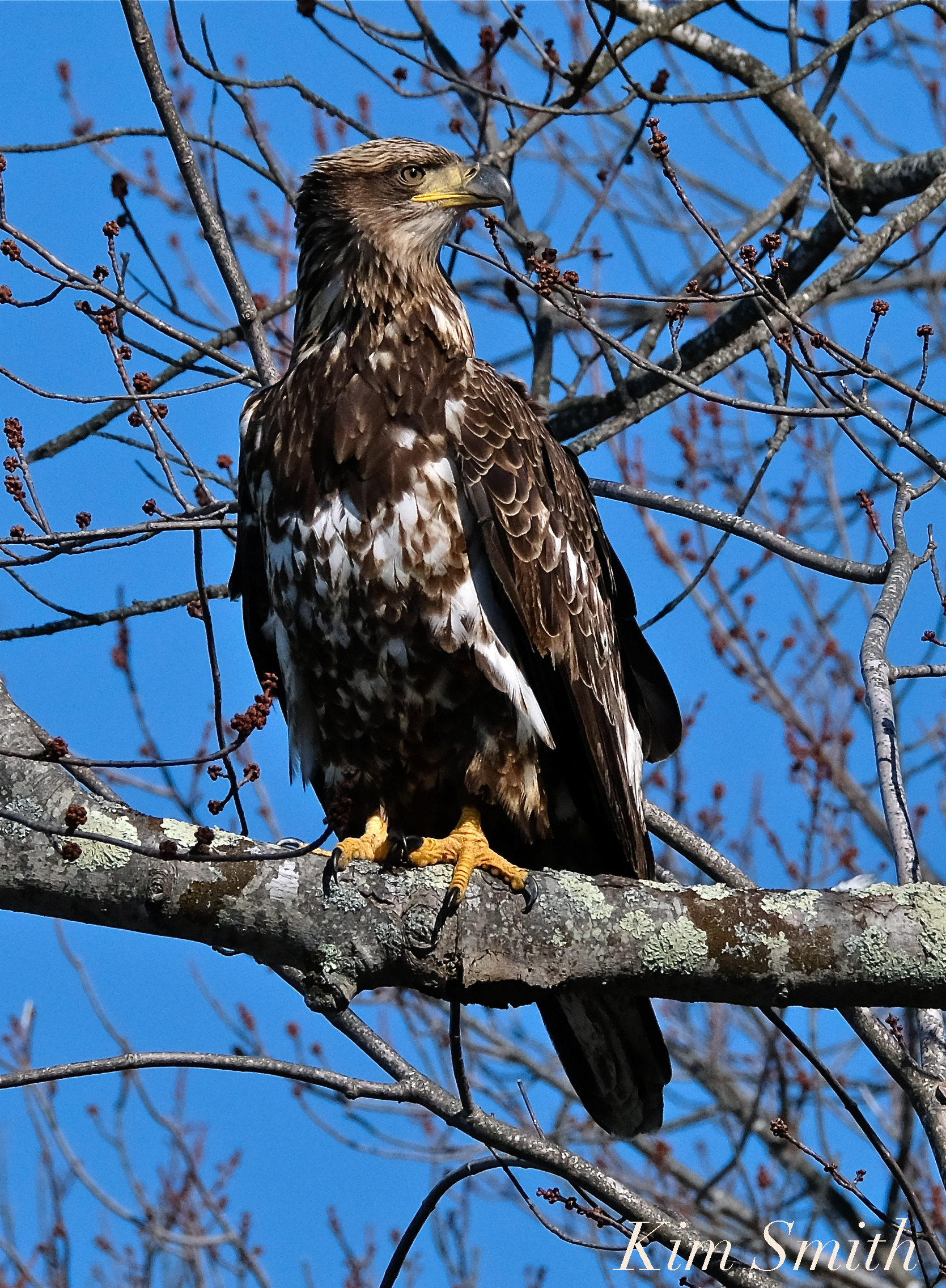
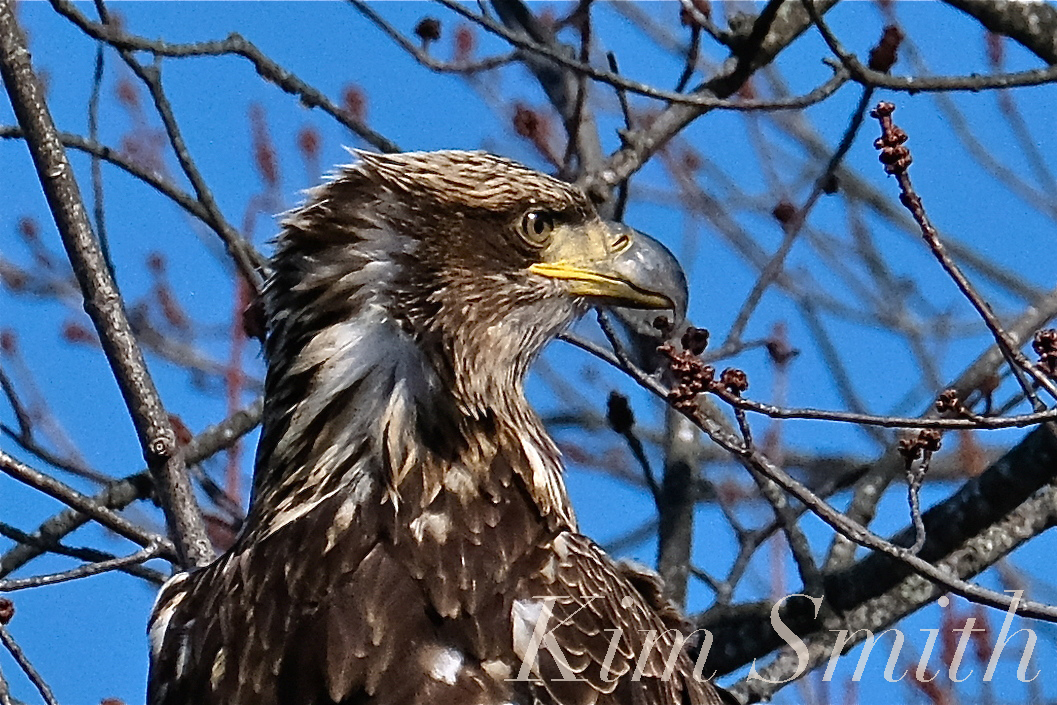
I believe this to be a second or third hatch year juvenile Bald Eagle. You can tell by the broad brown band on its face, the iris is transitioning from amber to yellow, and because the beak is beginning to turn yellow.

Click on any of the photos in the gallery above to see a full-sized slideshow.

Fourth hatch year Bald Eagle -note the remaining brown feathers around the face.

Mature Bald Eagle (images courtesy wiki commons media). 

Jacqui Parker Debuts New Work about Phillis Wheatley

New Work Celebrating Famed Boston Poet Phillis Wheatley at Gloucester Stage For 3 Performances  

WRESTLING WITH FREEDOM

Written and Directed by  Roxbury’s Jacqui Parker

At Gloucester Stage Company for Three Performances Only

February 22: 7:30pm |  February 23: 4:00pm and 7:30pm


Freed-slave and famed Boston poet, Phillis Wheatley was one of the best-known poets in pre-19th century America. Phillis Wheatley’s life and friendship with Obour Tanner comes alive on stage in Jacqui Parker’s (Director of 2018’s The Agitators at GSC) new play, Wrestling with Freedom. Educated and enslaved in the household of prominent Boston commercialist John Wheatley, paraded in front of the still-young American political leadership and the English empire’s aristocracy, Phillis Wheatleywas the abolitionists’ illustrative testimony that freed slaves were both artistic and intellectual. She was a household name across the world after publishing her poetry in both England and the United States – her achievements a catalyst for the fledgling antislavery movement.

Wrestling with Freedom highlights the friendship between Phillis Wheatley and Obour Tanner, another freed slave woman. Inspired by actual letters written to Obour and poems written by Phillis, this play speaks to the American Revolutionary and struggles of slavery, through two brilliant women’s minds. The cast is Candis Hilton as Phillis Wheatley and Ines de la Cruz asObour Tanner. Wrestling with Freedom is at Gloucester Stage Company on Friday, February 22 at 7:30pm and Saturday, February 23 at 4:00pm and 7:30pm. The show is approximately 80 minutes. Tickets are $25 for adults and $15 for Students (Under 18 years old). Tickets are available online at www.gloucesterstage.com or via phone 978-281-4433.

Roxbury resident, playwright, actor and director Jacqui Parker made her Gloucester Stage directing debut with the New England premiere of The Agitators in 2018. As an actress she last appeared at Gloucester Stage in 2014’s award winning production ofFences. Ms. Parker has won numerous awards for her work as an artist including; the Elliot Norton Award, Boston Theatre Hero Award, eight Independent Reviewers of New England Awards (IRNE) and the DRYLONGSO Award, for her struggle against racism. She is named one of Boston’s most influential people, in Don West’s book Portraits of Purpose. Ms. Parker was the visiting playwright at Hibernian Hall, where she wrote and directed five productions including A Crack in the Blue Wall, which was nominated as Best New Play, by the Independent Reviewers of New England. Her directing credits include: Glitch at the Contemporary Theatre at Boston Conservatory; Top Eye Open at Hibernian Hall; Naomi Iizuka’s Polaroid Stories at Harvard University; Intimate Apparel at Brandeis University; and Deborah Lake Fortson’s Body & Sold produced by Amy Merrill at Hibernian Hall. Ms. Parker is presently a part of the I Dream Team at Emerson College, devising New Works in High Schools across the city of Boston

Wrestling with Freedom is at Gloucester Stage Company on Friday, February 22 at 7:30pm and Saturday, February 23 at 4:00pm and 7:30pm. Tickets are $25 for adults and $15 for Students (Under 18 years old). Tickets are available online atwww.gloucesterstage.com or via phone 978-281-4433.

BACKGROUND INFO ON PHILLIS WHEATLEY:https://www.womenshistory.org/education-resources/biographies/phillis-wheatley

L to R: Candis Hilton as Phillis Wheatley and Ines de la Cruz as Obour Tanner.

Courtesy Photo Writer/Director: Jacqui Parker Courtesy Photo

THREE GRACES – BEAUTIFUL YOUNG SWANS AT NILES POND!

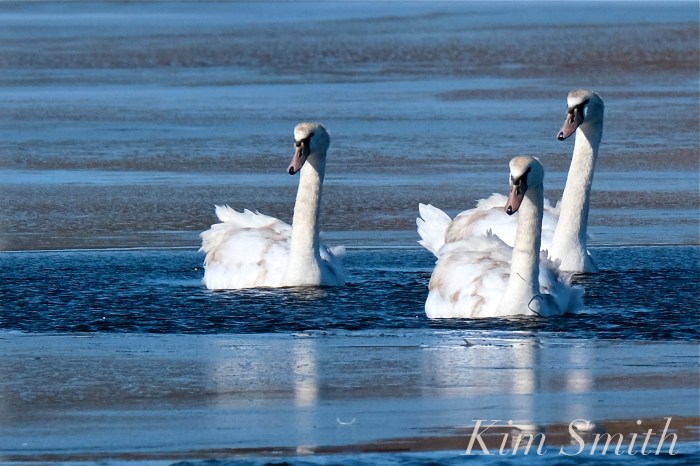
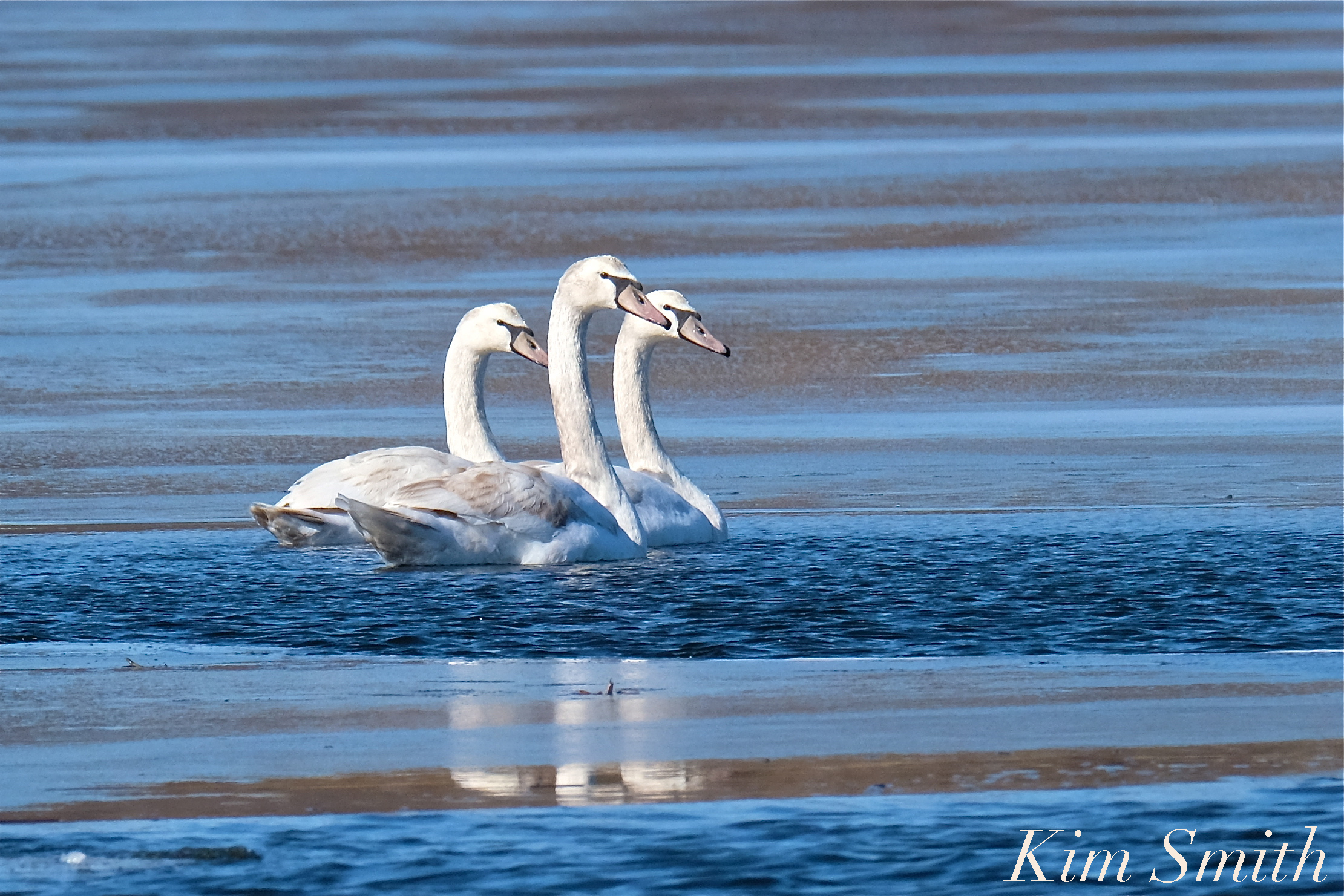
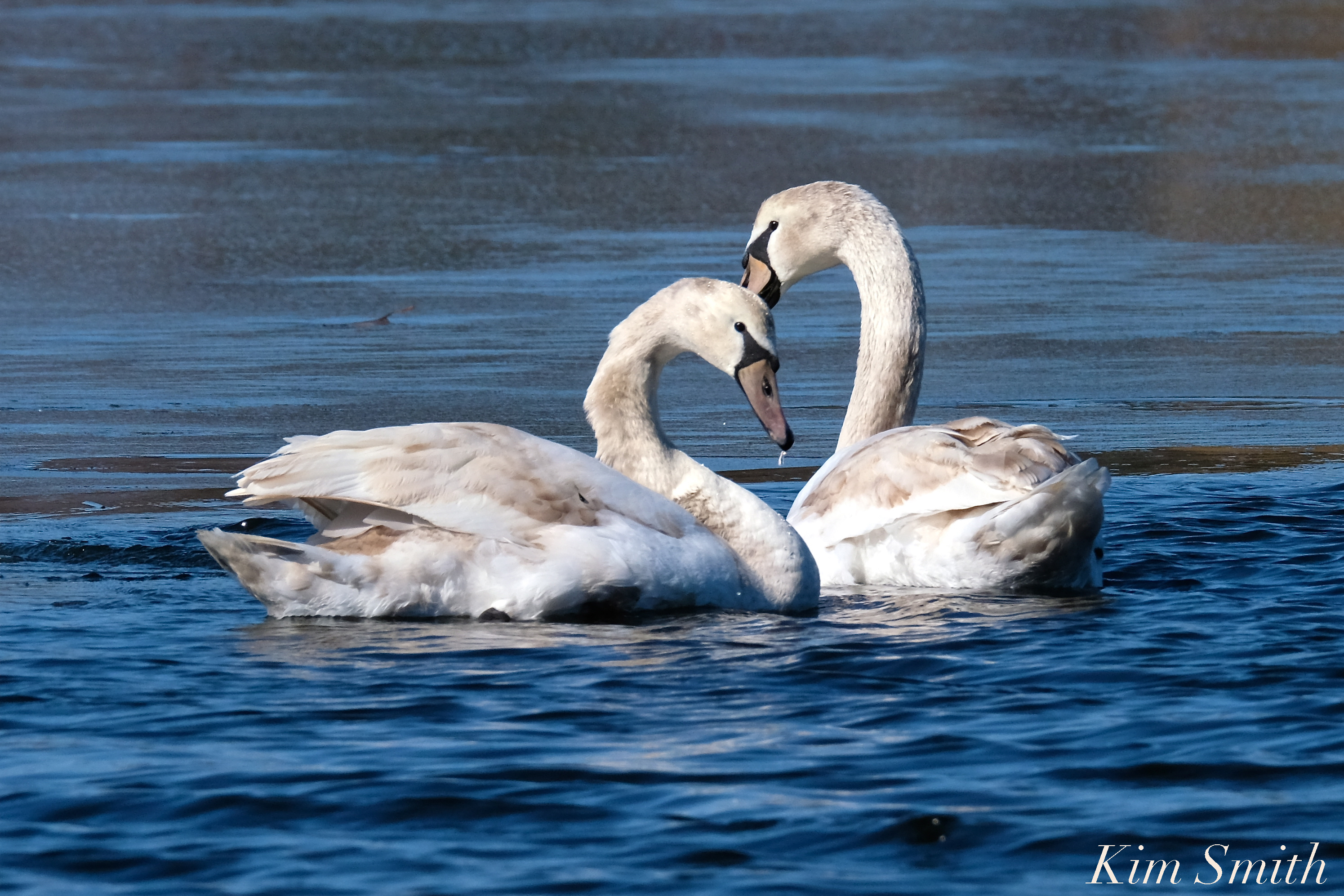
A beautiful trio of young Mute Swans spent the day at Niles Pond foraging on pond vegetation and enjoying fresh water. When the fresh water ponds thaw, we see our local swans take a break from their salty harbor refuges. The Three Graces spent the entire day eating nearly nonstop, which suggests they are very hungry.

I believe the three young swans are not quite one year old. Their bills are pale, and brown first-molt feathers mix with incoming white feathers. It’s their first winter so if you see the young swans, please be kind.

Mr. Swan, too, has been enjoying the fresh water at Henry’s Pond. He’s so territorial that I hope he stays over in Rockport for a bit so the Three Graces can fortify at Niles.


Mr. Swan thawing at Henry’s Pond

OUR FUNNY VALENTINE

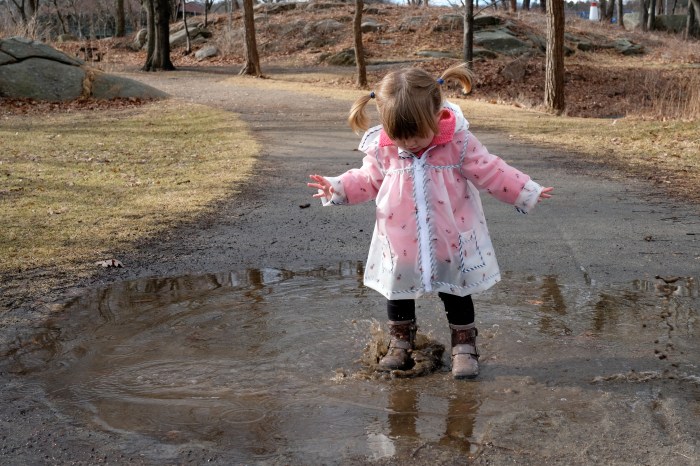
Puddle Jumping (and puddle sitting)!

When our kids were little people they loved Stage Fort Park, and now here we are with Charlotte


THAT HECTOR REALLY GETS AROUND!

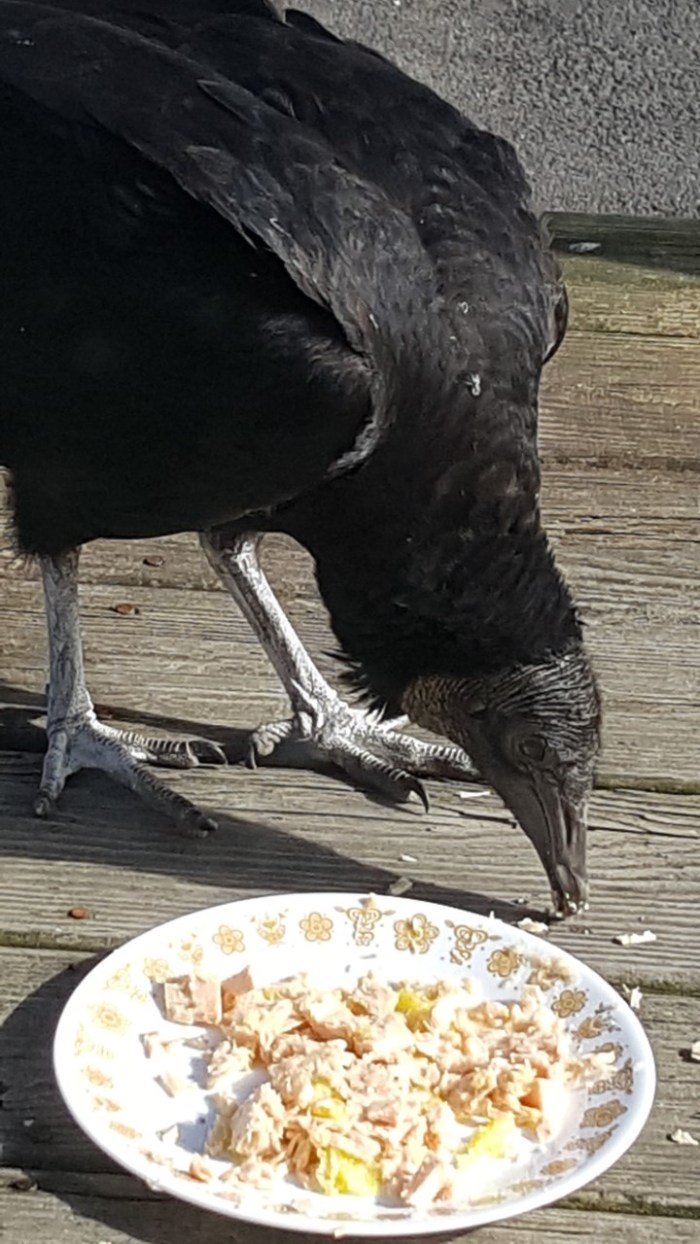
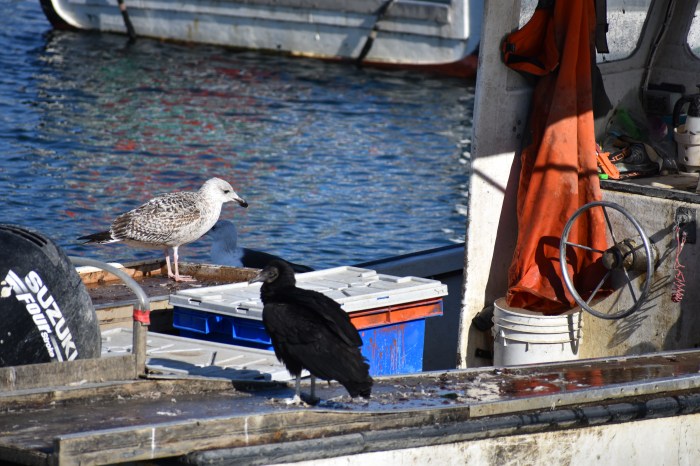
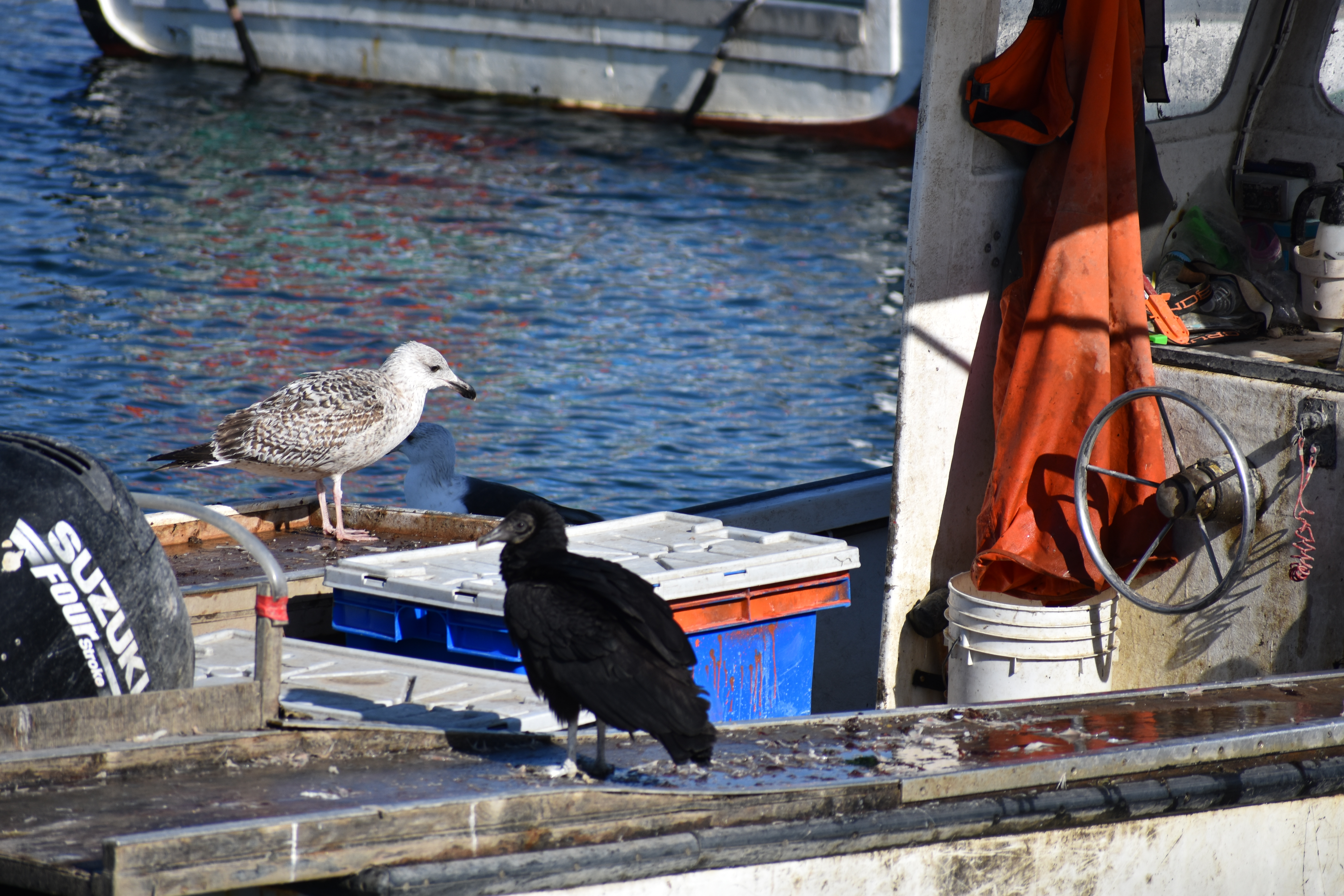
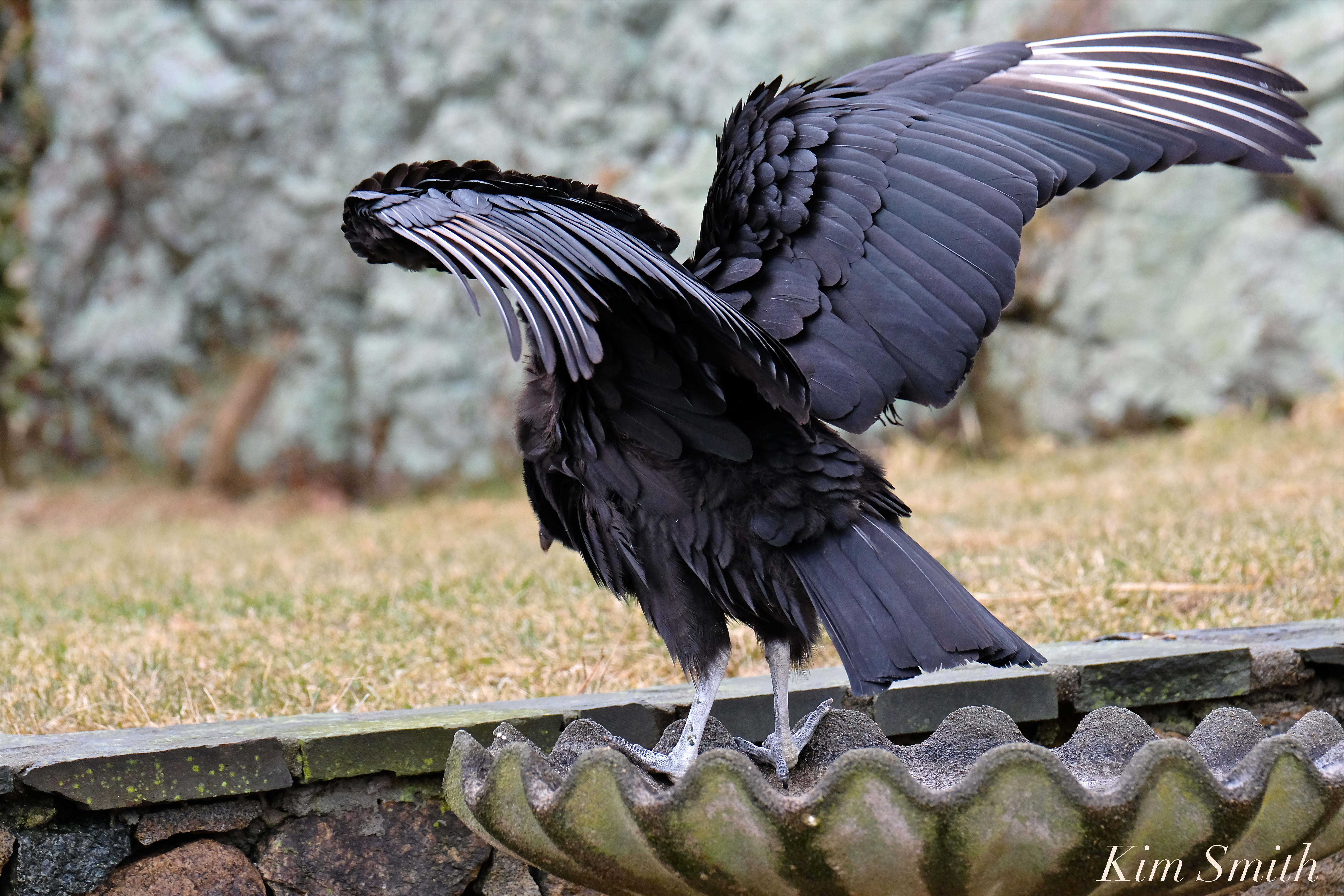
Cape Ann’s visiting Black Vulture Hector was recently spotted in Gloucester. He is enjoying reader Nancy’s food treats and her geese 🙂

POOR LITTLE DEAD RAZORBILL

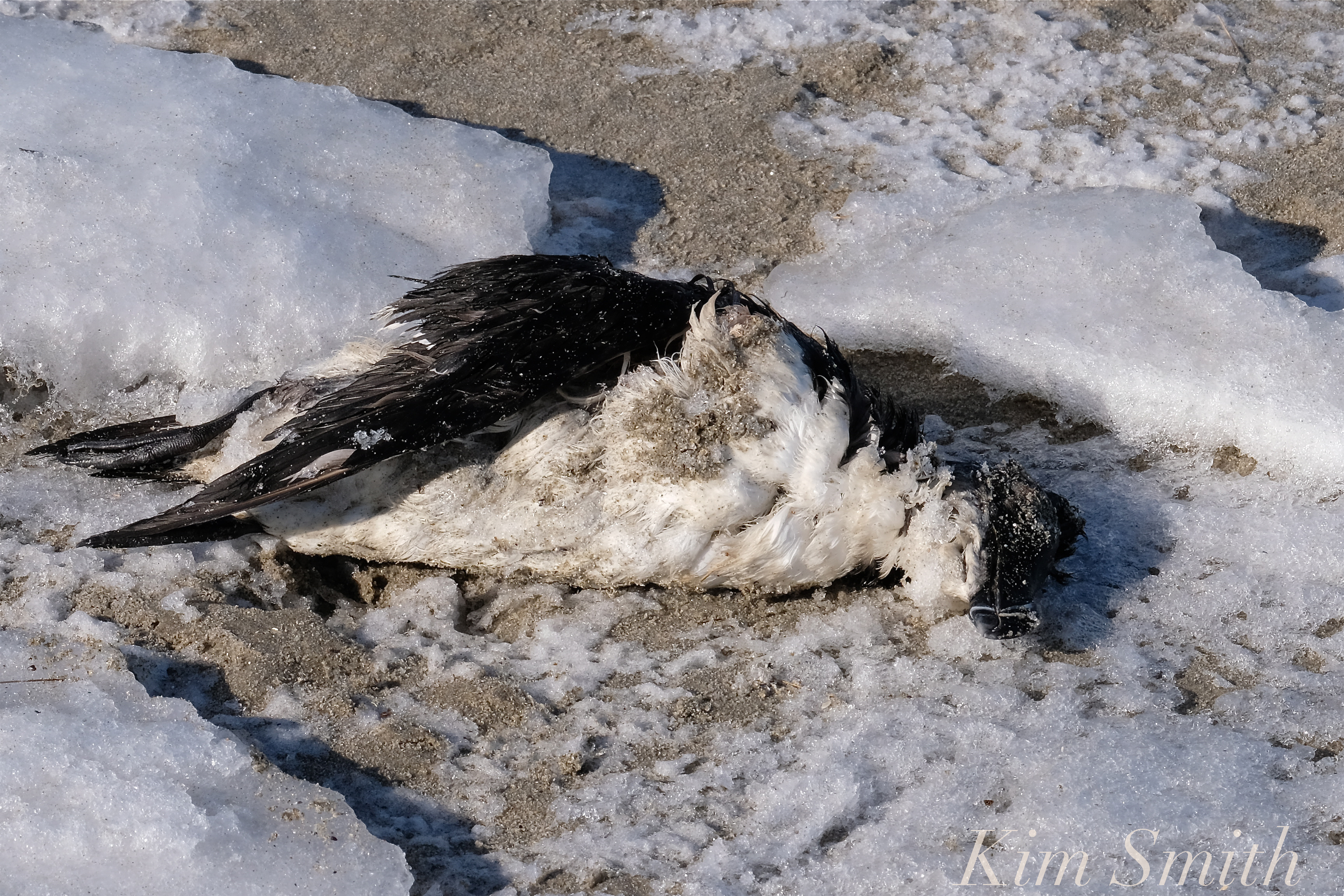
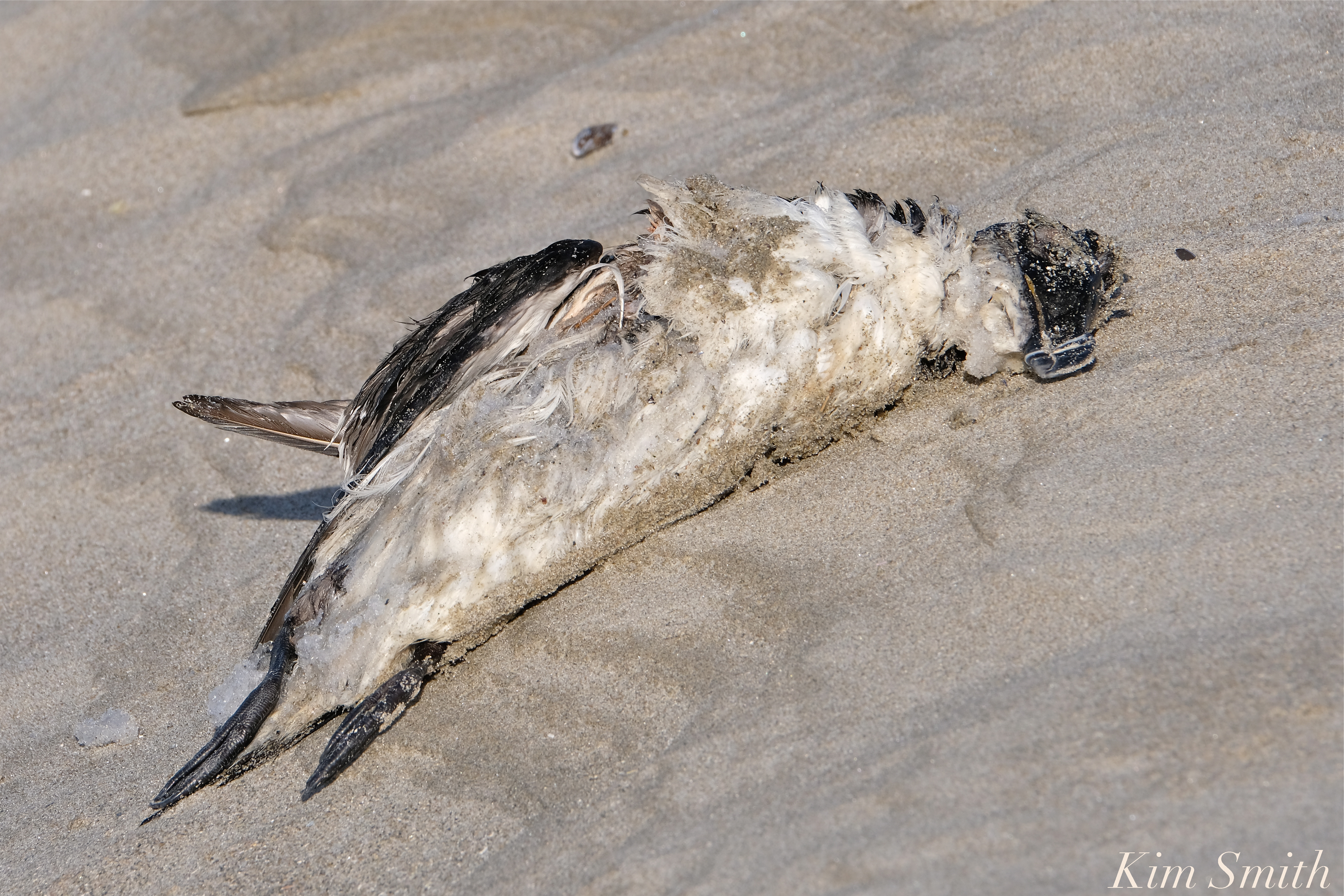
Monday afternoon at Good Harbor Beach I found the little Razorbill washed ashore, up between the ice sheets at the high tide line. Thanks so much to Mike for sharing his story about the Razorbills he saw at the Dogbar Breakwater last week. I could identify it immediately because of Mike’s sighting. I hope so much the other Razorbill is surviving 🙂

I left him by the footbridge in case anyone else would like to see the Razorbill.

Another Super Exciting Wildlife Sighting- Two Razorbills at Eastern Point!

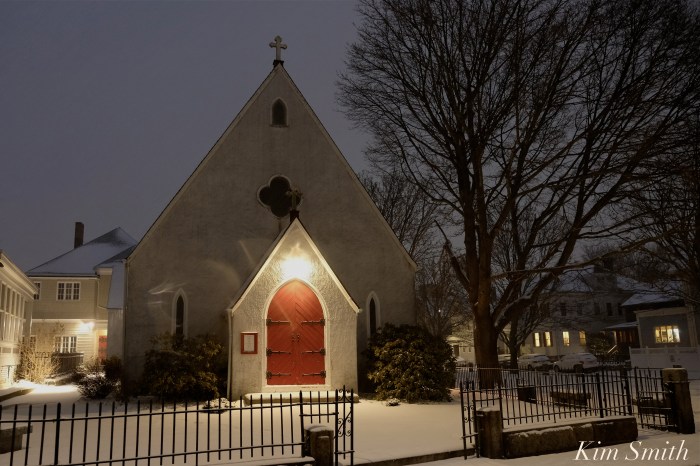
BEAUTIFUL SNOWY EVENING IN GLOUCESTER TOWN- with MAN AT THE WHEEL, DESTINOS, UU CHURCH, OUR LADY OF GOOD VOYAGE, ST. JOHN’S, AND MORE

Beautiful…and slippery… stay safe 🙂

https://www.instagram.com/p/BtzQSUhnSn2/

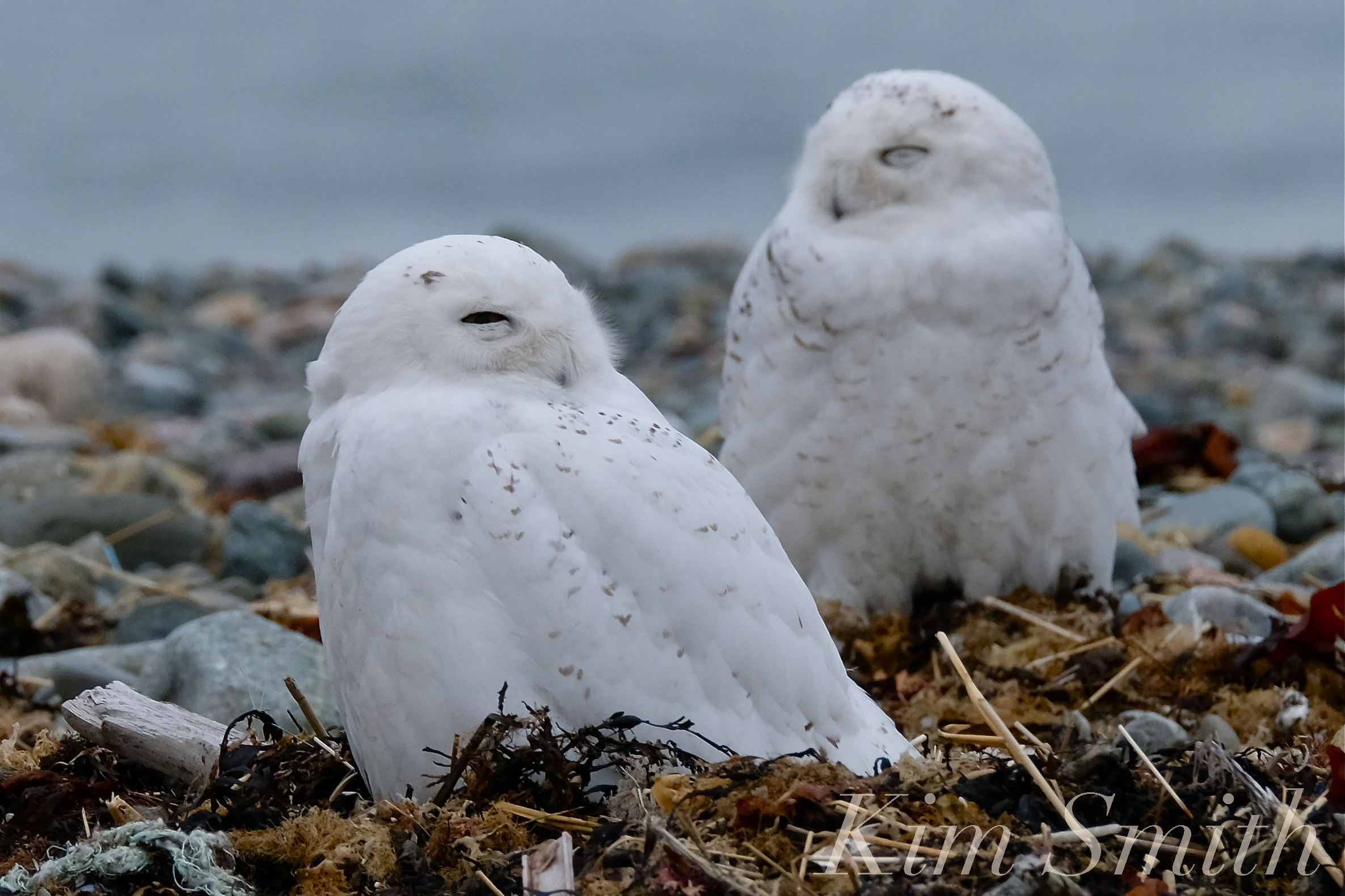
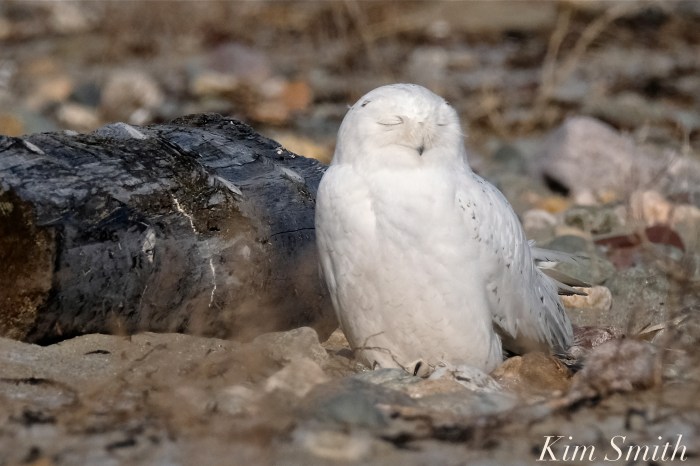
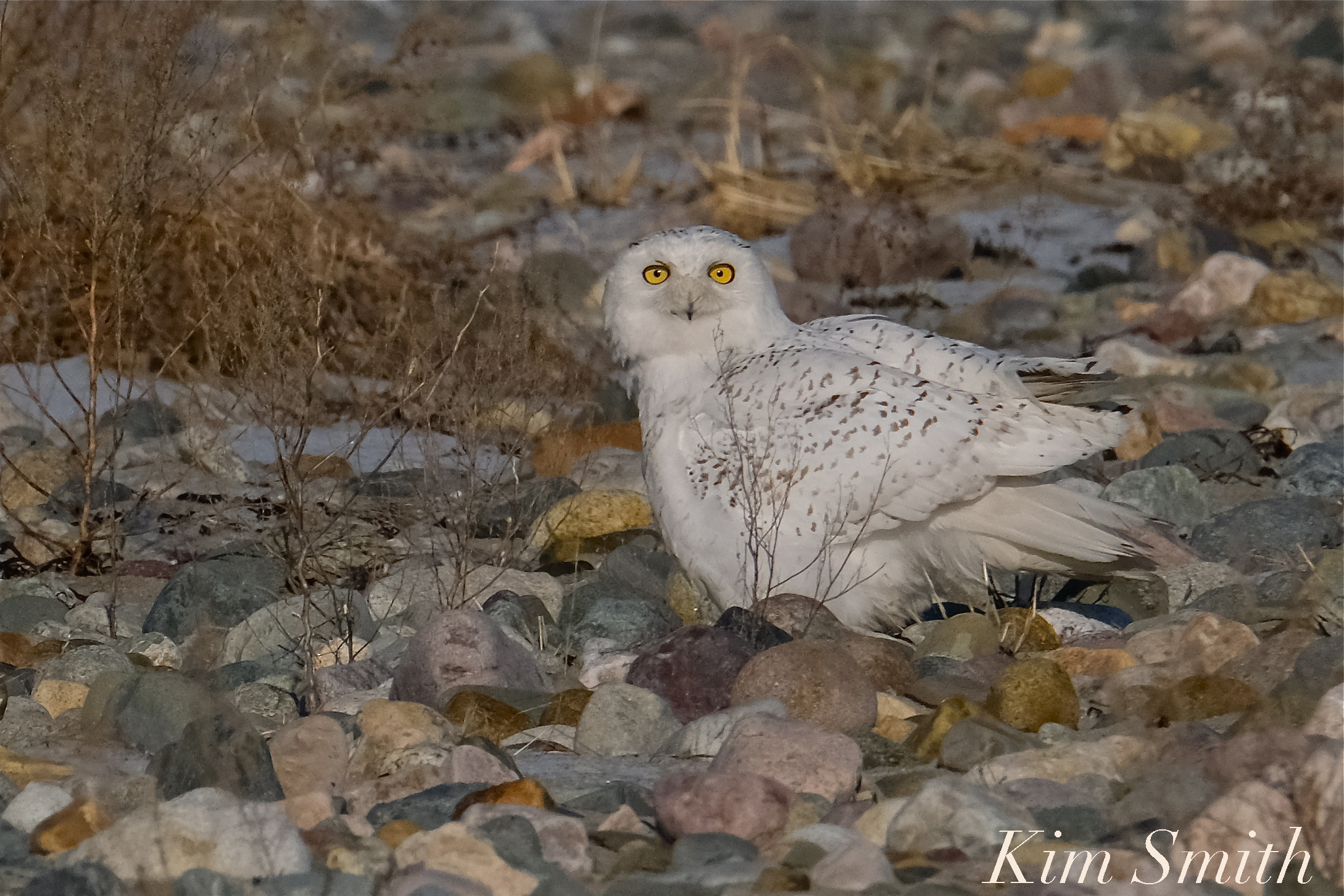
NOT ONE, BUT TWO SNOWY OWL BOYS!

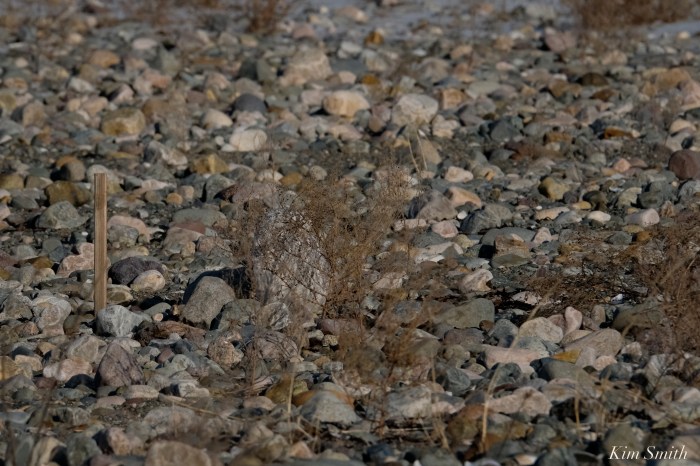
Not one, but two, Snowy boys were well camouflaged amidst the rocks. They were far apart from one another when one flew toward the other. The stationary fellow didn’t move an inch and barely opened his eyes, while the flying fellow hid himself expertly behind a clump of dry wildflowers. The two sleepily hung out together, positioned not twenty feet apart.

I wished I could have stayed to see if they would behave territorially, but frozen fingers chided me off the beach.

I see you little Snowy Boy!

A flock of Snow Buntings foraged in between the rocks and they too were well-camouflaged.

SAVE THE DATE! Piping Plover Ecology, Management, and Conservation
Sponsored by the City of Gloucester Animal Advisory Committee

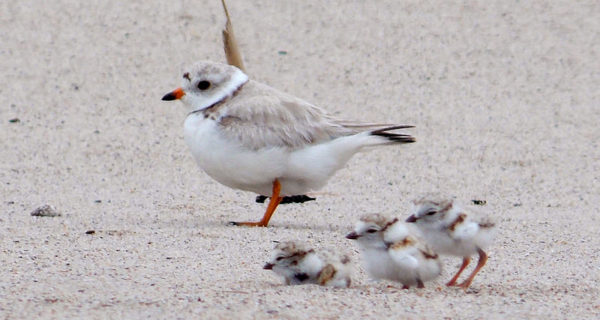
Nine Piping Plover Fledglings, Coffins Beach, Gloucester

On Saturday March 30, 2019 Dr. Katharine Parsons, Director, Coastal Waterbird Program for Mass Audubon will be giving a presentation on Piping Plovers. The talk will be held at the Library, downstairs in the Friend room.

Dr. Katharine Parsons received her Bachelor’s degree from Smith College and Ph.D. in Ecology from Rutgers University. She has 35 years of experience in coastal waterbird research, management and policy in the northeast. Since 2011, Dr. Parsons has directed Mass Audubon’s Coastal Waterbird Program which works with coastal communities throughout Massachusetts to protect rare birds and their habitats. In addition, she has taught courses in coastal ecology and natural systems at Harvard’s Graduate School of Design since 2008. Her presentation at the Gloucester Public Library will cover Piping Plover ecology, management and conservation.

Gloucester’s Coffins Beach fledglings

PAT MORS SHARES PHOTOS OF RAZORBILLS AND KITTIWAKES FROM THEIR NORWEGIAN BREEDING GOUNDS

Pat Morss writes,

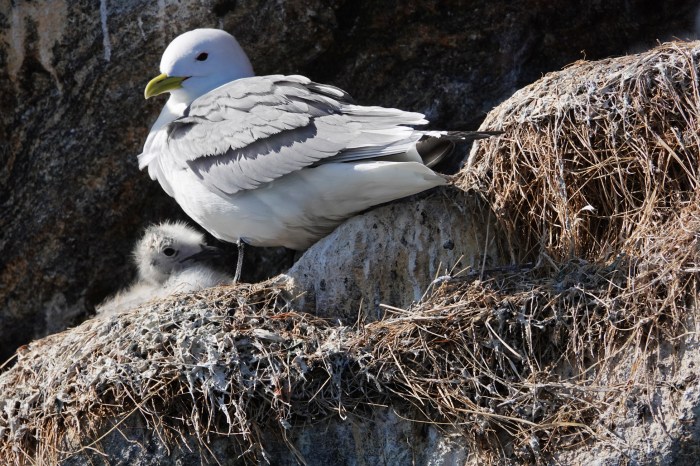
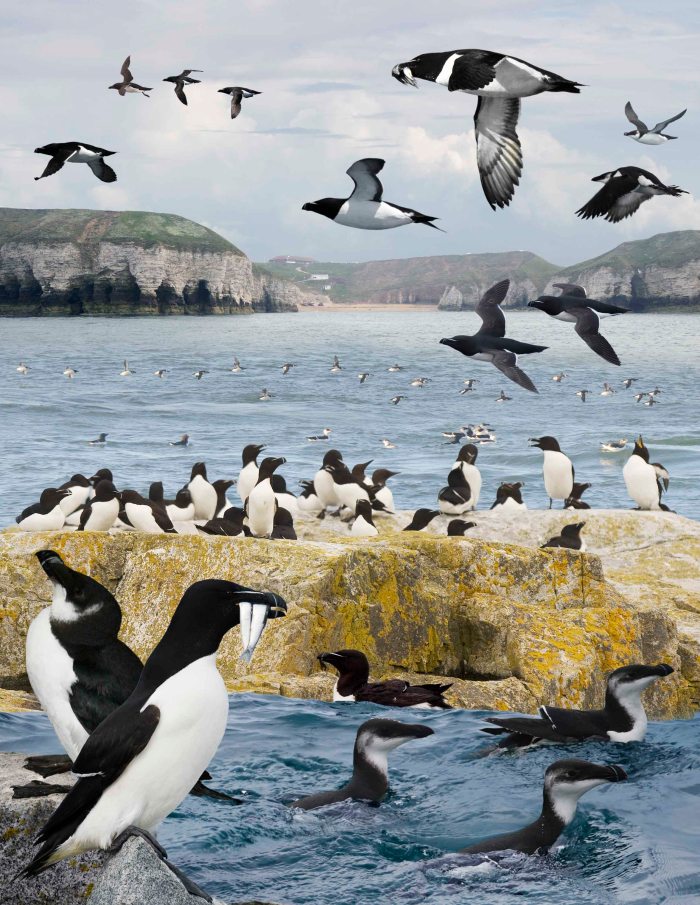
In response to Mike’s sighting of Razorbills at the Dog Breakwater – exciting, Anne-Lise and I and family were in Norway last June to celebrate my mother-in-law’s 100th birthday and our 50th wedding anniversary.  We took a side trip north of the Arctic Circle to the Lofoten Islands.  On the island of Ross, we took a zodiak trip out to the “bird mountain” rookeries including Razorbills and Black-legged Kitttiwakes.

Best, Pat

Thanks so very much to Pat Morss for sharing the baby Harp Seal photos and story, and now the Razorbill photos. I think it wonderful for us to see the connection between these beautiful creatures visiting the shores of Cape Ann and their Arctic breeding grounds.

RECENT SIGHTINGS OF HECTOR, CAPE ANN’S VISITING BLACK VULTURE!

Over the weekend, many new of sightings of Hector, Gloucester and Rockport’s visiting Black Vulture, were reported. He was seen at residences all along East Main Street, back at the Rockport dump, and even in Rockport Harbor! Many thanks to reader Lauren T for sharing her photo.

Black Vulture “Hector” at Rockport Harbor

OLD MAN PLOVER- THE BEAUTIFUL STORY OF ONE PLOVER RETURNING TO THE EXACT SAME BEACH TO NEST FOR FIFTEEN YEARS STRAIGHT!

The legendary Old Man Plover

Gloucester’s Animal Advisory Committee has submitted outstandingly well-researched recommendations to the Mayor’s office and to our City Councilors in regard to the upcoming Piping Plover season. Please see recommendations at the end of the post below. 

In thinking ahead to April, which is the month when Piping Plovers usually arrive to Massachusetts beaches to begin courting and nesting, I am reminded of the beautiful story of Old Man Plover. The locals in his region originally called him  BO:X,g (pronounced box gee) after the combination of letters on the bands of his legs, which are used to identify and track PiPl through their migration cycle. But as he lived longer and longer, the storied PiPl became known as Old Man Plover.

Not only was Old Man Plover legendary because he returned to the same nesting site and wintering grounds for fifteen straight years, but because he was crippled. In 2013 he lost most of the toes on his left foot. A stick became lodged in one of the leg bands, which could have caused an abrasion, a lesion, or possibly constricted blood flow to his toes. After losing his toes, wherever he hobbled, Old Man Plover left a distinct peg mark in the sand.

Old Man Plover’s stumpy leg

Old Man Plover was part of the endangered Great Lakes Piping Plover population, where numbers are even lower than the Atlantic region of PiPl. He hatched at Sleeping Bear Dunes National Lakeshore, Michigan, and wintered over at Cape Romain National Wildlife Refuge, South Carolina. Not merely did he return for fifteen summers to nest at his birthplace, he was also extremely punctual. In 2015, 2016, and 2017, he arrived on the exact same day, April 13th.

The last decade of Old Man Plover’s life was not easy. In addition to losing his toes, he lost his childhood sweetheart in 2011 and a second mate in 2013. Plants took over his original nesting spot and his beach grew narrower due to rising lake water levels.

Piping Plovers famously show fidelity to the same nesting site. We have seen that with our own Papa Plover, who has created nest scrapes in nearly exactly the same spot for the past three years. My nickname for our Papa is Big Papi because David Ortiz retired from the Red Sox the same year our Papa arrived, and because our Papa has the same fighting spirit as Big Papi.

Old Man Plover is not the oldest known PiPl on record. That title goes to an Atlantic Coast PiPl that was photographed in Cuba last year, after being tagged 17 years ago at the same location biologists had first banded the bird!

Migrating between Michigan and South Carolina over a fifteen year period, Old Man Plover traveled tens of thousands of miles in his lifetime. He was an amazing Dad. The average PiPl pair raise 1.5 chicks. Old Man Plover raised a whopping 36 chicks, averaging 3-4 chicks per clutch! Read more about Old Man Plover’s offspring here: Old Man Plover’s Legacy Lives On

Old Man Plover’s chicks

Animal Advisory Committee Recommendations

On September 12, 2018, the Animal Advisory Committee voted unanimously on the following proposed ordinances for protections to piping plovers and other wildlife species.

Section 4-2: Feeding or disturbing wildlife No person shall disturb, harass, harbor or feed directly or indirectly gulls, pigeons, waterfowl, coastal shorebirds, or crows on any streets, beach, or other public property or anywhere in the downtown area unless properly permitted by the appropriate state and federal wildlife authorities. Violation results in a $300 fine per incident/violation. No person shall feed either directly or indirectly any coyotes on any public or private property. Violation results in a $300 fine per incident/violation.

(New Ordinance- Endangered/Threatened Wildlife Buffer zone: ) Buffer zone of 50 feet around an area will be established around any area designated as protected for wildlife. Prohibited activities in the buffer zone include whiffle ball, frisbee, soccer, volleyball, paddle ball, kites, inflatable balls and any other activities that involve objects that can fly or roll into the restricted area. Violation results in a $300 fine per incident/violation.

Sec. 9-8. – Littering prohibited. (update to a): No person shall throw, drop, release or otherwise dispose of directly or indirectly into any harbor, river, or pond or on to any beach, or any public property garbage, refuse, rubbish, bottles, cans, containers, paper, cigarette butts, balloons, wrapping material, glass, filth or any noxious or dangerous liquid or solid. Violation results in a $300 fine per incident/violation.

Sec. 4-16a. – Dogs allowed on public beaches at certain times. Adhere to ordinances for specific beaches below.

Good Harbor and Wingaersheek Beaches: Dogs shall be prohibited from Good Harbor Beach and Wingaersheek Beach from April 1st -Sept 30th annually. In addition, unleashed dogs shall be allowed on Good Harbor Beach and Wingaersheek Beach, from: October 1st to March 30th annually, subject to the following conditions: Off leash on even-numbered days of the month at Good Harbor Beach and odd numbered days of the month at Wingaersheek Beach.

Plum Cove and Cressy Beaches: Unleashed dogs shall be allowed on Plum Cove Beach and Cressy Beach in the off season from October 1st to April 30th annually. Crab Beach: Dogs shall be allowed on “Crab Beach” off leash at all times subject to the enumerated conditions contained in section 4-16a.

All other public beaches: Dogs shall be prohibited from public beaches from May 1 to September 30 annually. Dogs shall be allowed on public beaches from October 1 to April 30 annually and shall be under the control of the owner or keeper.

(1) Owners must remain with and monitor their dogs. Owners, per the below conditions, define person with direct care, custody, and control of a dog while in a designated off-leash area.

(2) Dogs must be licensed and vaccinated as required by applicable law and ordinance.

(3) Dogs must wear their tags and have no contagious conditions, diseases or parasites.

(4) Dogs must be leashed when entering and exiting a designated off-leash area.

(5) Dogs and humans are not allowed in the dunes.

(6) Dogs with a history of dangerous or aggressive behavior as determined by the animal control officer are prohibited.

(7) Dogs younger than four months are not allowed.

(8) Unaltered male dogs or female dogs in heat are not allowed.

(9) Owners must immediately remove dogs who are exhibiting aggressive behavior.

(10) Owners must carry a leash; one leash per dog is required.

(11) Maximum of two unleashed dogs per owner.

12) Owners must fill in any holes dug by their dog(s).

(13) Any violations of conditions (1)—(12) above shall be subject to a fine of $50.00 for each offense.

(14) Unless renewed or made permanent by the city council and signed by the mayor, the provisions of this section shall expire on December 31, 2017.

Fine of $300 per violation. Fines for violations will be double in season for beaches and other off-leash areas as determined.

Beach Ordinances: Beach, litter, dog violation fines should be increased to $300 from $25 per the proposed ordinances and approved ordinance language should be carried over to the beach ordinances. Sec. 9-8 Litter, Sec. 4-2 Feeding and Disturbing wildlife, Buffer Zone (new sec), Sec. 4-16a. – Dogs allowed on public beaches at certain times.

ANOTHER SUPER EXCITING WILDLIFE SIGHTING–TWO RAZORBILLS AT EASTERN POINT!

Many, many thanks to reader Mike for sharing his amazing sighting of two Razorbills. He writes the following,

“Hi Kim. I was out on the Dogbar Breakwater yesterday afternoon. I didn’t see any Snowy Owls, but I did spot 2 Razorbills. I’d never seen one before, so it was quite exciting. There was a flurry of activity in the water as 2 loons harassed one of the Razorbills. They wore him down and then a large sea gull attacked and tried to kill the Razorbill pecking at his head. He dove and swam far enough away the gull lost track of him in the small chop.

Interesting to see the White Line across it’s backside and the white under the wings.  I witnessed one of the Razorbills swimming underwater from the height of the rocks at the end of the breakwater, the bird appeared to be “flying” underwater and I thought it had tiny wings as I could only see the white portion of the wings in the darkness of the water.  It swam similar to a Penguin underwater.  Another couple also saw the Razorbill swim underwater and the three of us were surprised at distance the bird covered in such a short time.

On my way to the breakwater, I asked a young couple returning to the parking lot, if they had seen any cool critters.  They said they saw an injured bird that was something like a Puffin or Penguin just inside the breakwater, at the edge of the shore.   They said the bird made it’s way into the water as they approached.  They had a frontal top view of the bird with their smartphone, but it was unclear as to what it was.  I’m guessing that’s the same Razorbill I saw being attacked by the sea gull.  Nature has a way of weeding out the weak and injured, but he escaped to live another day !!

I also saw around a dozen Common Eiders, 2 Surf Scoters, couple mergansers, 6 Buffleheads and 4 light brown ducks I would guess to be Gadwalls by the elegant patterns of breast feathers swimming along the shore inside the breakwater. Great sightings on a wonderful warm day!!”

I just read on the Audubon website that the Razorbill is probably the closest living relative of the extinct Great Auk. How interesting is that! I’ve never seen a Razorbill but will most certainly be on the lookout. Thanks so much again to Mike.

All images courtesy wikicommonsmedia.

BEAUTIFUL FOOTAGE OF A NEWBORN BABY HUMPBACK

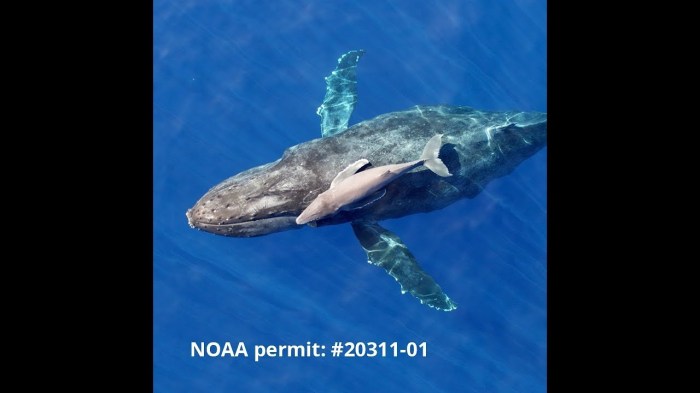
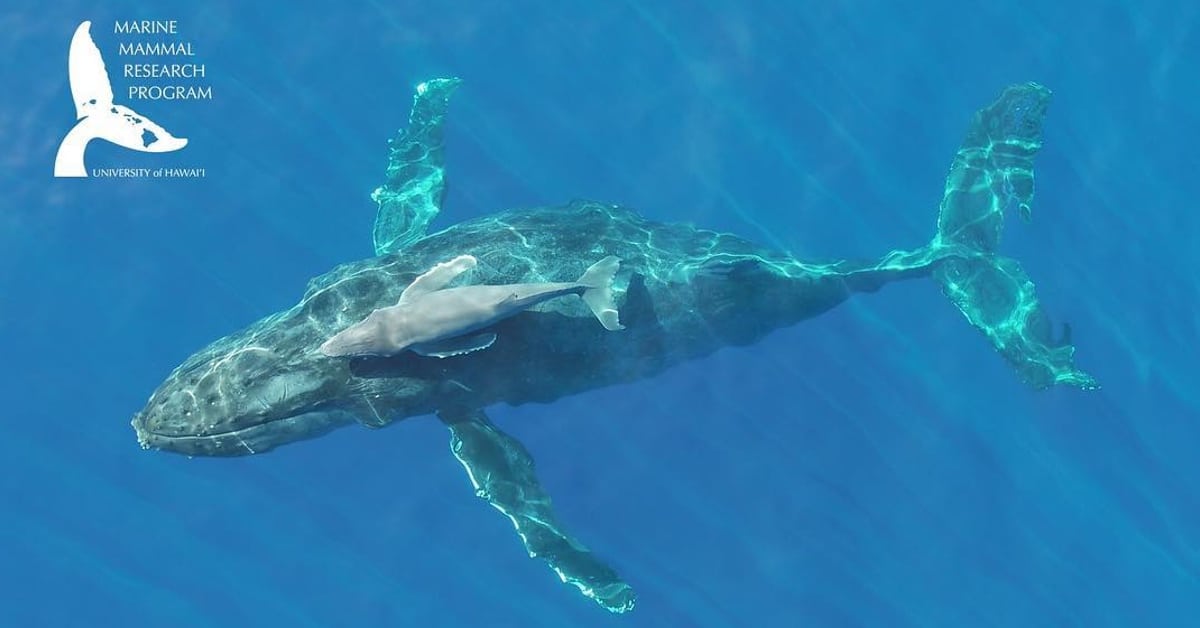
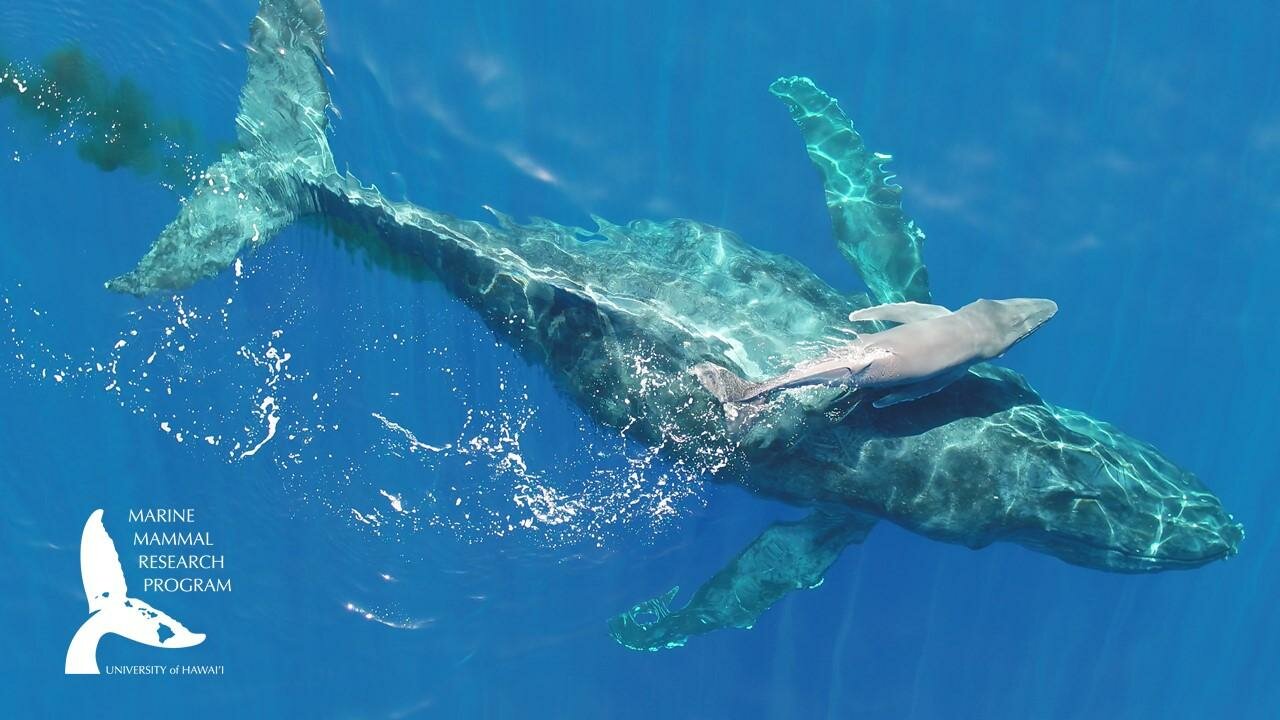
Born only twenty minutes prior, the newborn and Mom were captured by a drone operated by the University of Hawai’i’s researchers. It’s beautiful to see the baby Humpback begin to use its blowhole, and gliding alongside, and then riding atop, the mother’s back.

University of Hawaii

By Kelli Trifonovitch

January 31, 2019

The humpback whale calf is so new that its dorsal fin and tail flukes appear soft and flimsy, and its mother is still excreting blood, while sometimes supporting the calf on her back. The rare video minutes after birth was captured by the University of Hawaiʻi at Mānoa’s Marine Mammal Research Program (MMRP) in January 2019.

MMRP Director Lars Bejder was using a drone to shoot video of other humpback whales off the coast of Maui (under a permit from the National Oceanic and Atmospheric Administration) when he got a call from one of the local tour operators. “They had just seen all this whitewater and commotion in the water and weren’t quite sure what it was and suddenly there was all this blood in the water, which made us go over there and that’s what we discovered—a newborn calf,” Bejder recalled.

It was the closest the marine mammal researcher had been to a live birth in 25 years.

“I think everybody can appreciate these kinds of footages, and it brings us closer to these animals and gives us a really majestic view of these creatures,” he said. “I think it’s pretty spectacular.”

The MMRP studies the effects of climate change, human activities and prey availability on whales and dolphins.


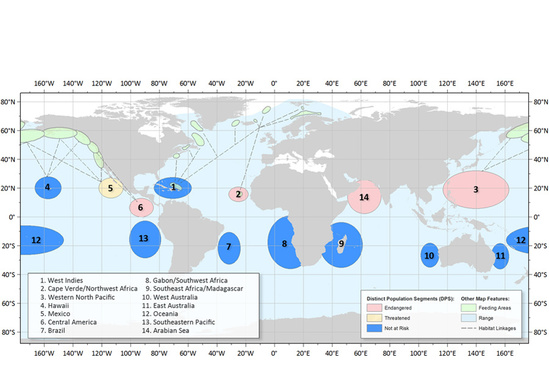
Humpback Whale breeding and feeding areas

RARELY SEEN ON CAPE ANN – A BLACK VULTURE!

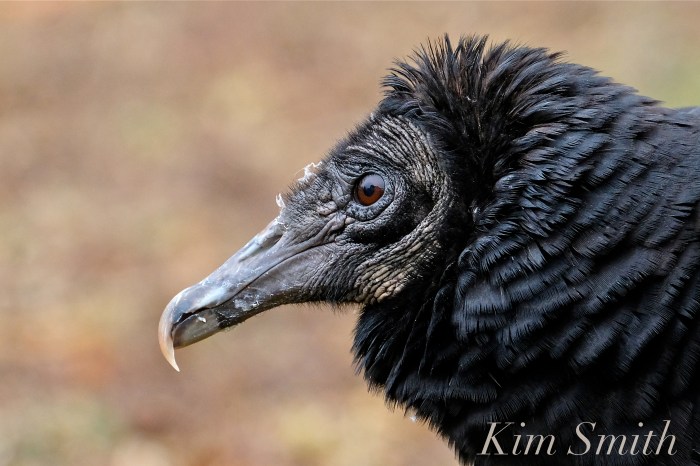
Over the winter, a Black Vulture has been calling Cape Ann home. My friend Lois first alerted me to this back in December where he has been seen quite often in Rockport. I have been trying to capture some footage of him/her but only ever saw him soaring high above. The Black Vulture in flight is stunning and you can recognize the bird by its distinctive white wing tips.

As luck would have it, East Gloucester resident Larry shared a photo recently and his friend Frank generously allowed me to stop by and take some photos and footage!

White wing tips of the Black Vulture

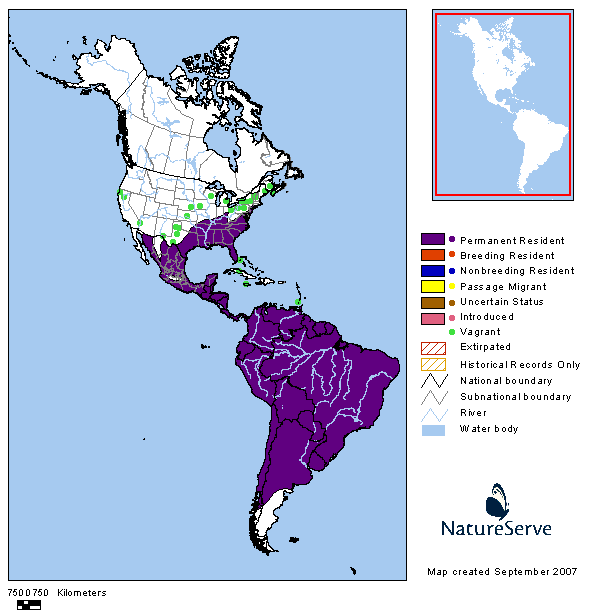
Being found mostly in South America, Central America, and the southern US, the Black Vulture’s range does not historically include Cape Ann (nor anywhere in Massachusetts). The bird’s range has been expanding northward since the early decades of the previous century and it is safe to say there may even be a few pairs breeding in the furthest most western regions of Massachusetts!

Black Vultures feed primarily on carrion. They fly high above on thermal winds looking for dead creatures, and also follow Turkey Vultures, which reportedly have a better sense of smell and can more easily locate carcasses. Black Vultures also kill skunks, possums, Night Herons, turtle hatchlings, chickens, young livestock, and sickly small pets. And, too, they pick through dumps and dumpsters, and even wade into water for small fish and floating carrion. It’s no wonder their range is expanding!

The Black Vulture visiting Frank’s yard appeared to be communicating with Frank. Black Vultures lack a voice box; instead of singing, one of the sounds they make is a low ruff sort of bark. Frank can imitate the bark perfectly, and the bird barks back!

Black Vulture Historic Status in Massachusetts, from Mass Audubon:

The first Black Vulture identified in Massachusetts was shot in Swampscott in November of 1850. The second appeared in Gloucester on September 28, 1863, where it, too, was killed (Howe & Allen 1901). Throughout the next century, the bird was considered an accidental straggler in Massachusetts; and, by the middle of the nineteenth century, the species was on the move from its deep Southern roots, breeding in southern Maryland for the first time in 1922 (Court 1924) and in Pennsylvania by 1952 (Brauning 1992).

If you see Cape Ann’s Black Vulture hanging around your property, please let me know at kimsmithdesigns@hotmail.com. Thank you so much!

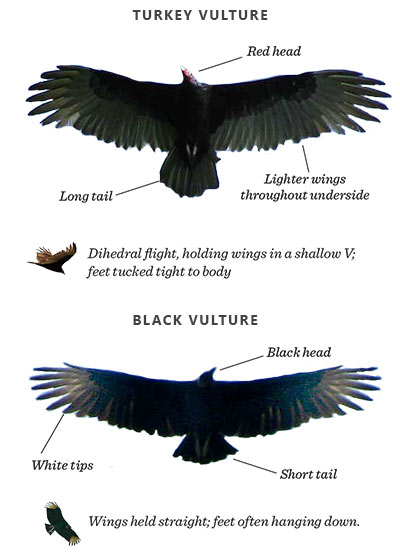
Comparing Black Vulture to Turkey Vulture

Black Vulture Range Map

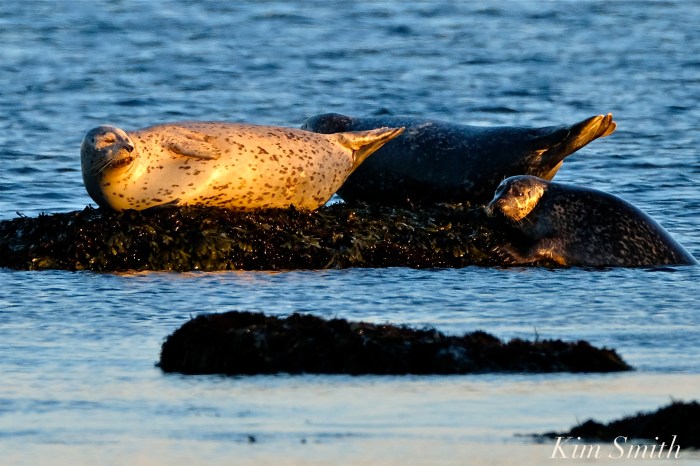
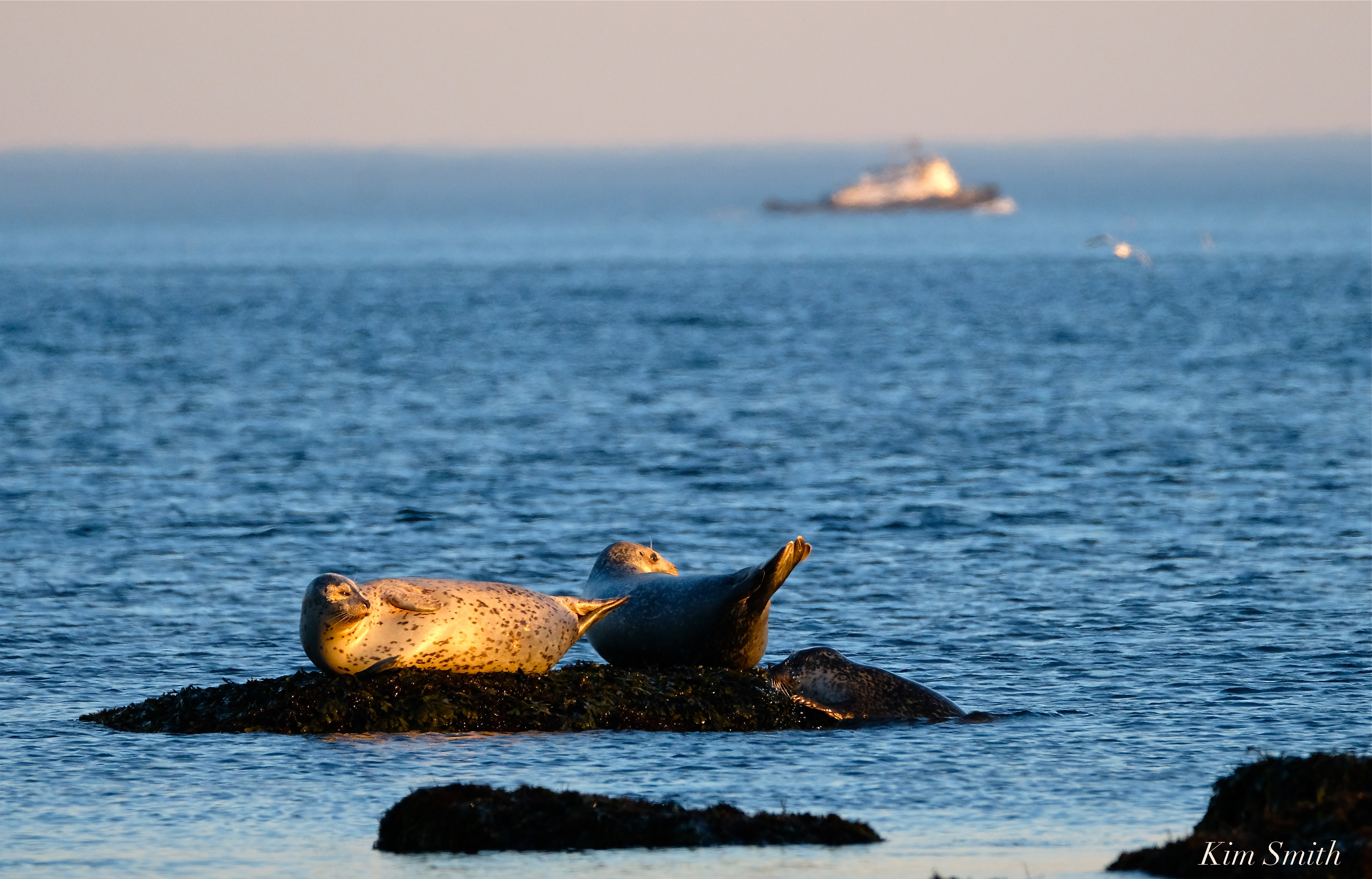
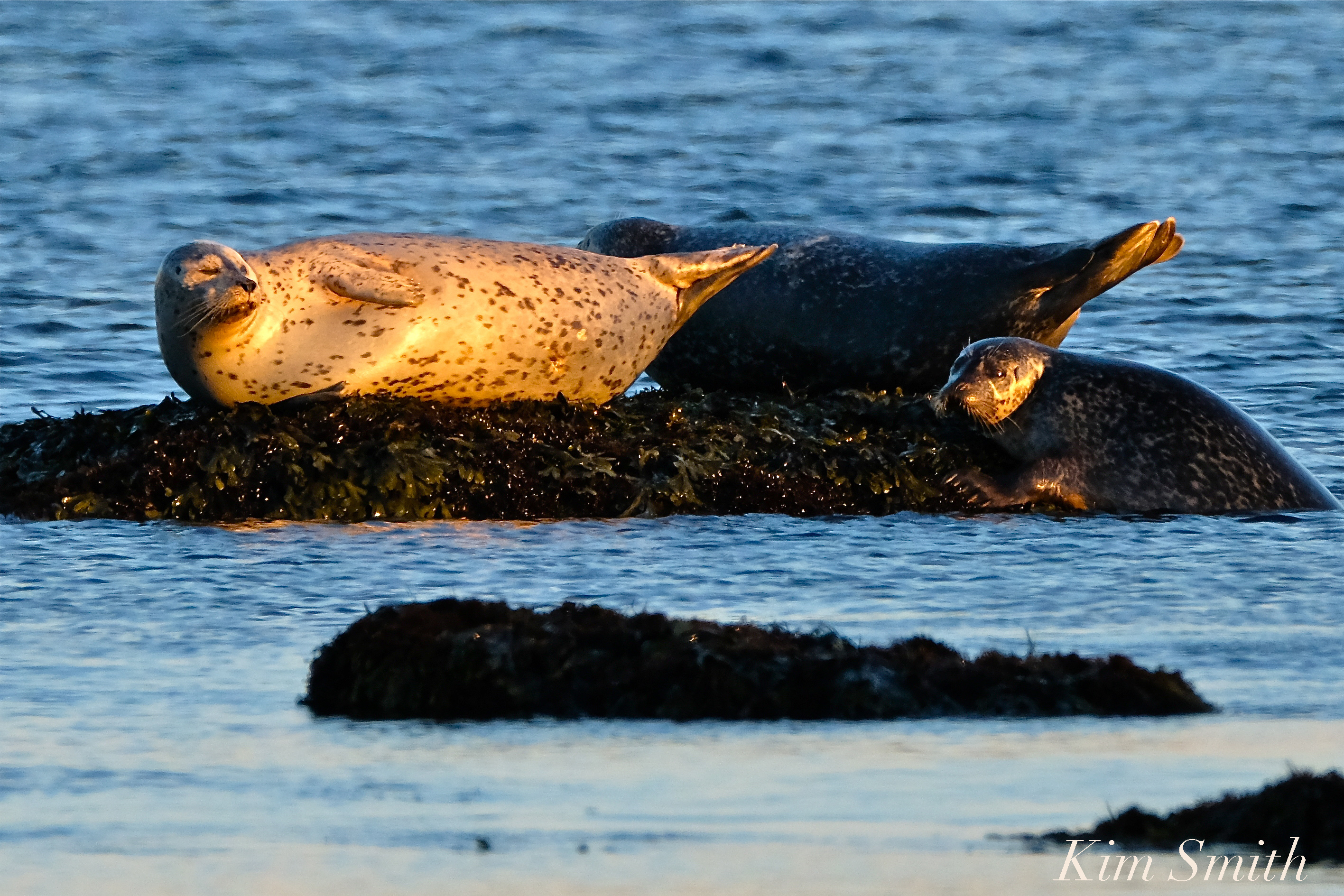
TUBYLETTES (HARBOR SEALS) BASKING

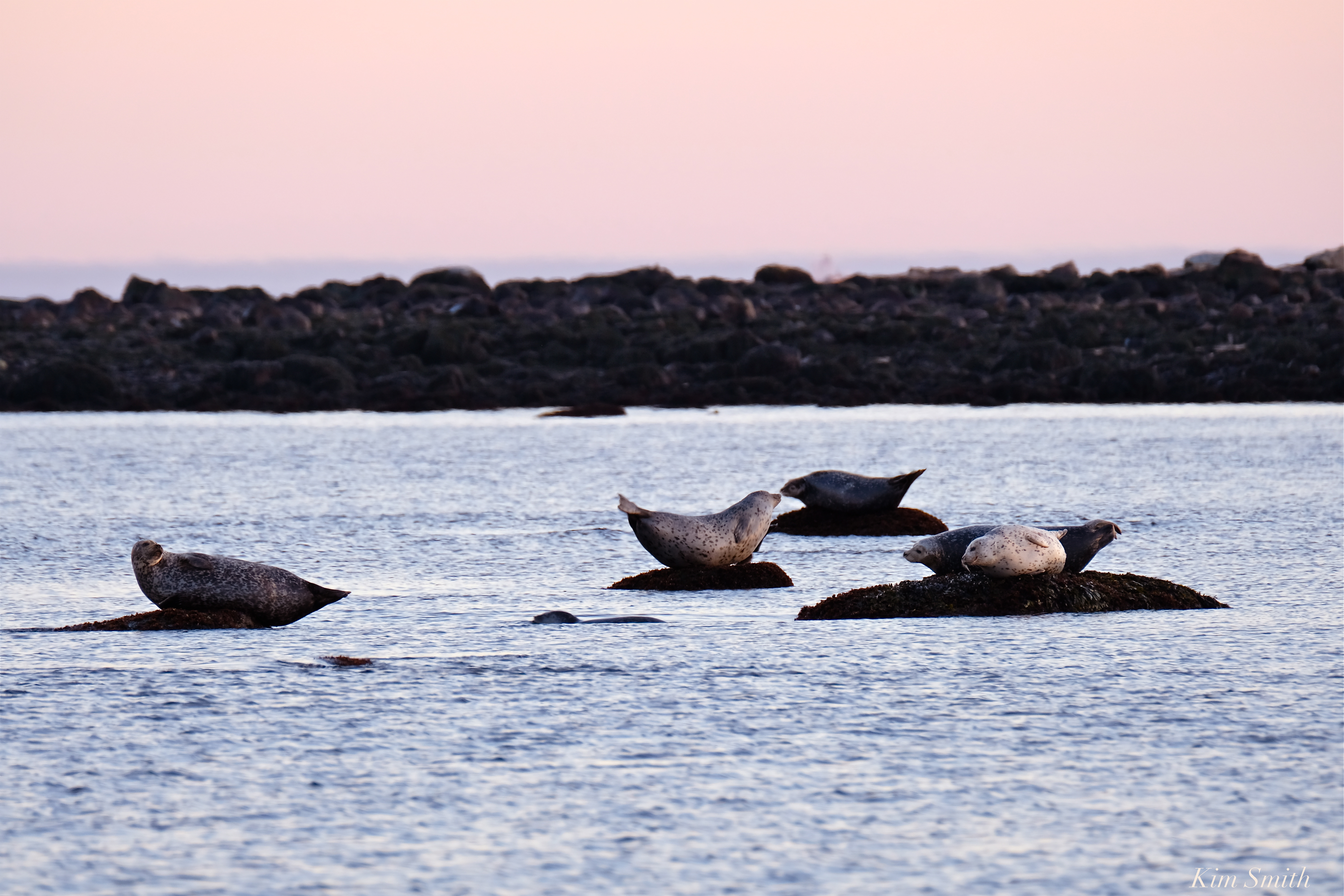
As was everyone else, the Harbor Seals were enjoying Tuesday’s 50 degree weather. Much jockeying, grunting, and gnarling over prime rock-real estate was taking place. Paintings of nudes by Renoir and Botero, along with the made-up word tubylette, come to mind whenever I see these bathing beauties basking on the rocks at Brace Cove.

By the time I left after sunset, there were no less than fourteen Harbor Seals hauled out on the rocks.

HIGHER NUMBERS GIVE HOPE FOR MONARCHS

By Kim Smith

January 31, 2019

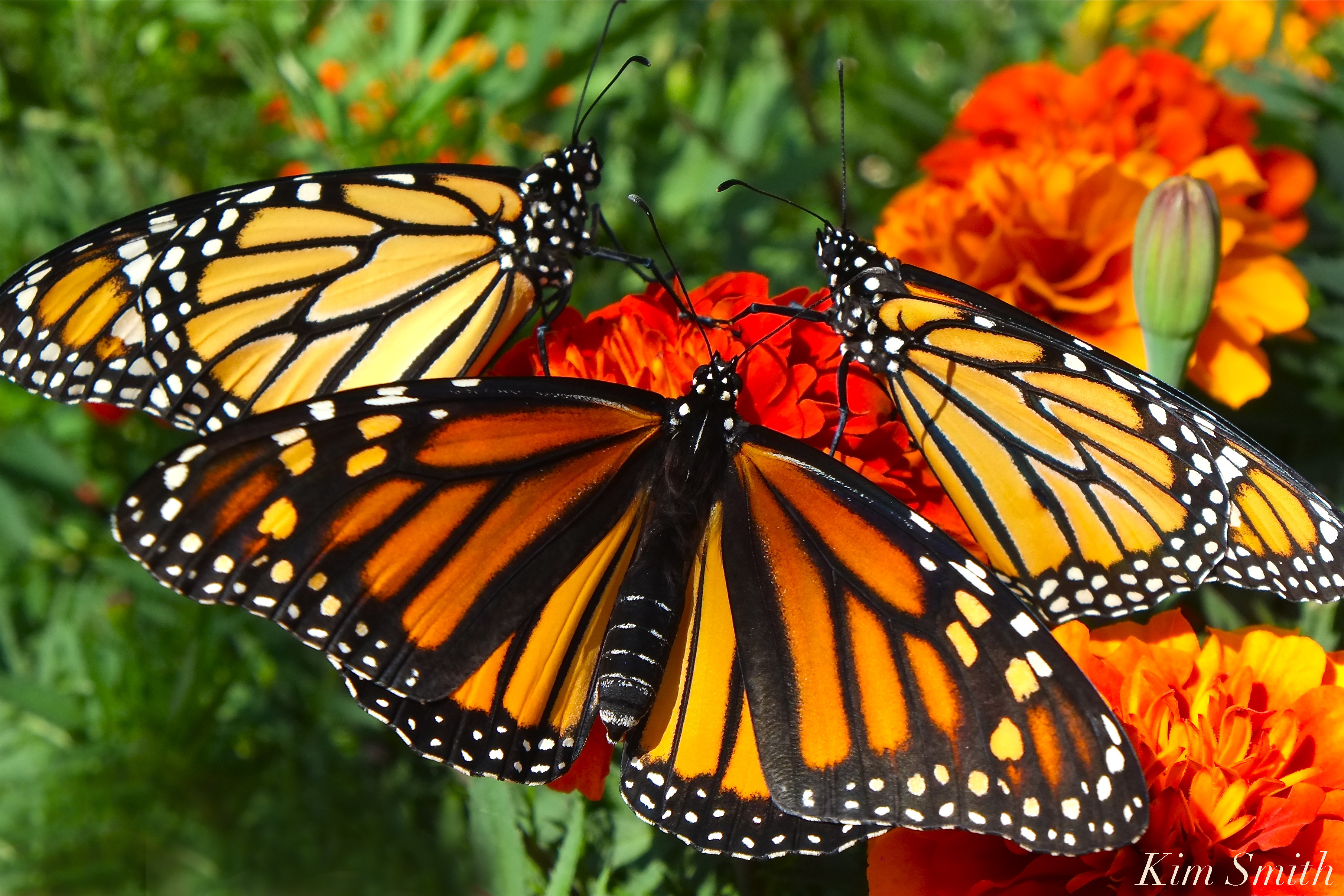
The World Wildlife Fund Mexico and Monarch Butterfly Biosphere Reserve (MBBR) announced on January 30th that this year the Monarch Butterfly population has increased significantly.

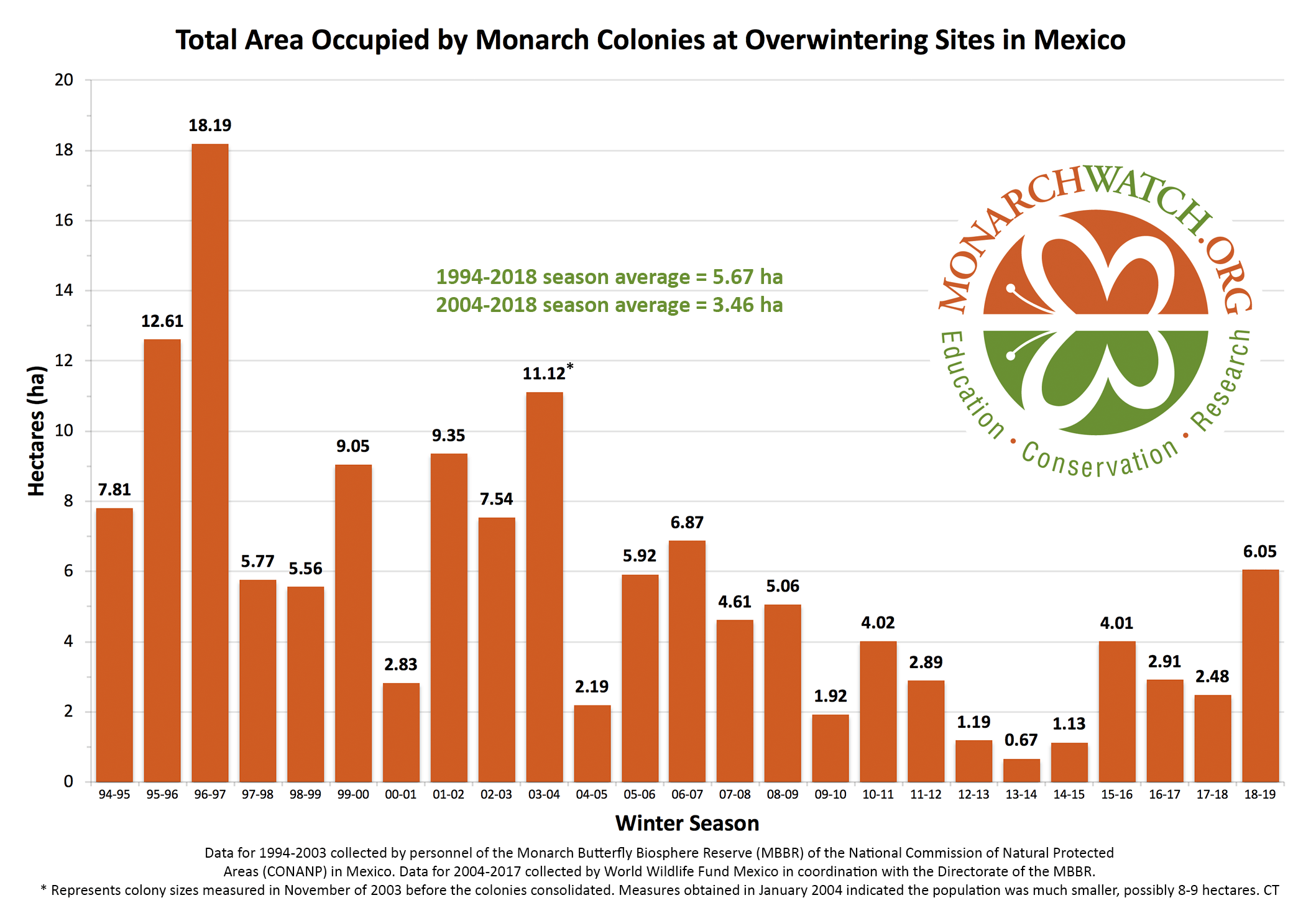
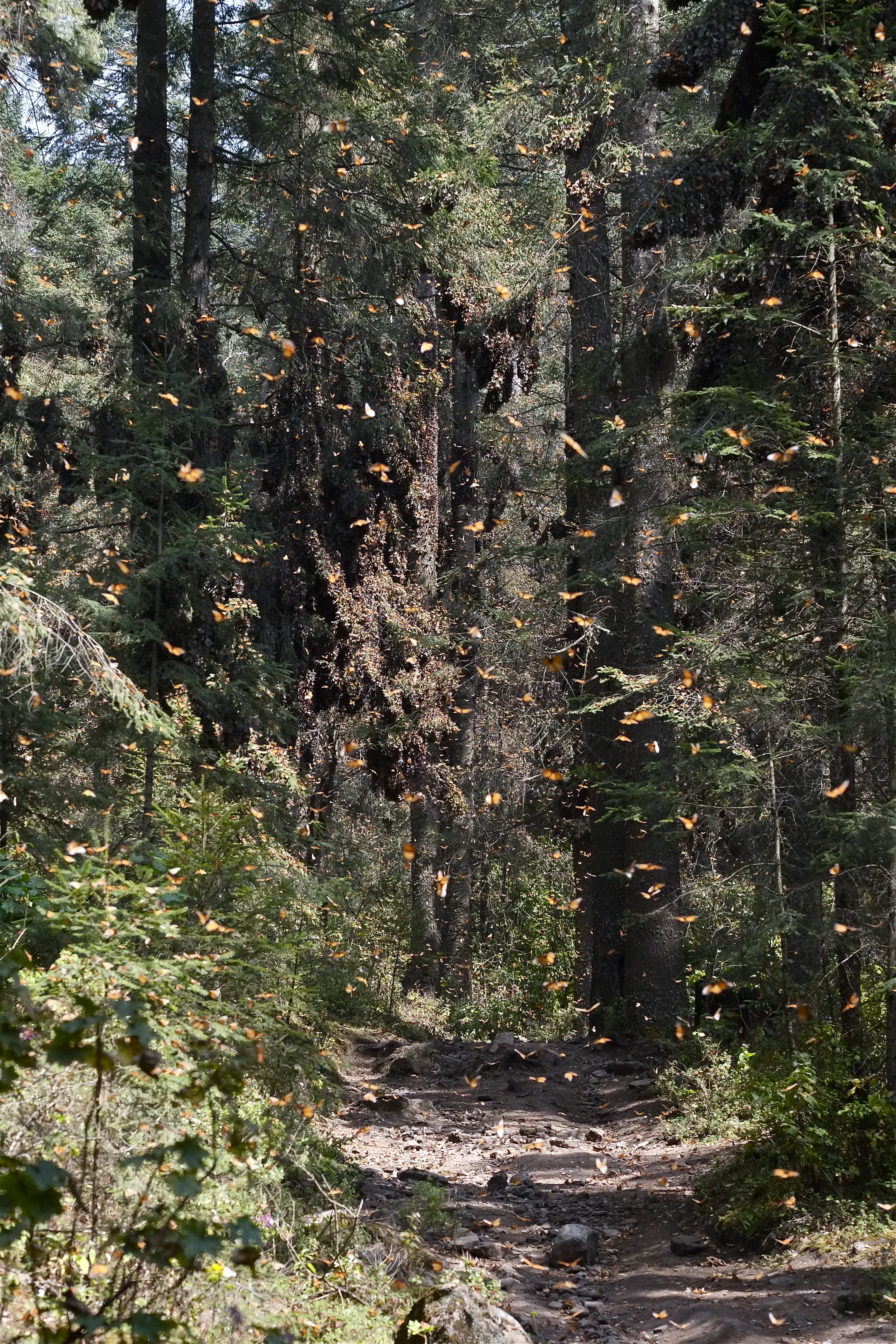
Each year the orange and black winged beauties return to the oyamel fir and pine tree forests, which are located in the heart of Mexico’s trans volcanic mountain belt. In December and January, Lepidoptera population specialists and citizen scientists measure the area the Monarch colonies cover at their over wintering sites. This year (2018-2019) the butterflies are blanketing 6.05 hectares (approximately 15 acres), up from an all-time low of only 0.67 hectares (1.65 acres) during the winter of 2013-2014.

Not since 2006-2007 has this great an area been covered by the butterflies, although the numbers are still quite low when compared to the numbers recorded in the late 1970s when the butterfly’s winter roosts were first discovered by Dr. Fred Urquhart.

I have been following the butterfly counts around the US as they were reported. The Monarch population has been decimated in California. This year only about 30,000 butterflies were counted, down from several million just two decades ago. There is the very real possibility that the Monarch butterfly will become extirpated (extinct from an area) on the West coast. The winter count is down drastically in Florida as well.

It was clear though that east of the Rockies–the Midwest and Northeast regions of the US, as well as southern provinces of Canada–there were many more Monarchs in gardens and on the wing than in recent previous summers.

Leading Monarch scientists are reluctant to become excited about the increase, and justifiably so. Last spring the weather was slightly cooler in Texas, which allowed more Monarch eggs to hatch, which in turn allowed more caterpillars to mature. A greater number of butterflies emerged and set the stage for a strong breeding season throughout the summer. That scenario, along with the overall good weather during the summer of 2018, also helped create ideal conditions. It was a true “goldilocks” summer, not too hot, not too cold, but just right.

In autumn of 2018, the Monarchs arrived to Mexico about a week later than usual, but once they began to arrive, a kaleidoscope of butterflies poured into their winter roosting grounds.

The 2018-2019 Eastern population count is a reprieve from the past ten years of heartbreaking news, but one good year does not change what the butterflies need most, which is protection for the Monarchs under the Endangered Species Act.

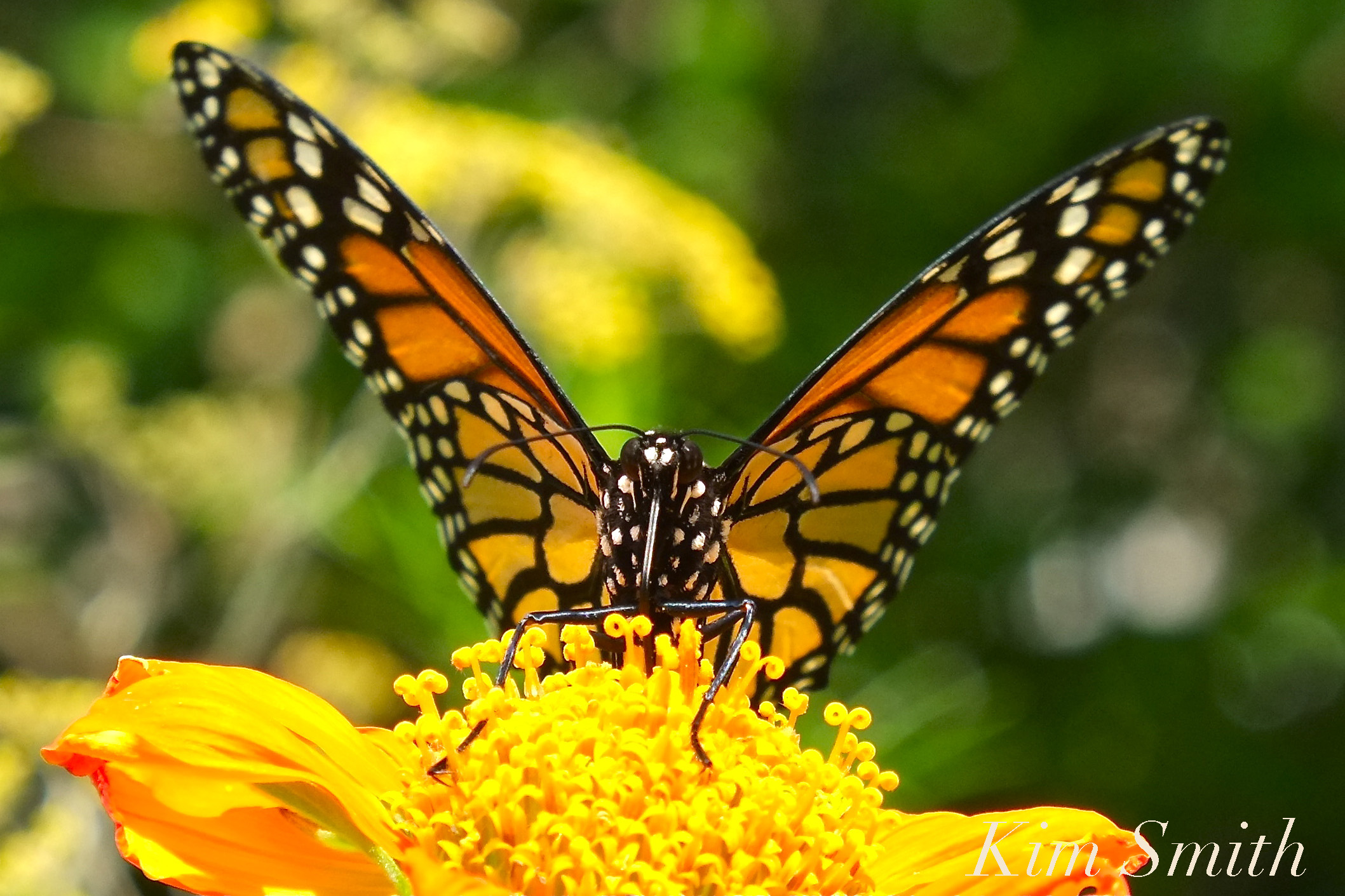
Monarch and Mexican Sunflower (Tithonia)

There is disagreement among scientists whether planting milkweed has any bearing on the health of the Monarch butterfly population. Does creating corridors of Monarch habitat help mitigate the death and destruction caused by climate change, modern agricultural practices, the devastating use of pesticides and herbicides, and the planting of GMO crops (corn, sorghum, and soybeans, for example) that were engineered to withstand the deadly poisons, but which wildflowers and caterpillars cannot?

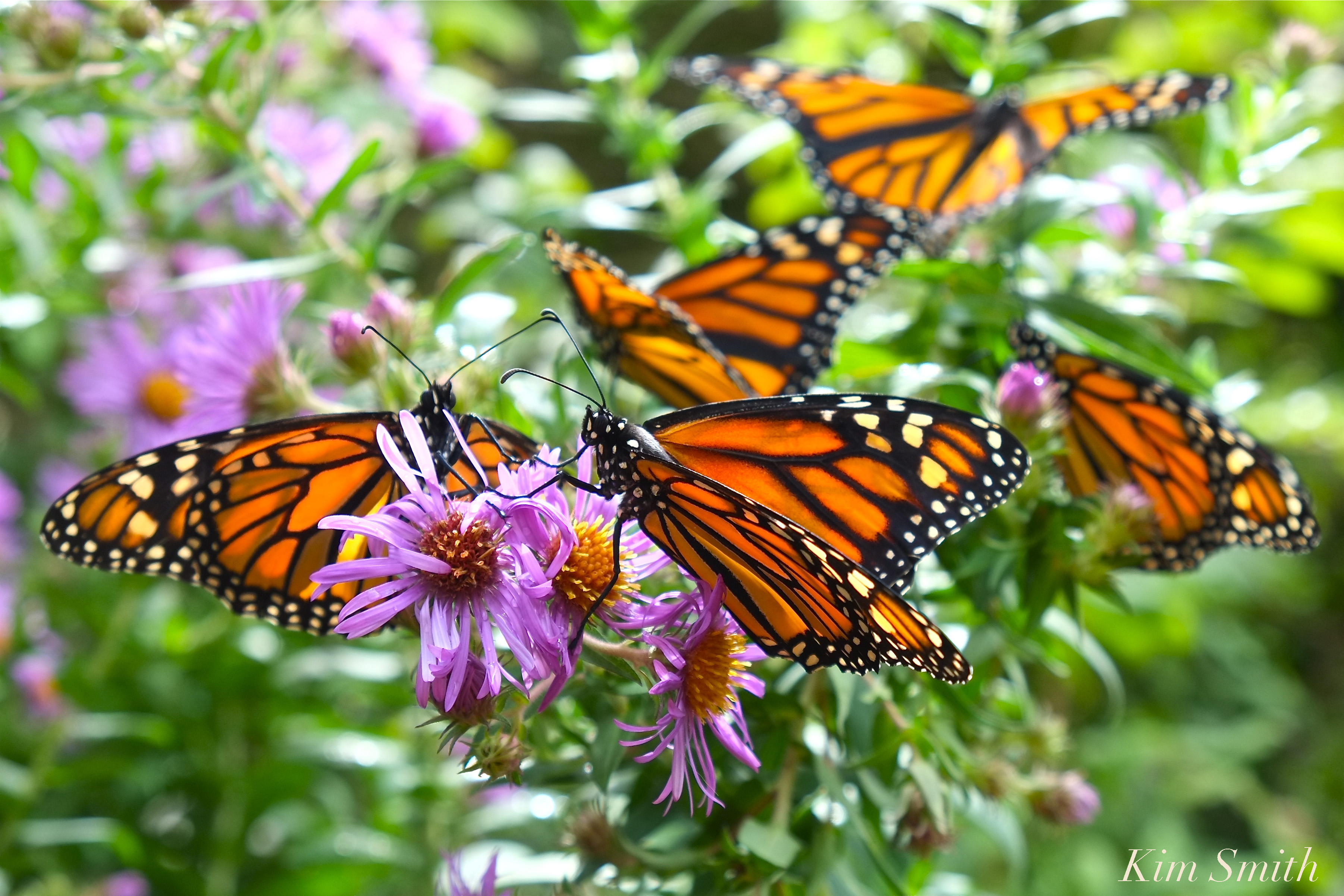
Monarch Butterflies and New England Aster, Gloucester, 2018

The answer to that question is a resounding yes! Monarchs are a bellwether species. The love for this one butterfly has helped shape a consciousness towards all species at risk. An uncomplicated stand of milkweed and asters can make every public walkway, park, community center, church, school, and backyard a haven for Monarchs and together we can bring about a conservation victory for the pollinators.