Did you Know?

Photos by E.J. Lefavour

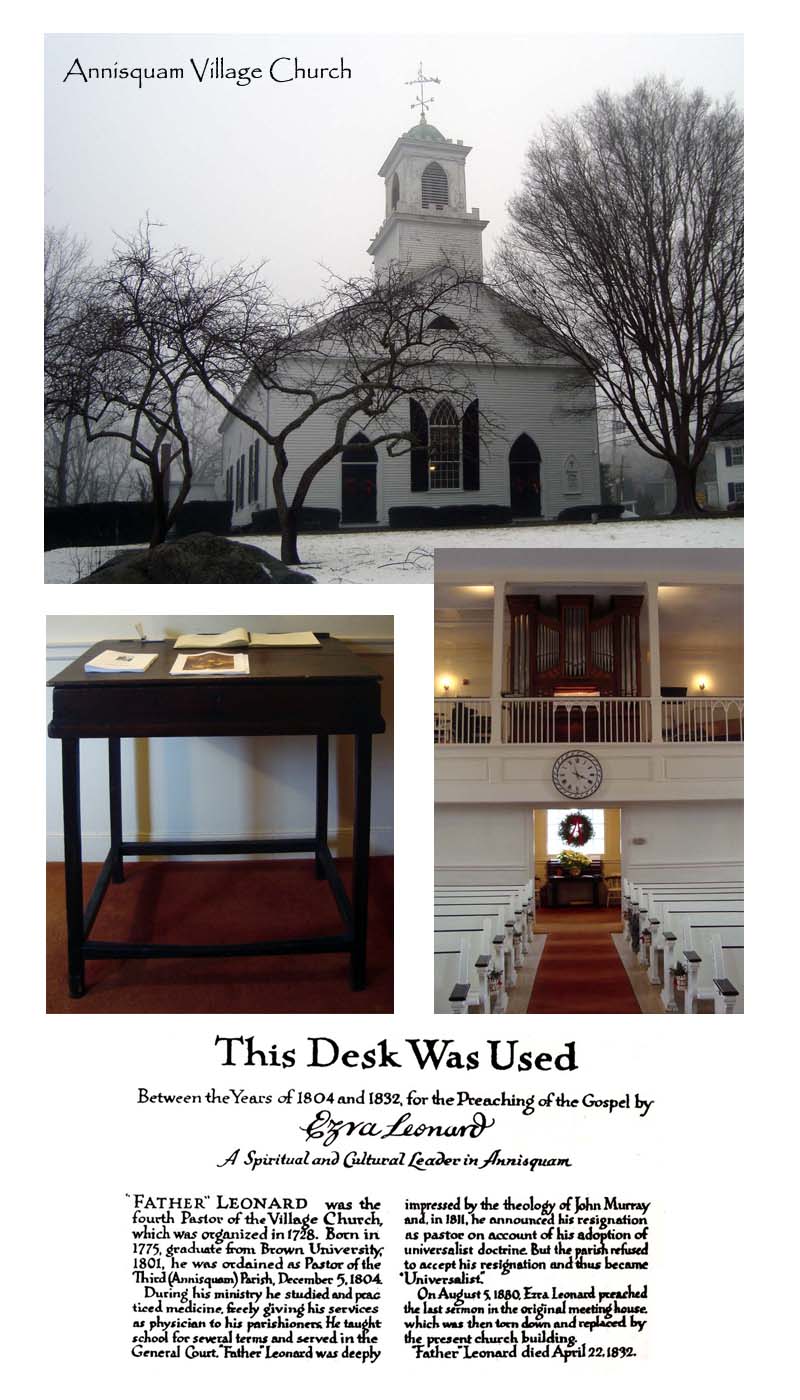
That the Annisquam Village Church is an interdenominational community church. The geographic area of the Annisquam Village Church, called The Third Parish, was established in 1728, and originally included the villages of Annisquam, Bay View and Lanesville. Today the community of the church extends well beyond those boundaries. In 1728, when the Third Parish was founded, the Church was Puritan in belief and Congregation in polity. Pastor Benjamin Bradstreet served for 34 years, from 1728 until his death in 1762. The church primarily relied on local supply ministers until “Father” Ezra Leonard was hired in 1804. He served until his death in 1832. He was considered a “Renaissance Man.” In addition to serving as pastor, he also served as medical doctor, teacher, and state representative. In 1811, Father Leonard had a “conversion experience” and left behind his orthodox, Puritan beliefs in favor of becoming a “Universalist.” The Third Parish became a Universalist Society and kept Father Leonard as their pastor. In 1830, a New Meeting House was constructed; this is the building that you see above. Father Leonard died in 1832. There were many pastors after his death. In 1944, the pastor had a “conversion experience” (from Universalist to Episcopalian). The Church voted to keep him as pastor, and Episcopalian doctrine was taught in Sunday school. The next pastor urged the Church to become a non-denominational, Protestant, Community Church. In 1954, the Parish voted “To conduct a Protestant interdenominational church for public worship of God.” The church remains such today. This is a really lovely old church near Lobster Cove, which you can see through the windows of Fellowship Hall where they serve refreshments after service. I found their service unique and refreshing, the organ and choir excellent, and the people of the church very welcoming. If you want to check it out, there website is http://www.annisquamvillagechurch.com/

E.J. Lefavour

www.khanstudiointernational.com

Whoever is not living on the Edge is taking up too much room

Mixed Media Painting by E.J. Lefavour

This poem was written by my dear friend, Bina Benestante. It epitomizes life on Cape Ann to me, so I wanted to share it with all of you. You have to read all the way to the end to catch the magic.
EDGE
(“Whoever is not living on the edge, is taking up too much room!”)
By Sabina Troger Benestante

Out on the edge again
One step away: a deep, steep abyss,
Yawning before my feet.
I’m standing on a towering cliff top,
High above the sea.

Gusts of cold wind whip my face
Spraying white foam on roaring waves
Forever breaking, breaking at the rough rock’s edge.
A carnivorous bird is shooting like an arrow
Down at some hapless creature of the sea
As suddenly the clouds rip open, like a ghoulish wound

A sunbeam crashes through, furrowing
A narrow band of fiery lava
Into the waves, stretching as far as the horizon
The wind is howling…

Other people exist in soft, lush valleys, I complain,
Above them clear blue skies, sweet air, a feathery cloud.
Completely cozy, they listen to the willows’ whispers,
Growing around a calm and shallow pond
Maybe next to a brook, sheltered by elms,
With flimsy butterflies, dancing above unruffled meadows
Of fragrant summer grass…

While I forever find myself just barely hanging in there
My nails like claws, clutching bare rock, and by my teeth’s skin merely holding on: Why me?
Yeah, God answered. But you have the view.

Rocky Neck Plunge and Art Rock Kindness

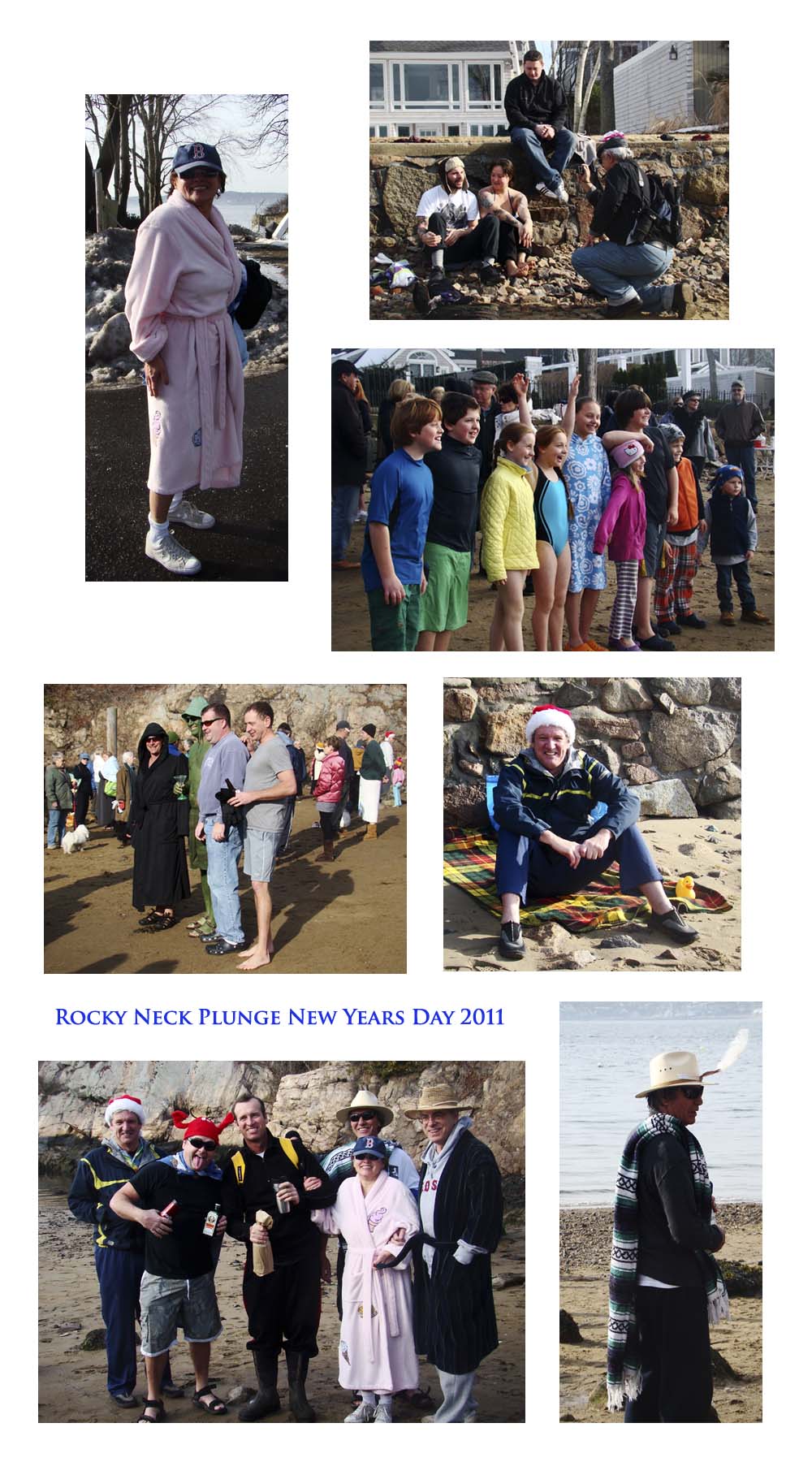
photo collage of Rocky Neck Plunge New Years Day 2011Did you know?

That today was the annual New Year’s Day Rocky Neck Plunge sponsored by Imagine of Rocky Neck.  If you missed it, you can see a little of it here.  If you were there, now you can relive it (assuming you’ve warmed up enough to want to). Great fun was had by all.  You can click on the link below to see some video, since I haven’t figured out how to embed it into the post yet.

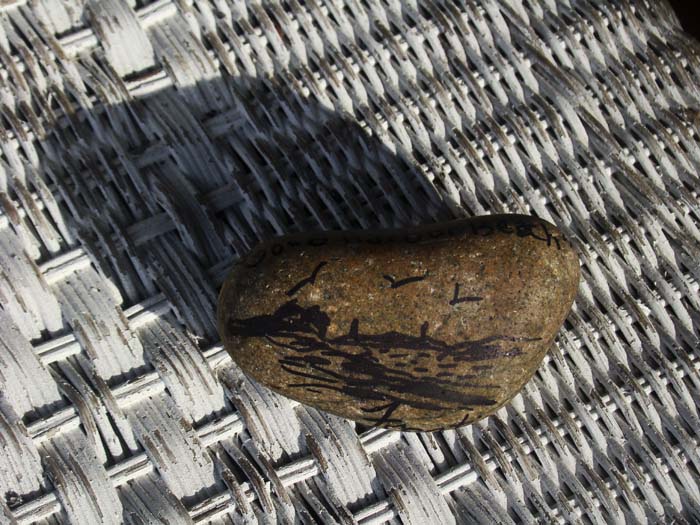
Also, when Paul Frontiero posted his last Art Rock location at Good Harbor Beach, for the first time, I knew where it was (along with at least 5,000 other people).  I wanted to go look for it, but the storm had started, so I let it go and went out shooting around Annisquam instead.  Today at the Rocky Neck Plunge, Ed Collard, who had gone and found the Good Harbor Beach Art Rock, presented it to me as a gift.  Ed and Paul, may your kindness be returned to you a hundredfold.  I have to say that the people of Cape Ann have proven in my short time here, to be the kindest people I have ever met.  Here is my precious Art Rock.

Paul Frontiero's Good Harbor Art Rock, gift to EJ from Ed Collard

Happy New Year

Some Boston fireworks and New Year wishes for everyone here on Cape Ann (or wherever you are right now reading GMG).

Photo by E.J. Lefavour of Boston’s 375th Celebration fireworks

http://www.khanstudiointernational.com/

Kindness

Babson Boulder Kindness
Photo by E.J. Lefavour

Did you know?

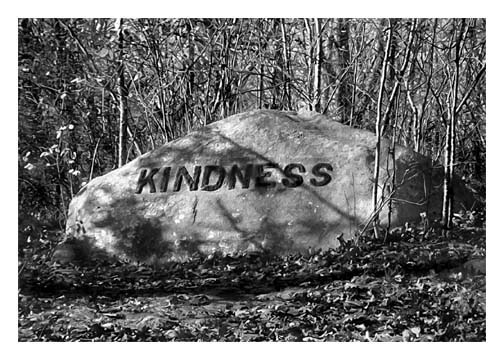
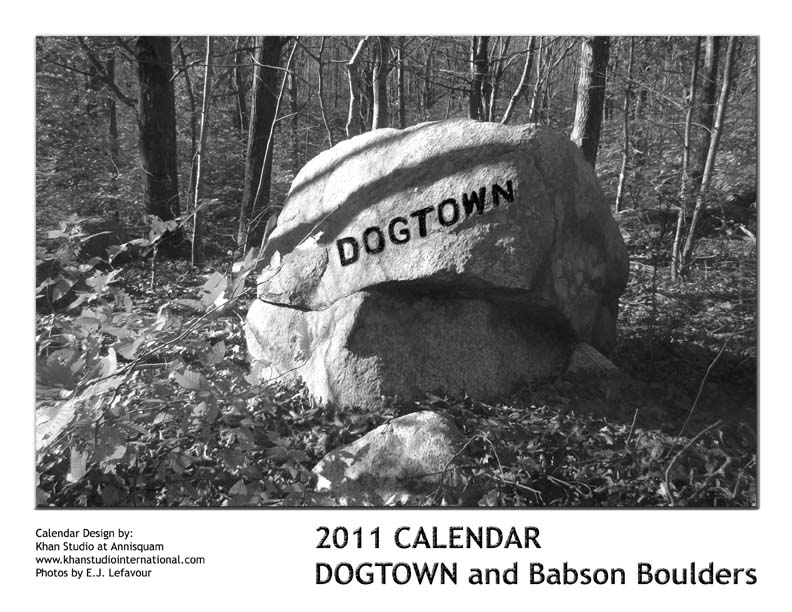
That millionaire philanthropist, and 10th generation Gloucester inhabitant, Roger Ward Babson (1875-1967), provided charitable assistance to unemployed stonecutters in Gloucester during the Great Depression, by commissioning them to carve inspirational inscriptions on approximately two dozen boulders in the area surrounding Dogtown Common. This boulder is the one I chose for January’s image in my 2011 Dogtown and Babson Boulders calendar because I think the message is the most important one to start out any new year with. If we all resolve to spend the New Year performing random acts of kindness, what an amazing year 2011 will be.

E.J. Lefavour

http://www.khanstudiointernational.com/gallery_dogtownandbabsonboulders.htm

Joey C. Emerges Victorious

Painting by E.J. Lefavour

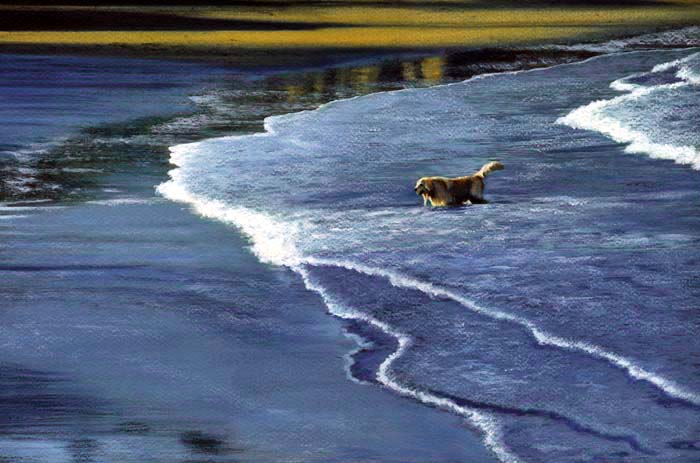
This is an artistic portrayal of our fearless top dog GMG leader of the pack emerging victorious from his frigid Rocky Neck plunge into the icy water – smiling with head and tail held high.
I do plan to be there without my bathing suit and with my camera to catch some shots of how he and everyone really looks during and after their New Year’s Day plunge.  It looks like Paul’s deal with the kidnapped Santa might actually pay off – the forecast is for sunny,  almost balmy weather.  Unfortunately, that won’t make the water any warmer.

E.J. Lefavour

http://www.khanstudiointernational.com/

Did you know

Weather Vanes and Slate Roofing

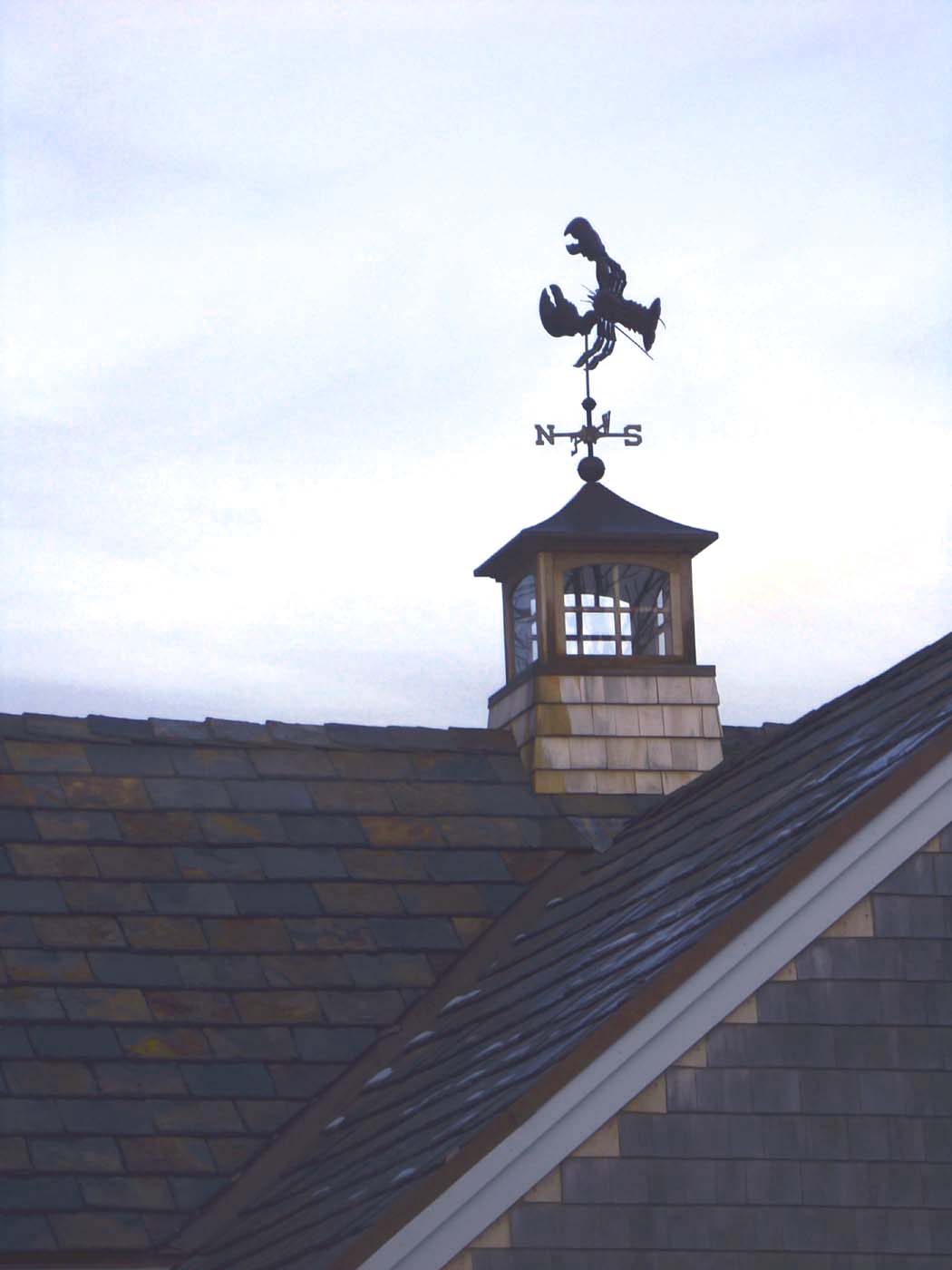
A weather vane is an instrument for showing the direction of the wind. They are typically used as an architectural ornament at the highest point of a building. Although partly functional, weather vanes are generally decorative, often featuring the traditional cockerel design with letters indicating the points of the compass. Other common motifs include ships, arrows and horses, or as in the case of this one in Annisquam at Lobster Cove, a lobster. The word ‘vane’ comes from the Anglo-Saxon word ‘fane’ meaning ‘flag’.

Slate roofing was used in the eastern part of the country prior to the American Revolution. Despite this, the slate industry did not gain prominence here until the mid-nineteenth century.  A number of factors contributed to the industry’s development including the advent of cheaper forms of transportation, first by canal and later by rail. An increasing U.S. population (which almost tripled in the years from 1830 to 1860) increased the demand for housing and building materials.  Architectural tastes also contributed to advances in the slate industry. The prevailing architectural styles of the mid-nineteenth century placed strong emphasis on prominent rooflines. Slate, laid in multi-colored decorative patterns, and was particular suited to the curved or straight Mansard roofs of the Second Empire style and the steeply pitched roofs of the High Victorian Gothic. Installed properly, slate roofs require relatively little maintenance and will last 60 to 125 years or longer depending on the type of slate employed, roof configuration, and the geographical location of the property. Some slates have been known to last over 200 years.

After the Storm

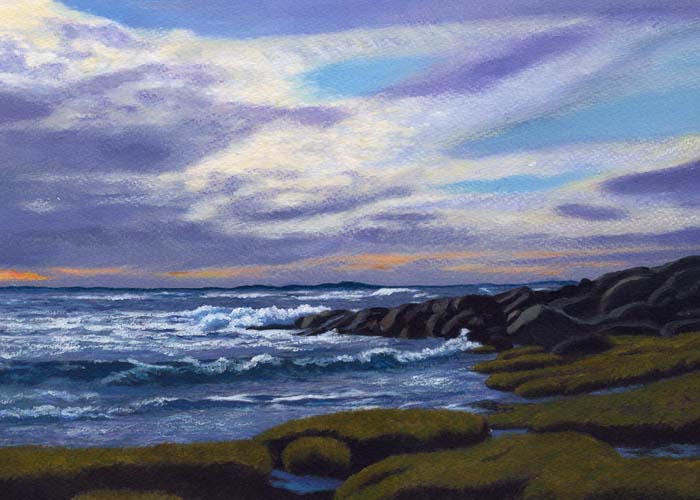
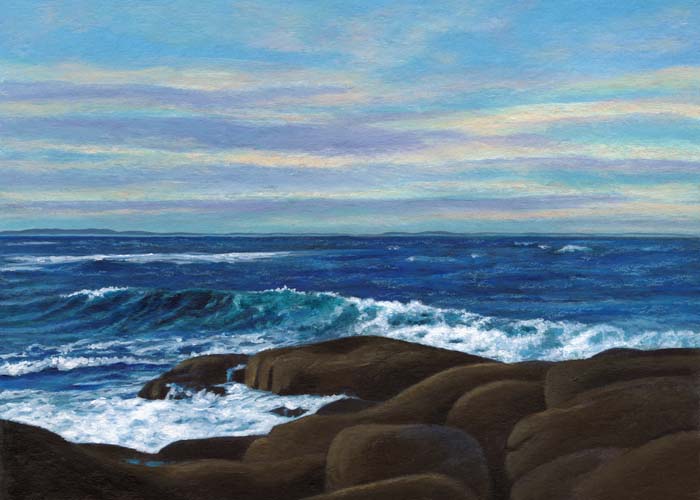
This is a painting I just finished of waves off the rocks at Annisquam Light, after the first little storm last week.  As an old surfer, painter, photographer and lifelong lover of the sea, I have long sought to catch/capture that perfect wave.  This one is close, but my quest still continues.

Painting by E.J. Lefavour

E.J. Lefavour – Khan Studio

http://www.khanstudiointernational.com/gallery_capeannpaintings.htm

Did you know?

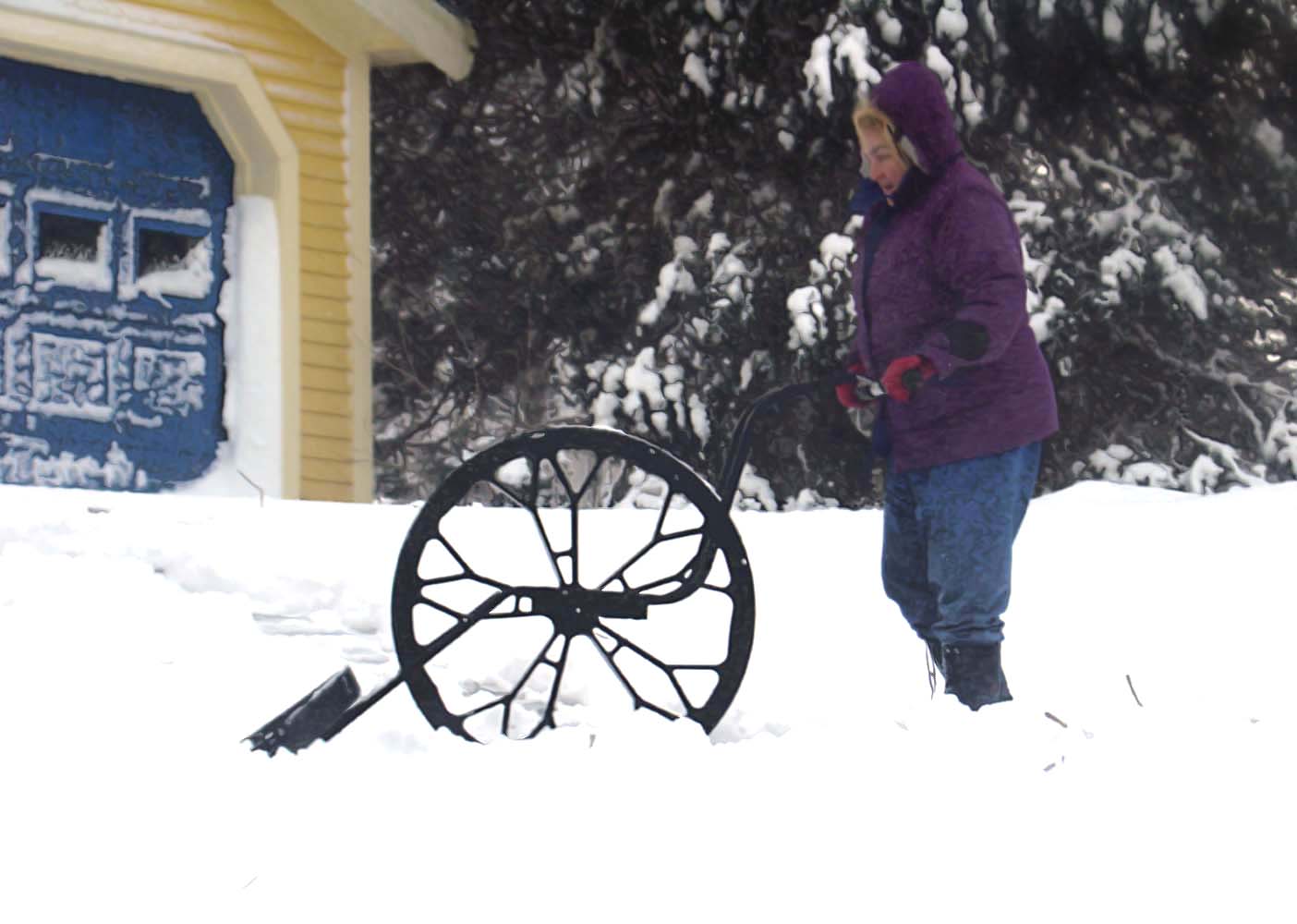
Did you know about Wovels?  I’d never seen one before I took this photo of a woman woveling her snow on River Road in Annisquam.

Here’s a little info about them.  People with bad backs or heart conditions might want to look into getting one of these before the next blizzard.  “Sno Wovel wheeled snow shovels are designed to greatly reduce the physical strain of shoveling and the related risks of back and heart injuries. The Sno Wovel wheeled snow shovel was the subject of an independent study by the University of Massachusetts (Bryan Buchholz, PhD, Professor and Director, Biomedical Engineering and Biotechnology) which focused on lower back stress and overall exertion as compared to traditional snow shovels. The results are quite compelling, finding the Sno Wovel virtually eliminated lower back stress … ‘comparable to simply walking – representing an impressive 85% and more reduction in lower back disk compression.’ Overall exertion (which is one of the major factors in heart risk) was found to be reduced by a factor of 3x or more. ..and with 72,000 annual emergency room visits annually in the US attributable to shoveling with snow shovels and snow blowers, the Sno Wovel has earned its reputation as the World’s Safest Snow Shovel.”

Missing your Kayak?

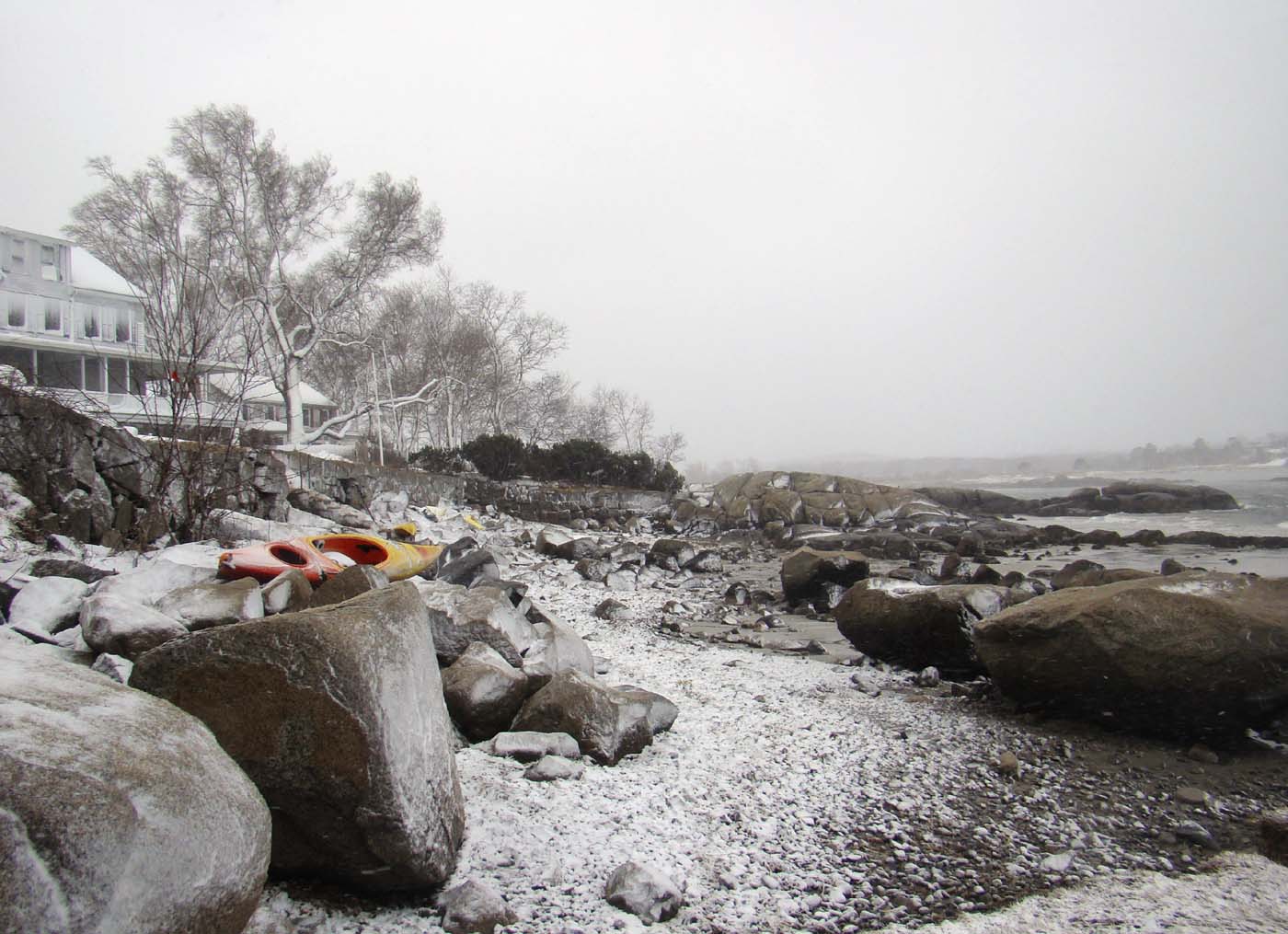
Most of the kayaks stored in the rack at Lighthouse Beach went on solo journeys during the storm.  Some found their way over to Cambridge Beach.  If your’s is missing, you might want to check for it there.

Kayaks washed up by the storm onto the rocks at Cambridge Beach

A Few Storm Pics

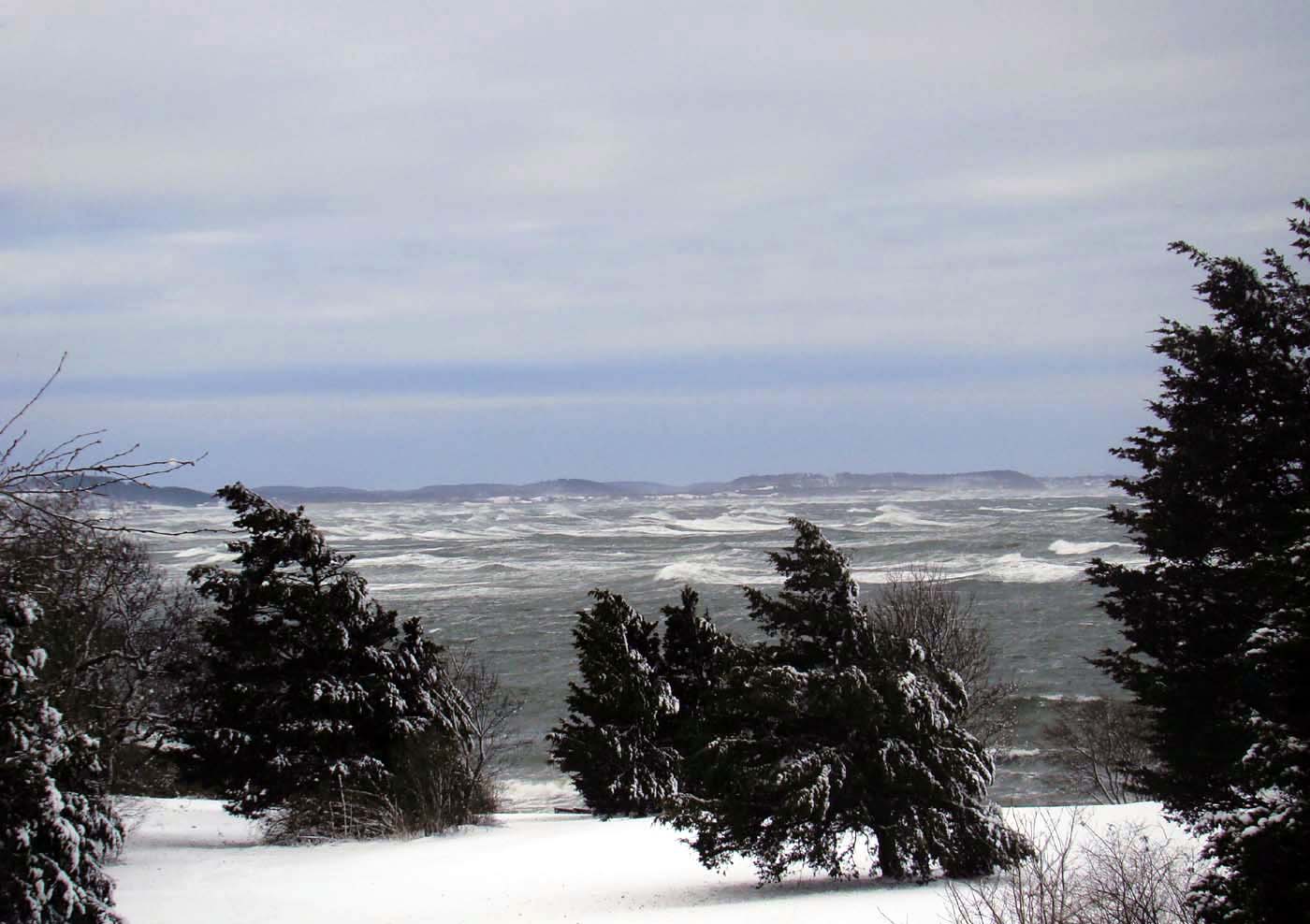
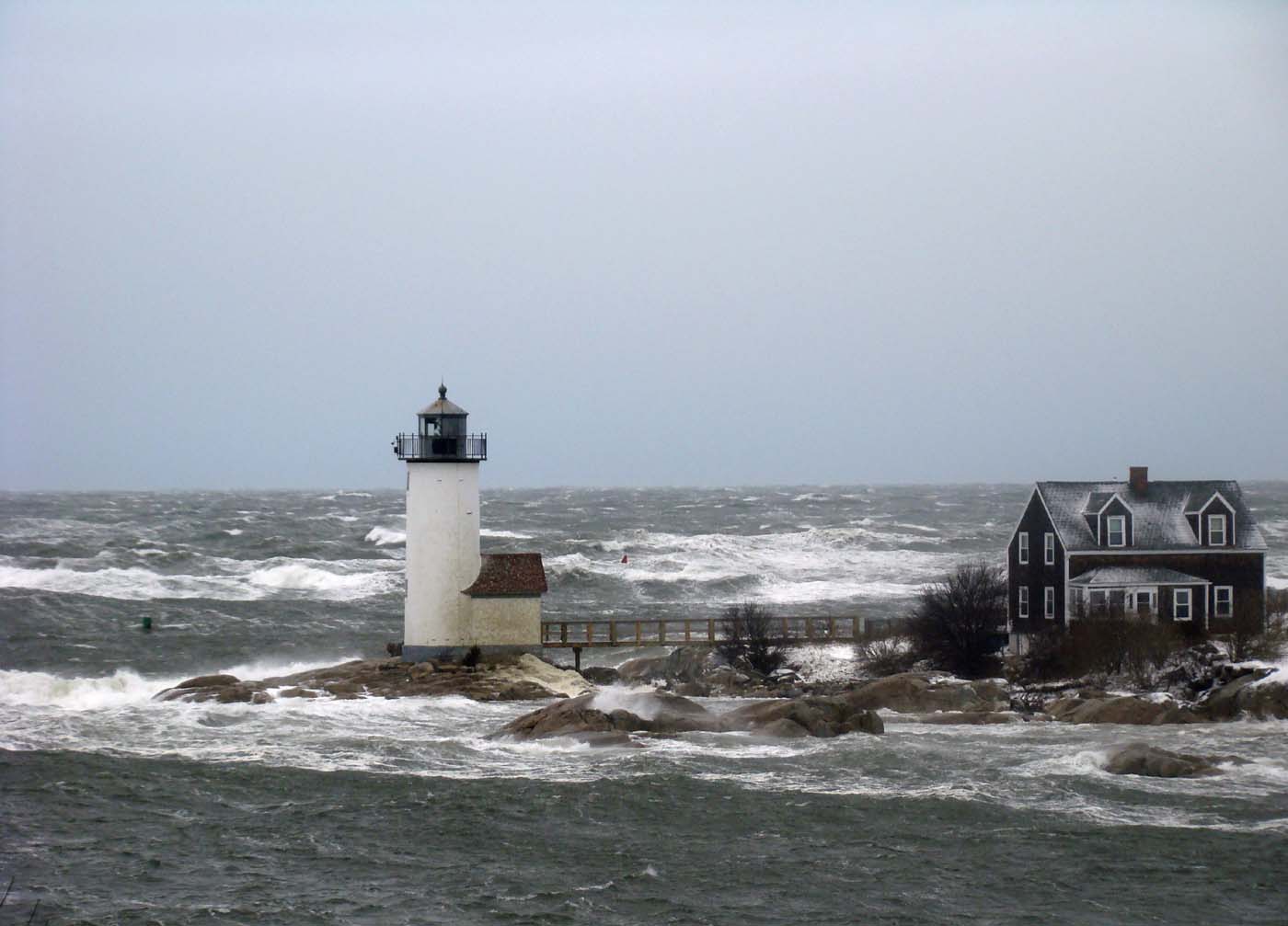
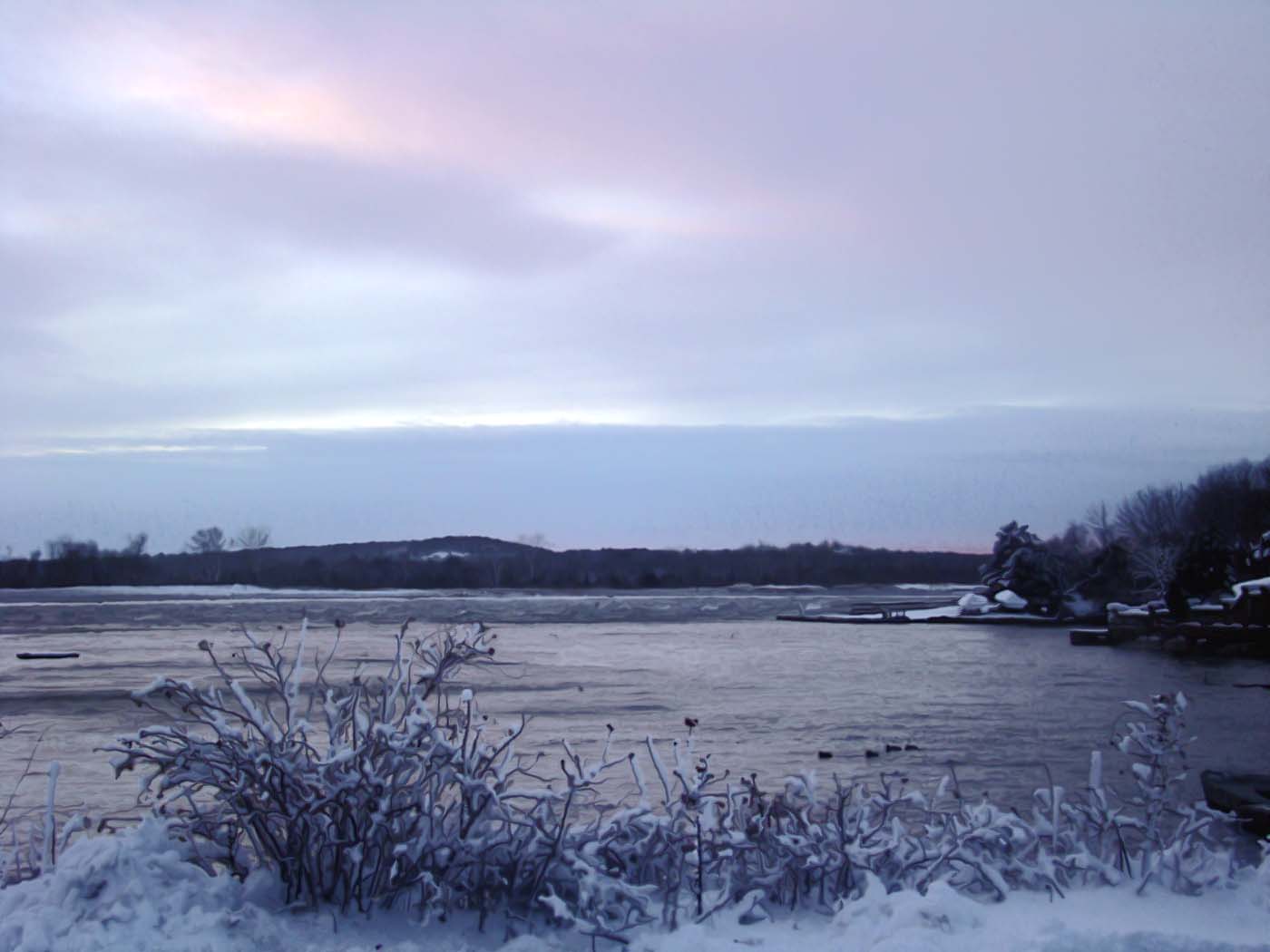
Some photos I shot during the storm from Annisquam.  Storm surf racing into Ipswich Bay, storm surf attempting to claim Annisquam Light, and the calm after the storm.

storm waves racing into Ipswich Bay from the pasture at Annisquam

storm surf attempting to claim Annisquam Light
a gentle sunset after the storm, signaling that the storm is over and a better day is coming

Photos by E.J. Lefavour

Isabel Babson

Photo by E.J. Lefavour

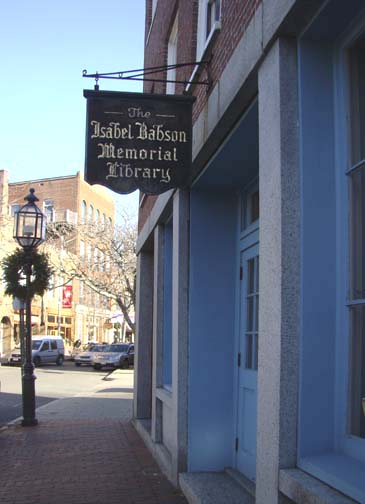
Isabel Babson (1577-1661) was the first Babson in America, and she and her sons Richard and James are the progenitors of all with that name in the country.  The earliest known record of her in this country is dated 25 September 1637 and appears in the Salem town records: “Isabell Babson desires admittance to become an inhabitant.”  Isabel probably first settled at Salem as it was her port of disembarkation. In 1942 she moved to Gloucester where she was greatly respected as a nurse and midwife. After July 1642 Isabel purchased land at what is now 75-77 Front Street, Gloucester, and it continued in the family about a century and a half. Her dwelling on Main Street, a little to the west of Porter Street, was located at what is now 69 Main Street.  She died and was buried in Gloucester, although the exact location of her grave is unknown.  A simple stone has been placed in the ancient Bridge Street Burying Ground in memory of this honored and beloved citizen of Gloucester.  As a tribute to her memory, Roger W. Babson established the Isabel Babson Memorial Library at 69 Main Street, which specializes in books for expectant mothers.  She is also remembered through the Isabel Babson Maternity Wing at Addison Gilbert Hospital in Gloucester.  Roger Babson believed that conceiving and rearing children, as well as the health and well-being of women, were critical to a stable society.  All books in the library reflect this philosophy.  Every challenging aspect of family living from prenatal through grandparenting and the golden years is covered.  Books catering to men’s issues are also available.

Did you know?

sunset over Wingaersheek Beach from Cambridge Beach in Annisquam
Painting by E.J. Lefavour

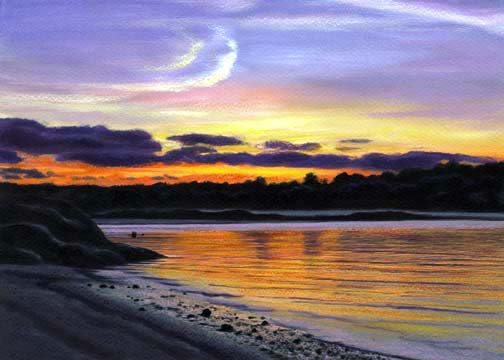
I was supposed to do my post at 3:00, but instead was out walking in the start of the storm. I don’t have a proper post ready to do, so I’m sending out a painting I recently completed of sunset over Wingaersheek Beach from Cambridge Beach in Annisquam – something a little warmer and gentler than what we have going on outside right now. Keep safe and warm everyone.

Brace of Baffled Buffleheads

photo of buffleheads
Photo by E.J. Lefavour

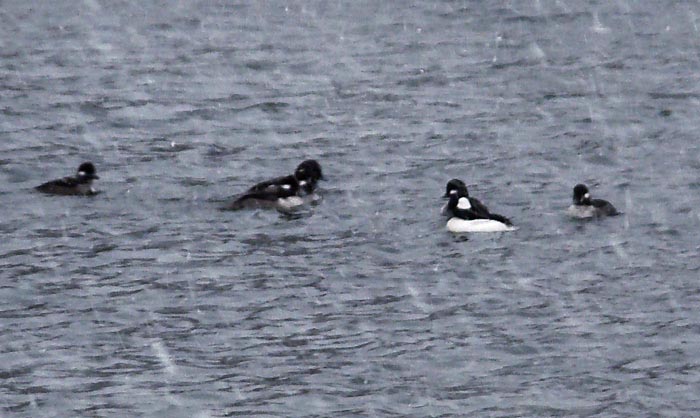
Did you know that the Bufflehead, (a small diving duck, mostly white with glossy green-black to purple-black head and back), was first described in 1758 by Carolus Linnaeus, Swedish botanist, physician and zoologist. They nest almost exclusively in holes excavated by Northern Flickers and, on occasion, by Pileated Woodpeckers. Unlike many ducks, it is mostly monogamous, often remaining with the same mate for several years. A group of ducks has many collective nouns, including a “brace”, “flush”, “paddling”, “raft”, and “team” of ducks. Buffleheads are one of my favorite shorebirds and I watch for their arrival in late fall. They are little, very cute and have the coolest name. I don’t know if these are actually baffled, although they did look a little confused in the snow trying to find each other.

Thacher Island

Thacher Island

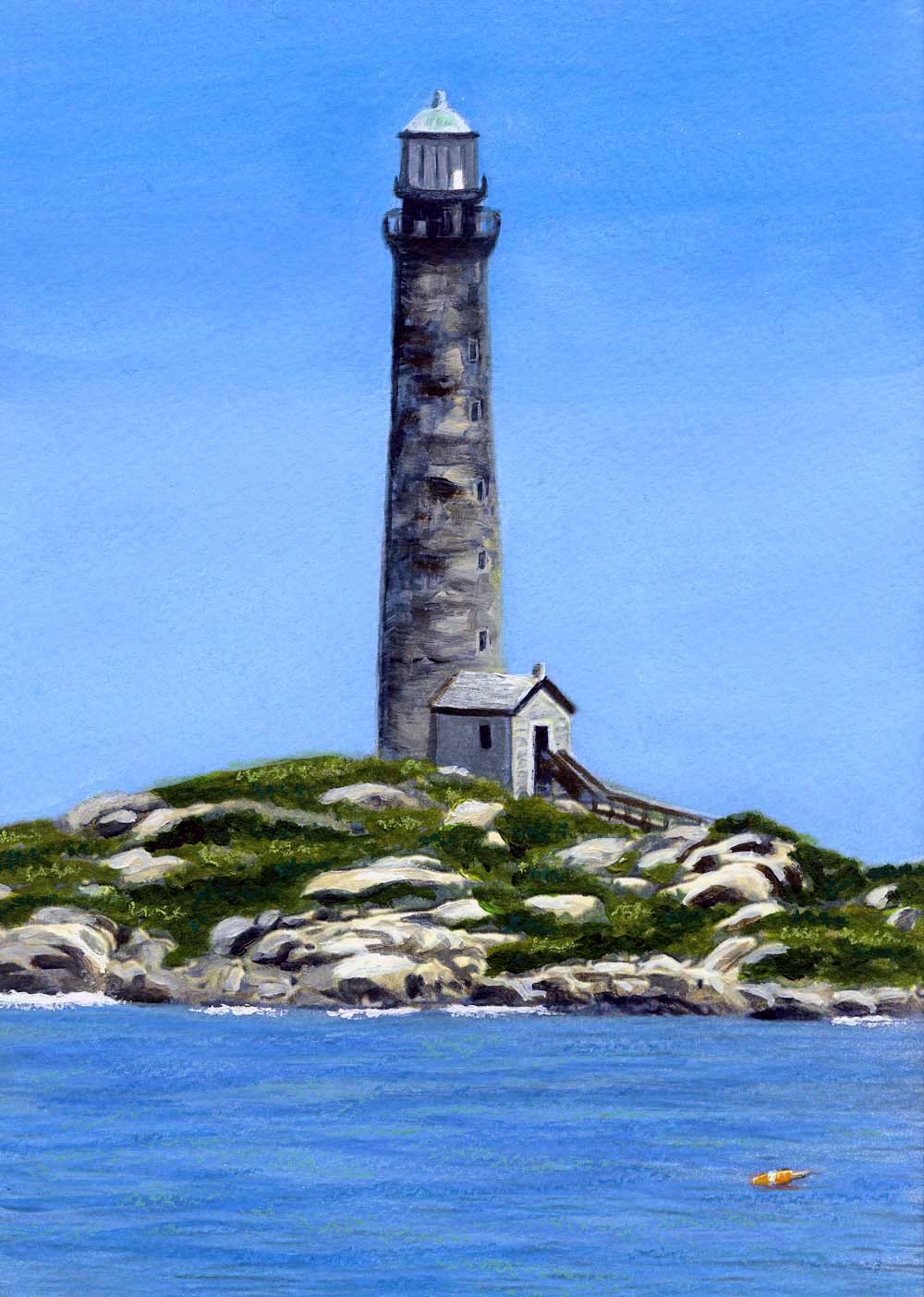
Did you know that in 1919, President Woodrow Wilson was returning from the Versailles Peace Conference, which officially ended World War I, on board the SS America when the ship ran into thick fog near Thacher Island. The fog signal was sounding, but the ship kept heading straight for the island.  At the last minute Third Assistant Keeper Maurice Babcock, later the last civilian keeper of Boston Light, put the foghorn in manual and sounded it repeatedly until the captain steered away from the ledges.  This painting called “Sole Sister” is of one of the towers.  Don’t know whether it is the North or South tower (photo was taken from Atlantic Road).  Can anyone tell me which it is?

Painting of one of the twin lights on Thacher Island
Painting by E.J. Lefavour

Halibut Point

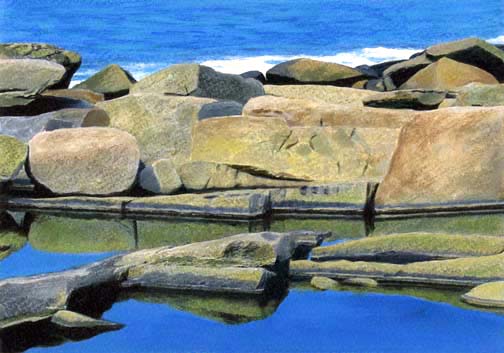
Tidal Pool at ocean's edge in Halibut State Park
Painting by E.J. Lefavour


Did you know that Halibut Point is made of sheets of 440 million year-old granite that now descend from rocky headland to the tidal pools below. Beginning in the 1840s, granite was quarried from this area, first on a small scale and primarily along the coast, and then on a much larger scale when the Rockport Granite Company acquired the Babson Farm quarry and expanded its operation. Shortly after the Cape Ann granite industry collapsed in 1929, 17 acres on the eastern side of the quarry were purchased and given to the Trustees of Reservations who manages Halibut Point State Park for scenic, historic and conservation purposes. This is a painting of a tidal pool and some of those 440 million year-old rocks. Makes me feel really young.

Straitsmouth Island Light

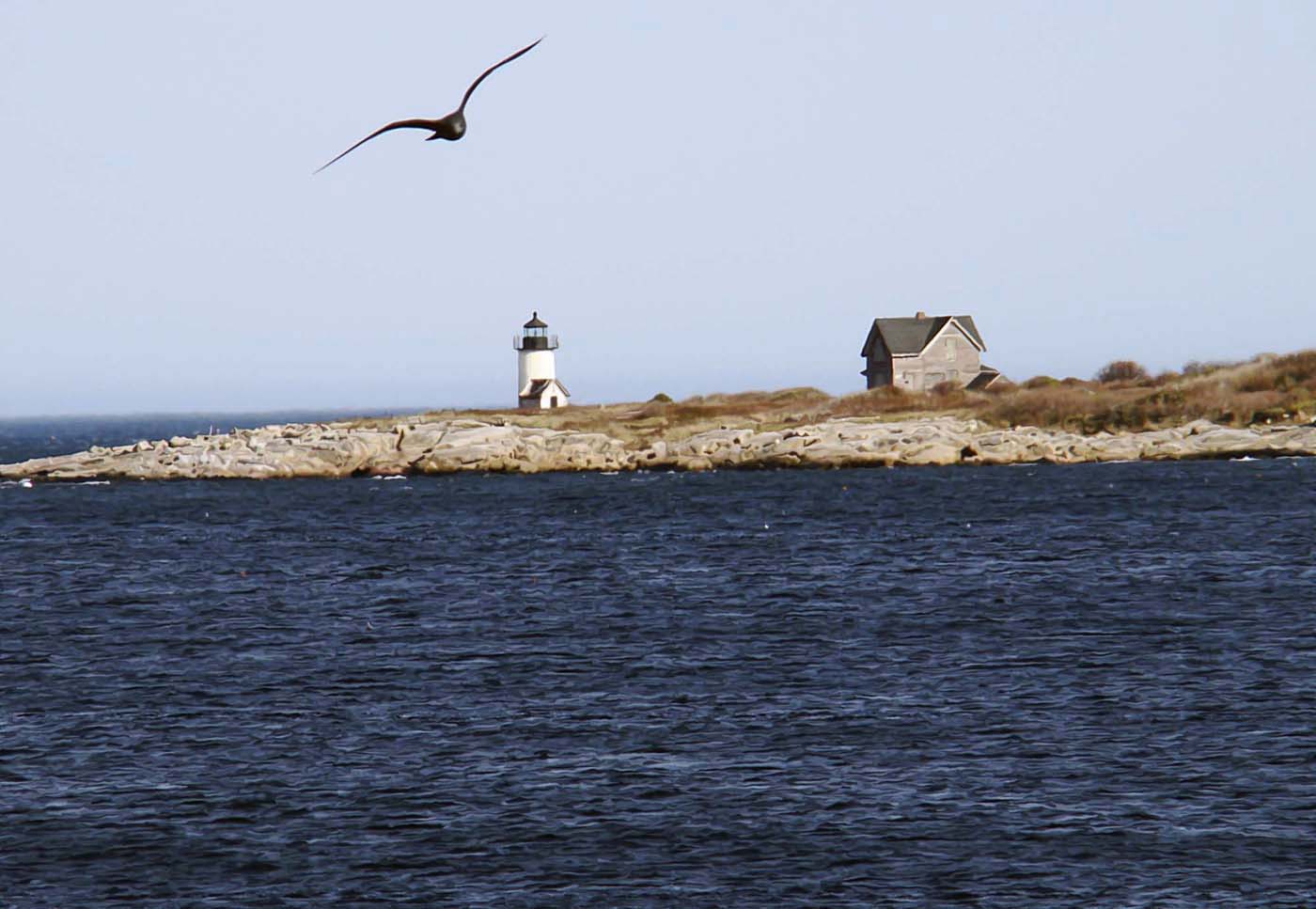
Did you know that a 19-foot lighthouse tower and a keeper’s dwelling, both made of brick, were built on Straitsmouth Island in 1835, replaced by a second 37-foot tower in 1896, automated in 1967, and is still in operation. The first keeper was Benjamin Andrews, chosen because he was not likely to “serve as a juror, or to perform military duty.”  (Would love to know why.)  John Davis became keeper in 1841 at a yearly salary of $350. After inspecting Straitsmouth Island Light in 1842, engineer I.W.P. Lewis called the station a “specimen of contract work of the worst kind.” Straitsmouth Island was owned for many years by the naval architect William Francis Gibbs and his wife, New York socialite and opera supporter, Vera Cravath Gibbs.  The island was left to the Massachusetts Audubon

Photo by E.J. Lefavour

Society following the Gibbses’ deaths in the 1960s.

Granny Day’s Swamp

Dogtown, Granny Day's Swamp
Photo by E.J. Lefavour

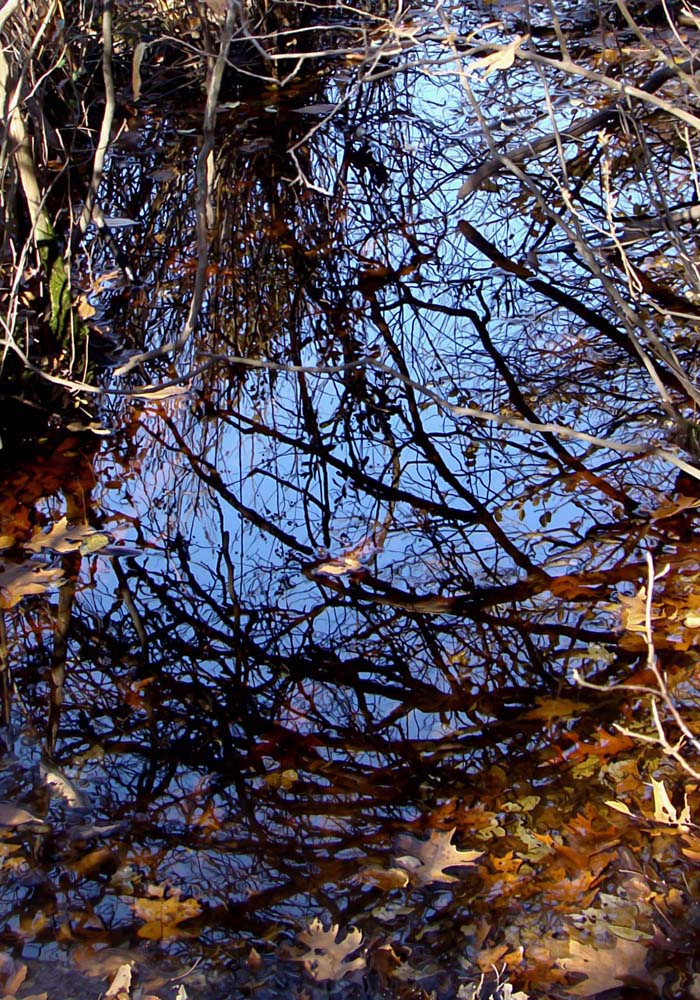
Did you know that Jane “Granny” Day (#20 or #21 Dogtown Road – controversy exists over which was her actual location) was a school teacher, who worked out of the single-room schoolhouse at Dogtown Square, and that her house apparently abutted this swamp, known for swallowing sheep and other careless creatures that wandered too close. She lived to the age of 94 and died in 1814. This is a photograph of Granny Day’s Swamp, or part of it anyway, as it looks today.

2011 Dogtown and Babson Boulders Calendar Update

I have been getting calls from people looking for the calendars. I am out of them and won’t have more in until Christmas Eve Day – however, you can still get them at Joncien, 25 Bearskin Neck, Rockport (Leslie 978-546-9161), Dogtown Book Shop, 132 Main Street, Gloucester (Bob 978-281-5599), and at Toad Hall Bookstore, 47 Main Street, Rockport (978-546-7323), Willow Rest is out, but will have more on Friday. To all of you who have purchased the calendar, Thank You, and I hope you enjoy it as much as I enjoyed creating it. E.J.

Anna Hyatt Huntington

Did you know that this was the studio of renowned sculptor, Anna Hyatt Huntington, who created the World War I Memorial in Legion Square featuring the impressive sculpture of Joan of Arc on horseback? The horse was modeled after a magnificent Percheron that was part of the team at the East Gloucester fire station. Huntington’s niece posed astride a barrel, as she modeled the figure of Joan, first nude, then in costume. Anna Hyatt Huntington (1876-1973) became one of the best-known and most prolific sculptors of the 20th century. The studio is the first house on the left after you cross the causeway on Washington Street heading toward Annisquam Village.