LINK HERE TO SEE THE FOX NEWS SEGMENT
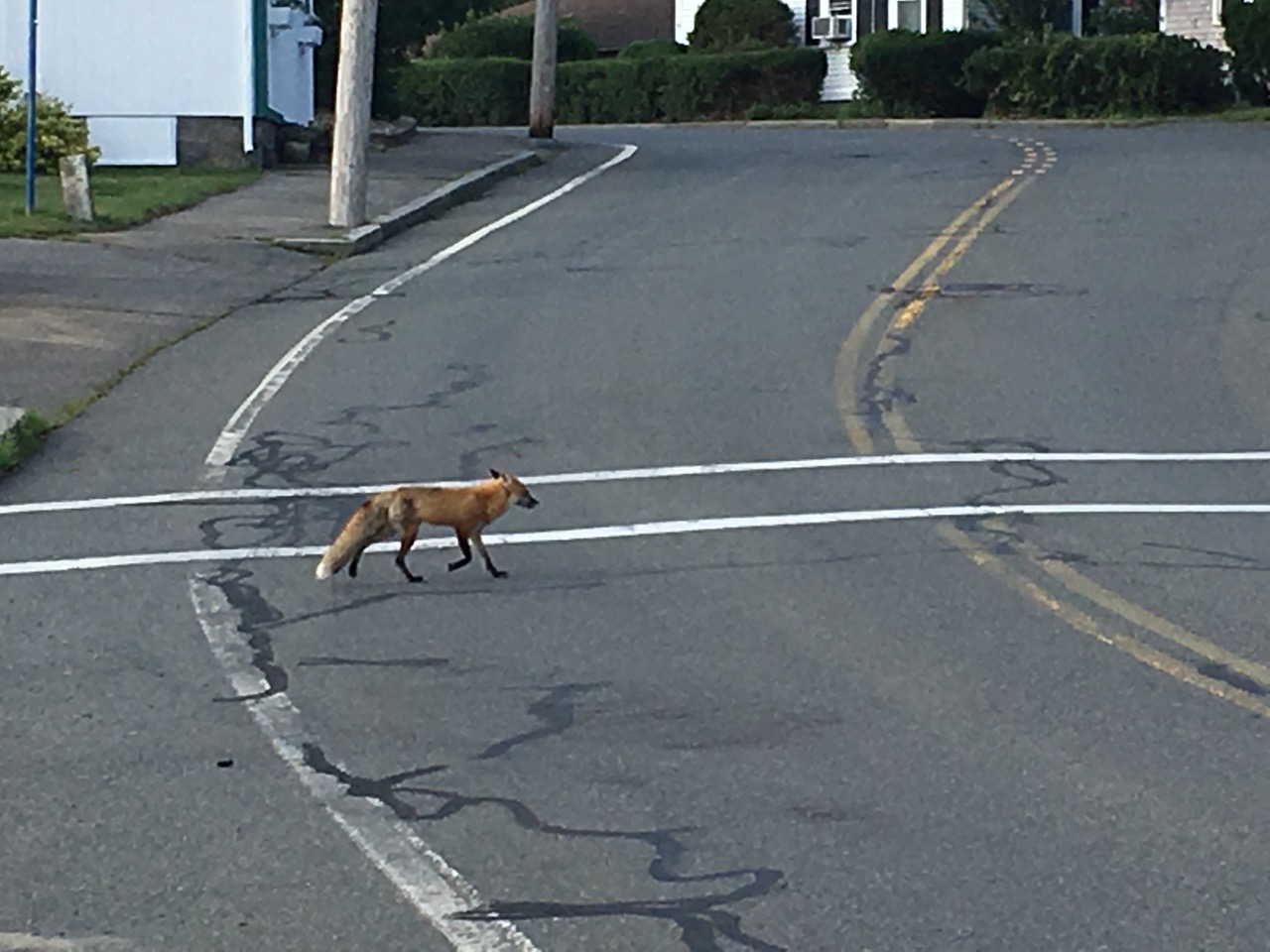
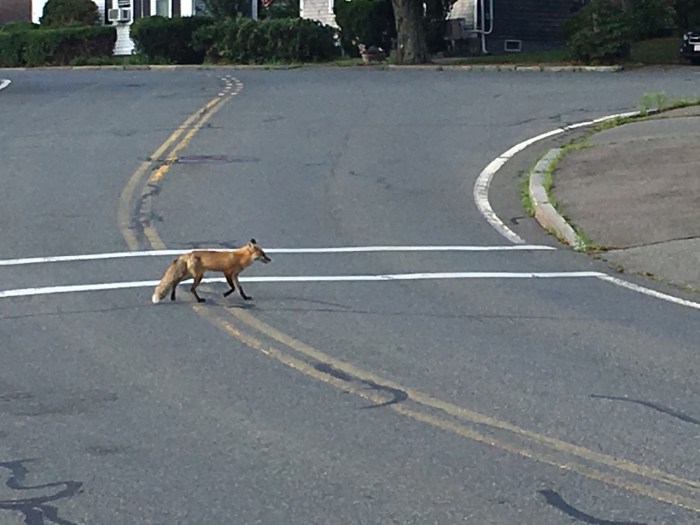
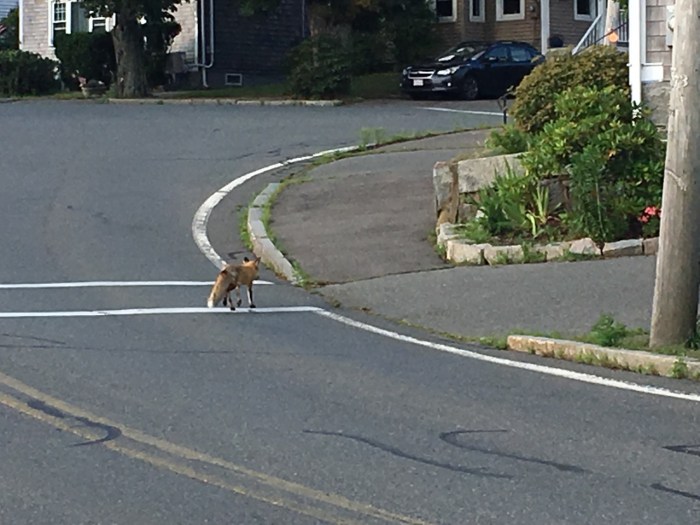
GLOUCESTER, Mass. – Wildlife rehabilitators are urging residents and business owners not to use rat poison as it is suspected in the deaths of three foxes and a coyote in Gloucester in recent weeks, as well as countless other animals.
The latest fox was found dead on Good Harbor Beach Tuesday morning.
Jodi Swenson, head of Cape Ann Wildlife Inc., said she has taken in too many animals that have died slow, painful deaths from secondary rodenticide poisoning.
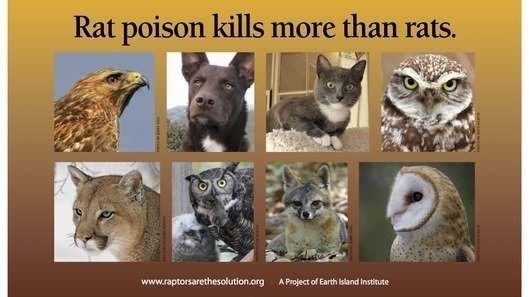
Residents and business owners are leaving rat poison outside, killing mice and rats, which are then eaten by bigger predators, including foxes, chipmunks, raccoons and birds of prey.
“It’s a horrendous way to die. They’re basically bleeding out,” Swenson said. “It’s sad, and it’s maddening because we know [the fox] most likely ate a poisoned mouse or rat. He’s trying to do his job, and he’s dying for it.”
Jane Newhouse, the owner of Newhouse Wildlife Rescue of Chelmsford, said she has taken in more animals suffering from rodenticide poisoning than those hit by cars.
“Of all the things that I see, this is one of the worst things we as humans do to our wildlife,” Newhouse said. “Often, [the bigger animals] might eat one rat or mouse that has it and it’ll be in their system for a while.”
Newhouse treated a four-month-old fox that, testing showed, had ingested three different kinds of rodent poison over the course of its short life. She also cared for a pregnant raccoon that went into early labor. All of the animals died.
“It was probably the worst thing I’ve witnessed as a wildlife rehabilitator, not only to see her go through it and to see the amount of suffering that that poor mama endured, but then to have lost all the babies inside her,” Newhouse said.
As the natural predators of rats and mice are killed off, the rodent problem is only getting worse, Newhouse said.
“If you kill your local bird of prey, your local hawk who usually kills a thousand rodents a year, what’s going to happen is yes, temporarily your issue is solved, but it’s going to come back with a vengeance, and you’re going to have way more,” Newhouse said.
Newhouse is working on testing as many animals as possible for rodenticide poisoning to get solid numbers to bring to the state in order to get the legislature to ban rodent poison.
“If you’ve ever witnessed the slow death that rodenticide is, you’d absolutely be on board with banning this stuff,” Newhouse said. “It’s awful. It’s awful for the animals.”
Wildlife rescuers urge the public to use other alternatives to rodent poison, including prevention – simply limiting trash and food outside and sealing off entrances to shelter for rodents. If necessary, quick-kill snap traps are a better option than bait, experts say.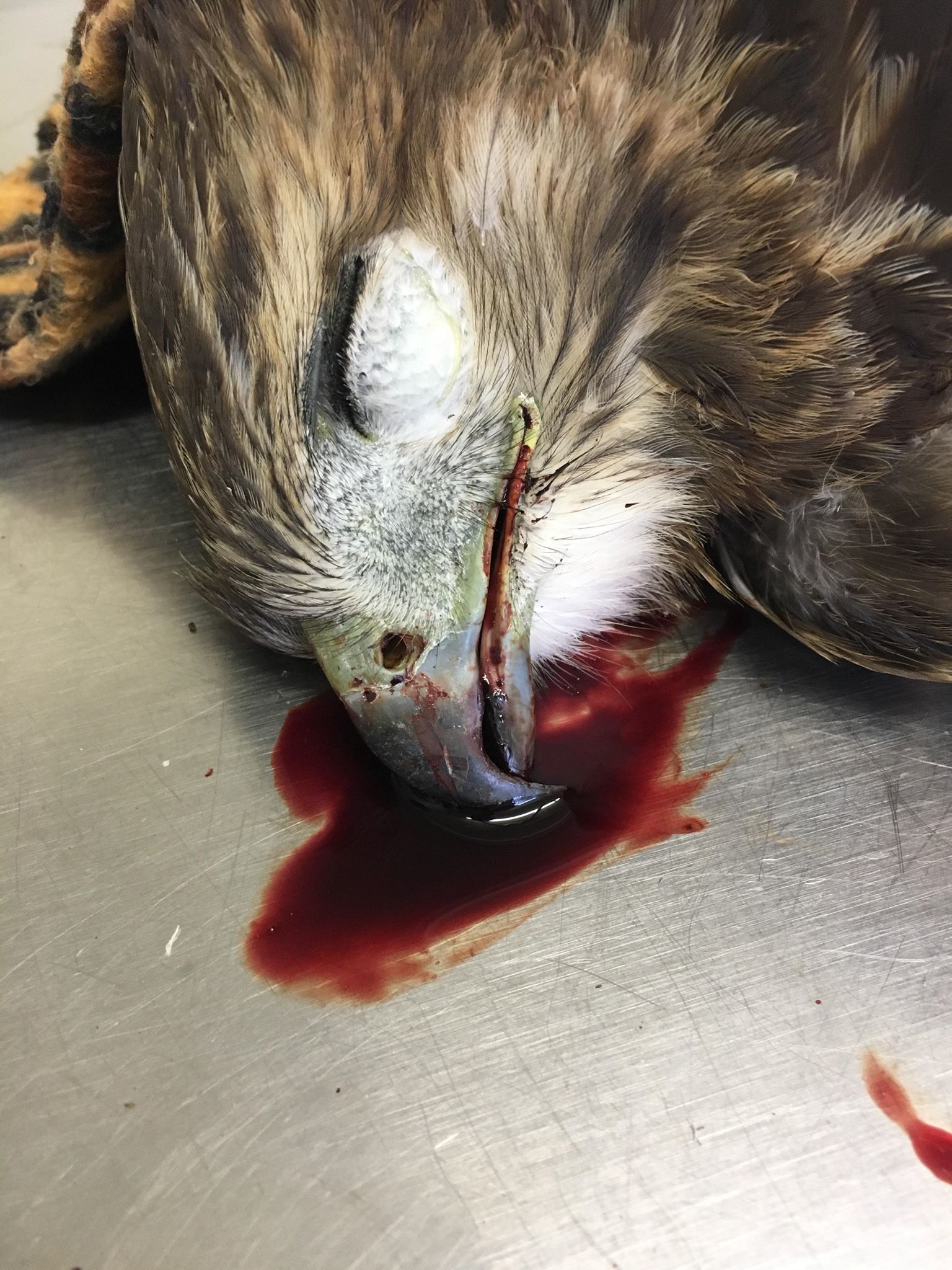

 The above graphics are printable small poster size. The black and white one is great for kids to color.


 Good Morning Gloucester