Lovers of Parker River Hellcat trail will be happy to know the marsh loop has reopened! See the video below for more information.


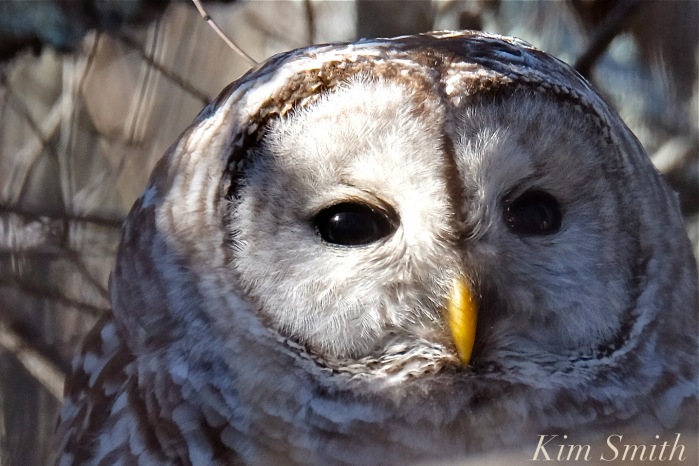
Barred Owl at Hellcat. One of the best places to find owls is on the marsh loop.
My View of Life on the Dock
Lovers of Parker River Hellcat trail will be happy to know the marsh loop has reopened! See the video below for more information.
Barred Owl at Hellcat. One of the best places to find owls is on the marsh loop.

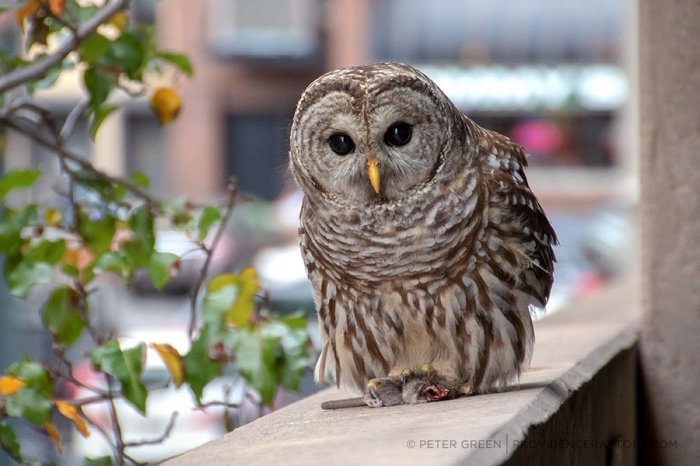
Reader gcmeninsr shared the following story about a Barred Owl eating a rat in an urban neighborhood, illustrating why rat poison is completely antithetical to controlling unwanted rodents. Rat poison kills raptors.
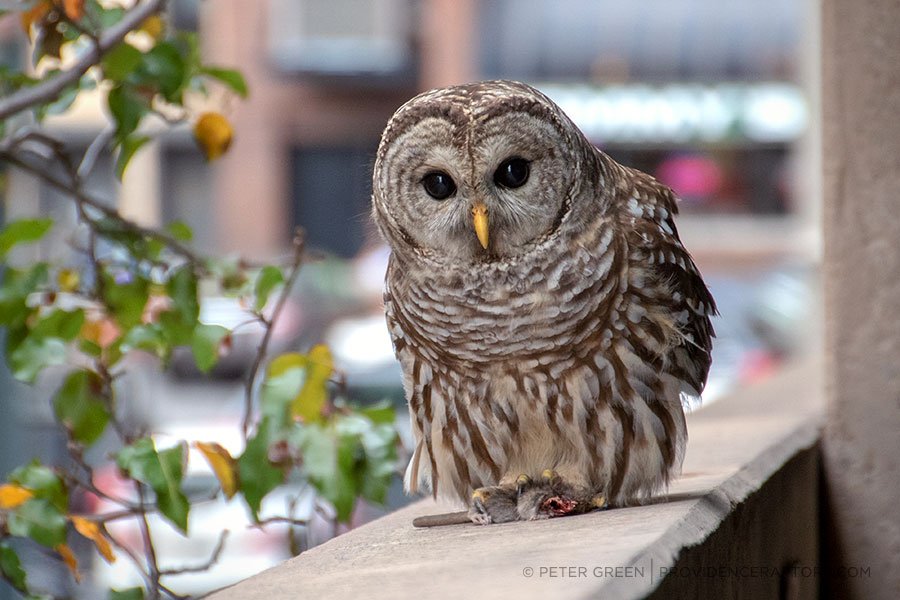 BARRED OWL EATING A RAT IN DOWNTOWN PROVIDENCE
By Peter Green
Barred Owls are usually found in woodlands and suburbs, but have been moving into cities now too. Why hunt a songbird through the dense trees when there are hundreds of pigeons and rats to eat in the city? (Barred owl makes successful kill in downtown Vancouver). But intruders do have to watch out for the resident Peregrine Falcons. I did once find the entire tail section of a Barred Owl below the nest box of the falcons.
Please never use rat poison – Raptors Are The Solution (RATS). If a raptor eats a poisoned rat, the bird will die too. Here are some alternatives to poison:
https://www.raptorsarethesolution.org/preferred-pest-control-products/
FANTASTIC PETER GREEN PHOTOS AND READ MORE HERE
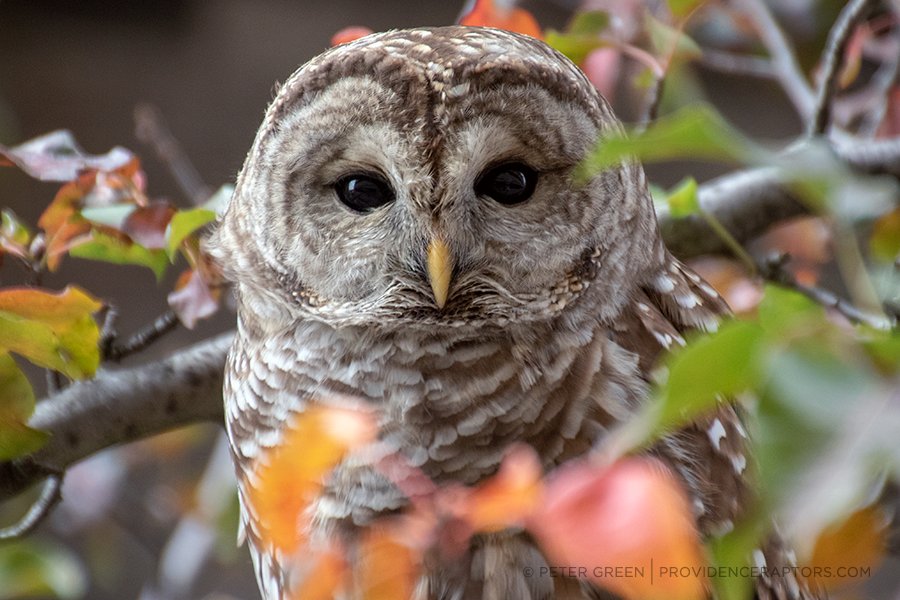
ABOUT PROVIDENCE RAPTORS
Peter Green is a photographer and graphic designer living and working in downtown Providence. He walks the city, documenting Peregrine Falcons and more urban wildlife from Red-Tailed Hawks nesting on rooftops to American Kestrels hunting in graffiti-covered alleys. These regal, powerful raptors seem perfectly at home among the landscape of bricks and concrete.

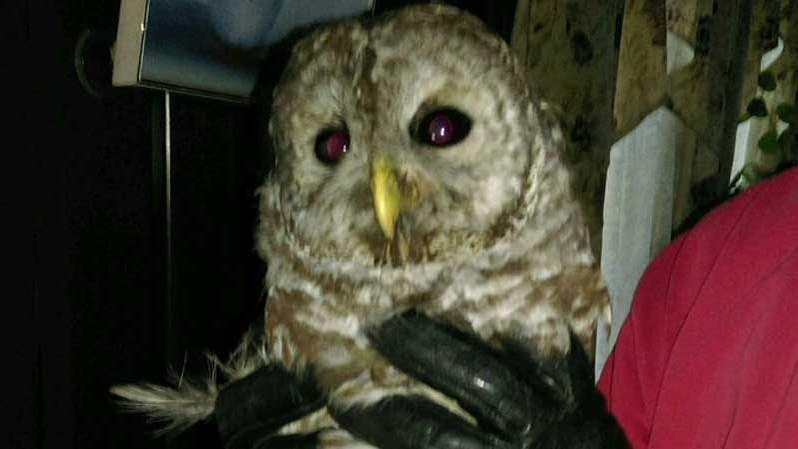 GMG FOB Susan LaRosa shares this Barred Owl story from the Animal Rescue League of Boston –
An owl needed rescuing after flying down a chimney and getting stuck inside a Methuen home. The Animal Rescue League of Boston said the Barred Owl took Santa’s route into the home, then perched in the living room when it couldn’t find the way out again.

If I were a little creature, I wouldn’t want to be on the receiving end of these bad boys.
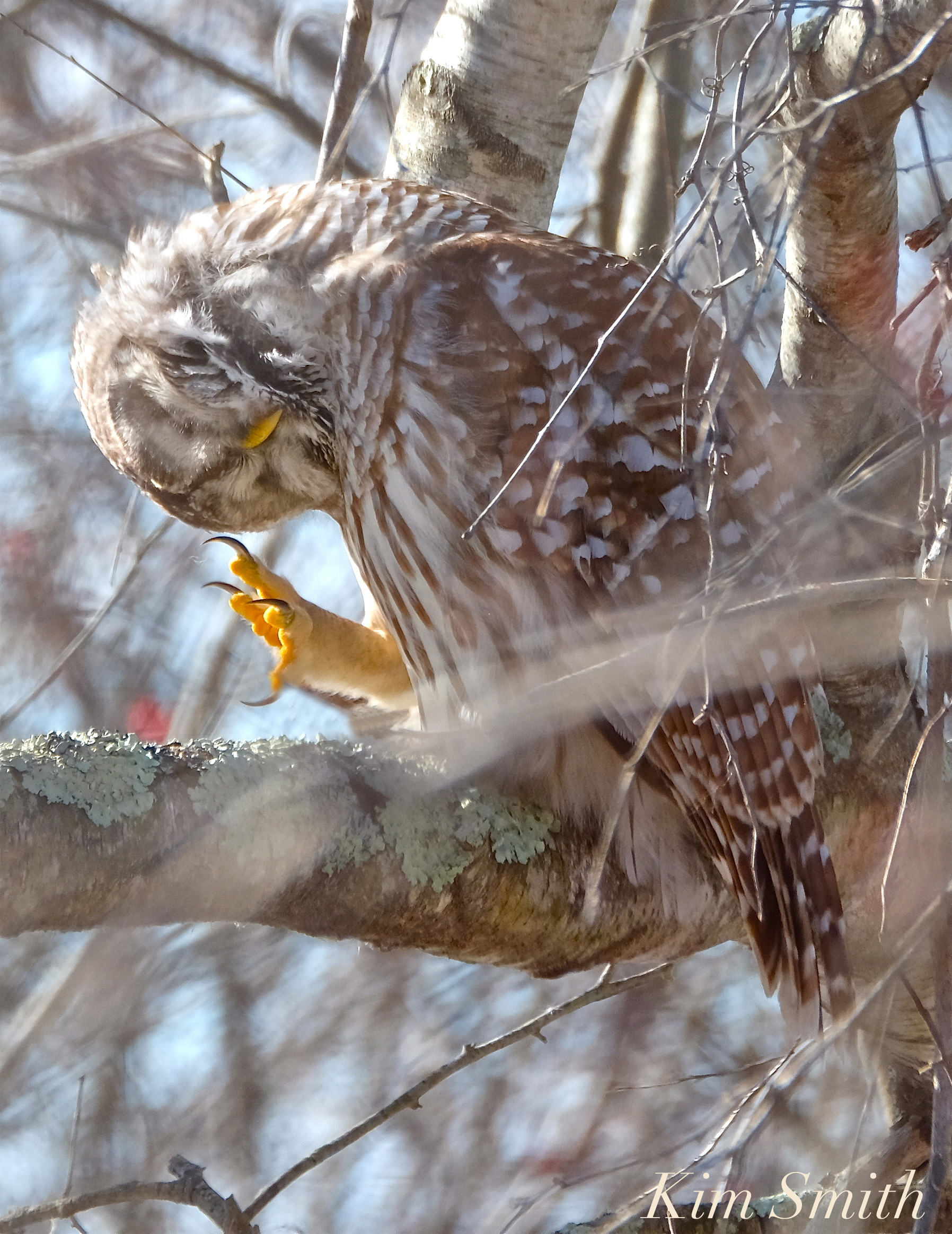 Got an Itch
Interestingly, owls have a ratcheting mechanism in their foot, which keeps the toes locked around the prey or branch so the muscles don’t have to remain contracted.
Eyes on Owls is a terrific website for identifying owls commonly, and not so commonly, seen in New England. The owls are listed in descending order of how frequent their occurrence, from the most widespread to the rarest migrant. In our region, the Great Horned Owl is the most common, and the Barred Owl is a close second. Mass Audubon also provides a list of owls that breed in Massachusetts here.

Recently a reader wrote the following about her Barred Owl:
-There is one in my yard-Have heard him at dusk and my husband has seen him twice in the stand of oak trees near my front door around 6:30AM-Same place I have heard him-You are welcome to come try and get a picture-Patti
Please contact me Patti. Unfortunately your email address is coming up anonymous in the comment section. I can be reached at kimsmithdesigns@hotmail.com. I would really love to come and record audio of your Barred Owl. So very much appreciate your kind offer. Thank you!

Parker River National Wildlife Refuge Part One

Juvenile Red-tailed Hawk listening for prey
I am in the midst of doing research for the Piping Plover film project and have found the Parker River National Wildlife Refuge to be a great resource. Recently I met a terrific warden there, Jean, and she gave me a copy of the historic brochure written in 1947 by Rachel Carson about the refuge. The brochure was reprinted and if you inquire, they may still have some copies in the back office. You can also download it at this link: Rachel Carson Parker River Wildlife Refuge brochure
The brochure provides an early history of the refuge and is a fascinating view of mid-century conservation. And, too, it is a tremendous example of Carson’s thoughtful and thought-provoking style of writing.

Barred Owl hunting – The refuge provides over 300 species of migratory and resident birds with vital habitat.
Some interesting facts about the refuge —
Located along the northeastern coast of Massachusetts, the Parker River National Refuge includes lands that lie within the three towns of Rowley, Ipswich, and Newbury. We think of Plum Island as the heart of the refuge. The wildlife refuge also consists of a range of diverse habitats and geographic features; over 3,000 acres of salt marsh, freshwater marsh, shrub lands, a drumlin, cranberry bog, salt pannes, beach and sand dunes, and maritime forest. The land is not conserved to revert back to a wild state, but is intensely managed in order to preserve and maintain the diversity of wildlife habitats.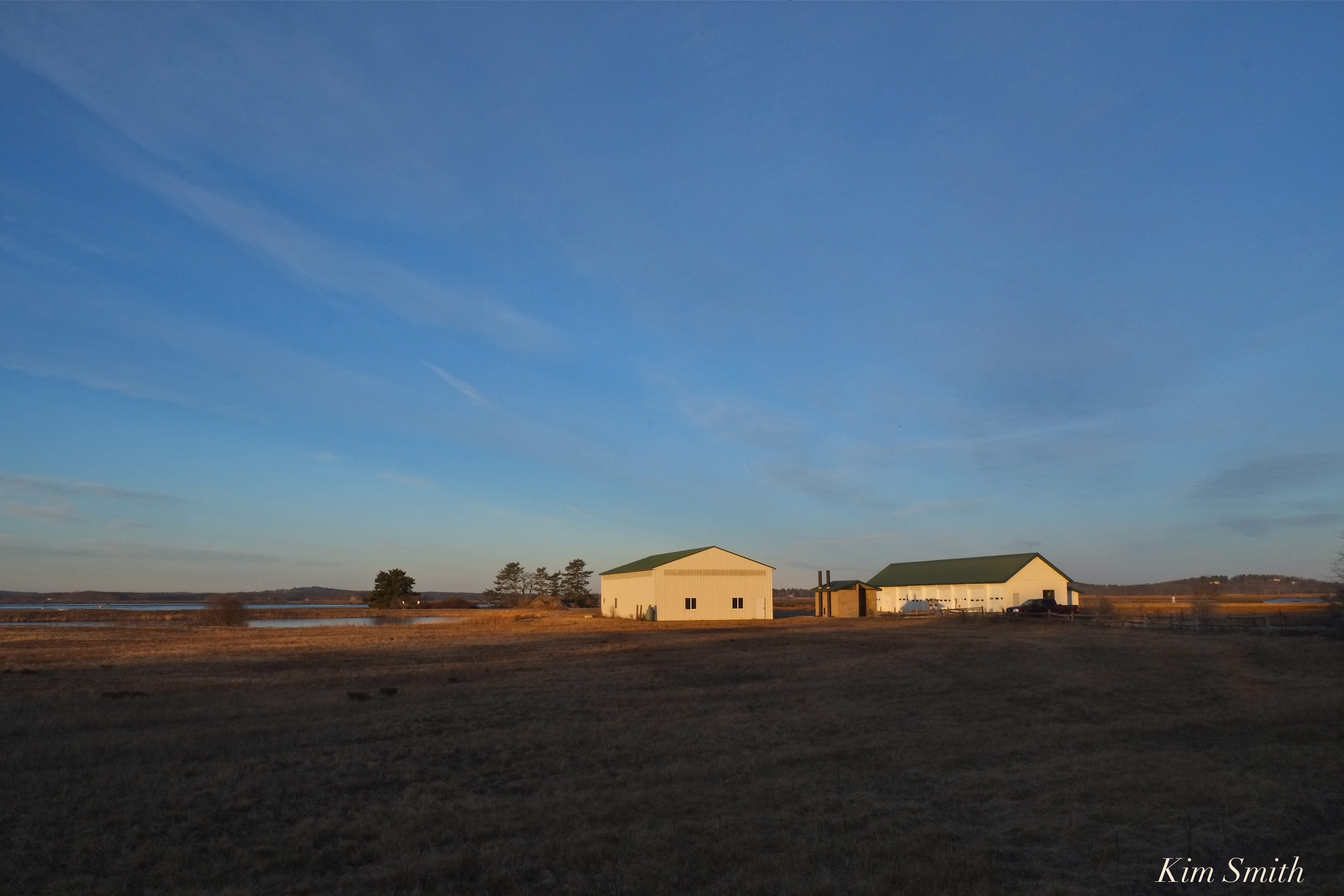
The original warden’s headquarters
Unlike our national parks, which preserves parklands and historic buildings, and are designed for people, a national wildlife refuge is established first and foremost for wildlife and their habitats, not for people. The preservation of wildlife is the number one priority of all our national wildlife refuges.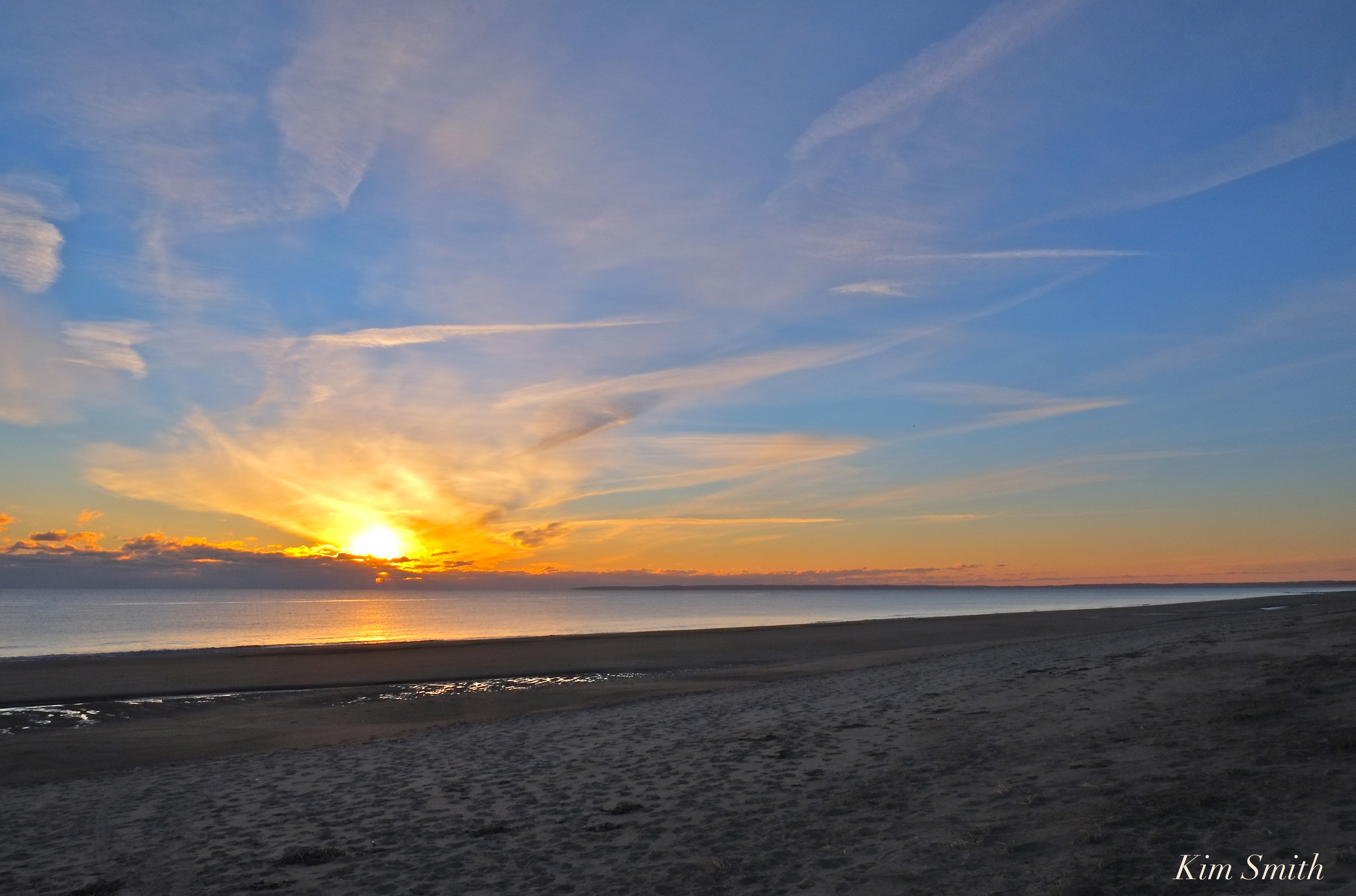
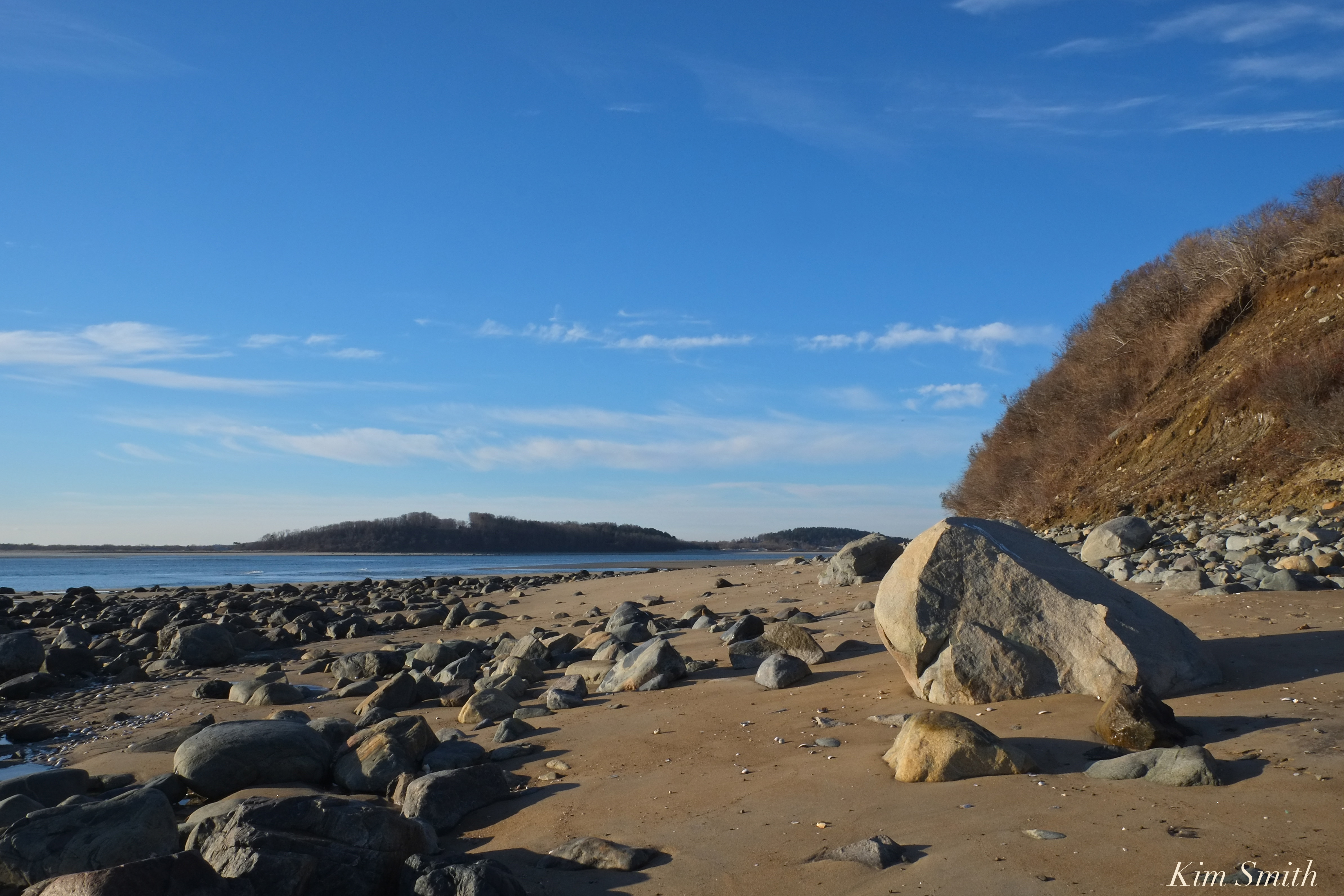 Plum Island is a barrier island and especially noteworthy for providing critical habitat for Piping Plovers.
The Parker River National Wildlife Refuge was established in 1942 to help species of waterfowl that migrate along the Atlantic Flyway. There were three sharp declines in waterfowl populations in the early half of the 20th century, notably the American Black Duck, and national wildlife refuges all along the Atlantic coast were created in response to the precipitously low numbers.
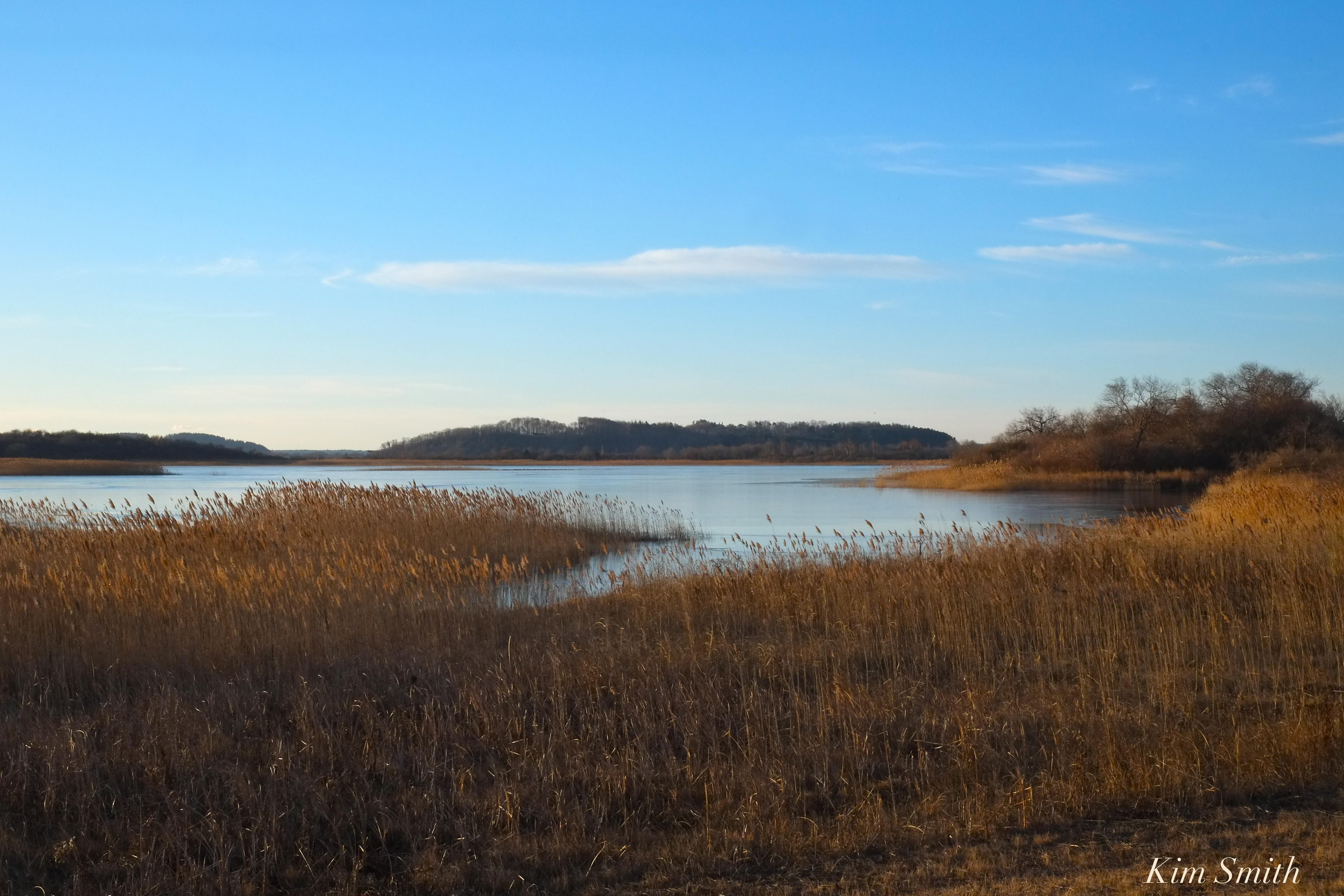 Salt Island Impoundment
As we can see with our local Niles Pond, Henry’s Pond, and Langsford Pond shorebirds, waterfowl, and myriad species of wildlife thrive where they have easy access to both fresh water and salt water. The three bodies of fresh water that you see in the refuge look like ponds but they are actually manmade impoundments, created by dams and are highly controlled by a series of dykes and pumps.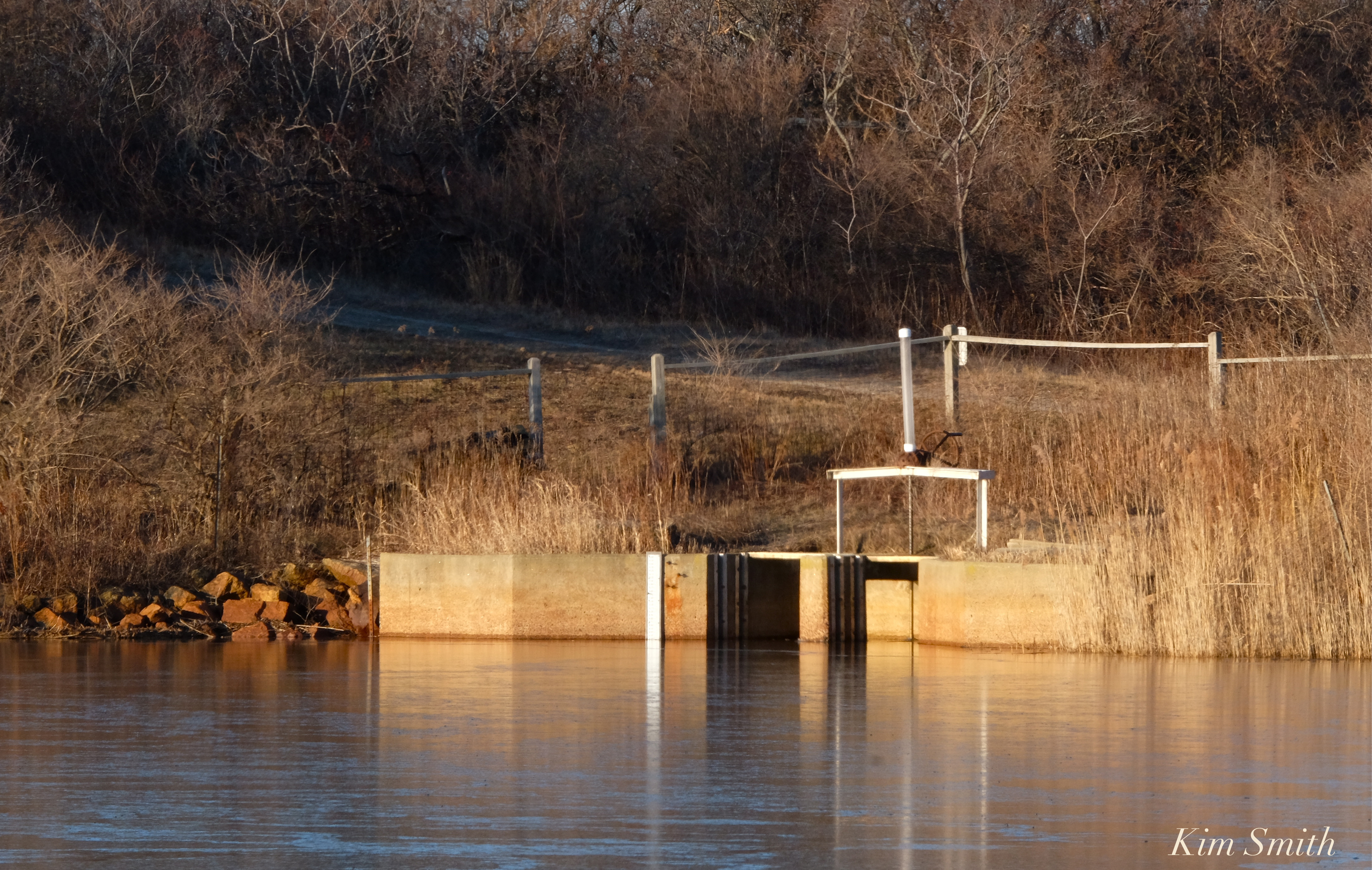
Salt Island Impoundment Pump
Parker River provides pristine habitats for a wide variety of mammals, insects, fish, reptiles, and amphibians. Hunting birds such as owls, hawks, osprey, eagles, herons, and egrets find an abundance of food at the wildlife refuge. Whenever at Parker River I never not see a raptor!
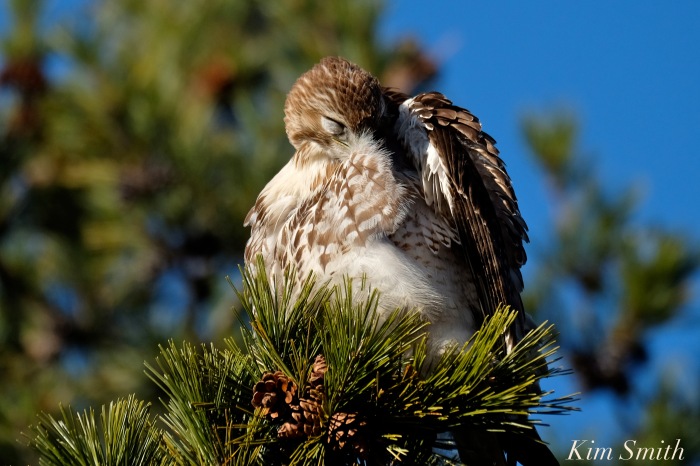
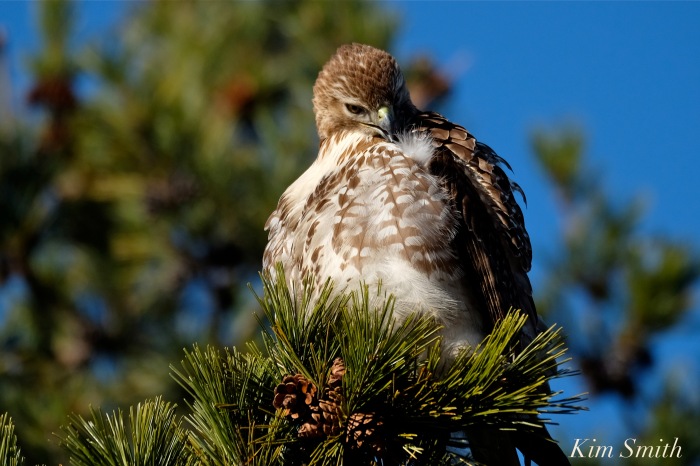
Red-tailed Hawk Preening
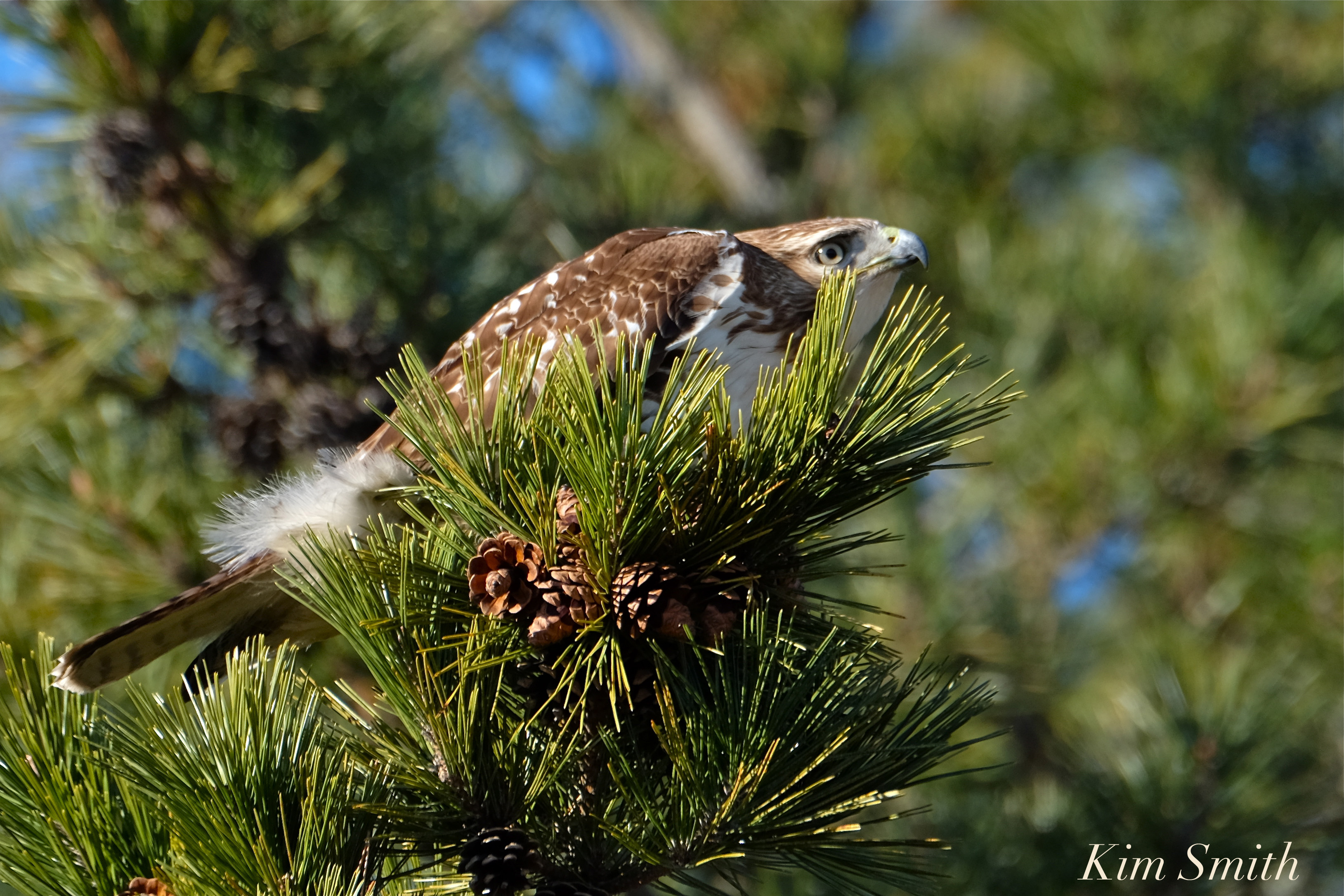 When the Hunter is Hunted
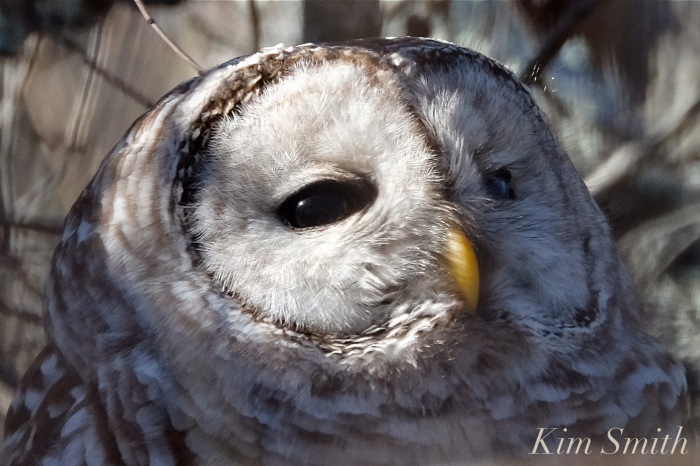
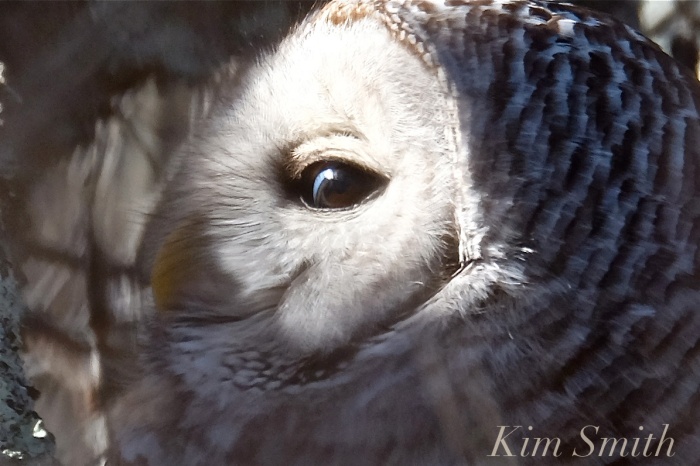
Transfixing Owl Eyes
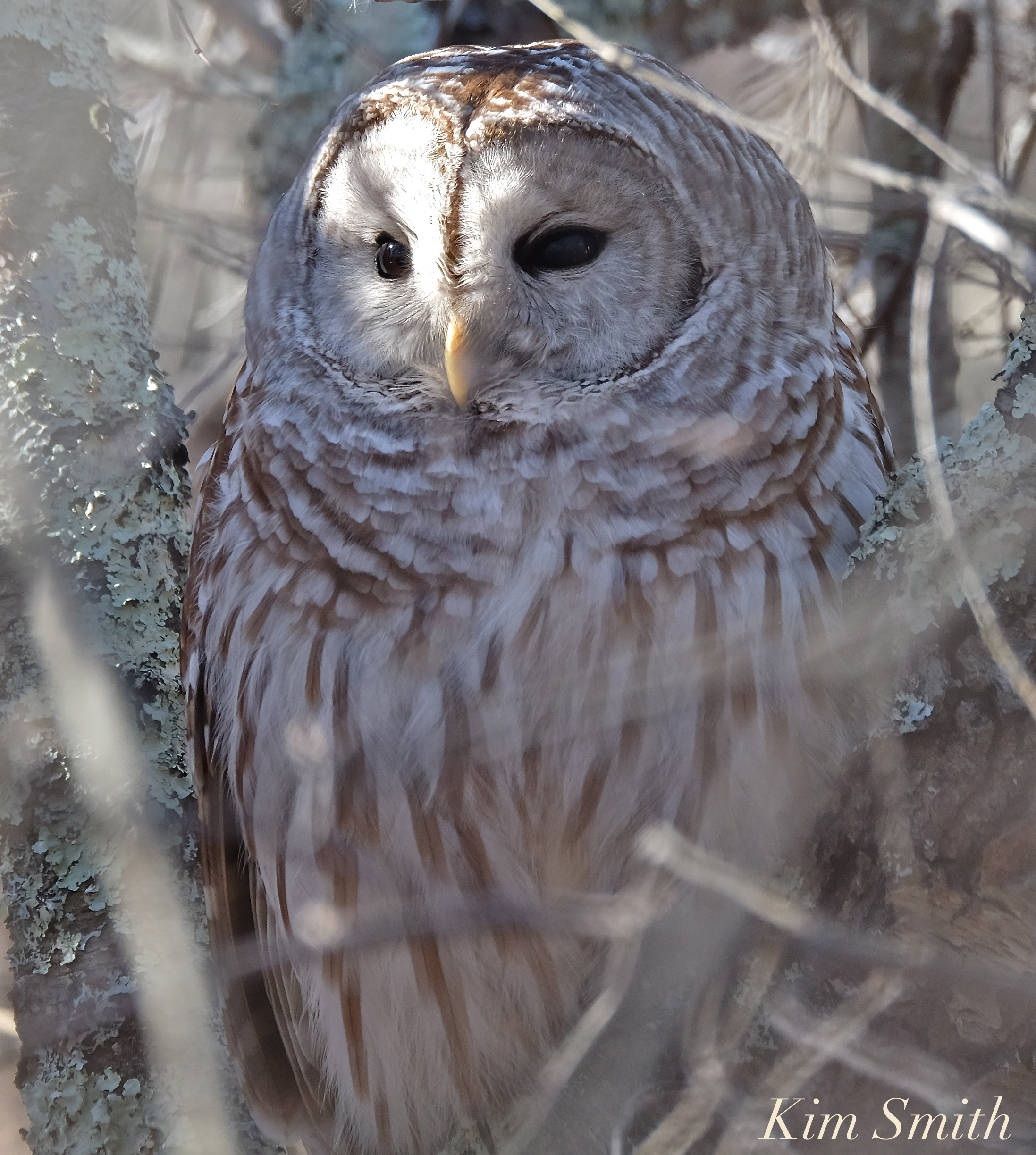
Because owls mostly hunt at night their eyes are very efficient at collecting and processing light. To protect their extraordinary eyes, owls are equipped with three eye lids; an upper and a lower lid, and a third lid that diagonally closes across the eye. This action cleans and protects the eye.
More about Parker River National Wildlife Refuge to come.

 Good Morning Gloucester