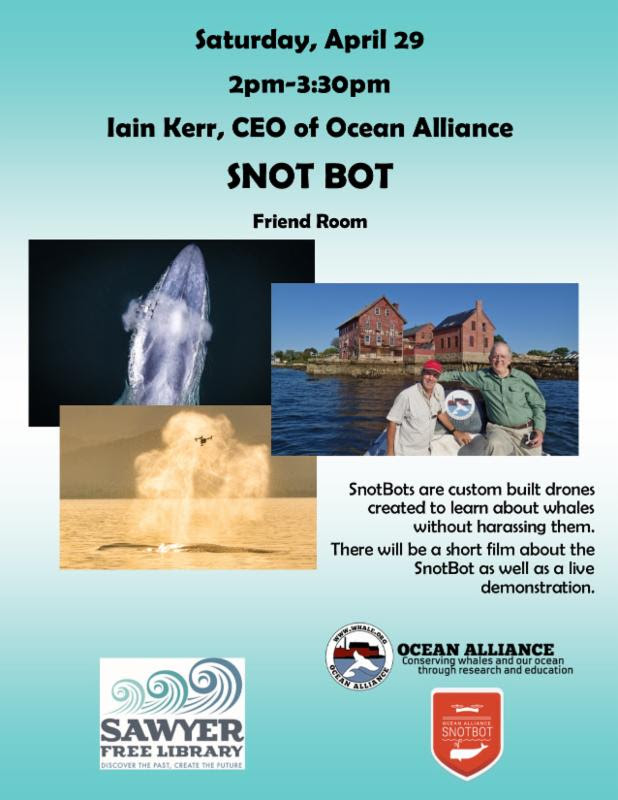
Tag: snot bot

Discovery Channel at Ocean Alliance
 Iain Kerr Interview with Discovery
Sunday morning Discovery Channel News was at Ocean Alliance filming a story about SnotBot, the organization’s new drone. The drone was created by a group of Olin College of Engineering students, under the direction of Professor Drew Bennet, in the College’s robotics lab.
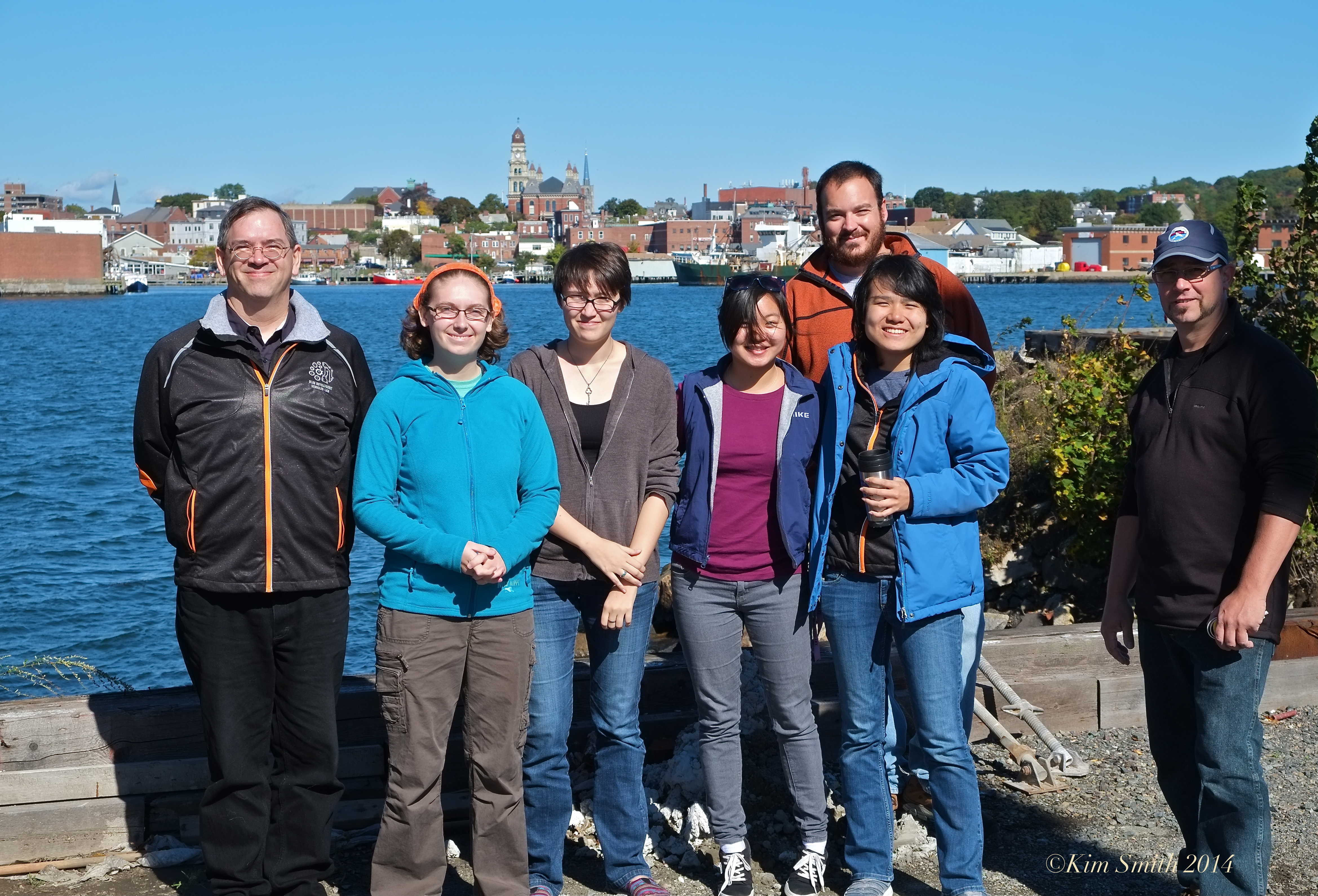
“SnotBot will be used to collect DNA, bacteria, viruses and stress hormones from whale blows. The team also tested SnotShot, a machine that makes a simulated whale blow (with the capacity to simulate different blow types) on demand—a testing tool that will actually help the scientists in the field collect a control sample.
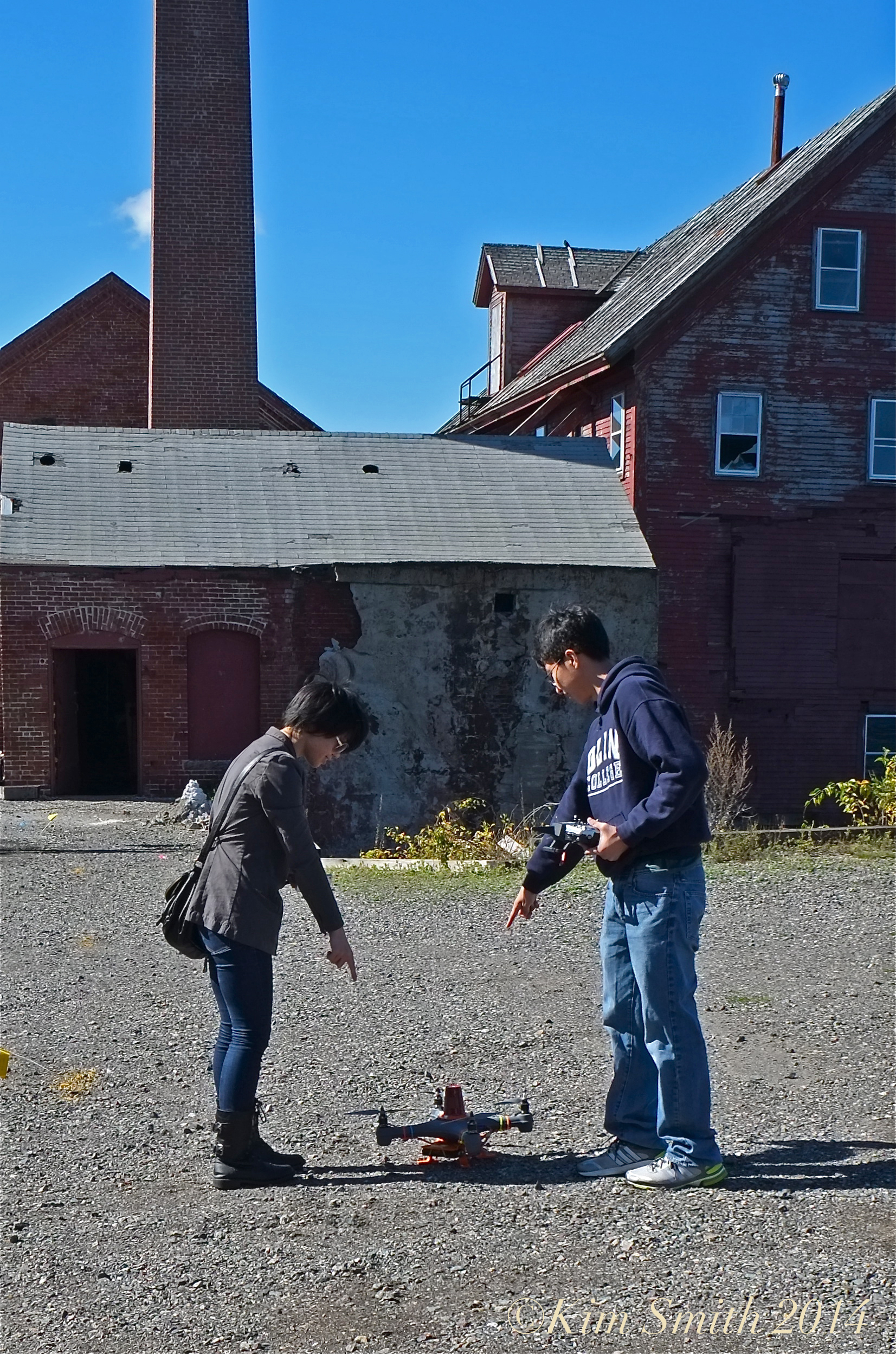
The SnotBot drone works something like this: “as SnotBot flies out to a whale that is approximately 300m from the research vessel, it hovers over a whale and the whale repeatedly blows onto a collection device. After the sample is collected and brought back to the RV Odyssey, the data is used to help interpret an animal’s state of heath through the analysis of bacteria, viruses, DNA, and stress hormones recovered from the whale’s blow.”
Read More from the Olin College of Engineering Website Here
Snot Bot Ocean Alliance Archives Here
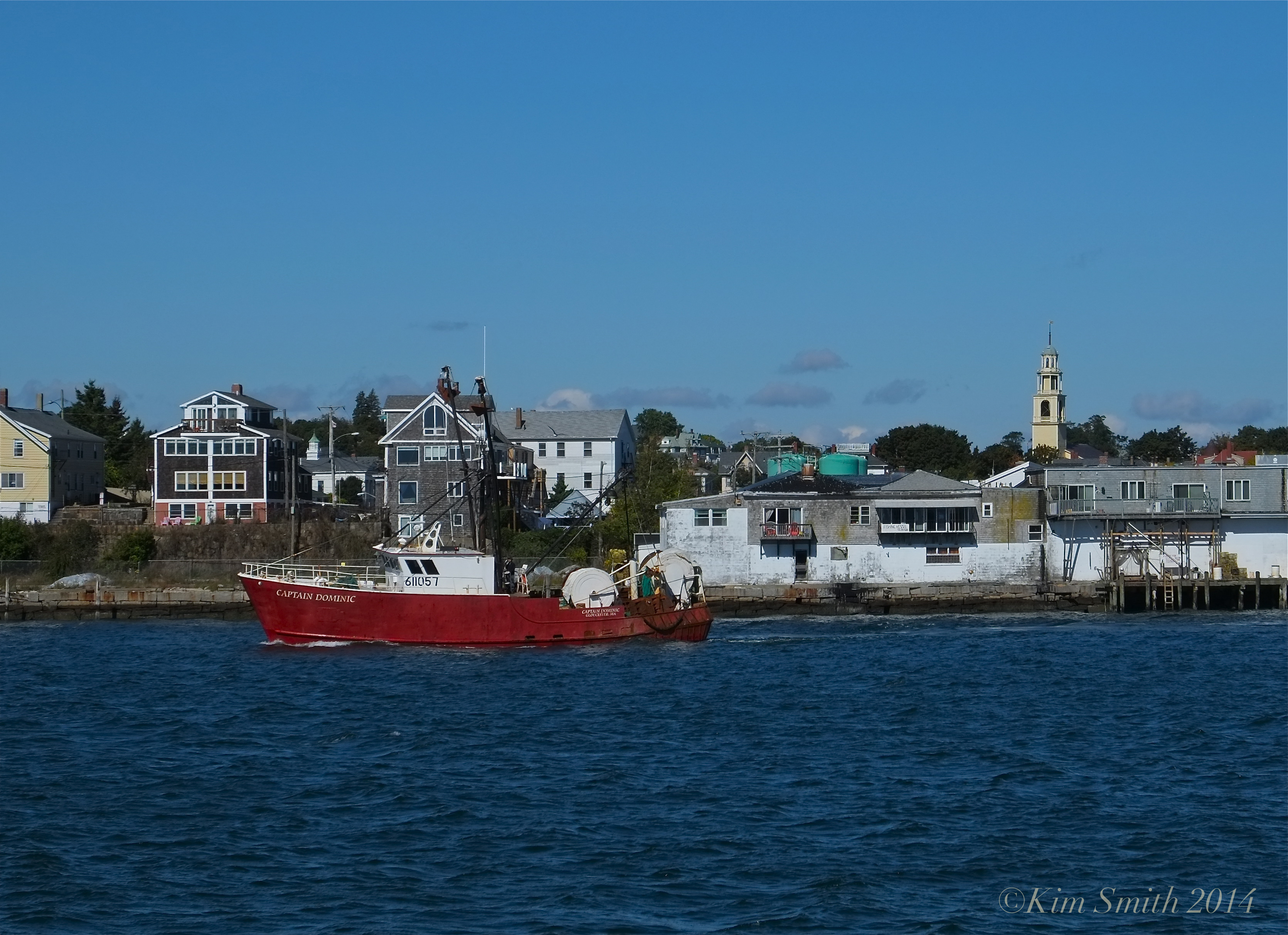 Gorgeous View from the Paint Factory of the Captain Dominic Fishing Boat
See More Photos Here
Continue reading “Discovery Channel at Ocean Alliance”
Spread The GMG Love By Sharing With These Buttons:

Congratulations To Ocean Alliance For Being Featured In Engadget
Researchers seek permission to collect whale snot with drones (video)
 by Mariella Moon @mariella_moon 4hs ago
Spread The GMG Love By Sharing With These Buttons:

The Latest from Operation Toxic Gulf – Ocean Alliance’s Collaboration with Sea Shepherd of Animal Planet’s “Whale Wars”
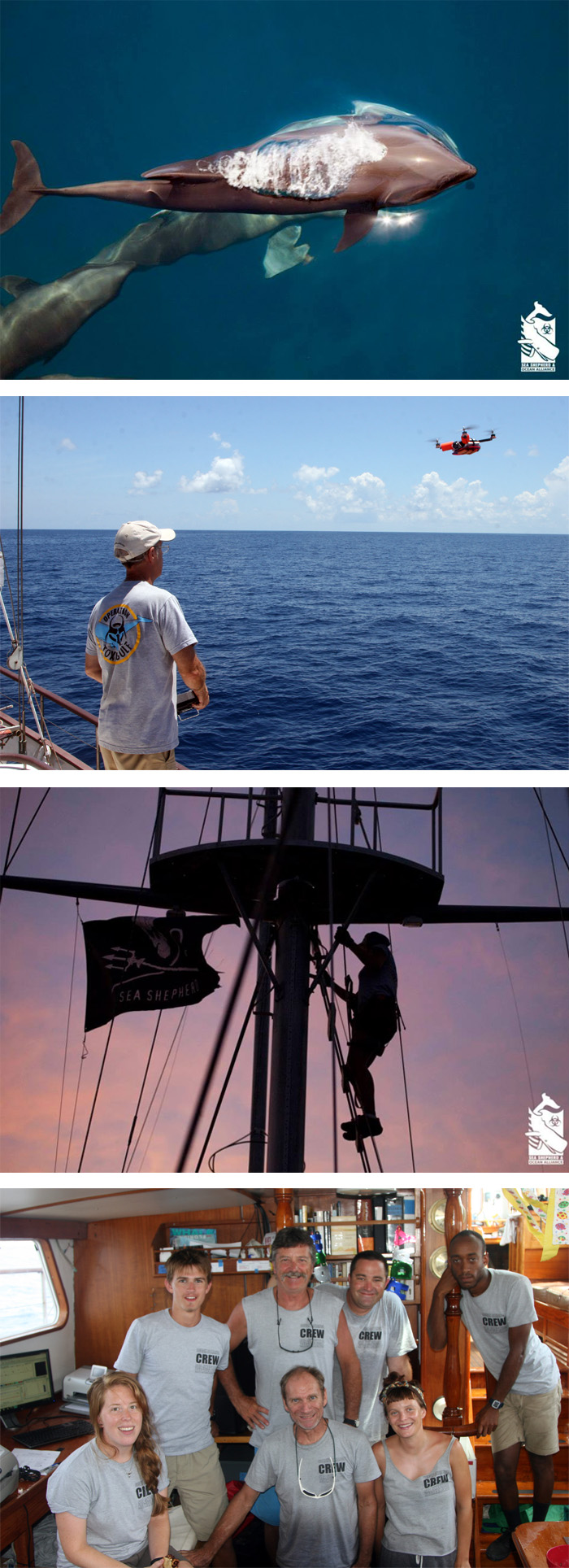
Ocean Alliance is coming to the end of its summer expedition in the Gulf of Mexico looking at the effects of the 2010 BP Oil Disaster on Gulf wildlife, particularly sperm whales. Iain Kerr, CEO of Ocean Alliance, is concerned, because of the Gulf oil spill and all that the Mississippi dumps into the Gulf of Mexico after traveling though the heartland of America, that the Gulf sperm whales could be the most polluted in the world. The principle goal behind this campaign is to see if the massive use of dispersants in the Gulf was the right course of action for the wildlife in the Gulf. While the dispersants removed the oil out of sight (and out of mind) there is compelling evidence to suggest that the dispersants moved the oil throughout the food chain and made the oil and dispersant mixture more bioavailable (easier to absorb or ingest by animals).
A rarely answered question is what causes whales stress – typically the bigger the animal the less that stresses it. To try and answer that question Ocean Alliance did preliminary testing of its “Snot Bot” (developed by Olin College), a flying robot that will collect stress hormones, viruses, bacteria and DNA from whale blows.

 Good Morning Gloucester