Tag: Seals

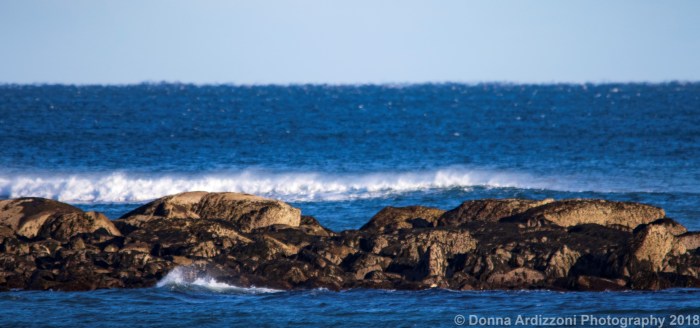
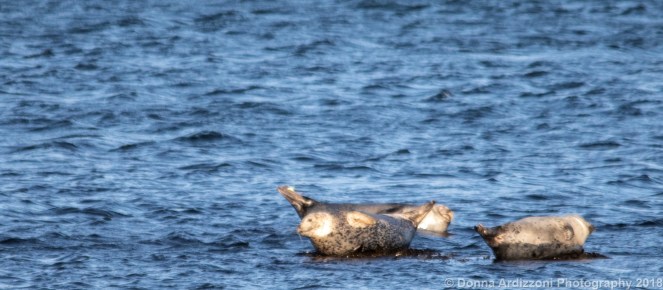
Love these cuties hanging out on the rocks
Are you looking at me?
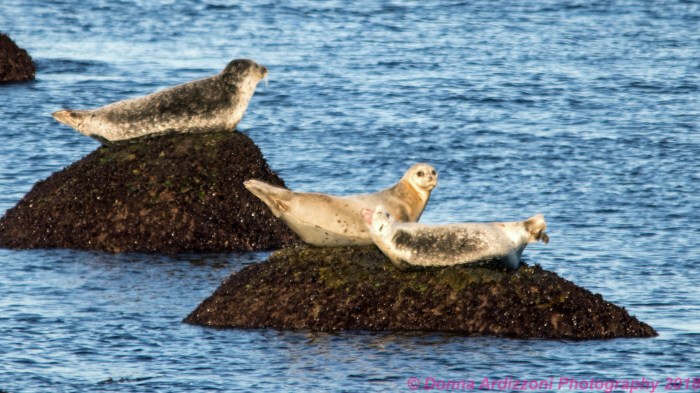
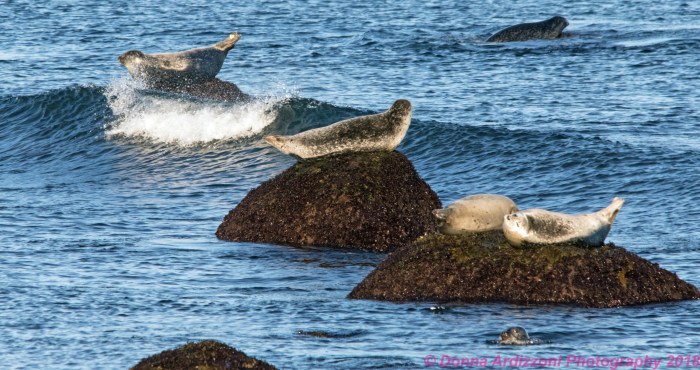
Hanging out on the rocks
Spread The GMG Love By Sharing With These Buttons:

TWO TERRIFIC WILDLIFE PRESENTATIONS UPCOMING AT SALEM STATE UNIRVERSITY
JENNIFER JACKMAN SHARES THE FOLLOWING:
NOTE CHANGE OF DATE AND PLACE: On December 3, from 2:30-3:50pm at Veteran’s Hall B, Ellison Campus Center (place to be determined) Salem State University, Dr. Andrea Bogomoloni, Woods Hole Oceanographic Institute and Chair of the Northwest Atlantic Seal Research Consortium will speak on “Seals & Society: Biology, Ecology and Interactions in New England.” Her talk will review the history of seals in New England, examine their roles in the ecosystem and as ocean health sentinels, and discuss seal-fishery interactions.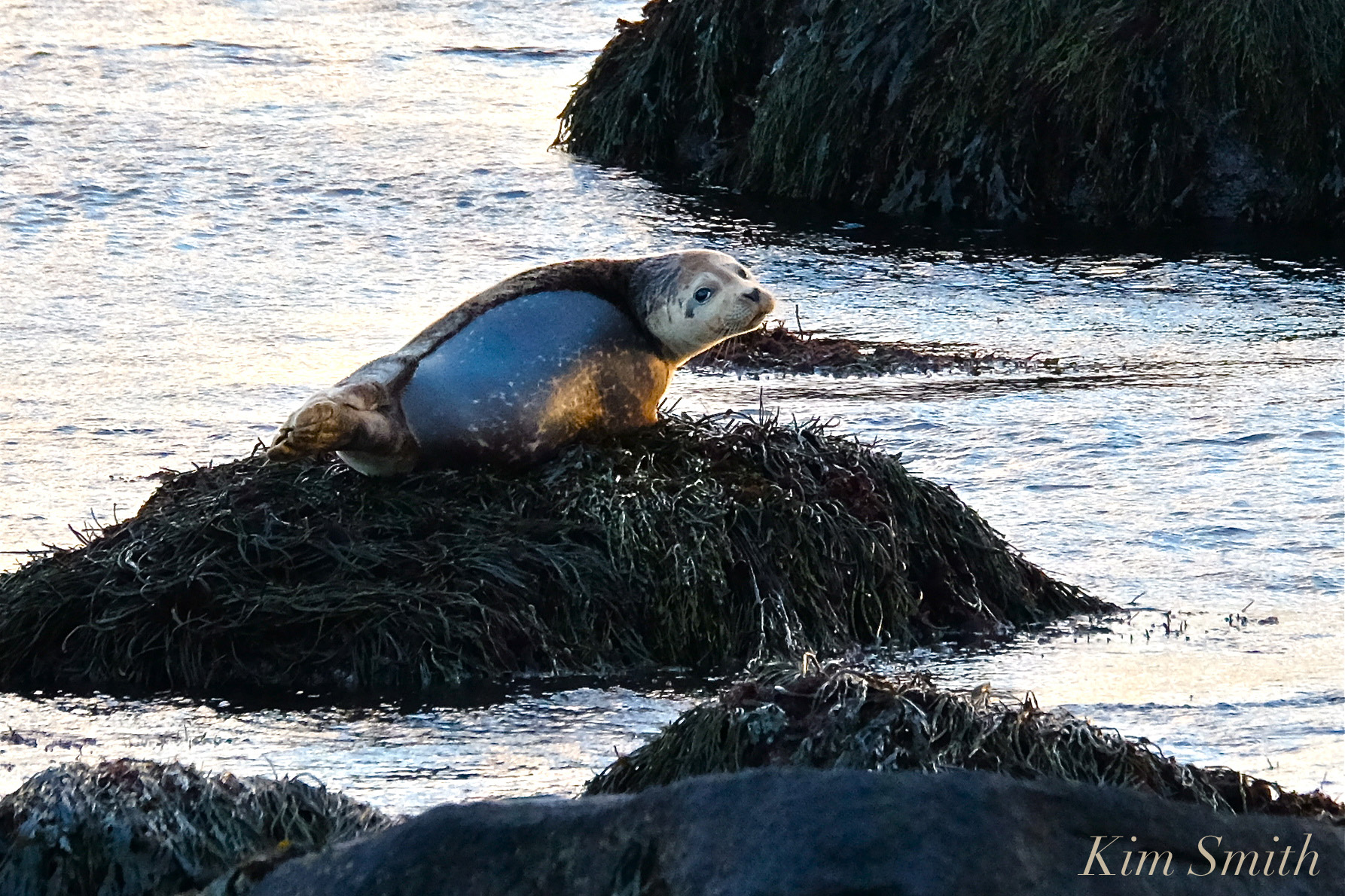
Harbor Seal Gloucester
On Monday, November 19, from 2:30-3:50pm in Veteran’s Hall B, Ellison Campus Center, Salem State University, there will be a panel on “Wildlife in Peril.” Panelists include Andrea Zeren (Psychology) who will highlight the plight of elephants globally; Jack Clarke (Director of Public Policy and Government Relations, Mass Audubon) who will describe current threats to the Migratory Bird Treaty Act and the Endangered Species Act; and Mendy Garron (NOAA) who will discuss the plight of large whale species (particularly right whales). All three speakers also will discuss efforts to protect wildlife.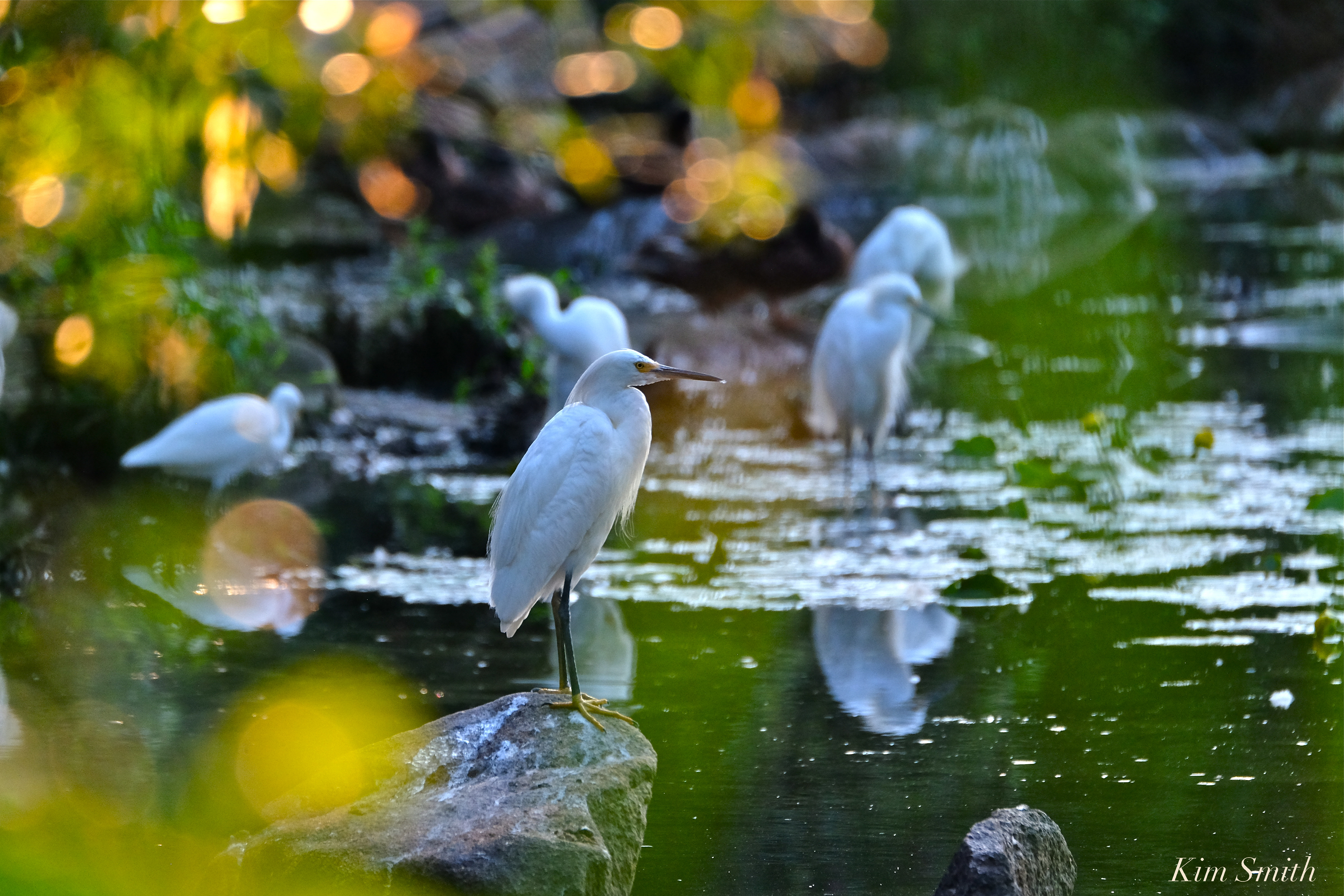
Snowy Egrets are just one of myriad species of birds that have been saved from the brink of extinction by the Migratory Bird Treaty Act and the Endangered Species Act.
These events are sponsored by the Salem State University Human Dimensions of Wildlife Unit at the Bates Center for Public Affairs and the Political Science Department and are open to the public. For more information contact, Jennifer Jackman at jjackman@salemstate.edu .
Spread The GMG Love By Sharing With These Buttons:

Love these seals
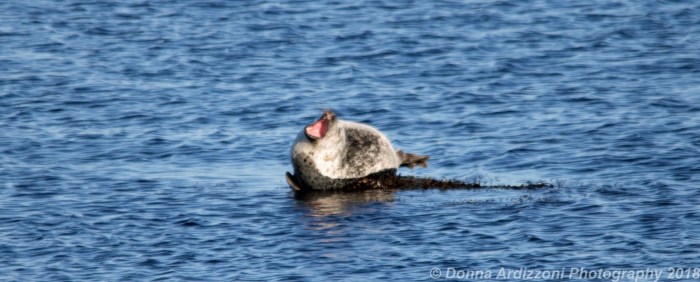
A big Yawn
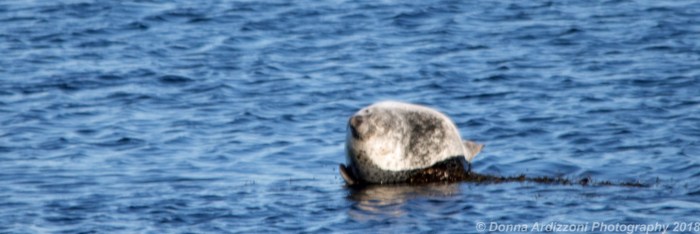
A wink
Spread The GMG Love By Sharing With These Buttons:

Just hanging out on the rocks
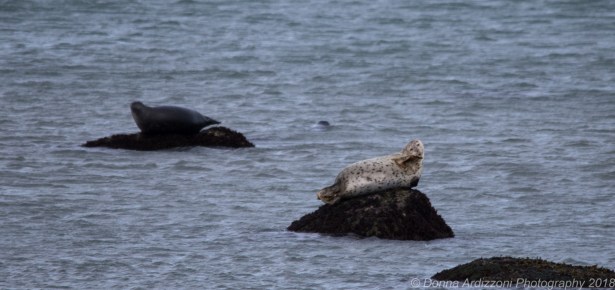
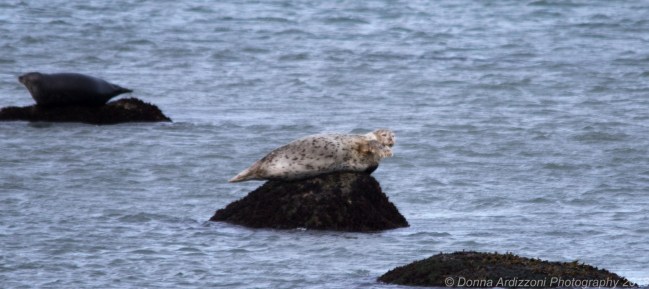
These cute seals hanging out near Brace Cove are so much at peace.
Spread The GMG Love By Sharing With These Buttons:

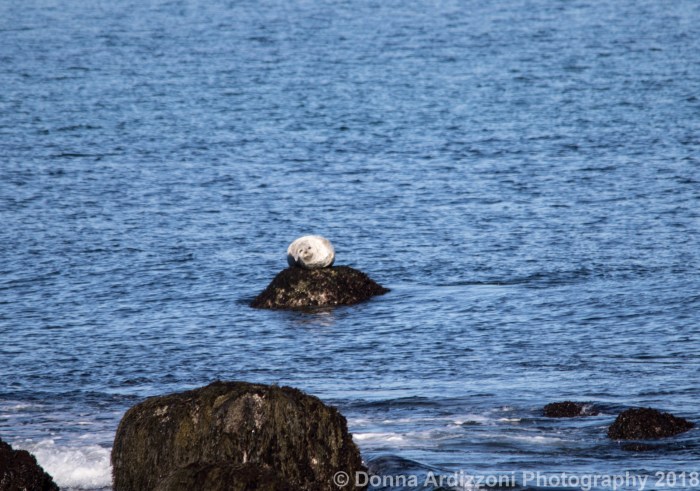
Our little friends hanging out on the rocks
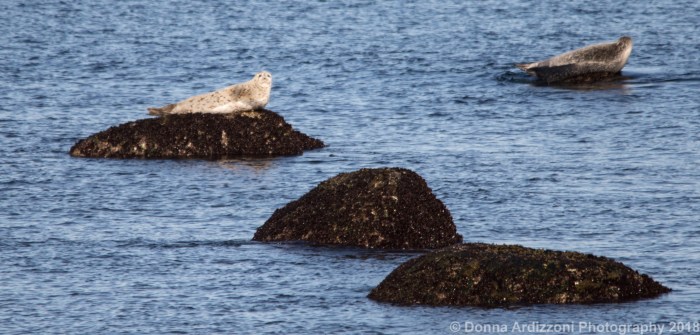
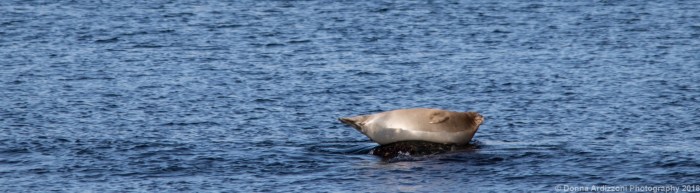
These beautiful seals always make me smile.
Spread The GMG Love By Sharing With These Buttons:

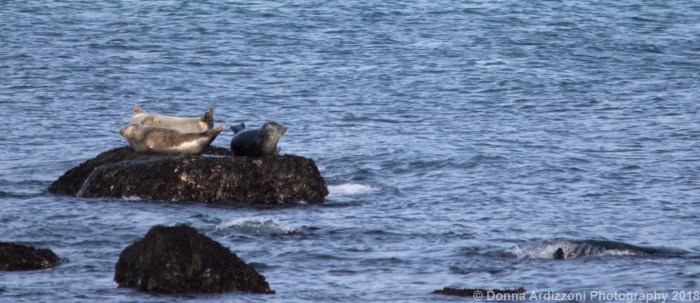
Three seals on a rock
With all the excitement about the beauty Snowy Owls, the seals have been showing up. I love how there are three on one rock.
Spread The GMG Love By Sharing With These Buttons:

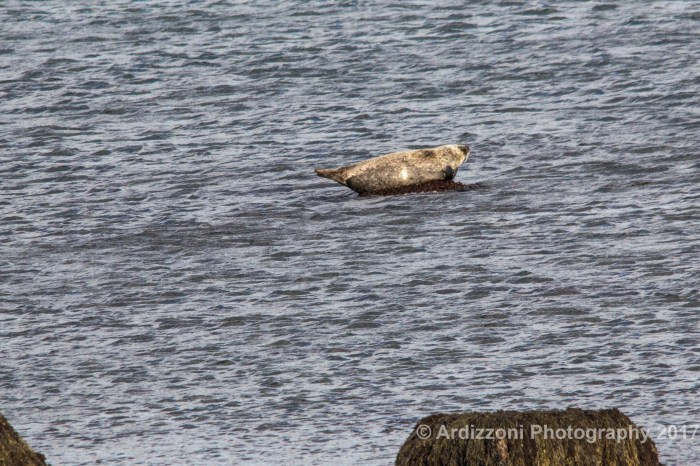
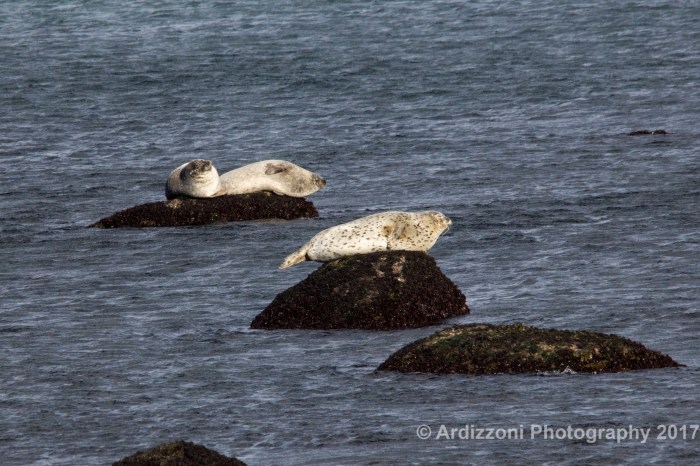
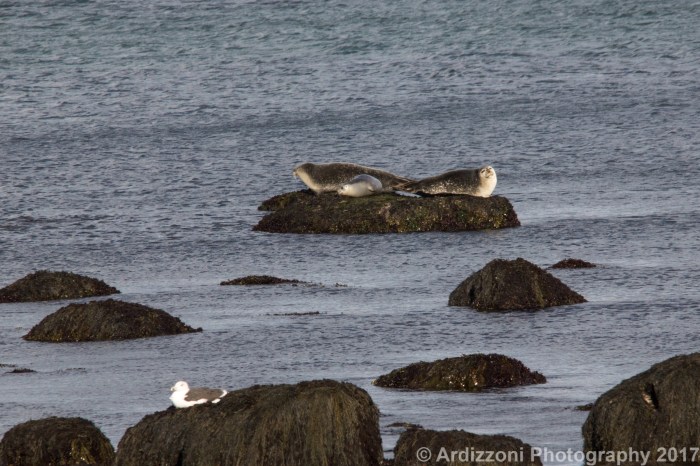
Love going to visit these cuties
Spread The GMG Love By Sharing With These Buttons:

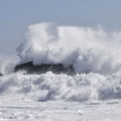
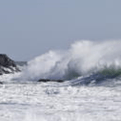
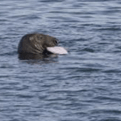
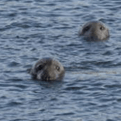
Seals & surf
A few photos over the past week in the harbor and back shore.





Spread The GMG Love By Sharing With These Buttons:

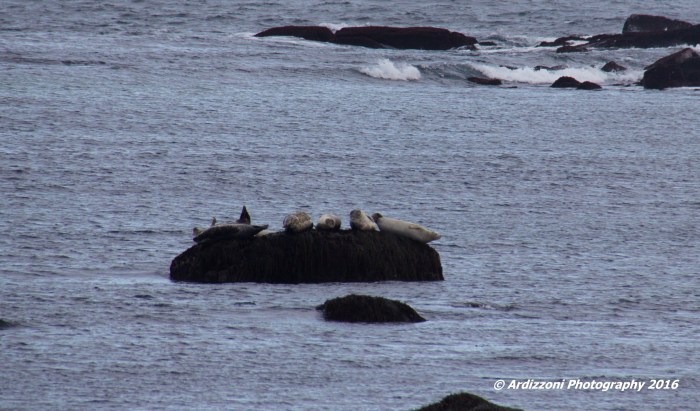
Seals hanging out at Brace’s Cove
Spread The GMG Love By Sharing With These Buttons:

Brace Cove
We are back, love the seals over at Brace Cove. You can see them at low tide.
Spread The GMG Love By Sharing With These Buttons:

QUESTION FOR OUR MARINE BIOLOGY EXPERTS
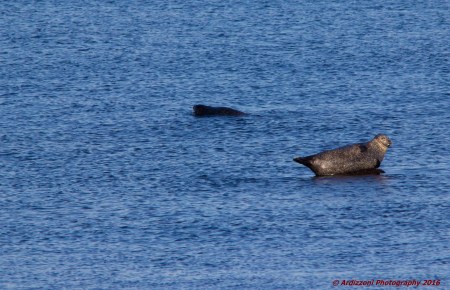
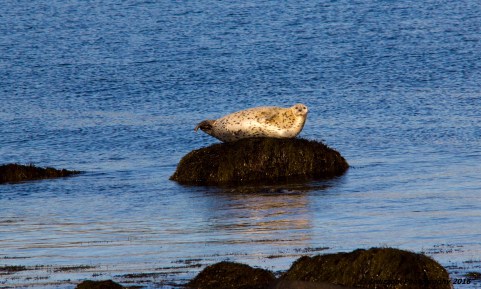
Perhaps I am just imagining, but the seals that were at Brace Cove several mornings ago appear to have a much different pattern of spots on their coats than the Harbor Seals we typically see hauled out on the rocks. I know that Harp Seals are also seen in our area at this time of year and read that the juveniles molt in interesting patterns. The two pinnipeds on the far right have very large irregular patches and the seal on the left seemed half the size of the other three with an almost pointed snout. Is it a different species or a young seal I wonder? Looking at several sources to id and I am still puzzled. Would love to hear from our readers. Thank you so much!

Spread The GMG Love By Sharing With These Buttons:

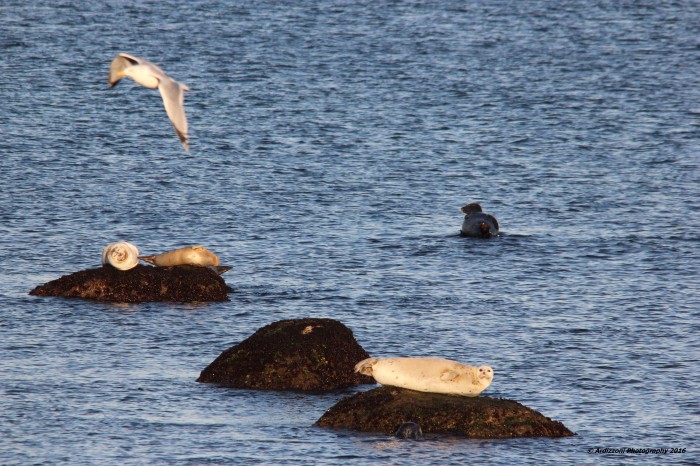
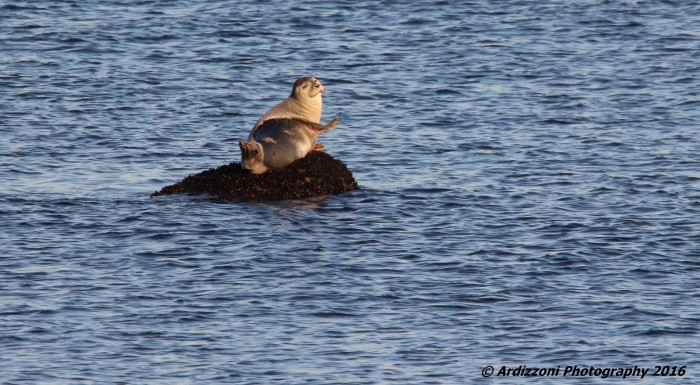
These cuties enjoying the sun at Brace Cove
Spread The GMG Love By Sharing With These Buttons:

BEAUTIFUL OCTOBER LIGHT
Scenes from around Niles Pond and Brace Cove October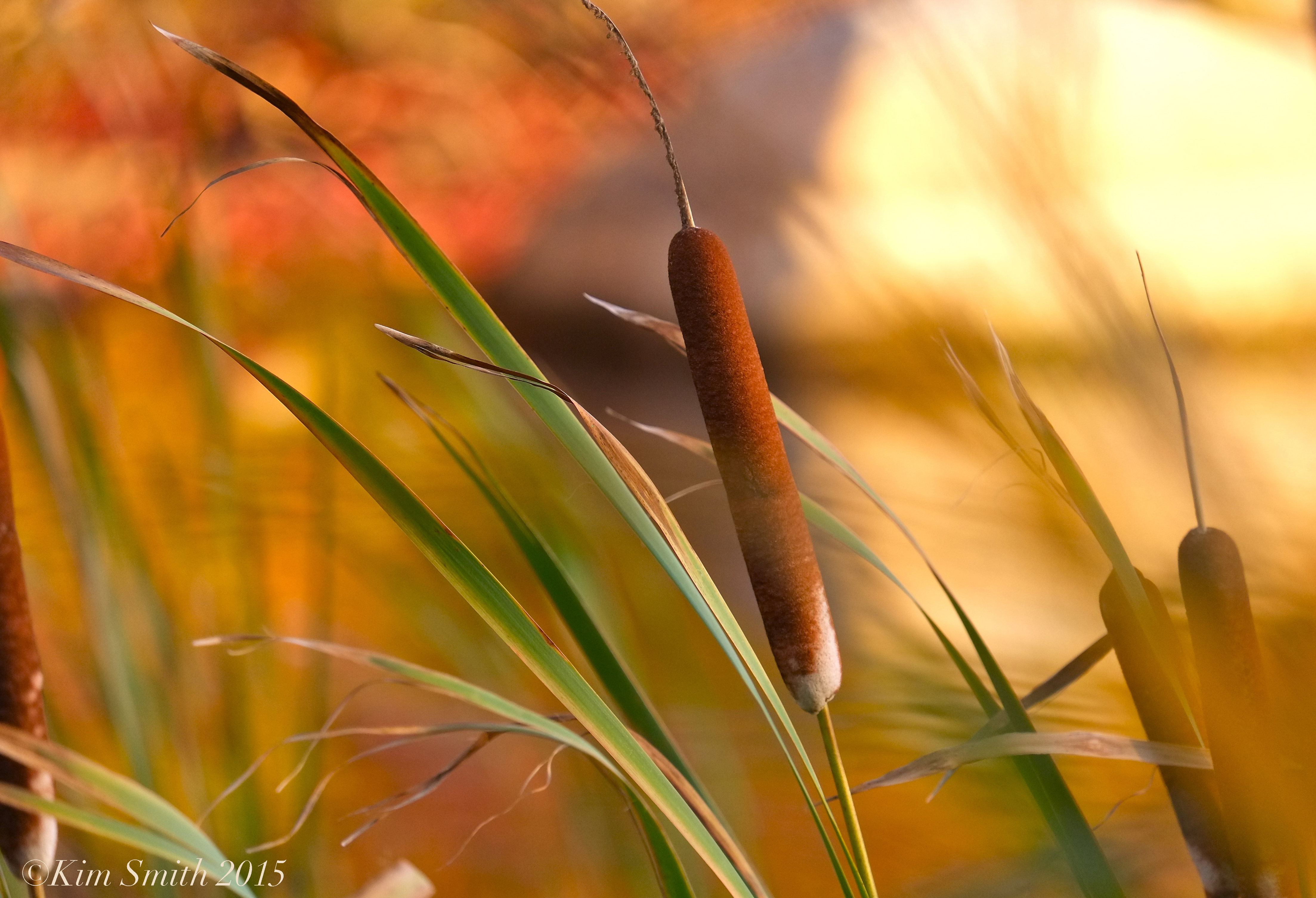
Cattails in the wind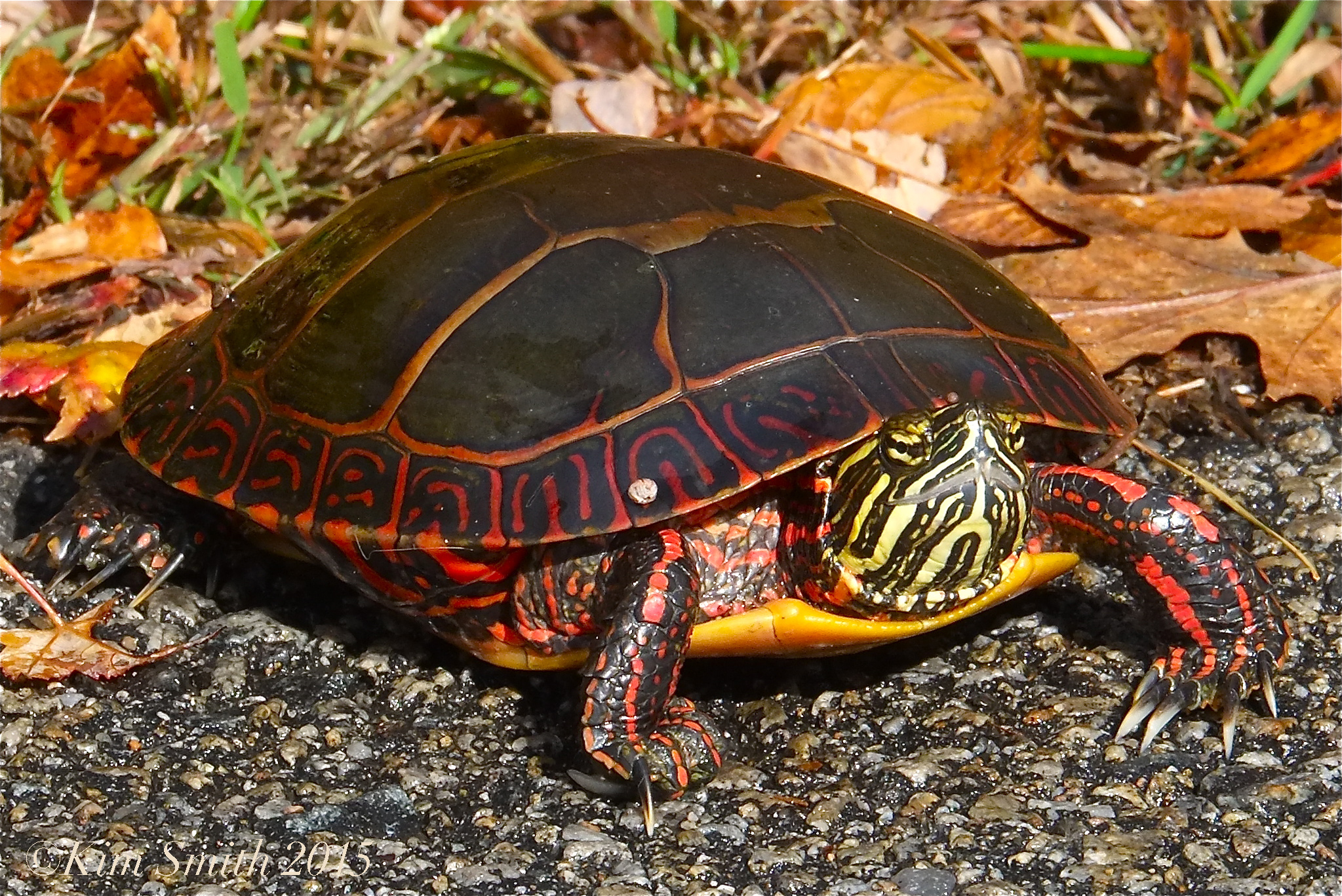 Painted Turtle
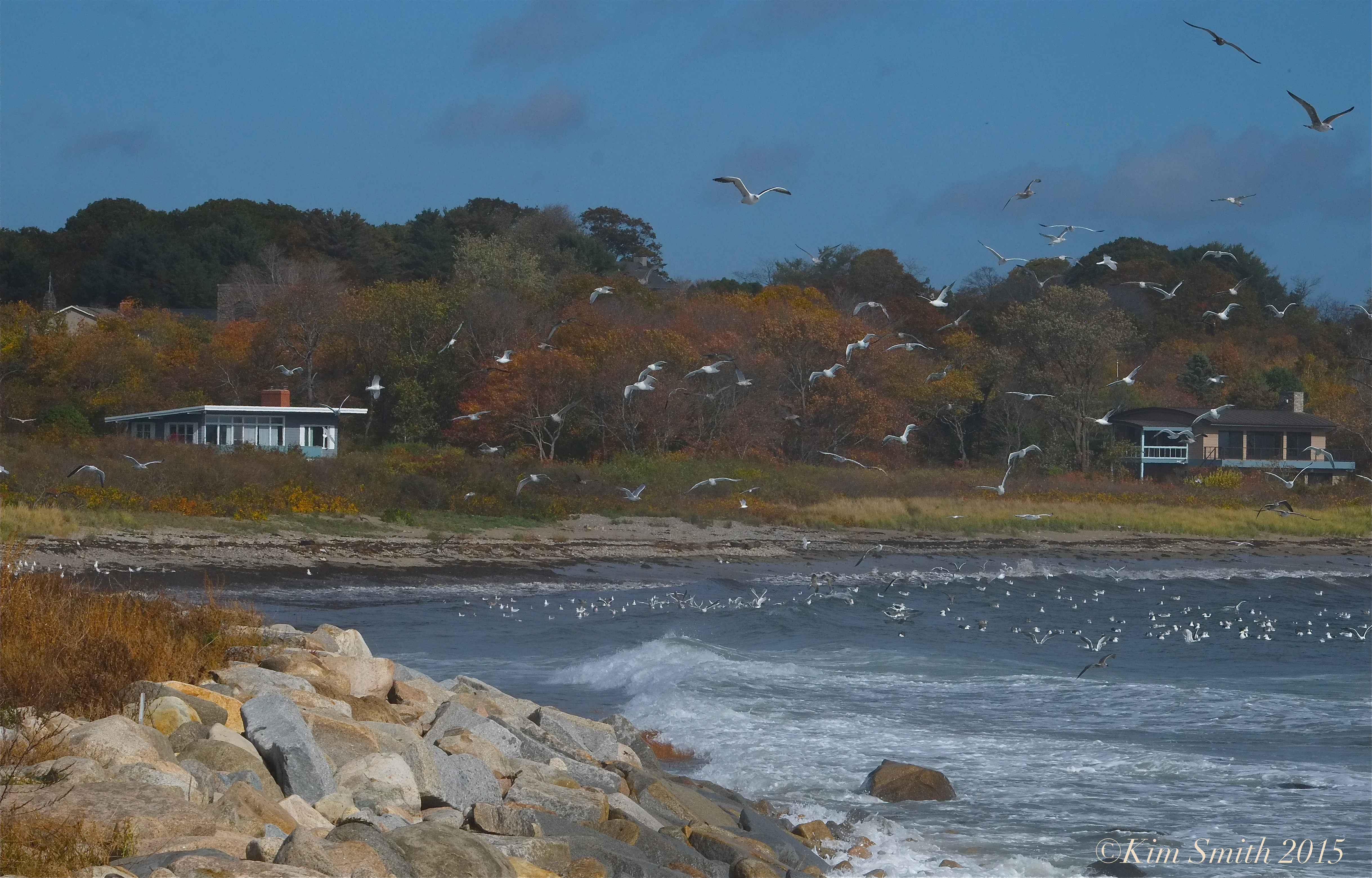
Gulls departing Brace Cove after the storm
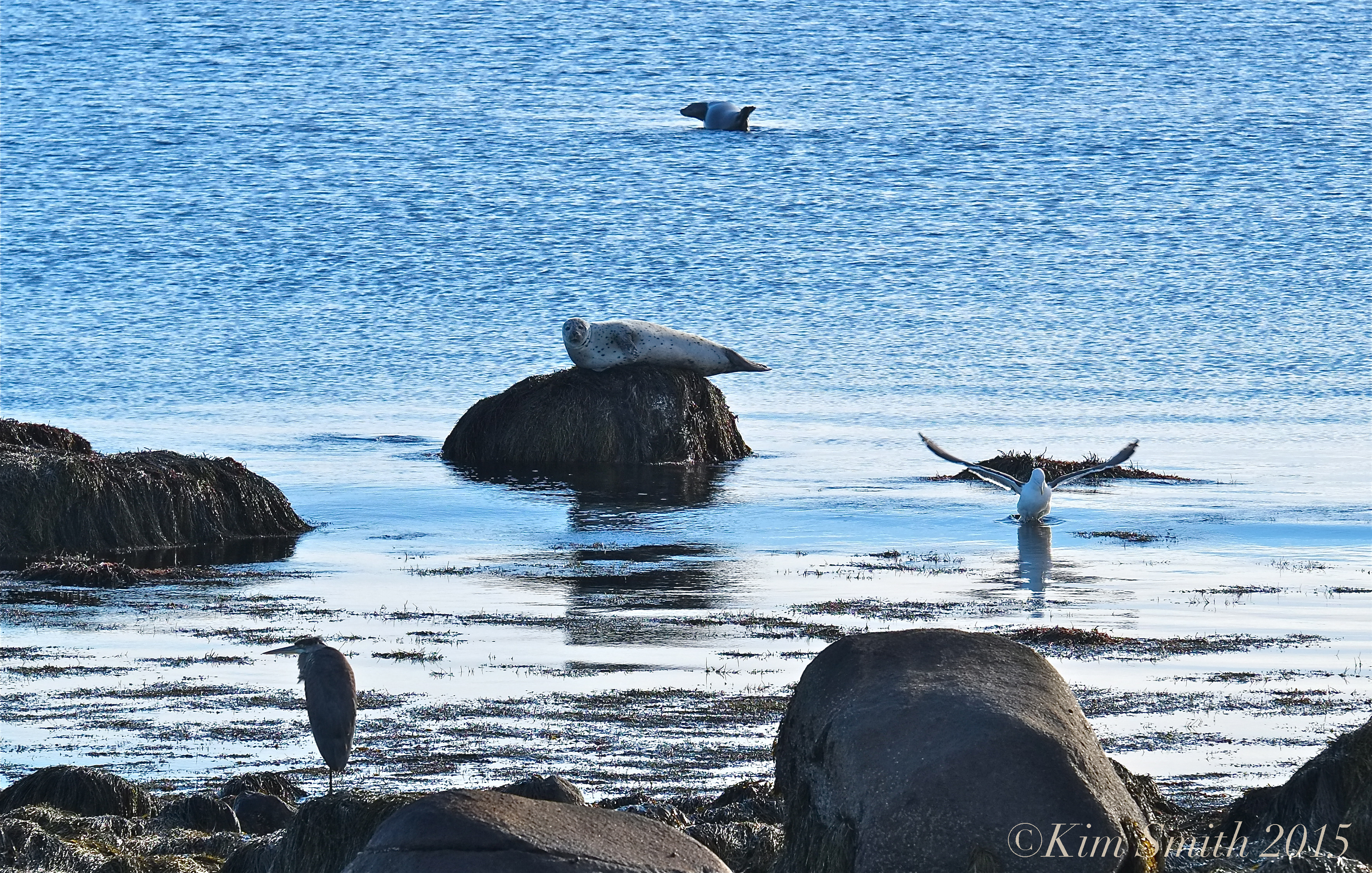
Great Blue Heron, seals, and gull
https://instagram.com/p/9bZ812Dynq
See More Photos Here
Continue reading “BEAUTIFUL OCTOBER LIGHT”
Spread The GMG Love By Sharing With These Buttons:

Peaceful and Protected ~ Brace Cove Makes for the Perfect Seal Hang Out!
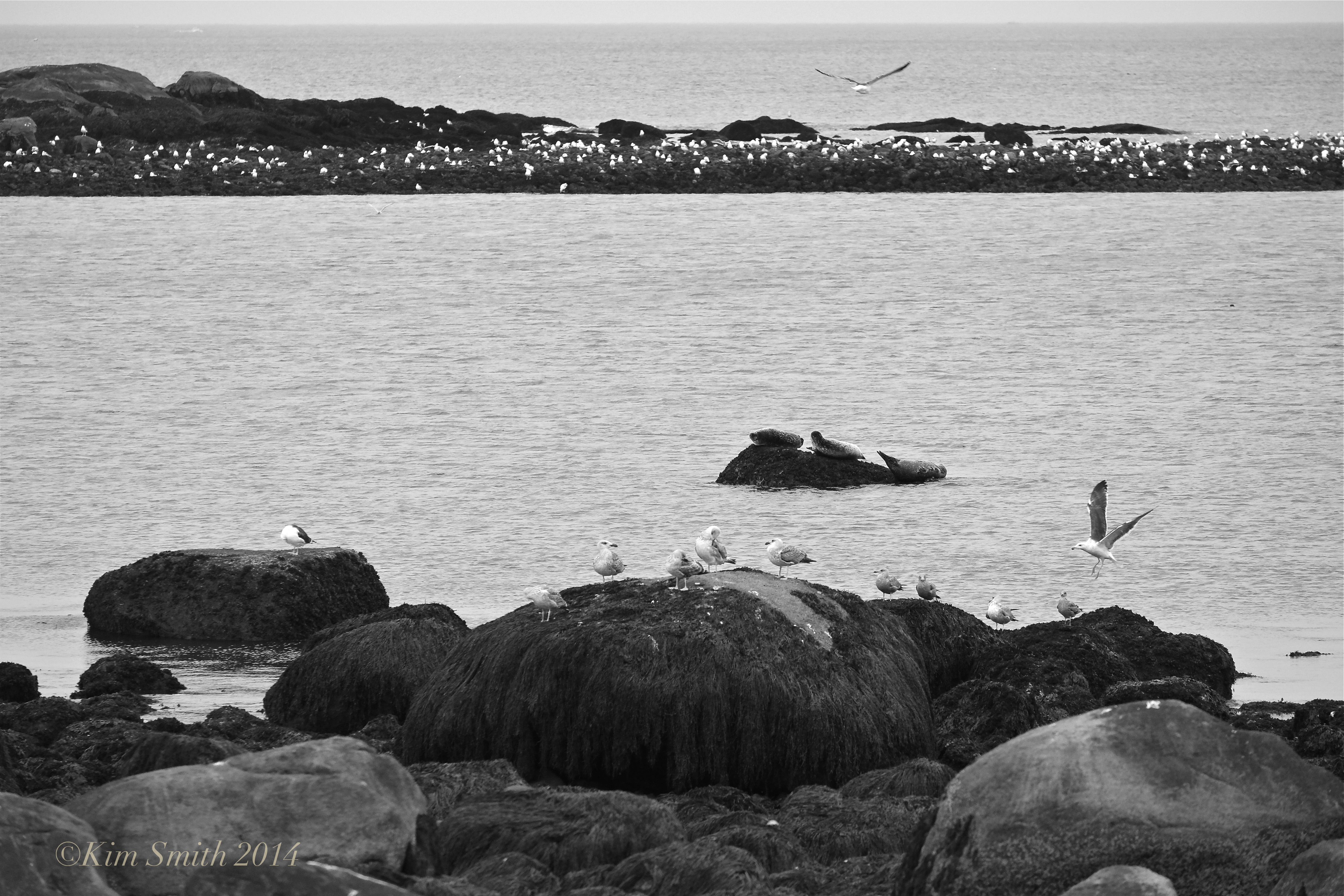 I’ve never seen so many conglomerating all at once at Brace Cove; at one point I counted over twenty lounging on the rocks and swimming in the water. The seals are fun and interesting to observe as they often play a game that seems very much like the children’s game King of the Mountain. Click to view larger.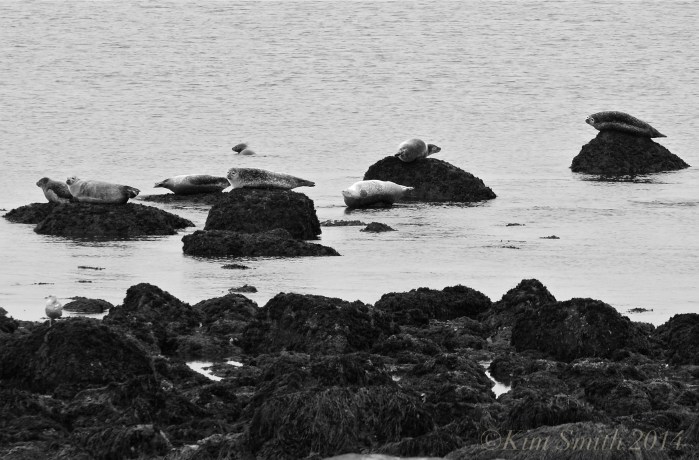
Spread The GMG Love By Sharing With These Buttons:

Brace Cove Seals Sleeping at Daybreak
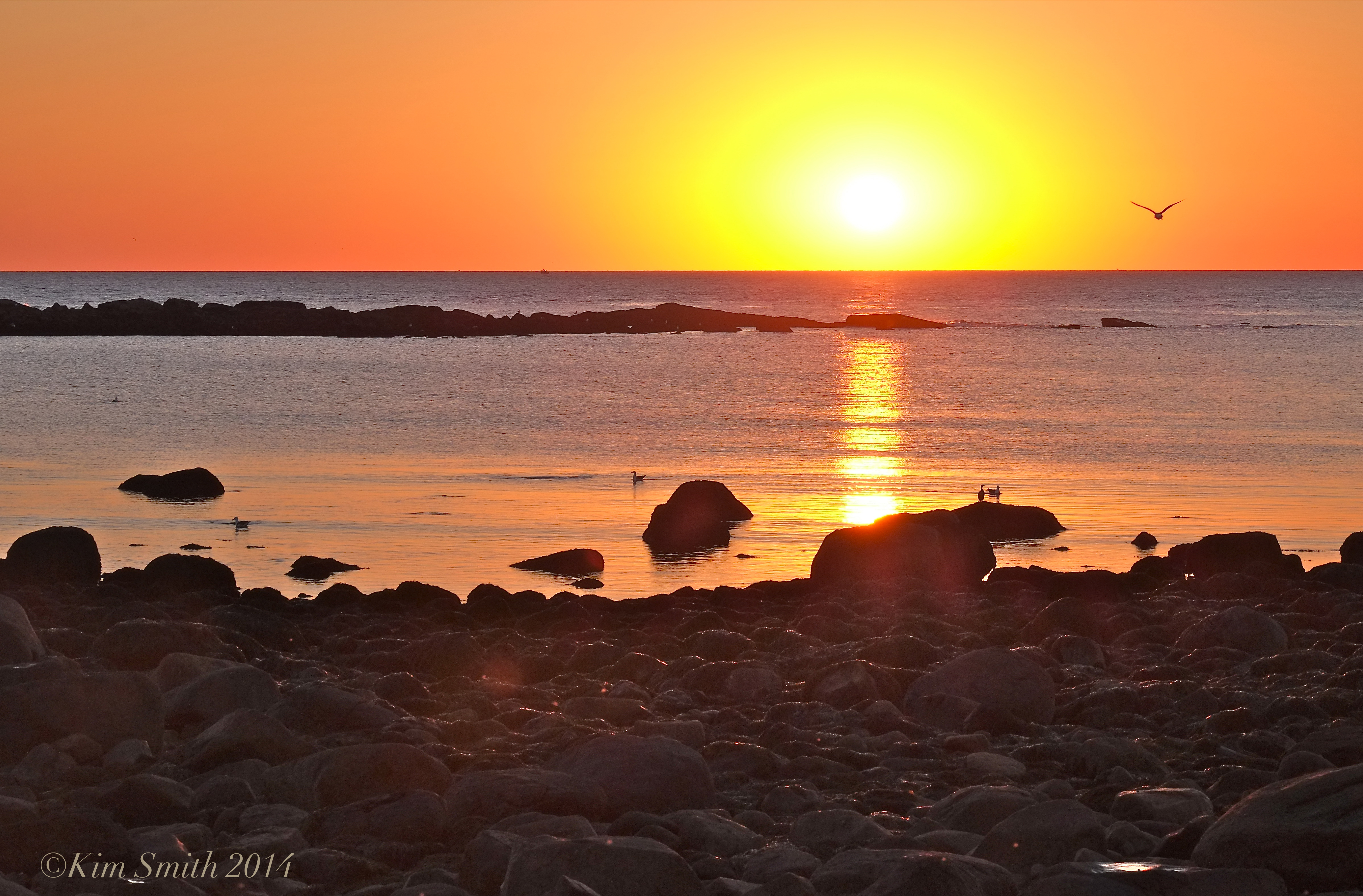
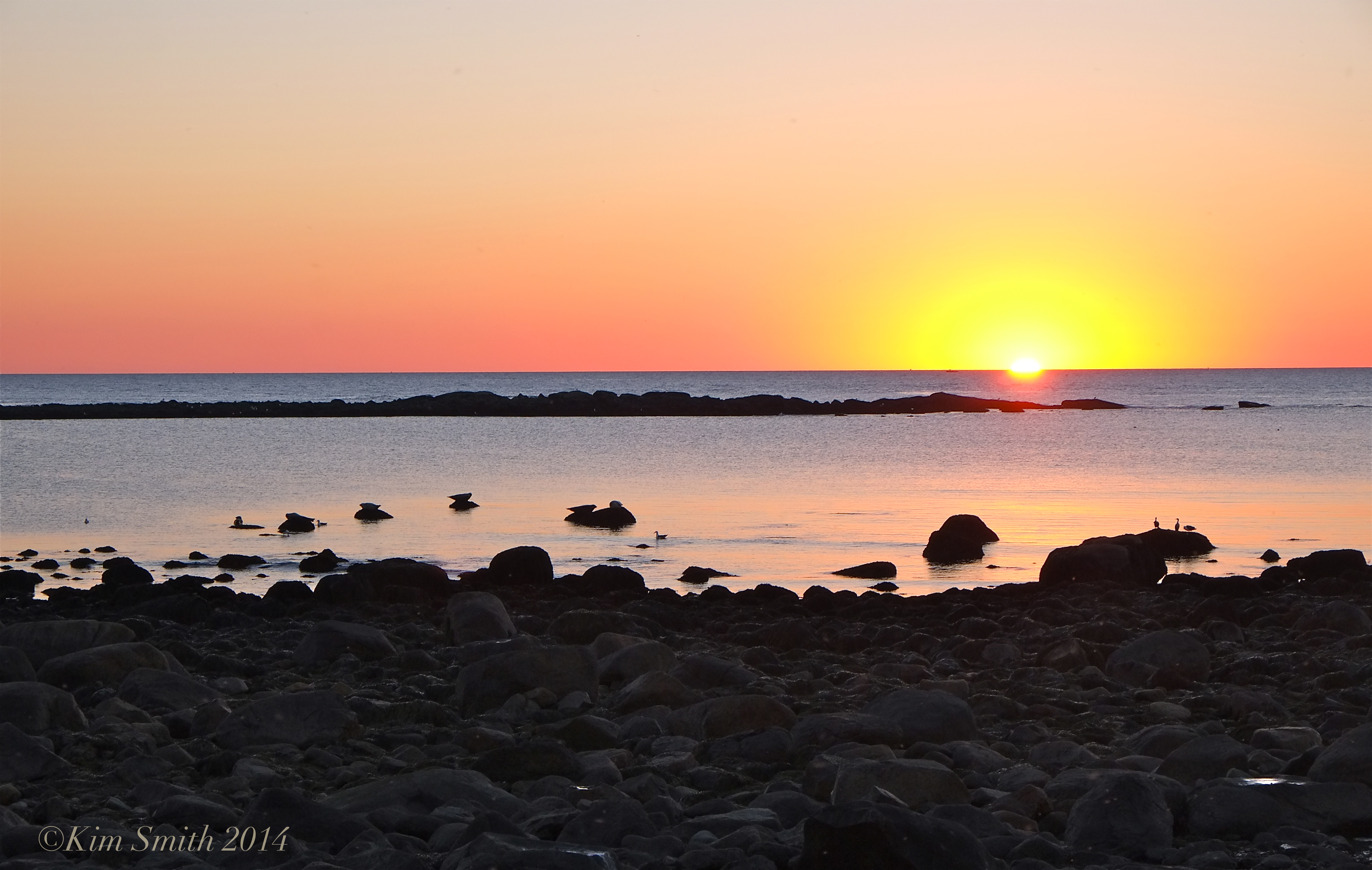 While filming B-roll for several projects I caught the sunrise at Brace Cove this October morning. The seals were awakening, as were the swan couple, the cormorants and gulls stretching wide their wings, and the songbirds breaking fast on the abundance of wild berries and seed heads found along the berm at Niles Pond. Click image to see full size.
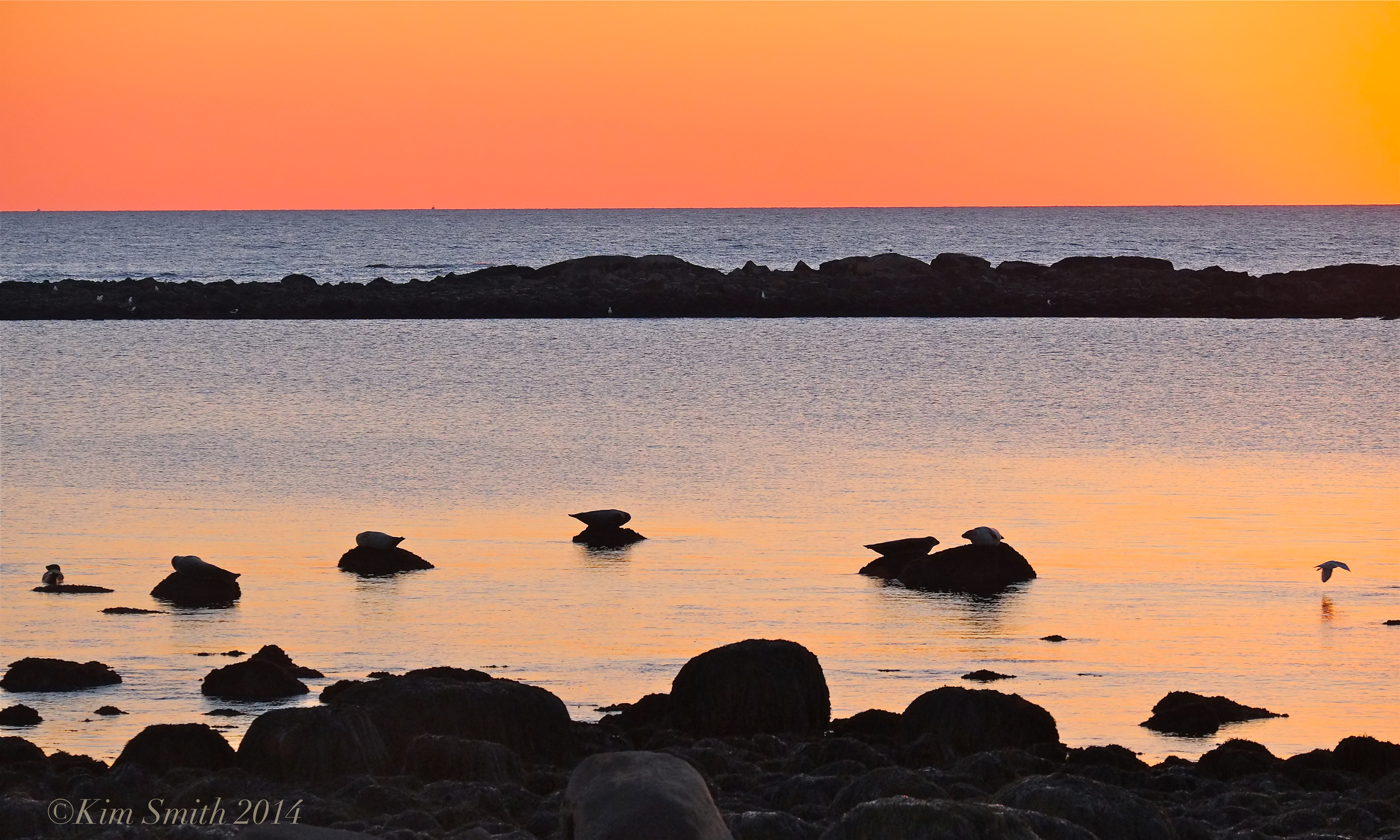 Brace Cove Seals
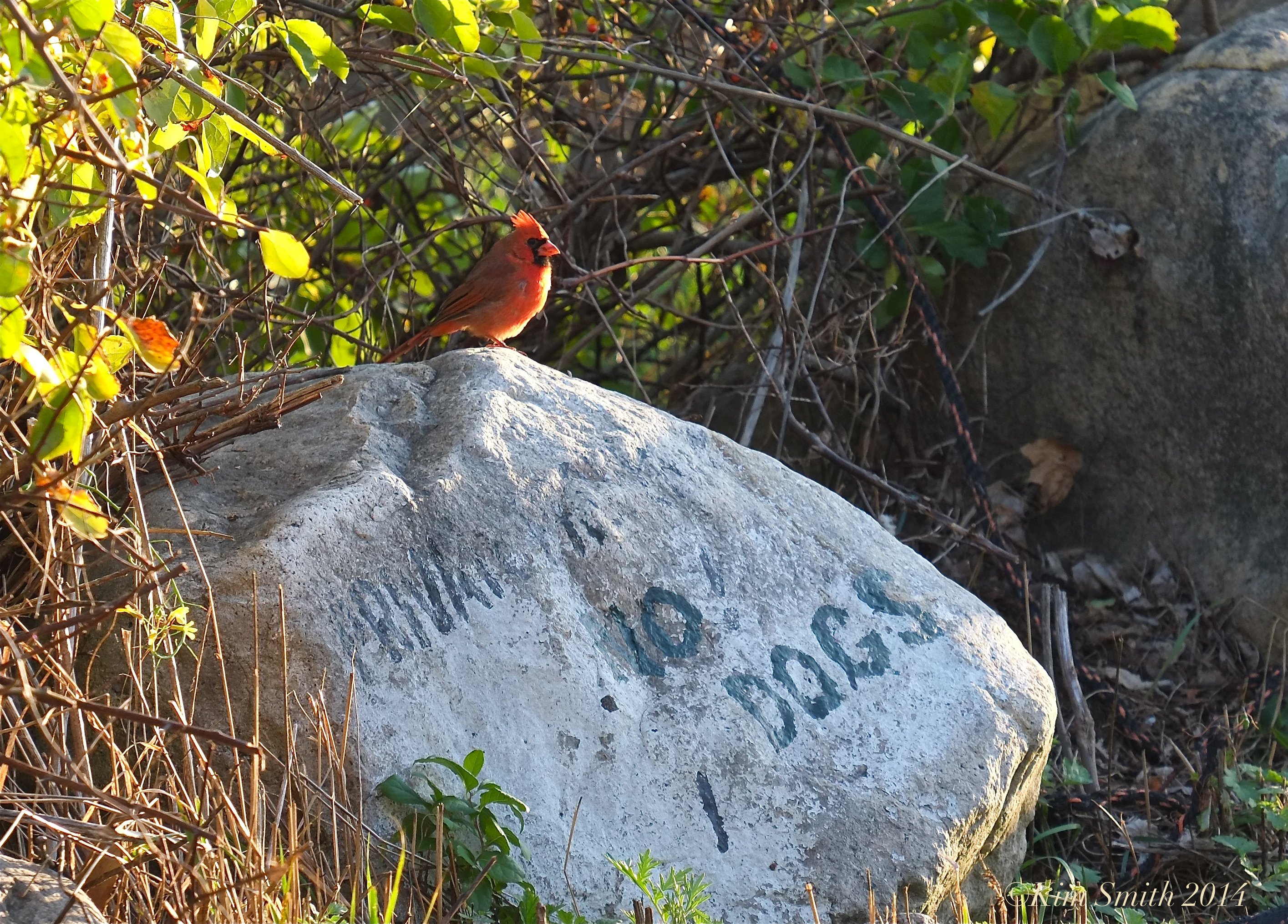 Juvenile Male Cardinal
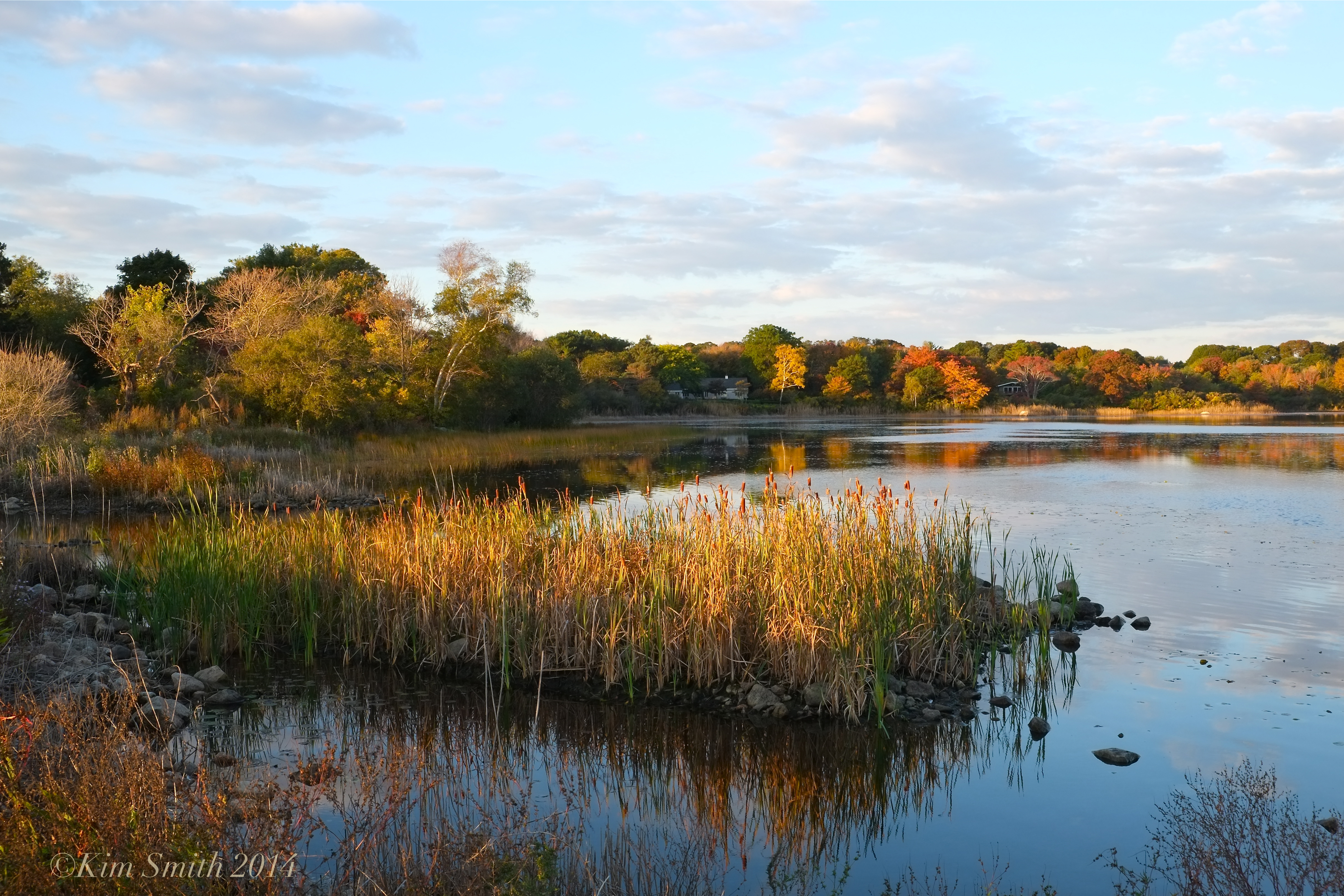 Niles Pond
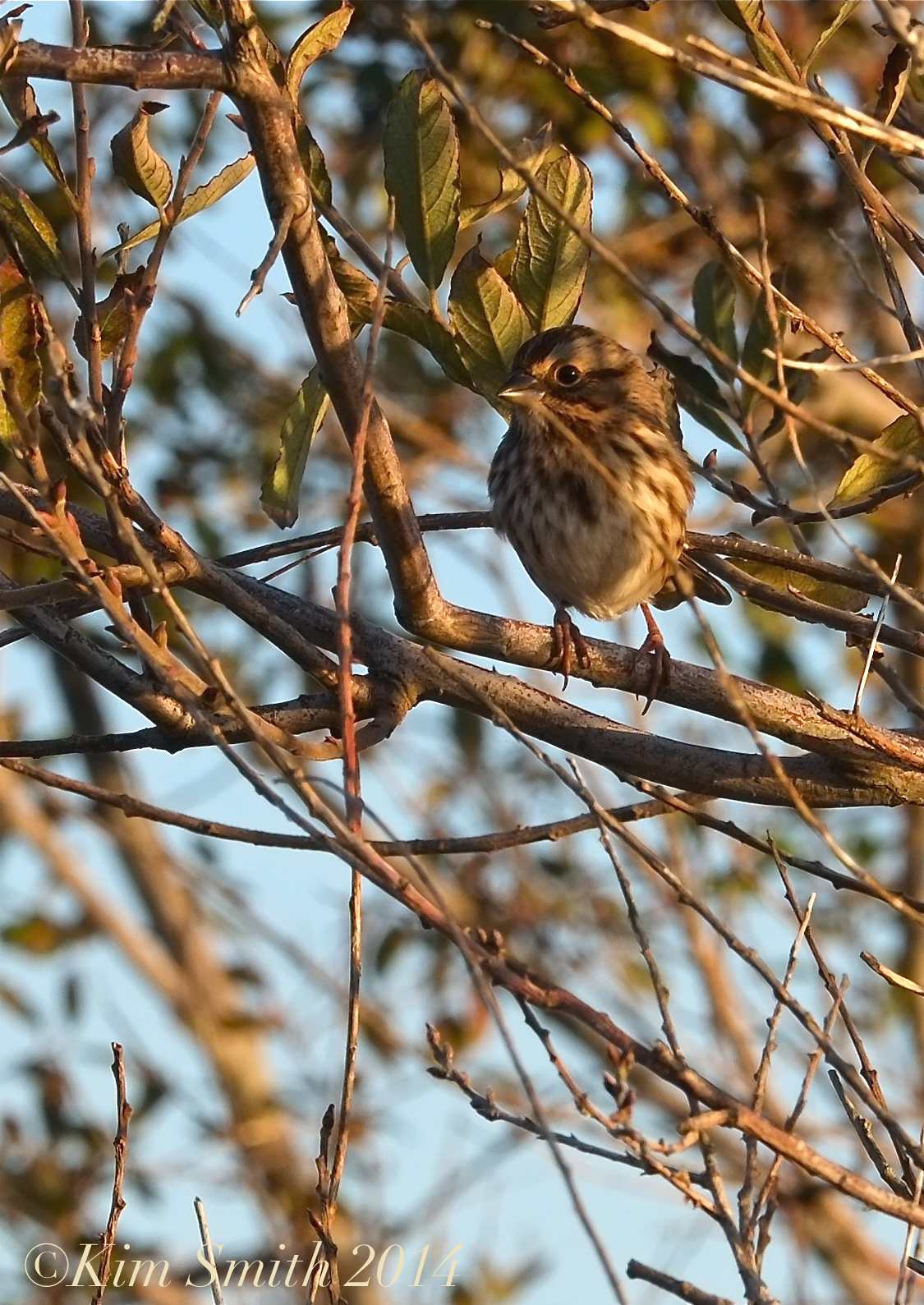 Camouflaged!
Spread The GMG Love By Sharing With These Buttons:

Plump Pinnipeds at Brace Cove
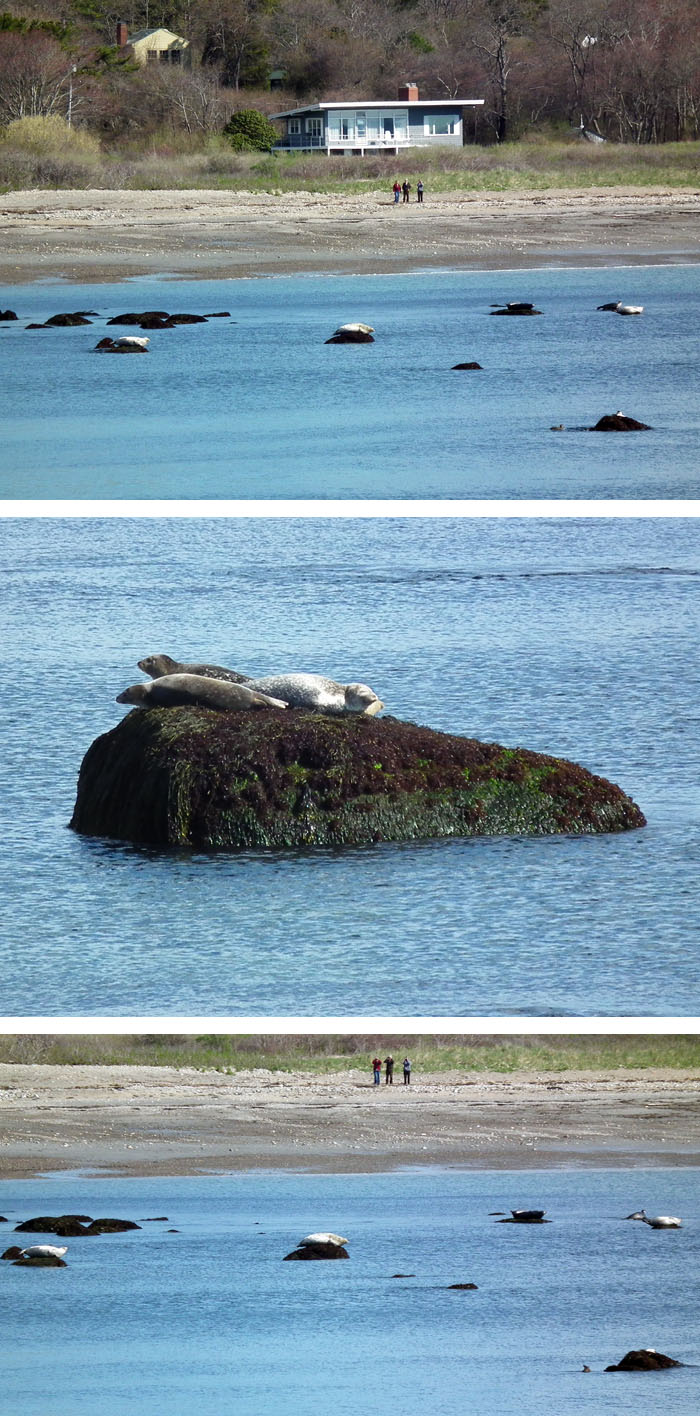
A precariously perched pod of plump pinnipeds pose for passersby at Brace Cove. Say that three times fast.
E.J. Lefavour
http://www.hobbithousestudio.com
Spread The GMG Love By Sharing With These Buttons:

Sunbathing ~ Seal Style!
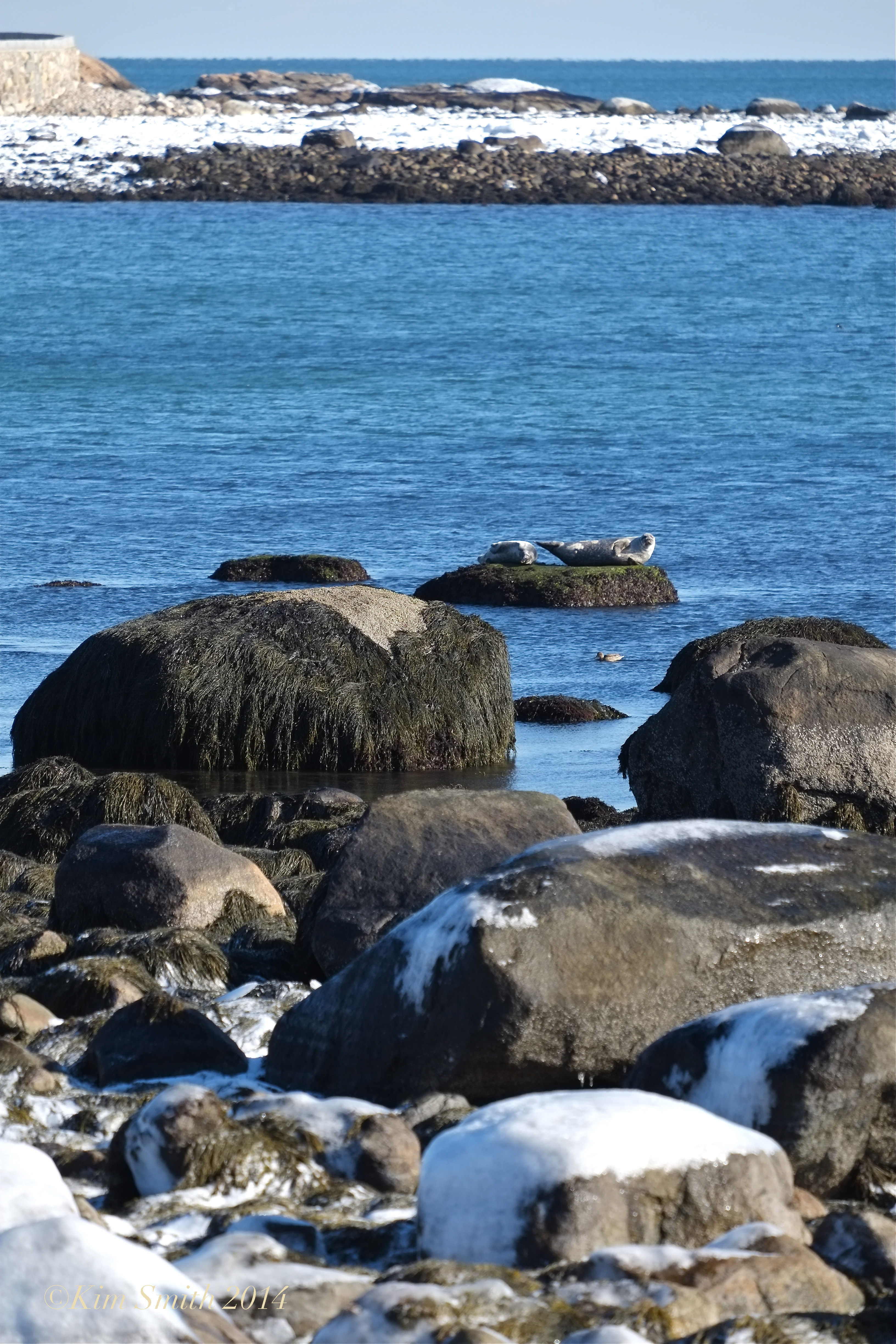
 Seals Sunbathing in Winter at Brace Cove
I counted a half dozen seals having a rumpus of fun sunbathing on the rocks at Brace Cove this past week. They were clearly enjoying themselves–all that blubber must keep them well-insulated against the frigid air temperatures!

Spread The GMG Love By Sharing With These Buttons:

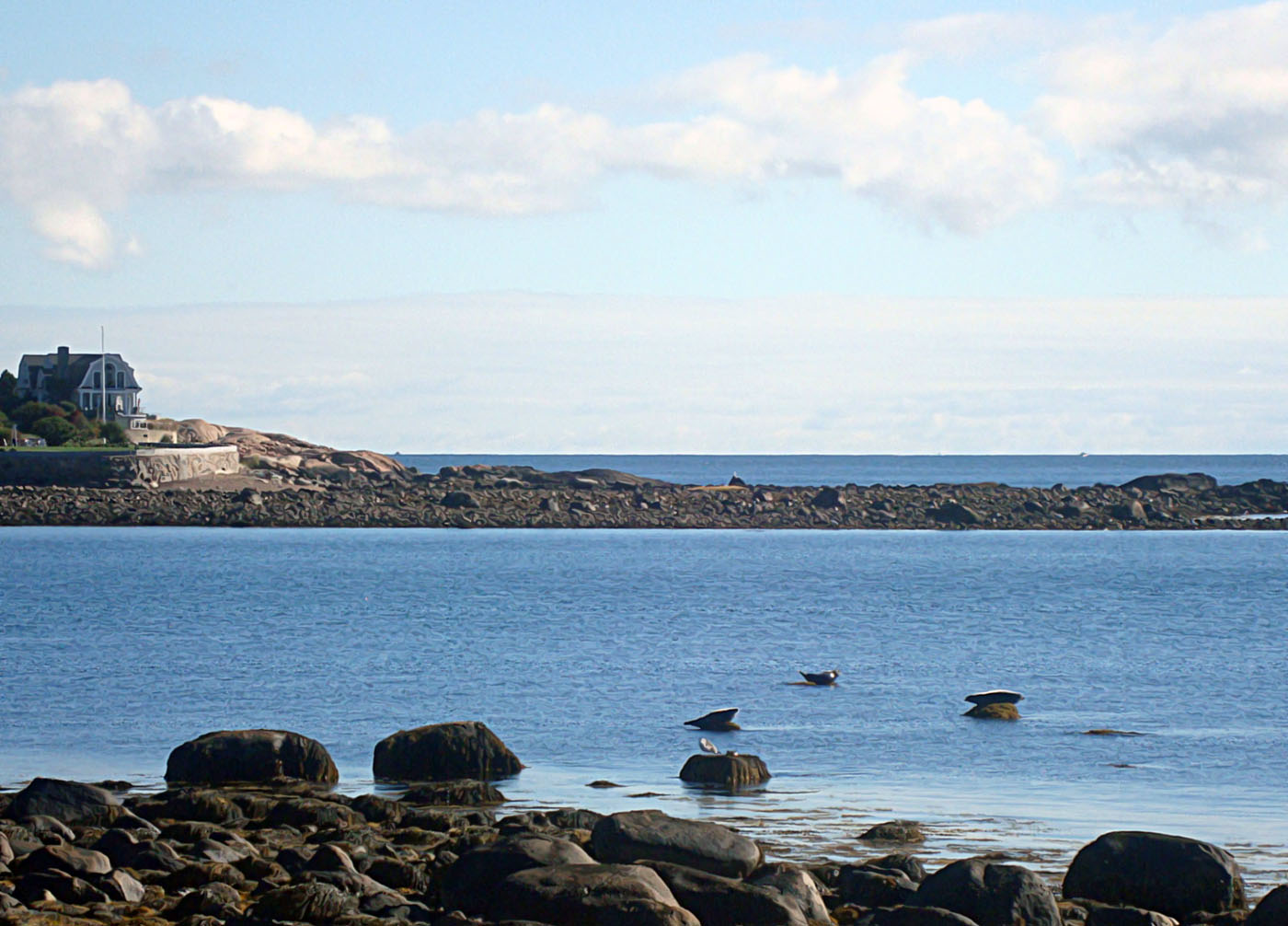
Roly Poly Pinnipeds
E.J. Lefavour
Spread The GMG Love By Sharing With These Buttons:

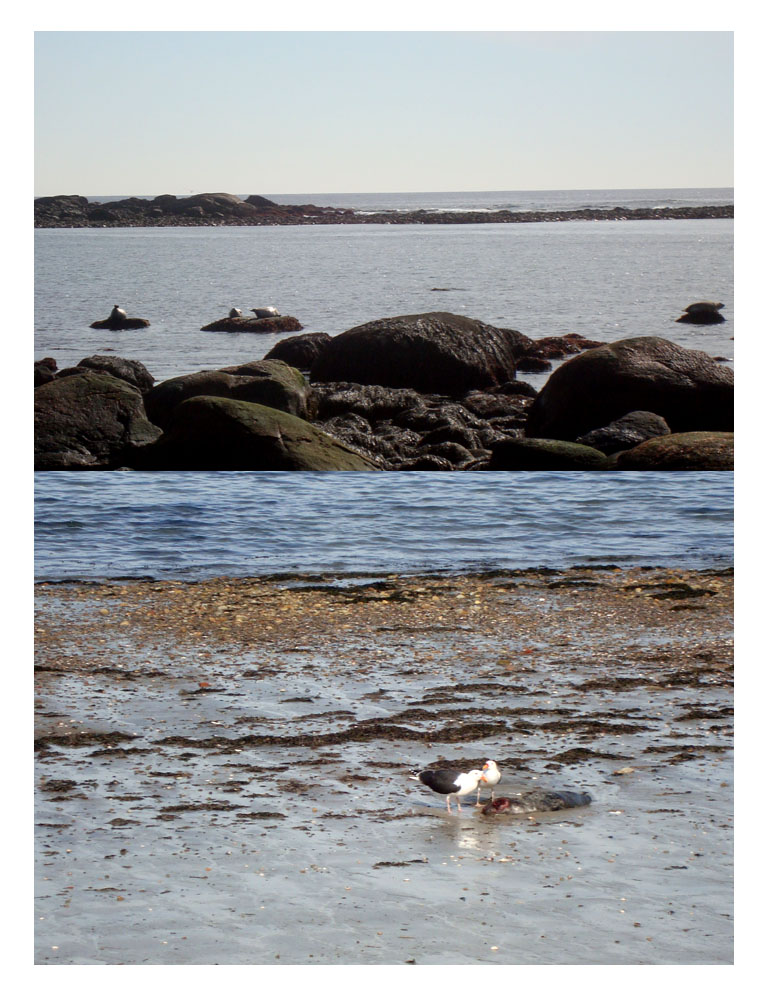
The Circle of Life
Seals enjoying a morning bask in the sun on the rocks at Brace Cove. Seagulls enjoying a morning meal of dead seal on the Niles Beach side of Eastern Point.
E.J. Lefavour

 Good Morning Gloucester