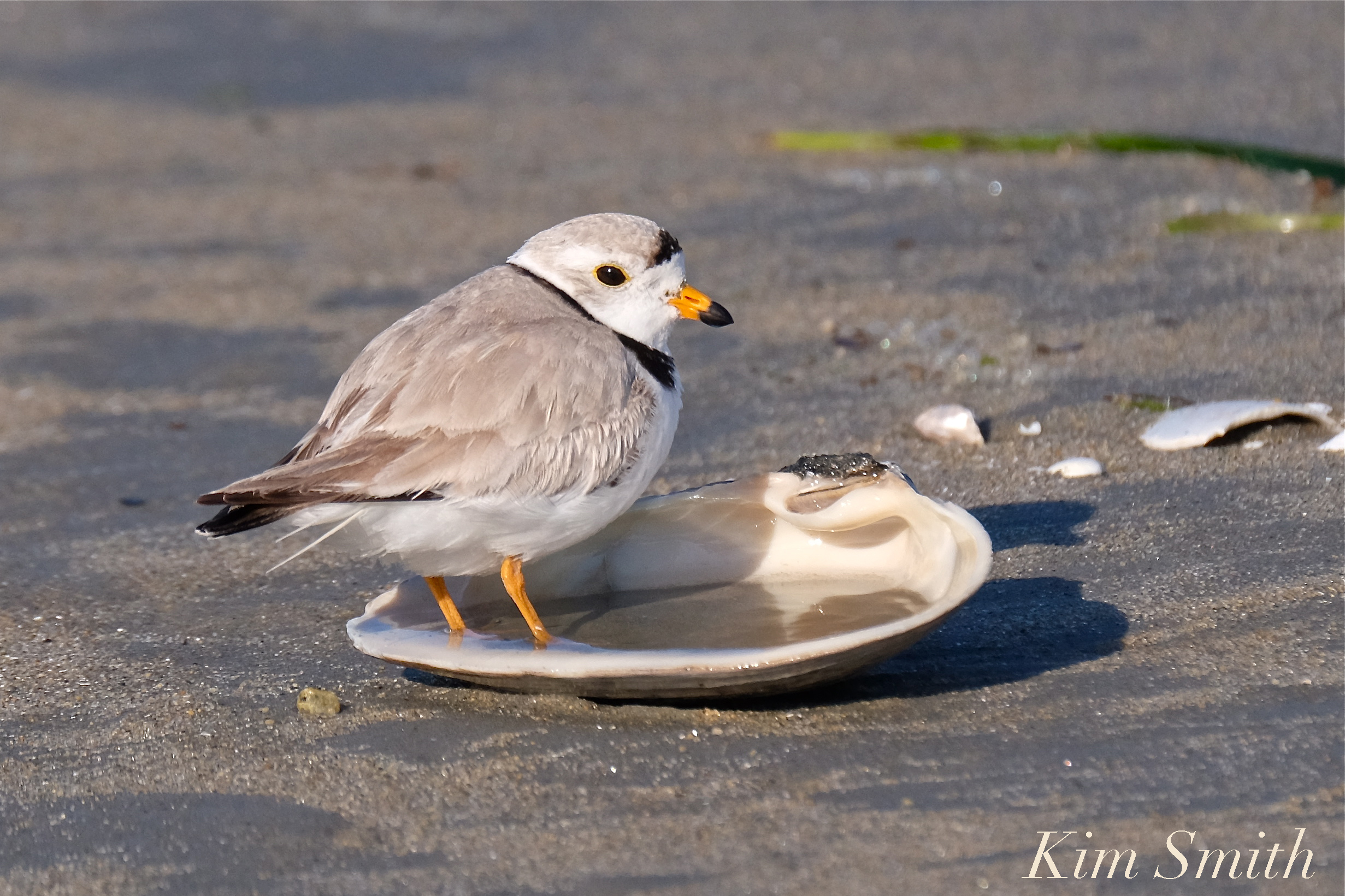
STUCK BETWEEN A ROCK AND A HARD PLACE

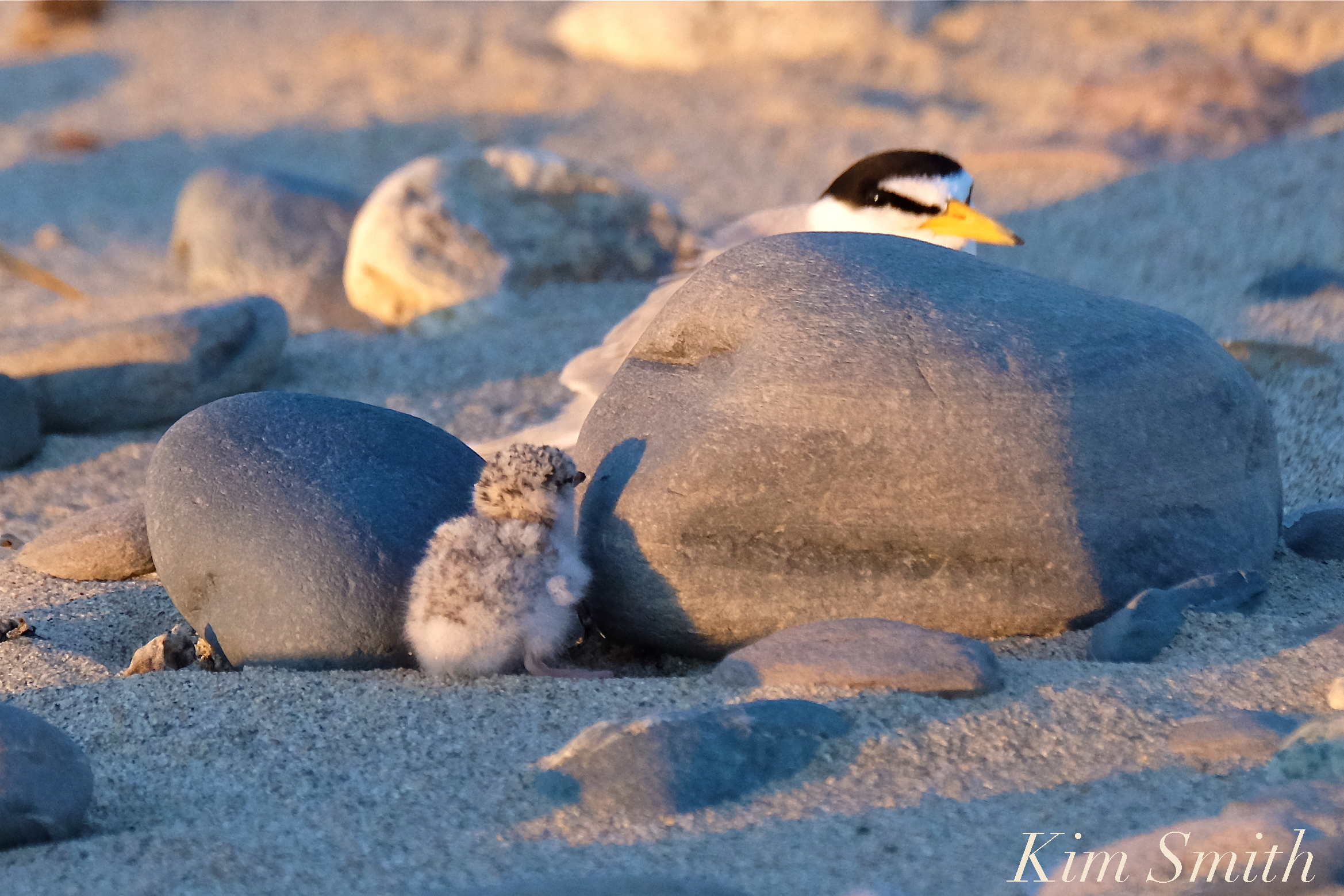
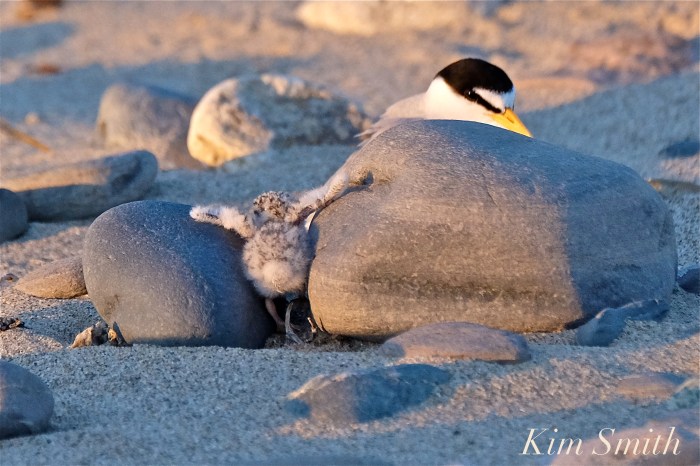
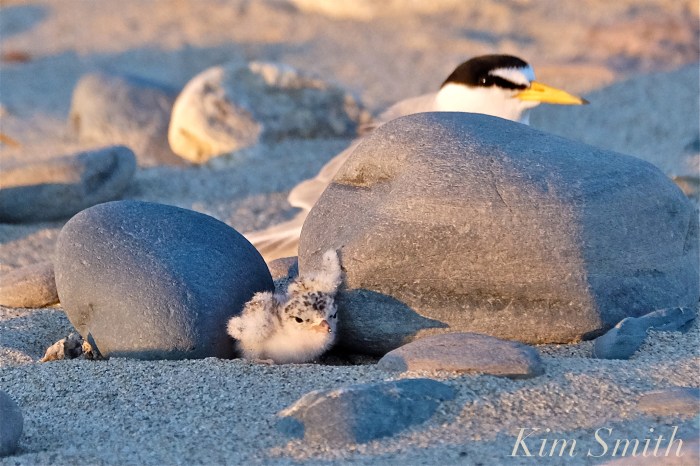
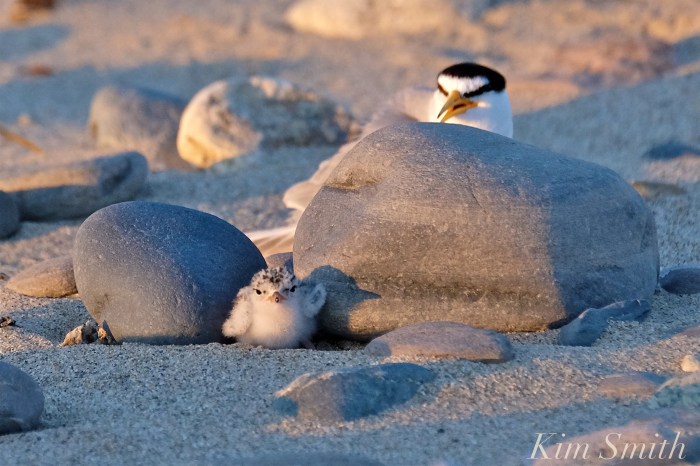
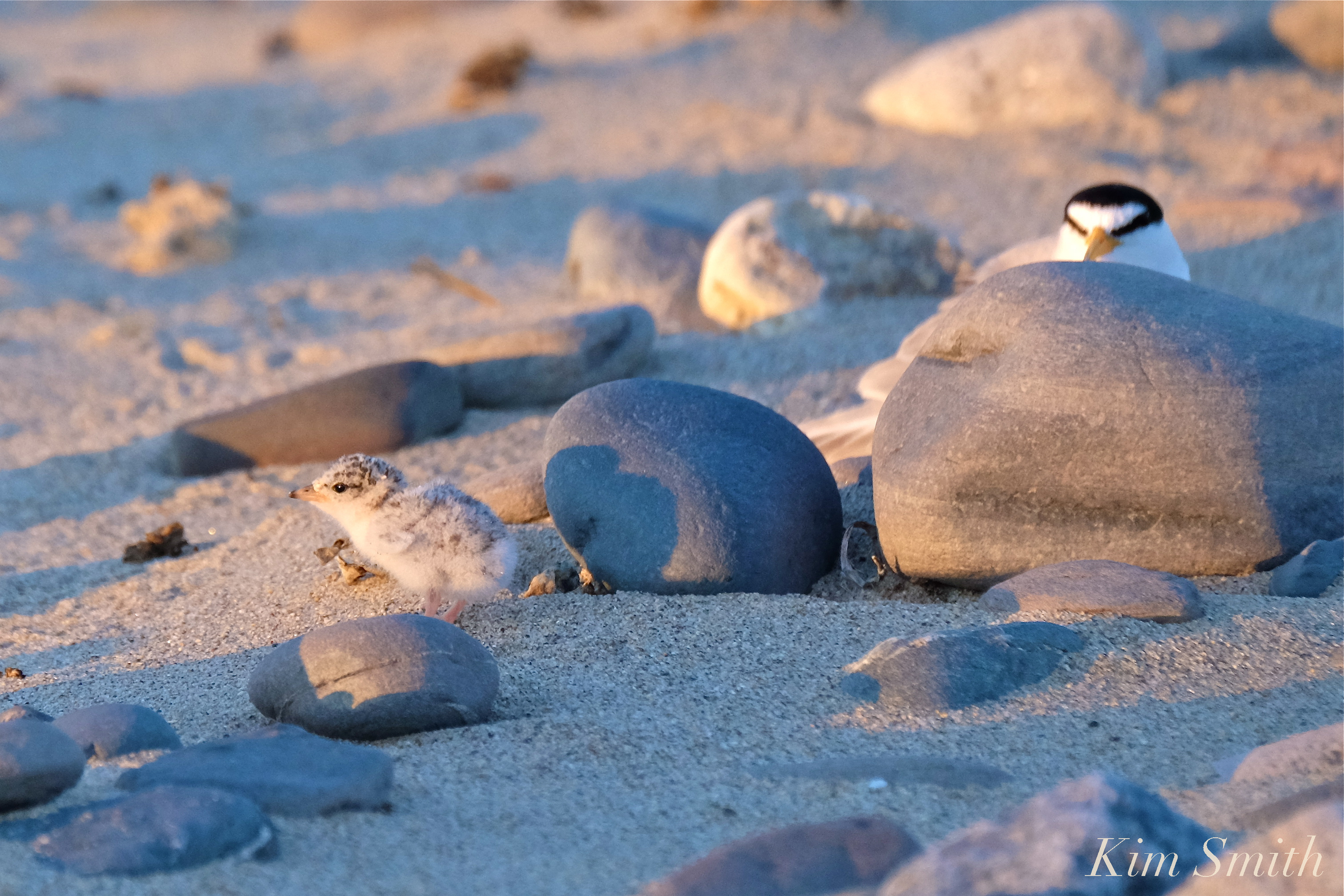
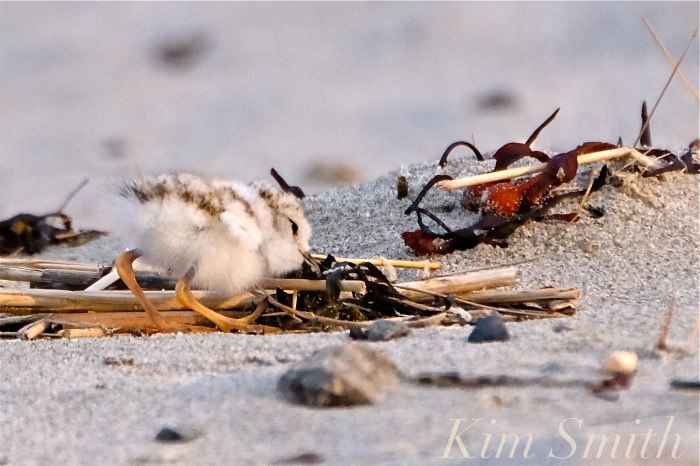
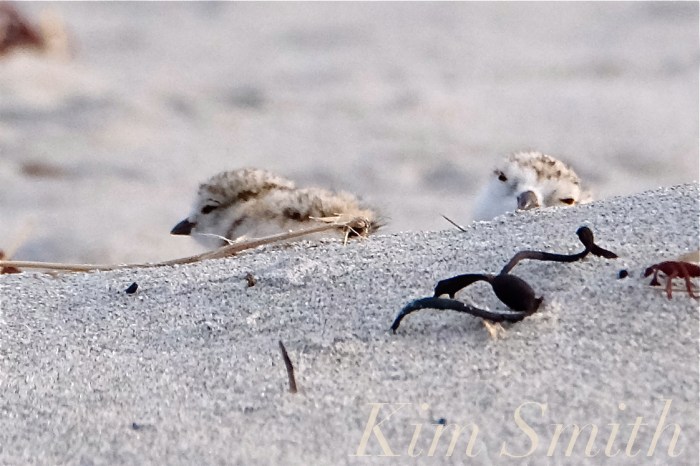
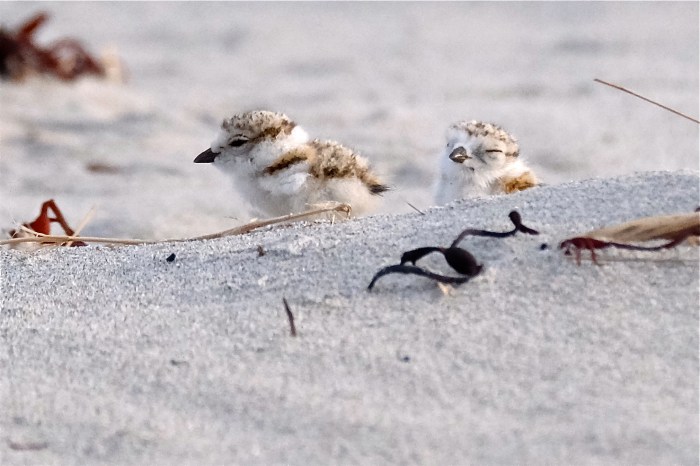
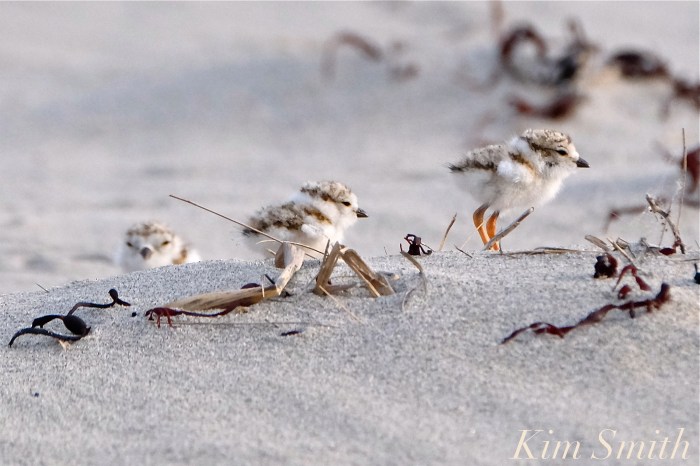
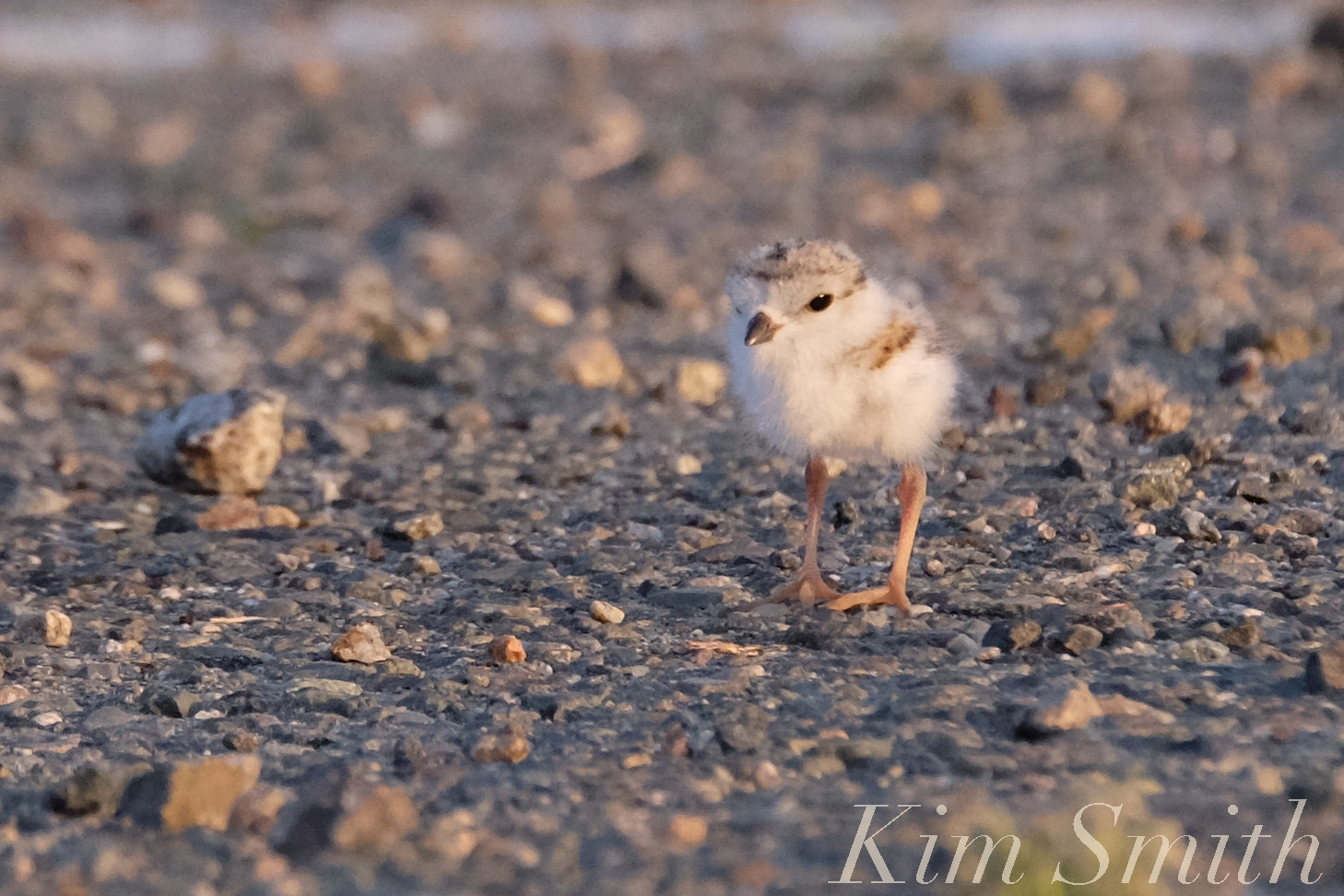
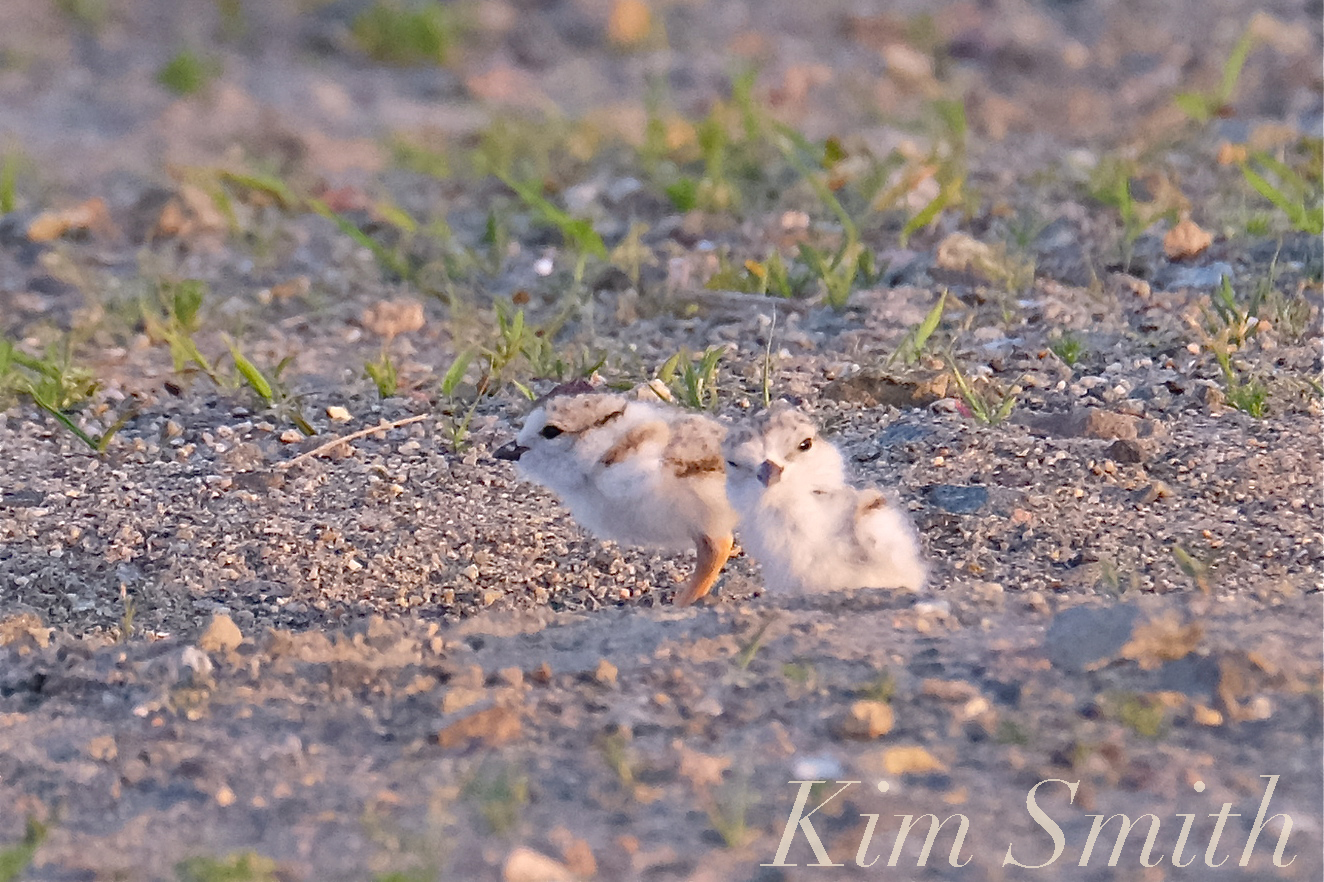
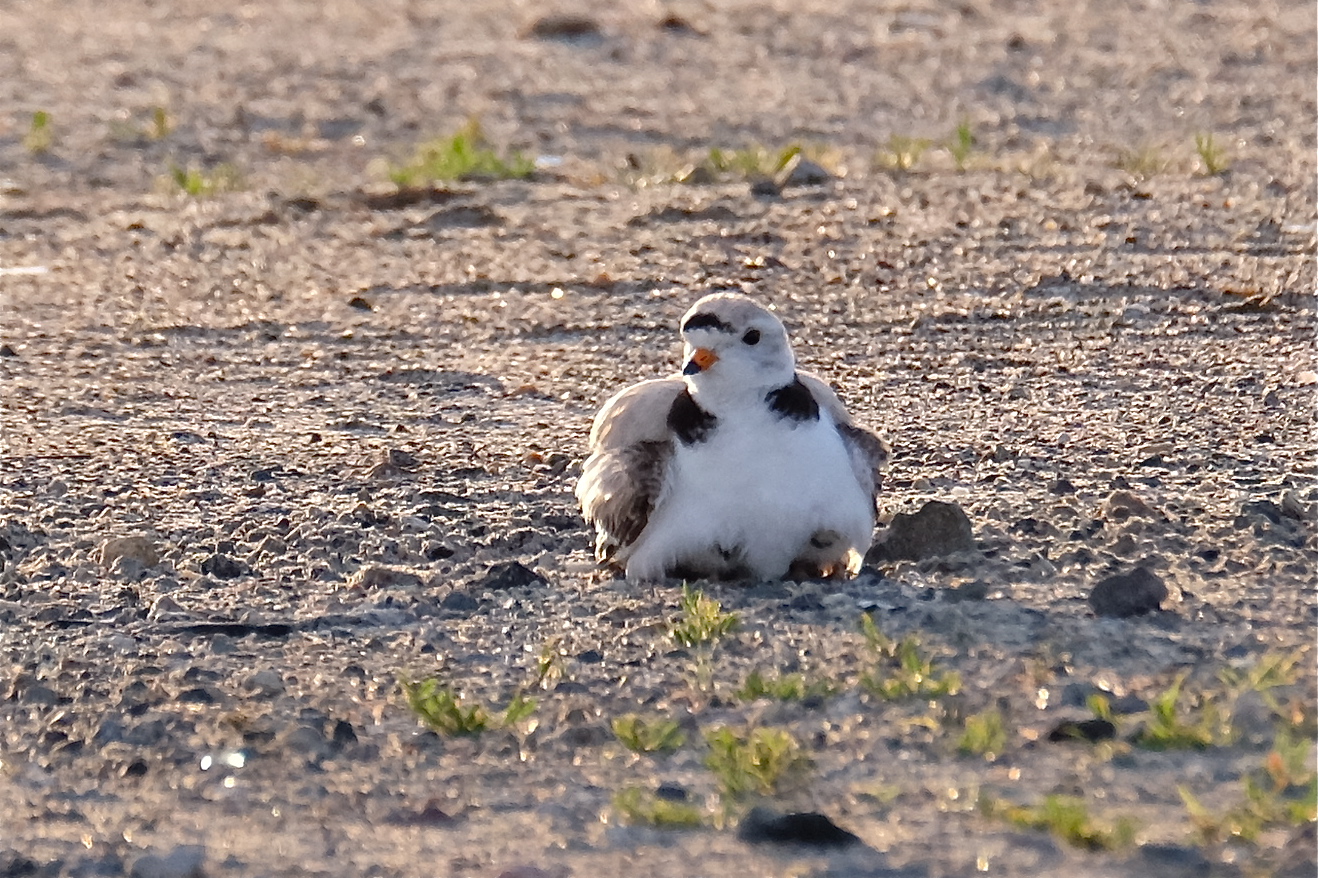
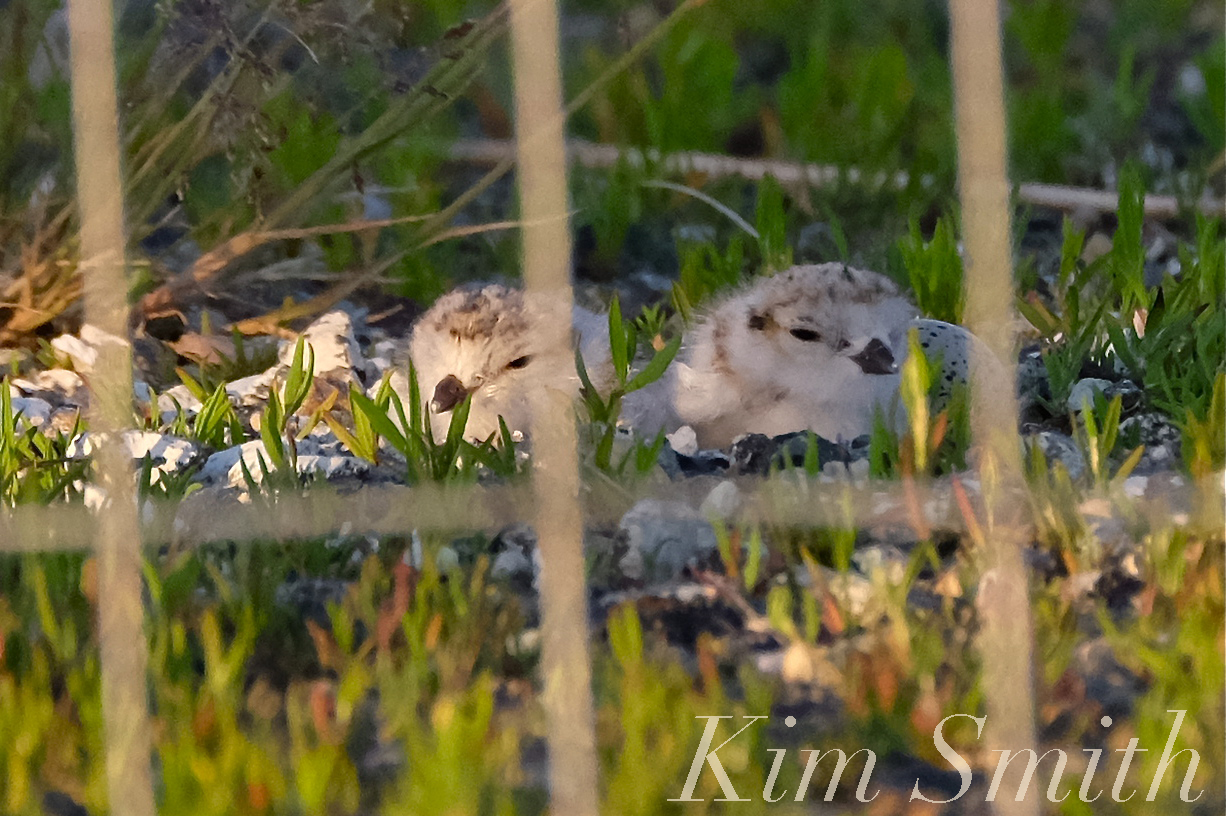
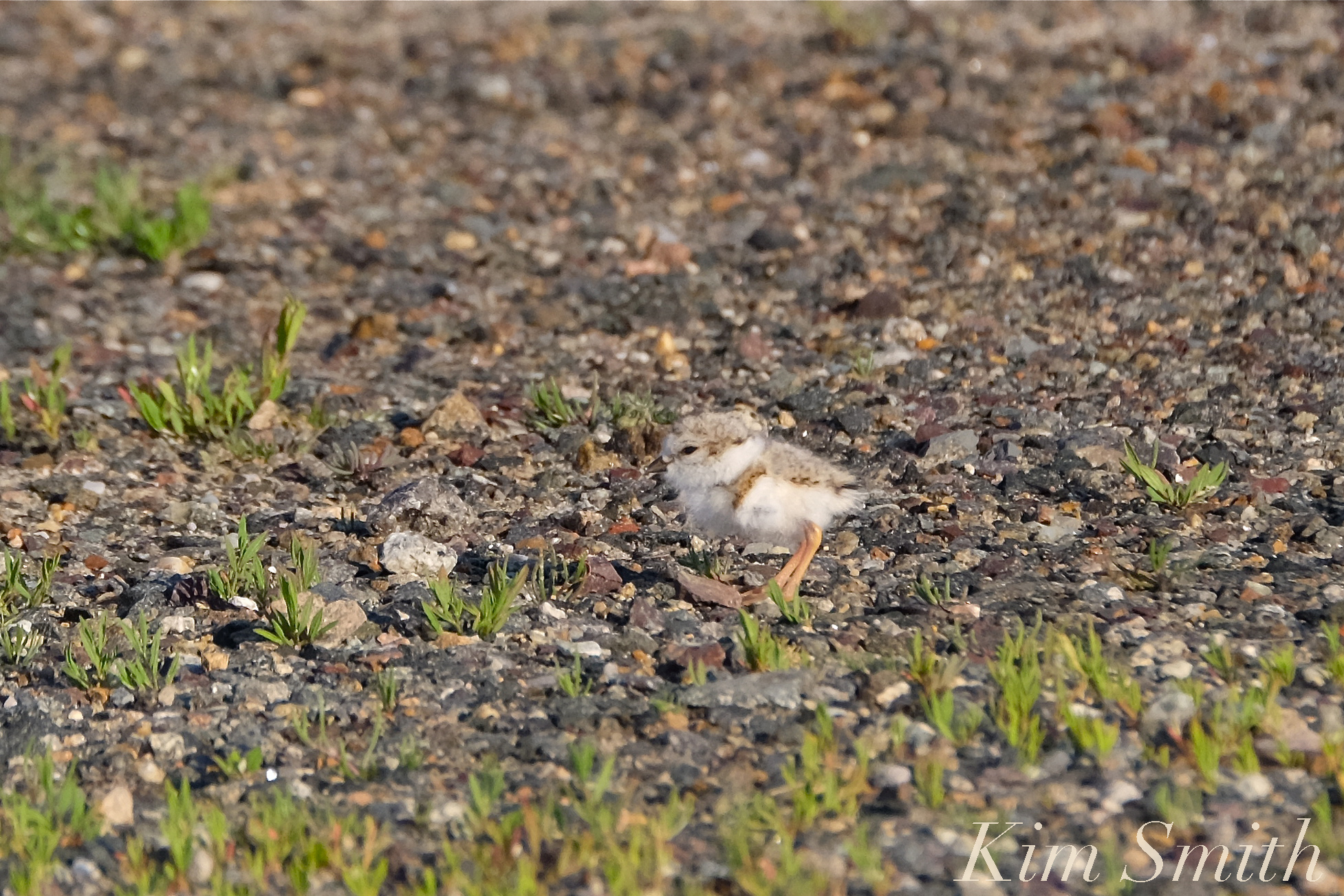
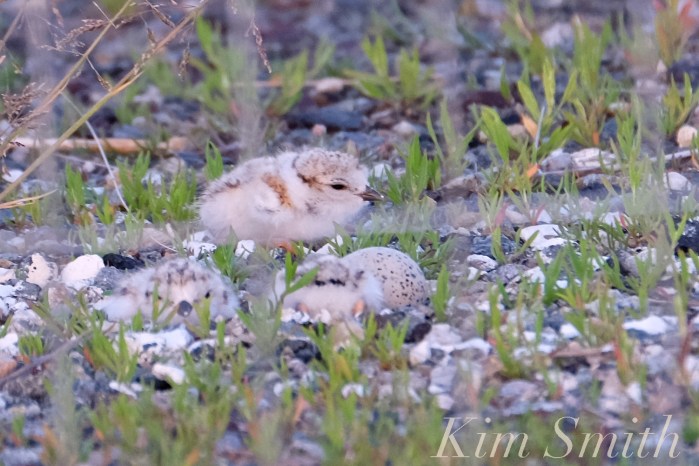
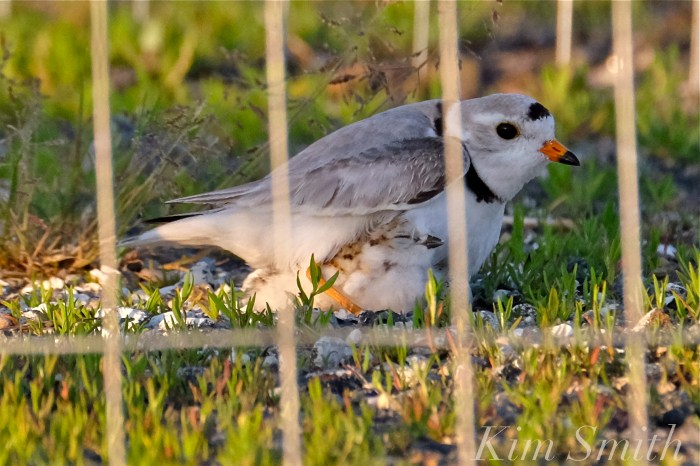
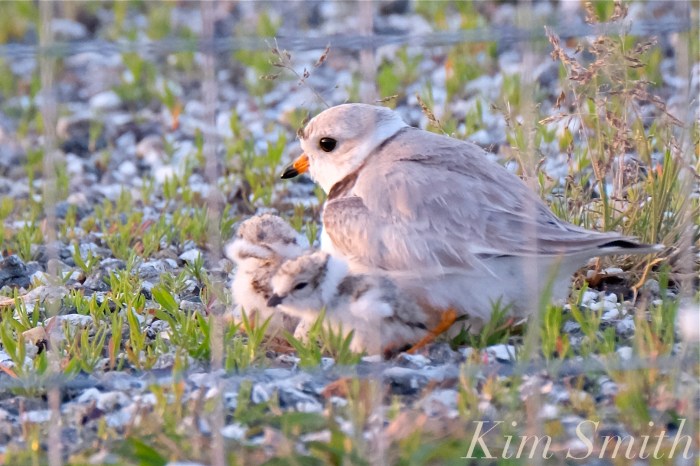
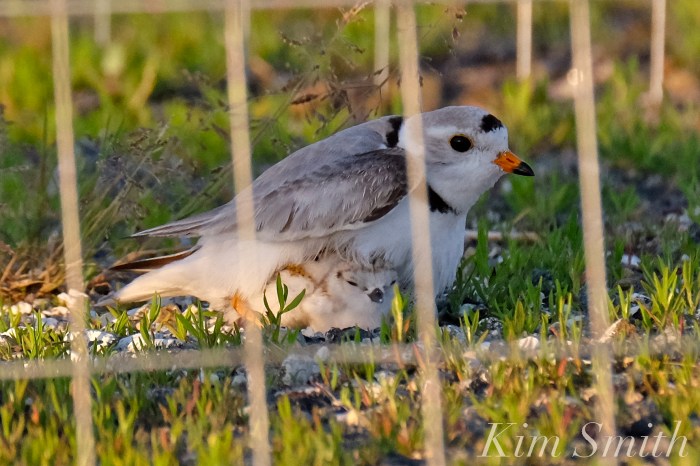
After exploring the beach, the three-day-old Least Tern chick decided to take a short cut through the rocks to nestle under Mom. She was well-camouflaged while brooding and keeping warm and cozy her second chick.

He tried and tried to get to her, first hopping from one foot to the other,

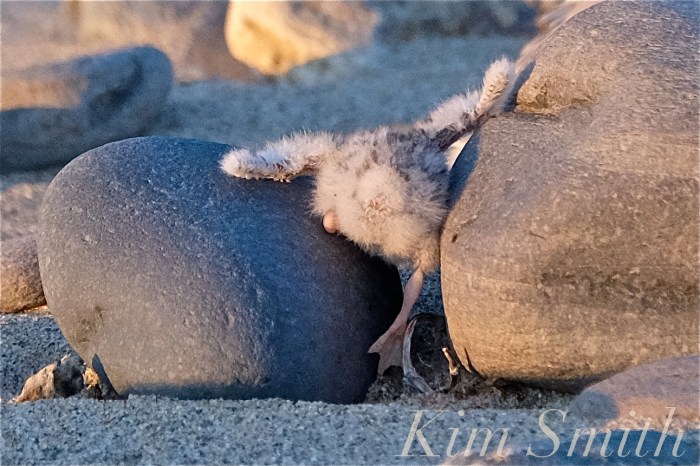
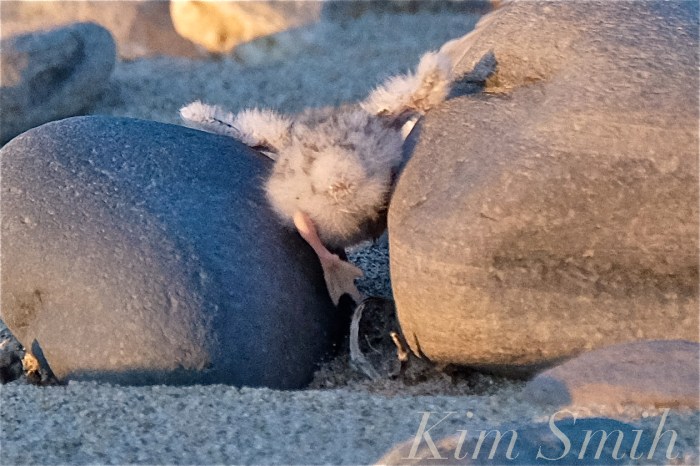
while trying to squeeze with all his tiny might through the space between the rocks…

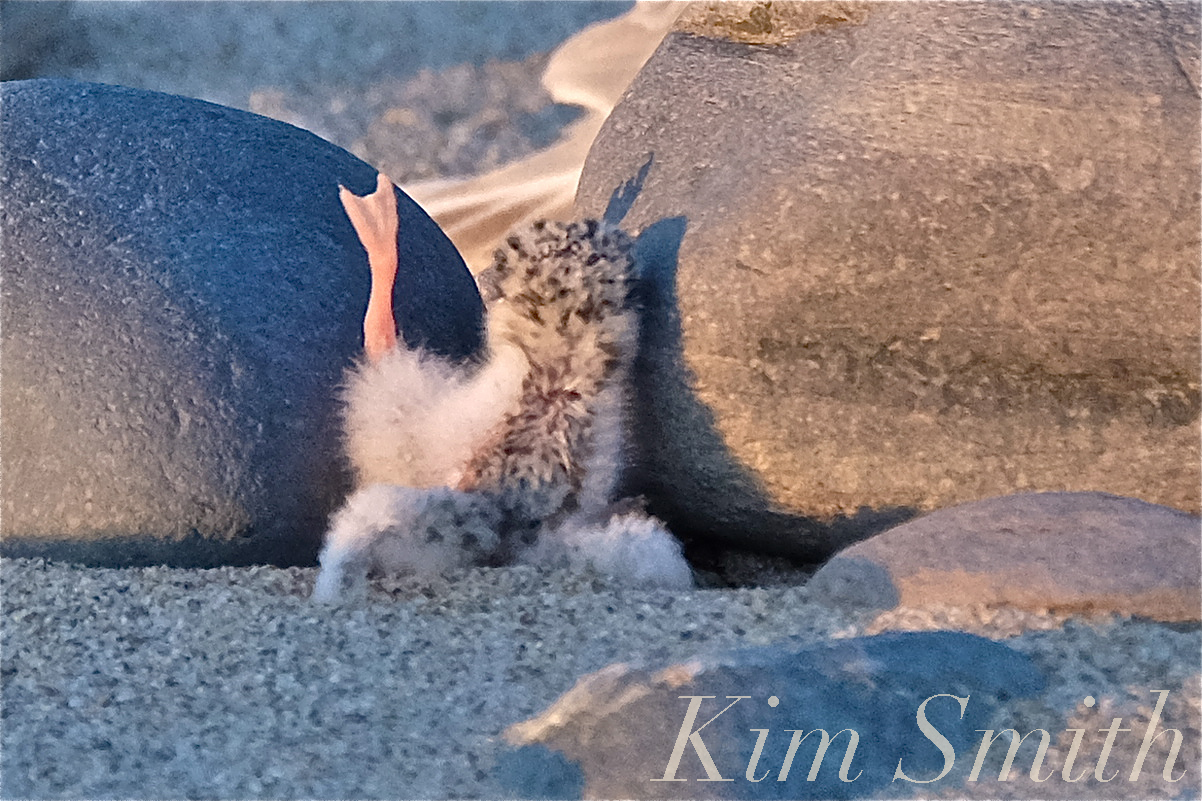
before tumbling backward, with legs splayed and wings all akimbo.

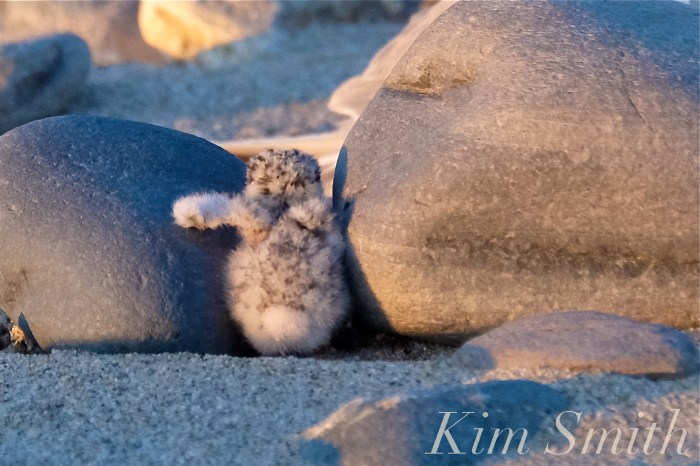
Quickly righting himself (with directives from Mom),

around he went the long way and had himself a good long snuggle under Mom.

While observing and thinking about tiny shorebird chicks, like Least Terns and Piping Plovers, I am continually struck by their resiliency, by their tenacity, and by their ability to prevail, despite the natural and manmade threats to their survival.

OUTSTANDING COASTAL WATERBIRD CONSERVATION COOPERATORS MEETING!

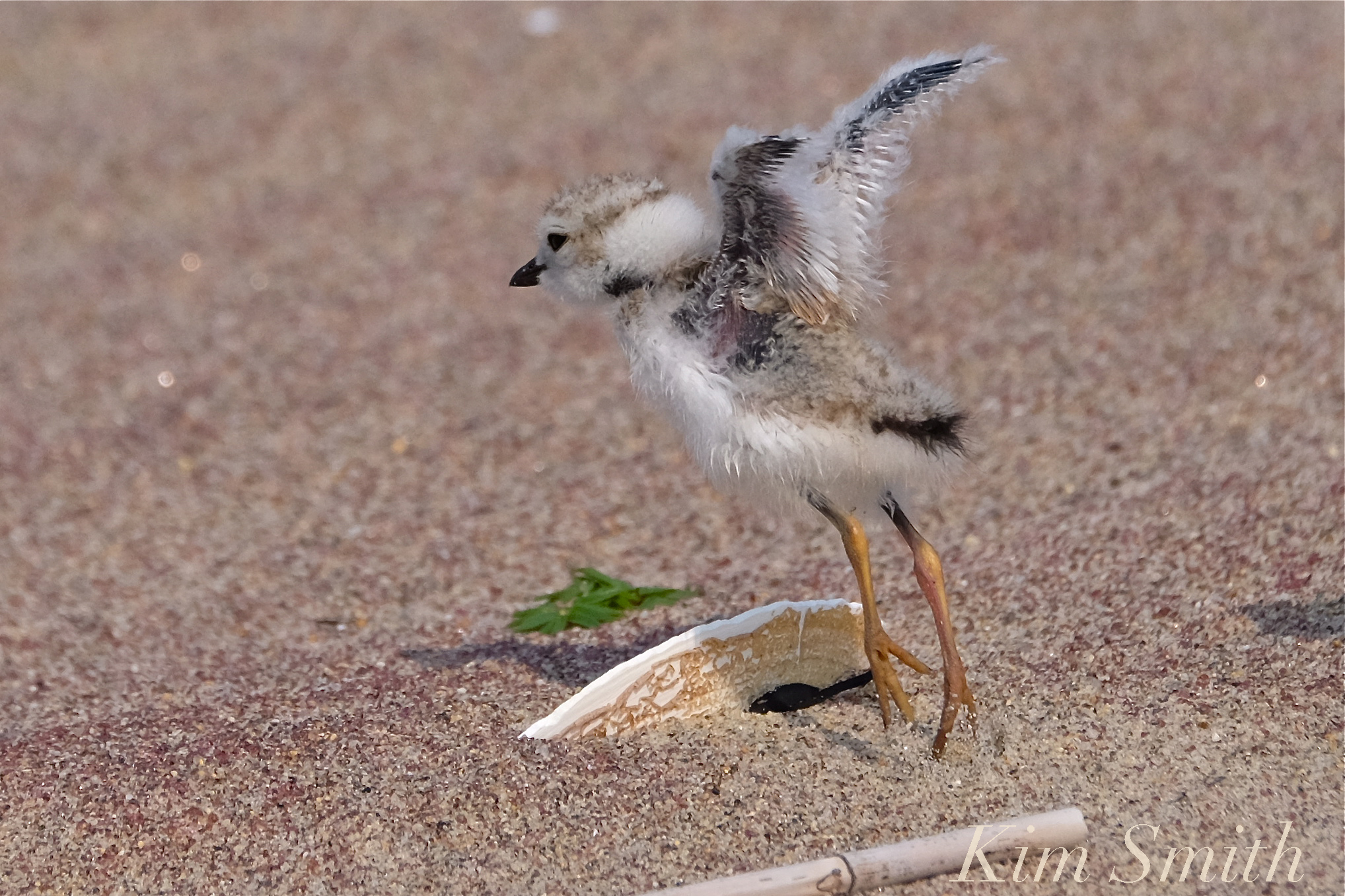
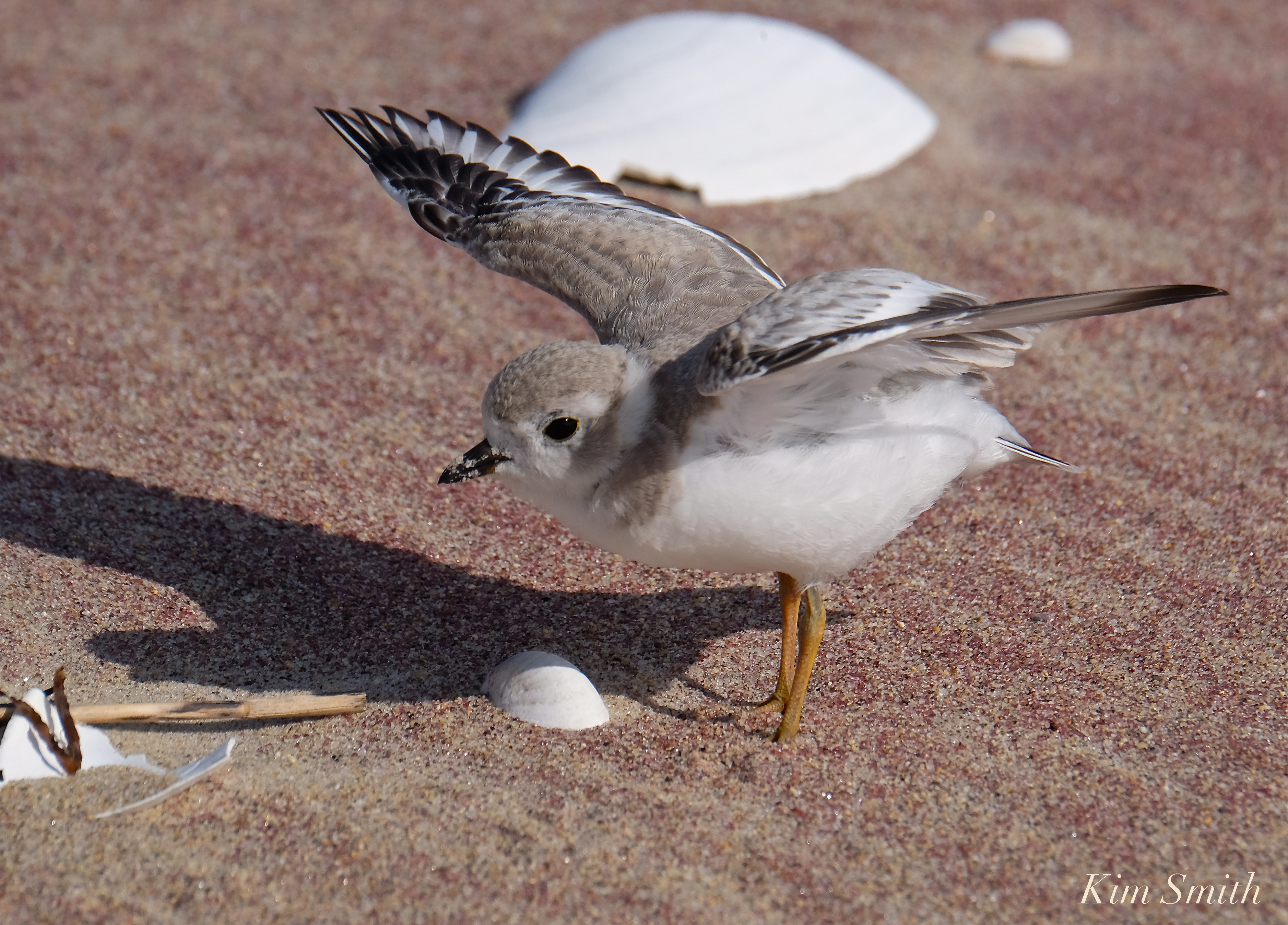
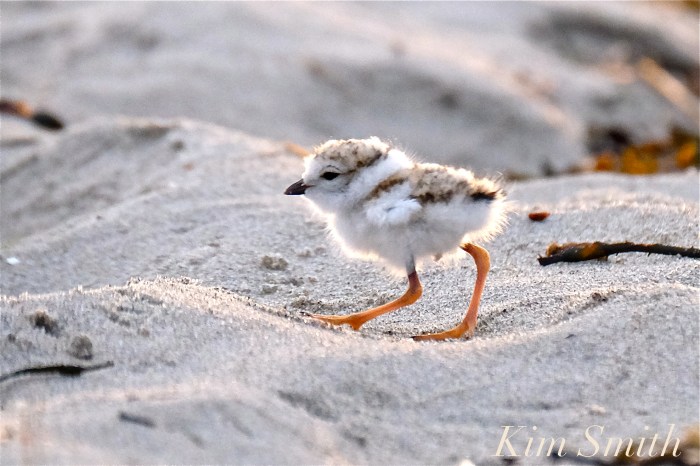
Piping Plover Chick Lift-off! – Not quite ready to fly yet, but testing his wings and airborne for a few seconds.

On Tuesday this past week my friend Deborah and I attended the Coastal Waterbird Conservation Cooperators meeting, which took place at Cape Cod Community College in Barnstable. The meeting is held annually to bring together people and organizations that are involved with population monitoring and conservation efforts on behalf of coastal waterbirds. Threatened and endangered species such as Least Terns, Piping Plovers, and American Oystercatchers are given the greatest attention, while the meeting also encompasses efforts on behalf of heron, cormorant, and egret species.

American Oystercatchers

Conservationists from all seven Massachusetts coastal regions participated, as well as conservationists from nearby states, including representatives from New Jersey, Maine, Rhode Island, and New Hampshire. To name just some of the organizations presenting at the meeting-Mass Wildlife, Trustees of Reservations, Massachusetts Department of Conservation and Recreation (DCR), and US Fish and Wildlife. Gloucester was well represented. In addition to Deborah and myself, two members of the Animal Advisory Committee also attended; chairperson Alicia Pensarosa and former animal control officer Diane Corliss. Many of you may remember our Mass Wildlife Piping Plover intern Jasmine. She was there to give a presentation on habitat vegetation utilized by nesting Piping Plovers. Her aunt, Gloucester’s Terry Weber, was there to support Jasmine. This was Jasmine’s first time speaking in public and she did an excellent job!

Each region gave the 2018 population census report for nesting birds as well as providing information about problems and solutions. We all share similar challenges with predation from crows and gulls, uncontrolled dogs, enforcement, and habitat loss and it was very interesting to learn about how neighboring communities are managing problems and issues.

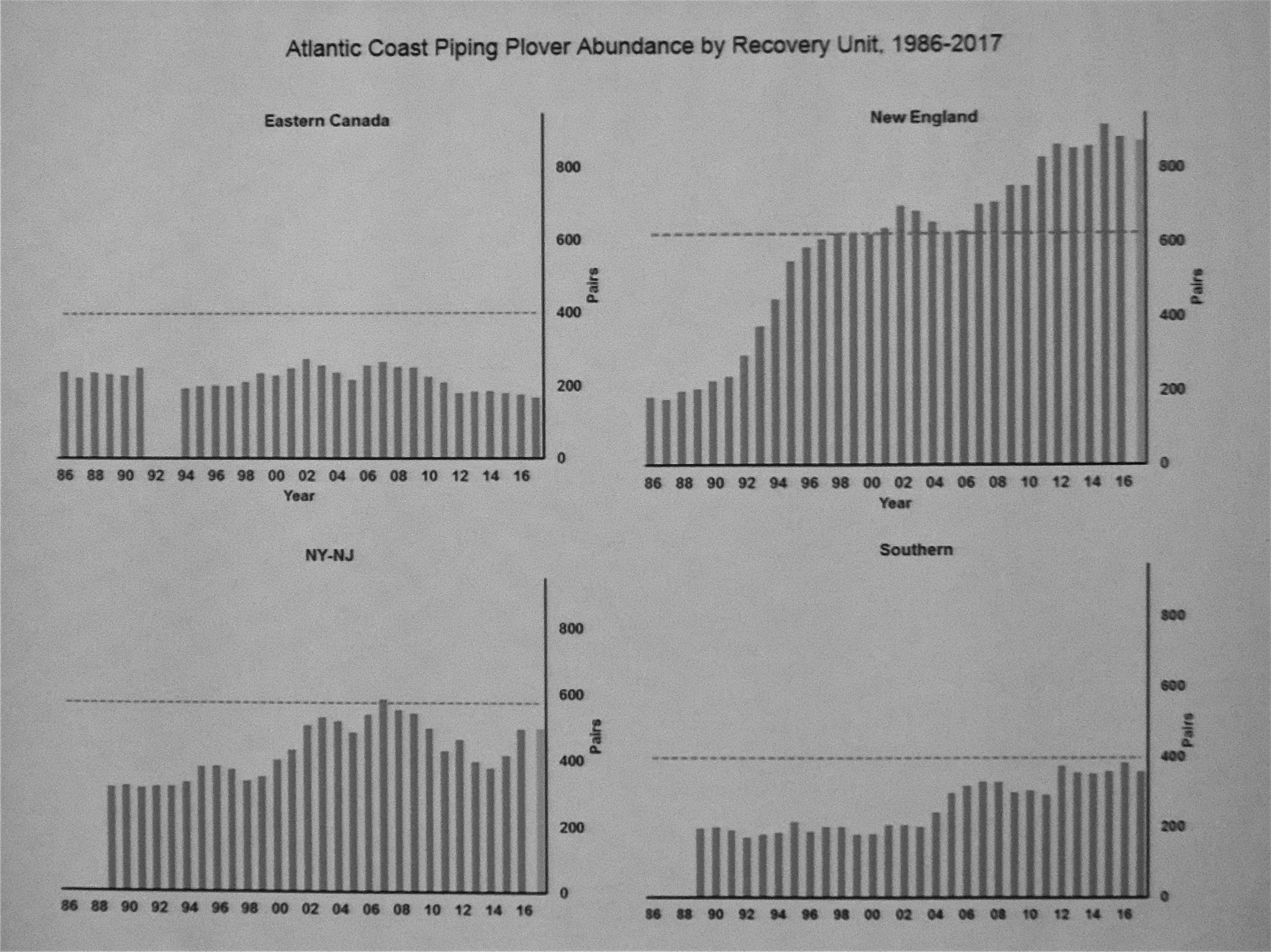
Just one highlight of a day filled with helpful insights and useful information is that we can be very proud of our state—Massachusetts is at the leading edge of the Piping Plover recovery effort. The representative from New Jersey was there specifically to learn from Massachusetts conservationists on how they could possibly improve their recovery program as the New Jersey PiPl population is not growing, with fewer and fewer each year retuning to nest. As you can see from the graph provided at the meeting, the Canadian recovery is going very poorly as well.

Readers will be interested to know that our region’s Crane Beach continues to have one of their best year’s ever. Trustees of Reservations Jeff Denoncour shared information on the latest census data from 2018 and Crane’s has a whopping 76 fledglings, with 25 more chicks still yet to fledge. Because of the huge success at Cranes Beach, the northeast region, of which we are a part, has fledged a total 136 of chicks in 2018, compared to 108 in 2017, and as I said, with more fledglings still to come! The northeast region encompasses Salisbury Beach to the Boston Harbor Islands.

Jeff noted that this year they had less predation by Great Horned Owls. Because of owl predation, several years ago Crane Beach gave up on the wire exclosures and now use electric fencing extensively. The Great Horned Owls learned that the Piping Plover adults were going in an out of the exclosures and began perching on the edge of the wire, picking off the adults as they were entering and exiting the exclosure.

Crane has an excellent crew of Trustees staff monitoring the Least Terns and Piping Plovers, as well as excellent enforcement by highly trained police officers. No dogs are allowed on Crane Beach during nesting season and dogs are prevented from entering at the guarded gate. As we saw from one of the graphics presented about nesting Double-crested Cormorants, when a dog runs through a nesting area, the adults leave the nest, temporarily leaving the eggs and chicks vulnerable to predation by crows, gulls, raptors, and owls.

Crane Beach Least Tern fledgling.

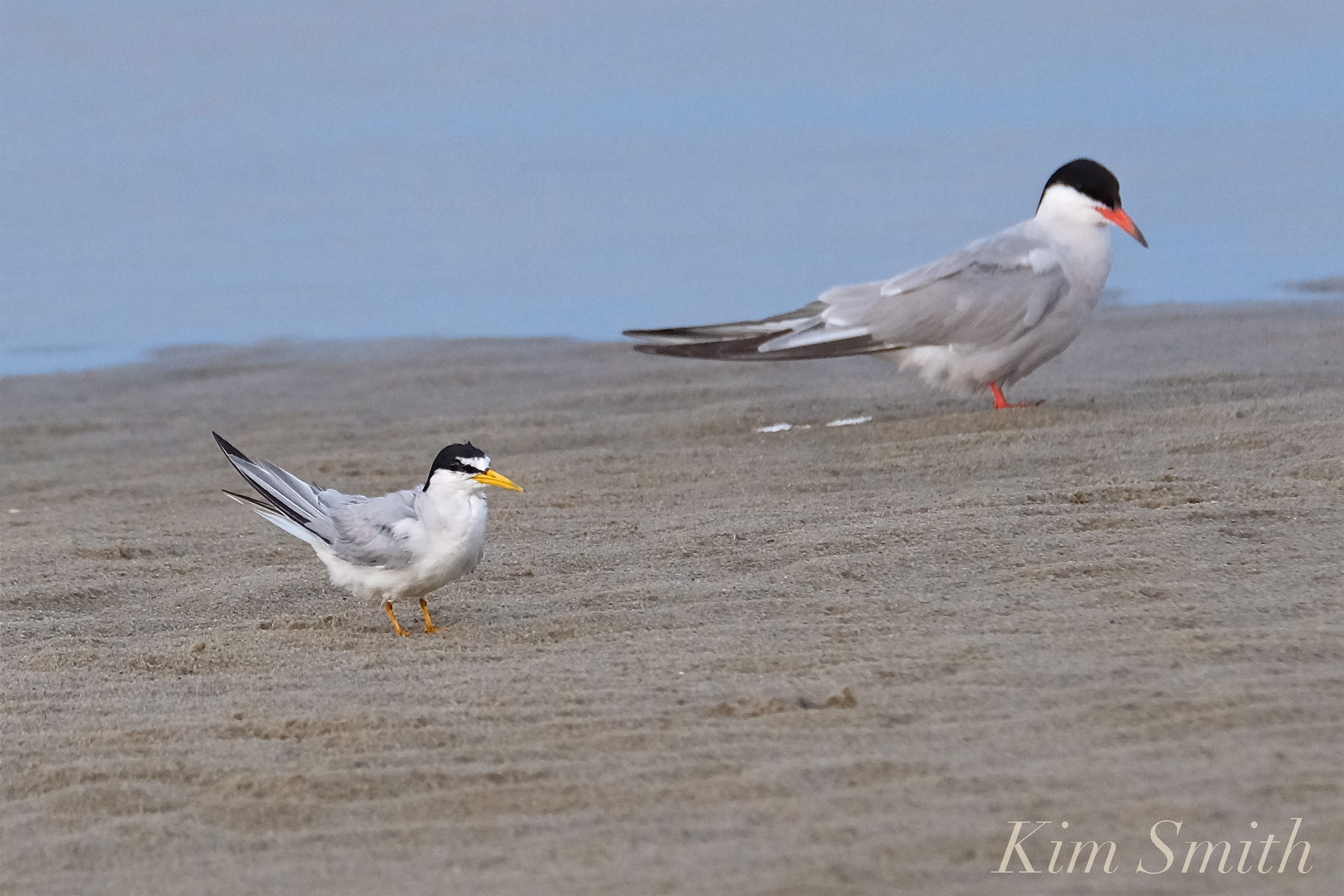
Compare the Least Tern to Common Tern in the above photo. It’s easy to see why the birds are called Least Terns; they are North America’s smallest member of the tern and gull family (Crane Beach).

Another interesting bit of information shared–if you listen to our podcasts, back in April, we talked about the potential dilemma of what would happen if Snowy Owls remained on the beaches as the Piping Plovers returned from their winter grounds. Knowing that Snowy Owls (Bubo scandiacus) and Great Horned Owls (Bubo virginianus) are close cousins and that the Great Horned Owl eats Piping Plover chicks and adults, I was concerned that a Snowy might eat our PiPl. At one particular beach on Cape Cod, a Snowy stayed through mid-July. An adult Piping Plover skull was found in the owl’s pellet.

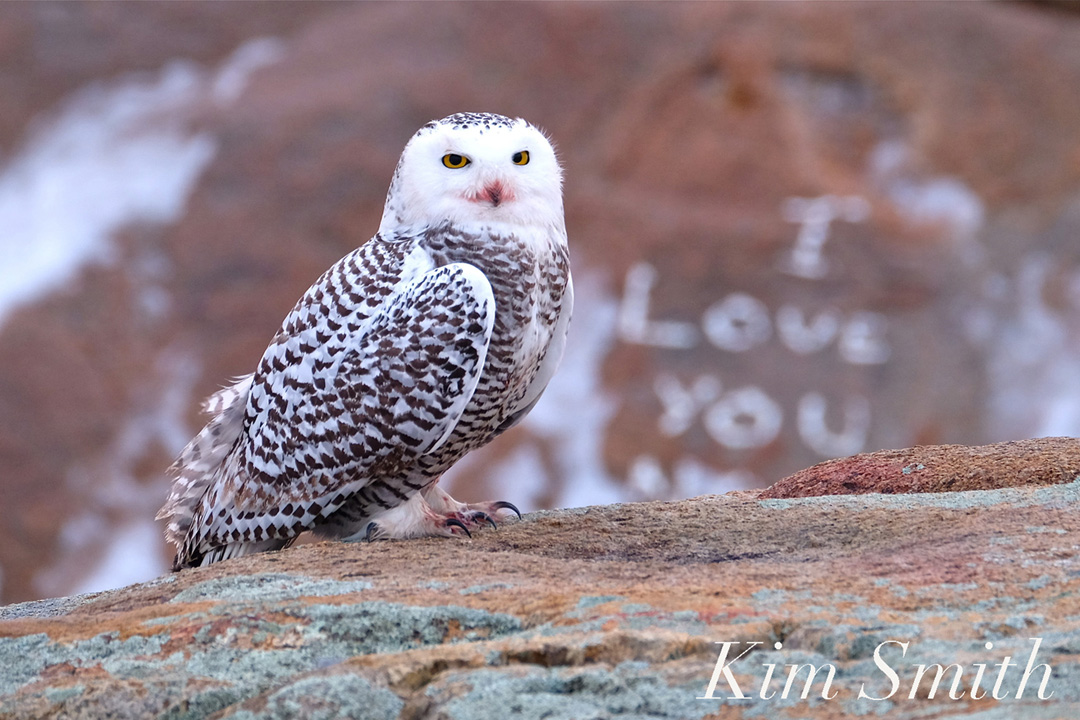
Snowy Owls remained in Massachusetts this year through July.

After attending the cooperators meeting, I am more hopeful than ever that our community can come together and solve the problems that are preventing our PiPl from successfully nesting and fledging chicks. What we have going in our favor is the sheer number of amazing super volunteers along with strong community-wide support.  

Piping Plover fully fledged and flying up and down the beach – we”ll have these next year!

GOOD MORNING GOOD HARBOR BEACH BABIES!

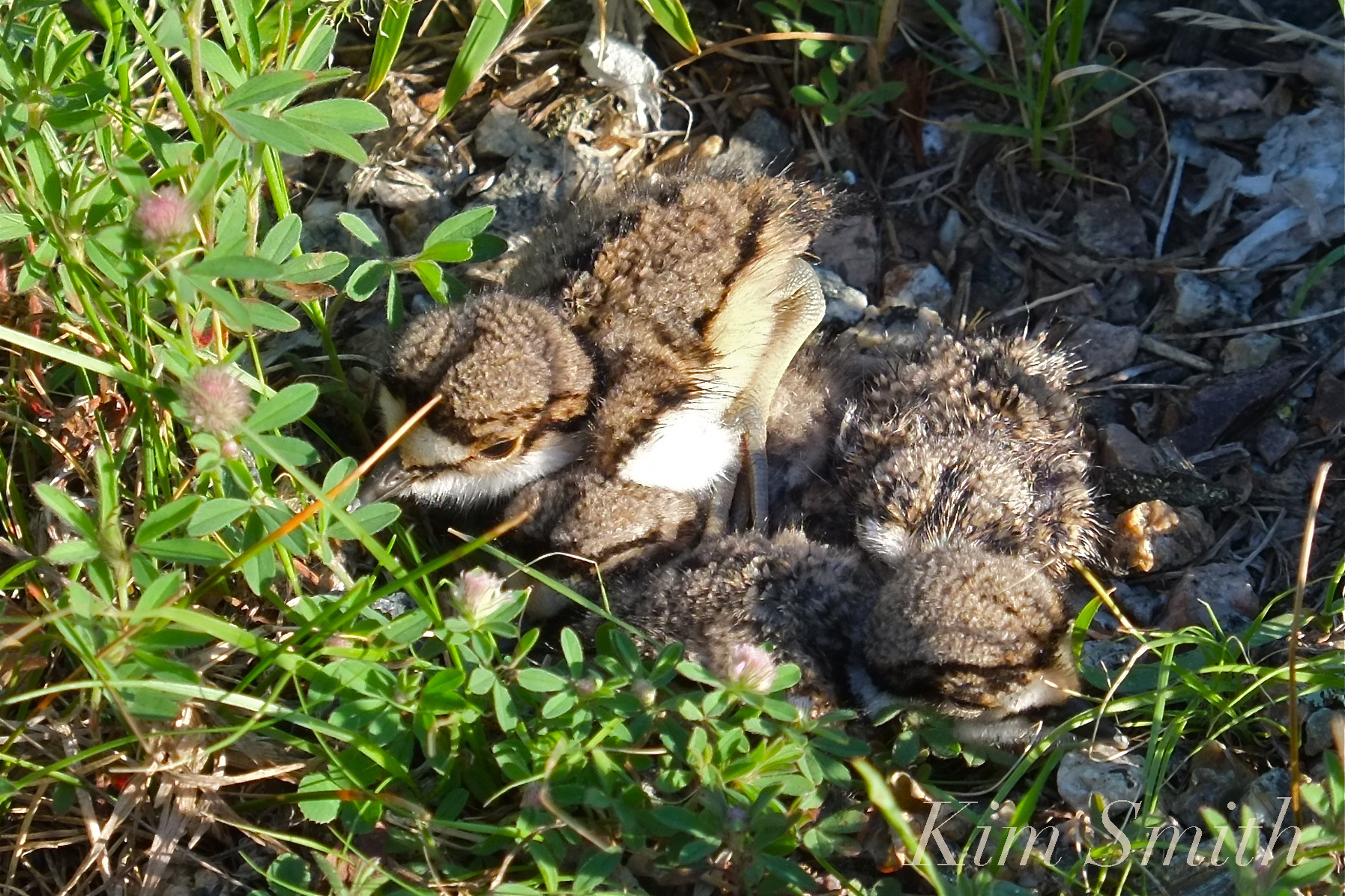
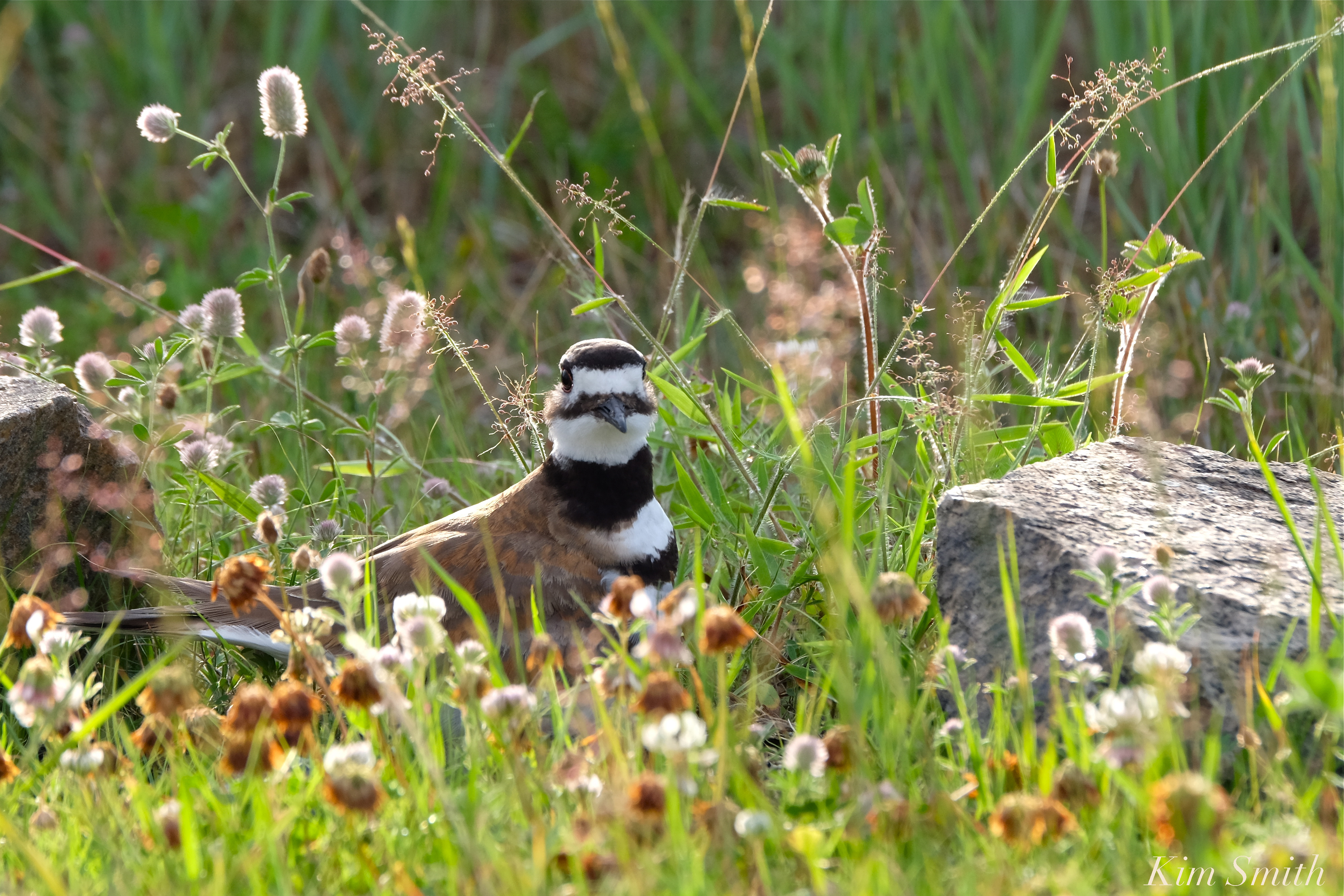
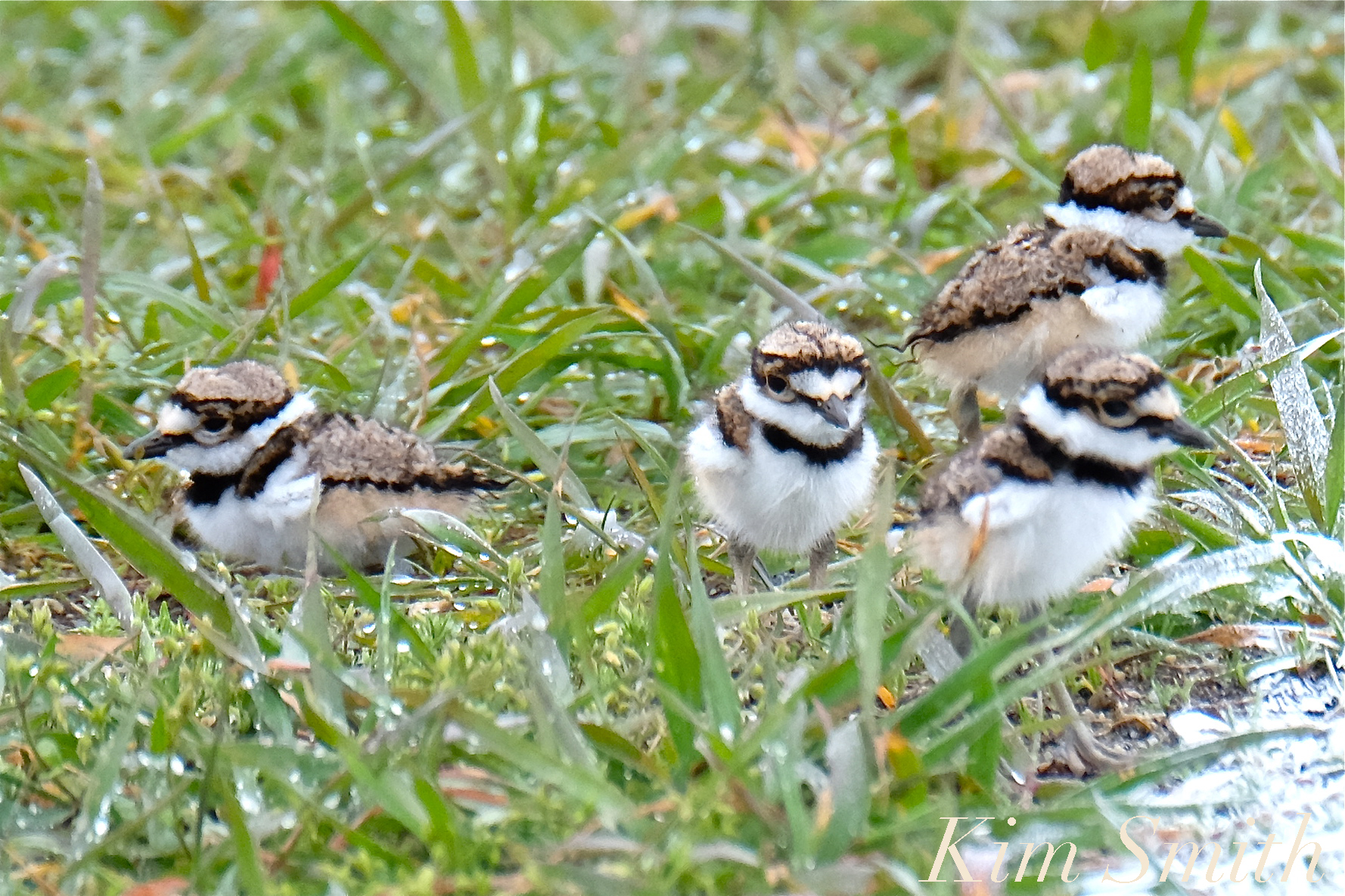
The Good Harbor Beach Killdeer Family has hatched a second clutch of four chicks!

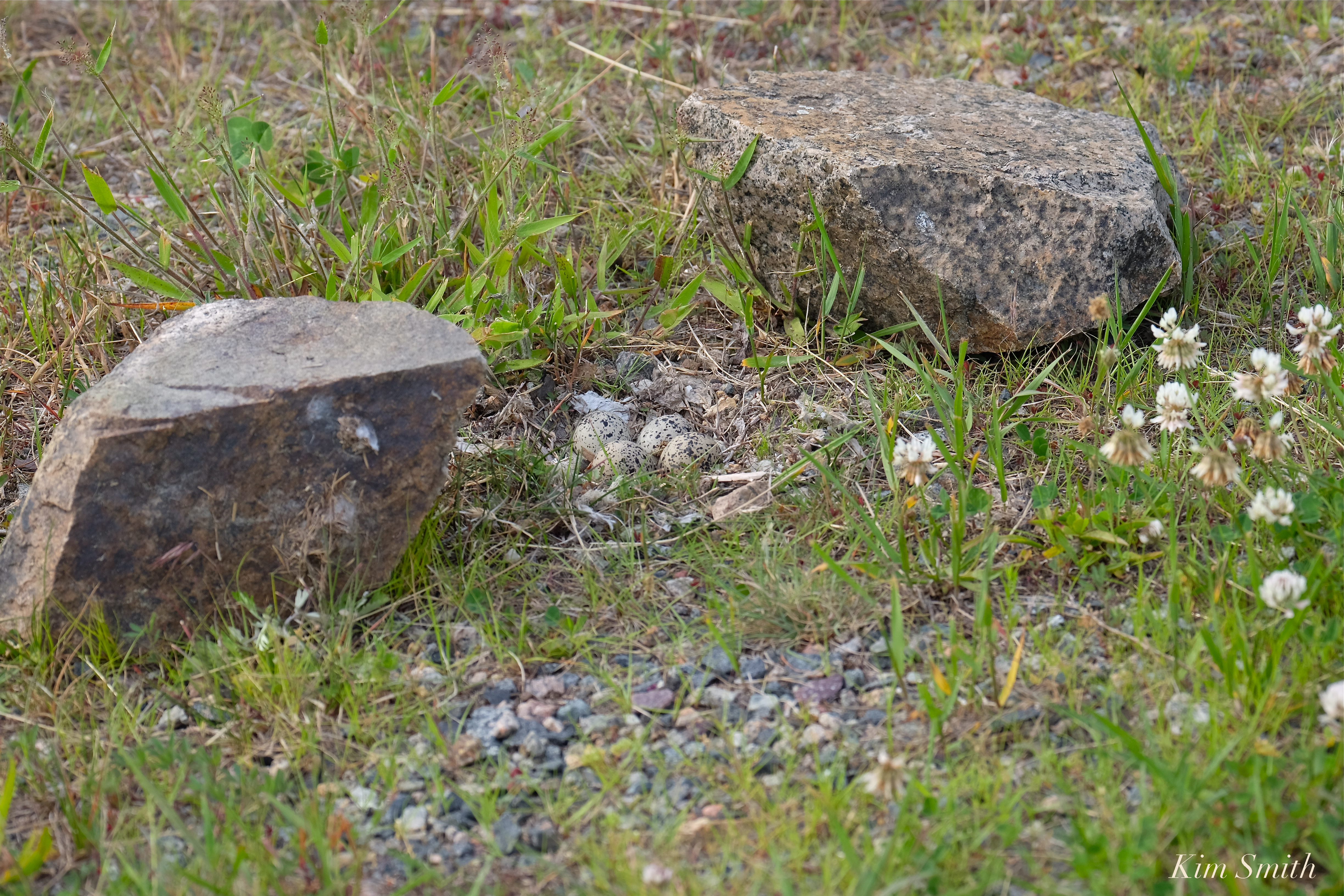
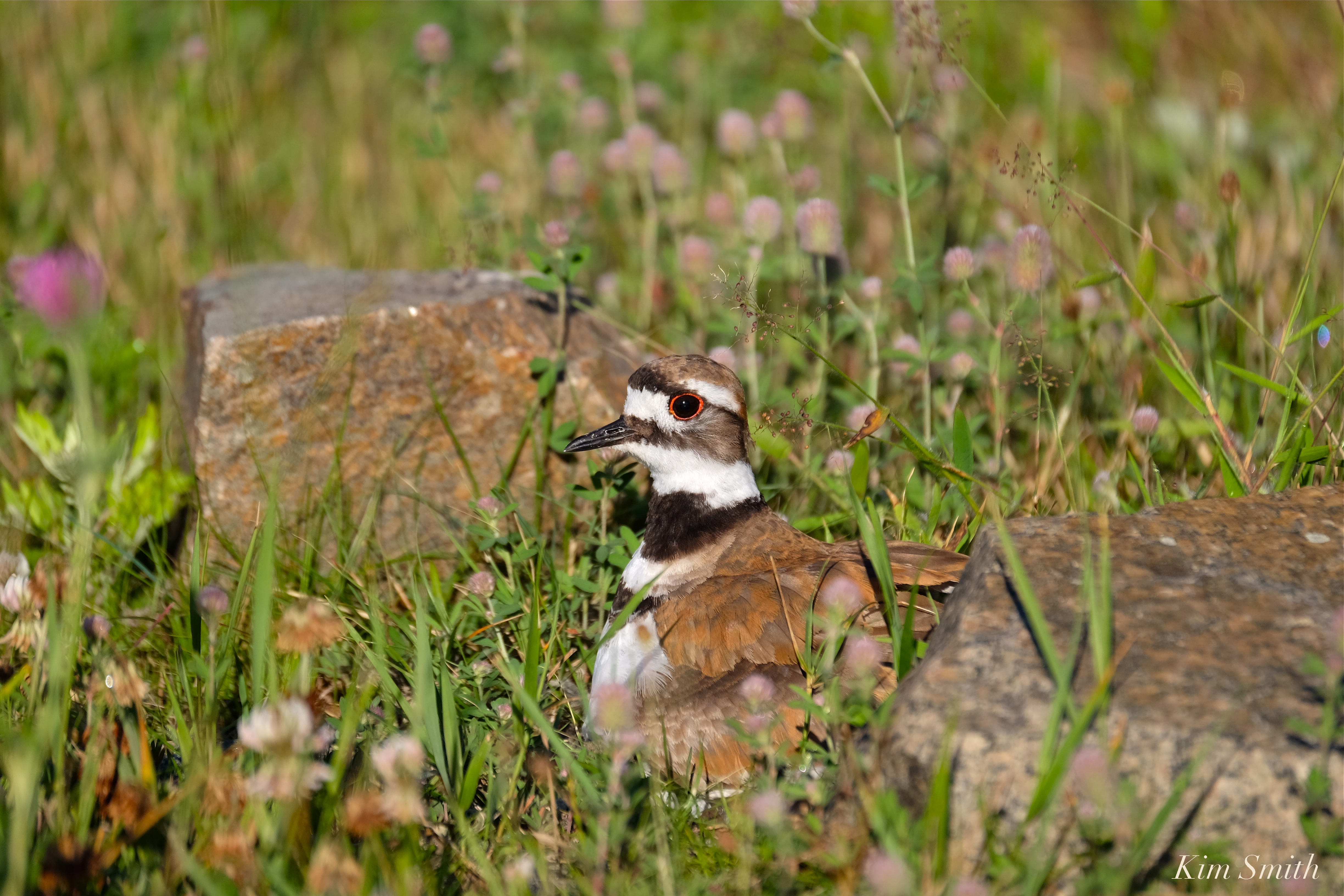
The first nest was located in the dunes, the second on the edge of the parking lot. The staff at the GHB parking lot placed two large stones on either side of the nest. A week or so later, an orange cone.

Nesting patiently and well hidden in the scrubby parking lot growth. 

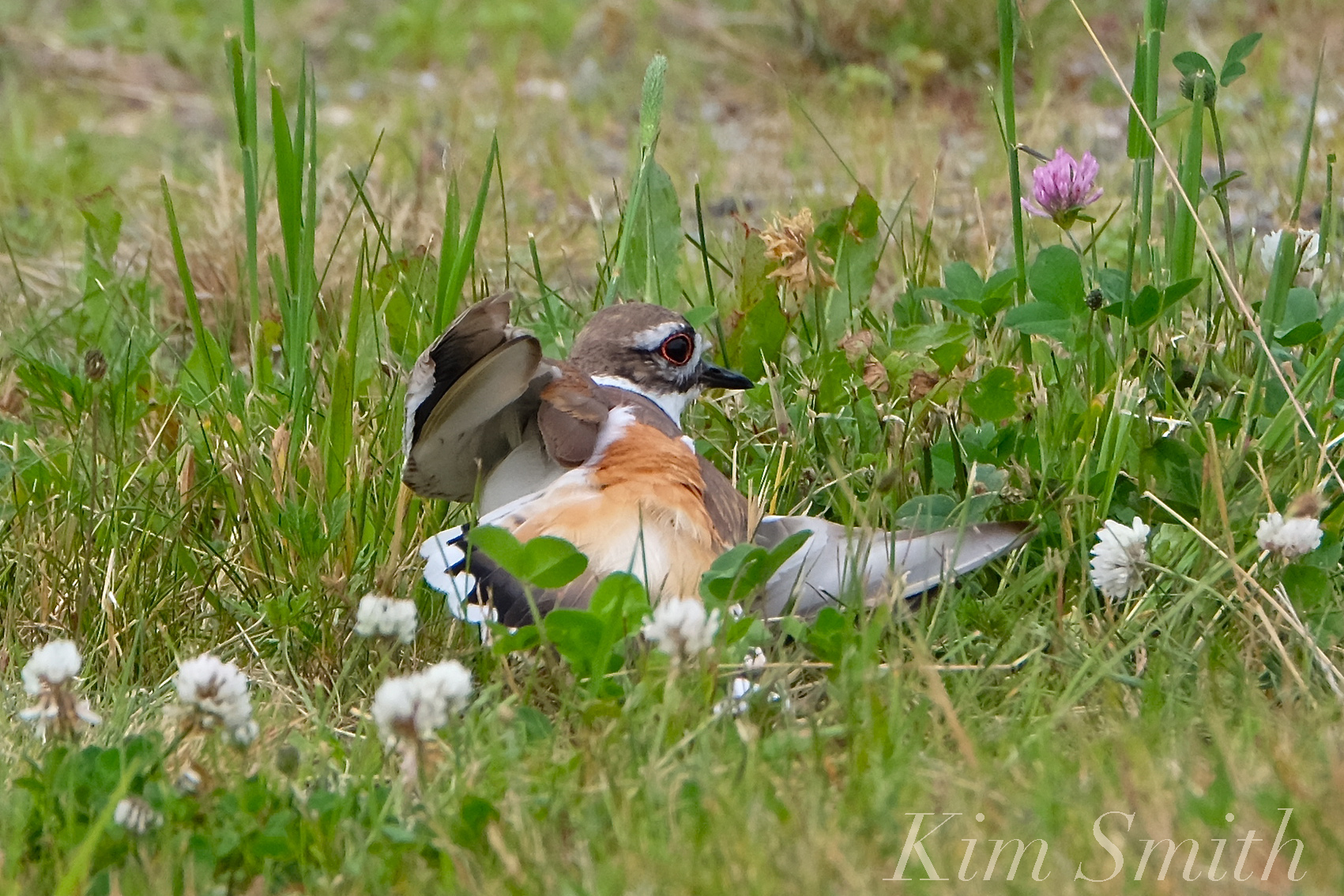
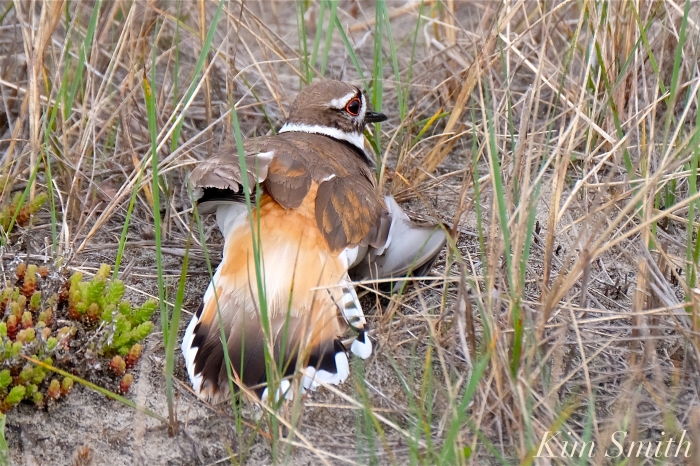
Mama and Papa Killdeer successfully distracted many a beach goer from getting too close to to the nest with their broken-wing distraction display.

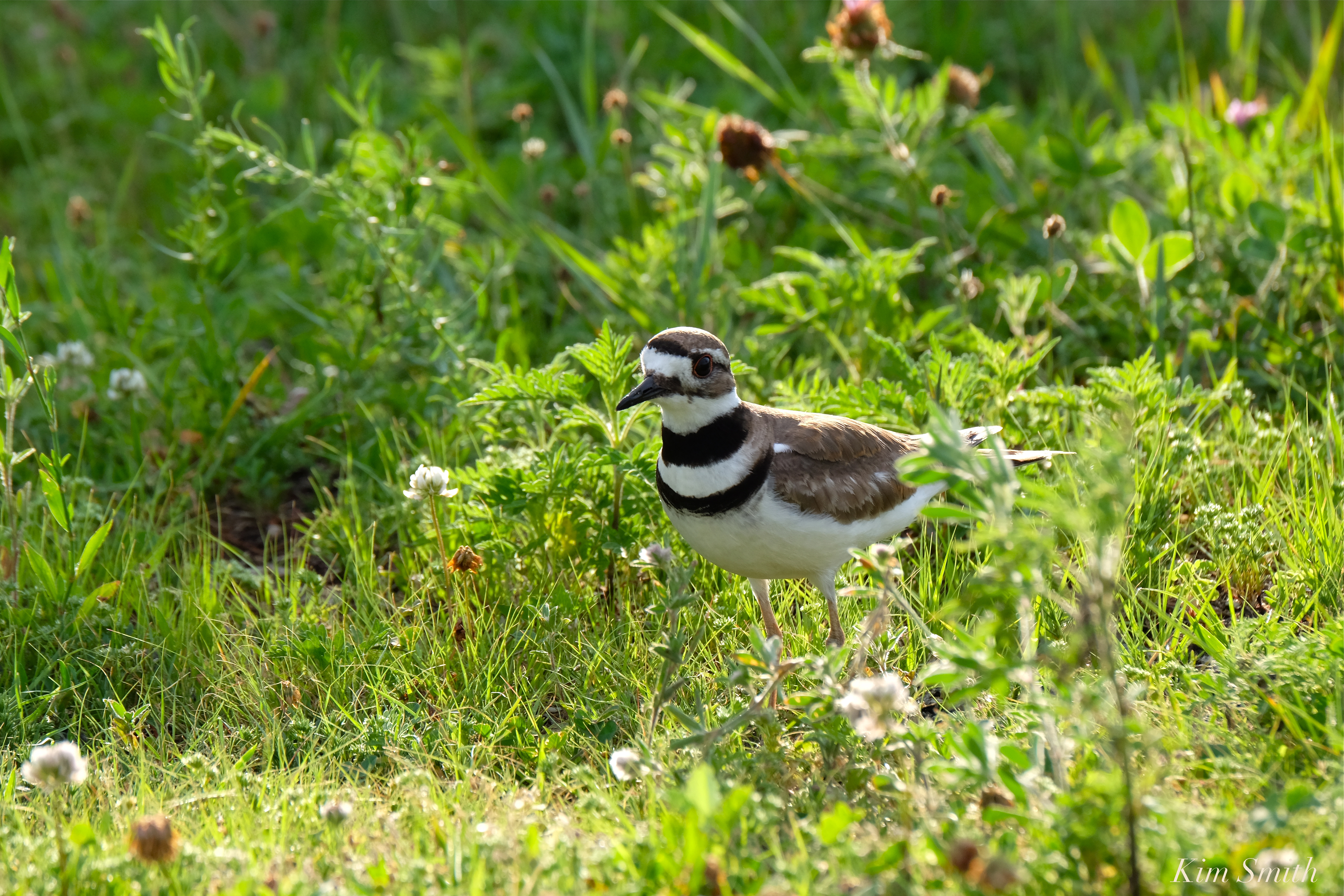
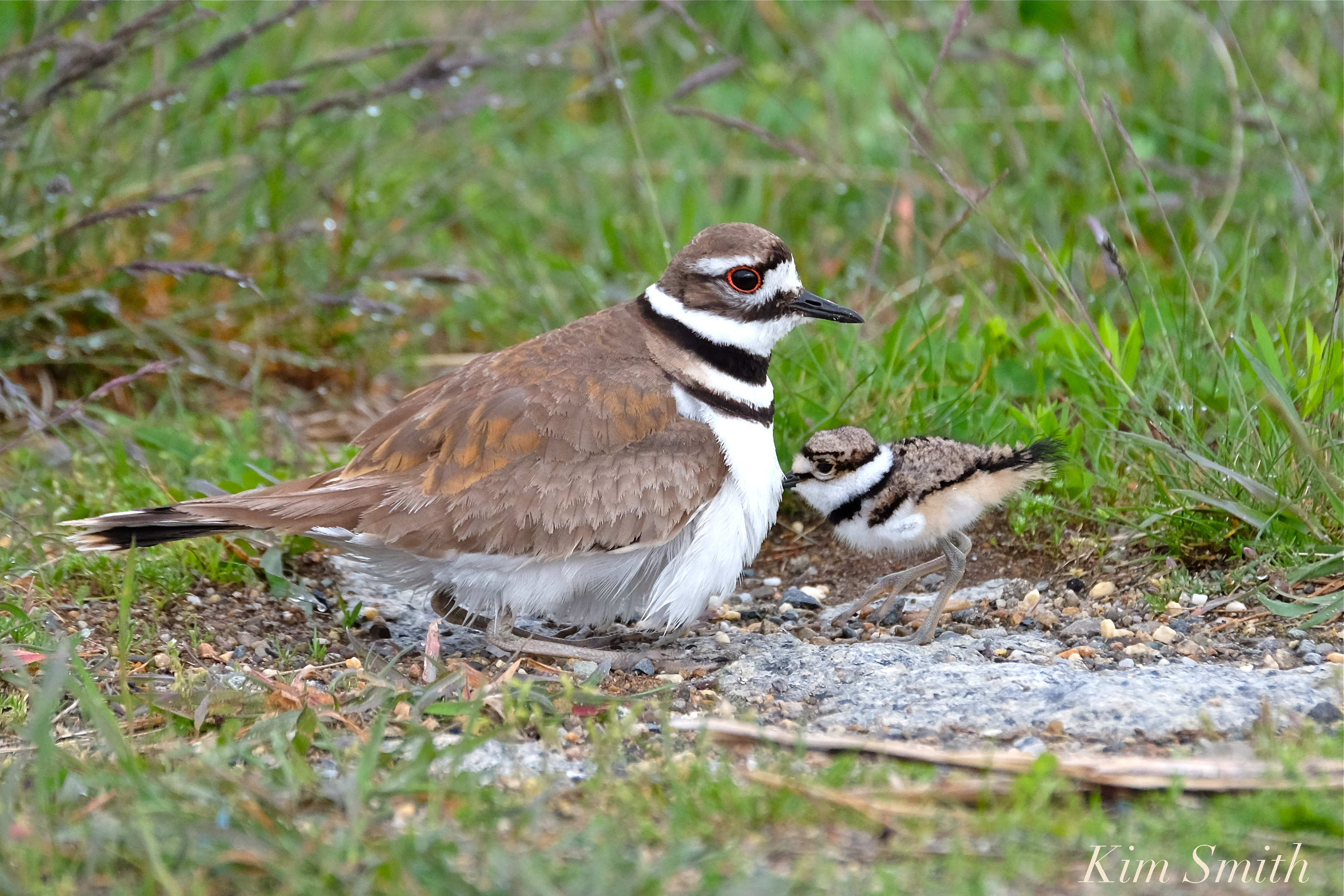
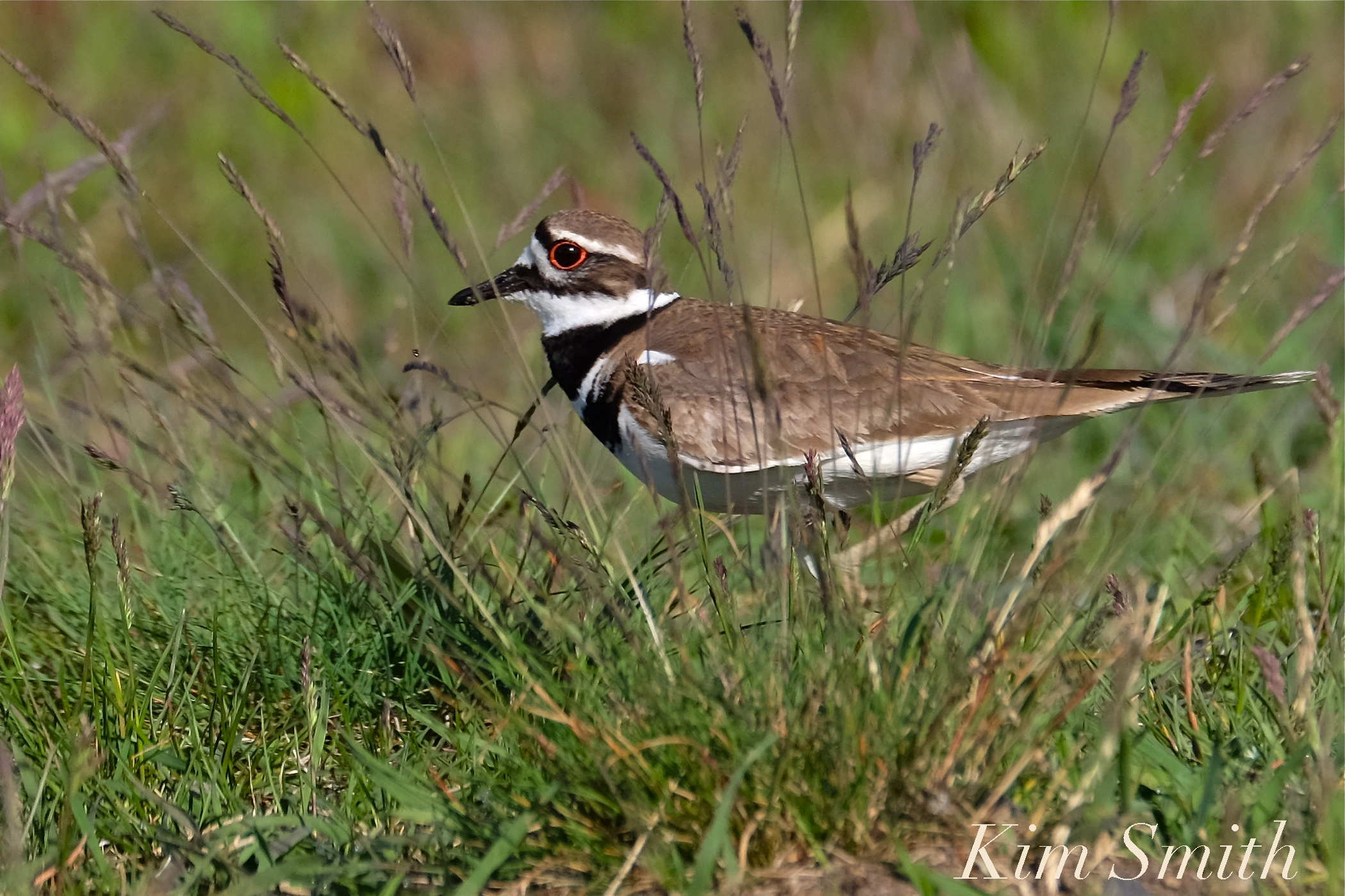
Killdeers are a species of plovers, as are Piping Plovers, Semi-palmated Plovers, Black-bellied Plovers, and Wilson’s Plovers. It takes about the same amount of time for the eggs to incubate, approximately 24-28 days.

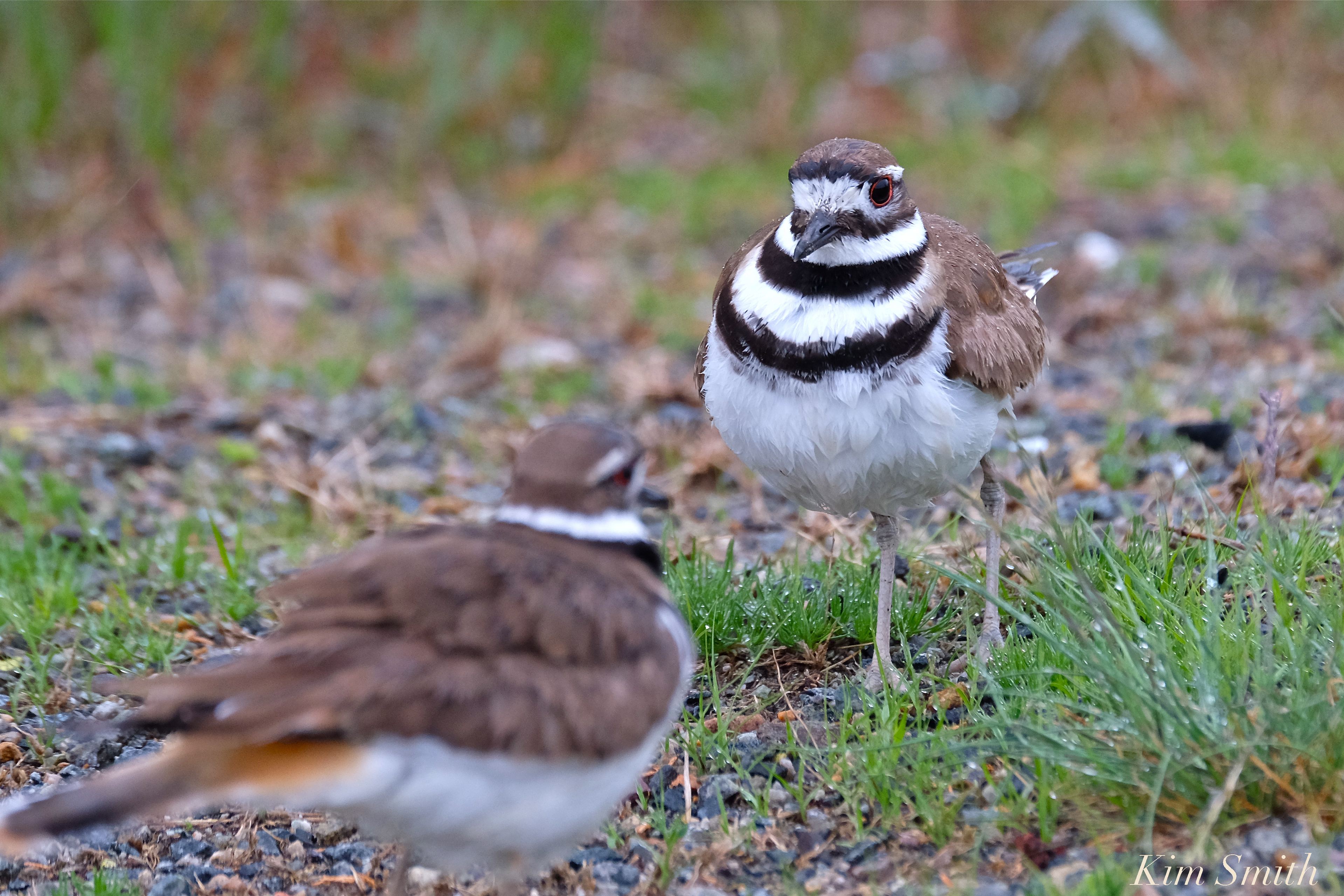
Both male and female Killdeers brood the eggs. It is not easy to tell the difference between the male and female unless side-by-side. The male is typically a bit larger than the female.

Three of the eggs had hatched by nightfall, the fourth hatched early the next day. This new little Killdeer Family safely made it out of the parking lot the day after hatching, heading into the marsh, just as did the brood that hatched earlier in the summer.


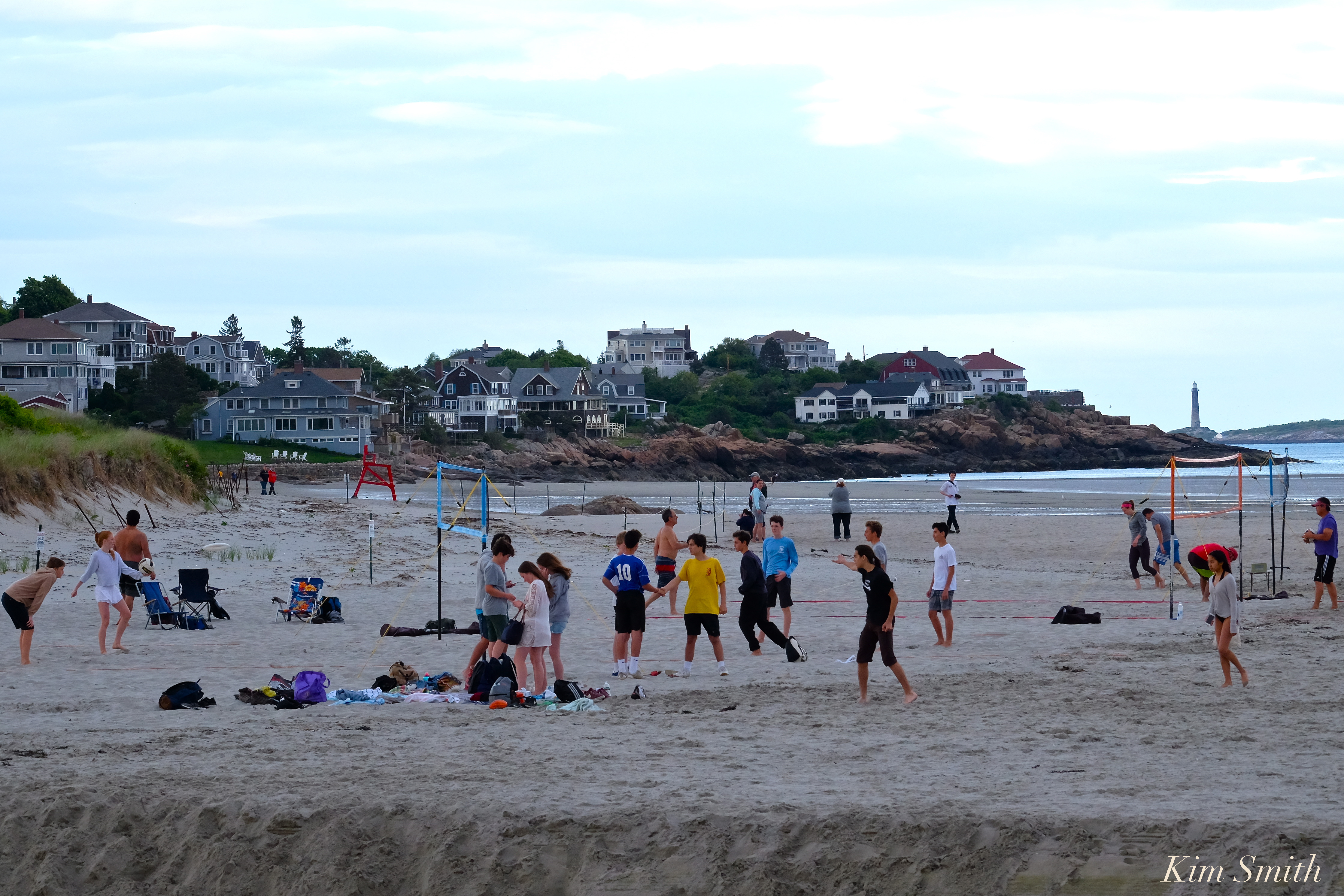
THANK YOU GLOUCESTER VOLLEY BALL PLAYERS FOR KEEPING GOOD HARBOR BEACH SO CLEAN!

Last night the GHB volleyball players group appeared to be larger than usual yet, despite that, there wasn’t an ounce of trash left on the beach. Typically what happens after a large group gathering on the beach is that the gulls descend en masse, eating and dragging all over the beach the food and garbage that is left behind. It becomes particularly difficult for the PiPl parents to keep the chicks safe from the hovering and deadly dangerous gulls and crows. Keeping the beach clean helps tremendously in keeping the gulls away. Thank you!

WE LOST TWO CHICKS TODAY

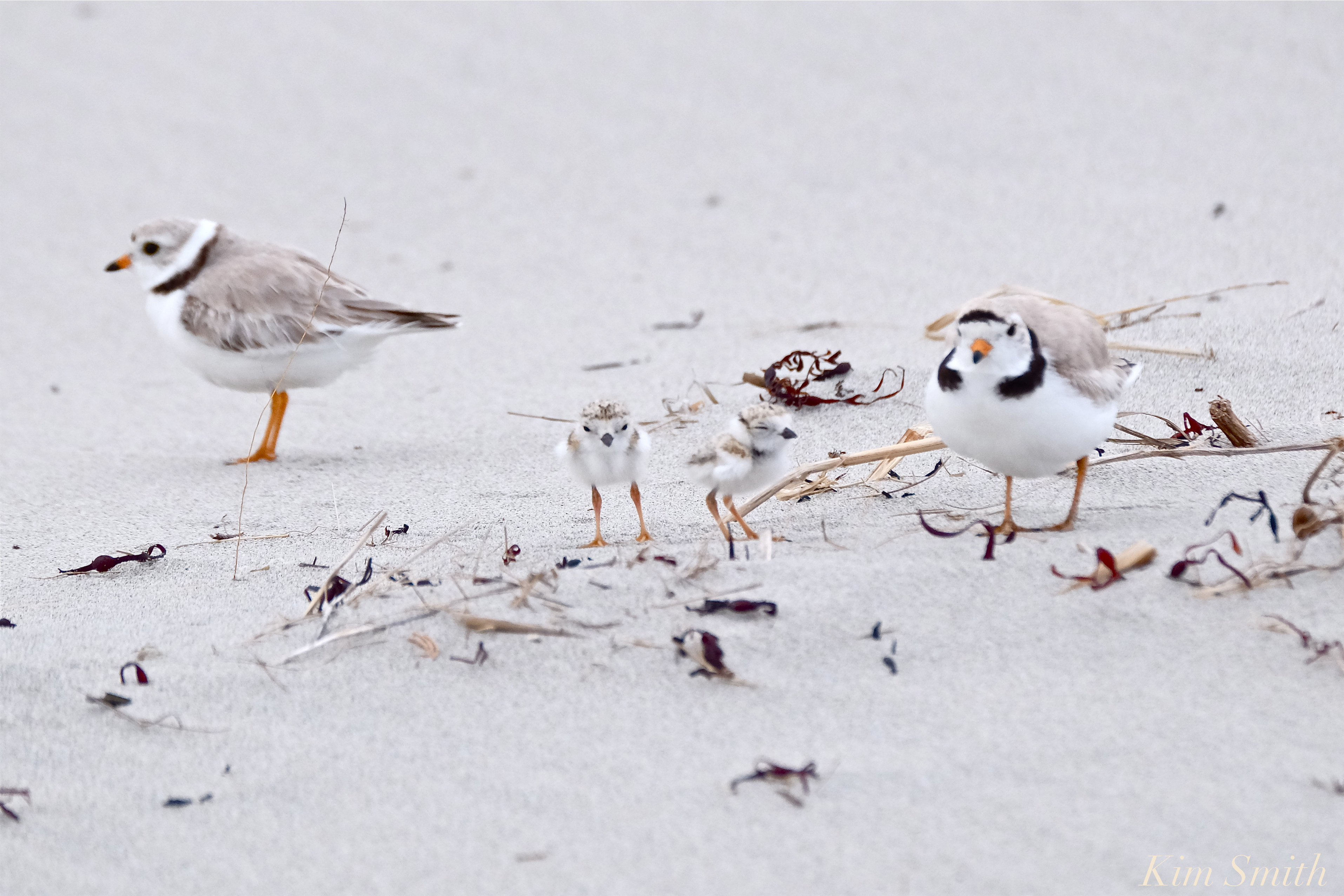
We’re so very sorry to write that two chicks were killed today. Catherine Ryan witnessed a terrible scene with a large dog tearing around in the nesting area at dawn, and a volunteer monitor observed one taken by a gull.All that’s left of our little GHB Pipl Family – Mama (left), Papa (right) and our two remaining chicks. 

Please volunteer to be a PiPl monitor. You will truly be making a difference in whether or not our PiPl chicks survive. And you’ll meet the nicest bunch of people. Anyone of us can show you what to do. The shifts can be as long as you like, but an hour is all we are asking. The weather forecast looks gorgeous this weekend, and it is Father’s Day on Sunday, so we are hoping to have two on at each shift. Contact kwhittaker@gloucester-ma.gov.

Please share this post and help spread the word that we need volunteers. Thank you ❤

GOOD HARBOR BEACH TWO-DAY-OLD PIPING PLOVER CHICKS

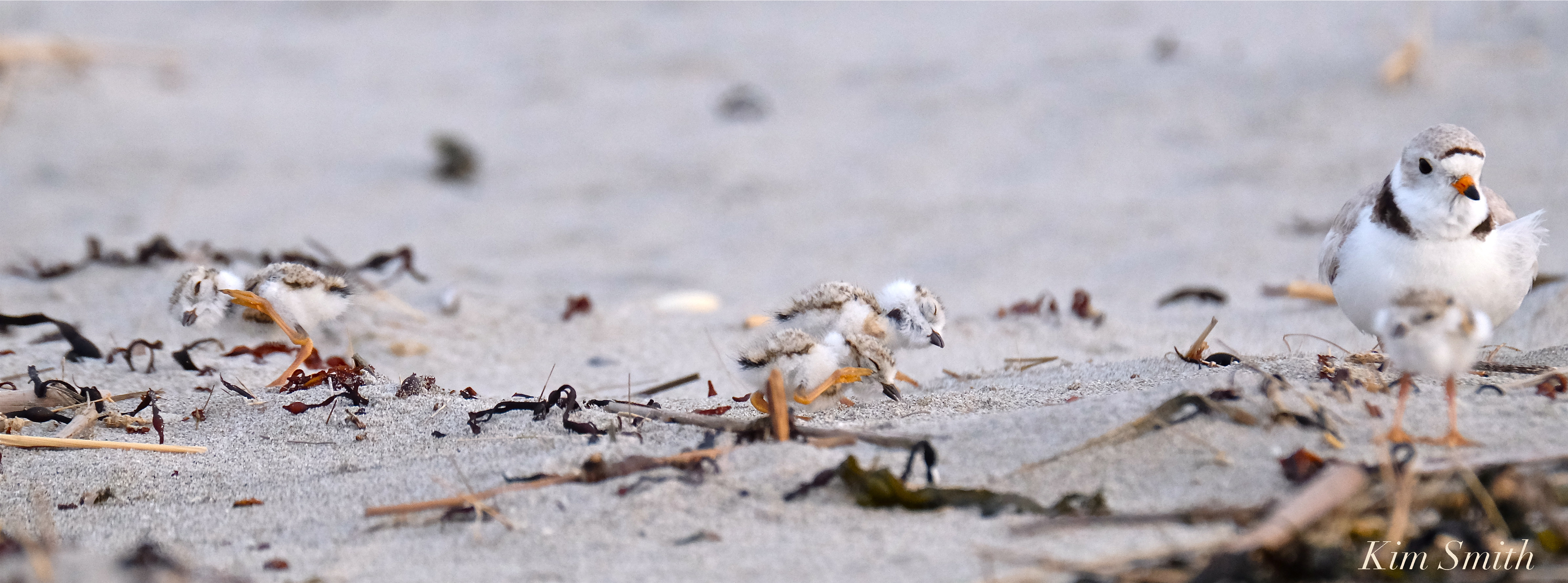
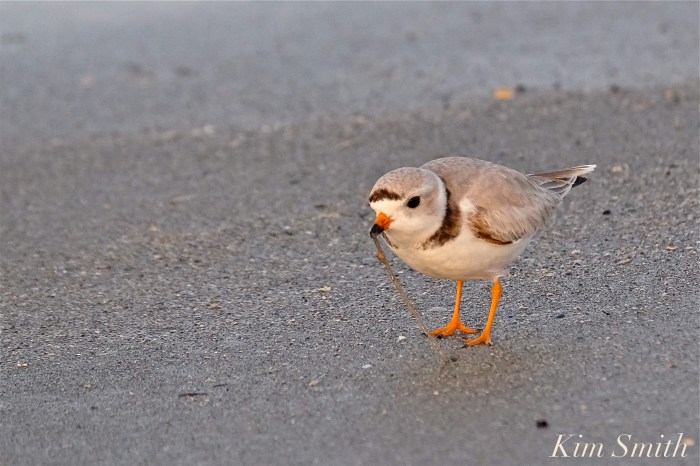
Our little family is settling in, most importantly, finding lots of tiny insects in the wrack area. Cars weren’t the only threat in nesting at the parking lot, there simply did not seem to be sufficient food in the gravel and hard pack. Today, the chicks spent the early morning snuggling often under Mama and Papa; the temperature was chilly and the wind had picked up. Once the sun was shining brightly, they made their way to the water’s edge, learning how to forage on teeny mollusks and sea creatures.

The seagulls were ferocious this afternoon, so much so that our fearless pint-sized PiPl Papa bit a comparatively ogre-sized Great Black-backed in the butt, and made him squwack! The gulls were attracted to a Dunkin munchkin box that had blown into the roped off area. And although I arrived at sunrise, a dog owner and its pet had made fresh tracks through the nesting area. Between the dogs and the garbage-hungry gulls, human-created threats are far more dangerous than natural predators.

Sleepy eyes after morning snuggles

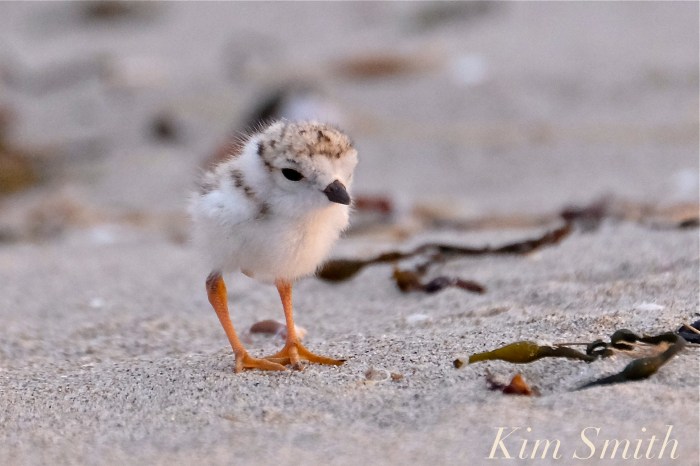
Looking mighty confident for only two-days old!

We definitely need more Piping Plover volunteer monitors, especially during the mid part of the day. If you would like to be a PiPl monitor, please email Ken Whittaker at kwhittaker@gloucester-ma.gov. Thank you


BREAKING: OUR GHB PIPING PLOVER FAMILY MAKES THE EPIC JOURNEY TO THE BEACH

Late this afternoon, Essex Greenbelt’s Dave Rimmer and my husband Tom observed the Plover family leaving the parking lot and heading toward the dunes. Dave shares that they first appeared to be heading to the beach via the marsh creek end, when they suddenly switched direction and started back in the opposite direction towards Boardwalk #3. They went part way down #3, then back toward the parking lot, then back down #3. The family next began to go through the dunes toward the the middle of the beach, away from the #3 roped off area. After all the zig and zagging, the little family returned to the boardwalk, and then headed straight through the dunes, in the direction of #3 nesting zone. Dave lost sight of the chicks, but could hear the parents urging them on. Out they tumbled, down the dune edge, and into the roped off #3 area!

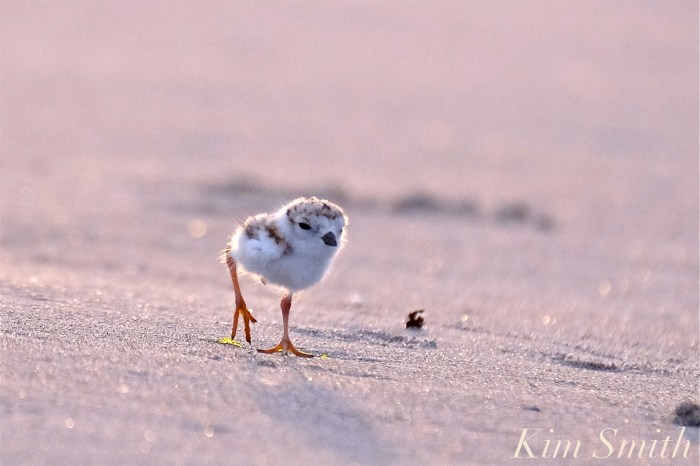
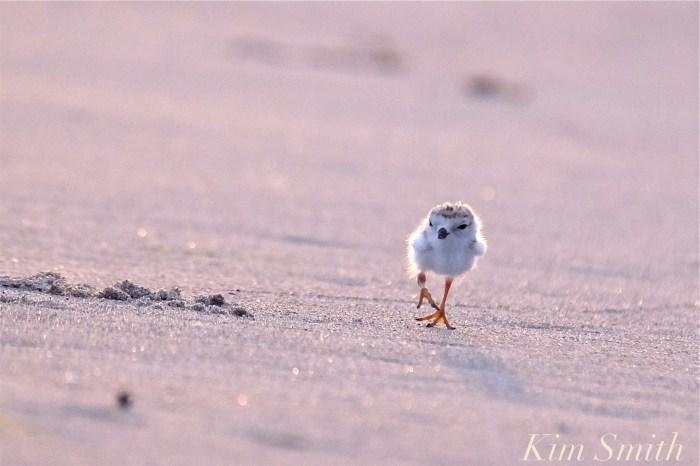
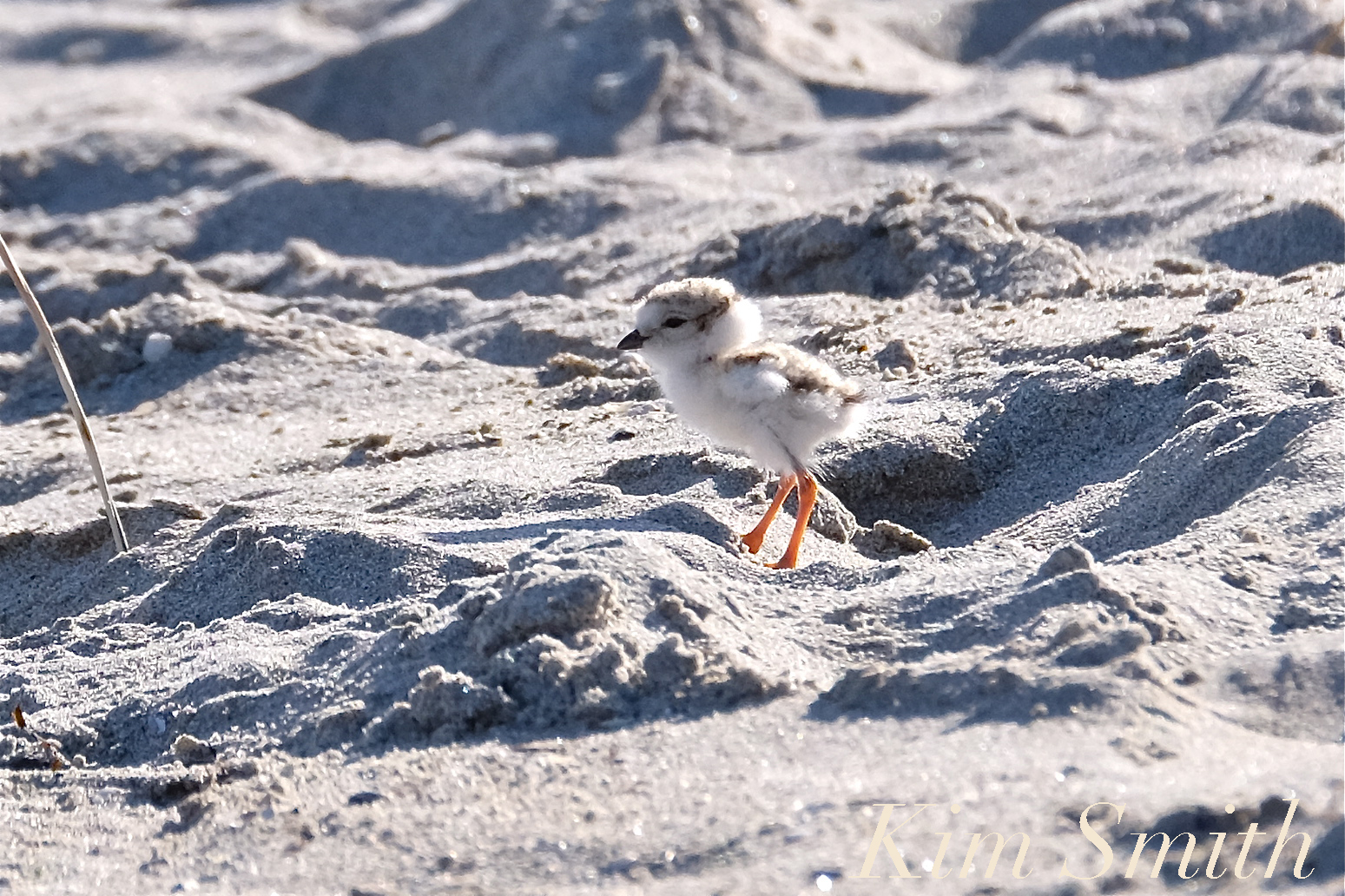
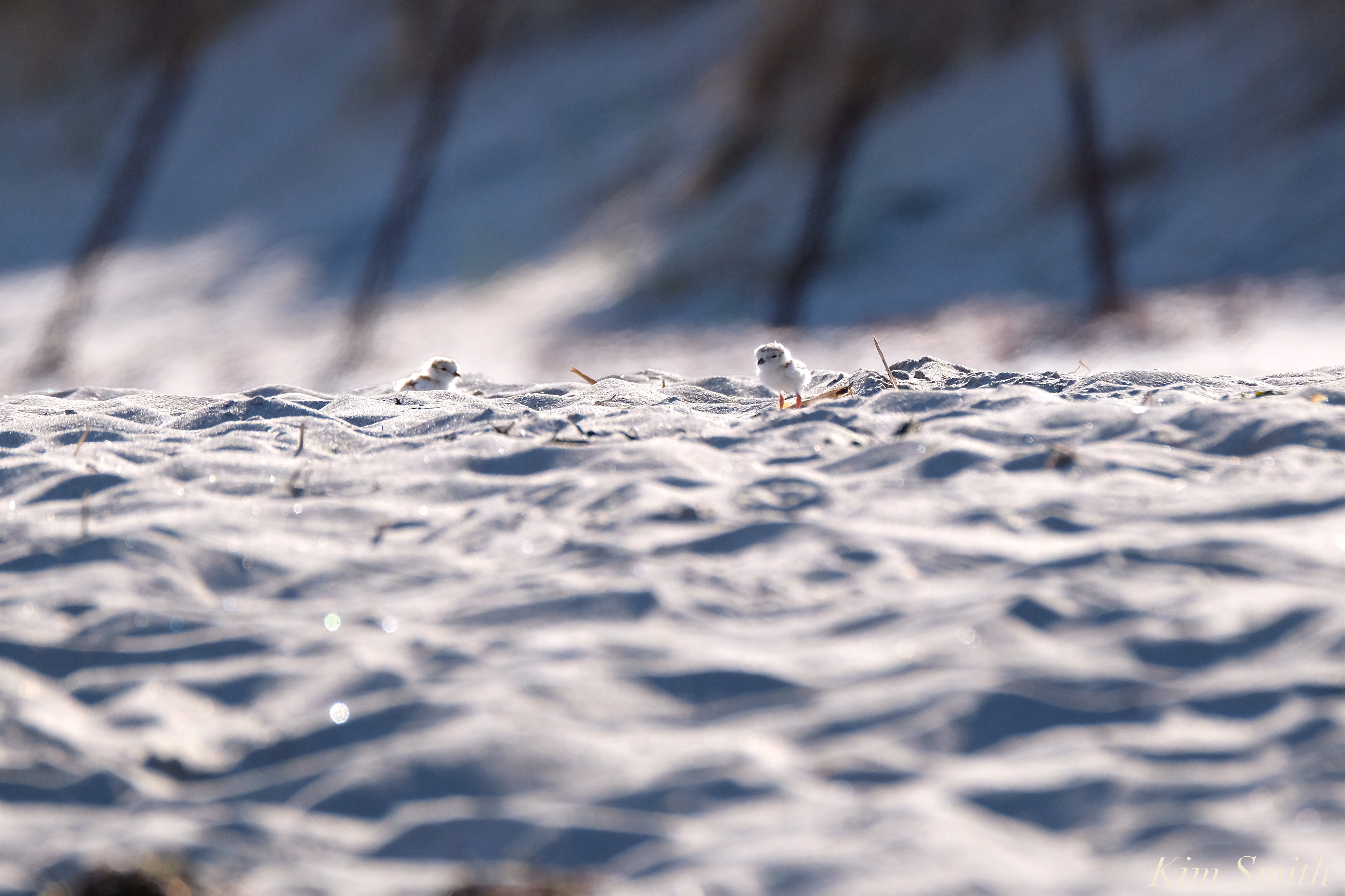
Please keep your eyes peeled for tiny toothpick-legged mini-marshmallow sized chicks zooming around in the sand.

We are elated that all four chicks made it safely out of the parking lot. Quite possibly this was the PiPl plan all along. Several times I observed the adults making the overland route at the very same time that they began nesting in the parking lot, which I had not seem them do in the the previous two years that they nested at GHB (in the very same location all three years).

The PiPl left the beach due to extreme dog disturbance while trying to court and nest, sadly finding the parking lot to be the quietest and safest place. Yesterday afternoon, we all observed folks trying to bring their dogs through the parking lot and onto the beach, after the life guards had left. The presence of dogs caused extreme alarm by the parents, they would pipe loud warnings and then leave the chicks to try to distract the dog. This is when chicks are at their most vulnerable, when the adults have to leave them to defend against predators. The problem is only going to get worse now that the footbridge has reopened. Please, please to the folks bringing your dogs to the beach after hours, now it is more critical than ever to please leave your pets at home. If any of our readers see a dog on the beach at anytime of day for any reason, first make sure the chicks are safe, and then please don’t hesitate to call the police.

Trash left on the beach is another huge issue for endangered shorebird chicks, of any species. Trash on the beach equals a plethora of seagulls. As do dogs, seagulls cause extreme duress for the PiPl parents. Even though the gulls prefer the easy garbage pickings left behind, they also eat baby chicks.

If you would like to be a a volunteer PiPl monitor, please contact kwhittaker@gloucester-ma.gov. Thank you!

Huge Shout Out to all our volunteers, Gloucester’s awesome DPW, Dave Rimmer, Ken Whitaker, Jasmine Weber, and Jonathan Regosin

Both Mama and Papa are now able to tend the chicks, while they are also able to feed and take care of themselves simultaneously keeping within earshot and eyesight of each other.

SUPER SHORT VIDEO ONE-DAY-OLD PIPING PLOVER CHICKS WAKING UP IN THE MORNING SUN

Our GHB Parking Lot Family survived the first night and day two, despite shenanigans from Barn Swallows, Red-winged Blackbirds, and the ever present Bachelor. The Bachelor’s aggressive behavior seemed even more pronounced this morning. Unmated males will attack baby PiPls in hopes of mating with the female, but our Papa PiPl has his number and does his best to keep him at bay. As if they don’t have enough to contend with, Plover on Plover violence is a real threat.

Here are the chicks waking up this morning after a snuggling session with Papa.

Thank you once again to Joe Lucido and Gloucester’s DPW for their interest and help throughout and to our amazing cadre of PiPl volunteers. If you would like to be a Piping Plover volunteer monitor, please email Ken Whittaker, Gloucester’s conservation agent, at kwittaker@gloucester-ma.gov.

Mass Wildlife intern Jasmine Weber and her aunt Terry Weber 


GOODNIGHT SWEET PARKING LOT PLOVER FAMILY

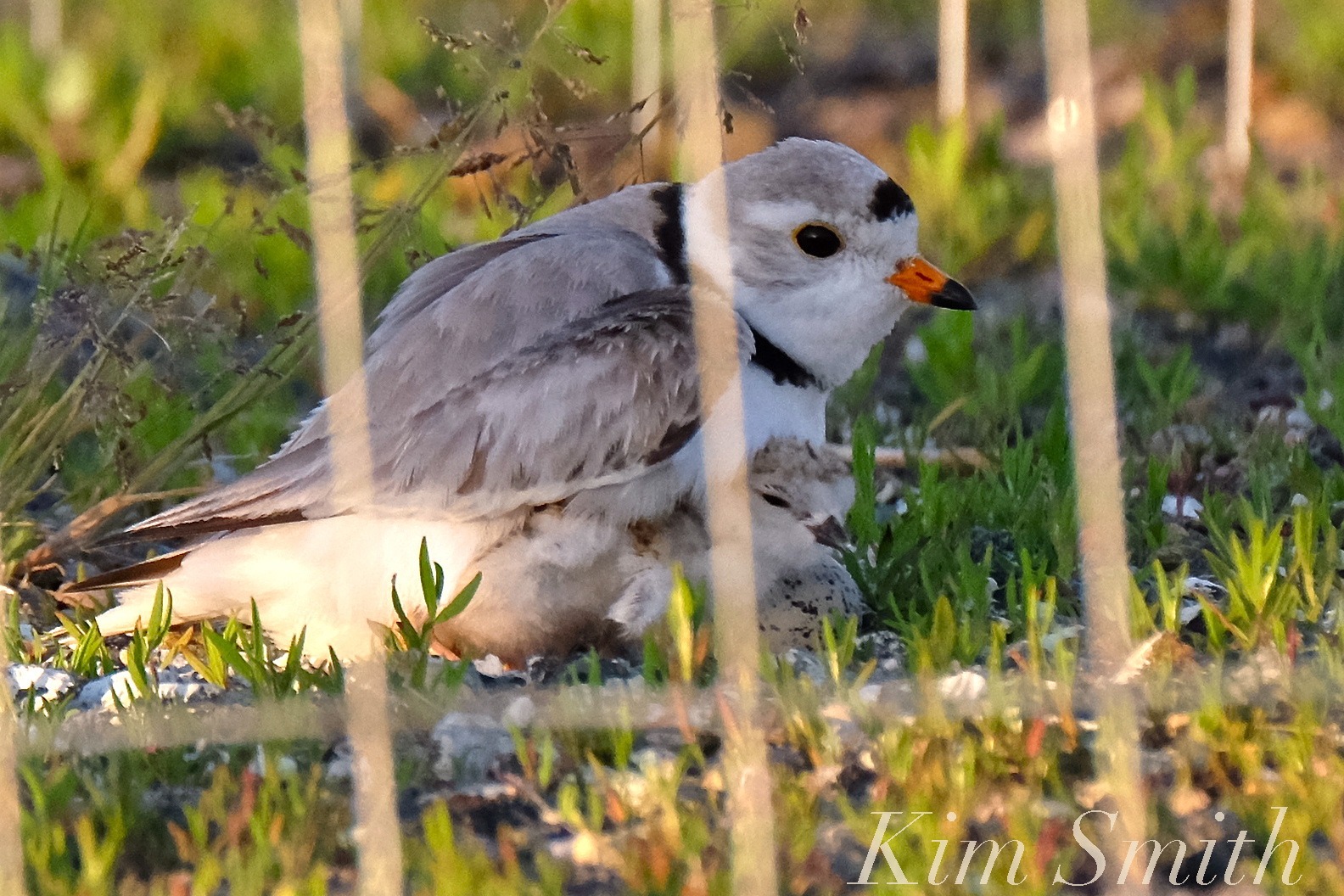
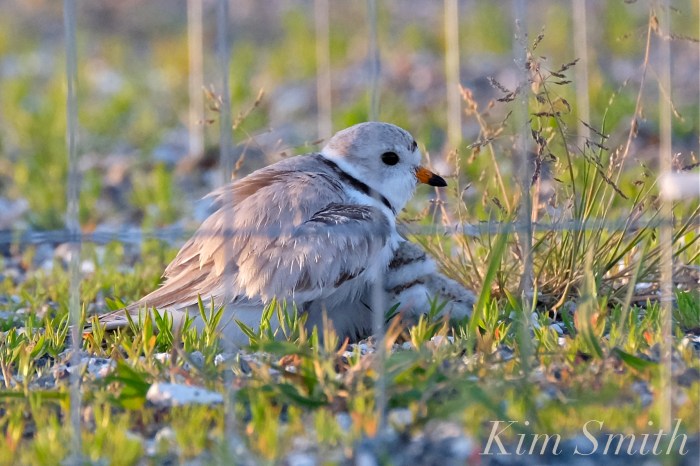
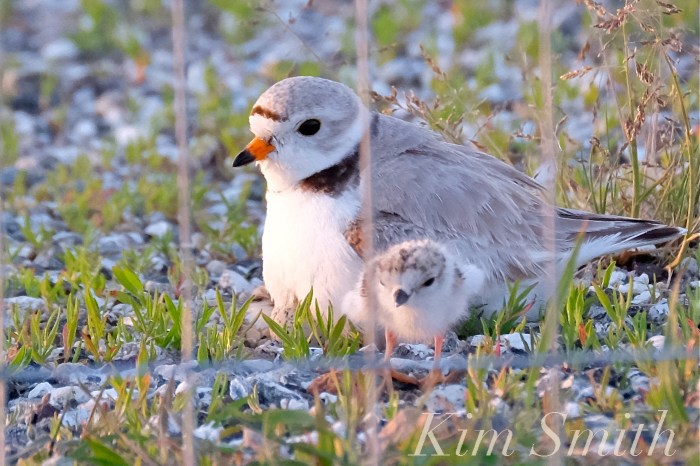
Chicks Tucked Under Papa Plover

Thanks to today’s dozen or so volunteers, Gloucester’s DPW crew, and John and Jasmine from Mass Wildlife, our parking lot PiPl family made it through day one with flying colors (meaning all four chicks survived). It appears as if they are slowly advancing towards the beach. Plovers are active at night–perhaps they’ll make the migration tonight after the lot is closed–let’s hope.

We need more volunteers, at least two per shift would be fantastic. More eyes equals better coverage. Please contact Ken Whittaker at if you would like to be a PiPl volunteer monitor kwhittaker@gloucester-ma.gov.

BREAKING NEWS: OUR PIPING PLOVER GOOD HARBOR BEACH PARKING LOT CHICKS HAVE HATCHED!!!

Our Piping Plover chicks began hatching yesterday afternoon. The fourth chick hatched today at 7:50am. We have all been on pins and needles and are overjoyed that all four babies appear to be healthy and vigorous.
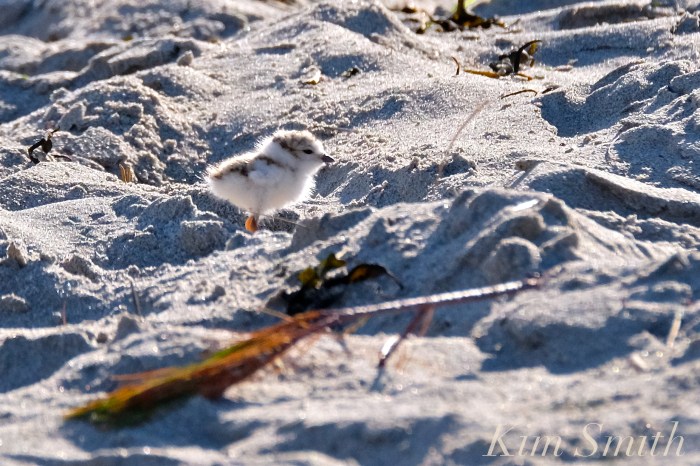
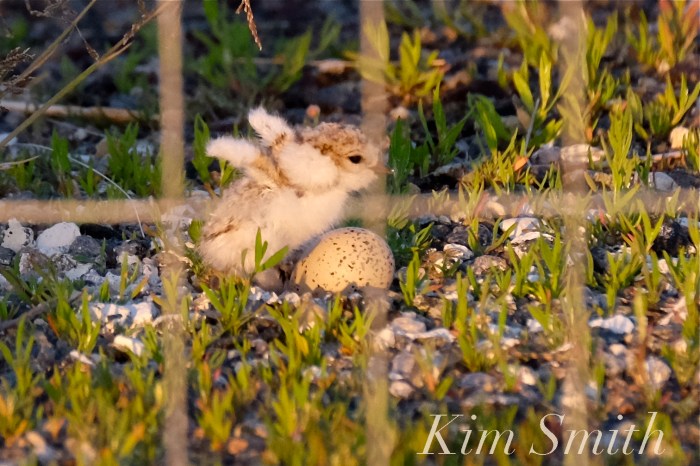
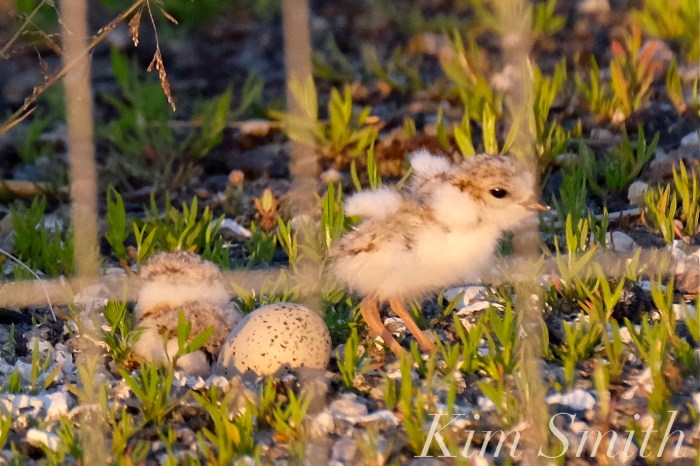
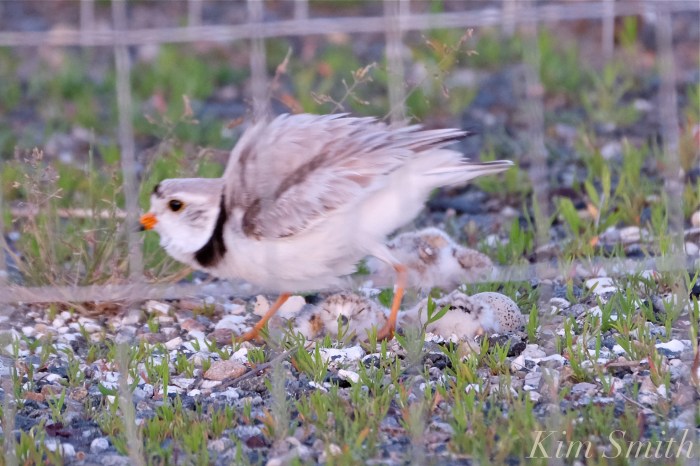
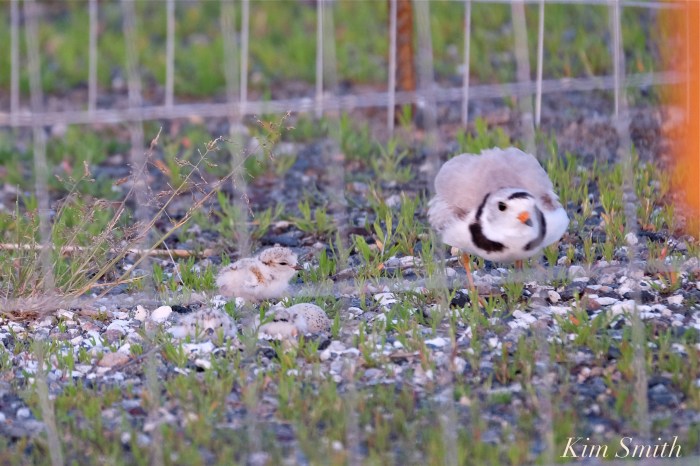
Hopping over the yet-to-hatch egg and testing out tiny wing buds.

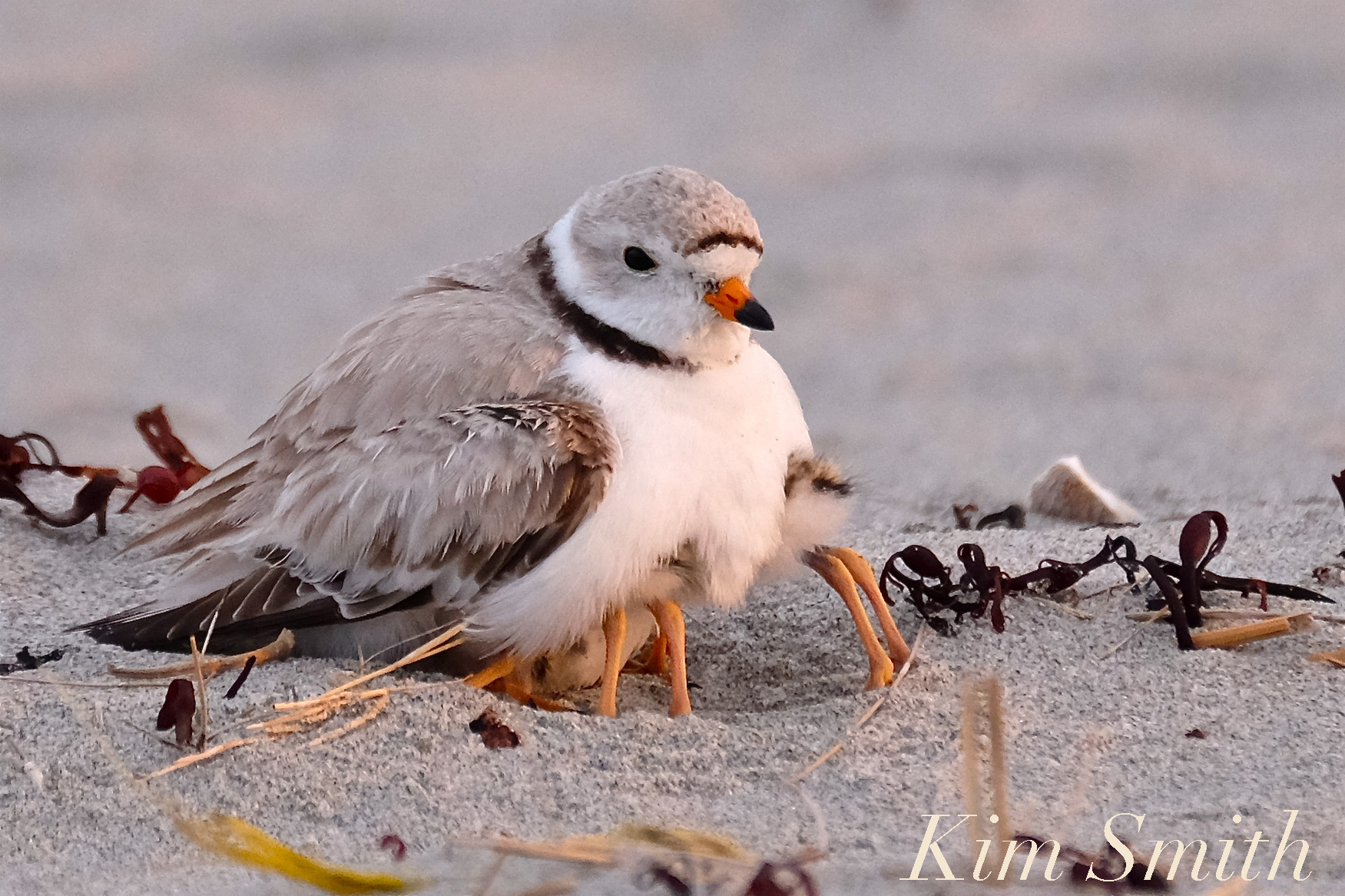
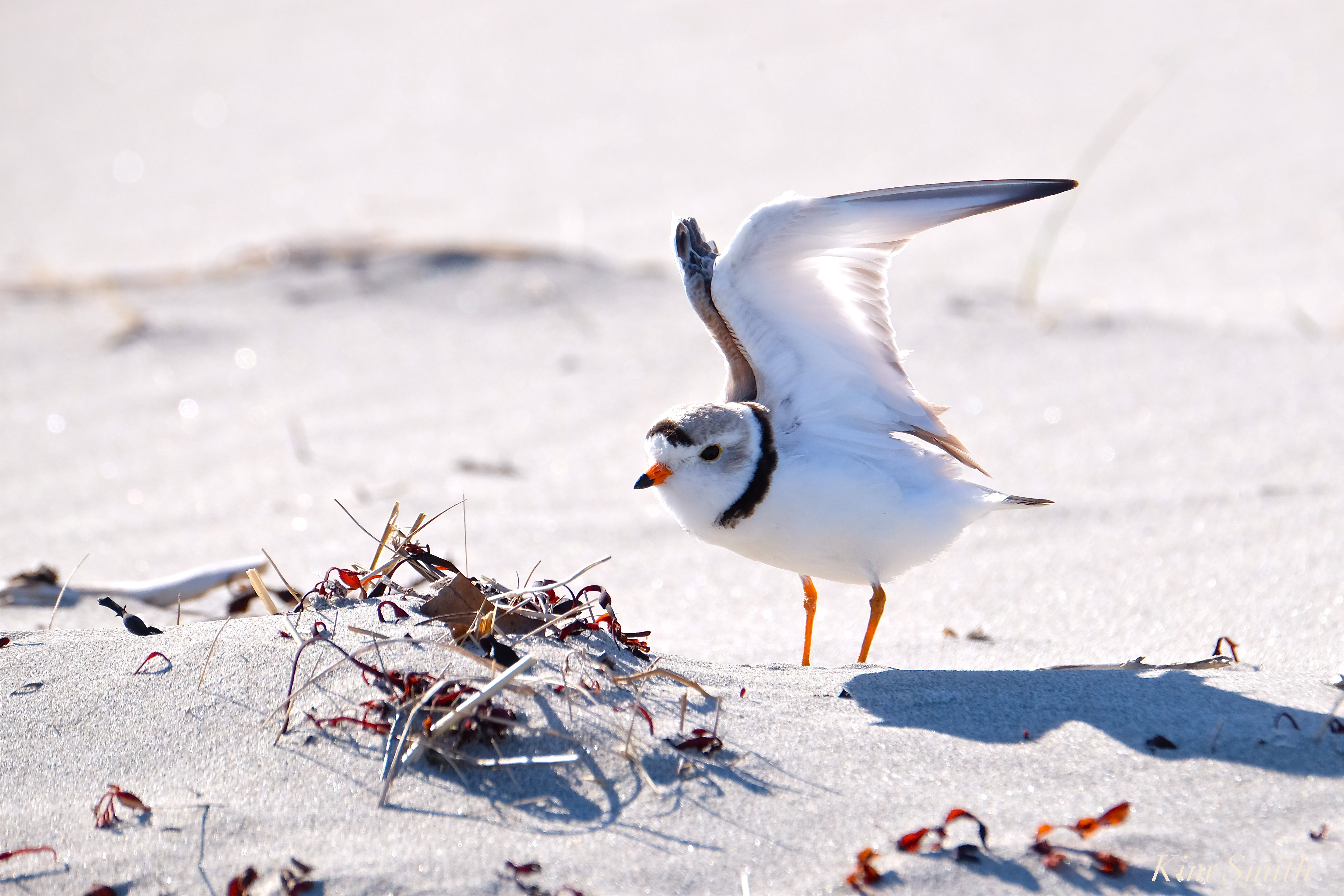
Piping Plovers lend true meaning to the expression “take under a protective wing.”

With thanks and gratitude to Joe Lucido and our amazing DPW, Gloucester’ s conservation agent Ken Whittaker, Mayor Sefatia, Dave Rimmer from Greenbelt, Jonathan and Jasmine from Mass Wildlife, and to all our volunteers (especially Heather Hall who has been at the GHB parking lot every single day for several hours) for helping us get this far. Now the truly challenging phase begins, which is helping the chicks grow to the next stage of life. Piping Plover Chicks fledge on average at about 35 days, which is almost to the day when last year’s Little Chick departed our shores.

We were hoping to keep the hatching on the down low for a few days, but the PiPl is out of the bag, so to speak. Volunteer Piping Plovers are most definitely needed. Please contact Ken Whittaker at kwhittaker@gloucester-ma.gov

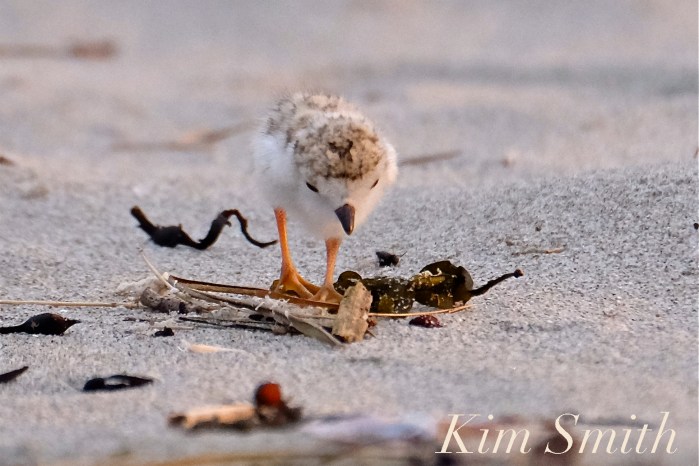
The first to venture out of the exclosure (at 7am this morning). Piping Plovers are precocial birds, which means that within hours after hatching they are mobile and relatively mature. Piping Plover chicks begin to feed themselves within the first 24 hours after hatching.

Kenny Ryan, Cindy Frost, Cliff King, and Joe Lucido

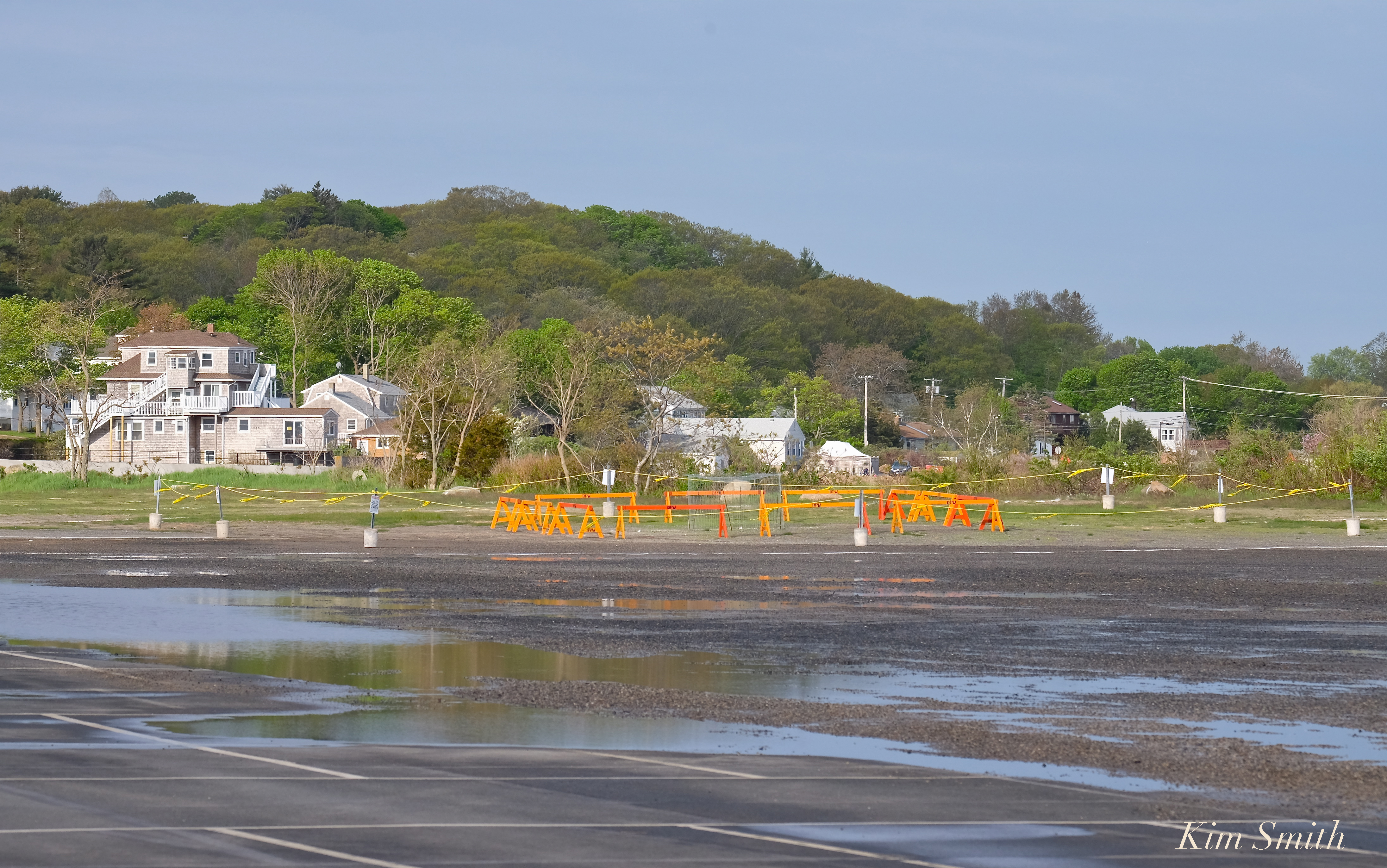
DPW Crew laying out the temporarily restricted parking area. The cordoned off zone will be in place this weekend and until the PiPl migrate to the beach.

Cliff King and Jasmine Weber – Jasmine joined the team yesterday. She is an intern at Mass Wildlife and will be with us all weekend.

Early this morning the Bachelor appeared on the scene, again, causing yet another kerfuffle. Papa leapt off the nest and chased him away, with a good bit of ruffled feathers.

A few more snapshots–see how adorable they are–wouldn’t you like to be a Piping Plover monitor this upcoming month

SHOUT OUT AND THANK YOU TO GLOUCESTER DPW’S TOMMY NOLAN!

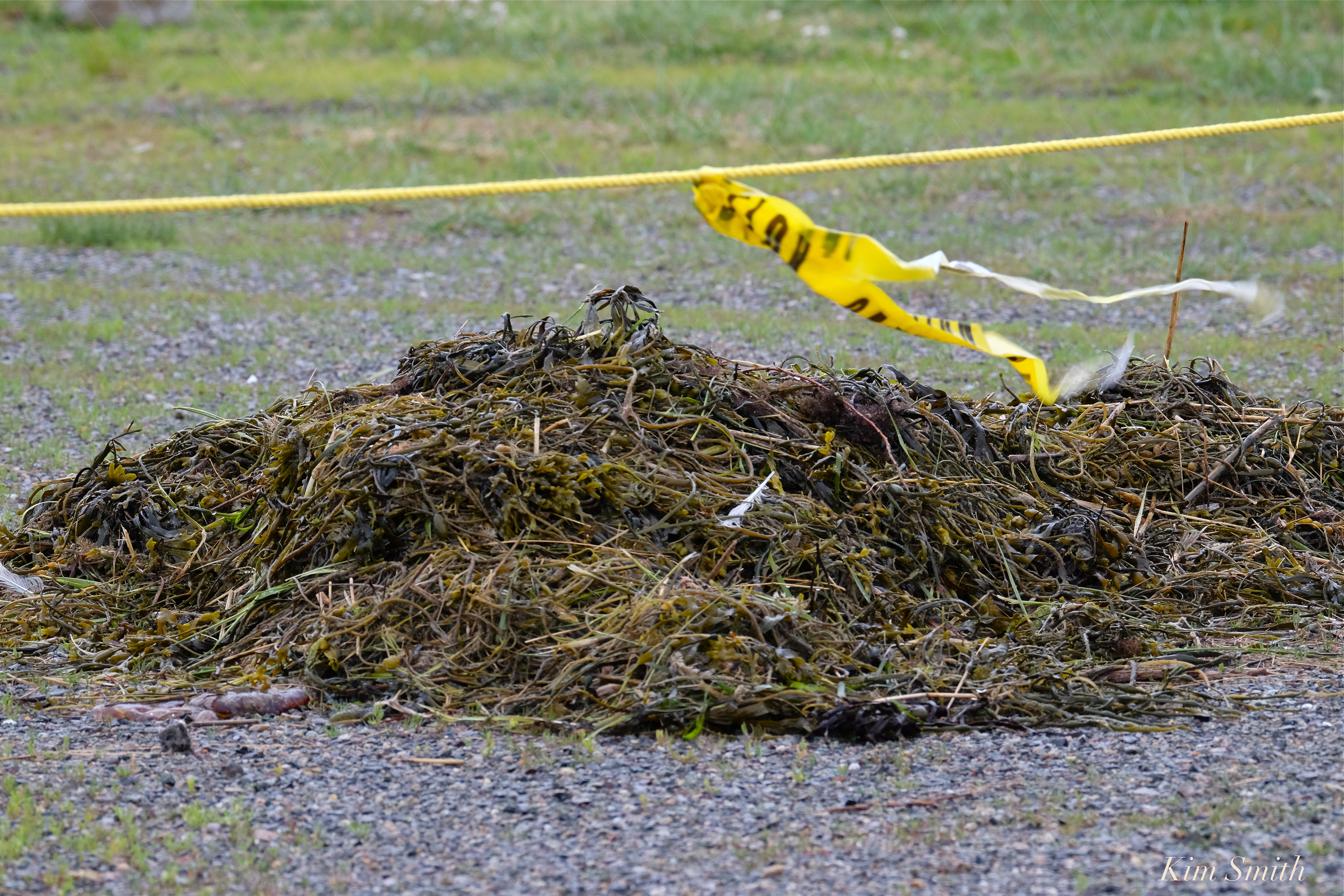
Tommy Nolan helps keep both Wingaersheek and Good Harbor Beaches looking sparkling clean. He mans the beach rake, and last year did an incredible job of keeping an eye out for Piping Plover chicks. Tommy also has an interest in birds and enjoys watching the wildlife in his own backyard. He collected seaweed this week from Good Harbor and placed it around the nesting area. Thanks so much to Tommy and to the entire Good Harbor Beach team for looking out for our nesting PiPls 🙂

OUR GOOD HARBOR BEACH KILLDEER PLOVER CHICKS!


You may recall that several weeks back we posted a photo of a Killdeer nest with four eggs. I only discovered the nest because each and every time anyone walked past, a Killdeer would call shrilly and drag its wings through the dunes in a dramatic display of “broken wing” trickery. I would often play along and see how far away the Killdeer would take me until one morning I decided to see what it was they were hiding.

Killdeer Broken Wing Distraction Display

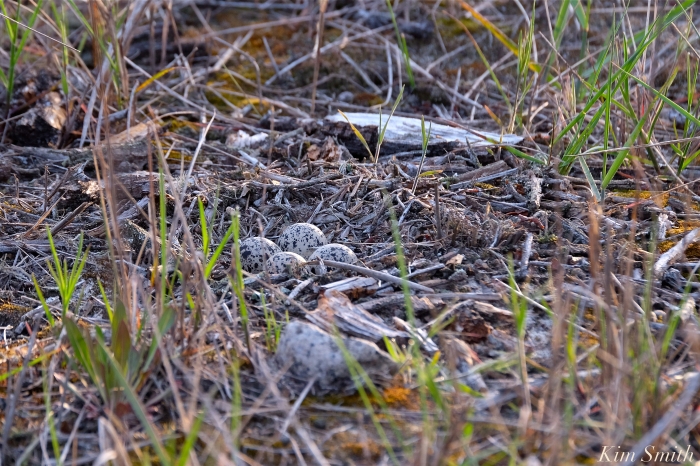
Off to the side of the path that leads to the beach, not more than six feet away, was a loose scrape of dirt and sticks, with four perfect Killdeer eggs!

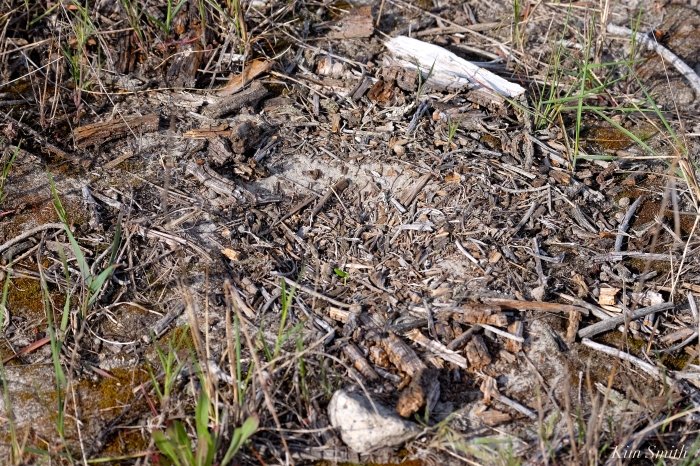
I had no idea when they had been laid, so there was no way of knowing when the chicks would hatch. Each morning on my way to check on the Piping Plovers I’d take a peak, until one day there weren’t any. How sad I thought, and wondered if a predator had eaten the eggs. But the nest had not been disturbed and there were no broken egg shells. A mystery.

The following morning I checked on the Piping Plover nest in the parking lot. It was drizzly but there were two Killdeers near to where the PiPl exclosure is located. I sat in my car watching the adult Killdeers when to my delight and amazement, out tumbled four teeny chicks from under Mama Killdeer. A car makes the perfect blind and for quite some time I photographed and filmed the Killdeer family.

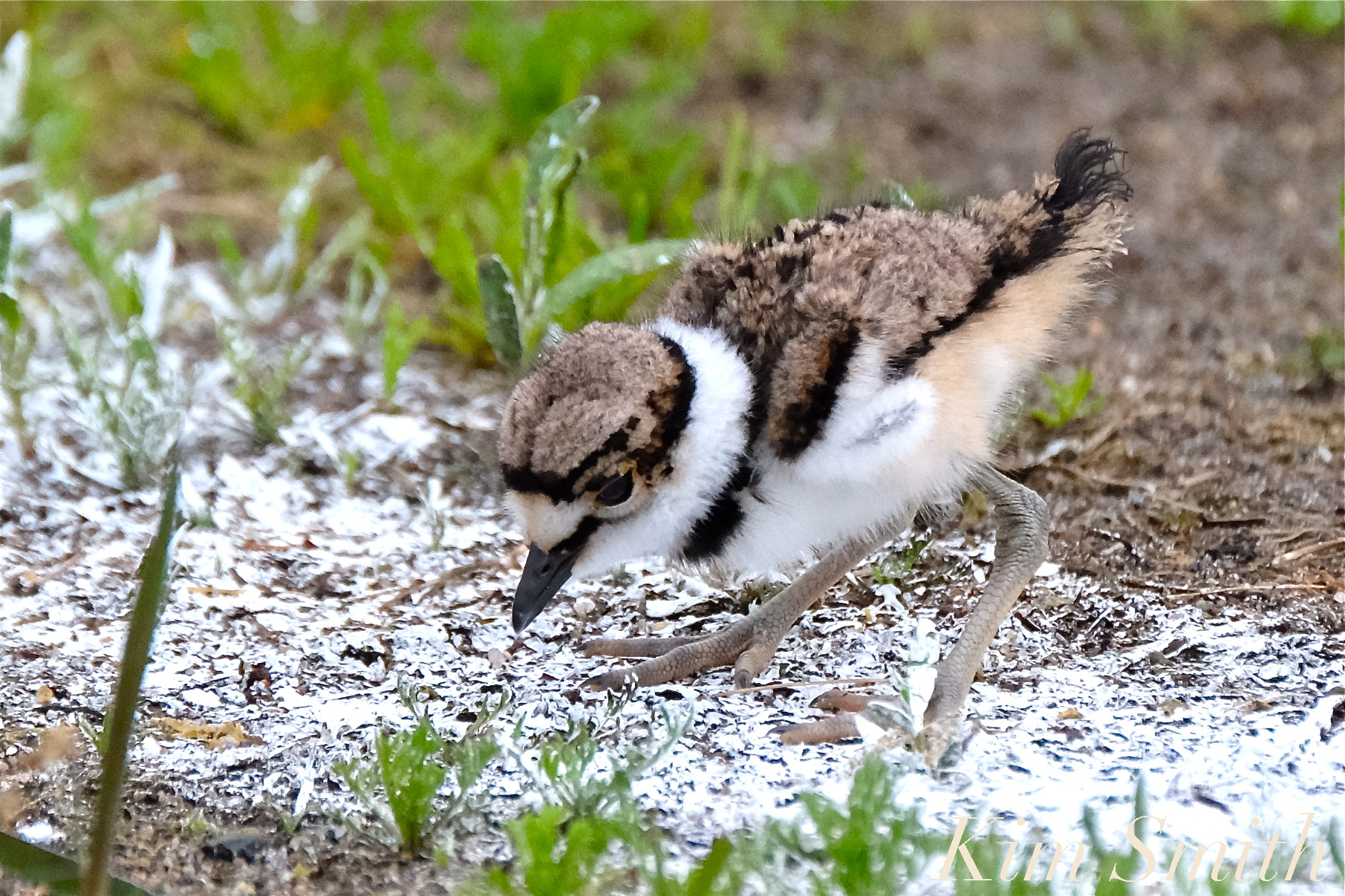
Off and on during that rainy day I stopped by to check on the Killdeers. Because of the weather, the parking lot was virtually empty. Tiny tufted black, brown, and white feather balls atop overly long spindly legs, the baby birds spent all their time zooming here and there, foraging on itsy bitty insects in the grass and gravel.

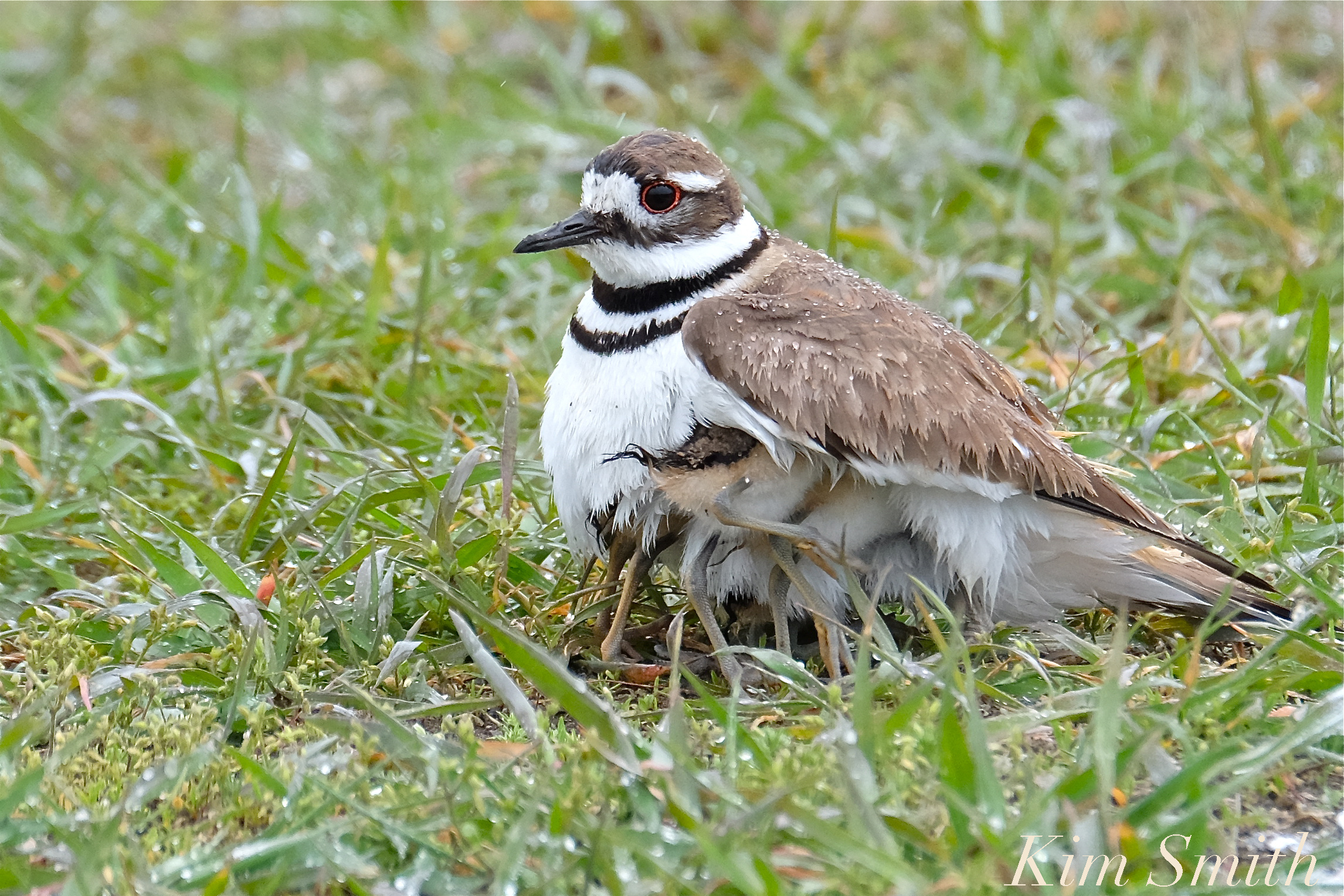
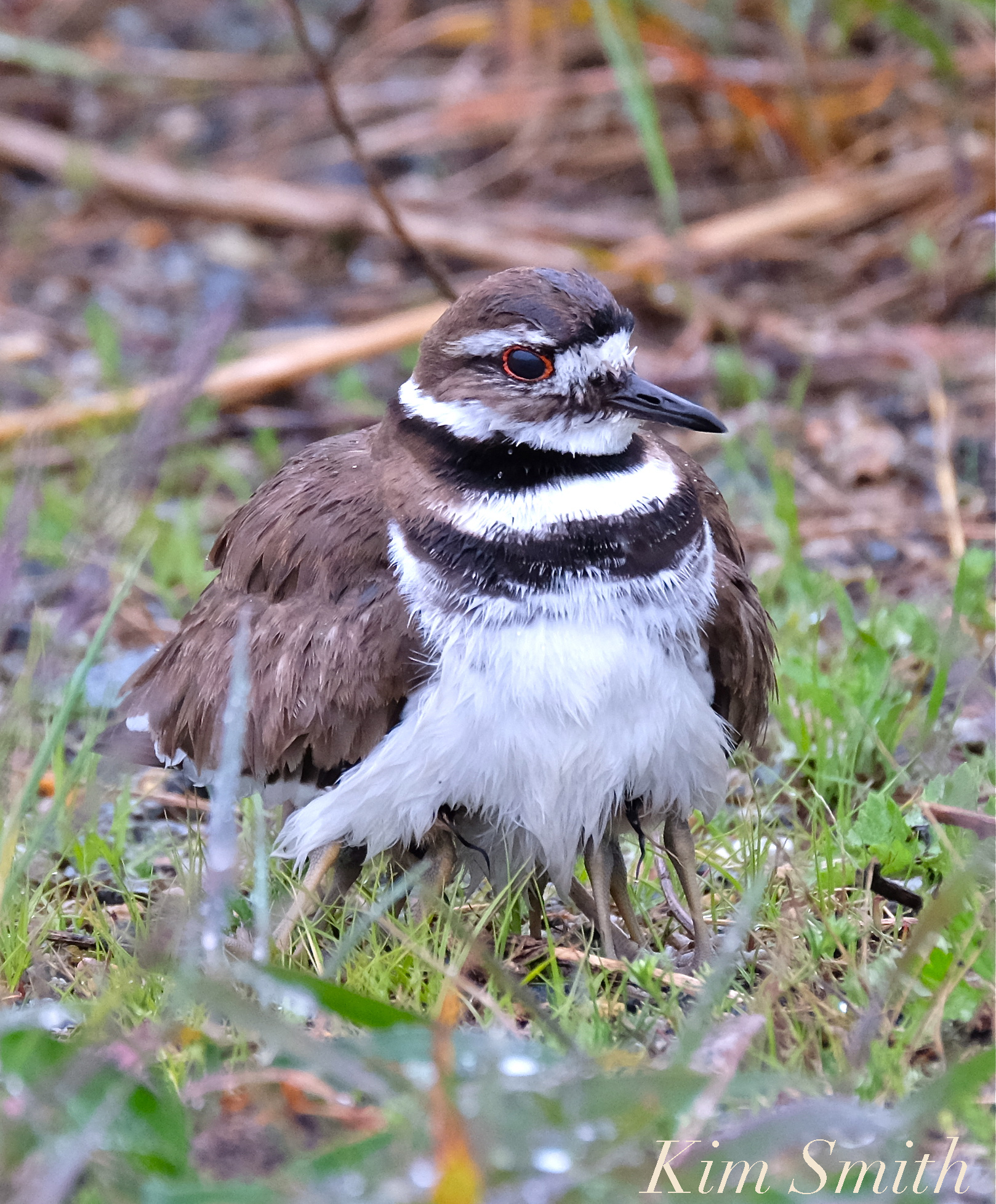
When not foraging, they would run under Mom or Dad to warm up on that damp drizzly day. Just like Piping Plover chicks, Killdeer chicks are precocial birds and can feed themselves within hours after hatching however, because they are so tiny, they lose body heat relatively quickly. The chicks need the warmth provided by snuggling under Mom and Dad.The next morning it was still drizzling, and the Killdeer family was still in the same location! I watched them for a bit, when a man showed up with his dog. The Killdeer parents went into high alert and did their best distraction displays. The dog chased the adult Killdeers around the parking lot while I spoke with the man. It is the same man who brings his dog to Good Harbor Beach via the footbridge end at the close of the day, after the lifeguards and dog officers have left. This was a tremendous problem last year after the Piping Plovers hatched. Last summer I was too busy preventing his dog from squashing a PiPl chick to get his license plate number, but not this time. The man and his dog left the parking lot.

Moving to the marsh

Shortly after the dog encounter, both Killdeer parents led the chicks into the marsh. To see the chicks navigate over the incline at the edge of the marsh was amazing; it must have seemed like fording a mountain to them. I’ve looked but have not seen the family since. I am hoping that they are thriving and growing in the marshland.

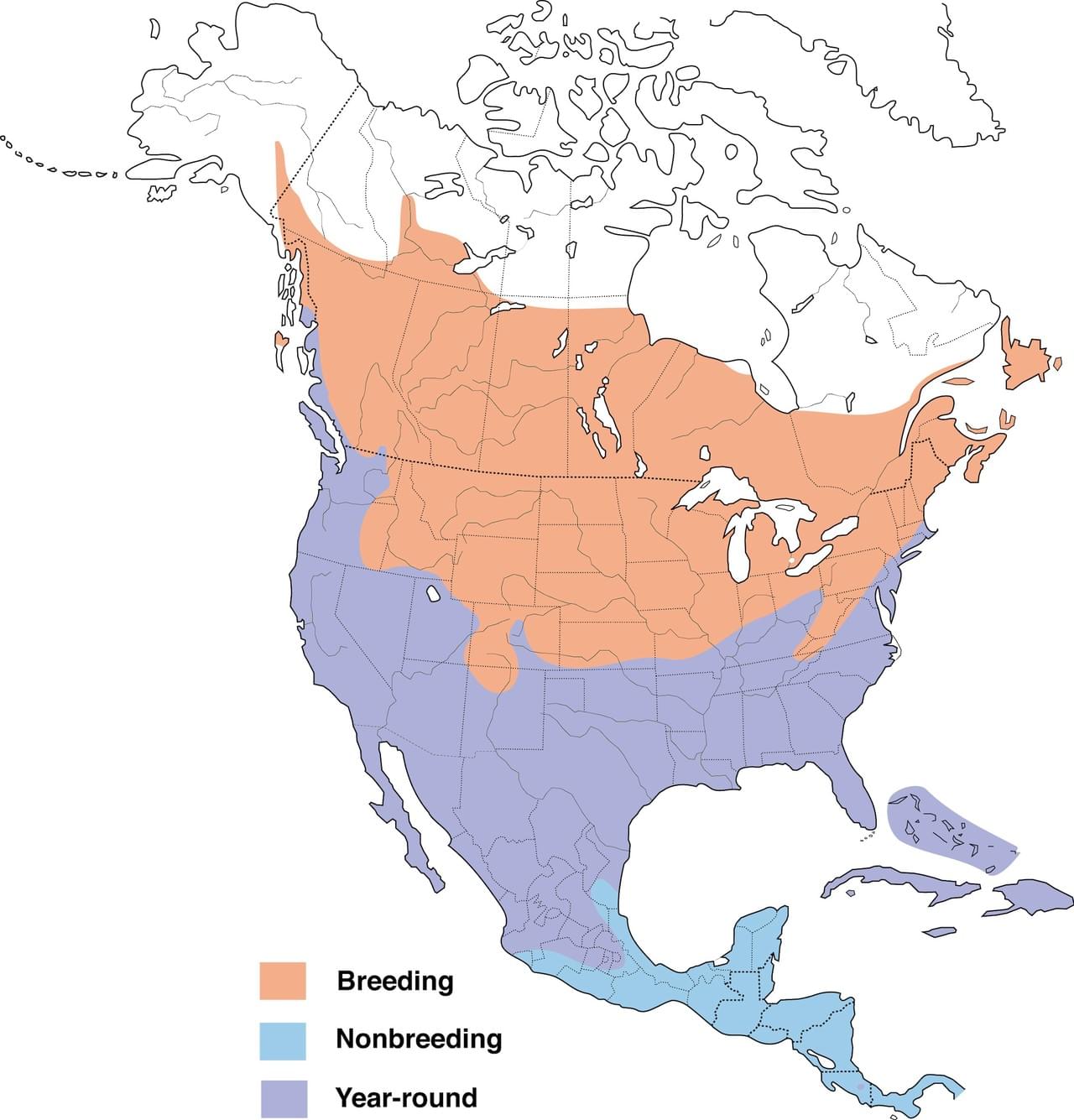
We don’t hear as much about Killdeer Plovers because they are not an endangered species. Killdeers are found in every state of the continental US, Alaska, Canada, Mexico, Central and South America. They are the least shorebird-like of shorebirds because they breed and dwell in many types of habitats including grasslands, fields, urban areas, gravel pits, airports, parking lots, athletic fields, and golf courses. Despite their super ability to adapt to human habitats, it is a species in decline.

Killdeers begin courting in our area in March. Although I imagine they have been nesting at Good Harbor Beach for a longer period of time, I only have a record of Killdeers nesting at GHB going back three years and it is yet another important reason as to why humans and pets should not be traipsing through the dunes.

It is difficult to tell the difference between a male and female Killdeer unless they are side-by-side, and even then, still challenging. The male is a bit larger.

SHOUT OUT AND THANKS TO GLOUCESTER’S DPW JOE LUCIDO, CONSERVATION AGENT KEN WHITTAKER, AND GREENBELT’S DAVE RIMMER

Rainy day nesting.

Early this morning seaweed was collected from the beach and spread in a small area next to Piping Plover’s roped off area. The purpose of the seaweed is to help the PiPl find nourishment once the chicks hatch. There are lots of teeny weeny insects that live in the gravel and grassy areas of the parking lot, and the seaweed will attract even more.  


UPCOMING CITY MEETINGS RELEVANT TO THE ISSUE OF DOGS ON BEACHES DURING SHOREBIRD NESTING SEASON

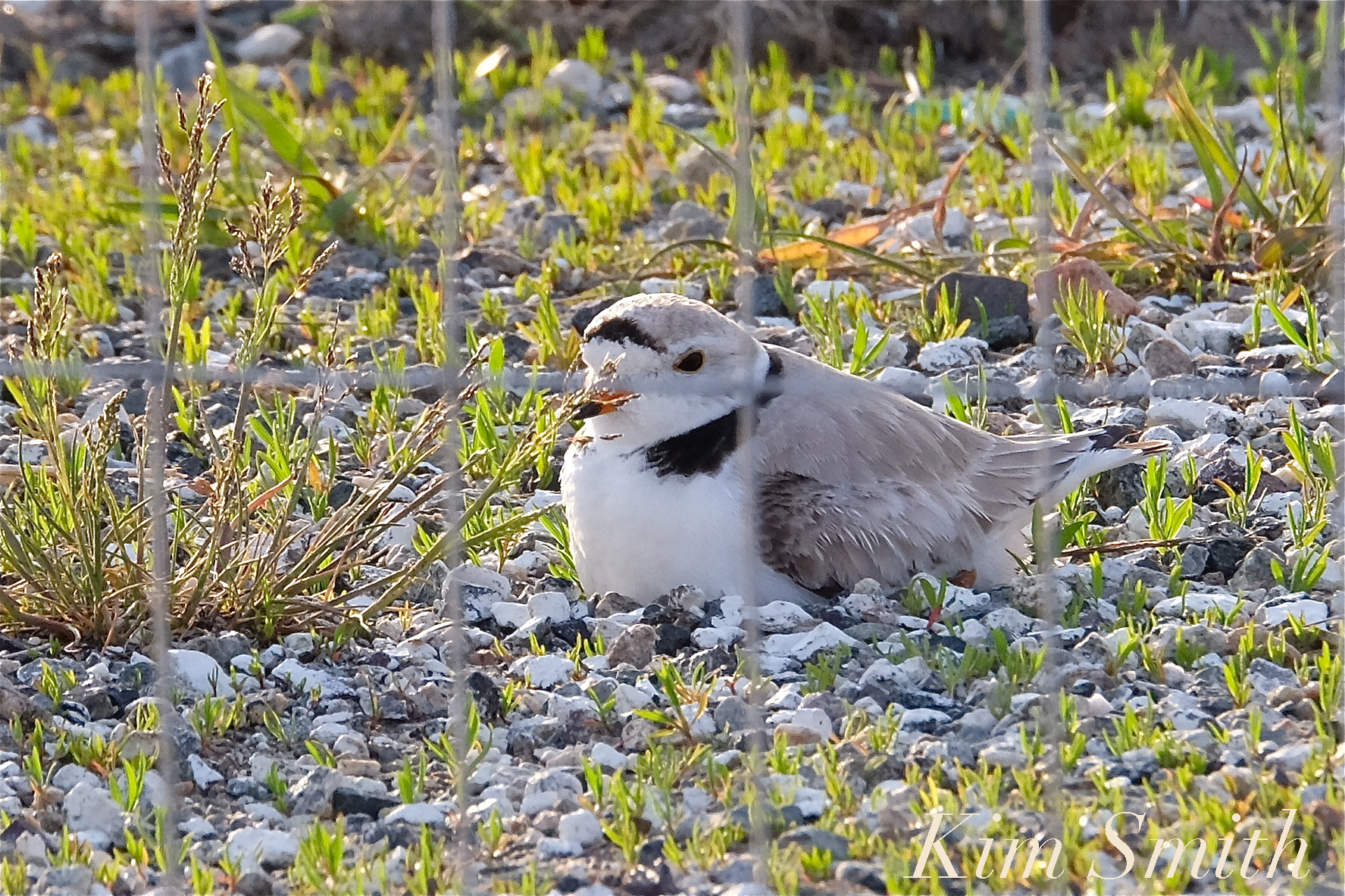
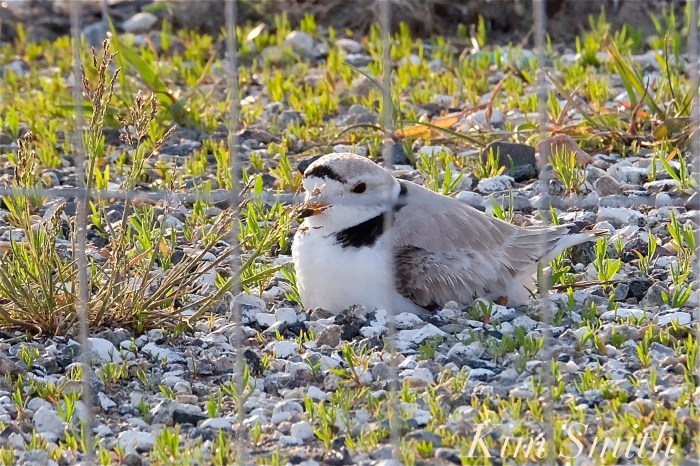
Mama Piping Plover leaving the nest for a few moments to change places with Papa Plover

Thursday, June 7th, the Animal Advisory Committee is meeting at City Hall, 3rd floor, at 6:30pm.

On the Agenda:

  1. Open discussion for public comments.
  2. Approval of meeting minutes 5/17.
  3. Committee elections.
  4. Piping Plover protections
    1. Review new facts/research.
    2. Dog leash ordinance – to vote.
    3. Education/awareness.
  5. Upcoming event planning.
    1. CAAA Rescue Reunion.
    2. Crab beach plunge.
    3. Pet food drive.
    4. Massachusetts laws in legislative review.

Animal Advisory Committee update from the Piping Plover meeting held May 17, 2018:
We will have a continuation of the plover discussion during our June 7th meeting; in the meantime, fact-finding and ongoing discussion with experts will be conducted as well as creation of a volunteer group or team for beaches. We will likely make final recommendation on dog & wildlife ordinances by July 2018.


Also, tonight, June 4th, is an Ordinance and Administration Committee meeting at City Hall, 1st floor, from 6pm to 8pm. I have never been to an O and A meeting, but plan to attend to learn more about how the process works.


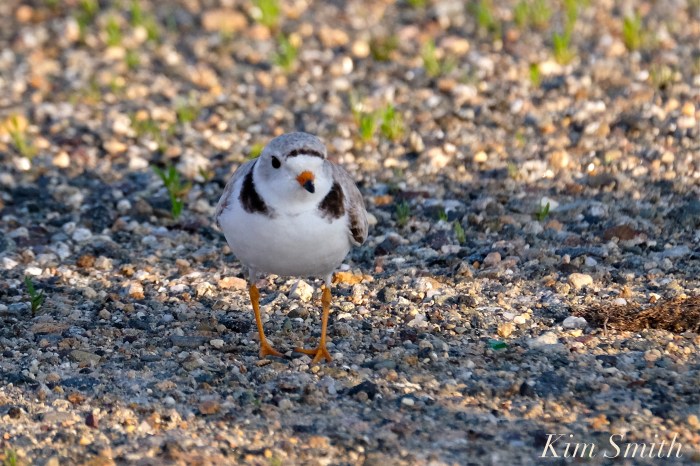
Parking Lot Piping Plovers, driven off the beach in April by the unrelenting interruption from dogs during courtship and nesting building in the roped off areas at Good Harbor Beach.

Parking Lot Papa waiting to change places with Mama

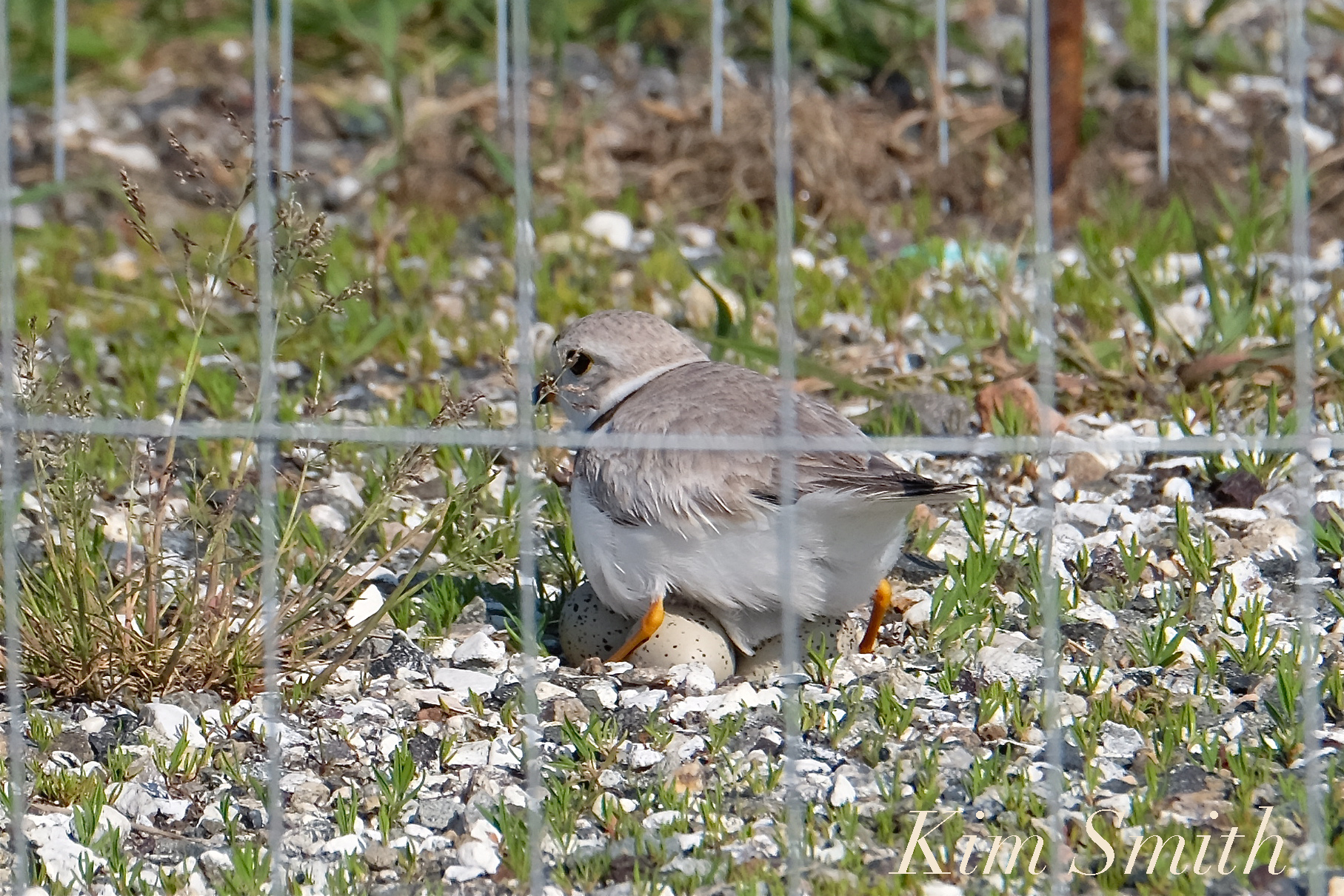
Giving the eggs a little turn with her feet and then settling back down on the nest.

Piping Plovers would much prefer to nest on the beach. The Good Harbor Beach parking lot is the location of “last resort.”

Link to post about GHB PiPl nesting in the parking lot.

PIPING PLOVER MEMORIAL DAY WEEKEND UPDATE

Despite the throngs of beach goers and a full parking lot by noon time on Friday, the nesting Piping Plovers appear to be doing a-okay. Both Mama and Papa Plover were seen at the nest this morning (Saturday) at daybreak. They traded places on the nest without event.

Piping Plover volunteer monitors will be checking on the PiPl throughout the day. The parking lot attendants are keeping an eye out our feathered friends as well. With a hope and prayer, and lots of cooperation from the community, our little pair will survive the holiday weekend 🙂

At daybreak this morning, Mama left the nest to stretch her wings, forage, and take a bath, but only after Papa flew on the scene to relieve her; Papa on the nest Friday evening.

MORE SHOREBIRDS NESTING AT GOOD HARBOR BEACH!!

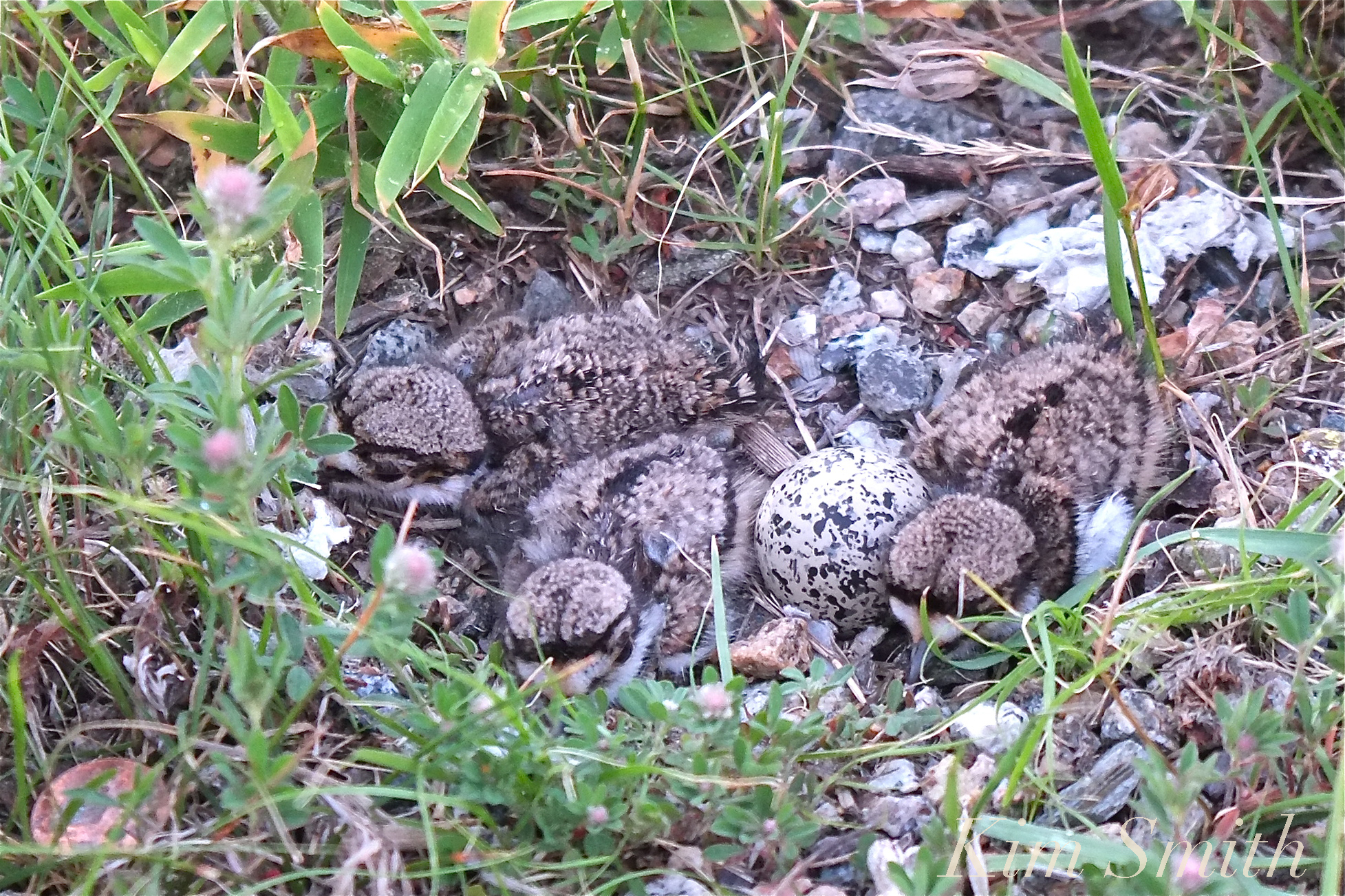
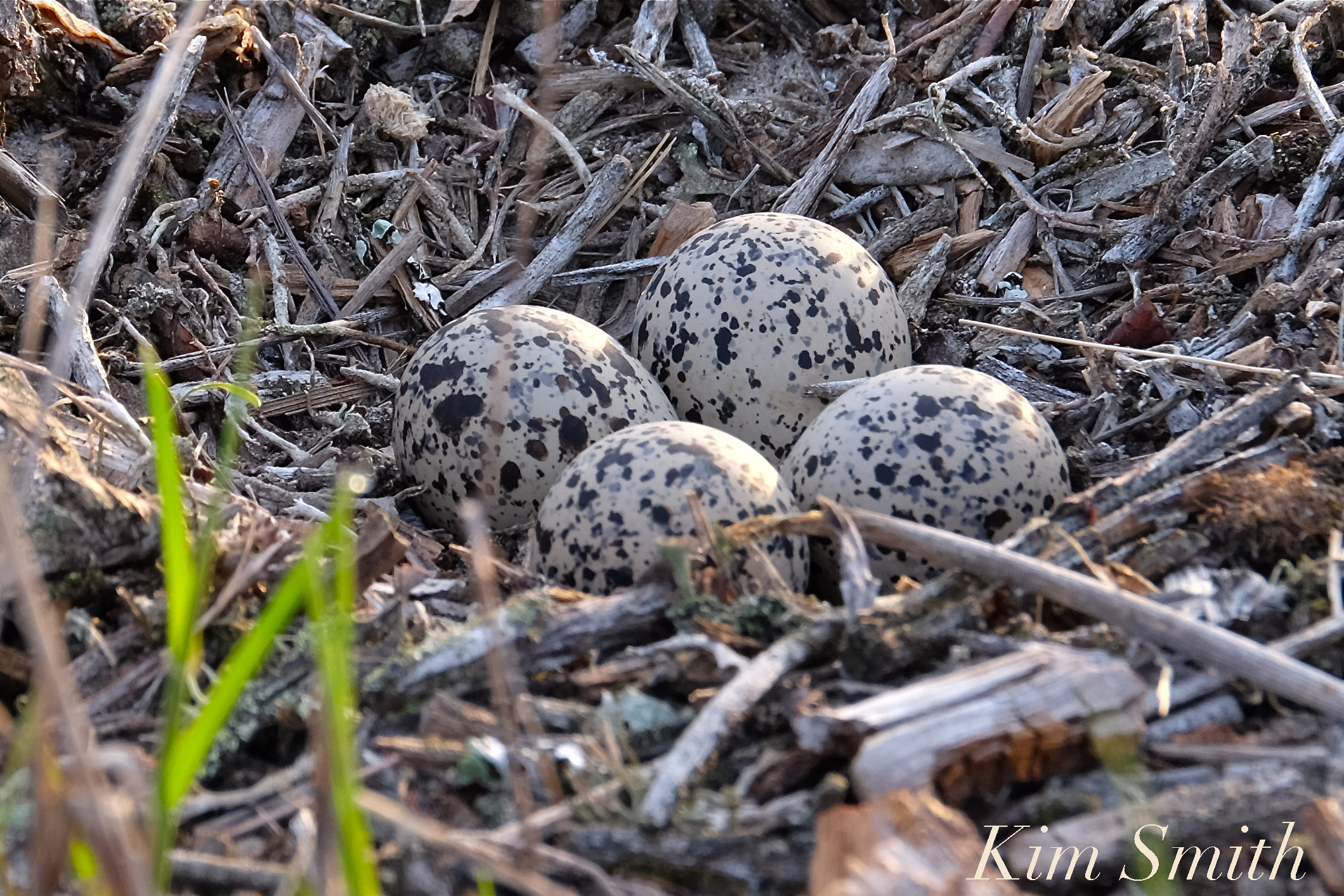
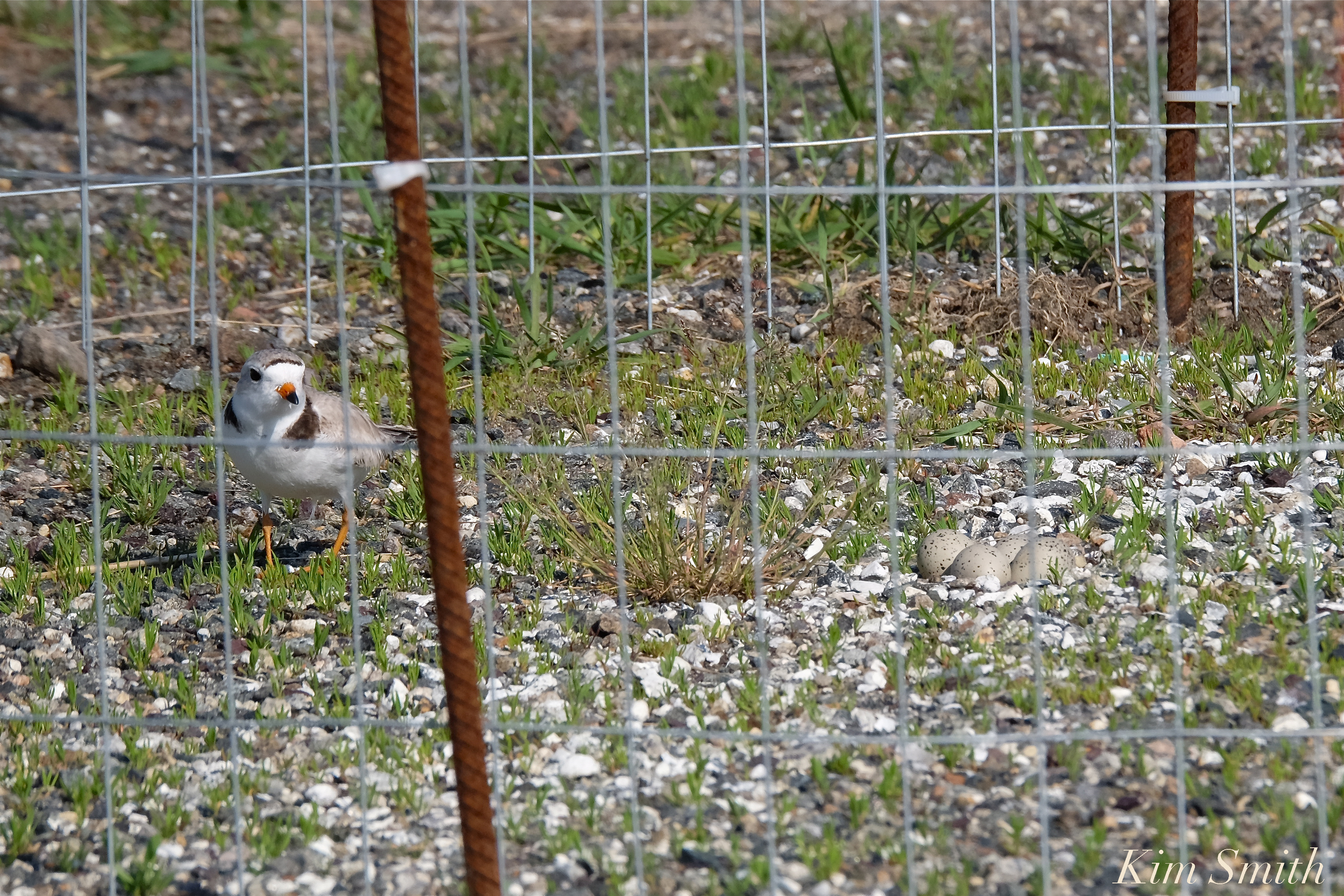
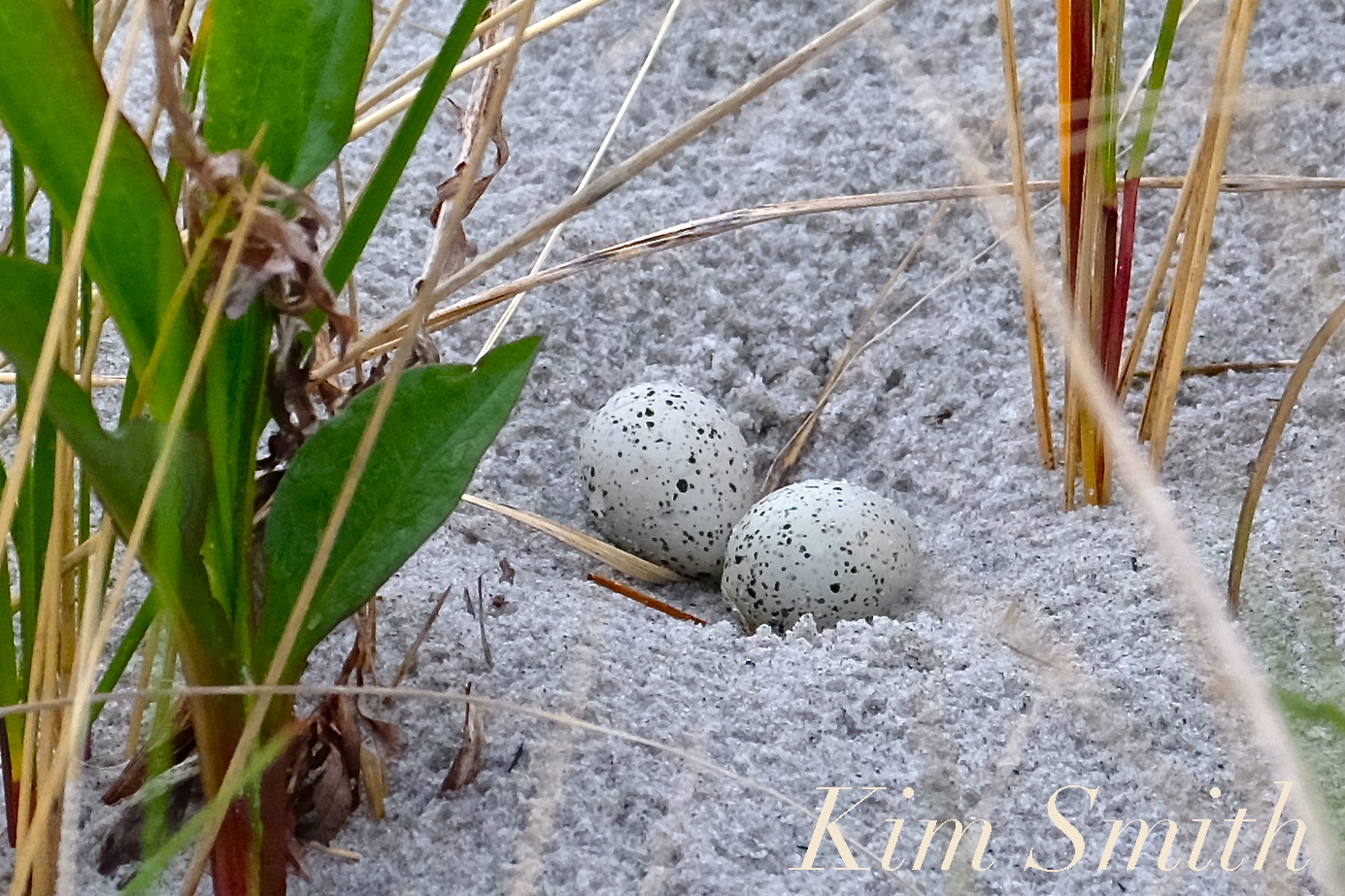
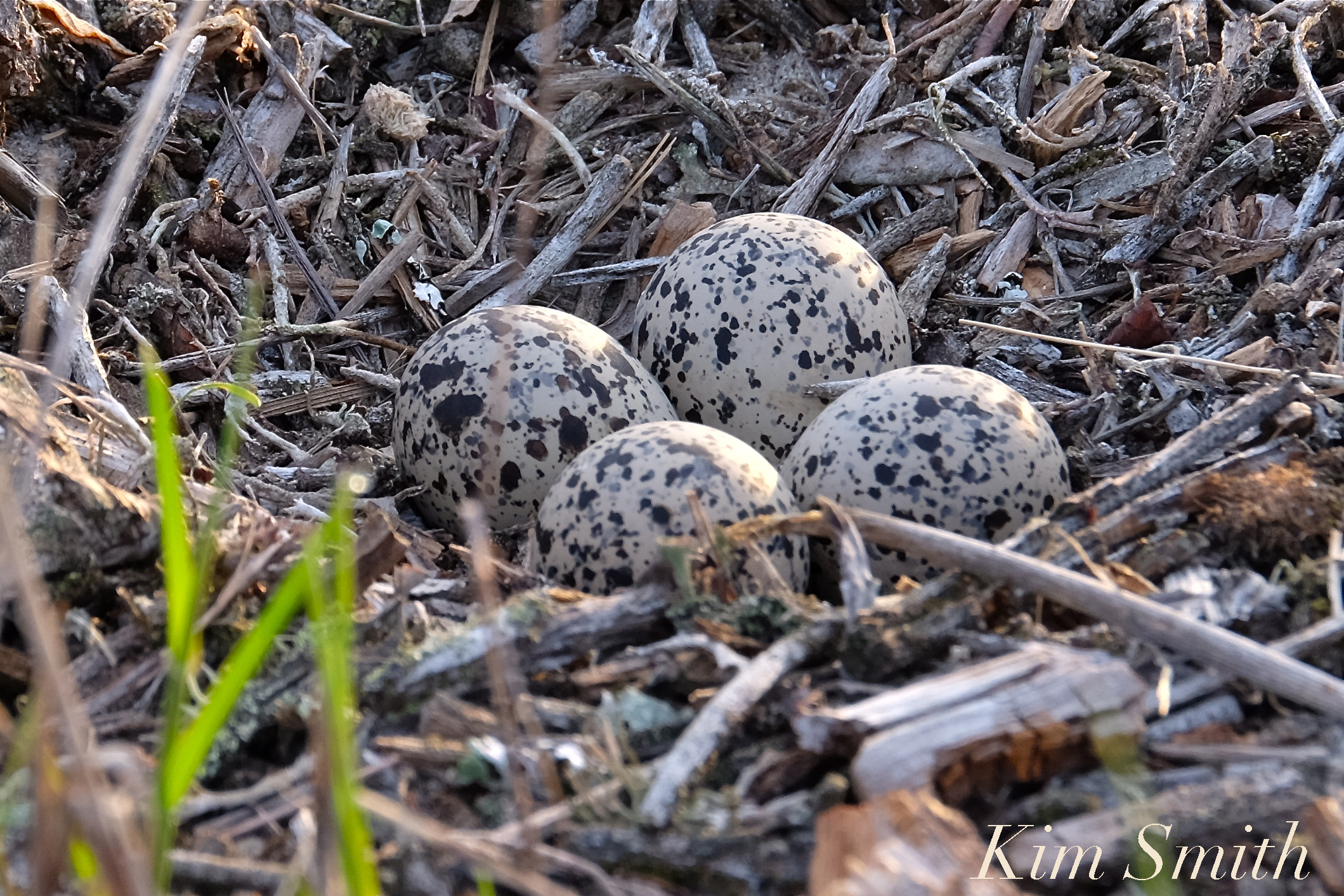
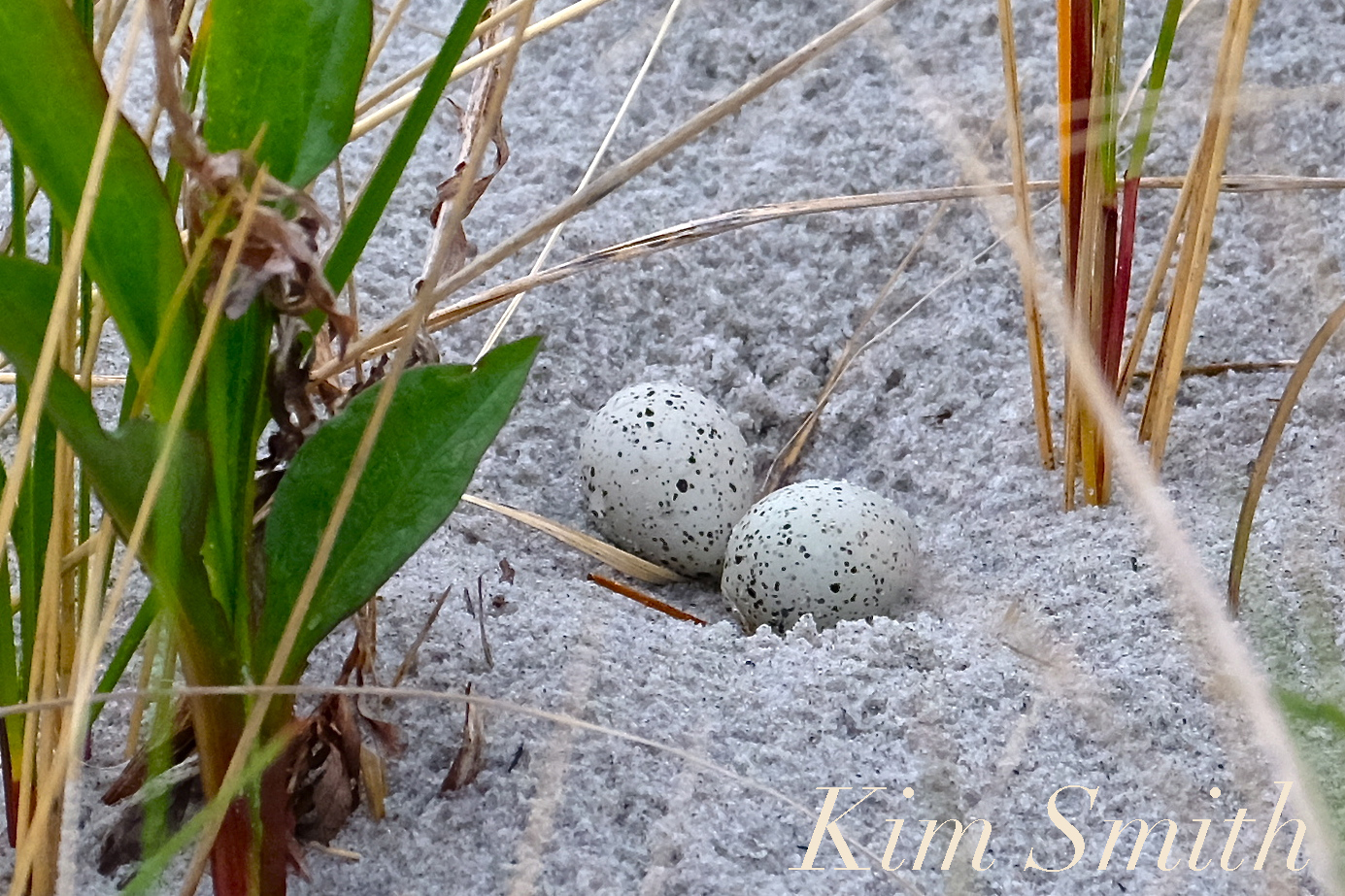
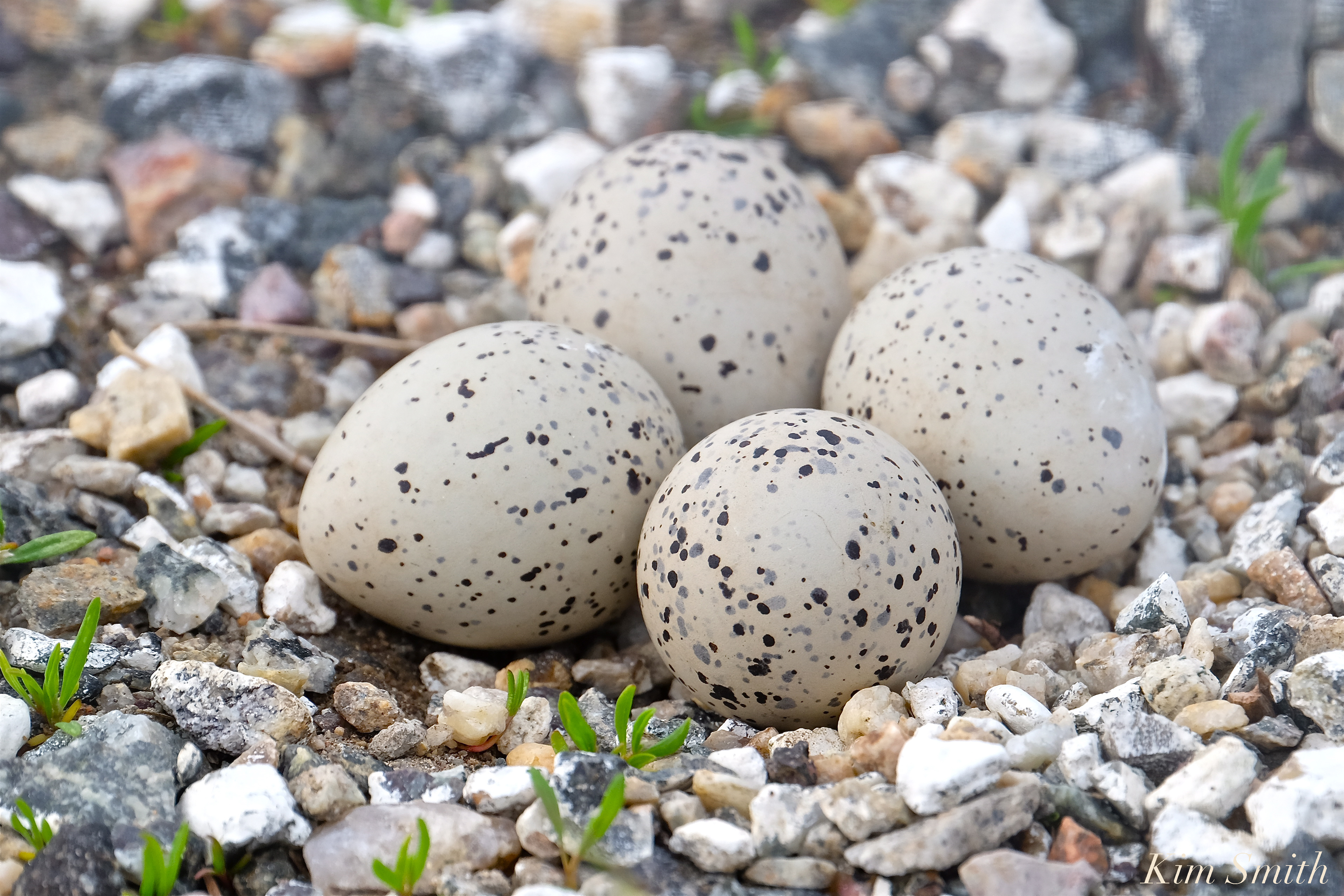
Pictured above are the beautiful mottled eggs of a different species of plover, the Killdeer. Notice how the Killdeer eggs look similar to the PiPl eggs, but are a deeper gray. Killdeers make their nest scrapes on the ground, just as do PiPl, but in gravel and soil, and the darker colored eggs are perfectly camouflaged amidst the sticks and stones. Piping Plover eggs are beautifully camouflaged when laid in sandy nest scrapes.

Stay tuned for wonderful news about our Good Harbor Beach Killdeer Family.

Piping Plover eggsKilldeer, Good Harbor Beach Gloucester

DEBUNKING PIPING PLOVER MYTHS #2 AND #3

Debunking Piping Plover Myths #2 and #3

Myth #2: “The reason the Piping Plovers are nesting in the parking lot is because when they first arrived to Gloucester it was cold and they find the asphalt warmer.”

Not true and by this logic, Piping Plovers would be nesting in parking lots from here to Canada!

Piping Plovers arrive at Atlantic coast and Great Lakes beaches every year from late March through the month of May. Along the Atlantic Coast, they breed from the mid-Atlantic states to New England and all the way up the coastline to the maritime provinces of Canada, as far north as Newfoundland and Labrador. The temperature is no colder on a Gloucester beach than a beach on Plum Island or a beach on Prince Edward Island.

Myth #3: “The reason the Piping Plovers are nesting in the parking lot is because the tides are higher and the beach area was disrupted after the winter storms.”

Also not true. 

Piping Plovers typically nest on both narrow and wide sandy beaches. Unfortunately, nests and eggs are occasionally swept away during a storm when the tides are high.

Beaches all along the Massachusetts coastline were hit hard by late winter storms however, Piping Plovers often do well on beaches where winter storms have created a change in the topography. Storms generate what is called overwash, when water from the sea carrying beach sediments flows onto the dunes. Overwash is critical for beaches to maintain their shape and size in the face of sea level rise. The best foraging areas for Piping Plovers are known where you have large expansive mudflats created by storm overwash.

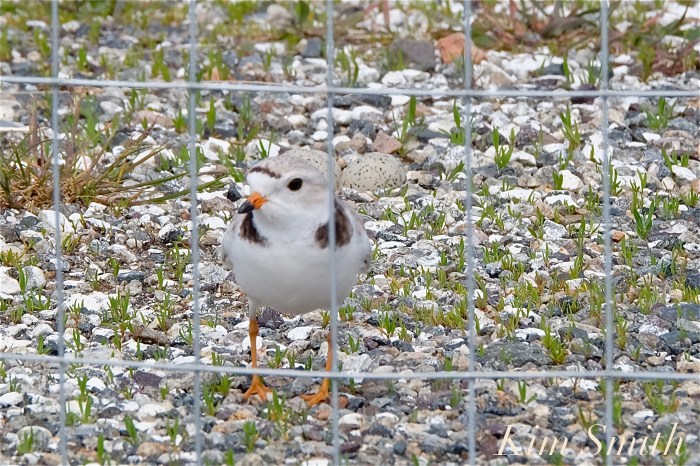
Good Harbor Beach Piping Plover parking lot nest and eggs.

As you can see, there is a theme to these comments, to blame the fact that the PiPl are nesting in the parking lot on everything else except what in actuality drove them to the parking lot.

Constant and unrelenting disruption by dogs off leash in the nesting area is what forced the Piping Plovers to the parking lot.

By speaking frankly to help bring awareness about what occurred in the nesting area at Good Harbor Beach during the months of April and May is by no means meant to malign or portray as wicked and threatening dogs or dog owners. Disruption by dogs was witnessed by myself, by fellow PiPl volunteers, as well as by Greenbelt and Mass Wildlife representatives, and the dog officers. 

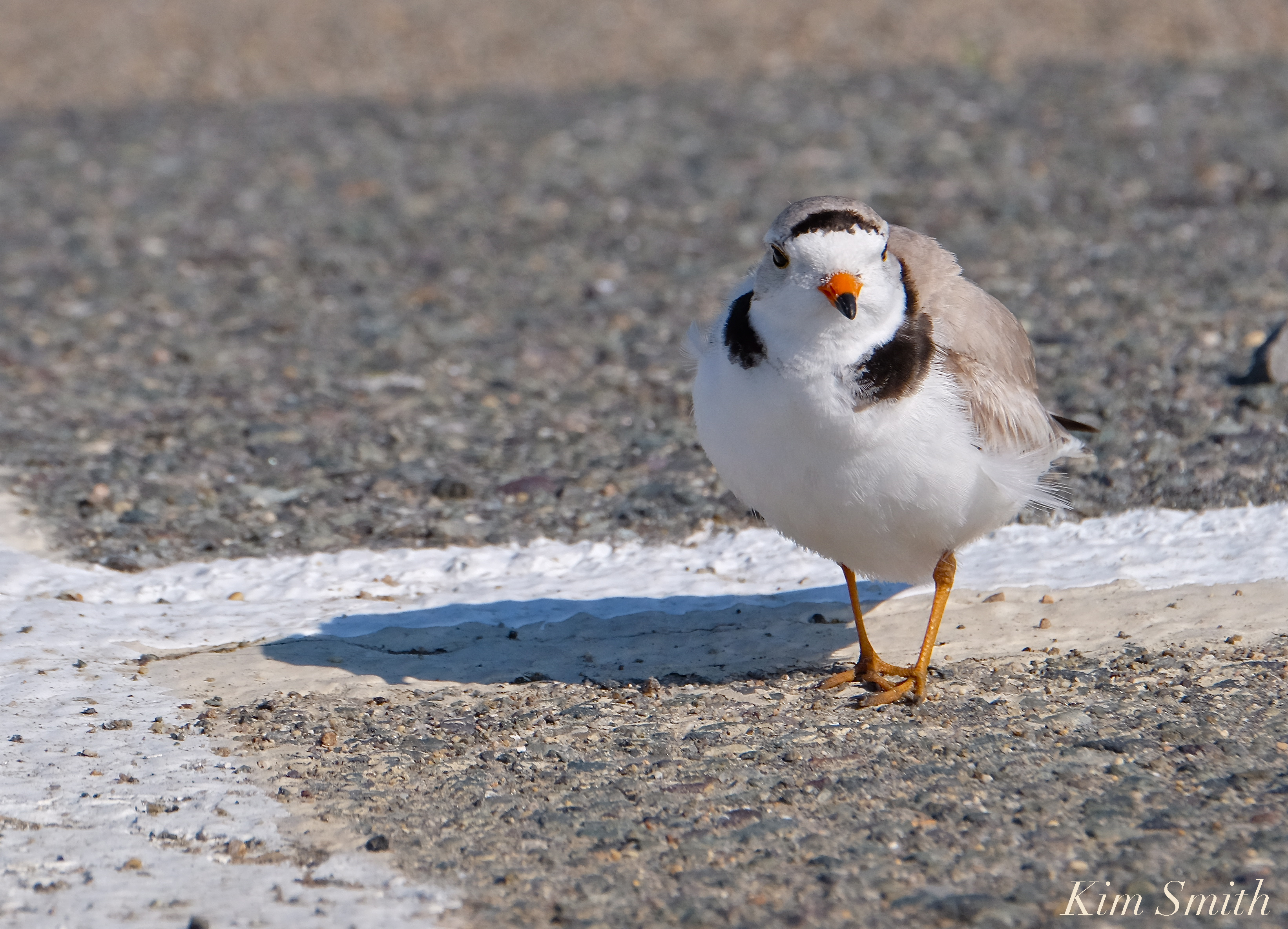
In the minds of our nesting pair of Piping Plovers, the Good Harbor Beach parking lot was seemingly the safest location at the time of mating and nest scraping, as it was also the quietest and least disrupted. Readers may be wondering, why did our pair not nest in the wide expanse of dunes? I think the green growth found in the dune habitat does not provide protective camouflage as do the white painted lines and gravel found in the parking lot. If you have stopped by to see the PiPl in the parking lot, you may have noticed that they are practically invisible, the way they blend in with their surroundings. The little pair are certainly resourceful!

Don’t mistake their resourceful choice of nesting locations as ideal. The parking lot is a horrendous place to nest. It is far away from their food and water. Piping Plover parents take turns sitting on the nest. In a normal situation where the nest is on the beach, one sits on the nest while the other forages close by, but at the same time is always on the lookout to zoom in and help defend the nest from real and imagined predators. Under the parking lot circumstance, while one is brooding in the lot and the other foraging on the beach, they are not in constant contact or communication with one another, making the chance of successfully hatching young all that much slimmer.

And safeguarding the chicks during their first days after hatching in the parking lot, until they make the epic journey to the beach, is going to be a monumental challenge and take tremendous teamwork.

Mama at the parking lot nest exclosure while Papa is foraging at the beach and out of the range of communication.

The problems that arise with dogs on the beach during shorebird nesting season has been dealt with and resolved conscientiously in coastal communities over decades.

Some solutions for next year:

  1. With gratitude to Mayor Sefatia and the DPW, effective signage has been posted at each beach entryway. The signs need to be in place all year round because they also have a No Dunes icon. Letting people know that throughout the year the dunes are off limits to people and pets will help lessen erosion and create a healthier dune habitat, which over time will help protect our beach for everyone.
  2. Enforcement of existing ordinances.
  3. Education about the life story of the Piping Plovers.
  4. Recently a meeting of the Animal Advisor Committee was held at City Hall. Many suggestions and proposals were discussed. A very simple and effective solution for Good Harbor Beach is to close the beach to all dogs beginning April 1st and to reopen on September 16th, making the time dogs are allowed on the beach only two weeks shorter than the existing ordinance. The time period from April 1st to September 15th would give all shorebirds the uninterrupted space needed to mate and establish their nests, and time enough for the young to fledge.

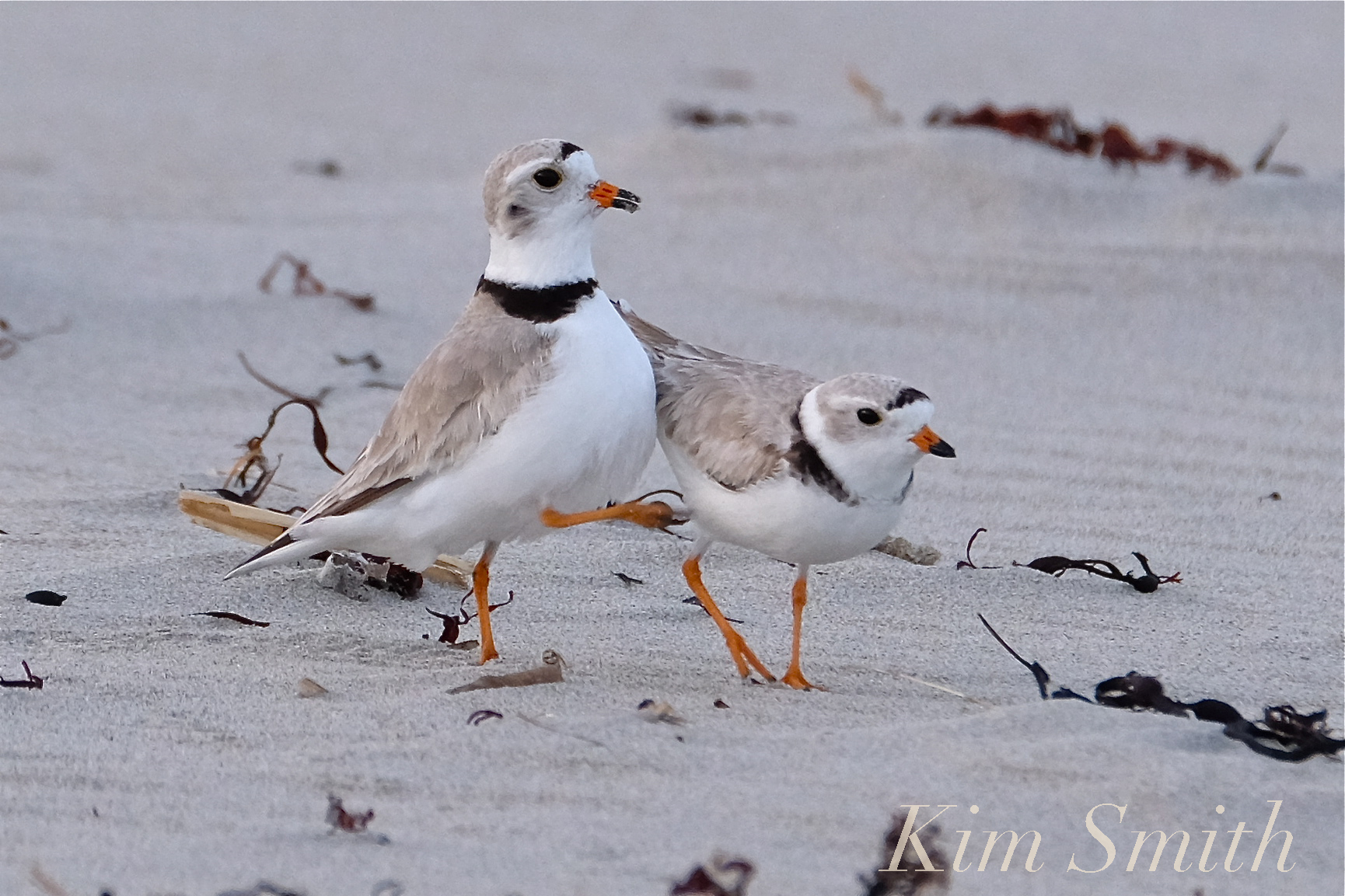
The Piping Plover mating dance is elaborate. Each time the PiPl are interrupted, they do not resume where leaving off, but begin the dance anew. In the above photo, the male is high stepping all around the female while she has positioned herself to accept the next step, where he jumps on her back, and they connect, cloaca to cloaca. The courtship dance takes about twenty to thirty minutes while copulation only lasts a mere minute.


DEBUNKING PIPING PLOVER MYTH #1

Debunking Piping Plover Myth #1

“Because of those gosh darn *&%$@# Piping Plovers, Gloucester is going to lose tens of thousands of dollars in parking revenue.”

Not true.

Here is why. The Piping Plovers will be out of the parking lot, before the summer season begins and before school is out!

The one thing the parking lot PiPl have going for them is that they laid their eggs relatively early in the season. If the nest is left undisturbed, by the time the chicks hatch, we will be in the second week of June. It may take a day or two for them to make the epic journey to the beach, where they will much prefer to spend the summer. At the very latest, the chicks will be out of the parking lot by the third week of June.

So to be completely clear: the Good Harbor Beach parking lot is not closing and we will have ample parking during the summer months.

I hope this quells the rumors circulating. Look for more PiPl myths debunked this week in upcoming posts 🙂 Please share this post to help folks understand more about our Good Harbor Beach parking lot Plovers.

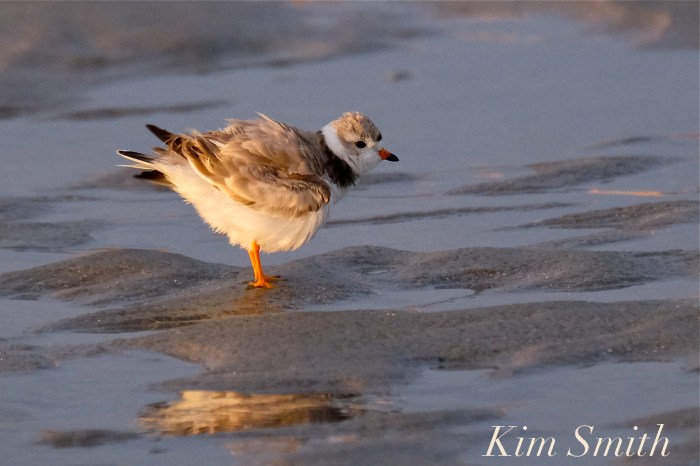
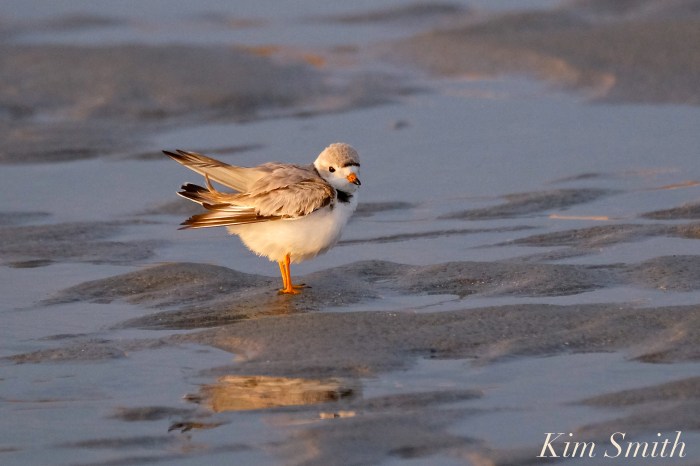
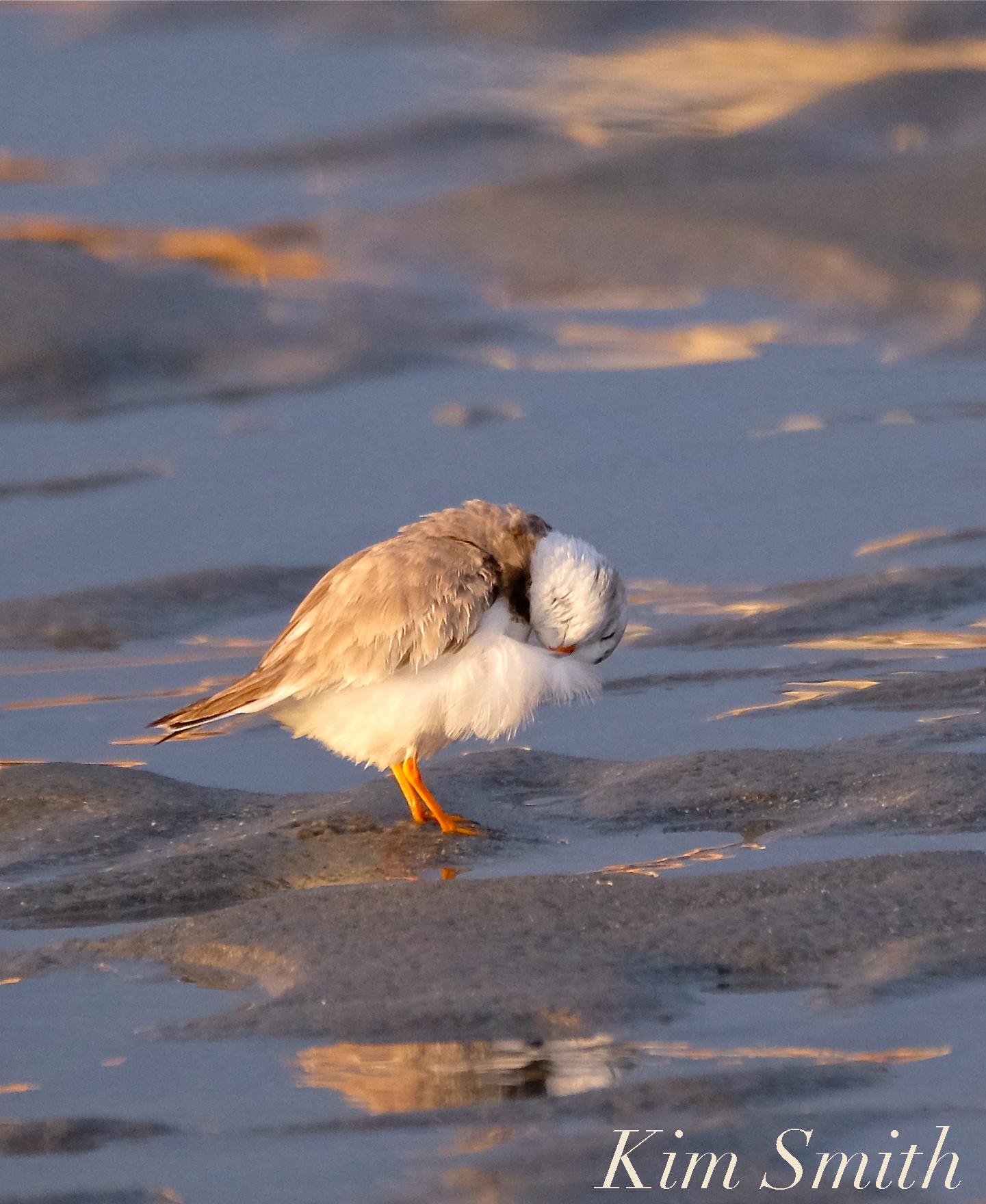
Fluffing and puffing – morning bath for Mama Plover.

BREAKING: TONIGHT ON FOX 25 WITH LITSA PAPPAS SEE OUR GOOD HARBOR BEACH PARKING LOT PLOVERS!

Thank you to reporter Litsa Pappas and videographer Steve Wright from Fox 25 for taking the time to learn about Gloucester’s nesting Piping Plovers and for sharing their story 🙂


Steve Wright and Litsa Pappas

The story airs tonight at 6 on Fox 25!

COME LEND A VOICE TO HELP GLOUCESTER’S PIPING PLOVERS AT TONIGHT’S ANIMAL ADVISORY COMMITTEE MEETING

Gloucester’s Animal Advisory Committee is meeting tonight to vote on whether or not to change the Good Harbor Beach dog rules. The meeting is at 6:30 at City Hall, 3rd floor. At present dogs are allowed at GHB through April 30th. Our hope is that the new ordinance would shorten the time, to end on March 31st. Nesting Piping Plovers, as well as the many species of shorebirds migrating through (and some also nesting at) Good Harbor Beach would benefit tremendously from this change to the ordinance. Thank you!

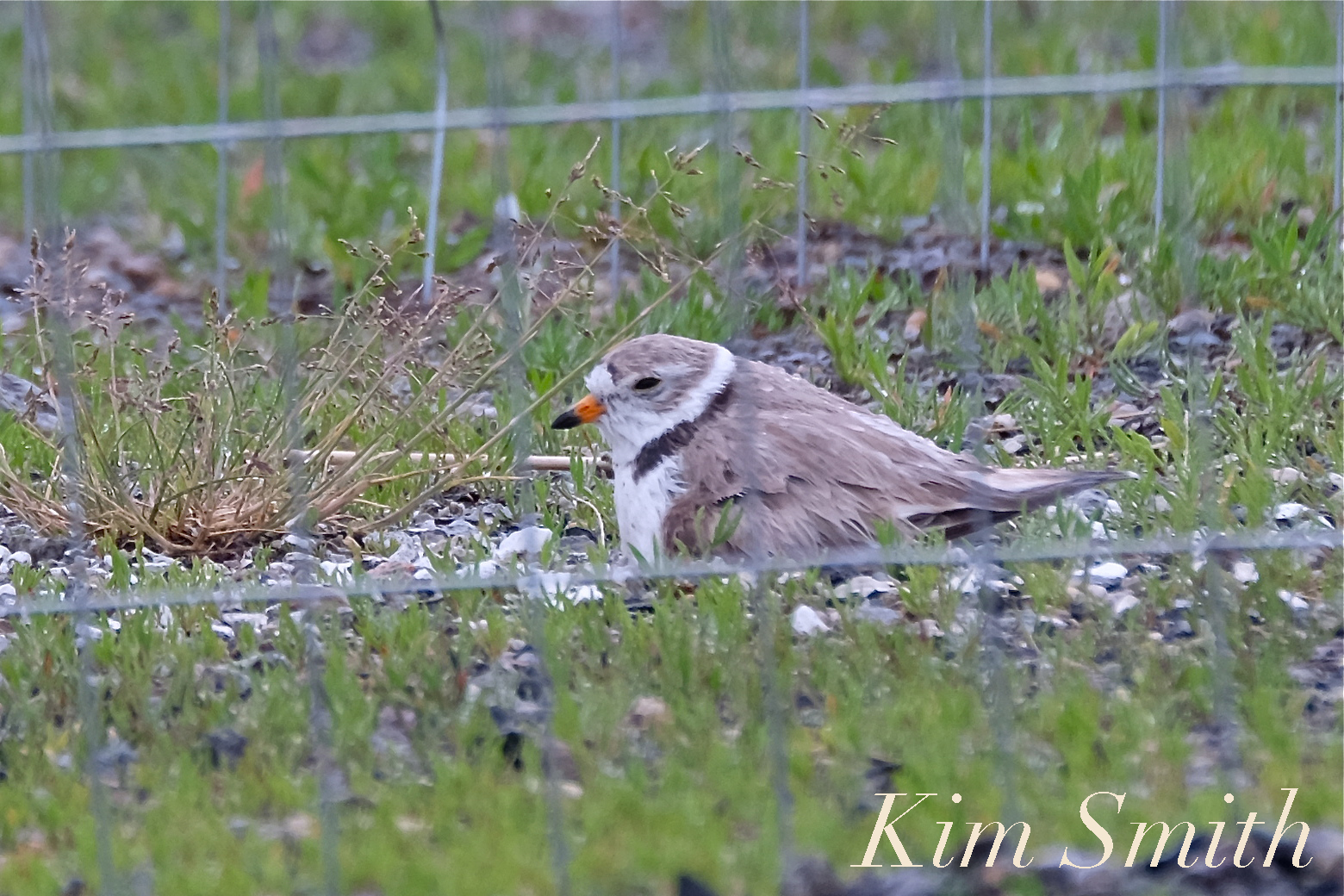
Piping Plover on the Half Shell