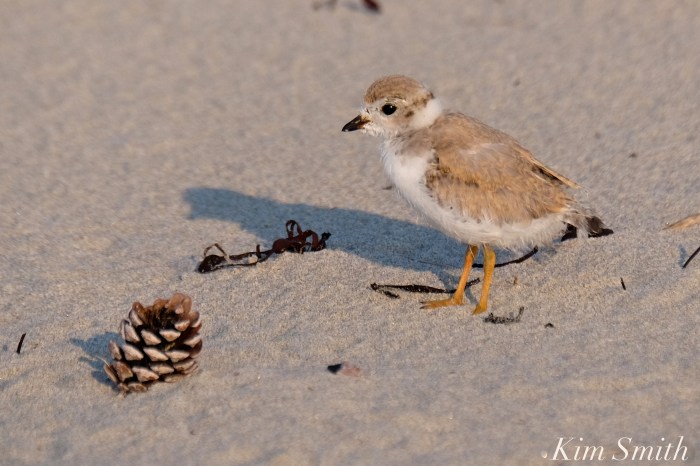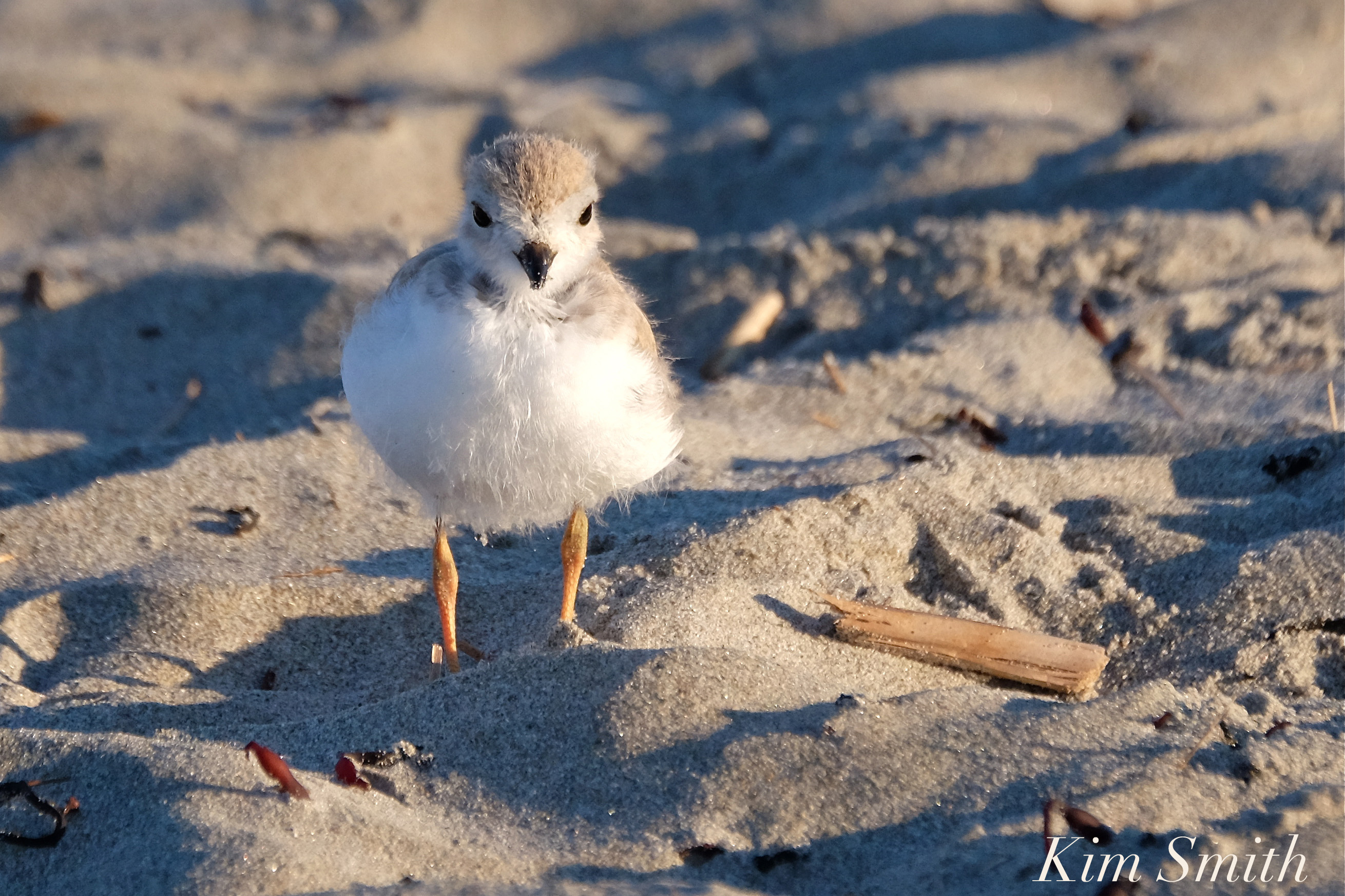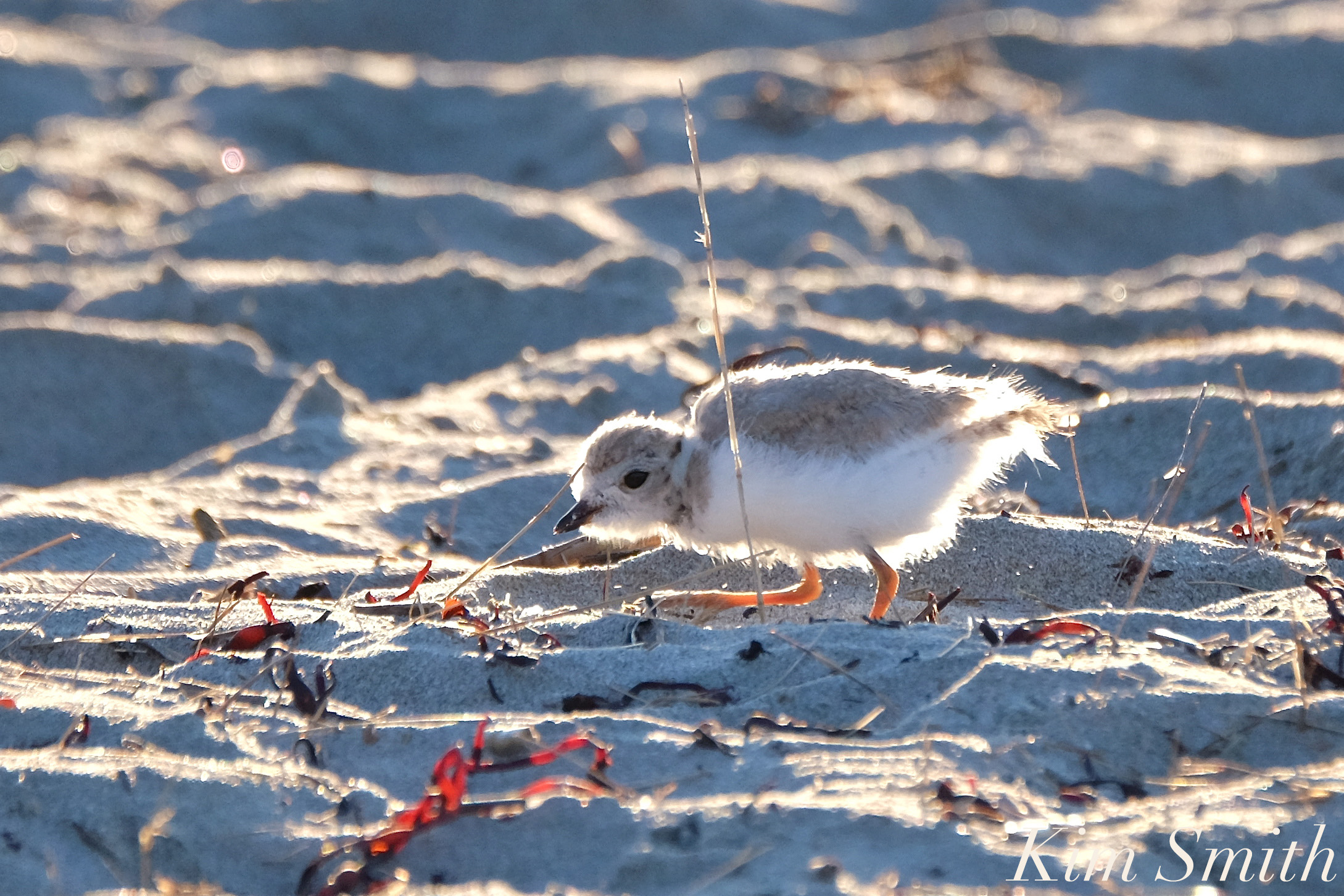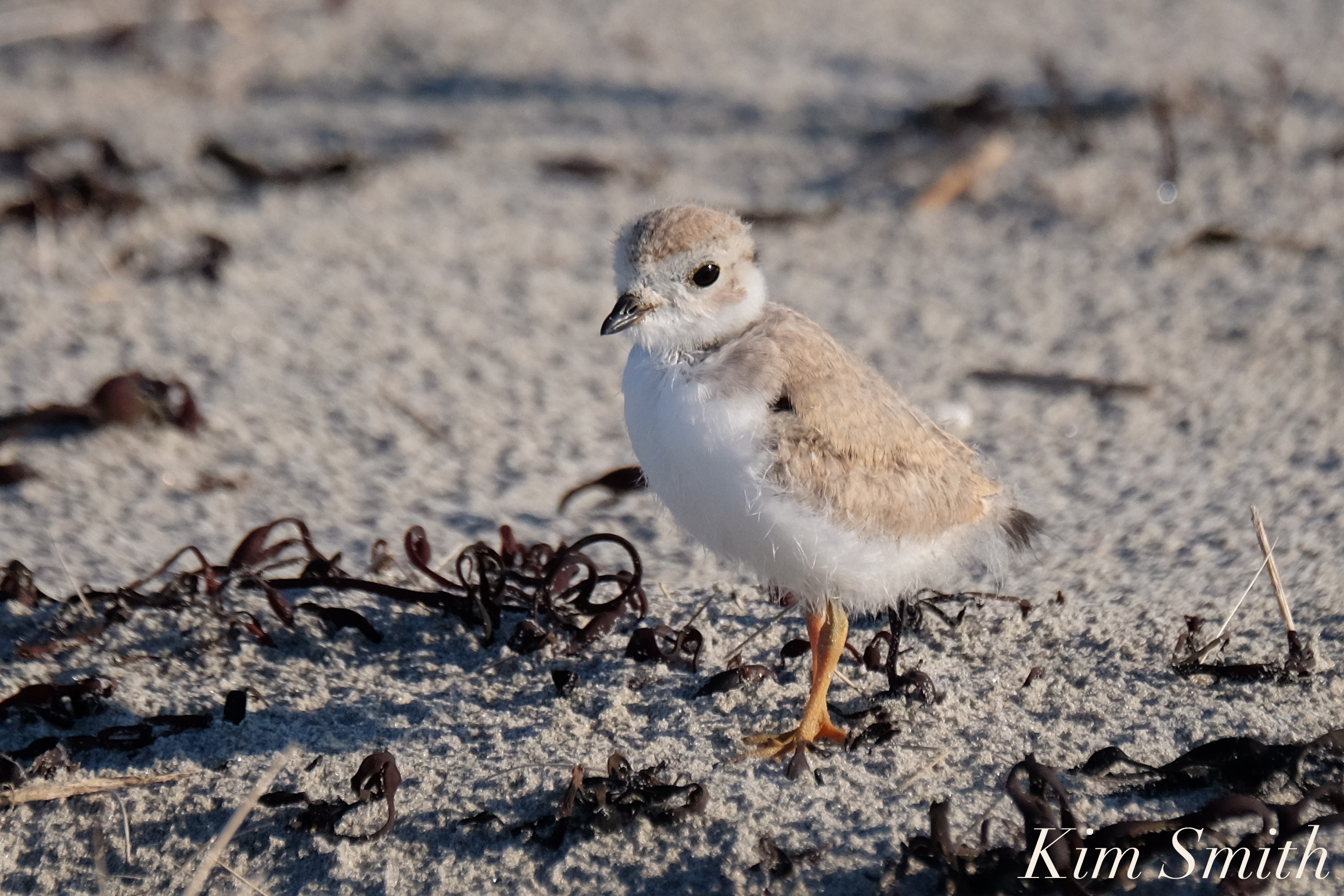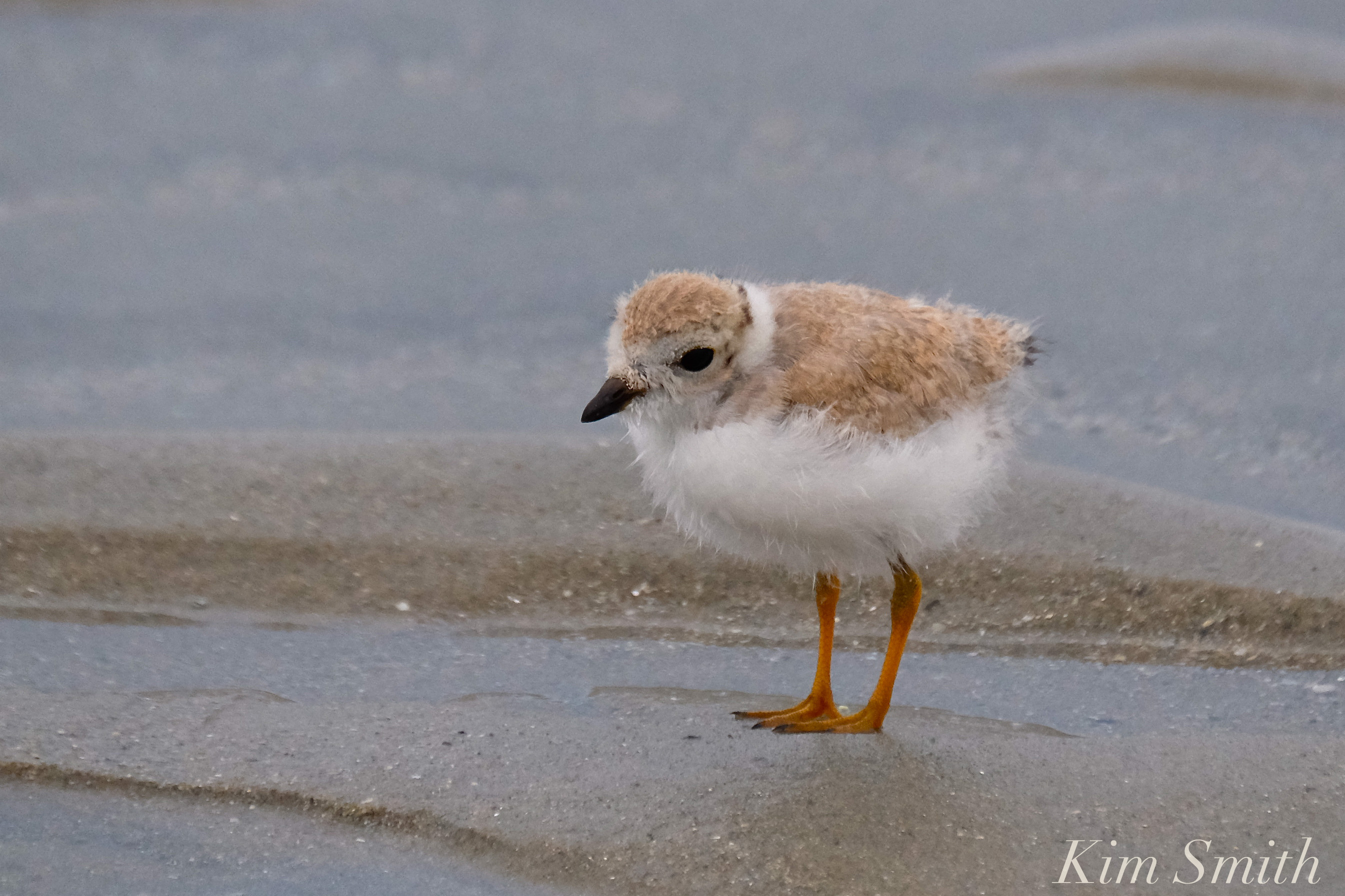
PIPING PLOVER PATROL UPDATE FROM DAY TWENTY SIX!

Good Morning from the Good Harbor Beach Piping Plover patrol brigade! Today we were joined by Gloucester Chief of Police John McCarthy and animal control officer Dianne Corliss. Thank you to both for their continued help in monitoring the dog owner situation. They got to see our Little Chick and parents and it was awesome!

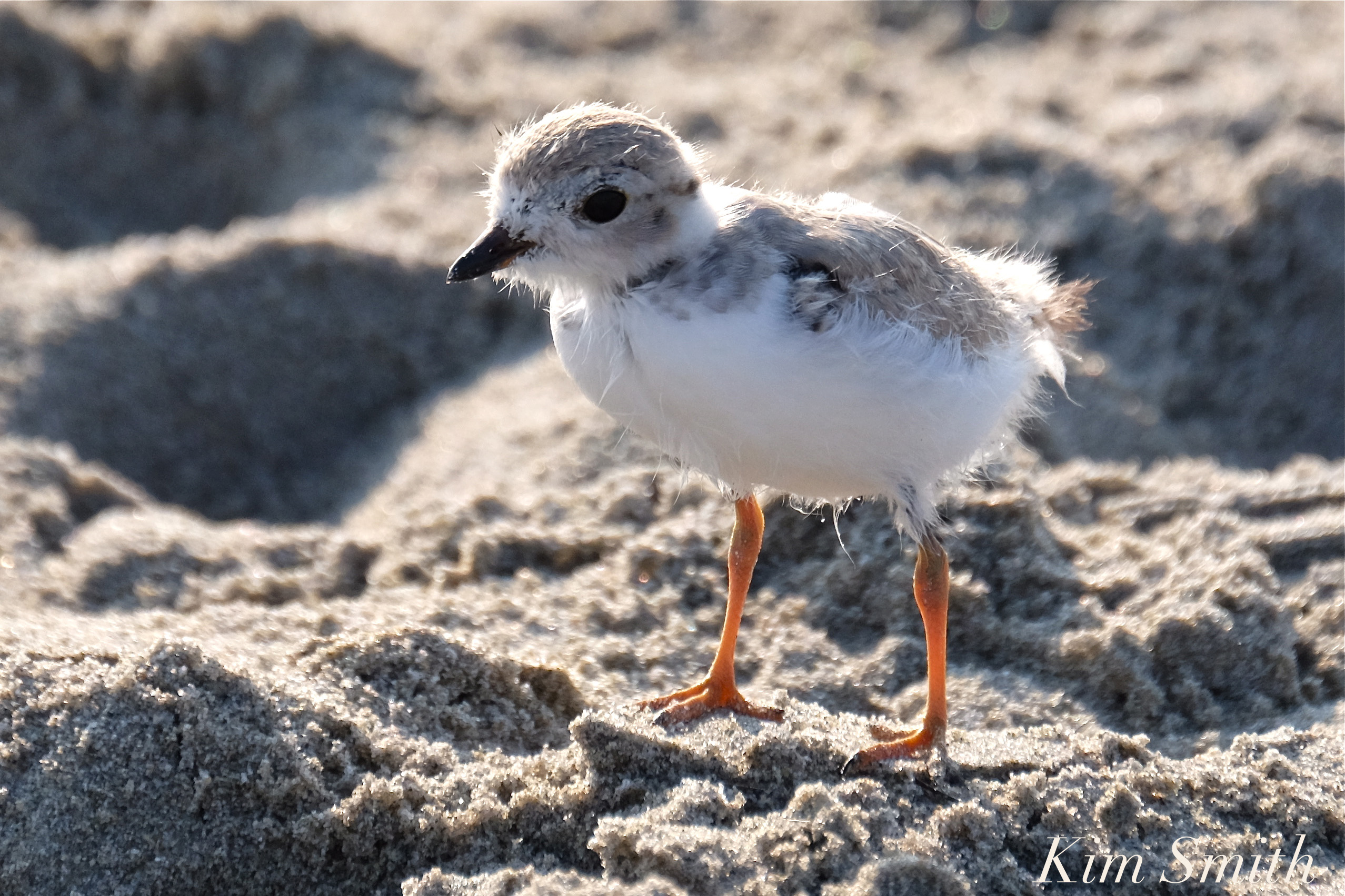
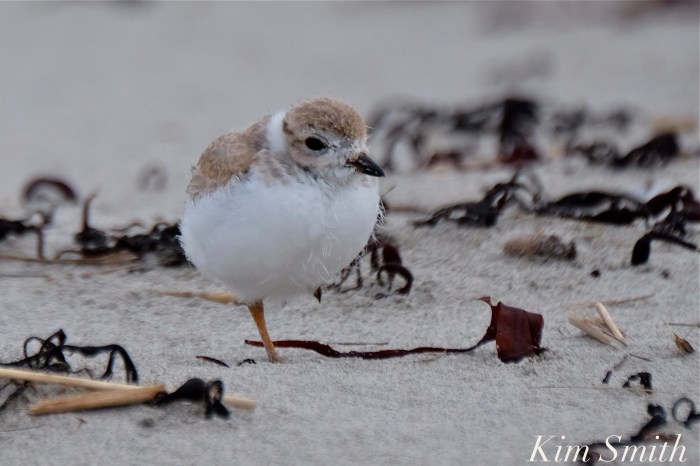
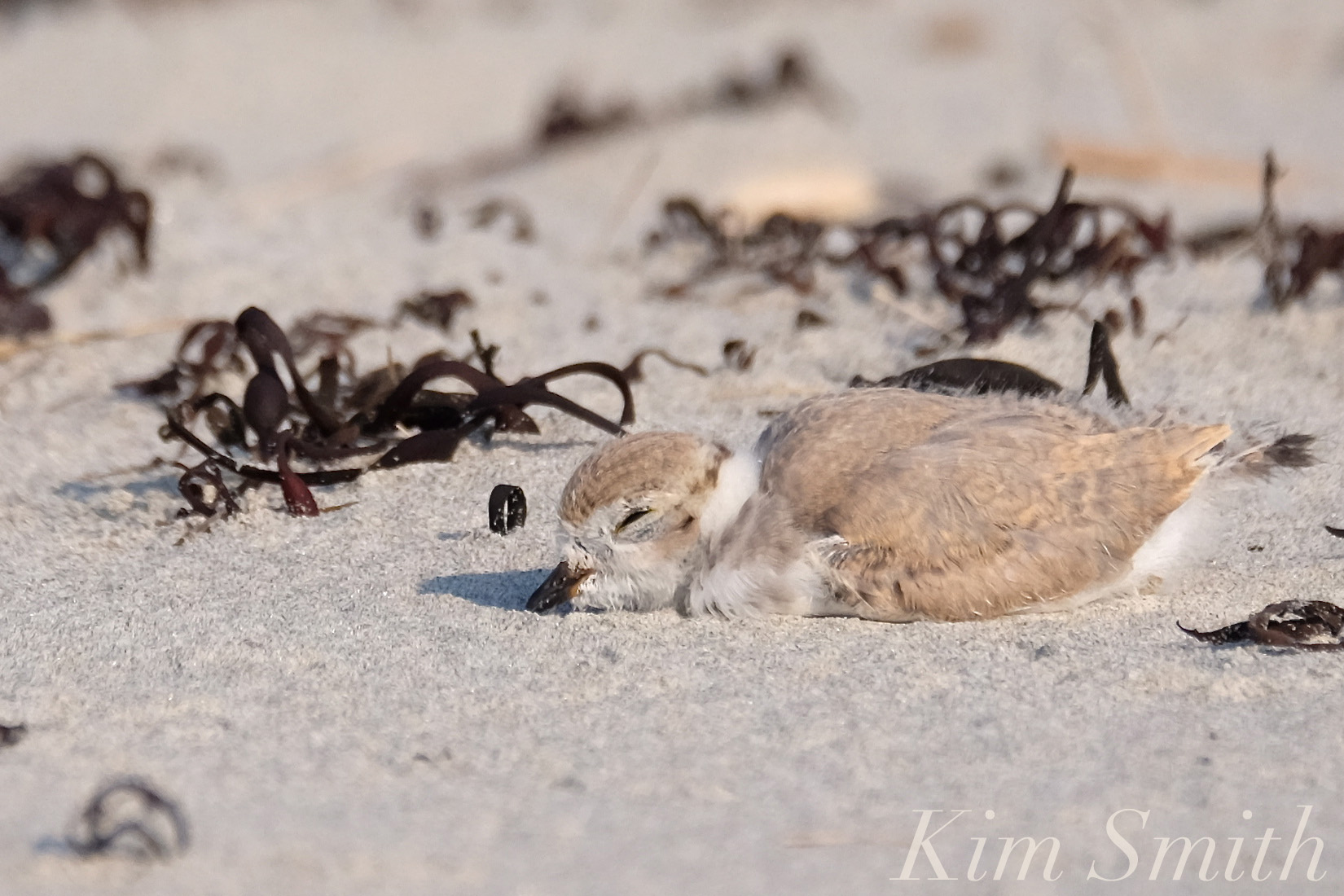
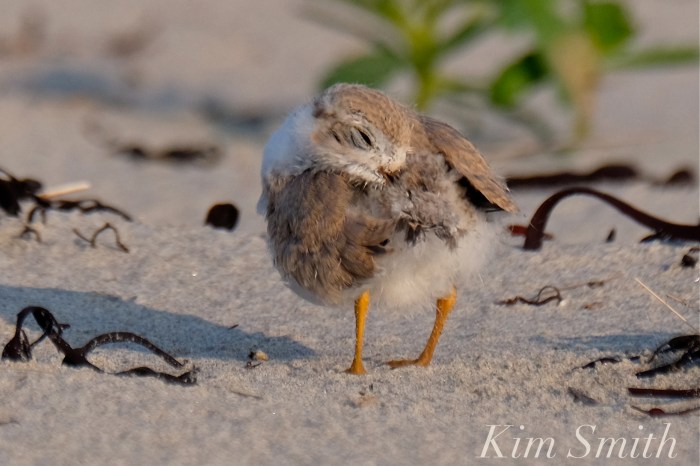
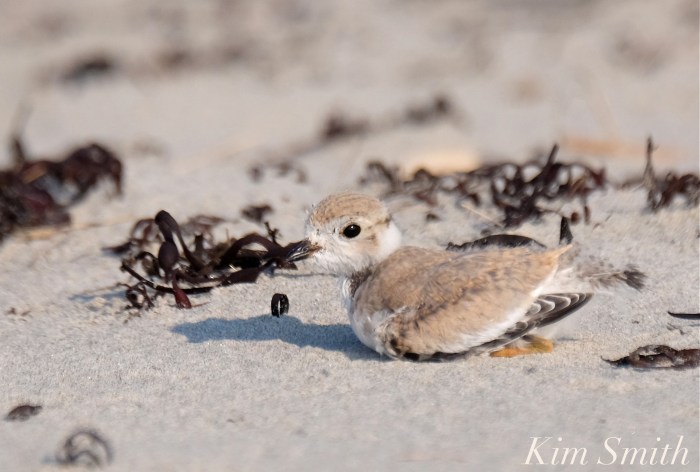
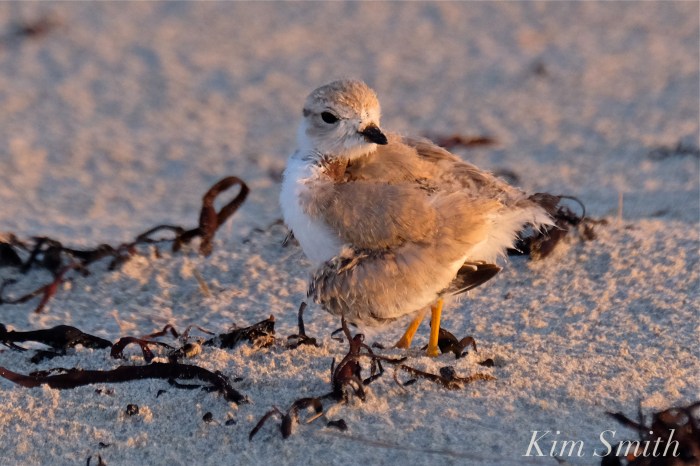
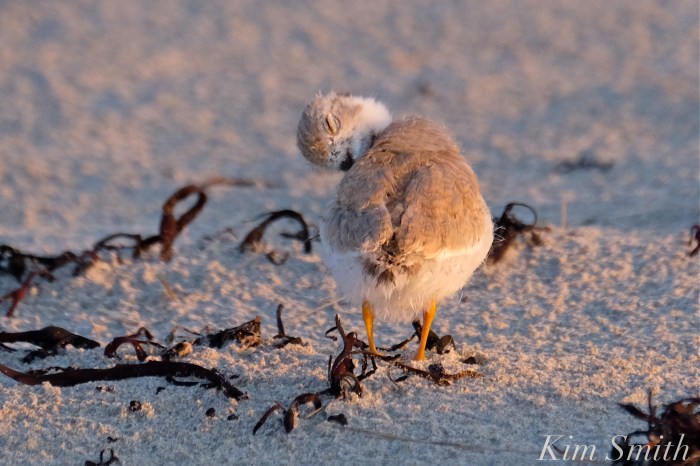
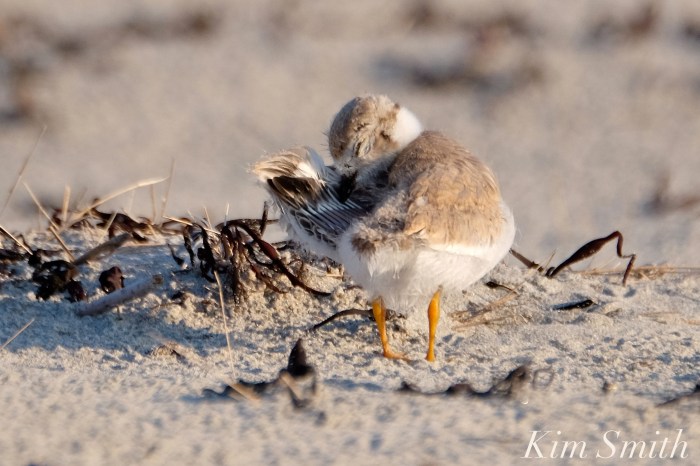
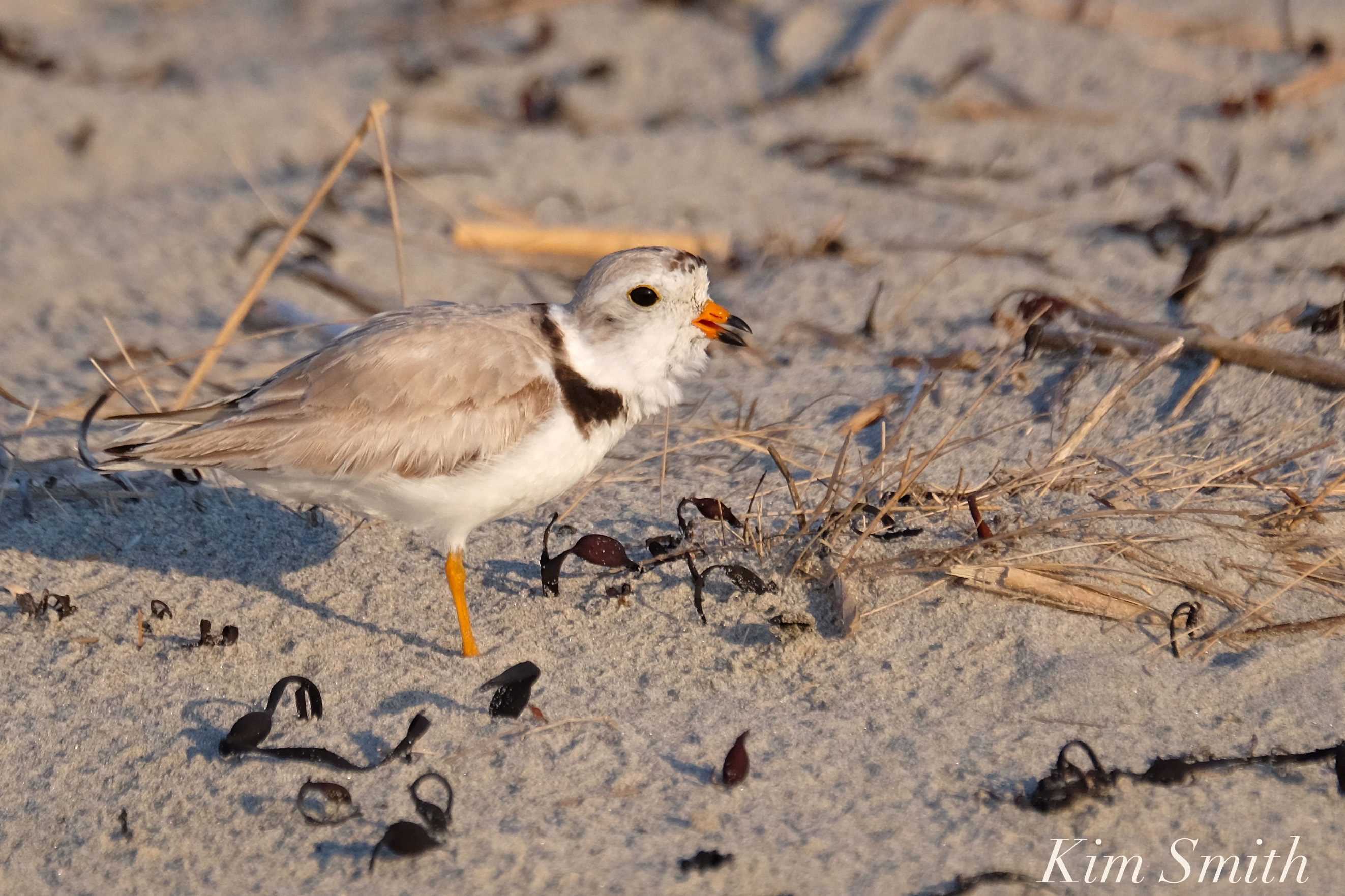
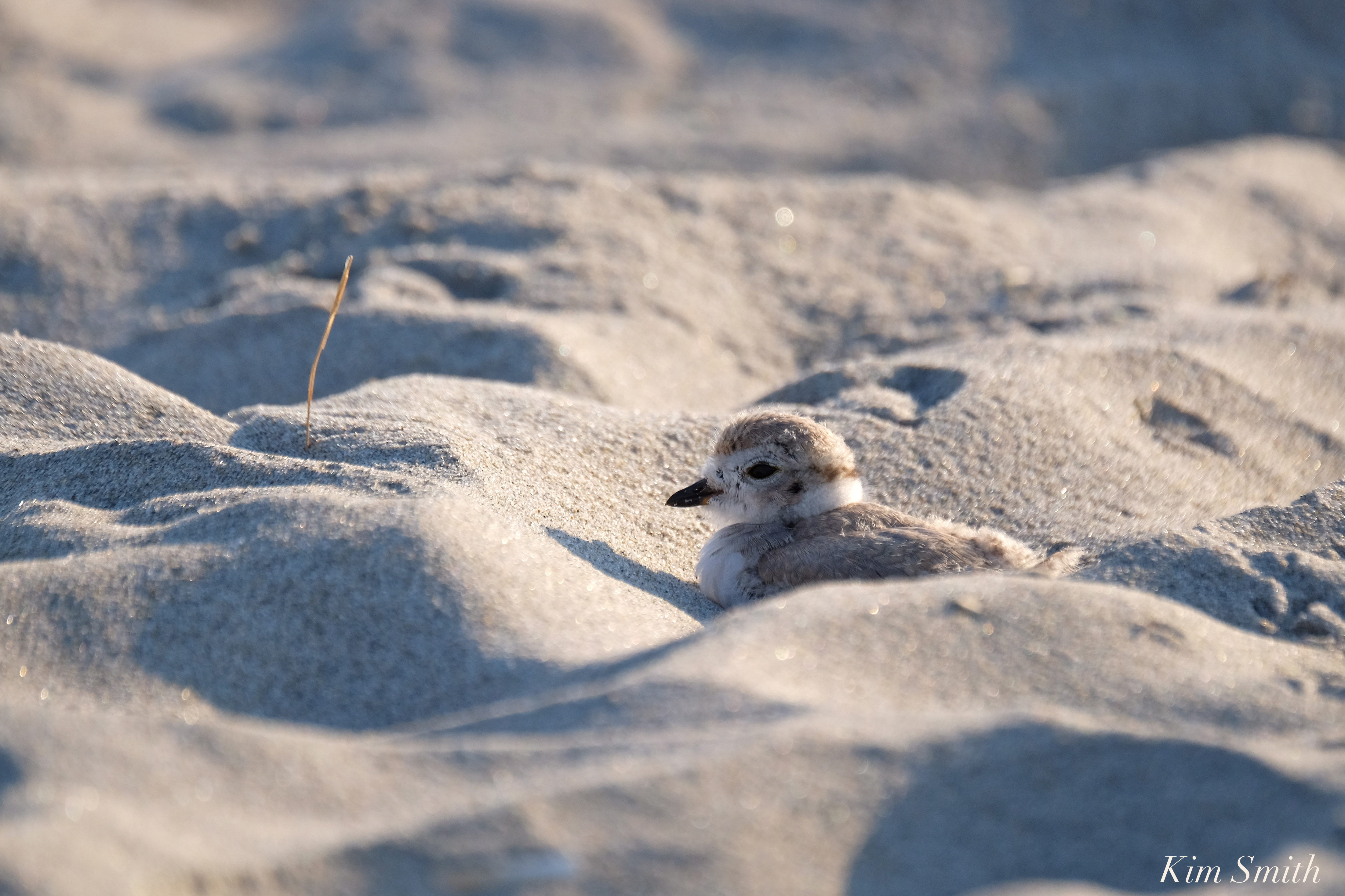
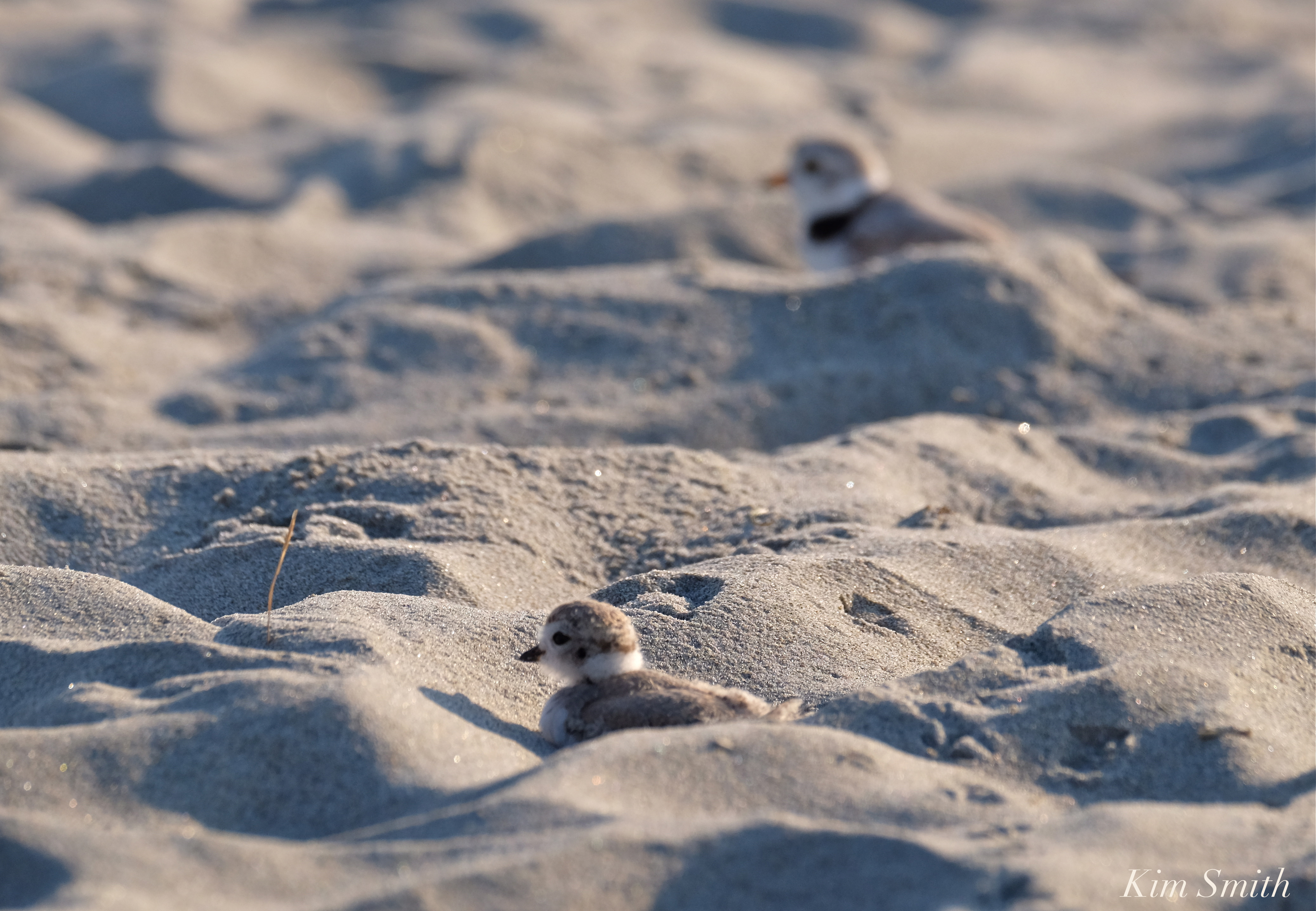
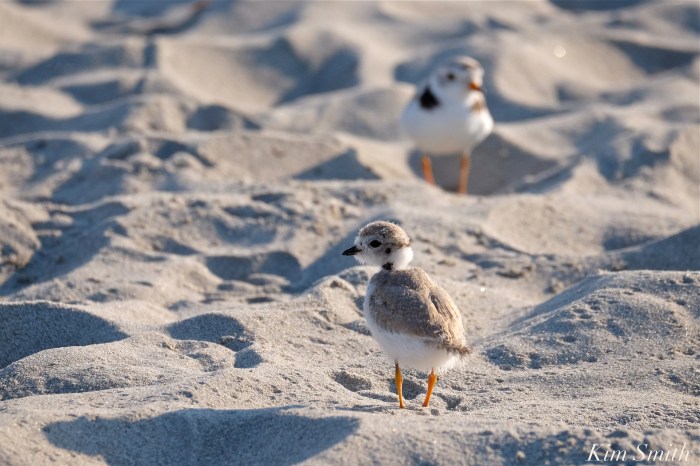
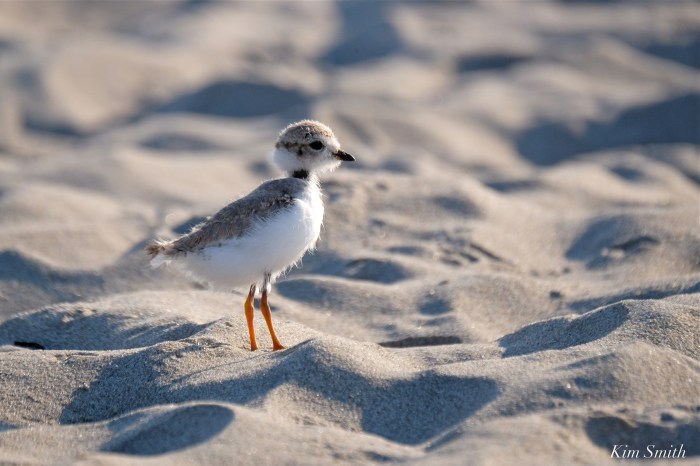
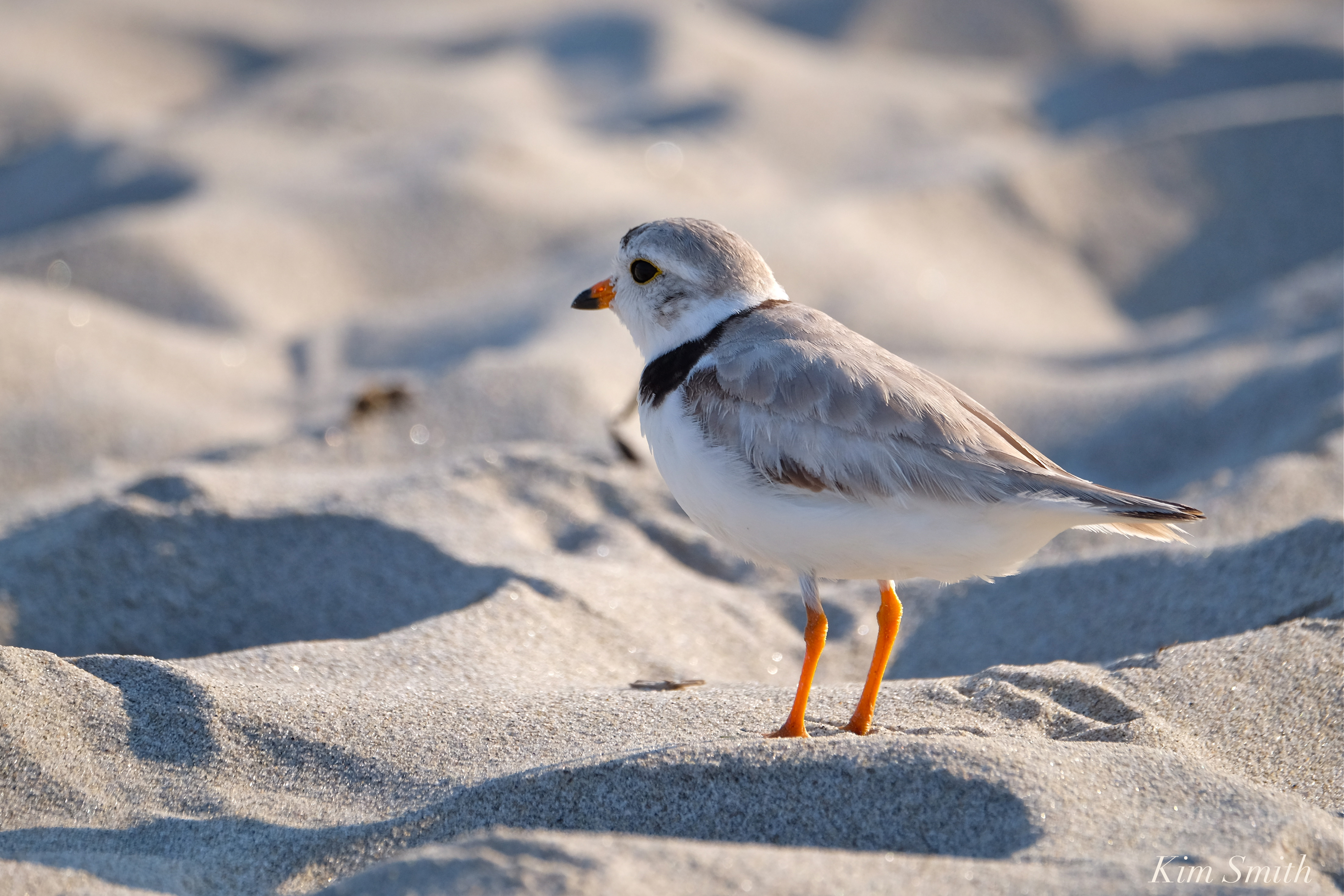
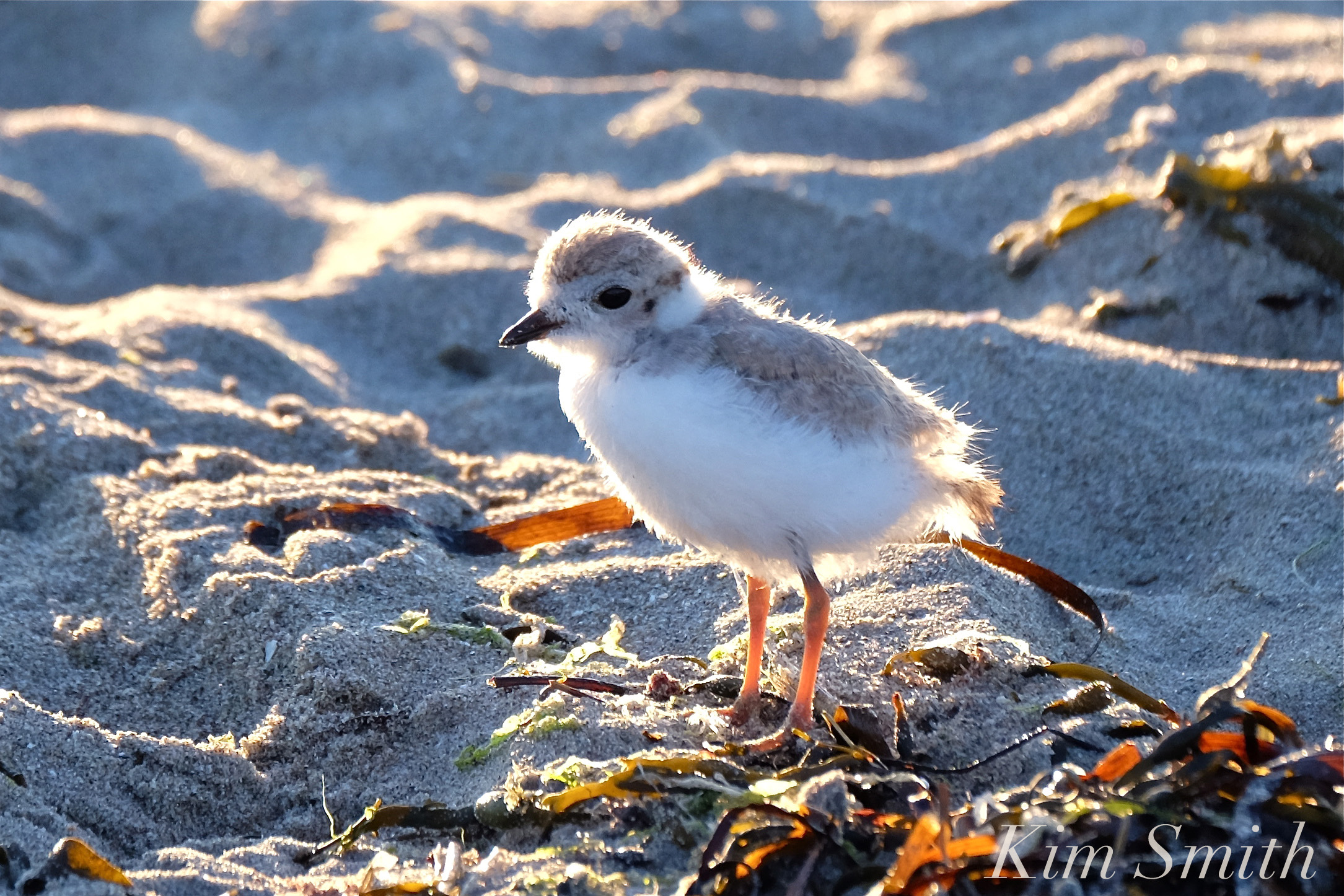
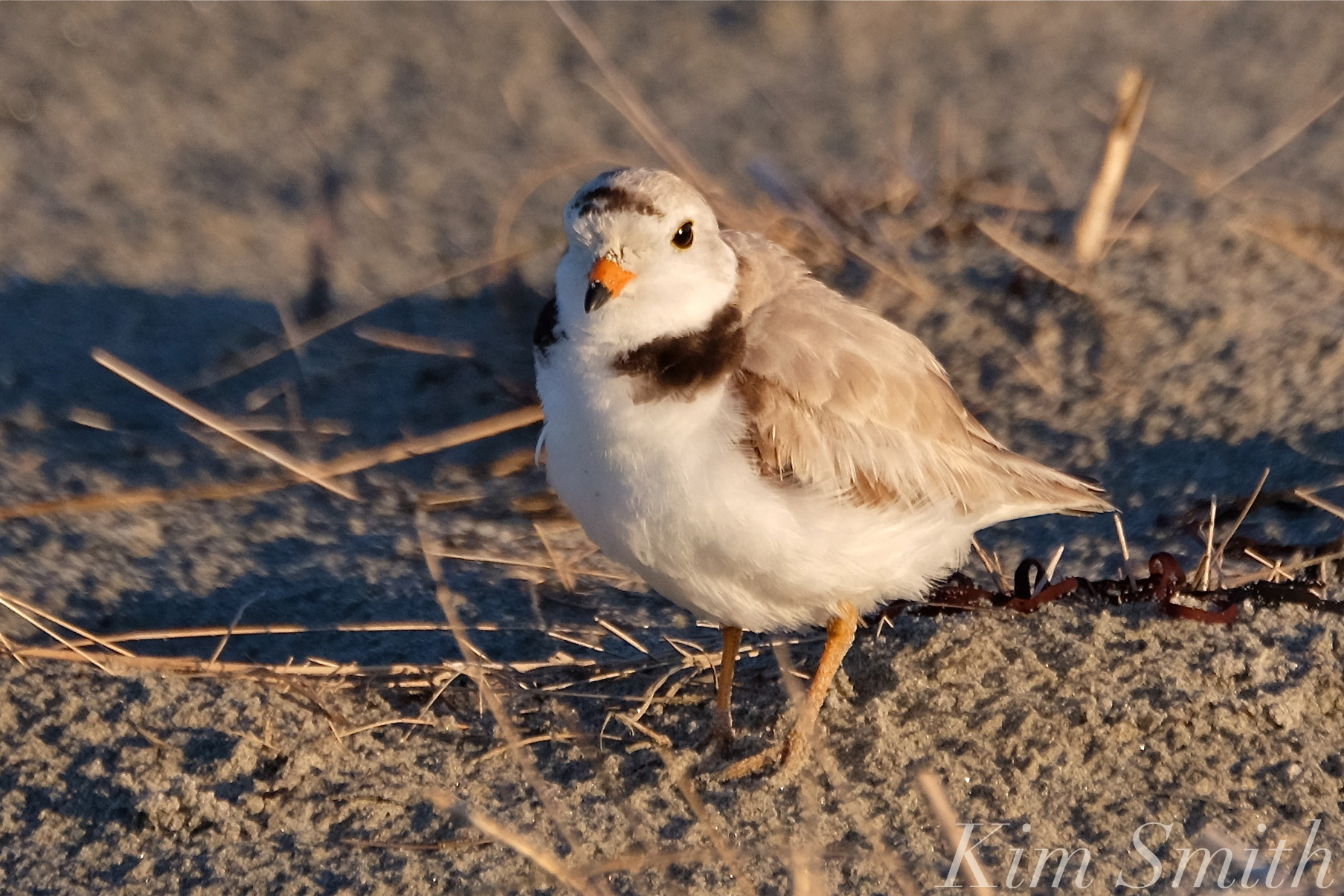
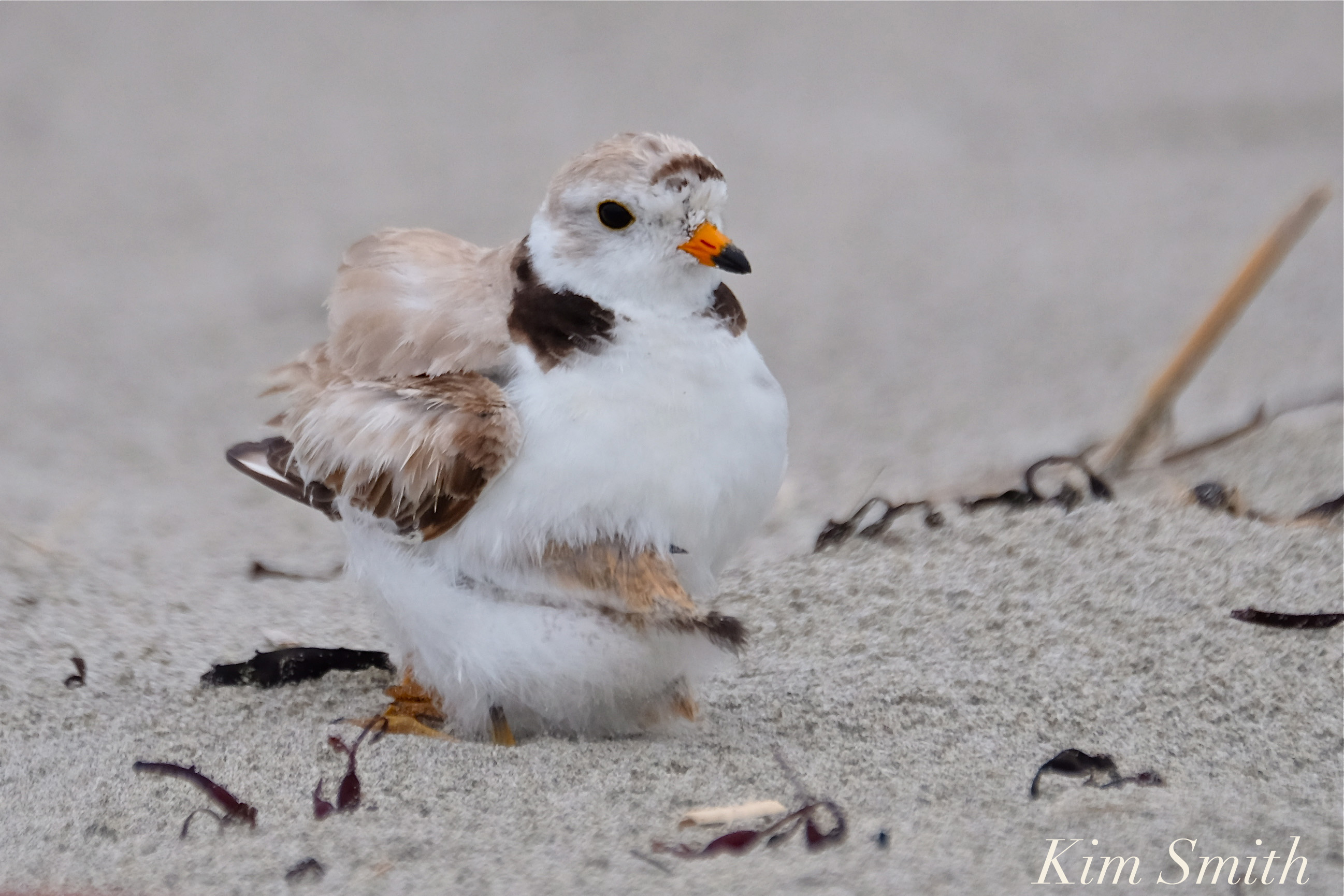
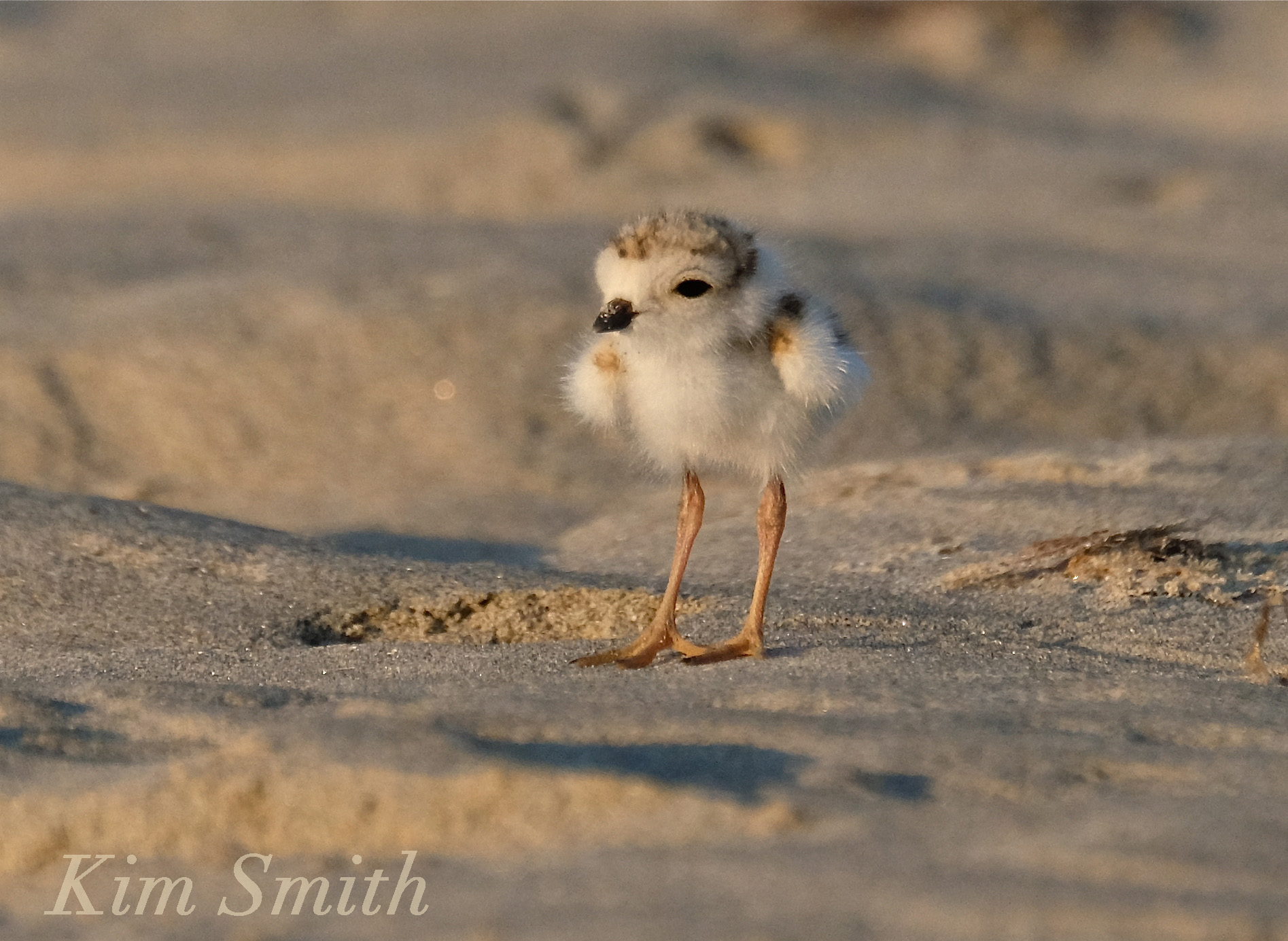
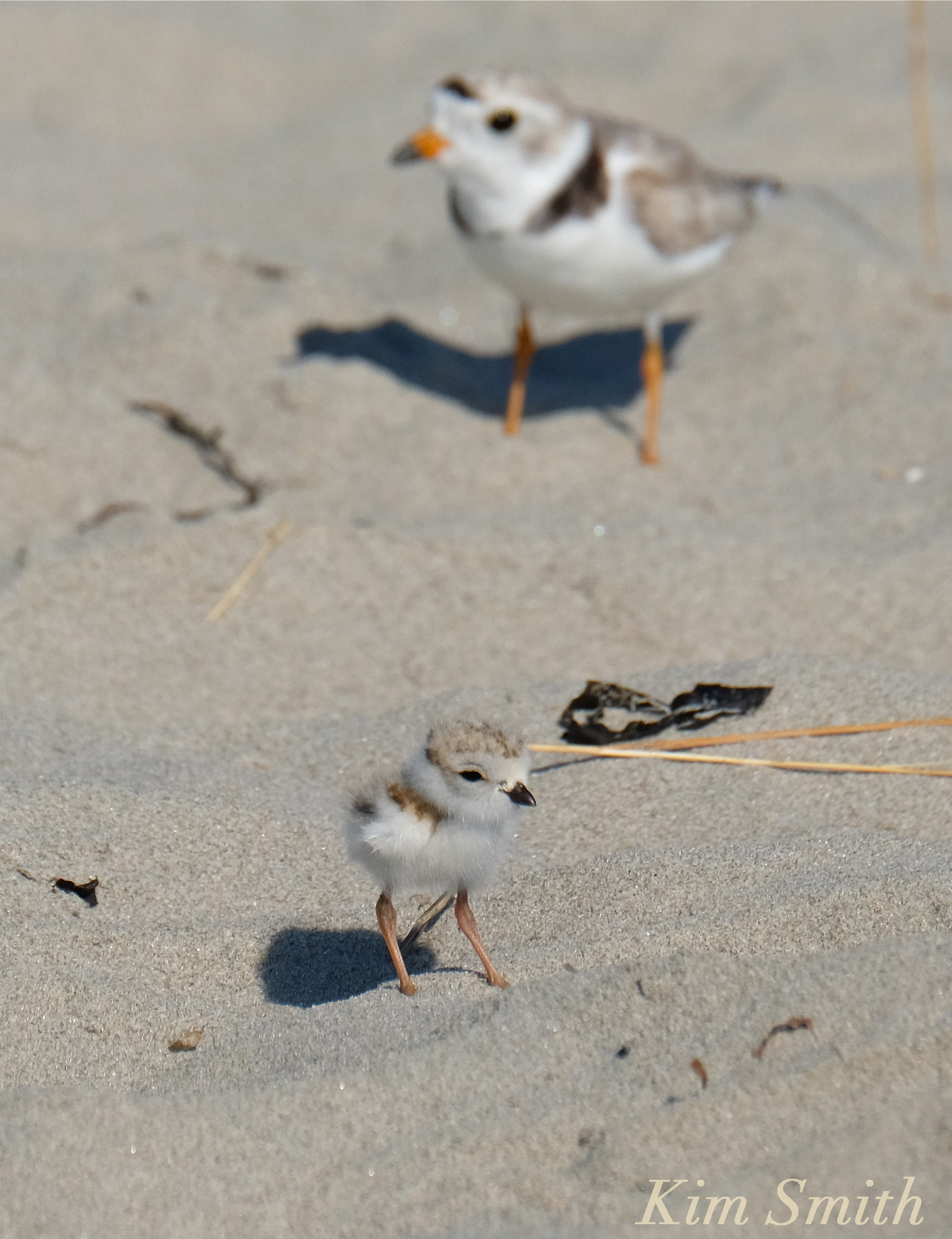
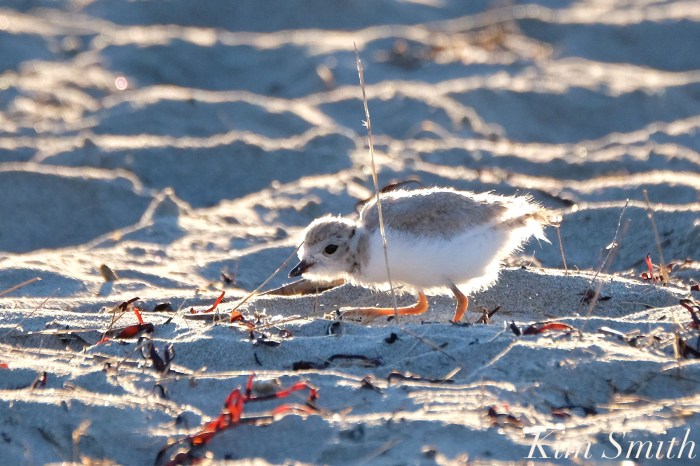
Day by day we see our Little Chick developing new skills. Today he stood on one leg while resting, just as do adult Piping Plovers. When birds stand on one leg, it is a way to conserve heat and energy. For the second day in a row, Little Chick has not needed his parents to regulate his body temperature. He now takes naps on his own in the sand.

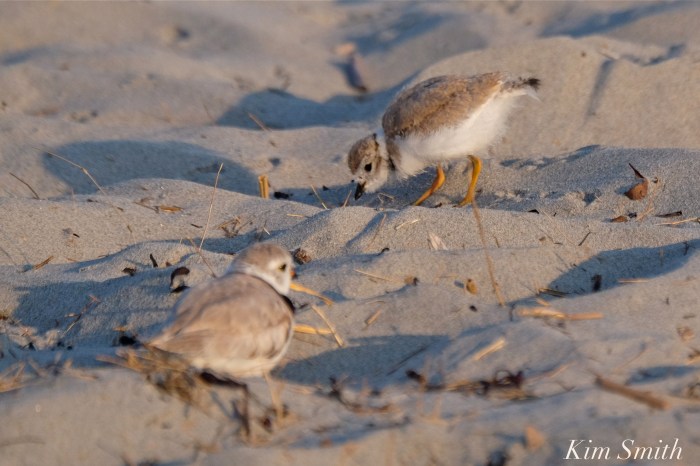
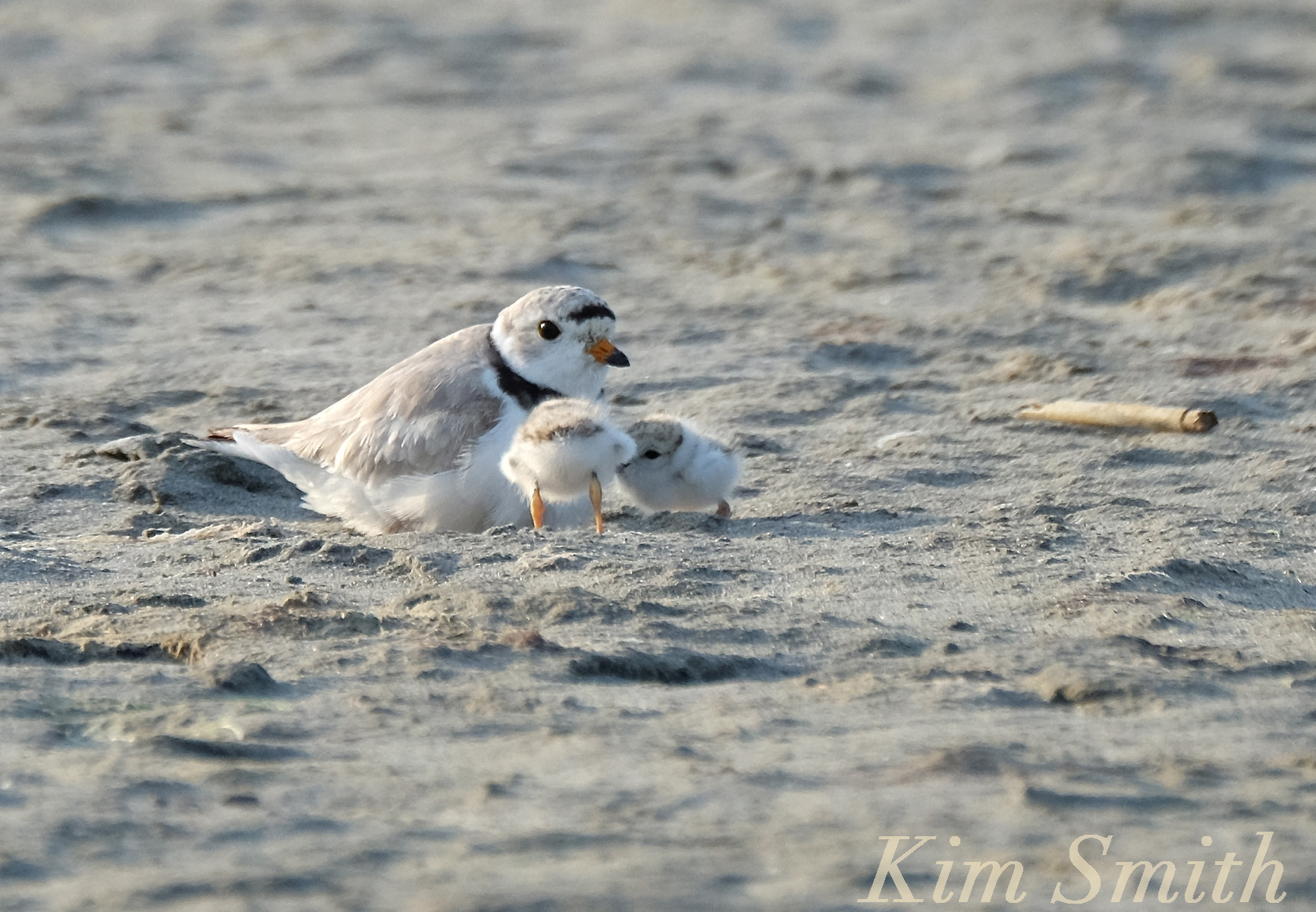
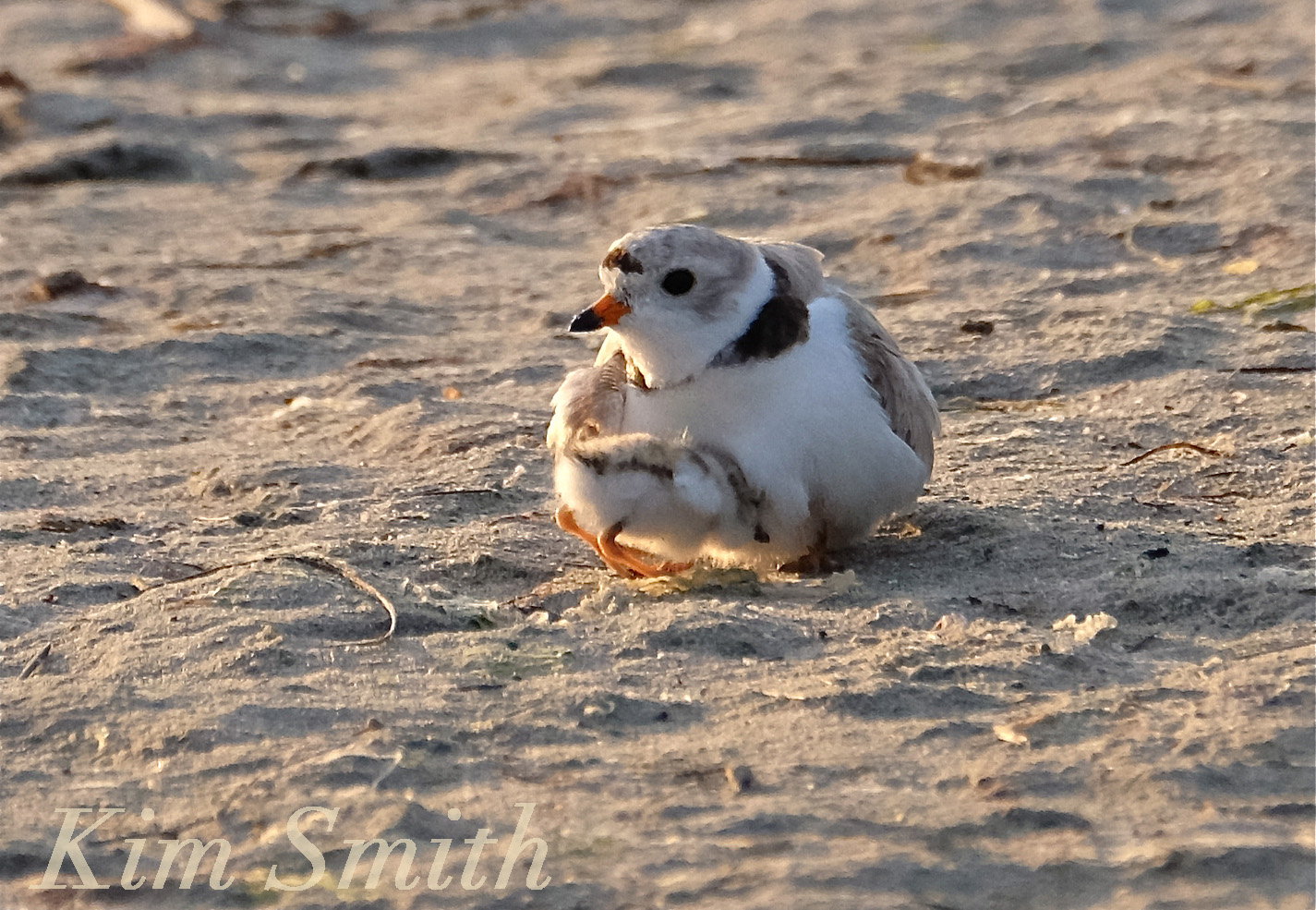
Papa Plover and Little Chick standing on one leg.

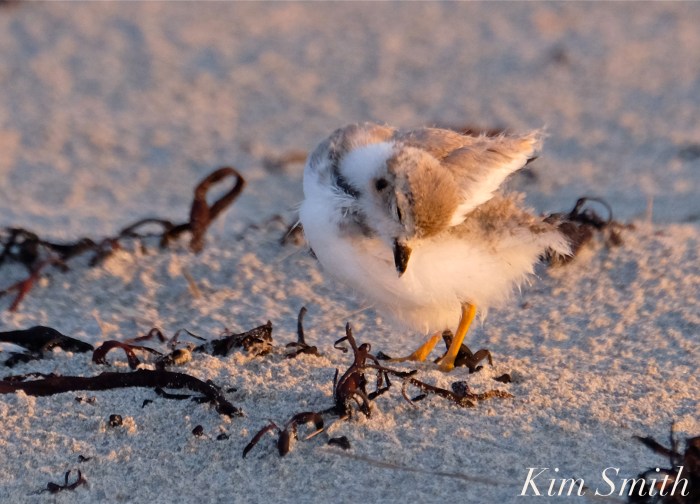
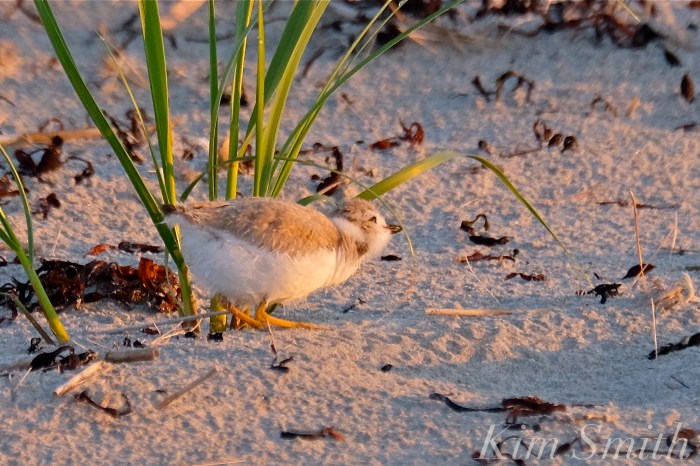
Napping in the sand.

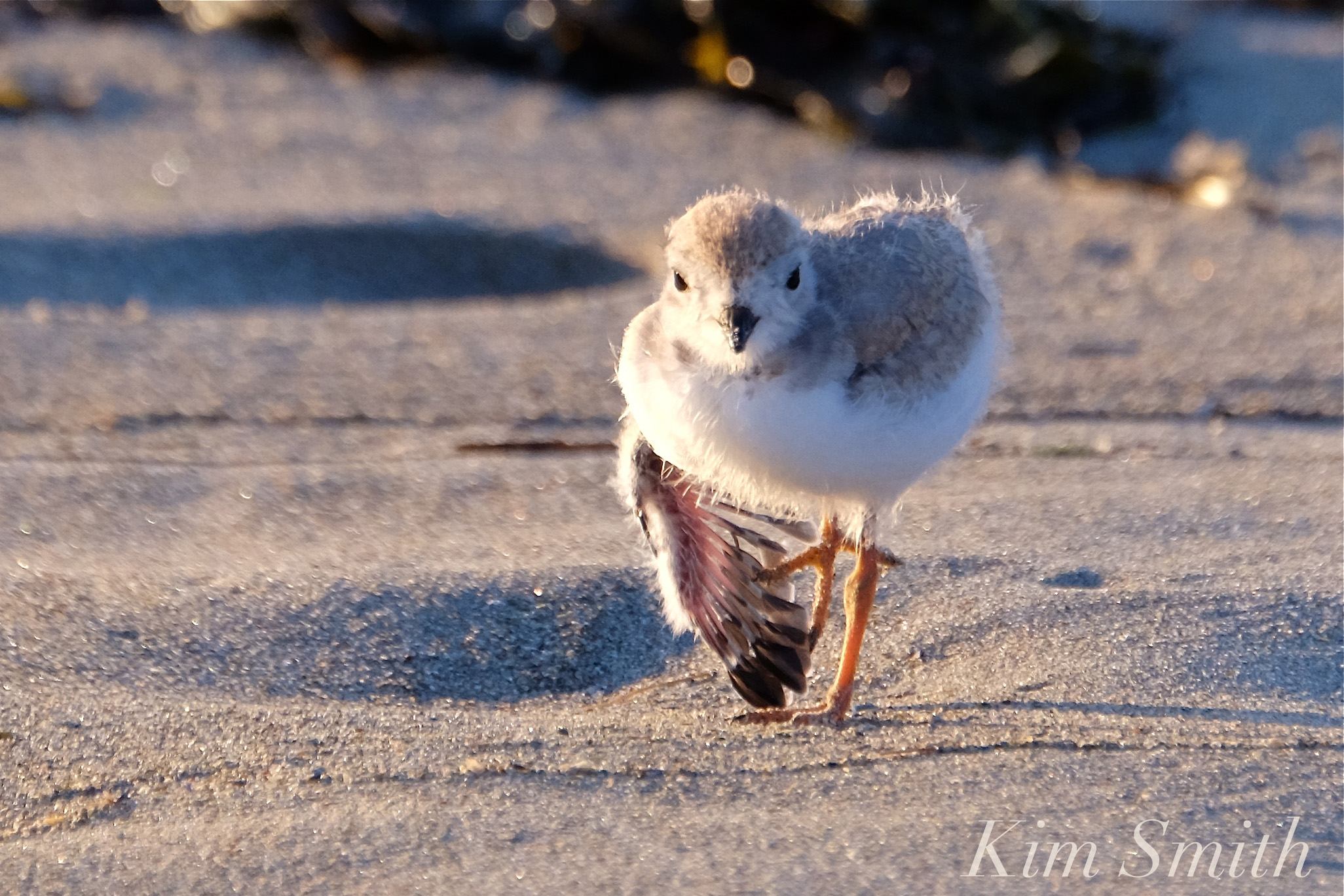
Regarding flying, there is misinformation circulating about the chicks flying ability. As of this morning, July 18th, our chick has only been seen by the PIPl monitors doing a run-hop-low-airborne thing for a distance of about five to six feet, not fifty to sixty feet. It’s important to clarify so folks don’t think that the chick can easily fly away from an approaching beach goer or four legged creature.


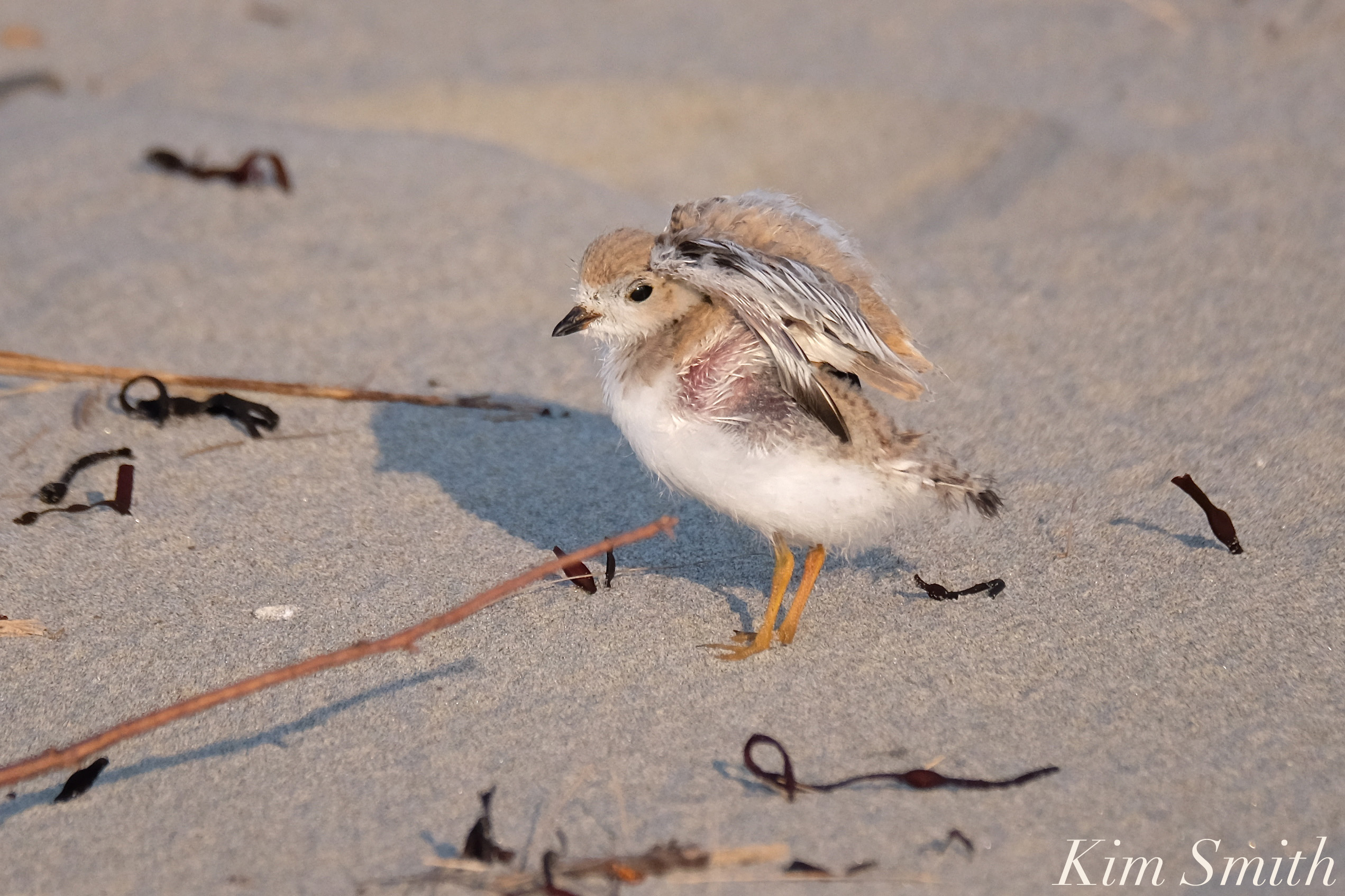
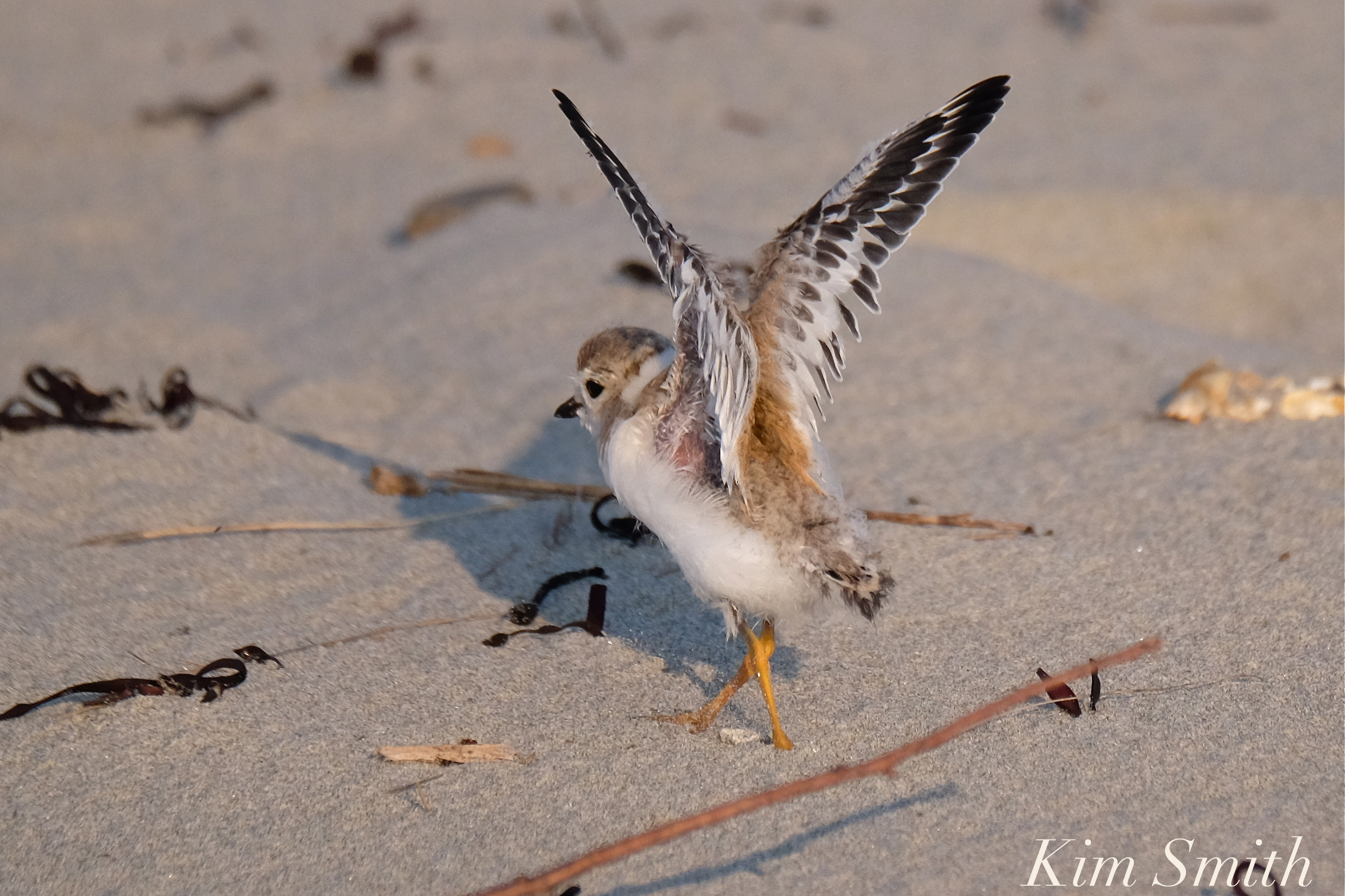
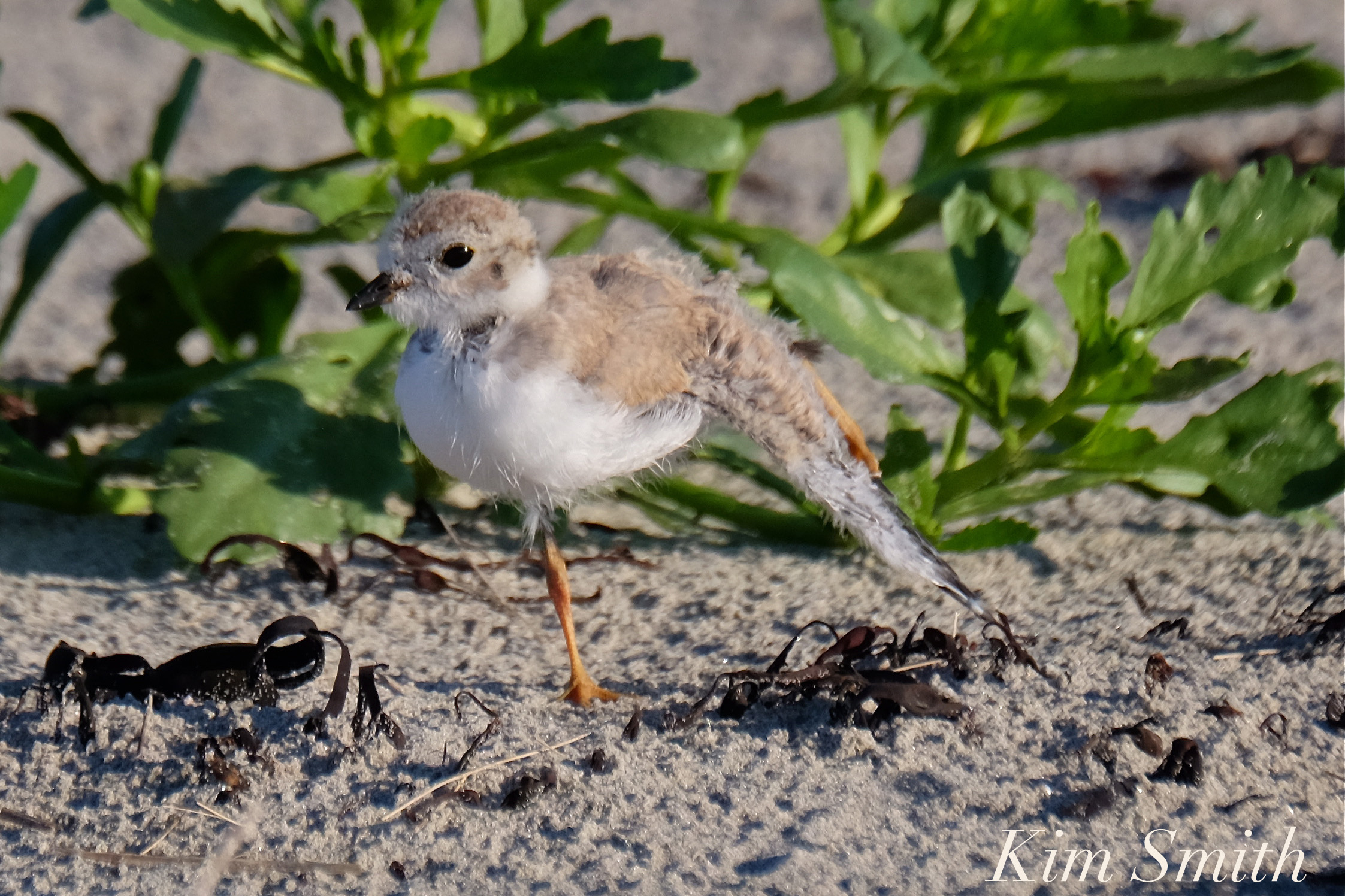
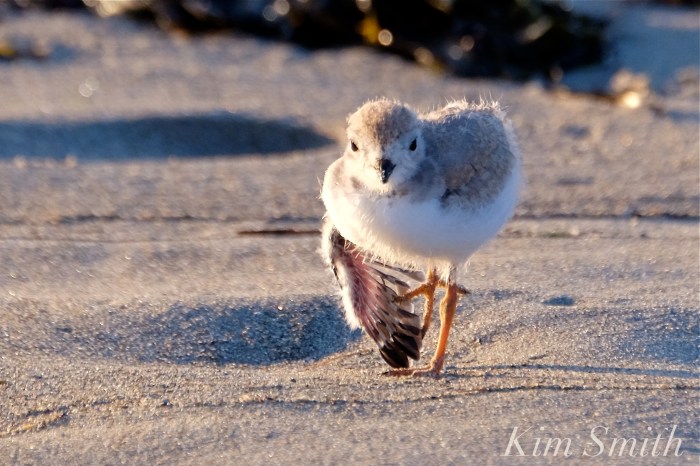
Twenty-six-day-old Piping Plover spreading its wings

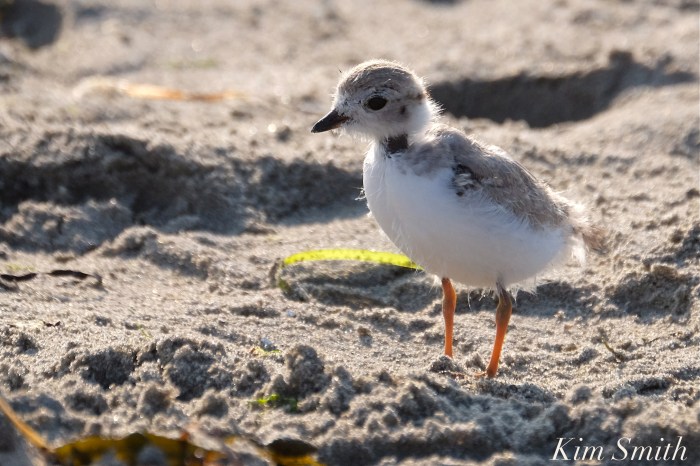
Compare the size of the wings of the fifteen-day-old PiPl to the wings of the twenty-six day old chick.

What will happen to the chick after it becomes a fledgling and can sustain flight? From observing and filming nesting PiPl last year, one family that I can attest to stayed together as a unit, in the area of their nest, well into August, until joined at the end of the summer by more PiPl adults and fledglings. The answer is not easily predicted, but it is going to be exciting to learn as much as we can. One thing is certain is that the chick is not yet ready to make the long migration southward and must remain in this region to grow strong and fat. The fledglings that I filmed last year were so tubby by the end of the summer, you wouldn’t believe that they could fly at all!

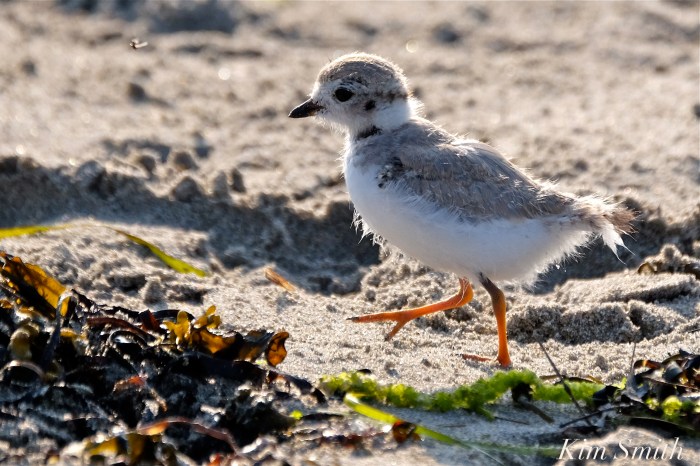
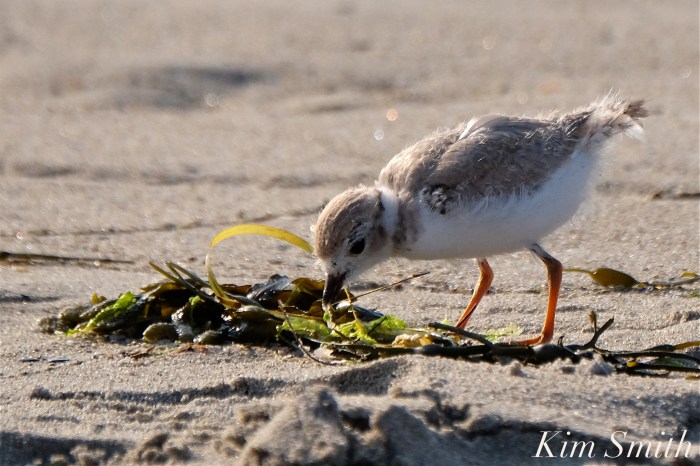
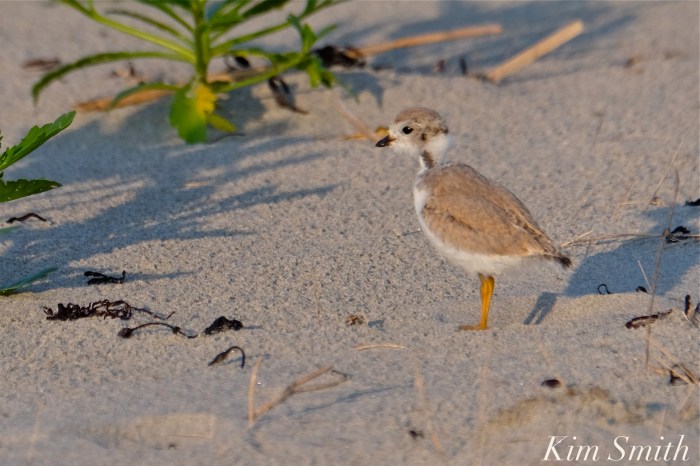
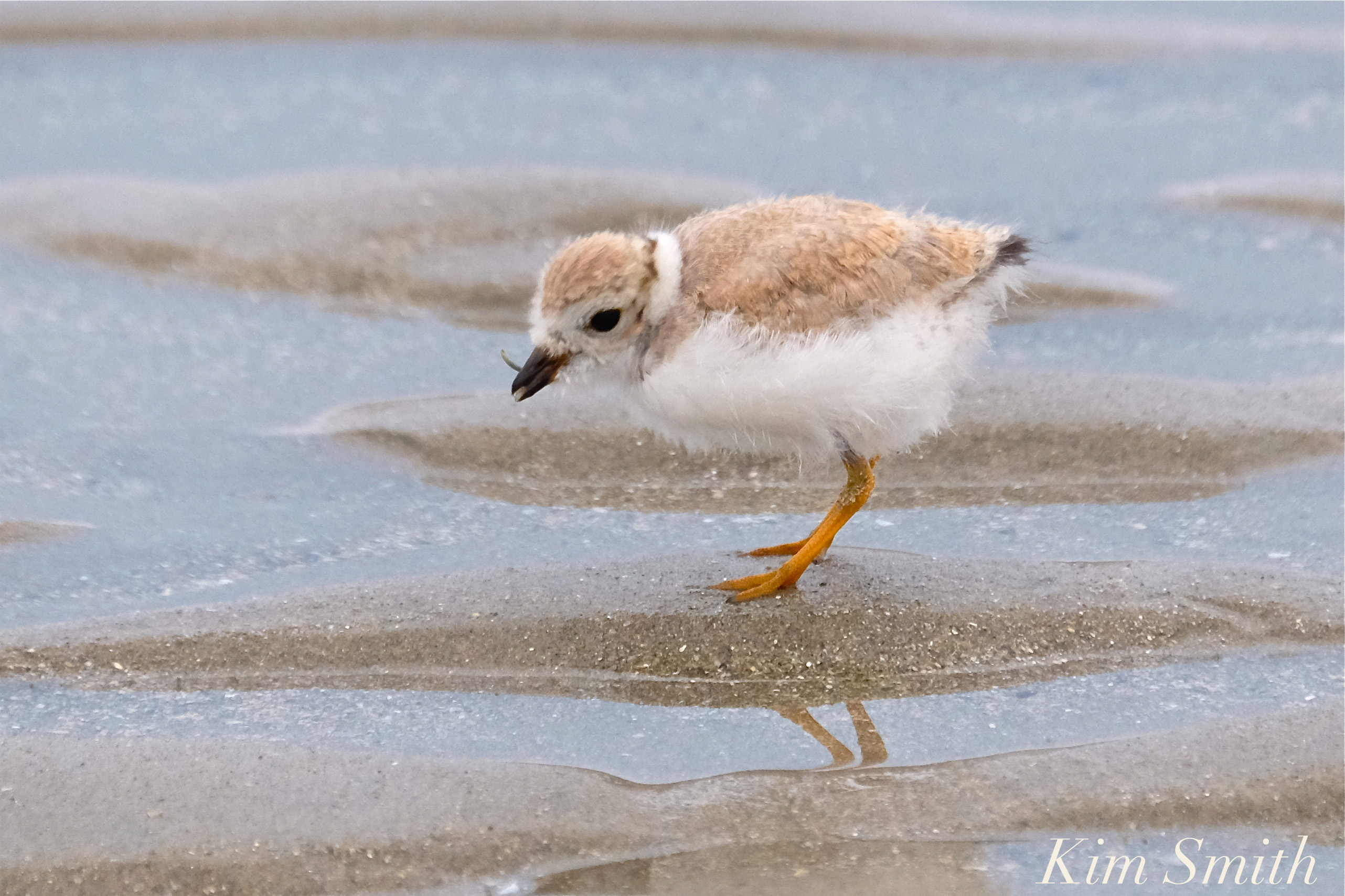
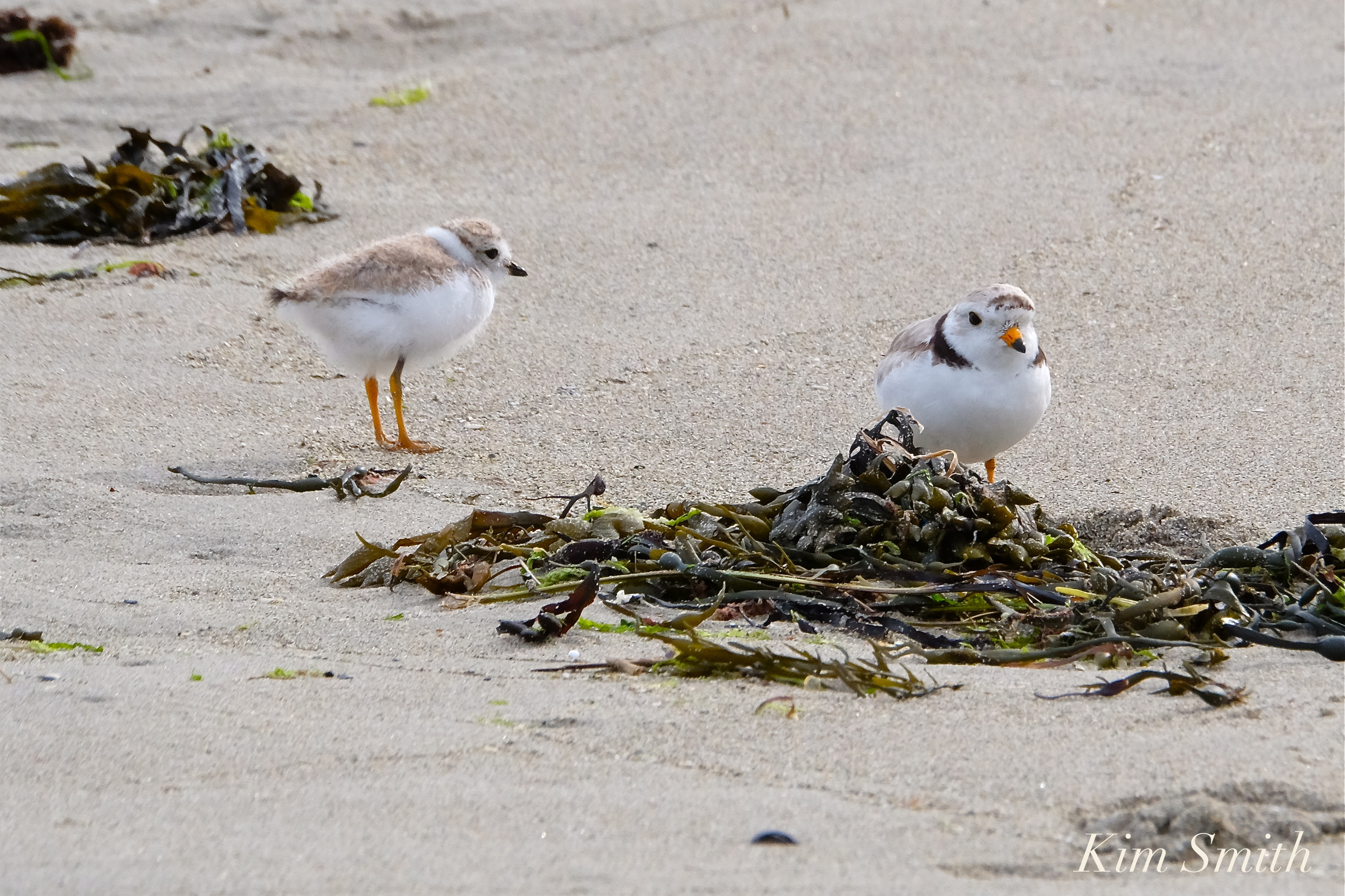
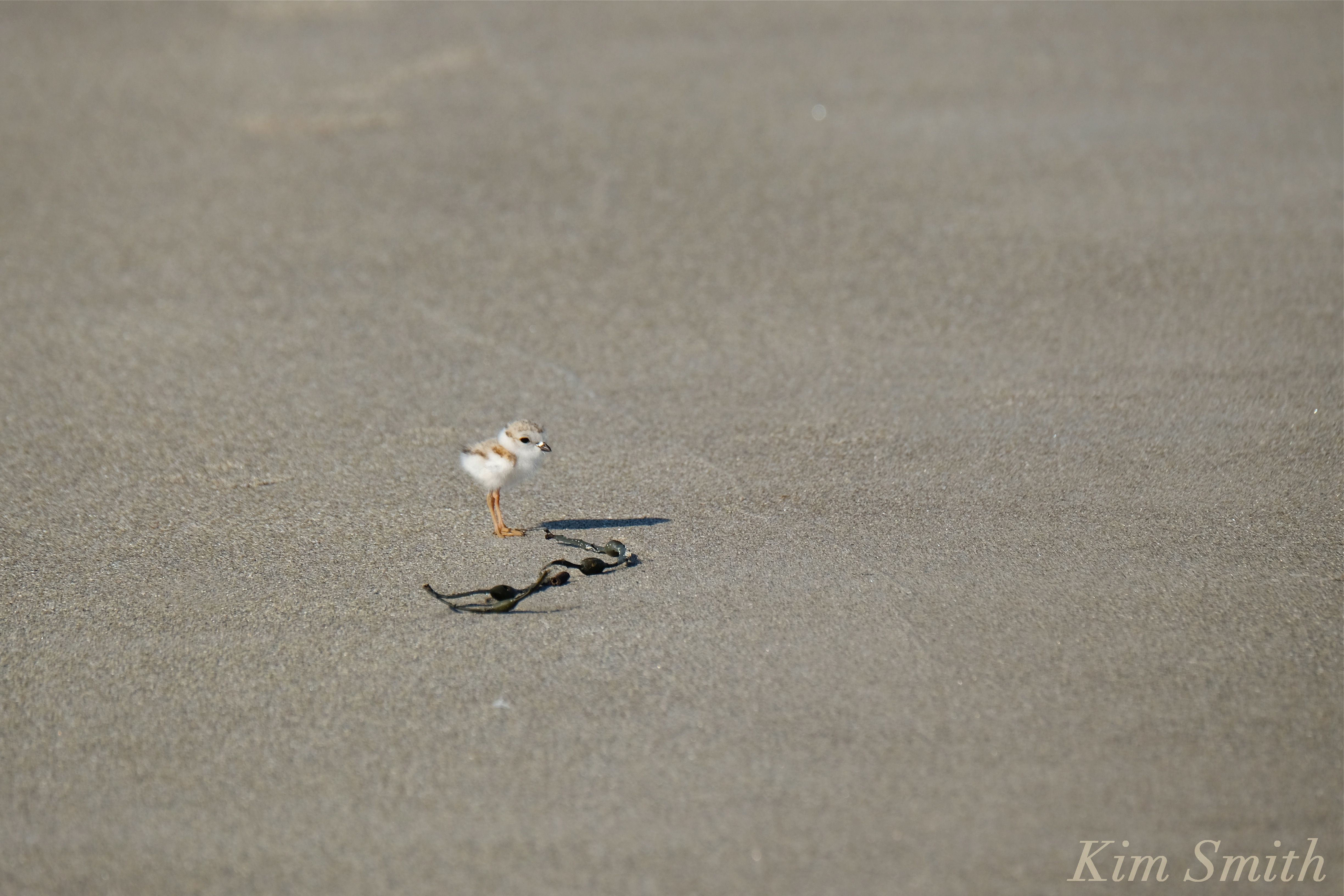
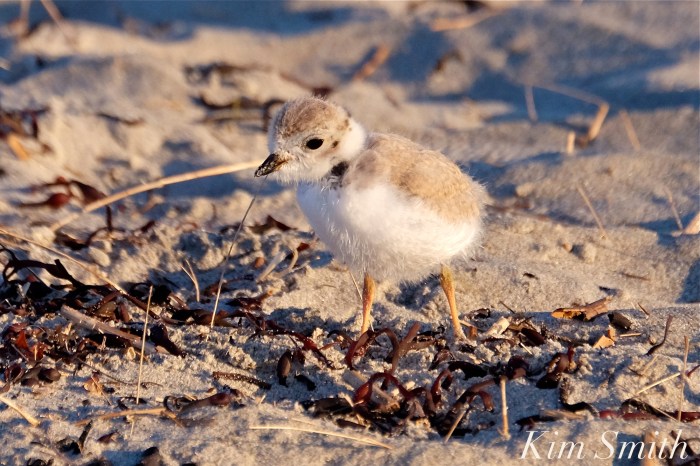
Always a tasty morsel to be found in the dried seaweed on an unraked beach.

VOLUNTEERS NEEDED

The last several mornings I have been covering my usual 5:00 to 6:30am time plus the Ryan/King shift, from 6:30 to 8am, when super volunteer Paul Korn arrives (he’s very punctual). We need volunteer monitors this week to cover that 7:00 to 8am shift and several other times as well. If you would like to volunteer, please email Gloucester’s conservation agent Ken Whittaker at: kwhittaker@gloucester-ma.gov. Thank you!

CELEBRATING DAY TWENTY FIVE WITH OUR PIPING PLOVER CHICK, AND WHAT’S WITH THE PENCIL NECK LOOK?

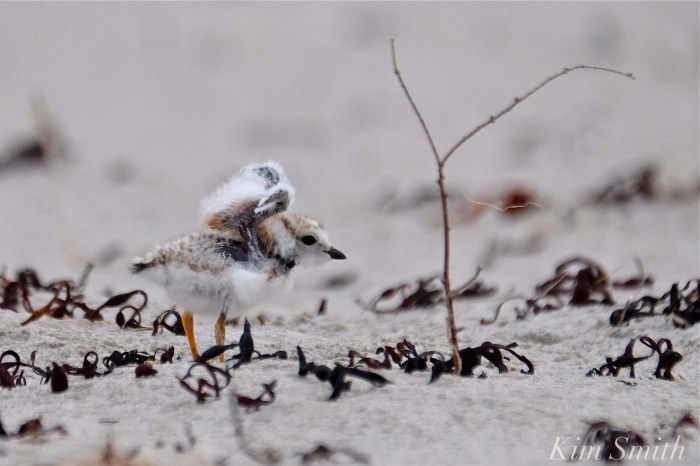
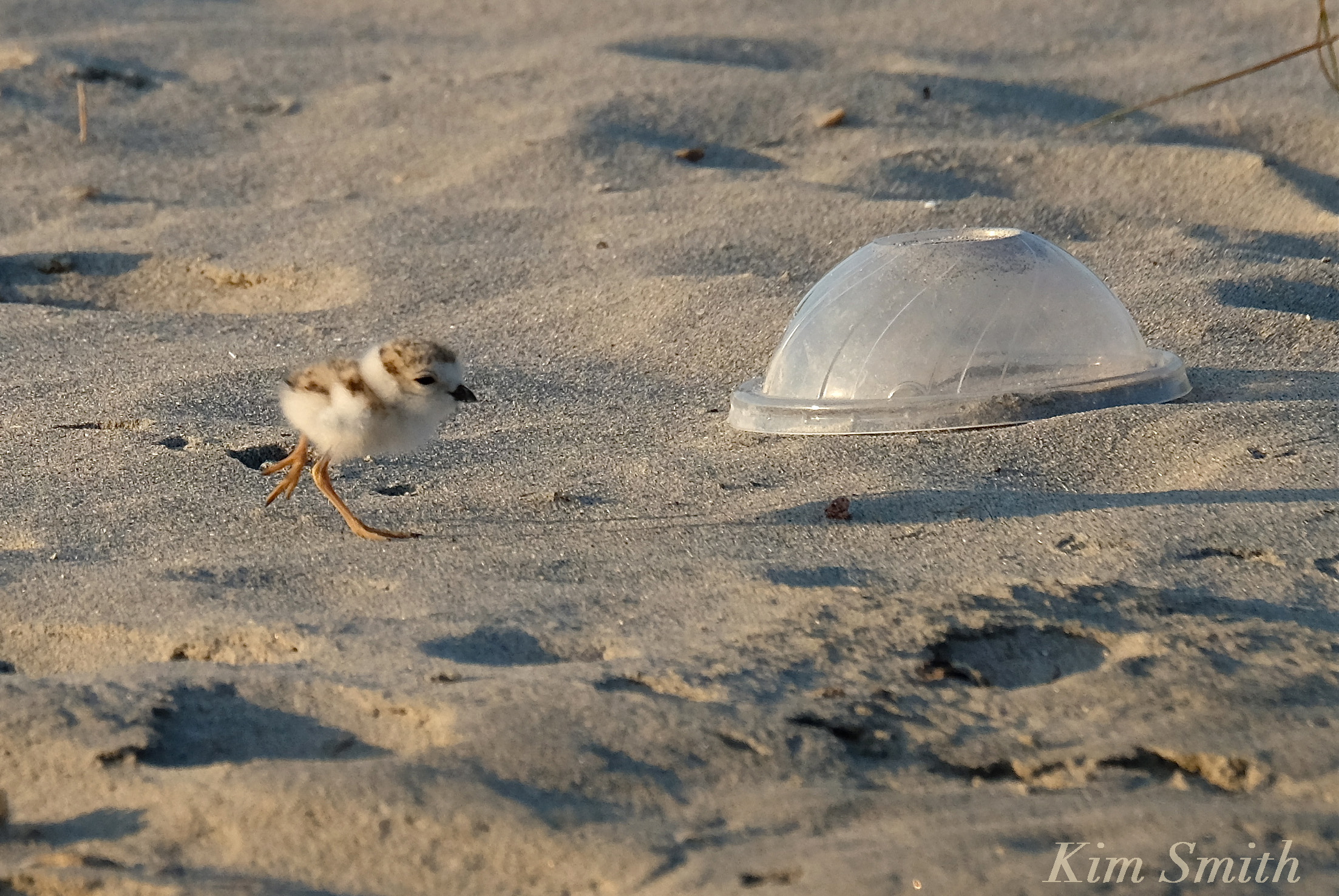
Flapping, hopping, jumping, preening–everything but flying yet with his gorgeous growing wings. Soon little chick, soon!

Little Chick Morning Preen

Papa Plover Piping Commands

Our chick is developing excellent communication skills. Papa Plover commanded him to stay low and still while several crows eating garbage invaded the enclosure. Perfectly camouflaged, he did just that, and for approximately fifteen minutes.

More Pencil Neck Poses

Kicking It Up!

DAY TWENTY FOUR WITH OUR PIPING PLOVER CHICK/ALMOST FLEDGLING AND WHY MORE DOGS???

Beginning early this morning and continuing throughout the day, our Little Chick has almost fledged. He does a tiny run, then sort of hops into the air, flapping his wings for short distances, several feet perhaps. We can’t quite yet call it flying, but he is getting very, very close.
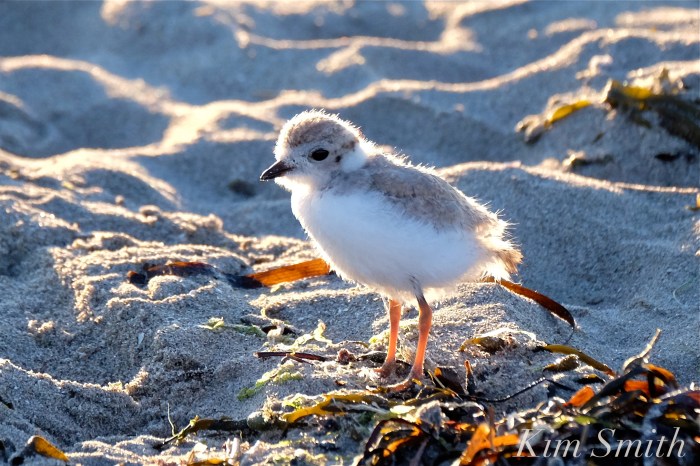
Every little clump of seaweed, dried or fresh, holds the promise of a tasty treat, insect treat that is.

The PiPlover volunteer monitors are amazing. I would like to again thank the following people, the Ryan-King family–Catherine, Cliff, Charles, and George–who divide their morning shift between all four family members, Caroline Haines, Hazel Hewitt, Paul Korn, Chris Martin, Diana Peck, Lucy Merrill-Hills, Cristina Hildebrand, Carol Ferrant, Jeanine Harris, Ruth Peron, Karen Shah, Annie Spike, and conservation agent Ken Whittaker.
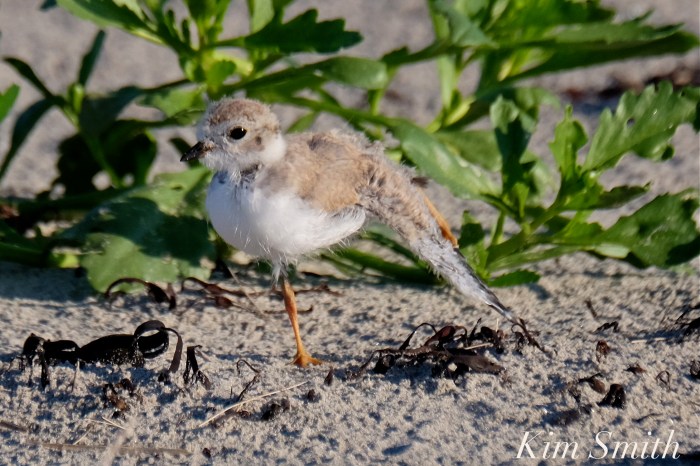
Morning Wing Stretches ~ We hope you can fly soon Little Chick!
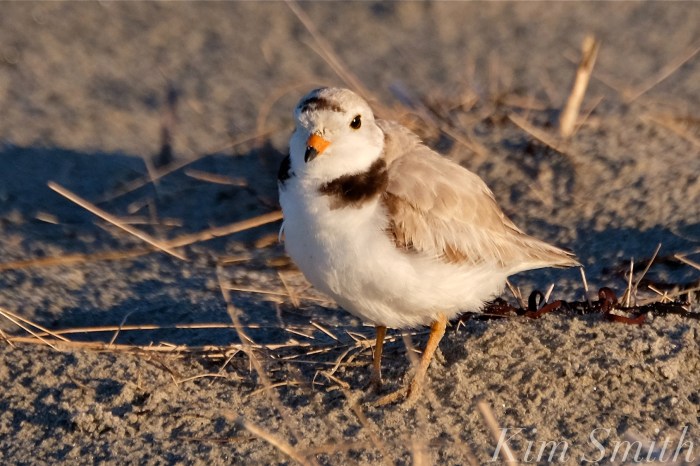
Papa on the job and in full on protective mode this morning.

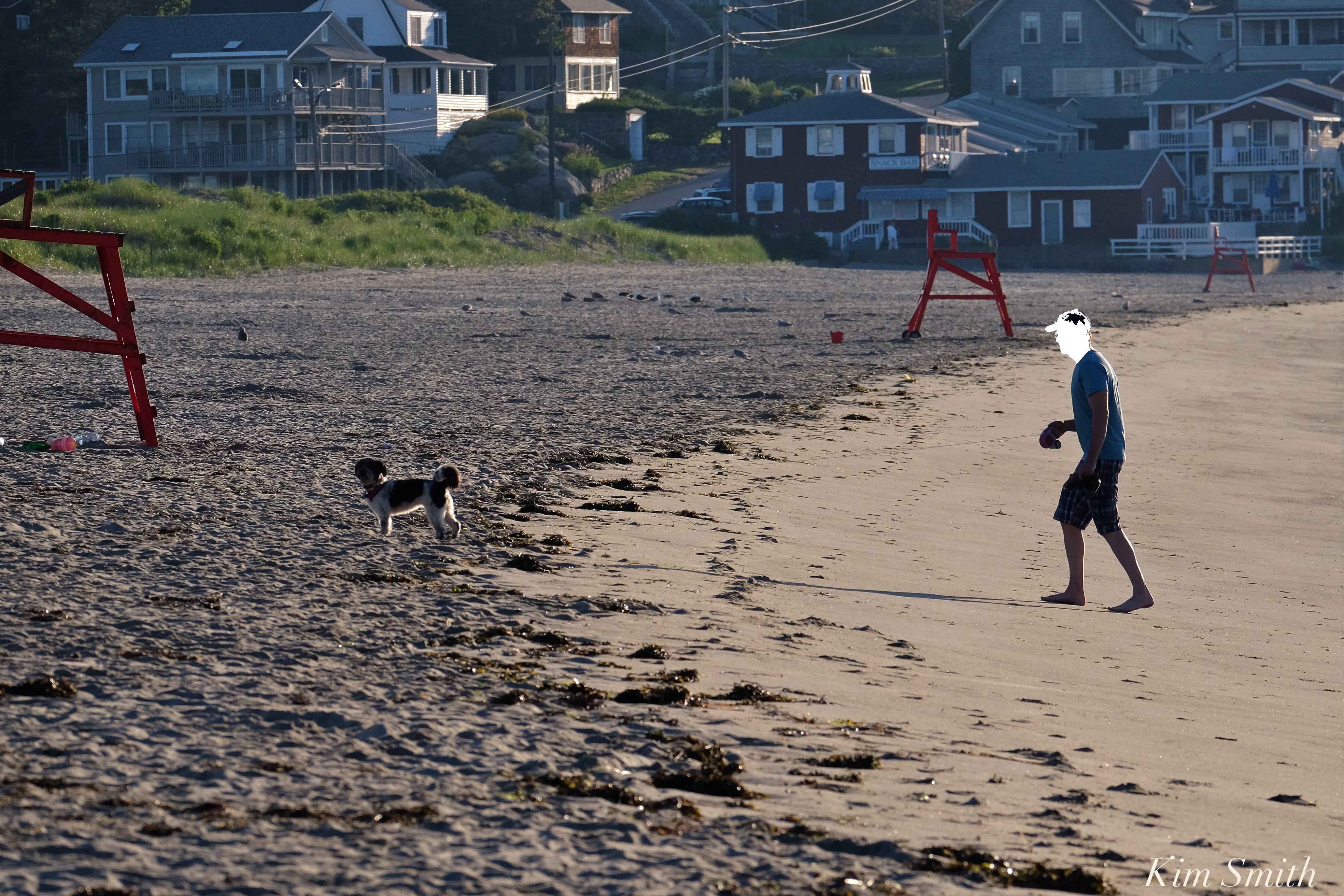
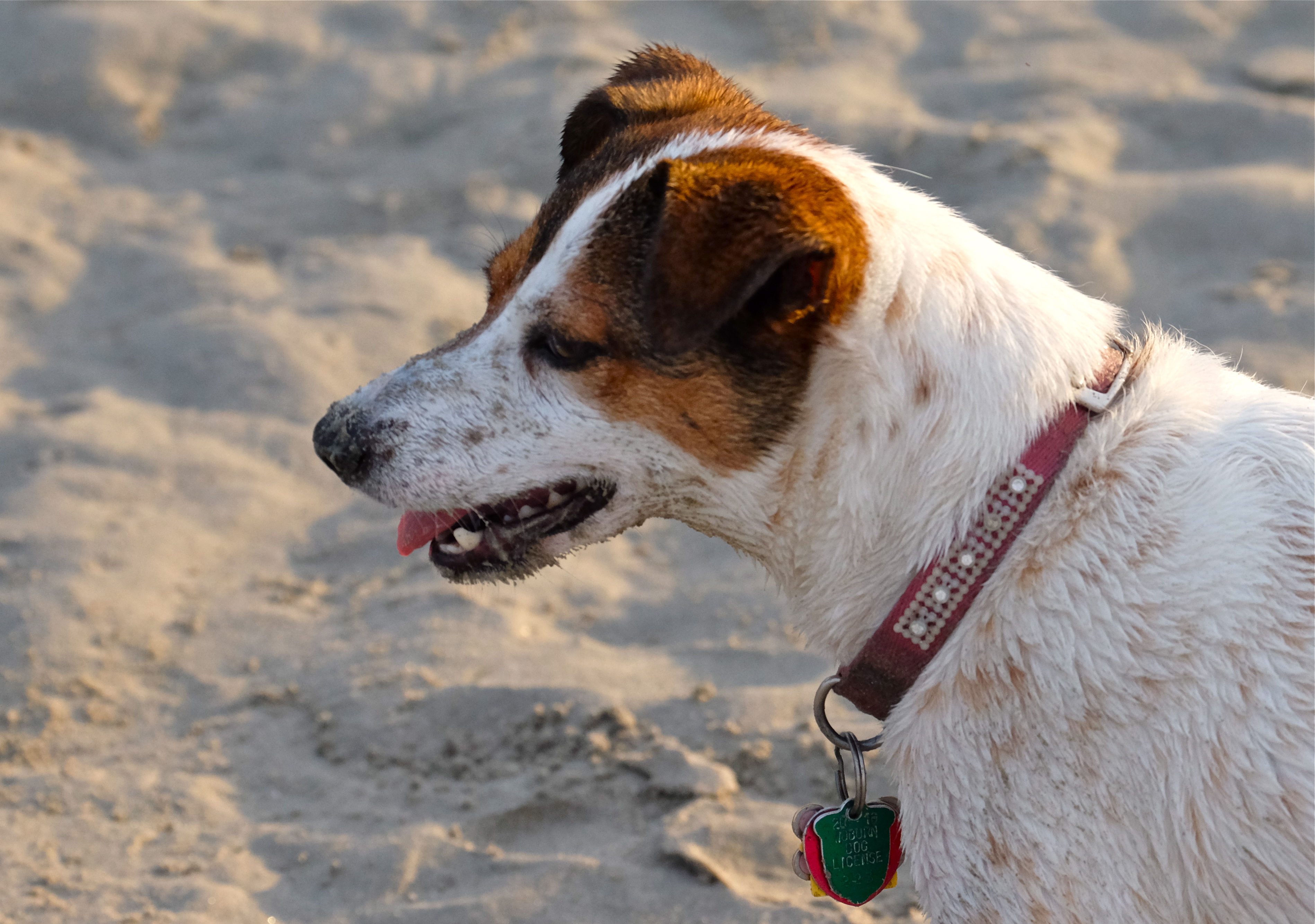
We are pleading with folks to please, please keep your dogs off Good Harbor Beach. This morning I observed a dog owner purposefully and actively encourage his dog to chase Papa Plover. The owner had one of those retractable leashes and over and over again gave the dog more leash and encouragement to go after Papa. I stood between the dog, owner, and Papa with Little Chick on the other side in hopes of keeping him safe. As the owner and pooch came closer and closer, I tried to wave them away but they kept coming. Meanwhile Papa Plover was having a complete meltdown, employing every plover distraction trick imaginable. When I tried to speak with the man he cut me right off and barked that his was a SERVICE DOG and that service dogs are allowed. I again tried to explain but he was having none of it and said that if his dog caught the Plover, he wouldn’t hurt him.

Even if that were true, which it is not, I think the scofflaw dog owners are missing a huge point. To the PiPl, any four legged creature is a threat. It is very unlikely that the Piping Plover parent can ascertain the difference between a coyote, fox, or dog. I hope the following explanation helps people who don’t quite get it, better understand what all the fuss is about.
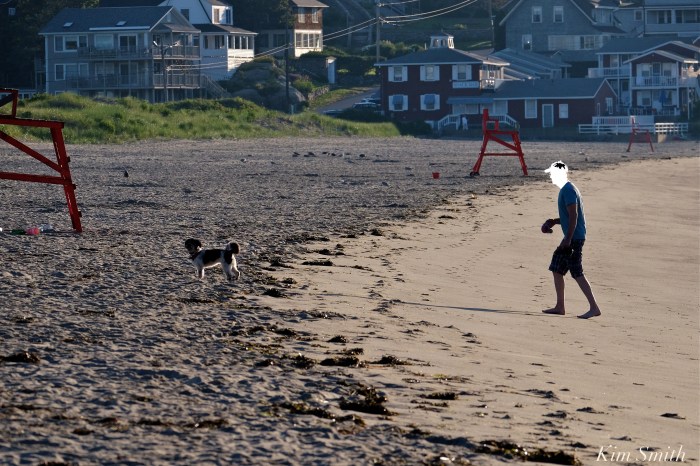
Your cute pooch is trotting down the beach. Even from a distance of several hundred feet away, your activity messages a ten alarm fire bell in the PiPl brain. The PiPl parent has no idea that your dog is the sweetest and most harmless dog that ever lived. Instead of staying nearby to where the chick is foraging or resting, the adult immediately goes on the defense, racing down the beach, flying after the dog/coyote/fox creature, alternating between dive bombing you and your dog and limping along the beach, pretending he has a broken wing.

Meanwhile, back where the chick is foraging, the crafty crows and ravenous gulls sense the golden opportunity they have been awaiting. Crows/Gulls don’t like the nasty defensive bites and pecks the adult Plovers inflict upon them when they get to close to the chicks, especially when tag teamed by both parents. But now there is no Plover parent anywhere within hundreds of feet of the baby because they are too busy defending the chick from the sweetest dog that ever lived. Time to swoop in and carry off the pleasingly plump chick, ripe for a wonderfully satisfying Gull/Crow breakfast.
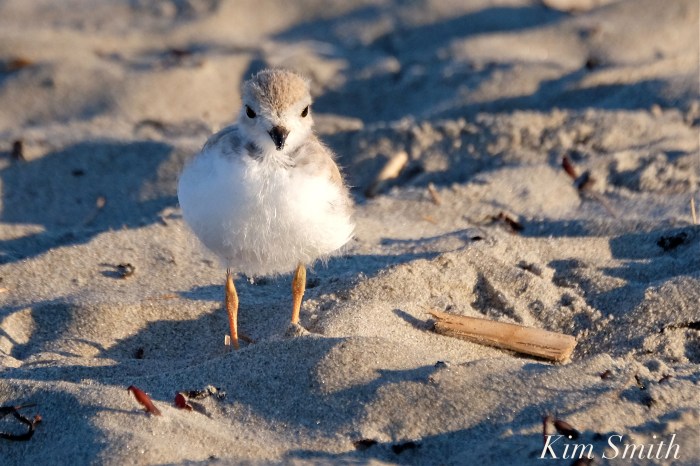
A Tender, Tasty Plumpling

Shortly after the dog owner/service dog departed, and just as Catherine was arriving to take over my shift, coming from the footbridge end was an elderly woman and her adorable husky puppy. They were were walking the beach at the high tide mark, exactly where the chick was feeding. Simultaneously, coming from the private end of the beach were a Mom and her son, and their beautiful golden retriever. After a good deal of explaining to both parties, they all turned and headed toward the direction from where they had come and away from the boardwalk #3 area.

Three dogs in the span of twenty minutes.

Catherine’s photo of me approaching Golden Retriever family.

Please don’t write and tell us to call animal control at 6:00am. We have called and left messages, but their shifts do not begin until later in the morning. I think if we are serious about controlling the dog owner problem on Good Harbor Beach, possibly we could hire a part time person to ticket early in the morning and after the lifeguards leave in the late day. The tickets collected would easily pay the cost, and then some. It wouldn’t be long until the word got out.

I plan to find out if service dogs are allowed on beaches with shorebirds that are listed as a federally threatened or endangered species. If the dog was really a service dog, and service dogs are permitted, perhaps the owner could choose a different beach. And too, hopefully rentors in the area are letting their renters know that dogs are not allowed on the beach, leashed or unleashed, and at all hours of the day and night during the summer months.

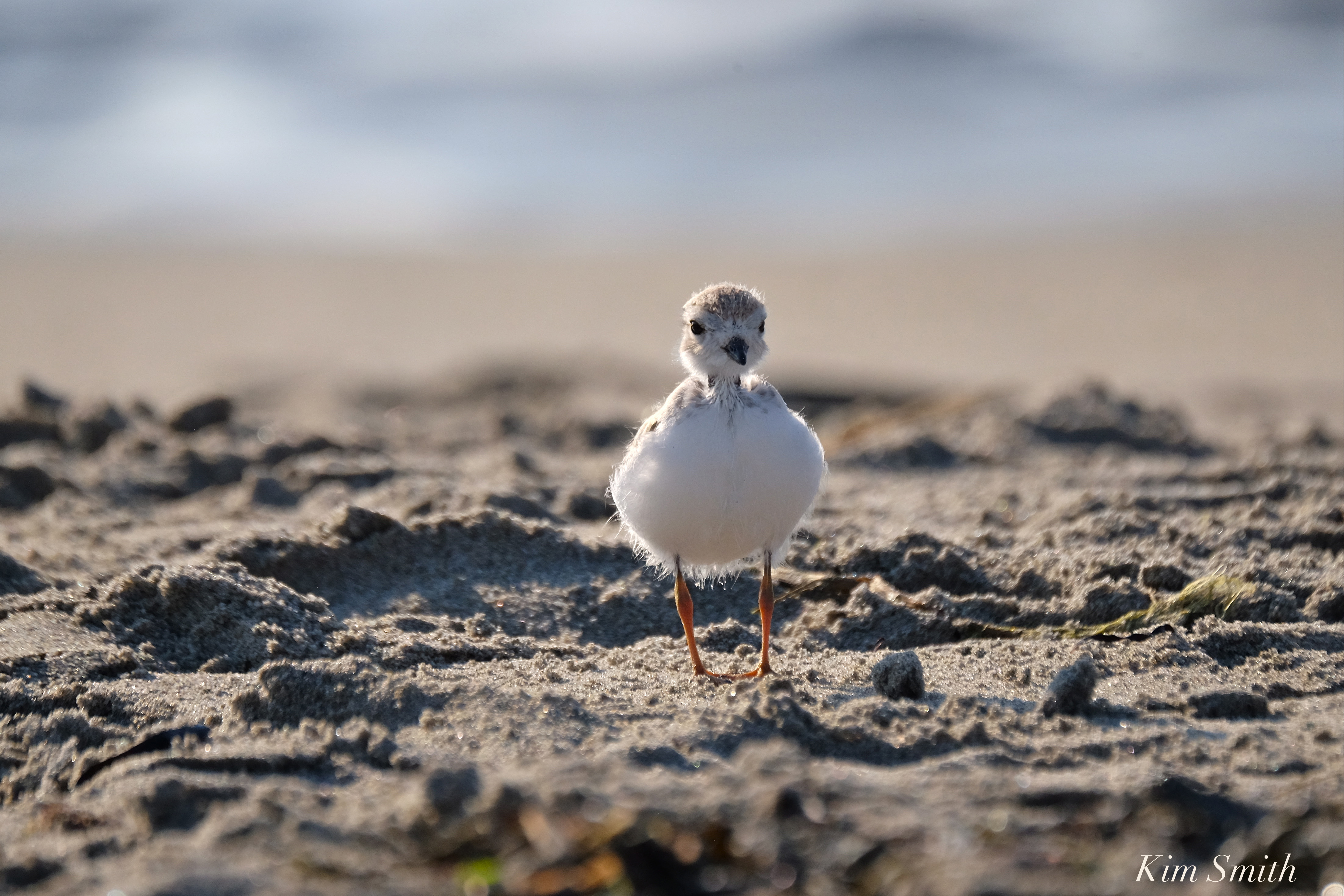
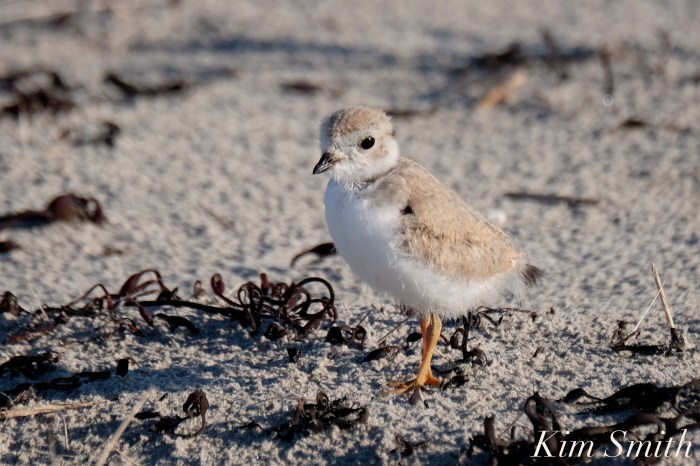
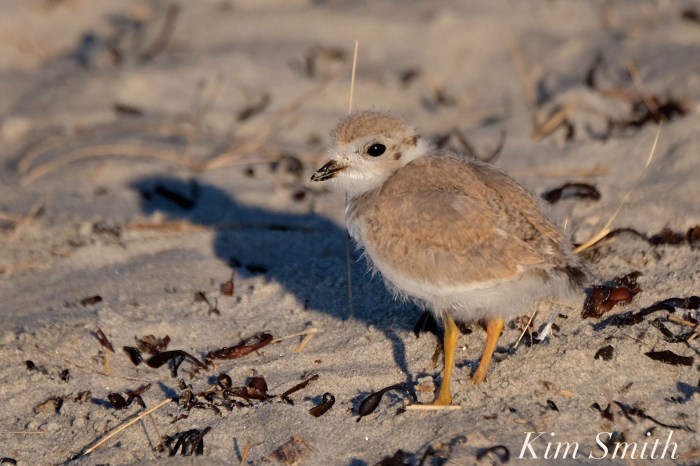
Twenty-four-day-old Piping Plover
Piping Plover chick assuming the crouch defense posture.
“Alright Mr. DeMille, I’m ready for my closeup.”

HOORAY FOR OUR TWENTY-THREE-DAY-OLD PIPING PLOVER CHICK!

Bravo to our little chick, who this evening, we are celebrating day twenty-three! Thank you to all our volunteers who are working so conscientiously to help the GHB PiPl survive Gloucester’s busiest beach.

Despite the fact that he can’t exactly still fit under Papa and Mama, at twenty-three-days-old, Little Chick still needs snuggles to thermoregulate.

Note how large Little Chick’s beak is growing.

Twenty-three-day-old Piping Plover: Of the four Piping Plover chicks that hatched on the morning of June 22nd (the first hatched at about 6am, and all had hatched by noontime), our little chick is the sole survivor.

At 6:30 this morning another fight with the interloper took place. I was able to capture some of it on film and, surprisingly, a very similar battle took place later this morning between the Coffin’s Beach Piping Plovers.

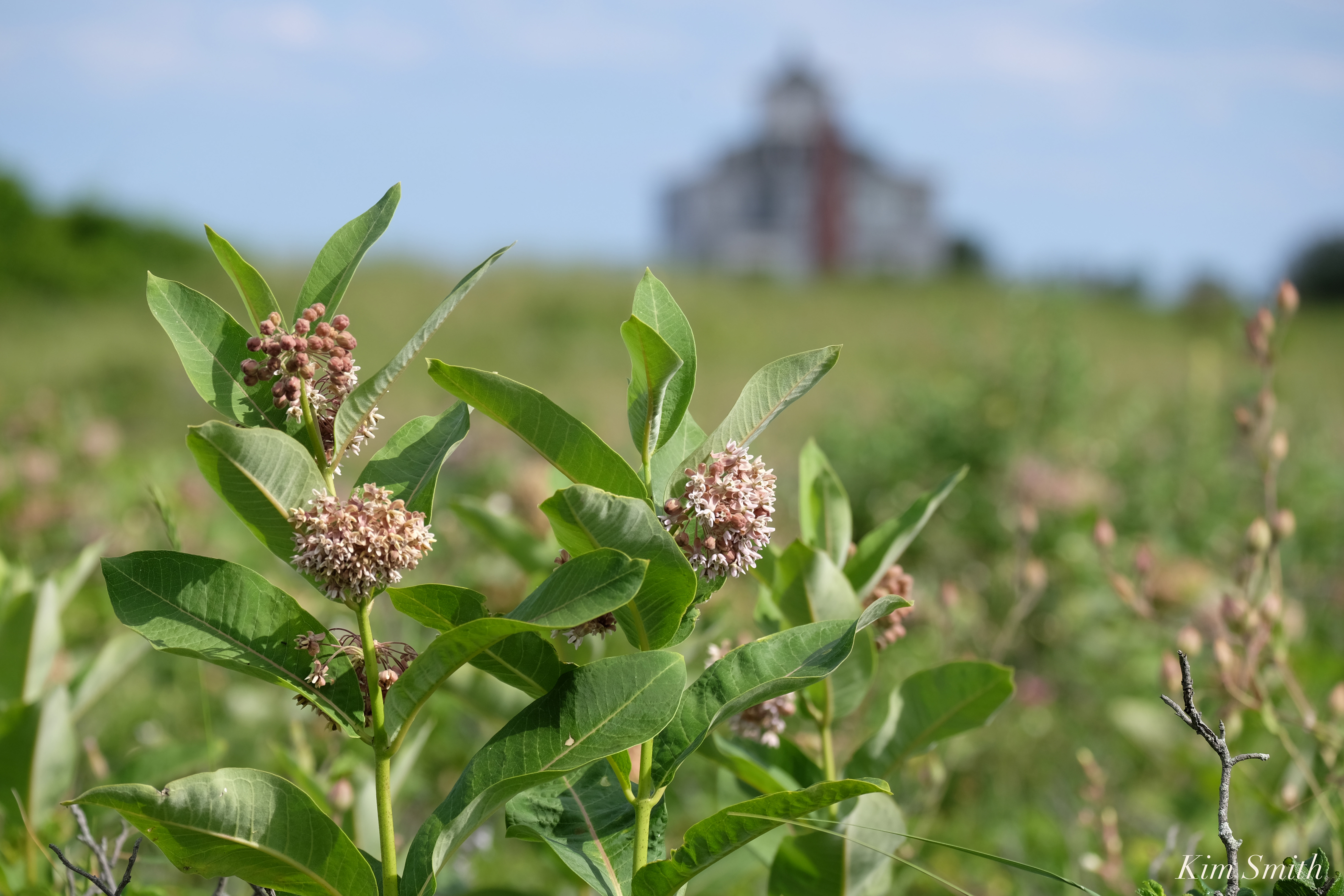
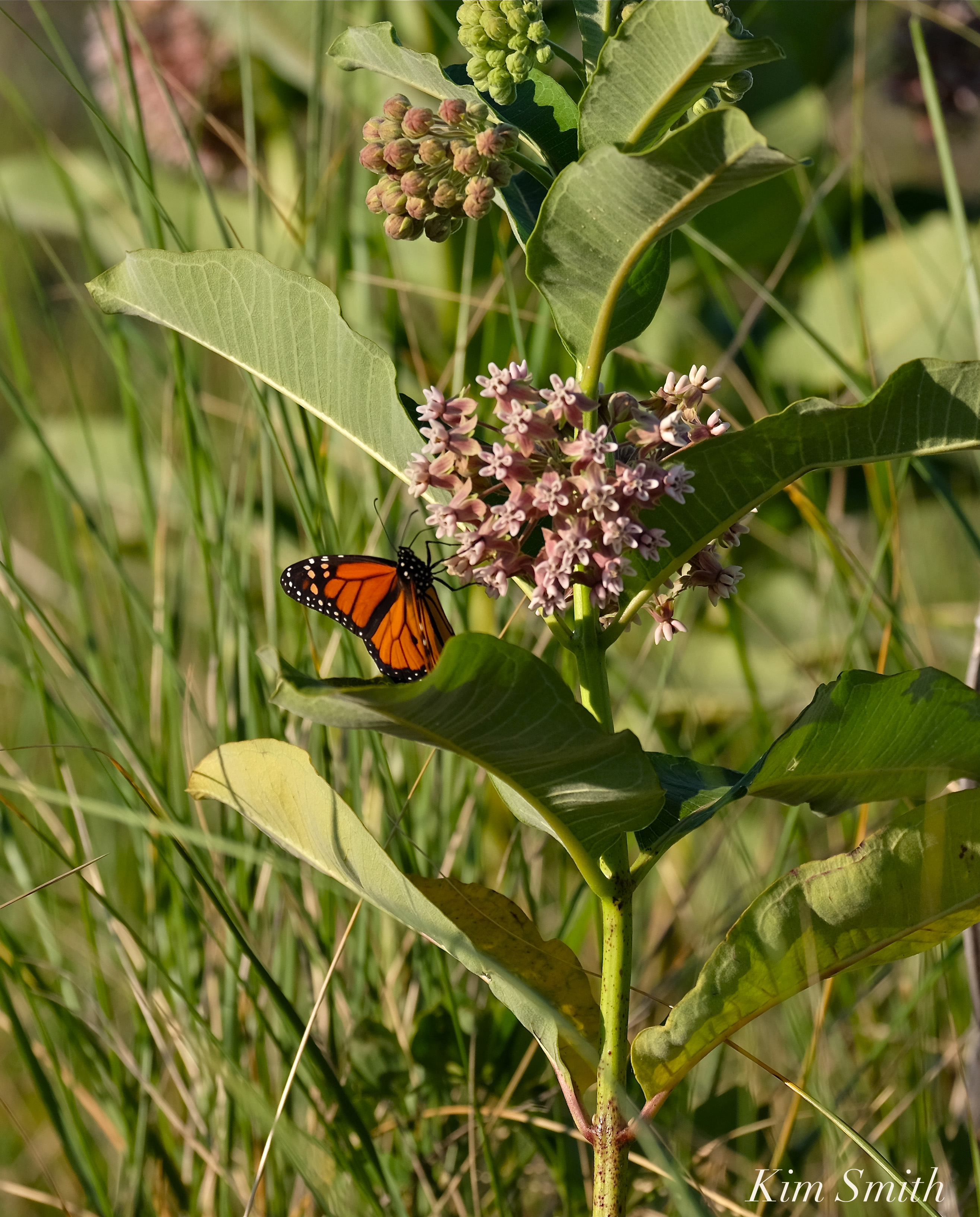
The Good Harbor Beach dunes are teeming with life. I spied five Monarch Butterflies on the Common Milkweed this afternoon, with many reports shared by readers of Monarch sightings all around Cape Ann and Massachusetts. We’ll do a post about Monarchs this coming week, and in the meantime, please share your Monarch sightings.

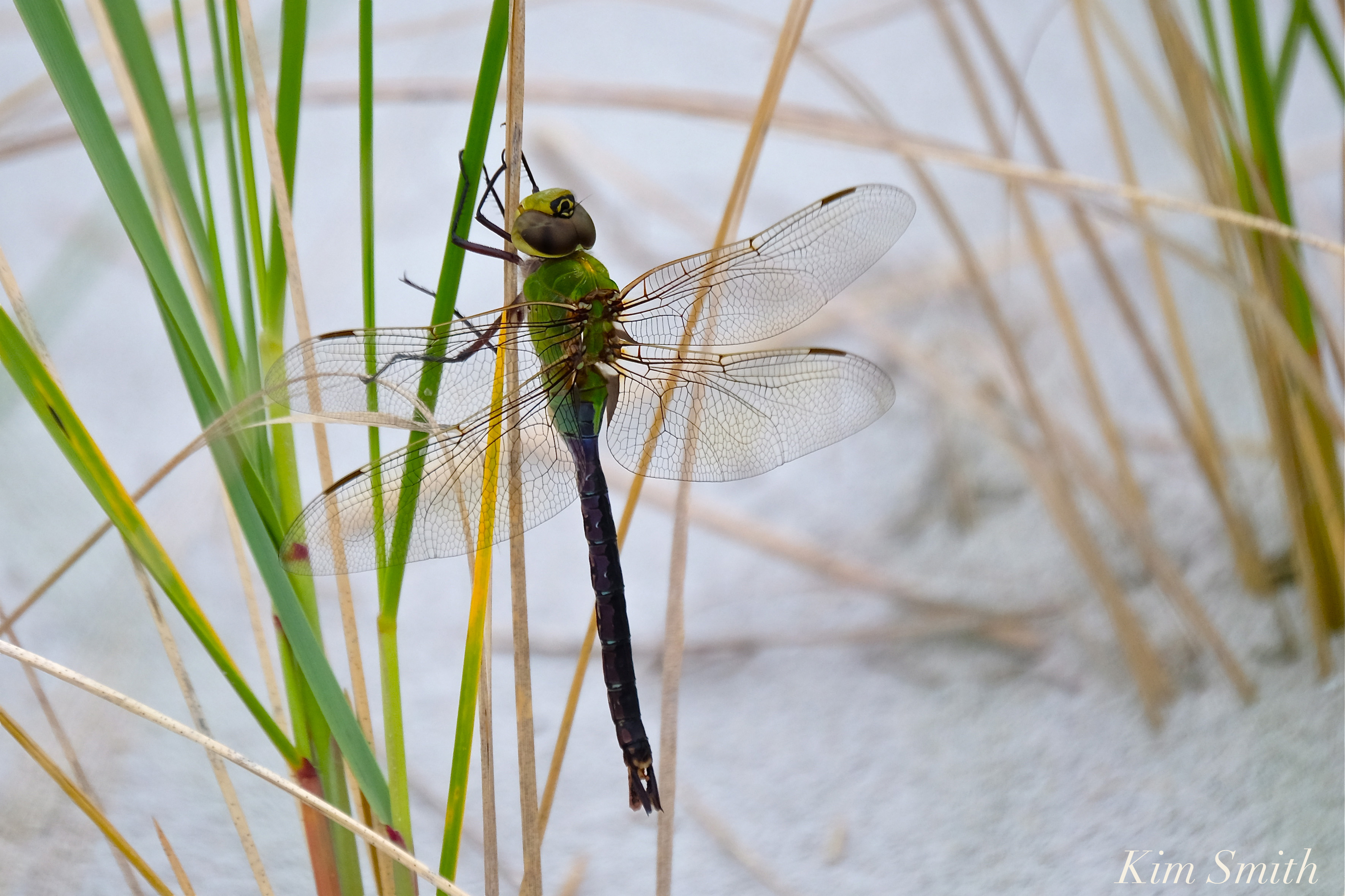
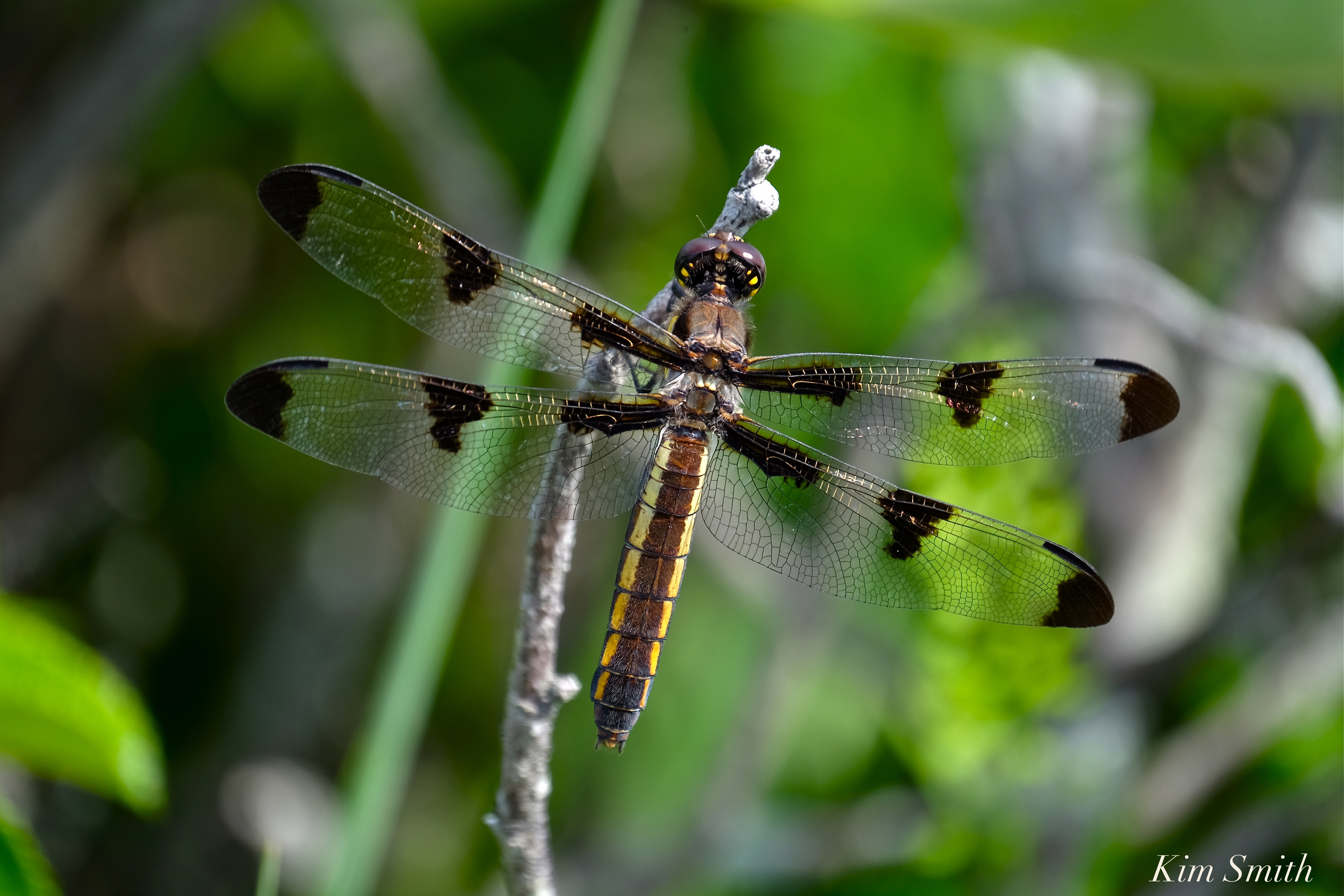
Dragonflies are predacious, and like our Piping Plover chick eat tiny invertebrates.

Green Darner Dragonfly and Twelve-spotted Skimmer lying in wait for insects.

Beach bunny munching wild salad greens for breakfast.

Monarch Butterfly and Common Milkweed, Good Harbor Beach

OUR TWENTY-TWO-DAY-OLD PIPING PLOVER IS AS PLUMP AND PERKY AS A PICKLE

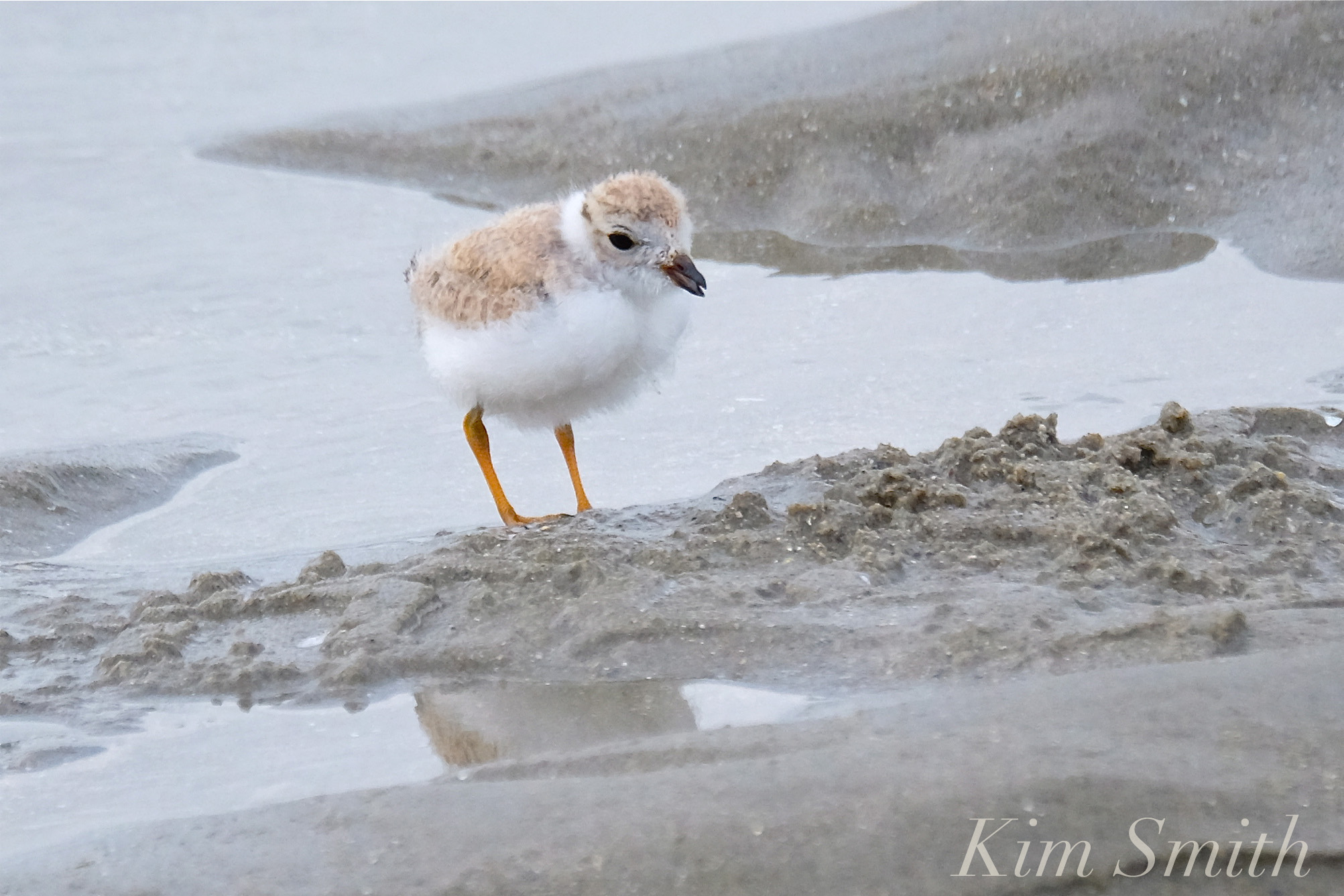
Running pell mell, pecking in the tide pools for tasty morsels, and softly peeping, our perky twenty-two-day-old Piping Plover is becoming quite the little plumpling.

We observed an exciting self-defense development today. While foraging in the sand at the high tide line, Little Chick suddenly crouched down, completely flattening himself level with the sand. Seconds later, a seagull swooshed over him, flying, very, very low. It was tremendous to see this defense mode kick in and wonder whether instinctual, or learned from the parents.Piping Plover chick and Mom foraging at the high water line. Our chick is growing so quickly. Even though he is nearly as large as Mom, he still needs snuggles in the morning to thermoregulate.

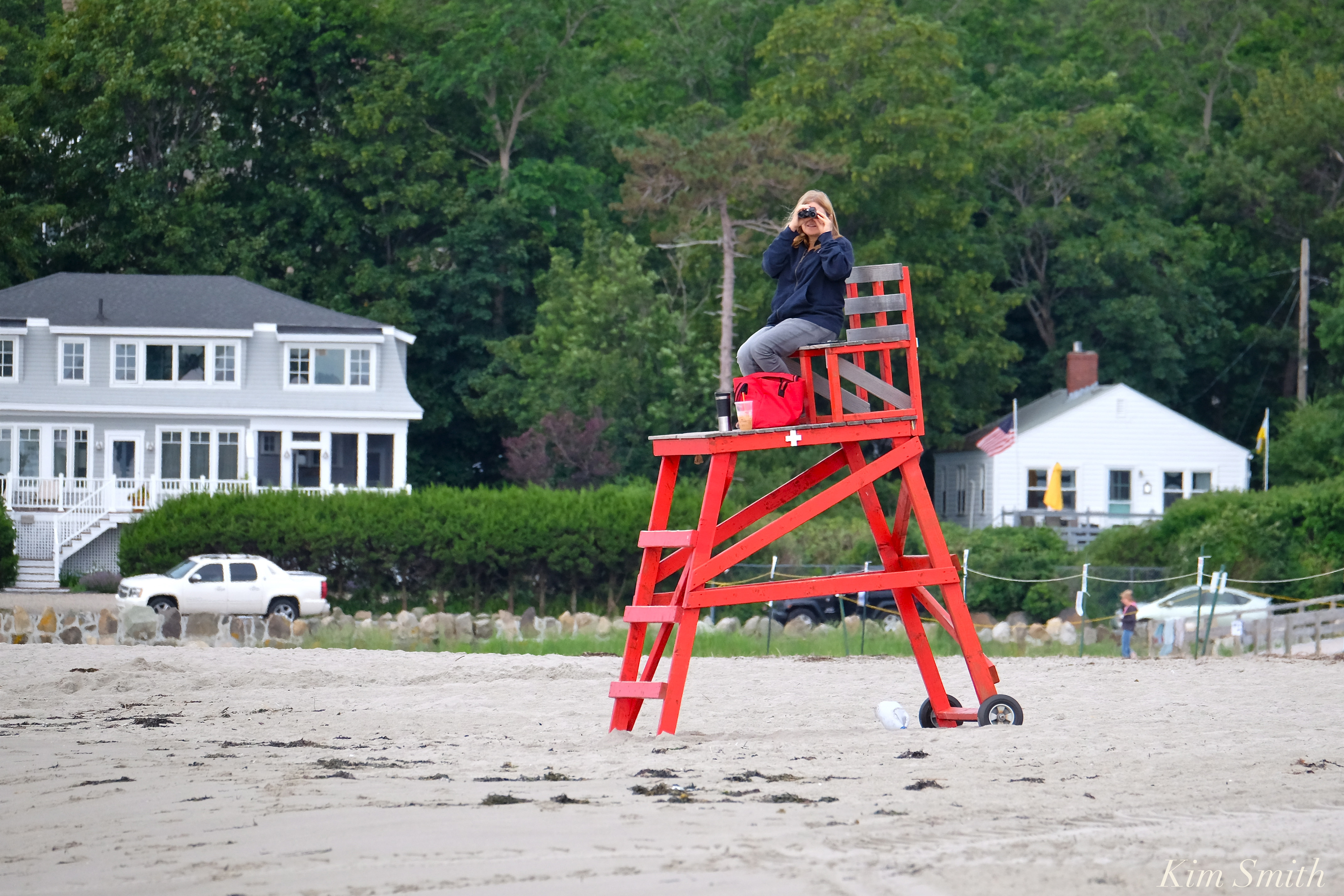
Piping Plover super volunteer Catherine Ryan keeping an eye on the PiPl from her favorite perch.

The cold weather may be dampening beach goers fun, but we lovers of the Piping Plovers like it because GHB has been much quieter than usual.

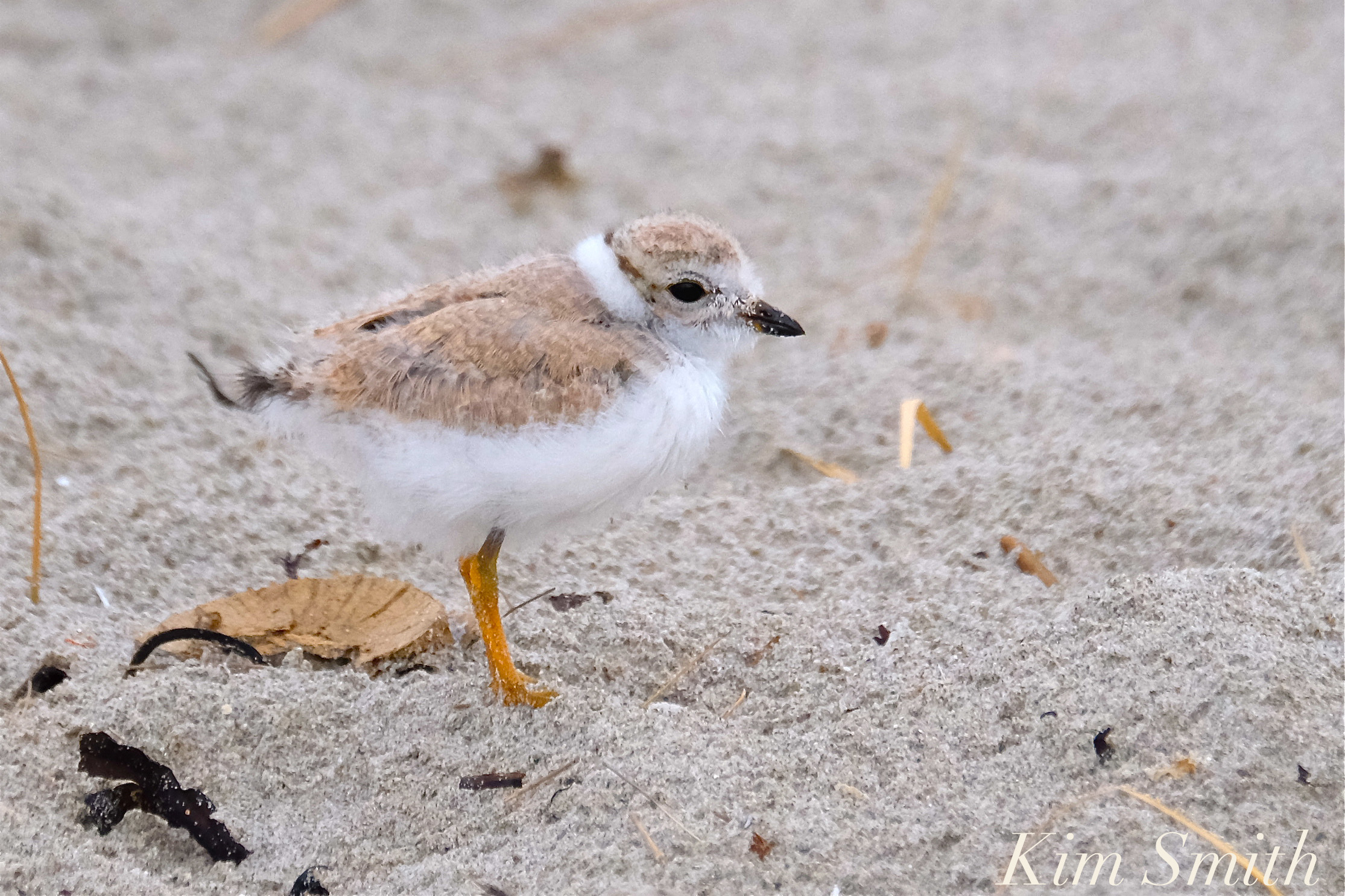
 Twenty-two-day-old Piping Plover

Soggy start for baby piping plover on day 19

soggy startThe chick made it through the night. From today’s Gloucester Daily Times

One Surviving Piping Plover Chick Remains

Also Local firefighters Make Way for Ducklings  and six Fire Fighters retire
Updates from the piping plover volunteer watch are shared LIVE (or close to it) throughout the day on twitter https://twitter.com/Glostaplover

Volunteer any time –extra eyes help!– There are some times with no coverage. Email Ken Whittaker kwhittaker@gloucester-ma.gov

IMG_20170711_061355

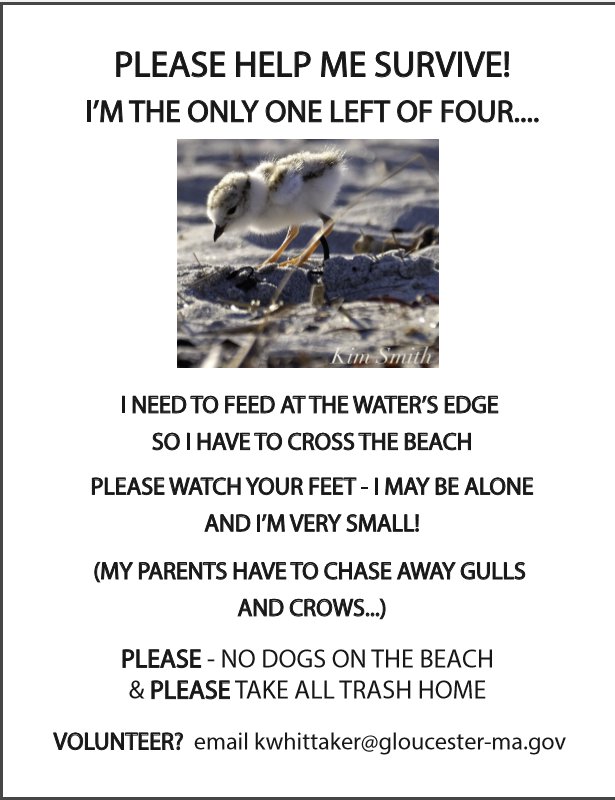
Hazel’s flyer reflects status of the summer 2017 brood as of July 10, 2017

Volunteer Hazel newest flyer

THE GOOD HARBOR BEACH PIPING PLOVER UPDATE WITH TIPS ON OBSERVING THE BIRDS

Piping Plover male and chicks copyright Kim SmithWith sadness, but not entirely unexpected, I am sorry to report that only one baby Piping Plover chick remains at Good Harbor. The good news is that the one surviving chick is doing fantastically as of this writing. Don’t worry when I write too that the Mom has left the family. She has begun to migrate southward. This is somewhat normal and I don’t think she would have left had not the chick been doing so well. Dad is minding the baby full time and he is doing a tremendous job.

A week since the Plovers hatched and it sure has been a joy to film, and wonderfully educational. I am very inspired to work on this short film and hope to have it ready for our community this summer.

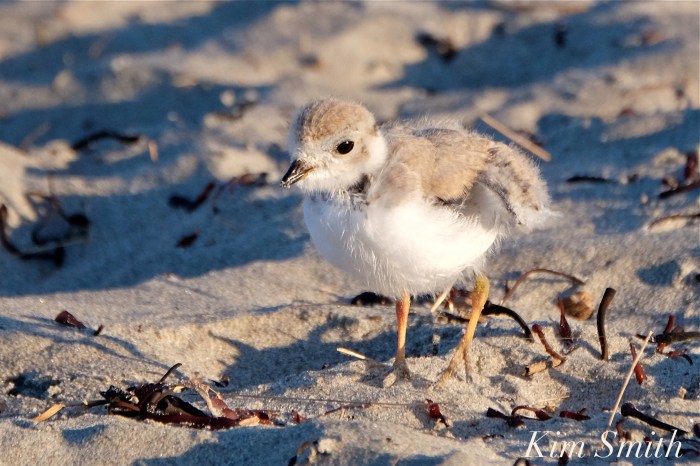
Piping Plover chick copyright Kim SmithNotice the growing wing buds!

Piping Plover tiny chick copyright Kim SmithThe tiniest

A heartfelt reminder to please, please, please let’s all work together to keep the dogs off the beach. I had a terrible encounter, really frustrating and the owner and his friends very cruel. Ninety nine point nine percent of dog owners are wonderful and respectful and are rooting for the Plovers as much as are non-dog owners. The Plovers are all over the sandy beach, at the water’s edge, and down the creek. Although growing beautifully, the chick is still about the size of a cotton ball, maybe a cotton ball and a half. Up until fourteen days old, they are at their most vulnerable.
As with before, please fee free to share the photos and information on social media. The more people know about the garbage and dog owner trouble (certain dog owners that is), the more likely the chick’s chance of survival. Thank you!

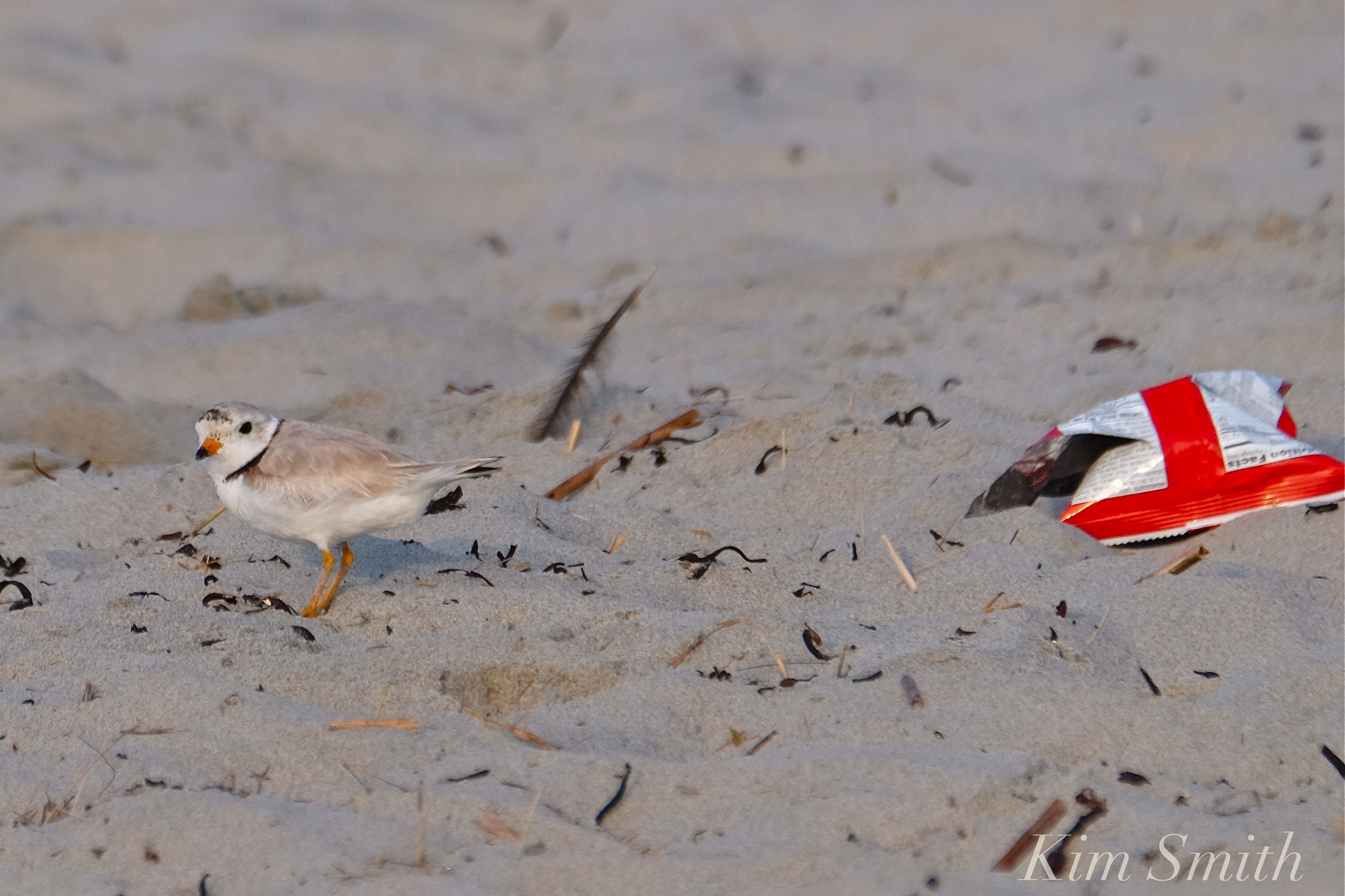
Piping Plover garbage and chick copyright Kim SmithGarbage left on the beach late in the day and overnight continues to be an issue. Bring a bag with you and we can help the DPW by cleaning up after the the folks who don’t know any better. Garbage strewn on the beach attracts gulls, and they, especially Great Black-backed Gulls, eat baby Plovers. 

Piping Plover male and chick copyright Kim Smith

Piping Plovers, like many shore birds, are precocial. That means that within hours after hatching, they are ready to leave the nest and can feed themselves. They cannot however immediately regulate their body temperature and rely on Mom and Dad to warm them under their wings. Although the chick is six days old in the above photo, it still looks to Dad for warmth and protection. Examples of other precocial birds are ducks, geese, and chickens.

If you spot the baby and want to observe, I recommend staying fifteen to twenty feet away at least. Any closer and Dad has to spend a great deal of energy trying to distract you. We don’t want him to get tired out and unable to care for the baby. Also, you’ll appear less threatening if you sit or kneel while observing the chick. No sudden movements and talk quietly and the baby may come right up to you!

DSCF3675

A sweet dog with a very unkind owner.

Around 6pm Saturday evening, this playful dog came bounding down the water’s edge, within inches of the baby. I stood between the owner, dog, and Plovers, with cameras in hand, and cell phone unfortunately back in my bag. After a good twenty minutes of arguing he and his equally unkind friends departed. In the mean time, the Plovers were able to get away from the dog and further down the shore line.

Piping Plover male and chick -2 copyright Kim SmithDad and chick this morning Monday, the 18th, exactly one week old!