Side-by-side Comparison ~ Female Swan Back, Male Swan Front
Have you ever wondered whether you are looking at a male or female swan? I had often until I learned that the male’s black protuberance at the base of the bill swells during the breeding season. Very recently, I learned that the fleshy black knob has a name. So now rather than calling it a knob, nobble, thingamabob, or that black protuberance above the bill, I can say blackberry, and you can too. That really is an often used term in Europe, their native home. The blackberry is also unique to Mute Swans; no other species of swans has this feature.
I’ve posted this photo before however, it shows very well the different sizes of the male and female’s blackberries. Male, left; female, right.
Spread The GMG Love By Sharing With These Buttons:
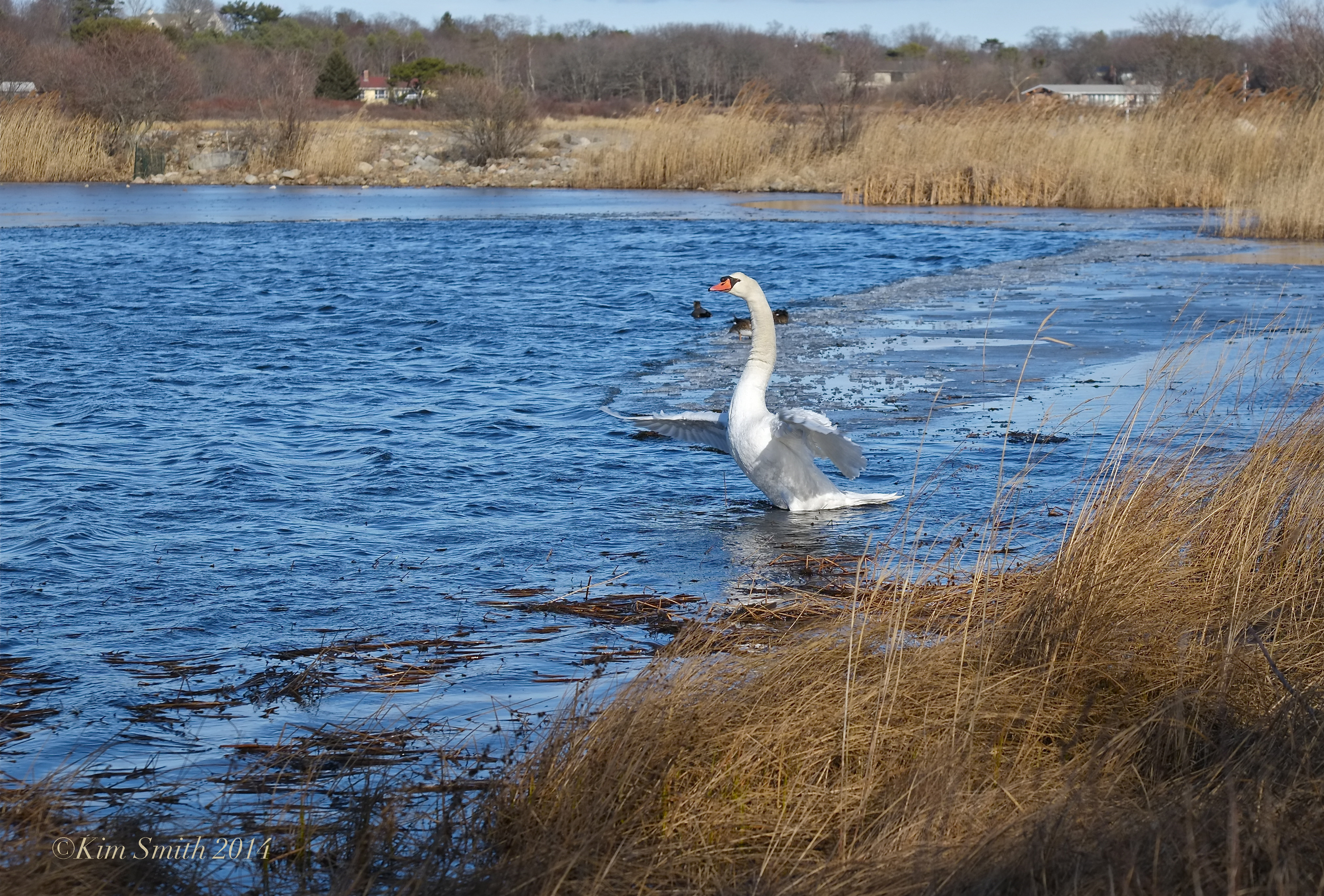
The extraordinarily powerful wings and torso of the Mute Swan ~ click to view larger
The above photo is a lucky capture as I was actually filming the Gadwalls behind the swan. When the swan began to lift out of the water I quickly turned my attention toward it. The first two photos are the same; the first is cropped, the second uncropped so that you can see the tremendous scale of the swan’s body and wings in relation to its environment. The Mute Swan is the second heaviest waterfowl, second only to the Trumpeter Swan. In observing swans, I marvel in nature that a creature this heavy can soar majestically through the clouds and swim so gracefully through water.
Mute swans feed primarily on submerged and emergent aquatic vegetation and a small percentage of their diet also includes frogs, small fish, and insects. Because swans feed in deep water they do not compete with smaller waterfowl such as ducks. It is thought that food is made more readily available to ducks because the swans do not eat all the food they pull up. This seems logical and factual from my own observations at our local ponds and marshes. I very often see a wide range of waterfowl congenially feeding with the Mute Swans.
Mute Swan feeding on submerged vegetation at Niles Pond
Note ~ Mute swans, which are a nonnative species, do compete directly for food with North American native Trumpeter Swans, in regions where Trumpeter Swans are indigenous (Trumpeter Swans are not native to Cape Ann).
For more photos, information, and video see previous GMG posts about the Mute Swan:
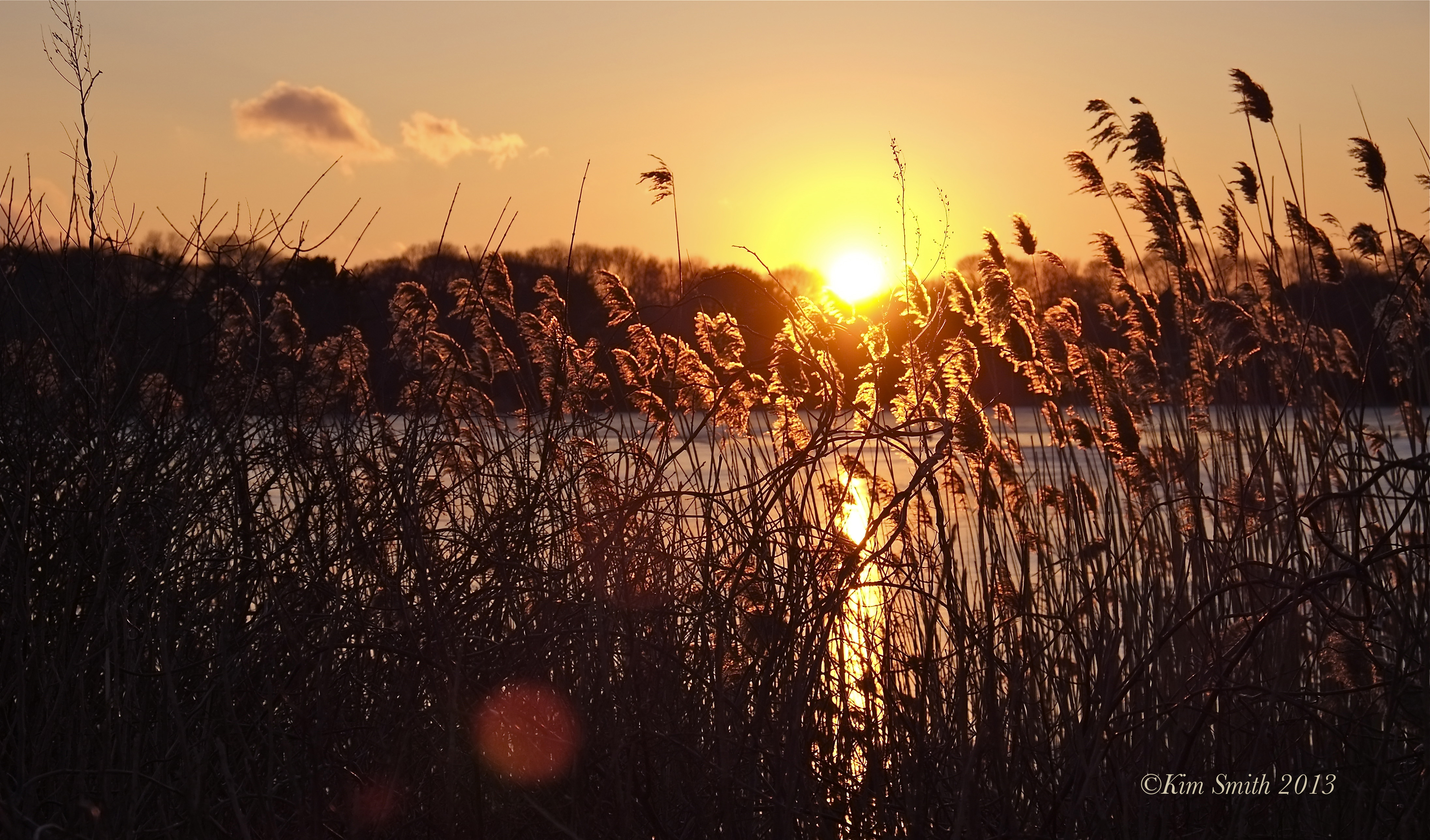
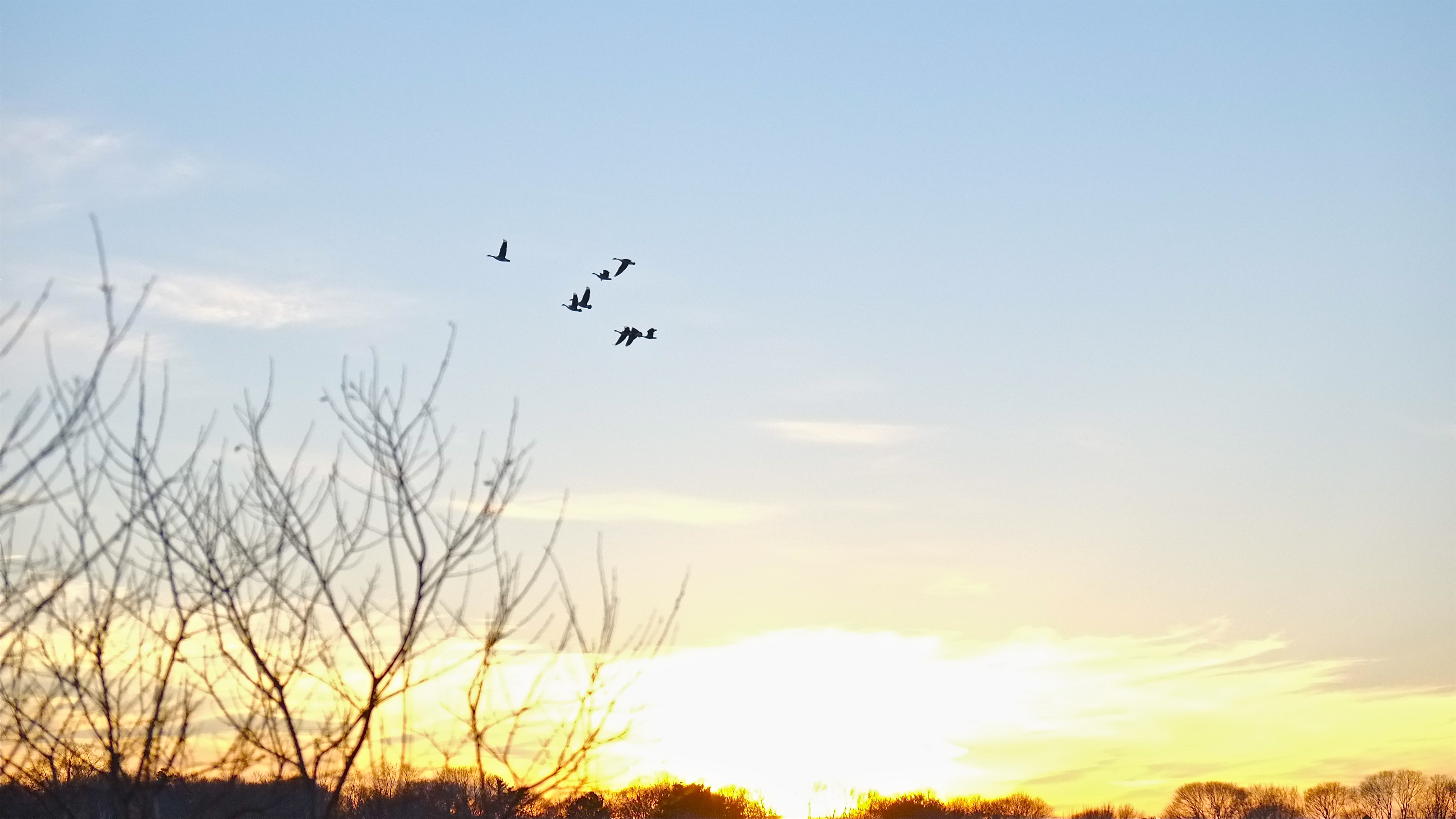
An embarrassment of riches ~ Whether dawn or dusk, when standing on the footpath between Niles Pond and Brace Cove, sometimes I can’t decide which direction to point my camera. When that happens I focus the video camera in one direction and turn and face the opposite direction with the still camera.
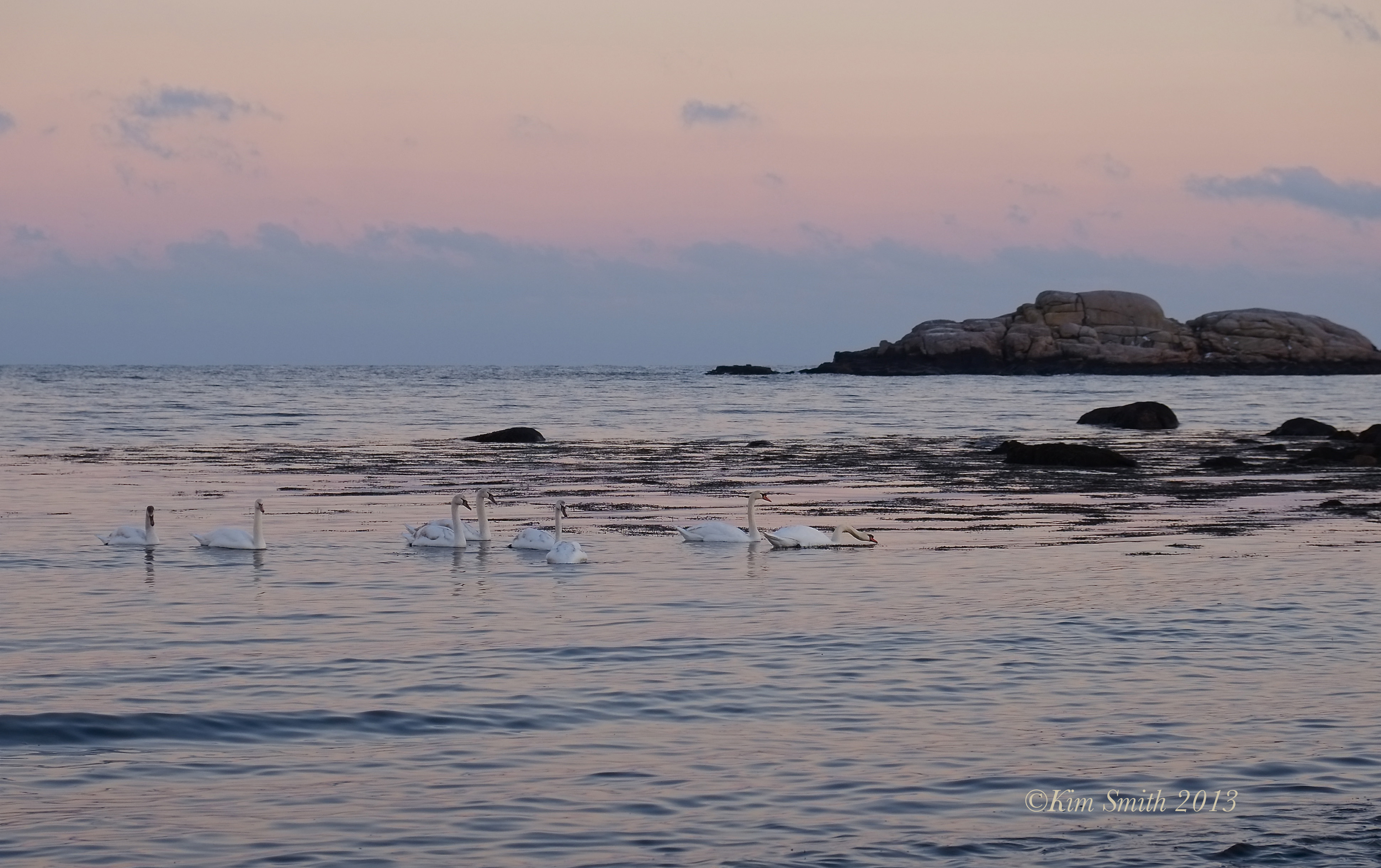
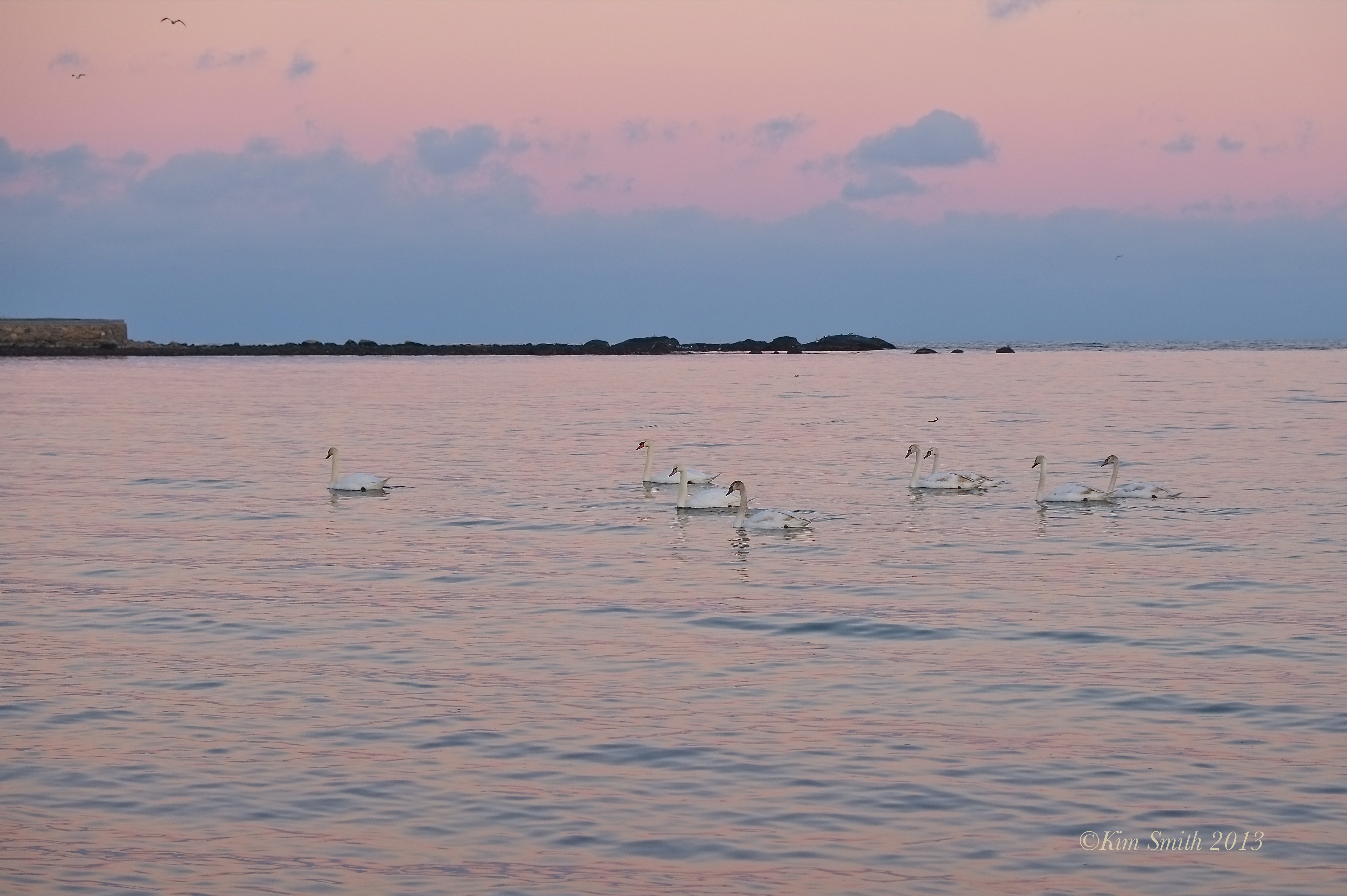
This batch of photos was taken on a chilly afternoon in early January, looking first toward the pond, and then heading down to the beach at Brace Cove after a wedge of eight Mute Swans flew overhead and landed in the cove.
The bevy was comprised of six cygnets and parents. The bill of the adult Mute Swan is vivid red-orange whereas the cygnet’s bill ranges in shades from dark gray through muted browns. A black knob at the base of the cob’s (male) bill bulges prominently during mating season; the rest of the year it is often difficult to distinguish pen from cob. Anyone who has ever encountered a hissing, snarling, gnarling, and whistling Mute Swan wonders why they are called mute. Mute Swans lack the vocal trumpeting when compared to other members of the genus. The most beautiful sound the Mute Swan makes is the vibrant throbbing of their wingbeats in flight. I believe this sound is unique to Mute Swans. Click photos to view larger.
Eight Mute Swans (Cygnus olor) at Brace Cove, Gloucester
Spread The GMG Love By Sharing With These Buttons:
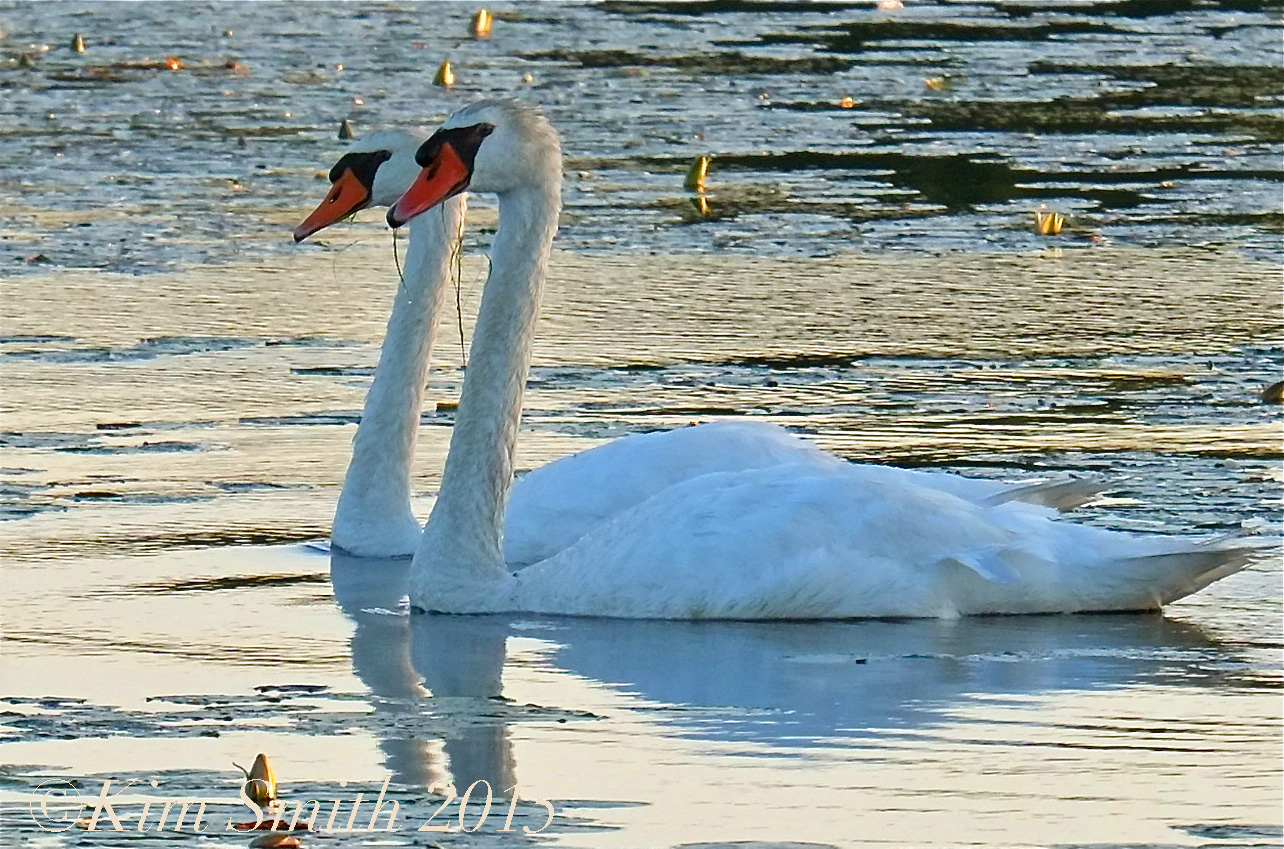 Side-by-side Comparison ~ Female Swan Back, Male Swan Front
 I’ve posted this photo before however, it shows very well the different sizes of the male and female’s blackberries. Male, left; female, right.





 Good Morning Gloucester