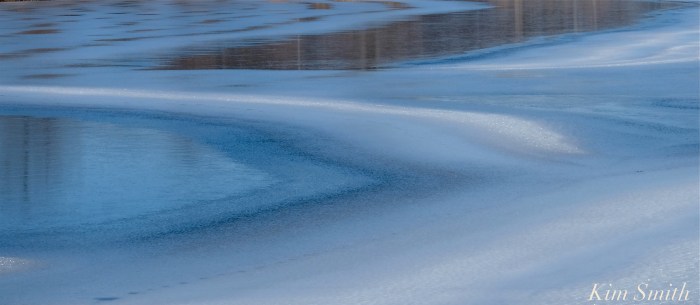
Niles Pond icing over


My View of Life on the Dock
Niles Pond icing over


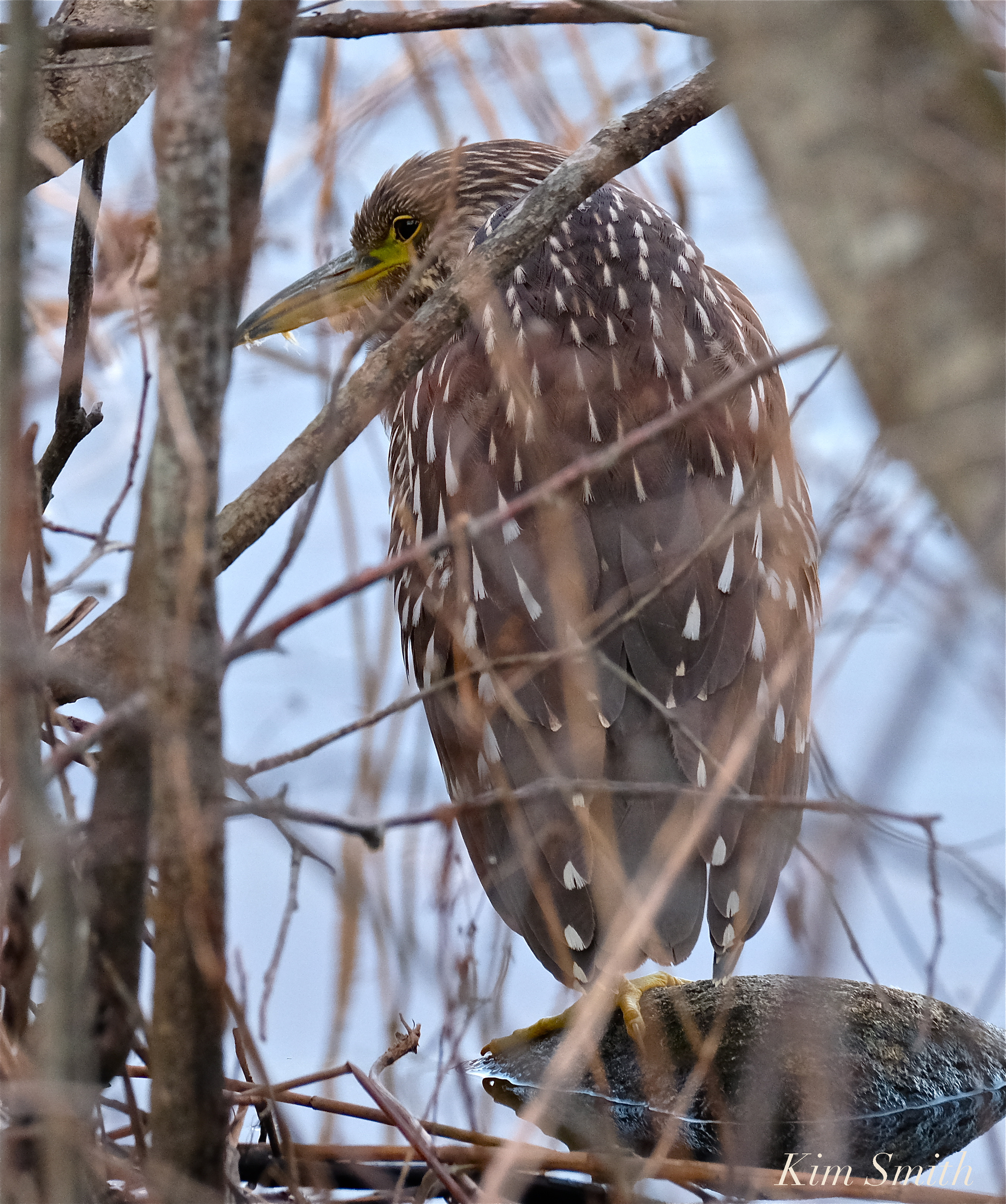
It’s been a remarkable month for beautiful winter wild creatures in our midst. The photos of a juvenile Black-crowned Night Heron were taken in mid-January,
He mostly stays well-hidden in the dense thickets at water’s edge. I’ve read that Night Herons occasionally spend the entire winter in northern regions. Cape Ann is at the tippy edge of their year round coastal range. Let’s hope this youngster will survive the next several months.

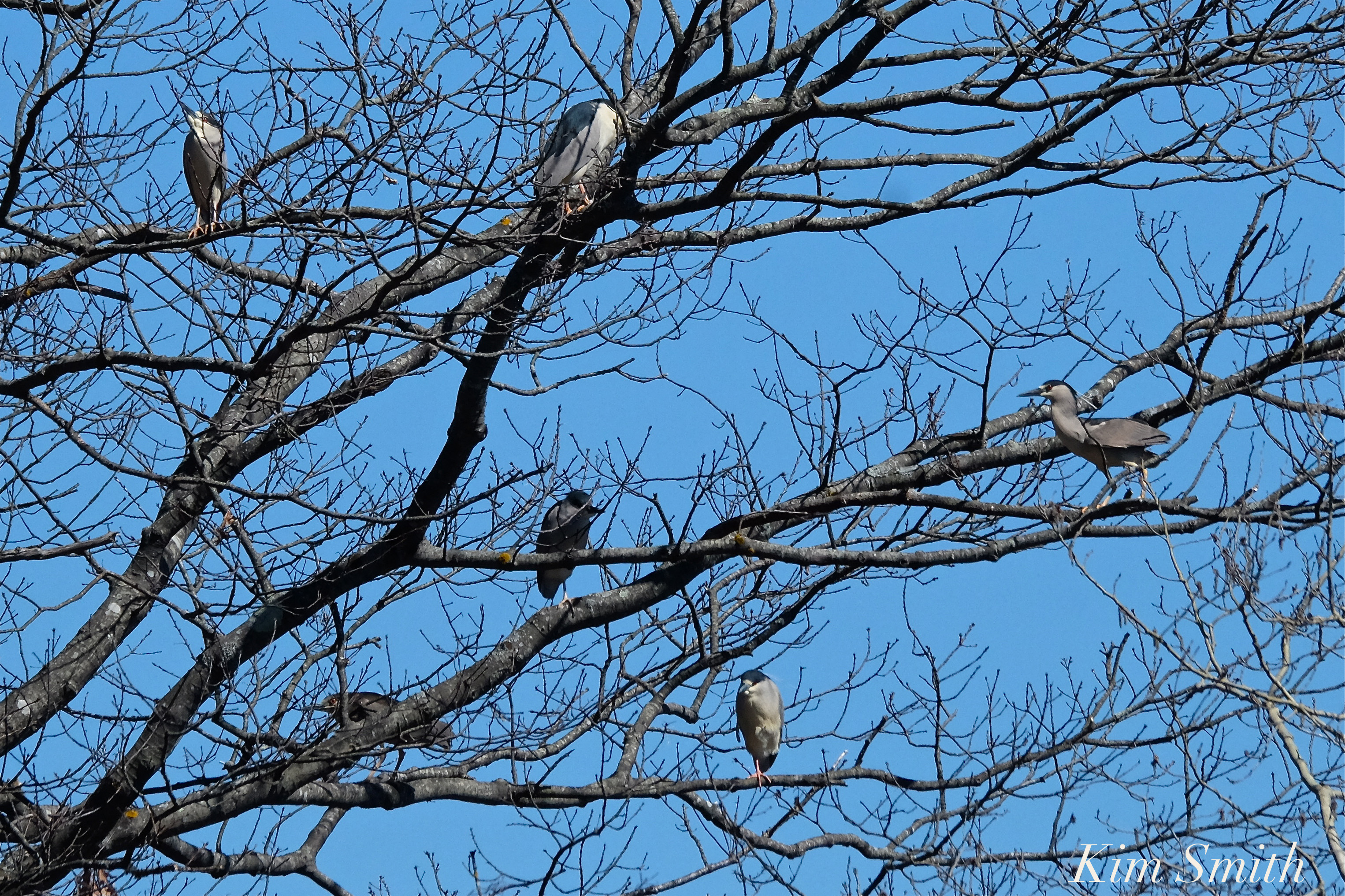
 Black-crowned Night Herons, adults, Gloucester, in early spring and summer
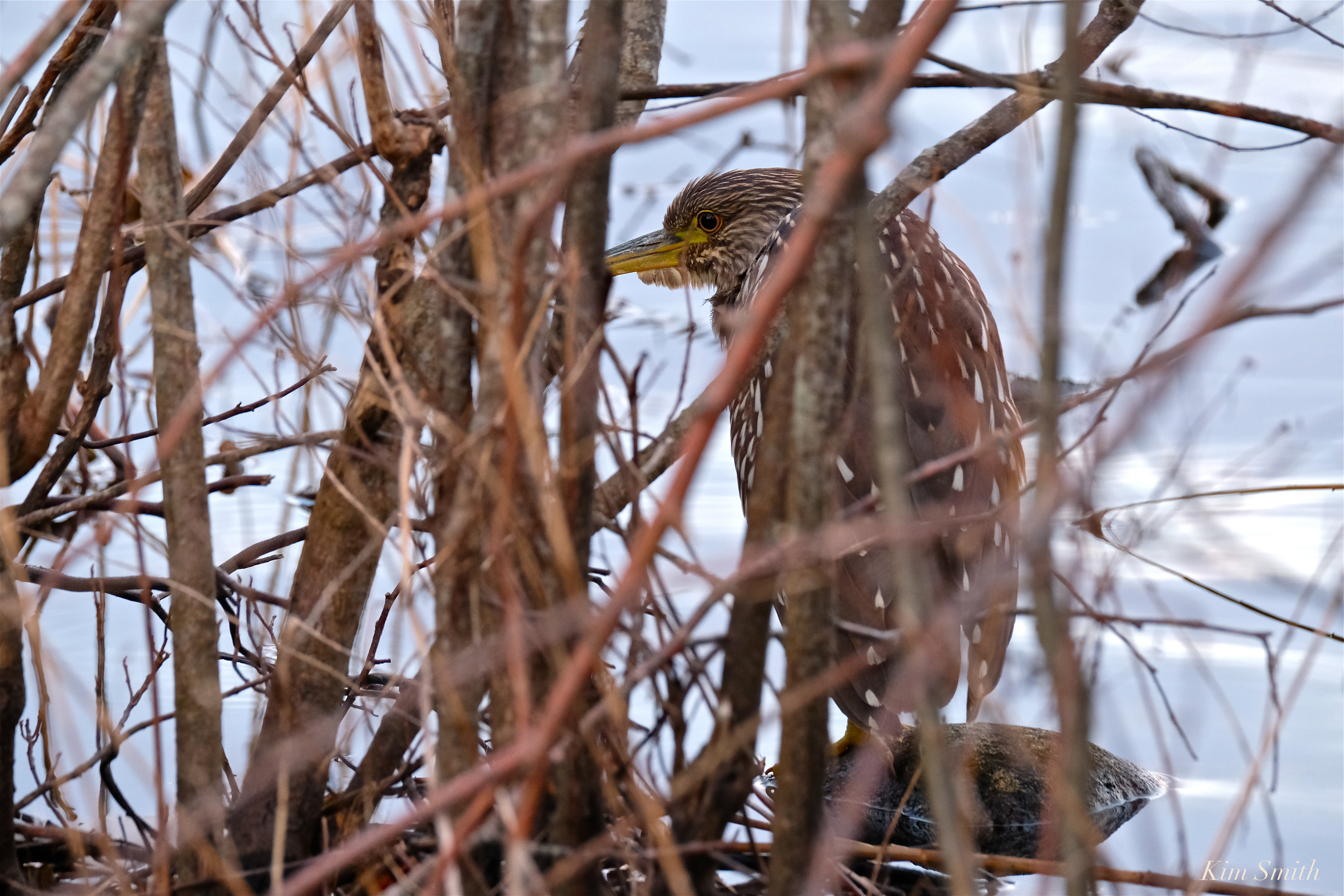 Juvenile Black-crowned Night Heron, January 2020

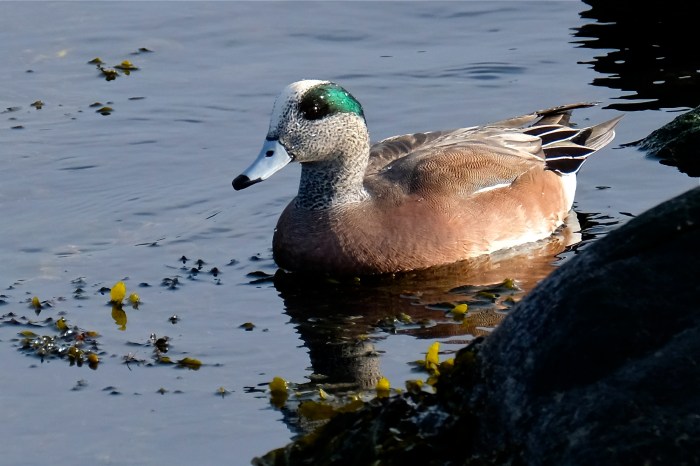
Our shores abound with wonderful wild creatures we more often see in wintertime, and species we can view better because the trees are bare. The duo of male American Wigeons are still here, as are the pair of Pipits. I watched yesterday afternoon as the Pipits flew away from the beach in unison, and then returned together about twenty minutes later to continue to forage in the seaweed and sand.


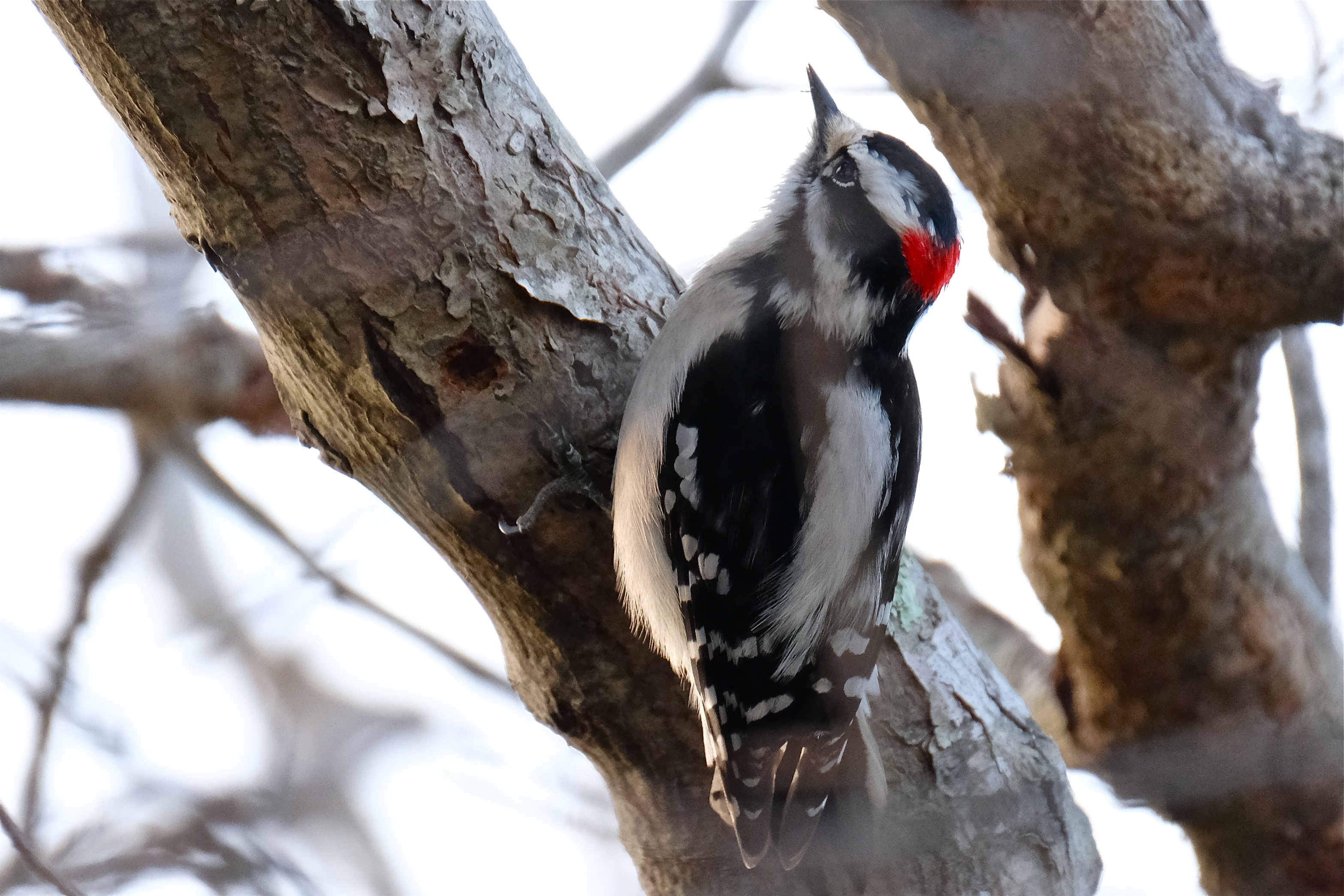 It’s easier to catch a glimpse of a Downy Woodpecker pecking and a wasp nest in the tangle of thickets when viewed through naked limbs and branches.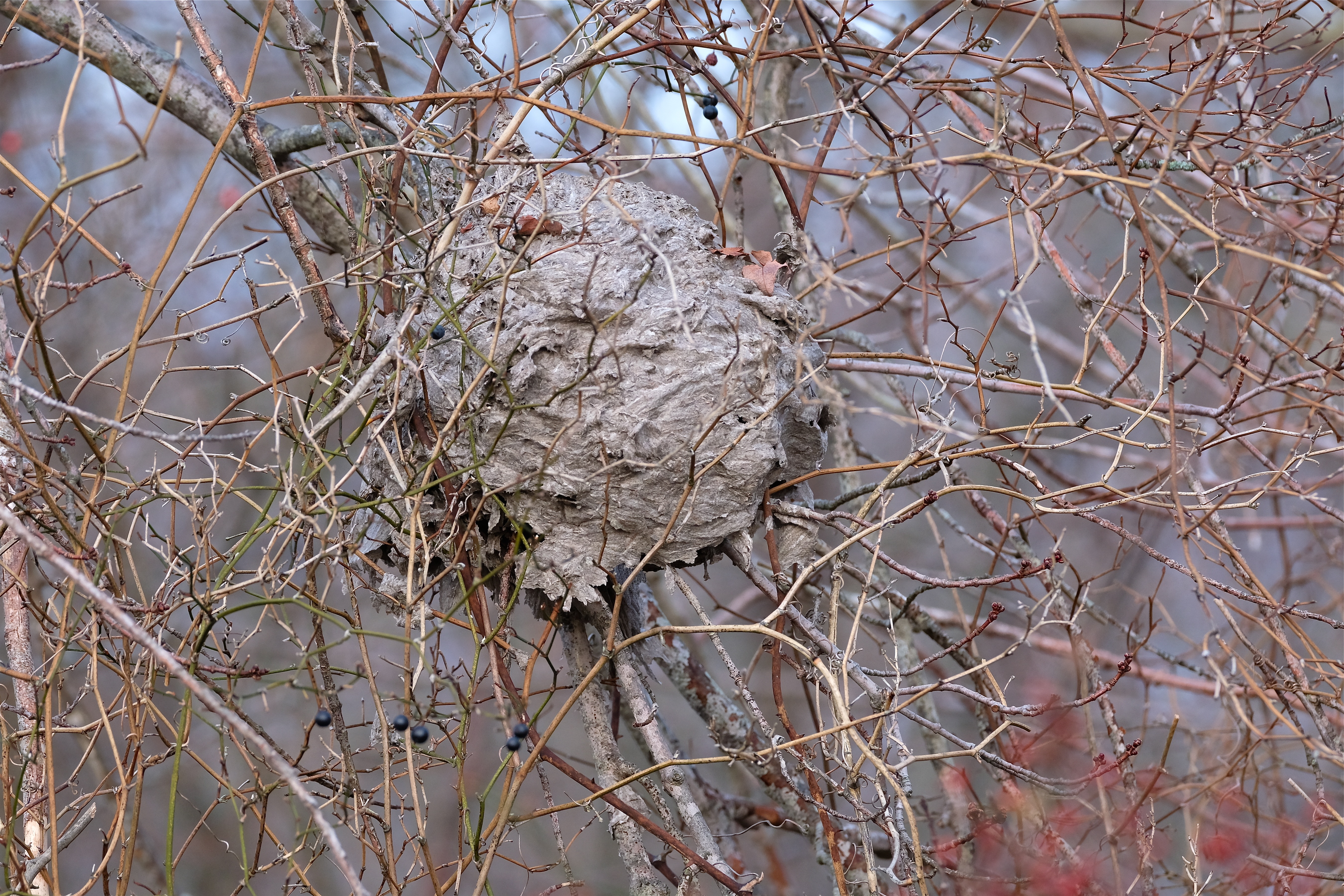
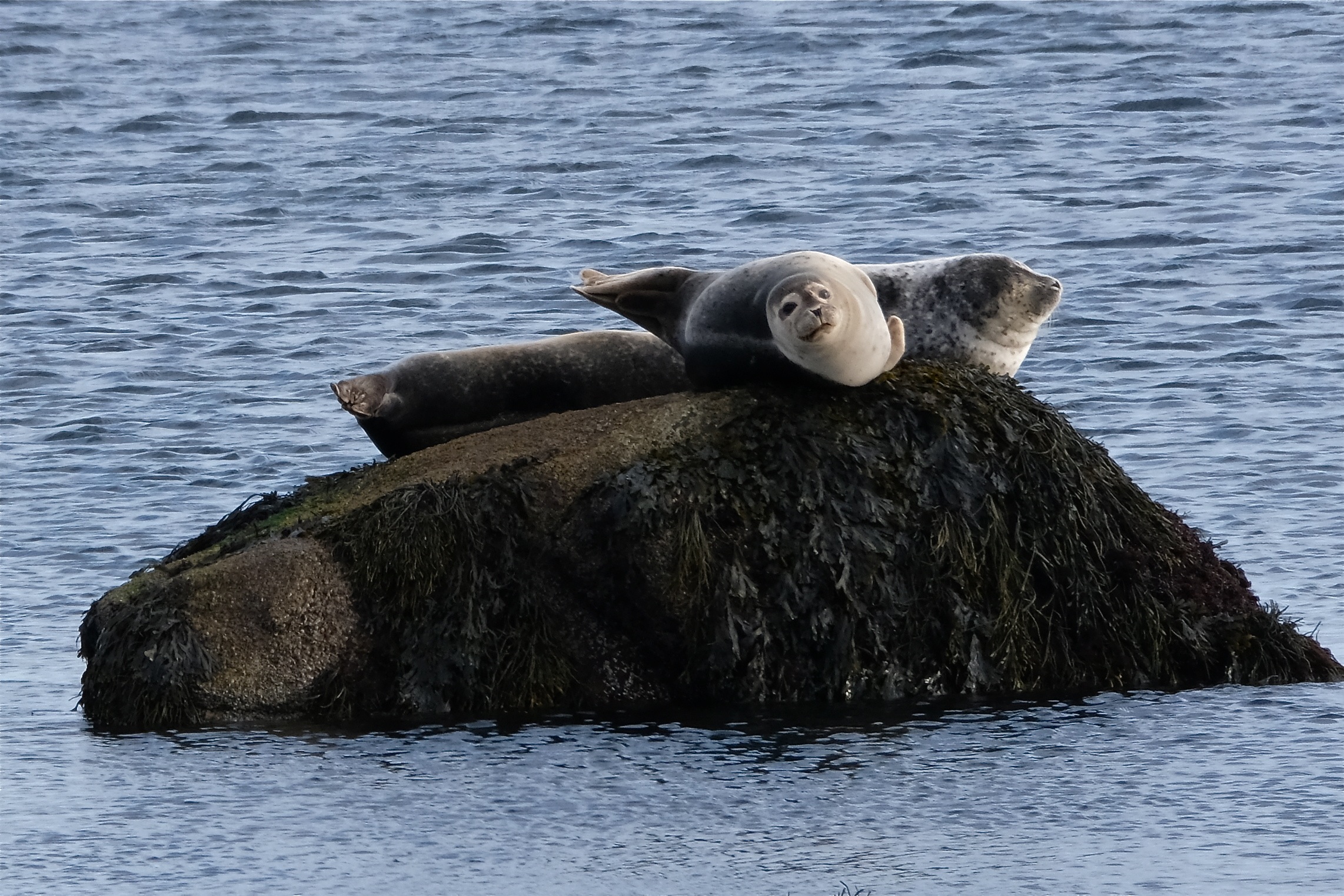 The Harbor Seals are seen almost daily. One day last week 24 were present!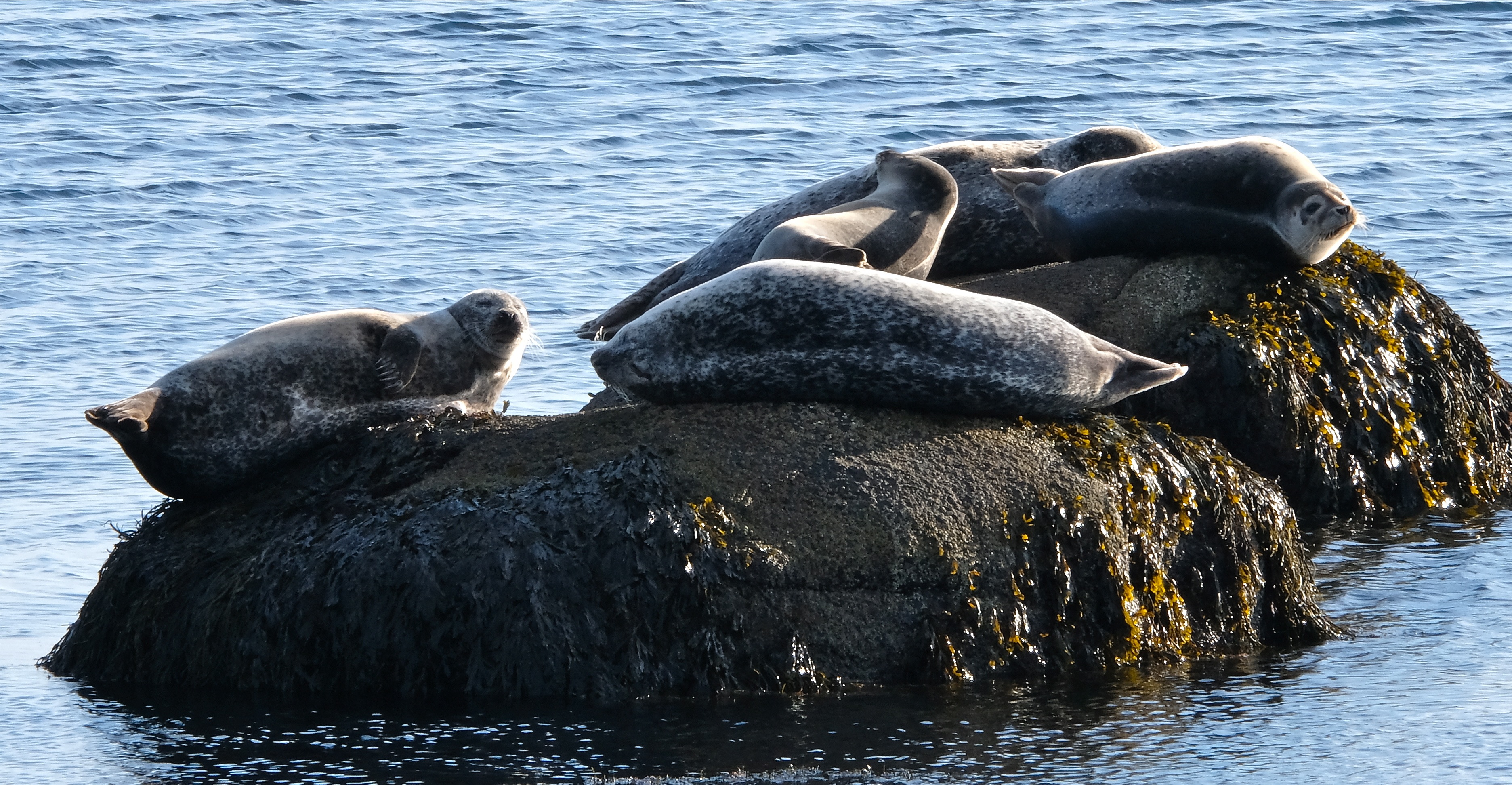
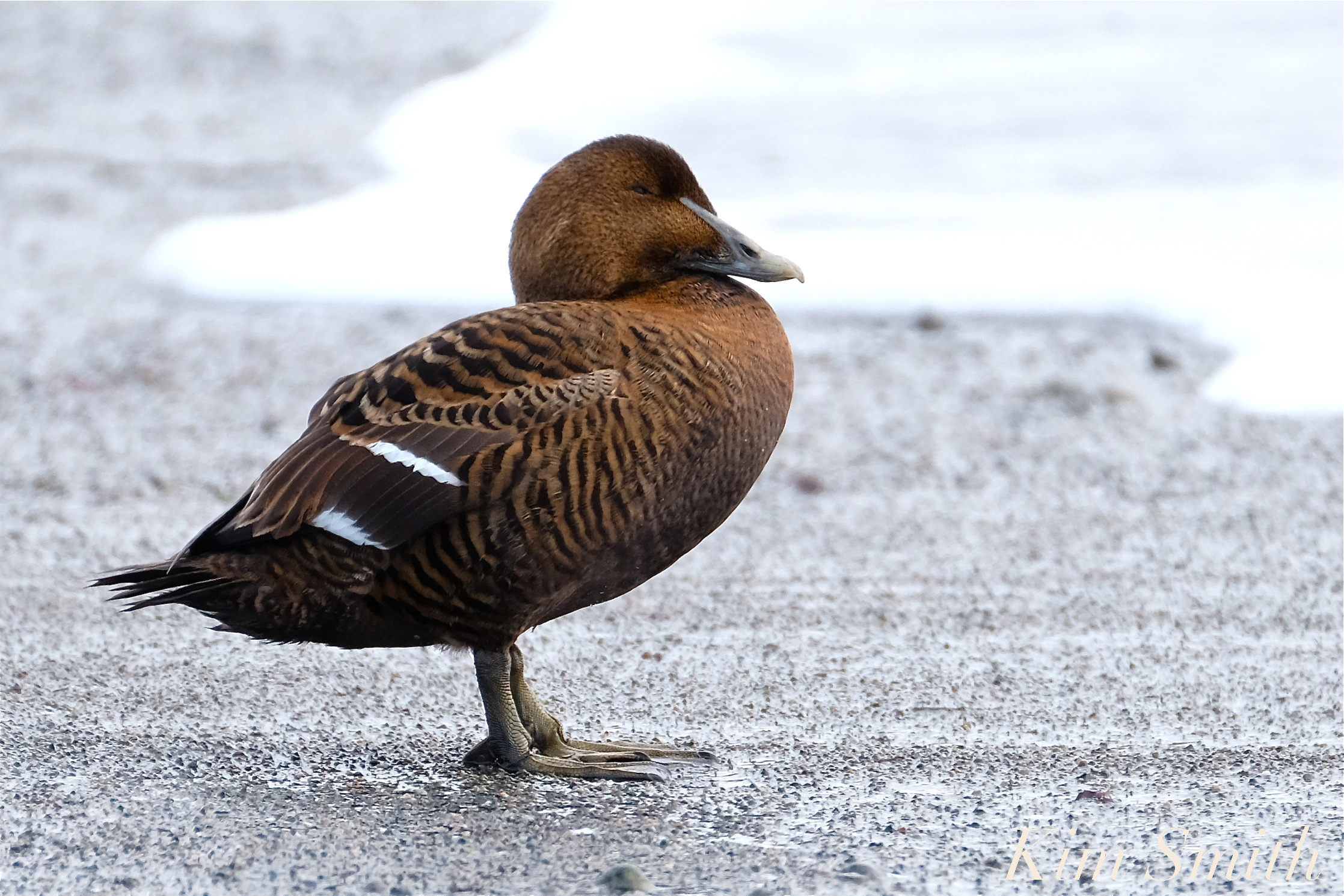 A sleepy-eyed female Common Eider was peacefully resting on the beach. I know she was okay because on our way back she slipped back into the surf.


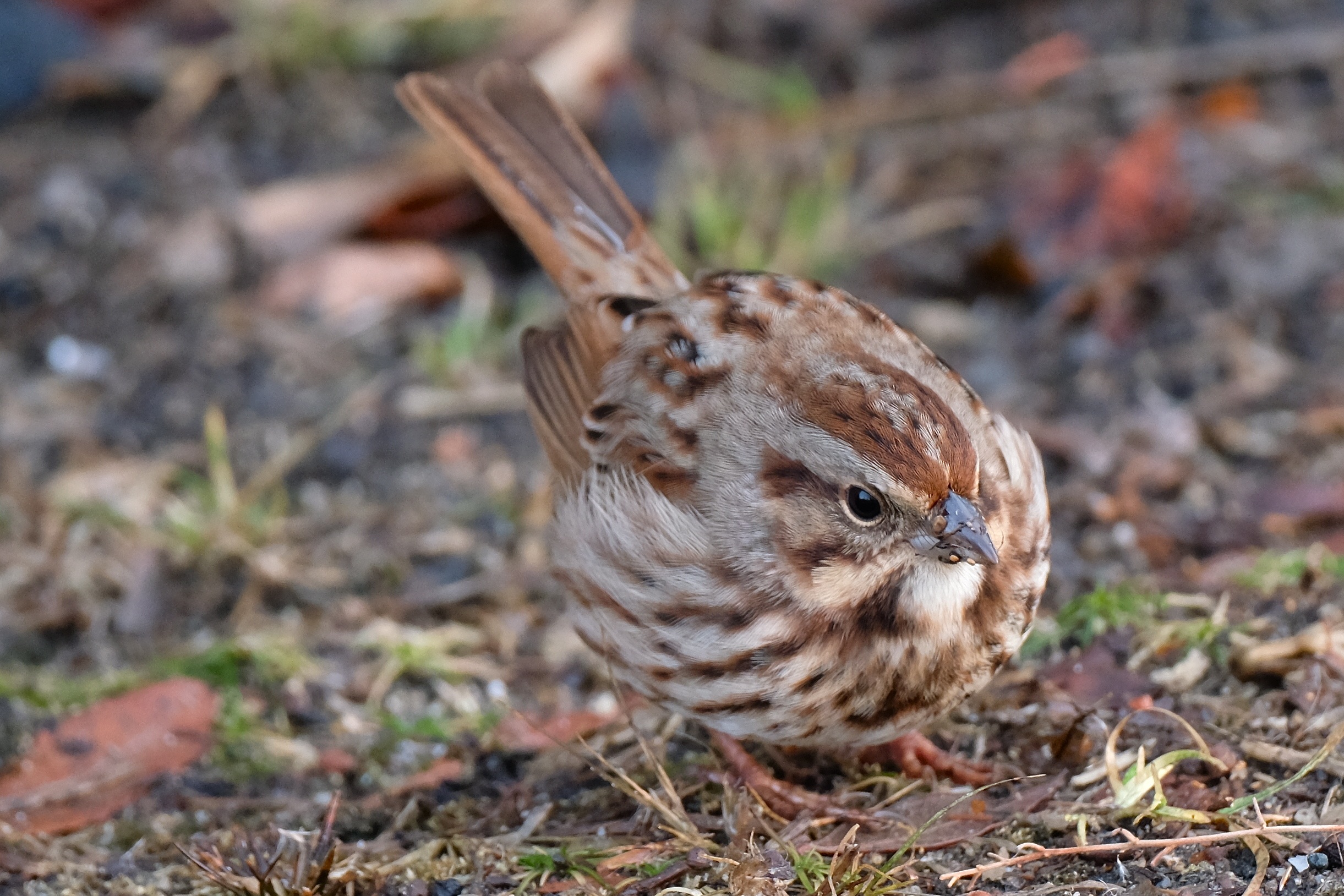 Song Sparrow
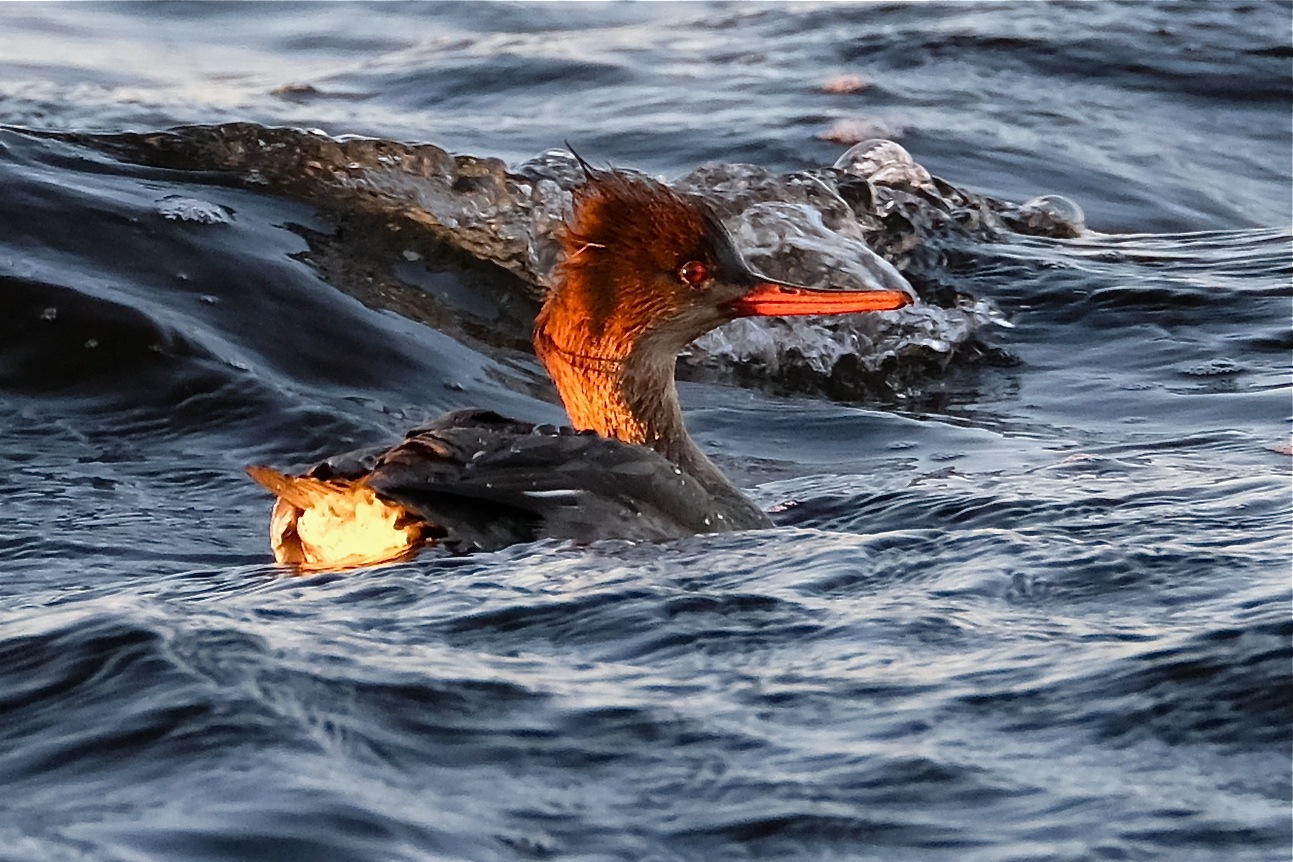 Red-breasted Merganser
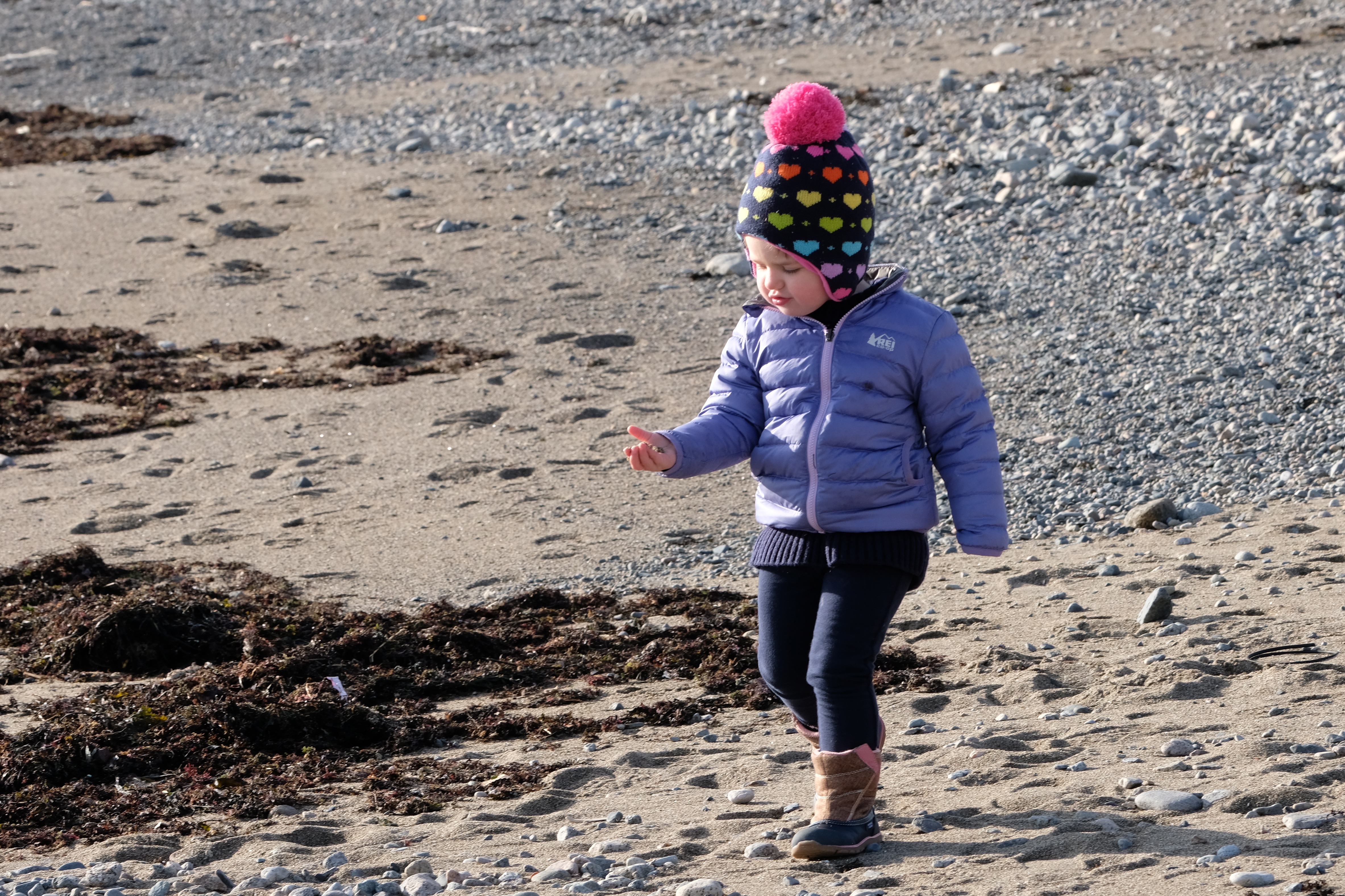 And that’s our Charlotte, my favorite wild one, and ever at the ready to go exploring. After we get dressed in the morning she chortles, “Now I’m ready for action Mimi.”

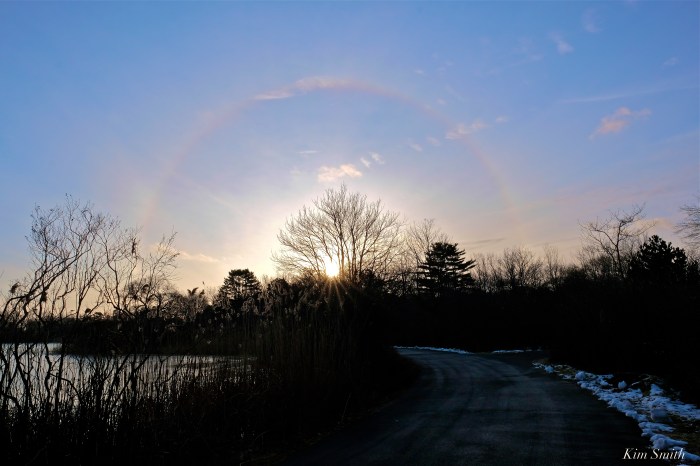
This morning’s sunrise walk was made more beautiful by the phenomenon known as a Solar Halo or Sun Halo.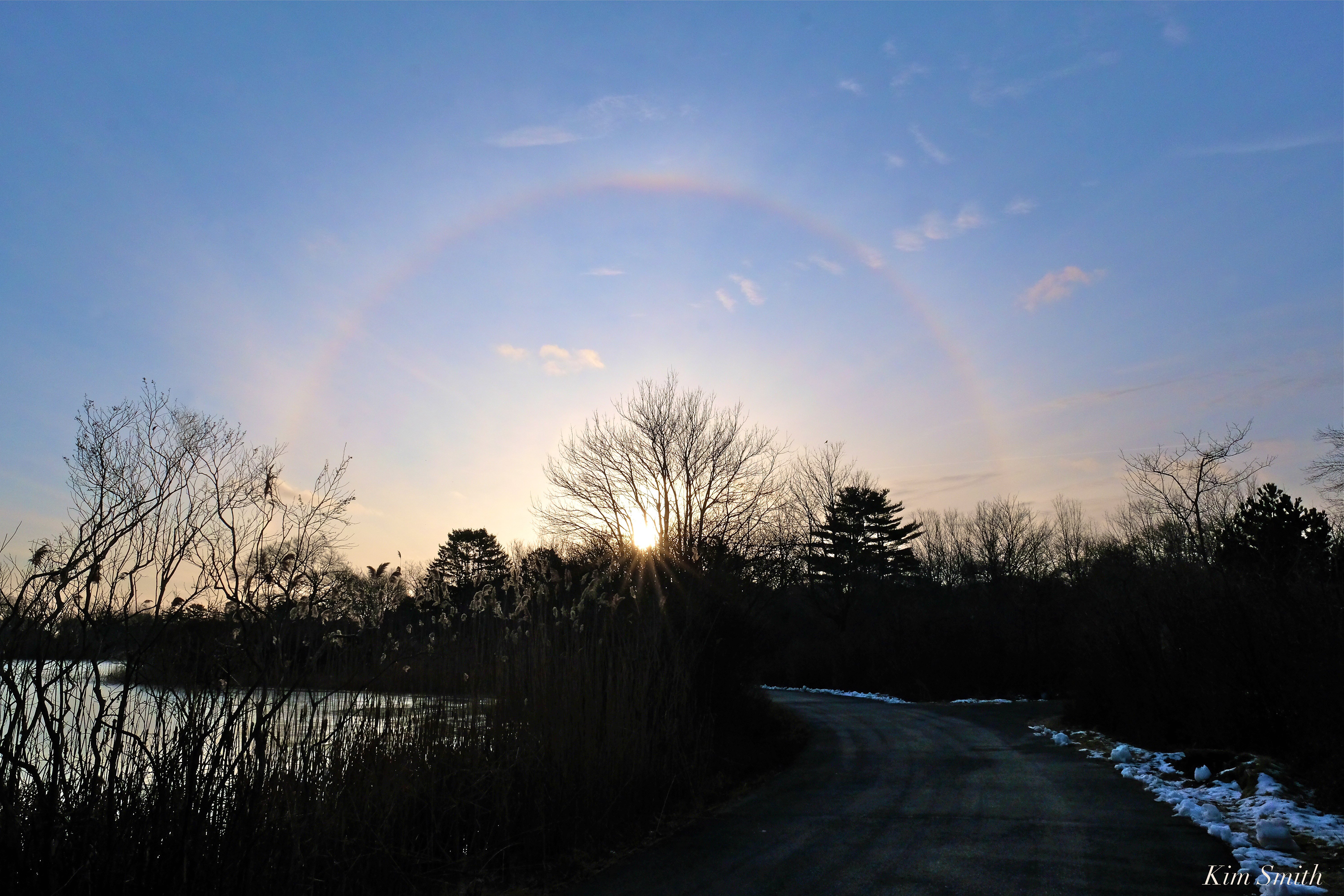
“Halos around the sun or moon are caused by high, thin cirrus clouds drifting high above your head. Tiny ice crystals in Earth’s atmosphere create the halos. They do it by refracting and reflecting the light. Lunar halos are signs that storms are nearby.”
People always ask, what causes these gigantic rings?
There’s an old weather saying: ring around the moon means rain soon. There’s truth to this saying, because high cirrus clouds often come before a storm. Notice in these photos that the sky looks fairly clear. After all, you can see the sun or moon. And yet halos are a sign of high, thin cirrus clouds drifting 20,000 feet or more above our heads.
These clouds contain millions of tiny ice crystals. The halos you see are caused by both refraction, or splitting of light, and also by reflection, or glints of light from these ice crystals. The crystals have to be oriented and positioned just so with respect to your eye, in order for the halo to appear.
That’s why, like rainbows, halos around the sun – or moon – are personal. Everyone sees their own particular halo, made by their own particular ice crystals, which are different from the ice crystals making the halo of the person standing next to you.
That’s a good question that is not easy to answer accurately because no halo frequency statistics are collected except in one or two mid latitude European countries.
We need to distinguish between (a) halos formed by low level diamond dust during very cold weather and (b) halos formed by ice crystals in high cirrus cloud.
Obviously (a) halos only occur in Polar regions or countries with very cold winters (Canada for example is not high latitude).
(b) Halos can occur anywhere on the planet during winter or summer. Their frequency depends on the frequency of cirrus coverage and whether it has had a history such that it contains halo forming crystals. The latter is hard to predict. For example, there are major differences in halo frequencies and types of halos across even 200 miles [300 km] in the UK.
Bottom line: Halos around the sun or moon are caused by high, thin cirrus clouds drifting high above your head. Tiny ice crystals in Earth’s atmosphere create the halos. They do it by refracting and reflecting the light. Lunar halos are signs that storms are nearby.

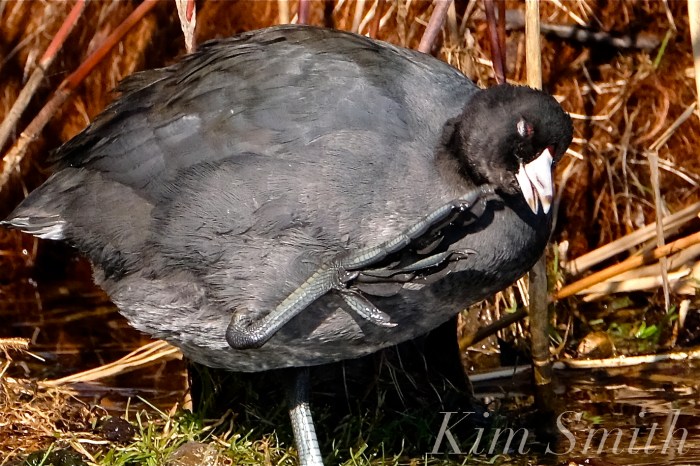
Positively pre-historic looking, I was amazed when watching an American Coot lift its foot out of the water. What on earth!
 Have you ever seen such wildly wonderful feet?
The Coot’s whacky-looking feet only adds to the charm of this adorable waterbird, with its chicken-shaped silhouette, white pointed beak that ends in a sploge of maroon, and garnet, bead-like eyes. Oh, and when the light hits just right, you can see the Coot’s feet are colored in shades of blue, green, and yellow.
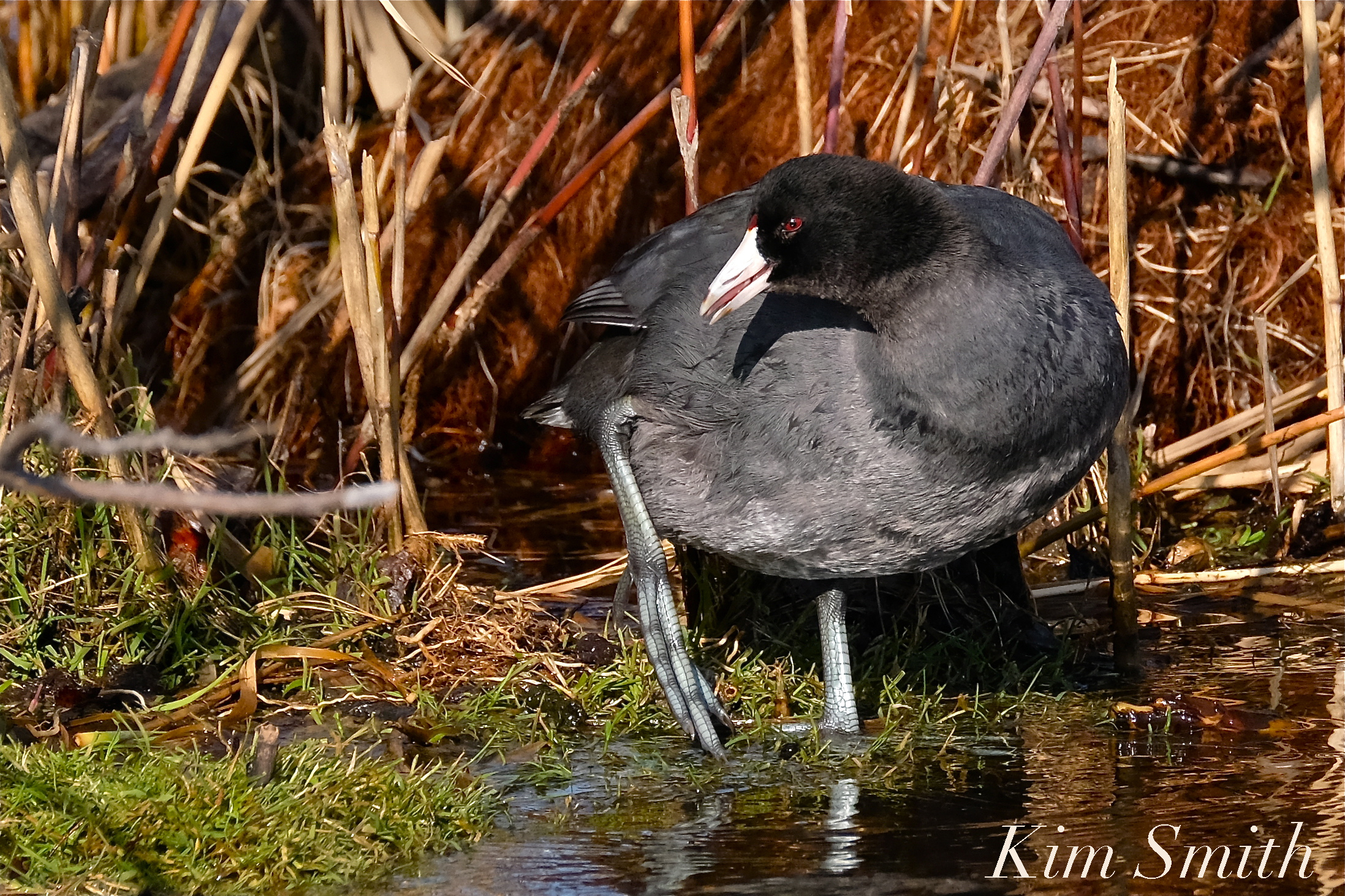
The American Coot’s foot is an all-purpose foot so to speak. The lobes serve the bird well for both walking on dry land and for swimming. Most ducks have webbed feet, which are great for propelling through water, but which don’t work very well on land. The Coot’s lobes fall back when lifting its foot, which aids in walking on a variety of surfaces including grass, ice, and mud.
The Coot’s oversized feet also help in becoming airborne; the bird must run across the surface of the water and flap its wings vigorously in order to take off. Its palmate toe helps it swim, and lastly, the Coot uses its strong feet for battling other Coots.


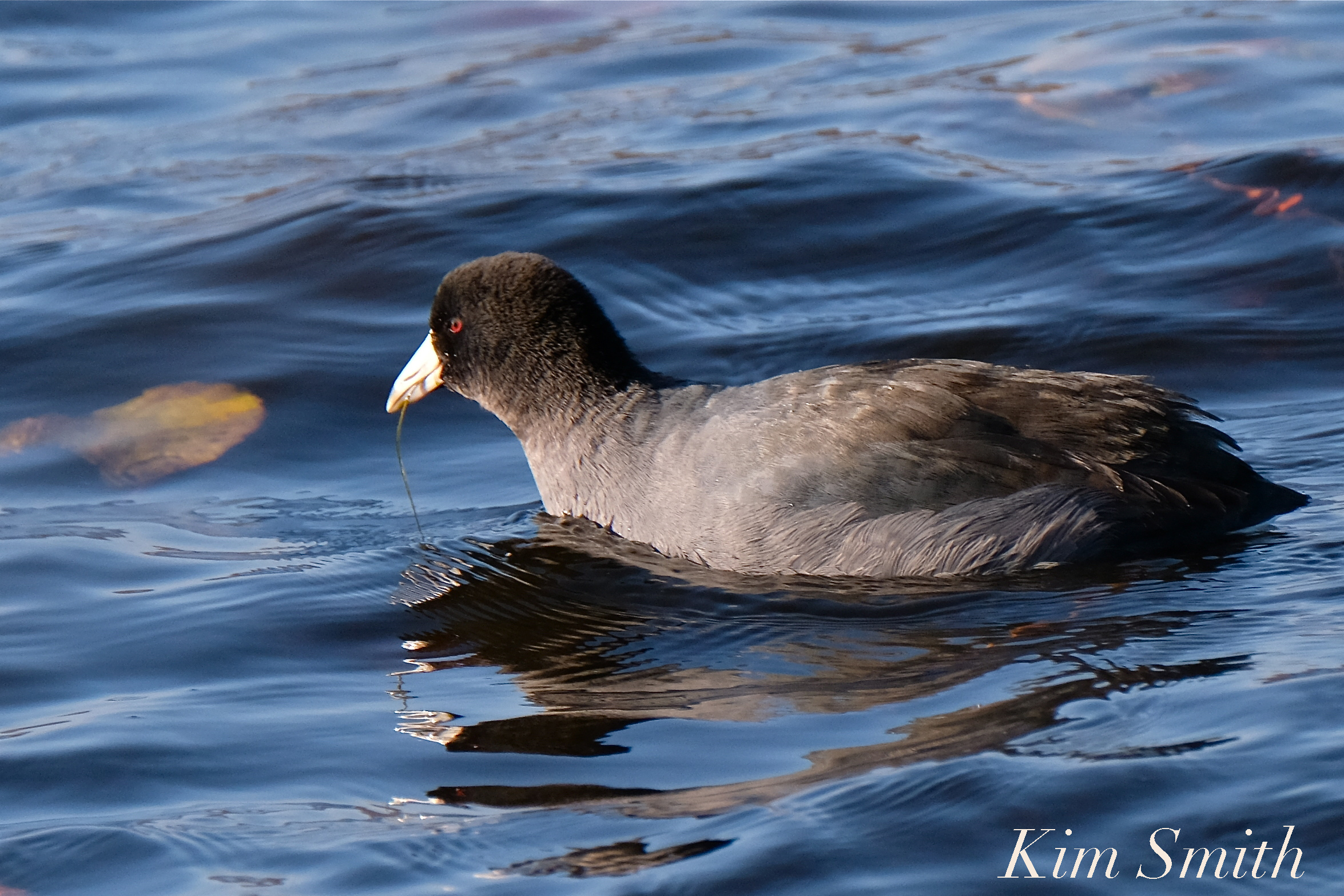 Before the current cold snap, there was a small flock of Coots at Niles Pond, foraging on pond vegetation alongside the flock of four Swans. They all departed shortly before the snowstorm.
 The American Coot chicks are equally as whacky looking as are the adult birds. Image courtesy wikicommonsmedia.
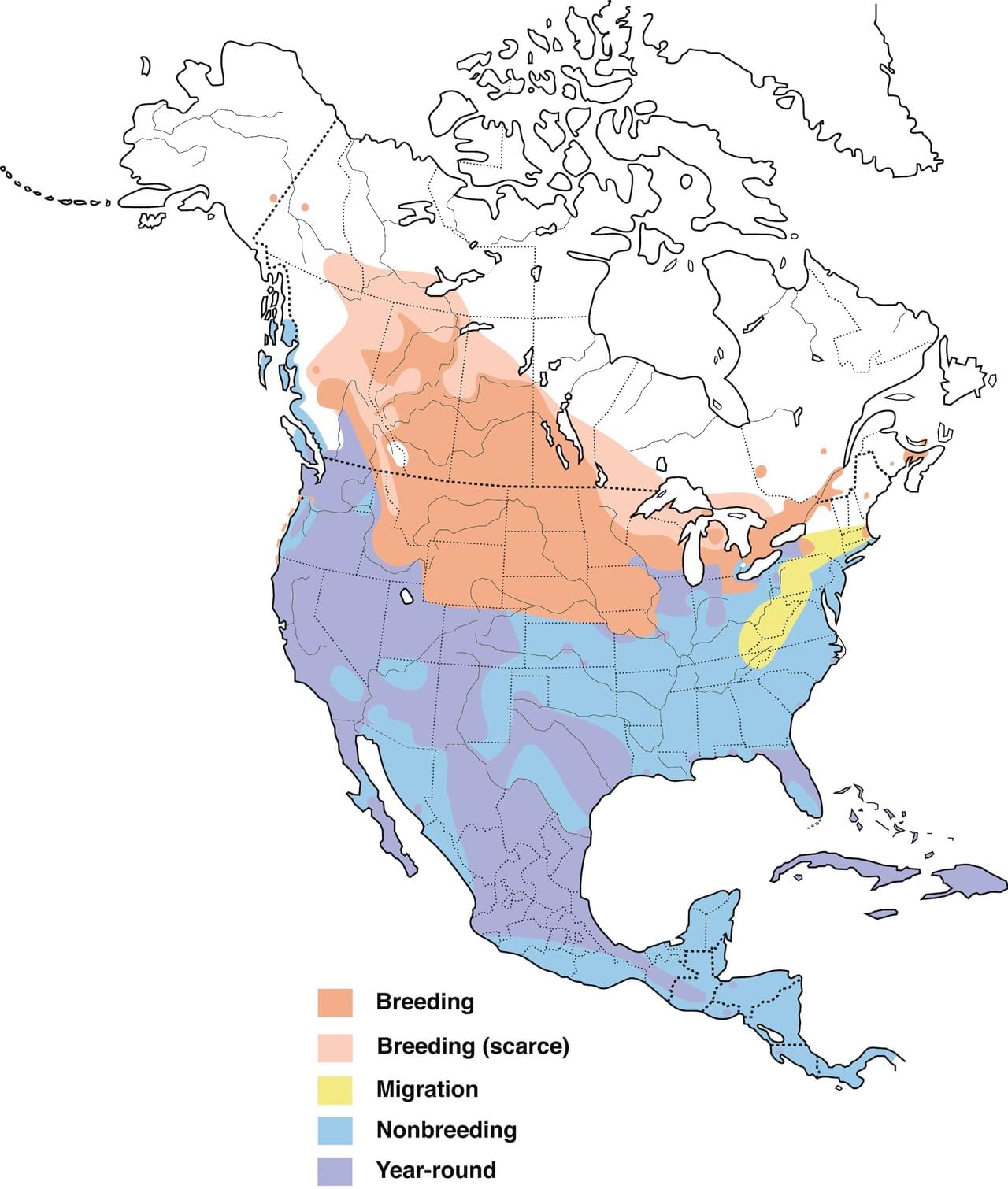 American Coot range map.


The past week Eastern Point has seen a wonderful influx of wildlife, in addition to the beautiful creatures already wintering over and migrating through.
On Tuesday before Thanksgiving, a great raft of Ring-necked Ducks joined the flock of Buffleheads and Mallards at Niles Pond. Five chunky American Coots have been there for over a week, and two female Ruddy Ducks have been spotted.
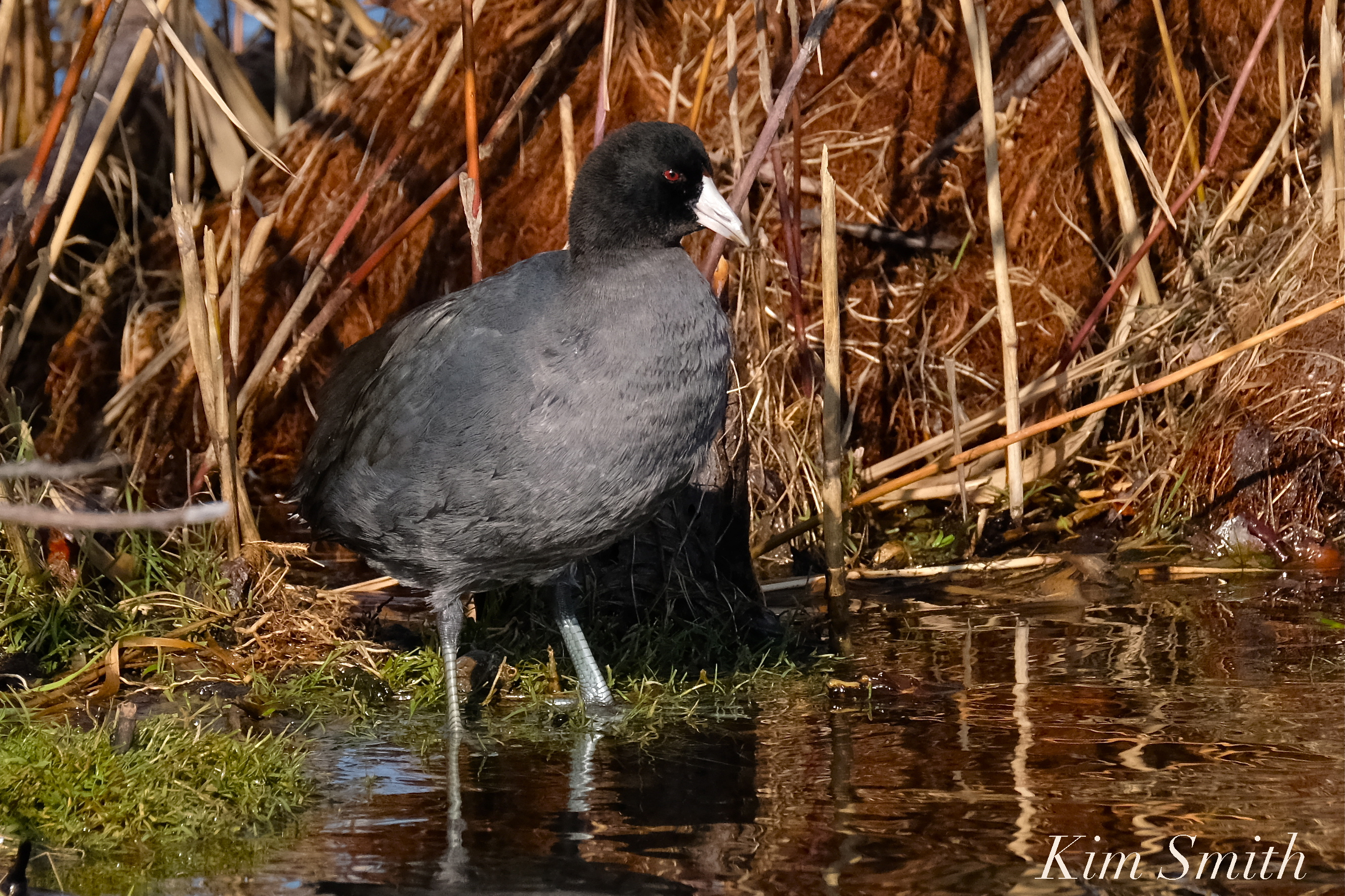 American Coot
Fifteen Harbor Seals were sunning and basking on the rocks at Brace Cove on Wednesday, along with several Bonaparte’s Gulls that were diving and foraging in the waves. The increasingly less timid Lark Sparrow is still here, too.
Lark Sparrow
 Great Blue Heron agitating the Ring-necked Ducks
The most enigmatic of Great Blue Herons criss crosses the pond a dozen times a day but, unlike last year’s fall migrating GBH, who allowed for a closer glimpse, this heron is super people shy. He has been here for about a week and was present again today.


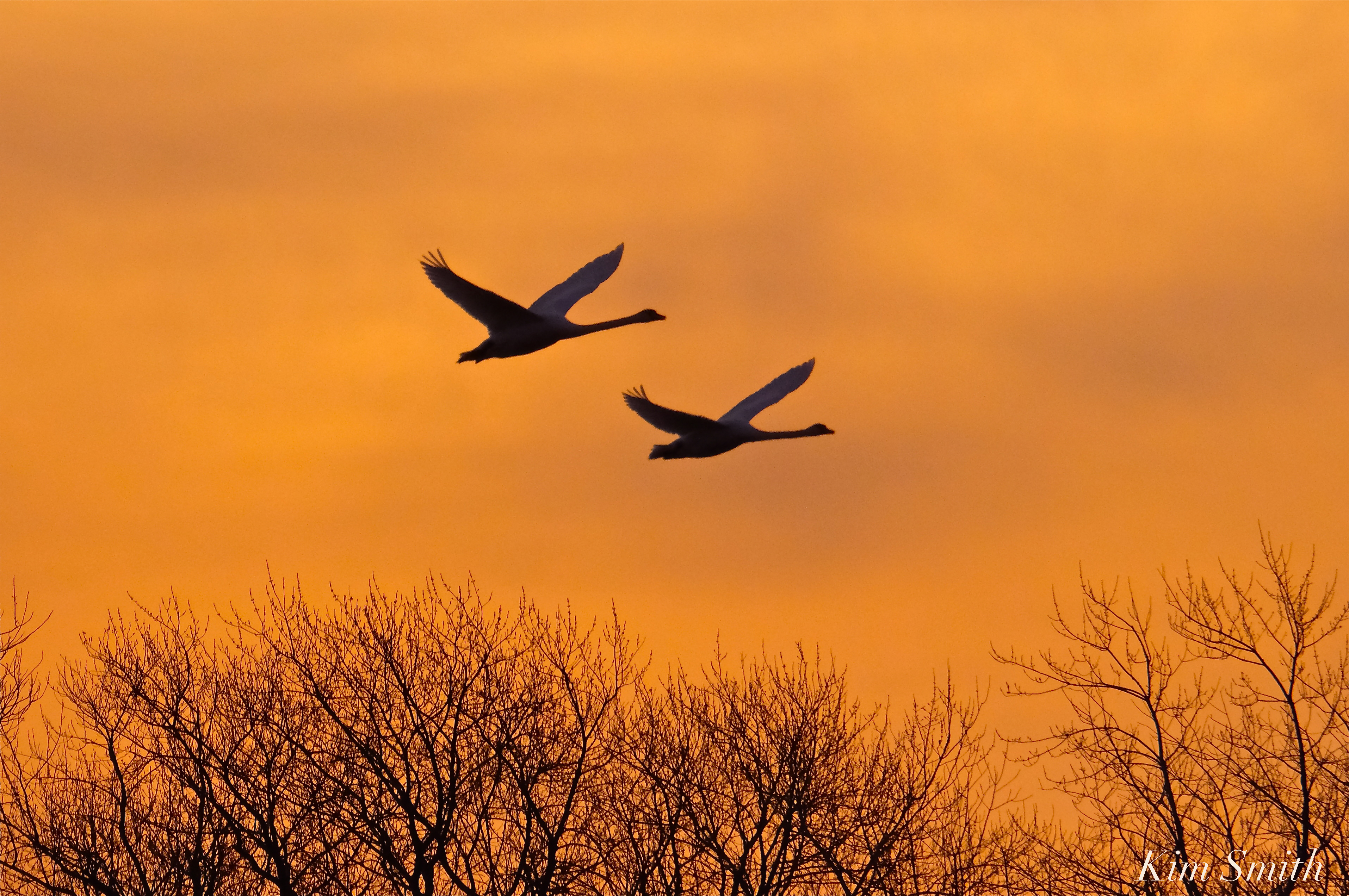
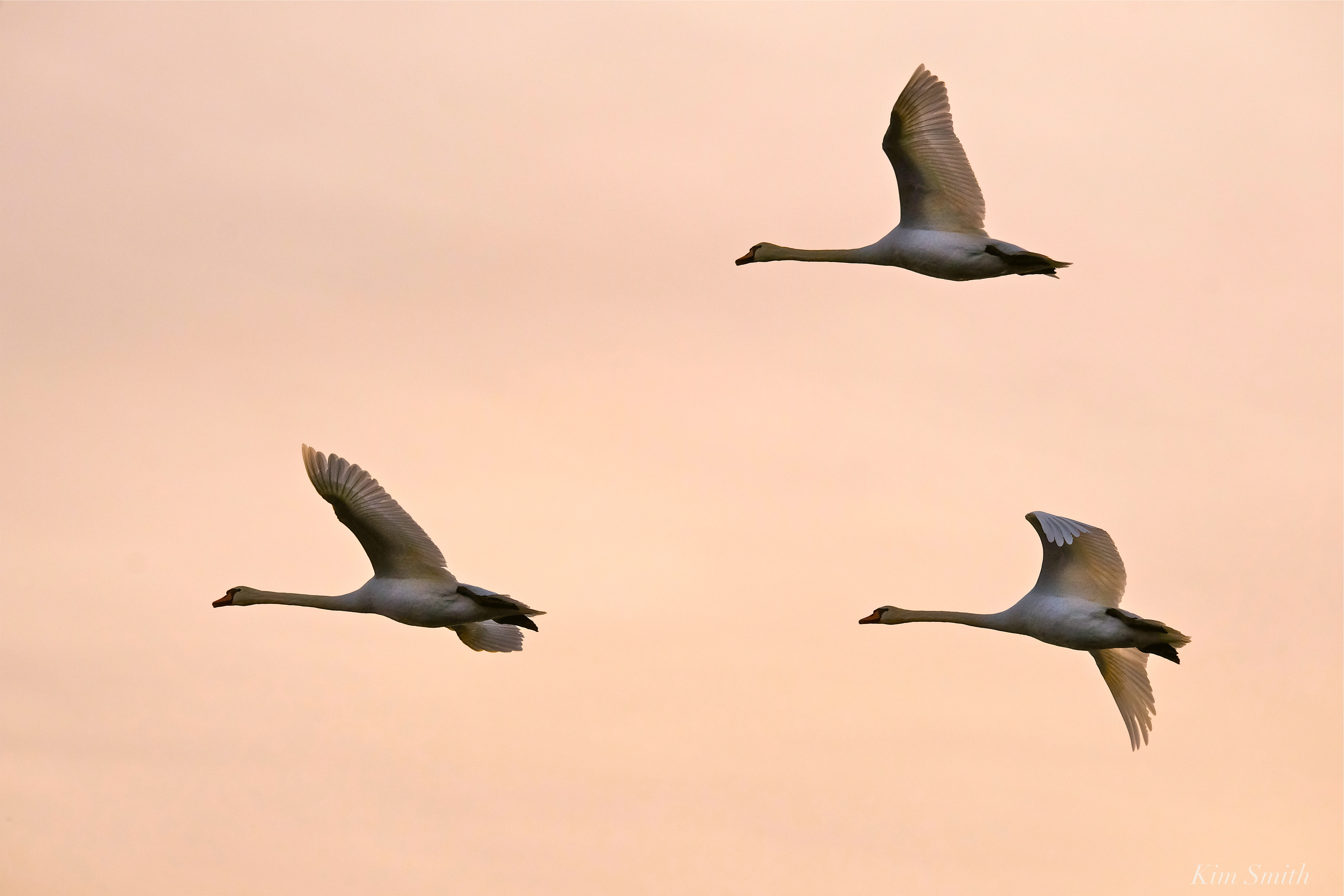
This morning I watched the four beautiful Mute Swans depart over Brace Rock, in a southerly direction. Will they return? Mute Swans migrate from body of water to body of water within a region. Perhaps they will return, or they could possibly have flown to a nearby location–further exploring our Island.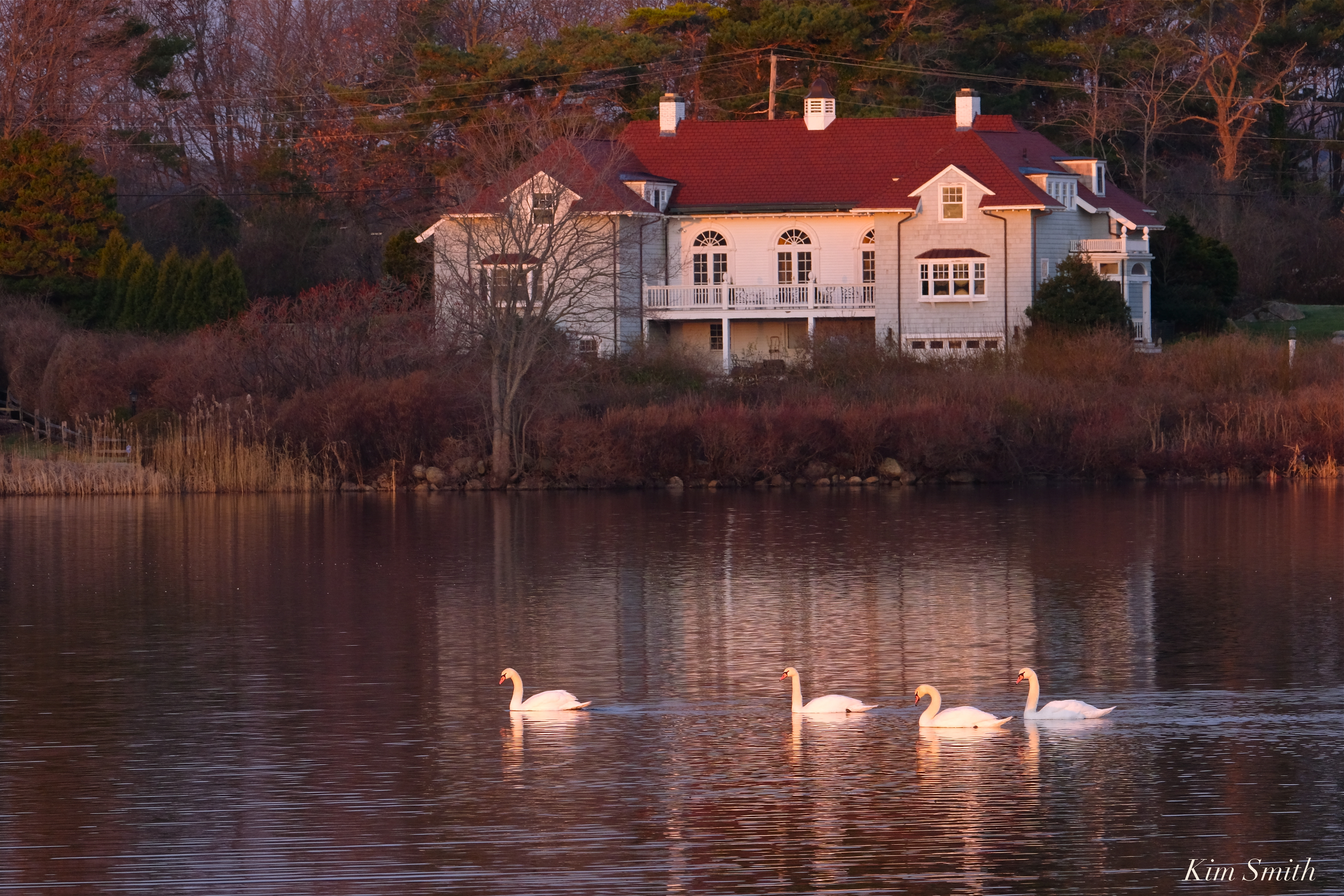
The four had not returned to Niles Pond by day’s end. If any of our readers sees a group of four Mute Swans, please write and let us know. Thank you so much!


Leaving Niles Pond this morning and flying over Brace Cove.

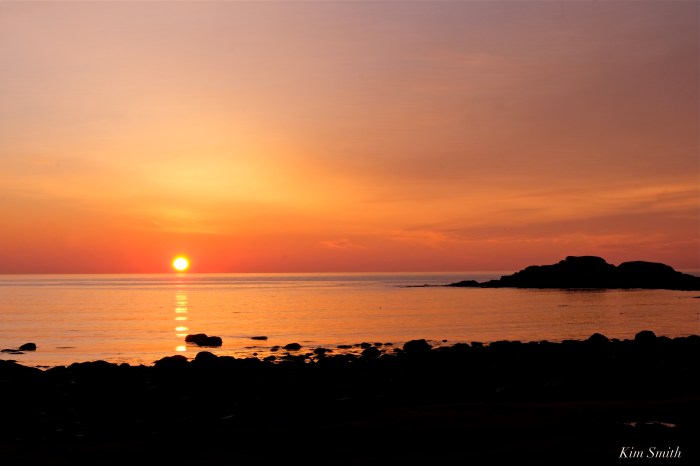
Happy Thanksgiving to all our Friends of the Blog!
Each and every day we are thankful for your interest, kind comments, and suggestions. I hope your Thanksgiving is filled with family, friends, and joy.
Today’s Brace Cove sunrise – My heart is filled with gratitude for this beautiful, beautiful island we call home and for the amazing and fascinating wild creatures that call our shores home.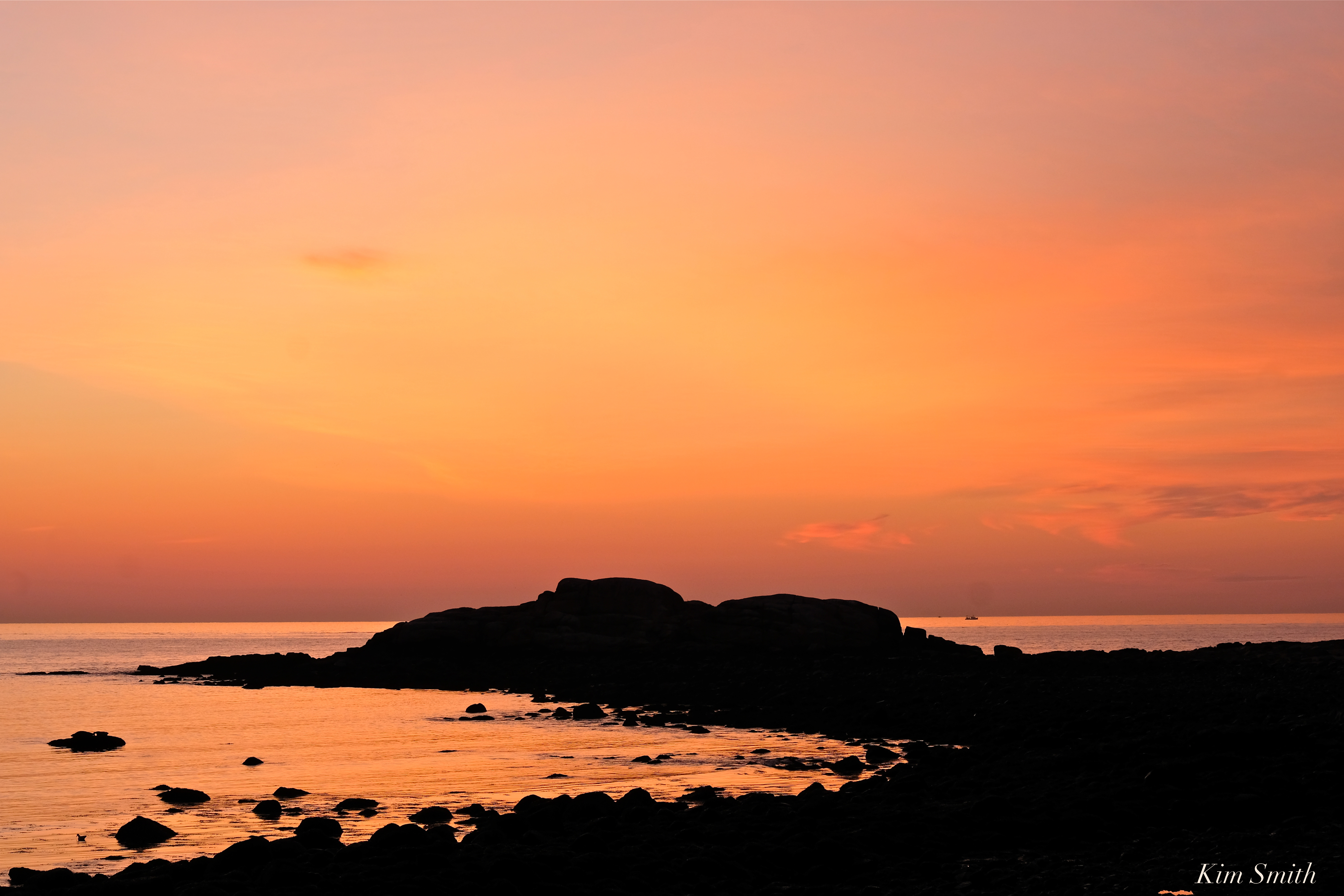
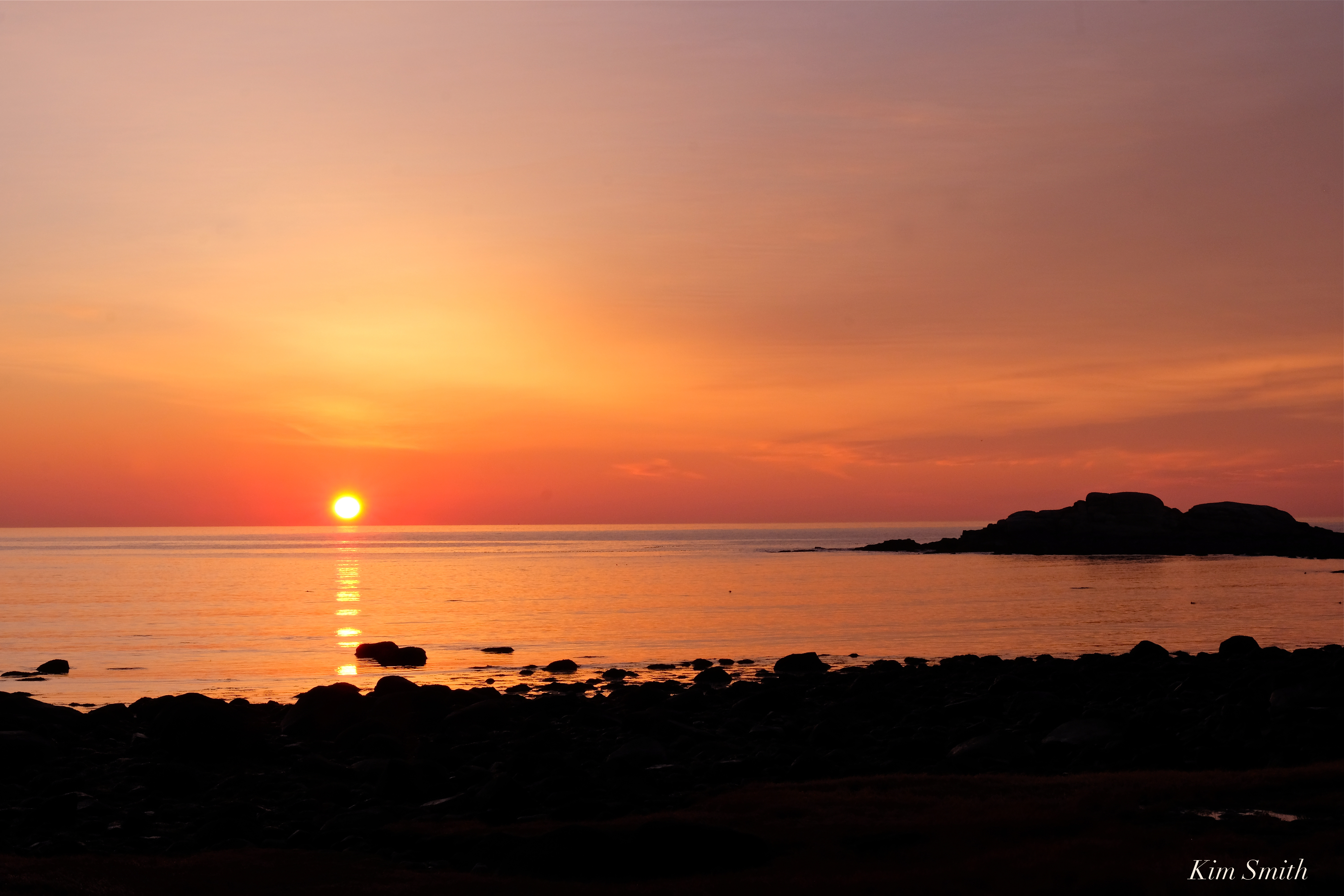
I think I speak for many in the community in that we are so especially grateful for the return of Swans!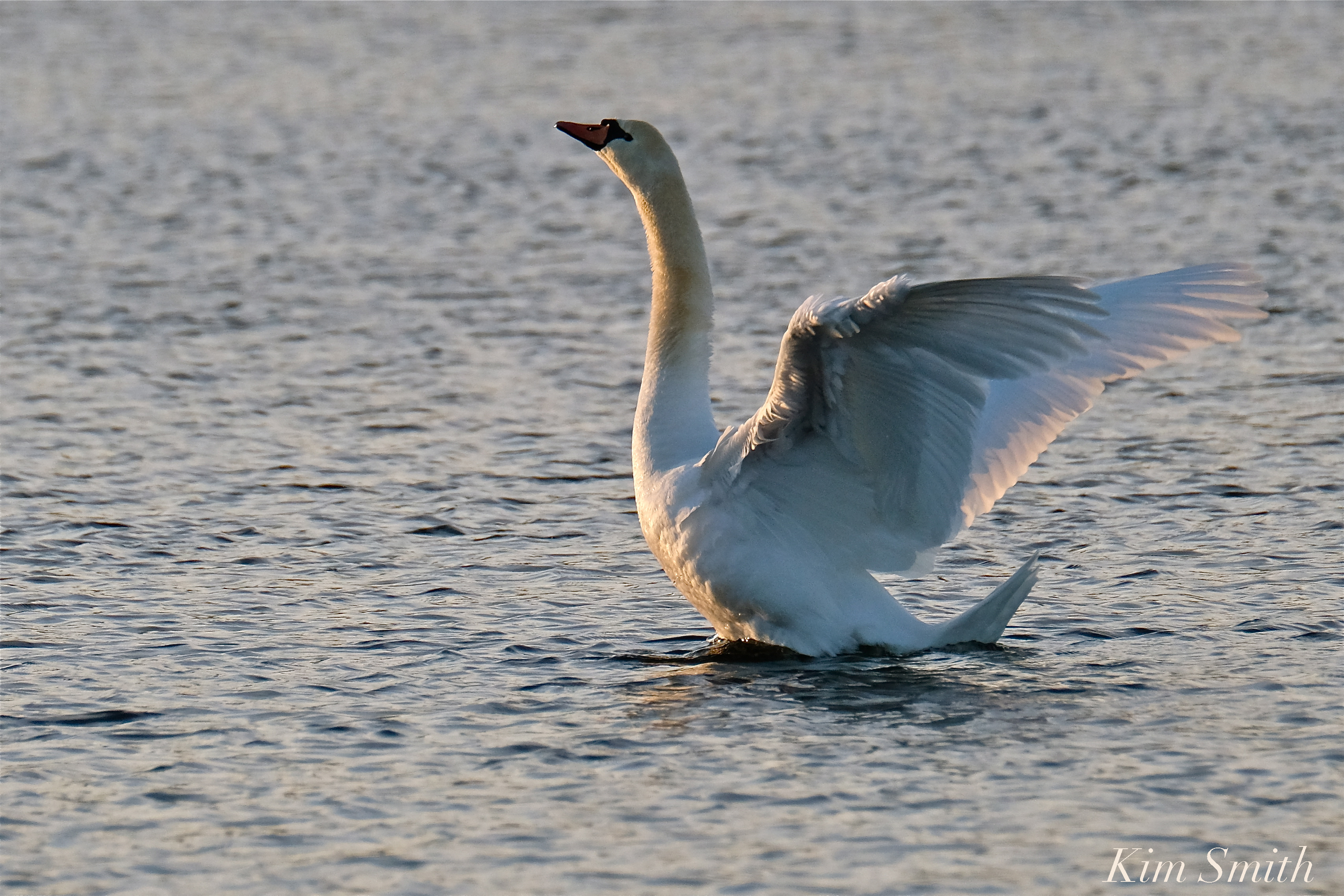

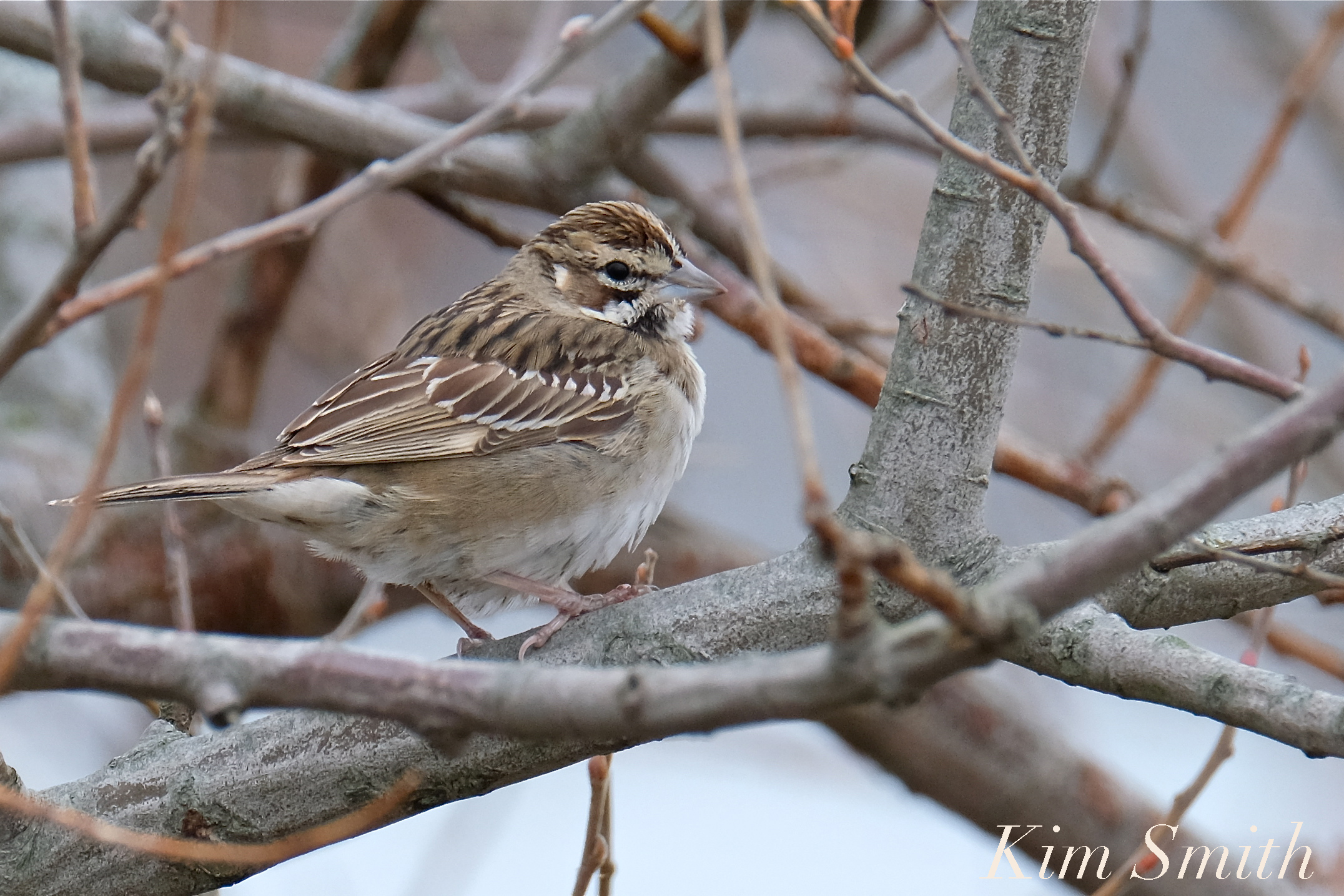
A very rare-for-these parts Lark Sparrow was spotted by numerous birders today and yesterday at Niles Pond. The beautiful little songster kept either close to the ground foraging on tiny seeds or well camouflaged in the crisscrossing branches of trees and shrubs.


Lark Sparrow Niles Pond Gloucester Massachusetts


Song Sparrows Gloucester and Ipswich
We mostly see Song Sparrows around Niles at this time of year. Compare in the above photos how plain the breast of the Lark Sparrow is to that of the heavily streaked Song Sparrow’s underparts. I write rare-for-these-parts because the Lark Sparrow is entirely out of its range as you can see in the first attached map below.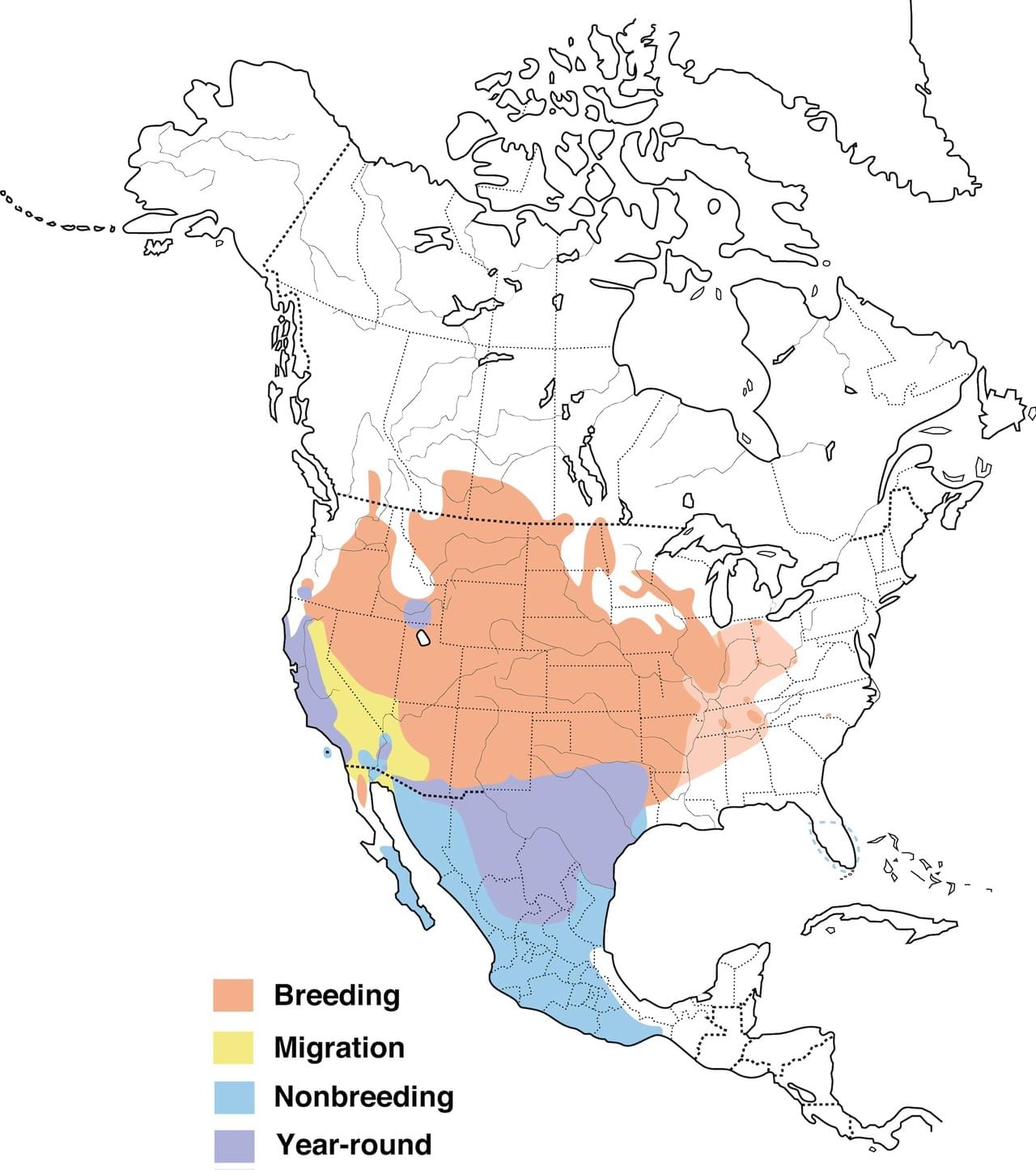
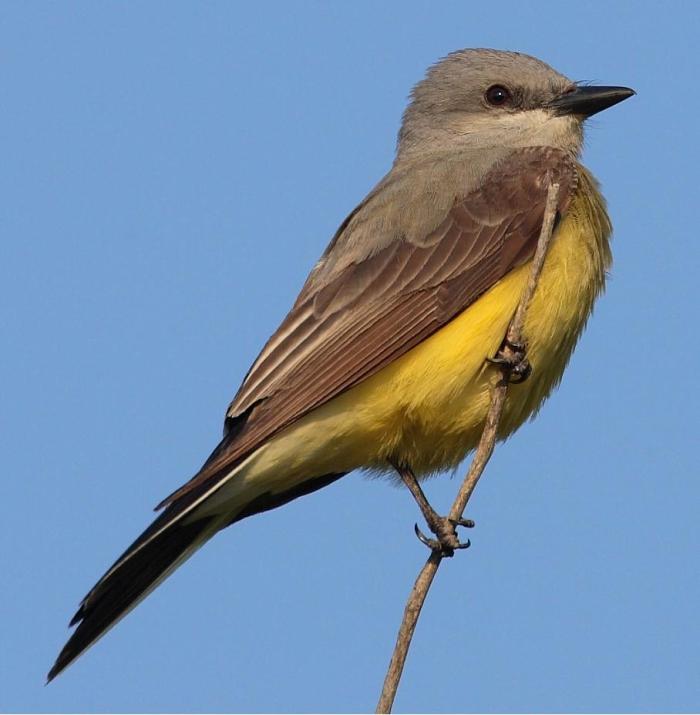
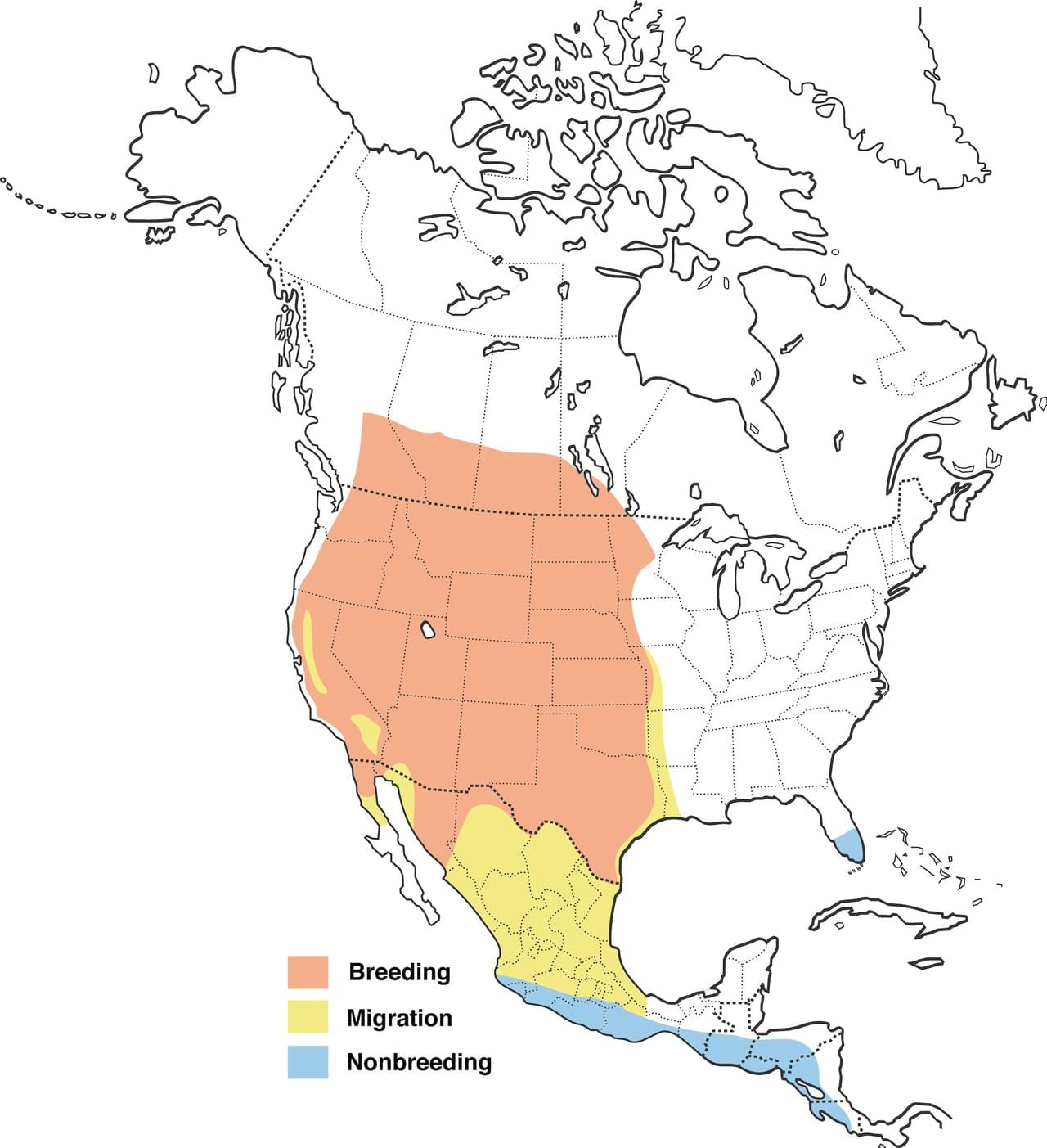
A second rare bird has been spotted on Eastern Point, a Western Kingbird. It was a rough day for photographing, too overcast, so here is a photo from wikicommons media so that if you are around the Point, you will know what to look for. The Western Kingbird is also far outside its range.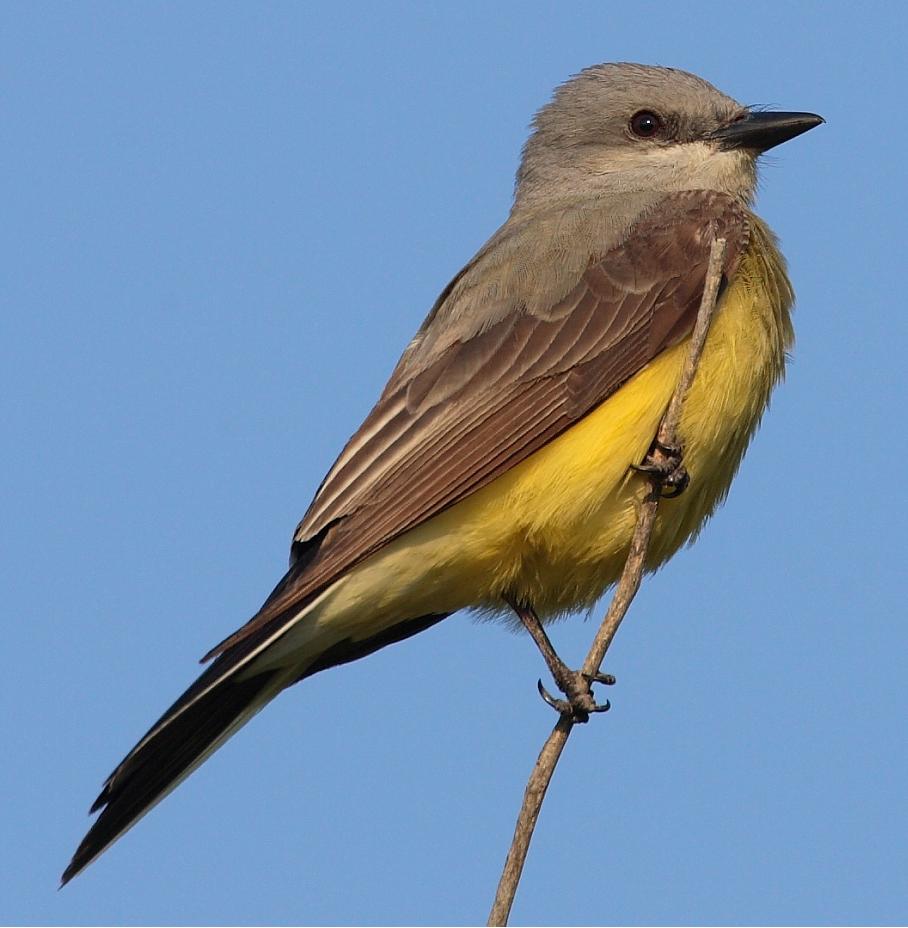

Beautiful swans at Niles Pond, all four had their heads eating.
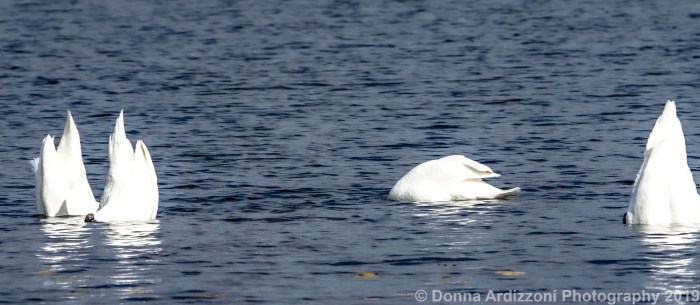

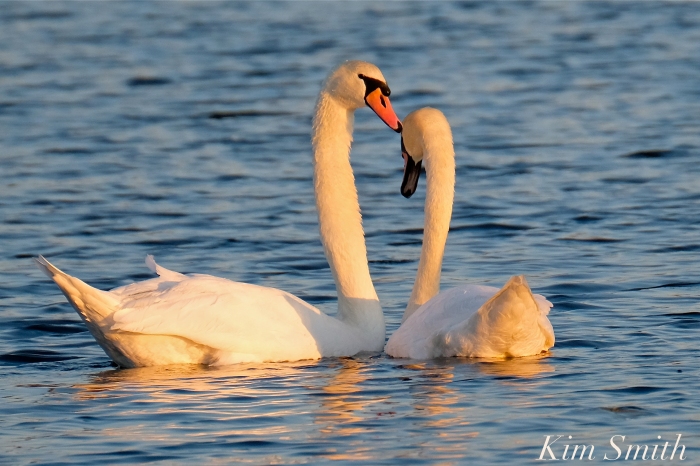
The flock of Mute Swans that arrived just about two weeks ago at Niles Pond is settling in. They are finding plenty to eat and spend their days foraging at pond vegetation, preening, napping, and occasionally stretching their wings for a flight around the pond.
Mute Swans migrate from body of water to body of water within a region. Will they stay in our area or is Niles Pond only a temporary home? When Niles Pond, and all other freshwater ponds and waterways freeze this winter, they will have to move to saltwater coves and harbors.
The absence of Mr. Swan has allowed this small flock to live peaceably at Niles Pond. Mr. Swan and his previous mates spent the winters at Rockport and Gloucester Harbors. Perhaps our Niles Pond flock will do the same. We can tell by the lack of gray in their feathers that they are at least two years old, which means they have managed to survive at least one winter in our region. That is no small feat!


Romance is in the air with these two!


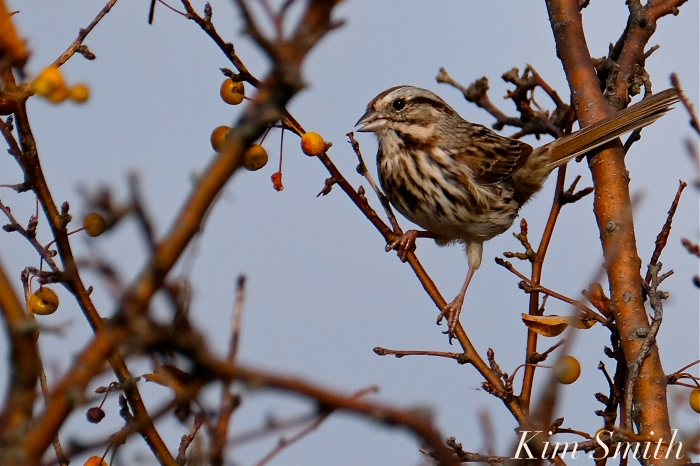
The melodious notes of the Song Sparrow are heard from sunup ’til sundown, spring, summer, and fall. Their beautiful song is most welcome, especially at this time of year when there are fewer songbirds on our shores and many that remain through the winter months don’t sing during the non-breeding season.
Song Sparrows have adapted to a wide variety of habitats. Despite the narrowness of the strip of land that separates freshwater Niles Pond from salty Brace Cove, Song Sparrows find plenty to forage on and excellent cover in the shrubby undergrowth found there.
Follow this link to hear the Song Sparrow’s song


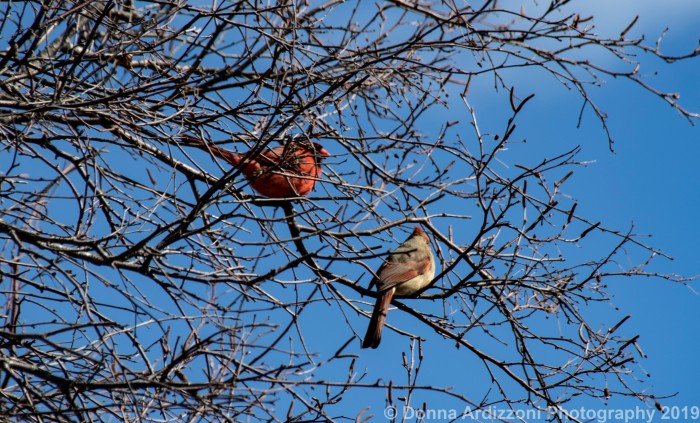
Female and Male Cardinal hanging on of my favorite trees at Niles Pond.
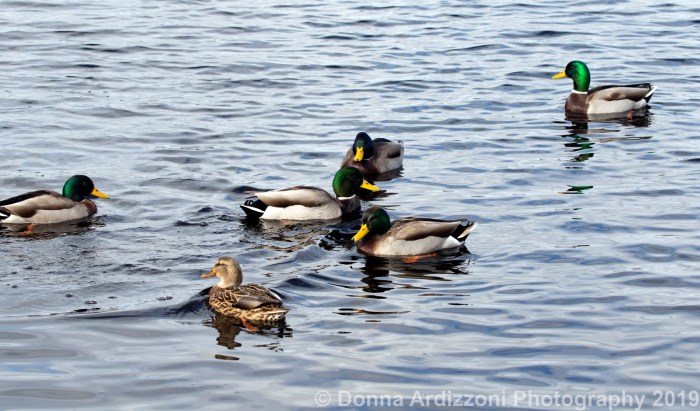
Male and Female ducks swimming around at Niles Pond.


 Niles Pond Daybreak

 Love my days with our sweet Charlotte

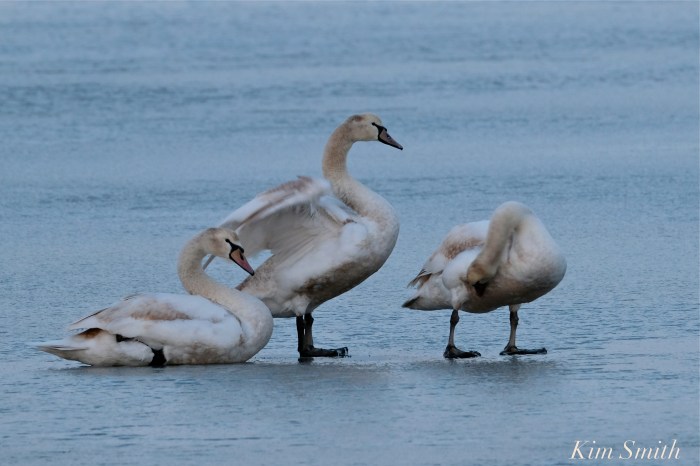
Three Young Graces Update No. 3
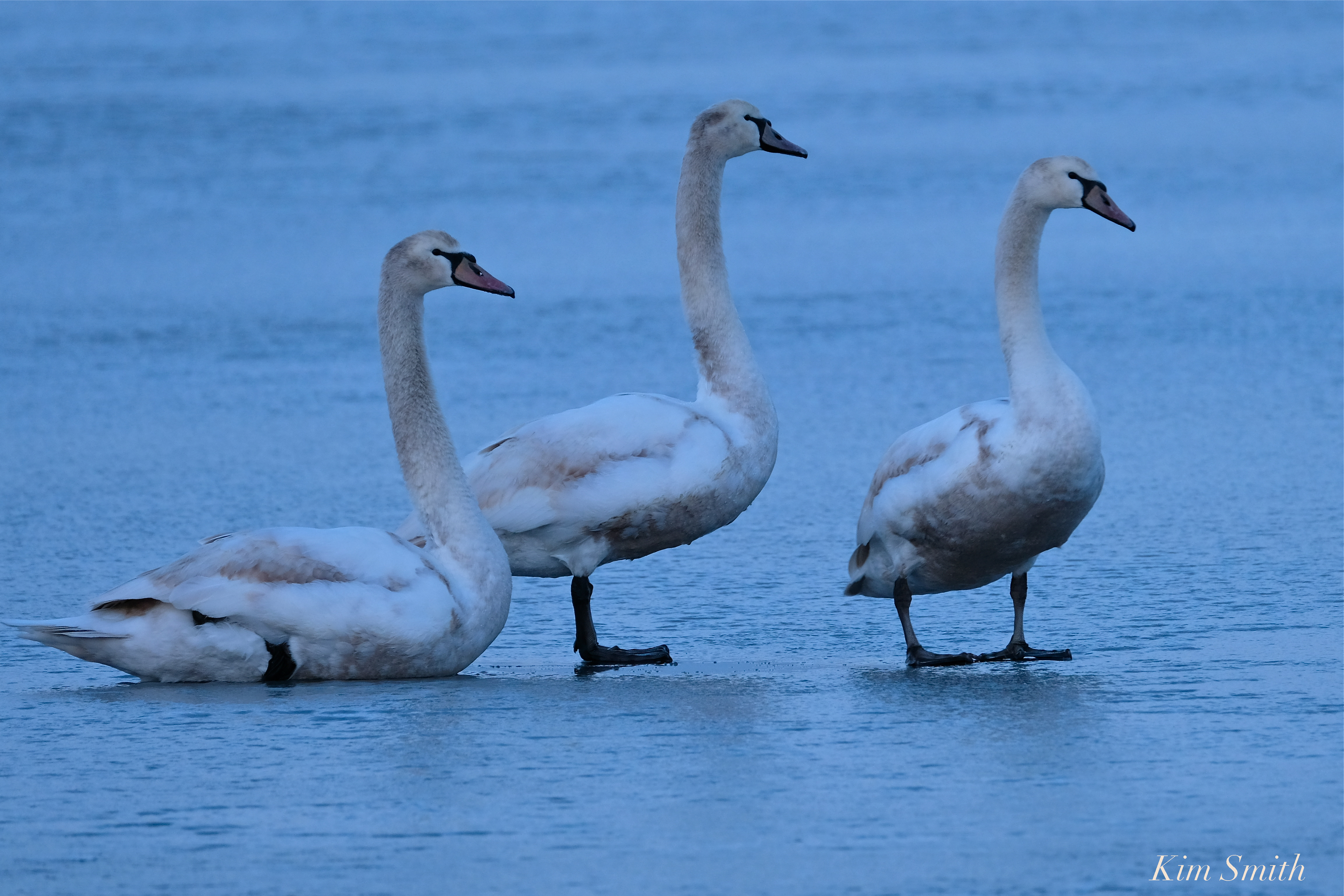
Although Niles Pond had refroze, I wasn’t expecting to see the young swans, especially after sunset. But there they were, all three, sitting in the near dark on the ice.
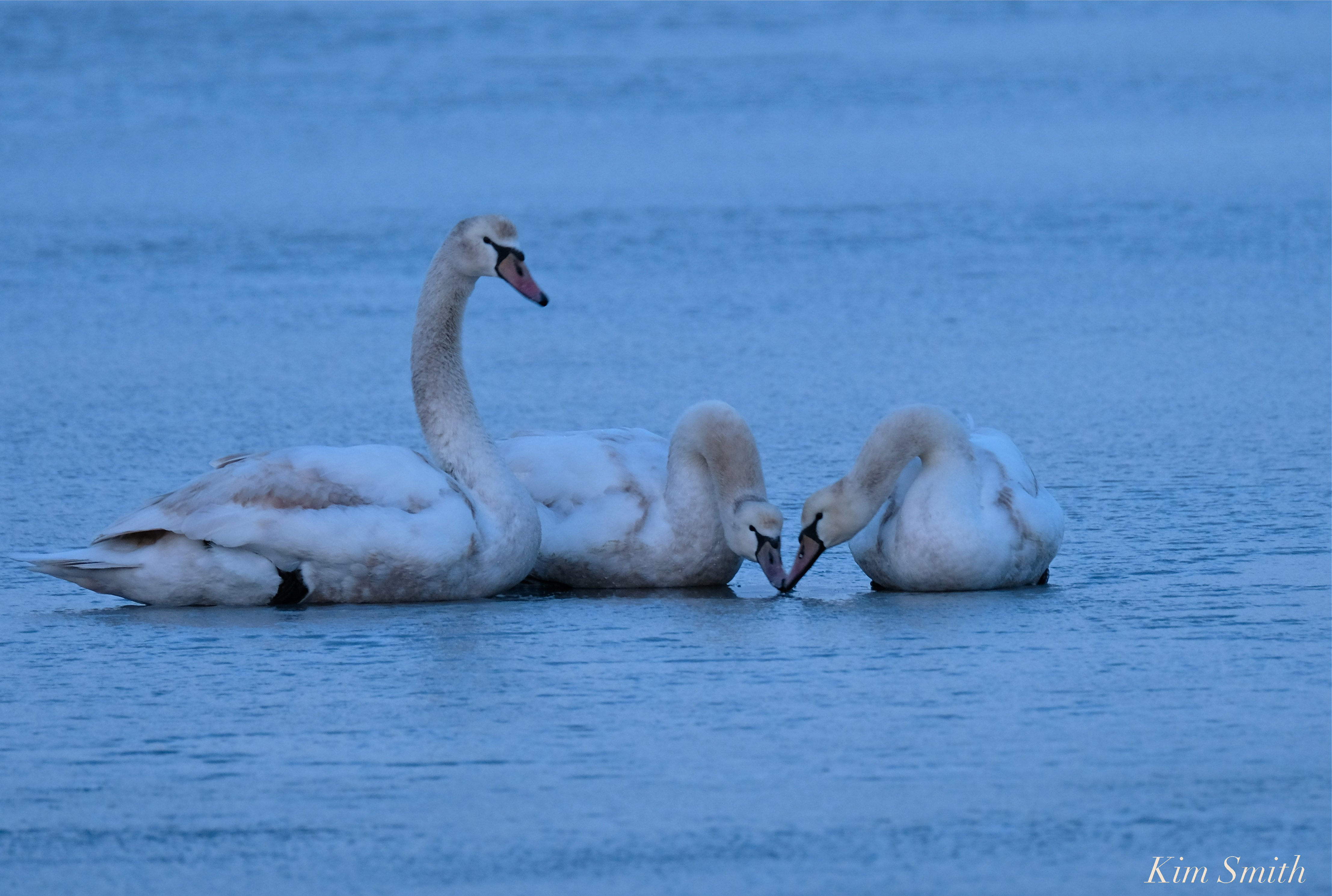
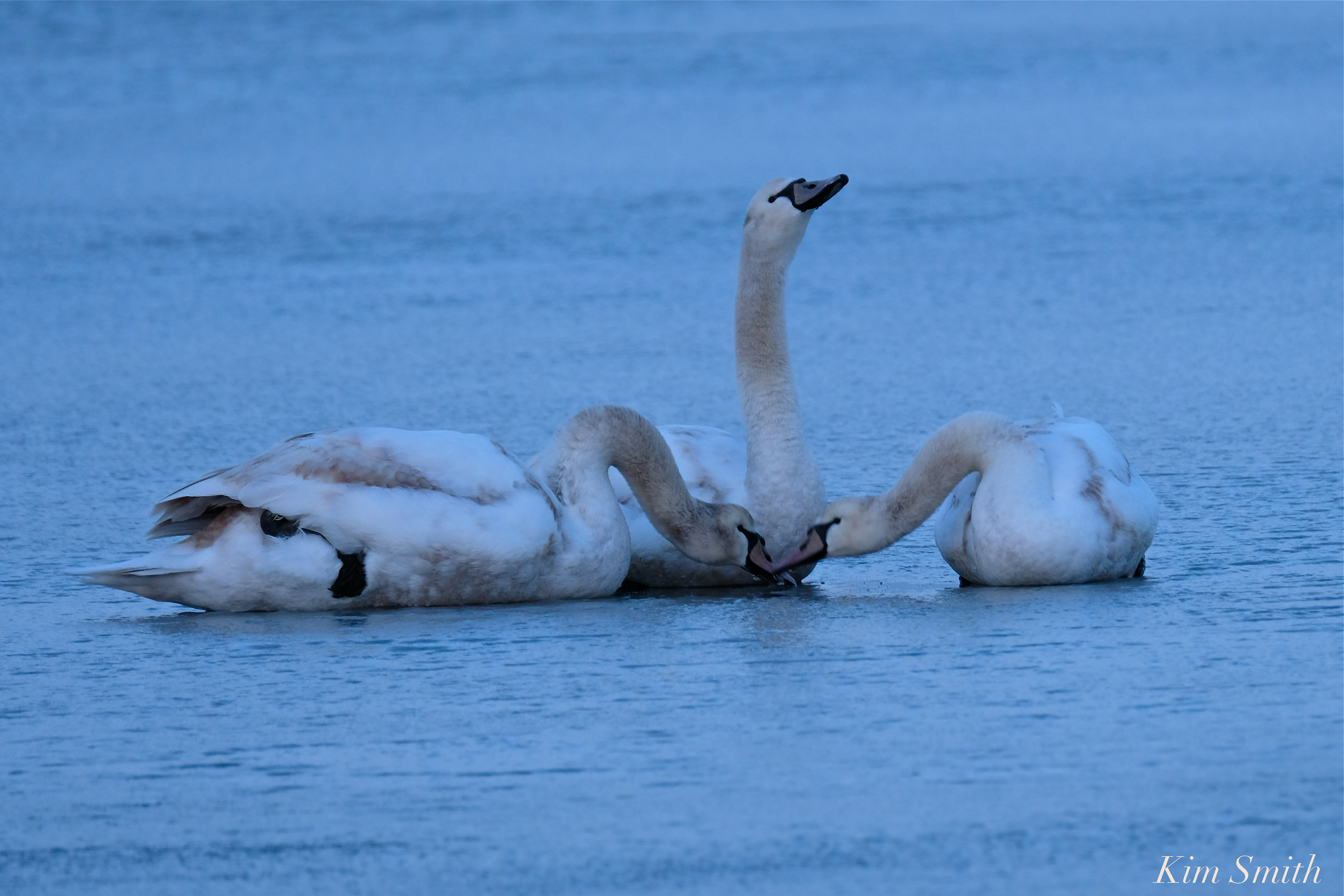
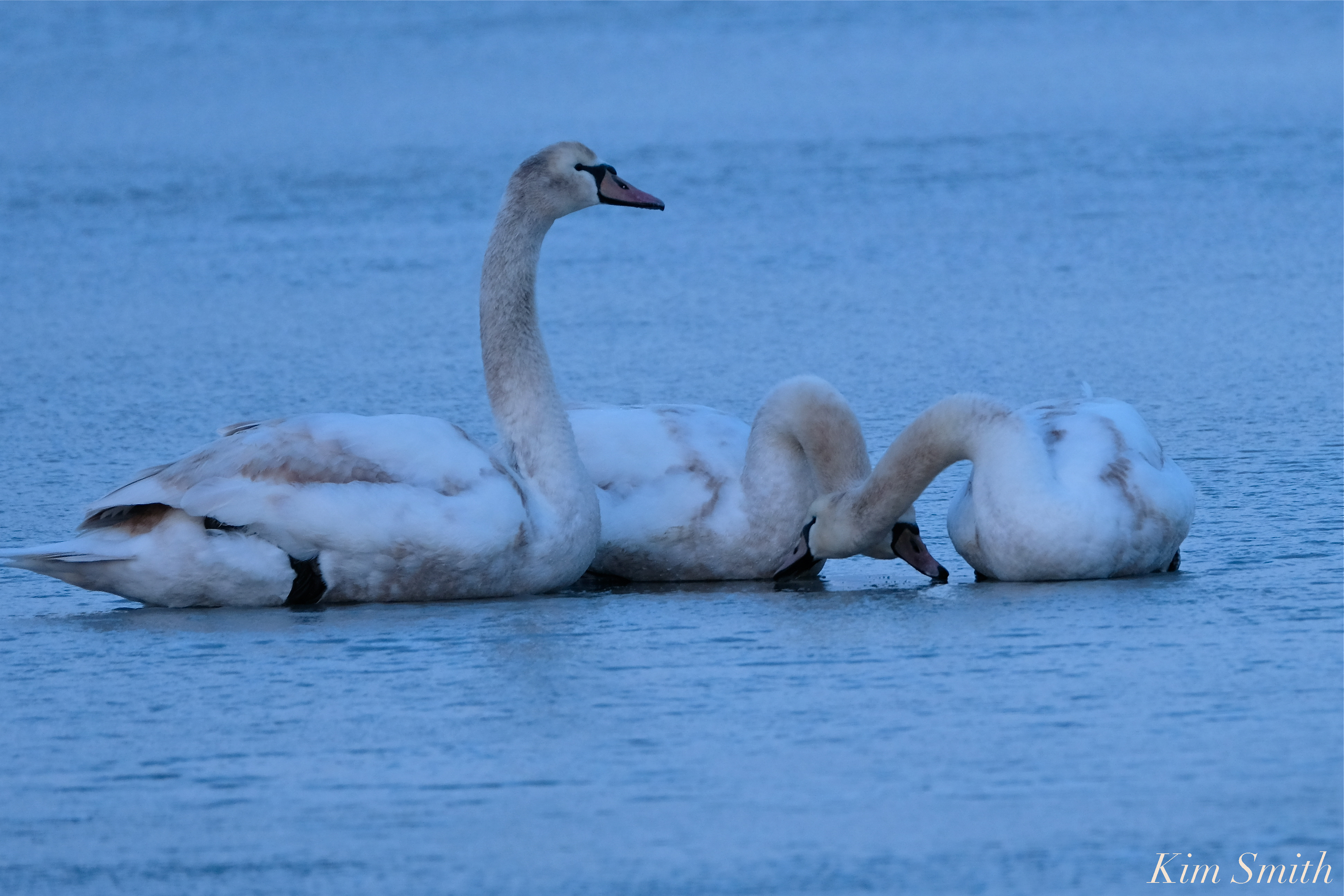
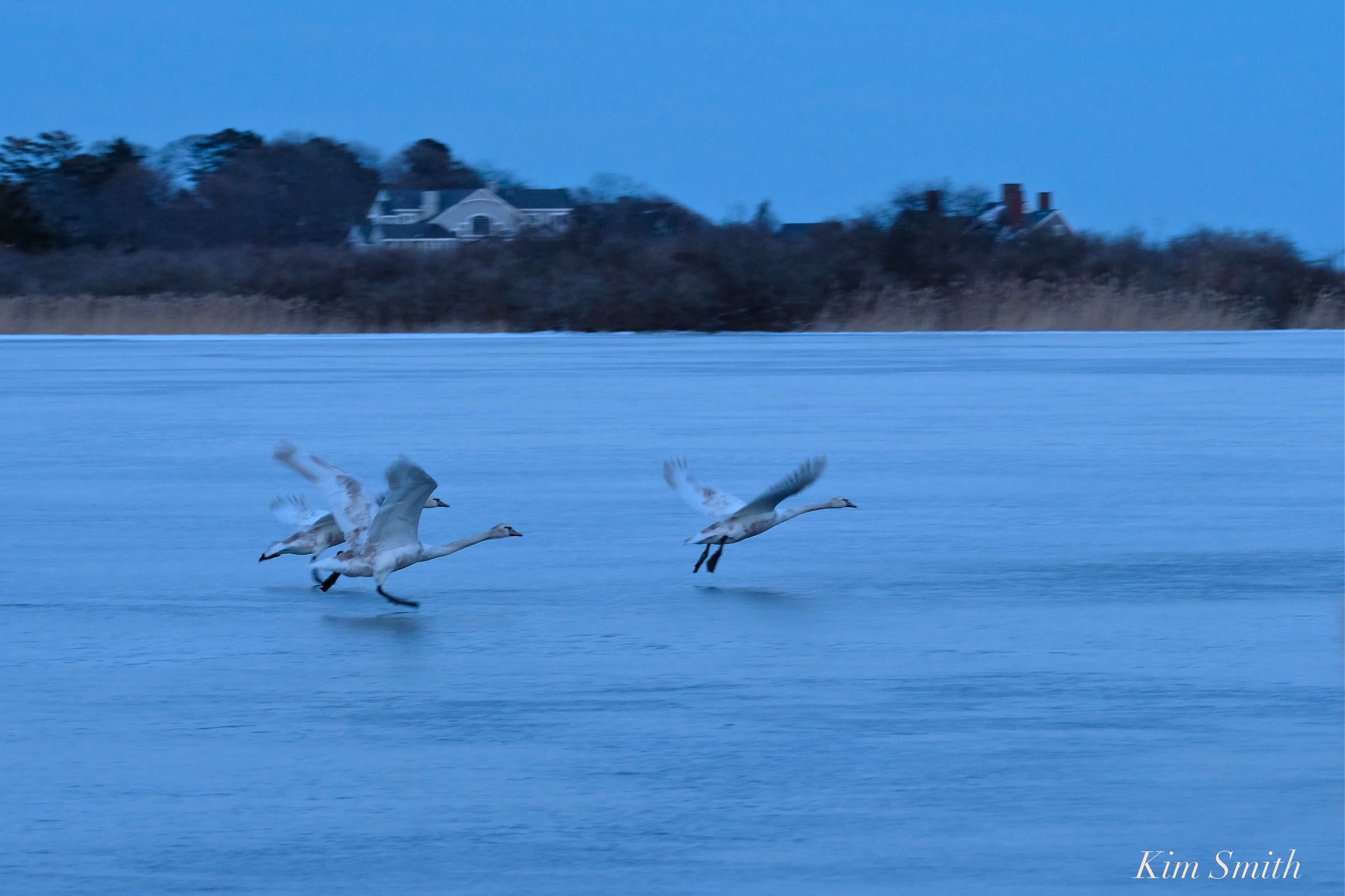
They were taking turns drinking fresh water from a small opening in the ice. I watched for a moment when suddenly all three stood. In unison, they took a running start across the ice and were quickly airborne, flying in a northwest direction.
Where had they been and where were they flying to when nearly dark?


Three Young Graces Update No. 2
Niles Pond thawed, and so too was the knowledge that Mr. Swan would return. He is the bird-ruler of Cape Ann’s waterways, from Gloucester Harbor to Rockport Harbor, and vigilantly patrols all our local ponds and inlets. Mr. Swan does not take kindly to other swans in his territory.
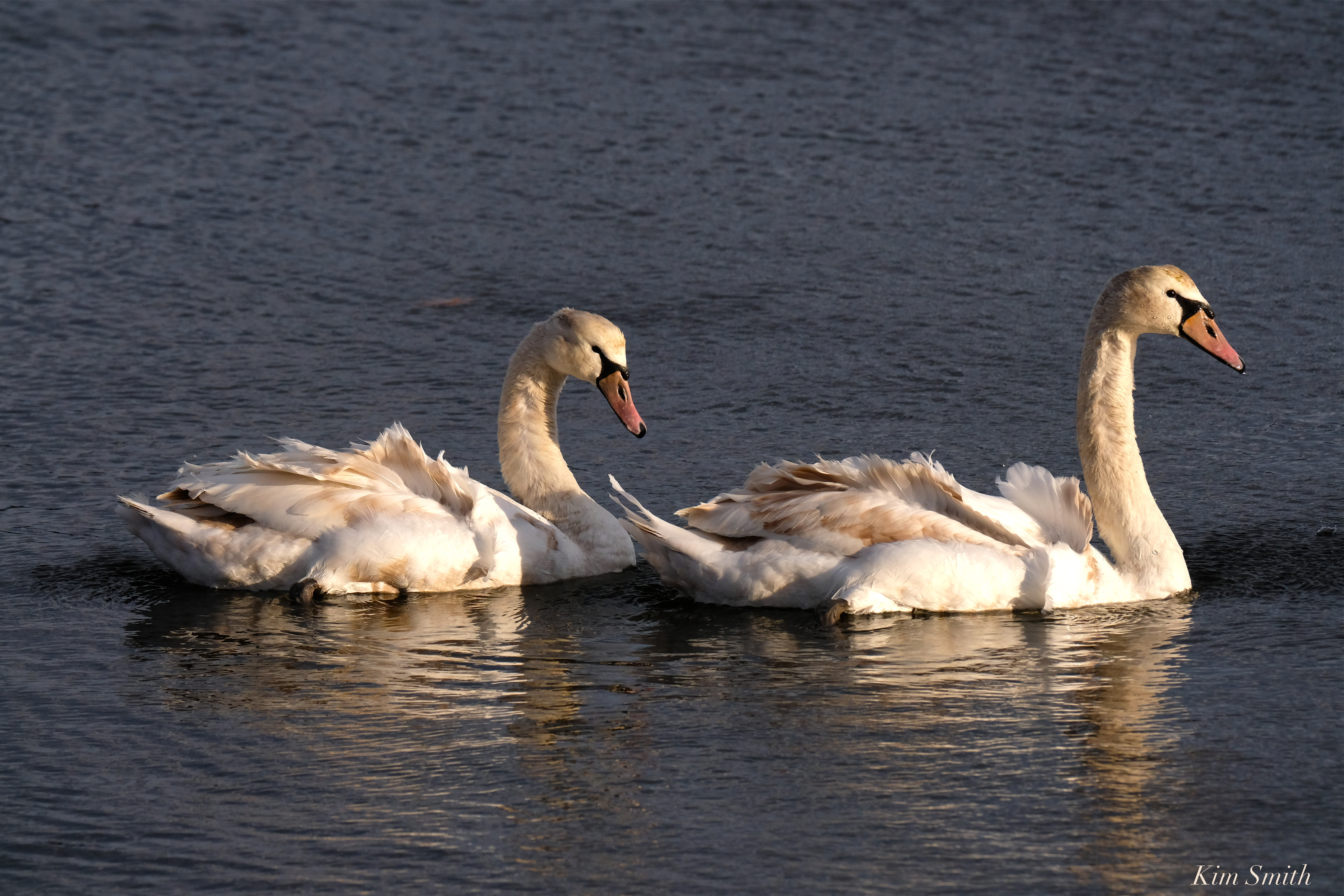
I checked in on the Three Graces at day’s end, and they were contentedly preening after a full day of eating.
 Swanference
The following morning I returned and there was Mr. Swan, but no young swans. Although I did not see a battle take place, Mr. Swan’s behavior can only be described as victorious. Swans do a thing called busking when they want to appear big and bad and that is exactly what he was doing. Swimming with vigor and much greater speed than usual, he was patrolling one end of the pond to the other, with his feathers all busked out. It’s a swan’s way, and his territorial behavior is in part what has contributed to his longevity. Mr. Swan is more than thirty years old. I do so hope no one was injured, though.
 Feathered Fury, Feathered Glory – Mr. Swan Busking
Perhaps the pond will freeze again, Mr. Swan will head back to Rockport Harbor, and we’ll see the Three Graces at Niles Pond once more.
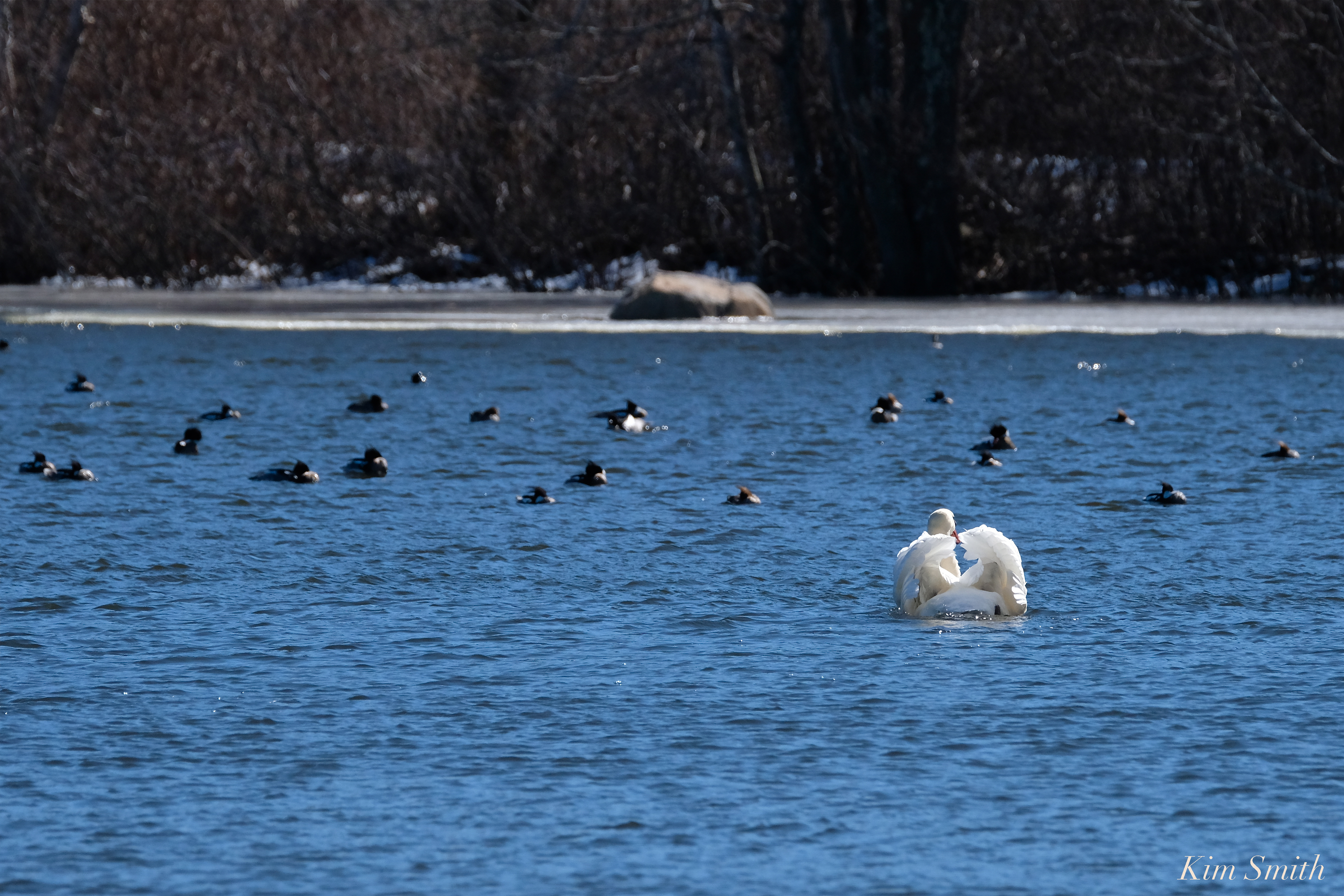
Busking full speed ahead to the other side of the pond to see if the three young ones are hiding, and then taking a break after what must have been a demanding morning.
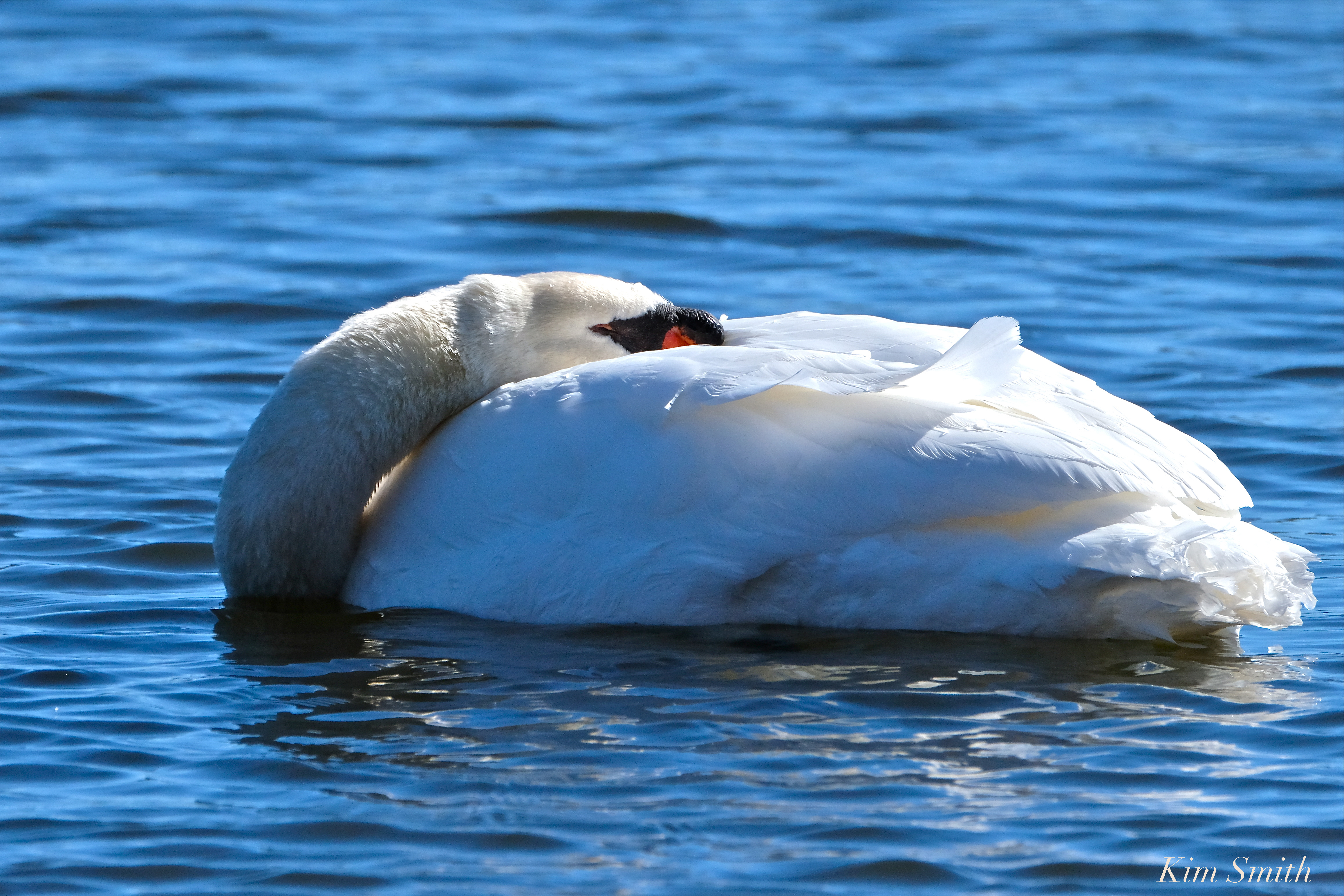

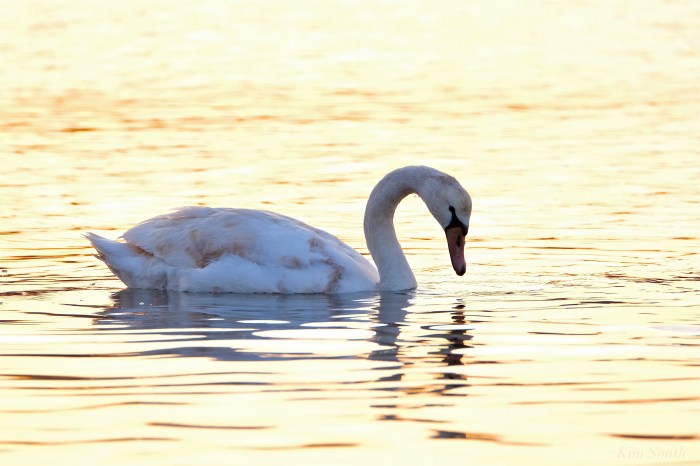
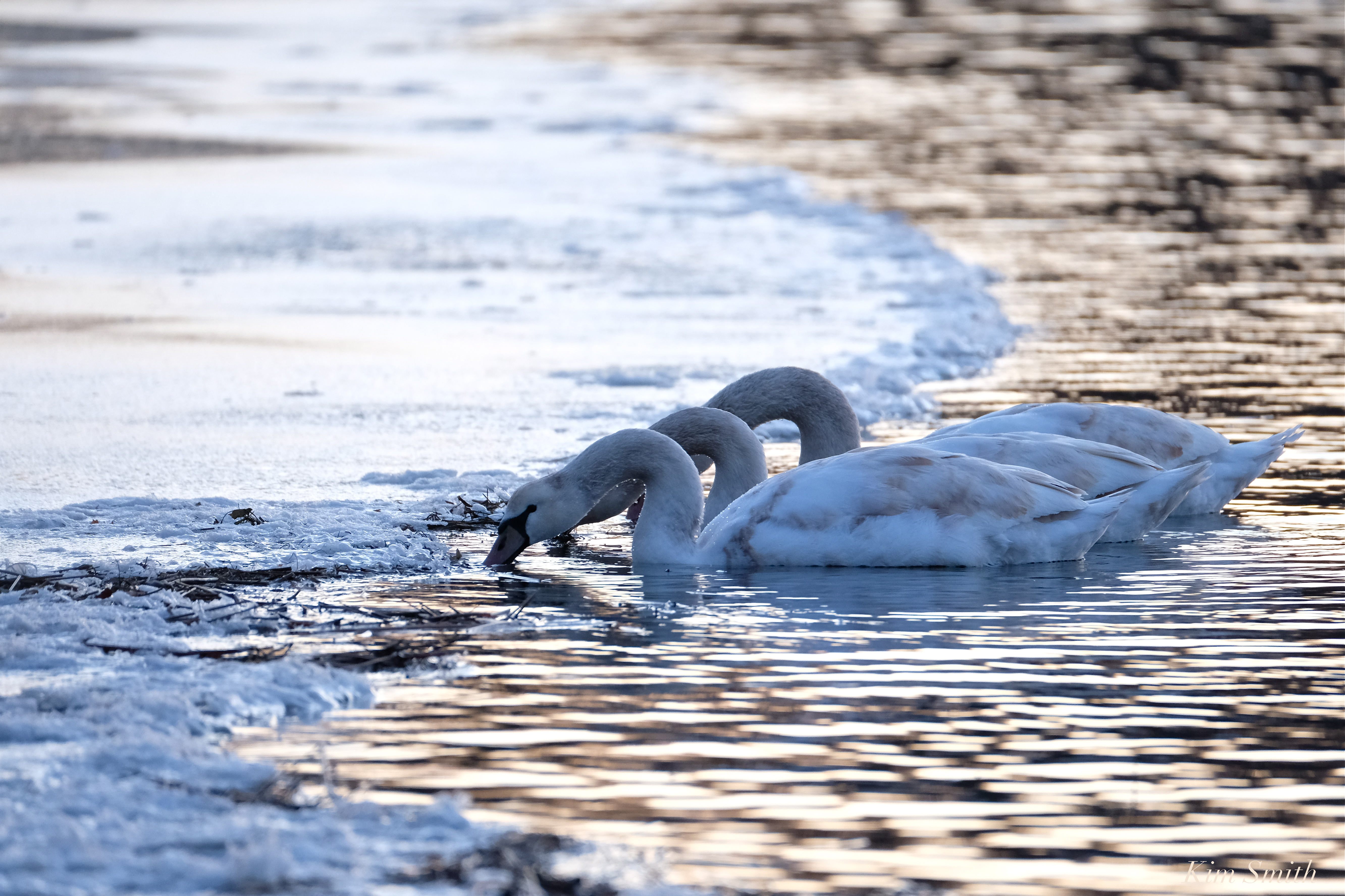
I’ve been calling the three young swans that arrived at Niles the Three Graces, but my husband reminds that they could also be the Three Amigos. It’s nearly impossible to tell whether a young swan is male or female without a DNA test. When they reach breeding age, at about four years old, the male’s blackberry (black protuberance above the bill) becomes swollen during mating season.
Our young swans are first hatch year, meaning this is their first year of life. They hatched last spring. Late winter is the time of year when Dad swan kicks the young swans out of the family group, to make room for the next brood.
The swans forage nearly nonstop at the pond vegetation. They don’t mind at all the dabbling ducks that feed adjacent to them. The ducks are stealing away smaller bits of vegetation left behind by the deeply diving swans. Periodically the youngsters pause to preen, but then hungrily resume eating.


Scenes from Niles Pond and Brace Cove while checking in on the Three Graces
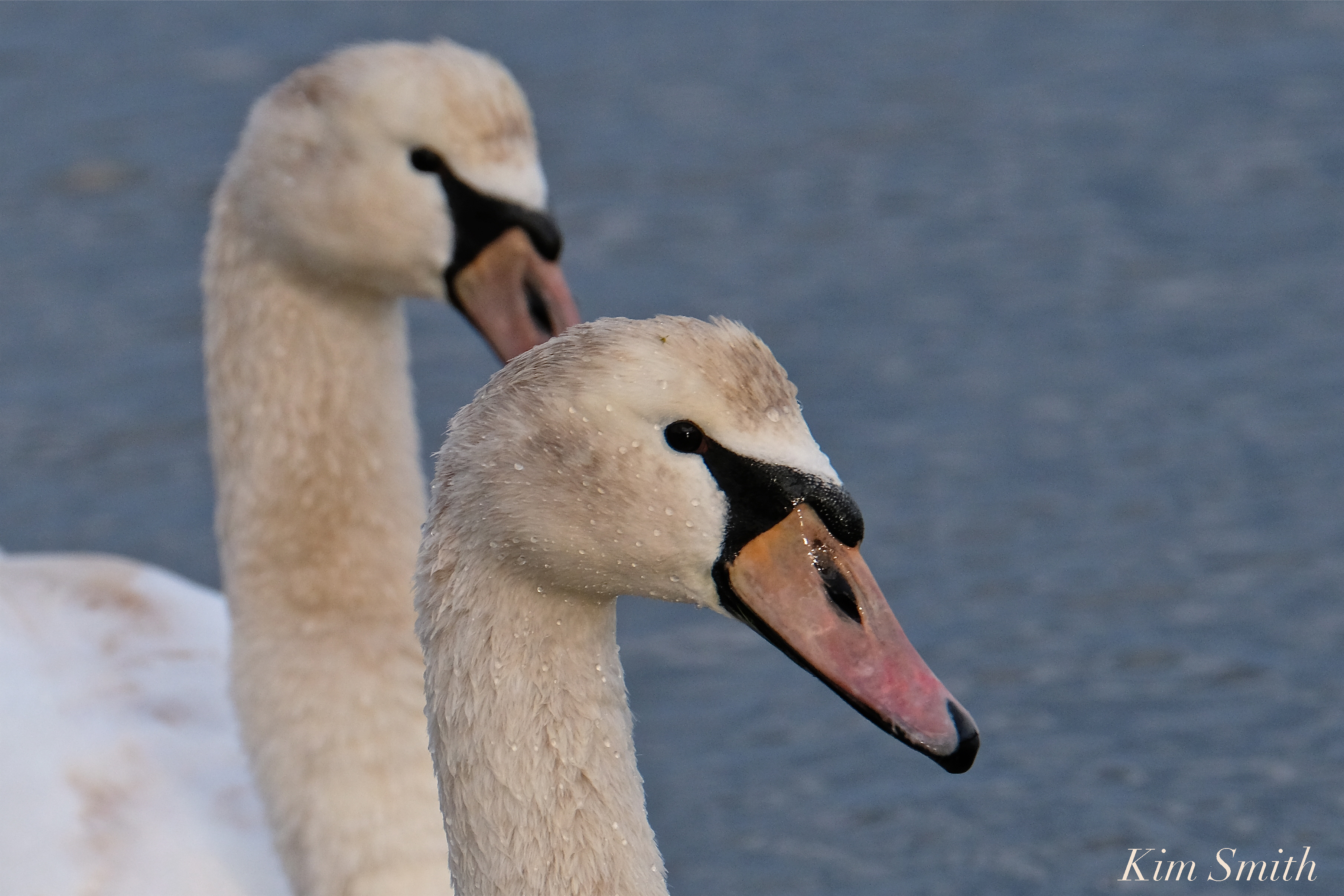
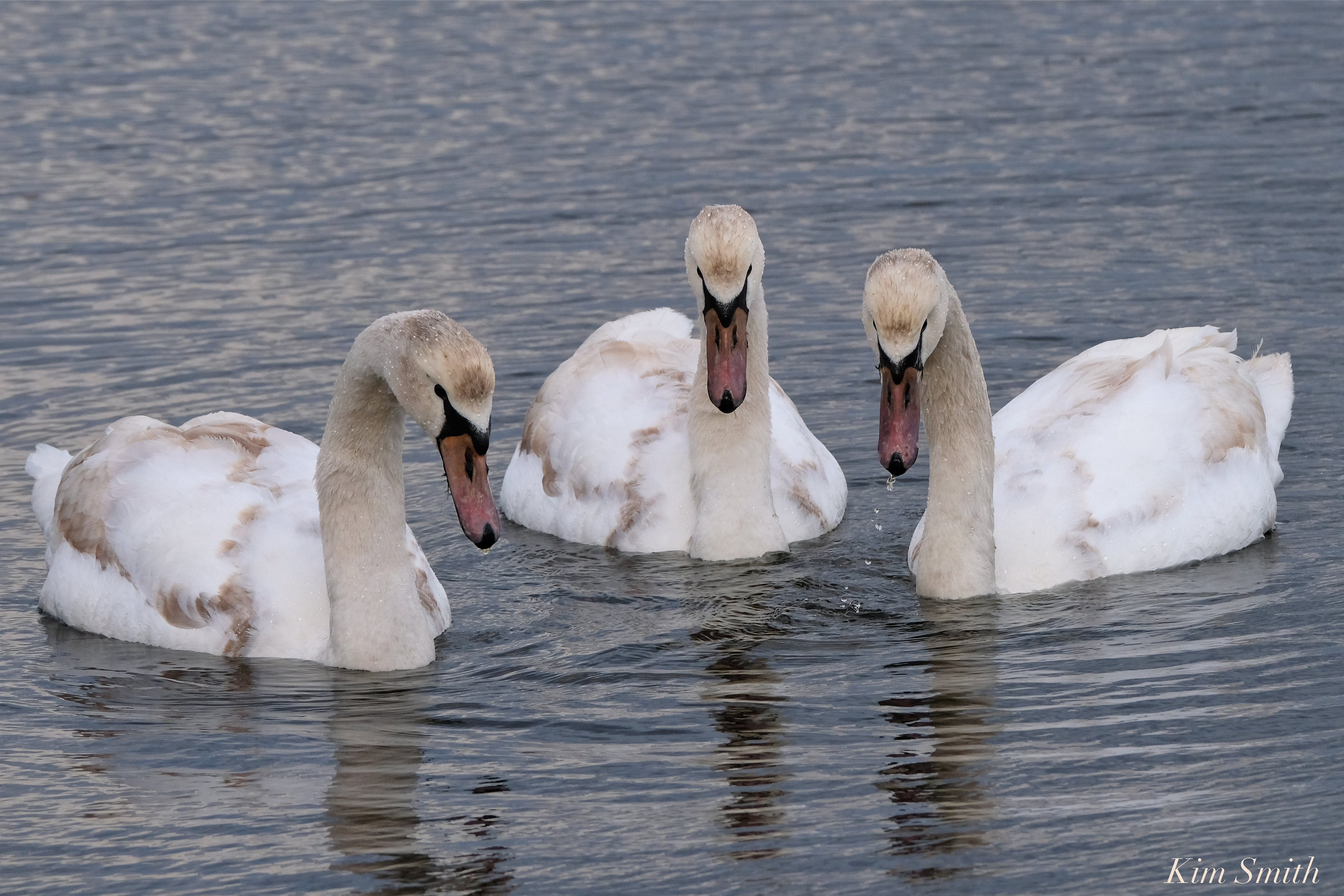
Notice the young swans are all have black eyes. This is typical for swans in our area. Mr. Swan, on the other hand, has beautifully distinct blue eyes.



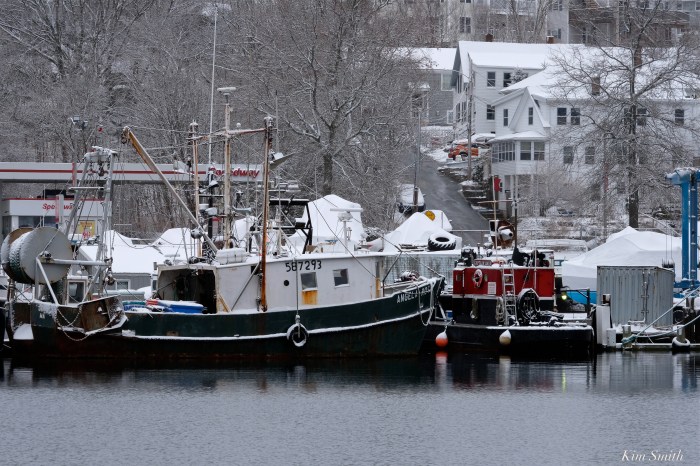
The prettiest kind of snowy day, not too cold, with swirly fluffy flakes.


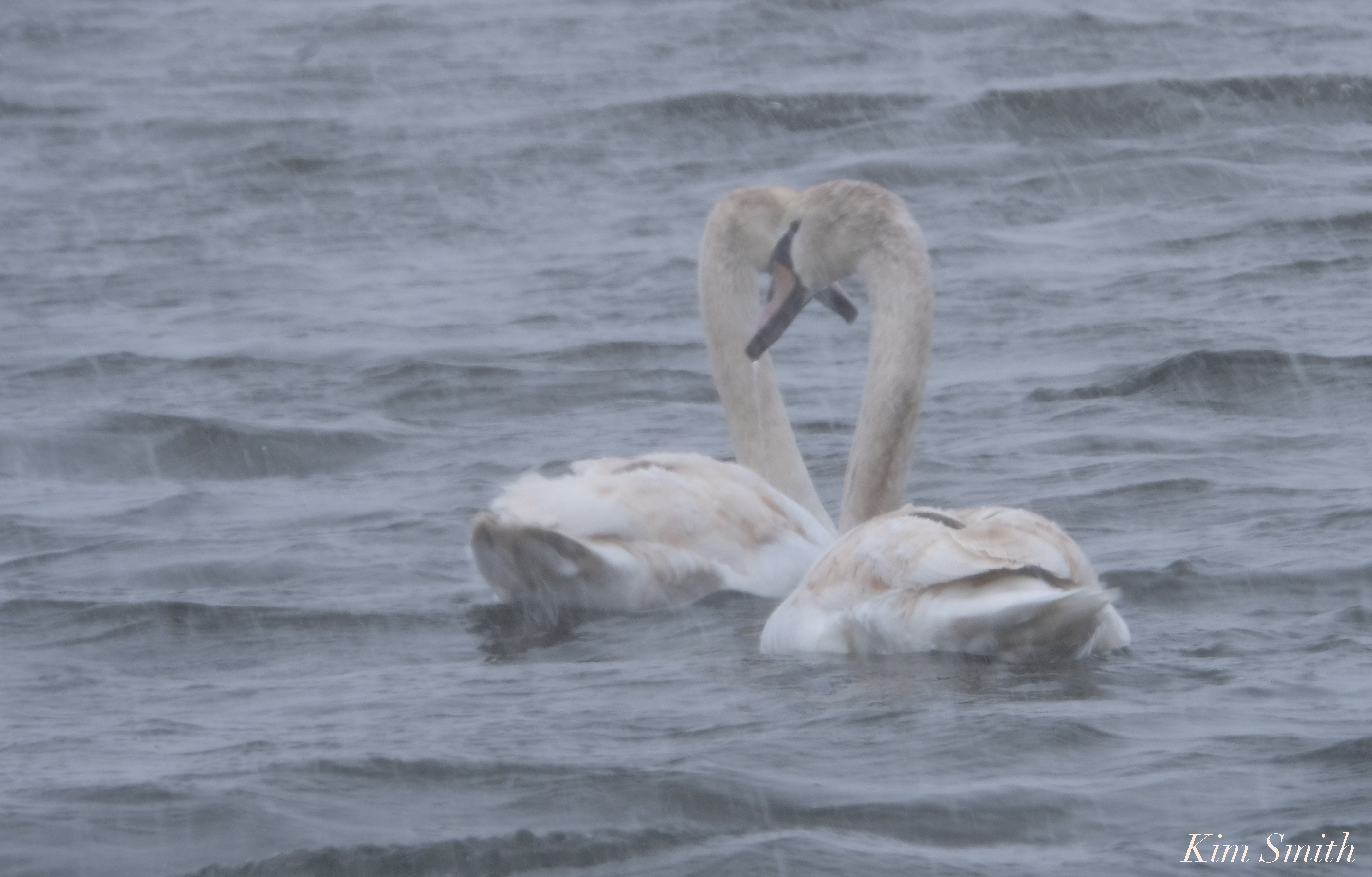

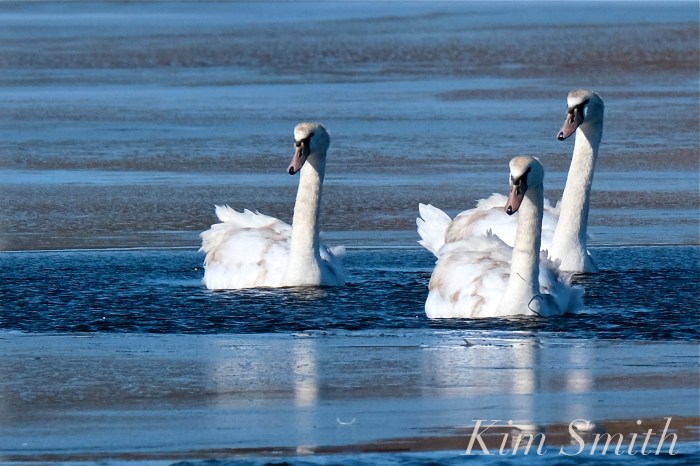
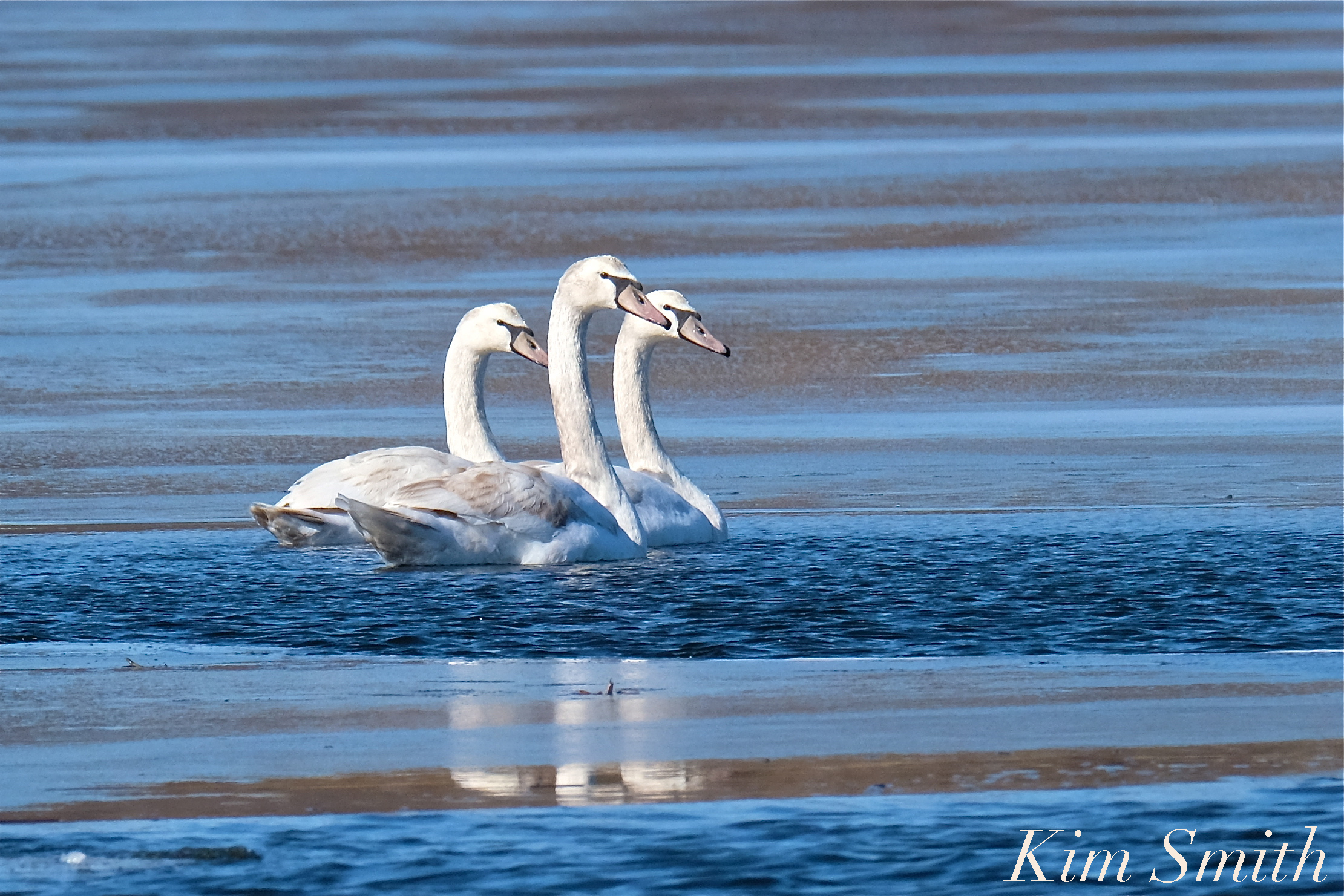
A beautiful trio of young Mute Swans spent the day at Niles Pond foraging on pond vegetation and enjoying fresh water. When the fresh water ponds thaw, we see our local swans take a break from their salty harbor refuges. The Three Graces spent the entire day eating nearly nonstop, which suggests they are very hungry.
I believe the three young swans are not quite one year old. Their bills are pale, and brown first-molt feathers mix with incoming white feathers. It’s their first winter so if you see the young swans, please be kind.
Mr. Swan, too, has been enjoying the fresh water at Henry’s Pond. He’s so territorial that I hope he stays over in Rockport for a bit so the Three Graces can fortify at Niles.
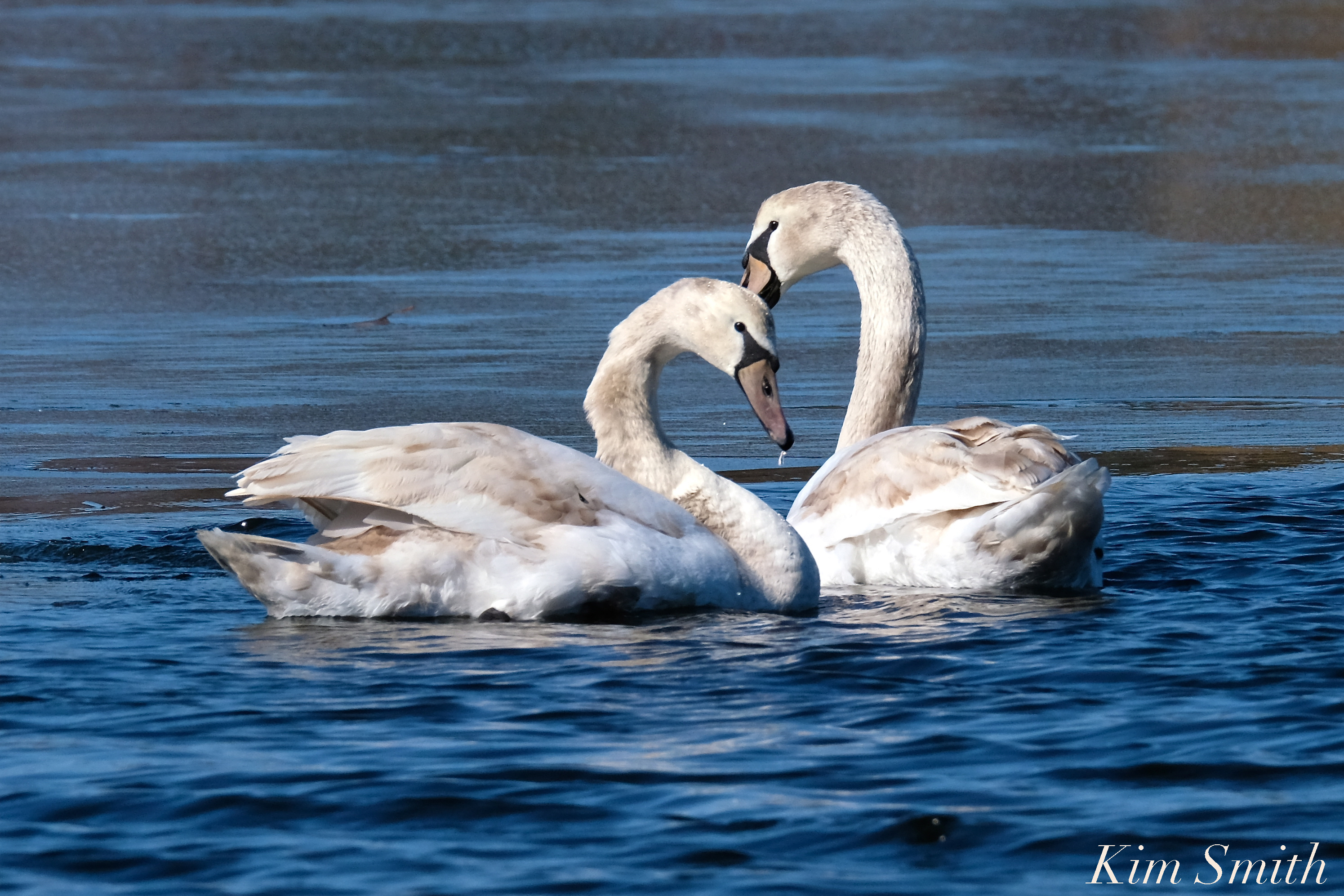


Mr. Swan thawing at Henry’s Pond

 Good Morning Gloucester