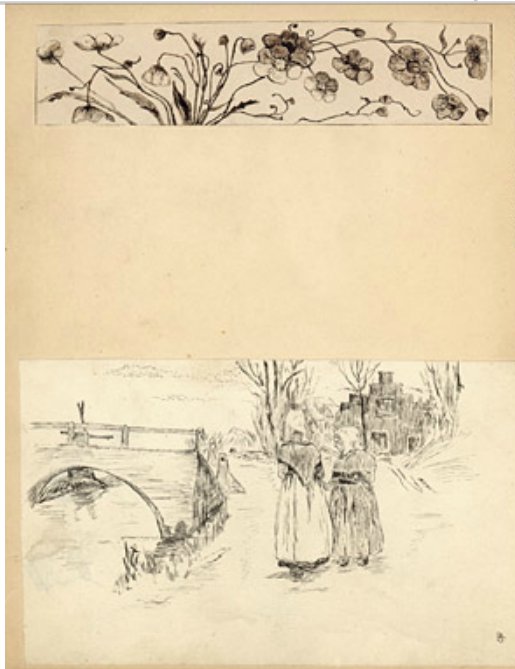
Veteran of the Boer War and WWI, a teacher, and doctor, Canadian John McCrae wrote In Flanders Fields in the spring of 1915 while still at the bloody battlefront in Ypres, Belgium, in an area known as Flanders.
The Germans had already used deadly gas.
Dr. McCrae had been tending to hundreds of wounded daily. He described the nightmare slaughter: “behind it all was the constant background of the sights of the dead, the wounded, the maimed.” By this time he had already devoted his life to art and healing. He couldn’t save his friends. How could anyone? Twenty years prior, he sketched poppies during his medical residency in Maryland. He published poems and stories by the time he was 16. I’m not surprised he noticed the brilliant fragile petals and horror. He wrote for those who couldn’t speak and those who had to see. Meningitis and pneumonia killed him January 1918 after several months battling asthma and bronchitis. His poem and the emblematic poppy continue to inspire and comfort.
In Flanders fields the poppies blow
John McCrae, 1872 – 1918
between the crosses, row on row,
That mark our place, and in the sky,
The larks, still bravely singing, fly,
Scarce heard amid the guns below.
We are the dead; short days ago
We lived, felt dawn, saw sunset glow,
Loved and were loved, and now we lie
in Flanders fields.
Take up our quarrel with the foe!
To you from failing hands we throw
The torch; be yours to hold it high!
If ye break faith with us who die
We shall not sleep, though poppies grow
In Flanders fields.
Images: Respectfully thinking about art that helps us celebrate, remember, remind and reflect every family who has suffered a loss in service.
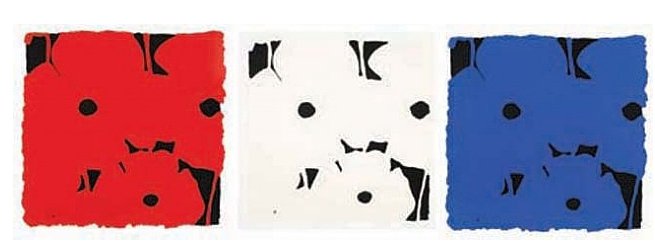

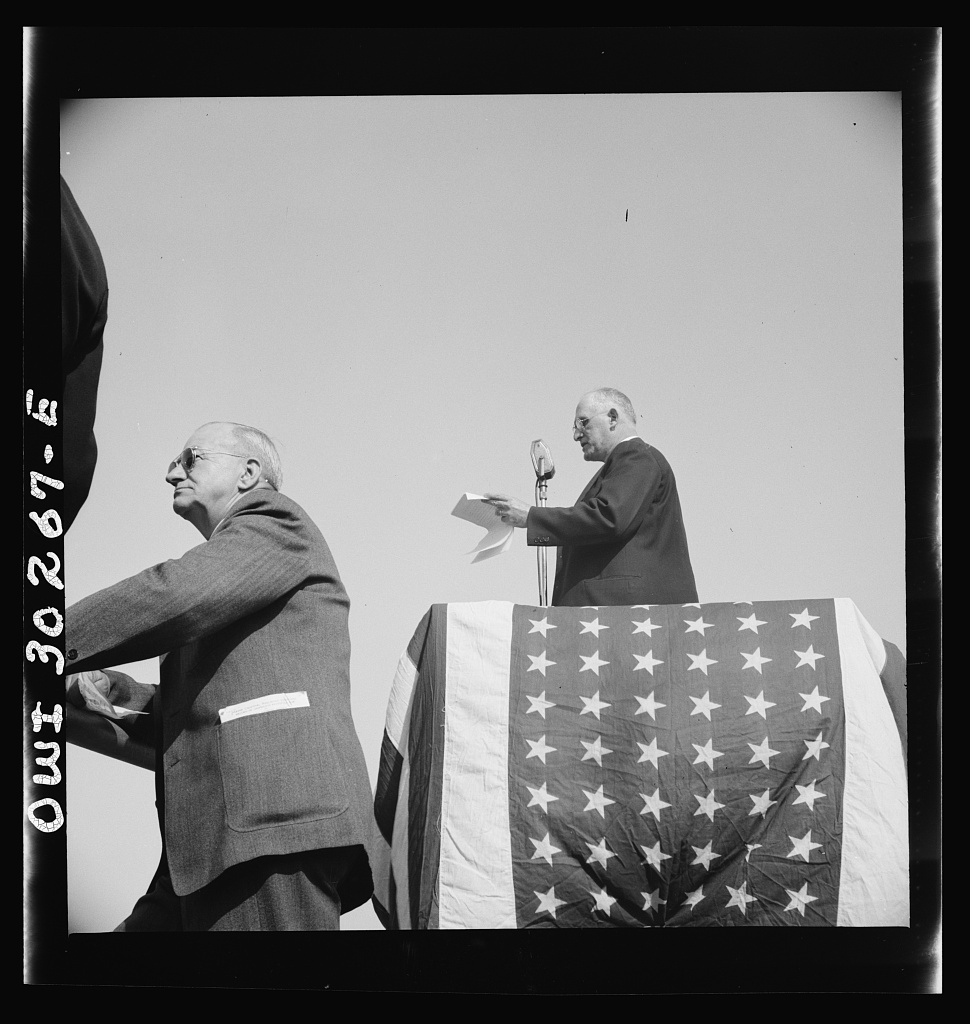
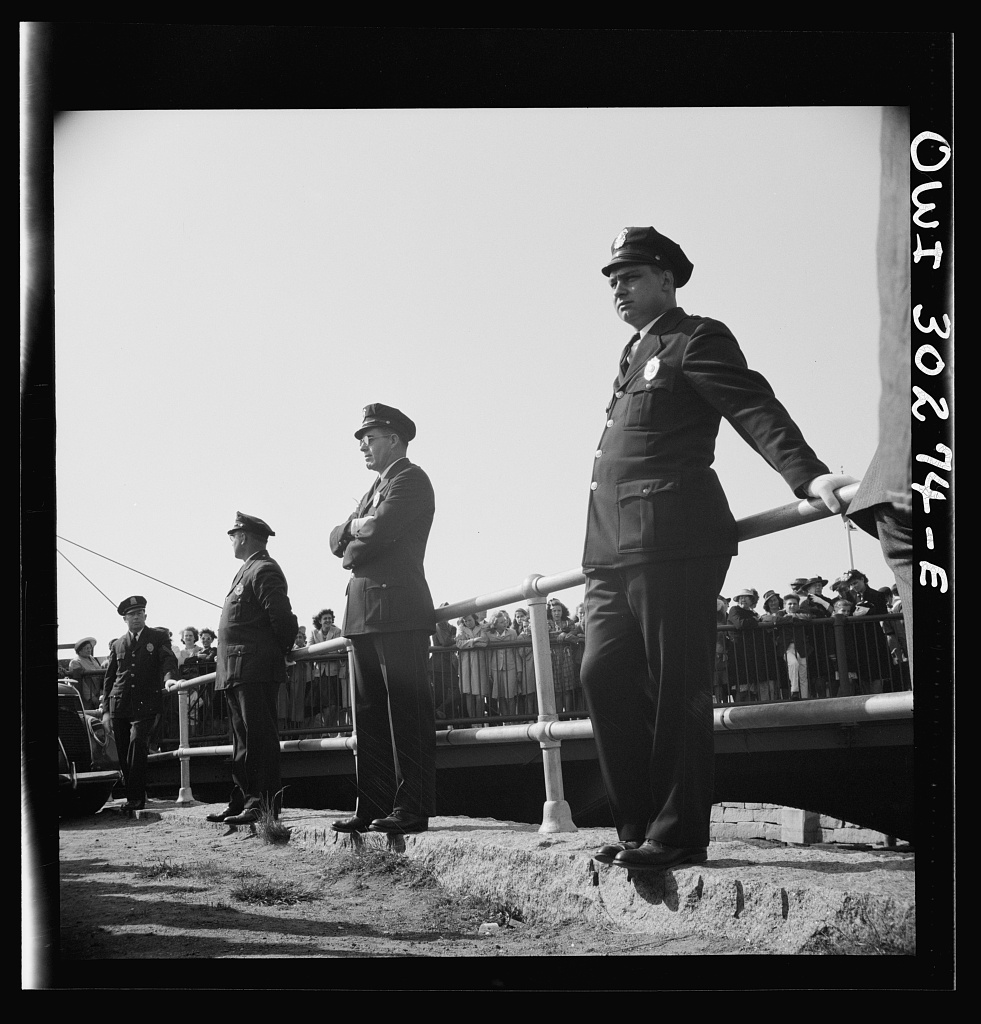
A few poppy images follow. I was thinking about their poetic illumination before and after WW1 and layers of meaning and beauty.
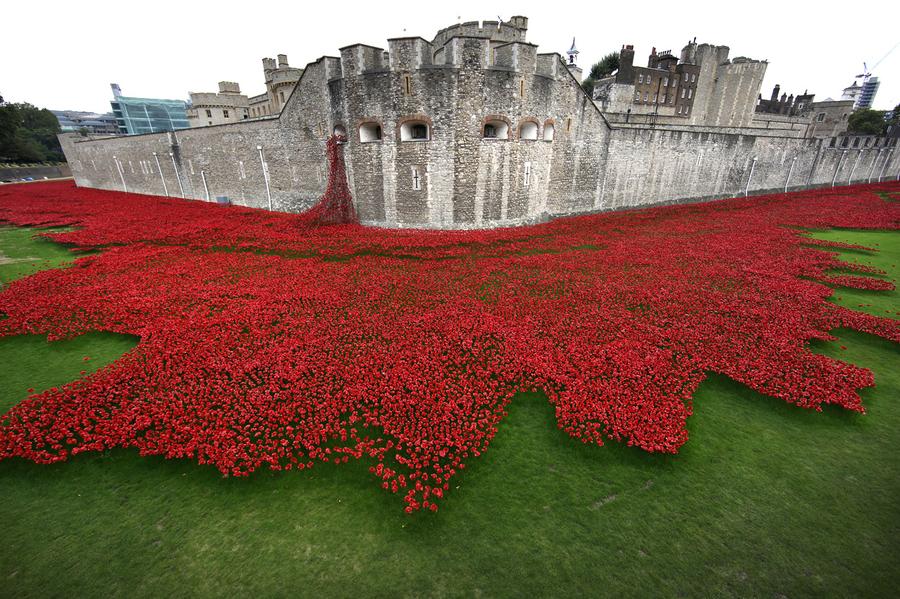

More representations of poppies in art
Continue reading “Motif Monday: Memorial Day, Gordon Parks, Poppies”



 Good Morning Gloucester