 Each winter, since I began photographing the Monarchs in 2006, I compare this graph from Journey North to the number of butterflies observed on Cape Ann. As you can clearly see, this is the worst year on record, which corresponds to the near complete lack of Monarchs in our region this past summer.

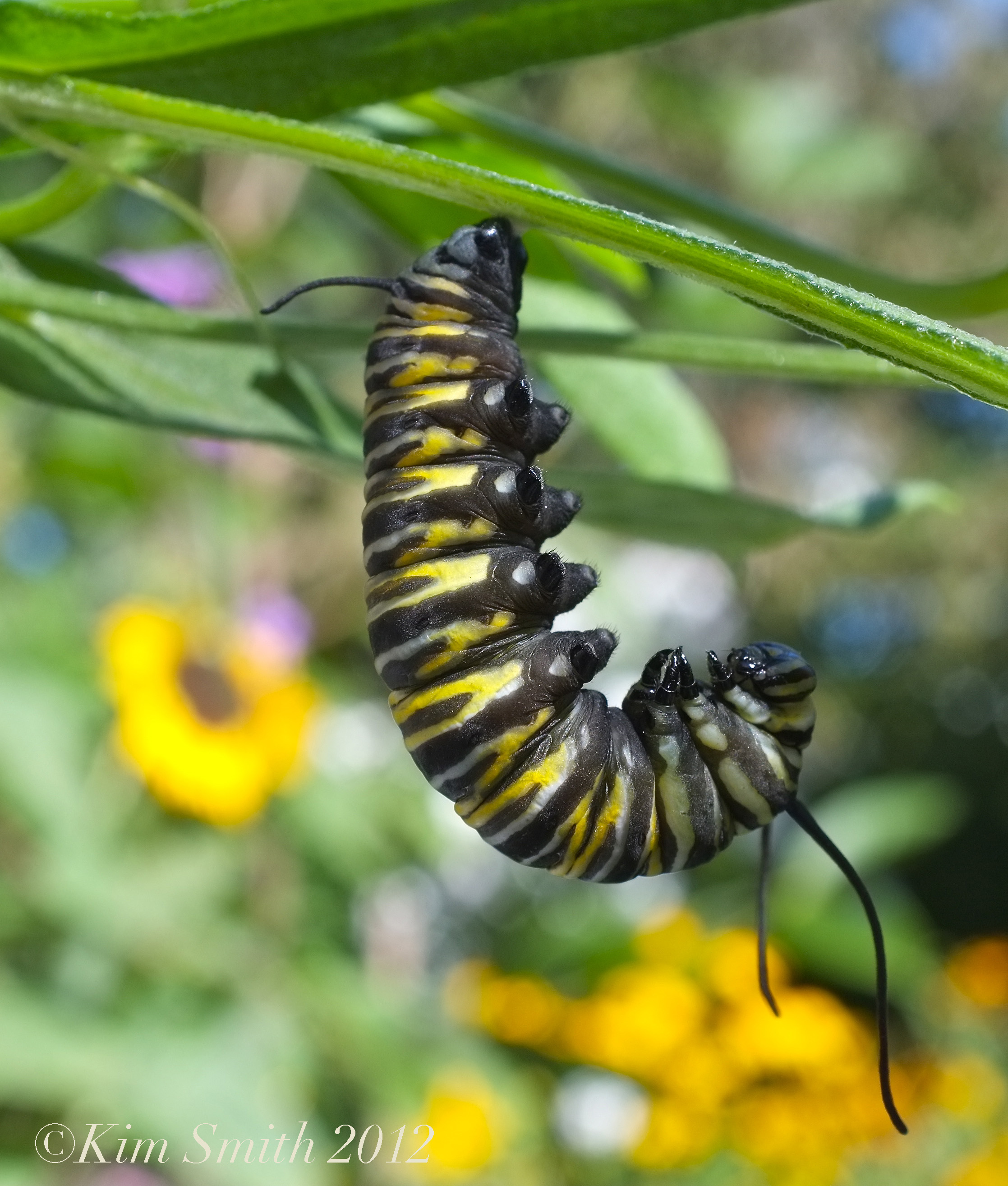
Monarch Butterflies Eastern Point Gloucester
Many thanks to Kathy Chapman and our GMG Readers for forwarding the following New York Times update about the shrinking Monarch Butterfly popluation.
By Michael Wines
January 29, 2014
Faltering under extreme weather and vanishing habitats, the yearly winter migration of monarch butterflies to a handful of forested Mexican mountains dwindled precipitously in December, continuing what scientists said was an increasingly alarming decline.
The migrating population has become so small — perhaps 35 million, experts guess — that the prospects of its rebounding to levels seen even five years ago are diminishing. At worst, scientists said, a migration widely called one of the world’s great natural spectacles is in danger of effectively vanishing.
The Mexican government and the World Wildlife Fund said at a news conference on Wednesday that the span of forest inhabited by the overwintering monarchs shrank last month to a bare 1.65 acres — the equivalent of about one and a quarter football fields. Not only was that a record low, but it was just 56 percent of last year’s total, which was itself a record low.
At their peak in 1996, the monarchs occupied nearly 45 acres of forest.
The acreage covered by monarchs, which has been surveyed annually since 1993, is a rough proxy for the actual number of butterflies that survive the arduous migration to and from the mountains.
Karen S. Oberhauser, a conservation biologist at the University of Minnesota who has studied monarchs for decades, called the latest estimate shocking.
“This is the third straight year of steep declines, which I think is really scary,” she said. “This phenomenon — both the phenomenon of their migration and the phenomenon of so many individuals doing it — that’s at risk.”



 Good Morning Gloucester