Top Five Recommended Magnolias for Cape Ann Gardens
Magnolia ‘Elizabeth’
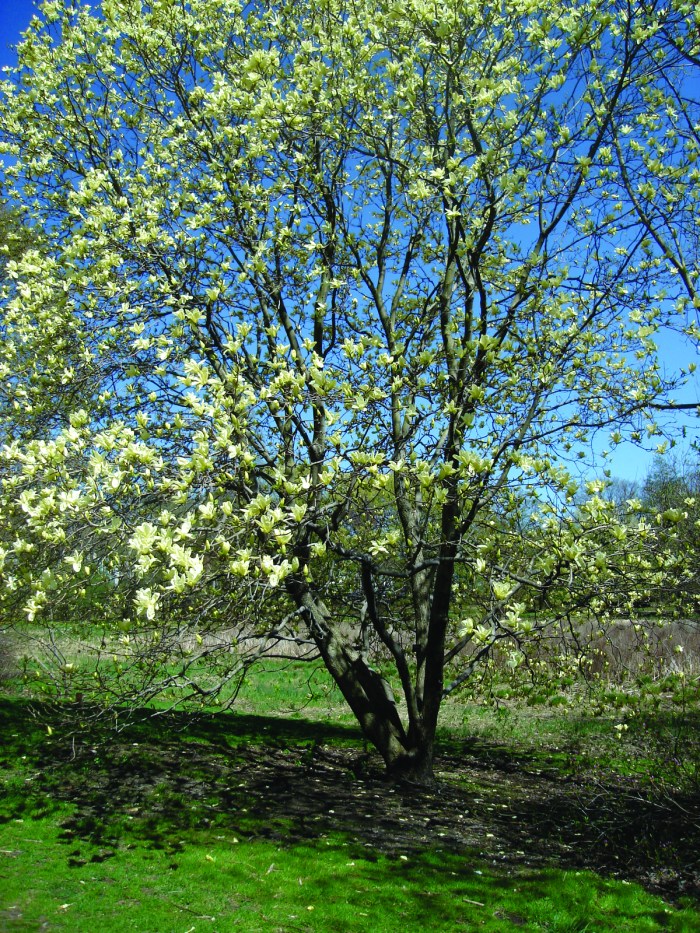 Photo Courtesy Liv
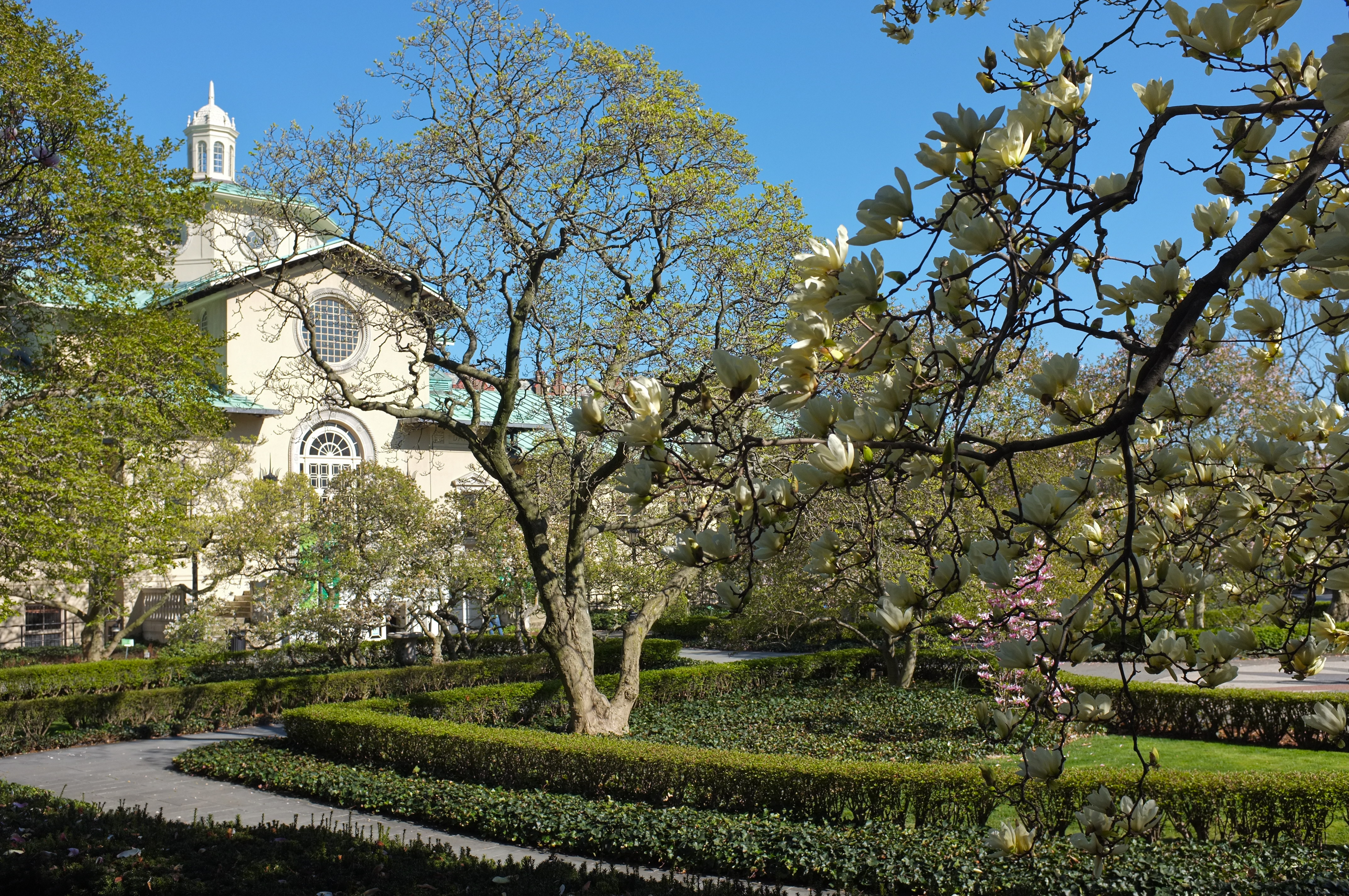
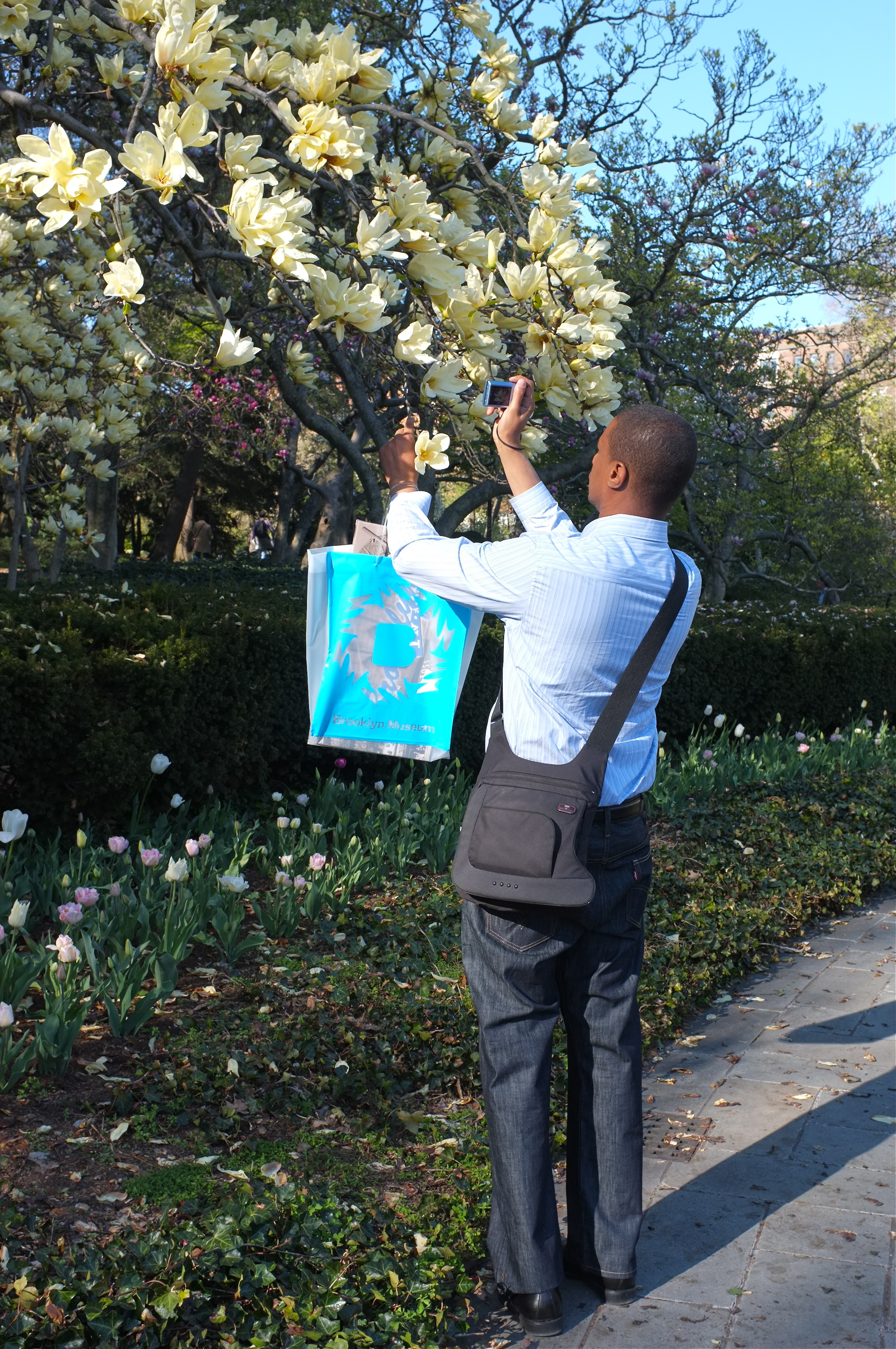
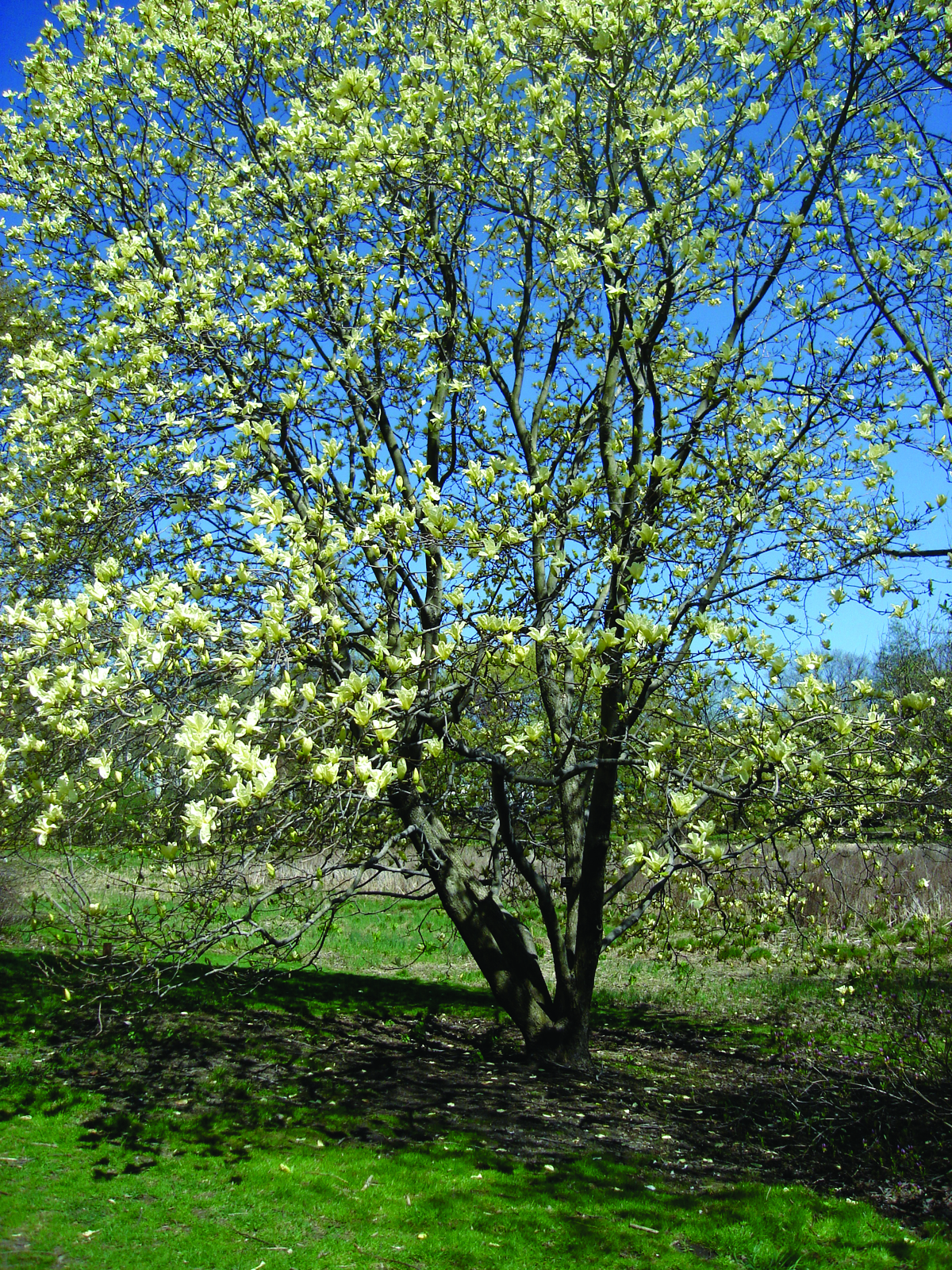
When Liv was attending Boston University I would often pick her up for lunch, and if the weather was fine, we’d end up at the Arnold Arboretum. After a winter of wearying shades of gray and brown, imagine our shared delight in coming upon the lovely Magnolia ‘Elizabeth.’ Not only is her beauty great, but sweet lemony scent, divine. Magnolia ‘Elizabeth’ is a cross between Magnolia acuminata, the Cucumber Tree, a native to the eastern regions of the United States and Canada and the Yulan Magnolia (Magnolia denudata), native to China; both species are much appreciated for their heady fragrance.
The Brooklyn Botanic Garden patented Magnolia ‘Elizabeth’ in 1977. I find the luminous primrose yellow blossoms much, much more preferable to the more common and relatively newer cultivar, Magnolia ‘Butterflies.’ Besides, M. ‘Butterflies’ has comparatively ZERO scent.
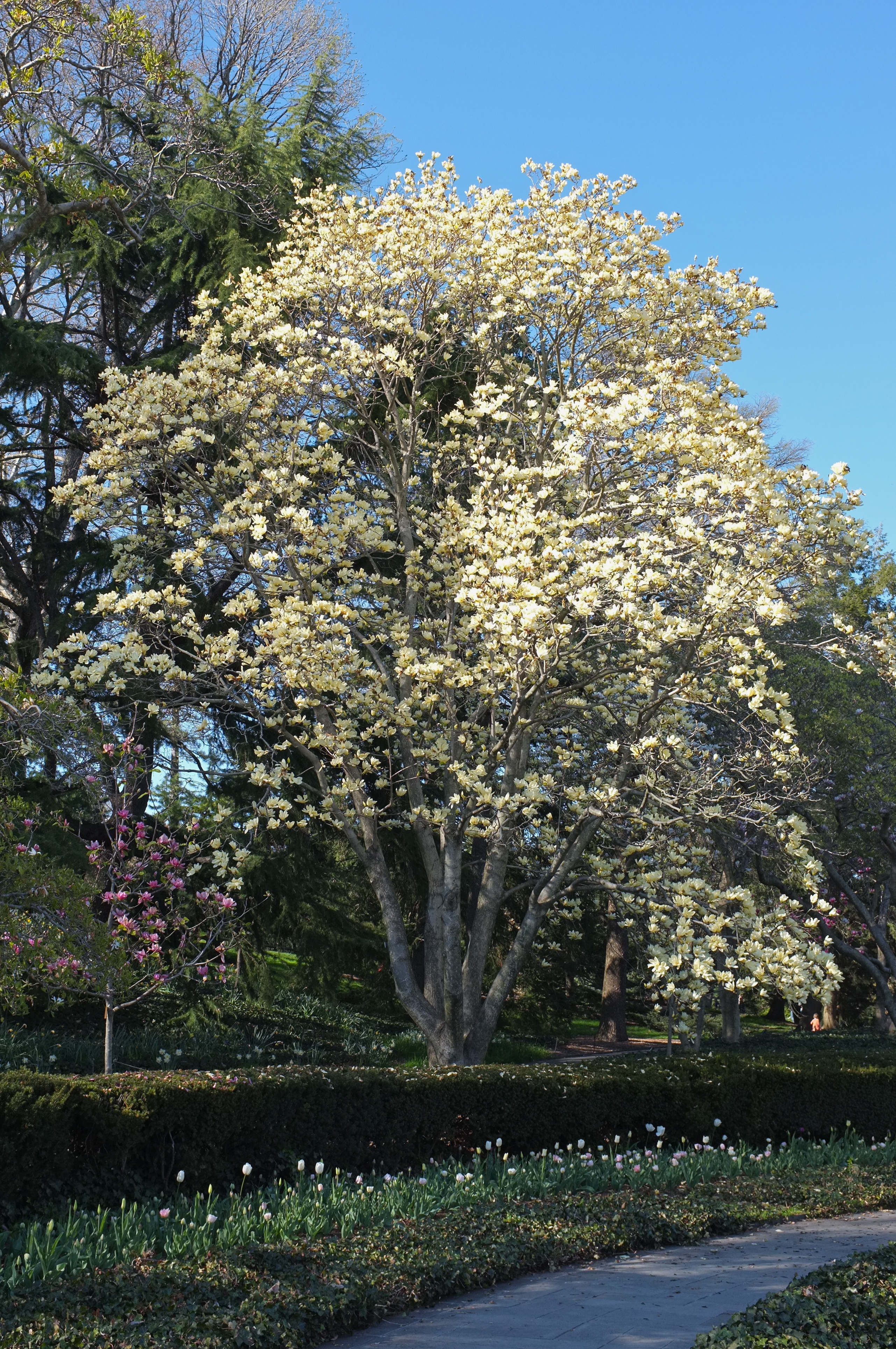
Magnolia ‘Elizabeth’ is pyramidal in habit with elegantly tapered buds, characteristic of its parent the Yulan Magnolia. I would grow the Yulan Magnolia in a heartbeat if only we lived in a slightly warmer climate because it is the most dreamily scented of all the magnolias; its parentage is what gives both Magnolia ‘Elizabeth’ and the Saucer Magnolias their gorgeous fragrance.
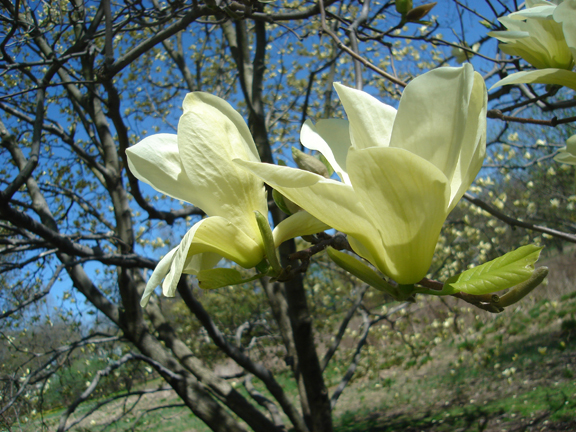 Liv photo
Magnolia ‘Elizabeth’ grows 20 to 35 feet and does best when sited in full sun in Cape Ann gardens. Magnolias like moist soil, but hate wet feet, in other words, they require excellent drainage.
Spread The GMG Love By Sharing With These Buttons:
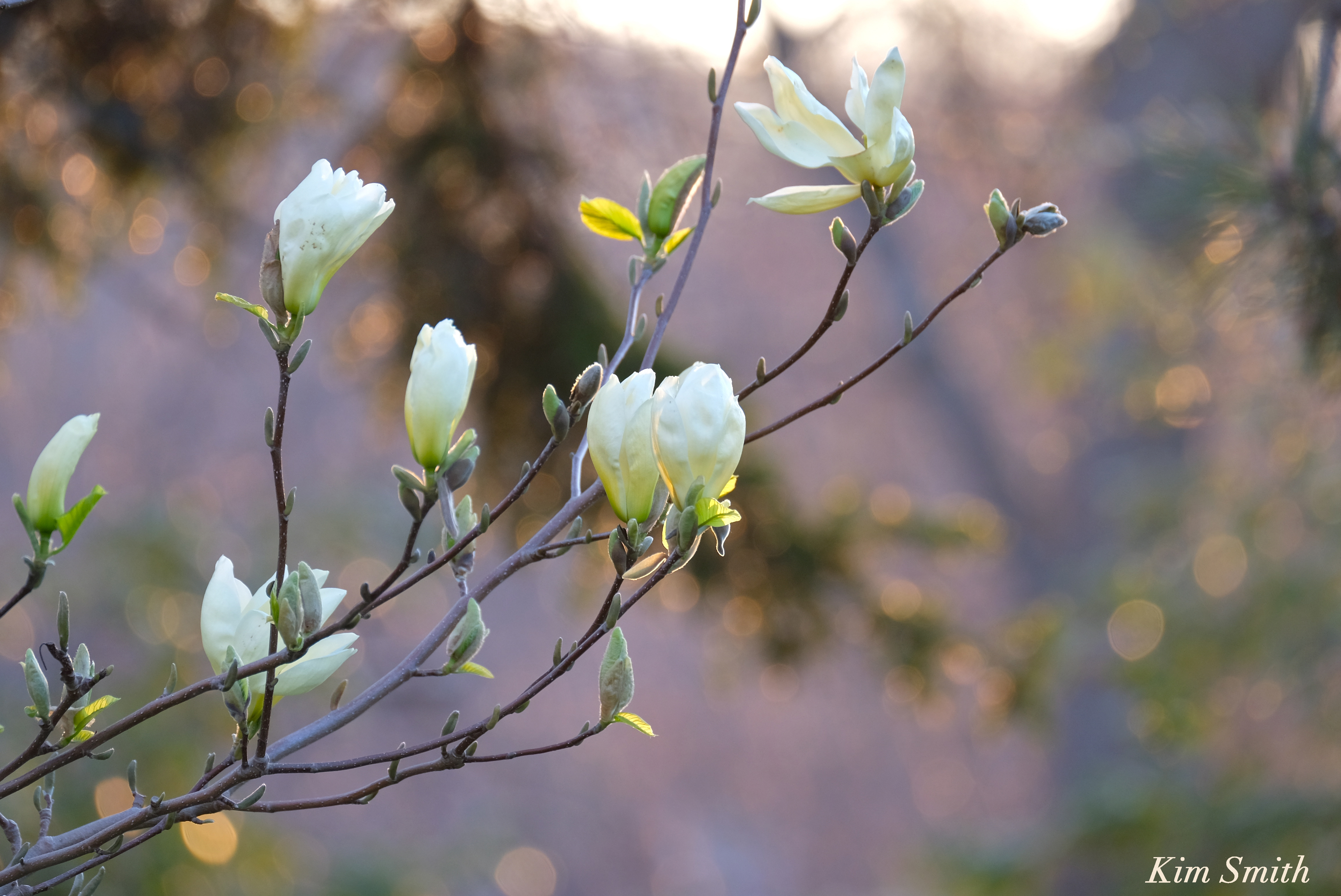 Magnolia ‘Elizabeth’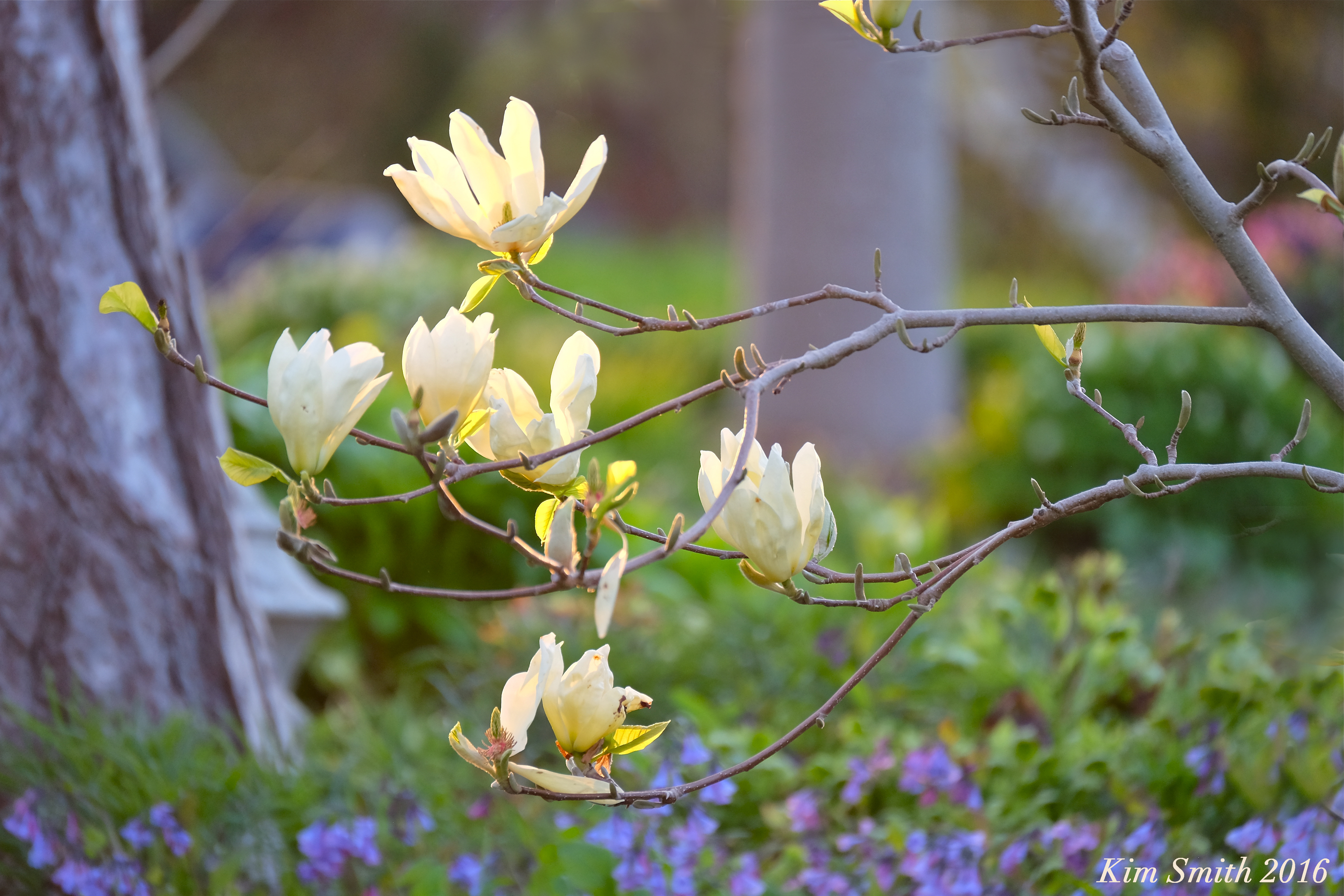
 Schooner Adventure masts and Gloucester’s UU Church steeple
 Gloucester City skyline, click image to embiggen



 Good Morning Gloucester