BREAKING: FOOTBRIDGE TEMPORARY BRIDGE CONSTRUCTION UNDERWAY!

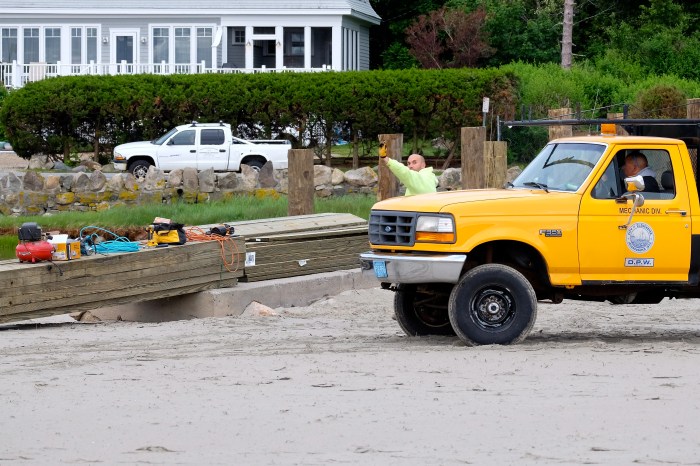
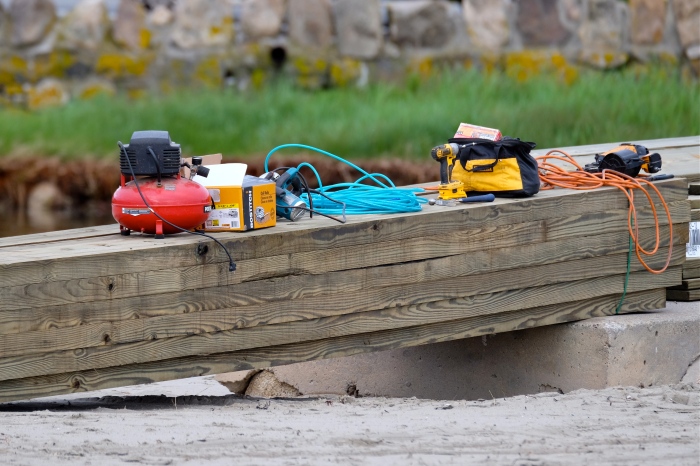
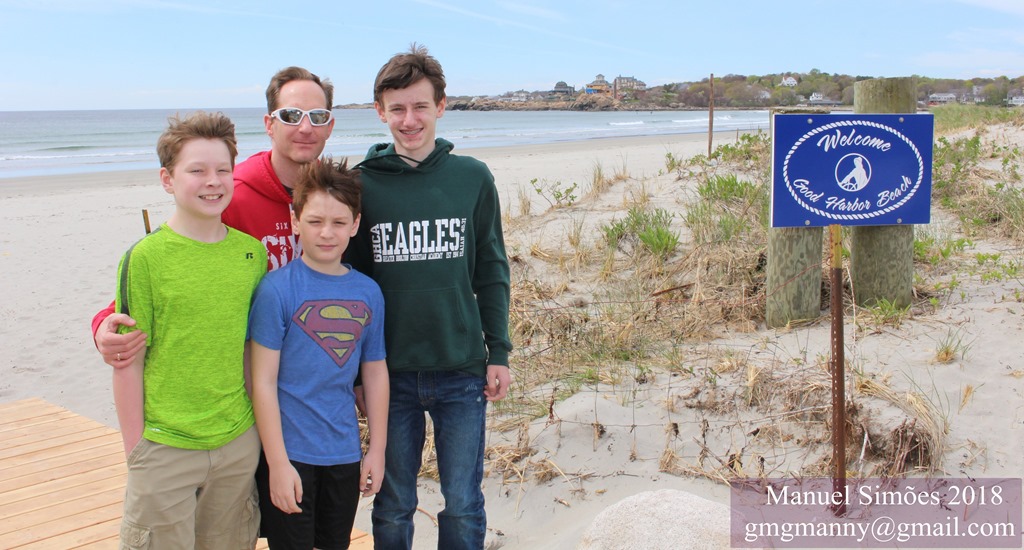
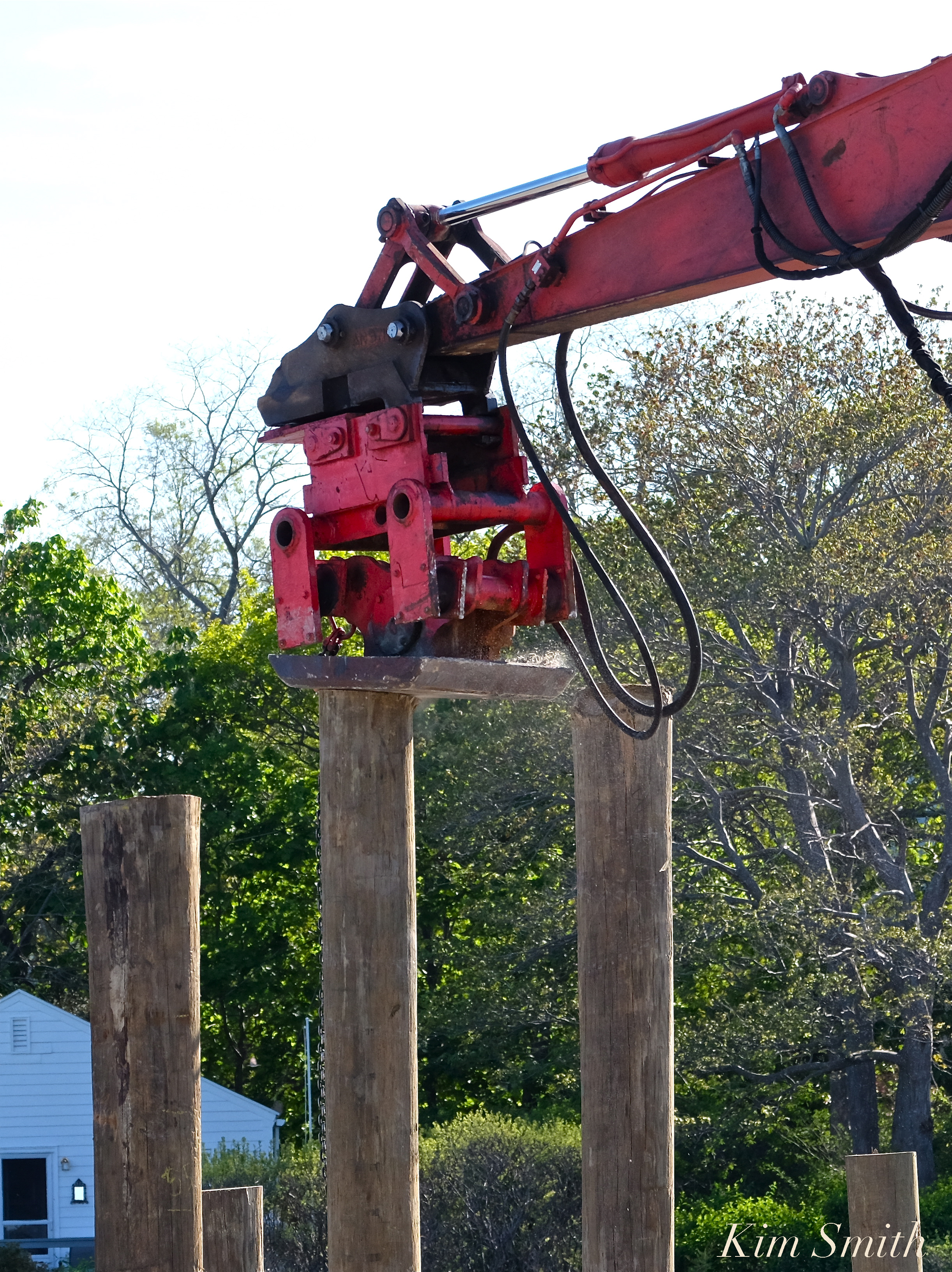
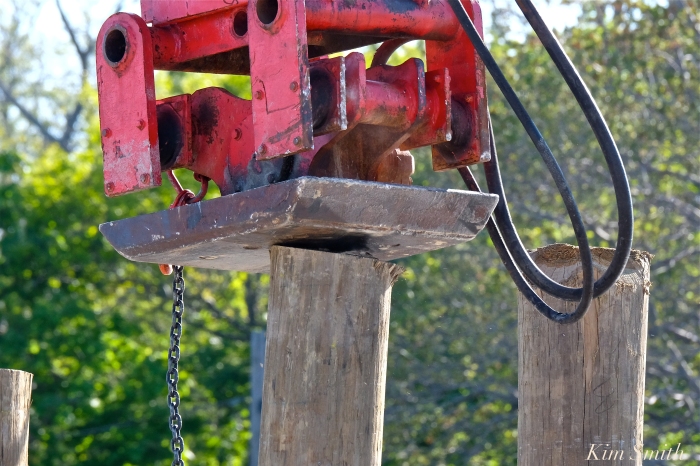
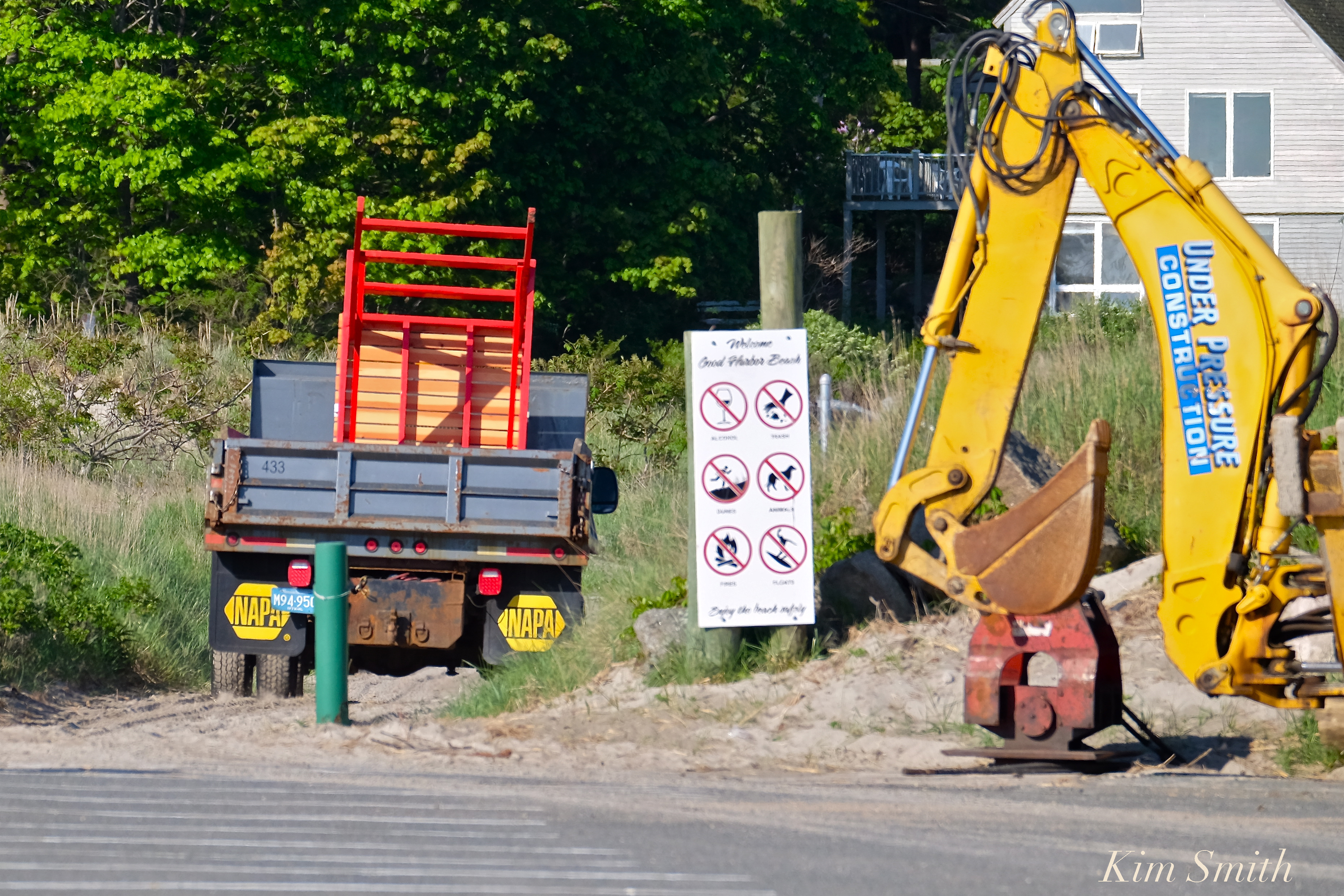
Gloucester’s DPW Phil Cucuru and Mike Tarantino arrived at Good Harbor Beach this morning ready to work with a truckload of pressure treated marine wood. Work will continue for the next two weeks. Looks like the footbridge will be operational by Fiesta weekend! 

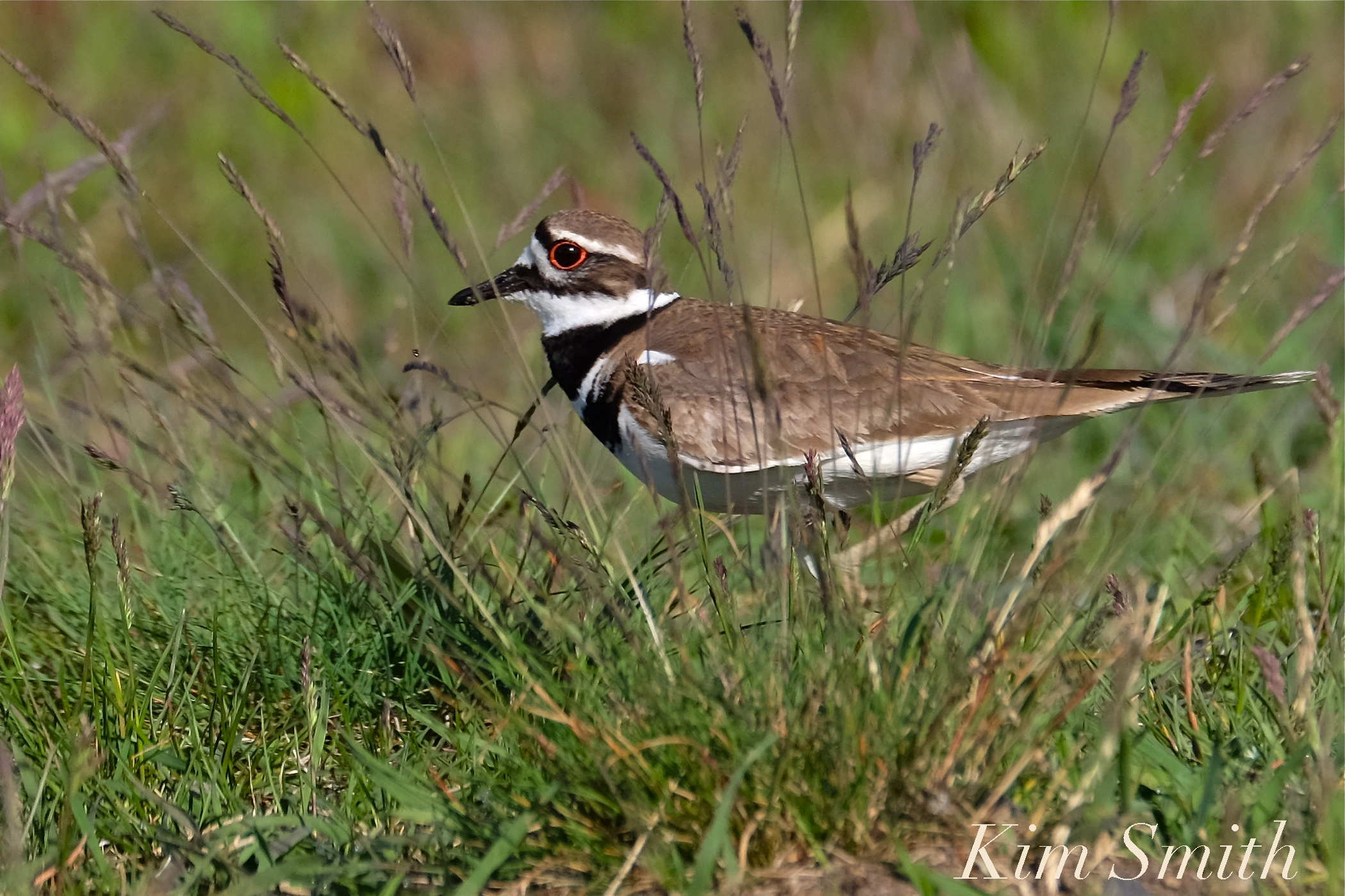
OUR GOOD HARBOR BEACH KILLDEER PLOVER CHICKS!


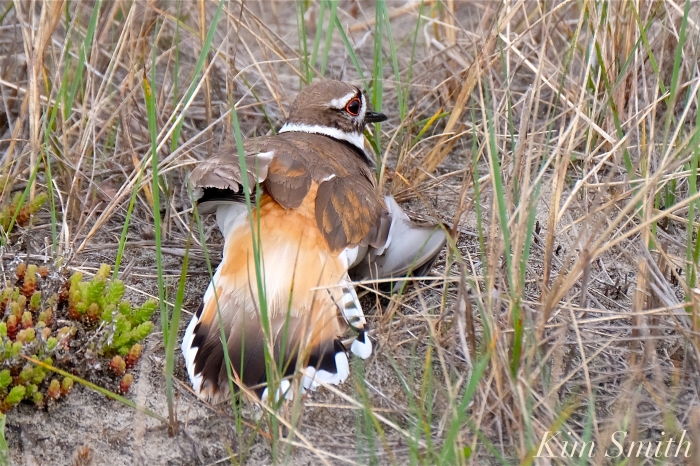
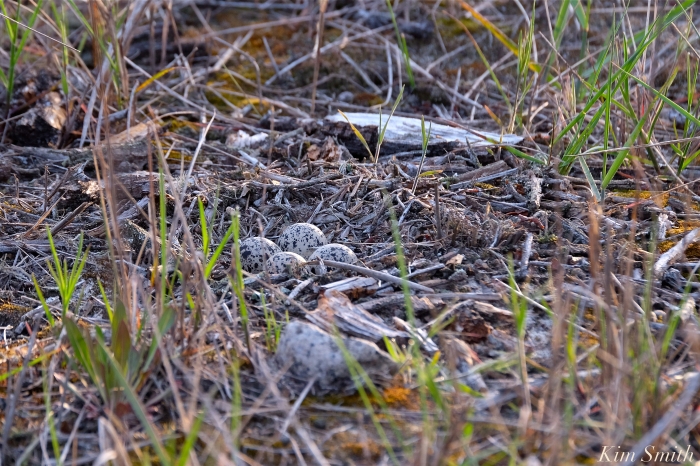
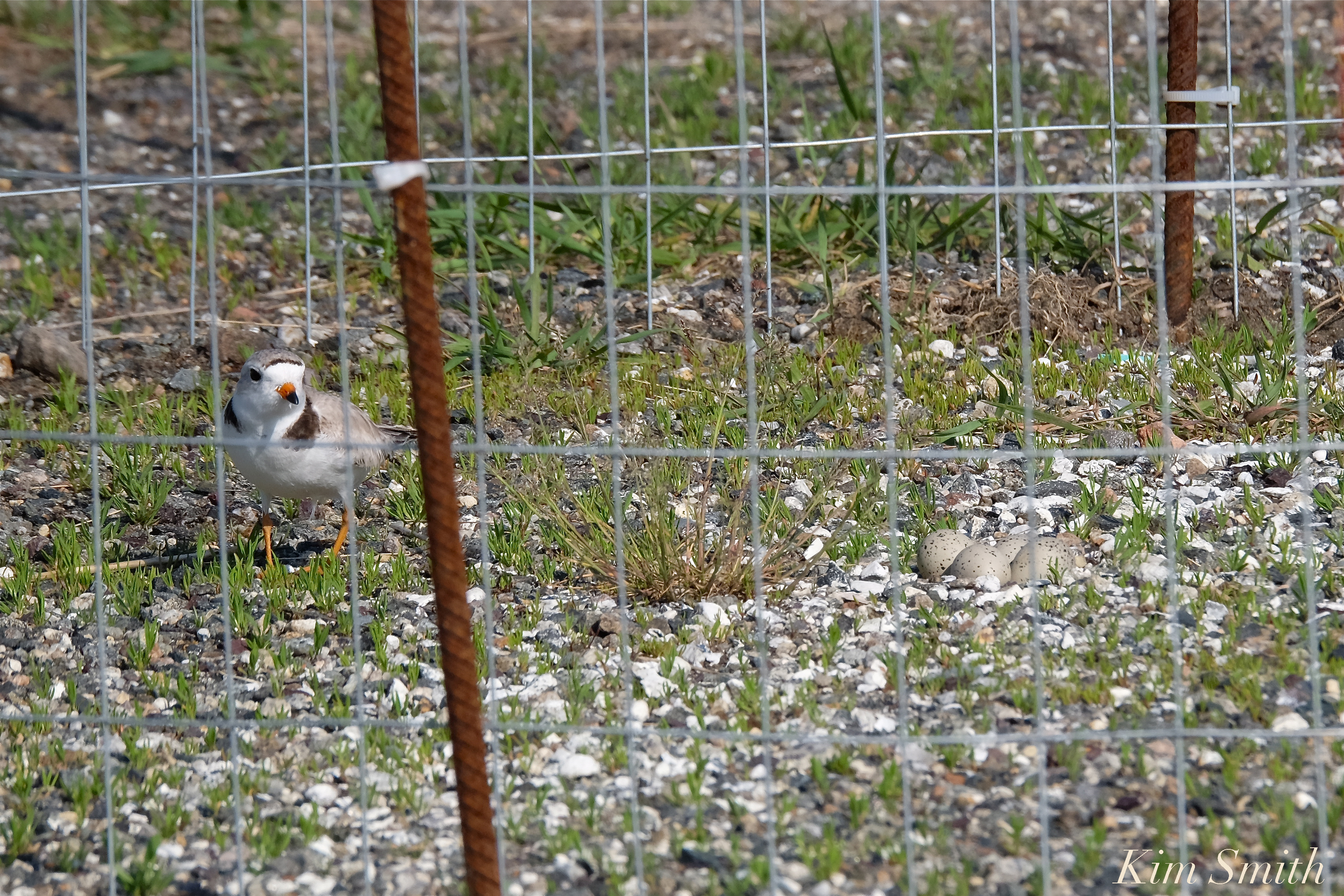
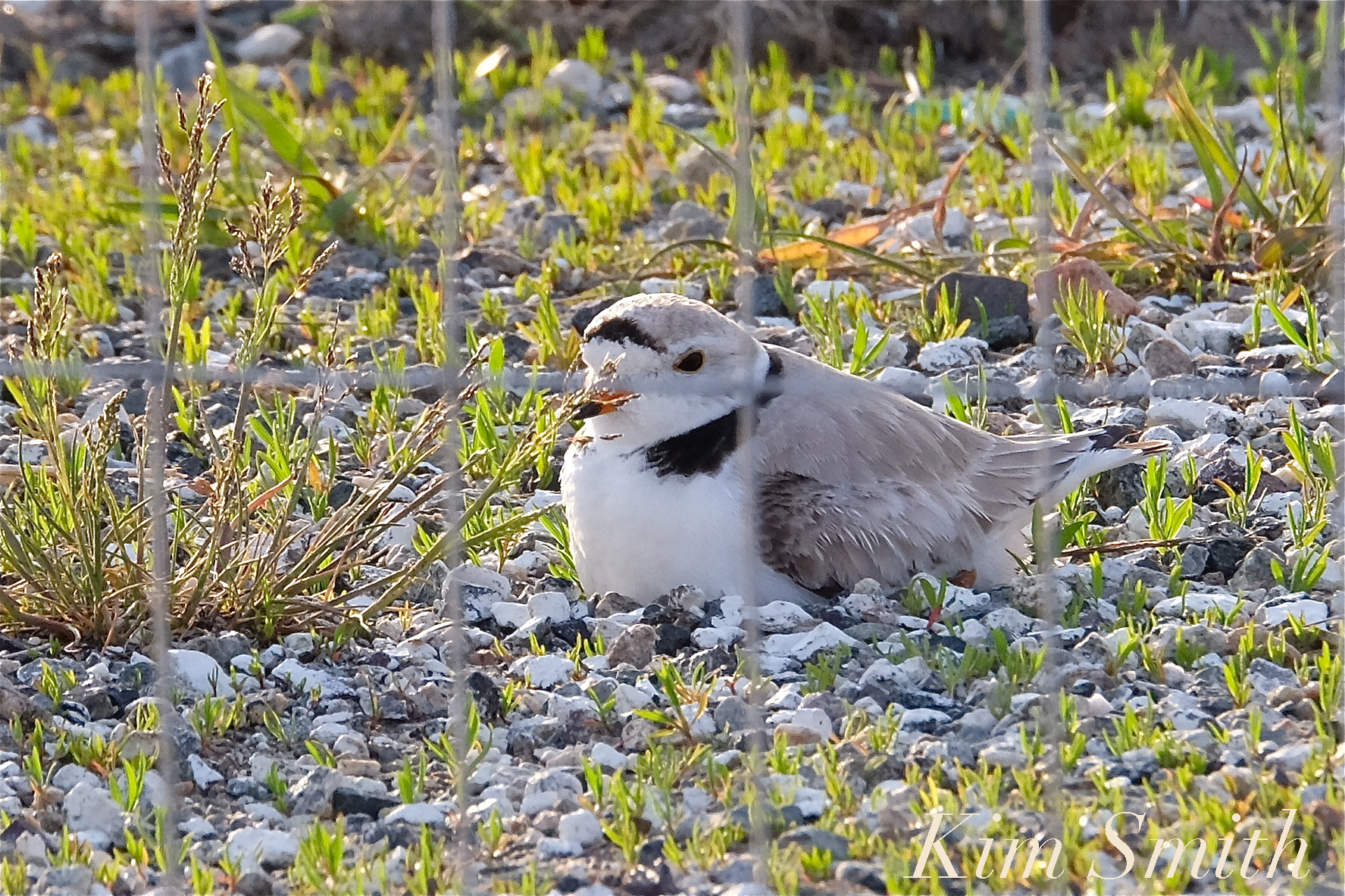
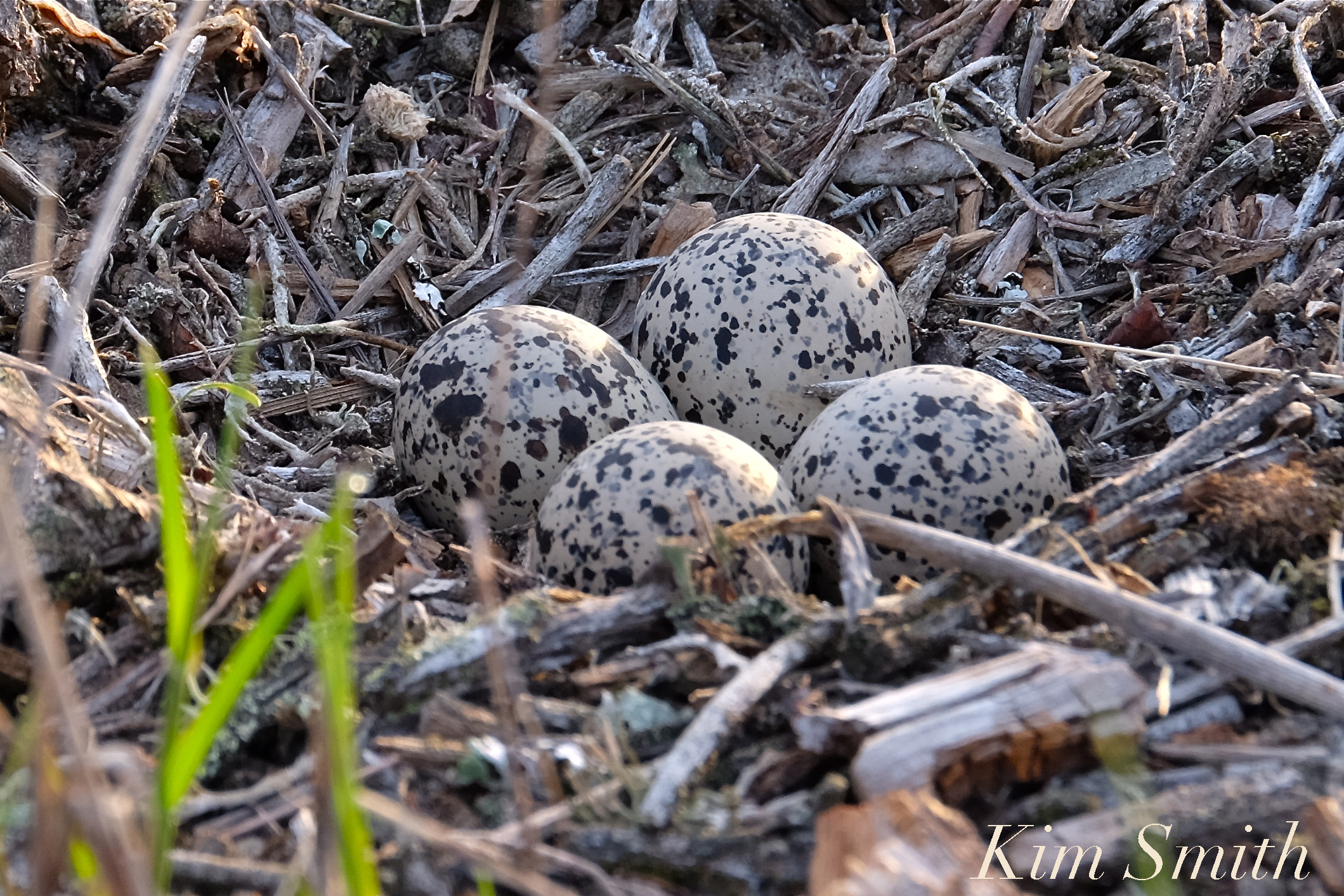
You may recall that several weeks back we posted a photo of a Killdeer nest with four eggs. I only discovered the nest because each and every time anyone walked past, a Killdeer would call shrilly and drag its wings through the dunes in a dramatic display of “broken wing” trickery. I would often play along and see how far away the Killdeer would take me until one morning I decided to see what it was they were hiding.

Killdeer Broken Wing Distraction Display

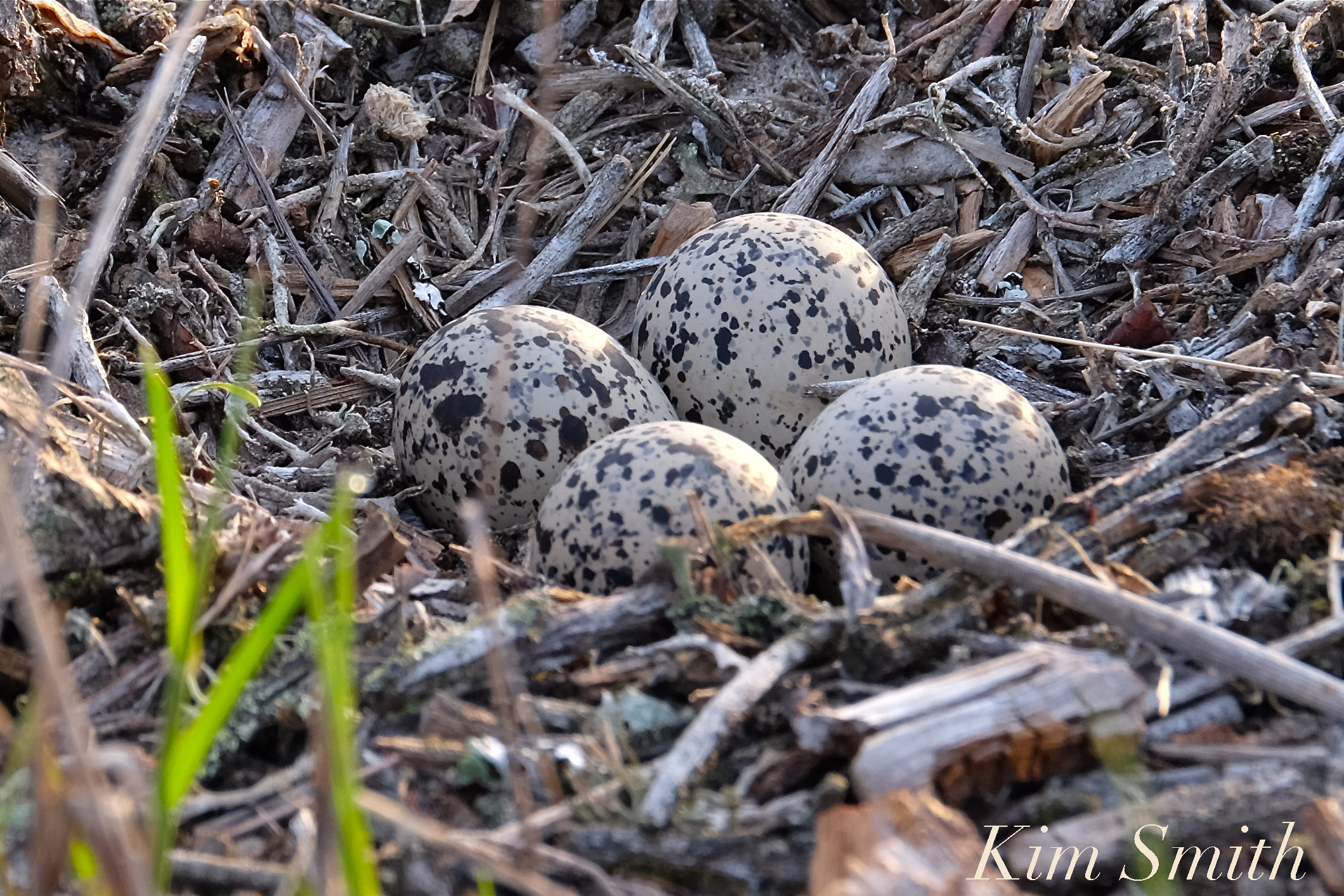
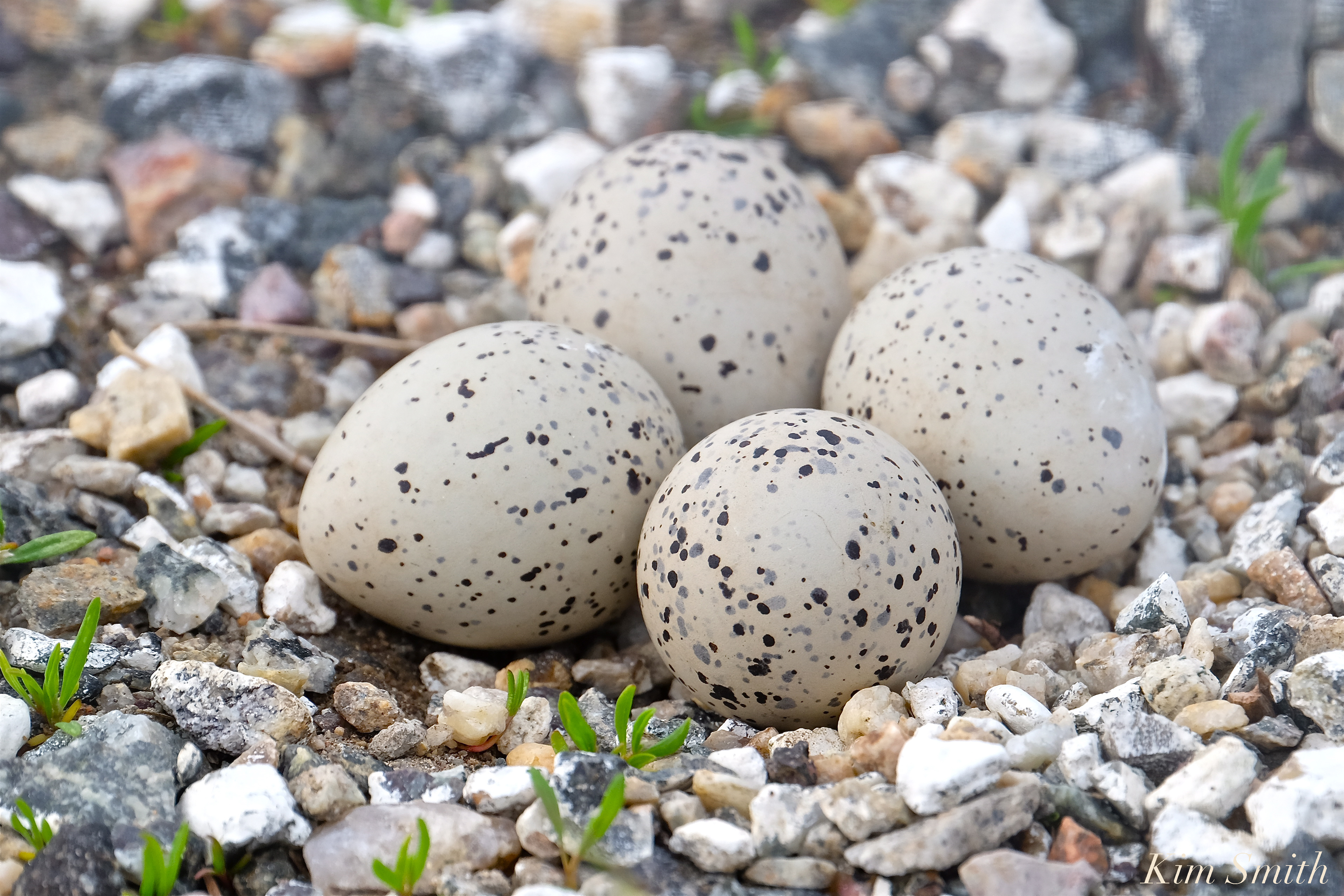
Off to the side of the path that leads to the beach, not more than six feet away, was a loose scrape of dirt and sticks, with four perfect Killdeer eggs!

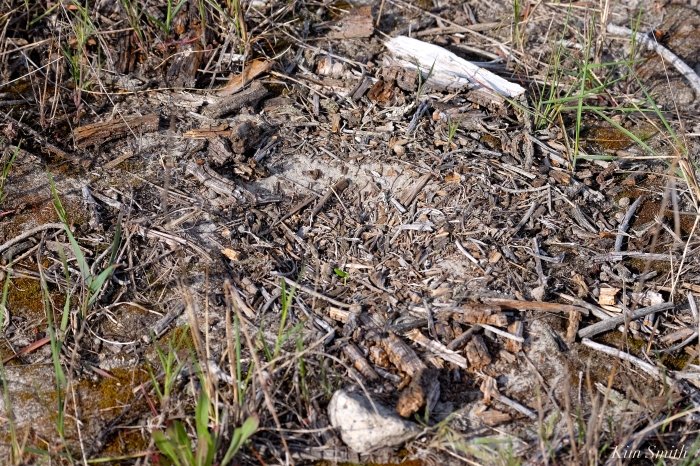
I had no idea when they had been laid, so there was no way of knowing when the chicks would hatch. Each morning on my way to check on the Piping Plovers I’d take a peak, until one day there weren’t any. How sad I thought, and wondered if a predator had eaten the eggs. But the nest had not been disturbed and there were no broken egg shells. A mystery.
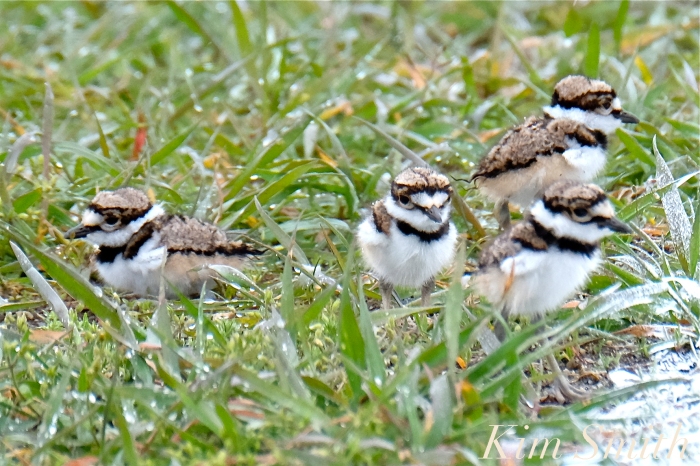
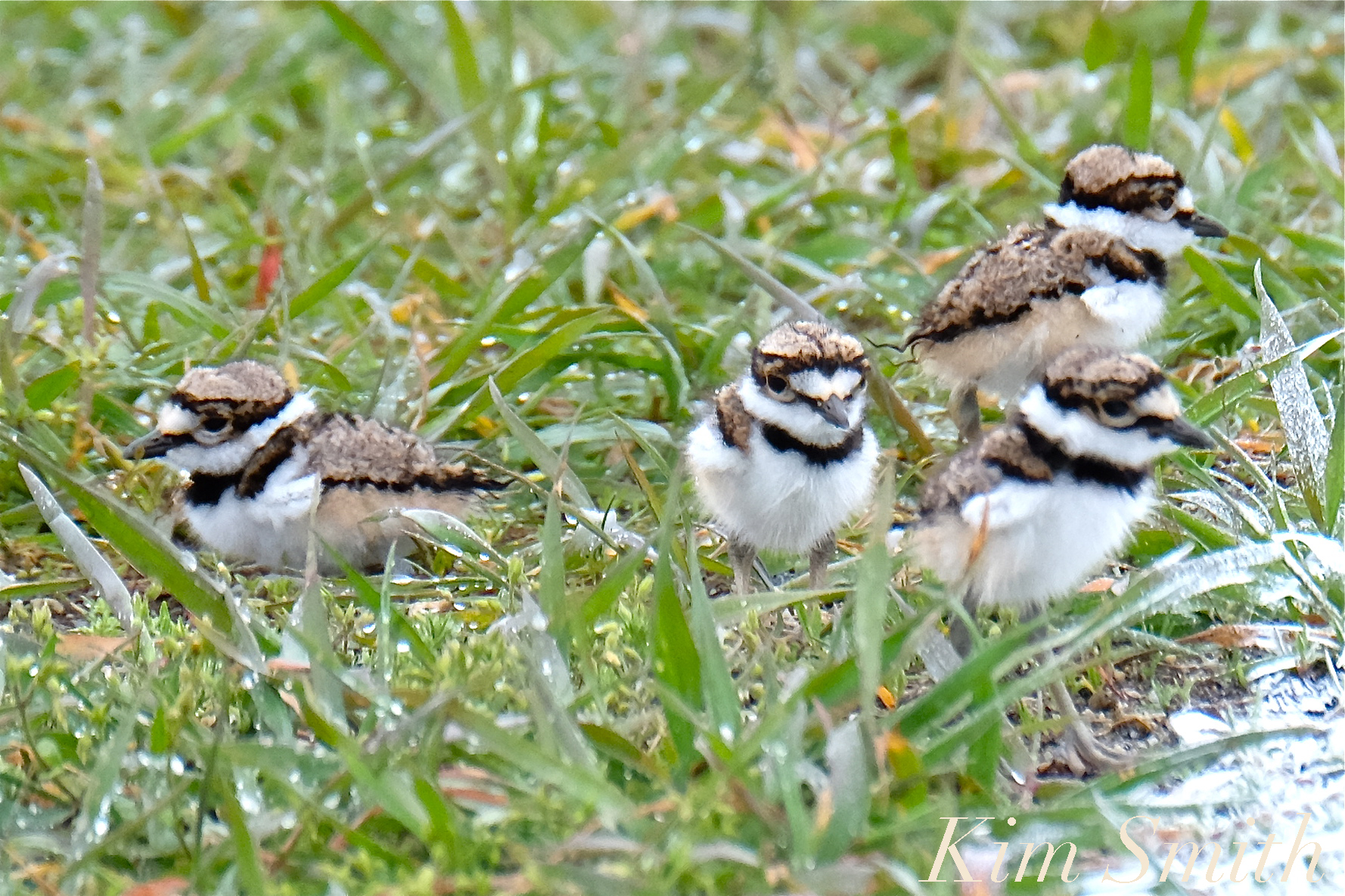
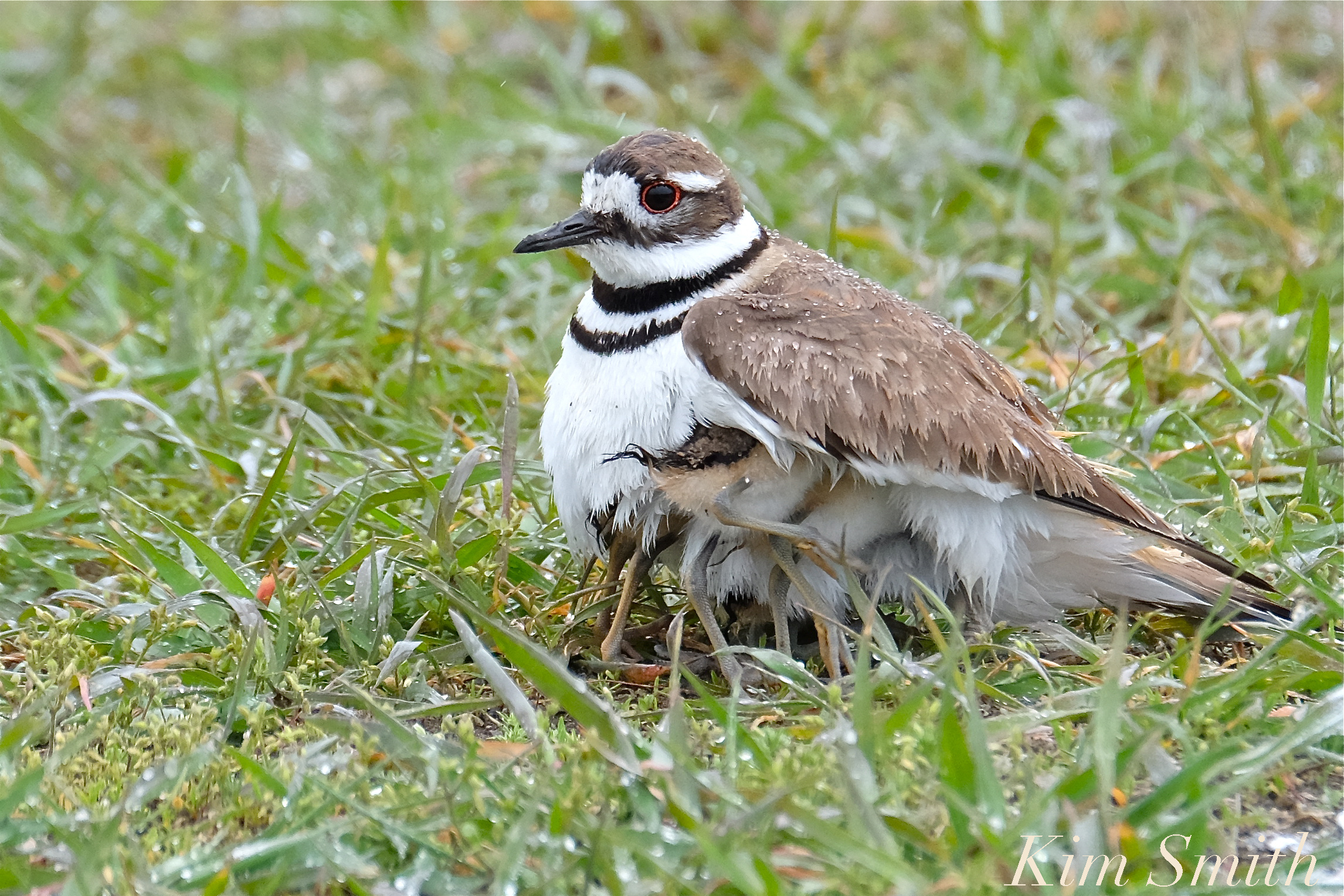
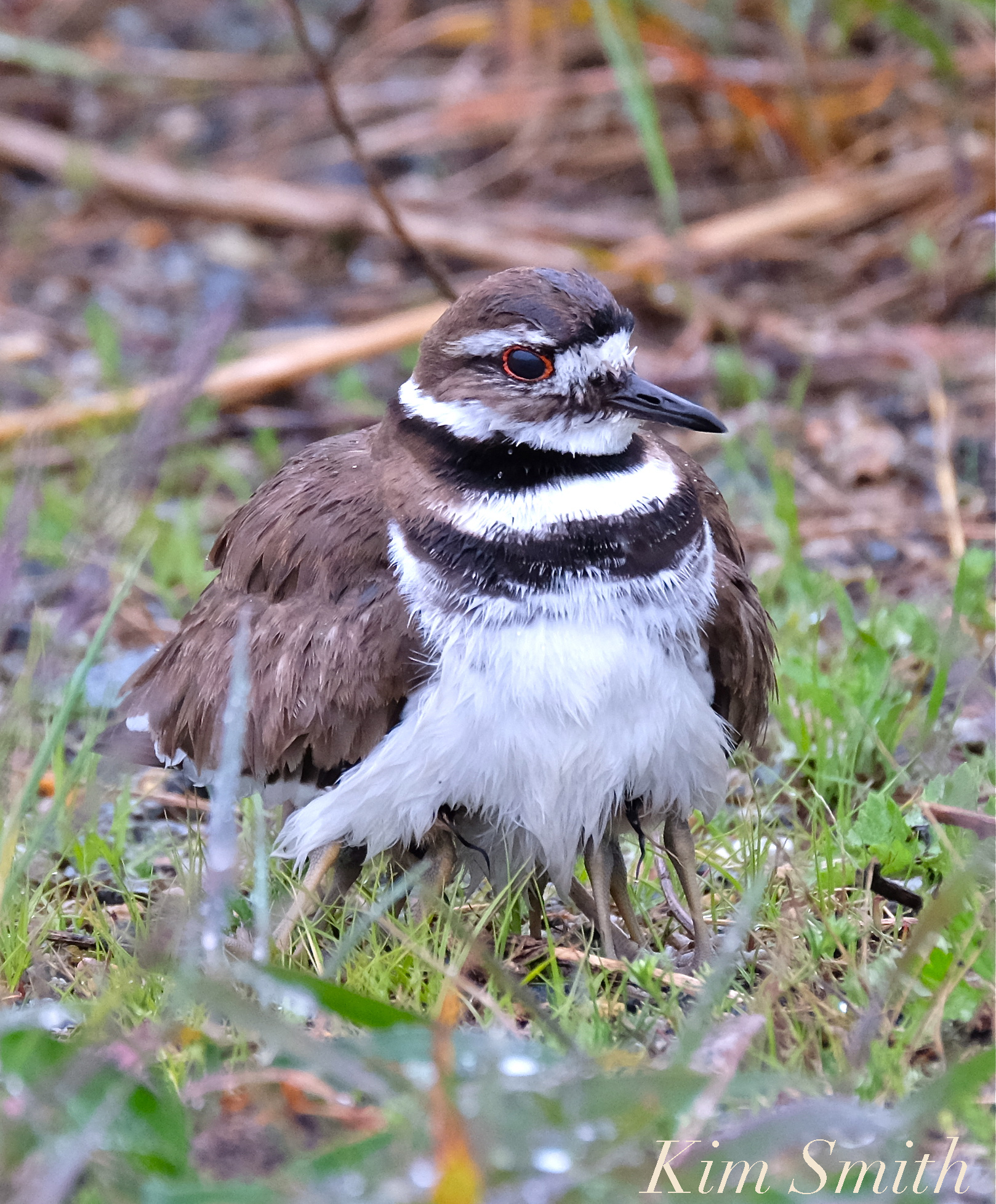
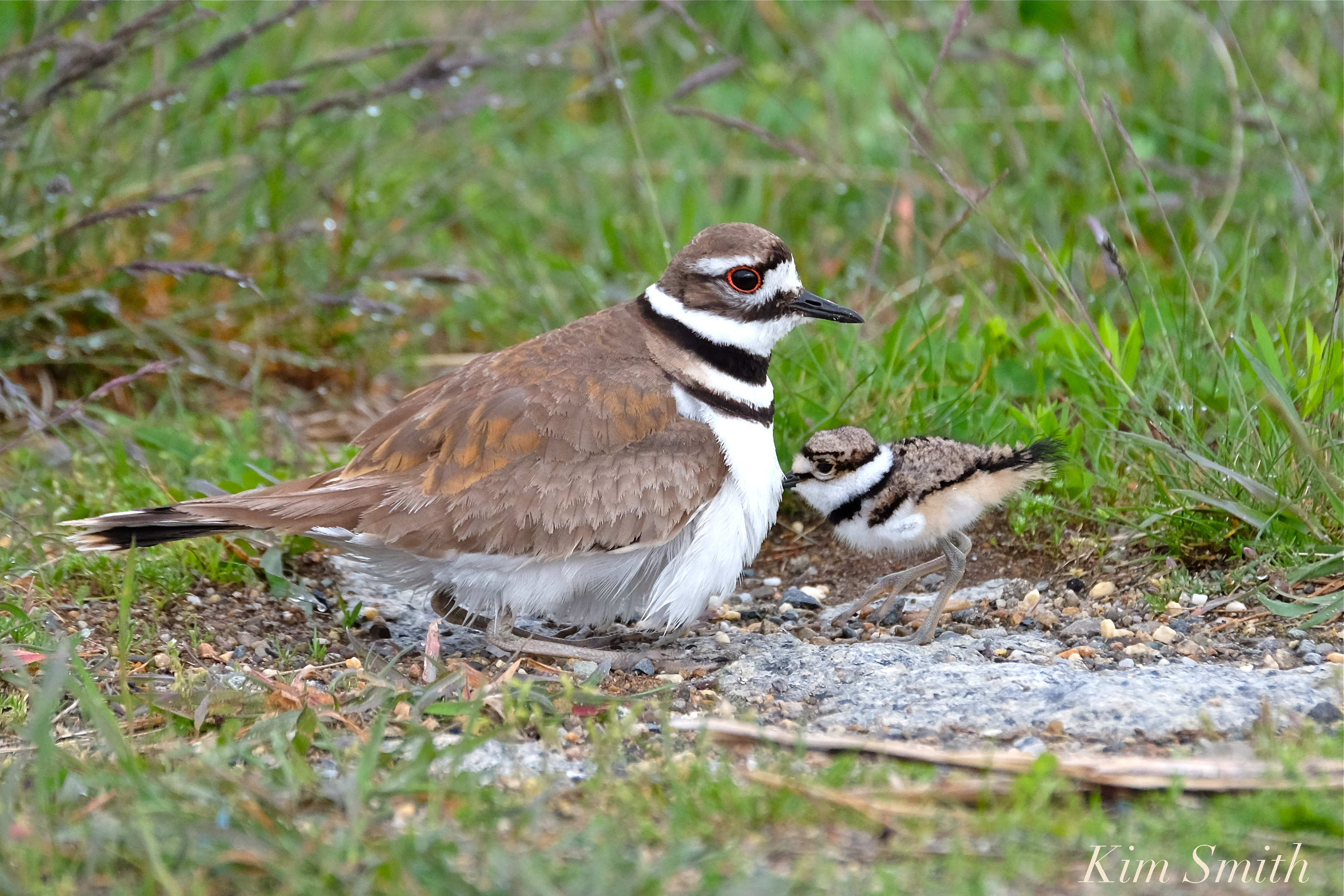
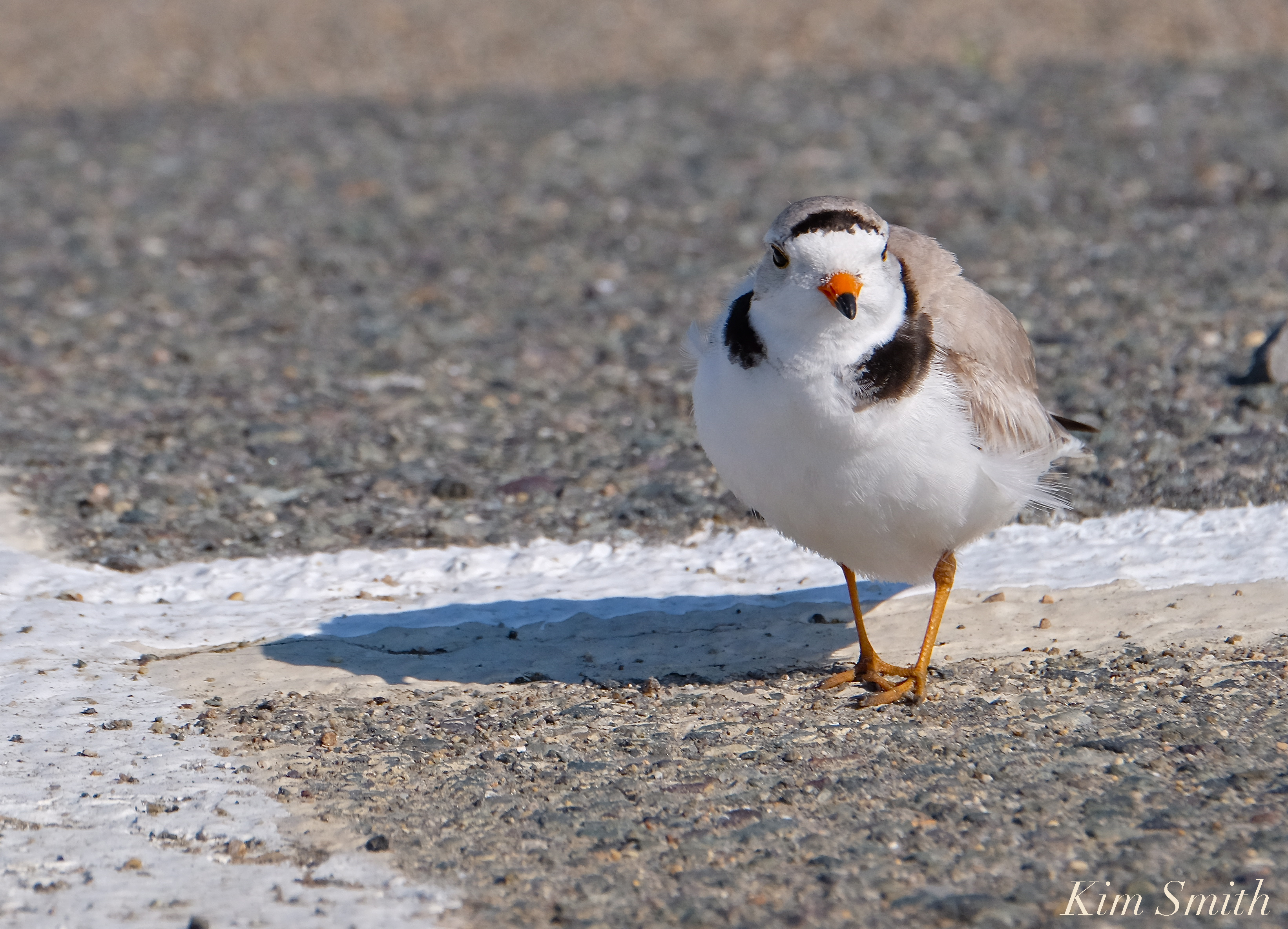
The following morning I checked on the Piping Plover nest in the parking lot. It was drizzly but there were two Killdeers near to where the PiPl exclosure is located. I sat in my car watching the adult Killdeers when to my delight and amazement, out tumbled four teeny chicks from under Mama Killdeer. A car makes the perfect blind and for quite some time I photographed and filmed the Killdeer family.
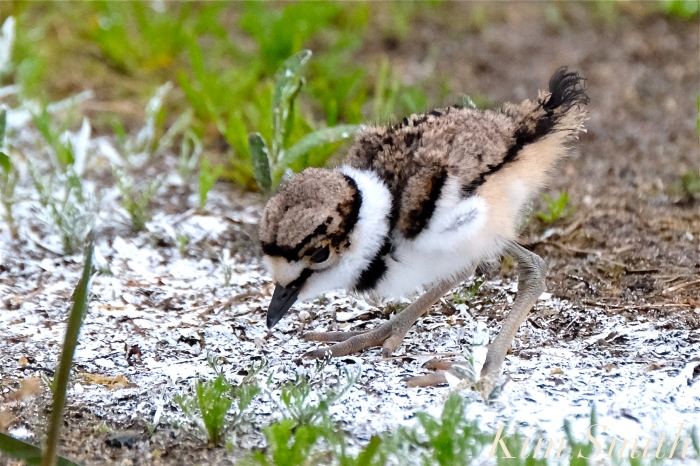
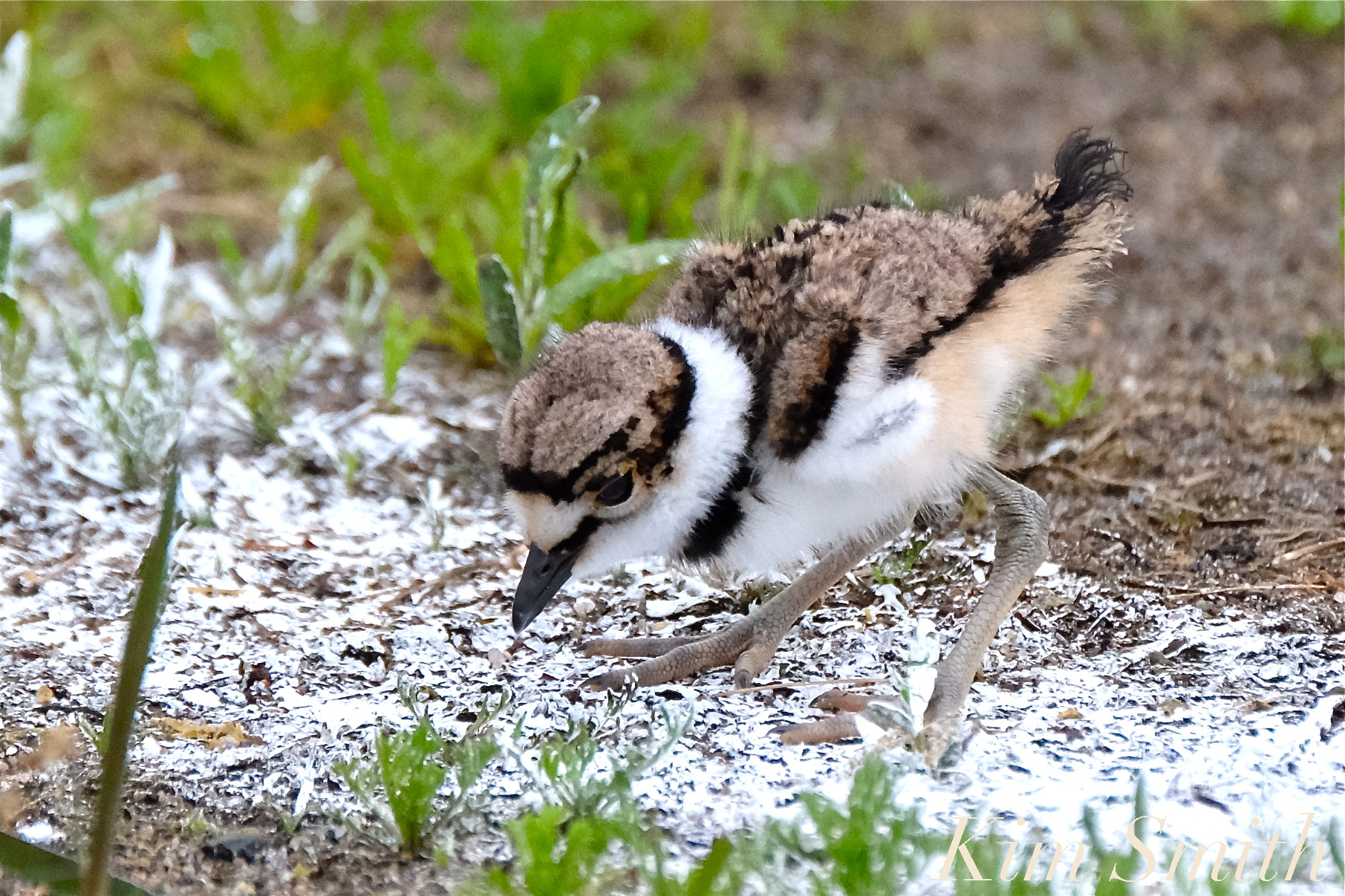
Off and on during that rainy day I stopped by to check on the Killdeers. Because of the weather, the parking lot was virtually empty. Tiny tufted black, brown, and white feather balls atop overly long spindly legs, the baby birds spent all their time zooming here and there, foraging on itsy bitty insects in the grass and gravel.
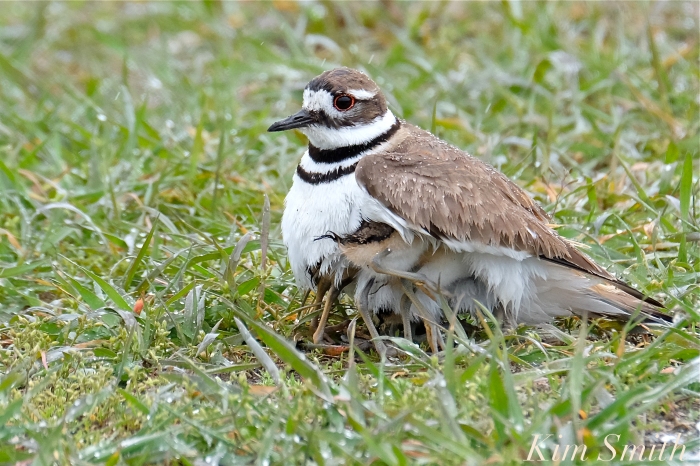
When not foraging, they would run under Mom or Dad to warm up on that damp drizzly day. Just like Piping Plover chicks, Killdeer chicks are precocial birds and can feed themselves within hours after hatching however, because they are so tiny, they lose body heat relatively quickly. The chicks need the warmth provided by snuggling under Mom and Dad.The next morning it was still drizzling, and the Killdeer family was still in the same location! I watched them for a bit, when a man showed up with his dog. The Killdeer parents went into high alert and did their best distraction displays. The dog chased the adult Killdeers around the parking lot while I spoke with the man. It is the same man who brings his dog to Good Harbor Beach via the footbridge end at the close of the day, after the lifeguards and dog officers have left. This was a tremendous problem last year after the Piping Plovers hatched. Last summer I was too busy preventing his dog from squashing a PiPl chick to get his license plate number, but not this time. The man and his dog left the parking lot.
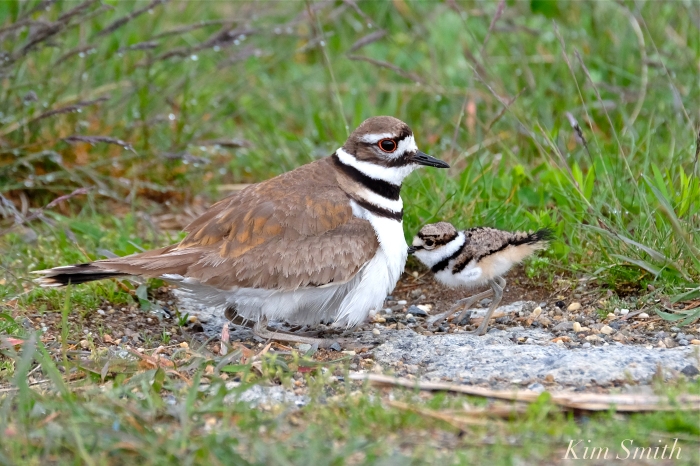
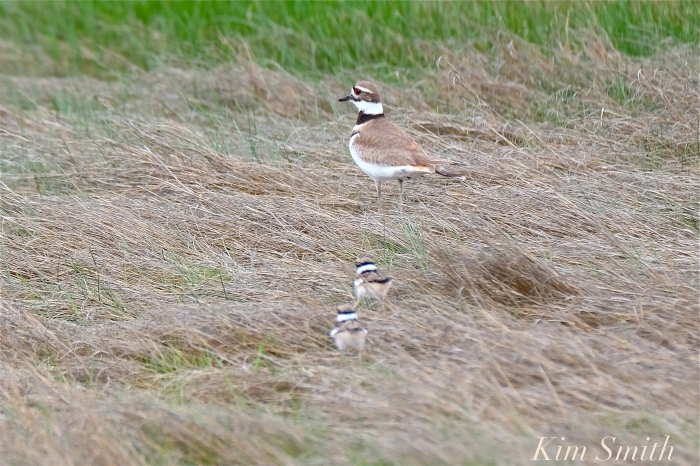
Moving to the marsh

Shortly after the dog encounter, both Killdeer parents led the chicks into the marsh. To see the chicks navigate over the incline at the edge of the marsh was amazing; it must have seemed like fording a mountain to them. I’ve looked but have not seen the family since. I am hoping that they are thriving and growing in the marshland.
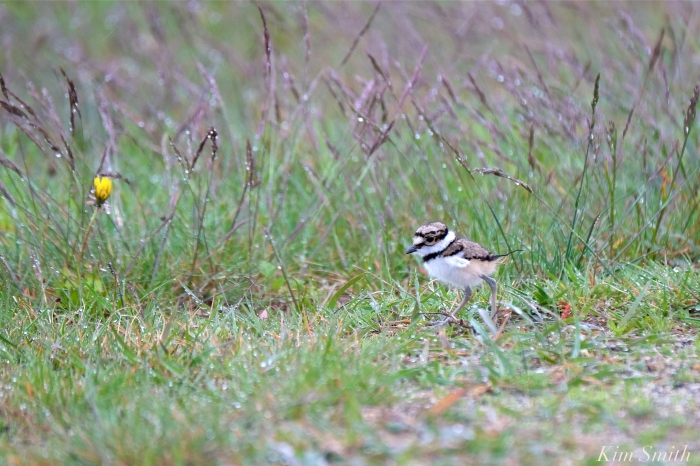
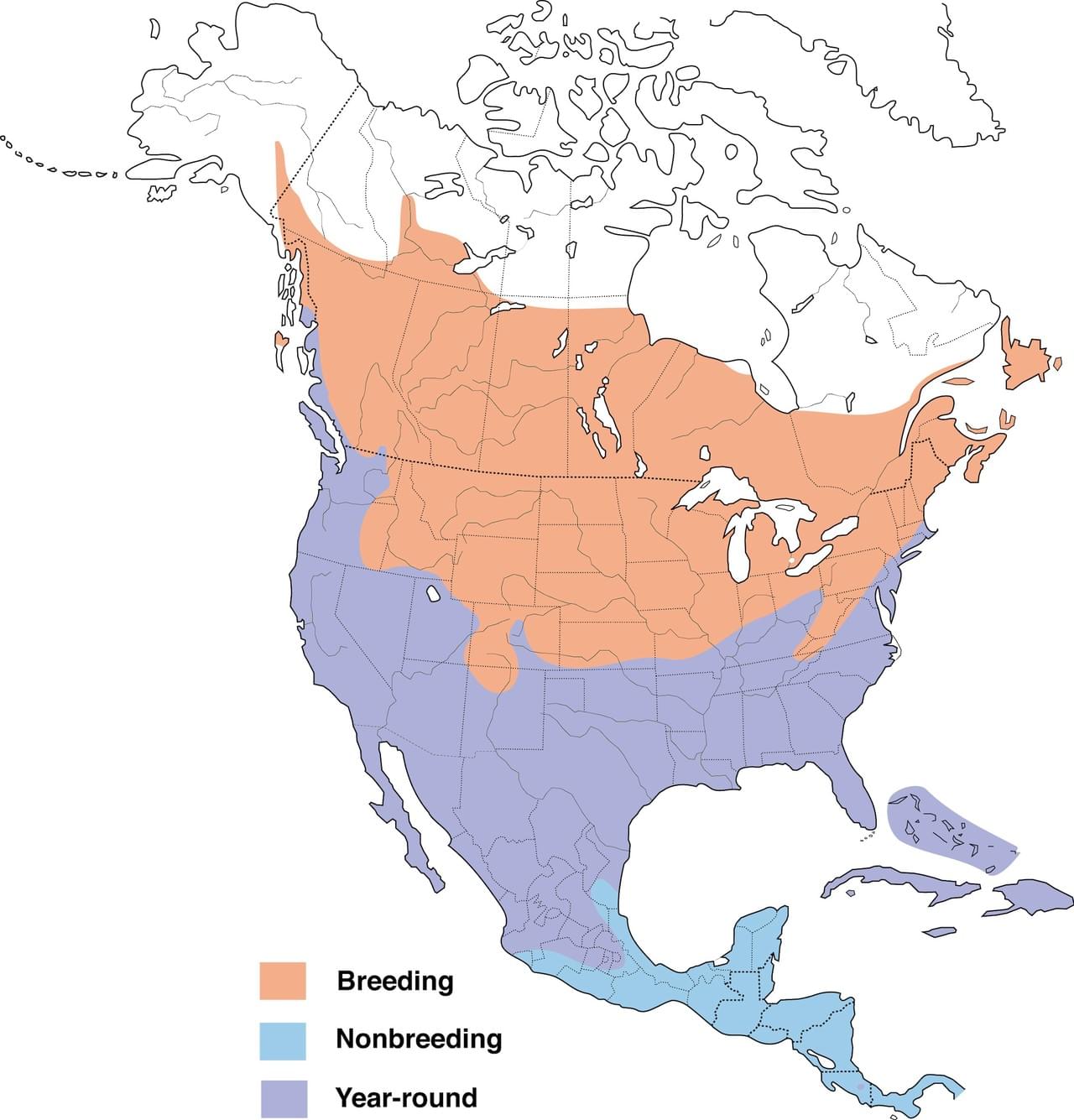
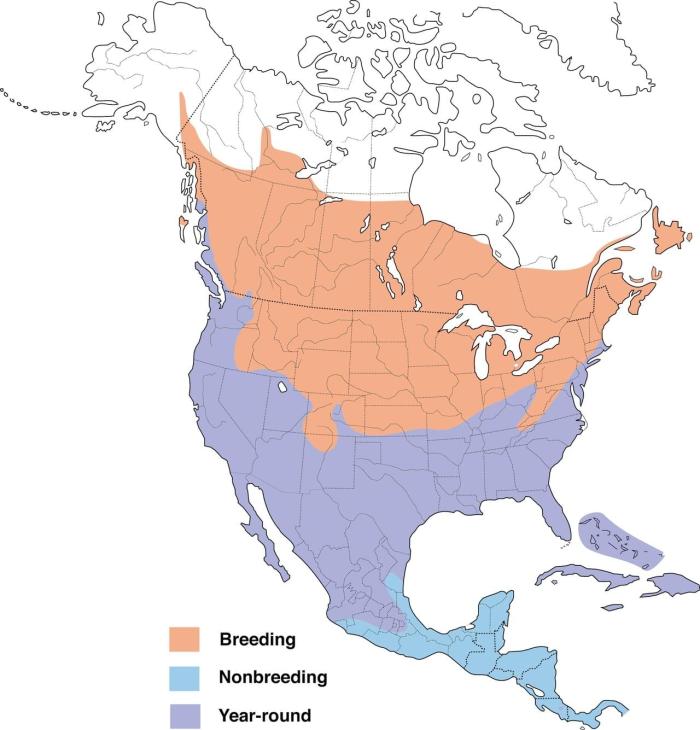
We don’t hear as much about Killdeer Plovers because they are not an endangered species. Killdeers are found in every state of the continental US, Alaska, Canada, Mexico, Central and South America. They are the least shorebird-like of shorebirds because they breed and dwell in many types of habitats including grasslands, fields, urban areas, gravel pits, airports, parking lots, athletic fields, and golf courses. Despite their super ability to adapt to human habitats, it is a species in decline.

Killdeers begin courting in our area in March. Although I imagine they have been nesting at Good Harbor Beach for a longer period of time, I only have a record of Killdeers nesting at GHB going back three years and it is yet another important reason as to why humans and pets should not be traipsing through the dunes.

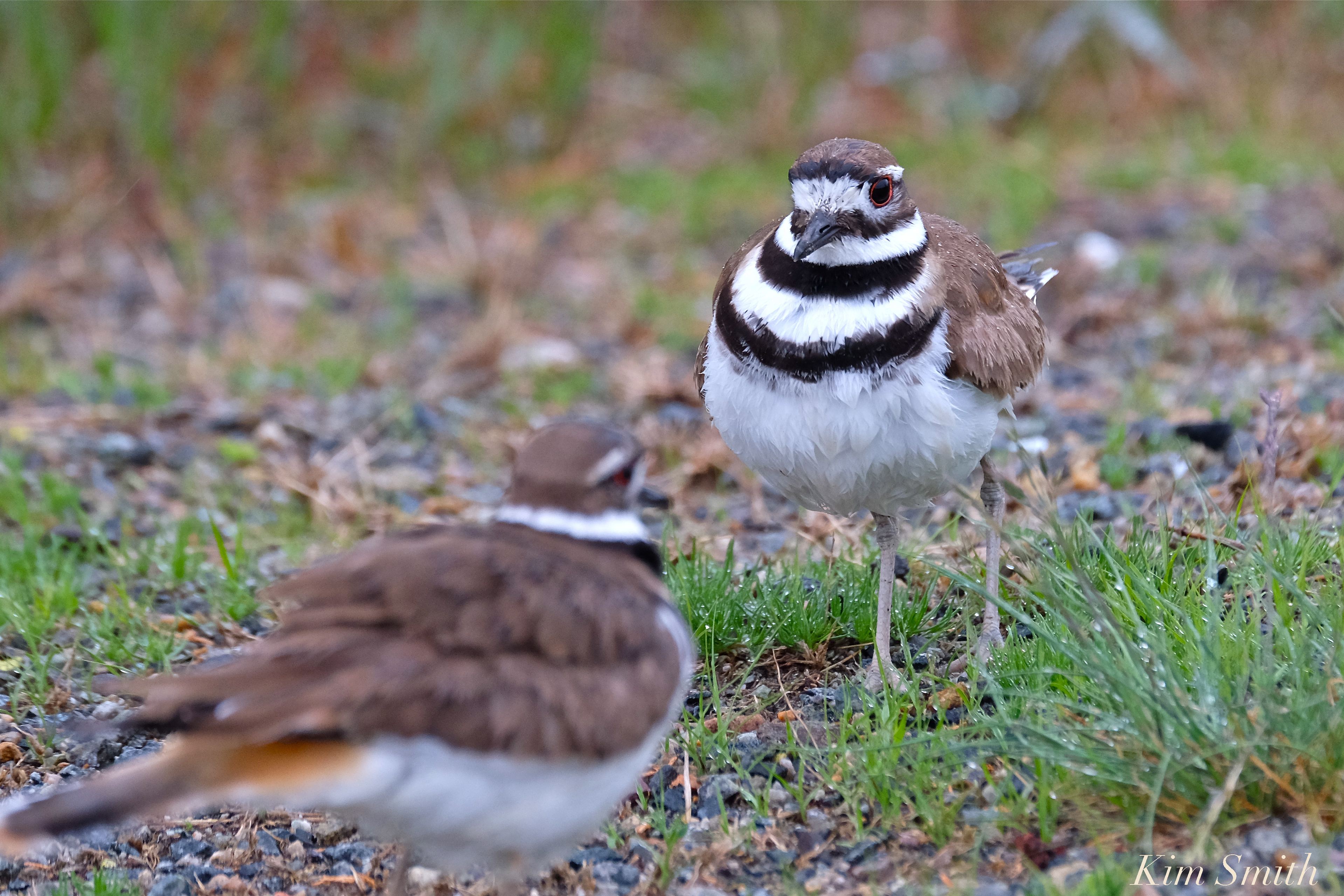
It is difficult to tell the difference between a male and female Killdeer unless they are side-by-side, and even then, still challenging. The male is a bit larger.
SHOUT OUT AND THANKS TO GLOUCESTER’S DPW JOE LUCIDO, CONSERVATION AGENT KEN WHITTAKER, AND GREENBELT’S DAVE RIMMER

Rainy day nesting.

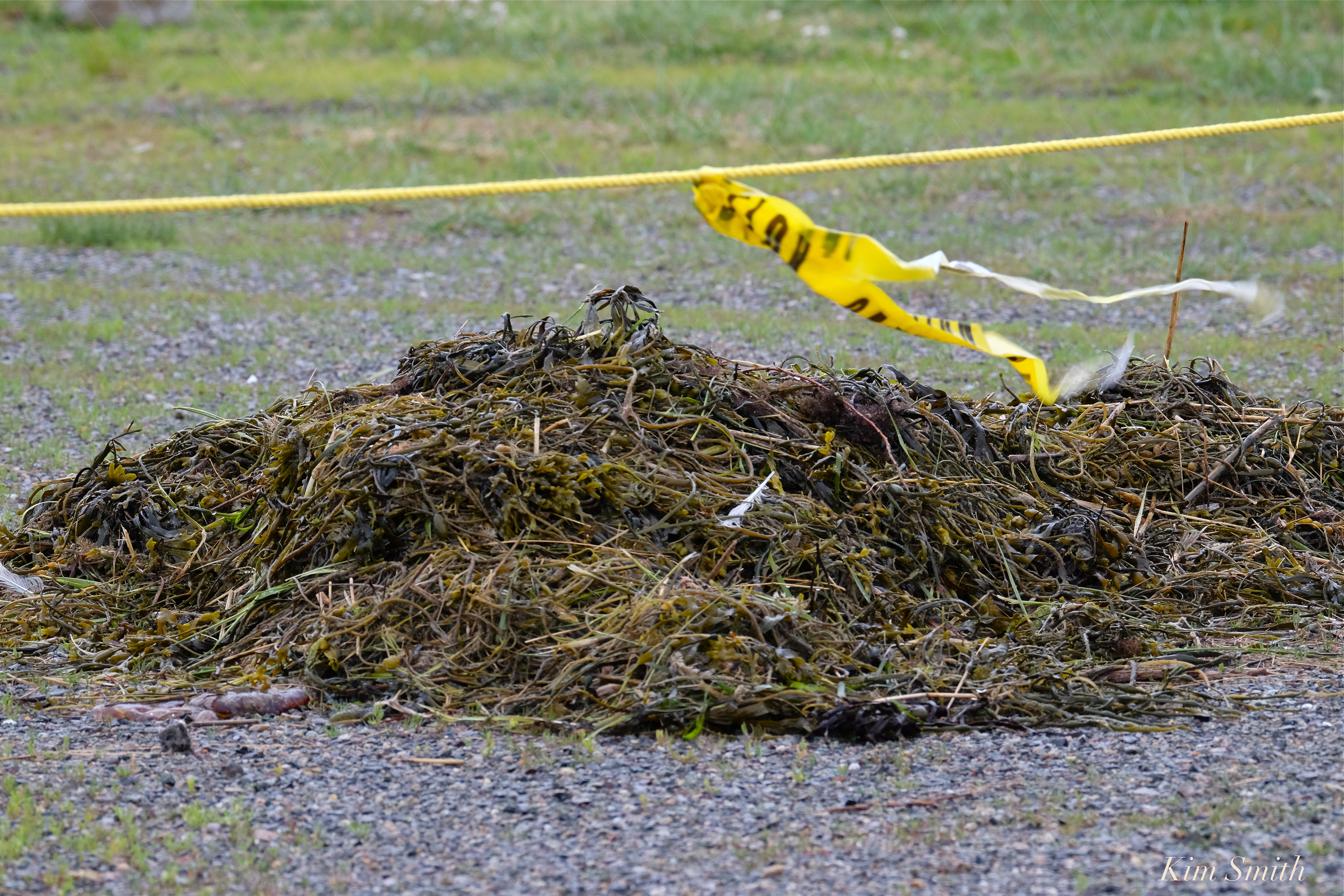
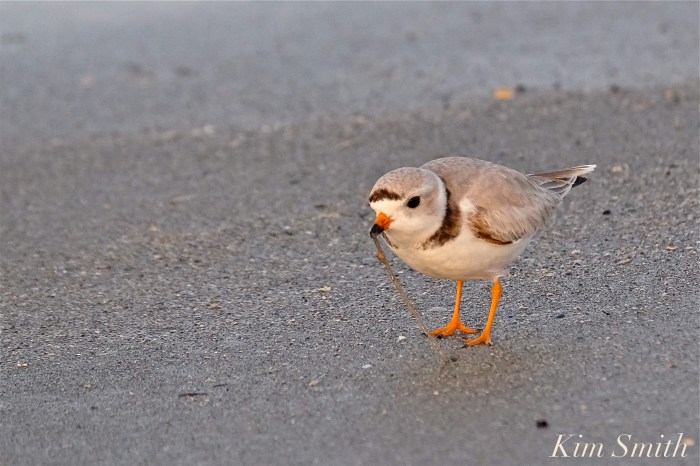
Early this morning seaweed was collected from the beach and spread in a small area next to Piping Plover’s roped off area. The purpose of the seaweed is to help the PiPl find nourishment once the chicks hatch. There are lots of teeny weeny insects that live in the gravel and grassy areas of the parking lot, and the seaweed will attract even more.  


UPCOMING CITY MEETINGS RELEVANT TO THE ISSUE OF DOGS ON BEACHES DURING SHOREBIRD NESTING SEASON

Mama Piping Plover leaving the nest for a few moments to change places with Papa Plover

Thursday, June 7th, the Animal Advisory Committee is meeting at City Hall, 3rd floor, at 6:30pm.

On the Agenda:

  1. Open discussion for public comments.
  2. Approval of meeting minutes 5/17.
  3. Committee elections.
  4. Piping Plover protections
    1. Review new facts/research.
    2. Dog leash ordinance – to vote.
    3. Education/awareness.
  5. Upcoming event planning.
    1. CAAA Rescue Reunion.
    2. Crab beach plunge.
    3. Pet food drive.
    4. Massachusetts laws in legislative review.

Animal Advisory Committee update from the Piping Plover meeting held May 17, 2018:
We will have a continuation of the plover discussion during our June 7th meeting; in the meantime, fact-finding and ongoing discussion with experts will be conducted as well as creation of a volunteer group or team for beaches. We will likely make final recommendation on dog & wildlife ordinances by July 2018.


Also, tonight, June 4th, is an Ordinance and Administration Committee meeting at City Hall, 1st floor, from 6pm to 8pm. I have never been to an O and A meeting, but plan to attend to learn more about how the process works.


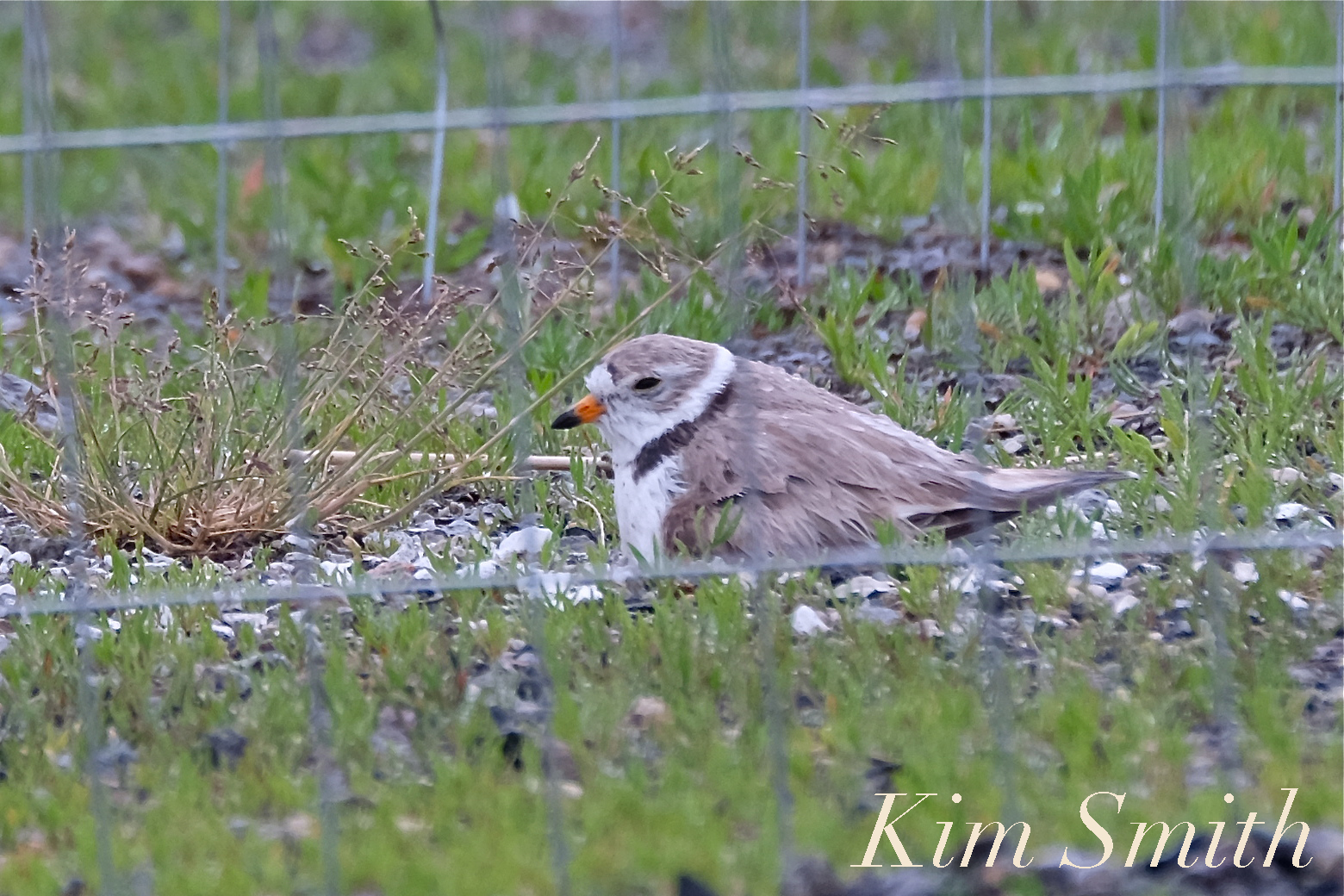
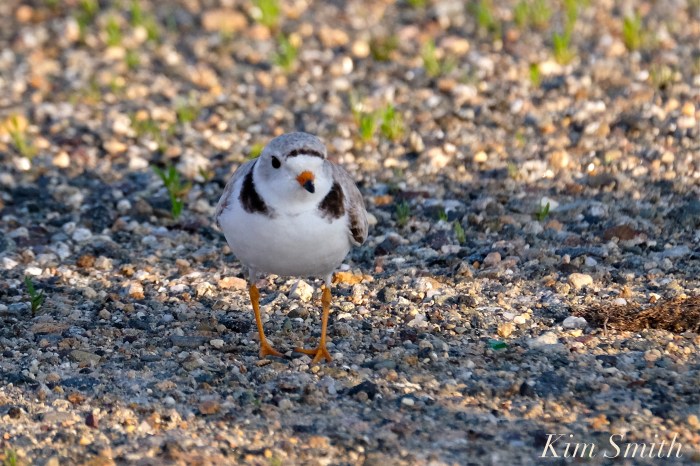
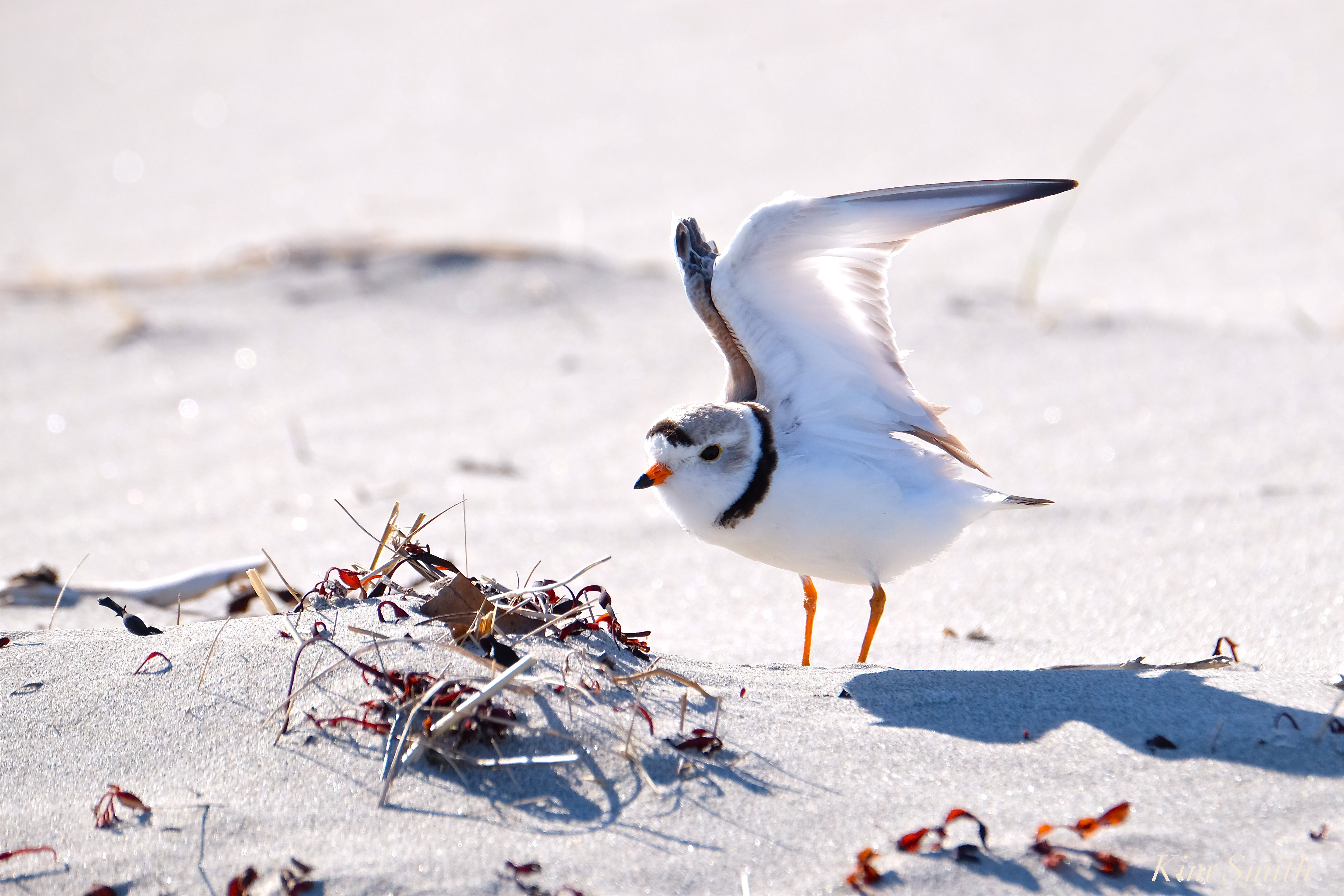
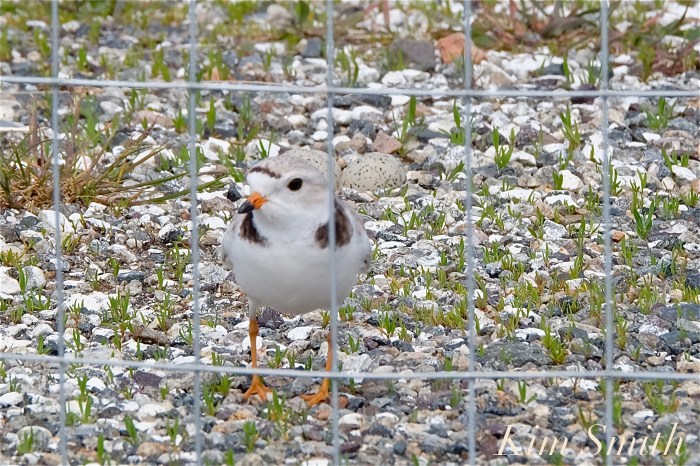
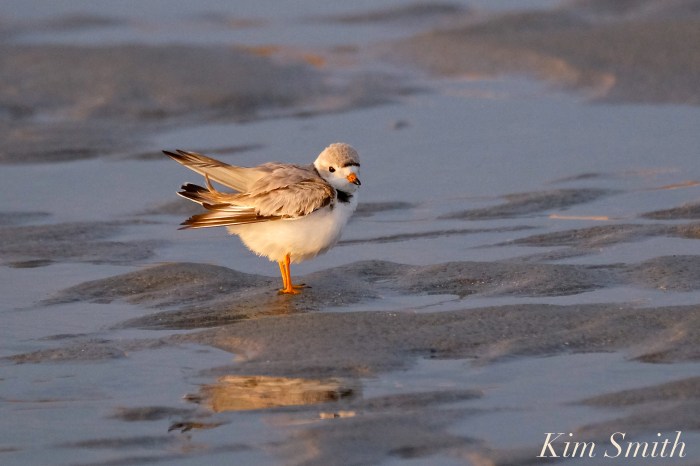
Parking Lot Piping Plovers, driven off the beach in April by the unrelenting interruption from dogs during courtship and nesting building in the roped off areas at Good Harbor Beach.

Parking Lot Papa waiting to change places with Mama

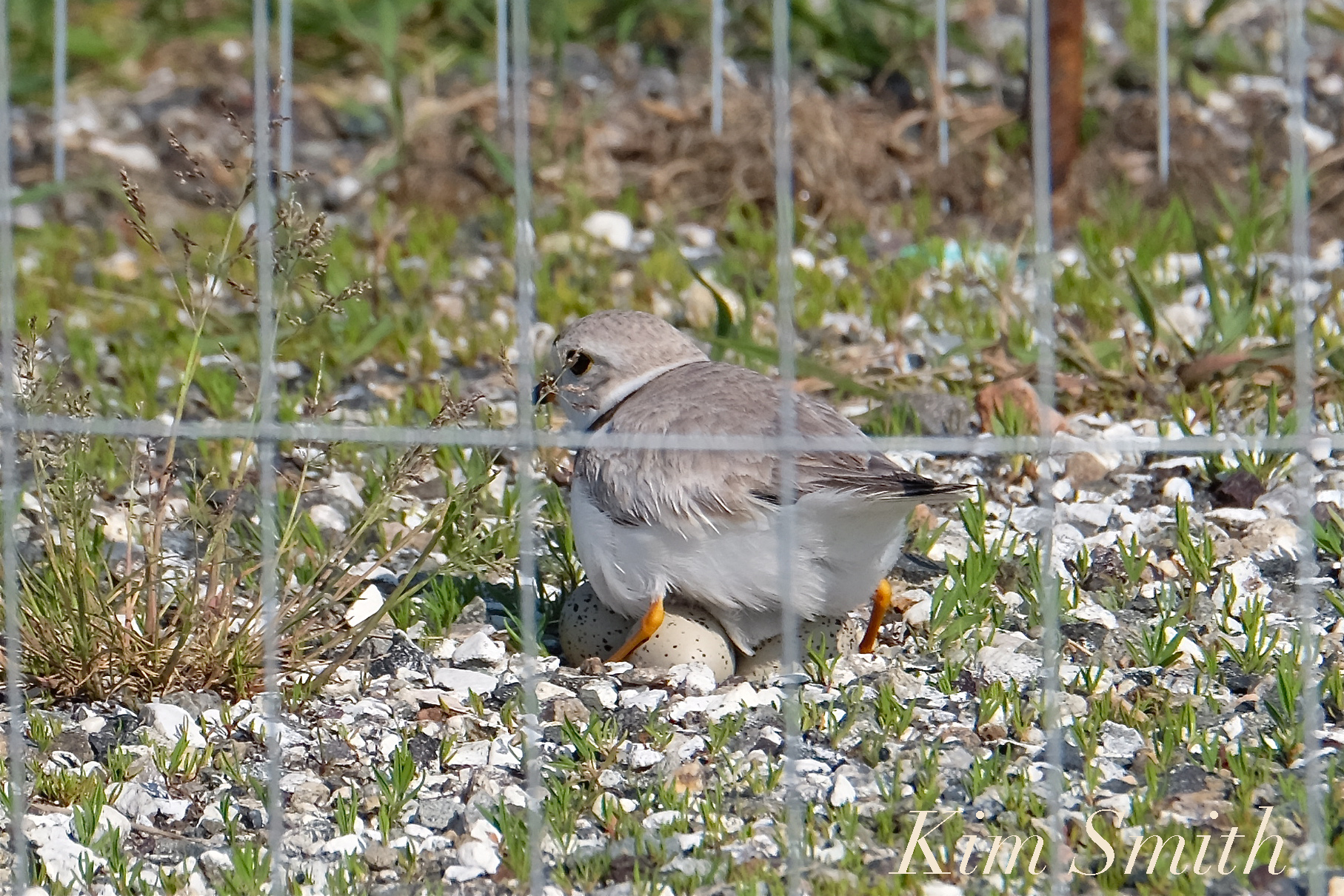
Giving the eggs a little turn with her feet and then settling back down on the nest.

Piping Plovers would much prefer to nest on the beach. The Good Harbor Beach parking lot is the location of “last resort.”

Link to post about GHB PiPl nesting in the parking lot.

GOOD HARBOR BEACH FOOTBRIDGE GOOD NEWS PROGRESS REPORT!

Gloucester’s Department of Public Work’s Phil Cucuru updates us with the following good news:

Chad K and crew are finished installing the 21 pilings. The DPW is waiting for the special marine grade wood needed to build a temporary footbridge. The hope is that it will be here by Friday. As soon as the wood is delivered, Phil and Mike Tarantino will begin rebuilding the bridge. They plan to work nonstop, including weekends, until the bridge is complete and fully operational. Hooray and thanks to Phil and Mike for the update!

https://www.instagram.com/p/BjZwp3EHlBS/

BEAUTIFUL SHOREBIRDS PASSING THROUGH

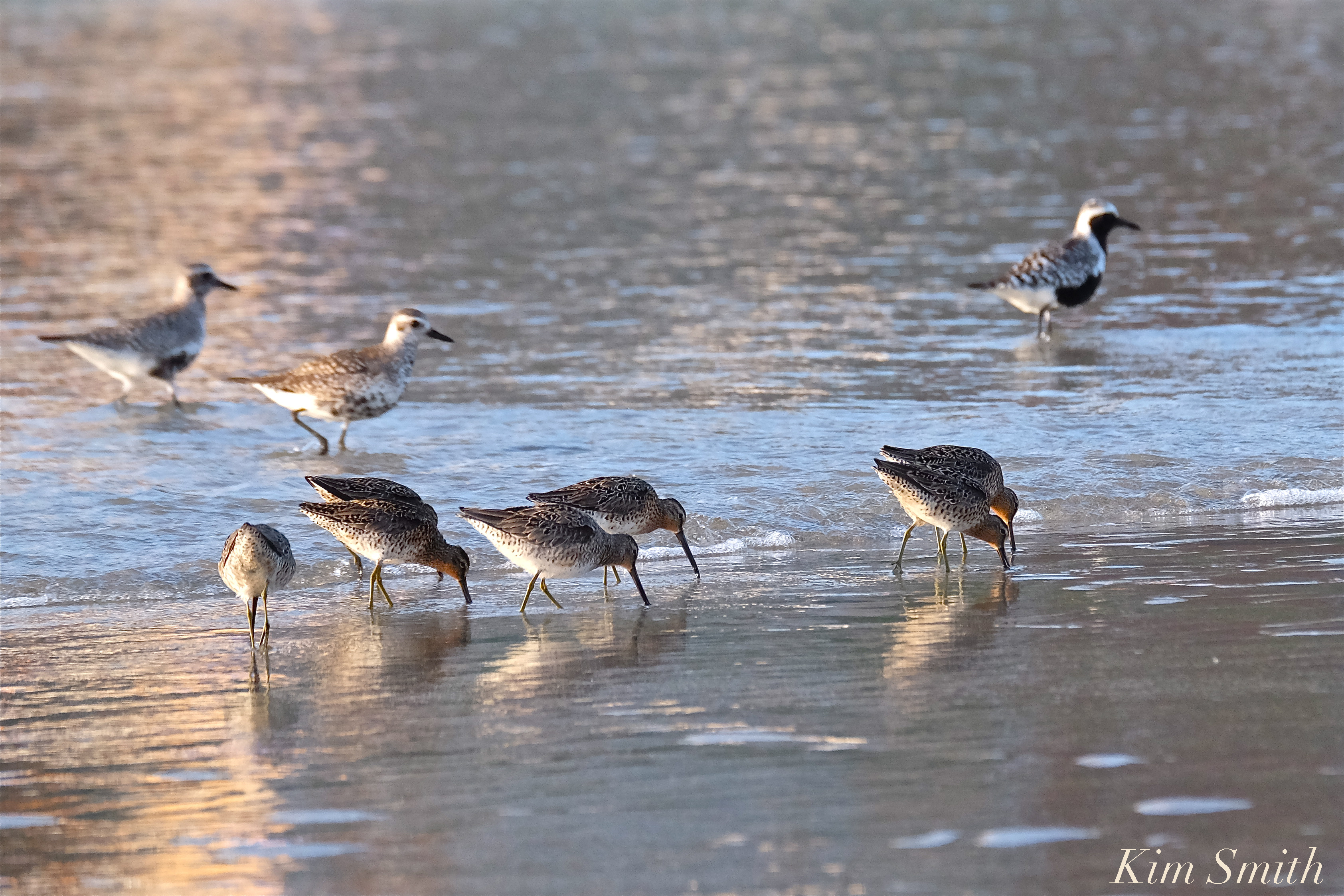
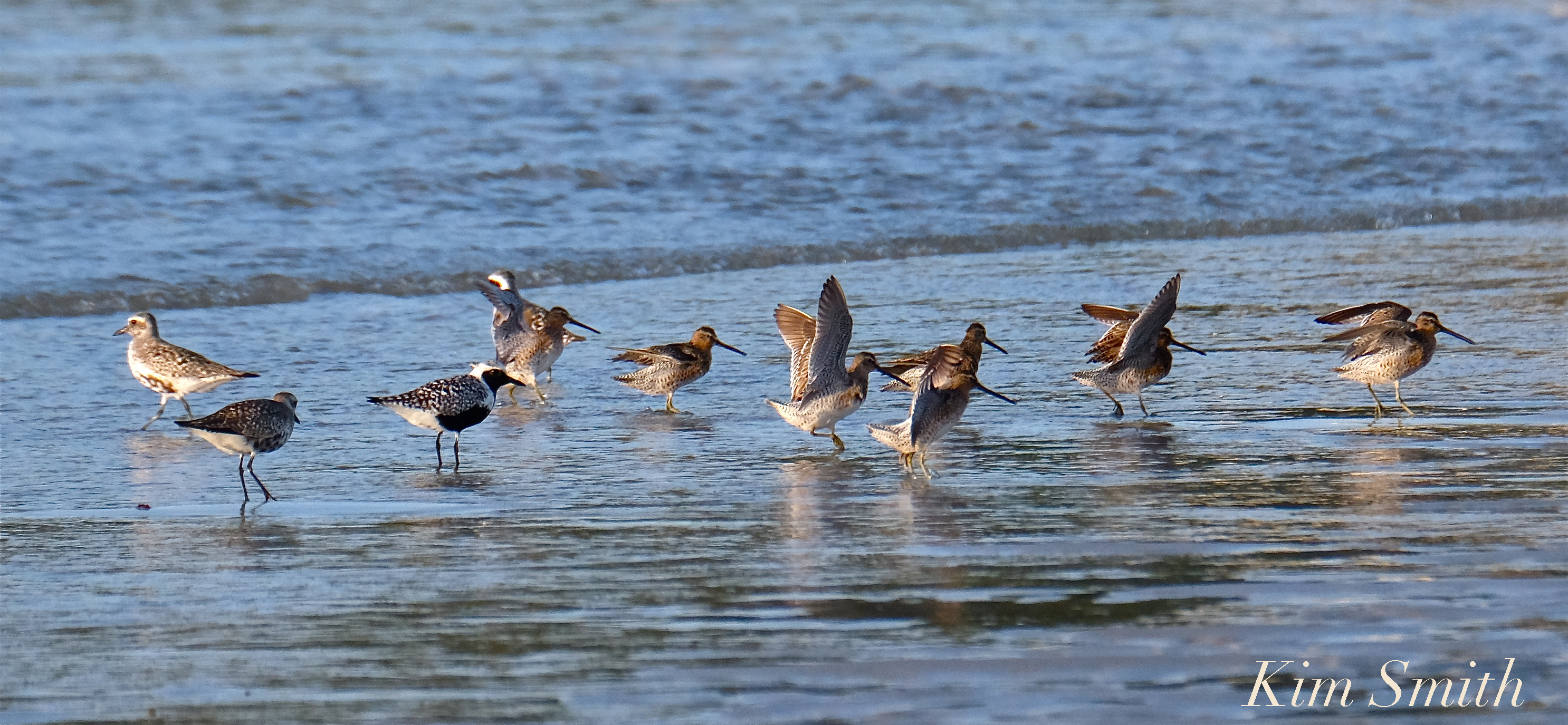
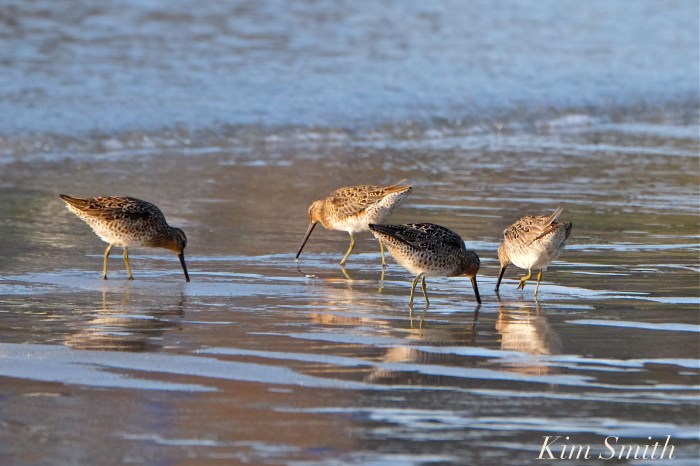
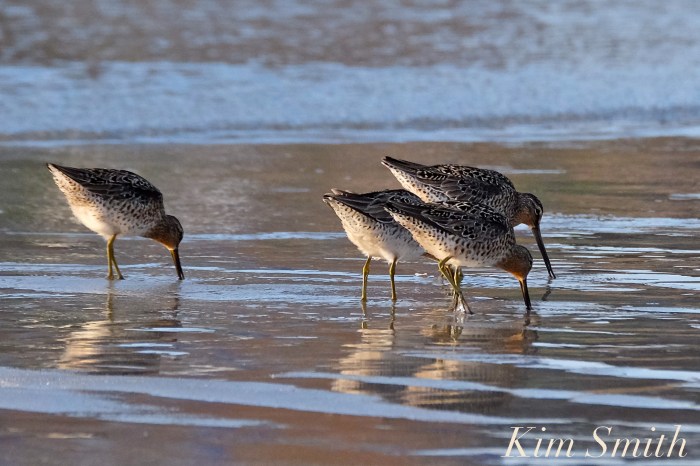
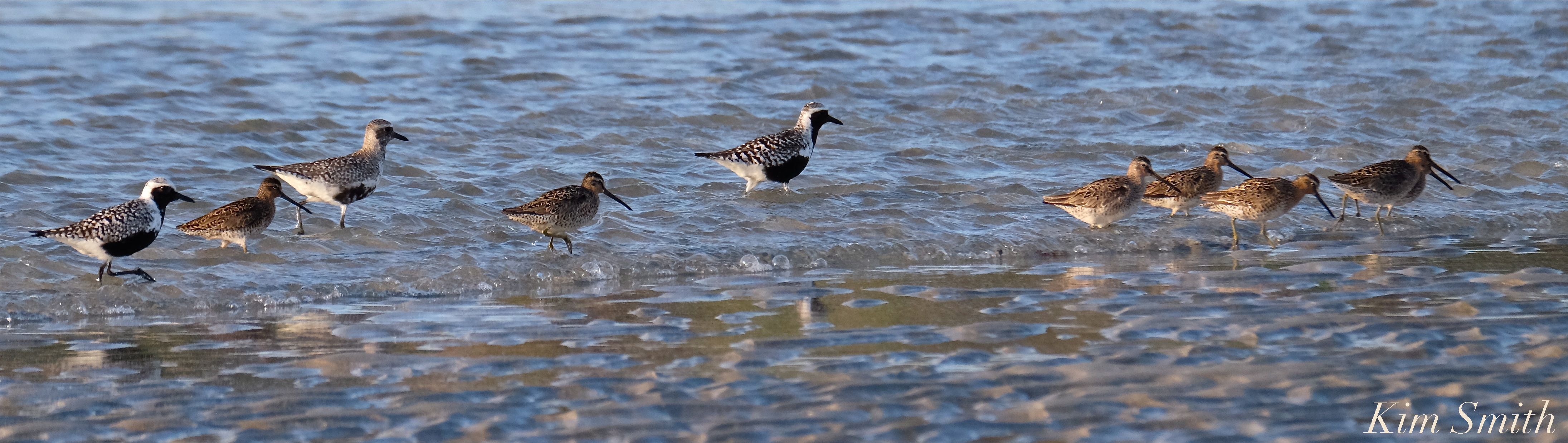
May is a magical month to see migrating species throughout Massachusetts. Over the weekend on an early morning Piping Plover check up I was delighted and surprised to encounter a small flock of Dowitchers and Black-bellied Plovers hungrily feeding at the shoreline. Two Semipalmated Plovers joined the scene, too, and for a brief moment our Papa Plover was feeding with the migrating flock.

Unlike Piping Plovers, which nest in our region, we will never see nesting Black-bellied Plovers, Dowitchers, and Semipalmated Plovers on our shores. They are migrating to their northern breeding grounds in the Arctic.

PIPING PLOVER MEMORIAL DAY WEEKEND UPDATE

Despite the throngs of beach goers and a full parking lot by noon time on Friday, the nesting Piping Plovers appear to be doing a-okay. Both Mama and Papa Plover were seen at the nest this morning (Saturday) at daybreak. They traded places on the nest without event.

Piping Plover volunteer monitors will be checking on the PiPl throughout the day. The parking lot attendants are keeping an eye out our feathered friends as well. With a hope and prayer, and lots of cooperation from the community, our little pair will survive the holiday weekend 🙂

At daybreak this morning, Mama left the nest to stretch her wings, forage, and take a bath, but only after Papa flew on the scene to relieve her; Papa on the nest Friday evening.

NEW SIGNS AT GOOD HARBOR BEACH

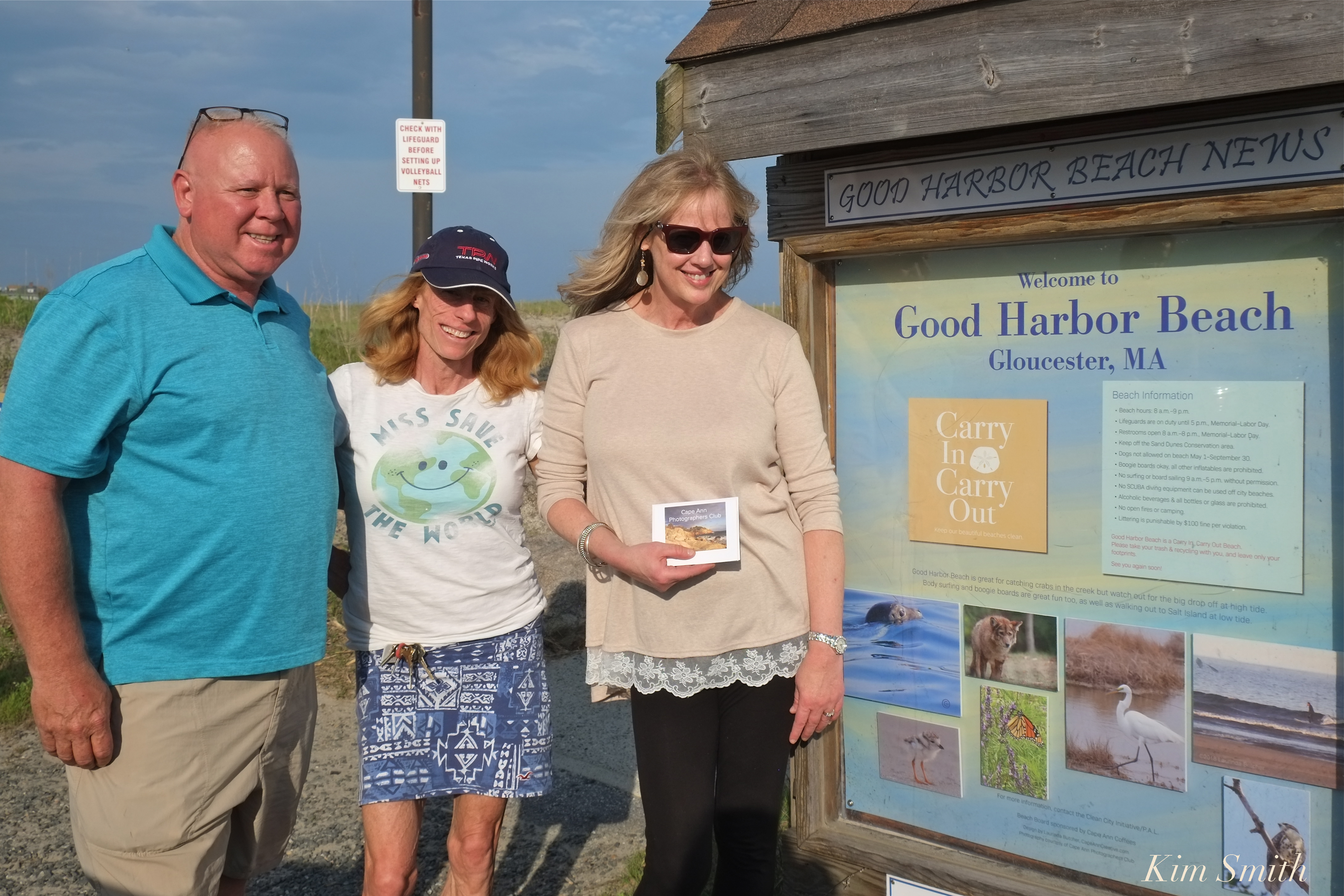
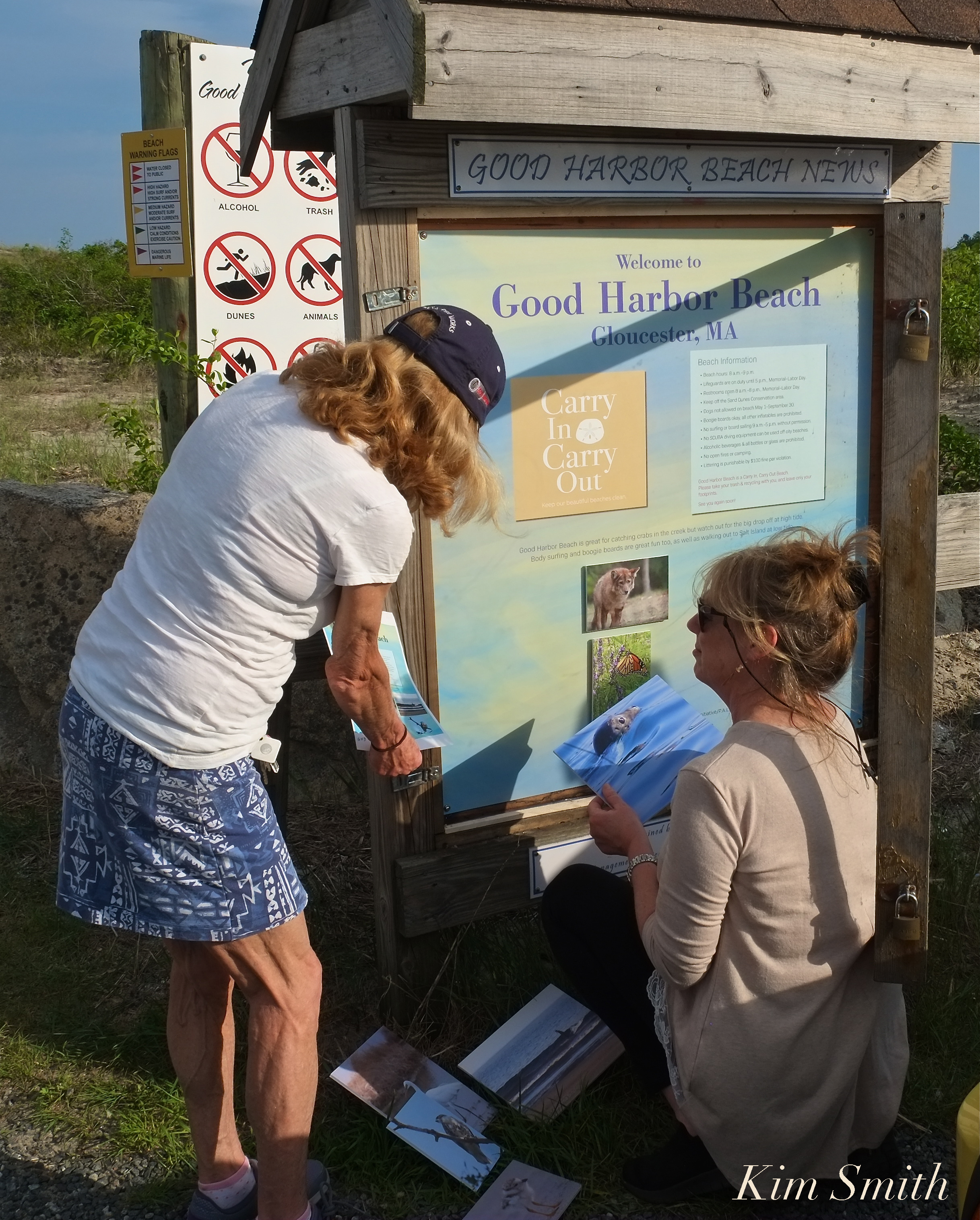
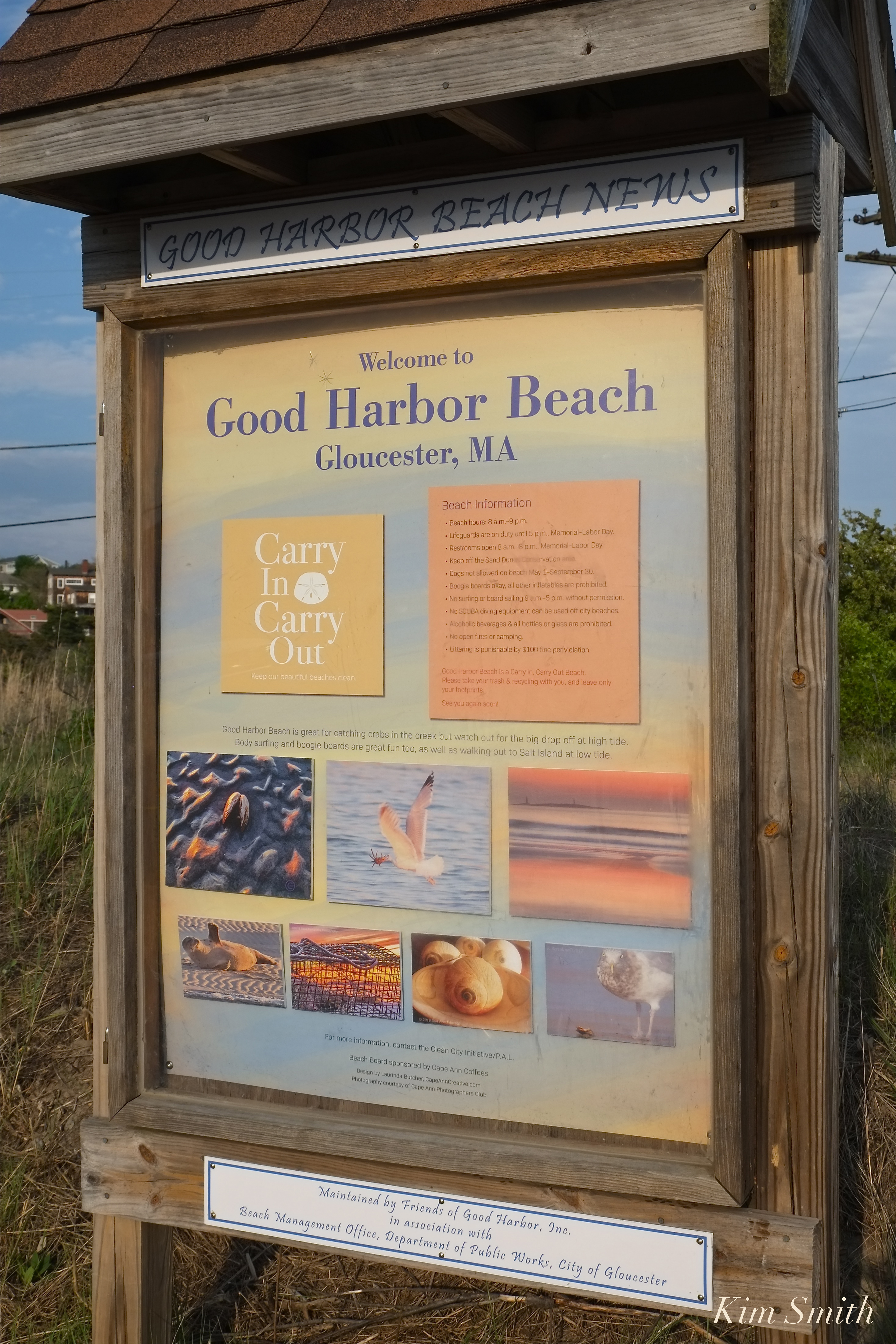
Four years in the making and planning stages, both Good Harbor Beach and Wingaersheek Beach have been outfitted with lovely new signs housed in the glass kiosks. We can thank Cape Ann Coffees, Neptune’s Harvest, Patti and Howie Amaral, Laurinda Butcher and the Cape Ann Photographers Club, and the Friends of Good Harbor Beach for the good work.

Patty and Laurinda installing the signs tonight.

Laurinda Butcher of Cape Ann Creative designed the bulletin boards and she, along with fellow members of the Cape Ann Photographers Club, donated the images. Photos are courtesy of the following contributors: Betty Grizz, Dave Fernandes, Skip Montello, Doug Burgess, Roger Porter, Karen Burgess, Gary Lander, Cate Partridge, Sue Ann Pearson, Glenn Bowie, James Eason, Jr., Donna Ardizonni, Kimberlee Bertolino, and Laurinda Butcher.

MORE SHOREBIRDS NESTING AT GOOD HARBOR BEACH!!

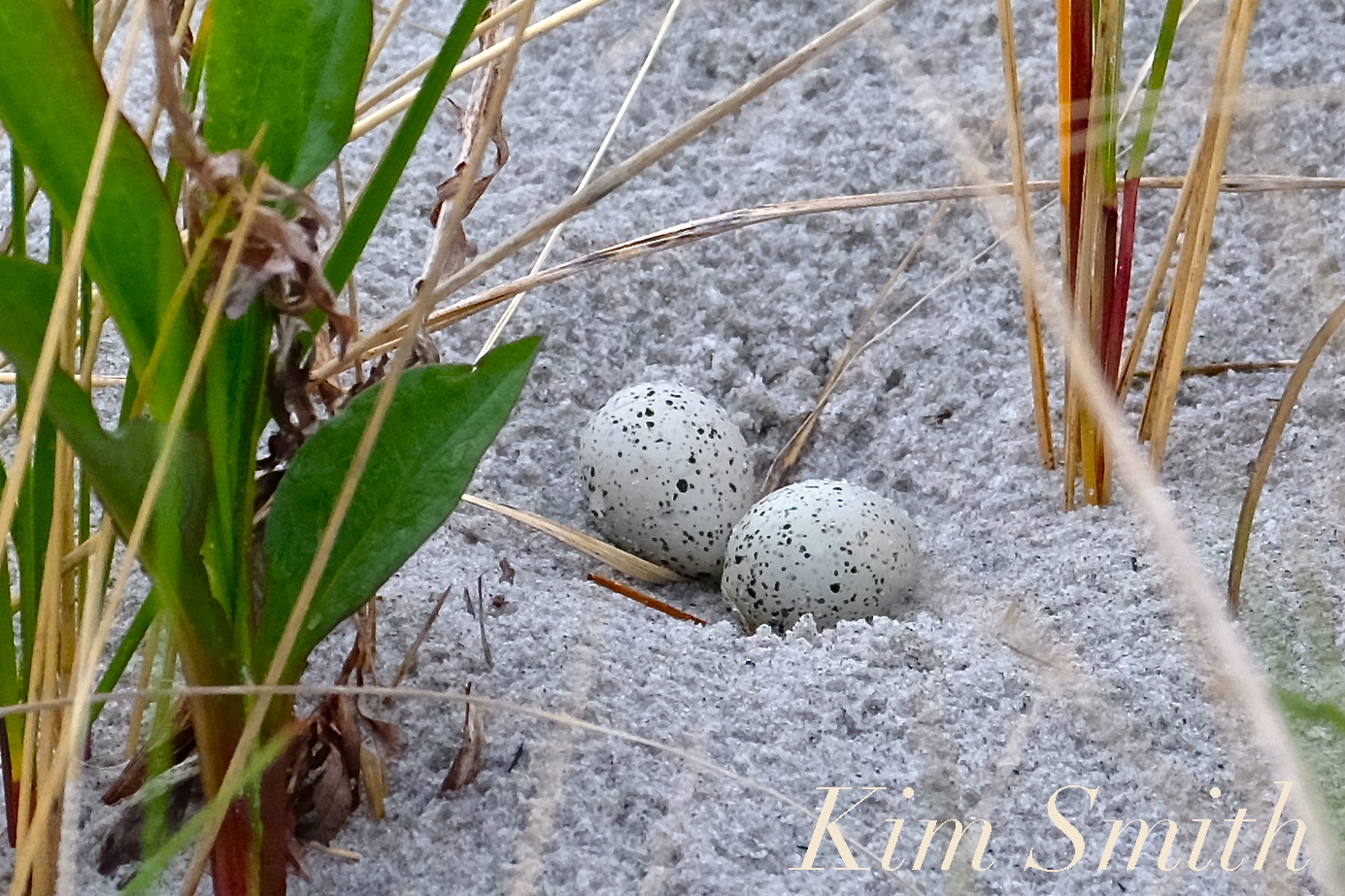
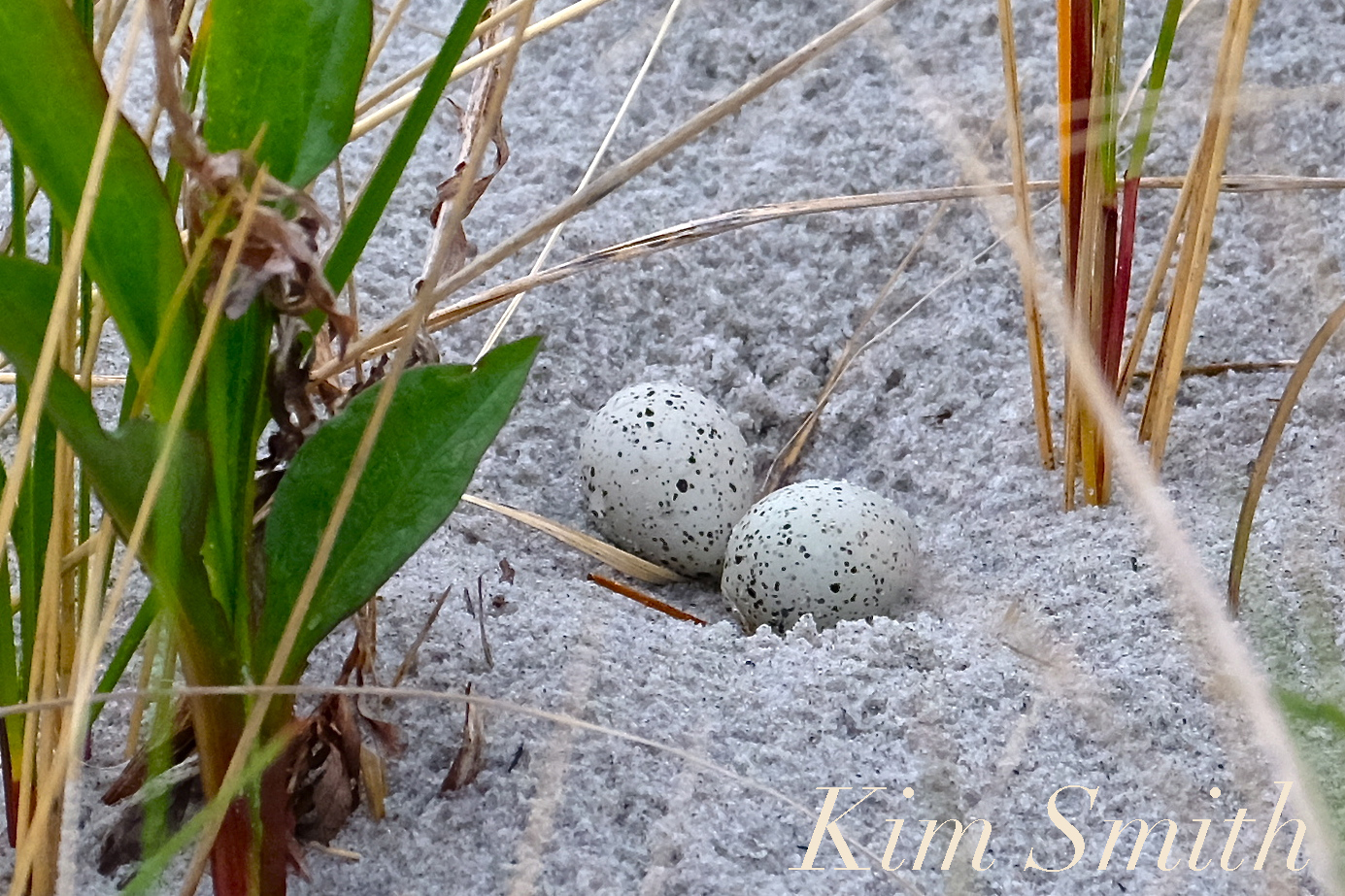
Pictured above are the beautiful mottled eggs of a different species of plover, the Killdeer. Notice how the Killdeer eggs look similar to the PiPl eggs, but are a deeper gray. Killdeers make their nest scrapes on the ground, just as do PiPl, but in gravel and soil, and the darker colored eggs are perfectly camouflaged amidst the sticks and stones. Piping Plover eggs are beautifully camouflaged when laid in sandy nest scrapes.

Stay tuned for wonderful news about our Good Harbor Beach Killdeer Family.

Piping Plover eggsKilldeer, Good Harbor Beach Gloucester

GLOUCESTER’S DPW ON THE JOB PREPARING GOOD HARBOR BEACH FOR THE LONG MEMORIAL DAY WEEKEND!

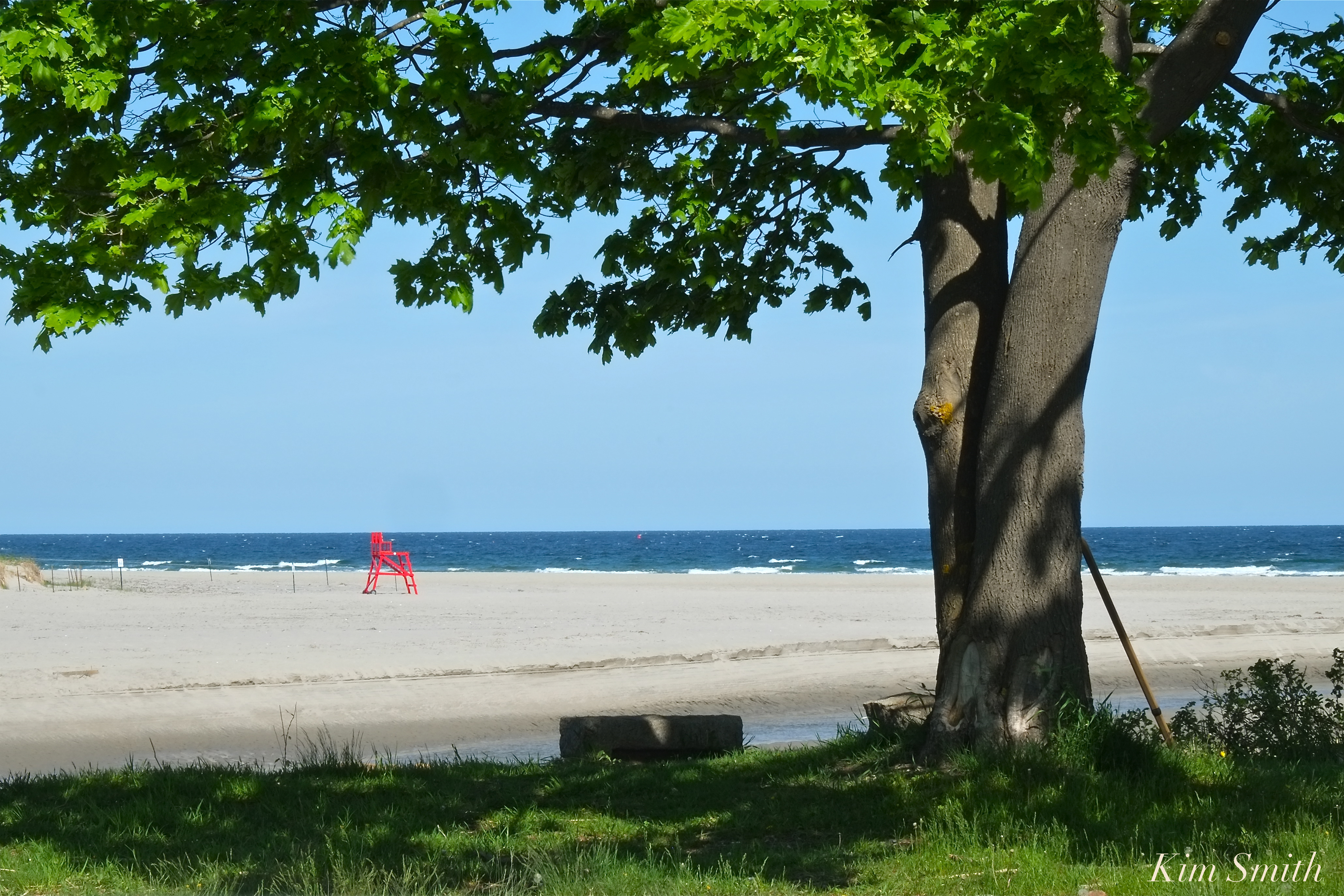
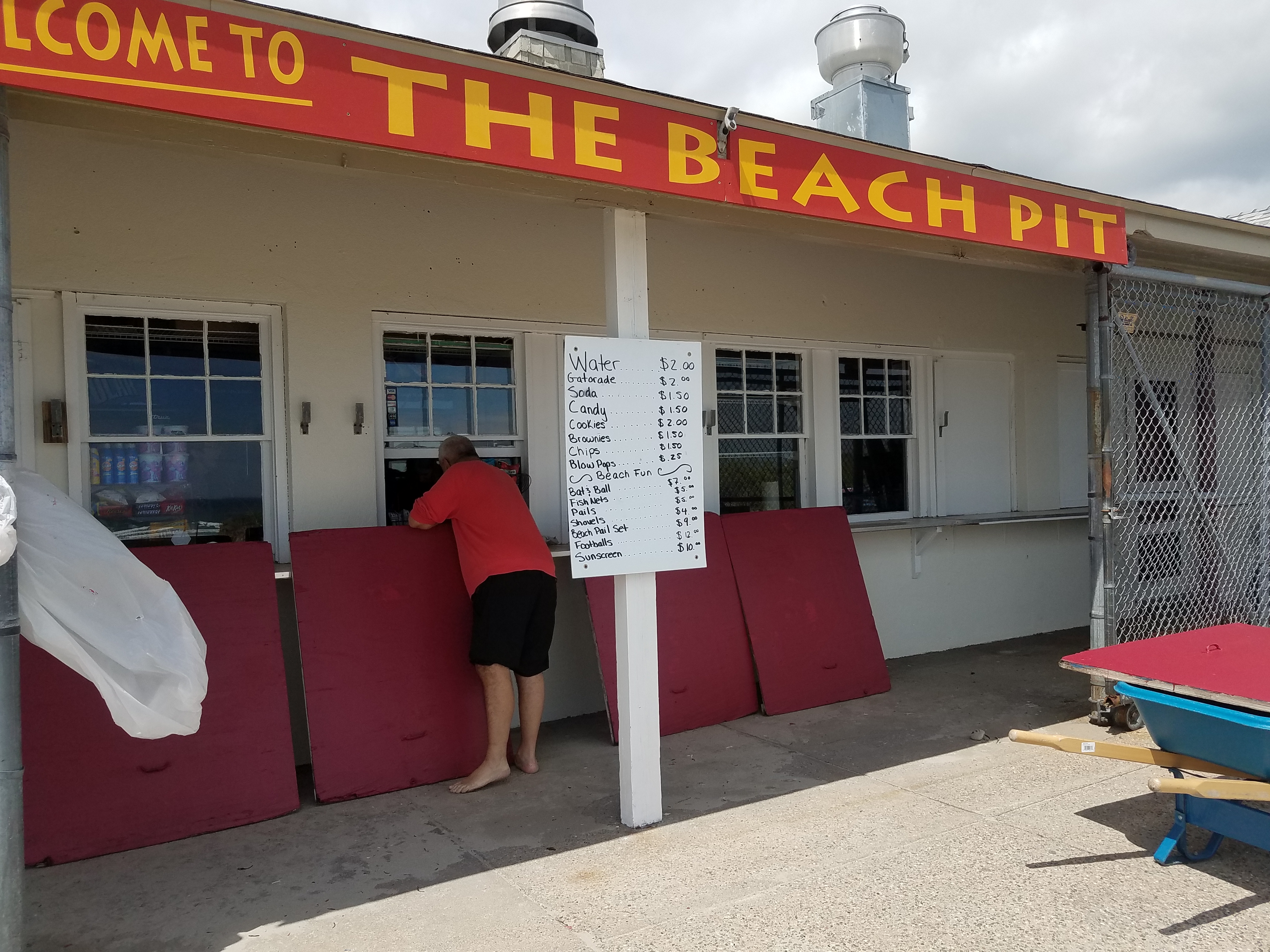
Good Harbor Beach looks pristine, with boardwalks recently repaired, beach cleaned and raked, snack bar opening, and helpful signs installed. A welcome sight this fine morning in May to see the crew setting in place the spiffy bright red life guard perches–a sure sign GHB summertime fun is just around the corner 🙂

DEBUNKING PIPING PLOVER MYTHS #2 AND #3

Debunking Piping Plover Myths #2 and #3

Myth #2: “The reason the Piping Plovers are nesting in the parking lot is because when they first arrived to Gloucester it was cold and they find the asphalt warmer.”

Not true and by this logic, Piping Plovers would be nesting in parking lots from here to Canada!

Piping Plovers arrive at Atlantic coast and Great Lakes beaches every year from late March through the month of May. Along the Atlantic Coast, they breed from the mid-Atlantic states to New England and all the way up the coastline to the maritime provinces of Canada, as far north as Newfoundland and Labrador. The temperature is no colder on a Gloucester beach than a beach on Plum Island or a beach on Prince Edward Island.

Myth #3: “The reason the Piping Plovers are nesting in the parking lot is because the tides are higher and the beach area was disrupted after the winter storms.”

Also not true. 

Piping Plovers typically nest on both narrow and wide sandy beaches. Unfortunately, nests and eggs are occasionally swept away during a storm when the tides are high.

Beaches all along the Massachusetts coastline were hit hard by late winter storms however, Piping Plovers often do well on beaches where winter storms have created a change in the topography. Storms generate what is called overwash, when water from the sea carrying beach sediments flows onto the dunes. Overwash is critical for beaches to maintain their shape and size in the face of sea level rise. The best foraging areas for Piping Plovers are known where you have large expansive mudflats created by storm overwash.

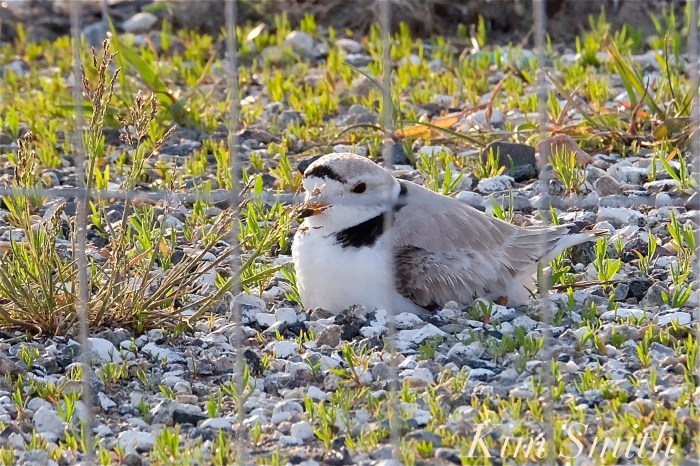
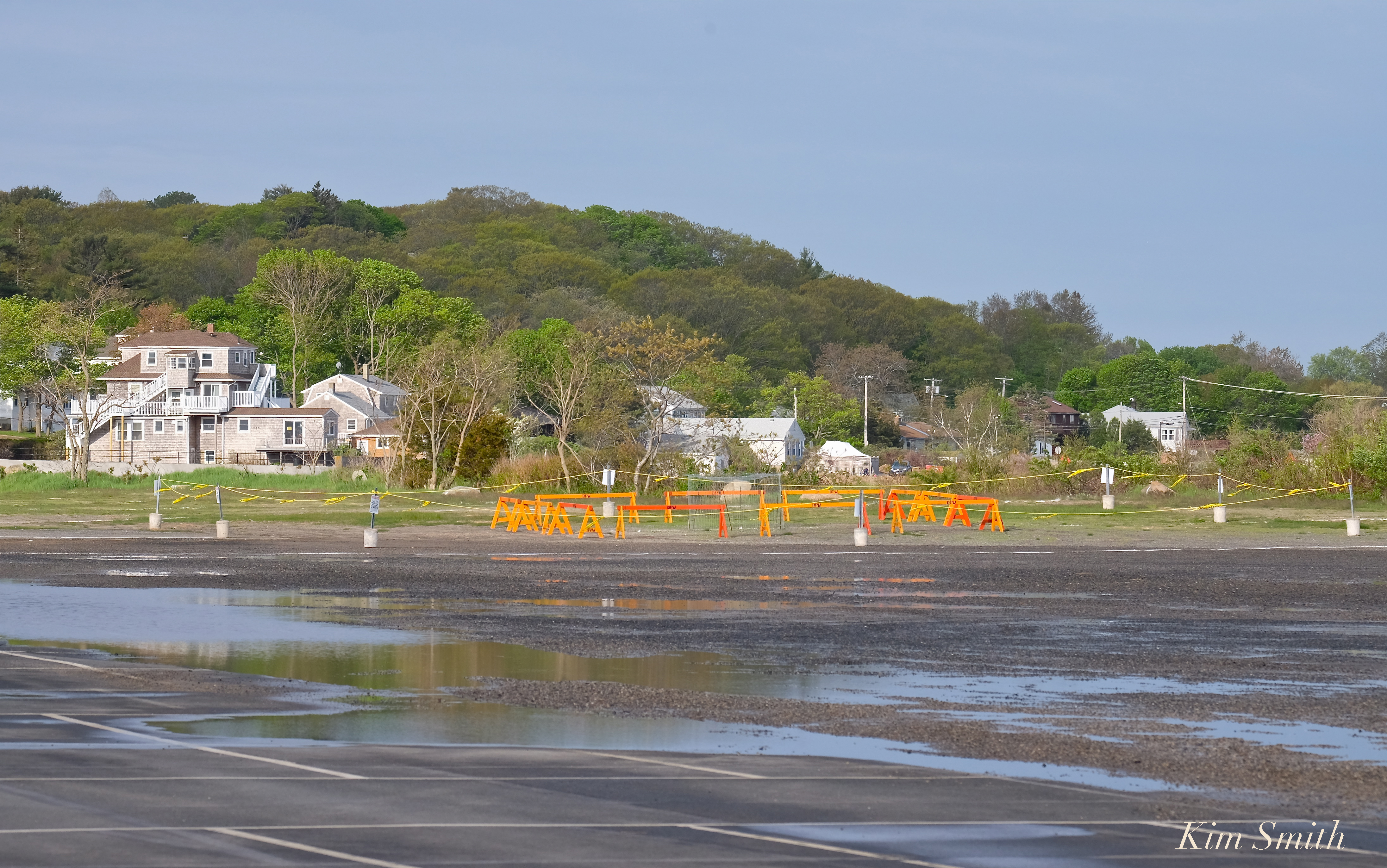
Good Harbor Beach Piping Plover parking lot nest and eggs.

As you can see, there is a theme to these comments, to blame the fact that the PiPl are nesting in the parking lot on everything else except what in actuality drove them to the parking lot.

Constant and unrelenting disruption by dogs off leash in the nesting area is what forced the Piping Plovers to the parking lot.

By speaking frankly to help bring awareness about what occurred in the nesting area at Good Harbor Beach during the months of April and May is by no means meant to malign or portray as wicked and threatening dogs or dog owners. Disruption by dogs was witnessed by myself, by fellow PiPl volunteers, as well as by Greenbelt and Mass Wildlife representatives, and the dog officers. 

In the minds of our nesting pair of Piping Plovers, the Good Harbor Beach parking lot was seemingly the safest location at the time of mating and nest scraping, as it was also the quietest and least disrupted. Readers may be wondering, why did our pair not nest in the wide expanse of dunes? I think the green growth found in the dune habitat does not provide protective camouflage as do the white painted lines and gravel found in the parking lot. If you have stopped by to see the PiPl in the parking lot, you may have noticed that they are practically invisible, the way they blend in with their surroundings. The little pair are certainly resourceful!

Don’t mistake their resourceful choice of nesting locations as ideal. The parking lot is a horrendous place to nest. It is far away from their food and water. Piping Plover parents take turns sitting on the nest. In a normal situation where the nest is on the beach, one sits on the nest while the other forages close by, but at the same time is always on the lookout to zoom in and help defend the nest from real and imagined predators. Under the parking lot circumstance, while one is brooding in the lot and the other foraging on the beach, they are not in constant contact or communication with one another, making the chance of successfully hatching young all that much slimmer.

And safeguarding the chicks during their first days after hatching in the parking lot, until they make the epic journey to the beach, is going to be a monumental challenge and take tremendous teamwork.

Mama at the parking lot nest exclosure while Papa is foraging at the beach and out of the range of communication.

The problems that arise with dogs on the beach during shorebird nesting season has been dealt with and resolved conscientiously in coastal communities over decades.

Some solutions for next year:

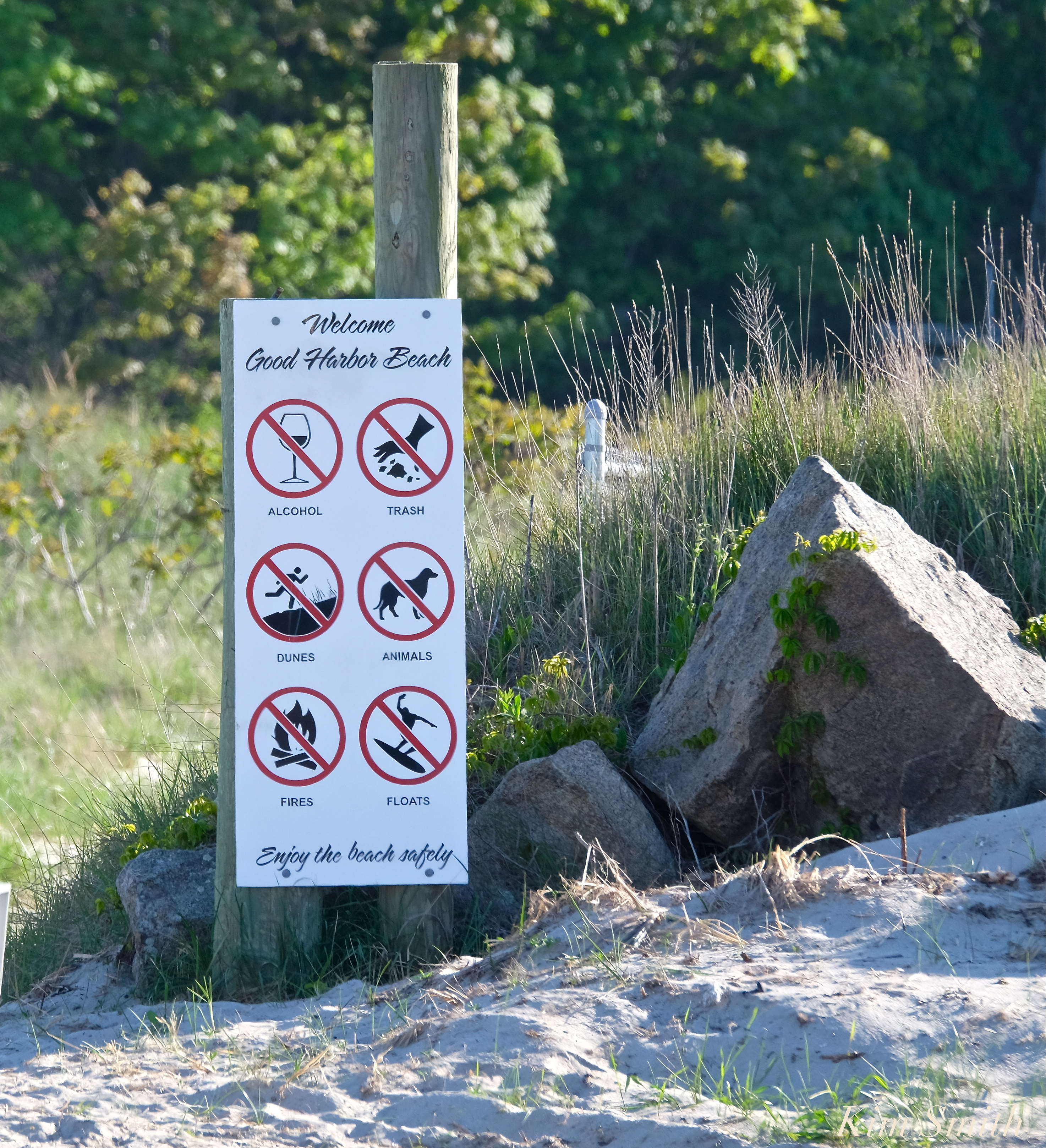
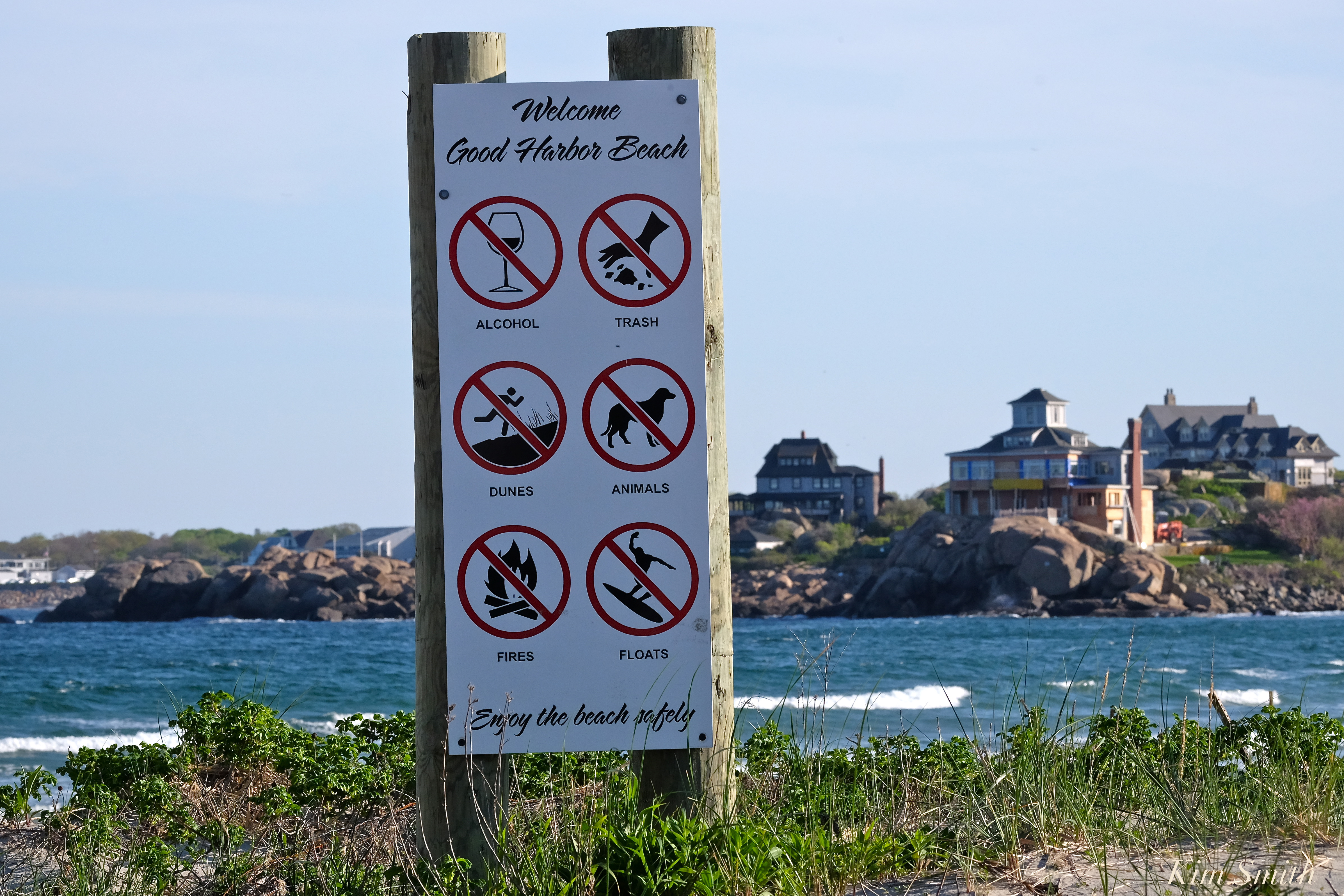
  1. With gratitude to Mayor Sefatia and the DPW, effective signage has been posted at each beach entryway. The signs need to be in place all year round because they also have a No Dunes icon. Letting people know that throughout the year the dunes are off limits to people and pets will help lessen erosion and create a healthier dune habitat, which over time will help protect our beach for everyone.
  2. Enforcement of existing ordinances.
  3. Education about the life story of the Piping Plovers.
  4. Recently a meeting of the Animal Advisor Committee was held at City Hall. Many suggestions and proposals were discussed. A very simple and effective solution for Good Harbor Beach is to close the beach to all dogs beginning April 1st and to reopen on September 16th, making the time dogs are allowed on the beach only two weeks shorter than the existing ordinance. The time period from April 1st to September 15th would give all shorebirds the uninterrupted space needed to mate and establish their nests, and time enough for the young to fledge.

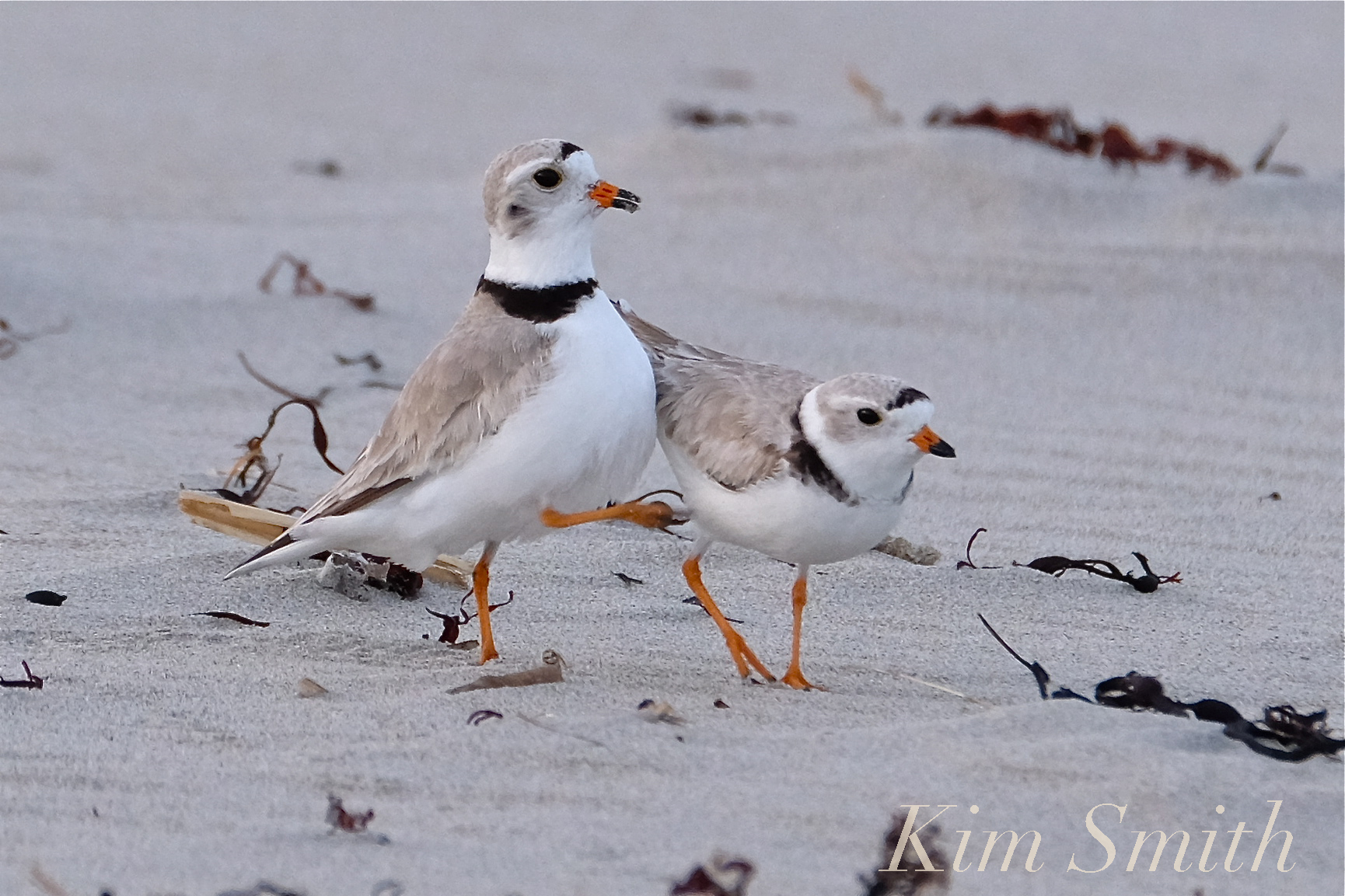
The Piping Plover mating dance is elaborate. Each time the PiPl are interrupted, they do not resume where leaving off, but begin the dance anew. In the above photo, the male is high stepping all around the female while she has positioned herself to accept the next step, where he jumps on her back, and they connect, cloaca to cloaca. The courtship dance takes about twenty to thirty minutes while copulation only lasts a mere minute.


OUTSTANDINGLY CLEAR NEW SIGNS POSTED AT GOOD HARBOR BEACH!

Thank you to Mayor Sefatia and the DPW for the fantastic signs, which are now posted at each and every entrance to the beach, from the Good Harbor Beach Inn entrance to the back marsh entrance, and all the boardwalks in between. The signs are just so tremendously helpful for monitoring the Piping Plovers! Thank you, thank you, thank you!

Nice day on Sunday

Went over to Good Harbor Beach on Sunday in between sun, rain and clouds.   It actually turned out to be a nice day.

Many people over at Good Harbor Beach, love the kids swimming and their were surfers as well.

This slideshow requires JavaScript.

DEBUNKING PIPING PLOVER MYTH #1

Debunking Piping Plover Myth #1

“Because of those gosh darn *&%$@# Piping Plovers, Gloucester is going to lose tens of thousands of dollars in parking revenue.”

Not true.

Here is why. The Piping Plovers will be out of the parking lot, before the summer season begins and before school is out!

The one thing the parking lot PiPl have going for them is that they laid their eggs relatively early in the season. If the nest is left undisturbed, by the time the chicks hatch, we will be in the second week of June. It may take a day or two for them to make the epic journey to the beach, where they will much prefer to spend the summer. At the very latest, the chicks will be out of the parking lot by the third week of June.

So to be completely clear: the Good Harbor Beach parking lot is not closing and we will have ample parking during the summer months.

I hope this quells the rumors circulating. Look for more PiPl myths debunked this week in upcoming posts 🙂 Please share this post to help folks understand more about our Good Harbor Beach parking lot Plovers.

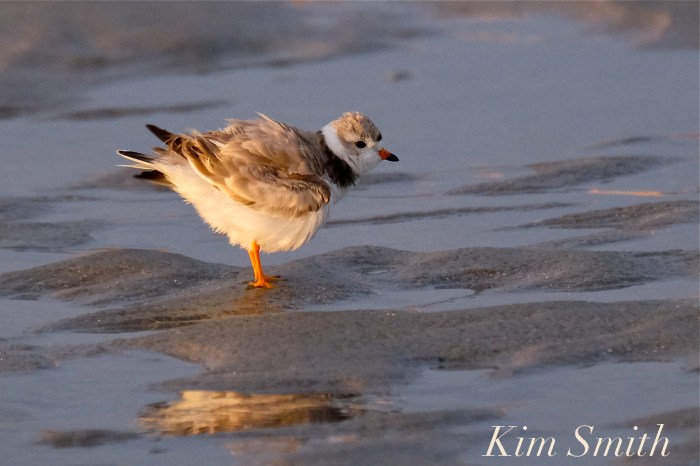
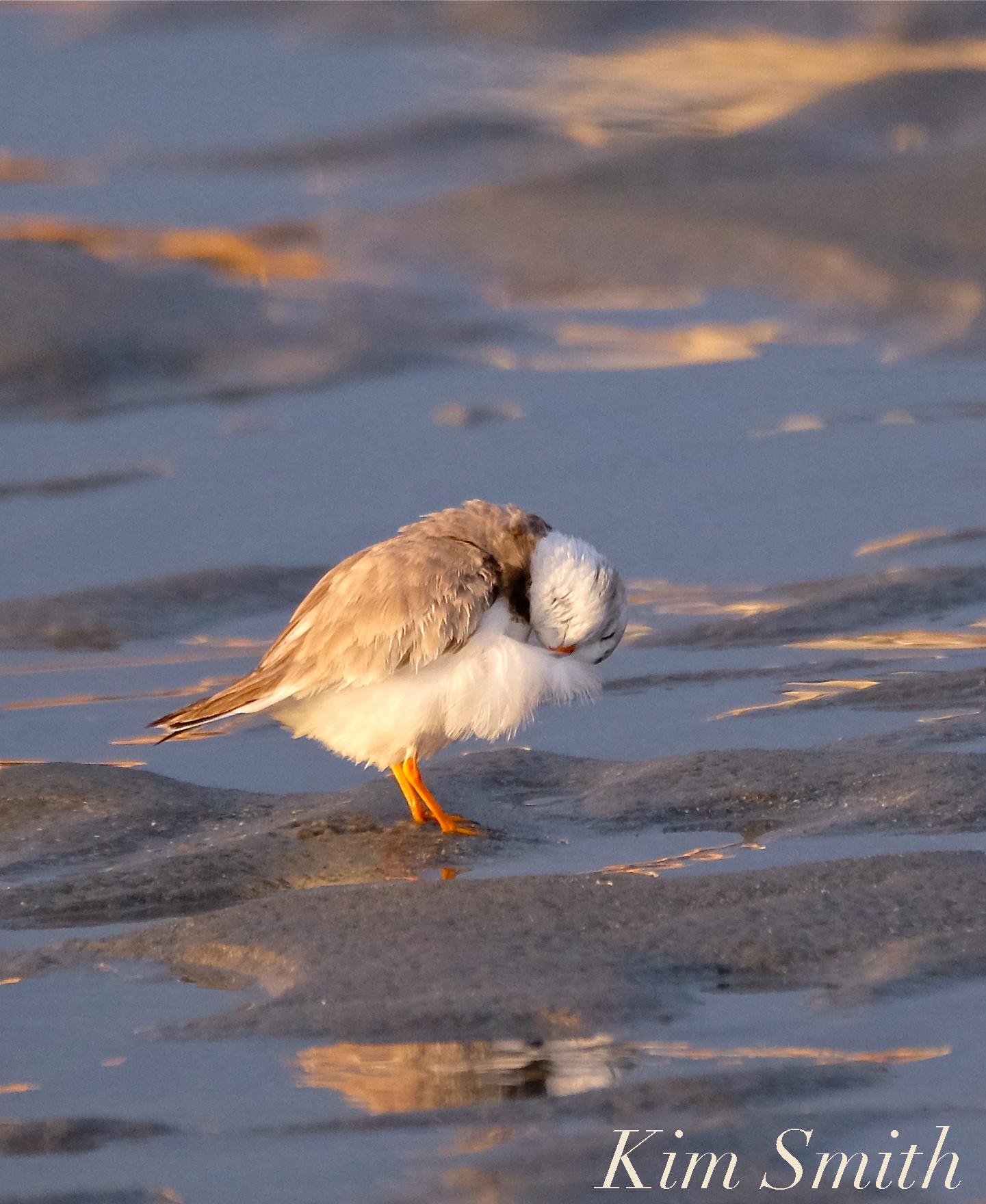
Fluffing and puffing – morning bath for Mama Plover.

BREAKING: TONIGHT ON FOX 25 WITH LITSA PAPPAS SEE OUR GOOD HARBOR BEACH PARKING LOT PLOVERS!

Thank you to reporter Litsa Pappas and videographer Steve Wright from Fox 25 for taking the time to learn about Gloucester’s nesting Piping Plovers and for sharing their story 🙂


Steve Wright and Litsa Pappas

The story airs tonight at 6 on Fox 25!

COME LEND A VOICE TO HELP GLOUCESTER’S PIPING PLOVERS AT TONIGHT’S ANIMAL ADVISORY COMMITTEE MEETING

Gloucester’s Animal Advisory Committee is meeting tonight to vote on whether or not to change the Good Harbor Beach dog rules. The meeting is at 6:30 at City Hall, 3rd floor. At present dogs are allowed at GHB through April 30th. Our hope is that the new ordinance would shorten the time, to end on March 31st. Nesting Piping Plovers, as well as the many species of shorebirds migrating through (and some also nesting at) Good Harbor Beach would benefit tremendously from this change to the ordinance. Thank you!

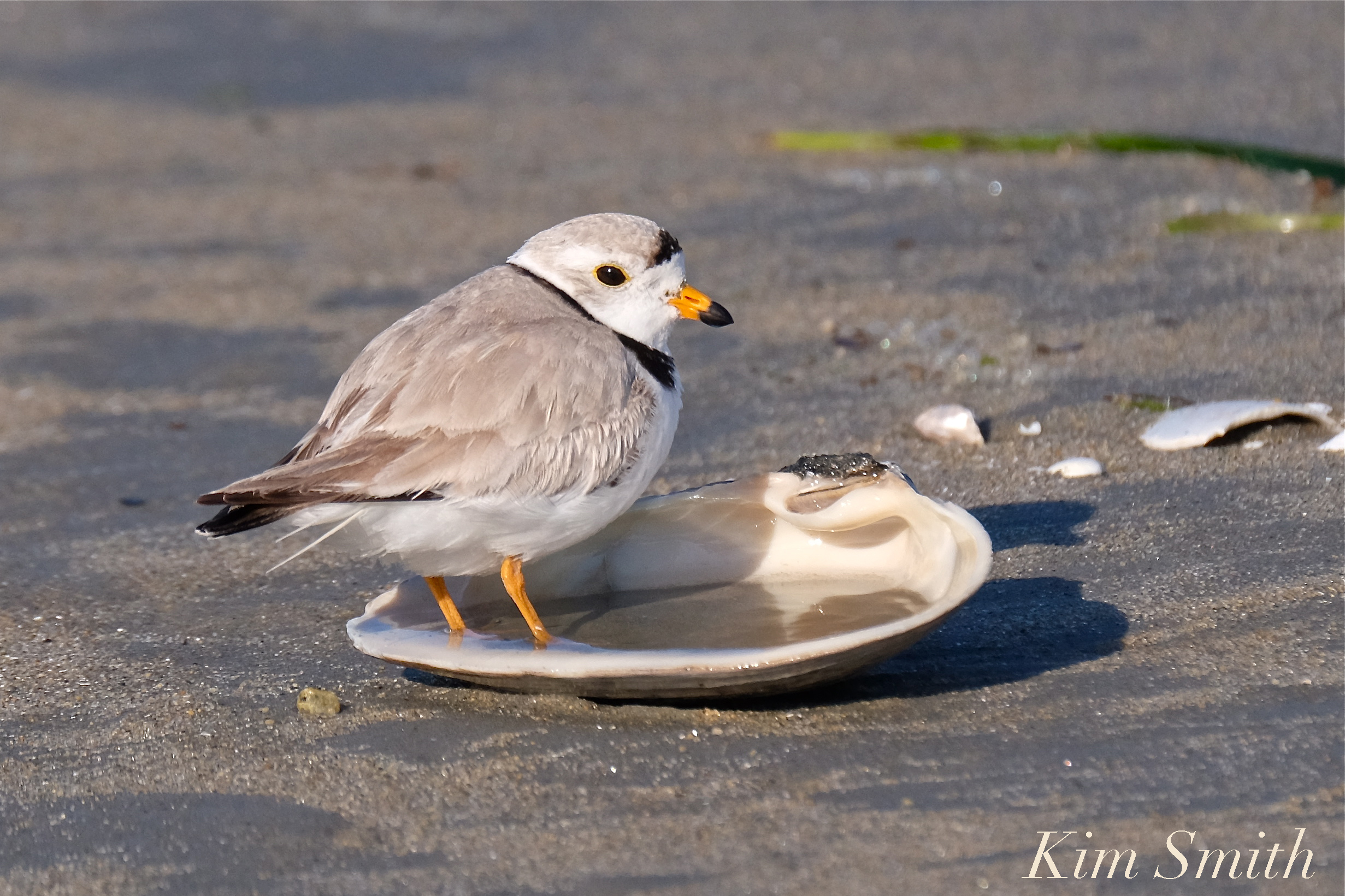
Piping Plover on the Half Shell