 The Great Auk was an extraordinary seabird that was driven to extinction in the mid- 19th century. What made it so extraordinary was its ability to dive great depths and swim as fast as the fish it caught. The Auk’s amazing abilities were also its downfall. The same wings and webbed feet that propelled it through water with tremendous speed and agility evolved so that over time, the wings shrank. The bird became flightless and its feet unable to navigate well on land. Ten months out of the year when the Auk lived entirely on the sea this was not a problem but during the breeding season, the Great Auk would return to the rocky shore of its birth to find its life mate and deposit a single egg. Both male and female took turns incubating the egg with their large feet. During the two month period on land, the birds were slaughtered by the tens of thousands. The oily skin of the Great Auk that allowed it to float on the surface of the water and live on the sea was used for oil lamps, the warm downy feathers for quilts and pillows, and its meat eaten by hungry settlers and fishermen.
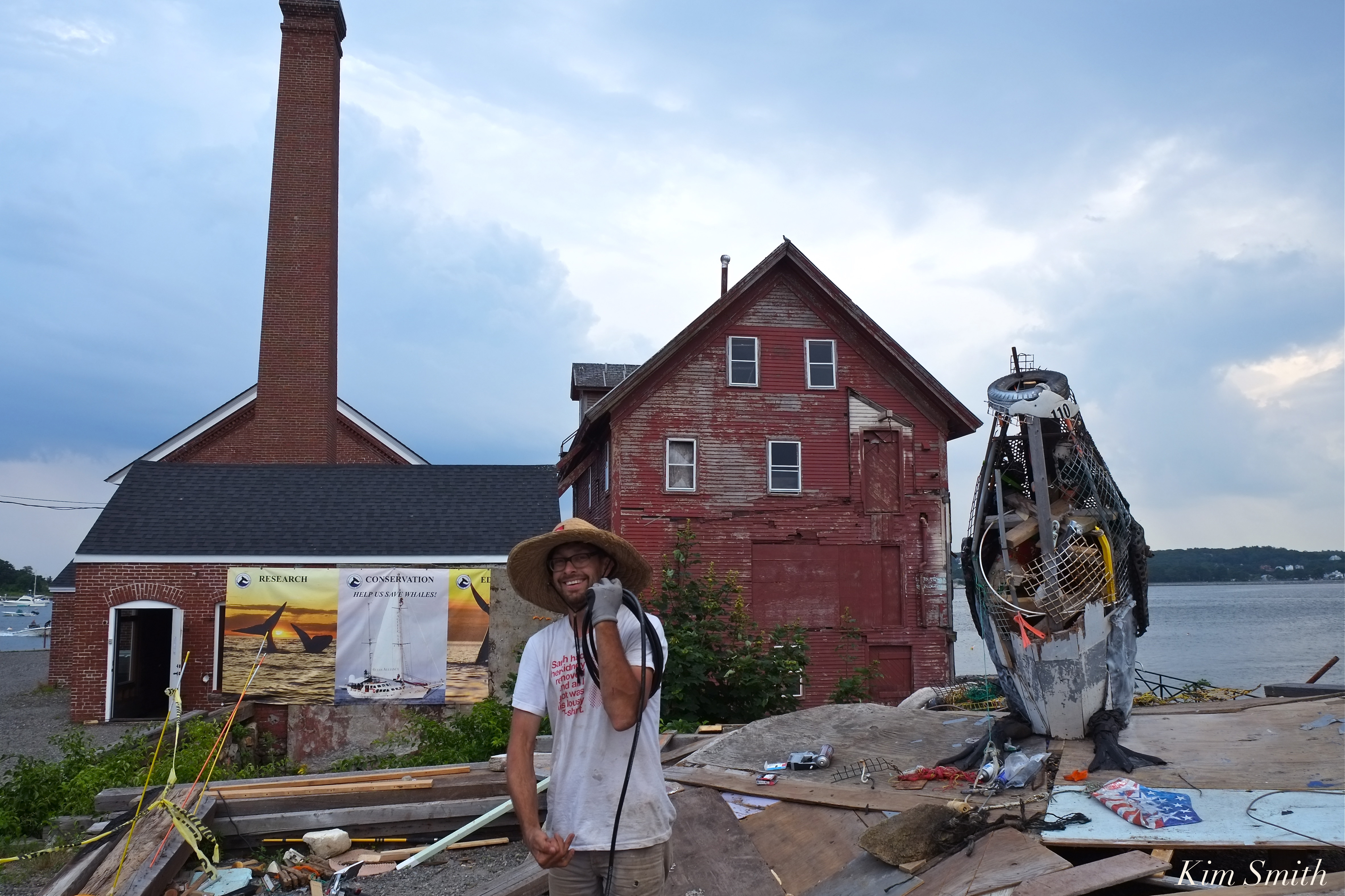 The Great Auk and very tragic story of its long, painful extinction has captured the imagination of Nathan Thomas Wilson, the first Goetemann Artist Residency Fellowship award recipient. Working on the grounds of the Paint Factory and in partnership with Ocean Alliance, Nathan is creating a twice-life size interpretation of the Great Auk (the Great Auk ranged in height from approximately 27 to 35 inches). Nathan’s Auk is made from plastic pollution and debris scavenged along the shore, created with the goal of highlighting the devastating effect pollution is having on all living creatures.






Great Auk in progress. Head to arrive soon–Nathan is casting the head off site as it will have a lighting component.
Nathan is giving a talk on the 25th of July. Go to his facebook page for details about the talk and for more about Nathan.


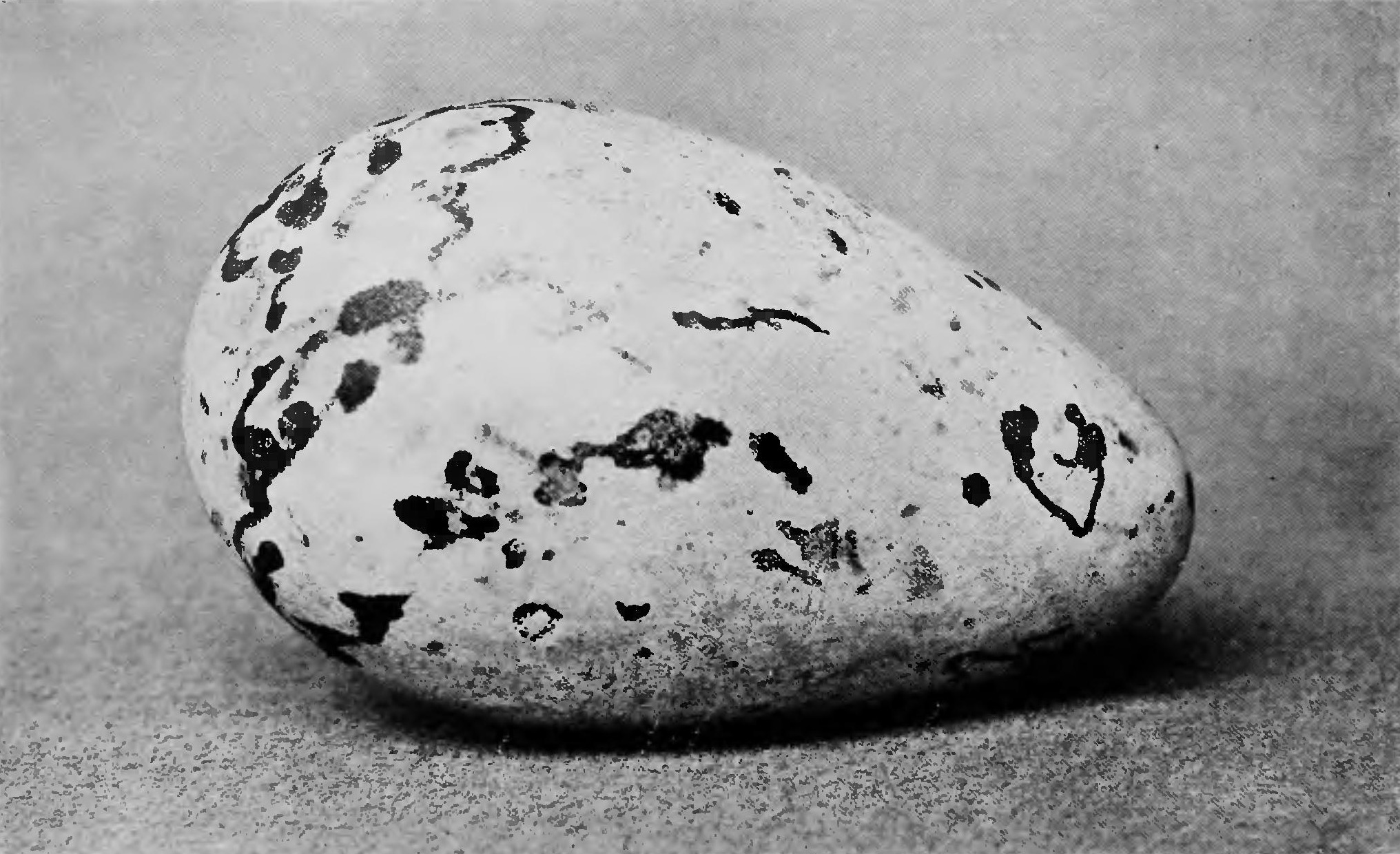 No two eggs alike – Great Auk eggs were unusual in that each egg was uniquely patterned to allow easy identification by the brooding parents.
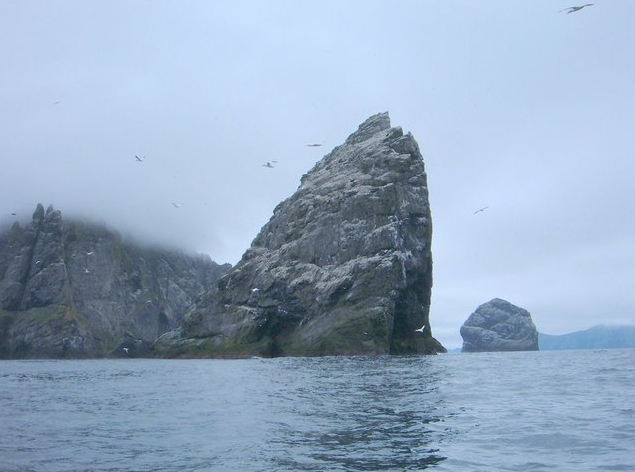 Great Auk nesting habitat.
Day 28: Little Chick is growing beautifully, developing and honing a range of defensive skills. With each passing day, he can feed longer, run faster, and stay in a position of perfect stillness for greater and greater periods of time. Still though, only very short little five- to six-foot run-hop-airbore flutters have been observed by the PiPl monitors.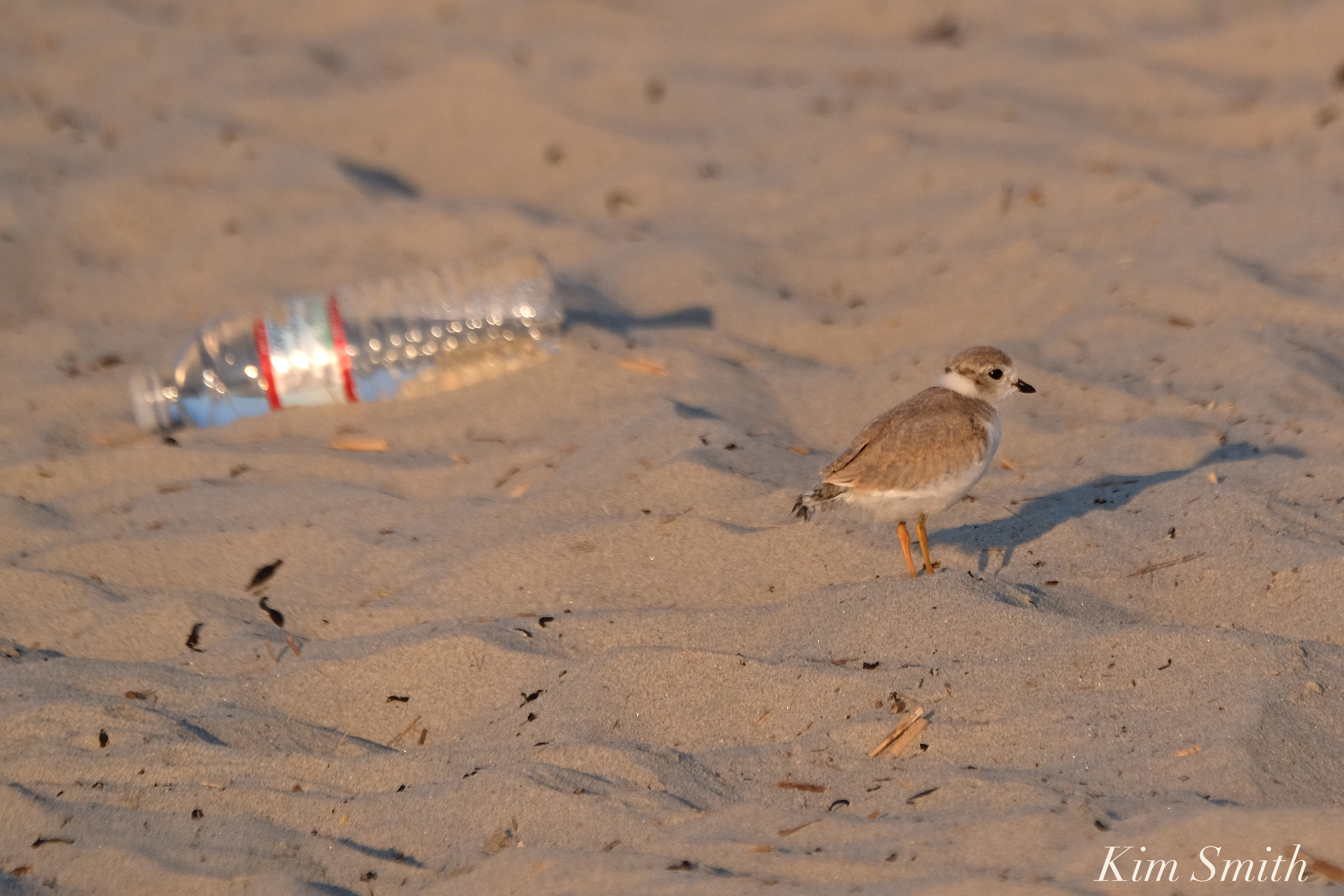
Twenty-eight-day old Piping Plover shown with a small sample of the plastic pollution found daily on Good harbor Beach. The plastic debris litters GHB every morning before Gloucester’s hard working DPW and trash-piker-uppers arrive to clean up the mess left by beach goers the day before.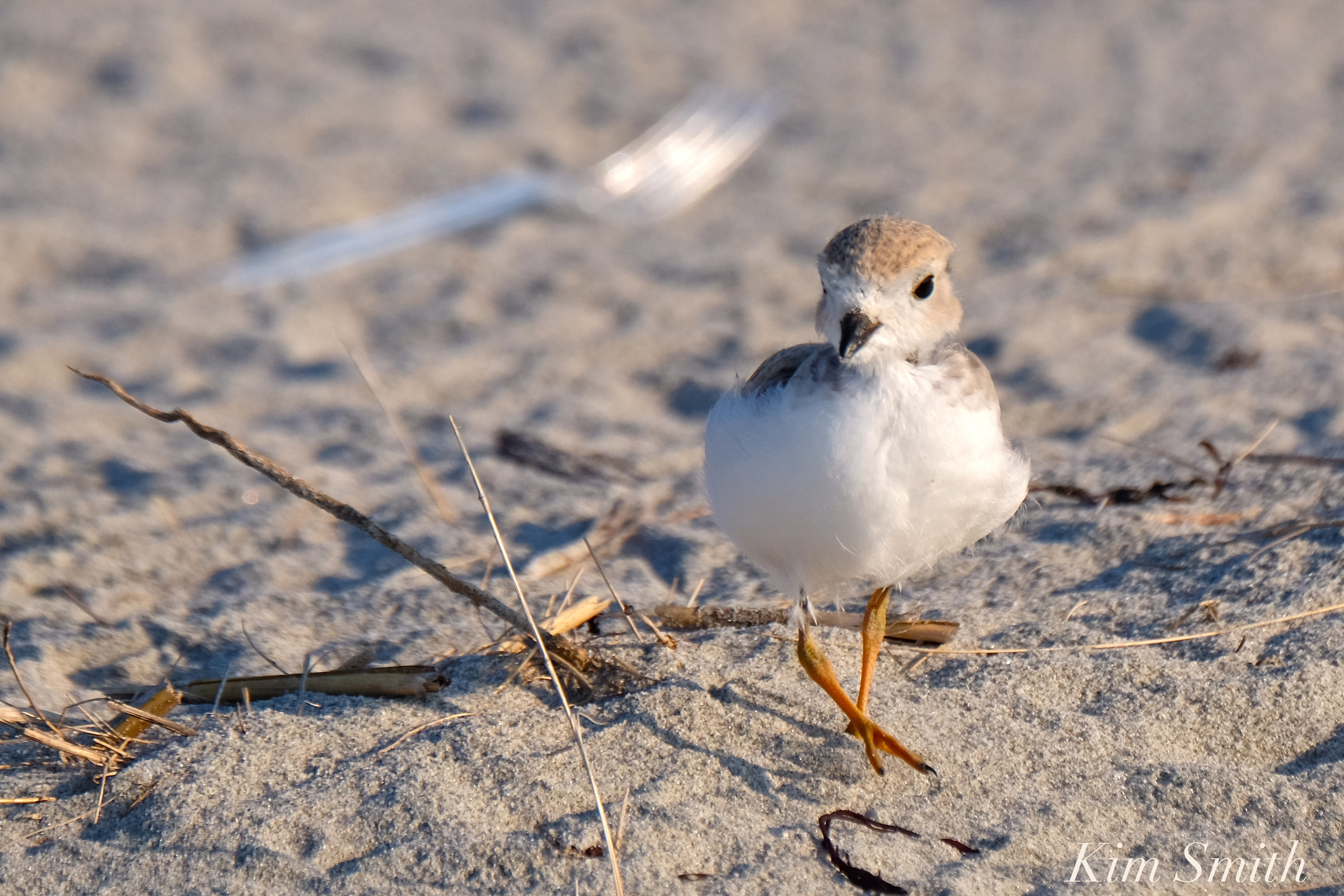





 Good Morning Gloucester