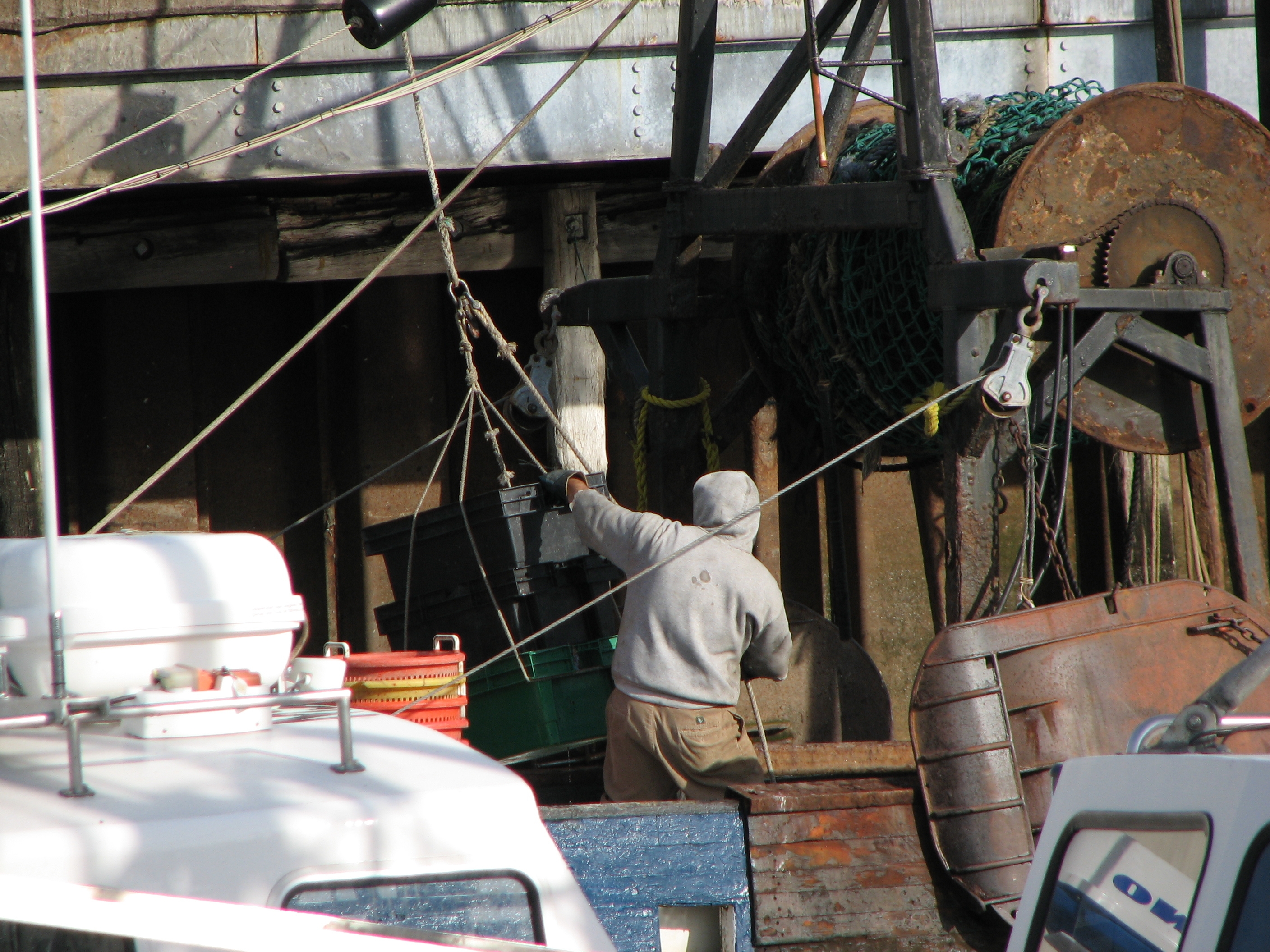
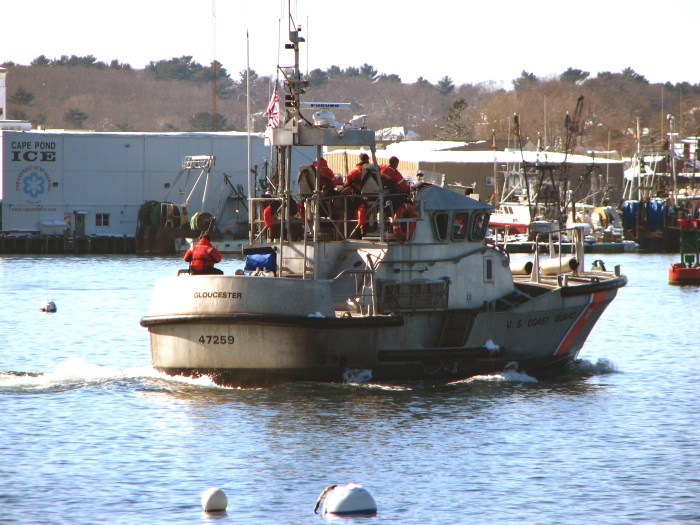
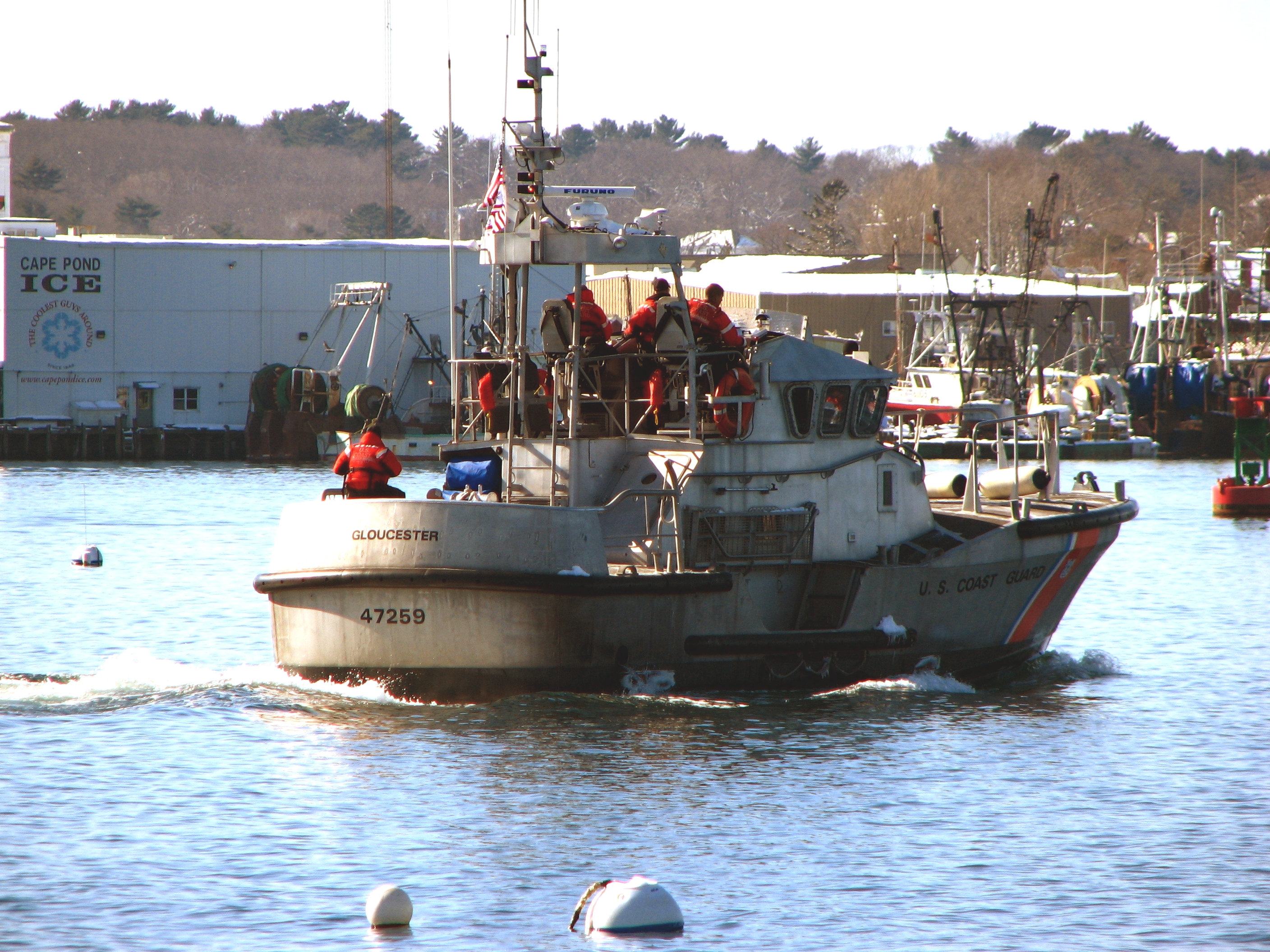
- USCG Patrols the Inner Harbor
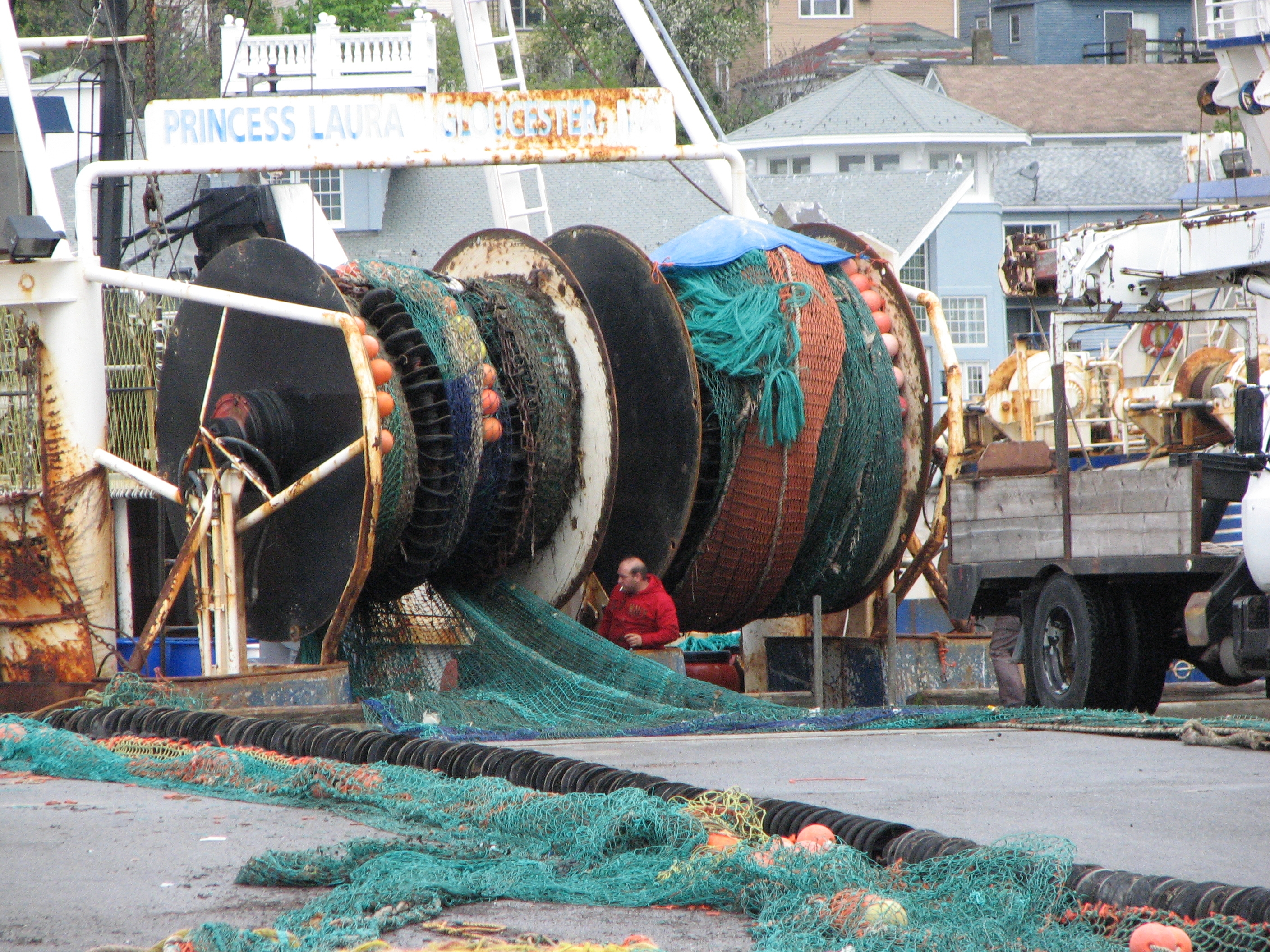
My View of Life on the Dock


Here is the automatic gillnet setting machine on Mike Leary’s Lori B. Video of it in operation at 8AM

Automatic Gillnet Seetting Machine On Mike Leary’s Lori B, originally uploaded by captjoe06.


Dragger Pamet, originally uploaded by captjoe06.

This is one door out of a set of two which separate the net when it is set off of the stern of the trawler(dragger). The chains you see are attached to the cable wire which is released from the winch. Then the net is attached to the doors to get the spread needed to maximize the area of open net and snare as much fish as possible.

Dragger Pamet Door, originally uploaded by captjoe06.


Trawler Pamet, originally uploaded by captjoe06.
The following text is about the best explanation of how Dragging or “Trawling” works in layman’s terms that I’ve run across. It comes from Oregon State University and the credits to the writers will be included at the bottom of the post. Read the explanation of trawling and then look at the pictures I took this morning with the titles of each thing they are talking about so you can visualize what they are saying. Even though this is from Oregon, our fishermen fish the same way only for different species.
A trawler is a vessel that drags a funnel-shaped net through water to harvest fish or shrimp. The net is wide at the mouth and tapers back to a narrow cod end that collects the catch. The average bottom trawl opening is 40 to 60 feet wide and 8 to 10 feet tall. Bottom trawlers usually tow their nets at 1 to 2 knots on or above the ocean floor. Fishermen might tow midwater trawls faster to catch faster-swimming schooling fish.
Trawlers have a large metal trawl door that is attached to each side, or wing, on the front of the net. The water hits the doors and the pressure of the water passing over the door spreads the net open. The doors are flat, oval, or slightly v-shaped. A steel cable extends from the door to a winch just behind the pilot house. Most large trawlers have square sterns with inclined ramps and are referred to as stern trawlers. The nets are hauled aboard up the inclined Boom Bottom ramp on the stern. Older trawlers without inclined ramps haul their nets over the sides using a haul line and a block on an overhead boom to bring in the cod end of the net.
Bottom trawlers tow the net along the ocean floor to catch fish that live on or just off the bottom. These fish include rockfish, cod, sablefish (black cod), ocean perch, flounder, and sole. Trawls can be designed to catch particular groups of fish. A large mesh net (4 1/2 inches to 5 inches) is kept on a stern-mounted reel. The two doors are stored along the rails near the reel.
The net is set off the stern by unwinding the reel so that the cod end is put into the water first. The rest of the net is unrolled from the reel, and then the doors are placed in the water. Water pressure on the doors causes the doors to separate and open the net. Enough cable is then released to place the net at the desired depth. The upper lip of the net is lifted up by floats on the headrope while the lower lip of the net is pulled down by a weighted footrope. This action opens the net vertically.
Rubber discs may be attached to the net to hold it down. There are now restrictions on the size of the rubber discs that can be used on footropes when trawling on the Oregon continental shelf. These restrictions confine trawling to mostly smooth bottoms, such as sand and mud. Tow times can last from 30 minutes to several hours. Depths can range from 5 to 700 fathoms (a fathom equals six feet). Bottom trawlers typically fish from 1 to 40 miles offshore.
The crew hauls in the net by winching in the cables until the doors are back in place and most of the net is on the reel. Once the catch is on board, the net is reset for another tow. Then the fish are separated into deck bins (checkers) and put in the hold, where they are iced or refrigerated.

The Oregon State Research Report Can Be Found Here
Writers: Ginny Goblirsch and Steve Theberge
Consultant: Scott McMullen
Artist: Herb Goblirsch
Editor: Sandy Ridlington
Design: Rick Cooper


Longline Hooks Ready To Be Clipped On The Main Line, originally uploaded by captjoe06.

They pour cement in the bottom of the crab traps so they will land bottom first once set off the boat. This way they will fish properly. Very few lobstermen pour cement in the bottom of lobster traps but I have seen it here and there. The prefered method of weighting a lobster trap is with bricks. This is another difference between lobster traps and crab traps.

Crab Traps,Naples Florida, originally uploaded by captjoe06.

Longlining explained aboard the Donna Marie. For any commercial longliners that watch the video feel free to jump in and correct any of my mistakes from the video. I’m not a fisherman but would like this to be as acuurate as possible. Just leave a comment below the video if you would.
Usually when I photograph a boat I only post about a third of the pictures that I take. I weed through and cull out the best shots. There were a bunch from the Patriot that were left in the folder and never got posted so there will be a few more photos from different angles in the pilot house and engine room.

Pictures From Matteo Russo’s Patriot, originally uploaded by captjoe06.

Clean as the engine room, here you see lots of electronics and polished wheel.

Pictures From Matteo Russo’s Patriot, originally uploaded by captjoe06.


More Pictures From The Engine Room Of Matteo Russo’s Patriot, originally uploaded by captjoe06.

There aren’t too many engines that you would place a sandwich down on top of and then pick it back up to eat, but Matteo maintained his boat meticulously.

Pictures From Matteo Russo’s Patriot Engine Room, originally uploaded by captjoe06.

See the ice making horizontal icicles from the wind on the way back from fishing. I sure hope all that ice was made when they were done on deck and sipping on some hot coffee in the pilot house for the ride home.

Gloucester At Dawn- Dragger Elizabeth Covered In Ice, originally uploaded by captjoe06.


Gloucester At Dawn- Dragger Elizabeth Covered In Ice, originally uploaded by captjoe06.

So yesterday we got back from South Beach and my In Laws picked us up in the nice warm car. We went in to our warm house and spent the afternoon and night playing with the little ones.
This morning at 4:45 AM I took a swing through town and saw The Elizabeth, a dragger all covered in ice and thought it would make a good set of pics for the blog.
I got out of the truck with the camera and walked down the ramp at Rose’s Marine and started snapping. Well wouldn’t you know that in all my excitement of having a nice subject to photograph within minutes I couldn’t feel my fingers. Yuck! Now I remember why winter sucks so bad.

Gloucester At Dawn- Dragger Elizabeth Covered In Ice, originally uploaded by captjoe06.

Vodpod videos no longer available.
A hard working fisherman.


 Good Morning Gloucester