THE DANCE OF COLOR AND LIGHT – MONARCHS ON THE MOVE!

Monarchs were on the move over the weekend, not only on Cape Ann, but all over northern and northeastern regions of the country* very solid numbers of migrating Monarchs are being shared, from Ontario, to upstate New York, Michigan, and Maine.

Lets keep our hopes up for good weather for the Monarchs on the next leg of their journey southward!

*Ninety percent of the Monarch Butterfly migration takes place east of the Rocky Mountains.

If you would like to help support the Monarchs, think about creating a milkweed patch in your garden. The best and most highly productive milkweed for Monarch caterpillars is Common Milkweed (Asclepias syriaca), the milkweed we see growing in our local marshes and dunes. The seed heads are ripe for plucking when they have split open and you can see the brown seeds and beautiful floss.
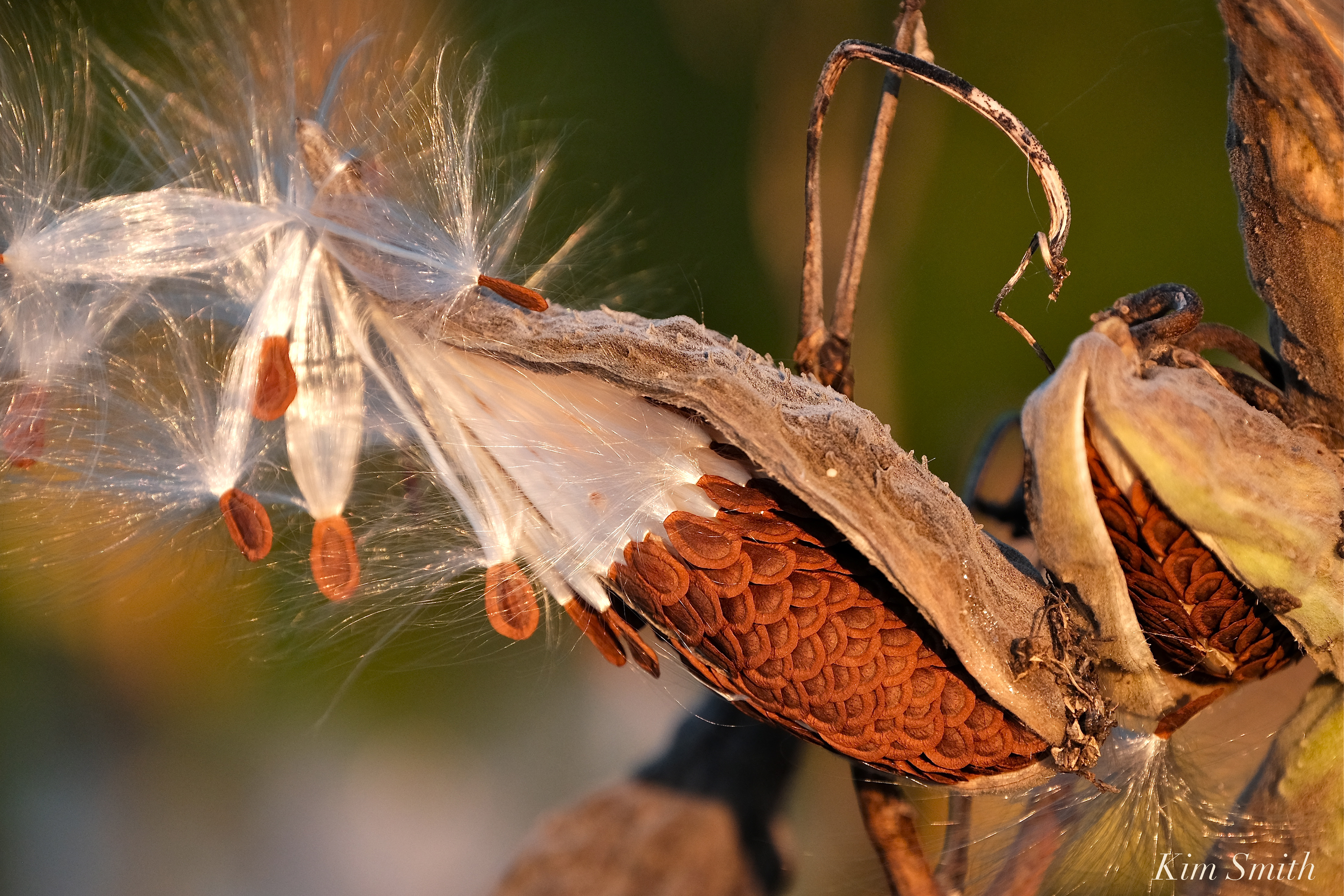
For several of my readers who have expressed difficulty in germinating milkweed seeds, the following is a foolproof method from the Lady Bird Johnson Wildflower Center.

How to Germinate Milkweeds

MILKWEEDS (ASCLEPIAS SPP.) ARE NOTORIOUSLY DIFFICULT TO GERMINATE. But don’t despair. The Wildflower Center has developed and tested a protocol that results in good germination rates for a number of our native milkweed species. Follow this process and you’ll soon be on your way to supporting monarchs, bumblebees and tons of other insects that depend on milkweed plants. READ the complete article here.

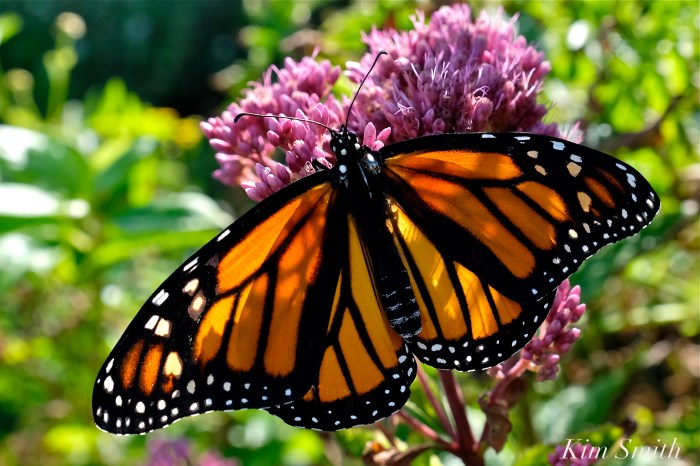
MONARCH BUTTERFLY MADNESS!

HORRAY FOR THIS BANNER SUMMER OF MONARCHS!!!! I hope it translates to a great migration this fall 🙂

I went to my garden to gather a sprig of milkweed to feed a single caterpillar. I checked the leaves for eggs and didn’t see any. A few days later I had dozens of teeny weeny caterpillars munching away on the sprig. The Mama Monarch laid her eggs all around the milkweed buds and it’s nearly impossible to see eggs on buds.

Keep your eyes peeled for eggs on the leaves, and also on the flower buds of your milkweed plants, especially Marsh Milkweed.

Monarch waking up in the Joe-pye wildflower.

https://www.instagram.com/p/B0yeyi7H0KQ/?utm_source=ig_web_copy_link

Monarchs Eyed for Possible Inclusion Under US Endangered Species Protection

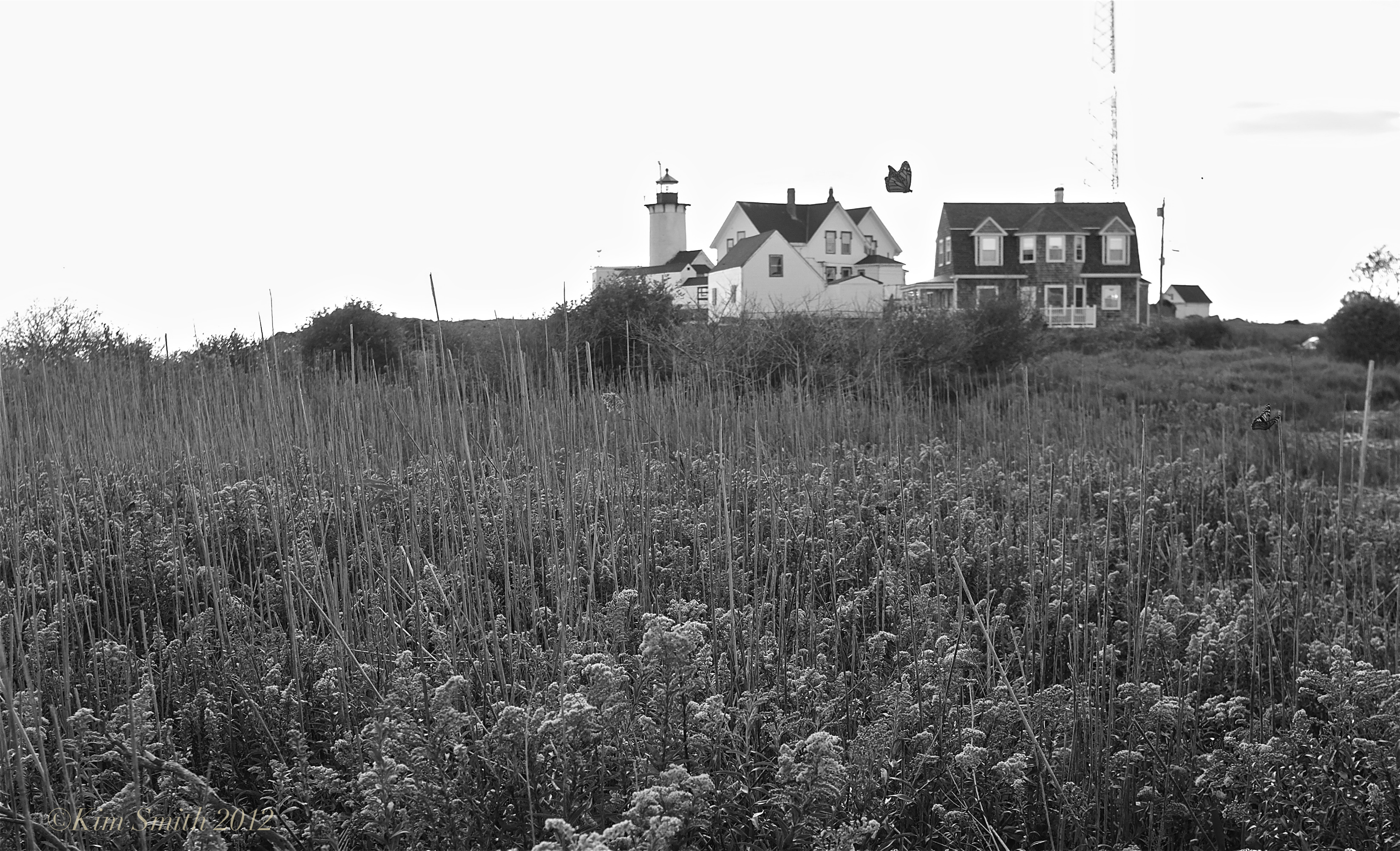
Cape Ann Milkweed and Monarch Habitat, Eastern Point

The U.S. Fish and Wildlife Service is considering adding Monarchs as a threatened species under the Endangered Species Act. A one-year review is underway to monitor the butterfly’s status. Since the 1990s the population has plummeted from about one billion to approximately 35 million. That may seem like a substantial number, but the Monarchs need stronger numbers to be resilient to other threats such as harsh weather.

The reason for the decline is primarily because of loss of milkweed habitat in the agricultural heartland of the United States. With the development of Monsanto’s Roundup and Roundup Ready (glyphosate resistant) seed, farmers are now able to spray glyphosate directly on their corn, soybean, and sorghum crops. Roundup also destroys milkweed. Secondly, with the push for ethanol, farmers have begun to plant corn on conservation land.

If the Fish and Wildlife Service determines that the Monarchs are threatened, they will set aside land for milkweed.

You can read more about the the Monarch Butterfly Endangered Species Act here:

FAQs on the Monarch Butterfly Endangered Species Act Petition

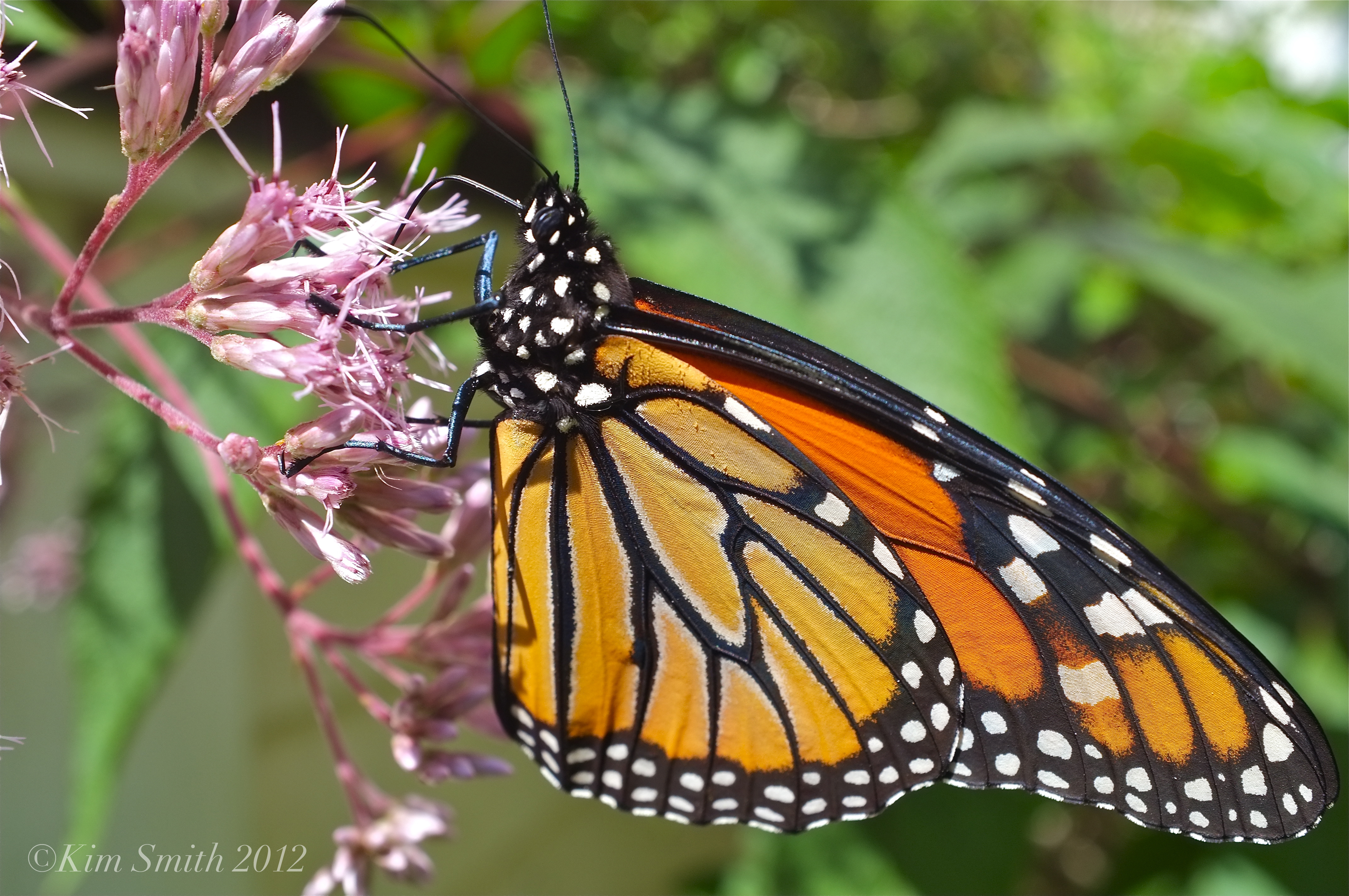
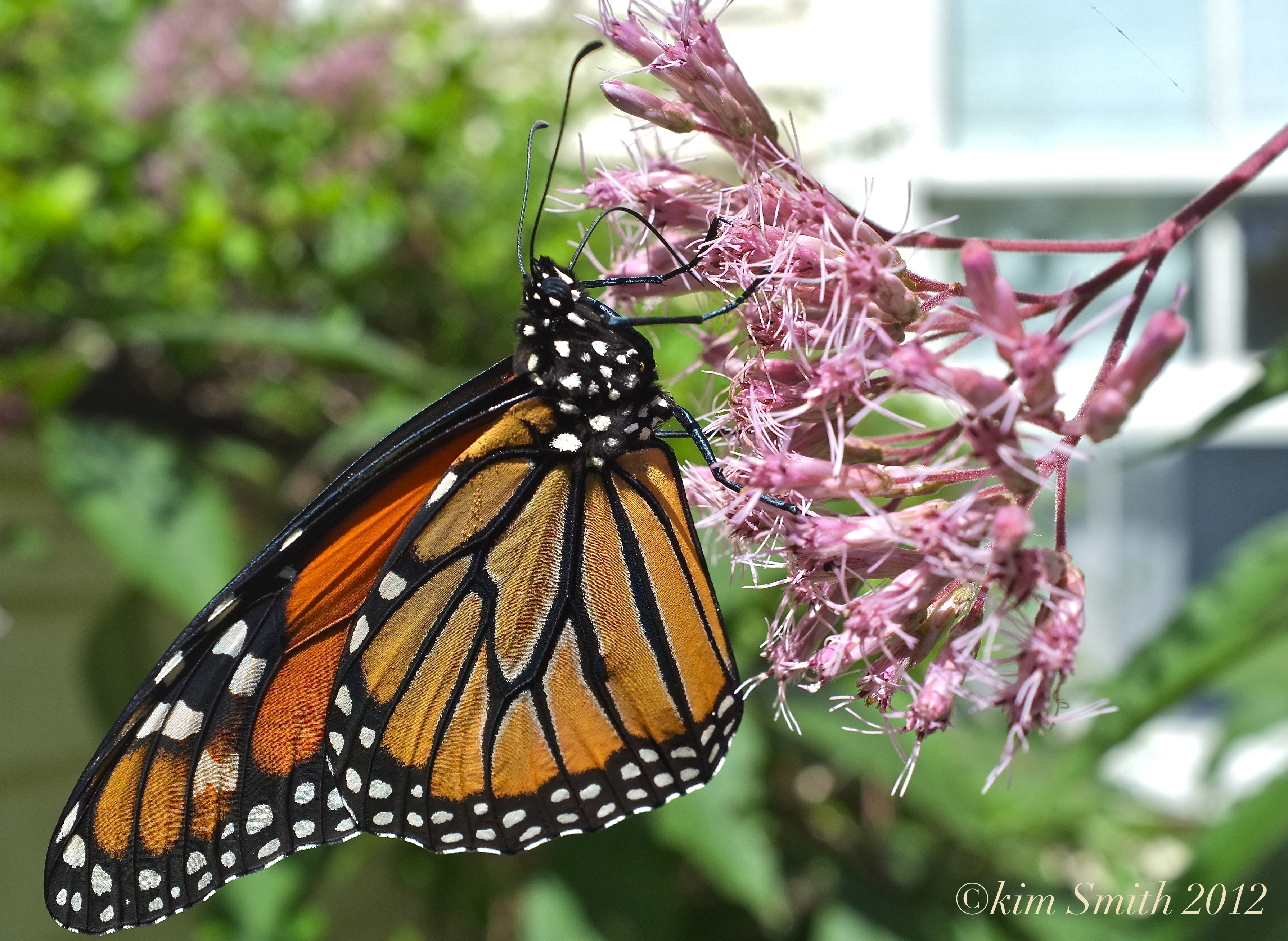
Monarch Butterfly Wildflower Joe-pye ©Kim Smith 2012Monarch Butterfly Drinking Nectar from Native Wildflower Joe-pye Weed

You can learn more about the Monarch migration and the loss of Monarch habitat from Professor Tom Emmel here ~ 

Report Monarch Sightings Here!

Monarch Butterfly Gloucester MA ©Kim Smith 2014More Monarch sightings reported on Cape Ann by GMG readers over the past several days, October 14th and 15th!

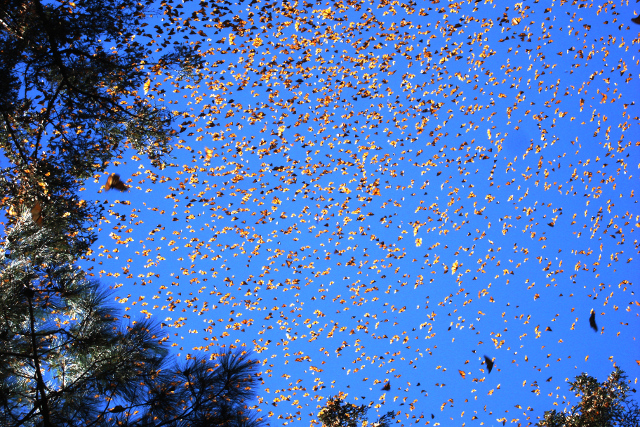
Monarchs640Maggis Rosa submits this photo from The Scientist Magazine, which was their Image of the Day and was shot by Luna Sin Estrellas at El Rosario Monarch Butterfly Biosphere Reserve, where the butterflies are arriving earlier than usual and in greater numbers than last year.

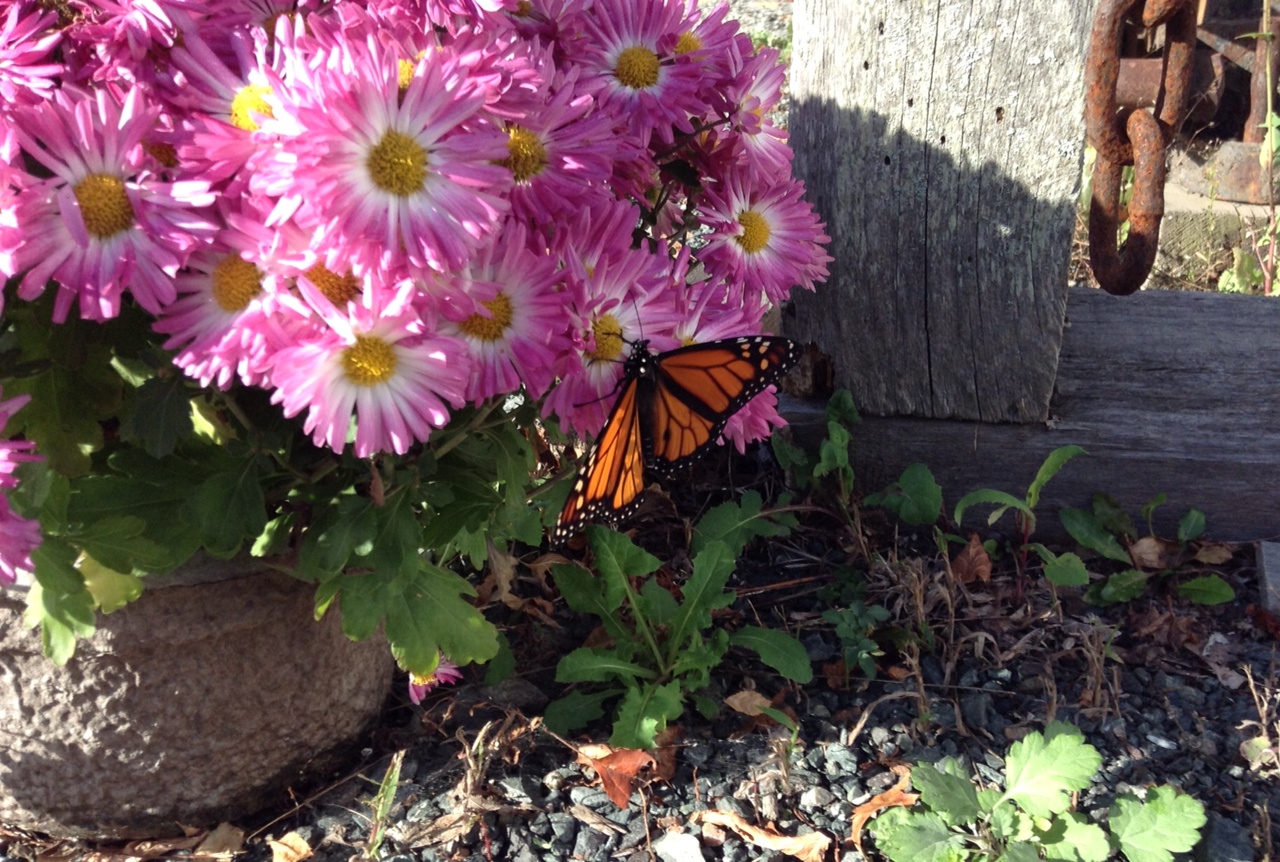
photo (2)To the reader who sent the above photo, I unfortunately accidentally deleted the email. Please forgive and please let us know your name and where the photo was taken. Thank you!

Ed Note: Nancy Dudley writes, “The photo in the post w/o a caption was at the Essex Shipbuilding Museum. We are seeing a couple a day this week. Thanks! I am looking for the milkweed seeds I got from you to plant in my marsh soon!”

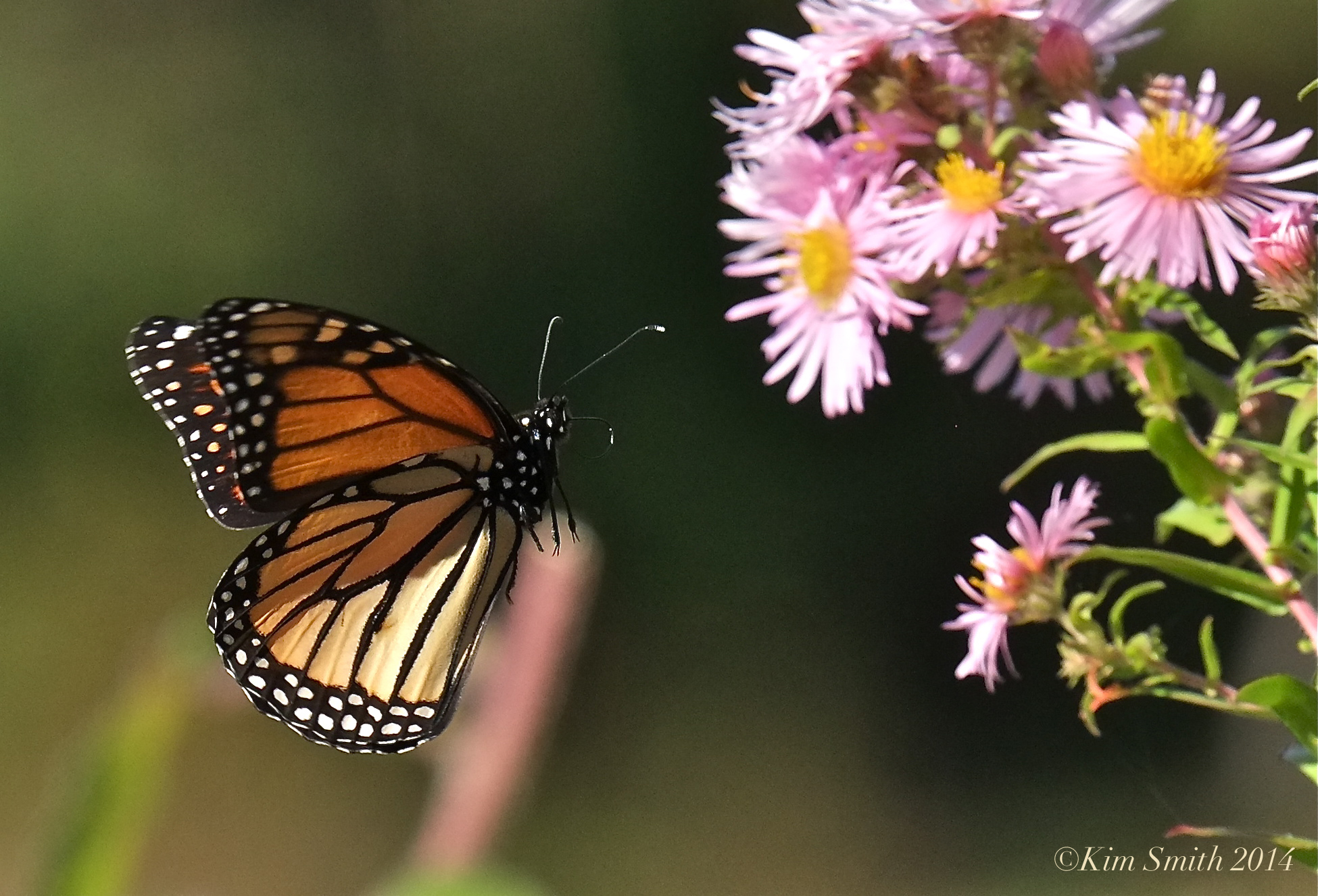
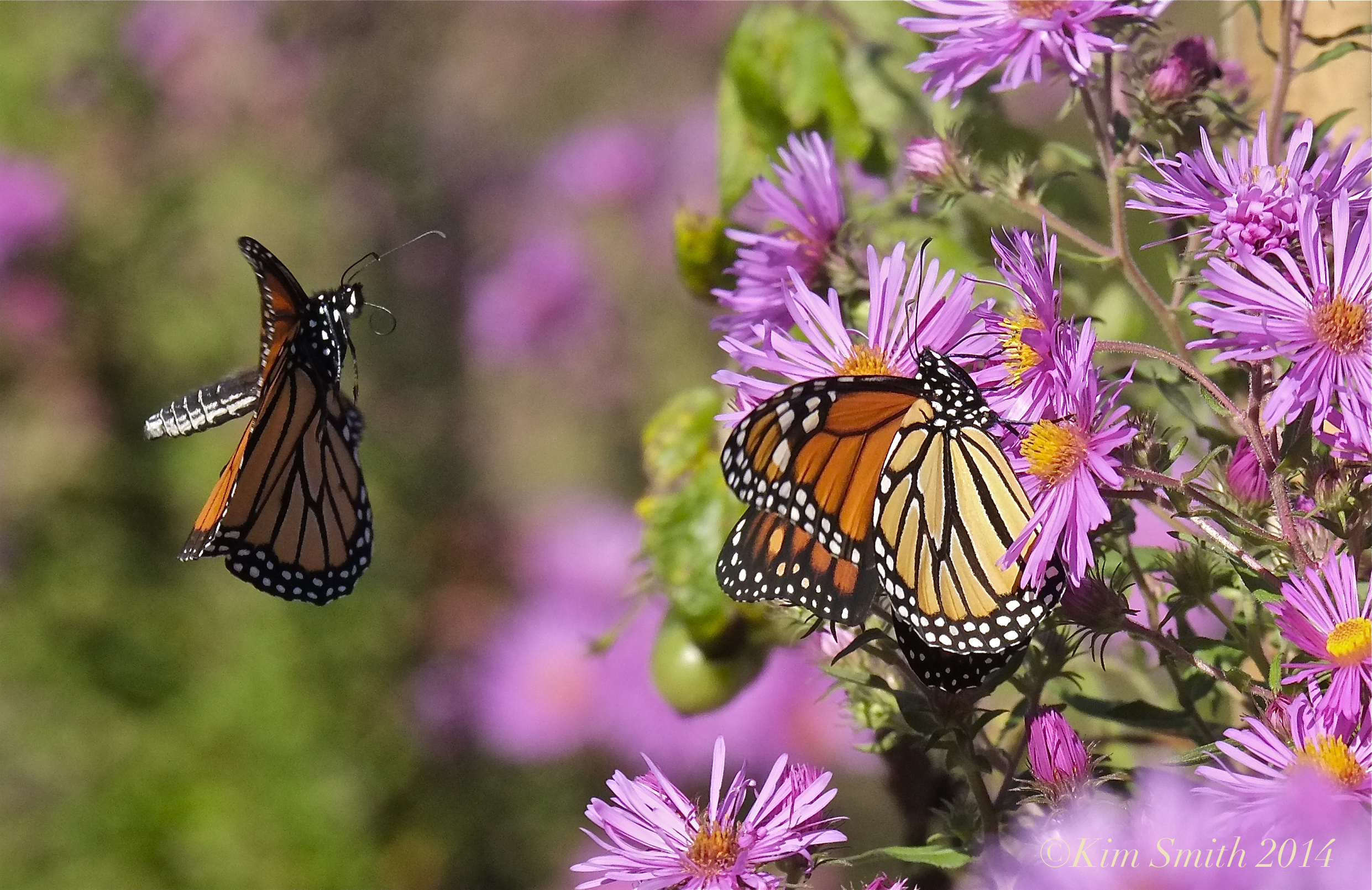
Monarchs on the Wing ©Kim Smith 2014The Monarchs are back! Cape Ann GMG FOBs are continuing to report their Monarch sightings.

After taking a break during the rain of last week (butterfly’s wings don’t work very well in foul weather), the Monarchs are again moving through our region. Check the comment section to see all the recent sightings in our community. The above photo was taken yesterday, Monday, October 6th on Eastern Point. The photo below was shot last week, before the rain’s onset.

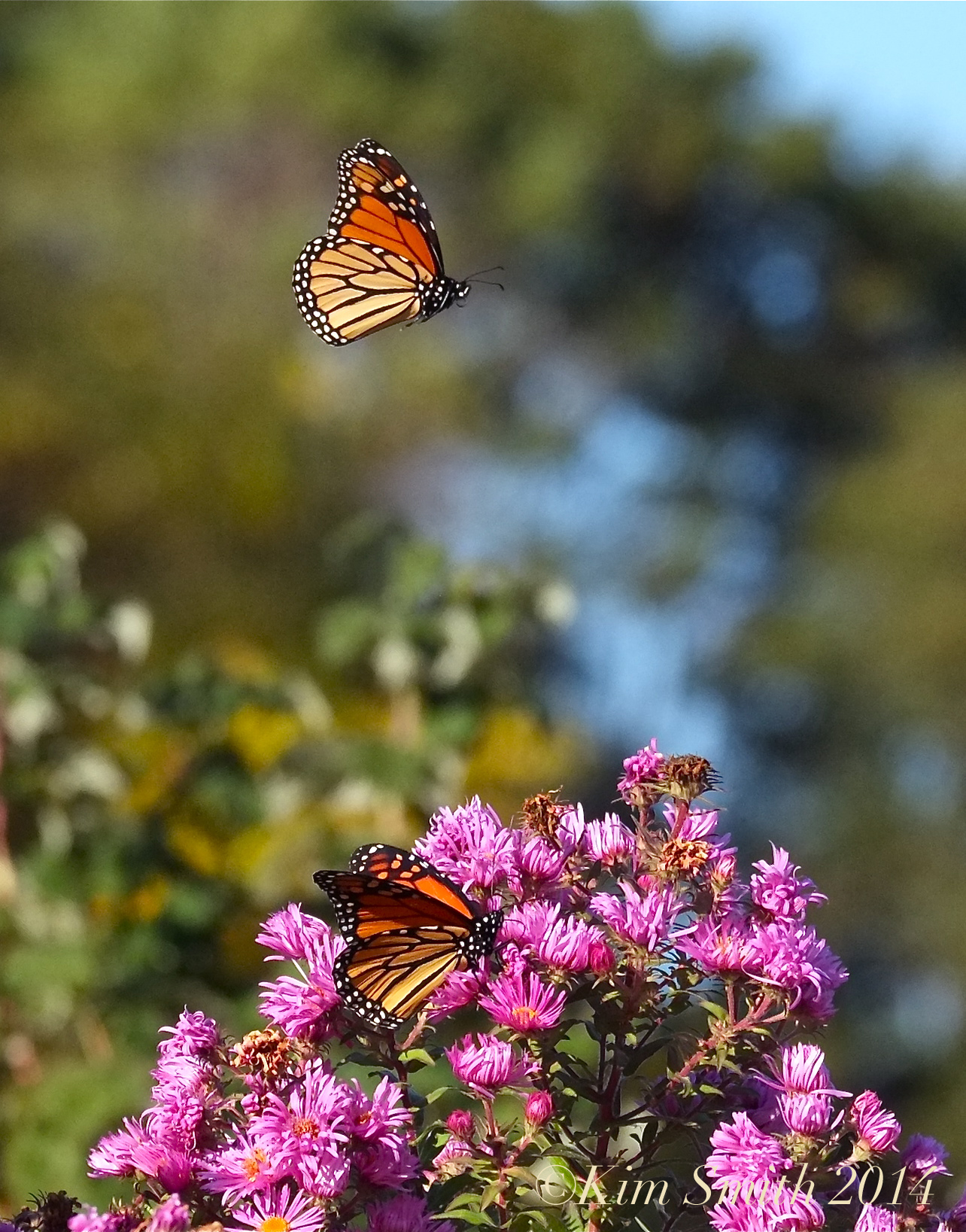
Monarch in flight ©Kim Smith 2014Monarch in Mid-Flight and New England Asters

Tip ~ This morning I ran into my friend Maggie and her husband who had just rescued a Monarch from the middle of the road. Butterfly wings don’t work very well in cool temperatures. If you find a Monarch in a seemingly quiet and weakened state, it could quite possibly simply be cold. Place the butterfly in a sheltered and sunny spot and it may very well revive!

*   *   *

In 1975, in Angangueo, at the time when the butterflies winter grounds were first located by Mexican citizen Catalina Aguado and her American husband Ken Brugger, they not only discovered billions roosting on the limbs of the oyamel fir trees but also millions quietly at rest on the forest floor. Thinking that the butterflies were dead, some members of the discovery group brought the butterflies back to their homes. Later in the day, after the butterfly’s flight muscles had warmed, they awoke and began to fly. Today at the butterfly biosphere reserves it is against the rules to pick up or touch a sleeping butterfly.

Monarch Butterfly Nectaring Joe Pye ©Kim Smith 2012Joe-pye Weed (Eupatorium)

In Sunday’s podcast (September 21st), Joey made the super suggestion to create a place where GMG readers can report their Monarch butterfly sightings. I’ll repost this post every night for the next week or so. Please report any sightings to the comment section of this post, that way we can keep all sightings in one collective spot. You can send in a photo capture if you’d like, too.

Today as I was leaving our home, around noon time, I spotted a Monarch in our garden in East Gloucester. Let us know what you see. Thank you!

Monarch Butterfly Eastern Point Gloucester ©kim Smith 2012


Top Native Bee Friendly Plants

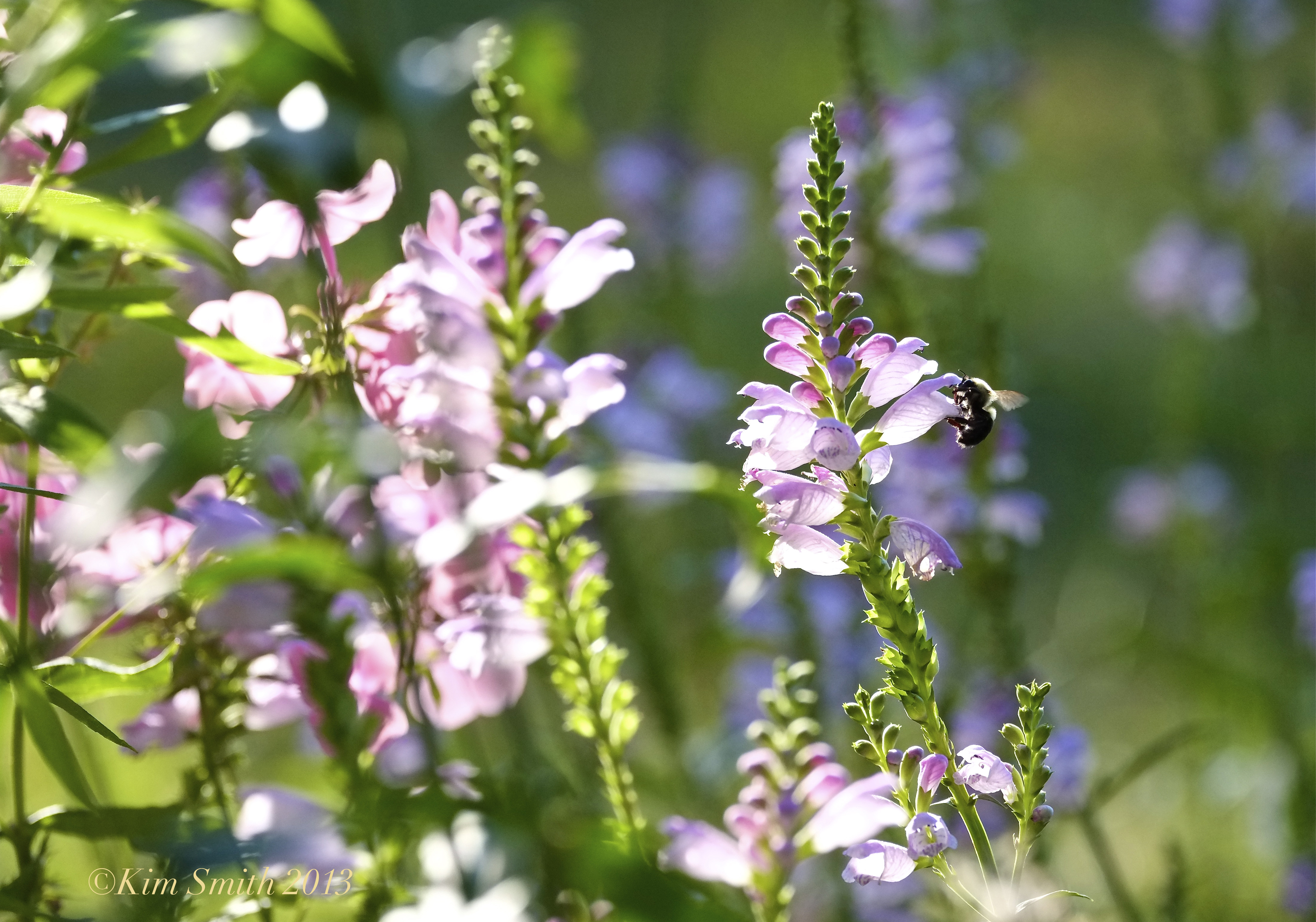
Obedient Plant and Bee Physostegia virginiana ©Kim Smith 2013Obedient Plant (Physostegia virginiana)

Below is a list of some favorite nectar- and pollen-rich bee-friendly North American wildflowers for attracting native bees and honey bees to your gardens. They are listed in order of bloom time, from spring through late summer, to provide your foragers with nourishment all growing season long.

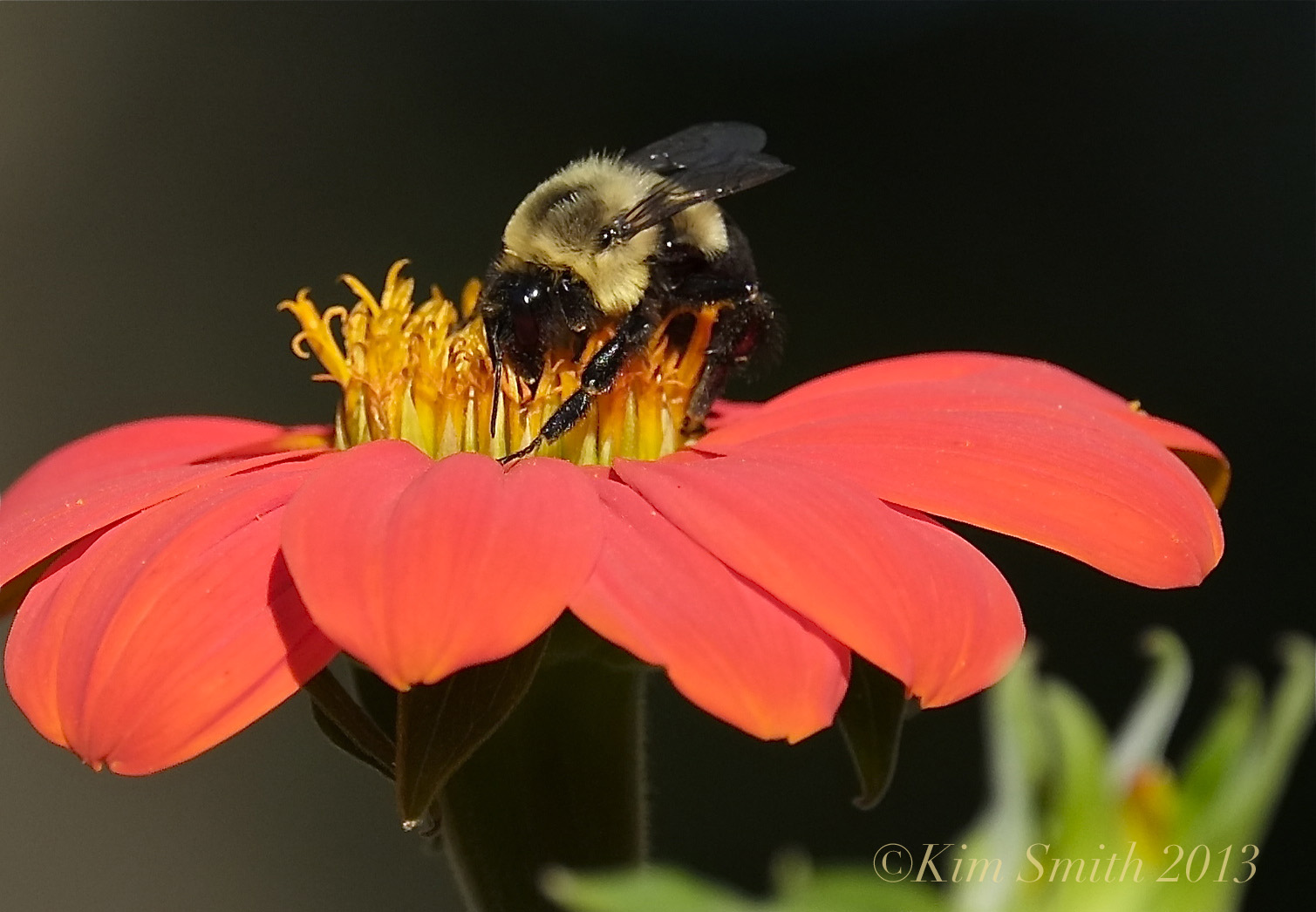
Mexican Sunflower © Kim Smith 2013Mexican Sunflower (Tithonia rotundifolia)

Wild strawberry (Fragaria viginiana)

Wild Blue Lupine (Lupinus perennis)

Common Milkweed (Asclepias syriaca)

Marsh Milkweed (Asclepias incarnata)

Black-eyed Susan (Rudbeckia hirta)

Sunflower (Helianthus annus)

Obedient Plant (Physostegia virginiana)

Seaside Goldenrod (Solidago sempervirens)

Great Blue Lobelia (Lobelia siphilitica)

Joe-pye Weed (Eupatorium purpureum)

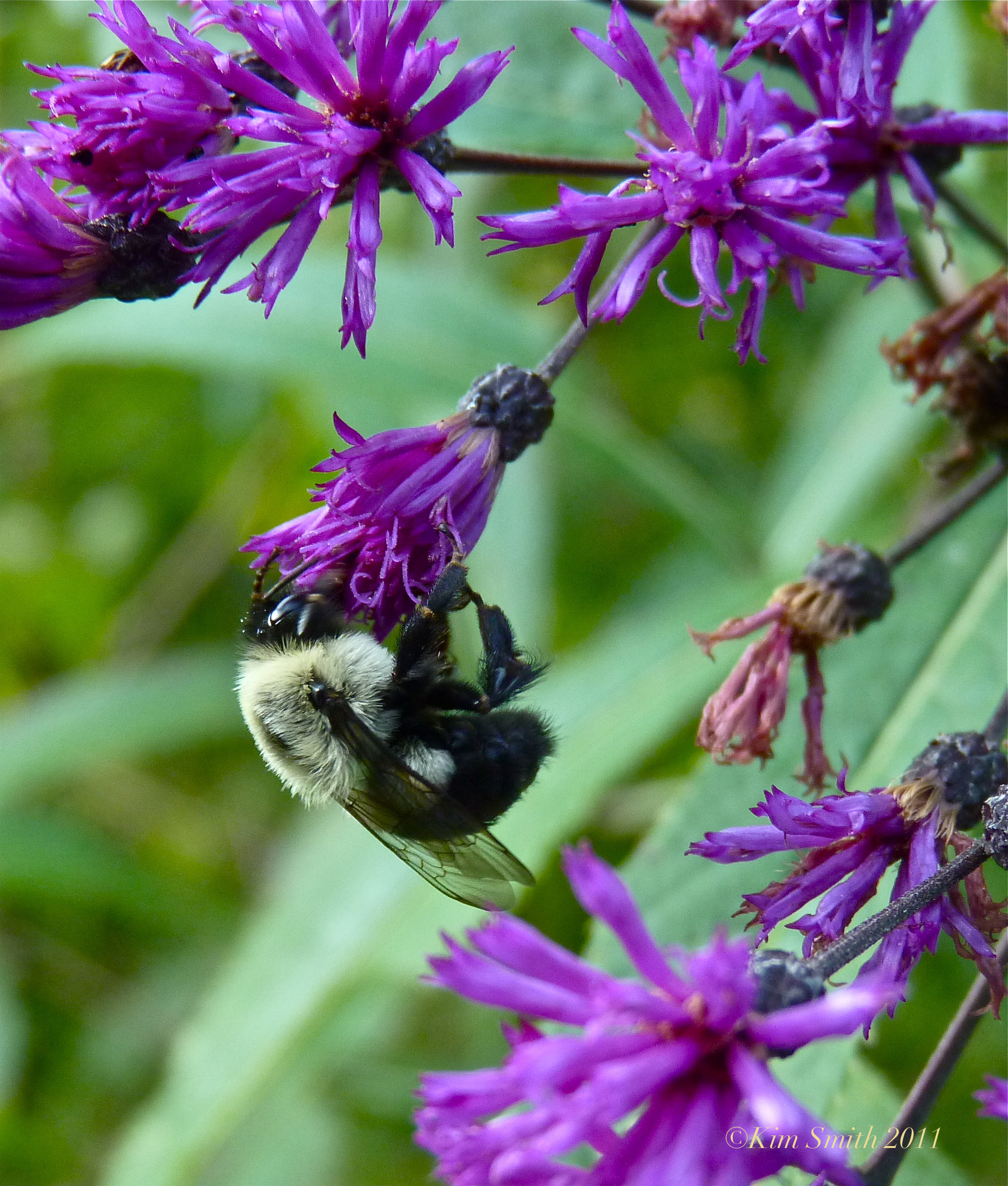
New York Ironweed (Veronia noveboracensis)

New England Aster (Aster novae-angliae)

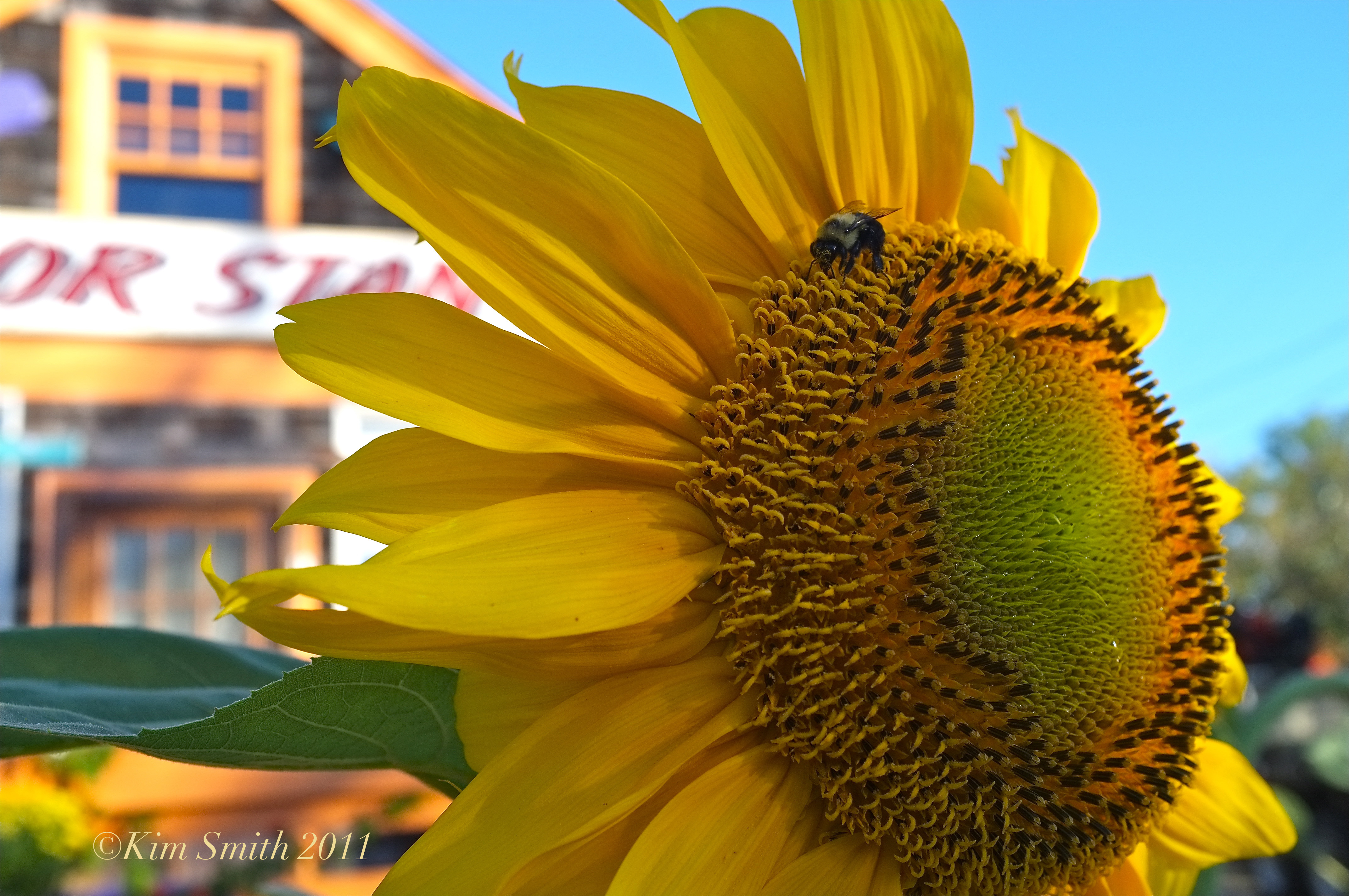
Sailor Stan sunflower and bee ©Kim Smith 2011Sailor Stan Sunflower (Helianthius annus)

Eupatorium and Bee ©Kim Smith 2012Joe-pye Weed (Eupatorium purpureum)

Ironweed Bee ©KIm Smith 2011New York Ironweed (Veronia noveboracensis)