MORE WINGED BEAUTIES!

Reader Biranne writes,
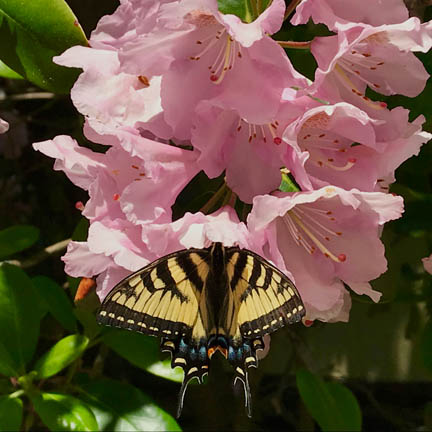
Hi Kim, I have seen Monarchs in my yard but only managed to capture this Eastern Tiger Swallowtail. Pretty blue & orange tail! Brianne 

Eastern Tiger Swallowtail

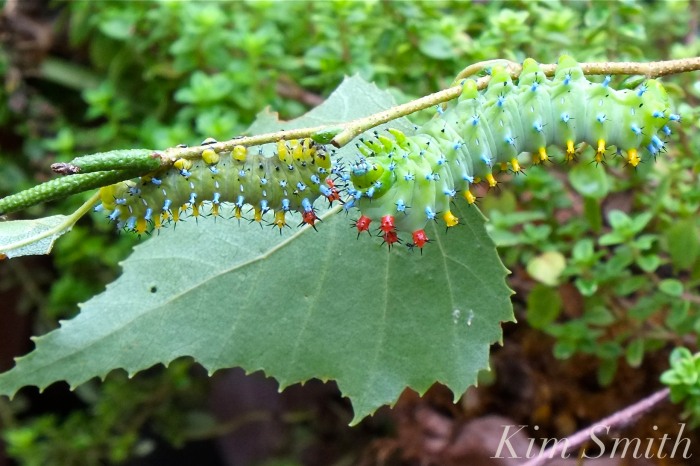
This gorgeous moth was photographed by one of our readers and she wrote to ask what species? We have here a male Polyphemus Moth, a member of the Family Saturnidae (Wild Silk Moths). Polyphemus moths are widely distributed throughout Massachusetts but we rarely see them because they fly at night and because their life as an adult is so brief. This giant beauty is only on the wing for about two weeks, spending most of its life in trees in the caterpillar and cocoon stages. The caterpillars eat a wide variety of trees and shrubs including maple (Acer), and birch (Betula), oak (Quercus), and willow (Salix). 

Like nearly all members of our Wild Silk Moth family, they are in sharp decline, mostly because of the pesticides people spray their trees to rid them of non-native invasive moths, and because of the tachnid fly, which was introduced to control Gypsy Moths, a biological control gone terribly wrong.
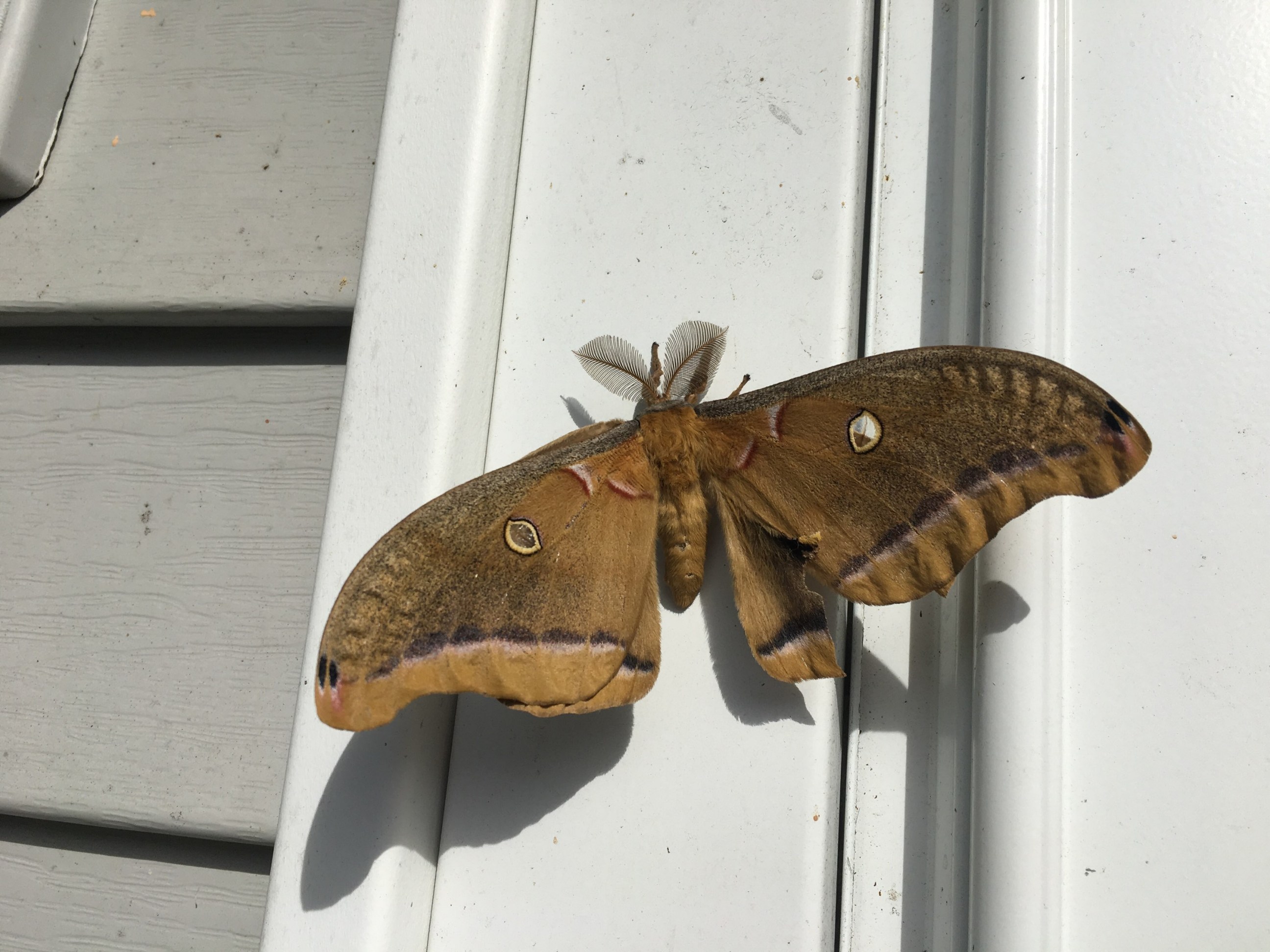
Polyphemus Moth

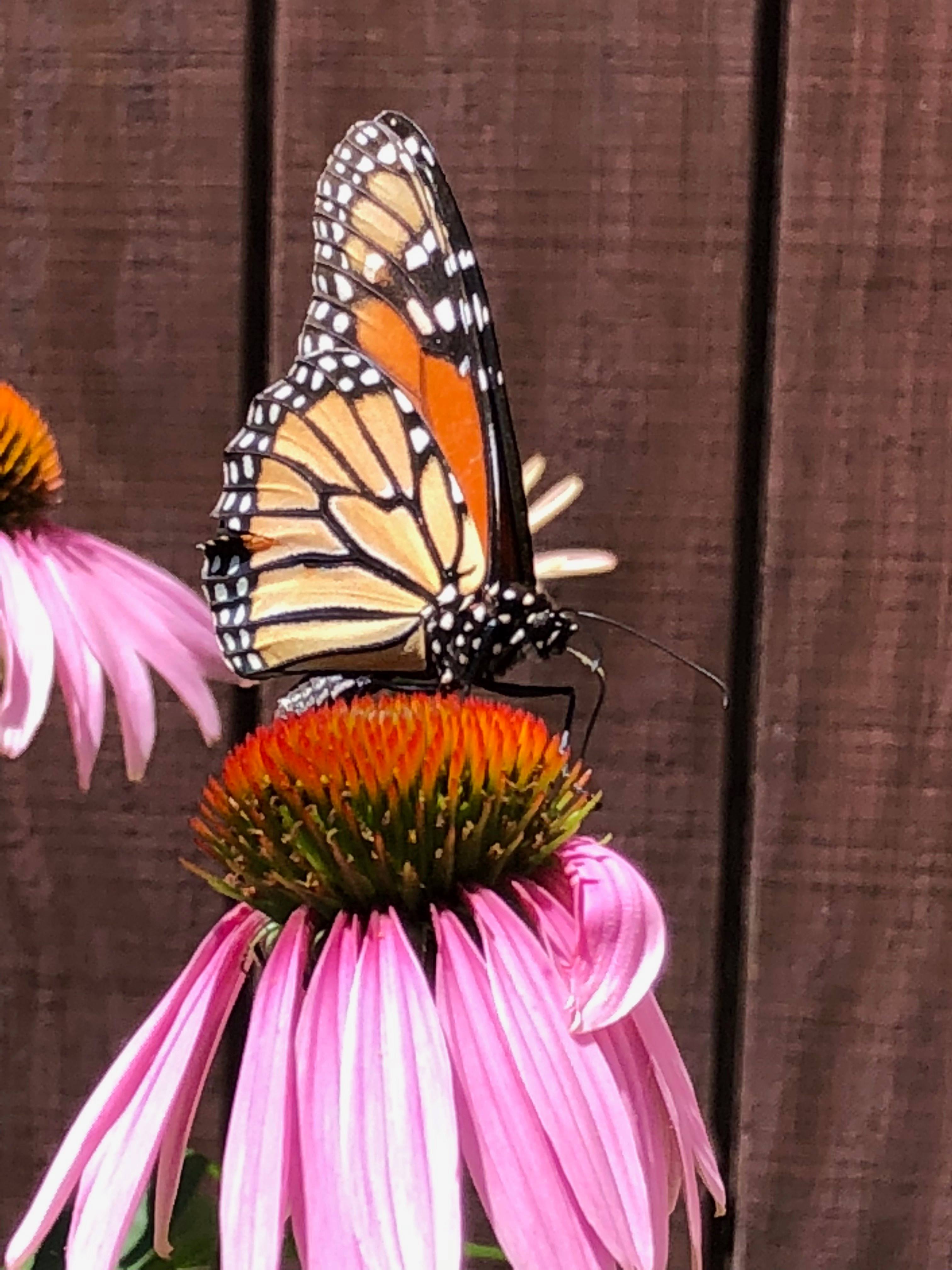
Debra Martell writes that on July 19th, Gloucester High School History teacher, Michael Perreault, captured this shot of a Monarch on Purple Coneflower in Magnolia.Monarch Butterfly
KIM SMITH POLLINATOR GARDEN TALK AT THE SAWYER FREE LIBRARY

Dear Friends,

Please join me April 6th at 7pm, at the Sawyer Free Library where I will be giving my Pollinator Garden talk and screening several short films. The event is free and open to the public. I am looking forward to presenting this program at our wonderful Sawyer Free and hope to see you there!!

Thank you to Diana Cummings at the Sawyer Free Library for making the lovely poster!


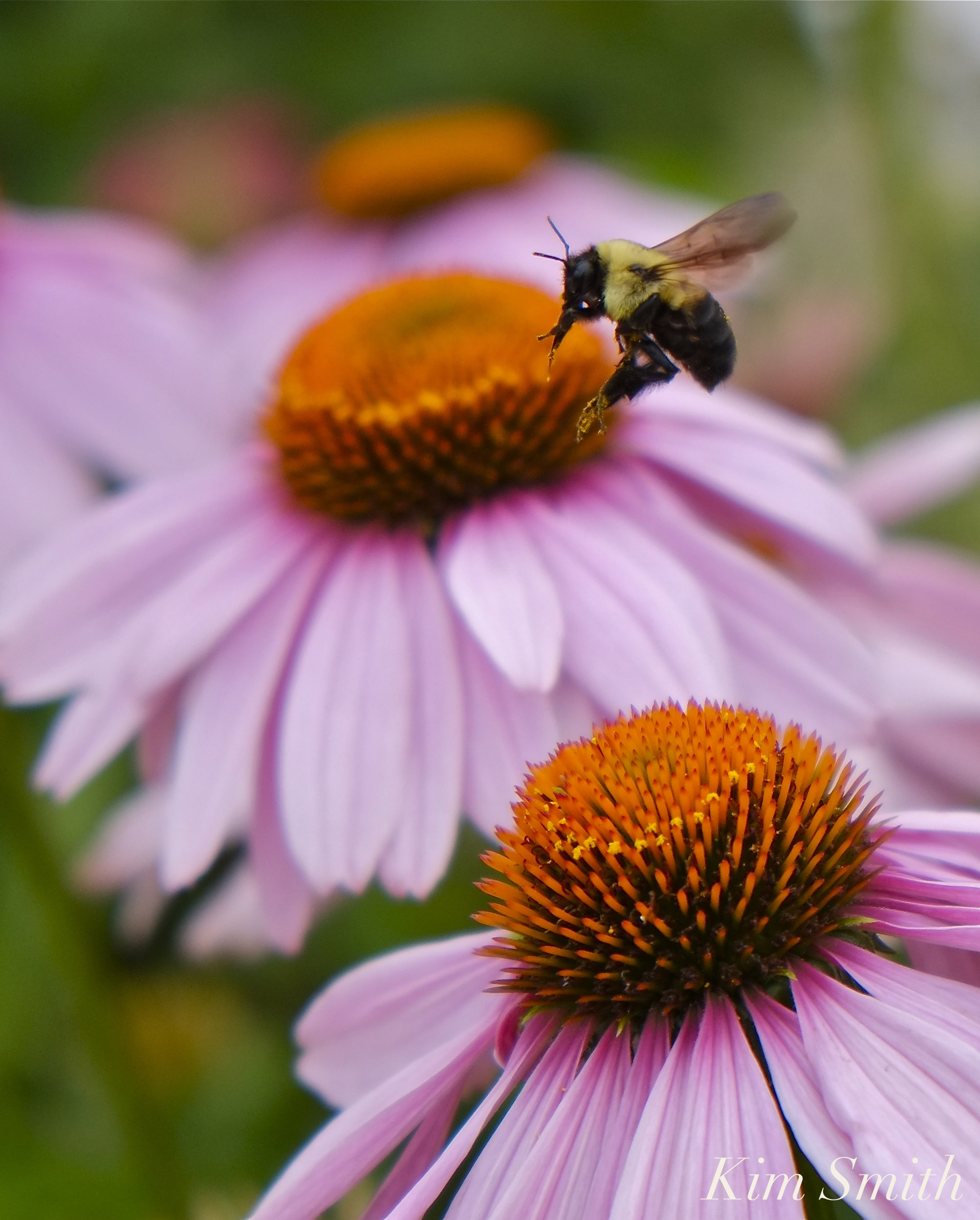
Echinacea and Bee

Getting Ready for the Gloucester Garden Tour

Jay Ramsey Farm Creek © Kim Smith 2013

Jay Ramsey (right) and crew Mauricio (left) and Mike (center)

On Tuesday, Jay Ramsey and his hard-working and dedicated crew from Farm Creek Landscaping, Mike and Mauricio, spent the morning whipping the HarborWalk Gardens into shape for Saturday’s Gloucester Garden Tour. I will be giving guided tours of the butterfly gardens at the HarborWalk on Saturday at 1:00 and at 2:00. The tours will begin under the Tulip Trees in St. Peter’s Square.

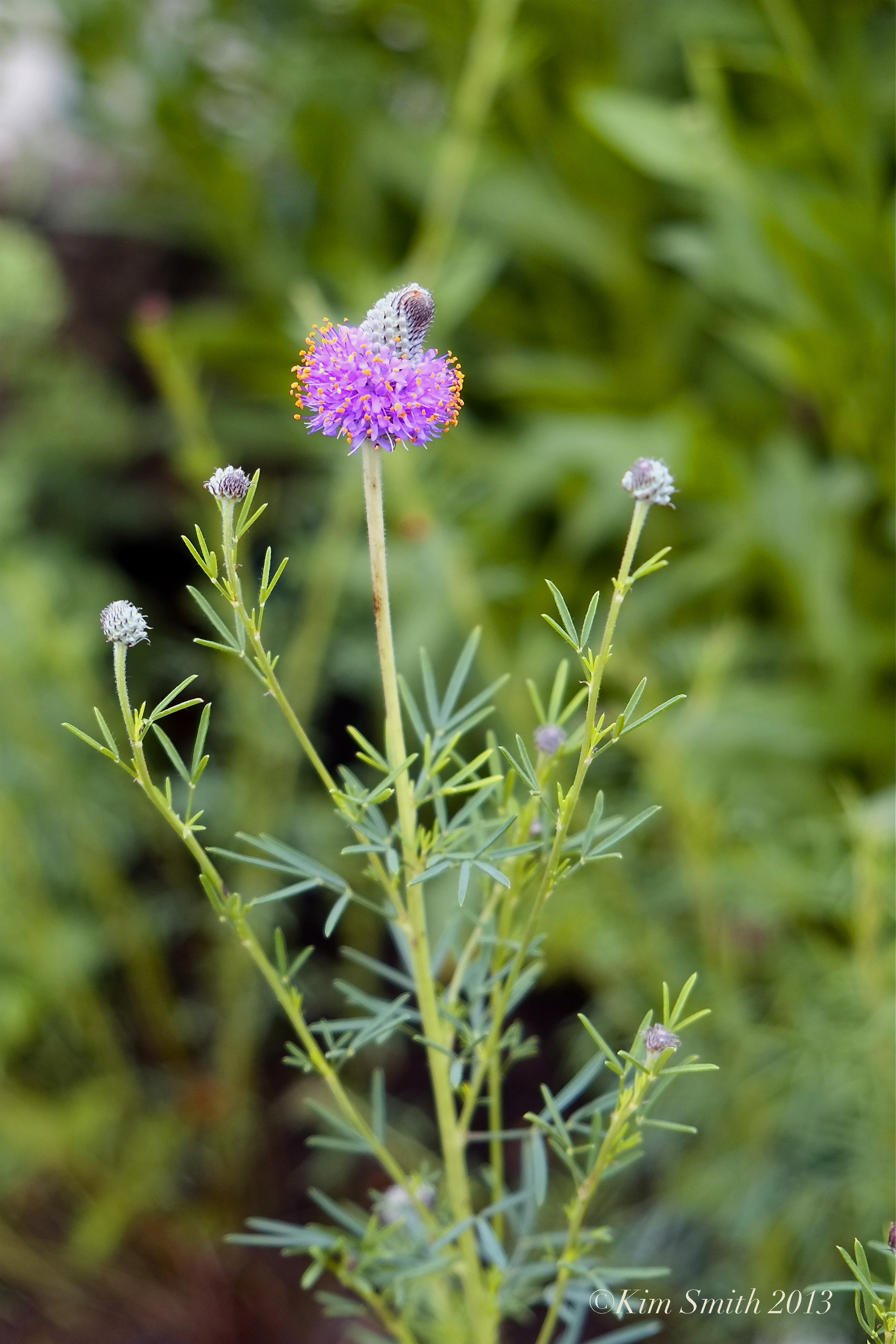
Purple Prairie Clover Dalea purpurea © Kim Smith 2013 copy

Purple Prairie Clover (Dalea purpurea)

One of  the more fanciful North American wildflowers that you’ll see on the tour is the Purple Prairie Clover (Dalea purpurea), which is just beginning its florescence; typically July through August. With elegant, thread-like ferny foliage and charming one-inch flowerheads, this member of the Legume Family (Fabaceae) also adds nitrogen to the soil. The seeds of Dalea purpurea are enjoyed by many songbirds and the nectar-rich rose-purple and gold flowers are attractive to myriad species of butterflies and bees. Purple Prairie Clover grows well in average garden loom, as well as sandy soil, and it is often used for erosion control. Dalea purpurea grows a deep taproot and, once established, it is nearly impervious to drought.

Visit the Gloucester Garden Tour website for information on ticket sales.

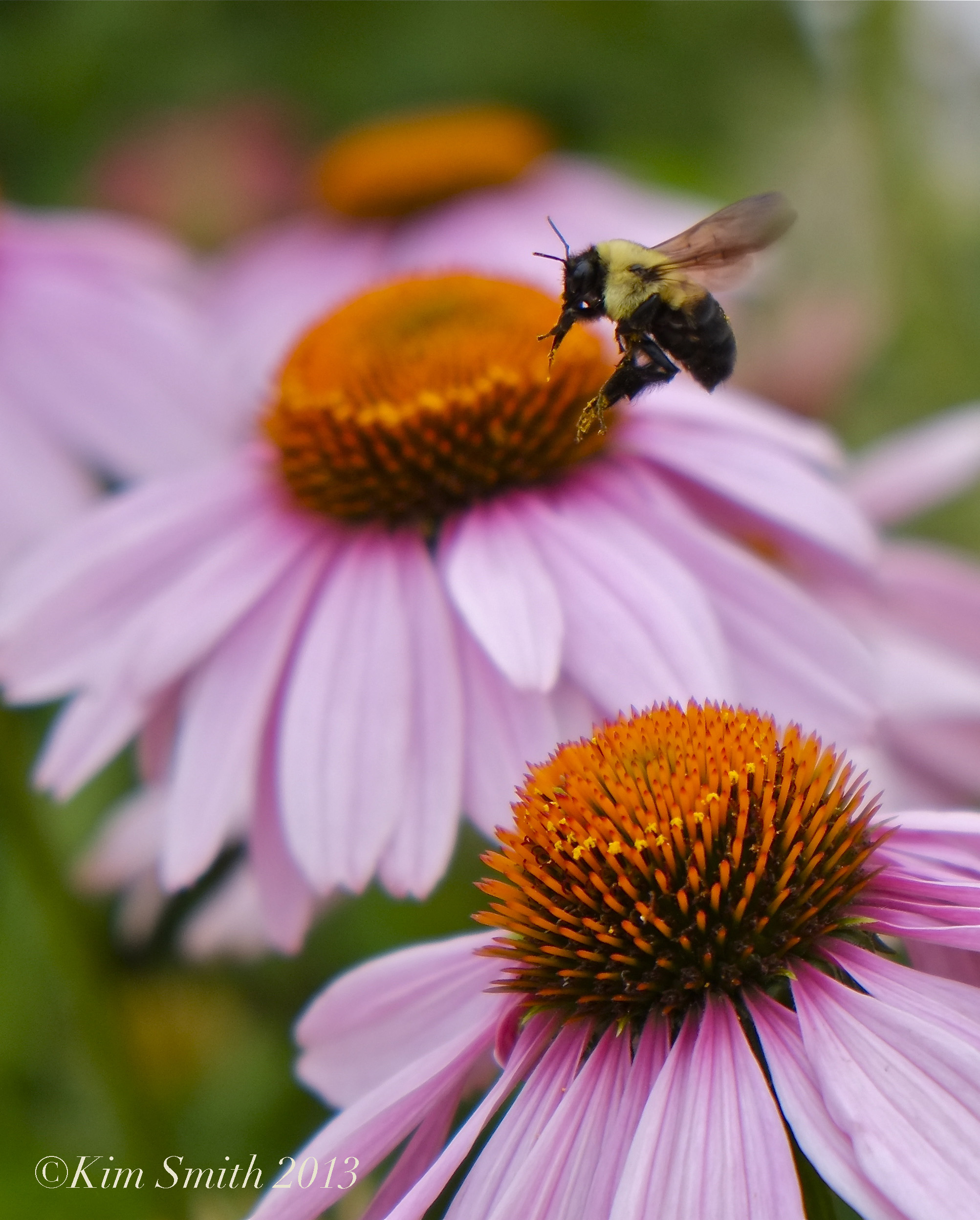
Coneflower and Bee -2 © Kim Smith 2013Echinacea and Bee at the HarborWalk