
Tag: Eastern Point

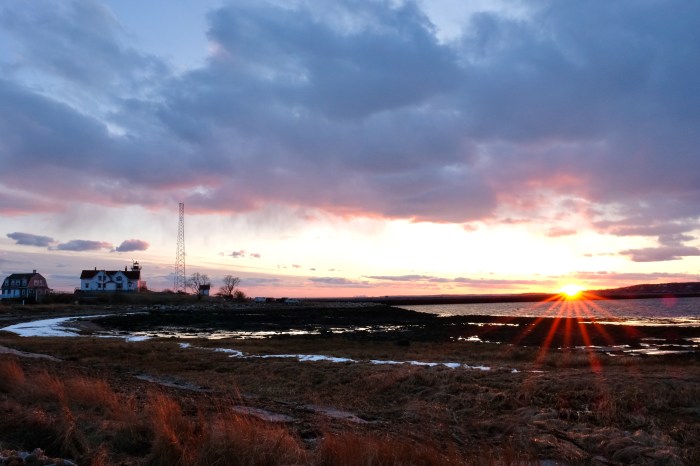
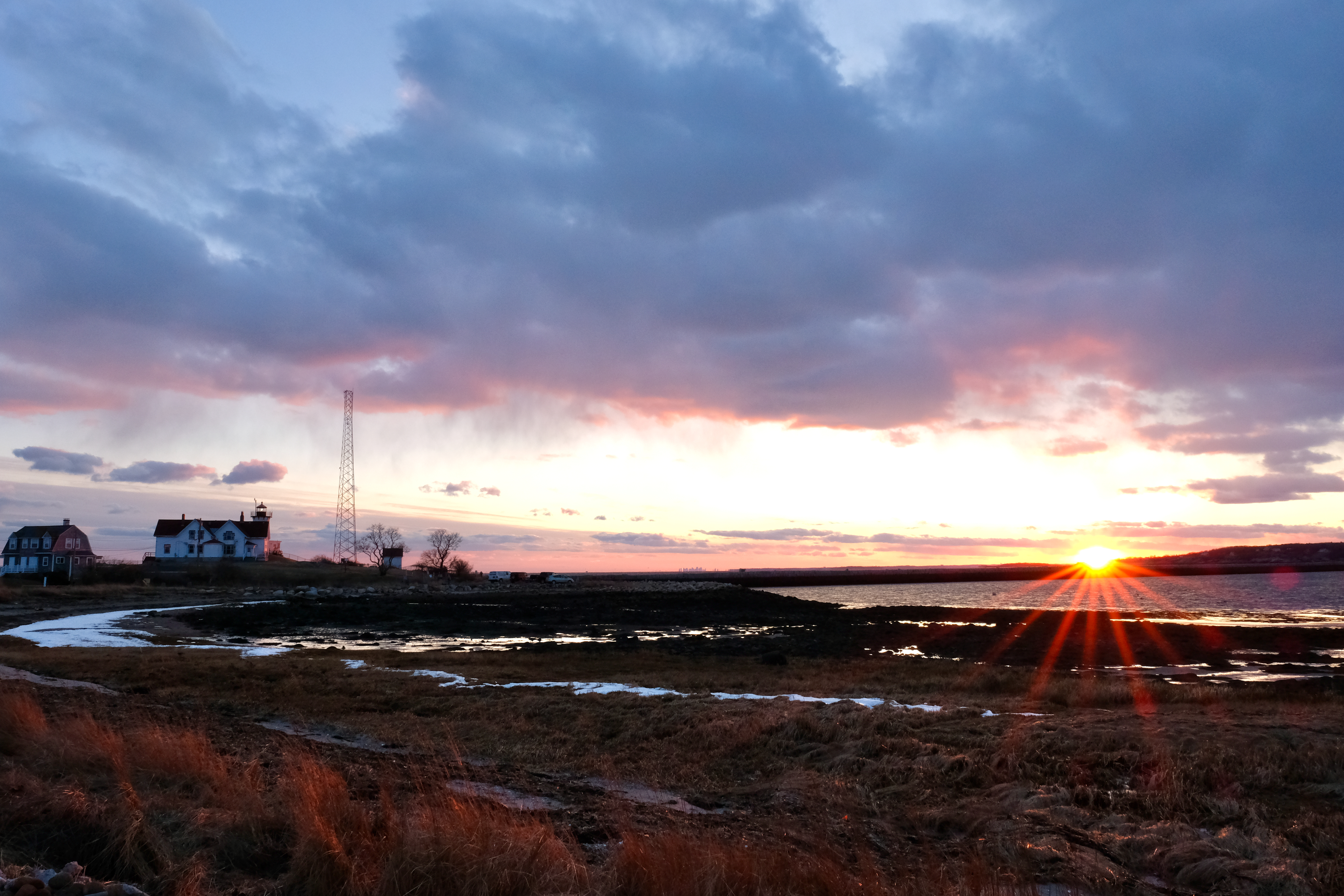
EASTERN POINT LIGHTHOUSE SUNSET
Just another beautiful day’s end –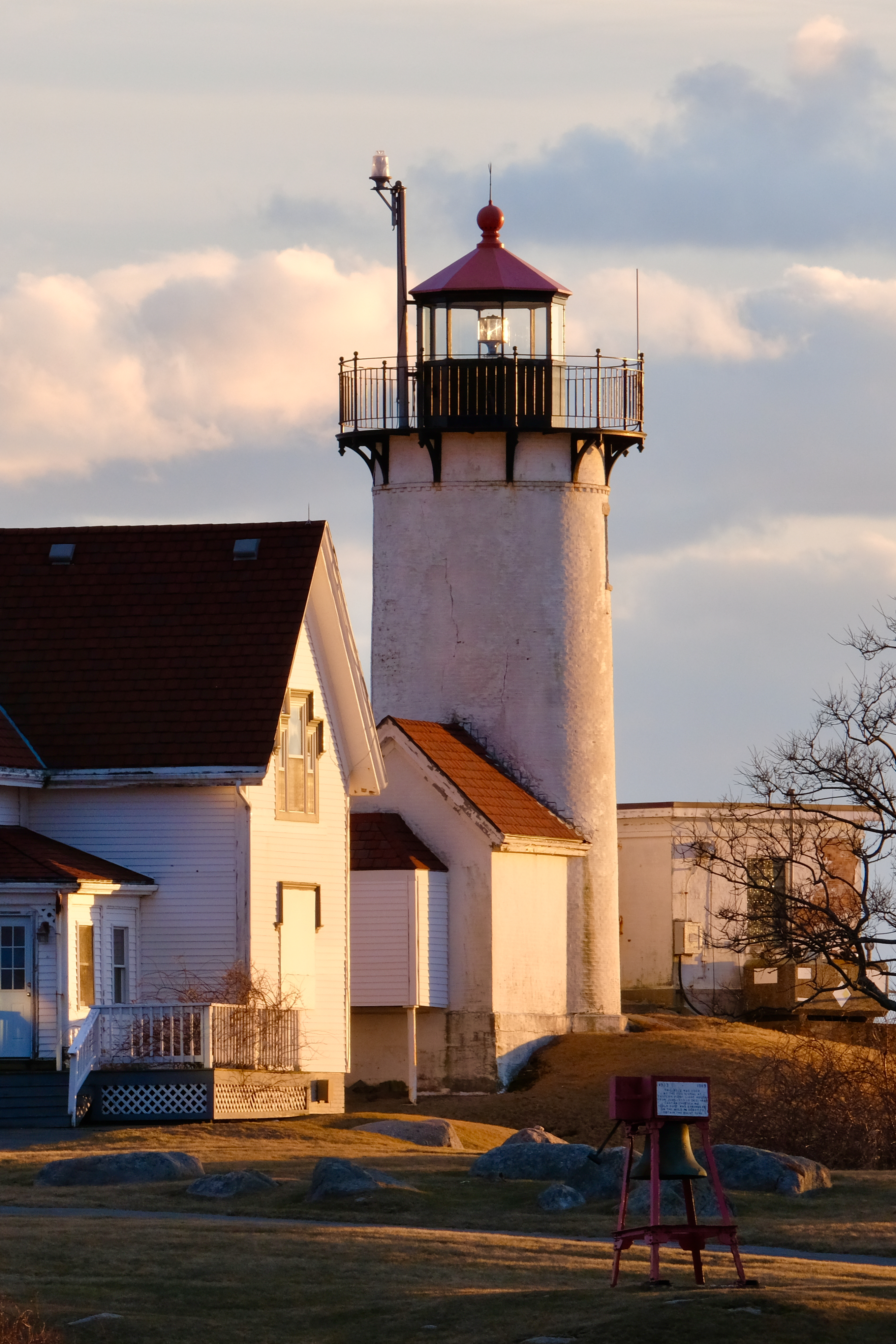
Spread The GMG Love By Sharing With These Buttons:

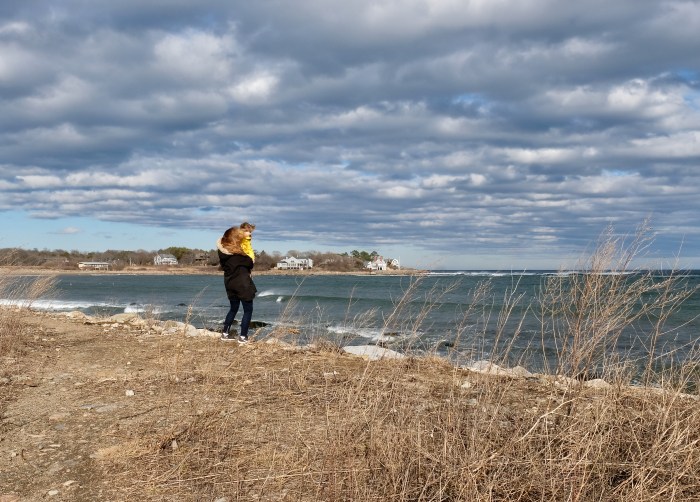
WILDLY WINDY GLOUCESTER AFTER STORM
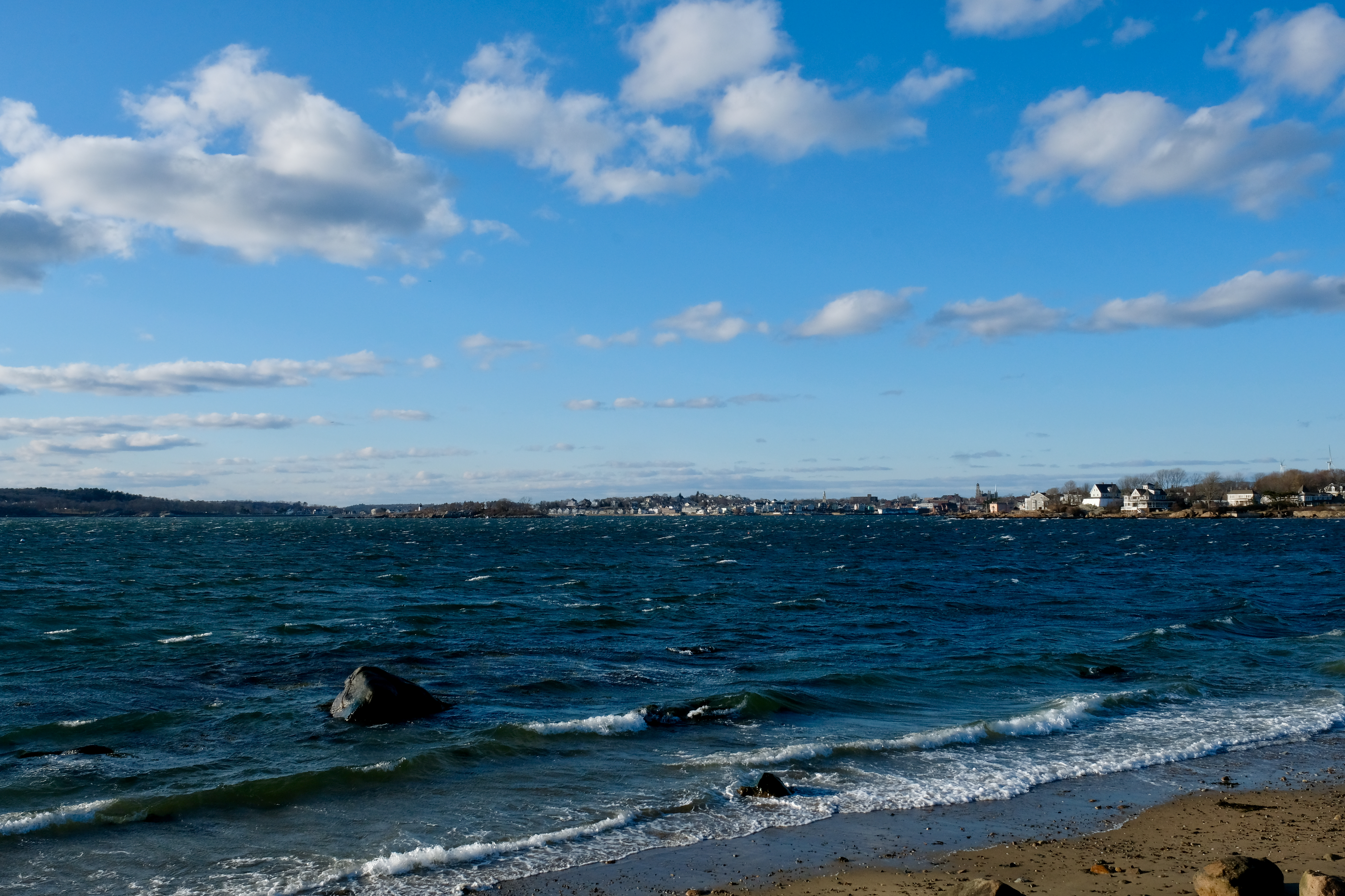
We tried going for a beach walk at Good Harbor, Brace Cove, and Niles before giving up and finding a less windy stroll along Niles Pond. The water was a gorgeous deep ultramarine and even the inner harbor was beautiful with whitecaps.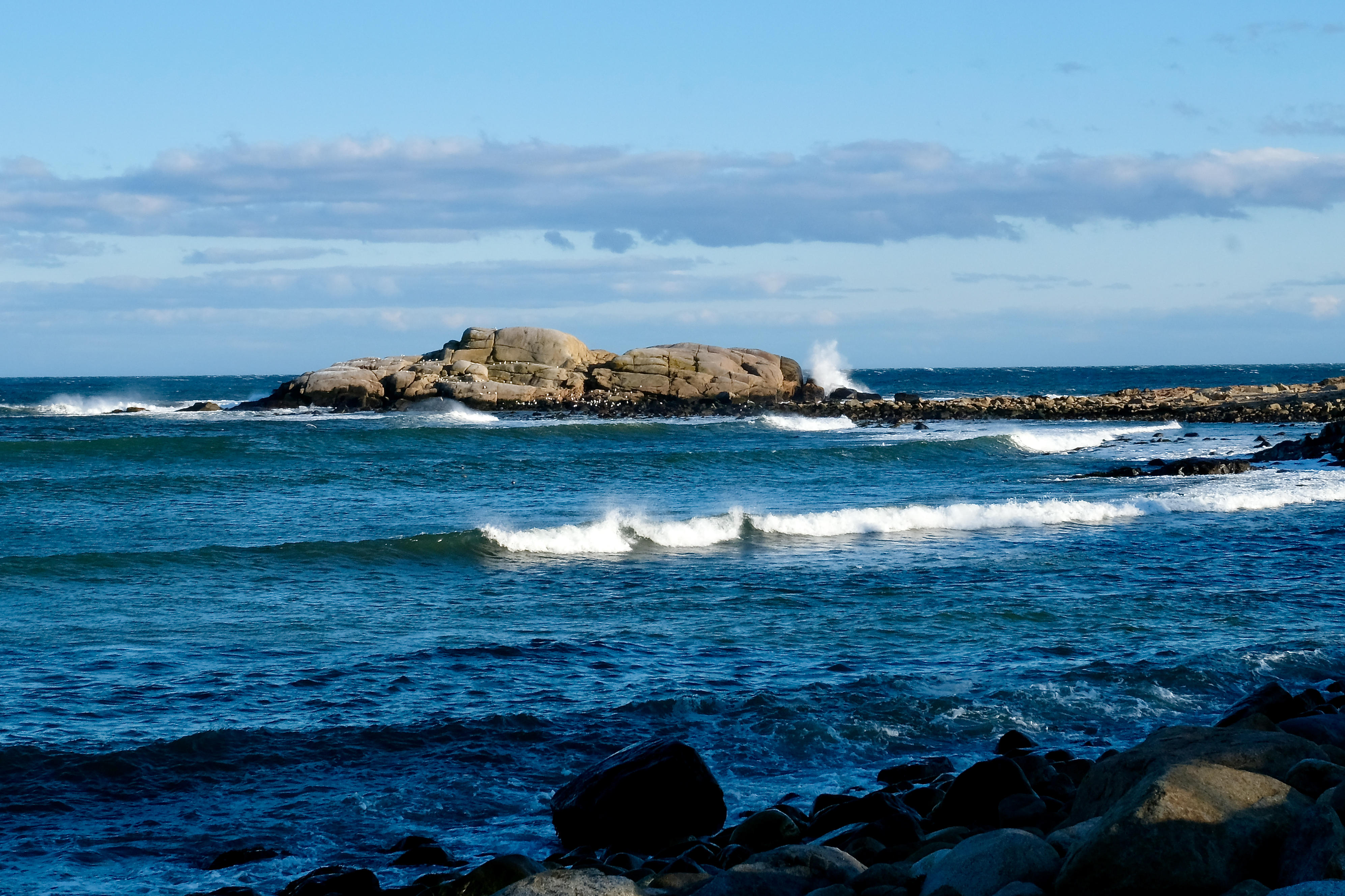
Spread The GMG Love By Sharing With These Buttons:


UPDATE ON GLOUCESTER MISSING PERSON ABBIE FLYNN DAY 2
No good news to report. Early this morning there was some activity with a GFD rescue boat searching at Niles Pond but nothing was found.
For the remainder of the day, the area around Niles and Brace Cove was eerily quiet. Gloucester detectives are continuing to follow up on any leads. Residents are checking sheds and outbuildings and neighbors are continuing to walk the paths around the Point in hopes of some sign of Abbie. Our thoughts and prayers go out to Abbie’s family.
Abbie’s disappearance seemed tragically similar to that of Theresa Coen, who went missing from Penzance Road, Rockport, in March of 2018. However, that they both disappeared after heading out for a walk ends the similarity. Theresa’s death was determined to be a suicide.

Spread The GMG Love By Sharing With These Buttons:

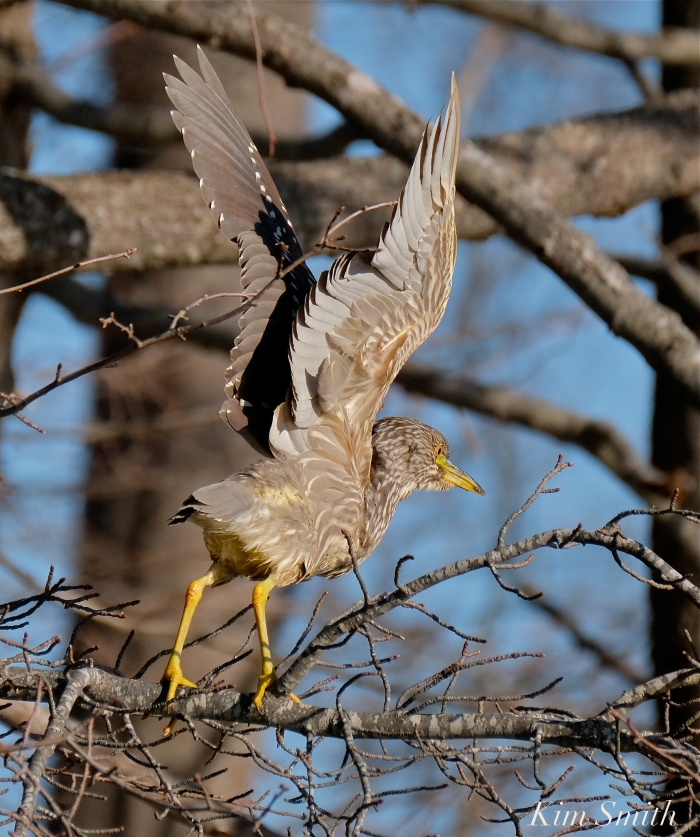
SIMPLY AMAZED- HERON ICE FISHING
Could it be that our winter resident juvenile Black-crowned Night Heron is surviving by ice fishing??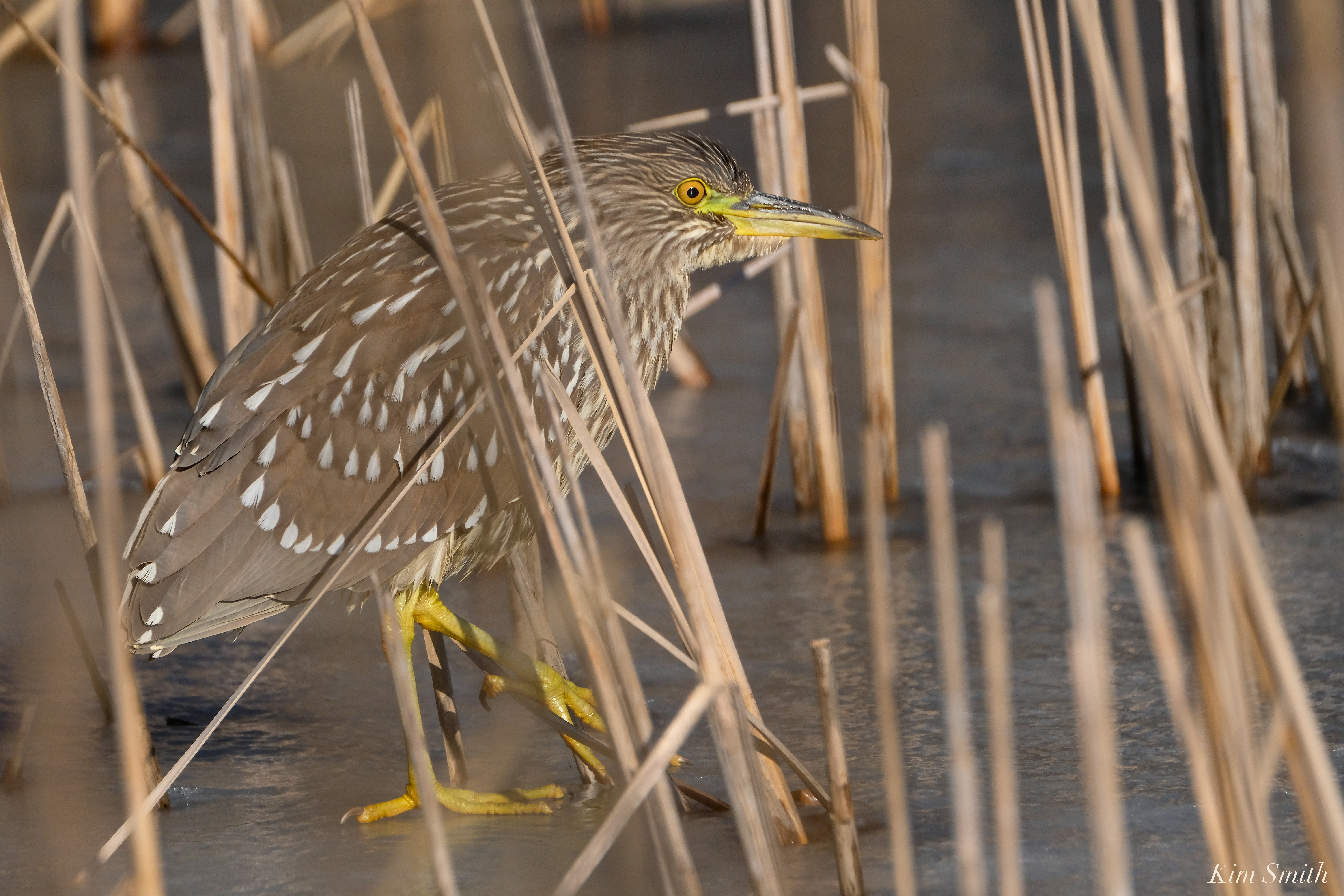
I was concerned and did not not think the young heron could possibly find enough food after Niles Pond froze solidly over. The pond was thick with a heavy layer of ice, so thick people had been skating.
Several days ago when out for a walk, I heard a krickly sound coming from the reeds along the pond’s edge. A beautiful Red Squirrel ran across my path. A few moments later, the same krickly krickly sound, only this time when I peered in, there was the juvenile BCNH, sleepy-eyed and shifting on the cold ice. 
Off he flew into the trees to warm in the sun.
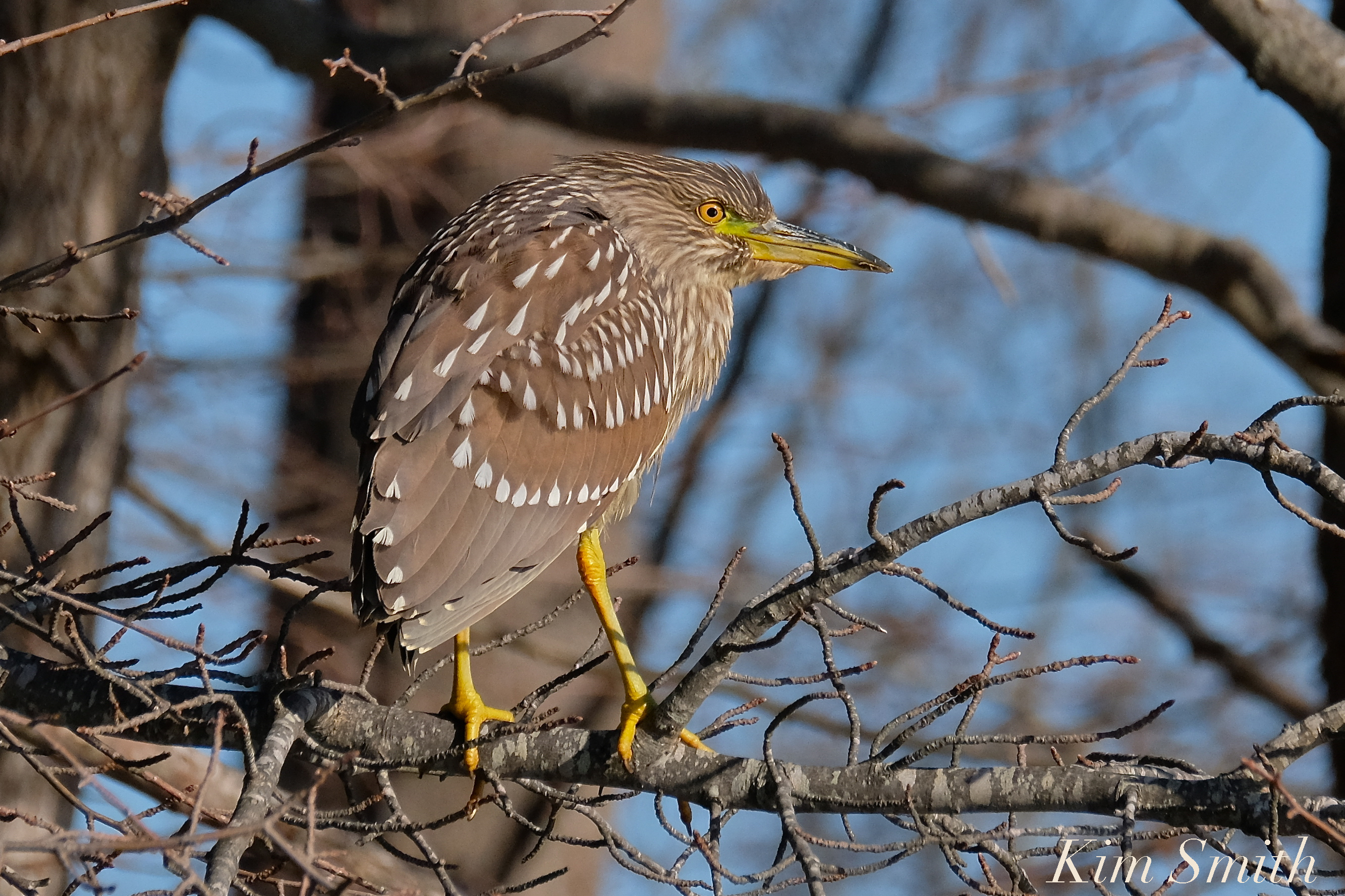
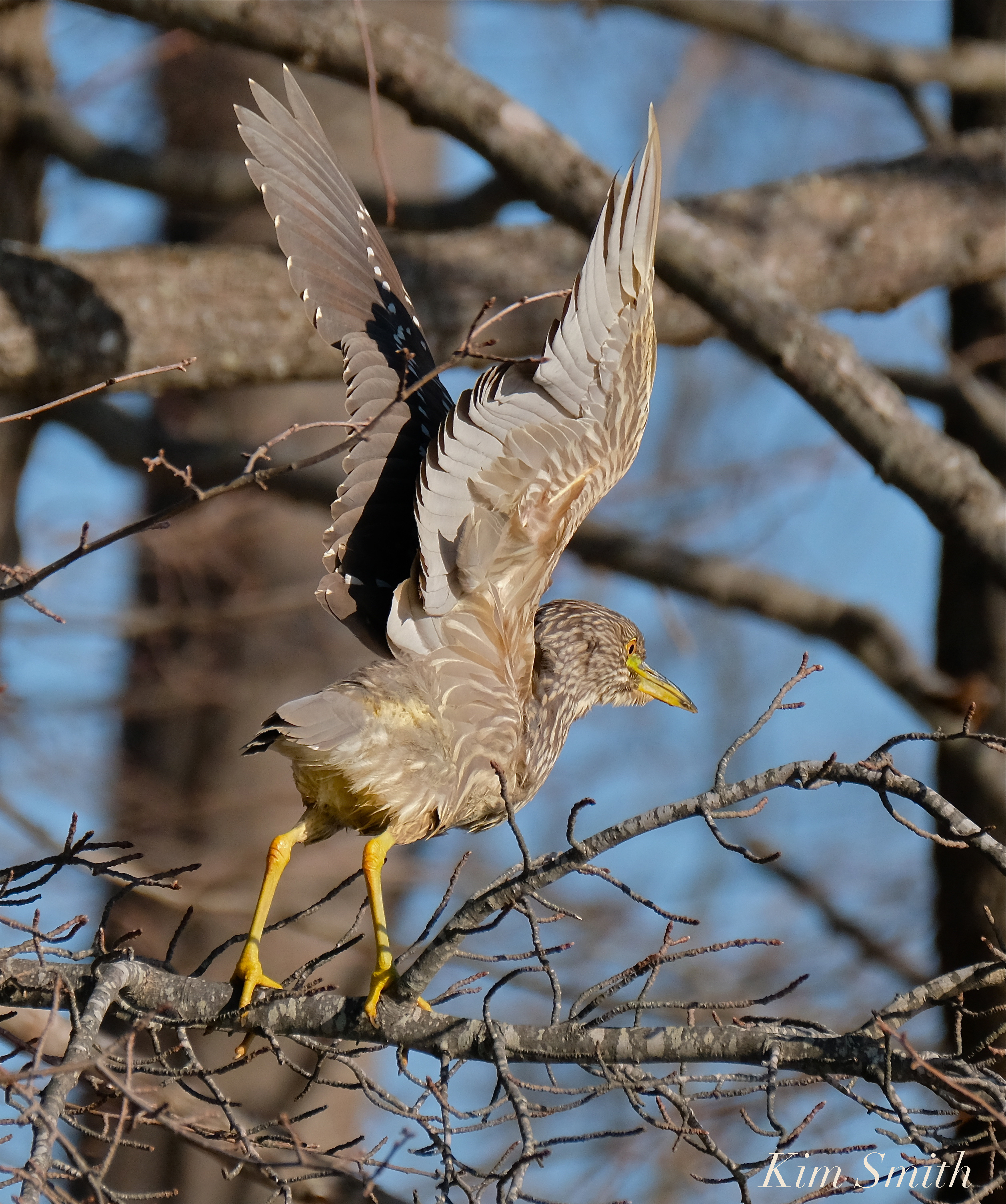
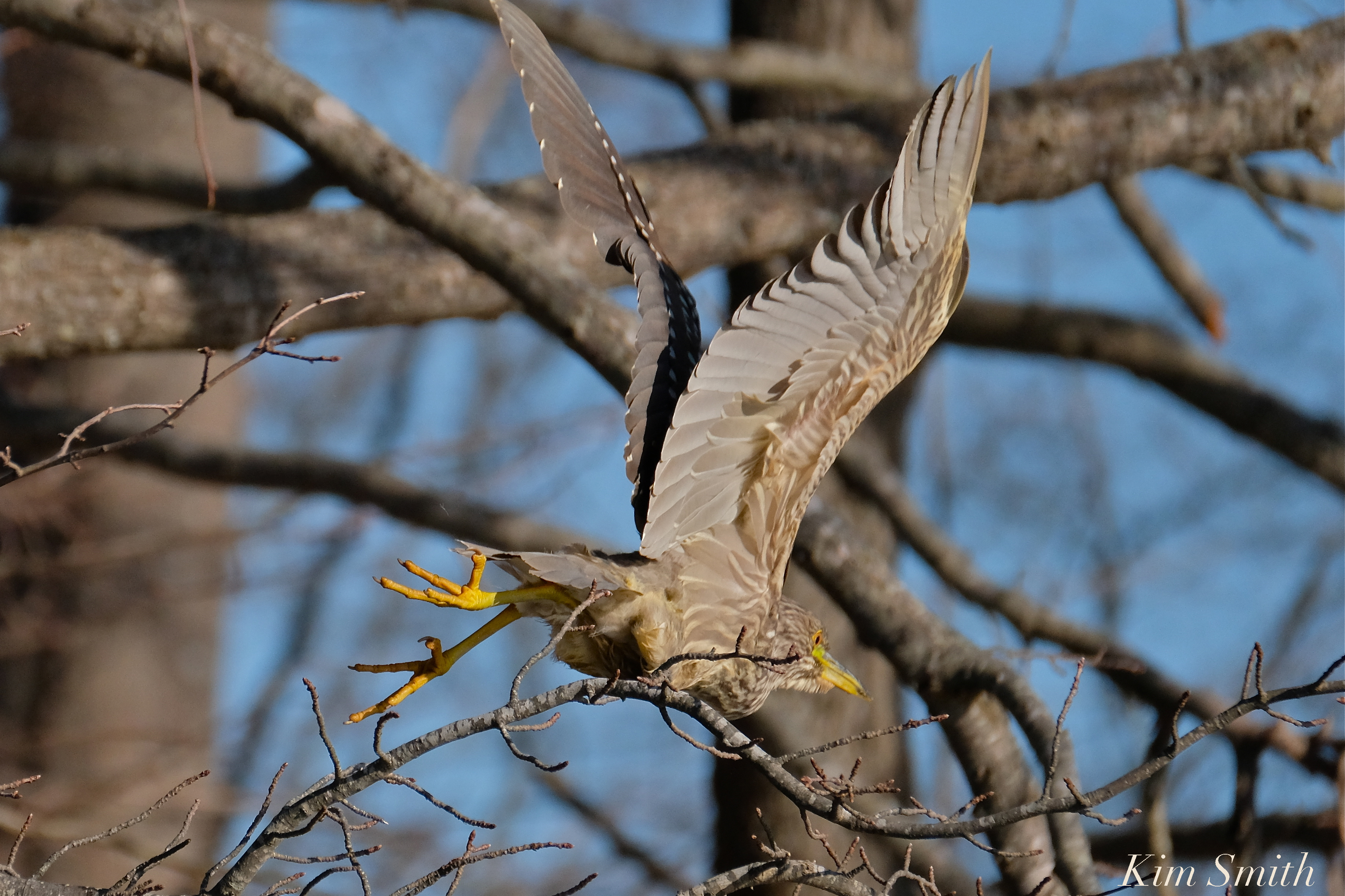
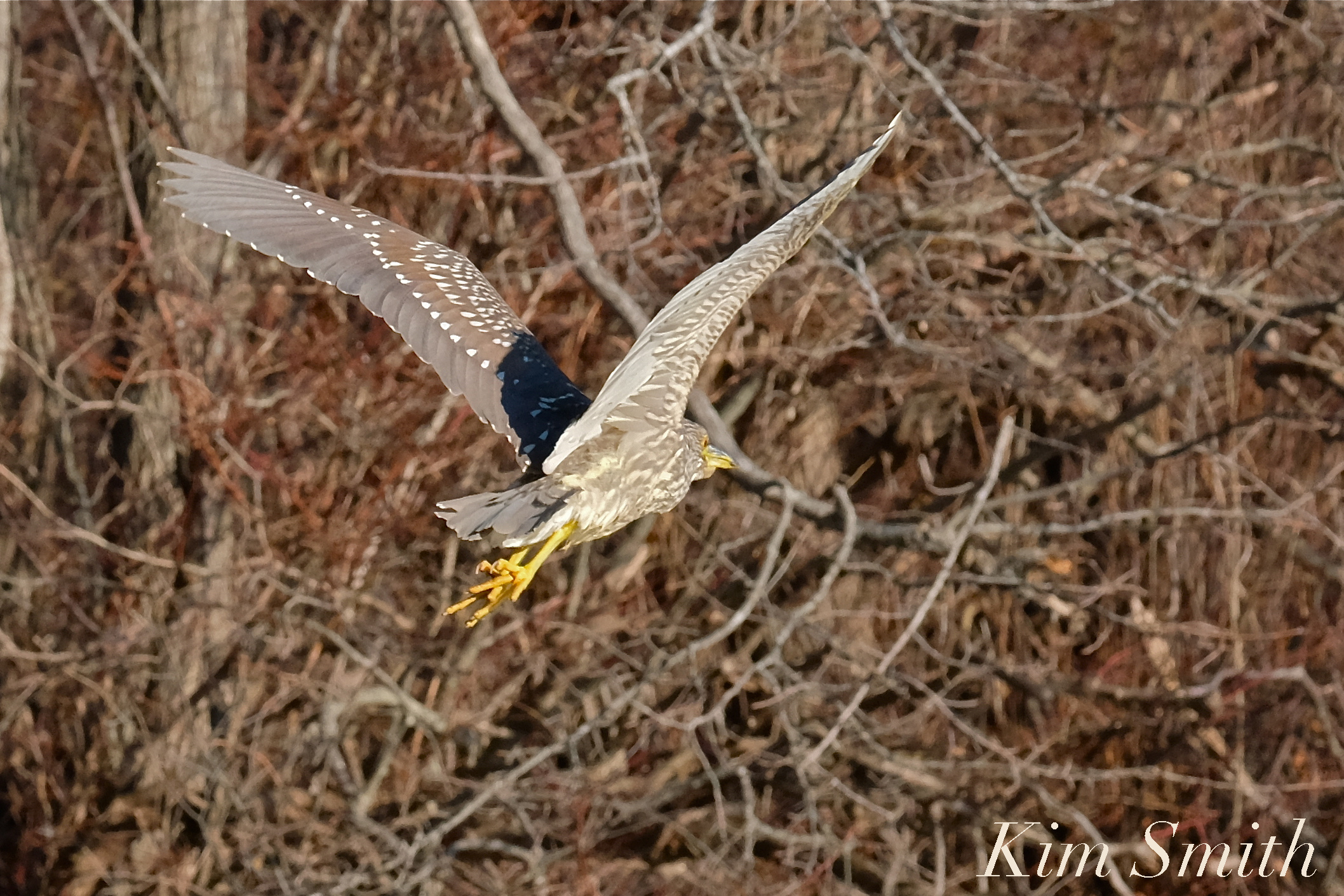
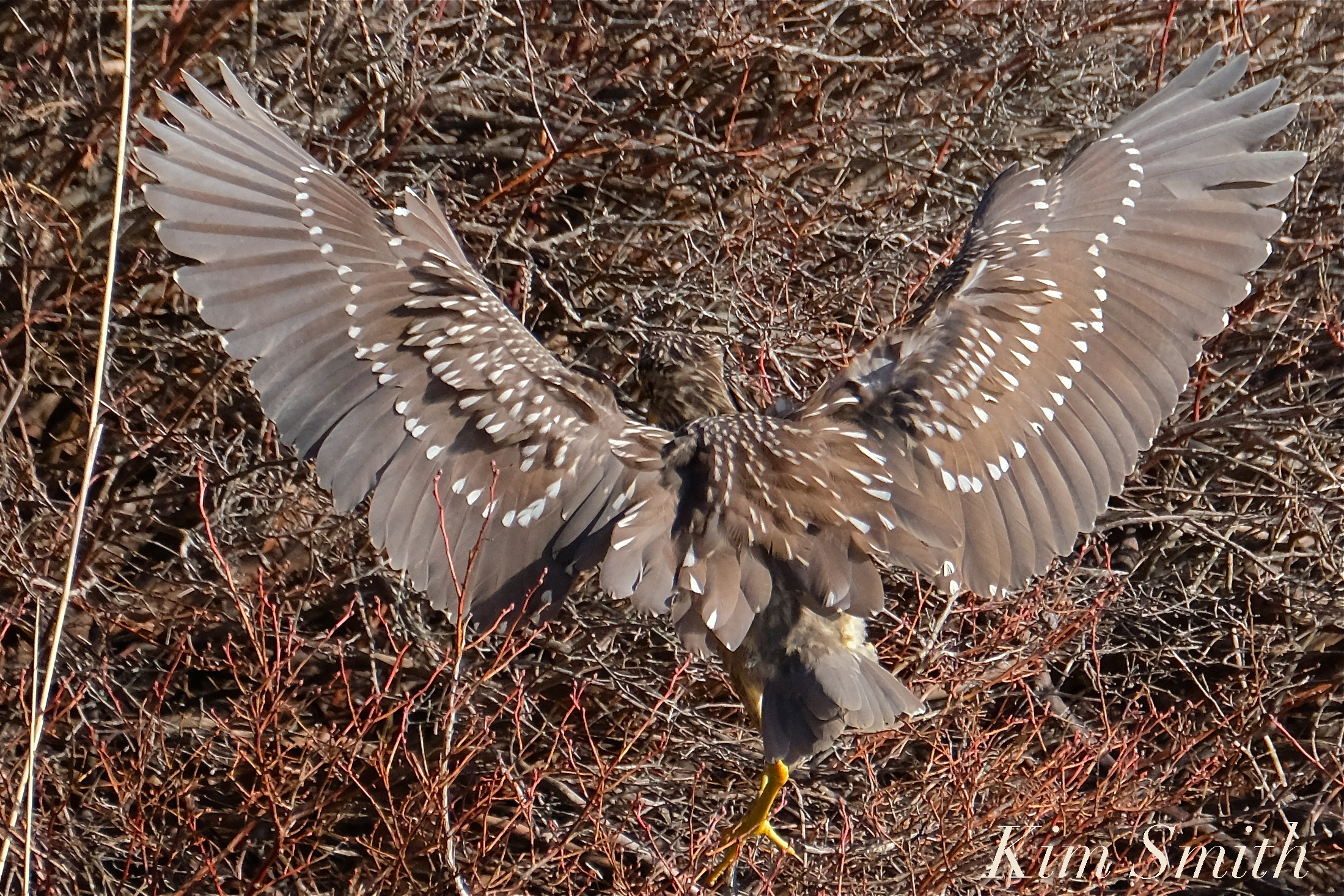
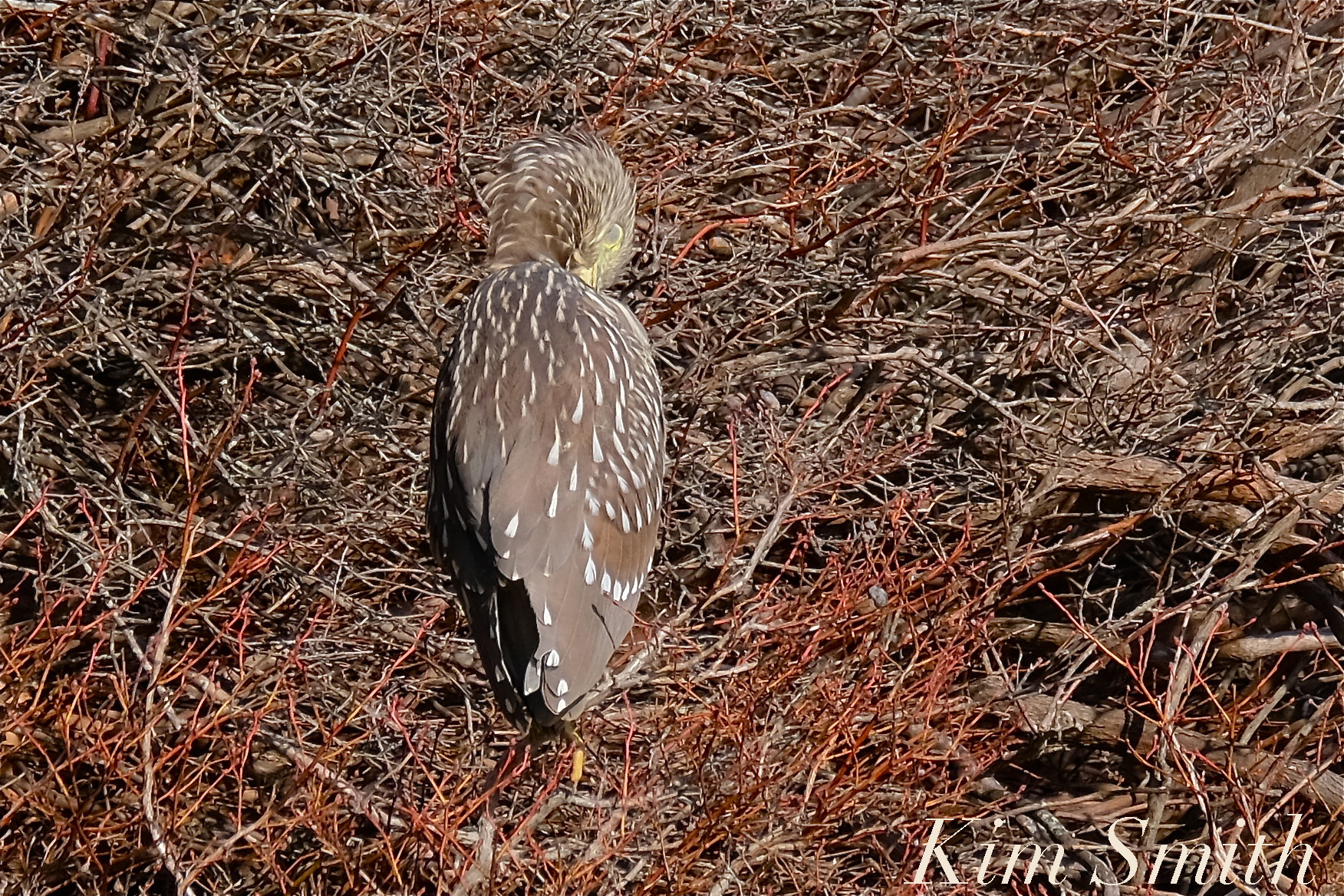 Sleeping in the morning sun
I walked out onto the ice adjacent to where he had been standing and there, very clearly, was a trail of his perfectly delineated tracks. Not only that, but there was a hole in the ice, surrounded by several sets of his tracks. Having observed BCNH during the summer months standing stock still in one place for hours on end, I can just imagine that he must have stood over that hole for hours waiting for his dinner to swim by. Simply amazed!
If you are having difficulty viewing the photos large, double click and you should be able to see full size.
My camera lens was too long to get a close up of the tracks. I was only able to take these cell phone pics, but you can still see very clearly the heron’s tracks in the snowy ice, and the ice hole.
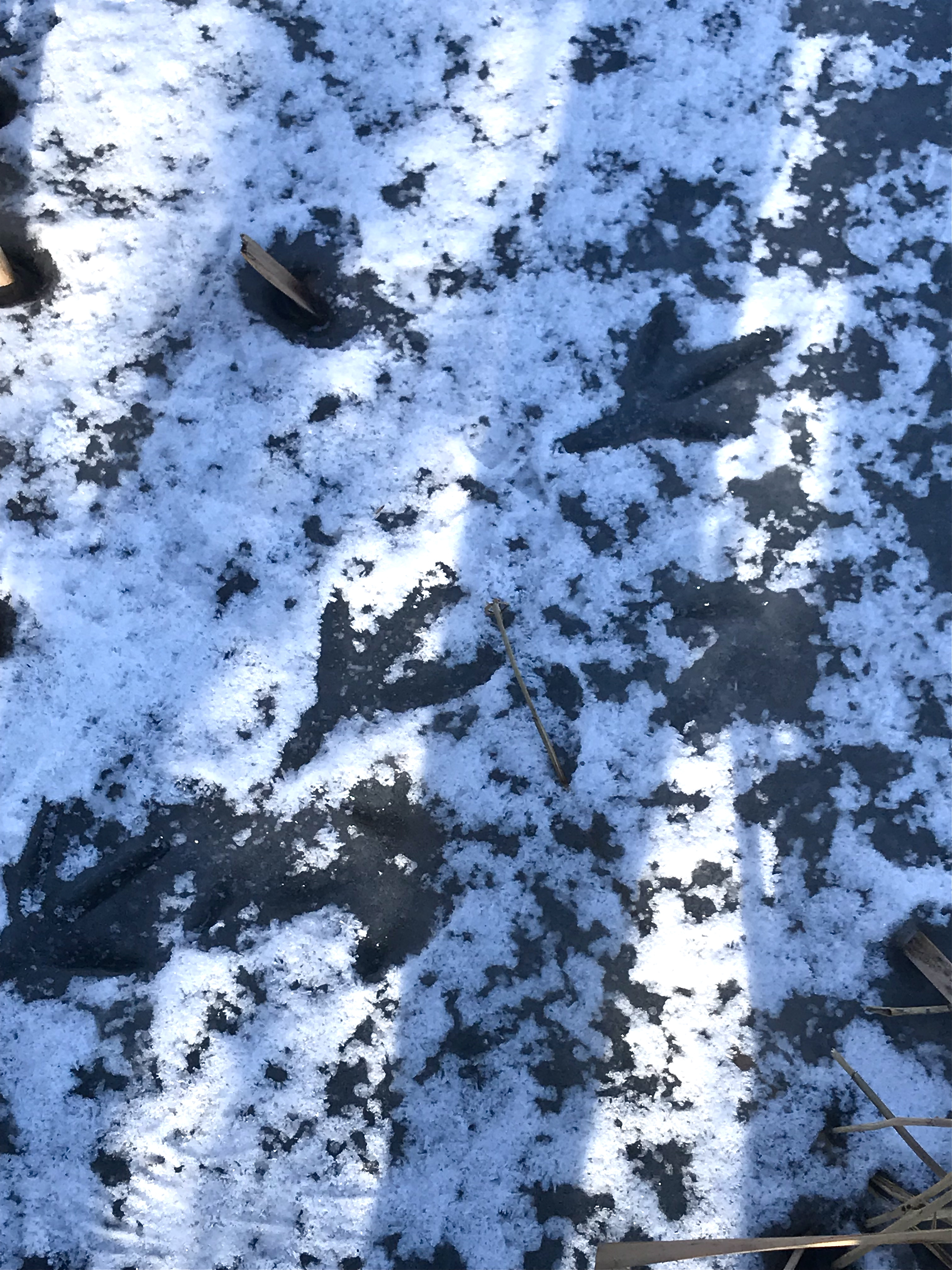
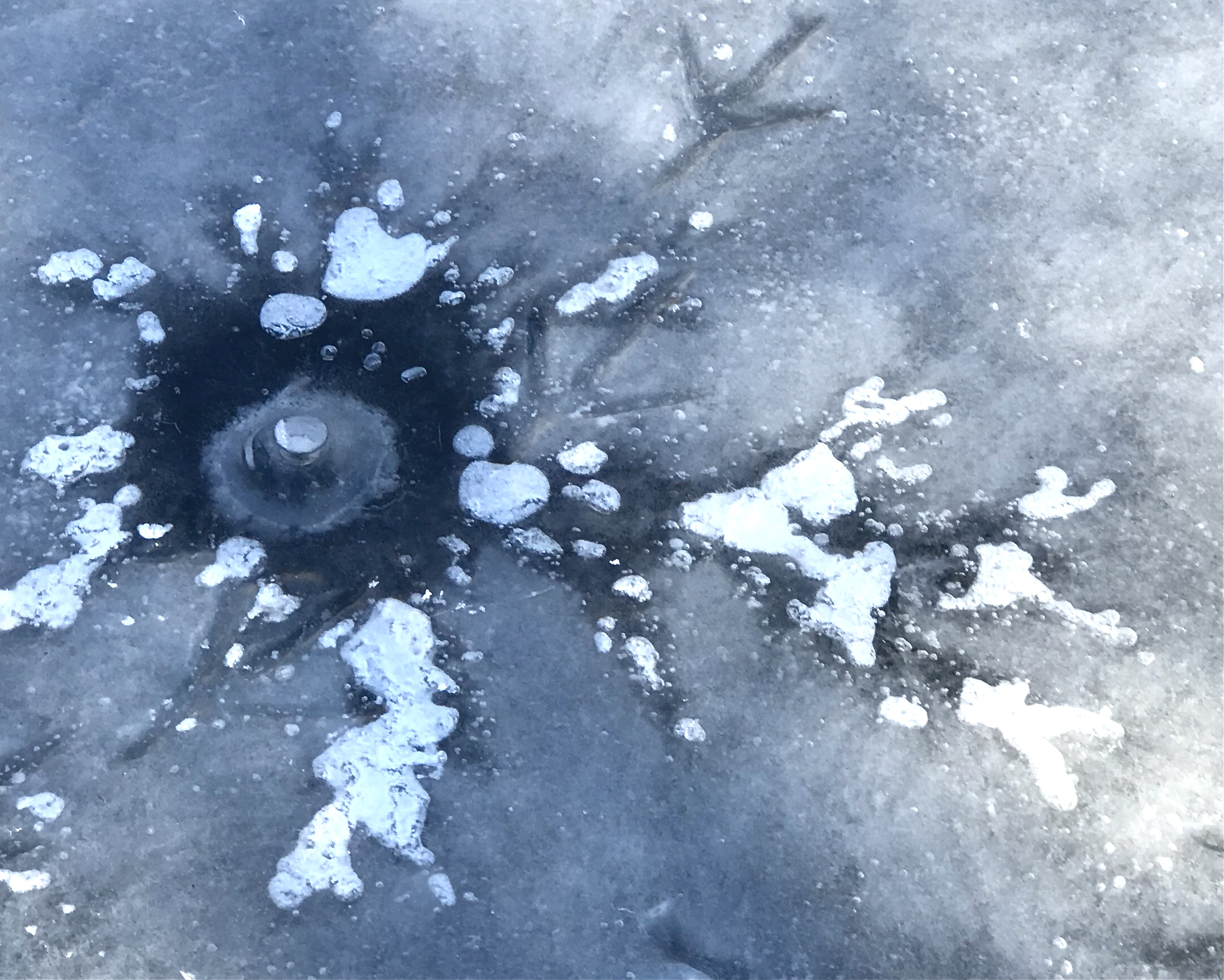
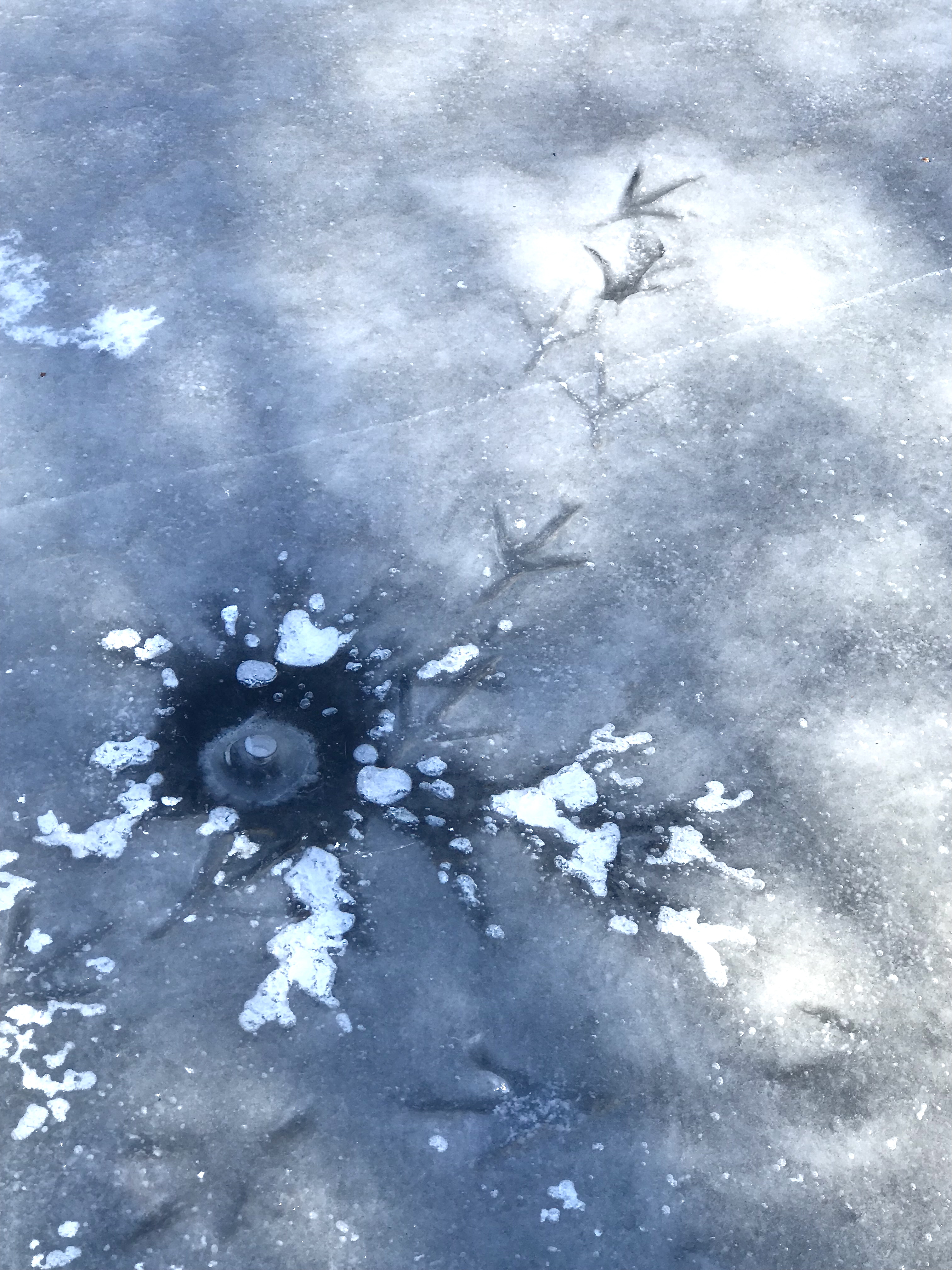
Cape Ann is located at the tippy northern end of their year round Atlantic coastal range.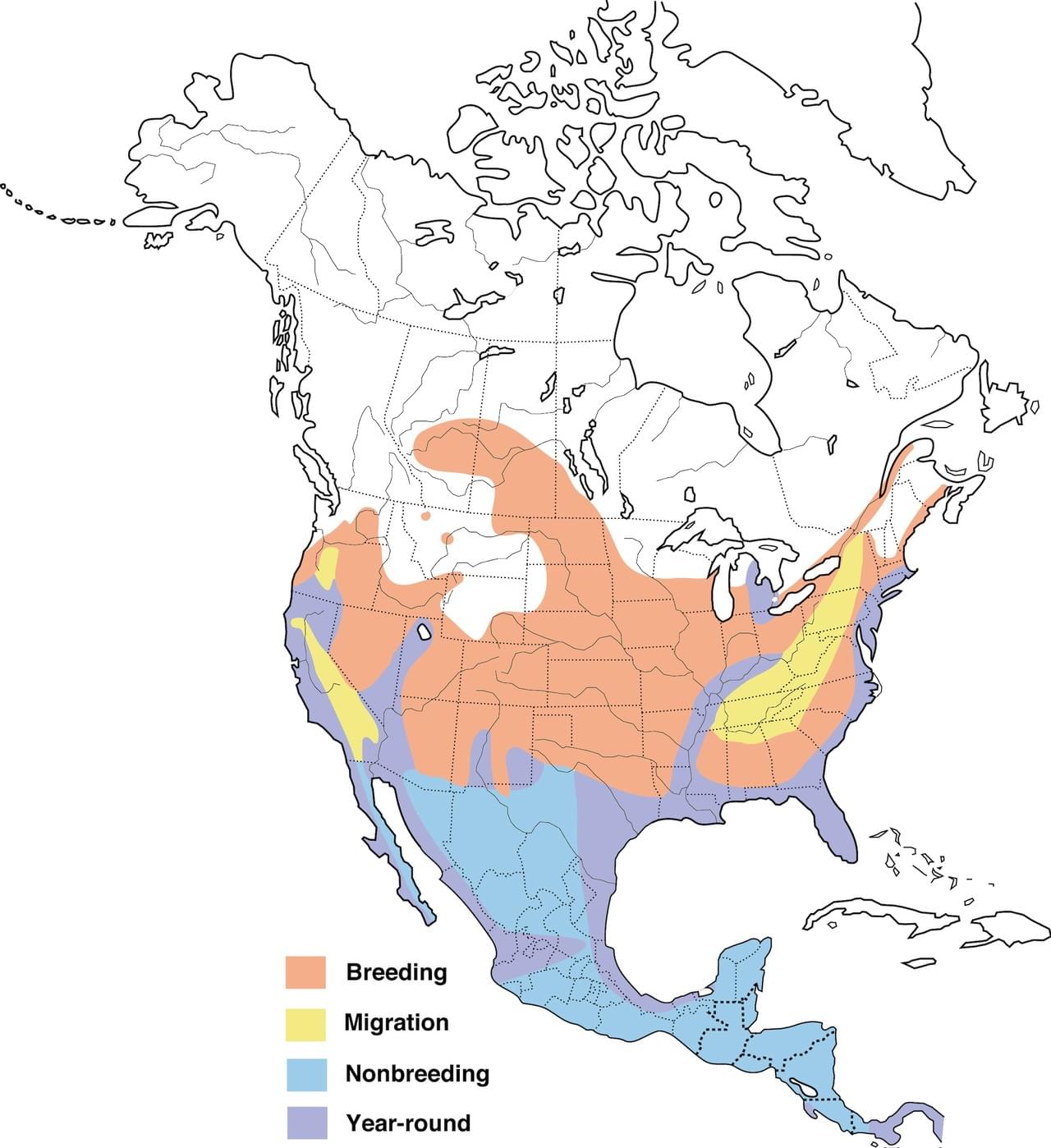
Spread The GMG Love By Sharing With These Buttons:

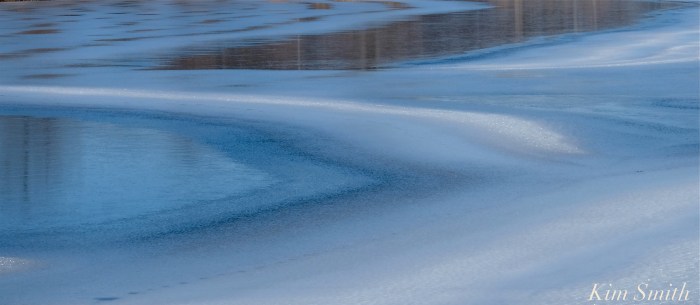
NILES POND ICE SWIRLS
Niles Pond icing over


Spread The GMG Love By Sharing With These Buttons:

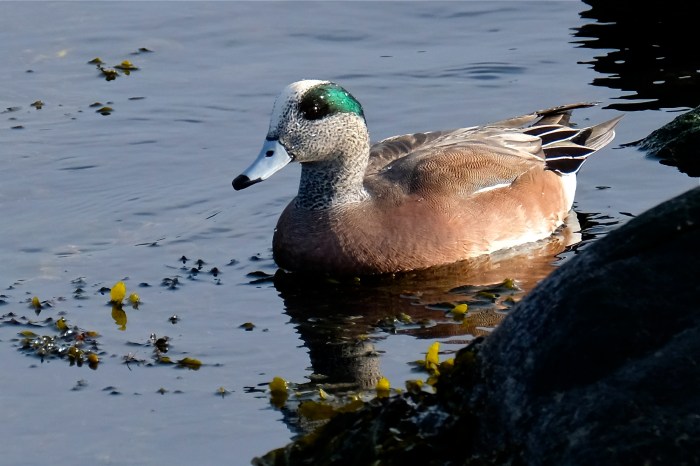
BEAUTIFUL CAPE ANN WINTER WILDLIFE UPDATE
Our shores abound with wonderful wild creatures we more often see in wintertime, and species we can view better because the trees are bare. The duo of male American Wigeons are still here, as are the pair of Pipits. I watched yesterday afternoon as the Pipits flew away from the beach in unison, and then returned together about twenty minutes later to continue to forage in the seaweed and sand.


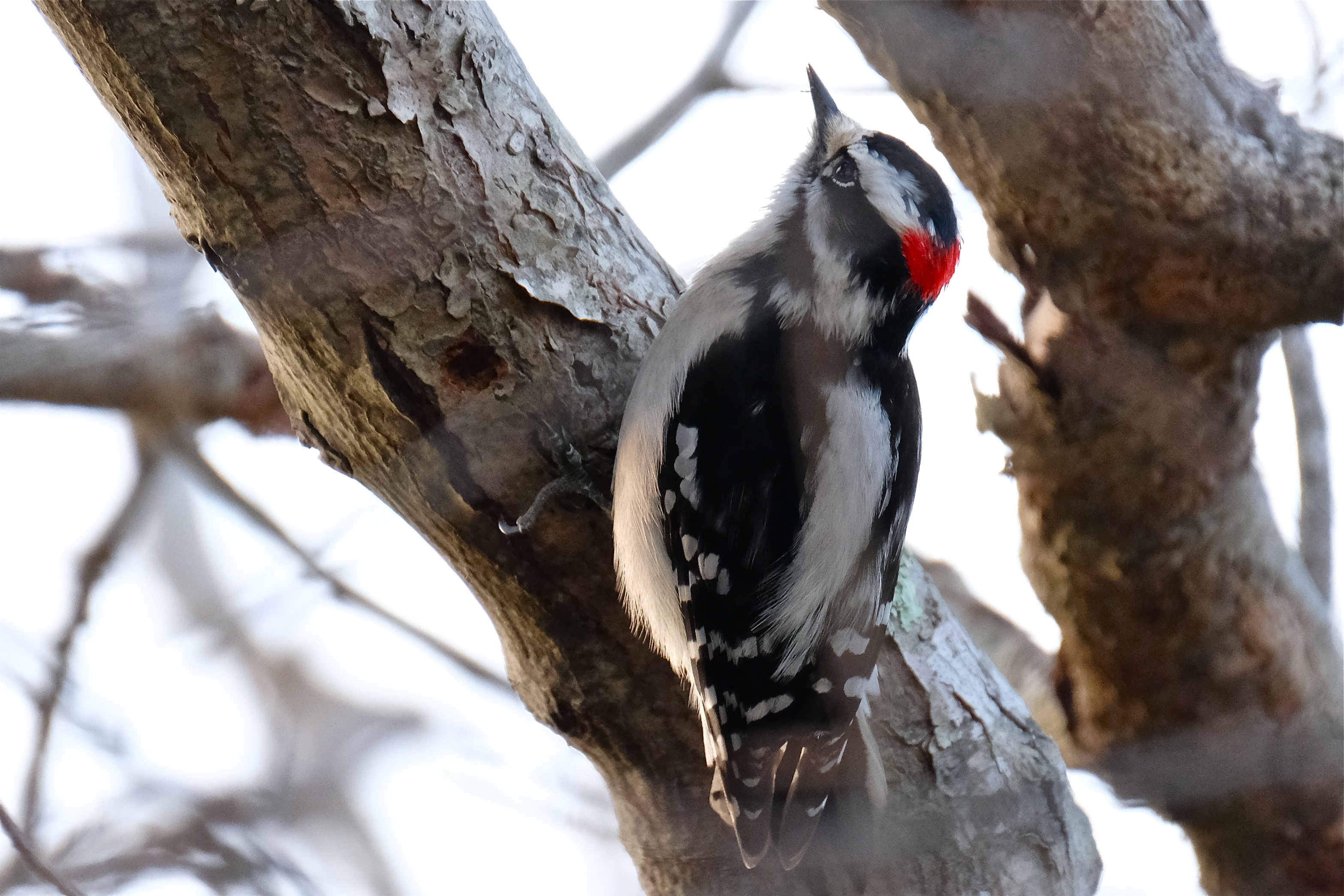 It’s easier to catch a glimpse of a Downy Woodpecker pecking and a wasp nest in the tangle of thickets when viewed through naked limbs and branches.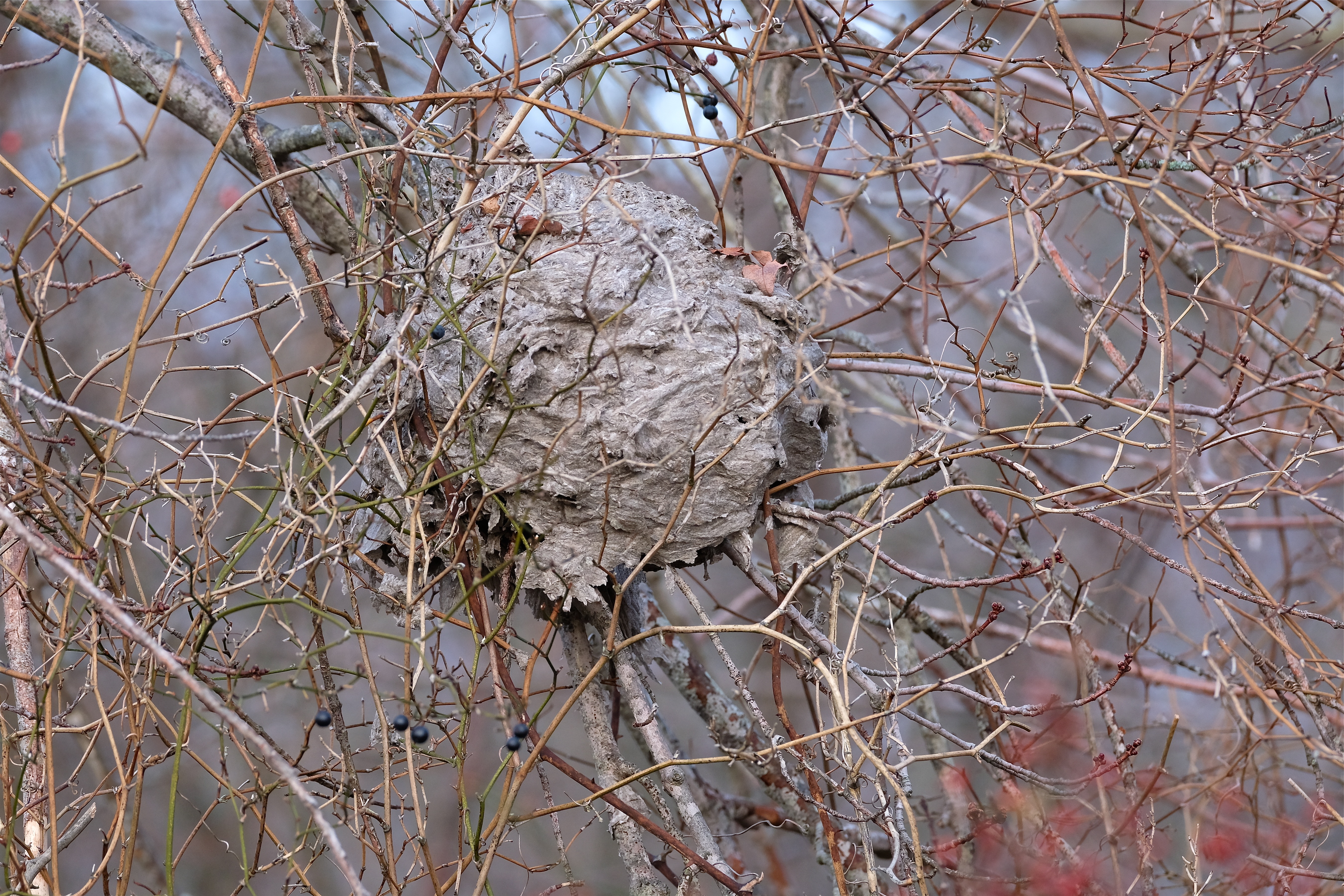
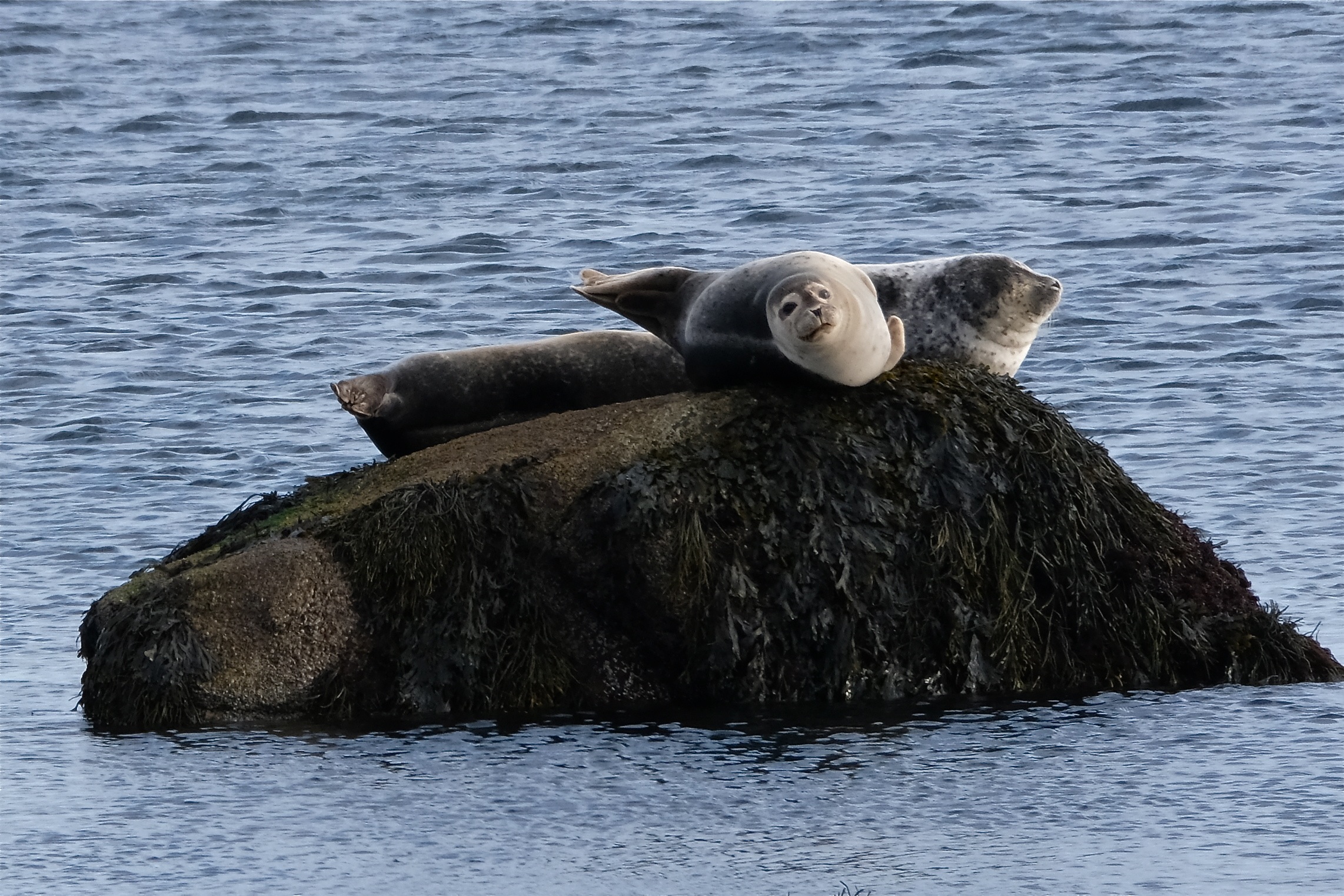 The Harbor Seals are seen almost daily. One day last week 24 were present!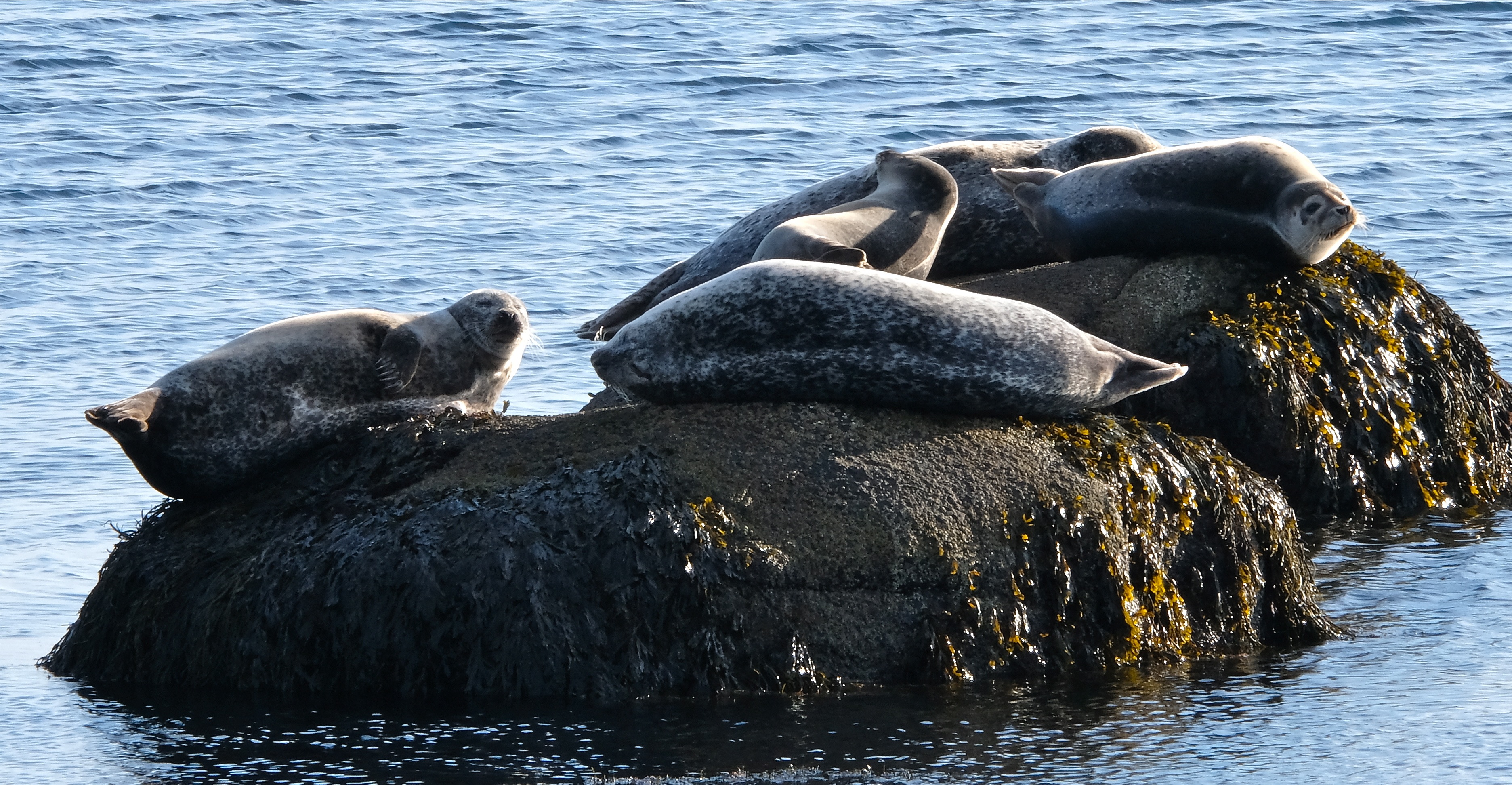
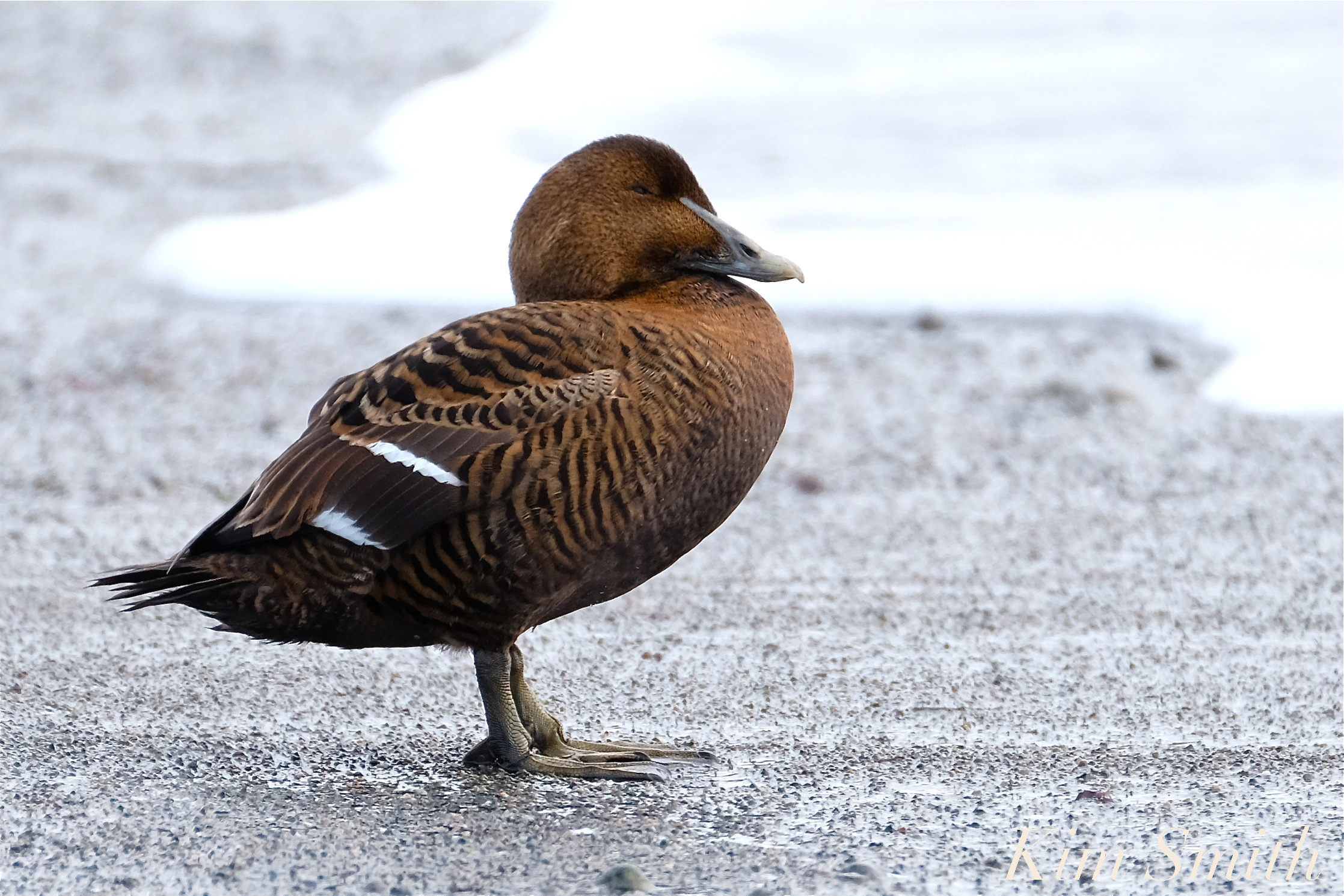 A sleepy-eyed female Common Eider was peacefully resting on the beach. I know she was okay because on our way back she slipped back into the surf.


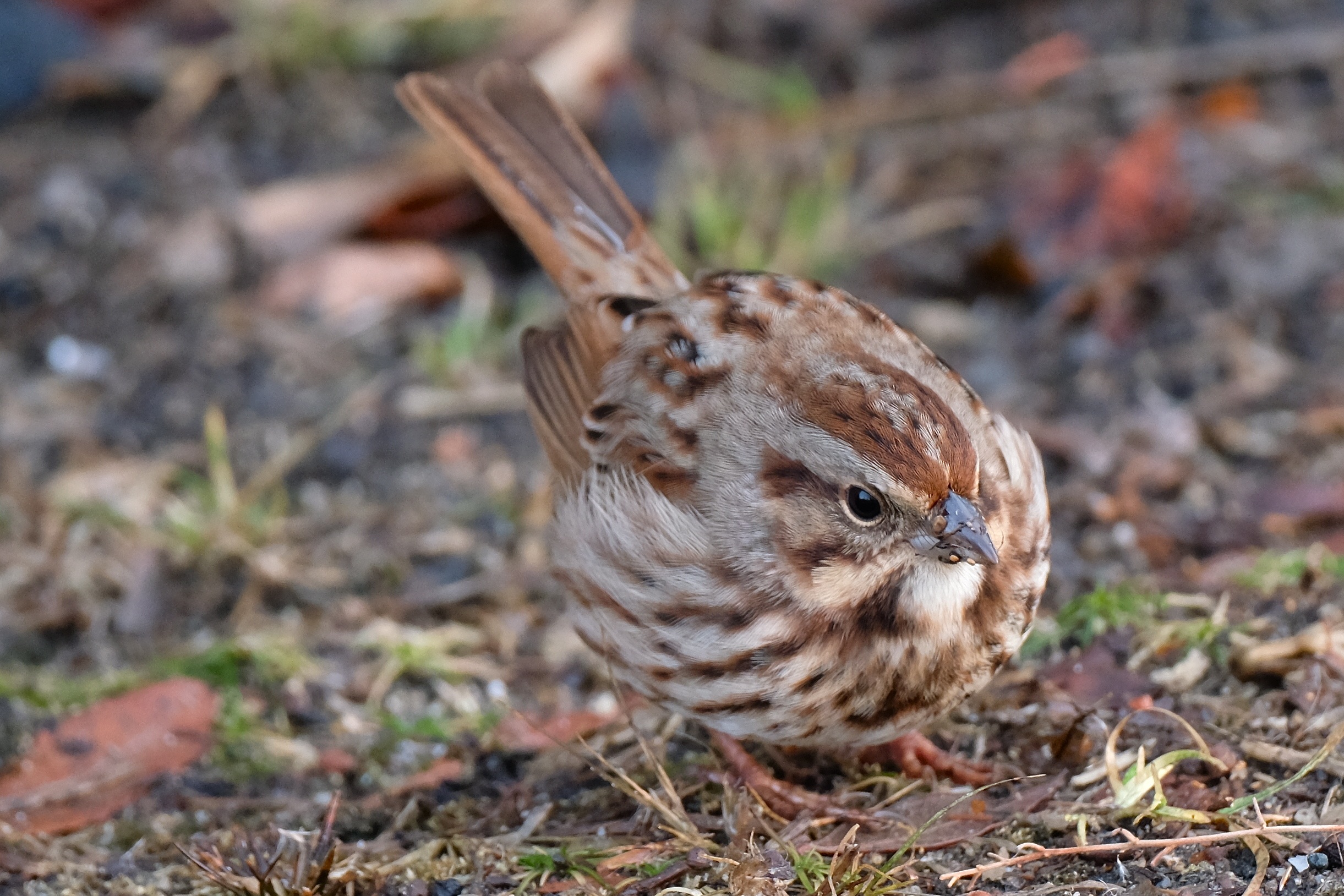 Song Sparrow
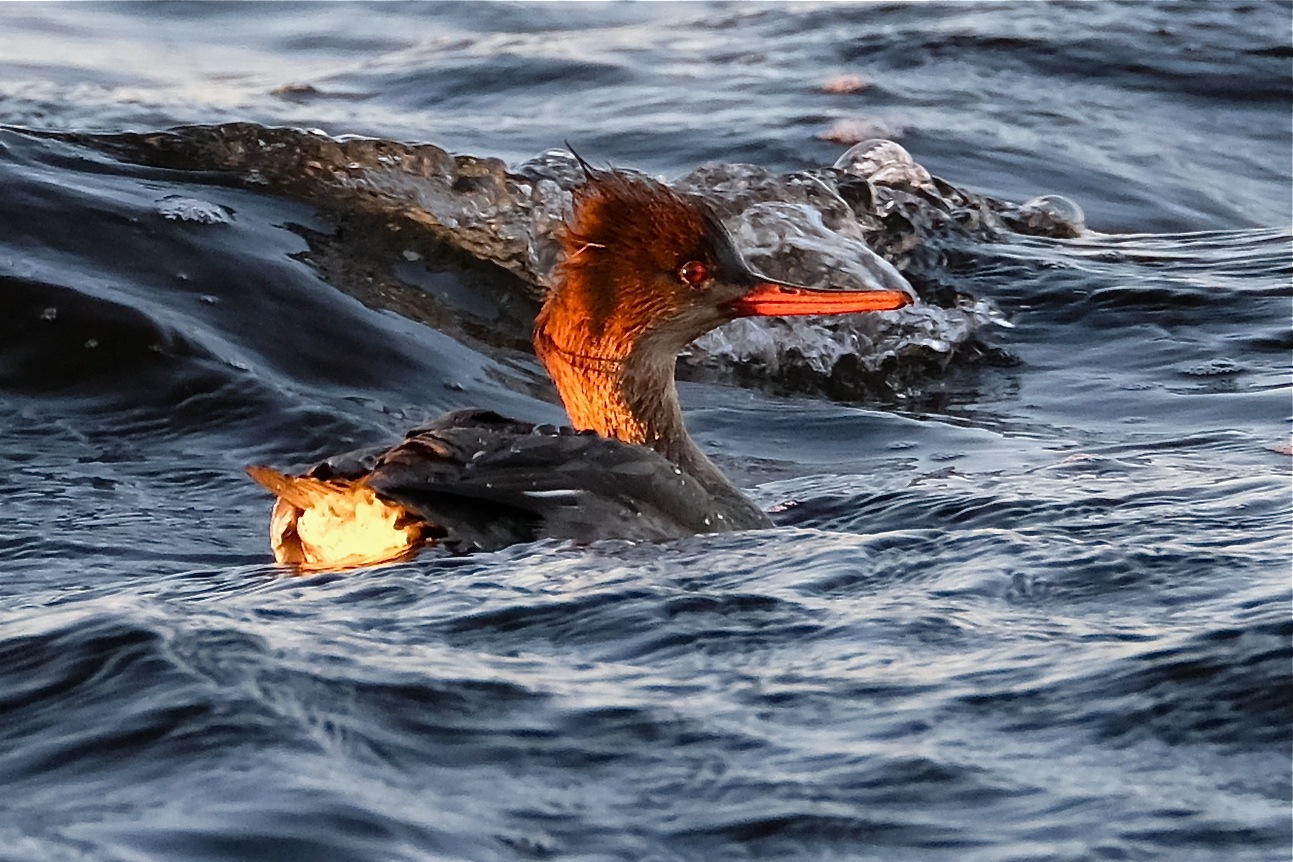 Red-breasted Merganser
 And that’s our Charlotte, my favorite wild one, and ever at the ready to go exploring. After we get dressed in the morning she chortles, “Now I’m ready for action Mimi.”
Spread The GMG Love By Sharing With These Buttons:

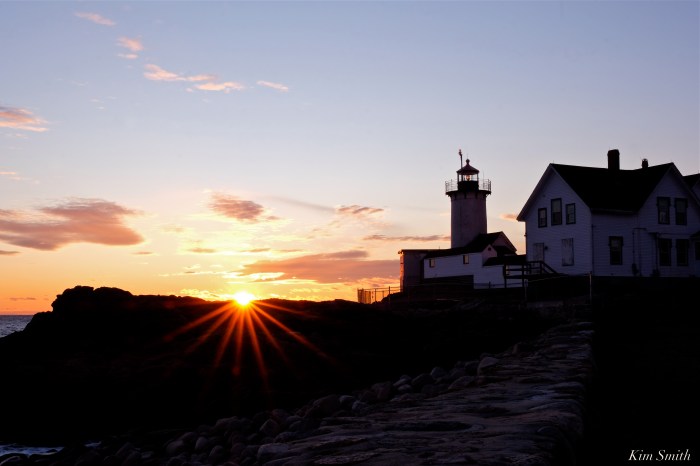
BOSTON TO GLOUCESTER DAY’S END
Day’s end from the Eastern Point lighthouse looking towards Boston


Spread The GMG Love By Sharing With These Buttons:


GLORIOUS BRACE COVE SUNRISE (WITH SEALS)
Although frigid, the well-insulated Harbor Seals were lolling on the rocks well before the sun rose.


Spread The GMG Love By Sharing With These Buttons:


BEAUTIFUL WILDLIFE CURRENTLY AT EASTERN POINT, BRACE COVE, AND NILES POND – GREAT BLUE HERON, HARBOR SEALS, AMERICAN COOTS, BONAPARTE’S GULLS, RUDDY DUCKS, RING-NECKED DUCKS, LARK SPARROW AND WILL THE RECENTLY DEPARTED SWANS RETURN?
The past week Eastern Point has seen a wonderful influx of wildlife, in addition to the beautiful creatures already wintering over and migrating through.
On Tuesday before Thanksgiving, a great raft of Ring-necked Ducks joined the flock of Buffleheads and Mallards at Niles Pond. Five chunky American Coots have been there for over a week, and two female Ruddy Ducks have been spotted.
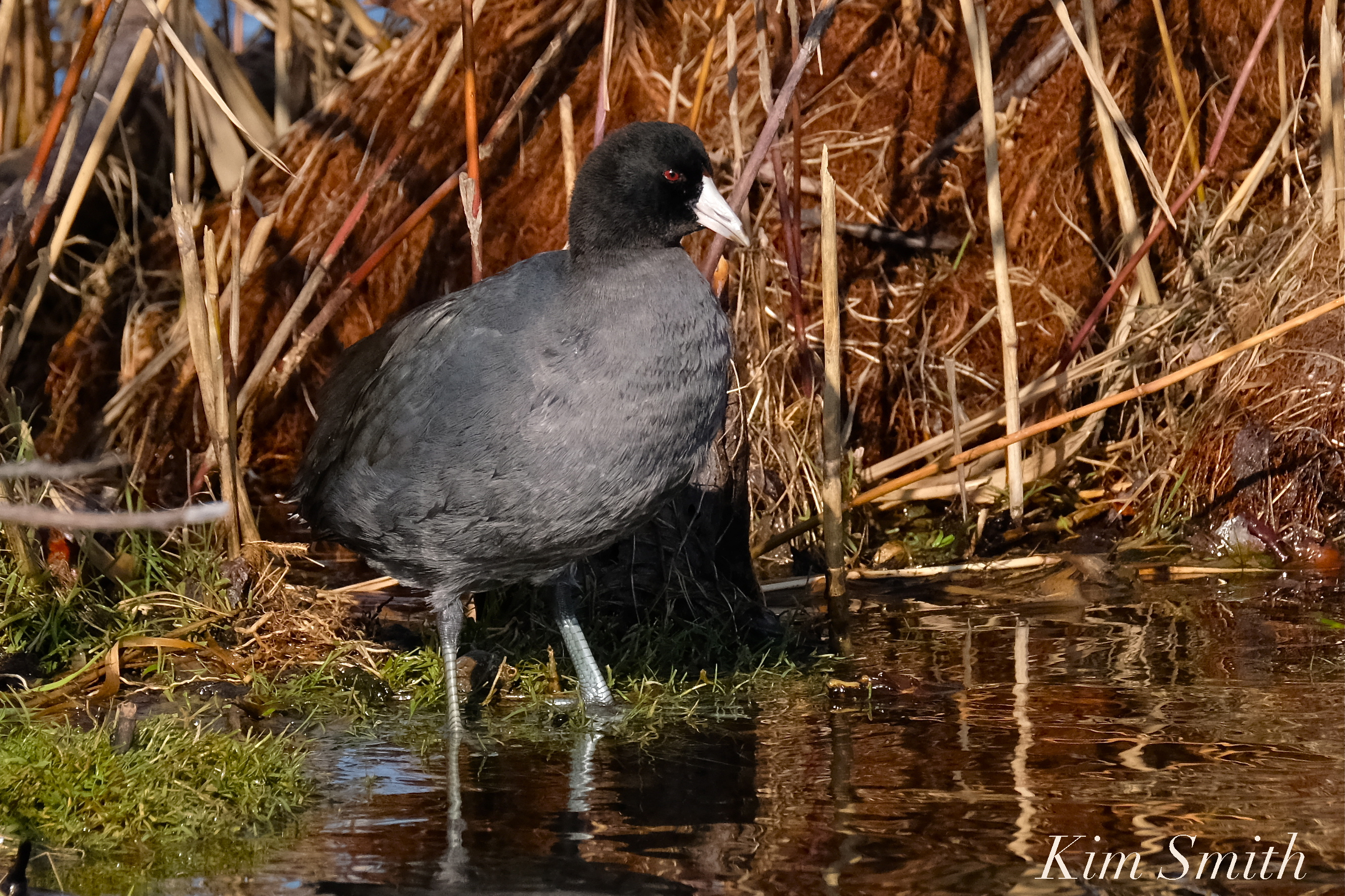 American Coot
Fifteen Harbor Seals were sunning and basking on the rocks at Brace Cove on Wednesday, along with several Bonaparte’s Gulls that were diving and foraging in the waves. The increasingly less timid Lark Sparrow is still here, too.
Lark Sparrow
 Great Blue Heron agitating the Ring-necked Ducks
The most enigmatic of Great Blue Herons criss crosses the pond a dozen times a day but, unlike last year’s fall migrating GBH, who allowed for a closer glimpse, this heron is super people shy. He has been here for about a week and was present again today.


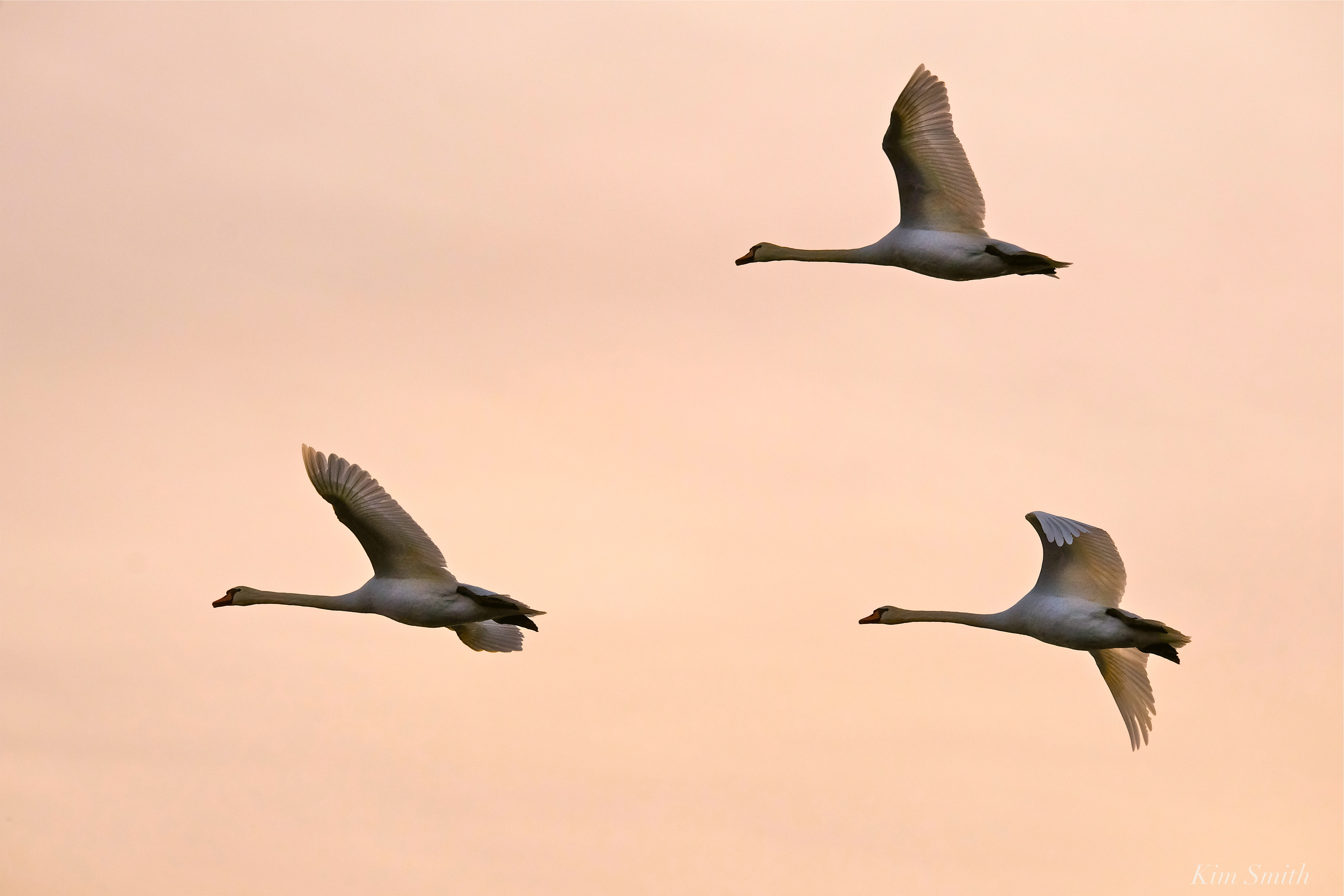
This morning I watched the four beautiful Mute Swans depart over Brace Rock, in a southerly direction. Will they return? Mute Swans migrate from body of water to body of water within a region. Perhaps they will return, or they could possibly have flown to a nearby location–further exploring our Island.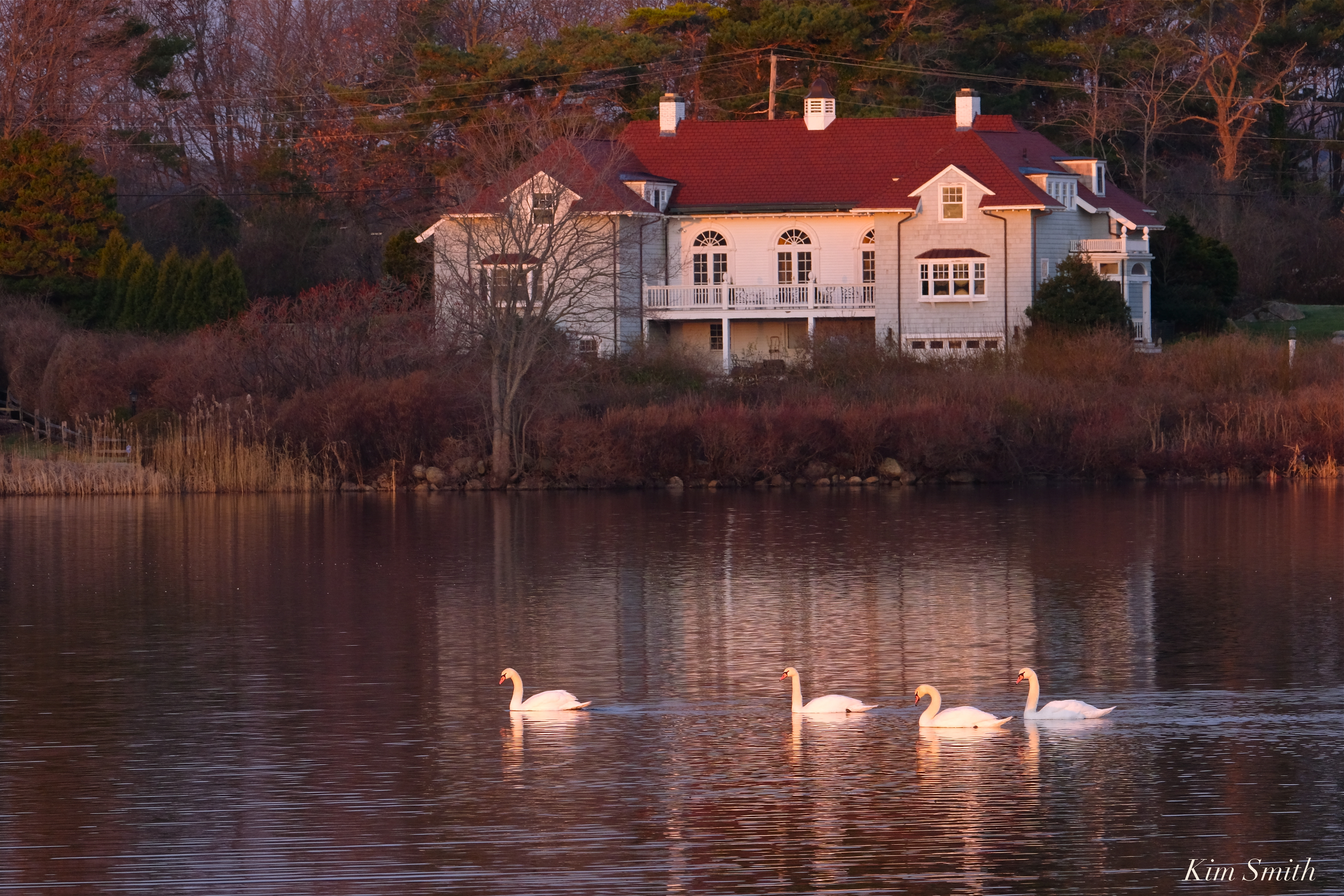
The four had not returned to Niles Pond by day’s end. If any of our readers sees a group of four Mute Swans, please write and let us know. Thank you so much!


Leaving Niles Pond this morning and flying over Brace Cove.
Spread The GMG Love By Sharing With These Buttons:

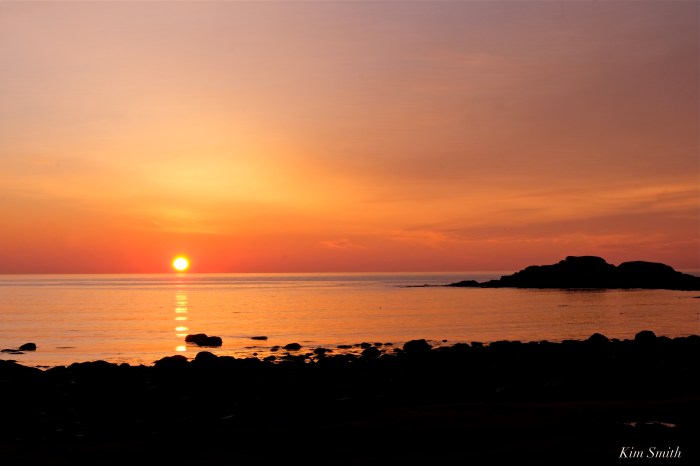
HAPPY THANKSGIVING TO YOU!
Happy Thanksgiving to all our Friends of the Blog!
Each and every day we are thankful for your interest, kind comments, and suggestions. I hope your Thanksgiving is filled with family, friends, and joy.
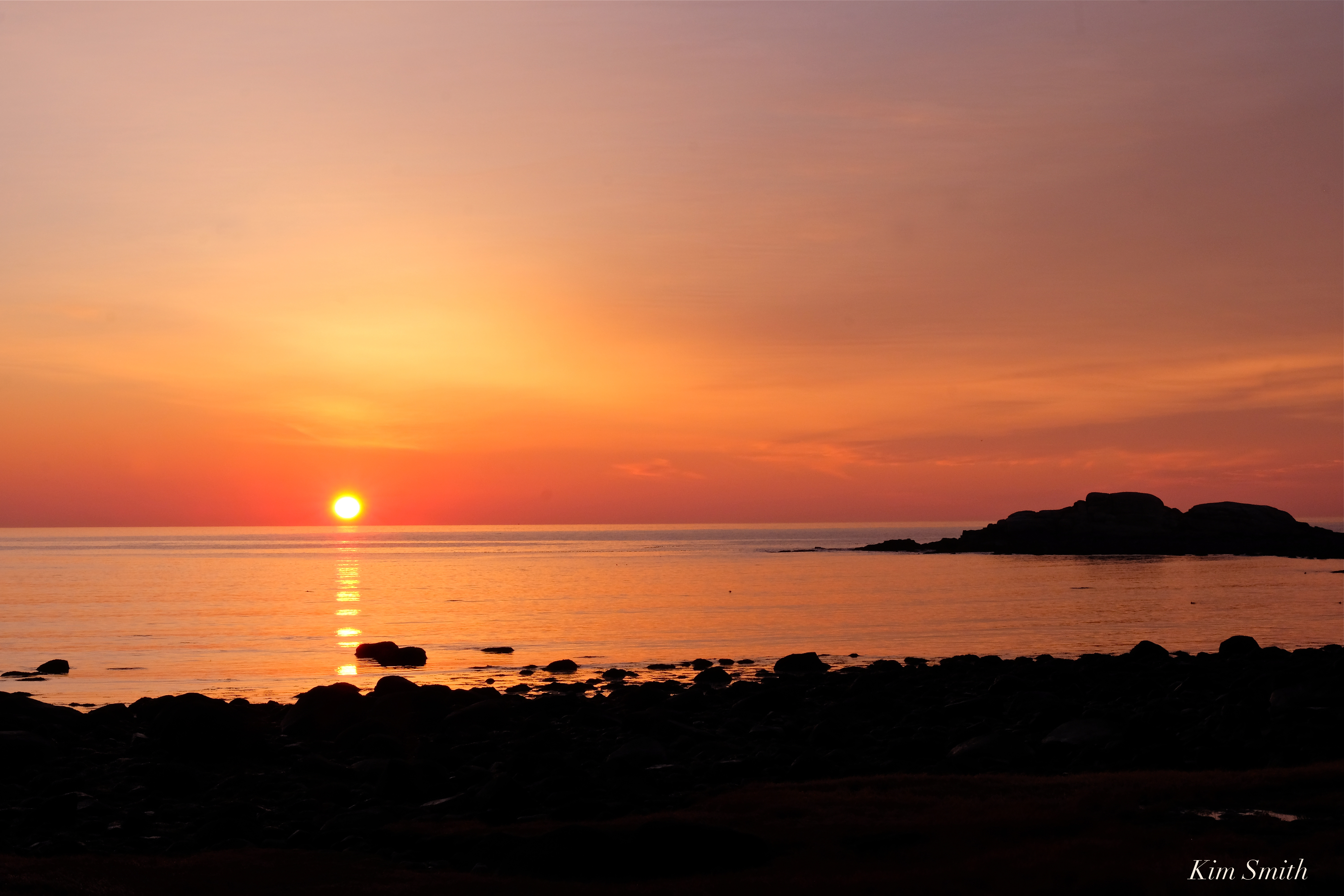
Today’s Brace Cove sunrise – My heart is filled with gratitude for this beautiful, beautiful island we call home and for the amazing and fascinating wild creatures that call our shores home.
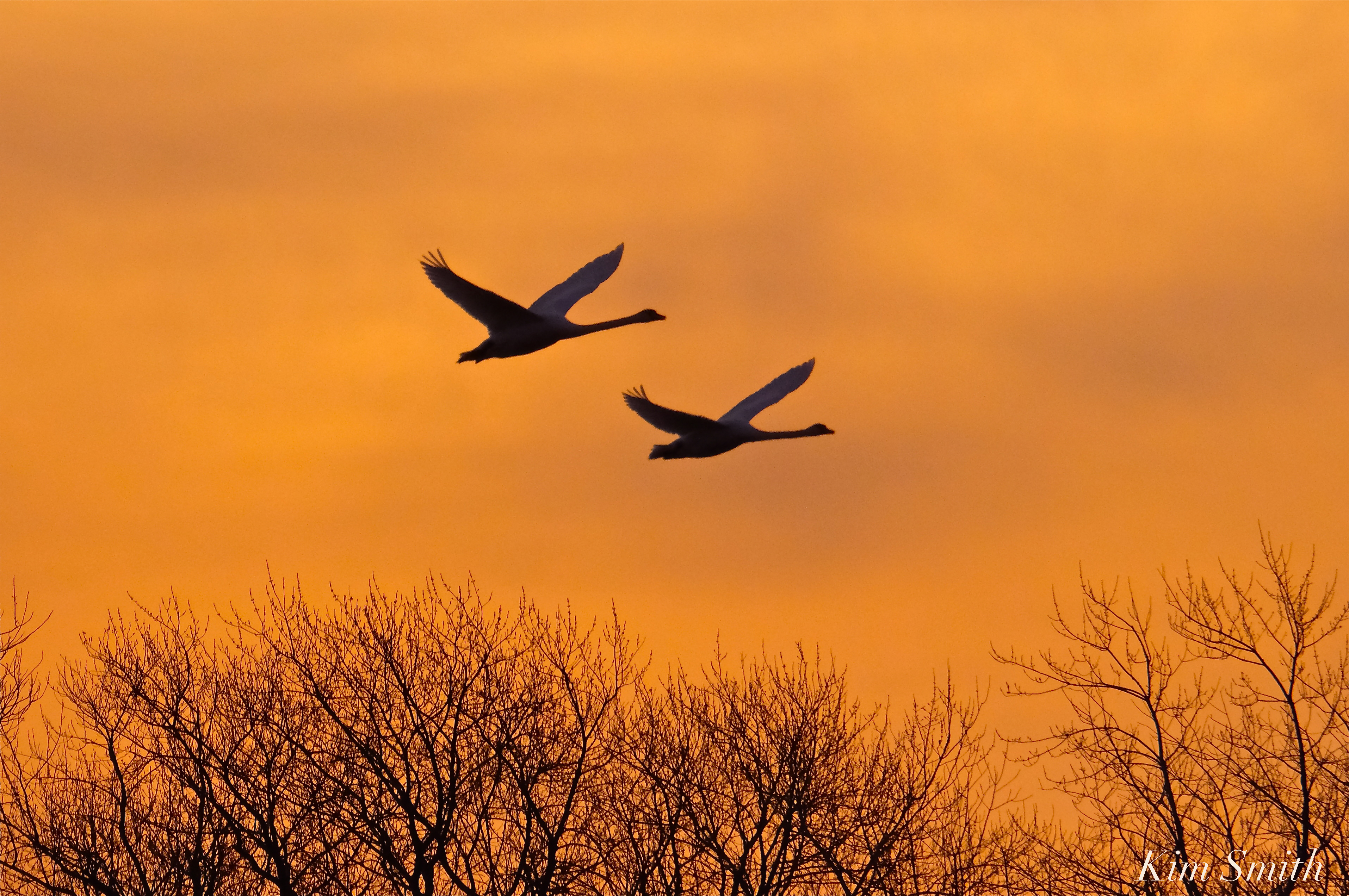
I think I speak for many in the community in that we are so especially grateful for the return of Swans!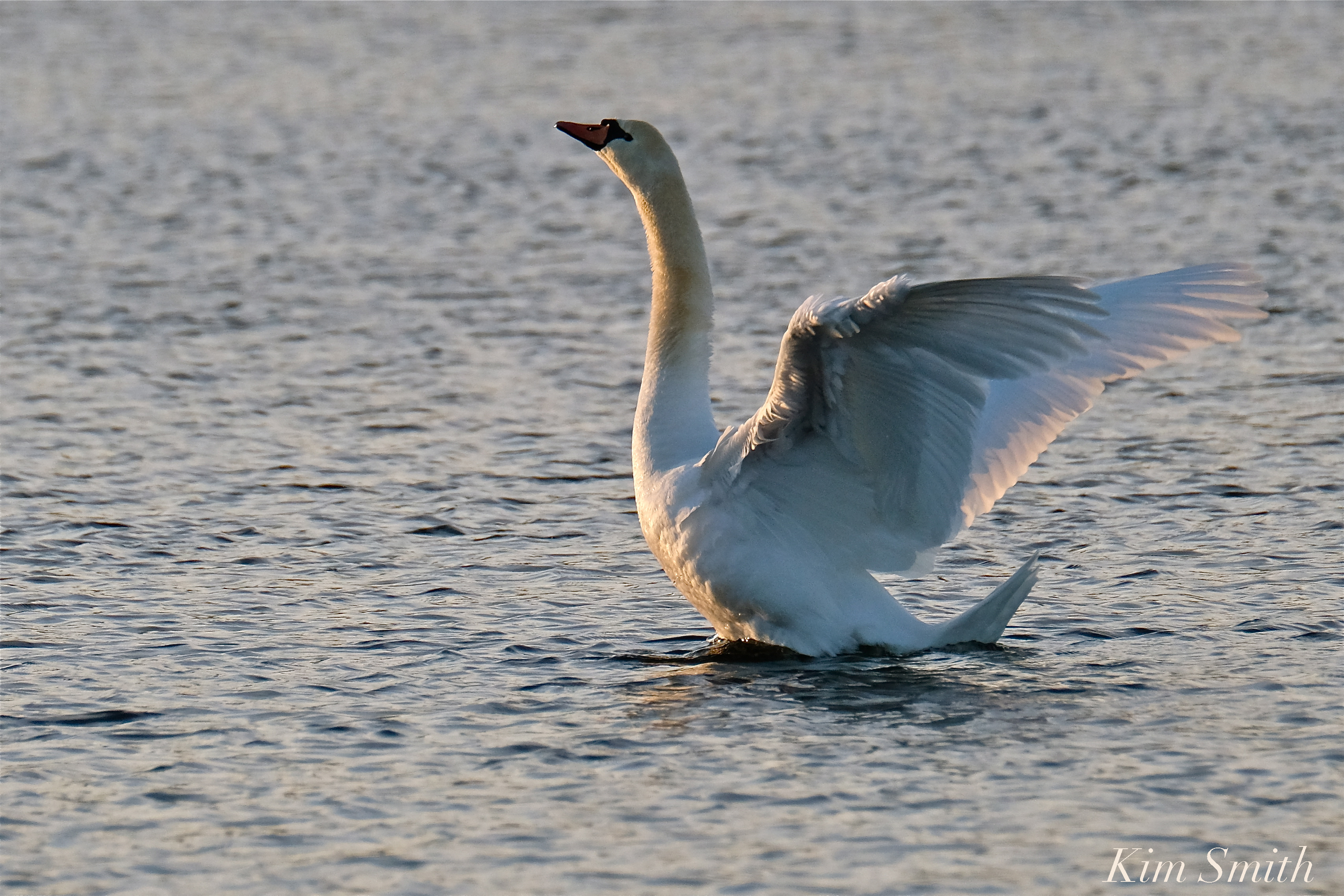
Spread The GMG Love By Sharing With These Buttons:

Forgotten Summer Clouds
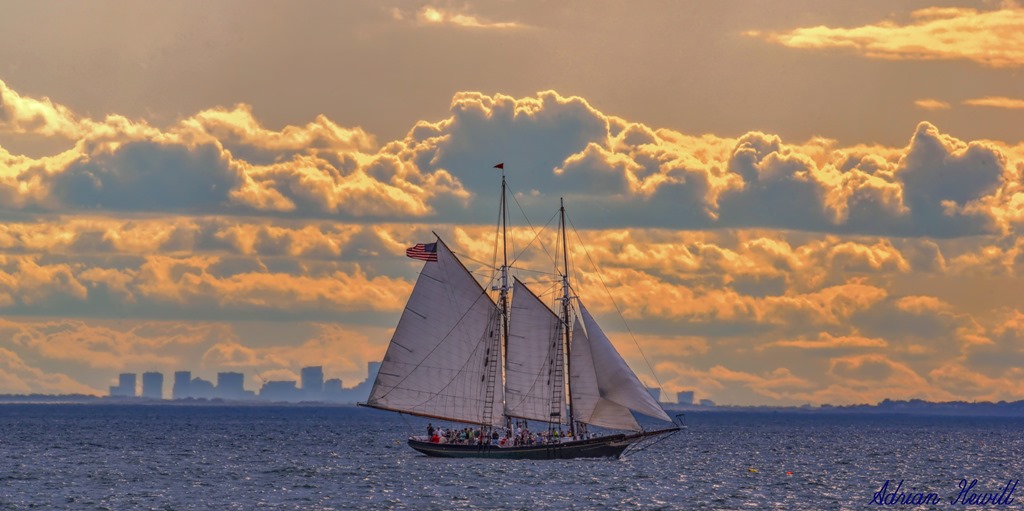
The schooner Thomas E. Lannon with Boston backdrop and summer clouds
(Photo by Adrian Hewitt)
Spread The GMG Love By Sharing With These Buttons:

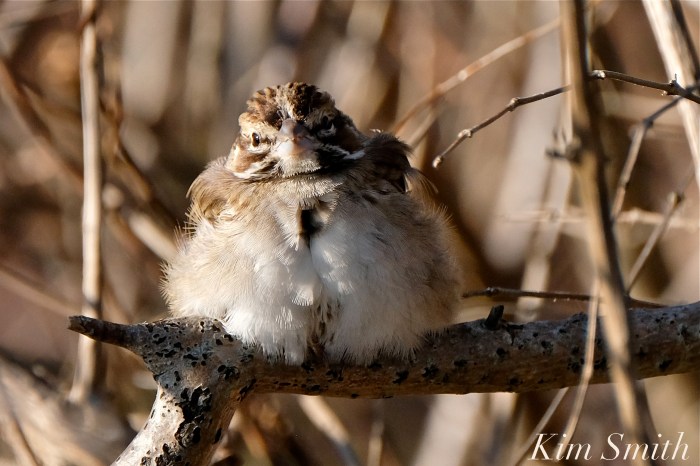
THE RARELY SEEN IN MASSACHUSETTS LARK SPARROW IS STILL WITH US!
The sweet Lark Sparrow has been spotted daily at Eastern Point now for over two weeks. I’ve been able to take a longer look on a sunny day and think he is an immature Lark Sparrow because he lacks the rich chestnut color of an adult.
On one fine chilly, chilly morning, he even let me spend more than a few moments watching as he dozed in the sun while puffing his feathers for warmth.


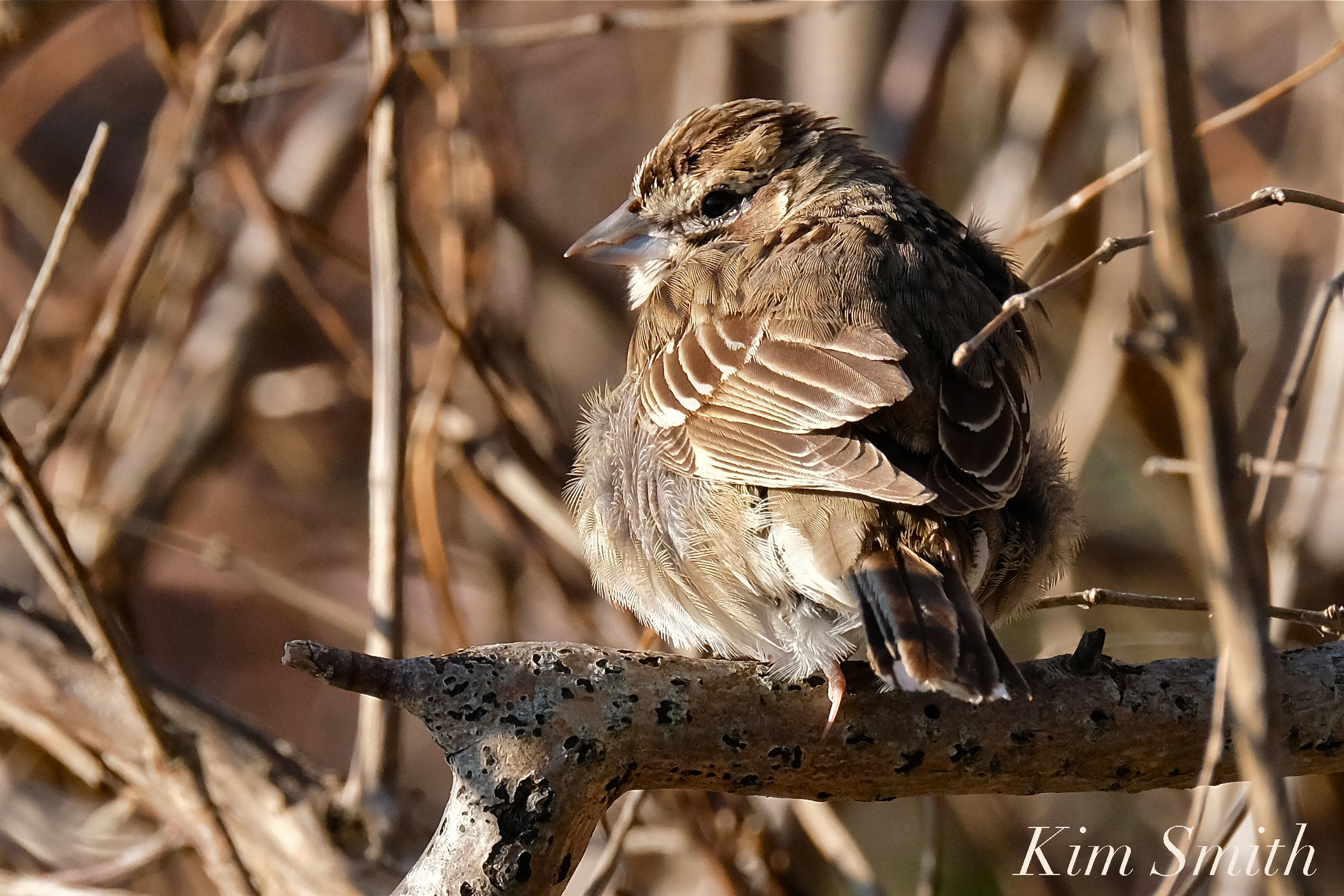
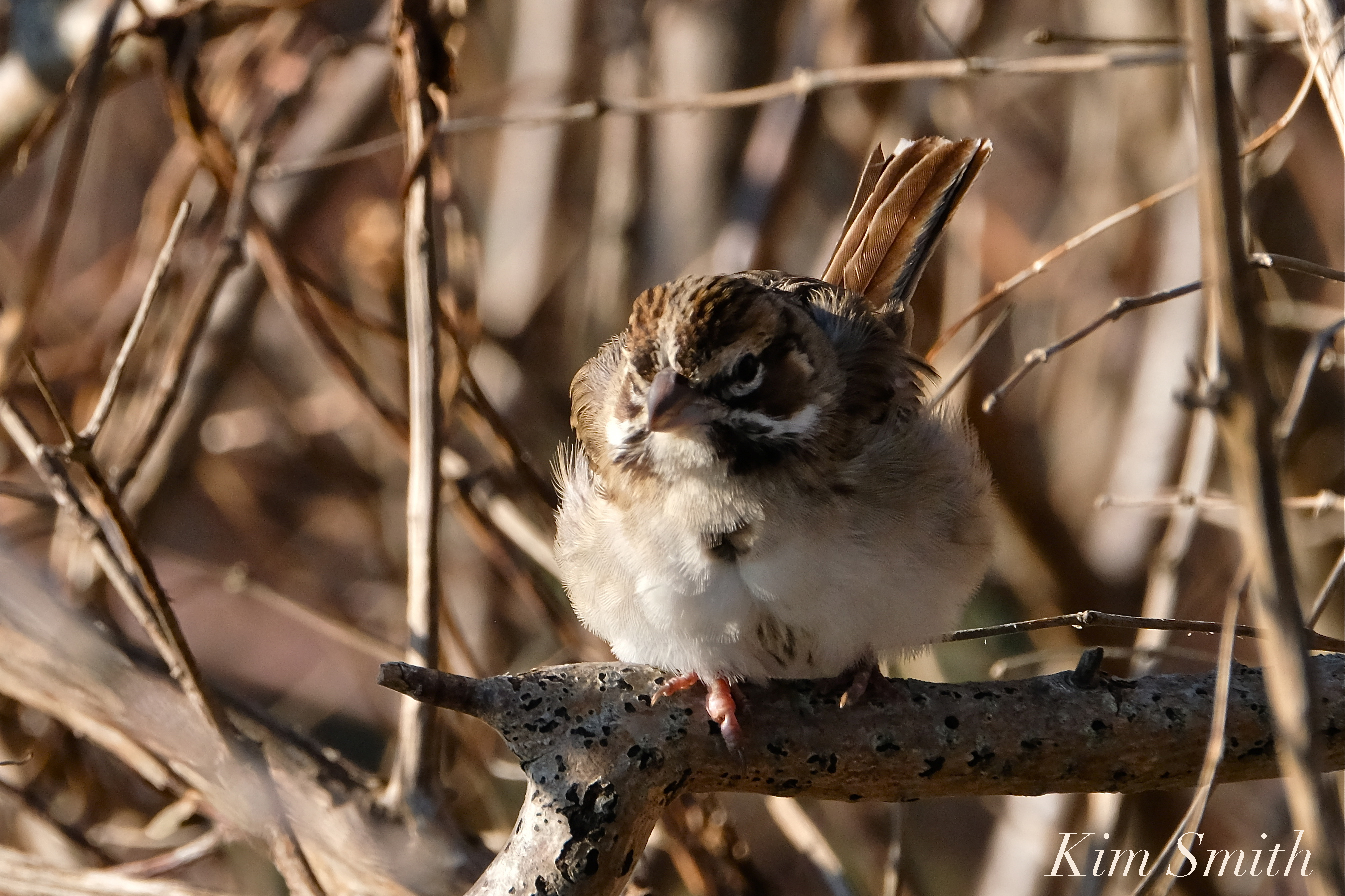
Unlike Song Sparrows that dart and zoom horizontally across the landscape, when heading to the next location, the Lark Sparrow flies upward in more of a whirring helicopter movement. I love this little bird and if he stays all winter I hope he will find plenty of seeds to eat.
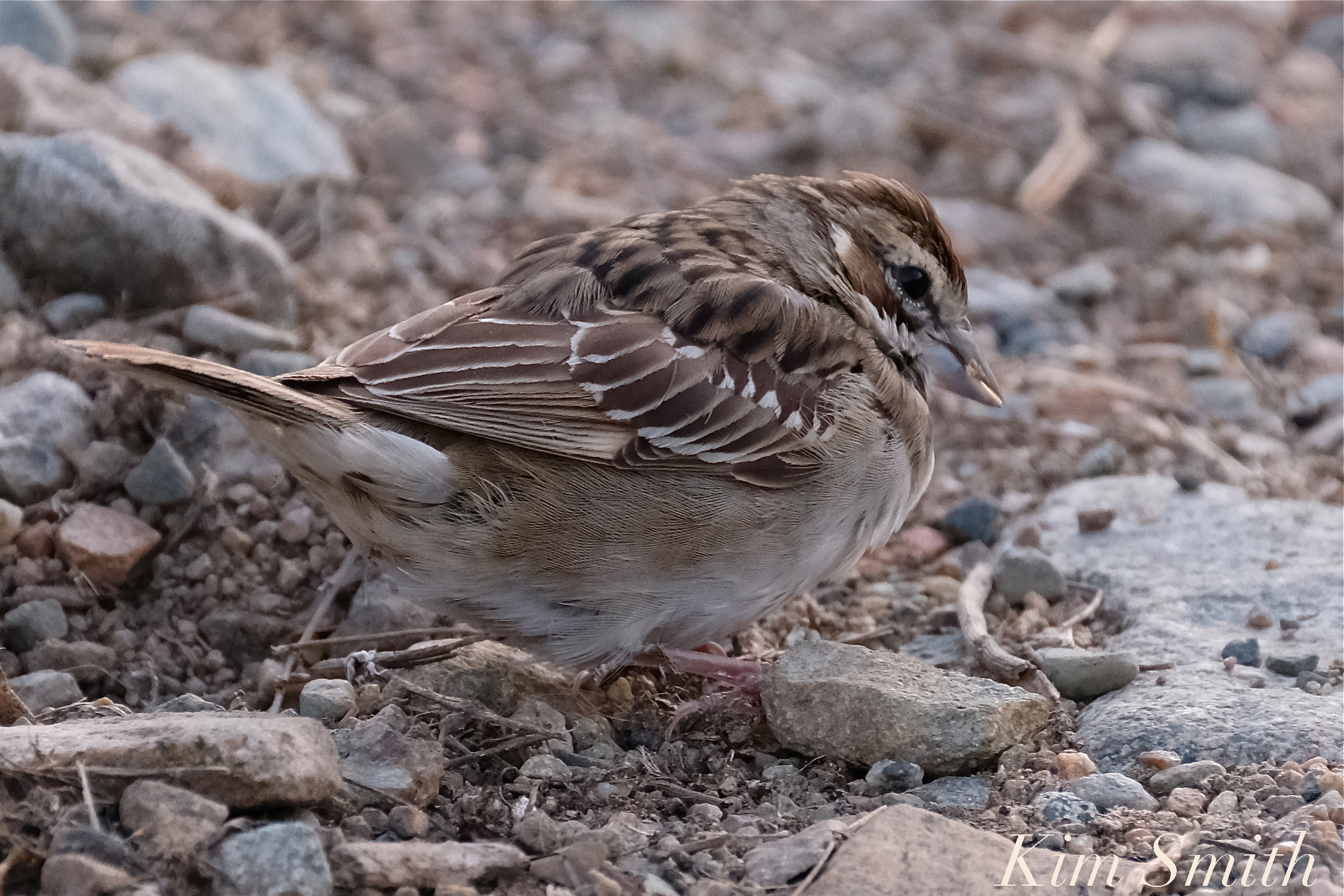 Lark Sparrow foraging for seeds
Compare and contrast the Song Sparrow to the Lark Sparrow. Both species are currently at Eastern Point/Niles Pond area. Both species forage on the ground for tiny seeds. The breast of the Song Sparrow is streaky while the breast of the Lark Sparrow is solid white with a dot of black feathers centered at the upper chest.


Don’t you find it fascinating, these avian visitors that are so far off course that find themselves on our shores? Here’s an account from 1905 —
The Lark Sparrow in Massachusetts.– On August 12, 1905, at Ipswich, Massachusetts, I observed at close range a Lark Sparrow (Chondesres grammacus). This makes the sixth record of this species for the State, and the fourth for Essex County. Nearly a year before this, on August 21, 1904, I took at Ipswich an adult male Lark Sparrow (Birds [Auk 104 General Notes. I. Jan. of Essex County, p. 268). It has occurred to me that stragglers in the migrations along our Eastern Coast may not be so very rare, but that they are overlooked, being mistaken for Vesper Sparrows, owing to the ‘white outer tail feathers. In both of the above instances, however, the slightly fan-shaped tail, and the fact that the white was not confined to the two outer feathers, as in the Vesper Sparrow, attracted my eye. The characteristic marking on the side of the head in the Lark Sparrow, seen with a glass within thirty feet, made the diagnosis in the second ca. From the Supplement to the Birds of Essex County by Charles Wendell Townsend.
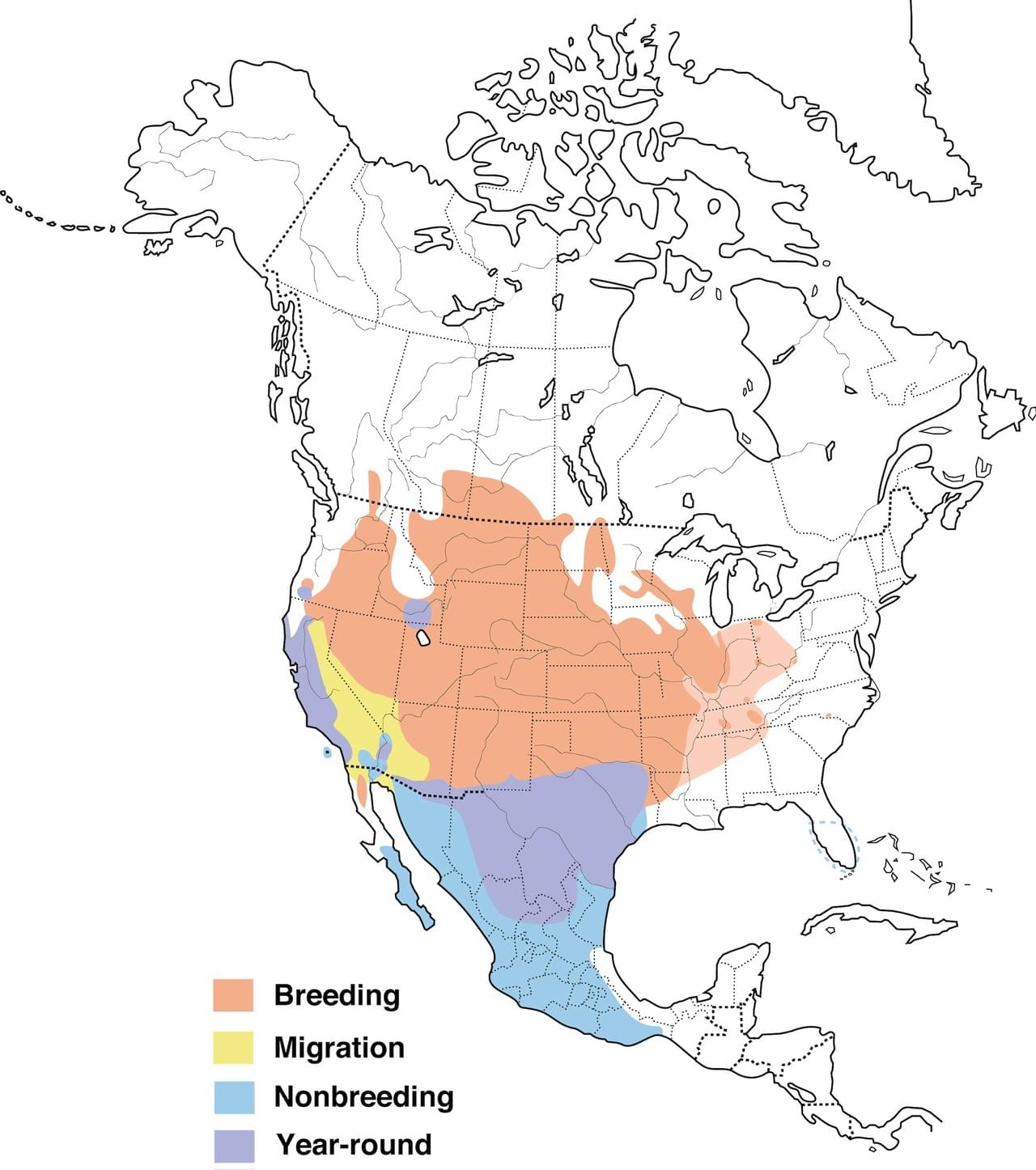 Lark Sparrow Range Map
Spread The GMG Love By Sharing With These Buttons:

Gloucester Smiles-1376

Spread The GMG Love By Sharing With These Buttons:

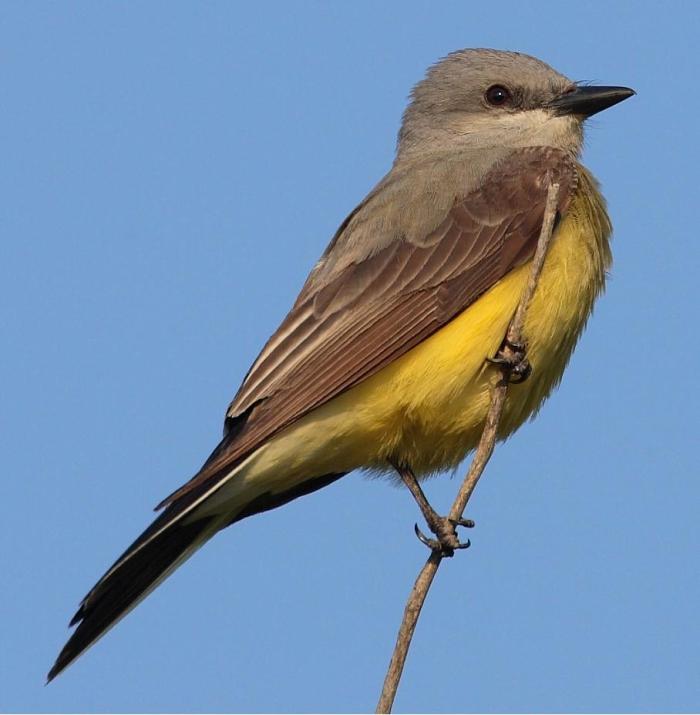
NOT ONE, BUT TWO, SUPER RARE BIRDS SPOTTED AT EASTERN POINT TODAY – A LARK SPARROW AND A WESTERN KINGBIRD
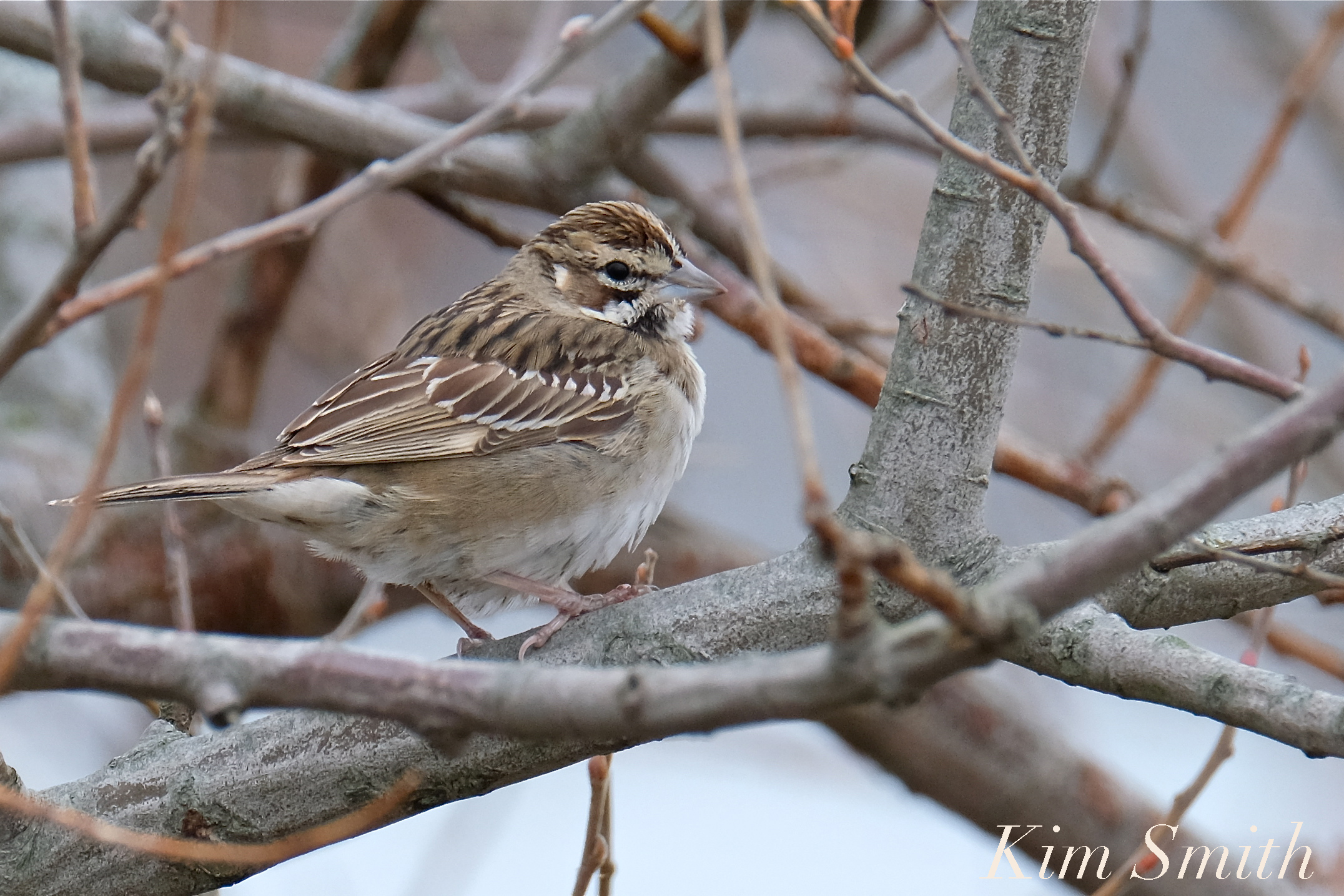
A very rare-for-these parts Lark Sparrow was spotted by numerous birders today and yesterday at Niles Pond. The beautiful little songster kept either close to the ground foraging on tiny seeds or well camouflaged in the crisscrossing branches of trees and shrubs.


Lark Sparrow Niles Pond Gloucester Massachusetts


Song Sparrows Gloucester and Ipswich
We mostly see Song Sparrows around Niles at this time of year. Compare in the above photos how plain the breast of the Lark Sparrow is to that of the heavily streaked Song Sparrow’s underparts. I write rare-for-these-parts because the Lark Sparrow is entirely out of its range as you can see in the first attached map below.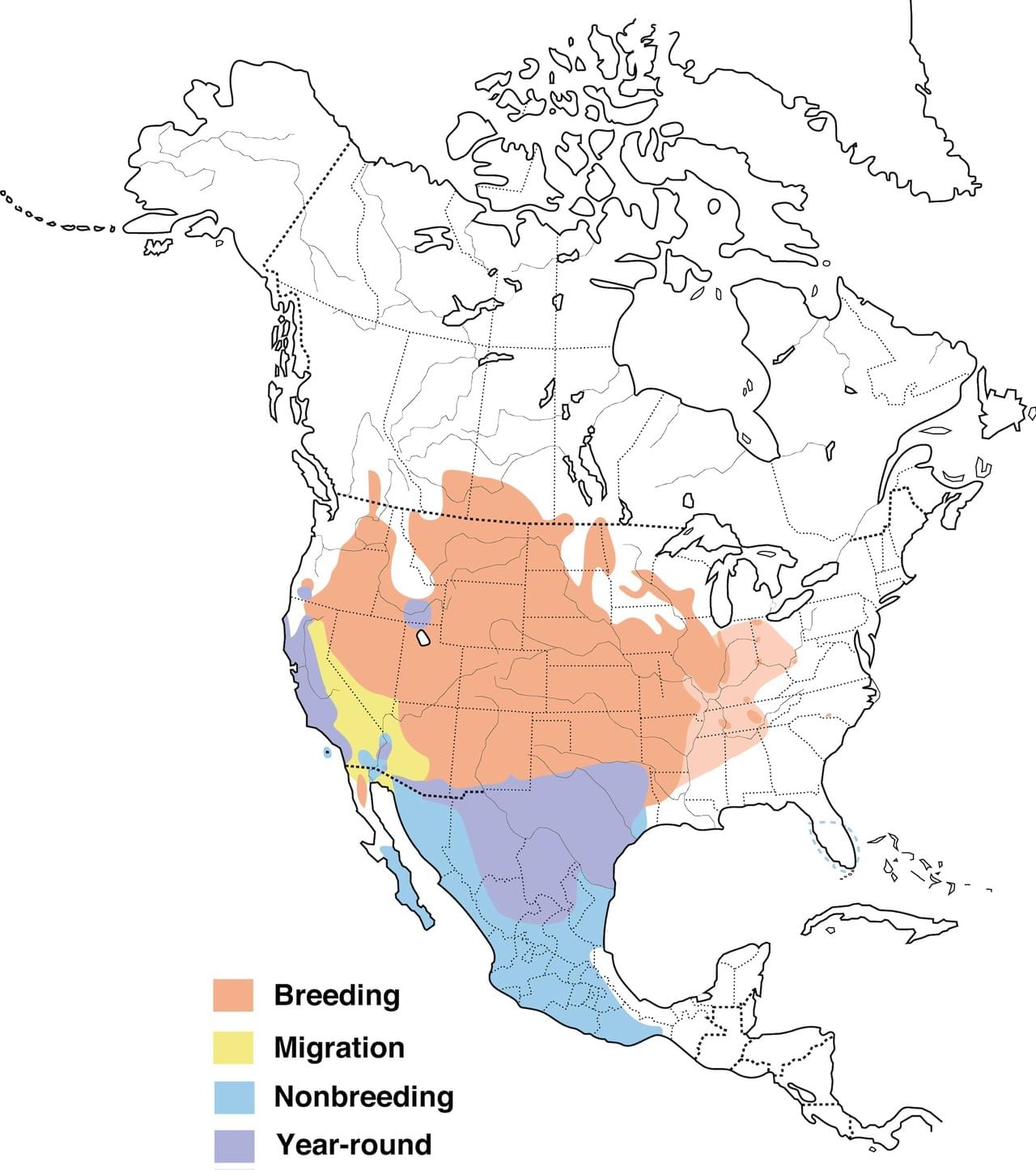
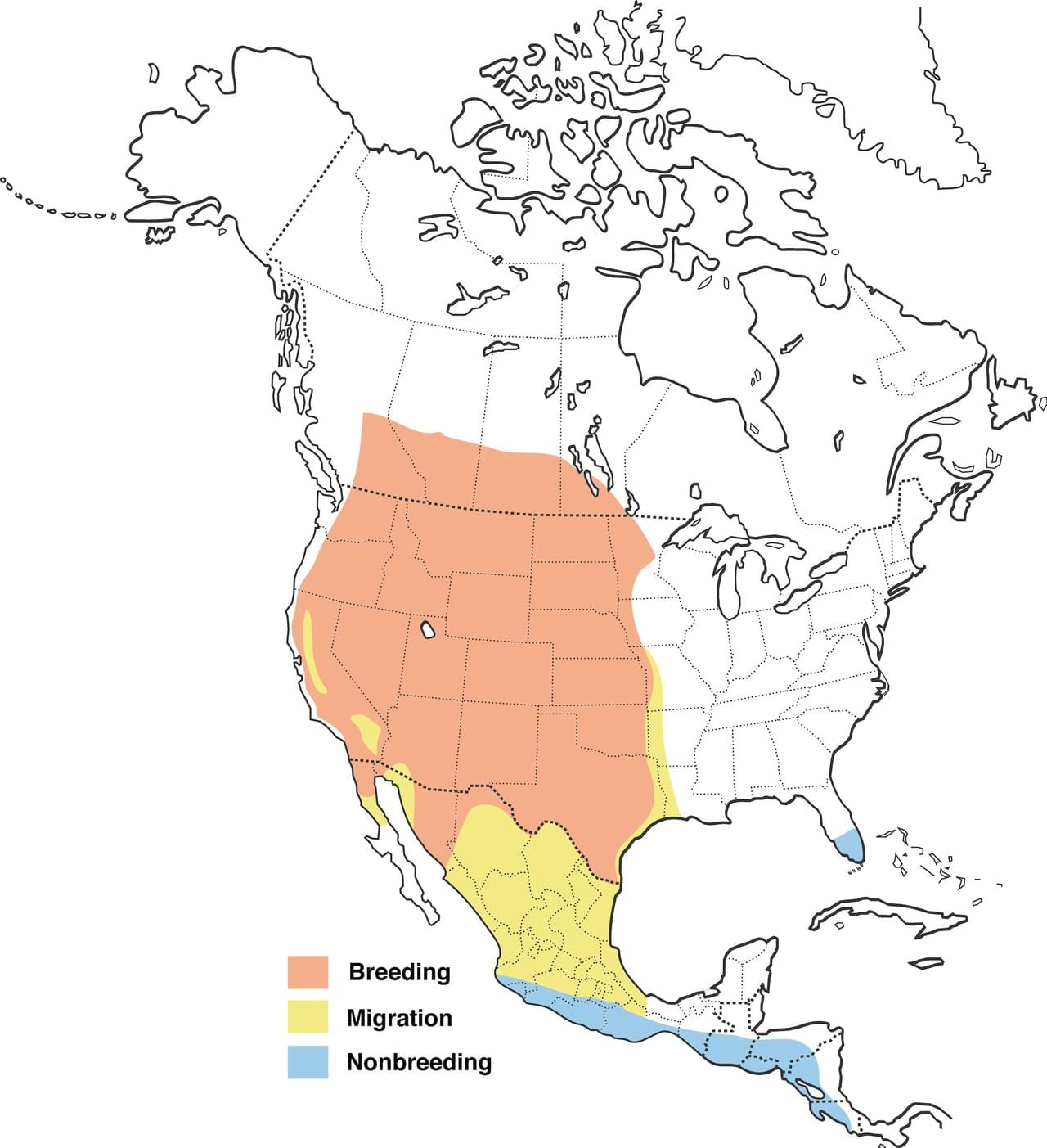
A second rare bird has been spotted on Eastern Point, a Western Kingbird. It was a rough day for photographing, too overcast, so here is a photo from wikicommons media so that if you are around the Point, you will know what to look for. The Western Kingbird is also far outside its range.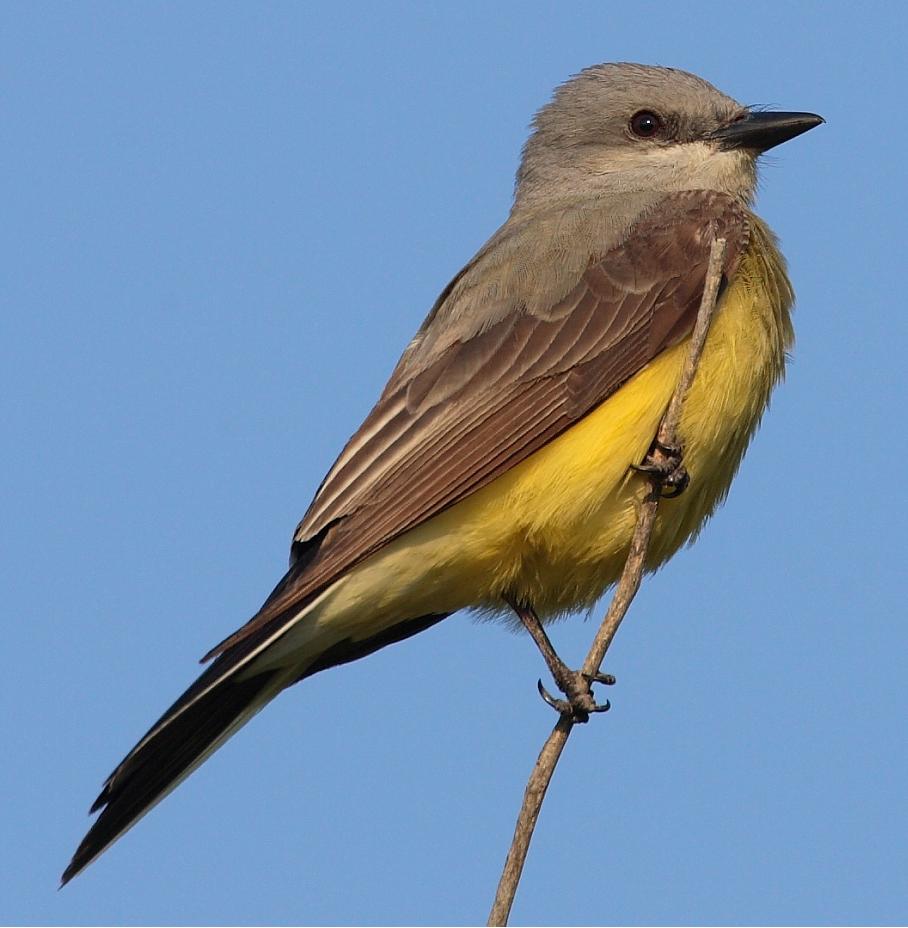
Spread The GMG Love By Sharing With These Buttons:

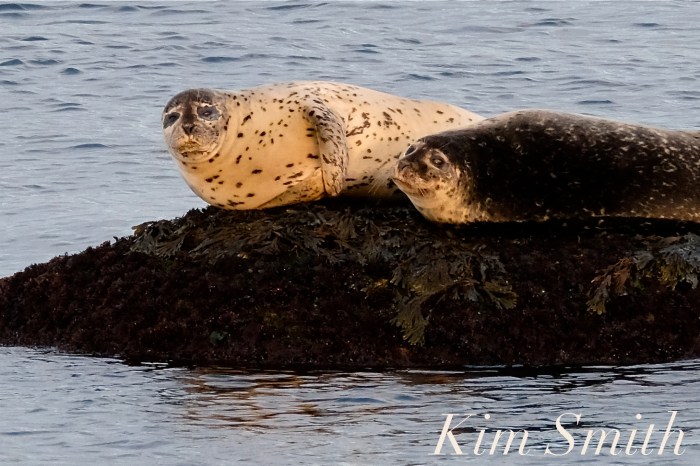
THE LOLLYGAGGERS HAVE RETURNED IN CONCERT – THIRTEEN SEALS HAULED OUT AT BRACE COVE SUNDAY AFTERNOON
Thirteen Harbor Seals warming on the rocks, plus a few bobbing heads spotted around the harbor. This charming duo was the most photogenic of the bunch 🙂


Spread The GMG Love By Sharing With These Buttons:

Gloucester Smiles-1367

Couple from Boston Visiting Eastern Point
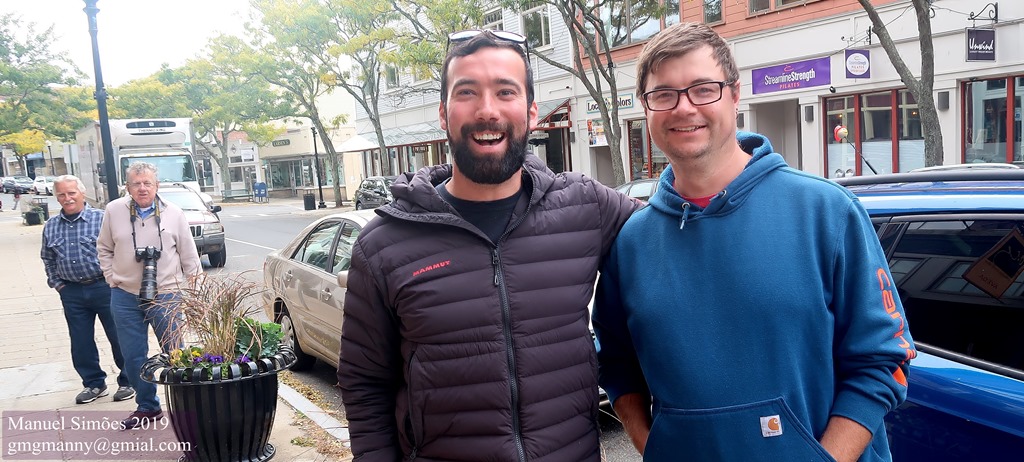
Smiles on Main Street
Spread The GMG Love By Sharing With These Buttons:

Gloucester Smiles-1366
Gloucester Smiles and Visitors

GMG Familiar Smiles

Couple from Georgia at Eastern Point
Spread The GMG Love By Sharing With These Buttons:

Gloucester Smiles-1365
Gloucester Smiles and Visitors

From Salt Lake City Utah at Eastern Point

“G” smiles at Halibut Point
Spread The GMG Love By Sharing With These Buttons:

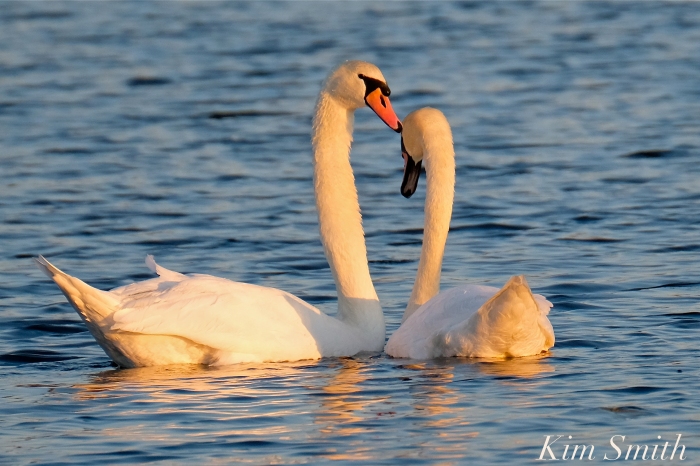
THE SMALL FLOCK OF FOUR BEAUTIFUL SWANS IS SETTLING IN
The flock of Mute Swans that arrived just about two weeks ago at Niles Pond is settling in. They are finding plenty to eat and spend their days foraging at pond vegetation, preening, napping, and occasionally stretching their wings for a flight around the pond.
Mute Swans migrate from body of water to body of water within a region. Will they stay in our area or is Niles Pond only a temporary home? When Niles Pond, and all other freshwater ponds and waterways freeze this winter, they will have to move to saltwater coves and harbors.
The absence of Mr. Swan has allowed this small flock to live peaceably at Niles Pond. Mr. Swan and his previous mates spent the winters at Rockport and Gloucester Harbors. Perhaps our Niles Pond flock will do the same. We can tell by the lack of gray in their feathers that they are at least two years old, which means they have managed to survive at least one winter in our region. That is no small feat!


Romance is in the air with these two!


 Good Morning Gloucester