M IS FOR MAY MIGRATION THROUGH MASSACHUSETTS

During the month of May, Massachusetts is graced daily with species arriving from their winter homes. Some need to fortify for the journey further north, to the boreal forests, bogs, and tundra of Canada and Alaska. Some will nest and breed in Massachusetts, finding suitable habitat along the coast, and in the marsh, scrub, shrub, forest, and grassland found throughout the state. For several projects on which I am currently working, I have been exploring wildlife sanctuaries along the Massachusetts coastal region. Here is just a sampling of some recently spotted migrants, and it’s only May 4th. Lots more to come!

Biggety Brant ~ This Brant Goose appeared to be the bossy boots of his gaggle, chiding, nipping, and vocally encouraging the group along. A large of flock of approximately 40 Brants was recently reported by readers Debbie and Dan, seen at Back Beach in Rockport. The Brants are heading to the wet, coastal tundra of the high Arctic. No other species of goose travels as far north or migrates as great a distance as do Brants.

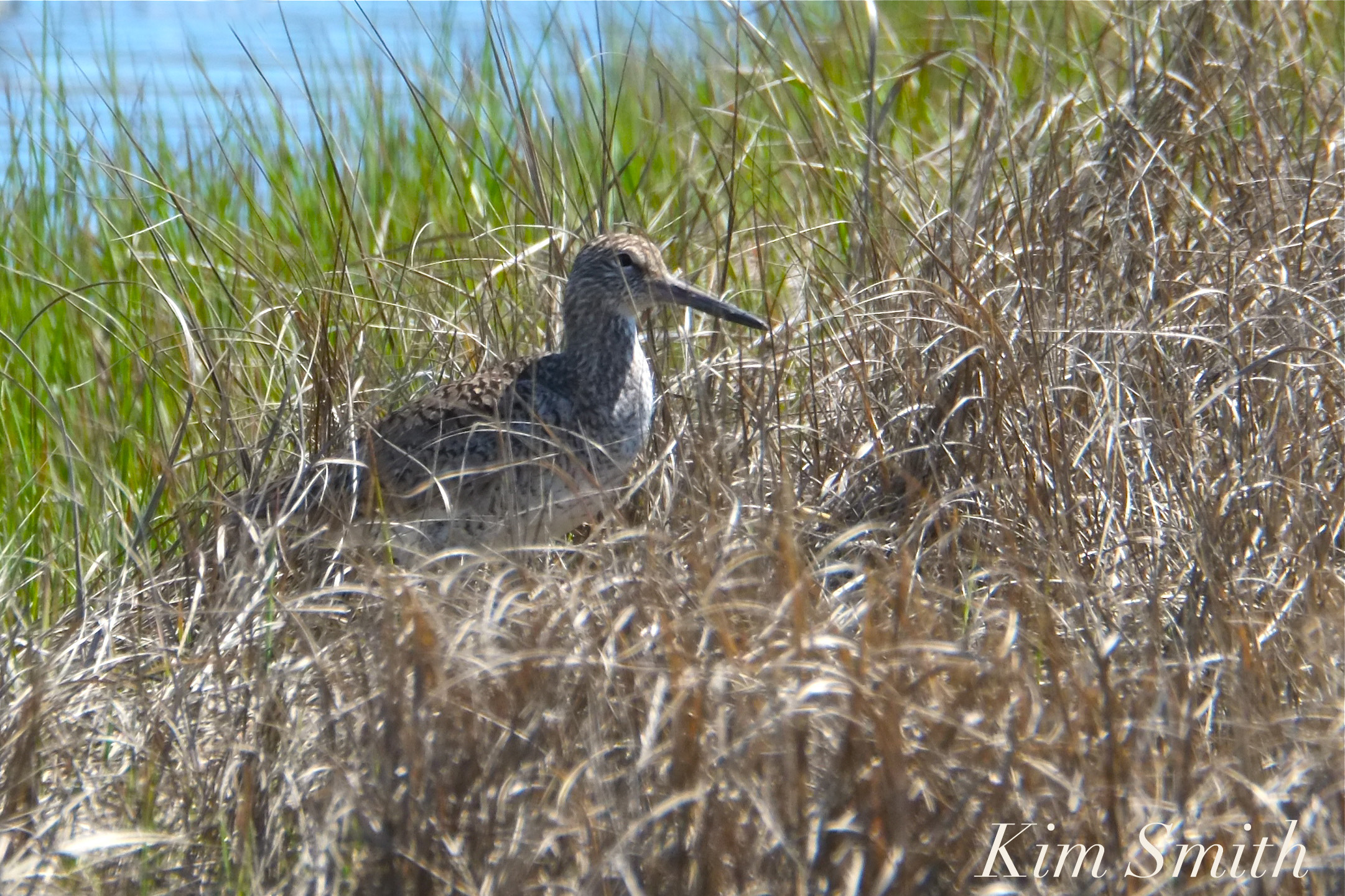
W is for Wading Willet. A PAIR were well hidden in the marshy grass! Both the flesh and the eggs of Willets are considered tasty. They were nearly hunted to extinction, saved only by the Migratory Bird Treaty Act of 1918. Willets breeding in Massachusetts is nothing short of a miracle. Notice how closely they resemble Greater and Lesser Yellowlegs; all three belong to the Genus Tringa.

Y is for Yawping Yellowlegs. Both Greater and Lesser Yellow are seen in Massachusetts marshes at this time of year. Greater Yellowlegs have a loud, distinct call, which they utilize often. The Greater Yellowlegs are feeding on tiny crustaceans, killfish, and minnows to fortify for the journey to the boggy marshes of Canadian and Alaskan coniferous forests.

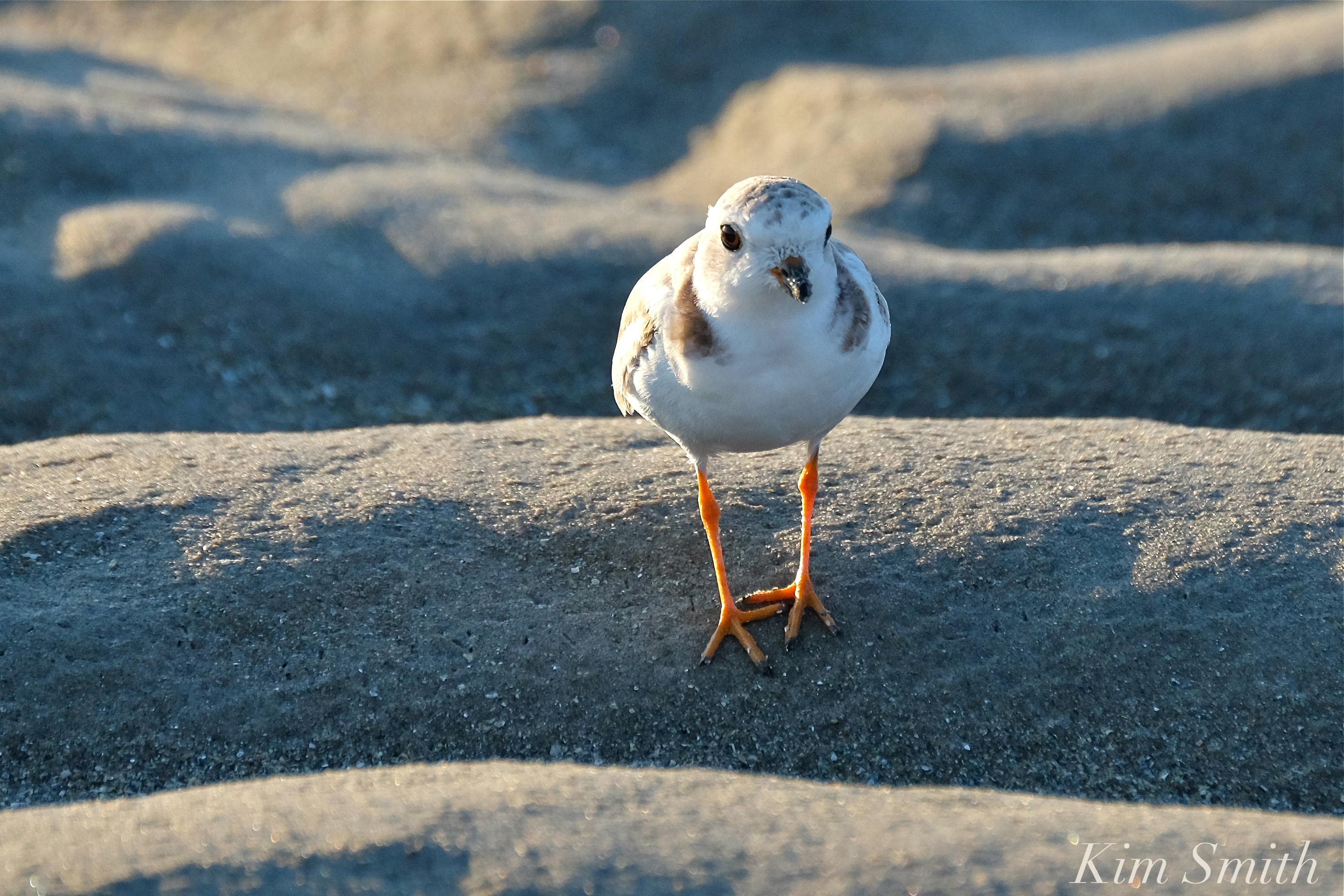
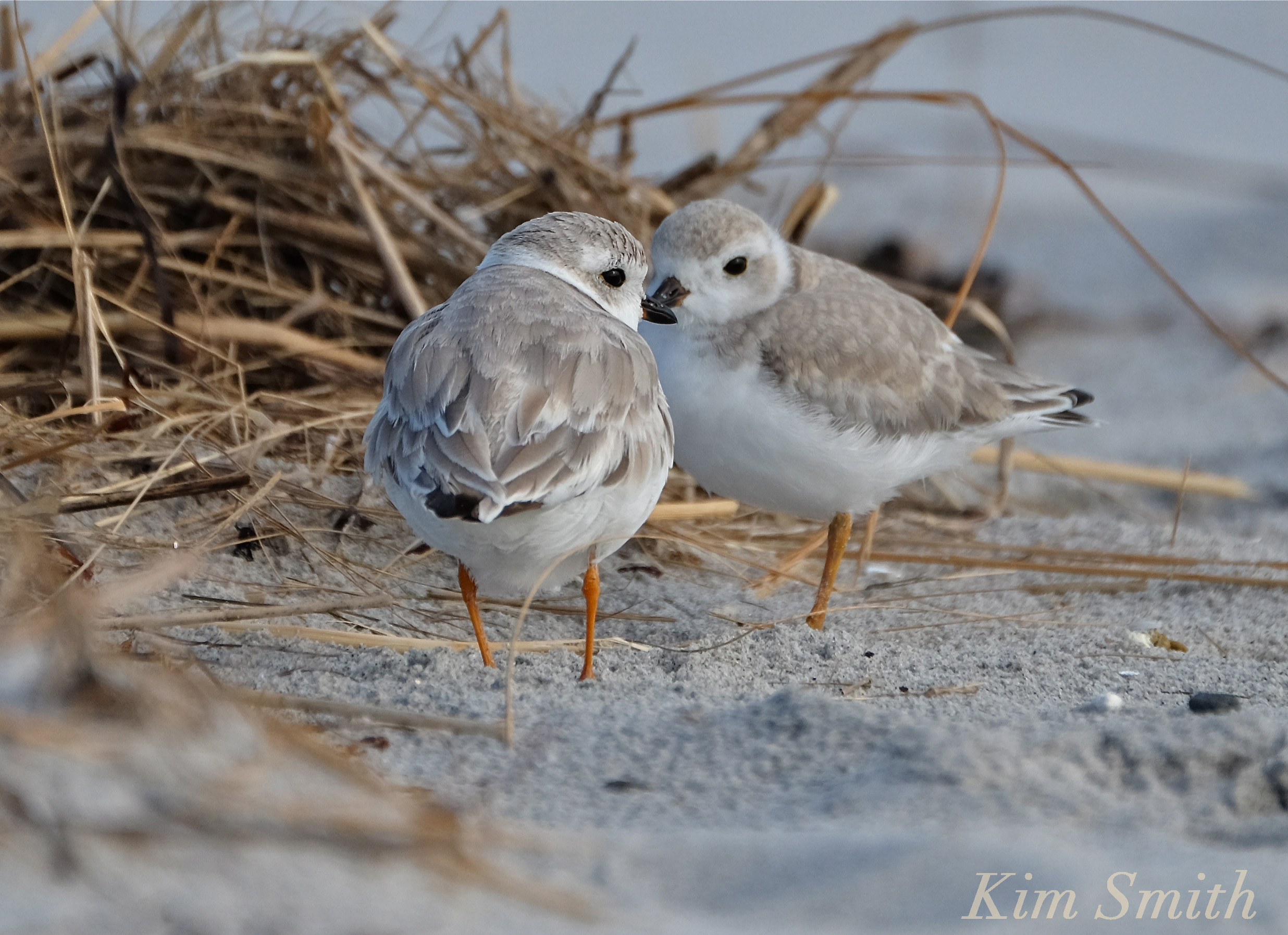
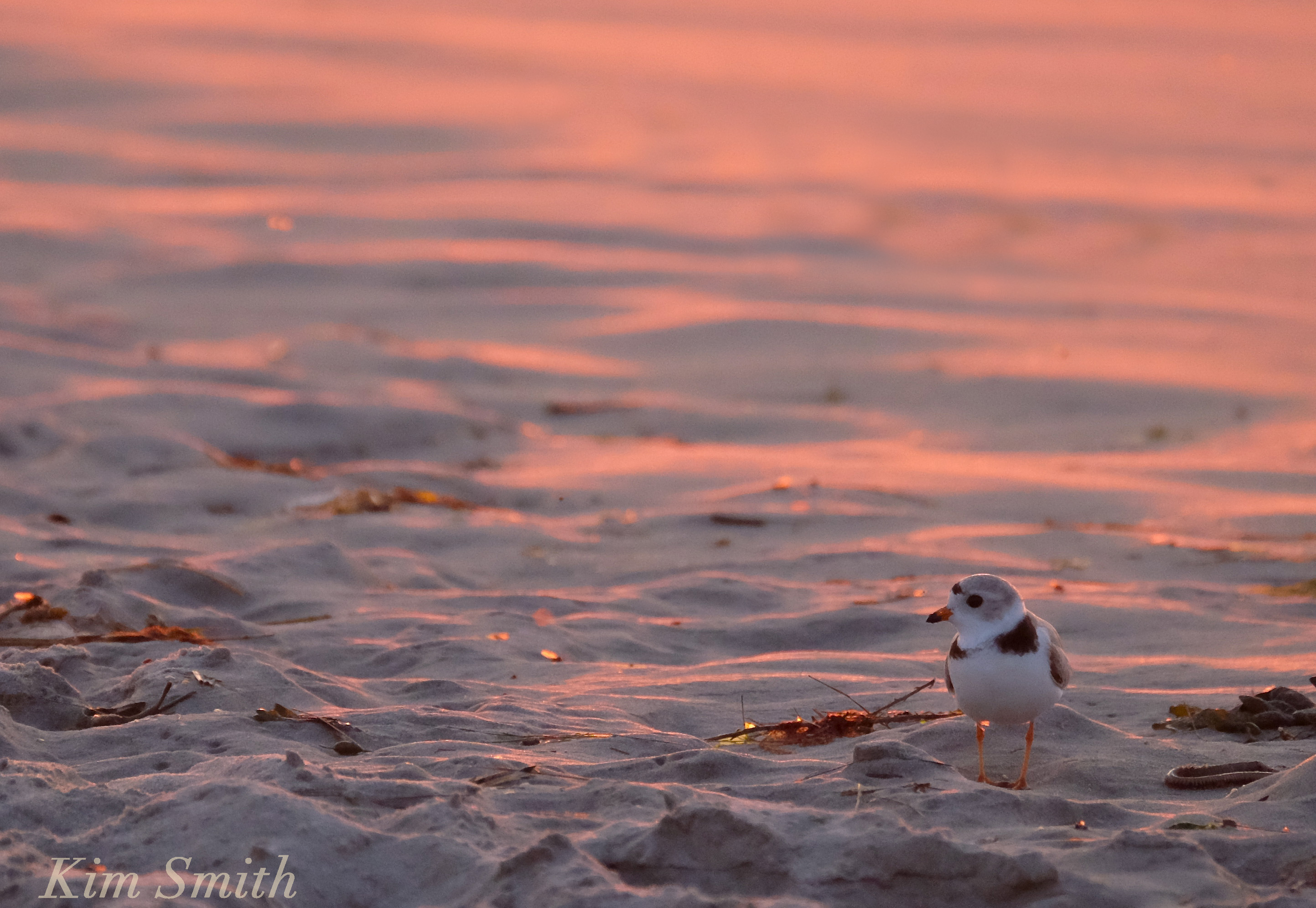
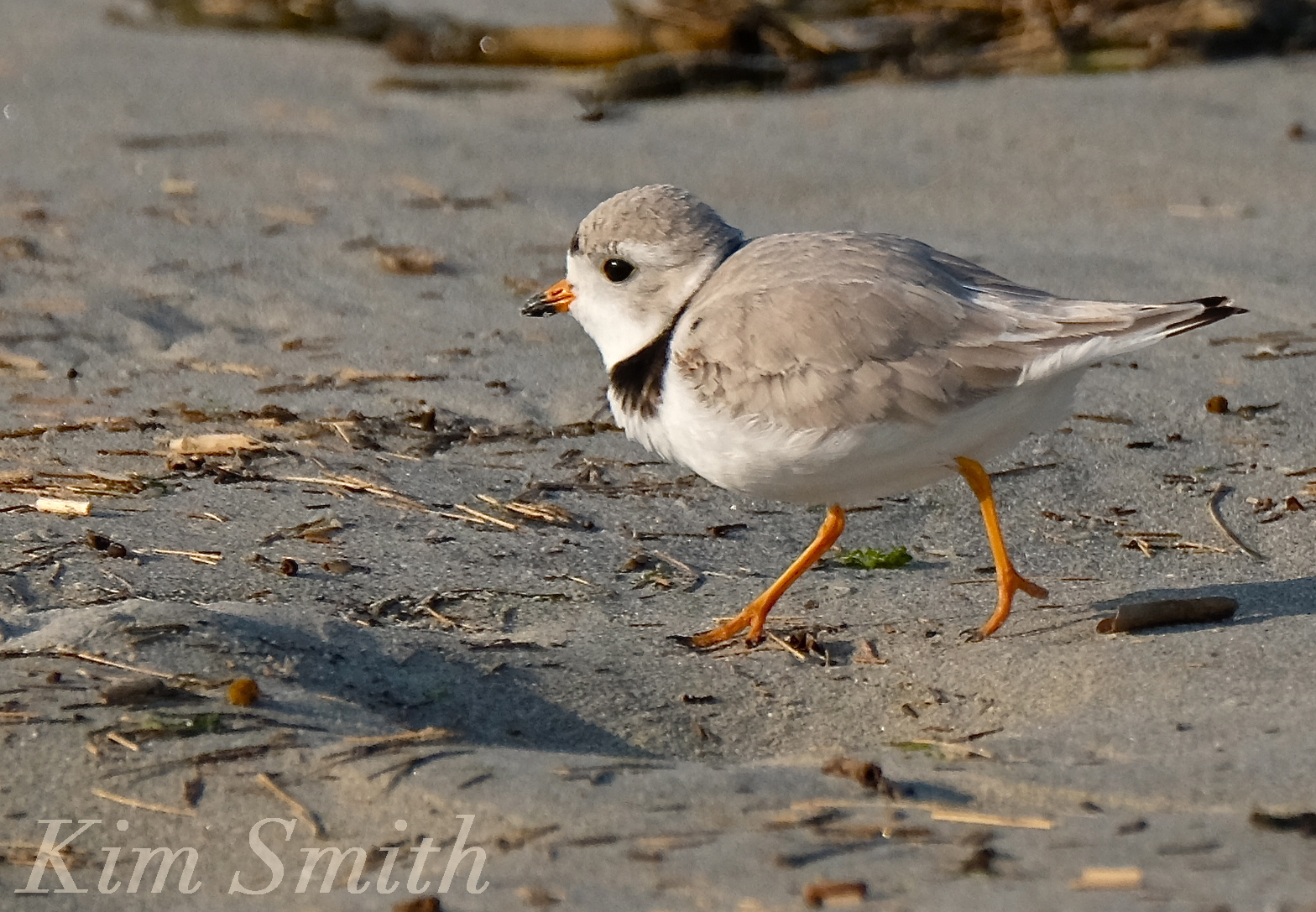
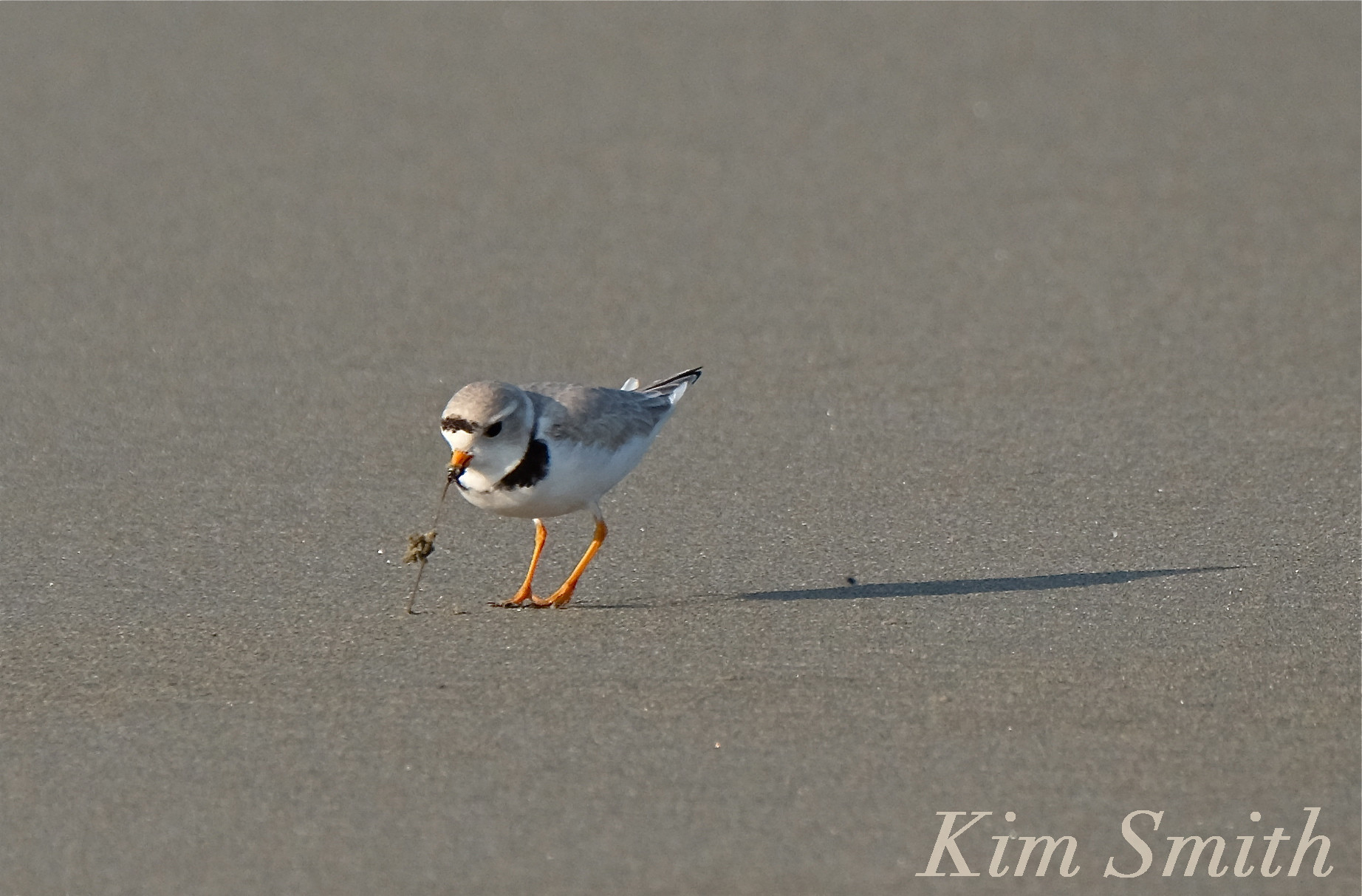
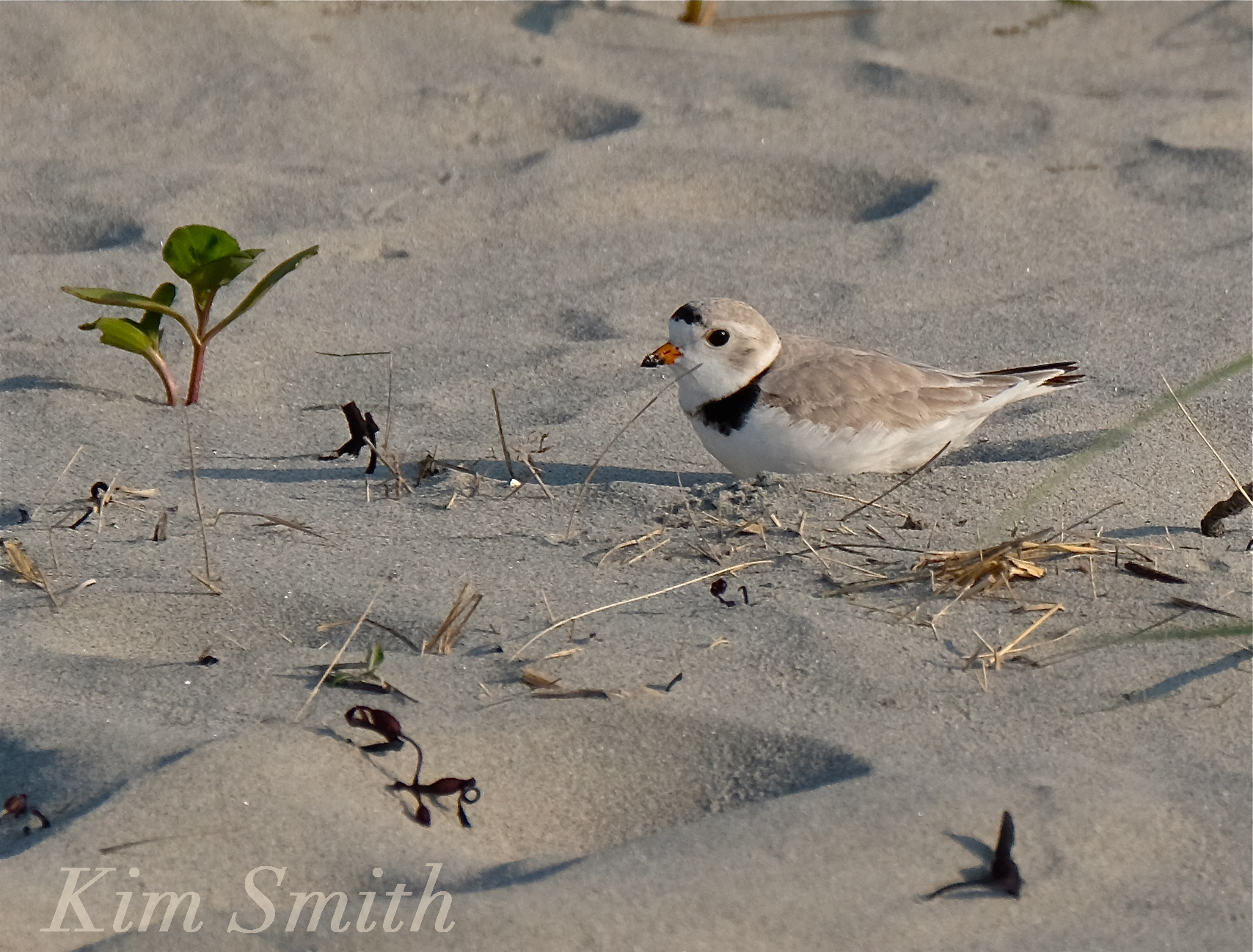
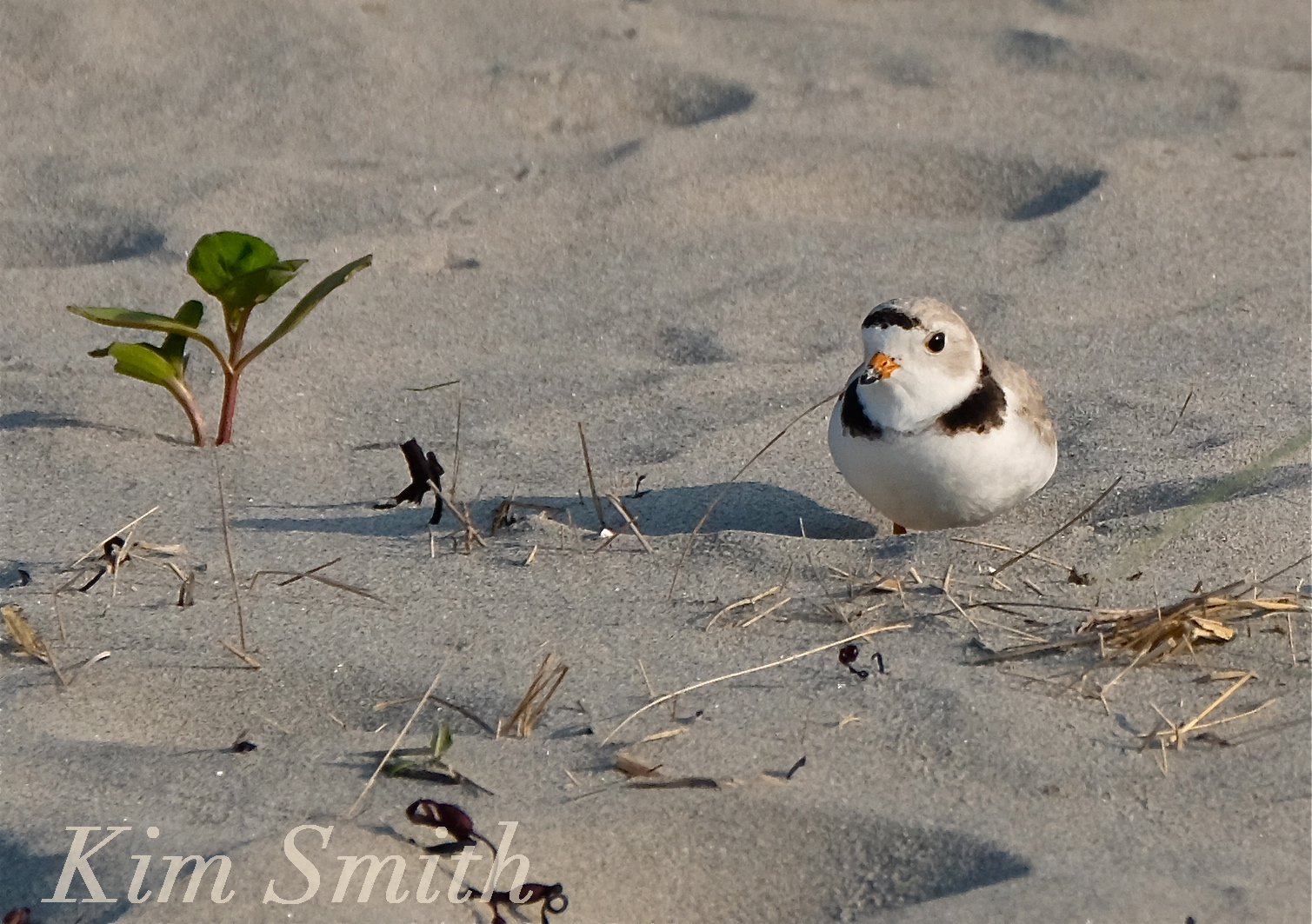
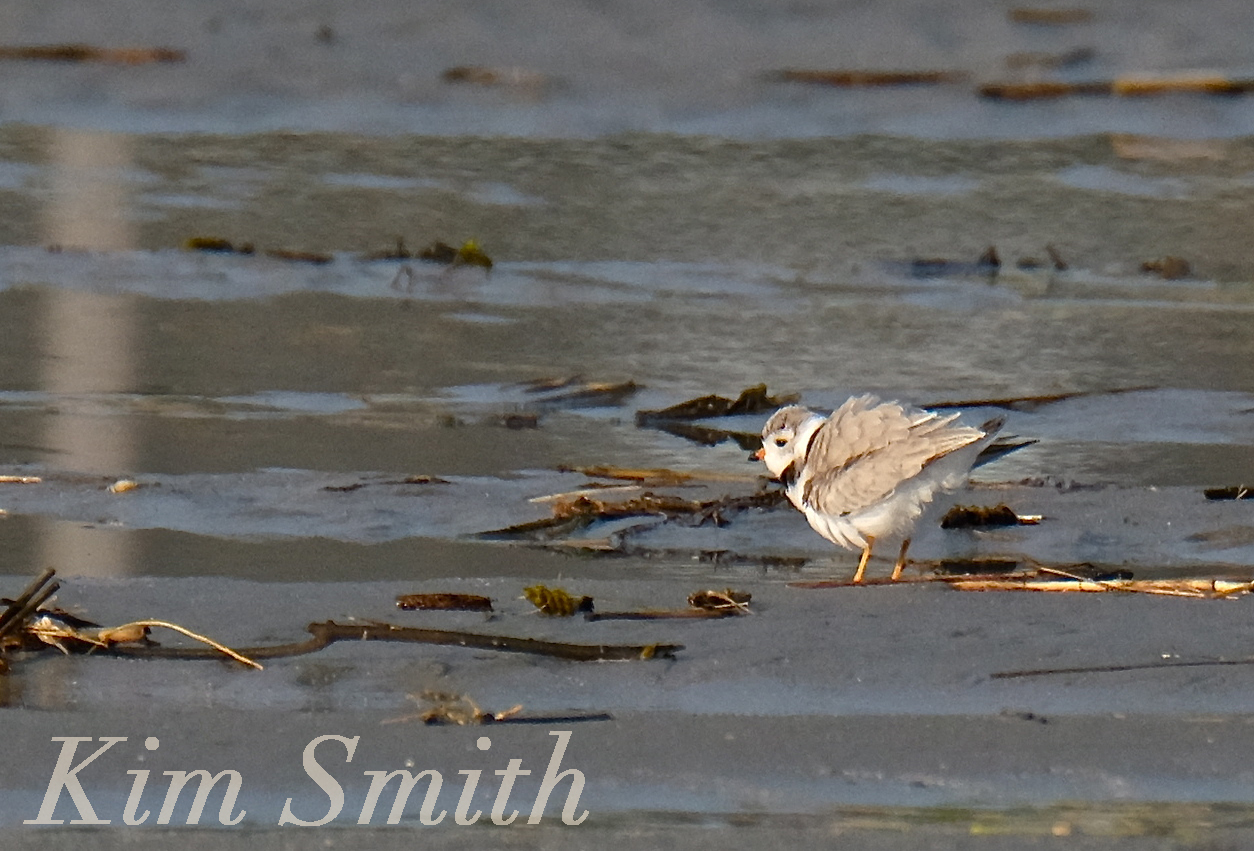
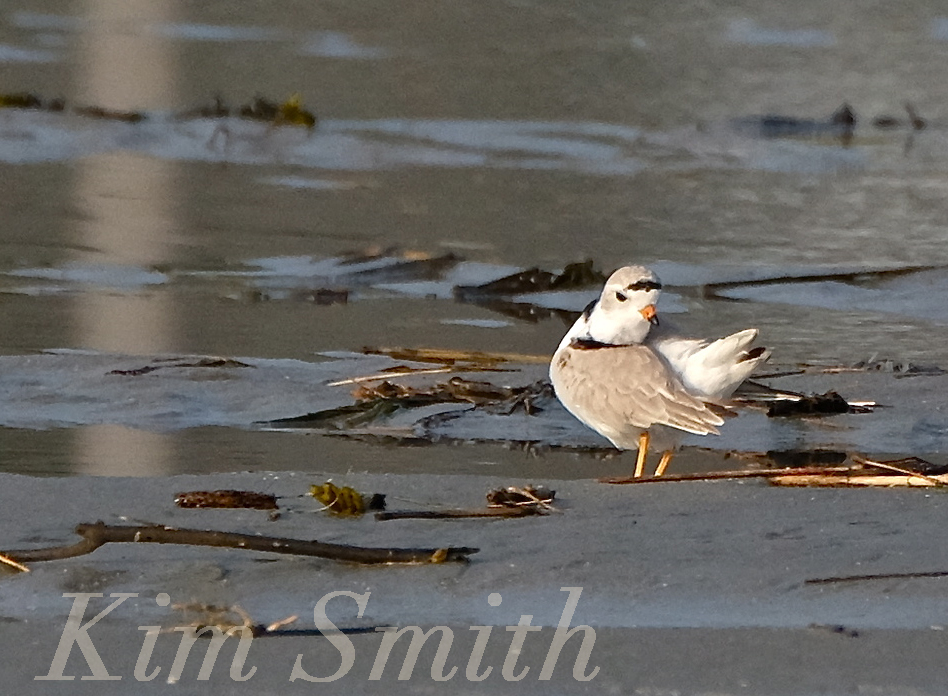
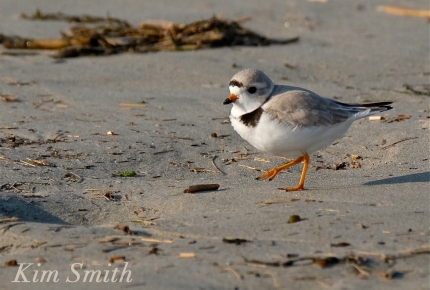
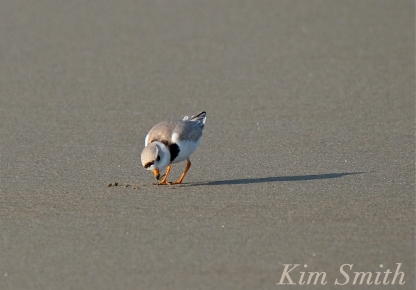
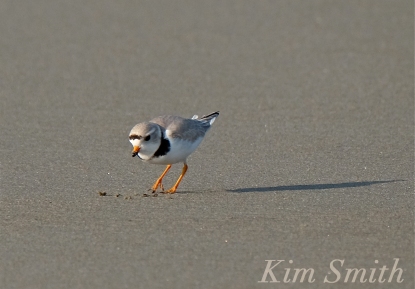
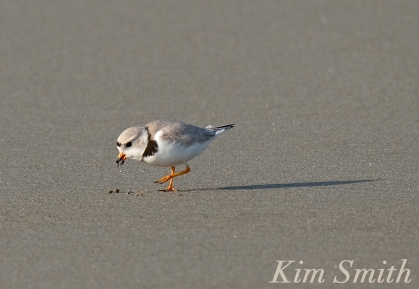
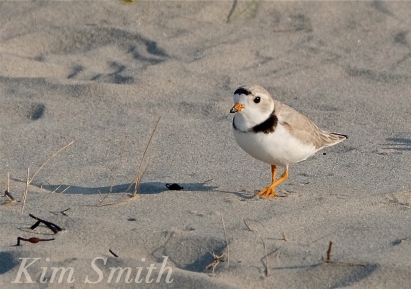
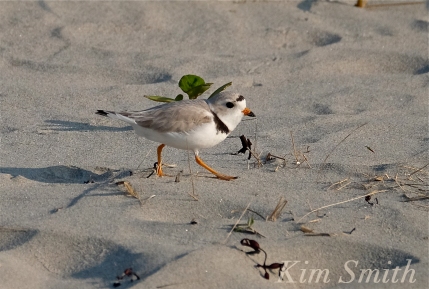
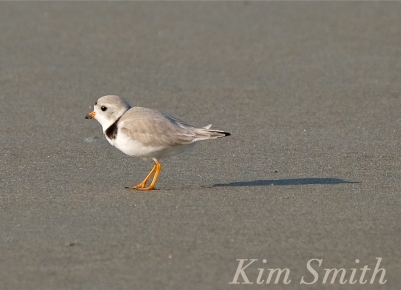
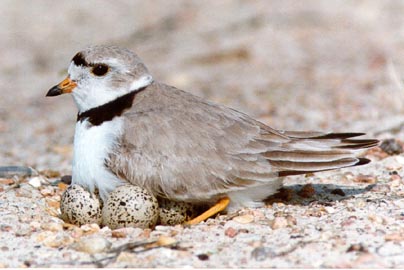
Piping Plover Piping ~ We should be proud that our state of Massachusetts has the greatest record of Piping Plover recovery. I recently saw a bar graph at a lecture presentation, given by Dave Rimmer at Parker River National Wildlife Refuge, which illustrated that the recovery rate has flatlined in Canada and New Jersey, and diminished in the Great Lakes region.

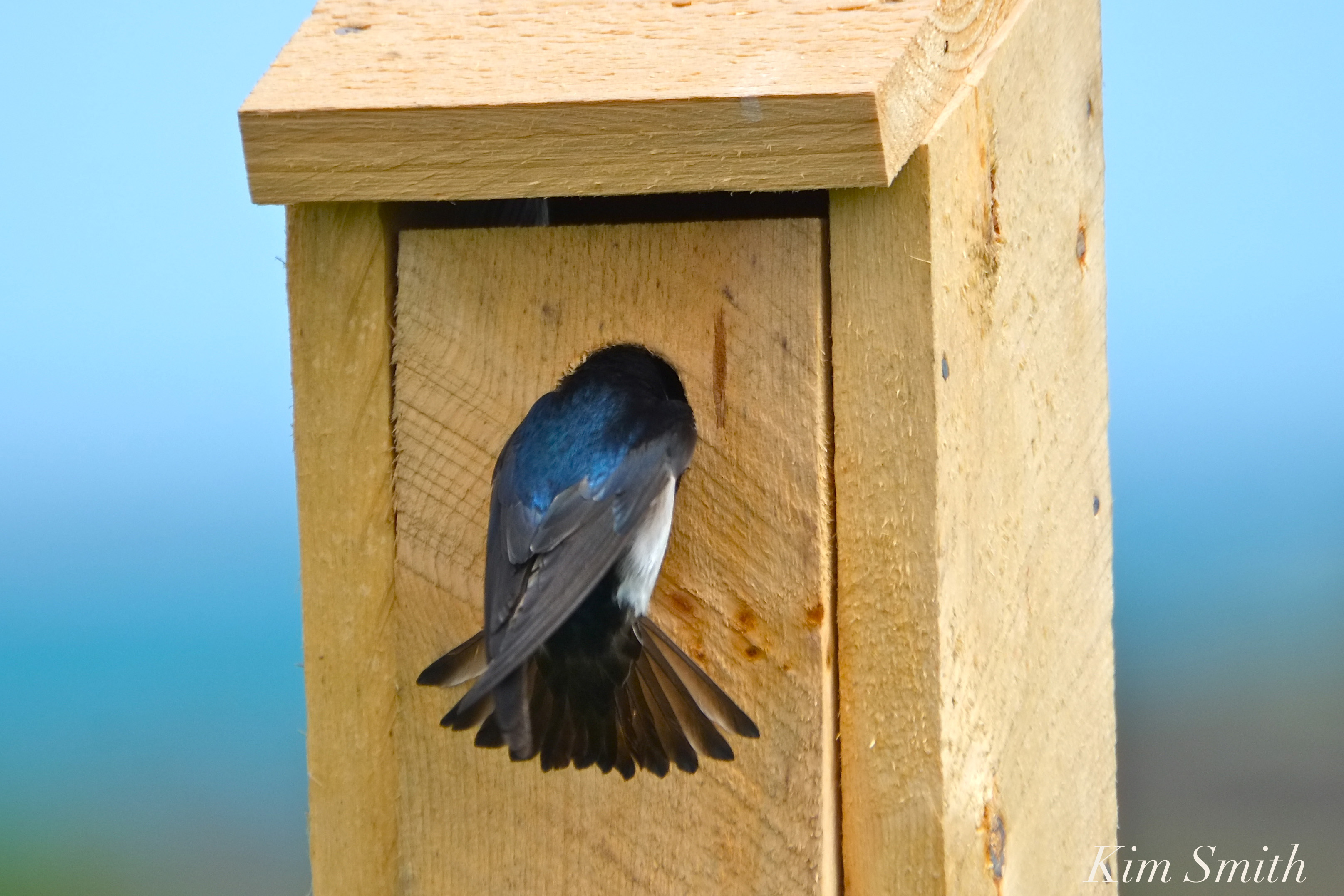
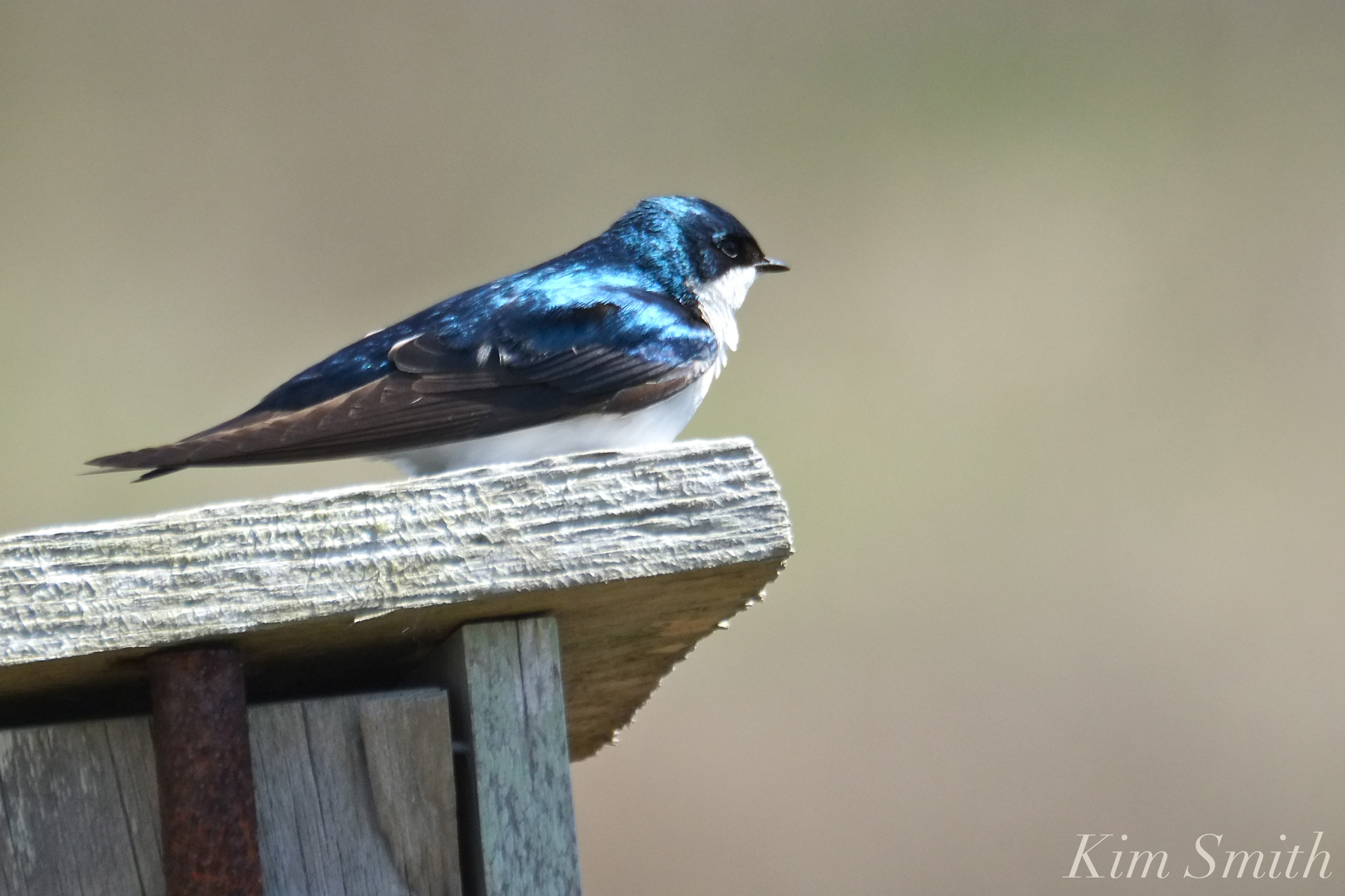
T is for Tree Swallow Tango ~ Males arrive on the scene prior to the females. The courtship ritual involves the gents showing the ladies possible nesting sites.

Tree Swallow preparing for takeoff.


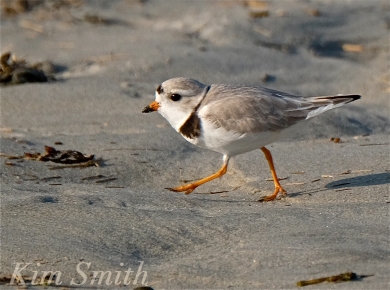
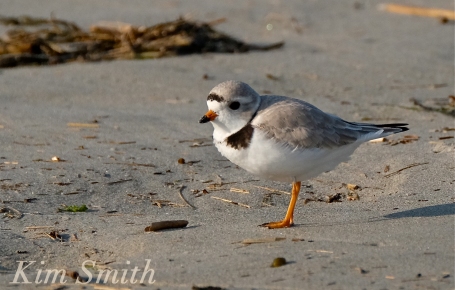
PIPING PLOVERS HAVE RETURNED TO CAPE ANN BEACHES!

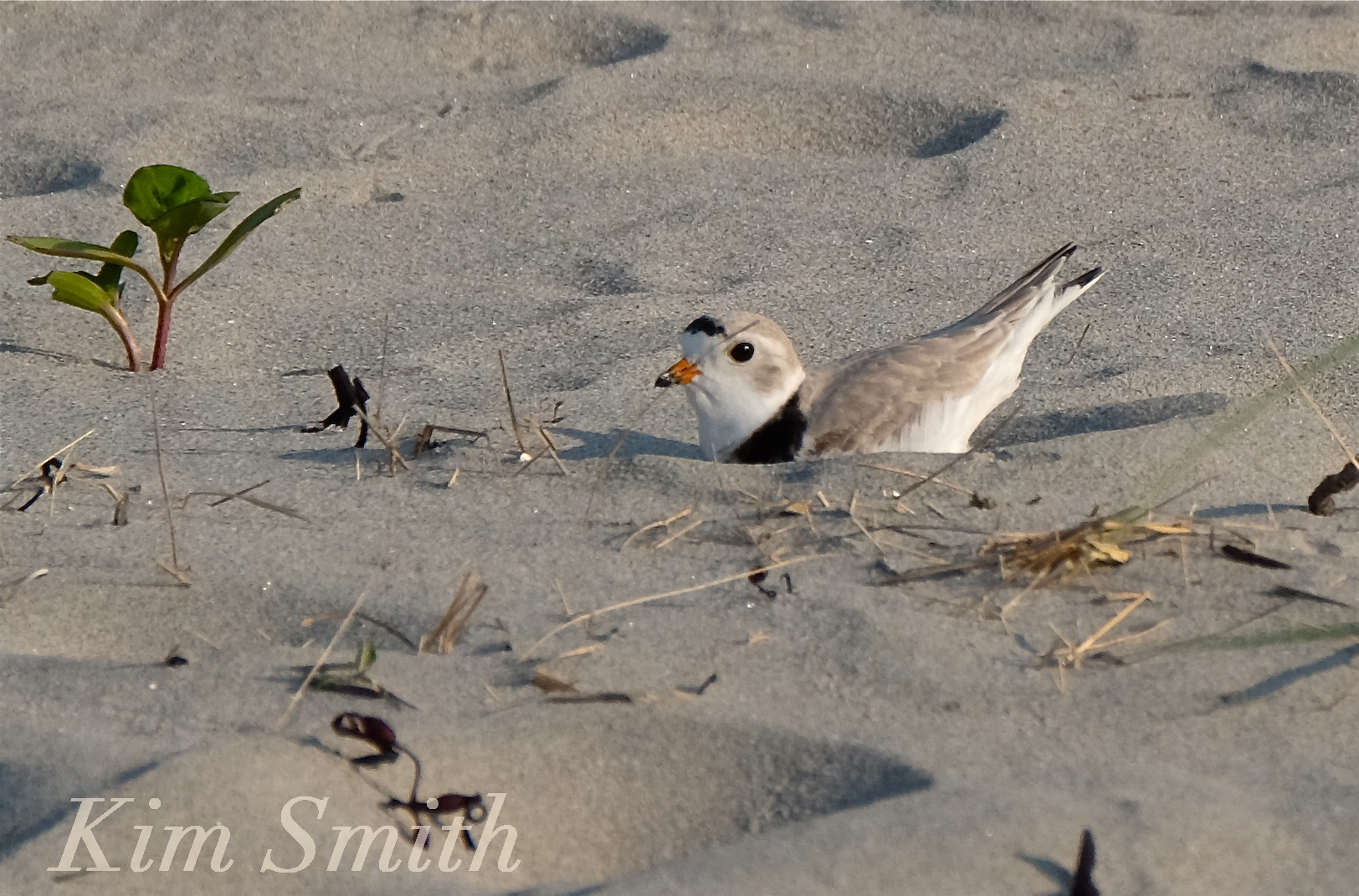
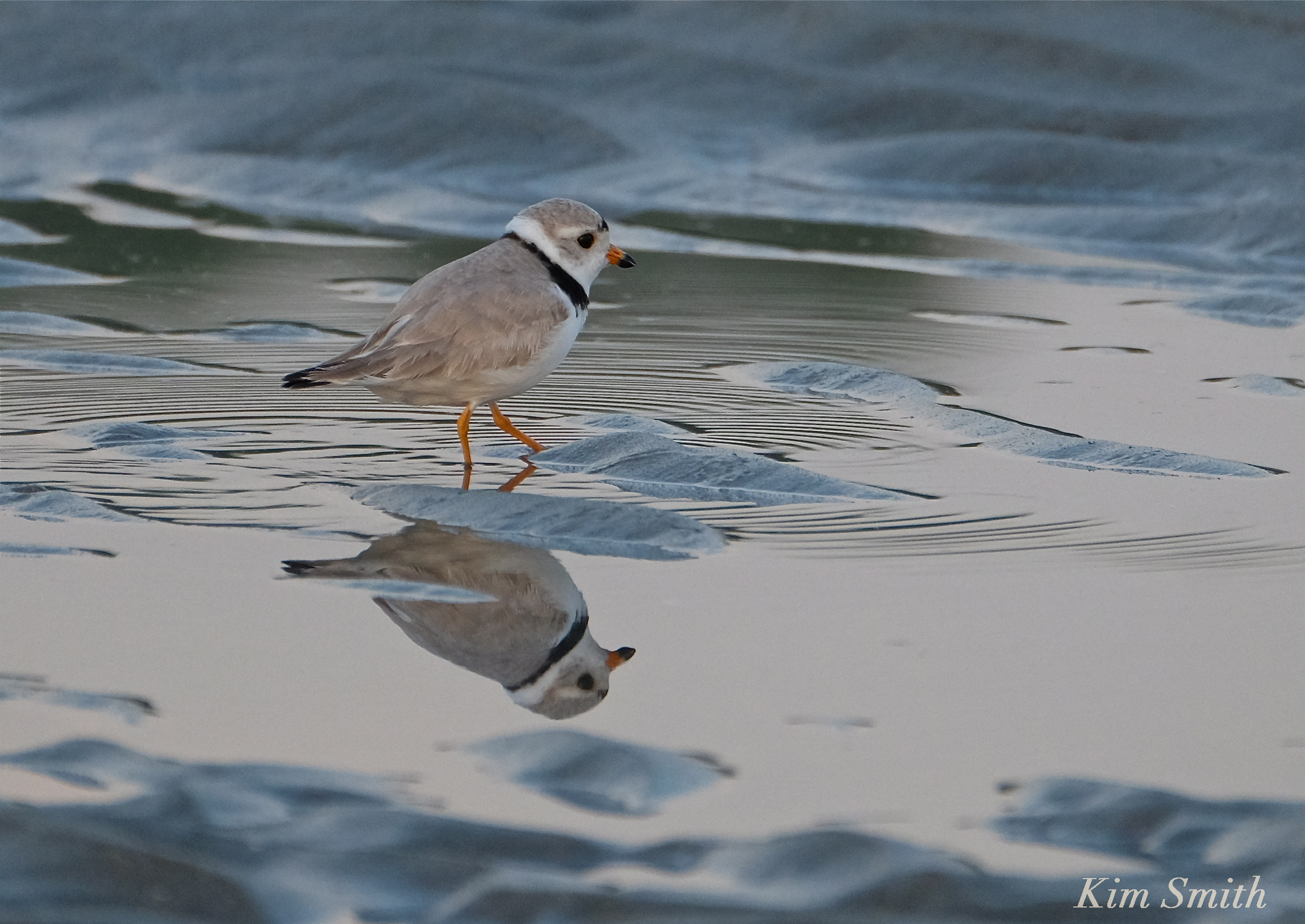
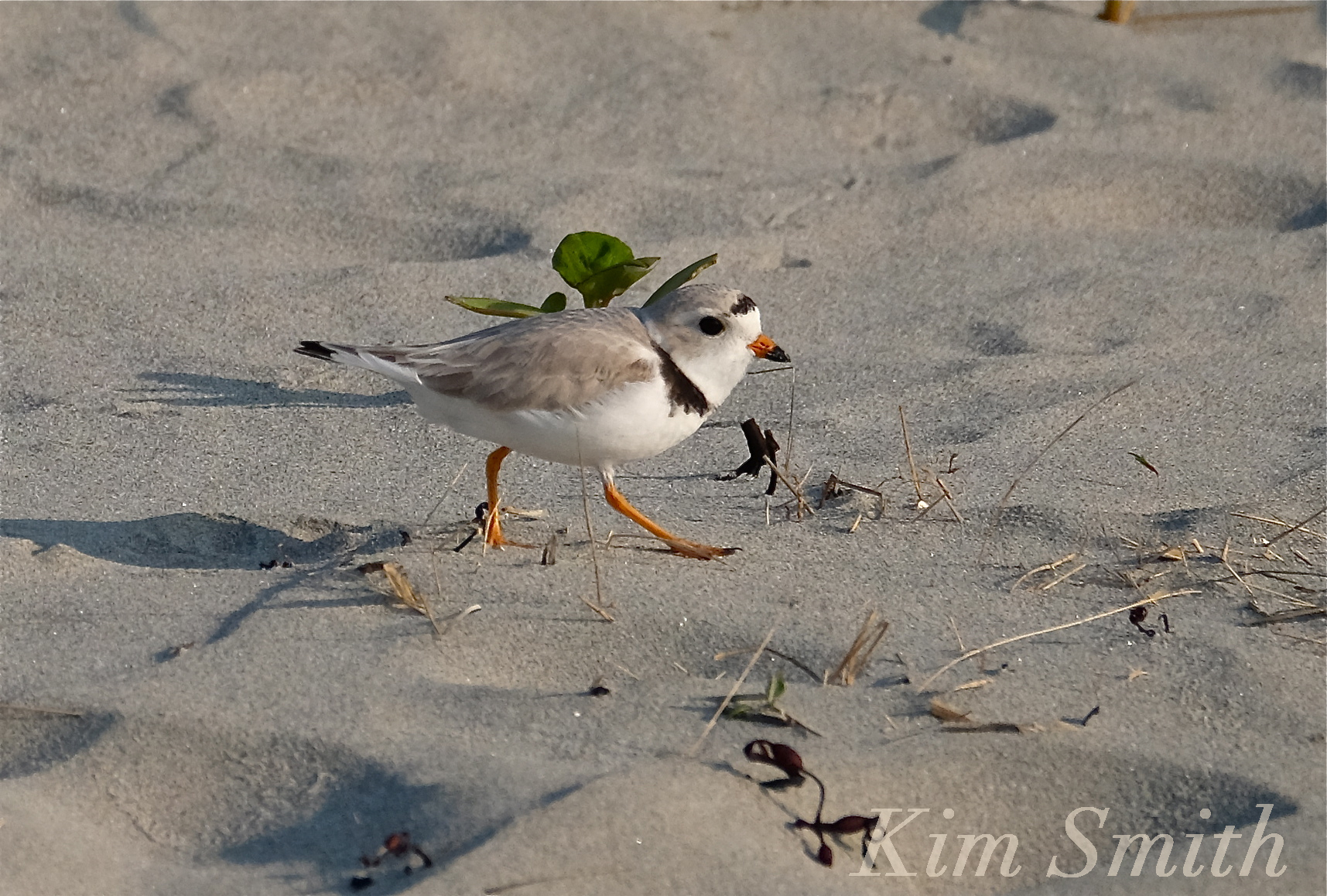
Male Piping Plover

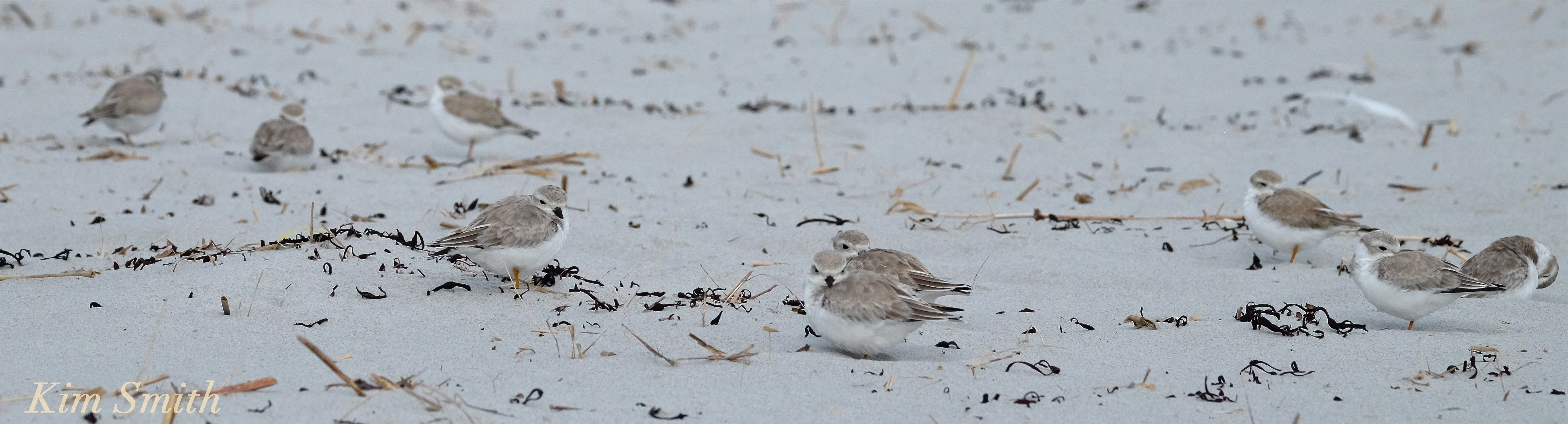
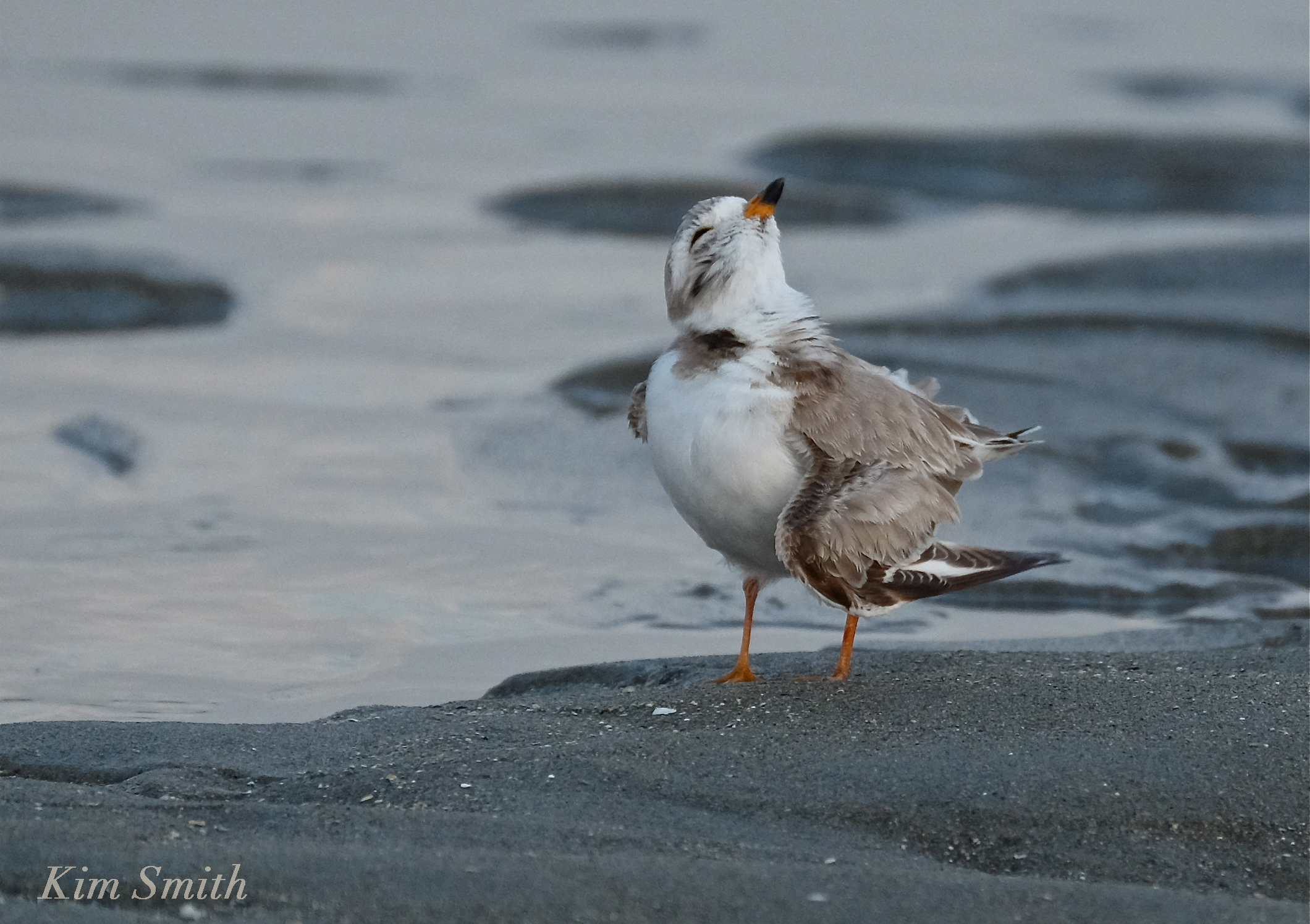
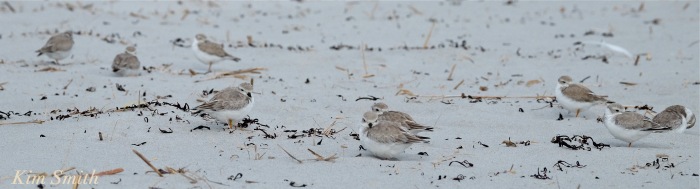
The sweetest and tiniest of shorebirds has been spotted at several of our local beaches, including Wingaersheek and Good Harbor Beach. They have also been seen at Plum Island, as well as other Massachusetts barrier beaches, for several weeks. The Plovers have traveled many thousands of miles to reach our shores and are both weary from traveling and eager to establish nesting sites.

What can you do to help the Piping Plovers? Here are four simple things we can all do to protect the Plovers.

  1. Don’t leave behind or bury trash or food on the beach. All garbage attracts predators such as crows, seagulls, foxes, and coyotes, and all four of these creatures EAT plover eggs and chicks.
  2. Do not linger near the Piping Plovers or their nests. Activity around the Plovers also attracts gulls and crows.
  3. Respect the fenced off areas that are created to protect the Plovers.
  4. If pets are permitted, keep dogs leashed.


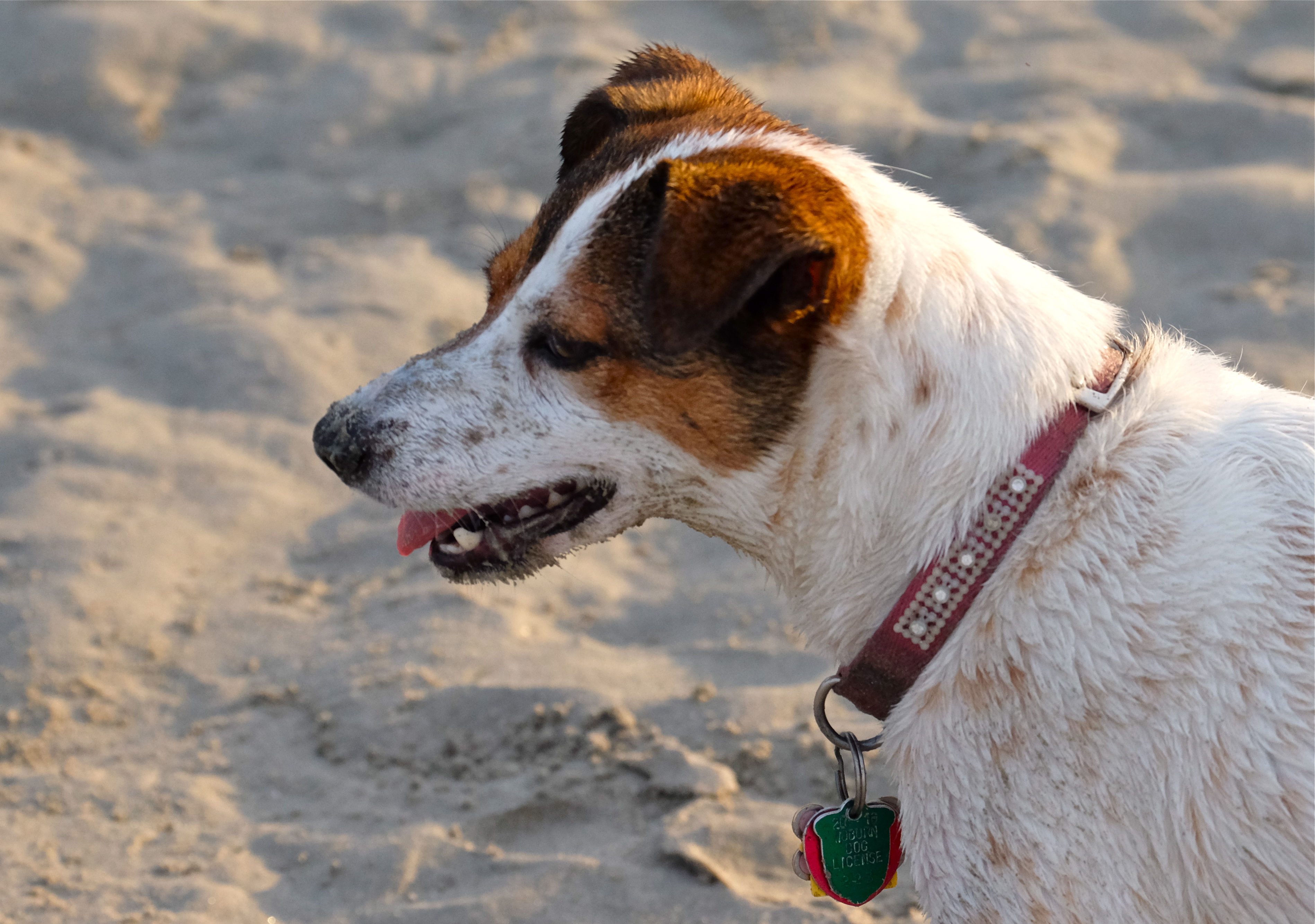
The last is the most difficult for folks to understand. Dogs threaten Piping Plovers in many ways and at every stage of their life cycle during breeding season, even the most adorable and well-behaved of pooches.

Dogs love to chase Piping Plovers (and other shorebirds) at the water’s edge. After traveling all those thousand of miles, the birds need sustenance. They are at the shoreline to feed to regain their strength.

Dogs love to chase piping Plovers at the wrack line. Here the birds are establishing where to nest. Plovers are skittish at this stage of breeding and will depart the area when disturbed.

Dogs love to chase Piping Plover chicks, which not only terrifies the adult Plovers and distracts them from minding the babies, but the chicks are easily squished by a dog on the run.

Please keep dogs leashed when at the beach. Thank you!

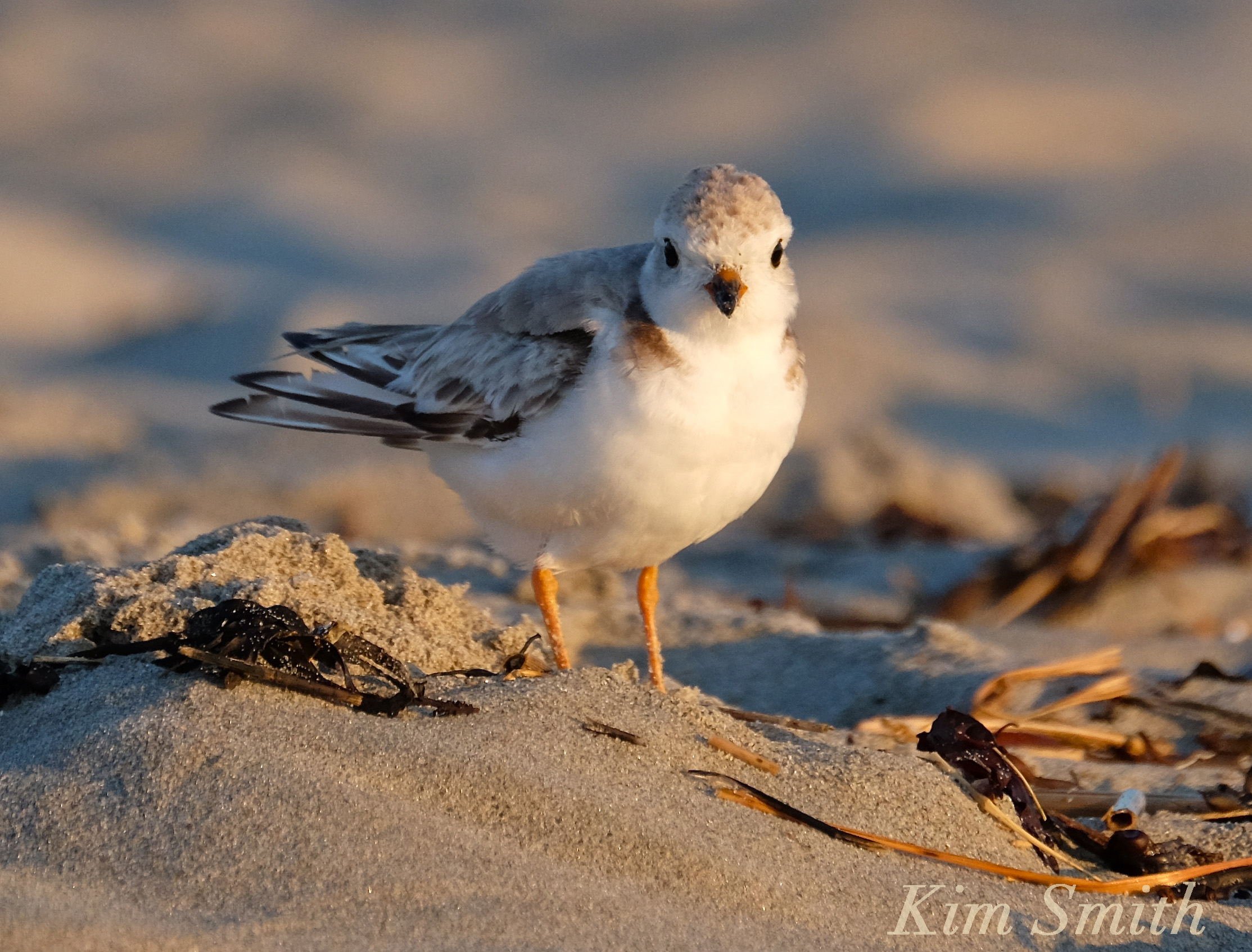
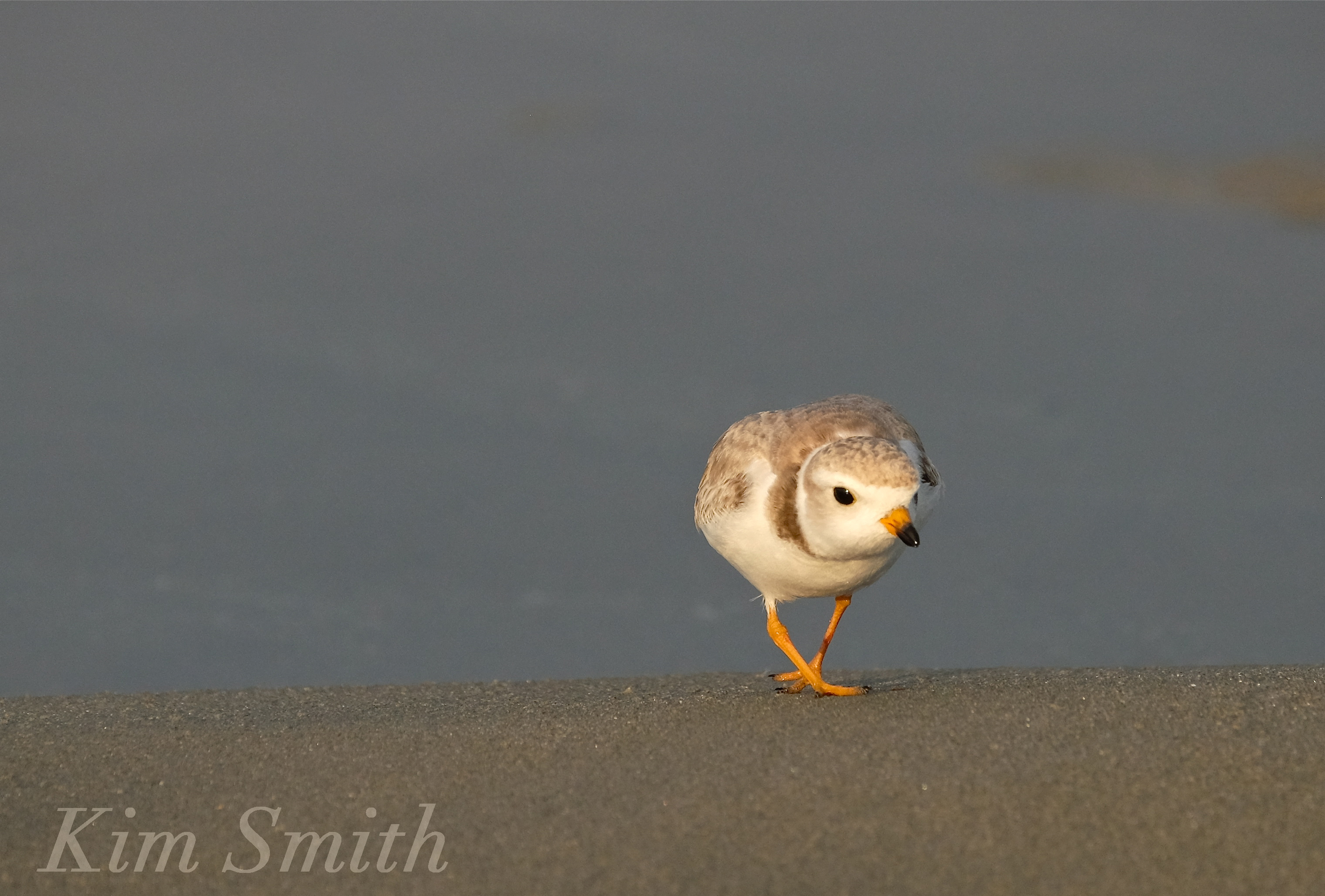
Female Piping Plover

*   *   *

Dave Rimmer, Greenbelt’s director of land stewardship, is giving a lecture about the Piping Plovers at Parker River National Wildlife Refuge on Thursday, April 27th, from 2:00 to 4pm. Preregister by email at: Andrew@ecga.org.


GREAT NEWS FROM THE MAYOR FOR GLOUCESTER’S PIPING PLOVERS!!!

PIPING PLOVER UPDATE FROM THE MAYOR’S OFFICE

PIPING PLOVERS NESTING AT GOOD HARBOR BEACH

The City of Gloucester and Mayor Sefatia Romeo Theken will be working closely during the 2017 beach season at Good Harbor Beach with the Essex County Greenbelt Association and the MA Division of Fisheries and Wildlife to manage Piping Plovers if they return again to nest on the beach.

“For generations, Gloucester’s citizens have existed in a delicate balance with our coastal ecosystem, from the open ocean, to the rocky shorelines and of course to our beaches,” Mayor Romeo Theken said. “We are committed to making every effort possible to protect nesting Piping Plovers at our beaches but we will do so while maintaining public access to these amazing areas. Please help me and the City by cooperating with any short-term restrictions imposed at our beaches in 2017.”

In 2016, Piping Plovers, a small shorebird, were observed nesting for the first time at GHB, and the City acted quickly and responsibly along with Greenbelt and MADFW to protect the birds and their nesting areas. The City is preparing more proactively now for the 2017 beach season.

BACKGROUND:
Piping Plovers are a small shorebird that was placed on the US Endangered Species List in 1986 as a threatened species. Piping Plovers nest directly on the sand at beaches throughout MA, typically on the upper beach just below the outer dune edge. Statewide the Piping Plover population has been increasing over the past 20 years and the population reached about 650 pairs in MA in 2016.

In Gloucester in 2016, 4 pairs of Piping Plovers nested at Coffins Beach and fledged 10 young. A single pair of Piping Plovers nested at GHB, hatching 3 chicks but none survived to fledge. The Piping Plovers at GHB nested later than normal in the season which may have contributed to the lack of chick survival. Better early season protections could help eliminate this problem in 2017.
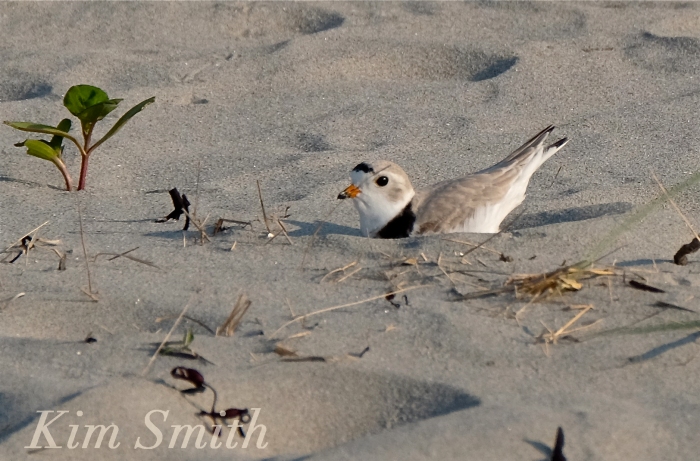
Good Harbor Beach Piping Plover making a nest scrape for his lady love to inspect

The US Endangered Species Act requires public and private landowners to take necessary measures to protect listed species like Piping Plovers. MA also has guidelines and laws for beach nesting bird management. The city is making every effort to be compliant with all regulatory guidelines.

Piping Plovers typically arrive from their southern wintering areas to our local beaches in late March or early April. Males and females quickly form breeding pairs that begin the process of courtship and nest site select throughout April and May. During April and May, it is important to limit disturbance to the birds and their habitats. Chicks can hatch from nests in late May and are immediately mobile and move out of the nest in search of food. As chicks grow older and larger, they will roam from the dunes to the water’s edge in search of food. Chicks are very vulnerable to human disturbance and are susceptible to predators like gulls and foxes.
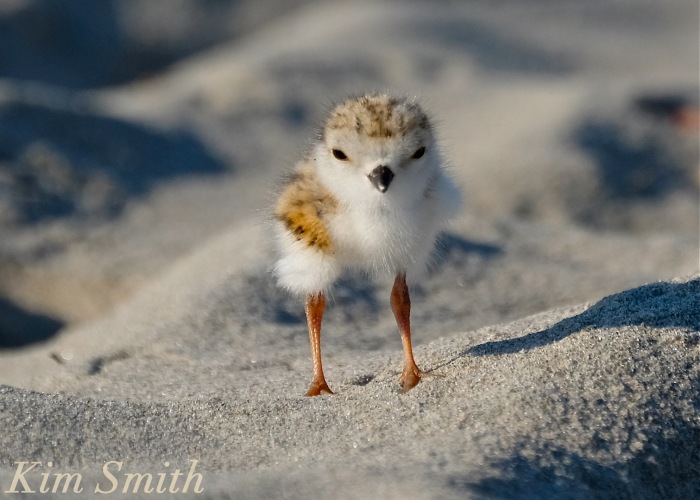
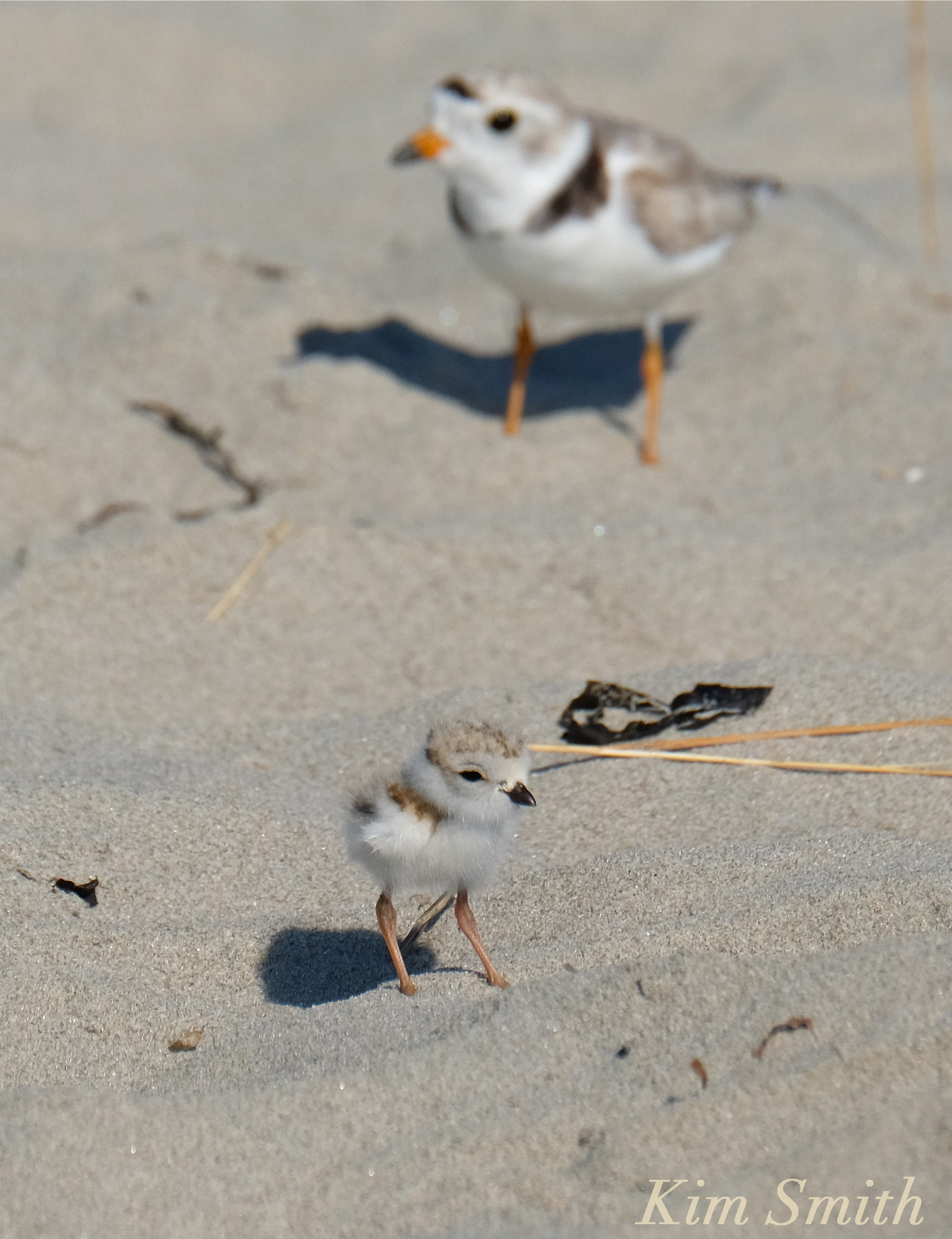
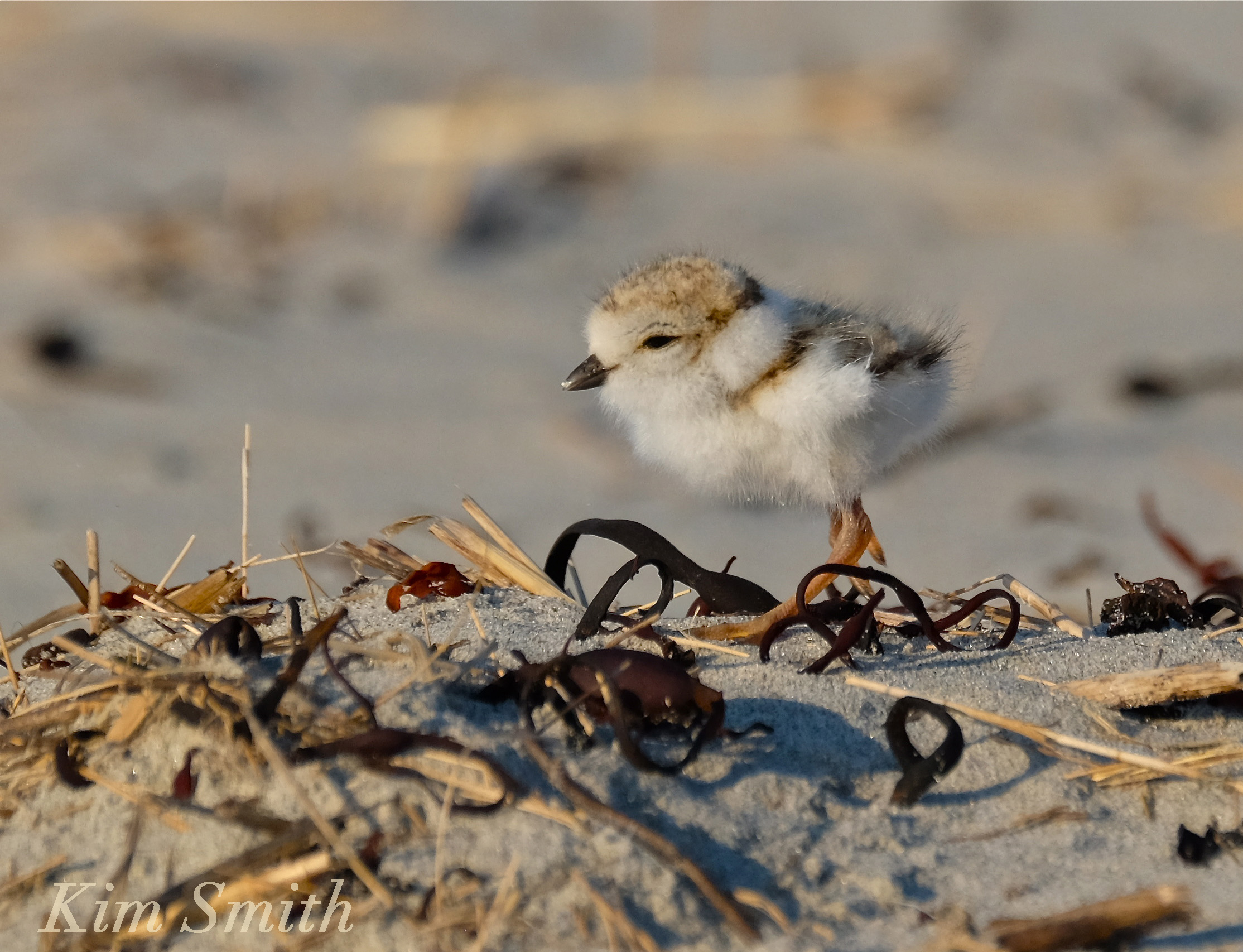
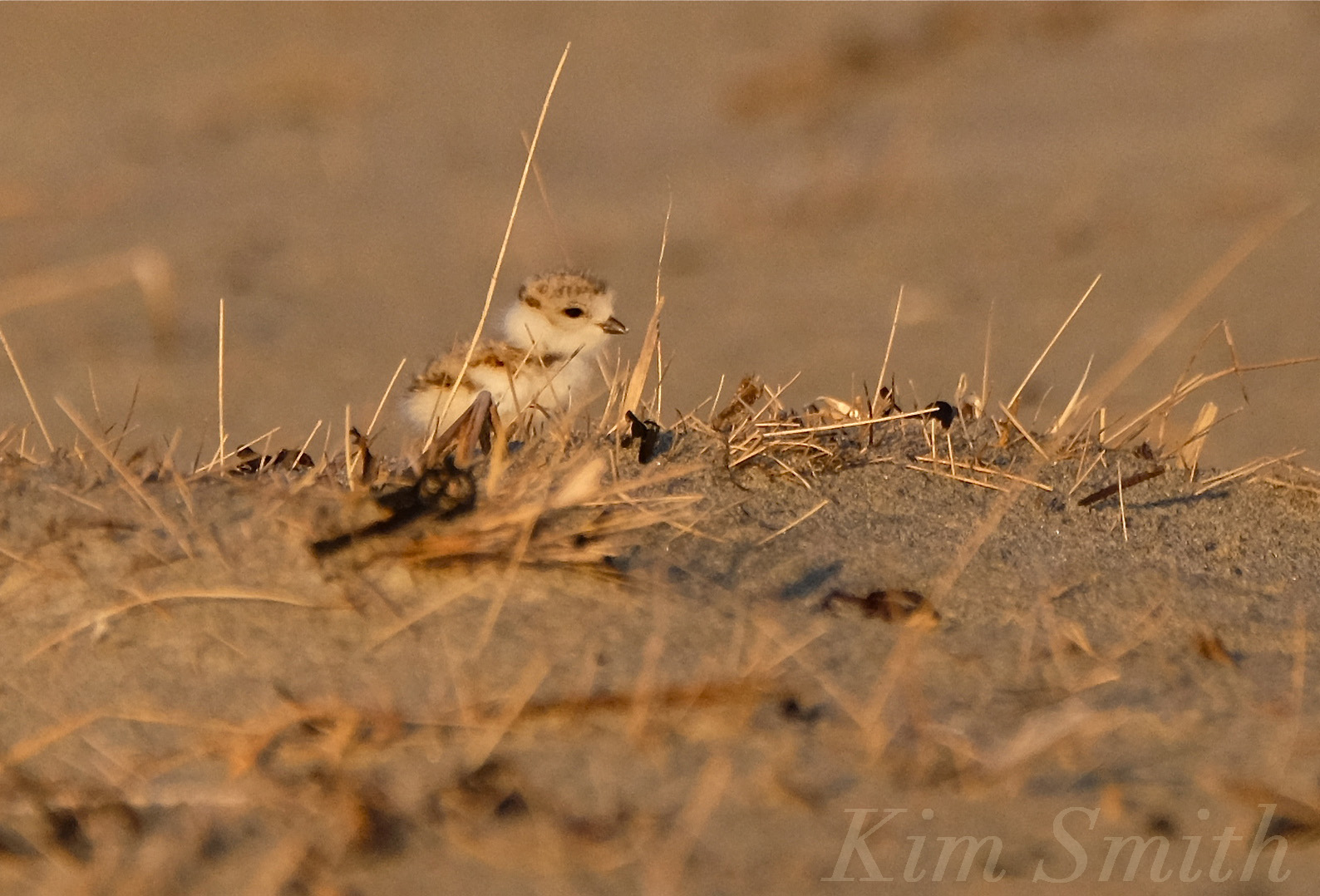
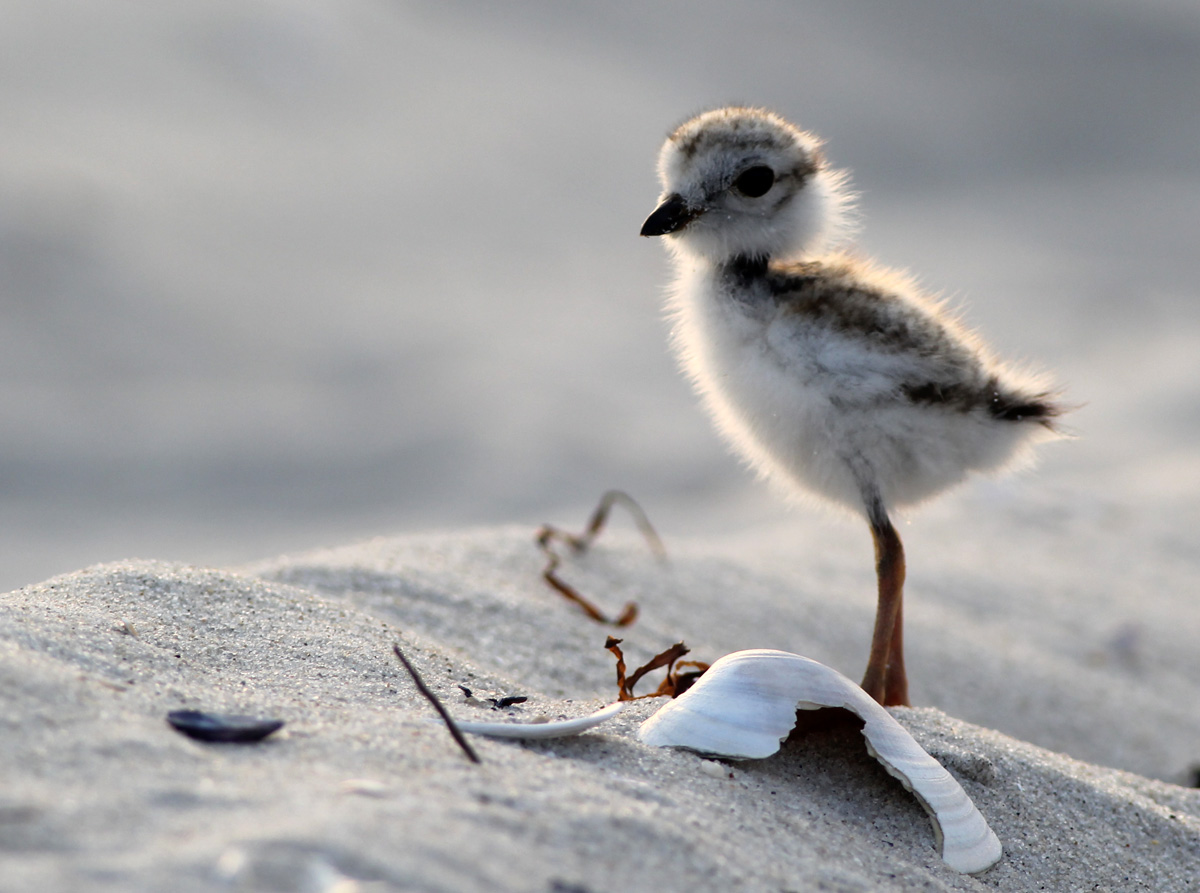
One day old Piping Plover chick

PLAN OF ACTION FOR 2017:

Gloucester officials have directed City staff to collaborate with Greenbelt and MADFW to development management strategies to protect Piping Plovers found nesting on any Gloucester beaches.

Beach Scraping – Limiting beach cleaning activities like beach scraping with a tractor and mechanical rake is very important once Piping Plovers arrive at GHB. This could start in April and last though June in certain areas at GHB.

Fencing – It is also important to strategically select areas for temporary closure with single strand fencing and signs. These fenced areas allow a refuge for Piping Plovers to begin their nesting season normally in May, before the busy beach season. fences could be installed in April and be in place through June in certain areas at GHB.

Monitoring – Regular monitors from Greenbelt, MADFW and theCity will visit GHB in March/April to determine if PipingPlovers are present and to ensure that any nesting Piping Plovers are well protected. Monitoring will continue as long as Piping Plovers are present at the site.

Public Access – GHB will remain open to the public during the beach season. Only selected small areas may be closed to the public to protect Piping Plovers. Mayor Theken encourages all beachgoers to respect the closed areas and to consider Piping Plovers as an important part of Gloucester’s rich and healthy coastal ecosystem.

Dogs – Unleashed dogs can pose a very real threat to Piping Plover adults and chicks. Dogs owners are responsible for controlling their dogs and may be legally responsible for any adverse impacts to Piping Plovers and their habitats.

For more information, please contact Greenbelt Essex County Trust at dwr@ecga.org or (978) 768-7241 x14

HOW DO YOU SAY PLOVER?

Piping Plover Fledglings copyright Kim Smith .Sweetly beautiful birds and full of personality, whether called ploh-ver or pluh-ver. This pair of fledgling siblings was photographed at Wingaersheek Beach.

How do you pronounce plover? Do you say ploh-ver, like clover, or do you say pluh-ver, like lover? I was convinced the clover pronunciation was correct until having dinner with friends recently who were equally as convinced that the lover pronunciation was accurate. The conversation reminded me of that old film, Shall We Dance and the potato song, or “Let’s Call the Whole Thing Off.” A quick Google search offers both pronunciations!

AT GOOD HARBOR BEACH – PLOVERS HERE THERE AND EVERYWHERE! – TIPS ON HOW TO ID PIPING PLOVERS, SEMIPALMATED PLOVERS, AND KILLDEERS

Female Piping Plover Good Harbor Beach Gloucester copyright Kim SmithFor the past ten weeks, each morning very early before work I have been filming the Good Harbor Beach shorebirds and their habitat, and when not too tired from work, would go back again at the end of the day. For the most part, it has been a tremendously educational and rewarding experience, and I love Good Harbor and its wild creatures even more than when I began the Piping Plover project. We are so fortunate to have this incredibly beautiful and beloved treasure of a beach in our midst, and so easily accessed. As much as I have enjoyed filming the wildlife, it has been equally as fun to observe the myriad wonderful ways in which people enjoy the beach recreationally and that too is part of the Good Harbor Beach Piping Plover story.

Male Piping Plover Good Harbor Beach Gloucester copyright Kim Smith

Take a closer look at the shorebirds next time you are at Good Harbor Beach. Small and swift, they can look similar, but once you begin to study their behaviors, each species becomes easier to identify.

Female Piping Plover Good Harbor Beach Gloucester Massachusetts -2 copyright Kim SmithNew female Piping Plover on the scene with very pale coloring

Good Harbor Beach is currently home to three different species of plovers. We all know about our beautiful Piping Plover family. The lone surviving chick and Dad were last seen heading deep, deep, deep into the salt marsh. Since that time, several new Piping Plovers have joined the scene, two females and a male. We can tell they are different from our original mated pair by their feather pattern and bill color.Killdeer Chicks Good Harbor Beach Gloucester Massachusetts copyright Kim Smith

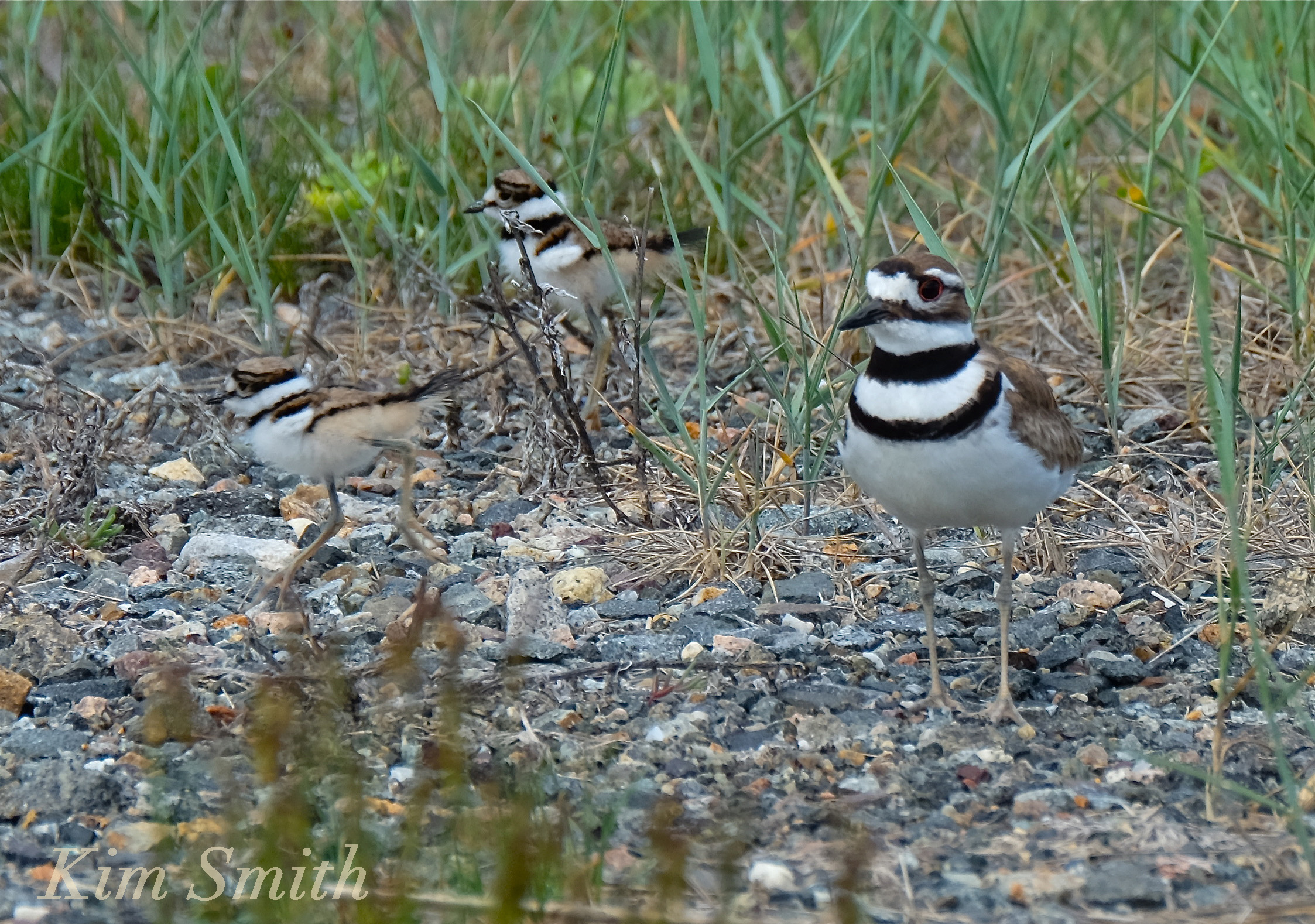
Earlier in the summer, four Killdeer chicks hatched at the edge of the GHB salt marsh. It was pretty scary filming the Killdeer family because all six were running willy nilly every which way throughout the beach parking lot on a very busy weekend morning. In the next photo, taken several days ago, you can see that the family has grown quickly.Killdeer Family Good Harbor Beach Gloucester Massachusetts copyright Kim Smith

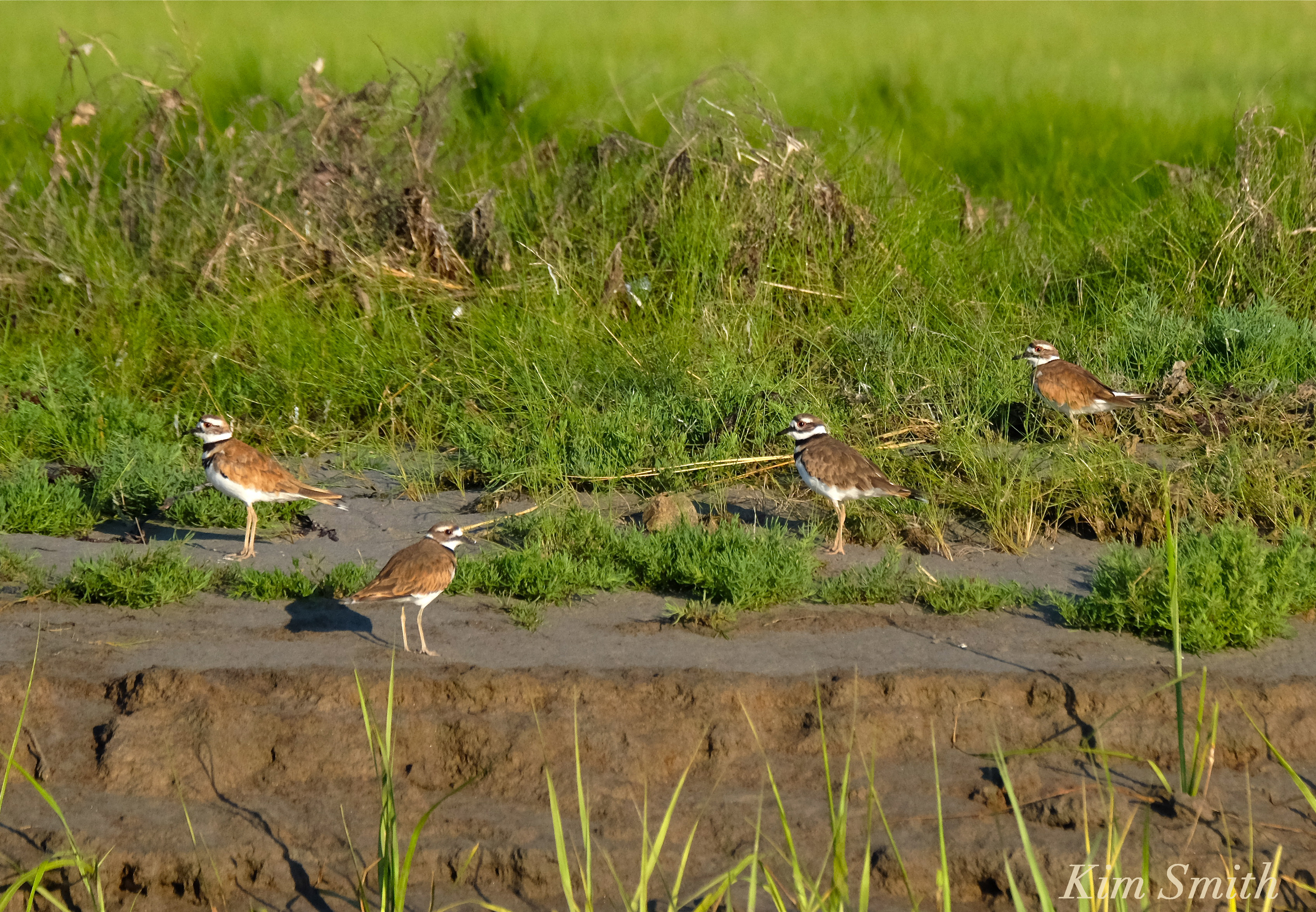
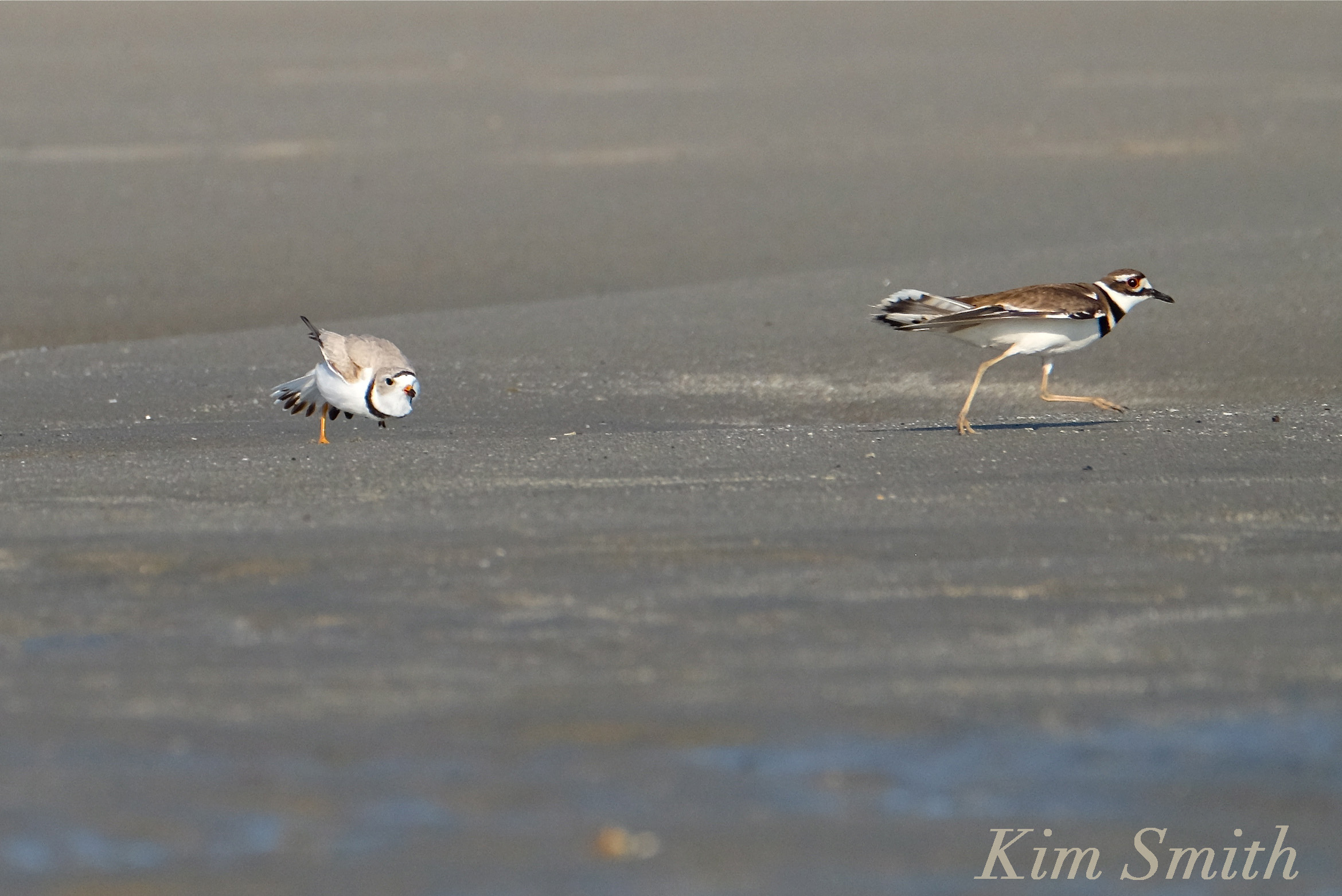
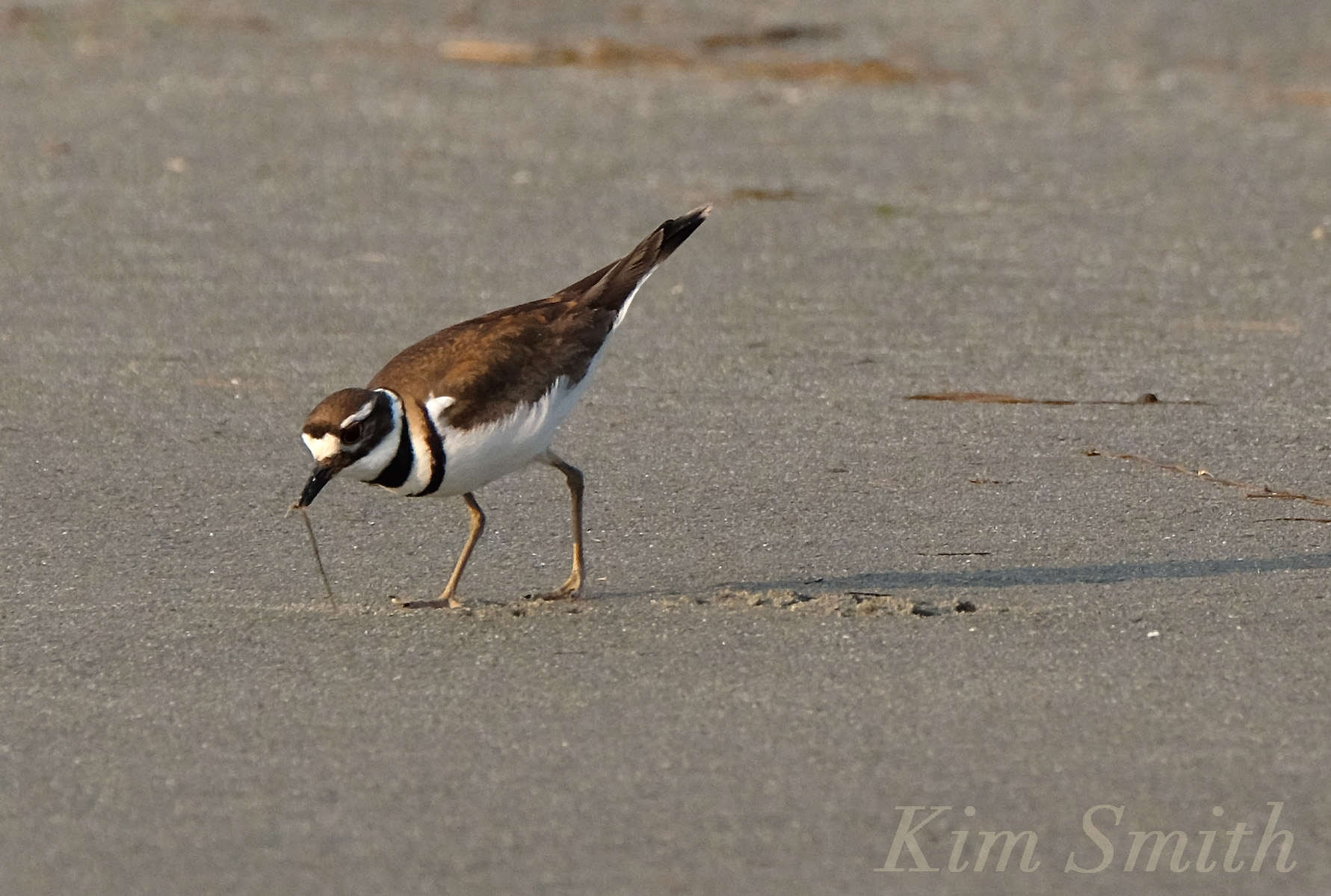
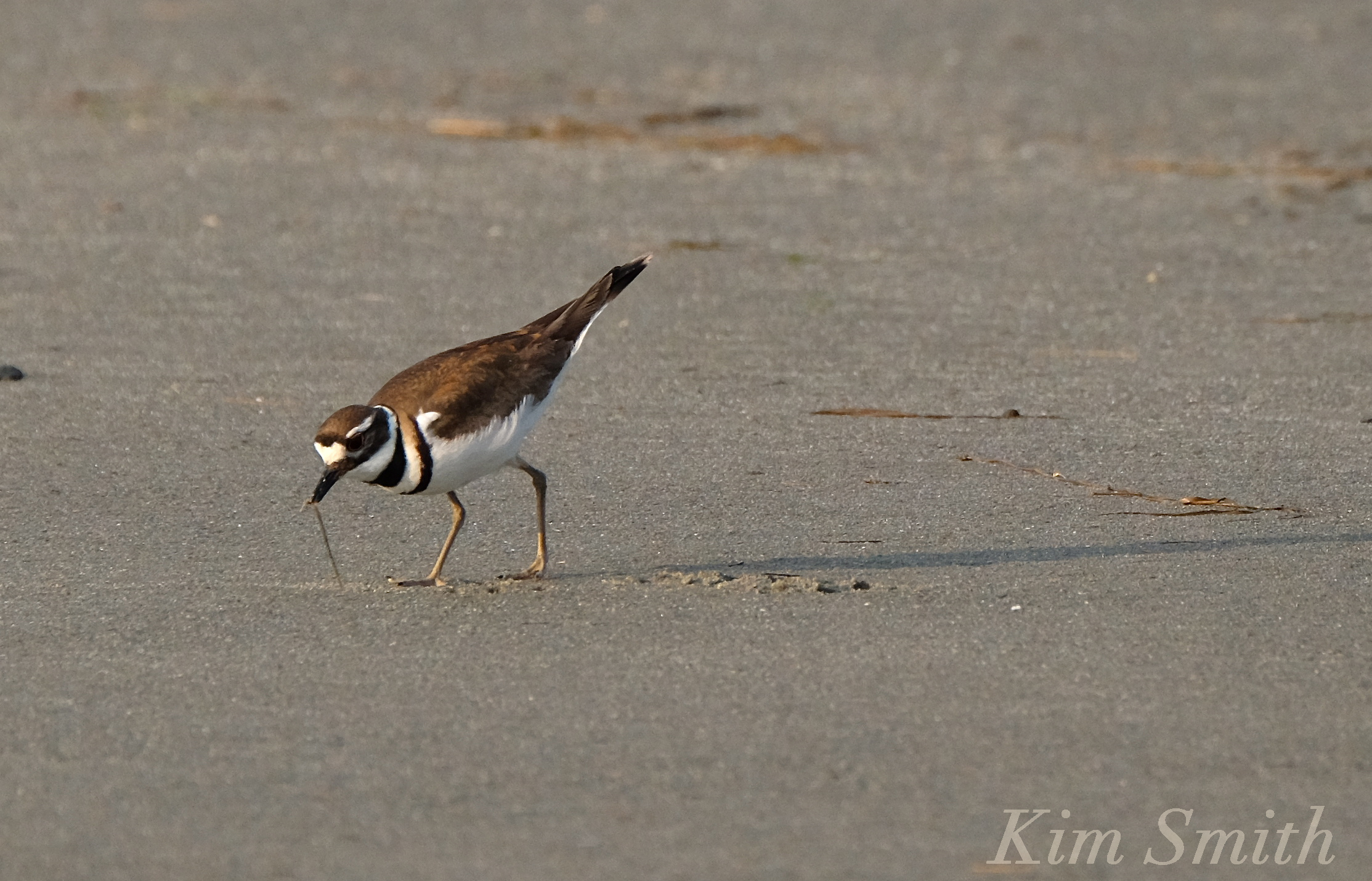
Killdeers are the largest of the the three species of plovers seen in Massachusetts, nearly twice as large as the pocket-sized Piping Plover. That fact didn’t stop the male Piping Plover from defending its nesting territory. Notice the two dark bands around the neck and chest of the Killdeer.

Piping Plove Chasing Killdeer Good Harbor Beach Gloucester Massachusetts copyright Kim Smith

Half the size of his foe, our male Piping Plover is vigorously chasing the intruding Killdeer from his nesting territory

Killdeer Good Harbor Beach Gloucester copyright Kim Smith

The Killdeer has a dark band encircling its neck and a second band across its chest

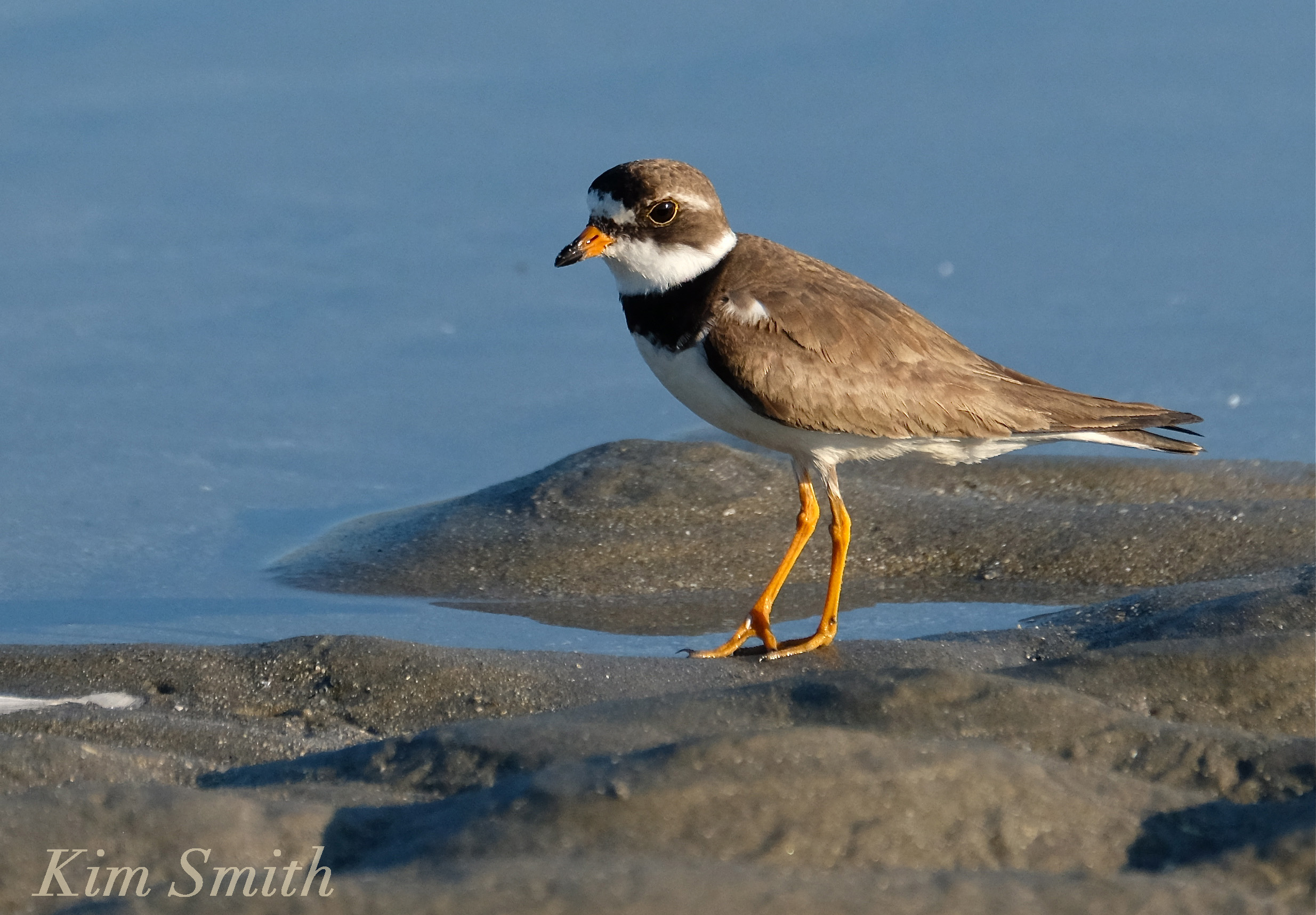
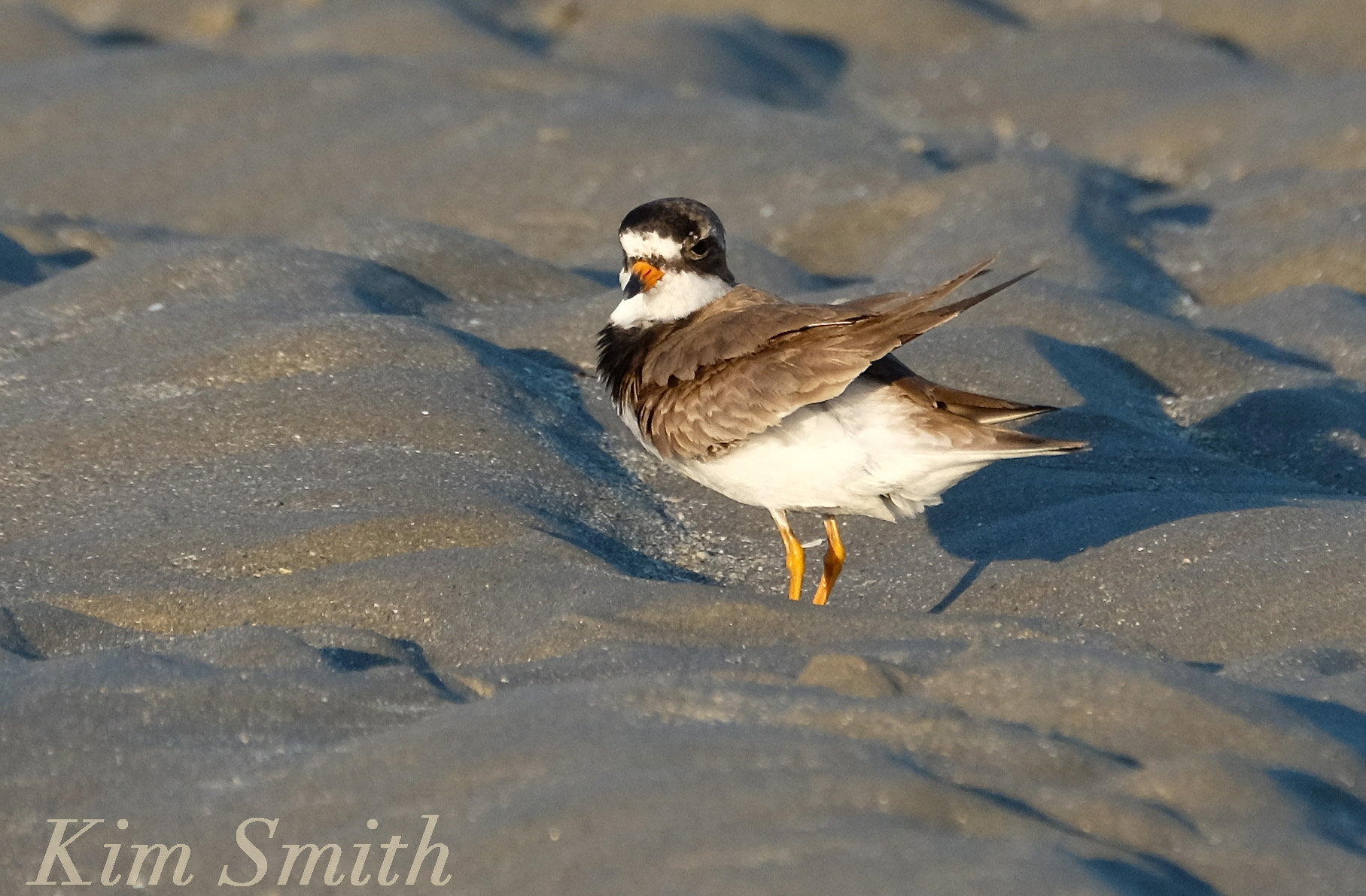
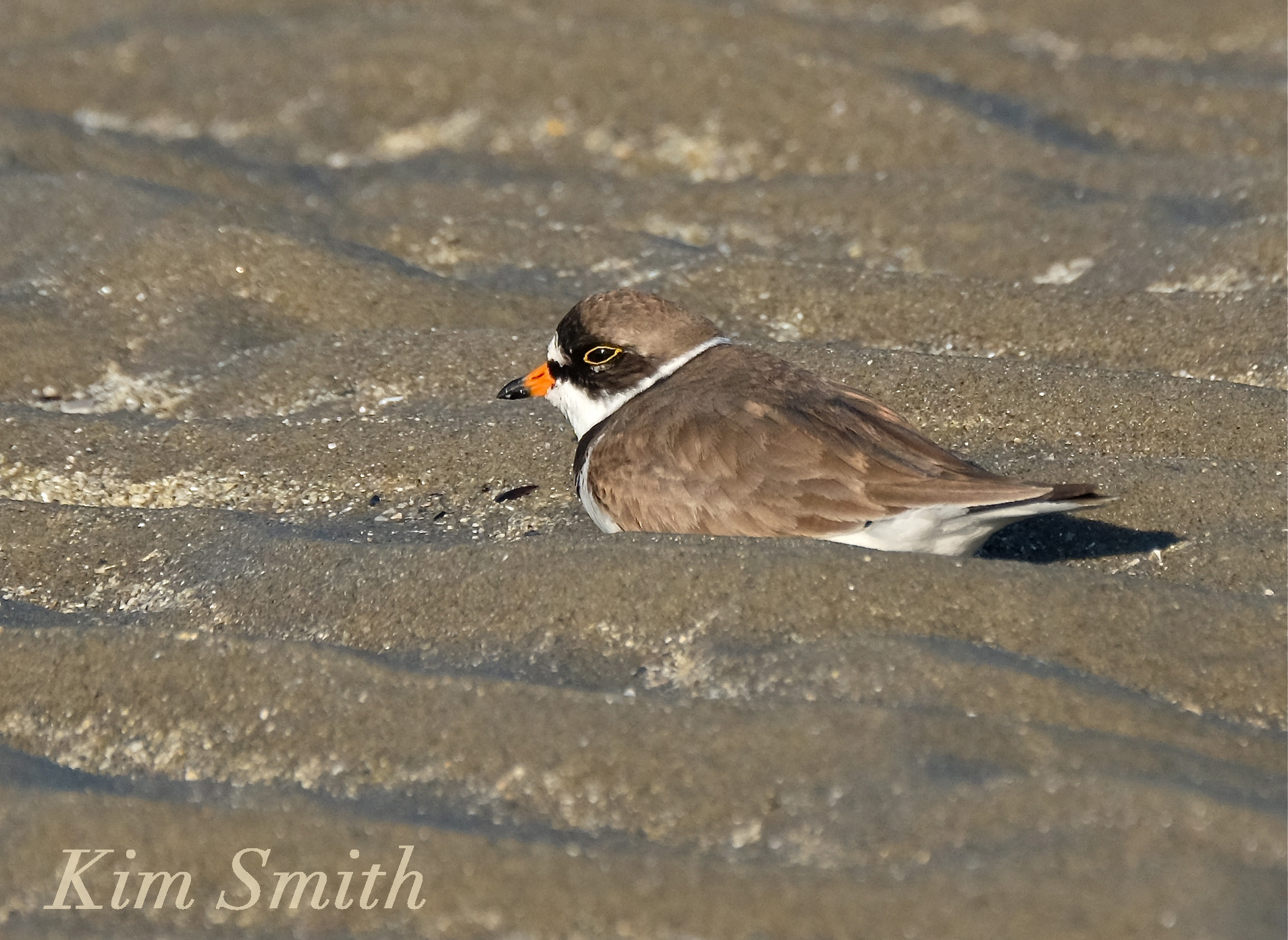
The third species of plovers at GHB is the Semipalmated Plover. Although only slightly larger than the Piping Plover, the difference is easy to spot by the darker brown wings. Compare the single neck ring of the Semipalmated Plover to that of the Killdeer’s double set of rings. Unlike Piping Plovers and Killdeers, Semipalmated Plovers do not breed in Massachusetts but in northern Canada and Alaska. At this time of year we are observing their southward migration to the southern United States, Caribbean, and South America.Semipalmated Plover Good Harbor Beach Gloucester Massachusetts -2 copyright Kim Smith

Semipalmated Plover

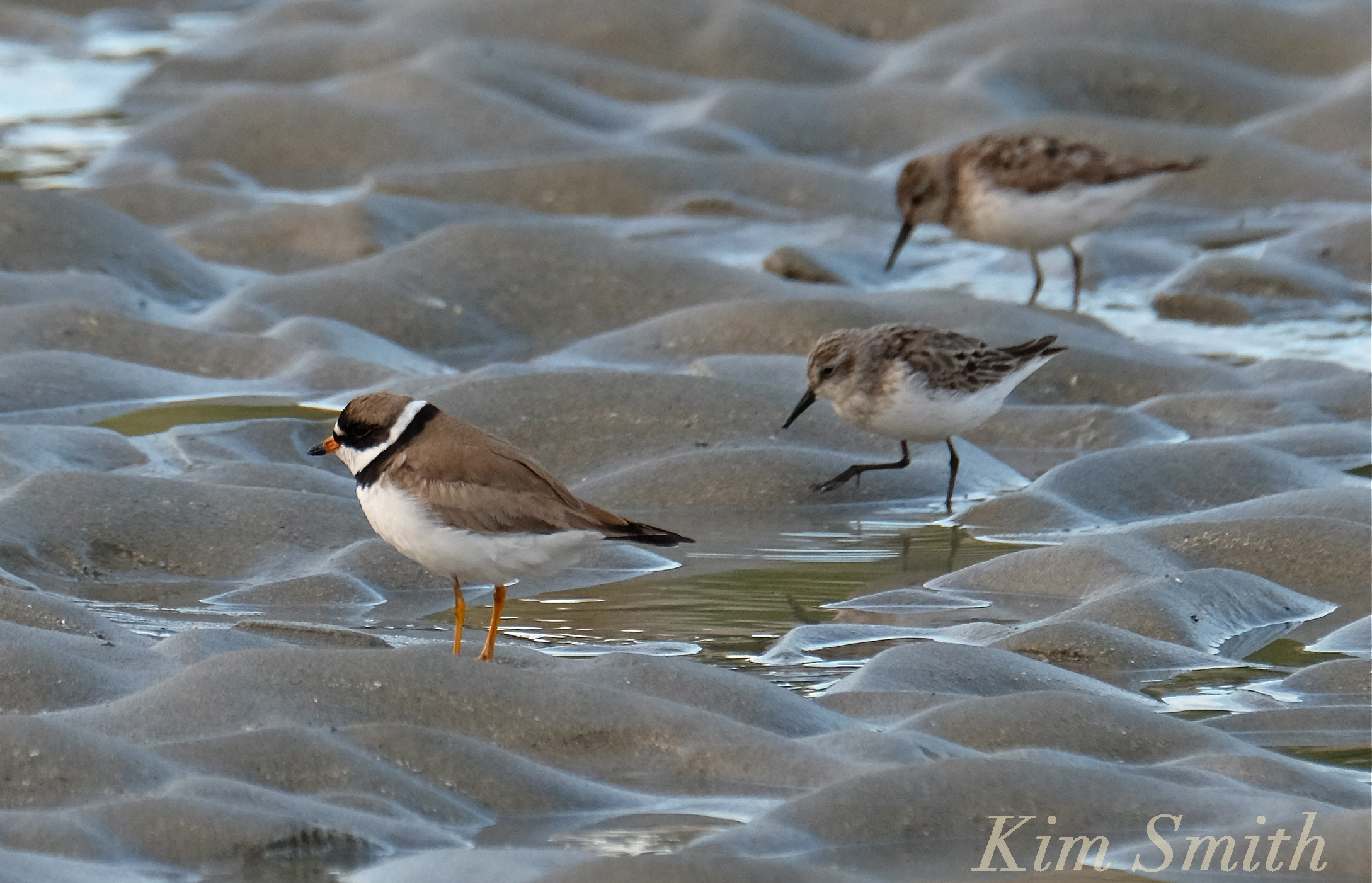
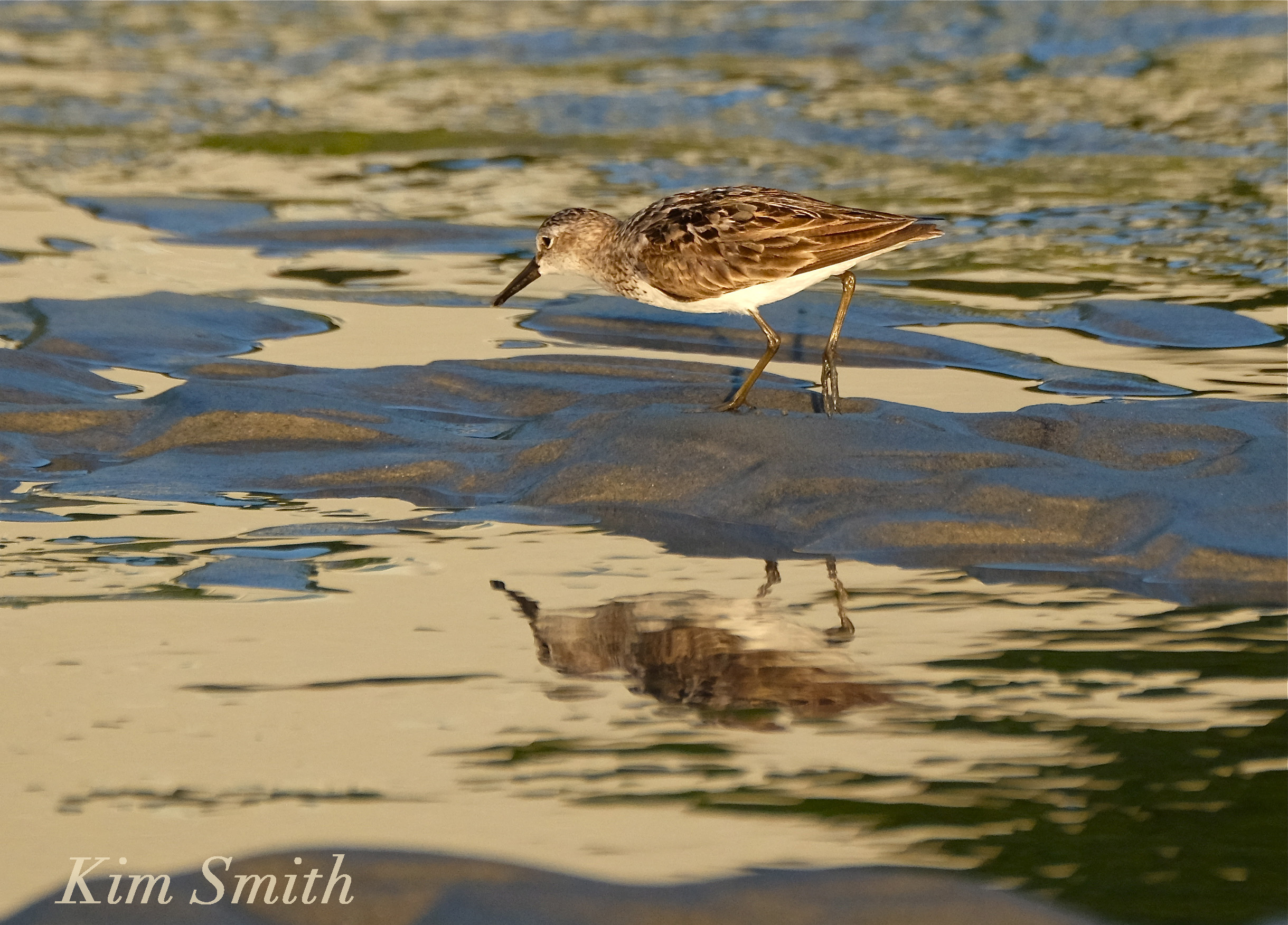
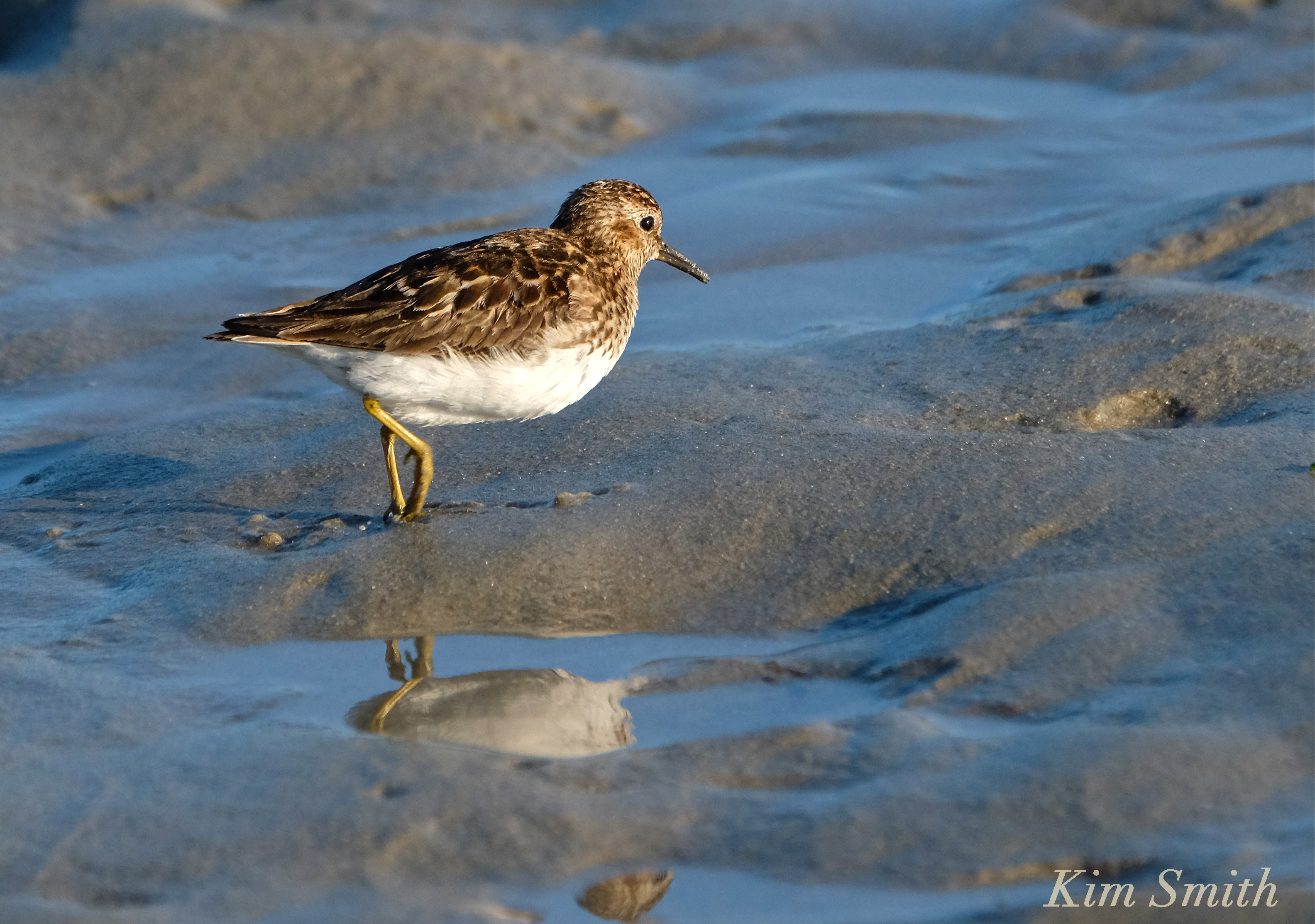
Semipalmated Plovers are often seen in mixed flocks with Semipalmated Sandpipers and Least Sandpipers. Semipalmated Sandpipers have black legs. Least Sandpipers have distinctly colored yellowish legs.
Semipalmated Plover Semipalmated Sandpiper Good Harbor Beach Gloucester Massachusetts copyright Kim Smith

Semipalmated Plover and Semipalmated Sandpipers

Least Sandpiper Good Harbor Beach Gloucester Massachusetts copyright Kim Smith

Least Sandpiper

Note that all of the shorebirds mentioned here are also currently at Wingaersheek Beach.


THE BABY HUEY OF FLEDGLINGS: THE COMMON TERN

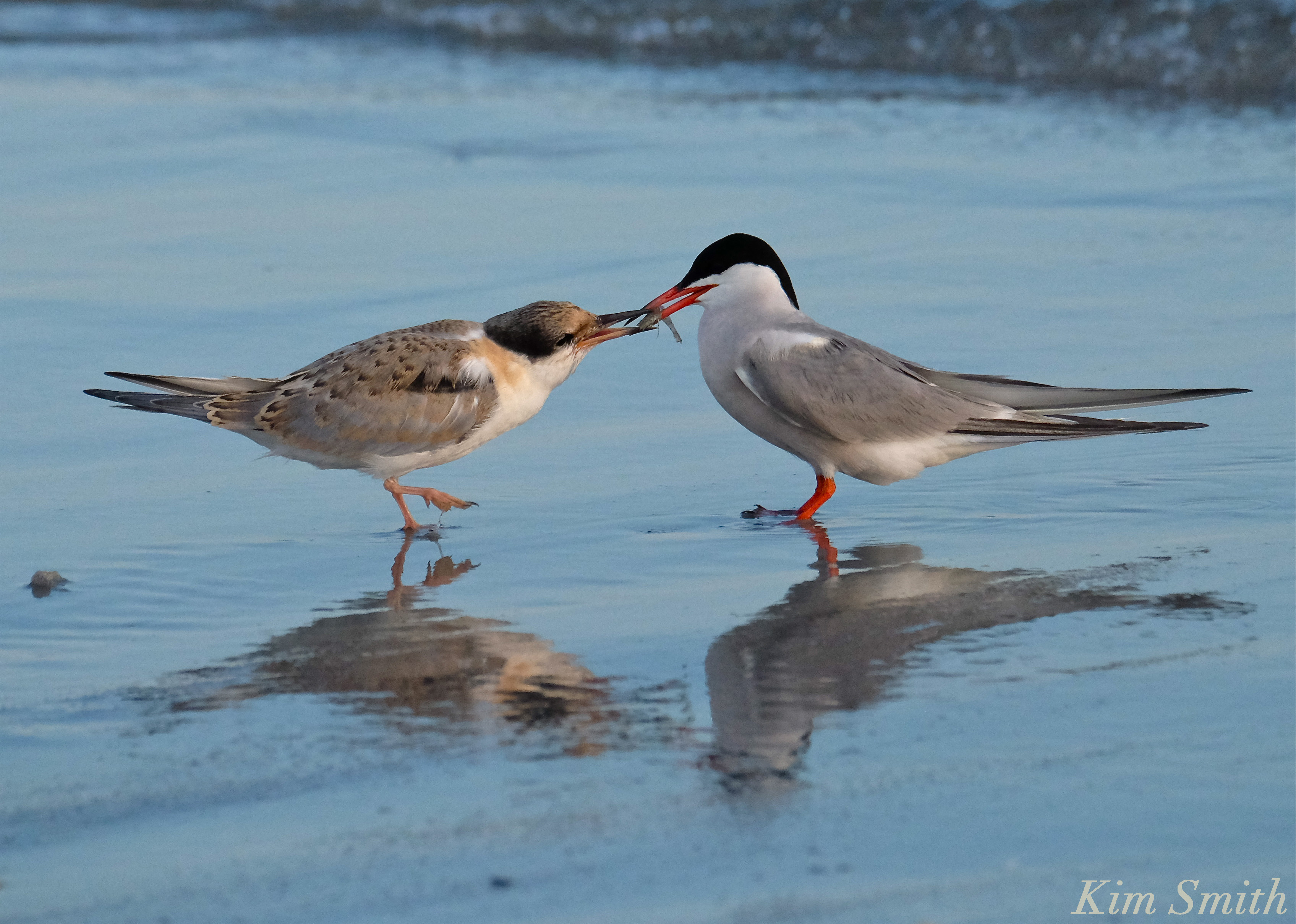
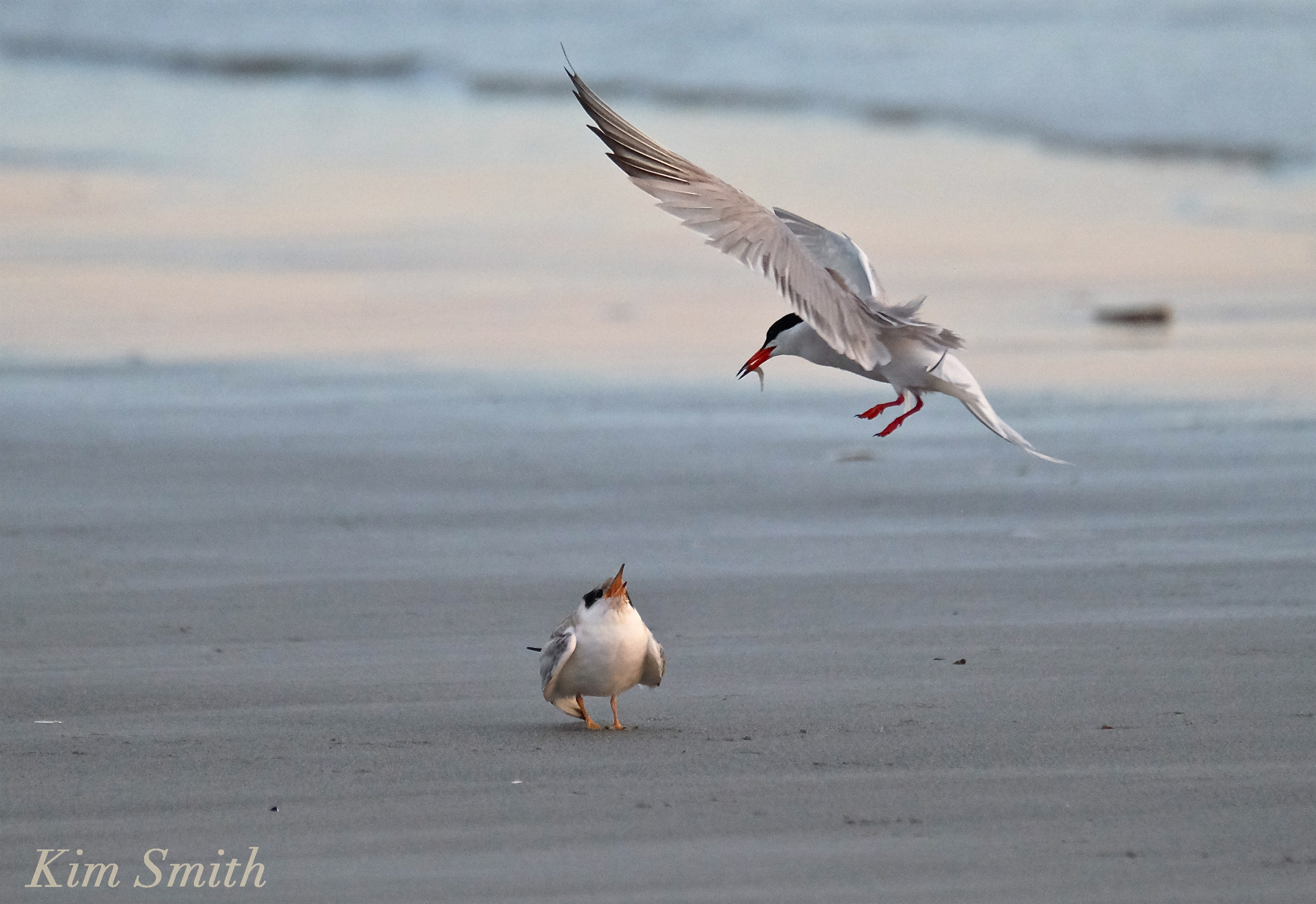
Common Tern Fledgling feeding -1 copyright Kim SmithAfter spending the past eight weeks filming the sparrow-sized Piping Plovers, it was fun to unexpectedly encounter these tubby Common Tern fledglings. Although able to fly, they stood at the water’s edge, unrelentingly demanding to be fed. The adults willingly obliged.

Common Tern Fledgling feeding -6 copyright Kim SmithUnlike plovers, which can feed themselves within hours after hatching (the term is precocial), tern fledglings are semi-precocial, which means they are somewhat mobile at hatching but remain and are fed by their parents. Terns and gulls are semi-precocial.

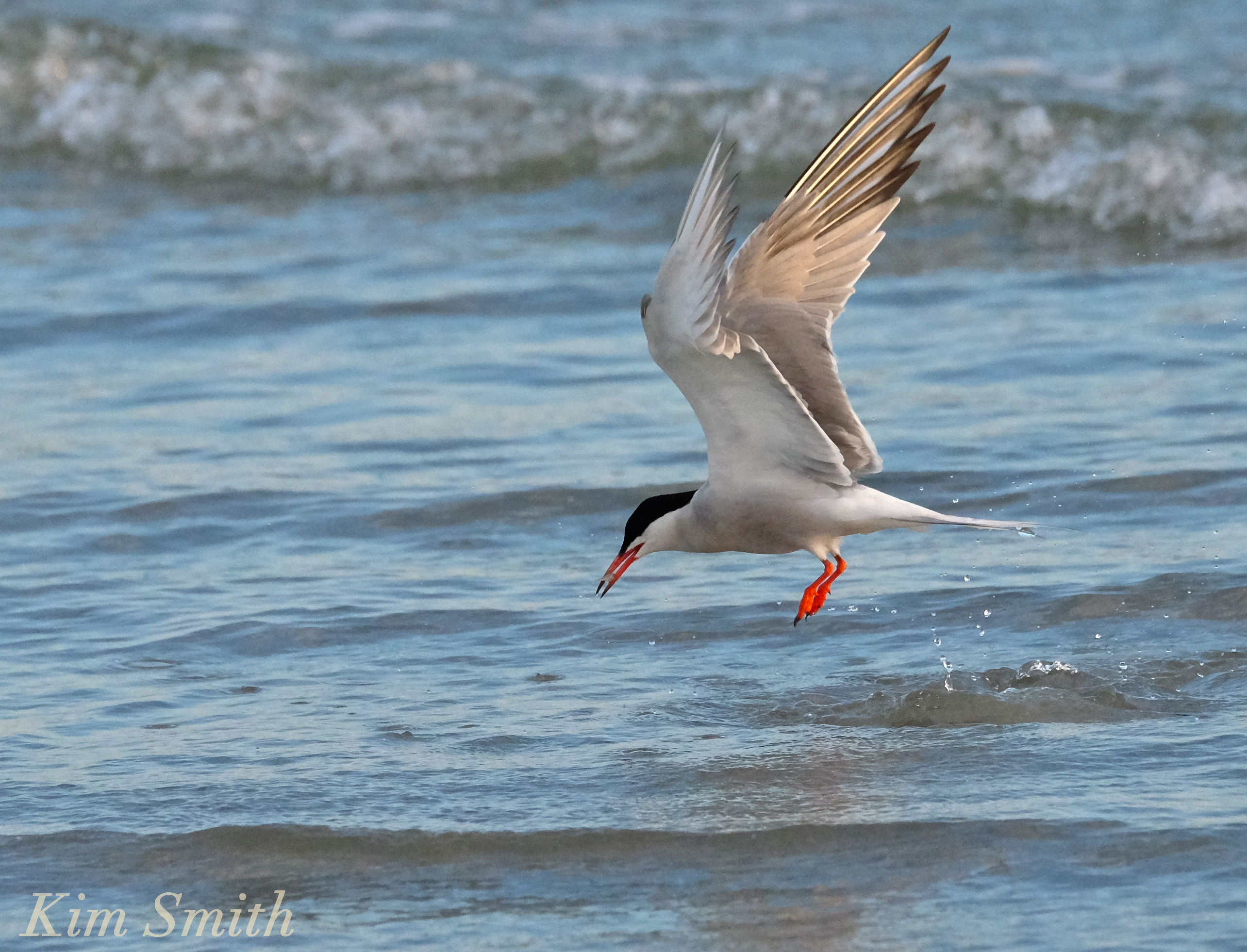
Common Tern Fledgling feeding copyright Kim SmithThe fledglings appear larger than the adults and are very well fed. Both parents feed their young. The terns are building fat reserves for the long migration to the South American tropical coasts, some traveling as far as Peru and Argentina.

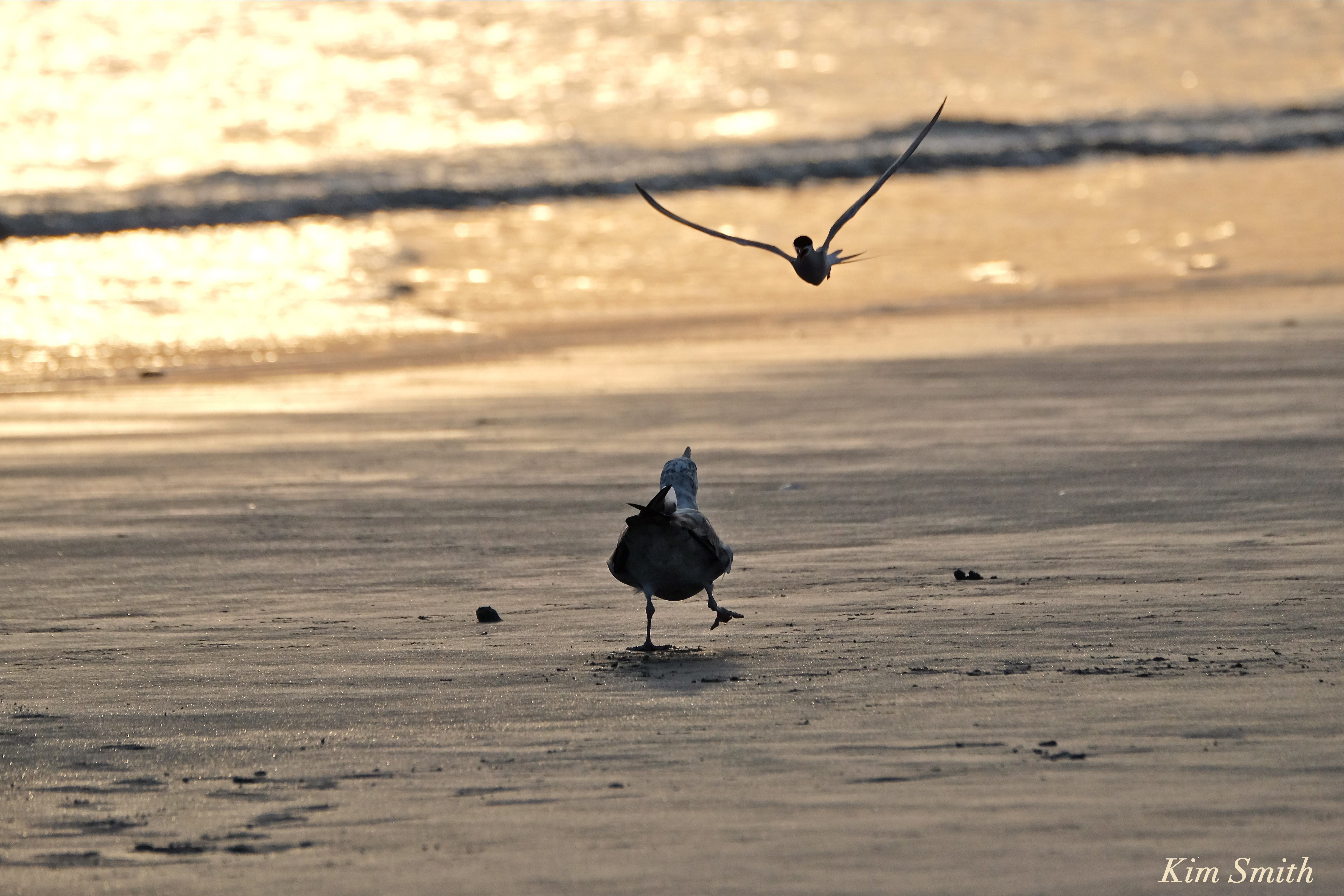
Common Tern feeding copyright Kim SmithCommon Tern attacking gull copyright Kim SmithCommon Tern dive bombing gull

Although unperturbed by my presence, they sure did not like the seagulls. Any that ventured near the fledglings feeding were told in the most cheekiest of terms to buzz off–dive bombing, nipping, and nonstop loudly squawking–the intruder did not stick around for very long.

Common Tern populations are in decline, most probably because of pesticide poisoning and habitat loss.

https://www.instagram.com/p/BICx5djD0G4/

THE GOOD HARBOR BEACH PIPING PLOVER UPDATE WITH TIPS ON OBSERVING THE BIRDS

Piping Plover male and chicks copyright Kim SmithWith sadness, but not entirely unexpected, I am sorry to report that only one baby Piping Plover chick remains at Good Harbor. The good news is that the one surviving chick is doing fantastically as of this writing. Don’t worry when I write too that the Mom has left the family. She has begun to migrate southward. This is somewhat normal and I don’t think she would have left had not the chick been doing so well. Dad is minding the baby full time and he is doing a tremendous job.

A week since the Plovers hatched and it sure has been a joy to film, and wonderfully educational. I am very inspired to work on this short film and hope to have it ready for our community this summer.

Piping Plover chick copyright Kim SmithNotice the growing wing buds!

Piping Plover tiny chick copyright Kim SmithThe tiniest

A heartfelt reminder to please, please, please let’s all work together to keep the dogs off the beach. I had a terrible encounter, really frustrating and the owner and his friends very cruel. Ninety nine point nine percent of dog owners are wonderful and respectful and are rooting for the Plovers as much as are non-dog owners. The Plovers are all over the sandy beach, at the water’s edge, and down the creek. Although growing beautifully, the chick is still about the size of a cotton ball, maybe a cotton ball and a half. Up until fourteen days old, they are at their most vulnerable.

As with before, please fee free to share the photos and information on social media. The more people know about the garbage and dog owner trouble (certain dog owners that is), the more likely the chick’s chance of survival. Thank you!

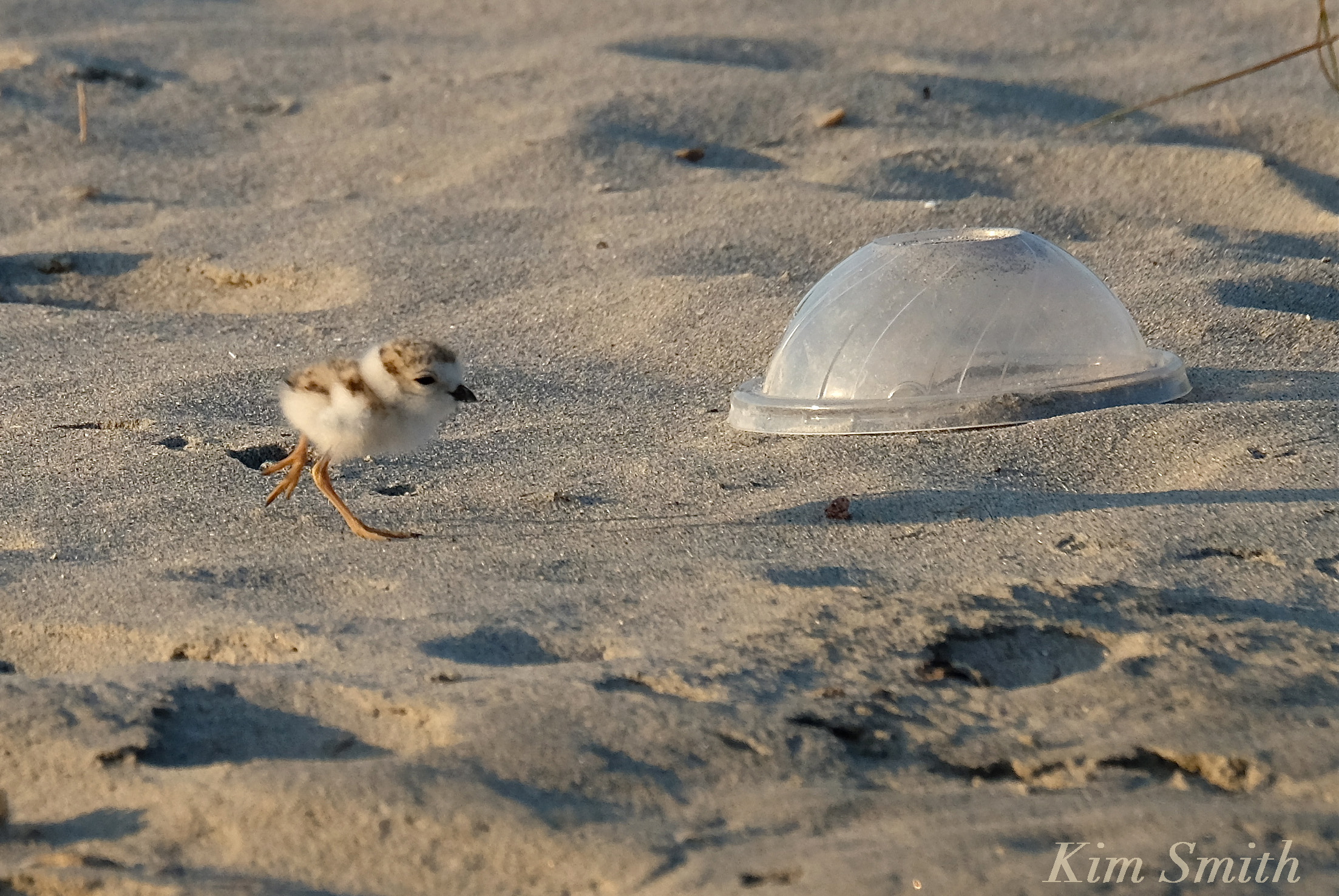
Piping Plover garbage and chick copyright Kim SmithGarbage left on the beach late in the day and overnight continues to be an issue. Bring a bag with you and we can help the DPW by cleaning up after the the folks who don’t know any better. Garbage strewn on the beach attracts gulls, and they, especially Great Black-backed Gulls, eat baby Plovers. 

Piping Plover male and chick copyright Kim Smith

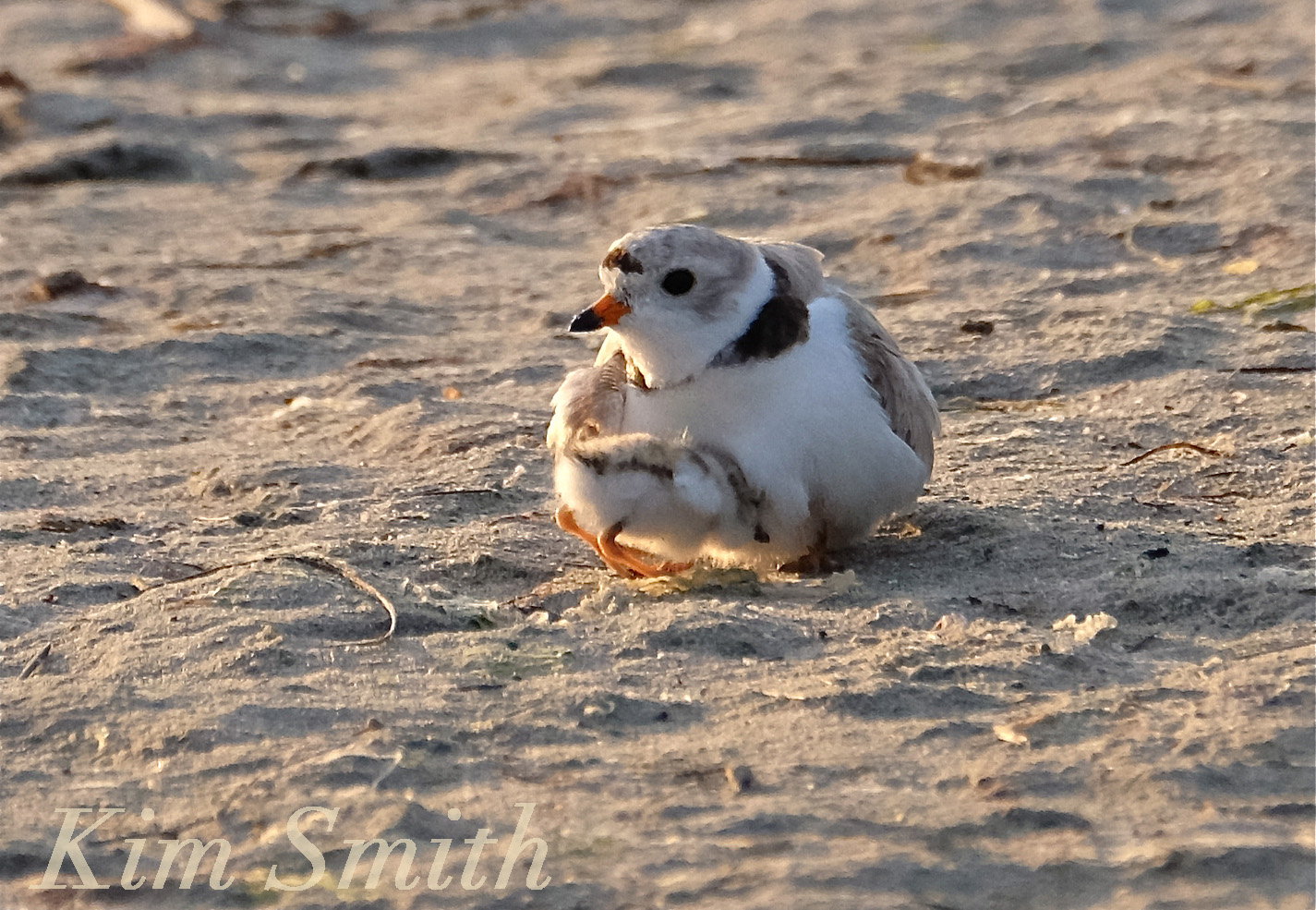
Piping Plovers, like many shore birds, are precocial. That means that within hours after hatching, they are ready to leave the nest and can feed themselves. They cannot however immediately regulate their body temperature and rely on Mom and Dad to warm them under their wings. Although the chick is six days old in the above photo, it still looks to Dad for warmth and protection. Examples of other precocial birds are ducks, geese, and chickens.

If you spot the baby and want to observe, I recommend staying fifteen to twenty feet away at least. Any closer and Dad has to spend a great deal of energy trying to distract you. We don’t want him to get tired out and unable to care for the baby. Also, you’ll appear less threatening if you sit or kneel while observing the chick. No sudden movements and talk quietly and the baby may come right up to you!

DSCF3675

A sweet dog with a very unkind owner.

Around 6pm Saturday evening, this playful dog came bounding down the water’s edge, within inches of the baby. I stood between the owner, dog, and Plovers, with cameras in hand, and cell phone unfortunately back in my bag. After a good twenty minutes of arguing he and his equally unkind friends departed. In the mean time, the Plovers were able to get away from the dog and further down the shore line.

Piping Plover male and chick -2 copyright Kim SmithDad and chick this morning Monday, the 18th, exactly one week old!

THREE ACTIONS WE CAN ALL TAKE TO HELP THE PIPING PLOVER CHICKS SURVIVE

Piping Plover chicks nestlings -2 copyright Kim Smith 6-13-16ACTION NO. 1) HELP NEGATE THE LITTER PROBLEM

The number one threat to the Plover’s survival is the trash left on the beach. If you see someone littering, please remind them to clean up after themselves. Explain that we have a threatened species nesting on the beach and that the trash left behind attracts gulls and crows, which will undoubtedly eat the baby Plovers. Additionally, if you are so inclined and can lend a hand, please bring a trash bag and fill it on your way out. I know tons of friends already do this and it is a huge help. If more of us did it, and folks saw us doing it, they might be inspired not to leave theirs behind. If you see me on the beach filming, I now carry trash bags in my gear bag and would be happy to give you one. Getting rid of the trash on the beach doesn’t just help the Plovers, but all marine and wildlife.

ACTION NO. 2) HELP NEGATE THE THOUGHTLESS DOG OWNER PROBLEM

Inform the dog owner about the law. Explain to them that their dog, leashed or unleashed, can easily squish cotton-ball sized chicks. The babies are all over the beach now, not just in the roped off area. If the dog owner still disregards and if you can, take down their license plate number. I did it today for the first time and Diane, who is the animal control officer, just happened to be at the beach shortly after it happened. She asked for the information and studied the photo that I took to determine what type of dog.

ACTION NO. 3) HELP INFORM BEACH GOERS ABOUT THE CHICKS

The baby Plovers are at their most vulnerable in the first 10 to 14 days. As of this writing, all three chicks have survived the first three days, and that is nothing short of a miracle. The Plovers chicks are now running to the water’s edge. Please walk carefully on the beach and along the shoreline as they are not yet quick enough to get out of the way. Upload a photo of a Piping Plover chick to your phone and show it to folks on the beach. Explain that they aren’t much larger than a cotton ball. Additionally, David Rimmer, Director of Land Stewardship at Essex County Greenbelt, who was checking on the Plovers this morning, is concerned that a child may see a Plover chick and try to catch it. This has happened! In case of any kind of emergency situation such as this, David urges that the the Plover be place in the cordoned off area.

Thank you for you help, and the Piping Plovers thank you, too!

Piping Plover chicks nestlings copyright Kim Smith 6-14-16In the above photo you can see how tiny the Plover chick is in relation to the sunbather.

DSCF2770This woman claims she brings her dog every evening after five and states she has for fifteen years.

https://www.instagram.com/p/BH2Fxq5jTdq/

https://www.instagram.com/p/BH2KACSD4T6/

MEET THE GOOD HARBOR BEACH PIPING PLOVER BABY CHICKS!

Please help get the word out that the Good  Harbor Piping Plover chicks have hatched and that they are extremely vulnerable. Feel free to share these photos on social media.Piping Plovers chicks nestlings babies Kim Smith

Monday Day One: Judging from when the nest was first spotted, I had a feeling the Plovers were going to hatch Monday. The morning was drizzly and foggy and it was difficult to see into the nest but there appeared to be more activity than usual. By the time I returned later in the afternoon it was a wonder and joy to see all three Plovers had hatched!

Unlike songbirds, the Piping Plover chicks leave the nest almost immediately. They are not fed by the adults and begin to forage for insects in the sand soon after hatching. Although only hours old, they can run, and run they do, looking mostly like jet propelled cotton balls.

Piping Plovers chicks nestlings babes copyright Kim Smith 6-11-16

The chicks snuggle under Dad. Both Mom and Dad take turns guarding the nestlings, in thirty minute intervals, just as they did when on the nest waiting for the babies to hatch. 

Piping Plover chicks Mom Dad copyright Kim Smith 6-12-16Dad (left) and Mom (right) changing guard.

Tuesday Day Two:

Piping Plover chicks nestlings -3 copyright Kim Smith 6-12-16Miniature rockets zooming over miniature sand mounds, running so fast, they’ll often land in a face plant.  I captured a somersault on film!Piping Plover chicks nestlings copyright Kim Smith 6-12-16

Nature’s camouflage in hues of sand and dune.

Piping Plover chicks nestlings -2 copyright Kim Smith 6-12-16

Mom and chick, all three survive day number two!

Read More Here Continue reading “MEET THE GOOD HARBOR BEACH PIPING PLOVER BABY CHICKS!”

GOOD HARBOR BEACH STORM SKY DRAMA AND PIPING PLOVER UPDATE

Good Harbor Beach storm sky copyright Kim SmithJPGStopped at Good Harbor to check on the Piping Plovers on my way into work this morning. No babies yet. I spotted three adults, feeding in the tidal flats, grooming, and giving every bird of another species besides their own the business, in no uncertain terms. Big raindrops began to fall, I don’t trust the manufacturer’s claim that my cameras are waterproof, and work was waiting. First light at Good Harbor is always different, depending on what is happening in the sky above, and it is always beautiful.

Piping Plover good Harbor Beach Gloucester MA copyright Kim Smith

Bath time

Piping Plover good Harbor Beach Gloucester MA -2 copyright Kim Smith

Piping Plover good Harbor Beach Gloucester MA -1 copyright Kim Smith

FIRST LOOK BEAUTIFUL GOOD HARBOR BEACH PIPING PLOVERS!

PIPING PLOVERS RUNNING 2 GOOD HARBOR BEACH GLOUCESTER COPYRIGHT KIM SMITHNot shy in the least, the four Good Harbor Beach Piping Plovers spent the early part of the morning running and feeding along the shoreline, bathing in the tidal flats, and ferociously defending their territory against other avian intruders. A jogger ran past the one preening at the water’s edge–he was quite close–but that did not seem to alarm the Plover. They are diminutive little creatures, about six to seven inches in length, and show mostly white feathers when flying overhead.

PIPING PLOVERS -Eating 4 GOOD HARBOR BEACH GLOUCESTER COPYRIGHT KIM SMITH

Breakfast – Piping Plovers eat insects and small invertebrates

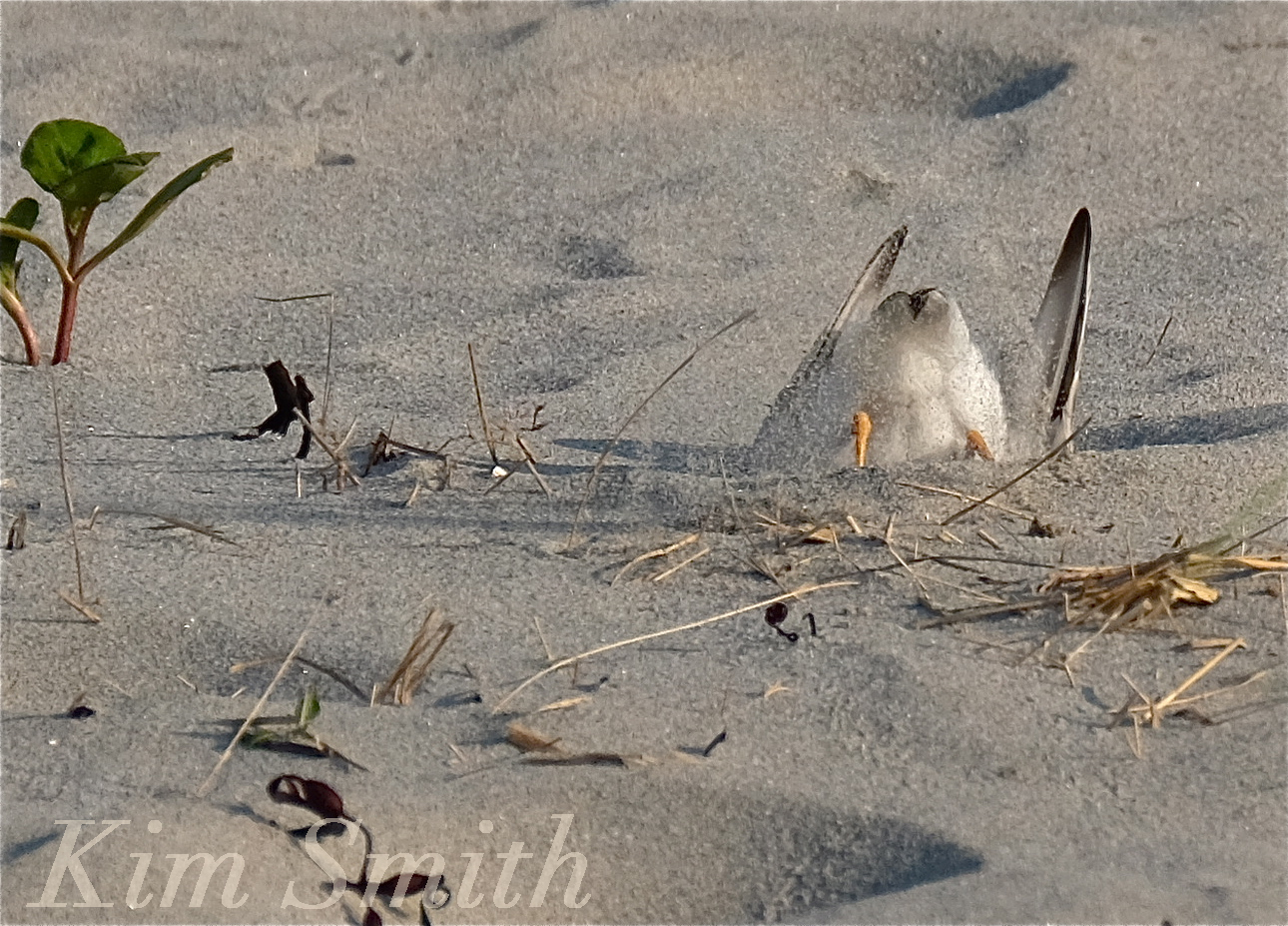
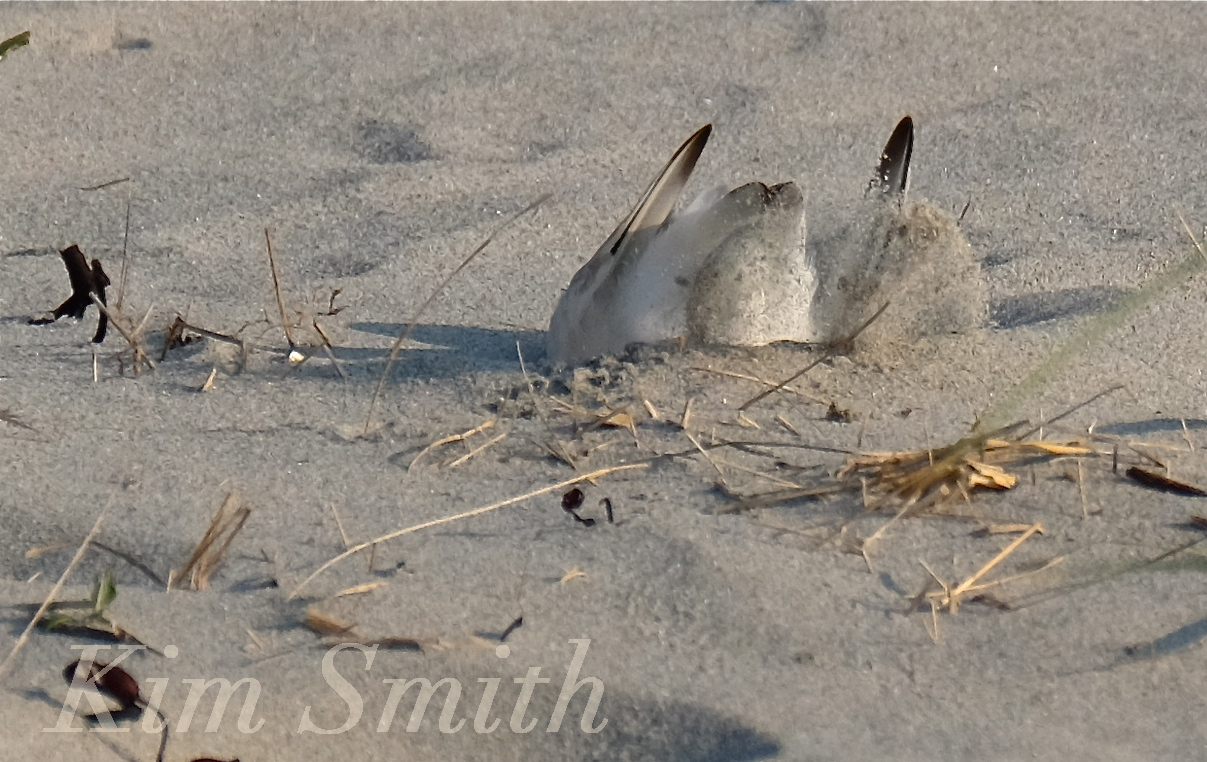
One Piping Plover seemed to be testing different sites to nest, momentarily hunkering down, then leaving the spot, and then returning a few moments later to vigorously dig a deeper depression in the sand, before then flying away.

PIPING PLOVERS NESTING -5 GOOD HARBOR BEACH GLOUCESTER COPYRIGHT KIM SMITHTesting the depression

PIPING PLOVERS NESTING 2 GOOD HARBOR BEACH GLOUCESTER COPYRIGHT KIM SMITH

Leaving the possible nesting site

PIPING PLOVERS -5 GOOD HARBOR BEACH GLOUCESTER COPYRIGHT KIM SMITH

Returning to the depression

PIPING PLOVERS NESTING -3 GOOD HARBOR BEACH GLOUCESTER COPYRIGHT KIM SMITH

PIPING PLOVERS NESTING -4 GOOD HARBOR BEACH GLOUCESTER COPYRIGHT KIM SMITH

Digging in!

PIPING PLOVERS NESTING GOOD HARBOR BEACH GLOUCESTER COPYRIGHT KIM SMITH

The roped off area appears to be a terrific solution in helping to protect the possible nesting sites. Visitors to Good Harbor Beach this morning were very mindful about respecting the boundary. And there was not a single dog in sight, off leash or otherwise. The Plovers flew in and out of the restricted area, as did Killdeers and several other species of shore birds.
KILLDEER GOOD HARBOR BEACH GLOUCESTER COPYRIGHT KIM SMITHA Killdeer feeding near the Piping Plovers. The Killdeers, also members of the Charadadriidae, are slightly larger and a much darker brown than the Piping Plovers.

PIPING PLOVERS GOOD HARBOR BEACH GLOUCESTER -1 COPYRIGHT KIM SMITHPIPING PLOVERS PREENING GOOD HARBOR BEACH GLOUCESTER COPYRIGHT KIM SMITHPreening

RARE AND ENDANGERED PIPING PLOVERS AT GOOD HARBOR BEACH

Yet another bird that was nearly hunted to extinction for its beautiful feathers, as of 2012 when the most recent study was concluded, there were only 3,600 breeding Piping Plovers along the Atlantic Coast.

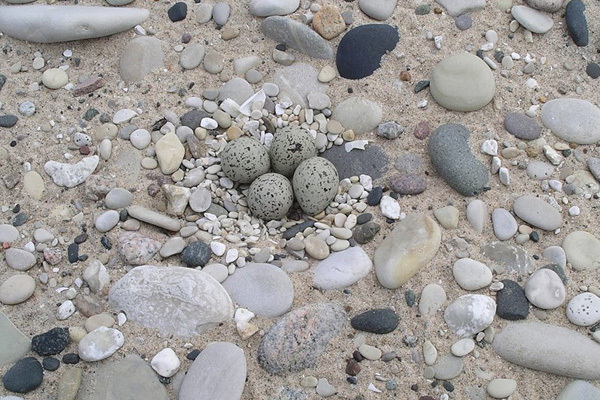
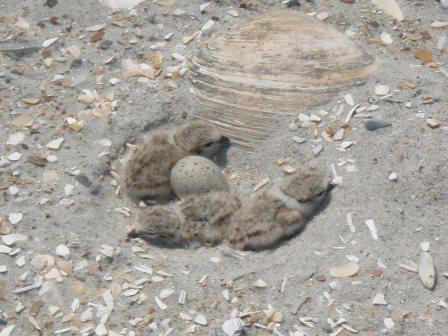
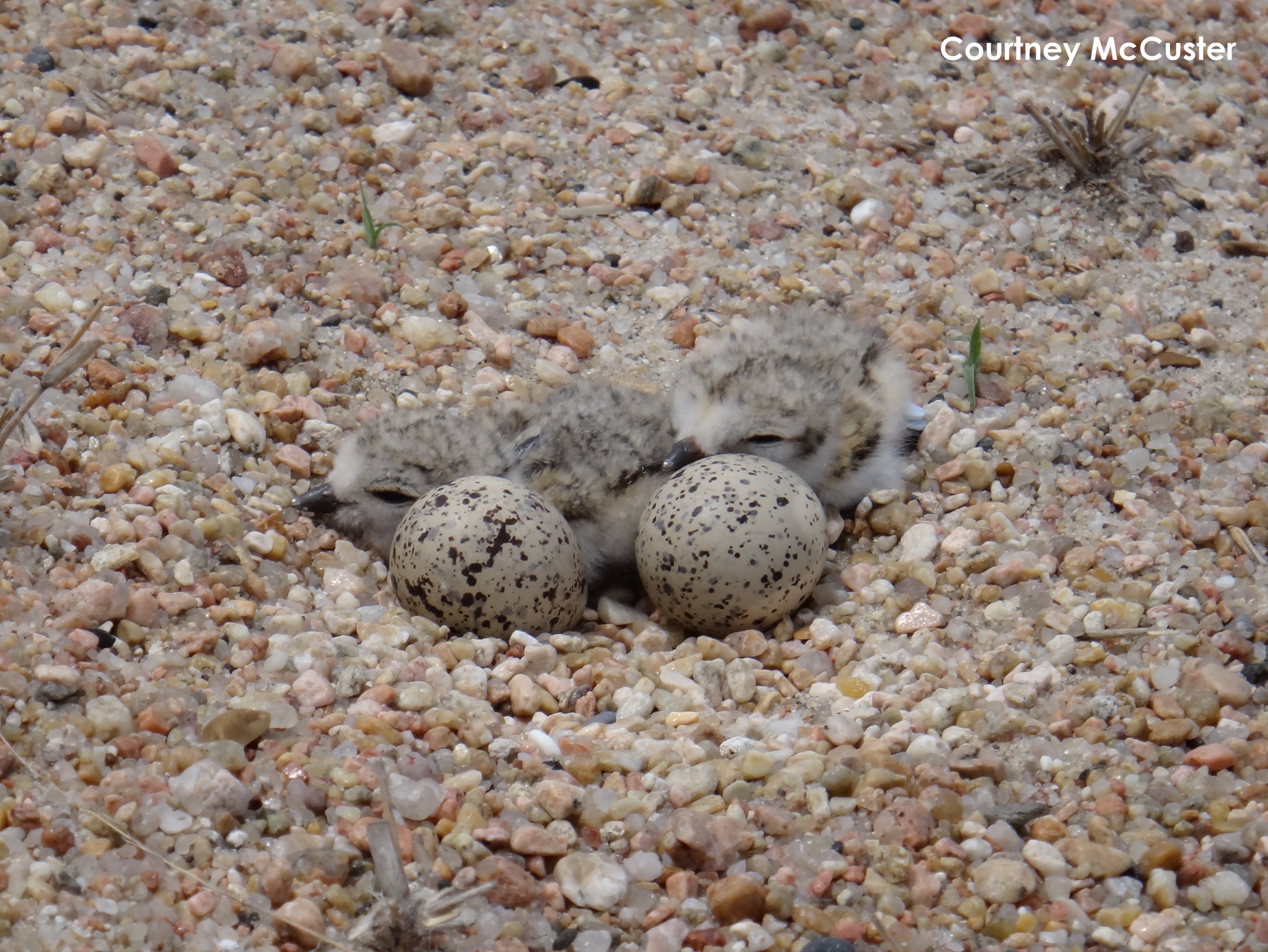
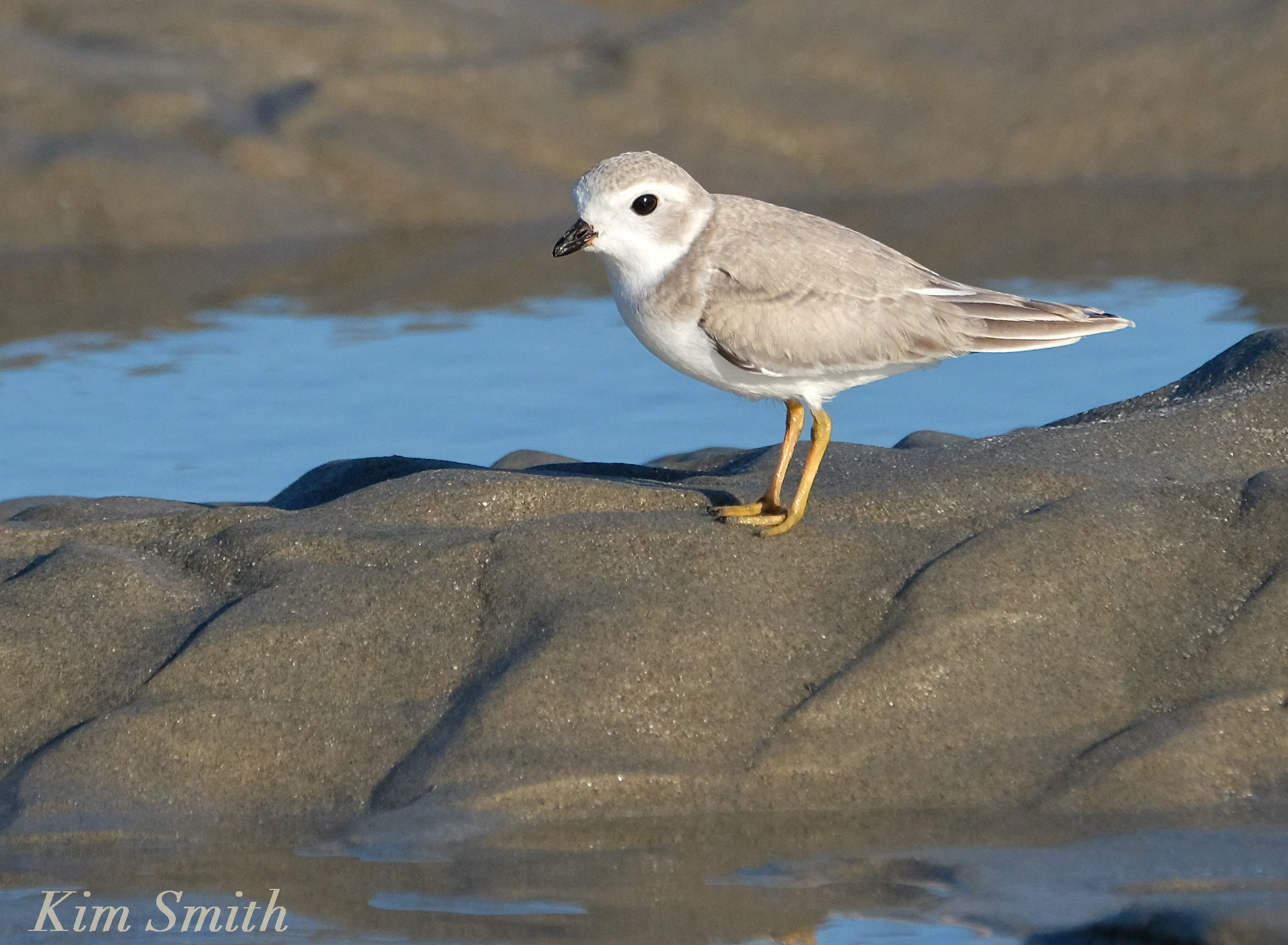
piping-plover-on-nestPiping Plover’s are a softy colored, mostly tan and white, pint-sized shorebird and like their nests and eggs, exquisitely camouflage with colors of sand and pebbles. This also makes them highly vulnerable to disturbances by humans; even if when people are trying to avoid their nesting sites, it is very easy to unwittingly crush eggs and chicks.
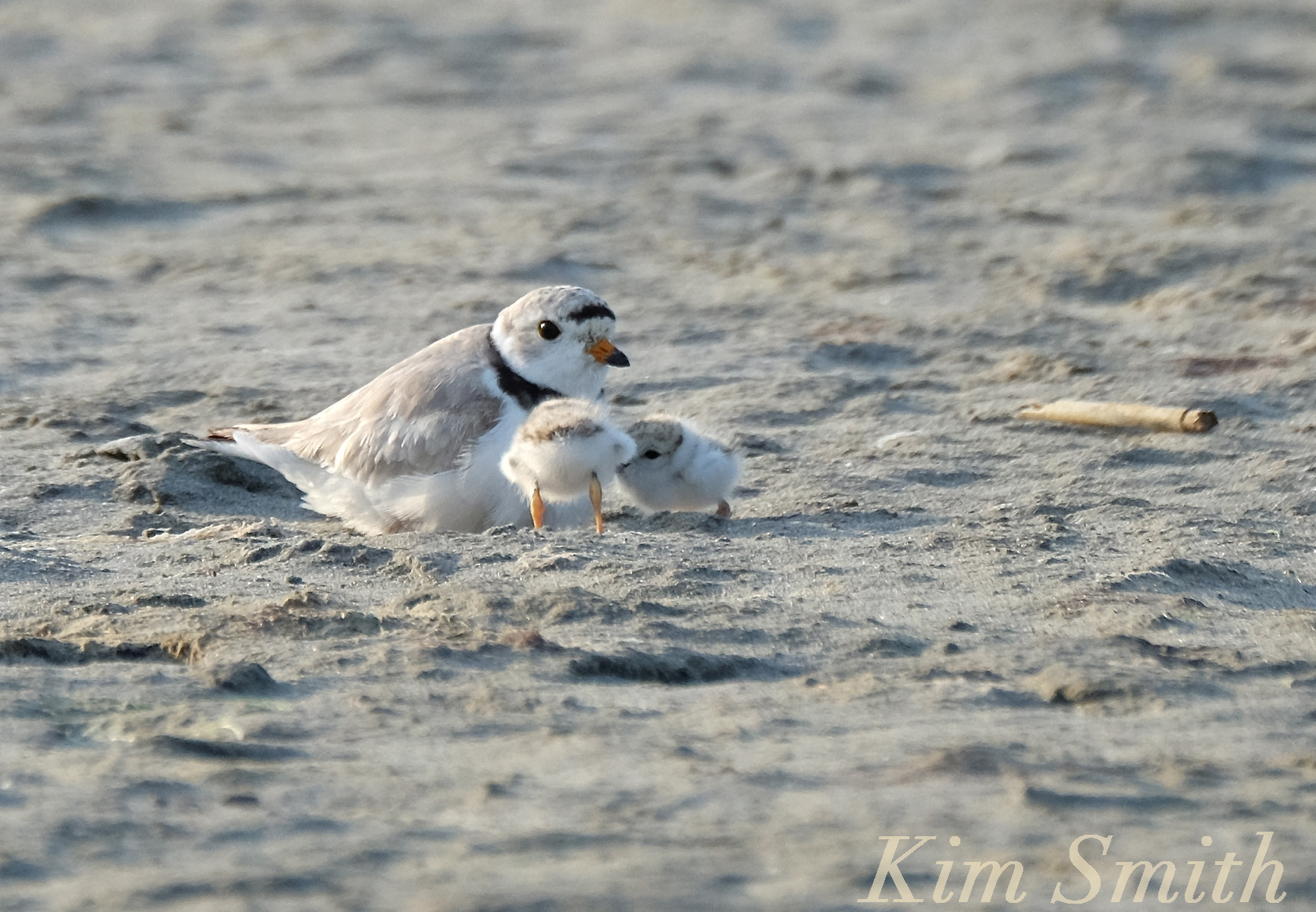
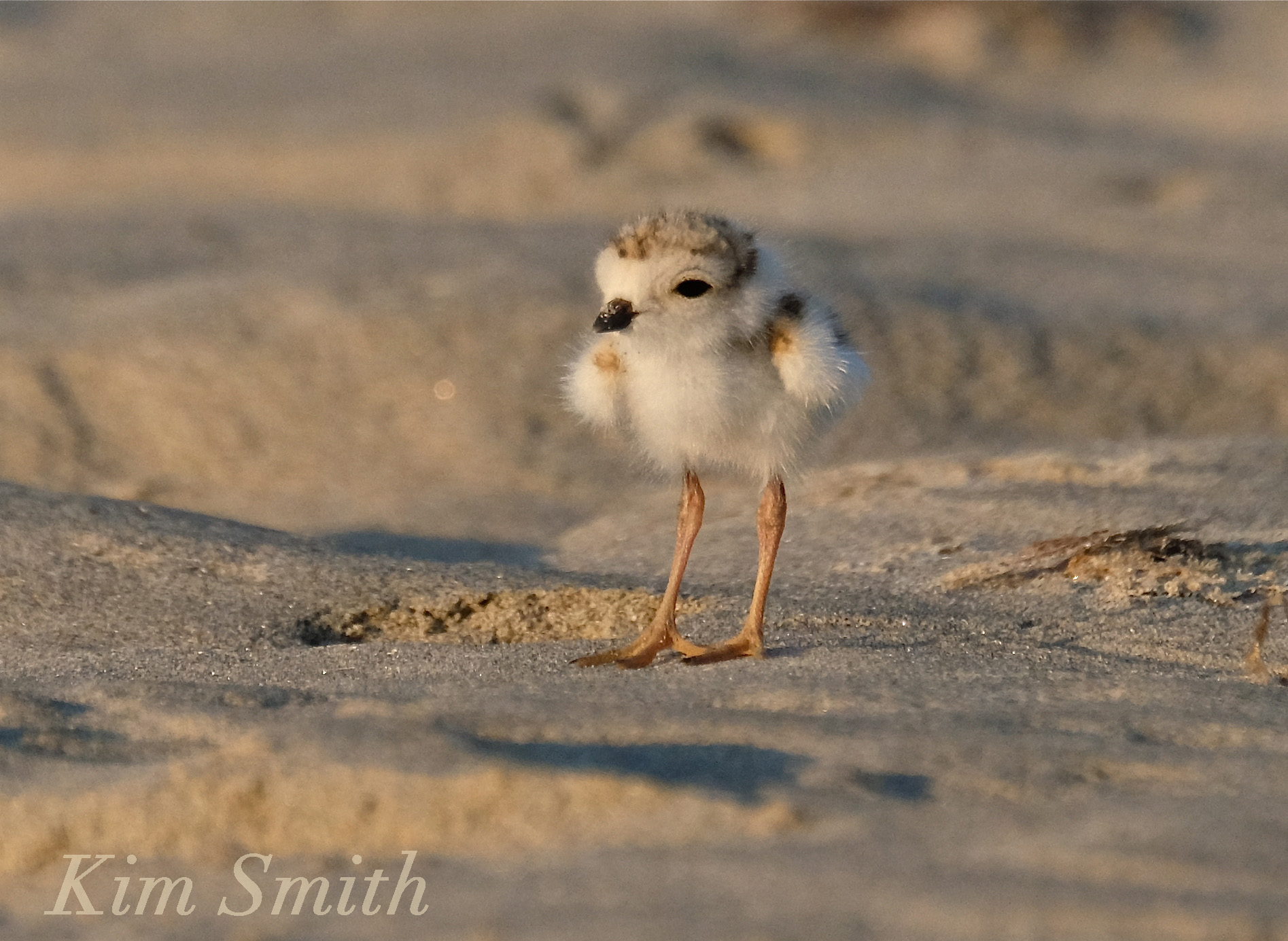
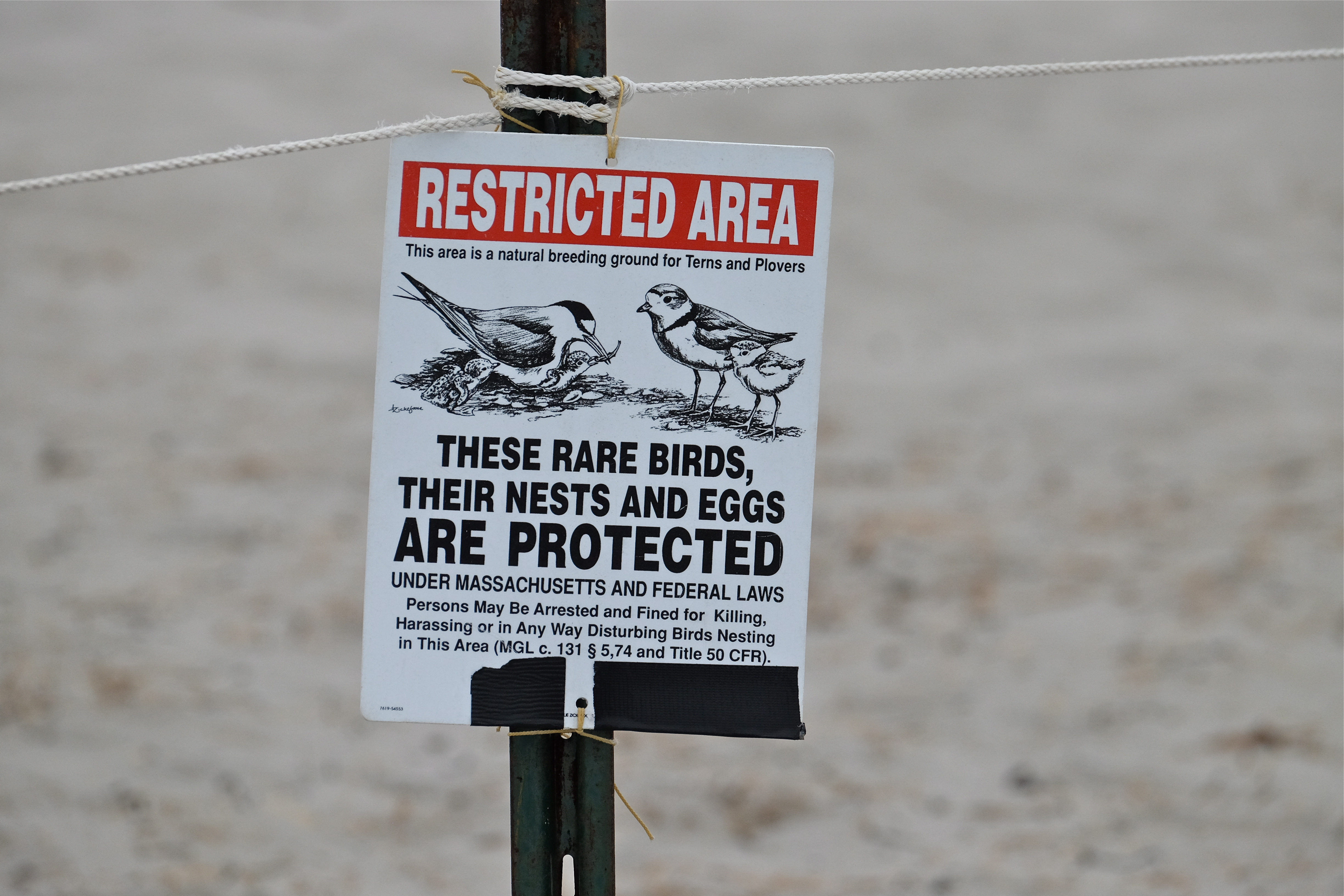
Piping Plovers have been observed on Good Harbor Beach this spring and could quite possibly nest here. The Gloucester DPW, working in conjunction with the Conservation Commission, MA Department of Wildlife, and Mass Audubon have cordoned off a roughly 200 feet by 200 feet area between the GHB bridge and boardwalk number three (the large rock that was exposed several storms ago lies within the area).
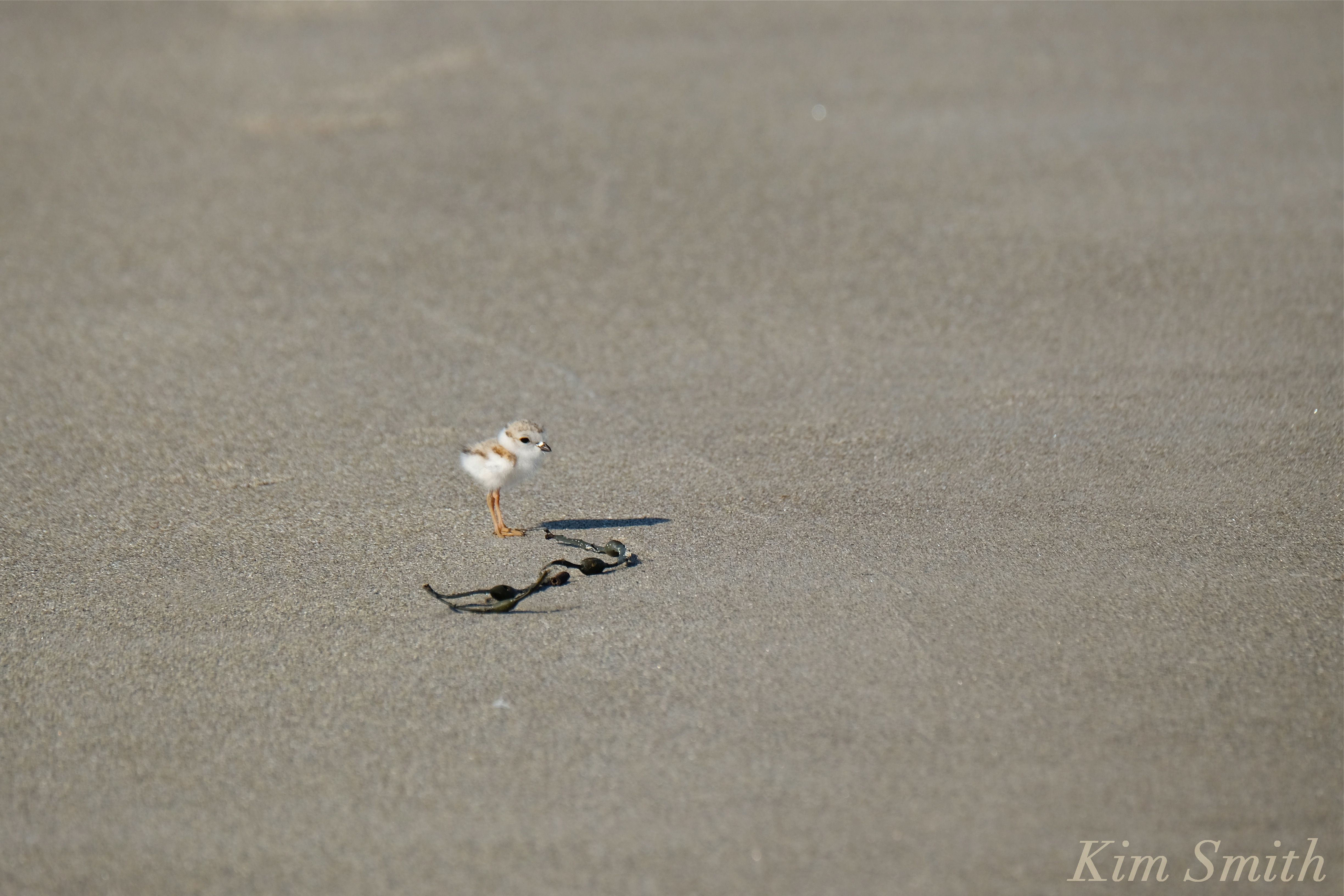
This area of the beach may be closed off for as long as eight weeks, possibly longer. If the nest is disturbed, the Piping Plovers will abandon the first and create a new nest, which will extend the time of beach closure.

It is to everyone’s benefit, plover and people alike, to heed the signs and to please keep dogs on leash at all times.

Are dogs allowed on the beach at this time of year?

prd_037300

OLYMPUS DIGITAL CAMERA

PIPL_nest_002

You can see from the photos of different Piping Plover nests from several regions of the country how perfectly the pebble-lined nests and babies meld with their surroundings–a good thing to keep them safe from predators, but not such a good plan for nests in well-trafficked areas.

The male selects the nesting site, defending it from other males. He scrapes a nest in the sand and both the male and female toss stones and bits of shell into the depression. Both the male and female incubate the eggs. It takes about 25 days to incubate the eggs and another three to four weeks for the chicks to fledge.

20130716_0151

Like the Killdeer, Piping Plovers cleverly display a broken wing, a trick designed to distract predators from their nests and babies. Both Killdeers and Piping Plovers are in the same family, Charadriidae. The Piping Plover’s scientific name, Charadrius melodus, and common name, comes from its lovely melodic piping bird song.

PIPL_Defense_001

https://www.instagram.com/p/BFrn9KYjyma/

DSCF3628

ALL IMAGES EXCEPT THE LAST TWO, COURTESY GOOGLE IMAGE SEARCH