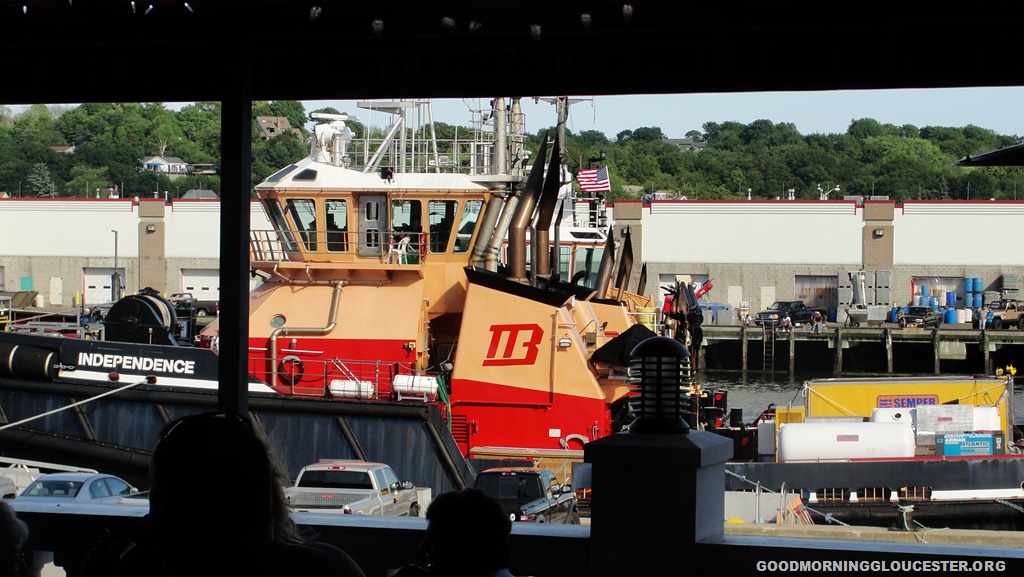
Tag: Beautiful Industry

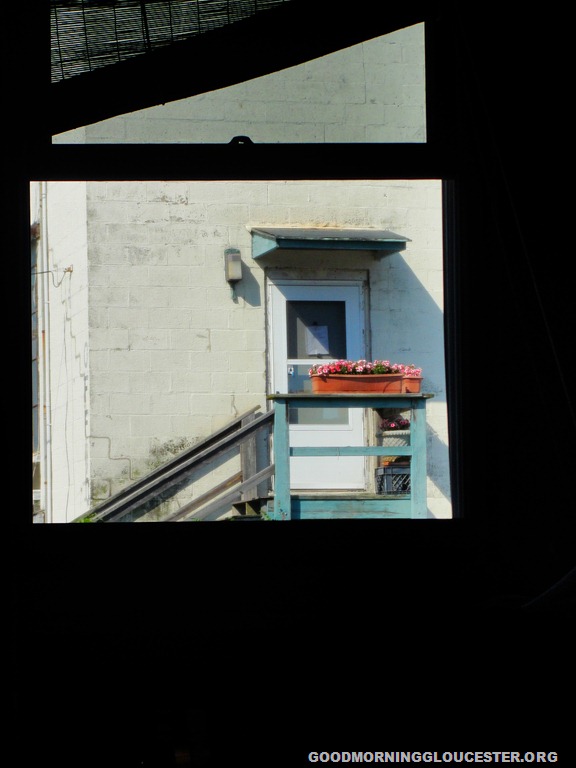
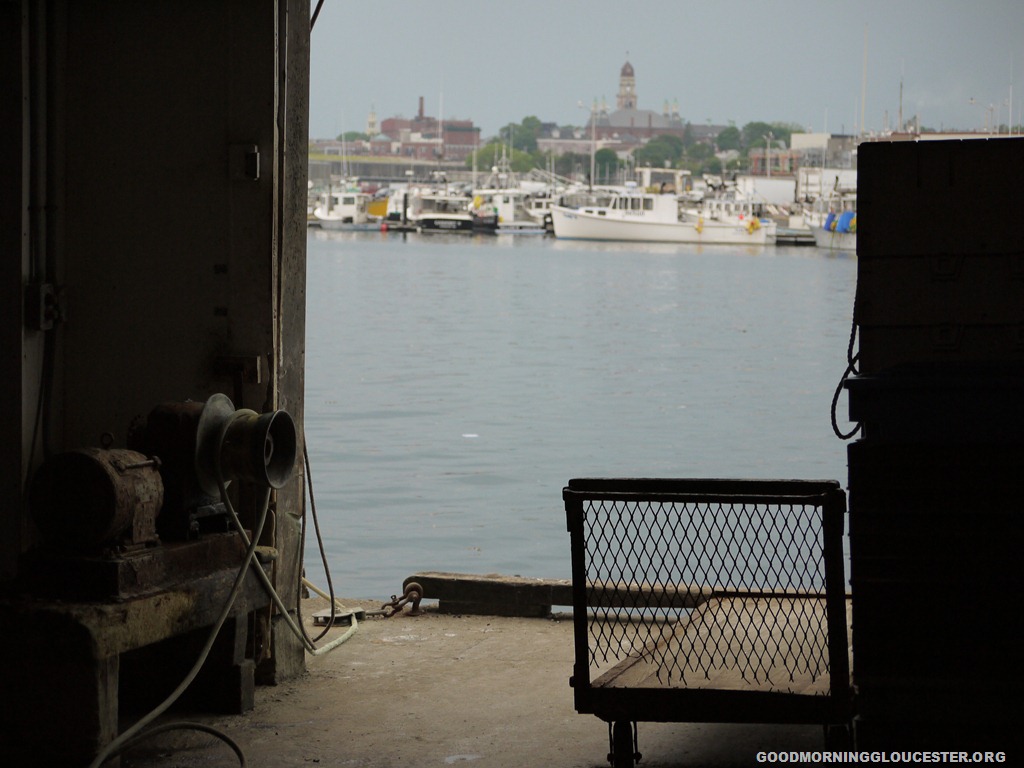
Beautiful Industry- Viking’s Office Door At The East Gloucester Marine Railways As Seen From Inside The GMG Gallery Khan Studio
Spread The GMG Love By Sharing With These Buttons:

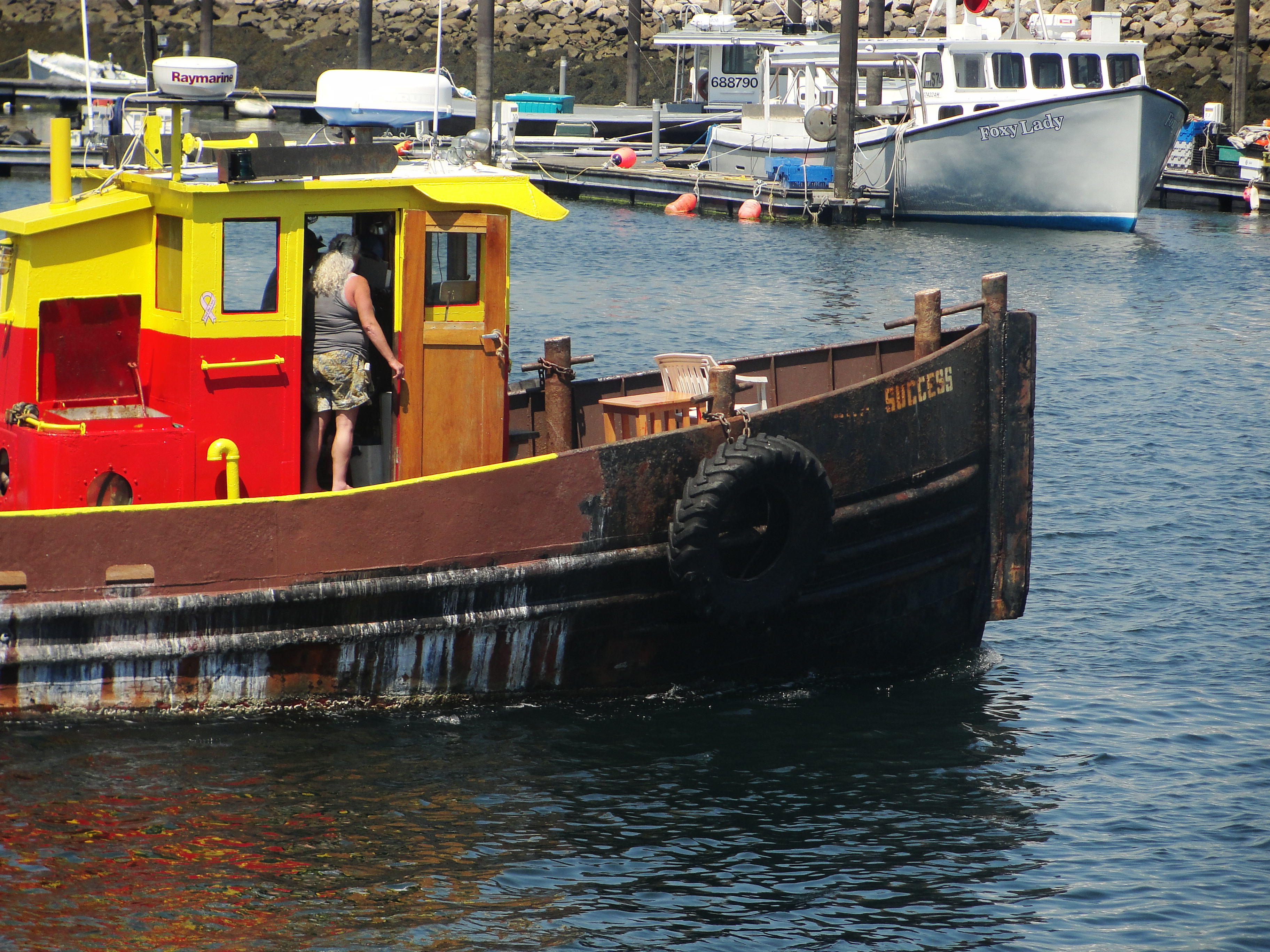
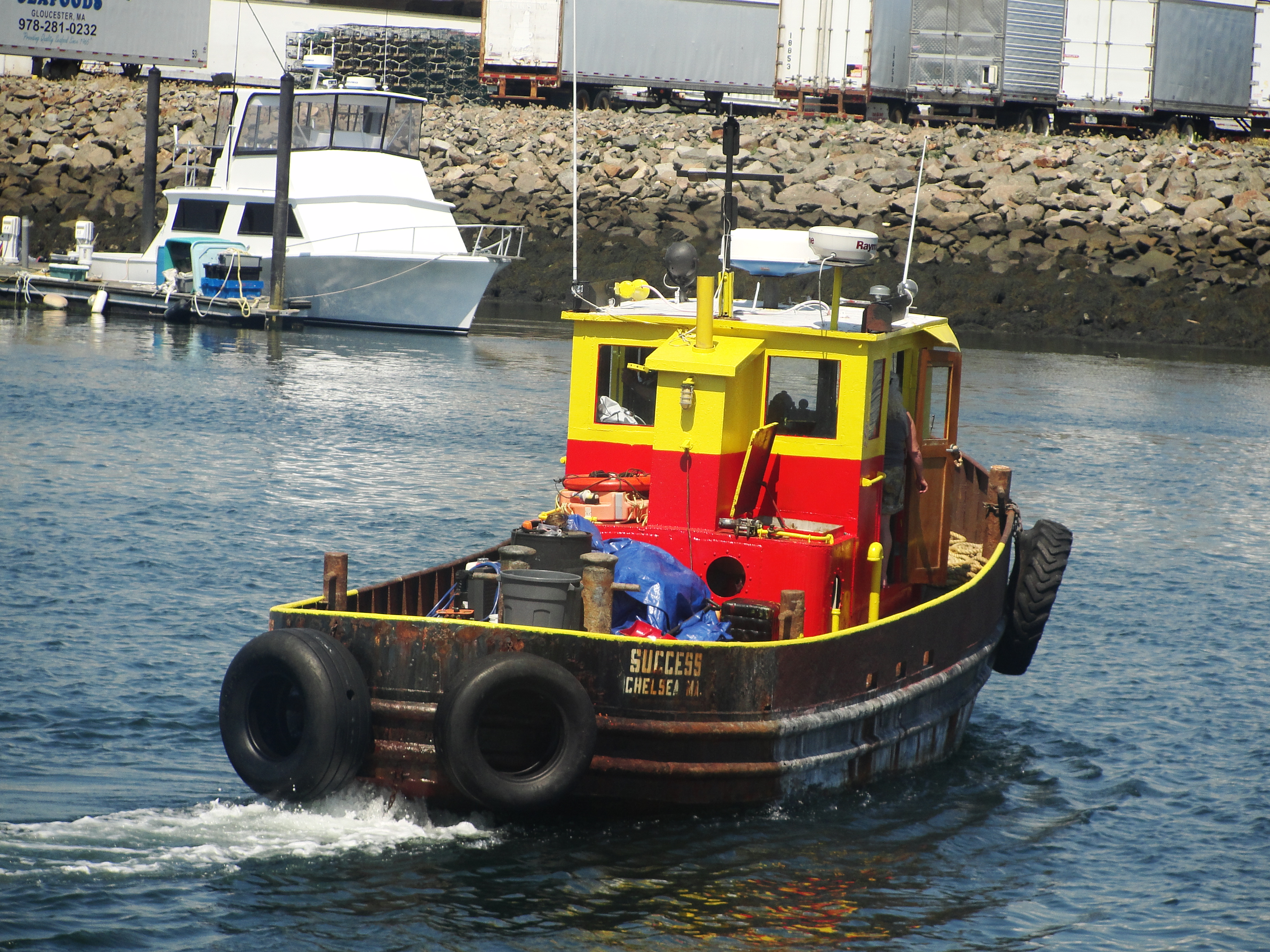
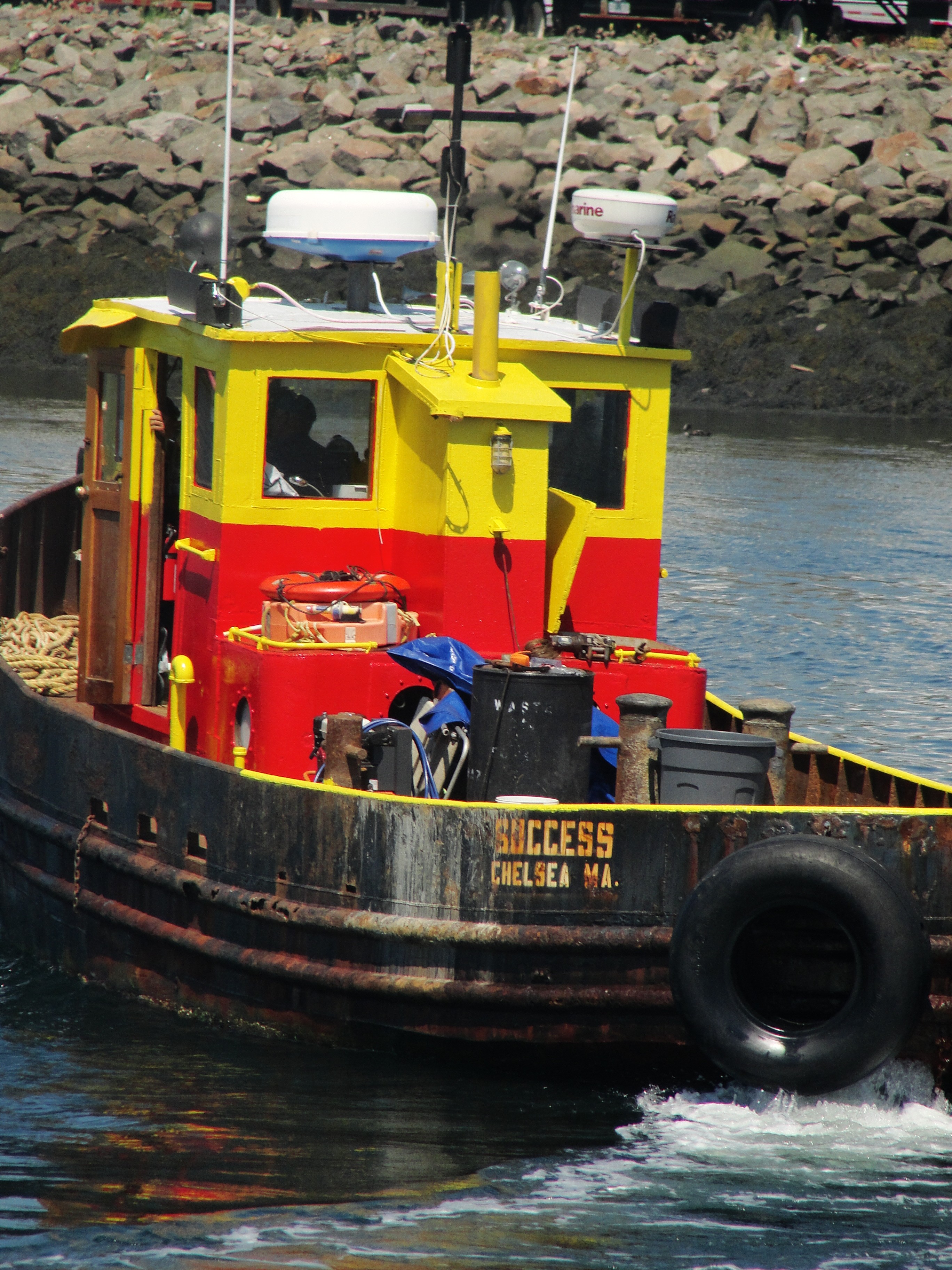
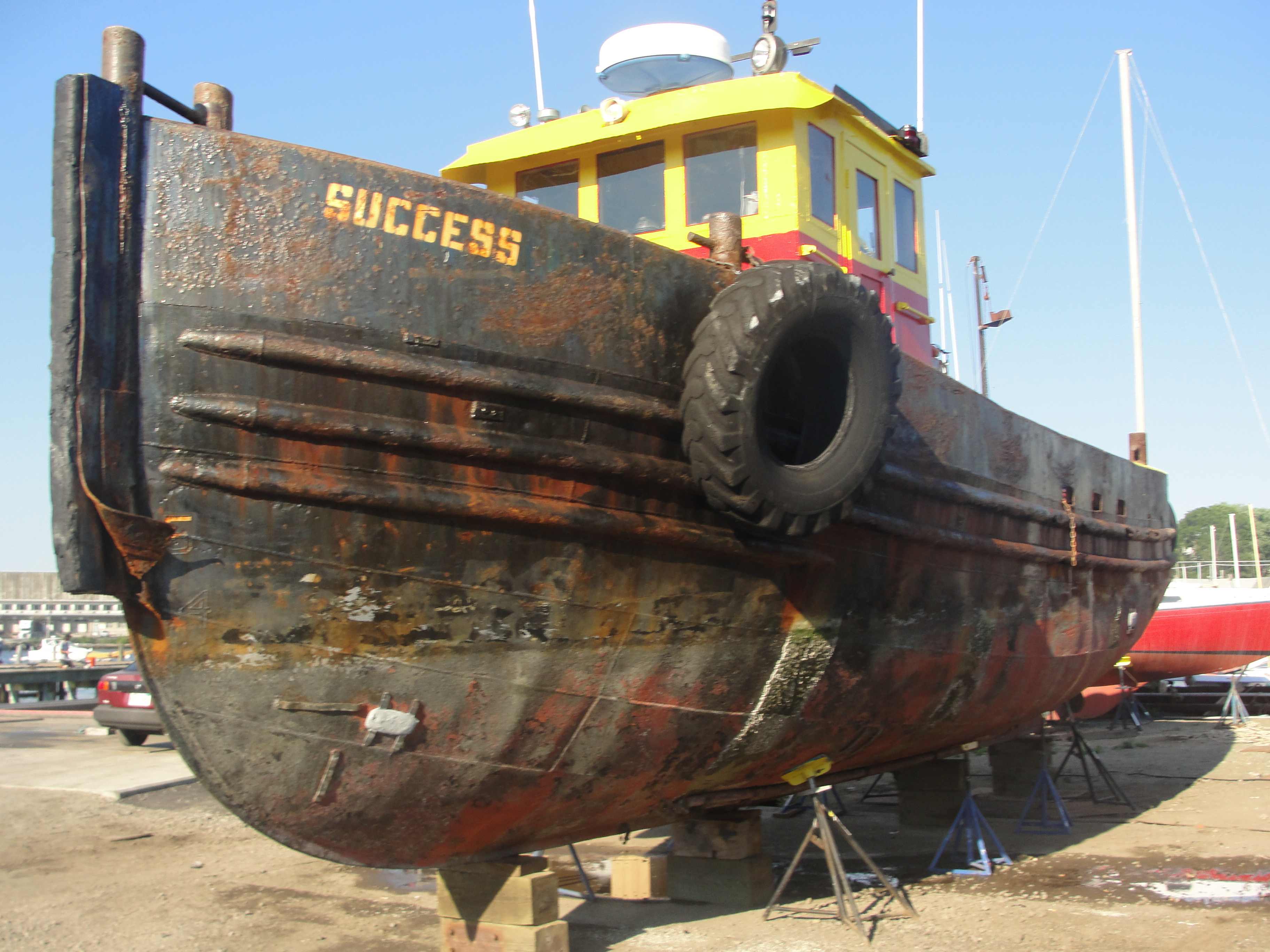
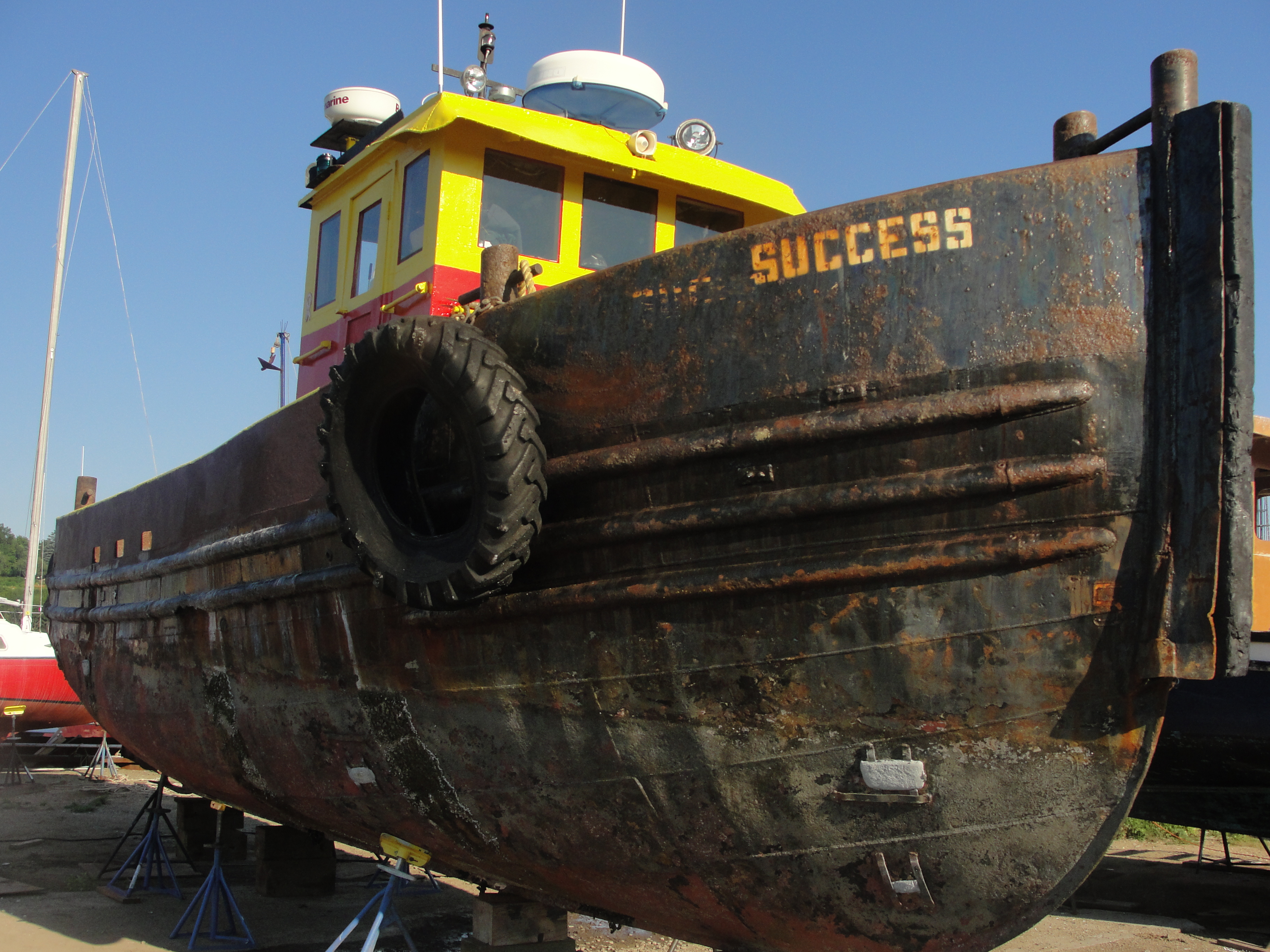
Beautiful Industry- Tug Success Ends up At The Railways
Early In the afternoon the Tugboat Success cruised past the dock. In the evening she was on the blocks at The east Gloucester Marine Railways.




Spread The GMG Love By Sharing With These Buttons:

Rocky Neck Boats
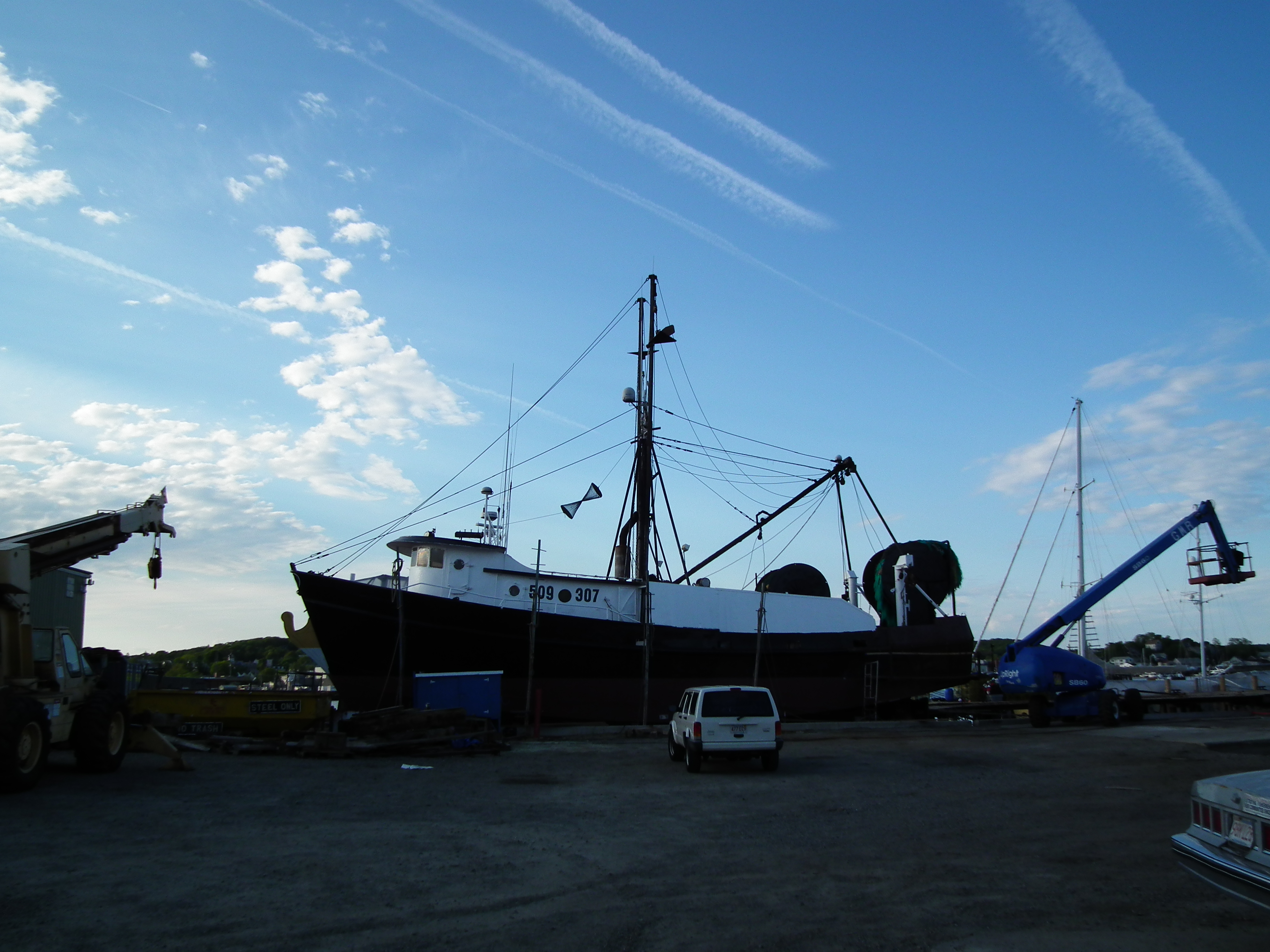
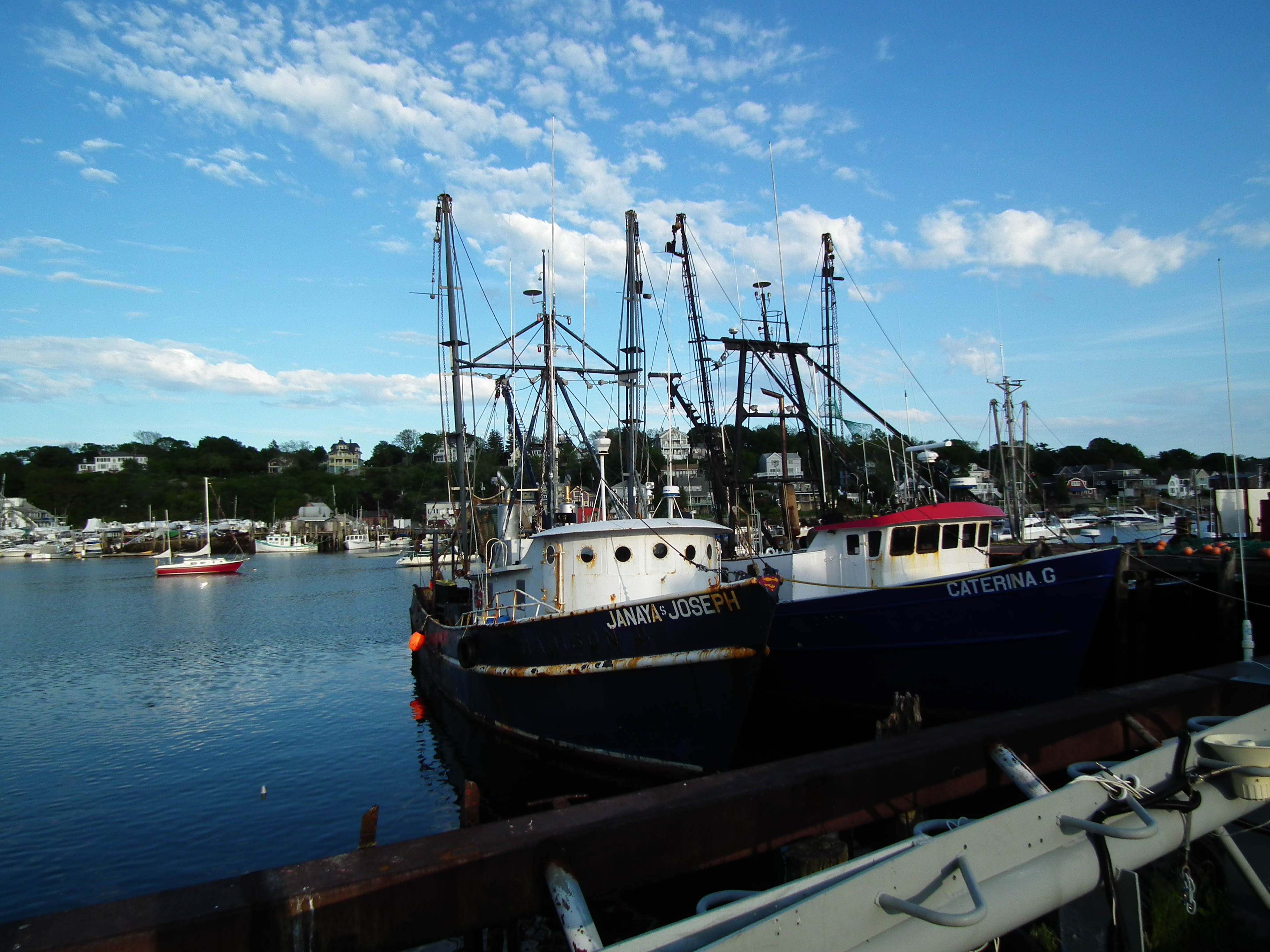
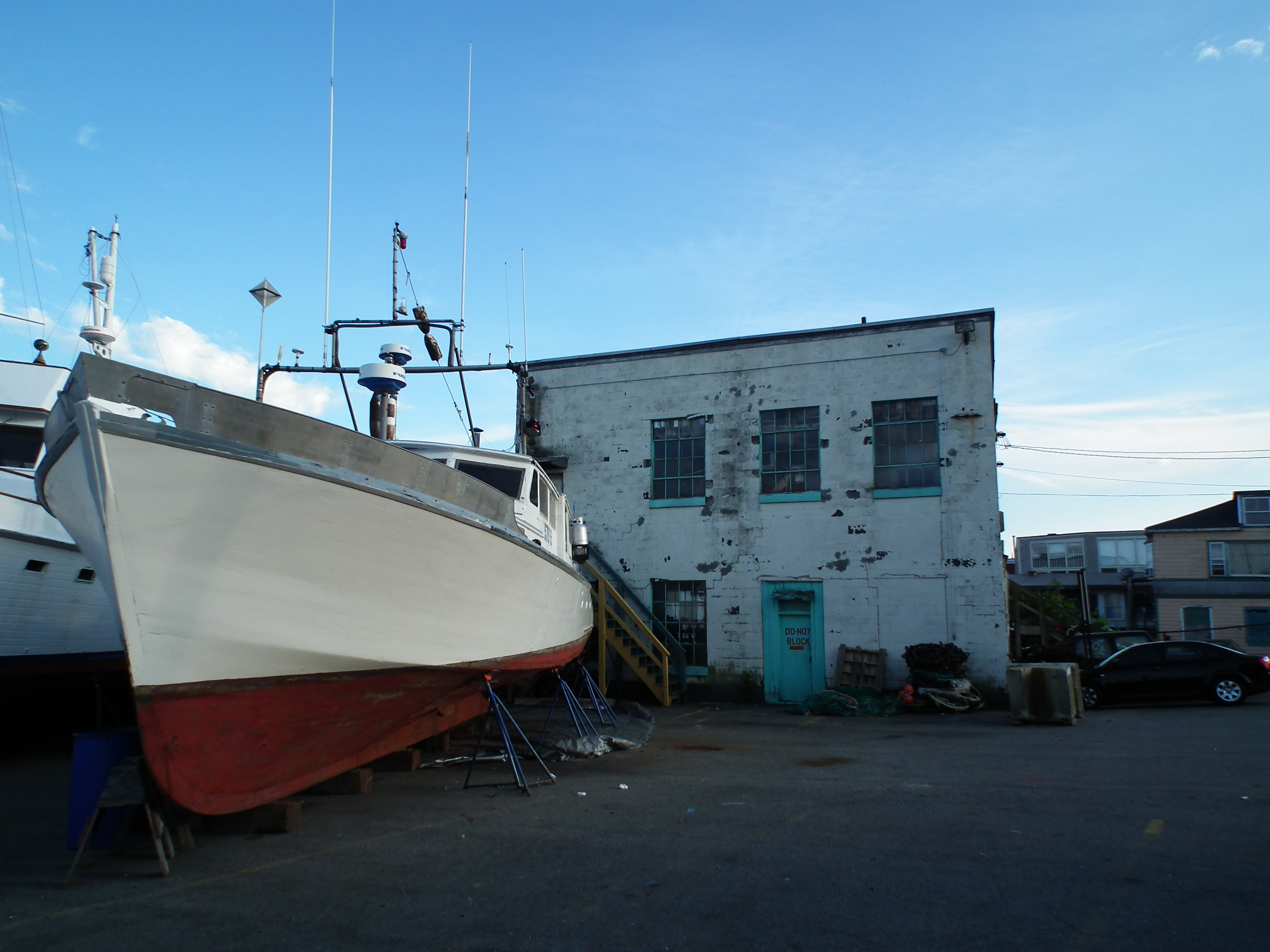

Waiting
Spread The GMG Love By Sharing With These Buttons:

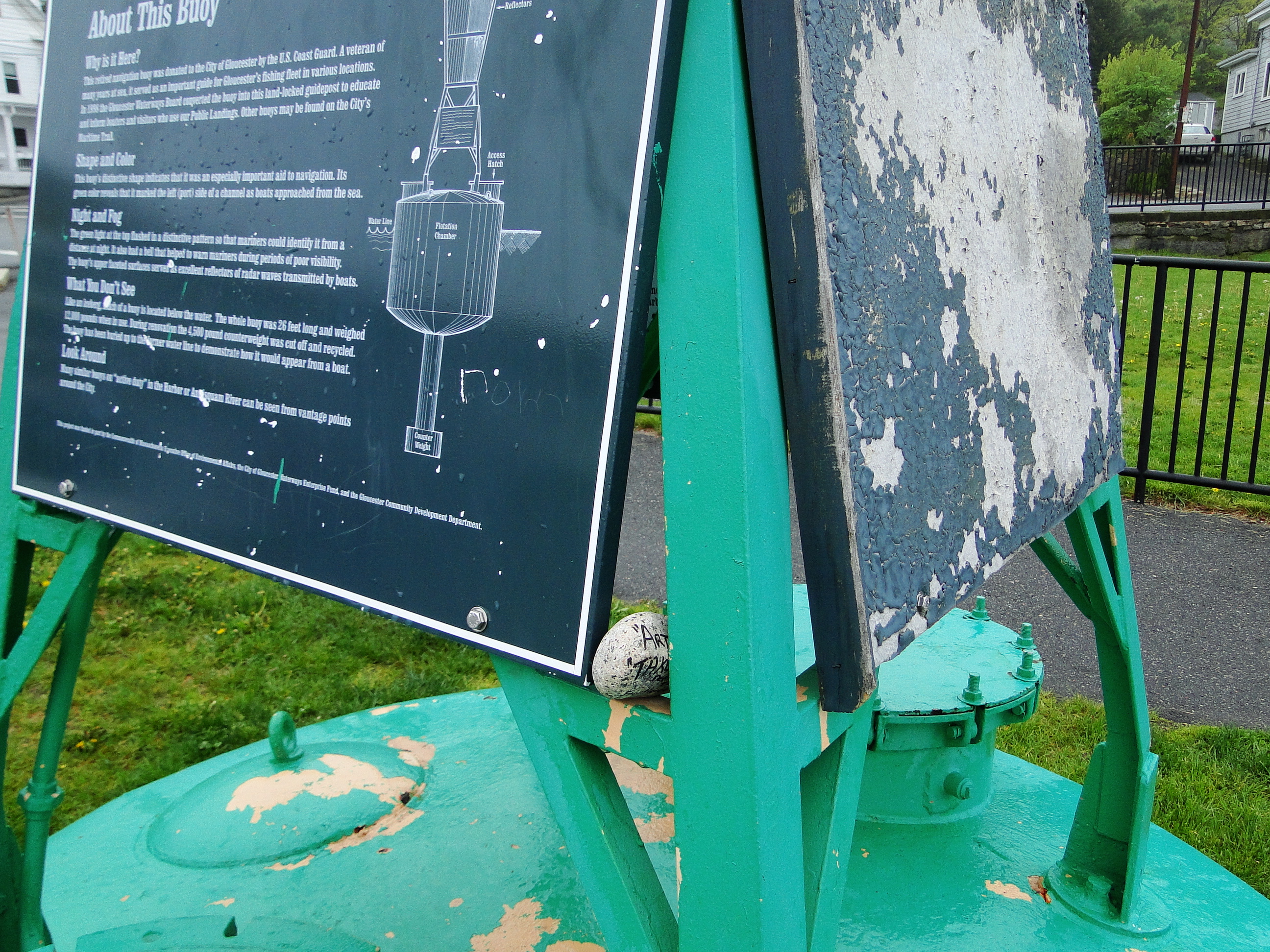
“Art, Rocks!” May 21, 2011 7:30pm
Ok! It’s past 6pm and the Rapture didn’t come. Maybe next time.
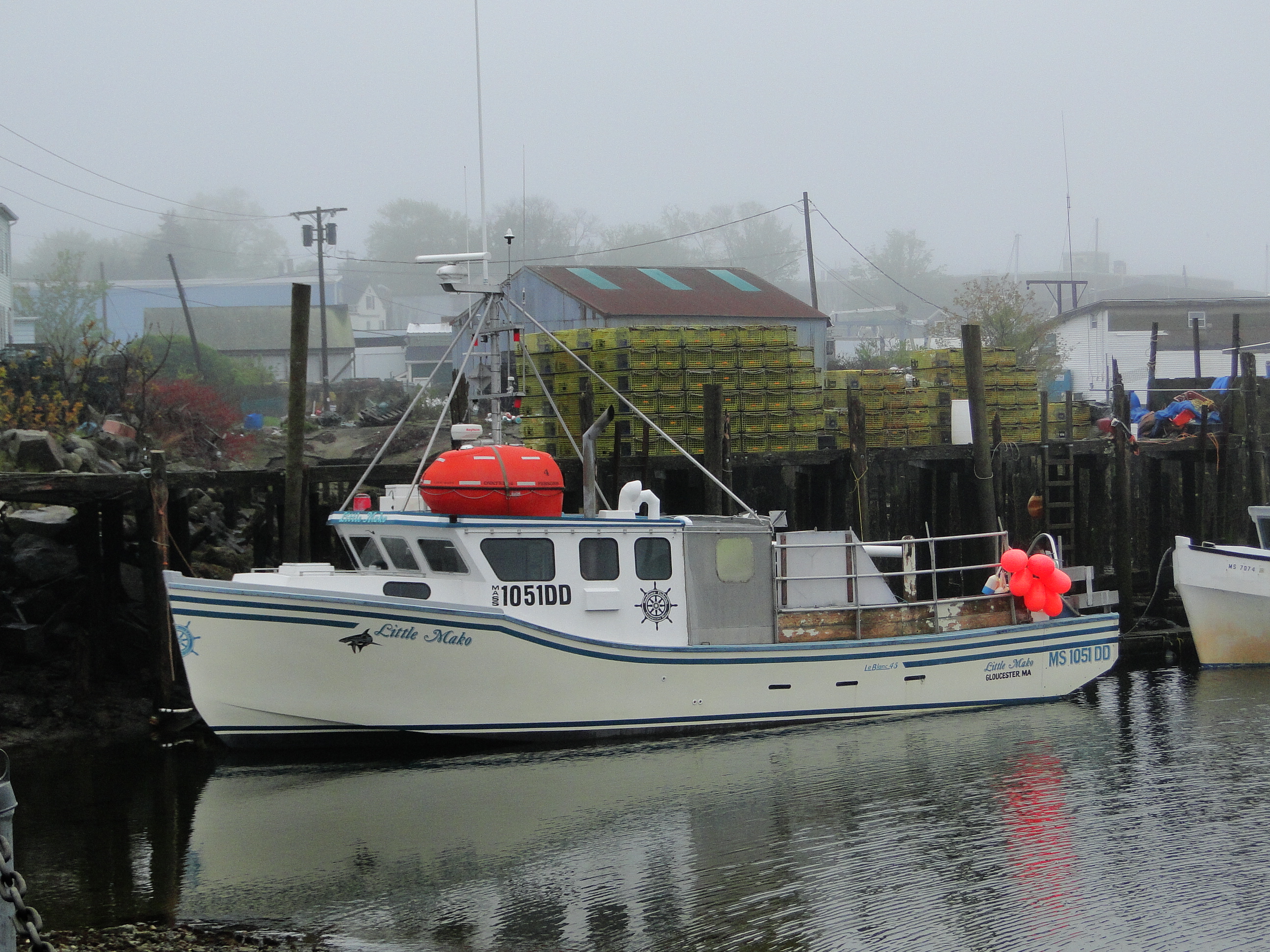
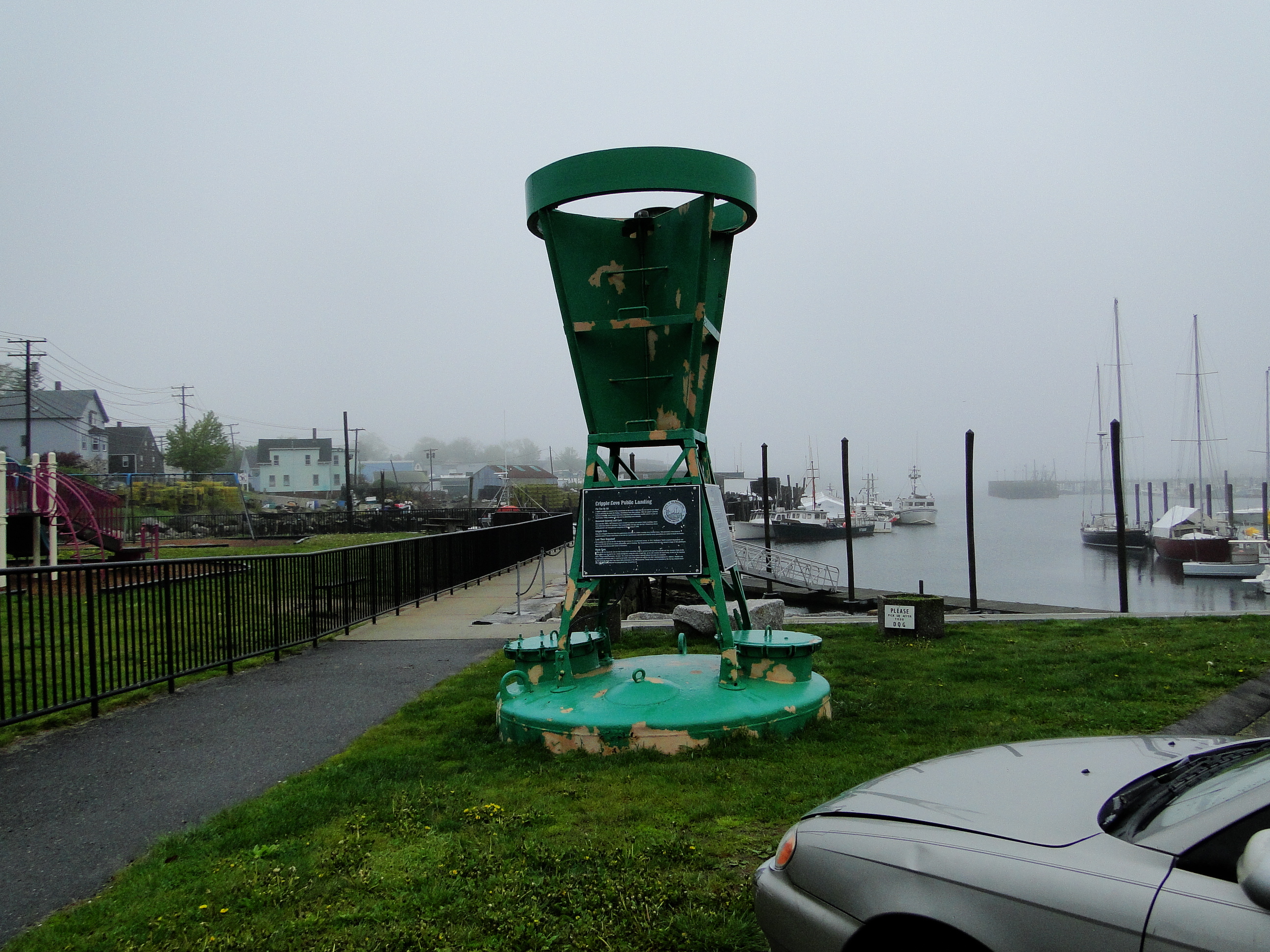
Here’s the location in photos. It should be easy enough for most.
The Rock was left at: 7:29pm and 59 seconds.
Goodnite and Goodluck!
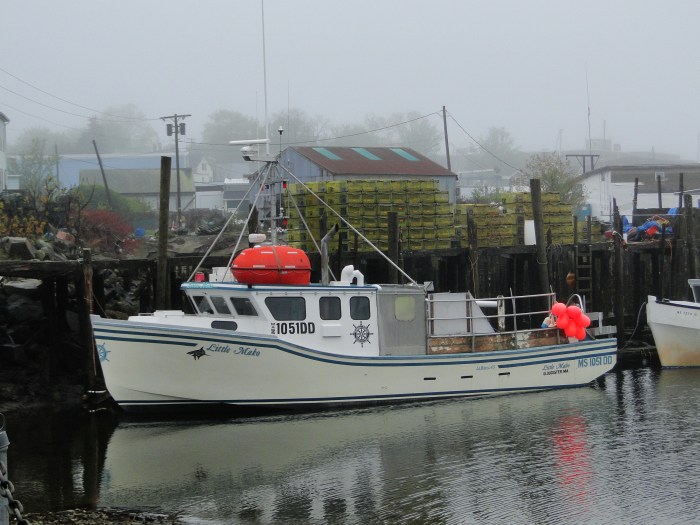
- The Scene
Spread The GMG Love By Sharing With These Buttons:

Video-The Gear Room At The Gloucester Marine Railway
Spread The GMG Love By Sharing With These Buttons:

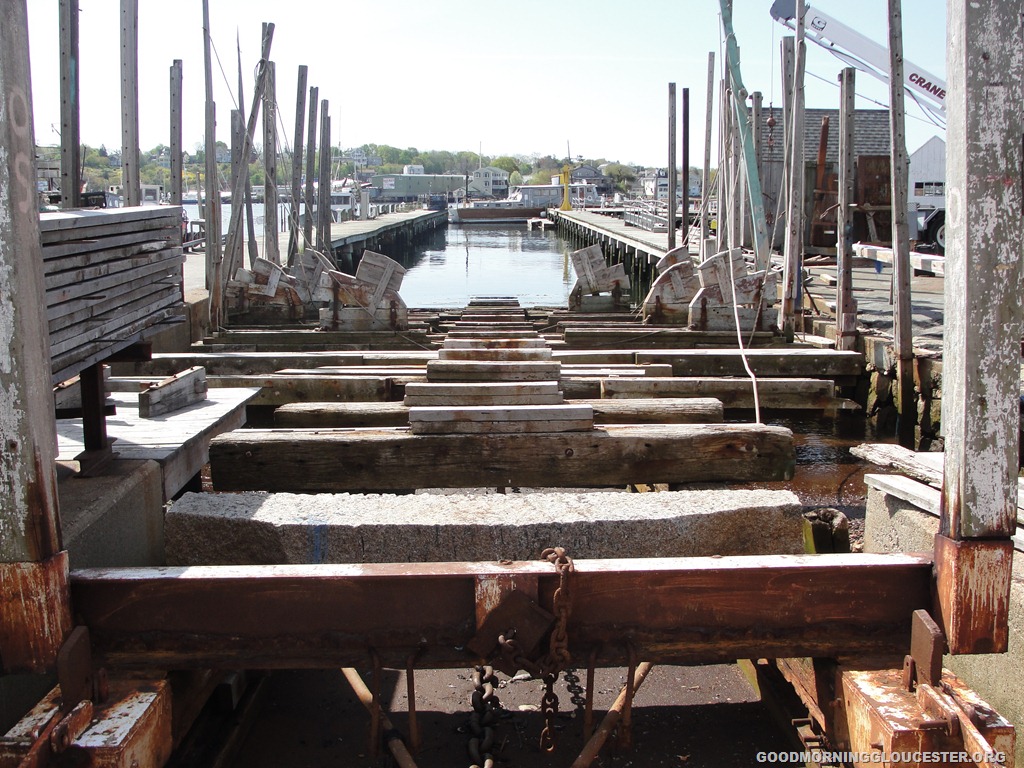
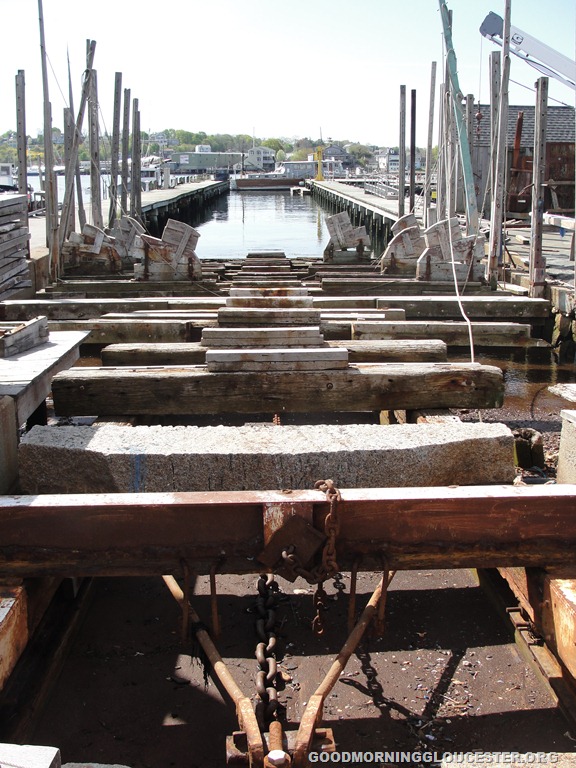
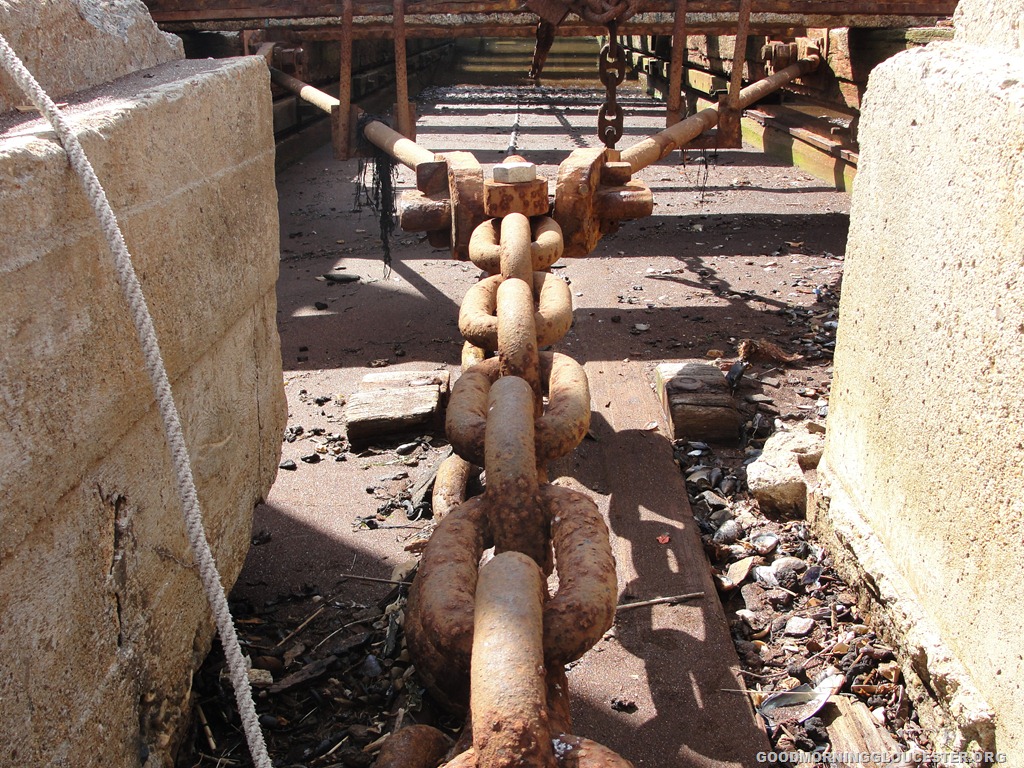
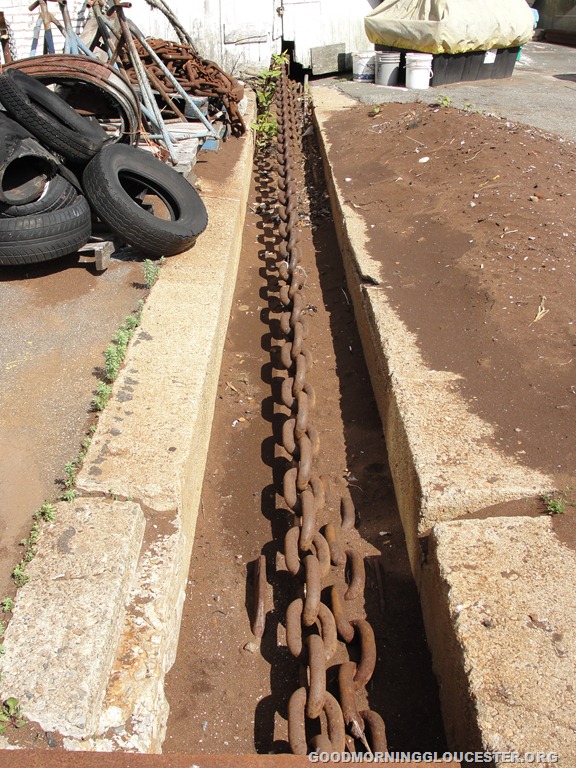
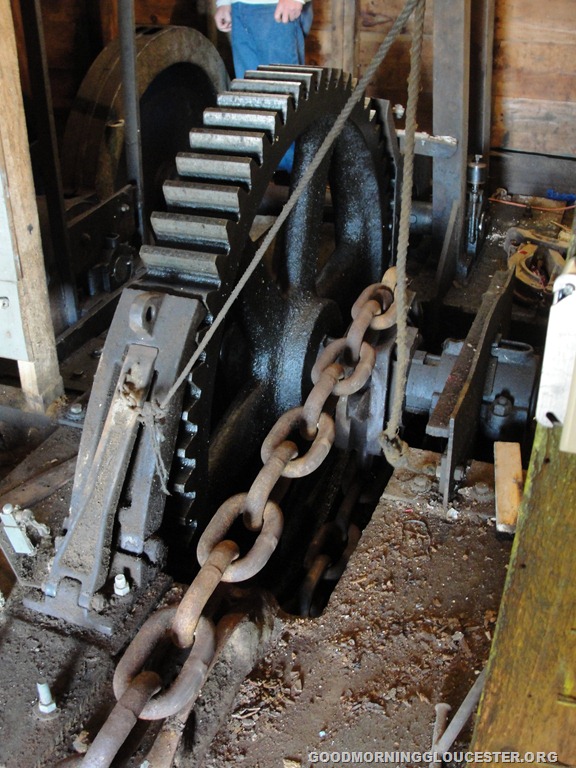
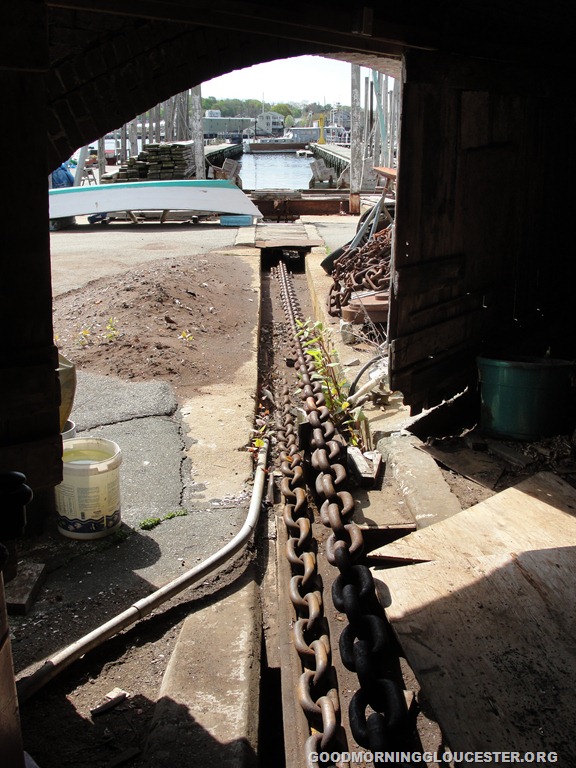
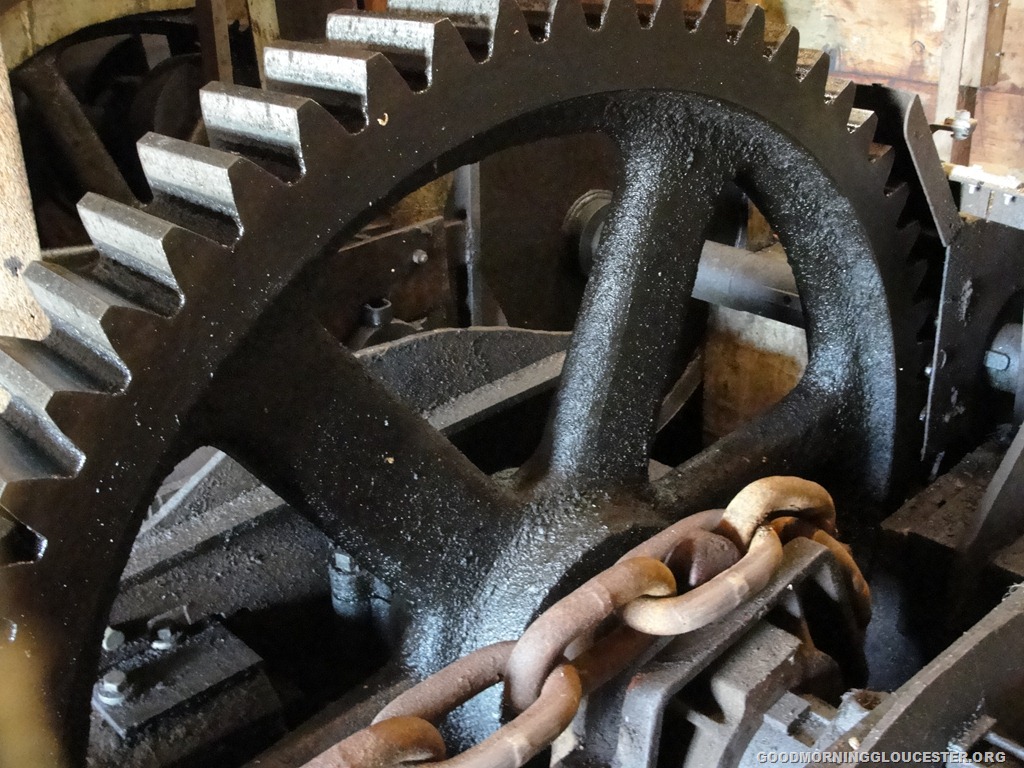
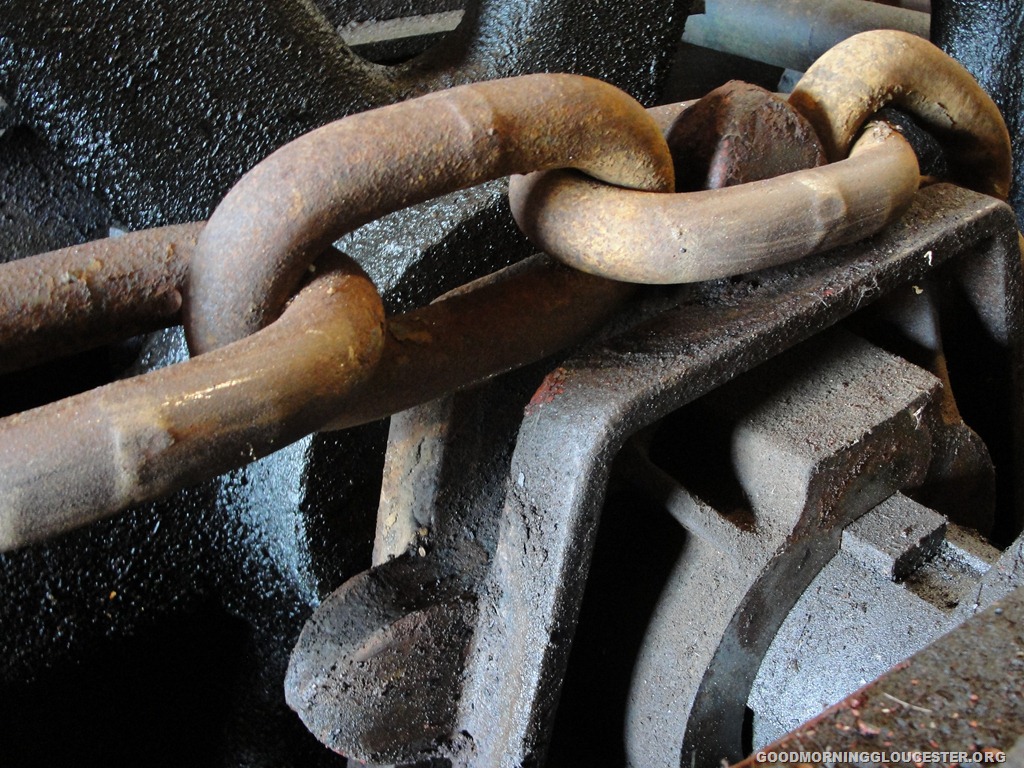
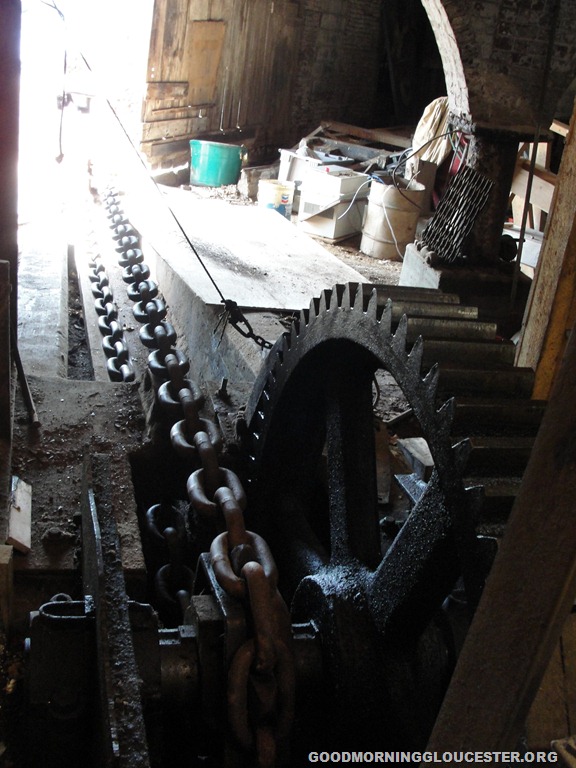
Places In Gloucester You’ve Probably Never Been-The Gear Room At The Gloucester Marine Railway
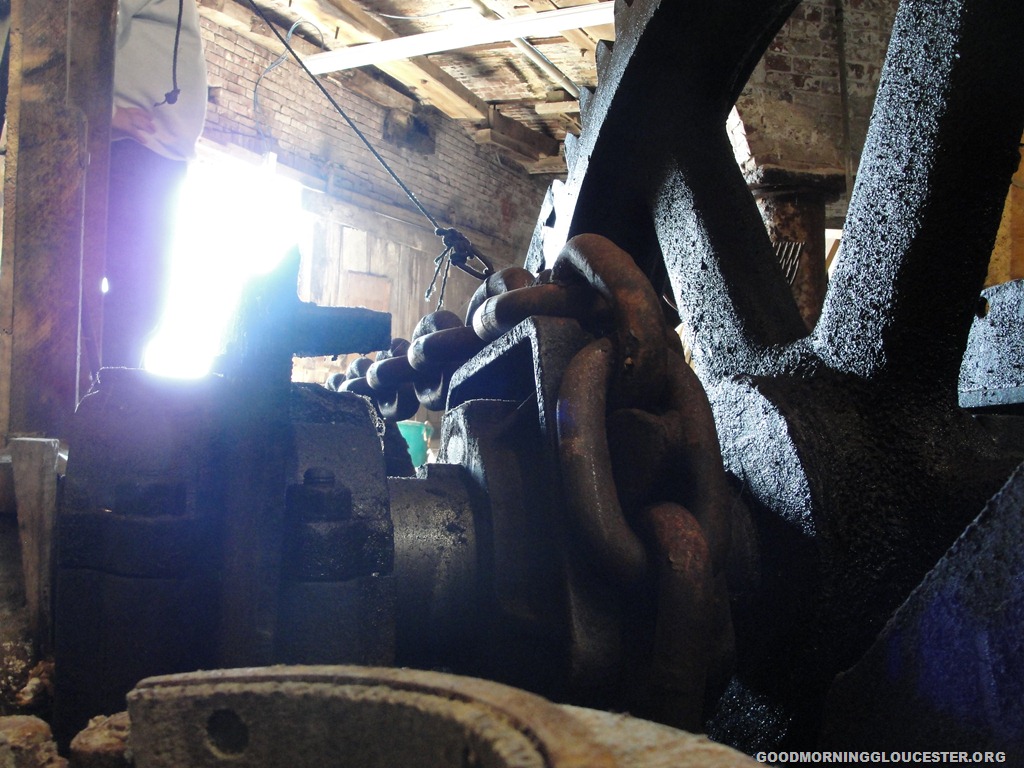
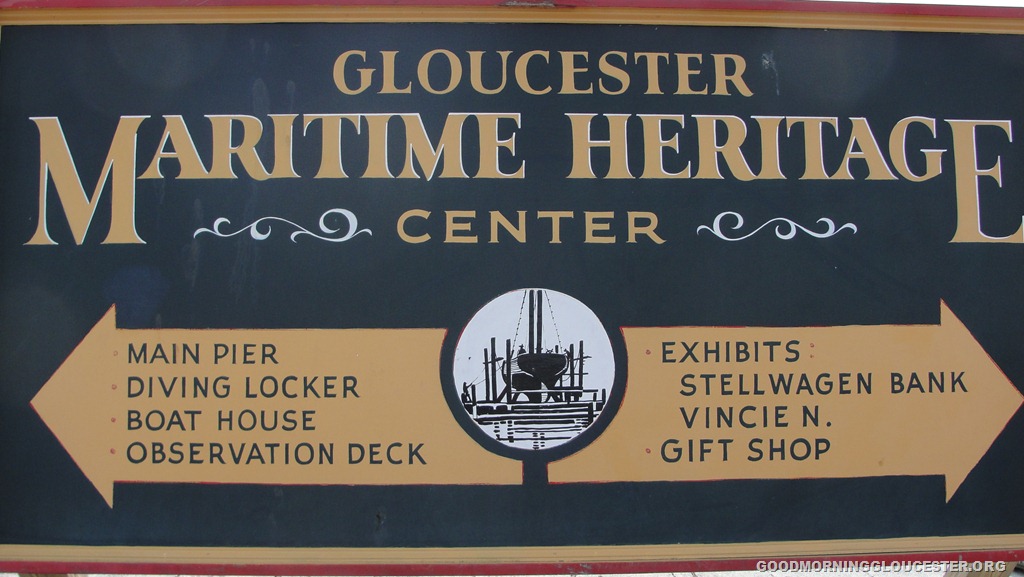
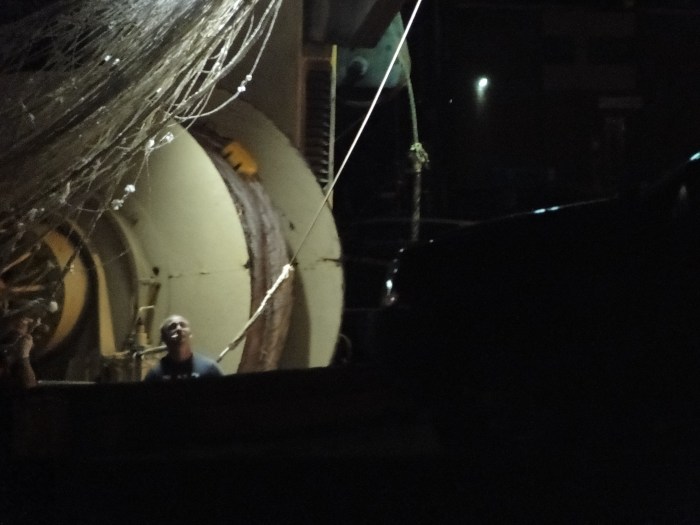
As part of my ongoing search to bring you places in Gloucester that you probably never had access to I present you the gear room in which the motor that pulls up to 200 tons of boat out of the water at the Marine Railways at The Gloucester Maritime heritage Center resides.
Look for the video tomorrow morning

Spread The GMG Love By Sharing With These Buttons:

Time for a Science Lesson. There will be a Test
Time for a Science Lesson.
Just kidding! There won’t be a Test.
I’m guessing not many GMG Readers would be able to pass.
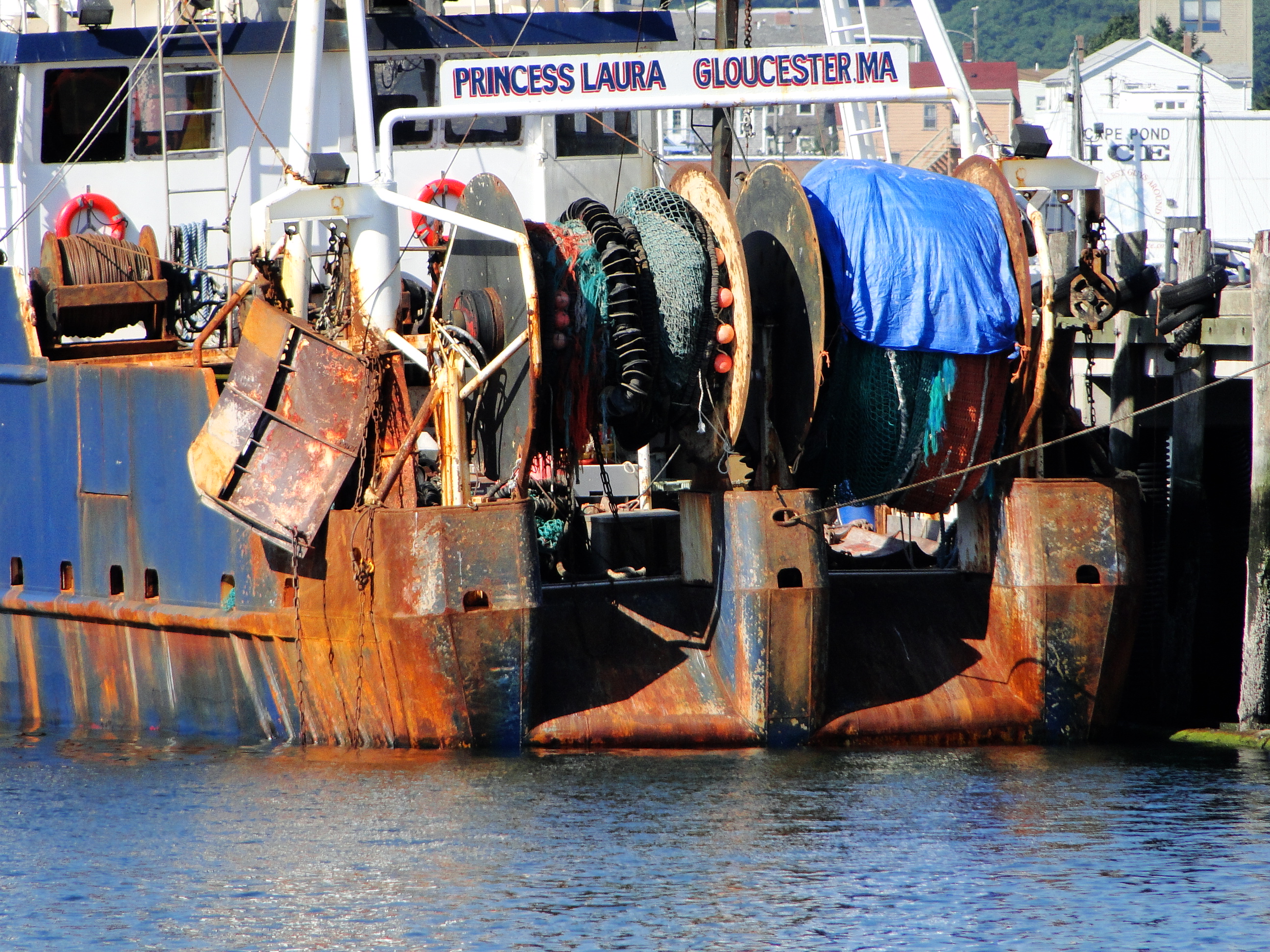
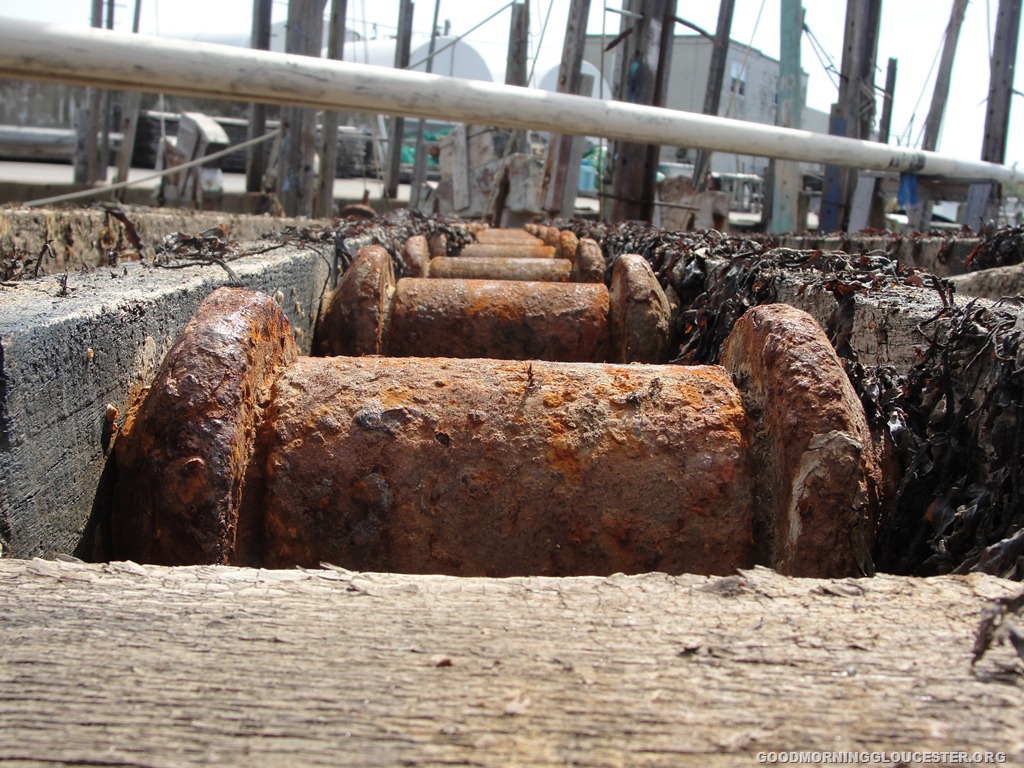
RUST!
From WIKIPEDIA;
“Oxidation of iron metal
When iron is in contact with water and oxygen, or other strong oxidants and/or acids, it rusts. If salt is present as, for example, in salt water, it tends to rust more quickly, as a result of the electro-chemical reactions. Iron metal is relatively unaffected by pure water or by dry oxygen. As with other metals, like aluminium, a tightly adhering oxide coating, a passivation layer, protects the bulk iron from further oxidation. Thus, the conversion of the passivating iron oxide layer to rust results from the combined action of two agents, usually oxygen and water. Other degrading solutions are sulfur dioxide in water and carbon dioxide in water. Under these corrosive conditions, iron hydroxide species are formed. Unlike iron oxides, the hydroxides do not adhere to the bulk metal. As they form and flake off from the surface, fresh iron is exposed, and the corrosion process continues until all of the iron is either consumed or all of the oxygen, water, carbon dioxide, or sulfur dioxide in the system are removed or consumed.[2]
Oxidation of iron metal
When iron is in contact with water and oxygen, or other strong oxidants and/or acids, it rusts. If salt is present as, for example, in salt water, it tends to rust more quickly, as a result of the electro-chemical reactions. Iron metal is relatively unaffected by pure water or by dry oxygen. As with other metals, like aluminium, a tightly adhering oxide coating, a passivation layer, protects the bulk iron from further oxidation. Thus, the conversion of the passivating iron oxide layer to rust results from the combined action of two agents, usually oxygen and water. Other degrading solutions are sulfur dioxide in water and carbon dioxide in water. Under these corrosive conditions, iron hydroxide species are formed. Unlike iron oxides, the hydroxides do not adhere to the bulk metal. As they form and flake off from the surface, fresh iron is exposed, and the corrosion process continues until all of the iron is either consumed or all of the oxygen, water, carbon dioxide, or sulfur dioxide in the system are removed or consumed.[2]“
Spread The GMG Love By Sharing With These Buttons:

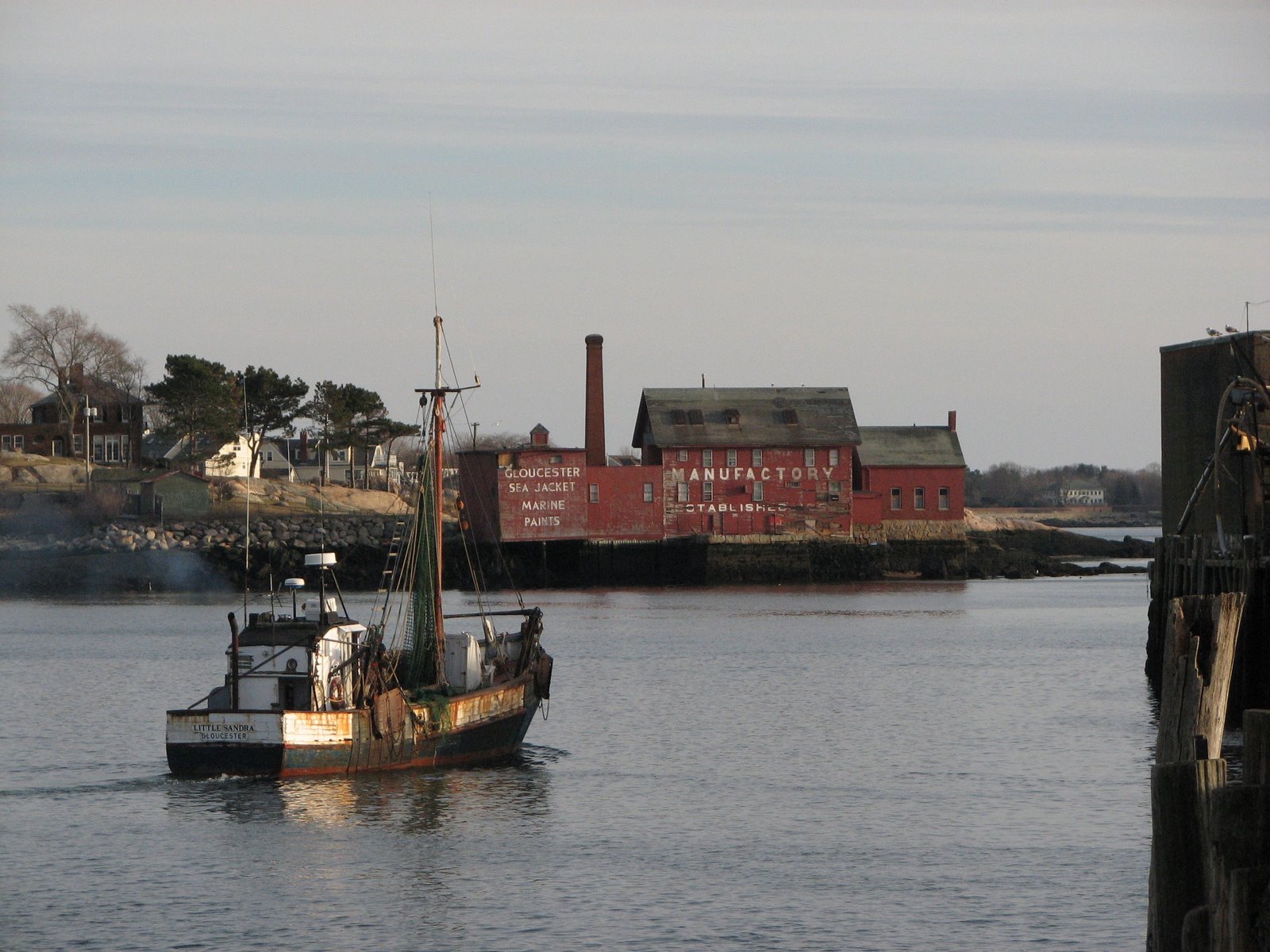
Last of the Old Timers
Last of the Old Timers
The Little Sandra.
It’s got to be one of the last Eastern Rigged Wooden Side Draggers
left in the USA
Spread The GMG Love By Sharing With These Buttons:

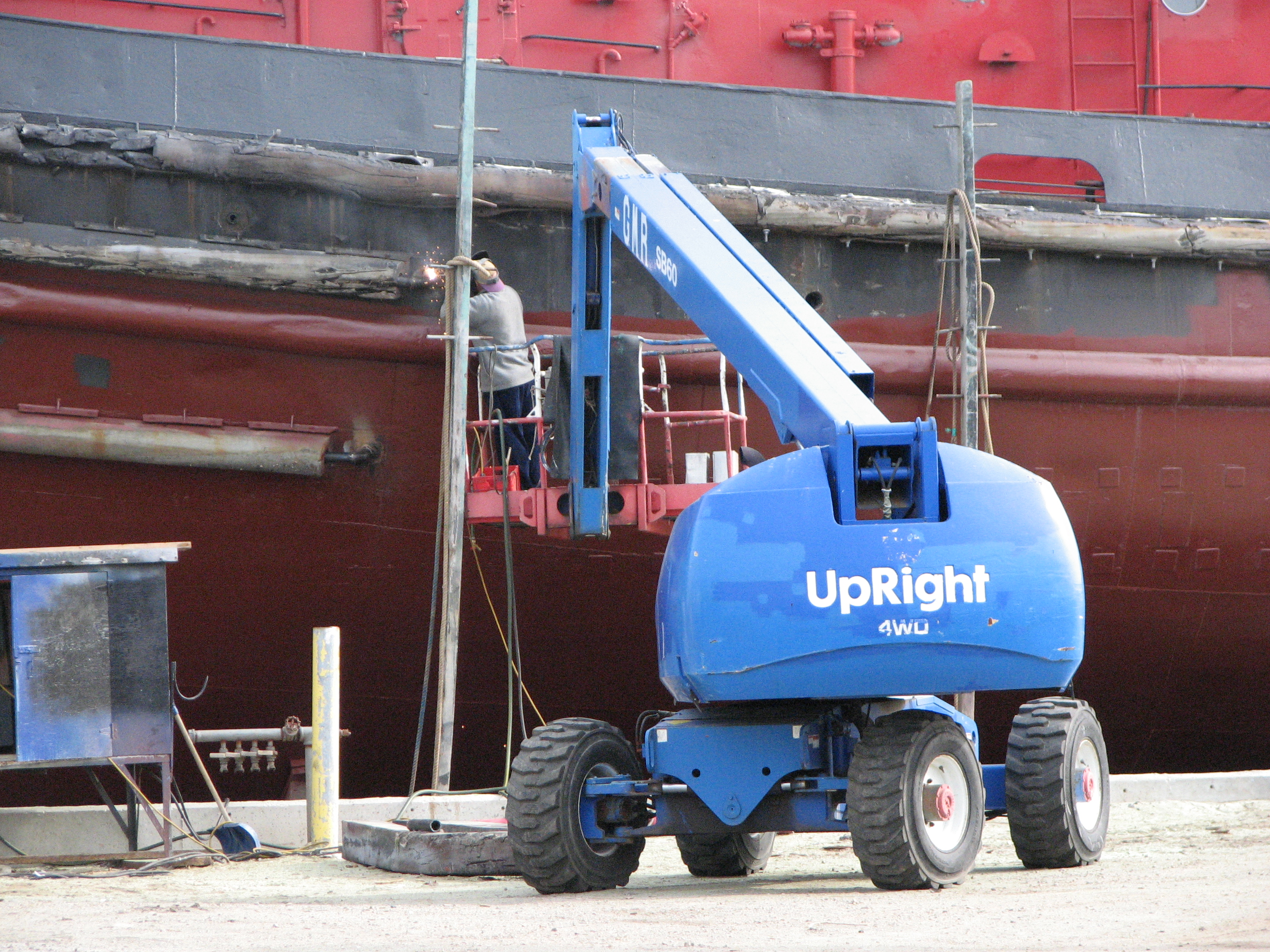
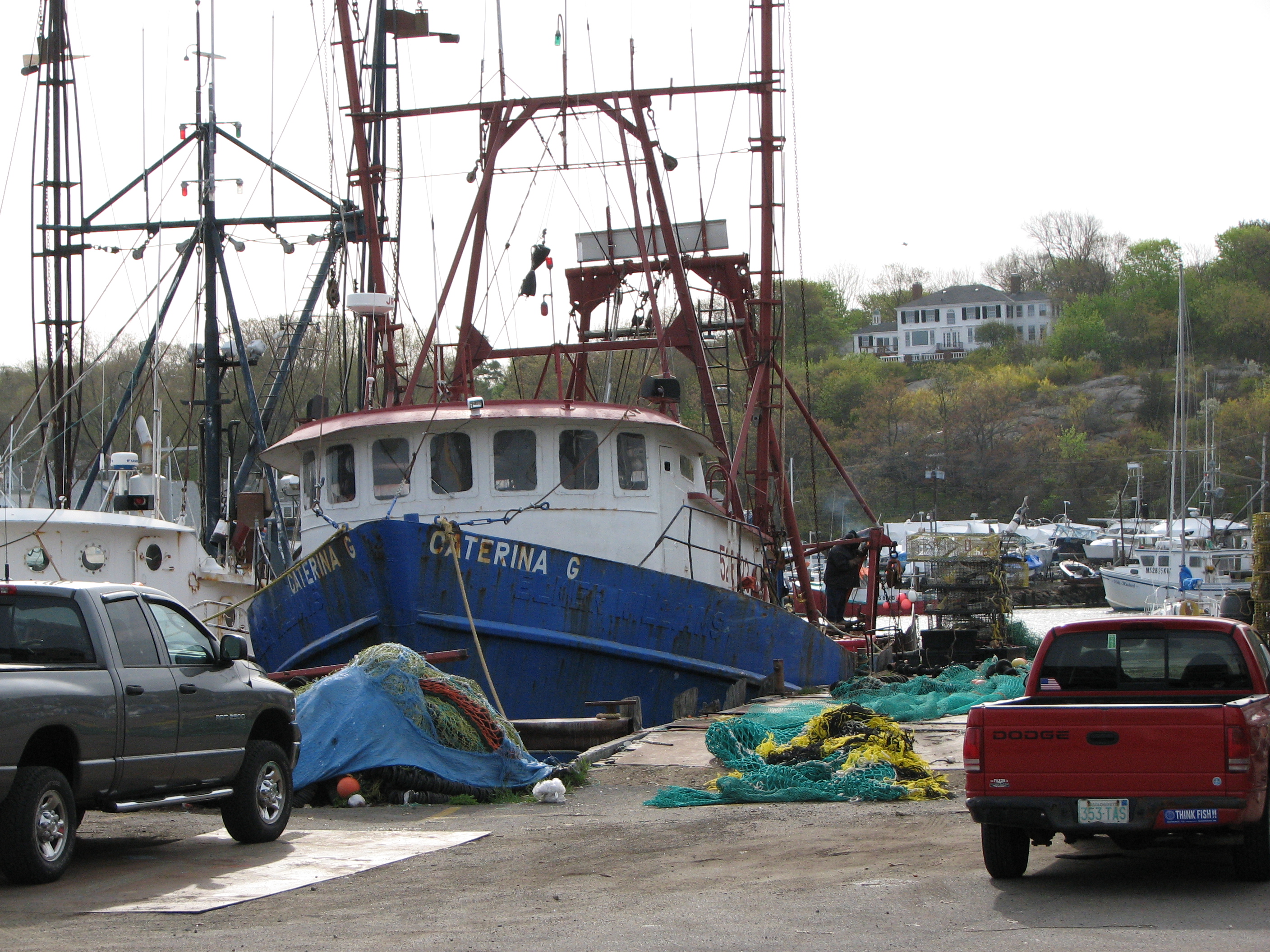
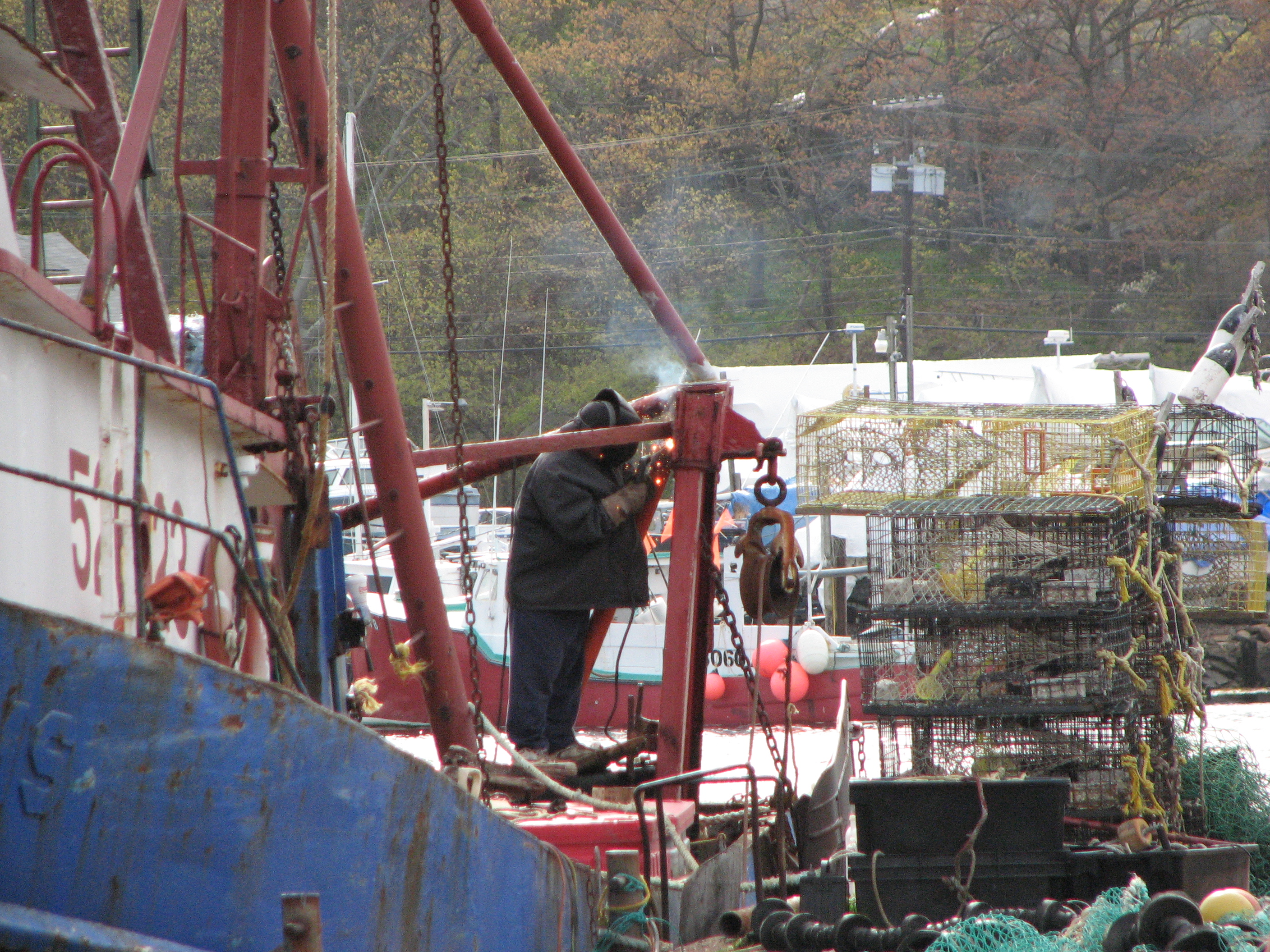
Welding Days
Welding Days
Spread The GMG Love By Sharing With These Buttons:

A couple of Green Boats
A couple of Green Boats


Spread The GMG Love By Sharing With These Buttons:

The Linda Gale Again
The Linda Gale Again
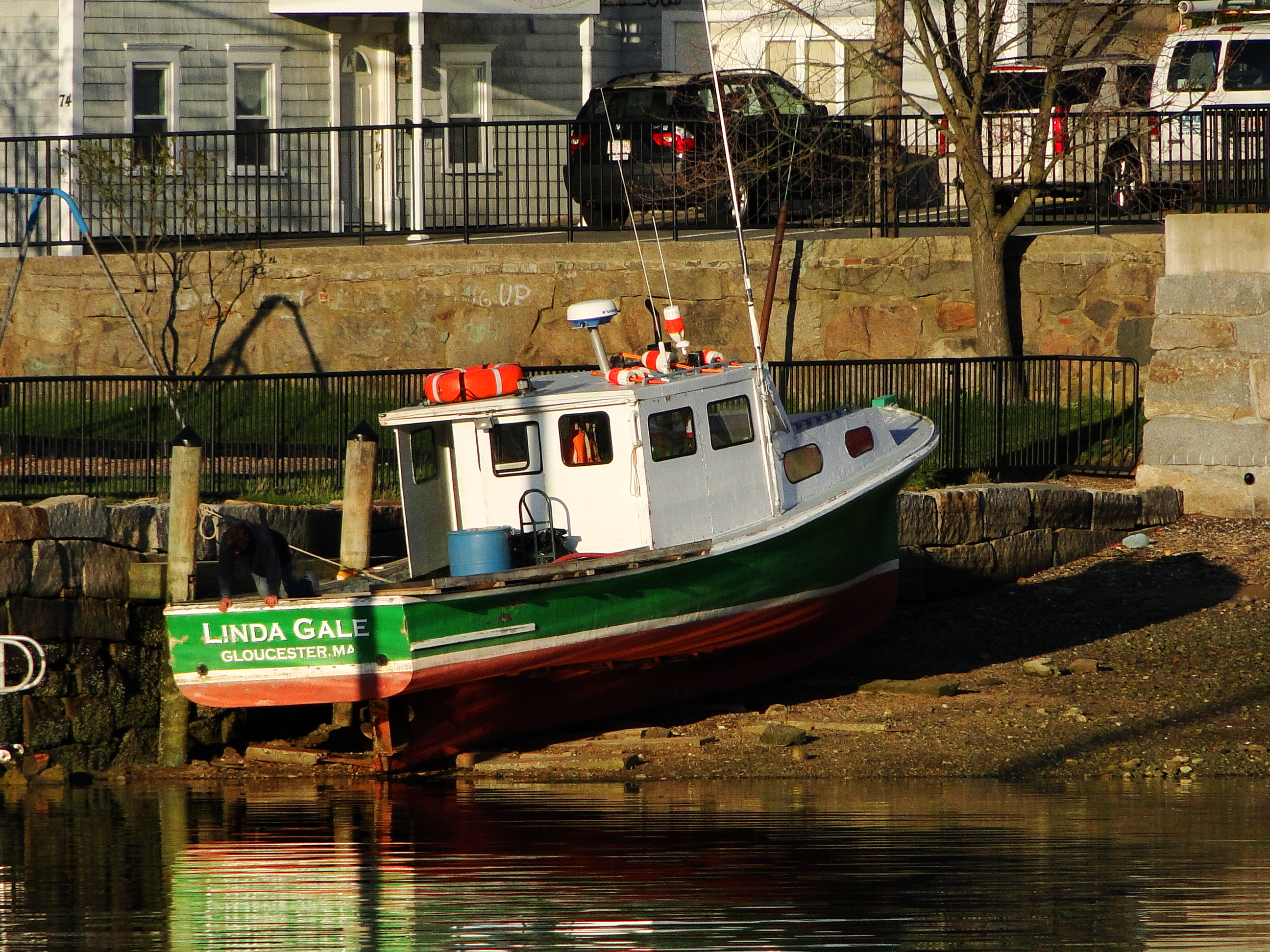
Spread The GMG Love By Sharing With These Buttons:

Waiting Their Turn
Waiting Their Turn
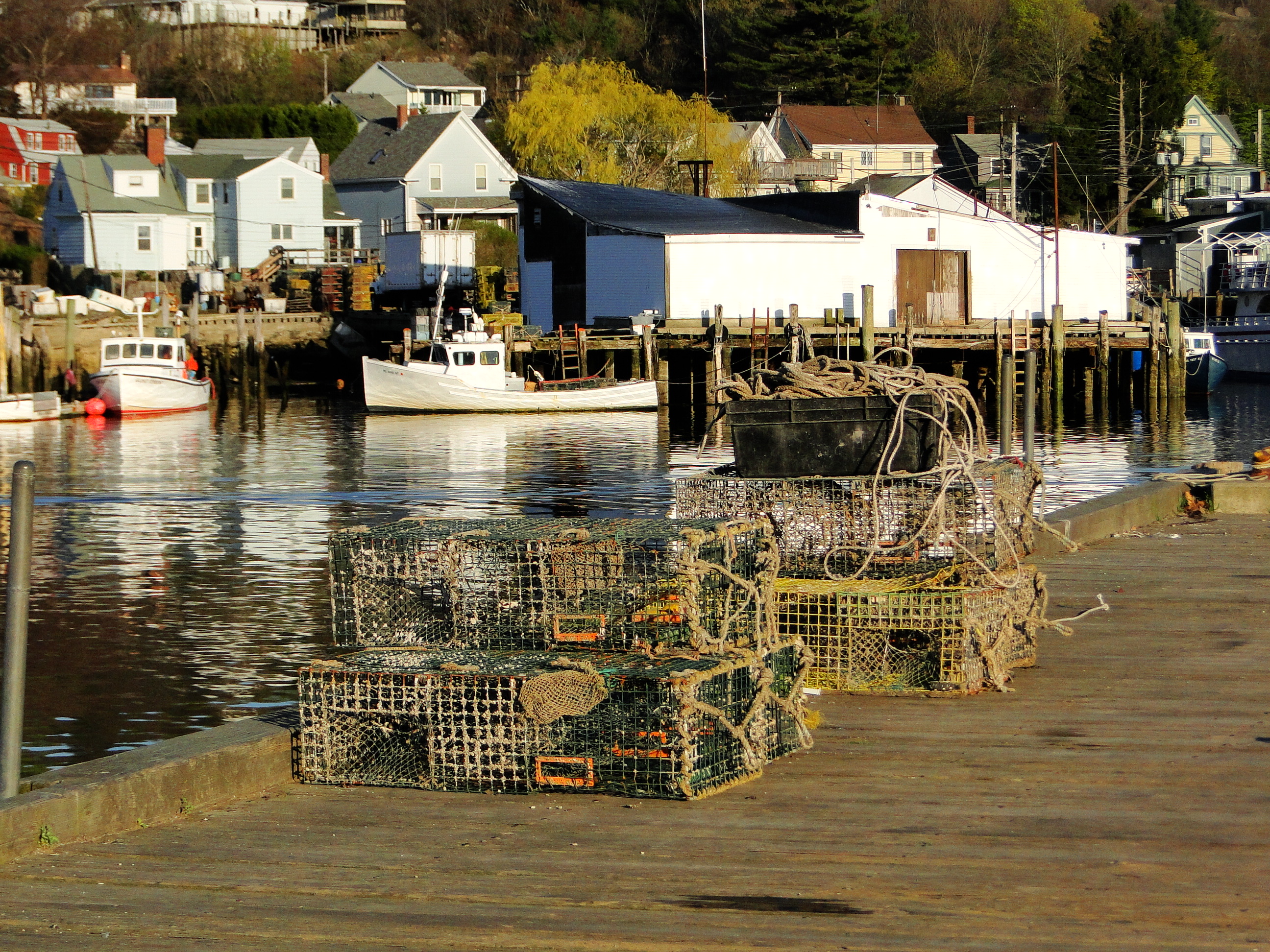
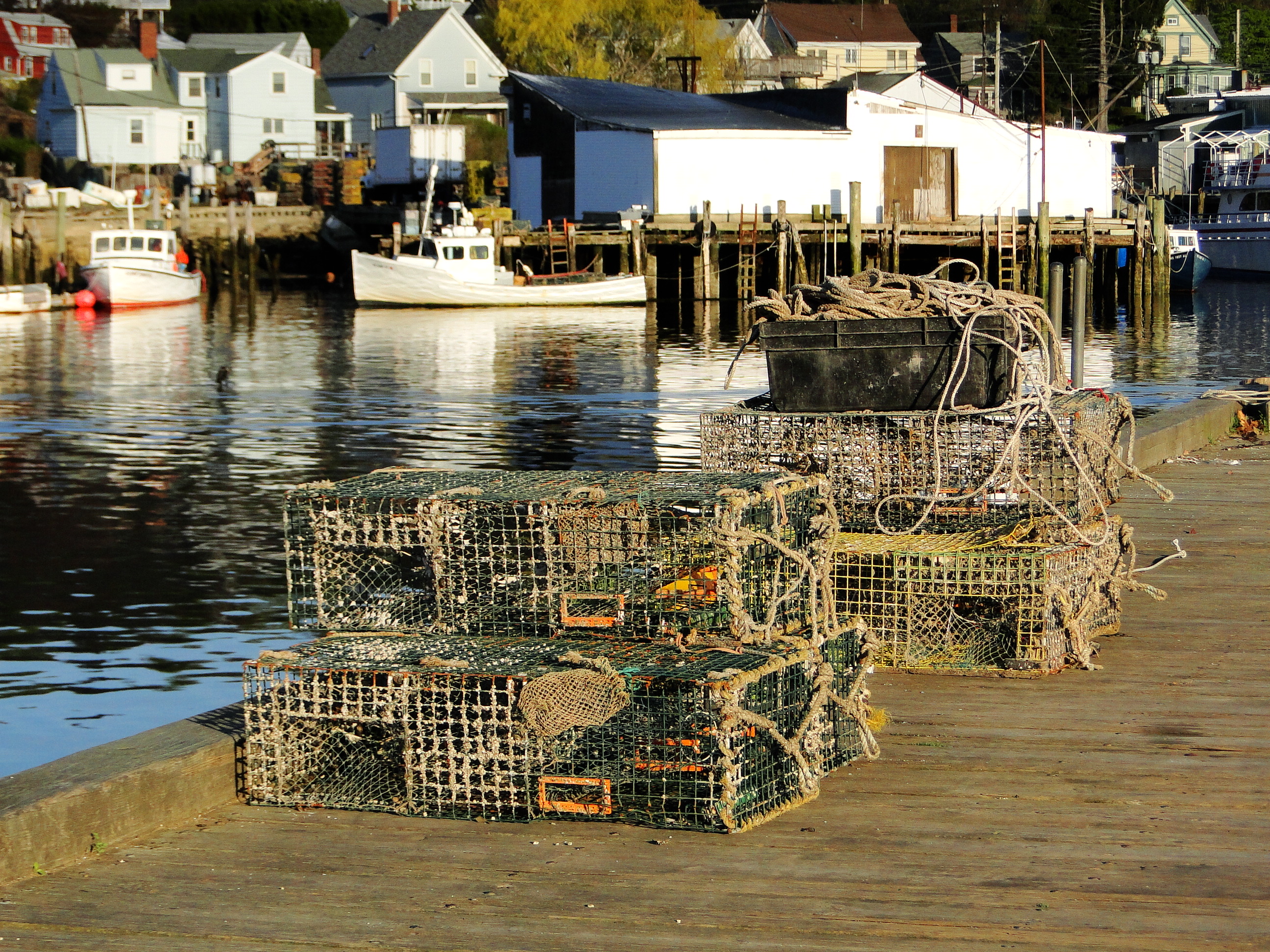
Spread The GMG Love By Sharing With These Buttons:

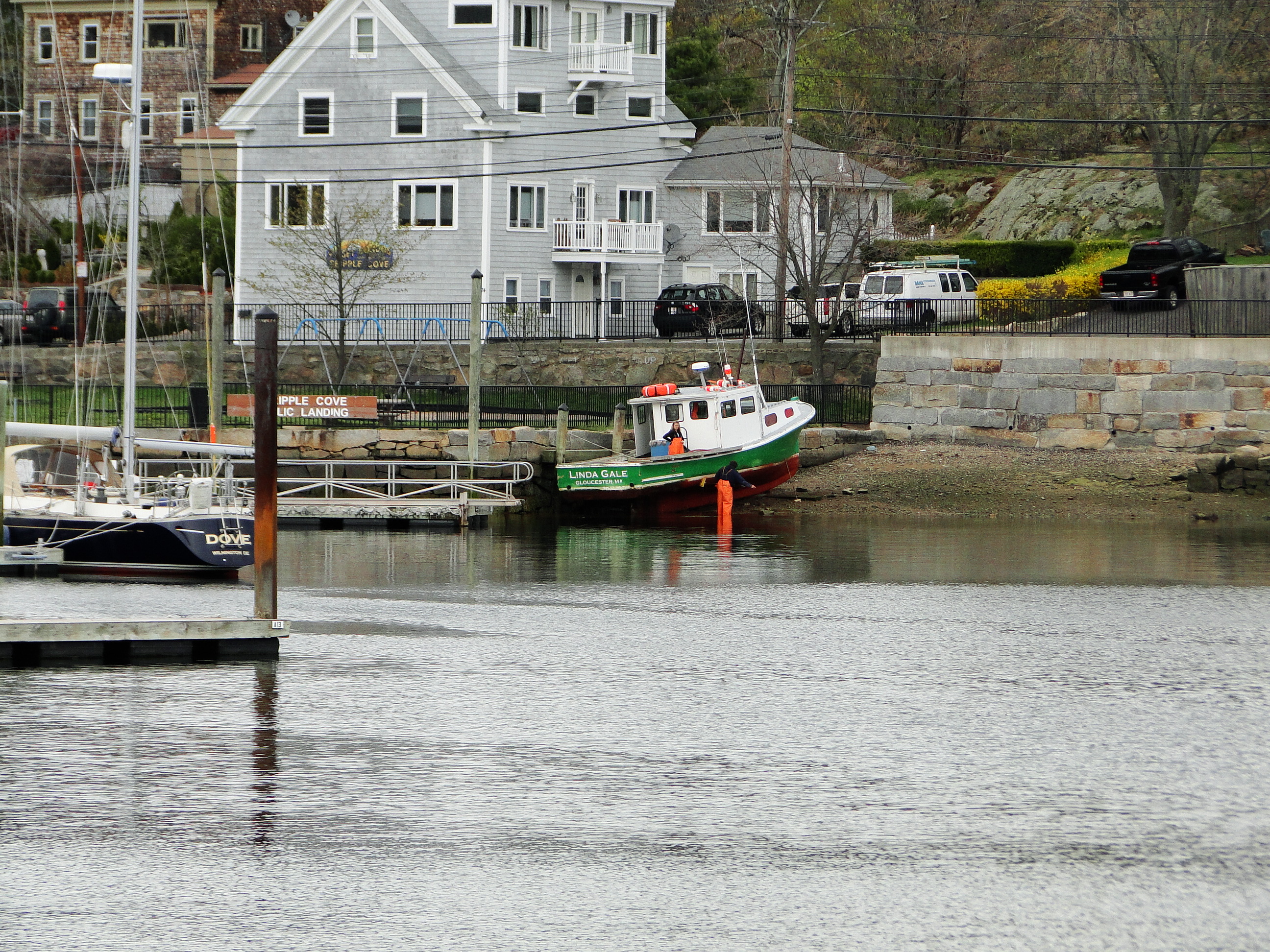
SPRING CLEANING
SPRING CLEANING
The Linda Gale Beached for a Cleaning.
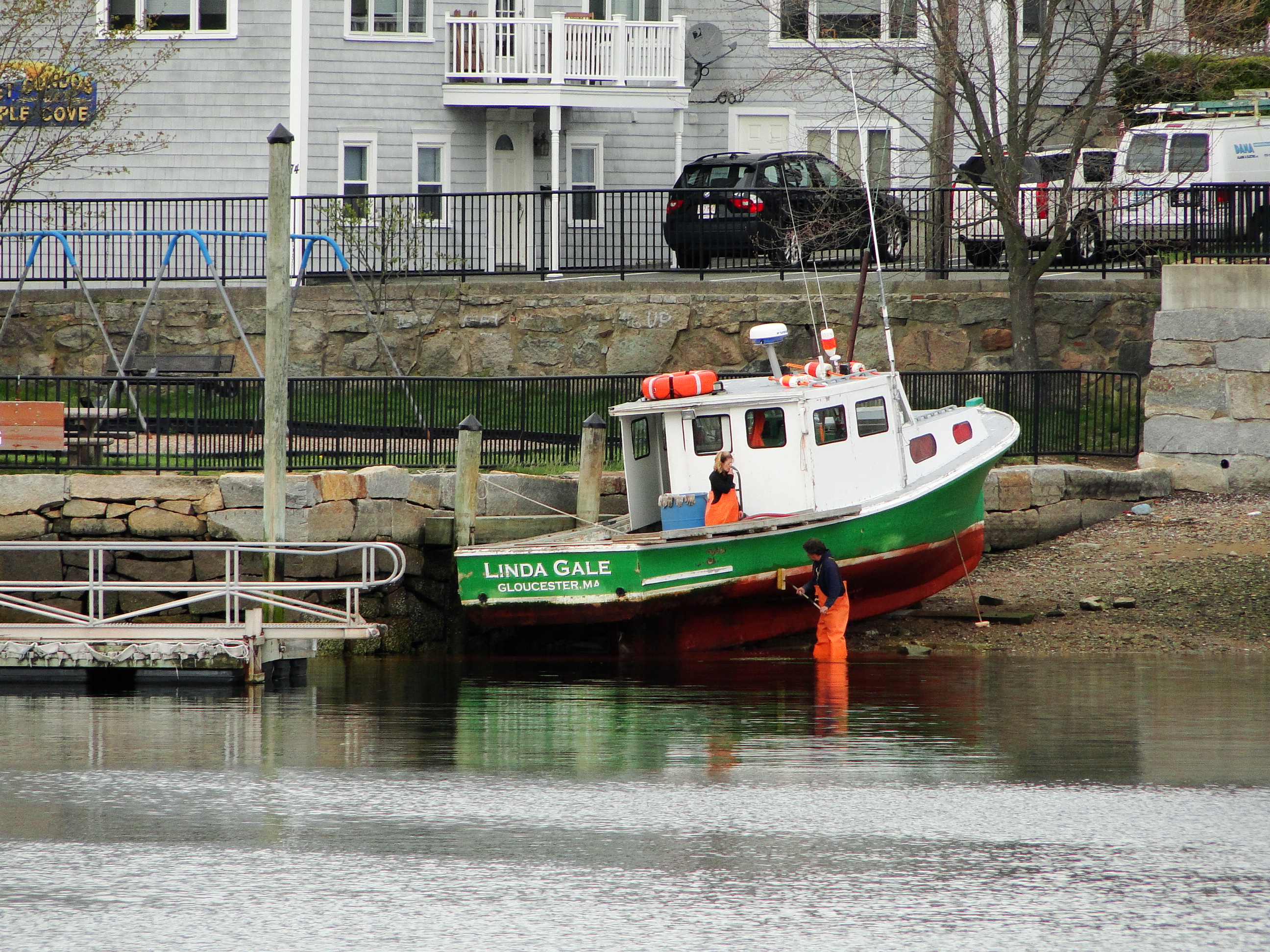
Spread The GMG Love By Sharing With These Buttons:

Inside Eastern Point Light House Tour
Thanks To Dani For Giving Us The Tour

Here’s the Generator That Runs The Beacon In Case Of Loss Of Electricity-


Spread The GMG Love By Sharing With These Buttons:

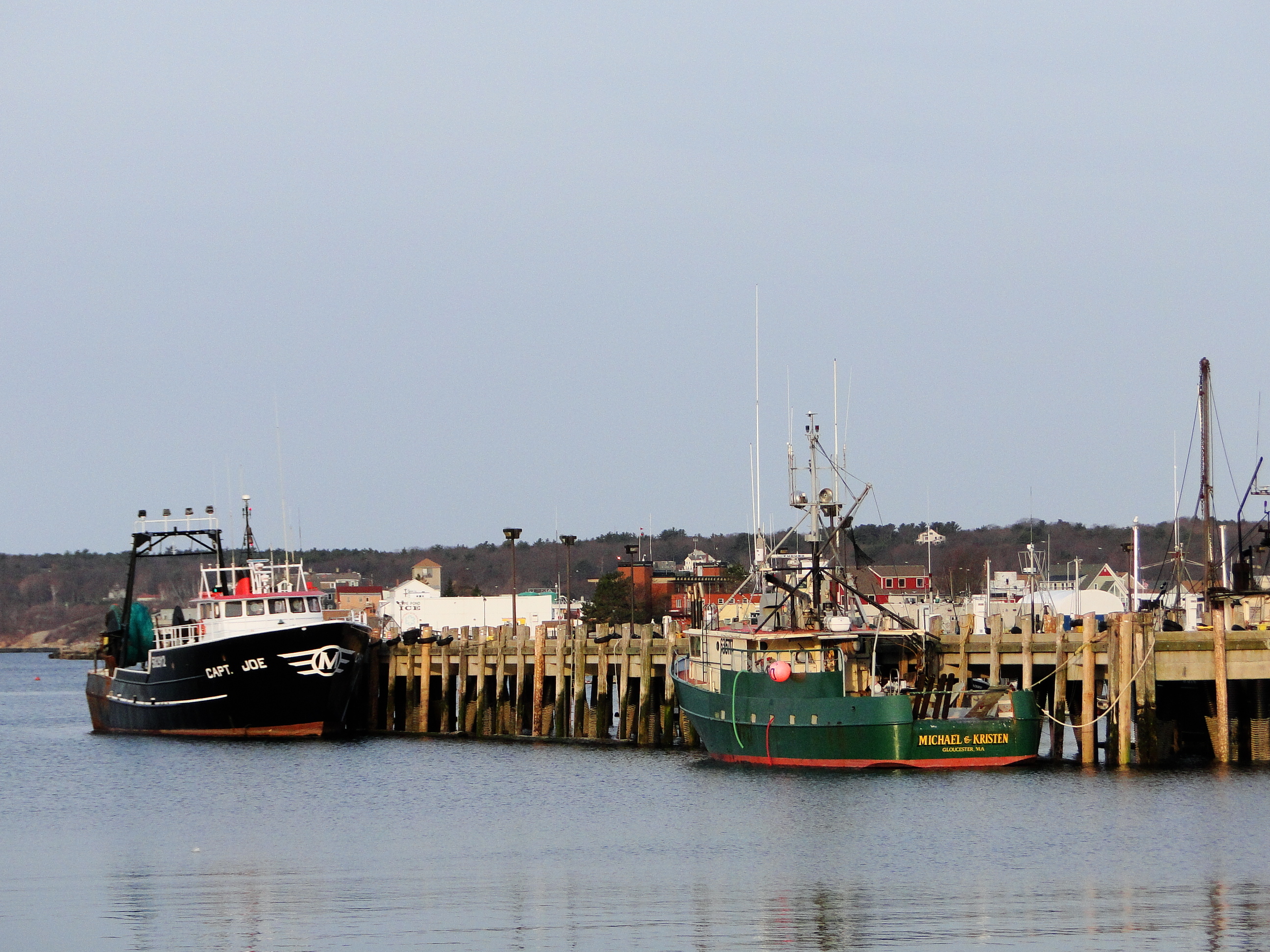
The Captain Joe, from Captain Joe’s
The Captain Joe, from Captain Joe’s

http://capeannpainter.wordpress.com/
Spread The GMG Love By Sharing With These Buttons:

Beautiful Industry Lobster Trap Buoys


Spread The GMG Love By Sharing With These Buttons:

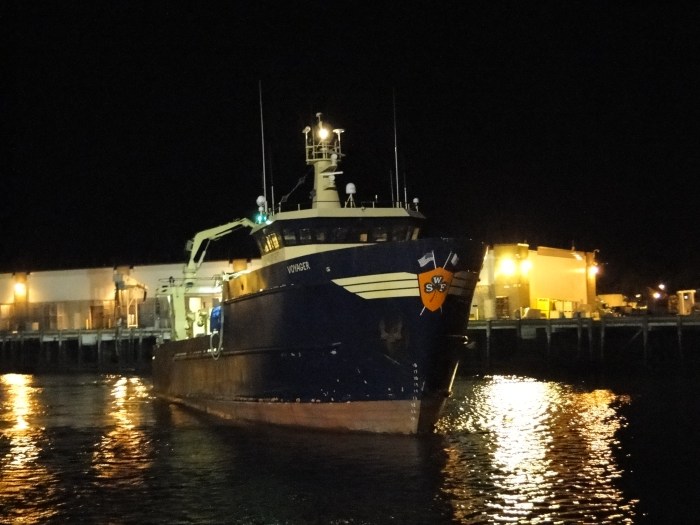
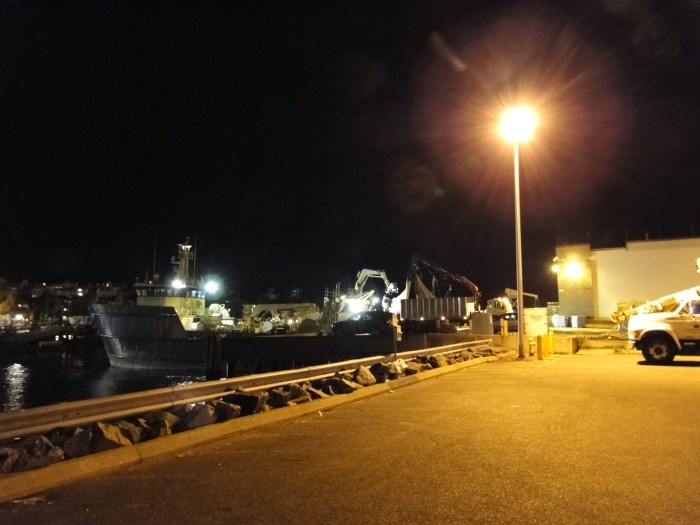
lavoro di notte!
lavoro di notte!
http://twitter.com/#!/capeannpainter
Spread The GMG Love By Sharing With These Buttons:

Beautiful Industry- Freshly Painted Lobster Trap Bouys


 Good Morning Gloucester