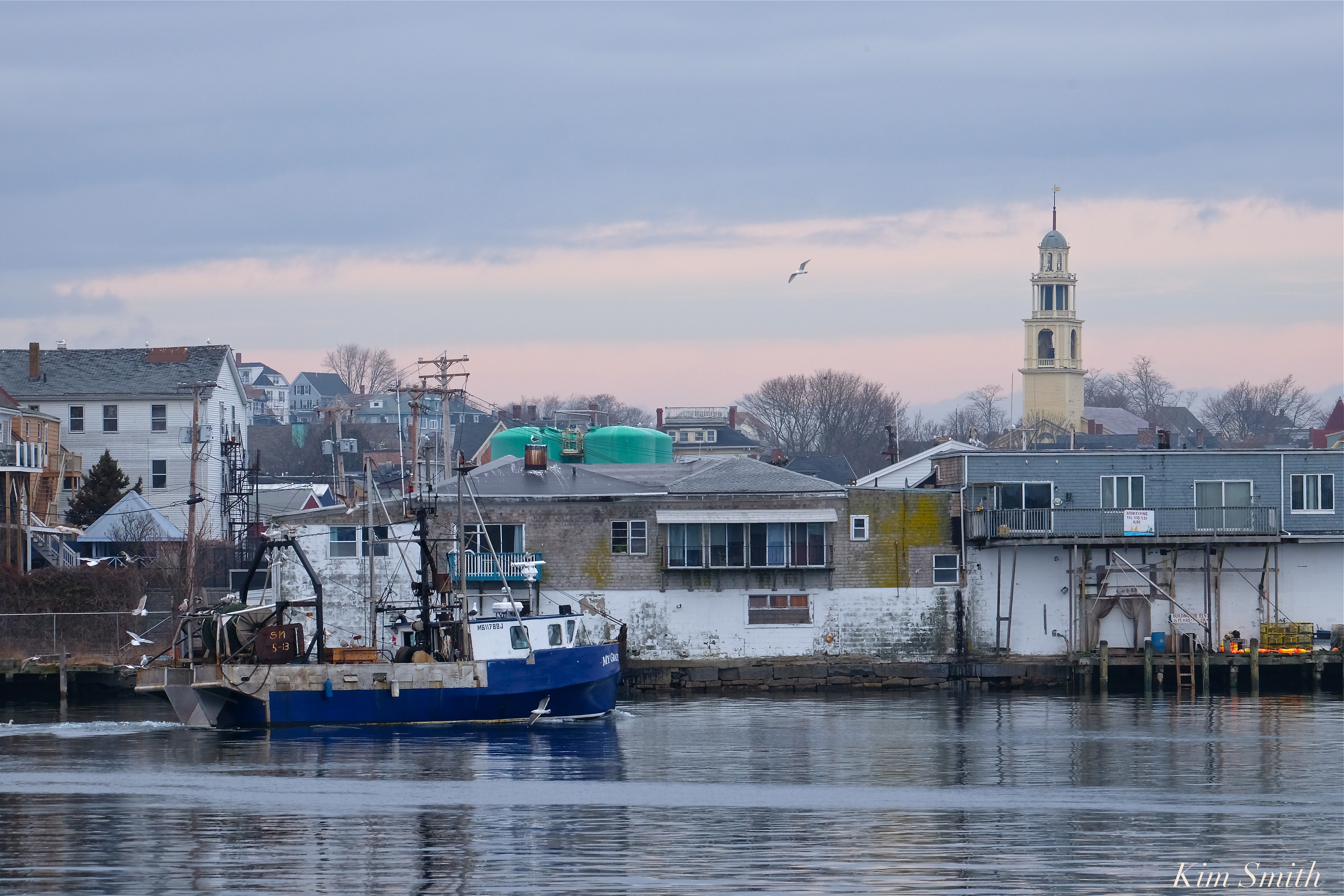
 FV My Grace, Gloucester
Author: Kimsmithdesigns
Documentary filmmaker, photographer, landscape designer, author, and illustrator. "Beauty on the Wing: Life Story of the Monarch Butterfly" currently airing on PBS. Current film projects include Piping Plovers, Gloucester's Feast of St. Joseph, and Saint Peter's Fiesta. Visit my websites for more information about film and design projects at kimsmithdesigns.com, monarchbutterflyfilm.com, and pipingploverproject.org. Author/illustrator "Oh Garden of Fresh Possibilities! Notes from a Gloucester Garden."

BEAUTIFUL FISH: GOOSE FISH -By Al Bezanson
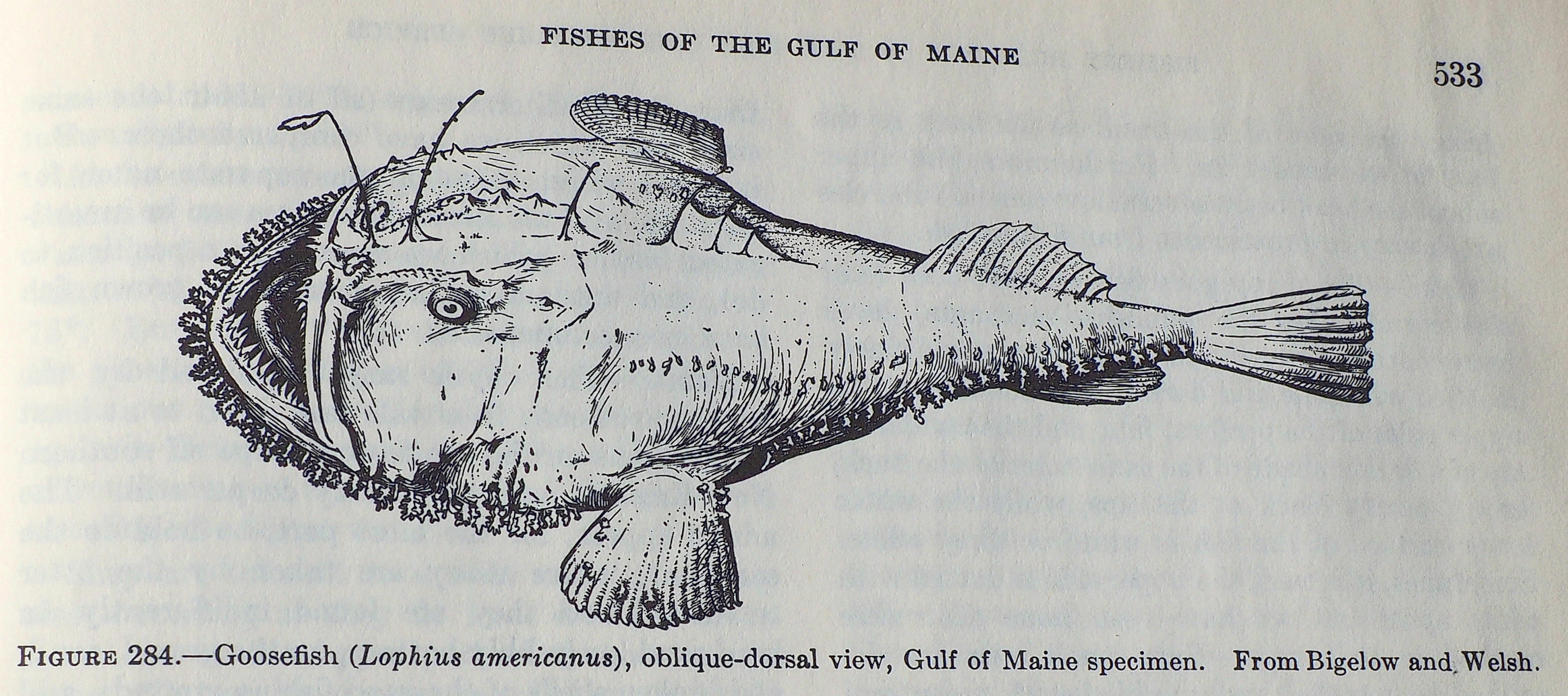
MONKFISH; ANGLER; ALLMOUTH; MOLLIGUT; FISHING FROG … The first spine bears an irregular leaflike flap of skin at its tip, which plays an important role in the daily life of the goosefish as a lure for its prey … Weighing up to 50 pounds … The goosefish has often been cited for its remarkable appetite. We read, for instance, of one that had made a meal of 21 flounders and 1 dogfish, all of marketable size; of half a pailful of cunners, tomcod, and sea bass in another; of 75 herring in a third; and of one that had taken 7 wild ducks at one meal. In fact it is nothing unusual for one to contain at one time a mass of food half as heavy as the fish itself. And with its enormous mouth (one 3½ feet long gapes about 9 inches horizontally and 8 inches vertically) it is able to swallow fish of almost its own size. Fulton, for instance, found a codling 23 inches long in a British goosefish of only 26 inches, while Field took a winter flounder almost as big as its captor from an American specimen. One that we once gaffed at the surface, on Nantucket Shoals, contained a haddock 31 inches long, weighing 12 pounds, while Captain Atwood long ago described seeing one attempting to swallow another as large as itself.
Importance—
No regular commercial use has been made of the goosefish in America up to the present time. But it is an excellent food fish, white-meated, free of bones, and of pleasant flavor.
From Fishes of the Gulf of Maine by Bigelow and Schroeder, 1953. Available free online courtesy of MBL/WHOI http://www.gma.org/fogm/Lophius_americanus.htm
If you were a goosefish you would say the “importance” situation has taken a bad turn since 1953. The 2002, third edition, of Fishes of the Gulf of Maine notes: Total landings remained at a low level until the mid-1970s, increasing from a few hundred metric tons to around 6,000 mt in 1978. Landings remained stable at between 8,000 and 10,000 mt until the late 1980s and then increased to a peak level of 26,800 mt in 1996. Usually only the tails are landed. There is also a lucrative market for goosefish livers.
In the 1960s the Bureau of Commercial Fisheries Technological Lab on Emerson Avenue in Gloucester was involved in marketing support for goosefish (monkfish), then considered an underutilized species. I worked there at that time and recall Julia Child and the Boston Globe’s food editor, Dorothy Crandall visiting the lab and providing enthusiastic support. Here’s a 1979 photo of Julia Child with a monkfish. https://www.nefsc.noaa.gov/read/popdy/monkfish/
Al Bezanson
Spread The GMG Love By Sharing With These Buttons:

HOW CAN THE BEATING WINGS OF A SNOWY OWL BE QUIETER THAN A BUTTERFLY’S WING BEATS? – By Kim Smith
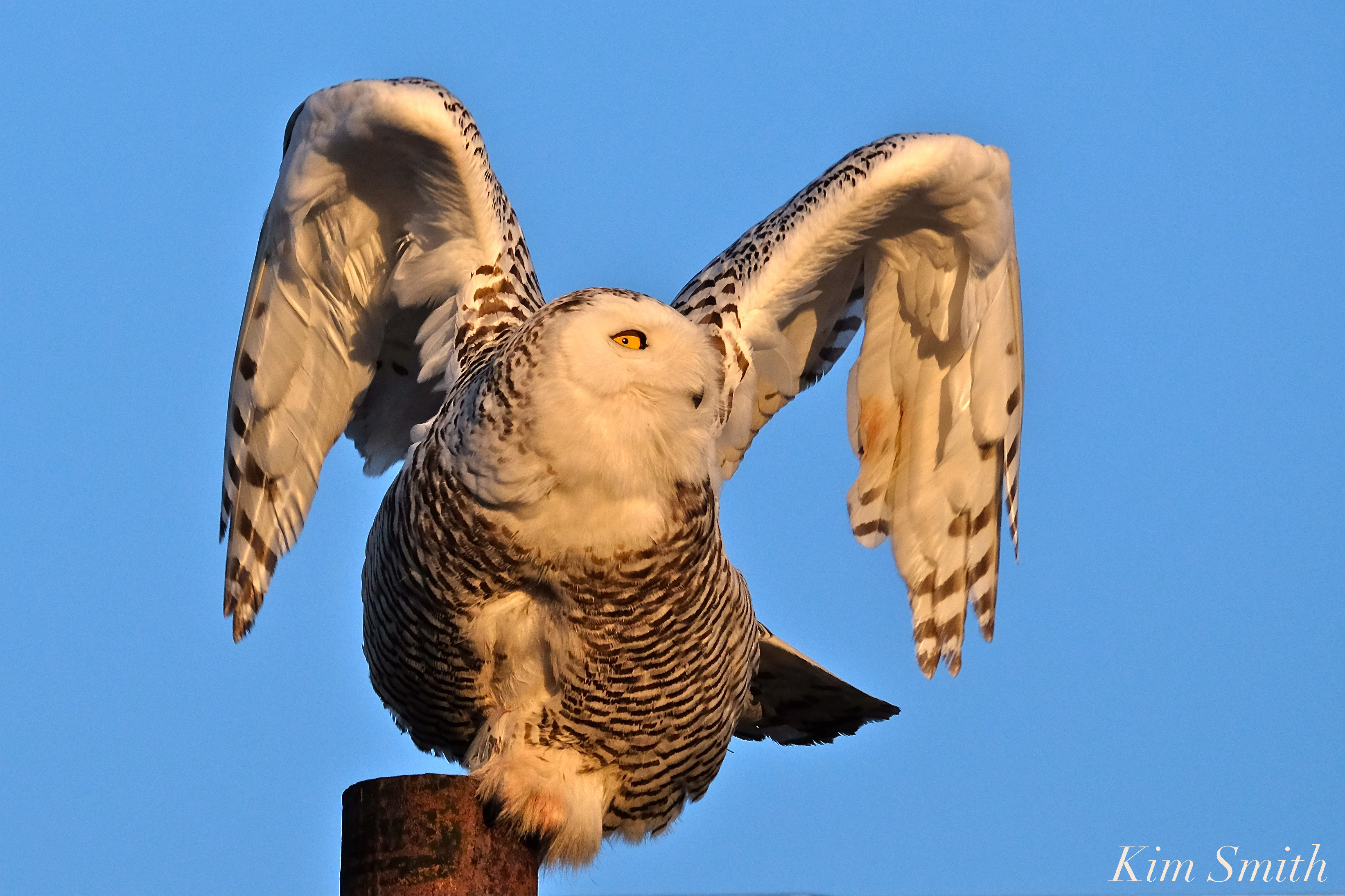 Snowy Owl Hedwig Preparing for Take-off
Several times Hedwig has flown so close that I can feel the swooshing wind around her, but I wondered, why her wingbeats are virtually soundless. I have audio recordings of comparatively tiny Monarchs, whose wingbeats are a thousand times louder than that of Hedwig’s wingbeats.
Snowy Owls, like all owls, have evolved with specially designed wings that enable them to fly soundlessly, a necessary feature for stealth hunting of small mammals such as mice, lemmings, voles, shrews, and rats. Their wings are disproportionately large to their body mass, which allows for slow flying, as slowly as two miles per hour, a sort of glide-flying, with very little flapping needed.
Additionally, comb-like serrations on the leading edge of an owl’s wingtips break up the air that typically makes a swooshing sound, creating a silencer effect. And, too, the streams of air are softened by a velvety texture unique to owl’s wings and because of the feathery combs of the wing’s trailing edge (see illustration below).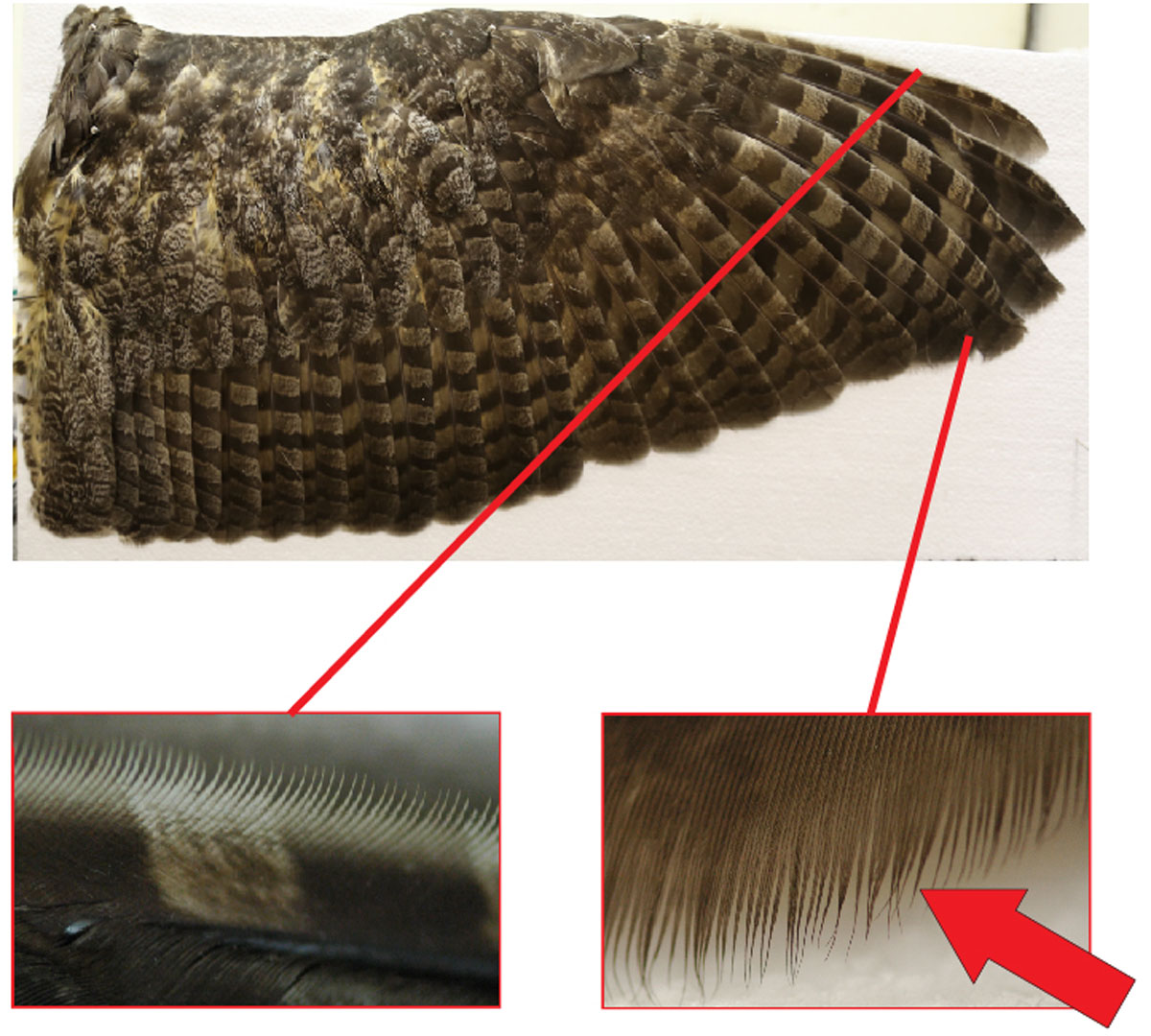 Close-up images of a Great Horned Owl’s wing. On the left, you can see the leading-edge comb; it’s this width that Le Piane measured for her study. On the right, the trailing-edge fringe. Diagram: Krista Le Piane.
Image of a Great Horned Owl’s wings from Mass Audbon. READ MORE HERE.
Spread The GMG Love By Sharing With These Buttons:

BEAUTIFUL FISH: ATLANTIC HALIBUT -By Al Bezanson
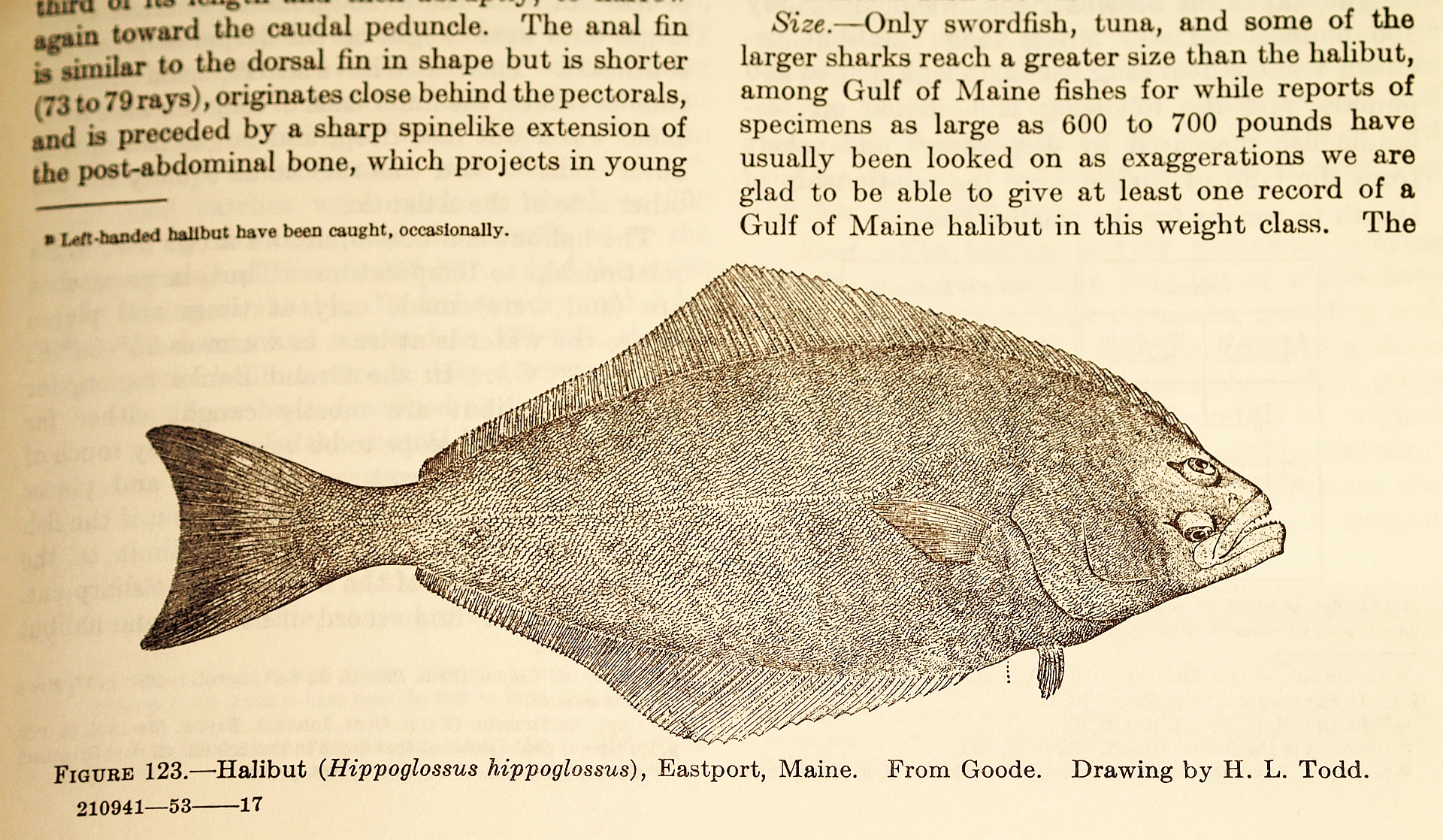
Halibut caught in shallow water are very active, usually starting off at great speed when they are hauled up from the bottom, often spinning the dory around in their attempts to escape. (Goode and Collins, 1887) The offshore fishery for halibut began about 1830, when cod fishermen brought word to Gloucester of a great abundance of them on Georges Bank,[61] and they were caught there for a few years thereafter in numbers that seem almost unbelievable today. Thus we read of 250 caught in three hours; of vessels loaded in a couple of days; and of a single smack landing 20,000 pounds in a day.
From Fishes of the Gulf of Maine by Bigelow and Schoeder, 1953
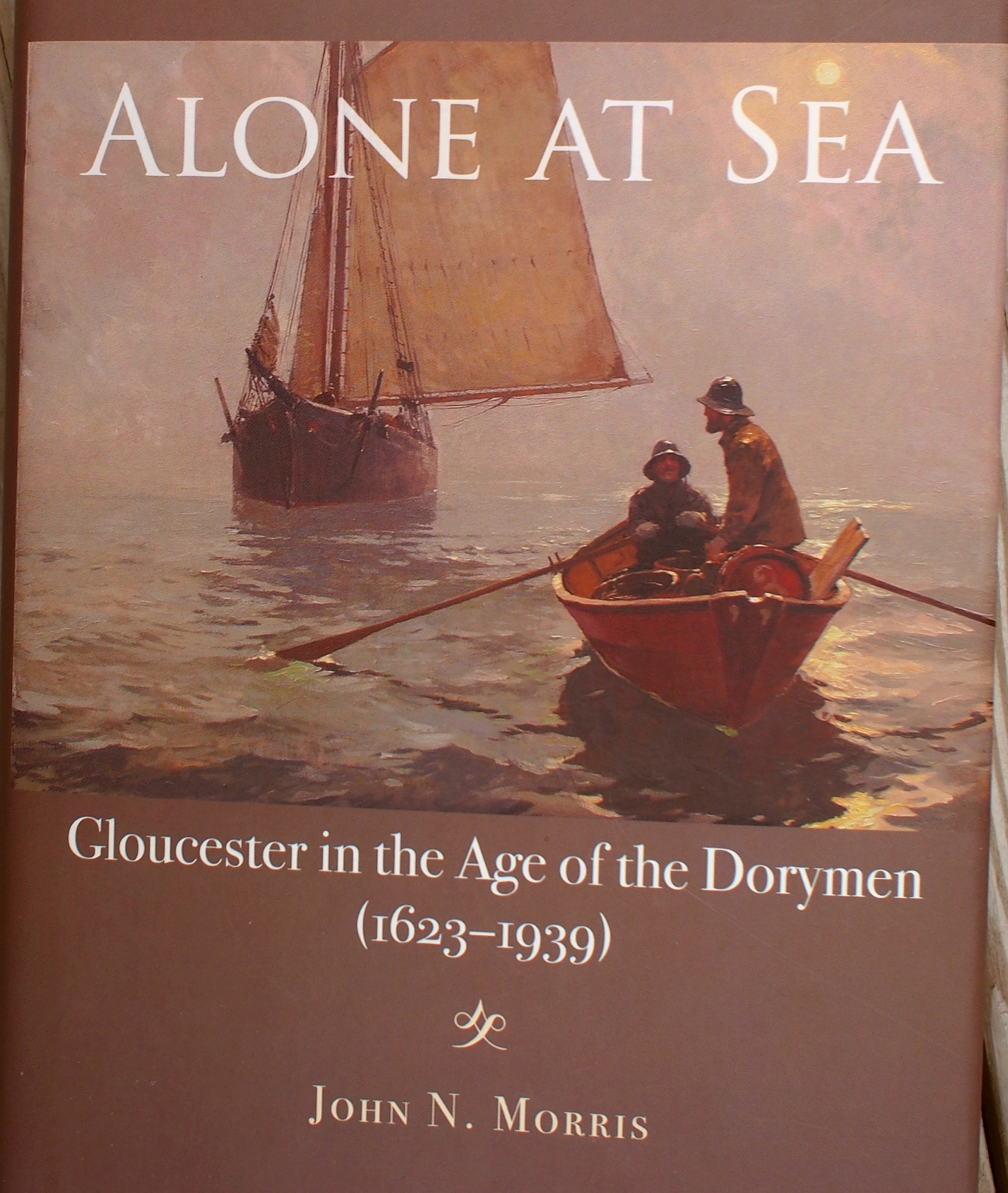
GLOUCESTER — On March 7, 1935, two men trawling for halibut from a Gloucester schooner off Newfoundland disappeared from their overturned dory and were presumed drowned. The deaths of Charles Daley and Stephen Olsson were unremarkable, except that they were among the last of their kind. Their families mourned and then turned to the task of surviving without them. Within a few years, dory fishing was no longer. (From a review of Alone at Sea by John N Morris, 2010)
Spread The GMG Love By Sharing With These Buttons:

BEAUTIFUL FISH: AMERICAN EEL -By Al Bezanson
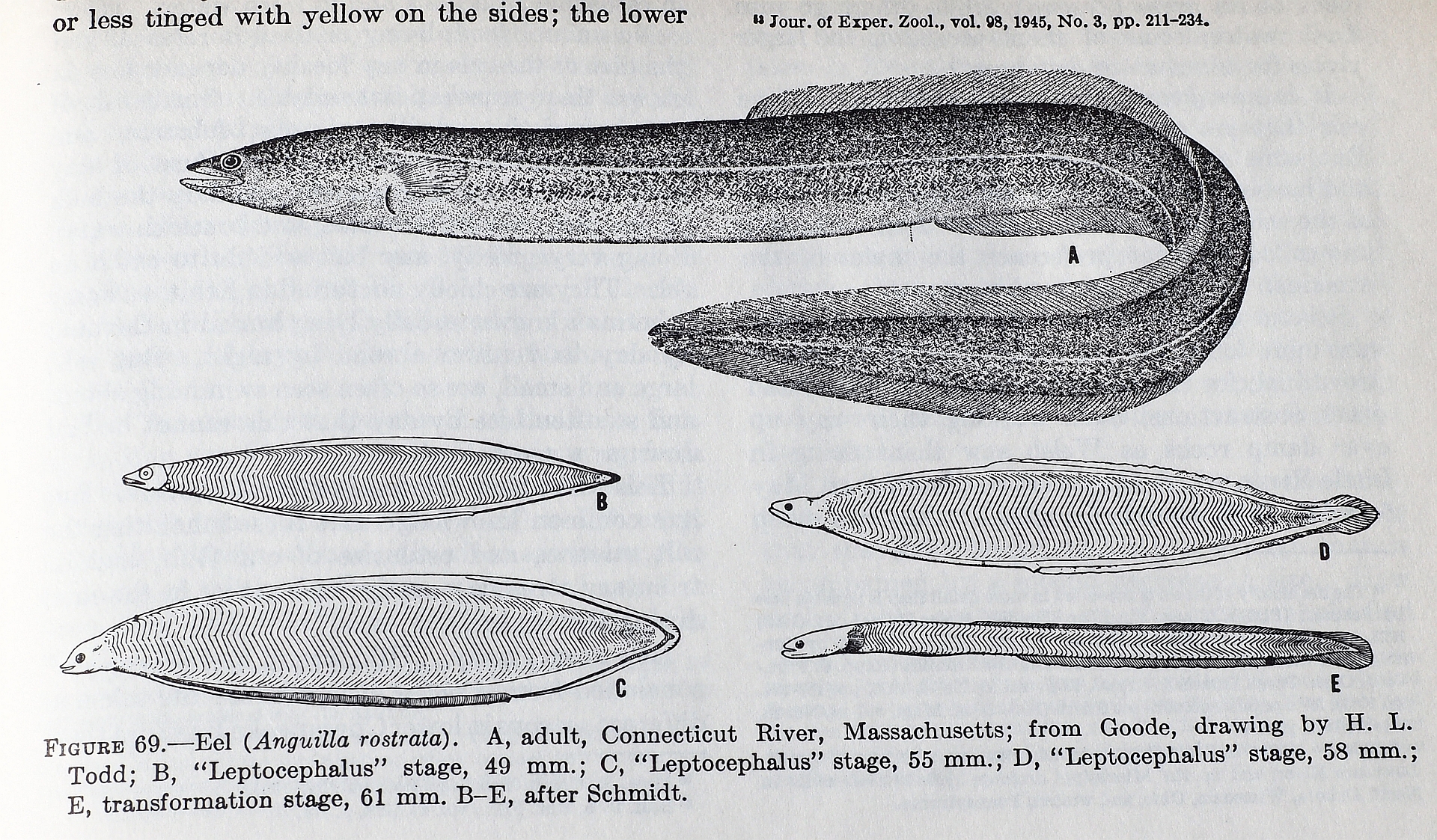
American eel; Silver eel; Fresh-water eel; Elver (young) … A tremendous run, in Little River, near Gloucester, on May 5, 1913 .. even working their way up over damp rocks .. so plentiful that he caught 1,500 in one scoop of a small dip net and 545 with a few grabs of his bare hand. (Welsh) The life history of the eel is just the antithesis of that of the salmon, shad, and alewife, for eels breed far out at sea, but make their growth either in estuarine situations or in fresh water. Eels drop wholly out of sight when once they leave shore; no one knows how deep they swim, but they certainly journey out beyond the continental slope into the oceanic basin before depositing their eggs.
More here, in Fishes of the Gulf of Maine by Bigelow and Schroeder, 1953
http://www.gma.org/fogm/Anguilla_rostrata.htm
Spread The GMG Love By Sharing With These Buttons:

Cape Ann Symphony: Belle Musique Francais
 CAPE ANN SYMPHONY CONTINUES 66th SEASON: BELLE MUSIQUE FRANCAIS
An Afternoon of French Symphonic Miniatures Featuring
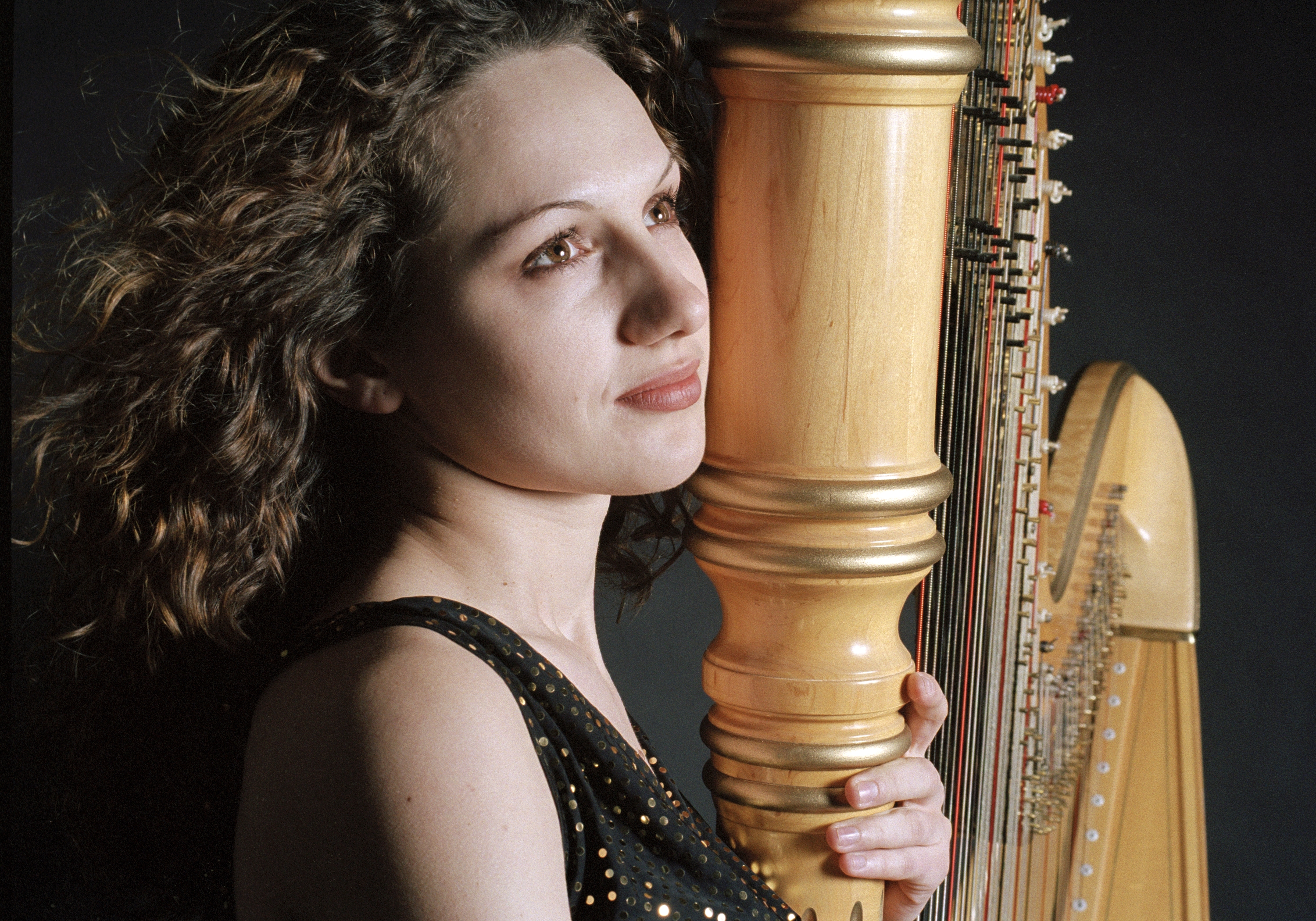
World Renowned Harpist Ina Zdorovetchi on Sunday, March 25
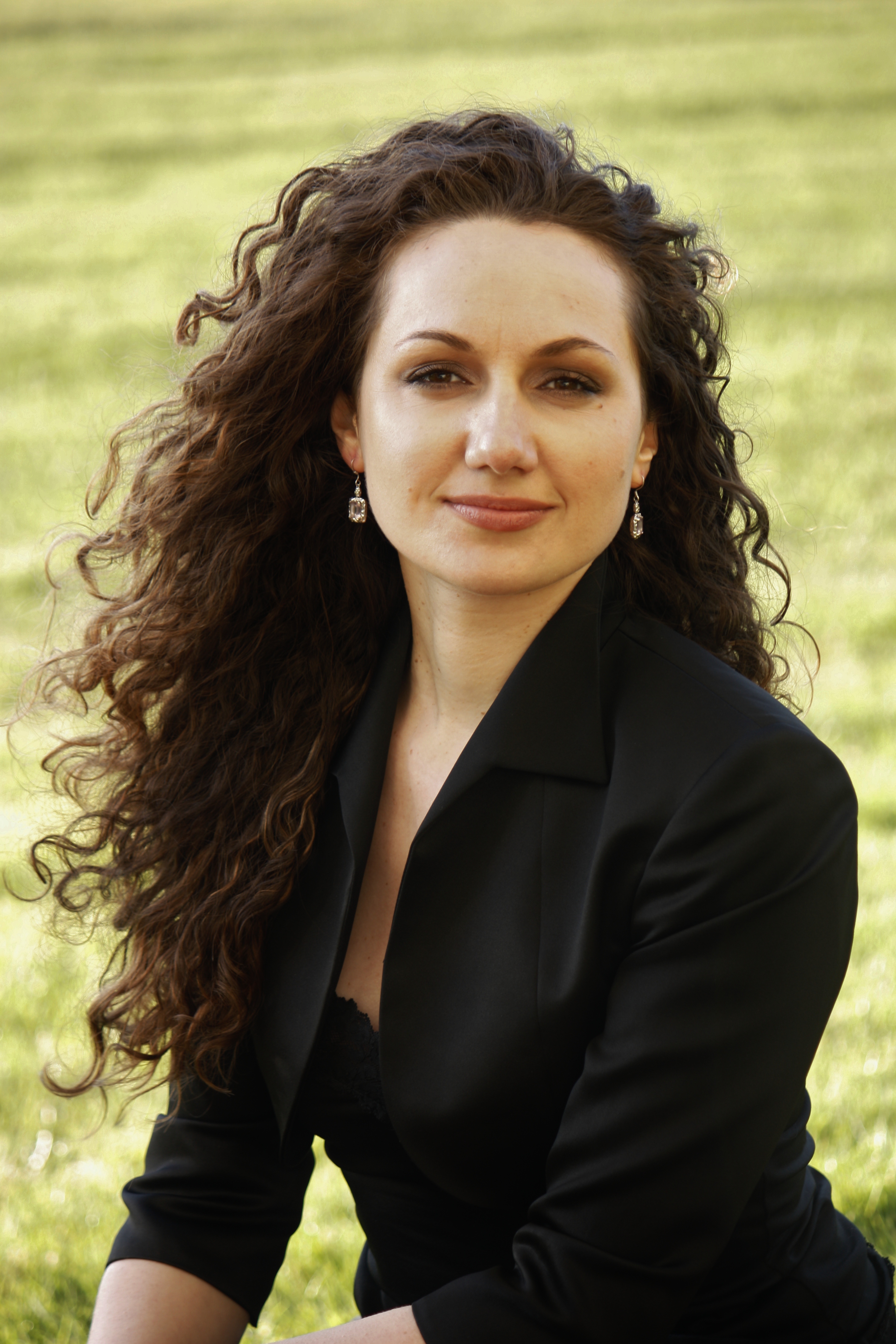
Cape Ann Symphony continues the orchestra’s 66th Concert Season on Sunday, March 25 at 2 pm at the Manchester-Essex High School Auditorium on 36 Lincoln Street in Manchester-by-the-Sea, MA with the Belle Musique Francais Concert , a sparkling program featuring a selection of French symphonic miniatures by Faure, Ravel, Bizet, and Debussy. Guest Artist harpist Ina Zdorovetchi joins the orchestra for Debussy’s Danse Sacree et Profane and Ravel’sIntroduction and Allegro. The program also includes Faure’s Pelleas and Melisande Suite, Ravel’s Le Tombeau de Couperin and Bizet’s Jeux d’enfants (Petite Suite). Cape Ann Symphony Conductor and Music Director Yoichi Udagawa calls the program, “an outstanding concert featuring an all star line up of the greatest French composers of all time.” “The addition of the brilliant harpist Ina Zdorovetchi,” adds Udagawa, “will make the music soar!” Ina Zdorovetchi has established a reputation as one of the leading harpists of her generation. Active as a soloist, recitalist and recording artist, she has been featured at Carnegie Hall, Kennedy Center, Rockport Music Festival, Brevard Music Center, Isabella Stewart Gardner Museum, WGBH Radio Boston, the symphony orchestras of Jerusalem andHaifa, the Boston Modern Orchestra Project (BMOP), Moldova National Radio Orchestra, Moldova National Philharmonic, the chamber orchestras of Seattle, Boston University, Bucharest University, and the Republic of Moldova. As an orchestral musician Zdorovetchi is Principal Harpist of the Portland Symphony Orchestra, Boston Pops Esplanade Orchestra and Boston Lyric Opera.. Zdorovetchi makes her Cape Ann Symphony debut in the Belle Musique Francais Concert on Sunday, March 25 at 2 pm. For tickets and information, call 978-281-0543 or visitwww.capeannsymphony.org.
Spread The GMG Love By Sharing With These Buttons:

DAVID CALVO CARVING AND CRAFT WORKSHOPS

Spread The GMG Love By Sharing With These Buttons:

IMPORTANT Safety Notice in Response to Parkland Florida Incident
Gloucester Public Schools
Our mission is for all students to be successful, engaged, lifelong learners
Richard Safier, Ed.D.
Superintendent of Schools
Phone: (978) 281-9800/Fax: (978) 281-9899
Email: rsafier@gloucesterschools.com
Dear Parents/Guardians and Colleagues,
On Wednesday, we all learned of a massive shooting at a Florida high school. Our thoughts and prayers go out to the families, school staff and the communities affected by this unthinkable tragedy. While reports continue to unfold the circumstances, we know that an incident of this magnitude is troubling to adults and children alike as we struggle to understand why tragedies such as this occur. Please know that the safety of our students, staff and faculty is our number one priority in the Gloucester Public Schools. Our schools continue to work hard at maintaining and refining our building emergency preparedness plans. Our plans have been developed in coordination with local police (I last met with a member of the police department on Monday on just this issue) and the fire and emergency management departments of the City of Gloucester. Their extensive training and guidance has been at the forefront of our plans. We have, in turn, trained our school staffs and regularly practice scenario-based drills at every school. Please be assured that preparedness for emergencies has been and continues to be a top priority in your schools.
Currently, students are safely attending our schools, and may or may not be aware of the most recent incident which occurred just two days ago. As we enter the vacation week, however, this incident will no doubt be discussed among families and throughout the nation for days to come. For your immediate reference, here are some suggestions to help make your children feel safe:
- Turn off or monitor the television. Endless news programs are likely to heighten anxiety, and young children cannot distinguish between images on television and their personal reality;
- Maintain a normal routine;
- Stick to facts. Answer questions factually. “Yes, there was a very sad incident in Florida yesterday, but your teacher and principal are working very hard to keep you safe;”
- Remain calm and reassuring; children take their cues from their parents, teachers and adults;
- Be optimistic;
- Be a good listener and observer; pay attention to changes in behavior;
- Take care of yourself; you are better able to help your students if you are coping well.
If you are anxious or upset, your students are more likely to be so as well. Our schools are ready with counseling support for those children who might need additional reassurance. Please let your school principal or counselor know if you have specific concerns about your student/s. We are in the process of organizing and scheduling our training sessions and drills for the spring (these vary in execution at the different levels–high school, middle school, and elementary school due to the age and developmental stages of the children). For more information, please refer to the National Association of School Psychologists, Talking_To_Children_About_Violence.pdf.
The painful reality is that no school district or public place can ever be completely immune from such senseless violence. We recognize, however, that safety and security does not rest with an individual, a facility, or the district alone, but rather that safety is everybody’s responsibility. We all play a vital role in staying vigilant, aware, and in reporting any concerns.
We are asking all staff and parents to remain engaged with our schools and to know that our safety and security measures are in place. We want our schools to remain welcome and inviting places for all students and families, but please understand that some of our safety and security measures must continue to be a priority regardless of inconvenience. We know that you share in our concern and our focus on safety and security.
Thank you for your support. Please contact your principal with any questions or concerns.
Respectfully,
Richard Safier
FOR SPANISH, ITALIAN, AND PORTUGUESE TRANSLATIONS READ MORE HERE
For Espanol, Italiano, and Português Translations READ MORE HERE
Continue reading “IMPORTANT Safety Notice in Response to Parkland Florida Incident”
Spread The GMG Love By Sharing With These Buttons:

HUGE NEWS FOR FELLOW LOVERS OF CREME BRULEE!
I know there are more than a few of you out there. Just saying–DUCKWORTH’S BISTROT is now serving crème brûlée!!!!!!!!!!!!!
Nicole’s Blood Orange Crème Brûlée is beyond fantastic. My darling husband took me to our fabulous neighborhood French bistrot, and favorite hangout, for a divine Valentine’s dinner. Tom had his very favorite, the chicken schnitzel and I ordered two half-portion dinners–the always to-die-for lobster and vegetable risotto, and steak with an exquisite Bernaise sauce. Of course it was one dinner too many, with their very generous portions, and the lobster made for the greatest lunch the following day. Michelle, and all the staff at Duckworth’s, make every dining experience there a wonderful treat, with their warm, welcoming ways. Thank you Nicole and Ken Duckworth for the best Valentine’s dinner date ever!
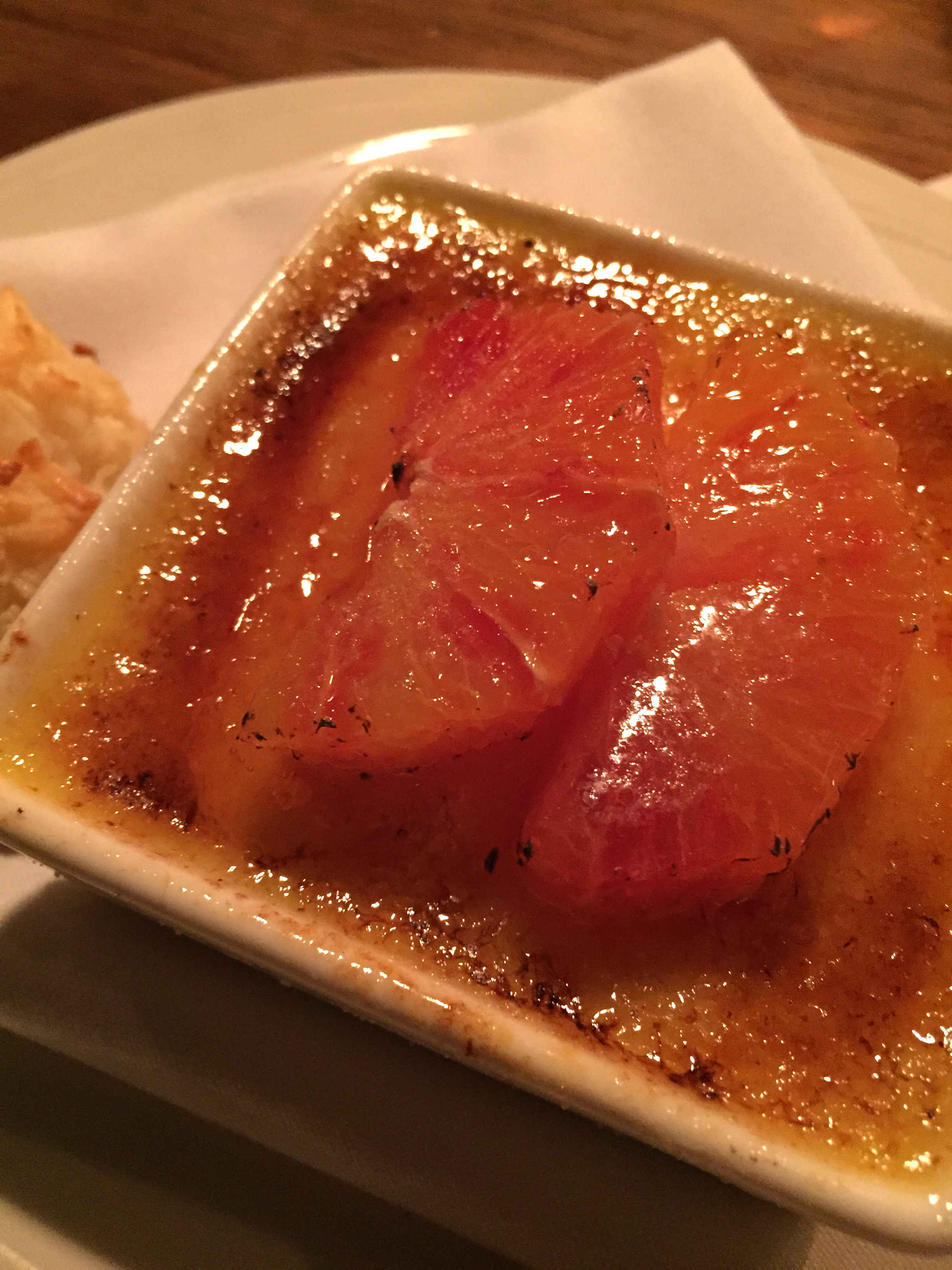 Only a cell phone photo, next time bringing my good camera!
Spread The GMG Love By Sharing With These Buttons:

BELL HOUSE EASTERN POINT
Beautiful evocative fog shrouded sunset tonight.
 Bell House, Eastern Point
Spread The GMG Love By Sharing With These Buttons:

Beautiful Fish: Shad -By Al Bezanson
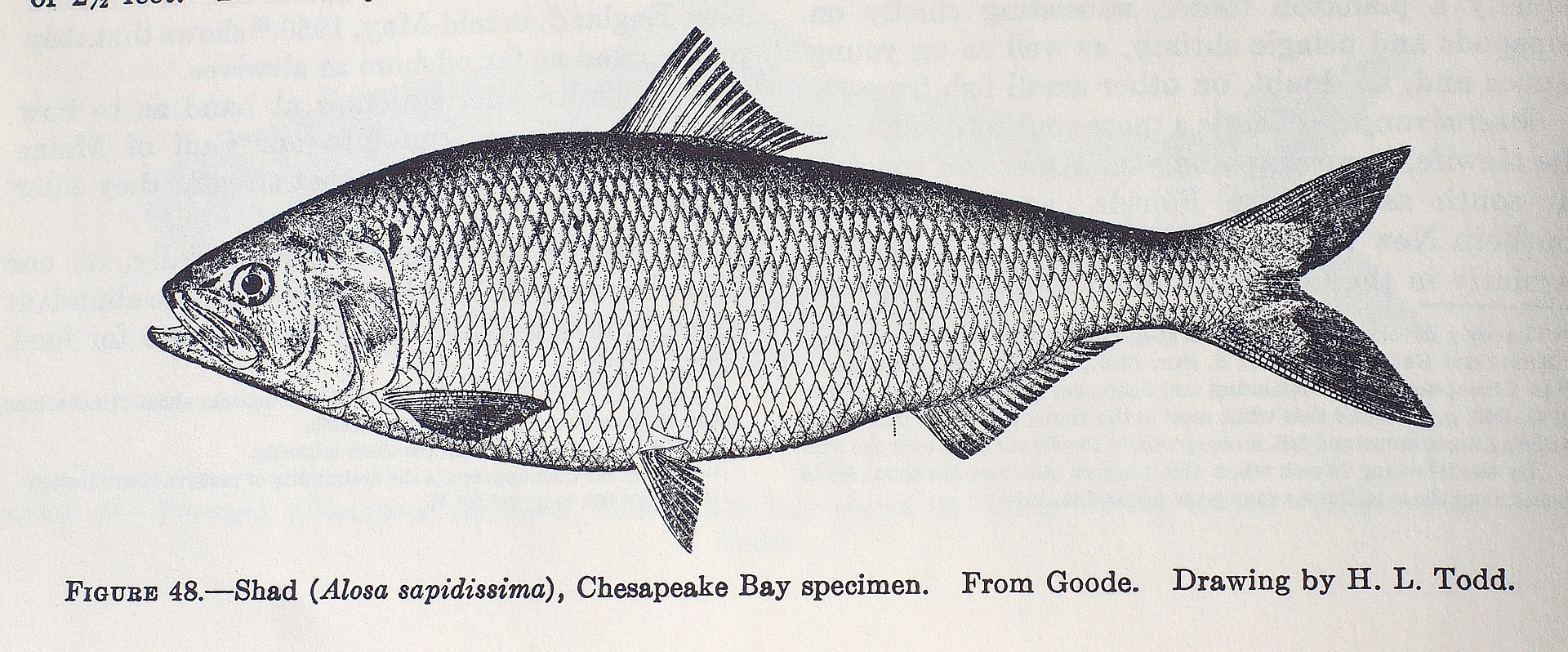
A typical member of the herring tribe. Largest of the herrings that visit our gulf, growing to a length of 2 ½ feet. One tagged in Chesapeake Bay was recaught 39 days later at Race Point. The shad, like the alewife, spends most of its life at sea, and makes most of its growth there, but runs up into fresh rivers to spawn, the spent fish soon returning to salt water, and its fry running down also.
From Fishes of the Gulf of Maine by Bigelow and Schroeder, 1953
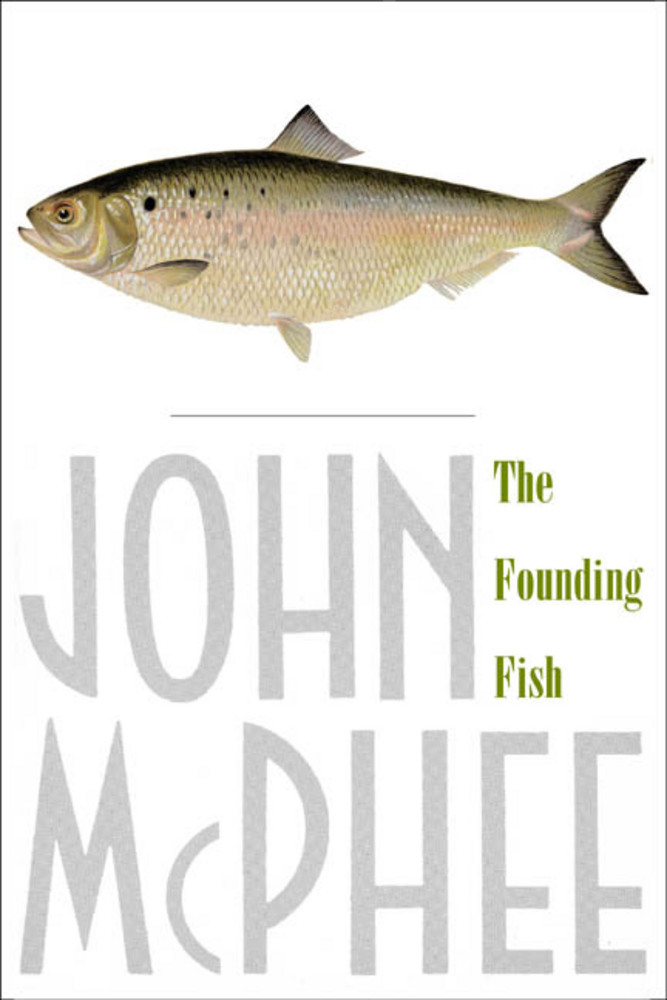
In the spring of 1778, the shad run in the Schuylkill River saved George Washington’s army from starvation at Valley Forge. Thus one could claim that this country owes its victory over the British to shad and, hence, the title of John McPhee’s book, The Founding Fish.
https://us.macmillan.com/thefoundingfish/johnmcphee/9780374528836/
Al Bezanson
Spread The GMG Love By Sharing With These Buttons:

COLLEEN’S ARTS AND CRAFTS FOR LITTLE ONES ON DISPLAY AT THE CAPE ANN MUSEUM!
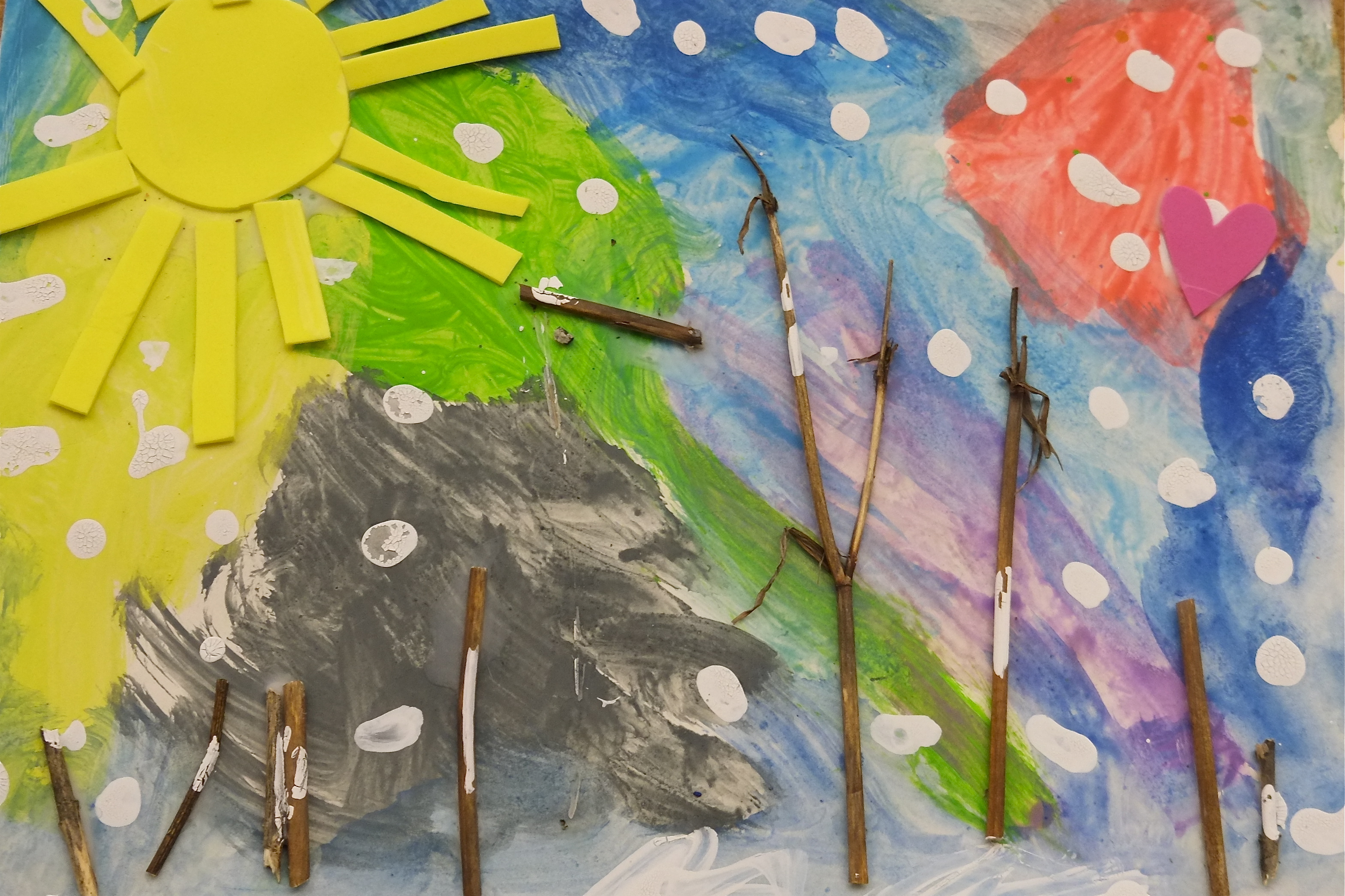
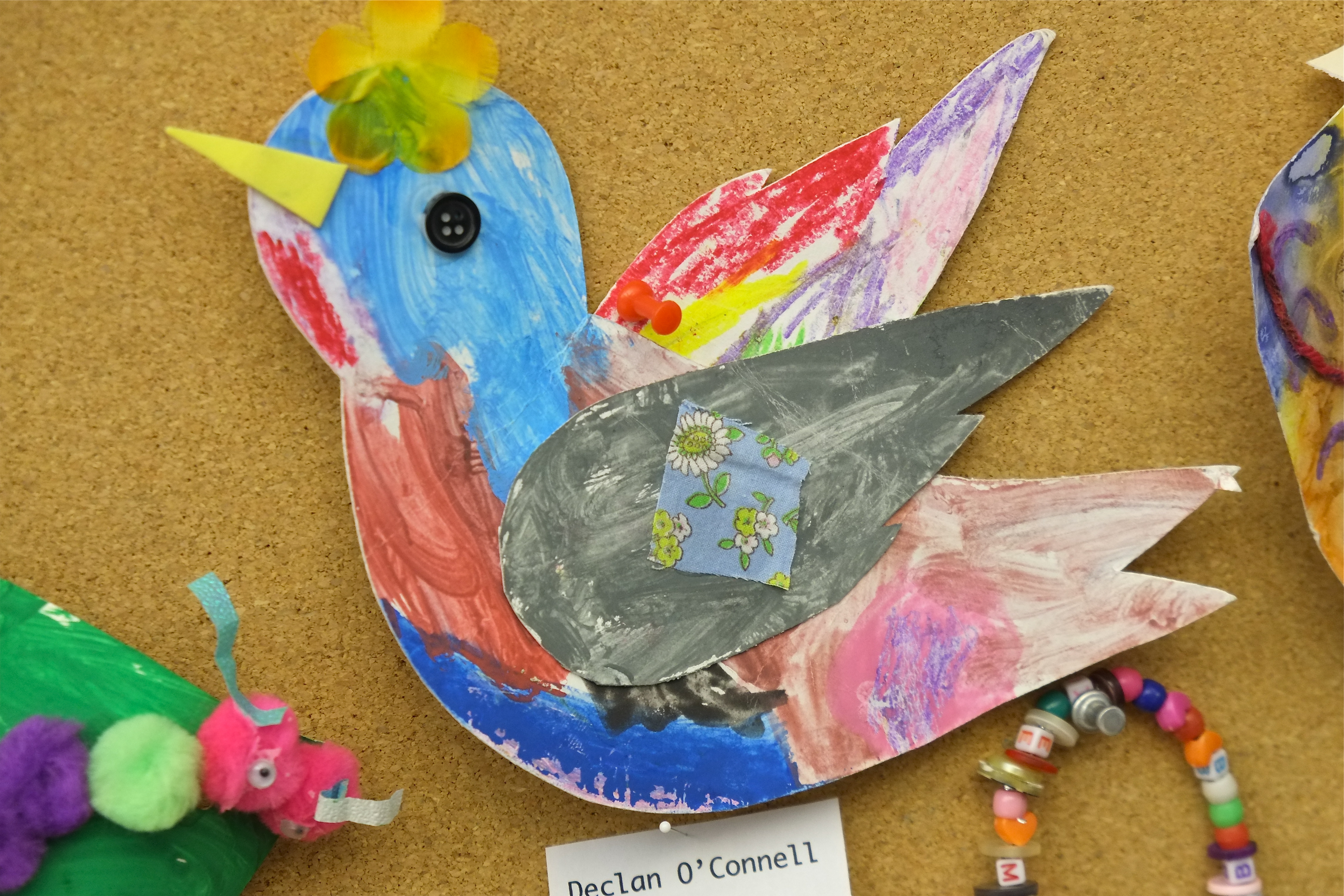 My friend Colleen teaches the sweetest and most fun art class for local youngsters, ages three to seven. Inspired by nature, the projects Colleen leads the children in creating are always wonderfully whimsical. Currently, at the children’s activities room at the Cape Ann Museum, you can see a display of work by her young artists.
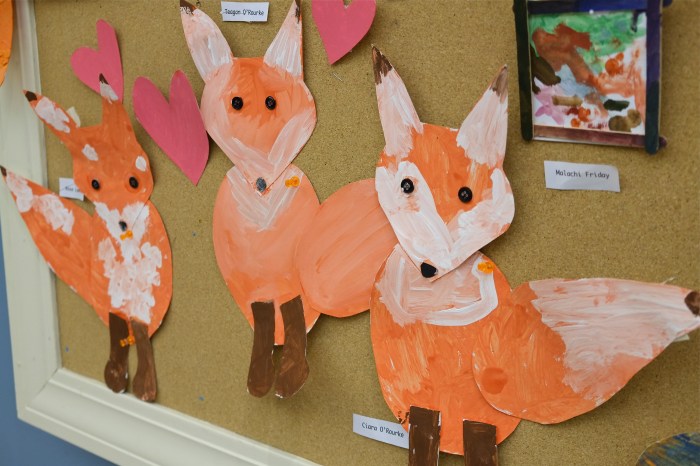
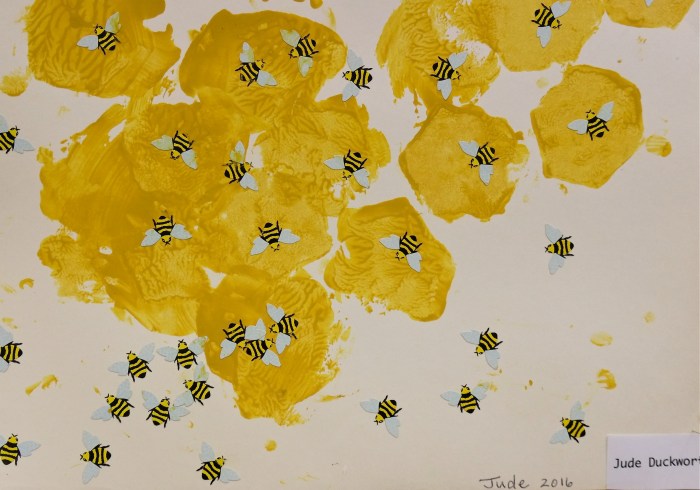

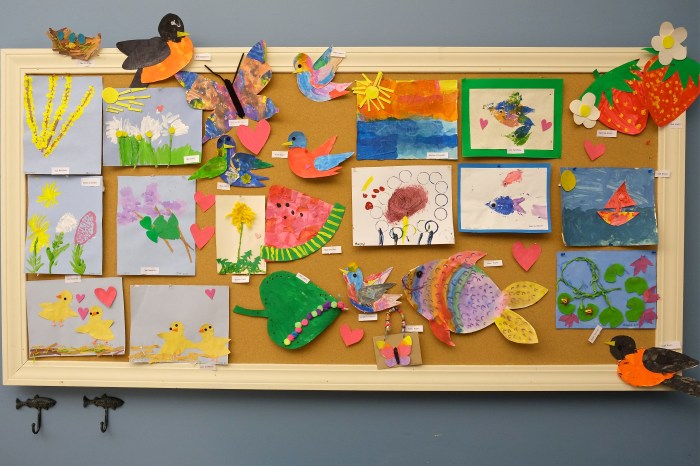



Stop in and see-I think you will be utterly charmed, as was I! 

* * *
The Cape Ann Museum has several excellent children’s programs scheduled for February vacation.
 Wednesday, February 21
Play creative movement games with Sarah Slifer Swift of MAGMA studio and create art that moves!
Thursday, February 22
What’s art got to do with basketball? Shoot hoops at the YMCA, then come to the Museum and sculpt basketball players inspired by those of sculptor Walker Hancock.
Ages 6-12. CAM Members $30/day; non-members $45. Additional children receive discounted rate. To register, please contact Education Coordinator Kirsten Vega at kirstenvega@capeannmuseum.org or (978) 283-0455 x16
Image: Walker Hancock (1901–1998), Basketball Players (c. 1961–1977). Bronze. Museum purchase with funds generously provided by Evelyn Bartlett, 1982 [Acc. #2576].
Spread The GMG Love By Sharing With These Buttons:

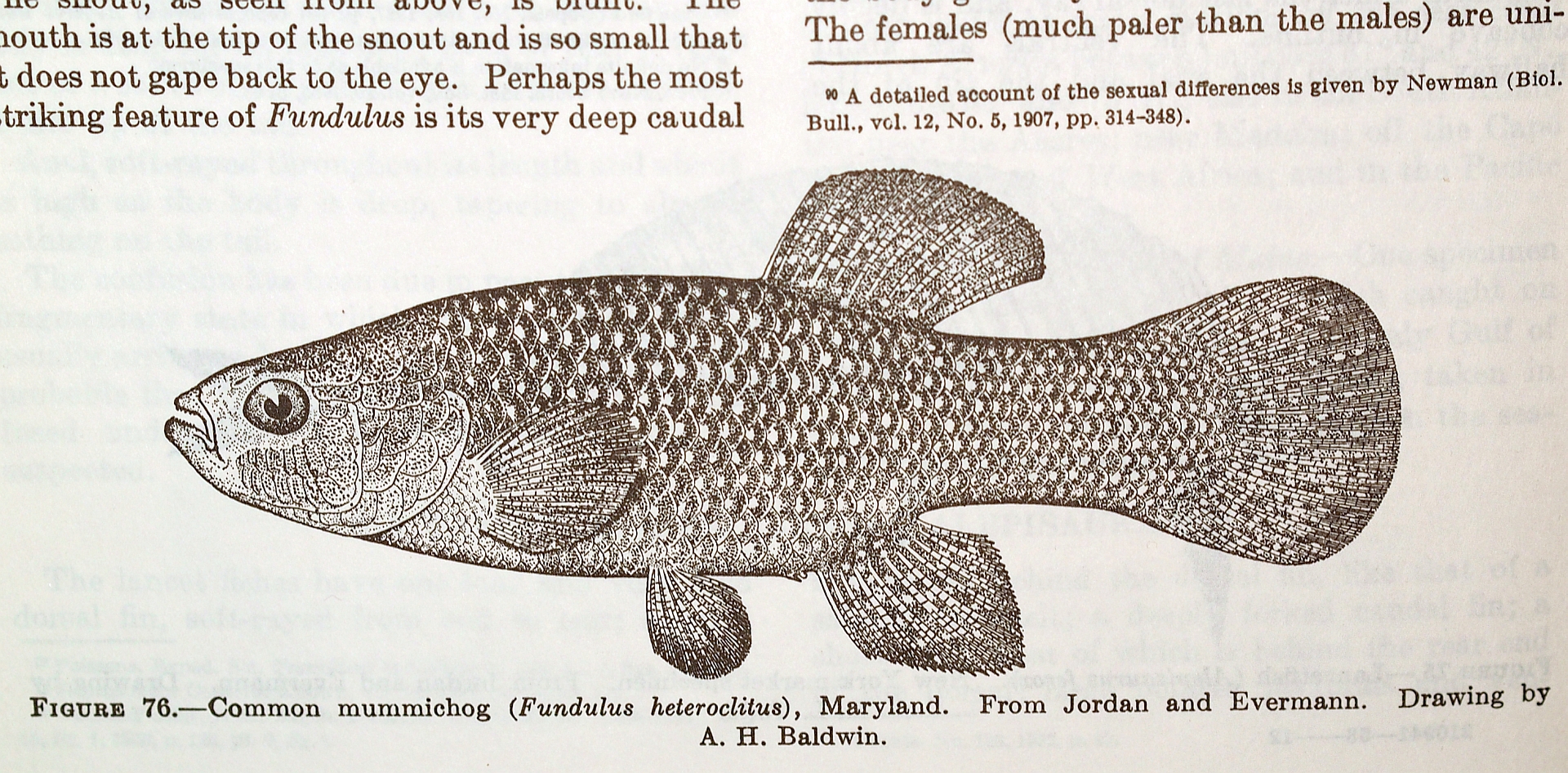
Beautiful Fish: Common Mummichog
Killifish; Salt-water minnow; Chub; Mummy… So closely do they hug the shore that a line drawn 100 yards from land would probably enclose all the mummichogs in the Gulf of Maine… Seldom more than 4 inches long. Abound in the tidal creeks that cut our salt marshes, in muddy pools, in ditches. Shoals of “mummies” may often be seen moving in with the flood tide. Often trapped in little pools until the next tide arrives.
From Fishes of the Gulf of Maine by Bigelow and Schroeder, 1953
-Al Bezanson
Spread The GMG Love By Sharing With These Buttons:

HELLO HEDWIG! WHAT ARE YOU EATING? SNOWY OWL WEEKEND UPDATE -By Kim Smith
Hedwig has been seen daily along the backshore, mostly laying low during the day. She has become quite expert in fooling the crows as to her whereabouts.
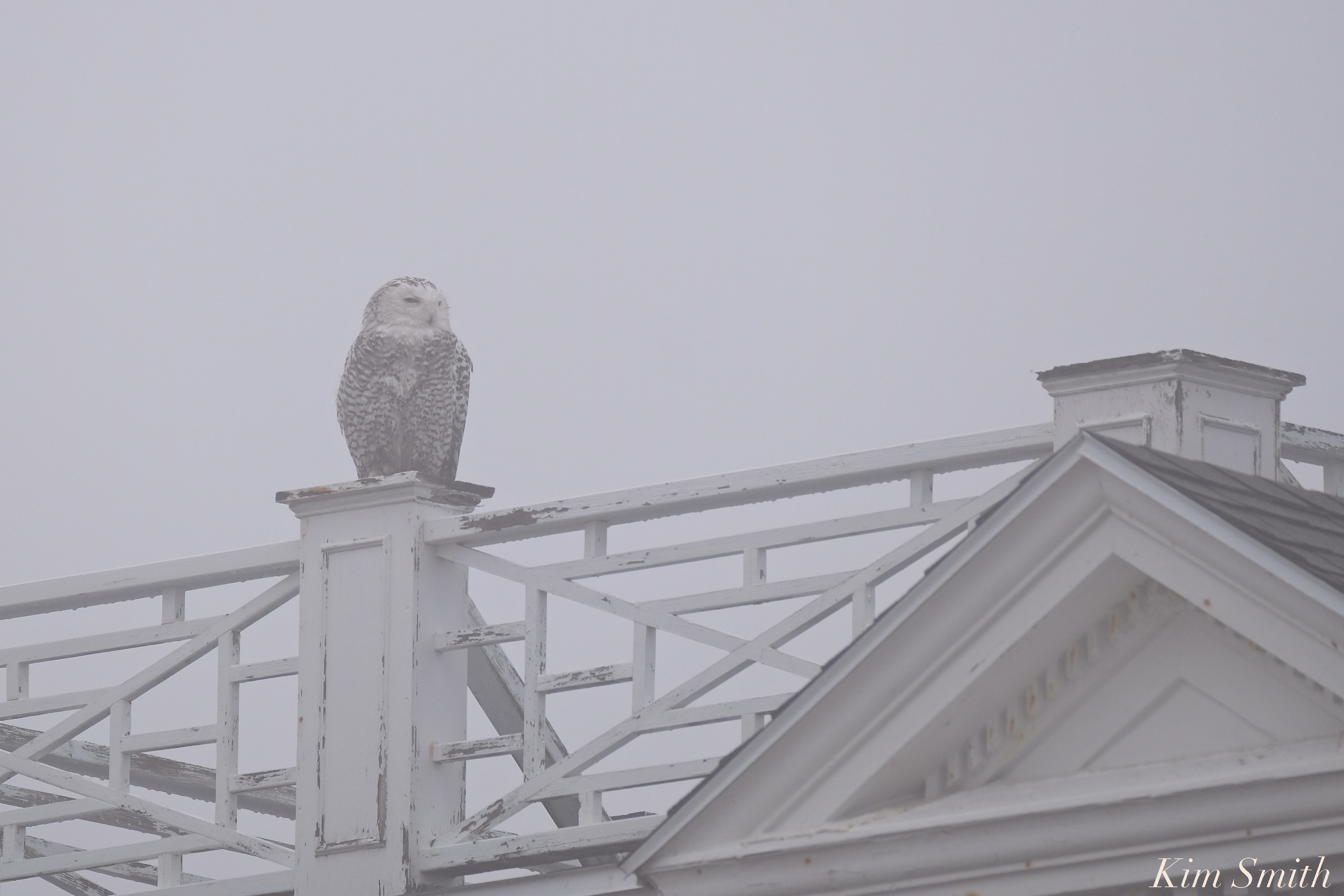 Fog, snow, rain, or sunshine, she isn’t deterred much from her routine of sleeping, resting, and grooming during the day, in preparation for an evening of hunting.
 Early this week I watched in amazement as Hedwig swooped down from her perch and flew hundreds of feet directly to the rocks and in between crevasses. She resurfaced with a small mammal in her mouth and ate it very quickly–from the time she flew off her perch until she gave a satisfied lick of her beak could not have taken more than three minutes. I felt very fortunate to have witnessed a glimpse of her hunting prowess, albeit all too brief.
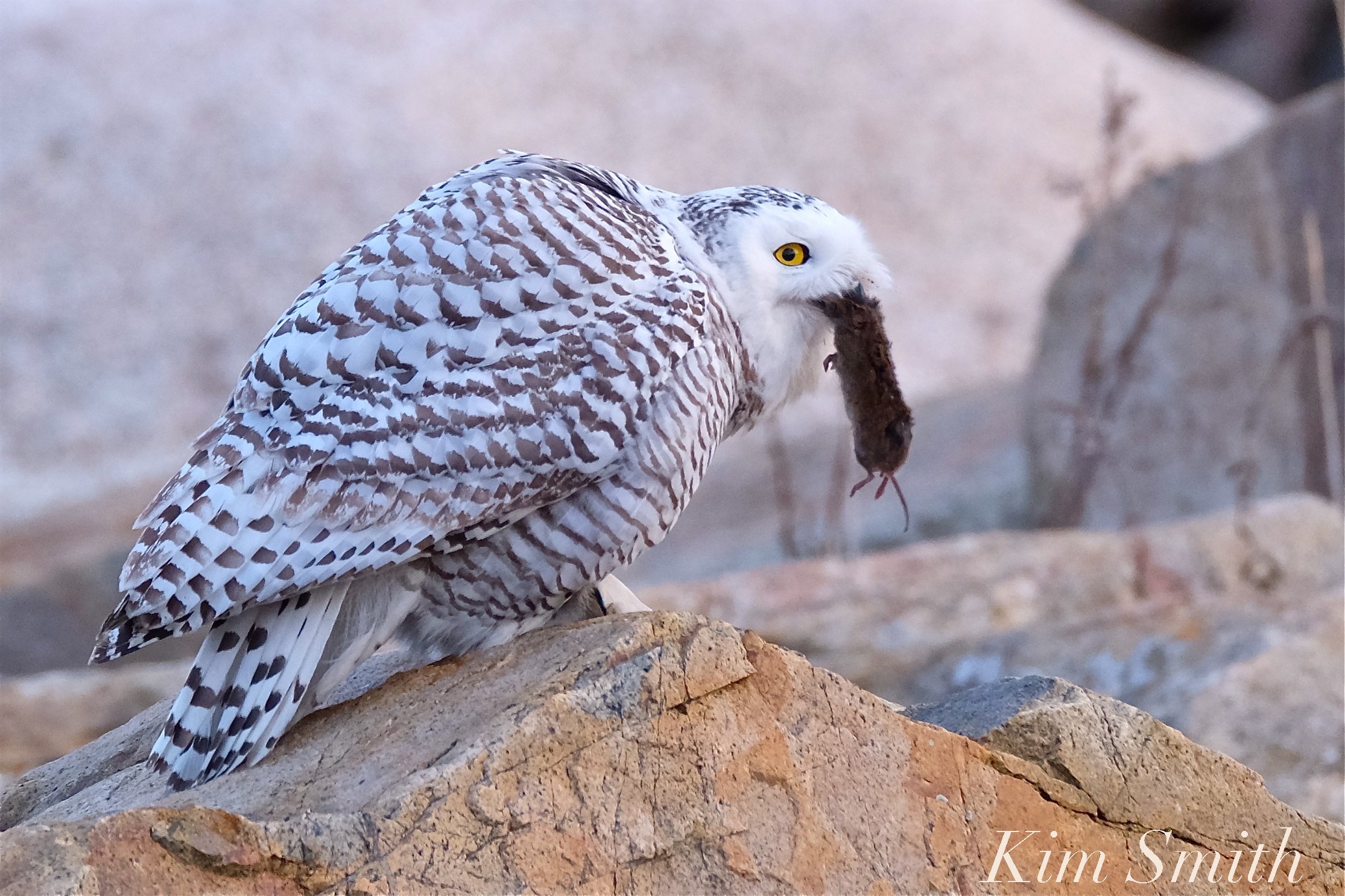 Perhaps the tail is too long for a mouse or rat and too short for a vole, but perhaps not. Small mammal caretaker Erin Whitmore wrote with her suggestion. What do you think Hedwig is eating?
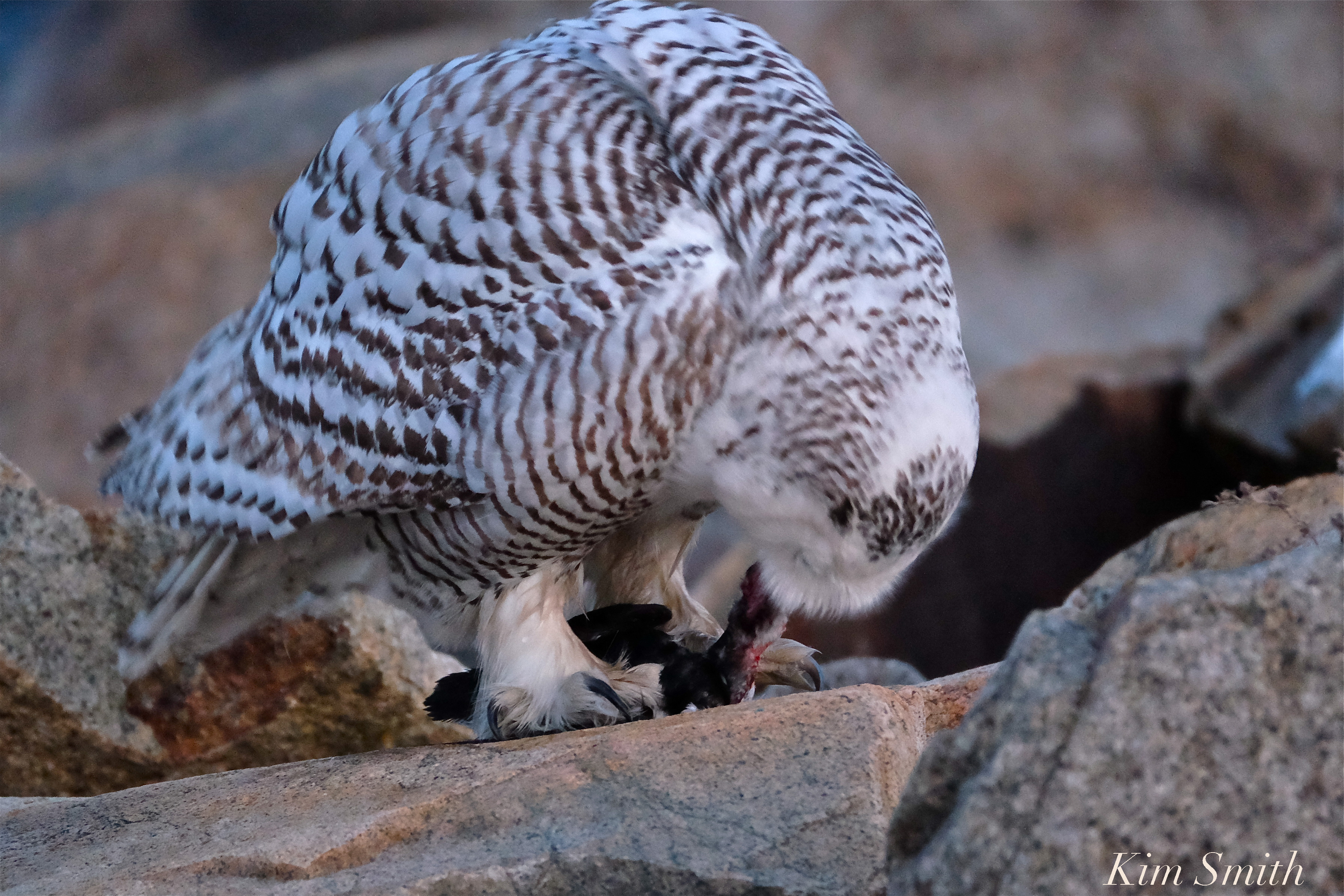 Hedwig eating a black and white sea duck.
Again, tonight she flew off her perch, this time heading out to sea. In mere minutes she returned with a sea duck of some sort and proceeded to eviscerate, much to the thrill of her Sunday evening fan club. The lighting was low and I was mostly filming, but did manage a few stills. The duck was black and white and as she mostly sat on her catch while eating, it was difficult to determine which species. Without a crow in sight (as they had surely settled for the night), Hedwig ate well into the early evening.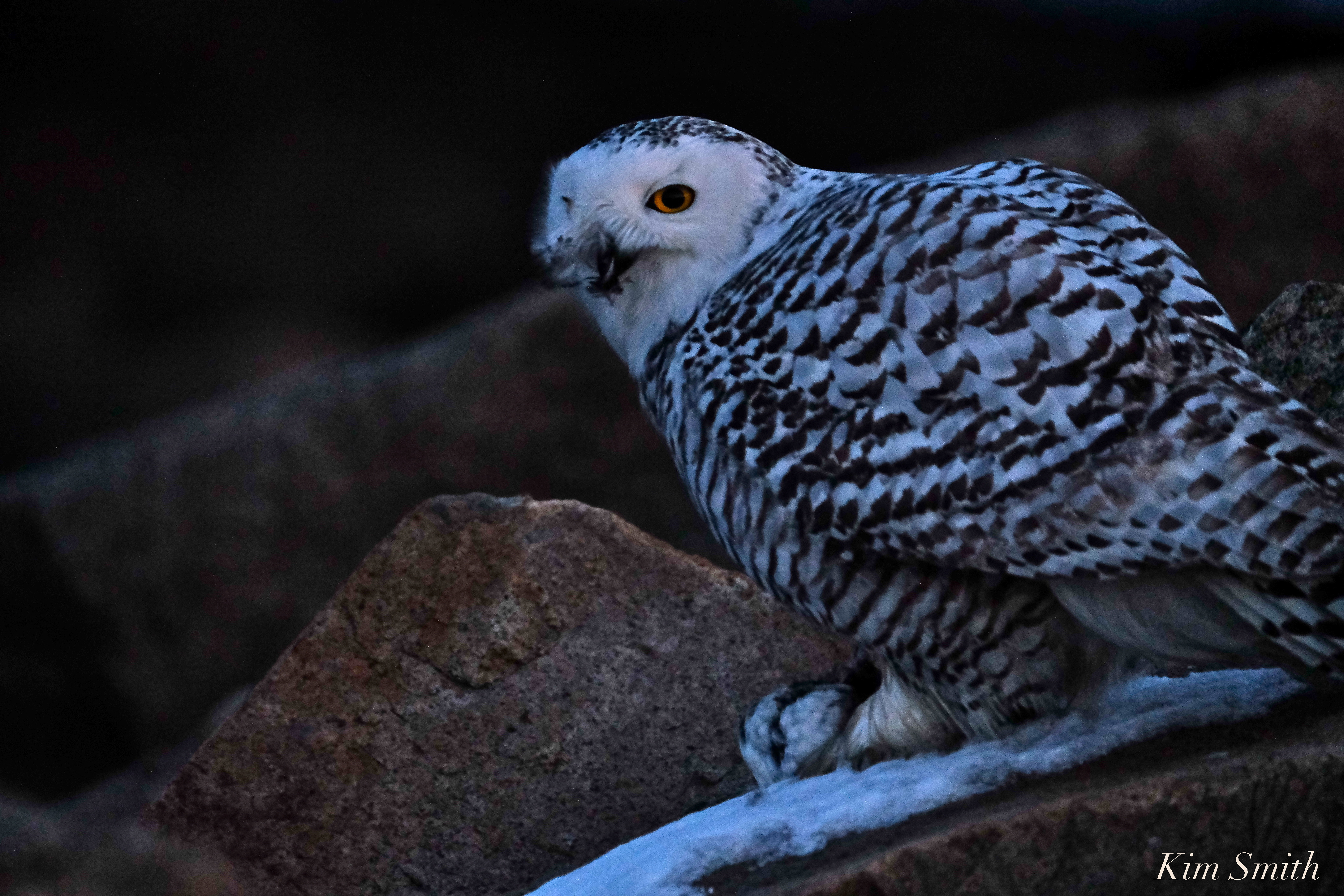
The feathers were flying! Hedwig with feathers on her face but it’s almost too dark to see.
She’s finding the eating here in Gloucester excellent, but with the warm weather predicted for the upcoming week, I wonder if Hedwig will stay or that will be a cue to depart for the Arctic.
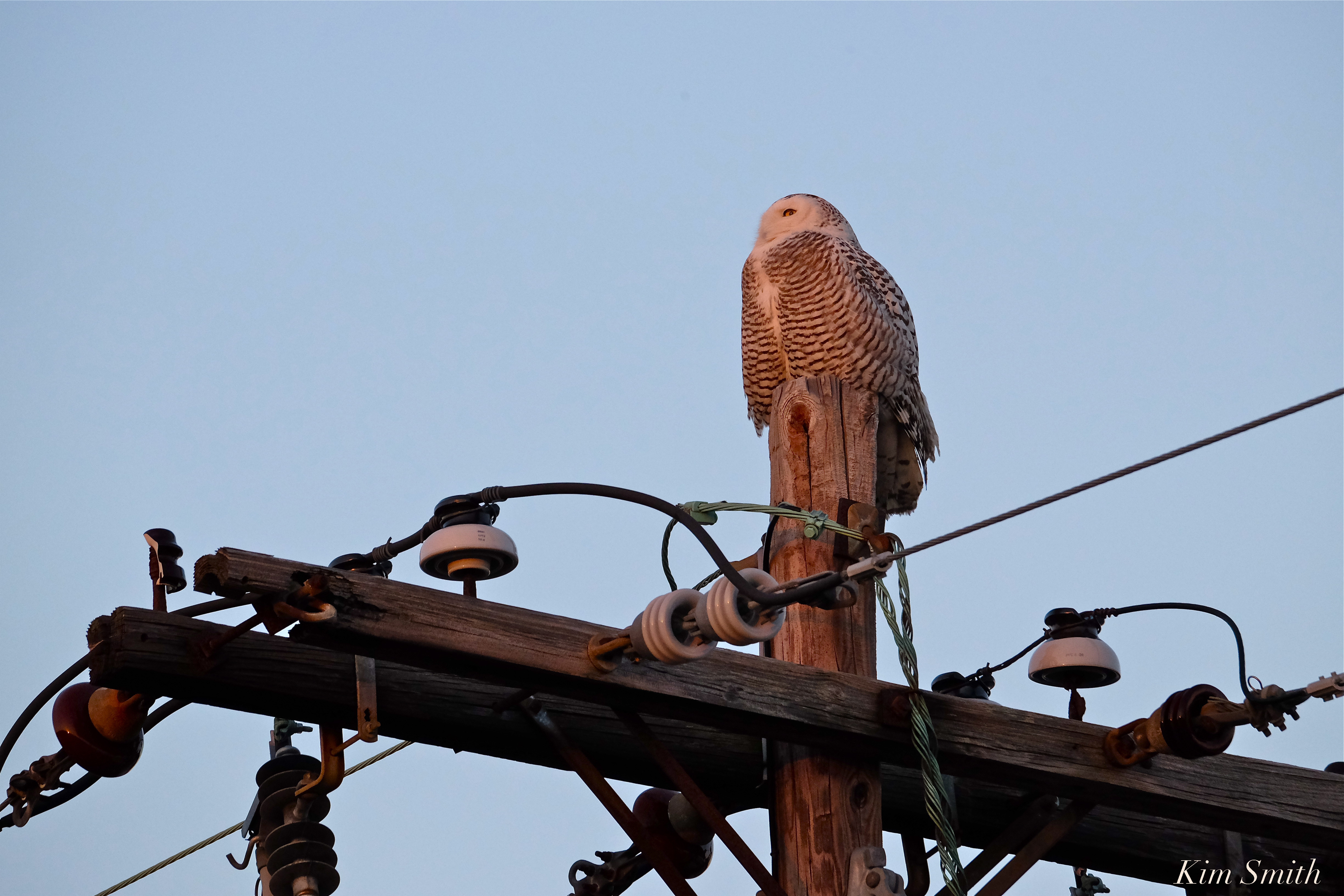
 Please don’t get electrocuted Hedwig, as happened recently to a Snowy in southern Massachusetts!
Spread The GMG Love By Sharing With These Buttons:

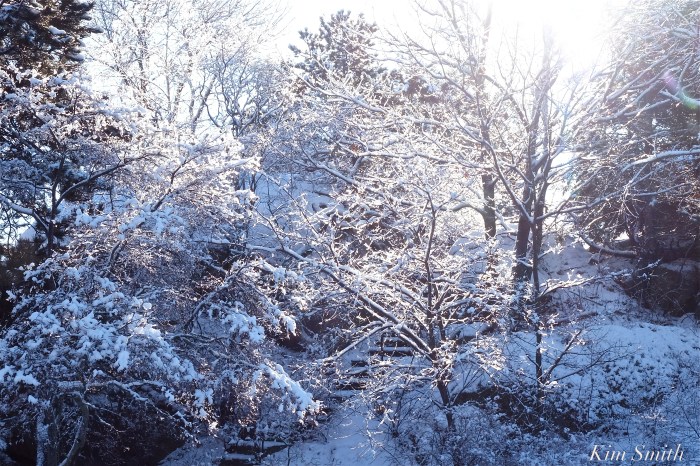
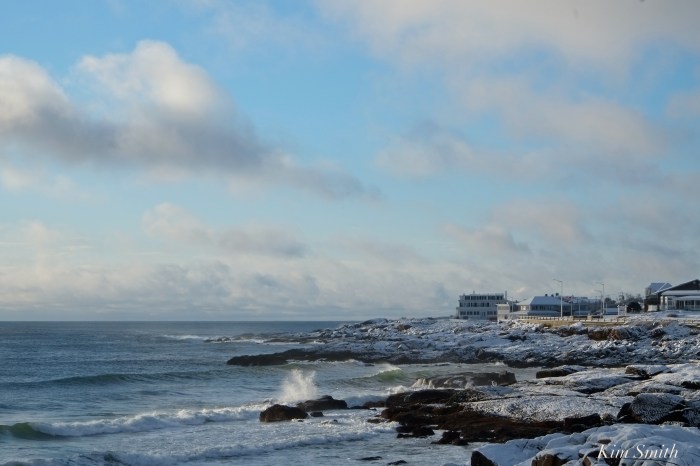
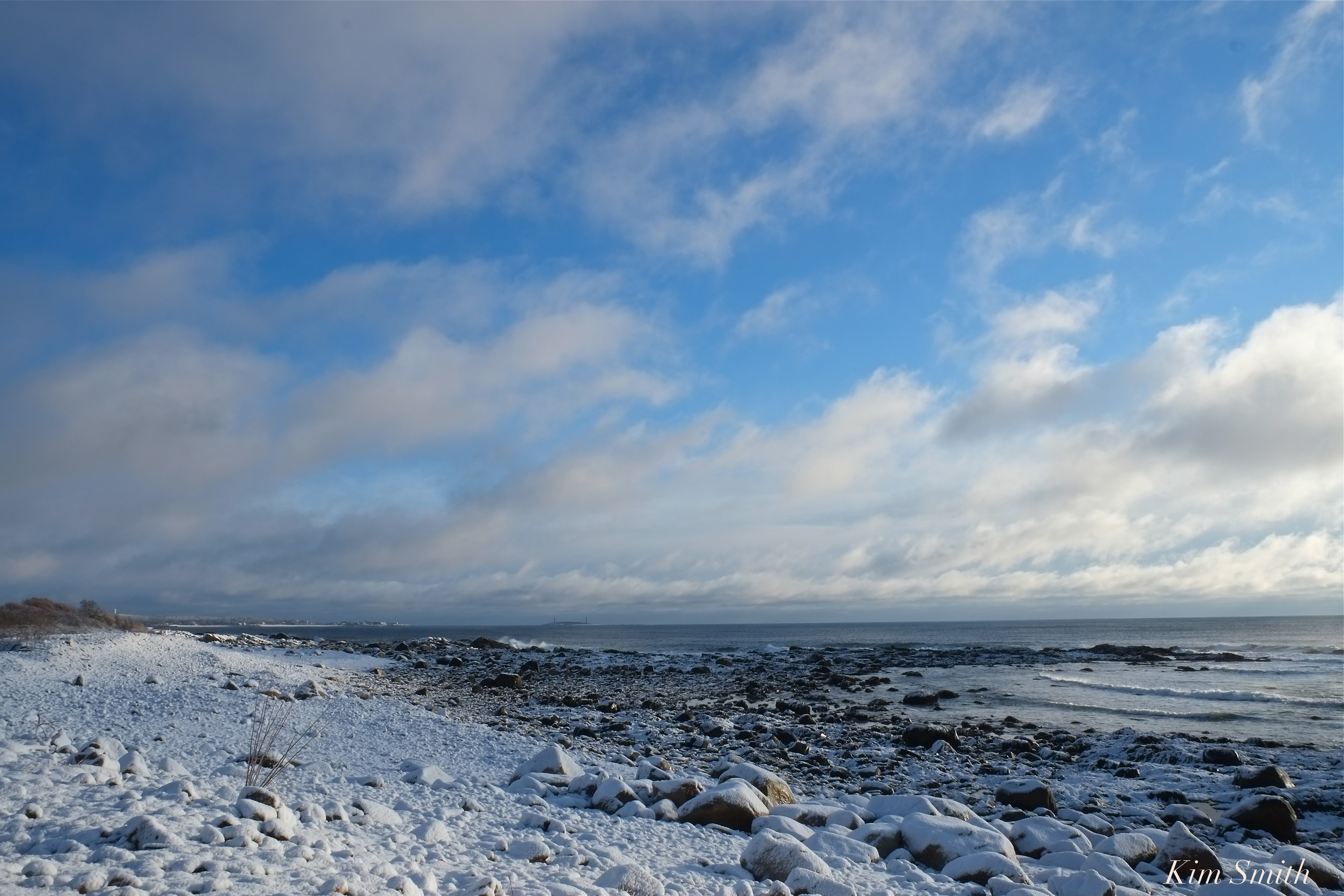
SNOWY DAY MORNING VIOLET SKIES TO BLUE -By Kim Smith
As the snow storm departed the early morning skies shifted from hues of violet gray to brilliant blue. 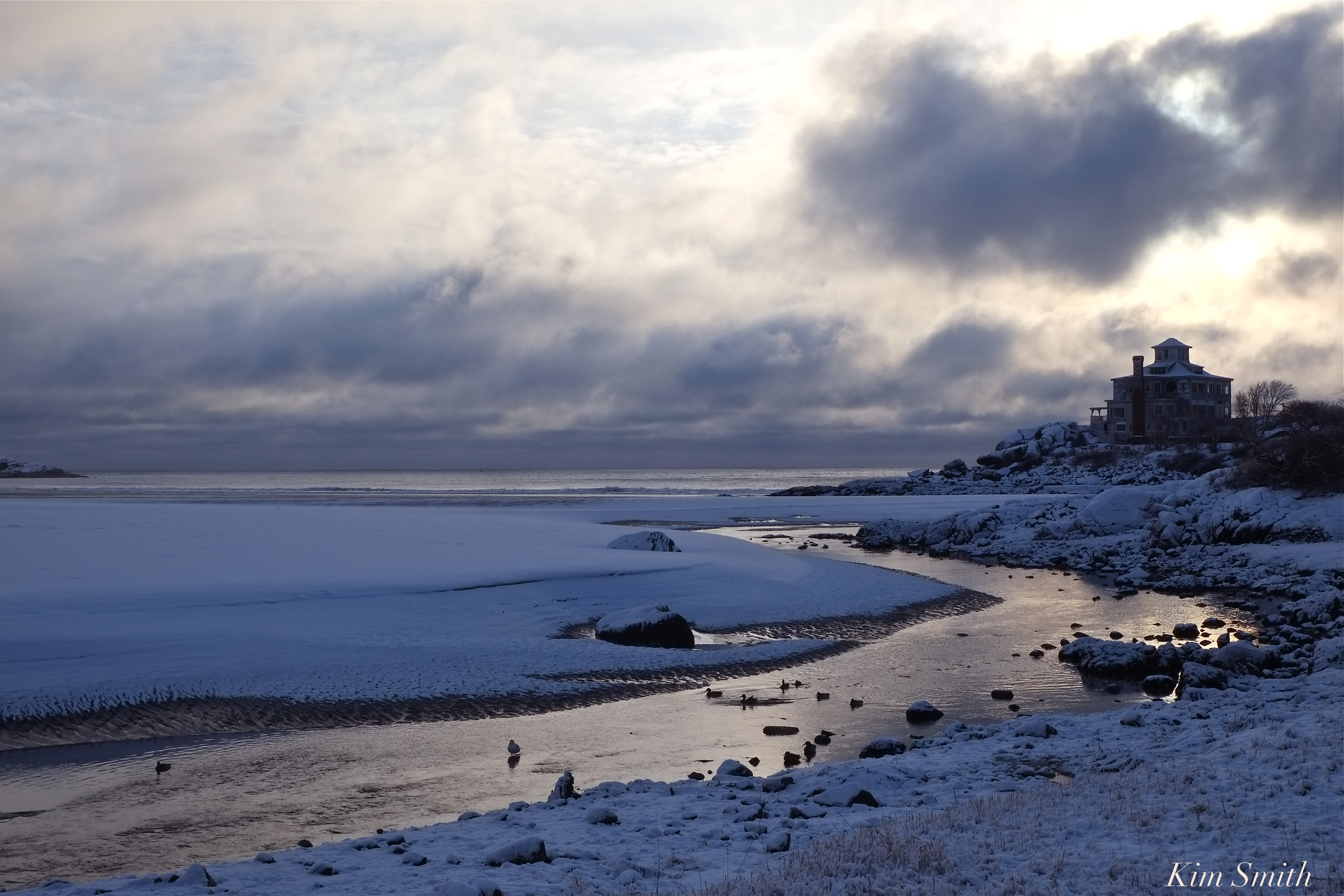
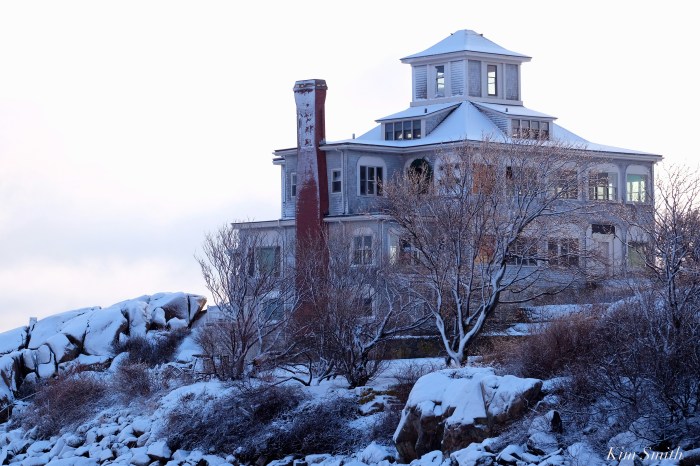
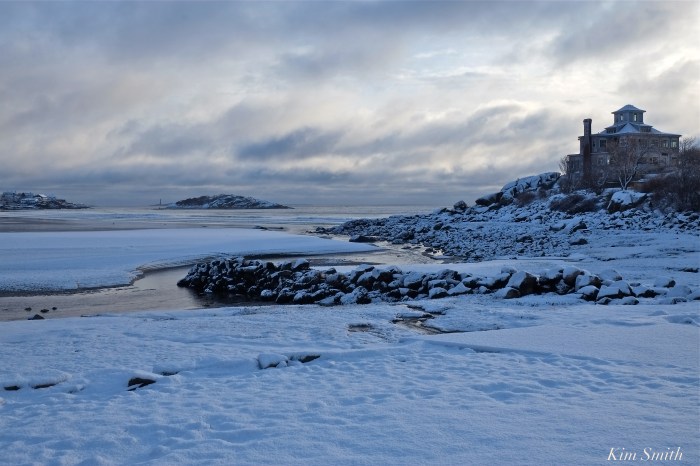
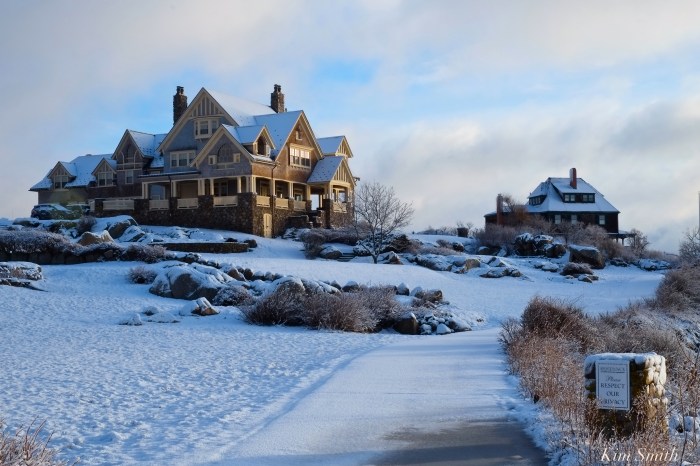
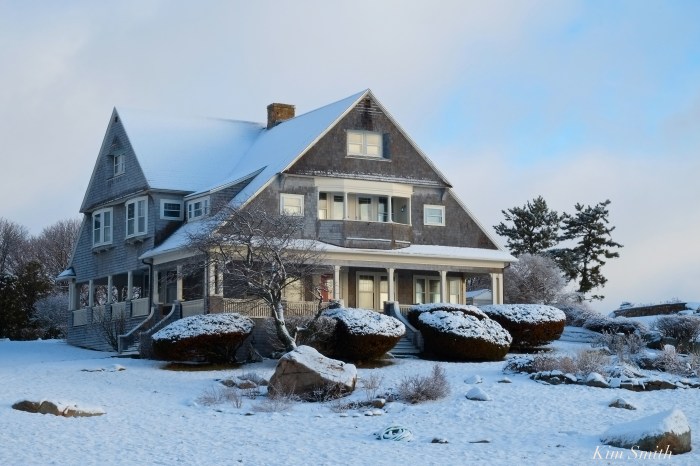
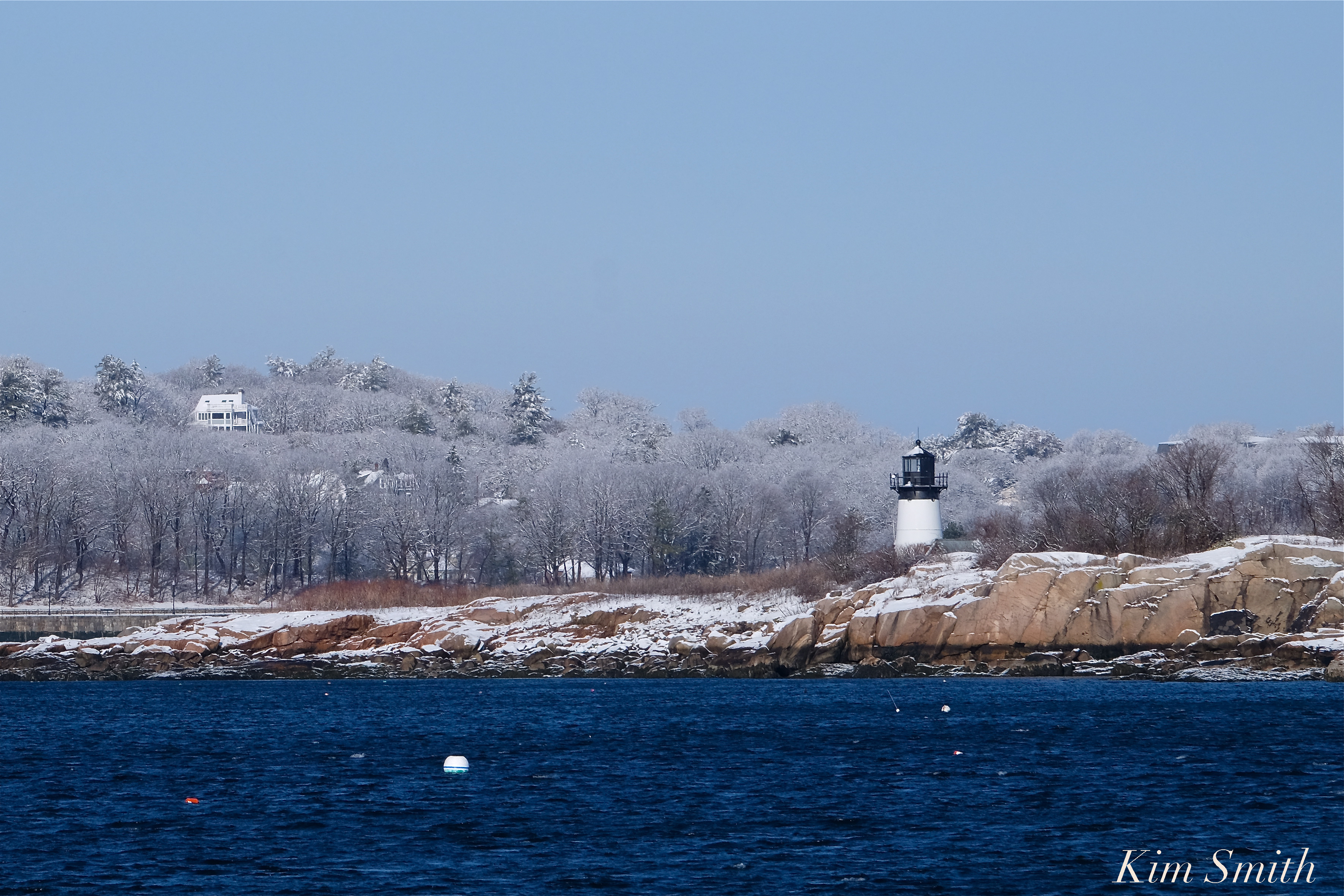 Ten Pound Island Lighthouse
Spread The GMG Love By Sharing With These Buttons:

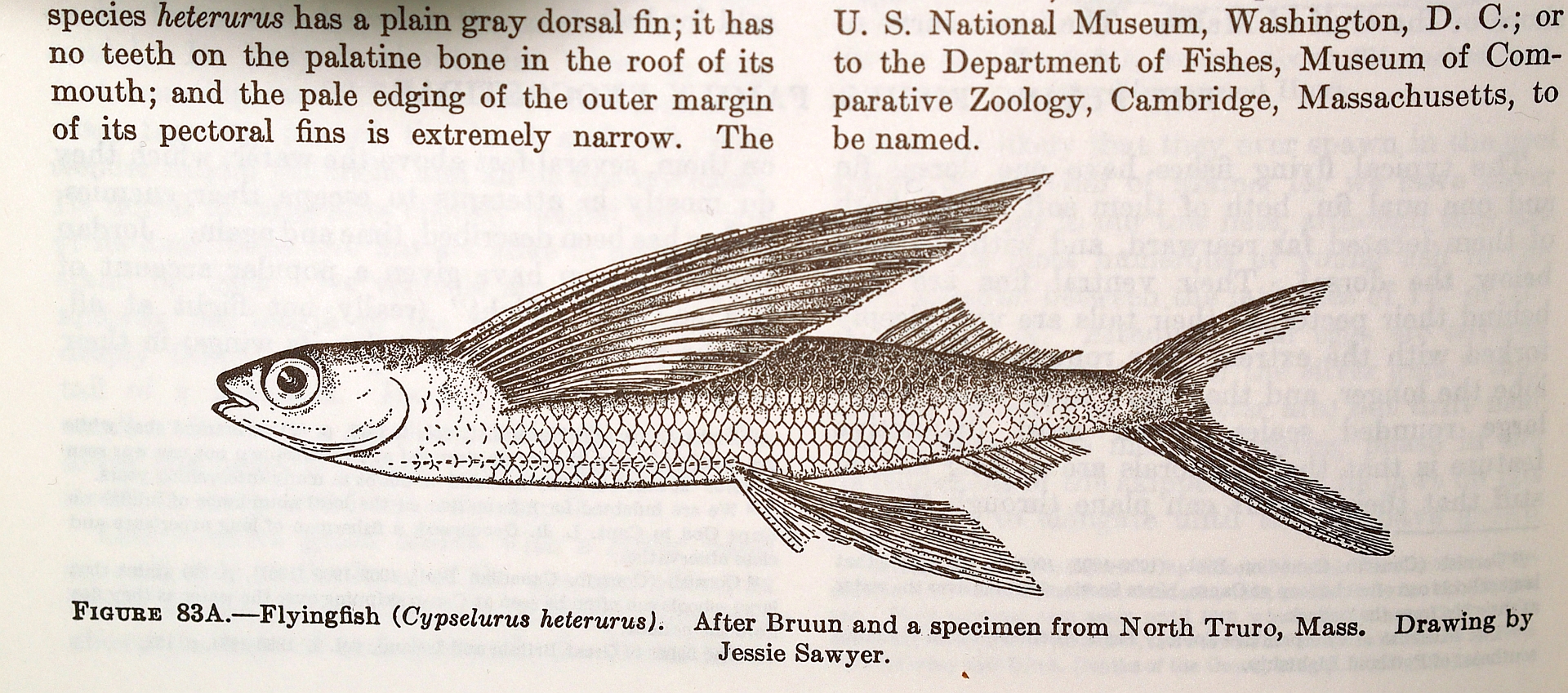
BEAUTIFUL FISH: FLYING FISH -By Al Bezanson
Their most distinctive feature is that their pectorals are so long and so stiff that their owners can plane through the air on them, several feet above the water, which they do mostly in attempts to escape their enemies … this so-called “flight” (really not flight at all, for the flyingfish does not flap its wings)
Voyagers in tropical seas are perhaps more familiar with flyingfishes than any other fishes.
From Fishes of the the Gulf of Maine by Bigelow and Schroeder, 1953
Personal account … For close encounters of the flyingfish kind let me recommend a long voyage in a small, slow sailboat. In the Tongue of the Ocean, an immense blue marlin soaring by with mouth agape in a flock of flyingfish, at my eye level, about 25 feet abeam. That was in 1961 and still vivid. Or becalmed far at sea, dozing at the tiller at night, a flyingfish glancing off my ear. When we picked up a cat (named Scurvy) for the return voyage to Boston, her duty at first light was to gather flyingfish who had gone aground on our deck during the night. (Al Bezanson)
Spread The GMG Love By Sharing With These Buttons:

TOTAL TEAR DOWN
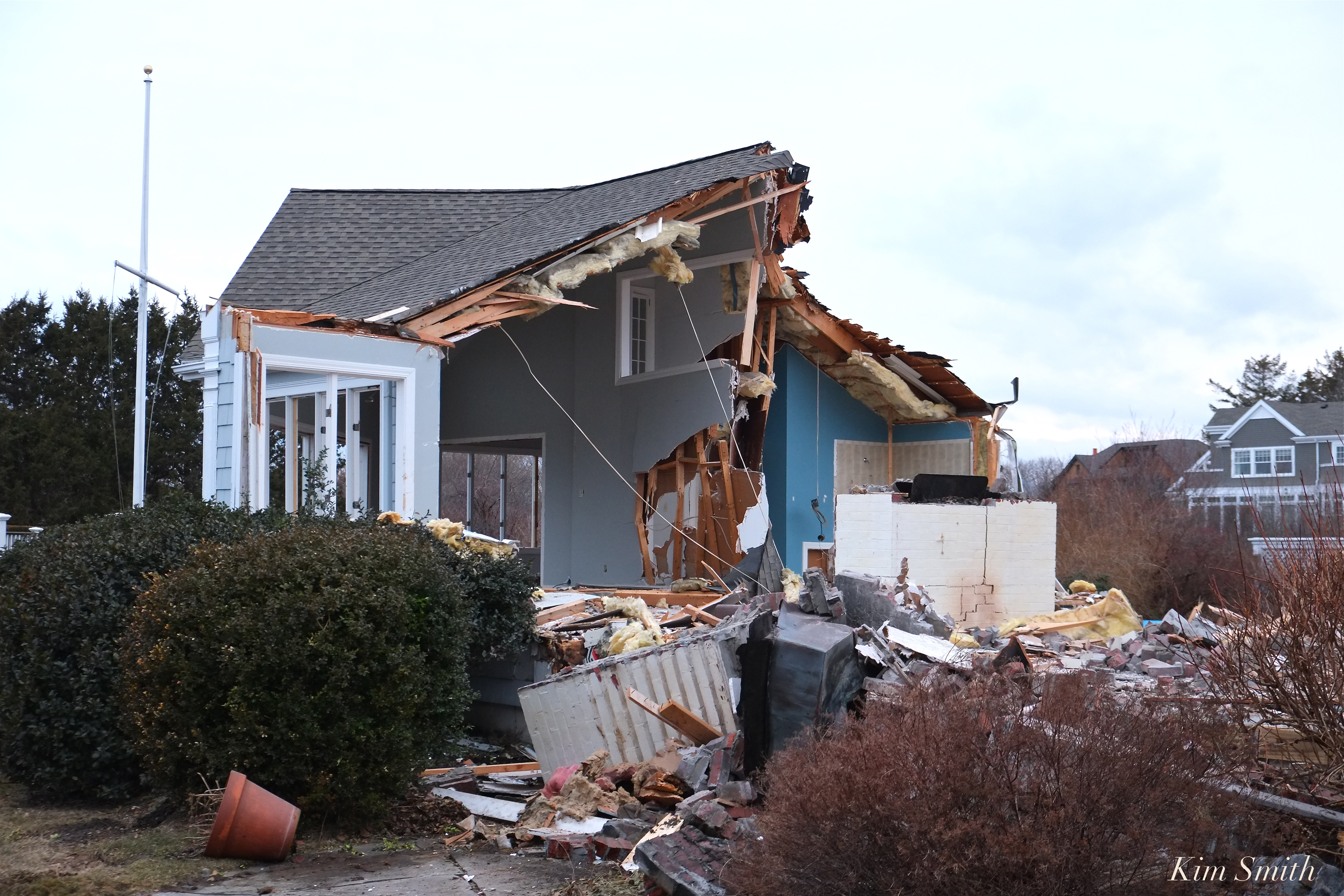
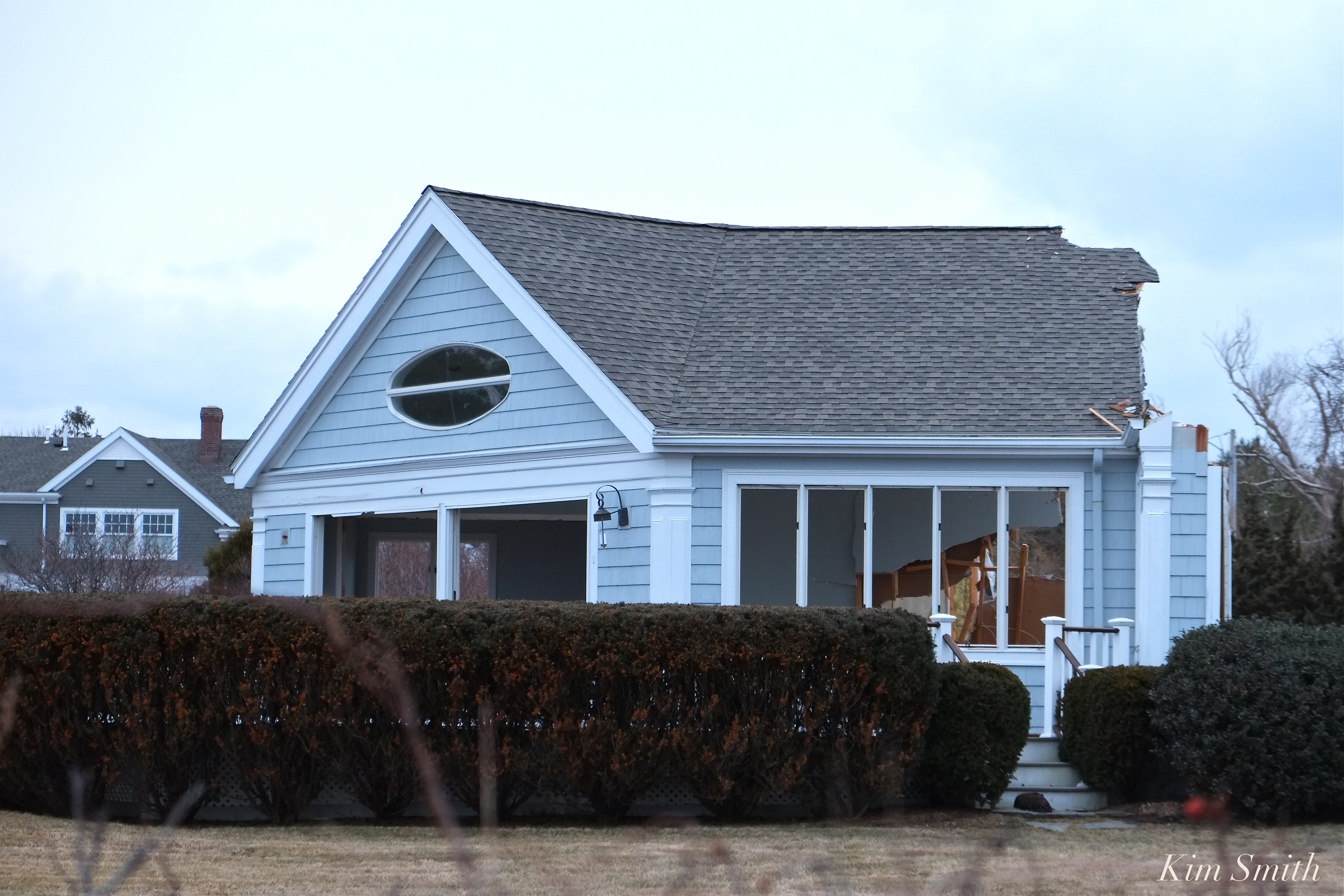 Brace Cove
Spread The GMG Love By Sharing With These Buttons:

BEAUTIFUL FISH: SEAHORSE – By Al Bezanson
“The sea horse grotesquely resembles the “knight” in an ordinary set of wooden chessmen in its sidewise flattened body, in its deep convex belly, in its curved neck and in its curious horselike head carried at right angles to the general axis of the body. The head is surmounted by a pentagonal star-shaped “coronet,” and the snout is tubular with the small oblique mouth at its tip, like that of its relative the pipefish.”
This exquisite pen and ink drawing from 1883 by H. L. Todd is just one of many by this artist in Fishes of the Gulf of Maine by Bigelow and Schroeder, 576 pp, 1953. The book is available free online courtesy of MBL/WHOI. http://www.gma.org/fogm/

Spread The GMG Love By Sharing With These Buttons:

NILES BEACH SUNSET PANORAMA
 Niles Beach
Spread The GMG Love By Sharing With These Buttons:

Book Reading and Tasting with Barbara Lynch Today at Savour Wine and Cheese


 Good Morning Gloucester