
Author: Kimsmithdesigns
Documentary filmmaker, photographer, landscape designer, author, and illustrator. "Beauty on the Wing: Life Story of the Monarch Butterfly" currently airing on PBS. Current film projects include Piping Plovers, Gloucester's Feast of St. Joseph, and Saint Peter's Fiesta. Visit my websites for more information about film and design projects at kimsmithdesigns.com, monarchbutterflyfilm.com, and pipingploverproject.org. Author/illustrator "Oh Garden of Fresh Possibilities! Notes from a Gloucester Garden."

NINE ALEWIFE COUNTED FROM THE NEW FISH COUNTING STATION!!
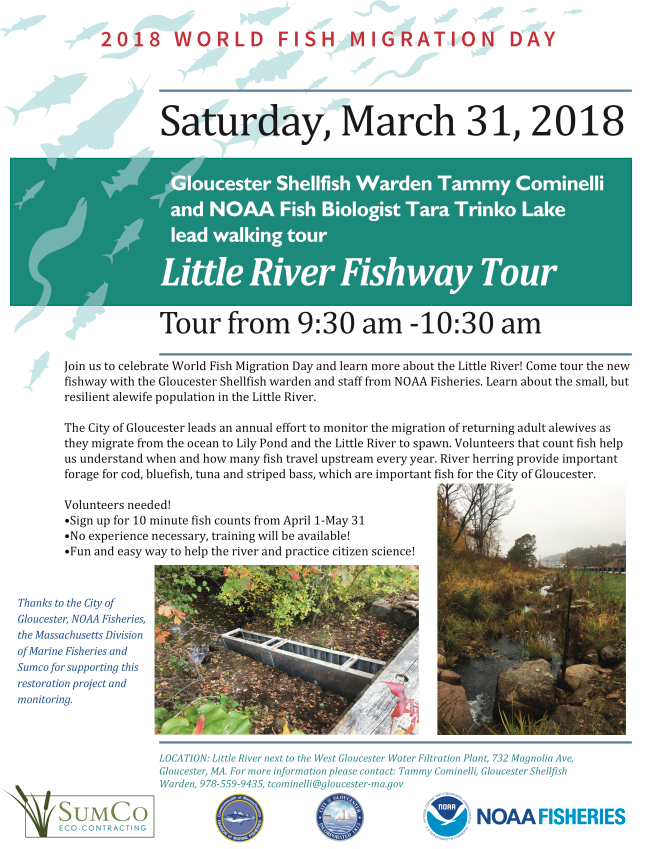
It’s a little too cold and a little too early in the season for the Alewife to run, yet despite today’s 44 degree temperature, Gloucester’s new shellfish warden Tammy Cominelli shares that nine were counted from the Little River’s brand new counting station on Saturday!
Today marked the official opening of the station with Mayor Sefatia and members of SumCo eco contractors, NOAA, and the Mass Division of Marine Fisheries in attendance.
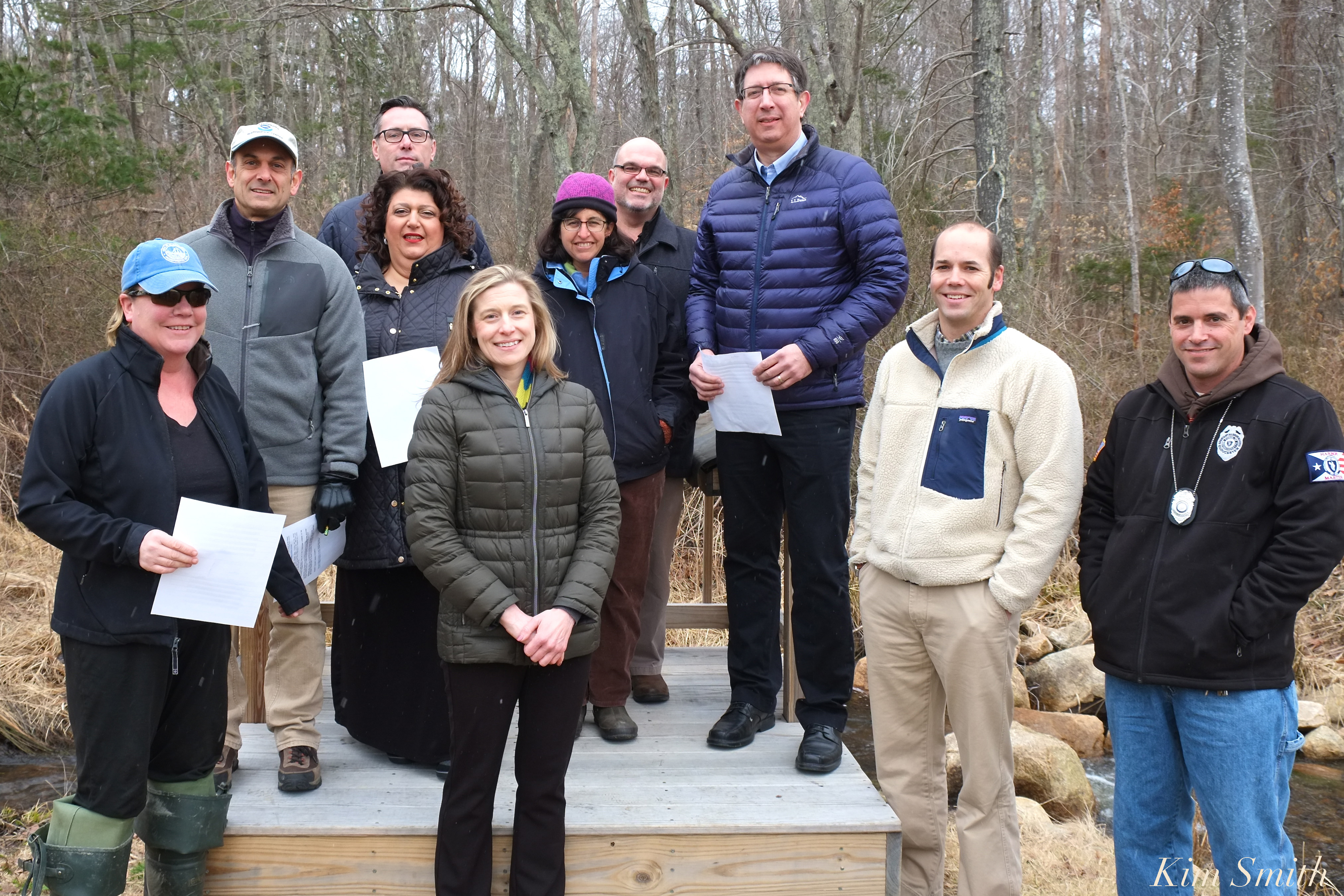 Tammy Cominelli (Gloucester Shellfish Warden), John Catena (NOAA Fisheries Restoration Center), Mayor Sefatia Romeo Theken, Anna Macan (NOAA Fisheries Communications), Jen Goebel (NOAA Fisheries Communcations), Max Schenk (City of Gloucester Health Department), Michael Pentony (NOAA Fisheries – Greater Atlantic Regional Administrator), and Travis Sumner (SumCo co-founder).
* Unfortunately, I did not get everyone’s name. Please let me know if you know the names of the gentleman in the far back row and the gentleman to the far right. Thank you!
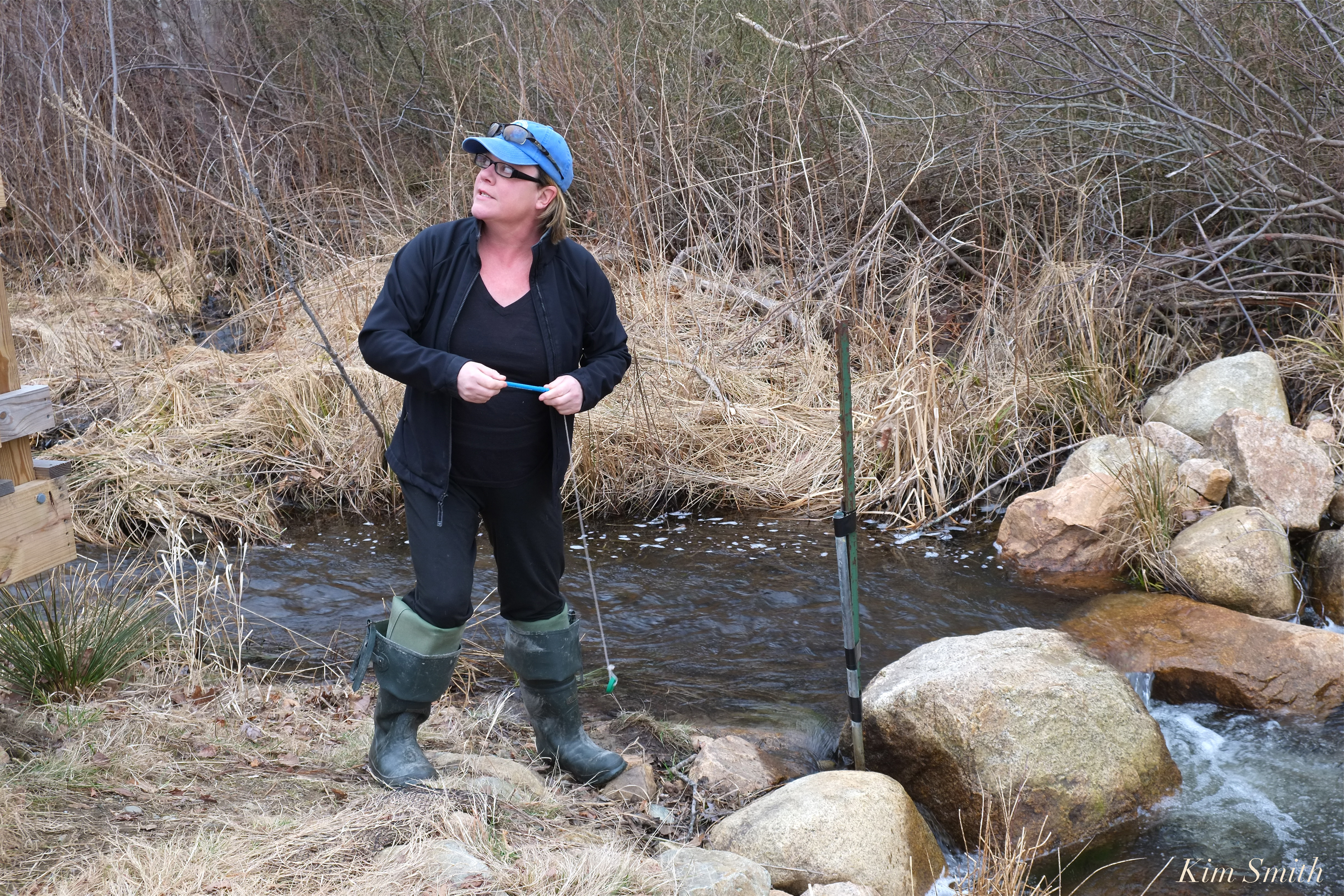 Tammy Cominelli, Gloucester’s new Shellfish Warden, checking the water temperature.
* * *
In Massachusetts, the Alewife run between late March through May (when the water temperature is 51 degrees) and Blueback Herring run from late April through June (57 degrees); both species use the Little River to spawn at the freshwater Lily Pond.
The river herring begin their spring journey by swimming from the Atlantic Ocean, traveling through the Little River brackish, marshy basin.
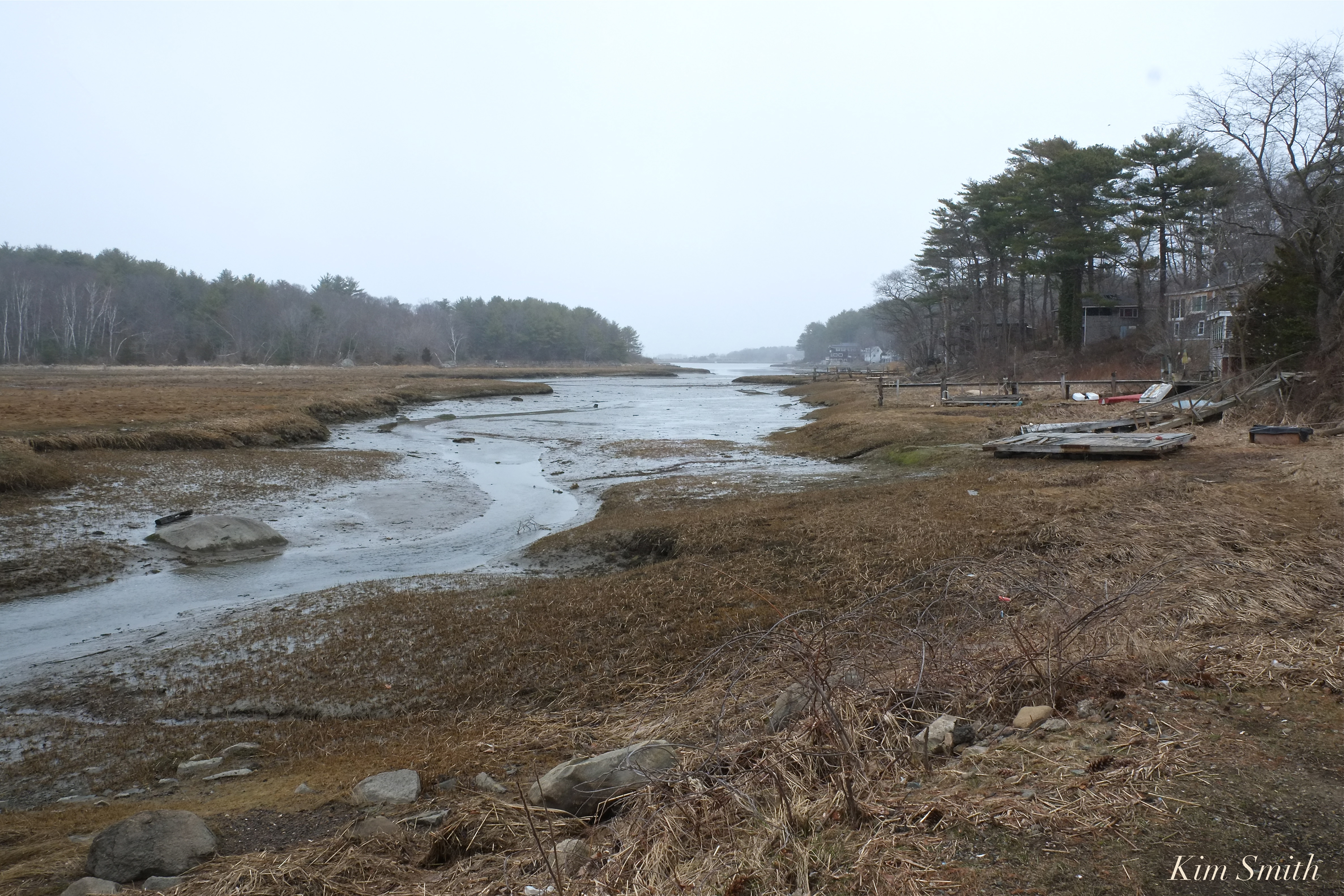 Little River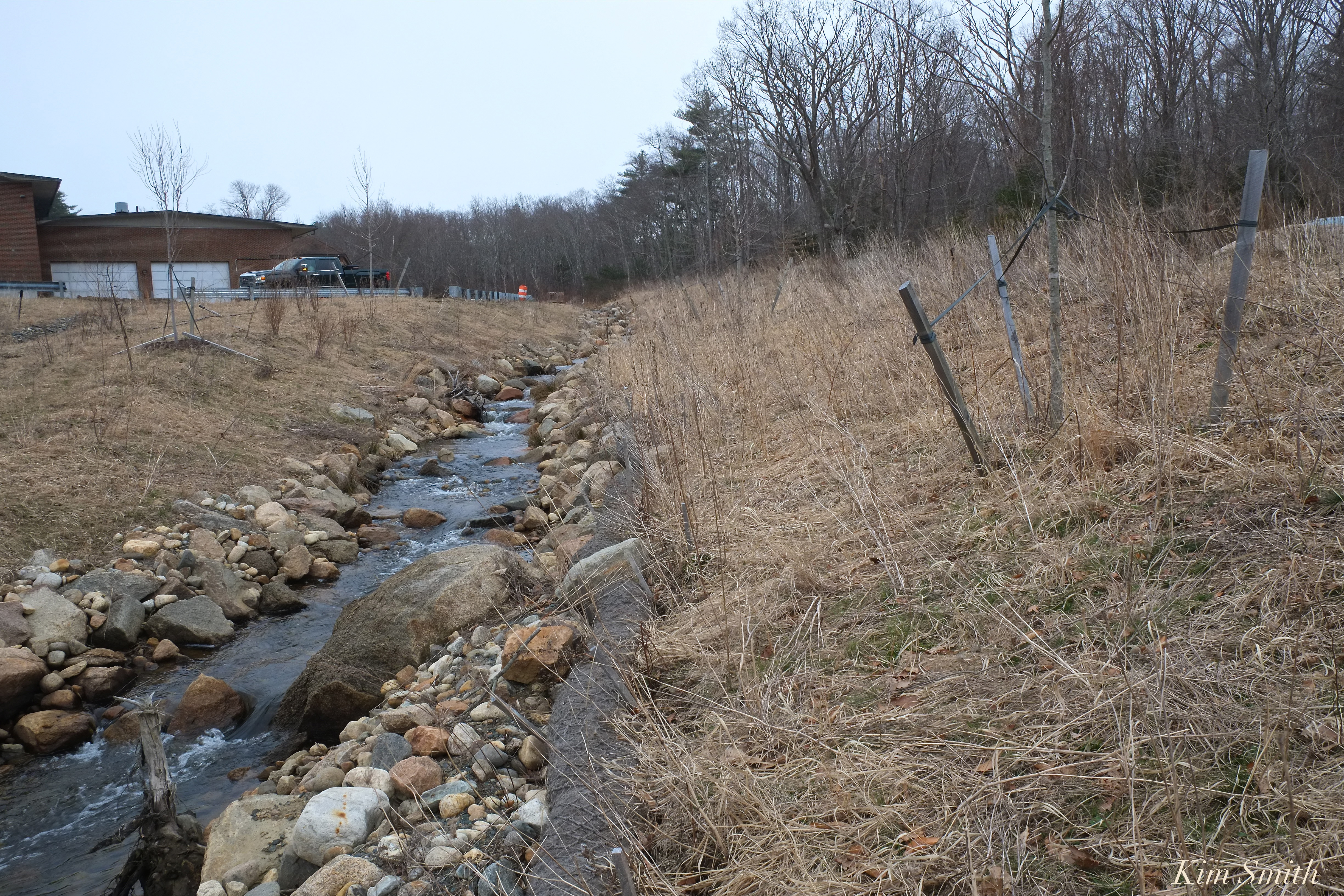
River herring travel upstream to the little pool just below the Lily Pond, where they then swim up the new ladder, called an Alaskan sea pass, to spawn.
https://www.instagram.com/p/BhEmfEFF2Dj/
Here the adults will stay for about three to six weeks. Unlike salmon, which spawn and die, river herring that survive spawning take the return trip back to the sea.
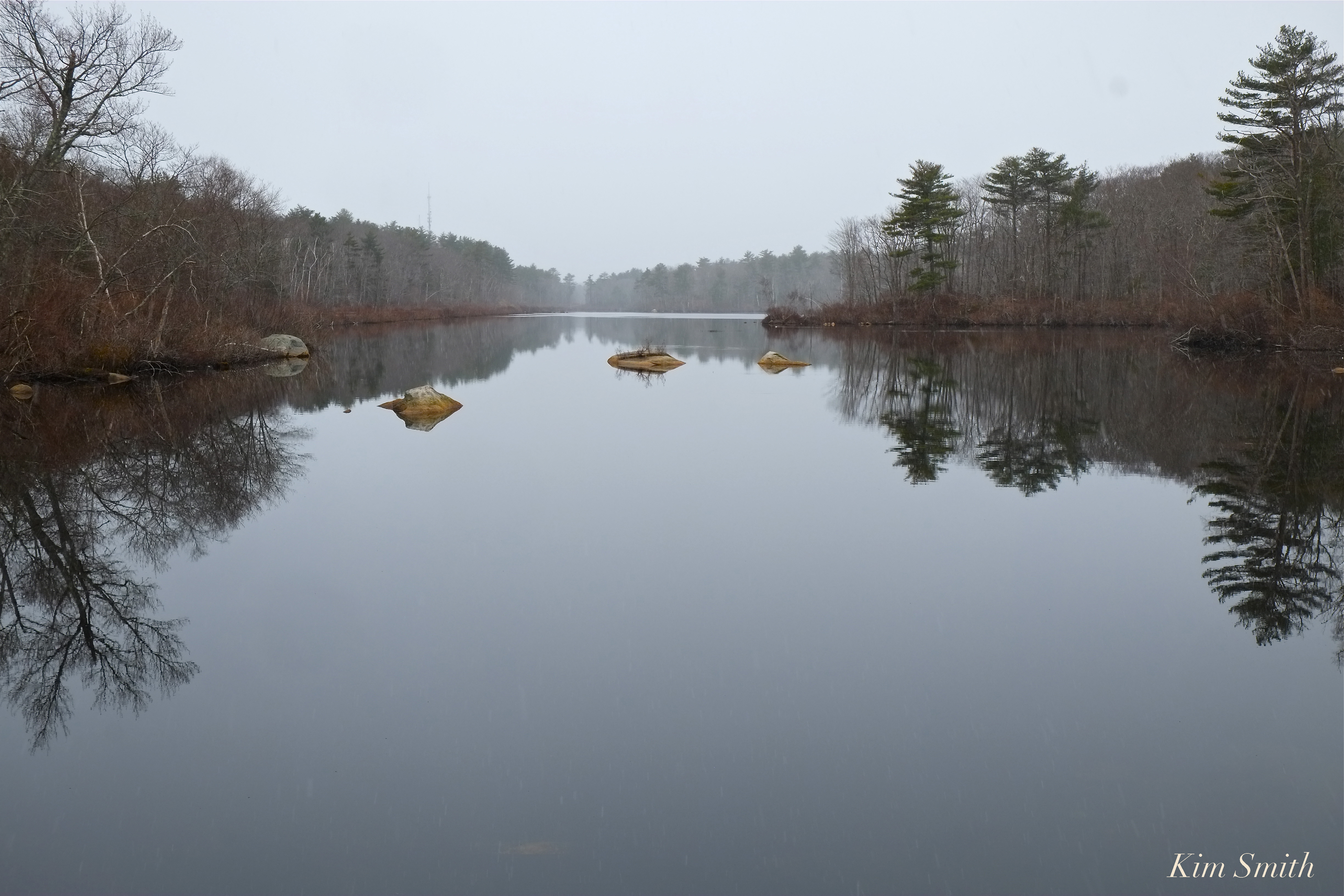
Lily Pond snowy spring day
After the baby herring hatch, they live at the Lily Pond anywhere from one to three months. Once they have grown large enough, the young herring begin their journey to the Atlantic Ocean, first migrating down to the Little River basin, which is a mixture of both fresh and sea water, and then slowly out to the open sea to join large schools of Alewife and Blueback Herring.
River herring return to their home river to spawn once they become adults, in three to five years.
https://www.instagram.com/p/BhE62w2Fx39/
Spread The GMG Love By Sharing With These Buttons:

Beautiful Fish: Stickfish -By Al Bezanson
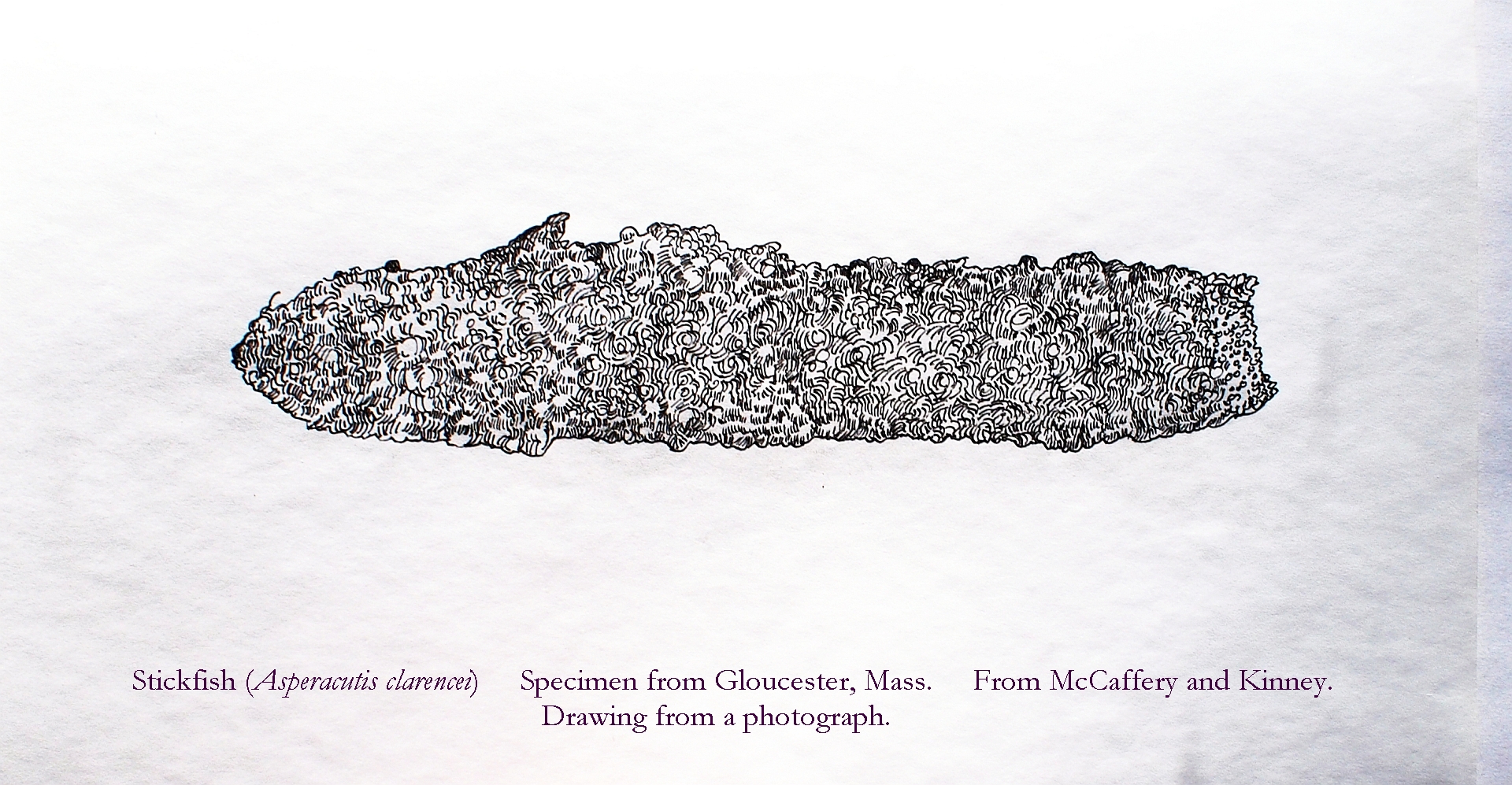
The stickfish was first reported in 1954, hence not included in Fishes of the Gulf Maine by Bigelow and Schroeder (1953). This curious fish is included here because the first specimen showed up in a trawl from a Gloucester dragger [M.A.T.W] The stickfish has neither scales nor armor plates, rather a thickish, rough skin that provides camouflage. Color – brown to golden brown; mean length 3.5 to 4 inches with little variability. Largest specimen on record is 6.4 inches. Stickfish are often observed in schools. Said to be an acceptable table fish, and like smelts, convenient, with no need for filleting and skinning. Some have mentioned that the odd, rough skin has a crispy texture and pleasant flavor.
Spread The GMG Love By Sharing With These Buttons:

HAPPY EASTER, BUONA PASQUA, HAPPY PASSOVER, AND HAPPY SPRING!
Wishing all our readers a Happy Easter, Happy Passover, Buona Pasqua, and Happy Spring ❤
 Happy Spring from our Mr. Swan! He is doing beautifully and is not limping even a tiny bit! Here he is enjoying a recent warm(ish) spring morning.
Spread The GMG Love By Sharing With These Buttons:

Secrets Of The Snowy Owl | NPR’s SKUNK BEAR
Thank you to my friend Georgia Gibbons for sharing this fantastic video!!
Spread The GMG Love By Sharing With These Buttons:

OLDSQUAWS, GOLDENEYES, SCOTERS, AND MORE BEAUTIFUL DUCKS MIGRATING RIGHT NOW ON OUR SHORES! -By Kim Smith
The beautiful collection of ducks currently migrating along our shores could also be called ‘A Study in Black and White,’ with a touch of orange, too.
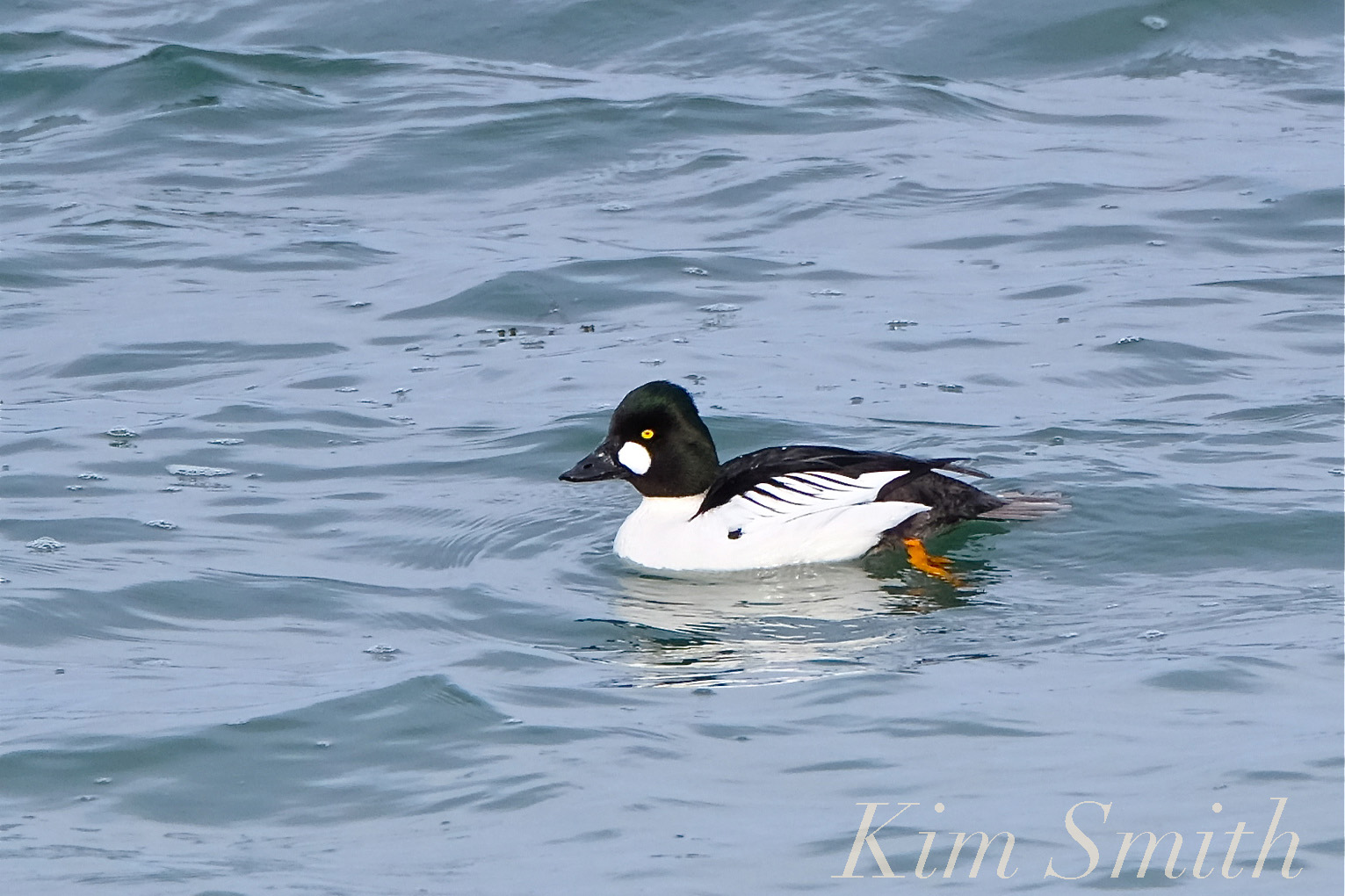 Common Goldeneye
Swimming inshore with the diminutive, albeit more ubiquitous, Buffleheads are Common Goldeneyes. Both sea ducks are members of the Bucephala genus; their name is derived from the ancient Greek word boukephalos, which means bullheaded and is in reference to their bulbously-shaped heads. During courtship rituals, male members of the Bucephala genus puff out their head feathers, making them appear even more buffalo-headed.
How can you tell the two apart when side by side? Goldeneyes are larger than Buffleheads and they have a circular white patch on their cheek, behind the bill.
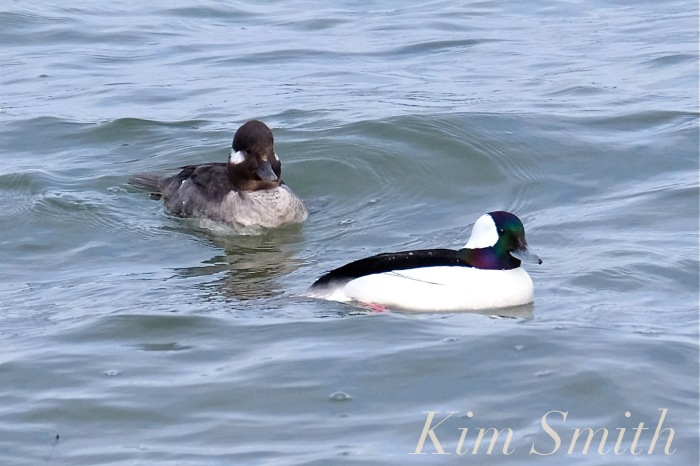
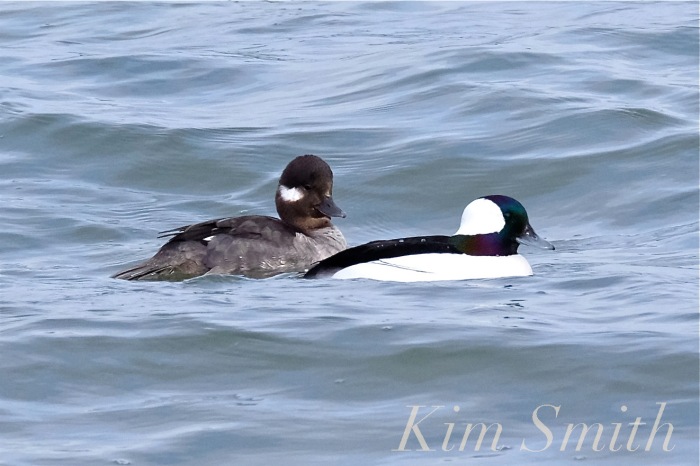
Female (left) and Male Buffleheads
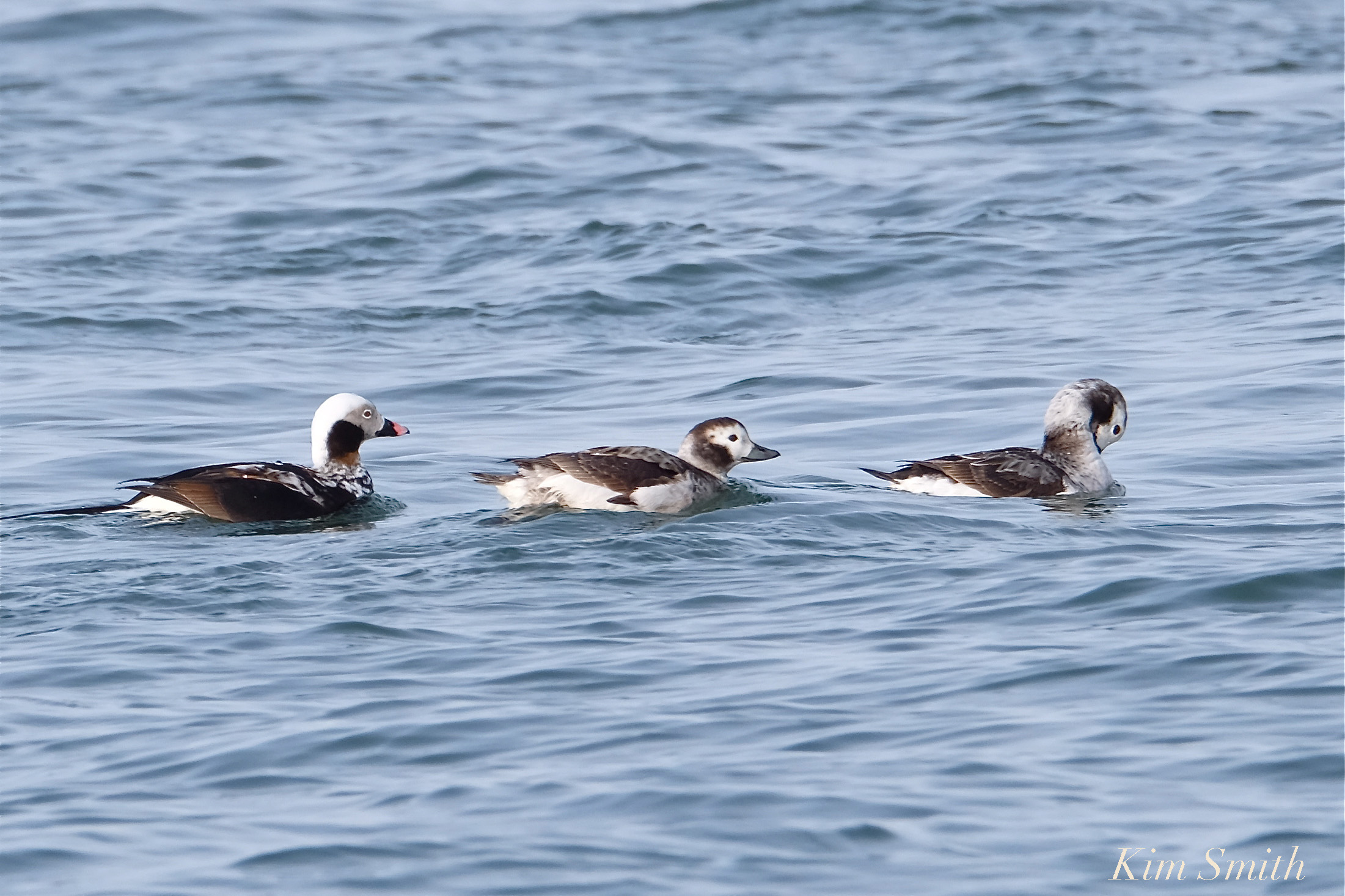 The name Oldsquaw was once used to describe the Long-tailed Duck but has fallen out favor in deference to Native American tribes.
The Cornell Lab of Ornithology has re-vamped their website. From here you can read more about Long-tailed Ducks, but I thought the following was particularly interesting while learning how to distinguish the different plumages. “Unlike most ducks, which molt twice per year, the Long-tailed Duck has three distinct plumages each year, achieved in a complex series of overlapping partial molts. The Definitive Basic Plumage is never worn in its entirety, as portions of Alternate are retained through the summer and elements of the Supplemental are acquired before all of Basic Plumage is obtained. Therefore change in plumage seems continuous from April to October. Unlike other waterfowl, the Long-tailed Duck wears its “breeding” or Alternate Plumage only in the winter. It gets its “nonbreeding” or Basic Plumage in the spring and wears it for the breeding season. Most other ducks wear the nonbreeding plumage only for a short period in the late summer.”
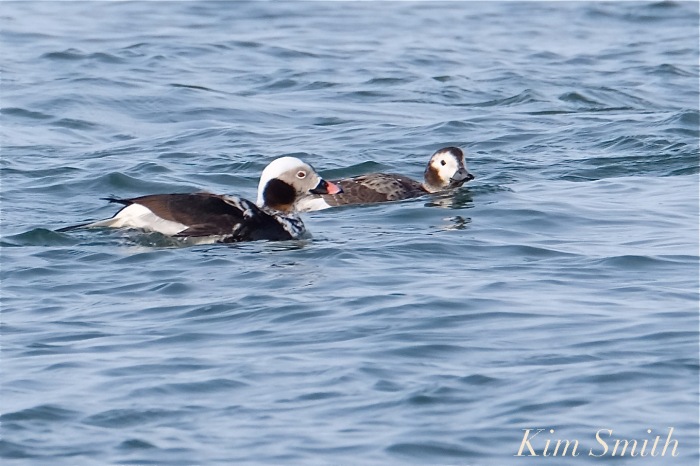
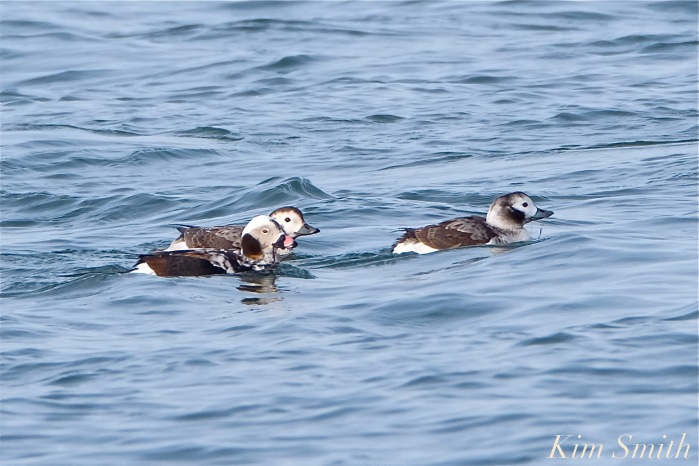
Male and Female Long-tailed Ducks in nonbreeding plumage.
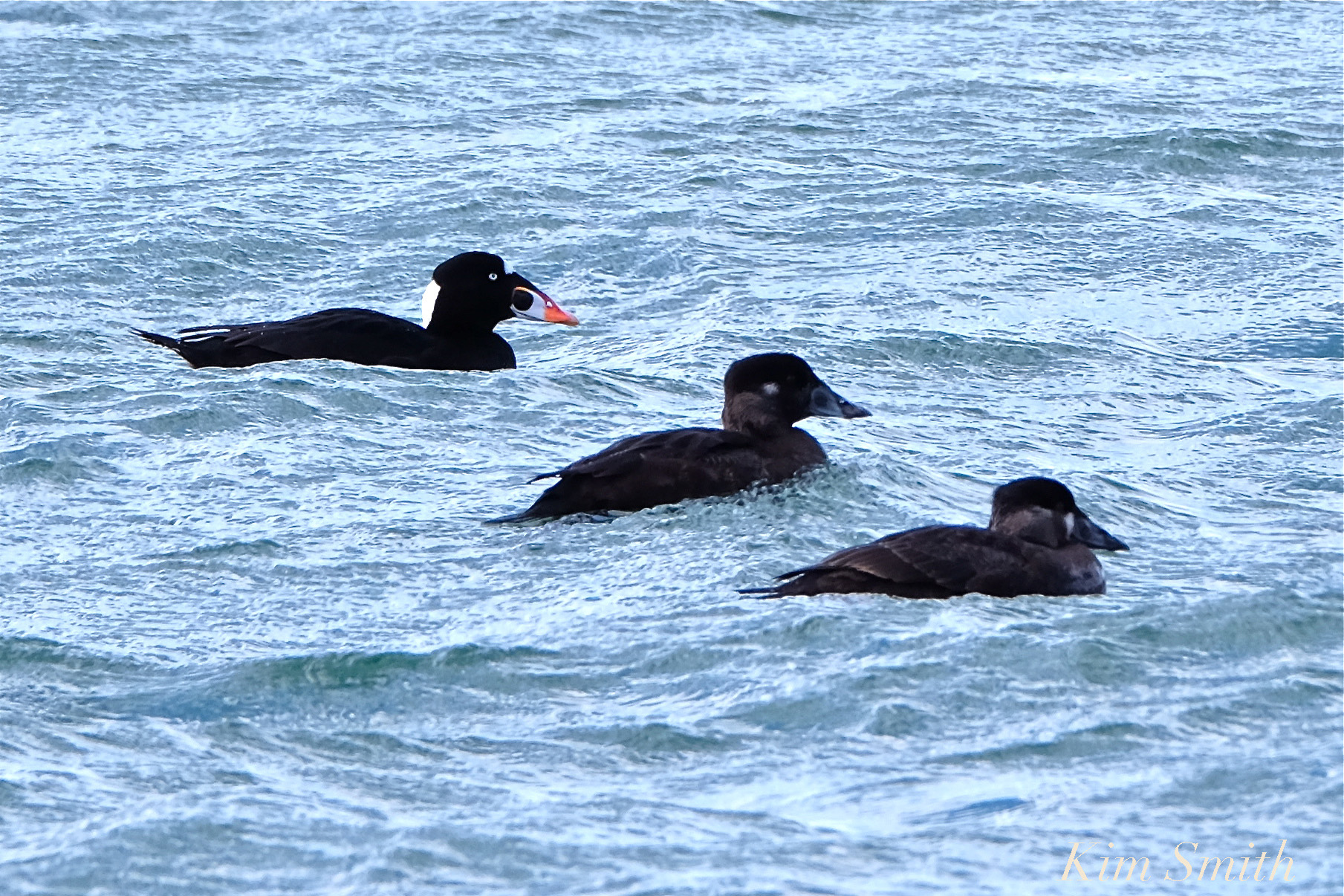 Male and Female Surf Scoters
The male Surf Scoter’s well-defined stark white patches against ebony feathers lends this sea duck its common name, “Skunk-headed Coot.” But it is the scoter’s bulbous-at-the-base orange, black and white patterned bill that I find interesting and almost comical. The female is a plainer dull blackish-brownish with light colored patches, one behind each eye and at the base of the bill.
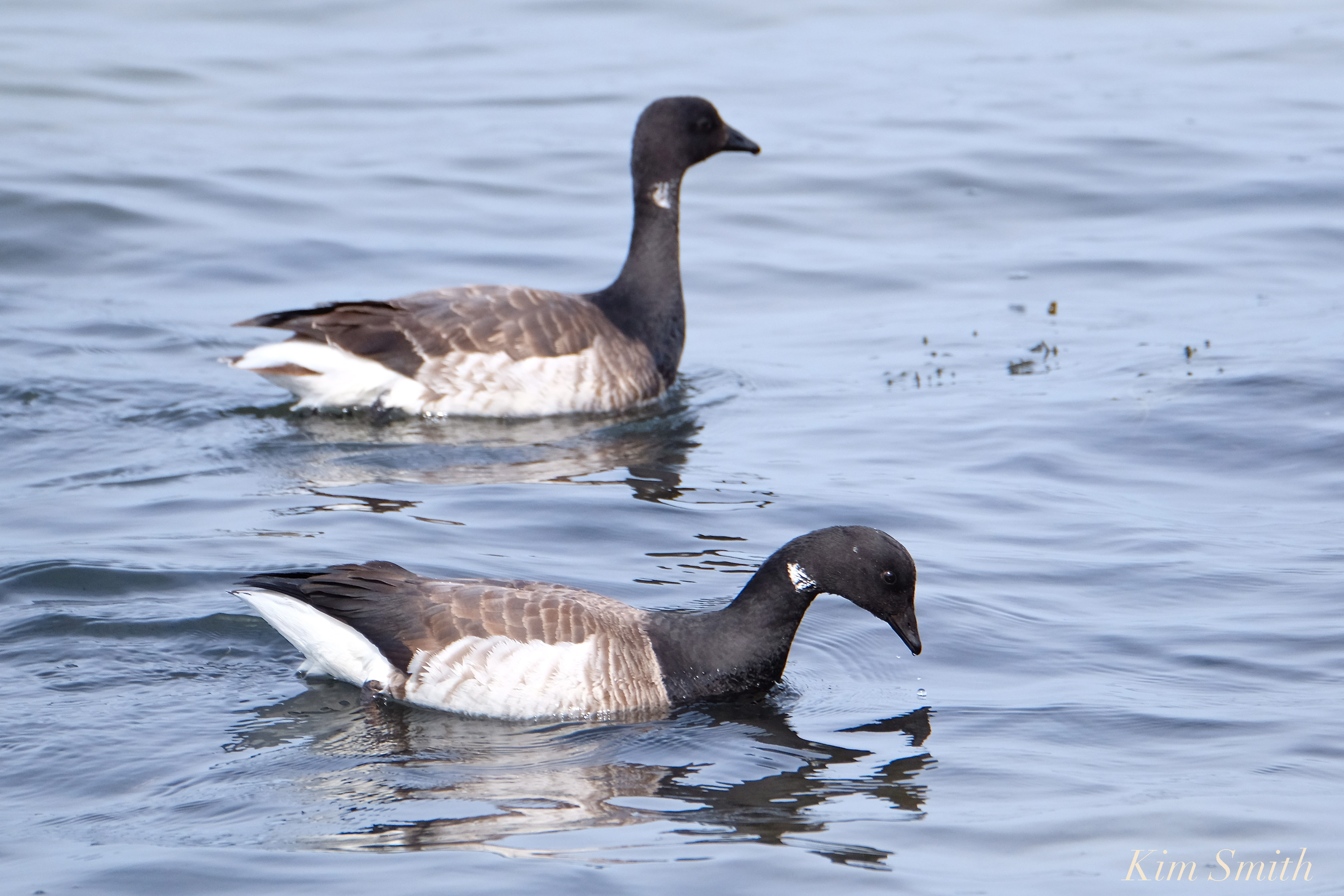 The number of, and locations of, Brant Geese appear to be increasing as they are readying for the long migration to the Arctic breeding grounds. Brants migrate the greatest distance of any North American goose.
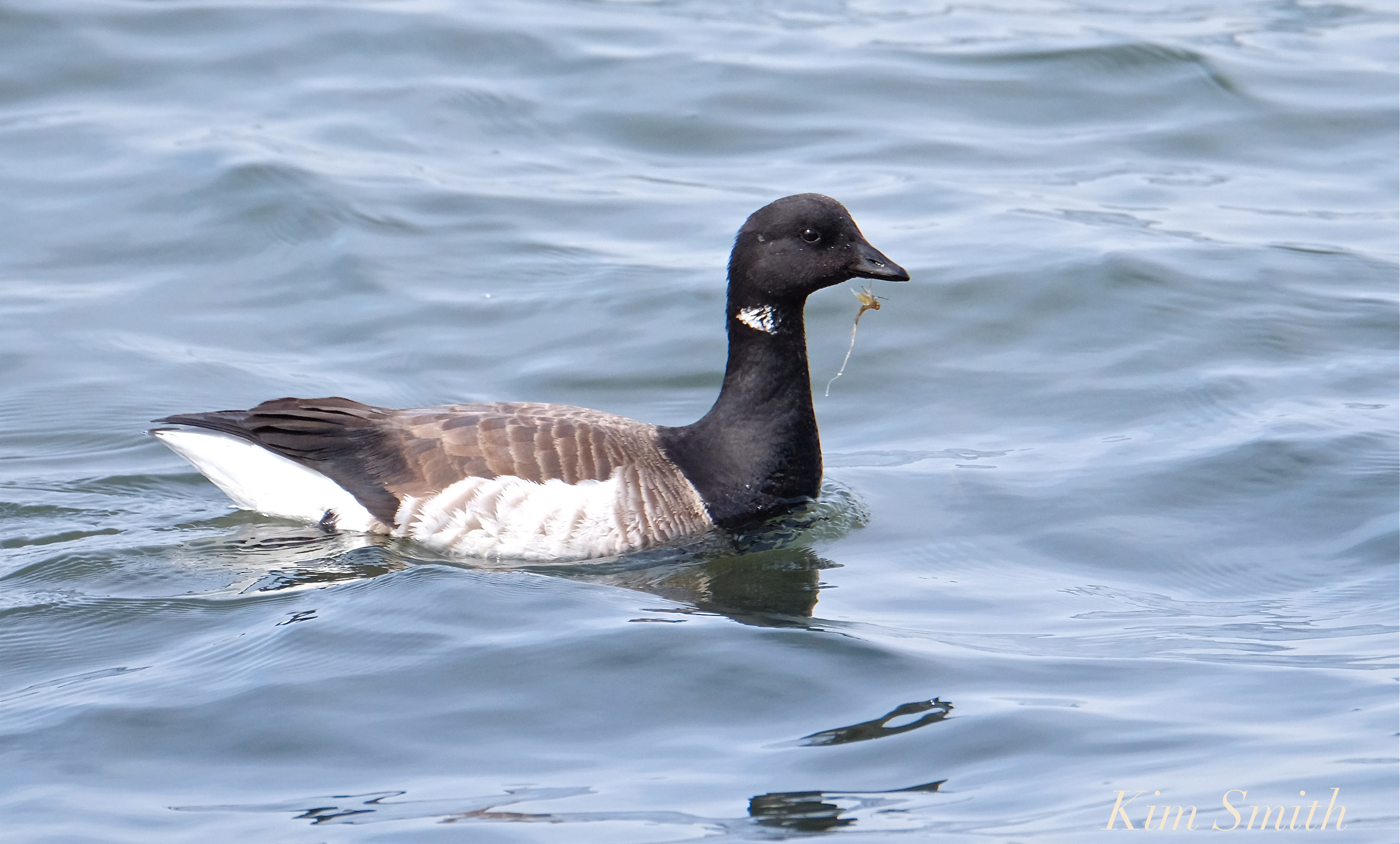 Brant breakfast.
A lone Canada Goose joined the scene for a moment, but his presence was not welcome by the Brants. His appearance provided a terrific opportunity though to compare the size difference between the Brant and the Canada Goose. You can see in the photo below, the Brant is quite a bit smaller, but that didn’t prevent one from chasing away the Canada Goose.
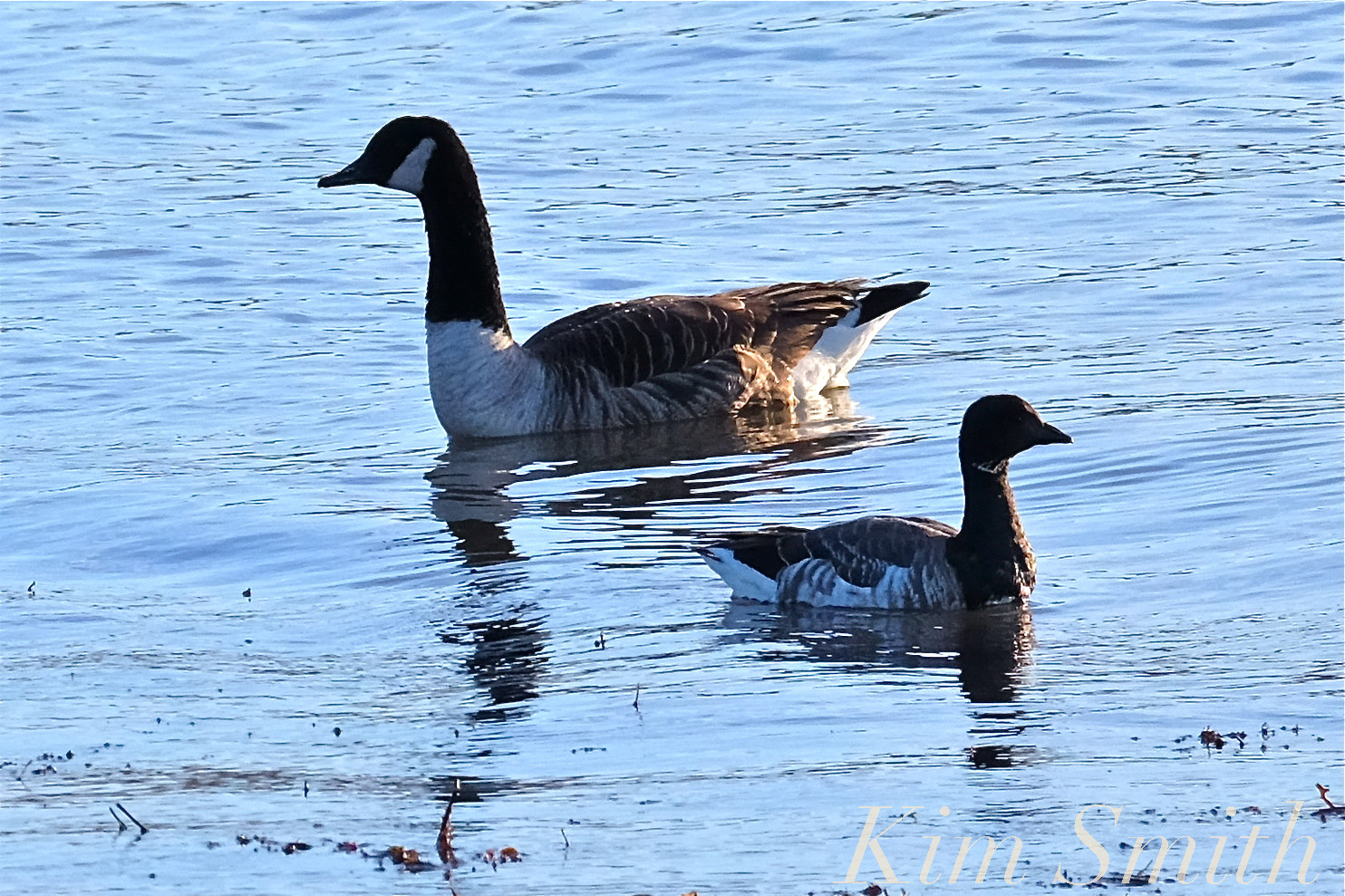 Canada Goose in the background, Brant Goose in the foreground.
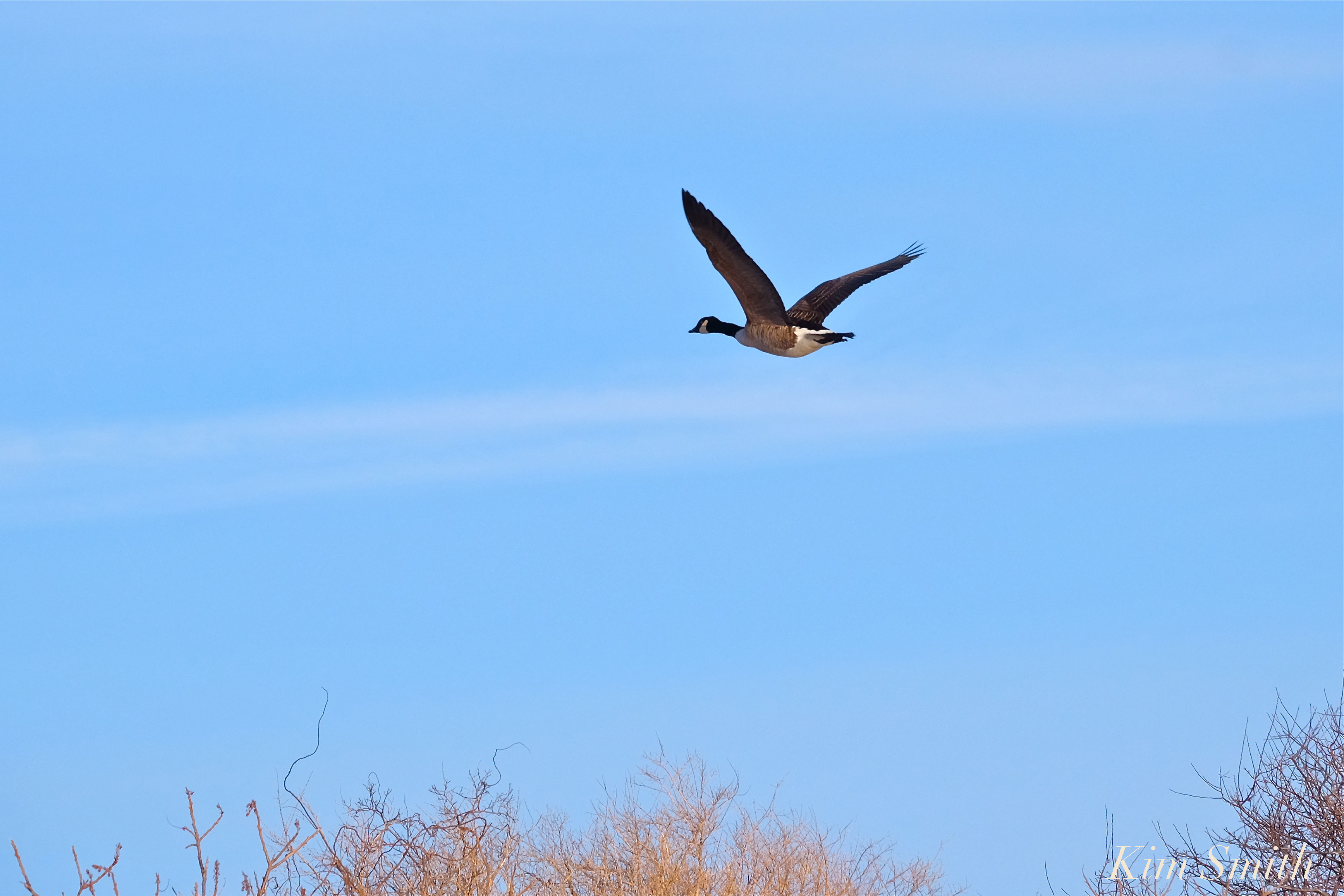 Bye bye Canada Goose
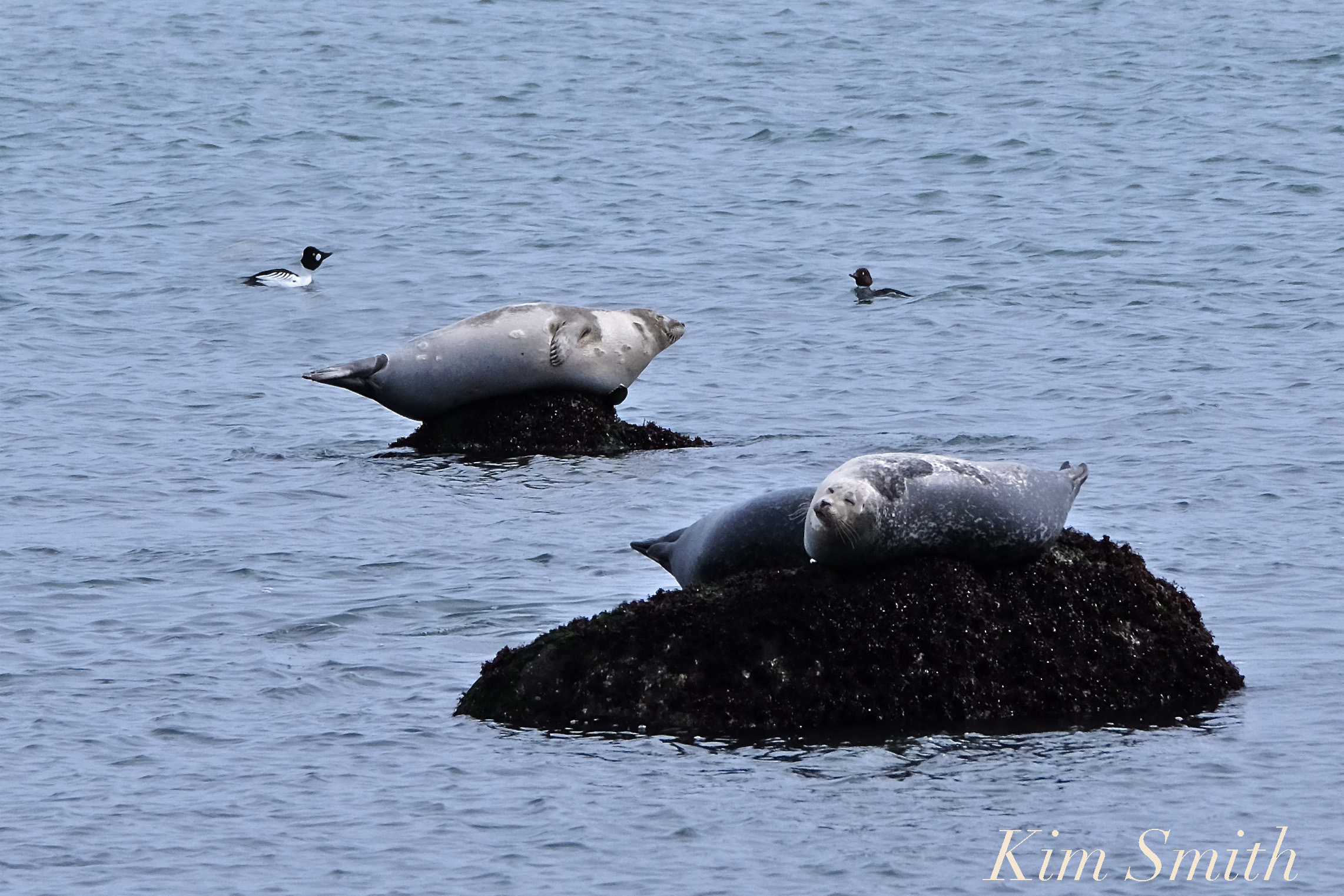 Male and Female Common Goldeneyes and Harbor Seals
Spread The GMG Love By Sharing With These Buttons:

Beautiful Fish: Burrfish -By Al Bezanson
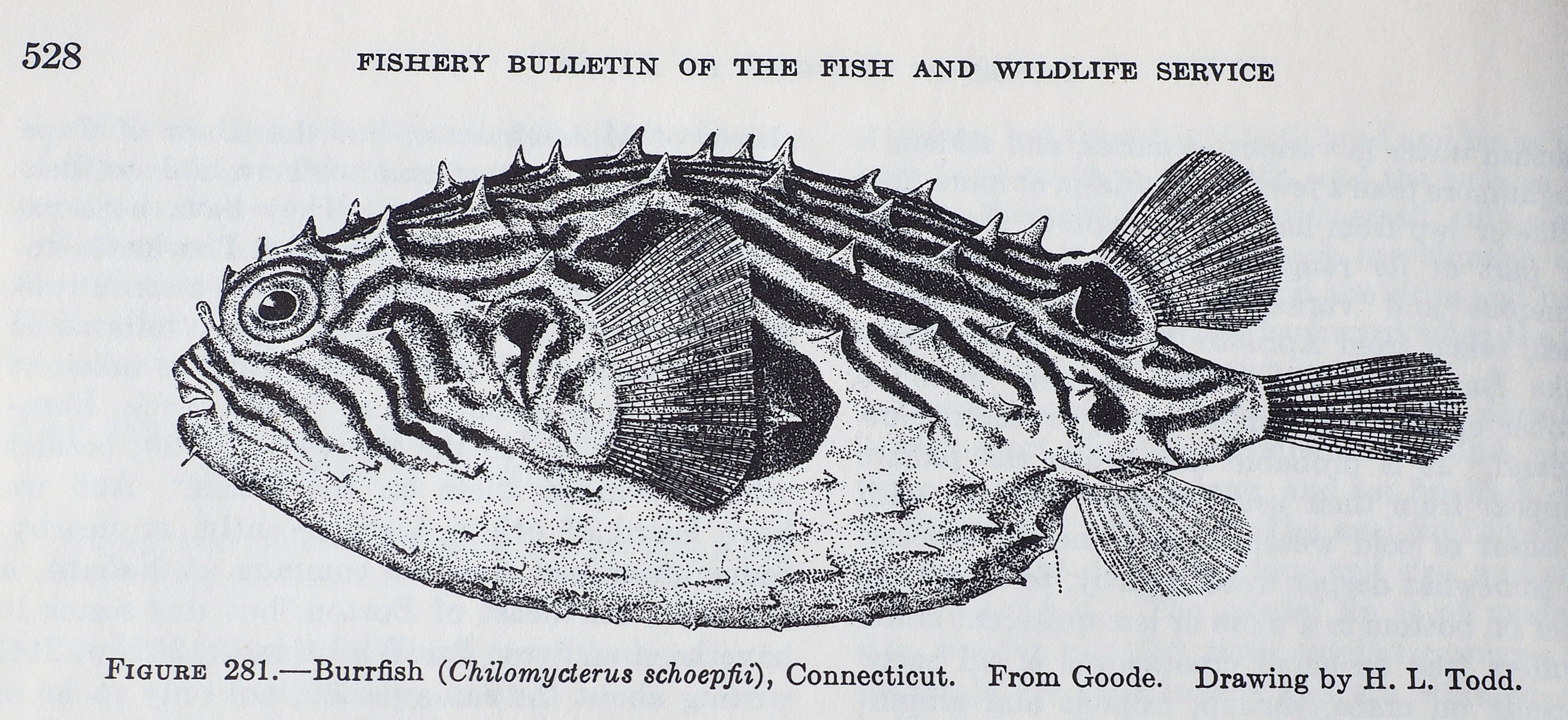
BURRFISH; PORCUPINEFISH; RABBITFISH; OYSTERFISH
Closely allied with the Puffer. The members of these two families are capable of inflating their bellies to balloonlike proportions with air or with water, if annoyed, and of deflating at will. And it is a matter of general interest (though not touching the Gulf of Maine directly) that the flesh of some of the species of puffers, and perhaps of all of the porcupine fishes, is poisonous.
From Fishes of the Gulf of Maine by Bigelow and Schroeder (1953) online courtesy of MBL/WHOI http://www.gma.org/fogm/Chilomycterus_schoepfii.htm
Spread The GMG Love By Sharing With These Buttons:

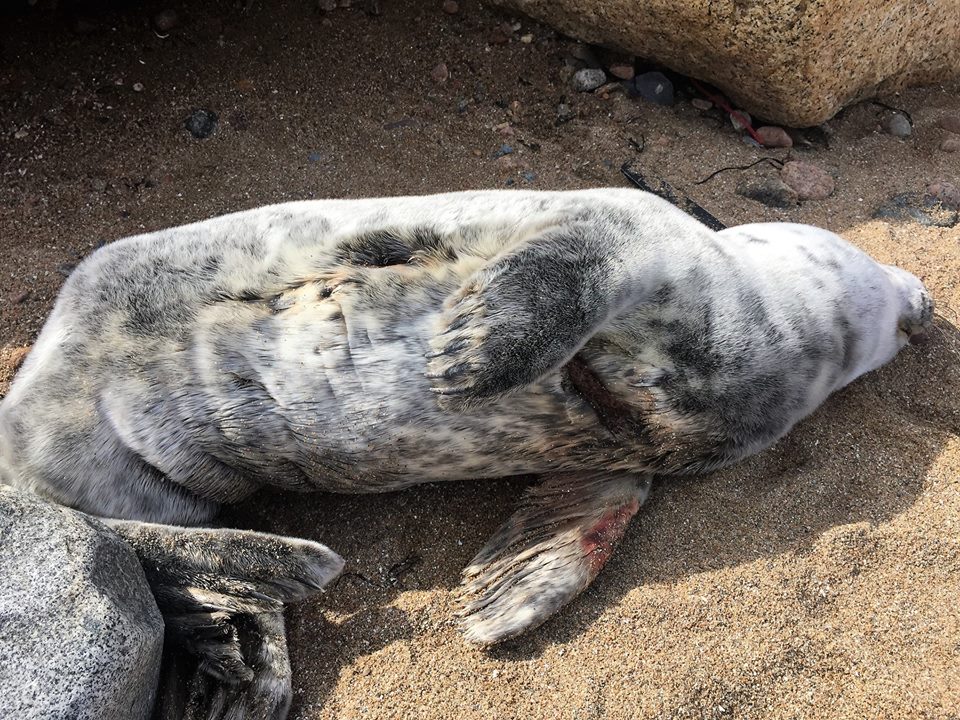
INJURED GRAY SEAL PUP UPDATE -By Kim Smith
The following is from the Seacoast Science Center. Although located in Rye, New Hampshire, they were permitted to help the injured Gray Seal in Gloucester. 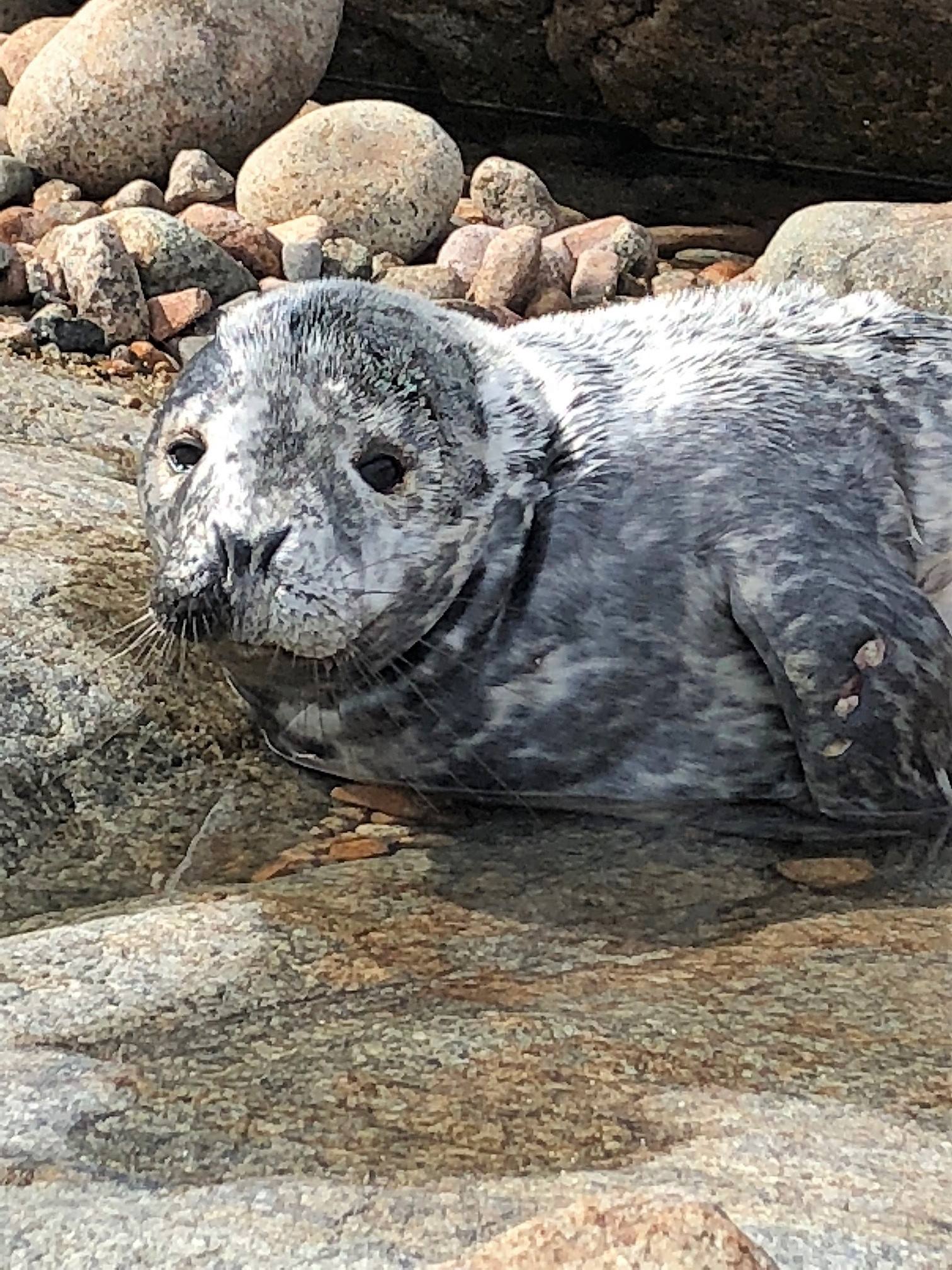
Yesterday, we assisted NOAA Fisheries with a Gray Seal weanling in Gloucester, MA that has extremely serious wounds, likely from a predation attempt, and needed help. Despite the extensive and deep infected wounds, the young seal did exhibit fight and aggression when collected, so we administered fluids with electrolytes and transported her to rehabilitation. She is now receiving antibiotics to combat the infection that has already begun and pain medication to control the discomfort level, but the prognosis is still grim at this time. We will continue to update as we have any news.
SSC Marine Mammal Rescue has a 24 hour reporting hotline: 603-997-9448 or call 866-755-6622.
* * *
This seal would have been a great candidate to be able to get a full blood panel in real time, in the field, to determine what she needed and how extensive infection, dehydration, etc were. These readings also help determine whether an animal in question is a viable rehabilitation candidate. We have just reached the halfway point of being able to purchase the i-STAT handheld blood analyzer, thanks to generous donations of $3,445 so far. Will you help us get even closer? We hope to be able to purchase this equipment by mid-June, before harbor seal pup and weanling season is in full force. Photos courtesy SSC.
About the Seacoast Science Center
Founded in 1992, the Seacoast Science Center is a non-profit marine science education organization located on the New Hampshire coast. Through programs, exhibits and rescuing marine mammals, we inform people, from toddlers to grandparents, about why a healthy ocean is important.
The Seacoast Science Center was granted authorization by the National Marine Fisheries Service to lead New Hampshire’s marine mammal rescue effort, effective January 1, 2014. The Center’s Marine Mammal Recue Team rescues stranded, injured and diseased seals, whales, porpoises, and dolphins in NH’s coastal region.
To learn more and to donate to their fundraiser to purchase the i-STAT handheld blood analyze visit the Seacoast Science Center website here.
Thank you to Ainsley Smith for directing our readers to the Seacoast Science Center!
Spread The GMG Love By Sharing With These Buttons:

THE HARBOR SEAL’S COAT OF MANY COLORS -By Kim Smith
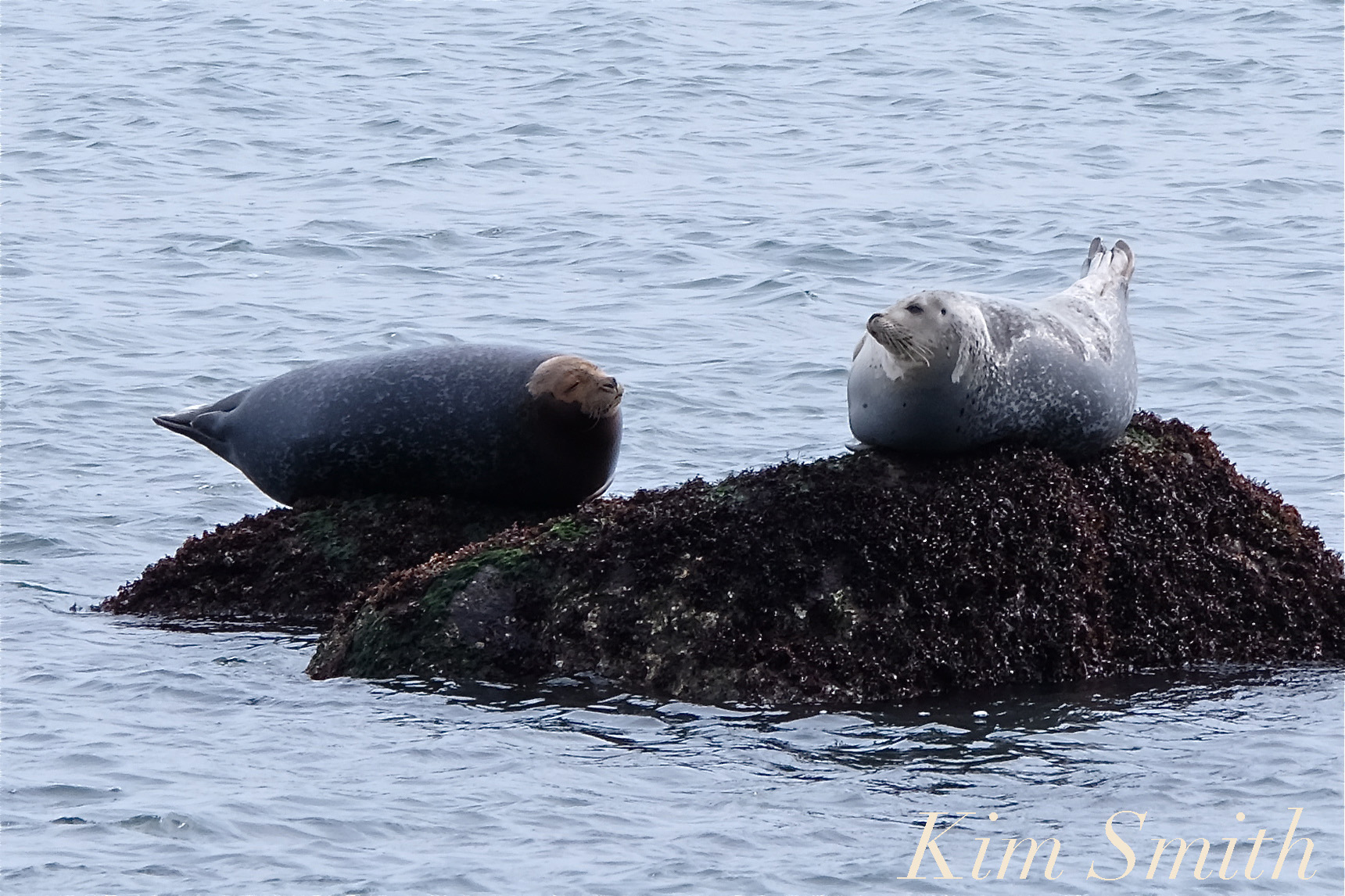
 Are these two seals even the same species?
The answer is yes, both are Atlantic Harbor Seals! By far the most commonly seen seals found along the Cape Ann coastline are Harbor Seals (Phoca vitulina), also called Common Seals, and with multiple sightings, they have certainly been making their presence known this past week. The coloring and spotted patterning of the Harbor Seal’s coat is highly variable, as you can see in the above photo, ranging from chocolate brown-black to palest silvery gray.
In recent years, Gray Seals have made an incredible comeback and are seen with much greater regularity in Cape Ann waters. And with their increasing numbers, the Great White Shark is also increasing in number, as Gray Seals are their preferred food. I don’t have a photo of Gray Seals, but found several on wiki commons media for the sake of comparing.
 Gray Seals
 Notice the Harbor Seals small and concave shaped head.
Harbor Seal vs. Gray Seal
- Harbor Seals have a head that looks a bit too small for its body, with a concave shape, whereas the Gary Seal’s head is more proportionate, with a long straight snout–no distinguishable brow.
- Harbor Seals nose nostrils are V-shaped; Gray Seals are shaped like a W.
- Gray Seals are much larger at maturity: A full grown male Gray Seal weighs about 770 pounds, a full grown male Harbor Seal about 350 pounds, less than half the size of the Gray Seal.
- When hauled-out Harbor Seals adopt a funny banana shape- ‘head up, tail up’ posture.

Notice the Gray Seals elongated snout and W-shaped nostrils
 Harbor Seals V-shaped nostrils
 Harbor Seal banana-shape
Excerpt:
Harbor Seals are relatively small (1.5 meters, or 5 feet long), with a coat that varies somewhat with age, wetness and between individuals. Some pups are born with a light colored, lanugo coat (fetal fur that most mammals shed before birth). The lanugo coat is shed within a few weeks of birth. Most seals, though, are born with an adult coat that darkens with age.
Females in this area usually give birth in late spring and early summer. It is thought that females from Massachusetts migrate to quiet islands in New Hampshire and southern Maine to pup. Historically, harbor seals pupped in Massachusetts, and there are increasing sightings of very small pups here in May and June. Pups are able to swim within minutes after birth and can travel with the female while she hunts. On Stellwagen, small pups are often found treading water while waiting for mom to return from a dive.
Adults of both sexes are similar in appearance, with lighter undersides, brown to gray topsides and differing amounts of irregular spots throughout. Harbor seals’ front flippers have relatively small claws, and the claws of their hind flippers are tiny. At sea, they can be hard to spot. Only their heads are visible as they come up for air, their snouts are small and pointed, and they have a small but definite brow. If you have binoculars, you can spot ear openings just behind the eyes.

Profiles of male and female gray seals.
NMFS Permit No. 775-1600-10
Gray Seals, Halichoerus gypus, are the largest seal found in the area, with males growing to 8 feet and weighing over 900 pounds (2.3 m. and 300-350 kg.). Females are somewhat smaller, measuring 7 feet and weighing less than 600 pounds (2 m. and 150-200 kg.). Besides size, the sexes differ in a number of ways: males tend to be darker with few light spots, while females tend to be light with dark, irregular blotches. Young can be easily confused with harbor seals. With a head-on view, gray seals have wide-set nostrils that form a W, while harbor seals have close-set nostrils that form a small V. Sometimes called horseheads, gray seals of both sexes have broad, long snouts that become more pronounced, especially in males.
Gray seals are endemic to the North Atlantic, ranging from the Baltic,western Europe to Canada and Northeastern United States. In recent years, the number of gray seals in New England seems to have grown. It is not yet clear if the Canadian population is simply growing and moving south, or if there are other, environmental factors at work.
Highly gregarious, gray seals are often found in large groups hauled out on quiet sand or rock beaches for rest and breeding. Females in this area, such as Monomoy Island in Nantucket Sound, give birth to one, white-coated pup from late December to mid February. The pup is nursed intensively for about 15 to 20 days on an increasingly fatty milk. Females come into estrus about 2 weeks after weaning their pups. Males are highly competitive over access to groups of females on shore. After fertilization, the embryo stops development and “rests” for 3 to 4 months before development resumes (delayed implantation).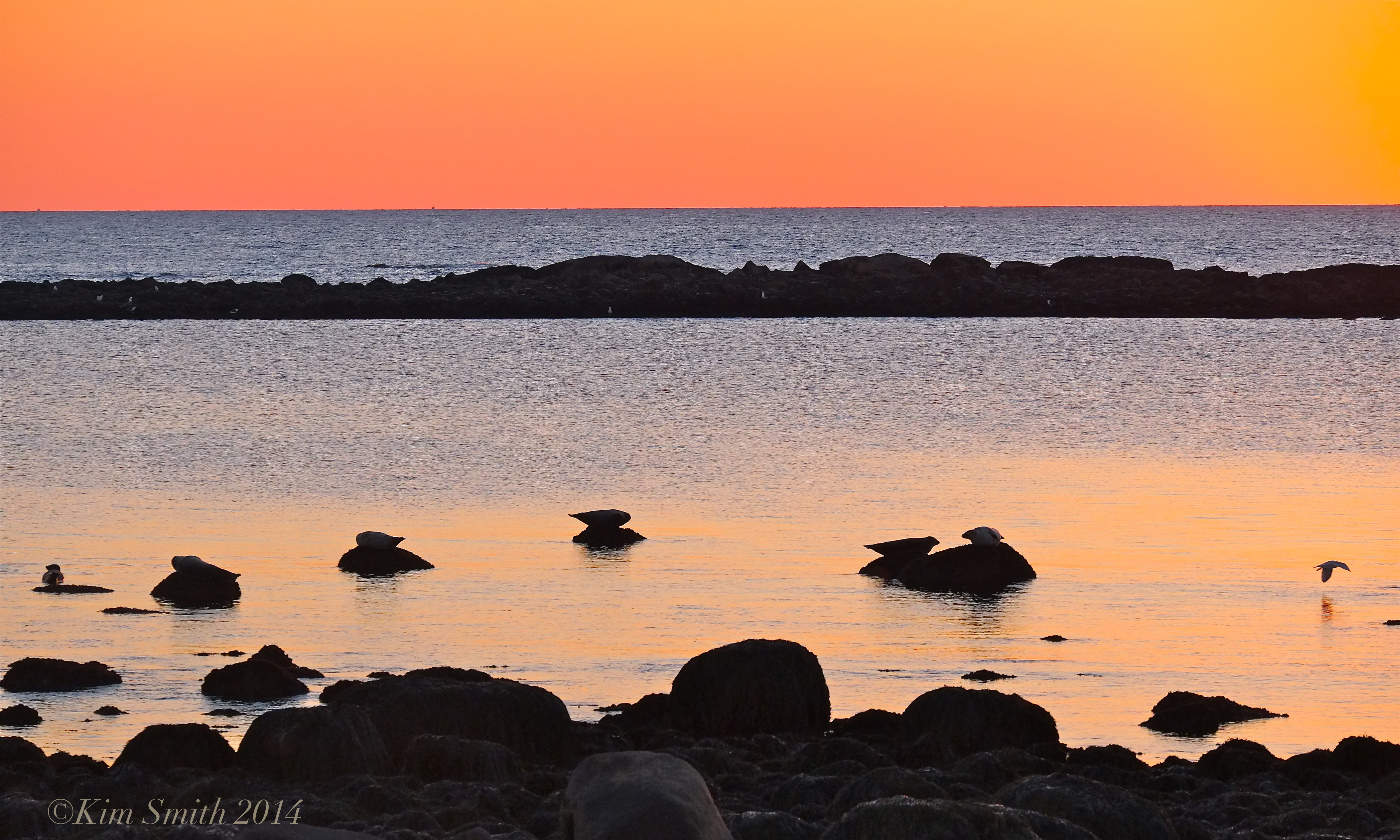
Harbor Seals Brace Cove Gloucester
Spread The GMG Love By Sharing With These Buttons:

Beautiful Fish: Alewife -By Al Bezanson
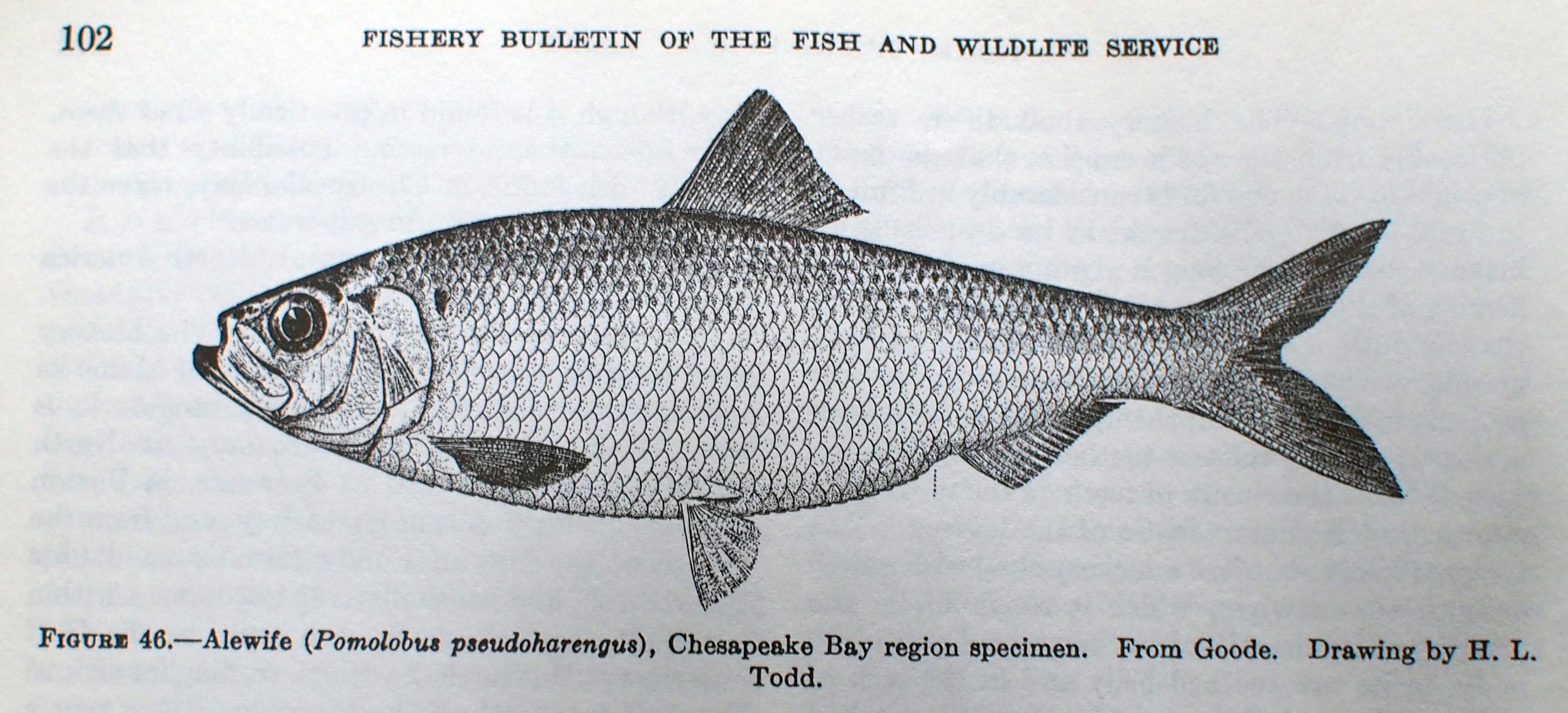
ALEWIFE; GASPEREAU; SAWBELLY; KYAK; BRANCH HERRING; FRESH-WATER HERRING; GRAYBACK
The alewife, like the shad and the salmon makes its growth in the sea, but enters fresh water streams to spawn. This “anadromous” habit, as it is called, forced itself on the attention of the early settlers on our coasts. In the words of an eyewitness, “experience hath taught them at New Plymouth that in April there is a fish much like a herring that comes up into the small brooks to spawn, and when the water is not knee deep they will presse up through your hands, yea, thow you beat at them with cudgels, and in such abundance as is incredible.” And they are no less persevering in their struggles upstream today. Numbers of them are to be seen in many streams, any spring, alternately swimming ahead; resting in the eddy behind some irregularity of the bottom; then moving ahead again, between one’s feet if one happens to be standing in midstream. And they are much more successful than the shad in surmounting fishways of suitable design.
From Fishes of the Gulf of Maine by Bigelow and Schroeder (1953) online courtesy of MBL/WHOIhttp://www.gma.org/fogm/Pomolobus_pseudoharengus.htm
This Saturday, March 31st , help out with the alewife count right here in Little River.
Spread The GMG Love By Sharing With These Buttons:

SEAL SUCCESSFULLY RETURNS TO THE WATER, ALL ON ITS OWN!
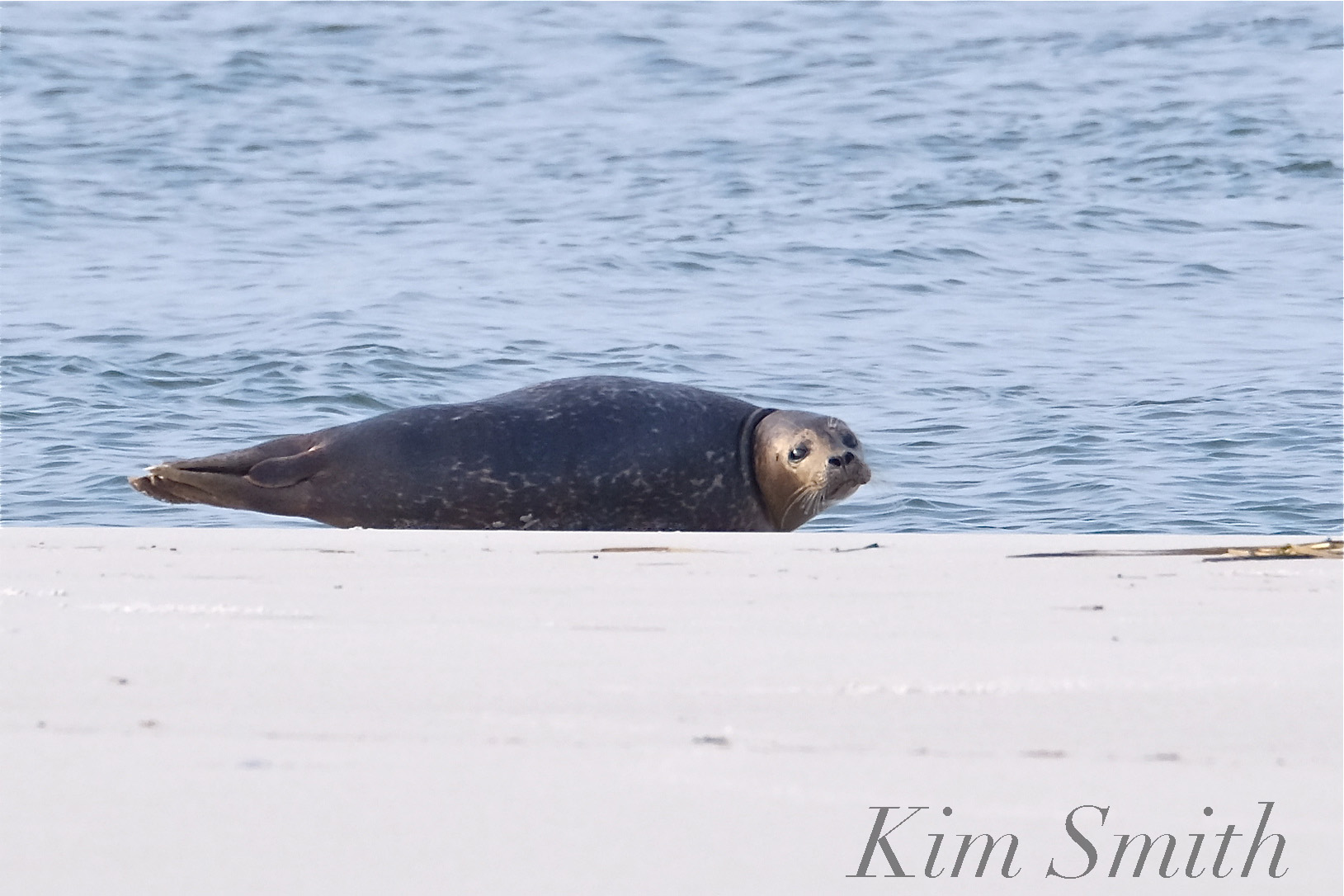 Walking along a sandy beach this morning I looked up to see in the distance a Harbor Seal hauled out at the water’s edge. I took a few photos, and then slowly walked backwards, towards the wrack line, in the opposite direction of the seal. After about half an hour, the seal fishtailed down to the water and was quickly lost in the surf.
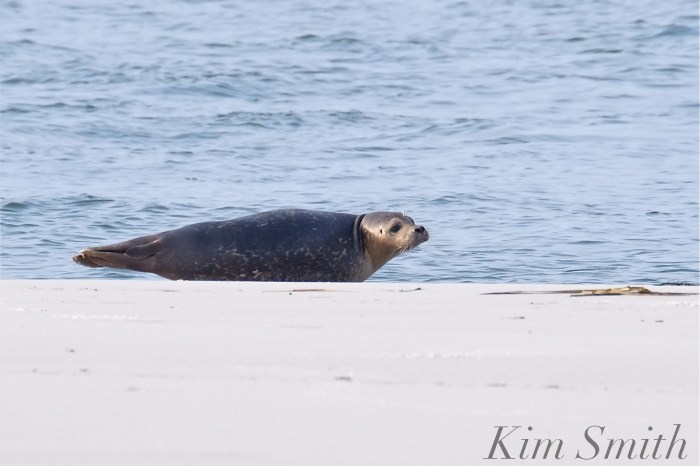
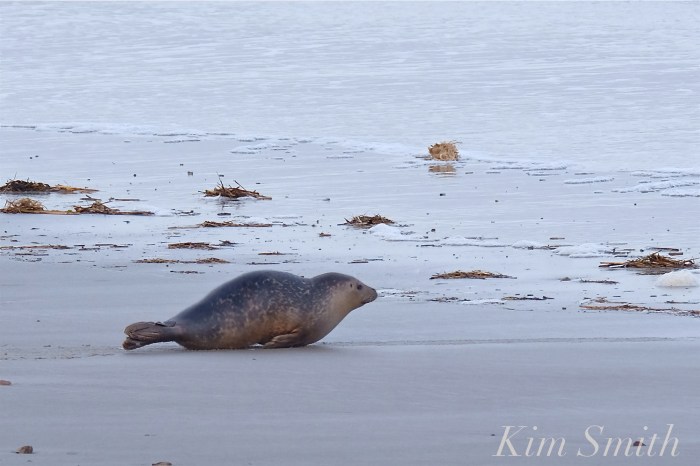
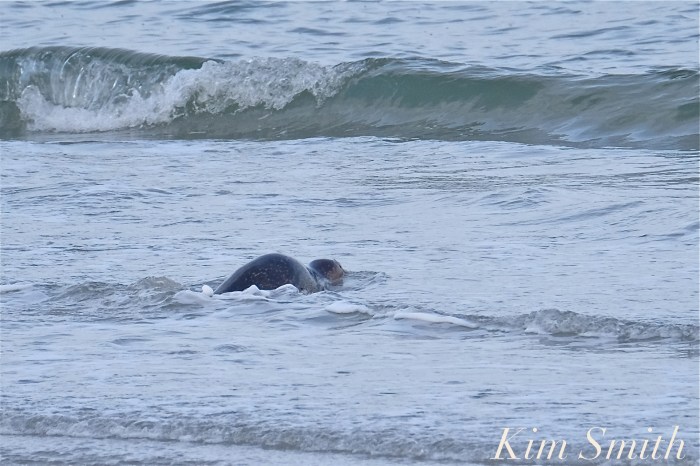
This is the second Harbor Seal in two days that I have seen resting on the beach. The sea has been rough and tides lower than usual, but for whatever reason this apparently healthy seal was hauled out on the sand, the very most important thing we humans can do to help the seals is to keep your distance.
Spread The GMG Love By Sharing With These Buttons:

Good Morning Gloucester – Brought to You by Brace Cove
Just another beautiful morning in the neighborhood.
Spread The GMG Love By Sharing With These Buttons:

Beautiful Fish: Chimaera -By Al Bezanson
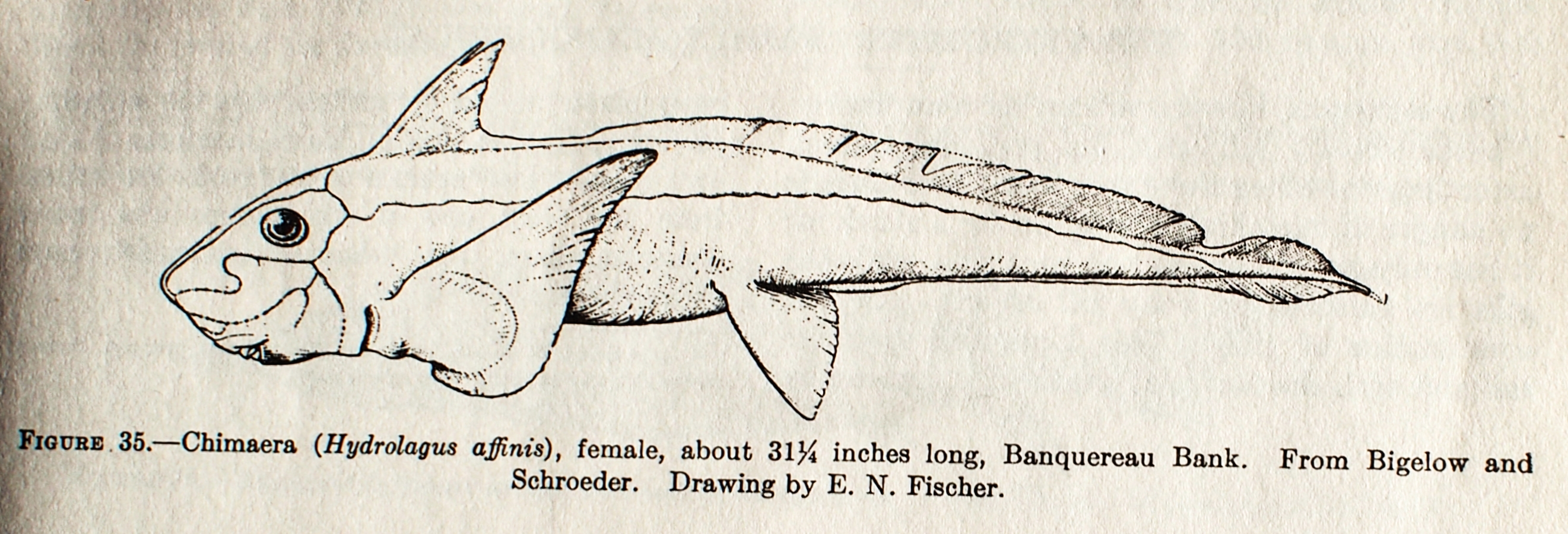
The chimaeroids, being cartilaginous fishes, are allied to the sharks, skates and rays, but are separated from them by many important anatomic characters. Most obvious of these externally are that they have no spiracle; that they have only one external gill opening on either side; that their tails are symmetrical; and that their gill filaments are free at the tips like those of bony fishes. The chimaeroids remotely suggest the grenadiers in general body form, but are easily separable from them at a glance; first of all by the softness of their bodies and by their naked skins, also by the location of the pelvic fins which are set far back under or behind the tips of the pectorals, and by the large size of the pectoral fins, to list only the most obvious differences. There is no danger of confusing them with any other Gulf of Maine fishes, so curious is their appearance.
Occurrence in the Gulf of Maine—
Our only reason for mentioning this chimaera is that it is (or was) so plentiful along the offshore slopes of the Banks off the eastern part of the Gulf and off Nova Scotia that many were brought in for a few years subsequent to 1875, when fishermen long lining for halibut extended their operations down to 300 fathoms or so. Only one seems to have been reported during the past 25 years, caught off Browns Bank, 85 miles southwest of Cape Sable, between 400 and 500 fathoms on October 15, 1930.[85] But perhaps it would be found no less plentiful now than of old, if sought at the proper depth. The shoalest capture of which we found record was at 160 fathoms.
From Fishes of the Gulf of Maine by Bigelow and Schroeder (1953) online courtesy of MBL/WHOI http://www.gma.org/fogm/Hydrolagus_affinis.htm
Spread The GMG Love By Sharing With These Buttons:

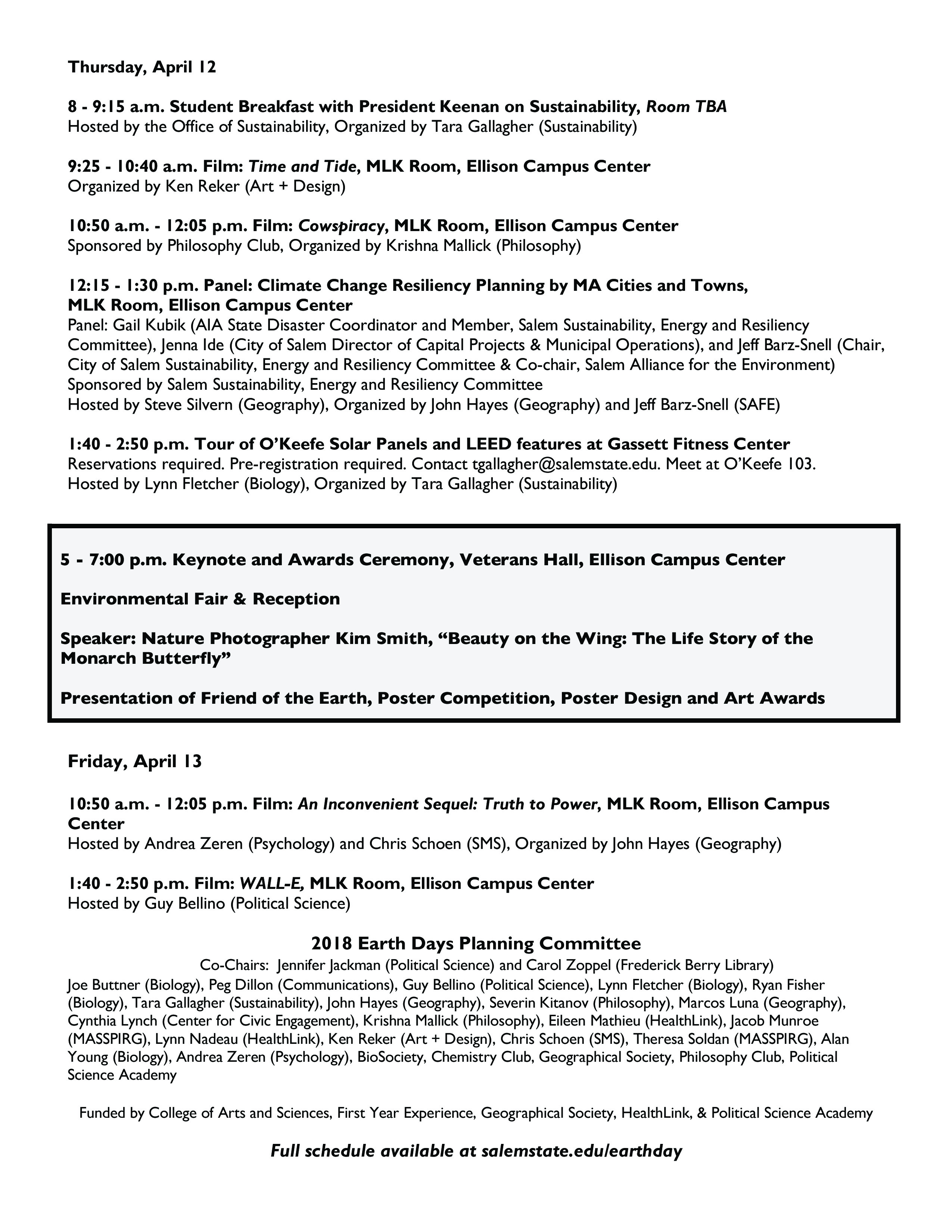
Kim Smith to Receive “Friend of the Earth” Award and Keynote Speaker Salem State Earth Days 2018 Week
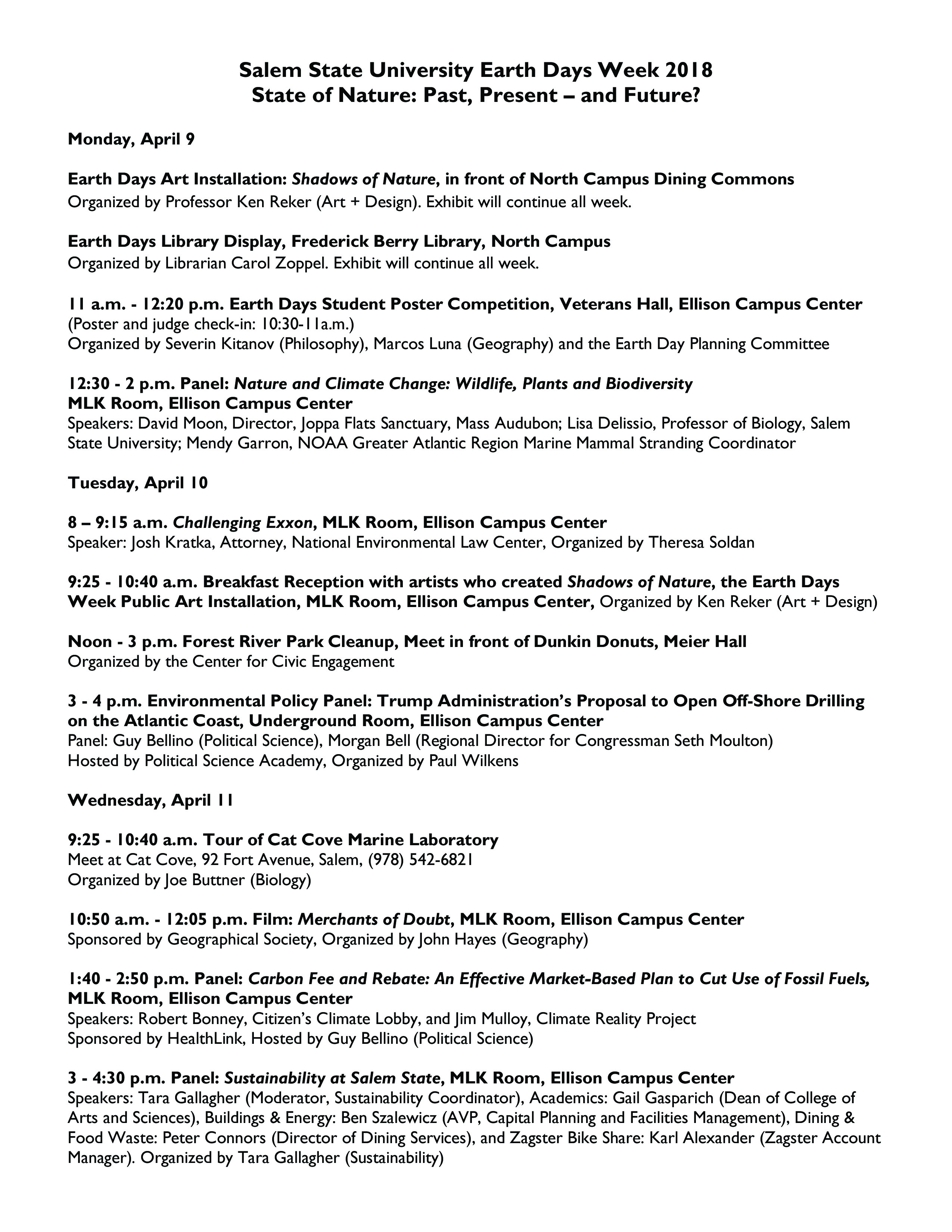
Please join me on Thursday, April 12th, at 5pm at Salem State University. I am being honored with a “Friend of the Earth” award and will be presenting my lecture “Beauty on the Wing: Life Story of the Monarch Butterfly,” with newly added photos, and a new focus reflecting the Monarch migration at risk. This award is so meaningful to me and I am deeply touched and honored.
The Salem State Earth Days Committee has done an outstanding job organizing a week of exciting and relevant programming. The full schedule is posted here for Salem State’s Earth Days 2018 Week and you can also learn more at dgl.salemstate.edu/earthday/
My lecture, and all Earth Days 2018 programming, is free and open to the public!
Spread The GMG Love By Sharing With These Buttons:

NORMAN SMITH, THE MAN WHO SAVES SNOWY OWLS!
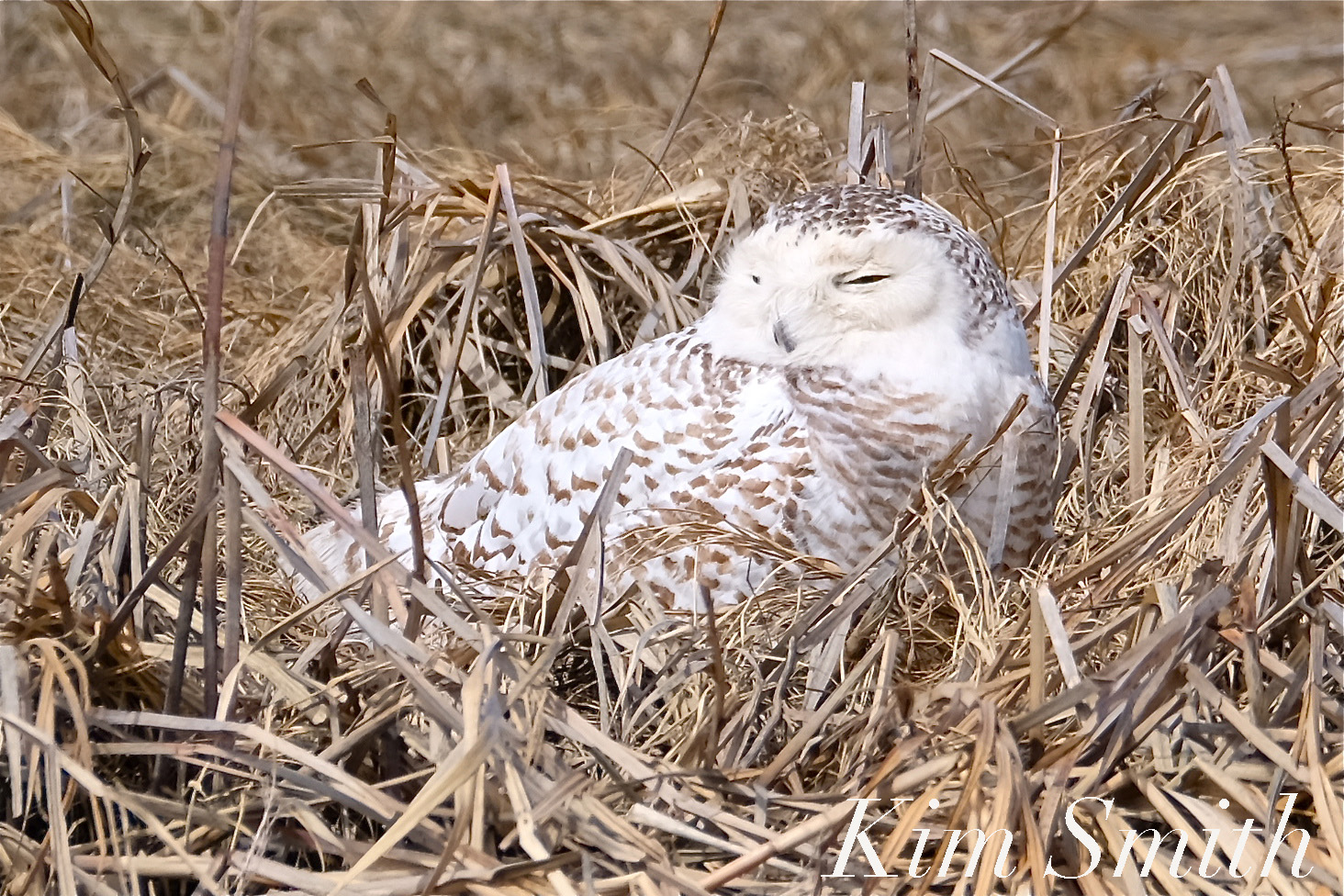
Norman Smith from Mass Audubon has done more to save Snowy Owls and bring awareness to this beautiful and at risk species than any other person nationwide. Since 1981 he has been at the forefront of Snowy Owl conservation and his Project SNOWstorm has become a model for saving and studying Snowy Owls around the country.
Several weeks ago I was up north for my short film about Hedwig and came upon a Snowy Owl in the marsh. With very similar feather patterning around the face, I think she is the same Snowy that was released in the video!
Spread The GMG Love By Sharing With These Buttons:

Beautiful Fish: William C. Schroeder -By Al Bezanson
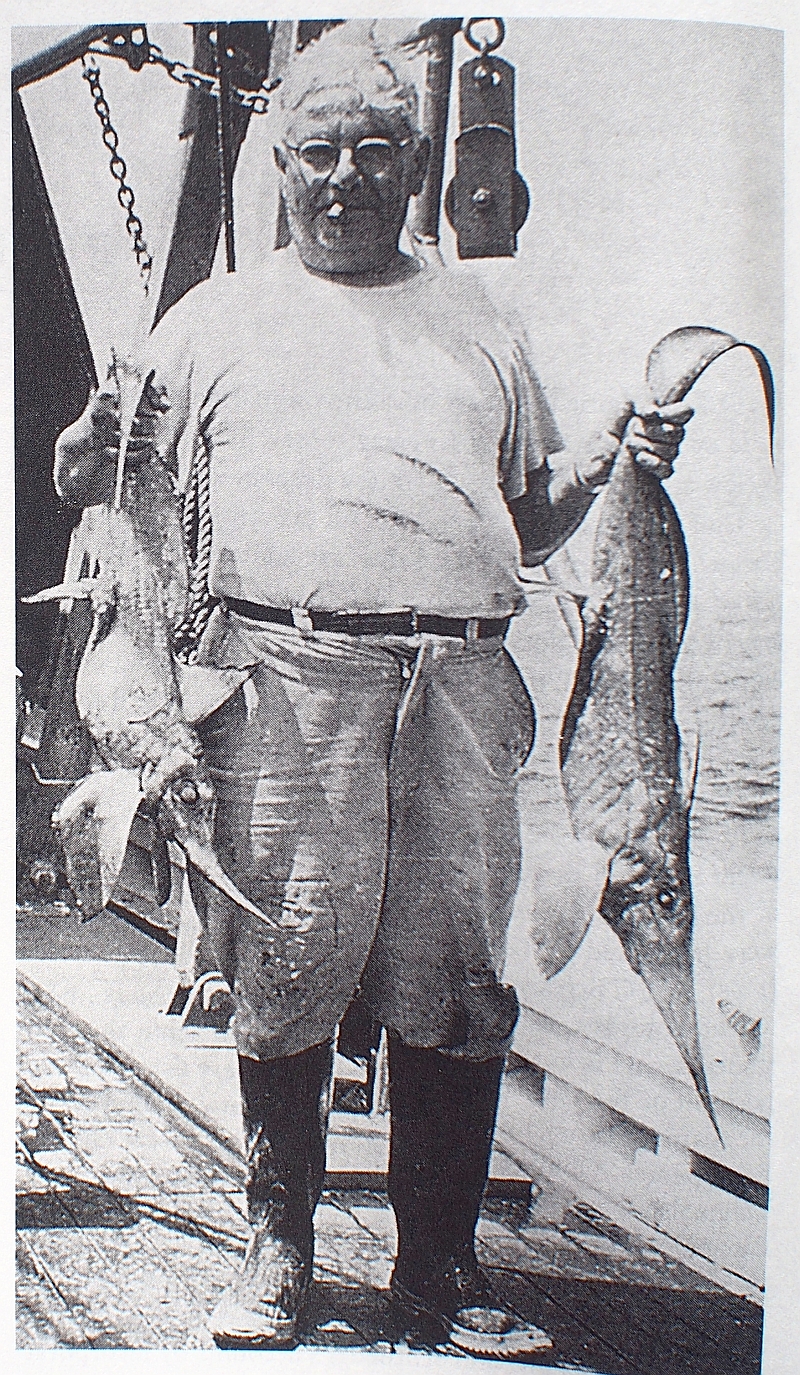
William C. Schroeder (1895-1977), coauthor Fishes of the Gulf of Maine by Bigelow and Schroeder (1953) online courtesy of MBL/WHOI http://www.gma.org/fogm/Default.htm
William C. Schroeder was born on Staten Island in 1895. He quit school at age 14 to support his mother after his parents separated and became a professional musician playing various stringed instruments at concerts that included an appearance at Carnegie Hall. He married Adah Jensen when he was twenty-one and enrolled at George Washington University six years later. Schroeder transferred to Harvard in 1924. He remained there until 1931, but started leading the dual existence common at the time as he was identified as an assistant Aquatic Biologist, U.S. Bureau of Fisheries in 1928 when he coauthored Fishes of the Chesapeake Bay with Samuel F. Hildebrand. This pattern continued when he took the position of business manager at WHOI in 1932. During the twenty years he maintained that position, he collaborated with Henry B. Bigelow to publish volumes one and two on the sharks and skates for Yale’s Sears Foundation Fishes of the Western North Atlantic, a new edition of Fishes of the Gulf of Maineand five other papers on lampreys, hagfish, sharks, rays and chimaeras.
By 1948 Schroeder was running out of fish to write about. He wanted to get to the edge of the shelf and seek the “little known bottom dwellers” that had not been sampled since the Fish Commission’s Fish Hawk dragged a small beam trawl from 50 to 600 fathoms in 1880. He tried trips on the R/V Caryn and Atlantis with tantalizing results but he craved a little more power and a little more wire. In the summers of 1952-3 Schroeder chartered Henry Klimm’s 83 foot Cap’n Bill II. One hundred and ninety three successful tows from 50 to 730 fathoms between LaHave Bank and Cape Charles produced 75 species of sharks, skates and chimaeras. One major setback was the implosion of the standard aluminum head rope floats that had to be replaced with glass floats. Another difficulty arose when the net would get plugged with big lobsters, ocean perch or red crabs. Bill Schroeder shrugged off these obstacles and brought home a lobster claw to Mary Sears. It fed sixteen people.
(From Woods Hole Historical Museum, “Four Fishermen” by Martin R. Bartlett)
Photograph: William C. Schroeder on board Cap’n Bill II, with chimaeras Harriotta raleighana in hand. (Photograph by Jan Hahn, © Sears Foundation for Marine Research)
Spread The GMG Love By Sharing With These Buttons:

“We Love You Too Snowy Owl” Prints for Sale
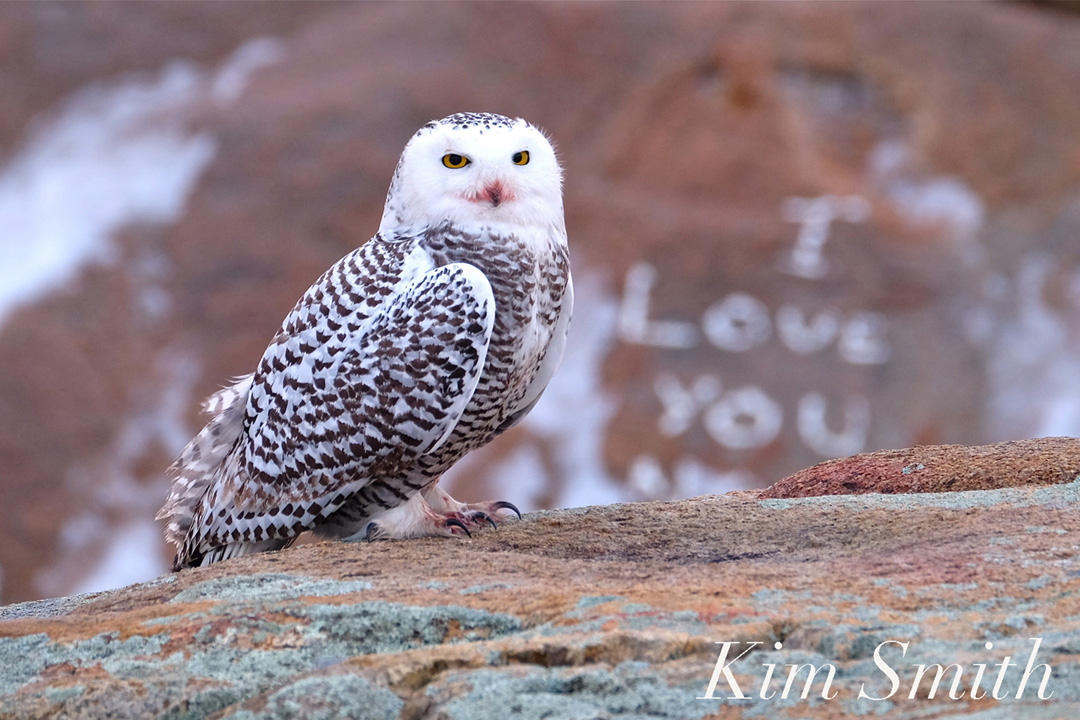 “We Love You Too Snowy Owl” prints for sale.
For the next two weeks, I am offering a limited edition of the photo “We Love You Too Snowy Owl.” The 8 x 12 photo will be printed on fine art hot press paper and signed. At the end of two weeks, after orders are in and checks received, I will place the order with the printer. The $95.00 price includes shipping and tax. If you would like to purchase a photo of Hedwig, please email me at kimsmithdesigns@hotmail.com Thank you!
Spread The GMG Love By Sharing With These Buttons:

Beautiful Fish: Dr. Henry Bryant Bigelow -By Al Bezanson
“How much is known about the Gulf of Maine?”
“Practically nothing.”
So, according to his memoirs, went the conversation that kicked Henry Bryant Bigelow (Harvard) ’01, Ph.D. ’06, S.D. ’46, out of a rut and onto the Gulf of Maine, which he would transform from a scientific unknown to one of the most thoroughly studied large bodies of water in the world–and in doing so, set modern oceanography on an “interdisciplinary,” “ecosystemic” course before either term existed. Bigelow developed a rigorous, integrative approach to oceanography that he eloquently propagated for decades. Along the way, he served what he reckoned to be the longest tenure in Harvard’s history, working as a researcher, instructor, and professor of zoology from 1906 to 1962–for which he solicited and received, he recalled with typical humor in the memoirs, the only bottle of whiskey ever presented to anyone by the President and Fellows of Harvard College. (By David Dobbs, for Harvard Magazine) https://harvardmagazine.com/1999/01/vita.html
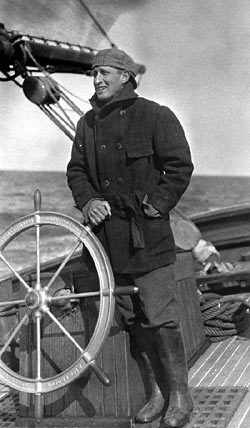
Fishes of the Gulf of Maine by Bigelow and Schroeder has long been known simply as Bigelow and Schroeder. Dr. Henry Bryant Bigelow (1879-1967) was founding director of Woods Hole Oceanographic Institution. https://www.whoi.edu/main/profile/henry-bryant-bigelow
Photograph courtesy of WHOI archives: Dr. Henry Bryant Bigelow at the helm of Grampus in the Gulf of Maine, 1912
Spread The GMG Love By Sharing With These Buttons:

SNOWY OWL HEDWIG WEEKLY UPDATE AND THE REASON WHY CROWS ATTACK OWLS -By Kim Smith
 Our beautiful Snowy Owl Hedwig was last seen on Monday night, March 12th. This was also the night before the third nor’easter. She was perched on the railing of the Ocean House Inn facing towards the sea. The wind was blowing fiercely. Well after dark, and after making several attempts, she successfully flew in a southerly direction out over the water.
It has been two weeks since that last sighting and perhaps we will see her again, but I imagine her to be safe and undertaking her return journey to the Arctic tundra, well-fed from her stay on Cape Ann. Whether she was well-rested is another story. The great majority of people who came to see this most approachable of owls were respectful and considerate of her quiet space. The crows however, were nothing short of brutal. After learning about why crows attack owls, and the degree of aggression possible, I am surprised she lasted as long as she did, and without great injury.
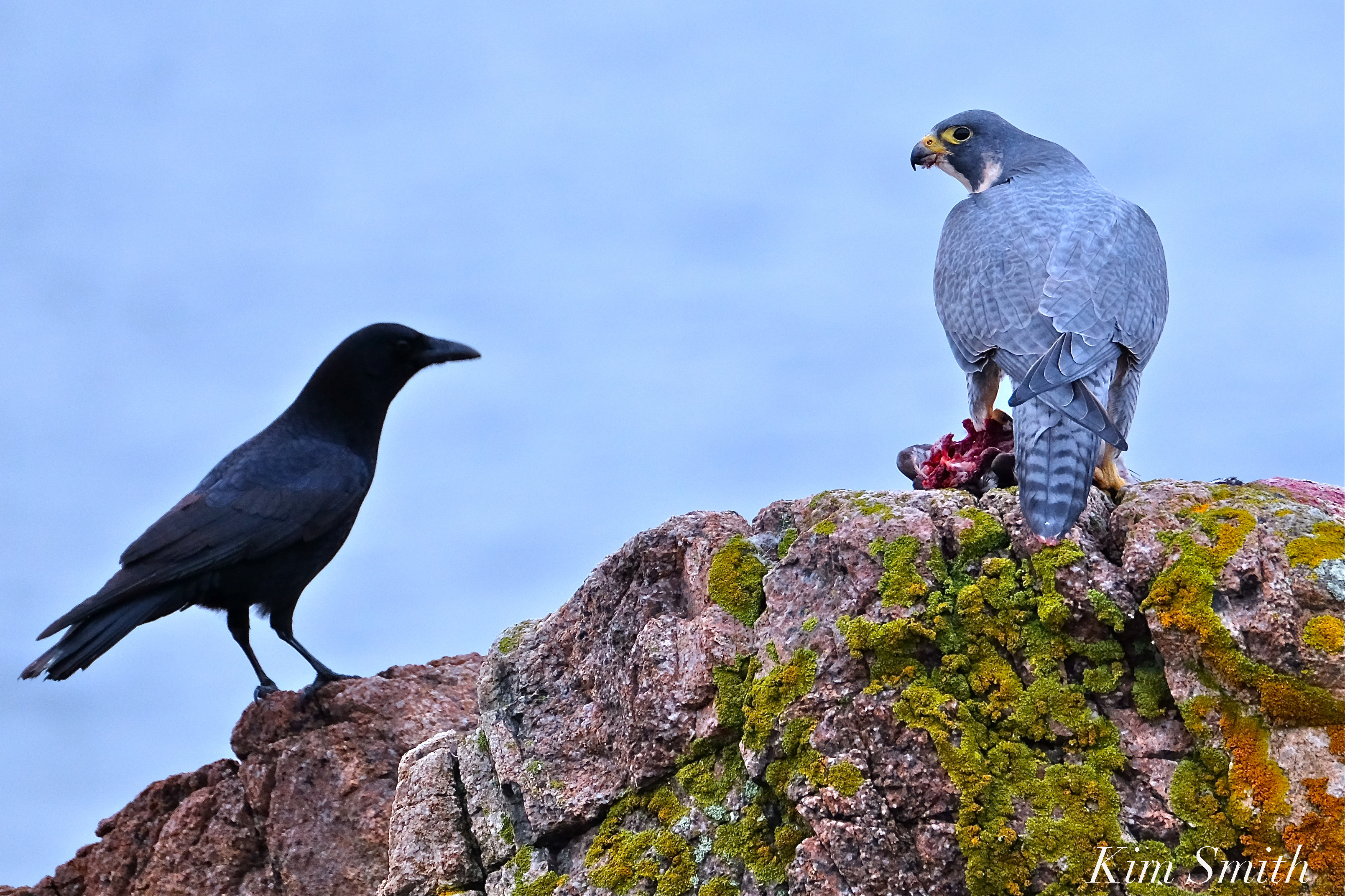 American Crow harassing a Peregrine Falcon, Atlantic Road
Crows and owls are natural enemies because a murder of crows may mob an owl to death (or any raptor by which it feels threatened) and owls occasionally eat crows. Crows are diurnal, which means they feed during the day. The majority of North American owl species that they encounter are nocturnal (night feeding). In the case of Snowy Owls, which feed both day and night, their paths may occasionally cross, as happened when Hedwig moved into the crow’s territory along Gloucester’s Atlantic Road.
American Crows harassing Snowy Owl Hedwig
A flock of American Crows can run circles around most owls, pecking, dive bombing, chasing, and in some instances killing. Snowy Owls are the exception; they are larger, stronger, and faster flyers than other North American owl species. And too, Snowy Owls are closely related to Great Horned Owls, a species known to eat crows when they are roosting overnight. So even though a crow in our area may never before have encountered a Snowy Owl, they instinctively know danger is present.
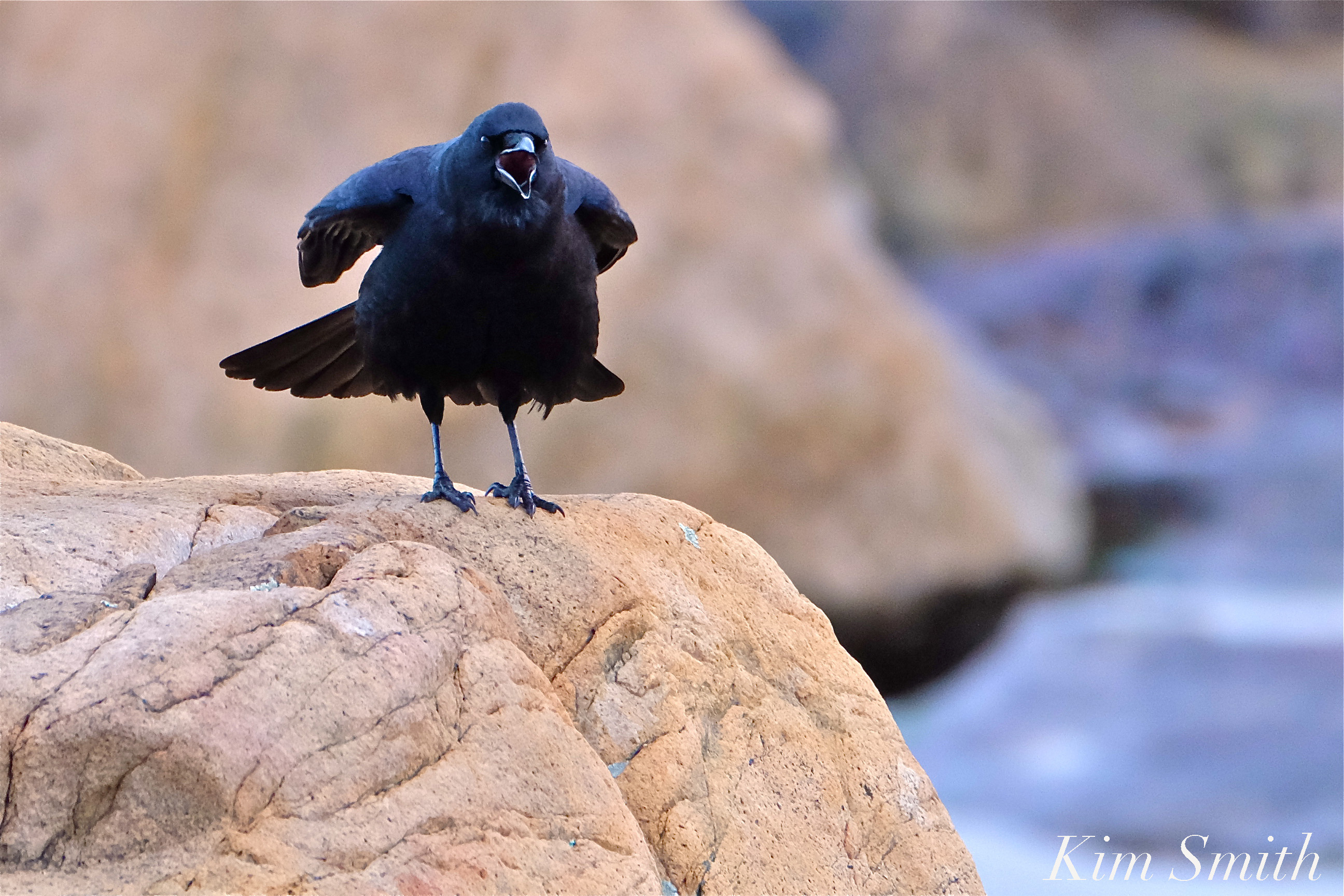 American Crow
With their incredible ability for recollection, crows are considered the brainiacs of the bird world. Daily, Hedwig outsmarted this smartest of bird species. She learned to stay well-hidden during the daylight hours, laying low atop the hotel roofs. Her salt and pepper coloring blended perfectly with the black, white, and gray colors of industrial roof venting equipment. She adapted to hunting strictly at night, after the crows had settled in for the evening, returning to her hideouts before the day began.
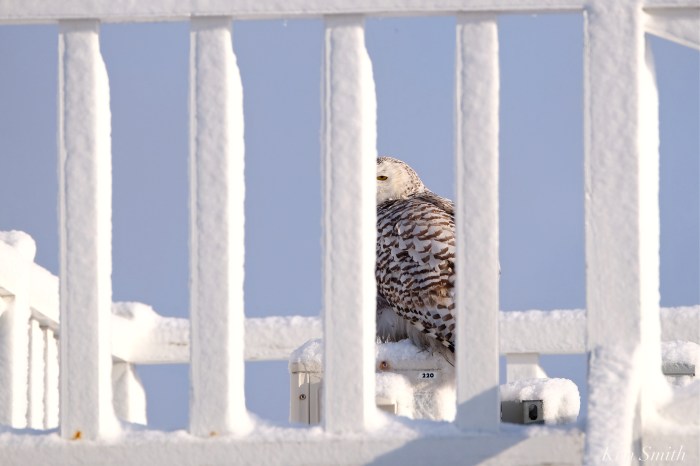
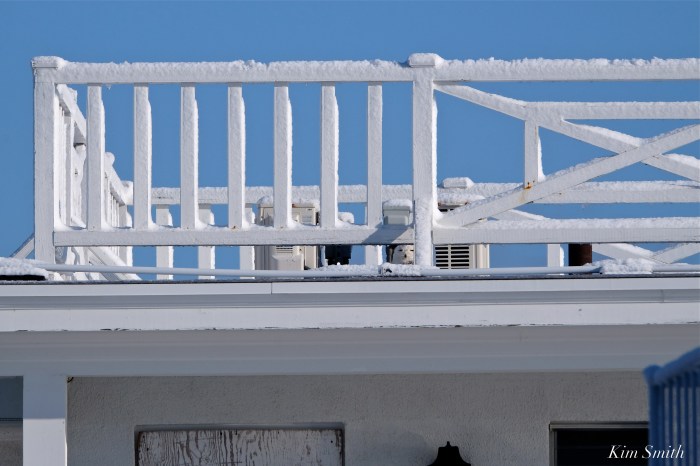
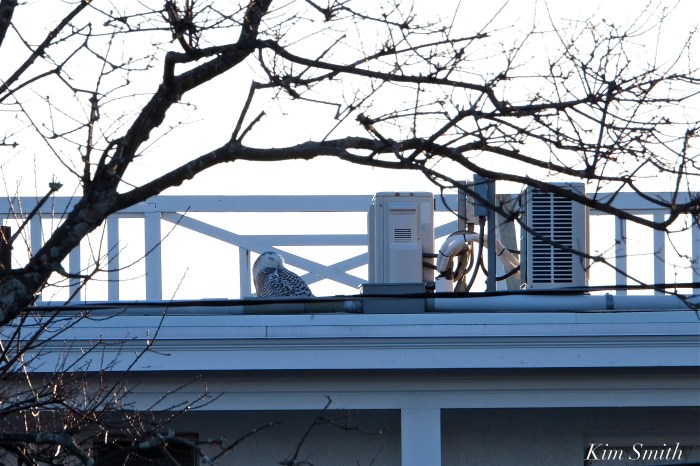
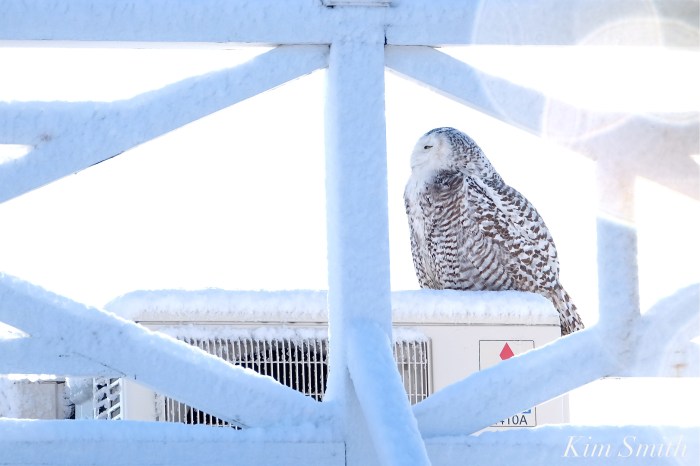
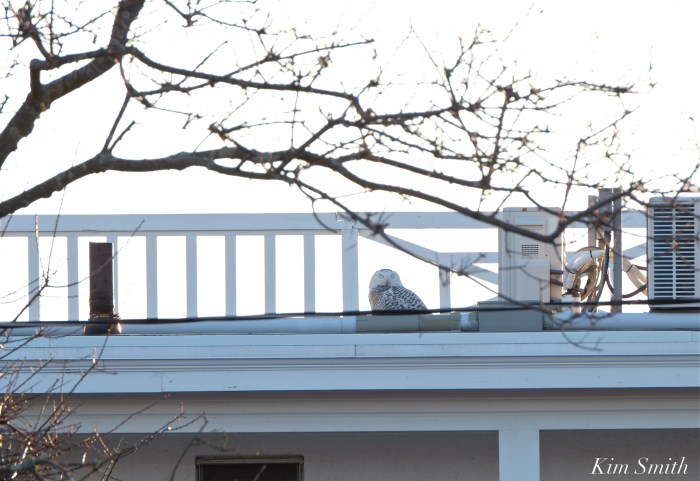
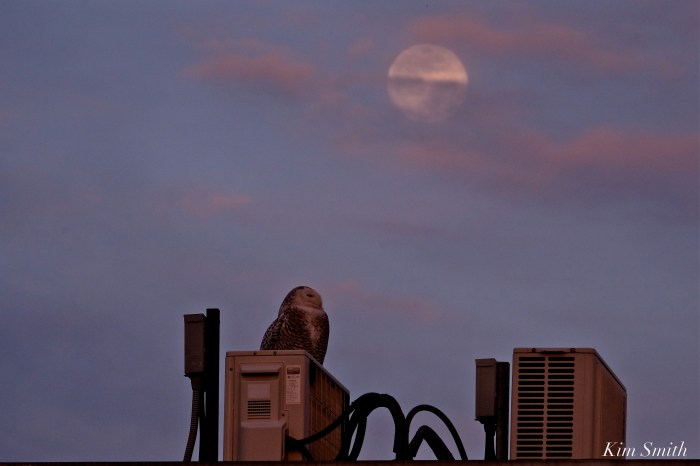
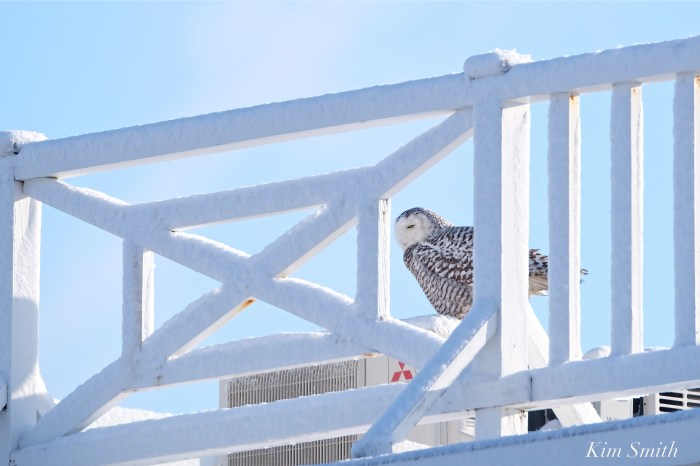
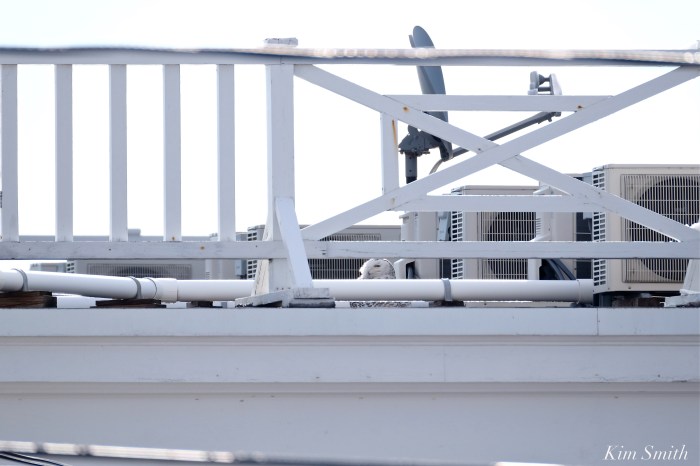
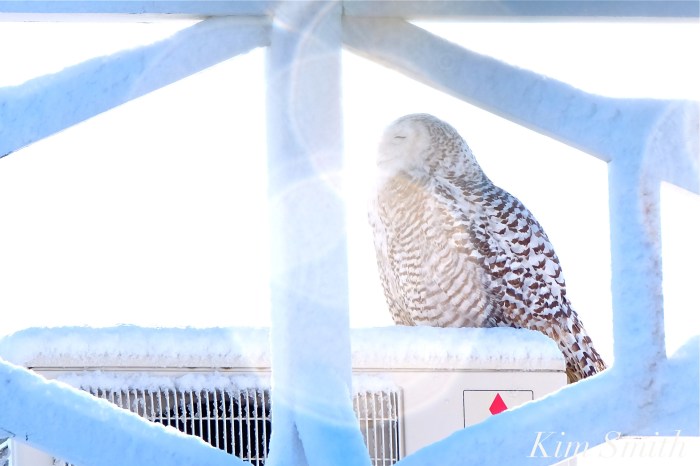

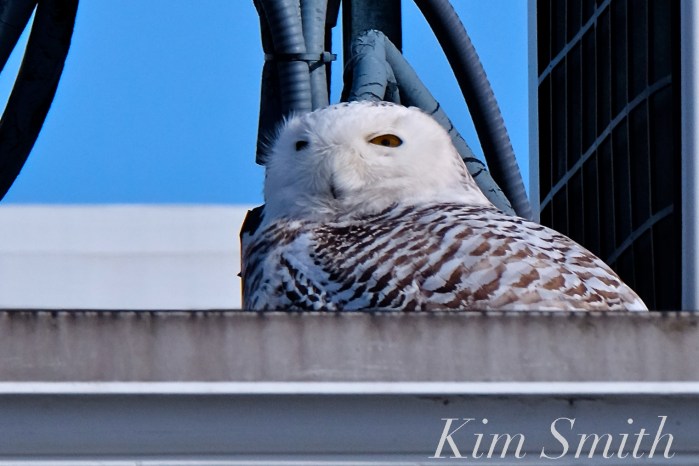
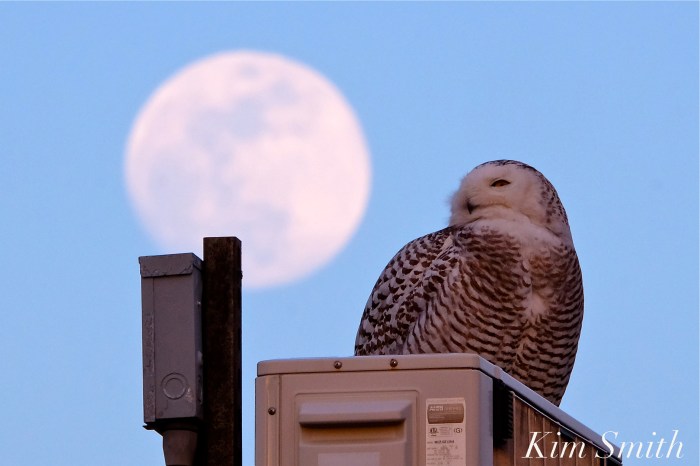
Where’s Hedwig?
 From Hedwig’s perch atop the Atlantic Road hotels, she had a crystal clear view of the golf course and Bass Rocks, places prime for nightly hunting.
On one hand it would be fascinating if Hedwig had been outfitted with a tracking device. On the other, if she had been trapped for tagging, she may not return to this area. There is some evidence that Snowies occasionally return to an overwintering location. Next winter I’ll be taking more than a few peeks in the location of the Atlantis and Ocean House Inn Hotels to see if Hedwig has returned.
* * *
“We Love You Too Snowy Owl” prints for sale
The sale of the “Super Blue Blood Moon Lunar Eclipse Over Gloucester Harbor” photo went very well. Thank you so very much to all who purchased a print! Many readers have asked about photos of Hedwig. For the next two weeks, I am offering a limited edition of the photo “We Love You Too Snowy Owl.” The 8 x 12 photo will be printed on fine art hot press paper and signed. At the end of two weeks, after orders are in and checks received, I will place the order with the printer. The $95.00 price includes shipping and tax. If you would like to purchase a photo of Hedwig, please email me at kimsmithdesigns@hotmail.com Thank you!
Spread The GMG Love By Sharing With These Buttons:

Beautiful Fish: Deep Sea Angler -By Al Bezanson
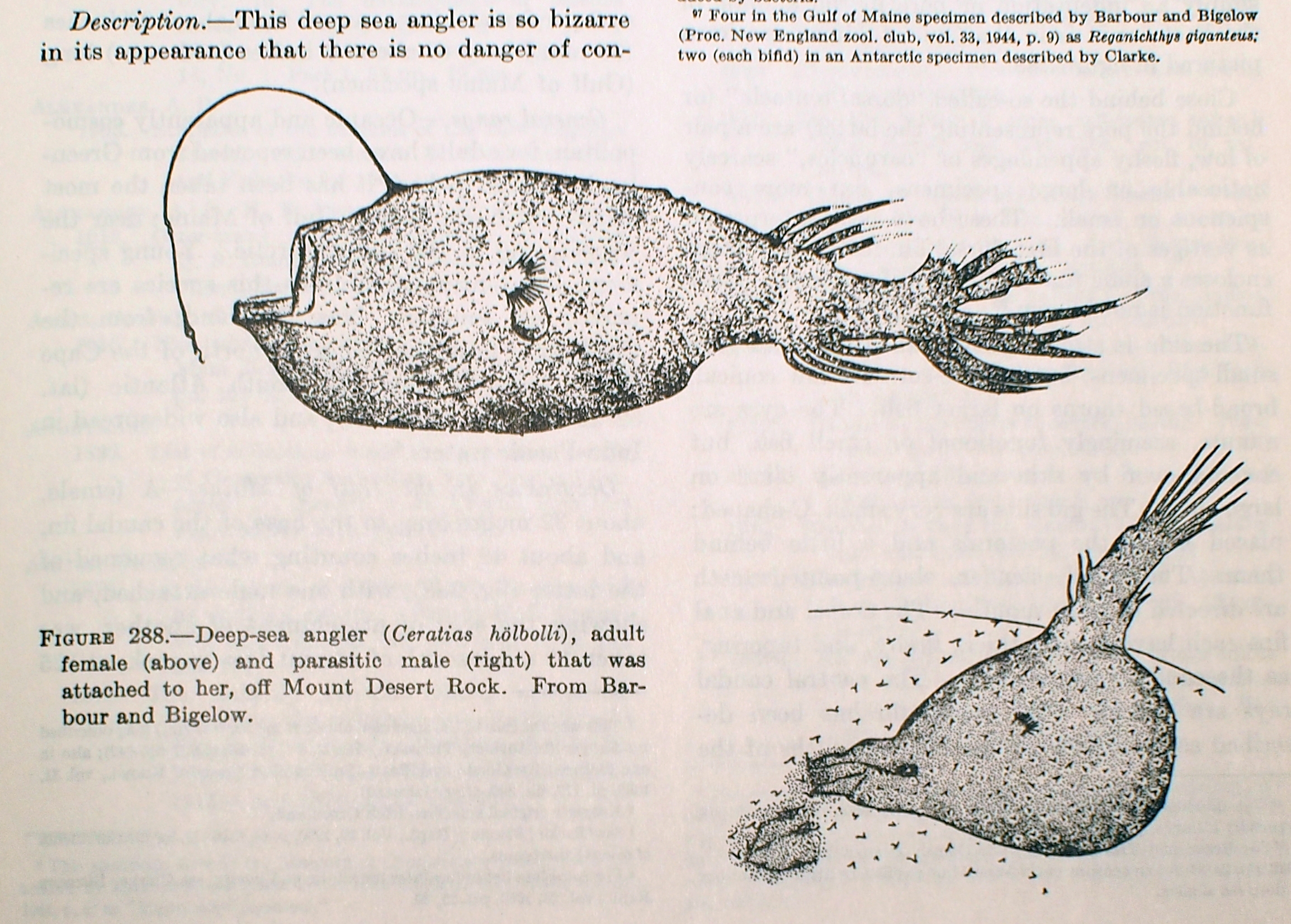
This head tentacle corresponds to the whiplike head spine of the goosefish, but is situated farther back, about abreast of the eyes. It is interpreted as representing a vestige of the first dorsal fin. The basal joint of the head tentacle is provided with retractor muscles by which it can be withdrawn rearward into a tunnel-like sheath along the head and back, bringing the “bait” close to the mouth.
Unique among the vertebrates in the fact that the males of many of them (including those of the Gulf of Maine species) are dwarfs in size as compared with the females, and live parasitic, attached to the females by their heads.
The parasitic males are fastened to the ventral side of the female, by two outgrowths from the front of the head, that are fused at the tip. They have no teeth, no tentacle-like spine and no eyes, and the alimentary canal is vestigial; in fact, about the only important internal organ is a large testis. But their fins resemble those of their mates, as do the gill openings; their skins are prickly; and they are similarly black. Those that have been seen (1 or 2 per female) have ranged from about 33/8 inches (85 mm.) long to about 6 inches (150 mm.) long (Gulf of Maine specimen).
From Fishes of the Gulf of Maine by Bigelow and Schroeder (1953) online courtesy of MBL/WHOI http://www.gma.org/fogm/Ceratias_holbolli.htm

 Good Morning Gloucester