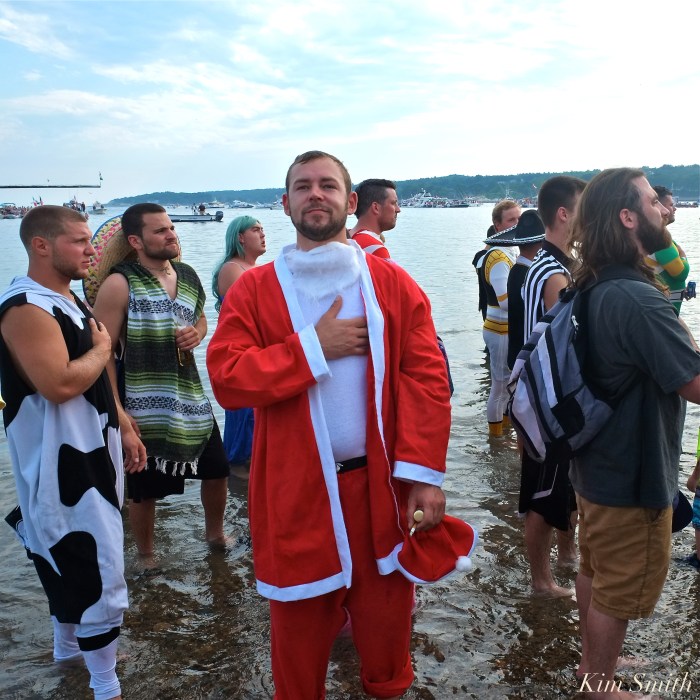
 Happy July Fourth!
My View of Life on the Dock
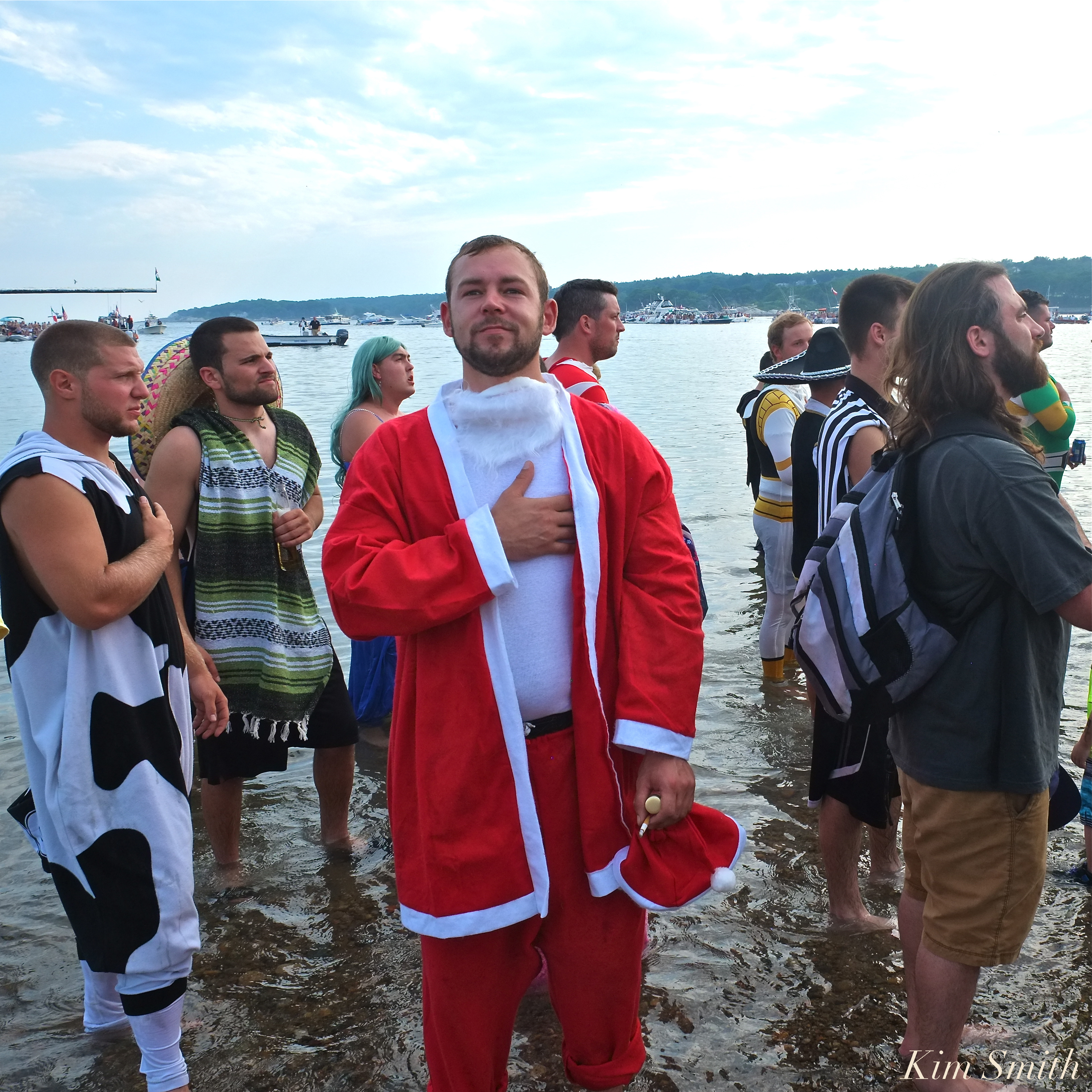 Happy July Fourth!

This photo is for Scott Memhard 🙂
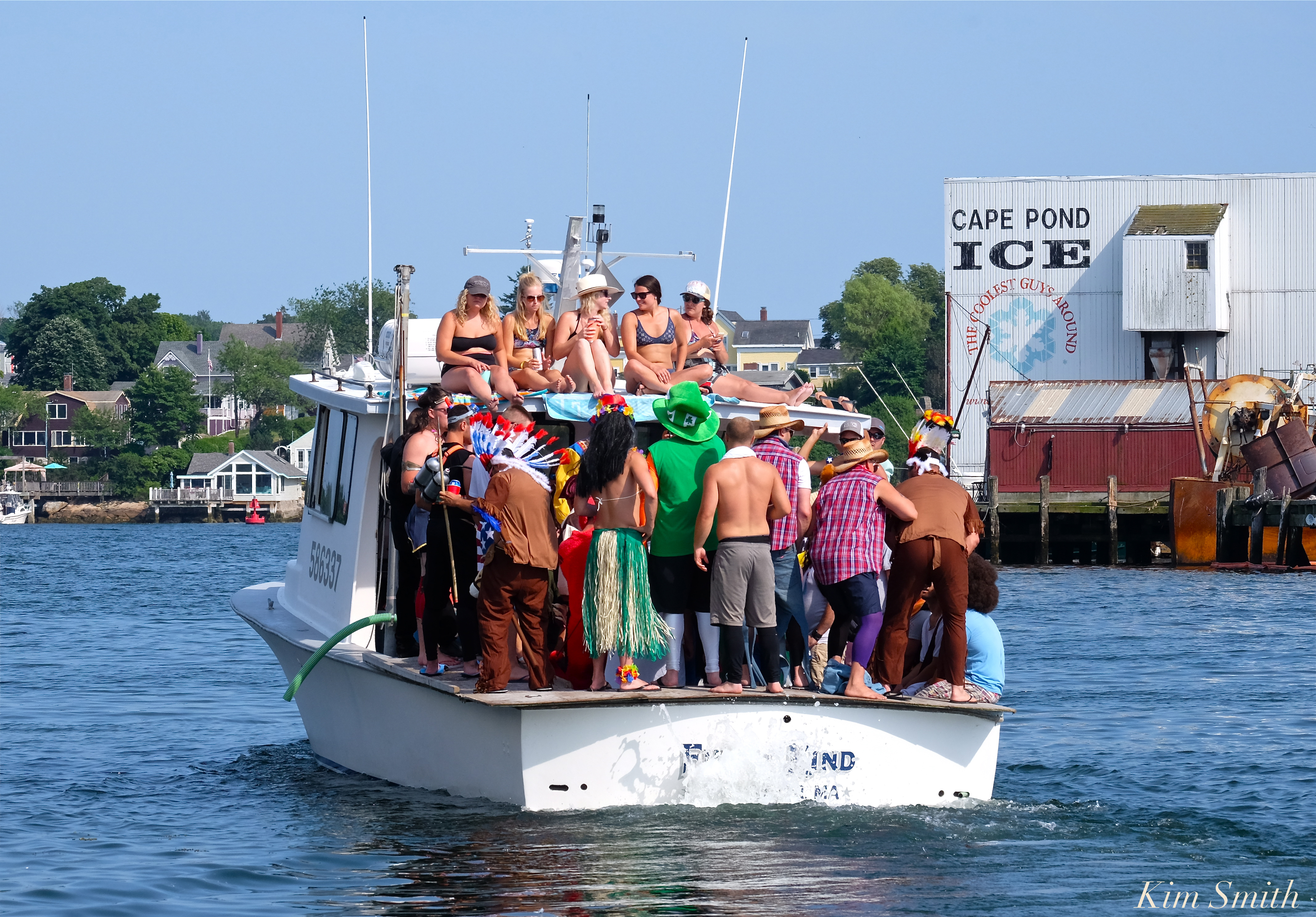 Sunday Walkers and Bathing Beauties

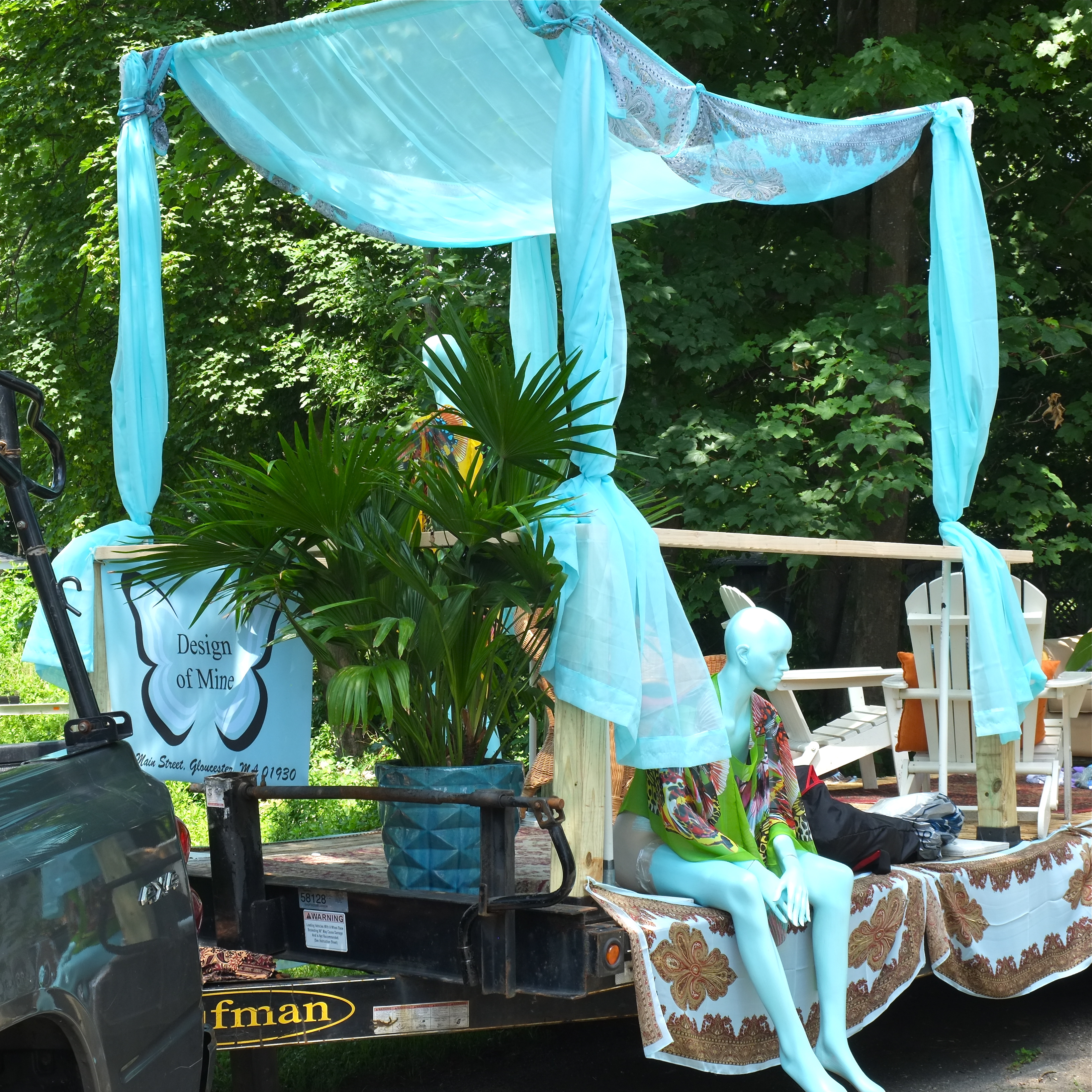 Design of Mine float for Gloucester’s Horribles Parade
My friend Melissa is going to be tossing out some lovely gifts to parade goers. If you haven’t been lately, Melissa is carrying several local dress designers, and she still has a few of those wonderful white and red V-neck Fiesta VIVA T-shirts for sale (which btw, were designed by her daughter Bianca!).

Your Saint Peter’s Fiesta 2018 Greasy Pole winners!
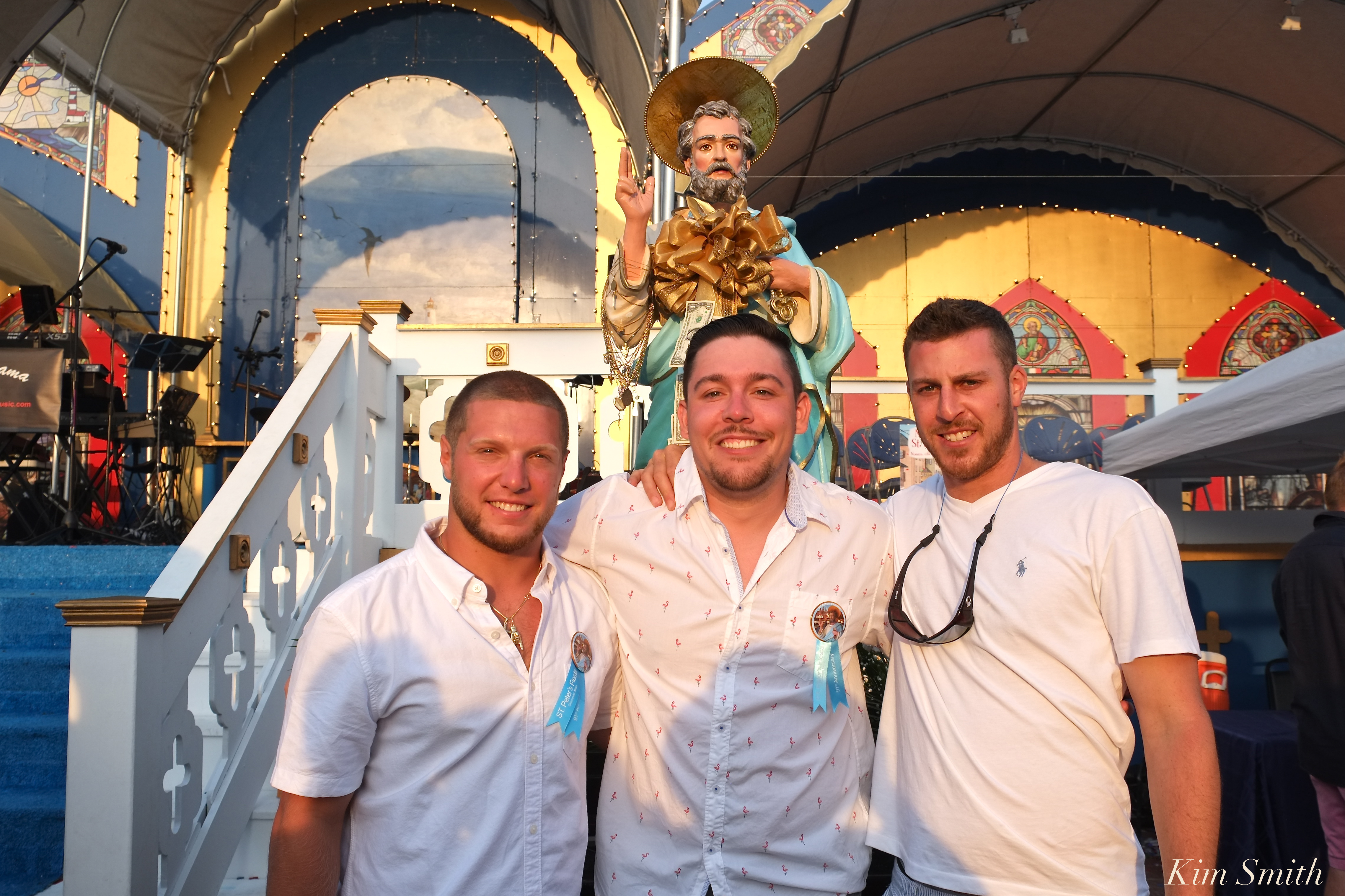 Michael Sanfilippo (Saturday), Randy Sweet (Sunday), and Frankie Taormina (Friday)

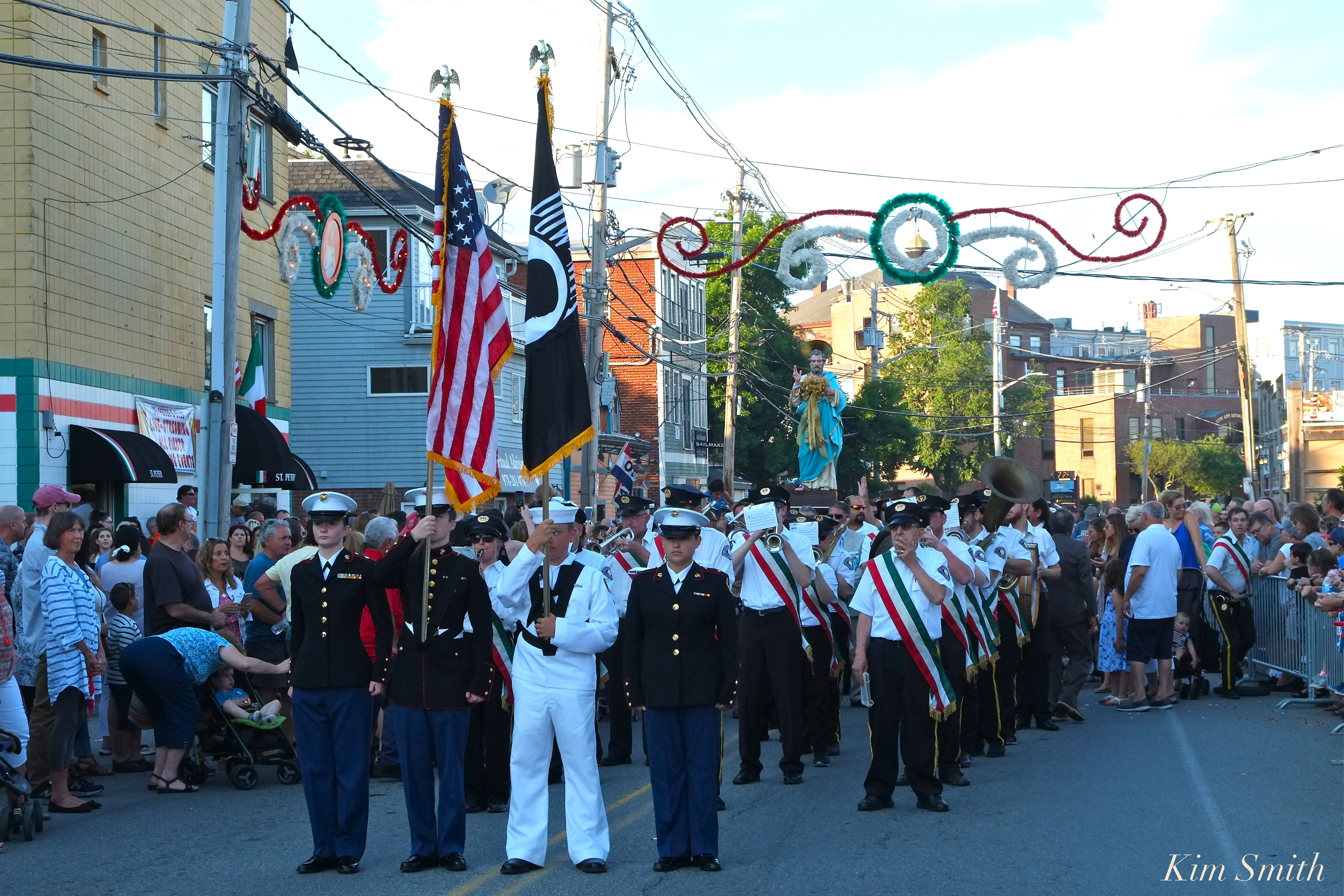
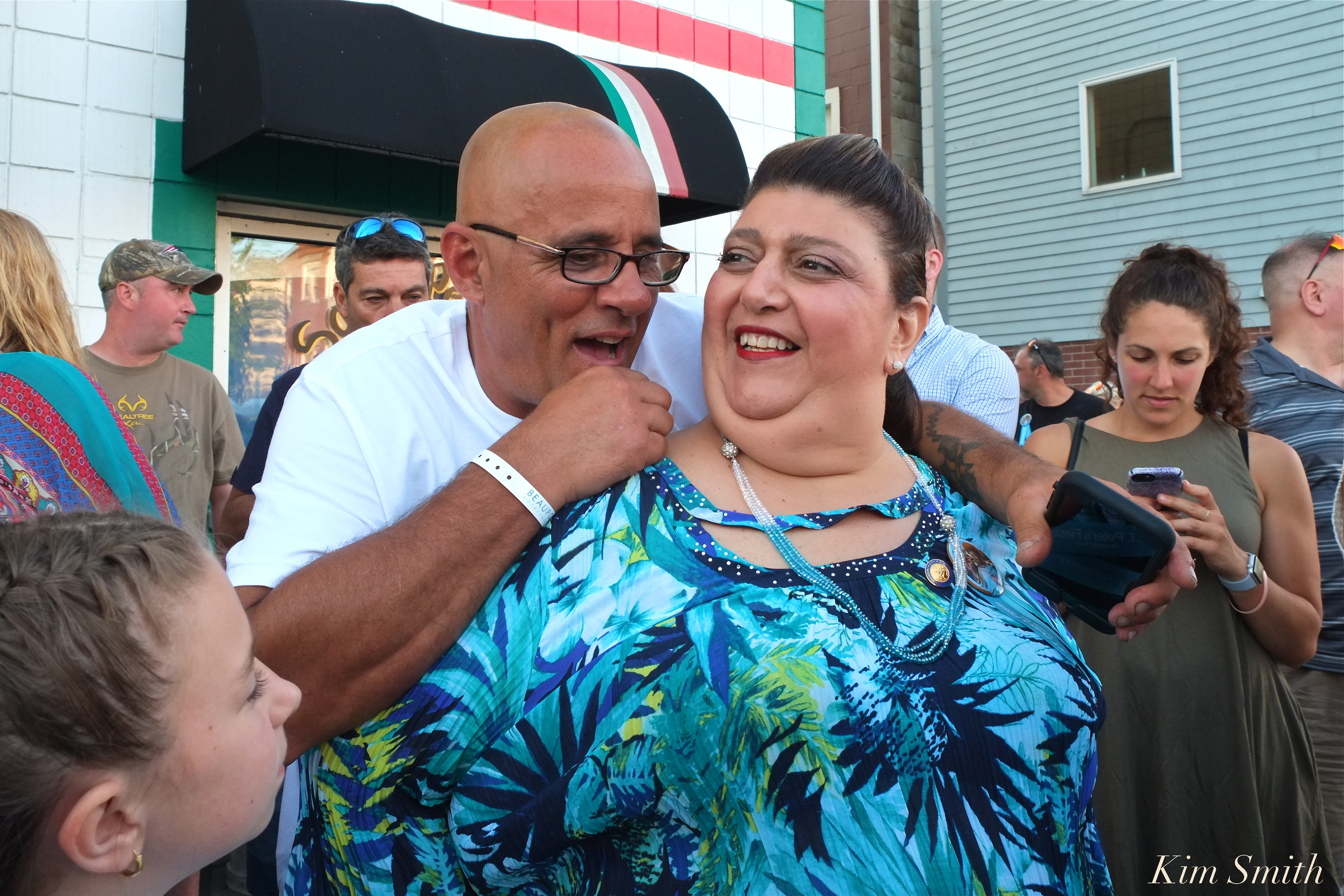 Mayor Seafatia Romeo Theken Saint Peter’s Fiesta Procession

Snapshots from Gloucester’s 91st Saint Peter’s Fiesta celebration opening night ceremony. Viva San Pietro!


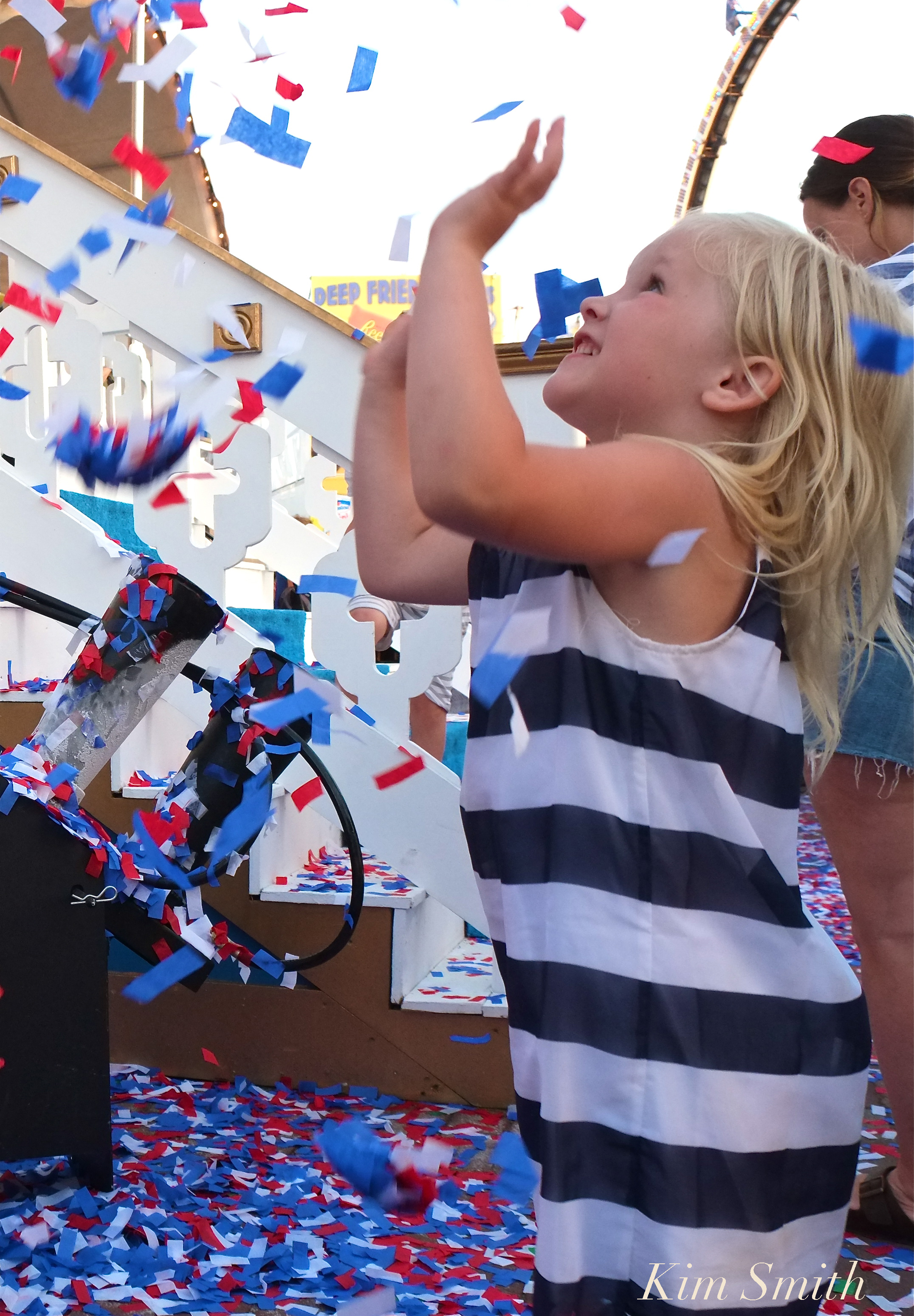

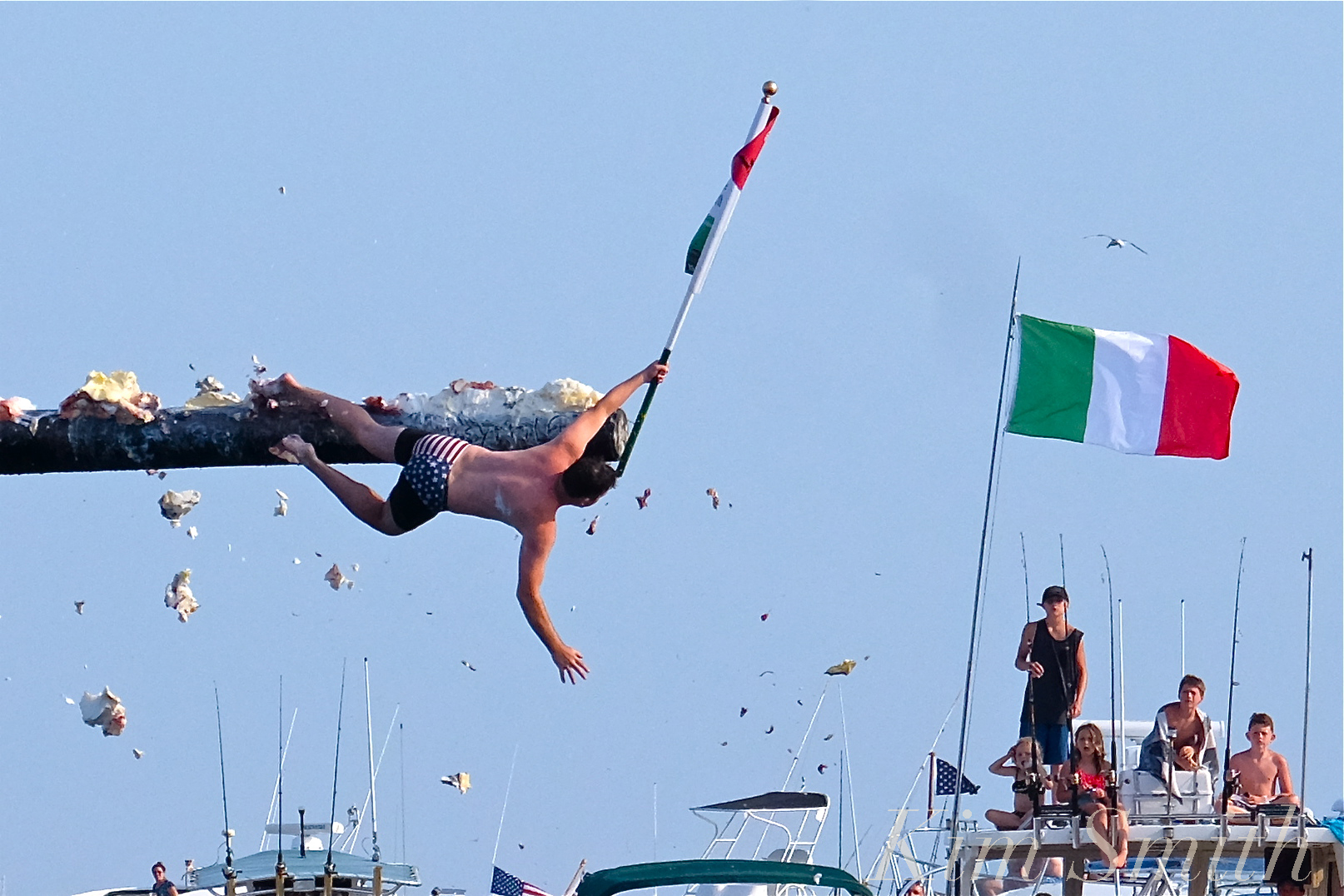 How sweet it is! Congratulations to Randy Sweet and Family!!! Randy’s third Greasy Pole win, he is now a member of the Greasy Pole Hall of Fame. Last year, in 2017, Randy won both the Friday and Saturday Greasy Pole competition.


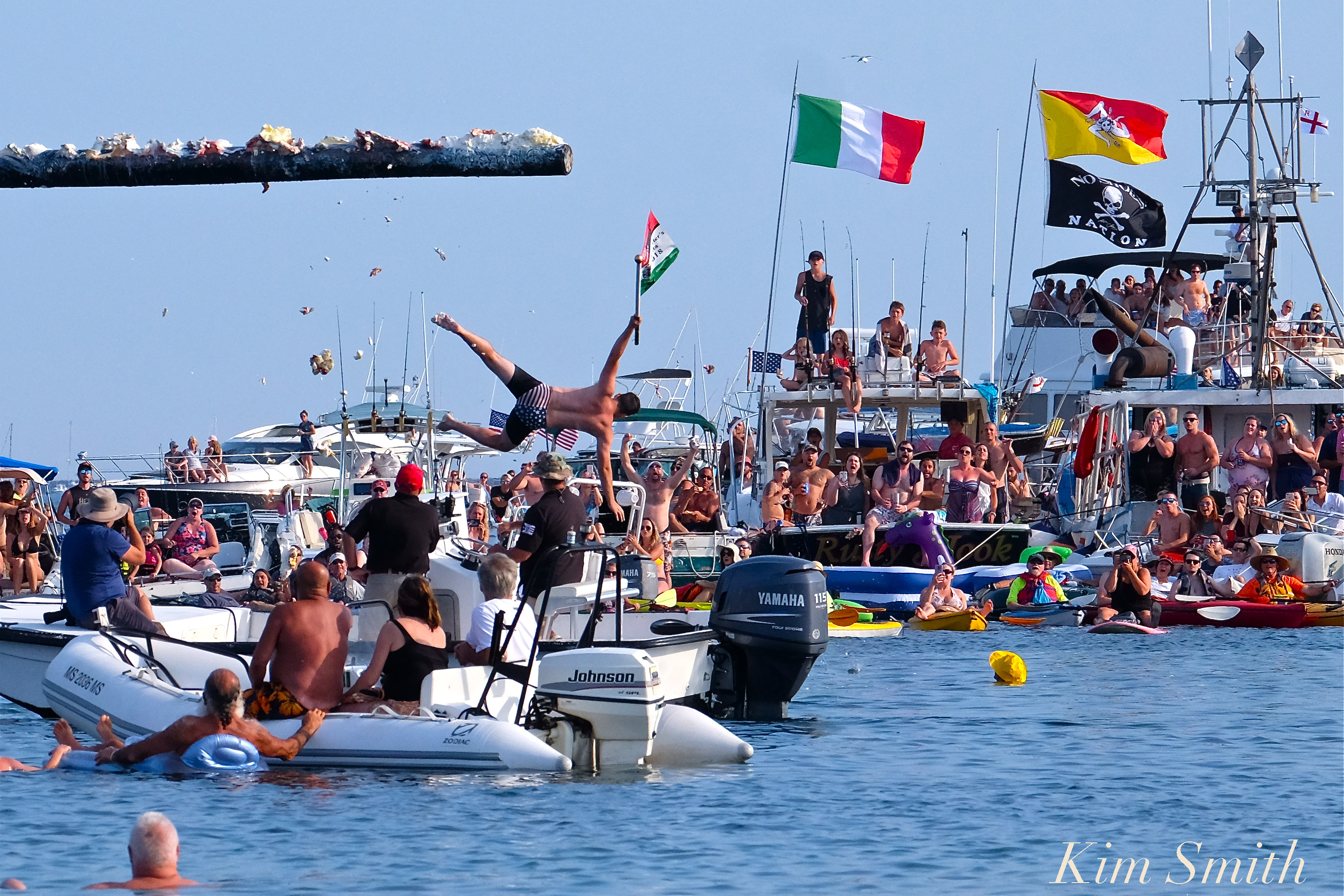


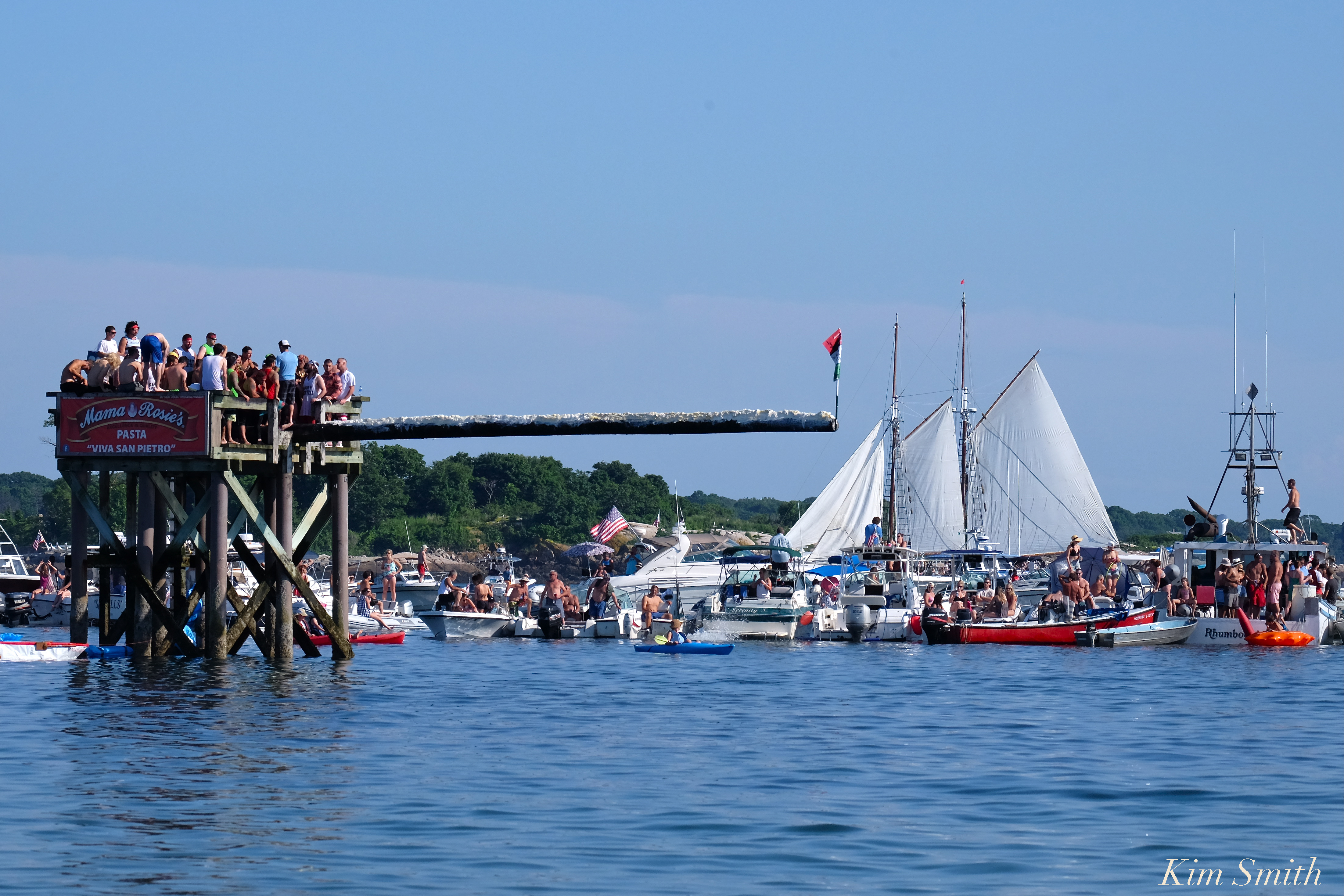 Picture perfect view of the Greasy Pole and Schooner Lannon!

 That’s a whole lot of grease!


 When it really hits you that you are a Greasy Pole Champion!

Dear Readers,
So sorry this PiPl update is so terribly brief but I am leaving shortly to go film Fiesta.
On the evening of the day our GHB Piping Plover Family were terrorized off Good Harbor Beach (between Tuesday 9:30 pm and Wednesday 4:40am), two were seen at Cape Hedge Beach by Rockport resident Gail Borgman.
The following morning, Thursday, I met Boston PiPl monitor Laurie Sawin at GHB. She had come all the way from Boston to check on the Cape Hedge report. We headed over to Cape Hedge to check on the sighting and met Gail and her husband there. Sure enough, a PiPl was going back and forth between the sandy beach and rocks at Cape Hedge! We didn’t stay long because of the downpour.
This morning, I met Essex Greenbelt Dave Rimmer’s assistant, Dave McKinnon. We were contemplating removing the symbolic fencing, when one, and then two PiPl entered the roped off nesting area. At first we thought it was the Mama and Papa, but it could also have been two males.
The symbolic fencing will remain at least for another few days. Although it is late in the season for nesting there is the possibility that the PiPl will re-nest. I guess we will all just stay tuned as to what our remarkable PiPls will do next!
We don’t know what terrorized the PiPl Tuesday night. There has been a great deal of dog tracks around the nesting area , as seen by all the morning volunteers, over the past week, as well as evidence of a party Tuesday night. A hypodermic needle was found on the beach by one of Coach Latoffs players early Wednesday morning. Friends, it is going to take a village if the PiPl re-nest. Please, please, if you see anything suspicious at GHB–bonfires, dogs, heavy drinking, and anything else along those lines, please, please call the police. Thank you!
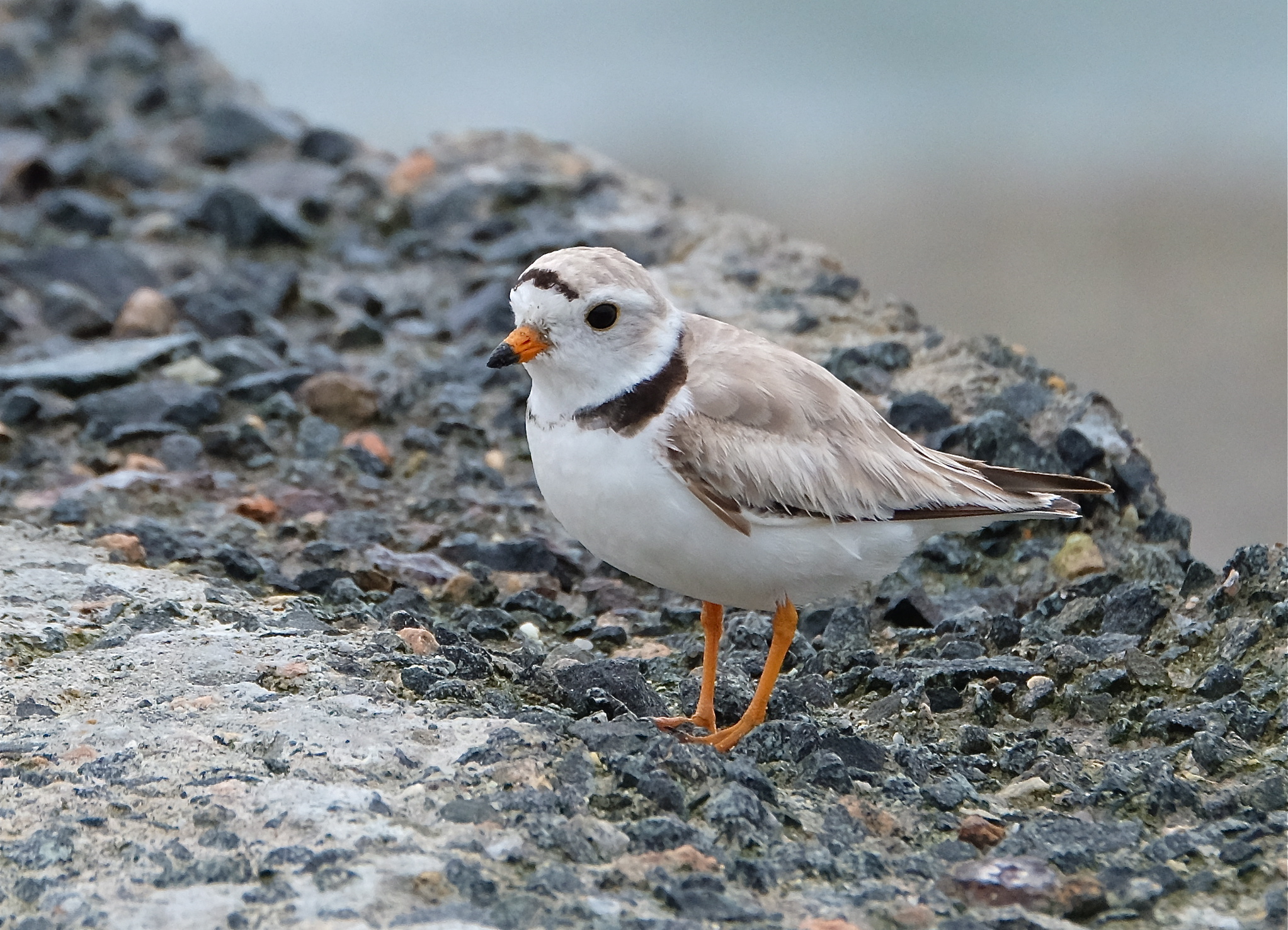 Piping Plover Cape Hedge Beach June 28, 2018

Snapshots and instagrams from the last nights of Saint Peter’s Fiesta Novena. Buona Festa!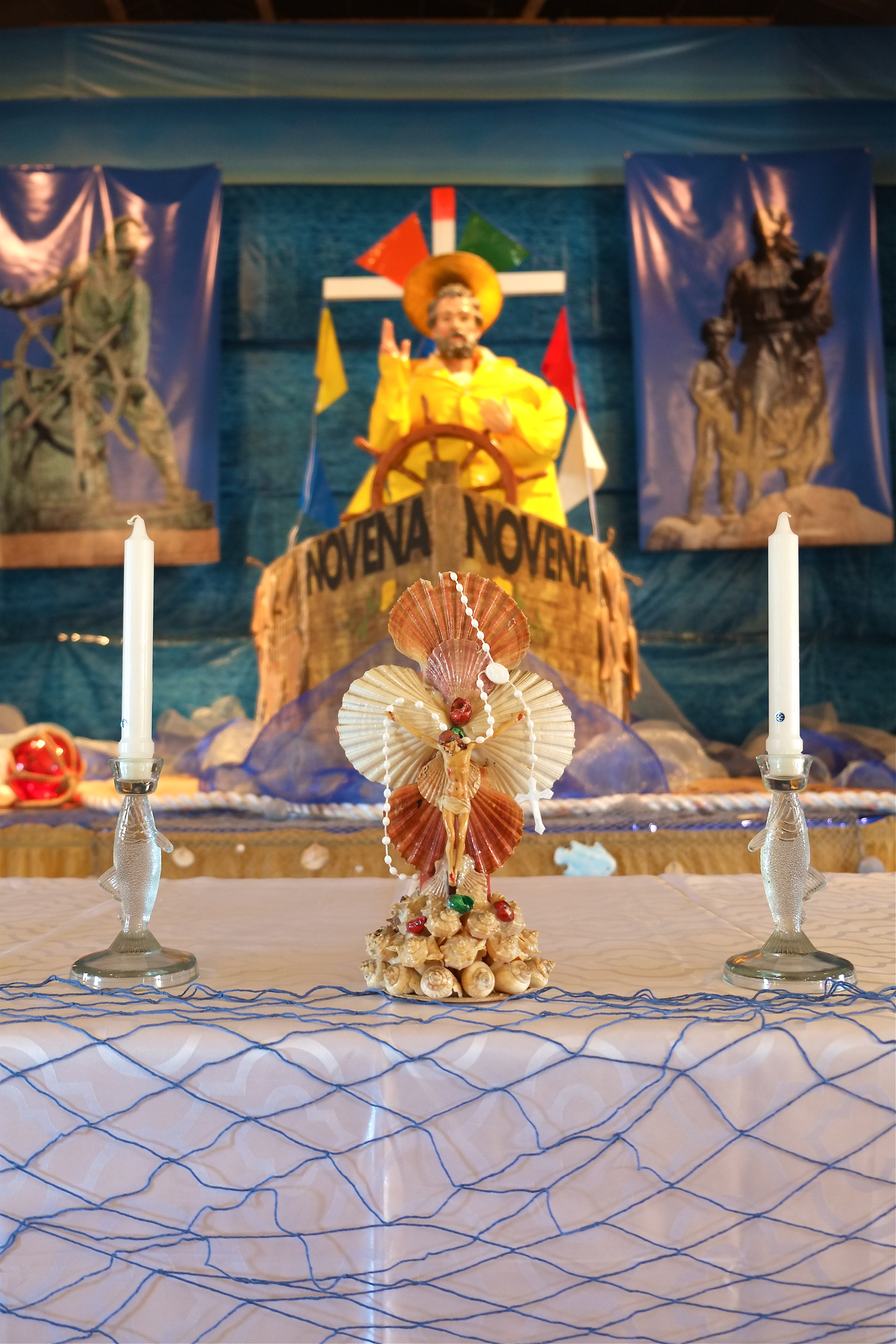


https://www.instagram.com/p/Bkhx43rn1_D/
https://www.instagram.com/p/Bkhy5IVn3h0/
https://www.instagram.com/p/BkhzfSQH2ZH/

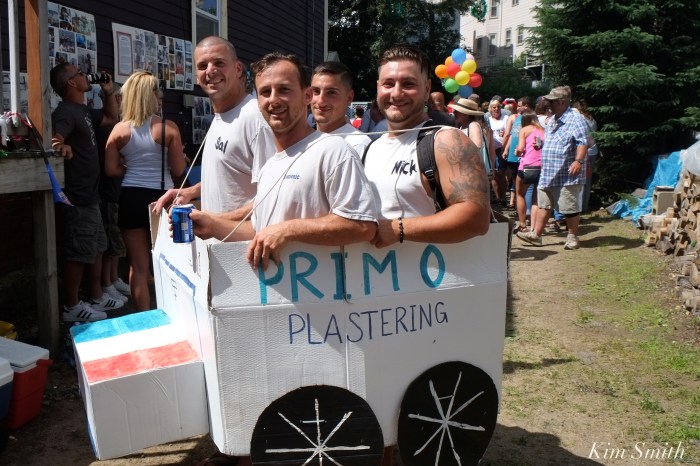
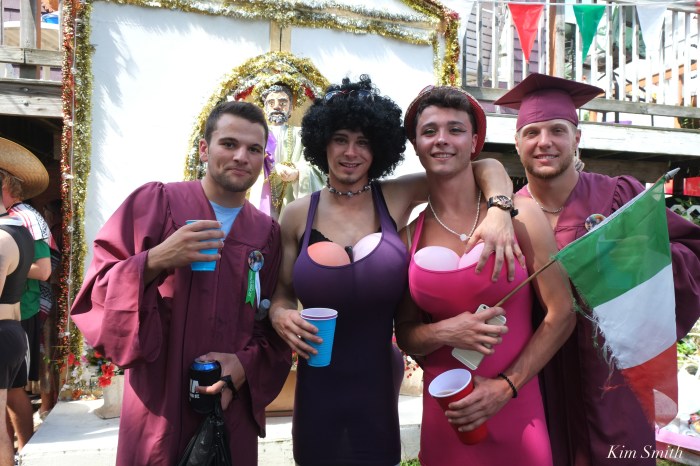
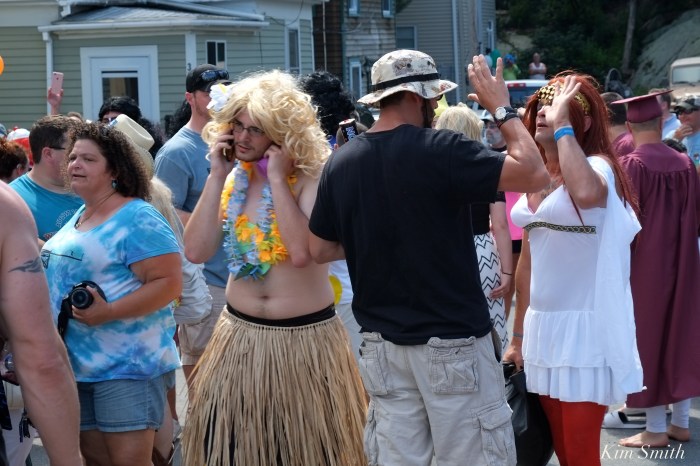
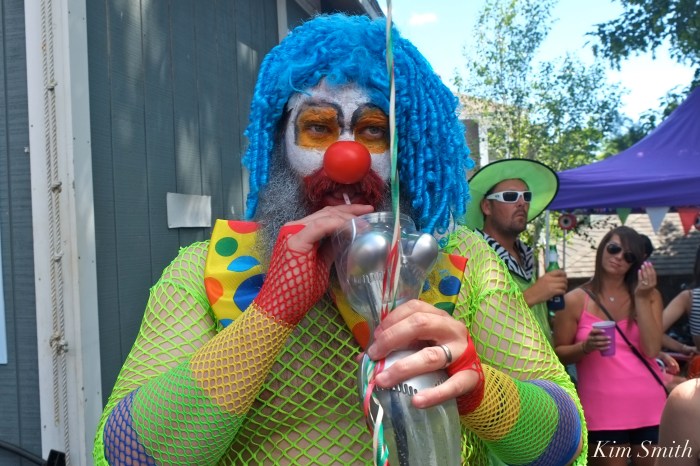
 Annually on the Saturday of Fiesta weekend, the Crazy Hat Ladies, also known as Amy and Robyn, host a wonderfully zany parade on Orchard Street.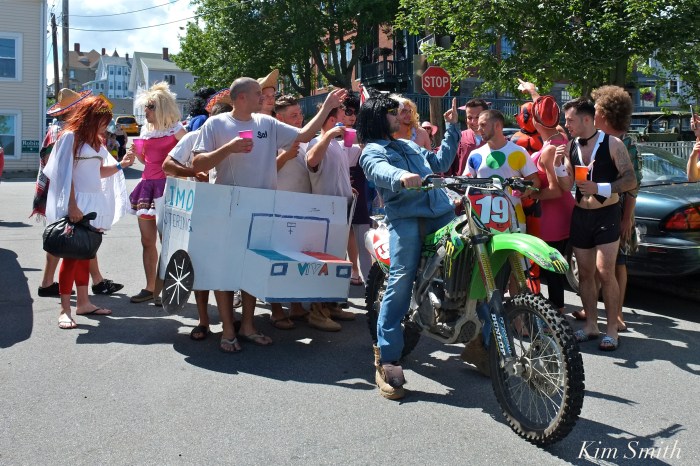




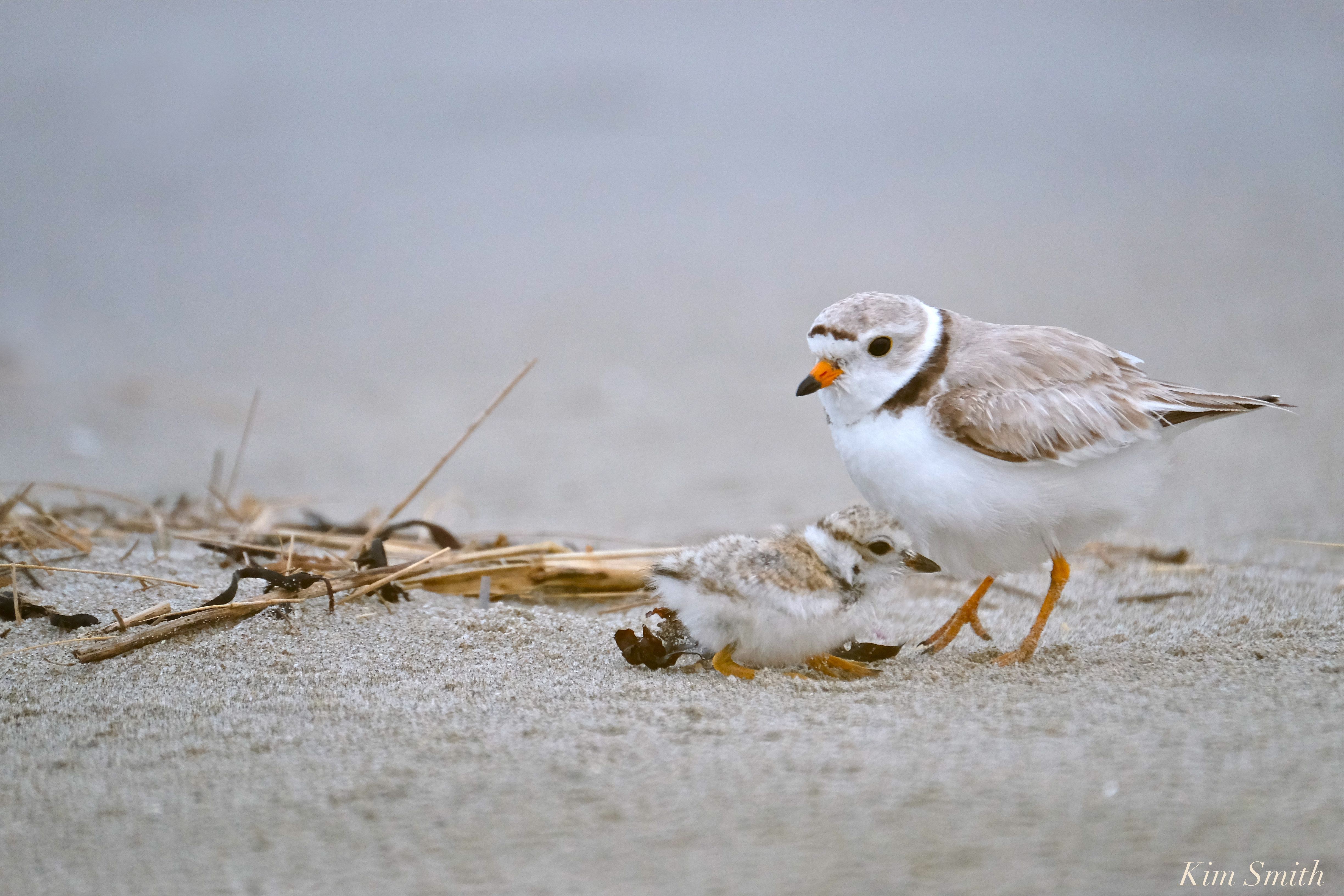 I am so very sorry to write that Little Pip and Mama went missing overnight.
When super PiPl volunteer monitor Heather Hall left last night at 9:30 the beach was quiet and peaceful. The Plover Family had a good evening, despite the fact that a Burmese Mountain dog was off leash on the beach and the owners weren’t too happy about being asked to leave.
When I arrived at 4:50am, the beach was eerily quiet. Except for the gulls and crows, there were only the singular calls from Papa Plover. Back and forth he went, from feeding in the tide pools to running into the nesting area and piping for Mama and Pip.
A most heartfelt thank you to all our wonderful PiPl monitors, who are just the kindest people you will ever want to meet. Sunburns, neglected families, missing appointments, late for work–thank you for guarding our little PiPl family from sunrise to sunset. These dedicated volunteers fully understand what it means for a species to be threatened and on the brink of extinction. We all fell in love with our PiPls, it’s hard not to. If you see a volunteer, please stop and thank them for their good work. Please know too, that without their tireless dedication, we would not have known for sure how the other three chicks perished.
By understanding that the chick’s deaths are human-caused, whether it be garbage-attracting gulls and crows or dogs on the beach, we will be much, much better equipped next year to better help nesting shorebirds. It is my understanding that there was a bonfire and party at the rock last night, which I can imagine how terrified that must have made our PiPl family. We can only learn from these past incidents and are determined to make positive steps for the future. For example, imagine if Mama and Papa had been allowed to nest when and where originally intended. The chick would have been a full week older, with just that much more critical development to better adapt to situations such as warm weather night time beach partygoers.
Thank you and a huge shout out to Joe Lucido, Phil, Mike, Tommy, Kenny, Newt, Cindy, and the entire DPW crew. We know you were rooting for the PiPl family and your kind assistance made a difference at every turn.
Thank you to Gloucester’s conservation agent Ken Whittaker and to Essex Greenbelt’s Dave Rimmer. These two have been working together and behind the scenes since the PiPl first arrived on April 3rd, consulting with wildlife agencies, installing roping, installing the wire exclosure, coordinating the crazy monitor scheduling, and much more.
Big Hug and thank you to all our PiPl monitors and friends of the Piping Plovers who I know are just heartbroken tonight.

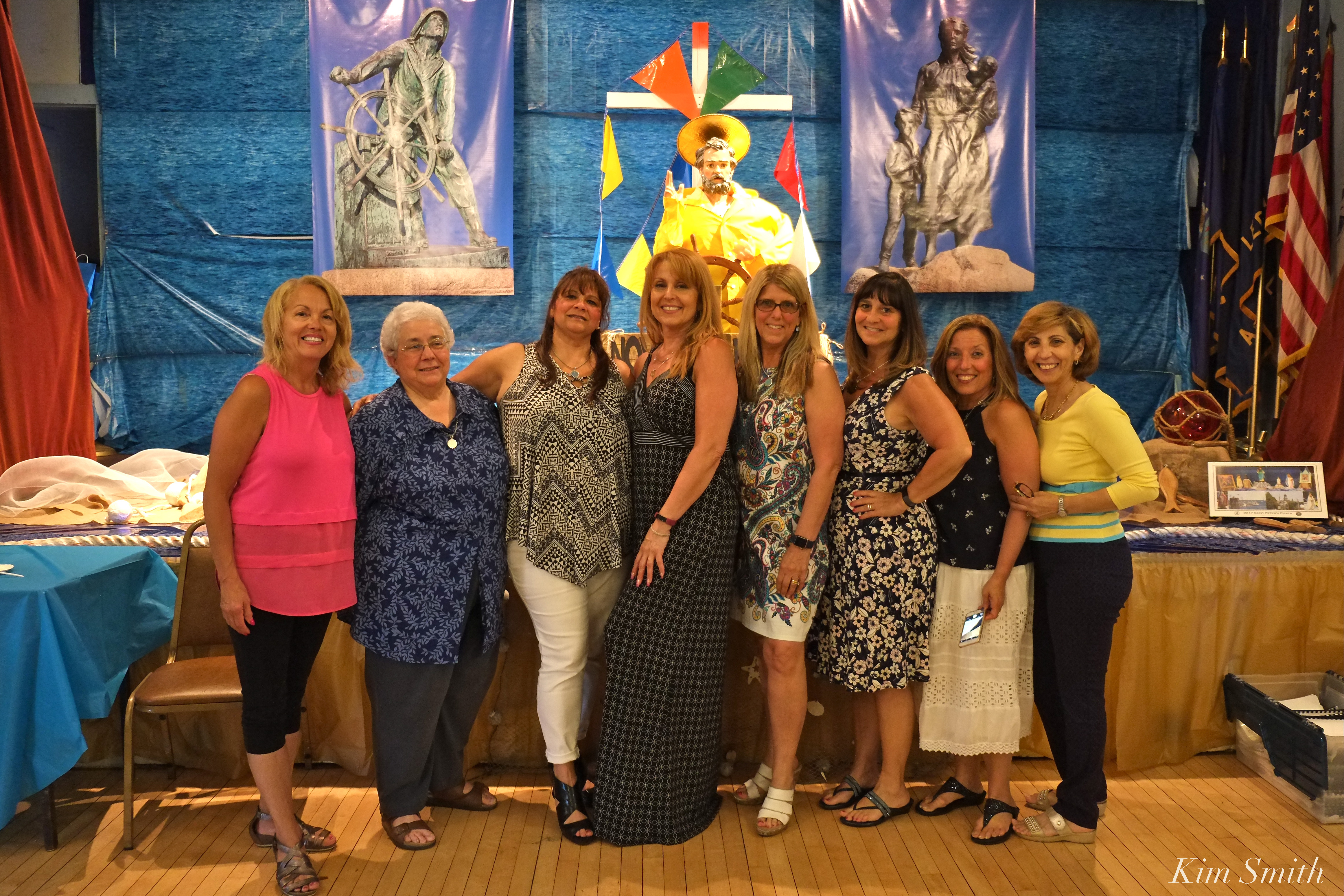
Left to right: Nancy Millefoglie, Joanne Aiello, Faye Quinlan, Grace Cusumano, Jean Linquata, Caryn Ryder, Anne Sanfillippo, and Nina Groppo

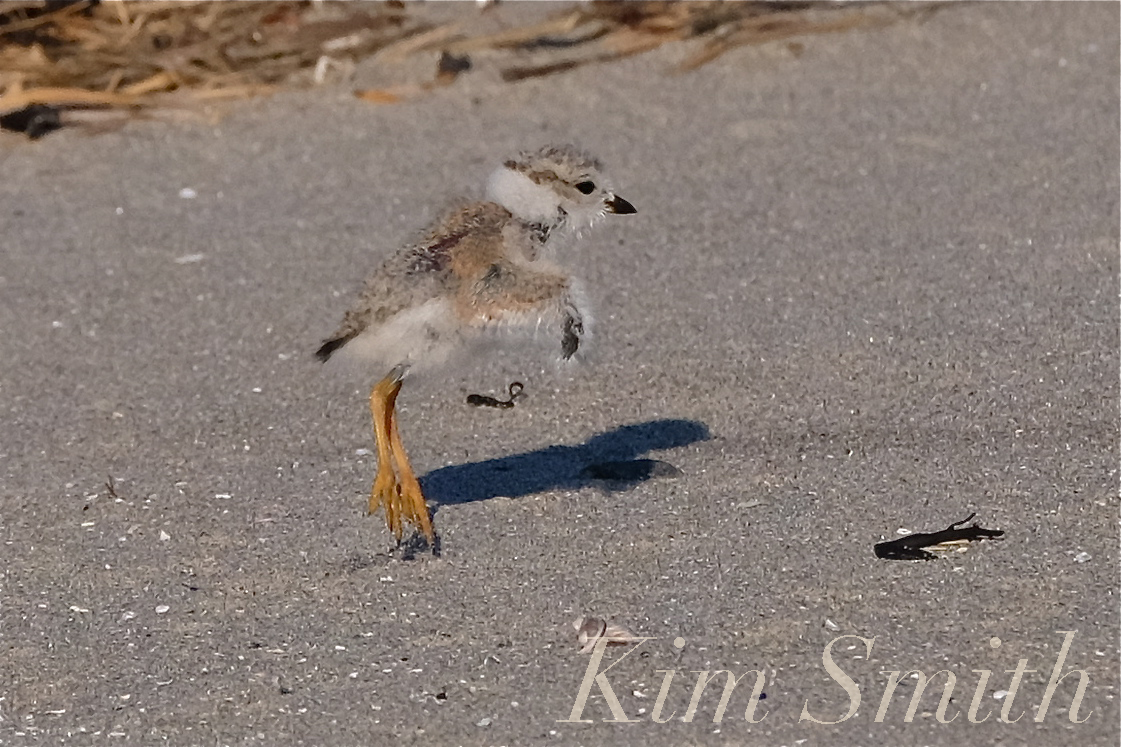 What are these things called wings?
Pip grows rounder, stronger, and more capable of catching tiny sea creatures daily. We love watching the development of his wings especially. Soon his flying feathers will begin to grow. In the meanwhile, periodically throughout the day he does wonderfully zany-looking zing-zang-up-down-sideways-zig-zag mini flight tests throughout the day.
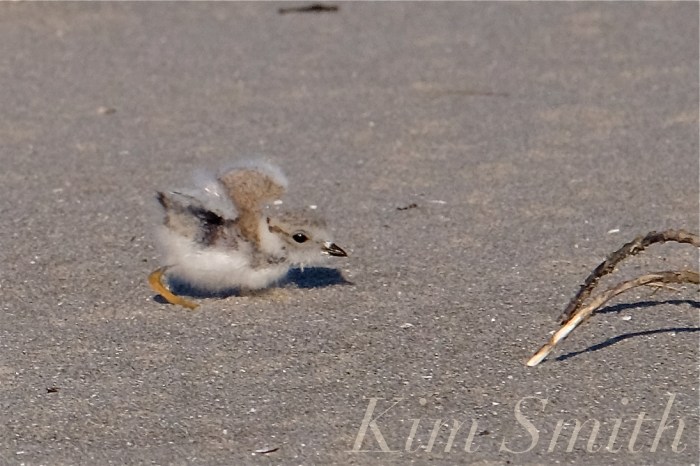
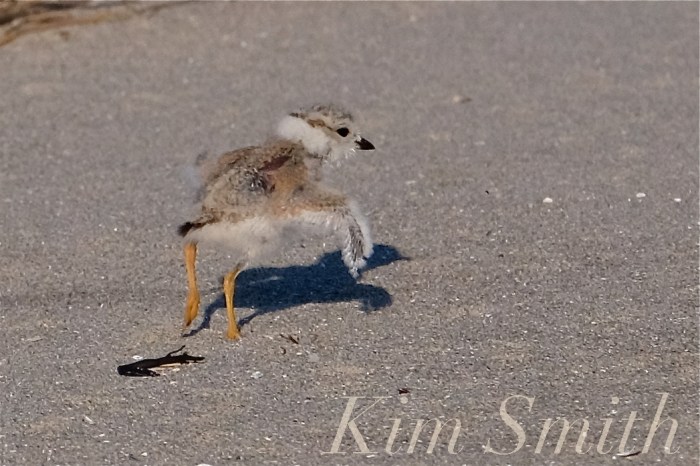
The Piping Plover’s soft sandy feather colors and patterns blend seamlessly with the surrounding beach habitat, but camouflage alone is not enough to keep the birds safe. The ability to fly to escape predatory danger is equally as important to Piping Plovers.
Massachusetts state wildlife biologists consider a Piping Plover fully fledged at 24 to 28 days, whereas federal wildlife biologists have determined a Piping Plover chick to be fully fledged at about 35 days. Judging from our observations of Little Chick last year, he did not fully fledge until five weeks old (35 days). He could manage brief sustained flight up to that time, but until he reached that five week milestone he was still at risk from predators, including and especially dogs and raptors.
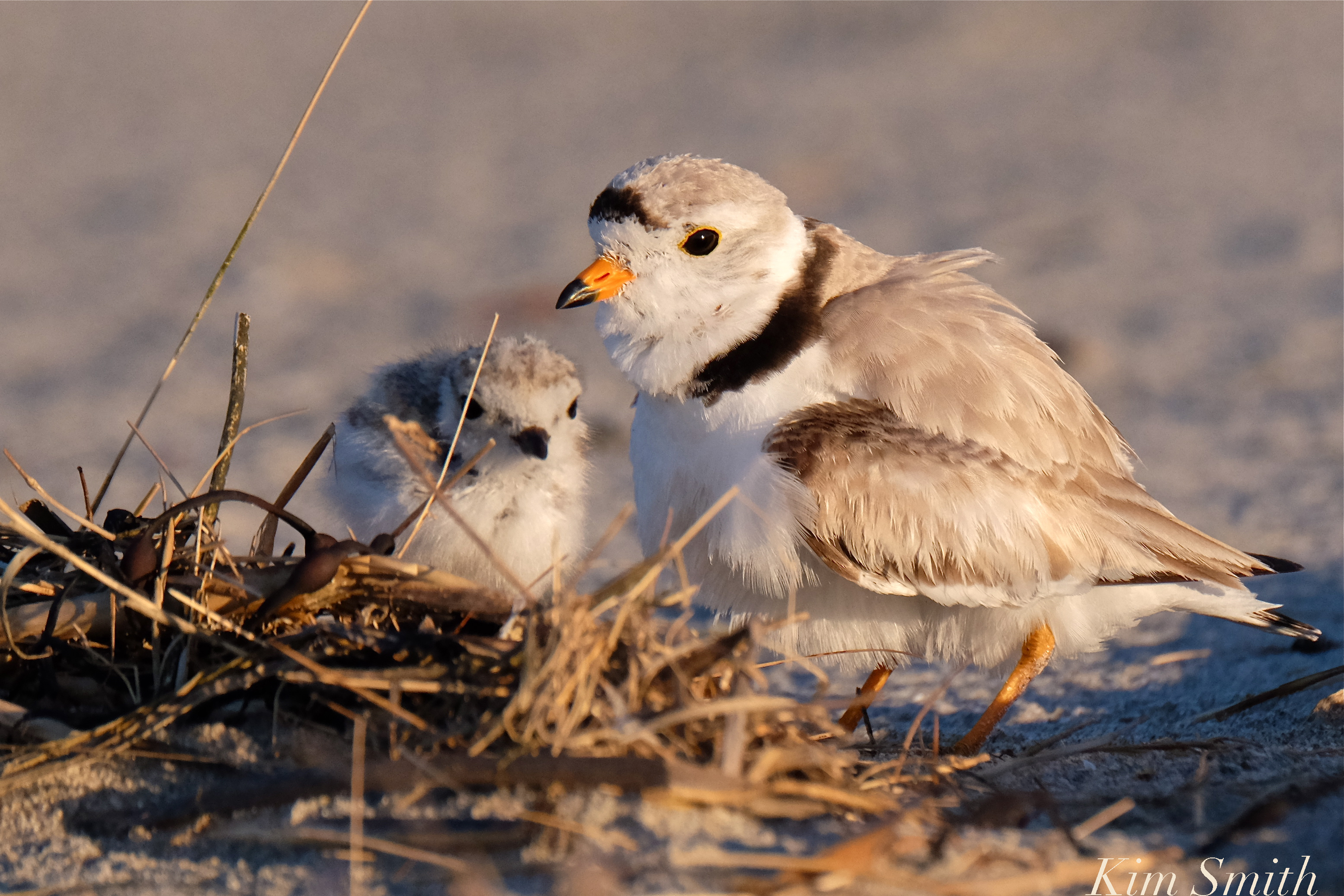
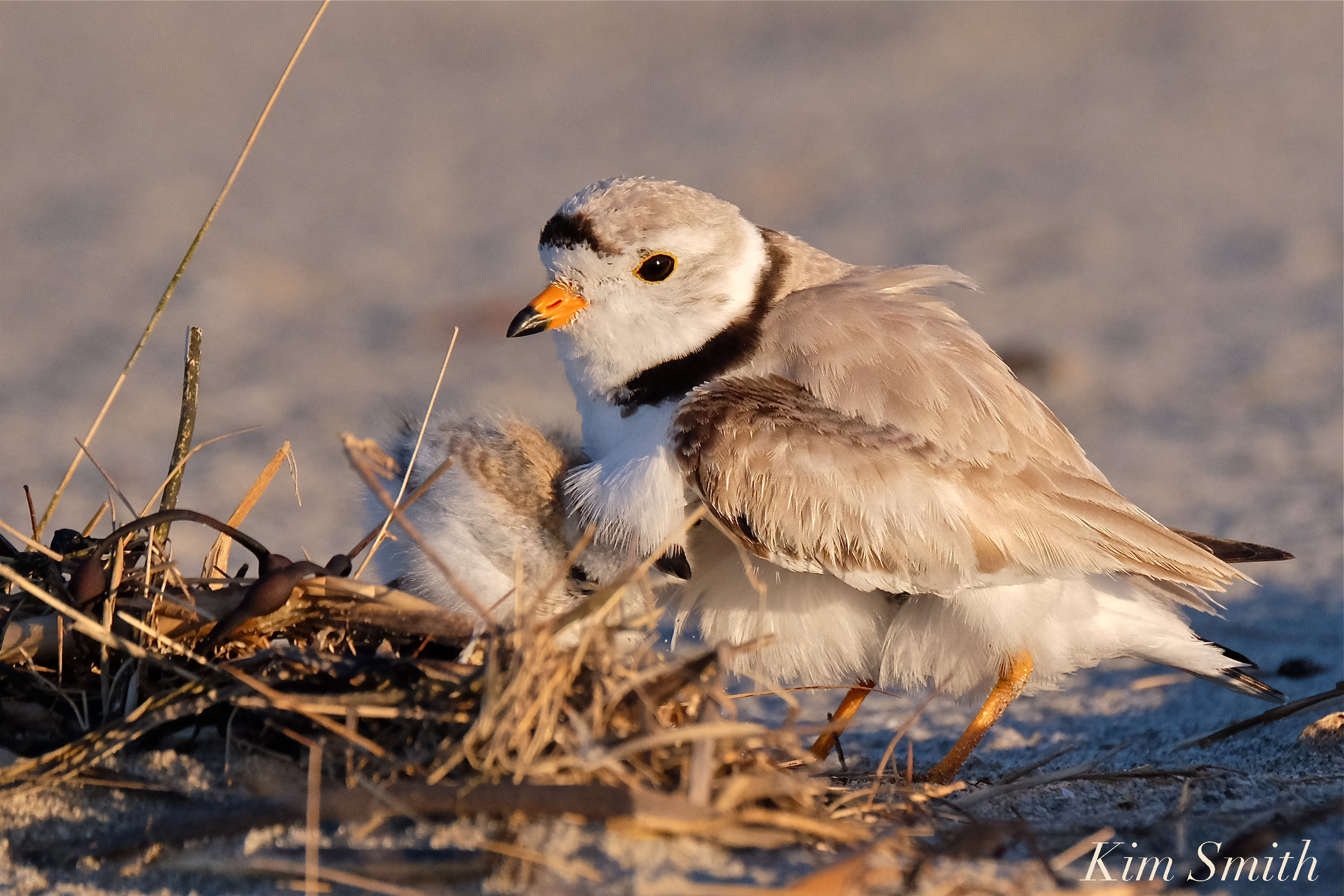 Seventeen-day-old Pip needed lots of warming snuggles on this chilly Tuesday morning.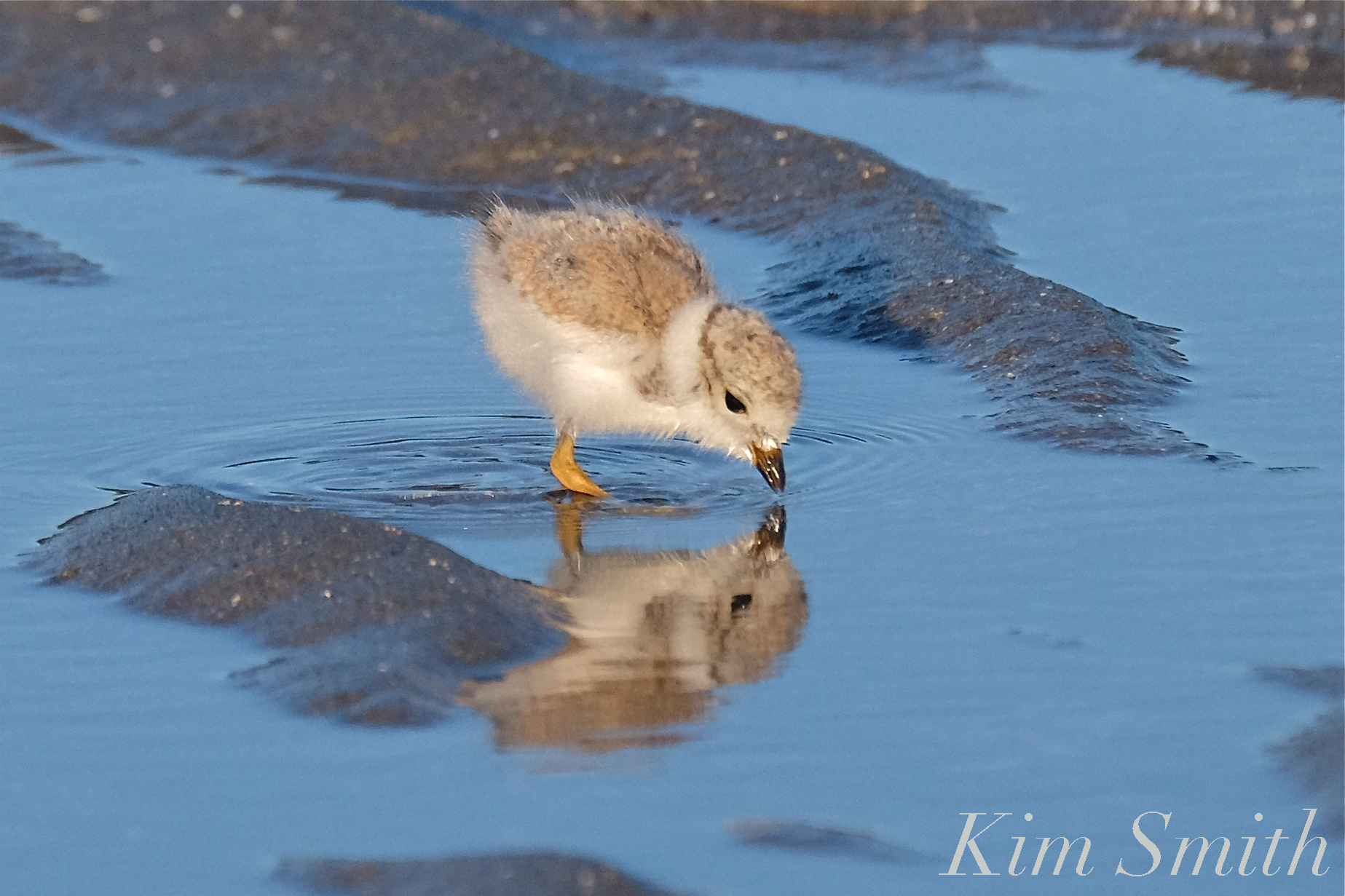


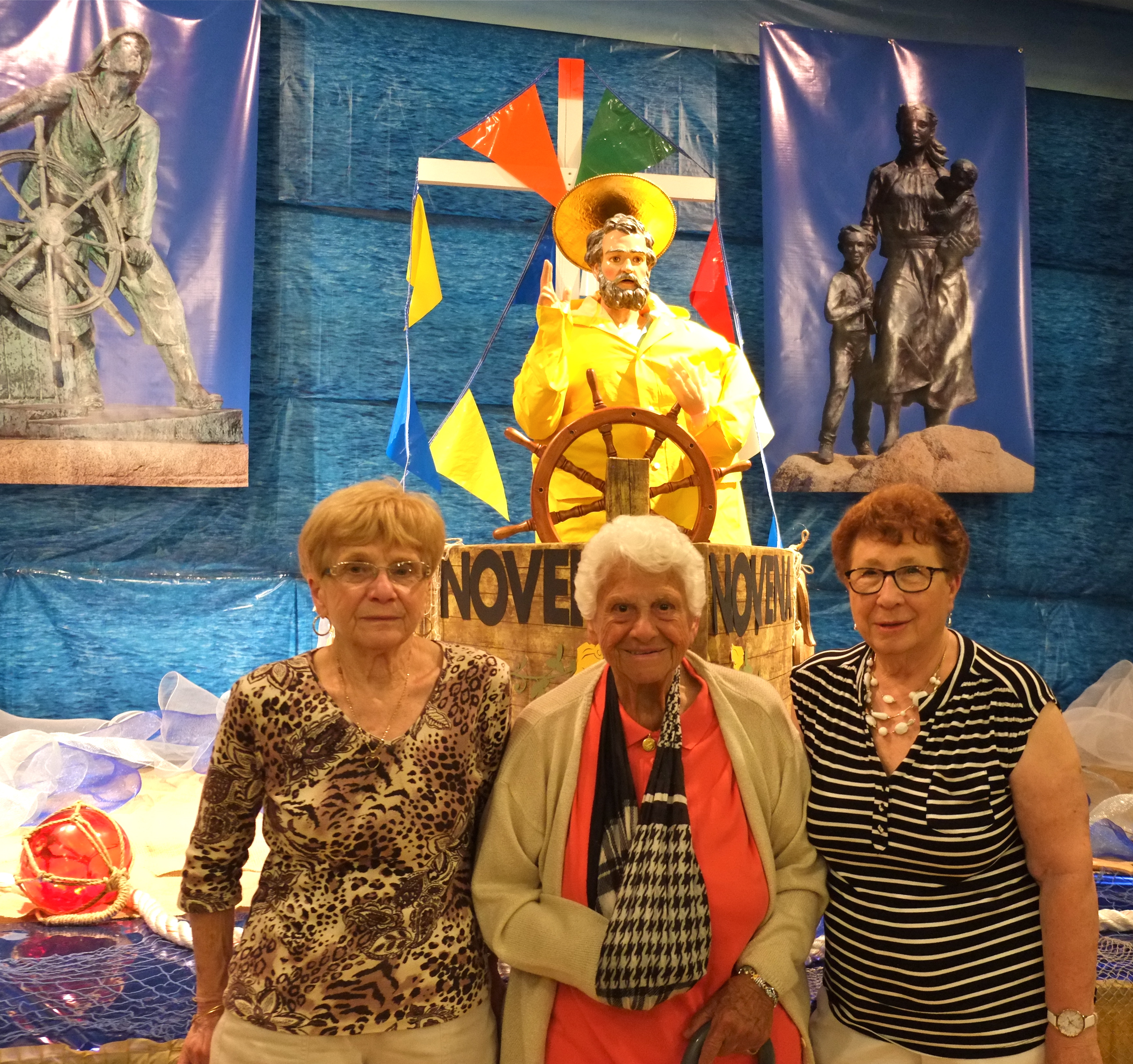 Agnes Burnham, Sara Favazza, and Bea Ciaramitaro
Tomorrow is the last night of prayers to Saint Peter. The novena begins at an earlier time, 6:30, to allow for the mass that follows. Come one, come all!
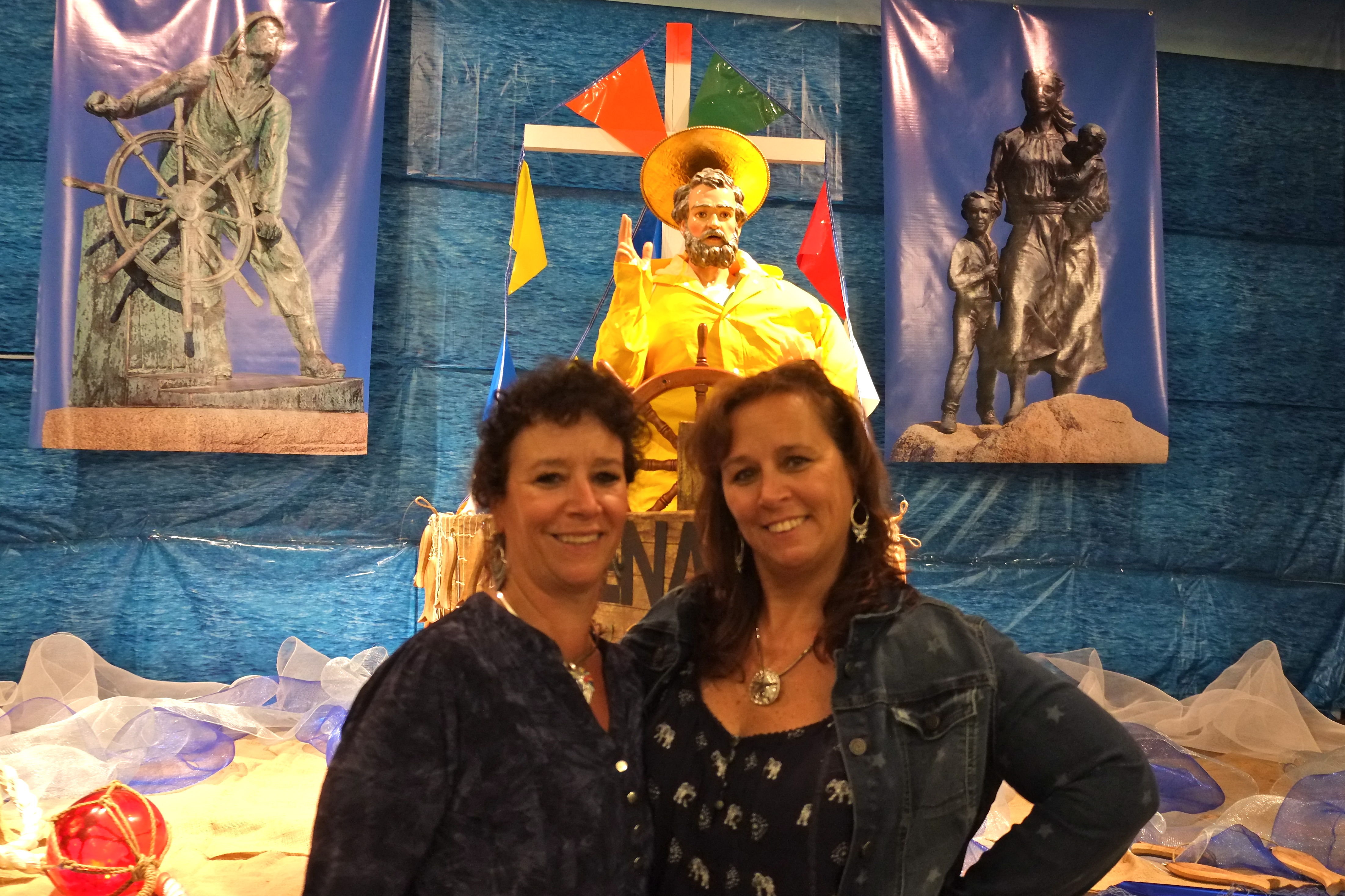 Crazy Hat Lady Sisters Robyn and Amy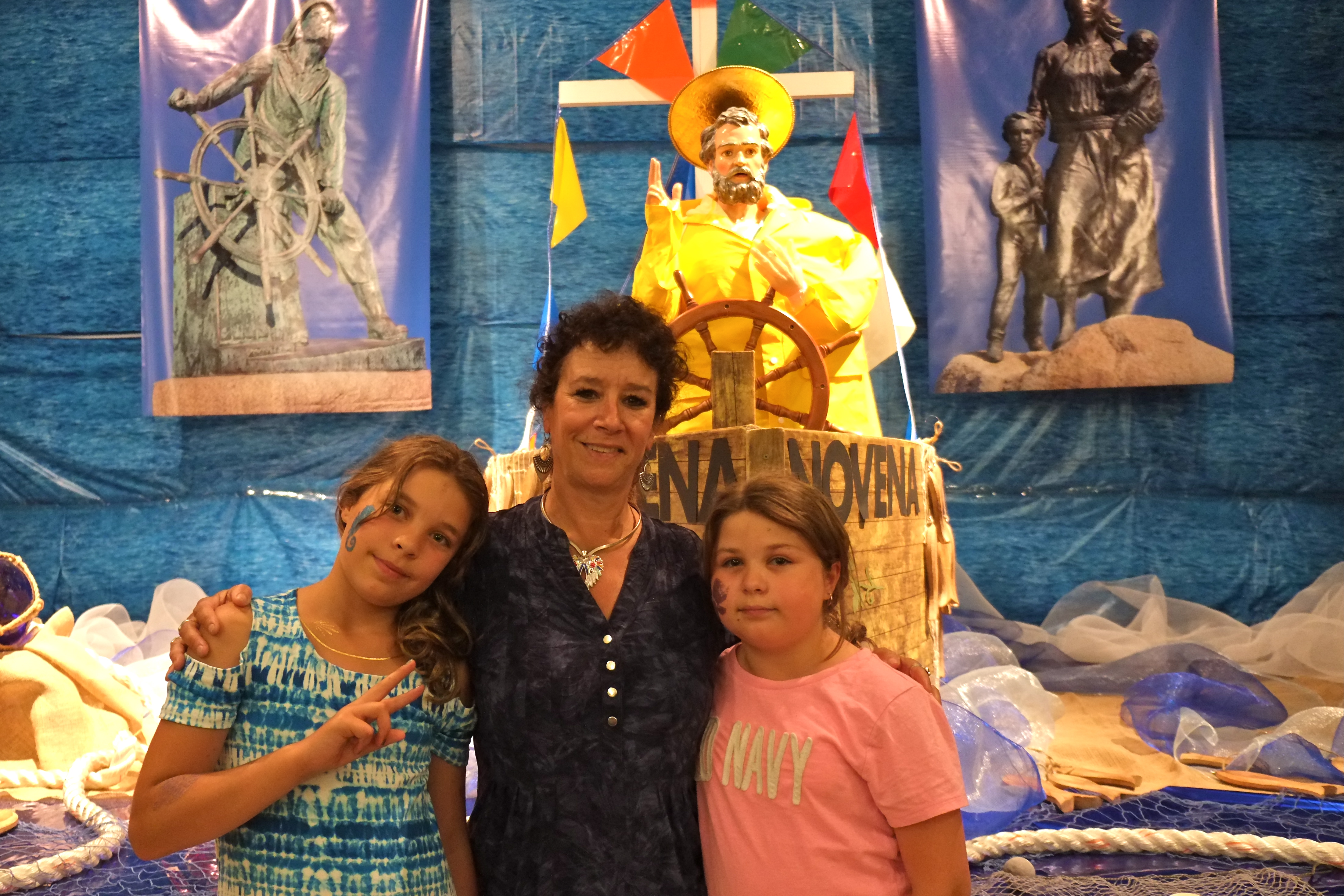
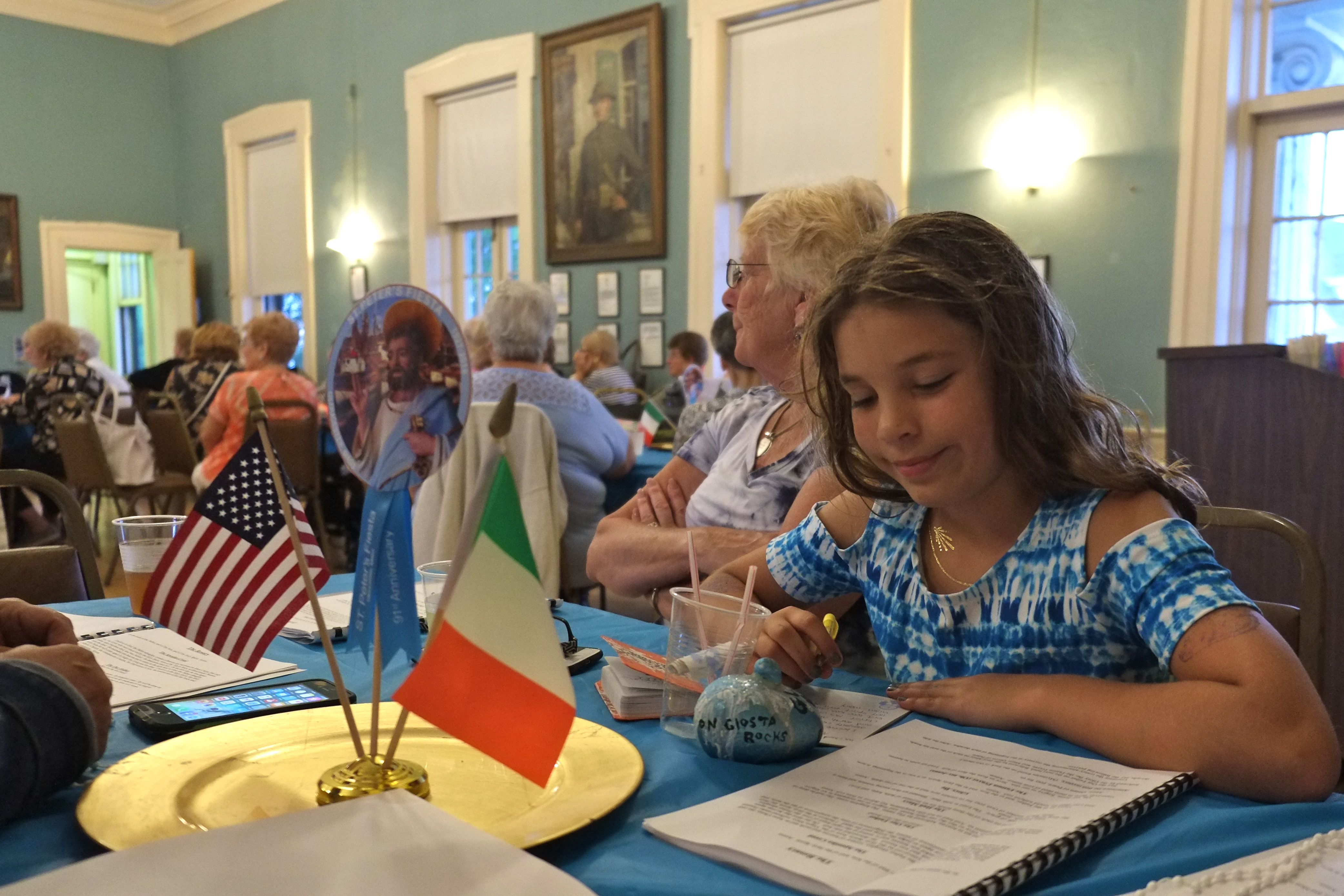 Wonderful to see the younger generation participating!

 Good Morning Gloucester