The north-south weather vane is perfectly aligned as are the three gulls encircling the Hall–both by pure chance 🙂 
Author: Kimsmithdesigns
Documentary filmmaker, photographer, landscape designer, author, and illustrator. "Beauty on the Wing: Life Story of the Monarch Butterfly" currently airing on PBS. Current film projects include Piping Plovers, Gloucester's Feast of St. Joseph, and Saint Peter's Fiesta. Visit my websites for more information about film and design projects at kimsmithdesigns.com, monarchbutterflyfilm.com, and pipingploverproject.org. Author/illustrator "Oh Garden of Fresh Possibilities! Notes from a Gloucester Garden."

FIRST RIGHT WHALE BABY OF 2019 SPOTTED IN CAPE COD BAY!
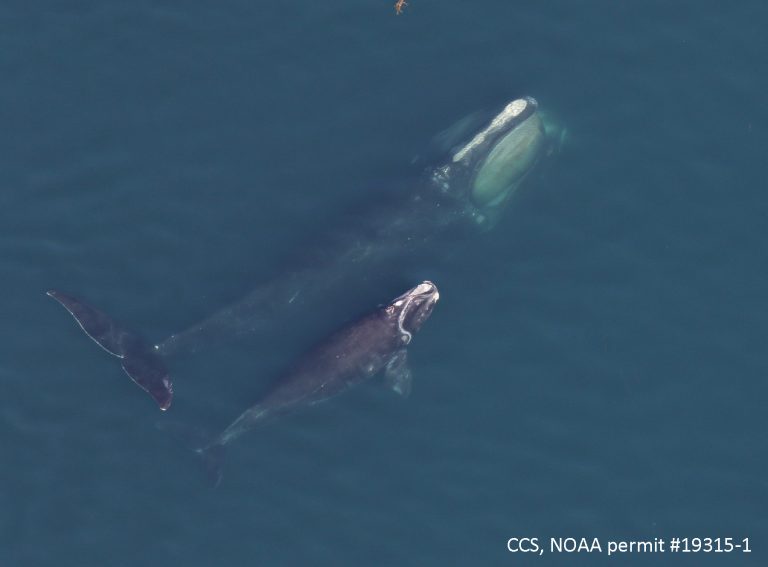
Right whale #1204 with her 2019 calf in Cape Cod Bay
FROM THE CENTER FOR COASTAL STUDIES
On Sunday, April 7 the Center for Coastal Studies right whale aerial survey team spotted their first right whale calf of the year in Cape Cod Bay. This sighting heralds the arrival of the 2019 calves to their feeding grounds here in the northeast.
The calf, which was first sighted by Florida Fish and Wildlife Conservation Commission (FWC) on January 17 in the calving grounds of the southeastern US, is the third of seven known mom-calf pairs of the season. Its mother is right whale #1204, a whale of at least 38 years of age that was first seen in 1982. This is #1204’s ninth known calf; her first was documented in 1988, the most recent in 2013. Out of the nine calves, this is only the second #1204 has been documented with in Cape Cod Bay.
Boaters, kayakers, paddle-boarders, swimmers and light aircraft and drone pilots are reminded that it is illegal to approach a North Atlantic right within 500 yards (1500 feet) without a Federal Research Permit. However, the right whales often feed very close to shore, offering whale watchers on land unbeatable views of one of the rarest of the marine mammals.
CCS right whale research and response operations are conducted in partnership with DMF and NOAA under federal permits issued by the National Marine Fisheries Service. Support also comes from the Massachusetts Environmental Trust, CCS aviation contractor AvWatch, private foundations, and contributions from CCS members.
Spread The GMG Love By Sharing With These Buttons:

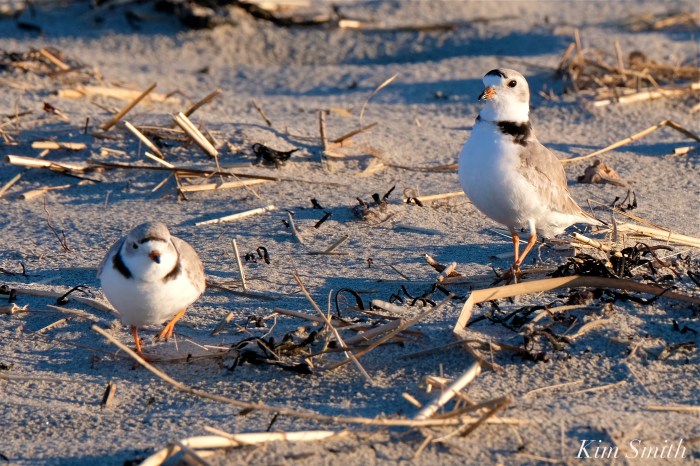
HAPPY NEWS- OUR GOOD HARBOR BEACH PIPING PLOVERS HAVE RETURNED – A SECOND CHANCE FOR OUR COMMUNITY TO GET IT RIGHT!
This morning we found Papa and Mama in precisely the same nesting areas as last Friday. ACOfficers Teagan and Jamie pointed them out. It was too wet and drizzly for my camera, so we don’t have photographic evidence, but we could clearly see they were courting, Papa fan bowing his tail feathers and Mama inspecting the nest.


Papa and Mama courting (photos taken last week)
We don’t know where they disappeared to while the weekend disturbances to the nesting area were taking place, but I do know this is a gift and a second chance for our community to get it right.
It will take our entire community working together to help mitigate some of the threats the PiPls daily face.
Gloucester’s DPW has installed dune fencing, which is helping to restore the dunes. Protecting the dunes benefits both people (our beloved beach) and wildlife.
Improved trash collection and heavier fines for littering helps keep predators such as gulls, crows, foxes, and coyotes from scavenging the beach for garbage left behind by people, and makes for a much more pleasant beach going experience.
The Gloucester City Council passed an ordinance to prohibit dogs from Good Harbor beginning April 1st.
Now it is up to the citizens of Gloucester to respect its ordinances and laws by not littering, not trampling through the dunes, and by not bringing dogs to the beach during shorebird nesting season.
And for the City to enforce these laws.
I frankly blame myself for being caught off guard. It had been so quiet on the beach the previous week, I thought people were getting the information that the ordinance has changed to prohibiting dogs on the beach. But the warm weather brought out both locals and out of towners and they have not gotten the information that the rules have changed.
Today is Tuesday. In order to be prepared for the very real possibility of another warm weekend day in April (five days from now) we need an IMMEDIATE CALL TO ACTION
- SIGNS, SIGNS, SIGNS! We need to remove the ultra-confusing blue sings. Replace with simple, easy to read LARGE and PROMINENTLY DISPLAYED NO DOG signs.
- Very Important: The locked glass door signs with the May 1st date need to be updated before the weekend. Folks are using this as a reason to bring their dogs on the beach.
- Update the City’s website with the ordinance change. The City is aware of this and we pray this simple change can be accomplished before the weekend. Folks are also using the incorrect information posted there as a reason to bring their dogs on the beach.
- WE NEED HELP with enforcement from the GDP. There is only one dog officer on duty each weekend day and they are covering the entire city.
- Staff the parking lot booth at Good Harbor Beach. This will prevent dogs from coming in through the lot (and bring in $$).
- In addition to staffing the booth, position staff or volunteers at the footbridge and at the Whitham Street entrance, before people even have a chance to walk on the beach with their dogs.
- Be active, you can help by speaking to folks when you see them coming onto the beach with their dogs or when littering.
The following two photos (photos are not posted here, please see kimsmithdesigns.com) are posted to show as an example as to why we need help from uniformed officers in enforcing the ordinance. This family was politely told that the ordinance had changed and that the ACOfficers were issuing tickets. The father’s response was “we’ll keep the dog in our pocket.” Moments later, the mother and daughter were taking their dog on a romp, off leash, at the creek.
Folks don’t understand that if we had chicks on the beach, this would pose an incredible threat. Even the smallest dog is no match for a tiny shorebird chick crouched down in the sand, unable to fly away, and at risk of being stepped on. Our Piping Plover parents often bring the teency weency chicks down to the creek to feed on hot crowded summer days.
Please be reminded that it was constant unrelenting dog disturbance that drove the PiPls into the parking lot last April. Knowing what we know, and in learning from last year’s debacle, it would be a crime if we let that happen again for a second year in a row.
The Piping Plover is the littlest of shorebirds struggling against extremes- loss of habitat, rising sea level, natural predators, and human-created predators and disturbances. We have been given a gift, to be able to witness part of the life story of the Piping Plover here on our Good Harbor Beach.
To better understand what is happening on the beach and in response to recent comments–
Two of the three birds went missing during the day on Saturday. There are no coyotes or foxes roaming Good Harbor during the busiest part of the day while the beach is teeming with thousands of people and hundreds of dogs.
Coyotes and foxes do not pose a threat to adult birds, only to the eggs and hatchlings because adult birds can fly away, and eggs and hatchlings cannot.
Piping Plovers feed alongside gulls, and many other species of shorebirds. Gulls and Crows eat baby chicks and eggs, not adults. One of the most astonishing scenes you will see when observing the dynamics between the gulls and the PiPls is to watch this tiny shorebird chase a gull away from its nest and chicks, biting and nipping the gulls tail fathers and even latching on. Both parents get involved and they will chase the gull far down the beach.
List of Articles and Links Provided That Explain How Dog Disruptions on Beaches Harm Piping Plovers
Spread The GMG Love By Sharing With These Buttons:


GLOUCESTER STAGE WINS TOP CRITICS’ AWARD!!
 Gloucester Stage Wins Top Boston Critics’ Award.
The Independent Reviewers of New England (IRNE) Awards Ceremony was held Monday, April 8, 2019 at the Ballroom of The Inn at Brookline where the awards for the 2018 Calendar Year were announced. The IRNE Awards honor the best of the previous year’s actors, directors, designers and companies across the full spectrum of large, midsize and fringe theater companies in the New England area. Gloucester Stage garnered one of the top awards of the evening Best Play-Midsize for: Brian Friel’s Dancing at Lughnasa . Gloucester Stage Artistic Director Robert Walsh accepted the award for the company, “Thank you IRNE Committee, the theater community and of course, our wonderful audiences in Gloucester.” Dancing at Lughnasa cast members Lindsay Crouse, Samantha Richert , Chris Kandra and Ed Hoopman attended the award ceremony.
Gloucester Stage Company received a total of eight nominations for the 2018 season. The nominations included: Best New Play: My Station in Life by Gloucester’s Ken Riaf; Best Lighting Design: Marcella Barbeau for Sam Shepard’s True West; and four nominations for Brian Friel’s Dancing at Lughnasa: Best Play-Midsize; Best Director-Play-Midsize: Benny Sato Ambush; Best Actress-Play–Midsize: Gloucester’s Lindsay Crouse, and Best Supporting Actress-Play-Midsize: Samantha Richert.
Gloucester Stage Company’s 40th Anniversary Season opens on June 7 with Neil Simon’s romantic comedy Barefoot in the Park. For information about Gloucester Stage, or to purchase single tickets or subscription packages, call the Box Office at 978-281-4433 or visit www.gloucesterstage.com
Photo 1: Pictured L to R: Actor Ed Hoopman; GSC Artistic Director Robert Walsh; Actors Lindsay Crouse; Samantha Richert and Chris Kandra celebrate after winning the award.
Photo 2: Cast members enjoy the evening : L to R: Chris Kandra; Ed Hoopman; Samantha Richert, Lindsay Crouse and GSC Artistic Director Robert Walsh
Photo 3: L to R: Samantha Richert and Lindsay Crouse with Robert Walsh
Photos by Chris Griffith

Spread The GMG Love By Sharing With These Buttons:

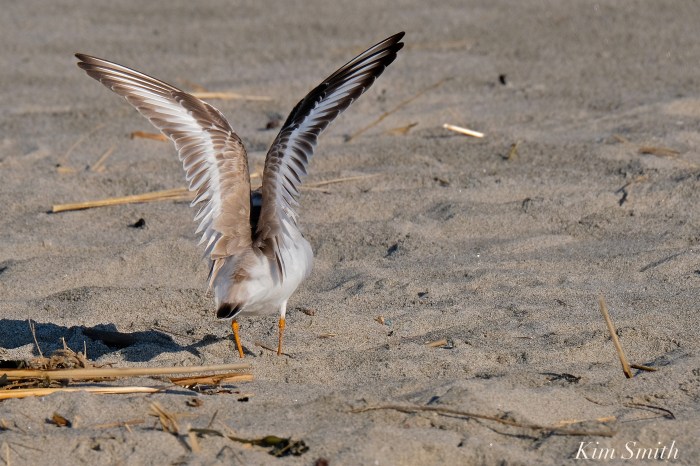
OUR GOOD HARBOR BEACH PIPING PLOVERS ARE MISSING
All three Piping Plovers were last seen early Saturday morning.
We were only been able to locate one by day’s end on Saturday, only one all day Sunday, and none today, Monday. I scoured the beach and creek this morning at daybreak, and friends were again there this afternoon searching. If anyone has seen or knows differently, please, please email us at kimsmithdesigns@hotmail.com. Thank you.
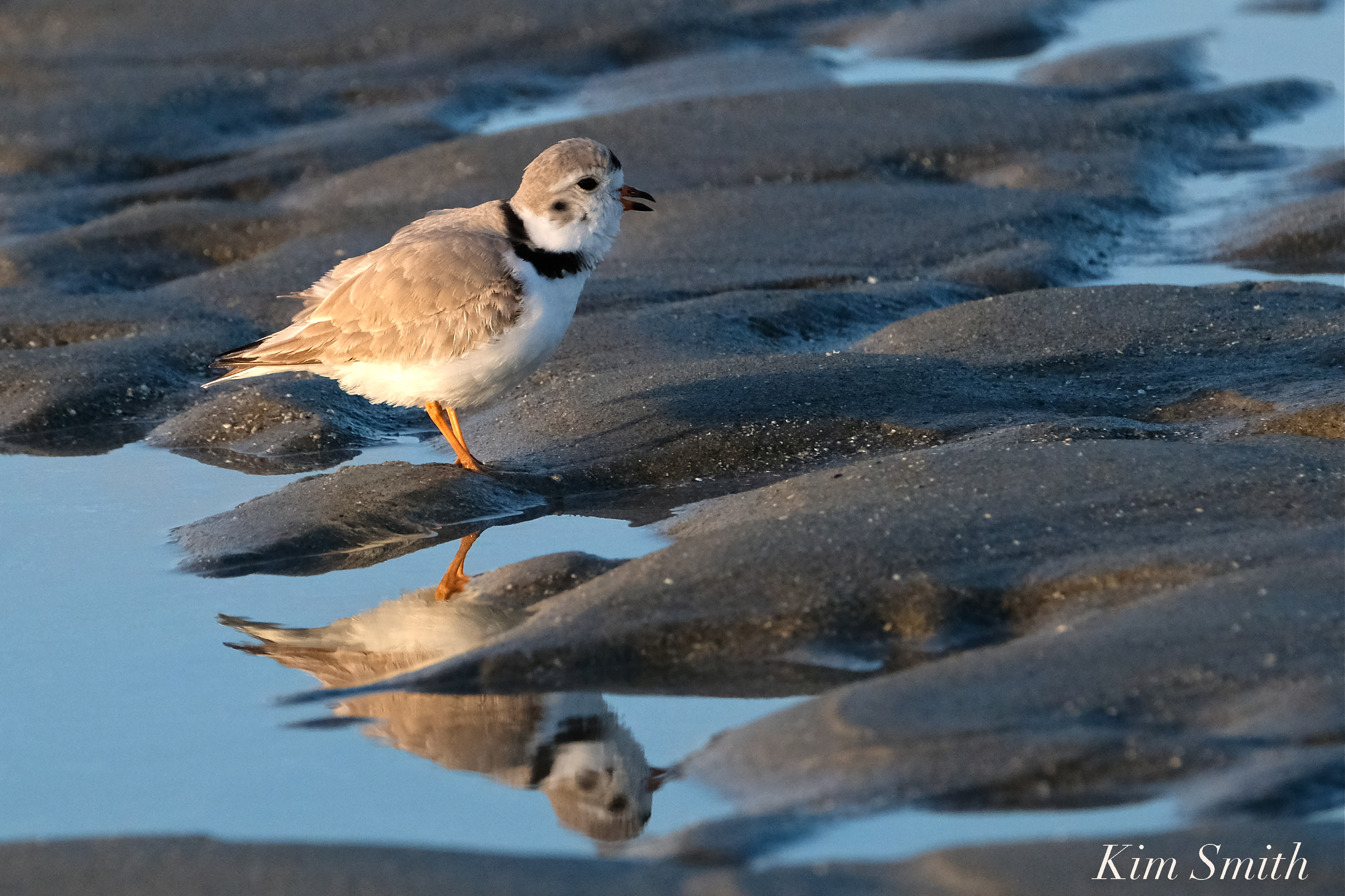
Papa Plover spent a good part of Sunday morning fruitlessly piping plaintive calls for Mama.
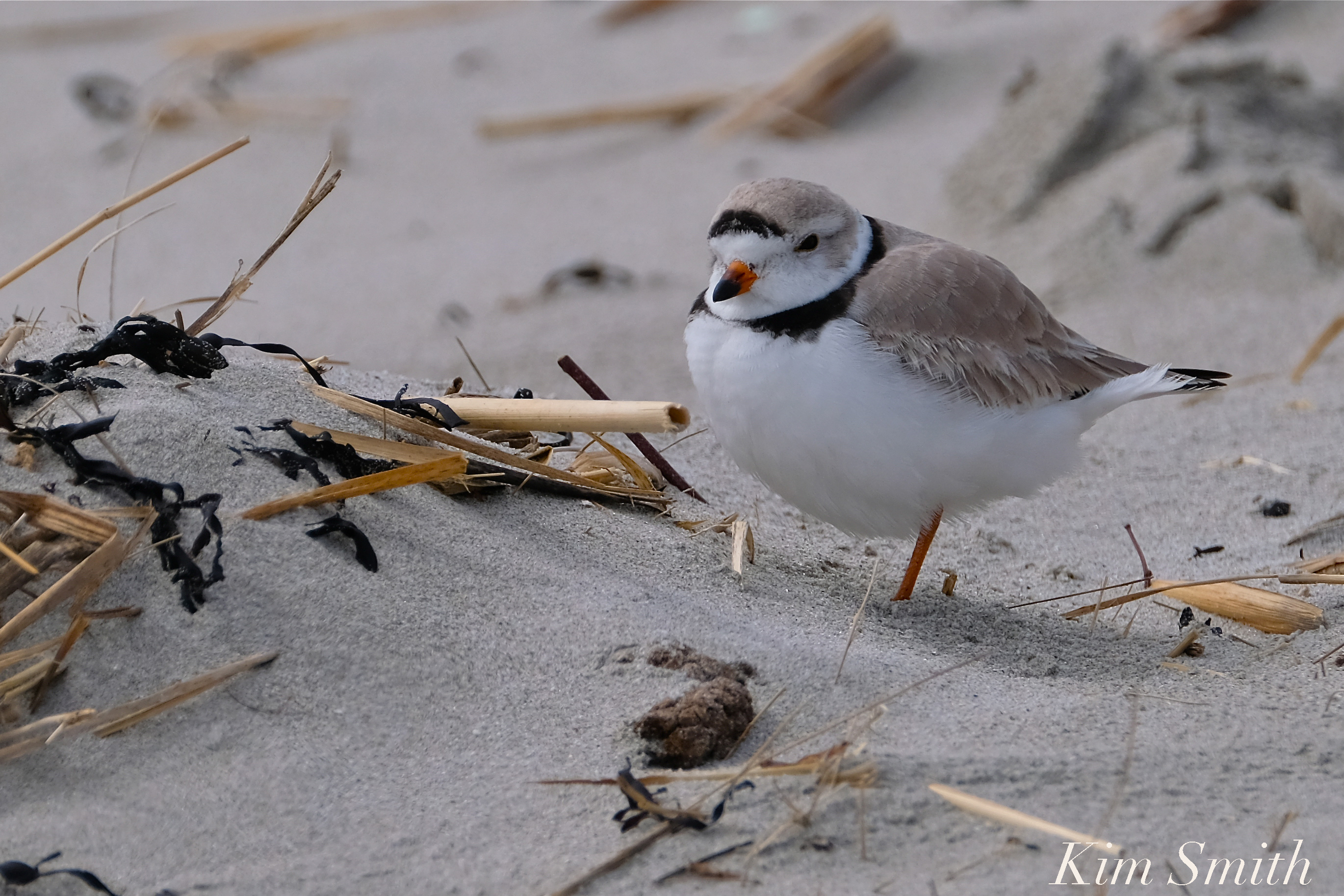 Sunday afternoon, ACOfficer Teagan and I found Papa all alone at the No. 1 nesting area, standing on one leg and tucked up by the dune.
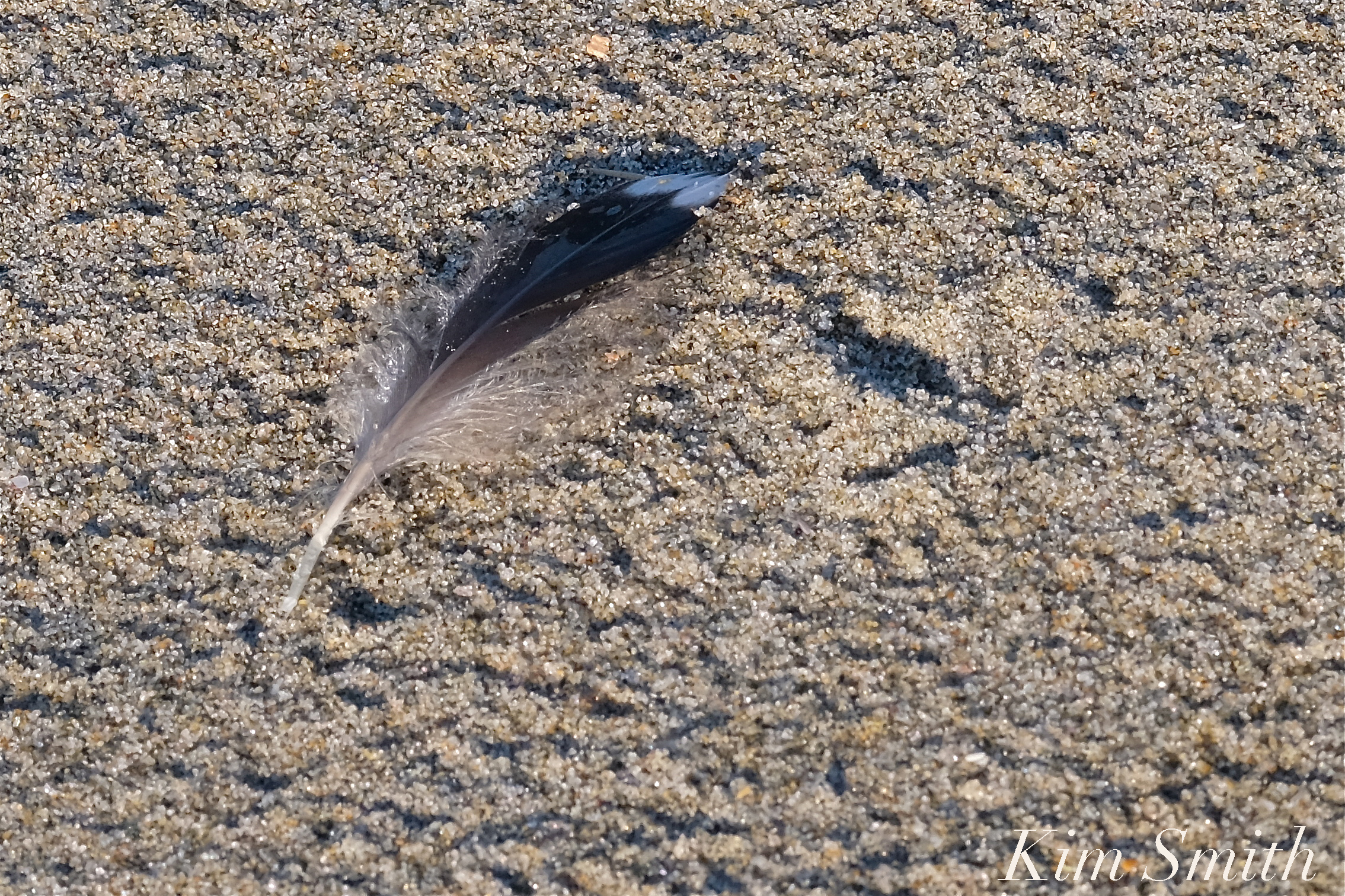
I found this beautiful feather Sunday morning near some Piping Plover tracks and think it is a PiPl feather. The feather measures just shy of 6cm. A reader wrote to say she thinks it’s a Common Loon feather. I’ve never seen a Common Loon at Good Harbor Beach but they are all around and it could have washed ashore.


BRD 3096–adult female Piping Plover from Plymouth County, MA
Spread The GMG Love By Sharing With These Buttons:

BEST MILKWEED TO PLANT FOR MASSACHUSETTS GARDENS, MEADOWS, FIELDS, AND DUNE RESTORATION
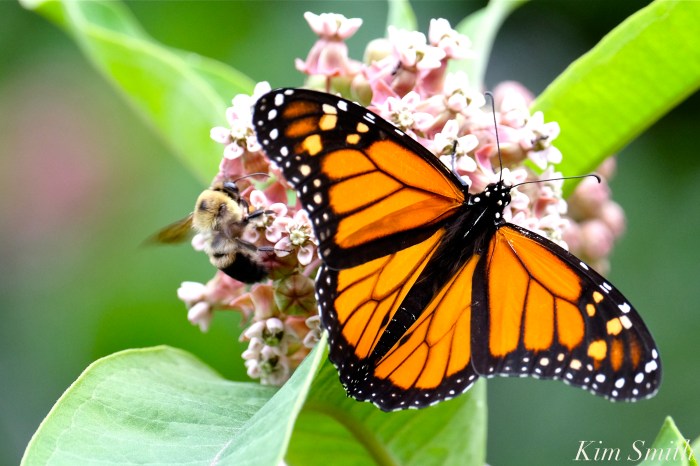
Friends often ask, and I cover this topic extensively in my Monarch programs, “What is the best milkweed to plant in our region?” Without a doubt, the two most important and productive are Common Milkweed (Asclepias syriaca) and Marsh Milkweed (Asclepias incarnata).
Marsh Milkweed also goes by the name Swamp Milkweed, but Marsh sounds so much more appealing, don’t you think? Milkweeds already have the suffix weed attached to their names. To some folks, any wildflower that includes the word weed seems invasive, and we don’t want to frighten people from planting our sweet native wildflowers by inferring they are a swamp dweller, too.


red spotted purple and marsh milkweed


Gallery of Marsh Milkweed
When a weed is not a weed – It’s unfortunate that so many of our native beauties end in “weed.” Ironweed, Joe-pye Weed, Sneezeweed, Thimbleweed, Butterfly Weed, and Milkweed are just some examples. Why were these native wildflowers at one time long ago named “weed.” Because the earliest colonists brought from their home countries flowering plants that were beloved and familiar to them, delphiniums and larkspurs, for example. In their new American home gardens, these treasured European plants would have been easily overtaken by our more vigorous American wildflowers.
To return to the topic of milkweed, Common Milkweed spreads both underground and by seed. It’s ideal for dunes, meadows, and fields. Marsh Milkweed is more clump forming and stays relatively close to where you plant it. You can control how much it spreads by deadheading, or not, before the seed heads turn to fluff and sail away. I grow both Marsh Milkweed and Common Milkweed side-by-side. In our garden, the female Monarch does not discern the difference between the two species of milkweeds, she will flit from one to the other, and back again, depositing her eggs all along the way.


Gallery of Common Milkweed
By the way, both A. syriaca and A. incarnata are also the easiest milkweeds to grow in Massachusetts.
A ten-year nation-wide study was recently published. Across the country, Marsh and Common proved to be the most productive, in other words, more eggs were laid on these two species than on any other species of milkweed.
The map provided below is somewhat helpful; I write somewhat with a word of advice. If you click on Massachusetts, for example, not only are Common and Marsh Milkweeds listed but also Purple Milkweed (A. pupurascens), Fourleaf Milkweed (A. quadrifolia), Butterfly Weed (A. tuberosa), Poke Milkweed (A. exaltata), Whorled Milkweed (A. verticillata), and Clasping Milkweed (A. amplexicaulis). We grow a nice patch of Whorled Milkweed and I have never, ever seen a Monarch once visit the foliage or flowers. Purple Milkweed can be very challenging to get started, and Butterfly Weed is not as hardy in our region as are Common and Marsh.
Milkweeds are the only food plant for Monarch caterpillars and also provide nectar to a host of pollinators including many, many species of butterflies, bees, beetles, and even hummingbirds. Plant for the pollinators and they will come.

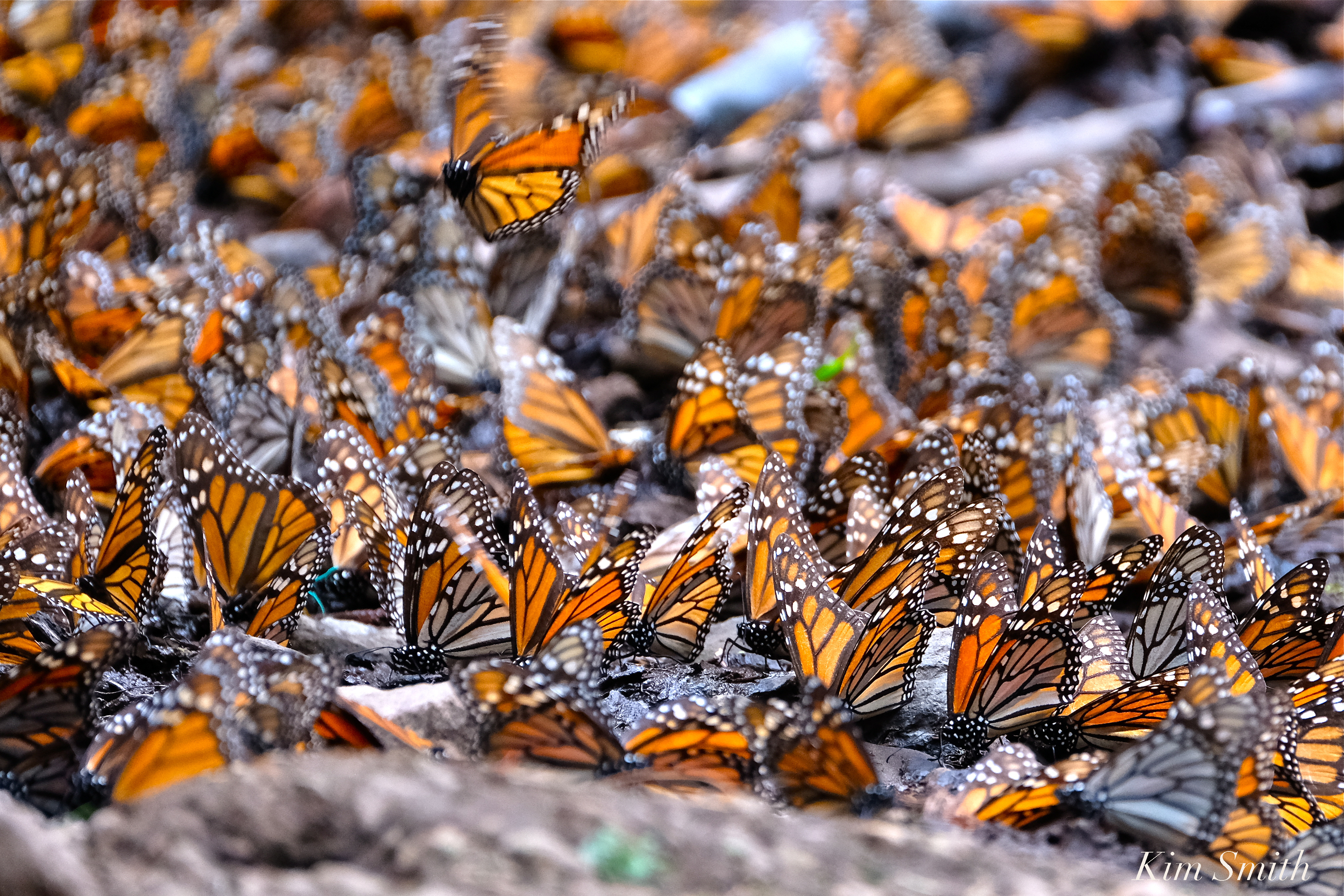
This is an image from my recent adventure to Cerro Pelon. I am dying to write about the trip, but have had a very full schedule finishing up my film, organizing landscape jobs for the season, and hoping to get the PiPls settled in. The Monarchs in the photo are mud-puddling. Tens of thousands leave the butterfly trees during the heat of the day, sucking up water and much needed nutrients from the mud at nearby mountain streams
Spread The GMG Love By Sharing With These Buttons:

“RECIPE FOR DISASTER” LIVE!
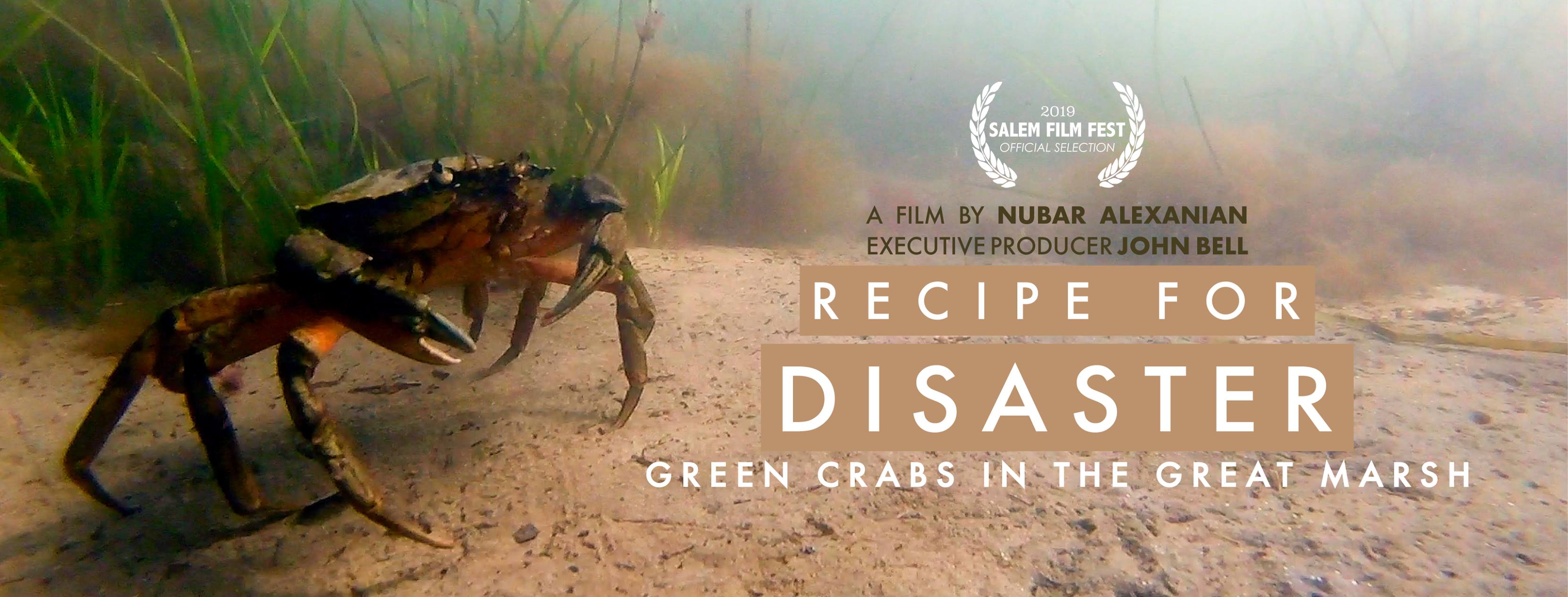
Recipe for Disaster is now available for viewing live on Nubars’s website at Walker Creek Media
Please share this post with your friends so we can all work together to protect this important ecosystem.
Spread The GMG Love By Sharing With These Buttons:

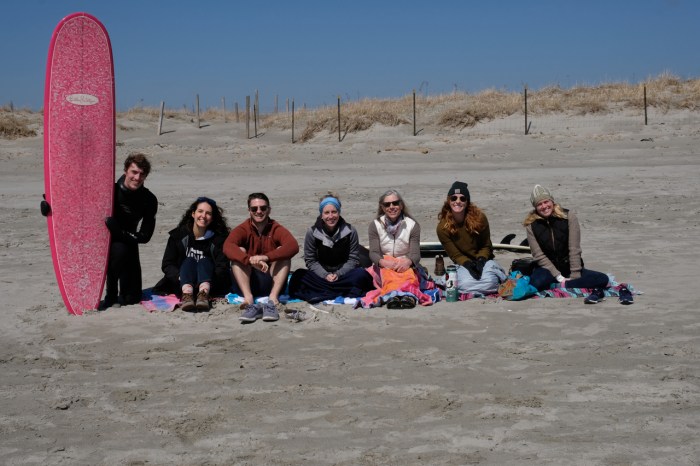
ANNOUNCING THE WINNERS OF THE FIRST EVER GLOUCESTER SURFING COMPETITION!!!
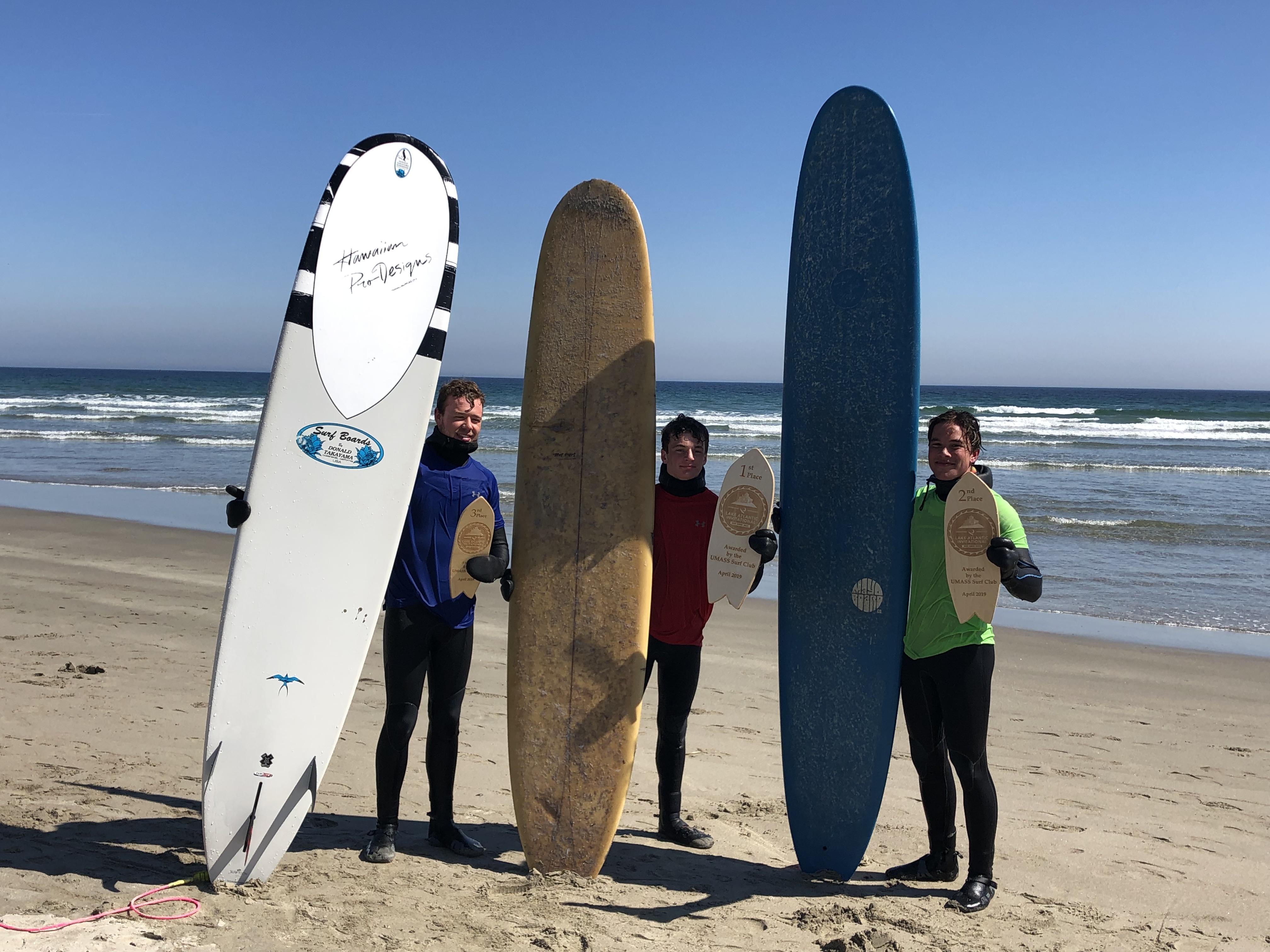
First place Colby Kelley of Gloucester, second place Rhodes Cole of Rockport, and third place John Lane of Yarmouth, Maine. Photo Courtesy Bill Wrinn
The Lake Atlantic Invitational Surfing Competition, Gloucester’s first ever competitive surfing event, was held today at Good Harbor Beach. The competition was sponsored by UMass Amherst Surf Club. Thanks so much to Bill Wrinn for providing the shot of the winning surfers. And a huge shout out to the group for keeping an eye out for Gloucester’ Piping Plovers!


Spread The GMG Love By Sharing With These Buttons:

CONSTANT STEADY STREAM OF DOGS AT GOOD HARBOR BEACH, FROM DAWN TO DUSK
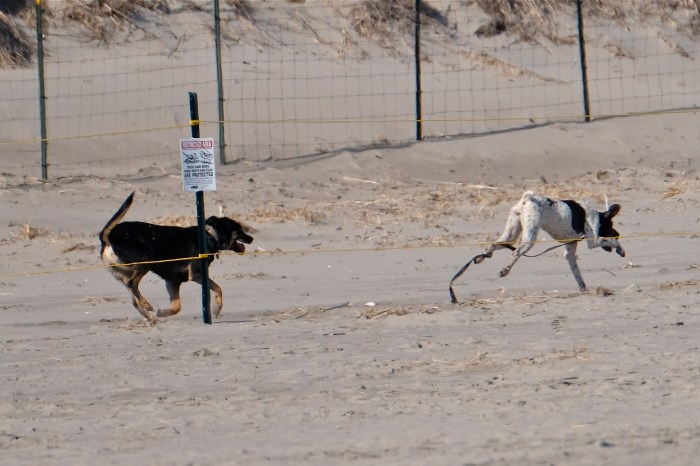
We could write that there were at least two hundred dogs at Good Harbor Beach today, but only those of us who were there for any length of time would believe it. There was a constant steady stream, from sunrise, to when I last checked at 4:00pm. For the most part, the folks that we spoke with were without a clue that the rules have changed. Suffice it to say, we need to do a better job getting the word.
For readers who may have missed the information. The new ordinance prohibits dogs at Good Harbor Beach at any time of the day or night from April 1st to October 1st.
There are people who are not getting the information–they don’t read local blogs, local papers, or are not on Facebook. There has to be a more effective way to let folks know. If you are reading this post, please share it with your friends and please let them know of the ordinance change. And if you have a suggestion, or experience on how to get information of this nature across, we would be so appreciative if you would share. Thank you!
Just saying, if 200 tickets had been issued x $300.00, that would equal $60,000.00, which is more than enough money to pay people to stand at all three entrances to the beach and let folks know about the rule change; one person at the footbridge, one at the parking lot entrance, and one person at the Whitham Street entrance. This would be a very effective way to get the word out, and may only be necessary in the early days of the rule change. It’s not fair to expect the monitors to shoulder this responsibility as people can behave in an extraordinarily entitled manner and are often aggressive and hostile in their response when told of the ordinance change.
The following photos are just several of dozens taken today. The owner appeared to have five dogs with her. While she was whipping the ball with several of her dogs at the low tide line, these two tore away and ran repeatedly through the nesting area.


No Dogs at Good Harbor Beach from April 1st to October 1st.
Spread The GMG Love By Sharing With These Buttons:

HOORAY- LONG BEACH DAIRY MAID IS OPEN!
Have you had a jones for ice cream, Richardson’s locally made ice cream, that is? And you don’t feel like driving to Richardson’s in Middleton? The Long Beach Dairy Maid on Thacher Raod is open for the season! The LB Dairy Maid also has dozens of soft serve flavors, and some new very unique ice cream flavors including Unicorn–I overheard that Unicorn has bubble gum and rainbow sprinkles in it–for the adventurous sorts.
Despite the 39 degree temperature, Charlotte and I stopped by for our first ice cream of the season. We met barefoot Maia and her Mom Sara in line. We’re all so ready for some spring-like weather 🙂

Spread The GMG Love By Sharing With These Buttons:

#gloucesterma City Hall Aglow
 Gloucester City Hall
Spread The GMG Love By Sharing With These Buttons:

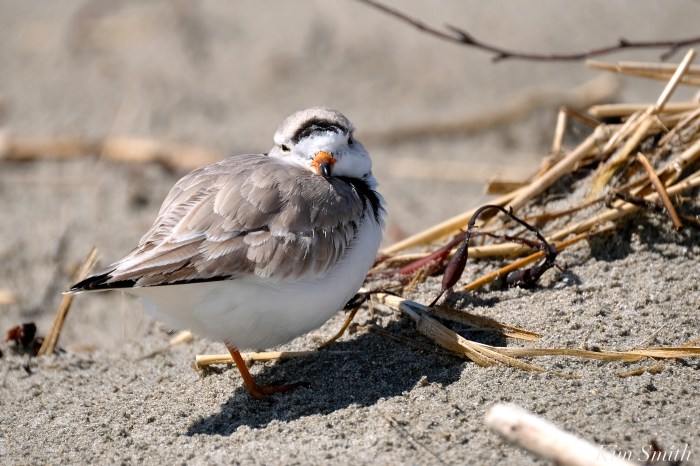
OUR GOOD HARBOR BEACH PIPING PLOVERS COPING WITH WINDSTORMS AND COLD TEMPERATURES
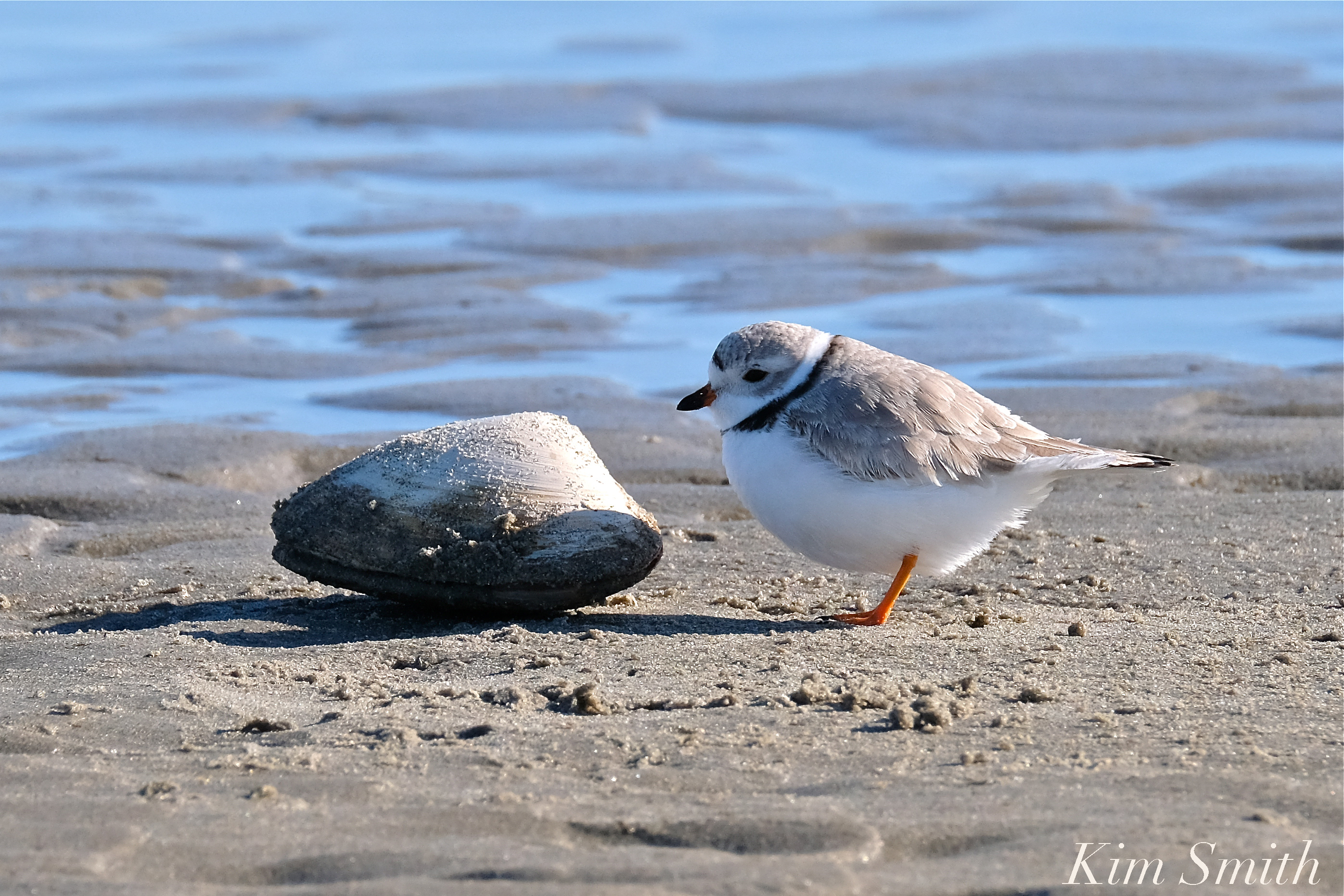
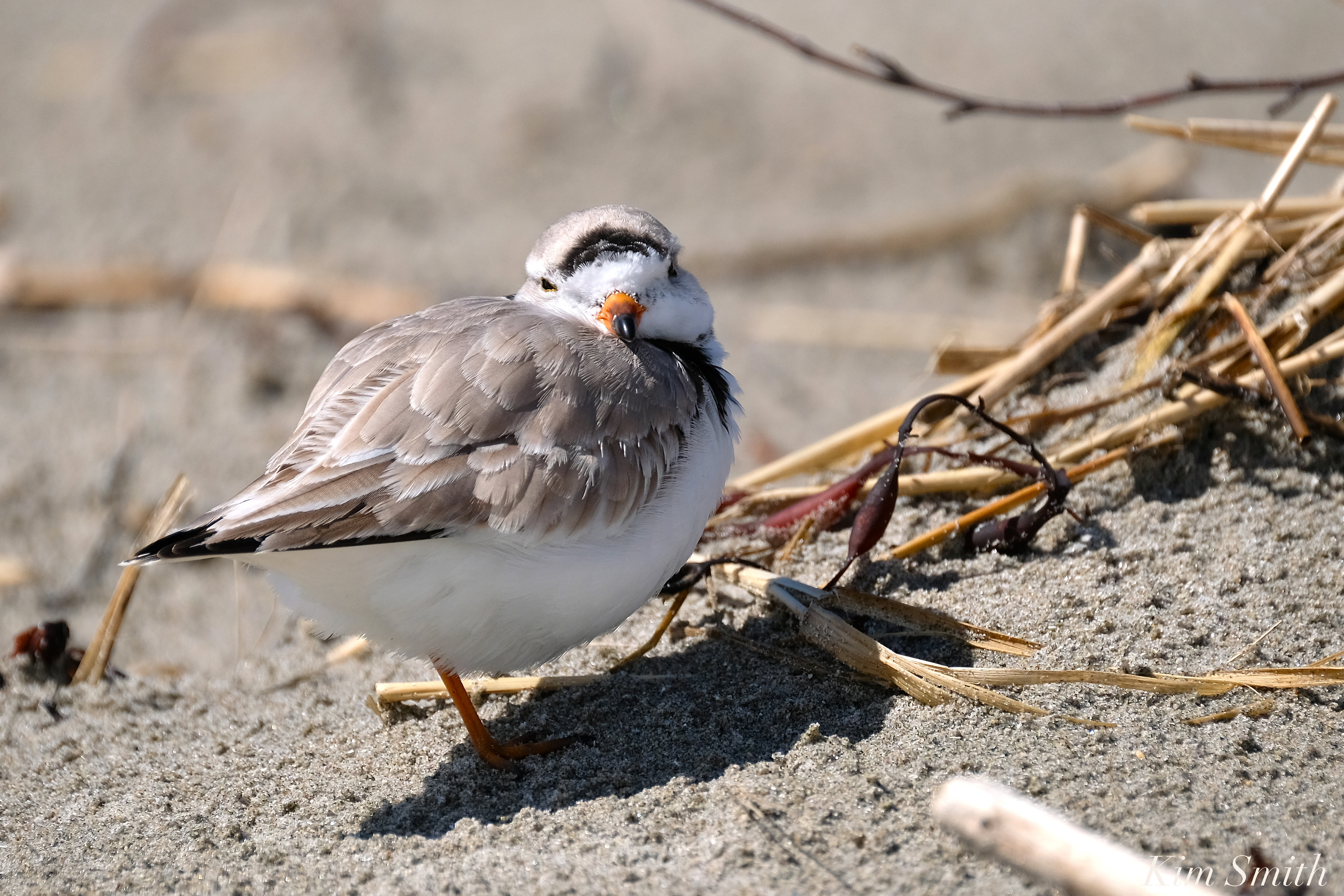
All three PiPls, Mom, Dad, and the Bachelor, are finding drifts of sand, clumps of dry beach grass, and this morning, even a clam shell, to hunker down behind to get out of the way of the harsh winds. They are also doing a great deal of standing and hopping around on one leg.
I hope the wind dies down and soon so we can all enjoy more seasonably spring-like weather!
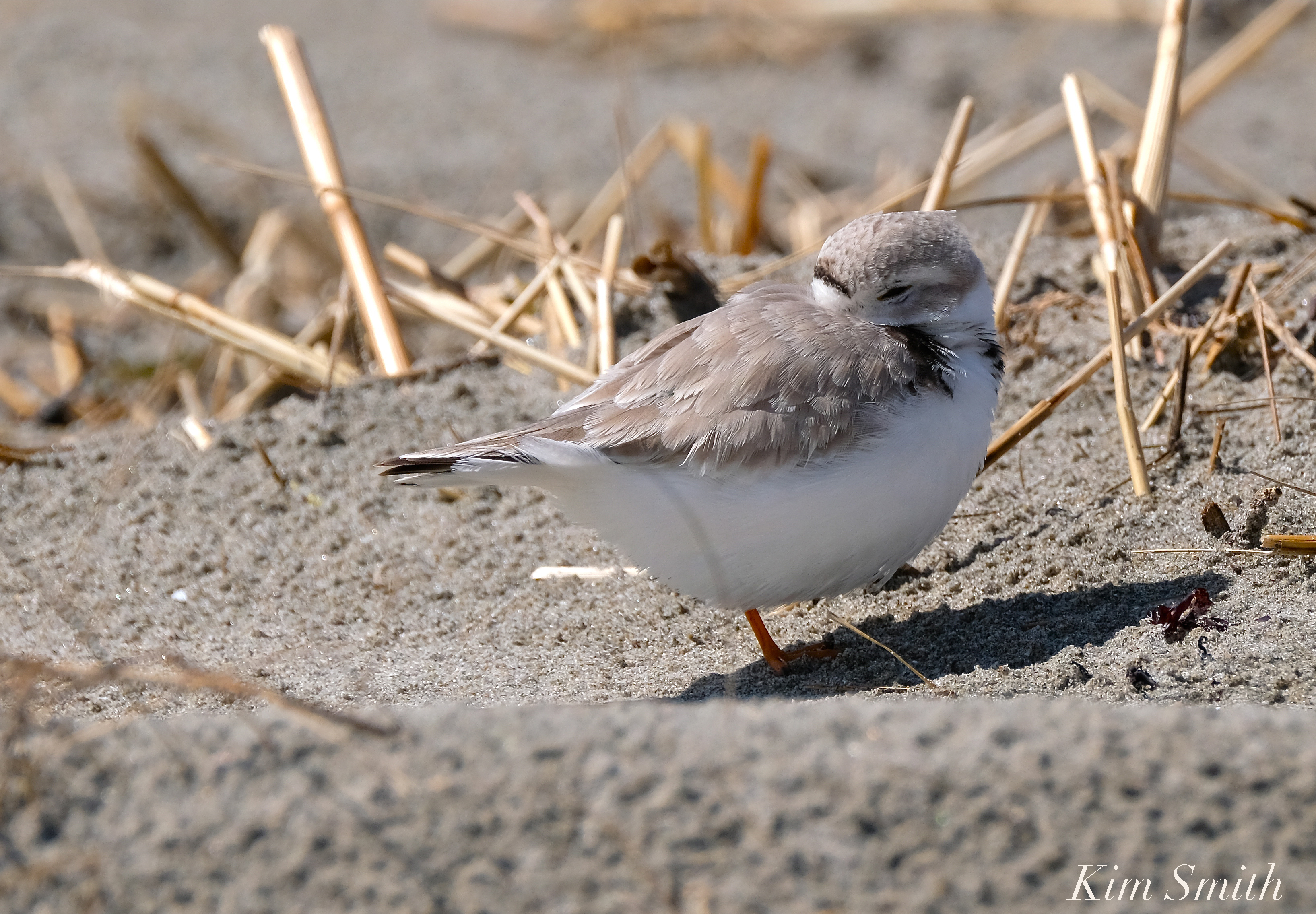
Mama taking a nap behind a clump of beach grass, and standing on one leg.
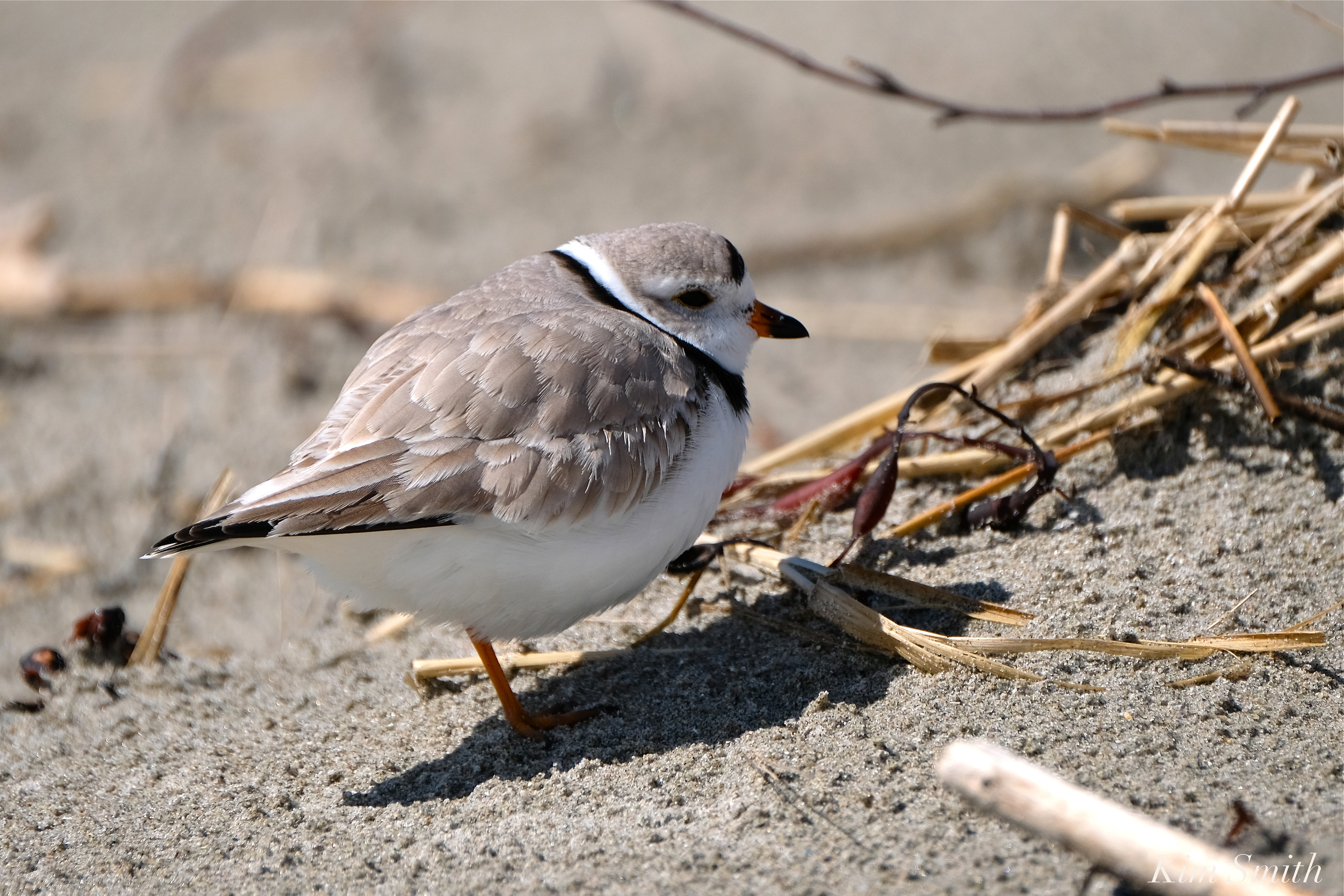
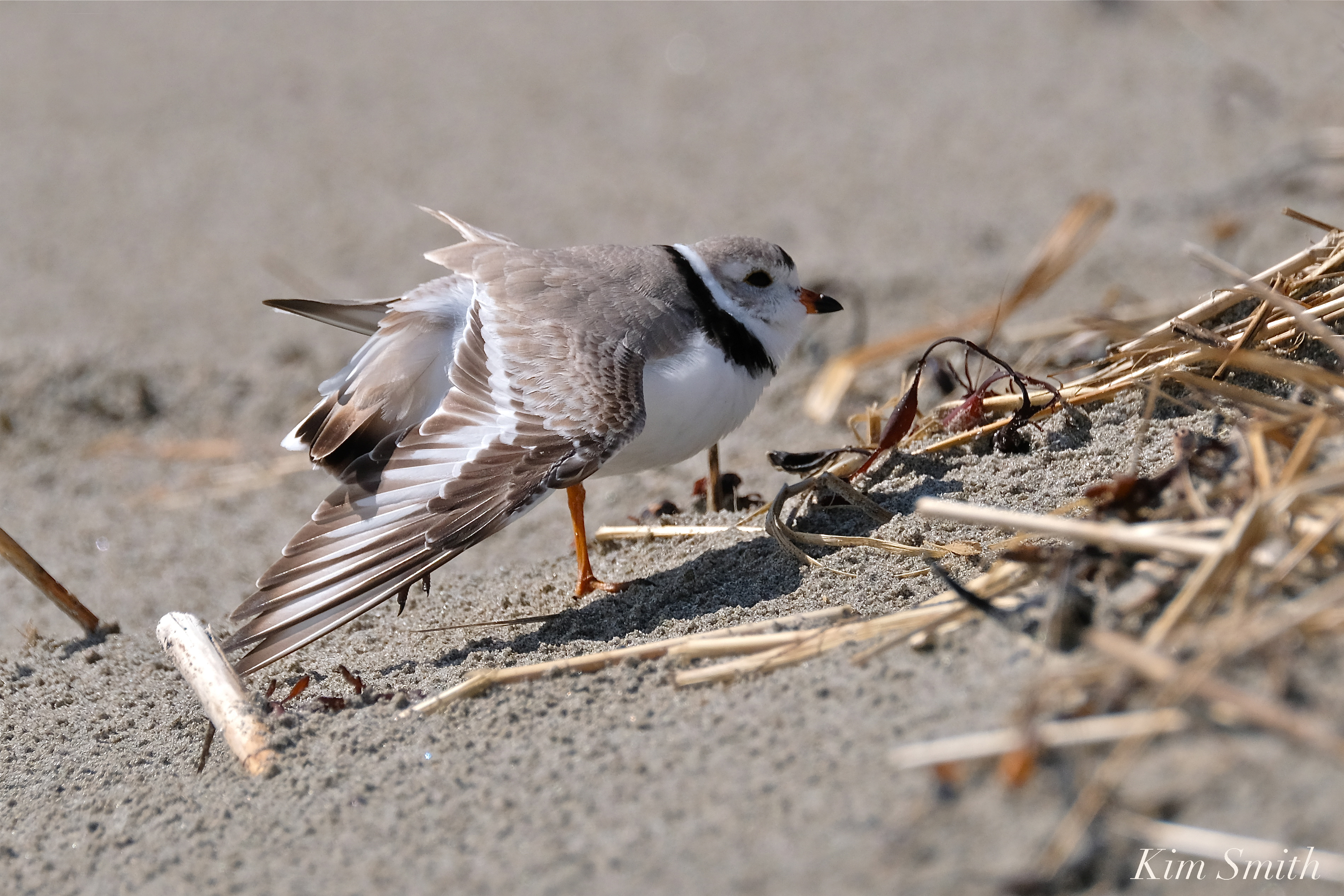
Papa standing on one leg even while doing wing stretches.
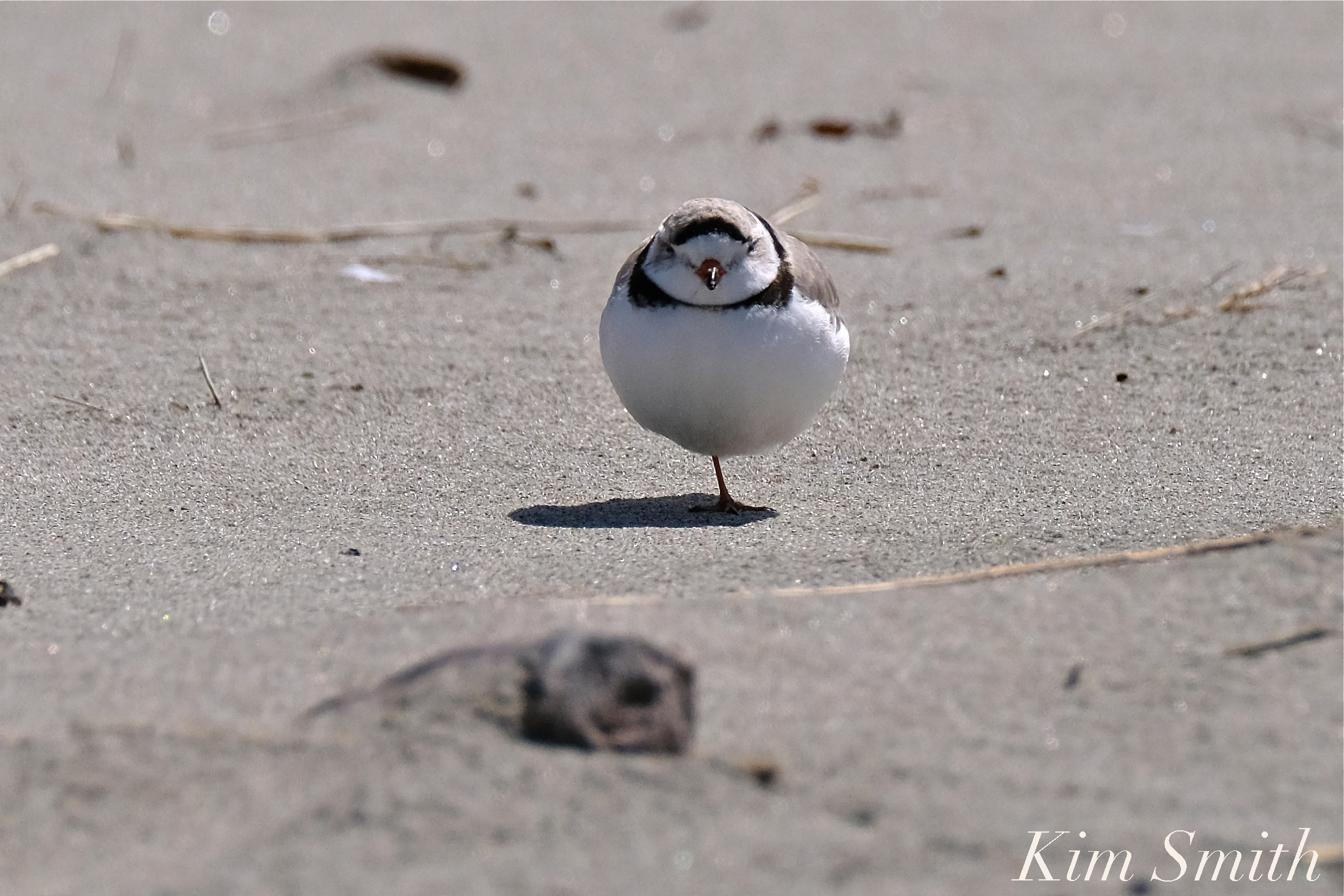
And what Piping Plover scene would be complete without a bachelor (an unmated male). I hope we get a “new girl” this summer!
Why do birds stand on one leg? “The short answer is that for the simple reason that you put your hands in your pockets when cold, birds stand on one leg to conserve heat. Birds also stand on one leg to relax muscle fatigue in the retracted leg.
The long answer is that birds’ legs have a blood flow referred to as “rete mirabile” that minimizes heat loss. The arteries that transport warm blood into the legs are next to the veins that return colder blood to the bird’s heart. The arteries act as a heat exchanger and warm the veins. Because the veins also cool the arteries, the bird’s feet are closer to environmental temperature and thus don’t lose as much heat as they would if they were at body temperature. By standing on one leg, a bird reduces the amount of heat lost through unfeathered limbs.
Birds that have short legs, such as Mourning Doves, do not need to stand on one leg because they have fleshy feet and they can snuggle down so that their warm belly presses against their feet.” Reposted from “Why is Little Chick Missing a Leg.”
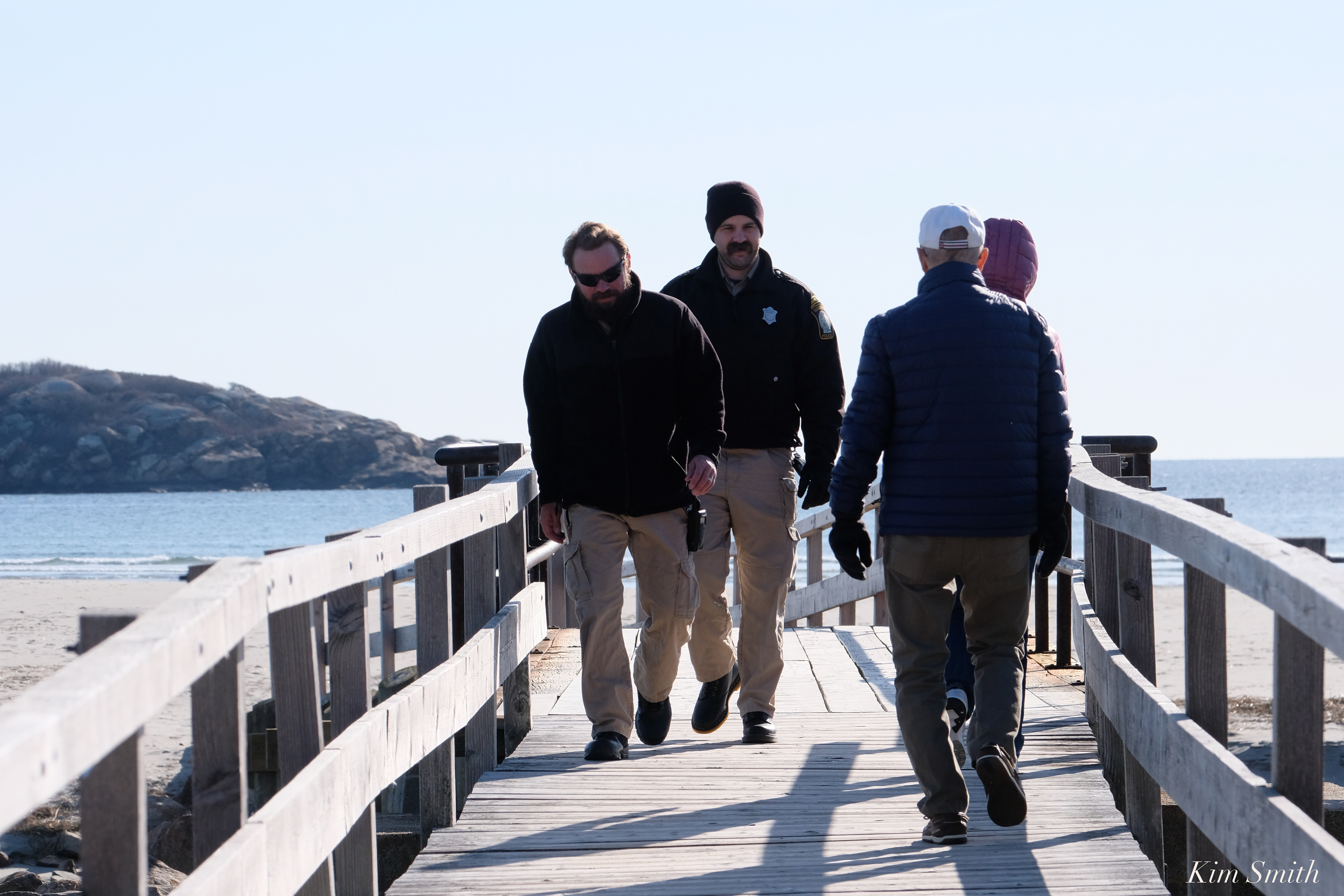
If you see Gloucester’s dog officers, Teagan and Jamie, please thank them and let them know what a great job they are doing. Off and on throughout the day, they are walking the beach, talking to the dog owners who continue to bring their dogs to the beach, and handing out tickets.
Spread The GMG Love By Sharing With These Buttons:

MAMMA MIA NOW PLAYING AT GLOUCESTER HIGH SCHOOL!
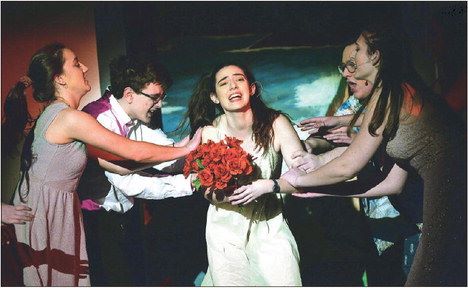
Sharon Bo Abrams shares –
ABBA’s hits tell the hilarious story of a young woman’s search for her birth father. This sunny and funny tale unfolds on a Greek island paradise. On the eve of her wedding, a daughter’s quest to discover the identity of her father brings three men from her mother’s past back to the island they last visited 20 years ago.
This is an enchanting tale of love, laughter and friendship, (also inappropriate dialogue, and questionable moral content) but for sure an unforgettable show. The large cast, non-stop laughs and explosive dance numbers combine to make Mamma Mia! a guaranteed smash hit.
A mother. A daughter. Three possible dads. Hours of Abba Songs?
You should come.
You should bring other people.
Maybe people ages 10 and up unless they are already seasoned Mamma Mia fans.
THURSDAY APRIL 4, 7:00 PM
FRIDAY, APRIL 5, 7:00 PM
SATURDAY, APRIL 7, 1:00 PM MATINEE
SATURDAY, APRIL 7, 7:00 PM
Gloucester High School
32 Leslie O Johnson Rd, Gloucester, MA 01930
Buy Advance tickets here: https://gloucesterhighdrama.blogspot.com/p/spring-musical-tickets.html
Spread The GMG Love By Sharing With These Buttons:

May the Circle Be Unbroken

Spread The GMG Love By Sharing With These Buttons:

Beautiful Nighttime Vernal Pond Field Trip

Greetings from the Pond Team,
We had a nice field trip last night to Nugent’s Stretch. Good choruses of wood frogs and spring peepers. We saw plenty of wood frogs and a few spring peepers, a few dozen spotted salamanders including a congress complete with spermatophores, caddisfly larvae and fairy shrimp. I think the forecasted cooler temps will shut things down for a while. Keep watching your e-blasts.
Expect a photo spread from last night and we’ll post it on the website asap.
We are looking for a few small entryway rugs with rubber backing or a large one about 4 feet wide by 6 or 8 feet long for THE SHOP. Let us know if you would like to donate to our office/store. If you know of someone who is downsizing and has some cool stuff for THE SHOP, please tell them about us and the work we do.
We have numerous events scheduled on the Activity Calendar for Earth Day in April. Check them out at the link below.
Thanks,
Rick and the Pond Team
Link to review our Newsletter.
Link to review our Field Trip Guidelines.
Link to access our Activity Calendar.
we only have one earth, save it
Spread The GMG Love By Sharing With These Buttons:

RECIPE FOR DISASTER LIVE ON FACEBOOK APRIL 5TH!
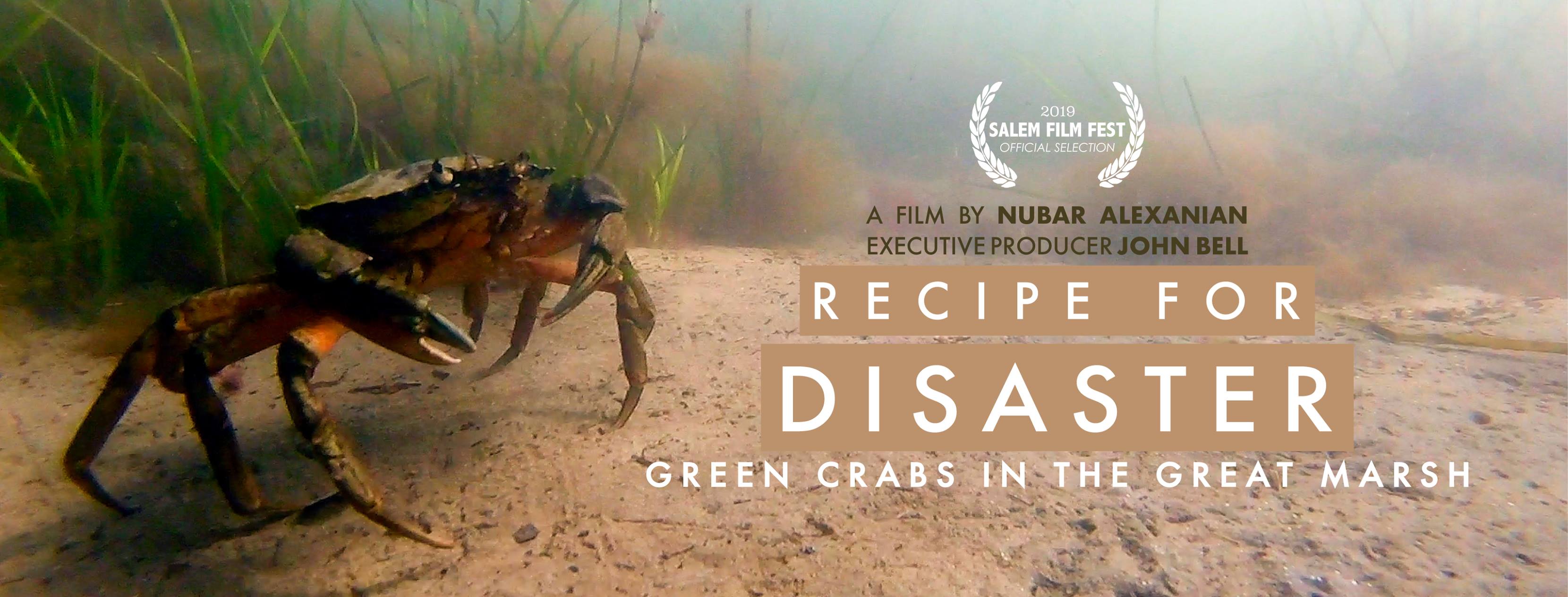
Get ready to watch the full version of our new film, “Recipe For Disaster: Green Crabs in the Great Marsh” premiering on April 5 AT 10AM on Facebook!
Share this post with your friends so we can all work together to protect this important ecosystem.
Spread The GMG Love By Sharing With These Buttons:

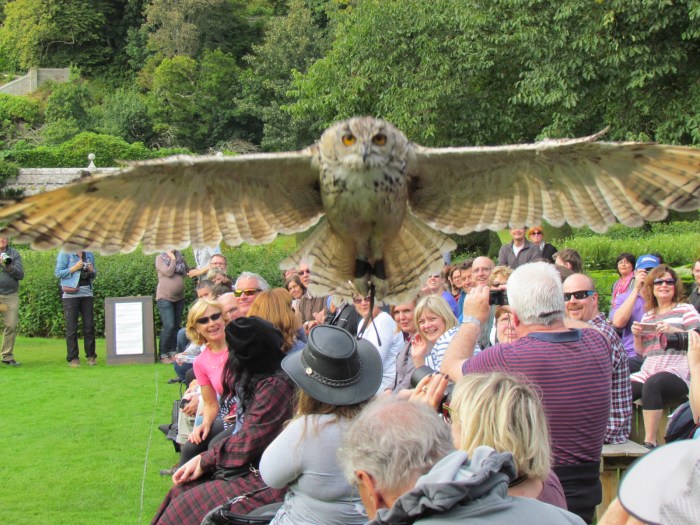
OWL OVERHEAD!
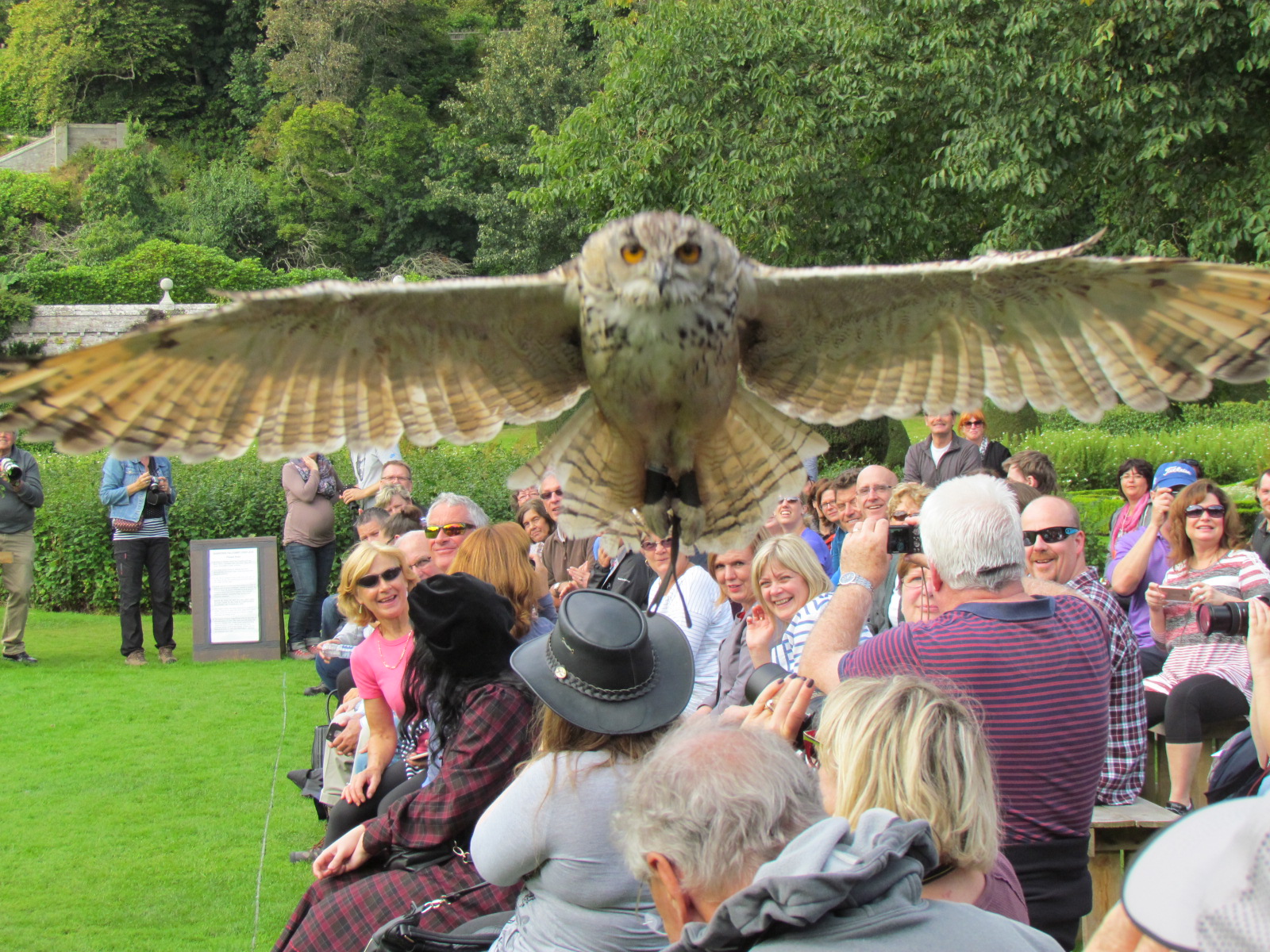
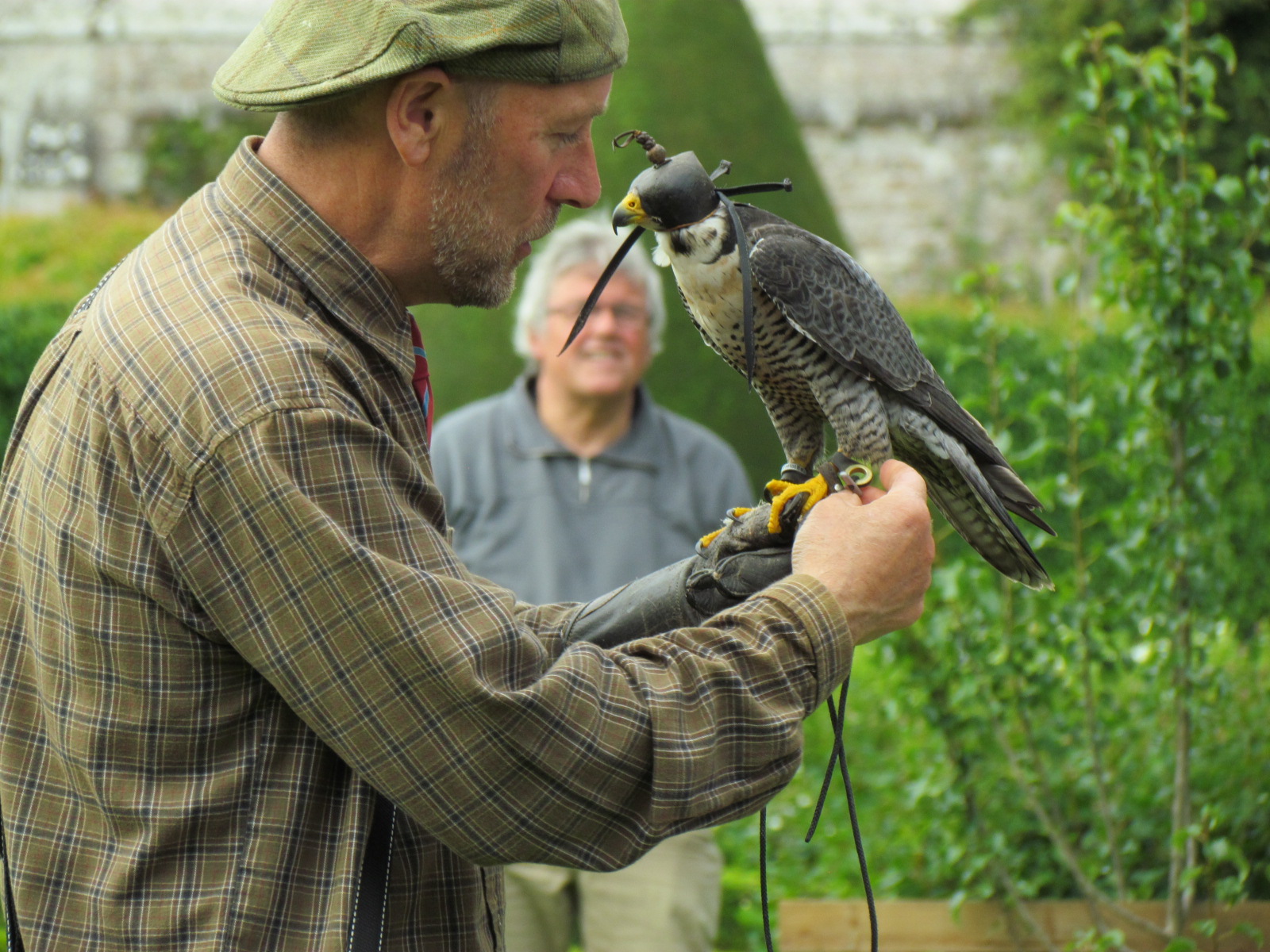
My sister-in-law Amy and her husband Arnold were visiting over the weekend. Arnold shared a photo from a recent trip that they took to Dunrobin Castle, which is just north of the villages of Golspie and Dornoch in the Northern Highlands. While at the castle they went to a falconry exhibition where Arnold captured a photo of the owl flying over the audience’s heads. I’m wondering if this is perhaps the Eurasian Eagle Owl.

Spread The GMG Love By Sharing With These Buttons:

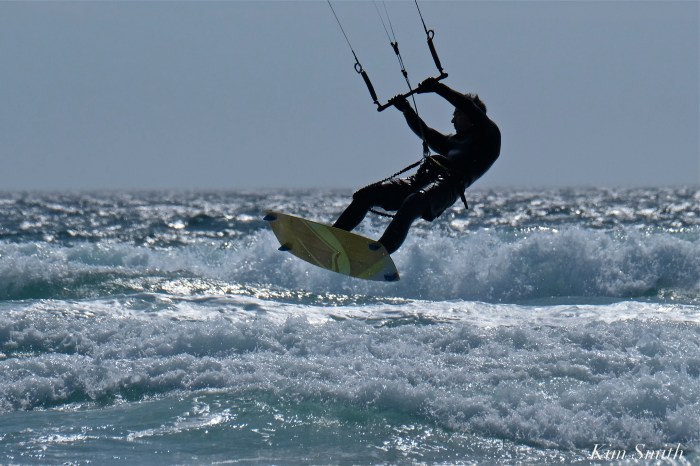
HARNESSING THE WIND! #GLOUCESTERMA KITESURFING AT GOOD HARBOR BEACH
A kitesurfer must have amazing athleticism, with an ability to balance on the kiteboard while also controlling the powerful kite. And withstand Gloucester’s current 36 degree water temperature.


Spread The GMG Love By Sharing With These Buttons:

NOT ONE, NOT TWO, BUT THREE PIPING PLOVERS TODAY AT GOOD HARBOR BEACH!
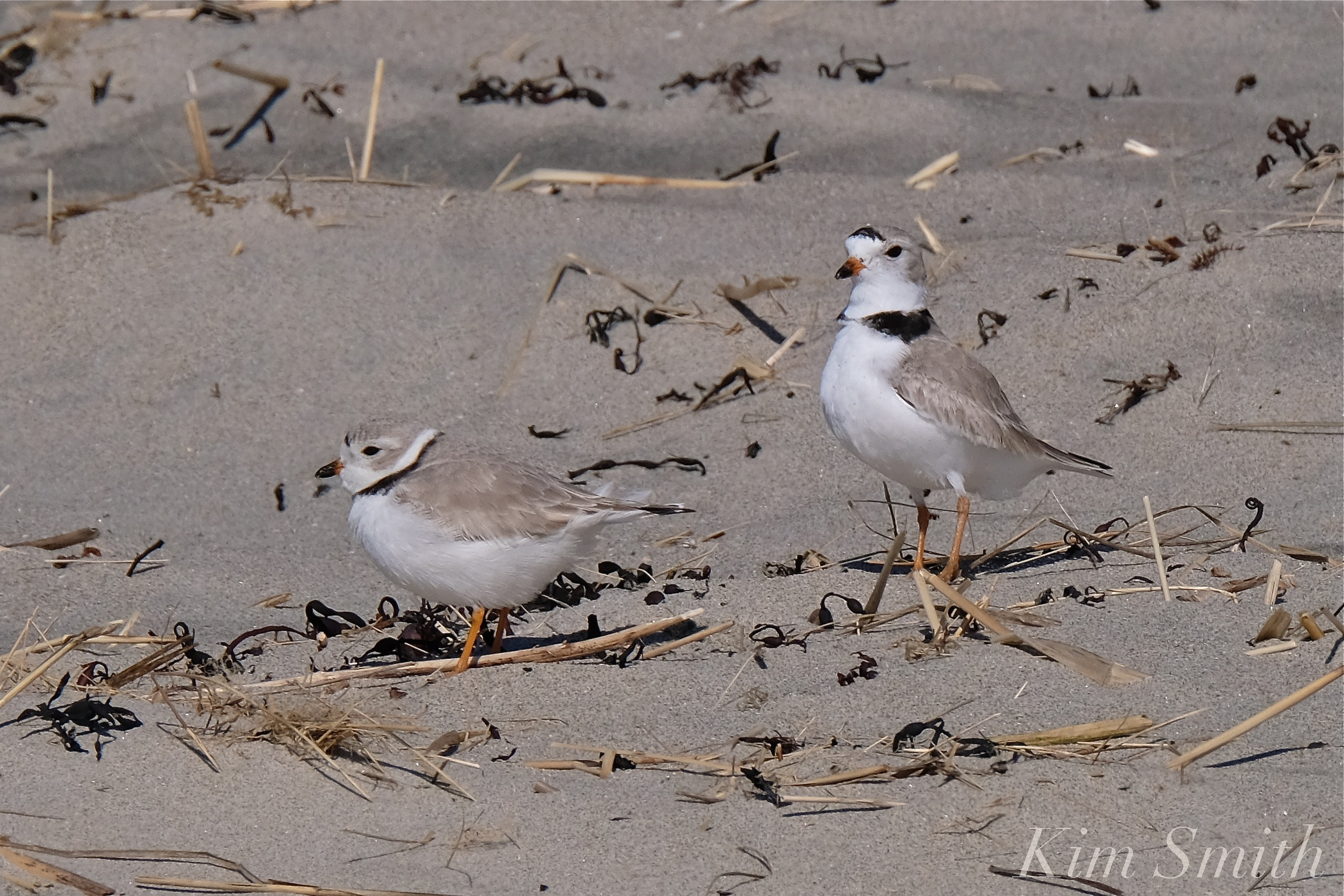
Throughout the day, a threesome has been actively feeding, battling for territory, and two of the three, displaying courtship behavior.
Often times I have read that Piping Plovers in Massachusetts do not begin to actively court until mid-April. That has simply not been the case with our Good Harbor Beach pair. As soon as they arrive to their northern breeding grounds, they don’t waste any time and get right down to the business of reproducing! Last year, the PiPls were courting within a week of arriving, and this year, on the first day.
I only had brief periods of time to visit the beach this morning, but within that window, FOUR separate times the male built a little scrape, called Mama over to come investigate, while adding bits of dried seaweed and sticks, and fanning his tail feathers.
 Papa scraping a nest in the sand.
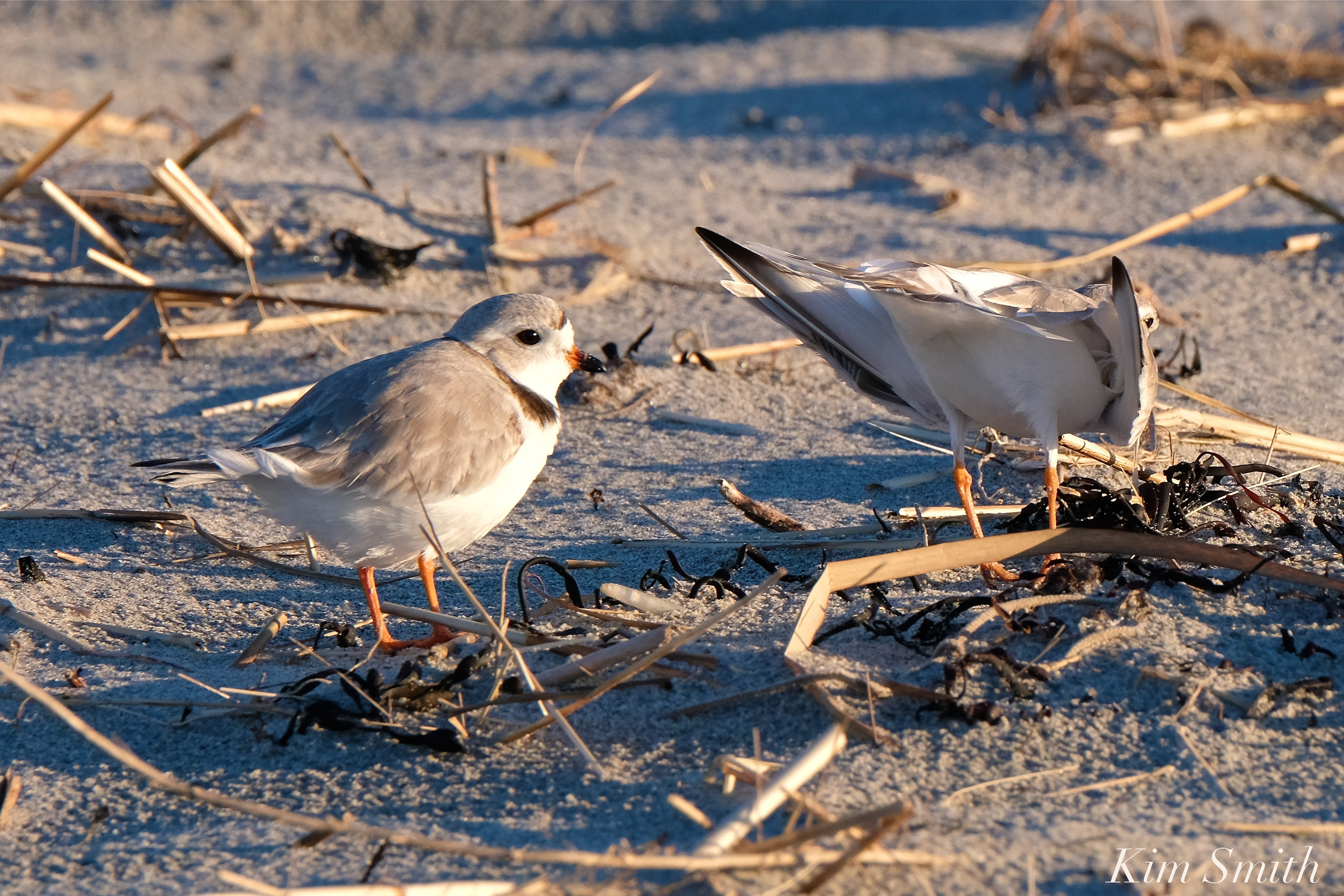 Fanning his tail and inviting Mama to come inspect the nest scrape.
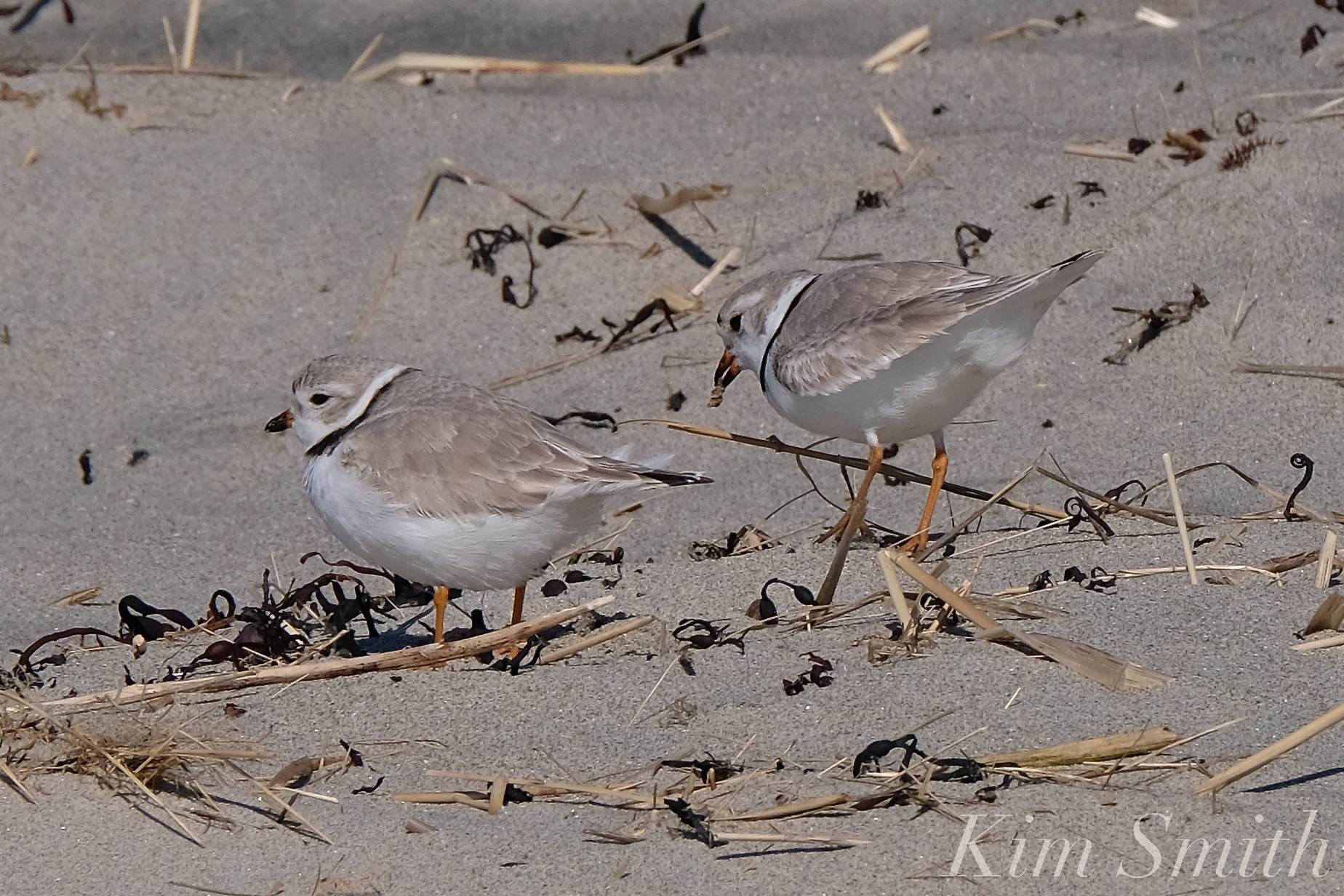
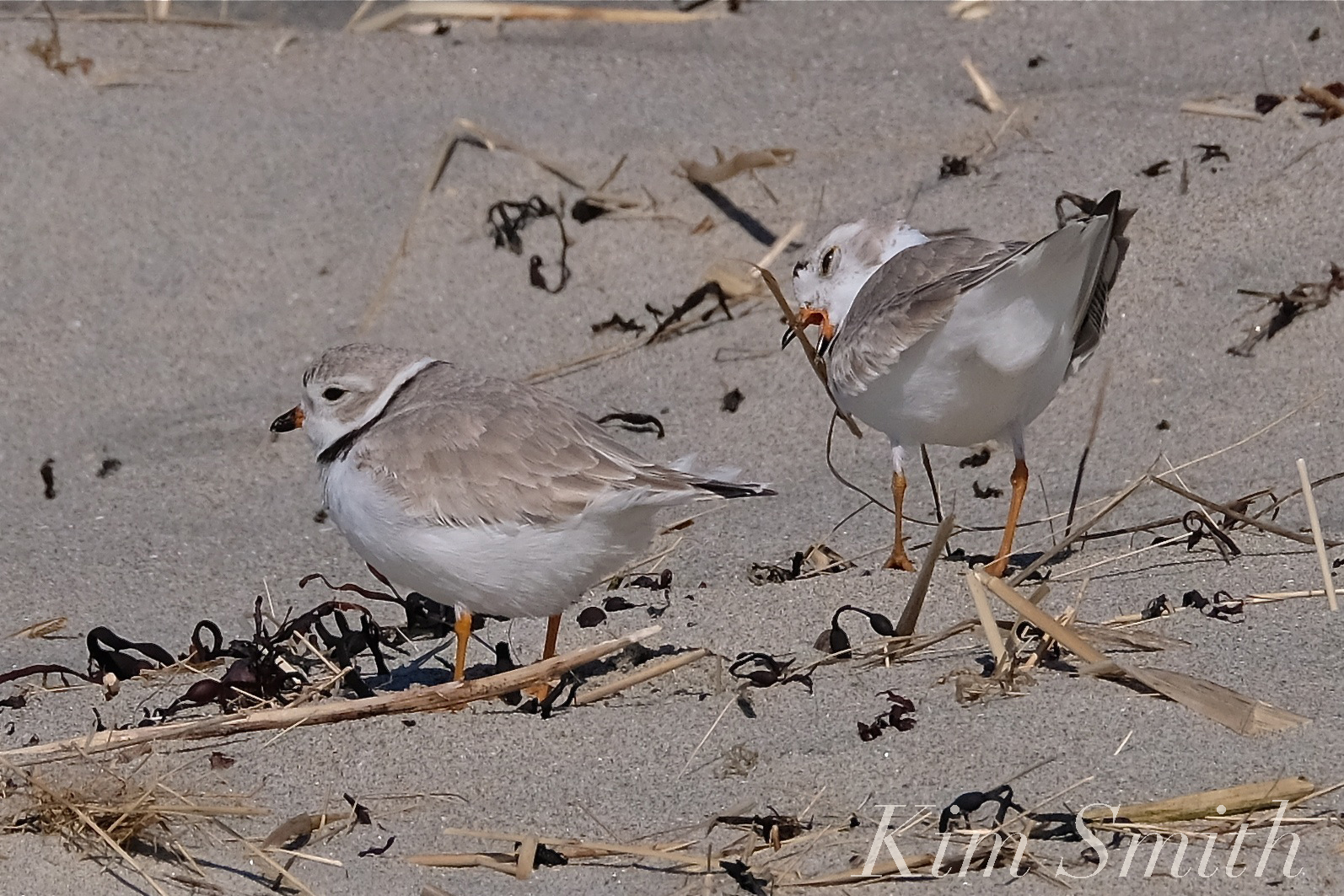
Tossing sticks and beach debris into the scrape.
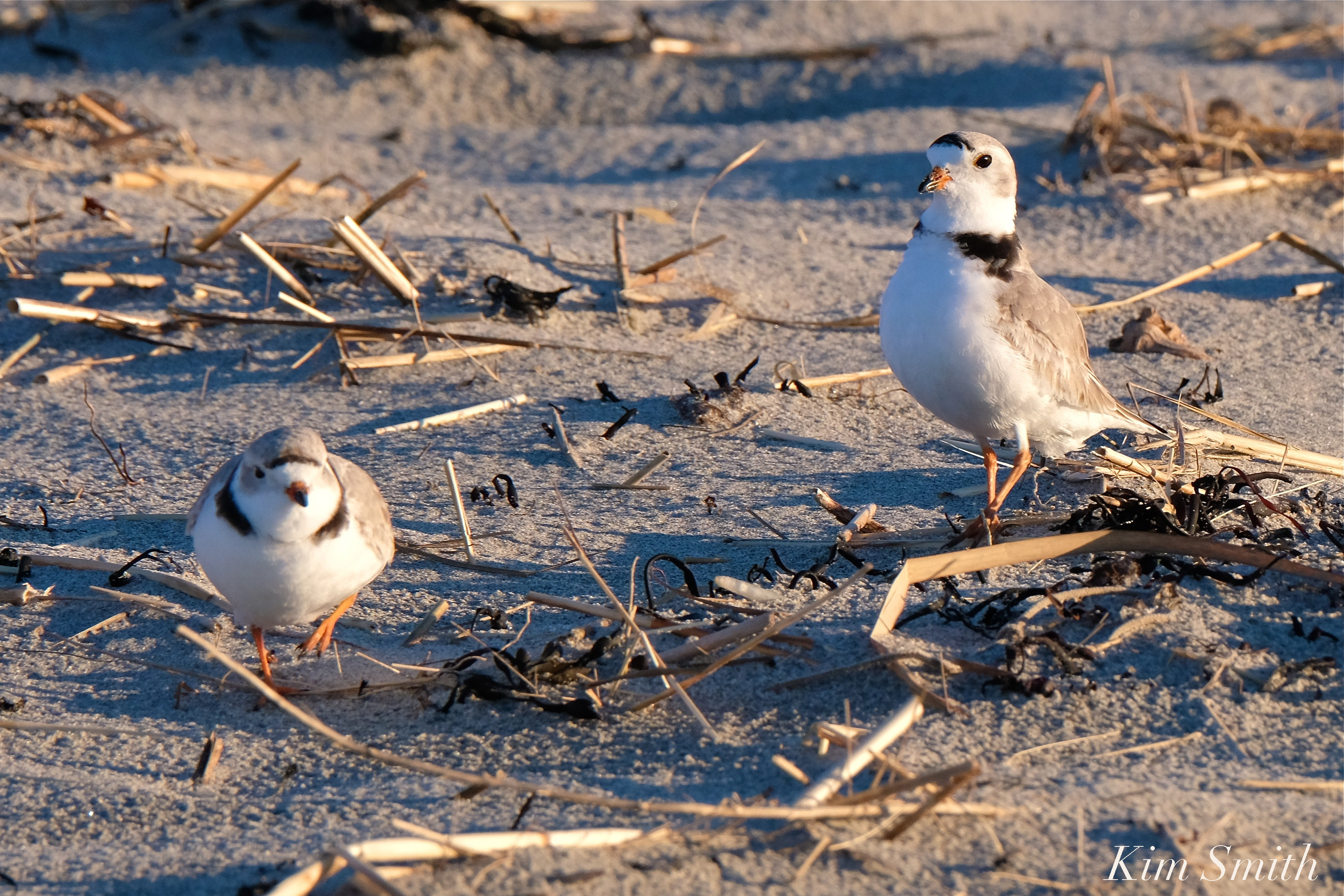
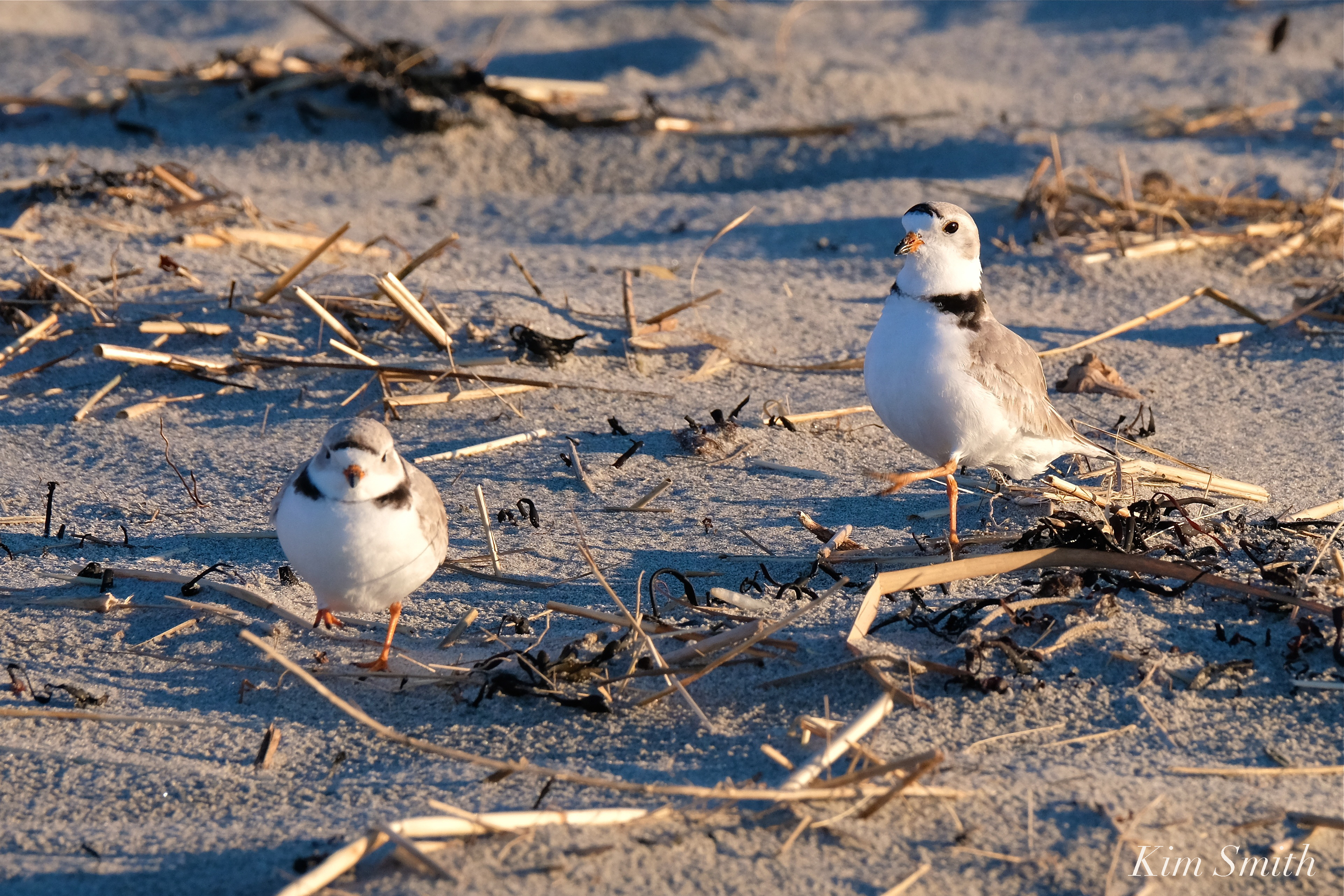
Papa high-stepping for Mama.
It was VERY cold and windy both times I stopped by GHB and the PiPls were equally as interested in snuggling down behind a clump of dried beach grass as they were in courting.
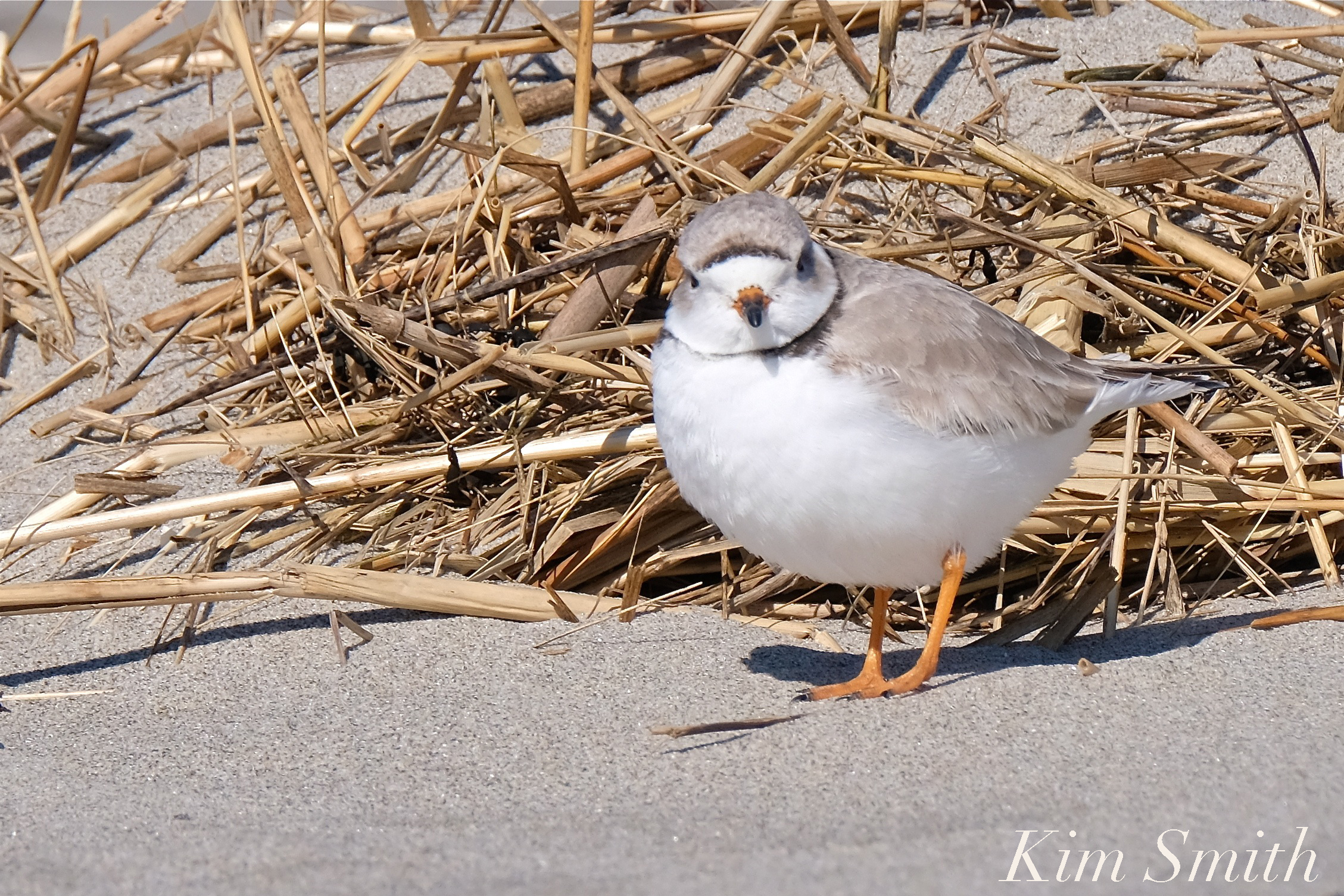
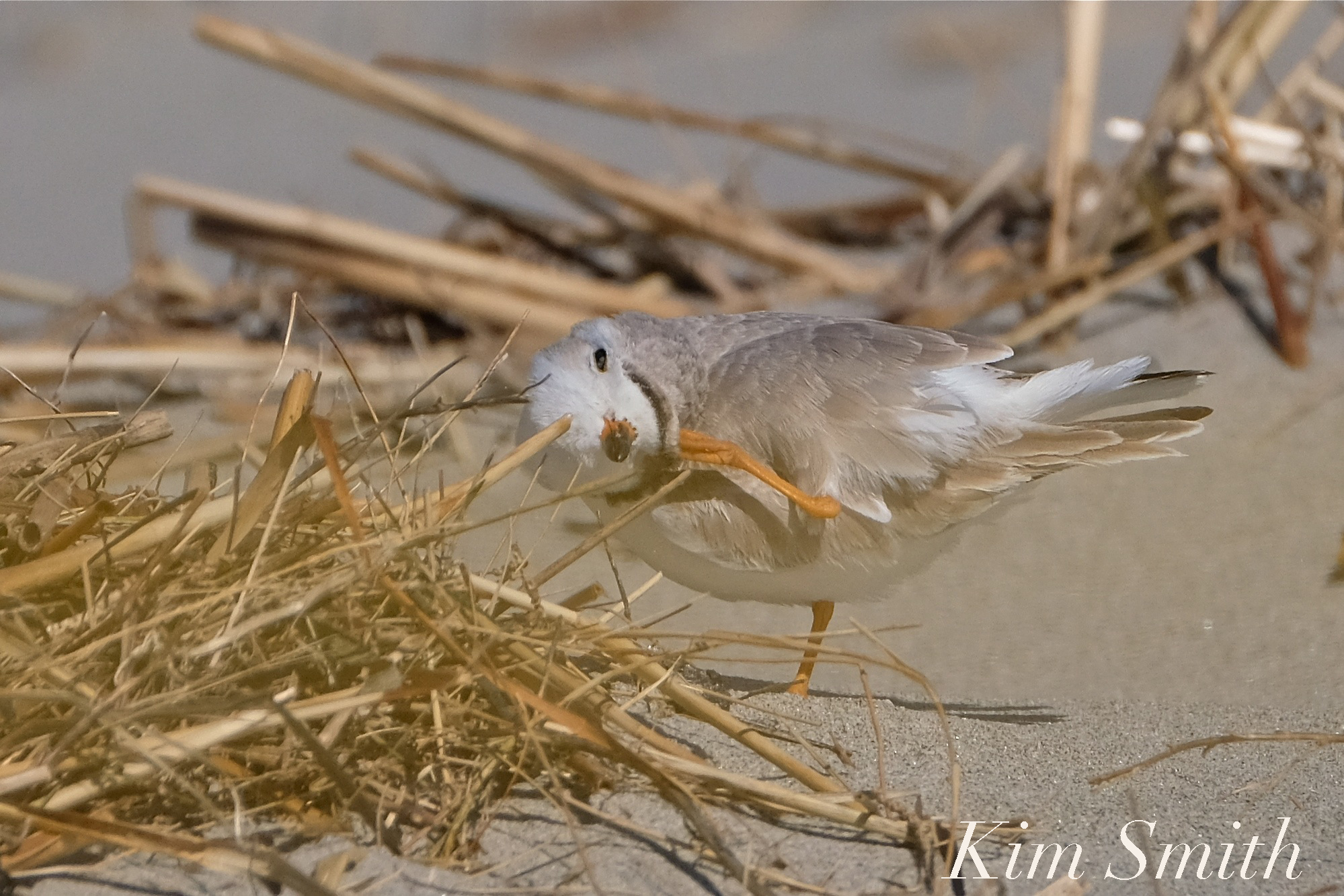
Mama and Papa finding shelter from the cold and wind in the wrack line.
Good Harbor Beach was blessedly quiet all day. Our awesome dog officer Teagan Dolan was at the beach bright and early and there wasn’t a single dog in sight, I think greatly due to his vigilance and presence educating beach goers this past week.
 Heather Hall, Katharine Parsons, Alicia Pensarosa, Laurie Sawin
Saturday we had the pleasure of meeting Katharine Parsons, Director of the Mass Audubon Coastal Waterbird Program. She gave an outstanding program to a crowd of Piping Plover advocates and interested parties, which was held at the Sawyer Free Library. Katharine covered everything from life cycle, management strategies and tools, habitat conservation, and the fantastic role Massachusetts is playing in the recovery of Piping Plovers, Least Terns, Roseate Terns, and Oystercatchers. We are so appreciative of Alicia Pensarosa and Gloucester’s Animal Advisory Committee for sponsoring Katharine!
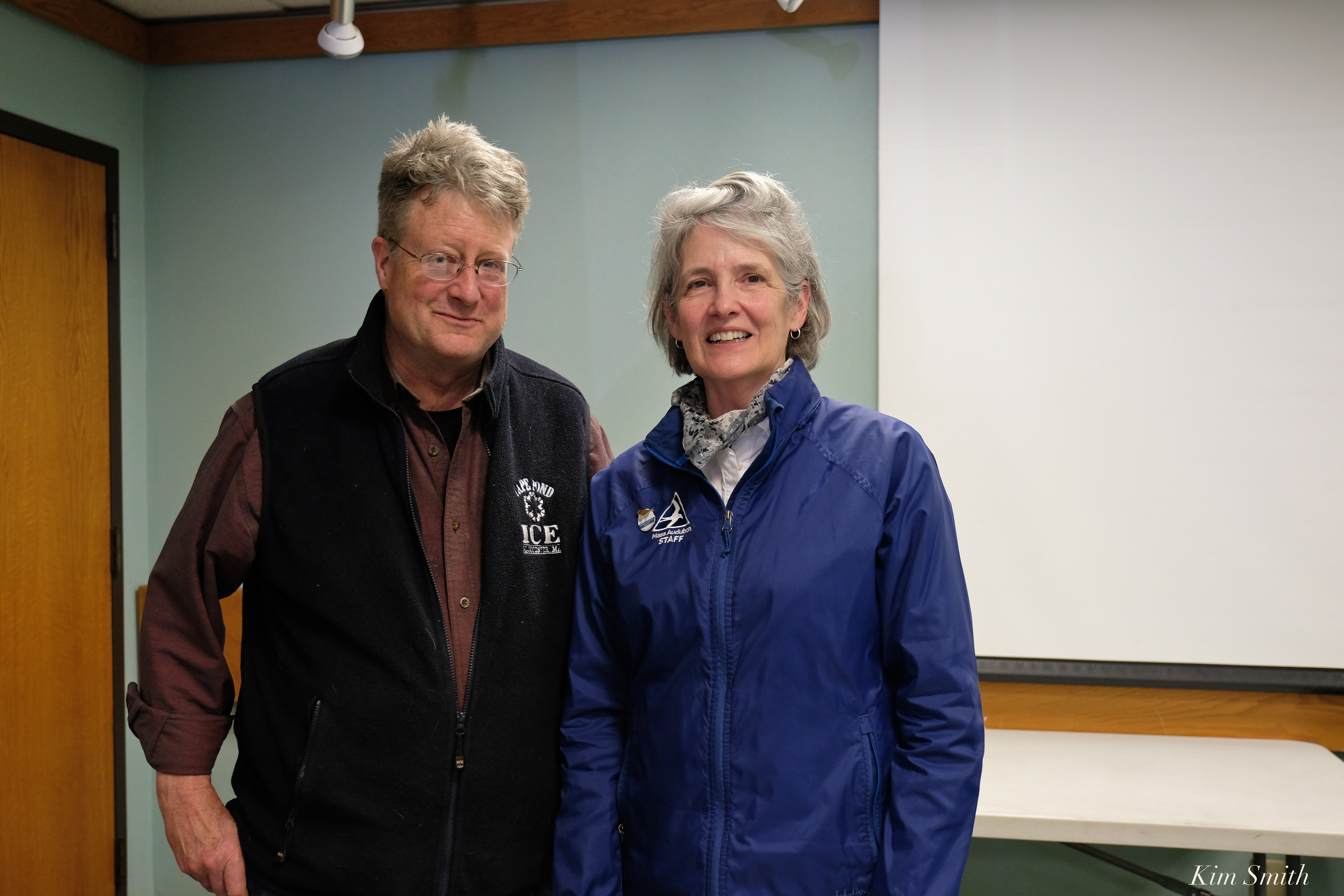 Ward One Councilor Scott Memhard and Katharine
 City Council President Paul Lundberg, Katharine, and Alicia
Fun Fact we learned from Katharine’s presentation–a Piping Plover chick weighs six grams at birth. In comparison, and after consulting Google, a US nickel weighs a close 5.5 grams.
Spread The GMG Love By Sharing With These Buttons:

WHERE DO BEAVERS GO IN WINTER? AND WHY DOES A BEAVER’S BUTT SMELL GOOD?
Puttering through a cut in the marsh, a moving brown shape appeared. Much too big to be a muskrat, and too small to be an otter, it was a very large and pleasantly plump Beaver!
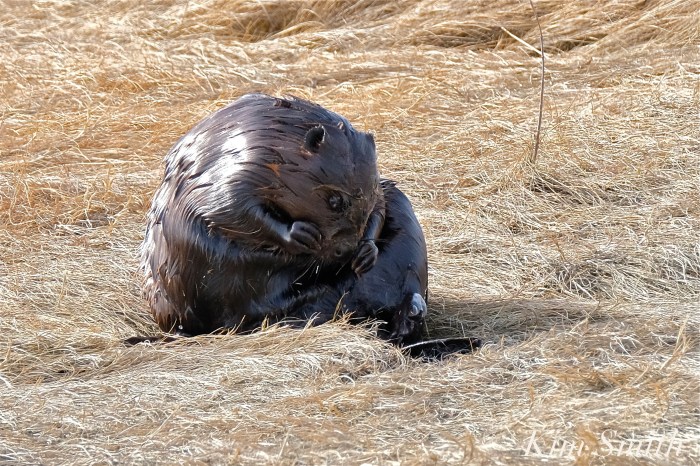
He swam through several small pools of water then climbed out onto dry land to oil his fur. Beavers have a pair of glands located at the base of their tails that produce a fatty, waxy secretion called castoreum. The Beaver combs the castoreum through his fur to waterproof, enabling him to swim without getting his body wet.
Beavers don’t see or hear very well, but they have an amazing sense of smell. They also use the castoreum to mark their territory. The substance is surprisingly pleasantly scented, made pleasant by the Beaver’s diet of tree bark, twigs, stems, and buds.


Beaver waterproofing his fur.
The castoreum smells of vanilla and raspberry, with sweet floral notes. You could actually say, Beaver butts smell great!
After pausing briefly, the chubby fellow waddled back across the marshy land, heading for deeper water.
Where do Beavers go during the winter months and do they hibernate? Beavers are less active in the winter, but they do not hibernate. They spend the winter in a cozy cone-shaped winter lodge built of sticks and mud. When the muddy wall freezes, it is nearly as strong as cement. The Beavers leave a ventilating hole open at the top of the cone. On a cold winter day, you can see steam arising from the hole of an active beaver lodge, and also, if close enough, smell and hear the activity within. Winter dwellers of a beaver lodge might include the Mom and Dad, yearlings, kits born the previous year, and even possibly a muskrat family.
There are two tiers to the upper part of the lodge that is above the waterline, the lower for feeding and for drip-drying, and the higher tier for sleeping. The sleeping platform is cushioned with grass and shredded wood fibers. The snow pack above, the chamber’s thick walls (two to three feet thick) and heat generated by the lodge dwellers keeps the den toasty warm (by Beaver standards). One study showed that a Beaver lodge in Ontario maintained a fairly constant temperature of 32 degrees while the temperature outdoors ranged from -6 degrees to 19 degrees.
In anticipation of winter, Beavers stock pile great caches of the bark and stems of aspen, maple, willow, birch, black alder, dogwood, and black cherry trees. They also eat a great deal, and the fat is stored in their bodies and tails; the size of the tail fluctuates with seasons. The Beavers huddle together on the sleeping platform, eating less during the winter, which helps keep their activity levels low and reduces their metabolic rate.
Happy Spring!

 Good Morning Gloucester