Comparing Cream Prices

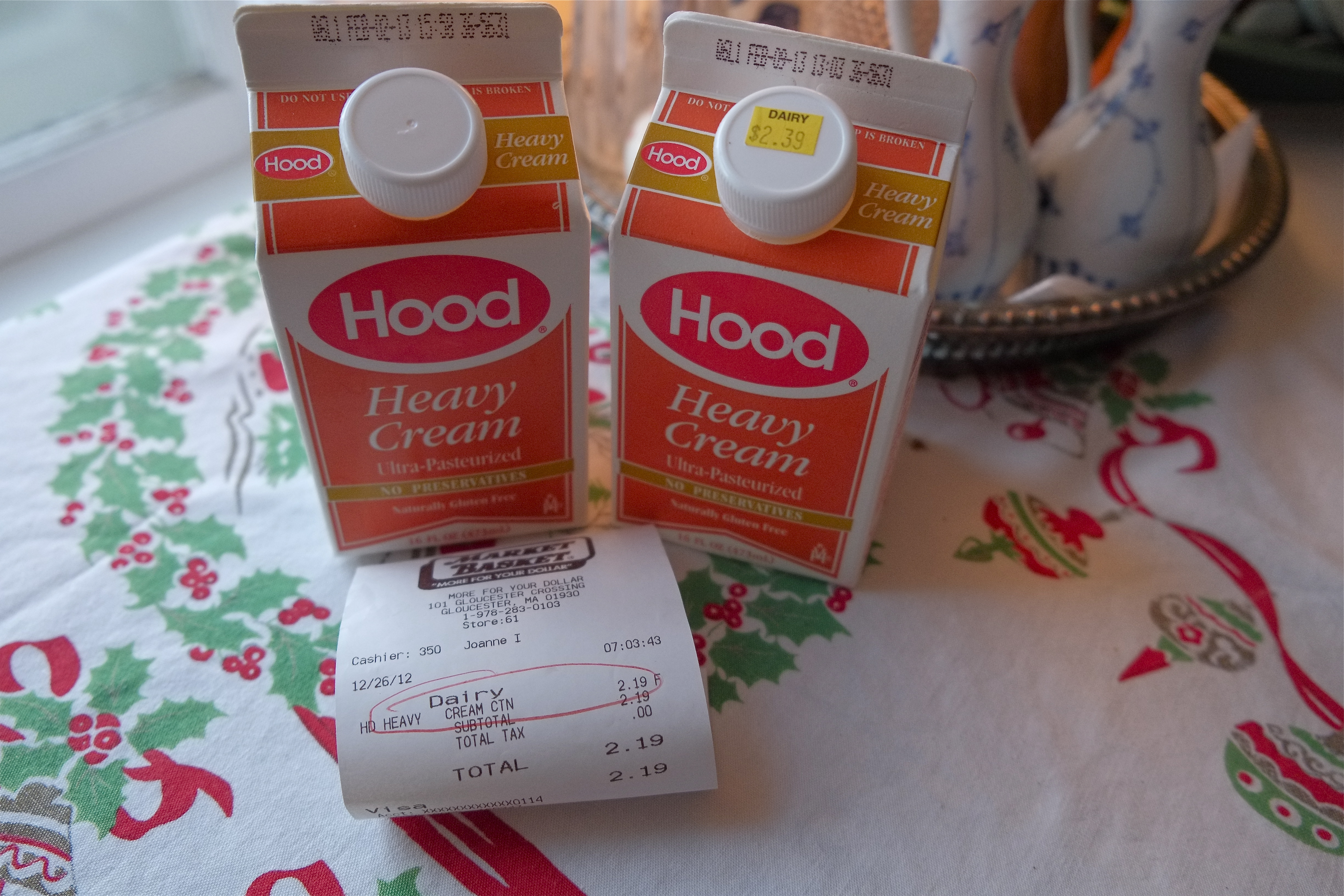
To clarify, prices for one pint, or 16 ounces, of Hood Heavy Cream are as follows:

Market Basket Hood Heavy Cream – $2.19

Stop and Shop Hood Heavy Cream  – $2.39

Shaws Hood Heavy Cream  –               $3.69
.jpg

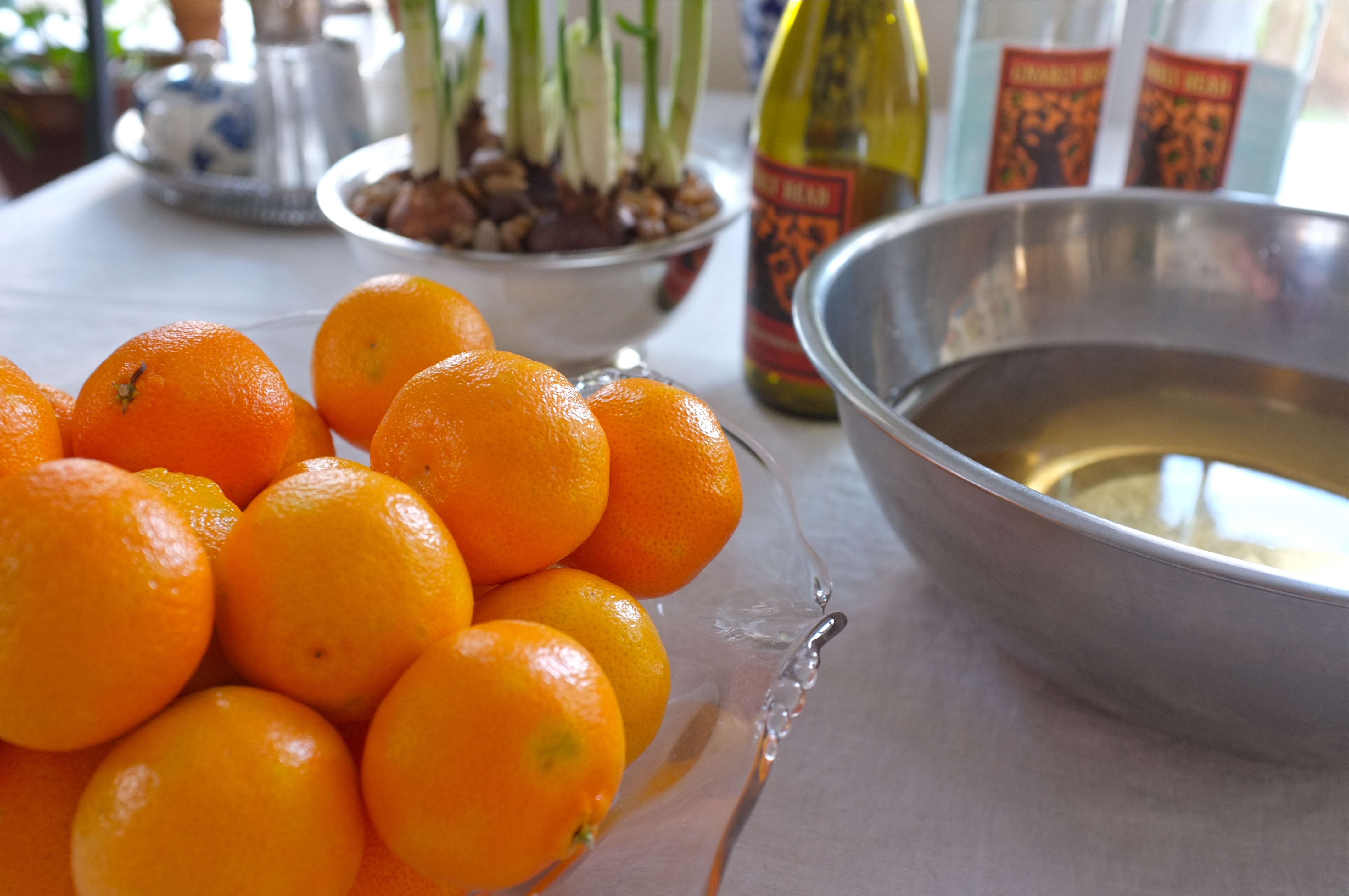
I did not have time this morning to compare the individual store’s in-house brands of cream however, when I was passing through the produce department at Market Basket, their price of a box of the brand Darling Clementines caught my eye.  Currently, as of today, the price of Darling Clementines is 2.00 higher at Market Basket than at Stop and Shop. When I ran into Stop and Shop the day before Christmas to purchase heavy cream and Clementines my total came to Hood 16 oz. heavy cream, 2.39 + Darling Clementines, 3.99 = $6.38. If I had run into Market Basket for the exact same items the cost would have been Hood 16 0z. heavy cream, 2.19 + Darling Clementines, 5.99 = 8.18. Total savings to our household by shopping at Stop and Shop = $1.80.

I find both Stop and Shop and Market Baskets prices competitive and that we all have the potential to benefit from competition between the two markets.

Dominick the Donkey


Merry Christmas to All!

Today we have several Holiday Songs of the Day. The first song I heard for the first time this morning, Dominick the Donkey, and a rockin Ciaramitaro rendition can be seen here. Thank you Felicia and Dee for sharing!

The second song is for Donna and Kathy.

Christmas Whimsy

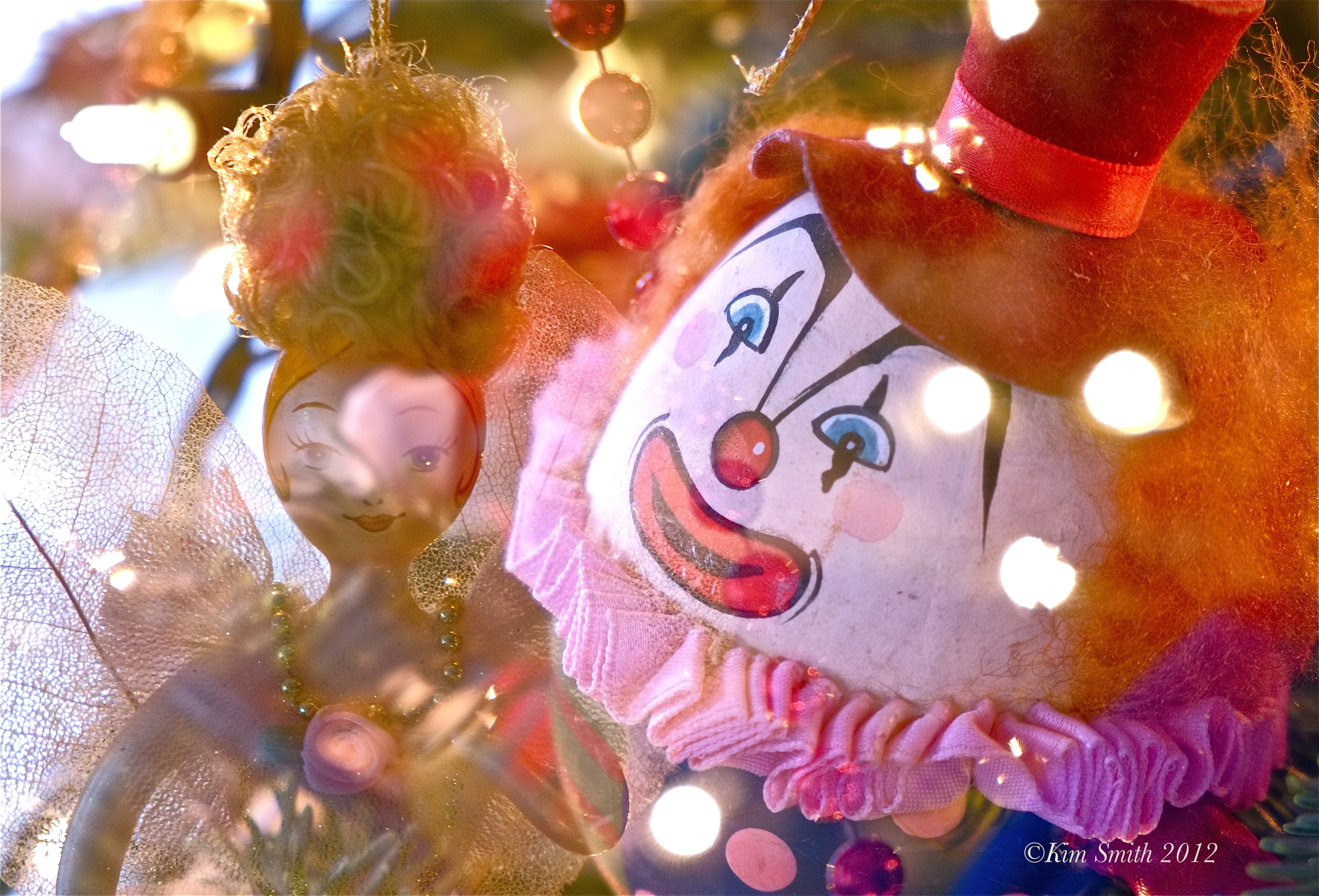
Christmas Fujifilm X-E1 Multiple Exposure -2 ©Kim Smith 2012

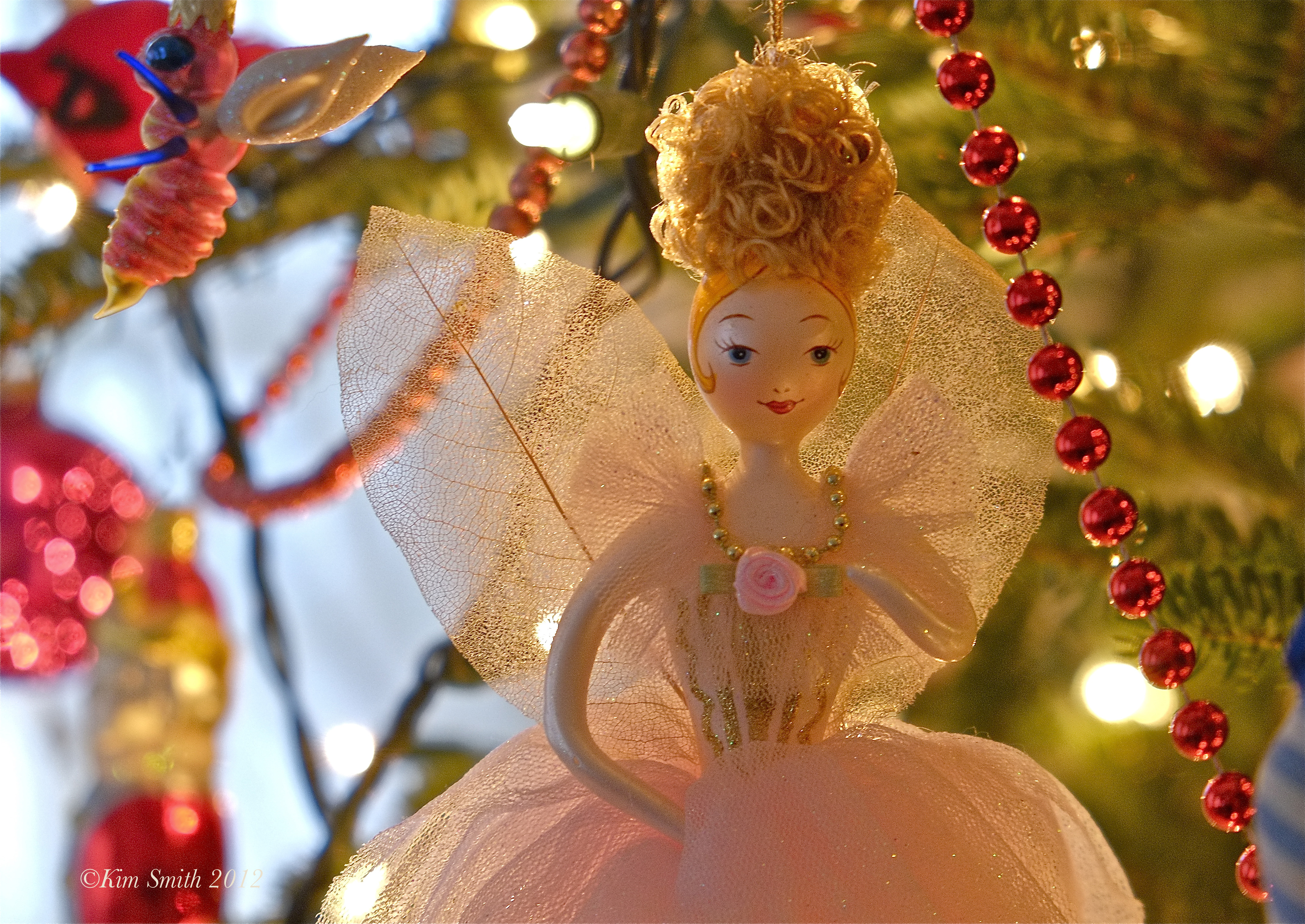
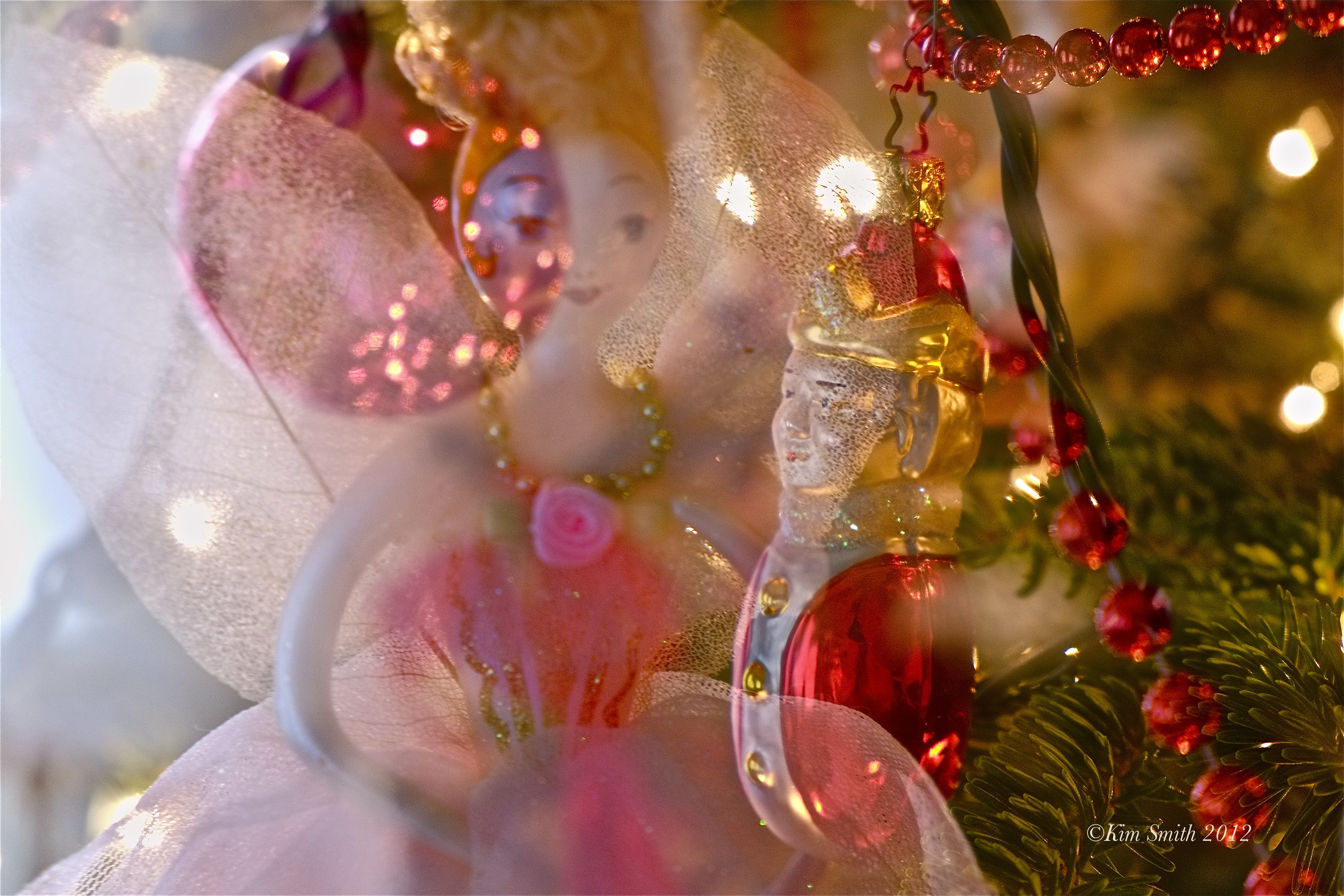
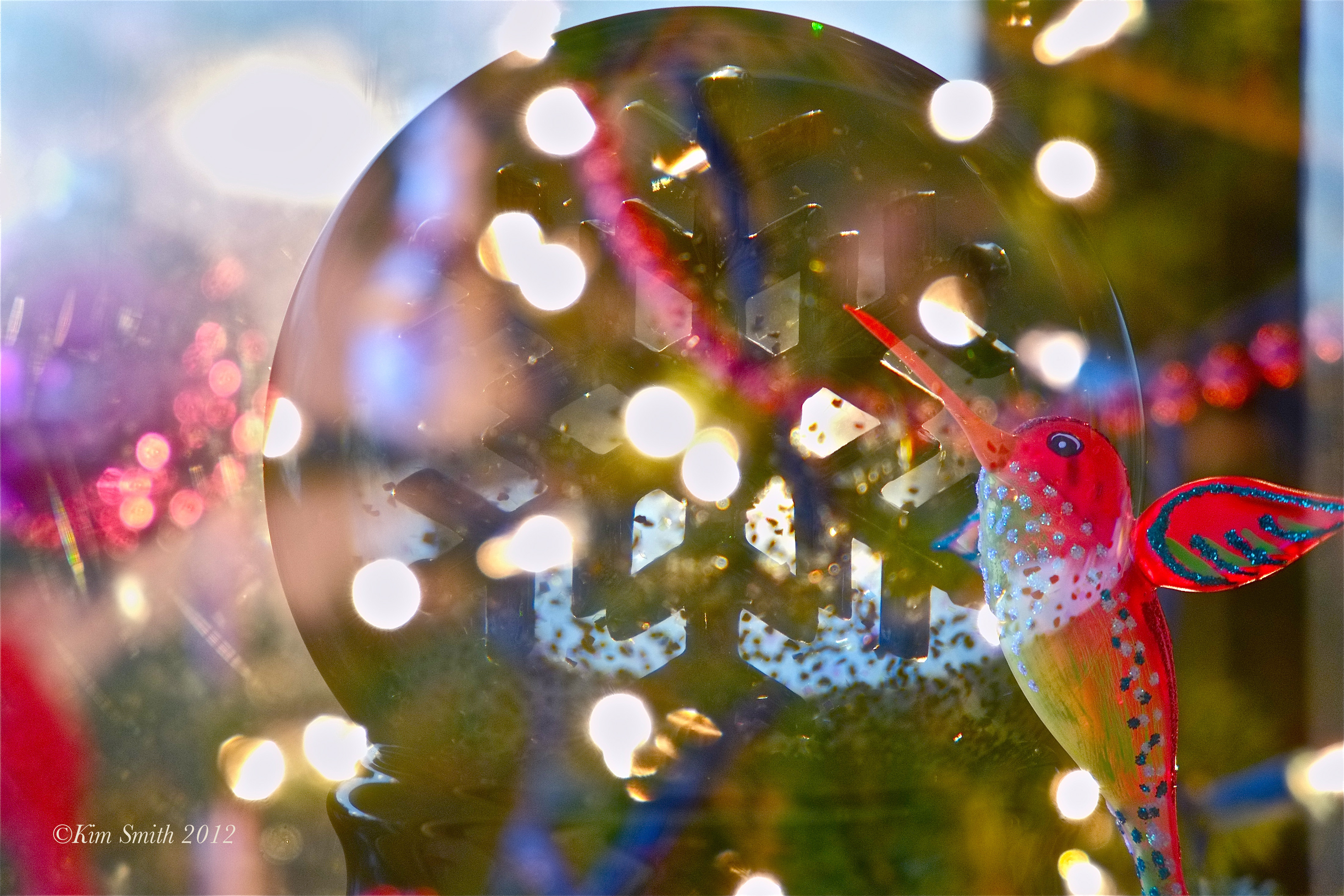
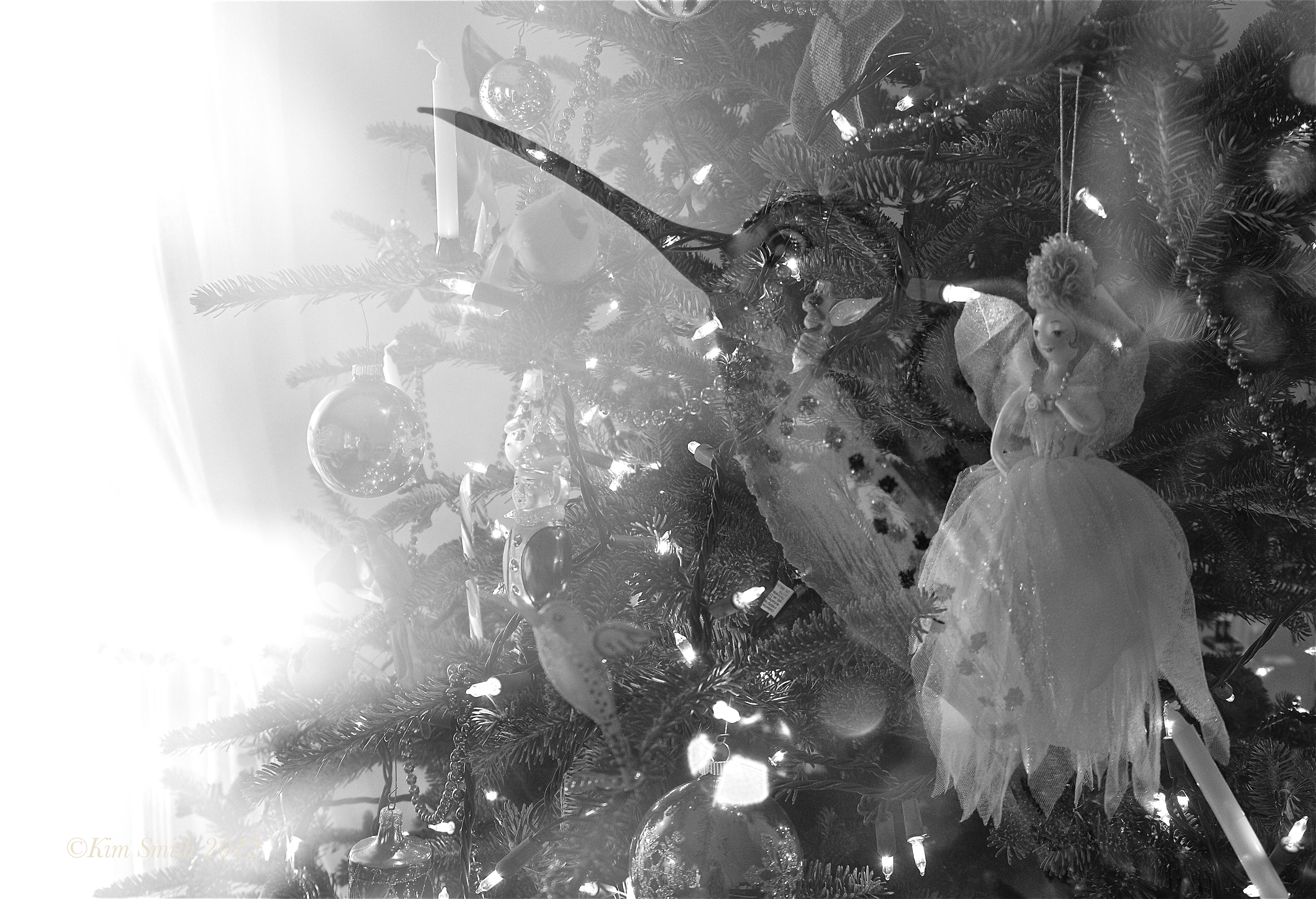
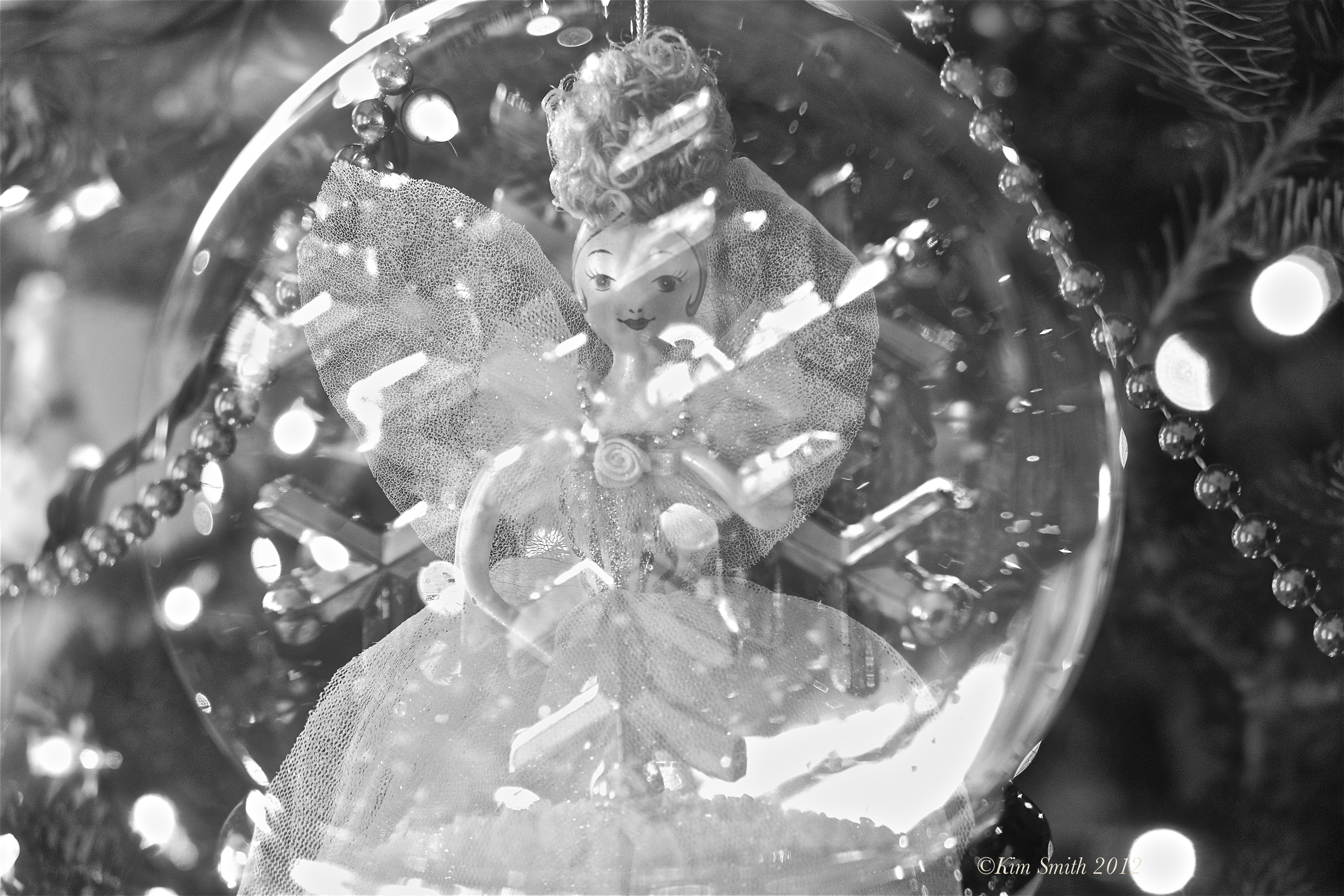
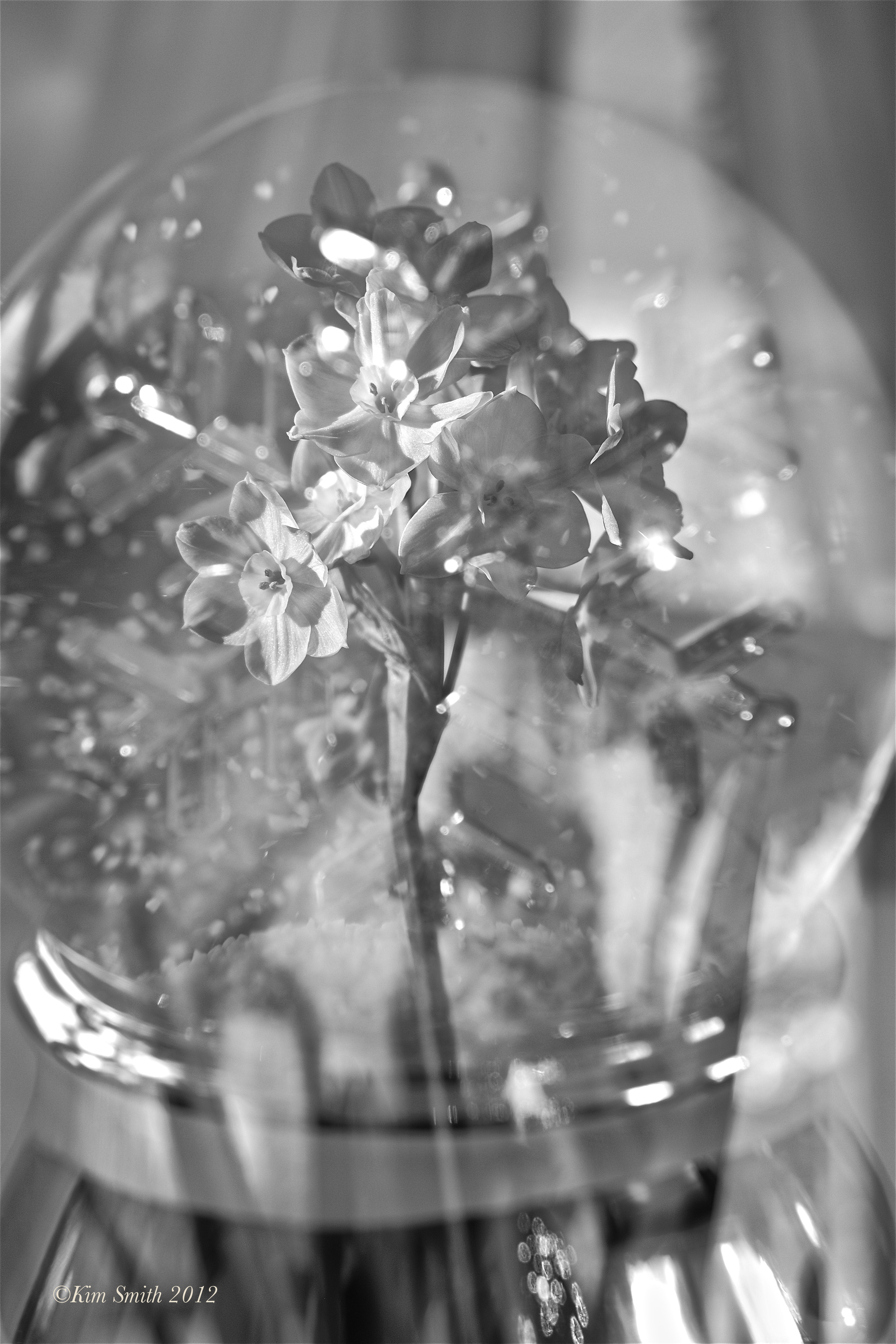
Several weeks ago I posted several experiments taken with the new Fujifilm X-E1 multiple exposure setting. I really like this feature although I received some flack from a photographer friend informing me that double exposures can be created in Photoshop. Of course I know that, I just like the immediacy of composing in the camera and in the moment and think the feeling that is achieved is reminiscent of the accidental effects created in film photography. These photos were all shot in very low light indoors and I am looking forward to playing more with this feature outdoors on a warm sunny spring day, with butterflies and other living creatures as muses, rather than imaginative Christmas fairies!

vintage christmas decoration

Christmas Fujifilm X-E1 -1 Multiple Exposure ©Kim Smith 2012

Christmas Fujifilm X-E1 Multiple Exposure -3 ©Kim Smith 2012

Christmas Fujifilm X-E1 Multiple Exposure -5 ©Kim Smith 2012Christmas Fujifilm X-E1 Multiple Exposure -4 ©Kim Smith 2012Christmas Fujifilm X-E1 Multiple Exposure ©Kim Smith 2012 copyFujifilm X-E1 Multiple Exposures 

Click photos to view images full size.

Hood Heavy Cream at Stop and Shop

 Stop and Shop Heavy Cream©Kim Smith

Yesterday while picking up cream for our holiday pies I was reminded of Joey’s post from several weeks ago, “Can this tiny thing of heavy cream really cost $3.69???,” where he pointed out the ridiculous cost of the 16 ounce Hood heavy cream from Shaws, priced at $3.69.  GMG reader Jenna commented that the Market Basket price was $2.99. Yesterday, the 16 ounce container of heavy cream at Stop and Shop was $2.39. I am glad to see these more competitive prices from both Stop and Shop and Market Basket. For the grocery items I purchase for my family, Stop and Shop’s prices are consistently the least expensive of the three chains.

Eartha Kitt’s “Santa Baby” Holiday Song of the Day

“Santa Baby” was originally recorded by Eartha Kitt and Henri René and his orchestra in 1953. The song was written by Joan Javits (niece of Senator Jacob Javits) and Philip Springer. I hope you enjoy the glamor shots and vintage fashions in this video as much as do I!

Santa Baby, slip a sable under the tree, For me.
been an awful good girl, Santa baby,
so hurry down the chimney tonight.

Santa baby, a 54 convertible too,
Light blue.
I’ll wait up for you dear,
Santa baby, so hurry down the chimney tonight. Continue reading “Eartha Kitt’s “Santa Baby” Holiday Song of the Day”

Holiday Song of the Day “Baby Please Come Home”

“Christmas (Baby Please Come Home)” by the One Woman Wall of Sound Darlene Love

This video includes a few snapshots of Darlene Love recording at Gold Star Studios.

Darlene Love performed “Christmas (Baby Please Come Home)”on the David Letterman Show Friday night and she brought the house down. She has performed this song on Letterman  for over 25 years, beginning when he was on NBC and following him to CBS.

While looking for a video for Darlene Love’s “Christmas,” I came across this article (see below for link) where she shares stories of life’s lessons, finding her words of wisdom relevant during this season of forgiveness. It is widely known how badly Darlene Love was treated, both financially and artistically, by Phil Spector and she is no longer angry. “For one thing, as she pointed out, these aren’t fresh incidents: “I had a lot of years to get un-angry,” she says. But it’s also something of a matter of principle. “I have no reason to hate him,” she says, “and I never did, because I always found that hate makes you ugly. Makes you have wrinkles. Which I don’t have.” Here, she laughed. “But you know what? That has a whole lot to do with your insides. When you hate people, it not only makes you hate that person, it gives that vibe off for everything around you. I really do believe that. So I really did try hard not to dislike him and always be the good guy, and say what I say about him and nothing bad. ‘Cause it doesn’t help.”

The article was written by Linda Holmes for NPR in 2011 when it began airing its series Women Who Rock, which was originally inspired by an exhibit at the Rock and Roll Hall

Darlene Love on Phil Spector, Christmas, and How Hate Gives You Wrinkles

Darlene Love performing River Deep Mountain High on the David Letterman Show, 2007.

Holiday Song of the Day “Baby its Cold Outside”

The Holiday Song of the Day today is for Kathleen.

Louis Armstorn and Velma Middleton improvising will make you smile and then LOL as more ad-libbing ensues!

“Baby Its Cold Outside,” with words and music by Frank Loesser, premiered in 1944 when he and his wife Lynn Garland sang it at their housewarming party, signifying to guests that it was time to go home.

My favorite version–recorded by Johnny Mercer and Margaret Whiting in 1949.

Michael Buble’s “All I Want for Christmas is You”

Holiday Song of the Day ~ The first video is interesting and talks about how Michael Bulbe essentially “stole” his bass player’s arrangement, and then teamed up to create this wonderfully soulful version of “All I Want for Christmas is You.”  Comment with your favorite holiday song; we would love to share!

Yikes! Only Five More Days Until Christmas!

Orange Wine and Tapenade

Making Christmas cakes and orange wine and wrapping, and more wrapping–getting my boxes ready to ship to family and out-of-town  friends. I hope their gifts arrive before Christmas! Too much Christmas-making to write a brand new post. Orange wine is one of my favorite recipes to prepare at this time of year and I posted this same recipe last year. Try it. I guarantee, you will not be disappointed. My daughter loves orange wine and during the holidays I also make another of her favorites, which is tapenade (so easy) and the two pair beautifully. Spread a thin layer of  tapenade on home-baked crostini and serve with orange wine before dinner.

Tapenade

1/2 cup black olives, pitted

6 anchovy fillets, cleaned, rinsed, and drained

1 1/2 tablespoons capers

1 garlic clove peeled and crushed

juice of 1 lemon

4 tablespoons olive oil (more may be needed)

freshly ground pepper

2 tablespoons fresh finely chopped basil

Place all ingredients, except for the basil, in the blender and blend on high speed for a few seconds. Push down with a spatula and add more oil if too think. Pour into a bowl and check seasonings; if too salty add 1/2 teaspoon of sugar. Add basil and cover. Will keep for approximately ten days.*

Crostini ~ Slice thinly on the diagonal best quality French or Italian bread. Drizzle with olive oil and sprinkle with kosher salt. Bake in 350 degree oven for 3-4 minutes. Flip the bread slices and drizzle a tiny bit more olive oil and salt and bake an additional 3-4 minutes. Optional, add a very slight sprinkling of freshly grated Parmigiano or Romano cheese, after flipping, and prior to baking the second time.

Orange Wine

Orange infused wine, or vin d’orange, is a warm weather Provençal aperitif, but I never remember to make it during the summer months, only during the holidays. Although, when drinking it, I like to imagine sipping orange wine from a garden somewhere (anywhere!) along the Côte-d’Azure. Vin d’orange is marvelously easy to prepare and makes a much appreciated holiday host/hostess gift.

Over the years I’ve experimented with the original recipe, which was, to my way of thinking, much too sweet—add more sugar if you like a sweeter aperitif. I think you will find this concoction intoxicatingly fun, light, and aromatic. I hope your family and friends enjoy as much as do mine!

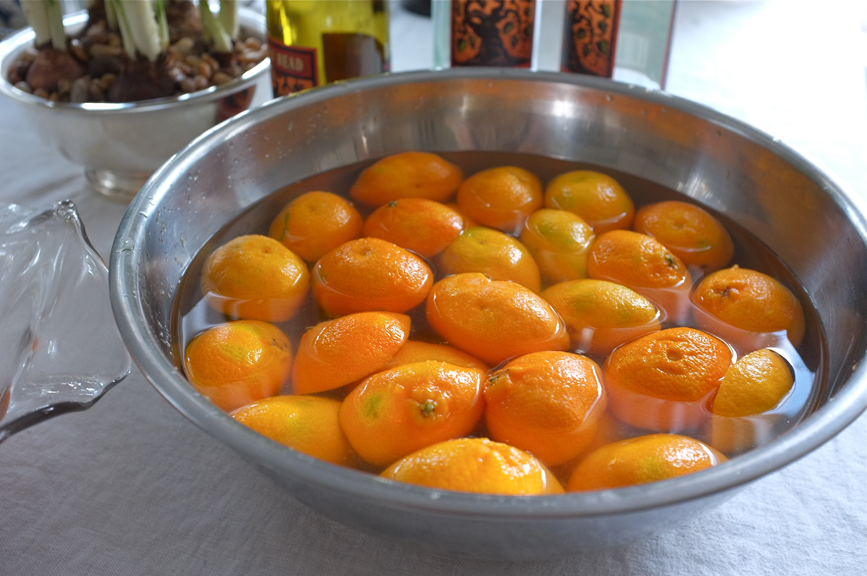
12-15 Clementines thoroughly washed and cut in half

3 bottles modestly priced dry white wine

1 Cup sugar

½ Cup Courvoisier

Long strips of orange zest

In a large glass or stainless steel bowl combine the wine and Clementines, gently squeezing each half to release some of the juice. Cover tightly and refrigerate for 5 days. Save the empty wine bottles and corks; wash and remove labels. You will need a fourth empty bottle.

Remove orange infused wine from the refrigerator and squeeze any liquid remaining in the orange halves into the large bowl. Discard oranges. Add the sugar and cognac, stirring until the sugar is dissolved. Strain through a sieve lined with cheesecloth. Pour wine concoction into wine bottles. Insert a strip of the zest into each bottle and cork. Chill the wine for one week. Serve neat or over ice. The vin d’orange will keep for 6 months when chilled. Makes approximately 4 bottles.

*The tapenade recipe is based on Mirelle Johnson’s classic Provençal cookbook, The Cuisine of the Sun (Random House)

Dropkick Murphy’s Holiday Song of the Day

GMG reader Kathy sent this link included with her list of favorite Christmas songs. Thank you Kathy for sharing–so funny!

“The Season’s Upon Us” from the Dropkick Murphy’s forthcoming album “SIGNED and SEALED in BLOOD” (January 8, 2013)

Thank you Craig Kimberley!

Last week Craig Kimberley spent a morning editing and assisting me with my Black Swallowtail film project.  It’s been great getting to know Craig and I am feeling very blessed that he is interested in working on my project. Because of his knowledge and expertise, I know my film is going to be more beautiful than ever I imagined. Thank you Craig.

Hannah, Craig Kimberly, Johnny MacHannah and Craig Kimberley and John McElhenny

Good Morning Gloucester contributor Craig moved to Gloucester nearly a year ago. His beautiful wife Hannah followed six months later as she was finishing her doctoral degree in English from Old Dominion University in Virginia. Hannah was just recently hired for her first professional writing job.

Craig is a freelance Director, DP, and Editor. He is currently working on Trev Gowdy’s Monster Fish on the Outdoor Channel as the Director, Editor, and Director of Photography. He is also currently creating a cooking show starring Tony Carbone. This is Craig and Hannah’s first Christmas in Gloucester together. Welcome!

More about Craig and several of the great videos he has shot for Good Morning Gloucester ~

Please Welcome New GMG Contributor Craig Kimberly- St Peter’s Fiesta Parade Video and More

Behind the Scenes Look at What it Takes to Create the “Most Creative” Horribles Float

Video Saturday 2012 Greasy Pole Champion – Nick Avelis Video from Craig Kimberley

Video Sunday 2012 Greasy Pole Champion Stew McGillivray In HD and Slow Motion Video By Our Boy Craig Kimberley

Holiday Song of the Day ~ Bing Crosby’s “White Christmas”

Thank you everyone for sharing your favorite Christmas songs. Your comments inspired the idea to post a “Holiday Song of the Day.” Please keep your favorites coming!

Pat commented that her favorite is Bing Crosby’s “White Christmas,” written by Irivng Berlin for the film “Holiday Inn.” You may recall the Happy Thanksgiving video that we made at the dock featuring the song “Plenty to be Thankful For,” which was also written for “Holiday Inn.” I adore this film and if you have never seen it, you owe it to yourself and your loved one(s) to make a movie night of it!

Bing Crosby and Marjorie Reynolds singing what was to become the beloved holiday classic, “White Christmas.”

From the colorized version of “Holiday Inn.” See below for clips from the original black and white version.

What is Your Favorite Christmas Song?

Are you the type of person who actually LOVES Christmas songs? I am, and find it really keeps my spirits lifted during the holiday season. I enjoy playing it throughout our home and when in the car (to the dismay of my husband) and adore Christmas music of all genres; traditional carols and standards, spirituals, and most especially, pop and rock and roll Christmas songs.  My list is quickly growing too long as I write this–The Pretender’s “Have Yourself a Merry Little Christmas,” U2’s “Baby Please Come Home,” Brenda Lee’s “I’m Gonna Lasso Santa Claus,” Eartha Kit’s “Santa Baby,” and a new favorite, Michael Buble’s version of “All I Want for Christmas is You,” to name only a very few. If you have a favorite Christmas song, or two, or three, or more, I would love to know yours.

Here’s of one of my all time favorites to keep your spirits up and to get you through the holiday madness, “Christmas All Over Again,” by Tom Petty and the Heartbreakers. I think you’ll enjoy the funny and sweet lyrics.

Well, it’s Christmas time again

Decorations are all hung by the fire

Everybody’s singin’, all the bells are ringing out

And it’s Christmas all over again, yeah, again

Long distance relatives

Haven’t seen ’em in a long, long time

Yeah, I kind of missed ’em, I just don’t wanna kiss ’em, no

It’s Christmas all over again, yeah, again

And all over town, little kids gonna get down

And Christmas is a rockin’ time, put your body next to mine

Underneath the mistletoe we go, we go

Everybody’s singin’, all the bells are ringin’ out

It’s Christmas all over again, yeah, again

And right down our block, little kids start to rock

And Christmas is a rockin’ time, put your body next to mine

Underneath the mistletoe we go, we go

Merry Christmas time come and find you happy

And there by your fire, I hope you have a good one

I hope momma gets her shoppin’ done

And it’s a Christmas all over again

Baby, it’s Christmas all over again

And it’s Christmas all over again

Now let’s see, I want a new Rickenbacker guitar

Two Fender bassmans

Chuck Berry songbooks, xylophone

Guest Writer: Local Author JoeAnn Hart Shares Her Beautiful Story About Niles Pond

JoeAnn Hart is the author of the novels Addled and the forthcoming Float (Ashland Creek Press, February 2013). Float, set in coastal New England, involves the fishing industry, conceptual art, jellyfish, marital woes, and plastics in the ocean.

Ocean Path at Niles Pond

Niles Pond and the Narrow Path

Folklore has it that Niles Pond was once in the Guinness Book of World Records for being the closest body of fresh water to the ocean, but I can’t verify it. No matter. Not only does it seem true, but as with other Guinness records, such as the heaviest weight lifted by tongue (27.5 lbs.), it also seems impossible. Yet there it is. This 38 acre pond is separated from the salty Atlantic by a causeway just wide enough for a footpath. There is Niles on one side, neatly defined and calm, and on the other, the pounding surf of Brace Cove. To stand between the two is to feel washed in conflicting emotions. I walk this route with Daisy, my fuzzy mutt who believes herself to be a famed hunter of ducks and likes to splash into the dark pond up to her sternum to stir them up.

Niles is named after the farmer who once owned Eastern Point, the small spit of Gloucester land where I live. Of the many unique features of the intertwined land and waterscapes here, Niles is nature’s odd duck. It is a Massachusetts Great Pond, meaning that it is like a Common, where citizens have the right to graze their sheep, except this Common is made of water. Instead of grazing, it is reserved for hunting, fishing, ice-making, and recreation. Duck hunting is no longer feasible because of all the homes built up along the shore, and fishing is also a moot point because the perch have been eaten by the snapping turtles. As for ice, Cape Pond Ice (“the coolest guys in town”) churns it out for the fishing boats these days. That leaves recreation. I’ve never seen anyone but Daisy swim in the pond, what with those snappers, but there are skaters when there is ice. There was no ice last winter, speaking of breaking records, but that is a topic for another time. The point is, Niles is left mostly in the hands of wildlife, as nature intended.

Phragmites at Niles

But what does nature intend? Does it intend for the pond to be choked by phragmites, the feathery reed that is prowling along the perimeter? In geologic time, Niles was once part of the ocean, an extension of Brace Cove. Over the years, rocks rolled to shore, sand accumulated, and the dune got higher until one day it was shut off from the sea. A natural spring bubbled up and slowly replaced the salt water with fresh. In the 1830’s, sensing that the ocean might want to stake a claim again, Farmer Niles reinforced the 400-foot dune with granite to preserve the pond for ice-cutting and “ornament.” It remains a prime resting place for migratory seabirds, and a source of fresh water for the stealthy mammals of the land, including fisher cats and raccoons. At any given time, grebes, cormorants, and ducks float on the surface, while herons and egrets stand around on one leg pretending to be reeds. The mute swans are probably a human introduction, but they are hardly mute. They hiss and snort and otherwise act aggressively because people feed them, which confuses wild animals and makes them testy. That, and the fact that the turtles pull their cygnets from below and eat them. But the phragmites are more aggressive than either swan or snapper.

Migrants

According to Fish and Wildlife, non-native phragmites appeared in
coastal ports in the eastern
 United States in the 19th century, probably as seeds clinging to the hulls of ships. Maybe humankind’s natural purpose on earth is to help immobile species move around the globe. It is hard to figure out where we fit in, but in this aspect, we’ve succeeded. The rapid spread of phragmites in the 20thcentury is attributed to habitat disturbance and eutrophication. Raise your hand if you know what that is. It’s over fertilization from the nitrates from lawn fertilizers and phosphates in laundry detergent seeping into the pond. Phragmites are usually an indicator of a wetlands system out of balance. Well, aren’t we all?

Daisy on the path

Niles Pond wants to grow up to be Niles Marsh. Humans want it to stay a pond, as, I’m sure, do those migratory seabirds. A group of residents is working to have the phragmites dredged. But they’re tenacious plants, with stolons like bullwhips. The upside of this tenacity is that they might hold the earth in place when the Atlantic comes calling for the pond. But, again, that is a topic for another time.

Mallards and Cormorants

Daisy and I do not think of all this when we walk. Her mind is on ducks, mine on “ornament.” It’s particularly hard getting out of the house this time of year. I have to leave unfinished work behind in order to beat the early-setting sun, but Daisy and I need the exercise and the mental cleansing. When we get to the causeway, she scrambles down the steep bank of Farmer Niles’ stones in search of her ducks, while I, shedding myself of the day’s challenges, walk that narrow path between internal calm and unleashed energy.

Sunset at Niles

Reblogged from Newfound, the online journal about place for which JoeAnn is a monthly contributor.

Congratulations Emily Forshay Crowley-Winner of Oh Garden of Fresh Possibilities!

Dear Friends,

I truly wish I could give each and everyone of you who wrote your thoughtful and cherished comments a copy of Oh Garden. Thank you.

Warmest wishes for a joy-filled holiday season and many thanks again for your participation.

Kim

Oh Garden of Fresh Possibilities! .jpg

Oh Garden of Fresh Possibilities! On sale for 15.00 at David R. Godine, Publisher

Our Hearts are Broken Today

As are many today doing same, my thoughts and prayers turn to the children and teachers that were gunned down in Connecticut, and their broken hearted families.

The children belong to all of us, and as our President said, “Our hearts are broken today.”

Fujifilm X-E1 Multiple Exposure-5 ©KIm Smith 2012Reaching for a Helping Hand

Today I had planned to announce the winner of the book give-away and to post a beautiful essay about Niles Pond written by Gloucester resident and celebrated author JoeAnn Hart; will save all for tomorrow.

How to Offend Flowers

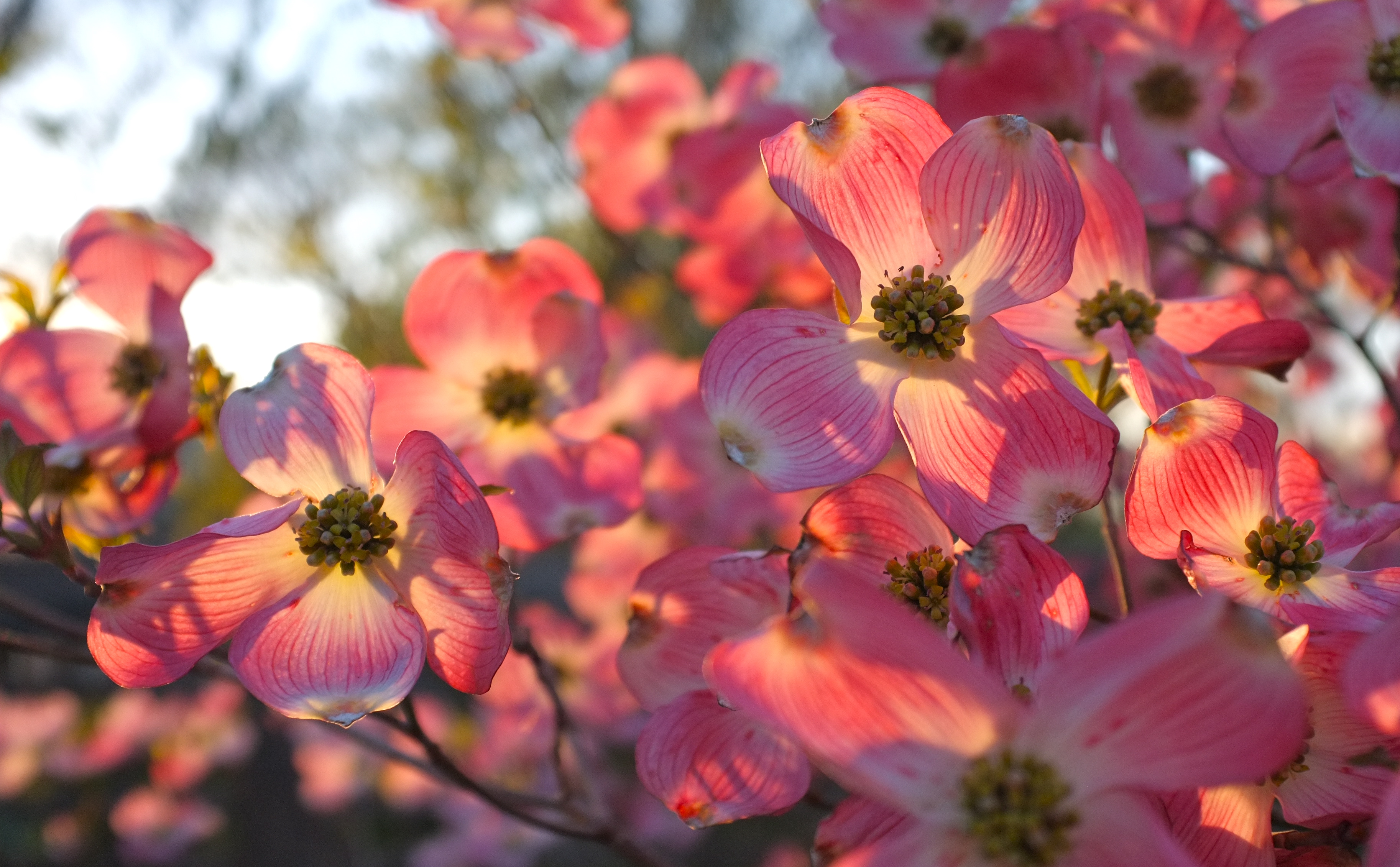
Cornus florida rubra ©Kim Smith 2012Native Pink Flowering Dogwood ~ Cornus flordia rubra

While writing Oh Garden of Fresh Possibilities! I would often come across what seemed at the time random information, but would jot it down anyhow hoping that it would find its way into the pages of my book. The following excerpt was found within a display of Ming Dynasty (1368-1644) porcelain at the Walters Art Museum in Baltimore where I was researching Chinese flower and bird painting. I laughed out loud when reading and it makes me smile with every subsequent read but wonder if it is only funny to we flower- lovers.

Enjoying flowers with tea is the best, enjoying them with conversation the second and enjoying them with wine the least. Feasts and all sorts of vulgar language are most deeply detested and resented by the spirit of the flowers. It is better to keep the mouth shut and sit still than to offend the flowers. 

—from a Ming Dynasty  (1368-1644)  treatise on flowers Walters Art Museum

The idea that flowers can be offended by bad manners reflects the belief that the world we inhabit is an organism in which all phenomena interrelate. By the same reasoning, someone who drinks tea from a peach- shaped pot will live longer (peaches symbolize longevity), and someone who dips his writing brush in a peony-shaped bowl will have good fortune, as the peony is a metaphor for success and wealth. The love of flowers was and continues to be a passion among the Chinese and trees and plants are genuinely loved as living creatures.

To win a free copy of Oh Garden of Fresh Possibilities ! Notes from a Gloucester Garden leave a comment or see yesterday’s post about the Magnolia virginiana.

The Emperor of China and How to Make Chrysanthemum Tea

Emperor of China Chrysanthemum ©Kim Smith 2012 copy

An ancient variety of chrysanthemum originating from China, the ‘Emperor of China’ resembles and is thought to be the chrysanthemum depicted in early Chinese paintings. Chrysanthemums are also grown for their medicinal properties, and their purported magic juices were an important ingredient in the life-prolonging elixir of the Daoist. Fragrant chrysanthemum tea was considered good for the health, and tonic wine was brewed from an infusion of their petals. Although thought to be rich in healing properties and lovely in form, a more modest well-being was conferred by the vigorous blossoming of the chrysanthemum. Perhaps the late flowering chrysanthemum suggests their connection to a long life, for other plants have finished flowering just as the chrysanthemums begin.

The techniques for learning to paint the orchid, bamboo, plum blossom, and chrysanthemum comprise the basis of Chinese flower and bird painting. They are referred to as “The Four Gentlemen” and are thought to symbolize great intellectual ideas. The orchid is serene and peaceful, though sophisticated and reserved from the world. Bamboo is vigorous and survives throughout the seasons, forever growing upright. The plum blossom expresses yin-yang dualities of delicate and hardy, blooming through snow and ice to herald the arrival of spring. Chrysanthemums continue to flower after a frost, are self-sufficient, and require no assistance in propogating themselves.

China owes its astonishing wealth of plant life to a combination of geographical incidents. The mountains escaped the ravages of the great ice caps and unlike much of Europe and North America, where many plants were wiped out, plant species in China continued to evolve. Additionally, the foothills of the Himalayas are moistened by soft winds from the south, creating an ideal climate for alpine plants. In this warm and moderate environment, three different floras – that of the colder, drier north; that of the sub-tropical south; and that of the alpine species – all mingled and crossed freely for thousands of years.

CHRYSANTHEMUM TEA

 Chrysanthemum tea is a tisane made from dried chrysanthemum flowers. The flowers are steeped in boiling water for several minutes, and rock sugar or honey is often added to heighten the sweet aroma. Popular throughout east Asia, chrysanthemum tea is usually served with a meal. In the tradition of Chinese medicine, the tisane is thought to be a “cooling” herb and is recommended for a variety of ailments including influenza, circulatory disorders, sore throats, and fever.

Excerpt from Oh Garden of Fresh Possibilities! Notes from a Gloucester Garden.Leave a comment to be eligible to win a copy. See yesterday’s post about the Magnolia virginiana. Continue reading “The Emperor of China and How to Make Chrysanthemum Tea”

Magnolia virginiana and How to Win a FREE Copy of Oh Garden of Fresh Possibilities!

Eastern Tiger Swallowtail-2 ©Kim Smith 2010

Tuesday through Friday of this week I will be bringing you expert gardening advice excerpted from my book Oh Garden of Fresh Possibilities! Notes from a Gloucester GardenMy book is currently on sale on my publisher’s website (David R. Godine) for the unheard of price of 15.00 (the list price is 35.00.) In response to Godine’s super sale, I am offering a free copy of my book.

Leave a comment or question on any of the posts by Friday at 8PM to be entered into the drawing to win. Multiple entries are allowed. One person will be chosen at random. The book will be shipped on Monday, the 17th, which should allow time for it to arrive by Christmas. Shipping is included to addresses within the United States and Canada.

Praise for Oh Garden: Smith’s writing is lithe and clean and her experiences in conjuring beauty out of her garden in Gloucester make for excellent reading.
Hawk and Whippoorwill

Excerpt from Oh Garden of Fresh Possibilities! Part One: Creating the Framework, Chapte Three ~ Planting in Harmony with Nature

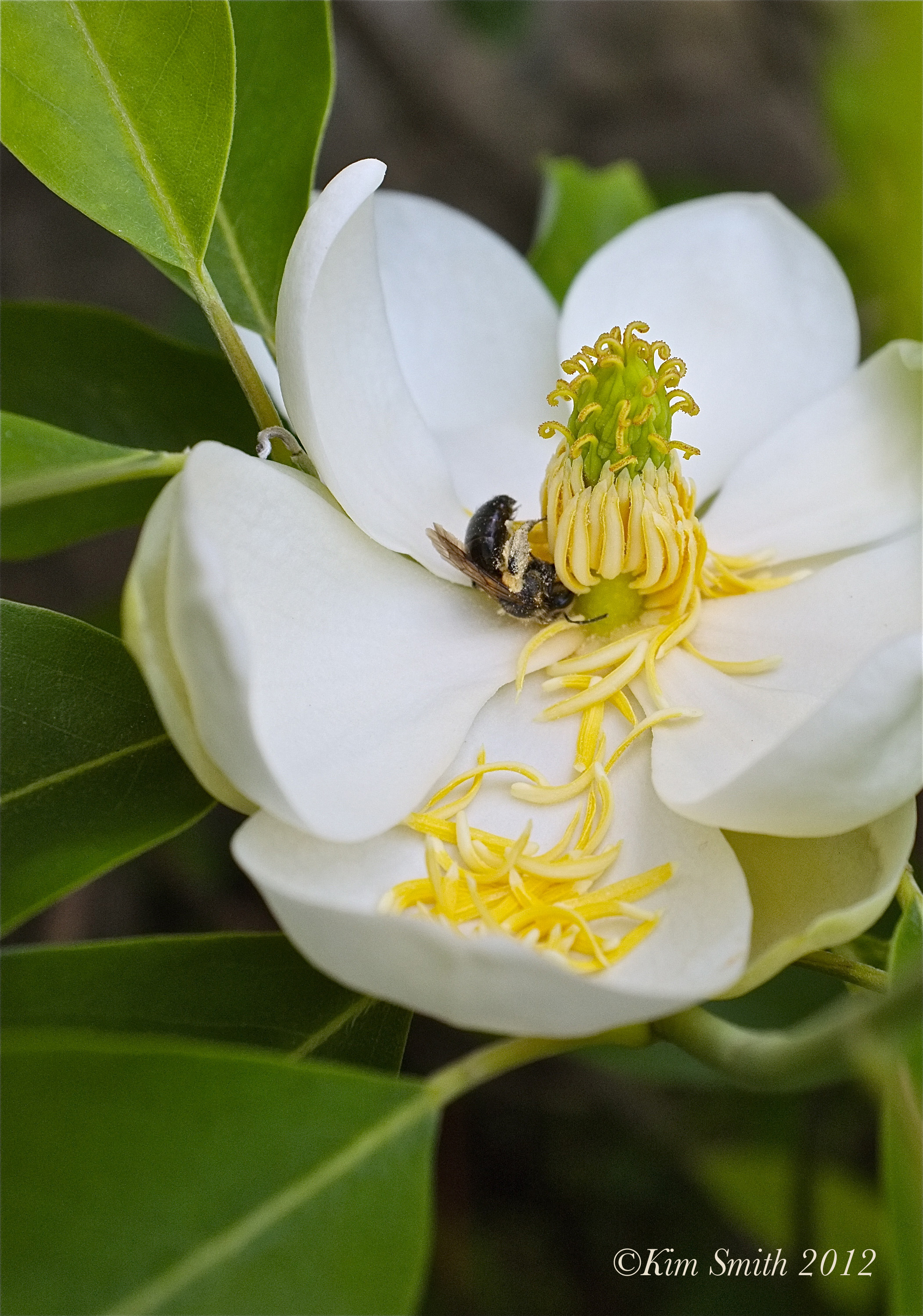
Magnolia virginiana ~ Sweetbay Magnolia

Located in the heart of Ravenswood Park in Gloucester there is a stand of Magnolia virginiana growing in the Great Magnolia Swamp. It is the only population of sweetbay magnolias known to grow this far north. I took one look at the native sweetbay magnolia and breathed in the fresh lemon-honeysuckle bouquet of the blossoms, fell in love, and immediately set out to learn all I could about this graceful and captivating tree.

Magnolia virginiana ©Kim Smith 2012 copy

Returning from a trip to visit my family in northern Florida, I had tucked the bud of a the Southern magnolia (Magnolia grandiflora) into my suitcase to paint upon my return. I was dreaming of someday having a garden large enough to accommodate a Magnolia grandiflora and was elated to discover how similar our sweetbay magnolia is to the Southern magnolia. For those not familiar with the Southern magnolia, it is a grand, imposing specimen in the landscape, growing up to fifty feet in the cooler zones five and six, and one hundred feet plus in the southern states. M. grandiflora is the only native magnolia that is evergreen in its northern range, flowering initially in the late spring and sporadically throughout the summer. The creamy white flowers, enormous and bowl-shaped (ten to twelve inches across), emit a delicious, heady sweet lemon fragrance.

In contrast, the flowers of the sweetbay magnolia are smaller, ivory white, water-lily cup shaped, and sweetly scented of citrus and honeysuckle. The leaves are similar in shape to the Magnolia grandiflora, ovate and glossy viridissimus green on the topside, though they are more delicate, and lack the leathery toughness of the Southern magnolia. The lustrous rich green above and the glaucous silvery green on the underside of the foliage creates a lovely ornamental bi-color effect as the leaves are caught in the seasonal breezes.

Magnolia virginiana is an ideal tree for a small garden in its northern range growing to roughly twenty feet compared to the more commanding height of a mature Southern magnolia. M. virginiana grows from Massachusetts to Florida in coastal freshwater wetland areas as an understory tree. The tree can be single- or multi-stemmed. Sweetbay is a stunning addition to the woodland garden with an open form, allowing a variety of part-shade loving flora to grow beneath the airy canopy. The leaves are a larval food for the Eastern Tiger Swallowtail butterfly. Almost immediately after planting we began to notice the swallowtails gliding from the sunny borders of the front dooryard, where an abundance of nectar-rich flowers are planted specifically to attract butterflies, around to the shady border in the rear yard where our sweetbay is located.

Garden designs are continually evolving. Part of our garden has given way to a limited version of a woodland garden, for the shady canopy created by the ever-growing ceiling of foliage of our neighboring trees has increasingly defined our landscape. We sited our Magnolia virginiana in the center of our diminutive shaded woodland garden where we can observe the tree from the kitchen window while standing at the kitchen sink. Gazing upon the tree bending and swaying gracefully in the wind, displaying its shifting bi-color leaves, provides a pleasant view when tending to daily chores.

See Tuesday’s excerpt about pear trees

Eastern Tiger Swallowtail ©Kim Smith 2010