Author: Kimsmithdesigns
Documentary filmmaker, photographer, landscape designer, author, and illustrator. "Beauty on the Wing: Life Story of the Monarch Butterfly" currently airing on PBS. Current film projects include Piping Plovers, Gloucester's Feast of St. Joseph, and Saint Peter's Fiesta. Visit my websites for more information about film and design projects at kimsmithdesigns.com, monarchbutterflyfilm.com, and pipingploverproject.org. Author/illustrator "Oh Garden of Fresh Possibilities! Notes from a Gloucester Garden."

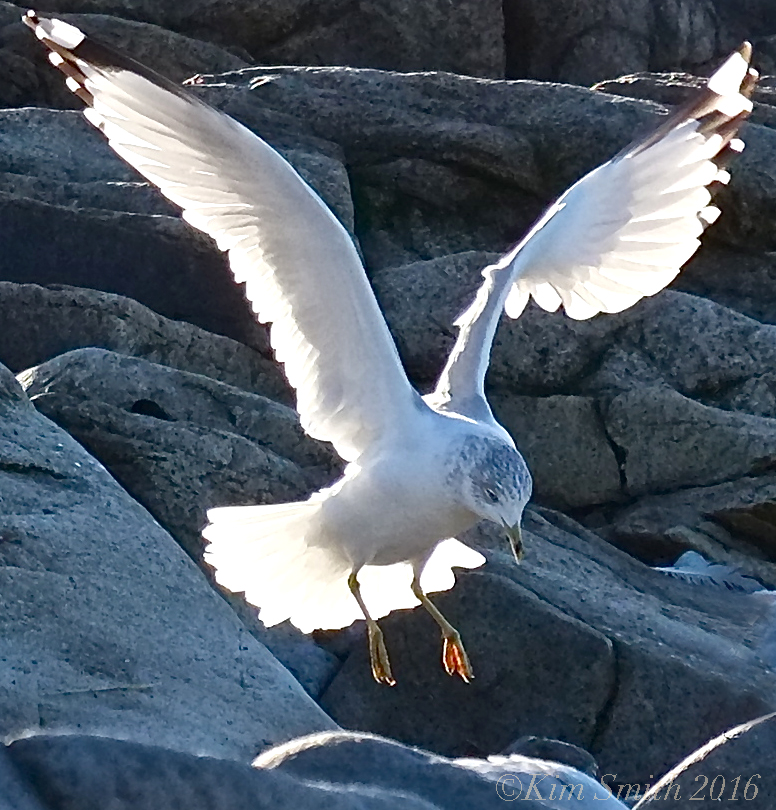
SUNLIGHT THROUGH GULL’S WINGS
Spread The GMG Love By Sharing With These Buttons:

WHY THE EASTERN COYOTE IS NOT A COYWOLF AND CAPE ANN TV COYOTE MEETING COVERAGE
For additional reading, the following is a link to an interesting article that explains clearly why coyotes are thought to be the canid soup that they are, from Earth Sky: “Eastern Coyote is a Hybrid, But Coywolf is Not a Thing”
This map shows the movement of coyotes across North America and Mexico. It is now in Panama and will undoubtedly make its way south and across the canal. The animal is so adaptable I imagine it won’t be long before it colonizes Colombia as well.

Link to Cape Ann TV coverage of the coyote meeting:
http://vp.telvue.com/preview?id=T01896&video=261352
Spread The GMG Love By Sharing With These Buttons:

STAGE FORT PARK IMPROVEMENTS MEETING
Spread The GMG Love By Sharing With These Buttons:

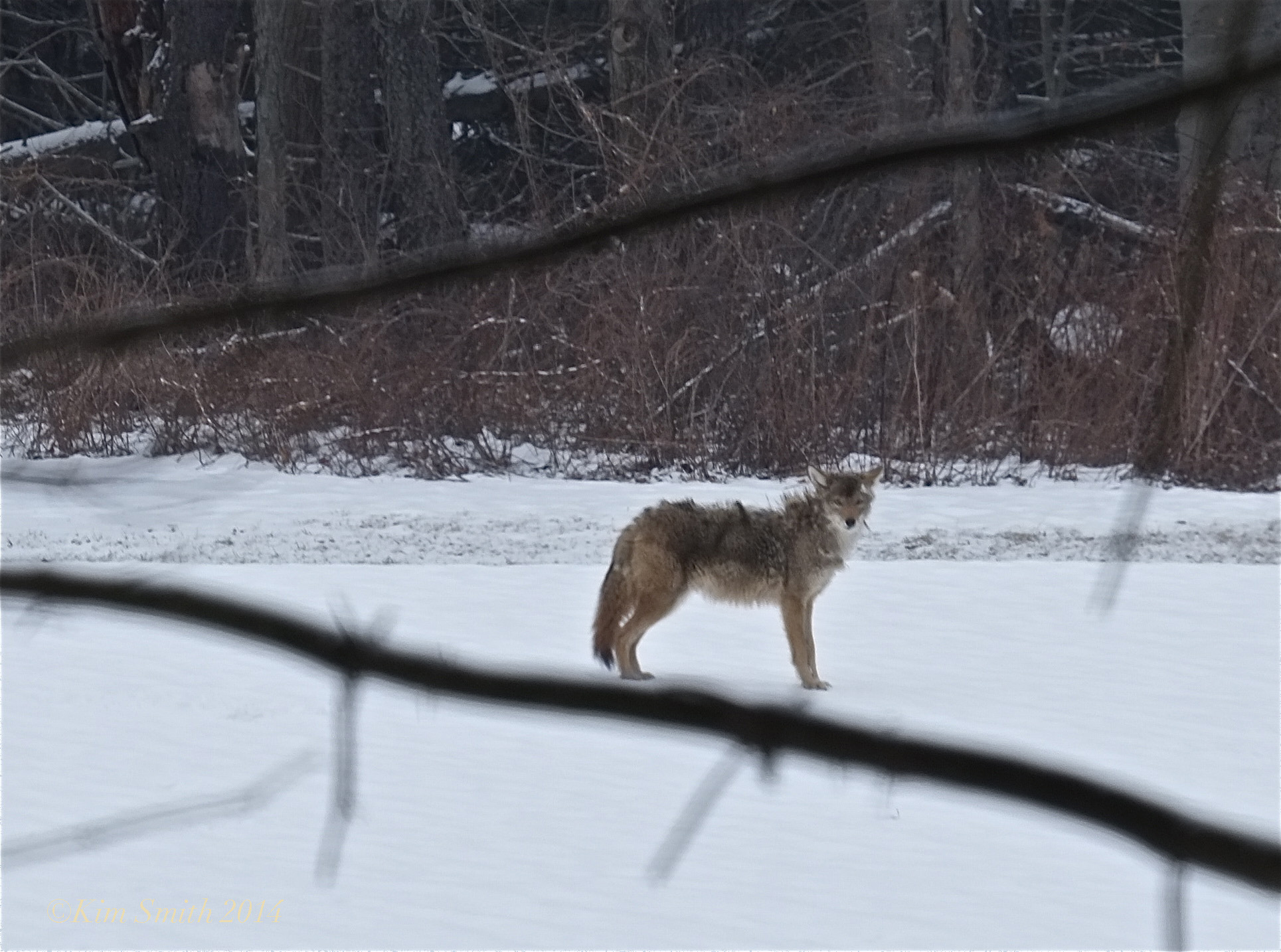
COYOTE PHOTOS FROM EAST GLOUCESTER AND COYOTE MEETING RECAP
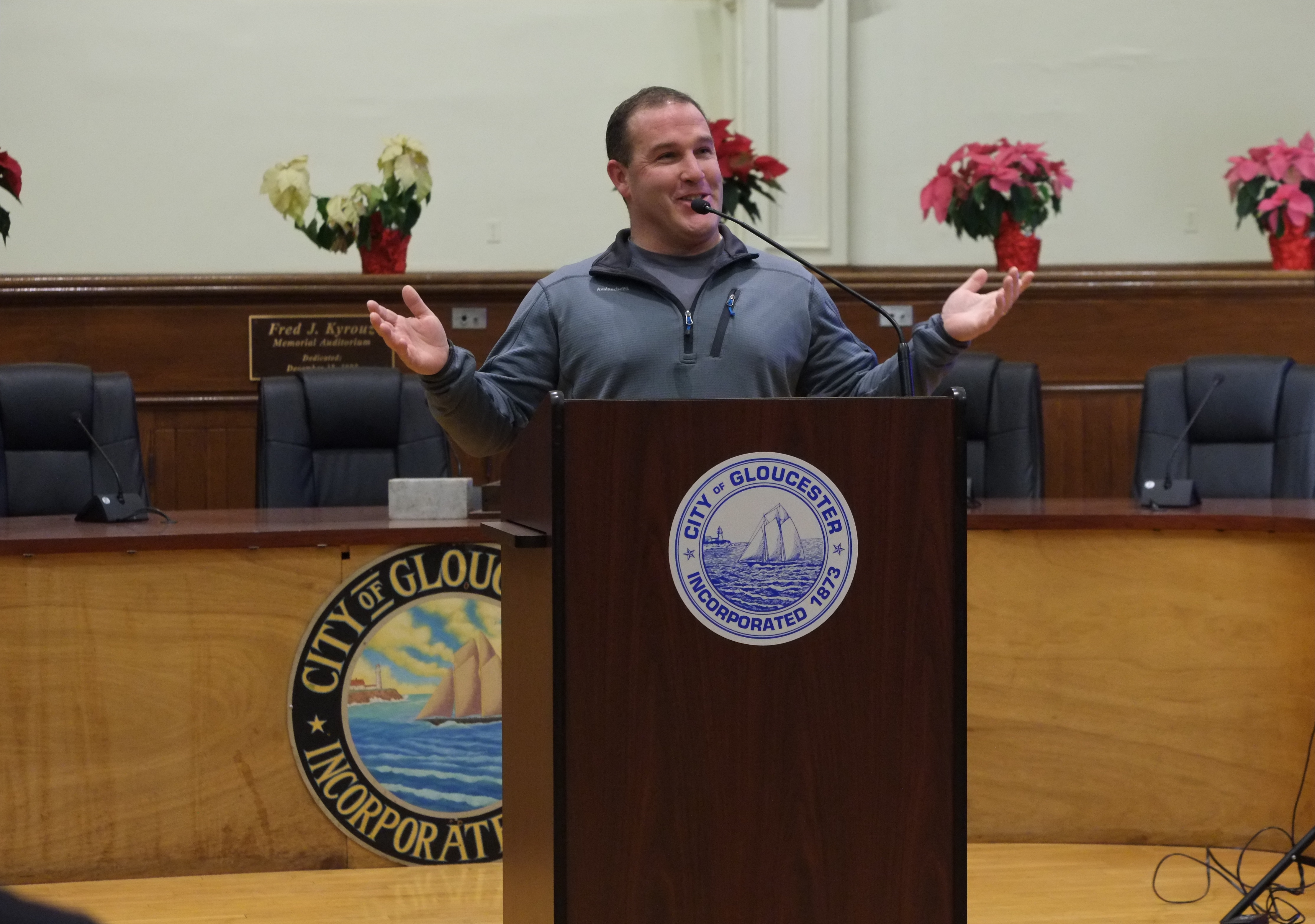
City Councilor Steven LeBlanc
On Monday night at City Hall a packed audience attended the “Living with Wildlife” coyote meeting. Recognizing the exploding population of coyotes on Cape Ann, City Councilor Steven LeBlanc had requested the forum. Approximately 250 people were in attendance, which is an unusually large number for a meeting of this nature and speaks to the general concern by Cape Ann residents to the growing number of coyotes now living amongst us.
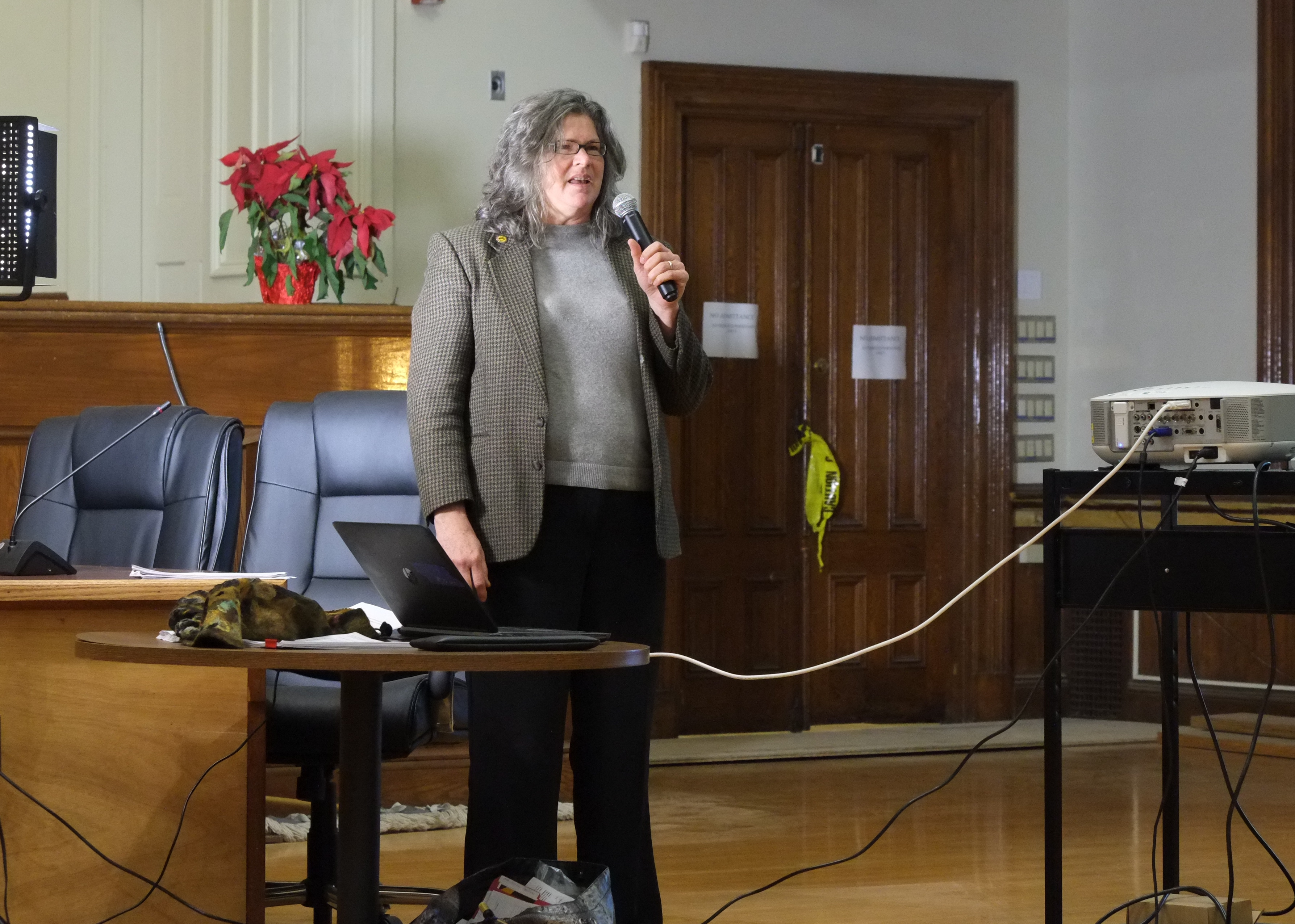 Pat Huckery
The informational meeting was conducted by Pat Huckery, the northeast district manager for the Massachusetts Division of Fisheries and Wildlife and she is herself a wildlife biologist. Pat presented the life history of the coyote as well as a number of methods for lessening human encounters with coyotes, most notably to cut off their food supply. Humans providing food to the coyotes directly and indirectly is the number one culprit and at the top of the list states Pat is bird feeders. She recommends that if you do have a bird feeder, at the very least, clean up the daily mess underneath the feeders. Spilled bird food attracts rodents and small mammals, which in turn attracts coyotes. Unsecured garbage as well as pet food left outdoors are also strong coyote attractants.
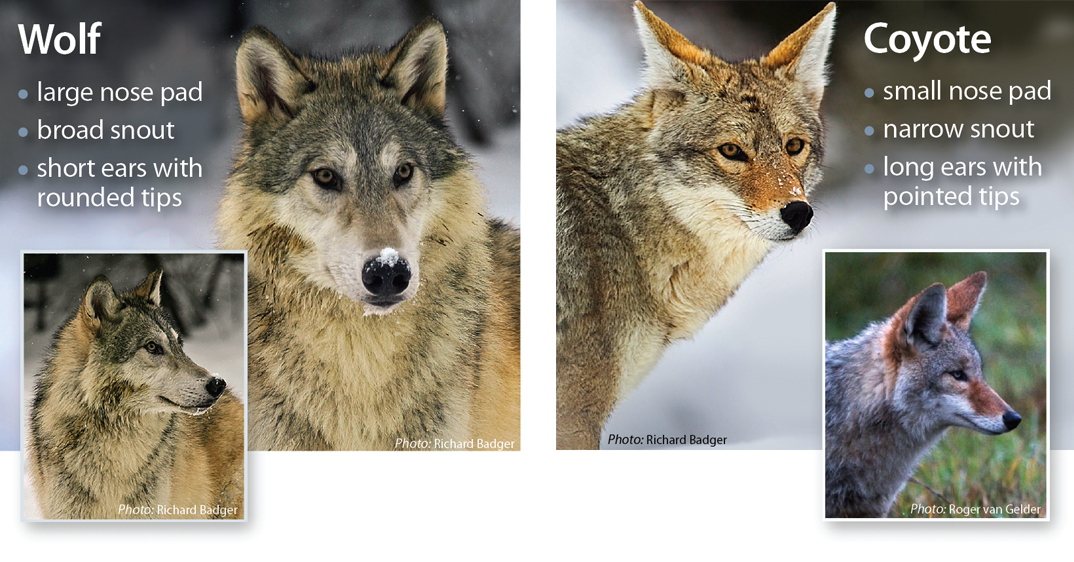
The very specific and unique ecology of Cape Ann, in relation to the coyote, was not discussed. Cape Ann’s coyote population has mushroomed in part due to the wealth of food that can be scavenged along our shoreline, marshes, and wooded habitats. One East Gloucester resident attending the meeting reported that she lives with a pack of twenty in her backyard. Hunting as an approved option for reducing the coyote population was discussed and is also believed to help create a healthy fear of humans on the part of the coyote. Local licensed hunter Sam Holmes was in attendance and he can be reached at 978-491-8746. Communities such as Middleton, Rhode Island, have an expanded hunting season to manage the population of specifically coyotes that have lost their fear of humans. Pat also debunked the highly romanticized term coywolf, and disputes the concept that by hunting coyotes, the reverse occurs and the overall population increases.
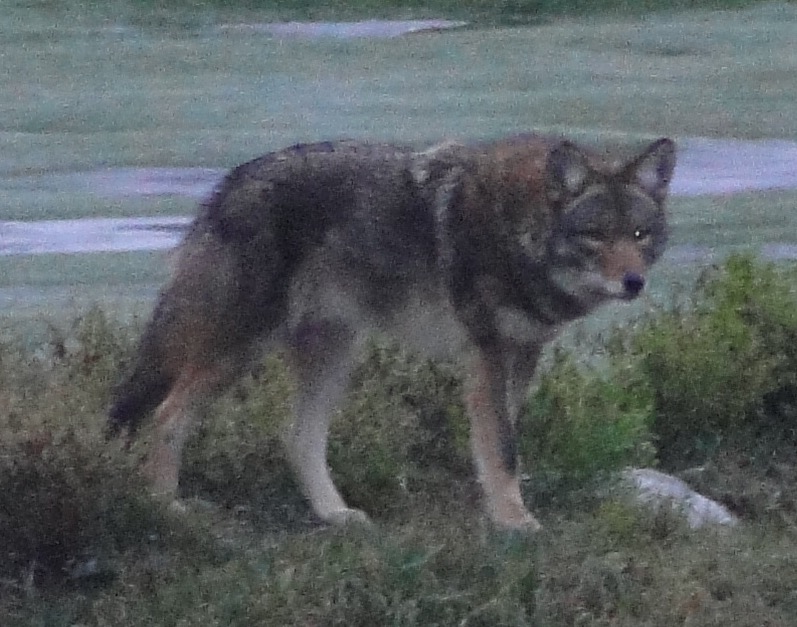
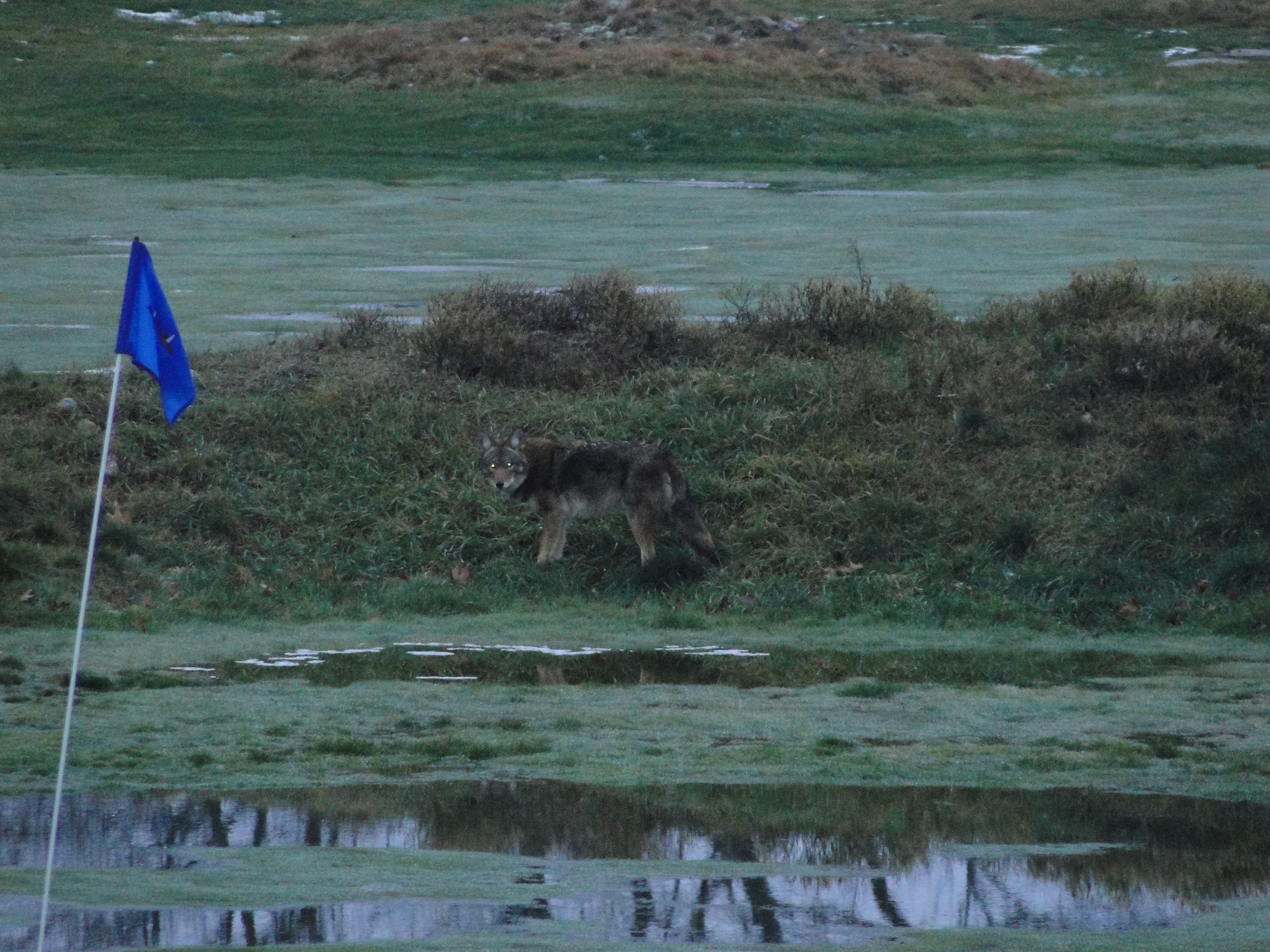
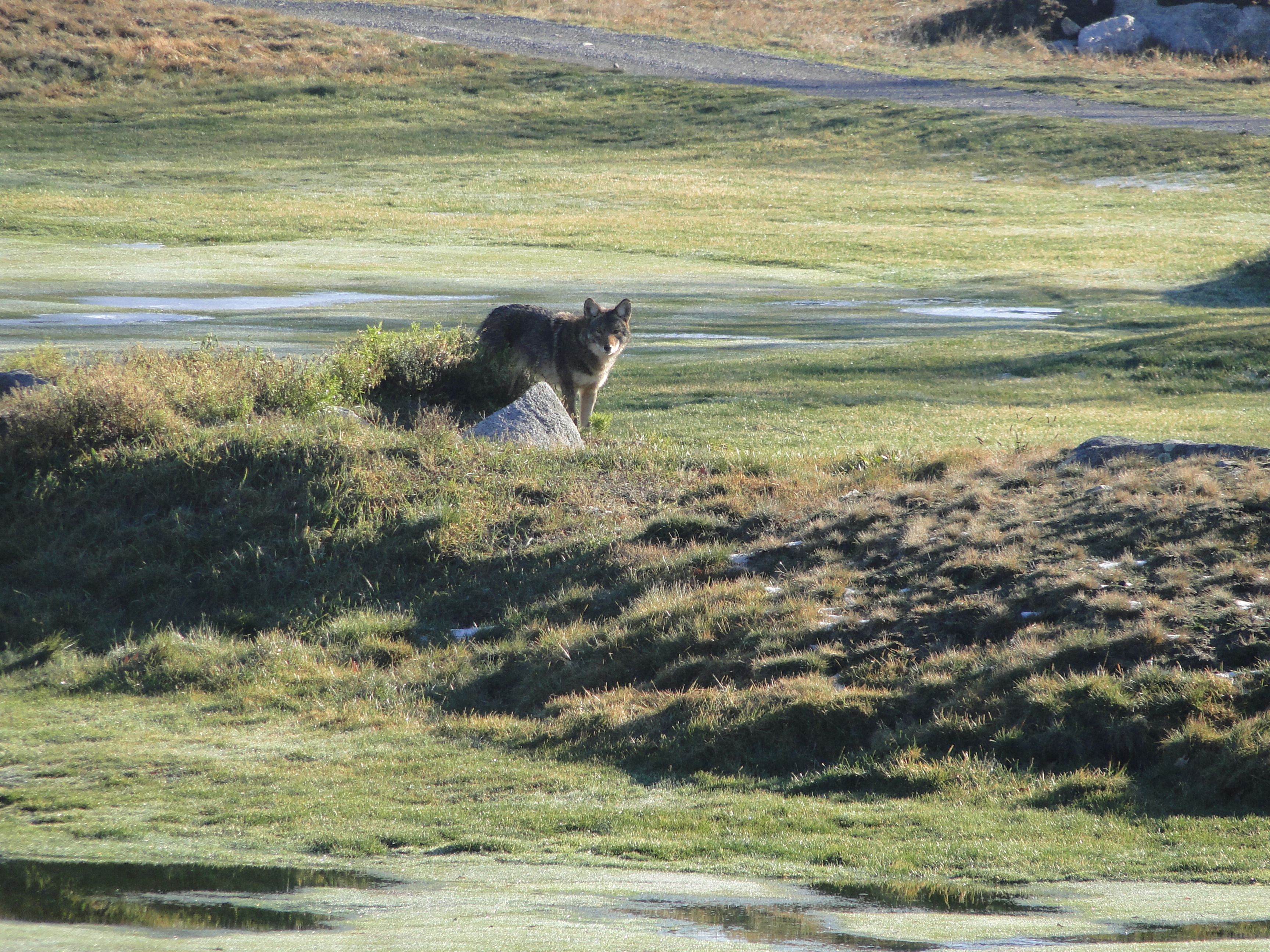 These photos were taken by Pat Halverson and submitted by Peggy Matlow, our new Good Morning Gloucester FOB . Peggy and her family will soon be permanently relocating to Gloucester, from the Berkshires, and these photos were taken from their new home in East Gloucester.
Spread The GMG Love By Sharing With These Buttons:

BREAKING NEWS: MR. SWAN HAS A GIRLFRIEND!!!
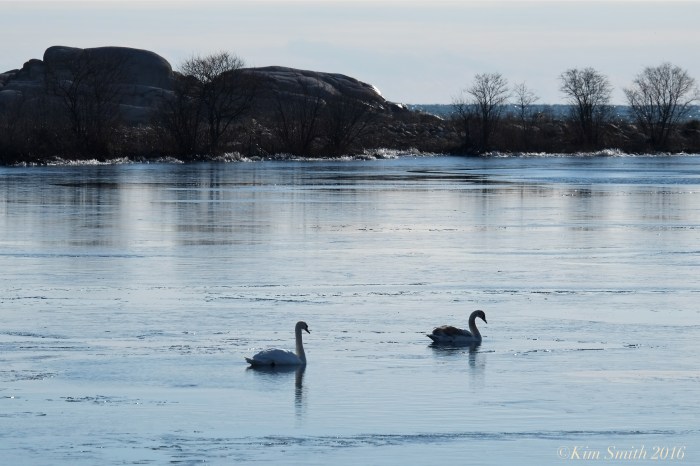 Could this be the new Mrs. Swan?
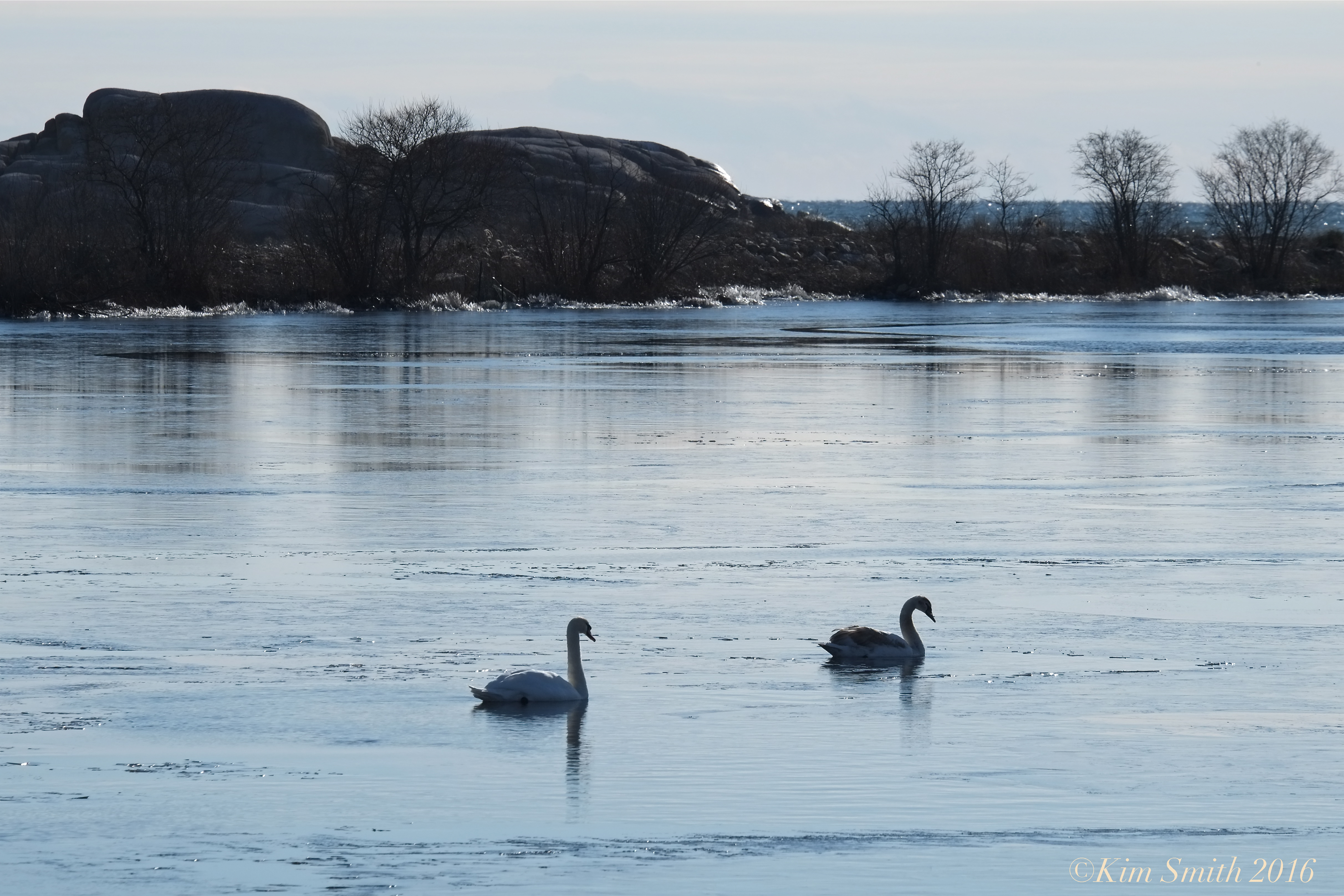
Today at 9:30am while out doing errands, I stopped by Niles Pond to see if I could find my brand new glove, which was lost the morning previously. That Monday, the day after the weekend storm, the mergansers had moved overnight to Niles Pond to escape the wind and waves on the harbor and I had captured footage of Mr. Swan with the Red-breasted Mergansers. Last I saw him, he was alone and circling the pond, plaintively calling.
Just as I got to the spot where filming yesterday I looked up and flying overhead were not one, but two swans! They were flying towards Brace Cove. I hurried back to my car to get cameras, checking all the while to see if the pair would stay at Niles or continue up the coast. They circled back around Niles before landing on the far side of the pond. The large pure white male looks like Mr. Swan and his girlfriend appears to be much younger as she is comparatively smaller and still has some brownish-gray cygnet feathers.
I immediately called my friend Lyn to let her know about the swan pair swimming at her end of the pond. There was a large patch of ice that prevented the swans from coming closer to where she was calling them from shore but we did have a good long look and we both agree it could very well be Mr. Swan (Lyn calls him Poppa Swan and in Rockport he’s known as Buddy).
The pair of swans stayed, feeding on pond vegetation and moving slowly through the icy waters. Swans use their powerful breast muscles in a lifting and lurching movement to break up ice. It takes a great amount of effort to cut a path through the ice and Mr. Swan is much more adept at ice breaking than is his new girlfriend.
By a swan’s second summer (in other words two years of age) it will have lost all the characteristics of an immature. The brown feathers are gradually replaced with the white feathers. The last thing to visibly change is the color of the swan’s bill. A cygnet’s bill is blue/grey changing over the two year period to pinkish and then orange. Swans can breed as early as two years of age although most don’t begin until three years.
I can’t saw with 100 percent certainty that this is Mr. Swan because I didn’t get a close look at the distinguishing marks on his bill however, all signs point in this direction.
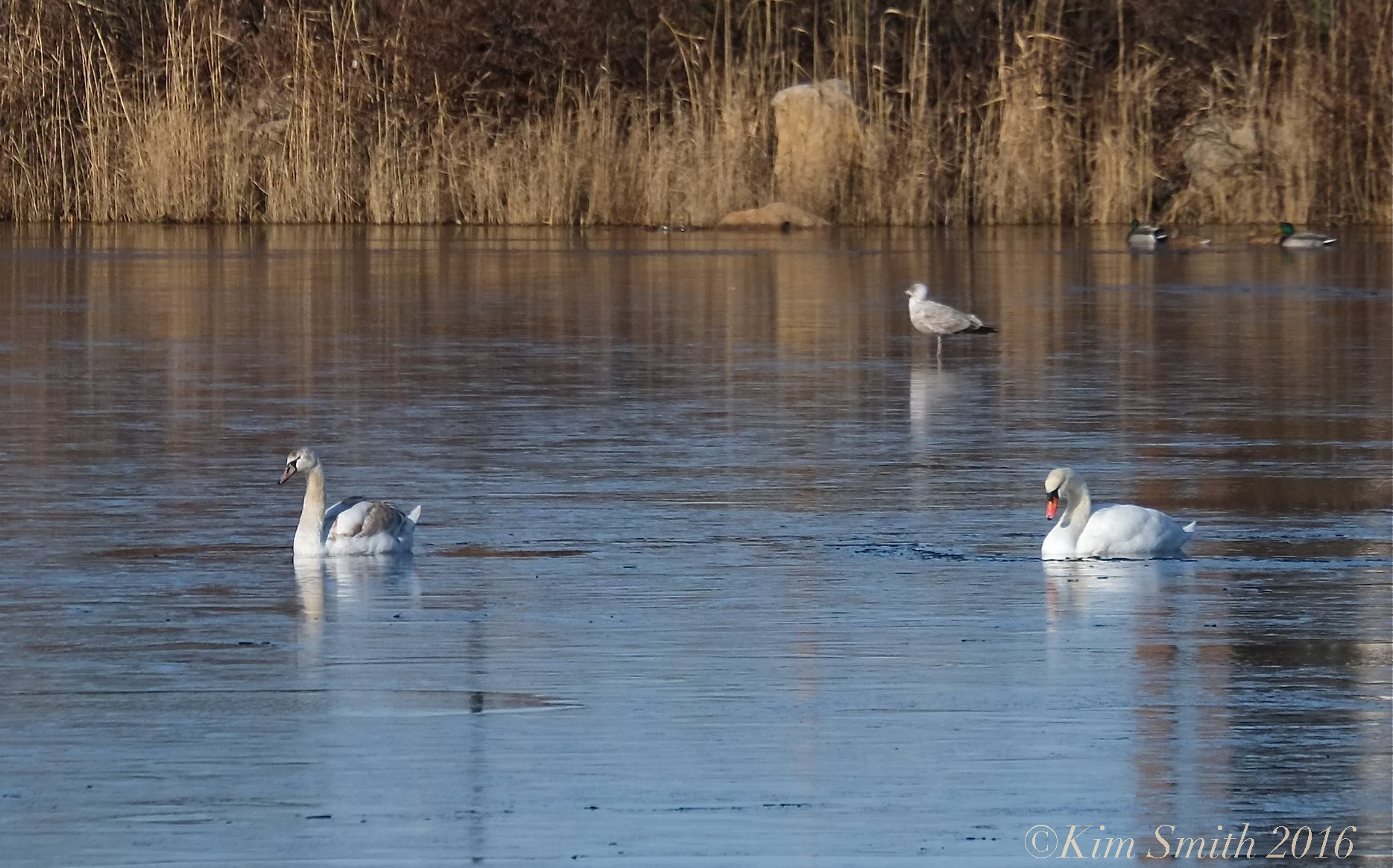
Note the young swan’s brownish feathers and greyish-pink bill (left). This tells us that she is not quite two years of age.
Spread The GMG Love By Sharing With These Buttons:

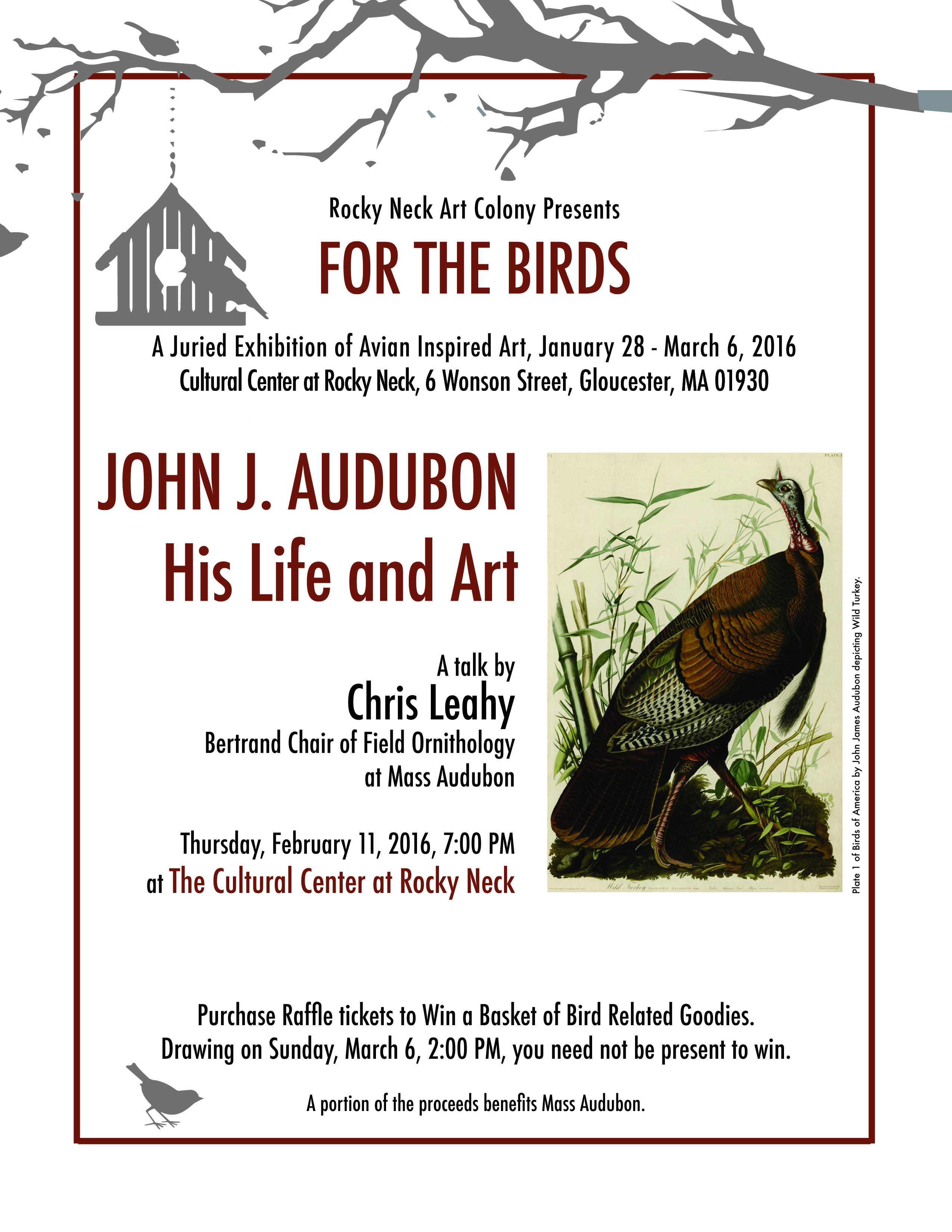
Save the Date: “John J. Audubon: His Life and Art” a Talk by Chris Leahy
Spread The GMG Love By Sharing With These Buttons:

Live from Coyote Meeting
Packed house for coyote presentation
https://www.instagram.com/p/BAavviCjymh/
Spread The GMG Love By Sharing With These Buttons:

BACKSHORE EXPLODING WAVES
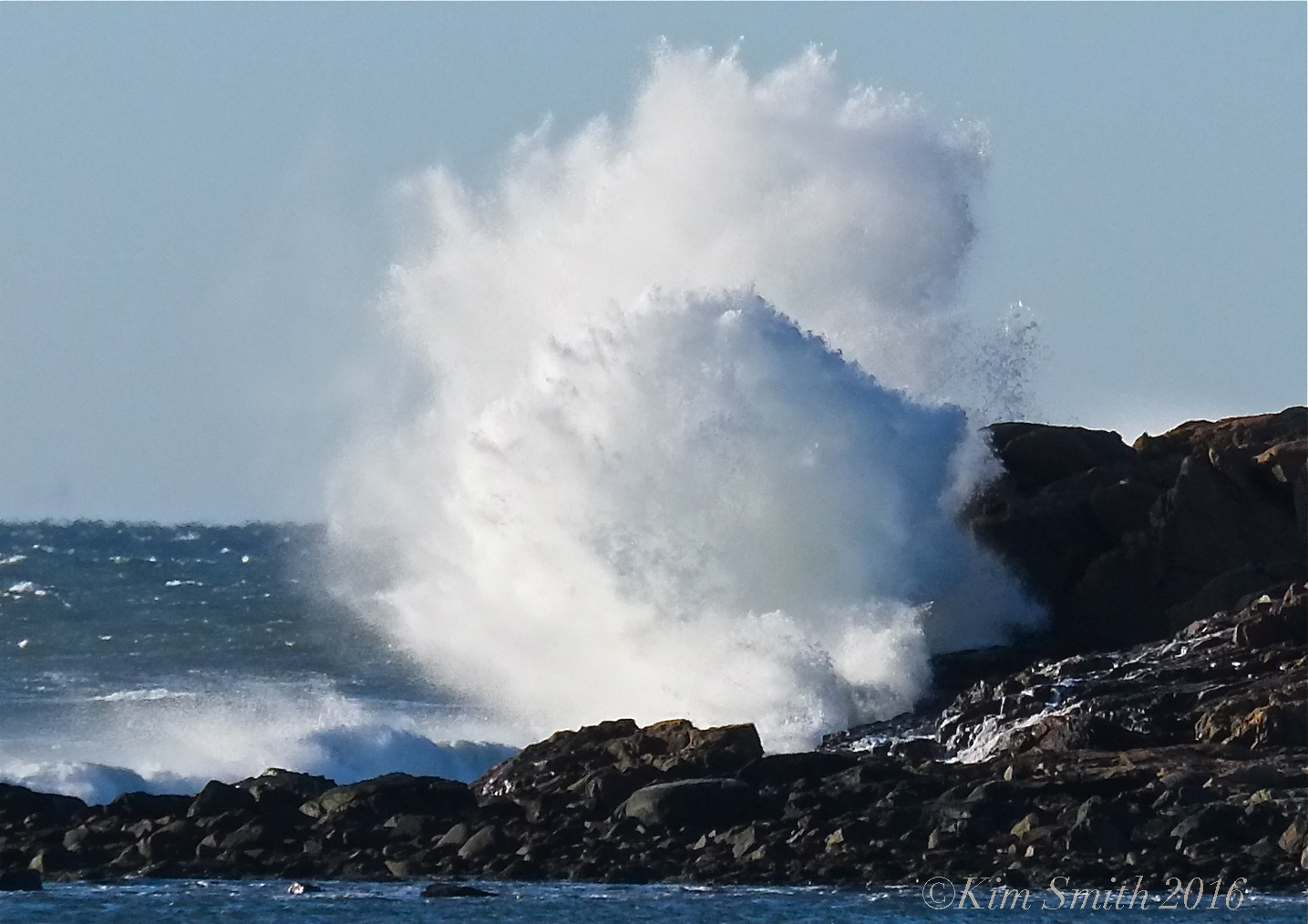 Eastern Point
After this weekend’s stormy weather, the Atlantic’s thunderous rollers were exploding all along the backshore this morning.
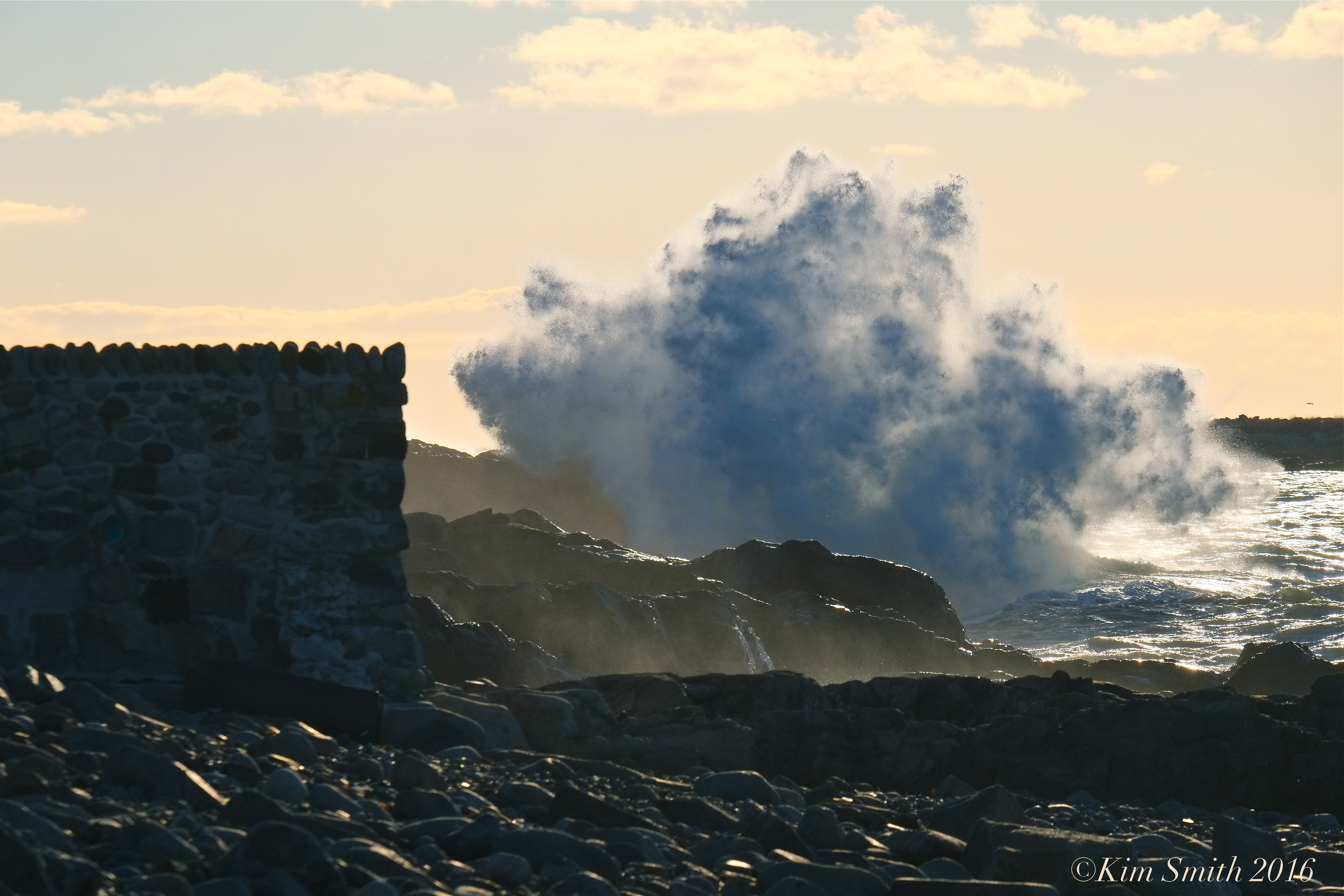 Pebble Beach

Spread The GMG Love By Sharing With These Buttons:

WE CAN BE HEROES
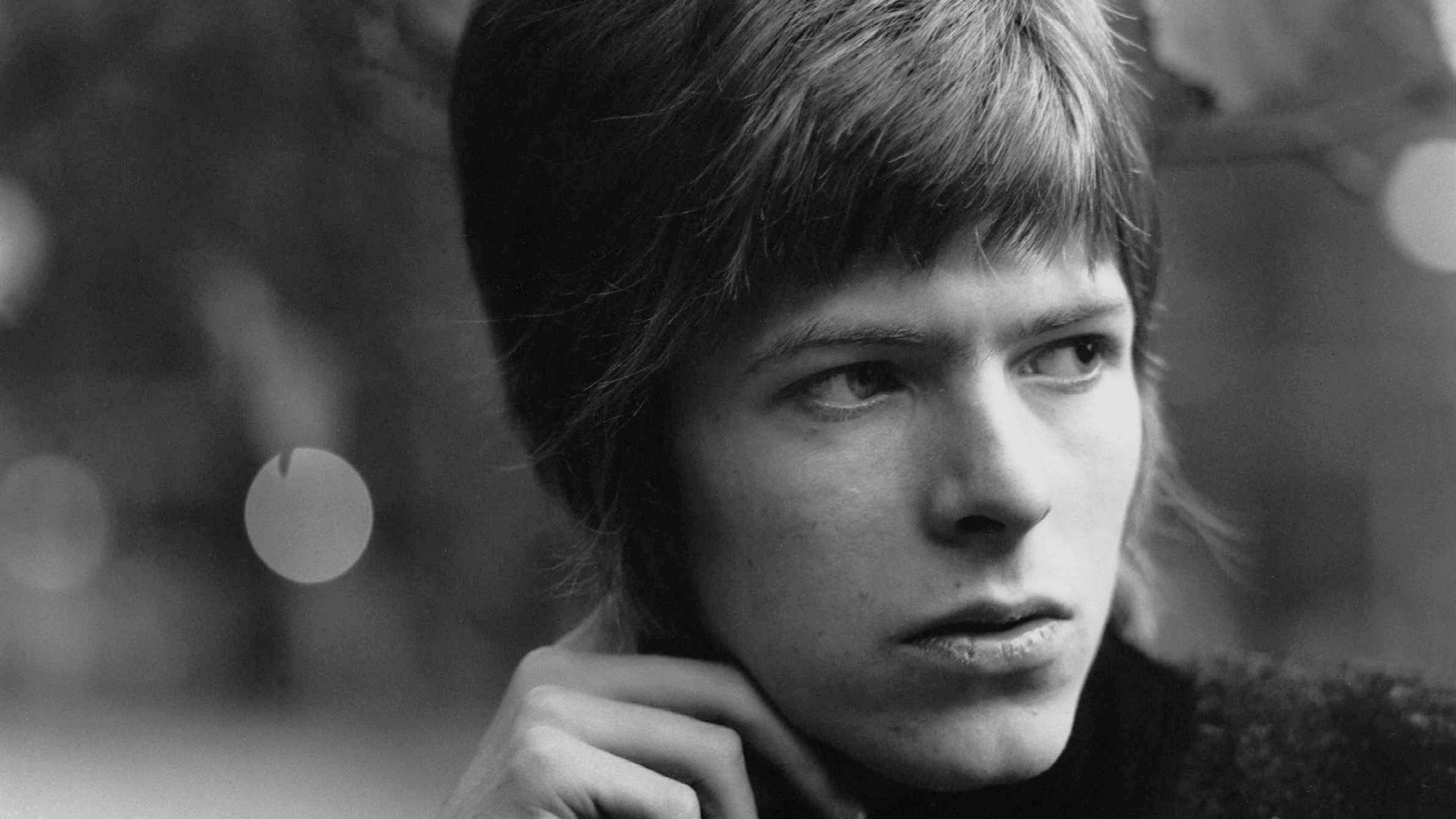
I, I will be king
And you, you will be queen
Though nothing will drive them away
We can beat them, just for one day
We can be Heroes, just for one day

With Debbie Harry
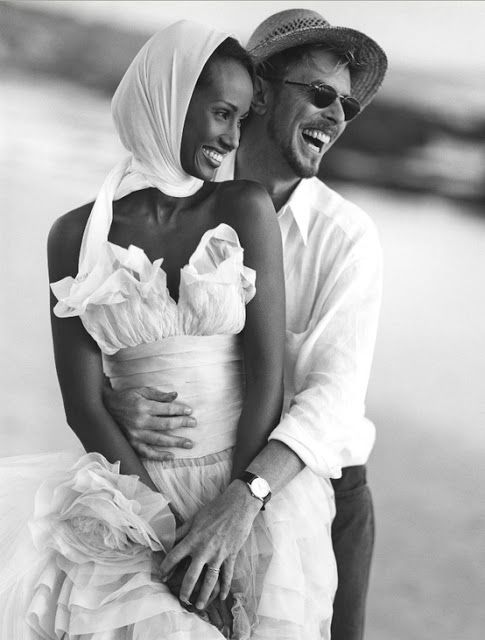 Beach Wedding to Iman
Spread The GMG Love By Sharing With These Buttons:

“THE ART OF PICTURE BOOKS” PRESENTED BY THE ERIC CARLE MUSEUM AND CAPE ANN READS
Who is Eric Carle? Why he created one of the most wonderful and whimsical children’s picture books, The Very Hungry Caterpillar! On Saturday, January 30th, the Cape Ann Museum, in collaboration with Cape Ann Reads and the Eric Carle Museum of Picture Book Art, is holding a series of workshops for all age groups, “The Art of Picture Books.”
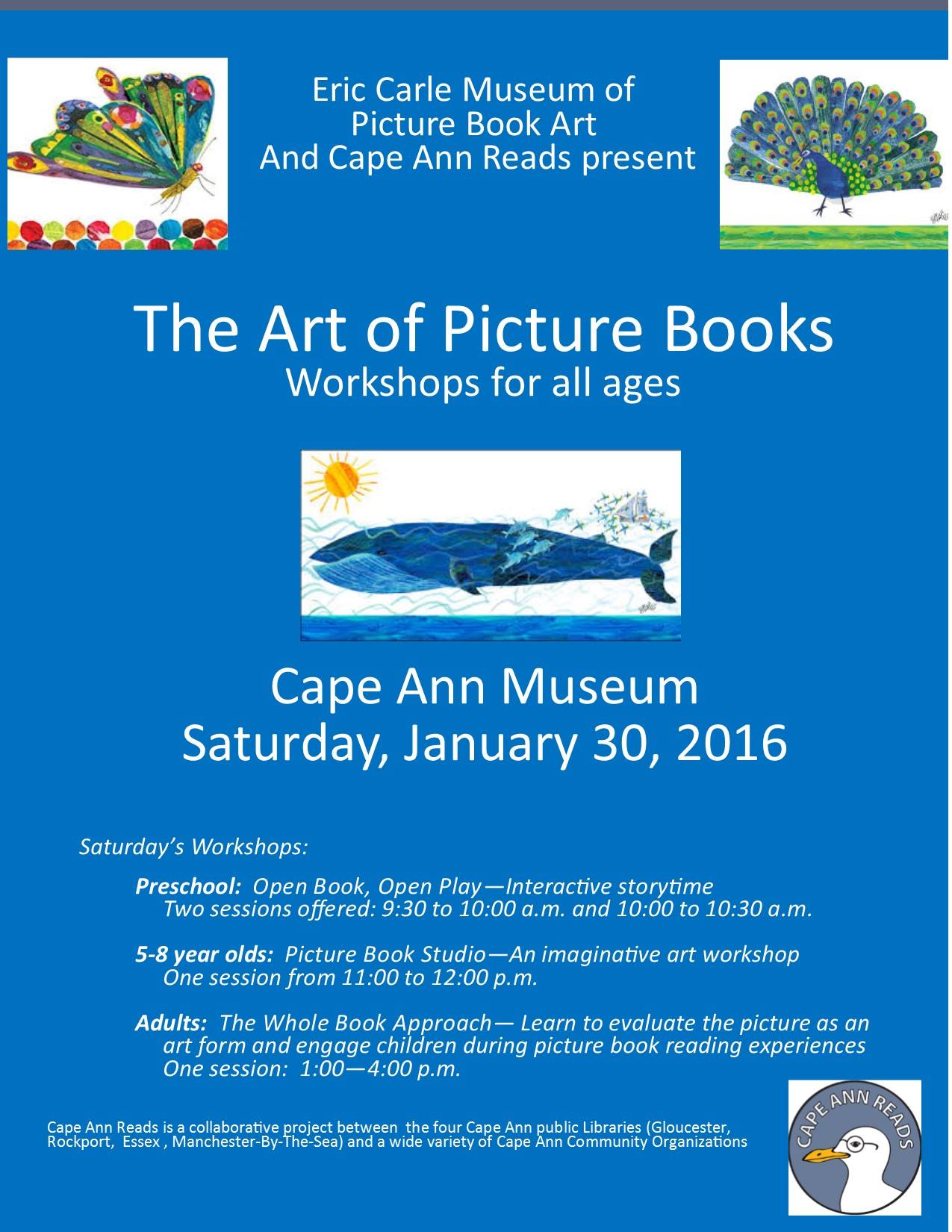
The Eric Carle Museum of Picture Book Art, located in Amherst, Massachusetts, is a museum devoted to the art of the picture book and especially the children’s book. Read more about the Museum here.
Eric Carle is acclaimed and beloved as the creator of brilliantly illustrated and innovatively designed picture books for very young children. His best-known work, The Very Hungry Caterpillar, has eaten its way into the hearts of literally millions of children all over the world and has been translated into 62 languages and sold over 41 million copies. Since the Caterpillar was published in 1969, Eric Carle has illustrated more than seventy books, many best sellers, most of which he also wrote, and more than 132 million copies of his books have sold around the world.
Born in Syracuse, New York, in 1929, Eric Carle moved with his parents to Germany when he was six years old; he was educated there, and graduated from the prestigious art school, the Akademie der bildenden Künste, in Stuttgart. But his dream was always to return to America, the land of his happiest childhood memories. So, in 1952, with a fine portfolio in hand and forty dollars in his pocket, he arrived in New York. Soon he found a job as a graphic designer in the promotion department of The New York Times. Later, he was the art director of an advertising agency for many years.
One day, respected educator and author, Bill Martin Jr, called to ask Carle to illustrate a story he had written. Martin’s eye had been caught by a striking picture of a red lobster that Carle had created for an advertisement. Brown Bear, Brown Bear, What Do You See? was the result of their collaboration. It is still a favorite with children everywhere. This was the beginning of Eric Carle’s true career. Soon Carle was writing his own stories, too. His first wholly original book was 1,2,3 to the Zoo, followed soon afterward by the celebrated classic, The Very Hungry Caterpillar.

Spread The GMG Love By Sharing With These Buttons:

EAST GLOUCESTER COYOTE LAIR #2
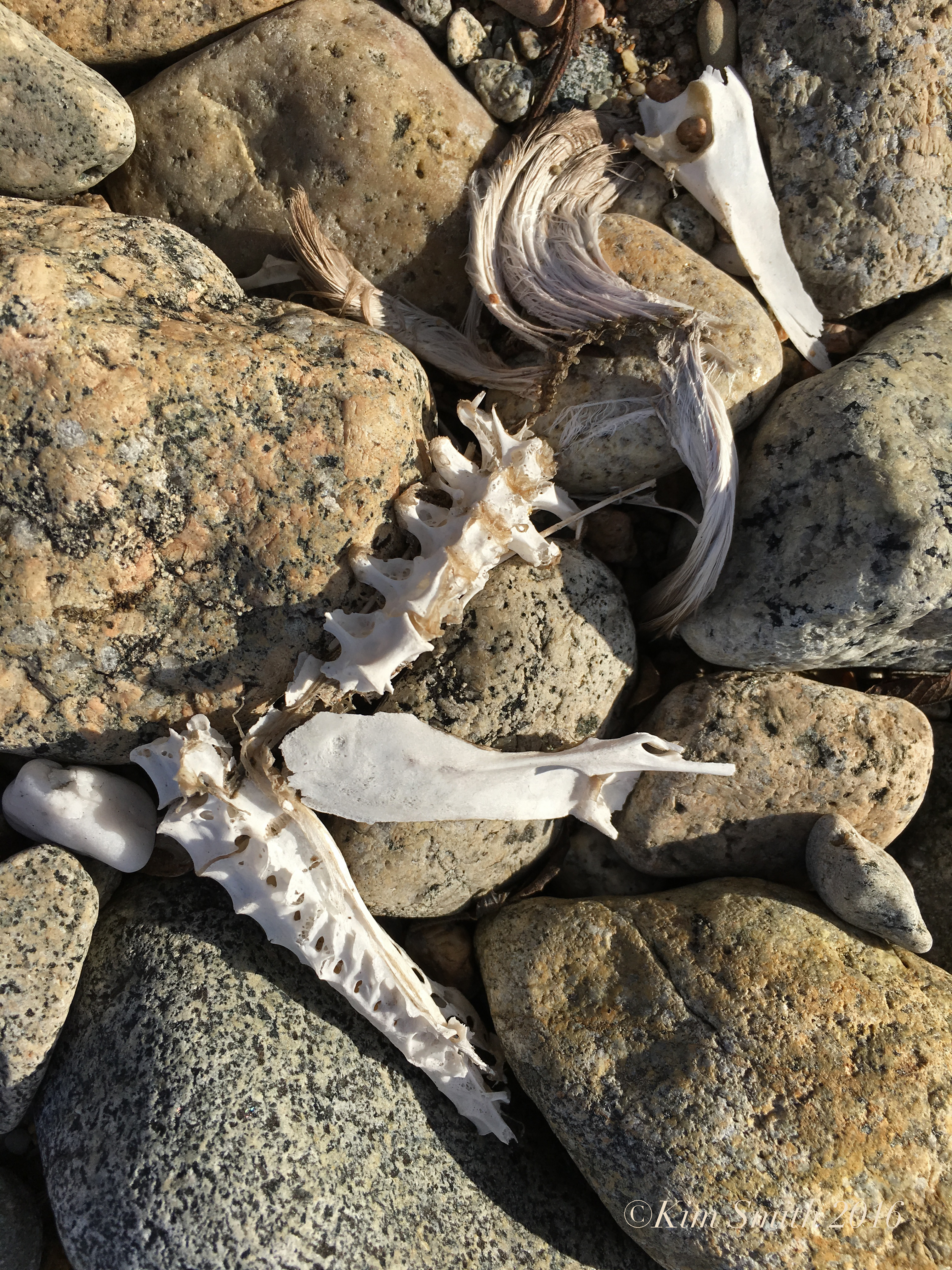 Evidence of a second coyote lair, found at Brace Cove. There were 5 piles of fresh coyote scat along with neat piles of bones scattered throughout the rocky clearing. Coyotes mostly sleep above ground in an open clearing, unless it is pup season.
Reminder also about Monday night’s informational meeting about living with wildlife, City Hall, at 7pm. More information here.

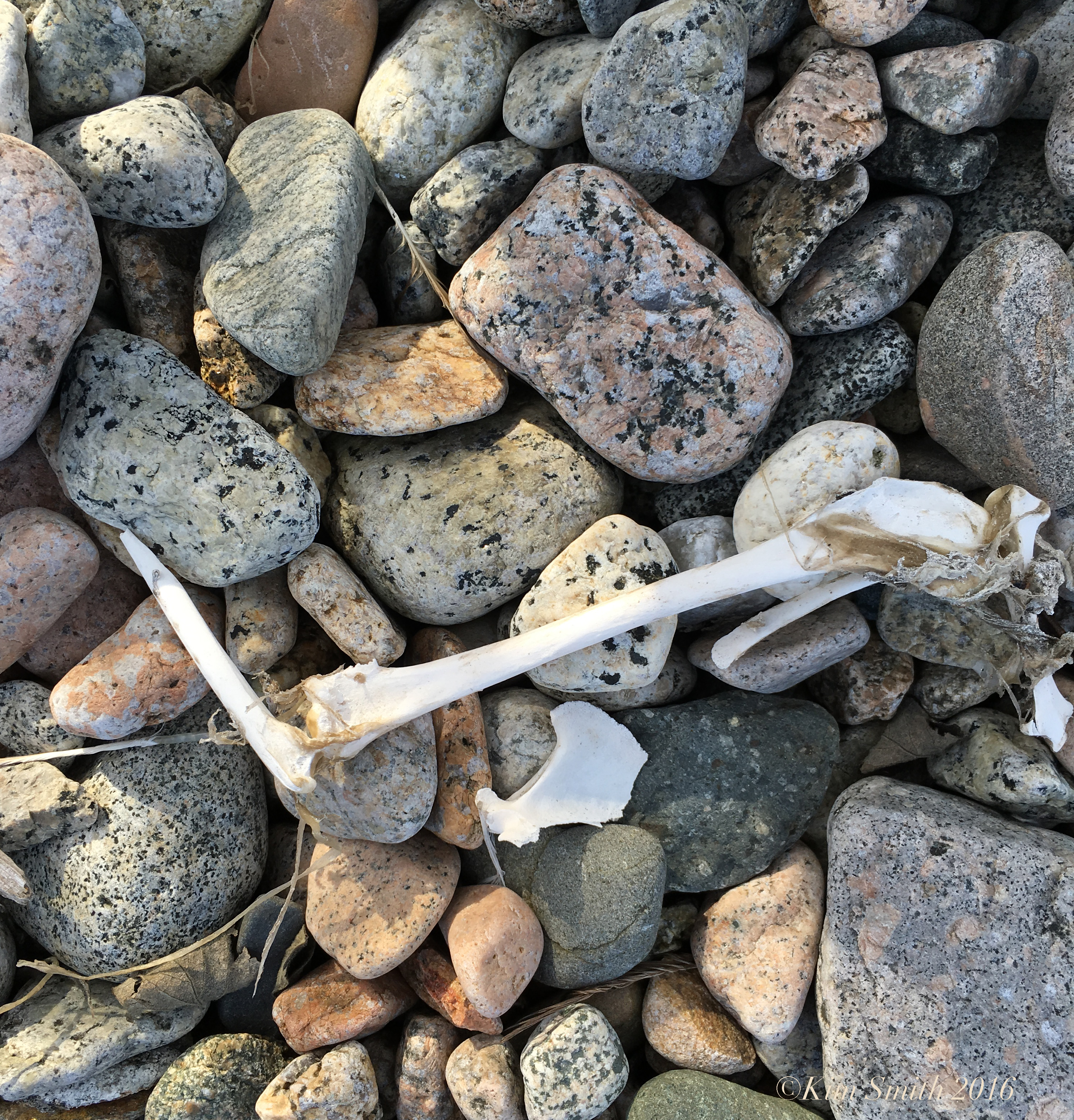
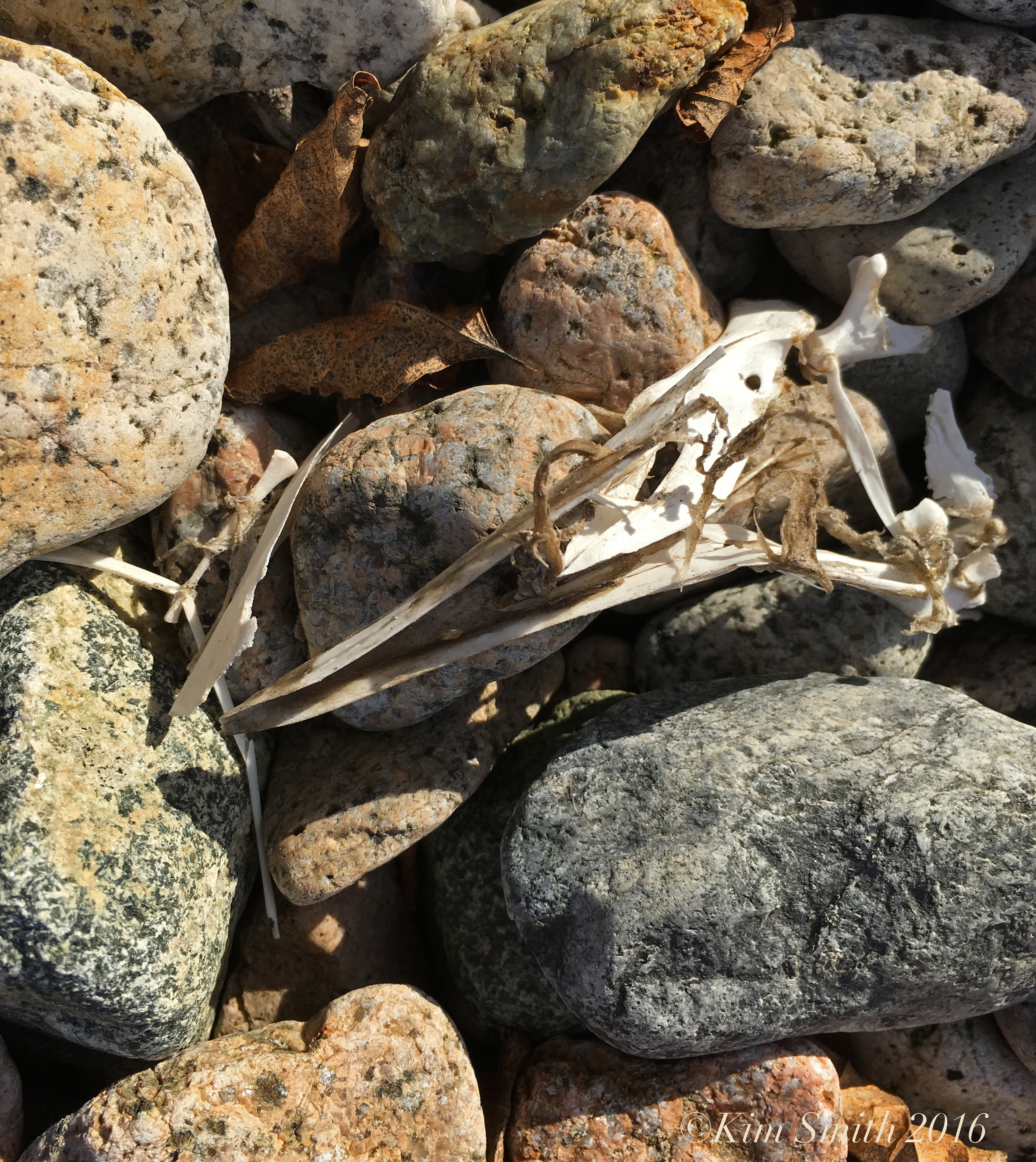
East Gloucester Coyote Lair #1
Spread The GMG Love By Sharing With These Buttons:

COYOTE MEETING AT CITY HALL MONDAY JANUARY 11TH REMINDER
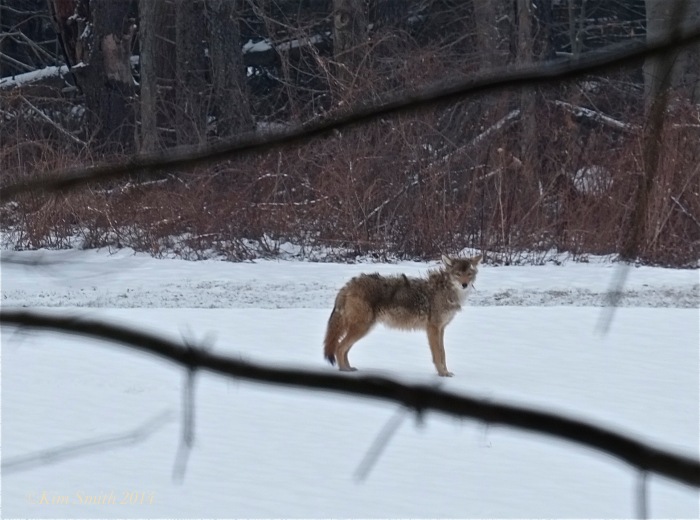 Living with Wildlife in Suburban Areas
In light of the numerous coyote sightings in Gloucester, there will be an informational meeting on January 11, 7pm at Kyrouz Auditorium, City Hall, hosted by the Office of the Mayor, Gloucester Police Department, the Massachusetts Environmental Police and conducted by Div of Fisheries and Wildlife
Speakers: Mayor Sefatia Romeo-Theken and Chief of Police Leonard Campanello.
Guest Speakers: Patricia Huckery, Fisheries & Wildlife N.E. District Manager, Laura Connelley, Fishers & Wildlife Fur Bearing Biologist, and Environmental Police Officers.
The Division of Fisheries and Wildlife has put together this document named Living with Wildlife: Suburban Wildlife in Massachusetts for Massachusetts residents.
Spread The GMG Love By Sharing With These Buttons:

INVASION OF THE RED-BREASTED MERGANSERS!
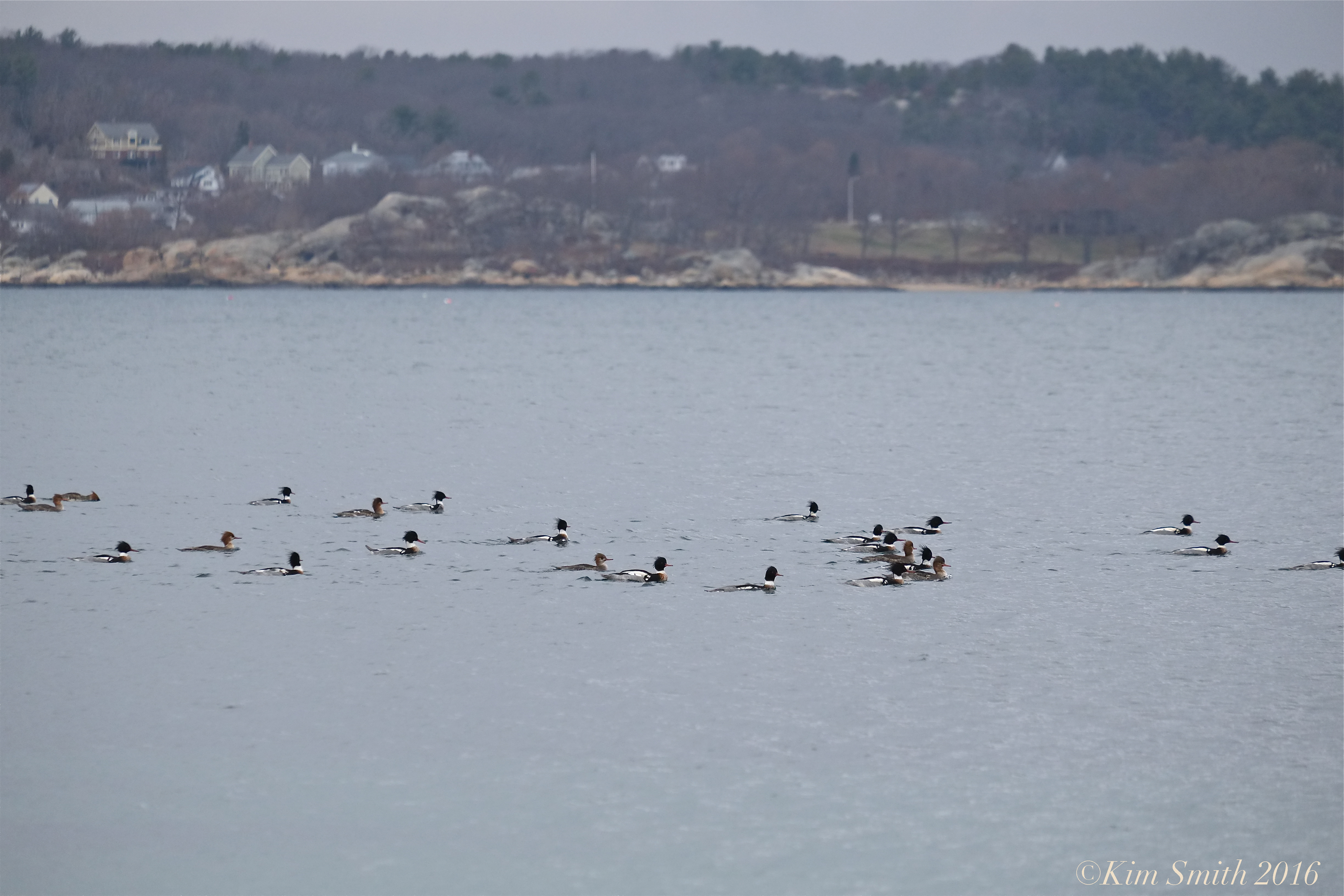
Not really, although it is wonderful to see a flock of so many. Red-breasted Mergansers are a diving duck found readily on our shores. They are funny to watch as they seem to get into spats and chase each other around. I read that a group can sometimes appear to be cooperatively hunting. They will line up and drive schools of small fish into shallow water and scoop the fish up without having to dive, which seems precisely what they were doing when I took these photos.
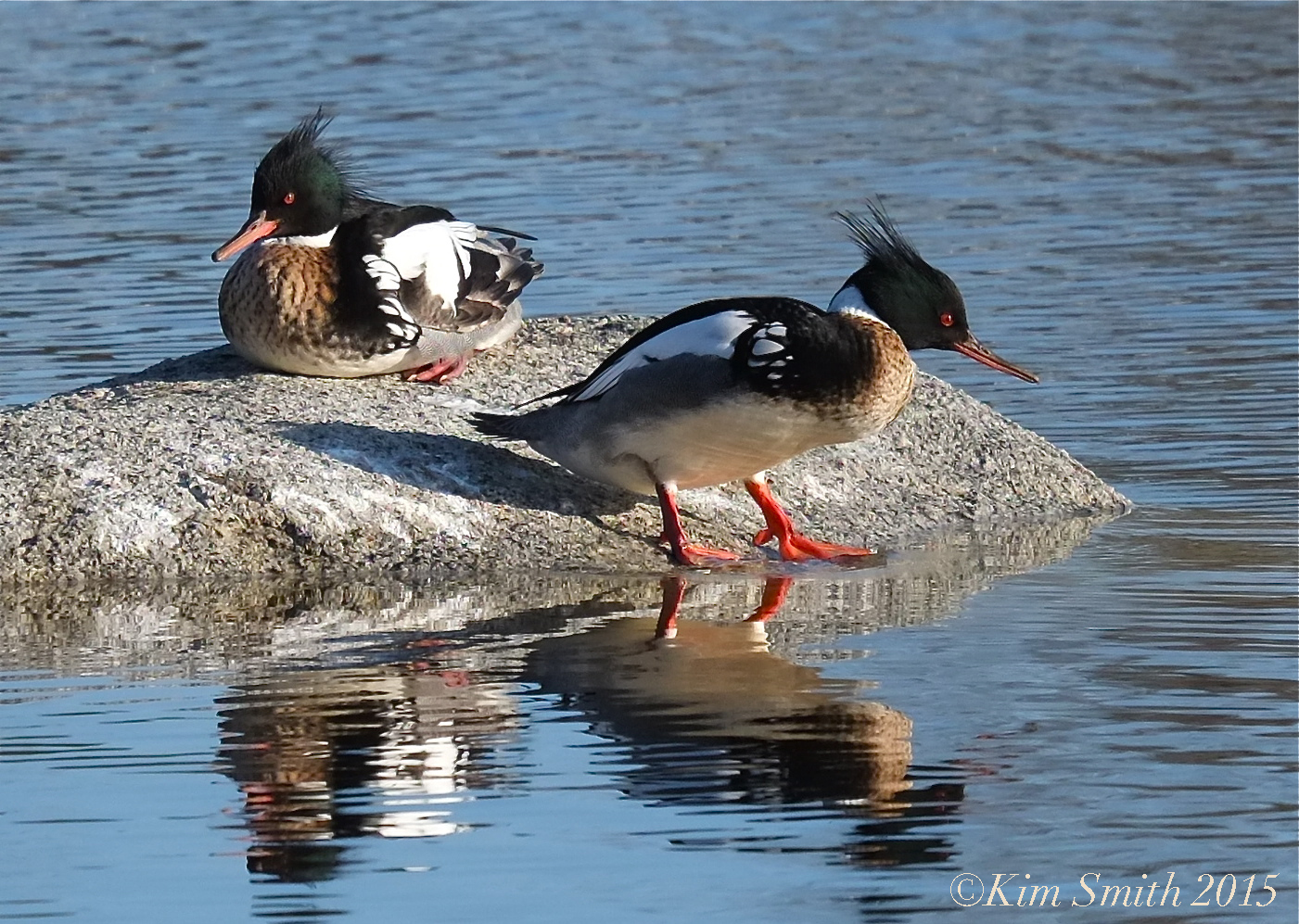 Red-breasted Mergansers on a sunnier day
Feeding amongst the mergansers, a pair of Horned Grebes, a Common Loon, and a Common Goldeneye can all be seen, although both these “commoners” don’t seem at all common to me.
SEE PHOTOS OF COMMON GOLDENEYE, HORNED GREBE, AND COMMON LOON HERE
Continue reading “INVASION OF THE RED-BREASTED MERGANSERS!”
Spread The GMG Love By Sharing With These Buttons:

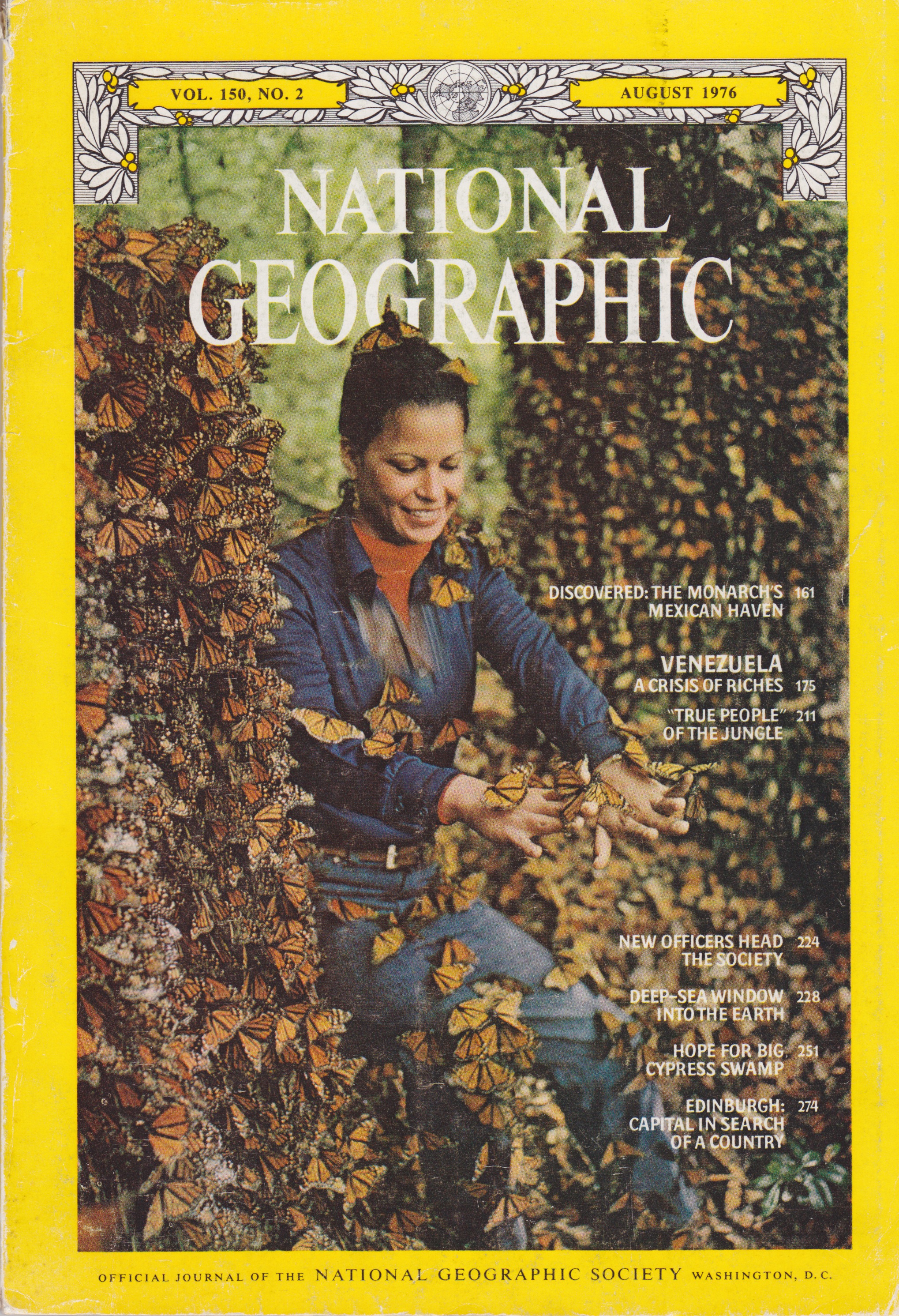
DISCOVERED: THE MONARCHS MEXICAN HAVEN
Forty one years ago today, January 9th is celebrated as the day the Monarchs winter habitat was “discovered.” The woman who led the discovery, Catalina Aguado, was born in Michoacán, the Mexican state that is home to the butterflies wintering grounds. Catalina is the only living member of the original team featured in the following 1976 National Geographic article.
Excerpt from “Discovered: The Monarchs Mexican Haven”
Doctor Fred Urquhart, the Canadian zoologist who had been studying and tracking the butterflies since 1937 writes the following:
“In our search for the overwintering place, years passed, years of frustration. Norah, late in 1972, wrote to newspapers in Mexico about our project, asking for volunteers to report sightings and to help with tagging.
In response came a letter, dated February 26, 1973, from Kenneth C. Brugger in Mexico City. “I read with interest,” he wrote, “your article on the monarch. It occurred to me that I might be of some help. . . .”
Ken Brugger proved the key that finally unlocked the mystery.
Traveling in his motor home with his dog, Kola, he crisscrossed the Mexican countryside. He searched especially in areas where tagged monarchs had been recaptured, and places where other visitors had reported numerous butterflies. “Go out in the evening,” we instructed him. “That’s when you’ll see the monarchs moving about looking for a place to roost.”
In a letter written in April 1974, Ken reported seeing many monarch butterflies in the Sierra Madre flying at random as if dispersing from a congregating site.
“Your data and observations are exciting,” I replied. “We feel that you have zeroed in on the right area.”
Ken Brugger doubled his field capability by marrying a bright and delightful Mexican, Cathy. Late in 1974 he wrote of finding many dead and tattered butterflies along the roads in a certain area. “You must be getting really close,” we responded. These butterfly remains suggested that birds had been feeding on large flocks of monarchs.
Swiftly came the dramatic conclusion. On the evening of January 9, 1975, Ken telephoned us from Mexico. “We have located the colony!” he said, unable to control the excitement in his voice. “We have found them—millions of monarchs—in evergreens beside a mountain clearing.”
Mexican woodcutters, prodding laden donkeys, had seen swarming butterflies and had helped point the way.”
The complete article is available to read online here.
Spread The GMG Love By Sharing With These Buttons:

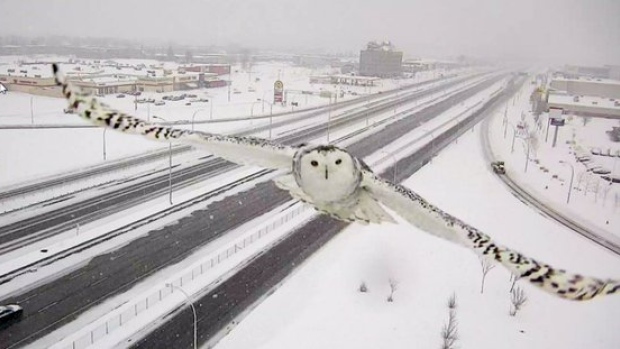
VERY COOL SNOWY OWL SHOT SOARING ABOVE TRAFFIC!
Thank you to Terry Weber and Eoin Vincent for alerting us to this fantastic Snowy Owl shot!!
CBS News:
Spectacular images of a snowy owl in flight have been captured by Transport Quebec’s traffic camera along Montreal’s Highway 40.
The images were captured on Jan. 3 by a traffic camera at Highway 40 and Sources Boulevard.
Transport Minister Robert Poëti tweeted about the owl early Thursday morning, and the province later released video footage.
Spread The GMG Love By Sharing With These Buttons:

GORGEOUS EASTERN POINT SUNRISE
Good morning from Brace Cove, and what a gorgeous morning it was!


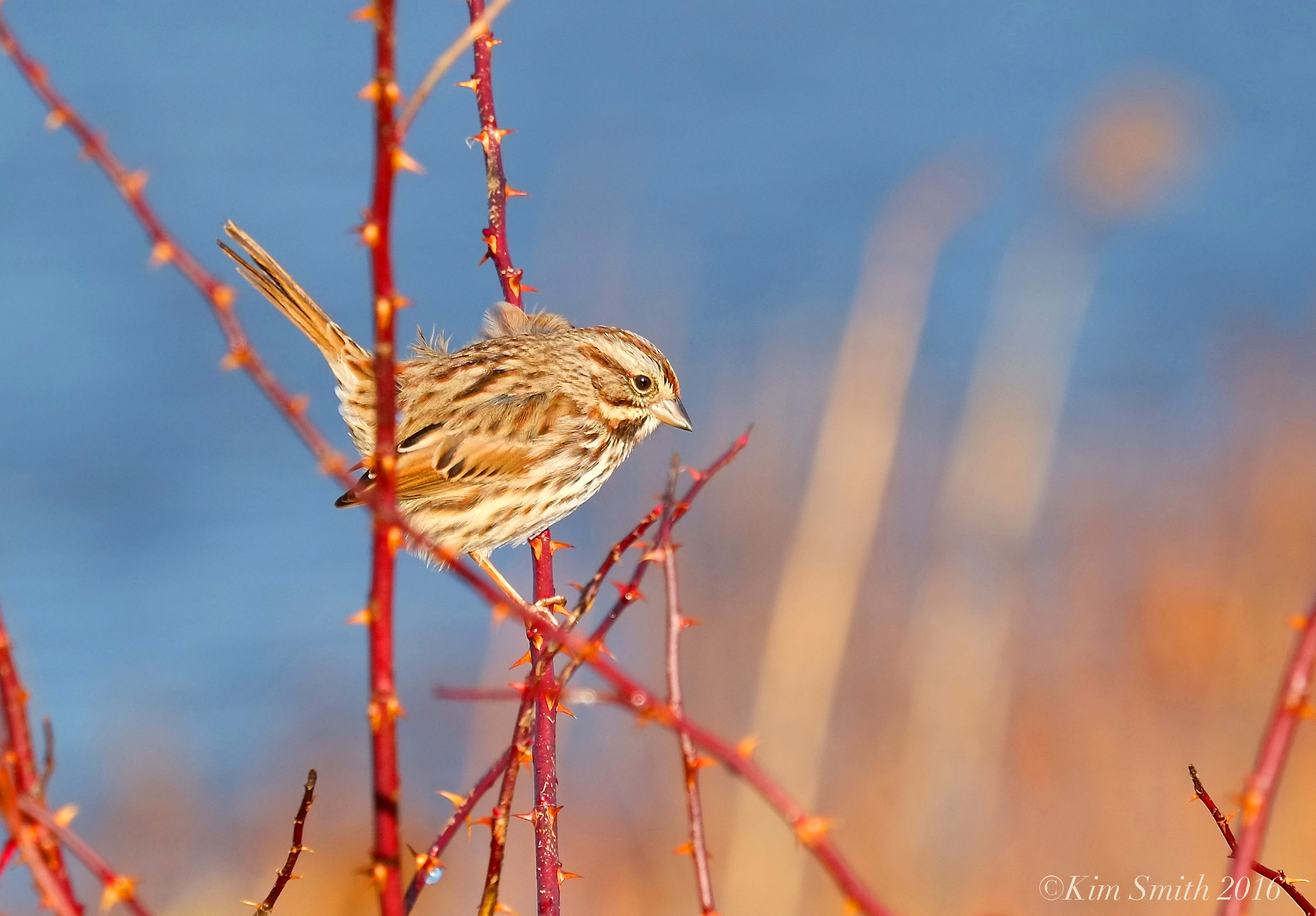 Cheery Song Sparrow First Light
Spread The GMG Love By Sharing With These Buttons:

WHERE ARE ALL THE DUCKS?
https://www.instagram.com/p/BAM2EKCjykO/
As our local ponds begin to freeze, look for diving ducks along the sea’s edge. They are hunting for mollusks, crustaceans, snails, shrimp, and other small creatures.
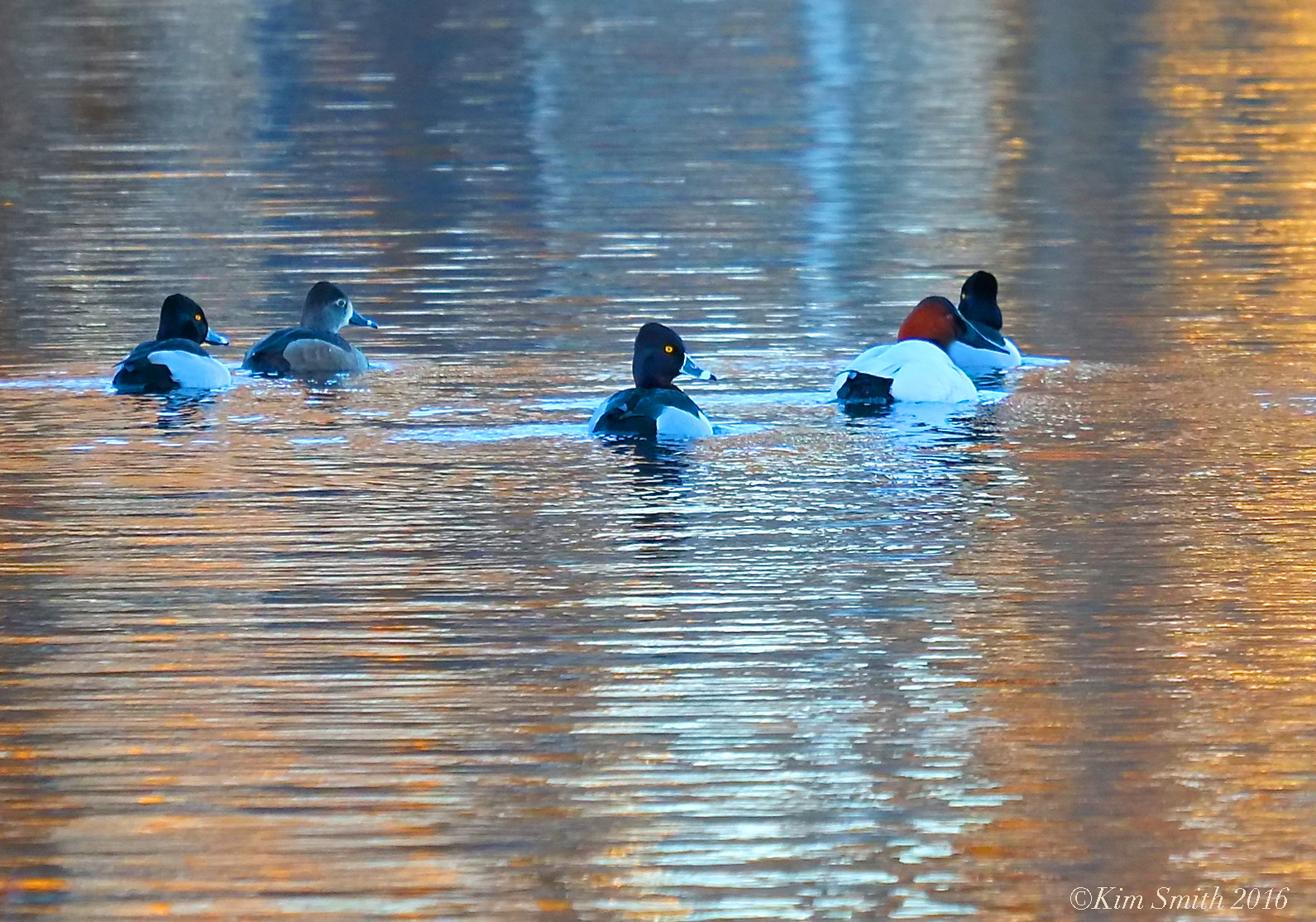
Niles Pond Canvasback Duck with Male and Female Ring-necked Ducks
I haven’t seen the Canvasback or Ring-necked Ducks since Niles Pond started to freeze on Monday. Only partially frozen in some areas and with the warmer weekend temperatures predicted, I hope they’ll return soon!
https://www.instagram.com/p/BAS0FlODyjg/
Interesting short video of eiders diving for mollusks in the Arctic ~
Spread The GMG Love By Sharing With These Buttons:

DON’T MISS THIS MOVIE
If you haven’t yet, go see Spotlight. Although we all know the outcome you will be on your seat’s edge. I had been wanting to see it for many months and was happy to find it still playing at the Liberty Tree Mall. Check times before planning because this week it was only playing in the afternoon.
Spread The GMG Love By Sharing With These Buttons:
SNOWY OWL RELEASED AT SANDY NECK BEACH!
 Norman Smith, Director of Mass Audubon’s Blue Hills Trailside Museum in Milton, has been relocating snowy owls from Logan Airport for 35 years. He does this for the safety of both the owls and planes that use the airspace.
On Wednesday, December 30, Smith brought an adult female snowy owl he had safely removed at Logan to Sandy Neck Beach in Barnstable and released it back into the wild. This owl was one of 15 Smith has removed from the airport this year. Before she was released, Smith attached a a new G3 solar transmitter, which will track her movements. The transmitter was provided by Project SNOWstorm, who collaborates with Trailside’s snowy owl research.
The Cape Cod Times was there to capture the release on video. Read more about Norman Smith and the Snowy Owl Project here. From the Mass Audubon website.
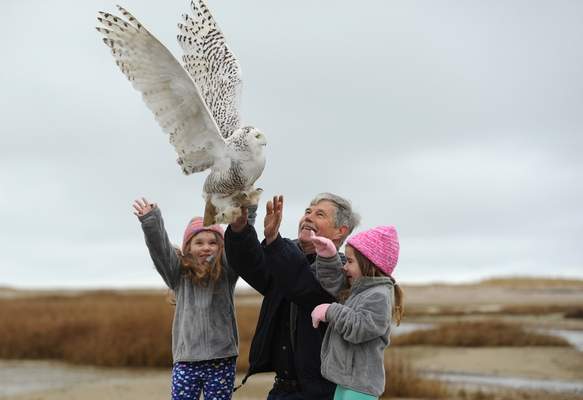 PHOTOS: Merrily Cassidy/Cape Cod Times

 Good Morning Gloucester
