E.J. Lefavour
My View of Life on the Dock
E.J. Lefavour


I woke up singing this song this morning. Since none of us can say with certainty that we won’t, I felt compelled to ask the question, and ask you to seriously contemplate the answer for yourself. If you died tonight, where would you be? Listen to this song by Big Daddy Weave and think about it. Do you know where you would be?
https://www.youtube.com/watch?v=mhn-UoWWibI

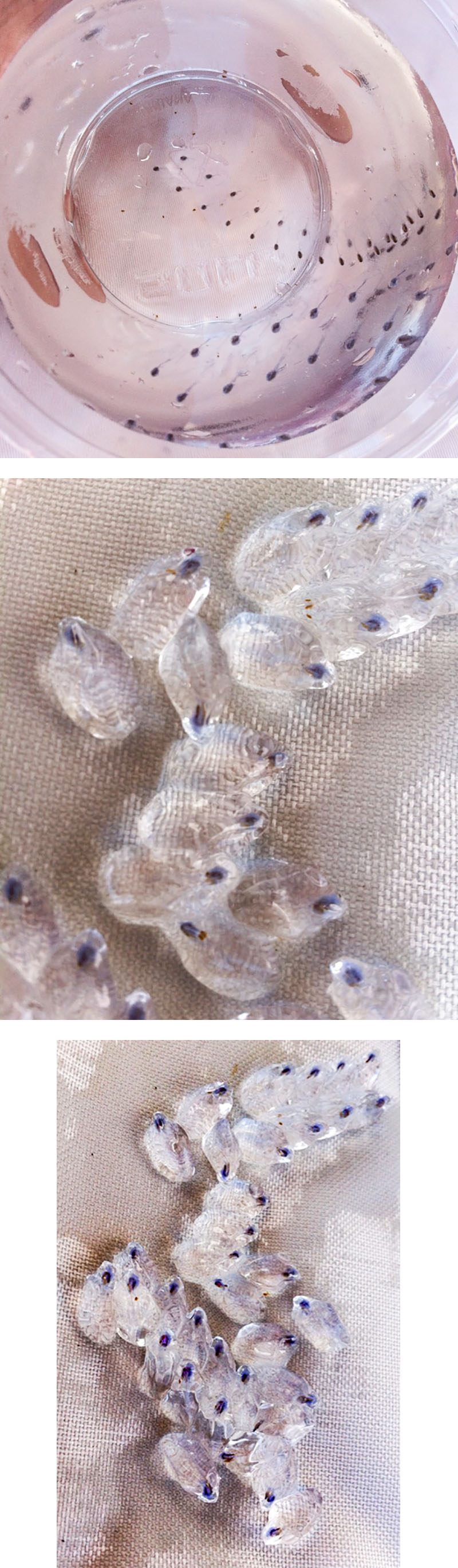
These Salps or Salpae were at Good Harbor Beach, where there were multitudes of strands of them riding on the incoming tide in the river. They are very cool gelatinous little creatures, which I had never heard of or seen before. The first photo is a couple of strands floating in a plastic cup. The other two are out of the water (although I put them right back after photographing them) on land. When you remove them from water, the strand immediately breaks up into individual animals, but when you return them to the water, they find each other and rejoin again. Very fascinating creatures.
A salp (plural salps) or salpa (plural salpae or salpas[1]) is a barrel-shaped, planktonic tunicate. It moves by contracting, thus pumping water through its gelatinous body. Salp jet propulsion is one of the most efficient in the animal kingdom.[2] The salp strains the pumped water through its internal feeding filters, feeding on phytoplankton.
Salps are common in equatorial, temperate, and cold seas, where they can be seen at the surface, singly or in long, stringy colonies. The most abundant concentrations of salps are in the Southern Ocean[3] (near Antarctica), where they sometimes form enormous swarms, often in deep water, and are sometimes even more abundant than krill.[4] Since 1910, while krill populations in the Southern Ocean have declined, salp populations appear to be increasing. Salps have been seen in increasing numbers along the coast of Washington.[5]
Salps have a complex lifecycle, with an obligatory alternation of generations. Both portions of the lifecycle exist together in the seas—they look quite different, but both are mostly transparent, tubular, gelatinous animals that are typically between 1 and 10 cm (0.39 and 3.94 in) tall. The solitary life history phase, also known as an oozoid, is a single, barrel-shaped animal that reproduces asexually by producing a chain of tens to hundreds of individuals, which are released from the parent at a small size. The chain of salps is the ‘aggregate’ portion of the lifecycle. The aggregate individuals are also known as blastozooids; they remain attached together while swimming and feeding, and each individual grows in size. Each blastozooid in the chain reproduces sexually (the blastozooids are sequential hermaphrodites, first maturing as females, and are fertilized by male gametes produced by older chains), with a growing embryo oozoid attached to the body wall of the parent. The growing oozoids are eventually released from the parent blastozooids, and then continue to feed and grow as the solitary asexual phase, thus closing the lifecycle of salps.
The alternation of generations allows for a fast generation time, with both solitary individuals and aggregate chains living and feeding together in the sea. When phytoplankton is abundant, this rapid reproduction leads to fairly short-lived blooms of salps, which eventually filter out most of the phytoplankton. The bloom ends when enough food is no longer available to sustain the enormous population of salps. Occasionally, mushroom corals and those of the genera Heteropsammia are known to feed on salps during blooms[6]
The incursion of a large number of salps (Salpa fusiformis) into the North Sea in 1920 led to a failure of the herring fishing.[7]
One reason for the success of salps is how they respond to phytoplankton blooms. When food is plentiful, salps can quickly bud off clones, which graze the phytoplankton and can grow at a rate which is probably faster than that of any other multicellular animal, quickly stripping the phytoplankton from the sea. But if the phytoplankton is too dense, the salps can clog and sink to the bottom. During these blooms, beaches can become slimy with mats of salp bodies, and other planktonic species can experience fluctuations in their numbers due to competition with the salps.
Sinking fecal pellets and bodies of salps carry carbon to the sea floor, and salps are abundant enough to have an effect on the ocean’s biological pump. Consequently, large changes in their abundance or distribution may alter the ocean’s carbon cycle, and potentially play a role in climate change.
Salps are related to the pelagic tunicate groups Doliolida and Pyrosoma, as well as to other bottom-living (benthic) tunicates.
Although salps appear similar to jellyfish because of their simple body form and planktonic behavior, they are chordates: animals with dorsal nerve cords. Such evolutionary development leads in turn to vertebrates, animals with backbones.
Salps appear to have a form preliminary to vertebrates, and are used as a starting point in models of how vertebrates evolved. Scientists speculate that the tiny groups of nerves in salps are one of the first instances of a primitive nervous system, which eventually evolved into the more complex central nervous systems of vertebrates.[8]
From Wikipedia

NEW PROJECT SEEKS TO EXPAND FREE EXPRESSION
Boston reporter & British photographer team up for media initiative
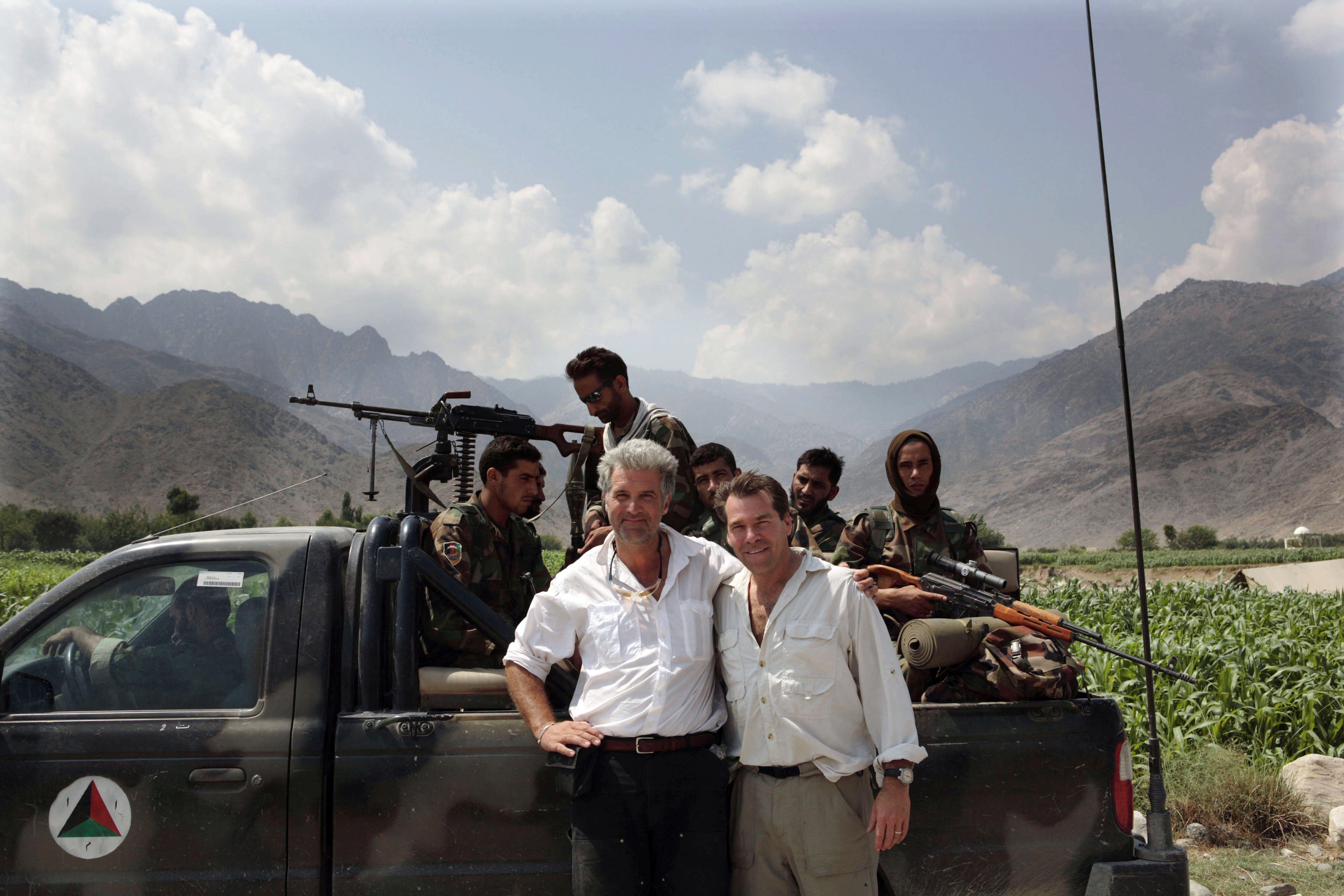
The Cape Ann Forum opens its final season with veteran reporter Charlie Sennott and photo-journalist Gary Knight on the GroundTruth Project and their efforts to promote freedom of expression in a new media environment. The free program, featuring a talk and visual images, will be held at Gloucester City Hall on Sunday, Sept. 27 from 7 to 9 p.m.
Sennott, an award-winning foreign correspondent for the Boston Globe who left in 2008 to start the online news service GlobalPost and went on to found GroundTruth earlier this year, will talk about the stories they’re focusing on, how they cover global news differently, and what they’re doing to prepare the international reporters of the future. Knight, the project’s visual editor, will talk about the role of visuals in narrative story-telling and share photographs from his work.
“In the digital age, as we are bombarded with so much information from afar, GroundTruth values the idea that being there on the ground and calibrating events in human terms is the key to getting it right,” says Sennott. “We focus on narrative storytelling about issues that matter for an increasingly interconnected world and we search for solutions to these issues.”
GroundTruth, based at WGBH Boston, trains correspondents from around the world to work together across different media platforms and cultural backgrounds with a focus on human rights, freedom of expression, emerging democracies, the environment, religious affairs and global health. Organizers say their objective is to foster dialogue and engagement while exposing injustice and finding solutions.
Over a career spanning 30 years, Sennott has been on the front lines of wars and insurgencies in 15 countries, from the jungles of Colombia to the deserts of Iraq and the mountains of Afghanistan. During the “January 25th Revolution” in Cairo in 2012 he served as lead correspondent on two award-winning documentaries for the PBS series Frontline.
He was the Globe’s Middle East Bureau Chief in Jerusalem from 1997 to 2001 and Europe Bureau Chief in London from 2001 to 2005. He founded GlobalPost after the Globe phased out the last of its overseas bureaus in 2008, and he built a global network of correspondents, many of them victims of budget cuts at print publications, who went on to win the Overseas Press Club, Polk and Peabody awards as well as the RFK Award for Human Rights Reporting.
Sennott says his experience reporting internationally led him to launch the GroundTruth Project to train the next generation of international journalists for the digital age. The project’s editorial partners include GlobalPost as well as NBC News, NPR, PBS Frontline and PRI’s The World.
British-born photographer Gary Knight started his career as a photo-journalist in 1988 covering the war between Vietnam and the Khmer Rouge and then spent six years in Bosnia, Croatia and Kosovo. He has photographed for news magazines, art-directed magazines, designed books, started media foundations and won numerous honors, including Amnesty International Awards for Journalism in 1997 and 2002, Overseas Press Club Awards, and POYi Awards.
He founded the VII Photo Agency in 2001 to “give free expression to the small number of leading news and current affairs photographers it represented.” In 2003, it was named the third most influential entity in photography by American Photo Magazine. Today it is part of GroundTruth.
“VII created a new space in the media environment that not only acts as a distribution hub for concerned visual narratives to the media but as a publishing entity and a platform for communication strategies with NGO’s such as MSF [Doctors Without Borders], Human Rights Watch and the ICRC [International Committee for the Red Cross],” says Knight who has also worked with the Crimes of War Foundation, the Frontline Club Foundation and the Indochina Media Memorial Foundation, among others.
From 1999 to 2009, Knight was a contract photographer for Newsweek, during which he photographed the invasion of Iraq, the war in Afghanistan, Darfur, and other significant world news events. In 2009, he was awarded a prestigious Nieman Fellowship at Harvard University and moved to the United States. He now directs the Program for Narrative & Documentary Practice at Tufts University.
This is the 90th Cape Ann Forum since the organization was formed after 9/11 to increase public understanding of international issues, and it will be the last full season, according to founder and chair Dan Connell, who says they are not sure whether they will fold it up next spring or scale it back and continue doing programs.
“We’re not sure what we’ll do next—perhaps an annual event and an expanded online presence, maybe a merger with another Cape Ann organization, maybe something else,” he said. “These are things we’ll talk about with our constituents over the course of this year.”
Other events planned for this “transitional” season feature Essex human rights activist Karen Keating Ansara on relief and development in post-earthquake Haiti (Nov. 15); Forum founder Dan Connell on refugees and global migration (Feb. 21); foreign policy analyst and author Stephen Walt on the U.S. and the Middle East, with journalist Christopher Lydon moderating (April 3); and security analyst, career army officer and author Andrew Bacevich on challenges the U.S. faces in the years ahead (May 15).
For more information on the Forum and future events, go to the website at www.capeannforum.org.
For media only: To interview Charlie Sennott, email him at csennott@thegroundtruthproject.org.


Falls Prevention Awareness Day
Wednesday, September 23
10:00 am—1:00 pm
Rose Baker Senior Center
Gloucester Council on Aging
6 Manuel F. Lewis Street
978-281-9765
Offered by Addison Gilbert Hospital, Lacey Health and
the Center for Healthy Aging
We invite you to attend Fall Prevention Awareness Day and to learn helpful tips showing how to prevent falling so you can always feel safe at home. As we age, the risk of falling increases, but there are many ways to prevent falls. Recognize this important event with us and celebrate Fall Prevention Awareness Day. Featured will be health screenings, information, demonstrations and giveaways:

The Annisquam History Discussion Group will present Elizabeth Enfield on Friday, September 18, 2015, at 7:30 PM at the Annisquam Village Library. Her talk with focus on Captain Oliver Griffin Lane – the life, times and voyages of the Great 19th Century Sea Captain, father, trader and Christian Man.

I personally can vouch for the incredible gift the Supportive Day Care Program is to both the participating seniors and their caregivers. We are extremely fortunate to have this program and service available for elders and caregivers in our community. If you have an elderly friend or family member that could benefit from socialization and a loving, fun environment out of the home, or a caregiver who could use some respite, check out the Supportive Day Care Program, or any of the many wonderful daily offerings at the Rose Baker Senior Center.
E.J. Lefavour





E.J. Lefavour



E.J. Lefavour

E.J. Lefavour


To add to your duck collection. Serve Joey a salad with this on top and make his day!
E.J. Lefavour

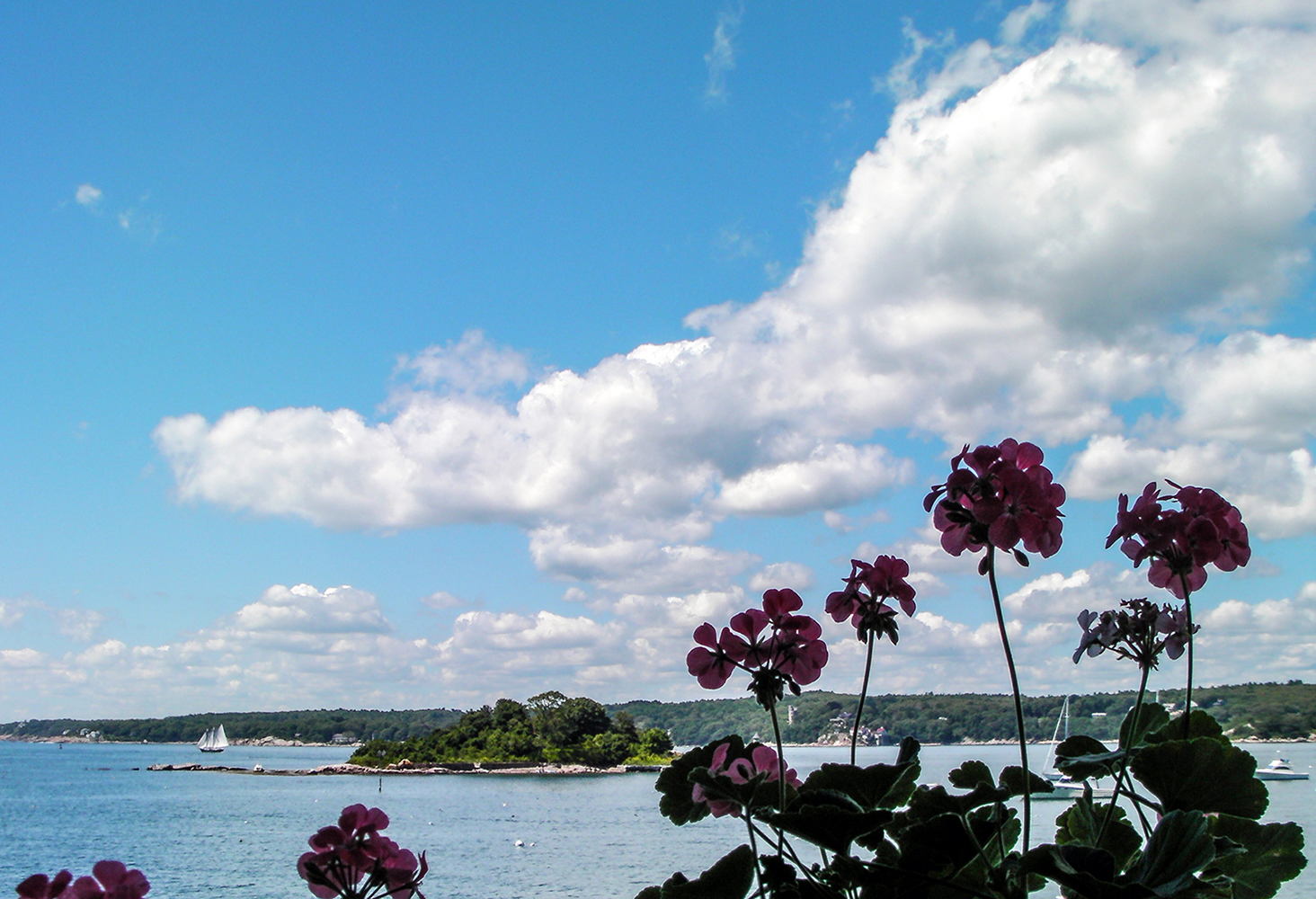
If someone didn’t know better, they would believe this was a photo taken on some beautiful tropical island. We are so blessed.
E.J. Lefavour

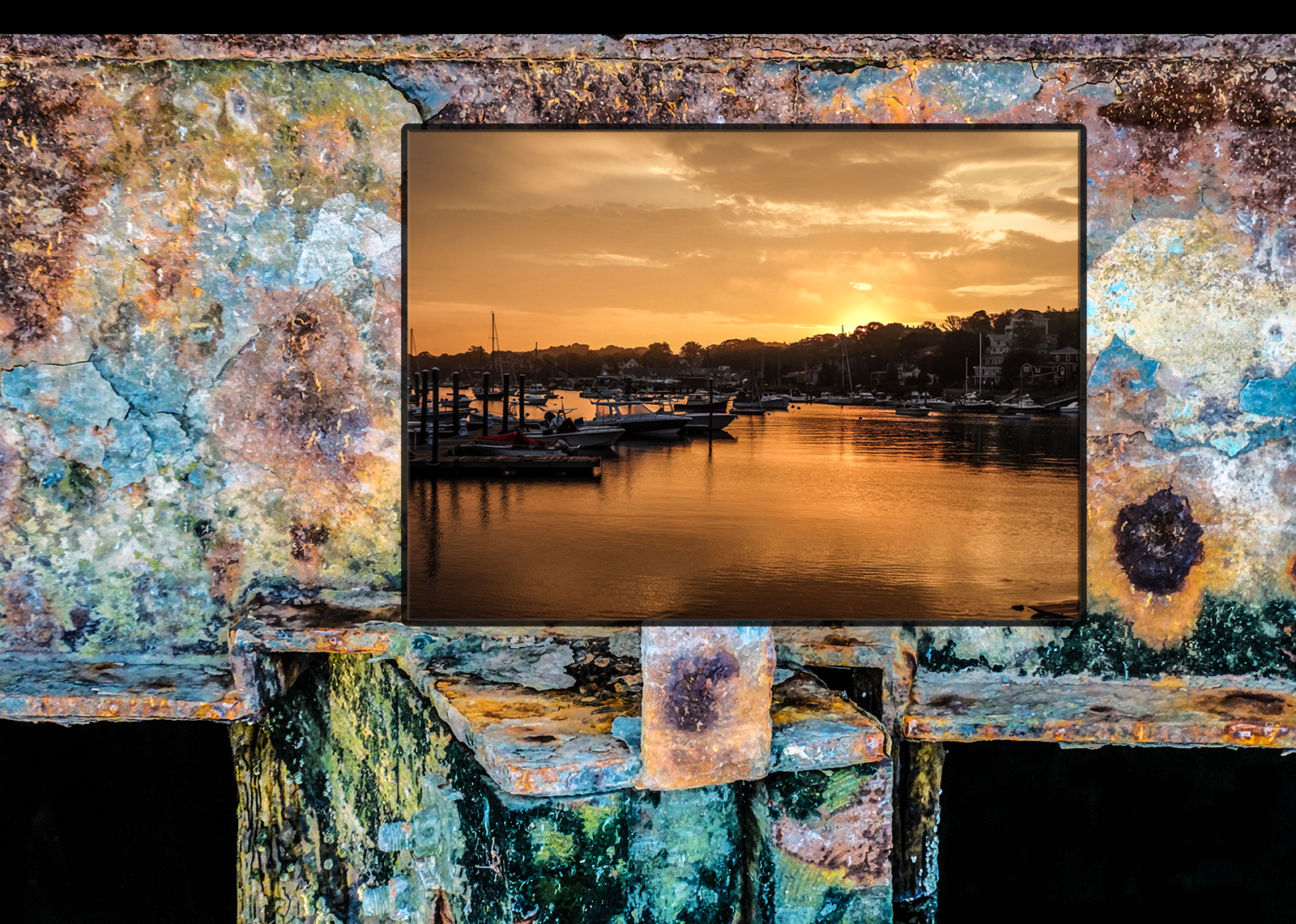
E.J. Lefavour

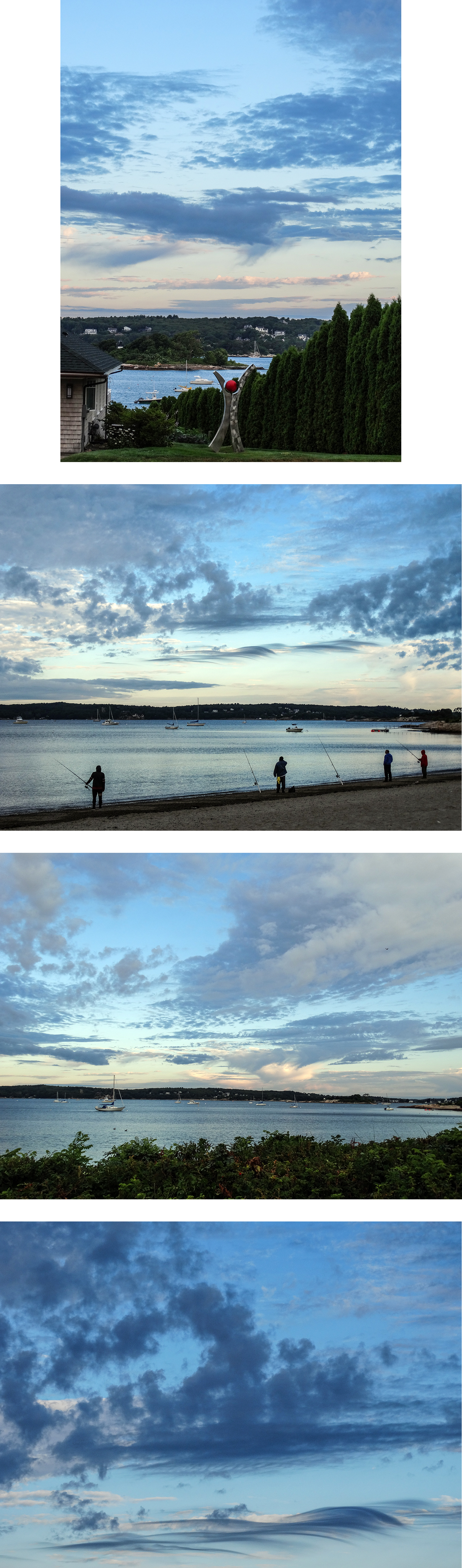
E.J. Lefavour

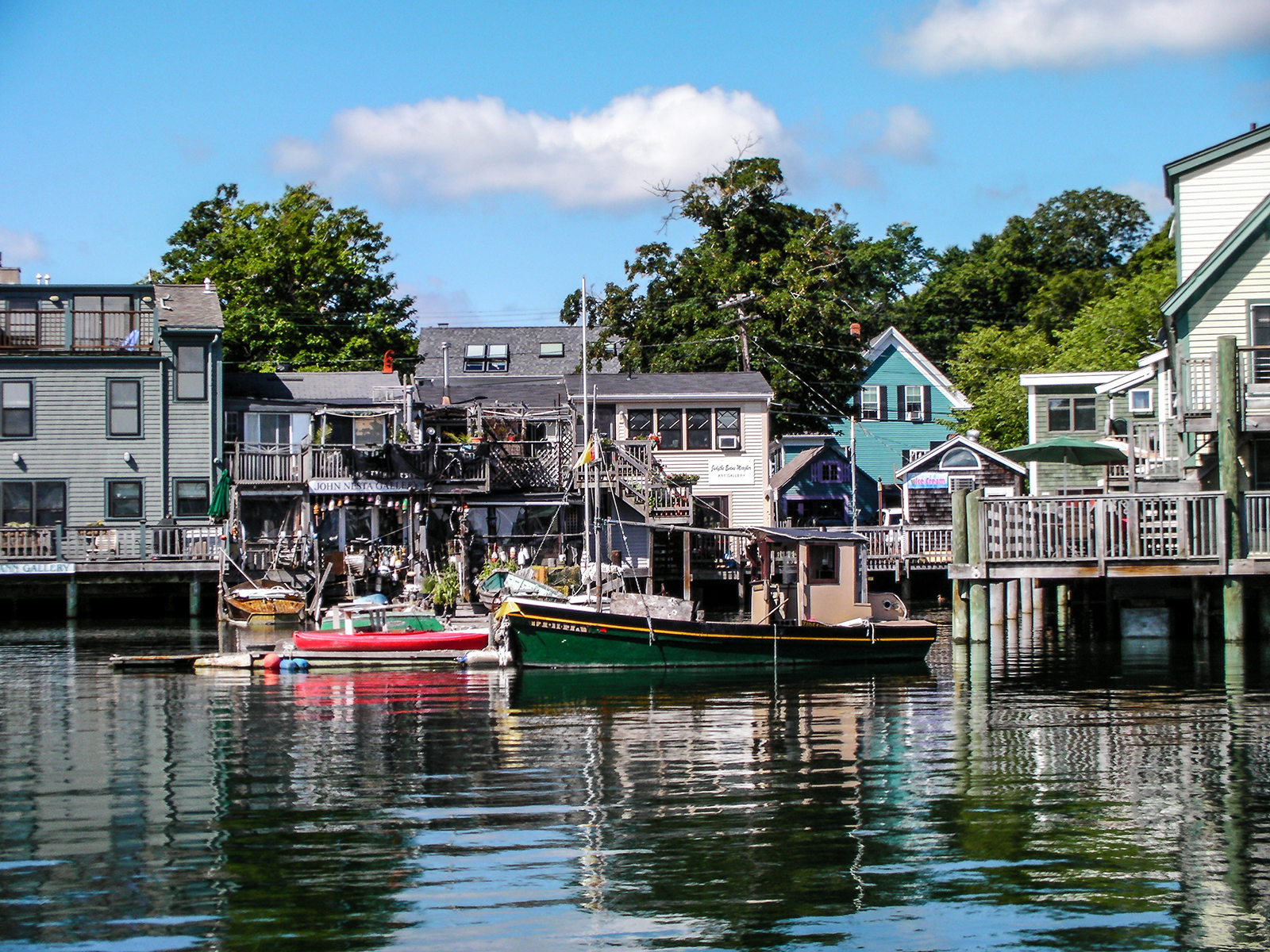
Lovely and quaint from every perspective.
E.J. Lefavour

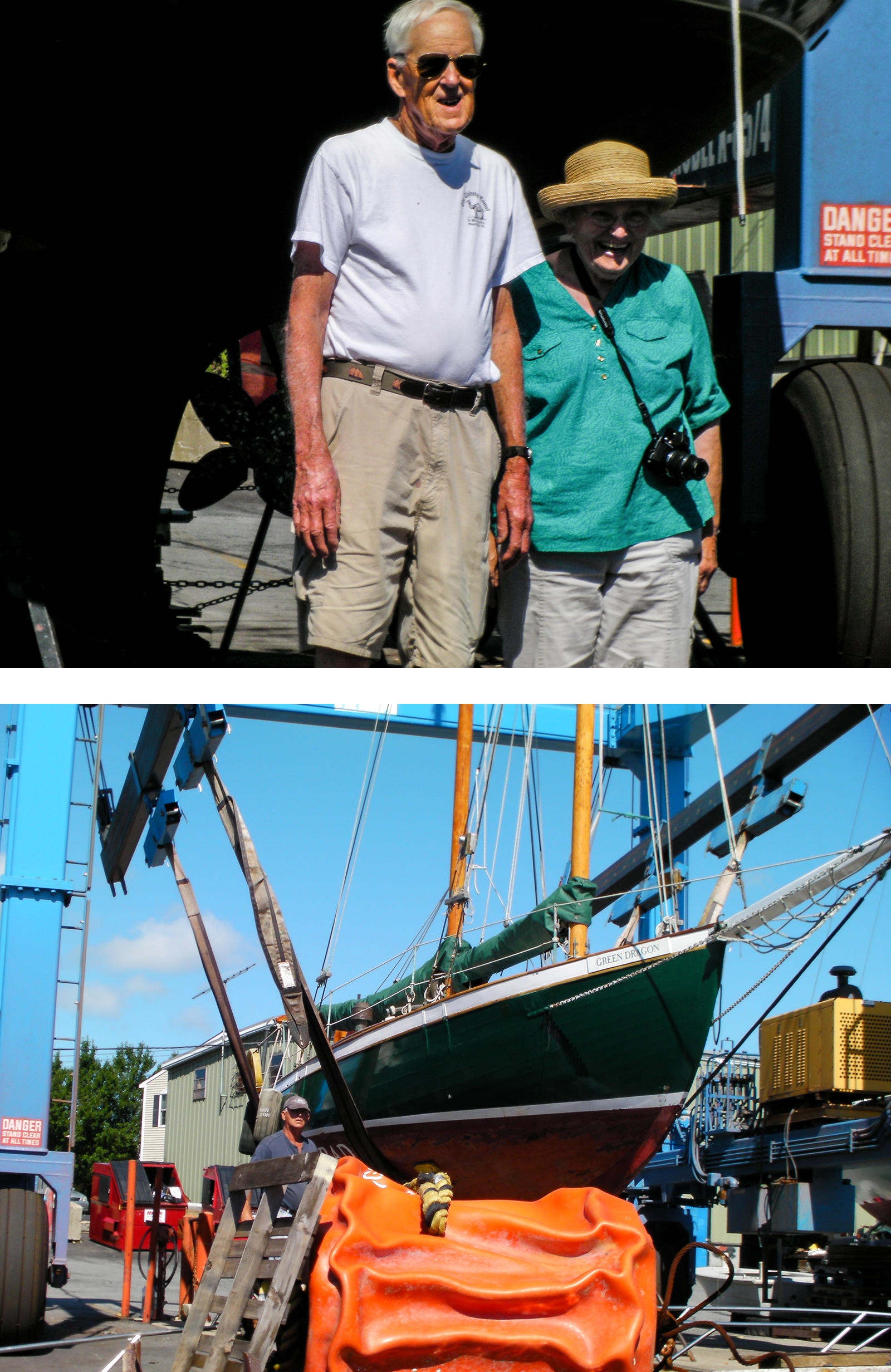
Al and Phyllis Bezanson at the Railways with Green Dragon who sprung a leak after a race in Marblehead last weekend. Al looks a little disconcerted, as he would much rather be out sailing her now than seeing her on dry land. Hopefully she will be seaworthy and back out sailing soon – the Schooner Festival is just around the corner.
E.J. Lefavour

E.J. Lefavour

 Good Morning Gloucester