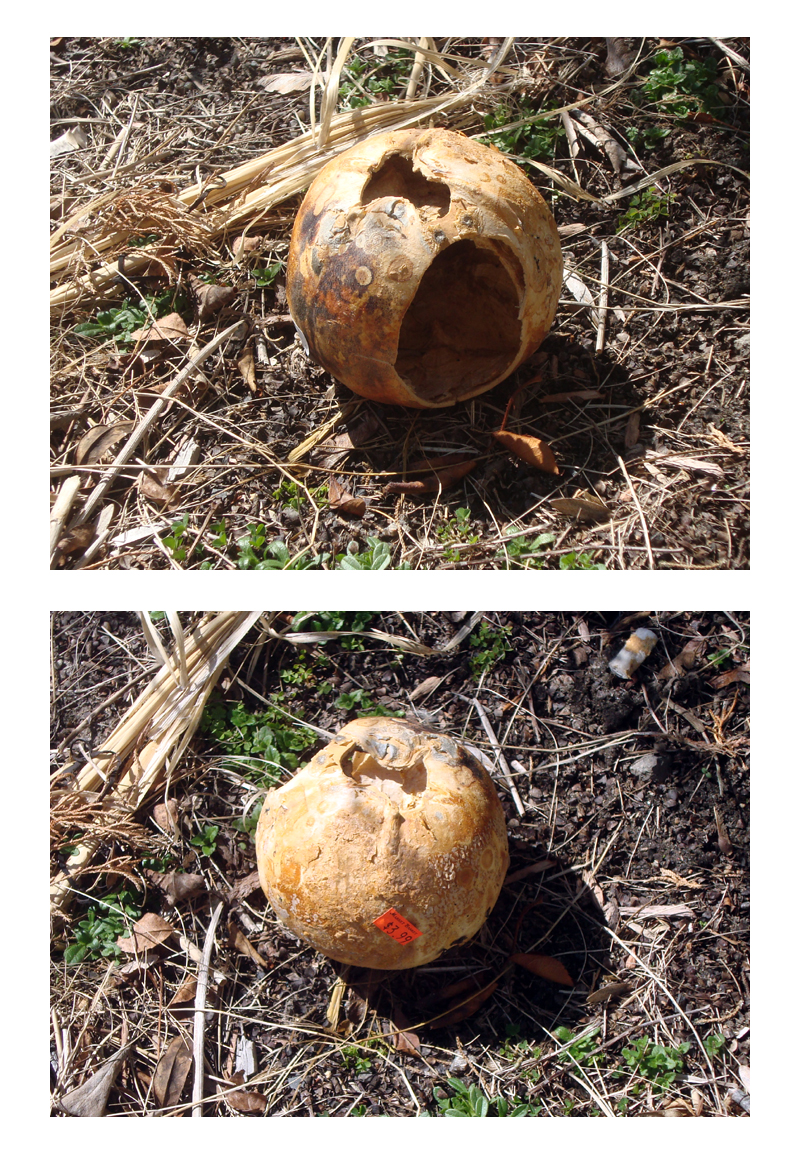
Do you know what this is? I came across it on the side of River Road. It is about the size of a softball and cost $3.99 at Market Basket.
E.J. Lefavour
www.khanstudiointernational.com
My View of Life on the Dock
Do you know what this is? I came across it on the side of River Road. It is about the size of a softball and cost $3.99 at Market Basket.
E.J. Lefavour
www.khanstudiointernational.com


That the Old Annisquam Customs House on River Road is also the site where Rudyard Kipling wrote parts of his 1897 novel Captains Courageous, which follows the adventures of fifteen-year-old Harvey Cheyne Jr., the arrogant and spoiled son of a railroad tycoon. The novel originally appeared as a serialization in McClure’s, beginning with the November 1896 edition.
The book’s title comes from the ballad “Mary Ambree”, which starts, “When captains courageous, whom death could not daunt”. Kipling had previously used the same title for an article on businessmen as the new adventurers, published in The Times of November 23, 1892.
The last photo is of a pot beside the Customs House that was once used for boiling down whale blubber to oil used for the lighting of lamps. Whales were brought to the Customs House and cut up, then boiled down for their oil. Whales are now valued in New England for their sheer majesty and whale watches are a popular excursion and business, but whale hunting and harvesting was once a major industry in the colonies. During the 18th and 19th century, whaling was a lucrative business with whale oils used for lighting and whalebone used for many other products. Hundreds of ships left New England harbors each year on dangerous whaling expeditions that sometimes took them all over the globe. With the emergence of crude oil, interest in whale oil plummeted around 1850 and the industry thankfully went into demise.
Another very interesting tip courtesy of Allen Estes.
E.J. Lefavour
www.khanstudiointernational.com


That the white chimneys with black rings or bands on many of the oldest houses are indicative of homes that supported the British? This was called a Tory chimney, and it was a secret sign that Loyalists occupied the house.
Loyalists were North American colonists who remained loyal subjects of the British crown during the American Revolutionary War. They were often referred to as Tories, Royalists or King’s Men. After the war those Loyalists that did not want to remain in the new USA settled in what would become Canada and were given the hereditary title of United Empire Loyalists. Their colonial opponents, who supported the Revolution, were called Rebels, Patriots or Whigs, but generally just thought of themselves as free Americans. From the Patriot’s perspective, the Loyalists were traitors who would not support the rebel’s cause and collaborated with what they thought was an oppressive British government. Whereas from the Loyalist perspective, they were the honorable ones who stood by the Empire and the Crown and considered the American rebels as the traitors to the mother country.
Today you still see white chimneys with black rings, but it is probably more for the aesthetics than any secret sign.
The tip for this post came from Allen Estes who I ran into working on this old home in Annisquam. In addition to his music knowledge, he is a wealth of those great little known facts I (and you) enjoy so much.
E.J. Lefavour
www.khanstudiointernational.com


That in addition to being a great musician and foundation of the Gloucester music scene, Allen Estes is also a painter? You can see him here working his paintbrush at one of the lovely old homes on River Road in Annisquam, while talking music on the phone with Peter VanNess of Gimmesound.
Hope you didn’t get sunburned Allen, you were starting to get a little pink.
E.J. Lefavour
www.khanstudiointernational.com

MCC Designates State’s First Cultural Districts
Arts Centers in Boston, Gloucester, Lynn, Pittsfield & Rockport Launch New State Initiative
MCC’s Board voted unanimously today to approve this first group of state-sponsored Cultural Districts during its meeting at the Isabella Stewart Gardner Museum in the Fenway.
“Our Cultural Districts Initiative shines a brand new spotlight on the breadth and depth of creative activity happening in every corner of Massachusetts,” said Anita Walker, MCC’s Executive Director. “Each of these communities has something very special to offer a visitor — whether they are coming from across town or across the globe. With this designation, these cities can now take their cultural life to a new level.”
A cultural district is a compact, walkable area of a community with a concentration of cultural facilities, activities, and assets. Districts attract visitors to enjoy and experience a range of cultural and commercial activities.
MCC’s Cultural Districts Initiative came out of an economic stimulus bill passed by the Massachusetts Legislature in 2010. It is designed to help communities attract artists and cultural enterprises, encourage business and job growth, expand tourism, preserve and reuse historic buildings, enhance property values, and foster local cultural development. Each district will have new signage, online profiles on the Mass. Office of Travel and Tourism and MCC websites, and other amenities.
The Initiative builds upon one of the great strengths of Massachusetts: the distinctiveness and authenticity of its communities. Cultural Districts will help cities and towns identify, support, and promote their unique identity and sense of place.
It also advances MCC’s long-term effort to harness the power of the nonprofit arts, humanities, and sciences to improve quality of life in Massachusetts cities and towns. Recent data from MassINC showed that using the arts and culture to enhance the quality of life enjoys broad public support in eleven major Massachusetts cities, and that residents who participate in cultural activities develop more positive perceptions about their community. More than 100 communities statewide have expressed interest in establishing a cultural district since the guidelines went public last year.
Supporters from each of the newly designated Cultural Districts successfully petitioned their local governments to endorse their plans, and then worked with the MCC and local partners to define
the objectives and geographical contours of their district. Hundreds of nonprofit leaders, local business and civic groups, working artists, and citizen activists contributed to this process. The result is five distinct, well defined creative hubs. Descriptions of each of the first Mass. Cultural Districts follow:
Fenway Cultural District, Boston
A walk through the Fenway Cultural District in Boston puts you at the doorstep of the world’s most acclaimed cultural destinations:
the Museum of Fine Arts with its new Art of the Americas wing; the incomparable Isabella Stewart Gardner Museum and its new performance venue where every seat is in the front row; and Symphony Hall, home of America’s favorite orchestra, the Boston Symphony. And you haven’t even scratched the surface. Art and history lovers will feast on the best of American culture and still come back for more. Dine in a museum courtyard, or duck into an authentic ethnic restaurant. Other top destinations include Fenway Studios, the New England Conservatory, the Boston Conservatory, Berklee College of Music, Massachusetts College of Art, Simmons College, and the Massachusetts Historical Society. All are easily accessible by public transportation.
Gloucester’s Rocky Neck Cultural District
There’s something special about the light here. Find out why artists from around the world are drawn to one of America’s first artist colonies: Gloucester’s Rocky Neck. Stroll through artist galleries and studios nestled on this Cape Ann peninsula. Talk to the artists and watch them work. Grab lunch on the water overlooking a working fishing harbor. Rocky Neck is one of America’s oldest art colonies, supporting an impressive number of year-round working artists. The district is home to numerous galleries and restaurants as well as the critically acclaimed Gloucester Theatre Company. Venues offer a calendar of special events like Nights on the Neck and the Rocky Neck Artist Ball. A dynamic new cultural and visitor center is also in the works.
Lynn’s Central Exchange Cultural District
The core of this city may be one of Massachusetts’ best-kept secrets — a fusion of contemporary artists and multicultural cuisine and the authentic bricks and mortar of a city steeped in a history at the forefront of America’s industrial history. Mingle with the artists and entrepreneurs who are drawn to the myriad of street activities, performances, and museums. Lynn’s Central Exchange Cultural District includes historic museums, multiple performance spaces (like LynnArts’ Neal Rantoul Black Box Theater), galleries like RAW
showcasing young artists, numerous artist studios, WFNX Radio, ethnic restaurants and marketplaces reflecting the city’s diverse population, and a resurgence of new restaurants like the Turbine Wine Bar.
Upstreet Cultural District, Pittsfield
How do you decide among the 50 restaurants, wine bars, and cafes that populate the Upstreet Cultural District? A calendar chock full of events and celebrations that regularly fill the street with vendors and artists that will tempt your aesthetic and culinary taste buds. This vibrant district will lure you into its amazing theater scene and to its family-friendly Berkshire Museum. Upstreet is home to dozens of visual, performing, and literary artists and numerous cultural
institutions, including the Barrington Stage Company and its Musical Theatre Lab, the Hancock Shaker Village, and the beautifully restored Colonial Theatre. The district also boasts a number of locally-run retail shops, art galleries, a diverse selection of ethnic restaurants, and a year-round calendar of events and celebrations like 3rd Thursdays and the WordXWord Festival.
Rockport Cultural District
From the tip of Bearskin Neck and the iconic Motif #1, to Rockport Music’s world-class Shalin Liu Performance Center with its stage overlooking the Atlantic, you’ll have a once in a lifetime experience in Rockport. Shop in more than 40 art galleries. Grab a cup of coffee while watching the waves. Find out why international visitors make this a regular destination. Rockport’s district boasts over 40 individual artist galleries and studios, as well as cultural institutions like the Rockport Art Association, one of the oldest active art associations in the nation.
http://www.massculturalcouncil.org/news/cultural_districts_announced.asp
You may not realize it, but this speaks volumes for Cape Ann that out of the whole state, we received two of the first five cultural district designations. Congratulations to all those who worked so hard in Gloucester and Rockport to make this happen. There is also work underway for a third Downtown Gloucester Cultural District, which will ultimately give us three Cultural Districts in this one little slice of Heaven called Cape Ann. Pretty amazing.
E.J. Lefavour
www.khanstudiointernational.com


I didn’t know any more about St. Joseph than I did about St. Patrick, not being Catholic or Italian or connected to the Irish in me, so this is for those of you who like me, didn’t know.
Saint Joseph’s Day, March 19, the Feast of St. Joseph is in Western Christianity the principal feast day of Saint Joseph, Spouse of the Blessed Virgin Mary. It has the rank of a solemnity in the Roman Catholic Church; Catholics who follow the Missal of 1962 celebrate it as a first class feast. Previous to 1962 it was celebrated as a feast of the rank of double of the first class.
In Sicily, where St. Joseph is regarded by many as their Patron Saint, and many Italian-American communities, thanks are given to St. Joseph (“San Giuseppe” in Italian) for preventing a famine in Sicily during the Middle Ages. According to legend, there was a severe drought at the time, and the people prayed for their patron saint to bring them rain. They promised that if he answered their prayers, they would prepare a large feast to honor him. The rain did come, and the people of Sicily prepared a large banquet for their patron saint. The fava bean was the crop which saved the population from starvation and is a traditional part of St. Joseph’s Day altars and traditions. Giving food to the needy is a St. Joseph’s Day custom. In some communities it is traditional to wear red clothing and eat a Sicilian pastry known as a zeppola on St. Joseph’s Day. Sweets are popular because St. Joseph is the patron saint of pastry chefs. (Who knew pastry chefs had their own patron saint. No wonder Italian pastry is so great.)
Upon a typical St. Joseph’s Day altar, people place flowers, limes, candles, wine, fava beans, specially prepared cakes, breads, and cookies (as well as other meatless dishes), and zeppole. Foods are traditionally served containing bread crumbs to represent saw dust since St. Joseph was a carpenter. Because the feast occurs during Lent, traditionally no meat was allowed on the celebration table. The altar usually has three tiers, to represent the trinity.
Saint Joseph’s Day is also celebrated in American communities with high proportions of Italians such as New York City; Utica, New York; Buffalo; Kansas City, MO; Chicago; Gloucester, Mass.; and Providence, Rhode Island, where observance (which takes place just after Saint Patrick’s Day) often is expressed through “the wearing of the red”, i.e., wearing red clothing or accessories similar to the wearing of green on Saint Patrick’s Day.
St. Joseph’s Day is also the day when the swallows are traditionally believed to return to Mission San Juan Capistrano after having flown south for the winter.
http://en.wikipedia.org/wiki/Saint_Joseph’s_Day
So now you know.
E.J. Lefavour
www.khanstudiointernational.com

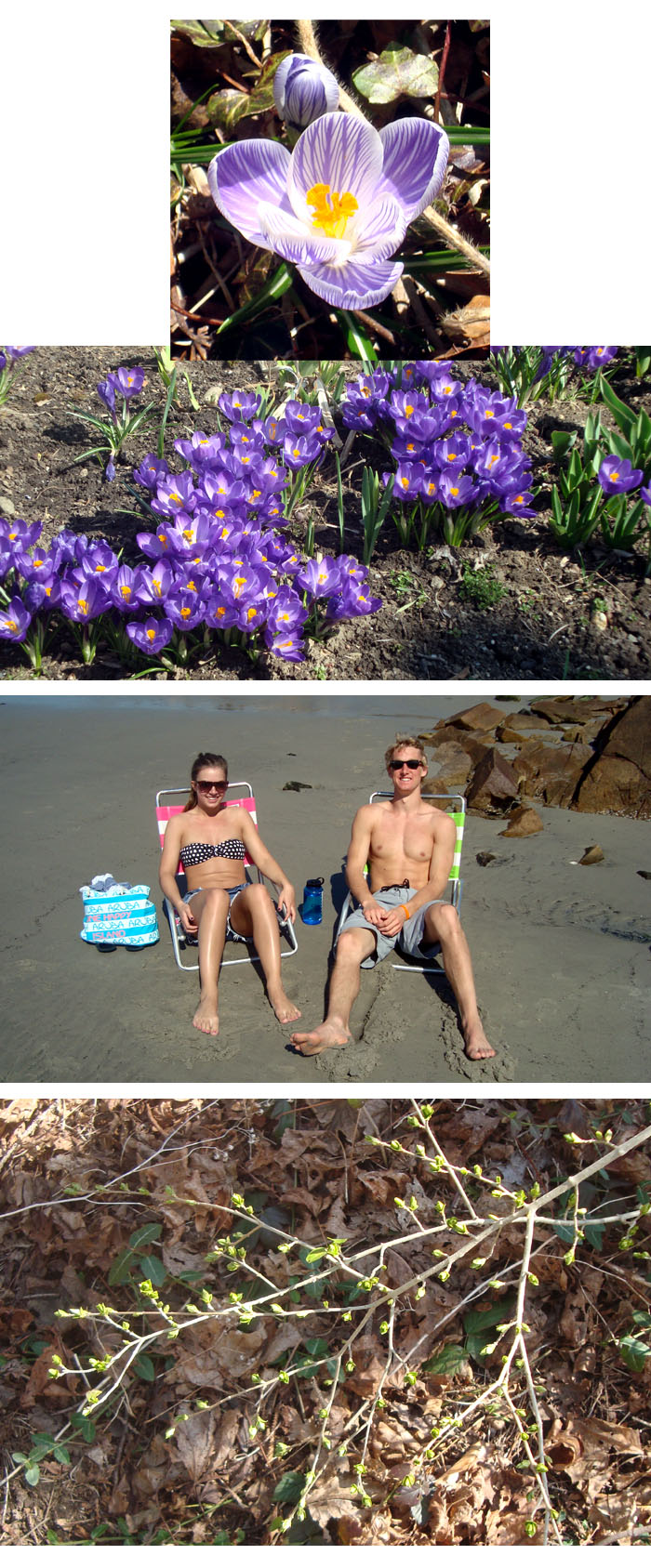
Although everywhere you look today there are clear signs of Spring, or early summer, Spring will arrive on Tuesday, March 20, at 1:14 A.M. EDT.
E.J. Lefavour
www.khanstudiointernational.com


Saint Patrick, who lived during the fifth century, is the patron saint and national apostle of Ireland. Born in Roman Britain, he was kidnapped and brought to Ireland as a slave at the age of 16. He later escaped, but returned to Ireland and was credited with bringing Christianity to its people. In the centuries following Patrick’s death (believed to have been on March 17, 461), the mythology surrounding his life became ever more ingrained in the Irish culture: Perhaps the most well known legend is that he explained the Holy Trinity (Father, Son and Holy Spirit) using the three leaves of a native Irish clover, the shamrock.
Since around the ninth or 10th century, people in Ireland have been observing the Roman Catholic feast day of St. Patrick on March 17. Interestingly, however, the first parade held to honor St. Patrick’s Day took place not in Ireland but in the United States. On March 17, 1762, Irish soldiers serving in the English military marched through New York City. Along with their music, the parade helped the soldiers reconnect with their Irish roots, as well as with fellow Irishmen serving in the English army. http://www.history.com/topics/st-patricks-day
Green represents the Roman Catholic Irish and orange represents the Protestant Irish. To this day my mother still wears orange on St. Patrick’s Day to represent the Protestant Irish part of her ancestry. I happen to be wearing green today because I like it and it was the first thing I picked up to put on.
E.J. Lefavour
www.khanstudiointernational.com

A flock of my favorite early spring arrivals descended on Annisquam today with their wonderful call. I didn’t see them, hence no photo, but the call they make is distinctly them and goes: conk-a-reeee, conk-a-reeee! Who can identify these birds? You see them along marshes, clinging to cattails and reeds.
E.J. Lefavour


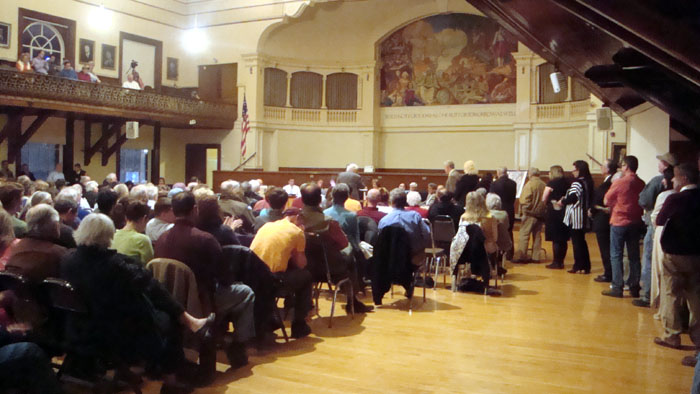
This is a photo from last night’s very well attended Planning Board and Planning and Development Committee meeting at City Hall on the Rezoning of Commercial Street #33 and #47 (Bird’s-Eye), Amend Gloucester Zoning Ordinance to create a Hotel Overlay District. I didn’t stay for the whole meeting, but did hear Sheree Delorenzo’s as well as her attorney’s presentations, which answered any questions I had, and got to hear a number of the people who spoke out in favor of the proposal. All those lined up along the right hand wall were waiting their turn to speak.
I found the message under the mural very approriate for the meeting: “Build Not For Today Alone, But For Tomorrow As Well”.
E.J. Lefavour

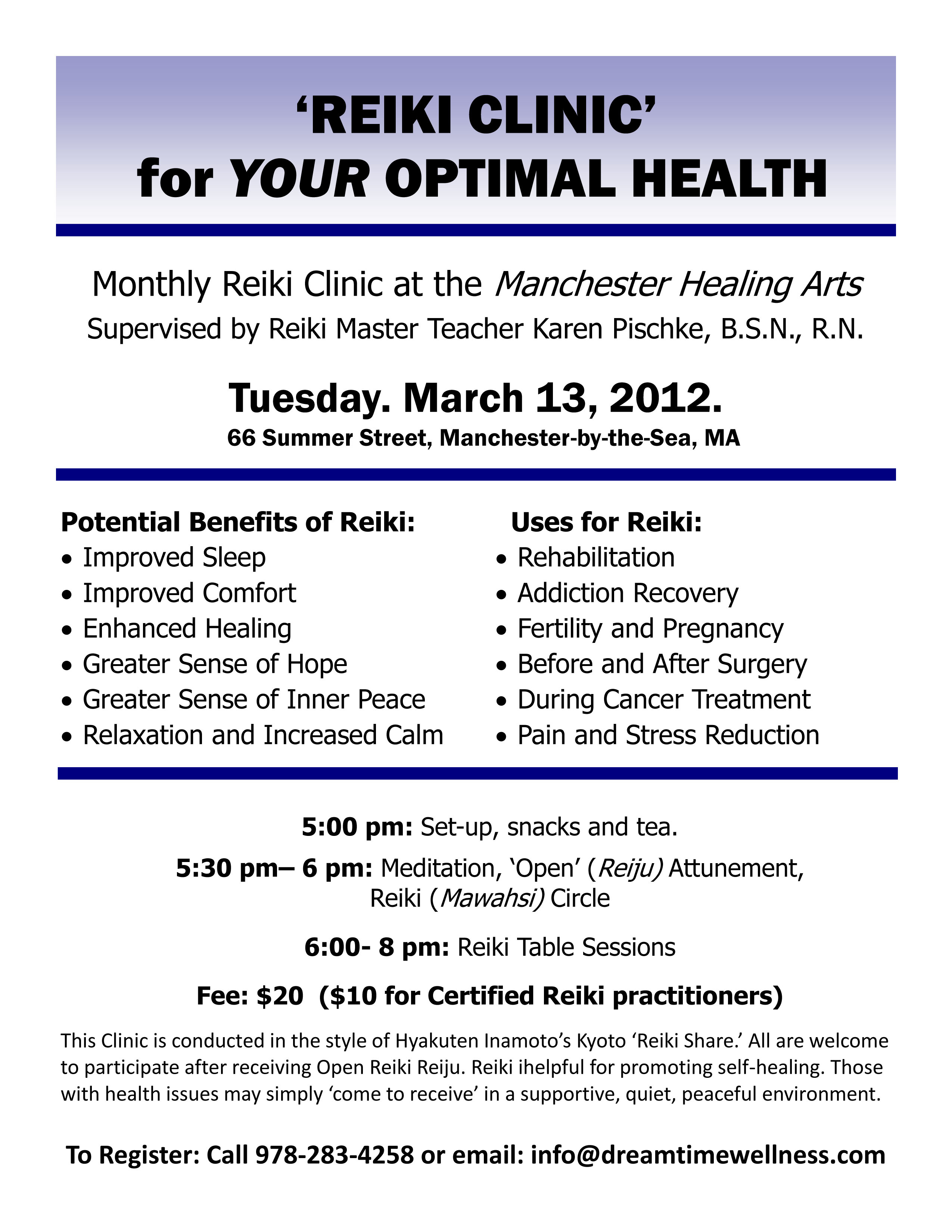
That Reiki is a Japanese technique for stress reduction and relaxation that also promotes healing? It is administered by “laying on hands” and is based on the idea that an unseen “life force energy” flows through us and is what causes us to be alive. If one’s “life force energy” is low, then we are more likely to get sick or feel stress, and if it is high, we are more capable of being happy and healthy.
The word Reiki is made of two Japanese words – Rei which means “God’s Wisdom or the Higher Power” and Ki which is “life force energy”. So Reiki is actually “spiritually guided life force energy.”
I believe Jesus of Nazareth was the greatest Reiki master who ever lived, but he also made it clear that we all possess the same abilities he had, if we only learn to use them. What is the first thing we all do if we get an injury or have a pain? We instinctively put our hand over it, because our highest self knows that is where the healing energy comes through, whether our conscious minds knows it or not.
I used to host monthly Reiki healing circles when I was in Florida, and can say that the energy channeled is amazing. There is nothing strange, new age or religious about it. It is ancient and natural.
E.J. Lefavour

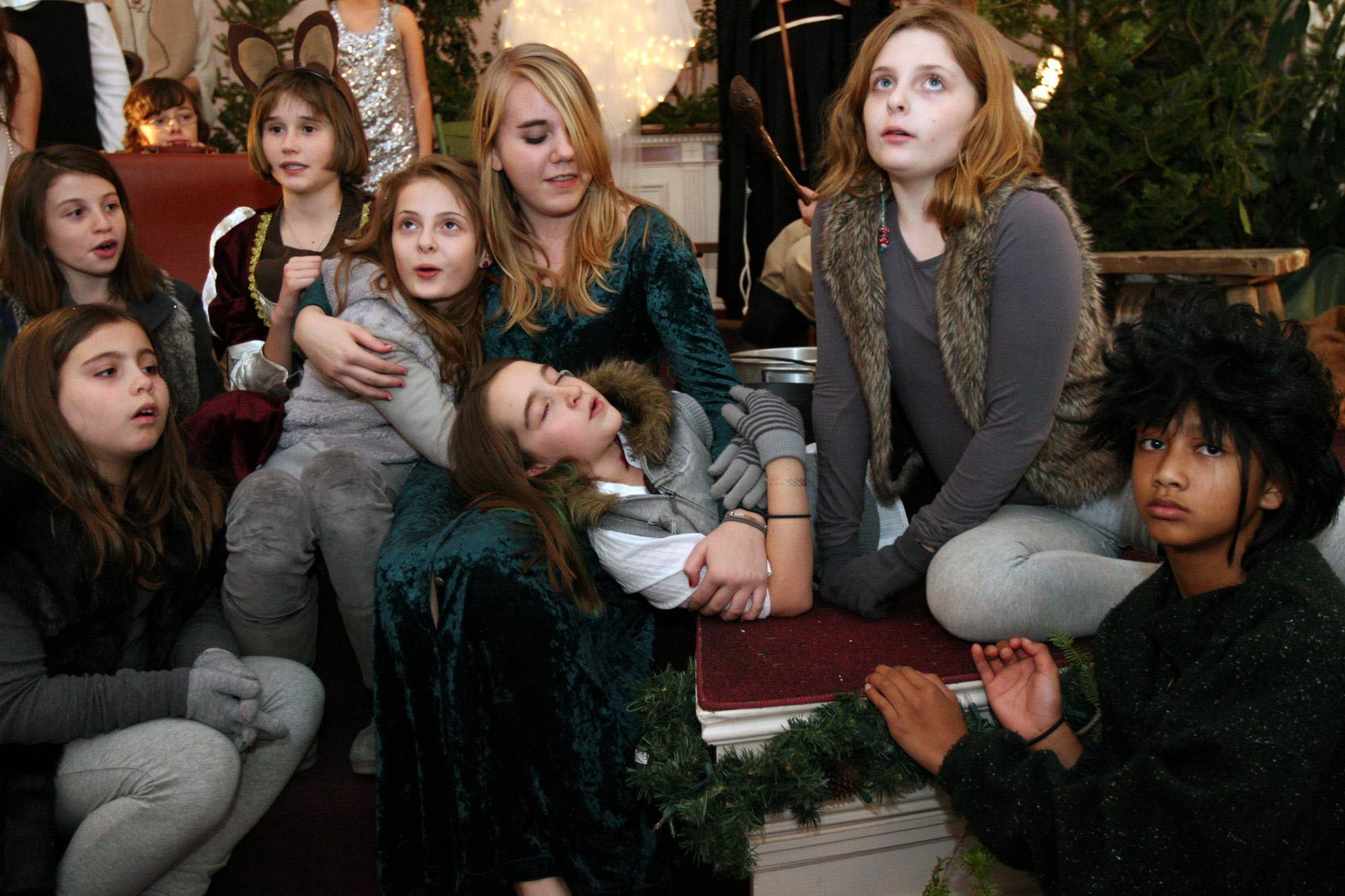
THE SUMMER PIE PLAYHOUSE
SIX (6) – One Week Morning Workshops for Players entering grades 1-7*
Monday – Friday, 9:00 am – 12:15 pm and on Friday until 2:00 pm
A SHOW EVERY FRIDAY AT 1:00 for one and ALL
A different workshop each week – Please register for one or more weeks
Fee: $100 per week – per Player
The Summer Pie Playhouse meets and performs
at The Unitarian-Universalist Society of Rockport at 4 Cleaves Street
Workshop Weeks: June 25-29, July 9-13, July 16-20, July 23-27, July 30-August 3, and August 6-10, (no workshop July 4 week)
Registration is on a first come basis with a maximum of 24 Players
Registration is due three weeks in advance of each participating week
A minimum of 10 Players must be met to run a week
To register or inquire contact Dona Lambert @ donalambert1@gmail.com
FYI & General Schedule:
Bring a substantial snack and drink M-TH, on Friday bring a full lunch and drink.
*Players entering Grade 7 will work in the small groups as peer leaders. They will also have some time, in a group together, to plan a special act for the Show.
Each small group will have a Coach, (Jr/Sr. in HS, or College Arts Student), and a Cheerleader, (a volunteer Arts Student entering grades 8-10), and possibly a 7th. Grade Peer Leader)
Figment Coaches will take Players for special work as it is imagined and invented in creating a song, dance, scene, or poem. So within the small groups, there are even further possibilities, as the Spirit Leads for creating.
Head Coach: Dona Lambert
Cheerleaders: Volunteers entering grades 8-10 who have worked with Dona. Apply to Dona for the week or weeks of your choice.
Coaches: Paid Staff. Must be a Jr. or Sr. in HS or a College Student and must have worked with Dona.
Apply to Dona for the week or weeks of your choice.

Essex, MA – On Wednesday, March 28th at 7:00 pm the Essex Shipbuilding Museum and Schooner Adventure will join forces and present Ron Gilson, author of “An Island No More”, who will relate his experiences about going out on the last American dory fishing schooner, Adventure – an Essex-built vessel, while a young man of 17 years of age.
Ryan & Wood Distilleries will also be joining us for the evening and presenting a rum tasting.
Admission: $10
Wednesday, March 28, 2012
7:00 pm
Essex Shipbuilding Museum
Waterline Center
66 Main Street
Essex, MA 01929
For further information or to purchase tickets in advance, please visit www.essexshipbuildingmuseum.org.
What do March flowers bring?
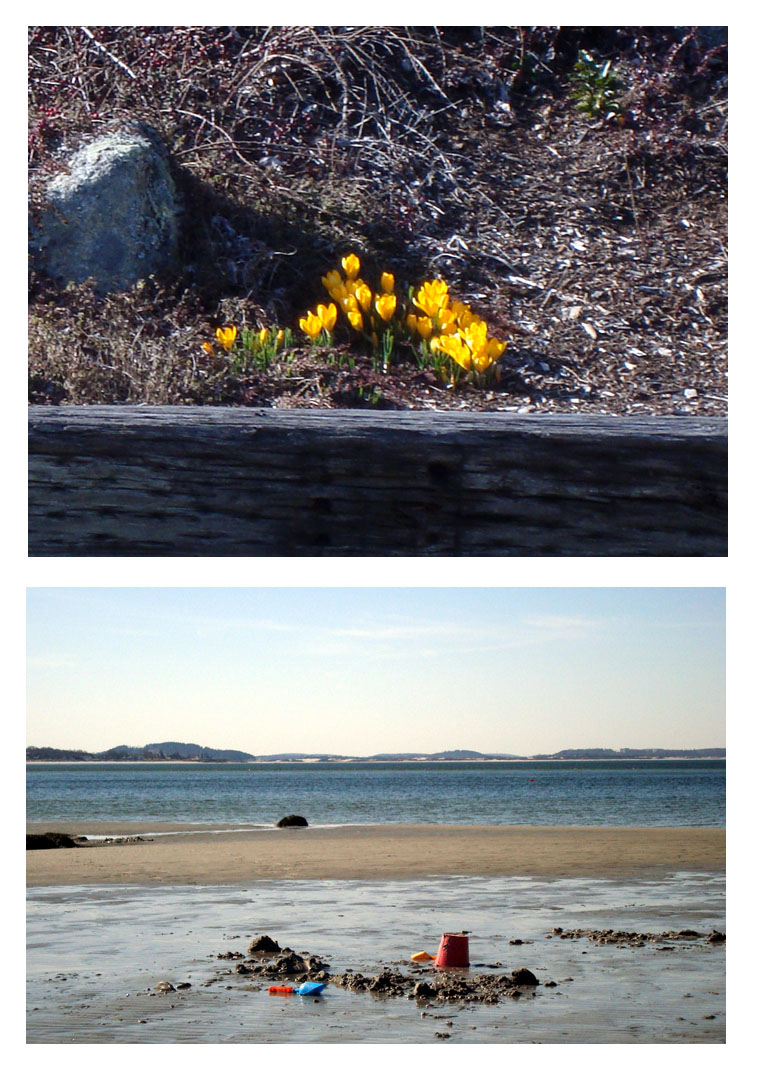
April sand castles? Nope, they are already happening in March.
E.J. Lefavour

The men and women who receive these honors will come from all walks of life. Some are known for simple deeds they do for their neighbors. Others are honored for giving generously to the entire community. All will be people who have worked persistently and quietly to make a mark on Gloucester. They will be chosen because their actions embody the best of the spirit that guides Unitarian Universalism – open-hearted giving to others, solely for what those gifts mean, for no pay, and often with little or no public notice. From young to old, there are no age limits
Nominations are due no later than Friday, April 13. They must be in writing and include the name and address of the nominee, why this person should be honored, and the name and contact information of the person making the nomination. Nominations may be sent to the Gloucester Unitarian Universalist Church, 10 Church St., Gloucester MA 01930, or emailed to gloucesteruu@earthlink.net.
Final choices will be made by the church’s Social Justice Committee. The awards will be made at a public event at the church on Sunday, May 20.
Previous Recipients of Gloucester Unitarian Universalist Church Community Recognition Awards
Shep Abbott David Benjamin Sherry Borge David Brooks Stephanie Buck Thomas Byers
Joey Ciaramitaro Daniel Connell John Crowningshield Sarah Dunlap Carolyn Edwards Bob French
Bob Gillis Renee Gross-Nutbrown Phil Hadley Patricia Hadley Sewell Hayes Vilma Hunt Barbara Koen Marty Morgan Carolyn O’Connor SooHwa Ono Loretta Peres Dolores Perrin Joshua Perrine Geoffrey Richon Donald Riley Rick Roth Janis Stelluto Jane Walsh Mary Weissblum Bob Williams Dick Wilson
Hi, Joey,
Could you please post the news that nominations are now open for the 2012 Community Recognition Awards given by the Gloucester Unitarian Universalist Church. See the attached press release.
Sorry – but only one award to a customer per lifetime! (when you come back as a turtle or maybe a goosefish we can try again.)
Thanks for your consideration—
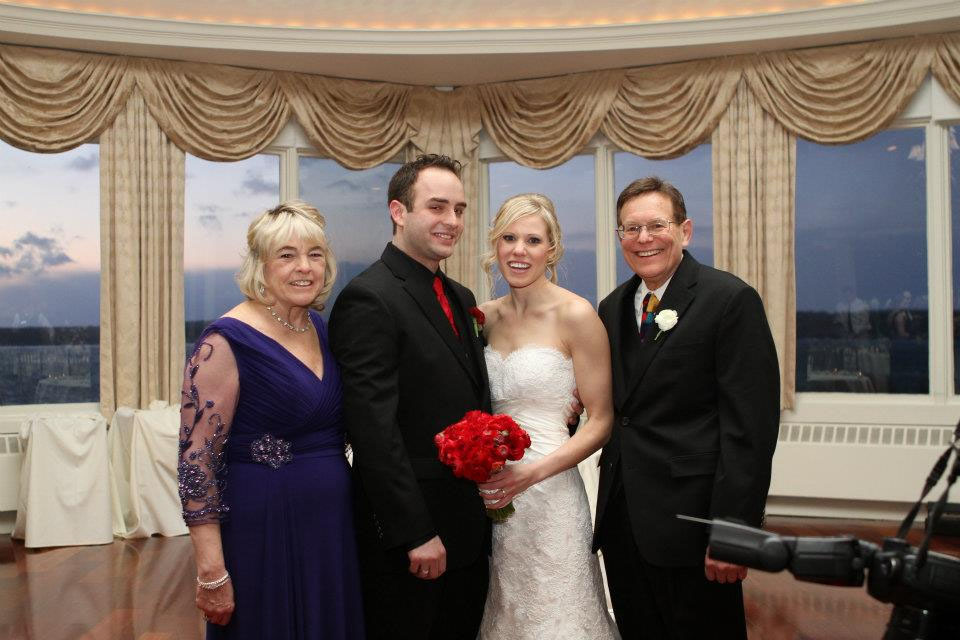
George and Julie got hitched! Their engagement was announced on GMG on July 3, after George came to Rocky Neck to ask Eric Kaplan for his daughter Julie’s hand in marriage. https://goodmorninggloucester.wordpress.com/2011/07/03/did-you-know-love-and-wedding-bells-in-the-air/
They were married last week in Newport, RI at the Ocean Cliff Hotel. Eric sent in this photo and update. Congratulations Julie and George. Look forward to seeing you on Rocky Neck this summer as Mr. & Mrs. Tzortzis.
E.J. Lefavour
www.khanstudiointernational.com

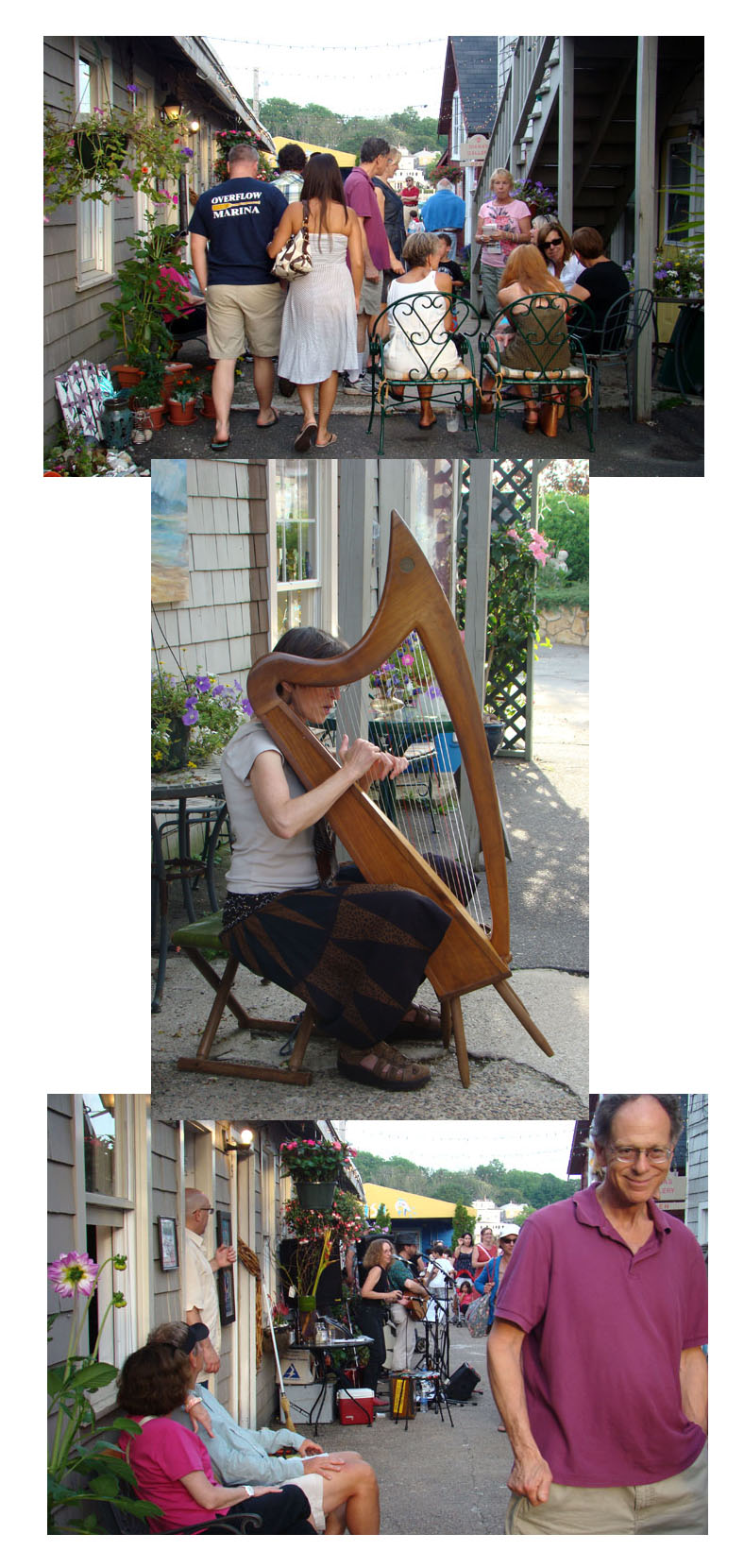 I am helping coordinate performers for Nights on the Neck this season. We are going to try to have the season scheduled by the end of April, so we can get posters and publicity ready and out early this year. Nights on the Neck are the first Thursday of the month, June-September. The dates this year are June 7, July 5, August 2 and September 6, and the event runs from 5:30-9:30. We expect to have about 8 performances along Rocky Neck each of the nights, with performance durations from 45 minutes to 1-1/2 hours. Those of you who have performed here in the past already know how well attended and fun Nights on the Neck are. This will be our first season as a newly designated Massachusetts Cultural District, so we are looking to really amp things up and offer a first class cultural event for the community and visitors to Cape Ann. If you would like to perform, please email me at khanstudio@comcast.net with the date(s) you are available and the time that works best for you, as well as what you do, your performance duration, and specific needs. Also, if you have a preference as to the gallery or location where you would like to perform, please let me know. Some locations may also specifically request performers who have performed at their locations in the past, so we want to try to accommodate everyone as best we can. Also email me with any other questions you might have.
So as to create a well-rounded cultural event, and not upset our Rocky Neck neighbors, we are looking for performers that have something fun, thought provoking, unique, exciting, all ages appropriate, and not overly loud to offer. If you are a musician, spoken word poet, juggler, dancer, comedian, writer, puppeteer, mentalist, hypnotist, storyteller, etc. who would like to be a part of creating a great Nights on the Neck experience, step forward.
E.J. Lefavour


 Good Morning Gloucester