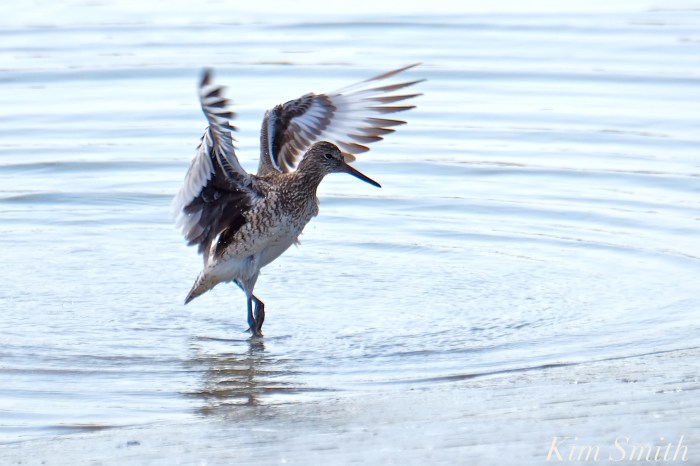
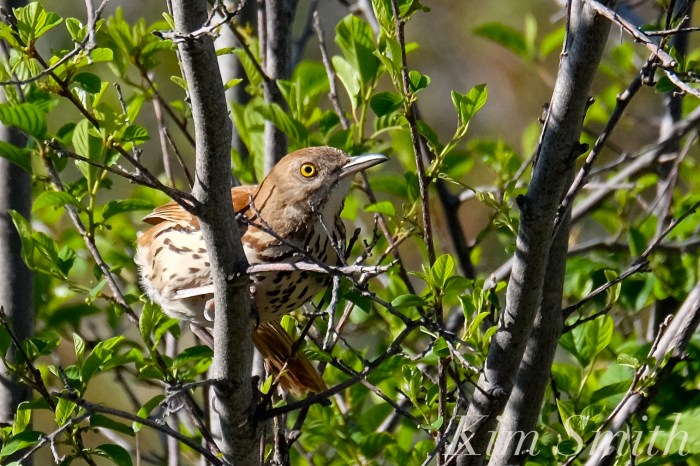
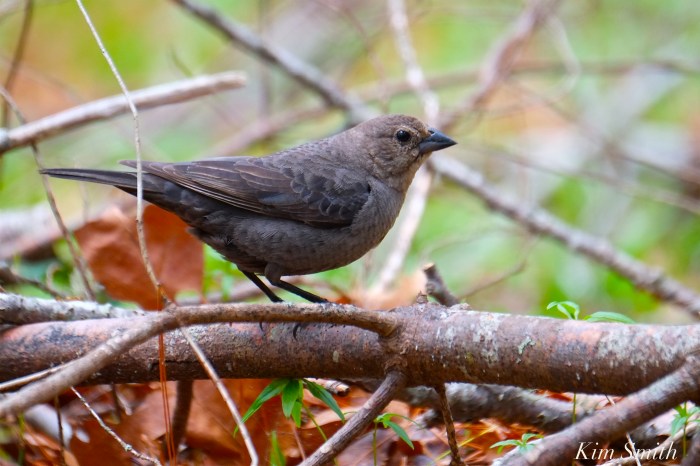
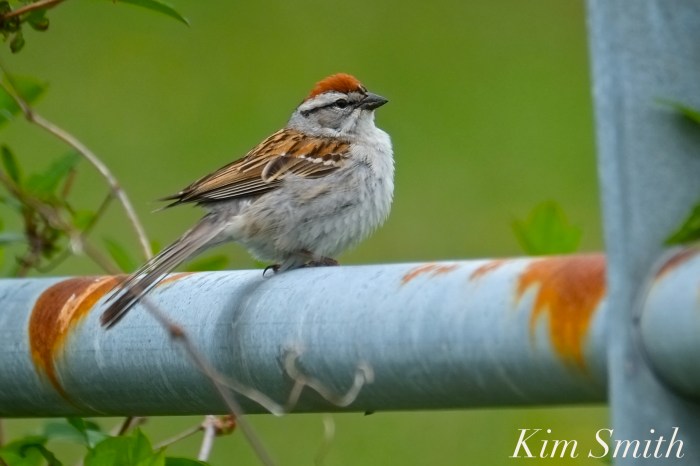
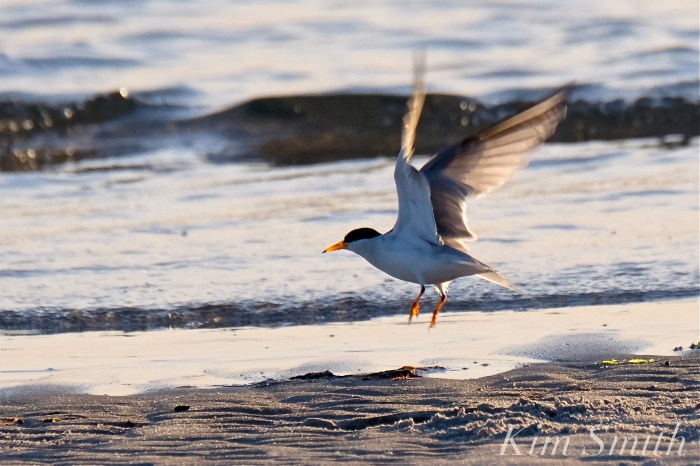
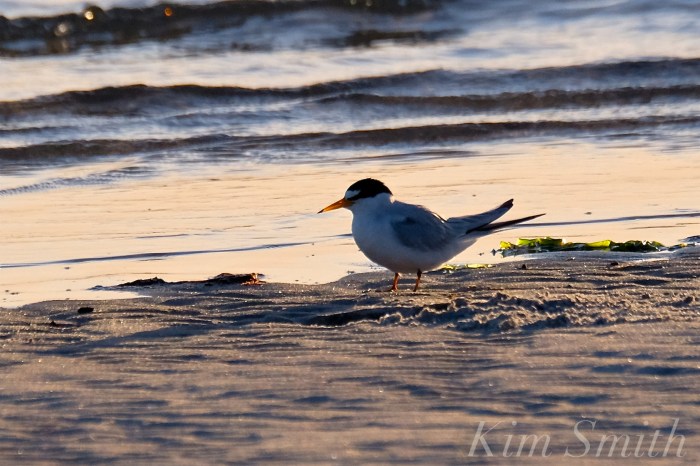
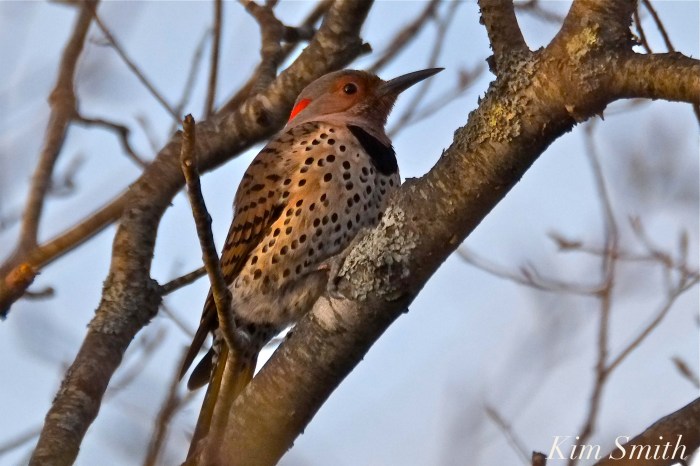
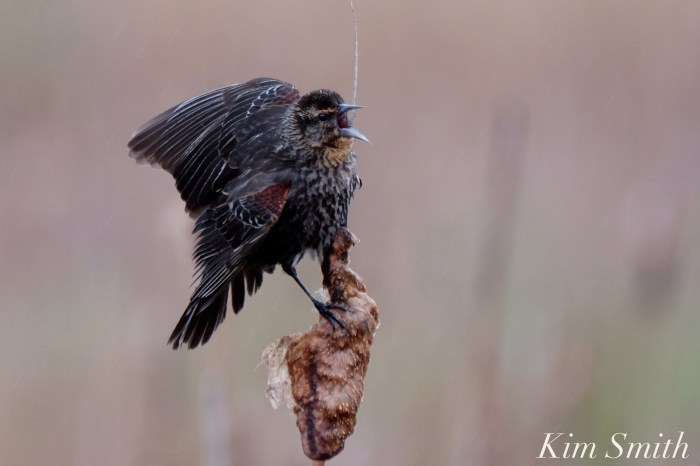
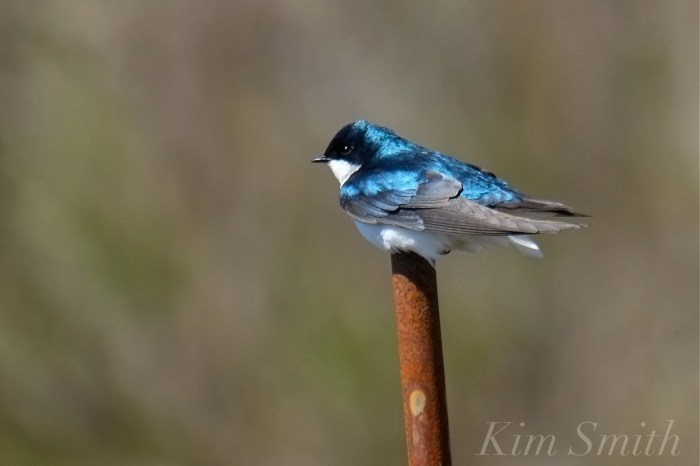
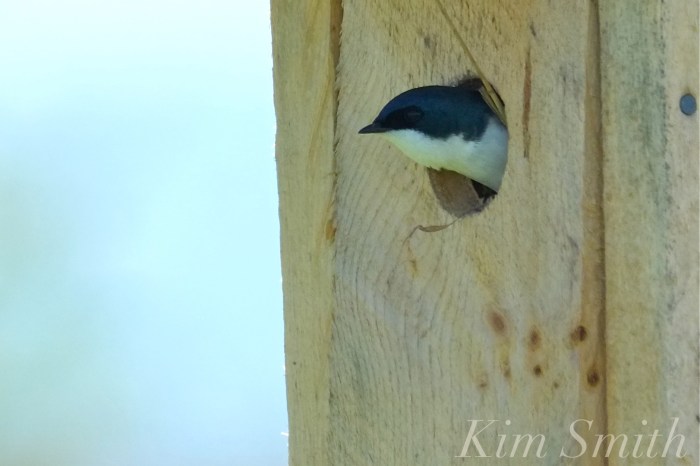
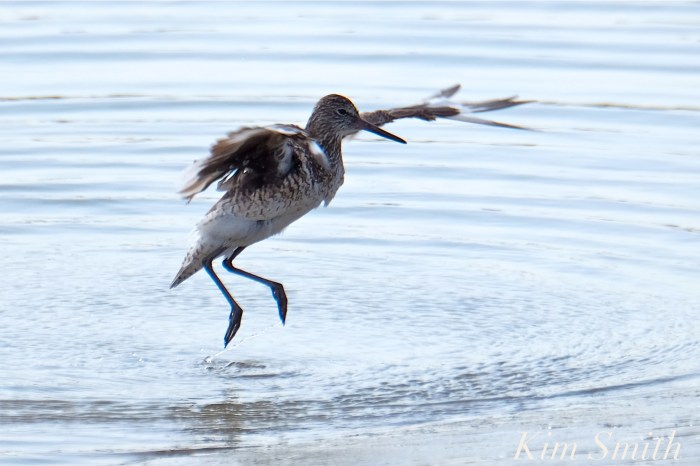
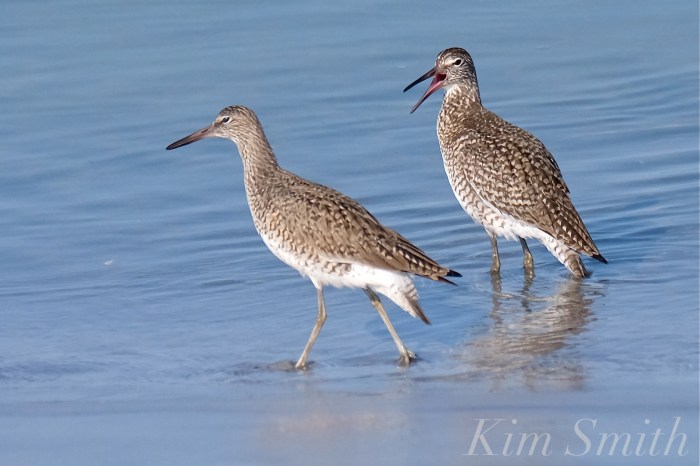
 Featuring Dowitchers, Ruddy Turnstone, Least Tern, Eastern Kingbird, Eastern Towhee, Northern Flicker, Black-bellied Plovers, Brown Thrasher, Black-and-white Warbler, Chipping Sparrow, White-crowned Sparrow, Female Red-winged Blackbird, Tree Swallow, Willets, and Piping Plovers.
May is a magical month in Massachusetts for observing migrants traveling to our shores, wooded glens, meadows, and shrubby uplands. They come either to mate and to nest, or are passing through on their way to the Arctic tundra and forests of Canada and Alaska.
I am so excited to share about the many beautiful species of shorebirds, songbirds, and butterflies I have been recently filming and photographing for several projects. Mostly I shoot early in the morning, before setting off to work with my landscape design clients. I love, love my work, but sometimes it’s really hard to tear away from the beauty that surrounds here on Cape Ann. I feel so blessed that there is time to do both. If you, too, would like to see these beautiful creatures, the earliest hours of daylight are perhaps the best time of day to capture wildlife, I assume because they are very hungry first thing in the morning and less likely to be bothered by the presence of a human. Be very quiet and still, and observe from a distance far enough away so as not to disturb the animal’s activity.
Some species, like Great Blue Herons, Snowy Egrets, Black-crowned Night Herons, Great Egrets, Brant Geese, and Osprey, as well as Greater and Lesser Yellow Legs, are not included here because this post is about May’s migration and these species were seen in April.
Please note that several photos are not super great by photo skill standards, but are included so you can at least see the bird in a Cape Ann setting. I am often shooting something faraway, at dawn, or dusk, or along a shady tree-lined lane. As so often happens, I’ll get a better capture in better light, and will switch that out, for the purpose of record keeping, at a later date.
Happy Magical May Migration!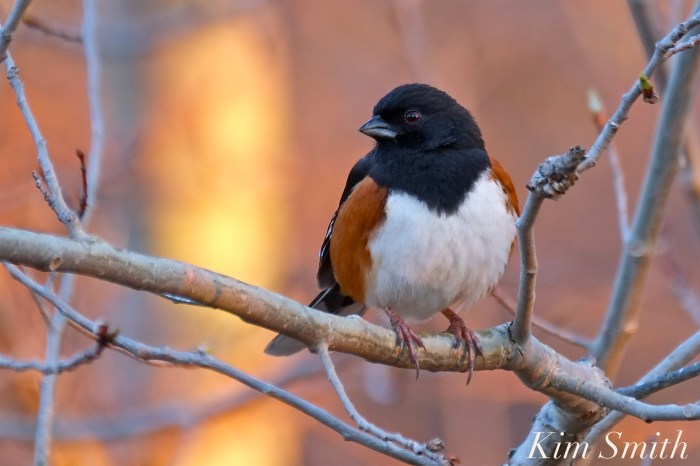
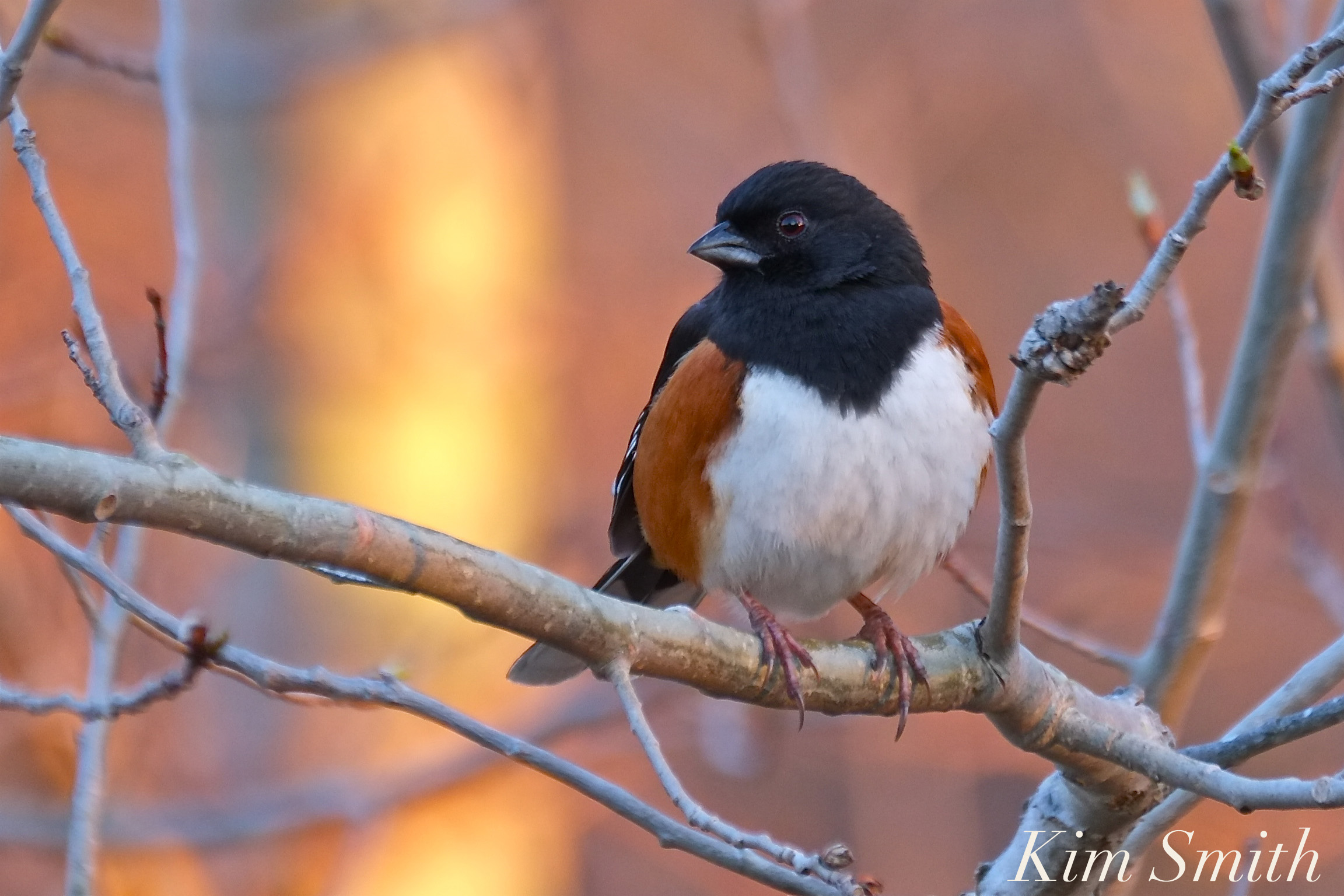
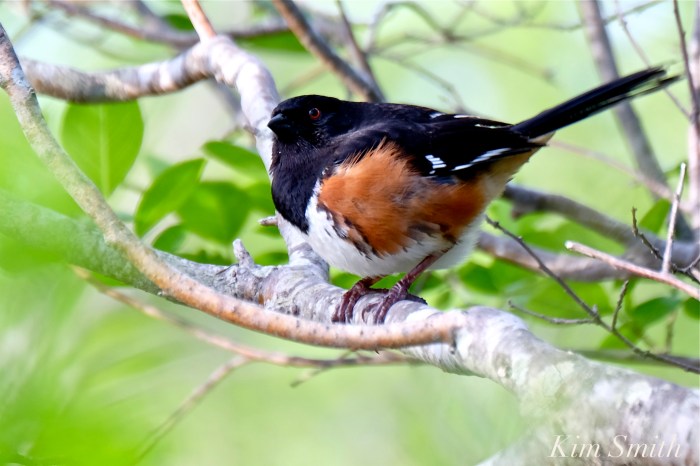
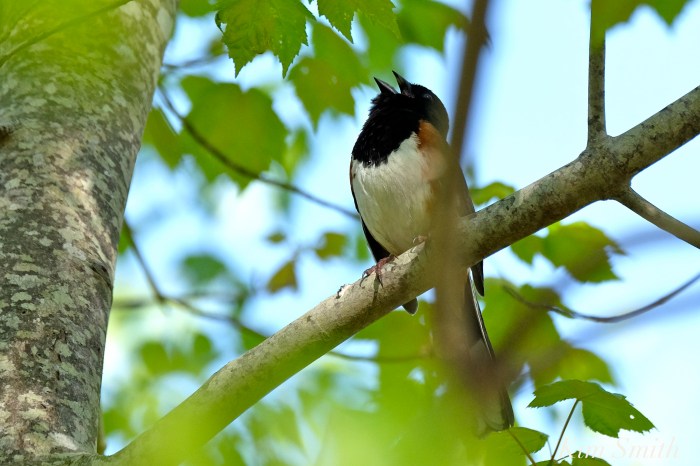
The male Eastern Towhee perches atop branches at daybreak and sings the sweetest ta-weet, ta-weet, while the female rustles about building a nest in the undergrowth. Some live year round in the southern part of the US, and others migrate to Massachusetts and parts further north to nest.
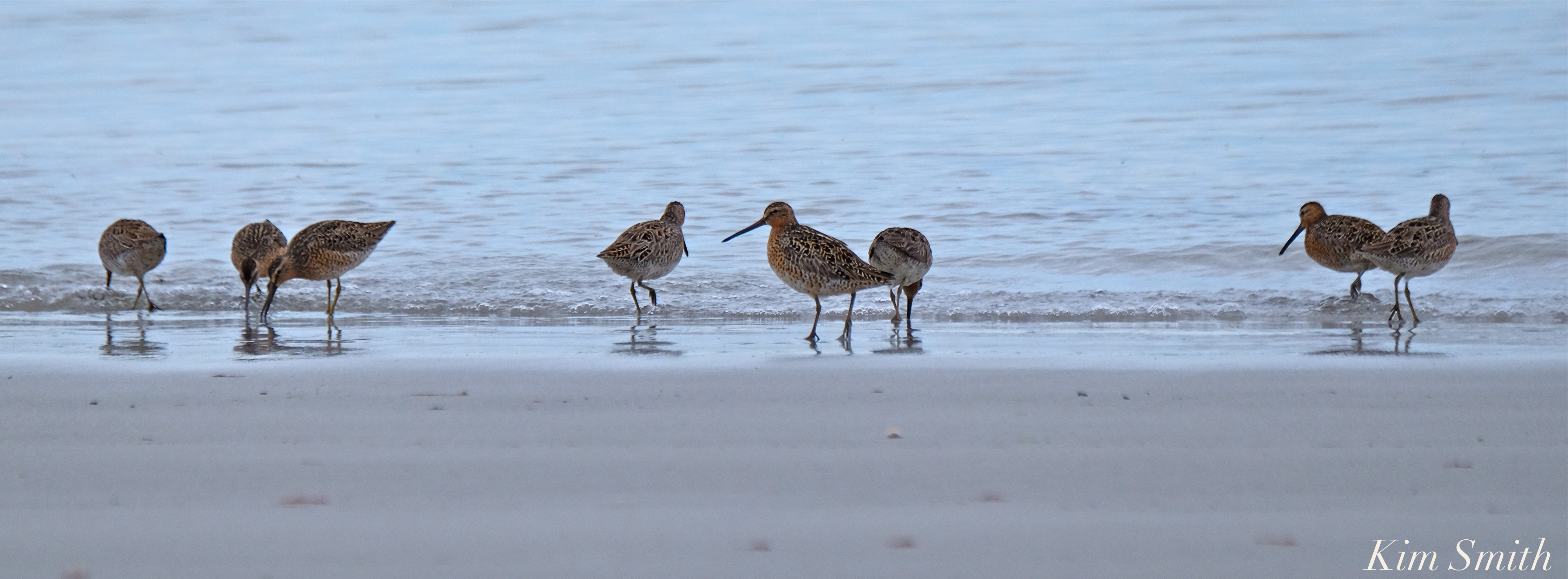
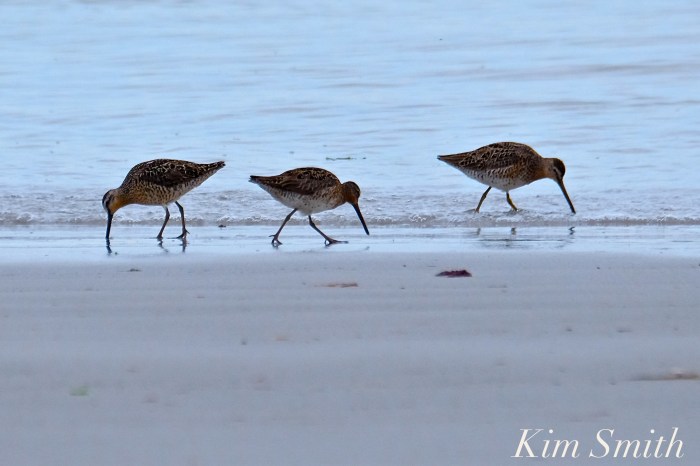
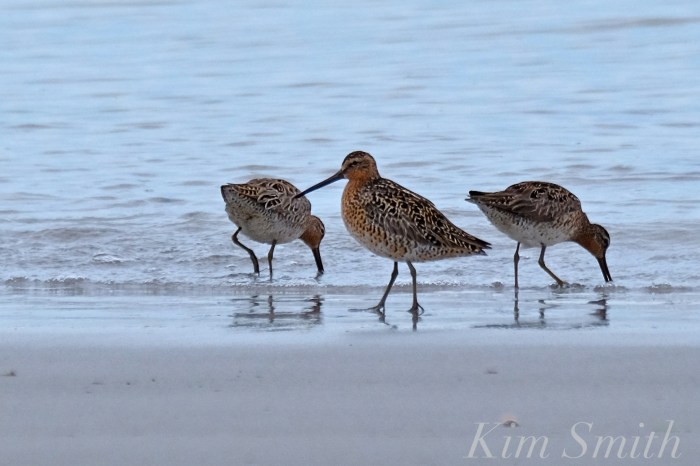
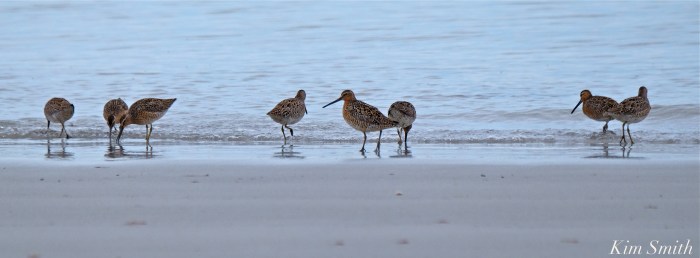 If these are Short-billed Dowitchers, I’d love to see a Long-billed Dowitcher! They are heading to swampy pine forests of high northern latitudes.
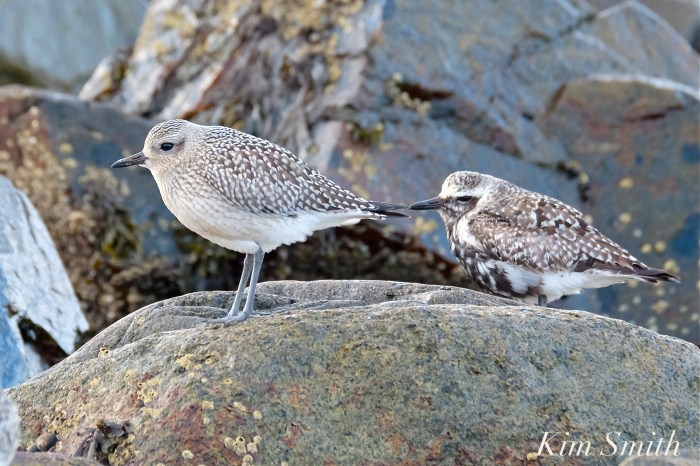
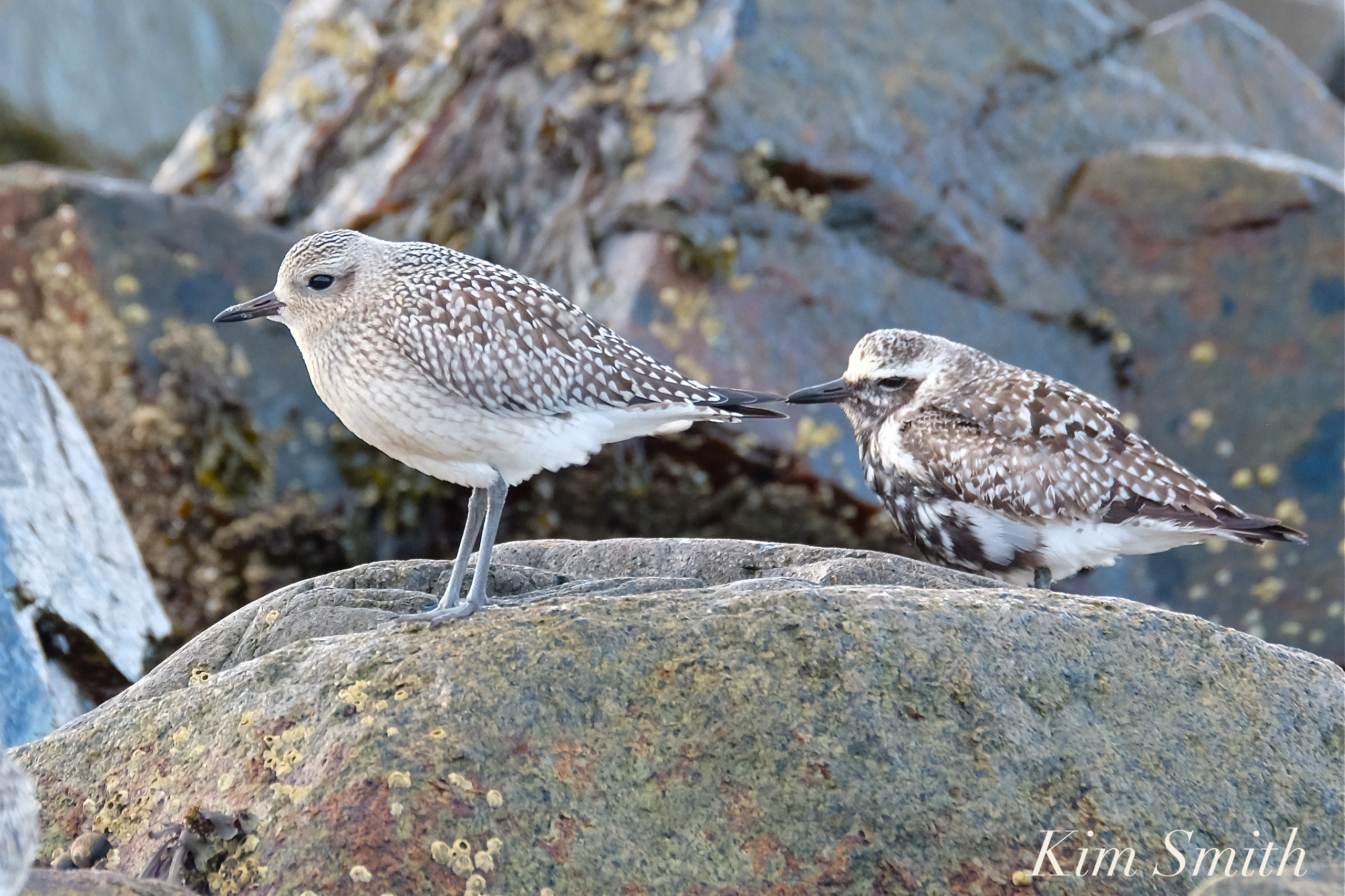
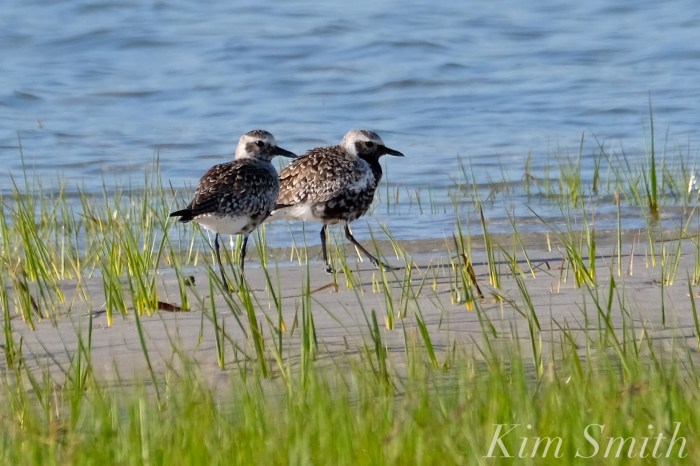
Black-bellied Plovers, much larger relatives of Piping Plovers, look like Plain Janes when we see them in the fall (see above).
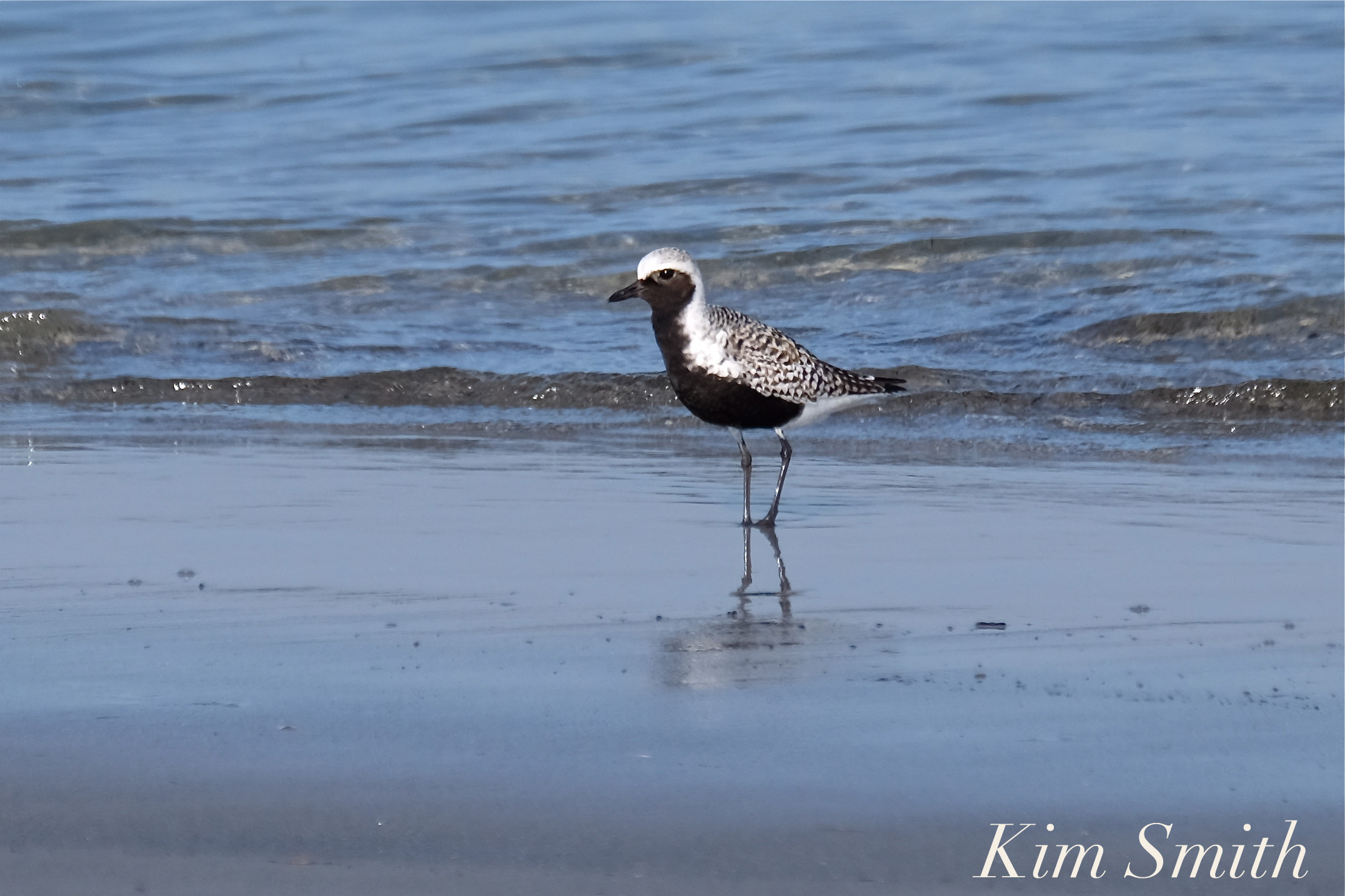
Now look at his handsome crisp black and white breeding plumage; its hard to believe we are looking at the same bird! He is headed to nest in the Arctic tundra in his fancy new suit.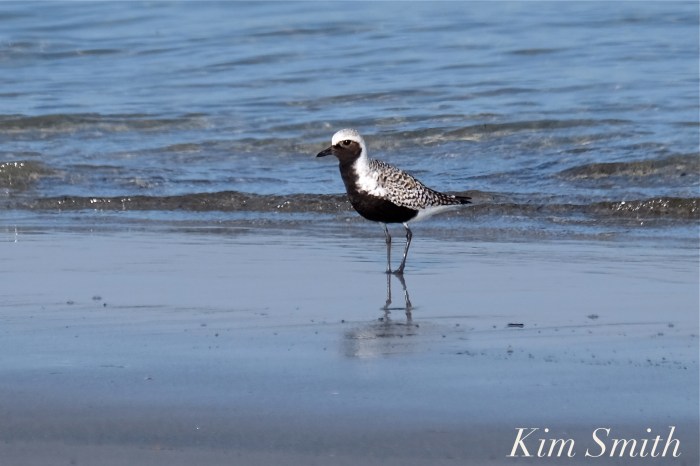
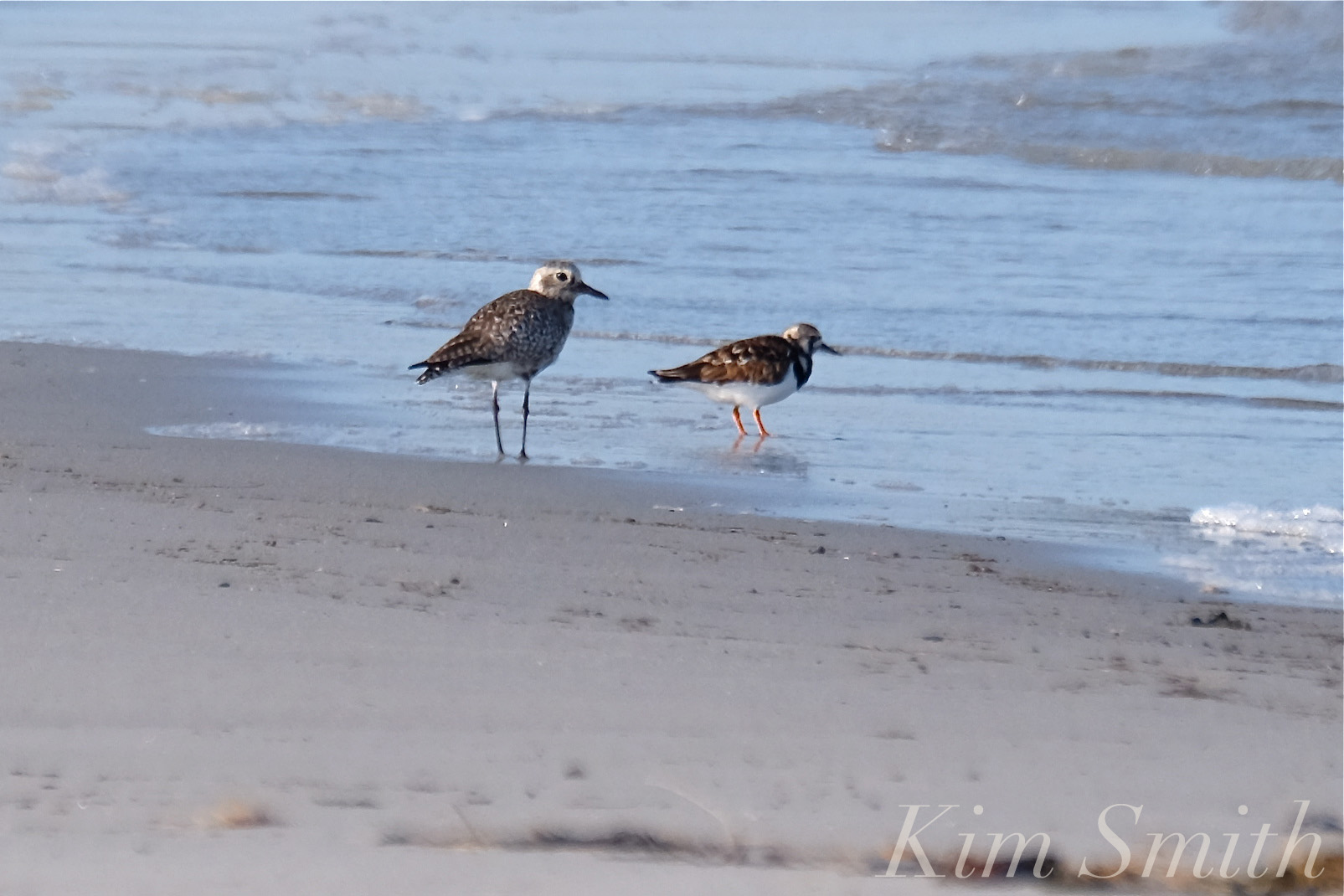
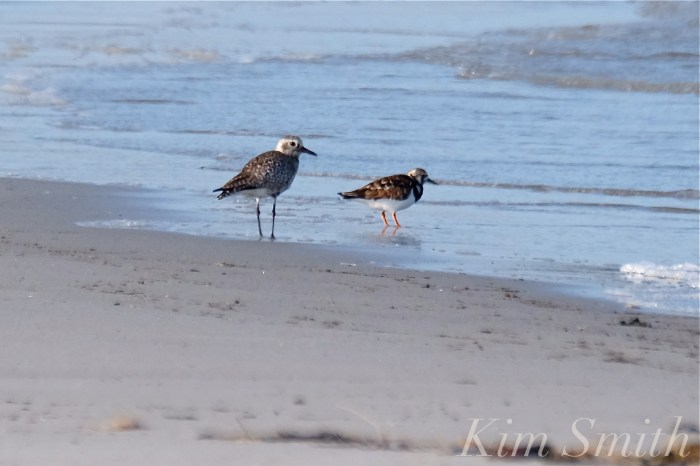 This one is for Joey. Sorry its a crummy photo–they were far in the distance–but it’s a record nonetheless. The bird on the right is his favorite, the calico-colored Ruddy Turnstone. They also nest in the high Arctic.
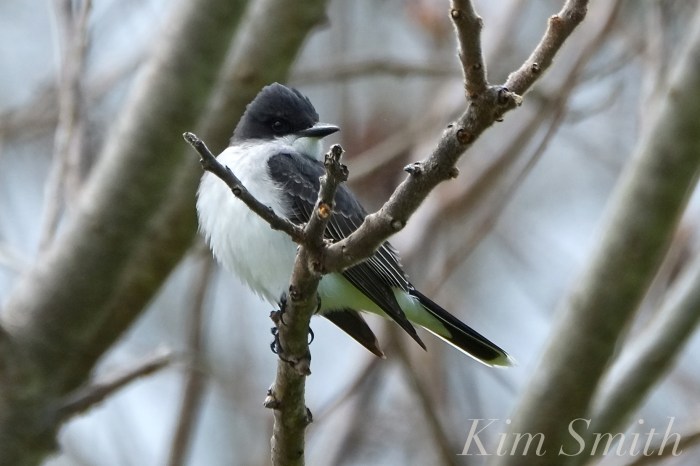
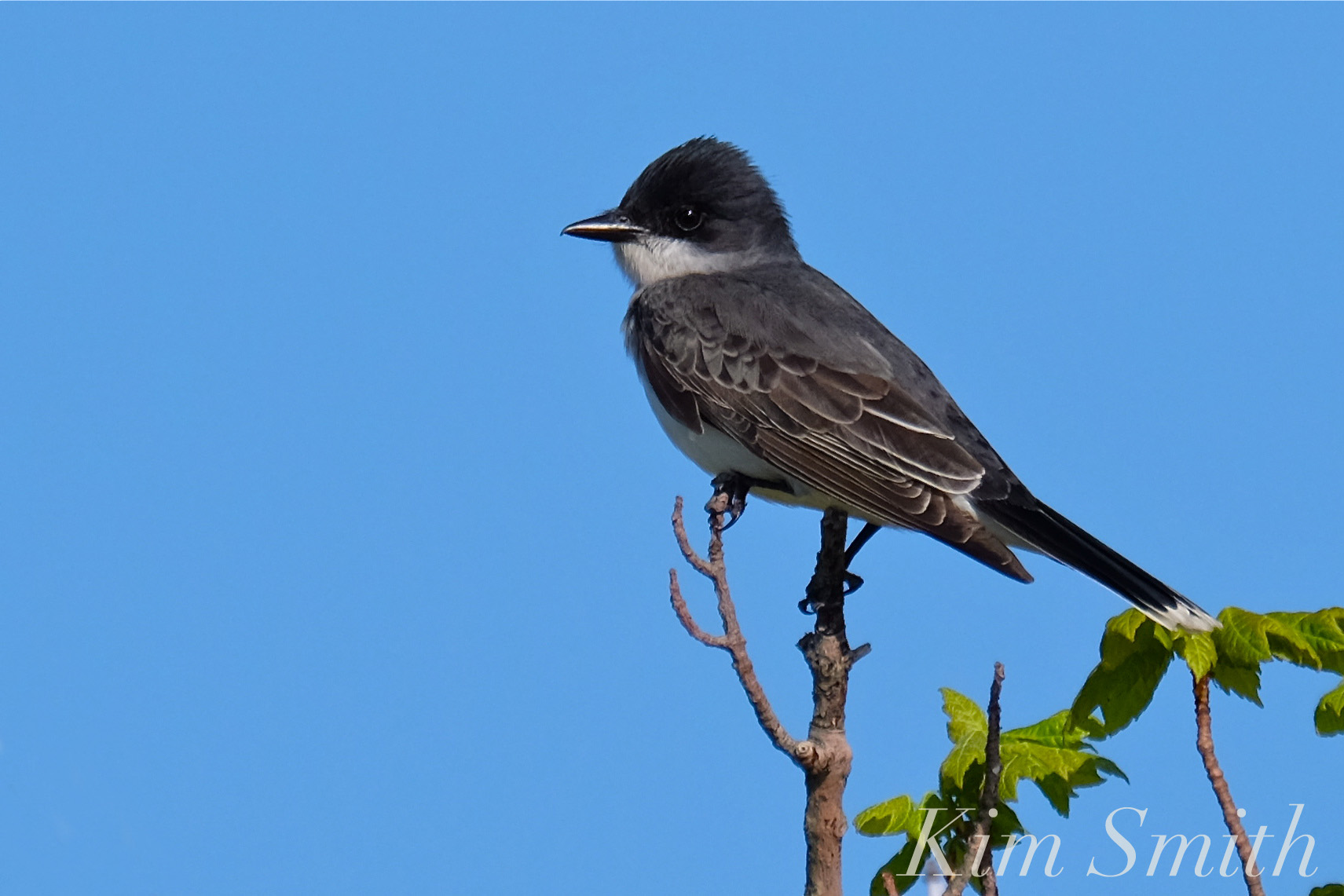
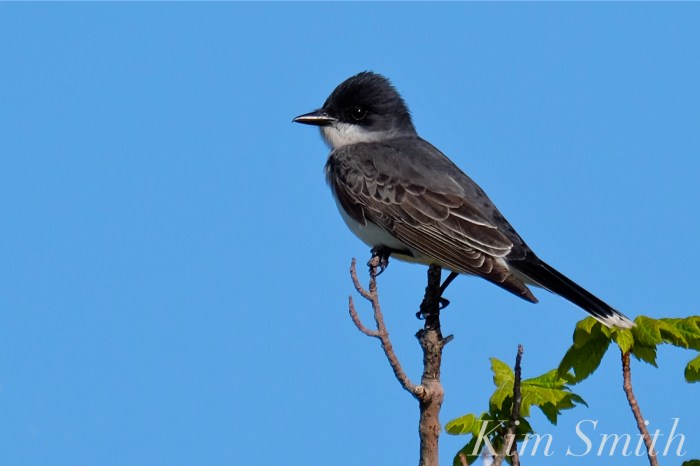 The Eastern Kingbird is a small yet feisty songbird; he’ll chase after much larger raptors and herons that dare to pass through his territory. Kingbirds spend the winter in the South American forests and nest in North America.
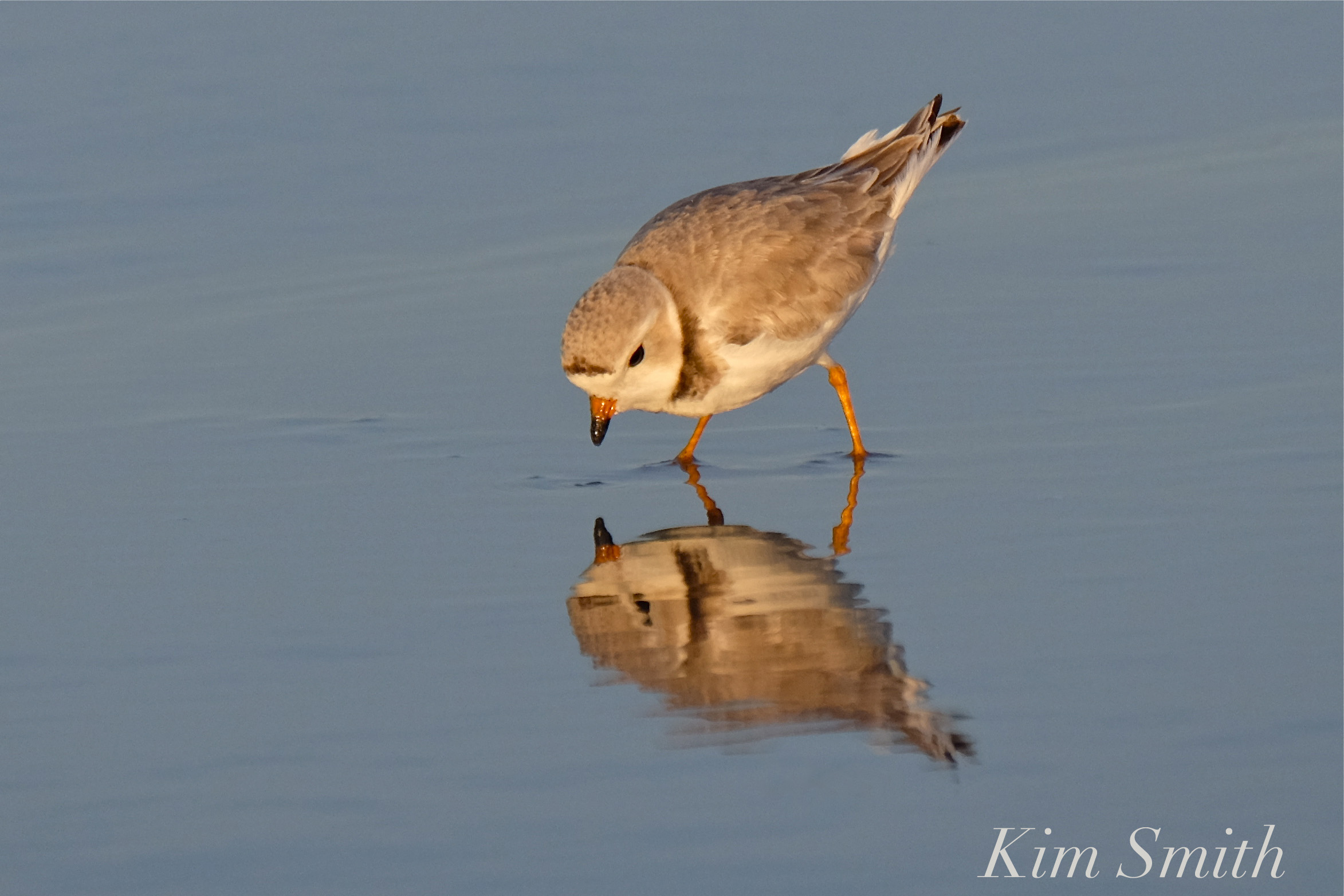
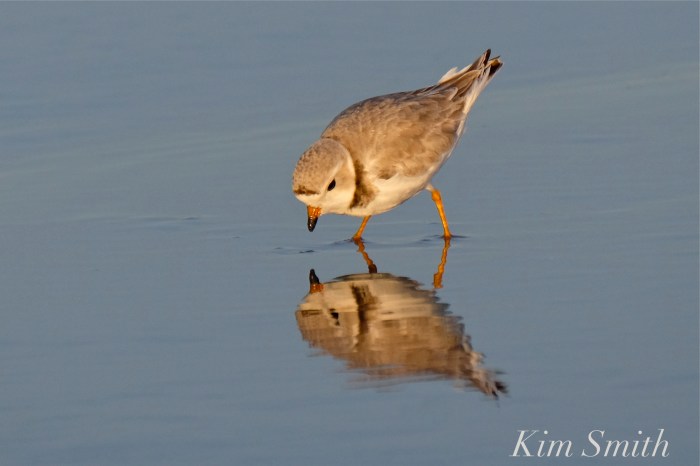 With our record of the state with the greatest Piping Plover recovery rate, no post about the magical Massachusetts May migration would be complete without including these tiniest of shorebirds. Female Piping Plover, Good Harbor Beach.
Spread The GMG Love By Sharing With These Buttons:
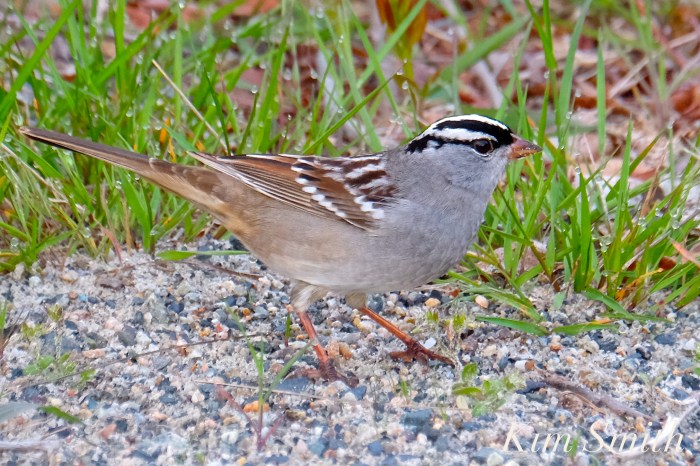
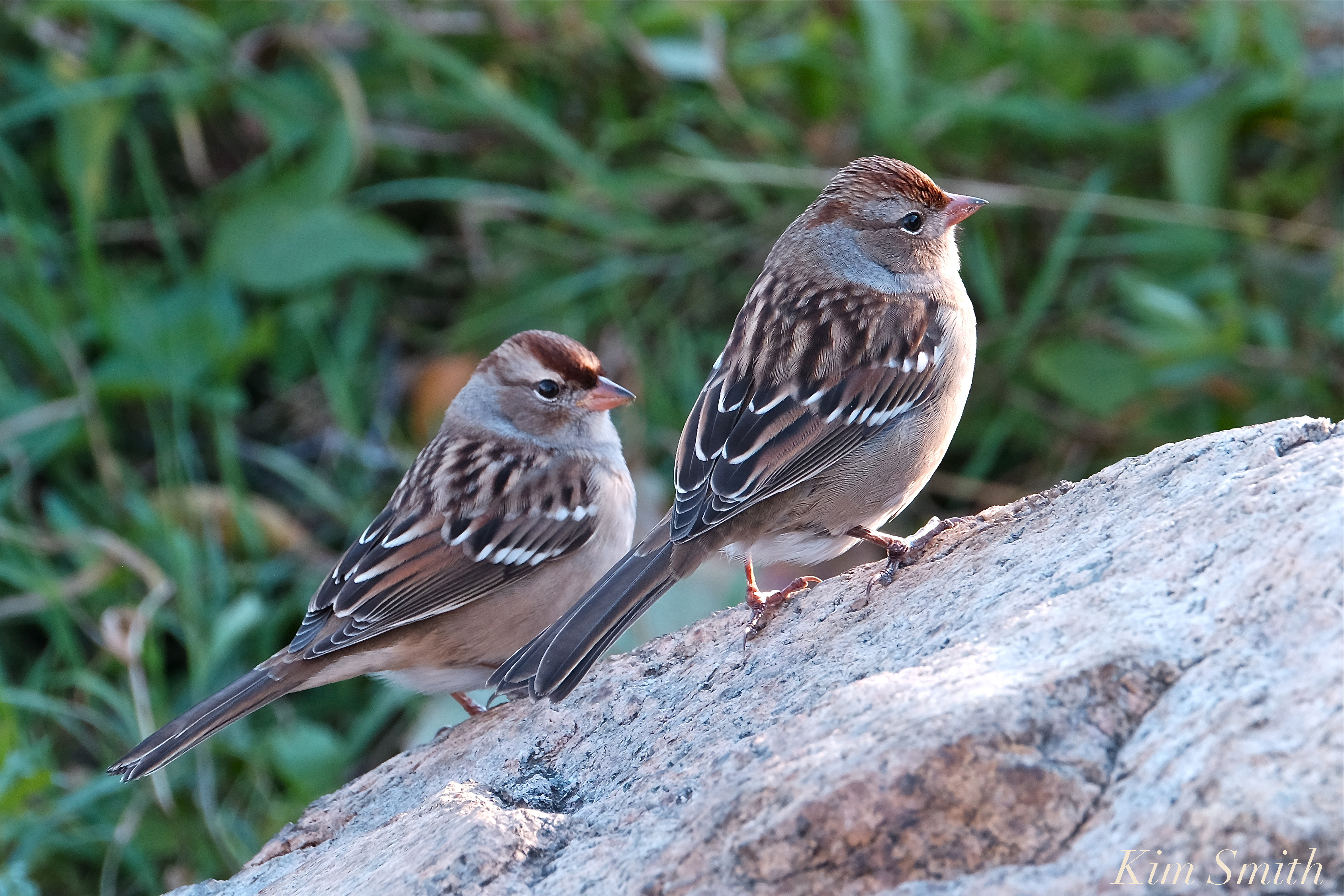 Notice the sparrow’s pointy-shaped head, but where is the white crown on these White-crowned Sparrows you may be wondering? The flock currently migrating on Eastern Point is comprised mostly of sparrows in their first-hatch year. They won’t develop white crowns until next year. White-crowned Sparrows are a relatively large sparrow, with long tails, and a cute little hop they do while foraging.
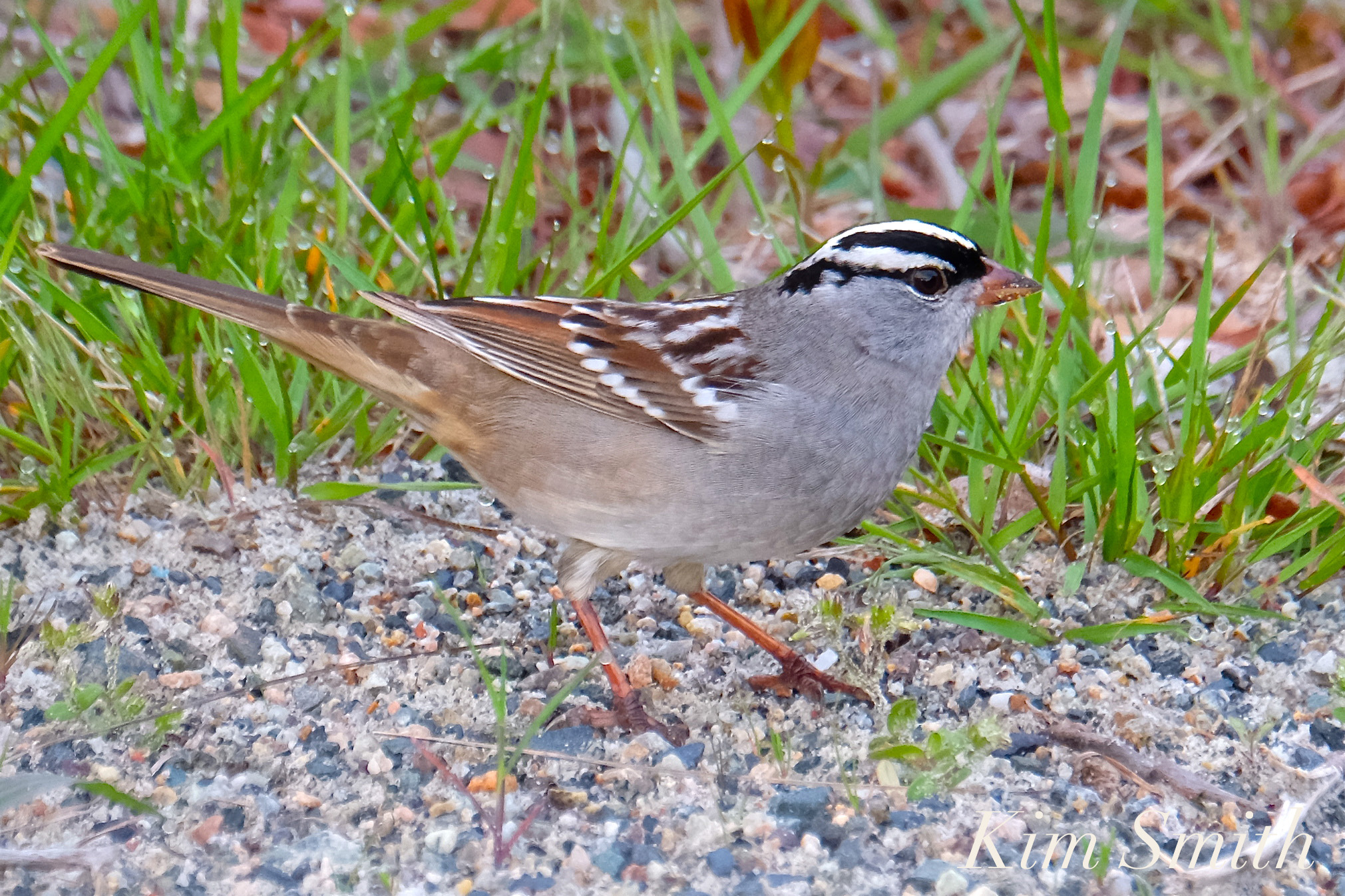 White-crowned Sparrow adult, photographed in Gloucester in May of 2017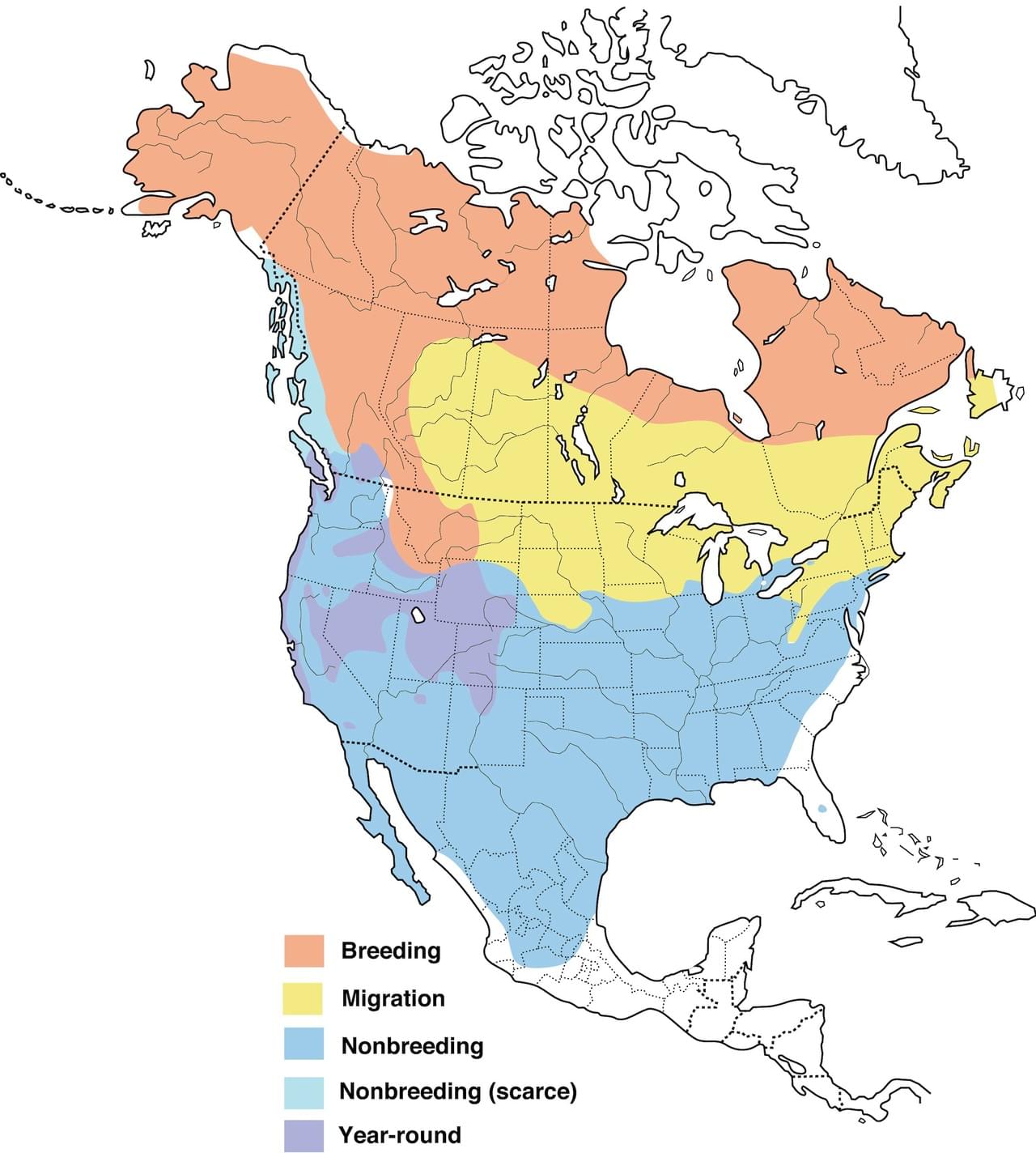


 Good Morning Gloucester