
Time to Get Moving
Unless they are avid skiers or snowboarders, most New Englanders tend to go into hibernation mode during the cold winter months. This generally means eating more and exercising less, both of which lead to unwanted weight gain.
Spring is sneaking up on us quickly. Before you know it, the days will be longer and the weather much warmer. As the ice thaws and snow melts, you may feel the urge to lace up your sneakers and get outside more often. One great way to shed winter weight is by consistently walking or jogging.
While regular cardiovascular exercise has many benefits, a sudden increase in activity level puts your body at risk for injuries. One way to prevent injury is by stretching the major muscle groups in your legs before and after activity. Doing the following stretches consistently will allow you to stay active, remain injury-free, and enjoy the beautiful weather that will be upon us in the upcoming months. Here are a few of our favorite stretches that you may want to try.
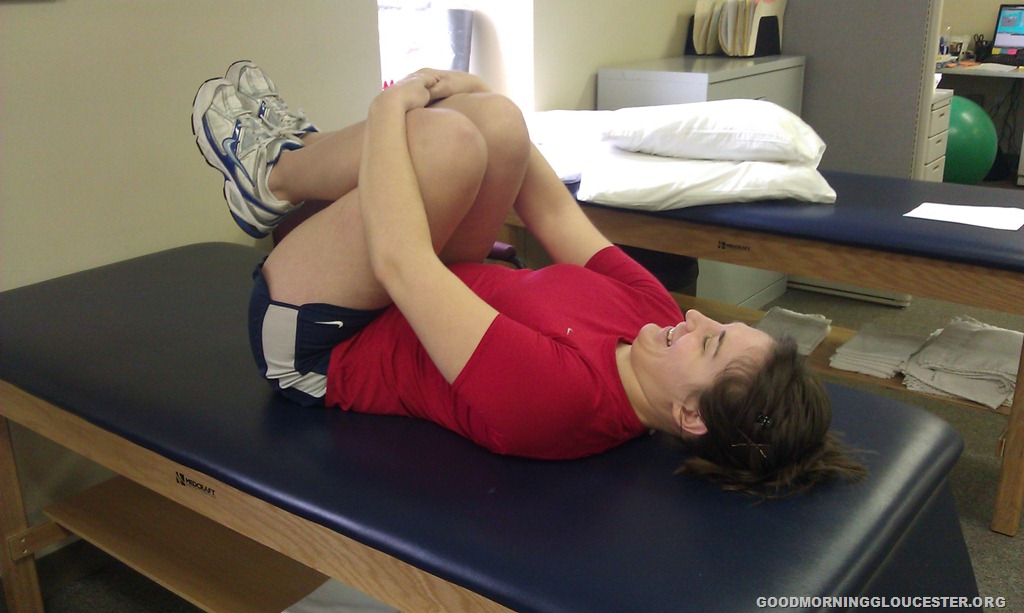
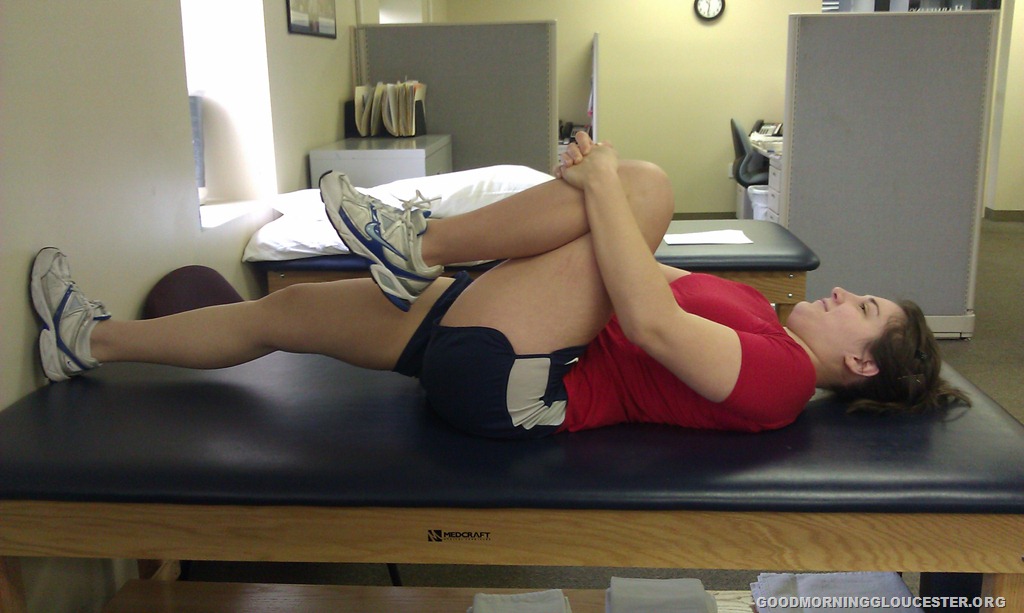
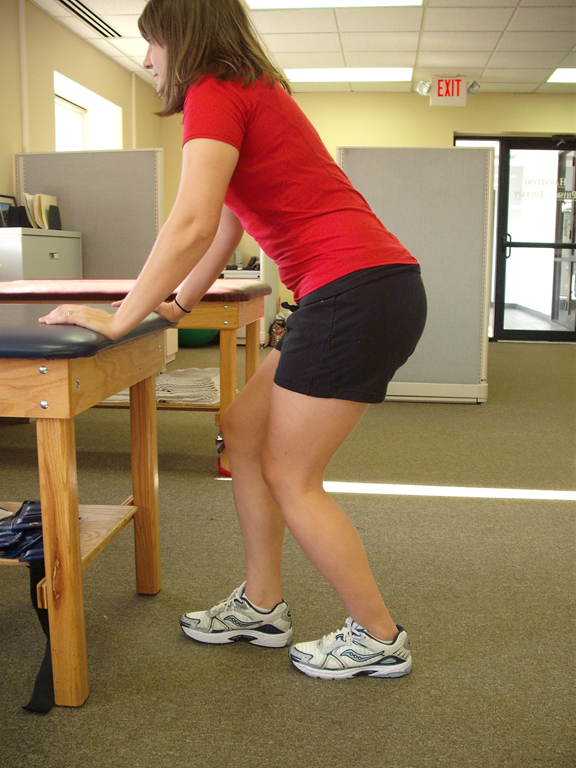
Calf stretch

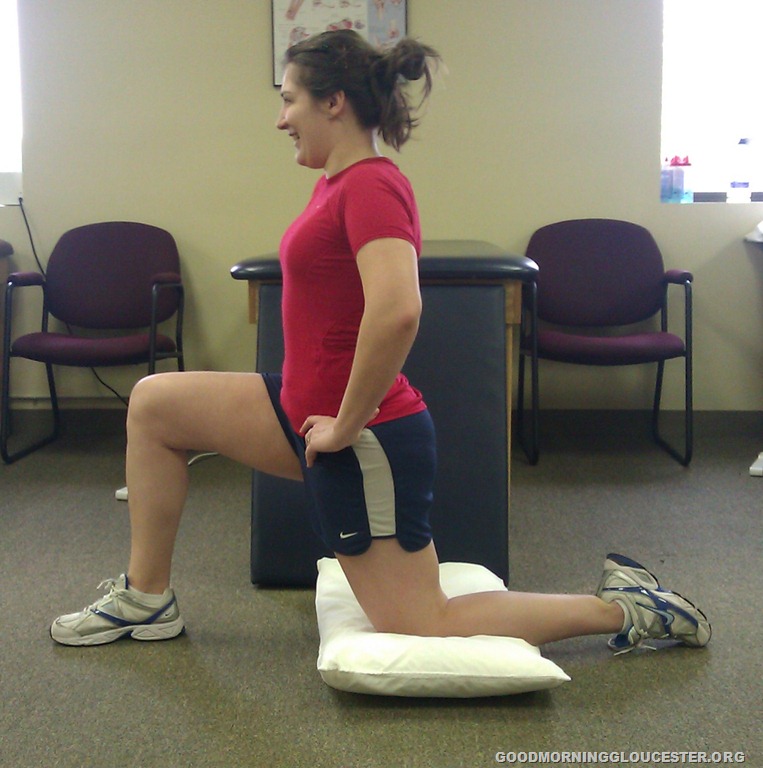
Quad stretch

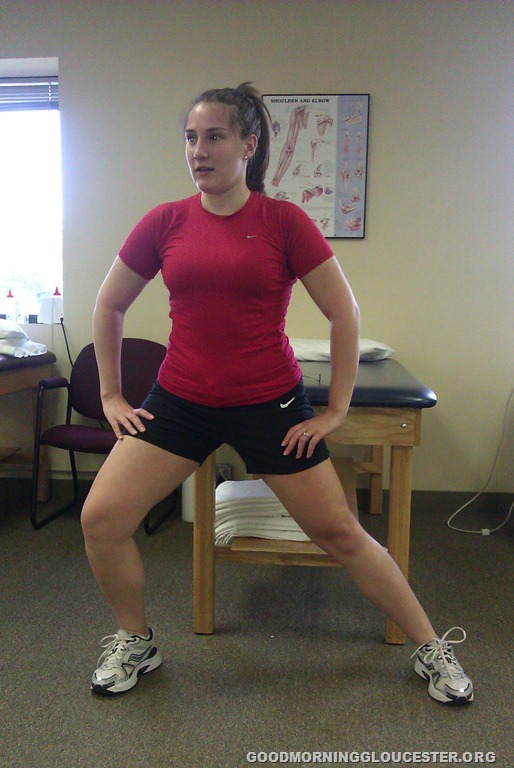
Hamstring stretch
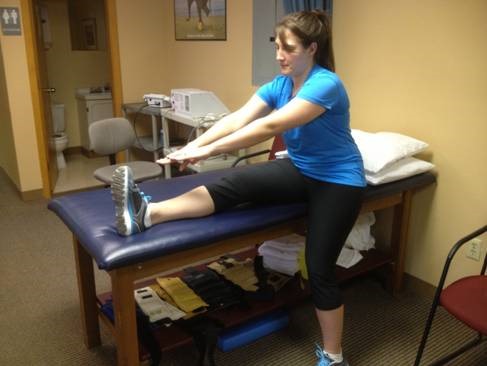
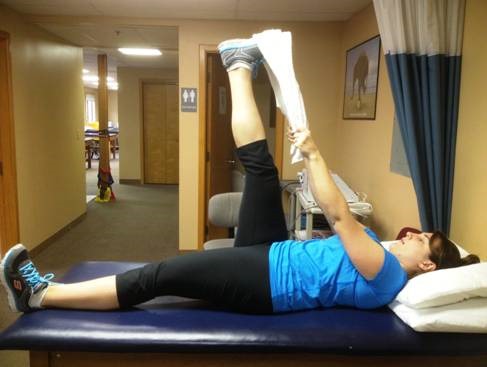
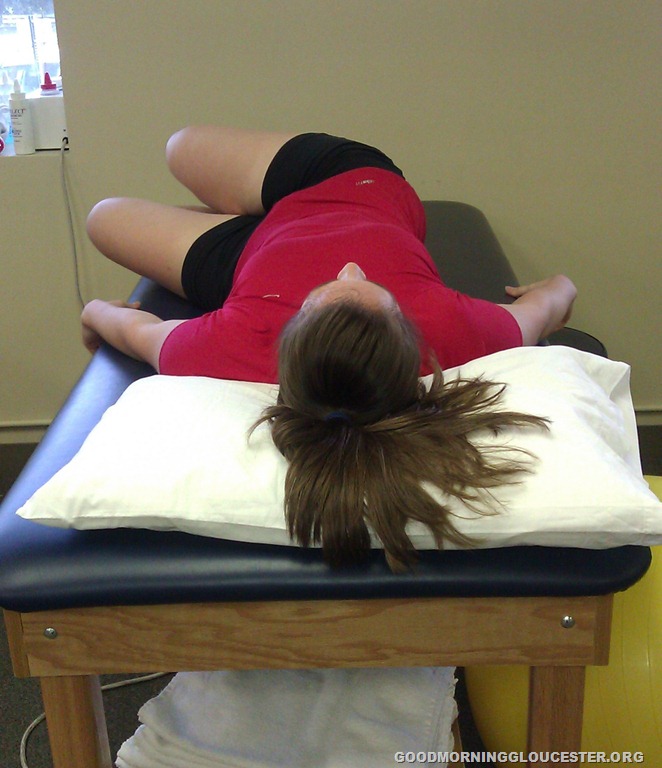
Hip flexor Stretch

Try holding each stretch approximately 20 seconds, for 3-4 repetitions on each leg. Maintain each position, without bouncing, until you feel a moderate but comfortable pulling in your muscles. If you have any previous medical issues that may prevent you from doing these exercises, consult your physician prior to beginning.
One other thing to consider as you get more active is trying to exercise within your target heart rate. Doing so will maximize the health benefits that you will receive through exercise.
Heart rate is measured in beats per minute (bpm). One way to monitor your heart rate is using the old-fashioned manual method by which you take your pulse rate by feeling the artery in your wrist. There are also different heart rate monitors that you can purchase. These can make it easier to ensure that you are staying within your target heart rate.
To determine your individual target heart rate for exercise, use the following formula:
1. Subtract your age from 220. Then, multiply by 50%.
(220 – your age) x 0.50
2. Subtract your age from 220. Then, multiply by 85%.
(220 – your age) x 0.85
Your target heart rate should remain between these two numbers.
For instance, if you are 40 years old
1. 220 – 40 = 180
180 x 0.50 = 90 bpm
2. 220 – 40 = 180
180 x 0.85 = 153 bpm
Your target heart rate for exercise should stay between 90 and 153 beats per minute.
Once again, always consult your physician if you have any previous medical history that may limit your ability to exercise at this level.
Questions? Email us at info@harmelingpt.com
Harmeling Physical Therapy is located at 8 Blackburn Center in Gloucester.
Phone # (978)-283-0888
Check out our website at www.harmelingpt.com






 Good Morning Gloucester