SNOWY OWLS IN MASSACHUSETTS IN AUGUST!?!

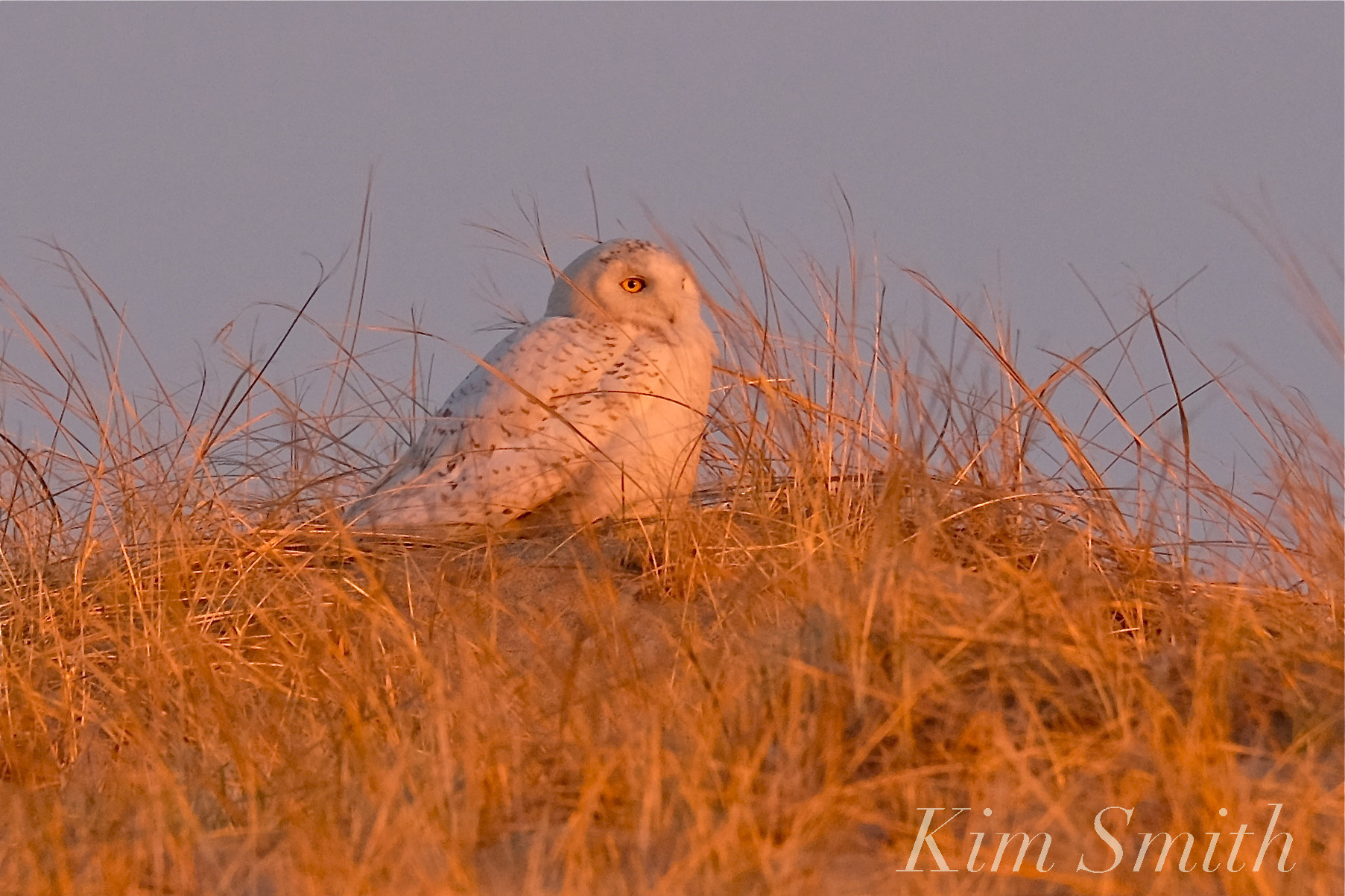
The Snowy Owl Project shares that not one, not two, not three, but four Snowy Owls remain in our area! This is highly unusual for August because most Snowies have left Massachusetts by May.

They are finding finding plenty to eat. The owls are being closely monitored and thus far have no health issues. This is the time of year that Snowy Owls molt, so if you see one, it may be brown and missing some feathers.
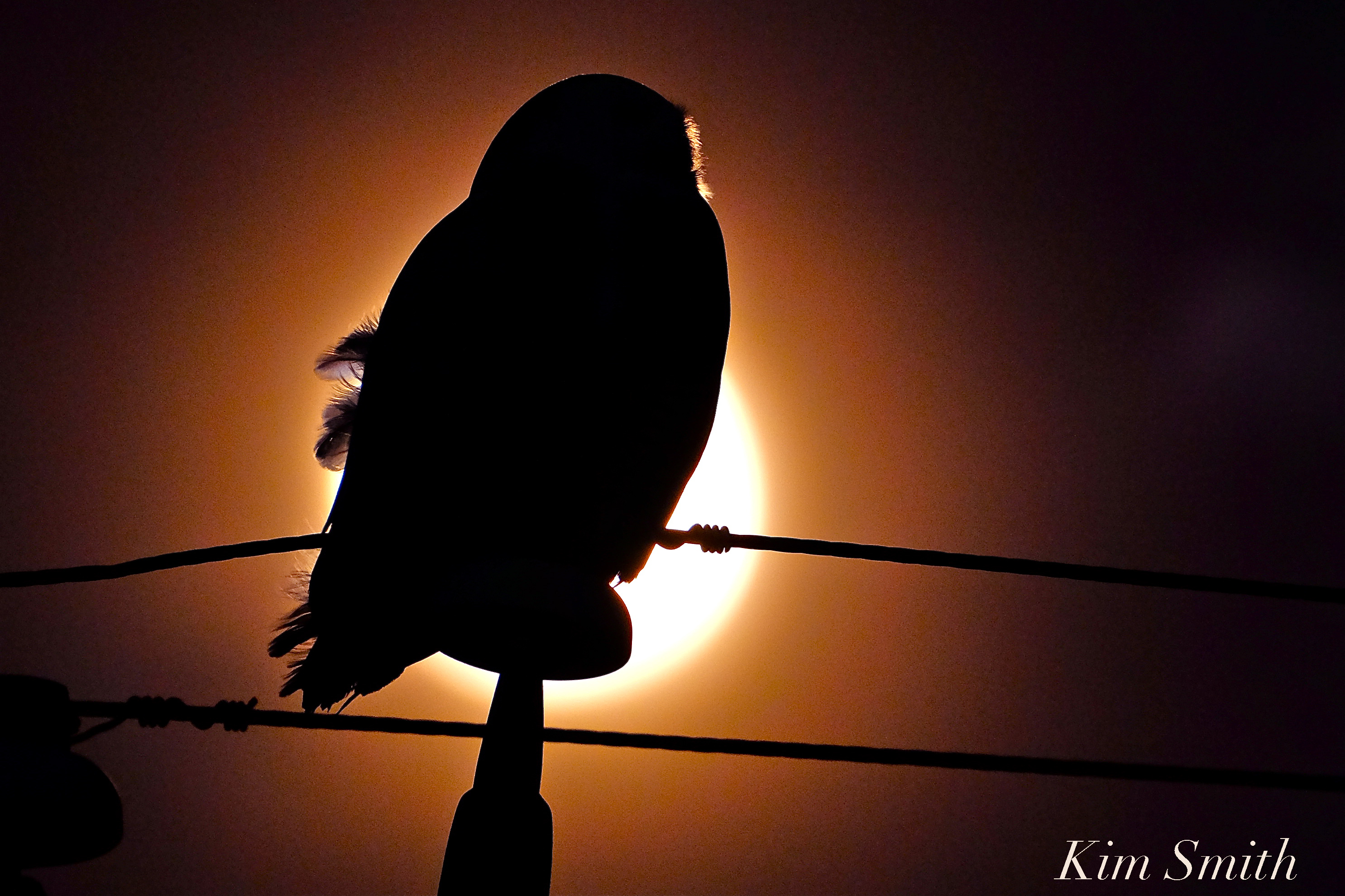
Hedwig in the moonlight

Tragically, a Snowy Owl was recently rescued at Logan Airport and was taken to Tufts, where it died of rodenticide poison. That brings this year’s total to eight that have been killed by rat poison. Imagine if in every region, this many were killed annually by rat poison. It’s no wonder the species is struggling, despite occasional irruptive years.TOXIC LUNCH!
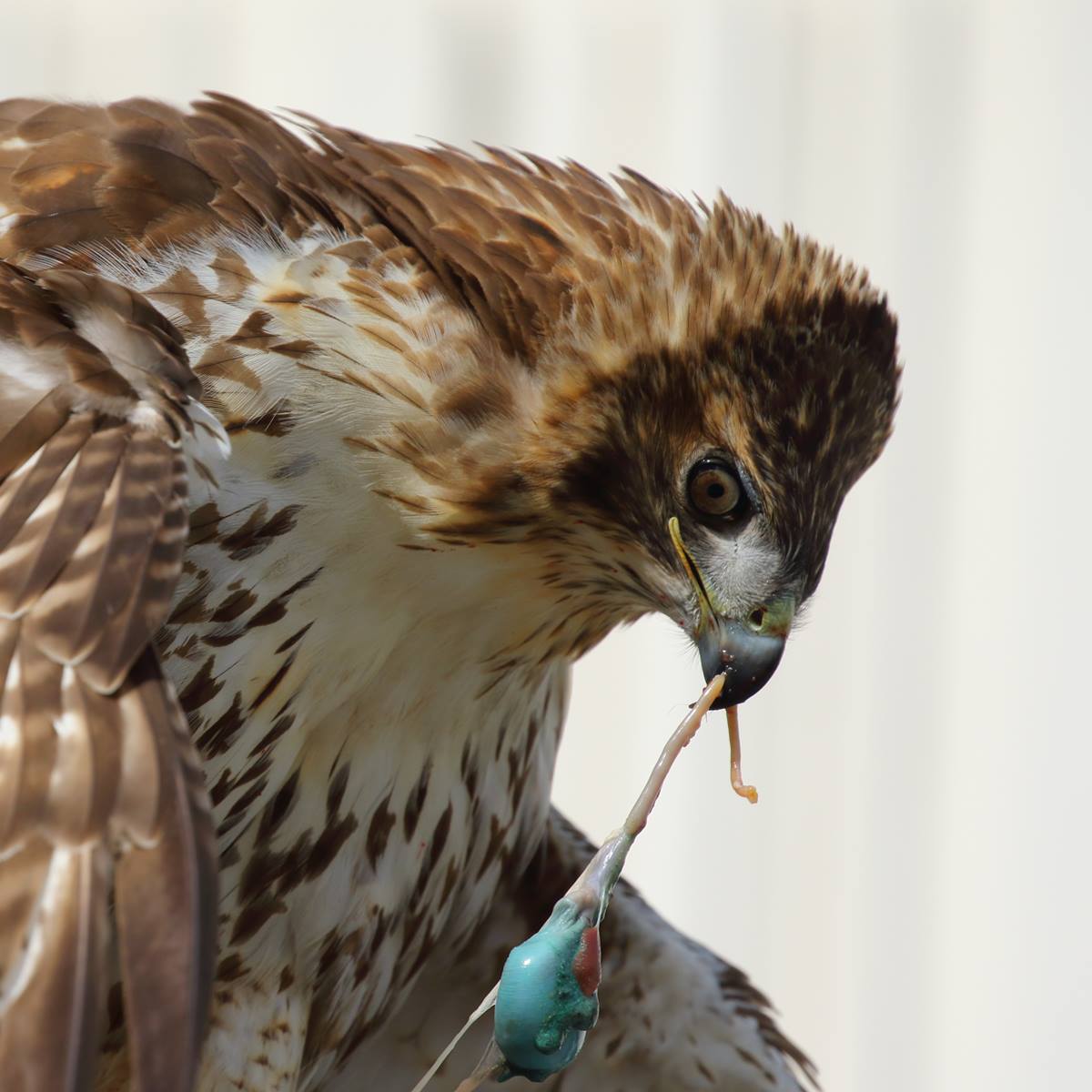
Photo Dan Vickers

Oregon Coast National Wildlife Refuge shares the following:

Do you have unwanted mice and rats around your home? Do you also have birds of prey and beloved pets using that same area? If you do, consider the potential deadly consequences of using toxic rodenticides on more than just the rodents.

Dan Vickers snapped this photograph of a Red-tailed Hawk eating a poisoned rat. The blue color you see in the gut of the rat is a fat-soluble dye used in anticoagulant rodenticides. Unfortunately, it is not uncommon for rat poisons to accumulate in the food web. Once this hawk consumes the poison, it too can die.

Please help minimize wildlife exposure to pesticides and consider the collateral damage and danger for other mammals, birds of prey, domestic pets, and humans.

Follow this link for more information and safer rodenticide alternatives:

Poisons Used to Kill Rodents Have Safer Alternatives

A second generation of ultra-potent rodenticides creates a first-class crisis for people, pets, and wildlife.


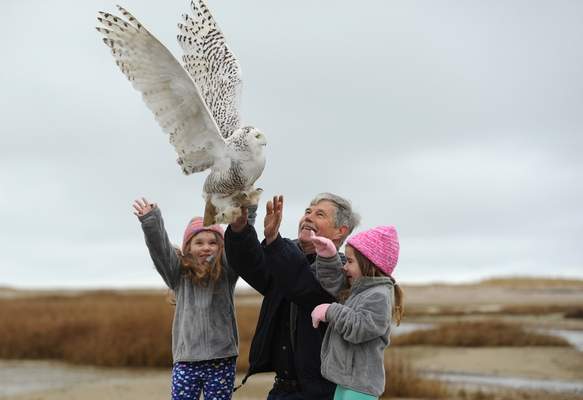
SNOWY OWL RELEASED AT SANDY NECK BEACH!

PH-123009997-2 Norman Smith, Director of Mass Audubon’s Blue Hills Trailside Museum in Milton, has been relocating snowy owls from Logan Airport for 35 years. He does this for the safety of both the owls and planes that use the airspace.

On Wednesday, December 30, Smith brought an adult female snowy owl he had safely removed at Logan to Sandy Neck Beach in Barnstable and released it back into the wild. This owl was one of 15 Smith has removed from the airport this year. Before she was released, Smith attached a a new G3 solar transmitter, which will track her movements. The transmitter was provided by Project SNOWstorm, who collaborates with Trailside’s snowy owl research.

The Cape Cod Times was there to capture the release on video. Read more about Norman Smith and the Snowy Owl Project here. From the Mass Audubon website.

SEE VIDEO HERE

PH-123009997-1PHOTOS: Merrily Cassidy/Cape Cod Times

THE SNOWY OWL PROJECT

https://www.instagram.com/p/_75p2Ejyl8/

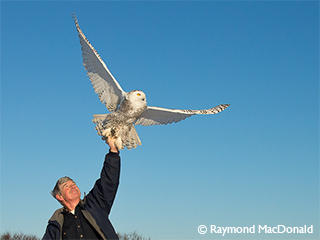
With all the wonderful recent Snowy Owl sightings in Gloucester, I have been reading much about the Snowies and in doing so came upon this great project being conducted by Norman Smith, Director of Mass Audubon’s Blue Hills Trailside Museum. Since 1981, Smith has been studying the Snowy Owls and as part of his research, he attaches bands and transmitters to the owls at Logan Airport, and then tracks their travels.

norman-smith-with-snowy-owl-lifting-off-c-raymond-mcdonald_large_landscape

From the Mass Audubon website:

Snowy Owls and Airports

As snowy owls migrate north and south, they look for stopping places that resemble their home, the Arctic tundra. To them, the land around Logan Airport fits the bill. It’s low and flat, with short scruffy plants and grasses, and there’s an abundance of small mammals and birds to eat.

Logan airport has the largest known concentration of snowy owls in the Northeast. The birds usually show up at the airport in early November; the earliest date recorded is October 22. They leave in early April; the latest date recorded is July 7.

The airport owls help by scaring away other birds that might endanger aircraft. Unfortunately, they are large enough to pose a threat themselves. To protect both birds and jets, Smith safely captures and relocates snowy owls each year.

Tracking Snowy Owls

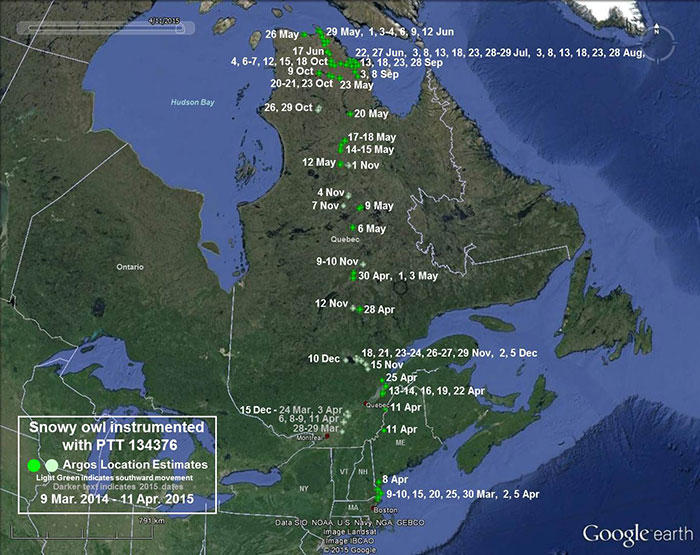
Since 1997, Smith has attached tiny transmitters to the healthiest owls he relocates. These transmitters send data such as location, temperature, and altitude, enabling researchers to learn more about:

  • Snowy owl migration routes
  • The rate at which they travel
  • If and where they stop along the way
  • Where they spend the breeding season
  • Where they spend the winter

The transmitter batteries last 1-3 years, and the transmitter harnesses fall off once the batteries have worn out. Researchers have worked hard to determine the best size, weight, positioning, and attachment of the transmitters so that they don’t impact the behavior and health of the birds.

This project is a partnership with the US Geological Survey (USGS) and Boise State University (BSU).

Note: This work is performed with special permits. The public is not allowed to enter restricted airport property, or to capture any kind of owl or other raptor.

Migration movement of owl #134376 March 9, 2014- April 11, 2015.

owl-134376-movements-march-9-2014-april-11-2015_imagefull

More from Mass Audubon

Link to more very cool Snowy Owl migration maps.

Tips for Viewing Snowy Owls

About Snowy Owls